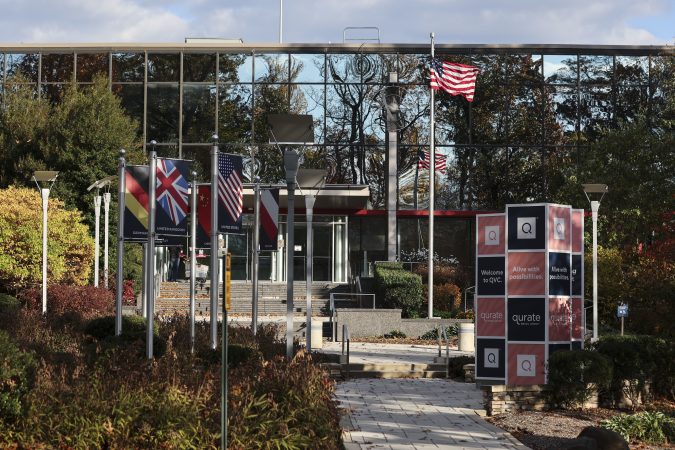
A supermajority of the network’s 32 on-air hosts presented a petition to company management last week, announcing their desire to unionize and asking for voluntary recognition of the union, according to a statement from SAG-AFTRA, which the hosts intend to join.
QVC management is reviewing the petition, spokesperson Matthew Goldstein said in a statement: “We respect the legal rights of all team members and are committed to following the appropriate process thoughtfully and responsibly.”
On Tuesday, SAG-AFTRA — which represents 160,000 media professionals nationwide — filed an election petition with the National Labor Relations Board (NLRB) on the QVC hosts’ behalf, according to the federal agency’s website. If the employer does not voluntarily recognize the union, the petition can trigger an NLRB election and lead to a union’s formal certification.
The hosts are taking steps to unionize as company higher-ups try to expedite the bankruptcy process, with the hope of emerging this summer.
QVC pioneered home shopping 40 years ago and developed a loyal following of fans, mostly women, who bought clothes, home goods, kitchen appliances, tech products, and other wares at all hours.
From its West Chester studios, the network and its smaller counterpart, HSN, still broadcast live, and customers can still call in to order merchandise. But the company has also expanded into online, social-media, and livestream shopping — with mixed results. They are up against stiff competition from the likes of Amazon and other ecommerce giants.
The QVC hosts, meanwhile, have other issues on their mind: They are concerned about artificial intelligence, and don’t want QVC using AI to imitate their image, voice, and likeness without consent or compensation, according to SAG-AFTRA, citing the hosts’ petition.
The national union said the hosts are also calling for stronger job security in the face of AI, clearer paths for career advancement, greater say in company decisions, more equitable pay, and transparency around compensation.
“We believe we should have meaningful input into our role in the network’s future, and that this is best accomplished through a formal collective-bargaining process,” the hosts wrote in the petition, according to SAG-AFTRA.
SAG-AFTRA officials said they encouraged QVC management to voluntarily recognize the union and “avoid a costly NLRB process.”
SAG-AFTRAnational executive director and chief negotiator Duncan Crabtree-Ireland said in a statement that he applauded the QVC hosts’ “decision to stand together and seek a collective voice.”
“These workers are at the heart of QVC’s success, connecting with audiences through creativity, authenticity, and innovation every day,” Crabtree-Ireland said.
Goldstein, the company spokesperson, said the network’s hosts are “deeply valued team members and an important part of what makes QVC special.”
On a warm weekend earlier this month, dozens of shoppers, some of them dressed in Regency-inspired apparel, milled about the city of Bordentown, in Burlington County.
Those donning bonnets and hand fans weren’t time travelers or lost actors — they were there to celebrate the opening of a new bookshop with plenty of historic flair of its own.
Inspired by the works of renowned 18th- and 19th-century novelist Jane Austen, Austen’s Shelf penned a new chapter June 6 with the opening of its storefront at 230 Farnsworth Ave. The bookshop, which held a period-inspired costume contest for the occasion, is part of a growing surge of independent bookstores nationwide.
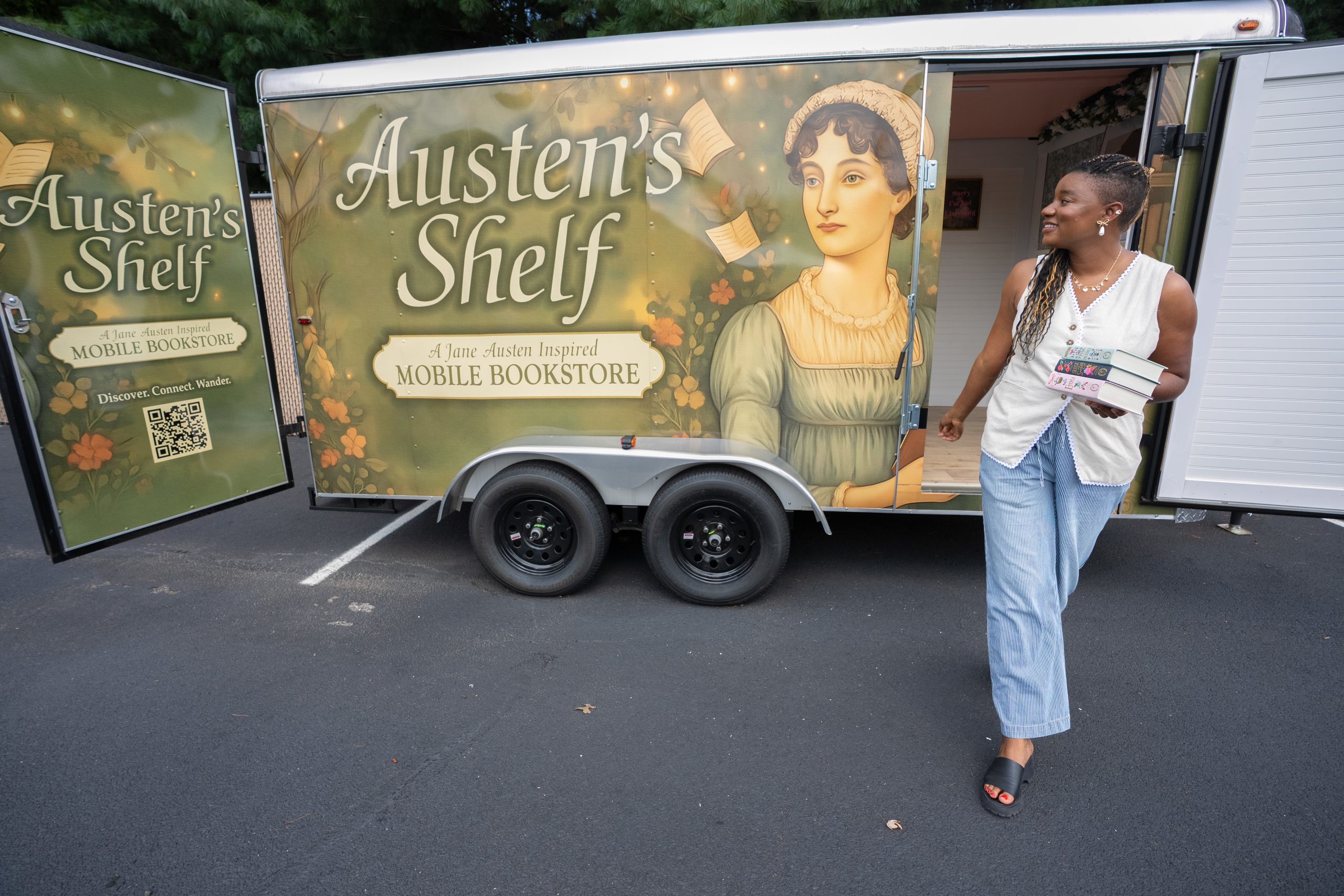
Austen’s Shelf launched last year as a mobile bookstore in a 98-square-foot trailer.Jessica Griffin / Staff Photographer
Austen’s Shelf launched last year as a 98-square-foot mobile bookstore that popped up at festivals and events, many of them in South Jersey. It was born out of founder Charity Herndon’s desire to fulfill a lifelong dream of owning a bookstore, something she decided to pursue after facing a breast cancer scare.
While she ultimately didn’t end up with a diagnosis, the experience changed how the now-30-year-old looked at life.
“I feel like a completely different person than I was before the health scare,” she said. “After you get over that mountain, it’s kind of like, all systems go.”
For Herndon, it was. Within months of her mobile shop’s September opening, she began to contemplate a more permanent space, seeing a desire from customers to “sit and linger.” With long lines forming at pop-ups, she felt like the shop had become as much about buying a book as it was a place for people to connect.
That was further stoked after a dreary winter and one particularly busy January pop-up at Turtle Beans Coffee in Bordentown. During that event, she said visitors told Herndon “we need a bookstore like this in town.”
While there’s already an independent bookstore there, Old Book Shop of Bordentown specializes in general used, out-of-print, and antiquarian books. Coincidentally, Jane Austen is the 21-year-old shop’s second-best selling author, owner Doug Palmieri said.
Given the two don’t have significant crossover in their business models, he welcomes having another bookshop nearby. Like antique stores, “the more there are in one area, the better for business,” he said, adding that he got a boost during Austen’s Shelf’s opening weekend, which coincided with the New Jersey book crawl and another store’s opening.
Independent bookstores like Austen’s Shelf are on the rise nationally. According to the American Booksellers Association, 605 new bookstore businesses opened in 2025, an 87% increase from 2024.
They’ve proliferated in the Philadelphia suburbs in recent months. Chapter Two Books opened in Wynnewood in May, Forage Books debuted in Kennett Square in February, and two bookstores, Celia Bookshop and Dirt Farm Books, opened in Swarthmore in October and January, respectively. The latter specializes in used and rare books.
Books aren’t the only media form making a resurgence. A Passyunk Square resident is on the hunt for a place to set up Little Movie Store, a video rental shop in the vein of Blockbuster.
Palmieri — a 20-year member, current secretary, and past president of the Downtown Bordentown Association, which promotes and supports local businesses — attributes the growth of indie bookshops partly to an uptick in younger readers, primarily those in their 20s and 30s.
“They like the touch and feel of books,” he said. “They like to have the books in their hands.”
DBA treasurer and past president CJ Mugavero, who owns Artful Deposit, sees the rise in retail as something of a reaction to the increased digitization of society.
“What people are craving is the human factor,” she said. That’s helped spur a number of new businesses in Bordentown recently.
Located next door to Austen’s Shelf, menswear and home store Haberdashery and Home debuted this month. Earlier this spring, the historic city welcomed art spaces Bonaparte Boutique and Sleeping Cat, an expansion of studio Leaping Dog. Abyssal Brewing and yoga and pilates studio The Movement also put down roots there in the first half of this year.
Beyond a desire for the tactile, “people long for community, and I think that’s something you can’t necessarily find if you’re just ordering your books off of Amazon,” Herndon said.
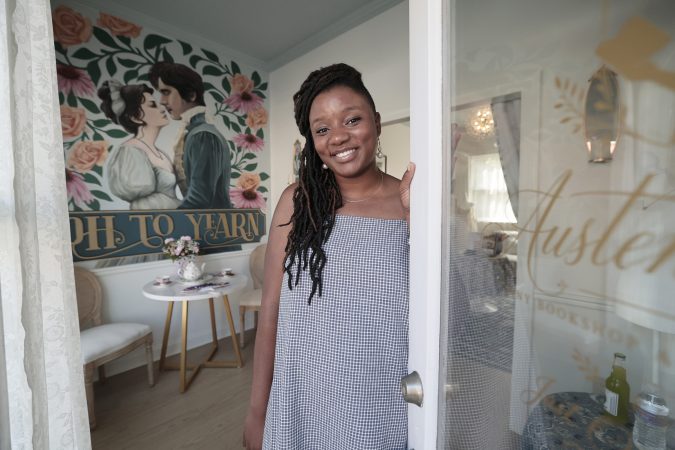
That was top of mind when she conceptualized her new space, which is small, but more than quadruple the size of the mobile bookshop. Clocking in at under 500 square feet, it has a “homey” vibe that allows for lingering and connecting. There are two sitting areas, one with a couch, the other a table and chairs. The latter sits beneath a large mural depicting Elizabeth Bennett and Mr. Darcy from Austen’s Pride and Prejudice,painted by Philadelphia artist Erik Weedeman.
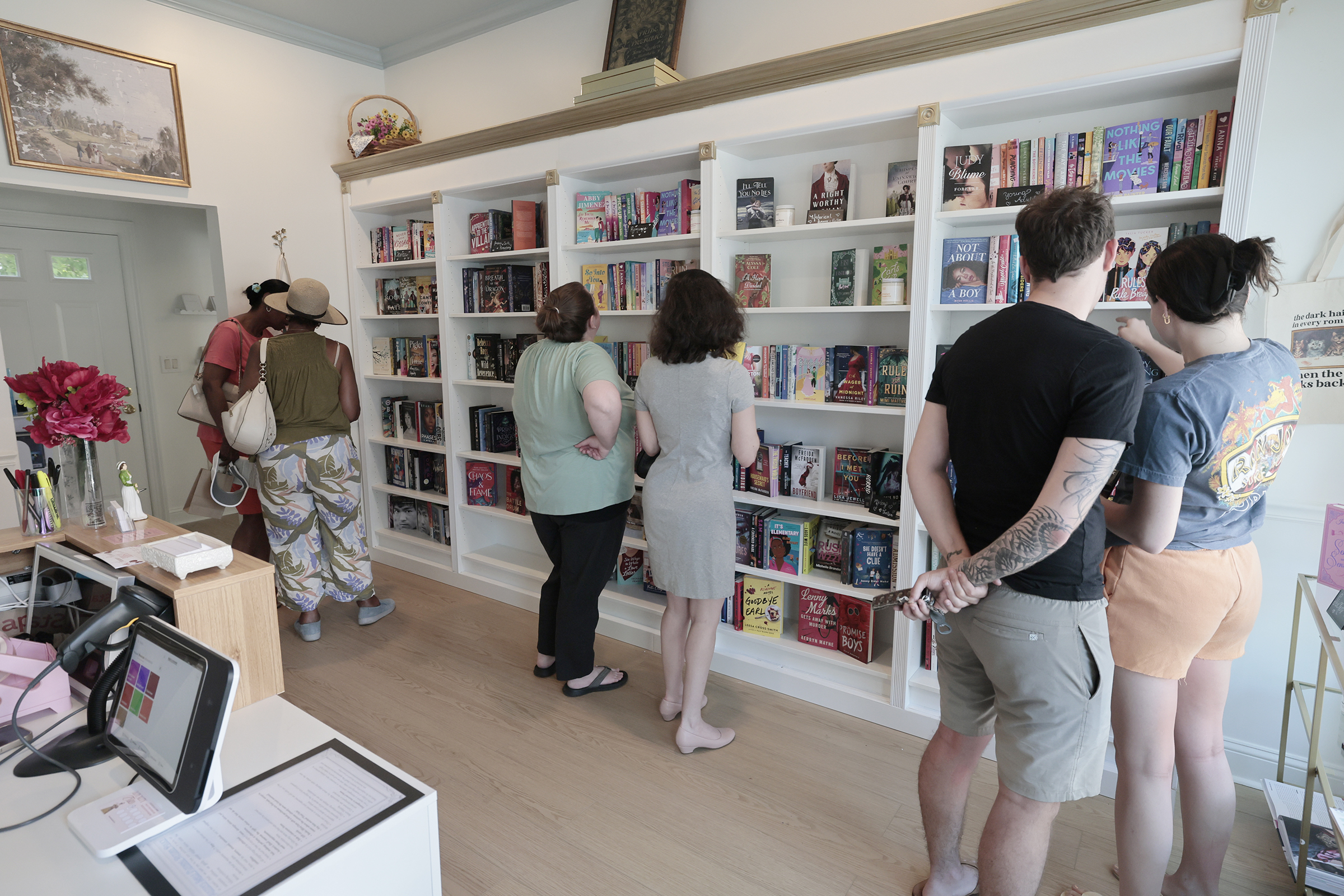
Shoppers browse for books and other goods at Austen’s Shelf in Bordentown. Elizabeth Robertson / Staff Photographer
Like its predecessor, this edition of Austen’s Shelf caters to a wide range of readers, stocking a curated selection of young adult, literary fiction, poetry, mystery and thriller, and fantasy, as well as children’s books.
There’s also a room dedicated to Austen, complete with a gilded digital display showing film adaptations of her books. Herndon also sells a selection of what she’s dubbed “Regency-modern” apparel.
With a permanent space now up and running, Herndon has no plans to stop taking the mobile bookstore out. She’s just refining the schedule and taking on fewer events.
A former Bordentown resident who now lives in Gloucester County, Herndon hopes the shop helps draw visitors to the city. She wants visiting Austen’s Shelf to feel “like an experience where the entire town can kind of be a place to linger.”
If opening weekend was any indication, that just might be the case. Looking out at the historic city during the grand opening and seeing people wander the streets in period-inspired attire, she said the image “just fits like a glove. It’s the dream, literally.”
Austen’s Shelf is open Wednesdays and Thursdays from 11 a.m. to 6 p.m., Fridays and Saturdays from 11 a.m. to 7 p.m. and Sundays from 11 a.m. to 5 p.m.
This suburban content is produced with support from the Leslie Miller and Richard Worley Foundation and The Lenfest Institute for Journalism. Editorial content is created independently of the project donors. Gifts to support The Inquirer’s high-impact journalism can be made at inquirer.com/donate. A list of Lenfest Institute donors can be found at lenfestinstitute.org/supporters.
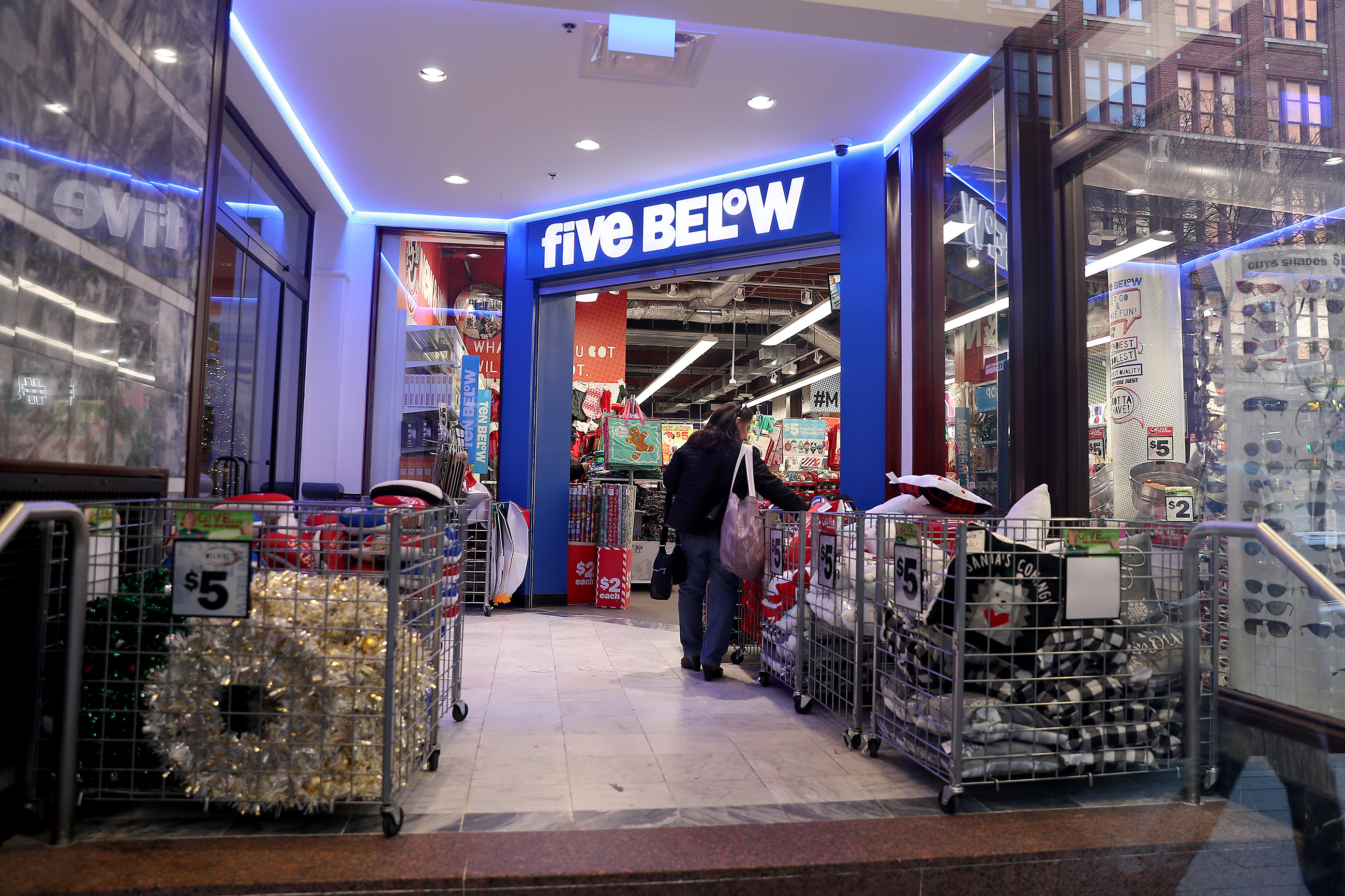
Five Below, the Philadelphia-based discount retailer, has officially done away with its above-$5 section.
But all its products aren’t below $5.
Those higher-priced items — which had been set apart in stores’ “Five Beyond” sections and account for less than 20% of inventory — are now interspersed with the rest of the merchandise, according to chief executive officer Winnie Park.
“We’ve actually seen that product perform better” when placed throughout the store, Park said last week on the company’s earnings call. “If you have a $35 gilt floor mirror, it’s in the room section and not tucked away in the back of the store.”
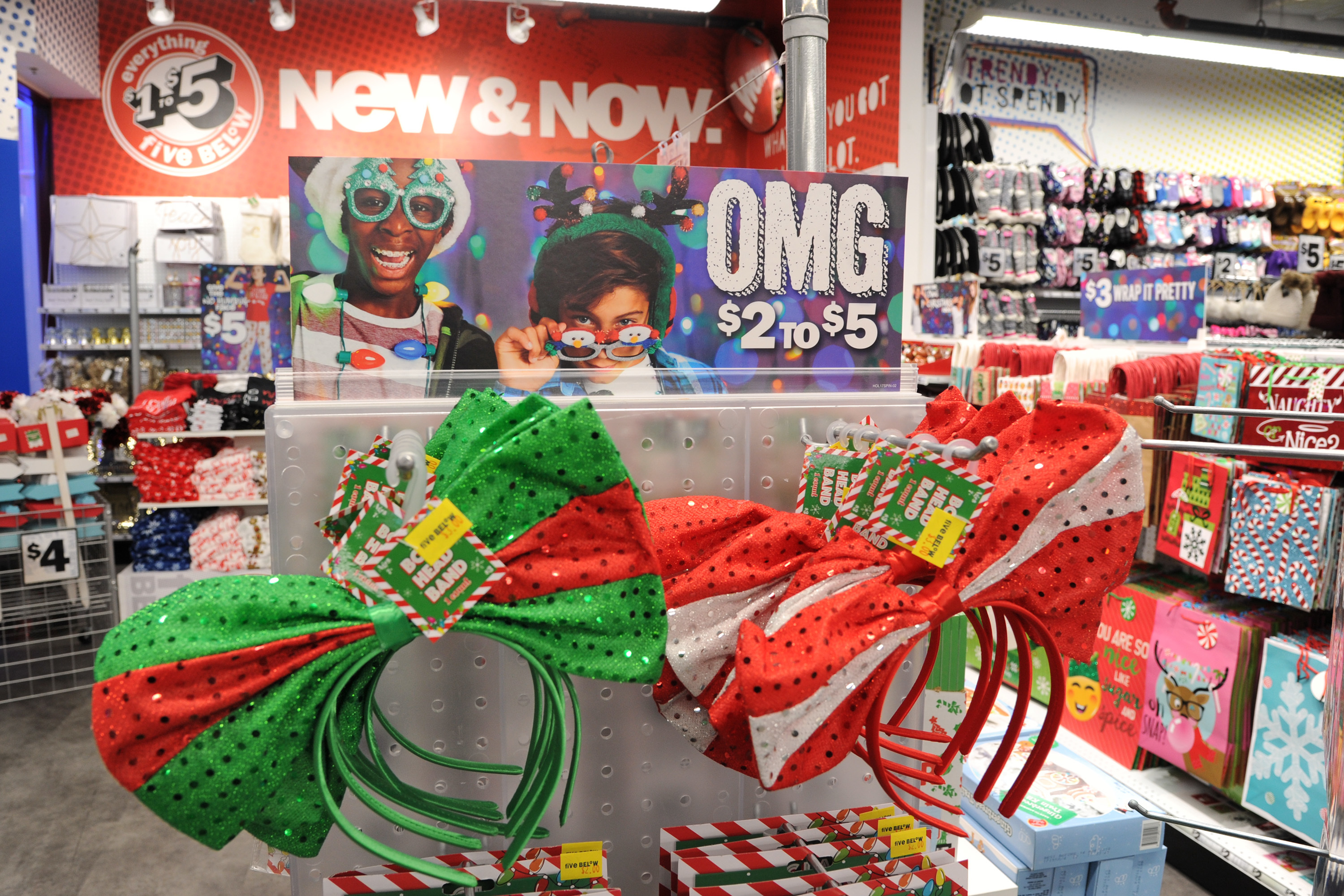
The move came during a strong quarter for Five Below, which sells toys, games, decor, tech accessories, candy, party supplies, sporting goods, and more to kids, teens, and their parents.
The company’s net sales rose nearly 33% and its net income increased to $123 million, triple the $41 million it recorded in the first quarter last year, according to the latest earning report.
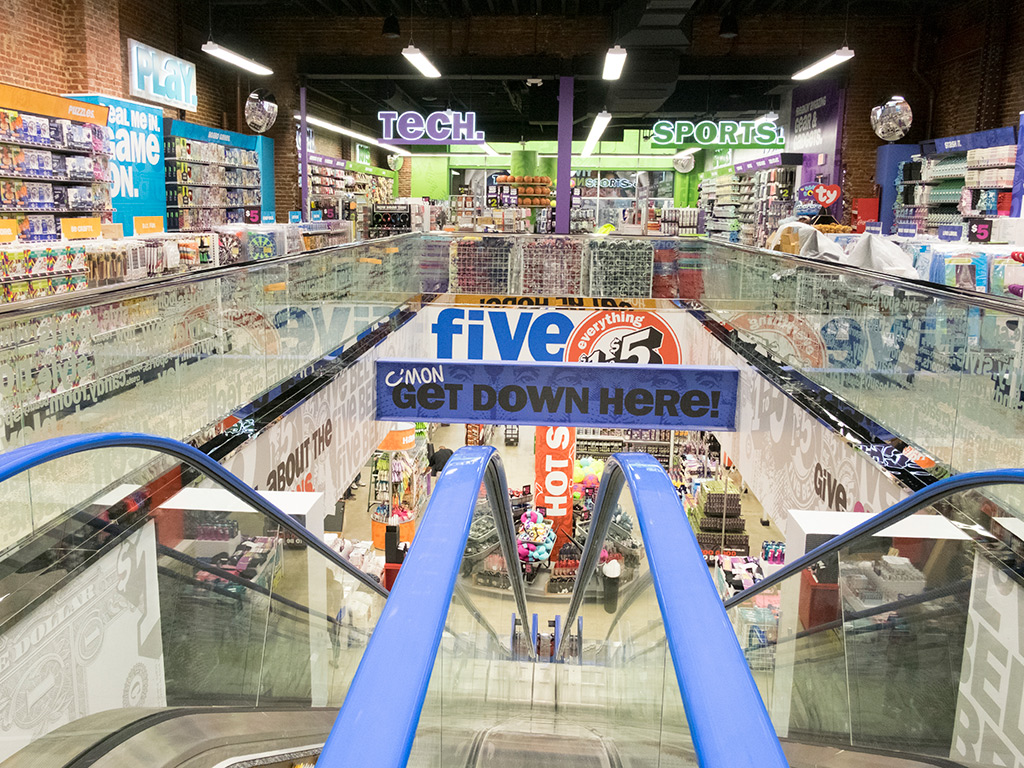
The wide selection of products at Five Below’s Chestnut Street location, one of its flagship stores, is shown in 2019. ED HILLE / Staff Photographer
Executives attributed some of this growth to the popularity of games and toys, “underpinned by strong support of squishy trends and collectibles,” said Dan Sullivan, chief financial officer.
“Everyone has been talking about the squishy dumplings,” the viral fidget toys that Five Below capitalized on, Park said. Pokemon and other trading cards also flew off the shelves.
“We’re constantly looking at what next trend we can amplify,” the CEO said.
At Five Below, executives said they have seen growth across all customer demographics, including millennial moms. Park said exercise gear, including yoga and Pilates equipment, has been a big seller.
Sullivan said he’s curious to see what happens the rest of the year.
“We’re being cautious,” the CFO said. “We’re looking at the world that our customers are living in with rising fuel costs, with very sticky inflation, with a somewhat soft labor market.”
“And we think a piece of that pain that they are feeling wasn’t felt in the first quarter purely because of tax proceeds year-over-year that were significantly up,” he added.
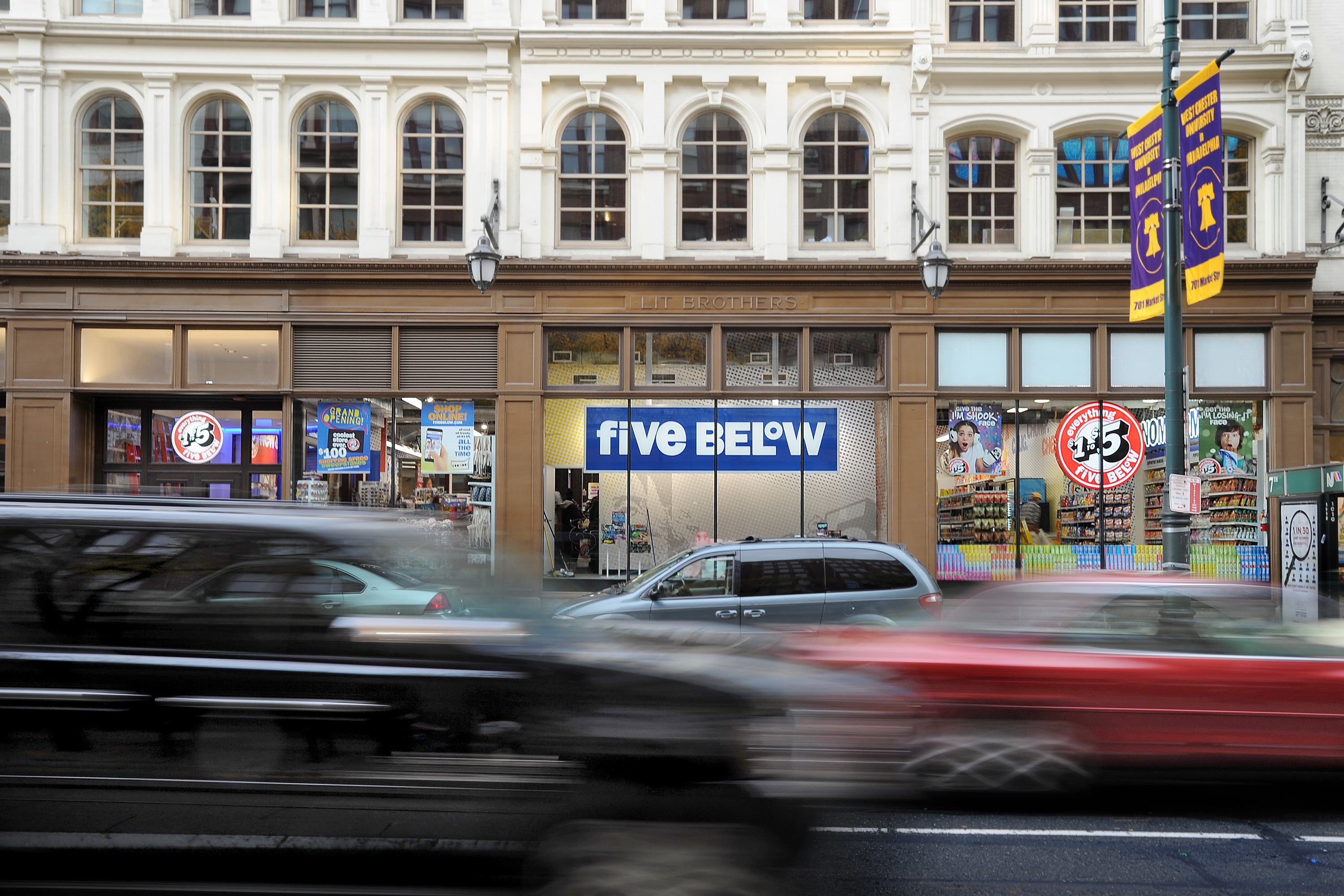
Five Below was founded in Wayne in 2002 and has since grown to include 1,970 stores in 46 states. In 2018, the company opened a massive three-story headquarters in the former Lit Bros. building at 701 Market St. in Center City.
Five Below’s Market Street location is shown before opening in this 2018 file photo.TOM GRALISH / Staff Photographer
Park, the former top boss at Forever 21, took the helm in December 2024, with a mission to reaffirm Five Below’s reputation as an “extreme-value retailer,” as the company called itself in her hiring announcement.
By last summer, the company was rebounding, thanks in part to viral toys like plush Squishmallows and artificial-intelligence tools that now help with inventory.
Analysts told industry publication RetailDive that Five Below’s latest earning report showed the business in a strong position. They noted that stock prices fell initially, however, over concerns about the company’s ability to sustain this growth.
“Looking ahead, the outlook remains very positive but is tempered by a dose of caution,” GlobalData managing director Neil Saunders told the outlet.
For more than four decades, hundreds of Philadelphia-area women first laid eyes on their wedding gowns at La Bella Moda.
Even in recent years, as their bridesmaids and mothers increasingly bought dresses online, brides kept the Conshohocken boutique in business.
But last month, the Fayette Street mainstay shut its doors for good.
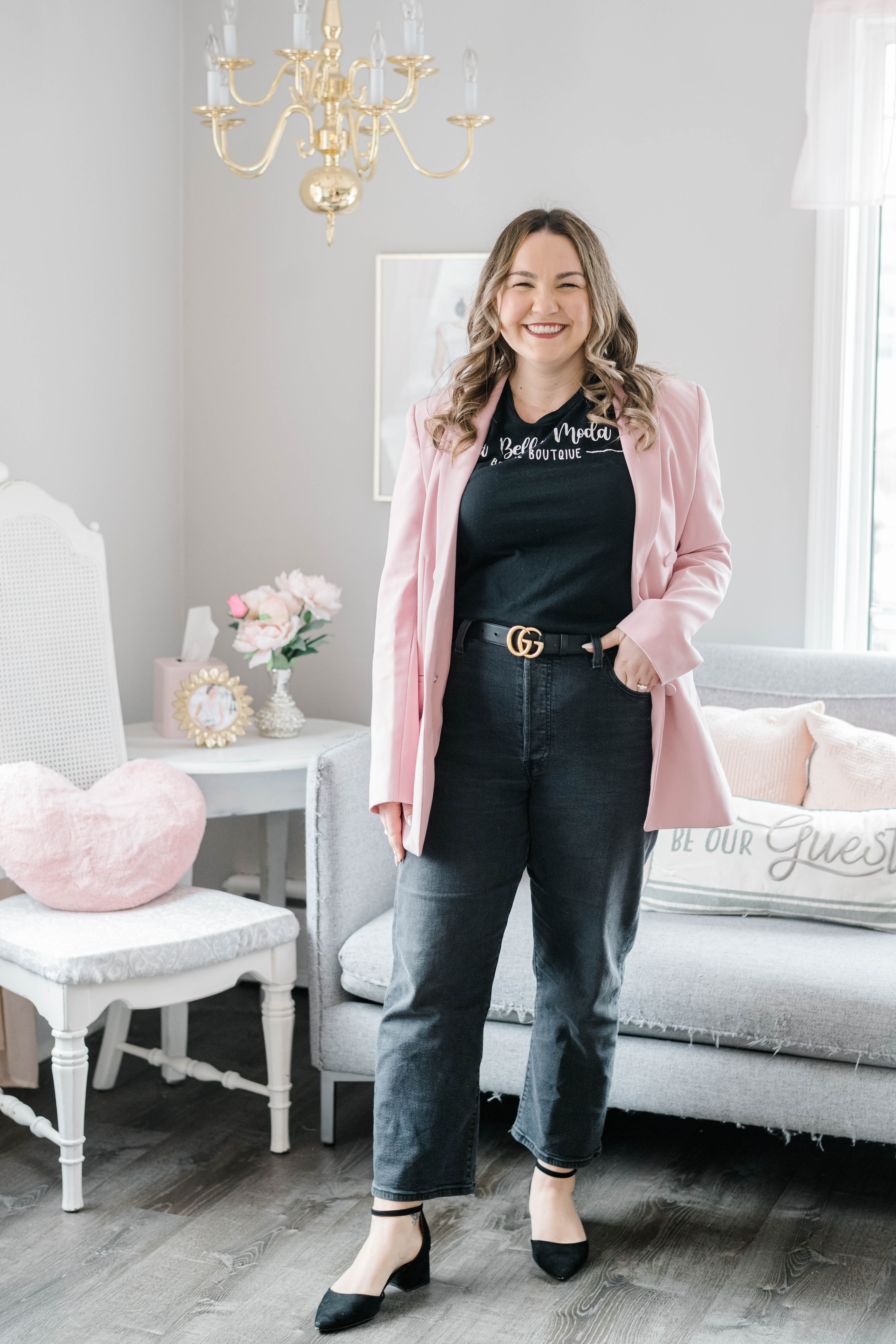
“It eventually wears on you,” said owner Gabriella Pagano Rush, who decided to close the shop in response to industry pressures and personal timing. The 30-year-old, who took over the store from her grandmother Lena Pagano in 2020, is due to have her first child this summer.
“The business was fine,” Pagano Rush said. “Sometimes you just have to do something that is better for you in the long run.”
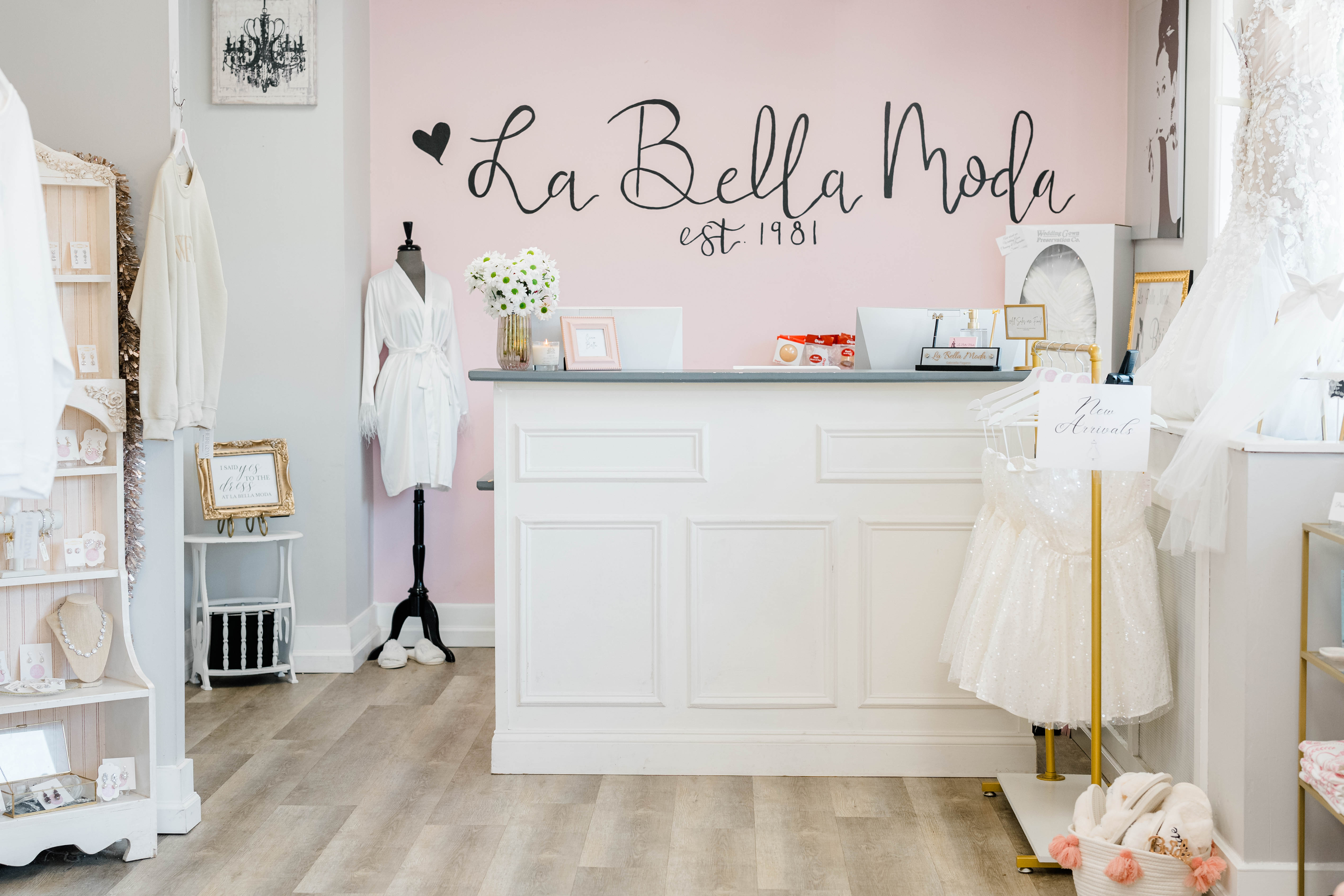
La Bella Moda, shown here in 2023, sold wedding gowns and other formal wear for 45 years before closing its doors in Conshohocken last month.Courtesy Morgan Taylor Artistry
She calls the transition “a happy ending,” one she said marks a new chapter in her life but also comes after years spent struggling to keep up with an evolving wedding industry.
Weddings have become increasingly extravagant, with some Philly-area celebrations costing $40,000 or more.
They have more vendor choices than ever, and small businesses like La Bella Moda, where gowns cost $2,500 on average, must compete with wedding emporiums, which can offer a wider selection for less.
The other options include larger brands, such as King of Prussia-based David’s Bridal, which is expanding its offerings while still selling dresses for under $500.
There are also online retailers, such as Revelry and Azazie, which offer home try-ons and mail custom dresses directly to customers. Even broader ecommerce sites and fast-fashion brands sell wedding accessories.
In recent years, as brides browsed veils and shoes at La Bella Moda, “I would start hearing, ‘Oh, I can get this on Amazon’ or ‘Oh, I can get this on Shein,’” which started out selling wedding dresses online before becoming a retail behemoth, Pagano Rush said.
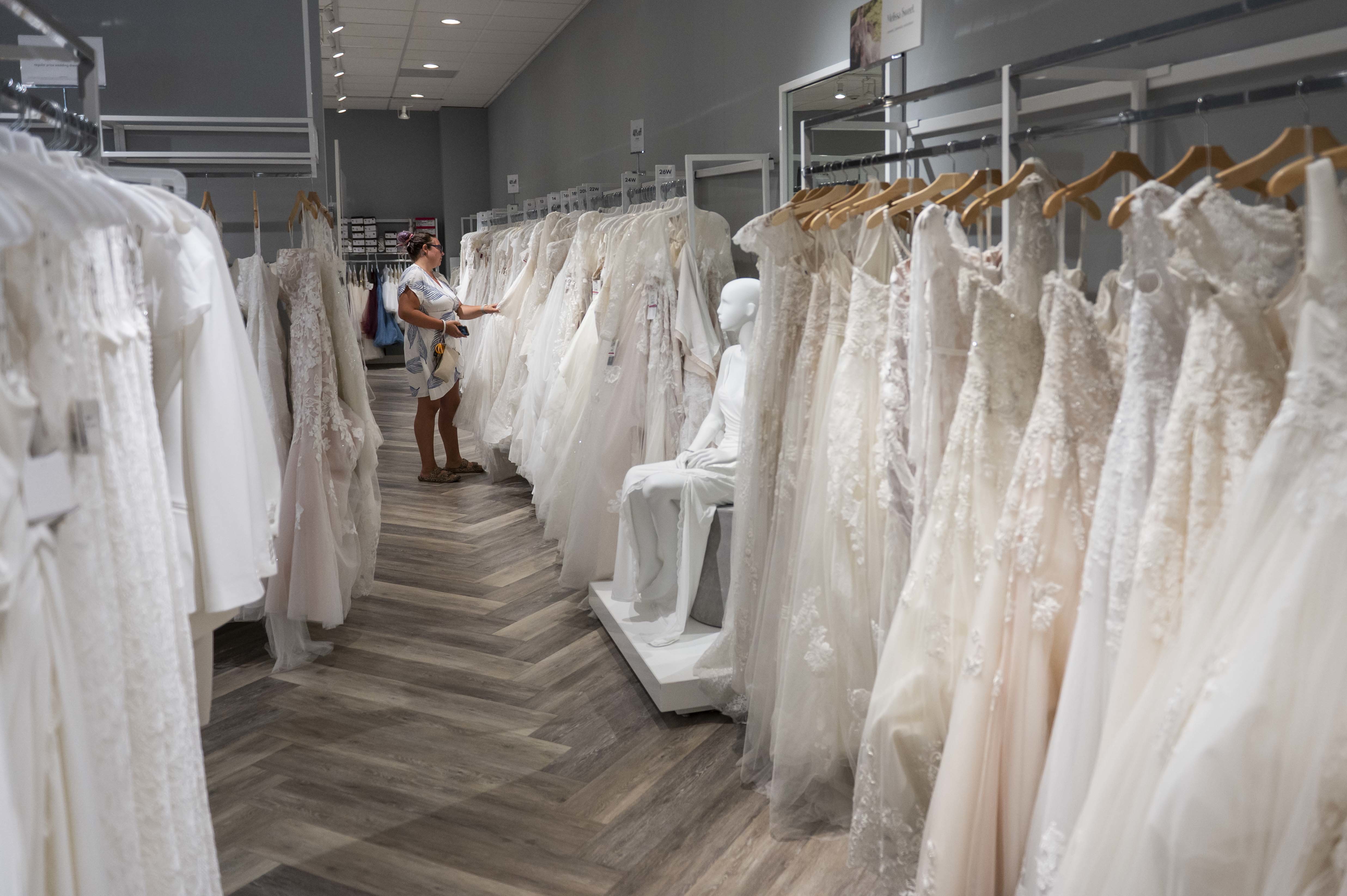
Someone shops for a wedding dress at David’s Bridal in Feasterville-Trevose in 2023. Allie Ippolito / Staff Photographer
In 2023, Pagano Rush stopped selling bridesmaid dresses and other formal wear, which had accounted for about 30% of the shop’s business, she said. Instead, she doubled down on wedding gowns.
She began offering $200 private appointments, during which a bride and up to eight guests got the store to themselves, with champagne, cookies, and a personalized shopping playlist, Pagano Rush said.
“I really wanted brides to feel relaxed when they came into our store,” Pagano Rush said. “Not intimidated, not feeling pressured to find their dress.”
How an Italian immigrant cultivated bridal joy in Conshy
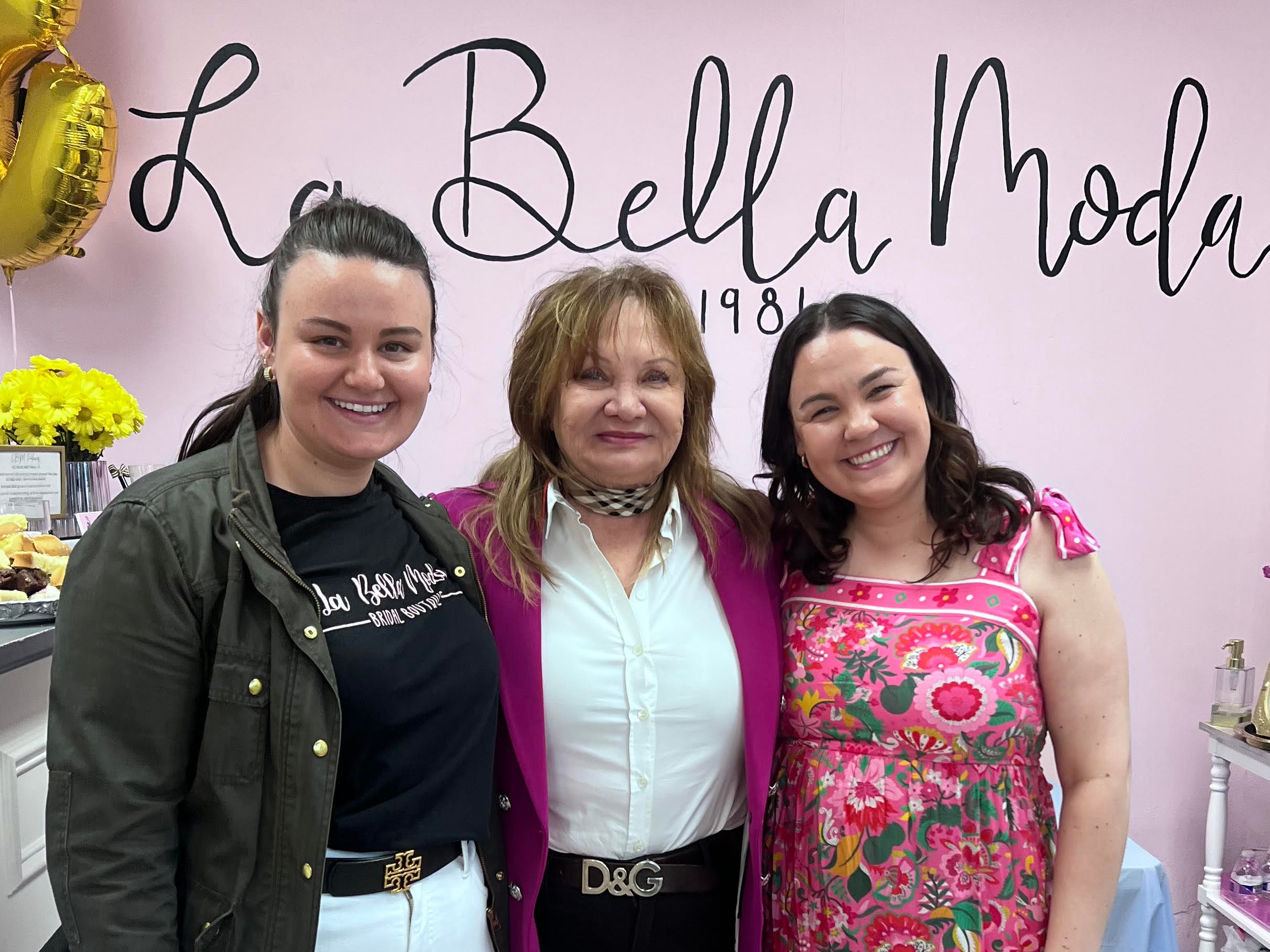
La Bella Moda founder Lena Pagano (center) poses with her granddaughters in the Conshohocken shop. Gabriella Pagano Rush (right) took over as owner in 2020. Pagano Rush’s sister Michaela Bosico (left) encouraged the new owner to renovate the store during the pandemic.Courtesy Gabriella Pagano Rush
Ever since she was a kid watching her “mom mom” Lena run La Bella Moda, Pagano Rush was enthralled by the wedding dress shopping experience.
“I just remember growing up, going and visiting her at the store, helping her for fun, and just in the back of my head being like, ‘Oh, this would be really fun to do,’” said Pagano Rush, who grew up near Lansdale.
At the time, the shop’s second floor was devoted to bridal try-ons, she said. “It was always so exciting when you would walk upstairs and you’d see all the brides up there trying on dresses.”
The joy in the shop was cultivated by Lena Pagano, who emigrated from Italy, married, had three children, taught herself English, and then fulfilled a longtime dream of opening a boutique in 1981, Pagano Rush said.
Lena Pagano, now in her 70s, stepped aside just before the pandemic in 2020, Pagano Rush said, and has been enjoying retirement in Plymouth Meeting.
Meanwhile at La Bella Moda, Pagano Rush’s first few months as a business owner coincided with the early months of the pandemic, when businesses were forced to close. But she took it in stride and used the time to renovate the shop, making for a better customer experience when it reopened that June.
Owner Gabriella Pagano Rush inside a renovated La Bella Moda in Conshohocken in 2023.Courtesy Morgan Taylor Artistry
Montgomery County Commissioners Chair Jamila Winder said the Pagano family’s story exemplifies the immigrant experience.
“In these times where it’s really hard for small business owners and entrepreneurs to start a business and sustain a business, Lena and Gabriella are really the epitome of that grit and that discipline and that vibrancy,” Winder said.
“They’ve brought so much joy to women across Montgomery County, women who were planning for some of the best days of their lives.”
Winder is one of them. A few years ago, she said, she bought her bridesmaids’ dresses at La Bella Moda.
Customers remember their wedding dress fittings
For women across the region, word of La Bella Moda’s May 31 closure brought back similar memories.
Dozens commented on Facebook posts about the news.
“I’ll never forget how gorgeous I felt in my lace gown on my wedding day,” wrote one woman. “Thank you for helping to make it so special, almost 20 years ago.”
“Such amazing memories of the fitting and how beautiful you made me feel!” added another.
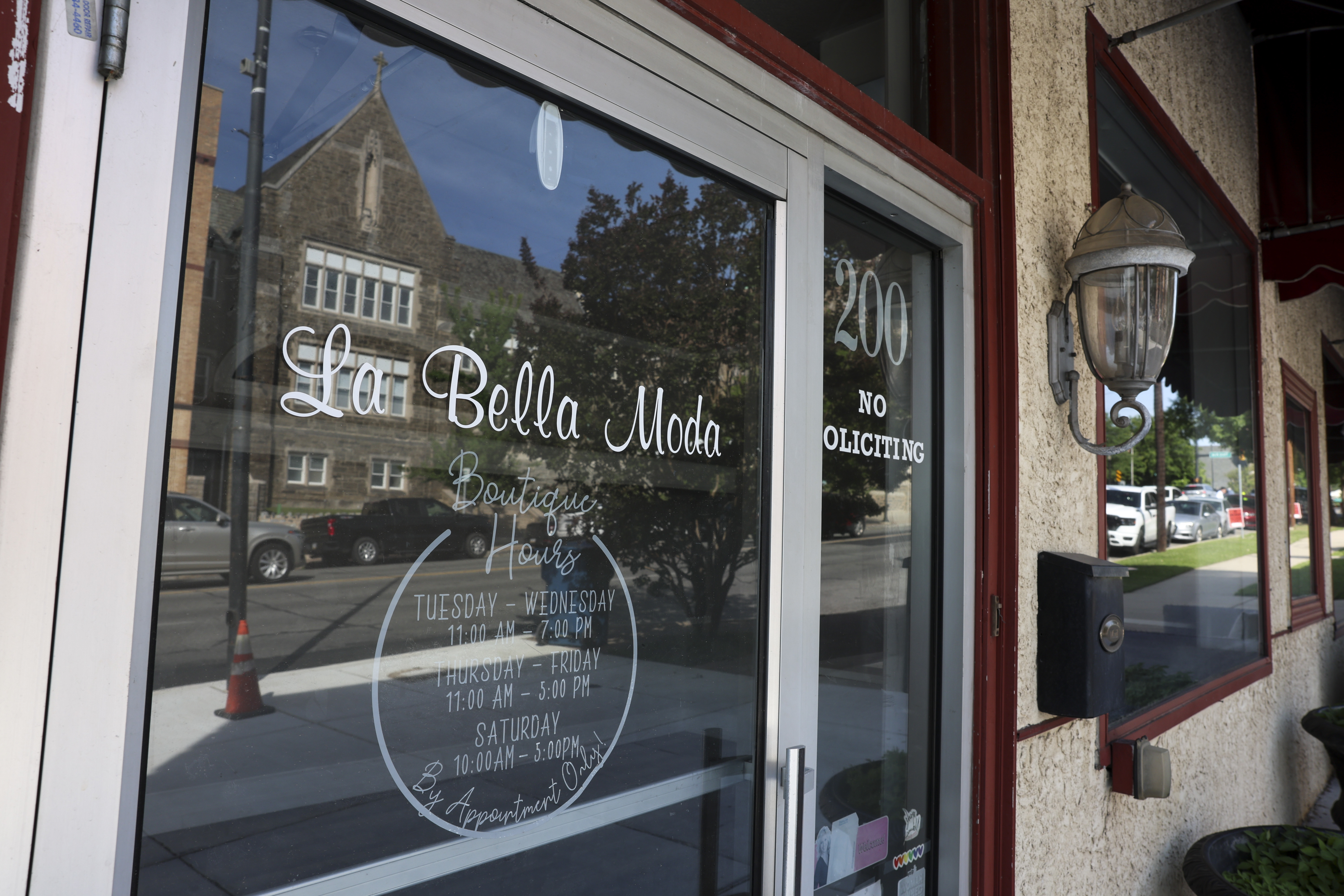
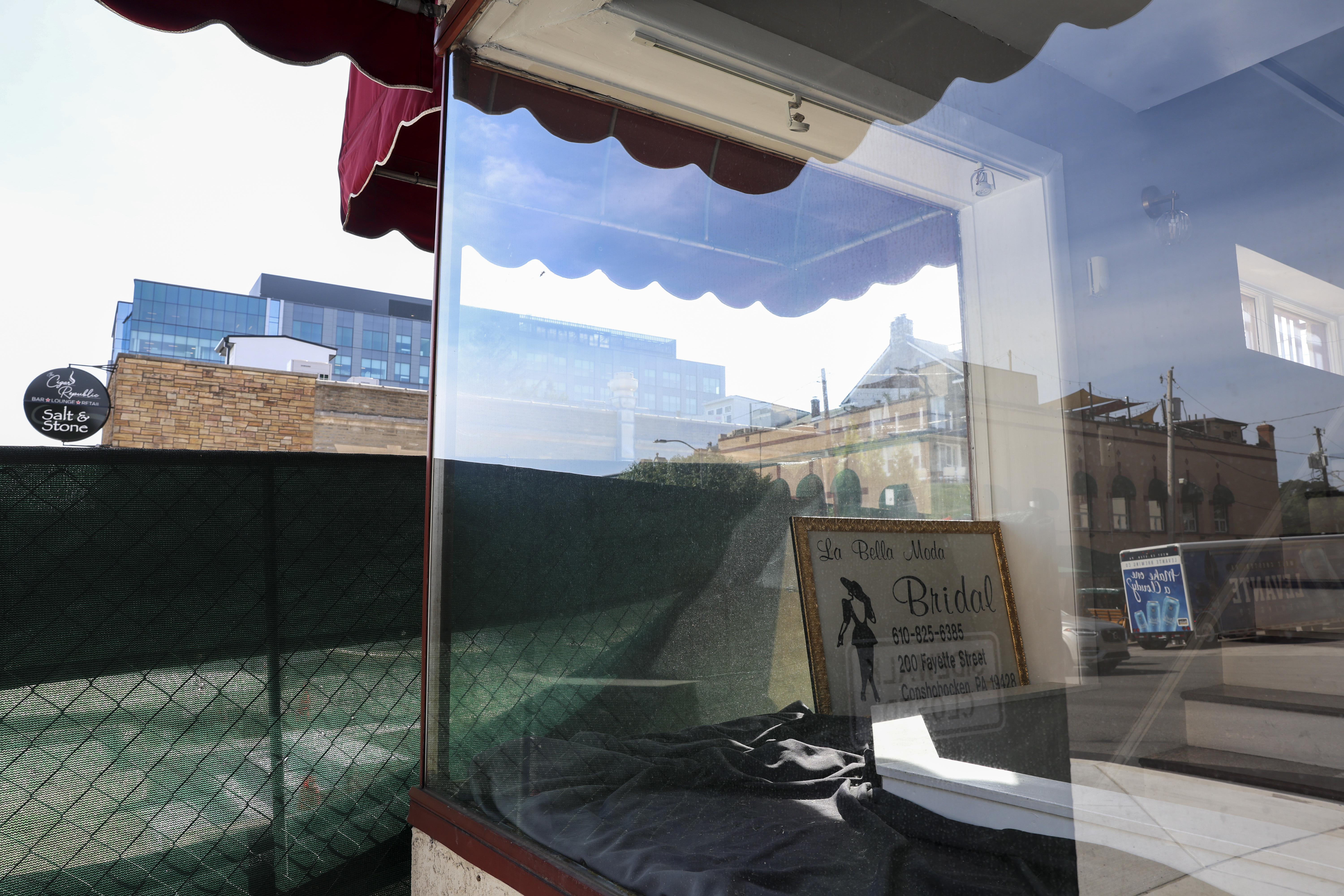
The mostly empty window of La Bella Moda is pictured on June 4 in Conshohocken.Monica Herndon / Staff Photographer
Tina Brennan West said she, too, recalls her wedding-gown fitting there 34 years ago.
“I remember the experience walking through the doors, the smiles, the feeling that they already knew you,” said Brennan West, 55, of Plymouth Meeting, who works at an auto repair shop.
She showed the stylists an inspiration picture from a magazine, she said, and an employee pulled a similar white-satin dress, with a long train, pink rose buds in the appliqué, and puffy sleeves that were popular at the time.
She can still picture trying on the gown, she said, and see her mother and grandmother crying at the sight of her.
Erin McElroy Kraft, now 60, wore her mother’s wedding gown for her 1992 nuptials. But the Plymouth Meeting native bought her bridesmaids outfits — deep-purple velvet skirt sets — at La Bella Moda.
“It was absolutely beautiful,” McElroy Kraft said. “They were just so great at what they did.”
McElroy Kraft, a retired foreign-service worker who now lives in Arlington, Va., said Fayette Street won’t feel the same on her next visit home.
“It’s going to be hard not to see La Bella Moda in Conshohocken,” she said.
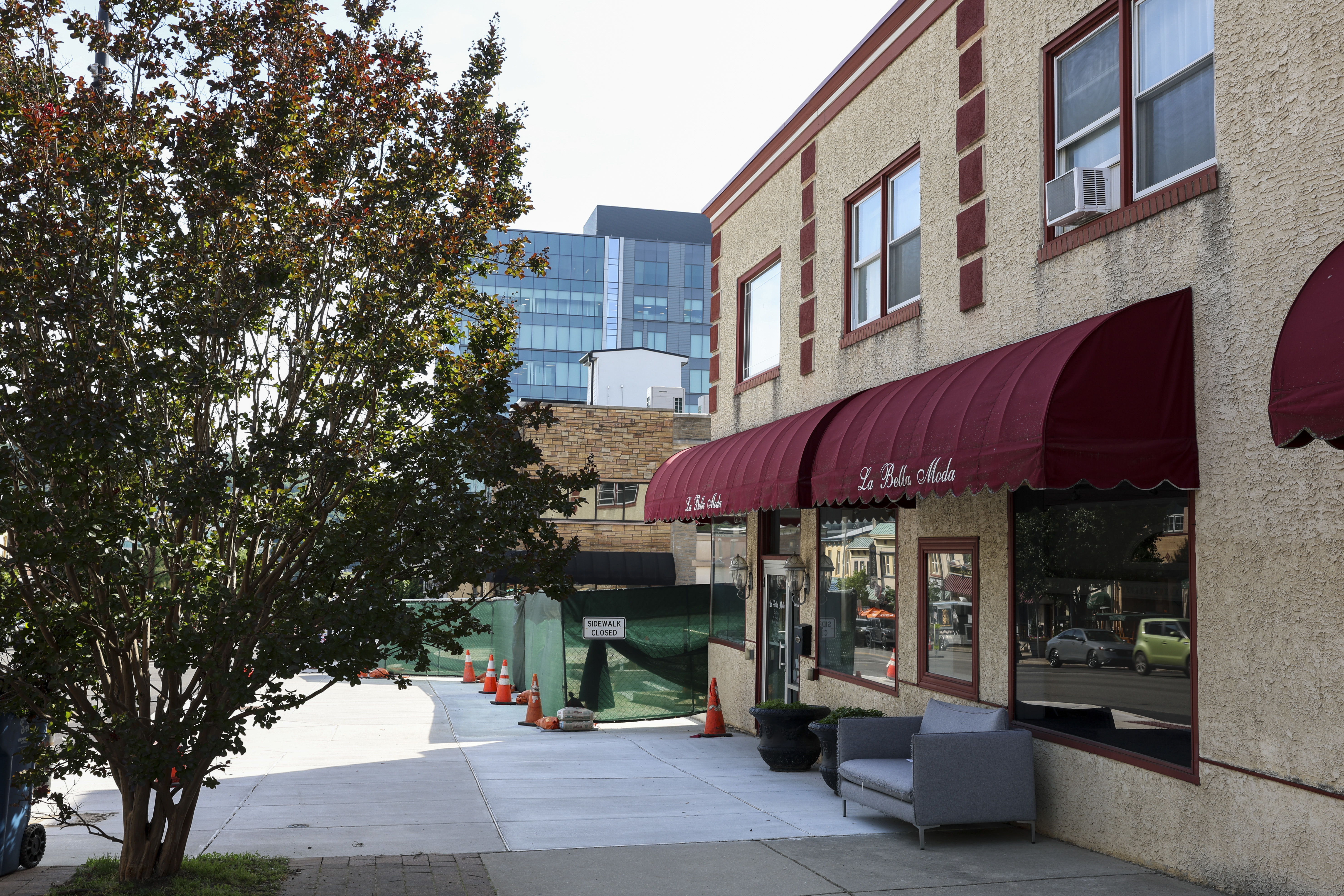
The closed La Bella Moda on Fayette Street in Conshohocken is pictured on June 4.Monica Herndon / Staff Photographer
La Bella Moda sits empty now. Its last dresses were either sold to customers during a recent farewell event, Pagano Rush said, or donated to bridal consignment shops owned by her friends.
As for brides who had recently bought gowns at La Bella Moda, “no one was left without their dress and without a plan,” said Pagano Rush, who referred some customers to a local seamstress for alterations.
The building, owned by Lena Pagano, will be leased to another tenant, Pagano Rush said.
“The borough of Conshohocken has really done an amazing job of attracting businesses to that main corridor,” said Winder, the county commissioners’ chair. “I don’t anticipate that storefront will be vacant for long.”
Pagano Rush said she believes there is still a place for independent shops in the modern wedding industry.
“I can’t tell you how much attention we have gotten since April when we posted that we were even closing,” she said. “I wish small businesses just got this kind of attention and support” all time.
Mia Garcia showed off her clothing haul: a multicolored tank top, a backless white tee, a lacy maroon cardigan, and white tights for an upcoming trip to the New Jersey Renaissance Faire.
The 19-year-old was as excited about the bill as she was about the fashion.
Her grand total: $15.
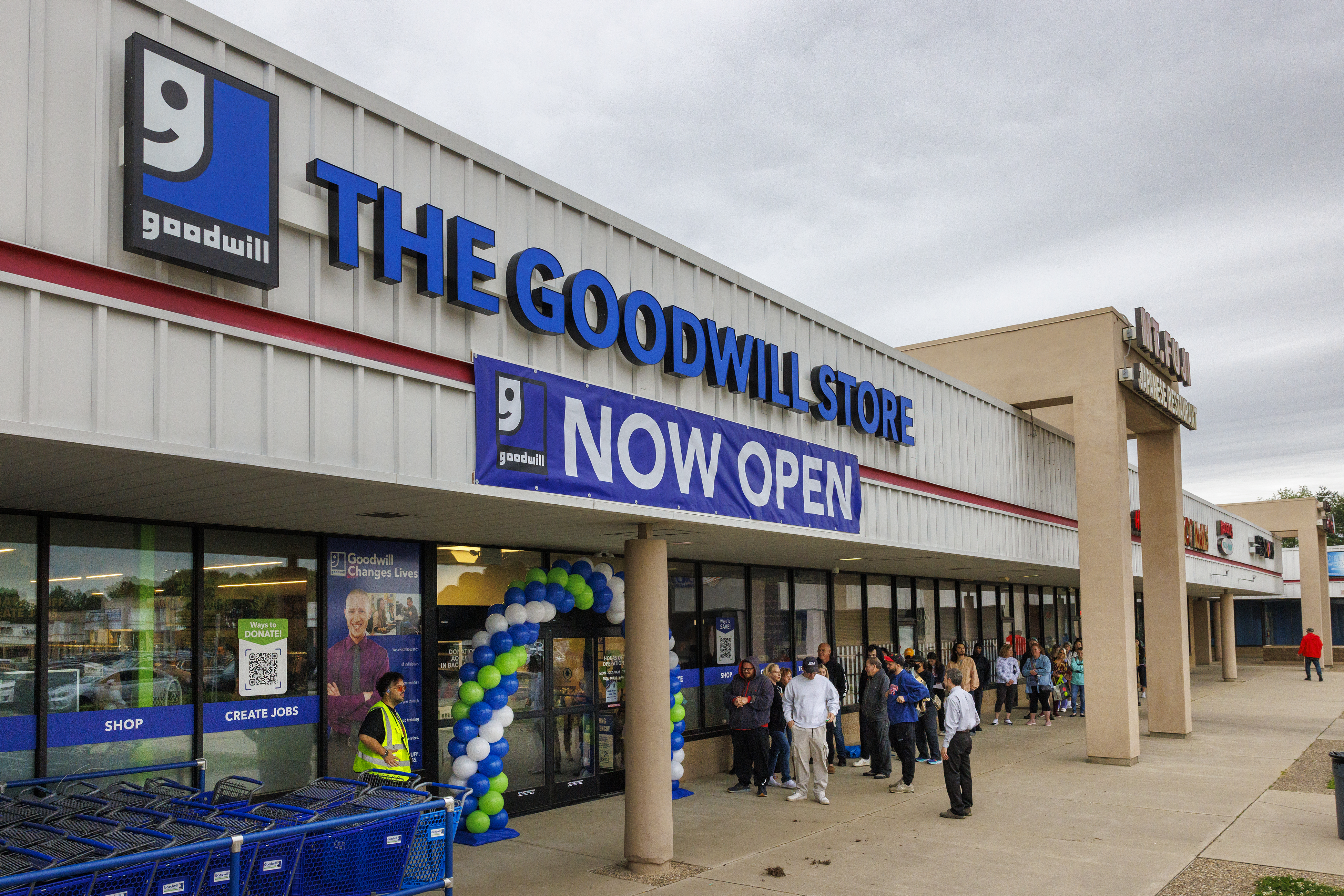
She and her friend, Salsbee Jahan, scored the deals at a massive new Goodwill store in Deptford, where local executives say a growing number of Gen Z shoppers are flocking for clothes, shoes, decor, and more. Young customers are increasingly fueling the world’s largest thrift store chain, which posted record revenue last year.
At Goodwill, “it’s definitely cheaper and easier to find older-style clothes,” like popular Y2K-inspired fits that are sold at a premium elsewhere, Garcia said. At some name-brand stores, “$20 won’t even get you get a shirt.”
The women, both Deptford natives attending Rowan College of South Jersey, say they frequent malls, too. But Jahan, 18, said they’re trying to thrift more because “everything is going up” in price.
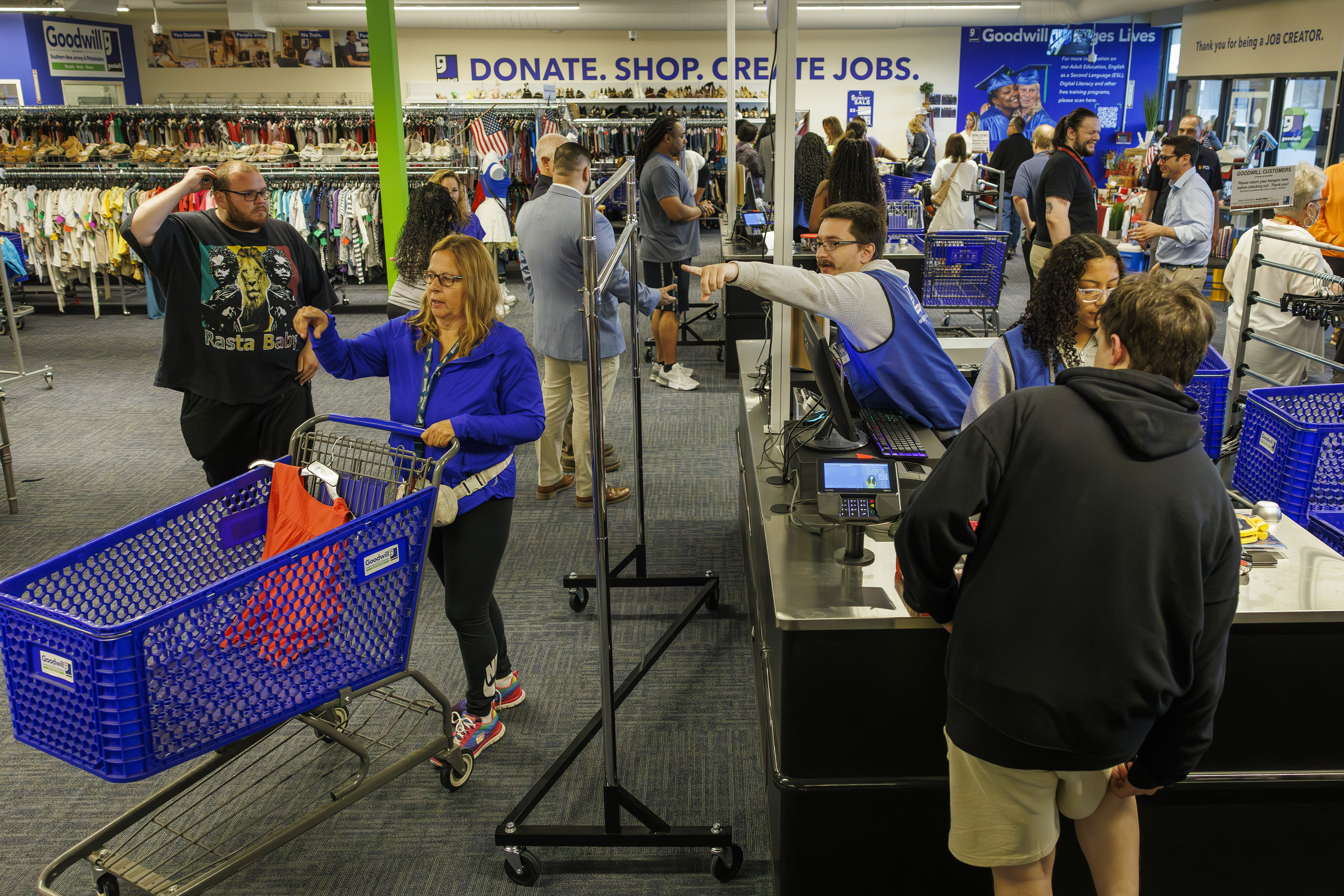
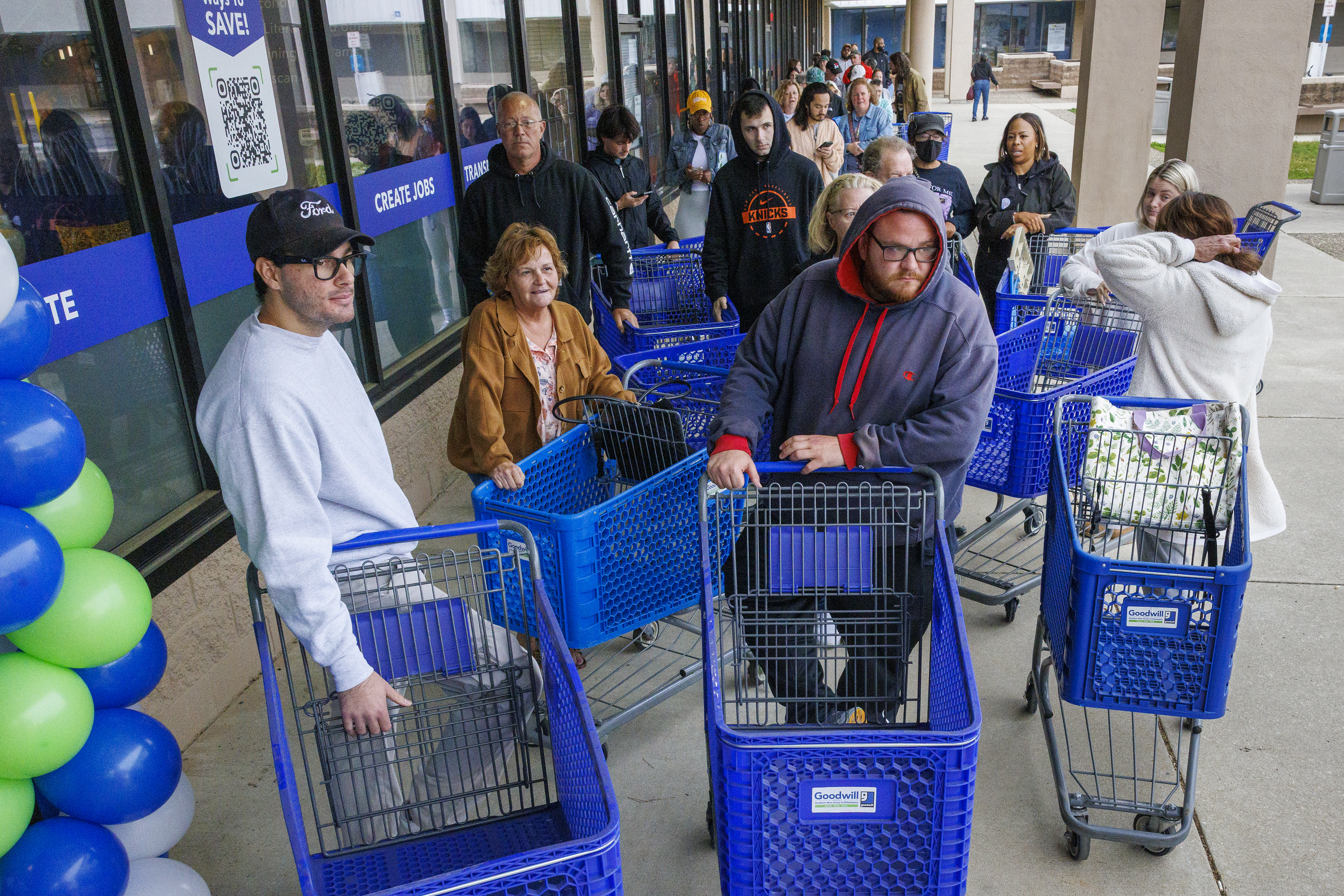
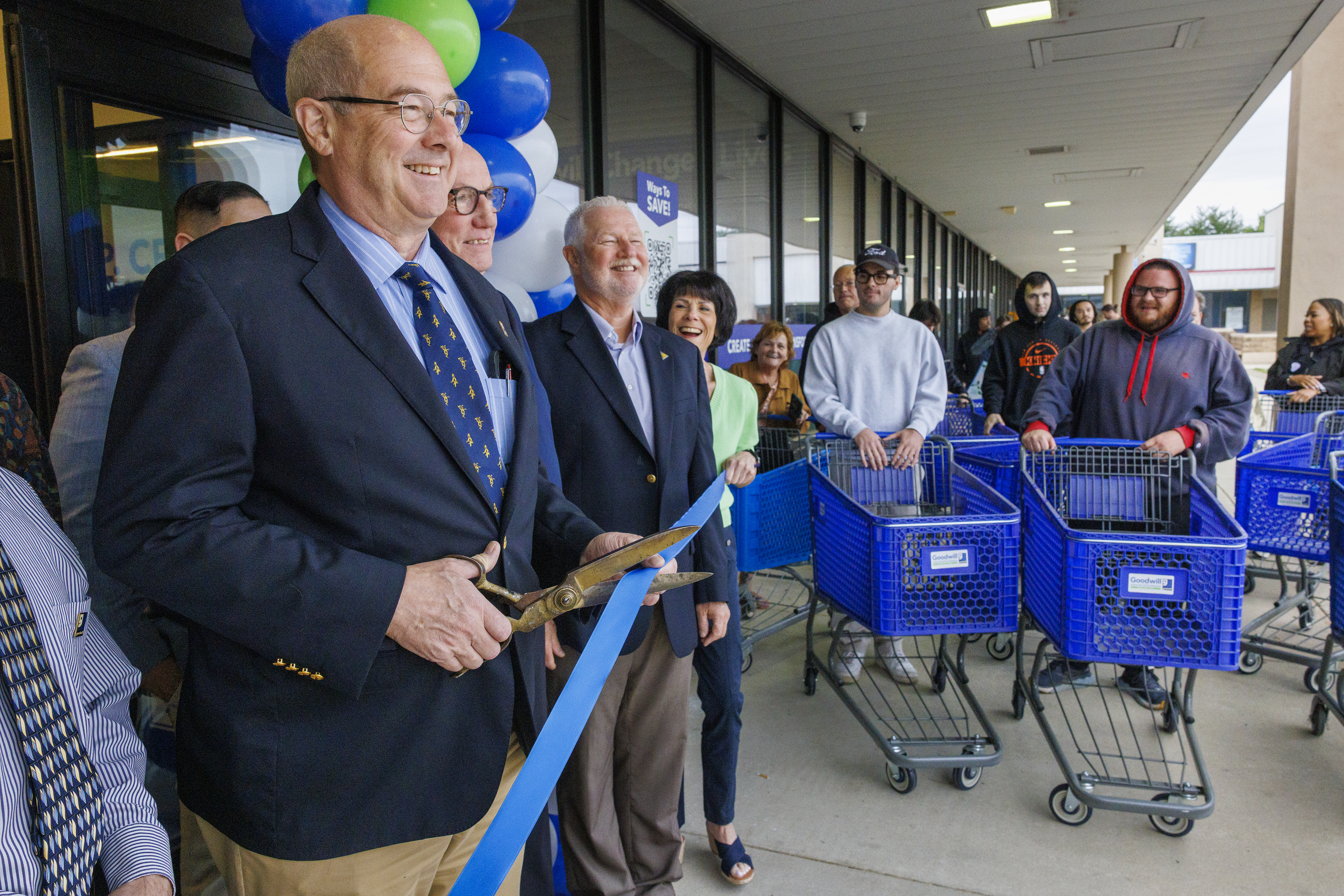
Shoppers lined up to get inside the new Goodwill store in Deptford on opening day.Alejandro A. Alvarez / Staff Photographer
The sentiment was echoed by several other customers at the 19,000-square-foot store, which was buzzing with dozens of shoppers around lunchtime Tuesday.
“Gas prices have gone up. Groceries have gone up,” said Kaitlin Deegan, a 38-year-old nurse from Salem County. She was wearing a graphic tee and denim shorts that she had bought for under $10 at another Goodwill. “Now it’s all about thrifting.”
Nearby, one woman put a $6.49 denim skirt in her cart, next to a pair of $7.99 sparkly shoes she’d grabbed earlier. Across the room, children perused shelves of toys, games, and stuffed animals — most under $10 — and teens eyed rows of $1.99 DVDs and 99-cent CDs.
In its first 12 days, the new location on Clements Bridge Road averaged about 600 customers a day, more than double the foot traffic recorded at a smallerGoodwill retail store that recently closed in nearby Woodbury Heights, said regional manager Josef Fortun.
Each Deptford customer has spent about $31 on average, he said, exceeding managers’ goals.
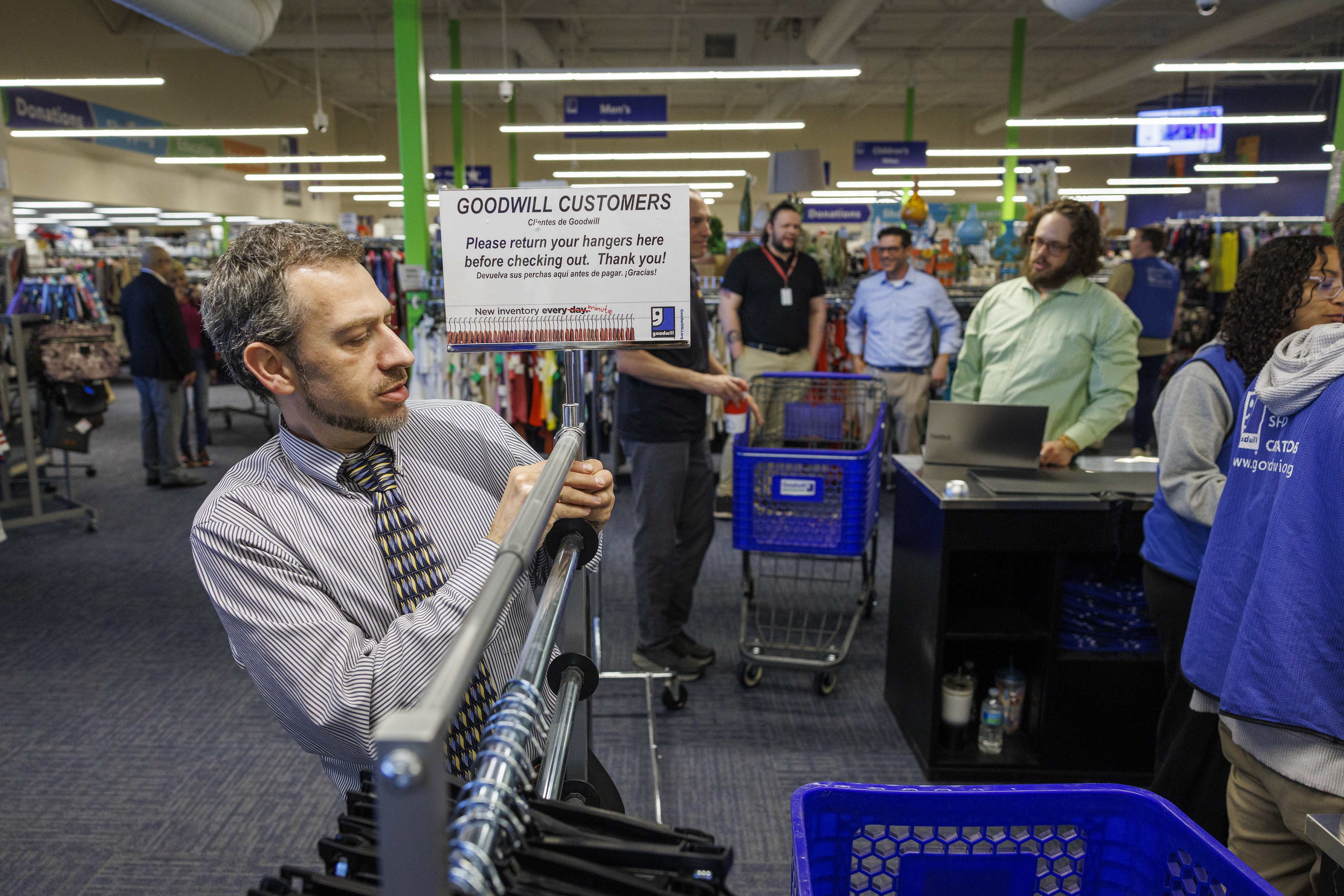
Josef Fortun, regional manager with Goodwill Industries of Southern New Jersey, prepares the new Deptford store to open on May 21.Alejandro A. Alvarez / Staff Photographer
This early success in South Jersey comes amid a larger thrifting resurgence. Last year, the U.S. resale market grew nearly four times faster than the broader apparel market, according to an annual report from the online consignment platform ThredUp.
Goodwill recorded more than $7 billion in revenue last year, the New York Times reported, and annual sales across its 3,400 stores have risen 50% since 2019. Smaller secondhand shops, such as Savers Value Village and ThredUp, have also reported revenue increases, according to the Times.
In the same Deptford shopping center as the new Goodwill, there are three other thrift stores: Once Upon A Child, Plato’s Closet, and Play It Again Sports. All are owned by Winmark Corporation, which has been adding more thrift stores and reporting year-over-year revenue increases.
In nearby Cherry Hill, a Red White & Blue Thrift opened this spring, a half-mile from a 2nd Ave thrift outpost — owned by Savers Value Village — that opened in 2024.
Goodwill also opened a store a year ago in a former Rite Aid in Voorhees. And its Woodbury Heights location, which is still accepting donations, is set to reopen June 15 as a Goodwill Home Medical Equipment Store.
Boyd said the nonprofit chain is looking to expand into Cape May County in the near future.
Why are more people thrifting?
More people are buying secondhand right now for many reasons, said Mark Boyd, president and CEO of Goodwill Industries of Southern New Jersey and Philadelphia.
“Challenging economic times definitely bring people into the Goodwill store, maybe for the first time,” Boyd said. At the same time, “there’s a lot of people out there who care a lot about reuse, and that’s driving particularly younger shoppers into Goodwill.”
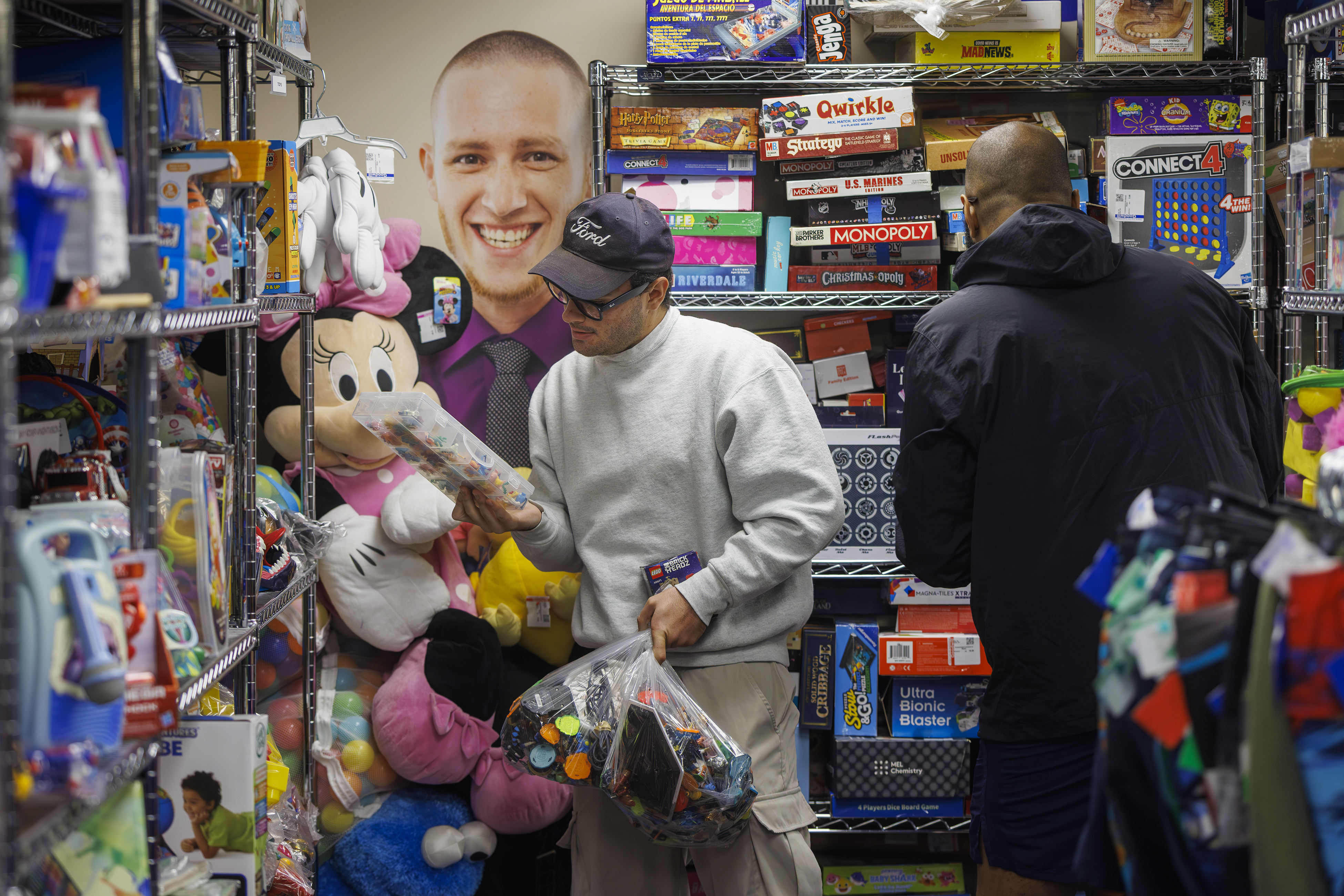
Friends Reed Habiak (foreground left) and Anthony Nunez (foreground right), both influencers and resellers, were first in line at the new Goodwill store in Deptford on May 21.Alejandro A. Alvarez / Staff Photographer
And while thrifting is one of the most “tactile” experiences, Boyd said social media is playing a role in its rebirth. Many Goodwill customers are resellers, he said. They find steals in store aisles and then mark up the products to sell online or at flea markets.
On Deptford Goodwill’s opening day last month, professional reseller Anthony Nunez was first in line. He had arrived with a friend around 4:30 a.m., ready to hunt for sports jerseys, Pokemon memorabilia, video games, and vintage clothing to resell on eBay.
Since losing a job in compliance during the pandemic, the 34-year-old Sayreville resident has been reselling full-time, making more than $100,000 a year, he said.
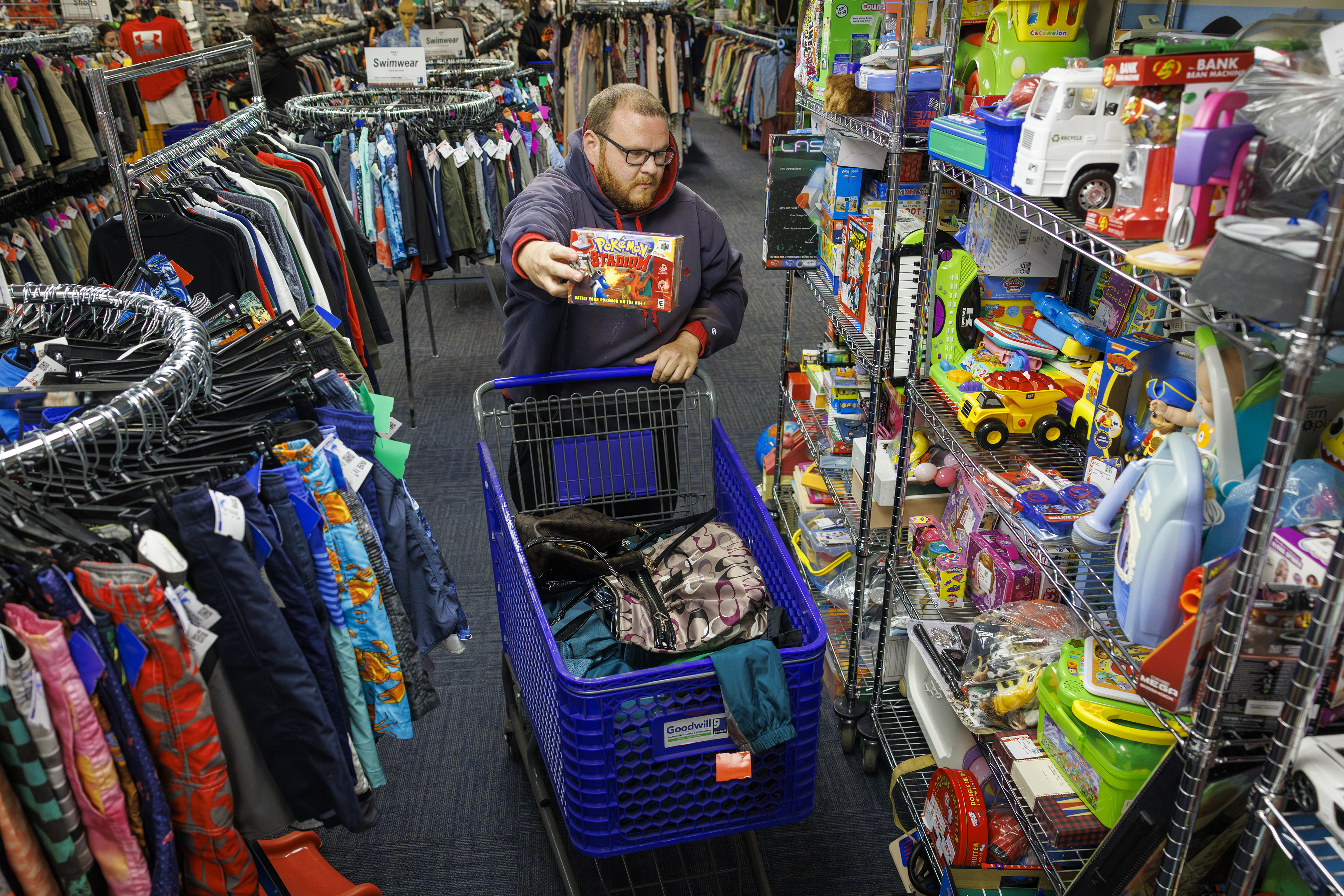
Anthony Nunez flashes a Pokemon Stadium game he picked up in the toy section at the opening of the new Goodwill in Deptford.Alejandro A. Alvarez / Staff Photographer
At the Deptford Goodwill, Nunez made a beeline for items with a high resale value, including a still-in-the-box Pokemon Stadium video game for Nintendo 64. He bought it for $18, Nunez said, and later resold it for $150, recouping the cost of his entire Goodwill trip.
It helped that Goodwill executives had invited several resellers to a store preview, he noted.
“They understand we help them too,” Nunez said. “I don’t know if they would be able to exist without us.”
Some longtime thrifters have started using social media to make extra cash.
Melody Appel got into thrifting decades ago, when she was a student at Drexel University.
Now 47 and living in Monmouth County, N.J., Appel recently got a TikTok account at the urging of her teenage daughters. At first, she just used the account to show off her thrifting hauls. But over the past month, she said she has started reselling items, too, making around $1,500.
Many of her TikTok followers seem to be between the ages of 30 and 60, she said, but she has noticed many younger customers in stores.
“People are seeing what they can find,” said Appel, who works as an educator and interior decorator. “And maybe their perception of what thrifting was is different from what thrifting is.”
Reed Habiak, a social media influencer and reseller, looks for items in the Deptford Goodwill’s toy section on opening day last month. Alejandro A. Alvarez / Staff Photographer
While some found their way to thrifting through social media, others get hooked when they stumble into a store, said Fortun, the Goodwill regional manager. He has noticed more young people at the Deptford store than at the old location in Woodbury Heights, he said, and he attributes some of that to the Edge Fitness Club right next door.
Customers often come in on a whim, he said, and are in awe of the wide selection and the price tags.
“People always look for deals,” Fortun said. “You go to discount stores like Ross and Burlington, you still don’t find items as cheap.”
Goodwill is trying to keep these customers hooked with a new online loyalty program, which will offer special deals and send push alerts to shoppers when their favorite brands are stocked at a local store, said Boyd, CEO of the South Jersey and Philadelphia locations.
Mark Boyd, CEO at Goodwill Industries of Southern New Jersey and Philadelphia, cuts the ribbon to open the new store in Deptford last month.Alejandro A. Alvarez / Staff Photographer
Executives are also looking into using artificial intelligence to optimize parts of their operations, such as pricing, he said. But he doesn’t think technology could enhance the customer experience much, he added, and over-digitization could detract from it.
“I really think thrifting is like one of the most human experiences you’re going to have, and it’s a great shopping experience,” Boyd said, “and that’s why it’s so popular.”