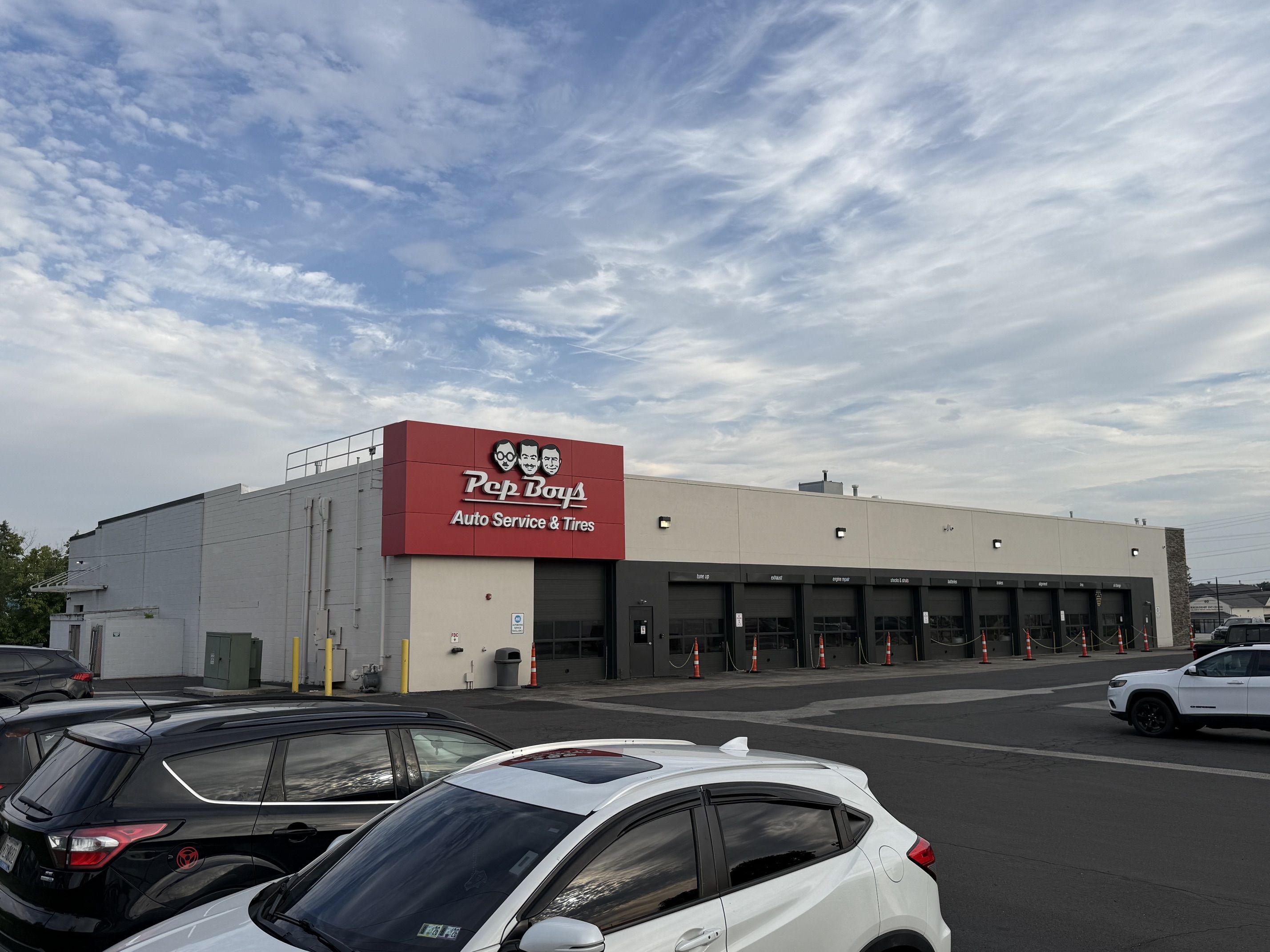
On the heels of announcing a planned merger with private equity-backed Mavis Tire Express Services, Philadelphia-born Pep Boys will lay off dozens of employees at its local corporate offices.
Pep Boys, which got its start over 100 years ago, had over 750 auto service locations across the country that carry out maintenance and repair services as of July.
As part of the recent acquisition, Mavis is leading a “reorganization of the Pep Boys corporate support services” and conducting “a mass layoff,” Susanne Cairo of Mavis’ legal department said in a layoff notice filed with the Pennsylvania Department of Labor and Industry.
The company plans to eliminate roughly 169 jobs in Bala Cynwyd by the end of February of next year, according to a layoff notice. Layoffs are set to begin Dec. 31.
A company spokesperson could not immediately be reached for comment.
Icahn Automotive Group said in July that it planned to sell the company to White Plains, N.Y.-based Mavis for $700 million in cash. Its parent company, publicly traded Icahn Enterprises LP, bought the company just over a decade ago.
As part of Mavis, Pep Boys CEO Joe Auriemma said in July, “Pep Boys will have the scale, footprint, and operational and technological strength to continue building on its legacy as it enters a new chapter of growth.”
A Mavis spokesperson said in July that Pep Boys “will continue operating under its iconic brand name” but declined to address the fate of the Bala Cynwyd corporate office at the time.
Icahn sold Pep Boys’ longtime headquarters on Allegheny Avenue in North Philly several years ago but leased back some space there. There had been 500 employees based there at the time. Pep Boys no longer occupies that building, a spokesperson told The Inquirer in July.
Inquirer staff writer Andrew Seidman contributed to this article.
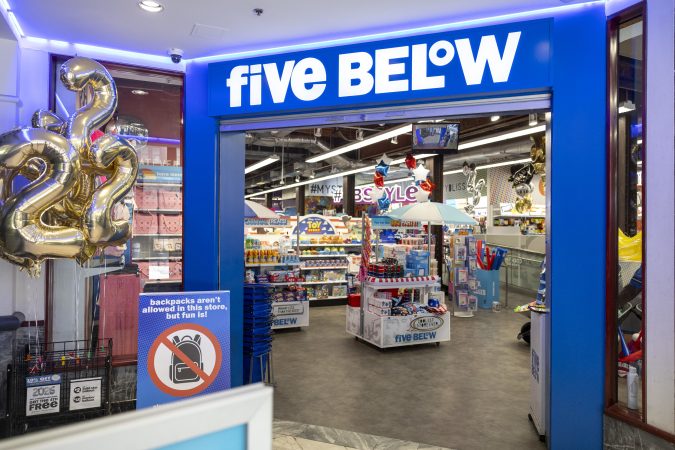
Crocs is suing Philadelphia-based discount retailer Five Below, alleging the company knowingly sold knockoff versions of Crocs’ famous foam clogs.
Crocs’ attorneys say Five Below kept selling Crocs look-alikes and accessories even after being notified this March of their trademark, patent, and intellectual property infringement.
The allegations were detailed in a lawsuit filed last week by Crocs and its subsidiary, Jibbitz Charms, in U.S. District Court in Colorado, where Crocs is based.
The plaintiffs take issue with Five Below’s “Juniors Charm Clog,” which look like trademarked Crocs, and the shoe’s accompanying charms, which resemble the patented Jibbitz ones that can be affixed to Crocs.
Five Below is “clearly attempting to trade off the significant investment Crocs has made in its brand,” the attorneys wrote in the lawsuit.
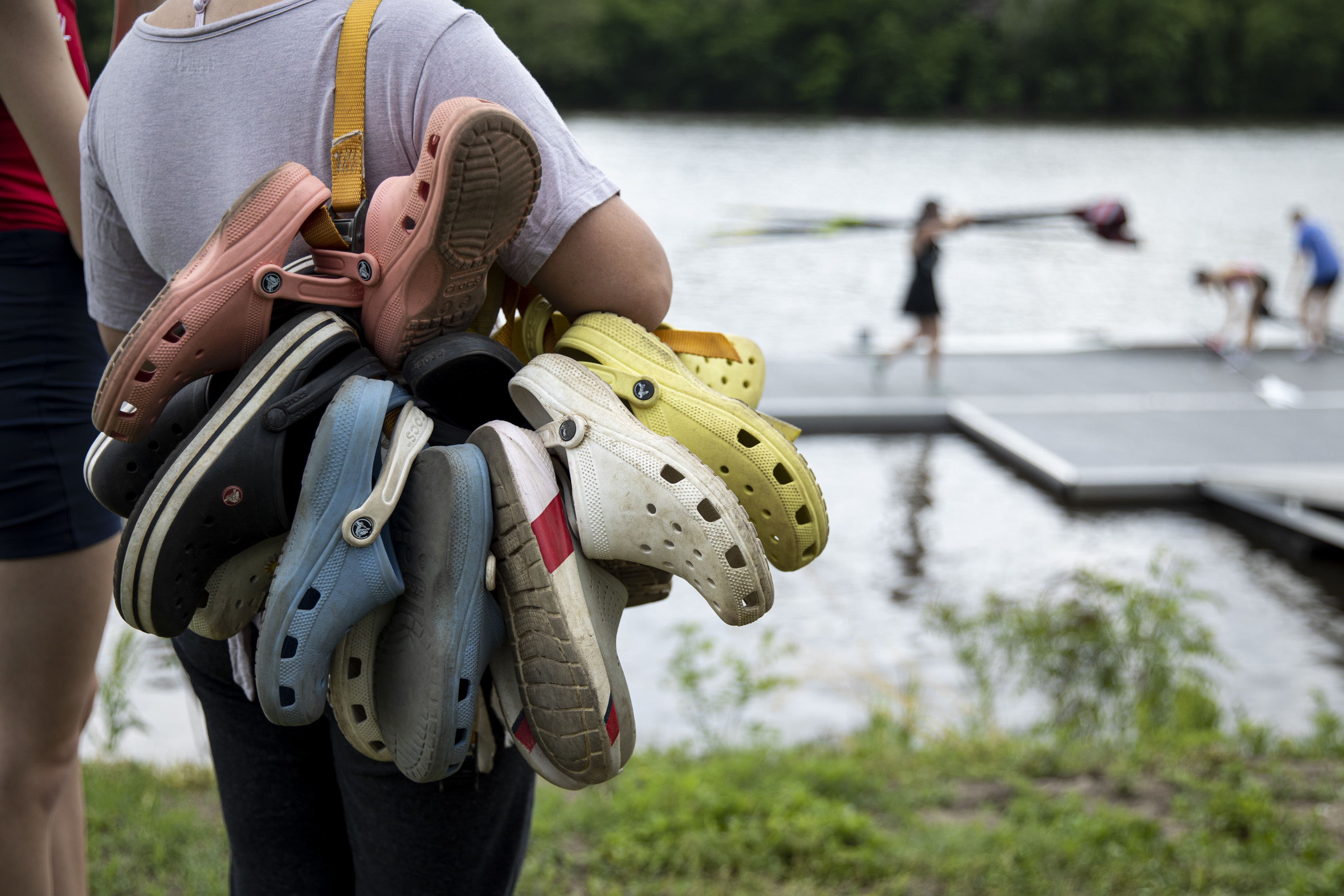
A woman carried rowers’ Crocs at the Stotesbury Regatta in 2022.TYGER WILLIAMS / Staff Photographer
And they were doing so at a lower price point, the lawsuit noted. Crocs’ classic adult clogs range from $50 to $75, while its kids’ version sells for about $40. Five Below’s “Juniors Charm Clog” is listed at $7 on its website.
Five Below spokespeople did not return requests for comment Wednesday.
Crocs’ attorneys have asked for a jury trial and are seeking an unspecified amount in damages, which include lost profits, according to the lawsuit. The company also wants a permanent injunction to prevent Five Below from selling products that resemble Crocs.
Crocs says it sells 150 million pairs of shoes each year, with annual sales of more than $4 billion.
The lawsuit was filed amid positive financial performance for Five Below.
As of August, the company had opened 101 net new stores this year and saw a more than 27% increase in net sales, according to its latest earnings report. Its reported net income was more than $344 million compared to nearly $84 million at the same time last year.
This success has come under the leadership of CEO Winnie Park, who took over in December 2024 with a mission to reaffirm Five Below’s reputation as an “extreme-value retailer,” as the company called itself in her hiring announcement.
Executives have said they’ve also gotten a boost from viral toys like plush Squishmallows and artificial-intelligence tools that help with inventory.
Five Below was founded in Wayne in 2002 and has since expanded to include more than 2,000 stores in 46 states. In 2018, the company opened a massive three-story headquarters in the former Lit Bros. building at 701 Market St. in Center City, where it is currently headquartered.
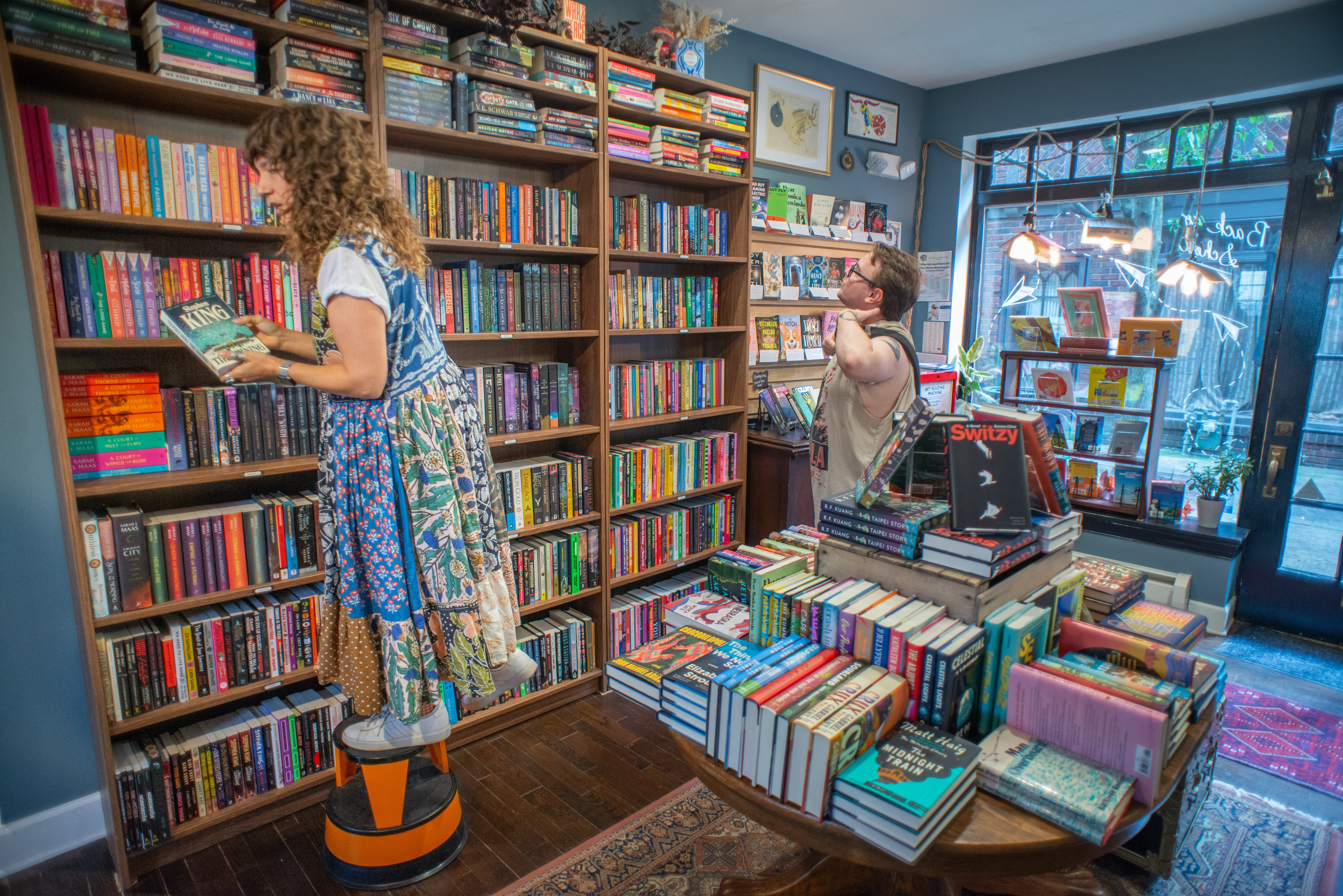
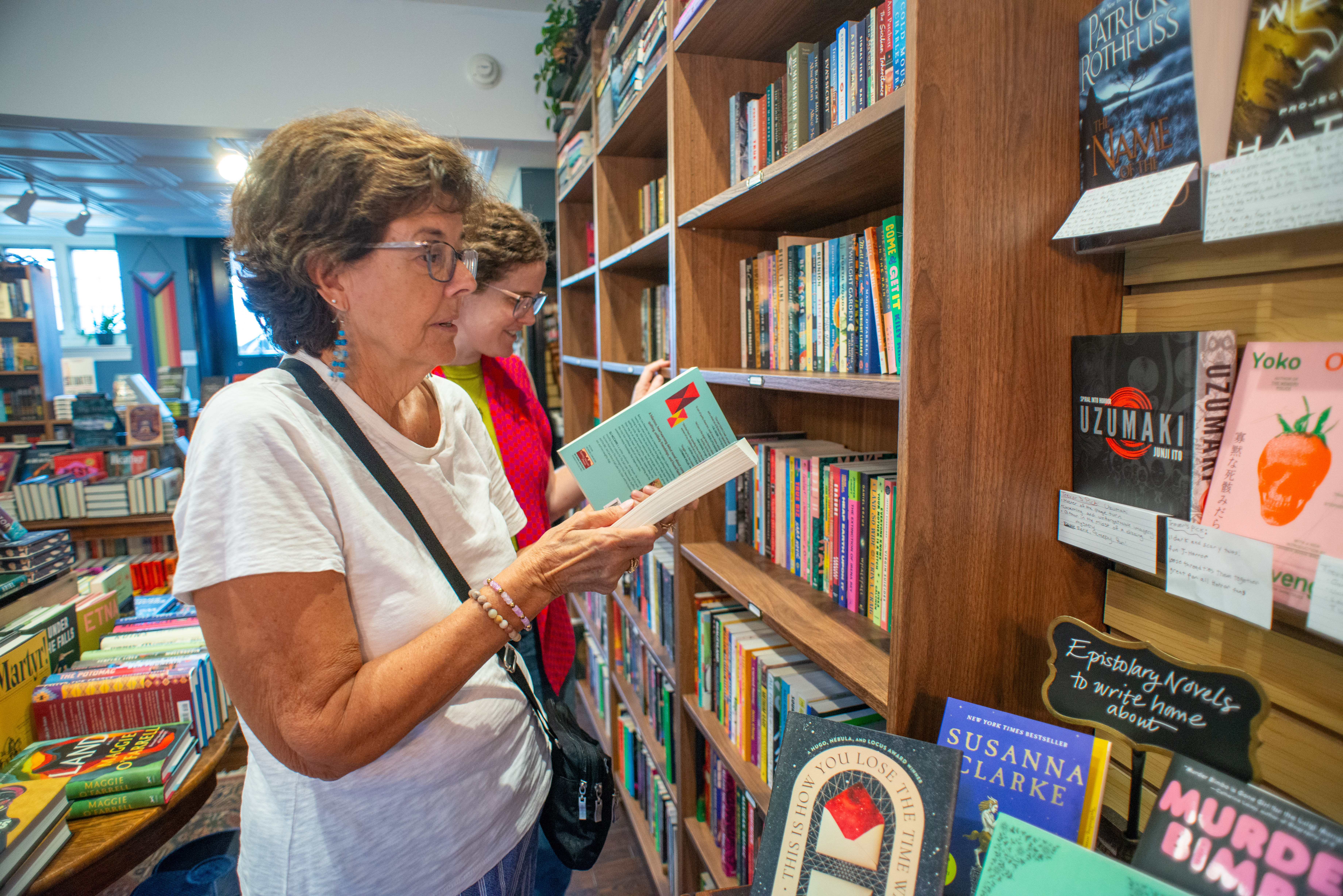
Books are back, in Greater Philadelphia and around the country.
The industry saw modest revenue growth the last four years in a row, an Association of American Publishers report found. Brick-and-mortars saw more than twice the growth of online retail in 2025, and hardcovers outpaced ebooks.
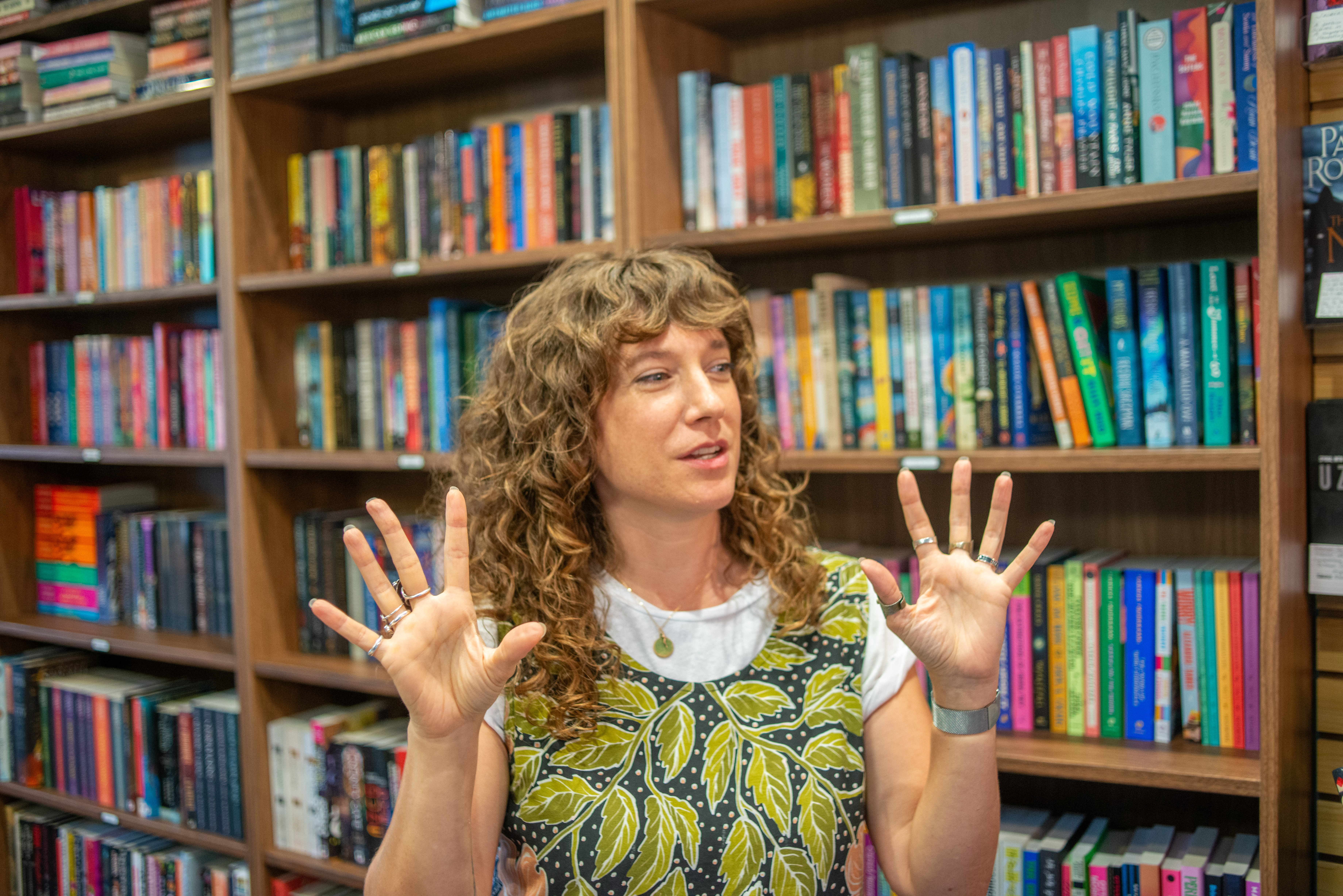
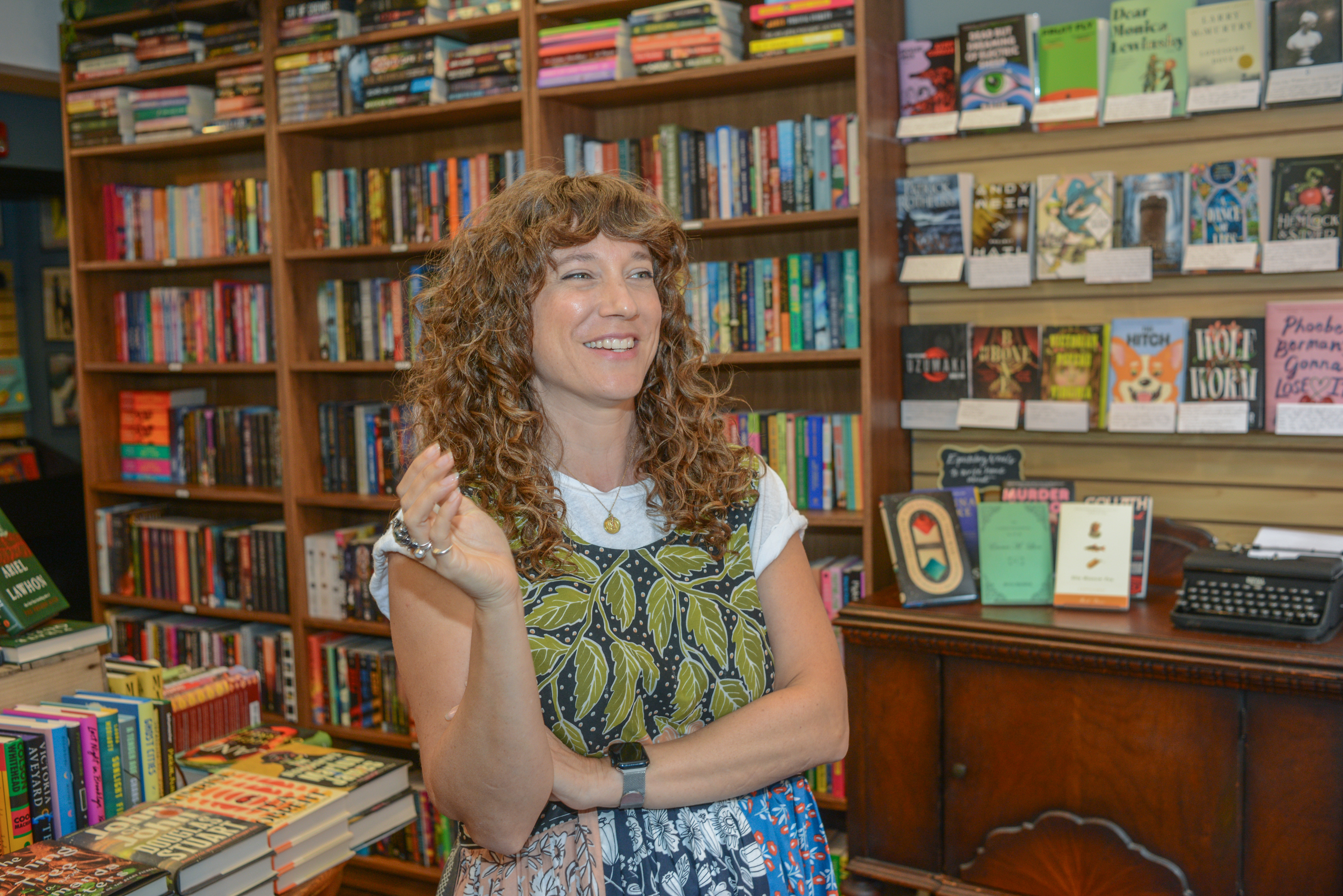
Jackie Botto looks for a book on the shelves while chatting with a customer at Capricorn Books in Jenkintown.William Thomas Cain / For The Inquirer
Many Philly-area booksellers said they’re feeling the surge.
But what are they reading? Sixteen booksellers told us their favorites of 2026 so far.
Angel by Elizabeth Taylor and The Princess of 72nd Street by Elaine Kraf — Ariel Censor, Little Yenta Books in South Philly
Back for Blood: Never Whistle at Night Part II edited by Shane Hawk and Theodore C. Van Alst Jr.— Alex Schneider, A Novel Idea in East Passyunk
Discipline by Larissa Pham — Richard De Wyngaert, Head House Books in Queen Village
Exit Party by Emily St. John Mandel — Jackie Botto, Capricorn Books in Jenkintown
Message to the Blackman in America by Elijah Muhammad — Shaykh Anwar Muhammad, The Black Reserve Bookstore in Lansdale
Most Ardently Yours by Freya Sampson — Charity Herndon, Austen’s Shelf in Bordentown
Partita by Barbara Kingsolver — Elizabeth Young, Commonplace Reader in Yardley
This suburban content is produced with support from the Leslie Miller and Richard Worley Foundation and The Lenfest Institute for Journalism. Editorial content is created independently of the project donors. Gifts to support The Inquirer’s high-impact journalism can be made at inquirer.com/donate. A list of Lenfest Institute donors can be found at lenfestinstitute.org/supporters.
Fishtown Books opened last weekend, the neighborhood’s fifth bookstore. In Manayunk, one couple opened two bookstores on the same street. The August opening of a West Chester fantasy shop wrapped a line around the building, ending early when the shelves were nearly emptied.
Across Greater Philadelphia, bookstores are back.
And despite the growing competition, many sellers said sales are up, mirroring national trends: The Association of American Publishers found the number of books sold via physical retail grew almost 34% over the past five years, outpacing online retail.
“I did not plan for it to be so busy,” said Jackie Botto, 41, of Capricorn Books, which expanded its Jenkintown storefront in July. “We’ve almost doubled our business.”
Capricorn Books owner Jackie Botto chats about the books and customers’ love of reading on Sept. 17 in her Jenkintown bookstore.William Thomas Cain / For The Inquirer
Screen fatigue, a hunger for community, and a desire to support local businesses are fueling the surge, said sellers — many of whom are investing in niche genres and hosting creative events to meet their customers’ needs.
Readers are reading, book people say
The reading boom isn’t limited to stores. At Jenkintown and Abington libraries — which sit along the same corridor as Capricorn and a newBarnes & Noble — patronage is growing, and bothlibraries are mulling expansion.
Adult print circulation is up 10% in Abington, and children’s circulation is up 50% since last year. “People are consuming more literature and media in general,” said Abington’s head of circulation, Marcus Palm.
And parents are prioritizing reading for themselves and their kids, said the Abington library director, Elizabeth Fitzgerald: “There is a bit of backlash to the doomscrolling.”
At Bookmarks in West Chester, some customers have tried ebooks and are returning to print.
“They spend all day working on the computer,” owner Lisa Strohl said. “They’re tired of being on the screen.”
But some apps like TikTok — and its algorithmic niche known as BookTok — are also driving readers to the stacks.
BookTok and tailored offerings draw young readers
“The screen is helping them get back into reading,” said Charity Herndon,ownerof Austen’s Shelf in Bordentown. “[BookTok] was the only way to reach the younger generation of readers.”
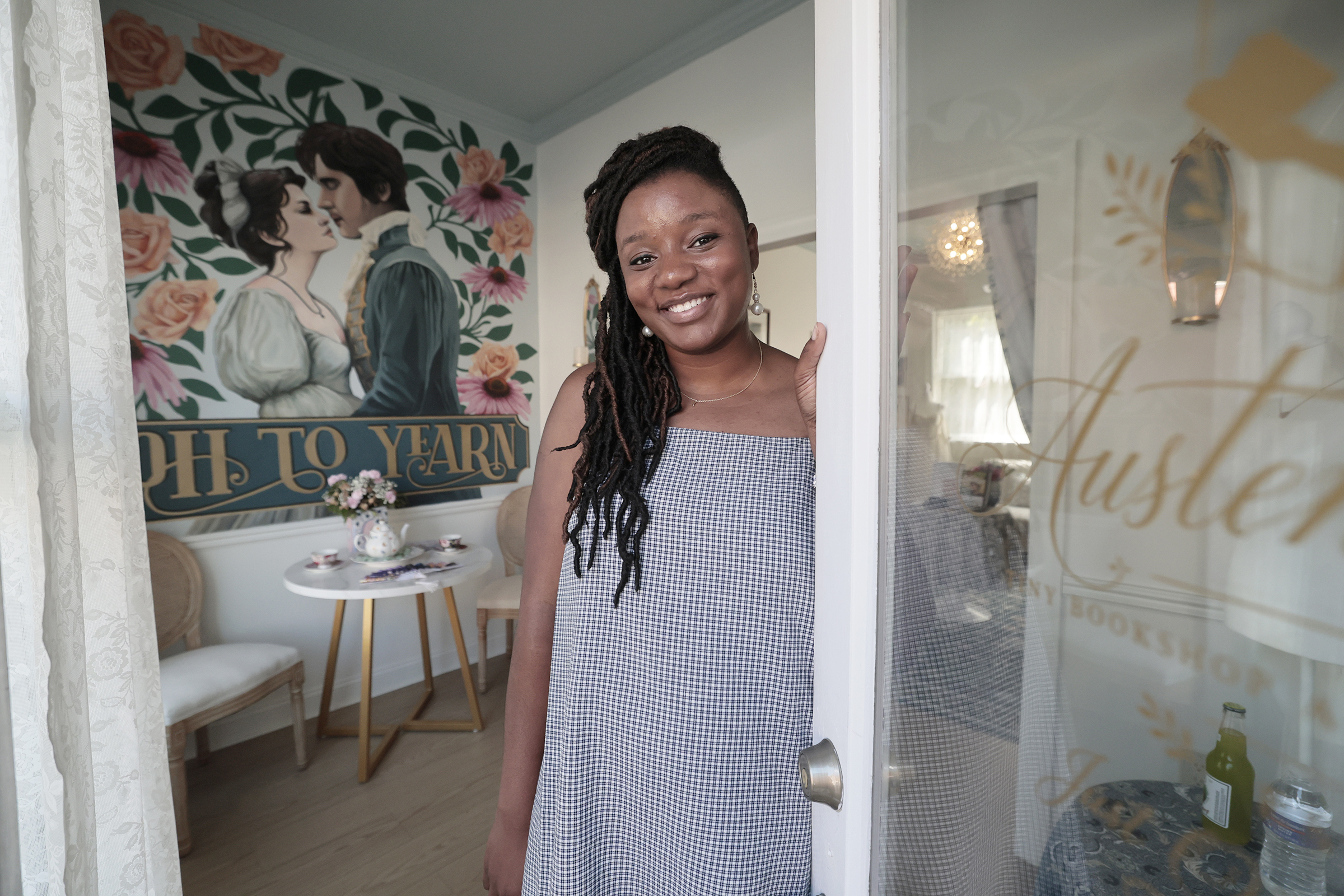
Charity Herndon, owner of Austen’s Shelf, stands in the entrance of her shop in Bordentown on June 13.Elizabeth Robertson / Staff Photographer
Sellers like Herndon and Anthony Long — who opened Thrillerdelphia in Manayunk last year after helping his wife open romance-focused Cupid’s down the street — are using both digital and analog strategies to turn new customers into loyal fans by delivering the community hubs they crave.
In a recent Instagram reel, a Thrillerdelphia staffer played a guitar riff to match each book cover he displayed. In November, the store is hosting the horror punk band Blitzkid, a member of which is also an author.
“I know my customers,” Long said. “You can get the eyeballs, but you have to build the intrigue and make people want to come in.”
Active support from local residents is key, many sellers said. Literary agent Eric Smith decided to start the Philadelphia Book Crawl a few years ago. It’s become a kind of Black Friday for bookstores; several said it’s their best day of the year.
“I’m terribly invested in how things go for our local indie bookstores,” Smith said. “I want to see them thrive.”
(function(){function e(){window.addEventListener(`message`,function(e){if(e.data[`datawrapper-height`]!==void 0){var t=document.querySelectorAll(`iframe`);for(var n in e.data[`datawrapper-height`])for(var r=0,i;i=t[r];r++)if(i.contentWindow===e.source){var a=e.data[`datawrapper-height`][n]+`px`;i.style.height=a}}})}e()})();
“[BookTok] was absolutely a key point, especially during COVID,” said Barnes & Noble vice president Janine Flanigan. “I’ve never seen the conversations around books the way we see them now.”
The chain has taken notice of successful indies: A news release for the new store in Abington — where a Barnes & Noble had closed more than a decade ago — highlighted plans for local author events and book clubs.
The Abington store’s stock will be selected more locally, Flanigan said. “The store managers are deciding what to put in front of their customer.”
The private equity-owned company’s shift to localized control only highlights the value of independent sellers, said Buffy Hastings, a co-owner of Farley’s Bookshop in New Hope.
“They got beat by us,” he said.
Botto, who owns Capricorn Books near the new Abington Barnes & Noble and has fond childhood memories of the chain, is optimistic that there’s room for everyone.
“Looking at our numbers we have no reason to be worried, which is great,” she said.
People buying books despite affordability crisis
Richard De Wyngaert, whose Queen Village store Head House Books opened during the online and big-box-bookstore boom of the early aughts, said those initial customers would always compare him to online vendors.
“Price was all that mattered,” he said. “That two-dollar savings.”
But a few years ago, he noticed a shift — “a new generation who wasn’t raised to think you had to match Amazon,” De Wyngaert said. “By then, we all knew the horrors.”
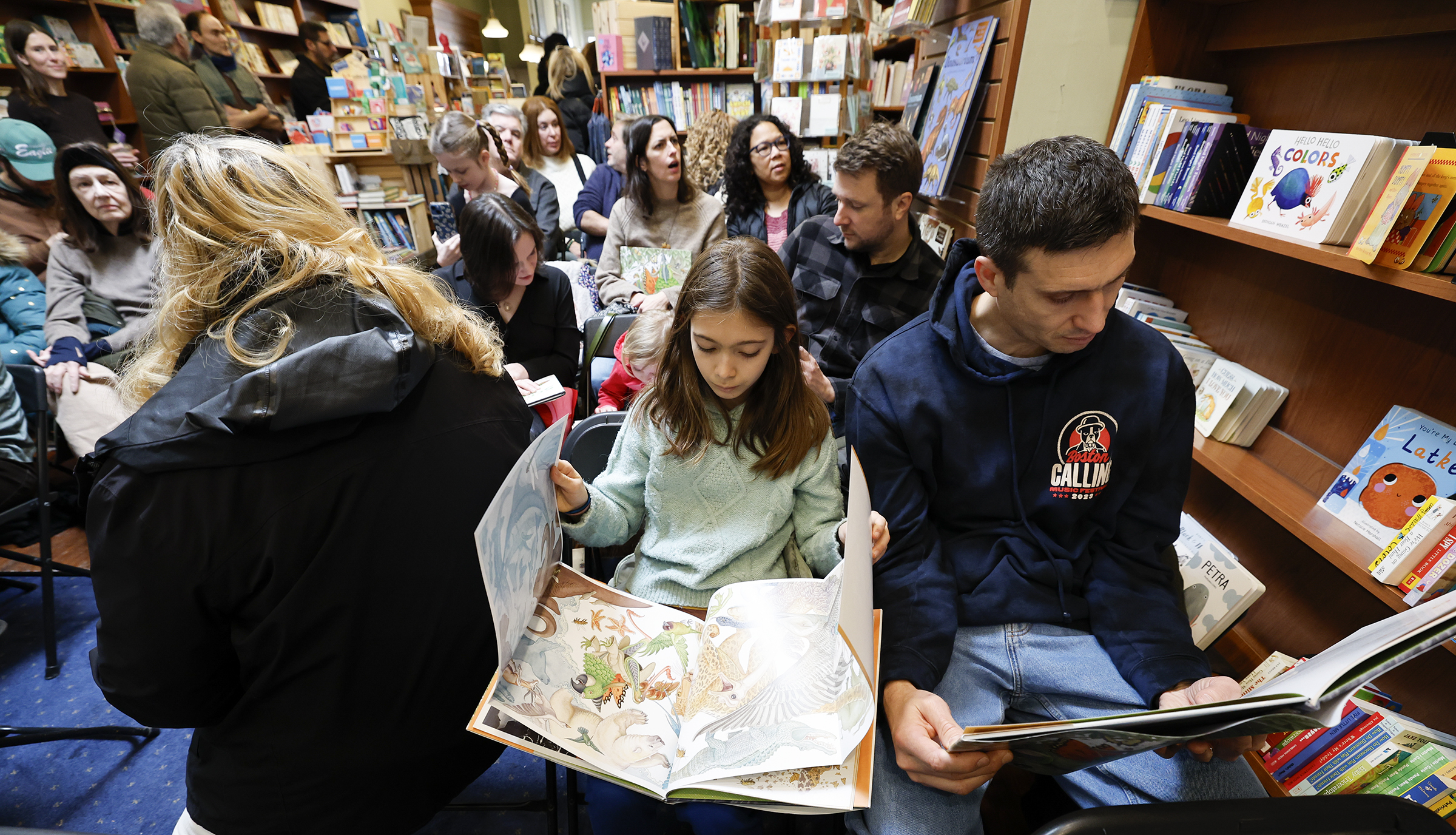
Mila Panchev (center), 9, and her father, Nikolay Panchev, look at the book “The Scroobious Pip” by Edward Lear and illustrated by Charles Santore and Nicholas Santore before a reading by Nicholas Santore at Head House Books in the Queen Village neighborhood on Jan. 25, 2025. Nicholas Santore finished the illustration started by his father, Charles Santore.Yong Kim / Staff Photographer
Sellers say book prices have shot up in recent months, but the customers keep coming.
The relative price hike for other consumer luxuries like airfare may be part of the reason: The consumer price index for “recreational books” has yet to return to its 30-year peak in 2009.
“I have seen this summer someone who’s like, ‘I can’t go on vacation, so I’m going to read about Italy,’” Herndon of Austen’s Shelf said.
Readers want to ‘escape’, booksellers say
The genres driving much of the growth in stores with broad selections, sellers said, are romance — especially when mixed with fantasy, a subgenre known as romantasy — and horror.
There are also the blockbuster books they can’t keep in stock, like the sci-fi fantasy series Dungeon Crawler Carl, and a return to the classics.
What these books have in common, sellers said, is they’re totally disconnected from everyday life — or, as Hastings put it, “the realities of living in America in 2026.”
The bestsellers at Austen’s Shelf are “books that allow people to escape,” Herndon said. “People just want to tuck themselves into a different world.”
When Head House Books opened in 2005, “people thought I was nuts,” De Wyngaert said. “Today you see bookstores … springing up everywhere.”
It’s “good news,” he added, “for a world that needs some good news.”
This suburban content is produced with support from the Leslie Miller and Richard Worley Foundation and The Lenfest Institute for Journalism. Editorial content is created independently of the project donors. Gifts to support The Inquirer’s high-impact journalism can be made at inquirer.com/donate. A list of Lenfest Institute donors can be found at lenfestinstitute.org/supporters.
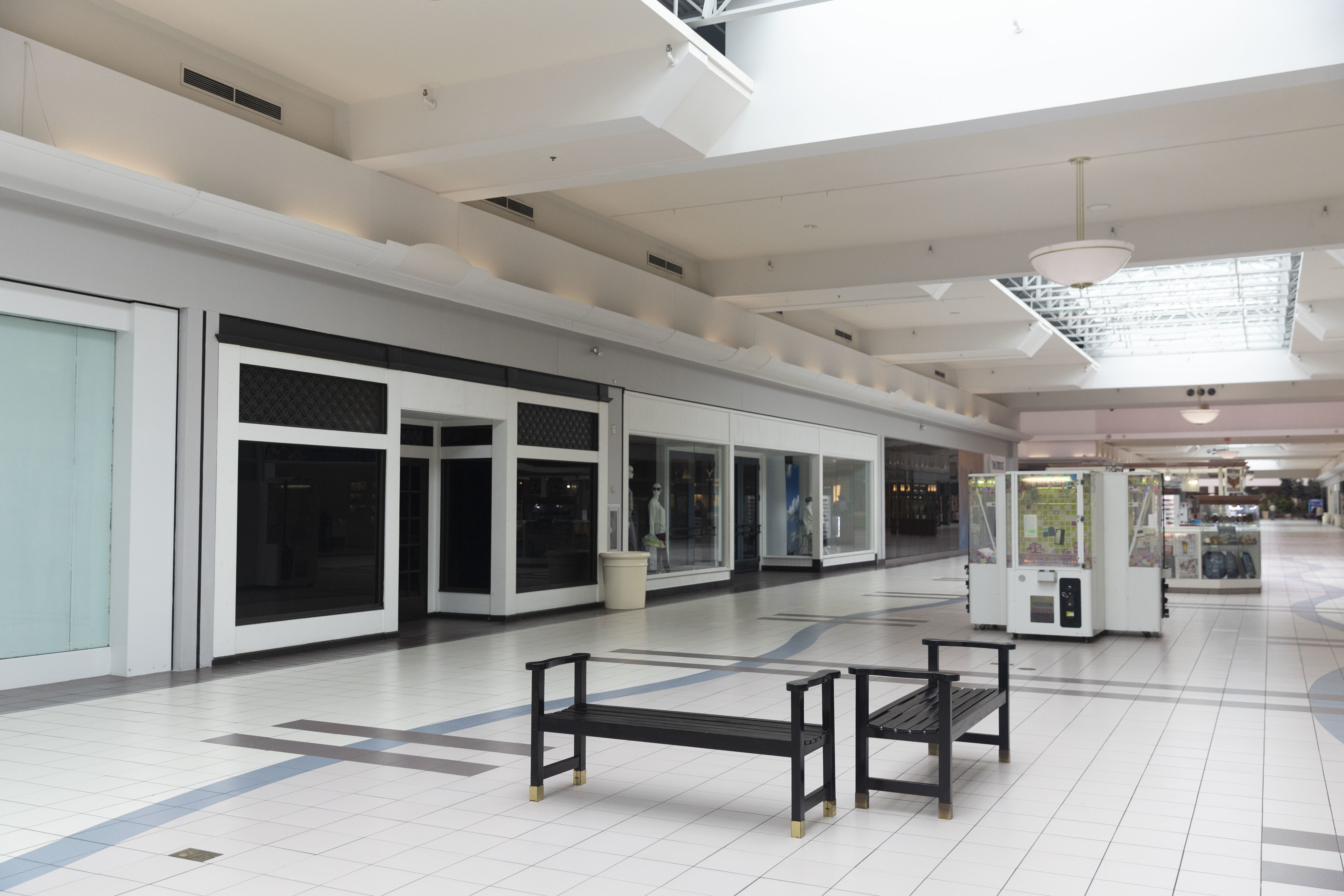
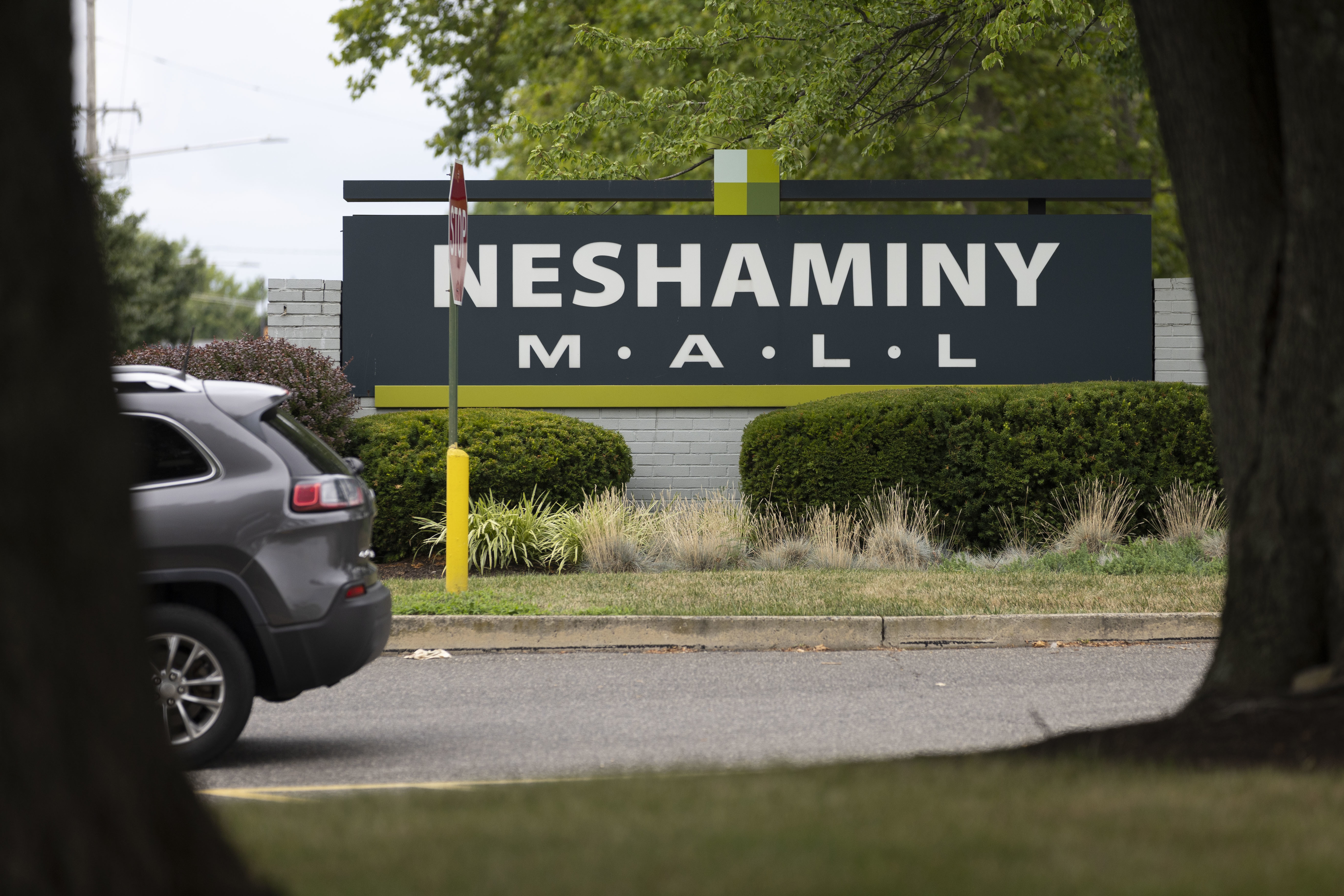
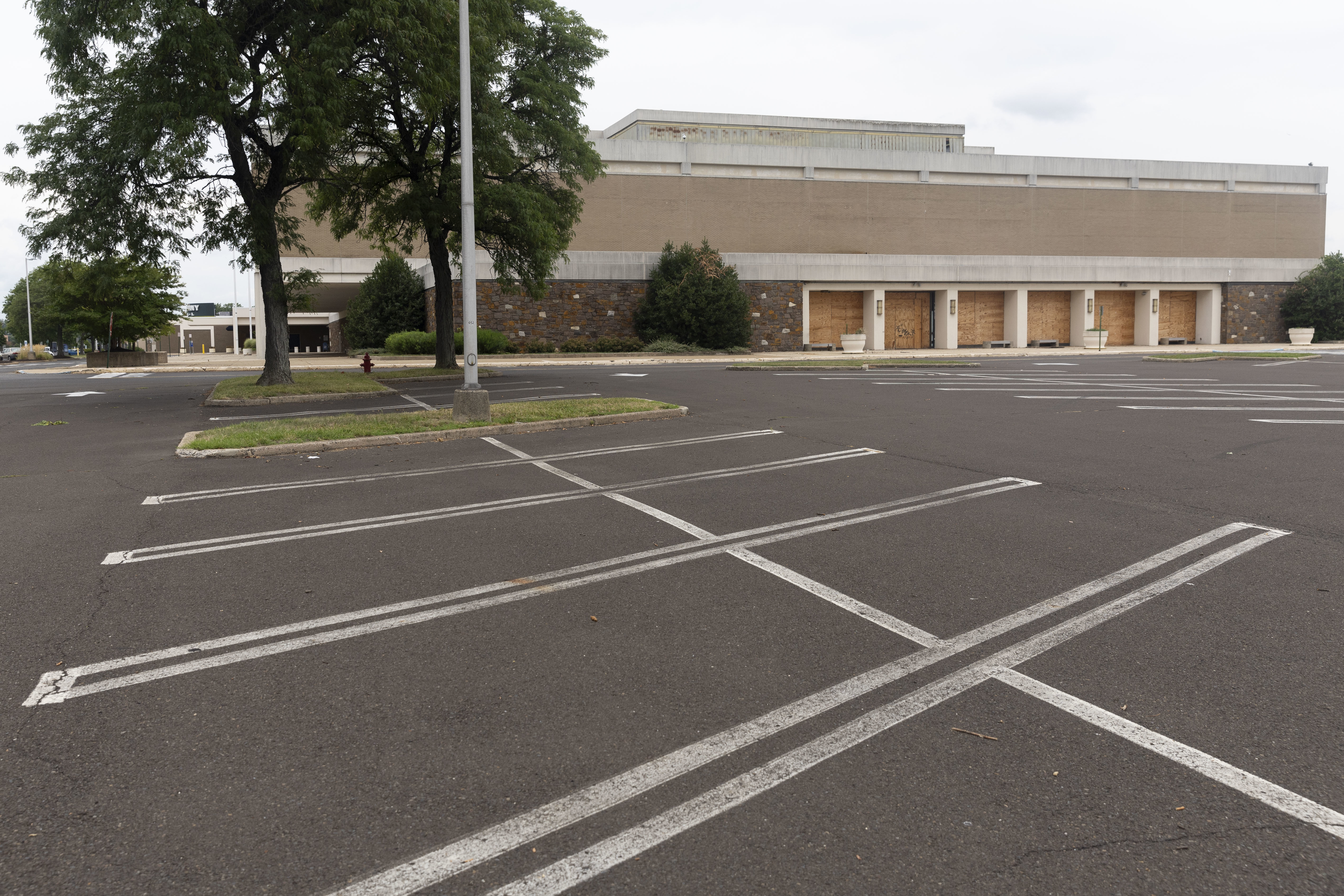
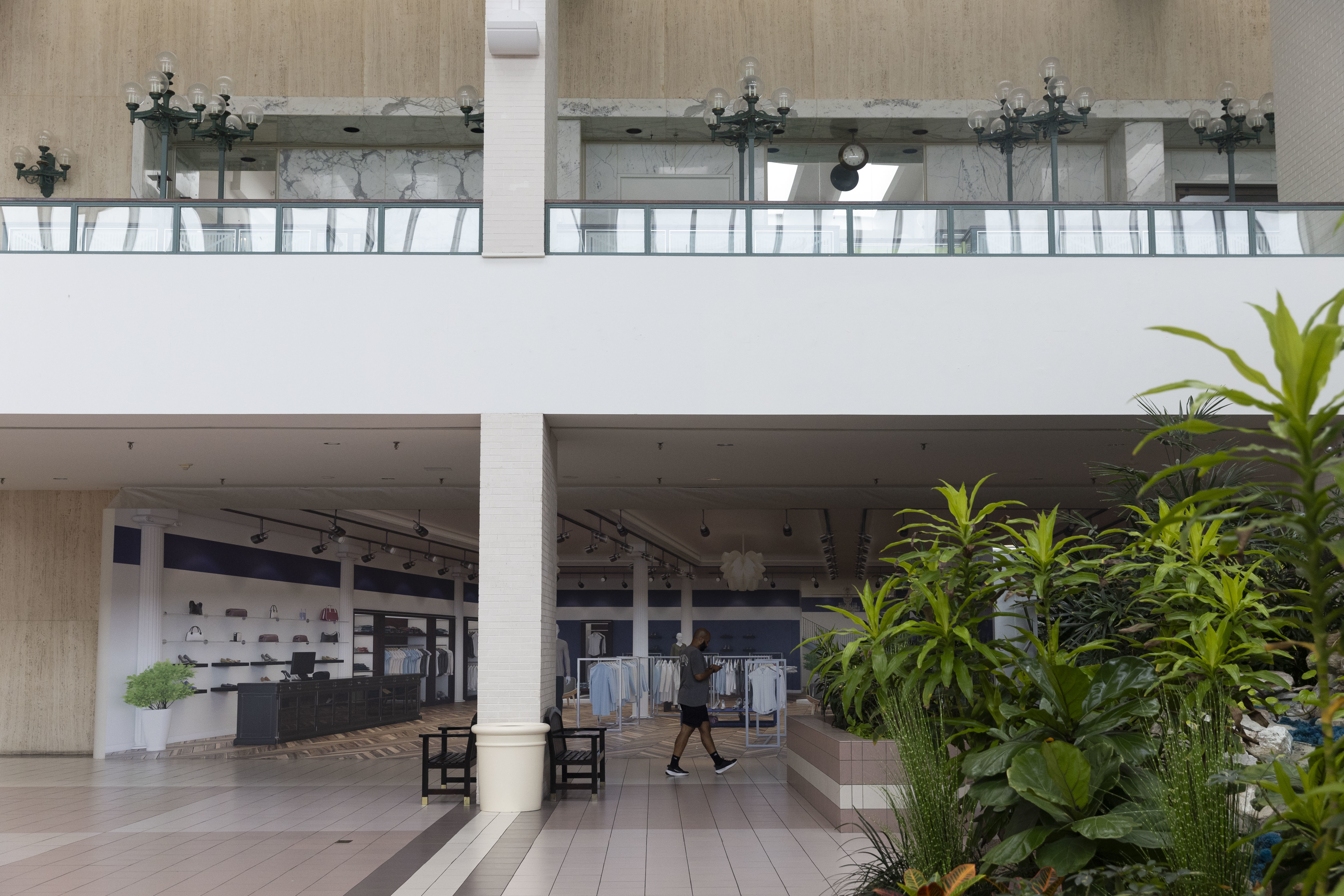
Neshaminy Mall, a 58-year-old Bucks County institution, will not see another holiday season, according to Bensalem Township Mayor Joe DiGirolamo, who said the complex will close by the end of October.
“It’s very bittersweet,” DiGirolamo said, “but the mall has been going downhill for the last few years.”
The 1-million-square-foot center has struggled with rising store vacancies and fewer customers, becoming fodder for TikTokers mourning their teenage stomping grounds.
Neshaminy Mall in Bensalem, Pa., on Monday, July 22, 2024.Monica Herndon / Staff Photographer
Like in Exton, Neshaminy’s Boscov’s will remain open, DiGirolamo said, as will the AMC Movie Theater and Barnes & Noble bookstore.
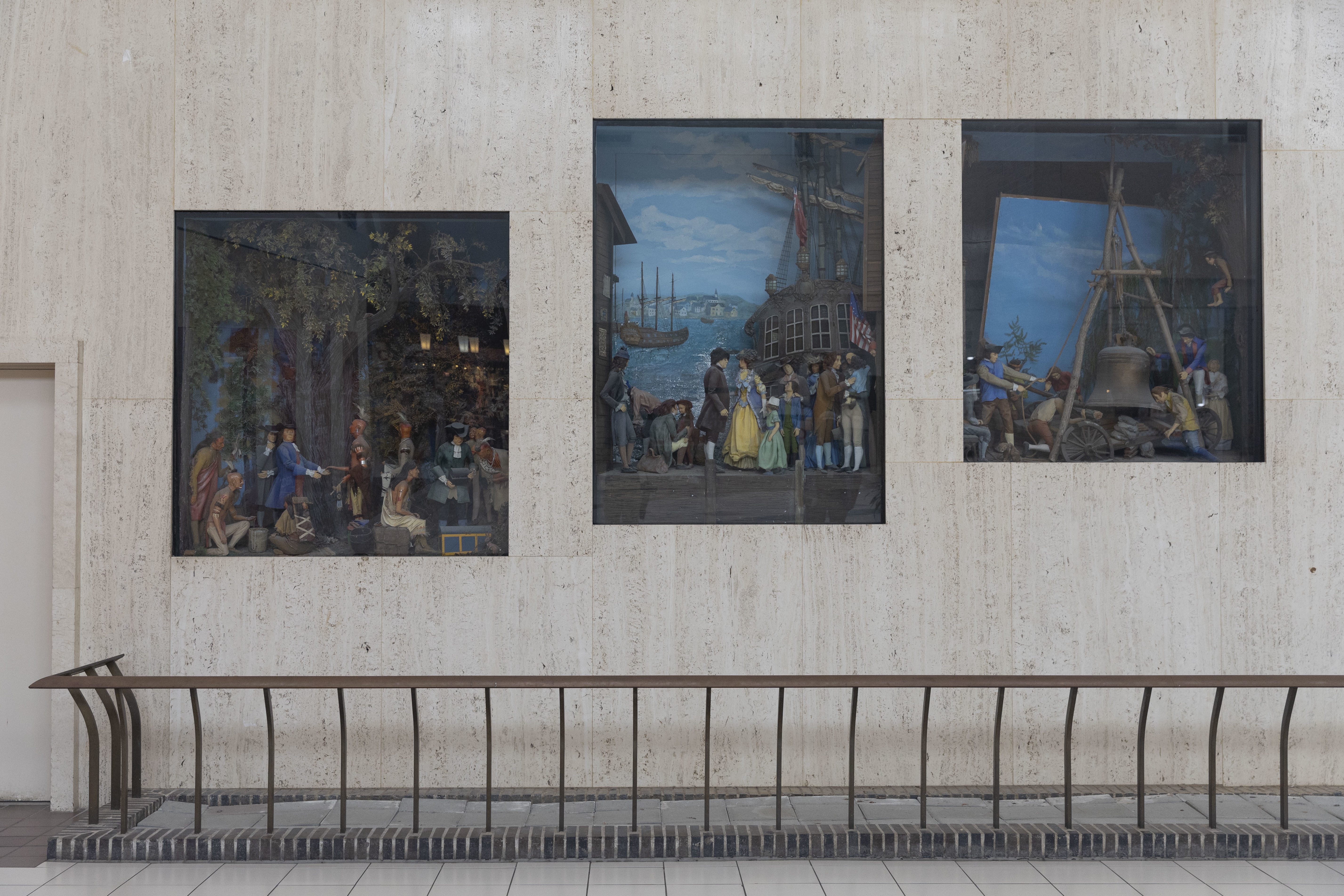
A handful of other mall tenants must close up shop by the end of October, DiGirolamo said. In November, township officials plan to remove the mall’s dioramas, which depict key moments in U.S. history that took place in the Delaware Valley, as well as a bronze Native American statue, for preservation.
Historical dioramas in the Neshaminy Mall, as seen in 2024, will be preserved when the mall closes.Monica Herndon / Staff Photographer
The mayor said the property’s owners,Lakewood, N.J.-based Paramount Realty, want to knock down the mall and build something new in its place, though the company had not applied for a demolition permit or submitted redevelopment plans as of Tuesday. Such plans would require approval by township council.
The exterior of the old Macy’s at the Neshaminy Mall, as seen in 2024.Monica Herndon / Staff Photographer
A few have been transformed, or are in the process. In Media, Delaware County, the 1-million-square-foot Granite Run Mall was demolished in 2016 and replaced by a mixed-use town center with apartment buildings, new retail, and medical offices.
At the Neshaminy Mall site, near U.S. Route 1 and the Pennsylvania Turnpike, DiGirolamo said he’s “hopeful they are going to rebuild it in a way that most malls are rebuilt,” in the town-center style with housing and outdoor walkways.
As for the indoor mall’s final days, the mayor said he expects them to be quiet, with some tenants vacating before their leases expire.
DiGirolamo, a lifelong resident of Bensalem, said he remembers when the mall opened in 1968. It was a “regional mall,” he said, that attracted out-of-town visitors.
A faux storefront covered the old Macy’s at the Neshaminy Mall in 2024.Monica Herndon / Staff Photographer
A Philadelphia Daily News article about Neshaminy Mall’s opening called the $25-million complex “America’s most modern shopping center,” with the largest branches of Sears Roebuck & Co. and Strawbridge & Clothier at the time.
A few years later, the Oxford Valley Mall opened in nearby Langhorne. Oxford Valley, which is being partially redeveloped with apartments, will be Bucks County’s only enclosed mall once Neshaminy closes.
Lorianne Moore always wanted to run her own business.
Two years ago, after decades in the corporate world, Moore began to think about opening a storefront in her home community of Havertown. She and her husband, Joe Singer, kicked around the idea of a coffee shop or gift store, something people were really “looking for,” Singer said.
When Moore brought her small-business dreams to Jeanne Angell, executive director of Discover Haverford, Haverford Township’s economic development organization, Angell said she knew exactly what Havertown needed.
Consumer data collected by Discover Haverford at the time had found that residents’ number one desire for the community was a local bookstore.
Moore, a “voracious reader,” figured her “love of reading and her passion for that would align awesomely with what the town was looking for,” Singer said. Moore Books opened in September 2024 and has since become a hub for readers, writers, and shoppers in one of Havertown’s core commercial neighborhoods.
“I don’t know if we would have landed on bookstore without Discover Haverford, but once [Moore] started talking with them, it just made sense,” said Singer, who’s now the bookstore’s manager and events coordinator.
The data that guided the opening of Moore Books was part of Discover Haverford’s biannual consumer surveys, which poll residents on the state of the local economy and help provide a framework for recruiting businesses to town, a partnership Angell said is exemplified in Moore Books’ story. Understanding what consumers want, Angell said, gives proprietors important information as they consider opening a brick-and-mortar business, a venture that can be economically risky, especially for small-business owners.
Discover Haverford’s newest survey, published in July, has given officials a fresh round of data regarding consumers’ vision for the community’s future. Sowhat do Haverford Township residents want most? Recent data points toward a desire for family-friendly businesses, communal spaces, and a revitalized streetscape.
What do Haverford residents want?
Discover Haverford conducted its biannual consumer survey in July, gathering data from 601 respondents about what types of businesses they’d like to see and how they feel Haverford Township’s commercial experience can be improved.
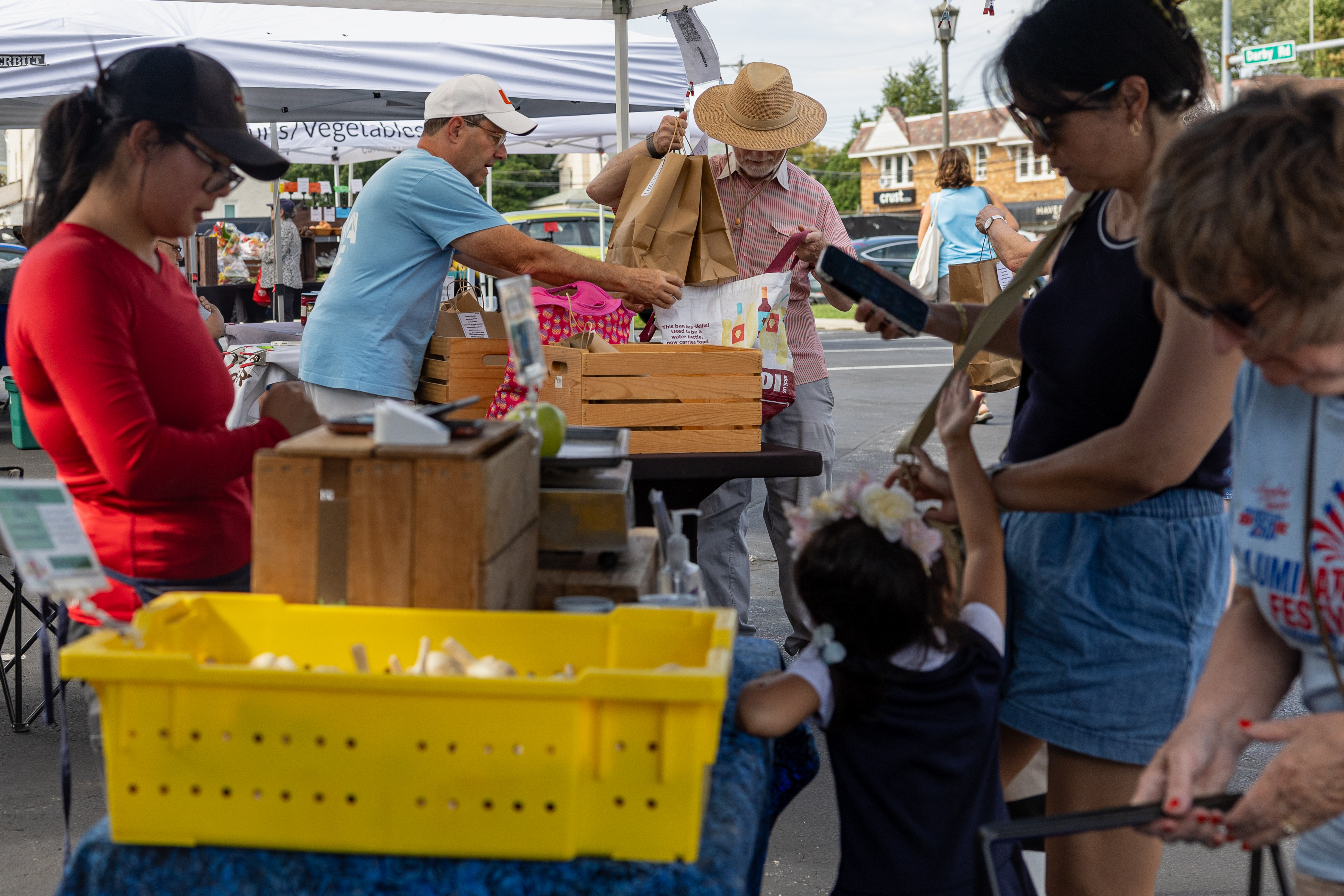
When it came to grocery and retail options, nearly 60% of respondents expressed a desire for a multi-vendor marketplace, and nearly 80% said they’d like to see an indoor farmers market.
On restaurants, 71% were interested in a bakery, 67% in a family restaurant, 63% in a Greek restaurant, and 57% in a BYOB restaurant.
When it comes to non-retail businesses, respondents also showed an interest in movie theaters, concert venues, and day spas.
(function(){function e(){window.addEventListener(`message`,function(e){if(e.data[`datawrapper-height`]!==void 0){var t=document.querySelectorAll(`iframe`);for(var n in e.data[`datawrapper-height`])for(var r=0,i;i=t[r];r++)if(i.contentWindow===e.source){var a=e.data[`datawrapper-height`][n]+`px`;i.style.height=a}}})}e()})();
Angell said she’s long heard residents ask for a multi-vendor market, a desire that falls in line with the growing appetite for “third spaces,” or communal places to socialize that aren’t work or home.
“I think people do need that, a place to feel that community,” Angell said.
She noted, however, that a multi-vendor market is “a very difficult thing to recruit for,” requiring a large space and considerable funding. A local movie theater is another feat Angell said is difficult to pull off due to space constraints.
(function(){function e(){window.addEventListener(`message`,function(e){if(e.data[`datawrapper-height`]!==void 0){var t=document.querySelectorAll(`iframe`);for(var n in e.data[`datawrapper-height`])for(var r=0,i;i=t[r];r++)if(i.contentWindow===e.source){var a=e.data[`datawrapper-height`][n]+`px`;i.style.height=a}}})}e()})();
How else should Haverford Township create a more vibrant business community?
Numerous respondents raised concerns over traffic safety. Some said the township needs more walkable town centers, safe bike lanes, and pedestrian crossings.
Some said parking inconveniences and costs deter them from shopping in Haverford Township, while others said older storefront facades need to be revitalized to beautify the township’s commercial strips.
This suburban content is produced with support from the Leslie Miller and Richard Worley Foundation and The Lenfest Institute for Journalism. Editorial content is created independently of the project donors. Gifts to support The Inquirer’s high-impact journalism can be made at inquirer.com/donate. A list of Lenfest Institute donors can be found at lenfestinstitute.org/supporters.
Clarification: The story has been updated to clarify the survey’s location.
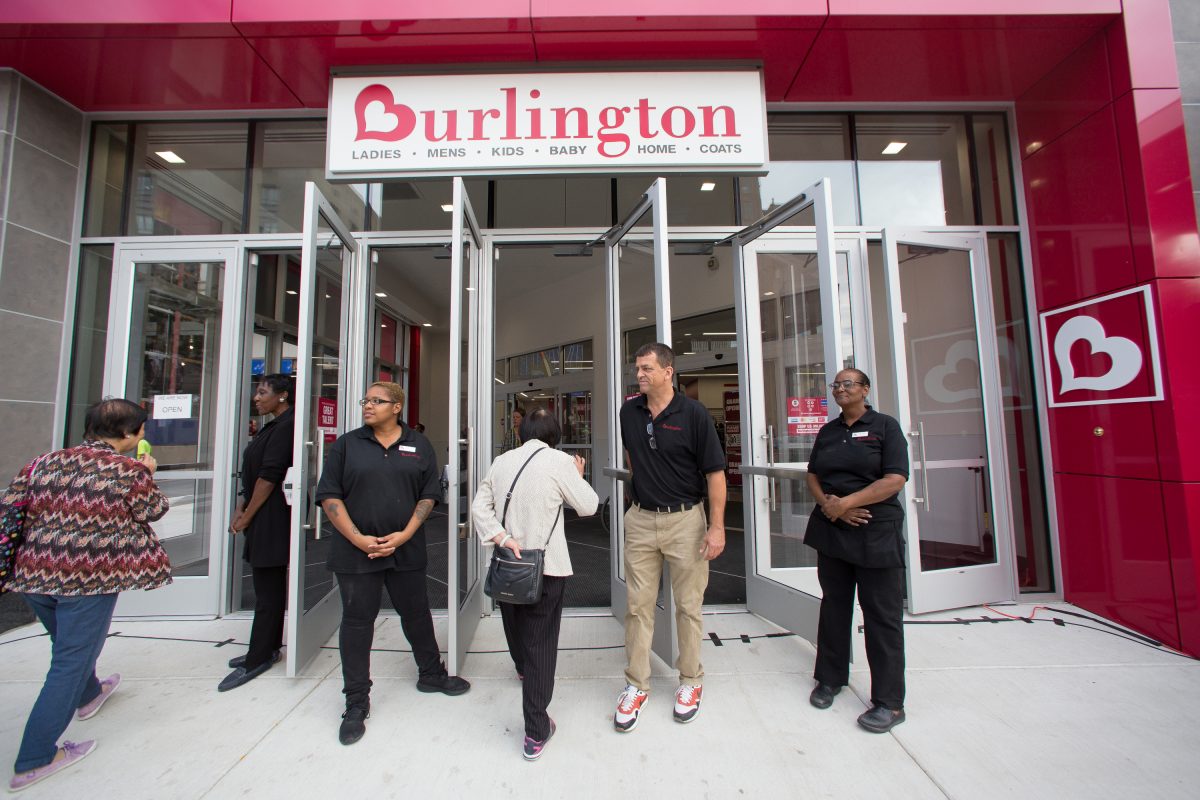
With the relocation, set to start in two to three years, the discount retailer says it will invest a total of $370 million in the city. The company plans to keep warehouses in Burlington County, including on the site of its current headquarters, where it has been based for more than half a century.
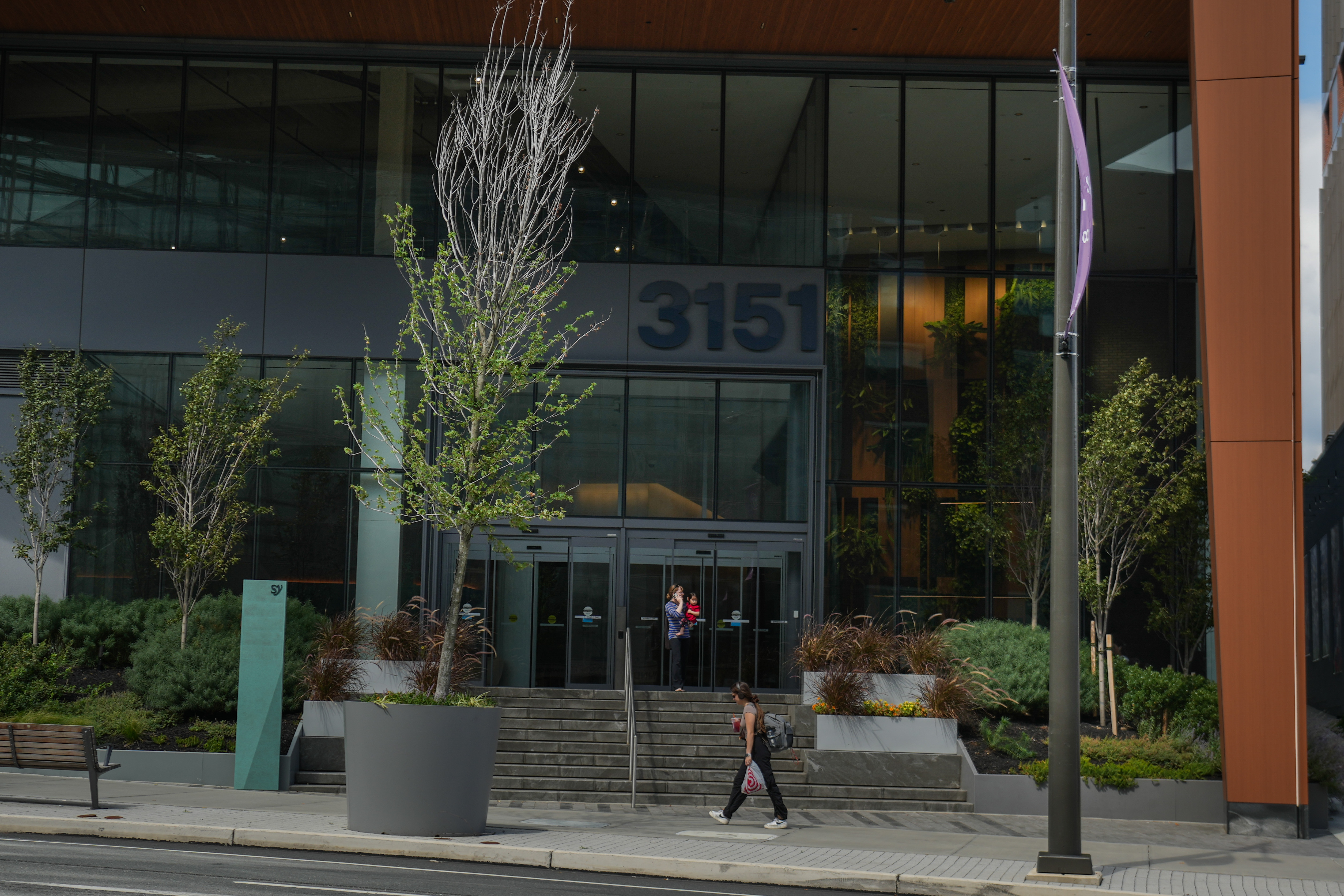
Here’s what else to know about the big numbers related to Burlington’s move to 3151 Market St.
What does it cost to move to Schuylkill Yards?
$370 million: What Burlington plans to spend on the move
$240 million: How much Burlington is paying for the 441,000-square-foot building, according to a Thursday SEC filing by Brandywine Realty Trust. That’s about $544 per square foot.
$130 million: How much Burlington plans to spend on “design and development of the space, creating an HQ built for collaboration and the modern needs of Burlington’s corporate workforce,” a spokesperson said.
$223 million: What Brandywine had spent on 3151 Market, as of June 30, according to its latest earnings report.
(function() { var l = function() { new pym.Parent( ‘burlington-move__graphic’, ‘https://media.inquirer.com/storage/inquirer/ai2html/burlington-move/index.html’); }; if(typeof(pym) === ‘undefined’) { var h = document.getElementsByTagName(‘head’)[0], s = document.createElement(‘script’); s.type = ‘text/javascript’; s.src = ‘https://pym.nprapps.org/pym.v1.min.js’; s.onload = l; h.appendChild(s); } else { l(); } })();
$168 million: How much Brandywine estimates it will get from the sale. The company said in an SEC filing that it has a $57.3 million mortgage on the building that will be repaid at closing, which is set for later this month.
96%: The vacancy rate at 3151 Market, which was completed in 2024.
Burlington Stores’ future new home at 3151 Market St., in Philadelphia. Jessica Griffin / Staff Photographer
What government incentives are going to Burlington?
$30 million: How much Burlington is set to receive in grants from Pennsylvania.
$8 million: What the City of Philadelphia plans to invest in Burlington’s move, including a $7 million forgivable loan and $1 million for a year of free SEPTA passes for employees.
How much of Burlington’s workforce is coming to Philly?
1,500: Number of Burlington employees the company plans to move from New Jersey to Philadelphia, starting in late 2028 or early 2029
500: Number of hires Burlington plans at its new headquarters in the next five years
0: Number of layoffs Burlington has planned as a result of the headquarters relocation
Inquirer reporter Joseph N. DiStefano contributed to this article.
Burlington Stores, the discount retailer named for its longtime South Jersey home, is spending millions on new corporate offices in Philadelphia, marking the first time in decades the city has welcomed the headquarters of a Fortune 500 company.
In all, Burlington plans to spend $370 million on the move, and is set to receive another $30 million in state grants. The city is also providing a $7 million forgivable loan, a job-creation tax credit, and a $1 million investment that will give Burlington workers free SEPTA passes for a year.
Burlington eventually plans to relocate 1,500 employees from New Jersey to the new Philly headquarters, a spokesperson said, and hire another 500. The company has no plans for layoffs.
They plan to gradually move employees by team. The moves will begin no earlier than late 2028.
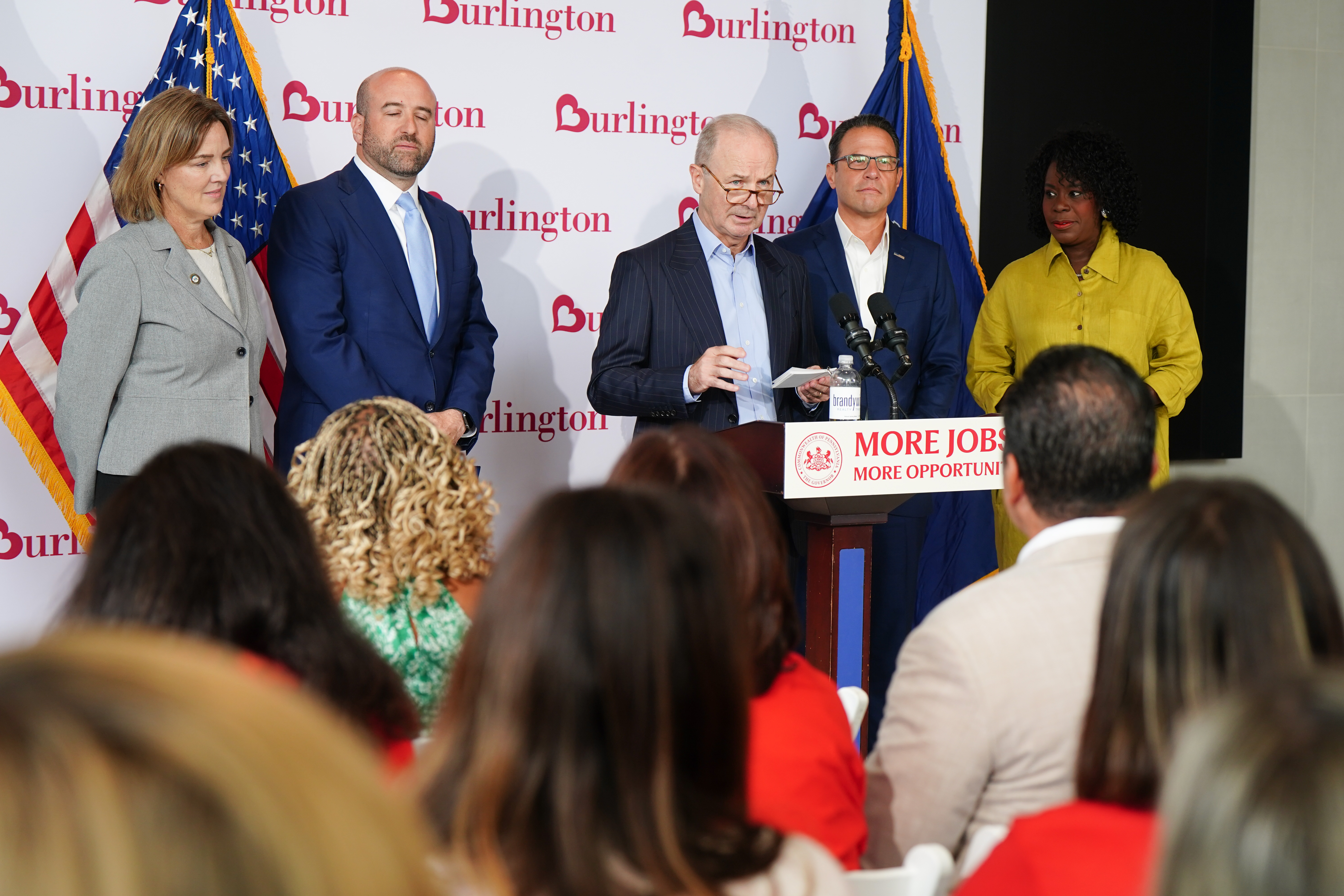
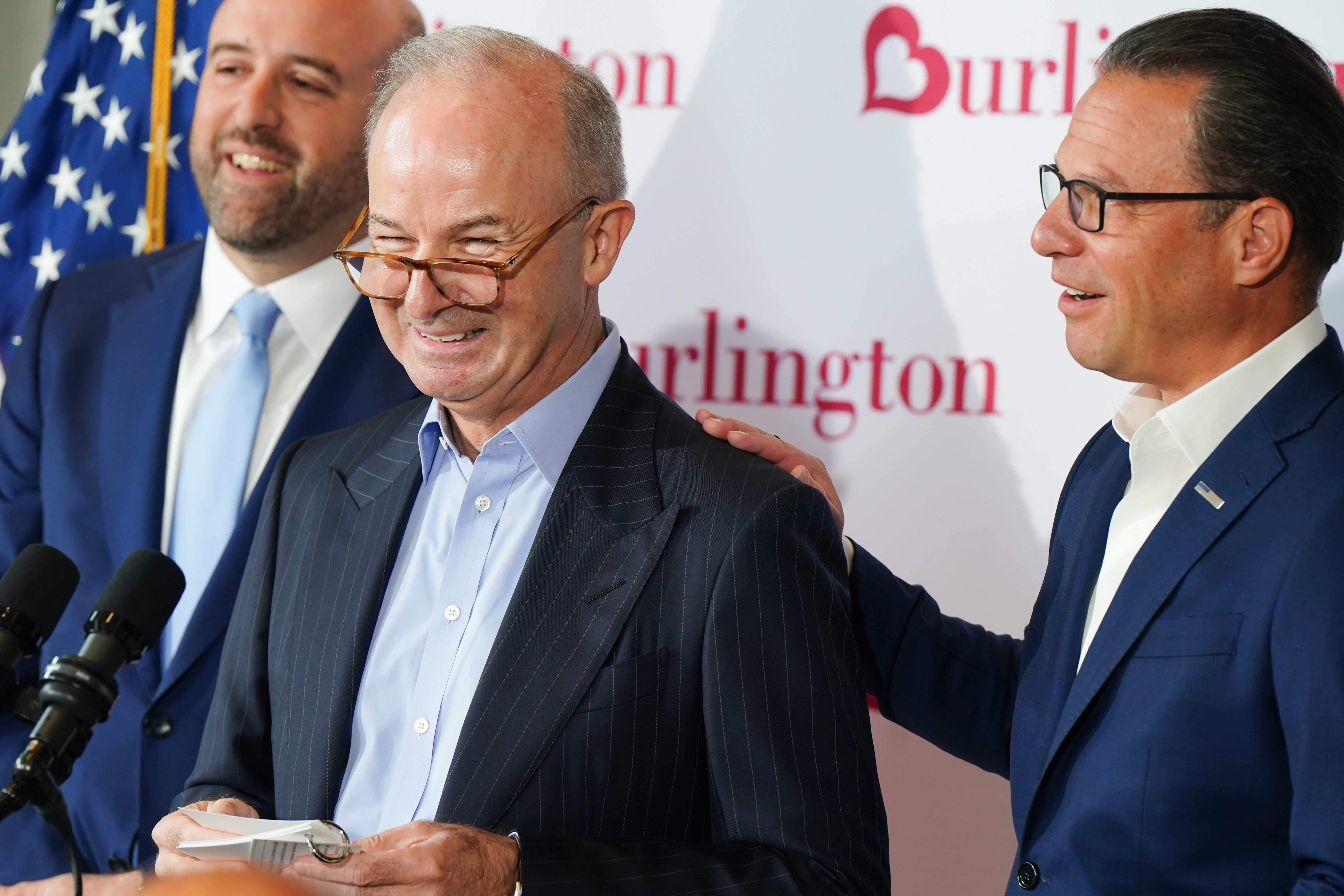
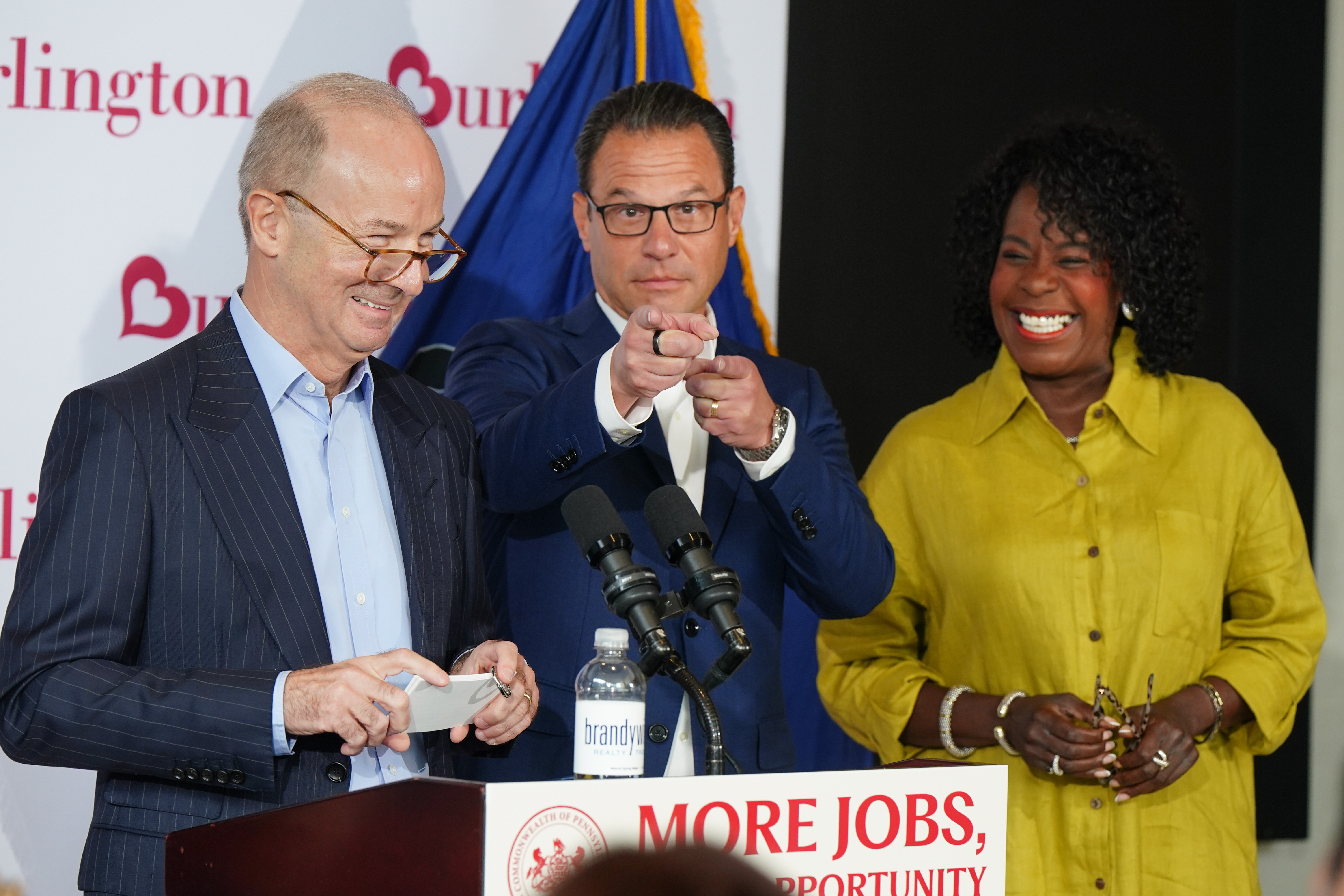
Pennsylvania Gov. Josh Shapiro called the move “one of the largest corporate relocations ever in the commonwealth,” at an event Thursday in the lobby of Burlington’s new headquarters.
Burlington CEO Michael O’Sullivan, Gov. Josh Shapiro, and Mayor Cherelle L. Parker announce the retailer’s forthcoming move to Philadelphia.Jessica Griffin / Staff Photographer
“It’s going to put West Philly and our growing downtown district on the map as a premier spot for some of the largest companies in the world,” said the governor, who announced the news Thursday alongside Mayor Cherelle L.Parker, Burlington CEO Michael O’Sullivan, Brandywine Realty Trust CEO Jerry Sweeney, and other state and local officials.
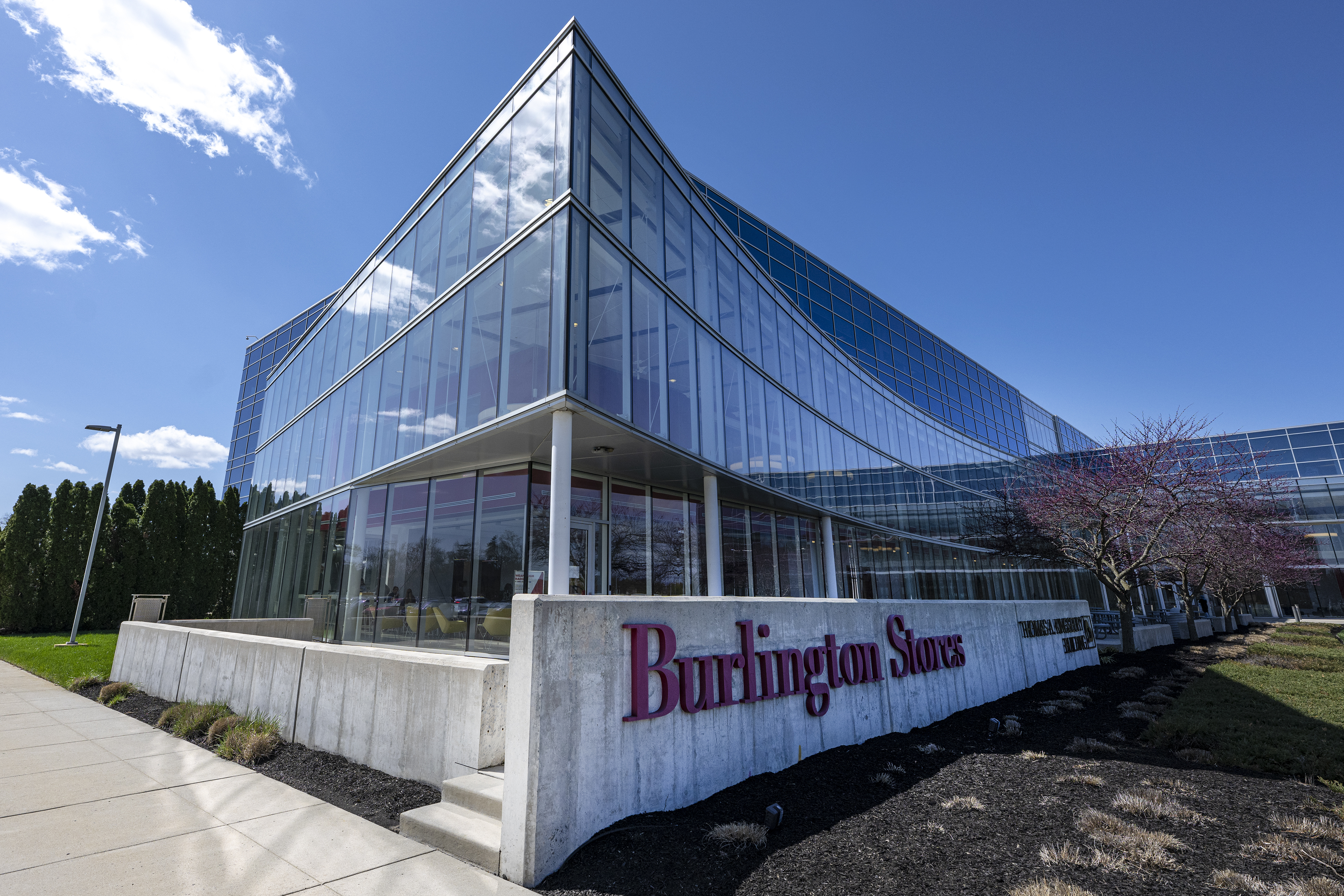
Philly’s gain comes at a loss for New Jersey: Burlington has been based in its namesake Burlington Township for more than half a century. It opened its first store there in 1972.
New Jersey Gov. Mikie Sherrill’s office said in a statement that they were “disappointed by Burlington’s decision to relocate its headquarters.” But “the company will continue to maintain a significant presence and thousands of jobs here in New Jersey.”
Burlington Stores headquarters in Burlington, N.J., as seen in 2025.Jose F. Moreno / Staff Photographer
About 4,700 people worked at Burlington’s corporate campus and warehouses in Burlington County as of last year, with 2,100 people employed in Philly-area stores. A company spokesperson said Thursday that the company employs 8,000 across New Jersey.
As for its current headquarters on U.S. Route 130 North, Burlington intends to have it rezoned for warehouse space and turn some of the property into farmland. The company plans to keep its New Jersey warehouse and distribution centers in Burlington, Edgewater Park, Florence, and Logan Township.
Burlington’s move is the latest win for Parker and Shapiro, who is up for reelection in November, as well as the governor’s Department of Community and Economic Development (DCED). Earlier this week, Shapiro’s administration announced $50 million in state grants and loans to help fund the yogurt company Chobani’s expansion into Allentown.
“This is another day in what’s been just a monster week,” DCED Secretary Rick Siger said. “It’s another proof point of Pennsylvania’s strength as a business destination.”
“What we’ve seen today is what can happen through a public-private partnership when leaders have a shared vision, a dedication to cause, and an unwavering commitment to the exciting future we can create by working together,” said Sweeney, Brandywine’s CEO, on Thursday.
(function() { var l = function() { new pym.Parent( ‘burlington-move__graphic’, ‘https://media.inquirer.com/storage/inquirer/ai2html/burlington-move/index.html’); }; if(typeof(pym) === ‘undefined’) { var h = document.getElementsByTagName(‘head’)[0], s = document.createElement(‘script’); s.type = ‘text/javascript’; s.src = ‘https://pym.nprapps.org/pym.v1.min.js’; s.onload = l; h.appendChild(s); } else { l(); } })();
Burlington was initially drawn to Philly because of the city’s history and culture, including its food scene, artistic institutions, and sports fandom, according to O’Sullivan. But the CEO said conversations with Shapiro and Parker “pushed this decision over the line.”
“We found the vision that they laid out for the city and the state hugely compelling,” he said. “We were very impressed by their clear priorities and their focus on getting stuff done around economic development, education and training, public transportation, public safety, and fiscal responsibility.”
Burlington has been expanding in recent years as more consumers, including higher-income shoppers, flock to discount retailers.
Shoppers and employees at the Burlington Store at 833 Market St. in Philadelphia in 2018.Jessica Griffin / Staff Photographer
As of August, the company operated 1,300 stores in 47 states, including eight in Philadelphia and dozens across the region. By the end of the year, the company plans to open another 115 stores and hire 5,000 more employees, O’Sullivan said Thursday.
The chain’s growth has paid off, with a 21% increase in net income and a 9% jump in sales last year.
In an earnings call, O’Sullivan attributed those numbers to the company’s tariff response, which included inventory reductions, price increases on certain items, and an aggressive cutting of expenses.
Burlington has continued to report strong earnings in the first half of 2026, with a boost from $55 million in tariff refunds. O’Sullivan has said the company plans to put that money toward more markdowns for customers.
Shapiro and Parker both said they had shopped at Burlington, with Shapiro patronizing the Jenkintown store and Parker frequenting the location at the former Cheltenham Mall in Wyncote.
O’Sullivan said with a laugh: “The mayor and the governor got my full attention when they independently confirmed that they both exclusively wear clothes from Burlington.”
Autonomous drones may soon be delivering Amazon packages across South Jersey.
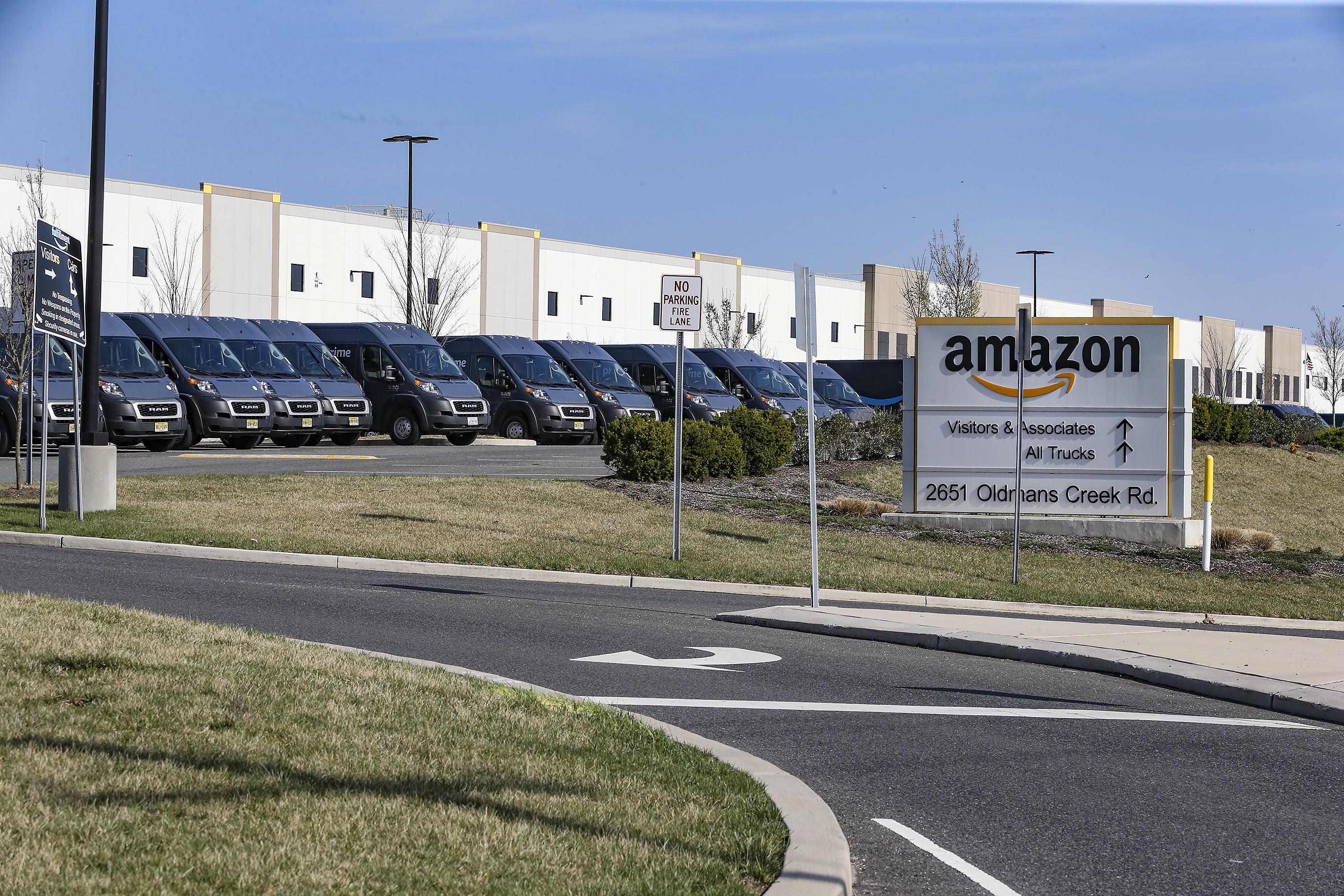
Amazon representatives have told local officials and emergency responders that the e-commerce giant plans to start drone-delivery service out of its West Deptford facility this fall, according to West Deptford Mayor James Mehaffey and Mantua Township Police Chief William Murphy.
The news comes days after Amazon announced a massive expansion of its Prime Air program, which already delivers packages via drone from launch sites in 11 U.S. cities, none of which are in the Northeast.
By the end of the year, Amazon wants to expand its drone coverage area to nearly 500 cities and towns nationwide, the company said, allowing tens of millions of customers to get products flown to their doorsteps in 30 minutes to an hour.
“We are always exploring new ways to get customers a wider selection at faster speeds,” Amazon spokesperson Smitha Rao said in a statement, in response to The Inquirer’s questions about the South Jersey meeting, which occurred last week.
“We are currently working with local officials and exploring opportunities to expand our fast, reliable drone delivery service to reach customers in areas across the country.”
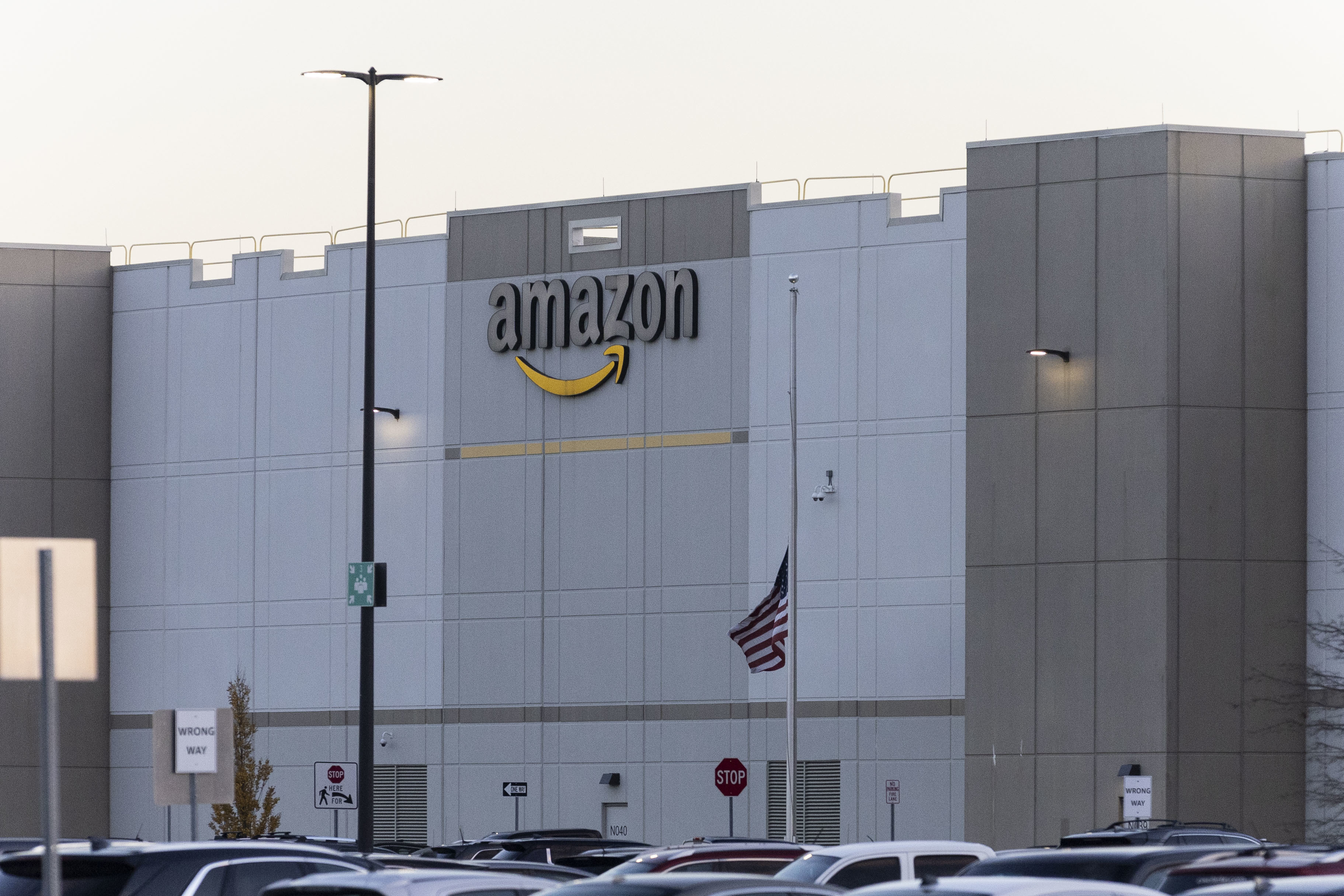
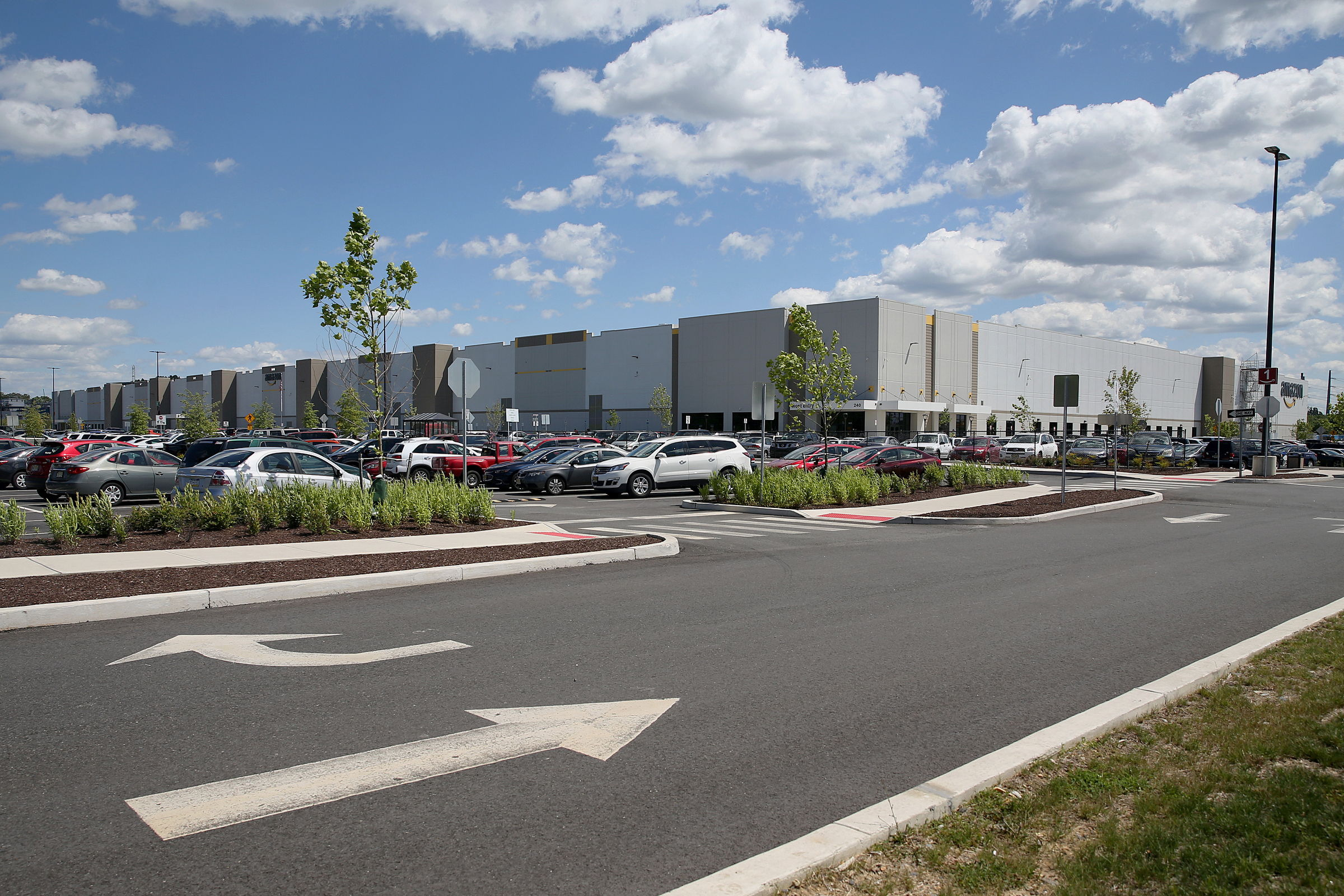
According to local officials briefed on the Amazon plans, the company’s drones would fly out of the warehouse at 240 Mantua Grove Rd., a 650,000-square-foot facility that sits next to I-295 and is among the company’s largest in the region.
The Amazon Fulfillment Center in West Deptford, seen in 2019, is among the region’s largest.TIM TAI / Staff Photographer
The company’s drones can typically deliver to addresses within 175 square miles of each launch site.
In a Facebook post from the Mantua Township Police Department account, Murphy shared a screenshot of the local drone-delivery radius that he said Amazon shared during the Zoom meeting. The photo indicated that drones from the West Deptford site would be able to reach places within about a 15-mile radius — from Bellmawr to Mullica Hill in New Jersey, as well as parts of Ridley Park, Darby, Glenolden, and South Philadelphia across the Delaware River.
Amazon told local officials that the drones would operate from 15 minutes before sunrise to 15 minutes after sunset, according to Murphy, and be authorized to fly at altitudes below 400 feet, in accordance with Federal Aviation Administration regulations.
The company plans to start drone delivery from West Deptford as early as October, according to Murphy and Mehaffey.
Amazon’s drones can deliver groceries, cosmetics, medications, even iPhones — anything that weighs 5 pounds or less and fits in a large shoebox. Amazon says those characteristics apply to more than 60% of its most popular products.
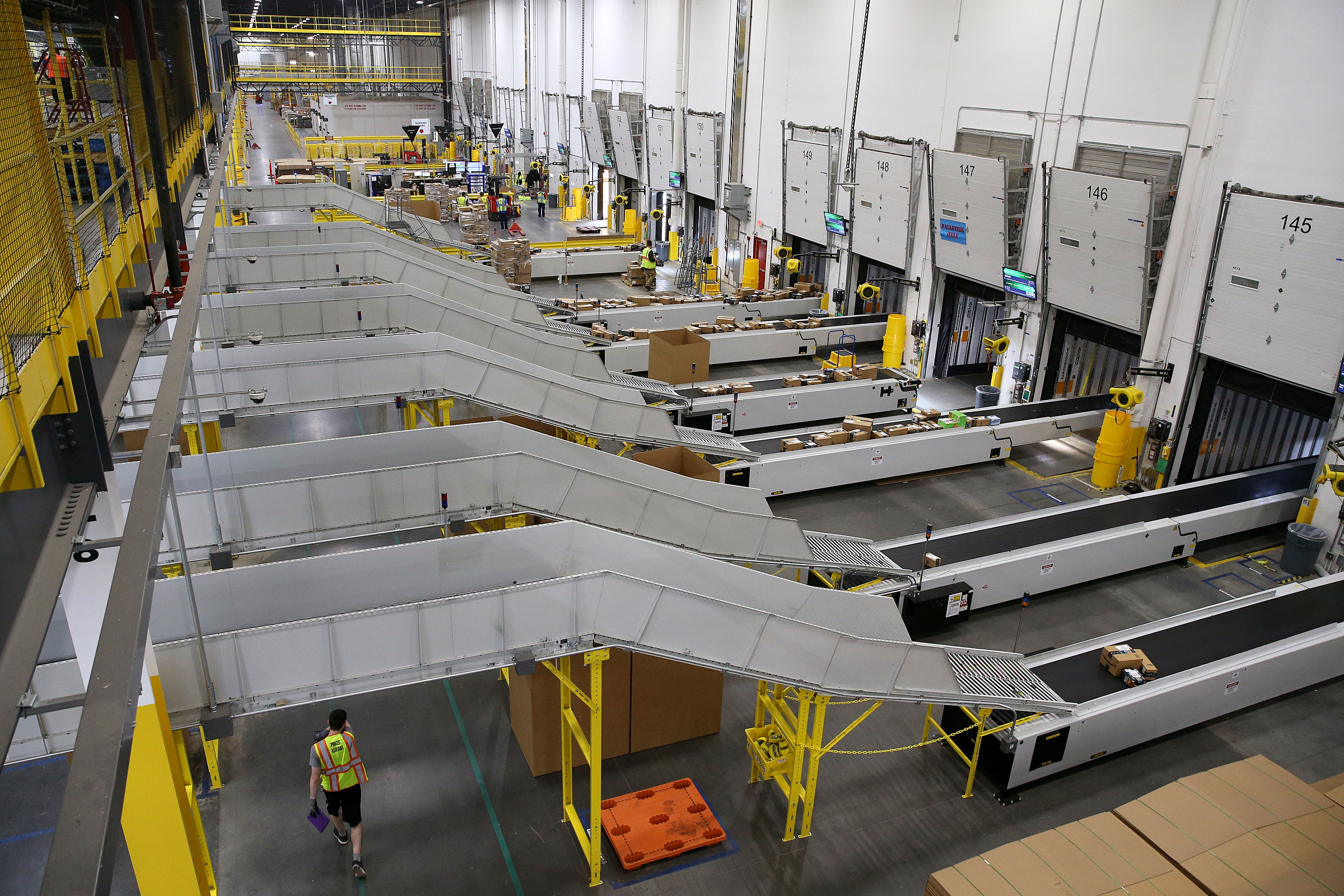
Boxed orders are sorted at the Amazon Fulfillment Center in West Deptford in 2019.TIM TAI / Staff Photographer
Customers can browse drone-deliverable items the same way they search for any other Amazon products, according to the company, and select the best spot for a drone to leave the package.
Amazon Prime members can get complimentary drone delivery on orders of $50 or more, or pay an extra $2.99 on orders under $50. Nonmembers can pay $4.99 for drone delivery.
The drones are not monitored by humans in real time, according to Amazon. Instead, the devices use an autonomous system of cameras and sensors to navigate, avoid obstacles, and deliver the package safely.
Some South Jersey residents said they have questions about those cameras, as well as the impact Amazon drones may have on their quality of life, safety, and environment. As of Sunday, more than 100 people had signed a petition asking for public hearings and written disclosures about Prime Air and its data practices before the drones start flying in the area.
Amazon said in its expansion announcement that the drones’ cameras do not “track individuals or record movement.” The drones are electric, emit no exhaust, and make little noise, according to the company. The drones are quieter during drop-off than “an idling delivery truck,” Amazon said, and sound similar to a “window fan on low” while in flight. The company said people indoors cannot typically hear the drones outside.
In areas where the drones are already flying, company spokesperson Rao said, “the response from customers using Prime Air has been overwhelmingly positive.”
Mantua Township Mayor Bob Zimmerman told residents in a Facebook post that the Amazon drones were “forthcoming.”
“Please understand that whether you are for, or against deliveries of this kind by drones, we have no say over the matter,” wrote Zimmerman, who did not return a request for additional comment.
Amazon has not said whether it plans to fly drones from other warehouses in the Philadelphia area, and has not posted Prime Air job openings at other local sites.
The company has dozens of facilities across the region, with larger warehouses in Carneys Point and Logan Townships in South Jersey, and near Wilmington. Officials in those areas did not return requests for comment.
Amazon’s Logan Township warehouse is pictured in 2021.STEVEN M. FALK / Staff Photographer
Jason Bobst, township manager of West Norriton Township in Montgomery County, said the company has not been in touch about flying drones from its facility there.
“We have not been approached by Amazon regarding drone delivery operations from its West Norriton facility, nor have we received any indication that Amazon is currently considering that location for drone delivery service,” Bobst said in an email.
Bobst said township officials did have a preliminary conversation about Walmart looking to expand its drone delivery service in the area, but nothing formal has been presented.
In recent weeks, food-delivery apps Uber Eats, Grubhub, and DoorDash also have unveiled similar plans, but have not started flying to Philly-area customers.
Behold a marvelous menagerie of Americana — a curated cornucopia of century-old curios and Victorian age sensibility.
Stroll the sepia-toned rows of travel-worn valises and towering top hats. Cast iron railway signs and old pub mirrors. Dime store novels and Gilded Age comic strips. Handcrafted, model pond yachts and leather-worn sporting relics. Glamorous art deco advertisements and dreamlike Jazz Age prints.
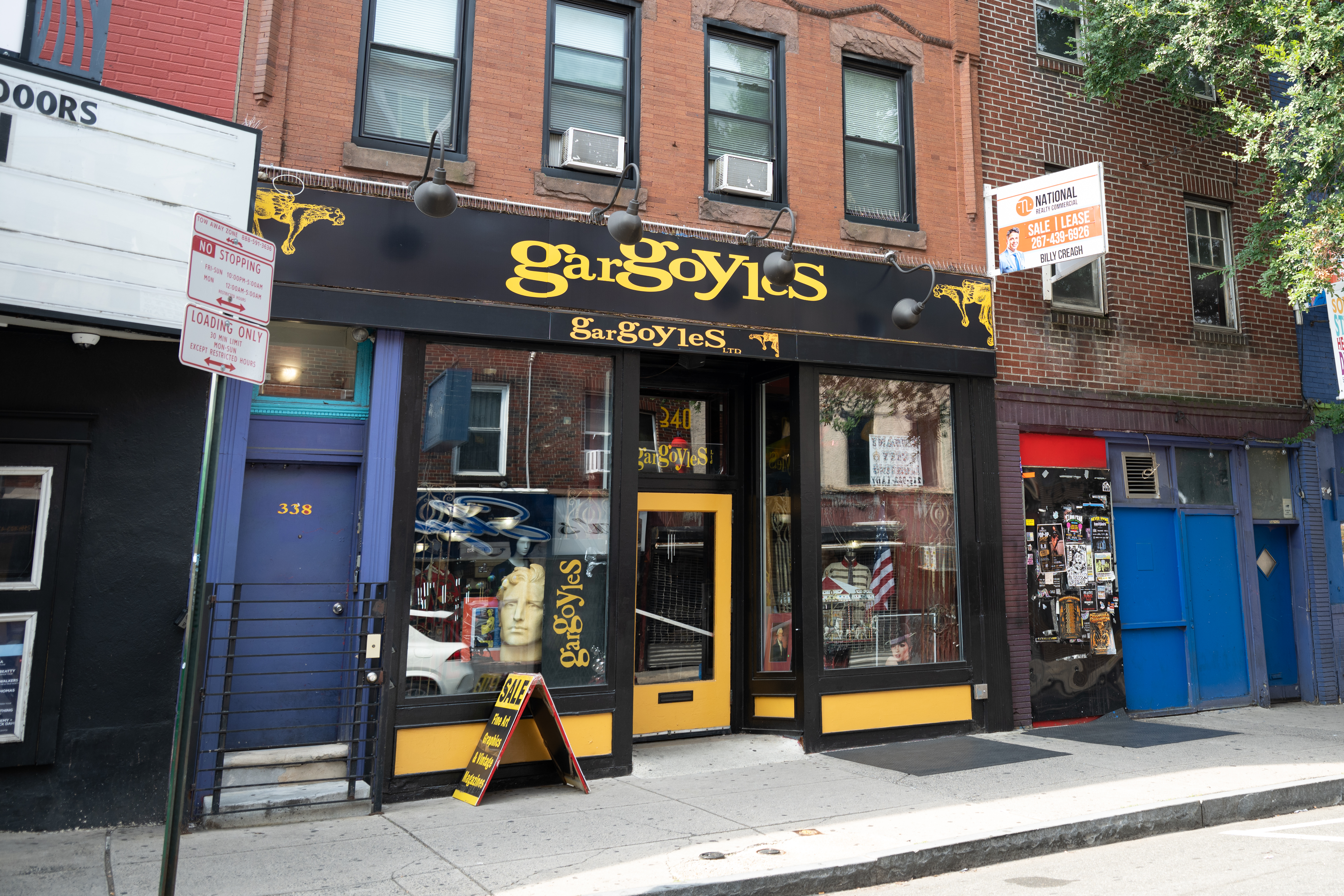
The exterior of Gargoyles, a vintage shop at 338-340 South Street in Philadelphia, on Aug. 11, 2026.Erin Blewett / For The Inquirer
Endless architectural embellishments, like terra cotta cupids and stone lion heads, ornamental arches, columns, mantels, and fine wooden sideboards culled from the English countryside or rescued from bygone wrecking balls.
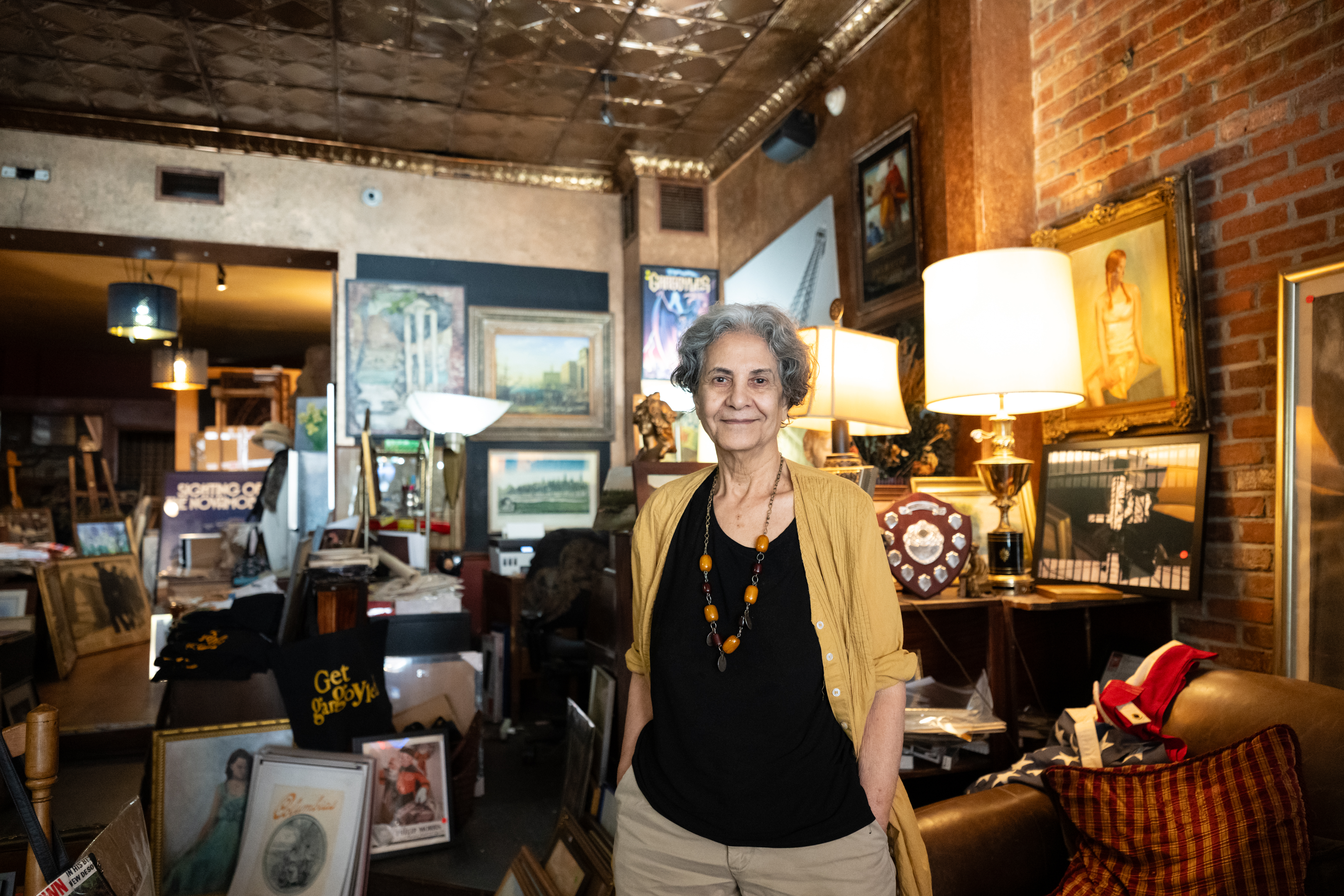
All of it carefully chosen and displayed for its taste and excellence by Hadassah Zuberi, 80, a lioness of architectural salvage, who for decades sold architectural vestiges, rare memorabilia, and period props to Philadelphia’s grand department stores — including Gimbels, Strawbridge & Clothier, and Wanamakers — as display furnishings.
And all of it, once again on South Street.
Confident of change
In May, almost 22 years after shuttering her storied showroom — Gargoyles ltd., which she operated in a pair of South Third Street storefronts, steps off South, for nearly 35 years before closing in 2004 — Zuberi returned home to Philadelphia.
Her store’s latest incarnation is located at 340 South St., former home of the Hurricane Alley bar, and across from the iconic Eye’s Gallery. It has quickly become a popular staple on the famed, if perpetually embattled, Philly thoroughfare that now sprouts signs of rebirth after quality-of-life issues and nuisance businesses.
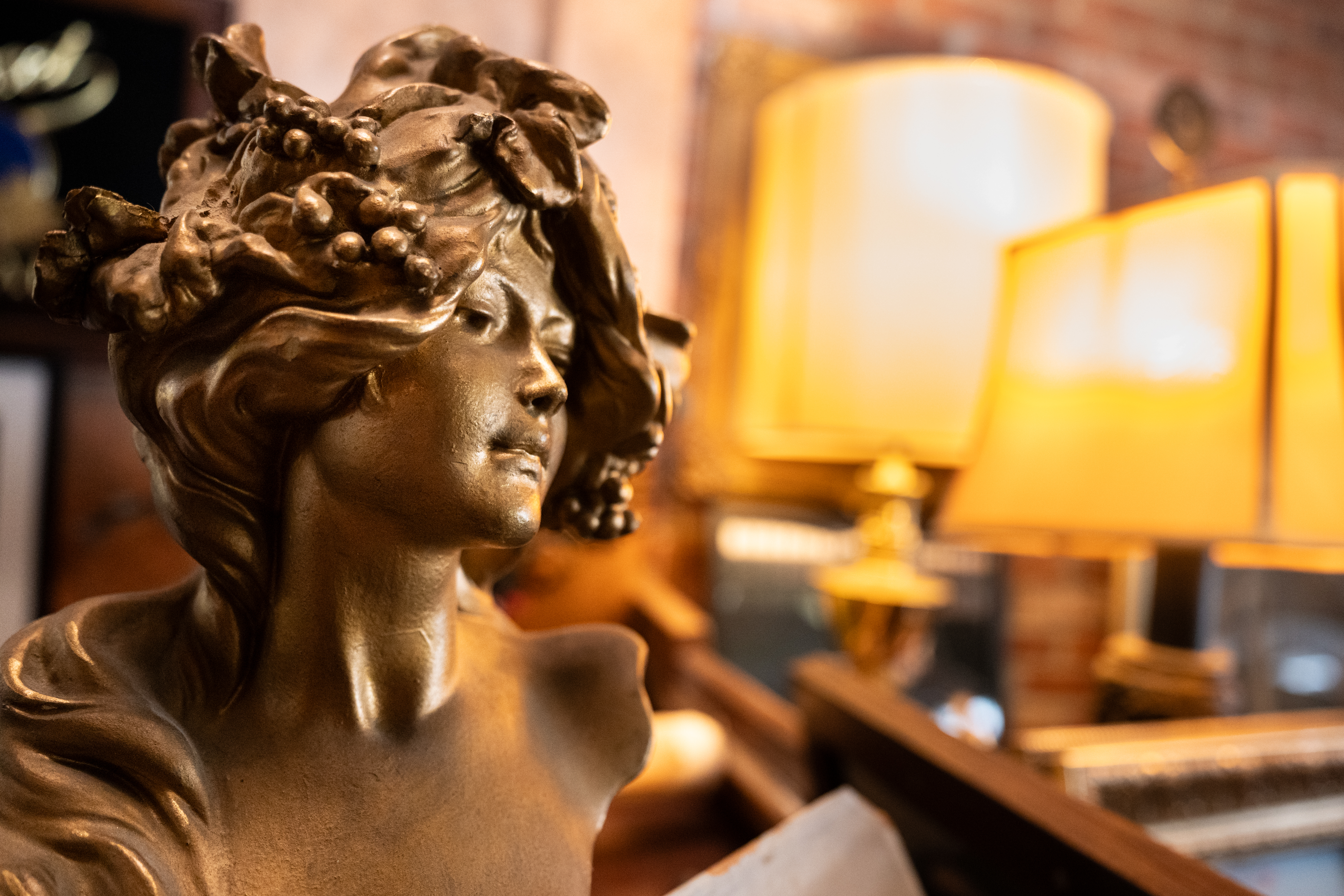
A decorative bust is displayed among vintage furnishings for sale at Gargoyles on South Street in Philadelphia on Aug. 11, 2026.Erin Blewett / For The Inquirer
“We’re going to elevate the character of the street,” said Zuberi on a recent afternoon, perched in her oversize leather shop chair as classical music played. “It’s been run-down. I’m confident it’s going to change.”
Zuberi had relocated her business to the arts enclave of Kingston, N.Y, amid rising property taxes and the shuttering of national department stores.
The move comes after Rick Milan, former owner of the legendary South Street punk store Zipperhead and now a board member of the South Street District, who owns properties on the street, including the former Hurricane Alley space, lobbied Zuberi to come back to Philly.
A former customer, who once bought vintage ski equipment from Gargoyles as home decor, Milan serendipitously wandered into the Kingston shop during a vacation in 2024.
“I knew right away this was the Gargoyles from Third Street,” he said. “South Street is currently going through a big vintage surge. And I really wanted to recruit Hadassah back to South Street.”
Preserved vestiges of old Philadelphia
More than a half century had passed since Zuberi, born and raised in Jerusalem, opened her original Philly shop, a joint venture with her first husband, Richard Serbin.
Studying graphic design at the Bezalel Academy of Arts and Design — Israel’s oldest and most prestigious school of art, design, and architecture — Zuberi moved to Philadelphia in 1967 at the age of 21.
At the time, Philadelphia was busy remaking itself.
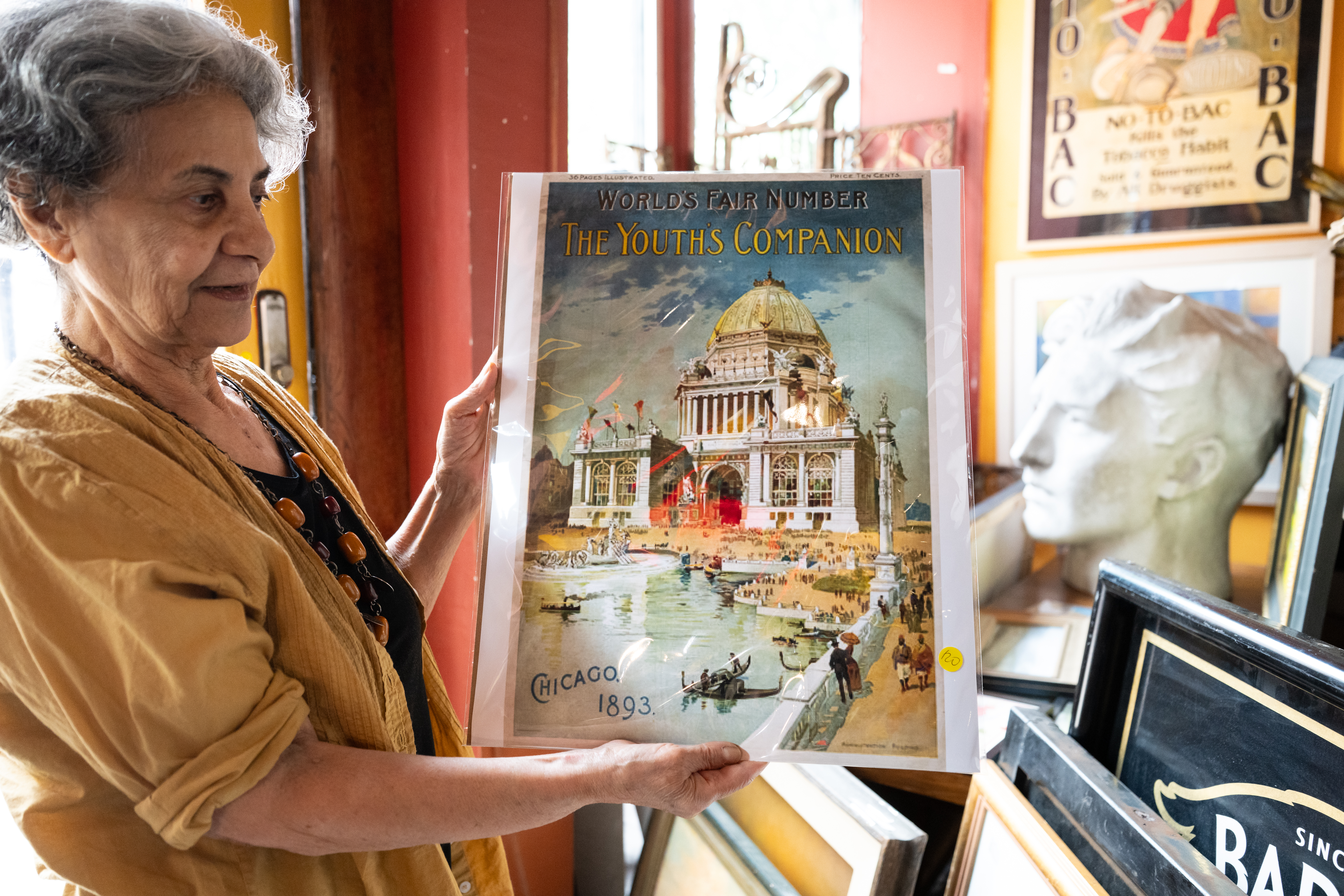
Hadassah Zuberi displays a reproduction print of an 1893 World’s Fair issue of the Youth’s Companion magazine at her vintage shop, Gargoyles, on South Street in Philadelphia on Tuesday, Aug. 11, 2026.Erin Blewett / For The Inquirer
“Nineteenth-century Philadelphia was falling away,” she said. “They were tearing down incredible mansions, which was criminal. They demolished some amazing landmarks.”
Designing a home of their own, the newlyweds hired prominent Philadelphia architect Adolph DeRoy Mark and began to purchase the architectural salvage of stately Philly residences, public buildings, and churches destined for destruction. They filled the shop — massive twin storefronts at 512-514 S. Third St., which Zuberi’s father-in-law purchased for $18,000, and which is now a rowhouse — with preserved vestiges of old Philadelphia, including a specially made gargoyle.
“We got a whole bunch of amazing ironwork and Tiffany stained glass windows,” she said. “Cherubs. Magnificent columns. We had a couple thousand door knobs that were brass and copper. Just fantastic stuff.”
South Street to the pyramids
Enjoying the earliest days of its renaissance by the late ‘60s and early ’70s, South Street was a near-deserted strip, an empty canvas fast filling with hippies, hipsters, and hucksters. Transforming into a stronghold of bohemia, the neighborhood was still touch and go, Zuberi remembered.
“We had one of our employees who would go to the front door with a baseball bat because he didn’t know who was going to come in,” she said.
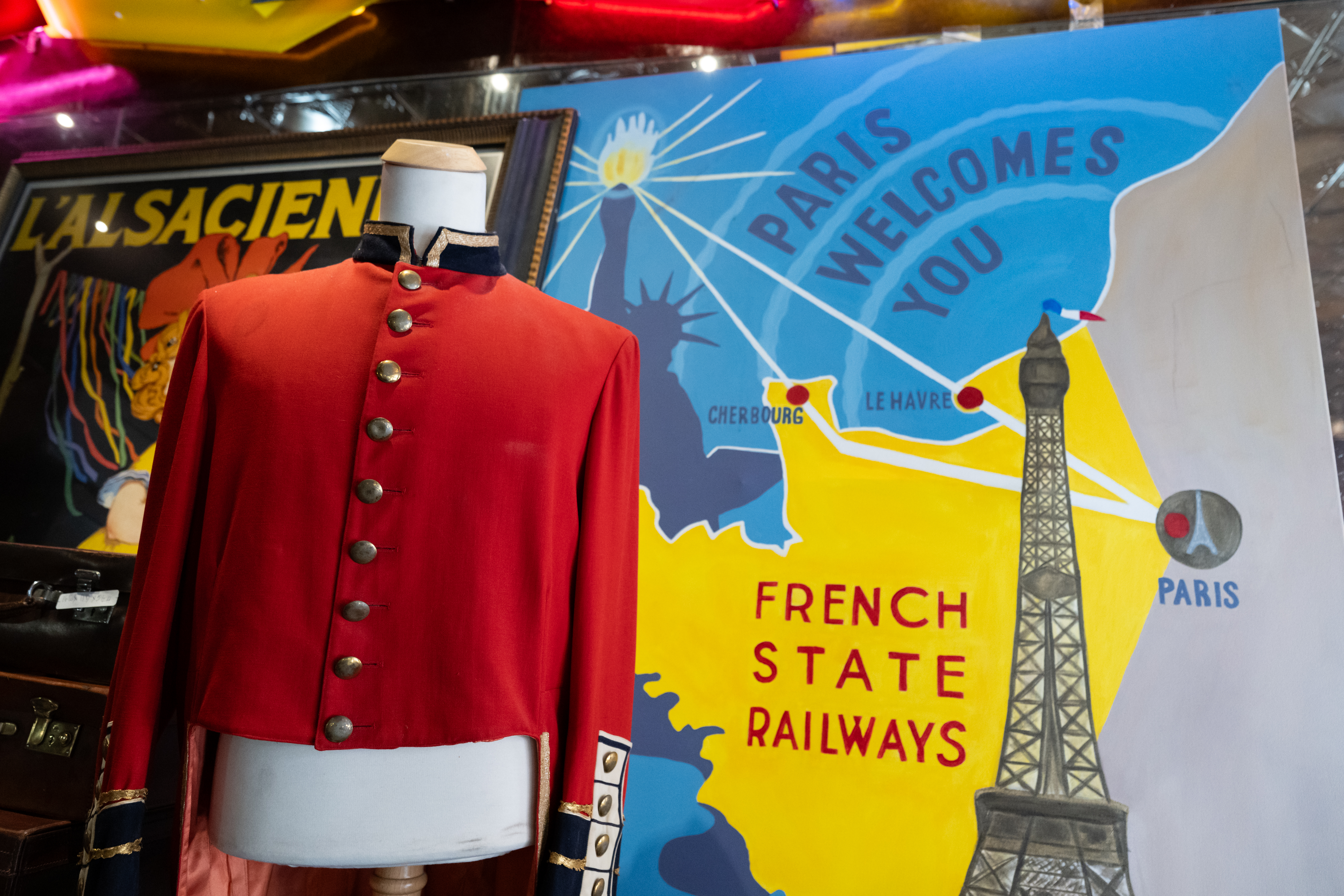
A vintage uniform jacket and travel posters are displayed inside Gargoyles, Hadassah Zuberi’s vintage shop on South Street in Philadelphia, on Tuesday, Aug. 11, 2026.Erin Blewett / For The Inquirer
Selling architectural remnants to restaurants and hotels — and local eateries, like Downey’s Irish Pub, Saloon Restaurant, and the Borgia Tea Room in Headhouse Square — the shop became one of the East Coast’s largest dealers in antique architectural embellishments. The couple traveled through England and Belgium, filling department store orders and printed catalogs for national chains.
“My mother was at the pyramids in Egypt and she had a Gargoyles bag,” said a laughing Zuberi of the Philly heyday. “And someone was like, ‘Oh, I was at the store in Philadelphia.’”
The shop outlasted her marriage. On her own in the shop, and raising children, Zuberi embraced a newfound sense of artistic freedom, buffeting her inventory with vintage memorabilia and curios she found inspiring, and more of her own artwork and paintings.
“It was passion,” she said. “This idea that you can take anything that has some semblance of design and use it anywhere. No rules.”
All the while, South Street rose and fell, embracing its bohemian roots and transforming into a vibrant punk and counterculture stronghold, and eventually battling corporate encroachment and abandonment.
By 2004, developers were buying buildings for investments, losing sight of the character of the neighborhood, Zuberi said.
“It lost its magic touch,” she said.
Back on South Street
“What the hell are you doing here?” she remembered Milan asking, when he happened into her Kingston store in 2024. “Listen, I want you back on South Street.”
While Kingston brought more success from locals and New York City tourists, Philadelphia, where she still kept a home, never stopped calling.
“I was homesick,” she said. “Philadelphia has all the culture in the world.”
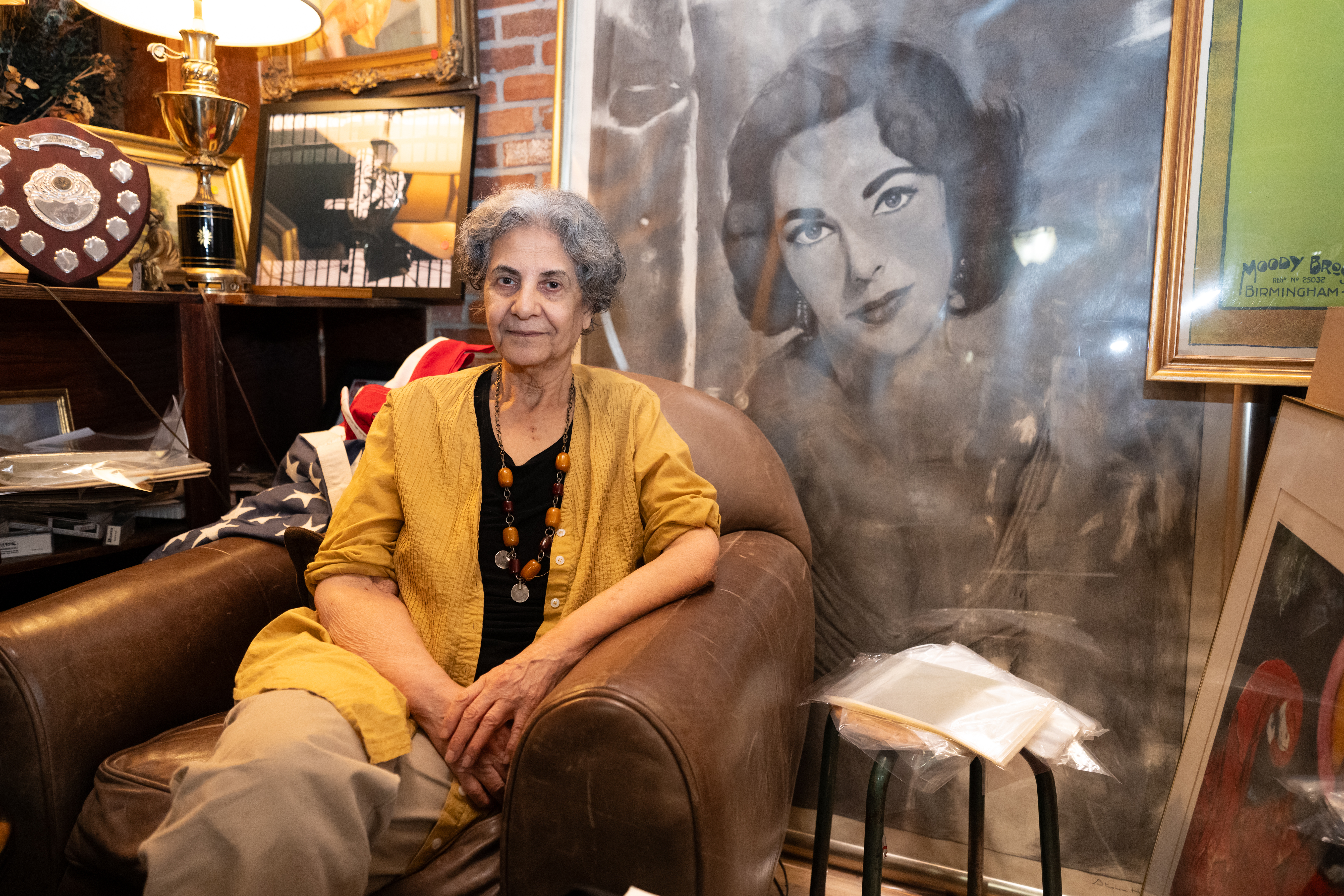
Hadassah Zuberi, owner of Gargoyles, poses for a portrait in front of a charcoal portrait of Elizabeth Taylor at her vintage shop on South Street in Philadelphia on Aug. 11, 2026.Erin Blewett / For The Inquirer
Earlier this year, after selling her New York building, she called Milan, who envisions Gargoyles as a one-of-a-kind legacy business that can help attract life to South Street. The Hurricane Alley space — which still includes the old wooden bar — made for a match.
“It’s a lovely shop, and she’s a lovely woman,” he said.
On a recent afternoon, Zuberi, elegantly reposed in her leather chair and framed by a favorite portrait of Elizabeth Taylor, warmly greeted a steady stream of customers.
She is glad to be back in Philadelphia, surrounded by her treasures, and encouraged by the view of the changing street outside, she said.
“This is my la la land,” she said, over the strains of a concerto playing on the speakers. “If I want to pretend the world is beautiful and everybody has taste, all I have to do is look around and avoid the rest.”
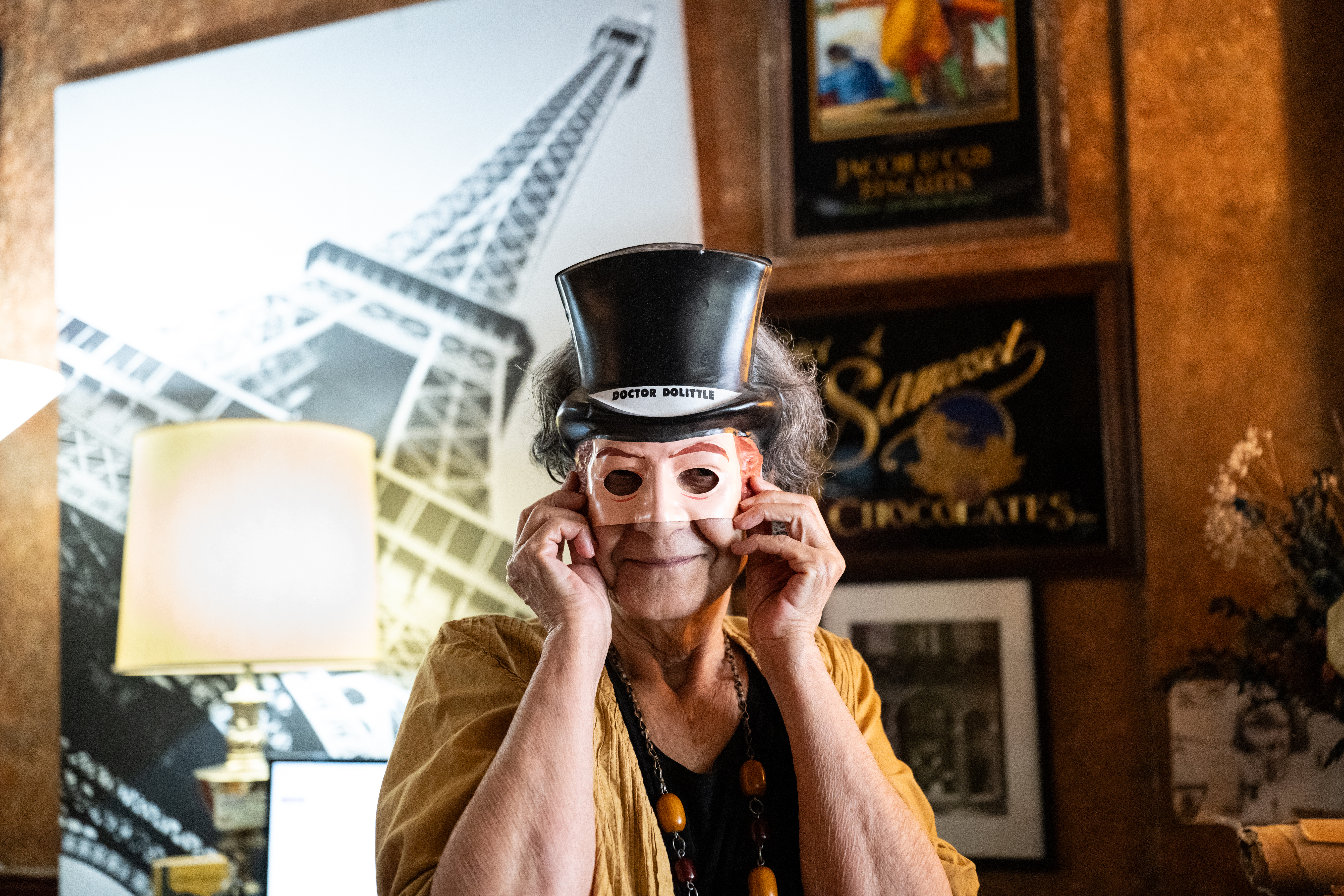
Hadassah Zuberi, owner of Gargoyles, tries on a vintage “Doctor Dolittle” mask at her shop on South Street in Philadelphia on Aug. 11, 2026.Erin Blewett / For The Inquirer