Author: Kayla Yup

  • Feds award $43 million to Philly gene therapy research to advance treatments for rare diseases

    Feds award $43 million to Philly gene therapy research to advance treatments for rare diseases

    The U.S. government has awarded Children’s Hospital of Philadelphia $39 million to develop a scalable platform for treating rare genetic, liver-related diseases in infants and children.

    The federal Advanced Research Projects Agency for Health (ARPA-H) also announced this week another $4 million for local gene therapy pioneer Jim Wilson to design gene therapies using AI at his University of Pennsylvania spinout, GEMMABio.

    The $43 million in funding earmarked for Philadelphia researchers comes through a new federal effort to advance gene therapies for rare diseases.

    CHOP’s team includes the duo behind last year’s first-of-its-kind, personalized gene-editing treatment involving a Philadelphia-area infant, known as Baby KJ. CHOP’s Rebecca Ahrens-Nicklas and Penn Medicine’s Kiran Musunuru together created a custom drug to correct the genetic mutation driving Baby KJ’s rare metabolic disease — dramatically improving his liver function.

    The funding will expand their work and bring in another CHOP researcher, Lindsey George, who develops gene therapies for bleeding disorders.

    “We’re trying to move beyond just one diagnosis or one gene,” Ahrens-Nicklas said.

    Philly-based scientists comprise two of seven research teams nationwide to receive funding through ARPA-H’s new $160 million effort.

    Called THRIVE, the program aims to help the roughly one in 10 people — most being newborns, infants, and children — with chronic genetic diseases. Ninety-five percent of rare diseases have no approved treatments.

    Leaders want to develop “precision genetic medicines through platforms that can test multiple treatments for multiple diseases in a single clinical trial,” ARPA-H director Alicia Jackson said in a Thursday news release.

    CHOP’s expanding focus

    The CHOP team will focus on building a scalable gene-editing platform that can be used to treat a variety of infants and children.

    Their initial focus is on liver-related genetic diseases, ranging from urea cycle disorders to blood clotting diseases.

    “Essentially it’s the same drug, whether or not you’re targeting a genetic variant that causes a rare metabolic disease or a genetic variant that causes a rare coagulation disorder,” Ahrens-Nicklas said.

    Their five-year plan includes launching preclinical and clinical trials testing the safety and efficacy of their individualized treatments.

    They will also pursue regulatory approvals, work with payors, and implement their therapies at community sites and remote hubs to expand access.

    “We are the three musketeers that already text 25,000 times a day, and will continue to do so,” Ahrens-Nicklas said.

    Wilson experimenting with AI

    Wilson founded academia’s first gene therapy program back in 1993 as a professor at Penn.

    He left in 2024 to spin out biotech start-ups dedicated to tackling rare diseases with genetic medicines.

    “The question is, can we find ways to scale this bespoke personalized medicine strategy, so that it is affordable and cost-effective?” he said.

    In partnership with a biotech called ProFluent, GEMMABio will use AI to design its base editors — the machinery that goes in and make edits to DNA.

    The tool could be rapidly adapted to different patients and diseases, theoretically making the process more affordable, scalable, and efficient, Wilson said.

    His $4 million award will fund preclinical studies of their technology.

    GEMMABio’s initial focus is on two rare liver diseases “for which there is significant unmet need,” he said, including Maple Syrup Urine Disease and homozygous familial hypercholesterolemia (HoFH).
  • Penn doctor studied PCOS symptoms for more than a decade to rename the syndrome PMOS

    Penn doctor studied PCOS symptoms for more than a decade to rename the syndrome PMOS

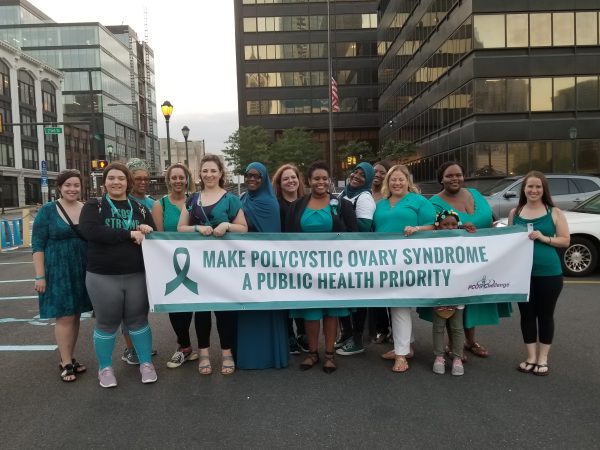
    University of Pennsylvania doctor Anuja Dokras spent the last 14 years working to rename a common medical condition that can impact fertility in women, called polycystic ovary syndrome, or PCOS.

    Rooted in outdated science, the name often confused her patients into incorrectly thinking they had cysts on their ovaries.

    It also made people think the disorder — which affects one in eight women — was primarily gynecologic in nature, when it actually has whole-body effects.

    “We knew this was a misnomer,” Dokras said.

    An international group of experts, including Dokras, announced in May that PCOS would now be called polyendocrine metabolic ovarian syndrome (PMOS), in an article published in the medical journal The Lancet.

    The new name is meant to capture the broader hormonal and metabolic effects of the condition.

    Dokras estimates it will take another three years to formally classify PMOS as an endocrine condition, change insurance billing codes, and update published literature.

    Scientists also need to get the word out to patients, doctors, and the public at large. The previous name had been around since 1935.

    The Inquirer spoke with Dokras, director of the Penn PMOS Center, about the name change and the impact she hopes it makes.

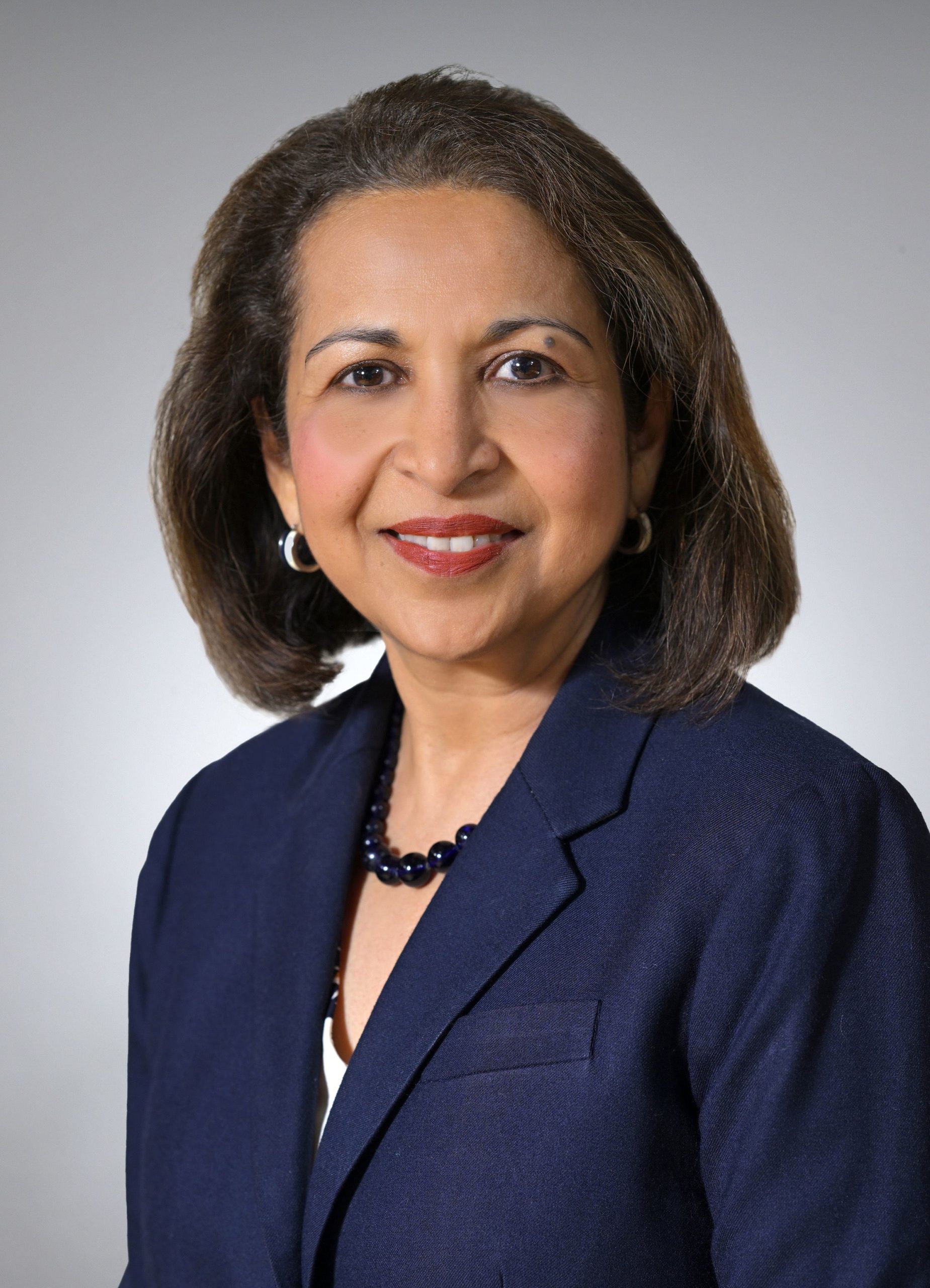
    Anuja Dokras directs the Penn PMOS Center and played a key role in the renaming process.Courtesy of Anuja Dokras
    What is PMOS?

    It’s the most common endocrine disorder in women.

    The presentations are typically irregular menses (menstrual periods) and increased hair growth and acne. We also typically see lots of follicles within the ovaries. Those three become the criteria for making the diagnosis.

    Research from my group and others has shown that these patients are at a high risk for cardiometabolic complications, including high cholesterol, high blood pressure, diabetes, or problems with their blood sugar and weight gain. They also have an increased risk of mental health conditions like depression, anxiety, and disordered eating.

    When did you start to question the name PCOS?

    When I began to work in this space, it was clear that women [with PCOS] did not have large cysts on their ovaries. What they had were small follicles, and each of the follicles contain eggs. It’s part of their fertility.

    As we asked patients what symptoms they were most concerned about, they talked about ovarian cysts, which was because of said misnomer.

    We spend a lot of time correcting that misinformation when patients come to see us. Then we have to reassure them and say, ‘you don’t have a big cyst in the ovary. It’s not going to rupture, it’s not going to twist.’

    How did the idea for a name change came up?

    The first time it was brought up was when we had a meeting at the National Institutes of Health in 2012. The reviewing panel came back and said, “We suggest you change the name, because the name doesn’t represent everything that you have shared with us about the advances in this condition.” That’s when the journey began.

    What did the renaming process involve?

    Surveys went out to patients and the providers that offer care. We made sure that there were responses from different world regions as well.

    The patients didn’t want a word that would be stigmatizing. If you have a condition that’s going to affect your fertility, that is not viewed favorably by families, and patients were very concerned about the choice of words. They also wanted words where there’s clarity, so you can communicate easily.

    Finally, there were workshops where the medical professional societies and patient groups across the globe sent one representative each.

    How did the name polyendocrine metabolic ovarian syndrome (PMOS) come about?

    This is an endocrine condition, which means that there are certain organs within the body that are making hormones and those hormones are not working well. They’re either over-secreted or under-secreted. The word ‘poly’ was attached, because it was not just one hormone. A lot of different endocrine glands or organs are involved.

    Then metabolic was added because there are a number of cardiometabolic abnormalities: the high cholesterol, glucose problems or diabetes, high blood pressure, and obesity.

    We left ovarian because we also had marketing input and there were some suggestions to not be completely different (from PCOS) because that’s going to be confusing.

    And we needed the word syndrome because it still describes a constellation of features.

    How has the response been to the name change?

    It was more than what we had expected. I think we live in a very different world now, where communicating with the patients is on a different level. It’s not just through publications. The patient community and the advocates got the news very quickly because of social media. It was lit up.

    In terms of getting the information out to the medical community, it’s always going to be a little slower. We’ll continue to do that at different meetings.

    We’ve said it may be a three-year transition.

    What work remains?

    The first step was the communication and getting the message out. Then in parallel, there needs to be a smooth transition in terms of our research publications. We don’t want to lose out what was published under the name of PCOS because now it’s PMOS.

    When patients go to see their doctors, there’ll have to be a transition in the electronic health records, in terms of the terminology and insurance companies trying to understand this new word PMOS. The codes for billing will need to change.

    We’re also trying to do a research reclassification. PMOS was formally considered an ovarian condition, and we’re trying to switch it now to become an endocrine condition.

    What do you hope this name change accomplishes?

    I’m hoping that, from the patient perspective, they’re going to be less worried about cysts in the ovaries. I’m also hoping they will get earlier diagnoses because the name includes endocrine and metabolic. Now we’re hoping that all these different specialties will take some ownership of the syndrome, and that way the patient is not hopping between different caregivers.

    For the researchers — I’m one of them — I do hope that there’ll be increased funding. We still have a lot of gaps in knowledge, and we need to do a lot more research.

    We hope that there would be funding, not just from the institutions that support women’s health, but from those that support diabetes, endocrinology, heart disease, dermatology, and mental health.

    We hope that a name that’s so comprehensive and broad gets more people invested in helping answer some of these very important questions.

  • Temple Hospital asks public for help identifying patient

    Temple Hospital asks public for help identifying patient

    Editor’s note: The patient has been identified, Temple officials said Wednesday afternoon.

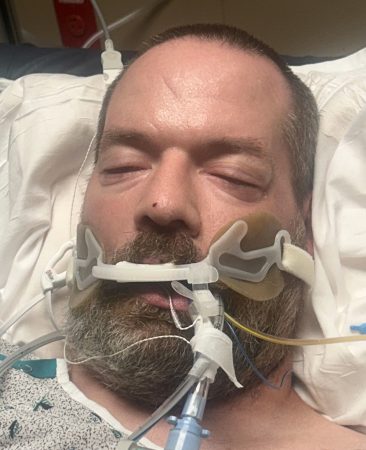
    Temple Health seeks help from the community identifying a patient at its main hospital in North Philadelphia.

    The health system on Wednesday released a photo of the patient, who appears to be in his 50s and was admitted to Temple University Hospital on June 8. It hopes to locate his friends and family.

    Anyone with information can call 215-707-2000.

  • Could bees help relieve stress? A Temple researcher thinks so.

    Could bees help relieve stress? A Temple researcher thinks so.

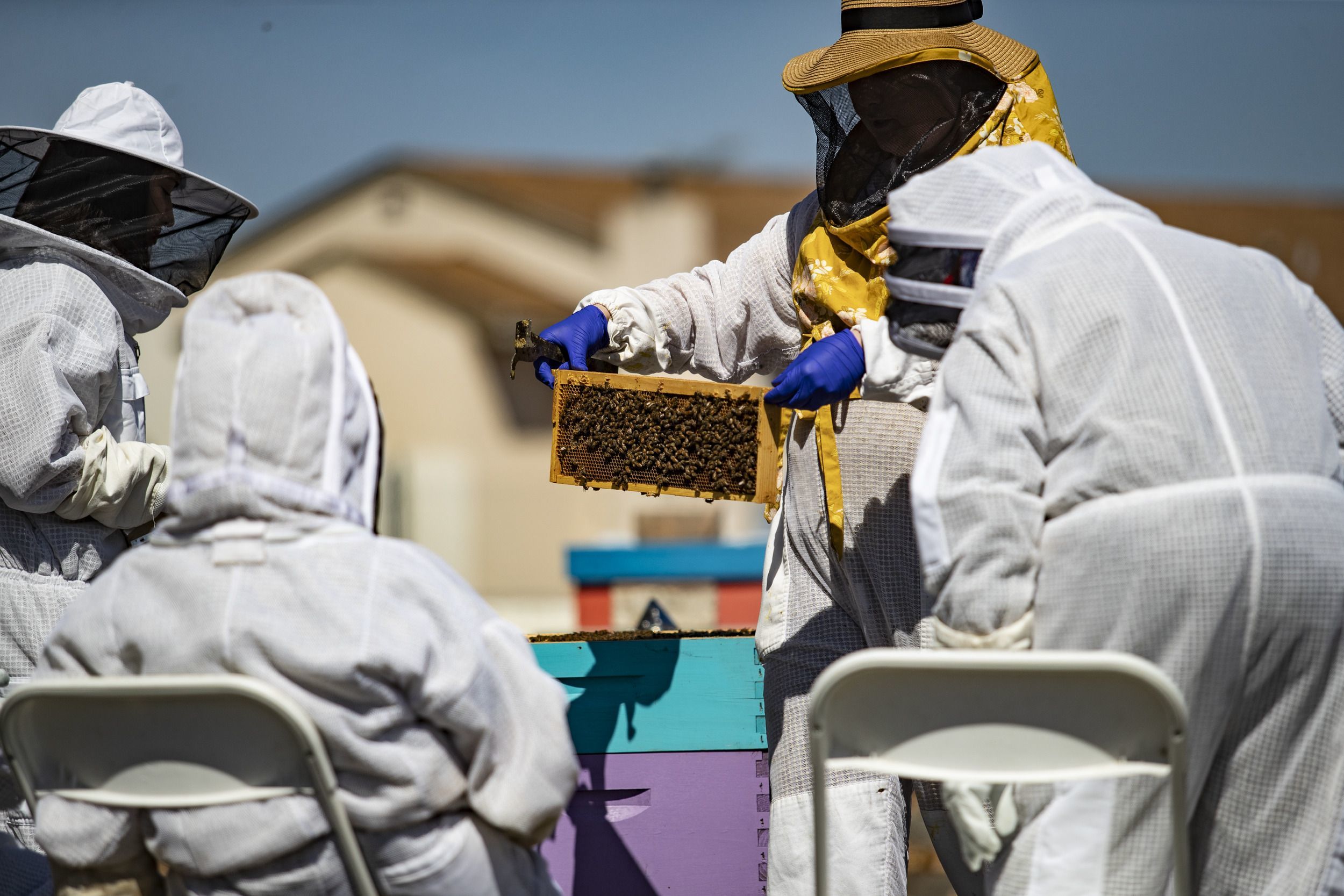
    Dozens of bees crawled along the frame in Frances Ratay’s hands as she looked down at the colony in awe.

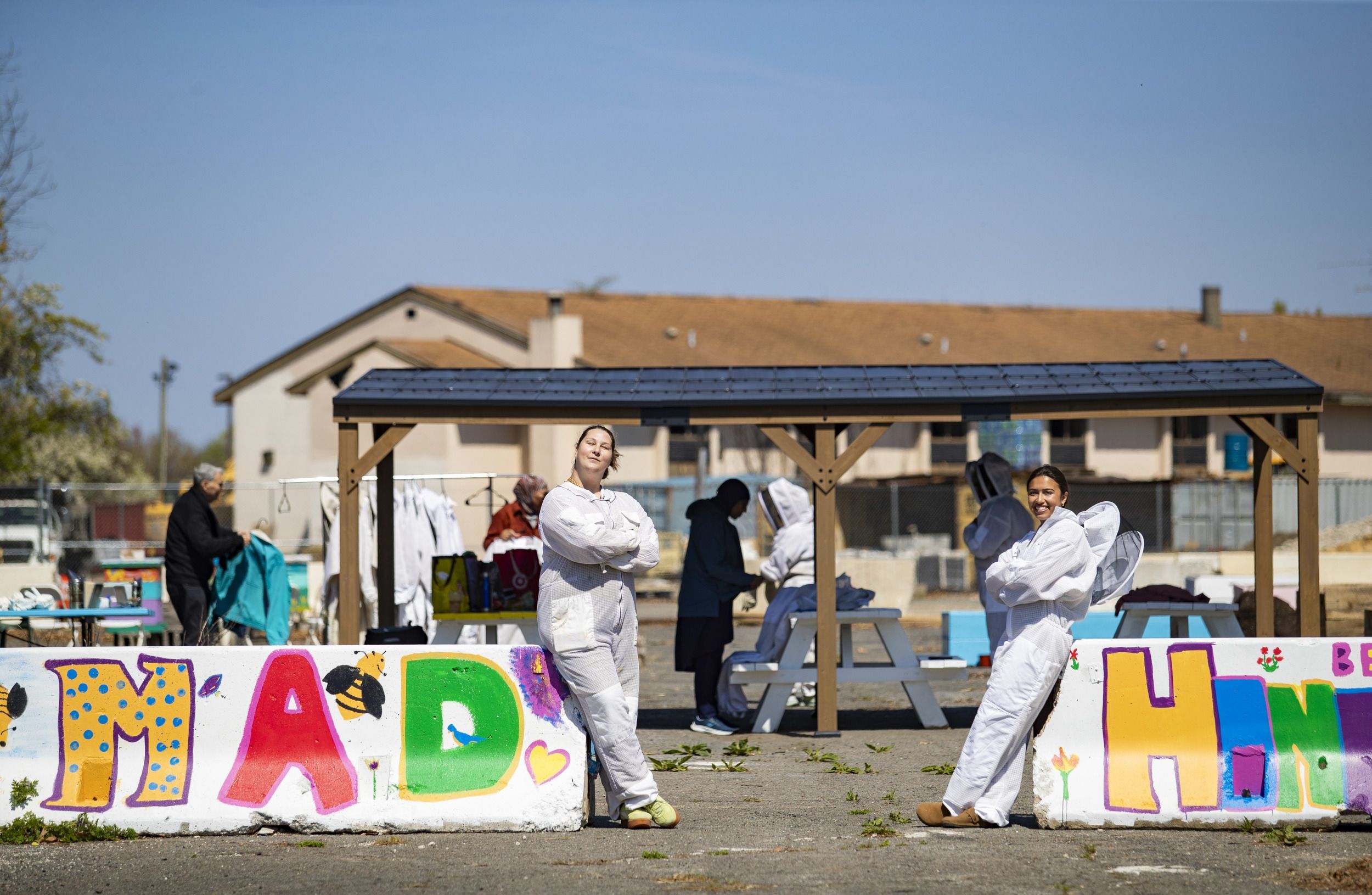
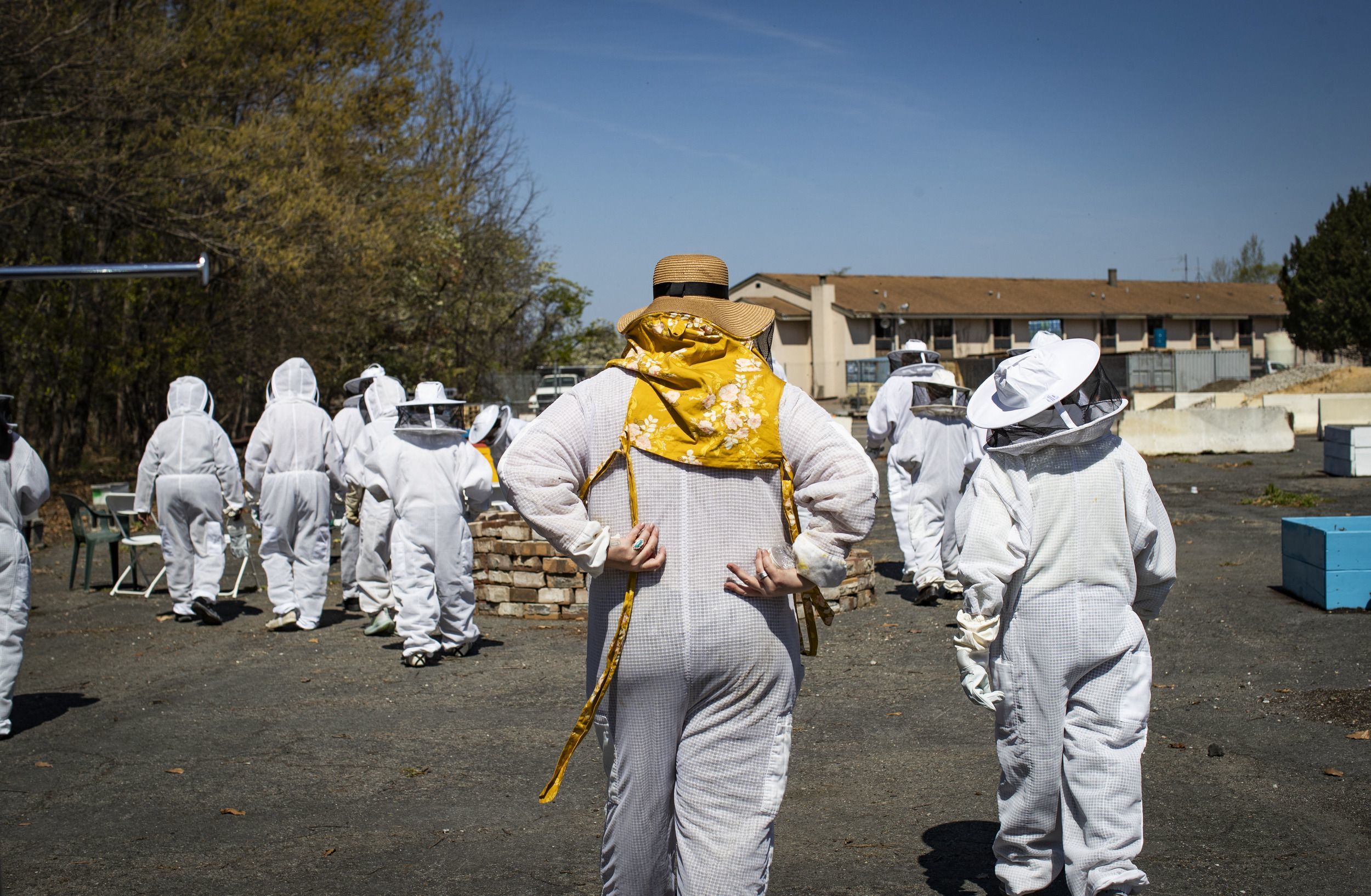
    The 70-year-old retiree from South Philadelphia ordinarily would avoid bees out of fear, but this spring she suited up for a study on therapeutic beekeeping at the Half Mad Honey apiary in the Navy Yard. Led by Temple University occupational therapy student Meghan Robertson, the project tested if beekeeping could improve mental health and well-being in older adults.

    Research has shown that exposure to nature can reduce stress and anxiety; however, less is known about the effects of beekeeping. Previous studies connecting the practice to improved well-being have been small and lacked quantitative data.

    Seeking to fill that gap, Robertson measured the mental health of 13 older adults (average age of 73) before and after a six-week beekeeping study. She found significant improvements in the average well-being, depression, and stress levels of the cohort immediately following the intervention.

    Her research is unpublished and has not yet been peer-reviewed. The limitations include the small sample size and lack of a control group or long-term data.

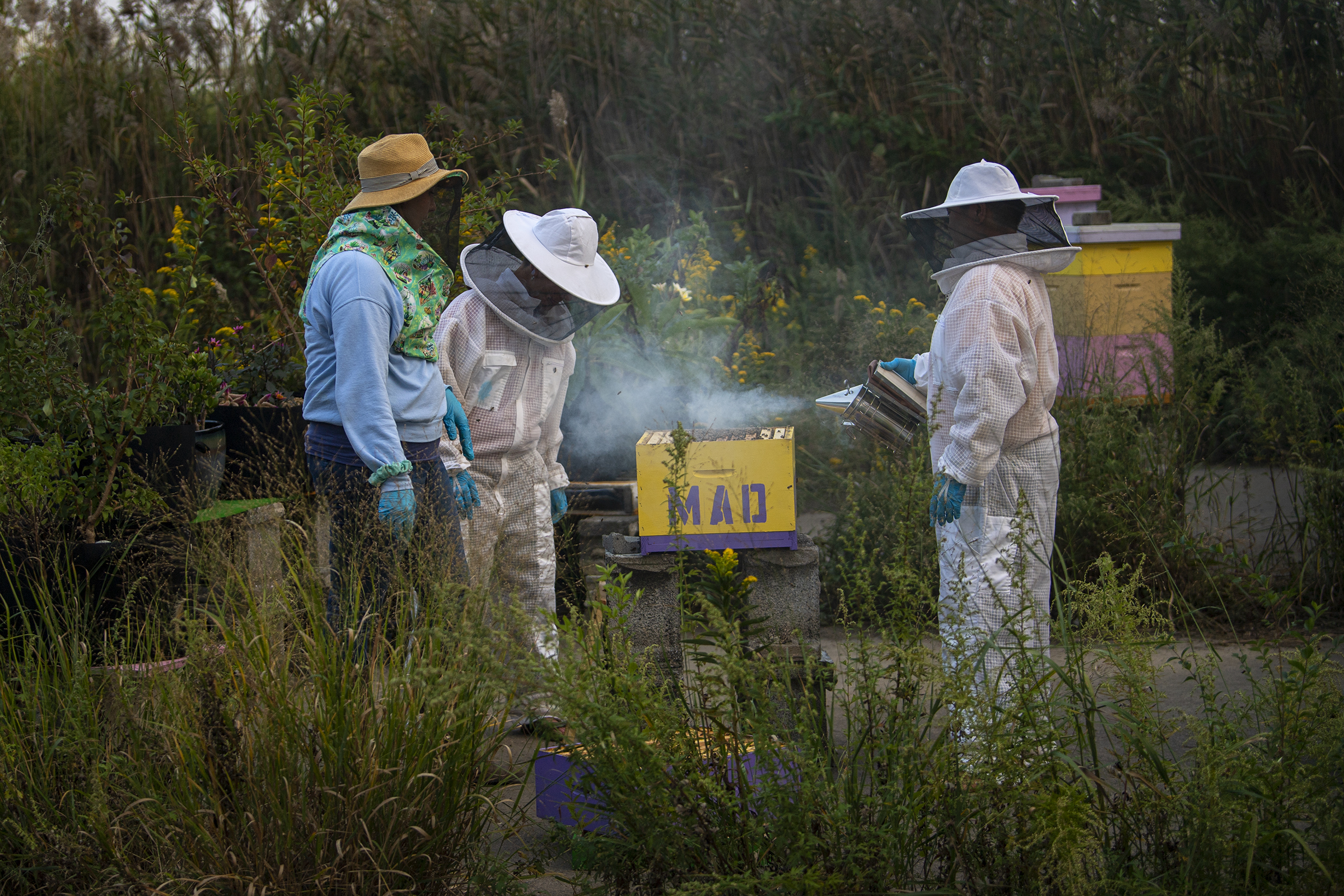
    The six sessions of the program taught participants about the structure of a beehive and the different roles in a colony.Ryan S. Brandenberg / Temple

    Ratay was among those who saw improvements in well-being, as her fear of bees transformed into a greater appreciation for nature.

    “It was really life-giving to me,” she said. “It makes me feel worthwhile.”

    Lessons from the bees

    Half Mad Honey founder Amelia Mraz started beekeeping as an undergraduate at Temple in 2016.

    At the time, she was at a low point in her own mental health, dealing with anxiety and depression. Beekeeping became a meditative practice.

    “Your worries just kind of melt away because you’re so immersed in the community of the bees,” Mraz said.

    She founded her Navy Yard-based apiary with the goal of bringing therapeutic experiences outside of the clinic into nature.

    Mraz offers beehive tours at Half Mad Honey that are designed to help participants practice stress reduction skills and mindfulness techniques.

    Partnering with Robertson for her research in senior citizens was a natural extension of that work.

    The study occurred at the Navy Yard-based Half Mad Honey.Ryan S. Brandenberg / Temple

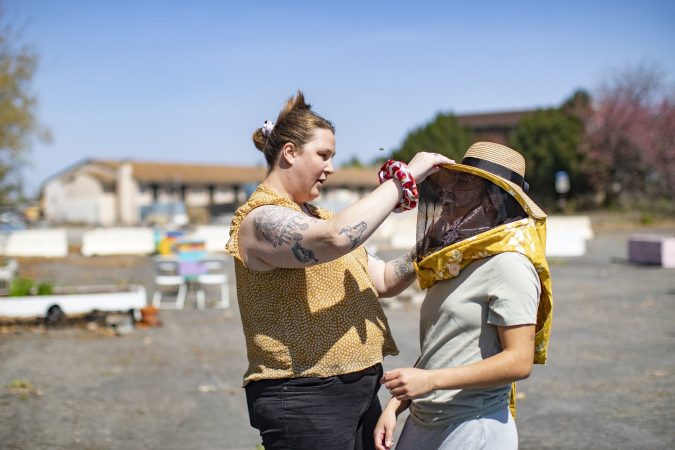
    Together, they designed six weekly sessions where participants learned about the structure of a beehive, painted boxes for the bees, opened the hives to identify different roles in the colony, and tasted the honey.

    “They saw bees being born, they saw bees coming back with pollen on their legs, they saw the queen,” Mraz said.

    Ratay, who retired from her career as a biology teacher last year, enjoyed learning about how bees work together to maintain the well-being of the hive.

    Witnessing their interdependent nature boosted her own self-worth and feeling of belonging.

    “It made me realize that no role is less important than another,” she said.

    Robertson chose to study older adults specifically because they’re at an increased risk of experiencing mental health challenges due to loneliness, retirement, and major life changes, she said.

    She assessed the participants’ well-being on a scale of 0 to 100 using the World Health Organization-Five Well-Being Index. The mean score increased from 66.15 before the program to 75.38 after.

    The participants’ average depression score improved from mild to normal, while their average stress score decreased from moderate to normal.

    The study included 13 older adults.Ryan S. Brandenberg / Temple

    Ratay said the experience touched on her spirit of adventure and reminded her it’s never too late to try new things. She’s since returned to Half Mad Honey to help Mraz with the hives.

    “It not only buoys you up and gives you confidence, but it allows you to tackle the next fear,” she said.

    A small step forward

    Robertson’s next step, having recently graduated from her occupational therapy program, is to finish writing a paper detailing the research.

    Meanwhile, Mraz aims to continue developing therapeutic beekeeping programming, with the goal of bringing it to mental health organizations and expanding it beyond six weeks.

    Though the data is still preliminary and too small in scale to generalize beyond the study participants, Mraz is excited to have more quantitative evidence behind the practice.

    “It’s really my personal mission to share the joy, the relaxation, and the lessons of pollinators with folks,” she said.

    Amelia Mraz (left), Amanda Geraci (center), and chef Natasha Pham are near their Half Mad Honey’s hives in Philadelphia. They use their beehives for mental health therapy.JOSE F. MORENO / Staff Photographer

    Another participant, Deborah Rosan, struggled to find purpose outside of the house since she stopped working as a schoolteacher two years ago.

    The 70-year-old from Ardmore had felt isolated and anxious adjusting to life outside the classroom.

    Participating in the program reminded her that, “with conscious effort, I really do not need to experience the feelings of being superfluous and sidelined in culture just because I’m older,” she said.

  • These athletes all received heart transplants. Now they’re representing Philadelphia at the Transplant Games of America.

    These athletes all received heart transplants. Now they’re representing Philadelphia at the Transplant Games of America.

    One Team Philly athlete underwent a heart transplant while experiencing homelessness at 14.

    Another is on his third organ transplant after a severe case of COVID-19.

    And a third received his new heart three weeks after his daughter was born.

    All are competing, from Thursday through this weekend, at the Transplant Games of America, an Olympic-style event for transplant recipients, living donors, and donor families. Held in Denver this year, the competition celebrates organ donation and showcases life after a transplant.

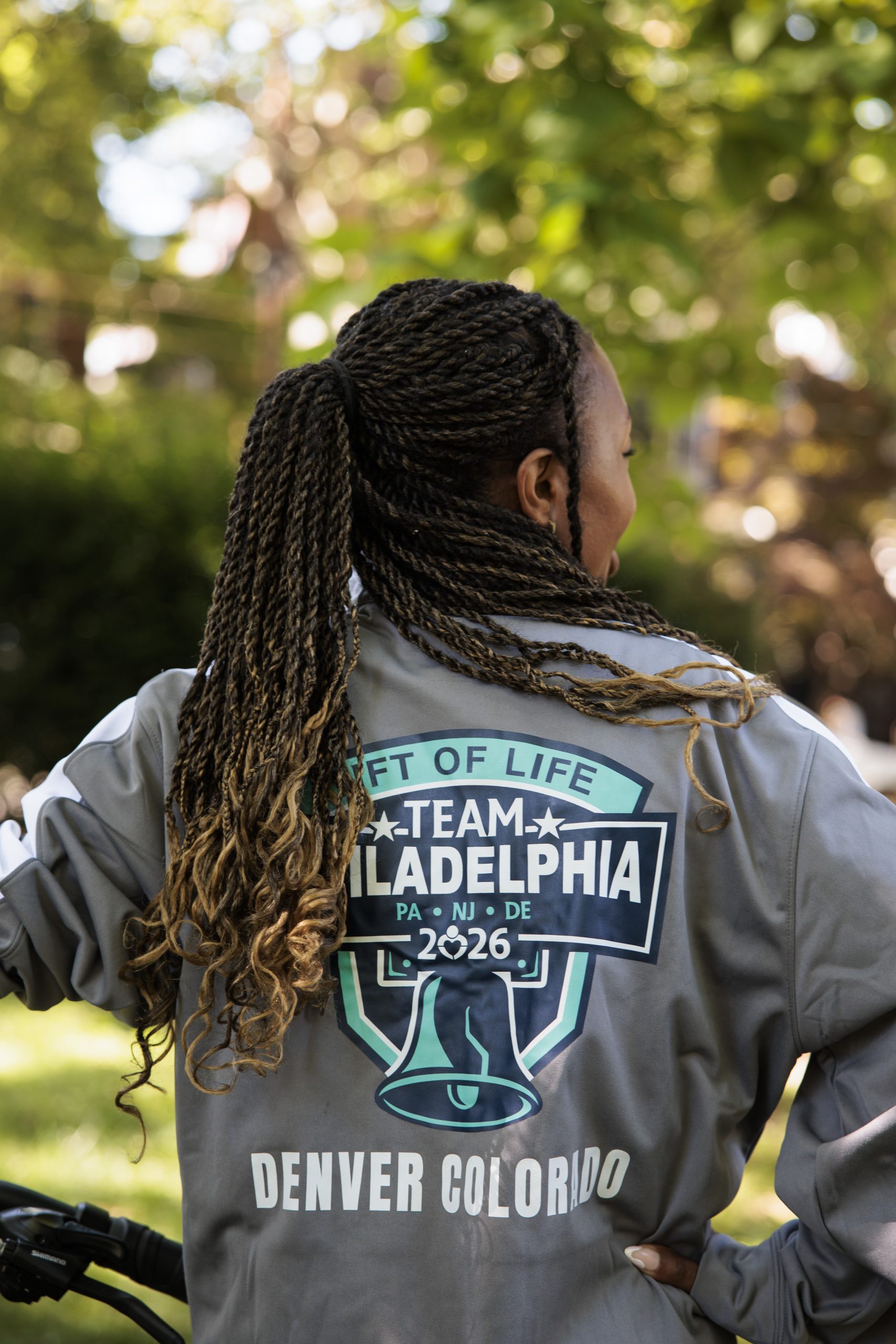
    The local nonprofit Gift of Life Donor Program organized Team Philly, whose 86 athletes hail from eastern Pennsylvania, South Jersey, and Delaware. They are competing thanks to transplants ranging from hearts and lungs to kidneys, livers, and other organs.

    The Inquirer spoke to three athletes about their journeys with heart transplantation and motivation to compete.

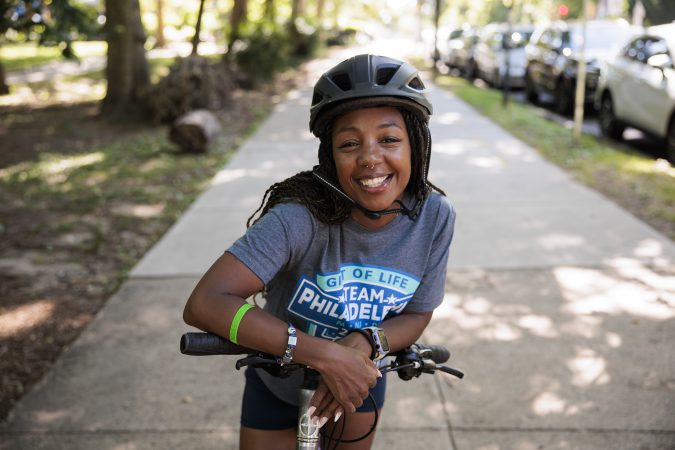
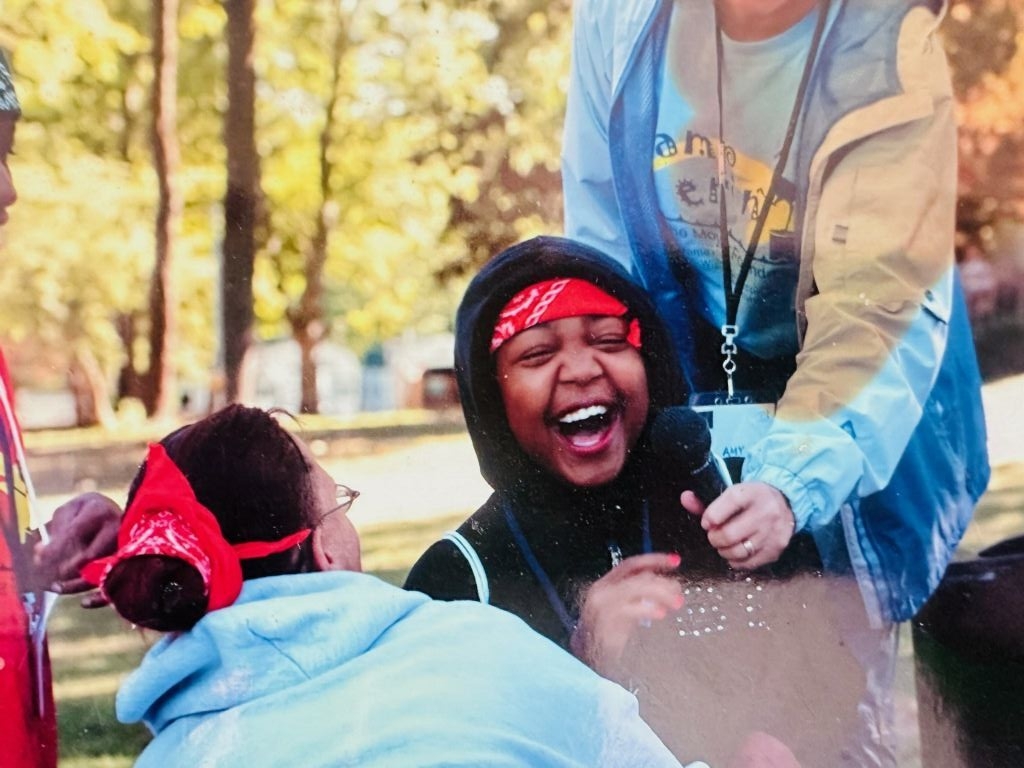
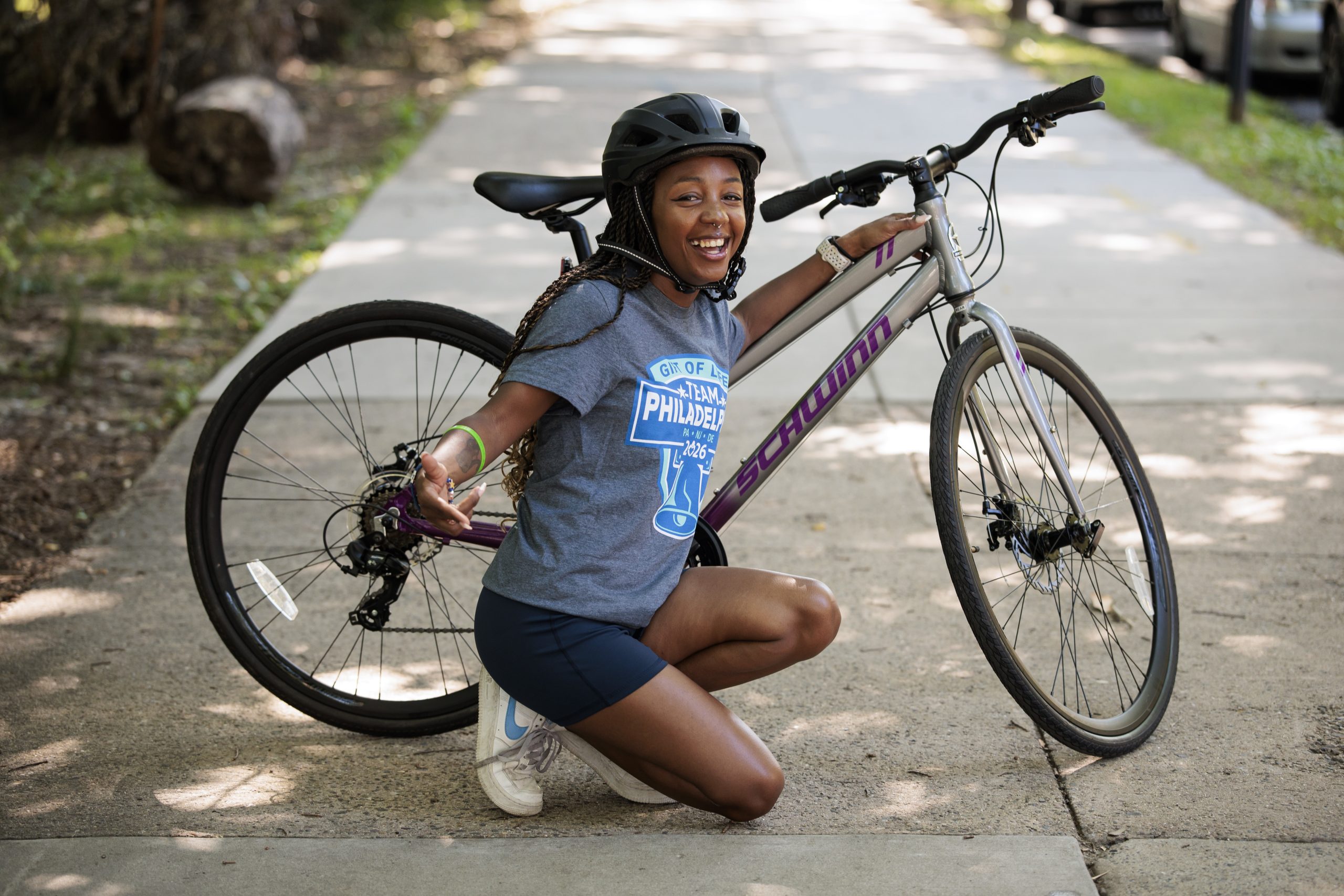
    Evett Hawks is competing in Denver this week as part of Team Philly.Monica Herndon / Staff Photographer

    Childhood as a two-time transplant recipient

    Evett Hawks stared at the mirror in awe.

    After months looking “white as a sheet,” the West Philadelphia native saw in the bathroom mirror a 14-year-old girl whose cheeks were rosy. Her skin was warm and she could feel her fingers.

    “I want to look like this forever,” she recalls thinking.

    A photo of Evett Hawks smiling after her second transplant at age 14.Courtesy of Gift of Life Donor Program

    Hawks, who was born with a hole in her heart, underwent her first transplant at age 3 after a cardiac arrest episode landed her on life support. The donor heart kept her healthy for a decade, until her body started shutting down again in 2006.

    Doctors diagnosed her with end-stage heart failure. At the time, she and her mother were living in a shelter without a permanent home.

    “Why me?” and “This isn’t fair” thoughts overwhelmed her, as she moved to Children’s Hospital of Philadelphia to wait for a new heart.

    She started to doubt her odds of finding a match as months passed. She watched other pediatric patients die before they could get their own transplants.

    “Oh, I’m going to die, too,” Hawks recalled thinking.

    After nearly a year at CHOP, doctors found her a heart.

    While recovering from her surgery, Hawks saw a little boy who was still on the transplant waiting list walking laps around the hospital floor.

    He abruptly stopped in front of her room and said, “I can’t do this anymore. It just is too hard.”

    His nurse took him back to his room.

    Hawks said to herself, if “he can’t do it, I’m going to do it.”

    Now, nearly two decades later, at 33, she is competing in her first Transplant Games in the cycling and singing events. She has trained by biking seven miles to and from her job as a registration specialist at Carvana.

    “The goal is just to do my best, and maybe come back with a medal,” she said.

    Evett Hawks will compete in the cycling and singing events at the Transplant Games of America.Monica Herndon / Staff Photographer

    Rebuilding his life after three transplants

    Leston Hall Sr.’s heart stopped in December 2022.

    Airlifted to Thomas Jefferson University Hospital in Center City, he learned from doctors that he could not leave the hospital without heart and kidney transplants. His organs had suffered major damage from an earlier COVID-19 infection.

    Hall, who lives in Bridgeton, N.J., had received his first kidney transplant in 2013 due to familial hypertension. At the time, he had an identified donor: his wife, Tonia.

    This time, he didn’t know how long he would have to wait for a match.

    Then in his 50s, he was so sick he required a scooter to get around. Mostly, he lay in bed.

    “I was barely holding on,” he said.

    Other patients would invite him out on walks, but he always declined. He finally agreed to go with them one day, thinking, “Maybe they’ll leave me alone.”

    They became an inseparable group of four that he now considers “family for life.” Their friendship helped him endure the difficult waiting period that lasted until June 2023, when doctors found him a new heart and kidney.

    After the surgeries, Hall struggled to adjust back to living at home. He hesitated to go down stairs for fear of not being able to get back up, and kept a chair by the stove whenever he cooked.

    Over time, he built his leg strength back up by using an elliptical machine.

    By early August, he was able to cook without the chair. He surprised his wife with a dinner of chicken breast, rice, broccoli, and green beans — the first full meal he had cooked since coming home.

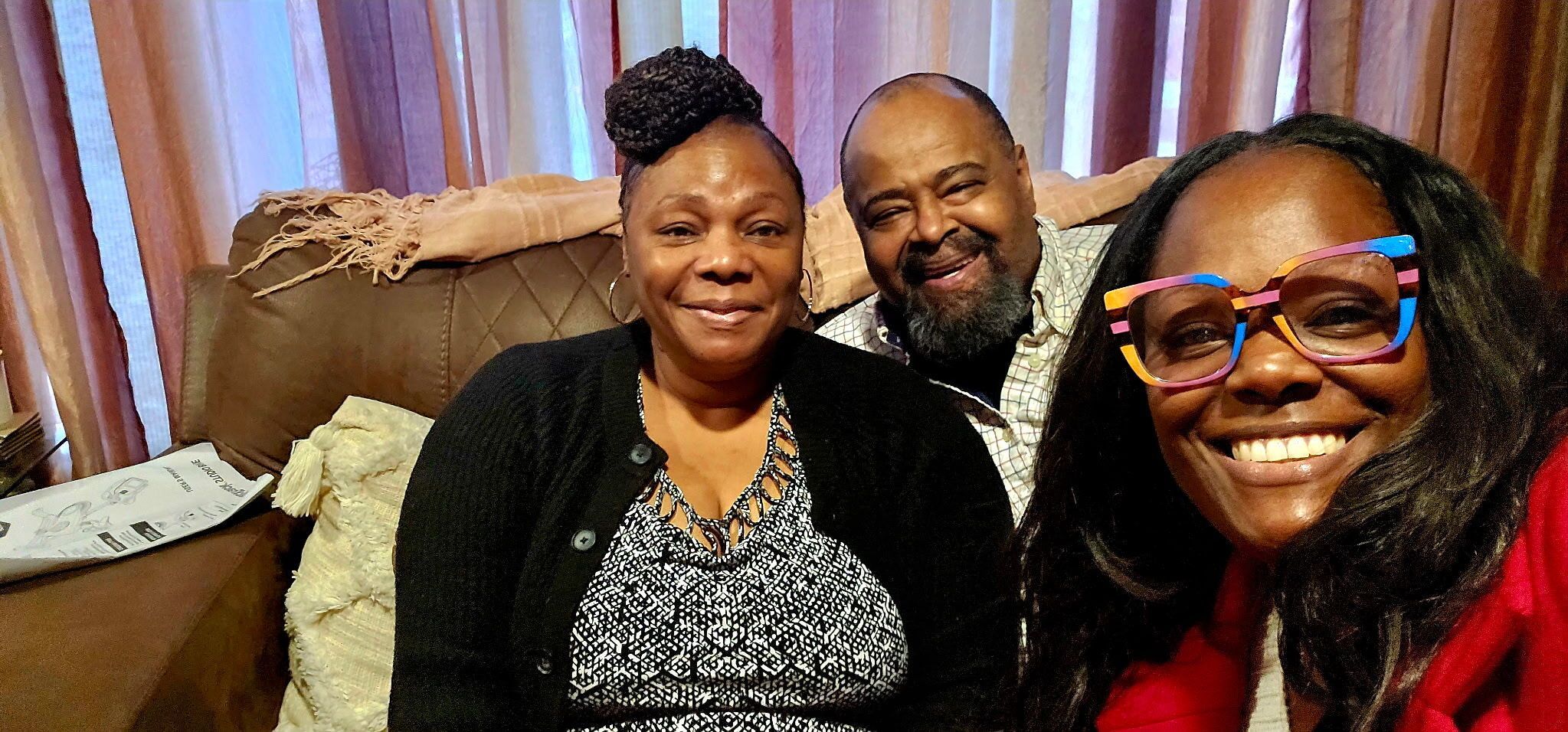
    Leston Hall Sr. pictured with his wife, Tonia, and daughter, Shales.Courtesy of Leston Hall Sr.

    Hall celebrated the three-year anniversary of getting his new heart and kidney last week.

    At his first Transplant Games this week, he is competing in pickleball, cornhole, basketball, and poker.

    Hall said he is grateful “just to be able to accept that challenge.”

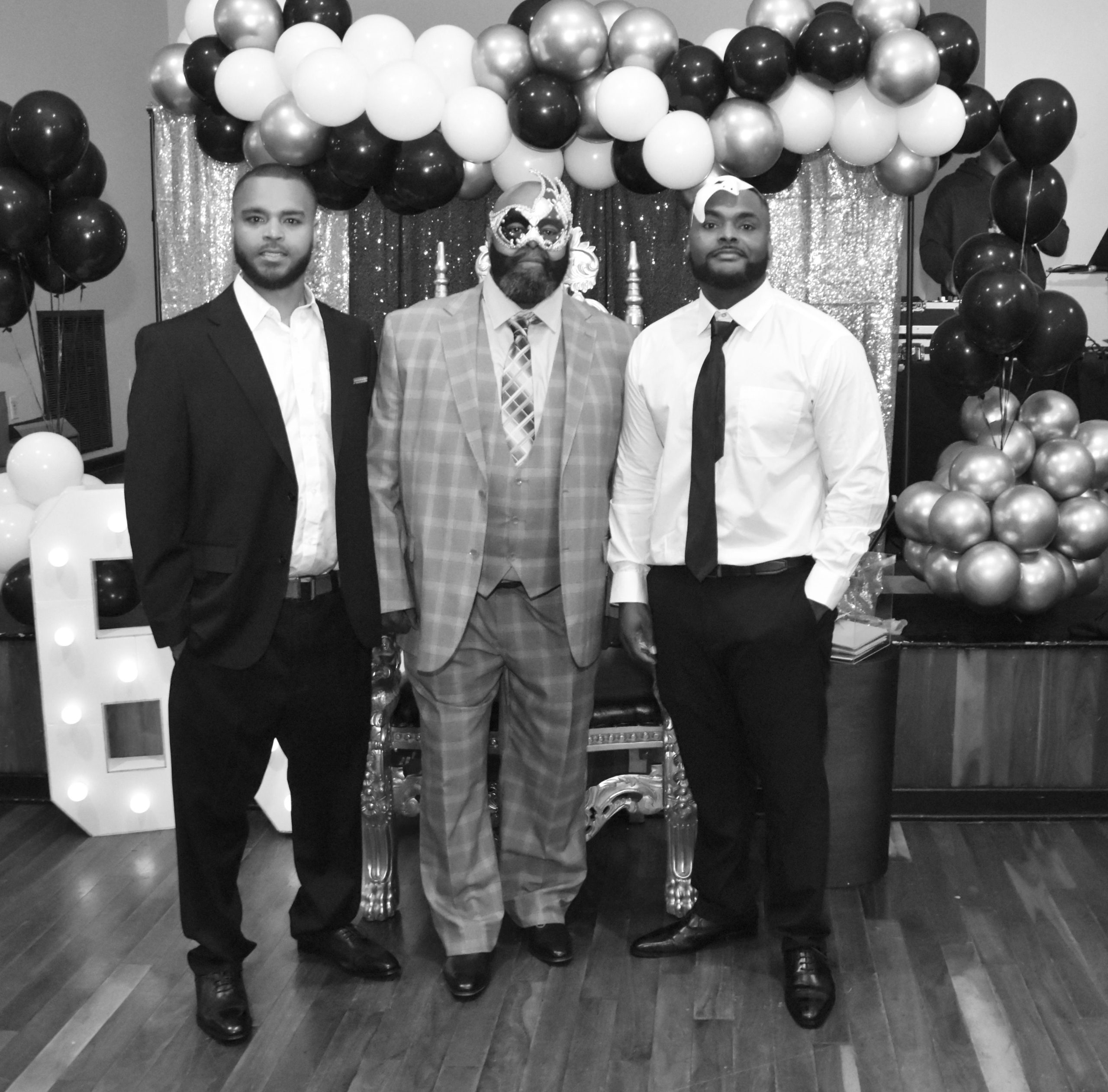
    Leston Hall Sr. celebrated his 60th birthday last October. He is pictured with his sons Lavon and Leston Hall Jr.Courtesy of Leston Hall Sr.

    Wanting to see his children grow up

    Todd French watched his daughter’s birth over FaceTime in October 2021 from his bed at the Hospital of the University of Pennsylvania.

    He had learned he needed a heart transplant earlier that month.

    “All I could think about was, ‘I would do whatever to get to watch them grow up,’” he said, referring to his son and newborn daughter.

    In October 2021, Todd French used FaceTime from his hospital bed at HUP to watch his wife give birth. His wife, Lauren, brought their newborn daughter to meet him before his transplant.Courtesy of Todd French

    The teacher from Milford, Del., had exhausted other treatment options for his cardiac sarcoidosis, an autoimmune disease where cells clump up in heart tissue and interfere with its functioning. For eight years, his heart would randomly beat out of control in episodes called “V-tach.”

    “It caused the electrical system in my heart to kind of go haywire,” French said.

    Doctors placed a defibrillator — a device that shocks the heart back into a normal rhythm — in his chest and conducted ablation procedures. However, the episodes recurred. Each time, the defibrillator would deliver a painful shock that felt like “a mule kick to the chest,” he said.

    After suffering 22 shocks in two hours in 2021, he was admitted to the hospital to wait for a transplant.

    On Nov. 11, 2021, three weeks after his daughter’s birth, French received a donor heart.

    With the help of a personal trainer and cardiac rehab, he rebuilt his lung capacity. Today, he teaches physical education at Milford High School.

    A family photo taken in November 2025.Courtesy of Todd French

    Staying active and healthy is “a respect thing,” he said. “You want to honor the person that helped you and your family.”

    At his first Transplant Games in 2024, he won two gold medals in golfing events and a silver medal in Texas Hold ’em.

    He is hoping to win the golfing events again this year.

    “It gives an opportunity to shine a light on everything that a transplant does for people,” he said.

  • Penn launches $18 million facility to advance RNA technology’s role in health, agriculture

    Penn launches $18 million facility to advance RNA technology’s role in health, agriculture

    Inside Philadelphia’s new RNA manufacturing hub, scientists are working to create vaccines for fish, precision pesticides, and treatments to protect plants from extreme heat.

    The recently launched biofoundry at the University of Pennsylvania aims to expand biotechnological capabilities in the United States, funded by an $18 million federal grant. The National Science Foundation has invested in five such facilities nationally, each focused on a specific biological material.

    The term foundry traditionally refers to a factory where metal is melted and shaped into desired forms. Expanding the concept, Penn’s NSF AIRFoundry now offers a one-stop facility for designing and building RNA technology.

    All products under development involve ribonucleic acid, or RNA, a key molecule in living cells. Some consider it the cousin of the better-known molecule, DNA. Both can carry the genetic instructions for life.

    The facility opened in March at One uCity Square in University City. It builds upon Penn’s success with the 2023 Nobel Prize-winning development of an mRNA platform that led to the first COVID-19 vaccine.

    “We need to democratize this technology,” said Daeyeon Lee, a Penn professor of chemical and biomolecular engineering who serves as the foundry’s director.

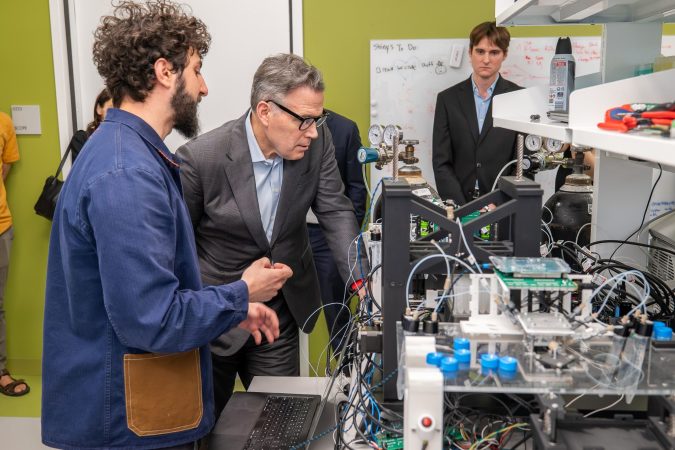
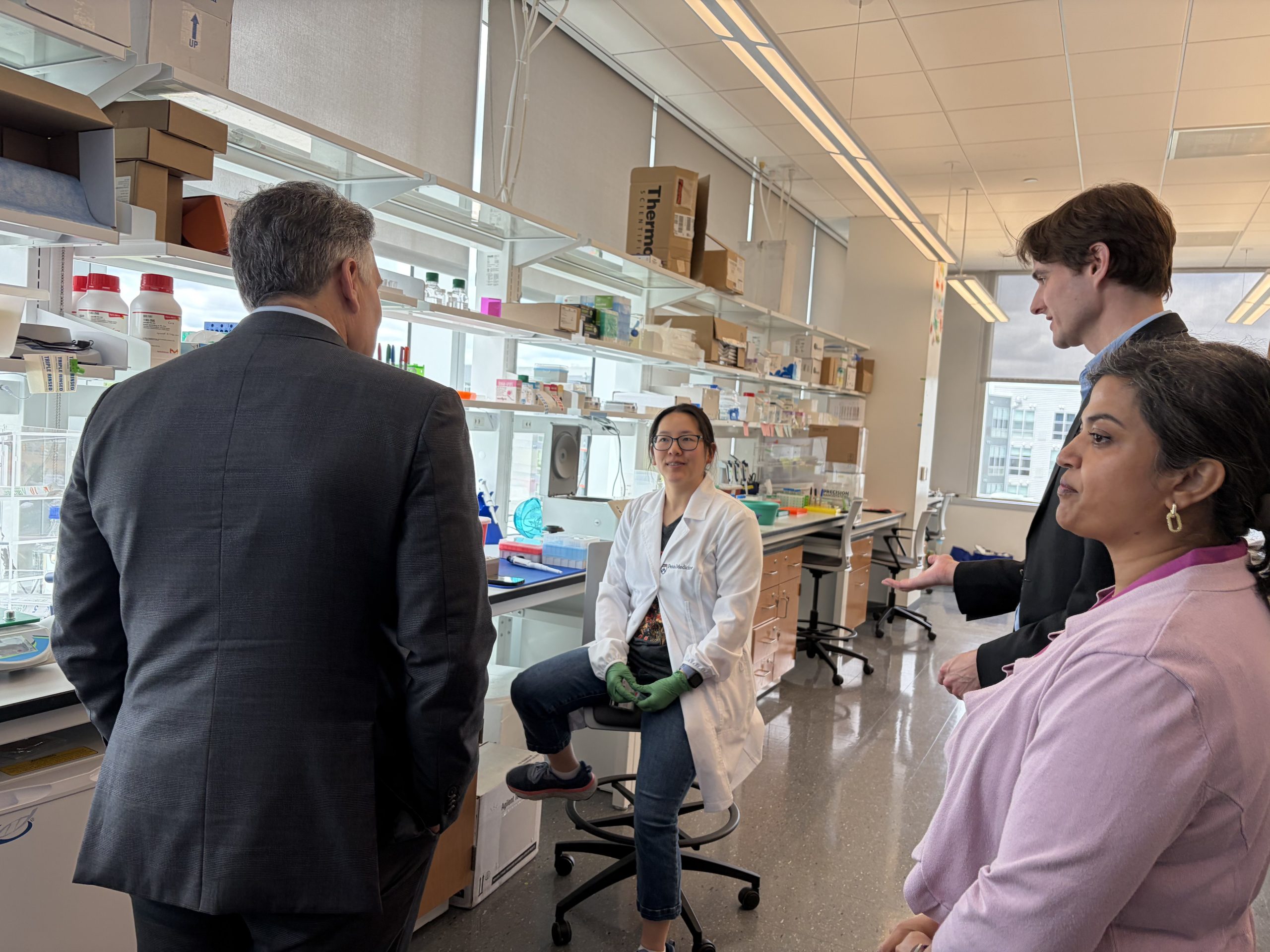
    Penn Engineering professor George Pappas speaks with Sen. Dave McCormick about the AIRFoundry.Kayla Yup / Staff

    AIRFoundry stands for Artificial Intelligence-driven RNA BioFoundry. Scientists hope AI will help them automate aspects of the design and manufacturing process, serving as a resource for researchers and commercial companies across the world.

    Penn’s mRNA work has continued to advance, even as Health and Human Services Secretary Robert F. Kennedy Jr. last year slashed $500 million designated for mRNA vaccine development.

    A longtime anti-vaccine activist, Kennedy has claimed the technology is unsafe and ineffective, despite scientific evidence finding the vaccines to be highly safe and beneficial.

    Now the foundry seeks to expand RNA’s applications in healthcare, agriculture and beyond.

    Lee compared the technology to a hammer — good for certain things, but not everything.

    “Our students and postdocs that get trained right now are going to be sort of the first generation of people to think about RNA as a tool for whatever problem they’re trying to solve,” Lee said.

    An AIRFoundry scientist describes her work in the facility.Kayla Yup / Staff

    A foundry for RNA

    In the mRNA COVID-19 vaccines, injected mRNA provides the instructions for cells to build a harmless fragment of the viral protein. That trains the body to recognize and fight a future infection.

    Compared to traditional vaccines that use live or inactivated pathogens, mRNA vaccines can be produced more rapidly — useful in a pandemic.

    One of the Nobel laureates behind that effort, Penn scientist Drew Weissman, has operated a smaller scale version of the facility, mainly to make mRNA for his lab and collaborators. The foundry’s launch marked an expansion beyond Penn.

    Its sterile instruments and busy lab benches were on display last month as students and faculty walked through the manufacturing process.

    “It takes special facilities and skills to make RNA and associated materials,” Lee said.

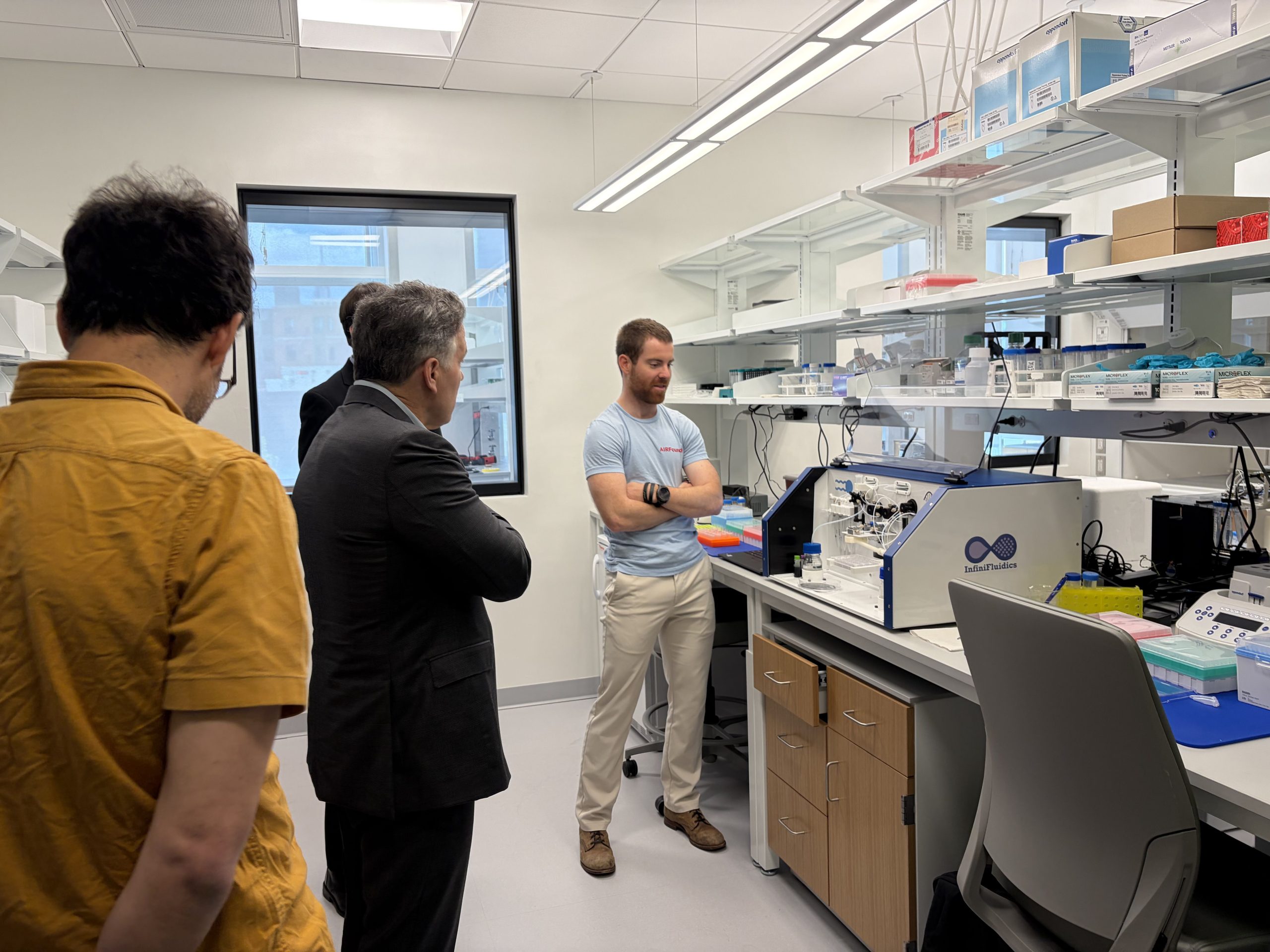
    Owen Land, an engineer at Infinifluidics (a Penn spinout), spoke about a device used to automate part of the process of creating liquid nanoparticles (a delivery vehicle for RNA).Kayla Yup / Staff

    So far, Penn’s facility has operated on a “fee-for-service” basis, where collaborators request a specific RNA technology and the foundry builds it.

    But its scientists hope to incorporate AI to help with synthesizing all the current knowledge, best practices and databases.

    They also want to reach a point where users can come to the physical facility and use the instruments themselves.

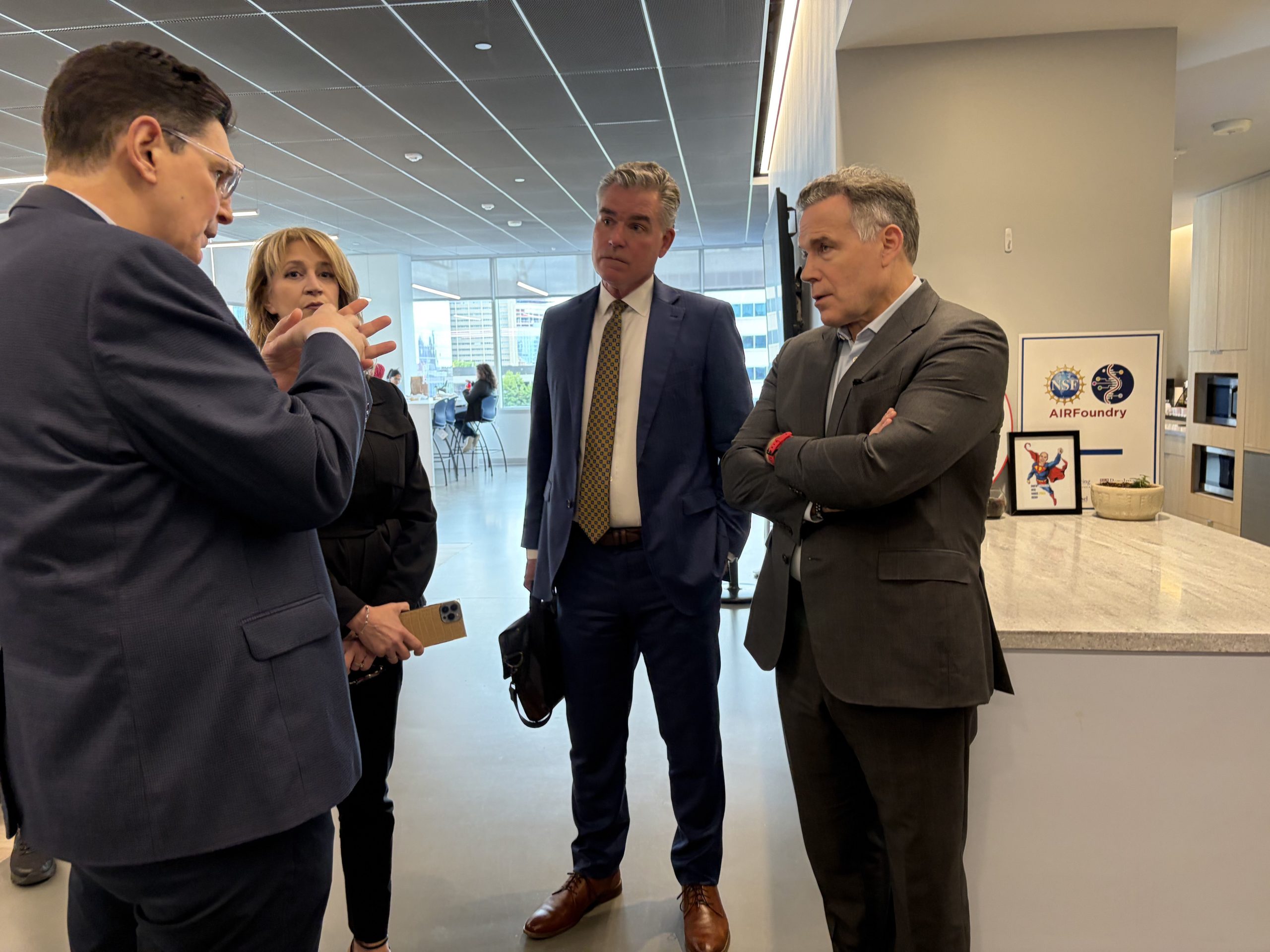
    Sen. McCormick toured the AIRFoundry in May.Kayla Yup / Staff

    The federal grant, which started in September 2024, supports the foundry for six years. Lee hopes it will eventually become self-sustaining through the services they provide.

    Projects underway include working on vaccines to keep fish healthy.

    Another collaborator is developing ways to deliver RNA into plants to benefit the agriculture industry. For example, designing RNA molecules that carry instructions for producing a heat shock protein could protect plants from high temperatures. The plant would produce the protein and theoretically have greater resilience against extreme heat.

    The molecule degrades over time, making its effects temporary. So if used during the summer months, the RNA could be gone by the time harvest rolls around.

    This transient quality could also make RNA useful for pest control, in lieu of chemical-based pesticides, Lee said.

    “We want to interact with everyone that’s interested in using RNA technology,” he said.