Author: Kayla Yup

  • Penn helped test a promising mRNA cancer vaccine. Here’s what the trial means for the field.

    Penn helped test a promising mRNA cancer vaccine. Here’s what the trial means for the field.

    Denise Fitzsimmons knew that removing the fast-growing lump above her eyebrow in 2024 didn’t eliminate the possibility that her melanoma could return.

    But a clinical trial at Penn Medicine offered the 63-year-old grandmother from Birdsboro, Pa., hope of a more enduring remission. It tested a novel vaccine, based on Penn’s groundbreaking mRNA research, that trains the patient’s immune system to find and kill cancer cells.

    That technology has become the first mRNA cancer vaccine to succeed in a late-stage clinical trial, according to preliminary findings released last month by Merck and Moderna, the pharmaceutical giants developing it.

    The vaccine extended the time a patient survived without their cancer returning or spreading, according to the companies, which announced Monday that they will share the full trial results next month at the 2026 European Society for Medical Oncology meeting in Spain.

    The drugmakers merely said that the results were positive. Without knowing the exact numbers involved, or how long the benefit lasted, it’s still unknown if the results will prove clinically meaningful for patients. The companies also have not announced a commercial price tag for the therapy, called intismeran autogene, though similar immunotherapies can cost hundreds of thousands of dollars.

    The trial could mark a turning point for mRNA technology, which has proven useful against infectious diseases but hadn’t had the same success in cancer.

    Melanomas typically contain thousands of genetic mutations due to sun damage, making them an ideal target for the approach, which teaches the immune system to respond to unique markers on cancer cells.

    “It’s a very big step forward after many negative studies in the last few years,” said Ravi Amaravadi, the lead investigator of the Penn trial site, one of more than 100 around the globe.

    mRNA vaccines gained widespread attention in 2020 when used to develop the first immunizations for COVID-19. These shots used the mRNA platform developed by Nobel Prize winners Katalin Karikó and Drew Weissman, a University of Pennsylvania professor. Since then, mRNA vaccines for RSV and the flu have gained approval.

    “This was kind of the wake-up call that RNA vaccines in cancer have an enormous future,” said Weissman, who was not involved in the trial and has no financial stake in Merck or Moderna.
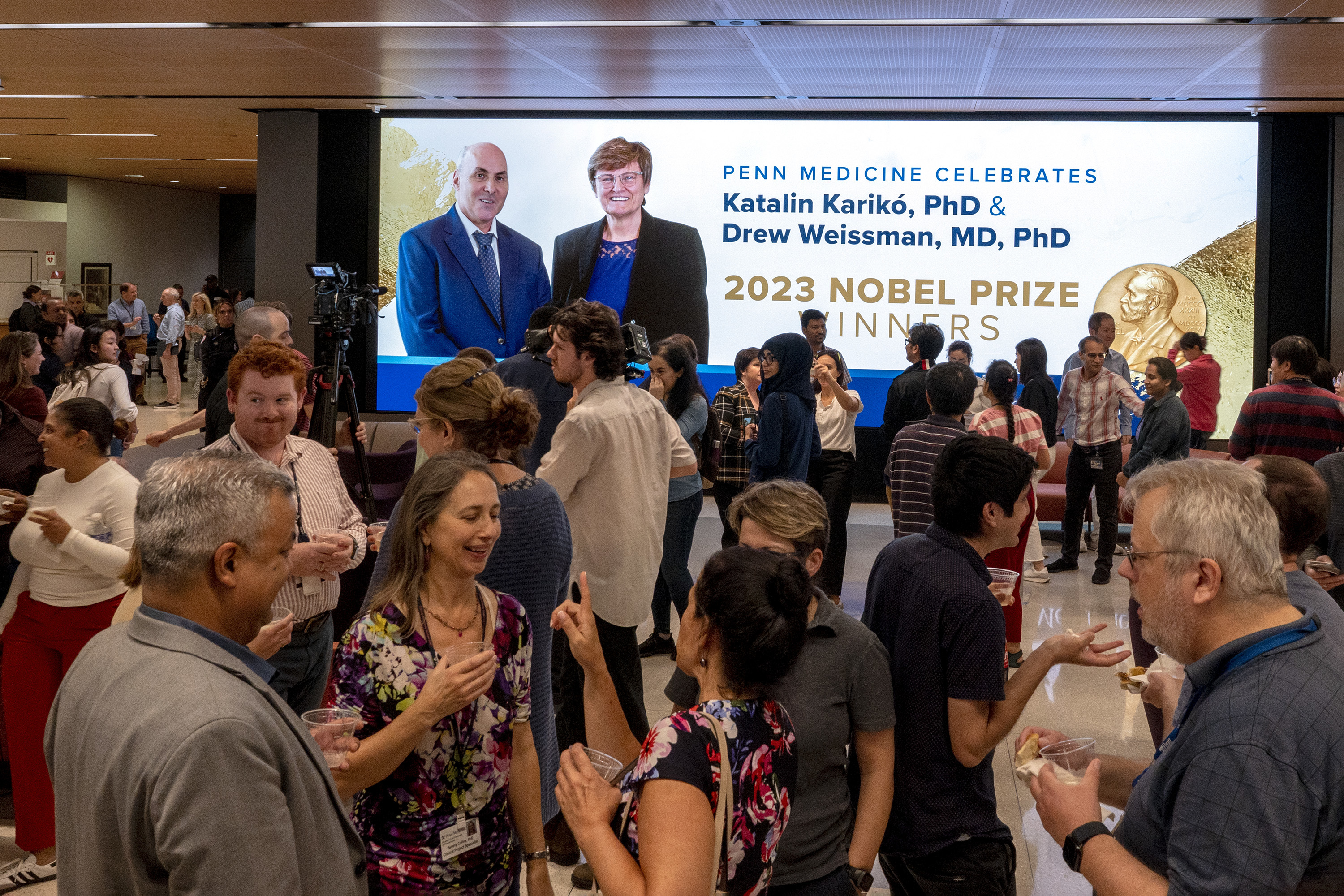
    Katalin Karikó and Drew Weissman were named winners of the 2023 Nobel Prize in Physiology or Medicine. The messenger RNA pioneers worked years to unlock an understanding of how to modify mRNA to make it an effective therapeutic – enabling a platform used to rapidly develop lifesaving vaccines amid the global COVID-19 pandemic.Tom Gralish / Staff Photographer

    How the vaccine works

    Melanoma is a serious type of skin cancer that develops when melanocytes — the cells that give skin its color — grow out of control.

    This trial tested the vaccine in patients whose melanomas had already been removed through surgery. The goal was to destroy any remaining cancer cells and prevent the disease from returning or spreading to other parts of the body.

    “It’s the deadliest form of skin cancer because it can metastasize,” Amaravadi said.
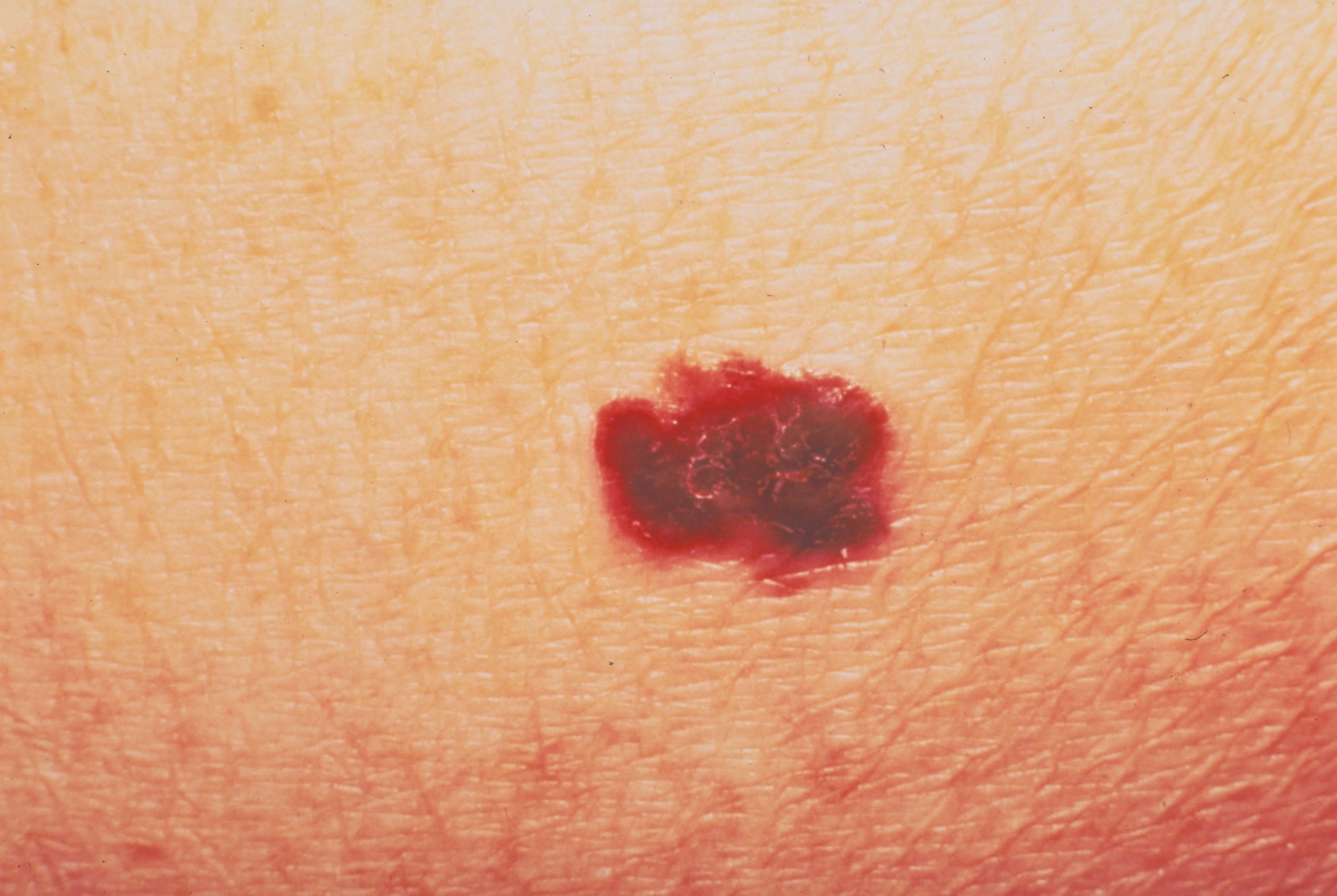
    Detail of a person with a malignant melanoma, which is a malignant skin tumor that involves the skin cells that produce pigment. (American Cancer Society/Getty Images/TNS)Getty Images / MCT

    Penn’s site was one of the first trial locations to open in the United States.

    Scientists personalized the vaccine for each patient by analyzing their tumor samples for unique genetic mutations. That enabled them to design mRNA — a molecule that carries genetic instructions — that would encode bits of protein that look like the tumor.

    When the immune system encounters those proteins, it learns to recognize the cancer and attack it.

    It’s similar to vaccines for the flu or COVID-19, which train the body to identify and fight off specific viruses.

    If the immune system is trained in this way, it could produce a long-lasting memory against the cancer, Amaravadi said.

    “We are now able to train the immune system to look for the tumor, arguably for the first time, in the most effective way,” Amaravadi said, referring to the mRNA platform.

    That mRNA was loaded into a nanoparticle (which acted like a delivery truck hauling cargo) and injected into the arm as a shot.

    Two-thirds of the 1,137 participants were randomly chosen to receive the vaccine in combination with Keytruda, a standard-of-care immunotherapy, while the remaining third received Keytruda alone.

    The trial
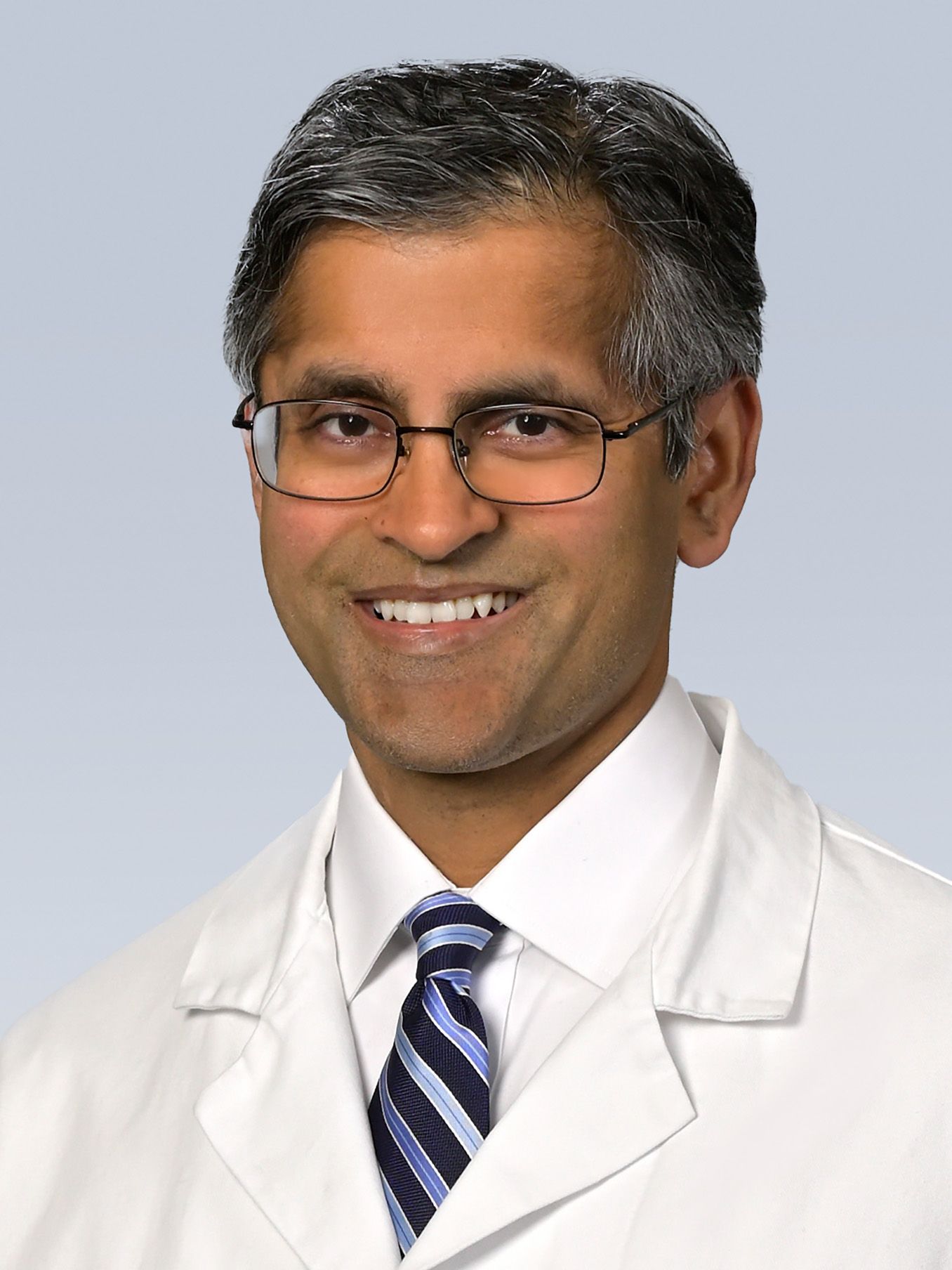
    Ravi Amaravadi led the trial site at Penn.Courtesy of Penn Medicine

    Trial participants who received the vaccine had fewer metastases compared to patients who got the immunotherapy alone, Amaravadi said.

    However, the company has only announced that the results were positive. Without knowing the data, it is hard to say whether the results are also clinically meaningful, Amaravadi said.

    “We are hopeful we’re going to see the same absolute benefit when we see the data published,” he said.

    Amaravadi also wants to see whether there were any unexpected side effects that patients should consider before taking the therapy.

    Another data point of interest: How many patients agreed to receive the treatment but ultimately couldn’t receive it. In some cases, patients’ tumor samples were too small, didn’t contain enough usable genetic material, or were of too poor quality to actually make the treatment.

    If this were a consistent problem, the technology used to analyze tumors’ genetic makeup would need to improve.

    “It’s still a little bit of a bottleneck for some patients to get access to the treatment,” he said.
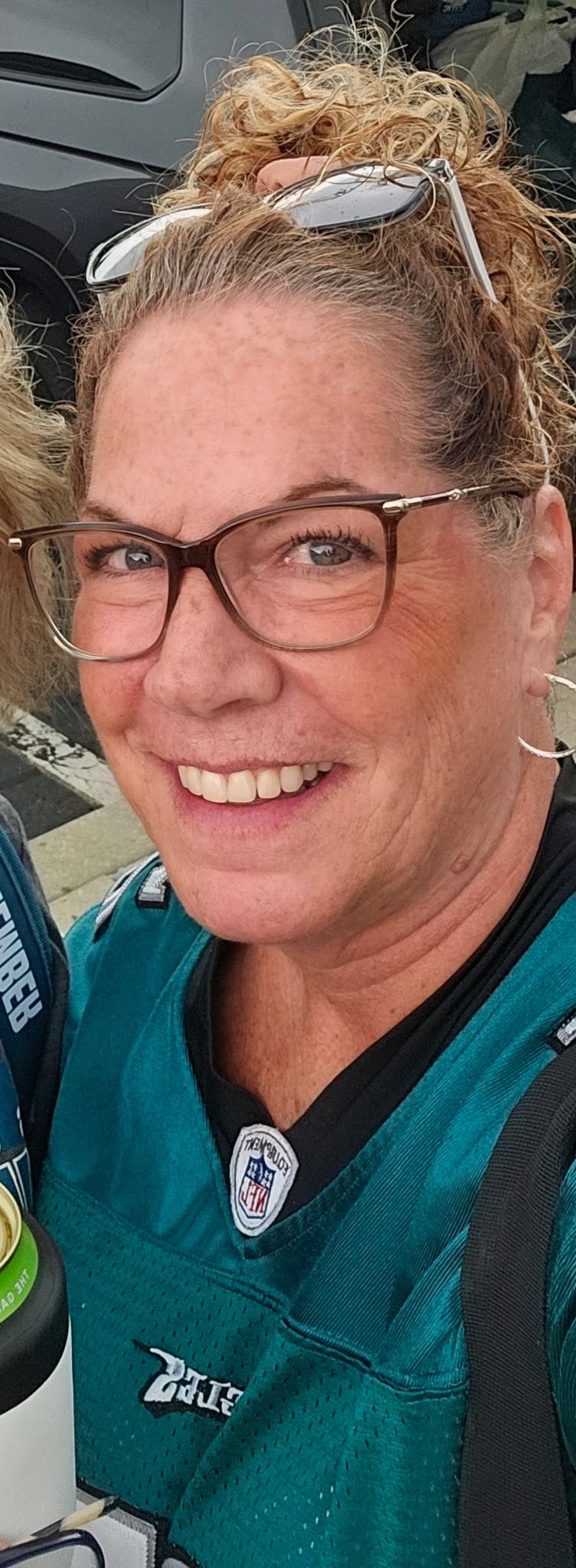
    Denise Fitzsimmons of Birdsboro, Pa., is one of the participants at Penn’s trial site.Courtesy of Denise Fitzsimmons

    Fitzsimmons, a grandmother living in the small Berks County town of Birdsboro, participated through Penn’s site. She doesn’t know whether she received the treatment or a placebo (that information is kept secret from both patients and researchers to avoid bias.)

    But she recalls feeling flulike symptoms the day after each shot — including body aches and sweats — making her speculate that she may have received the vaccine. COVID-19 mRNA shots often prompt similar reactions.

    Fitzsimmons has been cancer-free for the last two years.

    “My fifth granddaughter is on her way,” she said. “So I have a lot to live for.”

    The future of mRNA

    RNA offers a few key advantages as a treatment.

    Its effects are transient and controllable. The material lasts only a couple of days in the body before it degrades and disappears.

    It’s also relatively easy to make.

    “We made billions of doses of the COVID vaccine within a year. No other vaccine or therapeutic can be expanded that quickly,” Weissman said.

    He believes RNA vaccines could benefit people with genetic mutations that put them at higher risk of cancer, such as BRCA carriers.

    If people receive the vaccine before their tumors form, it could kill off any early cancer cells that arise.

    “That way you prevent the cancer from ever forming, instead of trying to treat it after it’s already there,” Weissman said.

    Conversely, he doesn’t think RNA vaccines would work well in someone whose advanced cancer cannot be removed. The immune system has a hard time killing large tumors, he explained.

    This trial tested the vaccine as a follow-up to surgery, targeting leftover tumor cells.

    Other ongoing trials are testing mRNA vaccines in pancreatic, breast, colon, lung, prostate, and other cancer types.

    Outside of cancer, clinical trials are testing mRNA vaccines for herpes viruses, malaria, tuberculosis, Zika, chikungunya, and norovirus. Scientists are also exploring whether mRNA technology could be used to treat allergic and autoimmune diseases.

    This work has continued to advance, even as Health and Human Services Secretary Robert F. Kennedy Jr. last year slashed $500 million designated for mRNA vaccine development.

    “The potential for RNA to treat many different diseases can’t be ignored,” Weissman said.

  • Sen. Dave McCormick calls for increased NIH funding, breaking with Trump in Washington Post piece

    Sen. Dave McCormick calls for increased NIH funding, breaking with Trump in Washington Post piece

    U.S. Sen. Dave McCormick called for doubling the National Institutes of Health budget and prioritizing “merit-based science” in a Washington Post opinion piece published Wednesday.

    The column emphasized the Pennsylvania Republican’s disagreement with decisions made under President Donald Trump’s administration over the last year and a half that have disrupted billions in scientific funding, prompting lawsuits and court reversals in certain cases.

    “I’m a Republican senator. America needs more science, not less,” read the headline on McCormick’s column.

    He opened with a reference to KJ Muldoon, a Philadelphia-area child whose life was saved by a personalized gene-editing therapy. NIH funding helped researchers at Children’s Hospital of Philadelphia and the University of Pennsylvania develop the treatment. This work represents how federal investment can drive breakthroughs in American medicine, McCormick noted.

    “Meanwhile, the U.S. is underinvesting in discovery,” he wrote, highlighting how the NIH budget has declined by more than 10% since 2003, adjusting for inflation.

    Though McCormick has largely supported Trump’s agenda, he has repeatedly pushed back on cuts to research funding.

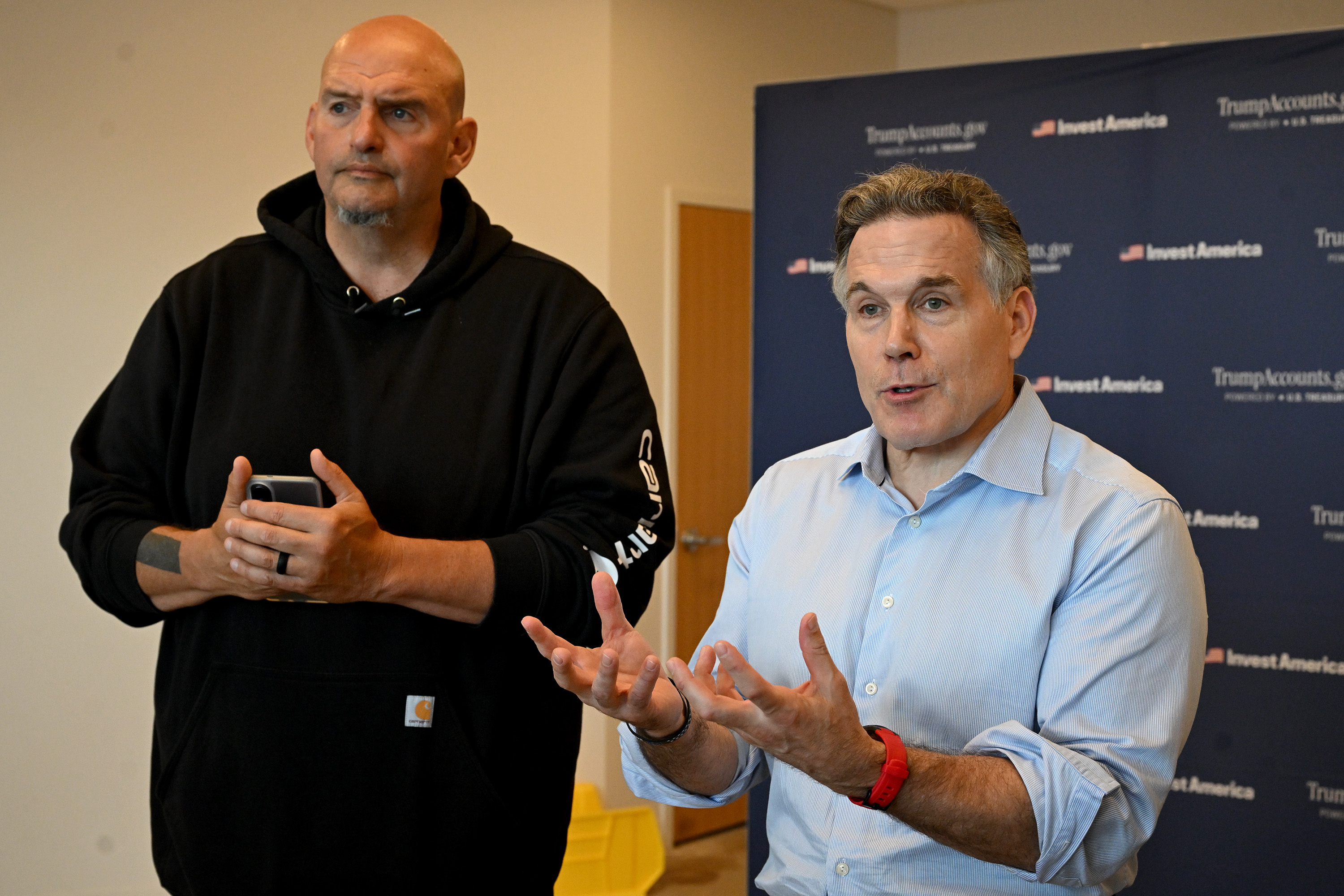
    His office last week publicized a letter authored alongside Sen. John Fetterman (D., Pa.) in which the senators issued a bipartisan call for the federal government to explain recent cuts to healthcare research grants affecting Pennsylvania.

    CHOP and Penn are among the institutions that had to shut down programs after the Agency for Healthcare Research and Quality stopped funding more than 100 grants nationwide, totaling hundreds of millions of dollars, in July.

    In his commentary, McCormick cited examples of NIH funding “saving lives and lowering the cost of disease.” Although less than 1% of federal spending goes toward NIH research, he said, the investment delivers outsized returns.

    The nation’s leadership in scientific innovation could slip if federal funding continues to fall, he added.

    “Conservatives should recognize that basic research, like national security, is a public good that private capital rarely funds,” he wrote.

    At the same time, he echoed some of the Trump administration’s criticisms of research funding, which it says overemphasizes diversity, equity, and inclusion.

    The federal government has canceled nearly 1,400 grants midstream, many due to language referencing diversity, he said.

    In the Philadelphia area, research on LGBTQ+ health and health disparities — how social factors like race, income, and living conditions affect health — has been particularly targeted by cuts.

    “While some of these grants deserved to be canceled, some were legitimate research with buzzwords inserted to get approval from the Biden administration,” McCormick wrote.

    A federal judge had ruled that some of the cuts targeting diversity-related grants were unlawful and discriminatory, after researchers and institutions pushed back through lawsuits.

    McCormick said he has urged the government to let scientists revise their applications to continue their work, rather than wasting the investment in those canceled grants.

    He also called for the government to double the NIH’s $48 billion budget within five years, rather than cut it by nearly 40% as the Office of Management and Budget had proposed last year. The proposed cuts were rejected.

    “If we dare, KJ’s story can be the beginning of a new golden age of American science,” he concluded in the op-ed.

  • Penn launches mobile eye clinic to detect disease early and help prevent blindness

    Penn launches mobile eye clinic to detect disease early and help prevent blindness

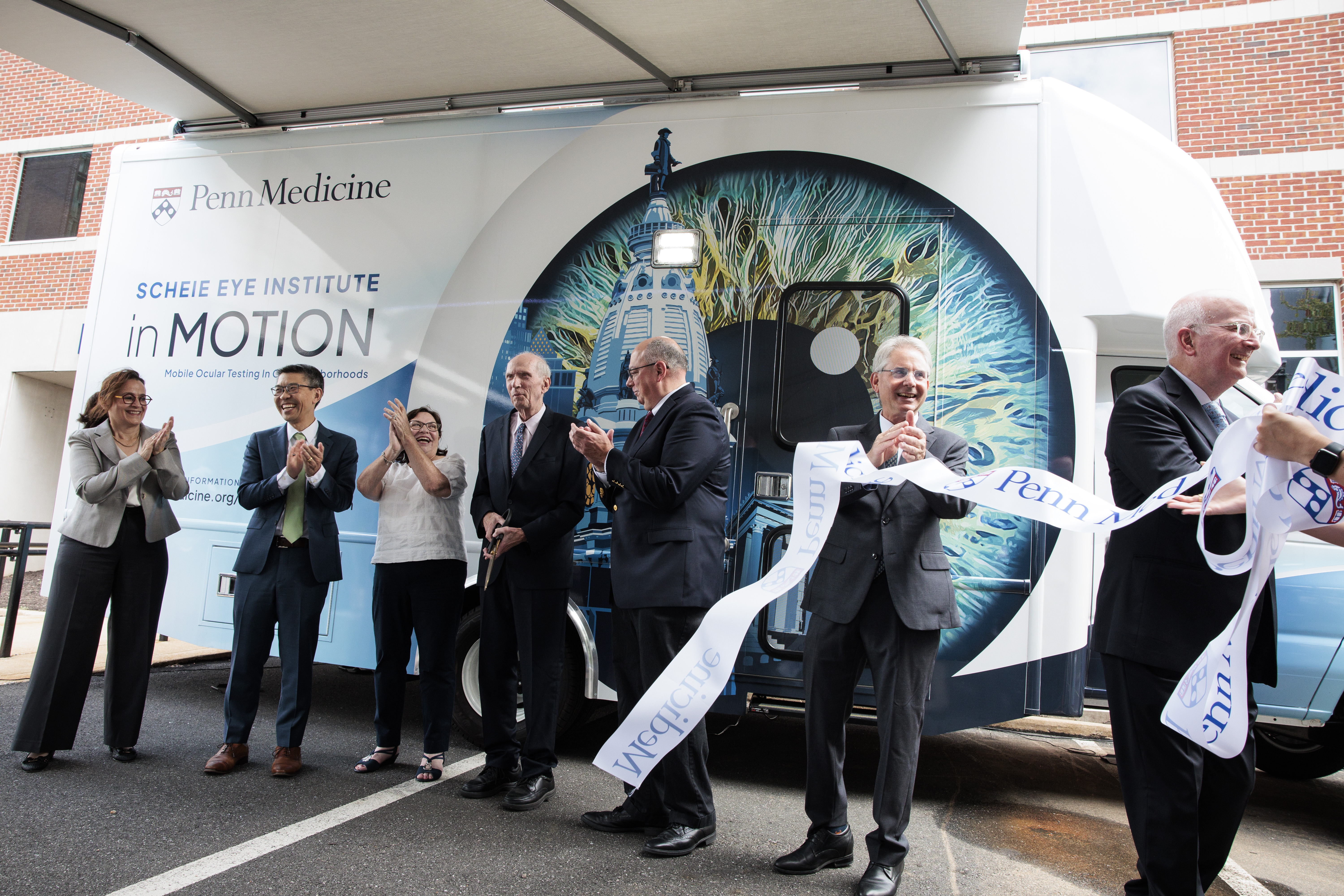
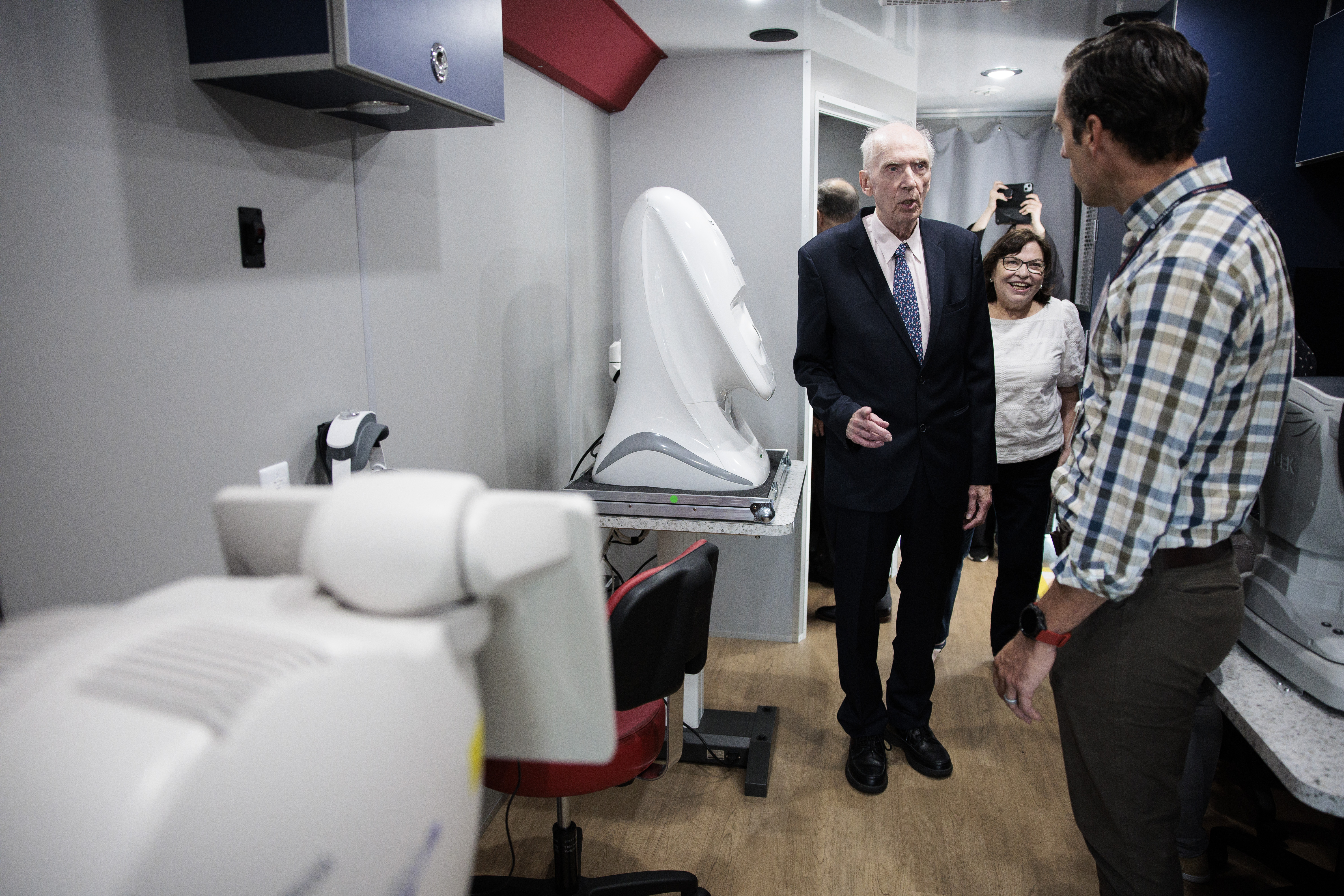
    Penn Medicine’s newest mobile medical van features a giant mural of Philadelphia’s City Hall set against a bright, colorful eye.

    It’s right on theme: the 26-foot-long van will travel around the city, offering free eye exams and education services to underserved communities. The project is led by Penn ophthalmologist Lama Al-Aswad, whose vision is to prevent blindness by improving access to eye care.

    Called the Scheie Eye Institute In MOTION, the van will screen adults for the four major causes of blindness: glaucoma, macular degeneration, diabetic retinopathy, and cataracts.

    The goal is to detect eye diseases early, so they can be treated before progressing to blindness. Half of an estimated 2.2 billion cases of visual impairment worldwide could have been prevented or still haven’t been properly treated, according to the World Health Organization.

    Lama Al-Aswad is the lead physician behind the new Scheie Eye Institute in MOTION mobile unit.Monica Herndon / Staff Photographer

    Al-Aswad had previously launched a similar effort in New York City that screened more than 8,500 people for glaucoma. She found more than half of them had never seen an eye doctor before.

    By teaching community members about eye diseases and expanding access to care, she hopes they can avoid worse outcomes.

    “By the time we say [patients] have a disease, we are improving their eye health literacy, so they understand the impact and the need to follow up,” Al-Aswad said.

    Those who cannot afford follow-up care can receive services for free, thanks to donations from Philadelphia native Rick Campbell and family, and the New York-based organizations, Save Vision Foundation and Envision Health Technologies.

    The van made its first appearance at Saunders Park in West Philadelphia in mid-September. The unit aims to run at least two to three times a week and see 25 patients at each event.

    The Inquirer spoke with Al-Aswad about the new mobile screening van in an interview lightly edited for length and clarity.

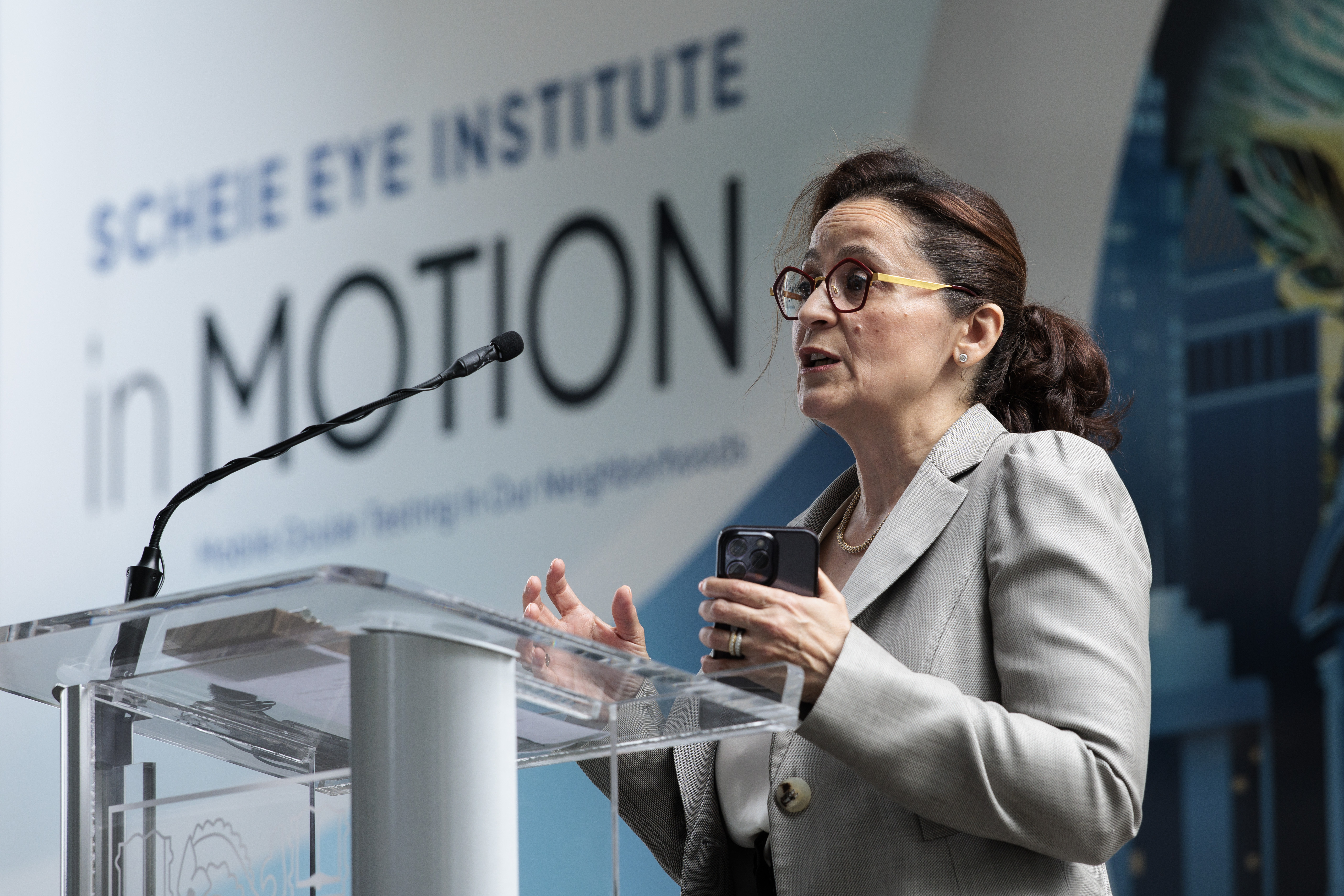
    Lama Al-Aswad speaks during an event introducing the Scheie Eye Institute in MOTION mobile unit.Monica Herndon / Staff Photographer
    What should the public know as part of eye health literacy?

    The four leading causes of blindness: That includes cataracts, which are reversible. People who have cataracts slowly lose vision, but once we do cataract surgery, it goes back to your baseline vision.

    Glaucoma is the leading cause of irreversible blindness. It’s called the silent thief of blindness because it’s asymptomatic until the end.

    Diabetic retinopathy is another leading cause of blindness. That’s preventable too, if there is annual evaluation for it and better control of diabetes.

    Macular degeneration is a disease that affects the macula and, with aging, slowly over time can affect vision. That can be treated with injection and monitoring.

    A lot of eye diseases can be blinding. But, in general, if we catch it early and take care of it continuously, we can prevent blindness.

    What communities are you hoping to reach?

    We are hoping to reach the underserved or vulnerable communities in West Philly, North Philly, and other places. We are even targeting the unhoused community with this mobile unit.

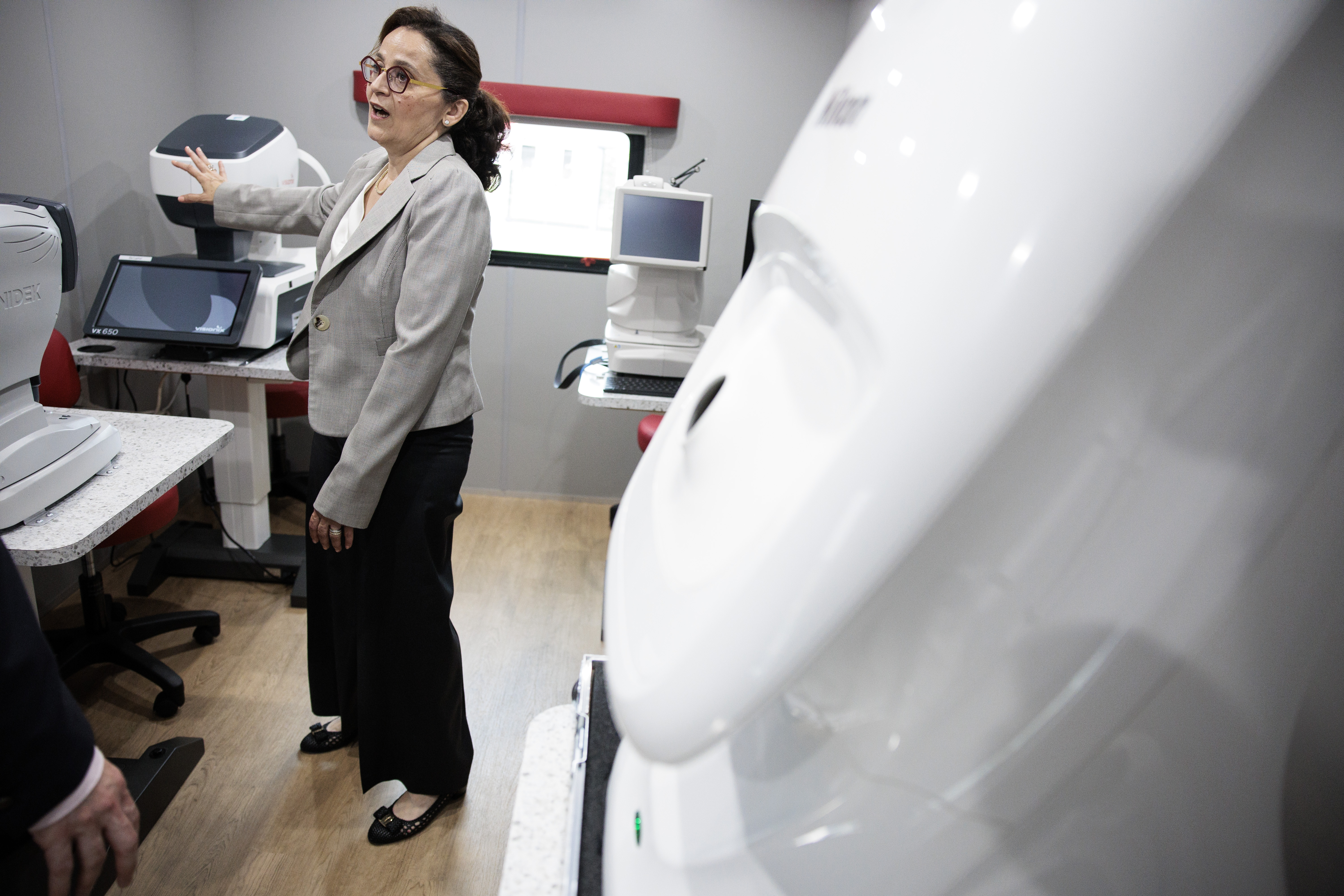
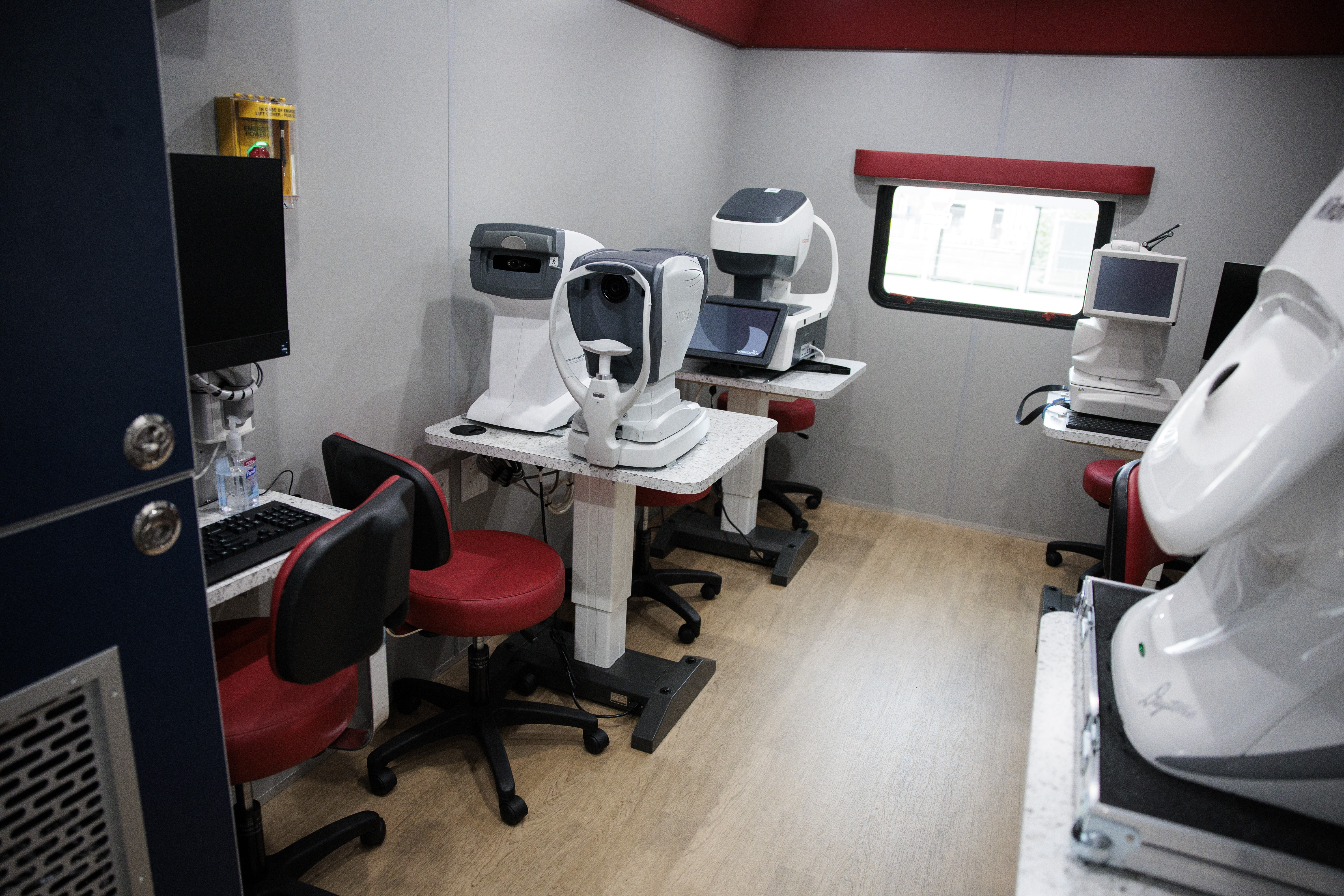
    The inside of the mobile unit.Monica Herndon / Staff Photographer
    What are some lessons that you learned in New York that will be guiding your new effort at Penn?

    One of the lessons that I learned is how to close the loop.

    Let’s say you go out to the community and you screen. But what happens after that? You tell the patient they have a disease. If you’re lucky, 50% follow up.

    When we did a lot of the screening in New York, I did an analysis of the people who followed up and people who didn’t follow up. A couple of things came up:

    It’s hard for individuals with mid- to low-socioeconomic status to take time off work. Second, eye health literacy is very, very important for blindness prevention. A good number of patients didn’t understand the need to follow up.

    We would call them and they would say, “I have no problem, I don’t feel anything, and I have other priorities.” The other thing is how to target populations at a higher risk.

    How will you help patients who require follow-up care after screening?

    If we identify disease, we refer them to our practices to be seen in person by one of our physicians. If they are uninsured, we see if we can help them access insurance, and if they cannot access insurance, we can provide care for them for free, thanks to Mr. Campbell and his family’s generous support for this project.

    Why is it important to catch eye diseases early?

    People go to their internists or other doctors, but the last thing that they think about is their vision.

    That’s because eye diseases most of the time are asymptomatic early on, so patients only go when it’s advanced. That’s a problem in itself because a lot of the vision loss we cannot reverse.

    It’s really important to identify disease early and manage it for blindness prevention.

    Donor Rick Campbell and his wife Marie Campbell walk into the Scheie Eye Institute in MOTION mobile unit.Monica Herndon / Staff Photographer
    How do you feel about the launch?

    Closing the loop is going where patients are, providing screening and diagnosis, providing education, and providing care to the uninsured. This is a dream come true to be able to do all of this together.

  • Dave McCormick and John Fetterman press Trump administration for answers on health funding cuts

    Dave McCormick and John Fetterman press Trump administration for answers on health funding cuts

    Sens. Dave McCormick and John Fetterman are pushing the federal government to explain recent cuts to healthcare research funding in Pennsylvania, the bipartisan pair announced Monday.

    In an Aug. 25 letter to Department of Health and Human Services Secretary Robert F. Kennedy Jr., the Pennsylvania senators requested a briefing on the decisions and warned that abruptly ending long-term projects after substantial federal investment “risks wasting taxpayer resources while disrupting research, eliminating jobs, and delaying innovations to improve patient care.”

    The Agency for Healthcare Research and Quality stopped funding more than 100 grants nationwide in July, totaling hundreds of millions of dollars. These cancellations affected multiple programs at the University of Pennsylvania and Children’s Hospital of Philadelphia, disrupting studies into how healthcare systems can be organized and financed to improve health outcomes.

    That included projects on improving translation services for hospitalized patients and expanding access to hormone therapy for menopausal women.

    For McCormick, a Republican and close ally of President Donald Trump, the letter to Kennedy reflected a rare public break with the president. Though McCormick has largely supported Trump’s drastic changes to the federal government, he’s continually pushed back on cuts to National Institutes of Health grants and other research funding.

    The letter, which McCormick’s office publicized this week, is also the latest in a string of cross-aisle collaborations with Fetterman, a Democrat. It followed a similar request for information from Rep. Brendan Boyle, the top Democrat on the U.S. House Committee on the Budget.

    HHS did not immediately respond to a request for comment on the letter Monday. The department previously told The Inquirer that the AHRQ director determines “whether continuation funding is in the best interest of the federal government.”

    “To be clear, these grants were not terminated — they were not awarded continued funding,” an Aug. 5 HHS statement said. “The Trump administration remains committed to the responsible stewardship of taxpayer dollars.”

    The senators’ public push to support institutions like CHOP comes after the Wall Street Journal reported earlier this month that Fetterman privately dismissed CHOP leaders’ concerns when they were trying to set up a meeting with him last year.

    “I’m convinced they just want free trips to DC,” Fetterman wrote to a staffer after indicating he did not agree with their concerns about changes to vaccine policies and Medicaid spending under Trump, according to the report.

    Fetterman condemned the report as a “hit piece” and said the text exchange he had about CHOP was a “dumb joke.” Critics, including other Democrats who have repeatedly complained about Fetterman’s job performance, said it was further evidence that the senator was not doing his job.

    In their letter, the senators called on HHS to explain the criteria used to cancel the grants, how it plans to reallocate the funds that would have supported them, whether affected institutions can appeal the decisions, and what its long-term plan is for AHRQ.

    “Over time, this instability risks weakening our nation’s leadership in scientific research,” the letter stated.

  • Penn trial tests ultrafast form of radiation aimed at reducing cancer treatment side effects

    Penn trial tests ultrafast form of radiation aimed at reducing cancer treatment side effects

    Penn Medicine researchers are testing whether an ultrafast form of radiation therapy can treat cancers in the head and neck with fewer side effects.

    The clinical trial marks the first time the technology, conformal FLASH proton therapy, is being used in humans.

    Radiation therapy, one of the most commonly used cancer treatments, works by aiming high-energy beams at tumors. While this kills cancer cells, it can also cause damage to surrounding healthy tissues.

    Patients with head and neck cancers, for example, can develop ulcers in the mouth, damage to the jawbone, dry mouth, and scarring as a result.

    A trial launched this month at Penn Medicine’s Abramson Cancer Center will assess whether delivering radiation more than 100 times faster than typical therapies is safe and could lessen that damage.

    The pilot trial will enroll 10 people whose head and neck cancers have returned.

    These are patients who lack good treatment options and risk side effects that interfere with speaking, breathing, and swallowing.

    “Giving another full dose of radiation is very hard for these patients,” said Jonathan Schoenfeld, who directs the Head & Neck Radiation Oncology program at Mass General Brigham and is not involved in the trial. “This is a good population that could potentially benefit from this type of approach.”

    The specific type of FLASH radiation used in this study was developed by researchers at Penn and the Belgium-based Ion Beam Applications S.A. (IBA), which manufactures the platform and is sponsoring the study.

    In mouse studies, FLASH proton therapy reduced side effects while still killing cancer cells. Researchers have since tested the approach in a clinical trial involving dogs with cancer.

    However, promising results in animals often do not translate to humans. Even if the trial produces encouraging results, it could take years before the therapy becomes widely available.

    The hope, ultimately, is not only to preserve quality of life in patients, but to make radiation therapy more convenient and accessible.

    “Instead of 30 to 40 treatments, we can do the treatment in one to five treatments,” said Alexander Lin, a radiation oncologist at Penn and the trial’s lead investigator.

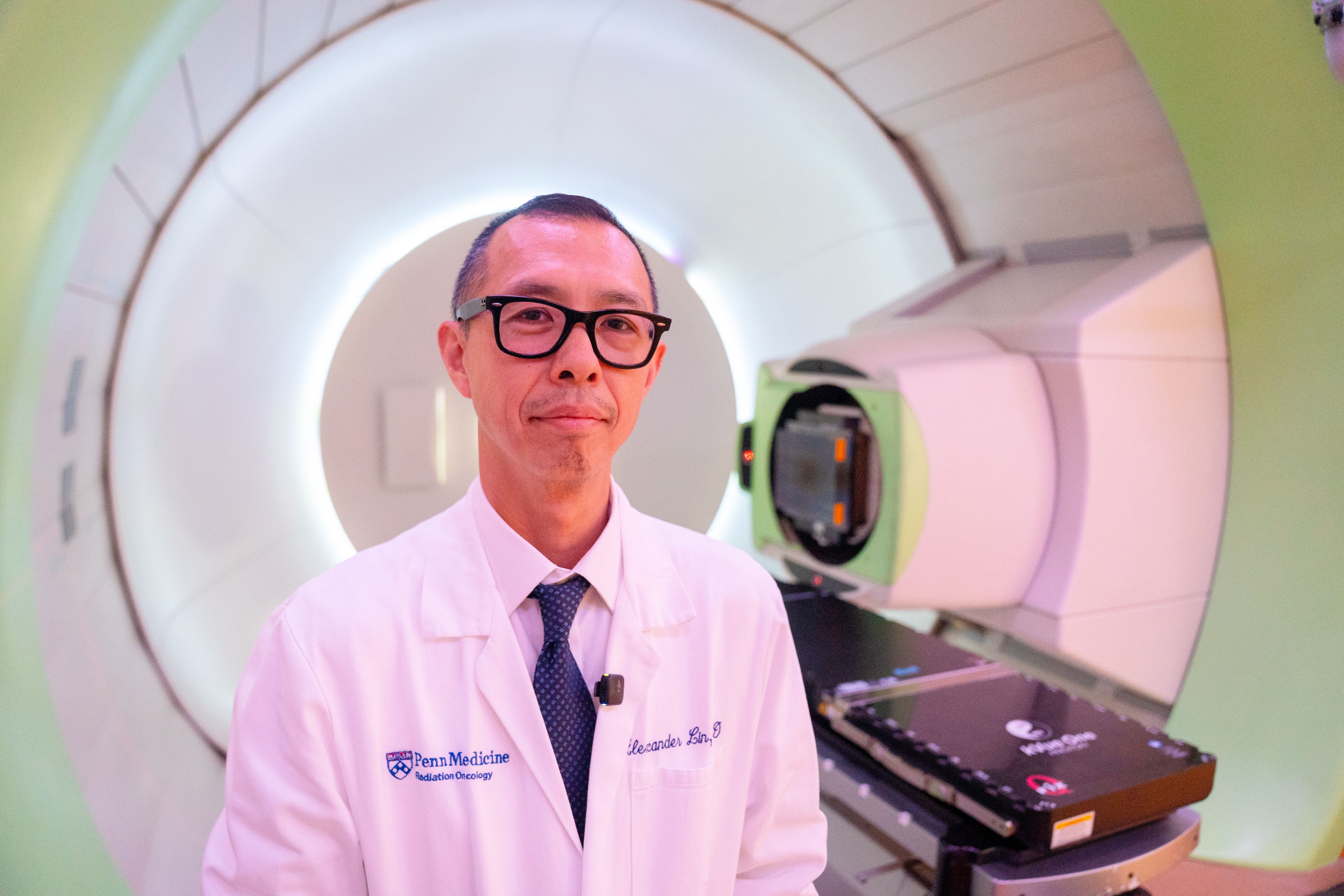
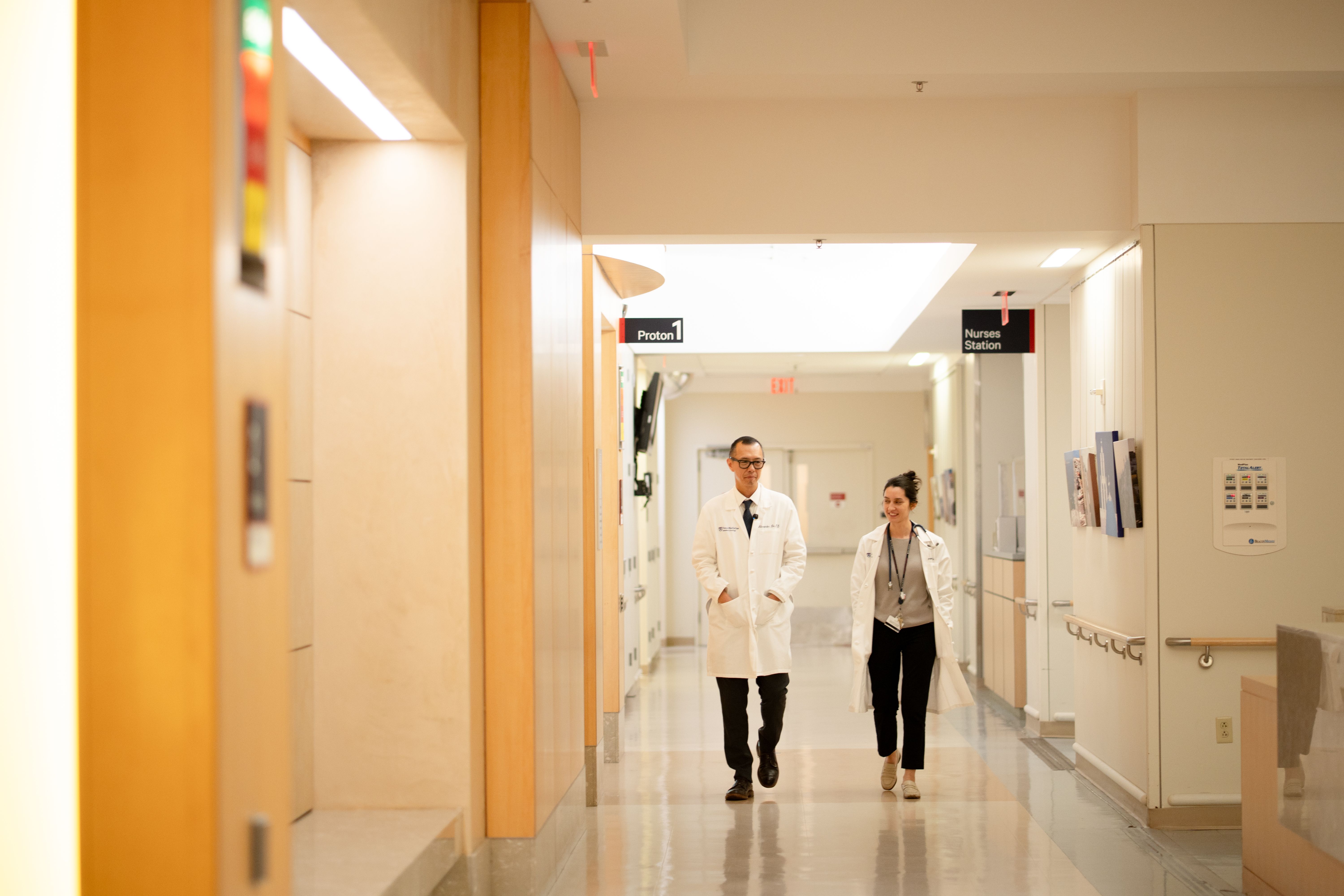
    Lin walks through the Roberts Proton Therapy Center.Credit to Margo Reed Studios

    Faster and fewer doses

    Doctors typically divide a patient’s radiation therapy into dozens of daily treatments over several weeks.

    FLASH radiation aims to accomplish that in fewer doses.

    Think of it like air travel: A trip from the East to the West Coast would take hours with today’s technology. But if you can fly at the speed of light, it would take less than a second.

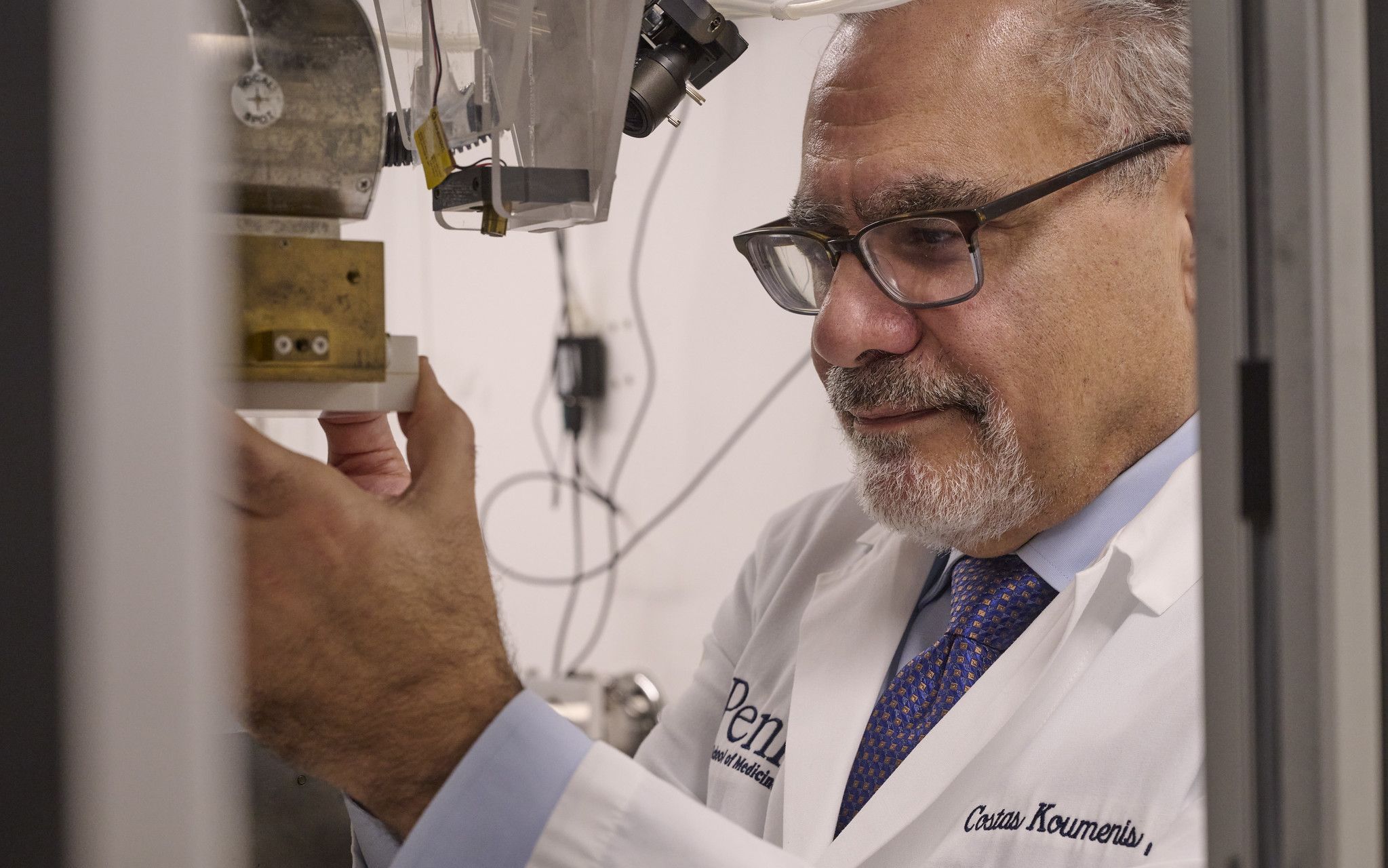
    “We’re giving the same dose or similar dose, but the dosage rate changes,” said Constantinos Koumenis, the vice chair for research in Penn’s Department of Radiation Oncology and a developer of the therapy.

    Lin hopes this lighter schedule could alleviate some of the time and financial burden of treatment.

    The FLASH therapy builds upon a highly advanced radiation treatment, proton therapy, which uses protons to more precisely target tumors. Penn has heavily invested in the expensive technology, with its fourth proton therapy center — a $224 million facility at Penn Presbyterian Medical Center in University City — expected to open in 2027.

    The researchers are also incorporating a technique called conformal radiation therapy, which shapes the radiation beam to match the tumor’s three-dimensional size and location. This helps limit exposure to nearby healthy tissue.

    The exact biological explanation for FLASH radiation’s effects remains a mystery. However, scientists theorize that the treatment reduces damaging oxidation in healthy tissue while promoting faster recovery.

    “The hope is that, if this type of trial is successful, you can treat patients who need more radiation with much lower risks,” Schoenfeld said.

    But “it’s a new treatment that we don’t fully understand yet, so I would highlight that it’s still very early days,” he added.

    First trial

    Constantinos Koumenis is the vice chair for research in Penn’s Department of Radiation Oncology and a developer of the new therapy being tested.Credit to Peggy Peterson

    The primary focus of the Penn trial will be assessing the treatment’s safety and feasibility, with an eye on quality of life and cancer outcomes.

    Researchers will be taking a more cautious approach to begin, using a dose and schedule that have already been found safe and effective in patients. The only difference will be giving the radiation at the FLASH speed, Lin said.

    Schoenfeld said he would first want to see whether the team can deliver their treatment with the intended speed and precision — an accomplishment in itself for an early-stage trial.

    Then he would look at how the tumors respond to FLASH and whether patients develop side effects over a period of months to years.

    “Some of these side effects are longer term side effects, so it’s important to start to follow these initial cohorts of patients as long as possible,” he said.

    The Penn team will follow patients for at least five years.

    If the trial shows promise, the researchers hope to launch additional trials in other types of cancer, from gastrointestinal to liver tumors.

    “If these trials show that they’re safe, we want to target any solid tumor that we can target,” Koumenis said.

  • A stray bullet paralyzed a Philly woman from the waist down. Now she surfs, teaches, and advocates for accessibility.

    A stray bullet paralyzed a Philly woman from the waist down. Now she surfs, teaches, and advocates for accessibility.

    Amanda Parezo, a self-professed “beach bum,” can no longer get onto the sand or lay out a beach blanket on her own.

    The loose grains are “just impossible to navigate through” in a wheelchair, she said.

    Still, she seizes every opportunity to return to the Shore — an activity that has brought her healing since her childhood in New Jersey.

    Parezo loved spending time at the beach while growing up in New Jersey.Courtesy of Amanda Parezo

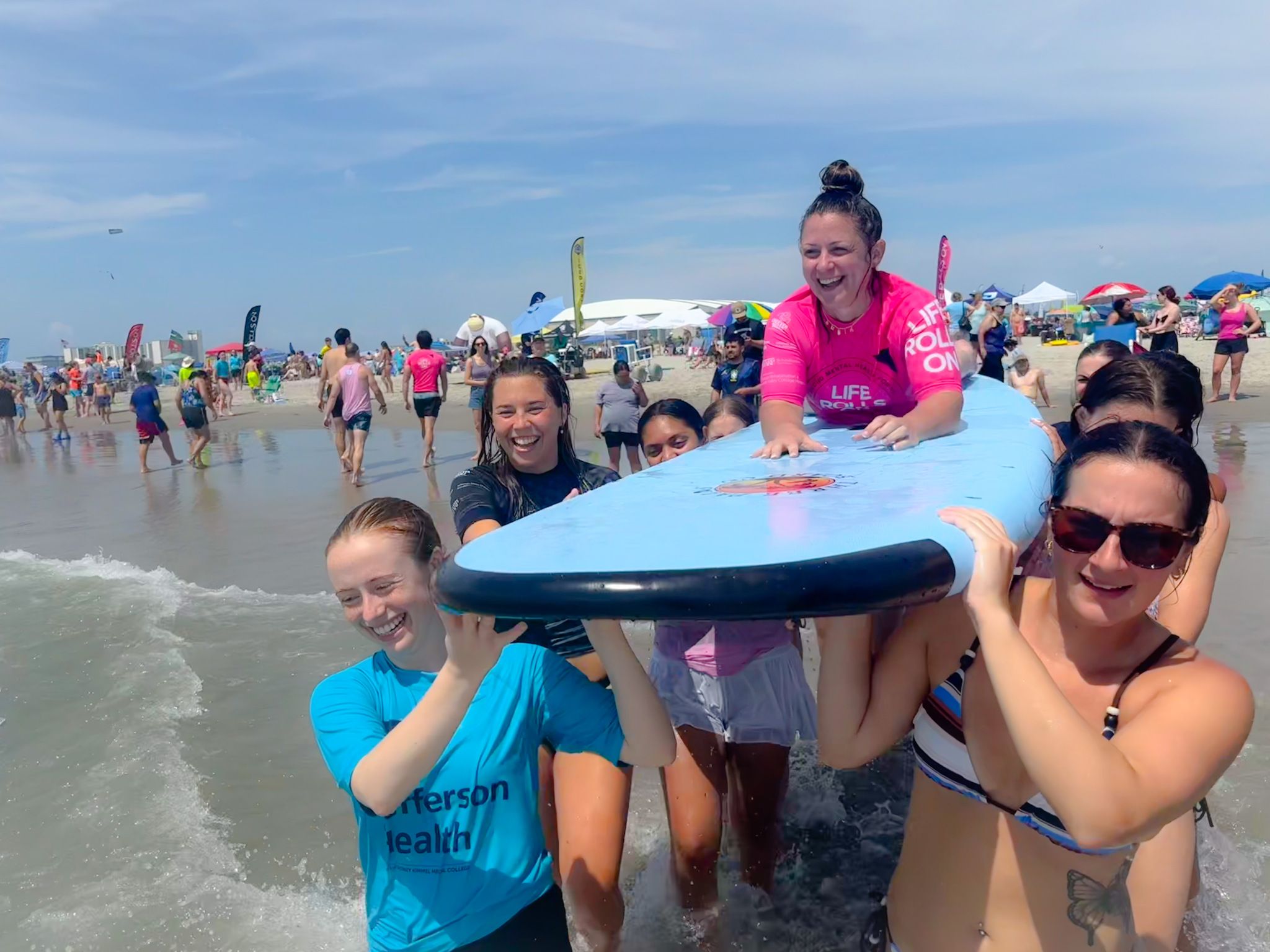
    Five years after a random shooting in Olde Kensington left her paralyzed from the waist down, she participated in “They Will Surf Again,” an adaptive surfing event in August in Wildwood, N.J. Designed for people with physical disabilities, the event was hosted by California-based nonprofit Life Rolls On and sponsored by Jefferson Health.

    Volunteers and friends helped her onto an adaptive surfboard that was wider and thicker for greater stability.

    The first time she participated in 2022, she was afraid of how her legs might shift while riding. But whenever she fell off the board, volunteers scooped her back up immediately.

    Parezo loved the feeling and energy of going fast in the wave. That sensory experience brought her relief as someone living with constant nerve pain.

    “You can’t even describe it. It just felt so good,” she said of the summer surf event.

    In the years since her life-altering injury, Parezo has had to take similar leaps of faith as she’s worked to rebuild her life.

    She now had to worry about how she would shower, use the bathroom, drive, and simply enter public spaces while in a wheelchair. An assistant professor of occupational therapy at Jefferson, Parezo was used to helping patients, not being one herself.

    “It was a lot of just mourning who I was before,” she said.

    In the process, she has become an accessibility advocate, competed in a pageant for women who use wheelchairs, and taken on adaptive sports from surfing to chair yoga.

    She says her former patients are her biggest motivators.

    “I think about them every day,” said Parezo, now 40. “I haven’t forgotten a single one of them that I’ve treated in outpatient.”

    Amanda Parezo was paralyzed after a stray bullet hit her spine. She is now in a wheelchair.Alejandro A. Alvarez / Staff Photographer

    The injury

    On the evening of the shooting in 2021, Parezo, then 36, had just finished playing a game of kickball at Hancock Playground in Olde Kensington with her friends. They were sitting near the benches, chatting and packing up, when gunshots from a nearby shooting suddenly rang out.

    As her teammates ducked for cover, she felt a stinging sensation enter the right side of her body, just below her ribs. Parezo immediately fell backward as a wave of numbness swept from her hips down into her toes.

    In that split second, a series of images flashed through her mind.

    She saw patients she had treated as an occupational therapist. She saw herself sitting in a classroom, studying a PowerPoint slide about spinal cord injuries. And she imagined herself in a wheelchair.

    “There was no doubt in my mind that I had a spinal cord injury, and I knew it was bad,” she said.

    She screamed in pain as everything the stray bullet touched started to dysfunction. Authorities have not identified the shooter.

    At Temple University Hospital, she would be diagnosed with a complete spinal cord injury, leaving her paralyzed from the waist down.

    “You don’t think you’re going to have to spend the rest of your life in a wheelchair the next day,” Parezo said.

    Although she knew a yoga studio near her Old City home offered chair yoga, she was intimidated by the idea of going. She worried she would feel upset seeing women whose bodies looked like hers before her injury, wearing the outfits she once wore and attending 6 a.m. yoga classes, as she once had.

    Then she attended an open house for the studio.

    “They were just phenomenal women,” she said.

    Now, she goes every Monday and is good friends with the instructor.

    Parezo said she is grateful for the people in her life who encouraged her to get out of bed and do things.

    She thought about a patient who had been shot in the head but continued coming to her clinic every other day for occupational therapy. If the patient could remain motivated after such a traumatic experience, Parezo thought, she needed to be motivated, too.

    “I am just so grateful for my background, and just the irony of being on the other side of things,” Parezo said.

    Advocating for accessibility

    Parezo frequently encounters accessibility challenges in her daily life.

    But she has turned those stressful moments into opportunities for advocacy, through posting to social media and reporting issues around the city to 311, the non-emergency contact center.

    When Parezo arrived at a SEPTA subway station in 2024, she discovered the elevator down to the street level was broken.

    The station had three flights of stairs, but no signage indicating that the elevator was out of service. SEPTA’s app also hadn’t marked the elevator as inoperable.

    She posted a video to Instagram of her stuck in the station, in tears, frustrated by the lack of accessibility. That post went semi-viral on Instagram and caught the attention of SEPTA, who reached out for a conversation about her concerns.

    “As we continue work to improve accessibility across the system, SEPTA is committed to working closely with riders to help them navigate outages and other challenges,” a spokesperson said in a Friday statement.

    SEPTA recently began its latest accessibility improvement project at 11th Street Station on the L, and will invest more than $700 million to make Metro and Regional Rail stations accessible.

    Her friend Katie Adams recalls seeing Parezo bump off curbs and nearly fall into traffic because of obstacles on the sidewalk.

    “Never in my wildest dreams [did I think] anyone in this situation would turn this around and make this not a life-defining moment, but a lifelong work and advocacy,” Adams said about Parezo.

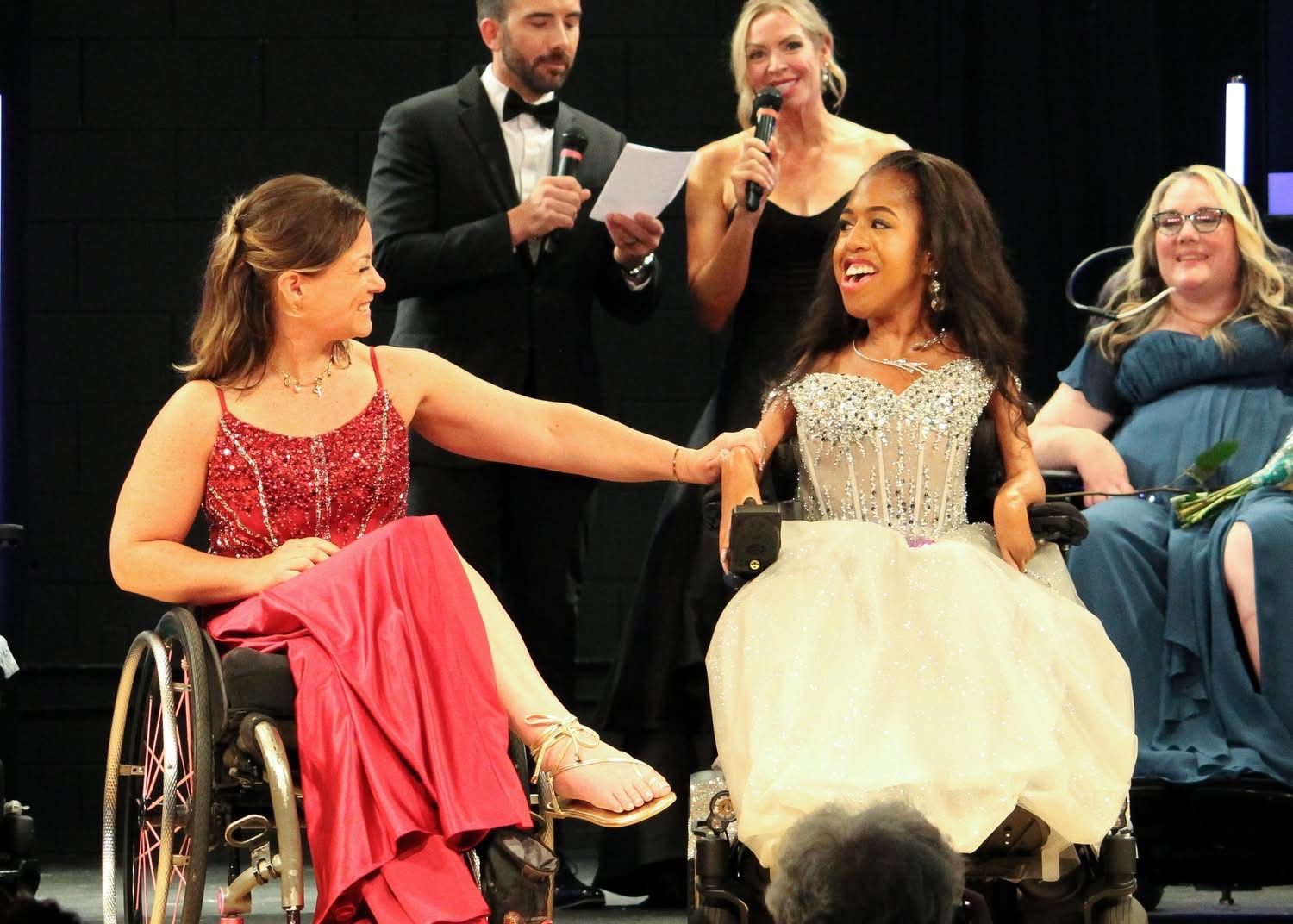
    In July, Parezo represented the state of Pennsylvania in the Ms. Wheelchair USA pageant.

    In July, Parezo represented the state of Pennsylvania in the Ms. Wheelchair USA pageant.Courtesy of Amanda Parezo

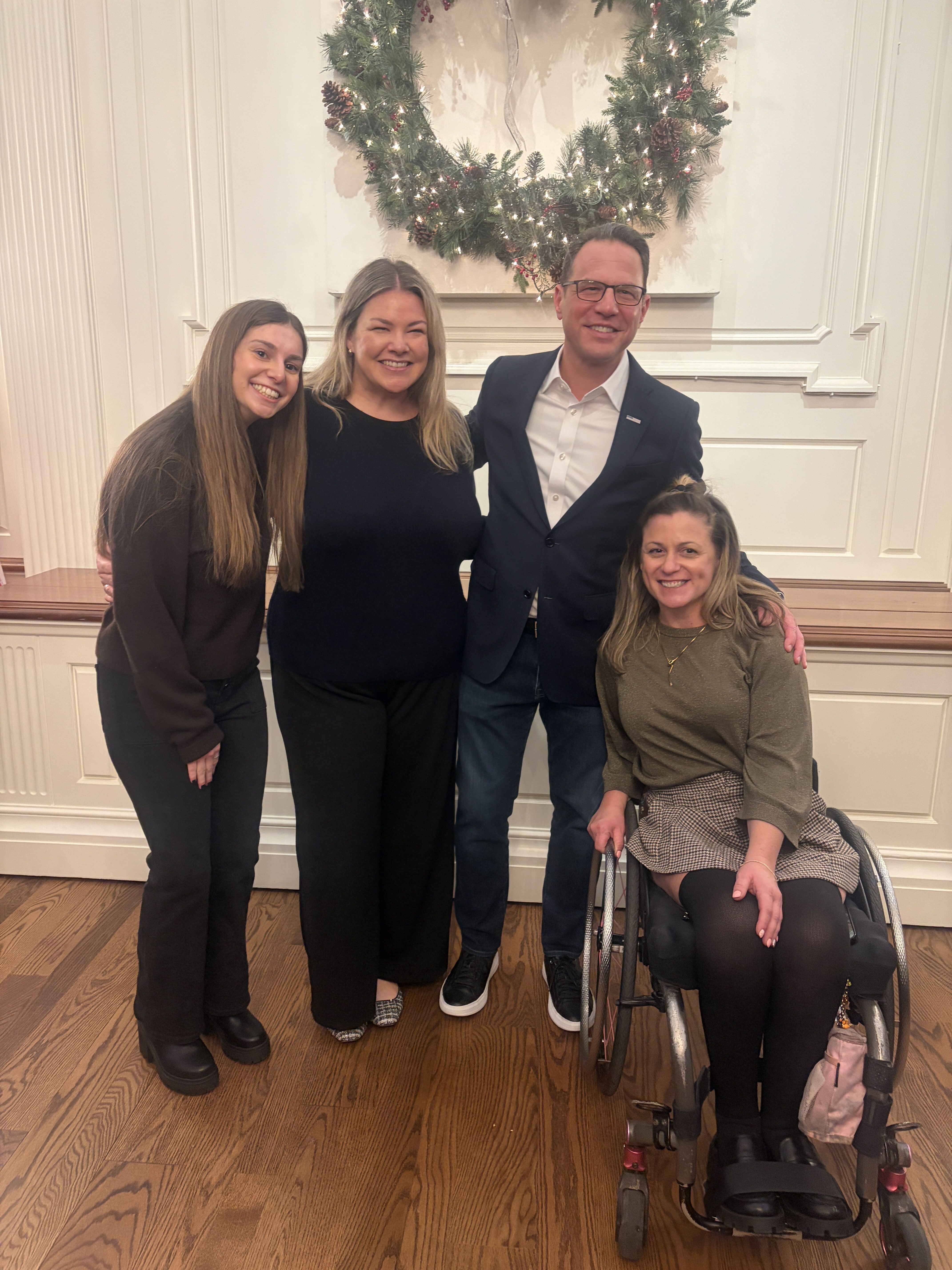
    She was named first runner-up and received awards for education and inspiration. She also serves on the Pennsylvania Governor’s Advisory Commission for Women and draws on her experience as a wheelchair user to teach her occupational therapy students at Jefferson.

    “Having to live the life of a patient that they might treat [gives] me a perspective I can share with my students that a lot of people probably couldn’t,” Parezo said.

    Amanda Parezo serves on the Pennsylvania Governor’s Advisory Commission for Women.Courtesy of Katie Adams

    Finding relief in surfing

    Life Rolls On founder Jesse Billauer started the “They Will Surf Again” event 25 years ago after a surfing injury left him quadriplegic.

    The first time his friends took him surfing after the accident, he experienced “that freedom, that independence, and just joy being on the water.”

    The event became his way of sharing that sense of freedom with other people with spinal cord injuries and physical disabilities.

    “It just gets people out of their wheelchair, doing things that they never thought was possible,” he said.

    Amanda Parezo participated in the They Will Surf Again event in Wildwood in August.Courtesy of Jefferson Health

    A little boy born with a spinal cord injury was among the 150 participants at this year’s event in Wildwood.

    Parezo, who knows the boy’s mother, hopes seeing older participants with disabilities surfing will inspire him as he grows up.

    “There are no limits to what we’re able to do,” she said.

  • Dispatch Bio launches its first clinical trial to develop a universal treatment for solid cancers

    Dispatch Bio launches its first clinical trial to develop a universal treatment for solid cancers

    A University of Pennsylvania biotech spinout recently launched its first clinical trial of an experimental cancer treatment for hard-to-treat solid tumors.

    Its approach builds upon groundbreaking work harnessing the body’s immune system to fight cancer.

    Based in Philadelphia and San Francisco, the company, Dispatch Bio, launched a year ago with CAR-T pioneer and Penn researcher Carl June as a scientific co-founder and $216 million in funding from private investors.

    The company aims to succeed where CAR-T, an immunotherapy that genetically modifies a patient’s immune cells to recognize and attack cancer, has struggled.

    Although CAR-T has revolutionized the treatment of blood cancers, scientists have yet to replicate that success in solid tumors. By painting a target on tumors and revving up the immune system, Dispatch believes its platform could.

    It dosed its first patient earlier this month.

    “With one approach, we are addressing the two main challenges that we have faced over the last decade or so,” said Mauro Avanzi, the chief medical officer of Dispatch.

    Success is not guaranteed. Most exploratory scientific efforts do not advance to the point where they are found safe and effective in humans. Even if the results are promising, it could take years before a potential new treatment becomes widely available.

    Dispatch’s first clinical trial focuses on advanced gastrointestinal cancers, including cancers of the stomach, esophagus, and colon. The company also announced a clinical trial earlier this year in China that has not yet started dosing patients.

    If the treatment turns out to be safe and effective, Dispatch hopes to expand to other solid tumor types with significant unmet need.

    “As many patients as we can deliver that for, we will keep striving to do,” said Lex Johnson, Dispatch’s co-founder and chief platform officer.

    ‘A Trojan horse’

    Solid cancers are notoriously difficult to treat with immunotherapy for two main reasons: they’re hard to target, and they’re good at suppressing the immune system.

    To attack a cancer cell, you need to be able to find it. Sometimes cancer cells have more unique identifiable elements on the outside, but other times they don’t. Imagine trying to identify someone when all you know is that they’re wearing jeans.

    Many of the proteins found on solid cancer cells are also present in healthy tissue, making them potentially risky targets.

    Solid tumors are also good at building an environment around them that blocks and suppresses the immune system. Think of it like a protective shield.

    “They prevent your immune system from recognizing and clearing aberrant cells,” Johnson said, referring to cancer cells.

    Dispatch Bio’s signature treatment — called the Flare platform — is designed to overcome both of these challenges by tagging cancer cells with a unique target and boosting the immune system.

    The strategy revolves around a virus that, when injected intravenously, will traverse the body in search of tumor cells. Once the virus finds its target, it’ll take up residence inside the cell and tag it with a target protein called “the Flare.”

    “You can create that Flare protein to be something that is not present on healthy tissue throughout the body,” Johnson said.

    In colon cancer, for example, they would use a protein that is not present on any healthy colon cell, to avoid toxicity.

    At the same time, the Flare platform secretes chemical signals to re-engineer and reset the environment around the tumor. This enables the immune system to better attack the tumor.

    “It is a Trojan horse,” Avanzi said, describing the virus.

    When a tagged cancer cell is destroyed, it goes on to release thousands more viral particles carrying the Flare. That chain reaction helps spread the therapy’s effect across multiple sites.

    In animal studies, the platform has been able to completely clear out tumors without off-target effects or toxicity.

    But results in animals are often difficult to replicate in people, and the ongoing clinical trial is the first time the platform is being used in humans.

    The trial

    Mauro Avanzi is the chief medical officer of Dispatch Bio.Courtesy of Dispatch Bio

    If the virus successfully paints cancer cells with the target, CAR-T cells can then find and clear them. (CAR-T therapy uses what’s called a chimeric antigen receptor, a protein that recognizes a cell as cancer based on what’s on the outside of the cell.)

    The first phase of the trial involves escalating the dose of the virus alongside a standard dose of an approved CAR-T therapy to figure out the ideal regimen.

    Once Dispatch determines the safest dose of the virus, they’ll move into the dose expansion phase, where they test that dose in a bigger group of patients.

    “We are really trying to optimize the virus,” Avanzi said.

    There is no expected timeline yet for the trial.

    Dispatch is actively enrolling patients at City of Hope in California and the University of Cincinnati, and is in the process of activating four or five additional sites. They plan to open a site in Philadelphia, too.

  • Better communication skills and ethical use of AI: How NBME’s new CEO sees the future of medicine

    Better communication skills and ethical use of AI: How NBME’s new CEO sees the future of medicine

    The National Board of Medical Examiners has named Suzanne Anderson the next CEO of the Philadelphia-based nonprofit that develops exams for medical licensing.

    She will succeed Peter Katsufrakis, who has led the organization since 2017, the board announced Monday.

    Anderson, who starts in October, will help steer the organization as the skills and competencies needed to practice medicine evolve. The organization creates the United States Medical Licensing Examination and other tests for medical students and resident physicians.

    Anderson anticipates greater emphasis on communication skills, the ethical use of AI, and what happens outside of the clinic setting.

    “Without having these assessments that ensure that people are developing the skills that they need, we wouldn’t have as high-quality a workforce as what we want in healthcare,” Anderson said.

    Anderson most recently served as regional president of SSM Health Wisconsin, a not-for-profit health system. She has also been involved in the National Board of Medical Examiners for the last 20 years, chairing the board and volunteering on committees.

    The Inquirer spoke to Anderson about the future of medicine in an interview lightly edited for length and clarity.

    What is your vision as the incoming CEO?

    My entire career, I’ve been really focused on the patient experience, quality and safety, and effective operations. The priorities for NBME will be to continue to innovate — because things are changing so rapidly — in order to continue to meet the needs of health professionals.

    That’ll mean focusing on competencies in addition to medical knowledge. Things like critical reasoning, communication, professionalism, and other competencies ensure that we have high-quality healthcare professionals.

    How have the exams evolved?

    Communication skills, as an example, are something that NBME is focused on and has new assessments to address. The goal is to help people have better communication with their patients and families.

    There are specific components of communication skills, in terms of creating a connection to the individual that you’re communicating with and communicating clearly in language that everyone can understand. It’s empathy.

    Are there any other trends that you’re seeing in how future doctors are tested and trained?

    One obvious trend is how AI will inform the development and assessment of skills. NBME has focused a lot on how we can use AI to support the human actions involved in providing human-centric care, as well as on the ethical use of AI.

    When professionals are presented with information from AI, how do they evaluate it critically and ensure that they’re getting the right information to support particular circumstances? And then, also, how can NBME use AI to help streamline the examination development process?

    What does the future of medicine look like?

    The future of medicine is going to be highly collaborative, with health professionals across all disciplines working together to meet people’s needs. There’ll also be more focus on what happens in the home.

    How do we help professionals work with patients outside of the normal office setting or hospital setting? You see it on the consumer side with wearables and having much more information at your fingertips that can help support the care that’s provided to you in more formal settings.

    How do you feel about becoming the next CEO?

    It’s an organization that is already performing at a very high level, and I’m just excited to be able to continue to help advance the mission.

  • Could GLP-1s help with alcohol use disorder? A Philly VA doctor is leading a national trial to find out.

    Could GLP-1s help with alcohol use disorder? A Philly VA doctor is leading a national trial to find out.

    A Philadelphia Veterans Affairs doctor is leading a national trial testing whether GLP-1 drugs could help patients with alcohol use disorder.

    The treatments, which work by mimicking a natural hormone in the body, have skyrocketed in popularity in recent years for diabetes and weight loss. People have also reported unexpected benefits for other conditions, from heart issues to kidney disease. GLP-1s may even help reduce cravings for addictive substances, including alcohol, opioids, and nicotine, early studies suggest.

    While some of the additional health effects have been well-studied, others, like alcohol use disorder, still need a robust trial to assess safety and efficacy.

    The upcoming trial will take place at 18 VA sites around the country, including Philadelphia, with the goal of recruiting 622 participants.

    “The driving force has been really the groundswell of anecdotal and observational data from folks,” said David Oslin, the psychiatrist leading the national trial.

    Recruitment for the trial starts this week and will likely take two years. Half of participants will be randomly selected to receive the treatment for six months, while the other half will receive a placebo with no active drug.

    Participants will not know whether they received the intervention — a study design that’s considered the gold standard for medical research.

    Alcohol use disorder affects roughly 28 million people nationwide. While there are many options to treat it — including psychosocial treatment, peer support groups, and medications — uptake is low.

    Fewer than 10% of people with alcohol use disorder receive any treatment in a given year. Oslin hopes GLP-1s, should they prove safe and effective, could improve that statistic.

    “The impact is potentially very big in the sense that this is a drug that people seem comfortable prescribing and using,” he said.

    He anticipates publishing the results in about three years.

    The Inquirer spoke with Oslin, who also serves as the chief of behavioral health at the Philadelphia VA, about the trial in an interview lightly edited for length and clarity.

    David Oslin serves as the chief of behavioral health at the Philadelphia VA Medical Center and a professor of psychiatry at the University of Pennsylvania. He is leading the national trial.Courtesy of the VA
    What inspired the trial?

    Anecdotally, folks that have been receiving the GLP-1s for something else — diabetes or weight loss — had noticed a decline in use of alcohol.

    There have subsequently been three small clinical trials in the U.S. that have been published. They wouldn’t be sufficient to define efficacy from an FDA perspective, but they’re certainly encouraging.

    Each of them have their own little pitfalls. One of them is small — 40 subjects — so we wouldn’t want to change clinical practice based on that. But they certainly point us in the direction that we need a large trial, and this trial was designed specifically with FDA requirements in mind.

    How is this trial different?

    Semaglutide is already FDA-approved. What you would want to be able to do is change the existing label to add the indication of alcohol use disorder.

    The FDA has a number of requirements for trials in this domain for alcohol use disorder. One is that the duration be a minimum of six months, and we are doing that. The other is that it be a sufficient sample size to test a hypothesis. For our trial, we are hoping to enroll 622 veterans over the course of the next couple of years. That would be sufficient to answer the question of, ‘Is there efficacy and is there safety?’

    What is the theory behind how GLP-1s could treat alcohol use disorder?

    We know that GLP-1s have three main effects on the body.

    One effect is to induce the pancreas to release more insulin. The second effect is that it slows down the stomach’s emptying when you eat. The third effect is on GLP-1 receptors in our brain. Those receptors actually respond to reward, and the natural effect of GLP-1s is to indicate that you’re full or that you don’t need any more to eat or drink.

    These medicines will have the effect of reducing your desire to want to drink more. They don’t take away your pleasure or your ability to enjoy life, but they will reduce excessive eating and excessive drinking — that’s the hypothesis that is driving the study.

    (function() { var l = function() { new pym.Parent( ‘he1ozempic__graphic’, ‘https://media.inquirer.com/storage/inquirer/ai2html/he1ozempic/index.html’); }; if(typeof(pym) === ‘undefined’) { var h = document.getElementsByTagName(‘head’)[0], s = document.createElement(‘script’); s.type = ‘text/javascript’; s.src = ‘https://pym.nprapps.org/pym.v1.min.js’; s.onload = l; h.appendChild(s); } else { l(); } })();

    Who can participate in the study?

    They have to be a veteran getting their healthcare through the VA. They have to be between 18 and 80. They have to be drinking sufficiently enough to meet criteria for moderate to severe alcohol use disorder. You also can’t be on insulin and can’t be taking another medication for diabetes.

    The 18 sites would take any veteran and screen them, and if they’re not appropriate for the trial, we would get them into the right care for their needs.

    How could having a GLP-1 as an option improve uptake?

    A lot of folks that have alcohol use disorder will not seek treatment in a specialty care setting. They don’t think of their symptoms as being that severe. So they’ll talk to their primary care doctor.

    We need treatments that primary care providers are comfortable delivering. The current medicines are not medicines that they often prescribe, so they’re not used to using them. Meanwhile, they’re prescribing GLP-1s for diabetes and weight loss, so they clearly are comfortable prescribing them.

    There’s a lot of potential here that this could become a front-line treatment for folks, and we could reach many more people to get them in treatment. We need to establish the safety and efficacy first.

    How big of an impact could that have?

    The early clinical trials show that the effect of the treatment is actually larger than our current treatments, which would be really great if that’s replicated. It really could shepherd in a new era of being able to treat more people than we’ve been able to treat in the past.

    Is there anything else you would like to share?

    We want to really make sure that these compounds are safe in this population. I know that you can get these compounds pretty much anywhere these days, and I would discourage people from doing that when we don’t know that they’re safe and efficacious.

    Alcohol use disorder is a devastating illness, and people should feel comfortable reaching out for help. Even if they can’t get into the study, the VA is here to assist them in that journey and try to find them a path to sobriety and a better life.

    Veterans who need support can contact the Veterans Crisis Line 24/7. You don’t need to be in immediate crisis or enrolled in VA care to reach out. Dial 988 and press 1, visit VeteransCrisisLine.net/Chat, or text 838255 to connect with trained responders who can help with next steps.

    Those interested in participating in the clinical trial in Philadelphia can call: 215-823-5800 extension 203404.

  • What does a black hole sound like? A Villanova scientist’s answer was turned into music.

    What does a black hole sound like? A Villanova scientist’s answer was turned into music.

    Villanova astrophysicist Becka Phillipson wondered what a black hole might sound like.

    She found an answer by translating X-ray data from a black hole system into musical notes.

    The first time she listened to the audio, the cacophony reminded her of someone pressing every key on an organ at once.

    After roughly 30 seconds of this “chaos,” she heard a “coherent, beautiful major chord” ring out.

    Her research formed the backdrop for a 13-minute musical composition performed on Saturday at the Chestnut Hill Skyspace, a venue and art installation. The black hole-inspired piece was one of three in an immersive concert, called “This Silent Music,” centered on collective listening.

    The concert intended to create a space where people could sit with and work through discomfort, especially at a time when many feel overwhelmed and disconnected, said cocreator Liz Lang.

    “I personally feel like I want to scream every time I open the news,” she said.

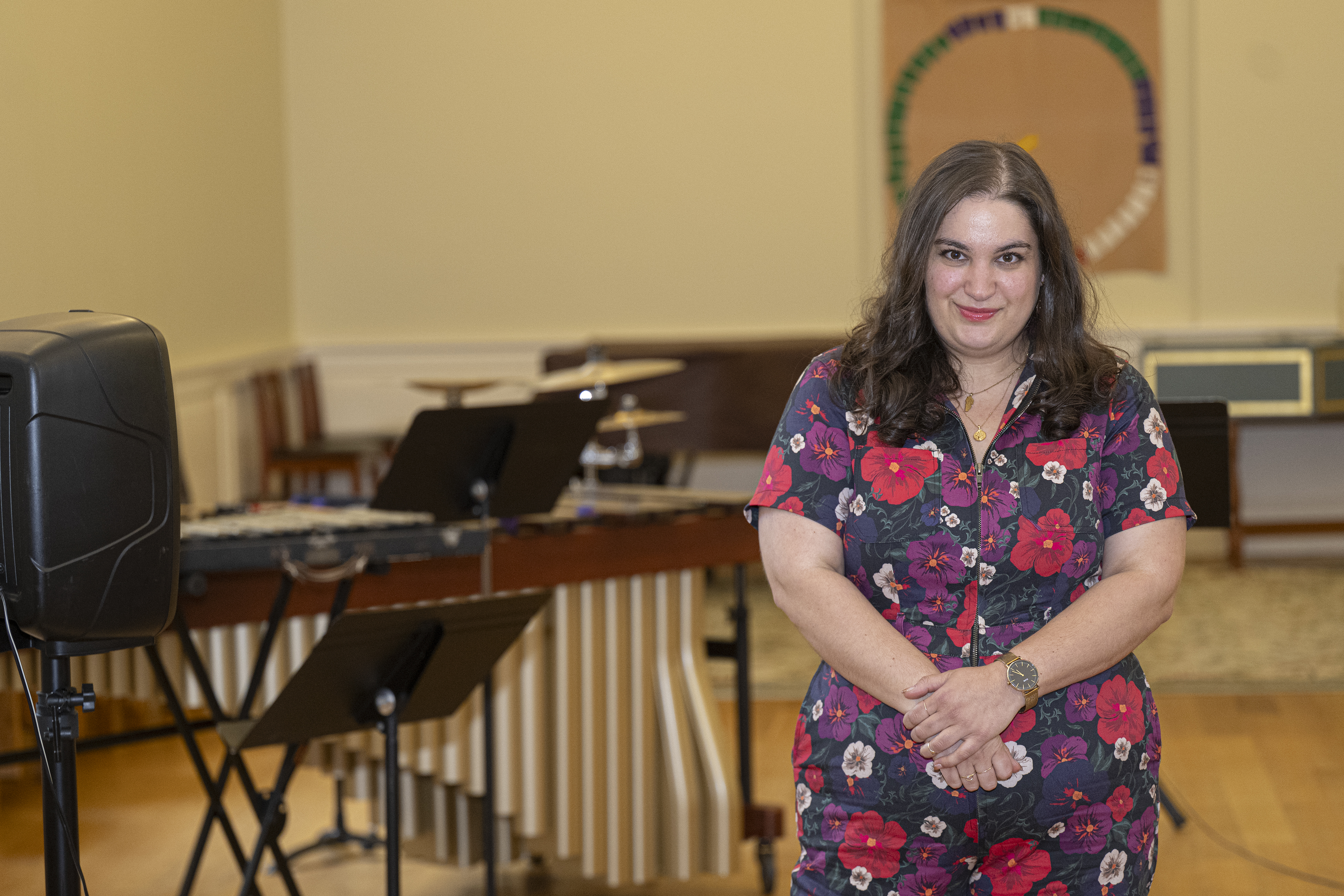
    Liz Lang minutes before performing during a rehearsal of “At the End of It All,” a 13-minute musical composition that incorporates sounds created by sonifying black holes.Jose F. Moreno / Staff Photographer

    Massachusetts-based composer LJ White used black holes as a metaphor for this theme. He paired Phillipson’s sounds with singing, a marimba, and suspended cymbals.

    To him, the chaos of the cosmic phenomenon reflected how marginalized groups can feel powerless and frustrated in society.

    The title of his piece, “At the End of it All,” comes from the poem of the same name by Nicole M. Young-Martin, which is “about not being able to predict or control anything, but trying to be your best person regardless,” White said.

    Sonifying a black hole

    Coming from a family of professional musicians and singers, Phillipson felt like the odd one out in choosing a career in science.

    She gravitated to researching black holes — areas of space where gravity is so strong, even light cannot escape.

    She thought sonifying black holes could make for an interesting outreach activity for students, while also helping scientists uncover novel information about black holes.

    When scientists sonify a black hole, they are not literally recording sound. Most of space is empty and “deathly silent,” Phillipson said.

    Instead, they are interpreting the interactions around the black hole.

    Using telescopes pointed at the night sky, scientists can collect information in the form of images. Those visual cues, such as brightness, can then be translated into sound. For example, Phillipson decided that, if something brightened, that would translate to a higher-pitched sound.

    The environment around a black hole gets brighter and dimmer over time as material interacts with it — akin to a campfire brightening after being fed a log.

    “I’m a translator between the light and the sound,” she said.

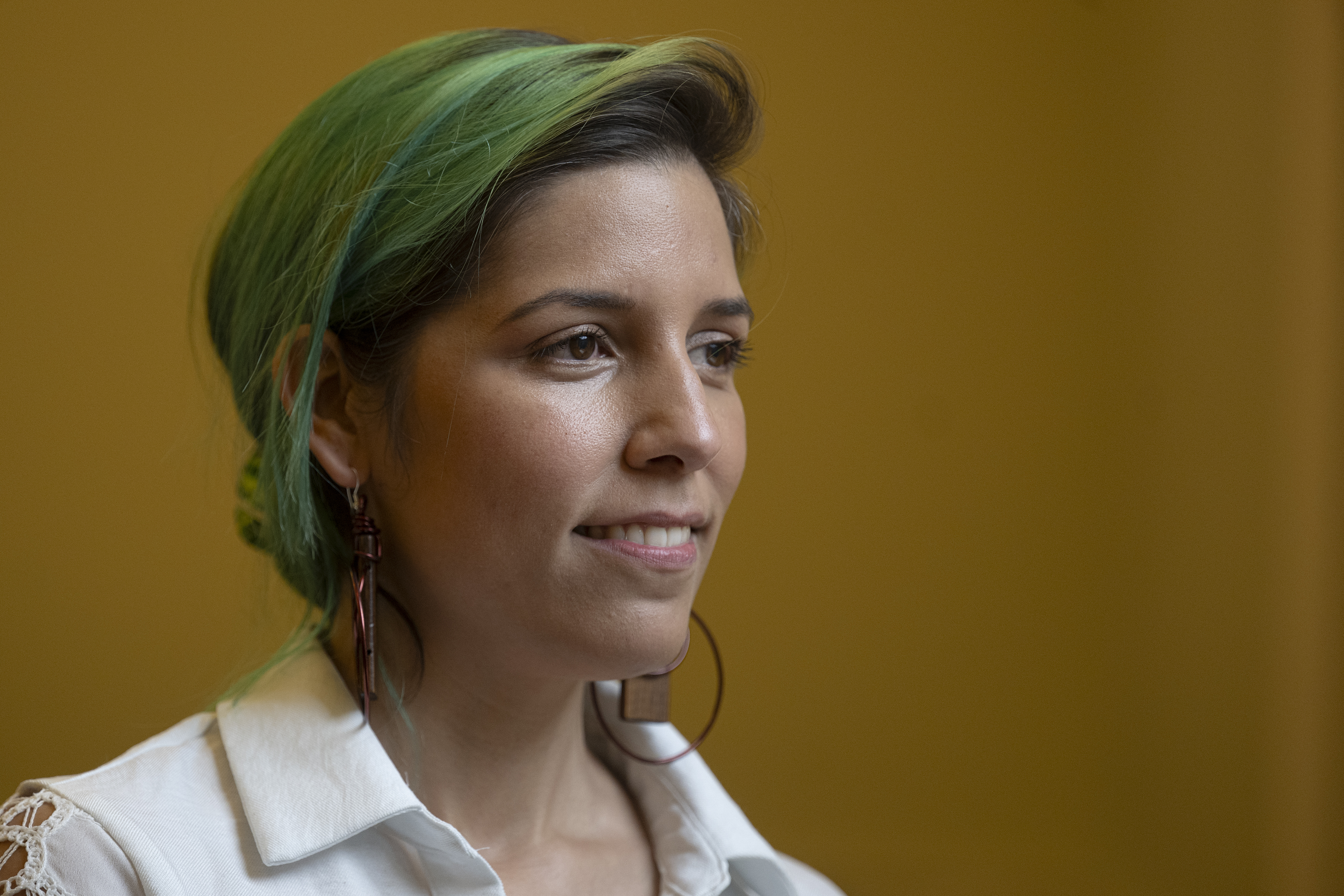
    Scientist Becka Phillipson lis photographed before a music rehearsal named “At the End of It All,” a 13-minute musical composition that incorporates sounds created by sonifying black holes, at the Presbyterian Church of Chestnut Hill in Philadelphia on Friday, Aug. 7, 2026. The piece also includes narration about black holes by Phillipson.Jose F. Moreno / Staff Photographer

    A metaphor

    White produced and mixed Phillipson’s black hole sounds — piecing them together into a collage that served as the background of his 13-minute composition.

    The audio had a “sort of circular sound” and “a lot of swooping,” he said, emulating the spin of a black hole. There was a sense of “things moving around you in a somewhat chaotic way,” he added.

    In this, he saw a metaphor for the experiences of marginalized groups who may feel frustrated and helpless.

    The piece featured parts where the singers scream with wild, unbridled vocals, as if reacting to catastrophe. Other sounds are associated with mourning.

    “Things are happening that they can’t predict or control,” he said. “I want [the piece] to be cathartic in some way.”

    It’s also meant to inspire.

    Beneath the chaos of a black hole lies untapped energy that can suck objects inside if one gets close enough, White said.

    A black hole behaves like an “infinitely deep funnel,” Phillipson said in narration included in the performance. Throw an object in, and it won’t come back out.

    Black holes are also invisible — only detected by their interactions with other things.

    “It’s not an energy source that is well understood or can be taken control of,” White said.

    The same concept of invisibility could extend to groups of people who aren’t in power right now, White said. For example, he identifies with the transgender community, which he says frequently gets talked about in relation to mainstream society, but often remains misunderstood.

    He hopes the piece helps people appreciate the power they have.

    “There’s all this latent energy that we have that we could harness,” White said. “We’re not helpless.”

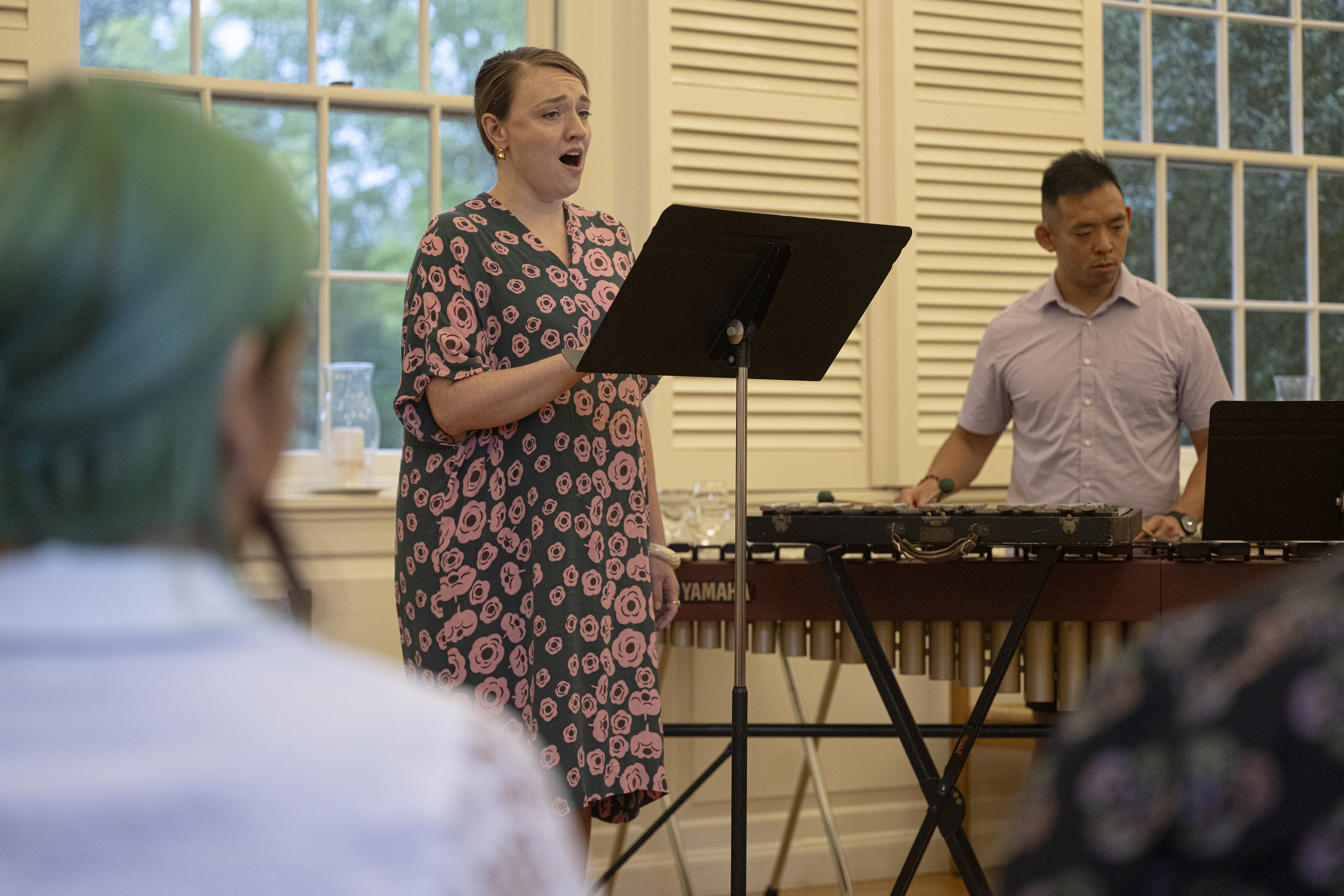
    Producer and Soprano Katy Avery rehearses “At the End of It All” at the Presbyterian Church of Chestnut Hill in Philadelphia. The actual concert took place in the Chestnut Hill Skyspace.Jose F. Moreno / Staff Photographer

    Lang hopes to expand beyond last weekend’s sold-out concert to perform in other Skyspace locations around the world. Light artist James Turrell has designed 100 Skyspaces globally, all featuring a room with an aperture in the roof, facing the sky.

    Cocreator Katy Avery was moved by the audience’s reactions at the Philadelphia concert. People found themselves growling along and wanting to vocalize with the performers, embodying the kind of communal atmosphere she had hoped for.

    The person sitting next to Phillipson told her he felt like he had to hold his breath the whole time. It was a “feeling like you have a strong emotion and you don’t know what to do with it,” Phillipson said.

    She compared her own emotional experience to riding Space Mountain at Disneyland. At first it’s dark around the roller coaster, with eerie, ethereal, sci-fi sounds — much like the soundscape created with her black hole sounds. Unable to see the tracks, the rider feels as if they are going into darkness.

    At some point in the piece, the singers came in with somber voices suggesting grief and mourning, with screams reminiscent of metal music.

    Those tumultuous sounds gave way to an ending note of hope and power.

    The two pieces that followed in the concert were more calming and contemplative.

    The black hole composition “was like the precursor to meditation,” she said. “First you have to cry before you can calm down.”