Author: Kayla Yup

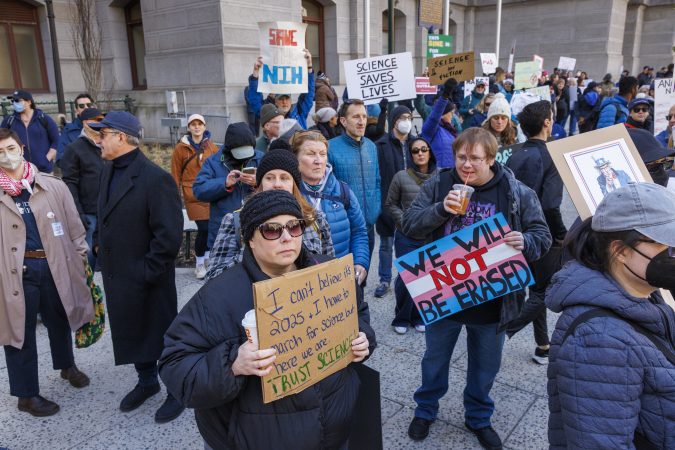
  • Funding was cut to life-saving medical research programs in Philly. Rep. Brendan Boyle demands to know why.

    Funding was cut to life-saving medical research programs in Philly. Rep. Brendan Boyle demands to know why.

    Rep. Brendan Boyle sent a formal letter to the federal government on Wednesday, demanding an explanation for the recent cuts to health care research funding in Philadelphia.

    The Agency for Healthcare Research and Quality last month cut dozens of grants nationwide, totaling hundreds of millions of dollars. The cancellations affected multiple programs at the University of Pennsylvania and Children’s Hospital of Philadelphia, disrupting studies into how healthcare systems can be organized and financed to improve health outcomes.

    That included projects on improving translation services for hospitalized patients and expanding access to hormone therapy for menopausal women.

    “Their funding isn’t partisan, nor is it controversial,” Boyle said at a Wednesday press conference on Schuylkill Avenue where he was joined by affected researchers from Penn and CHOP. “It represents exactly what our federal government should be doing, creating jobs and saving lives by funding critical medical research.”

    As the top Democrat on the United States House Committee on the Budget, Boyle asked in his letter to AHRQ and the Office of Management and Budget whether the administration would commit to fully spending the funding that was congressionally appropriated for AHRQ.

    He requested a list of every grant that was cancelled and the justification given. His letter referenced a recent district court ruling in New Jersey v. OMB that found the government “cannot terminate grants based on their inability to effectuate program goals and agency priorities identified after the award was made.”

    The original cancellation notices sent to researchers in mid-July did not list specific reasons, stating only that continuing the grant was not “in the best interest of the Federal Government.”

    Boyle also asked whether AHRQ grants were cancelled based on the political identity of the grant recipient’s state, city, or congressional district.

    He said this information would help determine whether the grants were illegally cut and if Philadelphia was targeted for political reasons.

    “We are here to demand that the Trump administration immediately reverse these cuts and unfreeze the programs sitting in limbo,” Boyle said.

    In a statement on Wednesday, the Department of Health and Human Services said that the AHRQ director determines “whether continuation funding is in the best interest of the federal government.”

    “To be clear, these grants were not terminated – they were not awarded continued funding,” the HHS statement said. “The Trump Administration remains committed to the responsible stewardship of taxpayer dollars.”

    Local researchers speak out
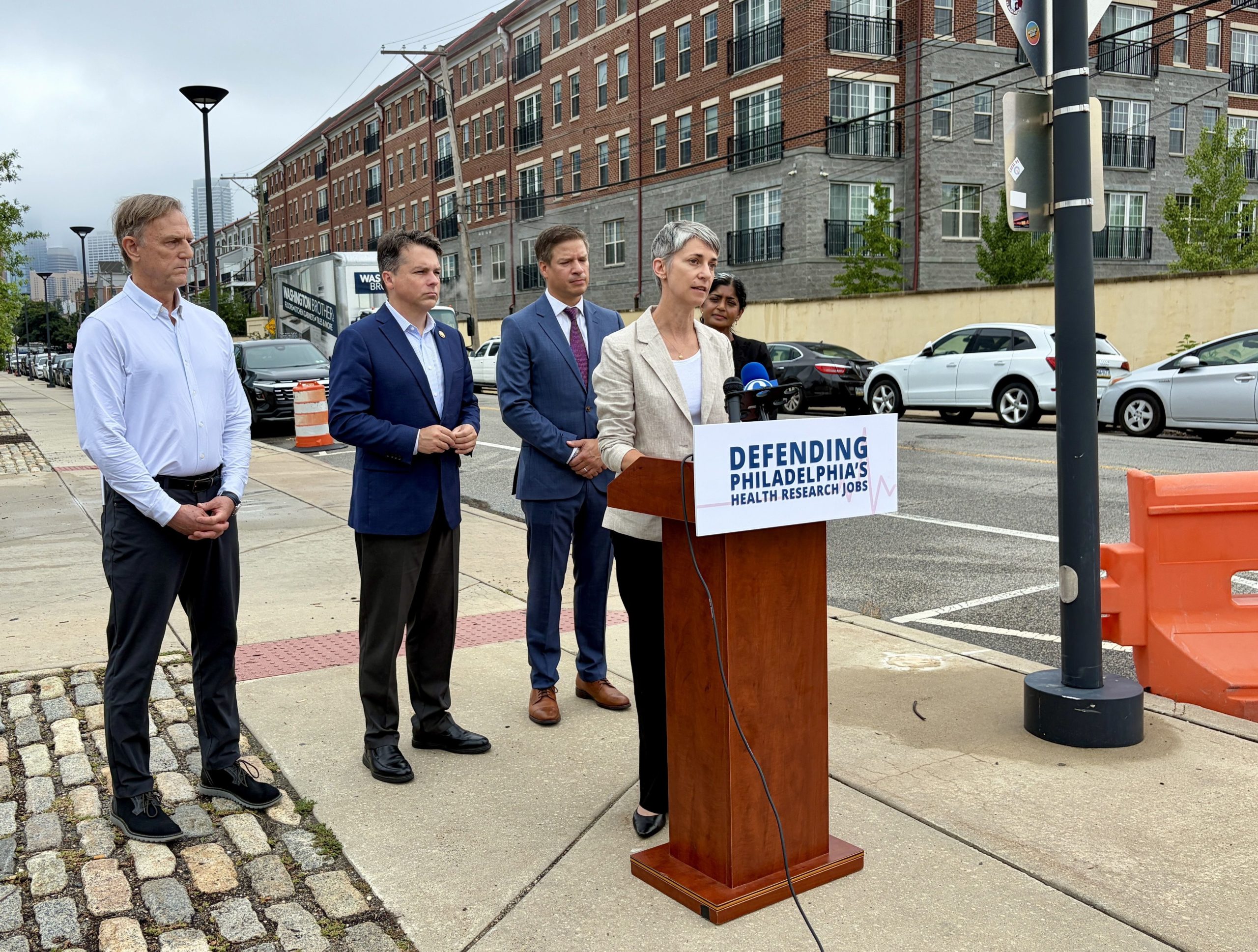
    Rachel Werner, a professor of medicine at the University of Pennsylvania and former executive director of the Leonard Davis Institute of Health Economics, was among the researchers who spoke at the press conference.Kayla Yup / Staff

    CHOP pediatrician Christopher Forrest had to shut down his PEDSnet Scholars program in June after AHRQ cancelled the $5 million grant designated for it.

    For nearly a decade, the program had trained 44 early-career scholars on how to design studies that improve the safety and quality of healthcare for kids.

    One project focused on preventing strokes in children with sickle cell anemia, a rare blood disorder.

    Another project reduced antimicrobial resistance in the intensive care unit by improving providers’ ability to identify which children needed antibiotics.

    A third helped families adapt to a congenital heart disease diagnosis, reducing rates of post-traumatic stress disorder.

    “These are not just abstract academic accomplishments,” said Rachel Werner, a Penn professor who was also affected by grant cuts. “They are real improvements in the practice of medicine that have resulted in thousands of lives being saved.”

    Werner has helped lead the PORTAL program at Penn, an AHRQ-funded research training program that lost millions in funding last month.

    She said the grant cancellations would lead to fewer discoveries, an immediate loss of jobs, and a shrinking pipeline of future scientists.

    “For the sake of the health of all of us, it’s really imperative that that work continues,” Werner said.
  • Penn receives $10 million to study new treatment for ‘relentless,’ rare genetic disease with no cure

    Penn receives $10 million to study new treatment for ‘relentless,’ rare genetic disease with no cure

    Lindsay Ward grows more nervous with each passing year, knowing her ultra-rare genetic disease could emerge at any time.

    The 37-year-old schoolteacher from West Deptford, New Jersey, inherited the genetic mutation that causes RVCL — retinal vasculopathy with cerebral leukoencephalopathy — which damages small blood vessels throughout the body and typically shows up between the ages of 35 and 50. It causes premature death as brain, retinal, liver, and kidney damage accumulate.

    Many patients die within five to 10 years of symptom onset.

    “It’s relentless,” said Jonathan Miner, who directs the RVCL Research Center at Penn. “They go from being completely healthy to becoming blind, unable to walk or talk, with kidney failure and other problems.”

    The disease currently has no cure. However, Miner recently received a $10 million gift from the Illinois-based nonprofit Clayco Foundation to develop a potential treatment.

    The idea behind his small-molecule drug is to eliminate the faulty protein driving the disease before it can cause damage. The drug will still need to be tested in animals to evaluate safety before possibly moving into clinical trials.

    Most exploratory scientific efforts do not advance to the point where they are found safe and effective in humans. Even if the results are promising, it could take years before a potential new drug becomes widely available.

    Ward has already seen the disease ripple through her family.

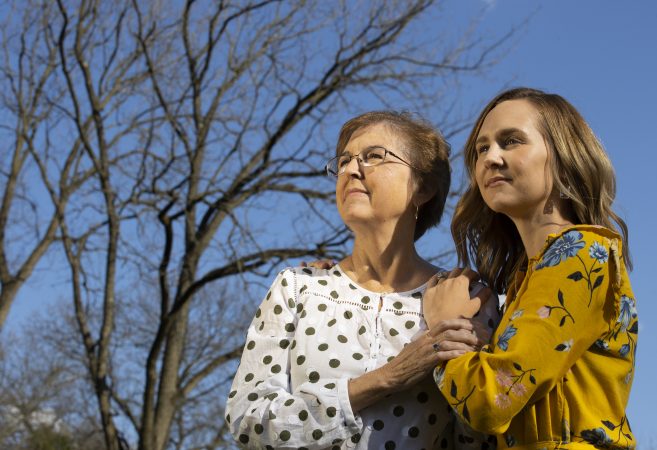
    Her uncle died from RVCL last year. Her mother, Barbara Small, was diagnosed in 2018 after almost four years of symptoms.

    She hopes for a treatment that can help her avoid their fates.

    “I do as many active things as humanly possible because I’m so worried about becoming frail,” Ward said. “I see the weakness that my mom has and I don’t want that.”

    Lindsay Ward, who inherited the mutation that causes RVCL from her mother, lives an active lifestyle.CHARLES FOX / Staff Photographer

    What is RVCL?

    Fewer than 50 families worldwide are known to have RVCL.

    The rare disease is often misdiagnosed as various autoimmune diseases, including multiple sclerosis and lupus. Only through a genetic test can patients verify an RVCL diagnosis — characterized by a mutation in a gene called TREX1.

    The gene encodes a protein of the same name, TREX1, which, when mutated, becomes misplaced in a cell and damages DNA.

    Over time, this causes small blood vessels to break down and disappear. The loss of blood flow leads to organ damage, including blindness, glaucoma, chronic kidney disease, strokes, and neurological effects.

    When asked how he felt about the donation, Miner reflected on seeing many patients die from the disease and kids lose their parents young.

    “I believe that everybody deserves a chance to live,” he said.

    A potential drug

    Jonathan Miner directs the RVCL Research Center at Penn.Credit to StoryTrack Studio

    Miner’s drug candidate belongs to a new class of medicines called a degrader.

    The drug eliminates the mutated TREX1 protein by pairing it with another protein called “E3.” E3’s role is to label other proteins for destruction, much like putting a shipping label on a package to direct it to the right address.

    By labeling TREX1, “it basically tells the cell’s own machinery to eliminate this faulty protein,” Miner said.

    If the drug proves effective, patients would ideally take it before they get sick, to prevent injury to blood vessels and organs.

    When tested in mice with the disease, the drug protected cells from DNA damage and prevented premature death.

    “We haven’t seen side effects in the mice, but we need to do much more extensive studies to prove that there are no side effects in animals before we can move forward,” Miner said.

    The first and only FDA-approved degrader was developed for advanced breast cancer and approved in May. Miner’s TREX1 degrader is one of many variations on the novel technology that have emerged.

    The $10 million donation will fund preclinical safety studies. The goal is to complete this testing over the next year, and, if it proves to be safe, move on to humans.

    If the drug advances to a clinical trial, it would still take years to test the safety and efficacy. Most treatments evaluated in clinical trials do not become standard practice.

    “Nothing has moved the needle yet in terms of delaying death and disability,” Miner said. “This, we think, gives us a real chance.”

    Waiting

    Barbara Small, her husband Dave, and grandchild Declan.Courtesy of Lindsay Ward

    Ward’s 67-year-old mother, Barbara Small, who lives in Cape May Courthouse, started to show symptoms in her 50s.

    What began as blurry vision and a damaged optic nerve progressed to a stroke. Roughly four years later, in 2018, she was diagnosed with RVCL.

    Today, she is “pretty much blind” in one eye, Ward said, and has had a few strokes. She will frequently have aphasia, a communication disorder that can cause trouble speaking, and memory issues. Small is physically weak overall, and cannot walk very far without having to sit down.

    “It is very challenging to see what your future will be,” said Ward, who helps take care of her mother.

    Ward gets an MRI and diagnostic eye testing every six months to check for symptoms.

    She and her husband, Matt, have three kids, with the youngest being a year and a half old. They don’t know whether their children inherited the mutation (testing is not recommended in children due to the late onset of the disease).

    Lindsay Ward, 37, has three children with her husband, Matt.Courtesy of Lindsay Ward

    However, if a preventive treatment were to come out, she would test them sooner.

    Ward recently attended the International RVCL Symposium at Penn, where Miner presented on his research and potential clinical trial.

    For patients like her mother, the treatment would likely just stabilize her condition and not reverse existing damage, she said. However, Ward is hopeful that the drug, if proven to be safe and effective, could help prevent her and her kids (should they test positive for the mutation) from becoming symptomatic.

    “I would like to live a long, healthy life,” she said. “That would be my goal.”

  • A Penn psychiatrist is helping shape the field’s guide to diagnosing mental disorders. Here’s what could change.

    A Penn psychiatrist is helping shape the field’s guide to diagnosing mental disorders. Here’s what could change.

    Psychiatry’s leading guide to diagnosing mental health conditions is due for a major update — and a University of Pennsylvania psychiatrist is heading the effort.

    Called the Diagnostic and Statistical Manual of Mental Disorders, the DSM was first published in 1952 and has historically been updated every 10 to 20 years.

    The American Psychiatric Association released the last major update, the DSM-5, in 2013. (A text revision came out in 2022.) There is currently no estimated date of publication for the next edition, given the scale of the project.

    Maria Oquendo, who chairs Penn’s department of psychiatry, was tapped to lead the strategic committee for the sixth edition. That will entail developing a road map for the future of the DSM, based on more than a decade of advances in research and patient care.

    “I am very honored and also very daunted,” Oquendo said.

    The group has proposed creating a “living DSM,” changing the manual’s name, and making diagnoses more “person-centered.”

    There are subcommittees focused on the socio-economic, cultural, and environmental determinants of health, the biological factors behind mental health conditions, symptoms spanning multiple conditions, and functioning and quality of life.

    Past DSM updates have similarly introduced sweeping changes — including changing how autism is diagnosed and adding “prolonged grief disorder” as a condition.

    The manual is commonly used by mental health professionals, researchers, insurance companies, and the legal system.

    The committee wants to make sure a small change doesn’t cause drastic ripple effects for the public, such as disqualifying people from insurance coverage or altering “the standard for deeming someone not criminally responsible,” Oquendo said.

    “If it has a big impact, then the rationale has to be extremely robust,” she emphasized.

    The Inquirer spoke with Oquendo about what changes could be coming in the next edition of the DSM in a conversation lightly edited for length and clarity.

    Maria Oquendo, who chairs Penn’s department of psychiatry, was tapped to lead the strategic committee for the next edition of the DSM.Courtesy of Penn Medicine
    What is the DSM?

    The DSM is a clinical manual intended to help clinicians make diagnoses.

    It provides not only a list of all of the diagnoses but also descriptions that include some background information like family history. Importantly, it makes sure that when I, as a clinician, am talking about obsessive compulsive disorder, the person who’s listening to me knows exactly what I’m talking about.

    The reach of this book is quite global, and in many places such as Western countries, it’s used as the primary diagnostic tool.

    What changes are you hoping to make with the new edition?

    There are people who refer to the DSM as the Bible. It’s not the Bible. At best, it’s a dictionary. And what we want to do is increase focus on contextual factors that are important for making a diagnosis. Ideally a person-centered explanation is about not only what the disorder is, but what’s contributing to it. We know that socio-economic, cultural, and environmental factors are super important for mental health.

    If you’re assessing someone, knowing about that can be really helpful to understanding that person and where they are coming from.

    As an example, if somebody comes from a culture like my culture (Puerto Rico), where people have very strong connections with the deceased, sometimes they experience the deceased person’s presence or hear them talk, especially at night. That could be construed to be hallucinations, and yet in the context of not only my culture but many cultures, that would be completely normative.

    What other changes are being considered?

    We are very focused on making sure that functioning and quality of life get the attention that they deserve. There are some people who have lots and lots of symptoms, and they’re happy as a clam. The amount of distress that a person feels can vary quite significantly, and it’s very relevant in terms of not only diagnosis but treatment planning. What are the best interventions to help that person get better?

    We also have a section on biomarkers and biological factors. That’s really important because, to date, the DSM has been kind of agnostic about what the contributors to mental disorders are. But we know that there are biological contributors, and we also know that the environment is extremely important, and it’s the interaction of those two things that is critical in terms of whether an individual manifests a mental disorder or not.

    What do you mean by biological factors?

    I don’t necessarily only mean things like genetics and predisposition. Experiences like trauma can change our biology. We know that the stress response system in the brain can change very dramatically after trauma. That’s another biological contributor to a mental disorder that is not innate.

    Another proposed change is to encourage broader diagnoses. Can you elaborate on that?

    Historically, the DSM has encouraged precise diagnosis to the extent that it’s possible. But we think that in most first encounters, it’s very common not to be sure what the diagnosis is. You may know that a person has a mood disorder of some type, but you may not be sure if they really have bipolar disorder or major depression, as an example. Sometimes it takes time for that to become clarified. You need to get collateral information from loved ones to confirm what’s happening in the environment, or it may take time because you just need the symptoms to evolve.

    We’ve looked at data from insurers, and found that people are using more general diagnoses. What we want to do is provide a platform so that people can start from that, and as they get to know the patient better, refine their diagnosis with more data and more information.

    What about the proposal to change the DSM’s name?

    It’s called the Diagnostic and Statistical Manual because, when it was first developed, the goal was to be able to develop estimates of the frequency of diagnosis, so public services could be planned. But now that’s not what it’s used for at all. We actually are planning to change the name to Diagnostic and Scientific Manual because we want to strongly communicate that this is based on science.

    How could this next update make the manual a “living DSM”?

    The American Psychiatric Association really wants to make sure that this next DSM can stay as up to date as possible. The idea is that there would be a book version, but also an electronic version that would be updated on a periodic basis.

    One of the things that’s really tricky about that is that you want to keep things current — we don’t have to wait 13 years for things to be updated. But if you change things too much, you drive people in the field crazy.

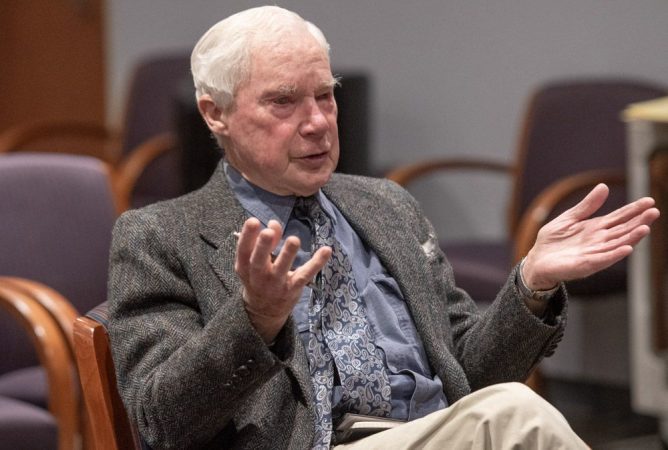
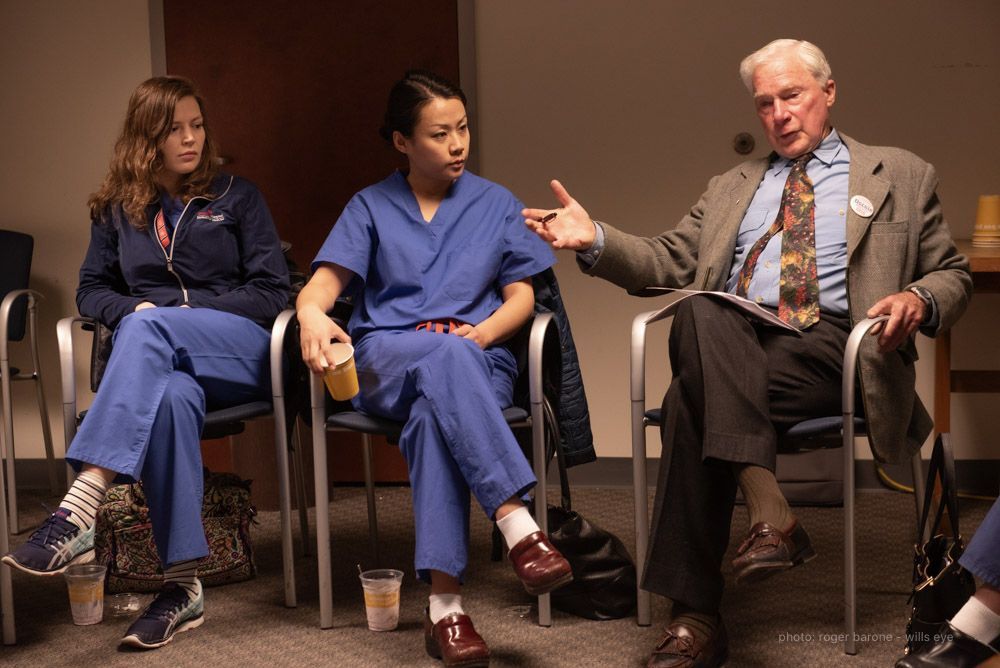
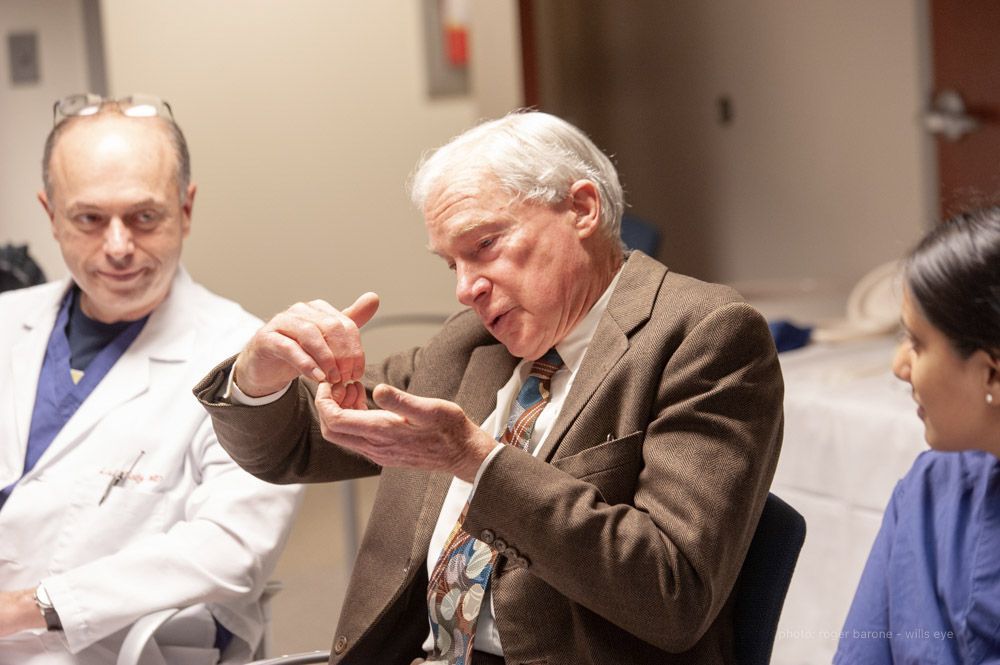
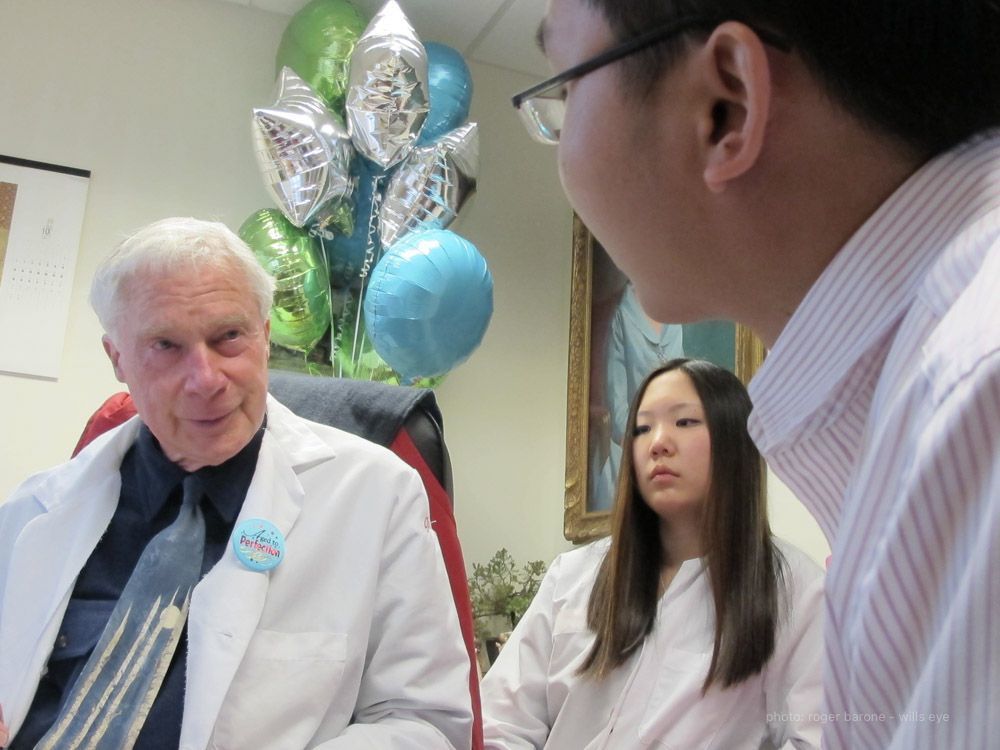
  • Wills Eye doctor George Spaeth, 94, reflects on his award-winning research and humanistic approach to medicine

    Wills Eye doctor George Spaeth, 94, reflects on his award-winning research and humanistic approach to medicine

    As a resident training at Wills Eye Hospital, George Spaeth was perplexed by a 7-year-old patient’s symptoms.

    Her legs angled inward, her hair was straw-colored with an odd consistency, and she had intellectual disabilities.

    She had come in for faulty vision caused by her lenses — the part of the eye that enables vision by focusing light — becoming loose. Spaeth’s job was to simply prepare her for surgery to remove her lenses.

    Yet, he couldn’t help but fixate on the constellation of symptoms she presented with — and the unknown cause underlying them. Nothing in his medical texts fit her profile.

    “She didn’t look like anything I’d ever seen before,” he said.

    He asked nurses to collect her urine for testing, and discovered it was full of an amino acid called homocysteine.

    In 1962, he diagnosed the little girl with a previously unknown rare metabolic disorder called homocystinuria (HCU) — making her one of the first patients in the United States to receive the diagnosis.

    An Illinois-based nonprofit dedicated to the disease, HCU Network America, presented Spaeth this month with their HCU Hero Award for his significant contributions to the detection and treatment of the disorder.

    In the fall, the Chestnut Hill resident will also collect a leadership award from the Wills Eye Hospital Alumni Society and the Laureate Award from the American Academy of Ophthalmology.

    The honors have given the 94-year-old ophthalmologist an opportunity to reflect on his decades-long career dedicated to research, finding the humanity in medicine, and emphasizing the importance of humility and curiosity.

    “The most important thing that I think any person in any field can do is say I don’t know,” he said.

    George Spaeth will be honored with a leadership award from the Wills Eye Hospital Alumni Society this fall.Courtesy of George Spaeth

    Solving a mystery

    When Spaeth told patients “I don’t know,” he tried to follow up with, “maybe we can find out.”

    Through studying the biochemical pathways involved in HCU, he landed on a potential treatment: vitamin B6.

    When his patient took it, the homocysteine levels in her urine dropped.

    Spaeth was the first to publish on this finding, which led to an uptake in the vitamin’s usage, said HCU Network America emeritus director Margie McGlynn. It works in about 50% of patients with the disorder, and is still used today.

    His work also helped spread awareness of the eye symptoms of the disorder, enabling earlier diagnoses.

    McGlynn’s sister, who first presented with severe nearsightedness, was diagnosed with HCU in the 1960s by an ophthalmologist who had recently read about the condition in a medical journal.

    “I firmly believe that it was Dr. Spaeth’s work and publication on this patient that made this ophthalmologist aware,” McGlynn said.

    Spaeth wrote to schools for children with intellectual disabilities and asked if they had any children that fit the symptom profile.

    When they sent urine samples, some came back positive for the disorder.

    One of the children he diagnosed at Willowbrook State School in Staten Island ended up dying. The boy’s mother told Spaeth she also had a daughter who was 2 years old and seemingly fine.

    “We better test your daughter,” Spaeth urged, given that the condition was inherited.

    He examined the boy’s sister, tested her urine, and diagnosed her with HCU.

    Spaeth started her on the vitamin treatment. Without it, she was likely to end up like her brother.

    Decades later, he received a call from her mother.

    “She was just admitted to medical school,” he recalled her saying.

    Finding the humanity in medicine

    Janine Tabas, vice chairman of the Wills Eye Alumni Society, said the society chose to honor him with their leadership award in recognition of his lifetime of accomplishments in patient care, teaching, and mentorship.Courtesy of George Spaeth

    Growing up, Spaeth dreamed of becoming a poet or composer, “but I’m no Bach, and I’m no Mozart,” he said.

    He studied history as an undergraduate at Yale University before pursuing medicine — the same profession as his father, renowned ophthalmologist Edmund Spaeth.

    He found he loved connecting with his patients, through finding out what they loved, and what they feared.

    “I was a great believer in putting my hand on the patient’s arm while I was talking to them and finding out who they were,” he said.

    In his field, glaucoma, he would often see the same patient for two or three decades.

    Spaeth operated on a 19-year-old college student suffering from severe headaches in 1969, and has stayed in touch with her ever since.

    Over the years, he watched her grow up and marry a wonderful man. When he fell and broke his leg, she came to visit.

    “I just think about what that means,” he said.

    Spaeth stopped seeing patients in 2013 to spend time with his wife, Ann, whose breast cancer had returned and stopped responding to treatment. She died that year.

    In the years since, Spaeth wrote and published a book for his late wife, Hope for Awareness, about “how lucky I was to be married to an amazing woman, and how unaware I was of how lucky [I was],” he said.

    ‘One of the forefathers’

    Janine Tabas, vice chairman of the Wills Eye Alumni Society, described him as “one of the forefathers of glaucoma” and “an absolute gentleman.”

    The society honored him with their leadership award in recognition of his lifetime of accomplishments in patient care, teaching, and mentorship, she said.

    When Tabas was a first-year resident at Wills Eye in the 1990s, Spaeth served on the senior faculty. She was struck by his humility and the way he treated everyone as equals.

    Spaeth invited her whole cohort to his home for dinner, where they sat on his living room floor together. He also asked her to play tennis, knowing that was one of her interests.

    “I was a lowly resident,” Tabas recalled. “And here was the chairman of glaucoma. The guy whose name was on every book in the lobby.”

    She has since continued Spaeth’s tradition of inviting the residents out to play tennis.

    George Spaeth stopped seeing patients in 2013.Courtesy of George Spaeth

    When asked why he thought he was being honored with awards this year, Spaeth pointed to the importance of having humanity and humility and not being “a real jerk.”

    “Remember, the most important thing you can do is become a good person,” he said. “If you’re a good person, the likelihood is that you’ll have a good career.”

  • Penn and CHOP researchers lost millions in federal funding for healthcare research last week, forcing programs to close

    Penn and CHOP researchers lost millions in federal funding for healthcare research last week, forcing programs to close

    Children’s Hospital of Philadelphia researcher Christopher Forrest has spent nearly a decade training early-career scholars on how to design studies that improve care for kids with congenital heart disease, stroke, and influenza.

    That work ended last month, when he had to shut down his PEDSnet Scholars program. The federal funding designated for it stopped coming last fall.

    Forrest received official notice last week that the Agency for Healthcare Research and Quality (AHRQ) had canceled his $5 million grant — originally intended to last through 2028. The letter gave no specific reason, stating only that continuing the grant was not “in the best interest of the Federal Government.”

    PEDSnet Scholars trained researchers to study how healthcare systems can be organized and financed to improve health outcomes. It was one of 16 such programs nationwide funded by AHRQ. Another program site, located at the University of Pennsylvania, received an identical cancellation notice last week from AHRQ.

    “These are not controversial topics,” Forrest said.

    Eighty-two affected grants totaling an estimated $211.6 million as of Tuesday had come to the attention of AcademyHealth, a nonprofit that supports health researchers and has been tracking AHRQ grant cancellations. Those include funding for research projects, career development, training programs, and centers.

    Some researchers received letters saying their work did not align with the agency or federal government’s priorities, followed by a list of the priorities, AcademyHealth president Aaron Carroll said.

    However, many of these projects appear to be directly aligned with priorities, he said.

    One involved a randomized trial of antibiotic stewardship — efforts to encourage careful and responsible use of antibiotics to avoid resistance — across 40 hospitals. Yet in the letter canceling it, antibiotic resistance was listed as a priority.

    “It can’t possibly be that all of these grants that are seeking to improve the quality, safety, and efficiency, and patient-centeredness of healthcare delivery are all incompatible with this or any other administration’s priorities,” said Scott Halpern, a Penn health services researcher whose funding was also canceled.

    Billions in scientific funding have been disrupted under President Donald Trump’s administration over the last year and a half, prompting lawsuits and court reversals in certain cases.

    The Department of Health and Human Services did not respond to requests for an exact count of the grants impacted, saying in a statement that the AHRQ director determines “whether continuation funding is in the best interest of the federal government.”

    “To be clear, these grants were not terminated — they were not awarded continued funding,” the HHS statement said.

    ‘Incredibly demoralizing’

    In late 2025, Halpern had planned to hire a new staff member for the Penn PORTAL program, one of the 16 AHRQ-funded training programs, separately funded from CHOP’s program.

    His team identified a candidate, but — unable to access funding from their $5 million grant since the fall — delayed extending an offer.

    The position was ultimately eliminated. They also rescinded offers to train new scholars in the program.

    Halpern received his official notice last week that his grant, set to continue into 2028, was canceled. He had only spent $1.5 million of it so far.

    Instead of having 10 trainees this month as planned, the Penn program has zero.

    “To not have the resources to support the people who will make a difference in the future is incredibly demoralizing,” Halpern said.

    He drew on philanthropic resources and a roughly $150,000 commitment from Penn Medicine to finish training his first cohort. However, the second cohort of scholars was stopped midway.

    As a result, projects on improving translation services for hospitalized patients and expanding access to hormone therapy for menopausal women were canceled.

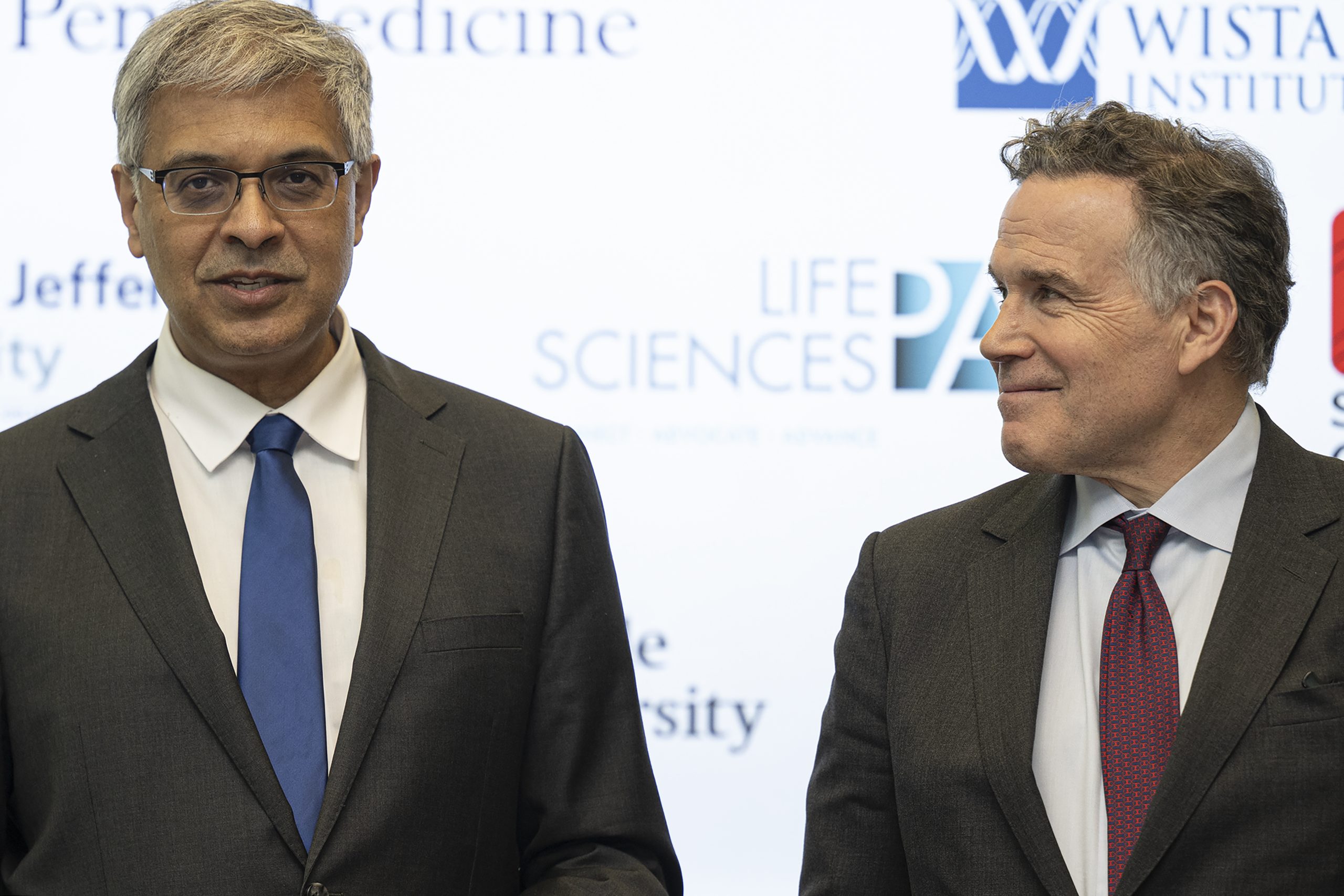
    Jay Bhattacharya (left), director of the National Institutes of Health, and Sen. David McCormick (R., Pa.) speak to the media in March, after touring University of Pennsylvania facilities to highlight NIH-funded research in Philadelphia.Jose F. Moreno / Staff Photographer

    Grant cancellations from AHRQ will have longstanding impacts on advancing healthcare in the United States, a Penn Medicine spokesperson said in a statement, declining to answer more specific questions.

    “Some research projects at Penn Medicine have felt those cuts at their core and impactful work now cannot progress as planned,” the statement said.

    CHOP did not respond to a request for comment.

    In limbo

    Penn researcher Jaya Aysola had not heard as of Tuesday whether her AHRQ grant is canceled, but she assumes the notice is coming.

    She had received a $3.8 million grant to serve as a coordinating center for the 16 training centers starting in 2024. The grant should have been renewed for its second year last November, but that didn’t happen.

    At first, she was told by the agency that it was delayed due to the government shutdown. Then she was told it was held up due to a lawsuit filed by the Society of General Internal Medicine, a physicians group, in August over AHRQ shutting down its grantmaking program.

    Since then, “it’s been radio silence,” she said.

    All but roughly $300,000 of her grant remains unused. Unable to access funds since last fall, she had relied on bridge funding from the university to support staff and research faculty.

    When that funding ended earlier this year, she had to find new jobs and projects for three of her full-time employees, as well as three part-time employees.

    “We already shut down most of the operations,” Aysola said.

    The work she has done since has largely been pro bono with her personal time and limited internal funding.

    Aysola convened a meeting this spring with the 16 AHRQ-funded training centers to discuss how other programs were bridging the gap in funding. Most had paused on accepting new trainees, and have prioritized finishing the current cohort’s work.

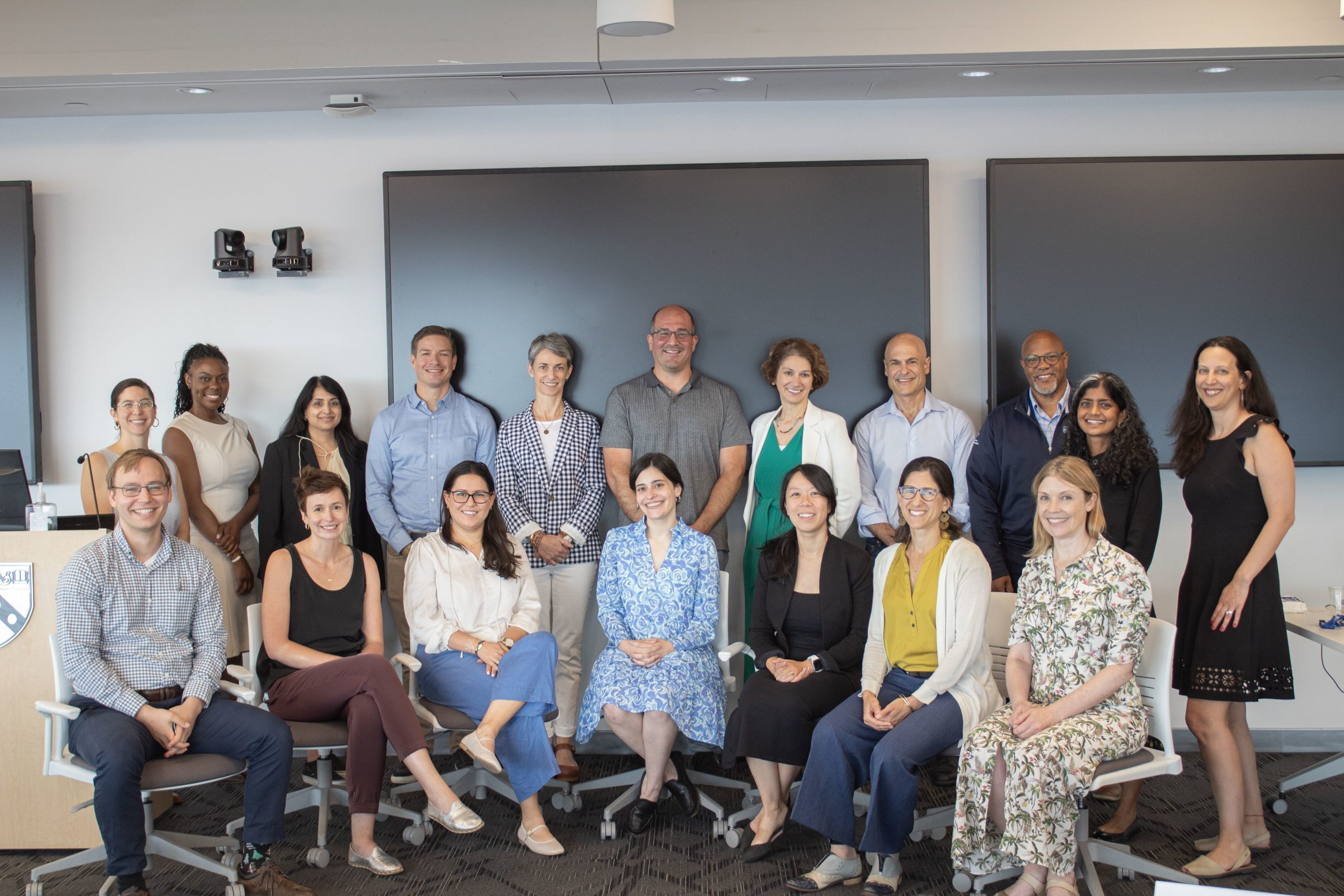
    A July 2025 group photo featuring scholars and faculty leaders in the Penn PORTAL program, which was affected by recent cuts to AHRQ grants.Courtesy of Scott Halpern

    At Halpern’s Penn PORTAL, the first cohort of scholars’ projects have already been implemented. Across the Penn health system, they “are yielding improvements in the patient experience of care,” Halpern said.

    None of the projects led by later cohorts, who would have been trained had the full five years of funding been maintained, are likely to see the light of day, he added.

    He hopes to bring awareness to what he considers an inappropriate cancellation of AHRQ funding. Many organizations are exploring options in terms of advocacy and potentially legal engagement, he added.

    CHOP’s Forrest estimates 30 faculty will never be trained due to PEDSnet Scholars losing its grant funding.

    “It’s very sad because it’s been so instrumental to my career, and I had hoped that it would be instrumental to the career of many of our junior faculty,” Forrest said.

  • A couple celebrated a gender reveal with a dazzling light show at Longwood Gardens

    A couple celebrated a gender reveal with a dazzling light show at Longwood Gardens

    Streams of water shot up and danced at Longwood Gardens during the gender reveal for Danielle Alura’s baby.

    The water flashed blue and pink to the tune of Linkin Park’s “What I’ve Done.” On a downbeat, all of the fountains turned one color and fire burst out.

    “Next thing you know, I’m witnessing blue on my favorite fountains in the entire world,” Alura said.

    It’s a boy.

    The water flashed blue and pink before landing on blue.Courtesy of Danielle Alura

    Alura and her husband, Curt Clemens, had planned the gender reveal as a surprise finale to their wedding reception on June 18. Longwood Gardens ordinarily hosts nighttime illuminated fountain performances at the five-acre Main Fountain Garden in Kennett Square. However, this show was custom-made for the reveal.

    The couple, from Kennett Square, found out they were expecting a baby via surrogacy during their engagement, roughly six months before their wedding. Alura said they were anxious to start a family due to their ages, with Alura being 37 and Clemens 44.

    They had both hoped for a boy.

    “We’re just so, so over the moon about it,” she said.

    In a video posted Saturday that captured the moment the gender was revealed, cheers roared from the crowd as Alura jumped up and down.

    The gender wasn’t a surprise to the couple, though it was for many of their wedding guests.

    Griffin, the baby boy being celebrated, had arrived just two weeks before on May 31. He was three months early — born premature, just as Alura and her husband had been.

    Alura is a singer who was crowned Miss Global USA 2023, while Clemens is a woodworker.

    “We were prepared to have a preemie, and we have extra confidence because we’re walking examples ourselves,” she said.

    Danielle Alura is a singer and her husband, Curt Clemens, is a woodworker.Courtesy of Danielle Alura
  • CHOP will help build Abu Dhabi’s gene-editing expertise in new partnership

    CHOP will help build Abu Dhabi’s gene-editing expertise in new partnership

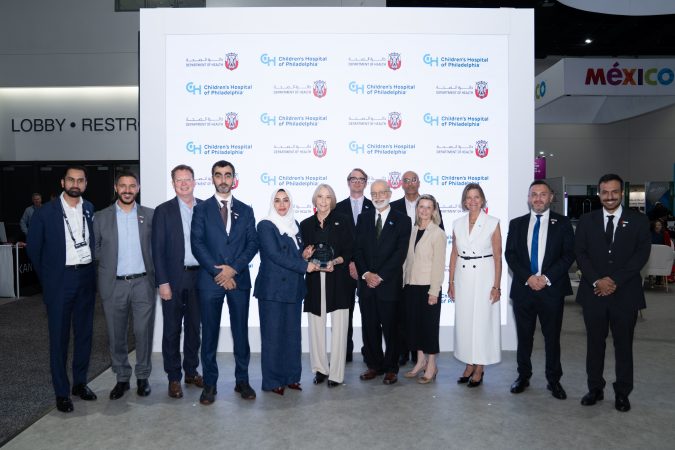
    CHOP is partnering with Abu Dhabi to train scientists from the United Arab Emirates’ capital in its pioneering gene-editing treatments.

    This marks CHOP’s first overseas partnership specific to gene-editing. The Philadelphia hospital has received global recognition for its work in the field, from a landmark therapy for inherited blindness approved in 2017 to last year’s first-of-its-kind personalized treatment for Philadelphia-area infant “Baby KJ.”

    Under a five-year agreement signed last month between Children’s Hospital and the Department of Health – Abu Dhabi, CHOP will train scientists from the UAE on all aspects of gene therapy development.

    The collaboration will focus on building local expertise in base-editing therapies for liver metabolic disorders, genetic clotting disorders, urea cycle disorders, and central nervous system conditions.

    This latest partnership builds on CHOP’s longstanding relationship with Abu Dhabi, which in recent years has included a partnership to advance research in pediatric oncology.

    Since founding its Global Health Center in 2007, CHOP has also collaborated with Brazil to build a CAR-T cell production center and with Botswana to advance clinical care and research.

    CHOP declined to comment on the finances of the new partnership.

    Five CHOP labs will host the UAE trainees, who will each spend 18 months to two years in West Philadelphia. Their training will span the bench to bedside — including learning how to design and manufacture the therapies, test their efficacy, and meet regulatory guidelines.

    The first cohort is expected to start in early 2027.

    “It’s hard to convey 25 years of knowledge in a few years of training,” Beverly Davidson, CHOP’s chief scientific strategy officer said. “But by bringing multiple individuals with different areas of focus together at the same time, we can help accelerate that.”

    She learned of UAE leaders’ interest in expanding their personalized medicine efforts at the Abu Dhabi Future Health Summit in April 2025. That discussion inspired her and CHOP scientist Lindsey George, who was also in attendance, to devise the training program.

    “Our ambition is to ensure these innovations are developed responsibly and become more accessible to patients in Abu Dhabi, the region and beyond,” Noura Khamis Al Ghaithi, undersecretary of the Department of Health – Abu Dhabi, said in a statement.

    Prioritizing key disorders

    Part of the agreement involves working with Abu Dhabi scientists to identify and prioritize key disorders, Davidson said.

    The Emirati Genome Program has sequenced nearly one million genomes — making it one of the world’s largest DNA databases — in hopes of capturing the genetic diversity of UAE citizens.

    The UAE has a relatively high frequency of genetic disorders and ranks sixth in the world for the prevalence of congenital anomalies.

    Starting in January 2025, the UAE now requires couples to undergo genetic screening prior to marriage.

    “Both the Department of Health and the Children’s Hospital of Philadelphia believe this to be a long-term commitment to providing improved healthcare for UAE citizens,” Davidson said.

    Editor’s note: This story has been updated with the correct title for Beverly Davidson, CHOP’s chief scientific strategy officer.

  • Monell Chemical Senses Center is relocating within University City after 55 years on Market Street

    Monell Chemical Senses Center is relocating within University City after 55 years on Market Street

    Monell Chemical Senses Center is relocating to a new facility in University City to expand its operations and evolve its science, officials announced Wednesday.

    The nonprofit research institute dedicated to studying taste and smell signed a 20-year lease at One uCity Square, a 13-story research hub, that will include more than $30 million worth of new infrastructure and facility improvements.

    The new location at 25 N. 38th Street is a roughly seven-minute walk from the current home at 3500 Market St., where Monell has resided since 1971.

    Monell plans to finish moving into the new space in early 2027.

    “We’re just at capacity. We don’t have the facilities that are going to push us forward into the future,” said Benjamin Smith, Monell’s executive director and president.

    The move has been a long time coming, as the center’s more than 150 scientists and staff have outgrown its space over the last 50-plus years.

    For example, more scientists have wanted to use newer research methods, such as organoids — miniature versions of organs grown in the lab, he said. However, the current building has limited cell culture space and imaging capabilities.

    “Our people are excited because we’re moving to facilities that are going to help them do more of the work that they want to do,” Smith said.

    Benjamin Smith is the executive director and president of Monell.Courtesy of Monell Chemical Senses Center

    More shared space, room for growth

    The new space, which spans 64,000-square feet across three floors, is technically smaller than Monell’s current building. However, the design will allow for more efficient use of lab space.

    The modern facility has an open layout filled with shared spaces, “as opposed to the old sort of academic lab where you were in one corner of a basement or one corner of a building and you locked your door,” Smith said.

    He hopes this will encourage collaborations and interactions between scientists. That includes both within Monell and with other groups in the building.

    Its neighbors within One uCity will include Dispatch Bio, Century Therapeutics, Penn NSF AIRFoundry, among other research and biotech companies. The office building opened in 2023 and is now roughly 90% occupied.

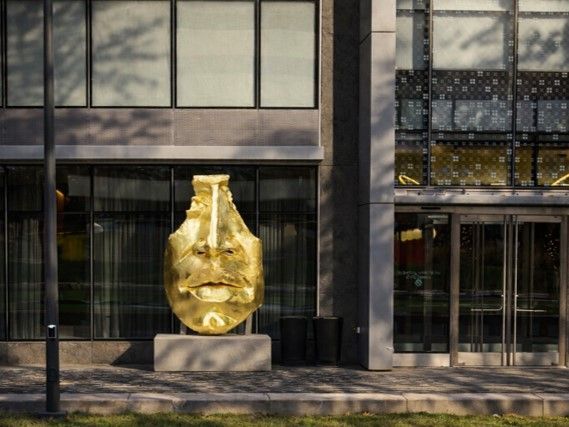
    Monell’s iconic “Face Fragment” sculpture, perched outside its current building, will move, too. The giant nose and mouth will be featured at the front of the One uCity building, looking out at the lawn.

    “We’re making sure that we don’t lose that legacy,” Smith said. “We take our culture and we move it into the new building and we grow it.”

  • Jefferson announces new Allentown medical school campus

    Jefferson announces new Allentown medical school campus

    Thomas Jefferson University is bringing its medical education offerings to Allentown, with a new four-year regional campus set to enroll students in 2029, officials announced Monday.

    The site will offer the same curriculum as Jefferson’s main campus in Center City, including the same assessment standards, learning objectives, and graduation requirements.

    Once opened, the Allentown location of the Sidney Kimmel Medical College will mark the school’s second regional expansion. The university announced plans last month to open Delaware’s first four-year medical school in 2028.

    University leaders hope the move will create pathways for workforce development in the Lehigh Valley and help meet regional healthcare needs.

    “Physicians are more likely to practice where they train,” Said Ibrahim, dean of Sidney Kimmel Medical College, said in a statement. “Establishing a four-year campus of Sidney Kimmel Medical College in the Lehigh Valley will expand opportunities for medical education, strengthen regional connections, and build a pipeline of physicians who are committed to serving this community for generations.”

    What is known so far

    The new regional campus will reside at One Center Square in downtown Allentown and span more than 54,000 square feet.

    Students will complete clinical training at Jefferson Health – Lehigh Valley region hospitals and outpatient practices.

    The regional campus will enroll 45 students starting in July 2029 — slightly more than the Delaware campus’ 40 students in 2028. Last year, the incoming class in Center City included 286 students.

    Jefferson declined to comment on the cost of the new regional campus.

    The university also announced plans in May to expand other academic programs to the Lehigh Valley this fall, including graduate-level nursing education, paramedicine, and respiratory therapy programs.

    Local politicians celebrated the expansion for its potential to recruit future healthcare workers to the region.

    “An Allentown School District student with a dream to be a doctor can do pre-med at Cedar Crest College and now stay in Allentown for her MD. A Muhlenberg College student who comes from Puerto Rico or Connecticut who falls in love with Allentown can become a doctor right here and stay here,” Allentown Mayor Matt Tuerk said in a statement.

  • Aaron Bauer, ‘the Lizard King,’ retires after 38 years teaching at Villanova

    Aaron Bauer, ‘the Lizard King,’ retires after 38 years teaching at Villanova

    Scientist Aaron Bauer gawked at the cat-sized gecko.

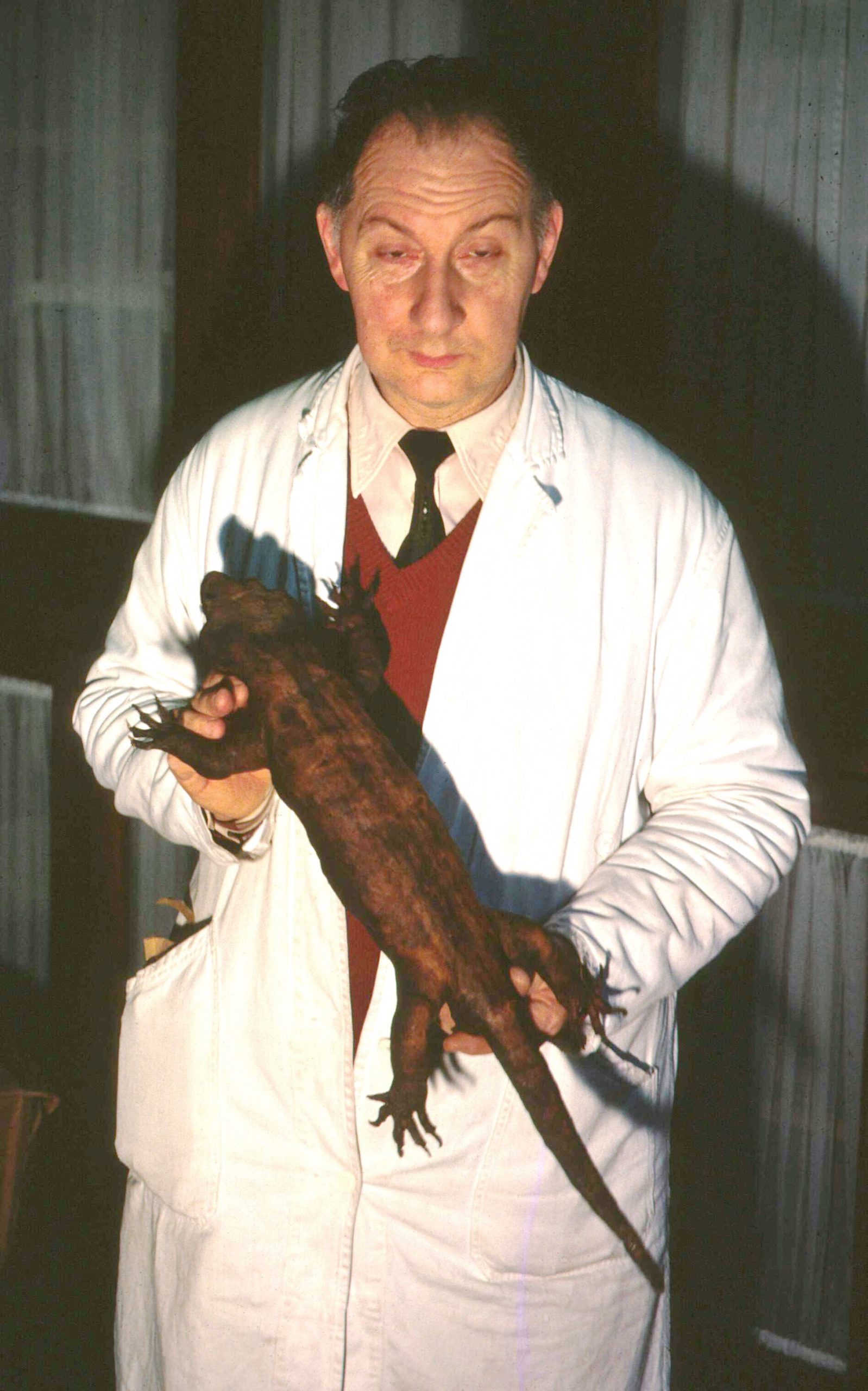
    The two-foot-long, preserved creature had sat unidentified in a natural-history museum in France for nearly two centuries.

    Staring at its huge head and climber’s build, “I sure as heck could recognize that this was a gigantic, unknown species,” he said.

    The extinct creature was the largest gecko to ever live, and the first new species Bauer — at the time a PhD student in his 20s — ever discovered and described.

    French museum worker Alain Delcourt is pictured holding the giant gecko, which was the first new species of gecko Aaron Bauer ever described.Courtesy of Aaron Bauer

    Now a renowned herpetologist at Villanova University, Bauer, 65, has identified 320 new species of reptiles and counting — more than any other living scientist.

    Scientists worldwide discover more than 16,000 new species every year, researchers estimate, spanning plants, animals, insects, and other forms of life.

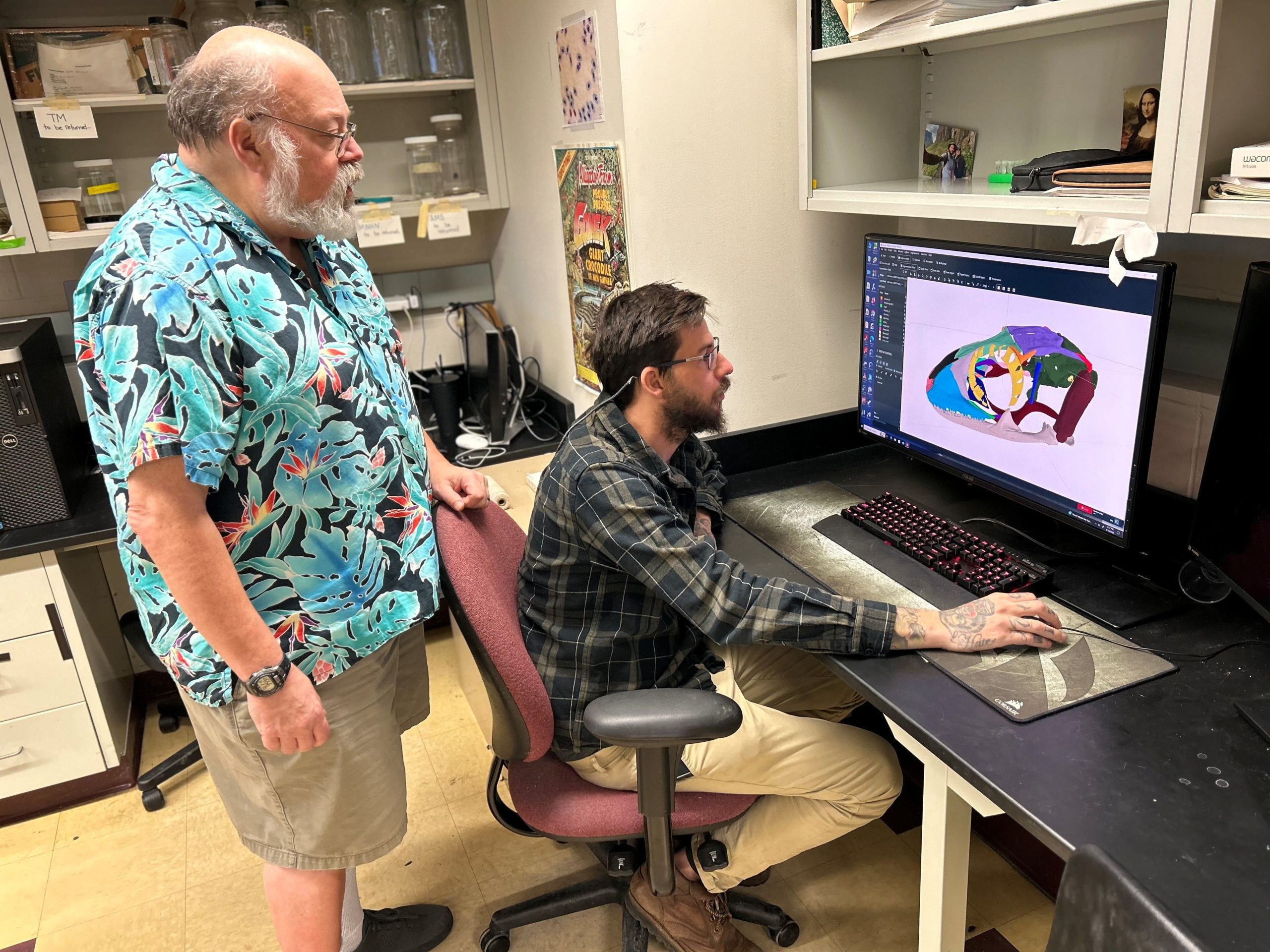
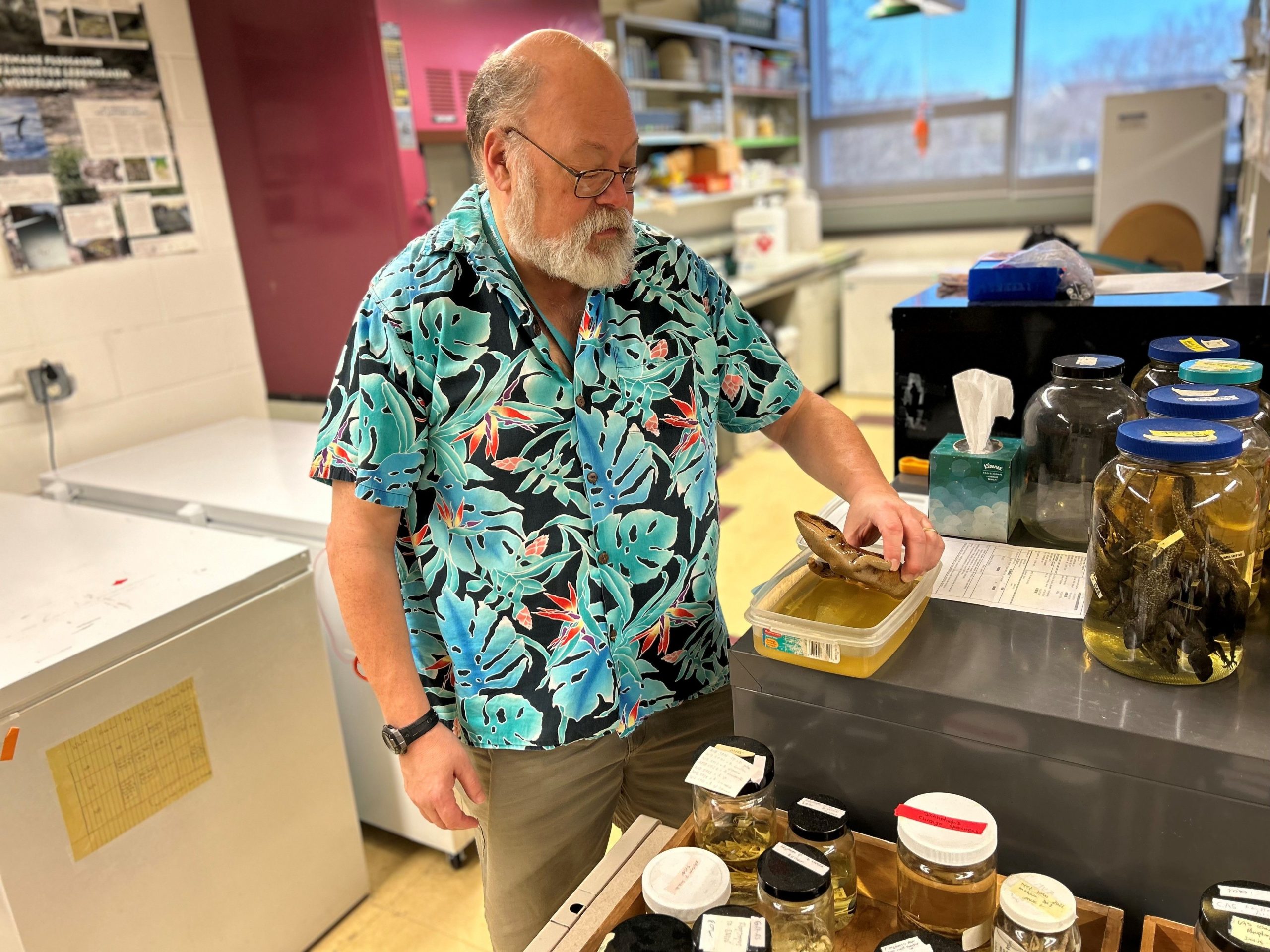
    Nicknamed “the Lizard King” by his students, Bauer retired in May from a 38-year-long teaching career at the university, where he mentored dozens of master’s students in herpetology, the study of reptiles and amphibians.

    Aaron Bauer’s former students are hosting a Bauer-fest in honor of his retirement from teaching.Courtesy of Villanova

    Some of his discoveries happened much like his first — seeing something in a museum that was “clearly something new,” he said. Others happened through regular travels to Africa, the South Pacific, and Asia.

    His longest research project revolves around the original giant gecko he discovered 40 years ago during a 1980s trip to Marseille.

    Bauer’s former graduate student, who later became a University of Michigan-Dearborn professor of biology, helped him analyze DNA from the gecko’s leg bone in 2023.

    “If I have had a successful career, it’s because I’ve had great students who didn’t just come and go,” Bauer said.

    The snazziest snake

    Aaron Bauer keeps in touch with his former students. The majority have stayed in herpetology.Courtesy of Villanova

    Bauer spent his childhood exploring ponds, fields, and wildlife on the 68-acre Long Island estate where his grandfather was a caretaker.

    He decided to become a herpetologist at age 5, after catching “the snazziest snake we have in the northeastern U.S.”

    As an 8-year-old captivated by the bright green creature, Bauer typed up lists of all the Latin names of amphibians and reptiles.

    He knew he wanted to work with these critters, but not how to make a living from it.

    “Nobody in my family had gone to college, so what do I know?” Bauer said.

    His path began with studying zoology and history at Michigan State University, where he graduated in 1982.

    As a PhD student at the University of California, Berkeley, he specialized in lizards. It was the one species he could not find at the Long Island estate, where frogs, salamanders, turtles, and snakes abounded.

    “Everybody wants what they don’t have,” he said.

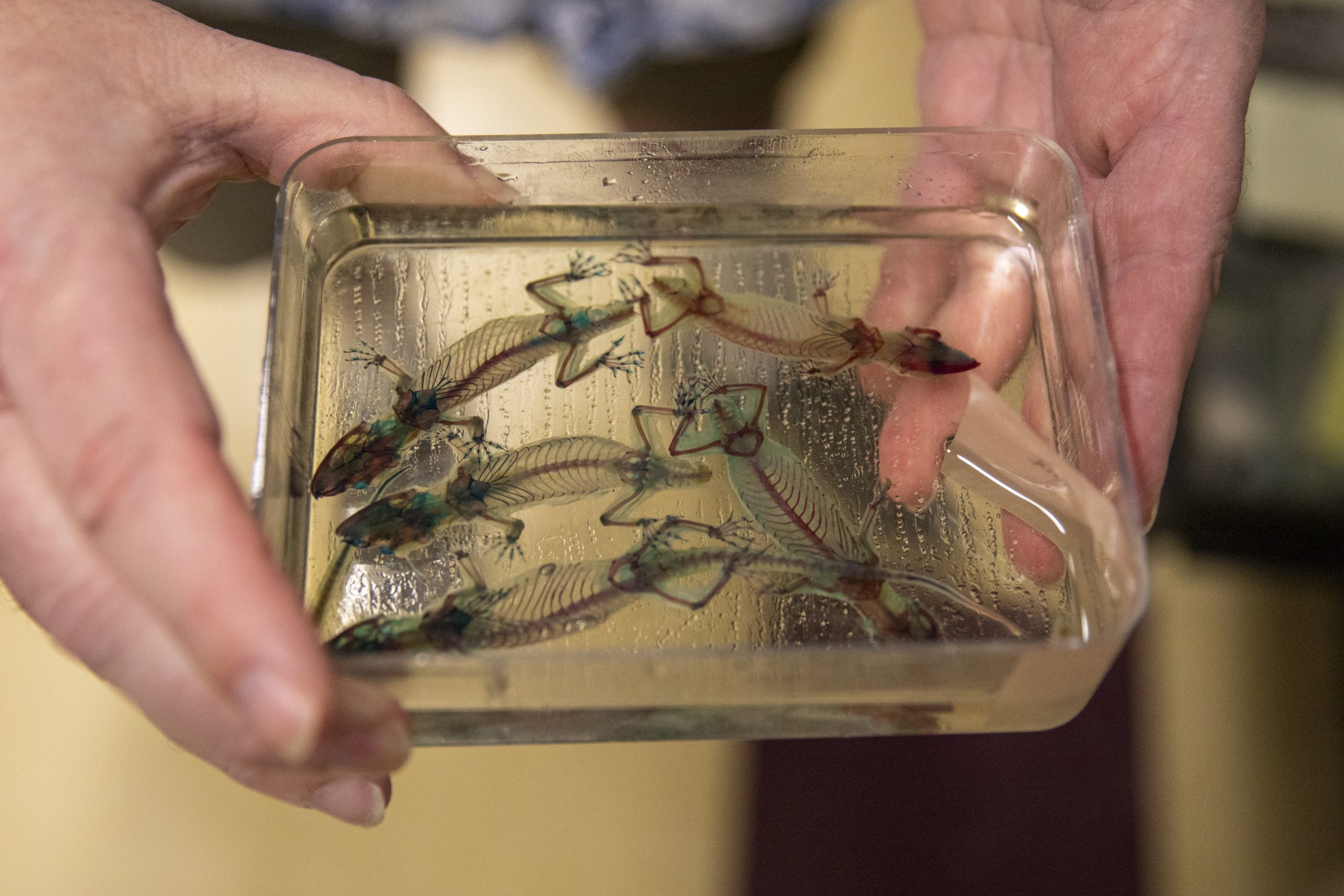
    Geckos, in particular, captivated him with their “weird features,” he said, including toe pads, the ability to climb, and lack of eyelids.

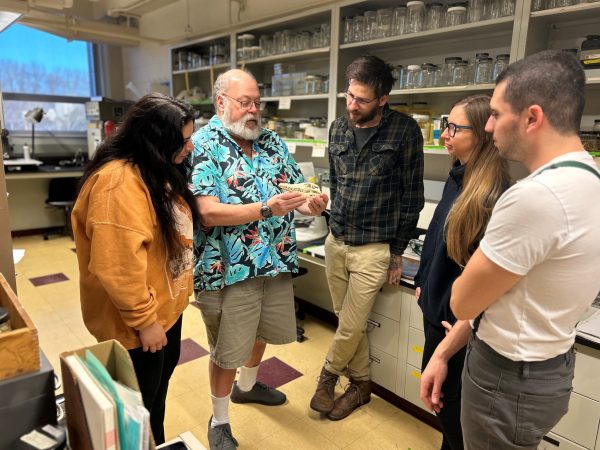
    Aaron Bauer holds a container of African House Geckos in the labs at Mendel Hall at Villanova University.TYGER WILLIAMS / Staff Photographer

    His research explores the diversity of life and its history:

    How does this lizard’s anatomy allow it to be successful? How is it related to the area of the world where it lives, and how did it get there?

    In the field

    At work, people know Bauer as the guy in Hawaiian shirts and shorts.

    He tries not to wear such bright shirts in the field, because “you want to be a little more inconspicuous in the vegetation,” he said.

    In these areas, the nearest human could be 50 or 100 miles away.

    His team tries to sample from as many places as possible to capture diversity. Some days, they cover hundreds of miles. Other days, they spend a week in one place.

    Usually, they identify a new species.

    “One of the facts of field work is you don’t know what you’re going to find,” Bauer said.

    His team brings nets for frogs, snake sticks for pinning venomous snakes, and equipment to collect tissue samples for DNA analysis. Lizards can be caught by hand.

    From these field trips, he has collected enough material to work on for the rest of his life. Still, he said he feels a “physiological urge” to go back, and will continue researching as an emeritus professor.

    Aaron Bauer retired from his 38-year-long teaching career at Villanova in May.Courtesy of Villanova

    Bauer always reminds his students how lucky they are to go to remote places like northern Namibia, where they may go a week without seeing another person.

    “There’s something special about that,” Bauer said. “To go places that most people will never see and don’t know even exist.”

    Raising an academic family tree

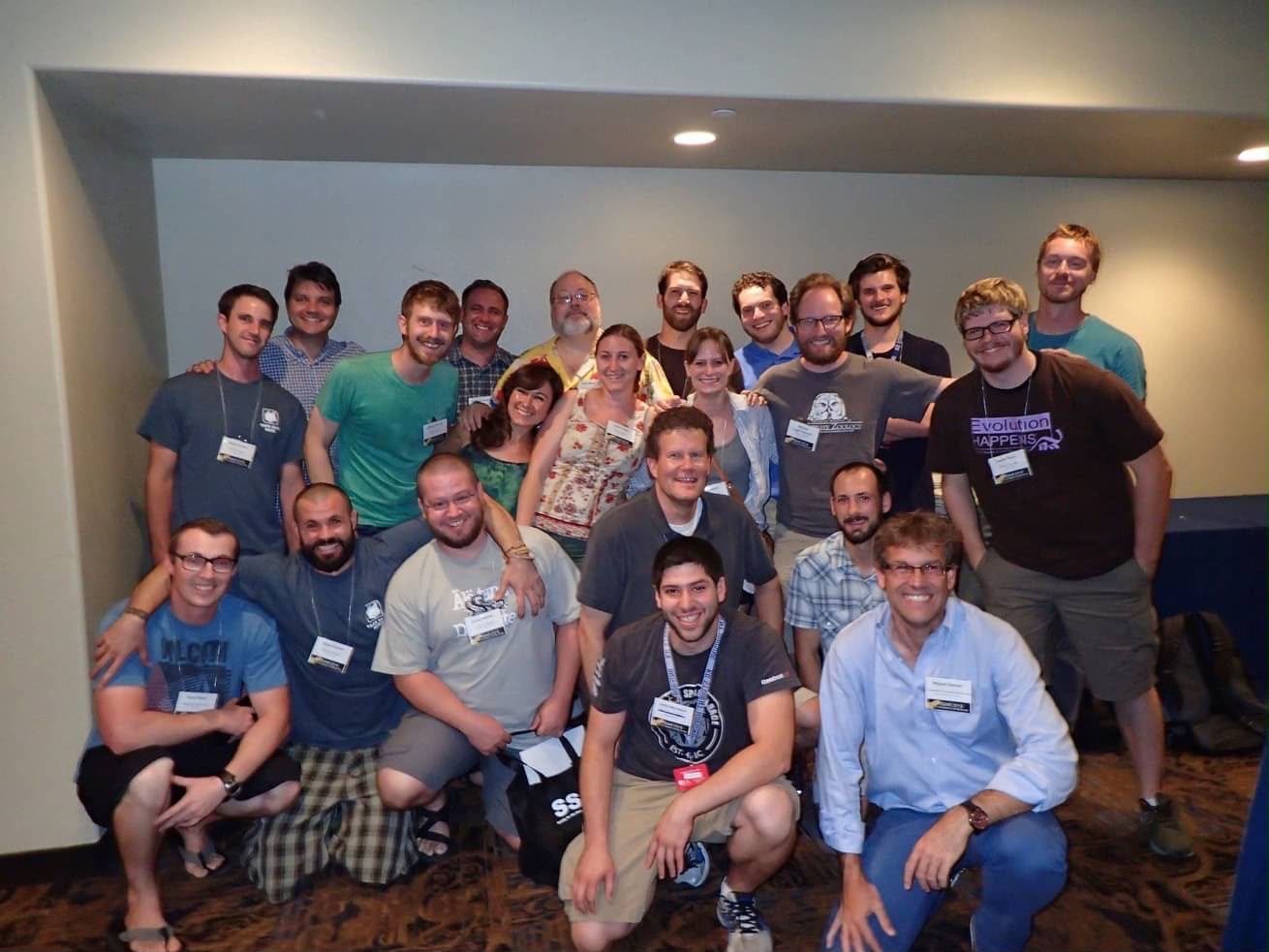
    A group photo of Aaron Bauer, Todd Jackman, and many current and former students at a herpetology meeting at the University of Kansas in 2015.Courtesy of Daniel Paluh

    At this week’s national herpetology conference in New Orleans, a special session called “Bauer-fest” will celebrate his career.

    “He’s always continued to be a really strong advocate for all of his students,” said Daniel Paluh, an assistant professor at the University of Dayton in Ohio, and one of the former students organizing the event.

    Paluh was intimidated by Bauer when he first met him at a conference, before realizing he was “a very friendly, funny, personable person.”

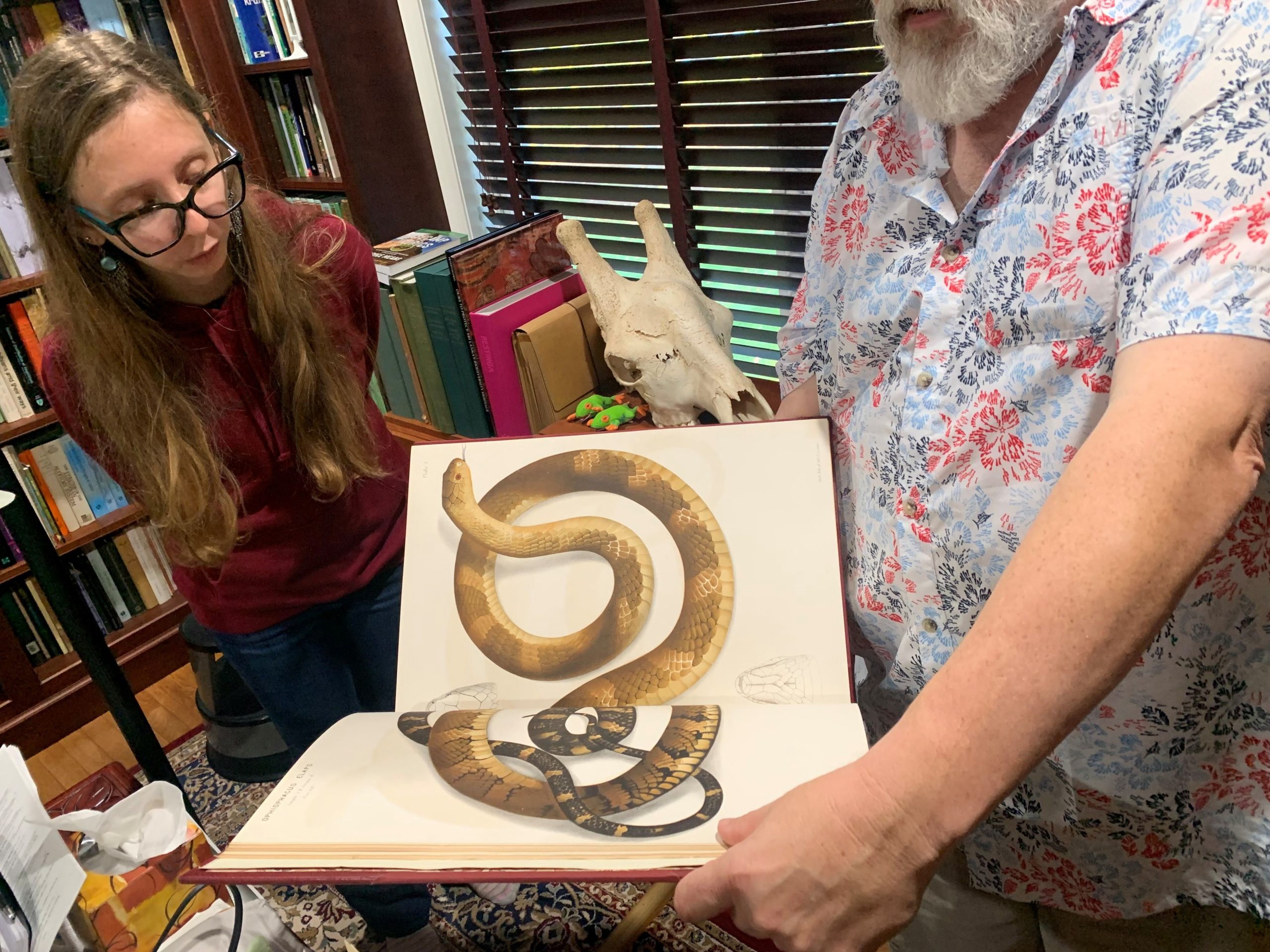
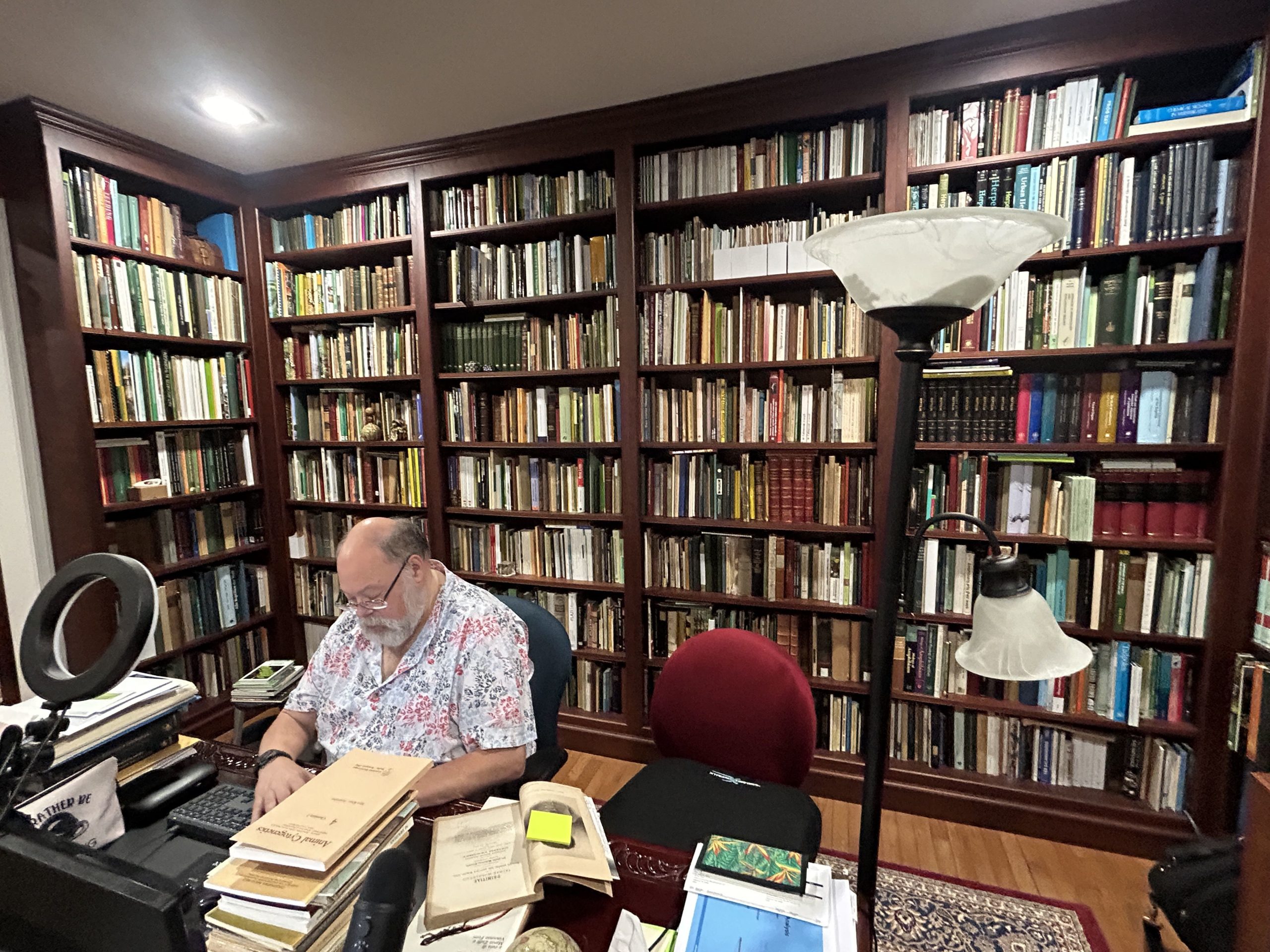
    Bauer had an “open-door policy,” Paluh recalled, to help his students with research. That came with access to his personal library — one of the largest collections of books on herpetology in the world and the inspiration for a scene in the 2012 movie The Amazing Spider-Man.

    Aaron Bauer’s personal library is one of the largest collections of books on herpetology in the world. It was used as inspiration for a scene in the 2012 movie “The Amazing Spider-Man.”Courtesy of Aaron Bauer

    Bauer also cares about his students’ lives beyond graduation, said his Villanova colleague Todd Jackman, who is organizing a “Bauer-palooza” near the university in September.

    About 80% of his former master’s students have stayed in the field, becoming professors in Louisiana and Kentucky, a museum curator in Australia, the head of nature conservancy in southern Angola, and more.

    “I’m not crazy about being the center of attention, but I think that’s outweighed by the fact that I’ll have all of these people in one place,” Bauer said.