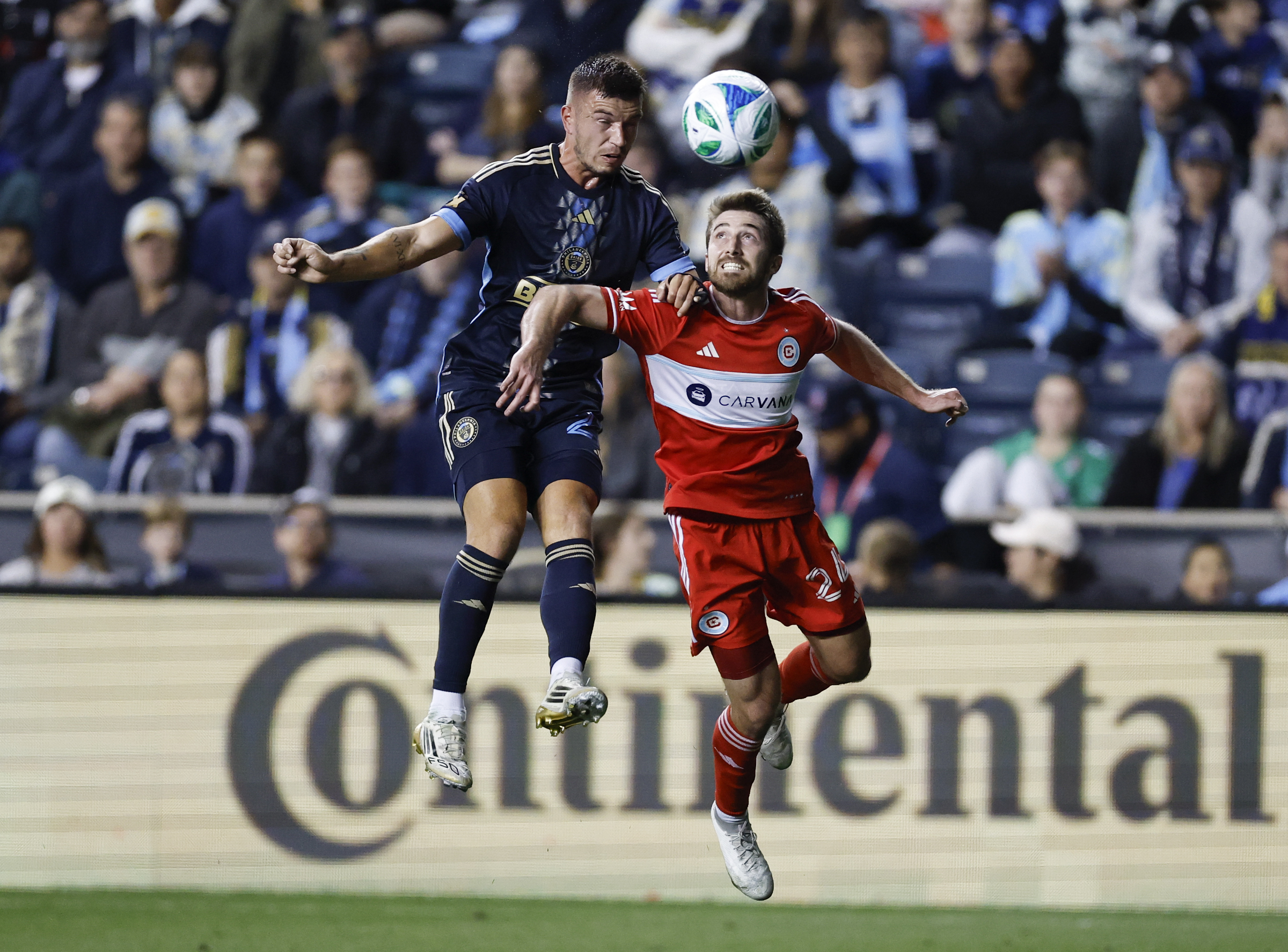
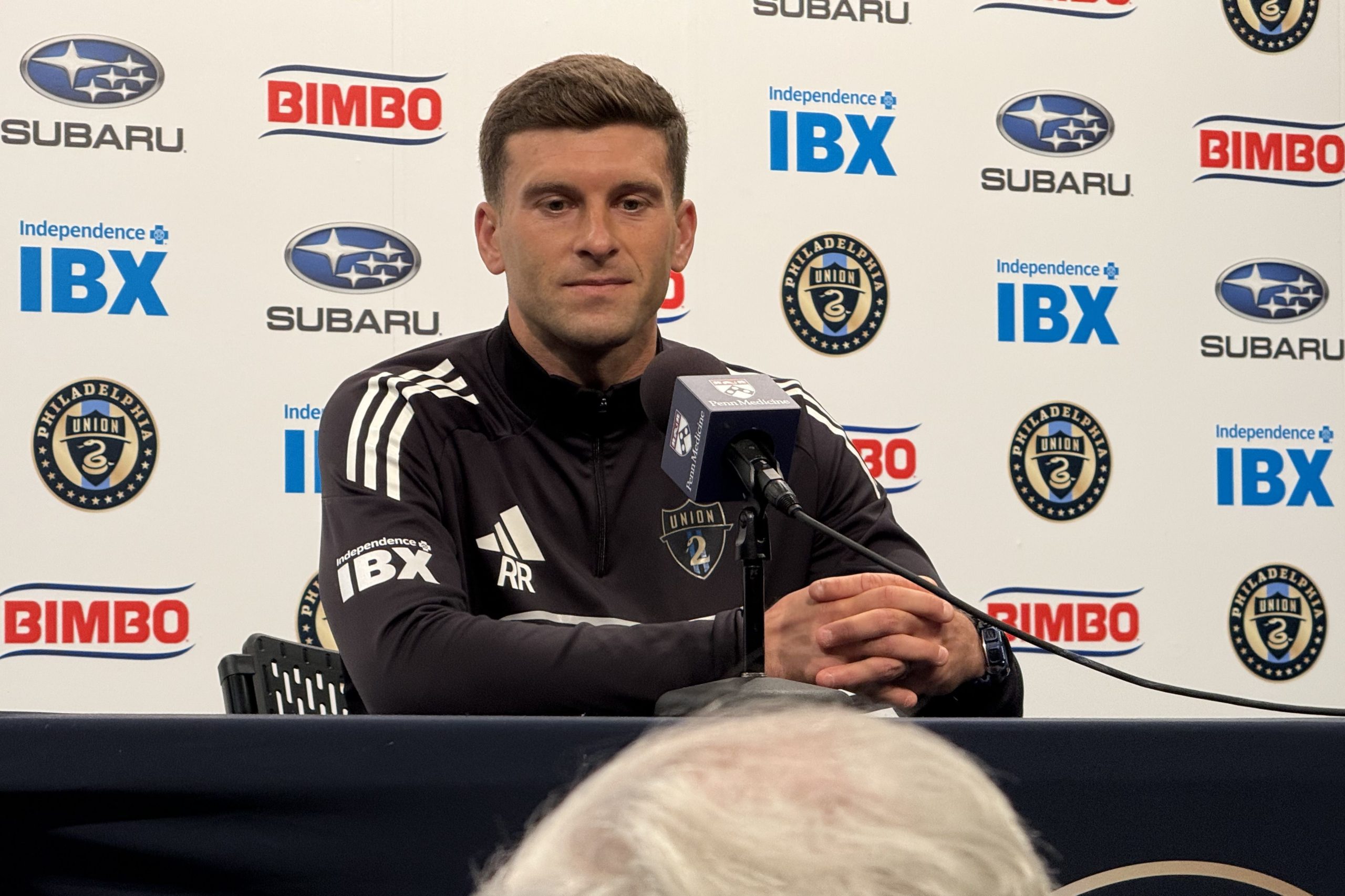
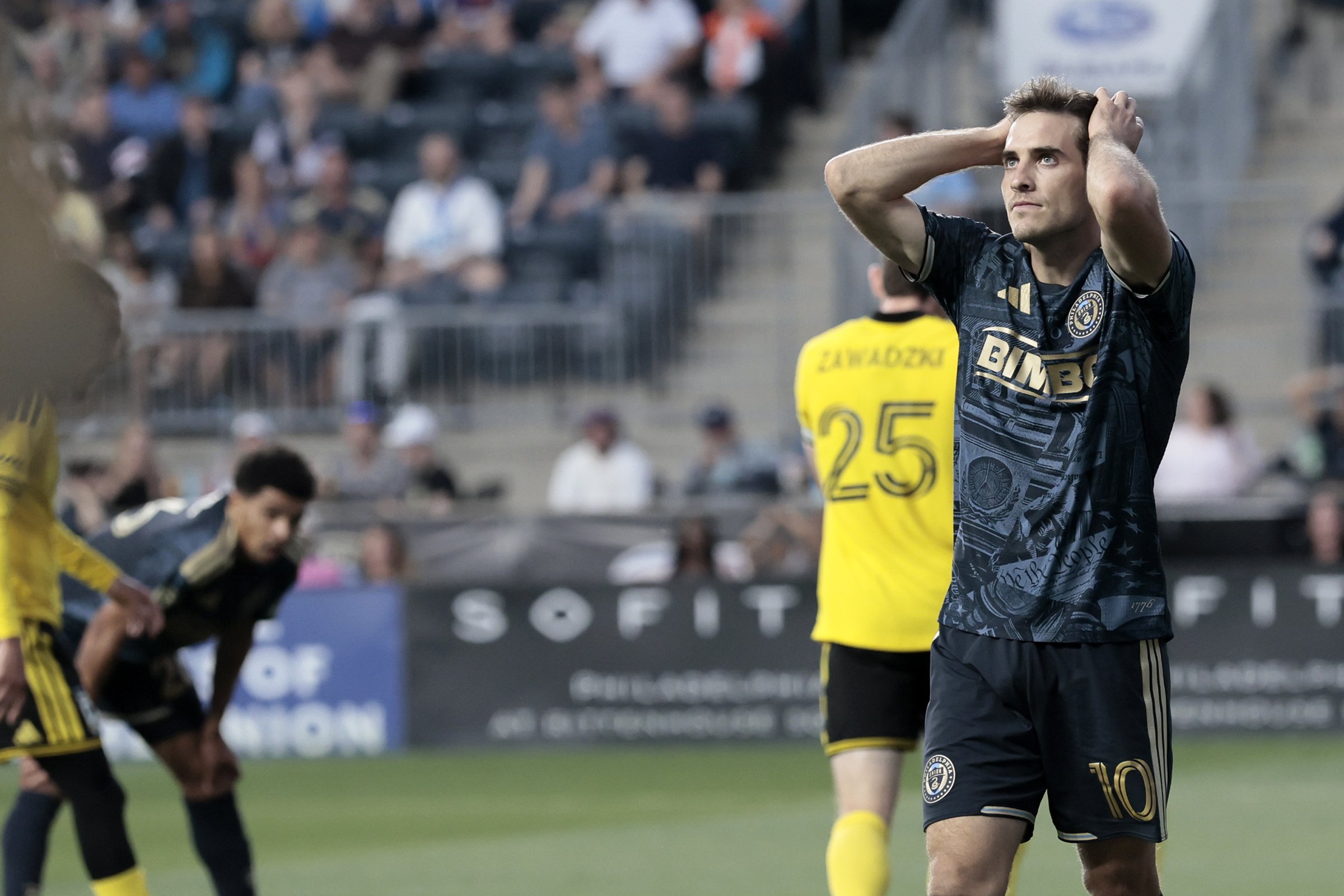
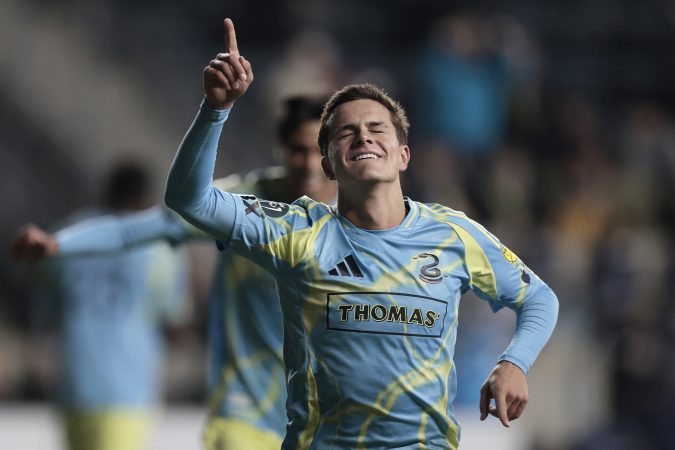
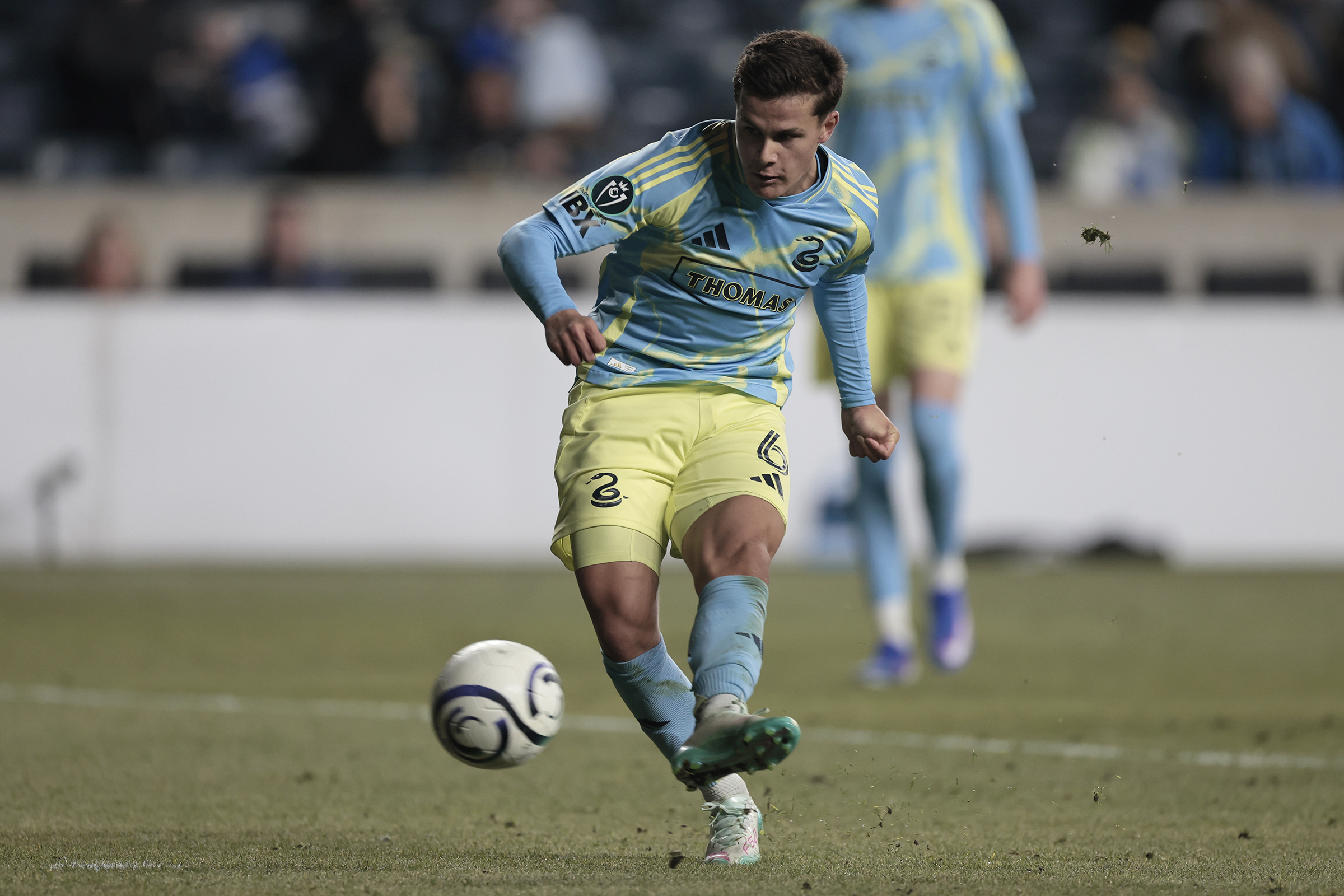
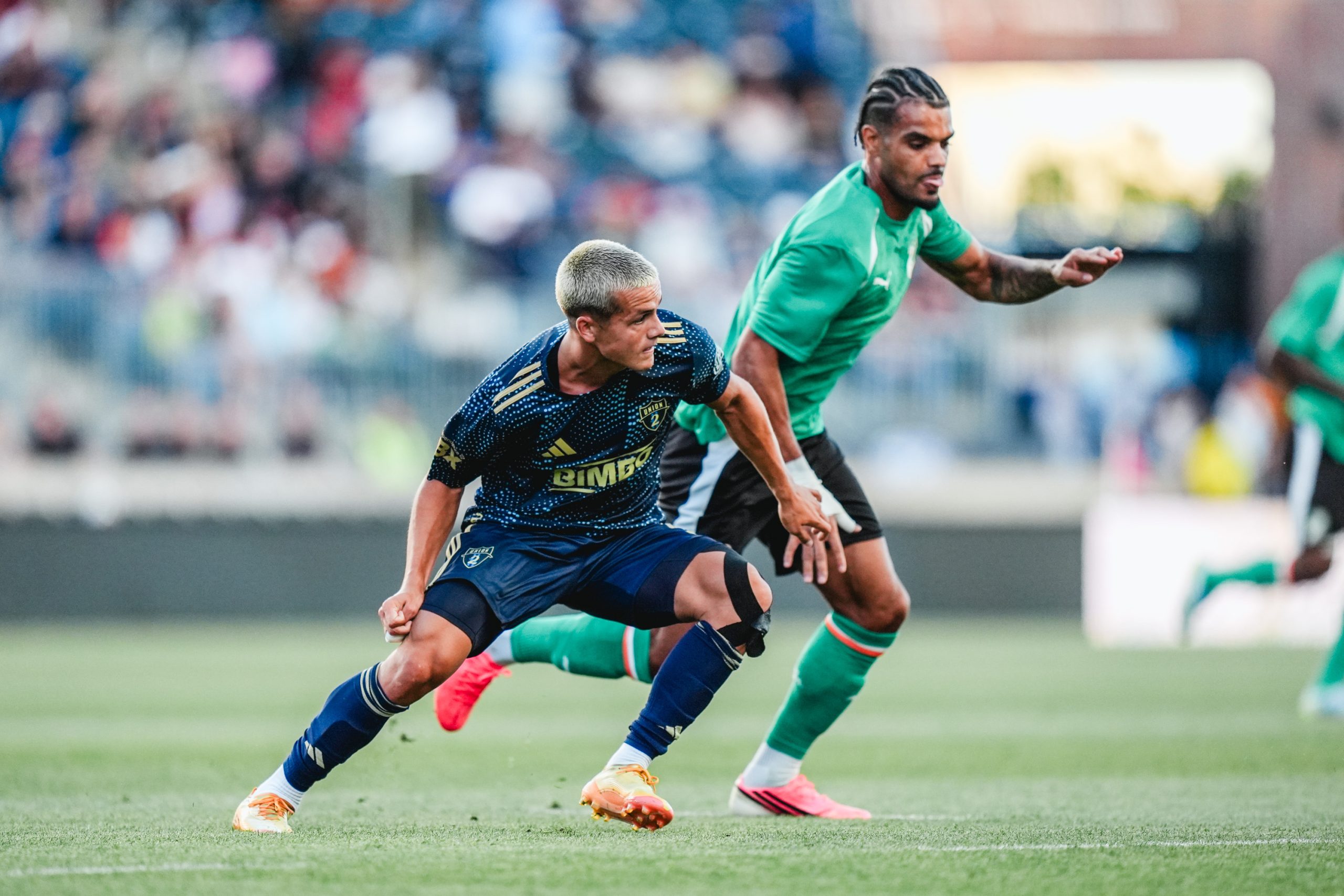
When the Union resume their season Wednesday night at Subaru Park against Red Bull New York (7:30 p.m., Apple TV), the spotlight should be on two stories: the many young American prospects who will be on the field, and interim manager Ryan Richter’s debut on the first team bench.
For now, though, those items are overshadowed by a potential upheaval of the team’s defense.
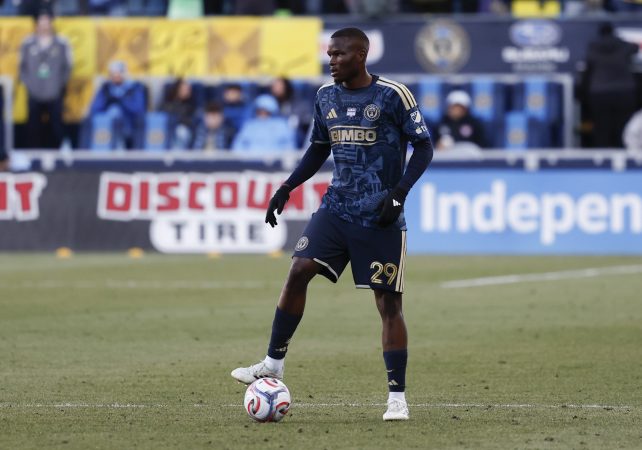
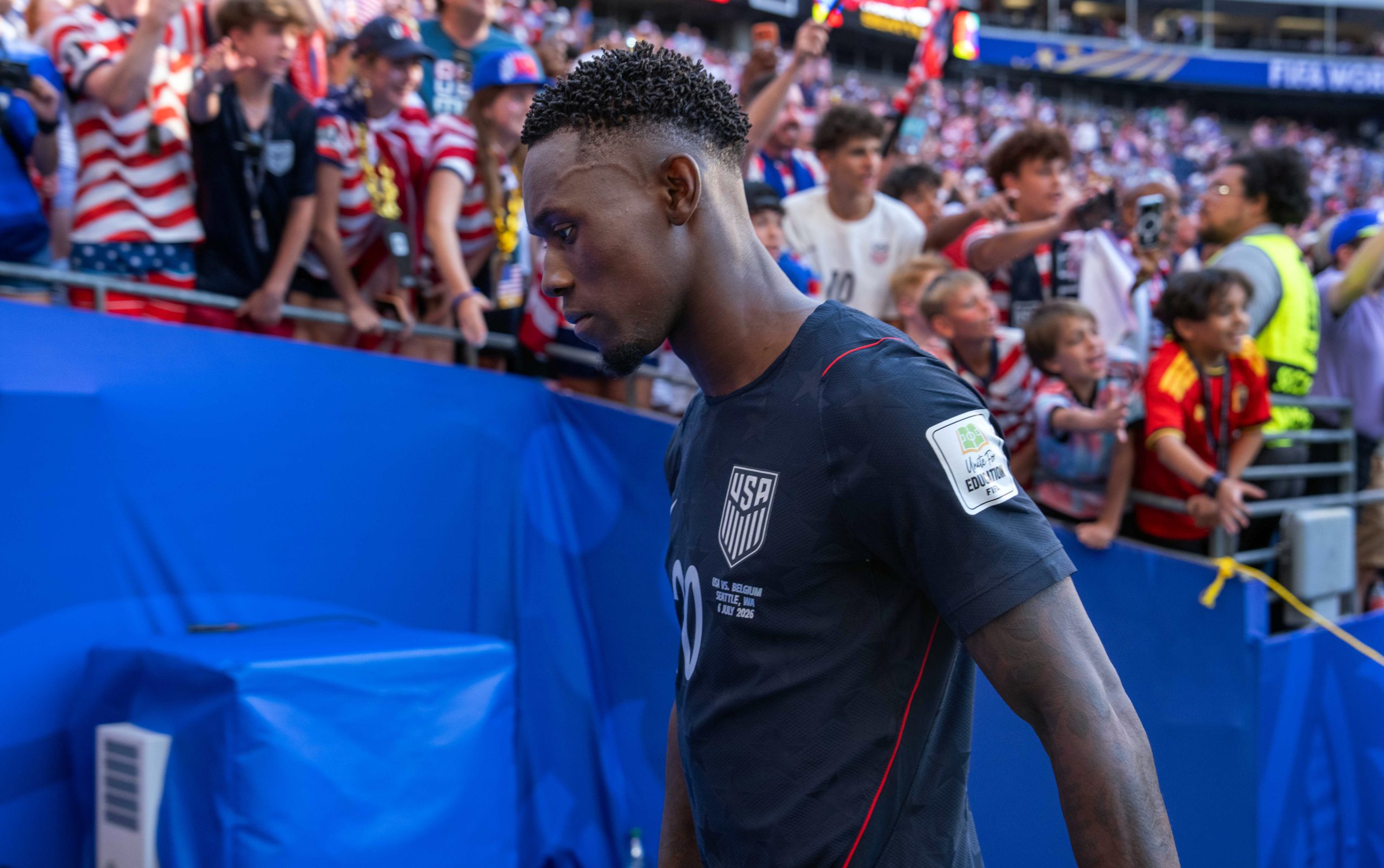
Key centerback Olwethu Makhanya hasn’t returned to the team yet after going to the World Cup with South Africa. Multiple sources have told The Inquirer that it’s a personal matter, but there seems to be more to it.
The Union received an offer from Belgium’s Genk of around $4 million, and there’s been interest (though apparently not a formal offer yet) from Scotland’s Rangers. The sources also signaled there was an agreement of some kind that the club would sell him if an offer came.
But there were different portrayals of how ironclad that agreement was, and whether the Union could hold firm on demanding a presumably higher fee.
Unsurprisingly, Makhanya isn’t happy about the situation, as the Athletic first reported Monday morning. There’s been plenty of communication between his side and the Union front office, but it isn’t clear right now when he’ll be back on the field.
What is clear is that Richter will be without one of his best defenders for his first game in charge, and possibly more than that.
“I worked with Olwethu when he first joined the club, and we have a good personal relationship,” he said. “But right now, his situation, he’s away from the club for personal reasons, and I think we’re going to leave it like that for now with him.”
Makhanya’s departure isn’t the only one on the table. A source who knows confirmed a report by the Courier of Dundee, Scotland, that the Union are in talks with Scottish Premiership club Dundee United to loan outside back Philippe Ndinga there for the European season that starts July 31.
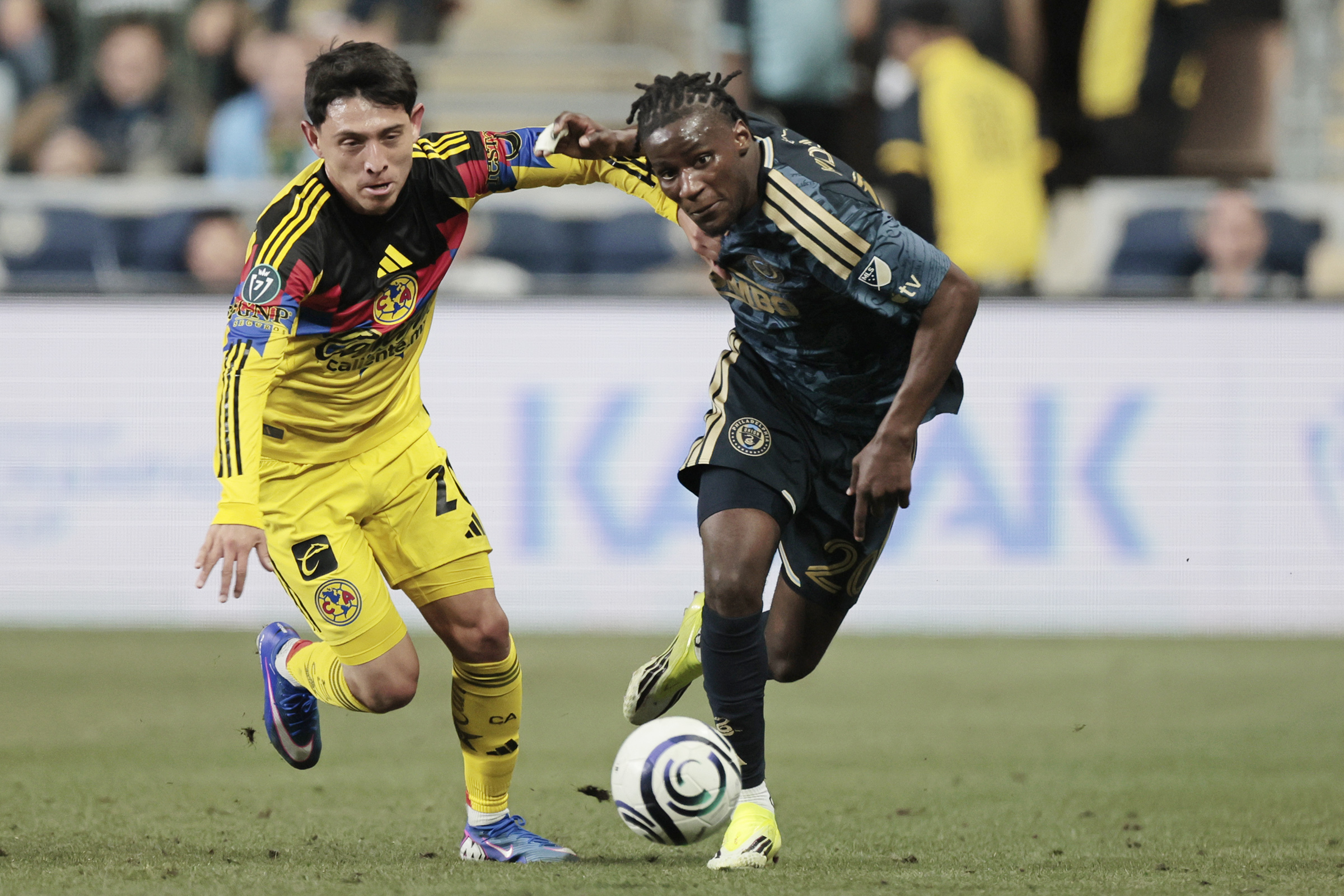
Philippe Ndinga (right) hasn’t lived up to expectations so far.Elizabeth Robertson / Staff Photographer
If the move gets done and Ndinga doesn’t play again for the Union before it, the player who was supposed to be Kai Wagner’s successor will leave with eight games played, four starts, and 310 minutes on the field. It will be hard to see that as anything other than a punt.
When Scheer met with the media over the weekend, he tried to not portray it that way. But in the end, he couldn’t quite keep his cards hidden.
“He’s a young player, he’s got a lot of athletic tools,” Scheer said. “We need more production from the left fullback spot. But it doesn’t mean that Philippe doesn’t have talent and a skill set that he can offer ourselves, or any other club.”
The good news for Wednesday is that Wagner is expected to be ready to play his first game back with the Union.
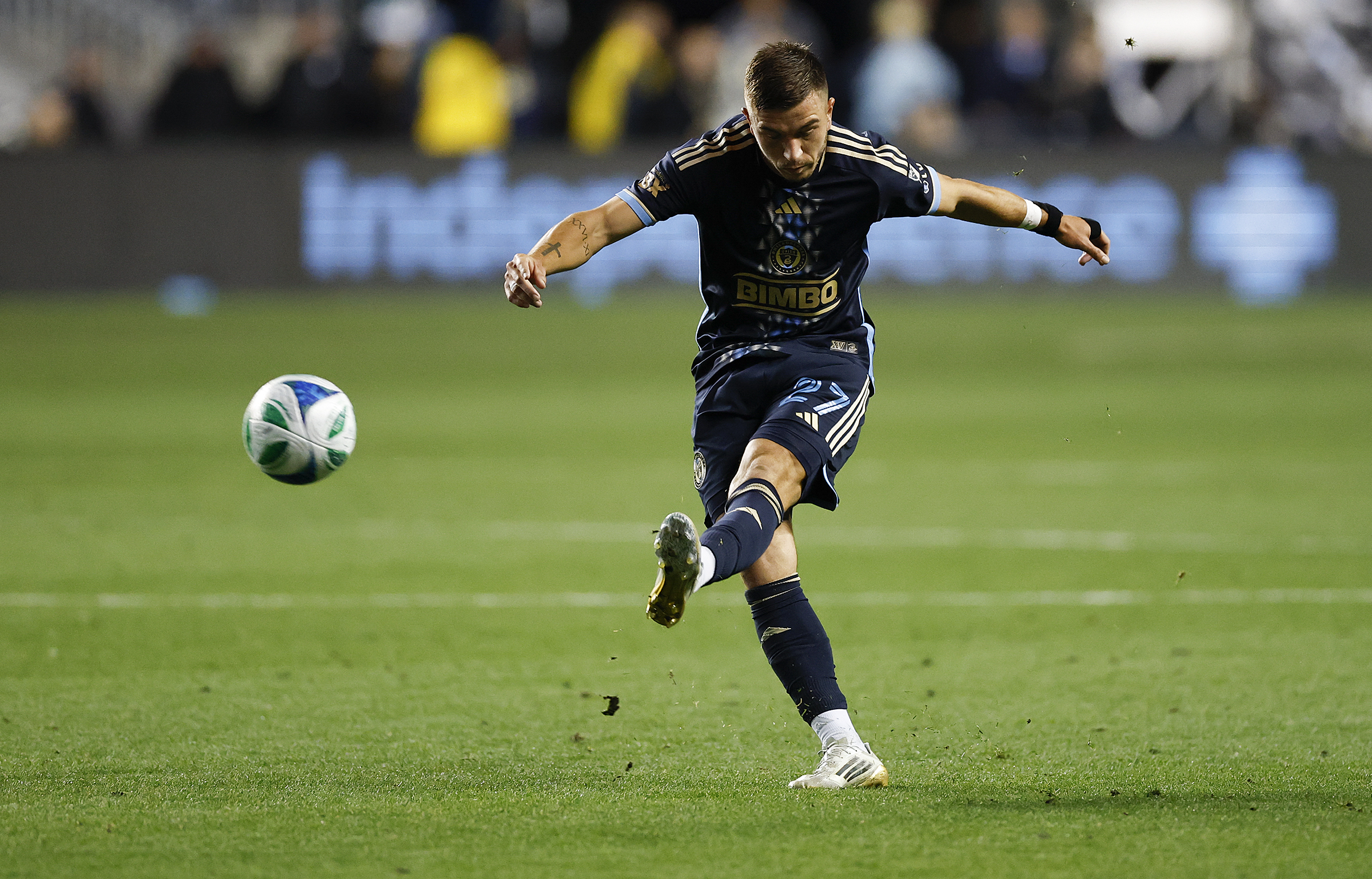
Kai Wagner is ready to get back at it with the Union.Yong Kim / Staff Photographer
“He’s fit, he’s ready to play, and it’s not only Kai and the fans that want him out there — it’s the coaching staff and it’s his teammates that also want him out there,” Richter said. “We [will] see exactly how he is for the 90 minutes in the match, but he’s in a really good spot, and I think he’s ready. And I don’t know if he would let me keep him out from this game.”
Quinn Sullivan might also be ready for his first game minutes since tearing an ACL last September.
“It’s not going to be that he’s just available 90 minutes from the start, but he will be available for the match,” Richter said.
The bench might also include Neil Pierre, the promising 18-year-old centerback who spent the first six months of this year on loan at Danish club Lyngby — part-owned by the Union. He’s been dealing with an injury that Richter called “something that’s minor,” but the indication was that Pierre should be available.
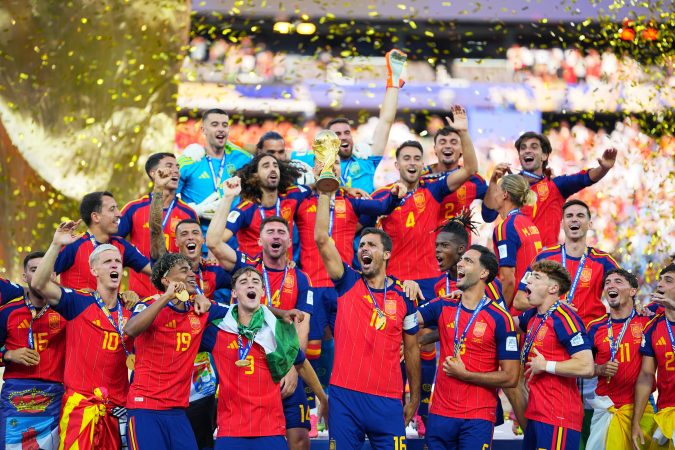
EAST RUTHERFORD, N.J. — At the start of this World Cup, Spain was one of the biggest favorites to win it all. And in the end, it was the team that deservedly won the title.
Spain’s second-half substitute Ferran Torres’ scored in the 106th-minute goal to fuel a 1-0 victory over Argentina. La Roja dethroned the reigning champions with a 20-2 advantage in shots over Lionel Messi’s side.
It was Spain’s second men’s World Cup title in a brilliant era from 2008 to now, which also includes three European championships and a UEFA Nations League title. The country is also the first to hold the men’s and women’s World Cup crowns at the same time, thanks to the women’s team’s triumph in 2023.
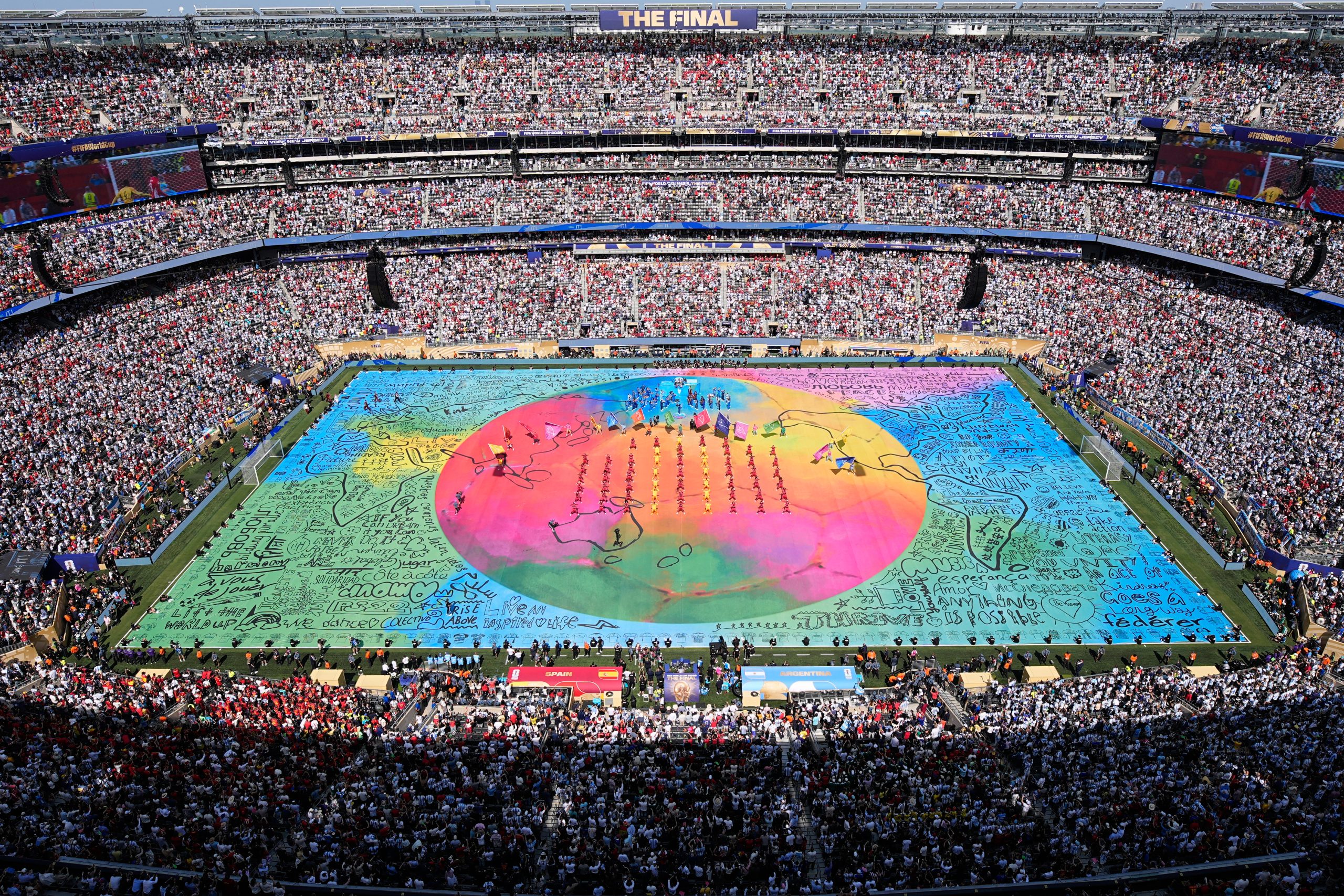
A sellout crowd of 80,663 was on hand in the Meadowlands — though with quite a few empty seats in the lower deck — and heaven knows what they paid to be there. Projections of $14 billion in revenue from this summer rose to $15 billion, the Guardian reported, with fans paying a lot of the bill.
FIFA was no doubt also happy with the 11-page list of “VVIPs and Celebrities,” spanning Spain’s reigning King Felipe VI and its prime minister, Pedro Sánchez. Argentina’s president Javier Milei didn’t attend out of superstition, putting his fandom ahead of his friendship with President Donald Trump, who emerged to a chorus of boos during the trophy presentation.
Madonna, Anna Wintour, Brad Pitt, Tom Cruise, and Mick Jagger alongside halftime show performers Shakira and Justin Bieber were also some of the names in attendance.
From the sports world? How about soccer legends Ronaldo, Zinedine Zidane (who will soon be France’s manager), and Roberto Baggio; current U.S. women’s stars Rose Lavelle and Alyssa Thompson; the Eagles’ Saquon Barkley and the Chiefs’ Patrick Mahomes; a pile of basketball players led by Victor Wembanyama, Jalen Brunson, and Union part-owner Kevin Durant; Olympians Ilia Malinin and Mikaela Shiffrin; and tennis’ Carlos Alcaraz.
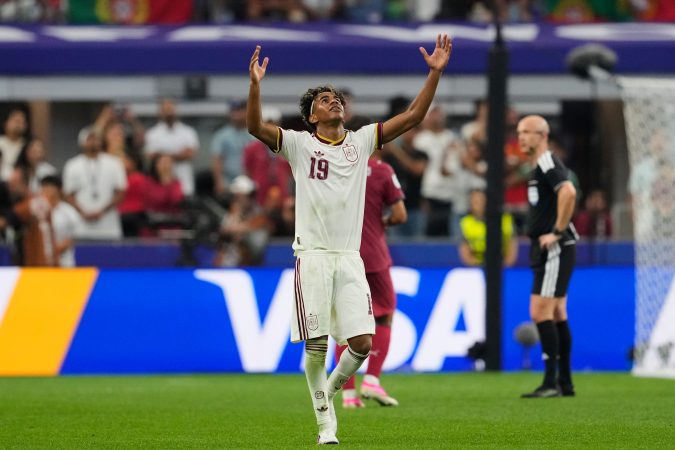
They might even have watched the game, and if they did, they got to see other stars. Lionel Messi, Julián Álvarez, and Enzo Fernández started for Argentina against Spain’s Lamine Yamal, Dani Olmo, and Rodri, the last of whom captured FIFA’s Golden Ball, given to the player of the tournament.
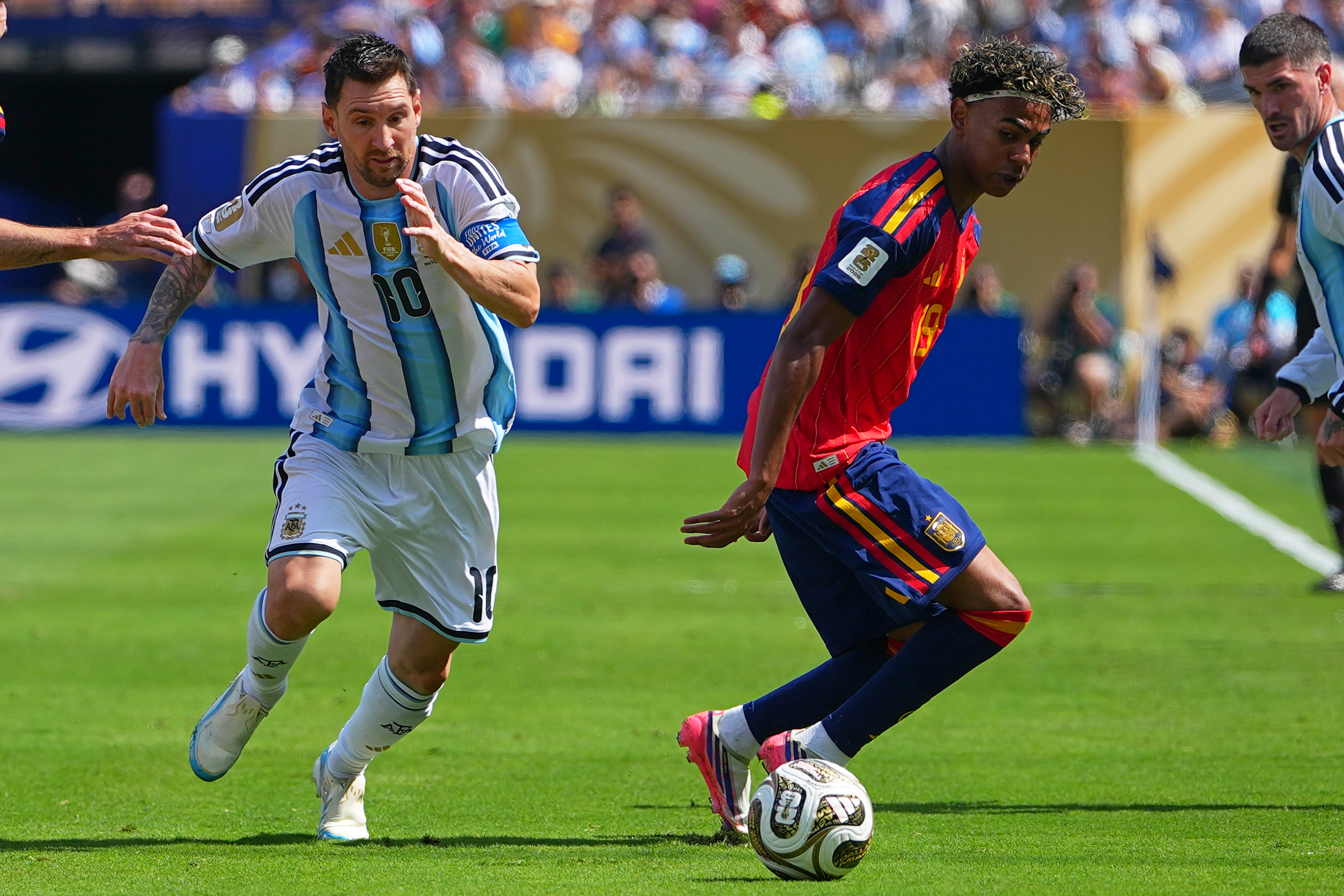
Lionel Messi (left) and Lamine Yamal battling for the ball during the first half.Julio Cortez
But while it was a superbly sunny, surprisingly breezy, and thankfully wildfire-smoke-free afternoon, there wasn’t much action to enjoy early on. Instead, there was the first scoreless half of a men’s World Cup final since 2014. Spain outshot Argentina 3-0, with Yamal forcing a save in the fifth minute and Marc Cucurella firing narrowly wide from 18 yards in the 43rd.
Perhaps that shouldn’t have been too surprising. Soccer finals are usually cagey, and on top of that Spain likes to win games by controlling them. Argentina, meanwhile, is often content to take its time and strike late. Messi’s renowned playing style exemplifies that: he often spends the first stretch of any game just walking, so he can watch how the opposing defense moves and find gaps in it.
The other end of the field was a different story. Along with Spain having the better of the play in the first half, Argentina centerback Lisandro Martínez had to leave the game injured in the 44th, not long after picking up the first of his team’s eight yellow cards. Nicolás Otamendi replaced him, and Spain might not have minded seeing the 38-year-old come in.
After the first halftime show concert in World Cup final history (which enough of the supposed American target audience didn’t like), Albiceleste manager Lionel Scaloni made another swap: Leandro Paredes for Nicolás González at left wing in their 4-4-2 setup.
There were quite a few empty seats in the stands during the World Cup halftime show.Matt Slocum
In the 58th, Scaloni made it three subs before his players had taken a shot by withdrawing right back and 2022 World Cup final hero Gonzalo Montiel for Nahuel Molina. Spain was starting to assert control by then, and four minutes later manager Luis de la Fuente upped the ante with a double-sub: Ferran Torres for Mikel Oyarzabal at striker and great playmaker Pedri for Fabián Ruiz in midfield.
Spain’s big cluster of red-clad fans behind one goal could sense the momentum, even more when Yamal split two defenders and crossed for Torres to head right at Emiliano Martínez.
Scaloni tried to bolster his side by sending defender Facundo Medina and midfielder Giuliano Simeone on for Cristian Romero and Rodrigo de Paul in the 70th. Those were his last subs in regulation, and Argentina still hadn’t recorded a shot. Meanwhile, a lot of firepower watched from the bench: midfielders Giovani Lo Celso, Nico Paz and Thiago Almada (formerly of Atlanta United), and especially striker Lautaro Martínez.
De la Fuente, meanwhile, countered in the 75th with two more attacking moves. Nico Williams replaced Álex Baena at left wing, and Mikel Merino replaced Olmo in attacking midfield.
Lamine Yamal creates a huge chance for Spain but the header is saved by Dibu 🧤 pic.twitter.com/RFH2QyUBoa
It took until the 92nd minute for Argentina to finally register an attempt, and it wasn’t even officially scored a shot. But Messi was on the ball for enough of the buildup that the stadium held its breath.
With everyone just about ready for extra time, the plot took a big twist. Fernández sent Pau Cubarsí flying into the air from a collision, and referee Slavko Vinčić quickly gave Fernández his second yellow card of the day. A red followed right afterward.
But there were still no goals when regulation ended, making this the fifth men’s World Cup final of the last eight to require bonus sessions. The only one to reach penalty kicks with no goals was the last one in this country, 1994 at the Rose Bowl.
Williams finally put the ball in the net in the 96th, which Spain fully deserved for its 15-0 lead in shots through 90 minutes. But the goal was ruled out for a foul in the buildup, and that was the right call.
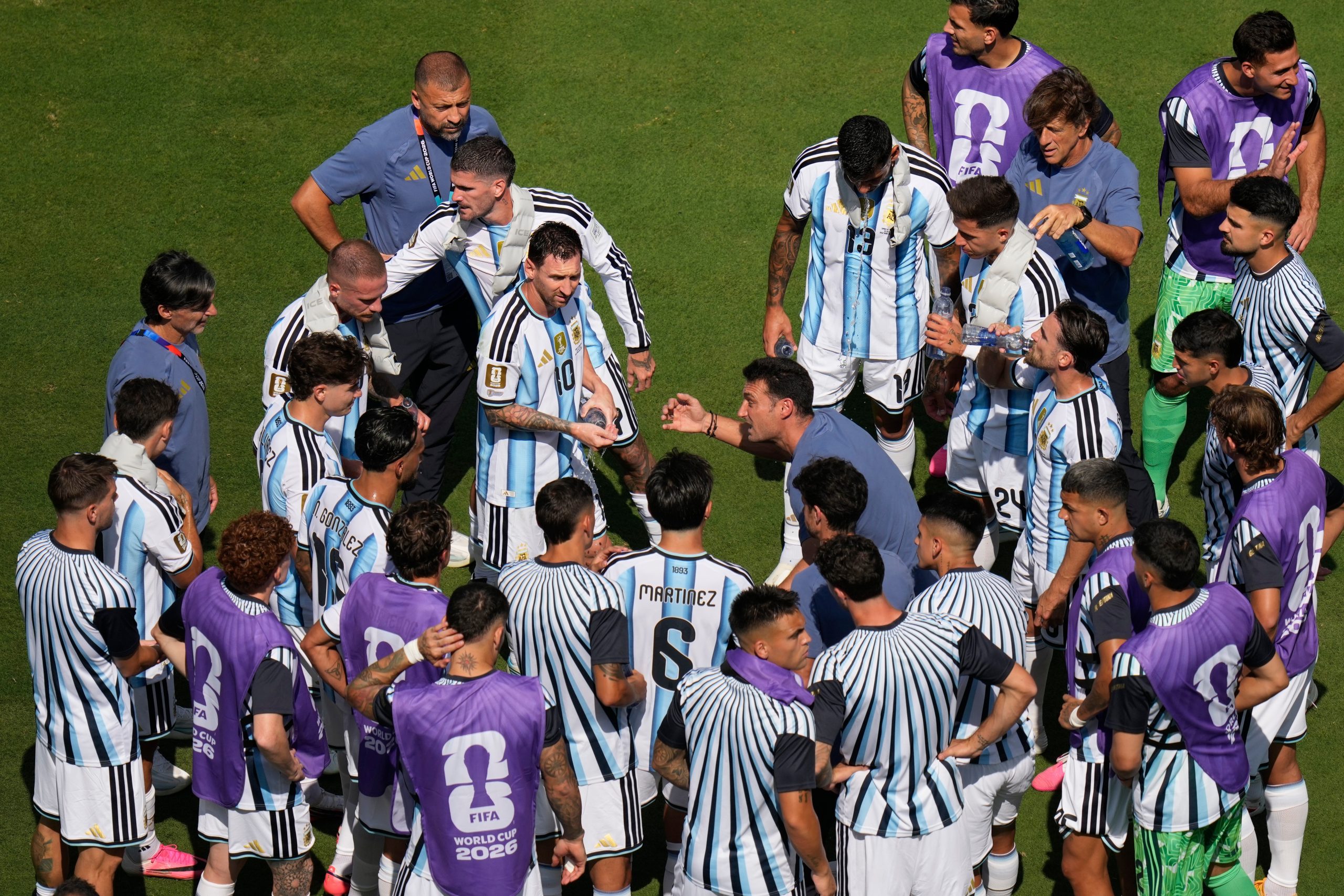
Argentina manager Lionel Scaloni (center) had lots of words for his players, but he left a lot of attackers on the bench.Seth Wenig
Extra time grants each side an extra sub. Scaloni chose to use his not just to send in another defender, but to take off a striker: Álvarez for Marcos Senesi.
The goal finally came in the 106th, and it was perfectly executed. Right back Pedro Porro hit a cross over the crowded 18-yard box, Williams headed it down, and Torres slammed the loose ball in with all his might.
Everyone knew Spain deserved it, but Argentina wasn’t dead yet. In stoppage time of the extra time, officially the 122nd minute, Cubarsí had to scramble to clear a chance Messi and Simeone created. From the ensuing corner kick, Simeone shot over the bar.
The clock read 125:01 when the final whistle blew. Most importantly, the scoreboard read 1-0 with Spain as the winner.
WOULD YOU BELIEVE IT?! SPAIN TAKES THE LEAD IN EXTRA TIME 🇪🇸🤯
It might be too cliché to say that, as Kai Wagner walked off the Union’s practice field on Saturday, it felt like he’d never left.
But considering that he was only gone for six months, he really did fit right back into things when he returned to Chester.
Of course, the clearest sign that he really did leave is the Union having the worst record in MLS (1-10-4, 7 points) as the league returns from its World Cup break. The quest to change that will begin Wednesday when Red Bull New York visits Subaru Park (7:30 p.m., Apple TV) for the first of the 19 remaining regular season games.
“We have to step with the right mindset on the field, and go in there and get the fans back behind us,” Wagner said. “And then we will see what the second half of the season brings for us. But I came here because I want to go back to the playoffs, and that’s the main target.”
Some of what Wagner said sounded a little more like his side of the story than the full story. He didn’t go too deep on how much his family wanted to return here, and he didn’t say anything about the Union paying a $4 million transfer fee to bring him back — one of the higher sums in team history, and well above the $2.5 million they sold him for.
But it was nonetheless clear that Wagner had kept a close eye on the Union after leaving, and wasn’t happy about the team’s collapse this year.
“It’s sometimes hard to say, maybe stupid to say for myself, but I also personally felt a little bit guilty that the team doesn’t do that well anymore,” he said. “When I see all my friends here and how they wrote me the whole time after each game — I was watching the games at 1:30 in the morning [in England] … I couldn’t [bear to] see the ship going down.”
So when Jon Scheer called to make the first big deal of his tenure as sporting director, Wagner was open to it.
Kai Wagner (left) in action for the Union during last year’s playoffs.Yong Kim / Staff Photographer
“When Jon called me and told me the clear message of what he wanted to bring to the team and what he wanted to change in the team, for me it was straight [away] clear that I wanted to talk to the club to try to make this happen,” he said.
Wagner enjoyed his time in Europe, as brief as it was. He wanted for years to go, as the perennial offseason rumblings from his camp showed. But the Union got the point, and ultimately agreed to help make it happen.
“I would always do that step again,” Wagner said of going abroad. “For me this experience was something really special. I hopefully have a lot of years left, but at the end of my career if I would say to myself I never tried it or I never did it, I would always say to myself why I never did it — even if it was just seven months, the experience was unbelievable.”
Being at Birmingham City specifically came with some extra perks. Though he didn’t meet part-owner Tom Brady, they exchanged text messages a few times. And in a February FA Cup home game against Leeds United, Wagner got his first chance to play against a Premier League opponent — one that happened to have an old friend in Union alum Brenden Aaronson.
“We had a long, long chat after the game, and that was a special game,” Wagner said, adding that he got to talk with Brenden’s father, Rusty Aaronson, too. “I saw one post from you guys where you said you thought that I would tackle Brenden, but Brenden tackled me the first time. It was really fun to play against him — I got his jersey, too, at home, and we had a really good relationship with each other.”
Though the penalty shootout loss after a 1-1 tie didn’t go Birmingham’s way, Wagner still called it “one of the top three games probably of my career, just with the atmosphere and all that stuff.”
He particularly noted that he “was not the main guy anymore, and maybe also had a little bit of pressure off my shoulders.” That won’t be the case with the Union, and he knows it.
“That was the main target from Jon, just bring mentality and leadership back to the team,” Wagner said. “He knows that I can step in and I don’t need a lot of time to adapt to everything. … I think these are all players who really have belief now on the field again, and just to see them this morning, I felt so, so happy that I made that step back.”
NEW YORK — When Spain played France in the World Cup semifinals on Tuesday, there were 32 players on the field and 20 more across the respective benches.
At the final whistle, the reigning European champions had reminded the world that soccer is a team game. Spain didn’t just win 2-0; it delivered the most comprehensive performance of the tournament against the most prolific attacking team in the tournament field.
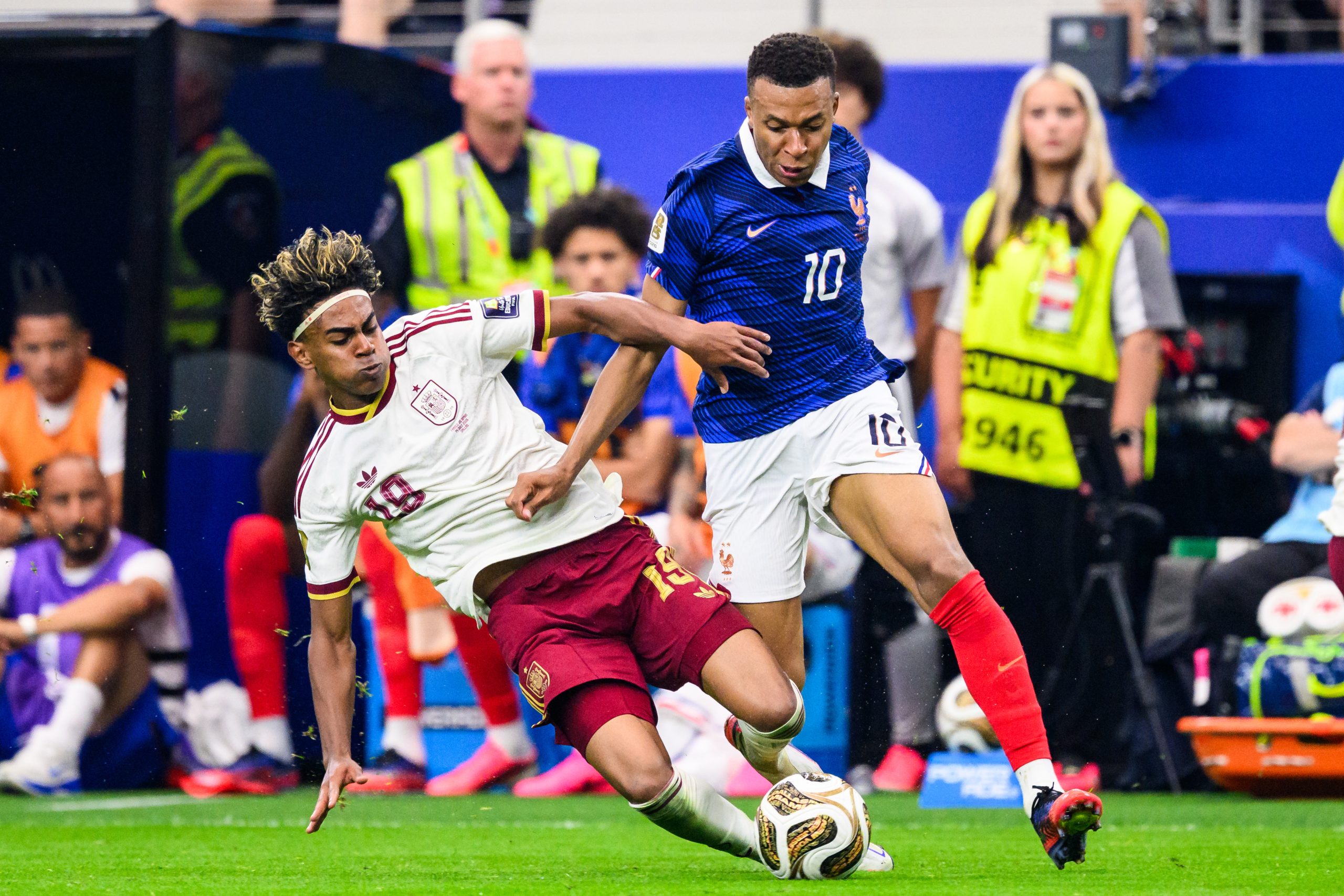
But before the game, the hype was about individuals, and for good reason: It was the first World Cup meeting of France’s Kylian Mbappé and Spain’s Lamine Yamal. For as many stars play in World Cups, there hadn’t been a semifinal matchup with that much individual sizzle in decades.
The framing was justified. And in a country that loves star power, it was a sign of how far this World Cup has broken through in America.
Lamine Yamal (left) battles France’s Kylian Mbappé in the FIFA World Cup semifinal match between the two teams on Wednesday.Tom Weller
Before Lionel Messi and Cristiano Ronaldo became the sport’s standard-bearers, the only men’s soccer players who’d really made it here were Pelé in the 1970s and David Beckham in the 2000s — the latter more for reasons off the field than on it.
Now Messi and Ronaldo aren’t the only household names. At least five more from beyond American shores have reached that level of notoriety before any American player: France’s Mbappé, Spain’s Yamal, England’s Harry Kane and Jude Bellingham, and Norway’s Erling Haaland.
As Messi gets set to face Yamal for the title on Sunday in the Meadowlands (3 p.m., Fox29, Telemundo 62), it’s worth taking a moment to step back and realize how that’s another sign of soccer’s growth here.
Falling for France
Mbappé was the closest to being a household name in the U.S. of the quintet. Thanks to his back-to-back World Cup final runs with France (including the 2018 title) and a big stage in the Champions League, both his national team and Paris Saint-Germain jerseys became big sellers in the U.S. At almost any youth soccer clinic you’d come across, even around Philadelphia, you’d almost certainly see a few kids with his shirt.
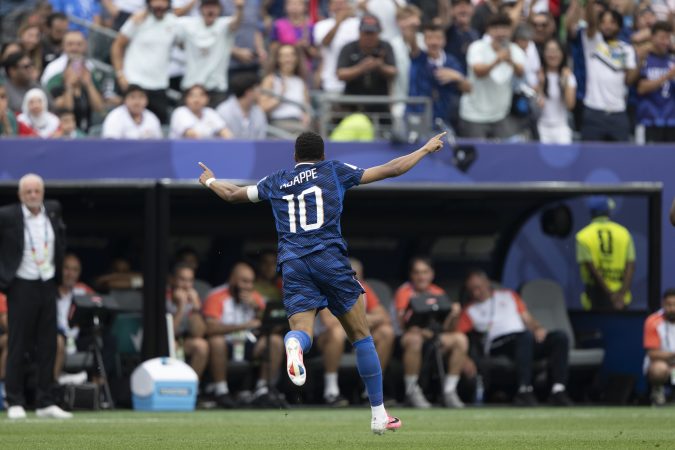
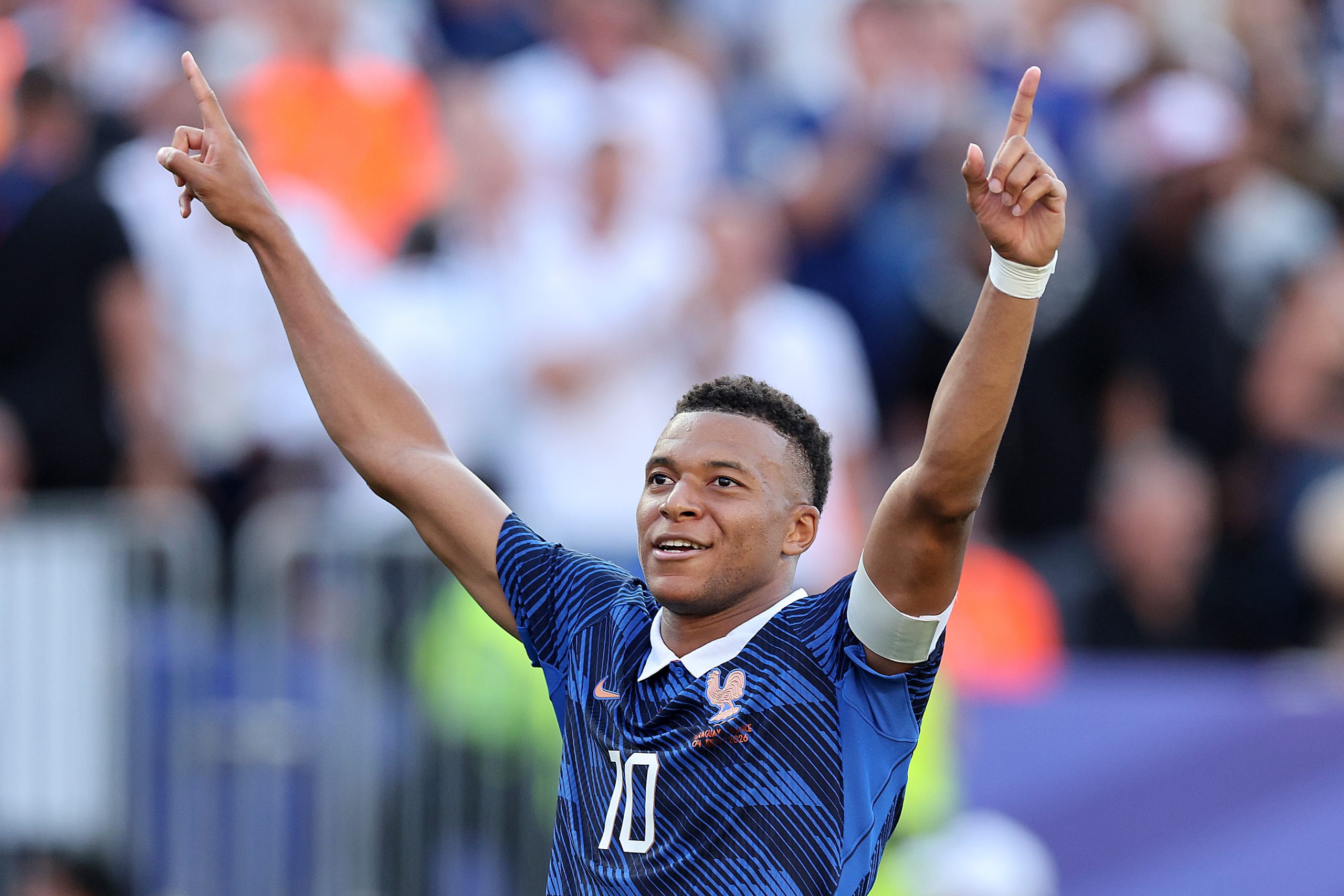
Kylian Mbappé celebrates scoring what proved to be France’s winning goal against Paraguay on July 4 in Philadelphia.David Maialetti / Staff Photographer
His status rose further when he moved to Spanish superpower Real Madrid in 2024. And when he arrived at the World Cup to captain the tournament’s most star-studded team, he was immediately a marquee attraction. Philadelphia saw that up close: He scored in both of France’s games here, including one of the tournament’s best goals against Iraq.
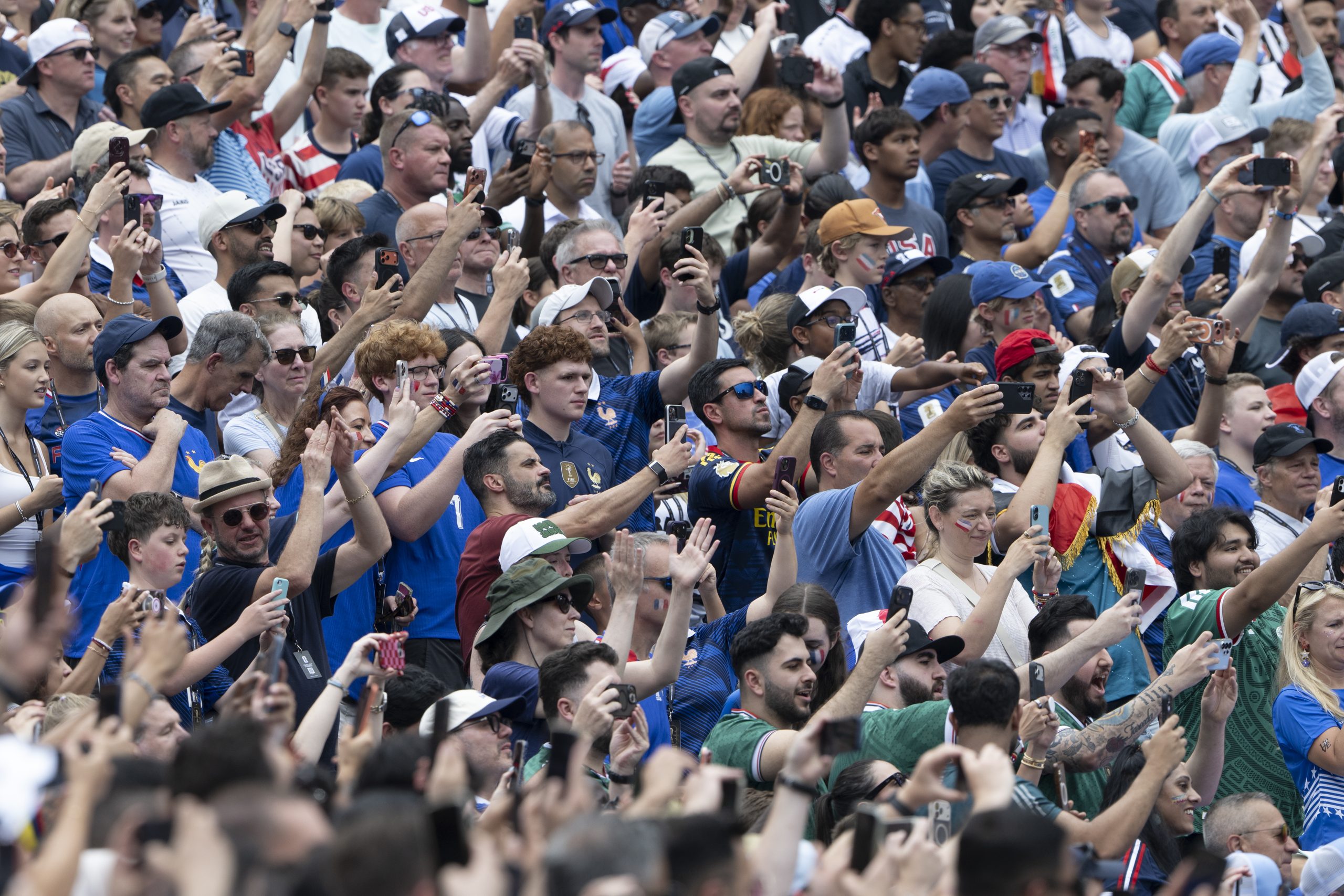
You could see that without even watching the France-Spain game itself. (And given how badly it went for him, Mbappé might prefer you didn’t.) All it took was being in the seating bowl when the video board showed him getting off France’s bus at the stadium. A massive roar went up from a crowd that had only just started to make its way in.
French journalists weren’t surprised, especially those who know American sports culture. A conversation on Radio France’s pregame show was an example: One of the analysts said Mbappé “isn’t just the symbol of the French team to America, he’s the symbol of all of France.”
Or take the scene a day earlier at France’s practice, in the lush surroundings of Southern Methodist University’s sports complex. Though the field was surrounded by covered fences, a cluster of kids still shouted Mbappé’s name in hope he’d stop by.
Alas, they couldn’t see how far away he was. But as he spoke about in Philadelphia before the France-Iraq game, he knows how big a deal he is here, and he likes it.
“The United States is a country that has a different culture from ours in Europe,” he said. “It’s true that I’ve always liked its culture, where ambition is limitless and where no one is afraid to say what they want to do and what they can do. It’s not like that everywhere, but it is here.”
So was his manager. Didier Deschamps saw often how popular Les Bleus are in the land of red, white, and blue.
“When we went out when we could, yes, I heard it, that we’re an enjoyable team,” he said that day in Dallas. “We’re enjoyable because we’ve won games, too. But even if the most important thing is results, with the attitudes, we’ve seen a lot of photos of the moments we’ve left camp, videos shared of the group interacting, and so on.”
And when French fans didn’t travel here in huge numbers, Americans packed the stands instead. Deschamps understood the bigger picture.
“It’s something that we appreciate, and all the better if it helps the development of soccer in the United States,” said Deschamps, one of only three men’s players to win the World Cup as a player (1998) and coach (2018). “We gain from the support of the public, which we obviously have in France, but to have it here in the United States too is something that we very much appreciate.”
France fans, whether from there or from here, in the stands for Les Bleus’ group game against Iraq in Philadelphia.Jose F. Moreno / Staff Photographer
He even drew a smile from the American media when he said: “I know that there are five major sports here, and soccer today hasn’t quite made it — apart from women’s soccer.”
Deschamps meant it in terms of trophies won, referring to a U.S. women’s team that won its last World Cup in France in 2019. But just as he was in the stands when the Americans beat the hosts in an all-time game, he has had a front-row seat to soccer’s wins in this summer’s sports popularity contest.
All but one of France’s games so far have drawn TV audiences of over 10 million viewers combined between Fox and Telemundo, led by just under 23 million for each of the semifinal and the July 4 quarterfinal in Philadelphia. Fox’s audience alone for the semifinal was just over 13 million — far bigger than the 8.8 million who watched the same channel’s broadcast of baseball’s All-Star Game a few hours later.
‘Well-known in Chattanooga’
Yamal entered this summer as the sport’s top young phenom, already a three-time La Liga winner with Barcelona and a European champion with Spain in 2024. Soccer fans knew about him when the World Cup kicked off, especially younger ones who play the sport’s video games — a huge entry point for kids — and follow him on Instagram.
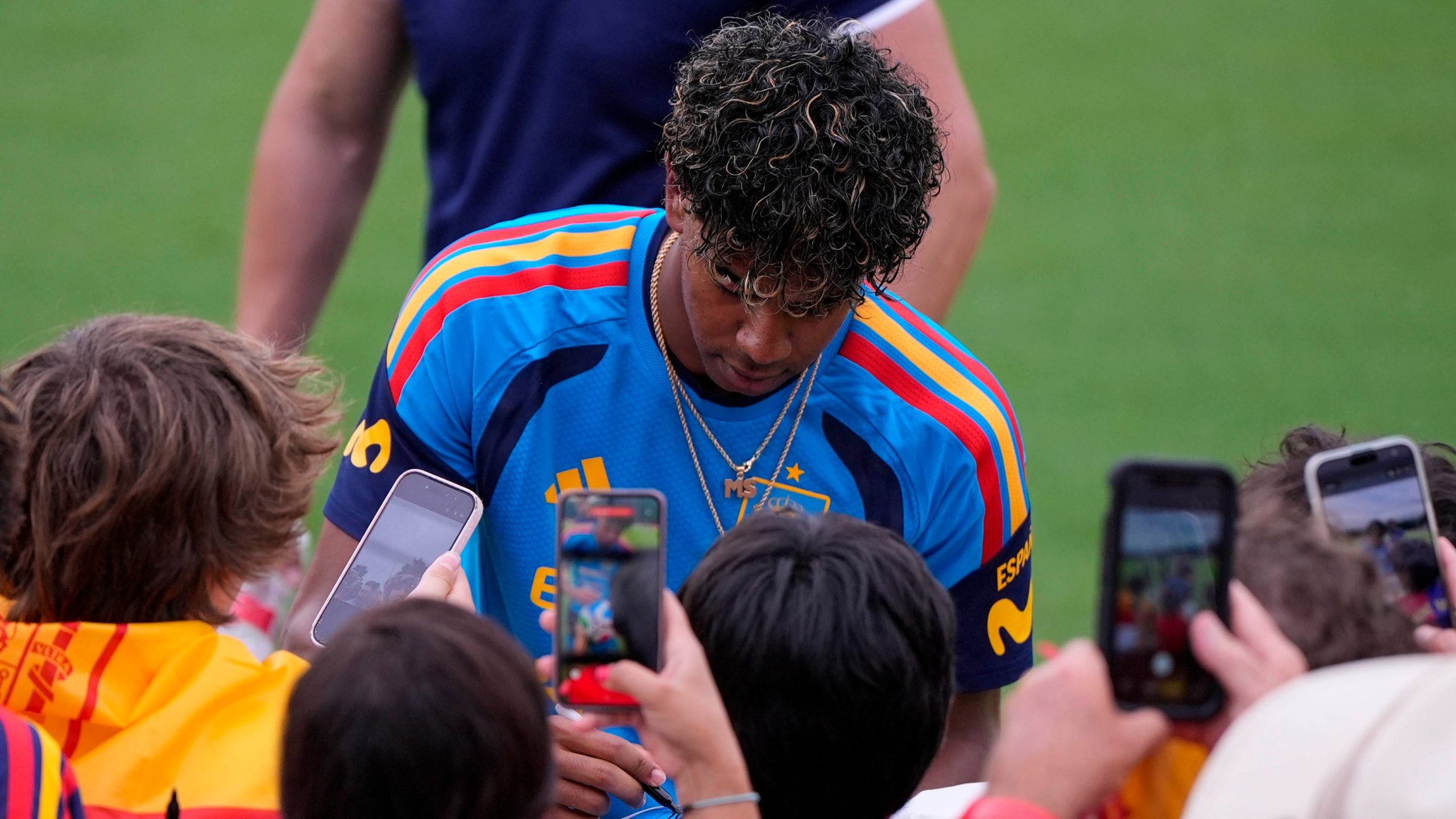
Lamine Yamal signing autographs for kids at Spain’s World Cup base camp in Chattanooga, Tenn.Mike Stewart
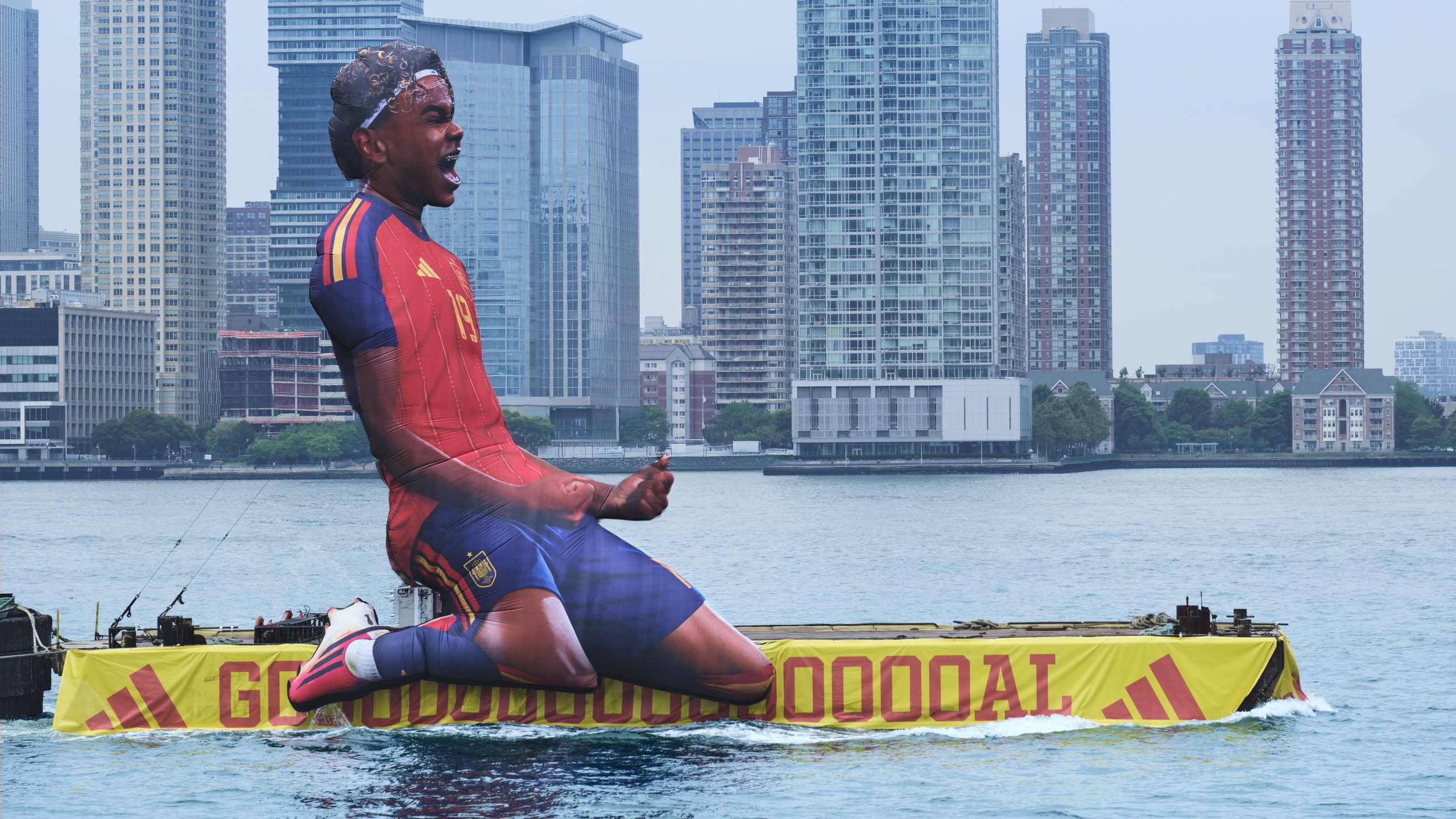
A big sponsorship deal with Adidas meant Yamal was all over the company’s pretournament marketing, just as much as Messi, a longtime client of the apparel giant. A few days after Yamal scored his first World Cup goal, on June 21 vs. Saudi Arabia, Adidas constructed a huge cutout of him celebrating, and sent it parading on a barge in New York’s East River.
And was it Yamal’s idea or someone else’s that he wore a Yankees cap as he left the stadium on Tuesday? Whoever it was, you can be sure he knew where he was headed: to the Big Apple for Sunday’s title clash in the Meadowlands.
But he isn’t just known in New York. Or in Atlanta, where Adidas put up big billboards as Spain played two of its group games there.
“Soccer has given me the opportunity to be well-known in Chattanooga, for example, which is something very beautiful,” Yamal said of the Tennessee city where La Roja had its base camp. “I never could have imagined that I’d go out for a walk in a town in the United States and be recognized. So I value it a lot. I know where I come from, and each day I’m proud of what I’ve achieved.”
A few days after Lamine Yamal scored his first World Cup goal, Adidas stuck a huge cutout of him celebrating on a barge in New York’s East River.adidas
Kane and Bellingham’s status here is helped by being English. The former gained from the Premier League’s huge commercial presence here, as a legend of Tottenham Hotspur before moving to Germany’s Bayern Munich in 2023. He’s also a big NFL fan, which opened more American doors for him as the league grew its presence in London.
Bellingham took a different path. He played just one professional season in his home country before moving abroad, and it was at second-tier Birmingham City. Then he spent three years at Germany’s Borussia Dortmund, and Real Madrid bought him from there in 2023 for over $110 million.
You don’t go to the world’s most famous club for that kind of money unless you’re already a star or soon to become one. But for a long time, you couldn’t get the full status in England unless you played in the Premier League. As a result, Bellingham has sometimes been seen as a kind of outsider in his home country.
Over here, he is simply a star. Though the Premier League is the most popular European circuit in the U.S., Real Madrid is the most popular club team — as Philadelphia saw firsthand last summer. When Real played here last summer in the Club World Cup, there were a lot of Bellingham’s jerseys in the sellout crowd. Now, this summer has made him even bigger.
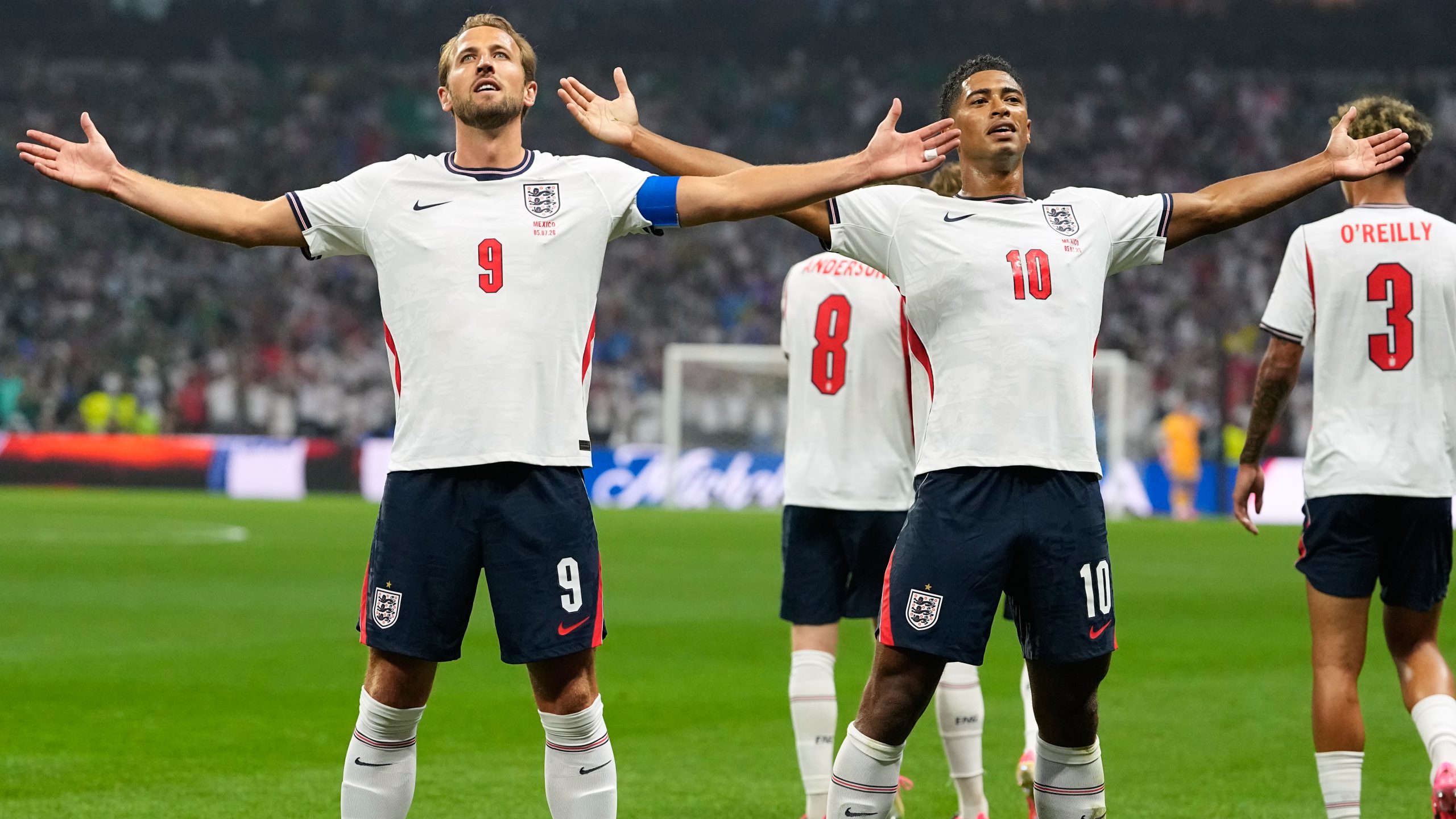
Harry Kane (left) and Jude Bellingham celebrate teaming up for one of England’s goals against Mexico, in a game that drew over 46 million TV viewers in the United States.Natacha Pisarenko
Haaland’s popularity, meanwhile, is mostly a product of the Premier League’s power. Not entirely, to be sure: His first spotlight came at Dortmund, including when the Bundesliga returned to action before other leagues amid the pandemic.
His fame skyrocketed after moving to Manchester City, where he has piled up 112 goals in 132 games and won two Premier League titles and a Champions League trophy. Combine that with the club being the Premier League’s dominant force for nearly a decade, and the odds are if you know someone with a City jersey, it has Haaland’s name on the back.
Until this summer, his resumé lacked one big line: playing at the World Cup. It is now filled in with style: seven goals in six games, leading Norway fans’ ‘Viking Row’ chant, and a love of American culture. He went to a western goods store in Dallas, posed for photos in a cowboy hat and boots, and left with a stuffed raccoon.
Finally, there’s Messi. Major League Soccer has made piles of money from his presence here, and stands to make piles more from his playing a World Cup final in America’s biggest market. Any remaining belief that Miami was a retirement destination vanished when he led Argentina’s stunning 2-1 comeback win over England in Atlanta.
“To see him reach a final like this, at his age, 39, is incredible,” Scaloni said. “He is history and legend, along with this entire group of players who have given us such wonderful years. Even though we might always believe an Argentine futbolista is capable of achieving greatness, actually doing it is incredibly difficult.”
There are days when it feels like MLS’s marketing team focuses on Messi too much. But a lot of people think the league actually hasn’t done enough to spotlight his presence (and Argentina and Inter Miami teammate Rodrigo de Paul) this summer.
That is for getting into later. For now, Messi will play a World Cup final in the country he has come to call home on Sunday, and he will face a player he has known for a long time.
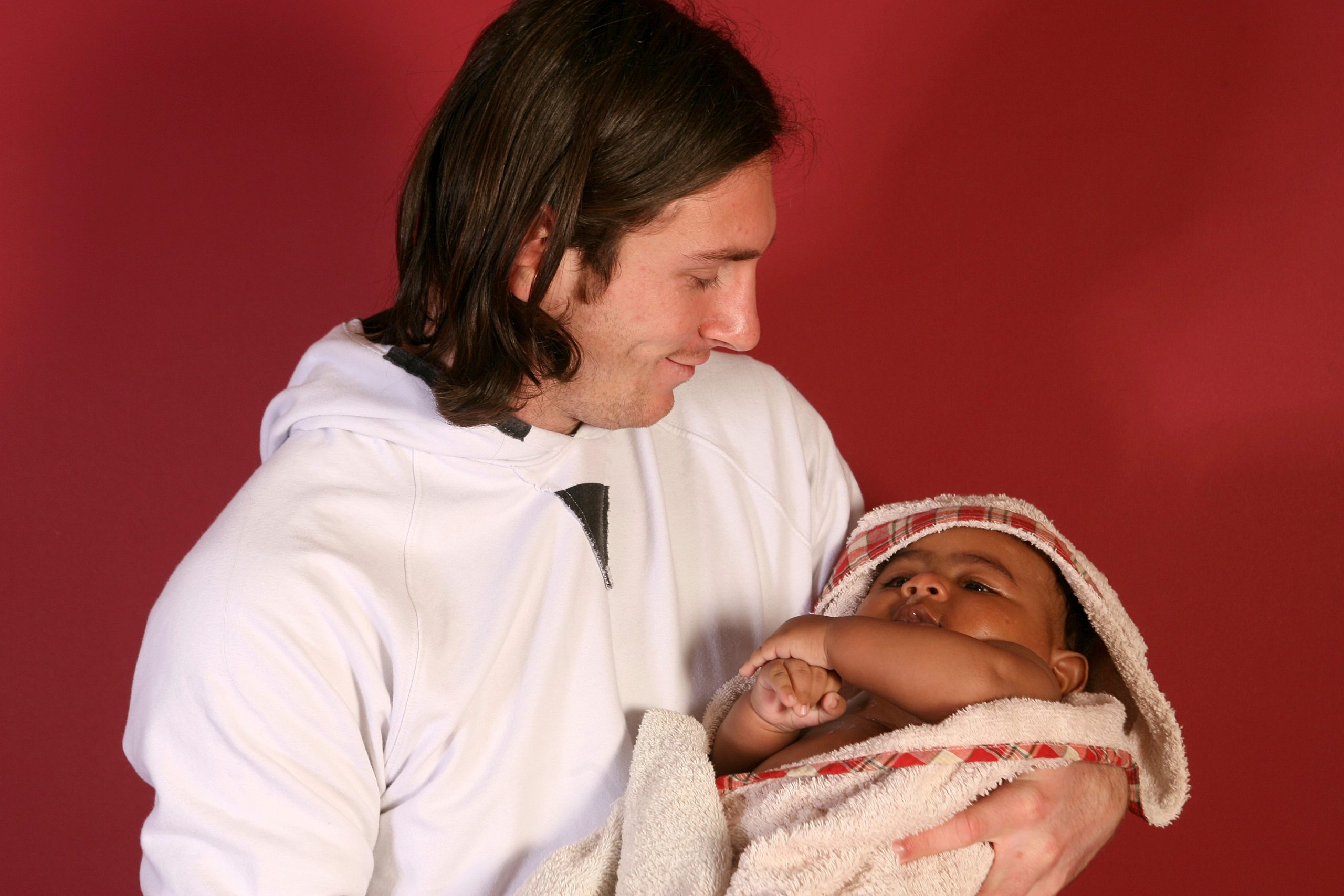
How long? When Yamal was a baby, Messi played for Barcelona, as he did for many years. In 2007, the Yamal family won a raffle to have a photo shoot with Messi, organized by a local newspaper and UNICEF. Thus was Messi pictured holding a baby Yamal, and washing him in a bathtub.
One of the famous photos of Lionel Messi holding a baby Lamine Yamal in 2007.Joan Monfort
Sure, they couldn’t really have known each otherback then. But fans the world over hoped they’d someday see a Messi vs. Yamal game with real stakes.
Many fans hoped for it here in America, too, even as others hoped for England or France to make the final instead. Now it’s here, and the marquee at the Meadowlands is ready for a show.
The final game of what has been a World Cup to remember — particularly on the pitch — pits Spain against Argentina for arguably the greatest prize in all of sports.
But it will once again create a new chapter in the longstanding argument that South American soccer is on par, if not better than, European. Europe is widely regarded as the continent that is the class of the sport, despite Argentina’s dominance on the world stage, with many of its players being stars on the world’s best clubs.
When the two converge on the Meadowlands for Sunday’s finale (3 p.m., Fox29), it will mark the first time a European champion has played a South American champion in a World Cup final. Spain, winner of the 2024 European championships, hasn’t lost a match in any competition since June 2025, and features one of the world’s best players in 19-year-old sensation Lamine Yamal.
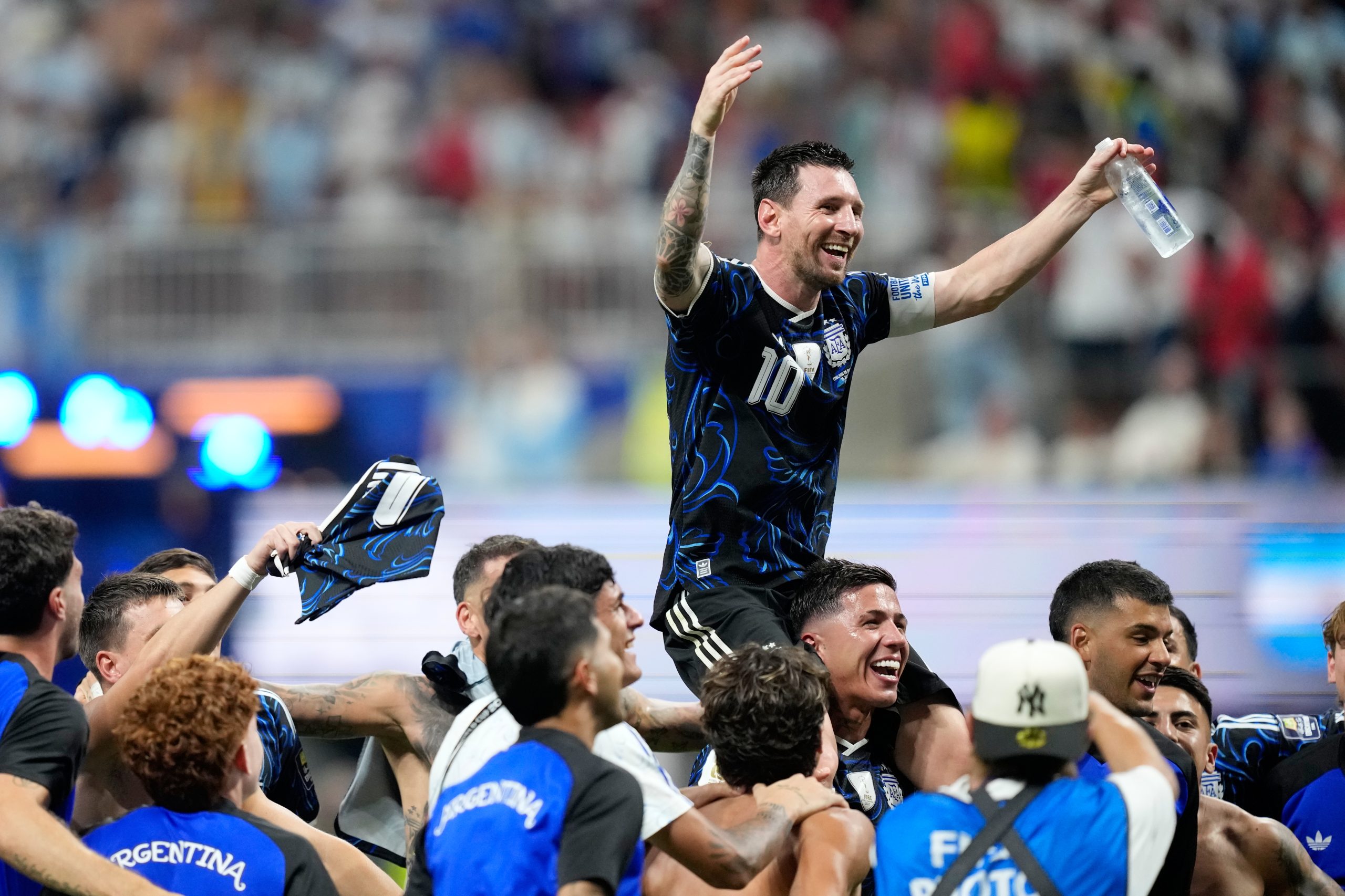
Lionel Messi (top, center) celebrates with his Argentine teammates at the end of the World Cup semifinal against England on Wednesday.Rebecca Blackwell
On the other side, you have an improbable run to the final led by 39-year-old Lionel Messi, the catalyst in three consecutive late winners to thrust Argentina, the reigning world champions, back into soccer’s biggest spotlight.
Oddsmakers have given the slight edge to Spain, which has been near-flawless down the stretch, highlighted by the absolute clinic they conveyed in their 2-0 win over France in Wednesday’s semifinal. But Argentina has shown fight to lift themselves to late victories against Cape Verde, Egypt, and England, the latter a pair of matches in which they trailed until the game’s final moments.
Analyzing both, The Inquirer’s team of soccer writers offer their predictions of which nation will be raising the FIFA World Cup Trophy after 90 minutes (or 120 minutes, plus penalties) ahead of Sunday’s final.
You can frame Argentina’s semifinal win over England in two ways. Either it was an all-time choke job by the Three Lions, or more proof of how Argentina’s mental force is like nothing else in the sport right now.
But there’s only one way to frame Spain’s win over France: total domination. While I don’t expect this game to go quite like that, I do expect La Roja to be ready for what Argentina will throw at them. And because of that, I expect the better team to prevail.
Prediction: Spain 2, Argentina 1
The Spanish national team hasn’t lost a match since June 2025, winning 17 matches in international competition since.Eric Gay
What a treat. The first 48-team World Cup may have lacked knockout-stage upsets, but it managed to produce the highest-quality semifinal round imaginable, which set up a meeting of two global giants in the final.
Spain has looked like a complete force of nature all tournament, aside from a draw in the group stage against Cape Verde. Its ability to move the ball and build through possession allowed it to smother France in the semifinal. If the Spanish can repeat that performance against Argentina, it may be too much for La Albiceleste to overcome.
But let’s not count out Messi’s magic quite yet. Argentina has rarely looked like a perfect side in this tournament, but in three of their four knockout stage games, the Argentines have managed to defy logic and reason to find a win when they need it most.
I think Spain is the better team, but who am I to pick against a team of destiny?
Prediction: Argentina 2, Spain 1 (after extra time)
Argentina’s Enzo Fernandez celebrates after scoring his side’s first goal during the World Cup semifinal against England. Fernandez was also the hero in the team’s quarterfinal win against Egypt. Rebecca Blackwell
Any way you choose to pore over this matchup, one thing continues to come back to the forefront: You can’t count out Argentina. One of the things Spain does exceptionally well is keep its shape defensively, forcing attacking teams to thread the needle in La Roja’s final third every time.
Even the best players in the world can’t sustain that type of perfection in their offensive play consistently to give Spain fits. That’s why it was so shocking that of all the teams that were able to crack the code, it was tiny Cape Verde in its first World Cup ever, as it kept Spain’s backline on its toes in addition to exhibiting one of the greatest defensive displays we’ve seen in the World Cup.
Coincidentally, Argentina just so happens to have the best player in the world at age 39 in Messi, who is surrounded by a supporting cast that has been equally solid. Argentina comes in waves, and it comes down to whether Spain can weather that storm defensively. We know Spain can since it did so against a high-powered French side that bullied its way to the semifinals.
The real question is: Can Argentina do it again?
Prediction: Spain 2, Argentina 2 (Spain wins in penalties, 5-3).
The Union don’t often pull off surprises, but Kai Wagner’s return to the club definitely counts as one.
Why did the left back want to come back here, after finally getting the move to Europe he’d dreamed of for years? And why did a Union organization that defines itself on the development of young prospects want to pay a $4 million transfer fee to re-sign a 29-year-old who had those wandering eyes in multiple offseasons?
The answer, according to multiple sources, is that both sides had stayed in touch after his departure — and they had some things to admit.
On the player’s side, Wagner’s family started missing life off the field here, and notably hadn’t sold their home in South Jersey. On the team’s side, being in last place in Major League Soccer when the World Cup break arrived (1-10-4, 7 points) set some alarms ringing.
Welcome back, Kai 💙💛
Philadelphia Union acquire defender Kai Wagner via transfer from Birmingham City F.C.
“Through our conversations with Kai, we know what his motivations are, and what he wants to achieve with us,” sporting director Jon Scheer told The Inquirer. “That’s given us a lot of confidence that this is the right decision.”
Now the race is on to save the season, which is doable with 19 games left.
“I would say we need more at that position, in terms of some positional characteristics,” Scheer said. “This is not against any one individual, but I think if you look at the way our attacks are coming, there are limitations if you’re not naturally left-footed, particularly at this position.”
As sincere as he was about “any one individual,” it was still about a few of them. Philippe Ndinga, whom the Union signed as Wagner’s replacement, and Frankie Westfield are both right-footed. Ndinga hasn’t delivered as hoped, and Westfield has had some injuries. That led now-former manager Bradley Carnell to shoehorn attacking midfielder Ben Bender in a few times.
Philippe Ndinga (right) was signed to be the Union’s new left back, but hasn’t earned the starting job.Elizabeth Robertson / Staff Photographer
The Union have also missed Wagner’s set-piece deliveries, though the unusually bad execution this season has been a teamwide problem.
‘A club that wants to win’
But the most striking thing was where Scheer went next.
“I would also say that for our group in general, I think we need character, we need mentality,” he said. “And I would say, having kept in touch with Kai, you could tell how much he wants this club to be successful and win. That was something to me that was the most important, more than anything in terms of what he can produce on the field.”
Those words were different from Scheer’s usual ones. He’s the face of a front office that wants the Union to be a “development club,” as he has said many times since taking the helm — first as interim when Ernst Tanner was suspended, then full-time when the suspension ended and Tanner didn’t get the job back.
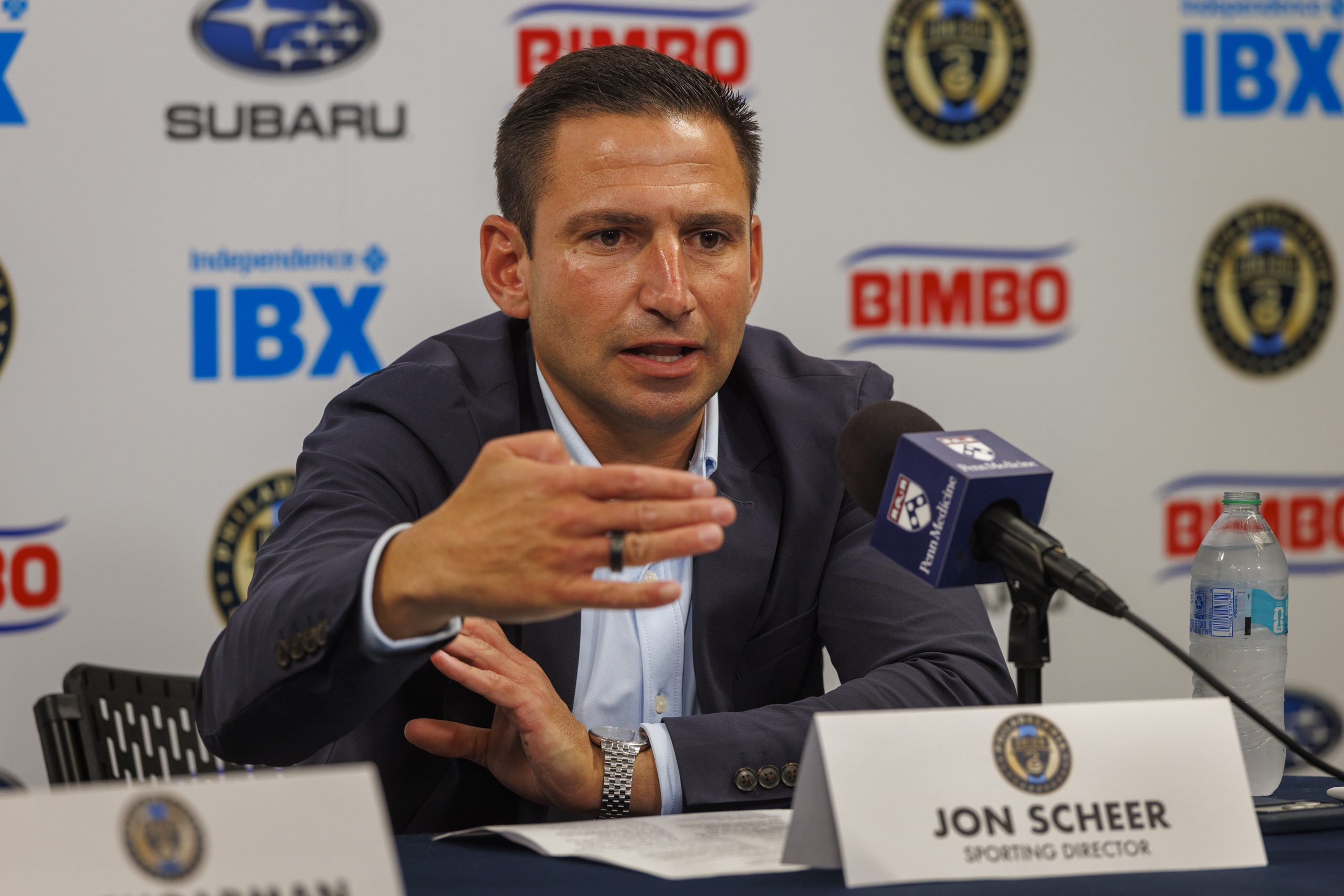
Union sporting director Jon Scheer.Alejandro A. Alvarez / Staff Photographer
There’s a promising left back prospect in 17-year-old Jordan Griffin, for example. He has played a lot for the Union’s reserves this season. Would a purely developmental club have promoted him instead of bringing back someone from the past at a considerable cost?
This was put to Scheer, and he was not surprised.
“We are a club that wants to win,” he said. “We are a development club, and that’s our vehicle, we feel, to win — and that’s not just homegrowns, but that’s any player that we sign. So, yes, while this is a move that is not always ‘on brand’ for us, I would say that the starting point is what will give us the best chance to be successful and to win.”
“We feel like our young players can learn a lot from veteran players that still have the ability to improve and get better by seeing their habits, by seeing their quality,” Scheer continued. “I think right now, with where our club is, we knew going into this window what those ingredients were that we needed to look for in terms of positions, but also in terms of some of the intangibles that we’ve been talking about.”
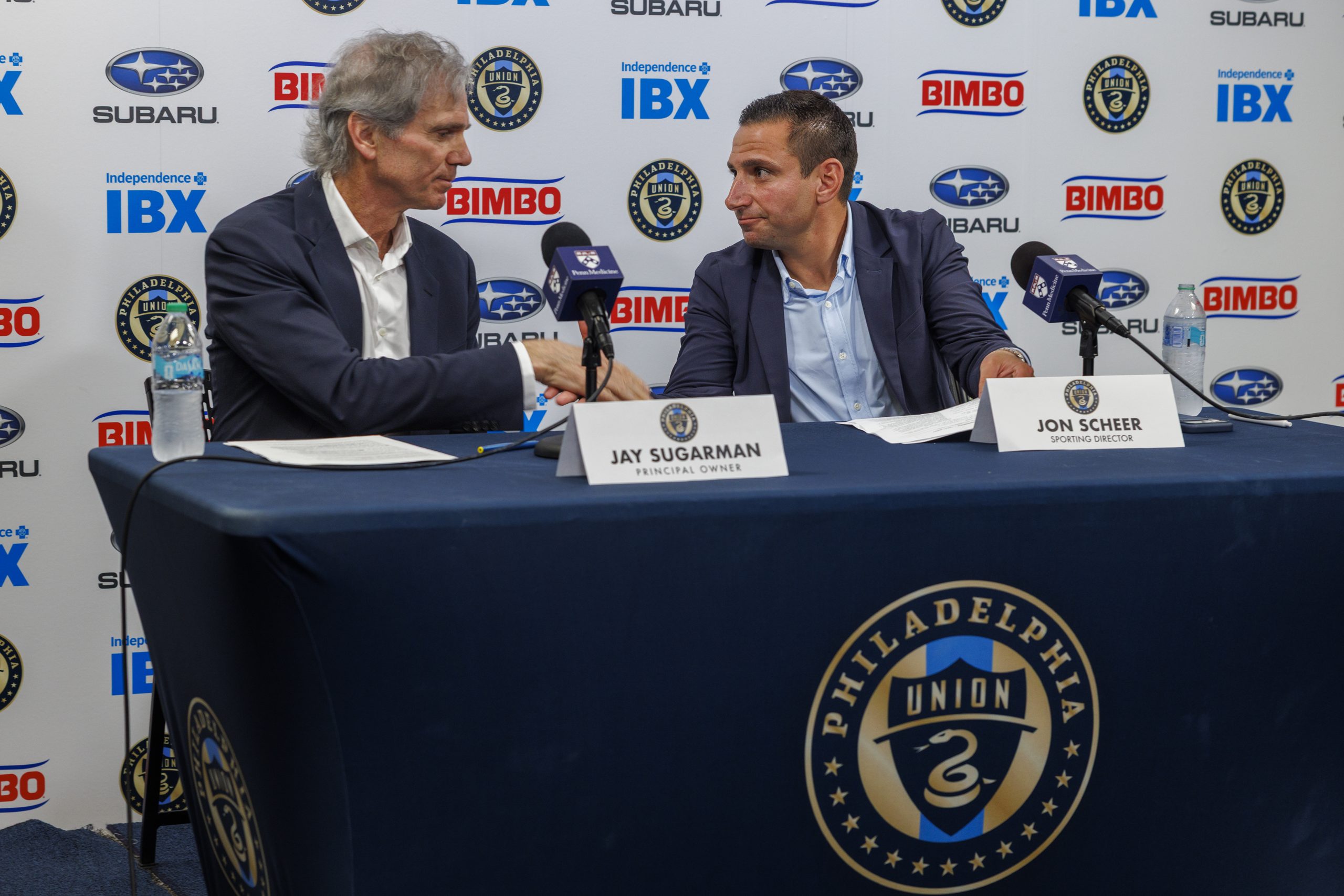
Jon Scheer (right) with Union principal owner Jay Sugarman at the news conference where Scheer was confirmed as the full-time sporting director.Alejandro A. Alvarez / Staff Photographer
How will the Union look now?
The $4 million transfer fee isn’t much by MLS standards, but it’s among the bigger ones the Union have stumped up. It’s also more than the $2.5 million they got from Birmingham City in the first place.
That’s another odd look. Wagner wanting out should have given the Union some leverage on the price tag. But Birmingham didn’t want to give him up, having signed him there until the summer of 2028. So the Blues held firm, and the Union were ready for that.
The size of the fee means Wagner is a Designated Player for the rest of this year. His salary won’t make him one, and he might not be one next year, but transfer fees count toward the status. So he is for now. He also got a new contract that’s guaranteed until the summer of 2029, with a team option for the 2029-30 season.
We’ll see if he jumps straight into the starting lineup when the season resumes Wednesday with Red Bull New York’s visit to Subaru Park (7:30 p.m., Apple TV). That game will also give us a first glimpse of how interim manager Ryan Richter wants to play, and how different it is from Carnell’s 4-2-2-2.
Ryan Richter is the Union’s interim manager in the wake of Bradley Carnell’s dismissal.Jonathan Tannenwald / Staff
Scheer said Richter has latitude to be flexible.
“I would say that what formation and shape we play is not as important and significant as the game model itself, and our principles,” he said. “We want to be aggressive, we want to be ball-oriented, we want to be forward-first in our approach in all phases. The shape in which we play more than likely at times will still look like a 4-2-2-2, but Ryan has flexibility, as does the staff, to press out of a different shape, to attack out of a different shape.”
He added that there is an expectation to stick with two strikers, “because this is something that we’ve scouted and recruited for over a period of time now for quite a few years.”
Milan Iloski and the Union entered MLS’s World Cup break with the league’s worst record.Elizabeth Robertson / Staff Photographer
That means there still won’t be traditional wingers, a philosophy Tanner first implemented. It makes the outside backs especially important, even though the 4-2-2-2 lets the attacking midfielders move wider than the previous diamond-shaped 4-4-2’s central midfielders could.
“Finding Cavan [Sullivan], Quinn [Sullivan], Agustín [Anello], these types of players in 1-v-1 situations a little bit wider, is a little bit more apparent in a 4-2-2-2,” Scheer said. “But yes, we don’t play with pure wingers, and I don’t see that changing in the near future.”
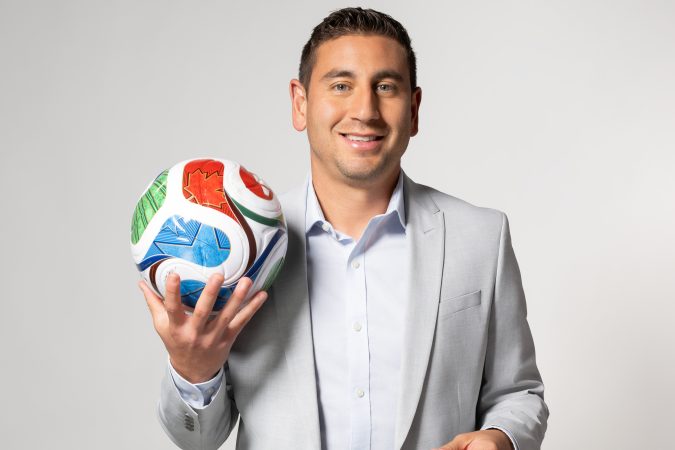
Alejandro Bedoya thought he was getting the hang of things in his first TV job, working as a studio analyst for Telemundo’s World Cup coverage.
Then, as he was preparing for the U.S. team’s opening game against Paraguay, he was told he would also be in the booth during the game.
“I was the most nervous I’ve been in a while,” Bedoya said. “I thought I was just doing pregame, halftime, postgame, and then they told me, ‘Nope, you’re going to be up in the booth, chiming in on live commentary.’ That was pretty nerve-wracking.’”
But he ended up fine, thanks to the guidance of colleagues including Hall of Fame play-by-play voice Andrés Cantor.
“He was amazing throughout, just tapping me on my shoulder or giving me a look in terms of when it was my time to chime in and when I could have a say,” Bedoya said. “Watching the game from up there, you feel like you’ve got the best seat in the house because tactically you can see everything so clearly. … It was really nerve-wracking knowing that millions and millions of viewers are tuning in, and whatever I say, yeah, everybody takes notice of that. But it was still very cool and unique.”
Bedoya has always been fluent in Spanish, thanks to Colombian parents who raised him in North Jersey and South Florida; and has long been an outspoken character on and off the field. So it made sense for Telemundo to pick him as part of a new era of American pundits, along with former U.S. teammate Jozy Altidore.
“They were very important in building the fútbol culture in this country, and that means a lot,” studio host Miguel Gurwitz said. “You’re talking about two great players. They know our language, they get it, they know how important fútbol is for our community.”
Bedoya said he was “very grateful” for “an opportunity that would be hard to turn down, to be part of the World Cup following the U.S. team.”
🗣️ "QUEREMOS GANAR PARTIDOS Y LA QUÍMICA ESTÁ MUY BUENA"
🇺🇸 @Ricardo_Pepi9 destacó el buen ambiente que se vive tras la victoria de @USMNT ante Australia 🇦🇺 y aseguró que ganar en casa tiene un significado único.
— Telemundo Deportes (@TelemundoSports) June 19, 2026
He got to work on site at other games, too, including France’s July 4 contest in Philadelphia. There have been some eye-opening lessons about life in the media, from the frenzy of a game day to the travel logistics of moving all of a network’s broadcasters around three countries. And he has met some of the greats from around the world who are also working for Telemundo this summer.
“I never thought that, I mean, I’d be having breakfast with [Argentina’s] Gabriel Batistuta and [Brazil’s] Dunga and [Paraguay’s] Roque Santa Cruz and all these other legendary players,” Bedoya said. “I feel out of place, of course. I’m not at that level. But it’s been amazing just to be a little bit behind the scenes of everything, and of course, being able to be present at these World Cup games following the U.S. team, and their journey and their ride and the ride that they took us on.”
His travels also offered a glimpse of how much this World Cup has captivated the American audience.
“Seeing on all the flights the people tuning into their mobile devices, watching the games, has been awesome,” he said. “All the travel has helped me see how much people really got sucked into the soccer and the World Cup, and what the World Cup does to a nation. … Not just meeting the people I work with, but meeting fans and new people, strangers in the airports, in the lounges, at the hotels, and everything.”
Bedoya had lots to say about the U.S. team’s run, which electrified the country before the calamitous defeat to Belgium — and the controversy that came with it — in the round of 16.
“Like I talked about earlier in my travels and stuff, you really saw how Americans came together,” he said, “They did a great job of uniting the country and leaning on that pride for people to rally behind them. After that game against Paraguay, people started talking and people got really excited. They had another great game against Australia in Seattle.”
It wasn’t just the results, but the manner: a stylish win over Paraguay, a hard-fought win over Australia, and a gritty effort to hold off Bosnia after Folarin Balogun’s red card.
“In true American-spirit fashion, with their backs against the wall, they really were able to will it out and get that second goal with [Malik] Tillman’s free kick,” Bedoya said. “And then look, hey, the country is even more galvanized and ready to root for this team, and fall in love with them. And then that’s where the sour taste kind of comes into play.”
Bedoya played in the 2014 U.S.-Belgium World Cup game. So did four players on this year’s Red Devils squad, including three who played in the 4-1 rout in Seattle. Their age and the U.S. team’s talent and belief were among the reasons why Bedoya thought the Americans had a shot to, as he said, “go toe-to-toe with them.”
“The style that [Mauricio] Pochettino has tried to instill in them, which was to compete with at a level of intensity, aggressiveness that other teams can’t handle. … Well, the U.S. did not do that at all,” he said. “That’s the most disappointing part. Because I do think that this team has the talent to be able to compete better, and I don’t think they competed in the way that we felt that they could, that their level is.”
He believes the players “know themselves,” and “feel it [when] you know that you could have done better and it wasn’t good enough.”
Bedoya also noted the scandal of President Donald Trump’s intervention with FIFA president Gianni Infantino, and its affect on the game.
Folarin Balogun didn’t ask for the scandal of President Trump’s intervention to try to get his red card suspension overturned.RUTH FREMSON
“And then you go on with all the other distractions and everything that was happening around the game that really was unnecessary,” he said. “There was so much good that had been happening up to that point — up to the day before, I guess you can say — and then it just really turned sour and negative. It’s unfortunate.”
He had sympathy for the players who had nothing to do with it, especially Balogun, “because I feel like he’s now synonymous with this issue, which is not his fault at all.”
Now the time will come, as always happens after World Cups, for a new generation of players to step up. Two potential candidates who are Bedoya’s Union teammates were at the Belgium game: Cavan Sullivan as a fan, and Andrew Rick as a practice squad goalkeeper with the U.S. for the summer.
Bedoya got to see Rick along the way, and was happy to know the 20-year-old made himself a sponge and took it all in.
Union backup goalkeeper Andrew Rick gained invaluable experience when he spent the World Cup run with the U.S. as a practice squad player.Jonathan Tannenwald
“He’s enjoyed this experience so much, he’s learned so much,” he said. “Training sessions, being around the hotel, the energy, the professionalism, being around the culture that coaching and staff is trying to establish, you can’t replicate that. … That’s the type of person he is, and that’s because he’s got a good head on his shoulders.”
Bedoya didn’t get to see Sullivan but sent the 16-year-old playmaker a text after the game: “Disappointed that the team didn’t perform well, but I hope you when you’re watching this game, you see yourself here, because you’re the future, right?”
Both players are “two of our most promising prospects and talents at the Union,” Bedoya said, and “great guys at taking directions and listening. I have great relationships with both of them.”
Now they have to take their potential and turn it into reality, not just with their skills but as much hard work as Bedoya has put in over his career.
Cavan Sullivan (right) battling against former Union midfielder Dániel Gazdag during the Columbus Crew’s visit to Subaru Park earlier this year.Elizabeth Robertson / Staff Photographer
“I did fly back to Philly for a few days in between these trips to train with the team, because I’m still actively playing,” he said. “Obviously I’m not a 90-minute player anymore, but I enjoy being in this kind of mentorship role because I can use every ounce of my experience and what I’ve been through, what I’ve seen, what I know, to give them tips here and there.
And if they need a reminder, they need only think about this moment.
“I’m just happy that they got to experience this — because experience goes a long way, but they’ve got to keep putting in work,” Bedoya said. “As that Belgium game showed, as much as we think this might be the most talented group of players, talent alone is not going to get you a great career. It takes passion, it takes intensity, it takes mentality.”
The U.S. women’s soccer team will return to town in October for a game that will be about as big as a friendly gets.
The reigning Olympic champions will face reigning World Cup champion Spain at Subaru Park on Oct. 13, three days after the teams open a two-game set in Washington.
It will be the U.S. women’s team’s 16th all-time visit to the region, dating back to 1991, and its 10th game at the Union’s home. Its last game at Lincoln Financial Field was soon after the team’s 2019 World Cup title, when it set an attendance record for a standalone friendly that the venue still holds.
Various rounds of ticket presales start Tuesday, and sales to the general public start Thursday.
Penn State product Sam Coffey (right) battling for the ball during the U.S. women’s team’s game against Portugal at Subaru Park last October.Elizabeth Robertson / Staff Photographer
If Spain brings all of its stars, the roster would include three-time reigning world player of the year Aitana Bonmatí, two-time winner Alexia Putellas, a further all-world playmaker in Mariona Caldentey, one of the planet’s top young players in Salma Paralluelo, and Gotham FC’s Esther González.
They’re all well-known to women’s soccer fans here, with Putellas’ star power the biggest of the lot. That was confirmed this month when the longtime Barcelona star picked England’s London City Lionesses over the Boston Legacy as her new club home, and made the announcement in New York alongside club owner Michele Kang — who also owns the Washington Spirit.
Putellas told The Athletic that she sees England’s Women’s Super League as “the most competitive league.” Whether or not she meant it as a shot at the NWSL, it certainly made noise on both sides of the Atlantic. The NWSL has long trumpeted holding that title, and with plenty of evidence. But the top teams in England’s circuit spend more on salaries, and don’t have the same roster limits.
Kang, who in January signed Trinity Rodman to a new contract in D.C. that was a world record at the time, promptly told The Athletic that “there are clearly some sensitivities, but I’m not here to promote one league over the other. I want everyone to move up.”
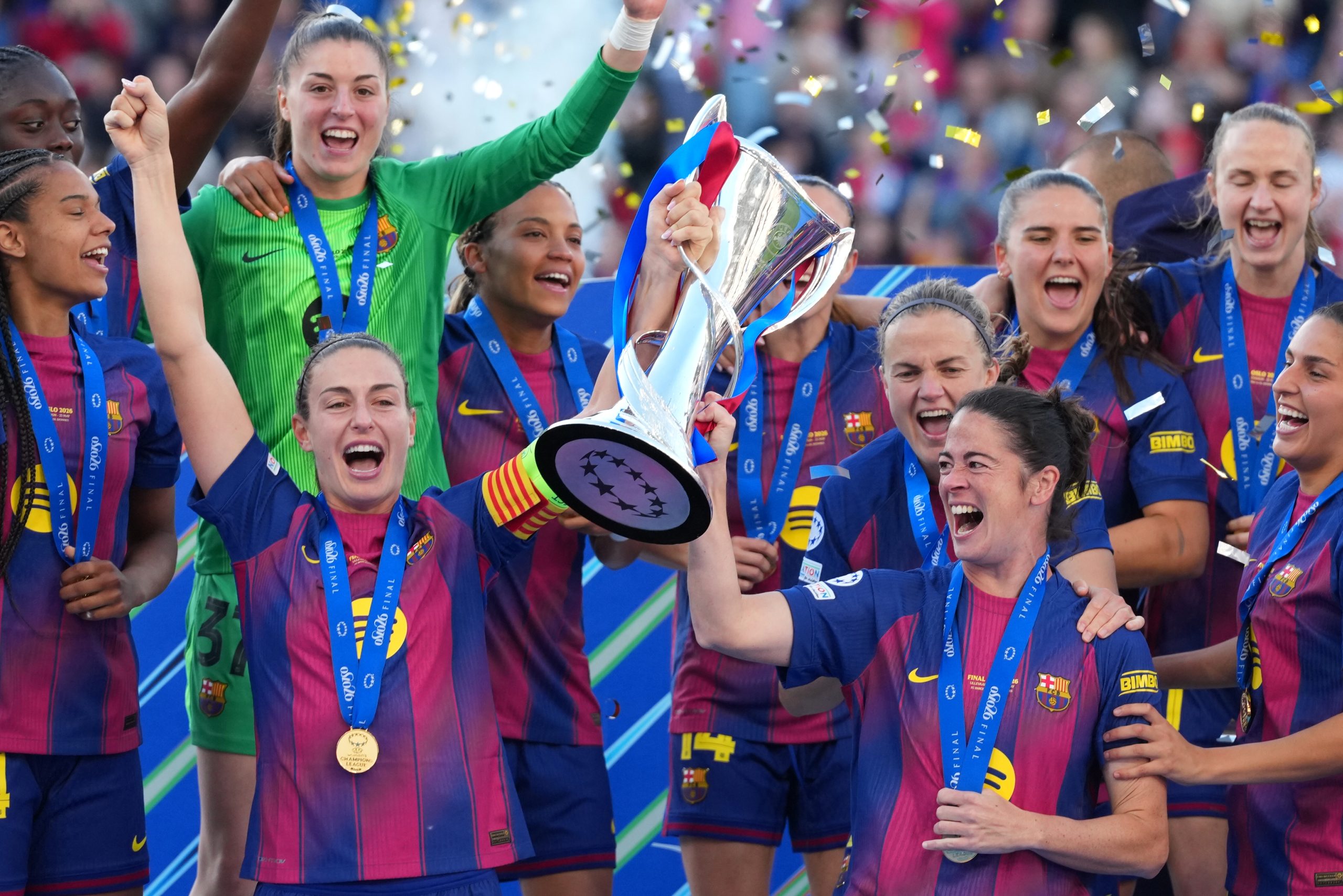
Alexia putellas (bottom left) left Barcelona this summer after helping the Spanish club win its fourth women’s Champions League title.Kirsty Wigglesworth
Penn State product Sam Coffey, who has played for the Portland Thorns and Manchester City, was equally diplomatic in a news conference Monday morning.
“I personally refuse to draw any comparison between [the] NWSL and WSL — I just think, quite honestly, it’s a waste of time,” she said. “Both leagues are unbelievably talented and so hard to play in, in very different ways. And I just feel fortunate that I’ve gotten now to play in both of them, and I know that that has helped my game so much.”
Fans will be happy to settle this on the field, and they had already waited a while for a U.S.-Spain matchup. The teams haven’t played each other since October of 2022 in Spain, 10 months before La Roja confirmed its arrival as a power with the World Cup title.
Just one of the teams’ four meetings so far has come on U.S. soil, a tight 1-0 U.S. win at the 2020 SheBelieves Cup. The most famous was at the 2019 World Cup, a 2-1 U.S. win in the round of 16 that sent the Americans toward their triumph — but also announced Spain’s potential.
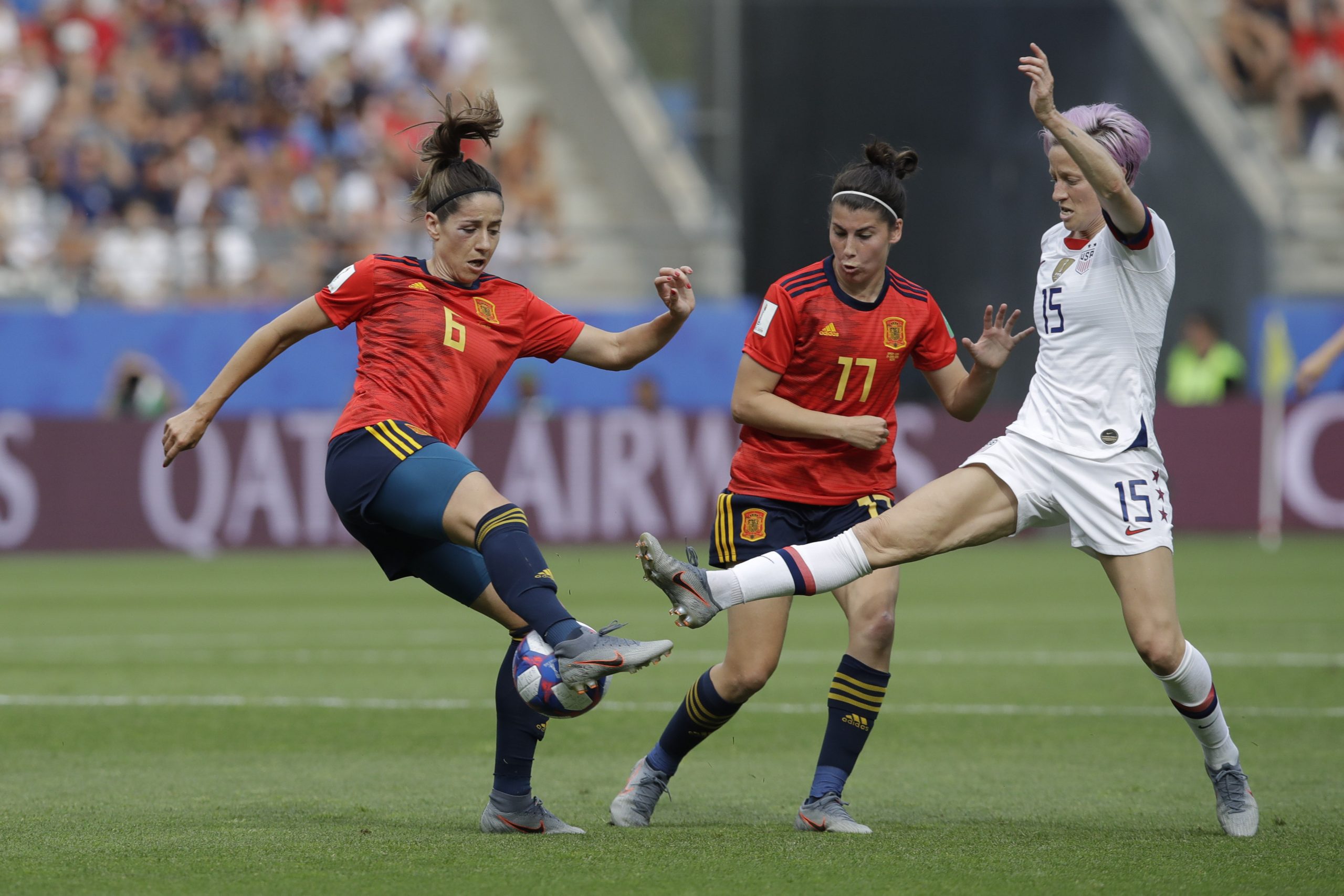
Megan Rapinoe (right) challenging Vicky Losada during the U.S.-Spain game at the 2019 World Cup.Alessandra Tarantino
There was hope that the teams would meet at the 2024 Olympics. But Brazil beat Spain in the semifinals, and the Americans took the final to win their first major title since 2019.
As next year’s World Cup starts to come onto the horizon, the U.S. finally has an opportunity to play a European team for the first time since facing Italy last December. The continent’s schedule is usually filled by continental competitions: World Cup qualifiers, European championship qualifiers, and the UEFA Nations League.
Spain is free because it won its World Cup qualifying group. Other powers — including England, Italy, the Netherlands, and Norway — are headed for playoffs in October and November.
“We’ve desperately wanted to get Spain on our schedule, but the difficulties of scheduling the top teams during the women’s international calendar are well-known,” U.S. manager Emma Hayes said in a statement. “So to be able to get these two games on the East Coast will be the perfect tests before we head into World Cup qualifying at the end of the year.”
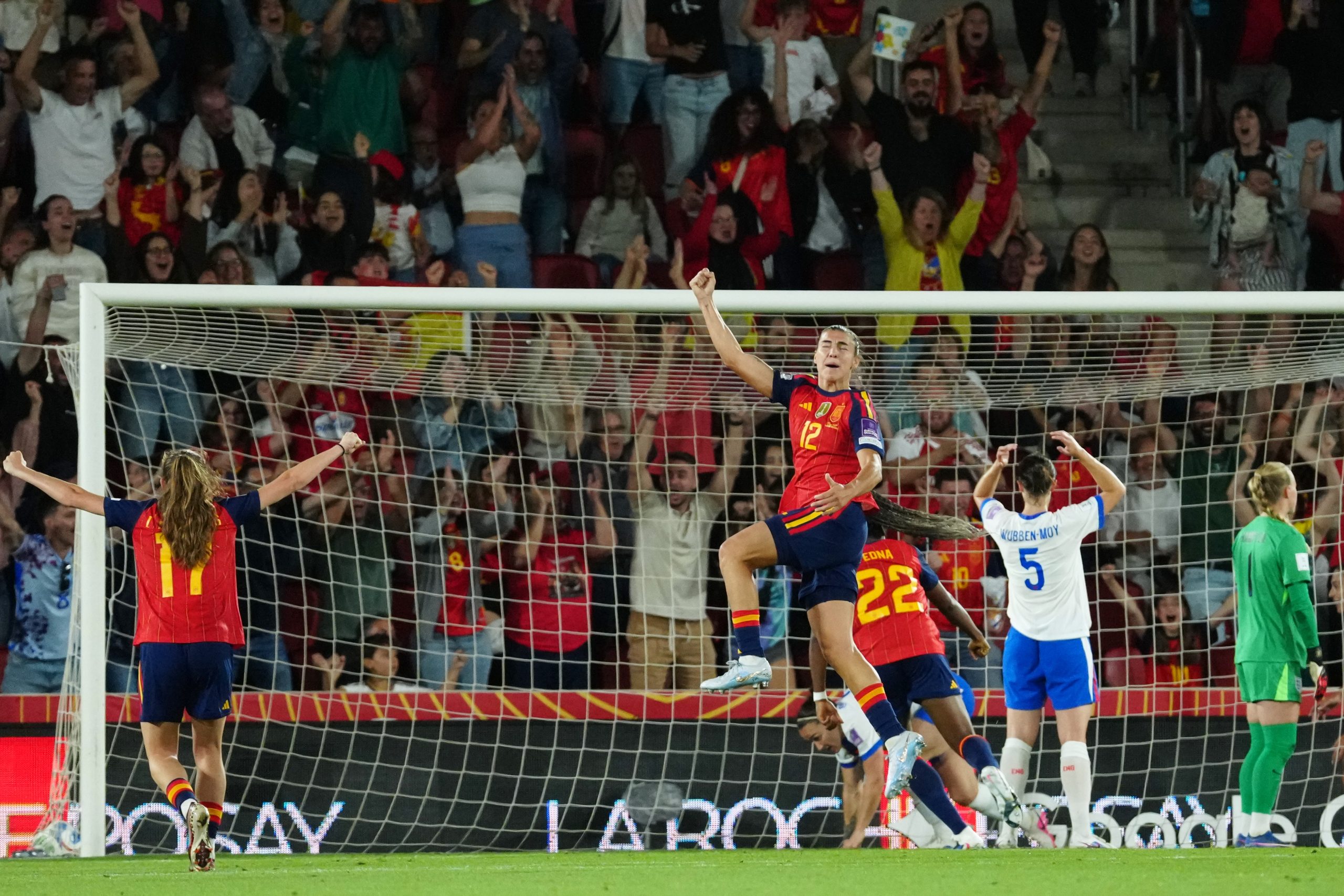
Spain routed England 4-0 in a World Cup qualifier in June to take first place in their group and clinch a ticket to Brazil.Joan Mateu Parra
Concacaf’s World Cup qualifying tournament is Thanksgiving week in Houston and suburban Dalllas. The Americans play El Salvador in the quarterfinals, and the four winners of that round will clinch berths in the first 48-team women’s World Cup. The losers will play off for two tickets to FIFA’s inter-confederation playoffs.
The top three non-U.S. finishers in the bracket also qualify for the 2028 Olympics. (The U.S. is already in as host.)
“Ultimately, our goal is qualifying first and foremost, and I cannot think of a better team to play against in order to prepare for that to happen,” Coffey said. “I wouldn’t say it’s a measuring stick, necessarily, of Europe versus America, but I do think it’s just going to be such amazing prep for us. We have so much respect for Spain and the team that they are, and it will be an amazing challenge.”
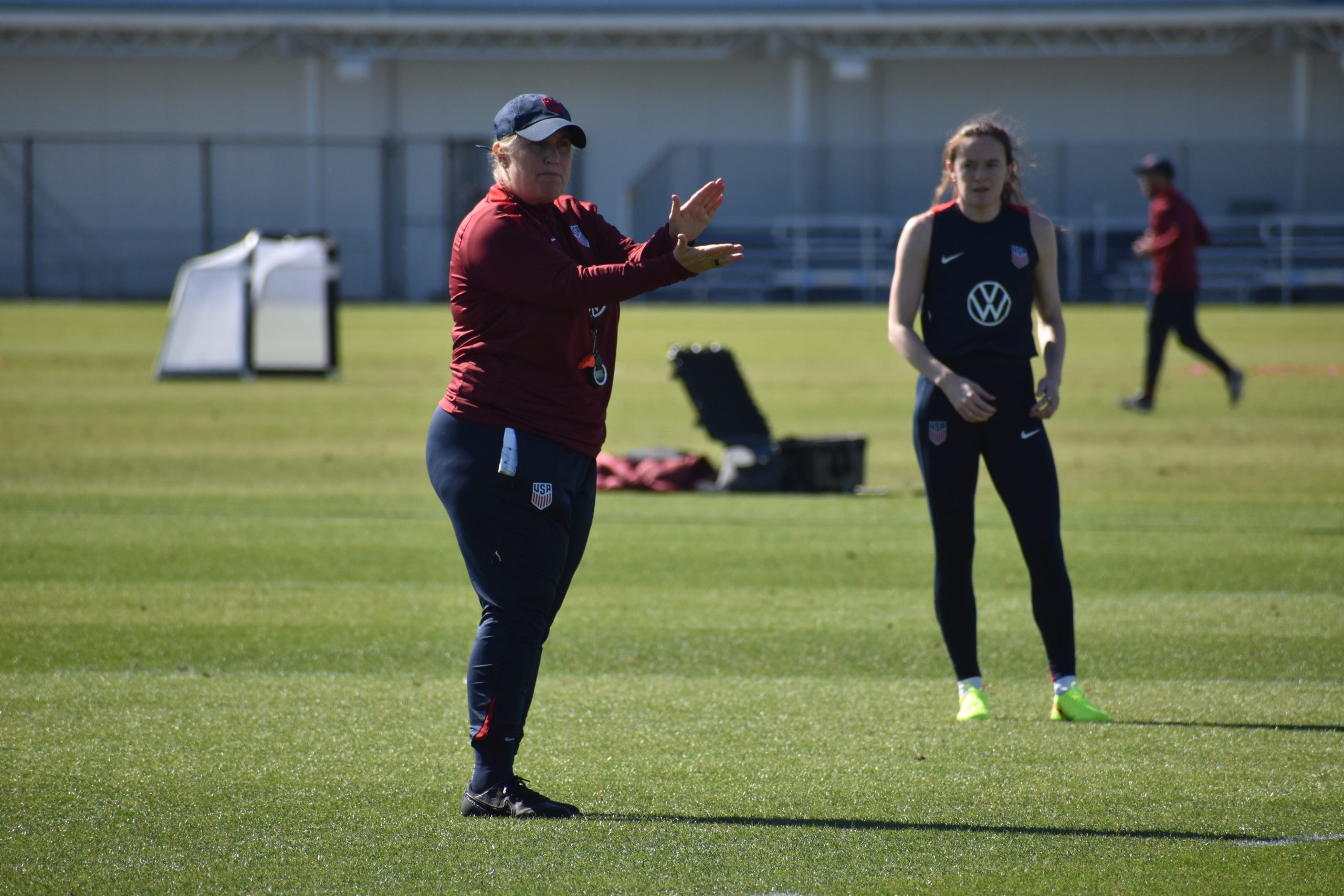
U.S. manager Emma Hayes (left) talking with her players when the team trained at the Union’s facilities last October.Jonathan Tannenwald
Most of the rest of her remarks were just as polite, but she did put a little spice in the pot.
“I don’t think we ever approach anything as just a friendly — I think we’re a little bit too competitive for that,” Coffey said. A few minutes later, she added: “Of course they’re an incredible team, but so are we. And I think when we’re at our best we can play and beat anyone.”
Philadelphia will get to see firsthand if she’s right.
The anger over the U.S. men’s soccer team’s ugly exit from the World Cup is starting to turn to the next stage of grief: looking forward to a new era of players.
No one needs to tell Cavan Sullivan that he’s on many observers’ prospect lists. He already knows. And the 16-year-old got a taste of what could come for him in four years when he attended the U.S.-Belgium game with the big-time agency that represents him, The Team (formerly called Wasserman).
“It was my first USA game,” he said. “It was an amazing experience — Seattle’s a great soccer city. Just listening to the anthem and hearing 70,000 people singing, it was just truly sick to see, and I can’t wait to be there one day.”
But the point stands: Sullivan will be 20 by then, starting to enter the prime of his career, and, the hope is, progressing at his future club home, the English Premier League’s Manchester City. If he plays well with the Union and U.S. national teams, the hype around him will continue to grow.
Cavan Sullivan has played 772 minutes over 17 games for the Union this year in all competitions.Elizabeth Robertson / Staff Photographer
“I do feel supported by the U.S. fan base, and it is really cool to see,” he said. “I love this country. I love representing it. … But I’m not too focused on what critics or other people have to say, whether it’s good or bad. I’ve said that for a while now: I’m just focused on myself and getting better.”
There won’t be a lack of opportunities. Over the year and a half Sullivan has left in Chester, there will be an under-17 World Cup, an under-20 World Cup, and the start of the under-23 team’s preparations for the 2028 Olympics in Los Angeles.
Perhaps there could even be an invitation to the senior team’s Concacaf Gold Cup squad next year if the manager in charge decides to take young prospects.
Right now, though, none of that is on his mind.
“I’m just focused on my stuff here with the club and any youth national team call-ups I get,” he said. “Everything’s an opportunity to show what I can do, and I’m looking to show the world what I can do this next part of the season and with whatever’s thrown my way.”
Cavan Sullivan played for the U.S. at last year’s Under-17 World Cup.Chris Ricco
The Union’s season resumes July 22 with a home game against Red Bull New York, which has own much-touted young Americans in forward Julian Hall and midfielder Adri Mehmeti. (Sullivan is close friends with Hall and said he sent a text message joking that “I’m going to kick him the first chance I get.”)
By then, it will have been 59 days since their last official contest on May 24. Players who weren’t going to the World Cup got around two weeks off, then returned to Chester on June 16 to resume training.
Sullivan spent some of the time with his family at their Shore place in Sea Isle City and training with his father Brendan, a teacher at the Union’s high school and former pro player, up the road in Ocean City. He also spent plenty of time in Chester, including an appearance with the Union’s reserve squad in a friendly game against Ivory Coast when Les Éléphants were in town for the World Cup.
“I was just trying to stay fit because I know that this second half of the season will provide a lot of opportunity,” he told The Inquirer. “And possibly some great moments. Because I do feel confident we can turn this season around. … And it’s great to be back, with a new coach, and see the guys again.”
Cavan Sullivan (left) in action during Union II’s exhibition game against Ivory Coast last month.Philadelphia Union
Indeed, three days after the World Cup break began, the Union fired manager Bradley Carnell and promoted reserve team coach Ryan Richter to the top spot as an interim. While it remains to be seen whether Richter can steer a team with the league’s worst record (1-10-4, 7 points) to this year’s playoffs, he assuredly has a close bond with Sullivan. That should translate into a robust amount of playing time.
“Obviously, I’m really familiar with Richter and [assistants] Henry [Apaloo] and Fred,” he said. “Not just from my work with the second team, but also Ryan since I was like 9 years old. We have a great relationship, so it’s exciting, man. New beginnings.”
While waiting for the season to resume, the Union have played closed-door scrimmages in Chester vs. Houston and New England and on the road at New York City FC. There will be one more closed scrimmage next week against D.C. United at the University of Maryland.
From all accounts, Sullivan has played well in all the contests.
One thing is for certain, Cavan Sullivan is getting his chances, playing with a ton of confidence, and is a spark for the Union.
Here are some clips from the 60'-65'ish minutes today… he gets a couple quality shots, including a fantastic volley that goes on target (4th clip),… pic.twitter.com/UXmbUkRRZF
“He’s been great in the three games: he’s affecting the games and being decisive in the games,” Richter said. “You saw flashes of it in the beginning of the season, and then the last couple games, he definitely came on really strong before the break. He needs to take that step now, where it’s not just things that look good, but it’s being decisive, and he’s done that in every game so far.”
Though it can be hard to draw too many judgments on the team, given all the substitutions, there does seem to be an uptick in players’ spirits.
“We’ve got a new energy to us and a new style, and we’re moving the ball a lot, and we’re keeping that same identity in terms of defensive press and the aggressiveness,” he said. “But we’re moving the ball a lot, and seems like we’re doing well and getting chances from it. So just looking to keep that up and be dangerous in the season.”
As bad as the record is, MLS is eternally forgiving. Nine of each conference’s 15 teams make the playoffs, and the 11-point gap to ninth-place D.C. United can be closed in the 19 league games that remain. Sullivan was emphatic when asked if he believes this team can do so.
“Yeah,” he said. “I mean, we’re a playoff team, so we’ve got to act like it, and we’ve got to get there.”
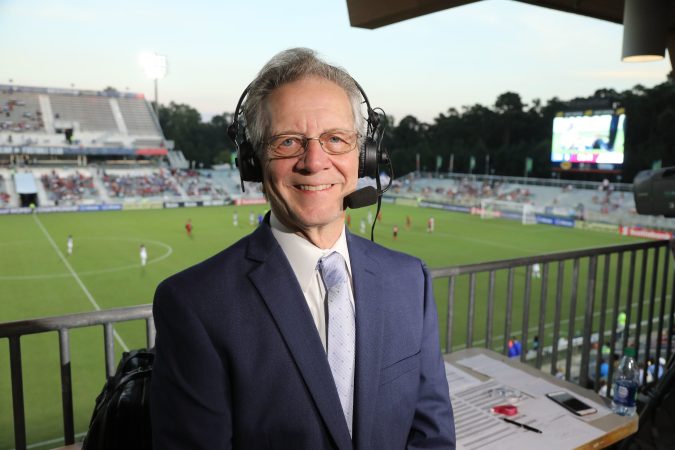
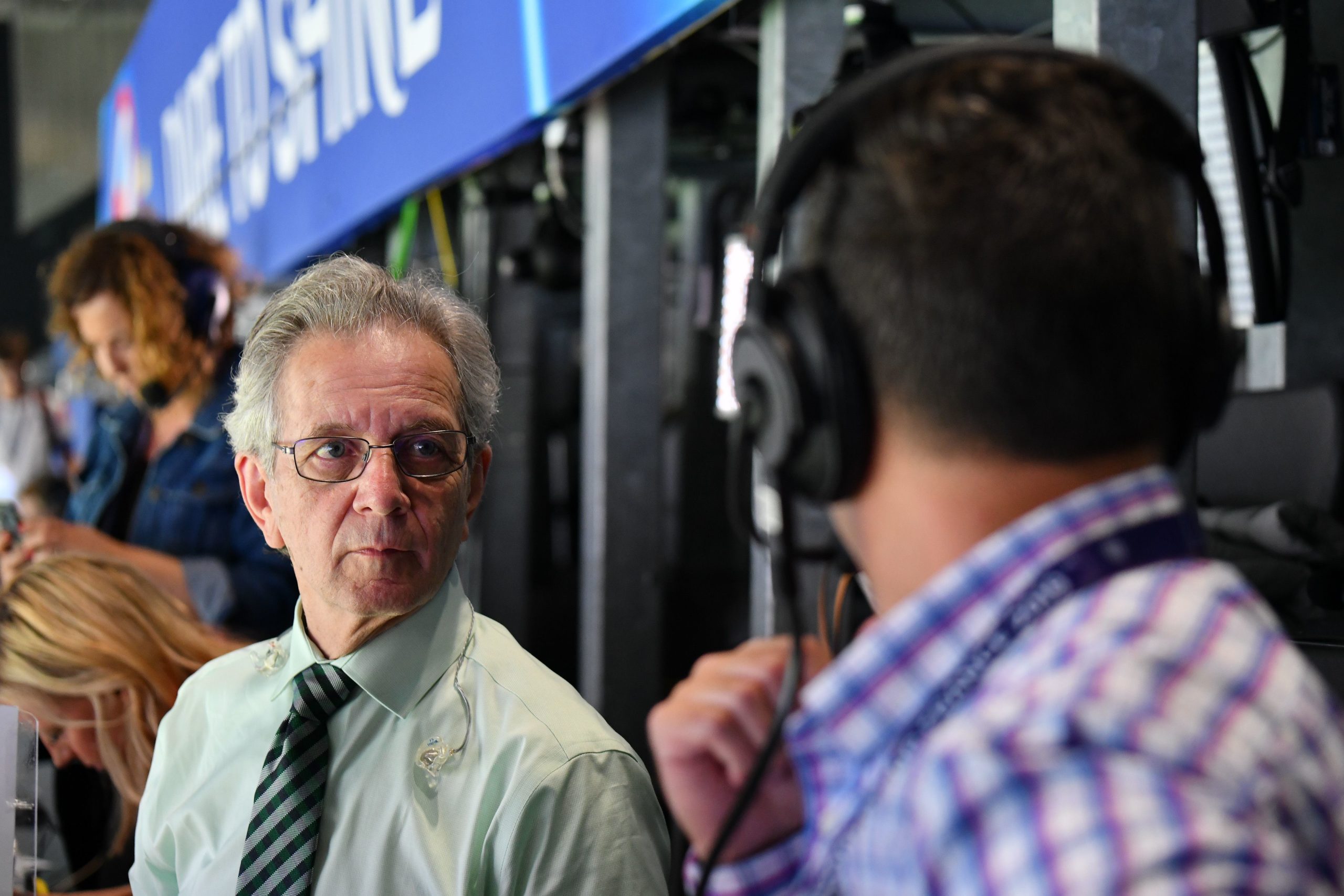
After 18 combined men’s and women’s World Cups over 40 years, American soccer’s most decorated play-by-play voice is stepping back from the sport’s biggest stage.
JP Dellacamera told The Inquirer that he has called his last World Cup game, and that it is his choice. He now waves goodbye after calling 11 men’s World Cups and seven women’s World Cups.
“Every year since 2006, the [men’s] World Cup in Germany, I have always looked at it like this could be the last one. Because you didn’t know which network [would] have it, you didn’t know about your own health and well-being — you have to stay healthy to do as many World Cups as you possibly can. … I think that the combination of this one being in our country again, and this being the last one for now on Fox, makes me want to go out this way in terms of the World Cup.”
He is not fully retiring. The 74-year-old will continue to call NWSL games for CBS Sports and ION, and hopes to continue working with Fox on its other soccer properties — in particular next year’s Concacaf Gold Cup and the 2028 European Championship.
“If Fox had [the World Cup] and they wanted me, I would stay with it,” he said. “I think I can be involved with the NWSL for two or three more years. And if Fox has other tournaments and they want me to do them, I can still do them.”
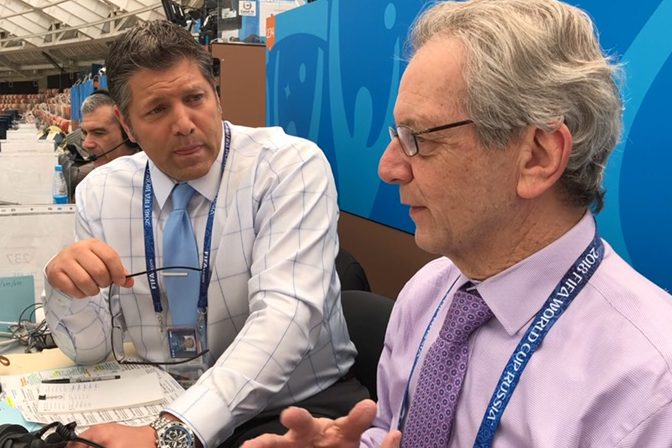
JP Dellacamera (left) at work for Fox during the 2019 women’s World Cup.Fox Sports
Otherwise, he said, “it was not a hasty decision. I’ve thought about it. But it’s the right time.”
The record will show that his last World Cup game was the Switzerland-Algeria round of 32 contest in Vancouver, B.C., on July 2. Coincidentally, one of his most famous days on air came in the same city and stadium, BC Place: the 2015 women’s World Cup final, where Carli Lloyd’s hat trick carried the U.S. to its first championship in 16 years.
“When you’re doing [a call with] a world feed and you’re not sure what the next picture is going to be, I don’t like to get caught in a story,” he said. “And I didn’t want to make it sound like it was me and my memory. So I passed on it, but I did think about it for sure.”
The previous title in 1999 still stands as No. 1, when he was on ABC’s call (which FIFA used as the world feed) of the final that vaulted women’s soccer into America’s mainstream for the first time. As has long been his trademark, he kept his call of Brandi Chastain’s winning penalty kick to just one syllable — “Goal!” — and let the scene carry the rest.
Dellacamera worked 10 games this summer, all with former U.S. women’s team and Philadelphia Independence midfielder Lori Lindsey. The first of them was Ivory Coast-Ecuador at Lincoln Financial Field, which let him return to the city where he was the Union’s local TV voice for over a decade. Last year, the club named the main broadcast booth at Subaru Park in his honor.
“Sometimes I look at signs, and one of the signs was that my very first game was going to be in Philadelphia, where I spent 13 years with the Union,” he said. “And so that meant something to me.”
Not all 10 games were classics, but he got his share of drama: late winners in Ivory Coast-Ecuador and Ghana-Panama, Cape Verde fighting Uruguay to a 2-2 tie, and the wild endings to Austria-Algeria and Belgium-Senegal. Those moments and others brought the latest rounds of praise from viewers who have long enjoyed hearing Dellacamera’s calls.
“People have said a lot of kind things to me over the years,” he said. “The one that usually gets to me is when somebody thanks me for being the voice for them for so long. You don’t realize that until somebody says, ‘You’re the voice I grew up with.’ … Things like that, they mean a lot to me, and I think as you get closer to the end of your career, it means more than it ever did.”
Alex Morgan scores her first goal since the opening game and retakes the lead in the Golden Boot race (6 goals, 3 assists)
JP Dellacamera (right) with broadcast partner Tony Meola at one of the World Cup games they’ve called for Fox Sports.Courtesy of Fox Sports
“I’ve never taken World Cups for granted,” he said. “The fact that I did one didn’t mean I was guaranteed to do two; the fact that I did six didn’t mean I was going to get to seven. So, I’ve never looked at it that way. It’s always been a privilege to do it — and you have to have luck in this business, too.”
These days, there are more American voices calling the world’s game than ever. John Strong leads Fox’s men’s soccer coverage, Tyler Terens joined the network this summer after years calling MLS games on Apple TV, and Mike Watts is a stalwart voice of the NWSL and USL. Dellacamera appreciates how they are another sign of the sport’s growth.
“The future of American soccer broadcasting is in great hands because of all the young talent that we’ve been able to develop over the years,” he said. “I’m very comfortable in knowing that we have a lot of depth, and a lot of talent.”