Author: Sarah Nicell

  • Collingswood residents have spent years fighting for backyard chickens. This time, they think they might win.

    Collingswood residents have spent years fighting for backyard chickens. This time, they think they might win.

    Any Collingswood resident over the last 18 years can remember the fight to legalize backyard chickens. Or the second attempt. Or the third.

    Gwenne Baile, 77, knows the efforts well. A Haddon Township resident and the unofficial “Chicken Lady of South Jersey,” Baile initially became interested when she saw Martha Stewart showing off her chickens on TV. After retiring in 2009 from a long career as an ob-gyn nurse, Baile decided she needed a hobby.

    “I started looking into it,” Baile said, “but it was illegal here.”

    Since then, Baile said, she has played some part in changing the ordinances in 35 municipalities across South Jersey, including in her hometown. She keeps a list of places with pro-chicken zoning rules, including the 19 municipalities in Camden County that allow them. Baile now has five hens, taken in as fosters, including those injured by predators or forced from owners whose municipalities do not allow coops.

    One hen with arthritis lives indoors. Baile calls her a “mini me” since she hates the heat, doesn’t like exercise, and has golden feathers that match Baile’s hair.
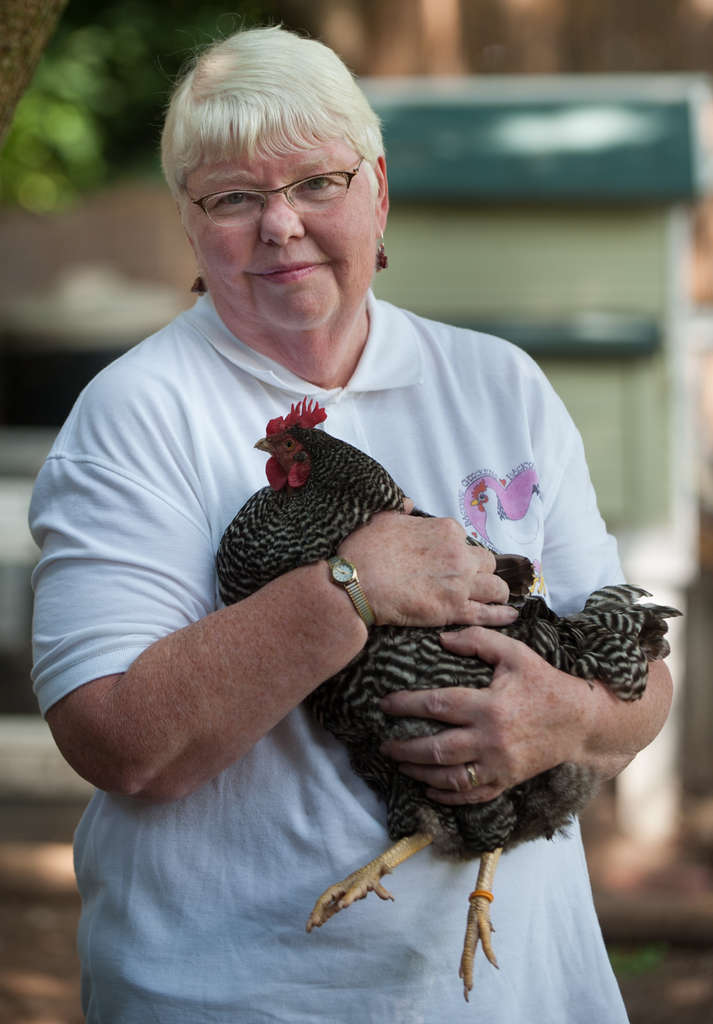
    Gwenne Baile, an advocate of backyard chickens, holds Mimi, a family’s hen in Audubon.TRACIE VAN AUKEN / For The Inquirer

    Baile and a small group of hopeful Collingswood residents have frequented Collingswood Borough Board of Commissioners meetings in recent months. At its last working meeting on June 17, the group handed over proposed language that they hope the board will use in a future ordinance supporting backyard chickens, informed by Baile’s years of advocacy.

    The last major push for residential hens fizzled out in 2019 after several Collingswood residents spent more than a year regularly attending meetings to champion an ordinance that never saw the light of day.

    But this time feels different, Baile said, and some locals and officials agree.

    Dan DiVito, 42, has lived in Collingswood for six years and owns Front Yard Food, a business that teaches people how to grow their own crops and helps design the backyard infrastructure to do it. If Collingswood passes an ordinance, DiVito said, he will get chickens himself and join the new Backyard Chicken Advisory Board — a five-member commission that would oversee the initiative and investigate complaints.

    “Chickens are a no-brainer,” DiVito said. “It’s a pet that makes you breakfast.”
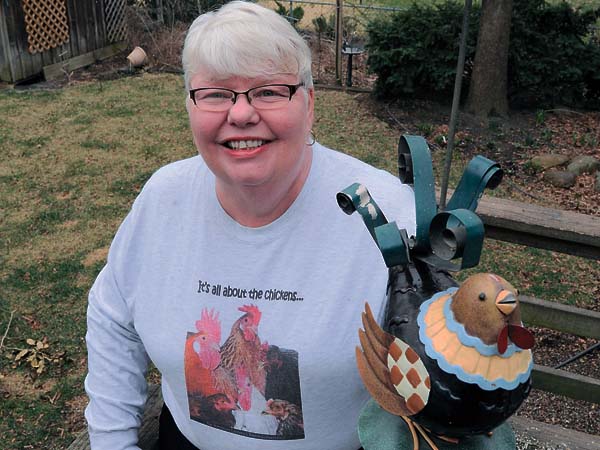
    Gwenne Baile in her backyard in 2014. CLEM MURRAY

    ‘A change and an opportunity’

    Collingswood did not always ban chickens.

    But in 2008, Collingswood’s three-person board of commissioners — made up of a mayor, deputy mayor, and a commissioner — adopted measures prohibiting residents from keeping or breeding a long list of livestock and fowl, including chickens.

    Local news records from 2008 do not give a clear explanation why the rules were adopted, other than comment from then-Mayor Jim Maley that the board wanted to “head off a problem before it presents itself.”

    The maximum penalty for violating the ordinance is a $500 fine.

    Repeated attempts to end the ban have been unsuccessful, even as neighboring municipalities passed ordinances to allow chickens. Some residents voiced concerns about the smell or the noise, or about Collingswood properties being too small to house chicken coops. Collingswood Chicken Uprising, the local Facebook group for the chicken resistance, was created 16 years ago and is up to 234 members.

    But a recent political shift in Collingswood has meant hope for some local chicken advocates.

    Maley’s 28-year tenure as mayor ended last May, when two progressive challengers joined Maley to win seats on the board of commissioners.

    Daniela Solano-Ward became the first female and Latina mayor of Collingswood in 2025, and Deputy Mayor Amy Henderson Riley became one of only a handful of women to serve on the board in the borough’s history. That shuffling was one factor that brought on the chicken resurgence.

    “Advocates and community members saw that this was a change and an opportunity to try this out with the new team and see what could happen,” Henderson Riley said.

    Maley, who has said that he would not want chickens living next door or support a backyard chicken pilot program, would be one of three votes if an ordinance makes it to the floor. It takes only a majority to pass.

    Passing an ordinance takes time. There must be two separate readings of the proposal, and time must be given for residents to comment. The next commissioners meeting is not until July 15, and Henderson Riley said Tuesday that she was unsure whether the proposal drafted by Collingswood residents would make it to the agenda.

    But with an organized, citizen-led group, Henderson Riley said, she suspects this is the most favorable effort thus far. Plus, with concerns like the cost of living and gas prices, she said, there are bigger things to worry about than banning chickens.

    “Let the chicken people have their thing,” she said.

    Maley and Solano-Ward did not respond to requests for comment.

    What advocates are proposing
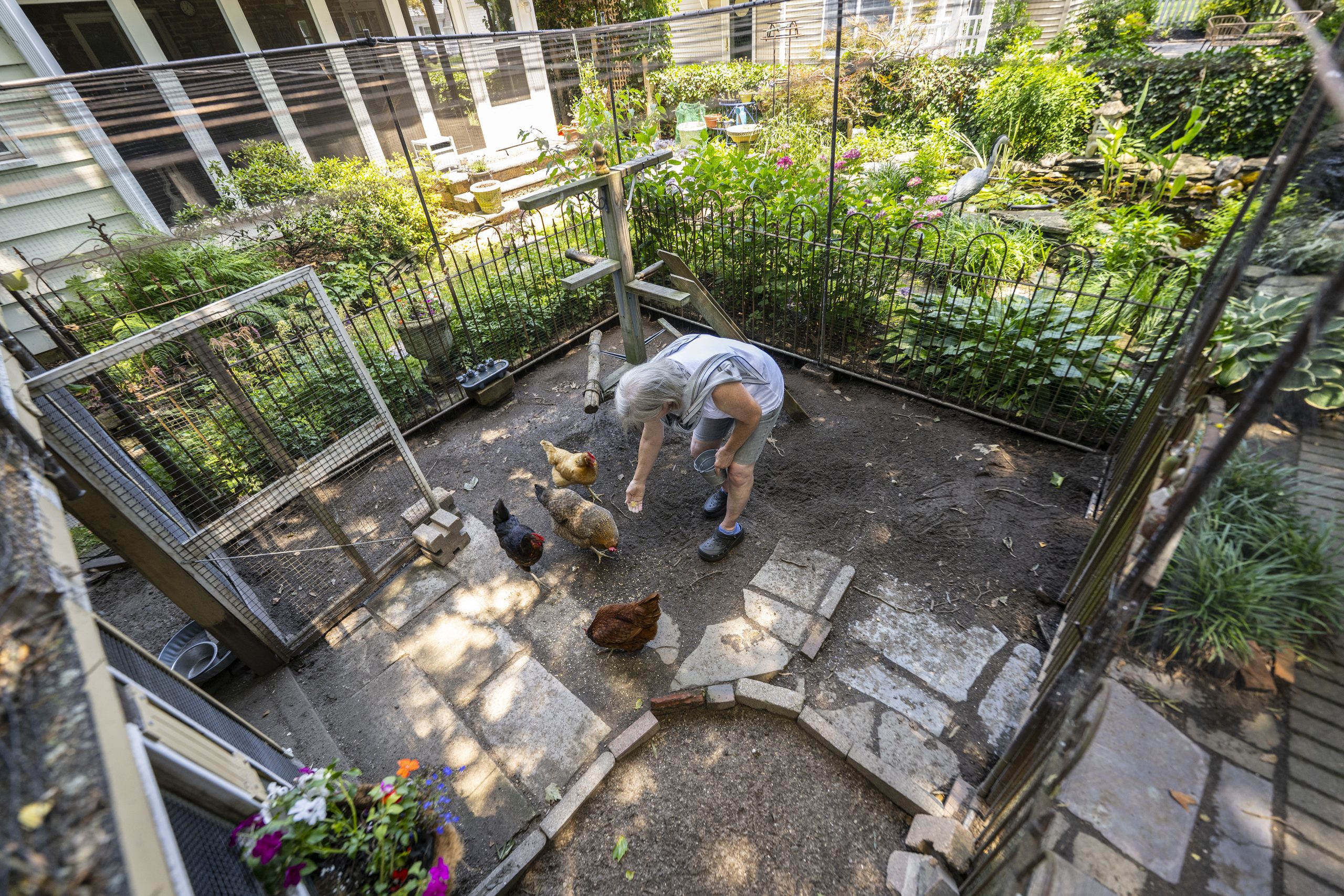
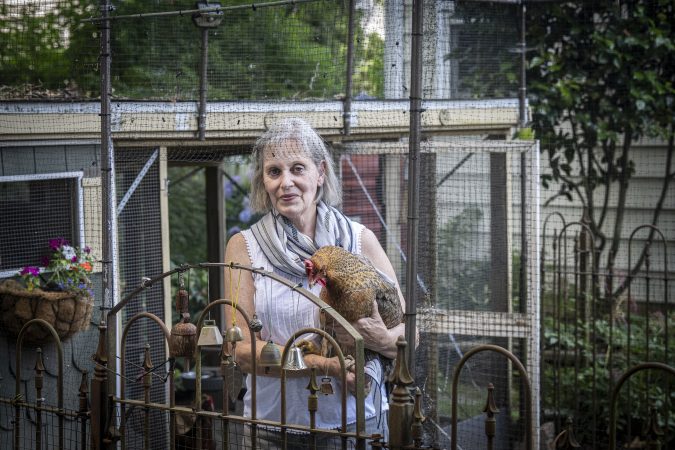
    Suzanne Passante feeds her chickens inside the chicken coop in the backyard of her home in Haddon Township, N.J., on Wednesday, June 24, 2026.Jose F. Moreno / Staff Photographer

    Every municipality’s backyard chicken ordinance is slightly different. Most have strict requirements, including that coops are predator-proof, set a certain distance from other properties, and kept dry and clean.

    Collingswood residents’ pitch to the commissioners would ban roosters, forbid residents from selling their eggs, and require completion of an online course teaching applicants how to care for hens. Collingswood could have only 30 households with hens at a time (of the 6,900 estimated housing units the U.S. Census Bureau estimates are in Collingswood), and new licensees would be capped at four chickens.

    Chicken owners would have to pay $10 fees annually to renew their licenses. The Backyard Chicken Advisory Board would investigate complaints and help relocate chickens that are no longer wanted, since the advocates are calling for a ban on slaughtering hens.

    Any violations could result in a fine of up to $1,250 or imprisonment of up to 90 days, a more severe punishment than the current ordinance gives for keeping chickens.

    Henderson Riley, who has a doctorate in public health, took the three-hour backyard chicken course to learn more about the potential process residents would have to go through to get a coop.

    She passed, but not without a bunch of red markings and a reality check that owning chickens takes time, money, and energy that she does not have. Henderson Riley said she thinks the long list of requirements, along with the difficulty of raising hens, will dissuade the vast majority of people from partaking in the hobby.

    “It’s not like the hens are going to take over Collingswood.”

    Words of wisdom

    Lynn Parker, 52, has 10 hens in her backyard in Stratford Township, Camden County. When Stratford passed its ordinance allowing chickens in 2023 (an effort Baile helped with), Parker was the first person in line for a chicken permit.

    She now chairs the township’s Hen Advisory Commission, which inspects new coops and educates residents. Fourteen homes in Stratford have chickens now, Parker said, and there have been no complaints.

    Her advice to people who want to change their municipality’s chicken law is simple.

    “Even if you get a no, do it again,” Parker said.

    Suzanne Passante, 71 and Baile’s neighbor, chairs Haddon Township’s Backyard Chicken Advisory Board. She has four chickens and averages a dozen eggs per week.

    It took time to educate residents about the benefits of hens and to quell misconceptions, like chickens attracting rats, but she said complaints have been nonexistent in recent years.

    “Now, after 11 years, people don’t even think about it,” Passante said.
  • New Collingswood agreement opens playgrounds after school, grants $10.5 million to revamp athletic fields

    New Collingswood agreement opens playgrounds after school, grants $10.5 million to revamp athletic fields

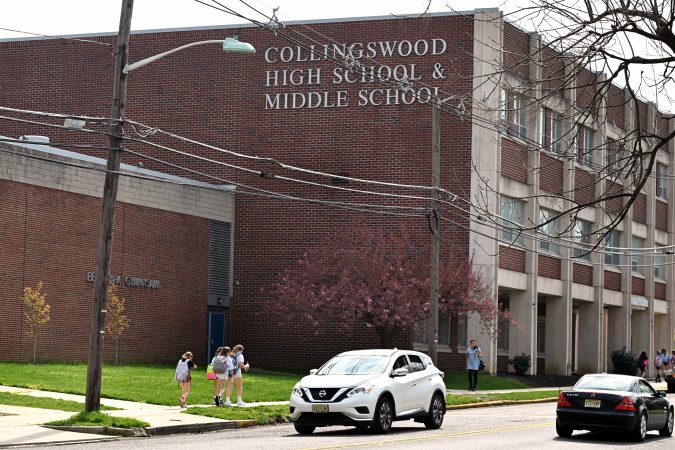
    A new agreement between the Collingswood Board of Education and Collingswood Borough approved this week will open the door for a $10.5 million renovation of the school district’s athletic complex.

    The three-person Collingswood Board of Commissioners voted in favor of the shared service agreement on June 17, and the 11-member Board of Education followed suit unanimously at its Monday meeting.

    The agreement aims to update the school district’s recreation spaces and give the borough more access to school properties formerly closed to nonstudents, including auditoriums, classrooms, and athletic fields.

    The public can now visit the district’s playgrounds and track facilities from 7 a.m. until dusk on days when students aren’t at school, including the summer months, weekends, and holidays. When school is back in session, those facilities will open when after-school activities end and close at dusk.

    The changes come just as the school district moves into its summer season, and months after the district announced that one of its elementary schools will not reopen next school year due to budget cuts.

    A new field, track, bleachers and more

    The $10.5 million renovation project for the athletic fields at Collingswood Middle and High School is financed by $15 million in bonded funds the borough authorized last spring for the redevelopment of fields and facilities in Collingswood.

    The new shared service agreement just lays out the formal framework for that collaboration and ensures the borough gets perks in return, like use of school property for July 4 celebrations and access to the new facilities.

    Amy Henderson Riley, one of Collingswood’s commissioners, said the agreement gives the spending a dual purpose.

    “When you work together, things can be kind of amazing. Everybody is being squeezed,” Henderson Riley said. “The word of the year is affordability.”

    The project proposal, presented in October at a community forum on Collingswood’s recent 310-page recreation master plan, has a long list of goals. The district wants to convert the current grass football field into a multisport artificial turf field and build a new eight-lane track, along with adding a grass softball field, a concessions building, new bathrooms, a 1,500-seat grandstand, a student press box, and more improvements.

    The firms involved so far include Remington & Vernick Engineers and Garrison Architects, Superintendent Fredrick McDowell said. A construction company won’t come on board until Collingswood and its school board publicize a bid package for construction work and review those bids at least 30 days later.

    McDowell said Wednesday the goal is to start the project as soon as possible, though there’s no timeline yet for when the project could begin or wrap up. Students will continue to use existing facilities in the meantime.

    A new grade school and park improvements

    The remaining $4.5 million in bonded funds from the borough will likely be split between improvements to Knight Park, a 70-acre green space in the middle of Collingswood, and the potential acquisition of a new upper grade school.

    The recreation presentation from October reported that $2.5 million of the $15 million bonded funds will go toward Knight Park upgrades.

    Henderson Riley said her fellow commissioner Jim Maley is overseeing the steering committee for the Knight Park project. Maley did not return requests for comment.

    The other $2 million could go to the acquisition of the former Good Shepherd Catholic School on Lees Avenue. The Collingswood School District has sought for years to convert Good Shepherd into an upper grade school building for fourth and fifth graders.

    Henderson Riley said there is currently no information to share on the status of acquiring Good Shepherd.

    The only way the school district could have afforded the athletic field renovations and these projects without collaboration with the borough is through a bond referendum, McDowell said, a vote at the ballot box to determine whether a school can borrow funds through the sale of bonds.

    In 2024, about 70% of Collingswood voters voted against a bond referendum that would have funded the athletic field redesign.

    It would have also closed two elementary schools and allowed the district to acquire Good Shepherd and convert it into an upper grade school. The referendum would’ve raised Collingswood residents’ property taxes, since that’s how bonds are paid back.

    One of those elementary schools, James Garfield Elementary, still closed due to budget cuts this week.

  • Military members and veterans in Camden County can now get free legal services. Here’s what to know.

    Military members and veterans in Camden County can now get free legal services. Here’s what to know.

    Current and former military personnel can now receive free estate planning assistance in Camden County to help support their families’ futures.

    The Camden County Board of Commissioners launched the new clinic last month, one of several no-cost legal services available to vulnerable South Jersey residents.

    The clinic, currently scheduled monthly, gives active service members, veterans, and their spouses living in Camden County access to certain legal services at no charge. The county will provide a last will and testament, power of attorney, and an advance directive, which documents a person’s preferences for medical treatment in case they become unable to make their own healthcare decisions.

    Sixteen veterans are signed up for the first Veterans Will Clinic on Wednesday at the Camden County One-Stop Career Center in Cherry Hill Township, said Morgan Callan, the county’s external communications manager. There is no current cap for how many veterans can participate.

    The Camden County Office of Veterans Affairs is now accepting registrations for the second clinic, on July 29. Anyone interested should contact the office by calling 856-374-5801, or by visiting the office at 1 Collier Drive in Blackwood, part of the Camden County Lakeland Complex.

    Help for veterans

    Camden County has nearly 19,000 veterans, according to the most recent estimate available from the U.S. Census Bureau.

    The Camden County Office of Veteran’s Affairs has partnered with Susan Purvin, an attorney from Gloucester County, to help provide the services. Louis Cappelli Jr., one of Camden County’s three commissioners, said in a statement that he hopes everyone eligible takes advantage of the program.

    “Our veterans and servicemembers have sacrificed so much in service to our nation, so have their families,” Cappelli Jr. said. “The least we can do is help them get their affairs in order, giving them the confidence that their last wishes will be protected.”

    The cost to Camden County for the program is $50 per will, $25 per power of attorney, and $100 per hour for every legal information session, with the total cost varying based on how many people show up for the clinics, said Dan Keashen, the county’s public affairs director.

    Other counties in South Jersey provide similar services. All active military personnel and veterans in Gloucester County can receive assistance with a simple will, a legal document for those not looking to involve complicated estates or trusts in their end-of-life plans.

    About 20 attorneys recently volunteered for a free event in Cape May County that helped veterans and their spouses prepare a will, power of attorney, and healthcare directive free of charge.

    More free legal services

    You don’t have to be a veteran to find free legal services in Camden County.

    The Camden County Bar Association hosts Wills for Heroes, a small, volunteer-led clinic that provides free wills and estate planning documents to firefighters, police officers, and paramedics, and their spouses annually. The 2026 clinic, which took place in March, was full at 21 participants.

    Kara Edens Graser, the association’s executive director, said she hopes to run the same clinic next year.

    Camden County also offers free legal workshops, which cover the same services as those now available to veterans, for seniors and residents with disabilities aged 18 and over.

    Plus, about 300 attorneys volunteer on an as-needed basis for the Volunteer UP Legal Clinic, a Camden-based nonprofit that provides legal expertise to those who need it. The nonprofit spent more than $300,000 in 2024 to provide legal services for tenants, criminal record expungement, estate planning, and name changes, according to its 2024 tax filing.

    Volunteer UP also provides same-day eviction defense for tenants in Burlington, Camden, Cumberland, Gloucester, and Salem Counties, CEO Steven Salinger said via email.

  • Peacocks are wandering a Camden County borough. Local police don’t know where they came from.

    Peacocks are wandering a Camden County borough. Local police don’t know where they came from.

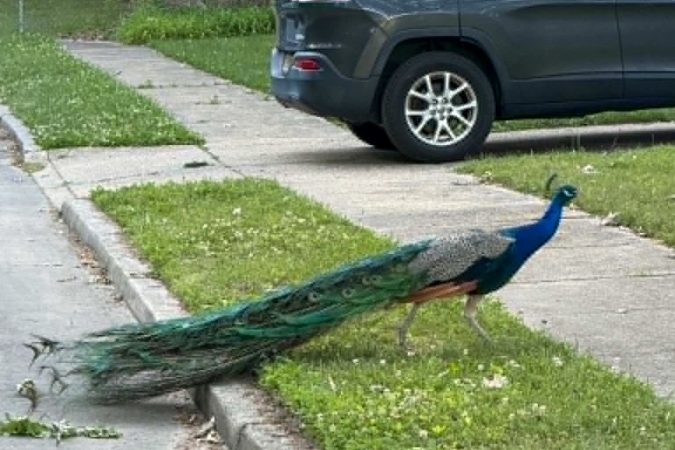
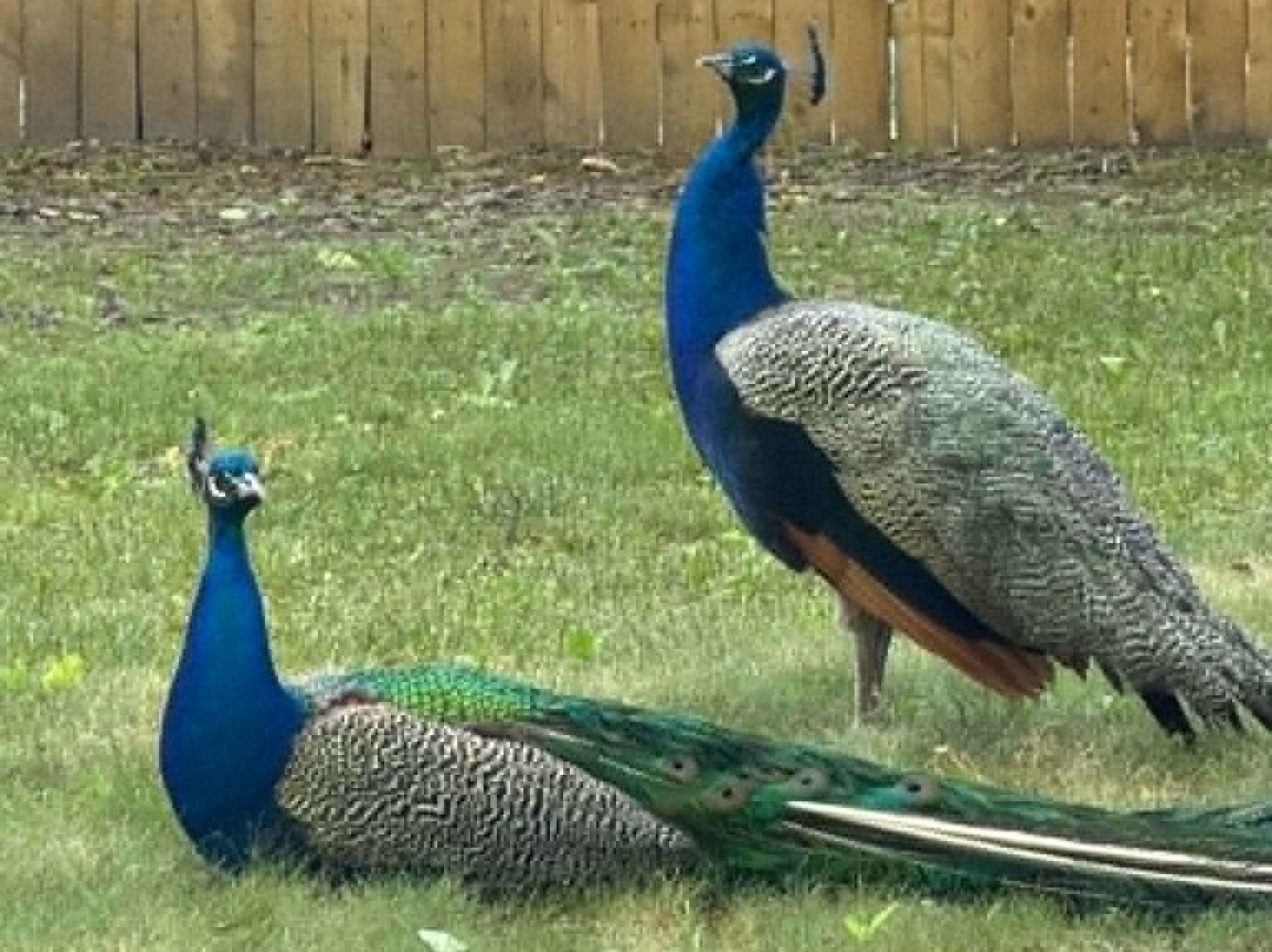
    A party of peafowl has spent the past 10 days roaming Berlin Borough in Camden County, and residents and police don’t know where they came from.

    Facebook user Ryan Bigwood of Berlin posted photos last Wednesday featuring a few peacocks wandering Evanine Drive at the Woods, a residential neighborhood on the eastern side of the borough. On Thursday, Bigwood confirmed that three birds, seemingly a family, were still wandering the street a week later, moving from house to house.

    More social media posts followed, including one by the Berlin Police Department on Sunday featuring an artificial intelligence-generated image of an officer riding a horse-sized peacock.

    “This is not the first time they have appeared in recent years and around our community and others,” the post read. “Please only contact your emergency services if there is something alarming about them.”

    Multiple peacocks roam Evanine Drive in Berlin Borough, Camden County, on Wednesday, June 10, 2026. Courtesy of Ryan Bigwood

    Peacocks are no strangers to making South Jersey news. Popeye, a beloved peacock and honorary mascot for Clarksboro in Gloucester County, died in 2019 after someone shot him. In March, a Cherry Hill couple asked the public to find the owner of a peacock that wandered their property for days.

    In Philadelphia in 2018, four peacocks escaped from the city’s zoo. At least two were later recovered after wandering I-76, though at least one more was found dead — likely after being hit by a vehicle, a zoo spokesperson said at the time.

    Michael Scheer, Berlin Borough’s police chief, said this is the first time in his more than two-decade-long career at the department that he’s had consecutive calls related to peacocks. He has no clue where they came from, how many there are, or where they are now.

    “They are not in policy custody, I can tell you that,” Scheer said.

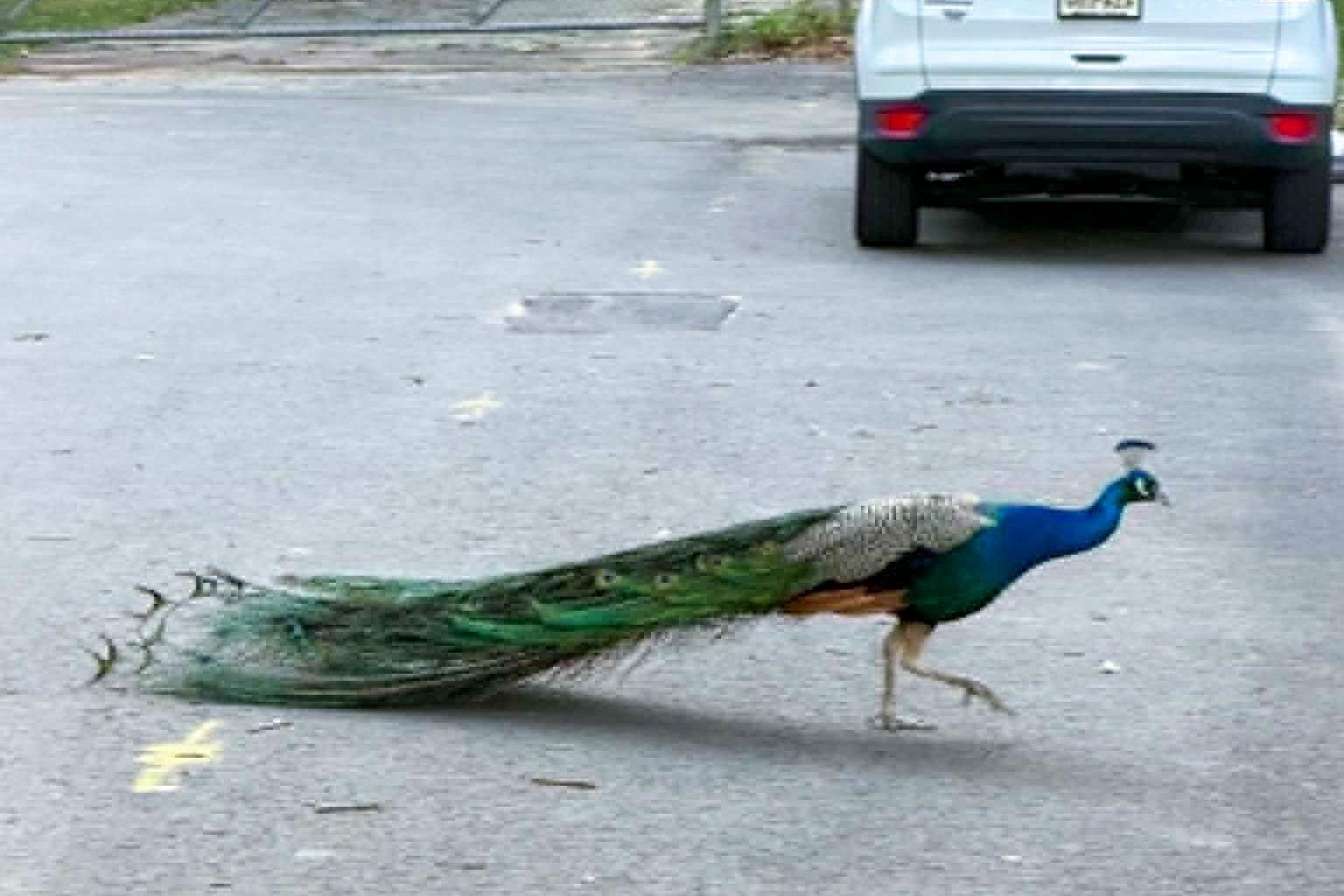
    The department has received about 10 recent calls for peacock sightings, Scheer said. On Saturday afternoon, police reported to the Heritage’s Dairy Store on Route 30 and Tansboro Road in Berlin after a car collided with a peacock crossing the street.

    The peacock seemed fine and quickly ran off.

    Multiple peacocks roam Evanine Drive in Berlin Borough, Camden County, on Wednesday, June 10, 2026. Courtesy of Ryan Bigwood

    “This is definitely the lighter side of the profession,” Scheer said. “They haven’t been aggressive to anybody or anything. They’re just wandering like they’re lost.”

    Another Facebook user posted photos of a pair of peafowl, with different coloring than the birds in Bigwood’s post, on a home roof in Berlin on Monday.

    Dan Keashen, Camden County’s director of public affairs, said wandering peacocks are not a new phenomenon in South Jersey. Keashen said he lives near a farm in Gibbsboro that allows its peacock population to wander freely from street to street. He drives past the birds every day on his commute to work.

    “It’s not an oddity,” Keashen said. “But it’s not like you’ll see them commuting on PATCO either.”

    Scheer said his department hasn’t received any peacock-related calls in a few days. But if people do spot the animals, he advises onlookers to treat them as they would any other wild animal. Camden County animal control won’t come pick up the birds, Scheer said, unless they’re injured or contained.

    “We have never been trained on how to deal with roaming peacocks,” he said.

  • Cherry Hill’s Brio Italian Grille isn’t closing yet, as Brazilian chain Fogo de Chão looks to move in

    Cherry Hill’s Brio Italian Grille isn’t closing yet, as Brazilian chain Fogo de Chão looks to move in

    Confusion about the potential closing of Brio Italian Grille in Cherry Hill has felt like a nightmare, Grace Ortiz, the restaurant’s general manager, said.

    Staff have been inundated with calls inquiring about the closure, which hasn’t been made official by the restaurant, its landlord, or the Brazilian steakhouse interested in the property, causing confusion for some of the employees.

    “We’re here. We want to be busy,” Ortiz said Friday. “Hopefully this blows over.”

    Several media outlets recently reported that Brio Italian Grille, which opened in 2007 as Brio Tuscan Grille at 901 Haddonfield Rd., will soon close. The Italian restaurant shuttered the doors of its Marlton location last month, less than a year after the chain filed for bankruptcy for the second time in five years.

    Other Camden County dining spots have faced recent struggles, too, including the closure of the Bistro at Cherry Hill last summer. The Cherry Hill Diner closed in 2023, Star View Diner in 2024, and the Collingswood Diner shut down last August. The Kibitz Room deli, which closed temporarily in January before filing for bankruptcy, has since reopened, after its King of Prussia location shut down permanently.

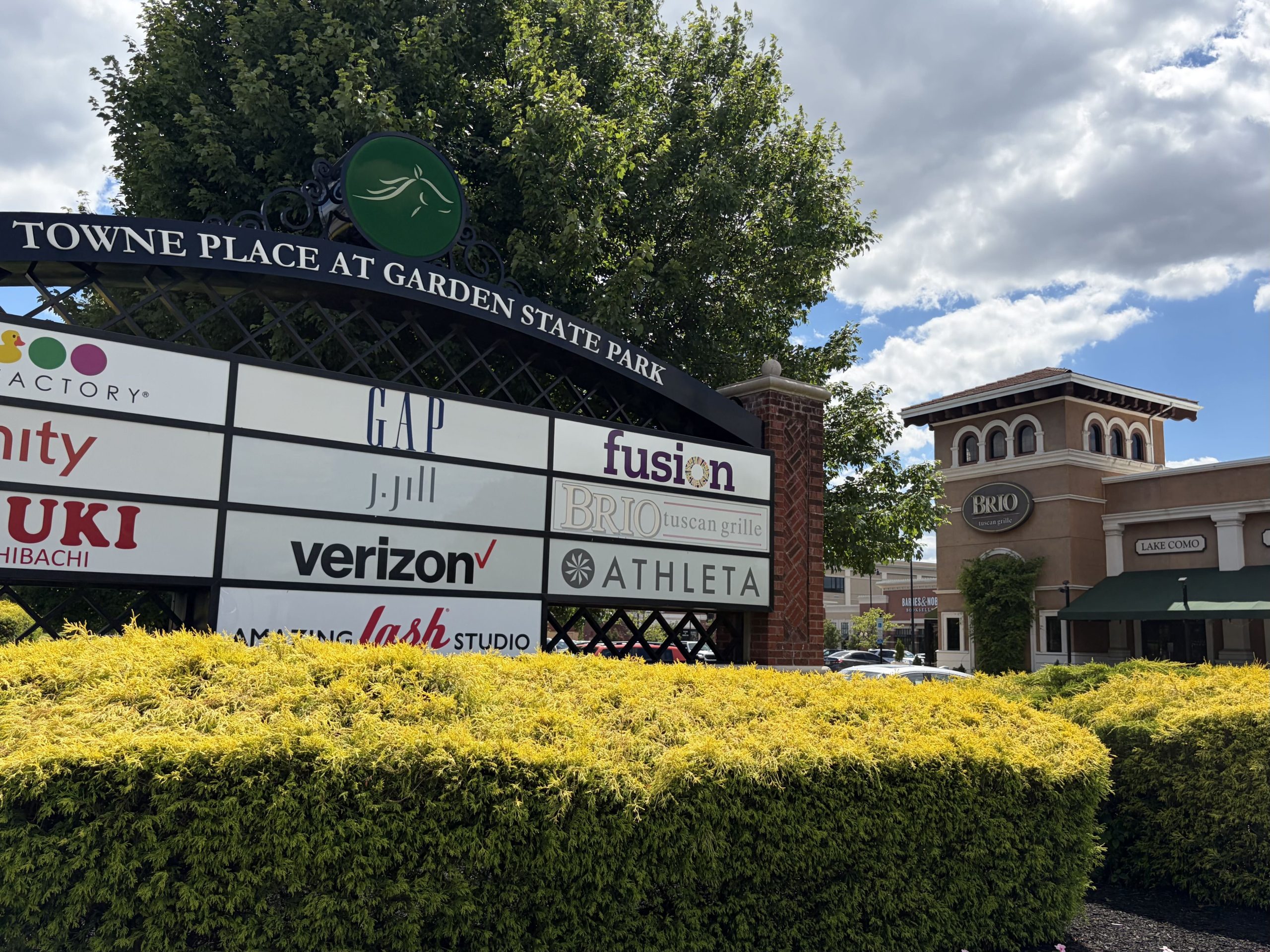
    Brio has 19 remaining locations nationwide, including the last New Jersey location at Cherry Hill’s Towne Place at Garden State Park. That retail complex, a five-minute drive from the Cherry Hill Mall, features about 20 eateries from the Cheesecake Factory to Kabuki Japanese Cuisine.

    The next closest Brio Italian Grille for South Jerseyans is 200 miles away in Farmington, Conn.

    42 Freeway, a publication covering development in South Jersey, first reported in May that chain Fogo de Chão Brazilian Steakhouse would replace the restaurant. NJ.com followed suit, attributing the news to project plans filed by Fogo de Chão and the owners of Towne Place to the Cherry Hill Township Zoning Board in April.

    Those plans propose a remodeled restaurant with 296 seats. Cosmas Diamantis, the municipal attorney for Cherry Hill Township, said in an email that the required zoning permits for the conversion from Brio Italian Grille to Fogo de Chão were already issued.

    One zoning permit, obtained in a records request to Cherry Hill Township, referred to the restaurant property as “the former Brio Italian Grille.” A design development presentation dated November 2025 shows renderings for what the Brazilian restaurant could look like at 901 Haddonfield Rd.

    But Ortiz said Brio Italian Grille’s corporate office told her that there are no current plans to close down, and that her restaurant just got its liquor license renewed last week. So what’s going on?

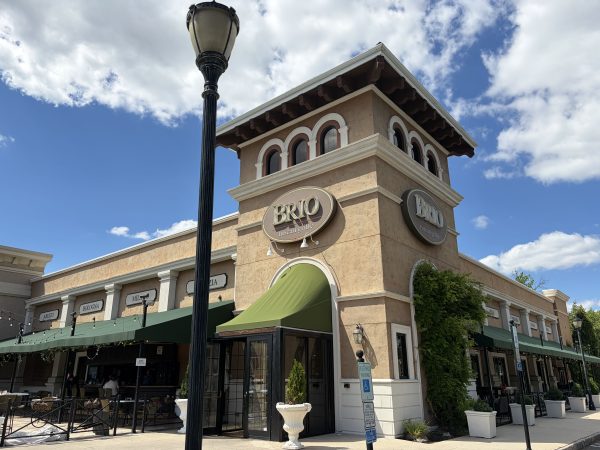
    Brio Italian Grille in Cherry Hill is located at Towne Place at Garden State Park.Sarah Nicell

    Is Brio Italian Grille actually leaving Cherry Hill?

    That depends on whom you ask. Brio Italian Grille did not respond to a request for comment, and a spokesperson for Fogo de Chão declined to discuss the potential project.

    In Cherry Hill Township and elsewhere, restaurateurs must apply for zoning permits before any changes in occupancy are set in stone. That means there’s no guarantee that Fogo de Chão actually has a lease in hand for 901 Haddonfield Rd.

    It’s common for work to never actually start on projects even when they receive zoning permits, a Cherry Hill Township attorney said. In Fogo de Chão’s case, the zoning permit just means the proposed project is permitted to happen, even if it never does.

    Since rumors of Brio Italian Grille’s closure have swirled, Joe Morris, an executive for M&M Realty Partners, which owns the landlord entity that manages the site’s tenants, said he has received an influx of people interested in developing the property.

    Morris, said Monday that Fogo de Chão has not signed a lease for a lot at Towne Place, but the chain has inquired about joining the Cherry Hill retail center for the last 12 years.

    M&M Realty, a New Jersey-based real estate development company, has kept a close eye on Brio Italian Grille after it declared bankruptcy in August and recently closed its Marlton location. Morris said those problems could mean the chain might not reup its lease at Towne Place, and M&M Realty might have to find other viable tenants. Morris declined to share when that lease will expire, though he said the restaurant has “a semi-limited period of time before important decisions have to be made.”

    Still, Morris said he has no idea whether Brio Italian Grille is in conversations with Fogo de Chão about giving up the property. He said Brio Italian Grille is “alive and well,” isn’t behind on payments, and continues to spend money on its business.

    “There are certain things I know I can’t say. There are certain things I can speculate,” Morris said. “I can absolutely tell you, if Brio gives their space back, Fogo is 100% a tenant we would be interested in speaking with.”