Author: Mike Newall

  • How to have a Perfect Philly Day, according to historian, author, and educator Michelle Craig McDonald

    How to have a Perfect Philly Day, according to historian, author, and educator Michelle Craig McDonald

    Philadelphia historian, author, and educator Michelle Craig McDonald knows her coffee. Especially the revolutionary kind.

    McDonald, who serves as an academic adviser for PBS’s series Drive By History, is the author of the new book, Coffee Nation: How One Commodity Transformed the Early United States.
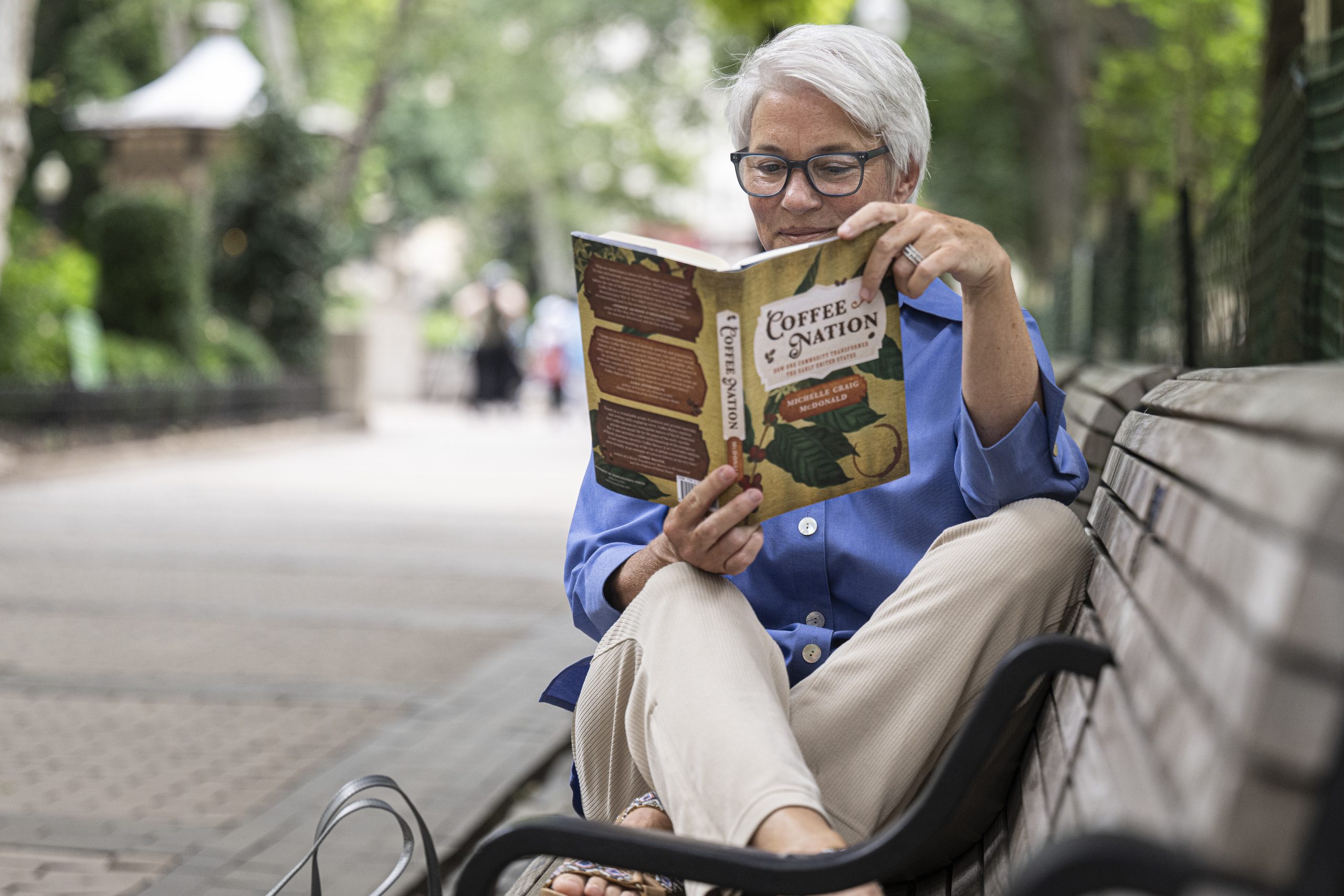
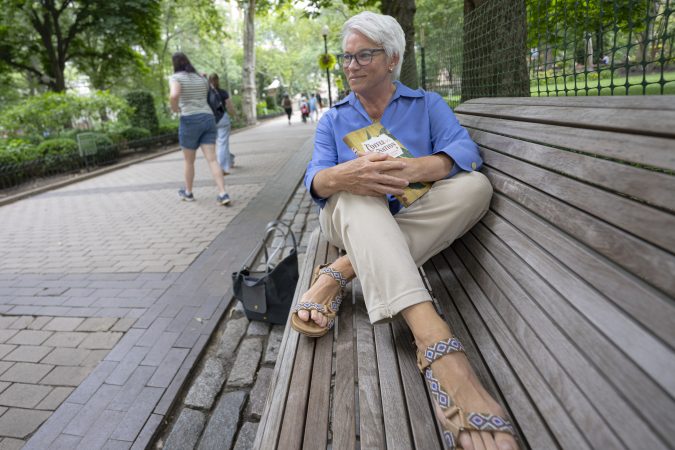
    Philly historian and educator Michelle Craig McDonald enjoys reading in Rittenhouse Square Park. She is the author of “Coffee Nation: How One Commodity Transformed the Early United States.”
    Jose F. Moreno / Staff Photographer

    Telling the story of America and coffee, McDonald traces the bean’s beginnings from slavery-based plantations of the Caribbean and South America in the early 1700s through its prominence in Colonial life to the rebranding of the exotic good as an American staple. McDonald details the emergence of coffee shops, like the Old London Coffee House at Front and Market Streets, as critical Revolutionary-era hubs for politics and business.

    “Within 50 years of our independence, the United States becomes one of the largest suppliers of coffee to the world — but we can never grow it,” said McDonald. So in this moment, when we think about independence, coffee really reminds us that the United States remains deeply tied and deeply embedded with the economies of the region. It was not just a self-sustaining nation that looked inward.”

    Given the nature of her research, it’s no surprise that McDonald’s Perfect Philly Day revolves around food and drink. McDonald, a Southern California native who lives in Rittenhouse Square with her husband and fellow historian, Roderick A. McDonald, said her perfect day includes lots of coffee and cooking, a great Philly workout, and reading crime novels in Rittenhouse Square.

    6:30 a.m.

    My coffee pot is my first spot. I’m going to need fortification if I’m going to tackle the day’s news. I just go with the tried and true Colombian roast from Trader Joe’s.

    When we are down the Shore, my favorite comes from Remedee Coffee, started by two sisters who source their beans from Colombia. It’s a great small business.

    On a perfect day, this is when we do our New York Times games — like Connections or Wordle — which we do together. My sister says it’s cheating. I like to say it’s “collaborating.”

    8:30 a.m.

    I love cooking of all kinds, but baking is my first love. My go-to on a perfect day is a batch of scones. I have a recipe that I got online from a website called Love and Lemons. It’s a base recipe. You can make anything you want. Cranberry, orange walnut, apricot, ginger almond, or my brother-in-law’s favorite, which I know because he buys the ingredients every time I visit, blueberry lemon.

    I used to head over to Metropolitan Bakery on 19th Street, which I am still mourning the loss of.

    I loved their Millet Muffins and raisin walnut bread. My freezer is stuffed with both because I bought as many as I could before they closed. And I’m slowly rationing them so I don’t lose them quickly.

    9:30 a.m.

    We have a solid division of labor in the household. I do the cooking. But my husband does the shopping. While the scones are in the oven, he may well be on his way down to the Italian Market on his vintage 1962 Schwinn bicycle — expertly serviced by Curtis at Via Bicycle on Broad Street. He’s a fan favorite!

    My husband is the provisioner of the house. I get to take what he brings back from the list — and sometimes not from the list. It feels like my own personal version of Chopped. He comes home with five ingredients and says, “What can you do with this?’”

    10 a.m.

    I’m hitting the gym. I do love eating, which means I need to pay the piper. I go to Pure Barre in Center City. It’s wonderful. It’s a class — a core-based workout that does weightlifting, planks, pushups. An hour there, any day I can get it, gives me enough brownie points for the rest of the day’s culinary adventures.

    If the weather is nice, we might substitute a bike ride down the Schuylkill River Trail. Manayunk is a great destination.

    Noon

    That’s when Small World Seafood is in the area with deliveries. It’s an Old City business that was born out of necessity. The owner provided fresh seafood to restaurants during the COVID-19 pandemic. Then he began an online business selling directly to customers. You can get anything — halibut, skate steaks, steelhead trout, oysters, clams — for a lazy cooking night.
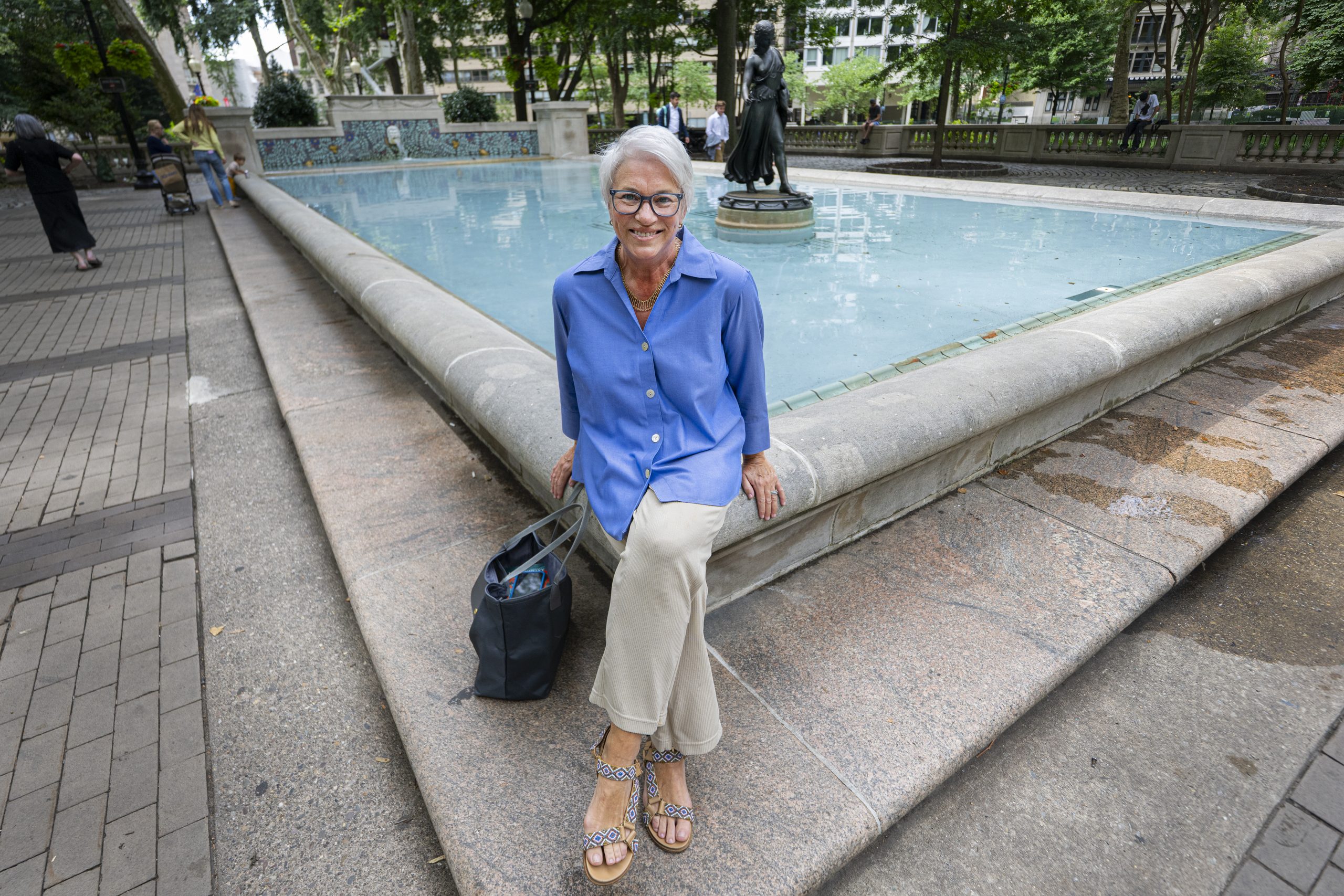
    Michelle Craig McDonald’s perfect Philly day includes lots of coffee and cooking, a great Philly workout, and reading crime fiction in Rittenhouse Square.Jose F. Moreno / Staff Photographer

    1 p.m.

    I’ve got the fish and I’m marinating it for dinner. Steelhead trout is one of my favorites, so super easy, a little bit of soy, a little bit of orange, a little bit of brown sugar, a little bit of maple, and garlic.

    2 p.m.

    On a perfect day, when I can while my time away, you will find me reading in Rittenhouse Square. I have an abiding passion for crime fiction. Ann Cleeves. Donna Leon.

    And if it’s not great weather, you could still find me reading, but probably in one of any of a dozen coffee shops that are within walking distance of my house.

    There was a great article that just ran recently in The Inquirer about the rise of Yemeni coffee shops in the city, such as Moka & Co.

    3 p.m.

    This is where it’s going to get busy. I would be remiss if I didn’t bring a little history and culture into this day. The American Philosophical Society has a wonderful project called “The Revolutionary City: A Portal to the Nation’s Founding.” It’s a partnership where five Philadelphia historical institutions — the APS, the Library Company of Philadelphia, the Historical Society of Pennsylvania, the Kislak Center at Penn Libraries, and the Museum of the American Revolution — came together to plan for 2026, and all their exhibits build on each other. Now I know that’s a long afternoon. Readers can pick and choose and see the others on their second favorite perfect Philly day [laughter].

    6 p.m.

    My husband and I cook together. If it’s Saturday, the compulsory listen is “The Many Moods of Ben Vaughn.” Cooking is my way to unwind and my husband is an excellent sous chef.

    8 p.m.

    We tend to have a leisurely meal with a glass of wine or two, and review the day’s exploits. An episode of television in the evening is a good escape. We are huge PBS fans. We love British crime dramas. We are huge fans of Shetland, a Scottish crime drama, and Vera, an old British crime drama with a curmudgeonly police detective.

    10 p.m.

    I am not a night owl. But I will confess to a wee dram of bourbon most evenings. Then, a little more light reading. And it’s time for lights out.


    This interview has been edited for length and clarity.
  • In the weeks before independence, the man from Monticello drafts a declaration

    In the weeks before independence, the man from Monticello drafts a declaration

    Philadelphia. June 1776.

    America stands on the brink. The ultimate question of independence hangs over Philadelphia.

    And Thomas Jefferson has a declaration to draft.

    His heart is in Virginia. His “country,” as he calls it. But here he is at Seventh and High Streets, 33 years old, living in two sweltering rooms, with his chance to make his mark on history.

    Unlike his fellow delegates, lodged in rooms along Philadelphia’s booming riverfront, Jefferson takes quarters along the city’s rural western edge, two blocks from the Pennsylvania State House, where the rebels conspire. The orchards and pastures bordering the downtown of British America’s largest and wealthiest city offer an escape from Philadelphia’s stifling summer heat and foul smells. Its stinking creeks, rotting trash, and unchoked illness. The verdant outpost, elsewise occupied by a bricklayer and his family, provides “the Squire,” as his friends back home call him, some small semblance of his mountaintop mansion, Monticello.

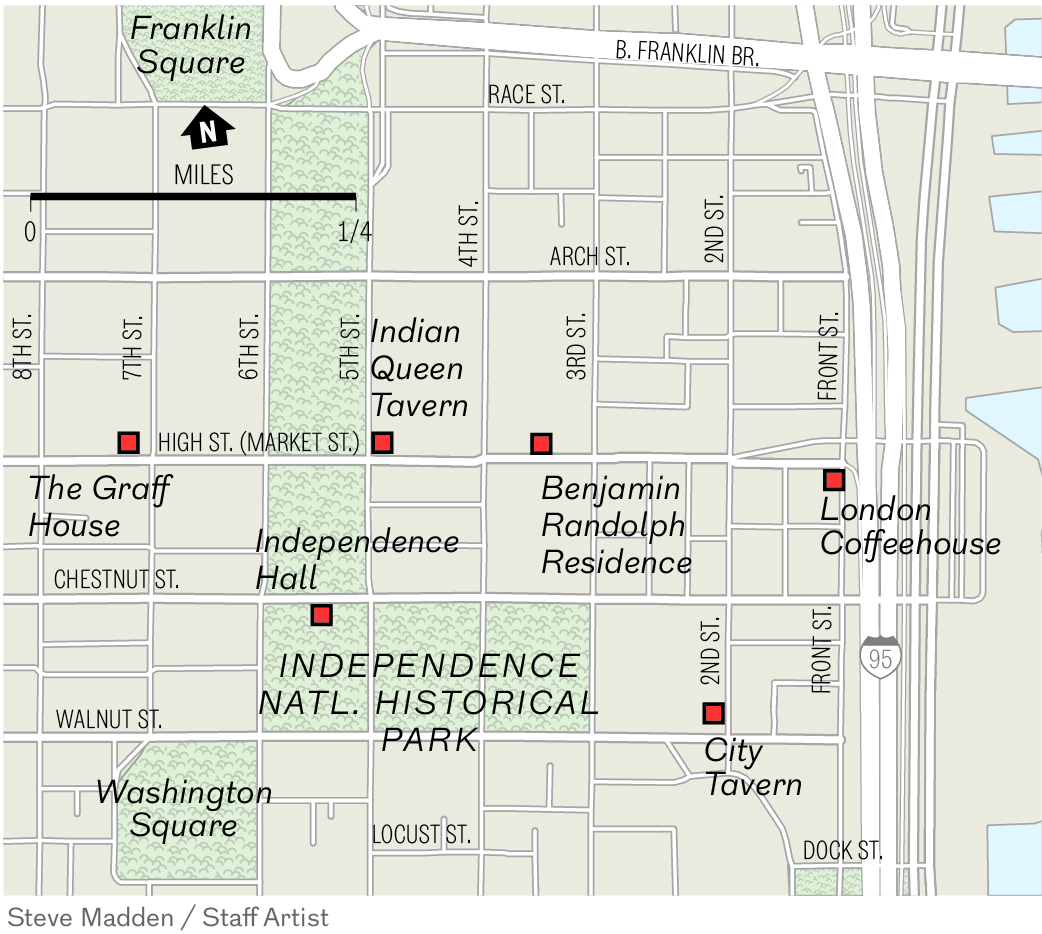
    Thomas Jefferson’s Philadelphia in 1776.Steve Madden

    He is living out of leather-bound trunks. Fresh air and sunlight stream through a window overlooking High Street — Philadelphia’s main thoroughfare, busy even on the outskirts. Hinterland farmers’ wagons clatter over cobbles, headed for the market. The sweet scent of fresh loaves drifts from a shopfront bakery. Jefferson’s thoroughbred — Caractacus, perhaps, his favored bay stallion, whose regal appellation derives from a first-century British chieftain — nickers in a nearby stable.

    Robert “Bob” Hemmings, Jefferson’s 14-year-old enslaved valet — and half brother of Jefferson’s future paramour, Sally — attends his every need in Philadelphia, sleeping in a garret off the writing parlor.

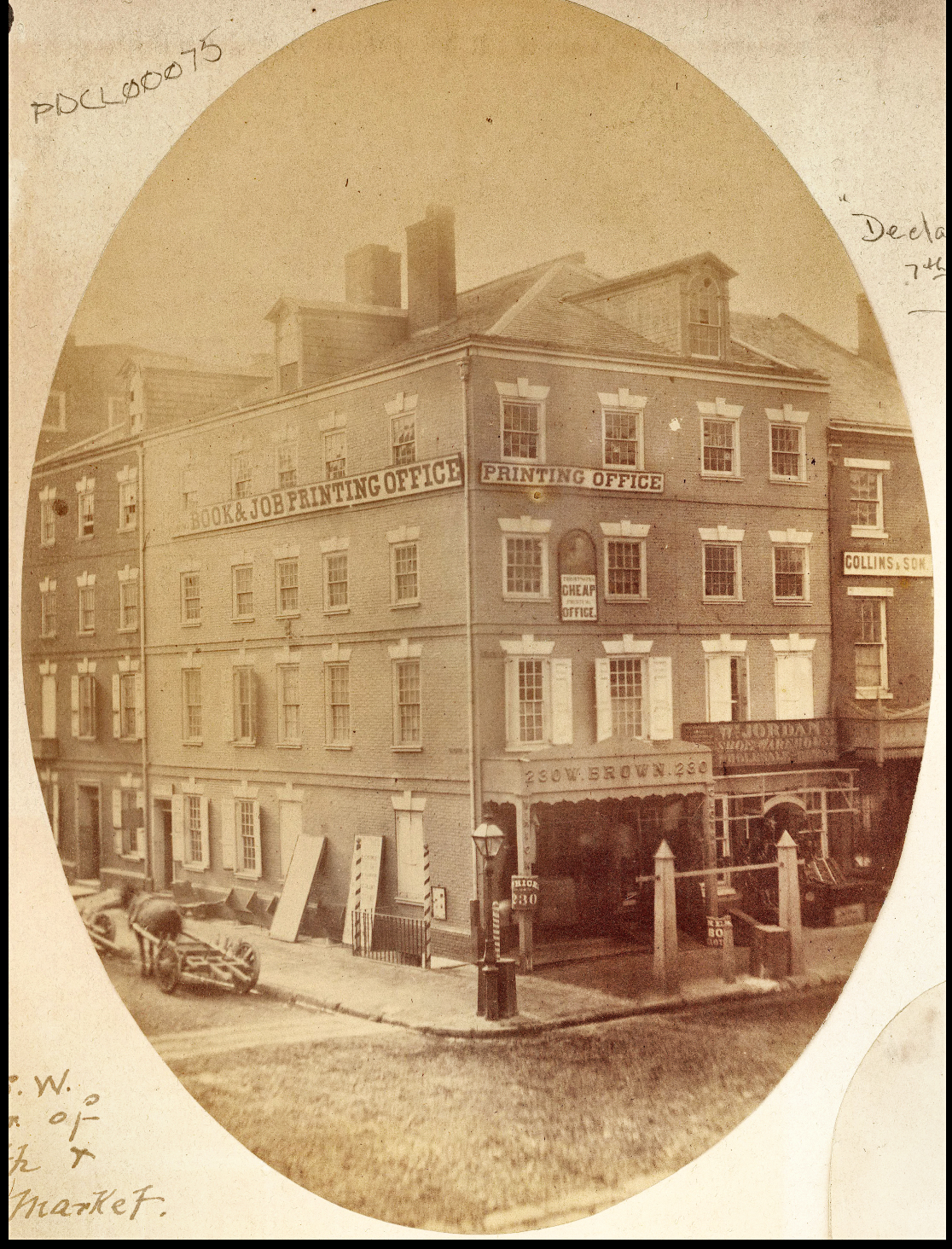
    The Declaration House, 7th and Market Streets, in 1856.Free Library of Philadelphia

    The rag paper resting on Jefferson’s mahogany travel desk — a small, portable lap device of his own design that the inveterate tinkerer had commissioned from a Chestnut Street cabinetmaker upon his arrival in Philadelphia a month earlier — remains blank. His quill is still. In the shadows, a grandfather clock ticks a stately rhythm.

    Tick … tock … tick … tock.

    The master of Monticello is working on a deadline.

    A momentum for independence

    Tarrying at the threshold of independence for months, the roar of rebellion echoes throughout Philadelphia by late spring.

    Just weeks earlier, more than four thousand Philly patriots braved driving rains to gather in the brick-walled yard of the State House. Celebrating the Second Continental Congress’ decree to form new governments apart from King George III — the masterstroke of John Adams, 40 — the drenched Philly masses thunder for independence.

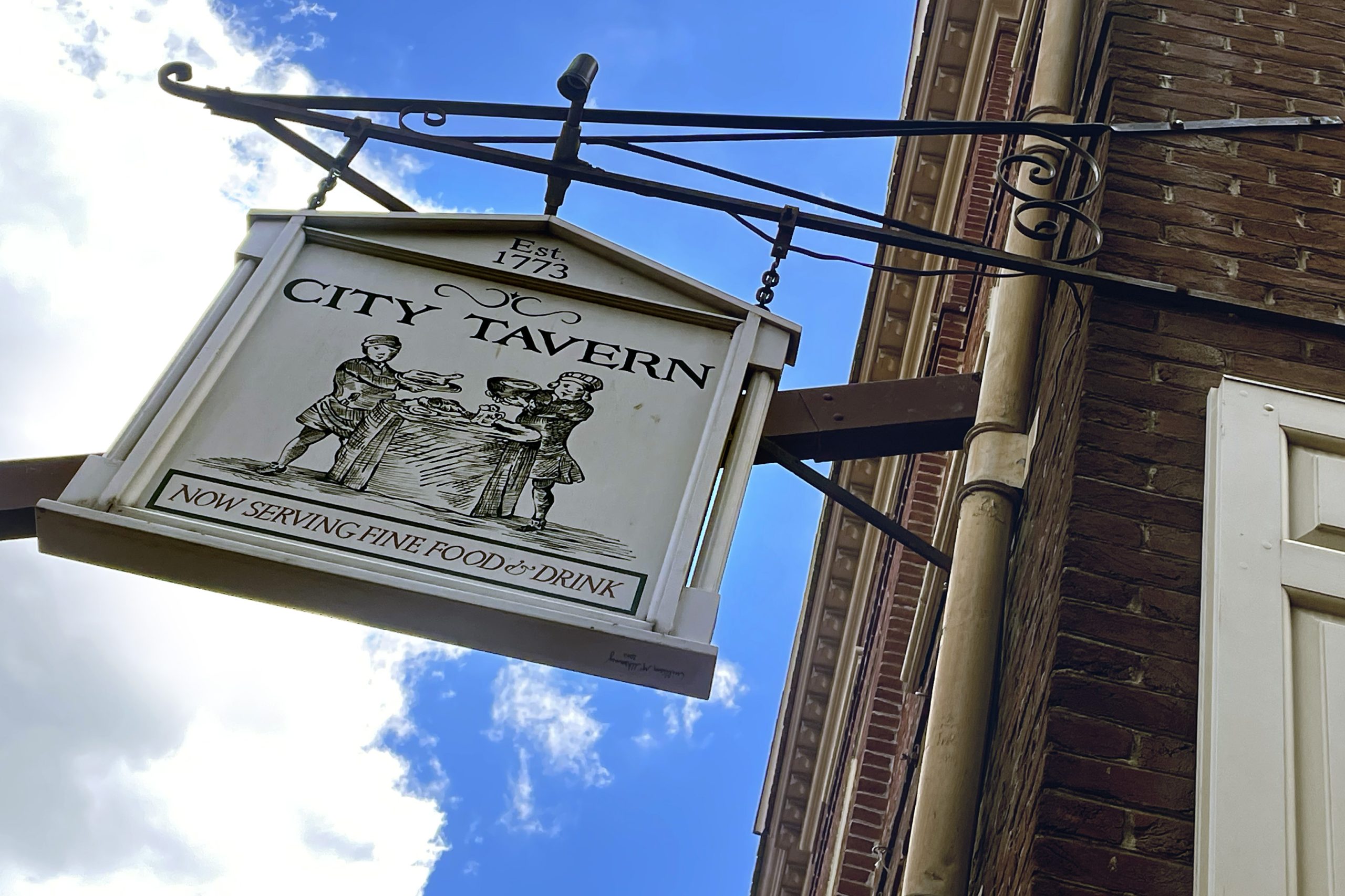
    City Tavern Monday, June 15, 2026. The original building was demolished in 1854 and reconstructed in 1975.Tom Gralish / Staff Photographer

    George Washington himself takes brief leave of his embattled army, digging in for an expected British assault on New York, to update the 56 congressional delegates in Philadelphia. The general’s tidings are lost to the centuries. But hear the lusty huzzahs that greet the stoic warrior at the representatives’ nightly repast at City Tavern, their unofficial headquarters.

    “George Washington, and victory to the American arms!” goes the toast.

    Inside the locked chamber, radicals like Adams and his older cousin, and backroom operator, Samuel, 53, lead the fight for liberty. Jefferson, whose resolve for popular government in America is unquestioned, but who detests public speaking, rarely rises.

    In early June, it is Jefferson’s fellow Virginian, the passionate patriot Henry Lee, who delivers a decisive stroke, boldly uttering words hitherto unsaid in Congress: “That these United Colonies are, and of right ought to be, free and independent.”

    The thunderclap is met by delay. Delegates from powerful colonies, including Pennsylvania’s own reluctant son of liberty, John Dickinson, are hesitant to cut the cord. Radicals work furiously to build unanimity.

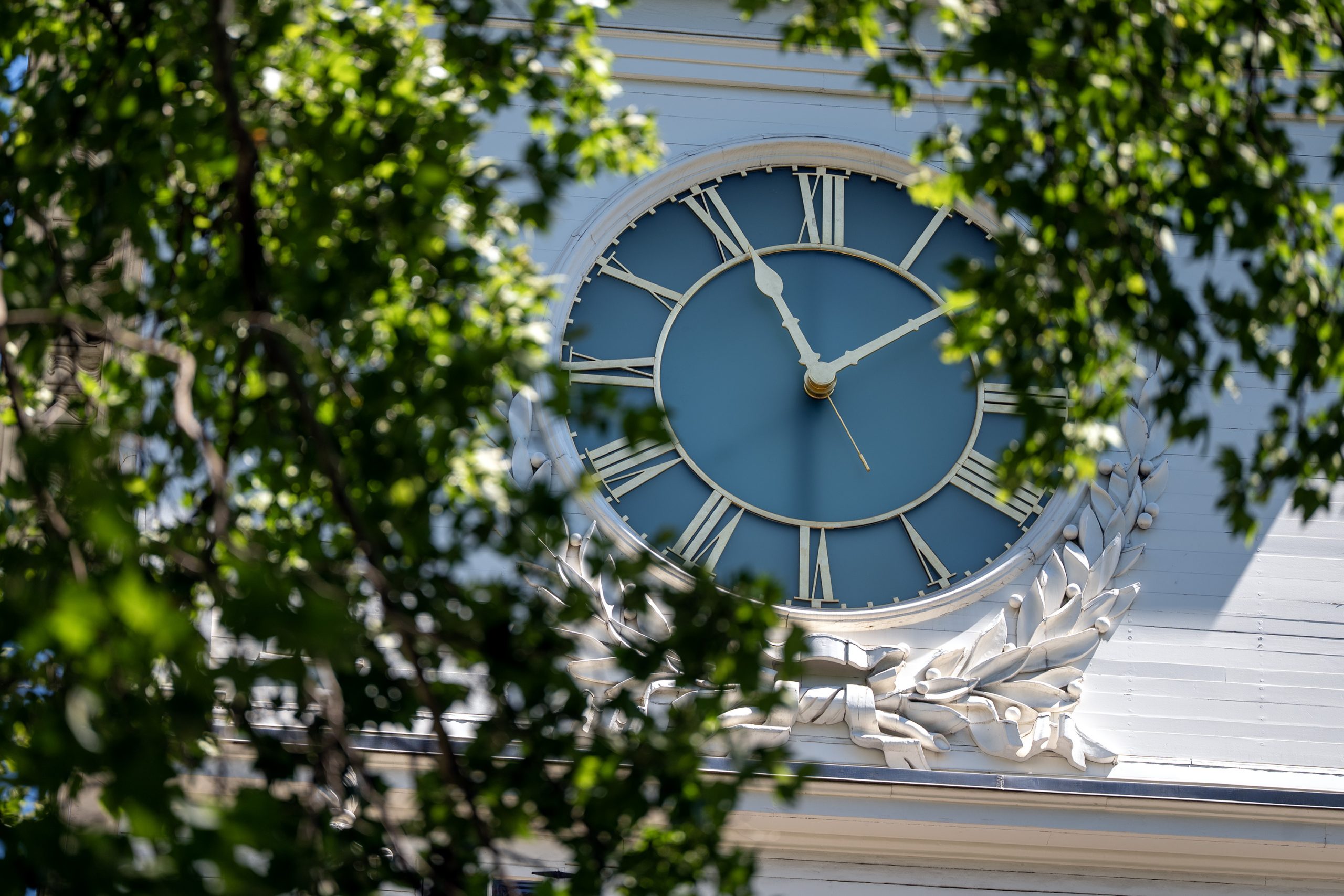
    Clock tower at Independence Hall (Pennsylvania State House) Monday, June 15, 2026.Tom Gralish / Staff Photographer

    Philly headlines — in the same papers publishing fugitive slave ads and notices for the sale of Black children far younger than Bob Hemmings — decry “our mortal enemy the King of Great Britain.”

    “The people wait for us to lead the way,” Jefferson will note.

    During the delegates’ fiery, closed-door debates, his long legs folded underneath his desk, Jefferson stays mum.

    But now the poet-philosopher and slaveholder, whose bright brilliance and dark contradictions mirror perfectly the promise and sins of the nation he seeks to author, must find all the words.

    A renaissance figure among the rebels

    It is John Adams, in characteristically gruff fashion, who appoints Jefferson first quill. The good gentleman from Virginia is but one of five men appointed to draft America’s creed — including Adams and Franklin, home sick with gout and other ailments — but Adams argues it is Jefferson, with his “peculiar felicity for expression,” who should do the writing.

    “Reason first, you are a Virginian, and a Virginian ought to appear at the head of this business,” Adams recalls telling Jefferson in the committee’s first convocation. “Reason second, I am obnoxious, suspected, and unpopular. You are very much otherwise. Reason third, you can write 10 times better than I can.”

    Adams is right.

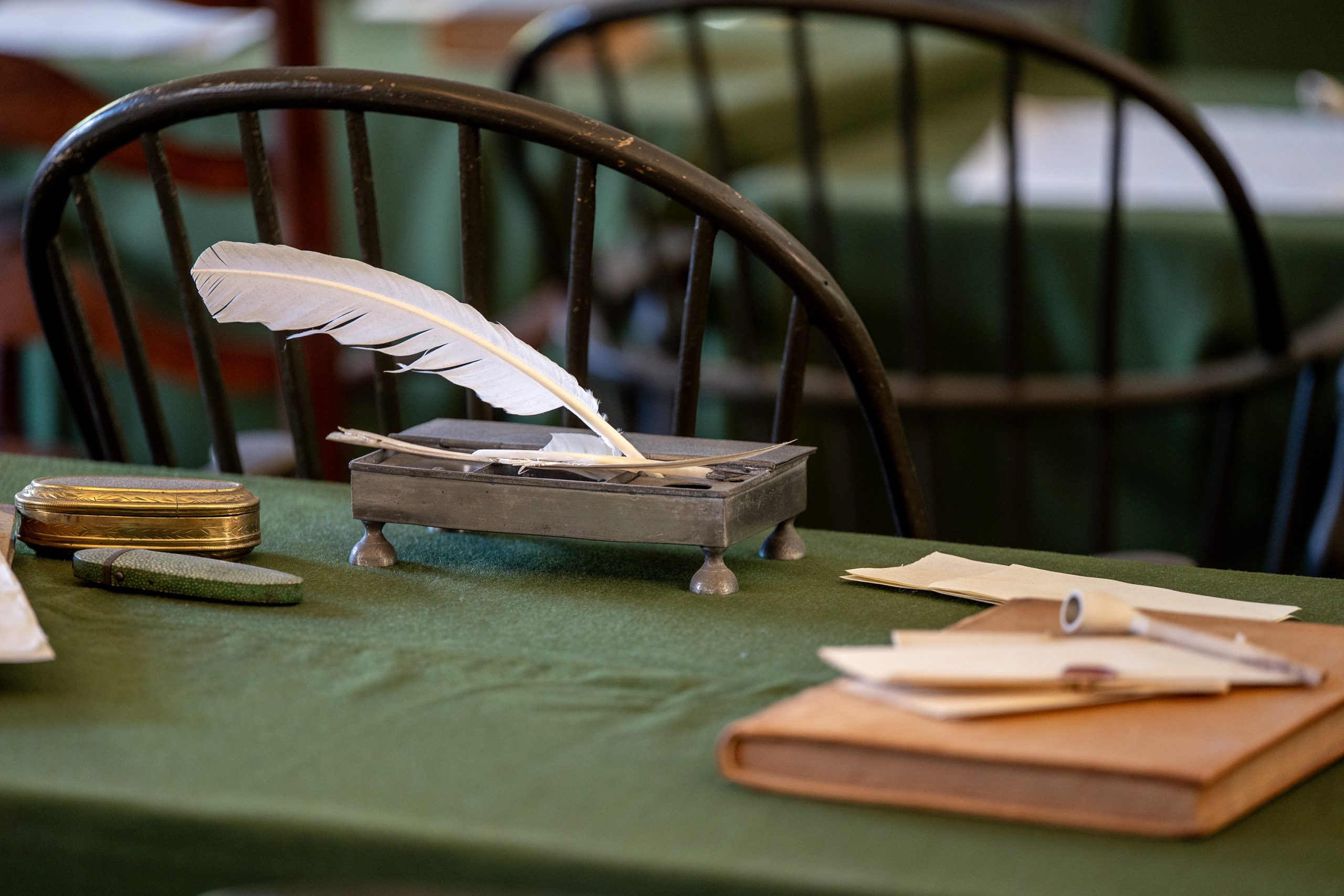
    Replica desks in the Assembly Room in Independence Hall (Pennsylvania State House) Monday, June 15, 2026.Tom Gralish / Staff Photographer

    Both drawn to the flame of American independence — the noblest cause of their age, and any other, they believe — the freedom fighters cut an odd coupling.

    Adams, short, plump, balding, cantankerous. Jefferson, tall, lean, formidable, a shock of copper hair, freckled in the Philly heat, his illusive eyes described as blue or hazel or light gray. The Southern planter and legislator who matriculated at the College of William & Mary is soft-spoken and painfully gracious and polite, charming, flirtatious. He abhors confrontation.

    Behold this true renaissance figure among the rebels.

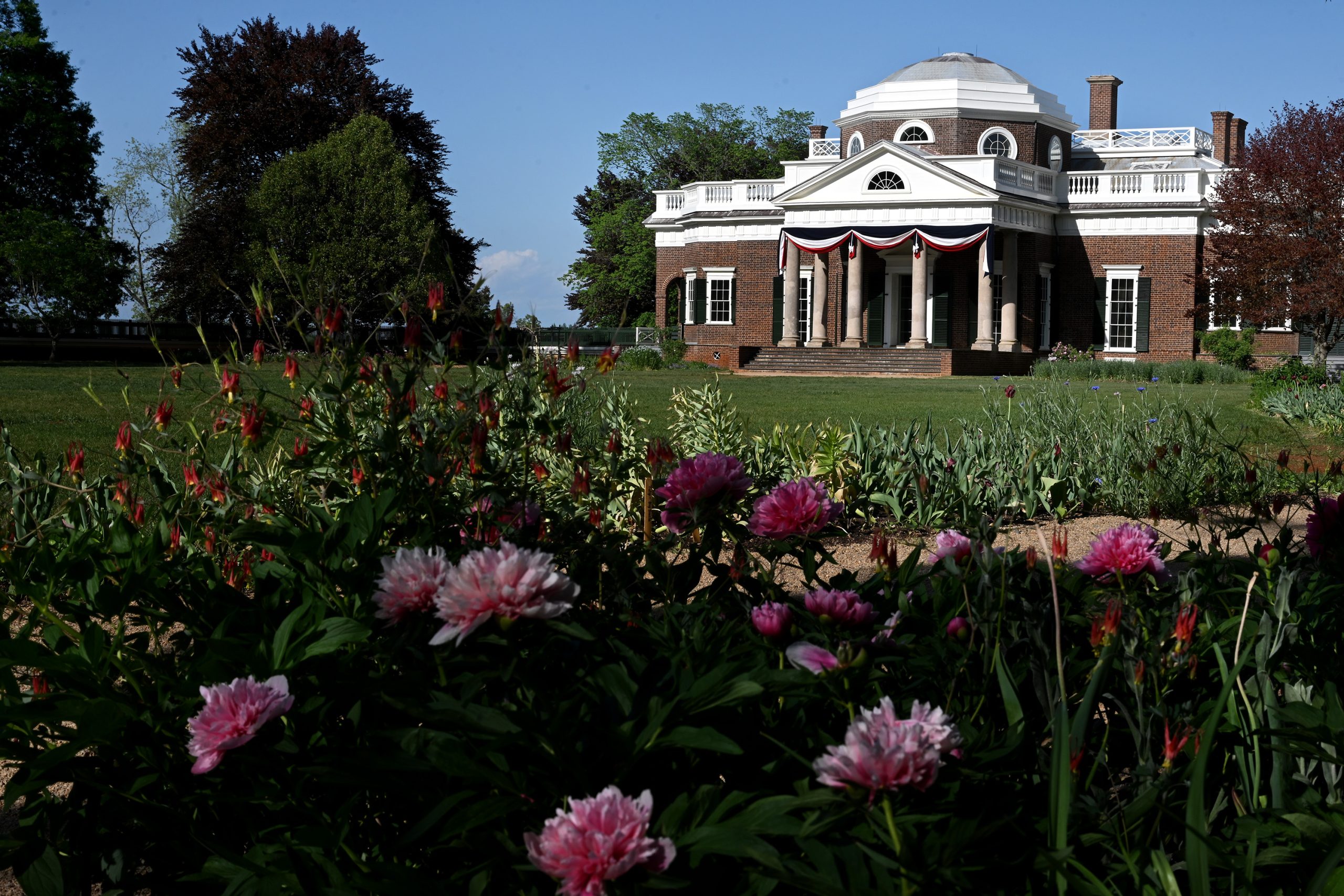
    Monticello, the primary residence and plantation of Thomas Jefferson in Charlottesville, Virginia, April 22, 2026.Tom Gralish / Staff Photographer

    A lover of food and wine and fine things, he studies art and history, philosophy and mathematics, science, botany, astronomy. He speaks four languages and can aptly read ancient Greek. He has been building his Palladian plantation house — situated on land more than five times bigger than the core of Philadelphia, the makeshift colonial capital city, and toiled by more than 100 chained souls — since the age of 14.

    Adams, obsessive even in his sightseeing, catalogs and compares the marvels of Philadelphia — its spacious thoroughfares, leafy green spaces, commanding skyline, including Christ Church’s heaven-kissing steeple, the tallest structure Washington had ever laid eyes on, its booming ports, gleaming institutions, exotic foods, and bottomless wine, porter, and punch.

    During his few hours free from the rigors of revolution, Jefferson shops.

    With Bob touting bulging bundles, the Squire strolls Philadelphia’s abundant artisanal shops, buying maps and books across all his tastes — so many volumes, he commissions his favorite Philly cabinetmaker to make a specialized bookcase to ship them home — and tools for Monticello. He buys fine fabrics for his wife, Martha, whom he is heartsick for. An elegant doll for his 4-year-old daughter, Patsy. He buys a straw hat for himself, and shoes and socks for Bob. At a market stall, he pays a shilling to gaze upon a merchant’s exotic monkey.

    Along with his compatriots, he sups at the City Tavern most nights, enjoying as many as three glasses of wine, but also favors the regal rusticity — and punch — of the Sign of the Conestoga Wagon Tavern on High Street.

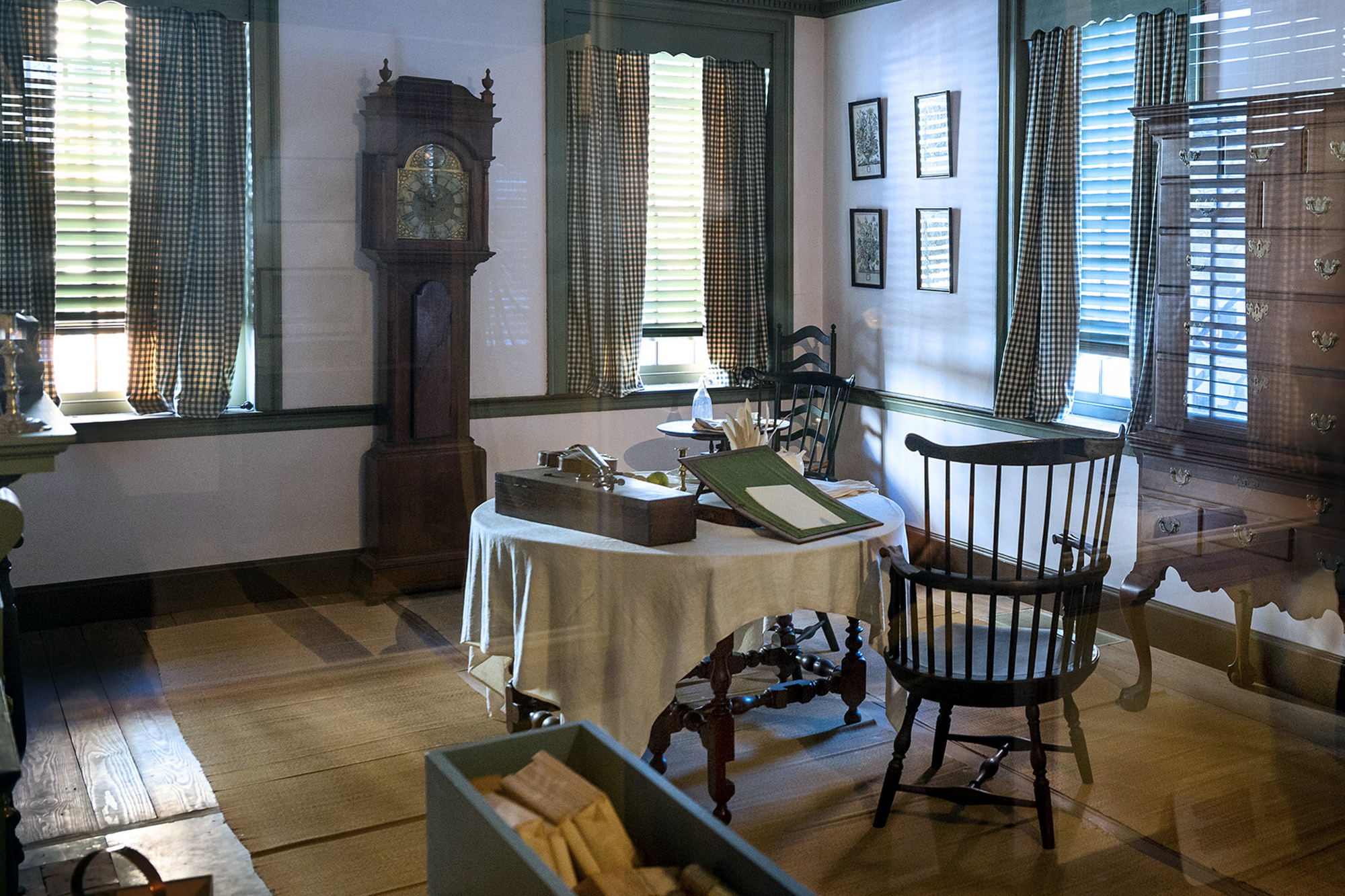
    A replica of the room where Thomas Jefferson wrote the Declaration of Independence, inside Declaration House (home of Jacob Graff, Jr.) Dec. 20, 2023.Tom Gralish / Staff Photographer

    Envision him, this sun-freckled Moses of American history, in flesh and bone, a living, breathing man, donning a sun hat, whose first memory is being held on a pillow by an enslaved worker, and who will within days pen the most revolutionary, if fatally flawed, manifesto ever put to parchment, walking among, but set apart from, the working classes of Philadelphia. The laboring, the indentured, and the enslaved — all those he would conversely see lifted to the altar of democracy or sold at the auction block.

    See this man. And understand America.

    An expression of the American mind

    He envisions his task to “place before mankind the common sense of the subject.” A justification for revolution, yes. A litany of proof that King George was a tyrant — and among other things, in an epic, and ultimately unsuccessful, act of blame-shifting, responsible for the entirety of the slave trade. But not a wholly original document. Rather, a soaring summation of the American revolutionary zeitgeist.

    “Neither aiming at originality of principle or sentiment, nor yet copied from any particular and precious writing, it was intended to be an expression of the American mind, and to give to that expression the proper tone and spirit called for by the occasion,” he will later explain.

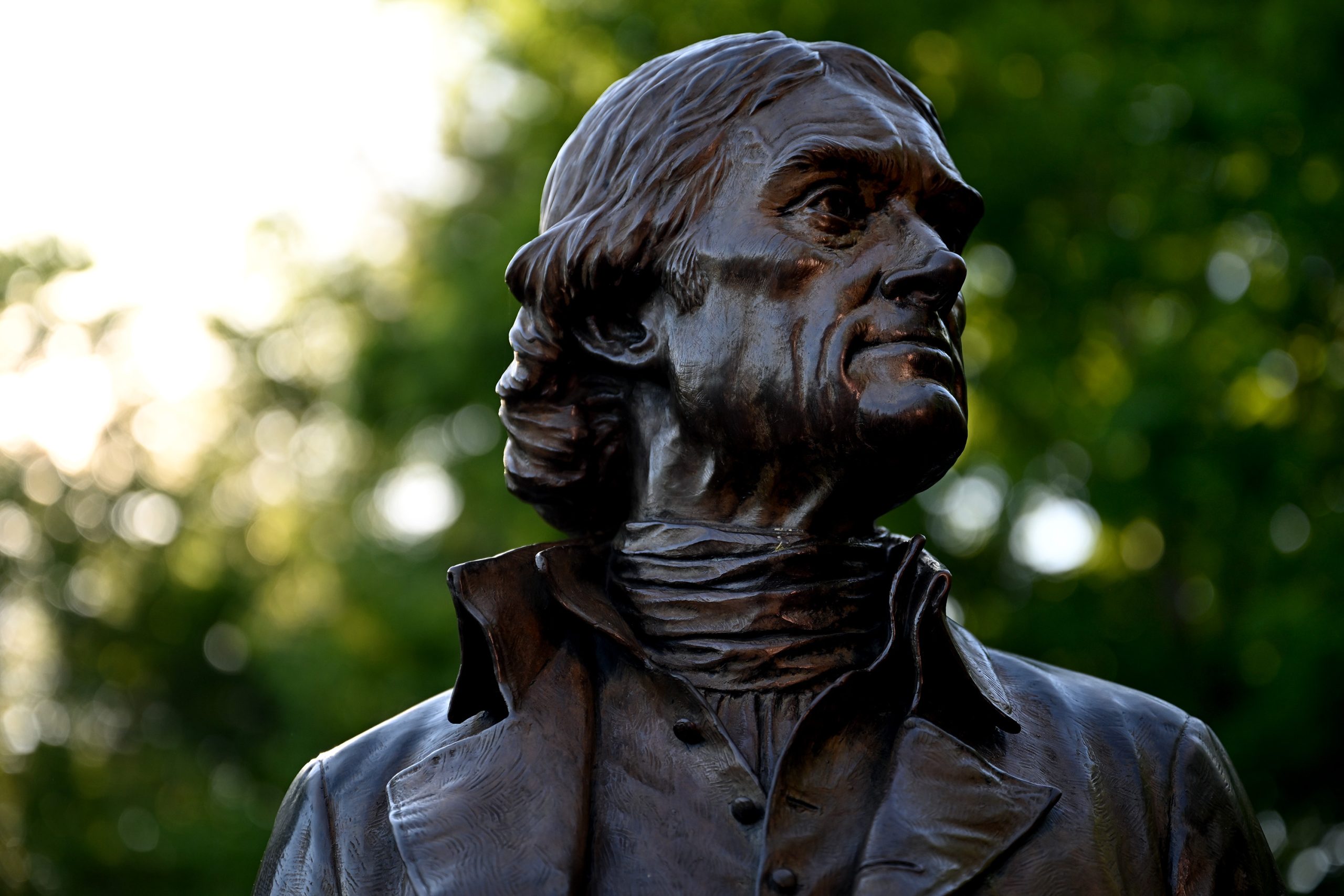
    Statue of Thomas Jefferson at Monticello, his primary residence and plantation of in Charlottesville, Virginia, April 22, 2026.Tom Gralish / Staff Photographer

    In his parlor, with the tall clock ticking and Bob tending to tea, Jefferson works fast, pulling from his own writing — including his recent draft for a new Virginia constitution — and also from a declaration of rights for Virginia, penned by pal George Mason. From the whirling stream of his intellect, he plucks at will the inspirations and ideals of the seminal works of enlightened thinkers like John Locke and David Hume, whose writings on natural rights and freedom (“Life, liberty, and property,” Locke wrote, before Jefferson amends it for the better) provide the bedrock for the revolution.

    Quickly, he begins to find his words. The rag paper fills.

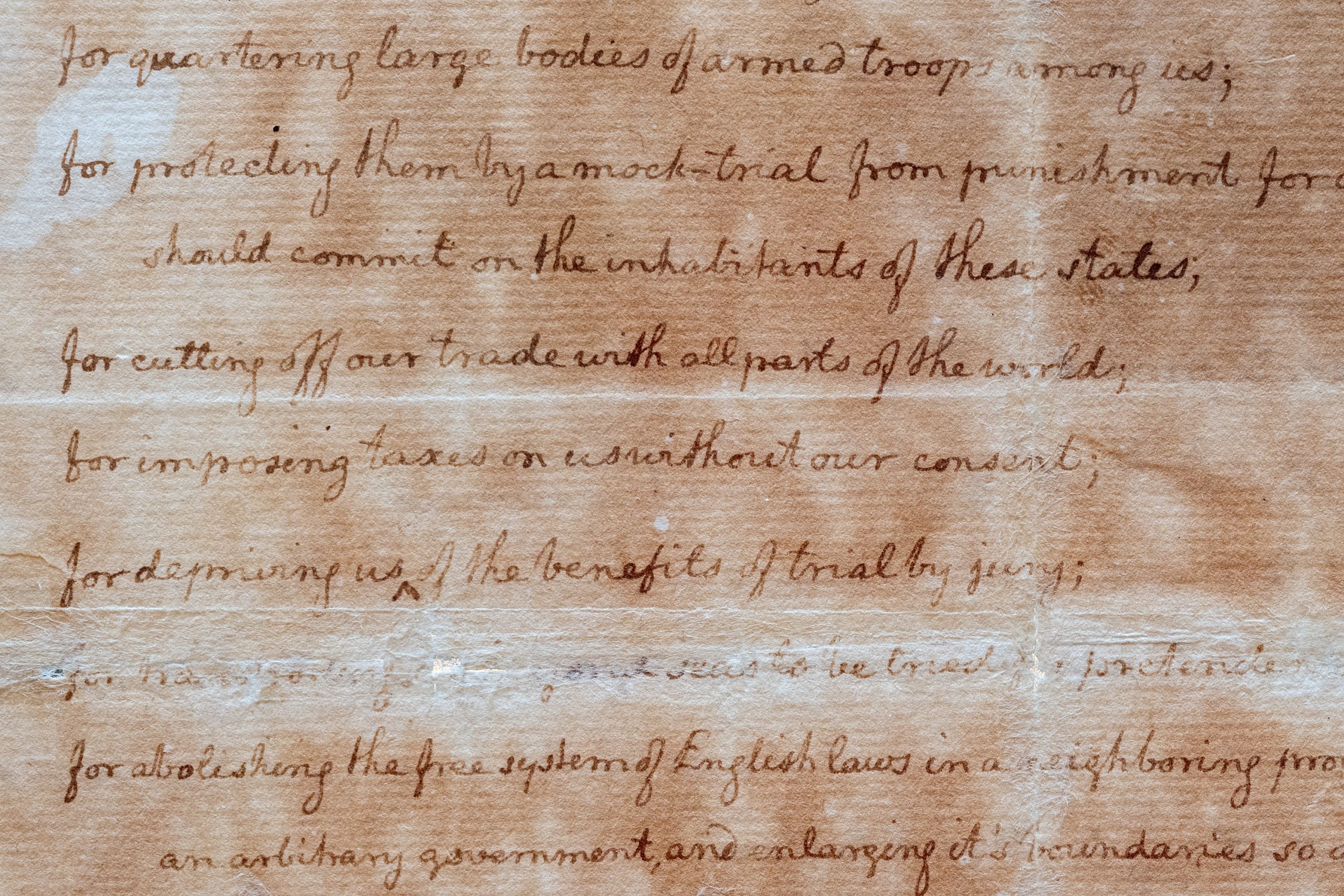
    “We hold these truths to be self-evident,” writes the man from Monticello.

    A faded copy of a draft of the Declaration of Independence handwritten by Thomas Jefferson, known as the “Fair Copy,” on display at the American Philosophical Society Monday, June 15, 2026.Tom Gralish / Staff Photographer

    Dispatches from 1776, Part III will be published online on July Fourth. Read Part I here.

    This historical sketch is based on interviews with Tyler Putman, manager of gallery interpretation at the Museum of the American Revolution, and Michael Idriss, manager of the African American interpretive program at the Museum of the American Revolution, as well as J.M. Duffin, assistant archivist at Penn Libraries, historian and author Michelle Craig McDonald, and Stephen Nepa, history professor at Pennsylvania State University’s Abington campus. The author also based this series on historical newspaper accounts and research from “John Adams,” by David McCullough (Simon & Schuster, 2001), “Declaration: The Nine Tumultuous Weeks When America Became Independent, May 1-July 4, 1776,” by William Hogeland (Simon & Schuster, 2010), “American Scripture: Making of the Declaration of Independence,” by Pauline Maier (Random House, 1997), “The Revolutionary: Samuel Adams,” by Stacy Schiff (Little, Brown & Co., 2022), “Cocked and Boozy: An Intoxicating History of the American Revolution,” by Brooke Barbier (Chicago Review Press, 2026), “Thomas Jefferson: The Art of Power,” by Jon Meacham (Random House, 2012), “Rum Punch and Revolution: Taverngoing and Public Life in Eighteenth Century Philadelphia,” by Peter Thompson (University of Pennsylvania Press, 1999), “The Thomas Paine Reader” (Penguin Books, 1987), and “1776,” by David McCullough (Simon & Schuster, 2005).

  • A Delco man built a Harley in his dad’s basement and could win $10,000 for it

    A Delco man built a Harley in his dad’s basement and could win $10,000 for it

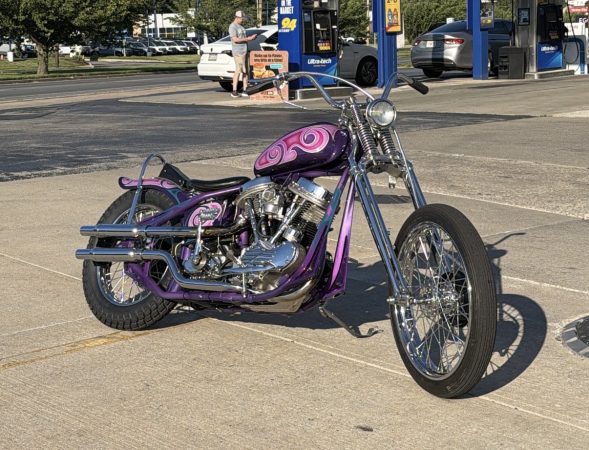
    Behold the bike: a custom Harley-Davidson Panhead chopper painted deep purple replete with classic stylings, an iconic Wassell Banana gas tank, and sharp-as-knives merlot-colored acrylic-glass fins that throw shark-fin shadows when the riding is smooth and the sun hits just right.

    And designed and built by Jack Weidmayer in his dad’s small basement shop over the last three years.

    The custom chopper has won Weidmayer, 27, of Newtown Square, a finalist spot in the Biltwell People’s Champ, an international motorcycle-building competition hosted by the Southern California motorcycle company on June 26.

    Designed to spot up-and-coming, grassroots chopper builders — Weidmayer, a Villanova communications grad who rode his first motorcycle in 2018 — the annual, crowd-voted competition features builders from all over, competing for a $10,000 prize and a coveted chance to display their homemade hogs at Harley-Davidson’s Born Free motorcycle show, on June 27 and 28 in Southern California.

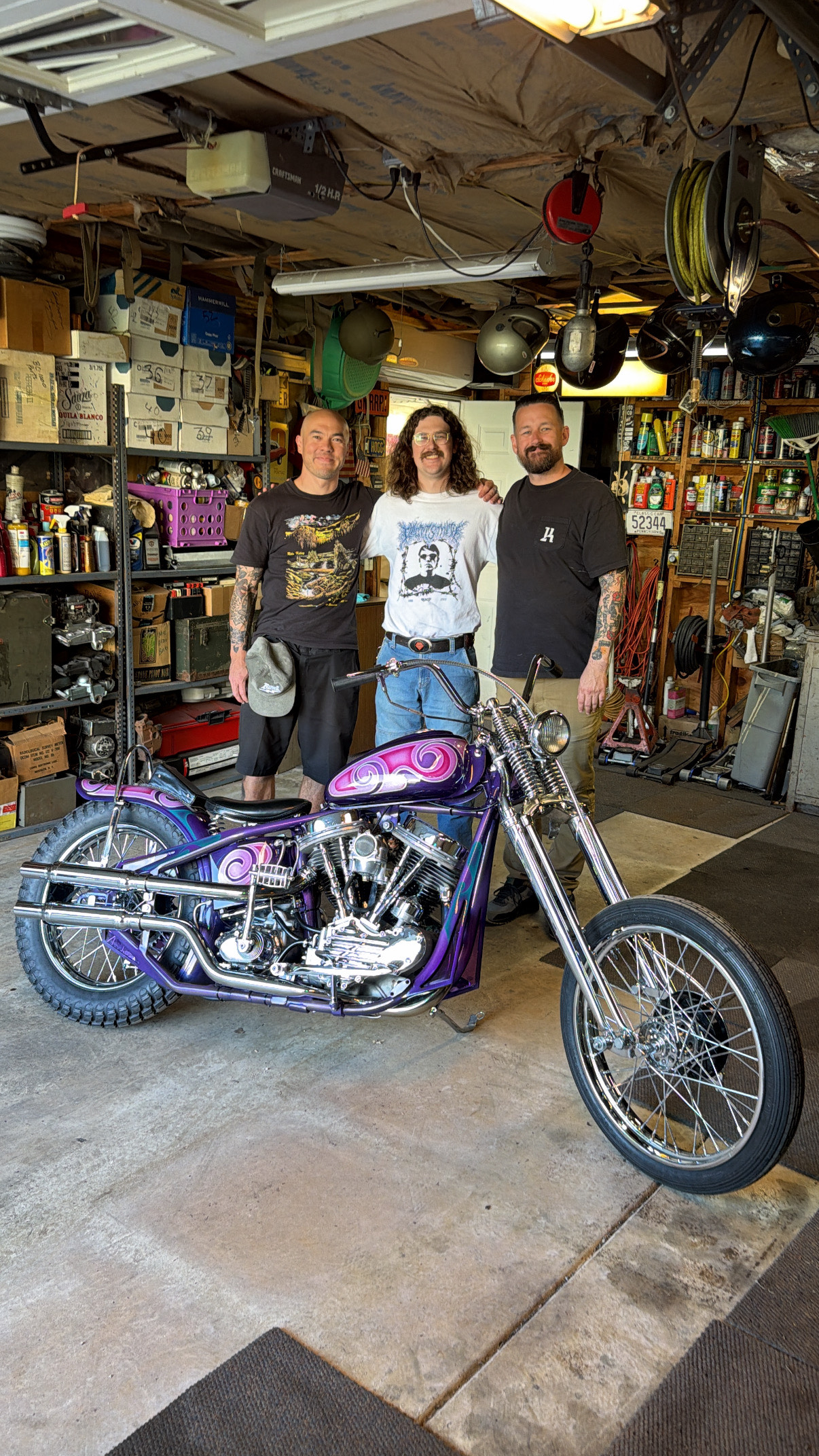
    Jack Weidmayer, 27, of Newtown Square, poses with two officials from the Biltwell motorcycle company earlier this year.Courtesy of Jack Weidmayer (Custom Credit)

    “I was super surprised to even get in,” said Weidmayer, who works as a machinist at a West Chester tool company when he’s not building bikes.

    The final round of the competition — which annually draws hundreds of thousands of votes — began in September when Biltwell scoured the amateur ranks for prospective builders. As of Monday, Weidmayer and five other finalists are competing in five days of online voting. On Friday, the finalists will ride their creations to the legendary Southern California biker bar Cook’s Corner, where final voting takes place — and a winner is declared.

    “It’d be nicer if he was interested in something a little safer,” joked Weidmayer’s father, Mark, a former Harley-Davidson mechanic, who builds custom bikes and supervised his son. “I cherish the opportunity to be able to have a close relationship with my son — and for us to share the same interests and be extremely enthusiastic about bikes.”

    The bike is a beaut, said the proud dad.

    “It’s 100% his design,” said Mark Weidmayer.

    Jack Weidmayer has been building choppers out of the small shared shop in his dad’s basement for about five years. Using scrap parts — picked up at local swap meets and shows — and mostly basic hand tools found in the average enthusiast’s garage, he has built eight bikes, including a pinstripe S & S-powered Panhead featured in Choppers Magazine in 2024. In February, an initial round of online voting winnowed 16 contestants down to the finalists.

    Weidmayer has worked on the current bike every day for nearly a year, he said.

    “I can’t think of one thing that fit correctly or went according to plan,” he said. “This is probably my most modified bike to date.”

    An aspiring journalist in college, Weidmayer said he discovered his love of building custom bikes during the pandemic, when he first asked his father to show him the ropes.

    It’s the challenge of envisioning a design — and then making it ride from bare-bones parts that he loves most, he said, before loading his chopper onto a trailer for the 2,700-mile journey to the competition.

    “I know so many people who’ve done lots of cross-country trips, I’m scared to call myself a real-deal biker,” he said. “It’s more just having an idea and making it tangible that is the more appealing aspect for me.”

    And he, too, cherishes the time with his dad, he said.

    “He has been an invaluable resource in any build I have done, especially this one,” said Weidmayer. “I would not have finished this project on time or nearly as nice quality without his advice, and pro tips.”

    In true Philly fashion, he considers himself an underdog in the People’s Champ, noting that most of the other builders have bigger social media presences than his own — an unenviable lot in an online voting competition.

    Regardless, he’s truly proud of the purple acrylic-glass fins, which he said give the bike a much more aggressive silhouette.

    “I’ve had that idea in my head for three years now, and it is incredible to see it completed,” he said.

  • TED Democracy Philadelphia asks ‘How do you make democracy better?’

    TED Democracy Philadelphia asks ‘How do you make democracy better?’

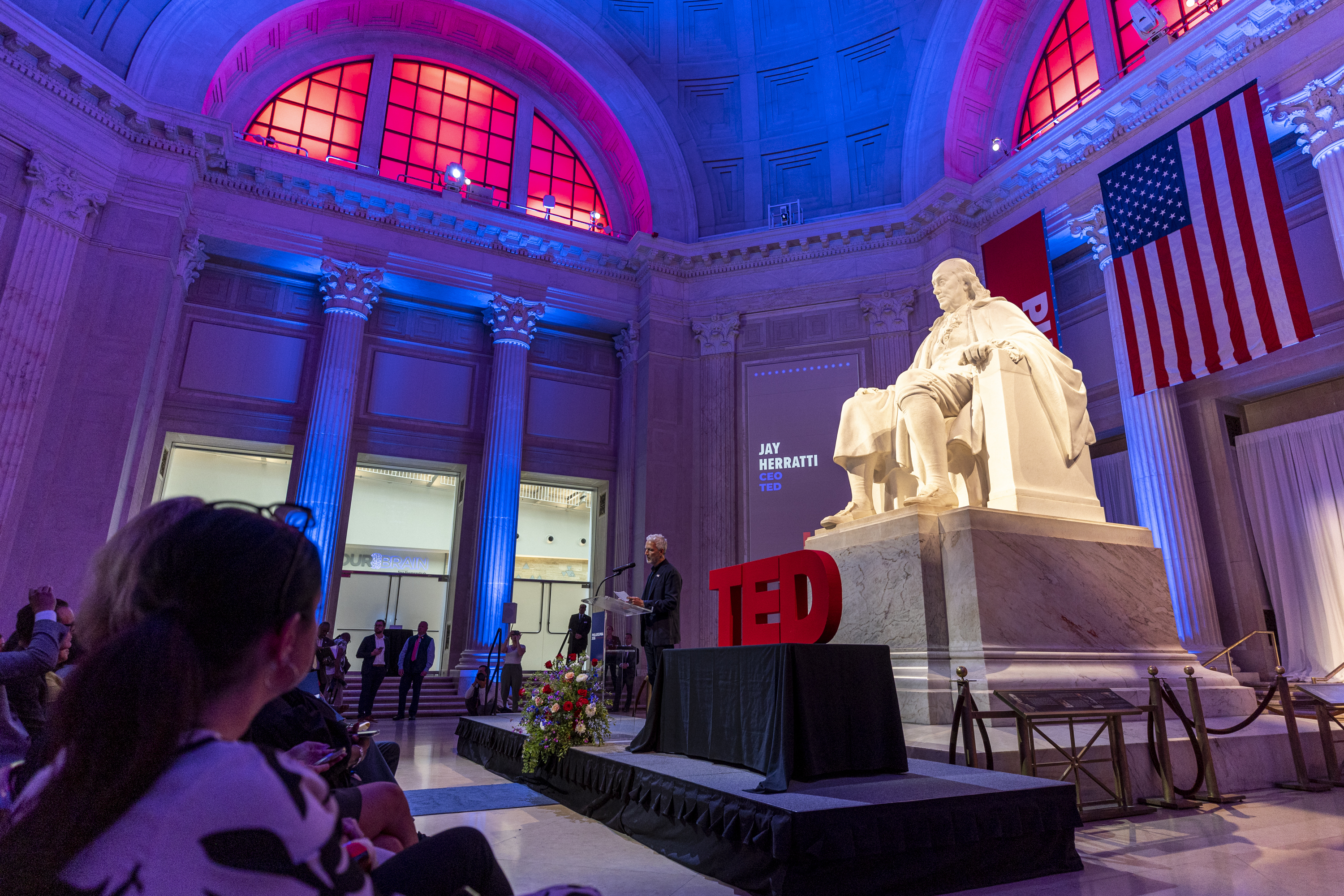
    Storytellers and innovators from across the globe are in Philadelphia, America’s birthplace, to discuss the ongoing experiment of American democracy.

    “TED Democracy Philadelphia: Founding Futures,” a full-day of new TED talks exploring the health and future of modern democracy in honor of America’s 250th anniversary, and hosted in the Kimmel Center’s Marian Anderson Hall, features over 30 speakers Saturday, including eight from Philadelphia.

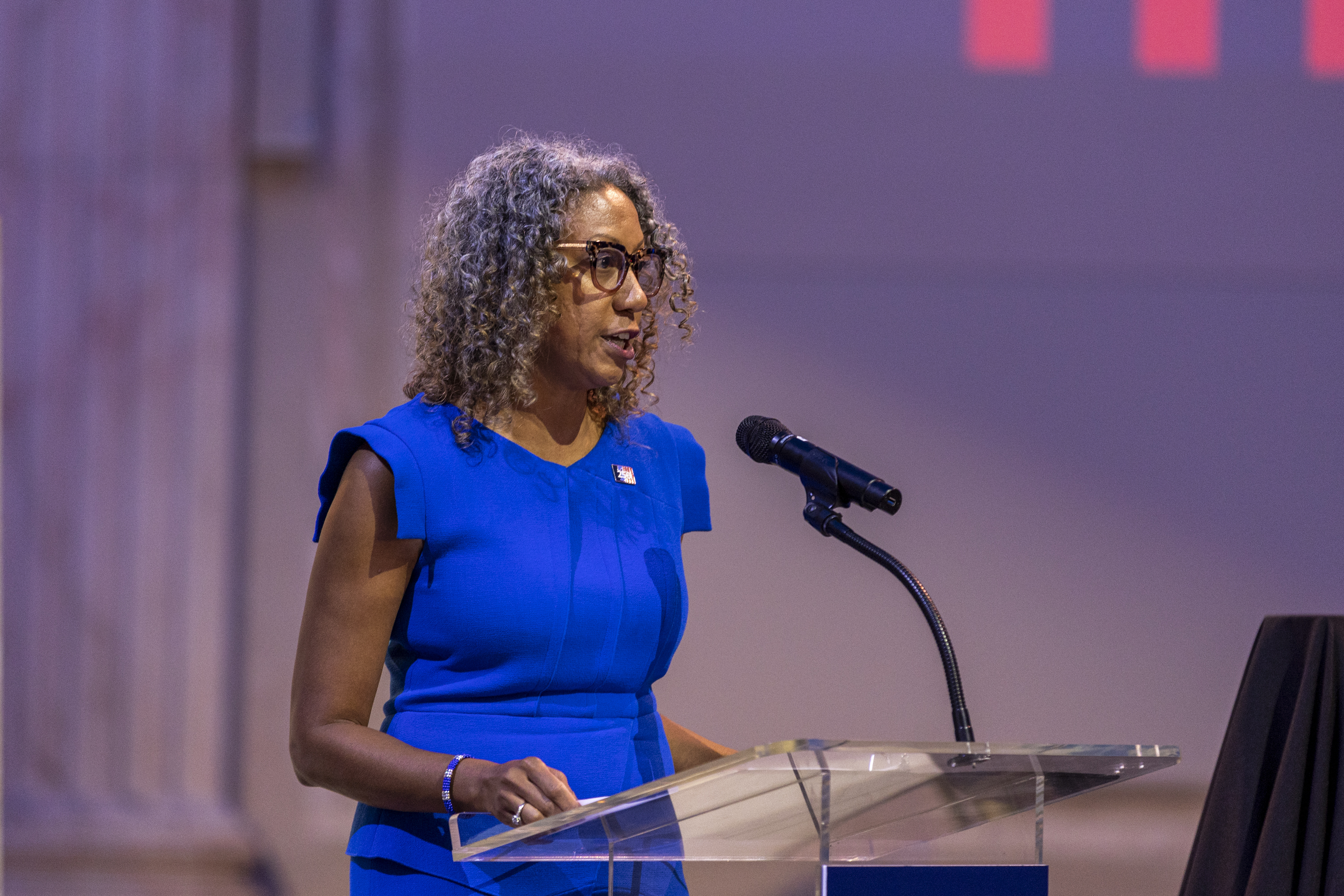
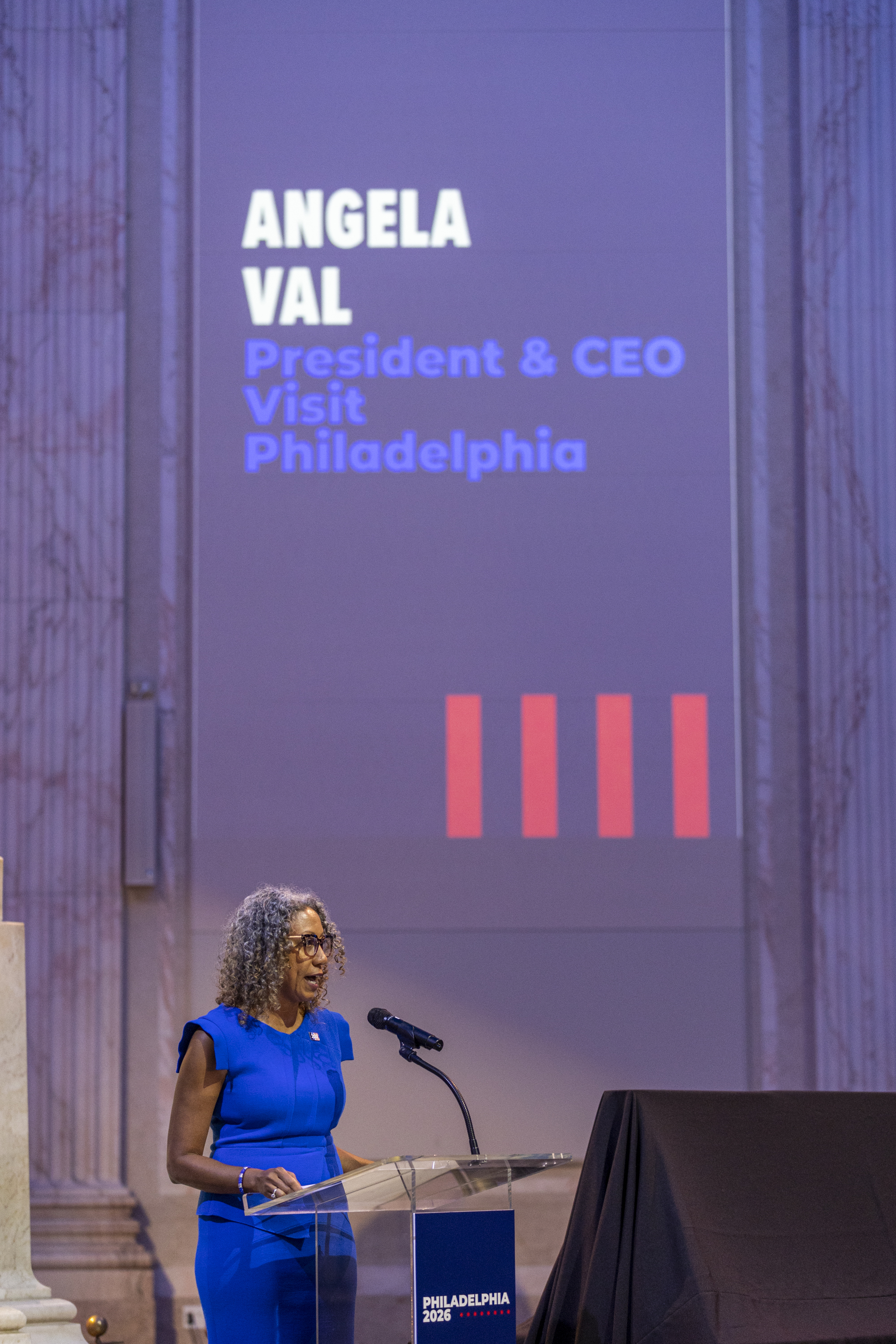
    Angela Val, president and CEO of Visit Philadelphia, speaking during the announcement of Ted Democracy at the Franklin Institute in 2024.Tyger Williams / Staff Photographer

    The event, organized by Visit Philadelphia, includes 18-minute TED Talks from voices shaping Philadelphia and the world, including futurist and co-author of Citizens: Why the Key to Fixing Everything is All of Us, Jon Alexander; best-selling novelist and Pulitzer Prize finalist, Xochitl Gonzalez, and Allentown native, writer, and commentator, Sally Kohn.

    “We have so many things going on in Philadelphia on the 250th anniversary of our country,” said Angela Val, president and CEO of Visit Philadelphia. “What we felt was still needed was a discussion about democracy in America’s birthplace. Philadelphia is where democracy was born, and its future is being written. We’re still a city of thought leaders.”

    Local leaders — including Anuj Gupta, head of the Welcoming Center, a nonprofit finding pathways for immigrants and Jasmine E. Sessoms, president of the 1968 Collective, dedicated to increasing civic engagement among Black women — will also offer three-minute Philly Flash Talks on topics like, race, economic equity, media literacy.

    “What it means to participate in a democracy, what it means if we were to lose it,” said Val. “How it affects our everyday lives and influences our media and pop culture. It’s an opportunity to engage, question and reimagine the kind of democracy we want to build together for the next 250 years.”

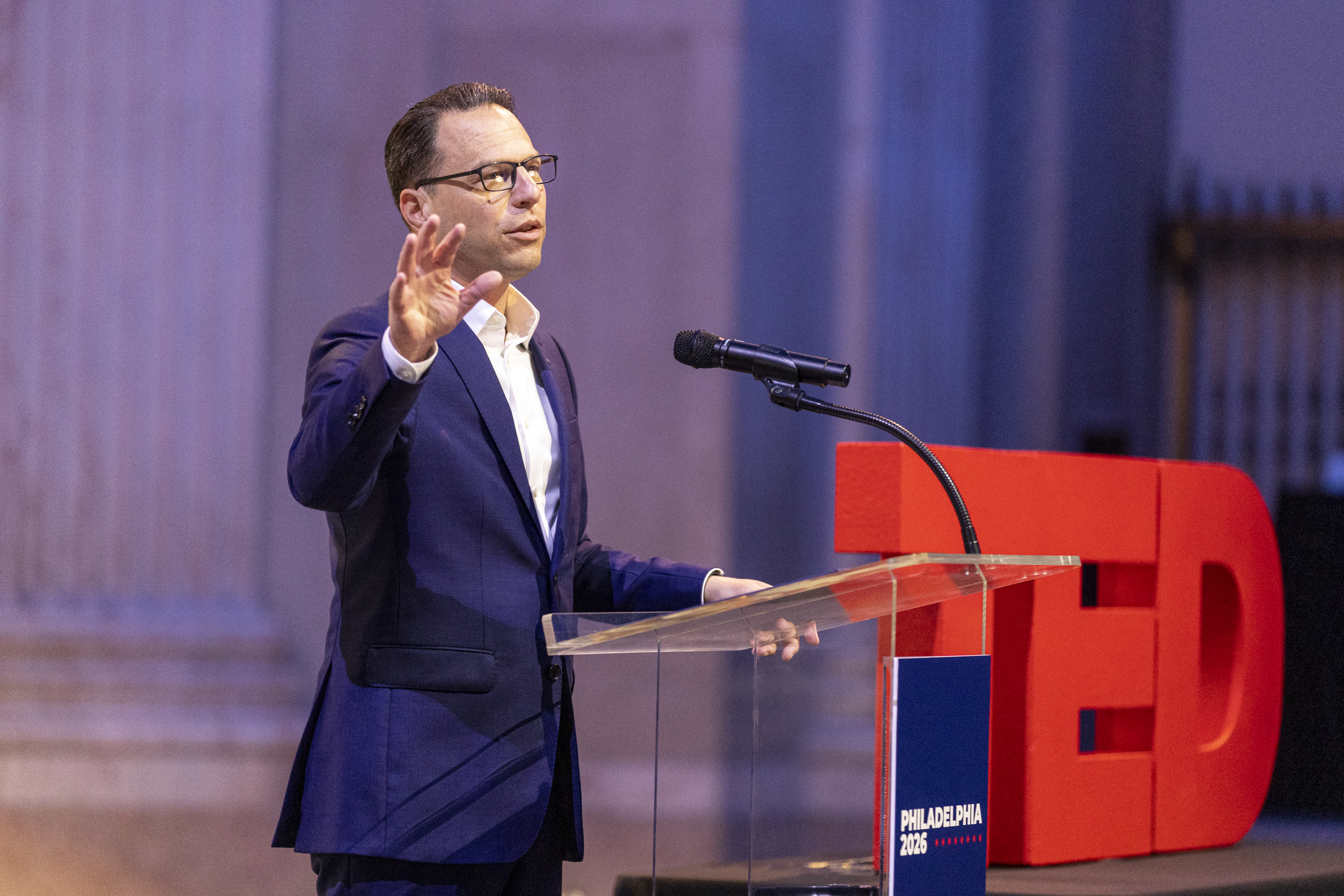
    Governor Josh Shapiro at the announcement of Ted Democracy in 2024.Tyger Williams / Staff Photographer

    Laura Beyer, head of TED’s partnerships program, said there is no better place to stage a global conversation about the future of democracy than Philadelphia.

    “With TED Democracy, we are surfacing the next generation of ideas to ensure our democratic systems remain resilient,” she said.

    Three years in the making — and the culmination of a TED speaker series in Philadelphia last year — the event also features small group discovery sessions, a “Public Square,” featuring local food, books, and crafts, and a “PEW Spotlight Stage,” with live performances and interviews. Partnering with the American Library Association, the event will be livestreamed at more than 65 libraries across the country.

    Gonzalez, a staff writer at the Atlantic, who recently published her third novel, Last Night in Brooklyn, said she will discuss social class, a topic she is exploring for a memoir.

    “So few people think about the matter of social class or income inequality as having anything to do with democracy, but it very much does,” she said. “It’s exciting to get to have the opportunity to talk about something that, generally speaking, people don’t really like to talk about.

    Philly is a perfect spot for the talks, she said.

    “This country really started as a bunch of ideas,” she said. “It feels like a very cool and appropriate way to celebrate this country in this moment by sharing ideas, and asking, ‘How do you make democracy better?’”

  • A new streaming movie showcases McGillin’s Olde Ale House and its 165 years of tipsy memories

    A new streaming movie showcases McGillin’s Olde Ale House and its 165 years of tipsy memories

    Back in 2022, Eric Carosella, 28, was a young South Philly filmmaker searching for inspiration for his debut feature film.

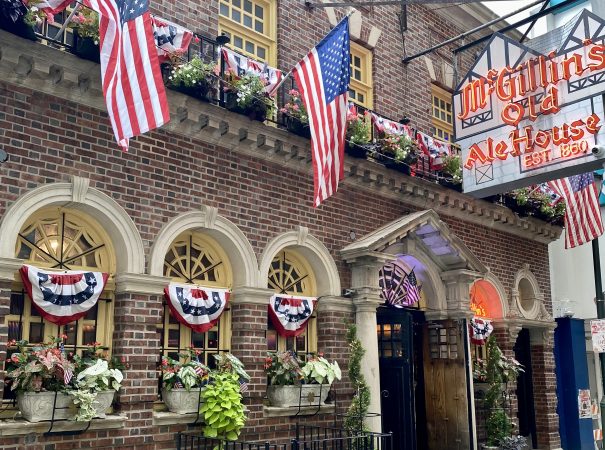
    Bouncing ideas off a friend over beers in the cozy upstairs room of McGillin’s Olde Ale House — he had long been a fan of the storied and timeworn 165-year-old tavern on Drury Street — it hit him.

    History pours from every nook of Philly’s oldest operating public house.

    The sepia-toned ghosts and rogues gallery of tipsy-eyed merrymakers captured in the countless photographs paper the bar’s dark-paneled walls. A blue-collar mentality of survival has kept the suds flowing in an alehouse that has endured a Civil War, two World Wars, prohibition, a Great Depression, and two pandemics.

    Carosella didn’t need an idea. He was sitting in it.

    “It’s been the town hall of Center City for as long as it’s been there,” he said. “It has a history that’s really tangible — and a certain charm that you can’t really find anywhere else.”

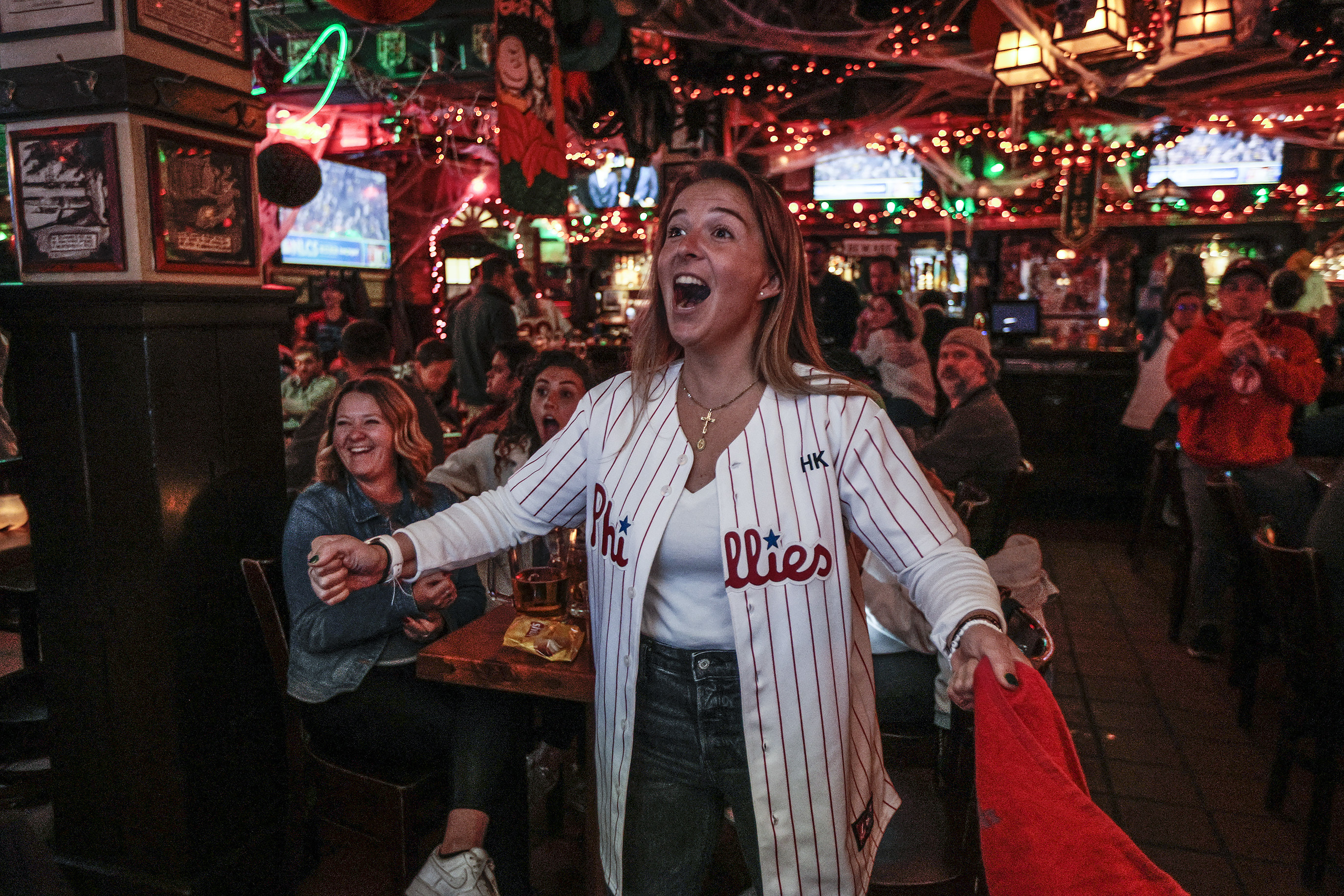
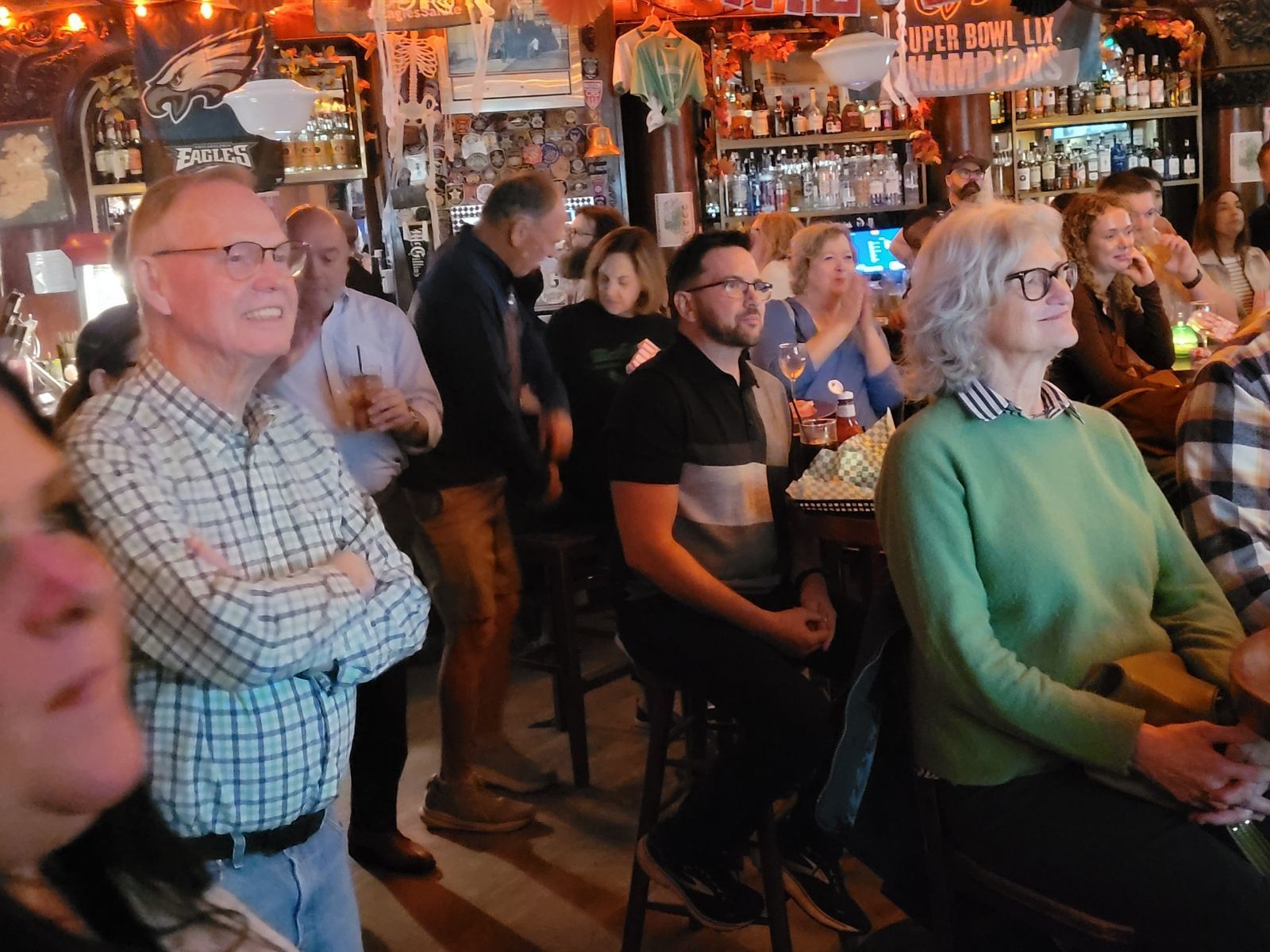
    Bella Tierce from New Jersey watches as the Phillies Kyle Schwarber homers against the Padres while watching the game at McGillin’s on Oct. 18, 2022.Steven M. Falk / Staff Photographer

    On Thursday, Carosella’s documentary, McGillin’s: Philadelphia’s Oldest Bar, debuts on WHYY, with a watch party planned in the same paneled parlor where inspiration struck the director. This comes after a showing of the film at McGillin’s in October, when a packed house cheered and toasted the 42-minute documentary that tells the tale of a tavern — but also of a city.

    ‘Everyone has a McGillin’s story’

    Carosella made his four-year passion project through the local production company he founded after college, Clearbound Media, with friends and creative partners, Christopher Gaida, Brendan McCafferty, and Tina Duncan.

    The film quickly evolved into something more than just an ode to colorful characters and a history of the bar that Irish immigrants and husband and wife, William and Catherine McGillin, opened as the Bell in Hand Tavern in a rundown Drury Street trinity in 1860.

    Longtime patrons and employees packed McGillin’s Olde Ale House on Oct. 2, 2025, to watch a screening of “McGillins: Philadelphia’s Oldest Bar,” a documentary about the historic Center City bar.Courtesy of Eric Carosella

    That same year, a fellow named Abraham Lincoln got elected president.

    You can’t tell the story of McGillin’s without telling the history of the city, and its fiercely proud and passionate denizens, said Carosella, who studied film at Pace University and works days at his family’s South Philly building supply store.

    “It’s a place Philadelphians have been coming to connect and have fun and find love and watch sports for more than 150 years,” he said. “Everyone has a McGillin’s story.”

    Interviewees include McGillin’s co-owner, Chris Mullins Jr., whose family has run the bar since 1958; Philly urban historian Stephen Nepa; and famed brewmaster Carol Stoudt, who founded Stoudts Brewing Company in Adamstown in 1987, and whose beer has flowed from McGillin’s 31 taps for decades.

    Staff and proud regulars like Philly sports radio and TV personality Natalie Egenolf also make appearances.

    “There’s that tradition, oral history and family stories that keep people coming back year after year after year,” Mullins Jr. says in the film. “It’s part of my DNA, part of our customer’s DNA, part of our staff’s DNA. Not everyone can tell stories from a hundred years ago. We can.”

    And there are plenty of stories.

    Drunken politicians and late-night ragers

    Over the years, starlets and stars, and working stiffs have rubbed elbows at McGillins.

    Starting out, “Pa” and “Ma” McGillins raised 13 children in the upstairs rooms of their beat-up alehouse, which didn’t look anything like the bar today, even as it quickly expanded into connecting row houses. Reserved and spare, Pa McGillin stubbornly refused the pleas of his wife and customers to spruce up the joint, says Mullins Jr., who serves as the bar’s oral historian in the film.

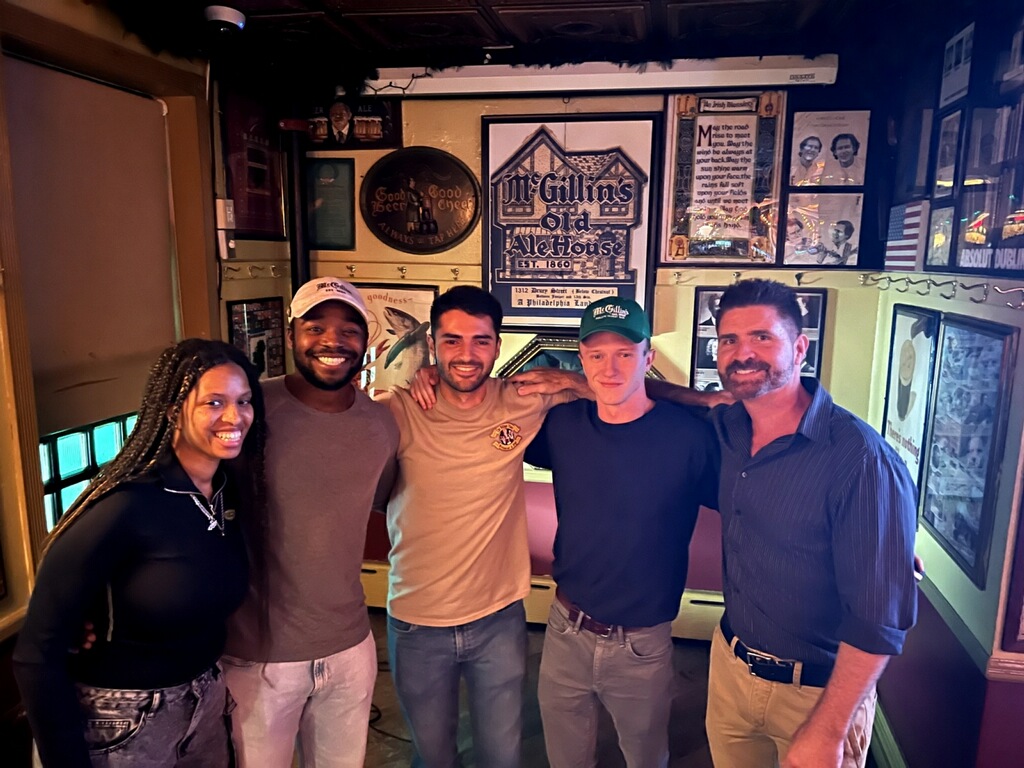
    South Philly filmmaker Eric Carosella (center) poses with the crew of his debut feature documentary on McGillin’s Olde Ale House. The 42-minute film – McGillin’s: Philadelphia’s Oldest Bar airs on WHYY June 11. Tina Duncan, editor (L), Kyle Henley, second assistant director, Eric Carosella, director, Brenden McCafferty, camera operator, and Chris Gaida, producer.Courtesy of Clearbound Media

    After Pa’s death in 1901, Ma McGillin got to work. She tore the alehouse down and rebuilt it as it looks today. She also renamed Bell in Hand to its nickname, McGillin’s Olde Ale House.

    The iron-fisted alehouse matriarch took no guff. She posted a list of rowdy regulars who could no longer cross the sill, blacklisting even prominent Philly politicians and big-spending swells for breaking house rules.

    During the dry years of prohibition, Ma McGillin shut the front door of the tavern, and then quickly opened a side entrance, says Mullins Jr.

    “There are a lot of theories that we probably did operate through prohibition,” says Mullins Jr. “Being so close to City Hall, it’s quite possible that some of these people were sneaking in here for some of the beer that was left down in the cellar.”

    It was national news when Ma McGillin died in 1936. For a time, her daughter, Mercedes McGillin Hooper, and her husband, William “Doc” Hooper, ran things.

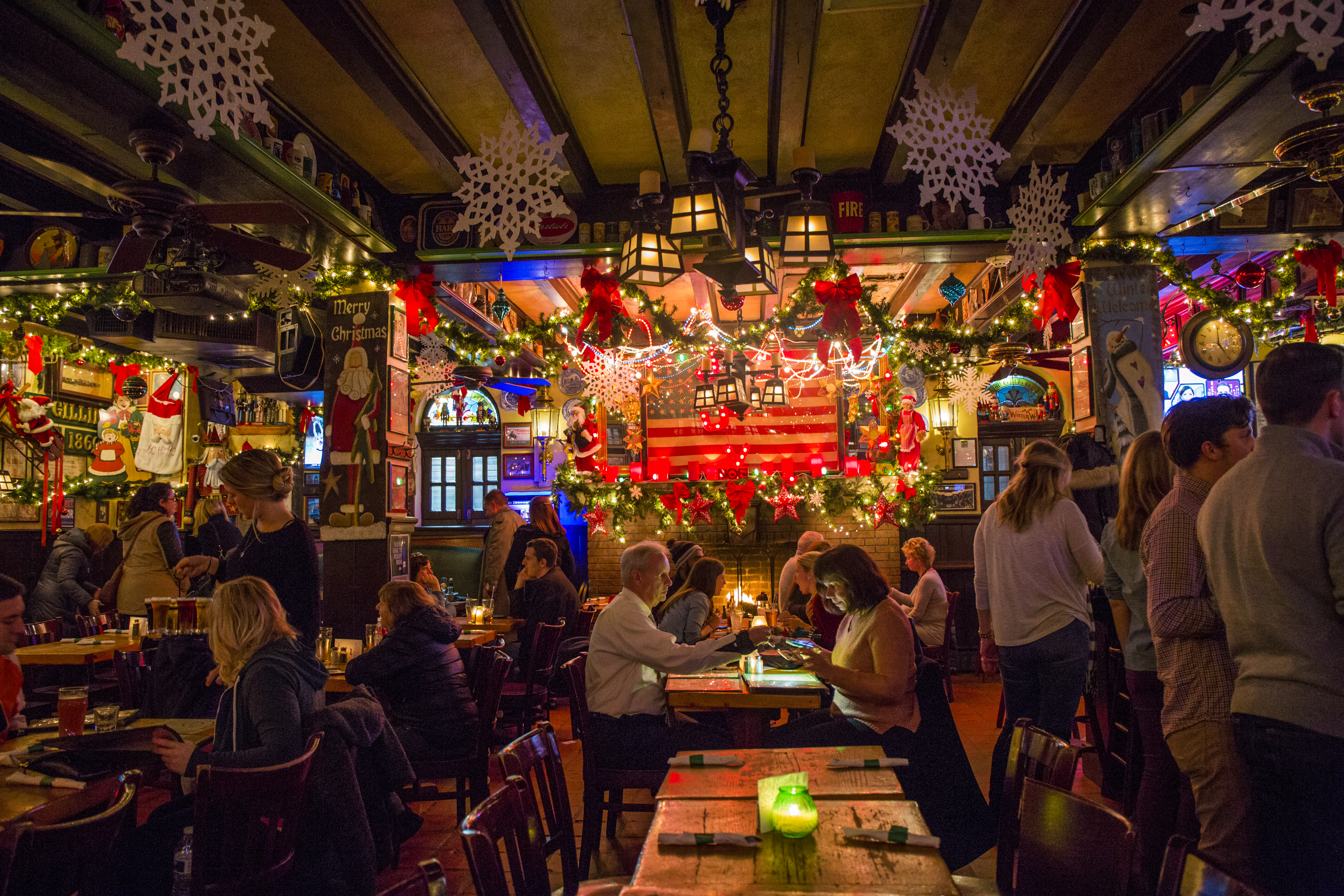
    Christmas decorations at McGillin’s Olde Ale House in a photo from 2024M.Fischetti

    “He was definitely a little wild,” Meg Woody, the Hoopers’ great-great-granddaughter, says of Doc.

    Doc Hooper’s legendary late-night parties at McGillin’s never suffered from a shortage of women.

    “Not like a tawdry house,” she says in the film, with a smile. “But there was definitely some experienced Philadelphia ladies hanging in the pub after hours.”

    Growing more legendary

    McGillin’s has since evolved into a craft beer bar, sports-watching haven, and match-making mecca. In February, the bar hosted a reunion for married couples who met at McGillin’s. It was packed.

    Coincidentally, the bar is also where Martino Picareiello, Carosella’s drinking partner that fateful night four years ago, met his soon-to-be-bride, Aimee.

    That same night when inspiration struck, right before walking out the door.

    What’s at the heart of Carosella’s film is the idea that what makes the bar truly rare is just how special a place it has in so many Philadelphian hearts.

    “We made this movie to showcase their stories,” he said, adding that for weeks after the crowd erupted in cheers at last year’s bar screening, he was flooded with emails from staff and patrons, old and new, who shared their own cherished McGillin’s memories.

    After its debut on WHYY, the documentary will be available to stream on PBS Passport. Carosella hopes to develop it into a larger series on America’s oldest bars.

    The thriving tavern only grows more legendary with each passing year, Carosella said.

    “And it truly deserves it,” he said.


    “McGillin’s: Philadelphia’s Oldest Bar” plays on WHYY-TV (Channel 12) on Thursday, 7:30 p.m. The watch party starts at 6:30 p.m. at McGillin’s Olde Ale House, 1310 Drury St. RSVP at events.ticketleap.com

  • A Man found shot to death near the Quaker City Yacht Club

    Responding to a radio report of gunfire Sunday afternoon, Philadelphia Police found a man shot to death near the boat ramps of the Quaker City Yacht Club.

    It was just before 5 p.m., when patrol officers raced to 5198 Princeton Ave., where the yacht club is located tucked away near the Delaware River waterfront.

    Within minutes, paramedics pronounced the victim, whose name and age have yet to be released, dead on the scene.

    Investigators are currently working to determine the circumstances surrounding the shooting. No motive has been established, police said.

    The victim became the 59th homicide in Philadelphia in 2026, a nearly 40 percent decrease in killings from the same time last year.

    Anyone with information involving the shooting is encouraged to contact the Philadelphia Police Department’s Homicide Unit at 215-686-3334 or submit an anonymous tip by calling or texting 215-686-Tips.

  • Philly’s 2026 Pride takes over Benjamin Franklin Parkway

    Philly’s 2026 Pride takes over Benjamin Franklin Parkway

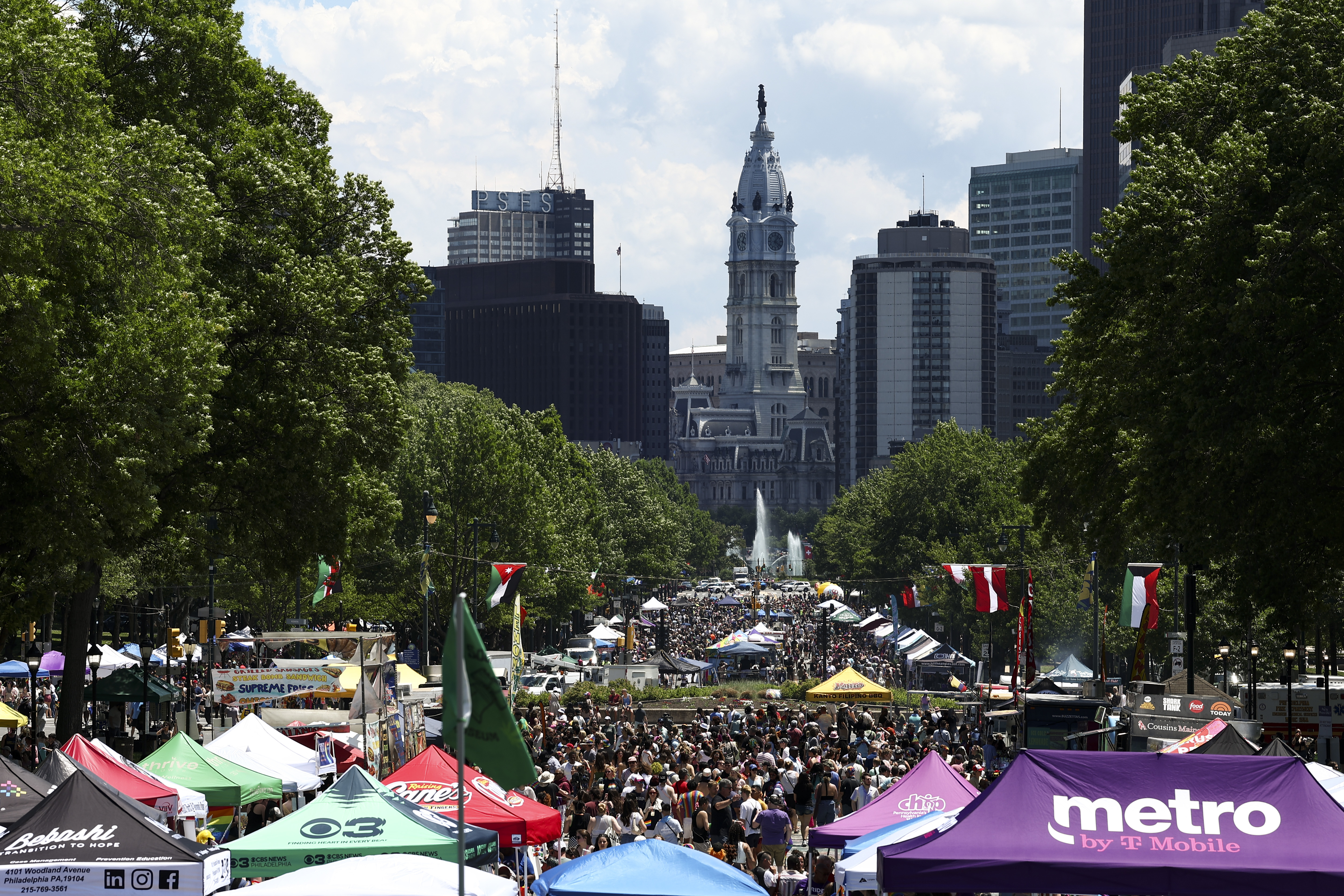
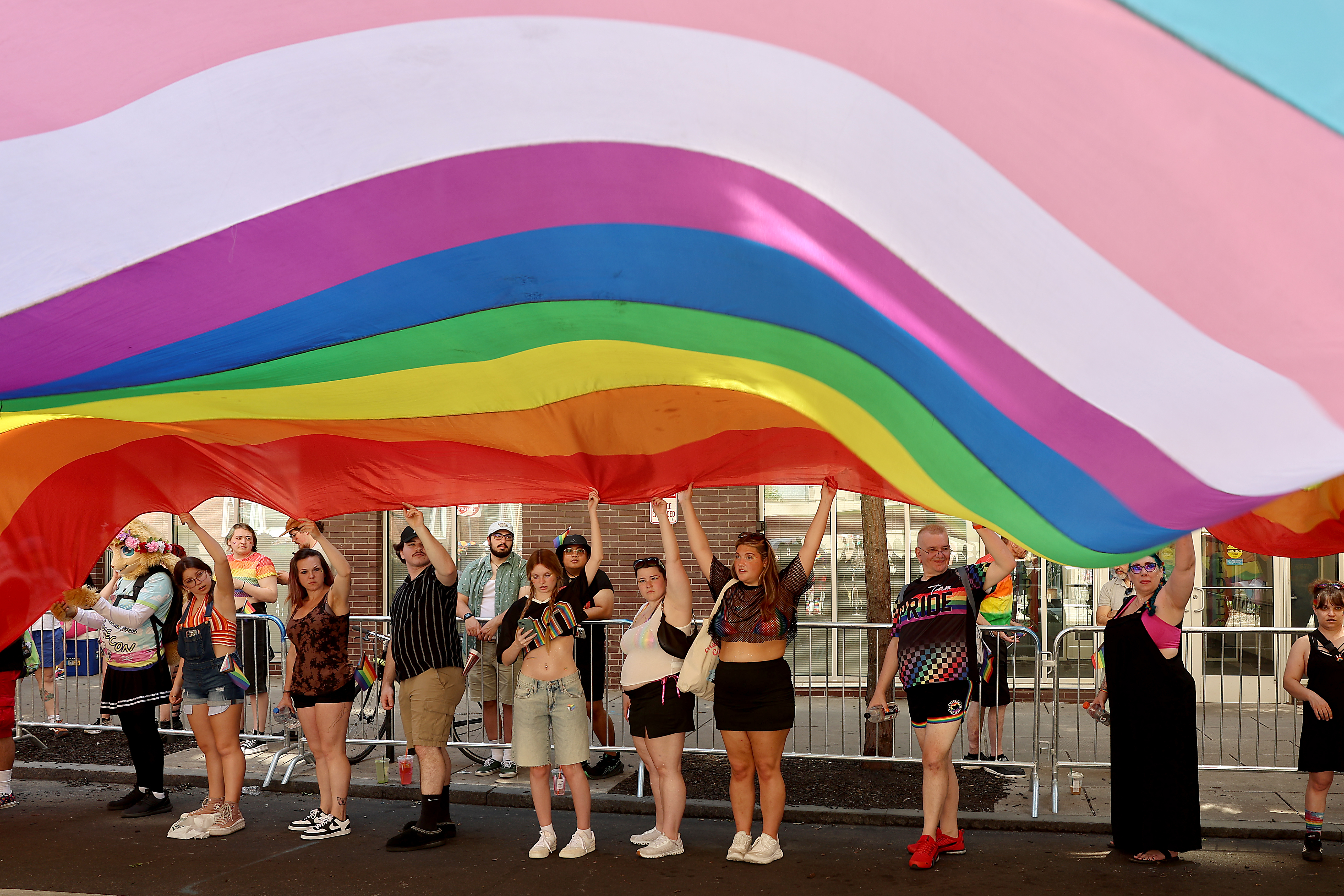
    With the sun shining and the grand vista of the Philadelphia Art Museum steps framing a new venue, crowds poured into Philadelphia’s 2026 Pride festivities on Sunday — the first time the LGBTQ+ event was ever hosted on Benjamin Franklin Parkway.

    “This is beautiful,” said Drew Galella, 27, of King of Prussia, toasting his boyfriend, Rich Jann, 42, also from King of Prussia, and their friend, Kaitlin Kirwan, 41, of South Jersey, with their first vodka lemonades. Regular attendees of Philly Pride events — hosted in the Gayborhood since 2022, and Penn’s Landing before then — they cheered the spacious festival grounds, which ran along the Parkway, from Eakins Oval to 21st Street. The celebration had stepped off at 11 a.m., with a parade starting at 13th and Locust Streets.

    Participants hold a large Pride flag during the annual Pride Parade in Philadelphia on Sunday, June 7, 2026.David Maialetti / Staff Photographer

    By 12:30 p.m., the group had easily wound through fast-moving ticket lines — this year also marked the return of a festival admission fee — and strolled the celebration’s vastly expanded vendors’ row and wide-open performance areas, and grabbed their cocktails without a wait.

    “The change of venue is perfect,” said Jann.

    The new location is a means to accommodate larger crowds — an estimated 147,000 last year — and improve safety, the organizers have said. But the changes, including the $10 cost of an entrance band, were not well-received, and many took to social media with their frustrations and concerns over whether this move would hurt the Gayborhood.

    Philadelphia is no stranger to the pay-for-Pride model; before 2022, the festival charged an entrance fee. But still, the ticketing policy sparked discourse about inclusivity and the corporatization of Pride parades, which were first held to commemorate the Stonewall riots in New York City.

    In an email to The Inquirer ahead of Sunday’s festivities, Philly Pride 365 spokesperson Brandon Szeker said that “given the various factors that could potentially impact ANY event,” the organizers were “not concerned about ticket pricing.”

    “There are many community organizations offering free tickets, so it’s really up to the consumer to make the best decision for themself,” Szeker said. “Pride is where you stand.”

    Other cities, like St. Louis, have adopted an admission fee in response to major sponsors pulling or scaling back their support as President Donald Trump targets diversity, equity, and inclusion initiatives. In Pittsburgh, Pride organizers told NPR they anticipated securing 30-40% of the sponsorship money this year that they were able to fundraise a few years ago.

    Szeker said Philly Pride 365 has not experienced this drop in support and has previously dumped “problematic businesses,” like Target, Wawa, AARP, and Burlington, from its list of backers.

    When asked about a possible missed economic boom for the Gayborhood, Szeker pointed to Philly Pride 365’s “Out For Good,” a Saturday street festival “centered on the [Gayborhood], uplifting the businesses, venues, and spaces that help sustain LGBTQ nightlife in Philadelphia year-round.”

    This year’s sprawling event did seem to attract many first-timers, including neighborhood residents and out-of-towners.

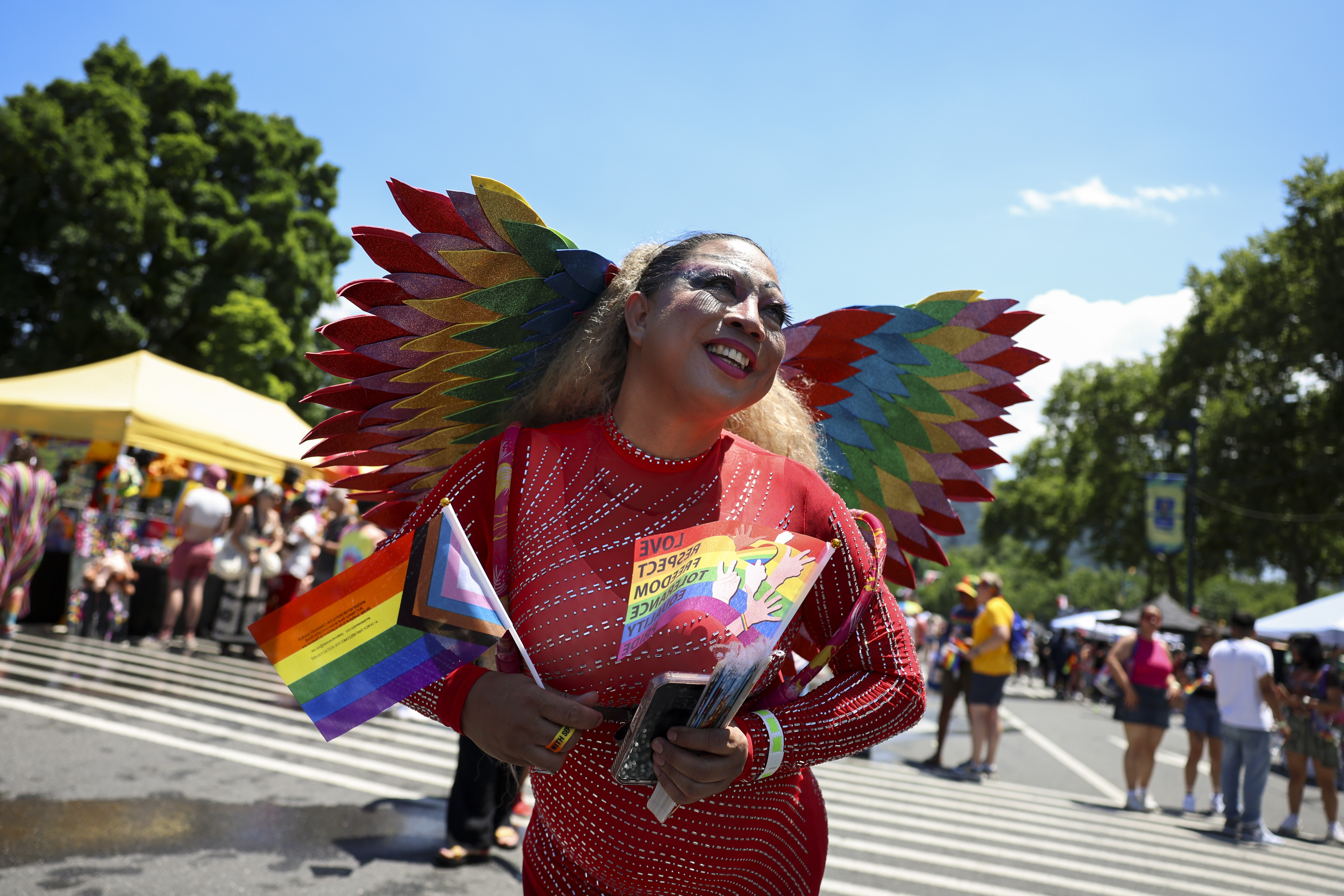
    Sweet Suki, from Upstate New York, posed for a portrait at the Philly Pride Festival on the Ben Franklin Parkway on Sunday, June 7, 2026 in Philadelphia.Monica Herndon / Staff Photographer

    “It’s so great to see everyone come together for such a beautiful cause,” said Erin Bell, 24, of Delaware, who made the trip with friends.

    Others said they were extra proud to see the event hosted at Philadelphia’s most prominent celebration grounds, especially now, when their community is under attack from lawmakers and others.

    “It’s the City of Brotherly and Sisterly Love — it’s just so wonderful to see all this love here,” said Abby Craig, 23, of Bucks County.

    Her friend, Phillip Rodriguez, 27, of North Philly, said that while he loves the Gayborhood, he felt the move to where Philly holds its biggest festivals makes a statement that Pride isn’t just for LGBTQ+ people.

    “It says that something that everyone should enjoy,” he said.

    Manning the Mazzoni Center booth, where volunteers connected crowds with LGBTQ+ health and wellness info, the center’s chief executive officer, Simon Trowell, said he understood upset feelings over the move but praised the added visibility.

    “What a wonderful opportunity to celebrate the community and the city on America’s 250th anniversary,” he said. “We are delighted to be here.”

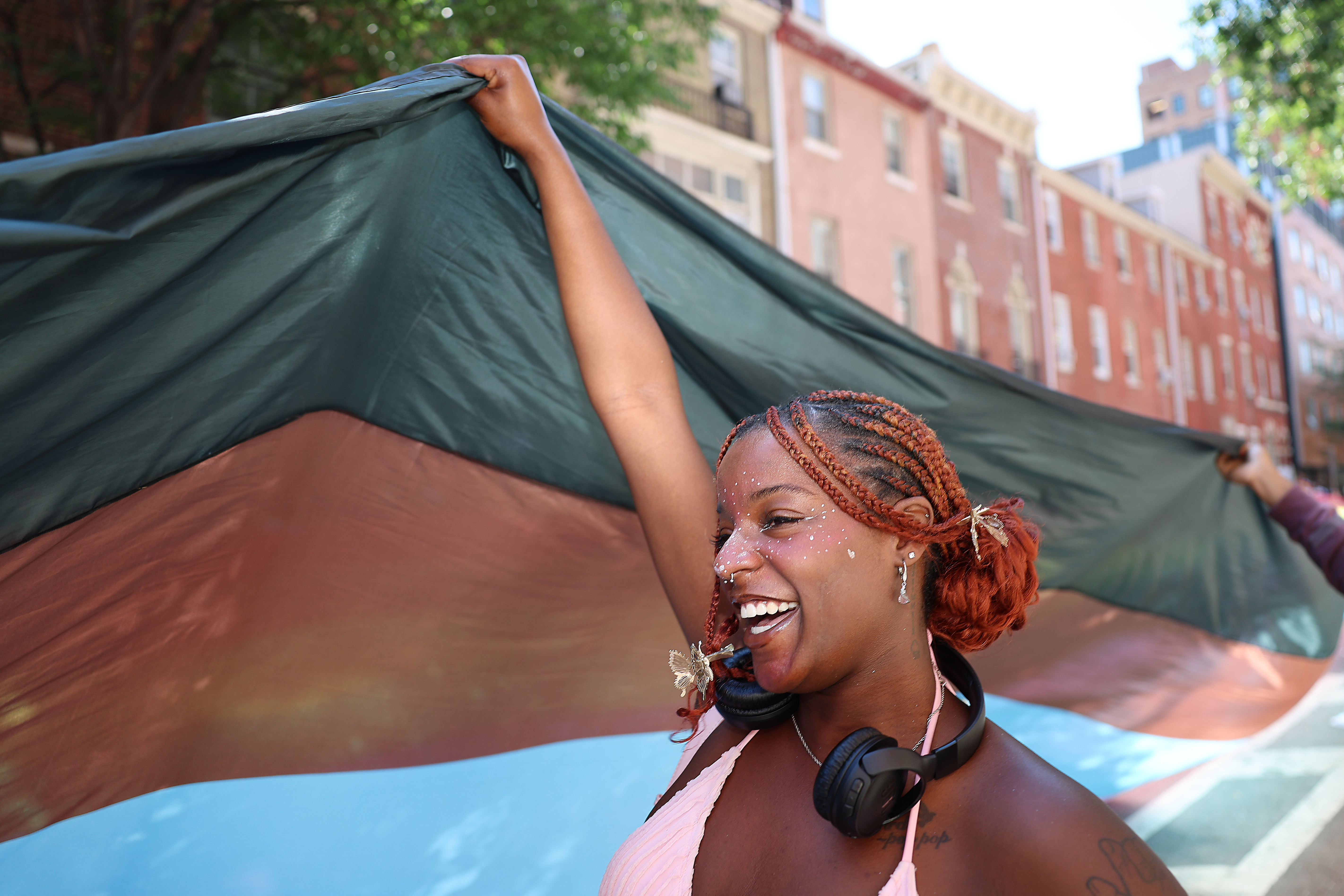
    Jaedan Goodman, of Burlington, N.J., holds a large Pride flag during the annual Pride Parade in Philadelphia on Sunday, June 7, 2026.David Maialetti / Staff Photographer

    Meanwhile, the Gayborhood’s sidewalks and iconic shops and bars buzzed with crowds, who said they preferred to keep the party where they believed it belongs.

    “Pride should remain a protest and support local businesses, not corporations,” said Nikki Schwartz, 28, of Spring Garden, who along with her wife toured the recently opened Philly Pride Visitor Center at 12th and Locust Streets, one of the few LGBTQ+-focused visitor centers in the nation. A lot of her friends felt the same, she added.

    Nearby, Tonka Meares, 58, and her friend, Lorre Chavez, 60, both of Philly, said they had not yet made up their minds whether to visit the festival or stay in the neighborhood, where they have celebrated for 20 years.

    “This is the Gayborhood,” said Meares. “It should be here.”

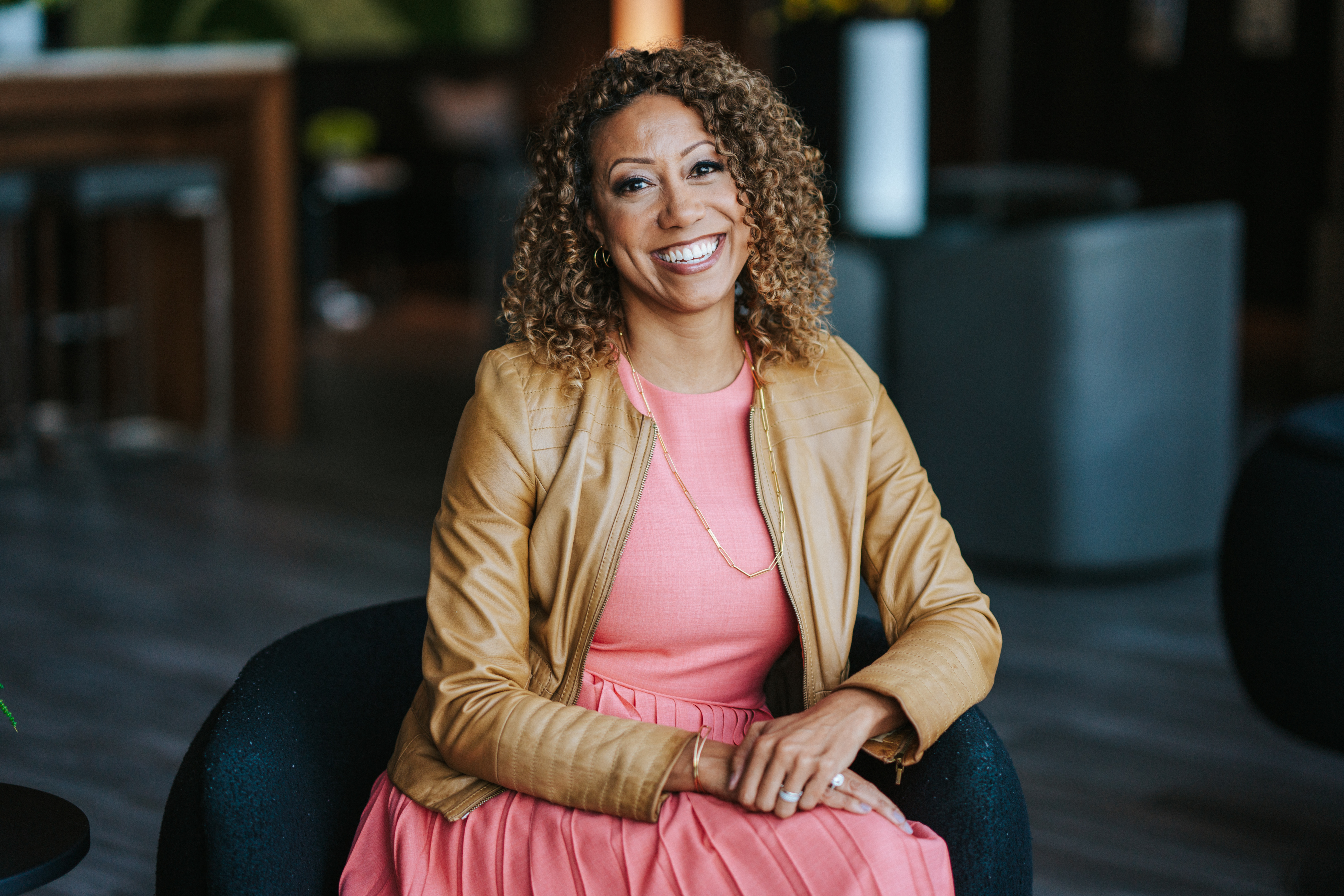
  • How to have a Perfect Philly Day, according to Angela Val, president and CEO of Visit Philadelphia

    How to have a Perfect Philly Day, according to Angela Val, president and CEO of Visit Philadelphia

    For Angela Val, experiencing the charms of Philadelphia is far more than just a personal pastime. It’s part of her job.

    President and CEO of Visit Philadelphia, the nonprofit that serves as the city’s official leisure-tourism marketing agency, it falls to Val to sell the city’s many allures to the wider world. Especially this year, as Philadelphia prepares to ascend the global stage for America’s 250th anniversary.

    “It’s exciting for it to be here,” said Val, who has led Visit Philadelphia since 2022, after a prior 17-year stint at the agency, when she worked her way from a receptionist to vice president. “I have been preparing for this year with lots of different people, and to see it come to fruition — to be in the implementation stage — is really thrilling.”

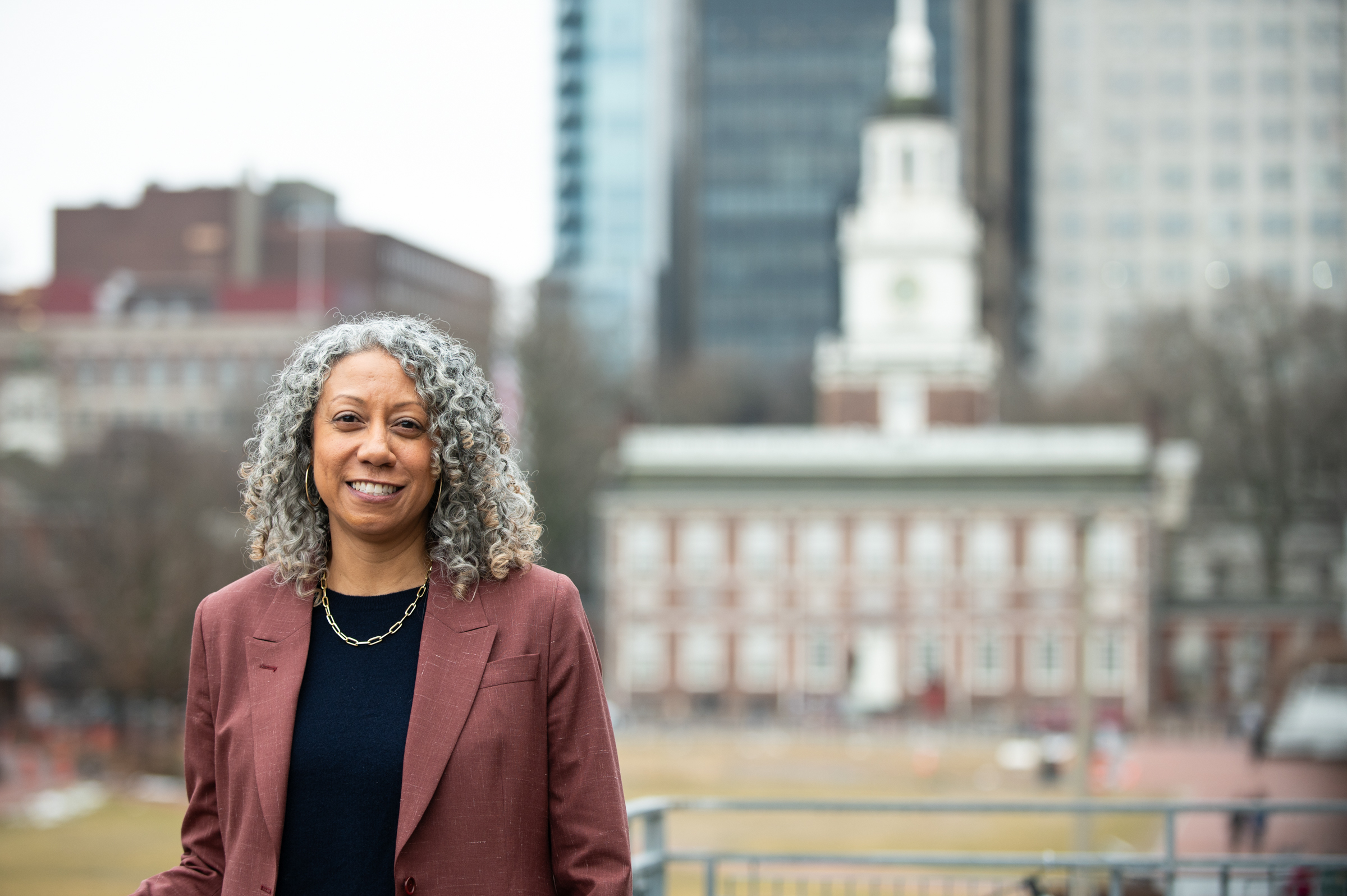
    Angela Val, president and CEO of Visit PhiladelphiaRachel Rosenstein

    A native of Rockville, Md., Val fell in love with Philly’s rising potential after earning a degree in hospitality management from Drexel University in 1994.

    Starting out working hotel front desk and catering jobs, Val first joined Visit Philadelphia in 1998, amid Center City’s long awaited renaissance.

    “I just felt like I was going to be part of a city that’s going to have a great deal of growth over the next 10 years,” she said.

    Now, Val helps spearhead that growth.

    For the 250th, Visit Philadelphia has rolled out a series of marketing campaigns and events, including TED Democracy, a daylong symposium of broadcast TED talks exploring modern day democracy scheduled for June 13 at the Kimmel Center.

    Val, who lives in Point Breeze with her husband, and her dogs, Dash and Bailey, who are Mi-Kis, said her perfect Philly day would include a rooftop sunset, a killer workout, sweets before dinner, lots of great Philly food, and some late-night hanging with neighbors.

    7 a.m.

    We always start off with my dogs. We have two puppies. They’re about a year old. I take them to the deck to run around very early in the morning. We have a skyline view. We took all of our COVID refund and renovated the deck. I do like to sit on the deck with a cup of tea. The Random Tea Room sells a great loose mint tea that I love.

    I usually go back to bed. I am not a morning person. I am somebody who likes to hit the snooze button. So I’ll do that — just chill out in bed a little bit longer and catch the news.

    Angela Val, President and CEO of Visit Philadelphia, Speaks to guests and press about the announcement of TED Talks focus on democracy leading up to 2026 in Philadelphia, Pa., on Tuesday, May, 21, 2024.Tyger Williams / Staff Photographer

    9 a.m.

    I usually head to the gym. I have a trainer. I belong to the Bellevue Sporting Club. I am all about strength training these days. As you get older, the doctor recommends less cardio, more strength. I had never really lifted weights before. Thus, I got a trainer, and I have to say, I do love it. Emily’s fantastic. I usually try to get that in two or three times a week, if possible. It always makes me feel better.

    11 a.m.

    I get a good walk there and a good walk back. I’m pretty ravenous afterward. Joe and I will usually meet up at Enswell. It’s just so pretty in there. They have this awesome egg sandwich — it’s so buttery and delicious. If that’s not available, I get the omelet, which is also delicious. Always with a side salad..

    1 p.m.

    In the afternoon, we just pick an activity to do. I love to walk so we usually walk some place — go see some exhibit or gallery. If this is a day in 2026, I’m going to want to check out “The Declaration’s Journey” at the Museum of the American Revolution. They have rare copies of the Declaration of Independence but also an advanced copy of Martin Luther King Jr.’s speech “I have a dream.” And the bench on which he wrote “Letter from a Birmingham Jail.”

    And [I’d go to] Calder Gardens. It’s small, but so different for Philly. It’s so modern and beautiful.

    4 p.m.

    [Then I’m] headed to the Bread Room — from High Street Hospitality and Ellen Yin — to get a couple sweet treats. And I would love to be able to take one of the baking classes there. They have this scone with orange blossom frosting. It is delicious. They also have a chocolate chip cookie that has a little bit of sea salt on the top, which I also think is delicious. And it’s a big boy, so you can share it, and not have to eat the whole thing, like I do.

    6 p.m.

    We would honestly come home and take a nap and play with the dogs. But we would definitely go back out.

    8 p.m.

    We do eat out a lot. It’s just the two of us. We would go to Sao. That is one of the places that I would love to try. We’ve been to Mawn many times and it’s delicious. But we heard Sao was really great too. Fresh seafood. I am a seafood lover. I don’t eat meat regularly. For me to find a great seafood place, especially one that’s close by, I’m in.

    We go to Alice a lot. I like their artichoke salad there. We like to sit at the bar there at the very end. Also American Sardine Bar, which is right down the street from our house. I eat so often downtown during the week because of work. So I try really hard on the weekends to hit neighborhood spots. I don’t eat sardines. But what I wish they would bring back is their fried bologna sandwich. I will tell you that at two o’clock in the morning, if you’ve had a few drinks, it’s delicious. Always a cocktail. I’m old school. I’m always going to love the Cosmo (very light pink, not too sweet). But I was also was recently introduced to the Paper Plane. It seems just like a Cosmopolitan, but it has a whiskey base. It’s not too sweet.

    11 p.m.

    A perfect end is actually going next door to see our neighbors. We’re very good friends. And they have a beautiful patio with a pergola up top, so we’d just hang around with them around the firepit and listen to records. The soundtrack is probably Leon Bridges. That’s a perfect night.


    The conversation has been edited for clarity and brevity.