Author: Erin McCarthy

  • King of Prussia data center complex is rejected by Upper Merion Township officials

    King of Prussia data center complex is rejected by Upper Merion Township officials

    The Upper Merion Township Board of Supervisors unanimously rejected a proposed 5-million-square-foot AI data-center campus that had sparked pushback from residents, a lawsuit from the developer, and accusations of mistreatment and intimidation.

    After the decision was made at a Thursday night meeting, some in the crowd applauded, danced, and high-fived one another. The rejection came after three hours of fiery exchanges between the developer, Brian O’Neill, and township officials.

    O’Neill and his team said they were prepared to go over each of the township’s comments about his five proposed sites in the King of Prussia area. But officials said it was too little, too late, and asked if O’Neill’s team was “filibustering.”

    “Are you asking us to not present those facts in defense of those plans when it’s clear all you want to do is deny our plan and go home tonight?” said O’Neill. He later said township officials were violating state and local planning codes, an allegation they denied.

    “Your attempt here to lecture us is considered an intimidation. And I don’t want to see our professional staff bullied or coerced,” said William Jenaway, vice chair of the Upper Merion Township Board of Supervisors. “Intimidation, coercion and bullying are not good qualities in a professional leader.”

    O’Neill, a longtime real-estate developer, has recently turned his sights to data centers. He first proposed building one of the controversial cloud-storage facilities in nearby Plymouth Township. In Upper Merion, he wants to build a data center complex on five properties in the township’s Swedeland section, a small residential and industrial area between West Conshohocken and Bridgeport.
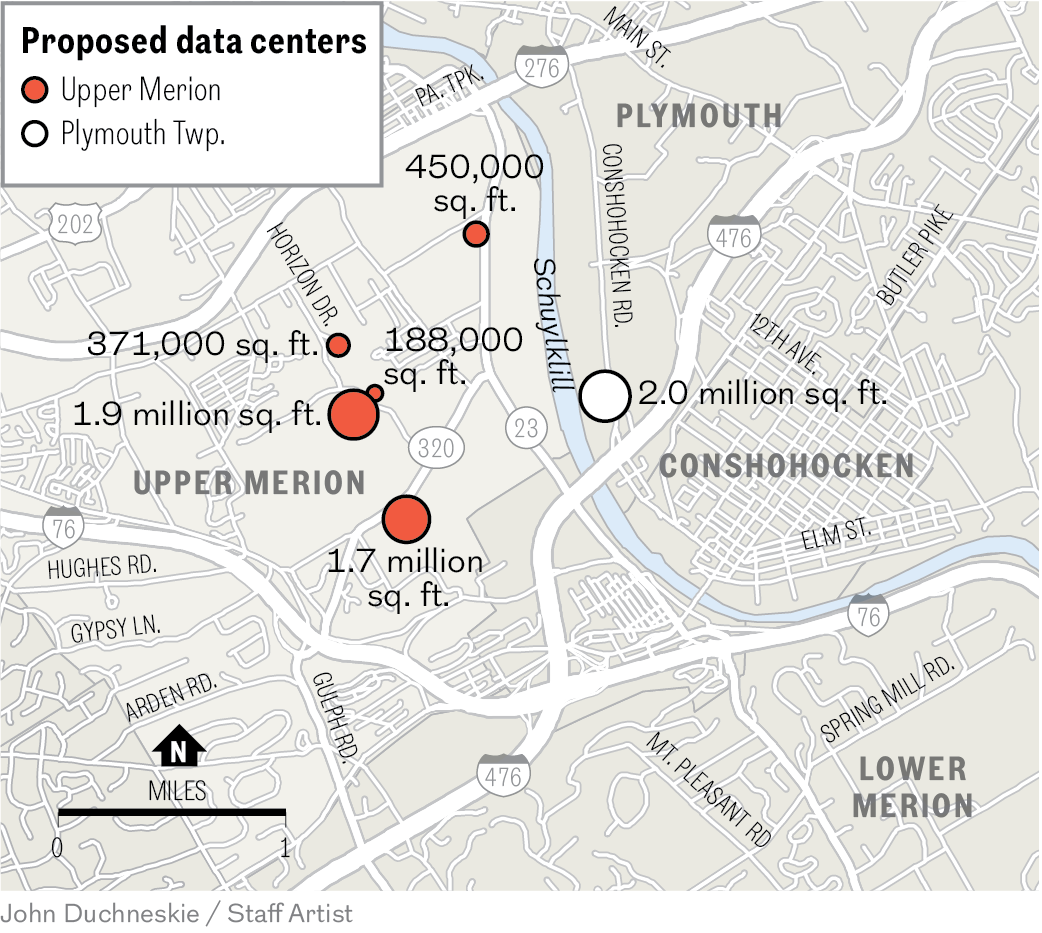
    A map of the proposed data centers in Upper Merion and Plymouth TownshipsJohn Duchneskie

    Those projects aren’t dead: O’Neill can appeal the board’s denial, as chair Tina Garzillo told him Thursday.

    “Don’t you worry about that,” said O’Neill, before walking out of the Upper Merion Area Middle School auditorium to a chorus of boos.

    The board’s decision came after months of contention and a whirlwind two days of legal back-and-forth.

    O’Neill on Wednesday sued the township, its planning commission, and its board of supervisors, saying they violated his legal right to an extension and treated him unfairly during the development review process. Soon after, Montgomery County Court Judge Garrett D. Page ordered the township to halt proceedings and decisions related to the data centers until a hearing next week.

    Citing the ruling, Edmund J. Campbell, an attorney for O’Neill, declined to make a presentation on two of the five proposed data-center sites at an Upper Merion Township Planning Commission meeting on Wednesday night.

    Late Thursday afternoon, however, Page vacated his previous order, allowing the township board of supervisors to proceed with its meeting as planned. On the agenda: A vote on O’Neill’s request for an extension until Sept. 30, and votes on the five proposed data centers.

    After an hour of public comment, all but one of which was from residents opposing the data centers, the township’s board of supervisors voted to deny O’Neill’s extension requests. The board then moved on to vote on the land development plans for each of the five sites.

    One by one, the plans were denied unanimously by the five-person board.

    Each vote was met with loud cheers from attendees.

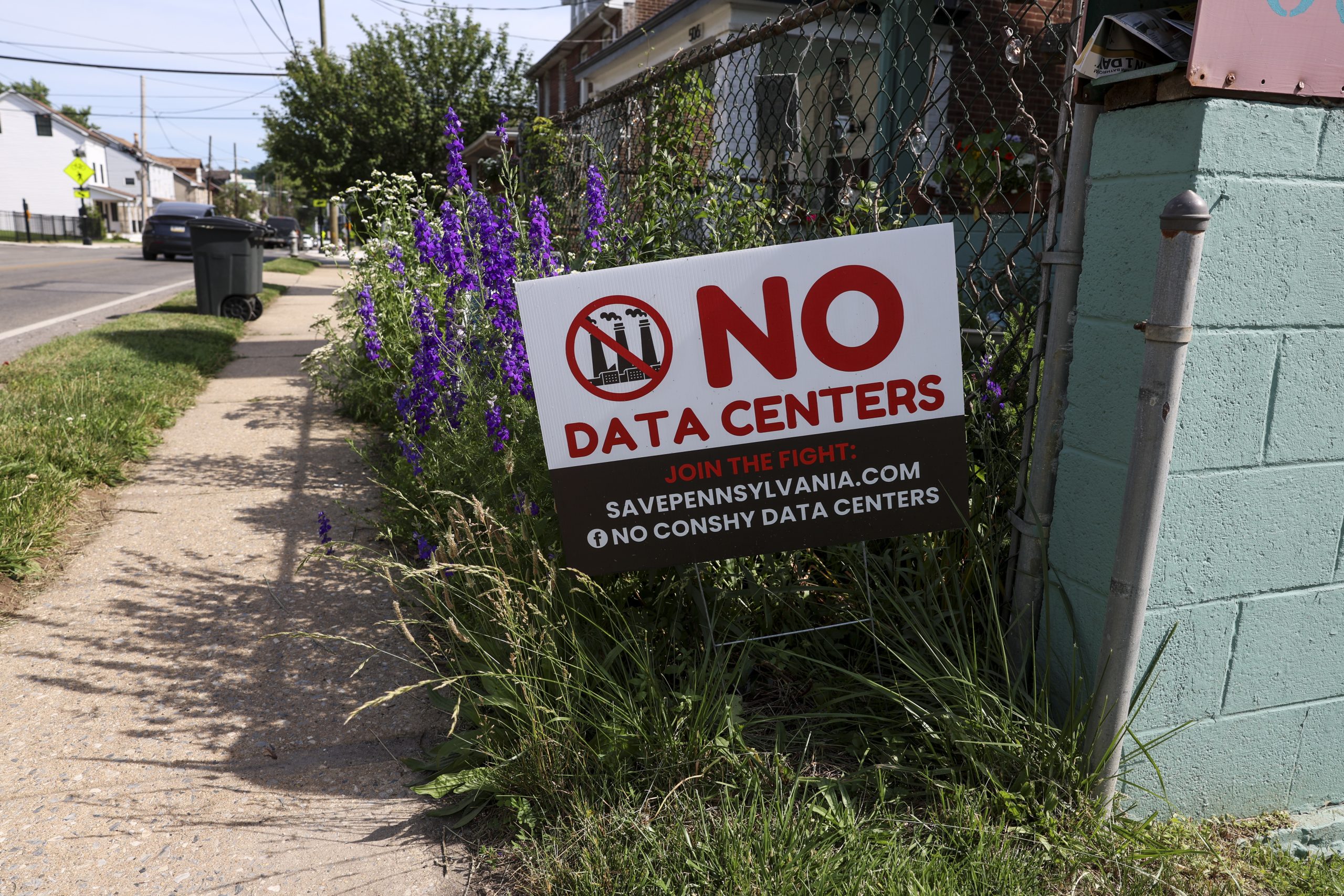
    For months, residents have rallied against O’Neill’s plans, packing township meetings and putting up bright orange lawn signs opposing the projects. About 18,000 people had signed a Change.org petition against the Upper Merion data centers as of Thursday. Some neighbors have expressed concerns about pollution, light, noise, electricity prices, property values, and quality of life.
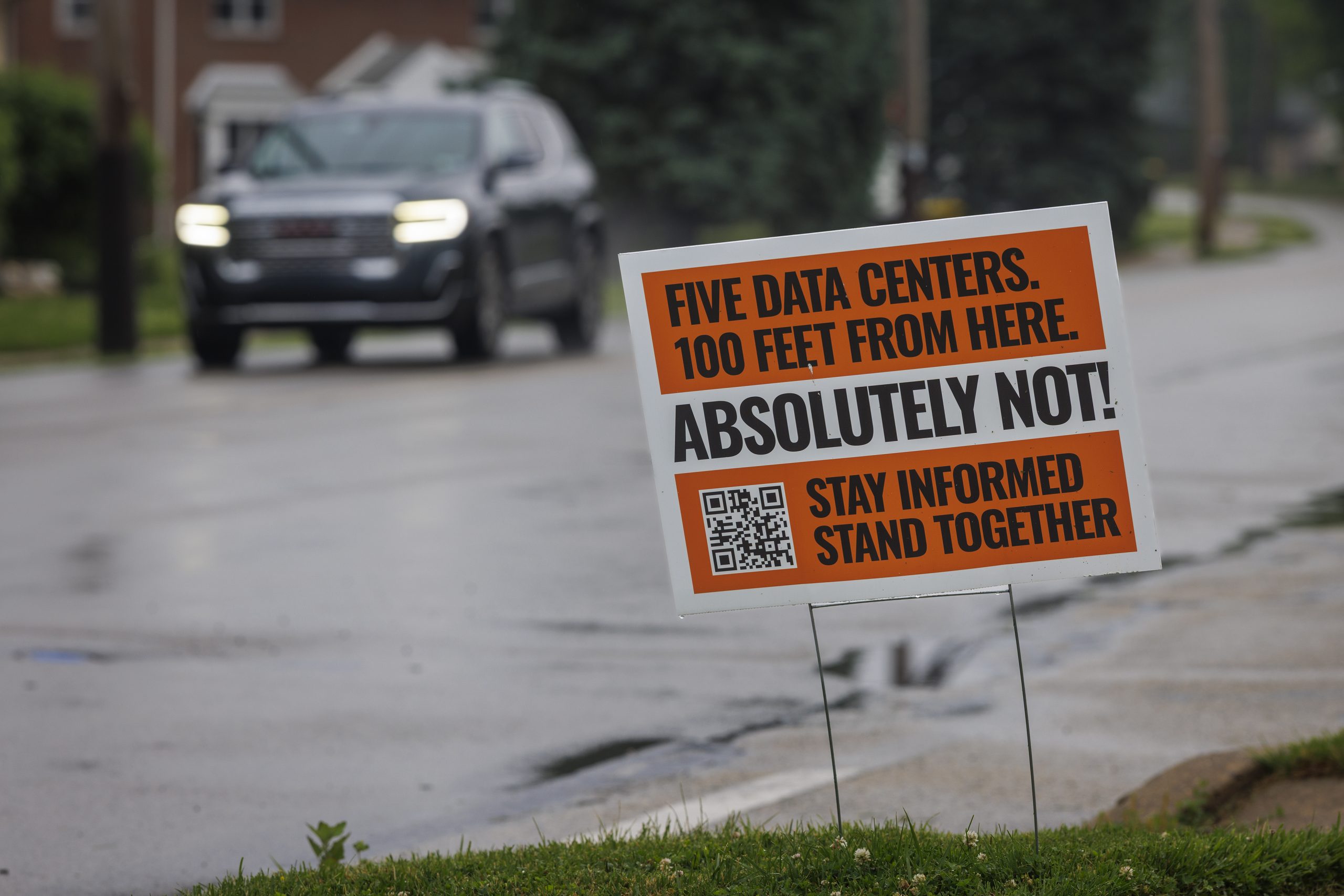
    Upper Merion residents opposed to the data centers have put up these lawn signs.Alejandro A. Alvarez / Staff Photographer

    “I’m really proud to stand here tonight with each and every other concerned resident,” Courtney Smith said Thursday. “We all have something important here to fight for.”

    “The people here are here because they care deeply about the long-term interest of our communities,” Montgomery County Commissioner Neil K. Makhija said during his comments in opposition of the plan. The commissioner said the supervisors’ decision would have ramifications beyond the county, as communities across the region and the country weigh data-center development.

    O’Neil has said his data centers would benefit Upper Merion and “change the world for the better.” While the developer has declined to specify who exactly would operate the centers, he has indicated the facilities would use AI-powered biotech in conjunction with his existing life-sciences complex, Discovery Labs.
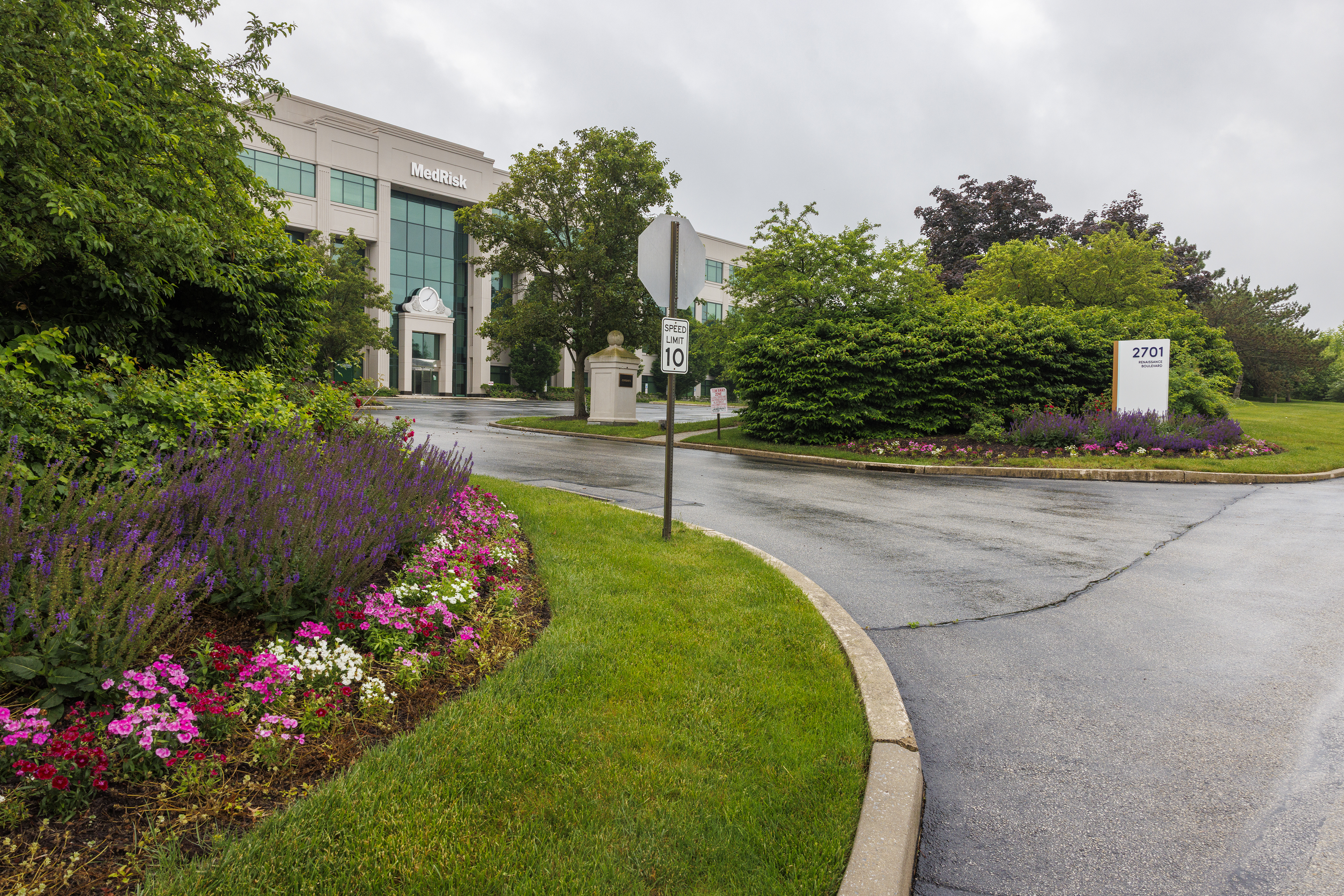
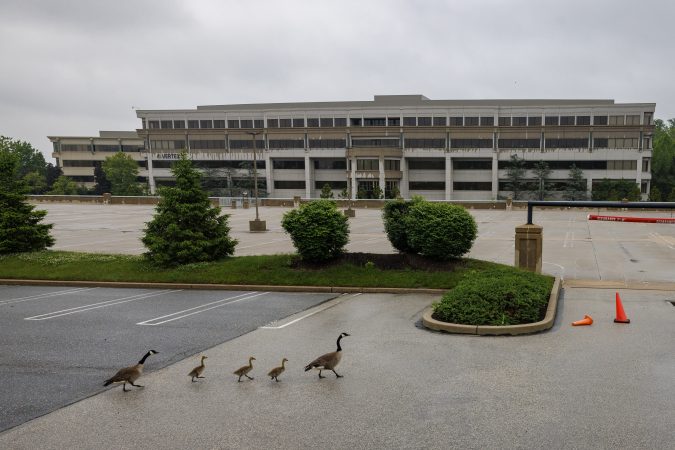
    One of the sites where Brian O’Neill wanted to build a data center in Upper Merion.Alejandro A. Alvarez / Staff Photographer

    O’Neill has said his data centers would comply with the highest environmental standards, emitting little light and noise. They would operate on a closed-loop system, requiring no outside water, he said, and provide their own power.

    The developer has also said they’d be an economic boon to the area. Last week, he released an economic impact study that said the Upper Merion centers would result in more than 10,000 jobs during its construction and then generate more than $55 million a year in local tax revenue.

    At Thursday’s board of supervisors meeting, however, Upper Merion Township Tax Collector Evelyn Ankers disputed those figures, and said O’Neill has failed to pay taxes on his properties in the past.

    Across the Schuylkill, a data-center fight rages on between O’Neill and some residents of Plymouth Township, where the developer wants to build a 2-million-square-foot facility on a shuttered steel mill outside Conshohocken.

    The developer recently filed a legal challenge to the Plymouth Township zoning ordinance, and has exchanged accusations of mistreatment with township leaders. News of O’Neill’s actions in Plymouth Township prompted a rebuke from Gov. Josh Shapiro, who had previously encouraged data center development in the commonwealth.

    A date has not been set for the next Plymouth Township meeting, though officials indicated it would be sometime in September.

  • King of Prussia data center fight could be paused by developer’s lawsuit

    King of Prussia data center fight could be paused by developer’s lawsuit

    A Main Line developer looking to build multiple data centers in Montgomery County possibly could have more time to make his case for a five-property campus near King of Prussia.

    And residents who oppose the projects — who had been preparing for a potential vote on the plans this week — now may wait to learn whether the complex will be built in their neighborhood.

    A Montgomery County Court of Common Pleas Judge on Wednesday temporarily prohibited Upper Merion Township from making decisions about any data centers proposed by Brian O’Neill. The township board of supervisors had been set to vote Thursday on the five proposed data centers totaling 4.6 million square feet.

    The developer had asked for an extension from Upper Merion until Sept. 30, saying his team needed more time to respond to dozens of township review letters related to the projects. In emails, O’Neill said township officials made clear they would not allow more time.

    “It is clear … that the township’s board of supervisors intends to decline the offer of extension and instead proceed to deny the applications,” O’Neill wrote in the lawsuit.

    On Wednesday, the developer had sued Upper Merion Township, its board of supervisors, and its planning commission, saying they violated his legal right to an extension and treated him unfairly during the review process.

    The judge’s ruling ordered that township officials halt certain proceedings and not make any decisions about the data center plans until after a court hearing scheduled for next week.

    Before the lawsuit, the Upper Merion Township Planning Commission had been scheduled to discuss and make recommendations to the Upper Merion Township Board of Supervisors on two of O’Neill’s five data center plans on Wednesday. The planning commission had previously voted not to recommend approval of O’Neill’s three other proposals.

    In a separate meeting on Thursday, the township supervisors had been set to vote on whether to approve the five data center plans.

    The proposed data centers in Upper Merion are across the river from another data center O’Neill has proposed near Conshohocken.John Duchneskie

    But late Thursday afternoon, Judge Garrett D. Page vacated his Aug. 12 order, paving the way for a potential vote Thursday night on O’Neill’s extension request and his data center plans.

    O’Neill’s team had declined to discuss the projects with the planning commission on Wednesday, citing the lawsuit.

    “We are not making a presentation tonight consistent with the court’s order,” said Edmund J. Campbell, an attorney for the developer. “I will ask to be excused as I don’t believe my presence is needed, pursuant to the court’s order.”

    With Campbell’s exit, the township planning commission had opened the floor to dozens of local residents, all but one of whom was opposed to the projects.

    They expressed concerns about light, noise, and sound pollution; water use; the impact on the power grid and electricity prices; mental and physical health impacts; and overall quality of life in the suburb. Some said they were angry with O’Neill and his team, with a few citing a recent 6ABC interview in which O’Neill said opponents wanted to “fight for the sake of the fight” and were against development that was “right for the community.”

    Some residents disagreed with those statements.

    “Judging by the past five months or so [of] our community standing together in solidarity against these horrific proposals, this is clearly not right for our community,” Upper Merion resident Zachary Davis said Wednesday.

    Some King of Prussia residents have put up lawn signs opposing the data centers.Alejandro A. Alvarez / Staff Photographer

    O’Neill has said his Upper Merion data centers would “change the world for the better” through AI-powered biotech that would complement his existing life-sciences complex, Discovery Labs.

    The developer has said the data centers would operate on a closed-loop system, requiring no outside water, and provide their own power. They’d emit little light and noise, according to O’Neill, and include billions of dollars worth of emissions controls.

    O’Neill’s team last week released an economic impact study that says the Upper Merion centers would result in more than 10,000 jobs during its construction and then generate more than $55 million a year in local tax revenue.

    O’Neill’s efforts come as data-center opponents’ ire toward him has intensified.

    The animosity was on display last week at a zoning hearing board meeting in nearby Plymouth Township, where O’Neill is trying to build a 2-million-square-foot data center on the outskirts of Conshohocken.

    In recent weeks, the developer has sparred with Plymouth Township officials, and filed a legal challenge to the zoning ordinance there. News of the moves prompted a “hell no” from Gov. Josh Shapiro, who had previously encouraged data center development in the commonwealth.

    A date has not been set for the next Plymouth Township meeting, though officials indicated it would occur sometime in September.
    In Upper Merion, officials said late Wednesday that the monthly board of supervisors business meeting scheduled for 6:30 p.m. Thursday was still on. Other issues, not related to data centers, were on the agenda.

    Editor’s Note: This story has been updated after Montgomery County Common Pleas Judge Garrett D. Page late Thursday afternoon vacated his Aug. 12 order.

  • I-95 on-ramp in Northeast Philly is closing for good next week

    I-95 on-ramp in Northeast Philly is closing for good next week

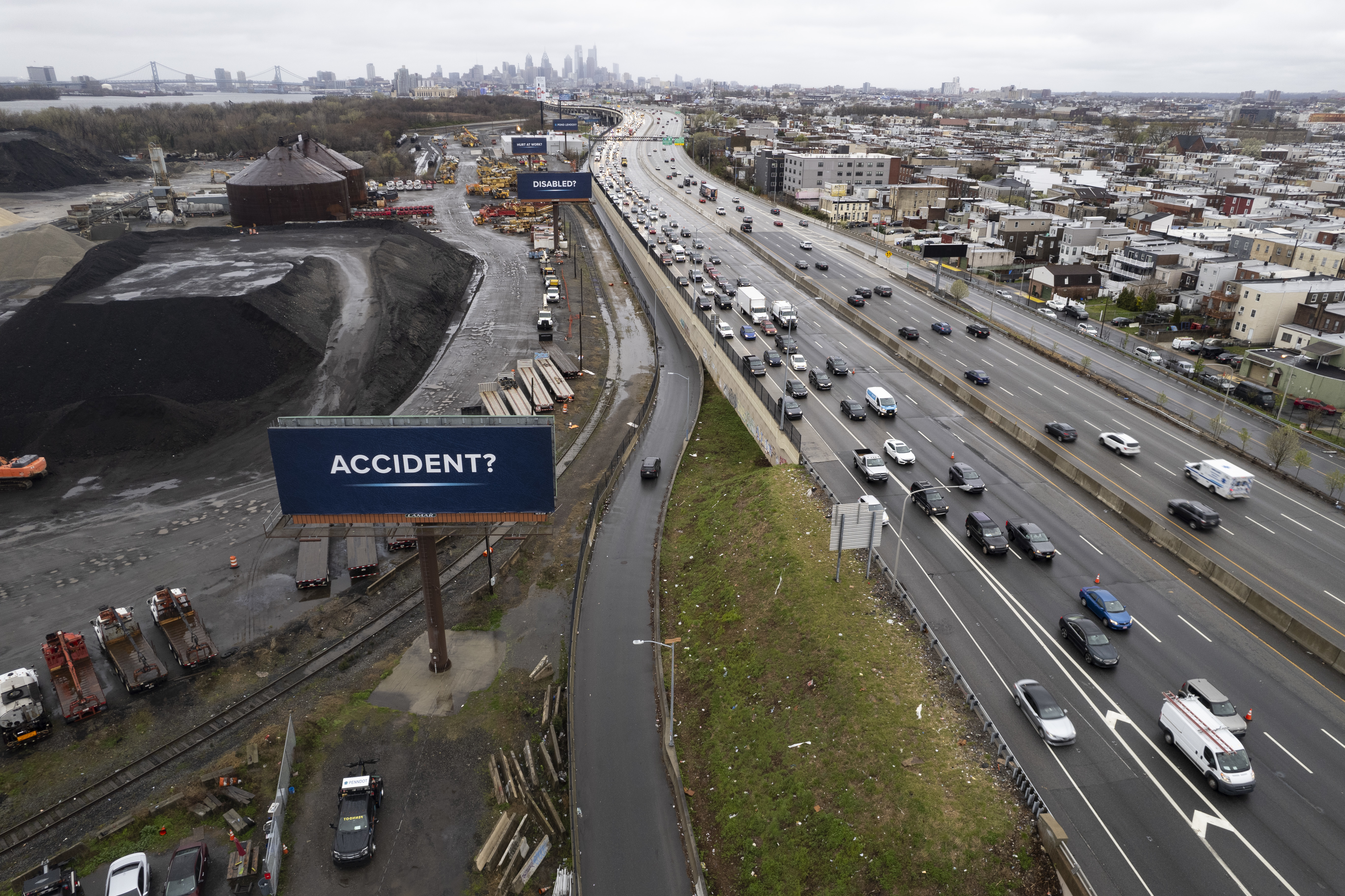
    An I-95 ramp in Northeast Philly is set to close for good next week.

    The ramp from Bridge Street to I-95 North is slated to shut down at 8 p.m. on Friday, Aug. 21, the Pennsylvania Department of Transportation announced Monday.

    The closure will make way for construction of a new I-95 entrance from Tacony Street and the Delaware Avenue extension, which the agency expects to open in late 2027.

    Until then, drivers will be detoured to Tacony Street and State Road/New State Road, where they can get on I-95 North via the Milnor Street ramp.

    The rerouting is part of a larger I-95 rehabilitation, which includes nearly $268 million of Northeast Philly improvements, including the reconstruction of the viaduct over Bridge and Tacony Streets.

    In addition to the ramp closure, I-95 North drivers will experience a traffic shift from 8 p.m. Aug. 21 to 5 a.m. Aug 22. They will be temporarily rerouted to southbound lanes as northbound reconstruction begins at the Bridge Street Interchange. PennDot expects to complete that project in 2028.

    The agency advises drivers in the area to allow for extra time, as backups and delays are expected due to the ramp closure.

  • Jhoan Duran’s walkout, the Phillies pitch clock, and the scoreboard are sponsored. Why local companies invest in the ads.

    Jhoan Duran’s walkout, the Phillies pitch clock, and the scoreboard are sponsored. Why local companies invest in the ads.

    After Jhoan Duran was traded to the Phillies last summer, Robert Miller learned some fans were complaining that the closer’s “Durantula” walk-out wasn’t going to be shown on every broadcast.

    For Miller, managing partner at Wapner Newman law firm, it sparked an idea.

    He connected with NBC Sports Philadelphia and made his pitch: Wapner Newman could pay to sponsor the closer’s walk-out and get the firm’s branding on a viral moment. And fans at home would be able to experience Duran’s intro — complete with images of spiders crawling through fire on the outfield walls — during every home game.

    The lawyers figured “it’d be a fun thing for everybody that’s watching the game,” Miller recalled during a recent interview in his Center City office. And “we can help make this happen.”

    A deal was inked, with terms Miller declined to disclose, and for nearly a year, Wapner Newman has enjoyed greater name recognition.

    Potential clients sometimes mention the ads when they call the firm, Miller said, and occasionally, strangers on the street recognize him from the company’s midgame commercials. Miller said he is most heartened by the fact that more Philly fans now know about the personal-injury firm if they ever need legal help.

    Robert Miller, managing partner at Wapner Newman, appears in the law firm’s ads that run on NBC Sports Philadelphia during Phillies games.Courtesy Wapner Newman

    Brands “want moments of exclusivity, and that was the highest-profile opportunity,” said Bo Koelle, vice president of sales for NBCUniversal Local, which includes NBC Sports Philadelphia. “Everybody’s looking at when [Duran] is coming out” — and seeing Wapner Newman’s name on the screen next to him.

    The Phillies own 25% of NBC Sports Philadelphia, with NBC’s parent company, Comcast, owning the rest. But the Phillies and the regional sports network do not share all advertising partners.

    For dozens of local companies, advertising with the Phillies at Citizens Bank Park or with NBC Sports Philadelphia provides almost-unparalleled visibility in a rabid sports town like Philadelphia.

    Phillies fans arrive at Citizens Bank Park for opening day in March.Monica Herndon / Staff Photographer

    So how much does this visibility cost? Anywhere from $100,000 to several million dollars, according to executives from the Phillies and NBC Sports Philadelphia.

    That range includes advertising in the ballpark, on social media, or on TV, where hundreds of thousands of fans tune into each game. All Phillies sponsors with whom The Inquirer spoke declined to discuss how much they paid for their advertisements, citing the terms of their contracts.

    This year, in-stadium ad visibility was even higher because Philly hosted the All-Star Game, which drew more than 8.7 million viewers nationwide.

    The MLB All-Star Game at Citizens Bank Park drew 8.7 million viewers.Yong Kim / Staff Photographer

    But even in a normal year, the Phillies play many more home games than the city’s other pro sports teams.

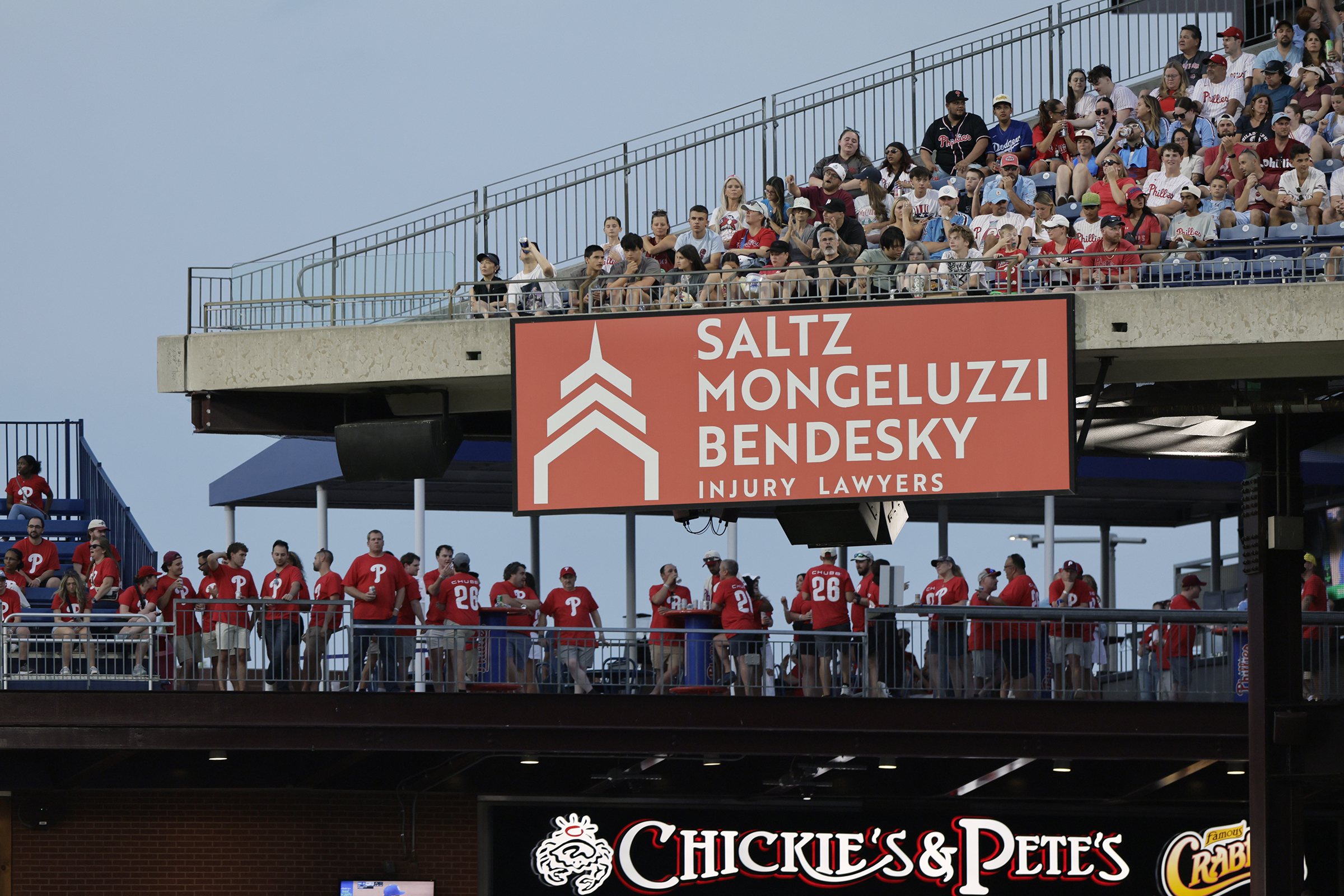
    “We’ve concentrated on the Phillies because they have 81 home games and for our in-park advertising we thought we’d rather be seen more frequently,” said Bob Mongeluzzi, founding partner at Saltz Mongeluzzi Bendesky, which has several stadium ads including at the top of the scoreboard.

    “I don’t think someone particularly chose us over any other lawyer just because we had an ad on the scoreboard,” Mongeluzzi said, “but it clearly reinforces our brand and keeps our name out there.”

    Another Saltz Mongeluzzi Bendesky ad is pictured in right field at a July game.Elizabeth Robertson / Staff Photographer

    Unique Phillies sponsorships drive revenue

    Each season, the Phillies have between 75 and 100 sponsors who advertise everywhere — the ballpark’s giant scoreboard, the outfield walls, the premium seating sections — according to Brian Fling, the Phillies’ vice president of corporate partnerships. He said ad sponsors serve as a major revenue driver, supporting player payroll and ballpark upgrades.

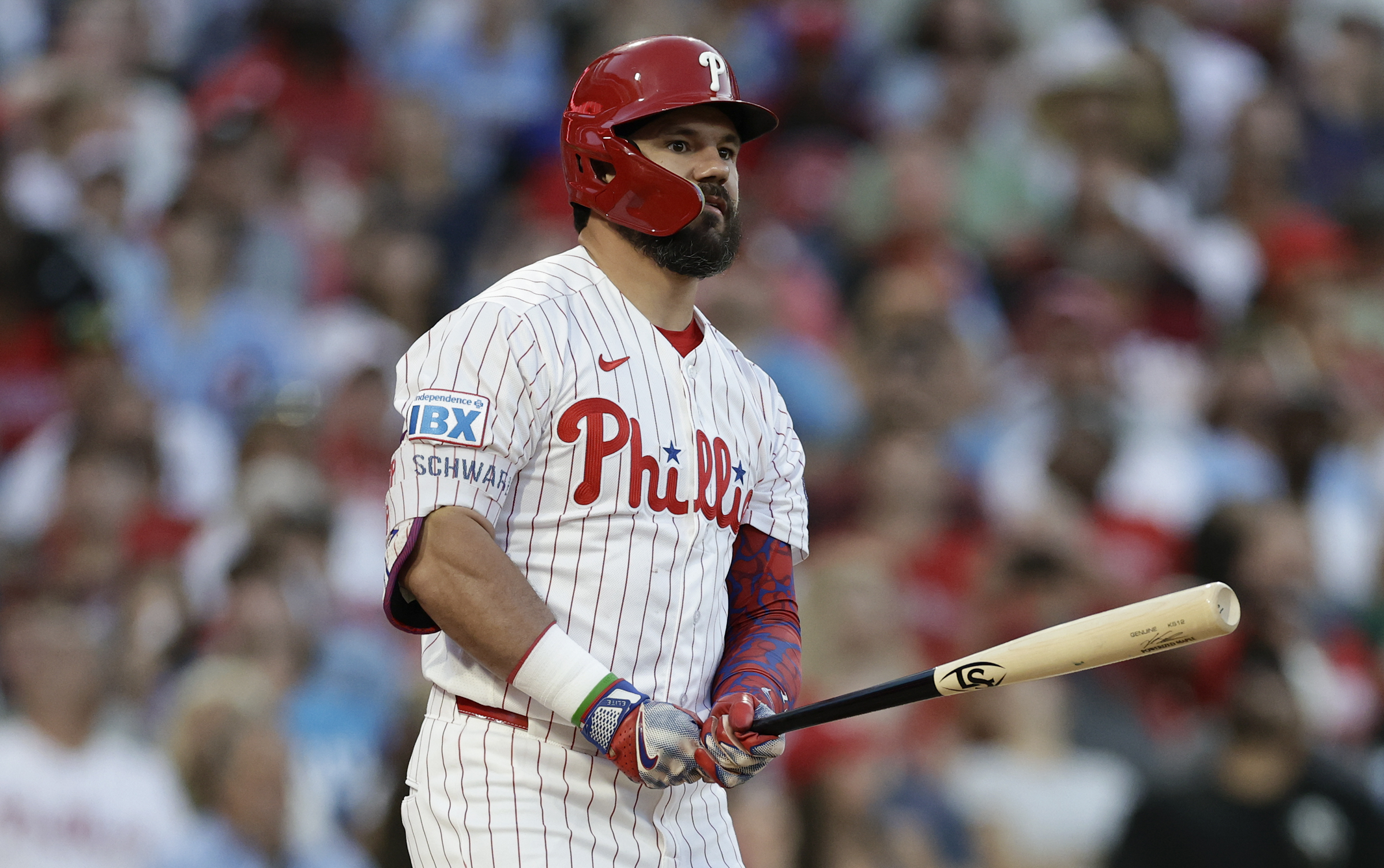
    “From Citizens [Bank] with their name on the building to Independence Blue Cross with their logo on the Phillies uniform, we work with a wide variety of companies looking to stand out in the Greater Philadelphia area,” Fling said in a statement.

    The blue Independence Blue Cross (IBX) sponsorship patch is seen on the arm of Kyle Schwarber during a June game.Yong Kim / Staff Photographer

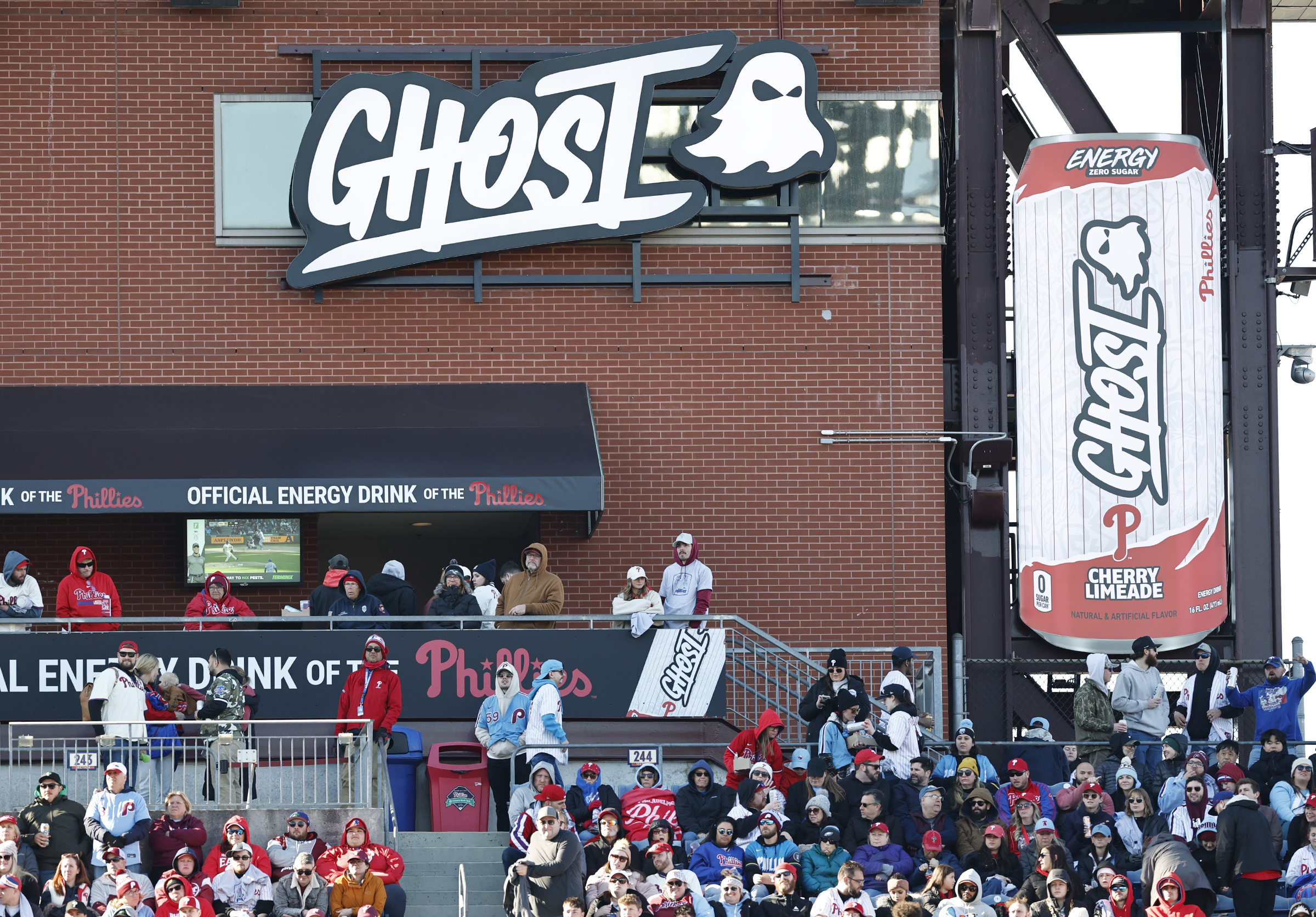
    One recent ad deal stood out due to controversy. In March, Eileen Kalas, widow of legendary Phillies broadcaster Harry Kalas, said the organization “betrayed” her husband by selling the naming rights of Harry The K’s to Ghost Energy. The eatery under the scoreboard had been named for her husband since the ballpark opened in 2004.

    At the time, Ghost Energy founder and West Chester native Ryan Hughes responded to fan criticism, saying, “We’re hoping to bring some new energy to the space while also never forgetting Harry Kalas and the legacy that he left.”

    Ghost Energy did not return a request for comment for this article.

    Fans at the Ghost Energy Deck, formerly Harry The K’s, during a March Phillies gameYong Kim / Staff Photographer

    Whether a Phillies advertiser is a longtime sponsor dating to the Veterans Stadium days or a newer partner, they “align with the team’s goal — championship-level baseball in a first-class ballpark where everyone feels welcome,” Fling said.

    Some advertisements are tailored.

    Doc Bresler’s Cavity Busters, a Philly-area chain of pediatric dental practices, has sponsored the ballpark’s “smile cam” and a nursing mothers’ lounge.

    An ad for Doc Bresler’s Cavity Busters and the Xfinity pitch speed clock light up the ballpark behind Phillies closer Jhoan Duran.Elizabeth Robertson / Staff Photographer

    King Swings, a Chester County swing set and playhouse company, recently built a playground for pint-sized fans inside the first-base gate.

    Comcast, the Center City-based telecom giant and Phillies sponsor since 2010, is behind the digital Xfinity Mobile pitch speed clock in the ballpark.

    “Pitch speed is one of the most closely watched real-time statistics in baseball, making it a strong fit for Xfinity’s focus on delivering fast, reliable connectivity for our customers,” Matt Lederer, Comcast’s vice president of brand partnership, said in a statement.

    Executives with several Phillies advertisers said the goal is not necessarily to gain customers on the spot. Instead, they said, they want to increase brand awareness and get fans to associate their company with a beloved hometown franchise.

    Some have seen tangible signs that this is happening. Philadelphia Insurance recorded a nearly 50% increase in website traffic since it started sponsoring the premium seating club, formerly known as the diamond club, earlier this season, said Brian O’Reilly, chief marketing officer for Philadelphia Insurance Cos. (PHLY).

    As part of the partnership, the company’s name and Liberty Bell logo are emblazoned on the blue headrests behind home plate.

    “It was amazing how many people texted and called me and said, ‘I saw Philadelphia Insurance during the Home Run Derby or All-Star Game,’” O’Reilly said.

    The headrests in the Philadelphia Insurance Club behind home plate bear the company’s logo and the name of its website. Elizabeth Robertson / Staff Photographer

    Philly sports ads create consumer ‘trust’

    Some Philly companies sponsor multiple local pro teams.

    Independence Blue Cross (IBX), the locally based health insurer, has been advertising with the Phillies for decades and has partnerships with all of the city’s major pro sports teams, many of the college teams, and NBC Sports Philadelphia, said IBX chief marketing officer Koleen Cavanaugh.

    In addition to advertising, this also gets IBX the ability to host events at stadiums, offer ticket and merchandise discounts to IBX members, and collaborate on philanthropic partnerships, such as a back-to-school supply drive with the Jesús Luzardo Family Foundation last week.

    Other Phillies sponsors are considering expanding their sports advertising portfolio, especially with the recent news of superstar LeBron James coming to the Sixers.

    The team “already reached out to us about season tickets and advertising,” said O’Reilly, of Philadelphia Insurance. “We were doing some business with them anyway, but maybe we’ll even do some more.”

    At NBC Sports Philadelphia, conversations about Sixers ad partnerships are now underway, earlier than usual, Koelle said. As soon as James news broke, the value of Sixers TV ads increased exponentially, Koelle said.

    Comcast, NBC Sports Philadelphia’s parent company, has a minority ownership stake in the Sixers, and recently acquired the naming rights of the team’s home stadium, now called Xfinity Mobile Arena.

    A challenge for the sports network now, Koelle said: Remaining loyal to companies who’ve sponsored Sixers broadcasts since the team’s rebuilding years — and not jack up those partners’ advertising rates.

    ”But for those that are new, they’ll certainly have to pay the new value,” Koelle said.

    Usually, it’s not hard to convince local companies of the value of advertising with any Philly team, he said.

    “If [advertisers] want to truly reach people — and reach them in a pipeline that is direct and meaningful — it’s professional sports in Philadelphia,” Koelle said. “If you want people to trust your brand immediately, it’s a great way of doing it.”

  • In Montco data center fight, local officials say a developer has ‘bullied’ them. He says that’s a ‘bold-faced lie.’

    In Montco data center fight, local officials say a developer has ‘bullied’ them. He says that’s a ‘bold-faced lie.’

    The debate over a proposed 2 million-square-foot AI data center in Plymouth Township near Conshohocken has become acrimonious, with local officials and the developer trading accusations of mistreatment.

    Plymouth Township Council Chair Lynne Viscio said Monday that the project’s developer, Brian O’Neill, had “bullied” and “intimidated” township officials in an attempt to gain approval to build the facility on the site of the shuttered Cleveland-Cliffs steel mill.

    O’Neill’s recent efforts have included a legal challenge to the township’s zoning ordinance. Viscio said it was filed after O’Neill “rejected” the township’s concerns and its proposed data-center “safeguards.”

    “This is a blatant attempt by the applicant to demand approval by throwing a tantrum,” Viscio said in a statement, which she delivered during a live streamed appearance by council members, later posted to the township’s website. “The township is not interested in entertaining such theatrics.”

    Reached by phone, O’Neill called the accusations “a bold-faced lie” that were part of a “misinformation campaign” against his planned data center. He said he had been “negotiating in good faith” with township attorneys for months and had agreed to “the majority” of the township’s conditions.

    “We are sympathetic to the fact that they are under tremendous political scrutiny from people outside the township, as well as residents inside the township, and that makes giving a landowner their property rights … challenging,” said O’Neill, a longtime developer in Conshohocken and on the Main Line.

    “However, I am a landowner, and I do have rights,” he added, “and it is their job to be impartial and fair in their analysis and response.”

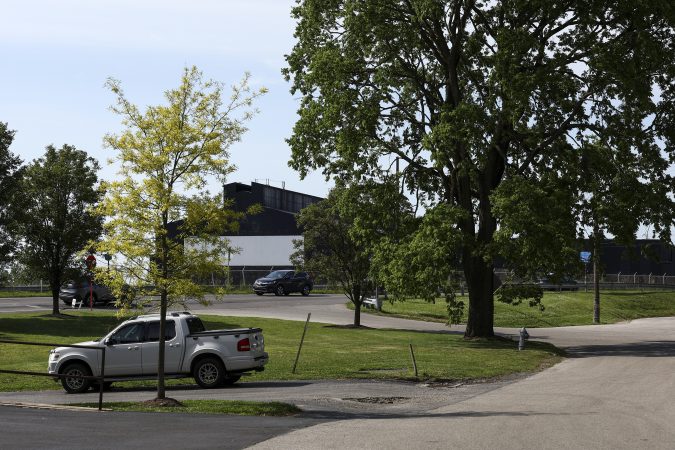
    The closed Cleveland-Cliffs steel mill is seen last month outside Conshohocken.Monica Herndon / Staff Photographer

    Hyperscale data centers, such as the one O’Neill is proposing, house the energy-hungry technology that powers ChatGPT and other artificial intelligence tools.

    Several such facilities have been proposed in the Philadelphia region amid surging AI demand and a global boom in data-center development. Two are under construction — an Amazon data center in Falls Township, Bucks County, and a facility in Vineland, Cumberland County, that is set to power Microsoft’s AI tools.

    On the outskirts of Conshohocken, O’Neill and his team have spent nearly a year trying to get the green light for a data center at the 66-acre property along the Schuylkill. Last fall, they abruptly withdrew their original proposal due to legal issues. In May, they resubmitted the plans for a center that would span 10 existing buildings.

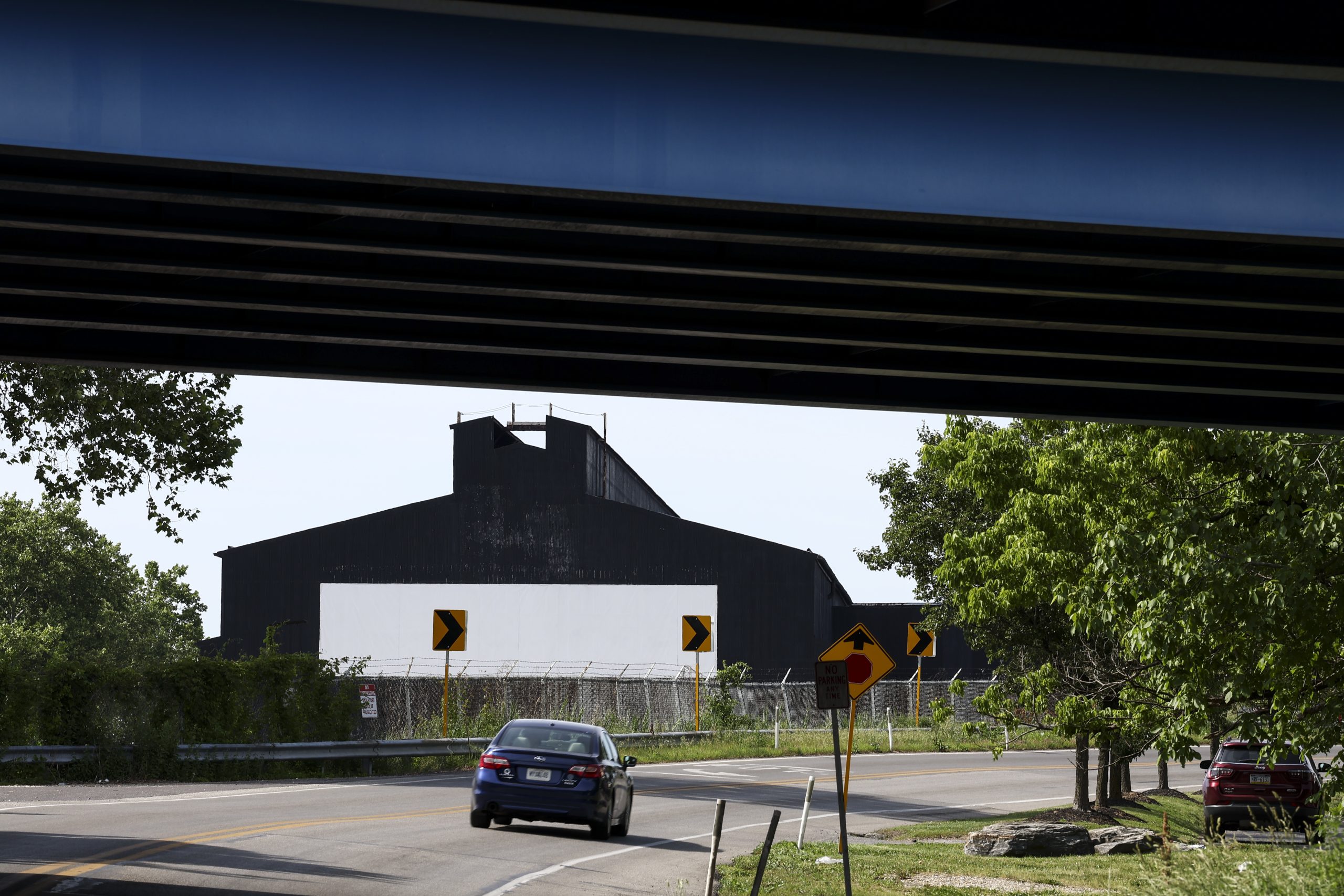
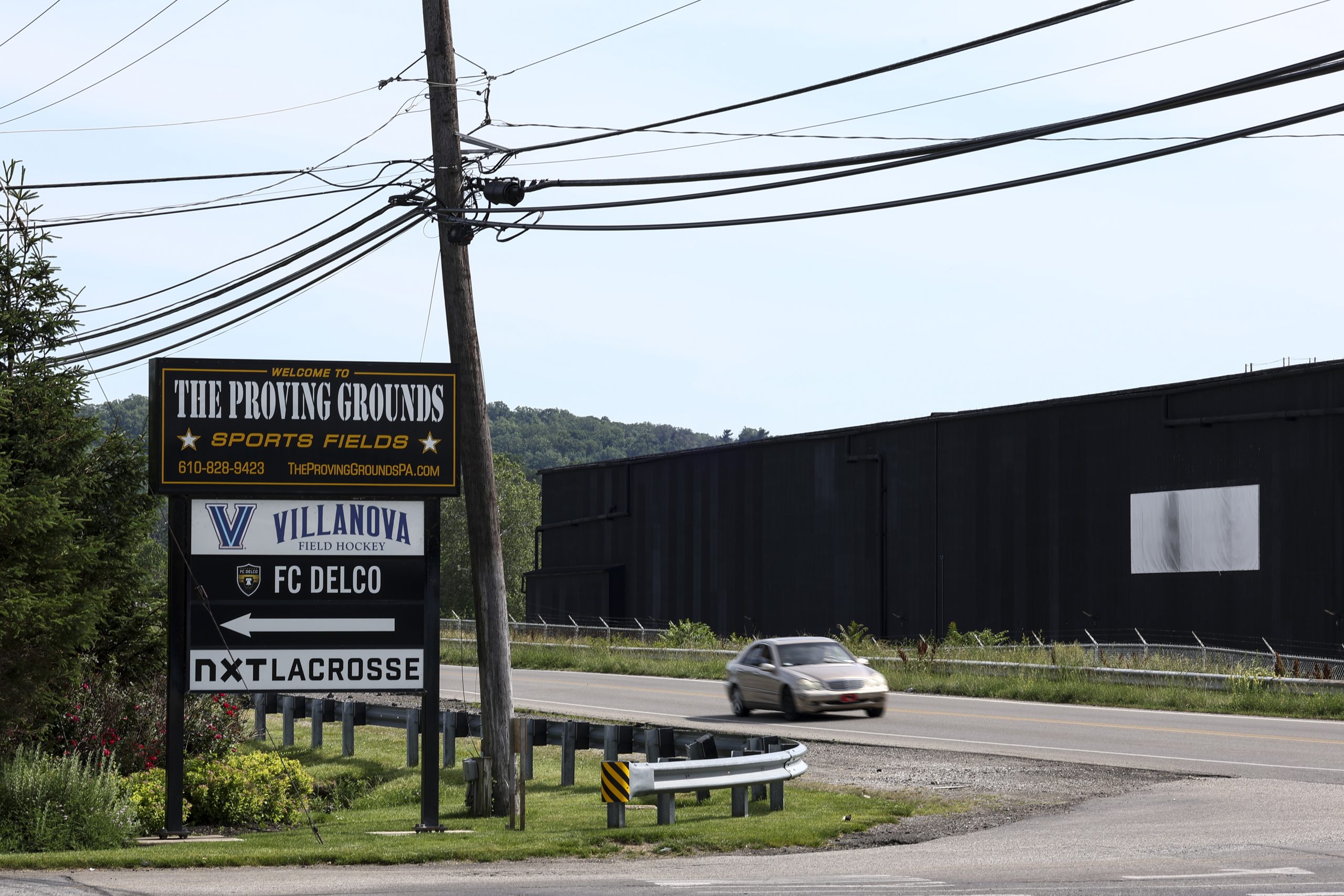
    The Plymouth Township site is less than a mile from downtown Conshohocken, near the Proving Grounds sports complex, Tee’s Golf Center, and dozens of homes in the township’s Connaughtown section.

    The closed Cleveland-Cliffs steel mill where Brian O’Neill wants to build a data center is shown in June.Monica Herndon / Staff Photographer

    O’Neill has not said who would operate the center but has indicated it would be a tenant related to the life sciences.

    An initial zoning hearing board meeting on the resurrected Plymouth Township project was held last month. As of Monday, a more substantive hearing was scheduled for Aug. 6 and was set to include the presentation of evidence and testimony.

    The Plymouth Township project is one of six data centers that O’Neill is proposing in the area. Across the river in Upper Merion Township, where O’Neill’s MLP Ventures already has offices and labs, the developer has proposed a 4.6 million-square-foot data center campus spanning five properties.

    The proposed data centers in Upper Merion and Plymouth TownshipsJohn Duchneskie

    After a tense Upper Merion Township Planning Commission meeting last week, officials there voted not to recommend approval of three of O’Neill’s five plans. A hearing on the other two Upper Merion plans is set for Aug. 12.

    After the planning commission reviews all the applications, the Upper Merion Township Board of Supervisors will ultimately decide whether to approve the projects.

    In both Upper Merion and Plymouth Townships, some residents have rallied against the plans, packing township meetings, signing online petitions, putting anti-data-center signs on their lawns, and organizing on social media. They have cited concerns about light, noise, and air pollution; water usage; and electricity costs.

    A yard sign protests the proposed Plymouth Township data center.Monica Herndon / Staff Photographer

    On Monday, O’Neill reiterated that his Plymouth Township data center would make little noise, emit no light pollution, and operate on a closed-loop system that does not require outside water. He said it would generate its own power, not taxing the grid, and generate “billions of dollars in employment and economic development.”

    “I am shocked that [the township council] can in good conscience not promote my plan, let alone publicly oppose it,” given office vacancies in the area, O’Neill said. In the past, “our developments have helped to create the vibrant community that Conshohocken and Plymouth are today.”

    Viscio, the Plymouth Township Council chair, said that local officials wanted to ensure that O’Neill’s proposed data center improved residents’ quality of life — and that O’Neill’s efforts could prevent them from doing so.

    “We will not allow ourselves to be bullied or intimidated by any developer,” Viscio said. “We will not dismiss legitimate concerns raised by our residents.”

    She said the council would continue to oppose O’Neill’s application and his challenge to the zoning ordinance.

    On Monday afternoon, O’Neill called back a reporter with an additional message for Plymouth Township officials: “We’re always willing to make a deal if they want to sit down and talk.”

  • Who lives in the new apartments at the Navy Yard? Turns out, not very many people.

    Who lives in the new apartments at the Navy Yard? Turns out, not very many people.

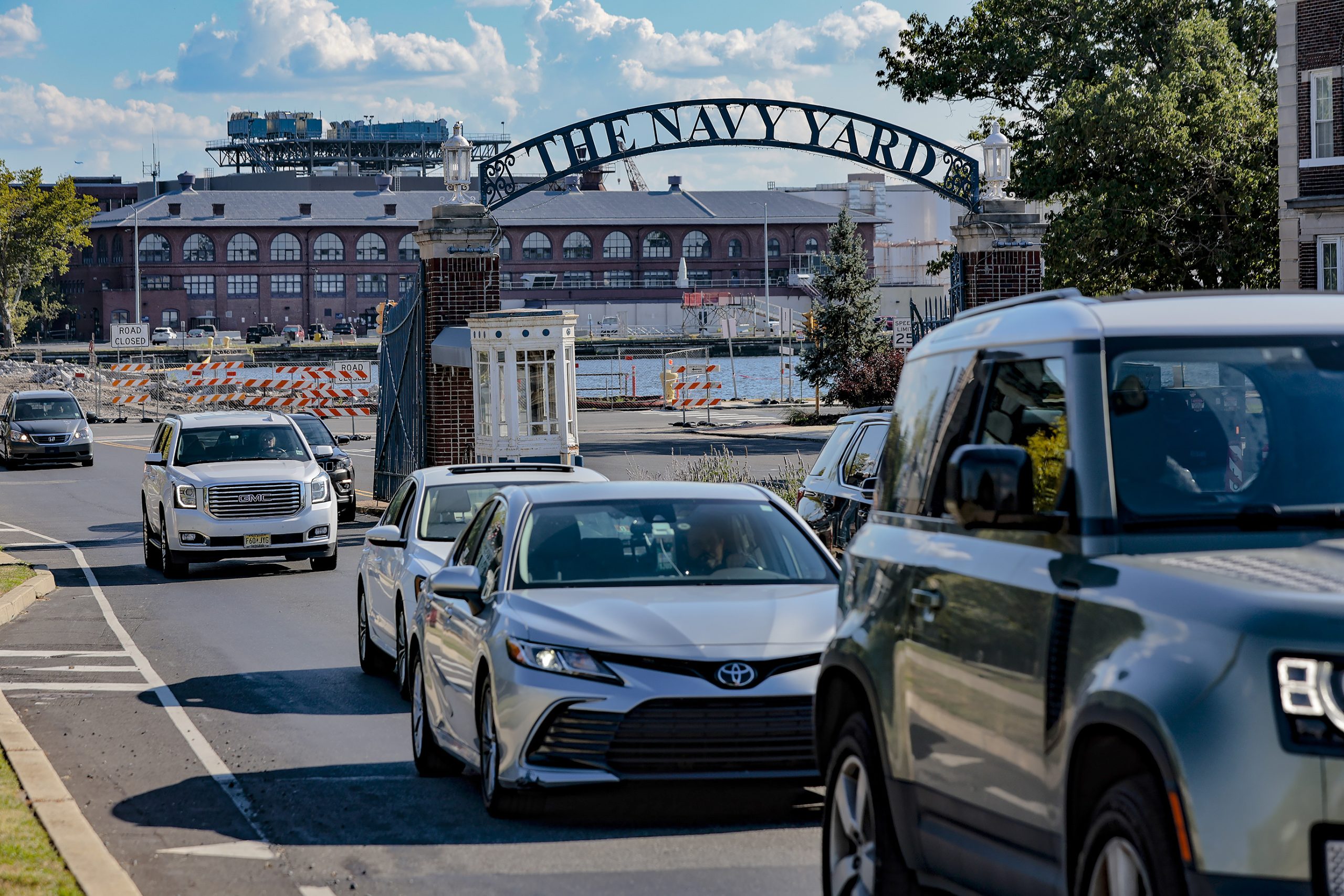
    A year ago, Priya Brown spent many weekday afternoons sitting in traffic, inching home to Northern Liberties from her job in the Navy Yard.

    Since moving into the new apartments at South Philly’s converted military base in January, the 27-year-old said her daily routine has gotten much more relaxing — with far fewer brake lights. An assistant buyer at Anthropologie, Brown walks 10 minutes to her office at Urban Outfitters’ Navy Yard headquarters.

    “My life is so much easier,” Brown said last week as she walked her tiny basset hound, Momo, around her building, AVE Constitution. The air was quiet, save for an occasional bird chirping and the steady hum of planes making their descent into Philadelphia International Airport.

    “I’m not a city person,” added Brown, an Annapolis native who moved to Philly for work. In Northern Liberties, “I missed grass a lot.”

    The Navy Yard has open space and paths for walking and running, as seen in this 2022 file photo.Yong Kim / Staff Photographer

    Brown pays about $2,400 a month for her one-bedroom, she said, and takes advantage of the free and abundant street parking, a rarity elsewhere in the city.

    AVE, the national apartment brand run by Korman Communities, is calling its neighboring Navy Yard complexes, Constitution and Normandy, “Philadelphia’s newest neighborhood.”

    Constitution opened late last year as the first new private-sector housing complex on the 1,200-acre property at the city’s southernmost edge. The naval base was decommissioned in the 1990s and has since become an office and laboratory hub, with more than 150 companies that employ 16,000 people.

    It also includes more than 20 acres of parks and miles of walking paths, some along the Delaware River, as well as a restaurant and hotel.

    Now, it is also home to a small but growing number of residents.

    More than a third of the 347 units in Constitution are leased, according to Sam Korman, AVE’s director of operations. Next door at Normandy, which opened this spring, more than 20% of the 267 units are leased, according to Korman. Normandy includes unfurnished apartments for tenants, as well as furnished ones that are marketed to business travelers. Lease-ups for buildings of this size typically take about 18 months, a spokesperson for the company said.

    “We are extremely pleased with the reception to AVE Navy Yard through our first few months of operations,” Korman said last month in a statement. “This past month has been our most successful for both furnished and unfurnished leasing, a positive trend that we expect to continue throughout the summer,” a busy season for rentals.

    Navy Yard stakeholders eventually want the property to have 4,000 apartments, along with more retail space and a second hotel, according to its 2022 redevelopment plan.

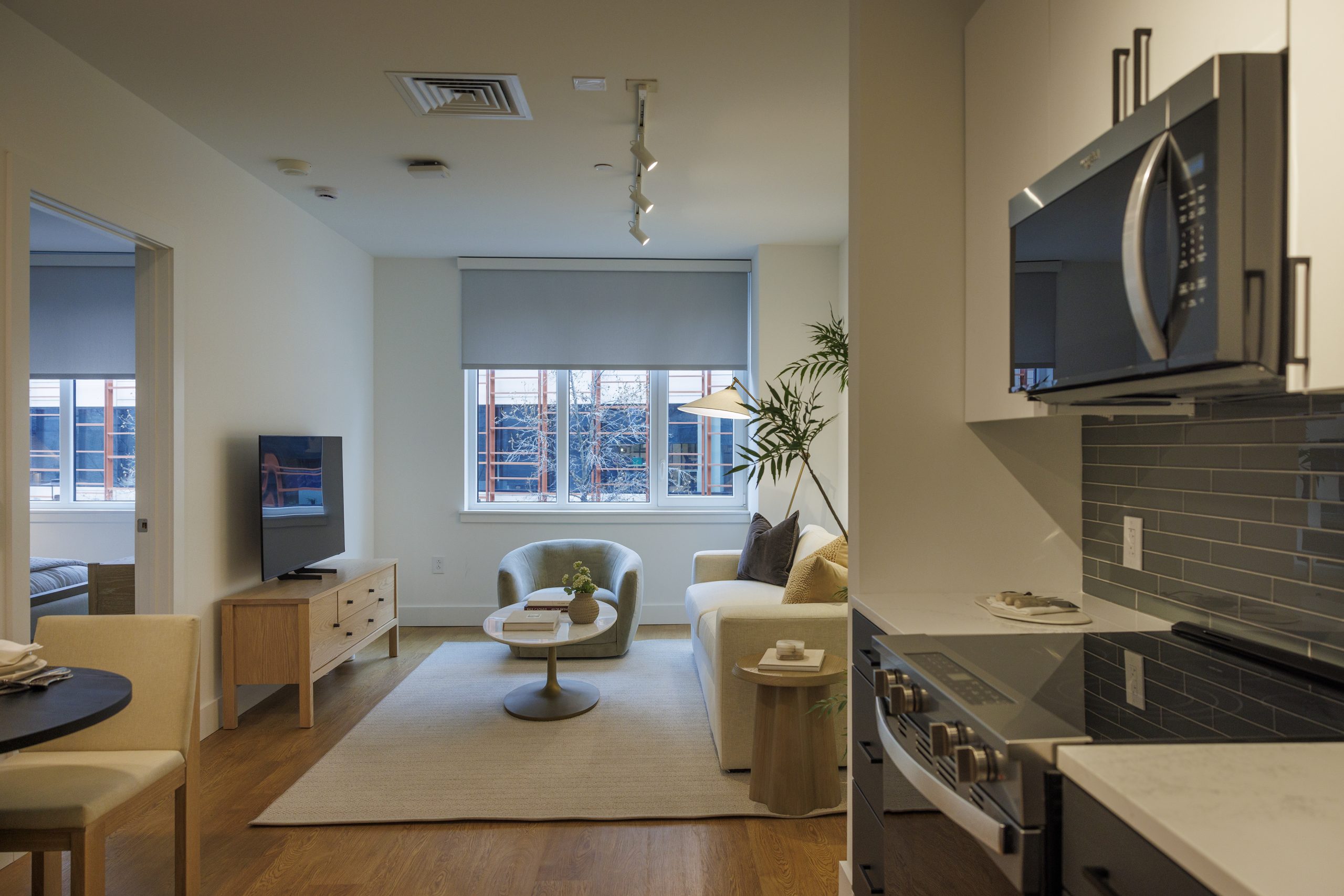
    A one-bedroom apartment at AVE Normandy as seen in March.Alejandro A. Alvarez / Staff Photographer

    Some Navy Yard residents love their ‘secluded spot’

    As cars drove by from the Navy Yard office complexes, headed toward I-76 and I-95 on a recent afternoon, only a handful of people were out and about near the apartment buildings.

    Several food couriers dropped off orders in the Normandy lobby. Nearby, in front of floor-to-ceiling windows, someone walked on the treadmill in an otherwise-empty gym. On an outdoor deck above, people could be heard splashing in the pool.

    Otherwise, passersby were few.

    Brown said she enjoys the suburban-esque solitude, though she’s glad more tenants are moving in. This winter, it felt like only a handful of other people lived in the building, she said, but now her floor seems like it’s almost full, making it “less spooky.”

    A communal space at AVE Normandy in March.Alejandro A. Alvarez / Staff Photographer

    Across the street at Normandy, resident Integra Feliciano has picked up a similar vibe.

    “I have the sense that I’m definitely one of the earlier tenants,” said the 29-year-old, who moved in April and was drawn to the area’s tranquility after living near Passyunk.

    Feliciano commutes to her job at a life sciences company in West Philly. She looked at apartments in Center City but couldn’t find anything as quiet and luxurious — without “ridiculously expensive” parking.

    At her last apartment, she said, she paid more than $300 a month for parking, a rate that was set to hit $500 around the time she moved. Like Brown, she now parks on the street for free.

    The Navy Yard is “a secluded spot, a little gem,” said Feliciano, who pays $2,510 for her one-bedroom. “I like being in proximity to the city, but I don’t like being right in it.”

    The Navy Yard itself is “still up-and-coming in terms of having more restaurants and stuff,” Feliciano said, but there’s plenty to do.

    People leave the Navy Yard at rush hour in August 2022.Steven M. Falk / Staff Photographer

    In the spring, she said, she and her boyfriend bought last-minute tickets to a Sixers playoff game and walked over to Xfinity Mobile Arena. While out for a run one day, she discovered the Southeast Asian Market in FDR Park.

    She swims in her building’s pool whenever she can, she said, and often invites family and friends over. And she said her guests love that they don’t have to “circle the block for an hour” to find a parking spot.

    “I had a friend come over, and she just parked right in front,” Feliciano said. “She said, ‘Oh, that’s it?’”

    Why the first resident was drawn to AVE Navy Yard

    Gokul Krishnan is glad more people are discovering the Navy Yard apartments. The 51-year-old, who works as the chief sourcing and global trade compliance officer for URBN brands, was the first person to sign a lease and move into Constitution last November.

    “It feels like home,” said Krishnan, who moved to Philly from the San Francisco area. “It’s so calm.”

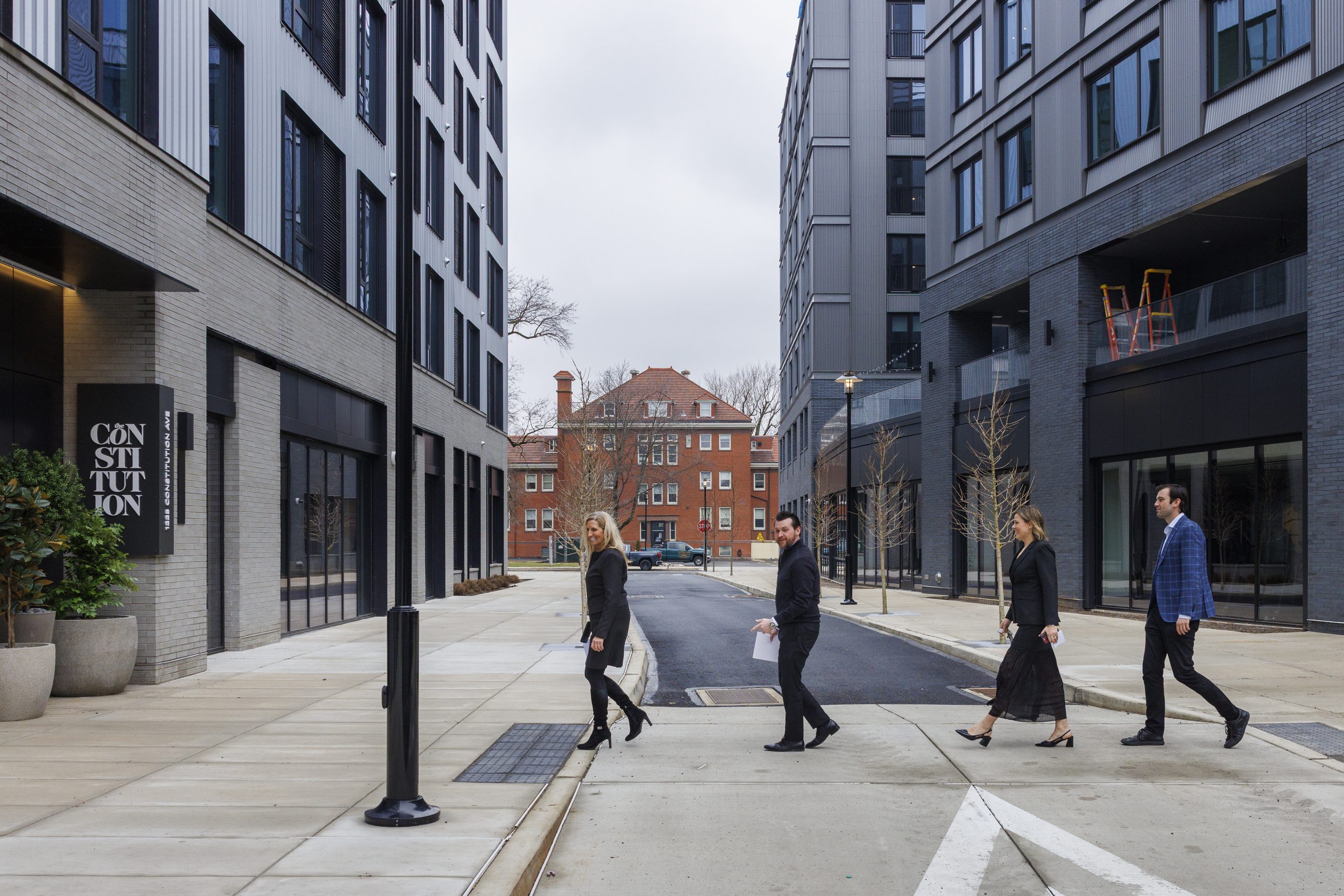
    AVE Navy Yard executives walk between the Constitution and Normandy apartment buildings in March.Alejandro A. Alvarez / Staff Photographer

    He enjoys taking walks around the Navy Yard, using the gym, and spending time in the building’s lounge and outdoor courtyard. The AVE staff is kind and communicative, he said, and he, too, enjoys a 10-minute walking commute to his office at the Urban Outfitters headquarters.

    While he does drive or use a delivery service for groceries, he said he has walked to the Navy Yard’s Gatehouse restaurant or to the Courtyard by Marriott hotel lounge for a bite to eat.

    Krishnan signed an 18-month lease, he said, and pays about $3,000 a month for his one-bedroom, plus parking in the complex’s covered garage. He may upgrade to a larger unit next year, he said. His wife plans to move from California once their son graduates high school, and she’s bringing the couple’s 6-year-old goldendoodle, Simba.

    Editor’s note: This story has been updated with additional information about leasing plans.

  • QVC hosts vote to unionize

    QVC hosts vote to unionize

    Most QVC hosts have voted in favor of unionizing, according to SAG-AFTRA, as the West Chester-based shopping network prepares to emerge from bankruptcy.

    About 80% of the hosts voted in favor of joining SAG-AFTRA, according to a news release from the union, which represents 160,000 media professionals nationwide.

    The group includes 53 on-air hosts who sell clothes, home goods, and other products from QVC Group’s West Chester studios. The programs are broadcast on QVC, HSN, and various digital platforms, a segment of the business the company refers to Omni Channel.

    “The strong show of support for unionizing reflects QVC, HSN, and Omni Channel hosts’ professionalism and resolve to improve their workplace and build a better future for themselves and their colleagues,” SAG-AFTRA national executive director and chief negotiator Duncan Crabtree-Ireland said in a statement.

    A QVC Group spokesperson reiterated that the hosts are “deeply valued team members.”

    “While we have long believed that a direct relationship with team members is the best approach, we respect the outcome of the election and our hosts’ right to make this choice,” spokesperson Matthew Goldstein said Friday in a statement, adding that management “will work with SAG-AFTRA on the next steps.”

    The vote comes a month after a supermajority of QVC’s TV and digital hosts presented a petition to company management, asking for voluntary recognition of the union.

    In the petition, the hosts expressed concerns about QVC using artificial intelligence to imitate their image, voice, and likeness without consent or compensation, as well as about pay equity and transparency.

    “As QVC Inc. adapts, we hope to foster a culture in which workers feel valued, trusted, and appreciated, where ideas are recognized and concerns respected,” the hosts wrote in the petition. “This is especially true given the current landscape of artificial intelligence, discussions surrounding the regulation of image and likeness, and concerns of job security.”

    Despite developing a loyal following of fans over 40 years, QVC has struggled recently to expand its customer base and compete with online retailers. After years of declining revenue, QVC Group filed for Chapter 11 protection in April.

    A federal judge last week approved the company’s reorganization plan, which would slash its debt from about $6.6 billion to $1.3 billion. QVC executives have said they hope to emerge from bankruptcy sometime this summer.

  • LeBron James Sixers jerseys are already selling out on Fanatics — but more merch is on the way

    LeBron James Sixers jerseys are already selling out on Fanatics — but more merch is on the way

    Fanatics is already sold out of some LeBron James Sixers jerseys.

    About two hours after news broke that the superstar was coming to Philly, all first editions of the no. 23 jersey were sold out on the Fanatics website.

    The adult royal blue, white, and red Nike Swingman jerseys had been selling for $124.99, in line with the price of similar jerseys for other Sixers stars.

    Red and blue youth and adult Nike Jordan Brand Fast Break jerseys, which are made of different material, were still available to preorder for $69.99 and $79.99 as of Friday afternoon, though some colors and sizes were in low supply. Those jerseys were set to ship next month.

    Once James’ decision was announced, his new jersey was available “instantly,” according to Brandon Williams, Fanatics vice president for global communications.

    An image of the jersey was displayed on the top of the Fanatics homepage with the words: “LeBron James. The king just found his kingdom.”

    Along with the official jerseys, Fanatics is also selling James’ 2026-2027 Topps trading card, the same one that he signed and posted on Instagram after announcing his decision to come to Philly.

    The cards are selling for between $11.99 for a single card and $169.99 for a 20-pack. Fanatics acquired Topps in 2022.

    The company will be adding other James merchandise shortly, Williams said.

    Fanatics, the sports merchandise giant that makes and distributes officially licensed apparel for all major pro leagues and the NCAA, is owned by billionaire Michael Rubin, a Lafayette Hill native who previously had a minority ownership stake in the Sixers.

    On Friday afternoon, Mitchell & Ness customers could preorder several James graphic tees and sweatshirts, set to ship in four to six weeks. The new swag was advertised on the retailer’s homepage, which read “Philly welcomes the king.”

    Rally House, the national sports apparel chain with more than two dozen Philly-area locations, also advertised James Sixers jerseys and T-shirts, set to ship next month.

    But Sixers fans who stop by their local Rally House this weekend won’t find James gear just yet.

    “With the demand of jerseys, LeBron James jerseys will have a slightly longer timeline to land in-store,” Novick said in a statement. “Rally House is doing everything in their power to beat these estimated arrivals and get LeBron James 76ers gear into Philly stores for fans ASAP.”

  • Utz, the Pa. snack maker, is going private again as part of $2.9 billion deal

    Utz, the Pa. snack maker, is going private again as part of $2.9 billion deal

    Six years after going public, Utz Brands, the Pennsylvania producer of potato chips, pretzels, and other snacks, is set to become a private company again in a $2.9 billion deal with a German acquirer.

    When the latest deal is done, Utz’s founding families, the Rices and Lissettes, will own 50% of the company, and Intersnack Group, a snack maker in Europe and the Pacific, will own the other half, according to a Tuesday news release.

    “Intersnack shares our vision for Utz, and their marketing, manufacturing, and technology capabilities will be invaluable as we continue to invest in our brands,” Utz CEO Howard Friedman said in a statement.

    Since 1921, Utz has produced its trademark chips and other snacks from Hanover, York County, about 120 miles west of Philadelphia. Today, Utz also makes Zapp’s kettle chips, Jax cheese curls, On The Border tortilla chips and dips, and TGI Fridays bagged snacks.

    Utz still makes chips at its original Hanover plant, as well as at a network of facilities nationwide. Its snacks are distributed to grocery stories, convenience stores, and restaurants across the country.

    A display of Utz chip packets at Earl’s in Kaimuki, Hawaii.Kiki Aranita

    The company generated about $1.4 billion in net sales in 2025, a slight increase from the prior year, according to earnings reports.

    Intersnack plans to pay $14.25 per share in cash for all publicly traded Utz stock, according to the release, and to finance the deal with a combination of cash, financing, and rollover and reinvestment from the Rice and Lissette families. Utz stock surged after the deal was announced Tuesday.

    “We have long admired Utz’s brands, its heritage and the strength of its team,” Johan van Winkel, executive chairman of Intersnack Group, said in a statement. “We see a tremendous opportunity to partner and build on Utz’s strong foundation and help shape the future of snacking in North America.”

    The transaction is expected to close later this year, according to Tuesday’s news release. When it does, Dylan Lissette, who married into the Utz family, would become Utz executive chair.

    The deal would take Utz off the New York Stock Exchange and make it no longer required to publicly disclose its earnings.

    Utz became a publicly traded company in 2020 in a merger that valued the company at more than $1 billion.

    By going private again, Utz would join its longtime competitor, Herr’s, a fellow family-owned snack-maker based in Nottingham, Chester County.

  • 4.6-million-square-foot King of Prussia data centers poised for nitty-gritty discussion

    4.6-million-square-foot King of Prussia data centers poised for nitty-gritty discussion

    A Main Line developer’s plan to build more than 4.6 million square feet of data centers in a small section of King of Prussia is set for an in-depth review beginning next week.

    The Upper Merion Planning Commission is scheduled to discuss three of Brian O’Neill’s five proposed data centers at its next meeting on Wednesday, July 22, according to Township Manager Anthony Hamaday and a meeting agenda posted online.

    After receiving an overview of the project at an initial planning commission meeting in May, the township has “done an official review, and we have forwarded our comments to the applicant,” Hamaday said. The plans “have been revised and sent back.”

    Next, Hamaday said, the planning commission will dive into the nitty-gritty, scrutinizing whether the project complies with township code.

    Next Wednesday, they will review the proposed 2-million-square-foot data center at the Renaissance Boulevard office park; the proposed 370,000-square-foot data center at the current site of a daycare at 3200 Horizon Dr.; and the proposed 188,000-square-foot data center at an office and lab building on a remediated Superfund site at 2100 Renaissance Blvd.

    The other two proposed data centers are set to be reviewed at a meeting on Aug. 12, Hamaday said Tuesday.

    At the May meeting, O’Neill, whose MLP Ventures is behind the proposal, called it “an opportunity to change the world for the better” through AI-powered biotech that would complement his existing life-sciences complex, Discovery Labs. He said most of the centers would be leased to tenants, but has not specified which ones.

    Anti-data center lawn signs seen in King of Prussia in late May.Alejandro A. Alvarez / Staff Photographer

    Many area residents have rallied against the centers, with some displaying bright orange lawn signs that read: “Five data centers, 100 feet from here. Absolutely not!” Opponents have cited concerns about the potential for noise, light, and other pollution, as well as the general disruption to their daily lives.

    Hundreds of people packed the May meeting. Hamaday said the forthcoming meetings would be moved to the Upper Merion Area Middle School to accommodate expected crowds. They will also be broadcast live, potentially on the local TV channel, he said, and streamed on Zoom.

    Upper Merion Township isn’t the only place where O’Neill has set his sights.

    Across the Schuylkill, on the outskirts of Conshohocken, the developer wants to build another 2 million-square-foot AI data center at the site of the former Cleveland-Cliffs steel mill. He has said the center would be operated by a tenant related to the life sciences.

    The closed Cleveland-Cliffs steel Mill, pictured in June, where Brian O’Neill wants to build a 2-million-square-foot AI data center.Monica Herndon / Staff Photographer

    He recently resubmitted a plan to Plymouth Township, and a procedural zoning hearing board meeting was held last month.

    A similar proposal was abruptly withdrawn in the fall due to legal issues over the sale agreement.

    The next meeting about the Conshohocken-area project is scheduled for Aug. 6 at Colonial Middle School and via livestream on the township’s YouTube channel.

    Both the Conshohocken-area and King of Prussia plans would require multiple recommendations and approvals before construction could begin.