With the relocation, set to start in two to three years, the discount retailer says it will invest a total of $370 million in the city. The company plans to keep warehouses in Burlington County, including on the site of its current headquarters, where it has been based for more than half a century.
Here’s what else to know about the big numbers related to Burlington’s move to 3151 Market St.
What does it cost to move to Schuylkill Yards?
$370 million: What Burlington plans to spend on the move
$240 million: How much Burlington is paying for the 441,000-square-foot building, according to a Thursday SEC filing by Brandywine Realty Trust. That’s about $544 per square foot.
$130 million: How much Burlington plans to spend on “design and development of the space, creating an HQ built for collaboration and the modern needs of Burlington’s corporate workforce,” a spokesperson said.
$223 million: What Brandywine had spent on 3151 Market, as of June 30, according to its latest earnings report.
(function() { var l = function() { new pym.Parent( ‘burlington-move__graphic’, ‘https://media.inquirer.com/storage/inquirer/ai2html/burlington-move/index.html’); }; if(typeof(pym) === ‘undefined’) { var h = document.getElementsByTagName(‘head’)[0], s = document.createElement(‘script’); s.type = ‘text/javascript’; s.src = ‘https://pym.nprapps.org/pym.v1.min.js’; s.onload = l; h.appendChild(s); } else { l(); } })();
$168 million: How much Brandywine estimates it will get from the sale. The company said in an SEC filing that it has a $57.3 million mortgage on the building that will be repaid at closing, which is set for later this month.
96%: The vacancy rate at 3151 Market, which was completed in 2024.
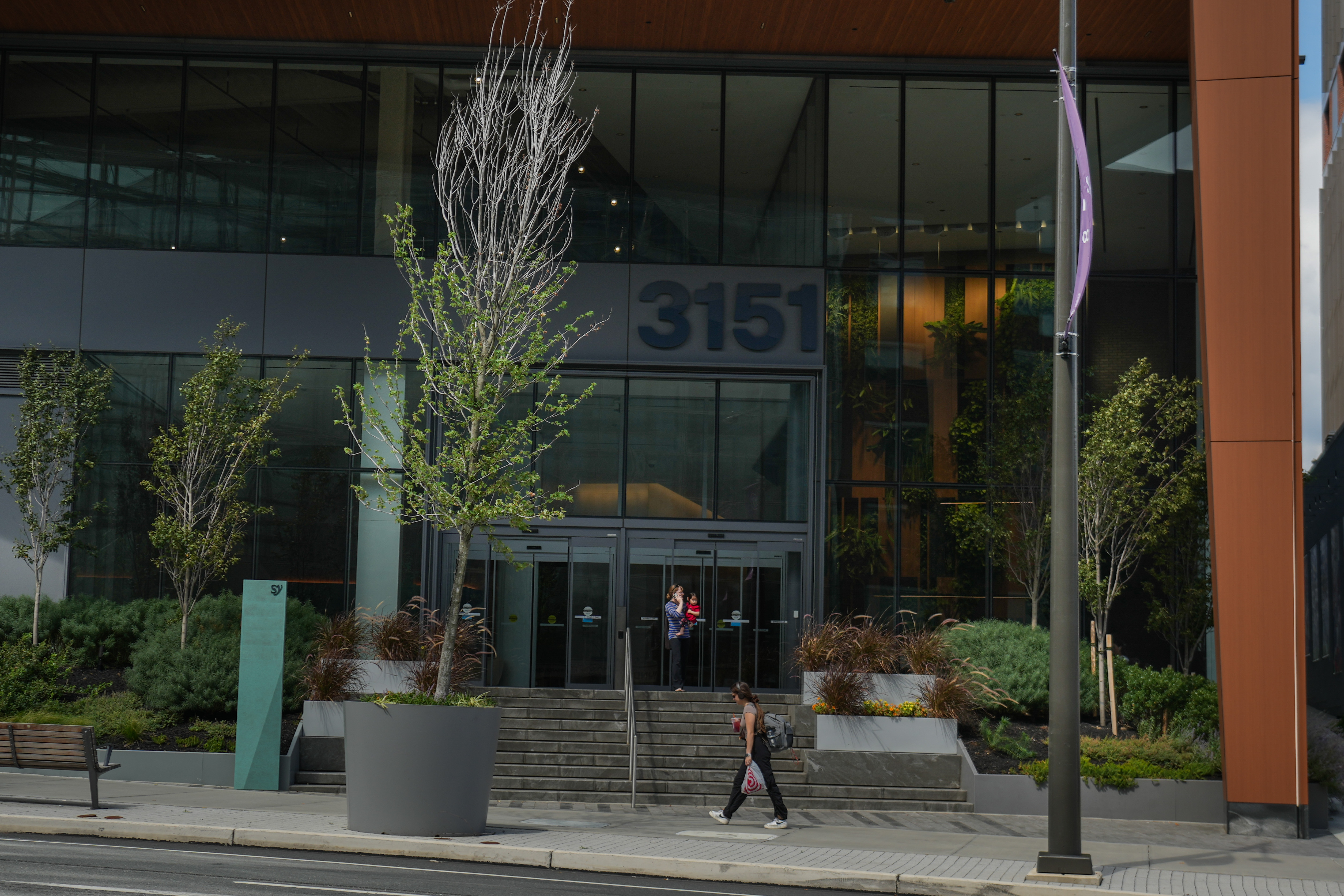
Burlington Stores’ future new home at 3151 Market St., in Philadelphia. Jessica Griffin / Staff Photographer
What government incentives are going to Burlington?
$30 million: How much Burlington is set to receive in grants from Pennsylvania.
$8 million: What the City of Philadelphia plans to invest in Burlington’s move, including a $7 million forgivable loan and $1 million for a year of free SEPTA passes for employees.
How much of Burlington’s workforce is coming to Philly?
1,500: Number of Burlington employees the company plans to move from New Jersey to Philadelphia, starting in late 2028 or early 2029
500: Number of hires Burlington plans at its new headquarters in the next five years
0: Number of layoffs Burlington has planned as a result of the headquarters relocation
Inquirer reporter Joseph N. DiStefano contributed to this article.
Burlington Stores, the discount retailer named for its longtime South Jersey home, is spending millions on new corporate offices in Philadelphia, marking the first time in decades the city has welcomed the headquarters of a Fortune 500 company.
In all, Burlington plans to spend $370 million on the move, and is set to receive another $30 million in state grants. The city is also providing a $7 million forgivable loan, a job-creation tax credit, and a $1 million investment that will give Burlington workers free SEPTA passes for a year.
Burlington eventually plans to relocate 1,500 employees from New Jersey to the new Philly headquarters, a spokesperson said, and hire another 500. The company has no plans for layoffs.
They plan to gradually move employees by team. The moves will begin no earlier than late 2028.
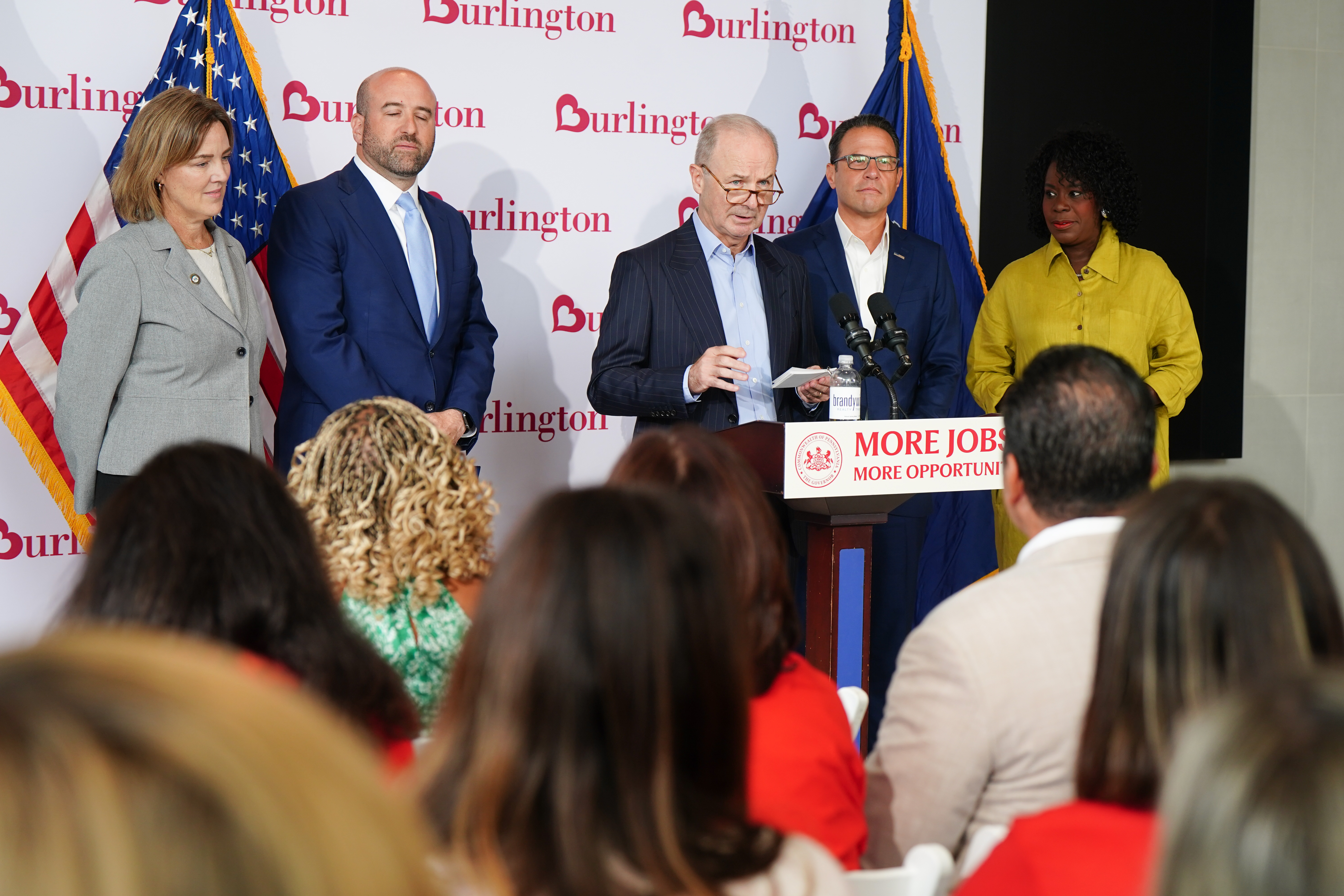
Pennsylvania Gov. Josh Shapiro called the move “one of the largest corporate relocations ever in the commonwealth,” at an event Thursday in the lobby of Burlington’s new headquarters.
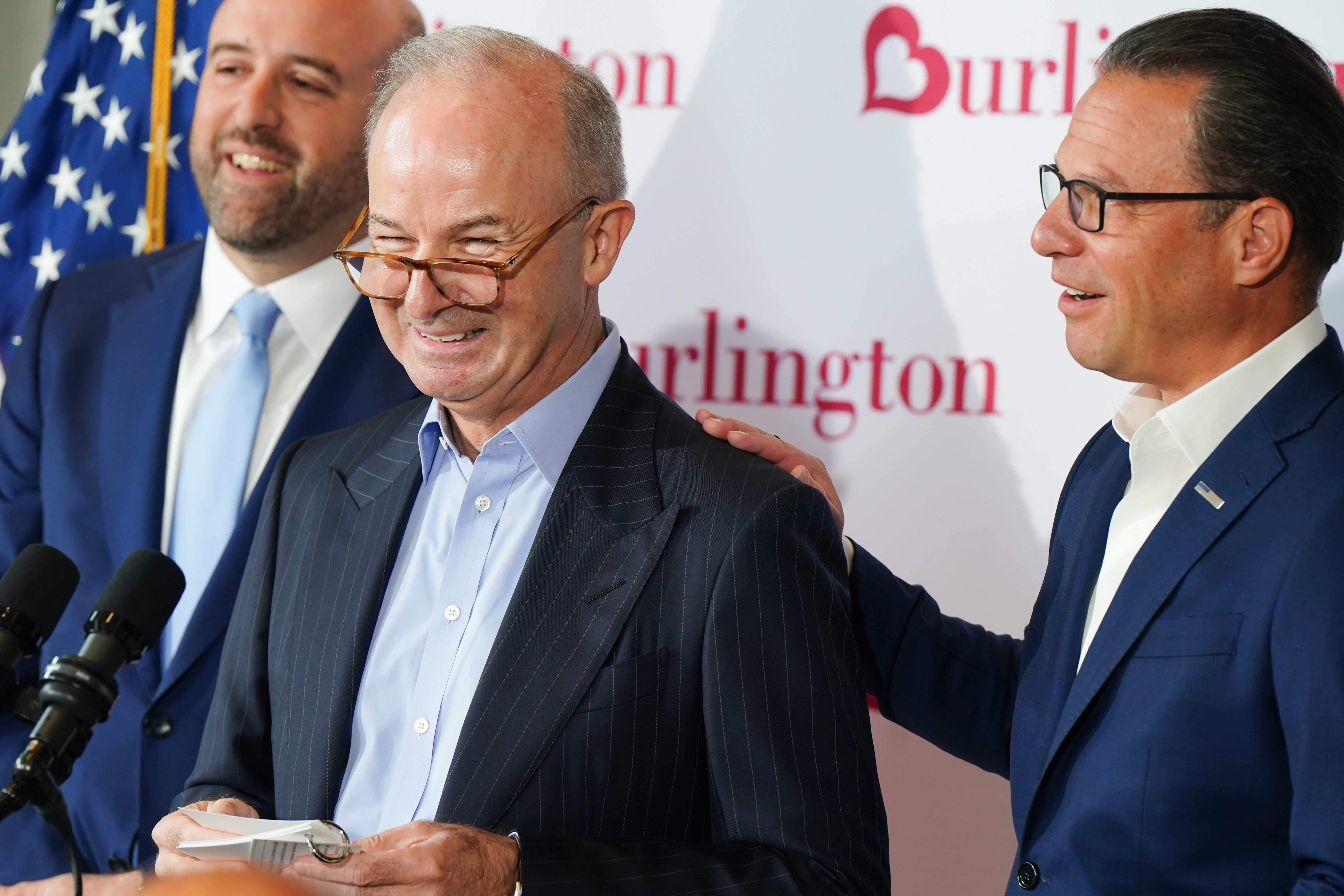
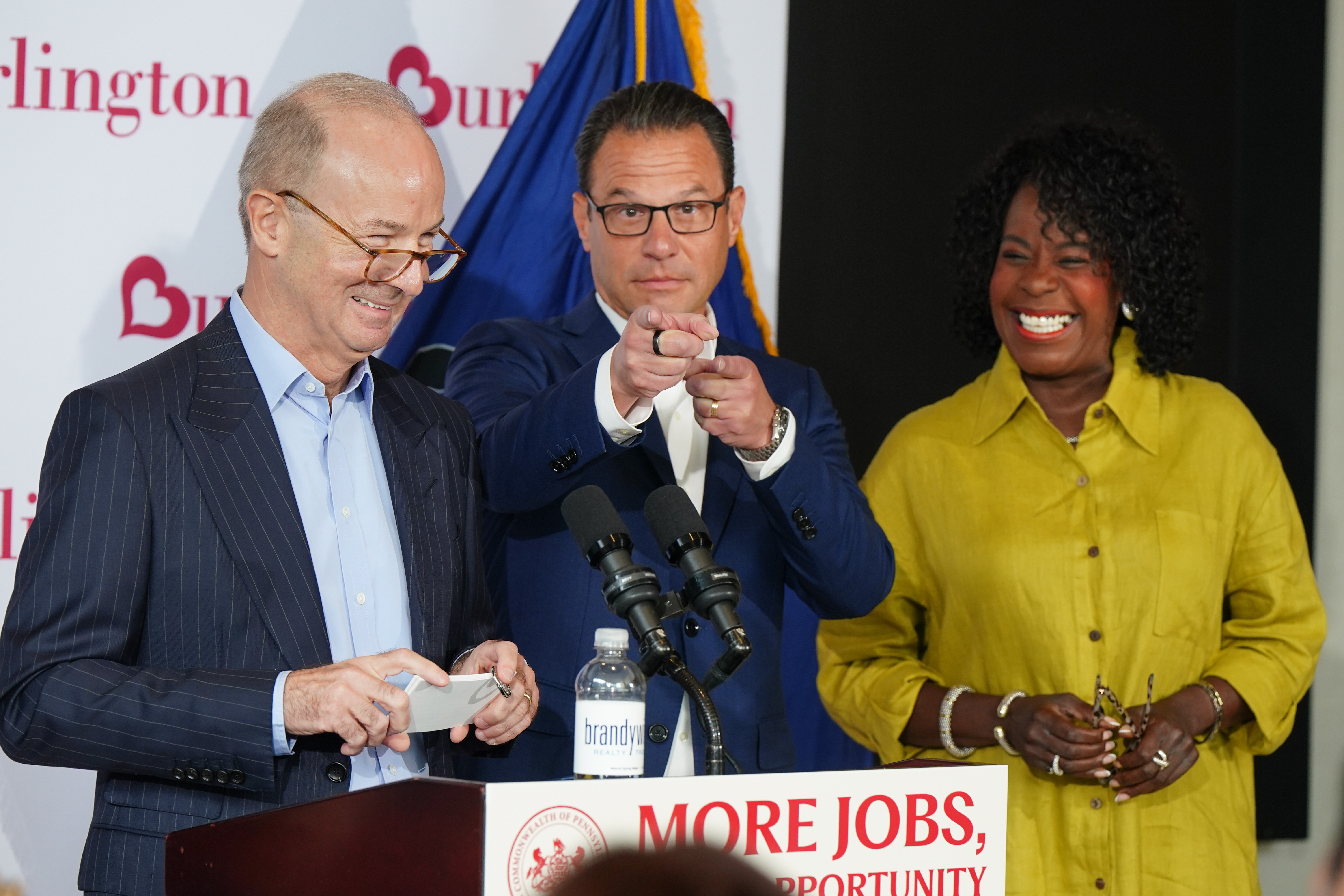
Burlington CEO Michael O’Sullivan, Gov. Josh Shapiro, and Mayor Cherelle L. Parker announce the retailer’s forthcoming move to Philadelphia.Jessica Griffin / Staff Photographer
“It’s going to put West Philly and our growing downtown district on the map as a premier spot for some of the largest companies in the world,” said the governor, who announced the news Thursday alongside Mayor Cherelle L.Parker, Burlington CEO Michael O’Sullivan, Brandywine Realty Trust CEO Jerry Sweeney, and other state and local officials.
Philly’s gain comes at a loss for New Jersey: Burlington has been based in its namesake Burlington Township for more than half a century. It opened its first store there in 1972.
New Jersey Gov. Mikie Sherrill’s office said in a statement that they were “disappointed by Burlington’s decision to relocate its headquarters.” But “the company will continue to maintain a significant presence and thousands of jobs here in New Jersey.”
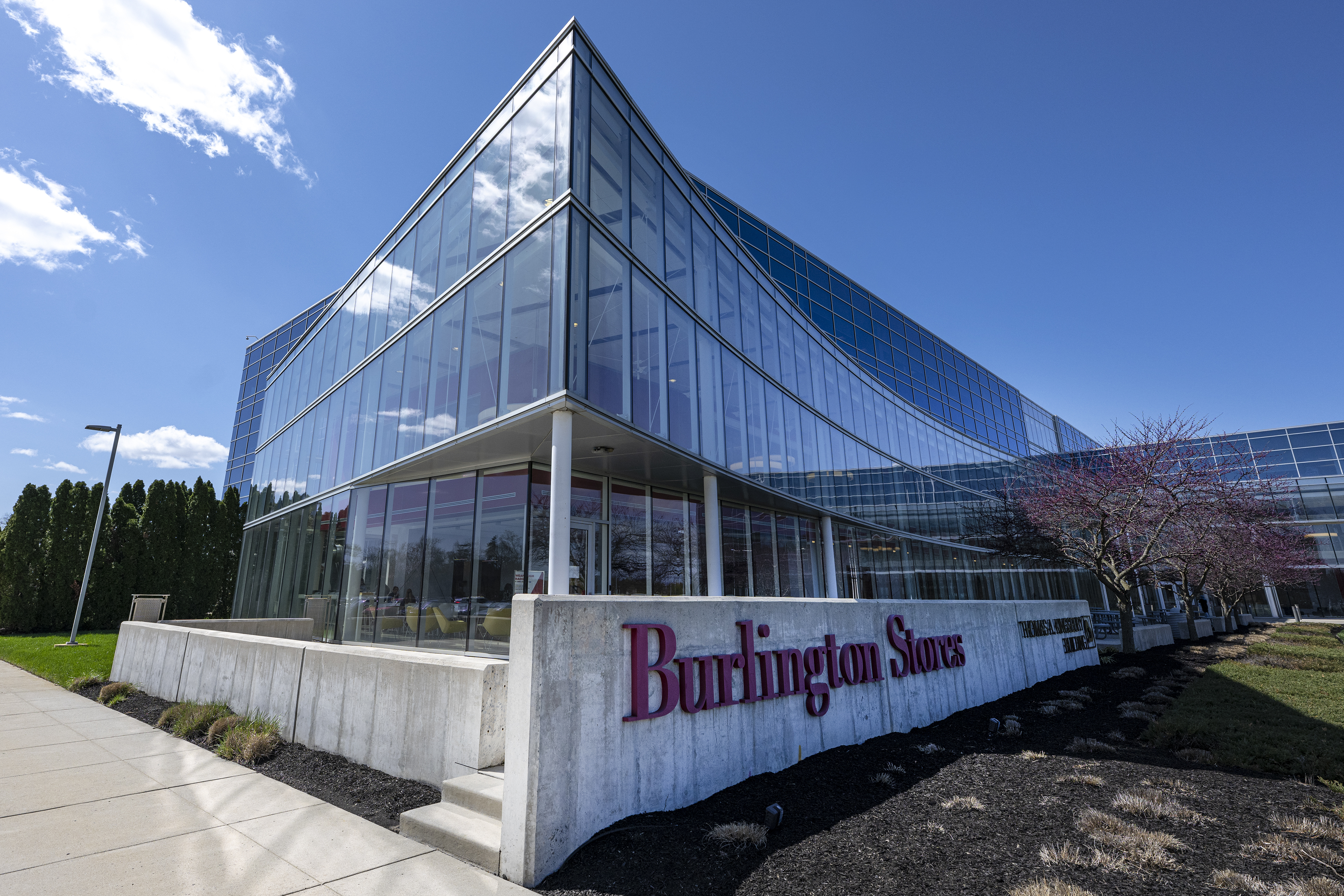
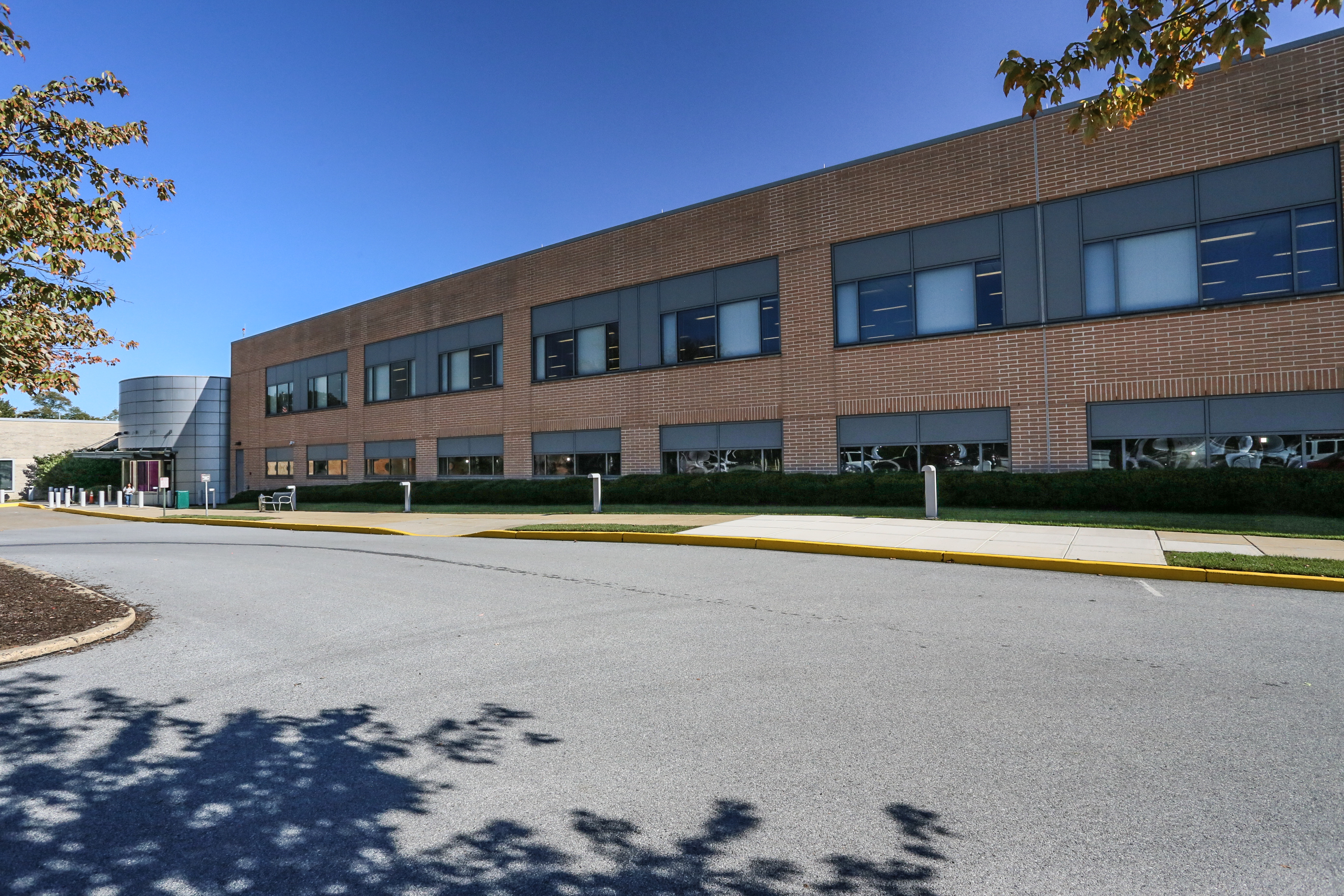
Burlington Stores headquarters in Burlington, N.J., as seen in 2025.Jose F. Moreno / Staff Photographer
About 4,700 people worked at Burlington’s corporate campus and warehouses in Burlington County as of last year, with 2,100 people employed in Philly-area stores. A company spokesperson said Thursday that the company employs 8,000 across New Jersey.
As for its current headquarters on U.S. Route 130 North, Burlington intends to have it rezoned for warehouse space and turn some of the property into farmland. The company plans to keep its New Jersey warehouse and distribution centers in Burlington, Edgewater Park, Florence, and Logan Township.
Burlington’s move is the latest win for Parker and Shapiro, who is up for reelection in November, as well as the governor’s Department of Community and Economic Development (DCED). Earlier this week, Shapiro’s administration announced $50 million in state grants and loans to help fund the yogurt company Chobani’s expansion into Allentown.
“This is another day in what’s been just a monster week,” DCED Secretary Rick Siger said. “It’s another proof point of Pennsylvania’s strength as a business destination.”
“What we’ve seen today is what can happen through a public-private partnership when leaders have a shared vision, a dedication to cause, and an unwavering commitment to the exciting future we can create by working together,” said Sweeney, Brandywine’s CEO, on Thursday.
(function() { var l = function() { new pym.Parent( ‘burlington-move__graphic’, ‘https://media.inquirer.com/storage/inquirer/ai2html/burlington-move/index.html’); }; if(typeof(pym) === ‘undefined’) { var h = document.getElementsByTagName(‘head’)[0], s = document.createElement(‘script’); s.type = ‘text/javascript’; s.src = ‘https://pym.nprapps.org/pym.v1.min.js’; s.onload = l; h.appendChild(s); } else { l(); } })();
Burlington was initially drawn to Philly because of the city’s history and culture, including its food scene, artistic institutions, and sports fandom, according to O’Sullivan. But the CEO said conversations with Shapiro and Parker “pushed this decision over the line.”
“We found the vision that they laid out for the city and the state hugely compelling,” he said. “We were very impressed by their clear priorities and their focus on getting stuff done around economic development, education and training, public transportation, public safety, and fiscal responsibility.”
Burlington has been expanding in recent years as more consumers, including higher-income shoppers, flock to discount retailers.
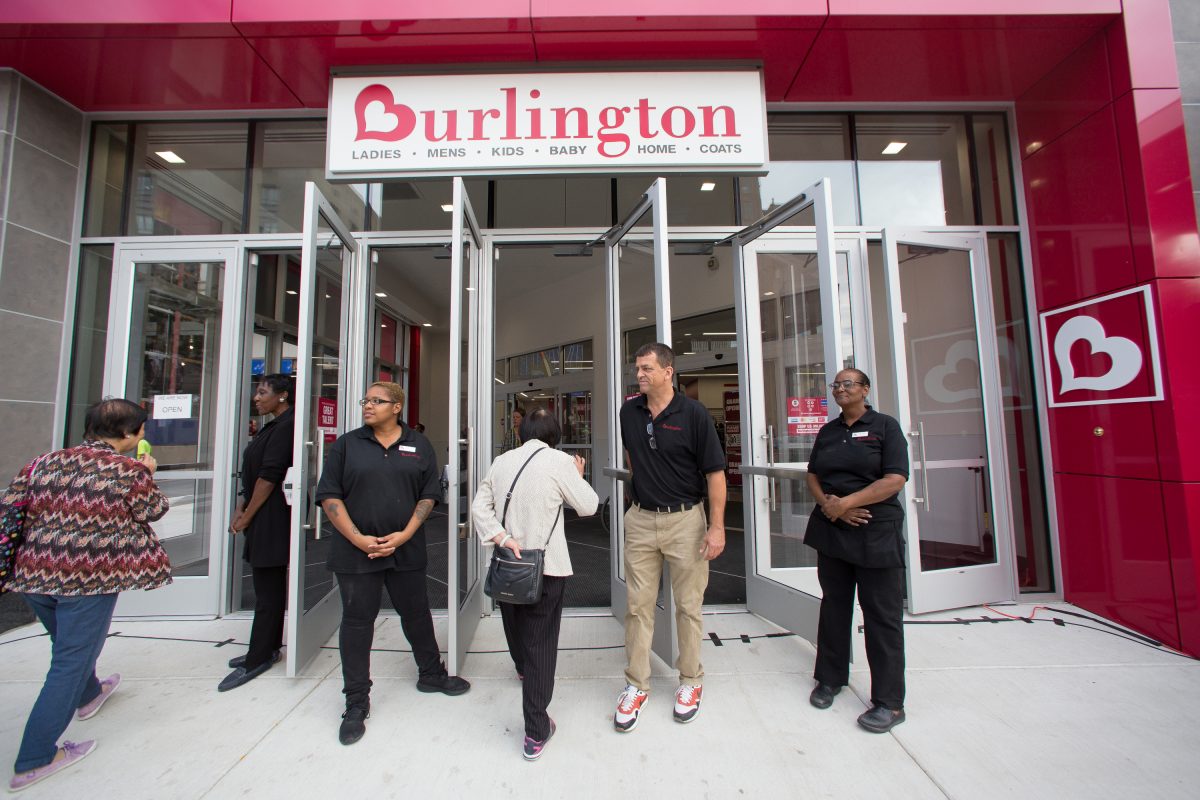
Shoppers and employees at the Burlington Store at 833 Market St. in Philadelphia in 2018.Jessica Griffin / Staff Photographer
As of August, the company operated 1,300 stores in 47 states, including eight in Philadelphia and dozens across the region. By the end of the year, the company plans to open another 115 stores and hire 5,000 more employees, O’Sullivan said Thursday.
The chain’s growth has paid off, with a 21% increase in net income and a 9% jump in sales last year.
In an earnings call, O’Sullivan attributed those numbers to the company’s tariff response, which included inventory reductions, price increases on certain items, and an aggressive cutting of expenses.
Burlington has continued to report strong earnings in the first half of 2026, with a boost from $55 million in tariff refunds. O’Sullivan has said the company plans to put that money toward more markdowns for customers.
Shapiro and Parker both said they had shopped at Burlington, with Shapiro patronizing the Jenkintown store and Parker frequenting the location at the former Cheltenham Mall in Wyncote.
O’Sullivan said with a laugh: “The mayor and the governor got my full attention when they independently confirmed that they both exclusively wear clothes from Burlington.”
Tela Bio, a Malvern-based medical-technology company, plans to cut about 20% of its workforce.
The layoffs, most of which are to take place this month, will reduce the company’s headcount from 201 full-time employees to 160, according to an SEC filing last week. The locations and types of jobs affected were not specified. Company executives say the move is part of a larger plan to slash Tela Bio’s annual operating expenses by about $17 million.
CEO Heather Getz said in a statement that they are “implementing a broader initiative to strengthen our cost structure and position Tela Bio for long-term success.”
Headquartered in the Great Valley Corporate Center, Tela Bio makes biological products for soft-tissue repairs, including hernia surgeries and ab-wall reconstructions. Among its products: OviTex tissue, made from sheep stomach, which Tela Bio says promotes natural healing while reducing plastic in the body.
Last year, Tela Bio reported more than $80 million in revenue, up 16%, which the company attributed to an increase in customers and higher sales overseas, according to earnings reports. But with $88 million in operating expenses, the company continued to operate at a loss, as it has since its founding in 2012.
Company executives expect these layoffs to cost about $1.5 million in severance and other employee payouts, according to the SEC filing.
On Monday, the company also parted ways with Roberto Cuca, who had served as chief financial officer and chief operating officer since 2021. Per the SEC filing, Getz, the CEO, will become the company’s “principal financial officer.”
Tela Bio executives said they’ll provide more information on cost-cutting efforts on the company’s next earnings call, scheduled for November.
“We are focused on disciplined execution, strengthening the business, and creating a more efficient organization positioned to deliver sustainable long-term growth,” Getz said, adding that executives ”expect this initiative to extend our cash runway into 2028.”
Getz was appointed CEO last month, succeeding Tela Bio cofounder Antony Koblish. Previously, Getz was executive vice president and chief financial and operations officer at Butterfly Network, a portable-ultrasound company.
In announcing Getz’s hiring, Tela Bio executives said she made “transformative changes in [Butterfly Network’s] strategy, capital allocation, cash runway and investor relations while building a performance culture.”
Vanguard has sold a Tredyffrin Township office complex for $17 million — with no plans of moving out.
Last month, the Malvern-based investment firm sold its 22-acre property at 1041 W. Valley Rd. to another Malvern-based company, E Kahn Development, according to Chester County property records.
But Vanguard plans to continue leasing the 323,000-square-foot space, which sits just off U.S. Route 202, about eight miles from its main campus in Malvern. Hundreds of Vanguard IT employees work at the complex, called the Robert A. DiStefano (RAD) Technology Center.
Vanguard’s RAD complex in Tredyffrin Township has been sold for $17 million, but Vanguard will continue to lease the space for its IT operations.Courtesy Vanguard
The sale and lease-back “reflects Vanguard’s focus on providing work environments that support and inspire our crew as they remain focused on our end investors,” a company spokesperson said in a statement. “Vanguard crew will continue to work at the RAD Technology Center through at least 2028, and there are no immediate plans to move crew who work there today.”
Eli Kahn, president and founder of E Kahn Development, said in an email that his company has “no immediate plans for the buildings.”
Vanguard employs about 20,000 employees, 12,000 of whom are based in Malvern. About 600 IT staffers work at RAD, Vanguard’s only complex with a Wayne address.
The company is expanding its IT staff worldwide, including at a new office in India, but has said its U.S. workforce will not be impacted.
The company recently announced plans to open stores in King of Prussia and Moorestown in late 2027.
The King of Prussia market, the chain’s first Pennsylvania location, is set to open at 320 W. DeKalb Pike, the site of the closed Hobby Lobby in the DeKalb Plaza shopping center.
The Moorestown store, the first in South Jersey, will be located at 1311 Nixon Dr., replacing the Barnes & Noble and PetSmart in the East Gate Square complex.
Each of the new locations will be about 58,000 square feet.
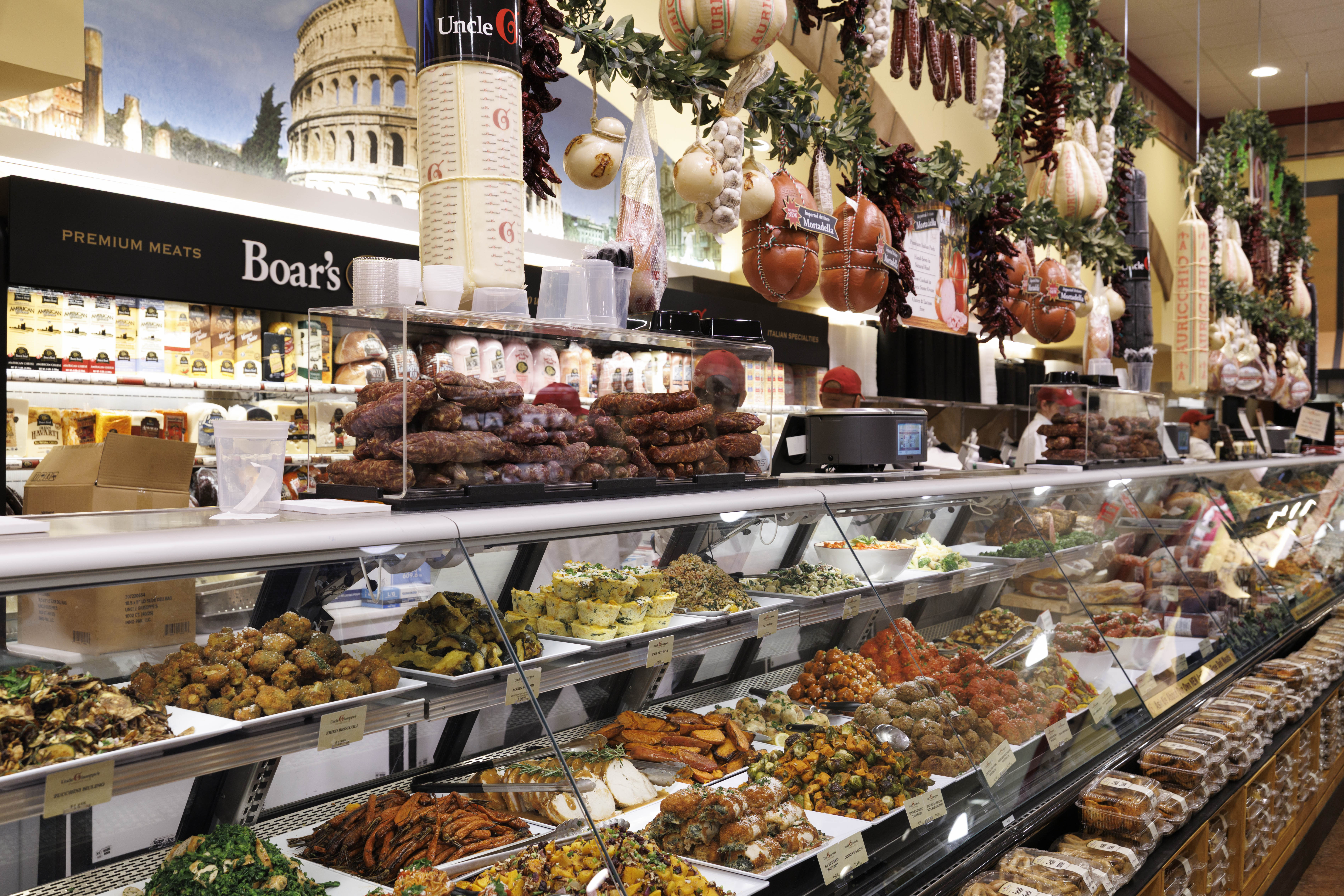
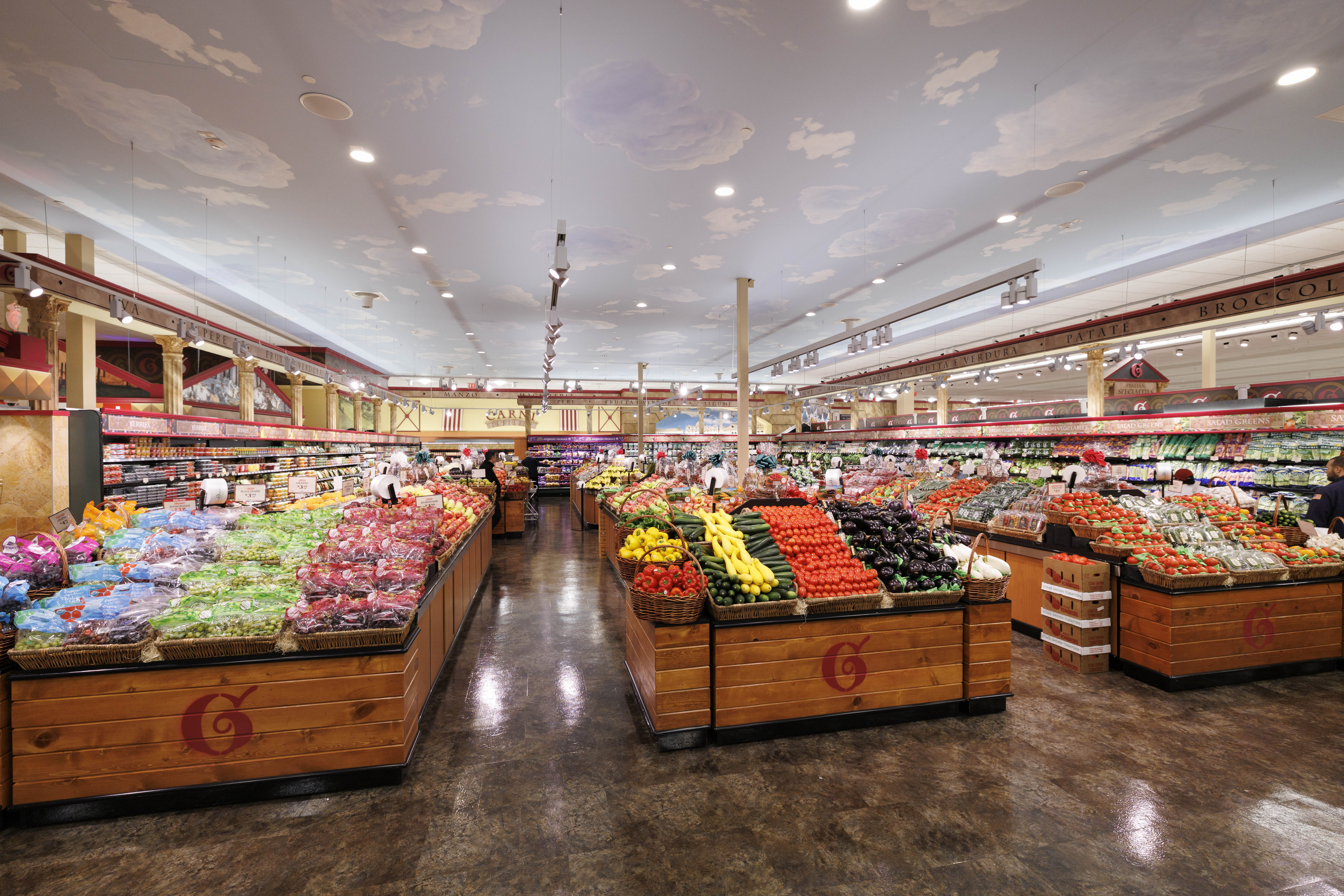
The inside of a recently opened Uncle Giuseppe’s Marketplace in New York.Courtesy Uncle Giuseppe's Marketplace
“King of Prussia and Moorestown are two markets we’ve been looking at for some time,” Carl DelPrete, CEO and cofounder of Uncle Giuseppe’s Marketplace, said in a statement. “We look for communities where we believe our stores will be a good fit and where customers are looking for fresh, quality food and good service.”
Founded on Long Island in 2001, Uncle Giuseppe’s now operates 13 locations in New York and North Jersey.
Every store sells made-in-house mozzarella, homemade pasta, prepared foods, fresh produce, specialty cheeses, imported Italian products, natural and organic items, and more traditional groceries. Each market also has full-service meat and seafood departments, an Italian deli, a scratch bakery, and a catering department.
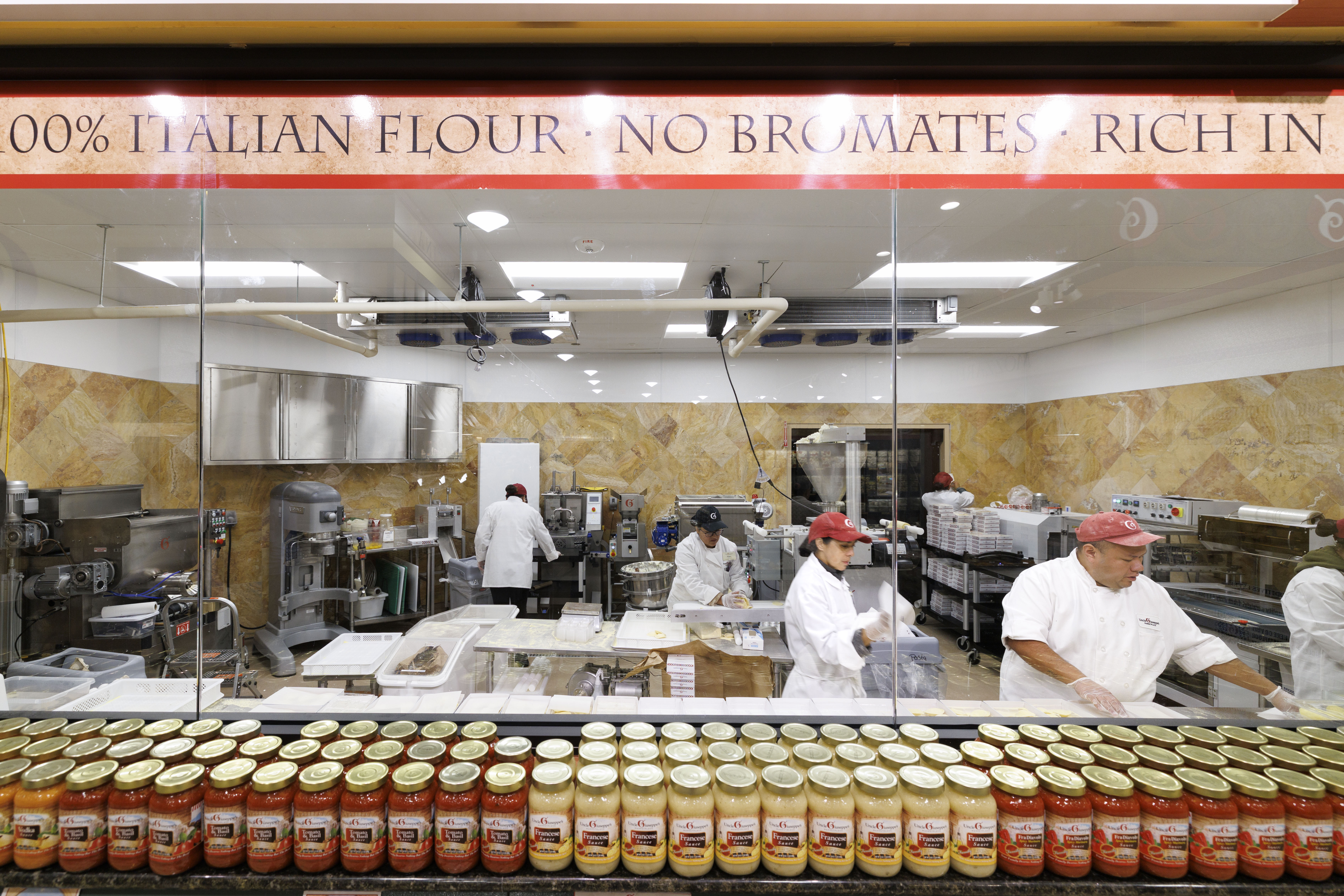
Customers can watch workers make pasta at a recently opened Uncle Giuseppe’s Marketplace in New York.Courtesy Uncle Giuseppe's Marketplace
Company executives call shopping at Uncle Giuseppe’s an experience, one in which customers can watch pasta, mozzarella, and bread being made and see meats being cut to order.
Gourmet grocers have not been spared. Di Bruno Bros., the Philly-based Italian-food retailer, closed three of its five locations this winter, two years after being acquired by Wakefern Food Corp., the North Jersey-based supermarket cooperative that operates ShopRite.
Despite industry uncertainty, Uncle Giuseppe’s is not the only grocer expanding. Sprouts, the organic supermarket chain, is adding stores, too, including in Havertown, Limerick, and Washington Township.
Autonomous drones may soon be delivering Amazon packages across South Jersey.
Amazon representatives have told local officials and emergency responders that the e-commerce giant plans to start drone-delivery service out of its West Deptford facility this fall, according to West Deptford Mayor James Mehaffey and Mantua Township Police Chief William Murphy.
The news comes days after Amazon announced a massive expansion of its Prime Air program, which already delivers packages via drone from launch sites in 11 U.S. cities, none of which are in the Northeast.
By the end of the year, Amazon wants to expand its drone coverage area to nearly 500 cities and towns nationwide, the company said, allowing tens of millions of customers to get products flown to their doorsteps in 30 minutes to an hour.
“We are always exploring new ways to get customers a wider selection at faster speeds,” Amazon spokesperson Smitha Rao said in a statement, in response to The Inquirer’s questions about the South Jersey meeting, which occurred last week.
“We are currently working with local officials and exploring opportunities to expand our fast, reliable drone delivery service to reach customers in areas across the country.”
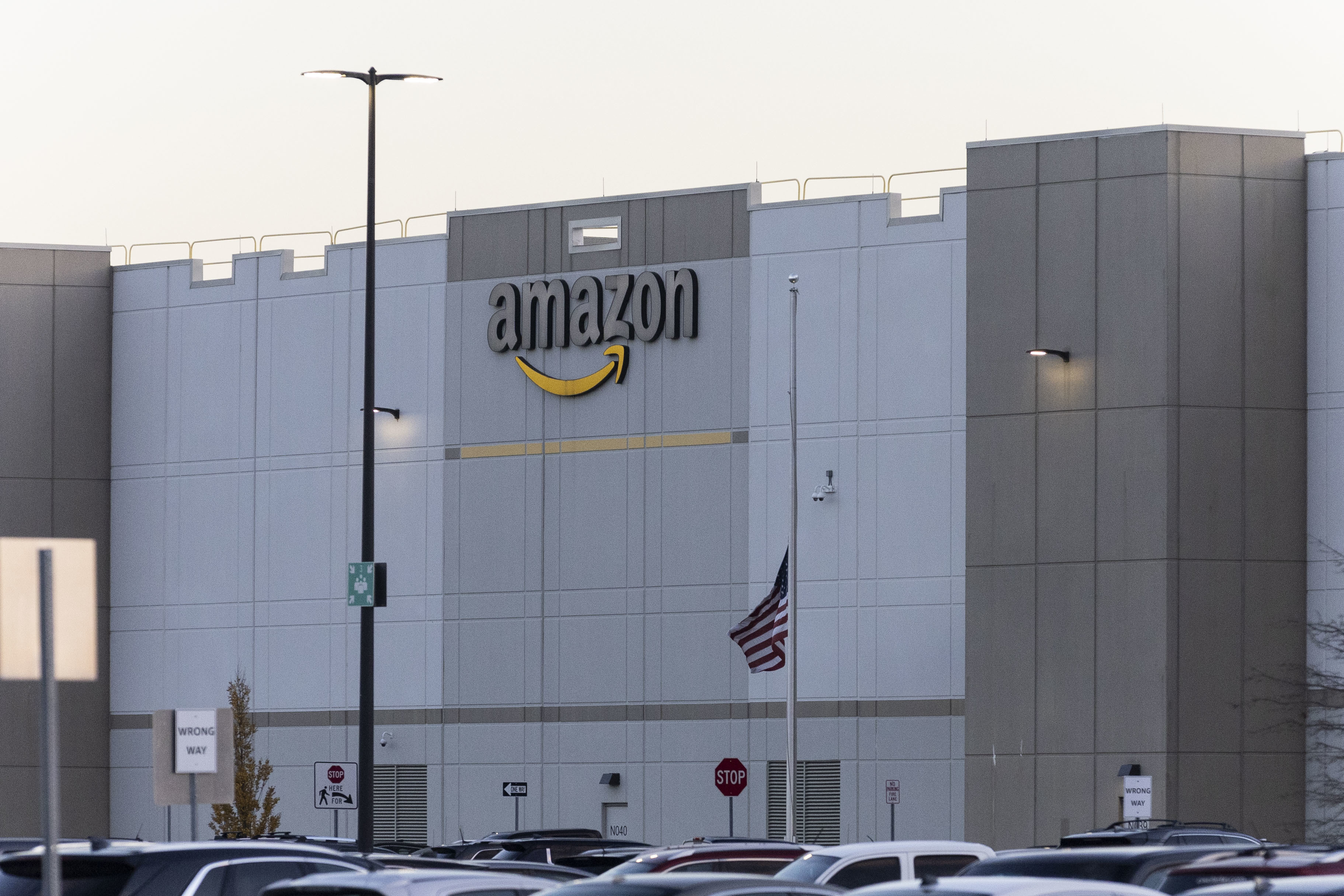
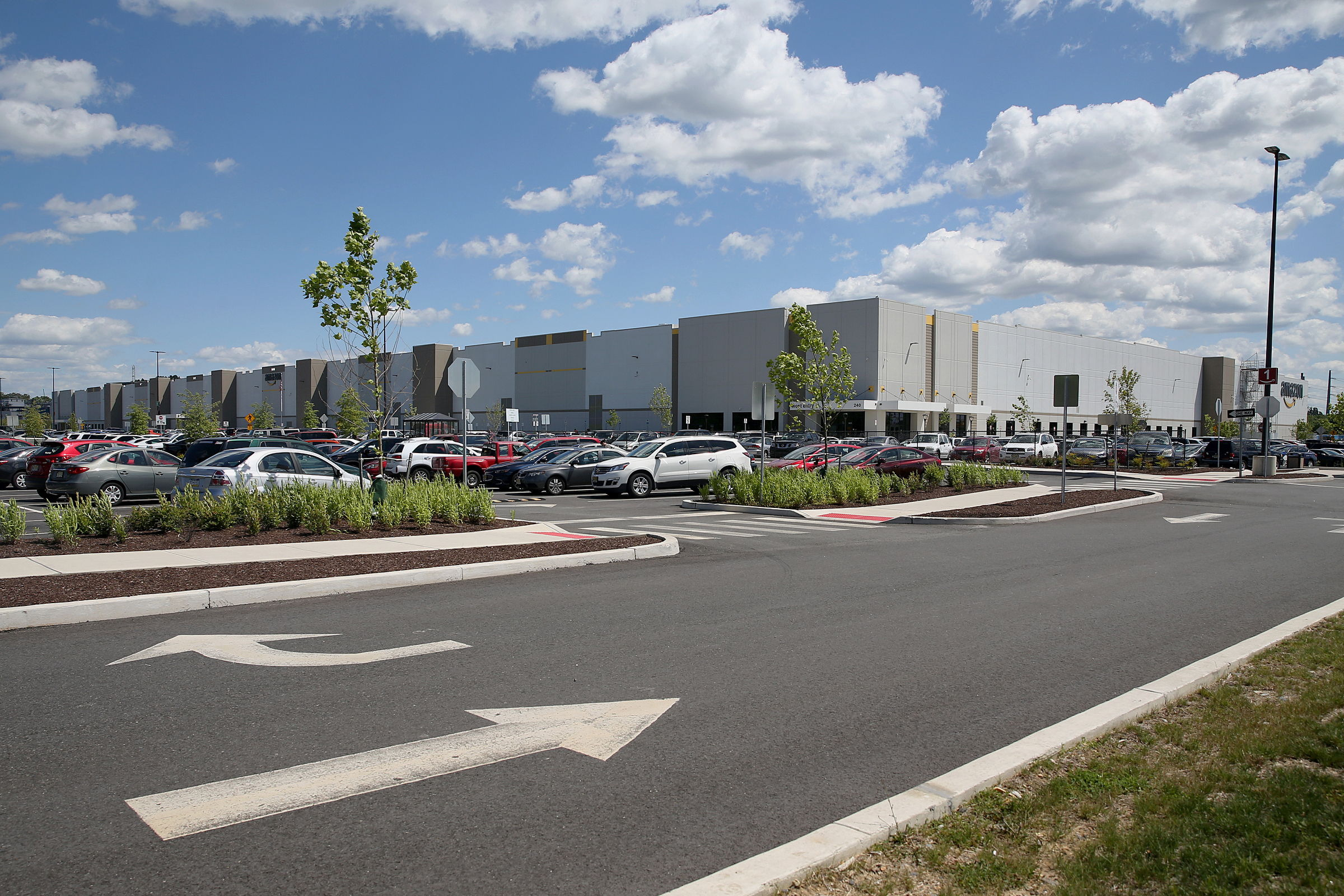
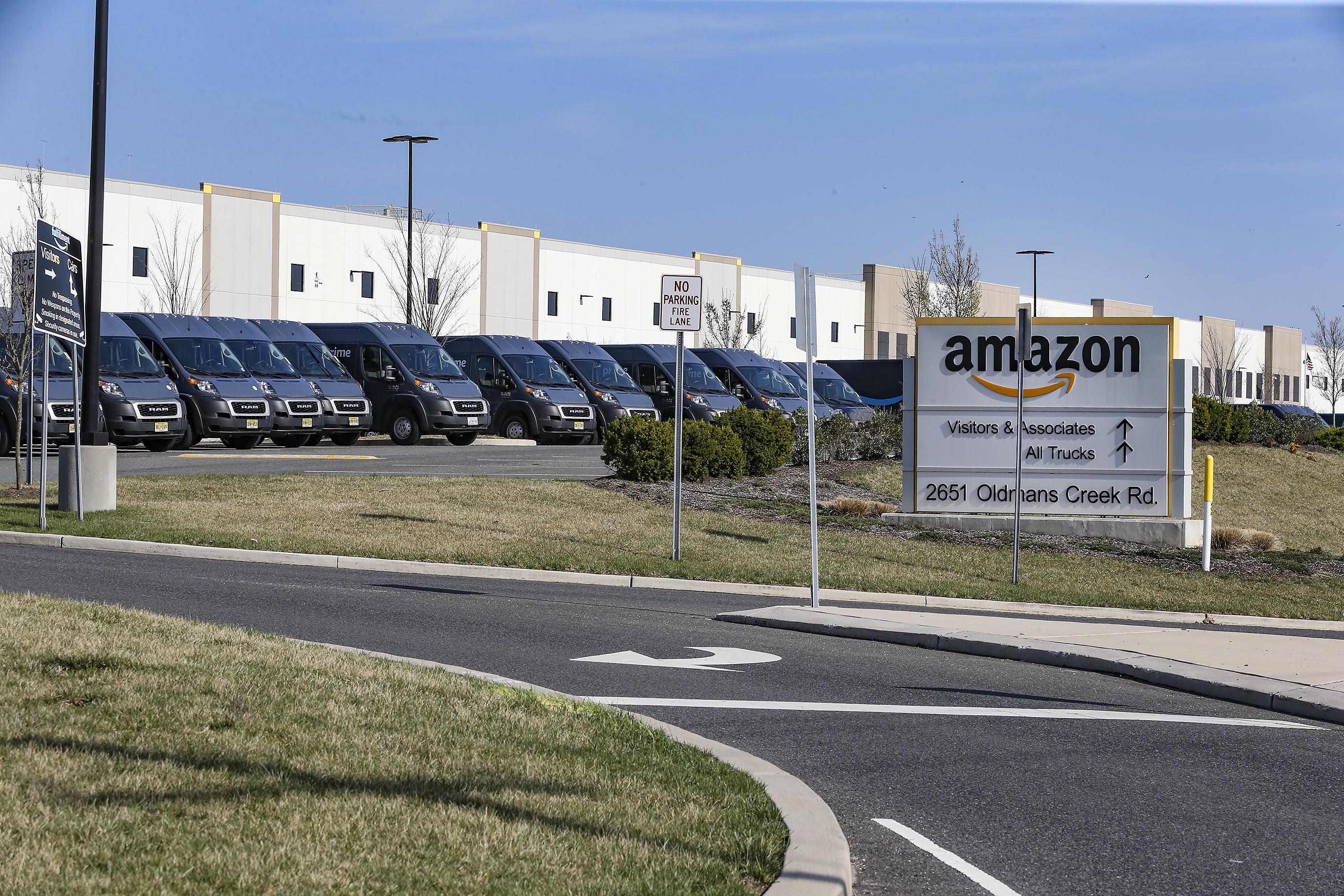
According to local officials briefed on the Amazon plans, the company’s drones would fly out of the warehouse at 240 Mantua Grove Rd., a 650,000-square-foot facility that sits next to I-295 and is among the company’s largest in the region.
The Amazon Fulfillment Center in West Deptford, seen in 2019, is among the region’s largest.TIM TAI / Staff Photographer
The company’s drones can typically deliver to addresses within 175 square miles of each launch site.
In a Facebook post from the Mantua Township Police Department account, Murphy shared a screenshot of the local drone-delivery radius that he said Amazon shared during the Zoom meeting. The photo indicated that drones from the West Deptford site would be able to reach places within about a 15-mile radius — from Bellmawr to Mullica Hill in New Jersey, as well as parts of Ridley Park, Darby, Glenolden, and South Philadelphia across the Delaware River.
Amazon told local officials that the drones would operate from 15 minutes before sunrise to 15 minutes after sunset, according to Murphy, and be authorized to fly at altitudes below 400 feet, in accordance with Federal Aviation Administration regulations.
The company plans to start drone delivery from West Deptford as early as October, according to Murphy and Mehaffey.
Amazon’s drones can deliver groceries, cosmetics, medications, even iPhones — anything that weighs 5 pounds or less and fits in a large shoebox. Amazon says those characteristics apply to more than 60% of its most popular products.
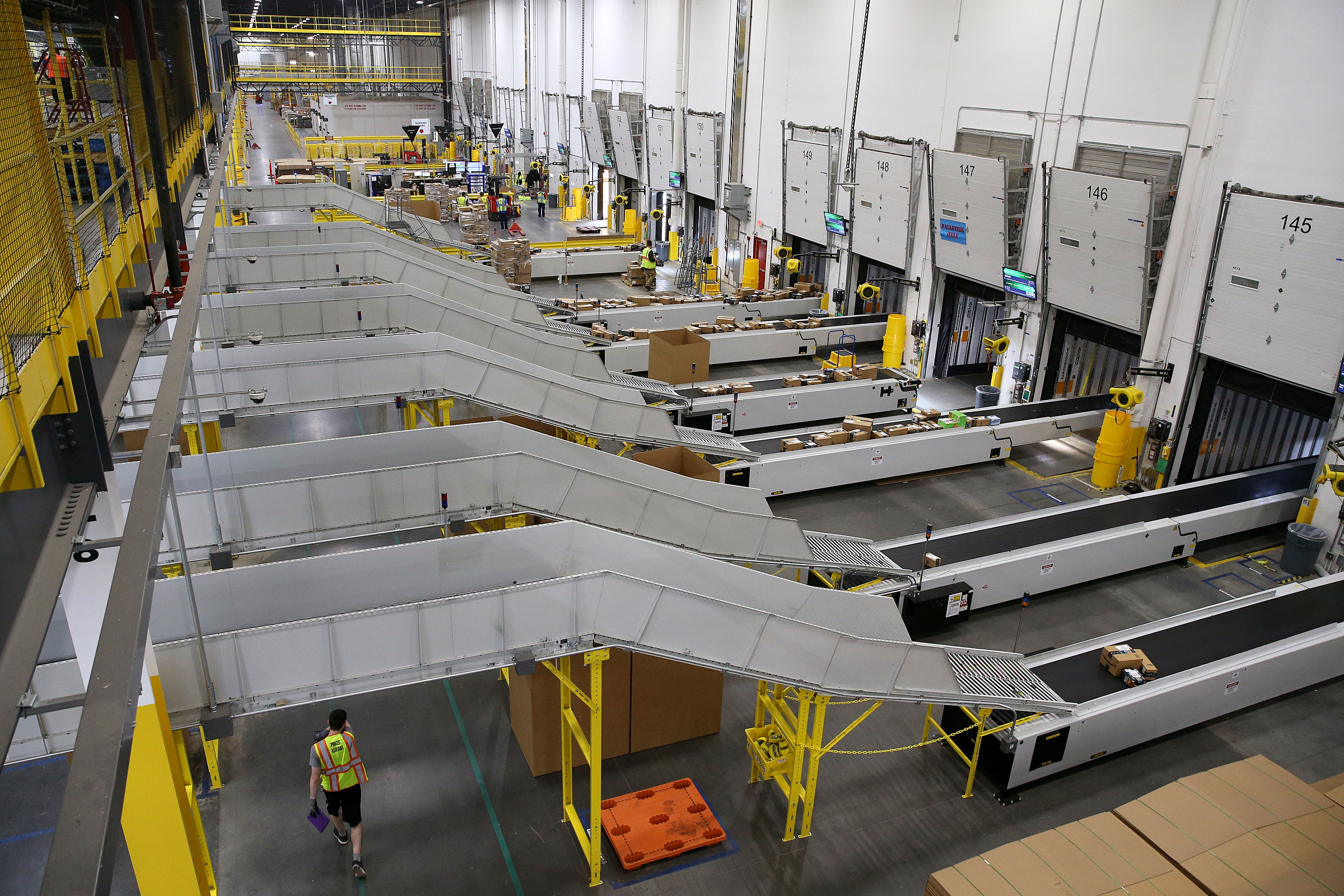
Boxed orders are sorted at the Amazon Fulfillment Center in West Deptford in 2019.TIM TAI / Staff Photographer
Customers can browse drone-deliverable items the same way they search for any other Amazon products, according to the company, and select the best spot for a drone to leave the package.
Amazon Prime members can get complimentary drone delivery on orders of $50 or more, or pay an extra $2.99 on orders under $50. Nonmembers can pay $4.99 for drone delivery.
The drones are not monitored by humans in real time, according to Amazon. Instead, the devices use an autonomous system of cameras and sensors to navigate, avoid obstacles, and deliver the package safely.
Some South Jersey residents said they have questions about those cameras, as well as the impact Amazon drones may have on their quality of life, safety, and environment. As of Sunday, more than 100 people had signed a petition asking for public hearings and written disclosures about Prime Air and its data practices before the drones start flying in the area.
Amazon said in its expansion announcement that the drones’ cameras do not “track individuals or record movement.” The drones are electric, emit no exhaust, and make little noise, according to the company. The drones are quieter during drop-off than “an idling delivery truck,” Amazon said, and sound similar to a “window fan on low” while in flight. The company said people indoors cannot typically hear the drones outside.
In areas where the drones are already flying, company spokesperson Rao said, “the response from customers using Prime Air has been overwhelmingly positive.”
Mantua Township Mayor Bob Zimmerman told residents in a Facebook post that the Amazon drones were “forthcoming.”
“Please understand that whether you are for, or against deliveries of this kind by drones, we have no say over the matter,” wrote Zimmerman, who did not return a request for additional comment.
Amazon has not said whether it plans to fly drones from other warehouses in the Philadelphia area, and has not posted Prime Air job openings at other local sites.
The company has dozens of facilities across the region, with larger warehouses in Carneys Point and Logan Townships in South Jersey, and near Wilmington. Officials in those areas did not return requests for comment.
Amazon’s Logan Township warehouse is pictured in 2021.STEVEN M. FALK / Staff Photographer
Jason Bobst, township manager of West Norriton Township in Montgomery County, said the company has not been in touch about flying drones from its facility there.
“We have not been approached by Amazon regarding drone delivery operations from its West Norriton facility, nor have we received any indication that Amazon is currently considering that location for drone delivery service,” Bobst said in an email.
Bobst said township officials did have a preliminary conversation about Walmart looking to expand its drone delivery service in the area, but nothing formal has been presented.
In recent weeks, food-delivery apps Uber Eats, Grubhub, and DoorDash also have unveiled similar plans, but have not started flying to Philly-area customers.
Within minutes of waking up, I can’t help but reach for it. The iPhone on my nightstand has a gravitational pull.
I swipe through my Instagram feed before my eyes have even adjusted to daylight. Of course, there is nothing urgent in this sea of vacation pictures, pregnancy announcements, adorable dog videos, and ads for products I Googled the day before.
Yet I can’t stop scrolling.
Last month, I became hyperaware of my dependence on this unhealthy habit when I deleted Instagram — my millennial social media of choice — for two weeks. It was for “work purposes,” I told myself, and would inform this story about how much time and money some consumers have spent trying to pull themselves from their screens.
I ended up deleting Facebook, too, after a day spent filling Instagram’s absence with rambling posts from neighborhood groups.
After my experiment, I see why people are willing to pay to unplug from social media.
Chen Wang, an associate professor of marketing at Drexel University’s LeBow College of Business, said she gets it, too. Not only because she observes the habits of her Gen-Z students, but also because she researches consumer technology and self-regulation.
The human-smartphone relationship, Wang said, has become “a paradox.”
“It makes our life so convenient. We can do almost everything on our phone,” Wang said. “At the same time, we’re also wishing we could use it less.”
Why some pay to unplug
Someone scrolls on their phone in this 2019 file photo.Heather Khalifa / Staff Photographer
As consumers have become increasingly aware of how social media and screen time affects their mental health, a cottage industry of social-media-detox businesses has emerged.
And an array of phone applications — ironically — block other apps. Some of those app-blockers are free. Others offer paid tiers from $40 to $100 a year.
Others struggling with social media overuse have spent hundreds of dollars on wellness retreats, where screen time is limited. In May, Cristen DeDomenico, a Philly-based bartender and therapist-in-training, spent about $1,300 to attend a weeklong retreat at the Kripalu center in Massachusetts.
“It definitely involved turning off and stepping away” from the digital world, said DeDomenico, 35, who felt less tempted to scroll social media in the retreat environment. “No one else was on their phone, so you didn’t feel the urge to be on yours.”
Closer to home, for a nominal fee, community leaders and small-business owners around the Philly area have been organizing social gatherings and workshops where attendees have to put their phones away.
Glenside educator Charlie Price started her digital-detox and wellness business, Time and Space, during the pandemic, when she noticed her own bad phone habits while stuck at home. Price, 36, said she’d often scroll Instagram for more than 30 minutes at a time.
Now, Price hosts regular events, including hikes and art workshops, for which people pay between $5 and $25 per person. Attendees abide by an honor system: Keep phones out of sight.
The focus, Price said, is “getting together in person and in nature … getting out IRL,” — in real life, in internet parlance.
What works best for reducing screen time
A man looks at his phone while walking his dogs.David Zalubowski
At its core, the solution to our scrolling problem is free: We all could just turn off, hide, or simply walk away from our devices.
DeDomenico said she learned that when she returned from her retreat. For the first few weeks, she was more present in her daily life, she said, but then old habits crept back in — and her post-work scroll got longer.
I’ve found this, too, since redownloading Instagram. Grabbing my phone to check the weather or pull up a photo can quickly turn into a waste of 15 minutes or more on mindless swiping.
I don’t think going cold turkey is the answer. I do enjoy those adorable dog videos and the funny reels, and the photo dumps from people I haven’t seen since grade school.
After Wang’s reassurance about the effectiveness of external motivators, I’ve been reading more articles about the best app-blockers — and even toying with the idea of investing in one of them.
Peace of mind is probably worth at least $50, right?
A shuttered bridal shop in downtown Conshohocken will soon become the home of another family-run business with local roots.
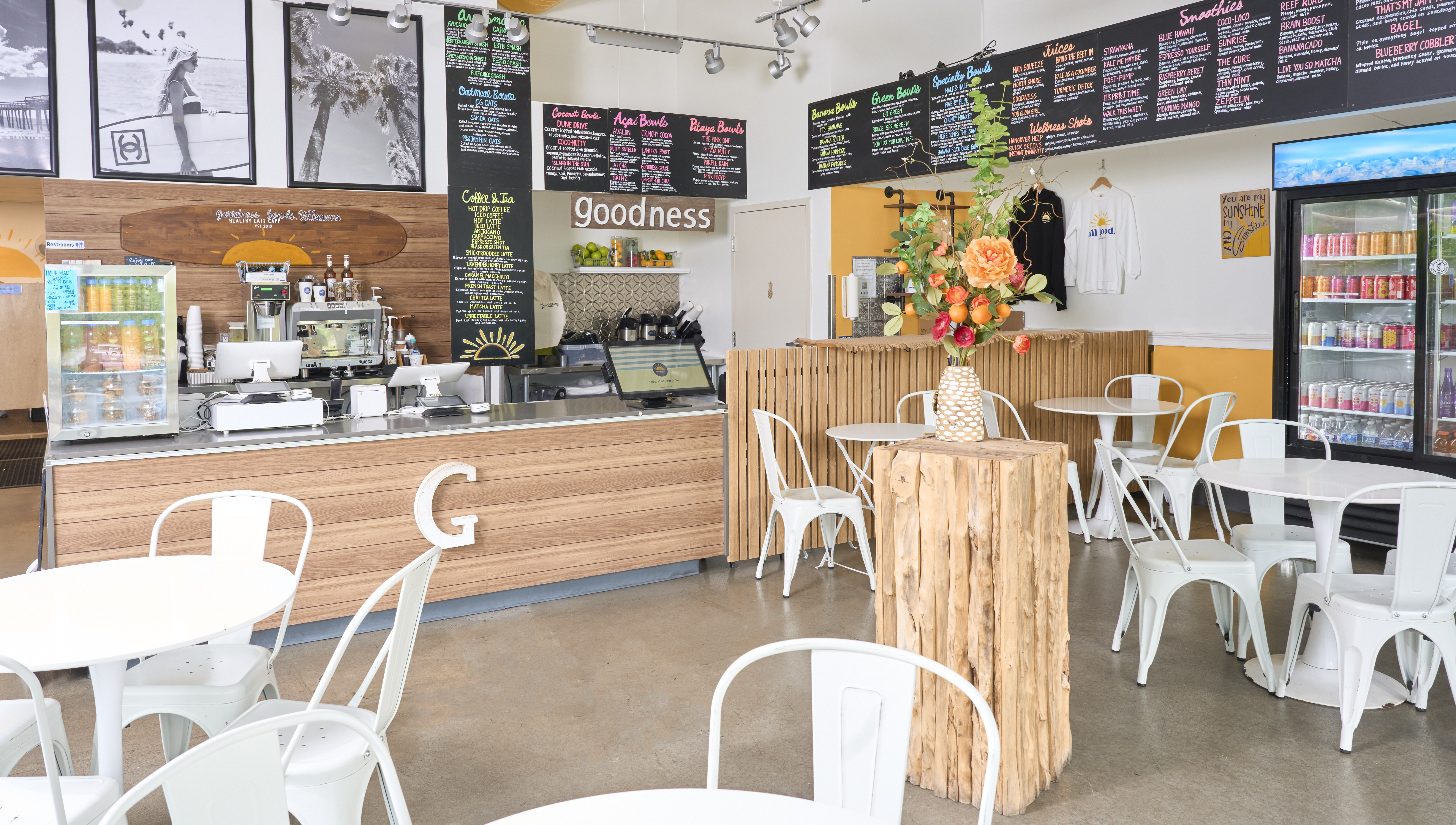
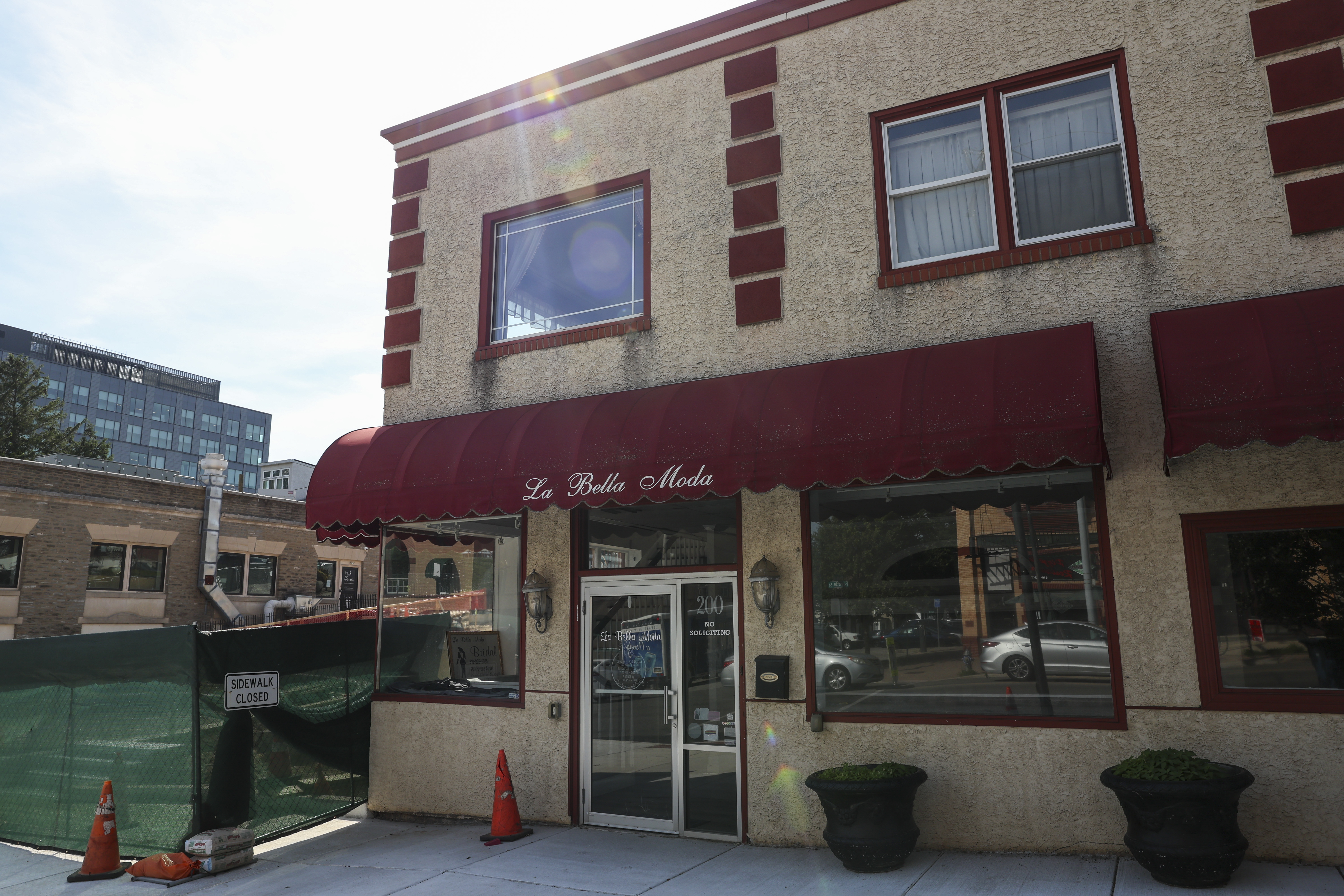
Goodness Bowls, a “healthy-eats cafe” chain run by Montgomery County residents, has signed a lease for the former La Bella Moda bridal shop at 200 Fayette St., with the goal of opening a corporate headquarters there by early 2027. La Bella Moda closed in May after 45 years in business.
“I always looked at La Bella Moda, and I thought, ‘God, that would be the perfect corner,’” said Susan Persichetti, Goodness Bowls’ cofounder and CEO. “ But I never thought they would close their doors.”
In the coming months, the Goodness Bowl team plans to open a 1,500-square-foot restaurant on the first floor, according to company executives, and use 2,000 square feet upstairs for additional seating and its corporate offices. They declined to share the terms of the lease.
The Conshohocken restaurant will be Goodness Bowls’ 10th location and its third corporate outpost. The rest of its cafes are franchised.
The closed La Bella Moda, as seen in June.Monica Herndon / Staff Photographer
The chain’s expansion comes as acai bowls — smoothie bowls loaded with toppings like fruit, granola, and peanut butter — and other more nutritious fast food have surged in popularity.
Shops selling these bowls seem to be popping up everywhere. Over the past decade, Belmar, N.J.-based Playa Bowls has grown to more than 100 locations in 20 states, including more than a dozen spots in the Philly area. And the Juice Pod, founded in Avalon and now headquartered in Bryn Mawr, has expanded to more than two dozen cafes, most of which are in the region.
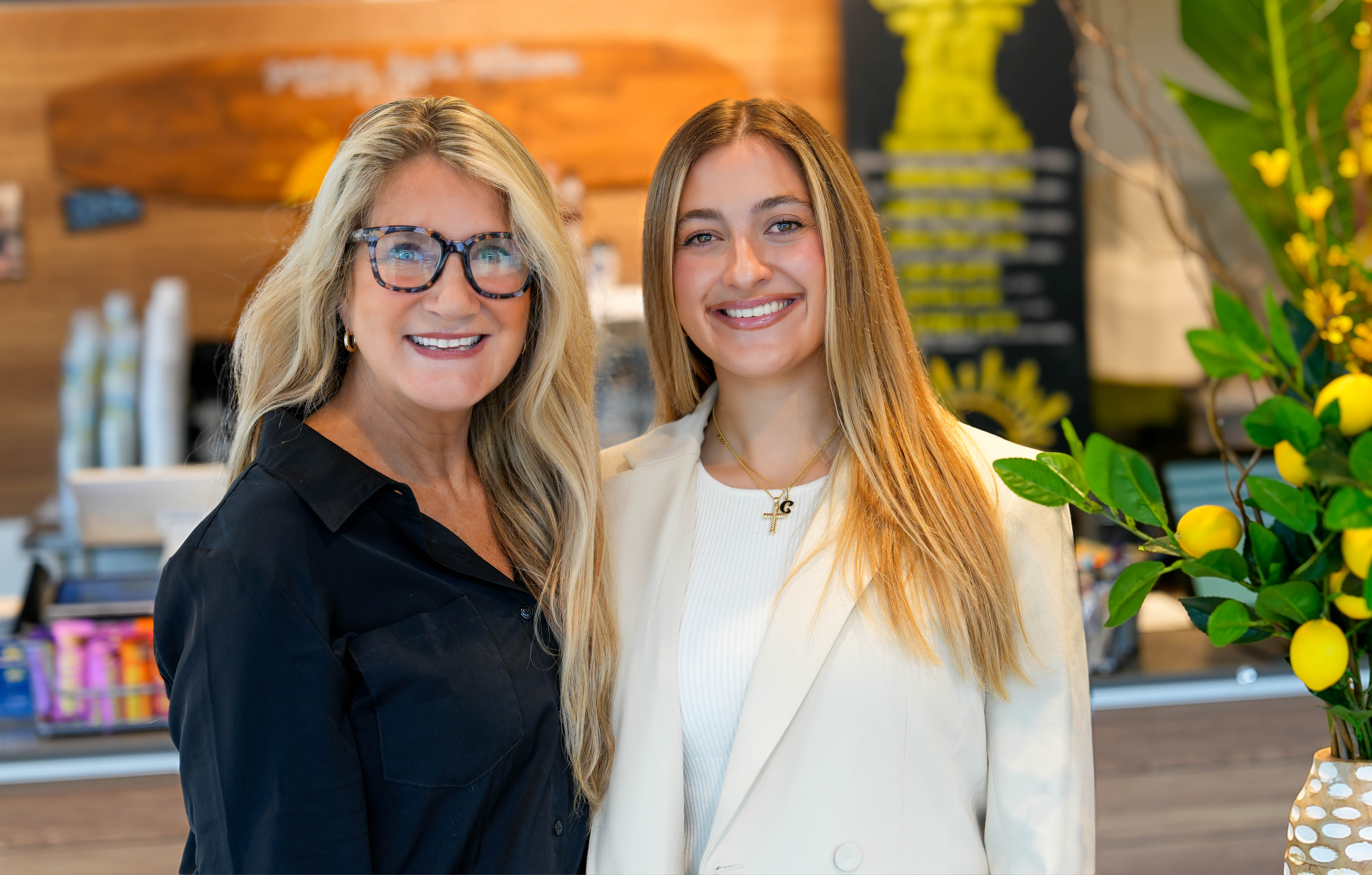
A mother-daughter duo, Susan and Corinne Persichetti, opened the first Goodness Bowls in Avalon in 2019. Susan said her daughter Corinne — a former Division I field hockey player at Fairfield University and a health enthusiast — was the driving force behind the business.
Susan Persichetti, cofounder and CEO of Goodness Bowls, with her daughter Corinne Persichetti, cofounder and chief operating officer.Courtesy Goodness Bowl
Corinne created the cafe’s menu, which includes acai bowls, salads, wraps, and smoothies, and came up with its slogan, “Eat Good. Feel Good. Do Good.” Susan, meanwhile, crafted the shop’s coastal aesthetic and branding.
For a couple years, Susan and Corinne ran the Avalon location in the summertime while working corporate jobs. In 2022, they opened a second location in Villanova, where they quickly found success. They realized there was demand for the Shore-inspired business in the Philadelphia suburbs, Susan said, and started franchising.
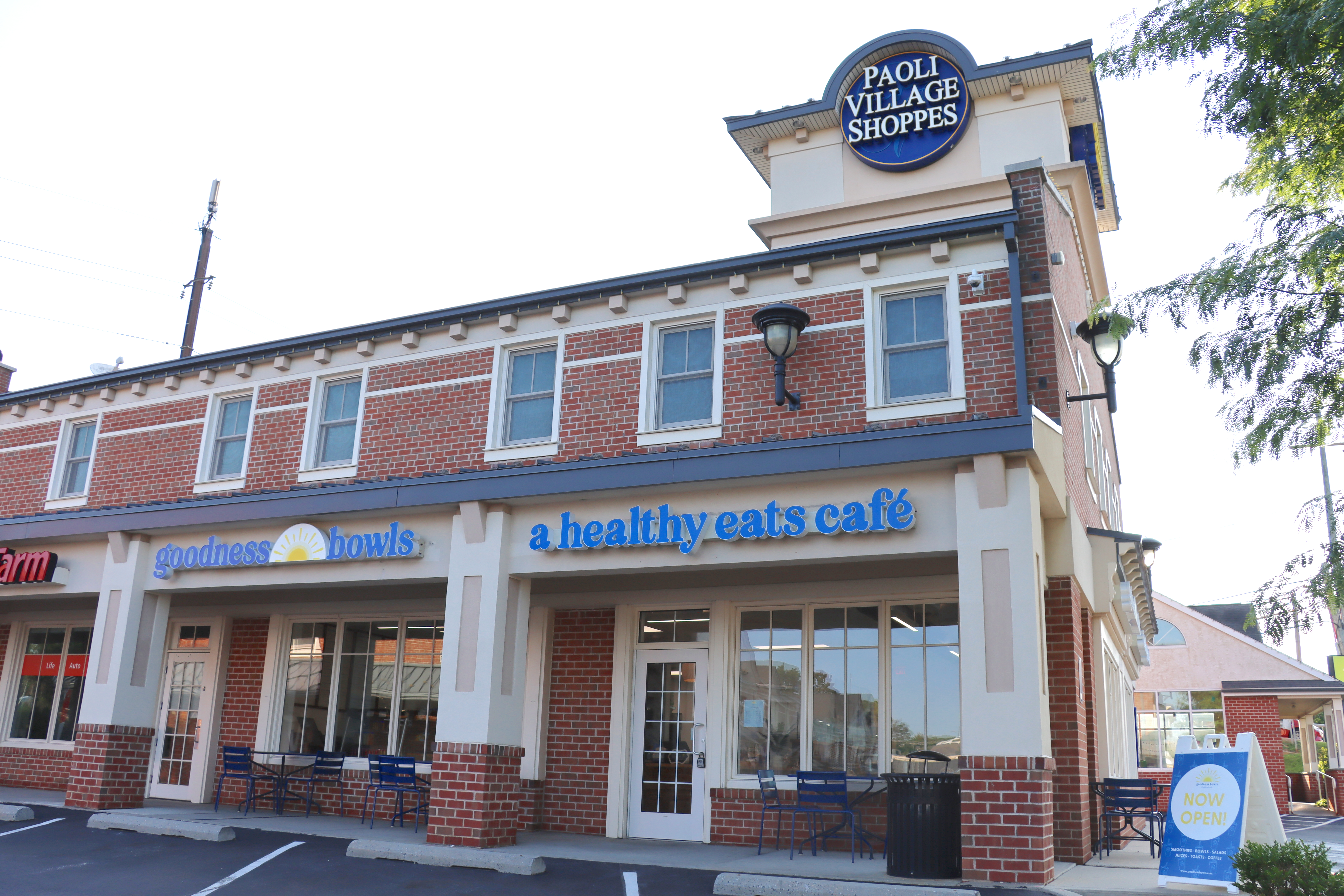
Goodness Bowls currently has franchise locations in Narberth, Paoli, Collegeville, Spring House, Haddon Township, Sea Isle, and Scranton.
The new Paoli location of Goodness Bowls.Courtesy Goodness Bowls
In recent years, Goodness Bowls has also expanded their team, including by hiring a company president, Finn Loftus, who also lives in Montgomery County.
“People really are craving healthy options,” she said. “And they really want food that they’re able to get quickly.”
Customers also say they are drawn to the bright cafes and friendly service, according to Susan.
Goodness Bowls executives look at their move to Conshohocken as a homecoming, and are excited to be back in the borough where Susan raised Corinne and her other children.
“We want to add to the community,” Susan said, by “keeping a small, family-owned business there on a really great corner that’s built such great traditions.”
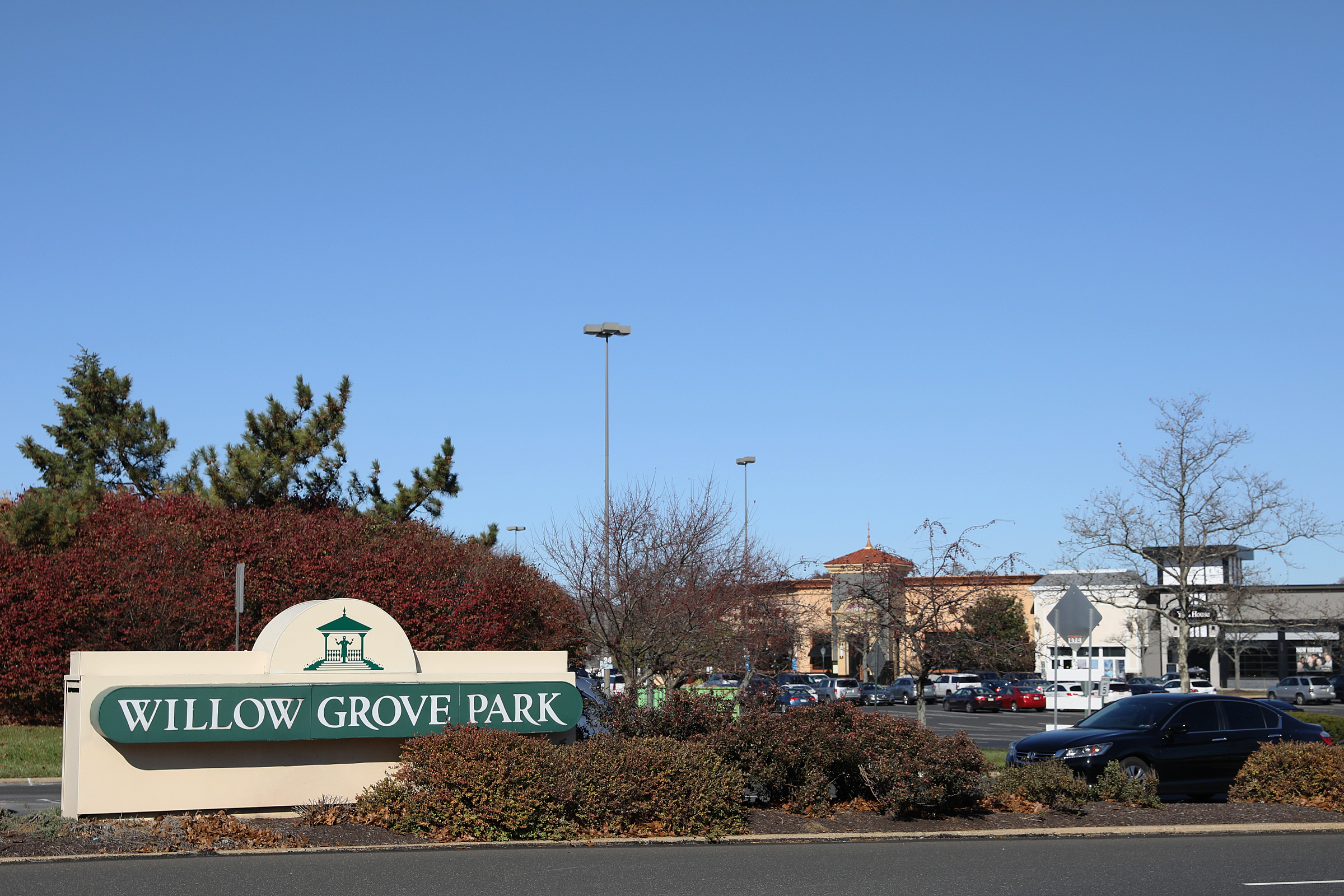
Willow Grove Park Mall is on track to be sold soon.
A representative for Pennsylvania Real Estate Investment Trust (PREIT), which owns the Montgomery County mall, said in a statement Thursday that “a lender-directed sale process is underway and expected to be completed in the near term.”
The Philadelphia Business Journal first reported the news, saying that a partnership of New York firms — Namdar Realty Group, Mason Asset Management, and CH Capital Group — were set to buy PREIT’s 725,000-square-foot section of the 1.2 million-square-foot mall, as well as its debt on the property, for an undisclosed price.
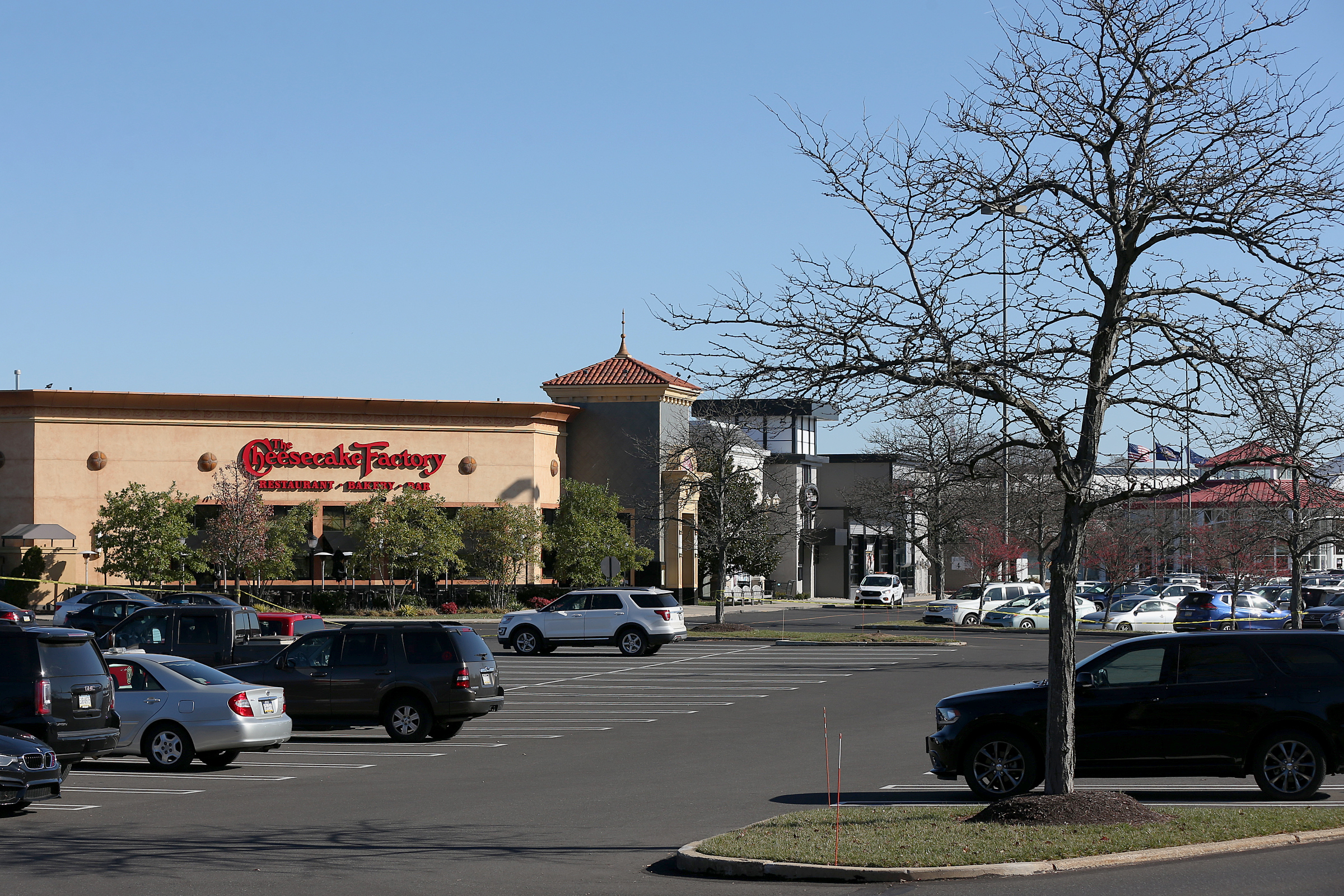
The sale would include most of the mall, including Macy’s, Cheesecake Factory, and Nordstrom Rack, but not parcels that house Primark and Bloomingdale’s, according to the Journal, citing marketing materials that have since been removed from real estate firm JLL’s website. JLL did not return a request for comment.
The Willow Grove Park Mall is shown in 2019.TIM TAI / Staff Photographer
The potential new buyers, all based in New York, did not return calls or emails from The Inquirer.
Willow Grove Park Mall would not be their first acquisition in the region.
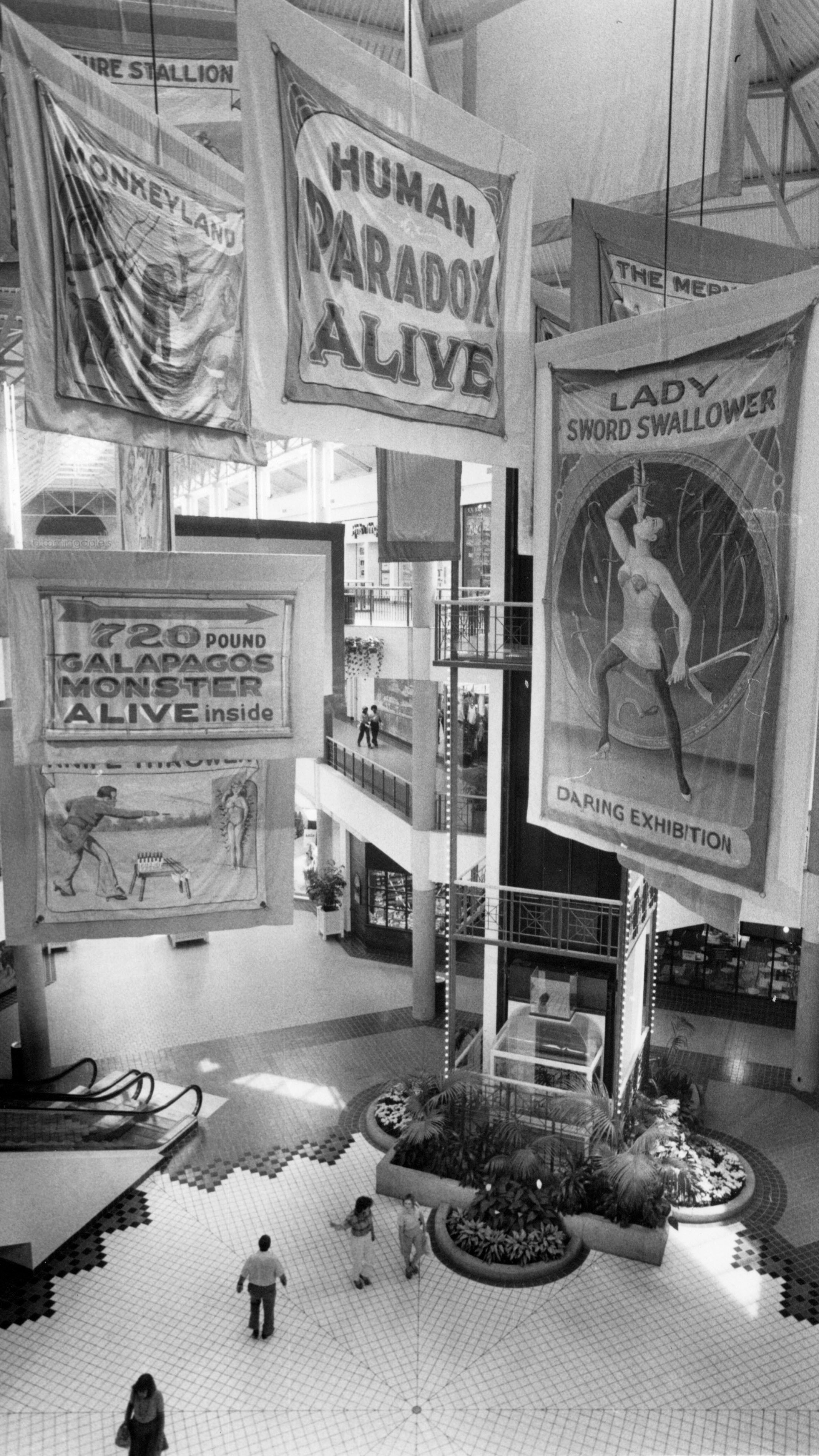
The Willow Grove Park Mall opened in 1982 at a time when the Philadelphia suburbs were flush with shopping malls. The complex got off to a bumpy start, failing to meet its first-year sales expectations and leading some mall developers to say, as an Inquirer headline read at the time: “No more malls.”
Banners hung over the elevator court in the Willow Grove Park Mall in this 1984 photo.Michael Plunkett / Staff Photographer
PREIT has had a stake in Willow Grove Park Mall since 2000, when it and the Pennsylvania State Employees’ Retirement System signed on to buy the center for $140 million.
Comcast is launching a new AI-fueled home-security platform, building on its suite of internet-related services for broadband customers as it looks to bulk up that side of its business,
While it’s not the company’s first foray into home security technology, the newest offering combines cybersecurity, parental controls, cameras, and sensors for streamlined protection over its Wi-Fi network. It comes at a slightly higher monthly price than its previous comparable iteration.
The move represents the Philadelphia-based telecom giant’s latest effort to diversify its services amid a steady erosion of cable subscribers and a leveling-off of broadband customers.
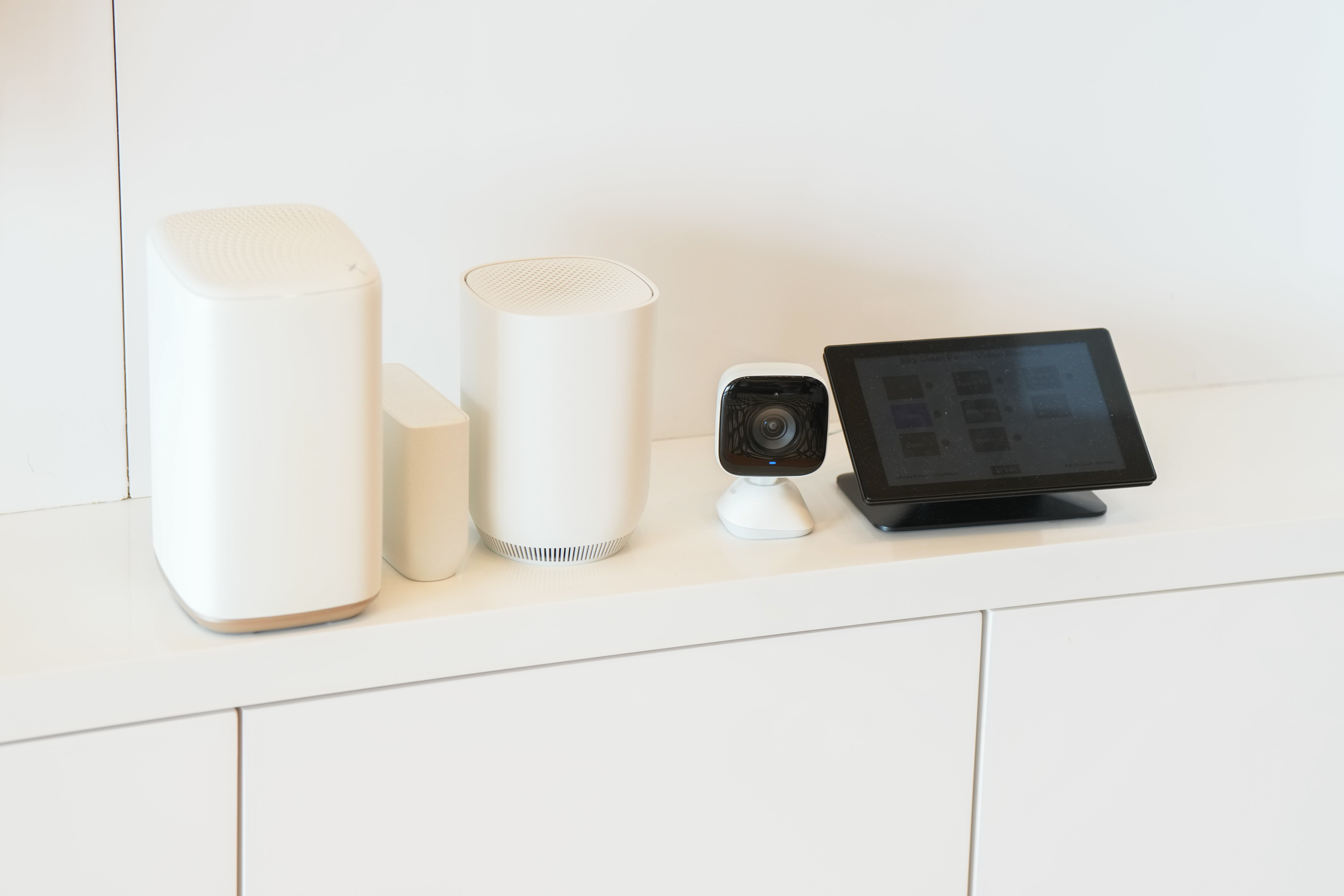
The platform, Xfinity Shield, consists of cybersecurity and protection features that are available to existing Wi-Fi customers at no additional charge, as well as a premium tier of AI-powered tools that cost $15 per month.
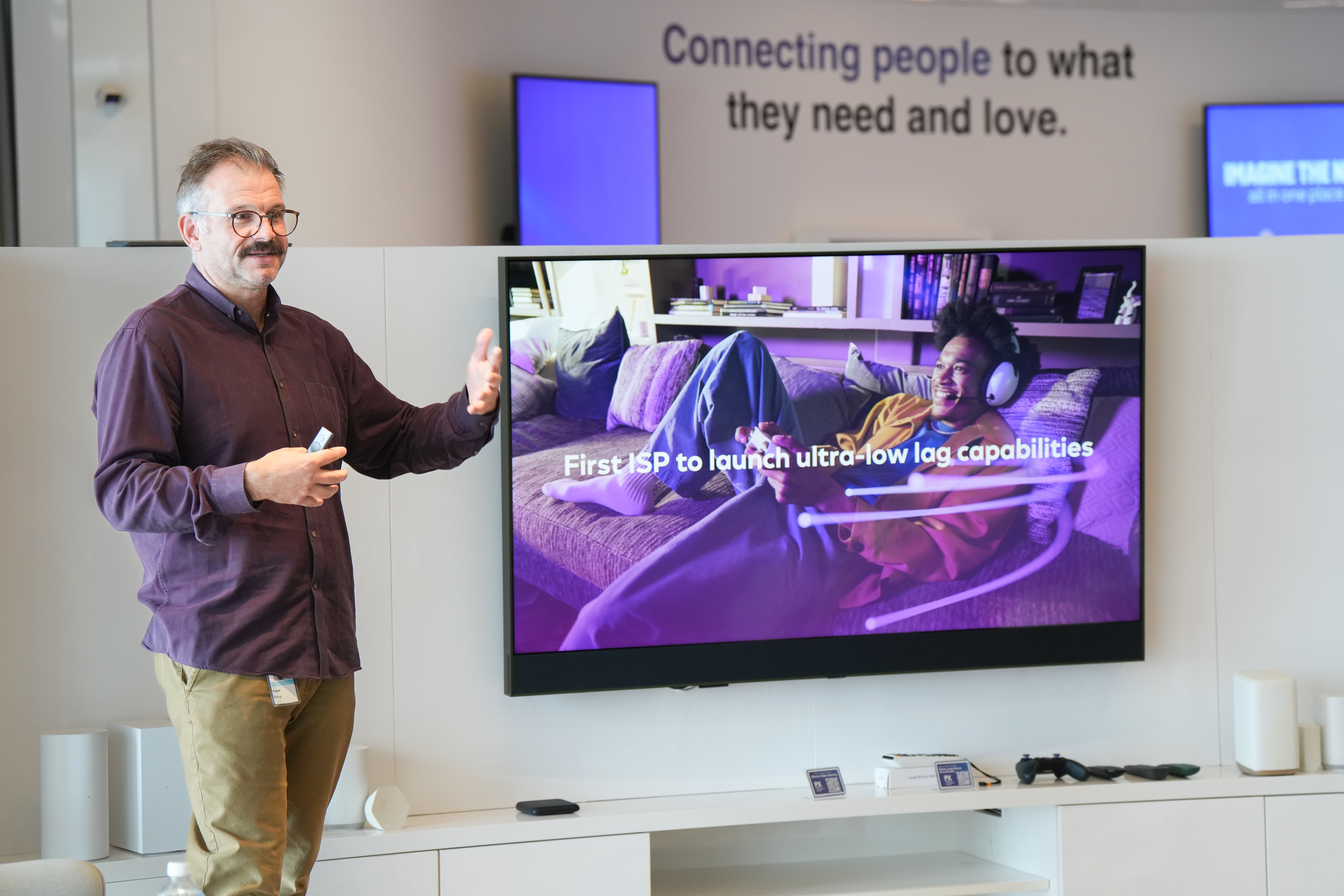
“It is a combination of things that we’ve had and brand new innovations,” Fraser Stirling, Comcast’s global chief product officer, said in a recent interview. He added that platform creators tried to answer the question: “How do you make these complicated things simple for people?”
Fraser Stirling, Comcast’s global chief product officer, gives a presentation in April.Jessica Griffin / Staff Photographer
On customers’ Xfinity app, they can protect themselves from online threats, limit their children’s screen time, and detect movement in their home while they’re away. Users can customize their settings and notifications for different times, including at night and when they’re away.
Starting Tuesday, existing Wi-Fi customers with advanced Gateway routers can use those tools, though they have to opt in to the Wi-Fi Motion monitoring. The feature detects changes in the radio frequency signals between the Gateway and Wi-Fi-connected devices in the home, without recording video, taking photos, or identifying people, according to Comcast executives.
Wi-Fi customers who want more features can pay $15 a month for a package that includes an indoor camera, door and window sensors, video storage, and the ability to call for emergency help at the tap of a button. Called Xfinity Shield Select, this service can work with a range of compatible hardware including outdoor cameras and smart locks.
The Xfinity Shield services are being rolled out as Comcast changes its company structure and responds to evolving consumer demands.
(function(){function e(){window.addEventListener(`message`,function(e){if(e.data[`datawrapper-height`]!==void 0){var t=document.querySelectorAll(`iframe`);for(var n in e.data[`datawrapper-height`])for(var r=0,i;i=t[r];r++)if(i.contentWindow===e.source){var a=e.data[`datawrapper-height`][n]+`px`;i.style.height=a}}})}e()})();
The number of broadband customers has plateaued in recent years, while the number of traditional cable TV subscribers has fallen off precipitously. Comcast reported about 10.7 million cable customers in its second-quarter earnings report, down from 11.3 million at the end of last year and 18.2 million in 2021.
Xfinity Mobile, meanwhile, has seen growth, with about 900,000 new wireless lines being added in the first half of this year, according to earnings reports. As of June, there were about 10.2 million Xfinity Mobile lines, with each customer having two lines on average. Many of these connections are part of a free-line-for-a-year promotion, which will end for some customers later this year.
Only new or existing broadband customers can sign up for mobile, which costs $30 or $45 a month depending on the plan. Wireless uptake represents a fraction of the company’s 28 million home internet subscribers, and brought in about $5 billion last year, out of $71 billion total internet and cable revenue.
Comcast executives are hoping that some internet subscribers are willing to pay for Xfinity Shield Select.
“The more of these products you take from us, the better the experience is,” Stirling said.
Xfinity’s older home-security system and products remain available for existing customers, but the $10-a-month Smart Home indoor-monitoring package is no longer offered to new customers. Current Smart Home customers can keep their plan or switch to Xfinity Shield Select for the newer features. The more traditional home-security system, which includes 24/7 professional monitoring,costs $55 a month and will remain available for new and existing customers.