Author: Kristen A. Graham

  • City Council is pushing the Philly school board to come back to the negotiating table on school closings

    City Council is pushing the Philly school board to come back to the negotiating table on school closings

    City Council on Tuesday renewed its call for officials to amend their plan to shut 17 Philadelphia schools, saying it had been more than a month since talks broke down over removing schools from the closing list.

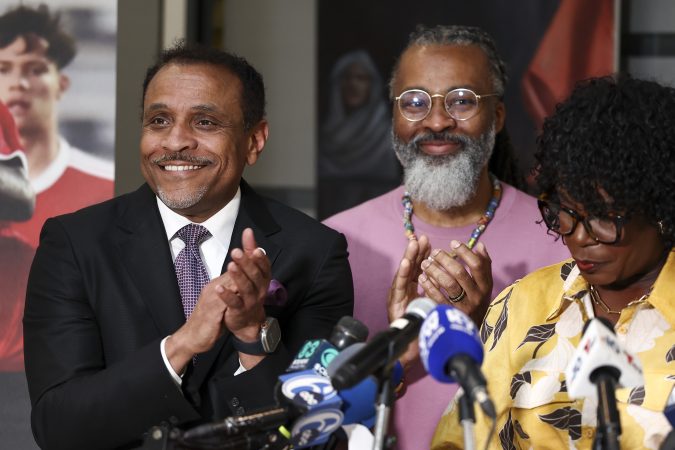
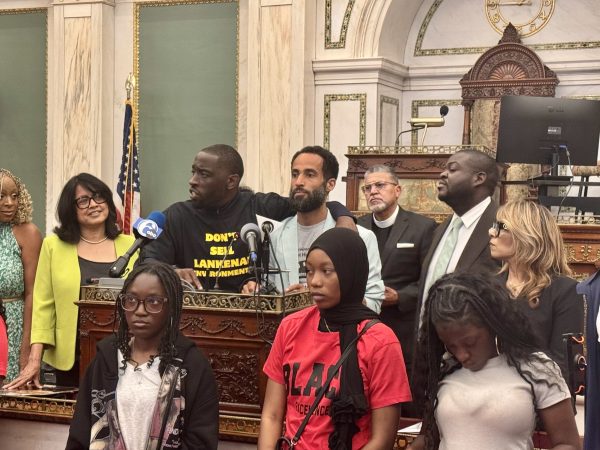
    “We’re here to basically beg the school board to come back to the negotiating table, and let’s come up with a plan that we can work with,” City Councilmember Isaiah Thomas said at a news conference at City Hall.

    He was joined by six other Council members — Anthony Phillips, Jamie Gauthier, Curtis Jones Jr., Quetcy Lozada, Nina Ahmed, and Mark Squilla.

    The board voted April 30 on a $3 billion blueprint that would close 17 schools and modernize 169. The plan — which is $2 billion short of being fully funded — was largely unpopular with the public, but is necessary, district officials said, to accelerate achievement and solve for 70,000 empty seats, a vast stable of aging buildings, and a chronically underfunded system.

    Council technically has no say in the plan — the school board is the sole decider. But Council controls roughly half of the district’s budget, and some members have expressed frustration that they have not had more input on major decisions like closings.

    Council members, led by Thomas, had attempted to body-block the plan, shutting down the meeting at which the school board voted it through. A large contingent of Council vowed to vote against the reappointment of any school board member who supported the closings. Some also said they think it is time to explore changing how school board members are appointed.
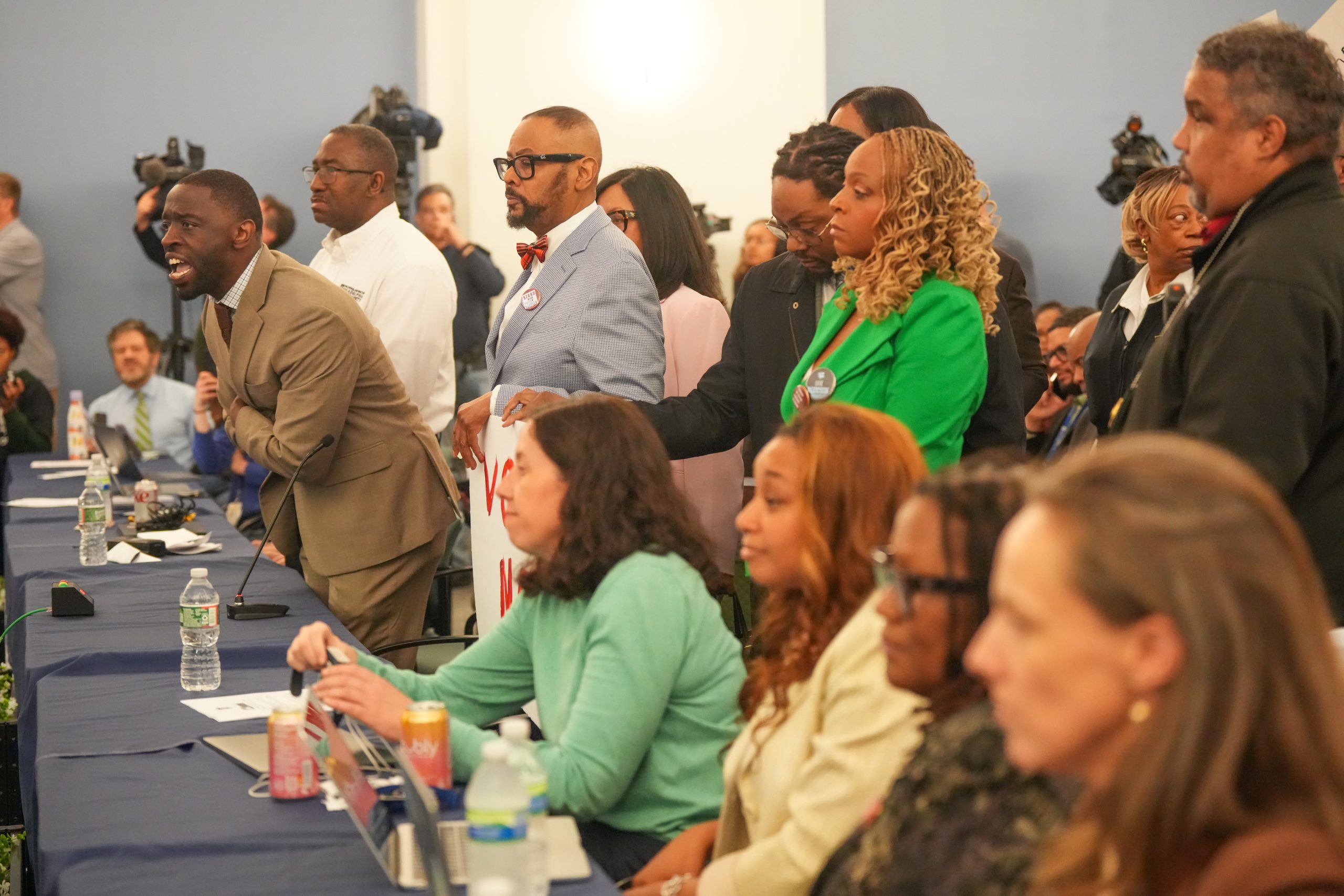
    Councilmember Isaiah Thomas, along with members of council, speaks at the school closing vote, in the School District Building, in Philadelphia, April 30, 2026.Jessica Griffin / Staff Photographer

    Jones said Tuesday that “we have tools in our tool belt that we will use” if the board does not budge on school closings.

    Jones said he wanted Council to move forward with legislation to bring in an authority like the Pennsylvania Intergovernmental Cooperation Agency, an independent body that provides oversight of the city’s finances, to supervise the district.

    Vincent Thompson, a spokesperson for Council President Kenyatta Johnson, said that Johnson was “still in discussions about this issue” and that he would have more information in the coming days.

    Thomas also said lawsuits over the facilities plan are possible, though he suggested advocacy organizations, not Council, could bring the suits.

    Delise Williams, a Democratic committeeperson who has been active in the fight to keep Parkway Northwest High School for Peace and Justice open, has already filed a lawsuit, saying she has concerns about student safety.

    At one point toward the end of the school year, the board was negotiating making changes to the closing list with Council, said Thomas and Phillips, the chair and vice chair of Council’s Education Committee. Those talks broke off abruptly, Thomas said.

    Council members have voiced particularly strenuous objections to the closure of Lankenau High in Roxborough, the city’s environmental sciences magnet, plus Paul Robeson High in West Philadelphia and Overbrook Elementary.

    Reginald Streater, the school board president, suggested in a statement Tuesday that negotiations with Council were a nonstarter.

    “For transparency and fairness to impacted school communities, any conversations regarding the board’s April 30th resolution on the Facilities Master Plan’s implementation must occur through the formal transition planning process,” Streater said in the statement. “The board values City Council’s partnership and remains committed to engaging stakeholders throughout the plan’s implementation. As the process moves forward, the board will continue reviewing community feedback and the district’s recommendations when making any decisions.”

    Monique Braxton, a school district spokesperson, emphasized the modernization projects planned and the academic advancements projected.

    “We understand the passion surrounding this matter, and we look forward to being collaborative partners in this process,” Braxton said. “As we begin the transition planning process, we will continue to work closely with students, families, staff, elected officials, community members, and the board of education to ensure every transition is thoughtful, transparent, and centered on student success.”

    Technically, the board’s April vote does not actually close schools; rather, it was a vote to begin the closure process, which officials said could change as circumstances change.

    Pennsylvania public school code requires formal closure hearings to be held at least three months before any closures. The first closures are scheduled to happen in 2027; the 2026-27 year has been designated a planning year for transitions.

    Superintendent Tony B. Watlington Sr. named Shakeera Warthen-Canty, a veteran district administrator, to lead the transition office.

  • These 400 Philly kids almost didn’t make it to the finish line. They collected their diplomas Thursday.

    These 400 Philly kids almost didn’t make it to the finish line. They collected their diplomas Thursday.

    School faded as a priority when Simone Smith was a senior at Lincoln High, after her beloved grandmother died.

    “I didn’t have no one telling me to get up, go to class, so I missed a lot of school,” said Smith, 18.

    Her grades slipped, and she narrowly missed graduating with her class in June. But that near-miss galvanized her.

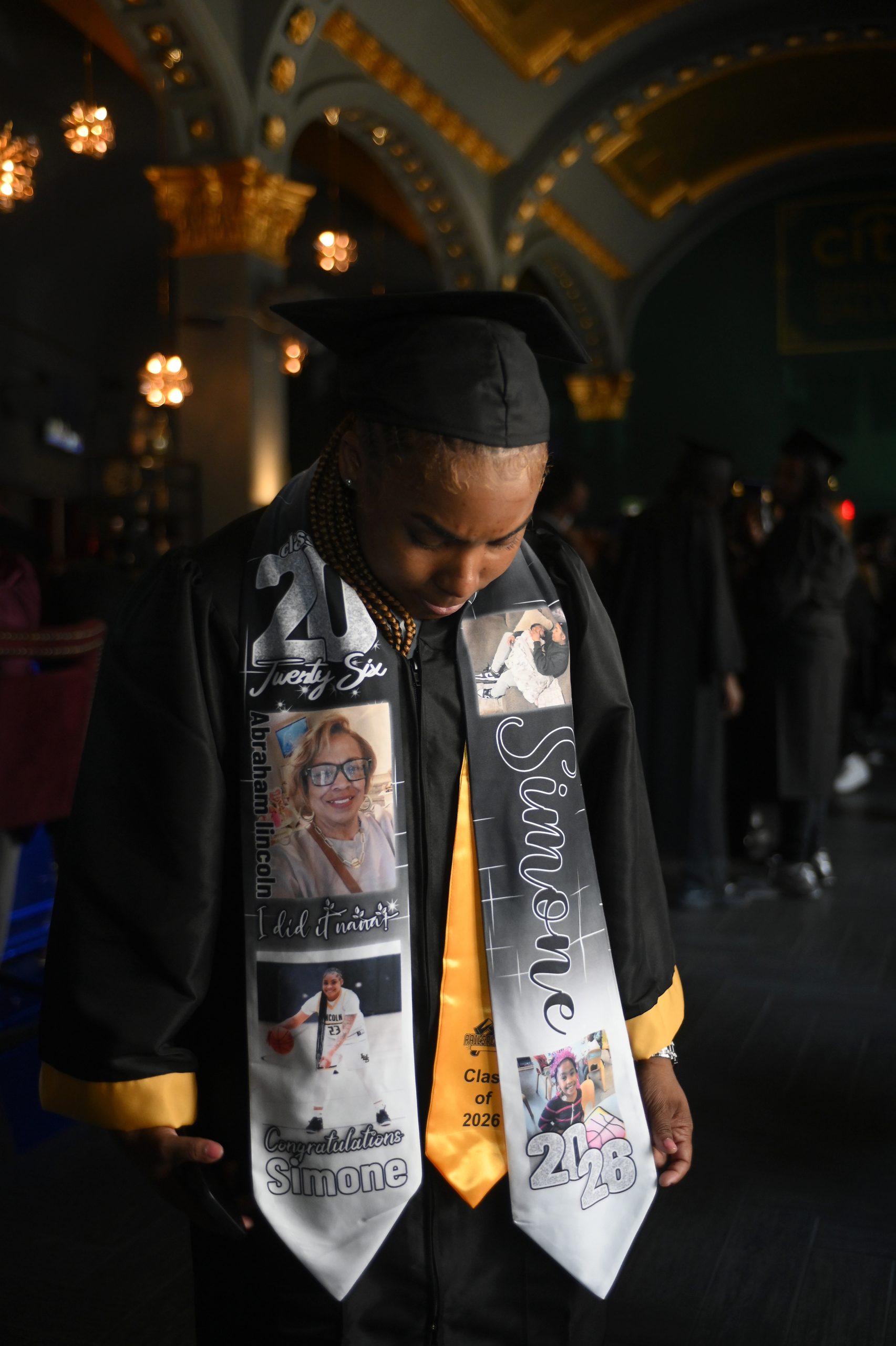
    Soon to be graduate Simeone Smith remembers her late grandmother Elodee, in the green room lounge ahead of the 2026 Summer Graduation Ceremony at the Met, on Thursday.Bastiaan Slabbers / For The Inquirer

    Summer school “was easy” once she buckled down, Smith said — she completed social science and English requirements, and on Thursday, she collected her hard-won diploma, one of nearly 400 Philadelphia School District students who crossed the stage at summer graduation after earning a handful of credits in summer school.

    “This graduation was delayed, but not denied,” author, actor, and poet Jaylene Clark Owens told a packed auditorium at the Met on North Broad Street.

    Smith, who wore a custom-made stole honoring her grandmother and will now enroll and play Division I basketball at Georgia Southern University, was thrilled.

    “It just feels great to be able to do this,” she said. “Me and my sister are the only ones that got our high school diplomas — my family has a lot of dropouts. But I wanted to do it for my Nana.”

    Soon to be graduates listen to the rendering of the National Anthem and Black National Anthem during the 2026 Summer Graduation Ceremony at the Met, on Thursday.Bastiaan Slabbers / For The Inquirer

    The graduation was a boisterous scene of joy and celebration: young people in an array of caps and gowns representing schools from all over the district, some in T-shirts and shorts under their robes, some in party dresses. Families wept, cheered, shouted: “You did that!” There was a steady drumbeat of applause, a sea of flowers and camera flashes, the arms of bursting-with-pride-parents reaching out to touch passing graduates.

    A beaming school board president Reginald Streater said Thursday’s graduation was no less significant or important than the ceremonies that happened in June.

    Family members and friends react as graduates celebrates receiving their diploma during the Philadelphia School District’s summer graduation ceremony at The Met on Thursday.Bastiaan Slabbers / For The Inquirer

    “You took ownership of your future,” Streater said. “There is never just one path to success. We believe in you, and we can’t wait to see all that you accomplish.”

    School Board President Reginald Streater and Superintendent Tony Watlington shake hands with graduates during the 2026 Summer Graduation Ceremony at the Met, on Thursday.Bastiaan Slabbers / For The Inquirer
  • School board votes to nonrenew a Philadelphia charter

    School board votes to nonrenew a Philadelphia charter

    The Philadelphia school board on Thursday voted to nonrenew a city charter school — despite multiple ongoing lawsuits to attempt to halt the action.

    The board voted 7-2 to nonrenew Philadelphia Montessori Charter School, the first step on a long road that could ultimately lead to closing the K-4 school in Southwest Philadelphia.

    Sarah-Ashley Andrews, school board vice president, said the school’s students “have shown consistently low academic performance in math and English language arts. Its third and fourth graders have consistently lagged behind their peers in demographically similar schools, school district schools, and other Philadelphia charter schools serving the same grade levels. And student academic growth has not kept pace with state expectations.”

    Philadelphia Montessori has had five different leaders since 2020. In 2024-25, the last school for which data are available, 18% of students met state standards in reading and 12% in math.

    School leaders say the school is improving and serves an important role as the only public Montessori school in the city. They have objected to what they say are shifting and arbitrary standards for charter schools.

    Board members Crystal Cubbage and Whitney Jones opposed the vote to begin the nonrenewal process. Cubbage, who said she had “mixed feelings” and initially was in favor of the nonrenewal, said she wanted more clarity on the school’s struggles.

    Philadelphia Montessori has been aggressively attempting to block such action in court. State and federal lawsuits are pending, with school lawyers asking judges this week to block the board’s vote.

    Amanda Wilson, the school’s executive director, asked the board to hold off on the nonrenewal.

    “There is no emergency,” Wilson told the board. “There is no deadline requiring a vote before the courts have had the opportunity to weigh in on the significant legal issues surrounding this charter renewal process. Those issues are now pending in both state and federal court, and they deserve to be resolved before any action is taken. If this board proceeds today and the courts later determine that the school district’s process was unlawful, everyone loses.”

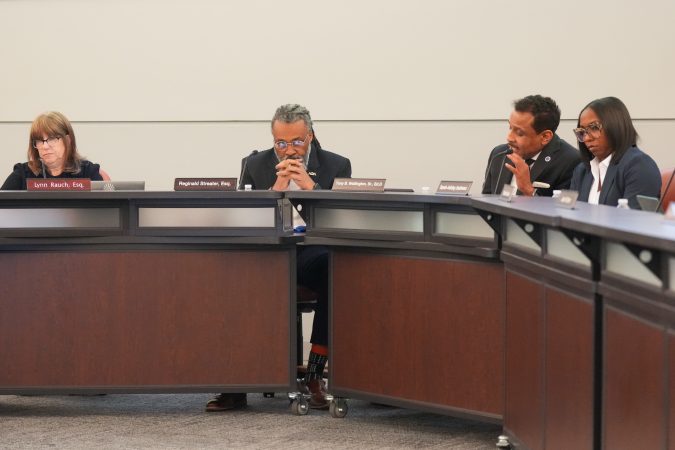
    Lynn Rauch, the district’s general counsel, said “both the state and the federal court issued rulings that do allow us to proceed with the vote today.”

    School board president Reginald Streater said it was appropriate to move forward with the Philadelphia Montessori matter, “exercising our responsibility and duty to ensure that schools throughout our district are meeting their responsibilities to children, families, and taxpayers by demonstrating a high-quality academic experience for our students.”

    The school, which educates 228 students in an Island Avenue building, will continue to operate during the nonrenewal process — the appointment of a hearing officer, a formal hearing with witnesses and evidence, a report from the hearing officer, and, finally, another school board vote on how to move forward.

    The nonrenewal process can take years.

  • The Philly school board just voted to borrow $600 million to pay its bills

    The Philly school board just voted to borrow $600 million to pay its bills

    The Philadelphia school board on Thursday moved to borrow $600 million to pay employees and keep the lights on over the next several months.

    The temporary borrowing, authorized at a special school board meeting, comes in two tranches — $200 million this month, and $400 million in September.

    Borrowing to pay bills is a rite of summer for the district, the only school system in Pennsylvania unable to raise its own funds. The school board has had to issue tax and revenue anticipation notes for 43 of the past 45 years, officials said. Last year, the district authorized borrowing up to $1.5 billion because the state budget had not yet been passed.

    “Simply put, it helps ensure our schools have the cash flow needed to open on time, pay employees and vendors, and continue serving students without interruption,” school board president Reginald Streater said at the meeting, which was held virtually.

    Rates are not locked in, but chief financial officer Michael Herbstman said if the transactions happened now, the first borrowing, which is set to happen Tuesday through Bank of America, would come at a rate of 3.4%, and the September public borrowing would have a rate of 2.85%.

    The move, then, will mean millions in borrowing costs for the school system.

    Philadelphia, the nation’s ninth-largest school system, has about 114,000 students in 216 traditional public schools, and about 65,000 more in 83 charter schools. The district has a budget of about $4.6 billion.

  • A lawsuit about Philly schools’ special-admissions process is officially over

    A lawsuit about Philly schools’ special-admissions process is officially over

    A judge this week signed off on a $650,000 payout to three families, marking the end of a legal challenge to the Philadelphia School District’s special-admissions policy.

    The families, backed by lawyers from America First, an organization formed by Stephen Miller, a top aide to President Donald Trump, alleged that the school system had shifted to a “blatantly unconstitutional, race-based” system.

    The settlement pays $120,000 each to parents Sherice Sargent, Joshua Meyer and Michelle Sheridan, each of whom had children who were not selected in the lotteries for the Philadelphia magnet schools of their choice in 2022, despite qualifying academically for spots in the schools.

    Philadelphia in 2021 dramatically overhauled how it admits students to 37 criteria-based schools in an effort to correct a demographic mismatch — some magnet schools had higher percentages of white, Asian and children who do not come from economically-disadvantaged families than the city as a whole.

    The district moved to a centralized, computer-based lottery system to determine admission to magnet schools, with automatic admission for those who met academic criteria and lived in certain under-represented zip codes. In the past, principals had some discretion over who got into the schools.

    When the changes were made, officials said they “made a commitment to being an antiracist organization” after an “equity lens review” of admissions practices.

    “As a matter of practice, the School District of Philadelphia does not comment on pending litigation or settlement agreements,” school district spokesperson Monique Braxton said in a statement. “Our focus is on ensuring every student and family has access to a high-quality school that is the right fit for their needs. As we prepare to welcome students back for the new school year, we are excited for families to begin their educational journey and take advantage of the many outstanding school options available across the District.”

    The settlement brings no changes to the district’s current admissions policy, which has gone through several changes since first introduced by former Superintendent William R. Hite Jr., including losing a computer-scored writing test, having students rank their schools of choice, and guaranteeing high school admissions to students who get accepted to schools with both middle and high schools, as long as their grades meet standards.

    Zip code preference remains in place. Last fall, students in zip codes 19121, 19132, 19133, 19135, 19136, and 19140 got preference for Academy at Palumbo, George Washington Carver High School of Engineering and Science, Central High, and Masterman.

    Gene Hamilton, president of America First, said the district had unfairly used zip codes as a proxy for race.

    “This settlement sends a clear message to every school district in America: if you replace merit with racial engineering, America First Legal will find you, we will sue you, and we will hold you accountable,” Hamilton said in a statement. “The era of disguising racial quotas behind the language of ‘equity’ is over.”

    Wally Zimolong, a Villanova-based lawyer who worked on the case with the America First team, said the 2021 policy “was discrimination, plain and simple. It was unconstitutional, and worse, it hurt students.”

    Zimolong said the policy “affected the families greatly,” and the settlement compensated families for out-of-pocket expenses they incurred, plus emotional distress.

    The settlement also specifies $290,000 be paid in lawyers’ fees.

  • A Philadelphia charter is suing the district again, trying to block a nonrenewal vote

    A Philadelphia charter is suing the district again, trying to block a nonrenewal vote

    The president of Philadelphia Montessori Charter School, two parents, and two students sued the Philadelphia School District in federal court Tuesday, alleging civil rights violations over what they say is an “unlawful and fundamentally unfair charter renewal process.”

    Separately, the Southwest Philadelphia school also asked Commonwealth Court judges this week to bar the school board from taking a nonrenewal vote against it. That vote is now scheduled for a special meeting on Thursday.

    The federal suit was filed in Philadelphia against the district, the school board, and Peng Chao, the district’s chief of charter schools.

    Board president Reginald Streater in May directed the charter office to prepare notices of nonrenewal for Philadelphia Montessori and another charter, Global Leadership Academy Charter School Southwest at Huey. Streater and other members of the board cited concerns about academics, operations, personnel, and finances at both schools.

    The federal suit was filed by Christopher Smith, the president of Philadelphia Montessori’s board of trustees, parents Donnaye Noland and Maria C. Rios, and their children, students at the school. The parties also asked a federal judge for an emergency order stopping the board from taking any action around nonrenewal until the case is heard.

    “This case is not about educational policy or the wisdom of charter schools,” the suit reads. “It is about whether a public school district may employ an arbitrary, internally developed, and concededly flawed evaluation process to recommend the closure of a public charter school serving predominantly Black or African American students and a significant population of students with disabilities, notwithstanding its own acknowledgment that the process lacks transparency, consistency and objective standards.”

    Wanda Motley Odom, a spokesperson for the school board, said that the board does not comment on pending litigation, but that the filing “does not change our agenda for Thursday’s action meeting, or the board’s responsibility to carry out its statutory duty to consider matters properly before it. The board is reviewing the filing, and will continue to act in accordance with applicable law.”

    U.S. District Judge Joshua D. Wolson has scheduled a Wednesday conference call on Philadelphia Montessori’s application for the federal emergency order.

    A Commonwealth Court judge will also hear arguments on the application for an injunction Wednesday.

    A charter nonrenewal vote does not mean a school closes, but it triggers a lengthy, formal nonrenewal hearing, and eventually a second board vote on nonrenewal.

    Schools remain open during the nonrenewal hearing process and can appeal nonrenewal decisions.

    Harm that can’t be undone

    Philadelphia Montessori, the only public Montessori school in the city, serves 250 students on its Island Avenue campus.

    At the board’s May meeting, officials flagged long-standing concerns about the school, including its underperforming both a similiar-schools group and the district as a whole in academics.

    They also cited personnel problems at the school.

    But Smith, Noland, and Rios say that students have “enrolled and remained at PMCS because traditional district placements were unsuccessful,” and that the methodology the district uses to evaluate charter schools “disproportionately disadvantages charter schools serving predominately Black or African American student populations by relying on metrics and comparator methodologies that produce racially disparate outcomes.”

    The suit not only seeks to halt the district from implementing the nonrenewal but also asks for compensatory damages for the student plaintiffs.

    Mark Seiberling, a lawyer for Philadelphia Montessori and the plaintiffs in the federal suit, said the school is not seeking special treatment, but equal treatment.

    “Once the school district initiates the nonrenewal process, the resulting harm to students, families, and the school community cannot be fully undone,” Seiberling said in a statement. “We look forward to presenting the evidence in court. Our clients simply seek a fair, transparent, and lawful renewal process that complies with the Constitution and federal civil rights laws.”

  • A Philly teacher died after a pole on a Roxborough High’s field fell on her. Her family says the school district should have prevented it.

    A Philly teacher died after a pole on a Roxborough High’s field fell on her. Her family says the school district should have prevented it.

    The Philadelphia School District’s negligence proved fatal for a woman who died when a Roxborough High School utility pole fell and crushed her while she was walking at the school’s athletic complex, a new lawsuit alleges.

    Paula Budin, a retired teacher, was walking on the Roxborough High track on the morning of Dec. 5, 2024, when a 45-foot wooden pole snapped at its base, striking her.

    A passerby found her, bleeding and unresponsive on the ground, and called emergency services, but paramedics could not revive Budin, who died of blunt force trauma injuries from the accident.

    Lawyers for Budin’s family accuse the district — and the Parsons Corp., which was hired by the school system to complete a facilities assessment of all its properties — of negligence. Officials failed to flag rotting at the base of the pole or properly maintain or inspect the pole, the suit said.

    “The School District of Philadelphia knew or should have known of the dangerous condition of the subject pole as there were visible signs of its decay as far back as 2014,” the suit, filed this week in Philadelphia Common Pleas Court, reads. “Despite this actual and/or constructive knowledge and their appreciation of that risk of catastrophic harm, the district did not take corrective action nor did it warn students or members of the community of the risk of catastrophic harm.”

    Budin’s family is seeking financial damages.

    The school district does not comment on pending litigation, spokesperson Naima DeBrest said. Parsons spokesperson Bryce McDevitt said the same.

    Philadelphia’s underfunded school system has a massive footprint — more than 300 buildings and athletic complexes. It has, in some cases, struggled to adequately maintain its facilities.

    Budin, who was 73 when she died, had enjoyed an active lifestyle, her family said. She had taught at Germantown Academy and the Community Partnership School in North Philadelphia before her retirement and was close to her family — two sisters, two nephews, and a niece.

    On the morning of her accident, Budin was walking near her home on Roxborough’s track on Pechin Street, which is generally open to the public. Four poles typically used to hold lighting or security cameras were positioned around the athletic complex.

    Sometime after the accident, the district removed the three remaining poles from the property, the suit said. A subsequent inspection by Budin’s and the district’s lawyers and experts revealed the poles had no inspection tags, indicating they had not been inspected prior to the accident, the suit says.

    Budin’s lawyers say that the pole in question was buried in grass near a storm drain, on a slope near the track. The drain was filled with debris, and because of the condition of the area, no standing water could drain — leading to “lengthy periods of water exposure to the base of the pole at ground level that caused the pole to deteriorate and rot to the point of severe and dangerous decay,” the suit says.

    The other poles were not situated near storm drains, and had no water damage or decay, the suit says.

    Budin’s estate alleges that Parsons, which was hired by the district in 2015 to complete facilities condition assessments of all of its buildings and athletic complexes, is also culpable.

    Parsons inspected the Roxborough fields more than once, issuing multiple reports about the fields, but did not inspect the poles, Budin’s lawyers say.

    “The Parsons defendants knew or should have known they should inspect the utility poles located on the Roxborough athletic track and field yet failed to do so,” the suit reads. “At the time of December 2024 incident, the pole at issue had discoloration at the base and other visible signs of rot which must have been present for a significant period of time.”

  • Superintendent Watlington announces promotions and other changes in Philly schools’ administration

    Superintendent Watlington announces promotions and other changes in Philly schools’ administration

    Numerous changes are afoot in the Philadelphia School District, with Superintendent Tony B. Watlington Sr. promoting some staffers and shifting others around amid multiple departures from the system.

    The changes took effect July 1.

    Watlington, in an announcement sent to staff detailing the changes, said he was “confident this team will help us build on our momentum as we continue improving outcomes for students, strengthening support for our schools, and advancing our goal of becoming the fastest-improving large urban school district in the country.”

    The personnel shifts include:

    Brenda Elliott, who became interim deputy superintendent of academic services when Jermaine Dawson left Philadelphia to become Baltimore’s superintendent, got that job permanently.

    Elliott came to Philadelphia a year ago as associate superintendent of student life and innovation. She’s a former Tennessee state superintendent for school turnaround who has worked in a number of urban districts, including with Watlington in North Carolina.

    She also spent time as a teacher, principal, and officer in the U.S. Army.

    Tomás Hanna, who was associate superintendent for secondary schools, is now associate superintendent for student life and school operations.

    Noah Tennant, assistant superintendent for Learning Network 13, is keeping that job, but is also now interim associate superintendent for secondary schools while a search for a permanent administrator is completed.

    Michael Farrell is now chief academic officer. He had been chief learning officer. The new title combines two jobs: chief of curriculum and instruction and chief learning officer.

    Nathalie Nérée became chief of special education, diverse learners, and wellness. She had previously been chief of special education and diverse learners.

    Nyshawana Francis-Thompson, who was chief of curriculum and instruction, became senior adviser for strategic initiatives and innovation.

    Jamina Clay, who had been an assistant superintendent supervising a learning network, is now assistant superintendent of school management and organization.

    Kelly Espinosa, who has served as the principal of Fanny Jackson Coppin Elementary, is now interim assistant superintendent for Learning Network 4, replacing Clay. Janis Butler, a retired principal who often fills in as an interim principal in the district, will run Coppin.

    Two more retired educators are now serving as interim assistant superintendents — Wilfredo Ortiz for Learning Network 8 and Lucy Feria for Learning Network 9. Ortiz replaces Renato Lajara, who’s now superintendent in Bethlehem; Feria replaces Ariel Lajara, who left Philadelphia to run the Vineland school system in South Jersey.

  • ‘I’m on this roller coaster’: Philly teachers and school staff are stuck in limbo despite promises to save hundreds of jobs

    ‘I’m on this roller coaster’: Philly teachers and school staff are stuck in limbo despite promises to save hundreds of jobs

    When a deal was struck to save 340 classroom-based jobs in the Philadelphia School District, Mayor Cherelle L. Parker and Superintendent Tony B. Watlington Sr. declared it “Christmas in June.”

    It’s July now, but manystaffers still don’t have clarity on exactly who’s allowed to come back to positions that were almost cut and how that affects vacancies system-wide.

    “It’s a mess, and it’s getting messier,” said Alison Andrawos, a teacher at Potter-Thomas Elementary in North Philadelphia who accepted a job in another district after learning this spring that her position would be cut and still doesn’t know whether it will be restored.

    Monique Braxton, the school district spokesperson, said the system is “moving forward with restoring the approximately 340 school-based positions approved in the revised budget,” but that staffing the positions is separate from restoring them.

    “We have been meeting with our union partners on implementation and are now working with principals on school staffing,” Braxton said in a statement. “All approved positions will be restored in the district’s budget system by Wednesday, July 9.”

    The complex process is causing additional uncertainty for teachers and staff members and prolonging an already tumultuous hiring season as the district deals with fallout from 17 forthcoming school closings and the back-and-forth over millions in cuts stemming from a $300 million district budget deficit.

    Watlington this spring directed school principals to build their 2026-27 budgets factoring in the cuts, including about $50 million in school-based trims and the elimination of 340 classroom jobs. Parker then proposed a $1-per-trip rideshare tax she said would cancel the classroom cuts, but City Council balked, and for a time, the position losses appeared inevitable.

    After a breakthrough with city officials on June 10 — after the district’s deadline to pass its 2026-27 spending plan — officials triumphantly said the cuts were off the table.

    But restoring the positions was always going to be complicated.

    Schools’ hiring timeline means that many of the teachers, counselors, and climate staff who were told they were going to be force-transferred because of the cuts sought and found new jobs over the past few months, either inside the district or elsewhere. Now, those workers either must rescind their acceptance of those new jobs or say “no thanks” to returning. Either way, that creates new vacancies in July, months after most schools have filled jobs and when many people are on vacation.

    “We haven’t heard whether our positions are going to be reinstated, we don’t know what positions are available, and we don’t know what we’re doing in a few short weeks,” said Andrawos, an English as a second language specialist who began teaching in Philadelphia schools in 1997.

    ‘I’m pretty sure I’m going to be leaving’

    Andrawos said she didn’t want to leave the city, but amid the worry of the past few months, she felt she had to explore jobs outside the district. Andrawos has been offered a position at a Delaware County school that comes with a raise and a shorter commute.

    “I’m pretty sure I’m going to be leaving the School District of Philadelphia because of this,” Andrawos said.

    She said the decision is tough — she’s forged real bonds with her students’ families, and has been fielding messages saying they hope she stays at Potter-Thomas.

    It’s not clear whether Andrawos’ position at Potter-Thomas, in North Philadelphia, will be restored because of the complicated way budgets are built, and the latitude principals have to shift positions based on school need and their own judgment calls.

    Jobs are filled in city schools two ways — first, by a process called site selection, where principals hire any candidate they choose for open positions. Once the site selection window closes, district staff without positions choose from among open jobs in seniority order. Site selection closed weeks ago; force transfers without jobs have had their hiring sessions pushed back multiple times so far, and are still waiting.

    Jane Roh, a spokesperson for the Philadelphia Federation of Teachers, said the union notified members June 19 that all positions cut due to the deficit would be restored; the PFT was told that district notifications to affected employees would immediately follow. So far, that has not happened.

    That leaves staff sweating and frustrated by a lack of answers, some said.

    A roller coaster

    One K-8 teacher, who asked that his name be withheld because he feared repercussions, was on the force transfer list because of budget cuts. With no notice that’s being walked back, he’s left with the possibility of having to get emergency certified to teach in another subject area, which would mean taking more courses.

    The uncertainty is tough, and the answer to every question posed to the district and the union so far has been, we don’t know yet.

    “For this whole summer, where teachers are supposed to have the space to reflect and rest and plan, we can’t do that to any degree,” the K-8 teacher said.

    A teacher at a district high school, who also asked to remain anonymous because her employment situation is not settled, is in a similar boat. When her position was cut because of the deficit, she site selected into a job at another district high school.

    The process has been frustrating, she said. She once got an email saying her transfer was canceled, but that turned out to be incorrect, though she never got official notice from the district about its error and had to make calls herself to figure it out.

    When Parker and Watlington made their good-news announcement, she had no idea what to make of it. She still doesn’t, the teacher said.

    “I’m on this roller coaster; I literally don’t know which school I’m going to work at in the fall,” said the high school teacher, who would be teaching different classes, depending on where she lands. “I want to prepare for the upcoming school year, and that’s impossible if you don’t know what you’re teaching.”

    Staff at Olney High, the district school perhaps most affected by budget cuts, have been pressuring the district, publicly and in private, to halt the losses planned for their school — Olney had been slated to give up 17 staffers.

    The school had been overstaffed four years ago as it navigated a complicated, unprecedented transition from a charter school back to a district school. It has soared, adding programs and opportunities and building a strong school culture; the community fears weathering steep staff cuts would jeopardize its progress.

    Sarah Apt, a longtime Olney teacher active in the pushback against cuts, said Wednesday that the school was told it’s getting back three of its 17 staffers.

    “We’re happy about that, but still fighting for more,” said Apt.

    Among those still in limbo is Eric Baker, an Olney English teacher who’s been struggling with the back and forth, and the possible implications for the school he’s come to love — the school recruited students for a college prep track that’s potentially losing most of its teachers, including Baker.

    “Because of this uncertainty, I’ve had to interview other places. I don’t know where I’m going to go. I would rather have the certainty of knowing where I’m going to work than having to deal with this,” said Baker. “It’s been frustrating.”

  • Philly will close 17 schools and modernize 169. Meet the educator leading the transition.

    Philly will close 17 schools and modernize 169. Meet the educator leading the transition.

    Superintendent Tony B. Watlington Sr. has promised “white-glove treatment” for families and schools affected by a facilities master plan that will close 17 schools and modernize 169 over the next decade. And he appointed a Philadelphia School District veteran to lead the charge.

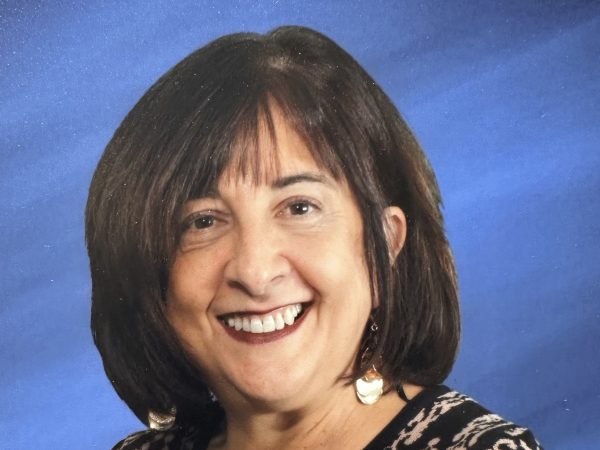
    Shakeera Warthen-Canty, formerly assistant superintendent of school operations and management, was recently named head of the new School Transition Office, tasked with implementing the $3 billion plan remaking schools across the city.

    Warthen-Canty and four other employees will work in the new office, which will also pull in as-needed help from departments across the district — school safety, transportation, student placement, facilities, and more.

    “We know that this is going to be a big task, but it’s going to be met,” said Warthen-Canty, who’s spent decades in the district as a teacher and principal. “We know there have been some challenges, but we want to make sure our communities and families know that we have a place where you can get answers.”

    Warthen-Canty officially assumed the new role Wednesday ahead of the 2026-27 school year, which Watlington has designated as a planning year for schools affected by closures and other major shifts.

    Experts in their communities

    Initially, the office will focus on schools closing, merging, and undergoing major renovations in the 2027-28 school year; other projects are slated to happen in subsequent years.

    Though much emphasis has been placed on the 17 closures, which were the subject of much pushback from the community and City Council, much of the office’s work will center on modernization projects, ranging from additions to painting projects and handicap accessibility work.

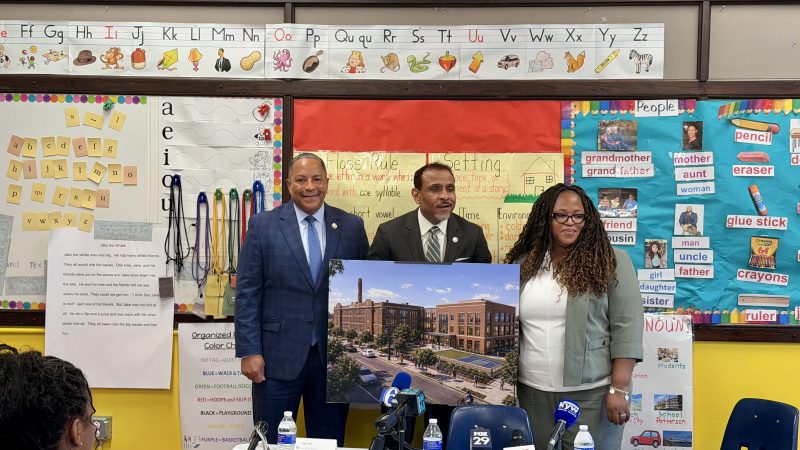
    Watlington announced the office’s formal launch at Patterson Elementary in Southwest Philadelphia, a school set to undergo a $45 million renovation as it grows from a K-4 to a K-8. It will take in some students from nearby Tilden Middle School, which is slated to close.

    The transition office will be key as the complex work moves along, said Warthen-Canty. Patterson is slated to get 13 additional classrooms, a new gym or cafeteria, and an elevator.

    “Some of the pieces of what that looks like, what elements need to be there, we need the Patterson team to work alongside of us,” she said.

    Folks on the ground “know their communities, they’re experts in their communities. And that’s a part of the planning,” she said.

    System-wide, how many projects can be completed and in what time frame is not assured.

    The district will allocate $1 billion of its capital budget over the next 10 years to complete some of the projects, but it’s also banking on $2 billion from philanthropic and state sources — money that’s not guaranteed.

    And while Warthen-Canty believes the facilities plan will ultimately expand opportunity and better position the district to advance students’ academics, she knows some of its transitions — particularly the closures — will be tough.

    “My heart goes out” to affected families and schools, Warthen-Canty said. “Even people that are being co-located or merging, those are major changes.”

    Part of the work, Warthen-Canty said, is going to be convincing families in schools where those major changes are happening that should they should remain in the district.

    In the case of the school system forcing families to leave their schools and go elsewhere, “we want to make sure that there’s extracurriculars in these schools they’re going to. We’re increasing the art and music,” Warthen-Canty said. “What are the resources we can put in place so that we’re ensuring that when the students get there that they’re going to have that well-rounded education, increased opportunities?”