Author: Kristen A. Graham

  • A Philadelphia teacher pretended to be Black and Palestinian, ‘a betrayal’ of the activists she supported

    A Philadelphia teacher pretended to be Black and Palestinian, ‘a betrayal’ of the activists she supported

    A Philadelphia teacher is being called the “Palestinian Rachel Dolezal” after being caught lying about her background — a deception that has stirred strong emotions in education and racial justice organizing circles.

    Hannah Gann, a veteran Philadelphia School District educator, has claimed at times to be Palestinian and Black, and was so outspoken a mobile billboard once parked outside her school calling her “Philadelphia’s Leading Antisemite.”

    But Gann, it turns out, is white and Jewish, and lied about her identity for years.

    “Members met with Hannah and questioned her about her background on Thursday and after an hour of discussion, Hannah finally admitted she lied,” the Racial Justice Organizing Committee and Philly Educators for Palestine said in a statement. Gann had been a visible member of both groups. “We asked her to publicly acknowledge that she is a white woman of Jewish heritage and an Israeli settler family.”

    The groups are “stunned, saddened and angered by this betrayal,” their statement said. They said they have permanently cut ties with Gann.

    Gann, in an Instagram post, admitted the yearslong fabrication. She said she was “a white woman of significant privilege and wealth.”

    “I hid the truth or outright lied about my background to everyone in my life,” Gann said in a video post. “There is not a single person on this planet, no friend, no fellow organizer, no one in my family, no professional connection, no secret op or handler who knew what I was doing. I hid my family’s background from everyone in Philly and also hid from the people in my own family what I was doing.”

    Gann said she “allowed half-truths and obfuscations to grow into outright lies,” but that she “genuinely wanted to commit to the work I was doing in spite of those lies.”

    Gaining the trust of youth and activists

    Gann, who teaches at the Workshop School, a project-based Philadelphia School District high school, was front and center in education activism work after the Oct. 7 Hamas-led attacks on Israel.

    In 2024, for instance, Gann participated in a West Philadelphia “teach-in” on “scholasticide” — the destruction of educational infrastructure — in Gaza. Her biography for that event identified her as a Palestinian American.

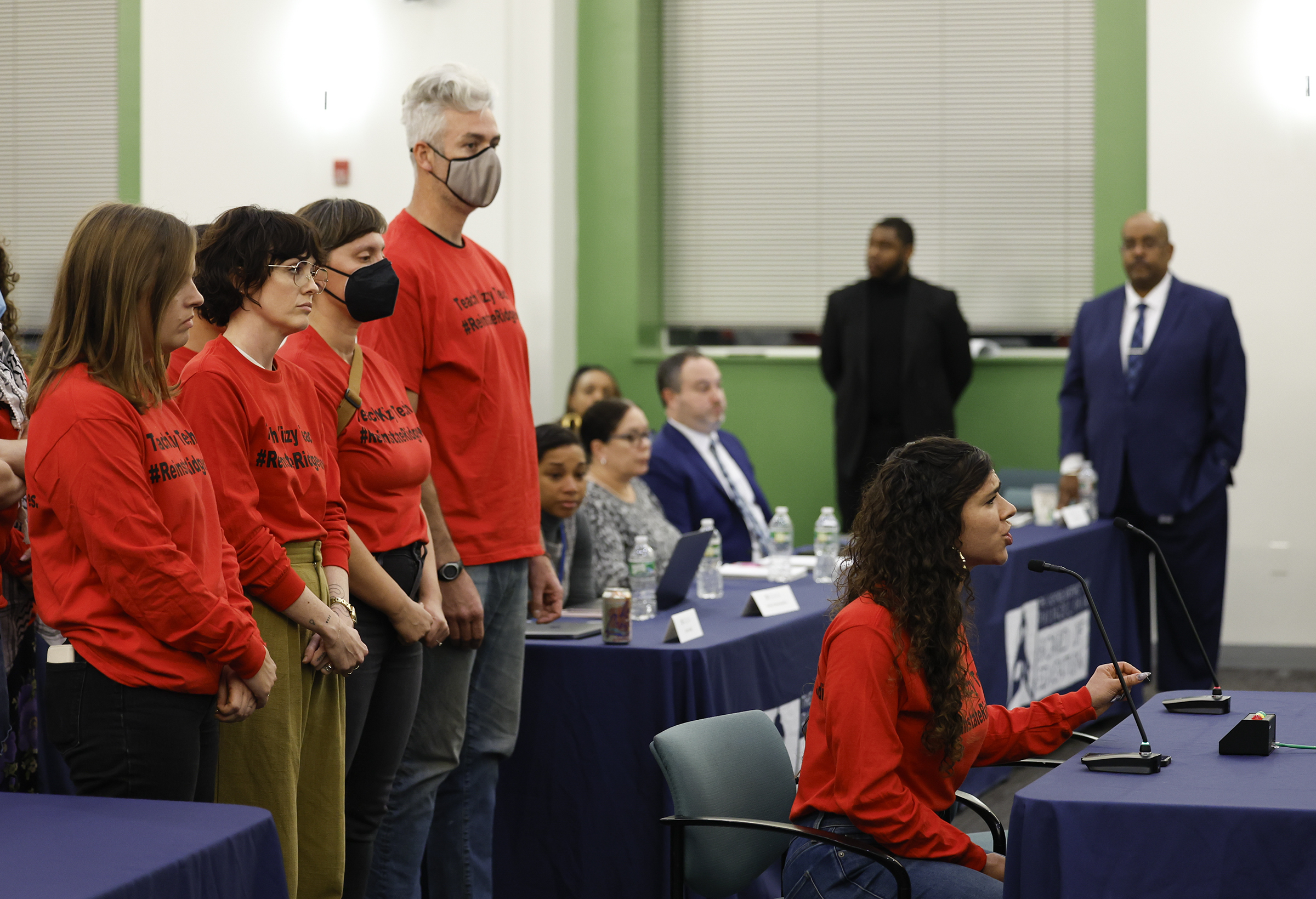
    And Gann was a leading voice in defending Keziah Ridgeway, a fellow Philadelphia teacher who was disciplined by the district over her private, pro-Palestinian social media posts. (Ridgeway has since sued the district, alleging anti-Islamic bias.)

    According to a document compiled by the Philly Palestine Coalition and obtained by The Inquirer, Gann has made frequent references to Palestinian family, including a Palestinian-born grandfather whom the PPC found was actually born in Baltimore, citing historical draft records and her great-grandfather’s U.S. naturalization papers. Her family abroad live in Israel, according to the group’s extensive, footnoted research.

    Gann told people she was low on money because she was sending cash to family in Palestine, according to the PPC document. Some people sent her money as a result. A University of Pennsylvania classmate of Gann’s said she was known in college “as a self-proclaimed white Jewish woman with family in the occupied West Bank. I watched her sudden transformation after she returned to Philly from the Peace Corps [in Rwanda]. She was clearly making herself look darker using makeup and fake tan, and speaking using [African American Vernacular English.]”

    The PPC research document noted that Gann “is a teacher of predominately Black youth. She has gained the trust of young people on the basis of a sense of shared oppression. She has served as a mentor to at least one young white person who was manipulated by Hannah on the basis of a fake identity. Her access to vulnerable young people, especially Black youth, is deeply concerning, given her pattern of lying and manipulation.”

    Monique Braxton, a district spokesperson, said the school district was “aware of social media posts concerning a district employee and her involvement with an outside advocacy organization. These posts reference the employee’s involvement in an external group.”

    The district is making support available to any affected Workshop School staff and students, Braxton said. As for possible consequences for Gann, Braxton said she could not comment on personnel matters.

    Gann’s “deception has compromised the safety and security of our movement, with disproportionate harm caused to Palestinians involved in this coalition. This pattern of deceit has rattled many organizers across PPC and allied groups, especially Palestinians, fellow teachers, and individuals who have been engaging with her closely under false pretenses.”

    ‘Aggravating, infuriating, and enraging’

    Sharif El-Mekki, a prominent Philadelphia educator and founder of the Center for Black Educator Development, said a person doesn’t have to be Black or Palestinian to support those groups.

    “But honesty is the price of entry,” El-Mekki said in a social media post. Gann’s lies are “aggravating, infuriating, and enraging,” El-Mekki said, in part because “she gets to apologize after being exposed and, eventually, return to the privilege she had all along. Actual Palestinians, Muslims, Arabs, Black people, and African people do not get to put down their identities when the consequences arrive. They cannot opt out of the suspicion, surveillance, hostility, or professional consequences attached to who they really are.”

    Gann’s misrepresentations will have real consequences for Black and Palestinian people, El-Mekki said — they’re likely to face more scrutiny because of her lies.

    “They will be asked to prove themselves again,” El-Mekki said. “Their grief will be questioned. Their politics will be treated as suspect. Their criticism of the Israeli government may be distorted into antisemitism. Their opportunities may be threatened because someone else chose to use their identities as a costume.”

    Gann acknowledged these realities in her video message.

    “The fact that I lied about who I was does not mean anyone else who speaks up for Palestine is lying and does not erase the urgency of listening to voices on the ground … This also extends to the genocide and humanitarian crisis in Sudan that far too many are ignoring, the genocide in Congo, the mortally urgent need to address ICE and police brutality here as well as the prison industrial complex, imminent Philly school closings, and more. It probably has little value to hear me say this, but please do not disengage from any of these vitally urgent causes or others you care about based off my dishonesty.”

    Local social media has been abuzz about Gann’s deception.

    “Is this the first Palestinian Rachel Dolezal?” a poster asked on Reddit, invoking the name of a white former NAACP president who lied about being Black.

    “I first and foremost express deep empathy for the Palestinian people and this violation of security and trust,” one observer said on Instagram. “I reject this level of wretched disrespect and trivialization.”

  • Philly’s school bus drivers, cleaners, and maintenance workers are getting 9.5% raises in a ‘life-changing’ contract

    Philly’s school bus drivers, cleaners, and maintenance workers are getting 9.5% raises in a ‘life-changing’ contract

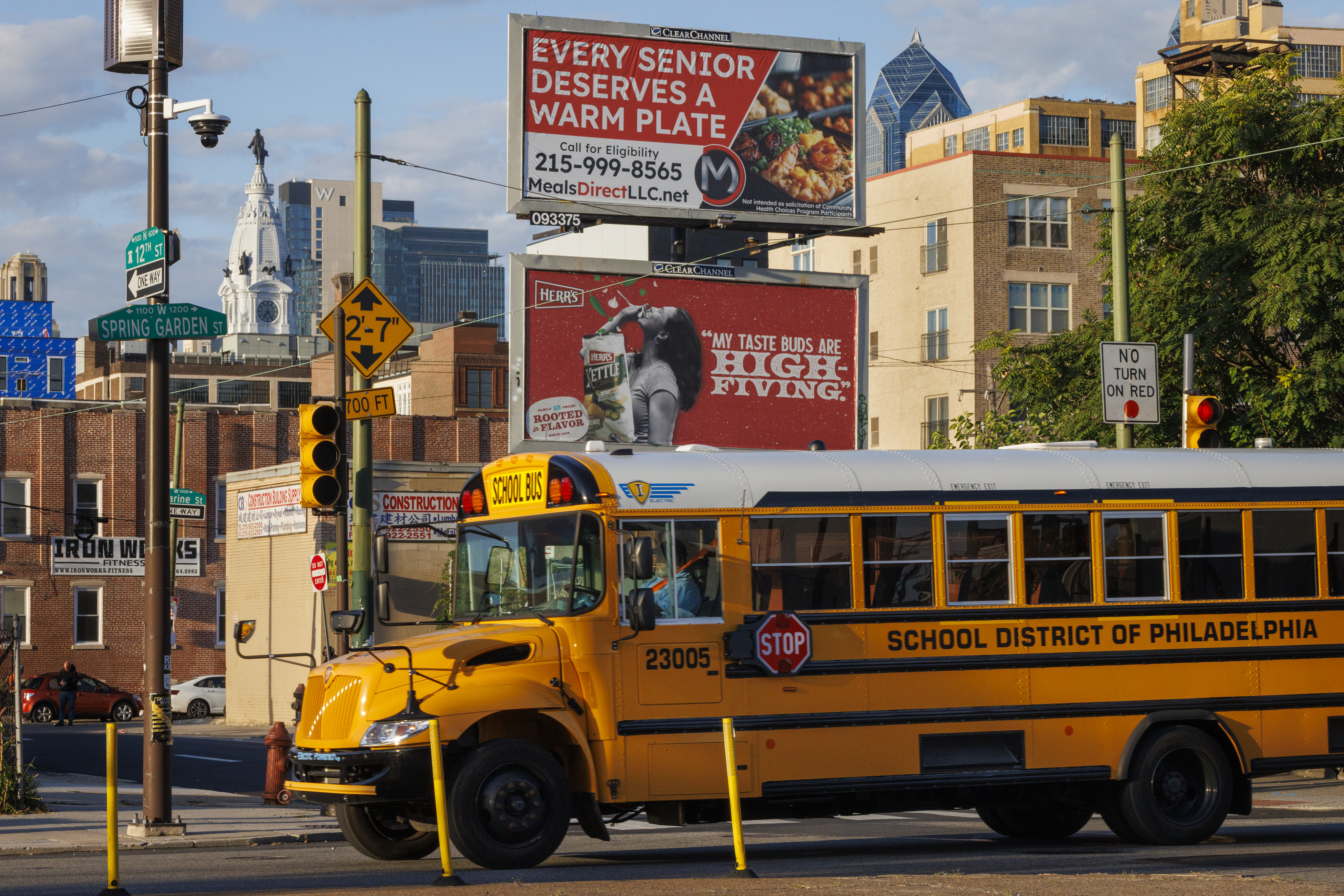
    Philadelphia School District school bus drivers, cleaners, and building engineers have approved a new contract — and will get 9.5% raises over the three years of the deal.

    Workers, who met to vote in person at Benjamin Franklin High on Friday, will also get $2,350 in bonuses.

    The contract provides the first-ever parental leave for 32BJ members — 25 paid days off after the birth of a child, effective Jan. 1. That perk mirrors the Philadelphia Federation of Teachers’ contract, signed last summer.

    Other details include a pay bump for maintenance mechanics performing asbestos work, more career-advancement opportunities, and protections against subcontracting.

    32BJ SEIU District 1201 represents 2,000 employees who are among the lowest-paid in the district. The contract was approved Friday by a vote of 800-80.

    Tim Finucan, 32BJ’s state director, called the contract “life-changing” for the union’s members.

    “The wage increases, healthcare protections, and other gains recognize the essential contributions these workers make to our schools and communities,” Finucan said in a statement Monday. “We appreciate the district’s partnership in reaching an agreement that will help workers keep pace with rising costs, create opportunities for career growth, and attract and retain talented employees for years to come.”

    Members’ current pay scale ranges from bus attendants, who are paid $30,762 annually under the existing contract, to building engineers, whose pay rate starts at $51,155 and tops out at $77,832. The union’s best-paid employees are building construction workers, whose salary maxes out at $77,832.

    Tradespeople — bricklayers, HVAC mechanics, electrical mechanics, plumbers, and roofers — receive $62,899 at the top of the pay scale.

  • Jalen Hurts donated $600,000 for AC at Philadelphia’s largest high school

    Jalen Hurts donated $600,000 for AC at Philadelphia’s largest high school

    Jalen Hurts was watching morning TV three years ago when he saw something that stopped him in his tracks.

    “I was very blown away by school not being canceled for snow, not for a hurricane or tropical storm, but for lack of AC,” the Eagles star quarterback said Tuesday.

    So Hurts went about doing something to fix that.

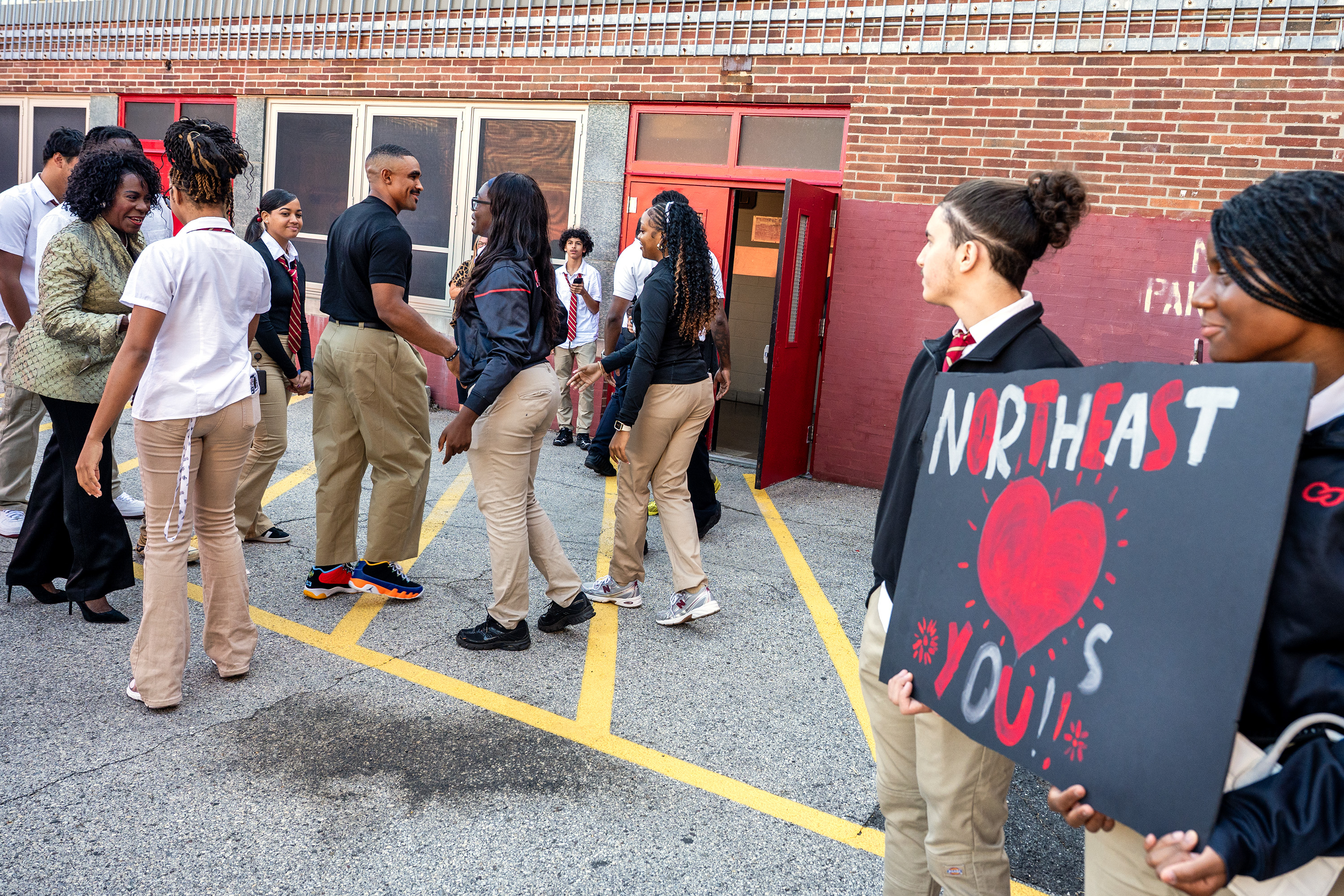
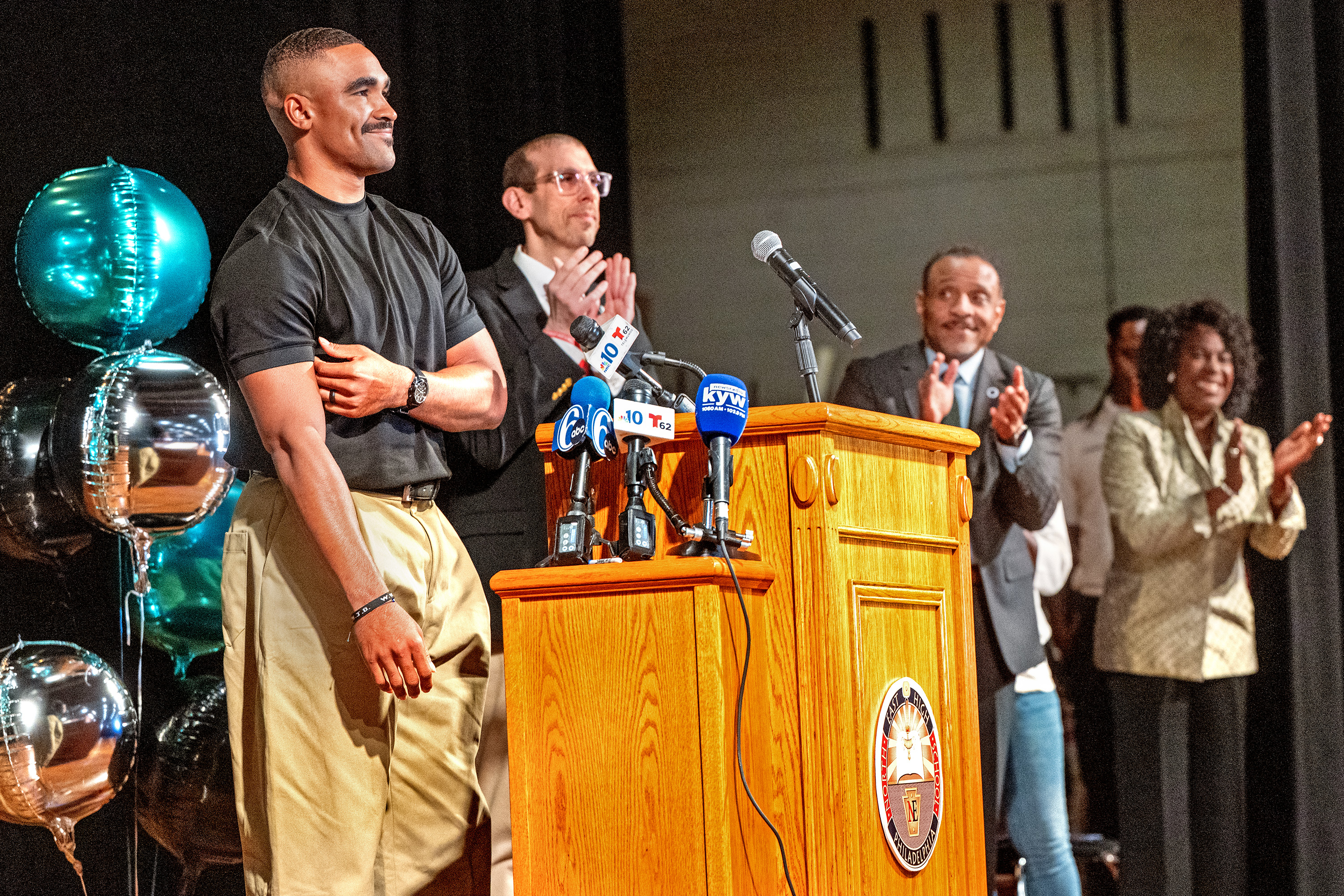
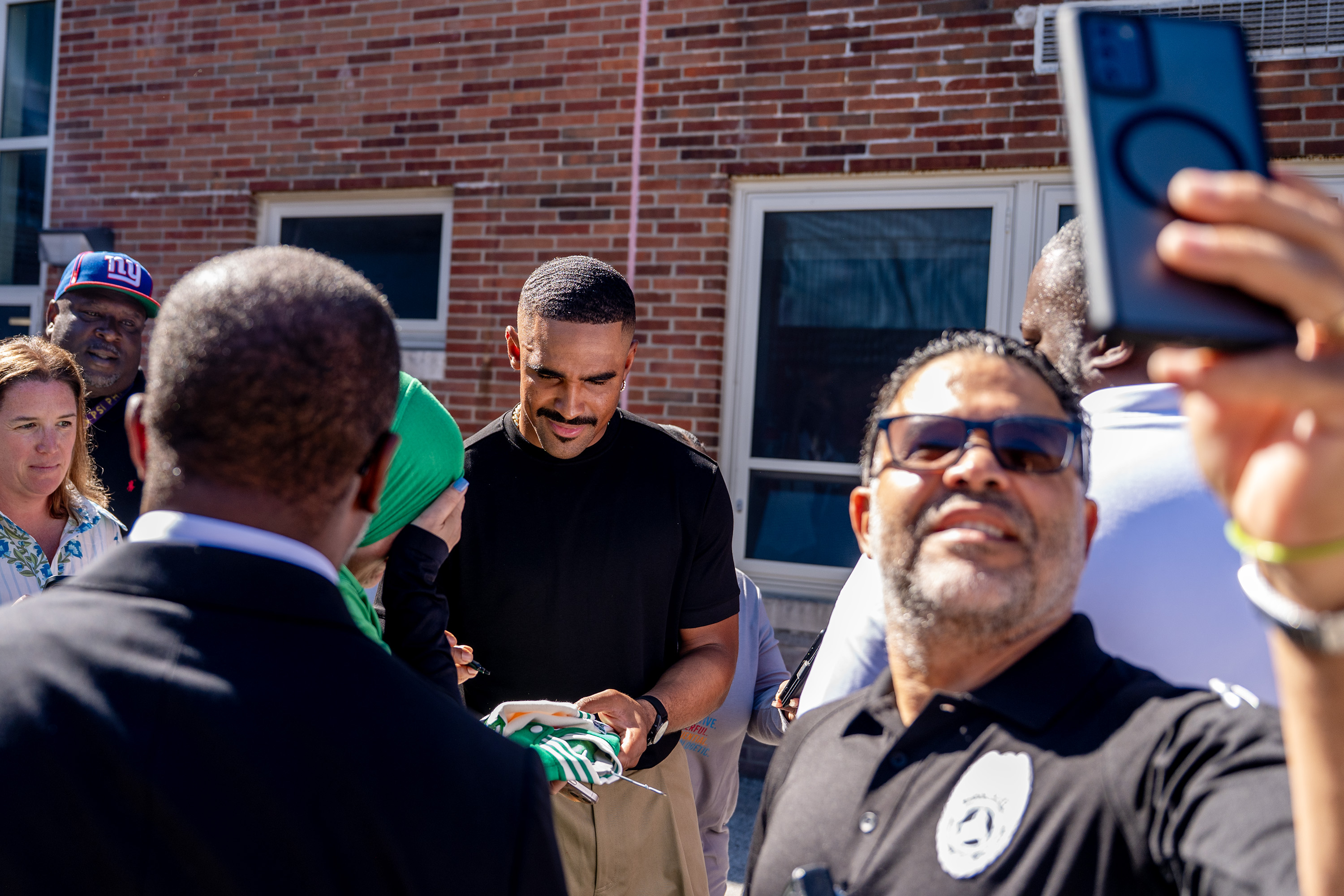
    On Tuesday, he stood on Northeast High’s stage to announce his foundation was putting up $600,000 to air-condition the school’s auditorium.

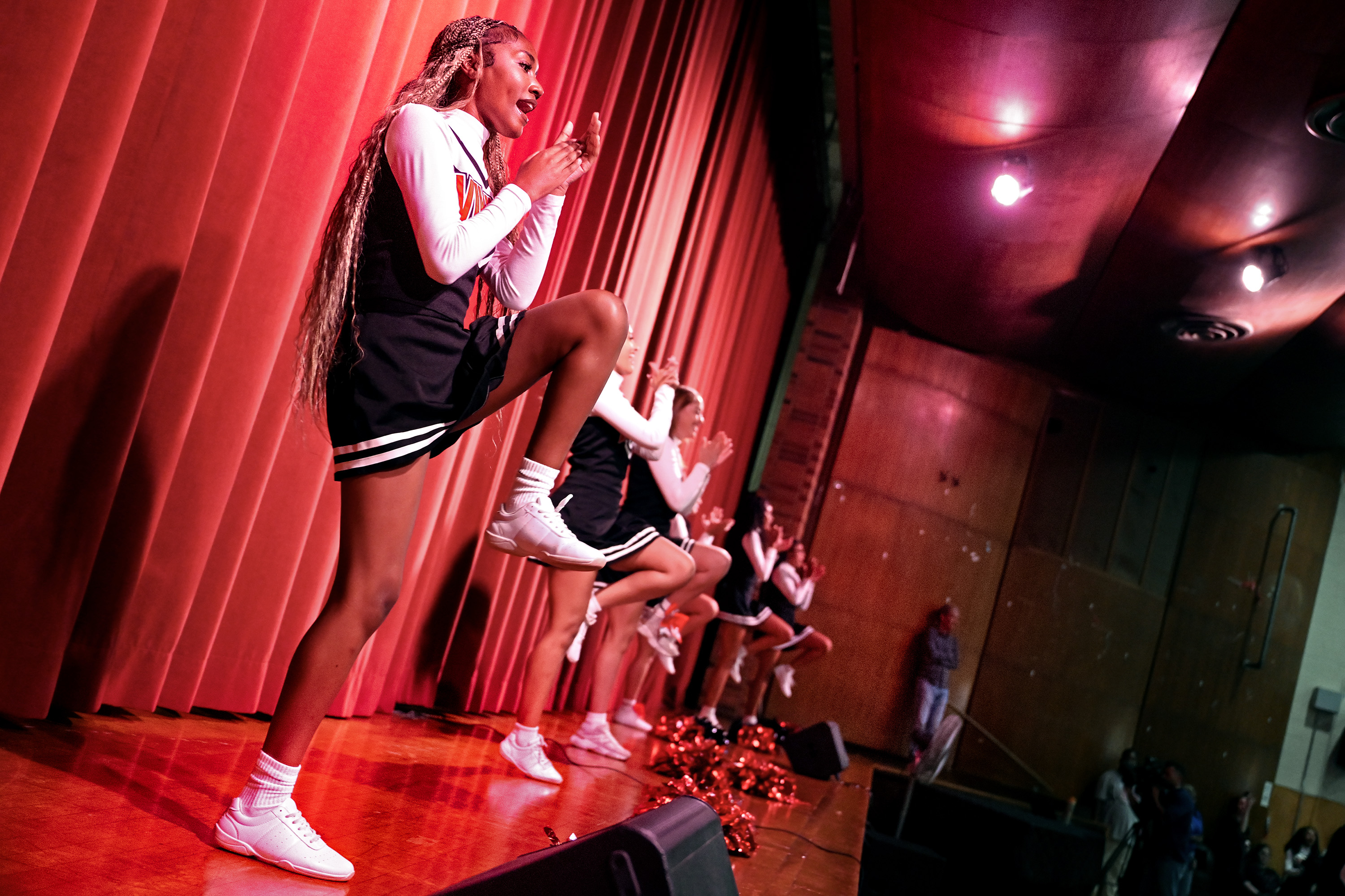
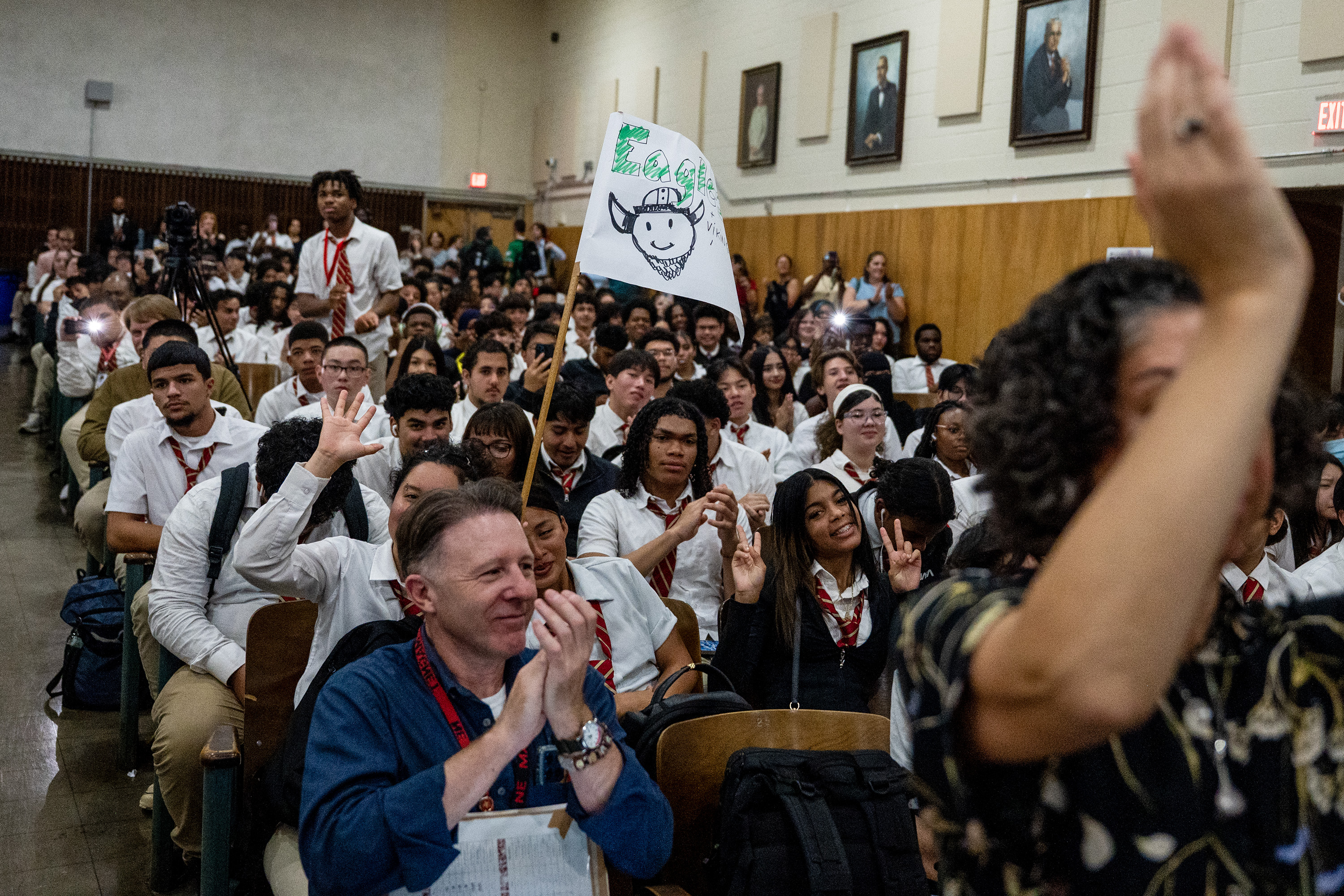
    The timing was good: Although temperatures were in the high 60s when Hurts made his announcement, it was sweltering in the auditorium, with more than 1,000 students, teachers, and dignitaries in the room. Sweat ran down the faces of members of the marching band toting heavy instruments and cheerleaders in long-sleeved uniforms. Mayor Cherelle L. Parker cooled herself with a small personal fan.

    When Hurts watched that TV spot, about half of the district’s schools were not air-conditioned. Hurts’ largesse has helped get the number down, but 52 schools — about a quarter of district buildings — still lack air-conditioning.

    Hurts, on Tuesday, said he wanted to move the needle more for Philadelphia schools.

    “Let’s get it to zero,” Hurts said of the number of schools without air-conditioning. “I want to get it to zero.”

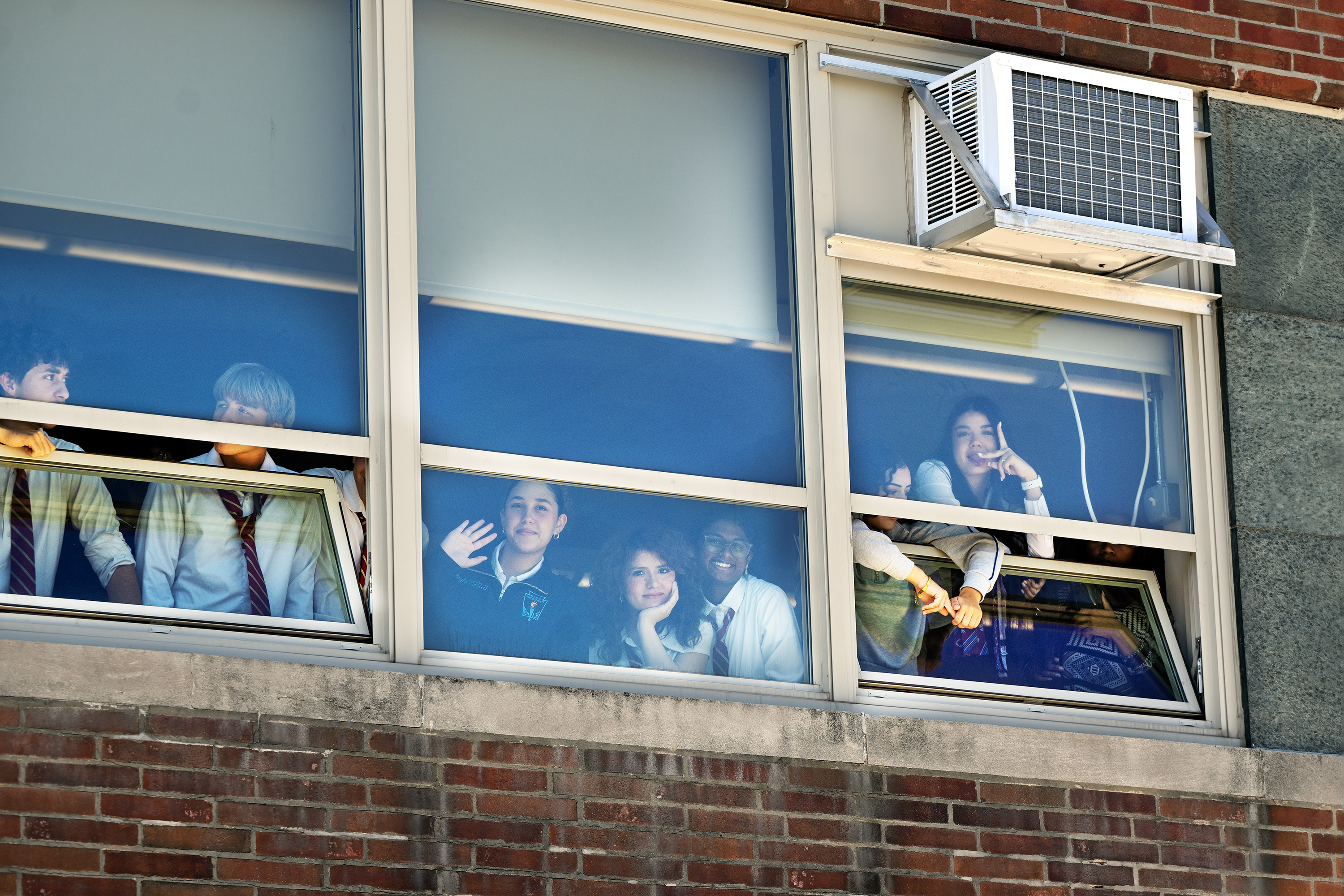
    Northeast High School watch from their classroom – with a window air conditioning unit – as Eagles quarterback Jalen Hurts leaves Tuesday, Sept. 15, 2026 following his appearance there to give the school $600k for an a new cooling system.Tom Gralish / Staff Photographer

    Asked why he was turning his attention to city schools, Hurts said he was influenced by his educator parents and the people who made a way for him.

    “It’s about service and showing up for those around you,” the quarterback said.

    Northeast High had window units cooling classrooms prior to Hurts’ announcement, but the auditorium, a hub of the school and the community, was tough to use in the spring and summer months, said Andrew Lukov, the school’s principal.

    “This changes everything for us,” Lukov said.

    A beaming Parker, who made sure to lead the adoring Northeast crowd in an E-A-G-L-E-S chant, spelled correctly, led the crowd in giving Hurts a standing ovation.

    “Jalen, on behalf of the entire city of Philadelphia, we say thank you for your gift,” Parker said. “You will have an impact on more than the 3,400 students who attend this school on a daily basis. You’ve also done something even more important: You’ve used your time, your treasure, and your celebrity to assist a constituency who will never be able to walk in your shoes.”

    Eagles quarterback Jalen Hurts as he appears at a rally in the auditorium at Northeast High School Tuesday, Sept. 15, 2026 to give the school $600k for an air conditioning system. With him onstage in the auditorium Northeast principal Andrew Lukov, School Superintendent Tony B. Watlington, Sr. and Mayor Cherelle L. Parker.Tom Gralish / Staff Photographer

    It feels a little surreal that a major space in an important school lacks adequate climate control in the United States, said Mekhriyona Ilkhomova, a Northeast senior whose speech earned a broad smile and a hands-over-heart gesture from Hurts.

    Hurts’ donation matters, not just because of the money but because of who he is, said Ilkhomova, a standout student and athlete.

    “It reminds us students of what we can become,” she said, “and what we can give back after becoming.”

    The state of the cool

    District officials had promised the entire system would be air-conditioned by 2027; the system appears off track to reach that goal.

    While Northeast is getting an upgrade, 52 schools lack air-conditioning.

    When temperatures are forecast to hit 85 degrees or higher by noon, those 52 schools are dismissed early. If the weather forecast calls for temperatures of 85 or higher before 9 a.m., those schools are closed for in-person instruction and remote learning days are called.

    That means unequal experiences, with students in some schools not missing instructional time when it’s hot, and those in a quarter of schools subject to interrupted schedules.

    School Superintendent Tony B. Watlington, Sr. (right) greets Eagles quarterback Jalen Hurts as he appears at a rally in the auditorium at Northeast High School Tuesday, Sept. 15, 2026 to give the school $600k for an air conditioning system. At left is Kathryn Epps, president & CEO, The Fund for the School District of PhiladelphiaTom Gralish / Staff Photographer

    Four weeks into a new school year, Philadelphia has had two heat-interrupted days at the 52 schools.

    Cooling the remainder of the 52 schools is not as simple as buying air-conditioning units: Many old buildings lack adequate electrical systems to support whole-school cooling.

    Those projects are complicated.

    An HVAC project at Kensington High went awry this summer, triggering asbestos issues that forced students and staff to relocate for the rest of the calendar year.

  • ‘The kids are not learning’: Employees inside a North Philly charter detail chaos inside their school

    ‘The kids are not learning’: Employees inside a North Philly charter detail chaos inside their school

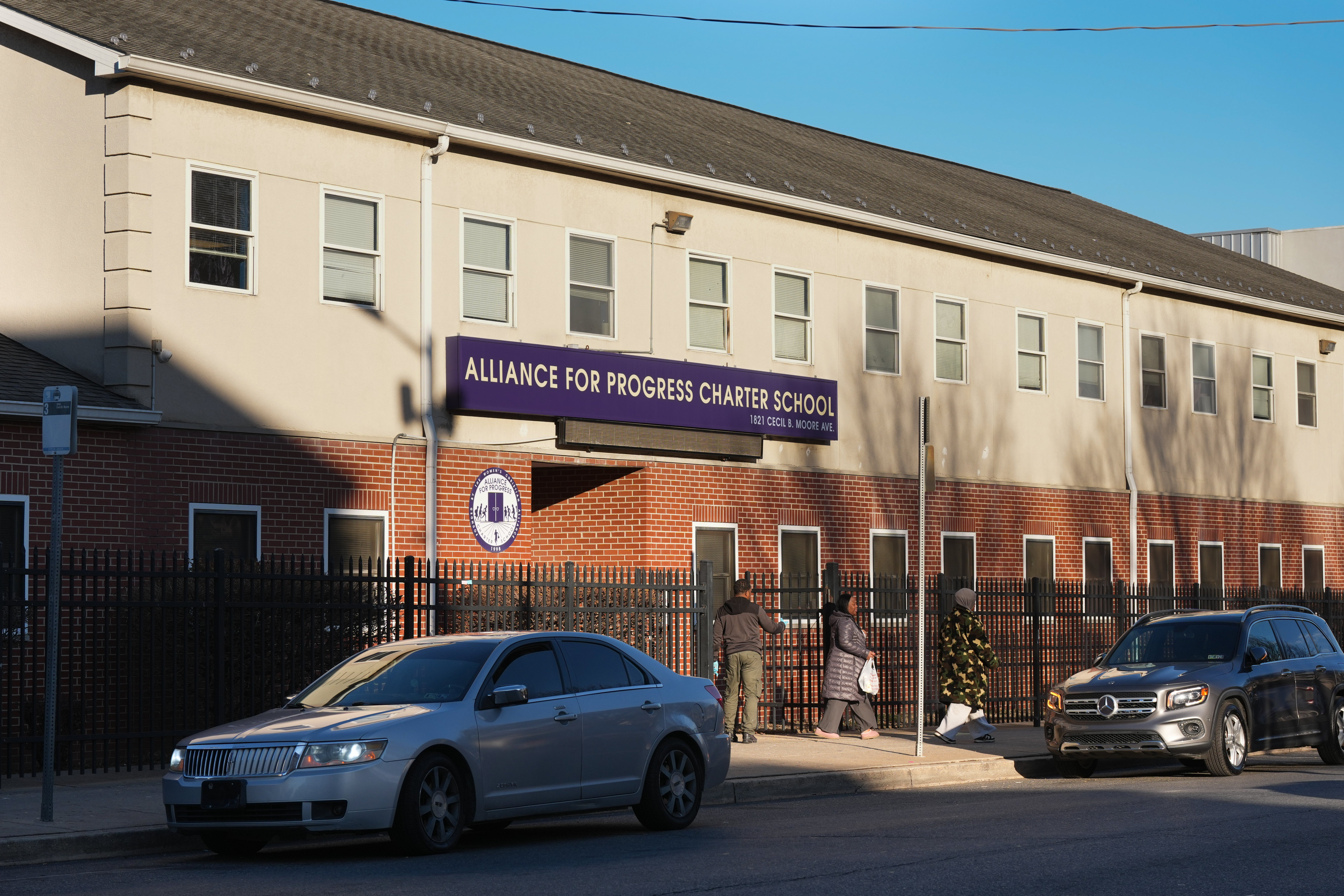
    The leadership meeting happened at midafternoon on a Tuesday at Alliance for Progress Charter School. It was a small huddle to discuss how the new school year was going.

    Unexpectedly, CEO Stacey Scott burst into the Aug. 25 meeting held inside the main office, disrupting the discussion.

    “You b—!” Scott said to the principal, Eric Langston, according to multiple people with direct knowledge of the meeting. She then spoke to the others in the room. “You can’t trust this snake! Motherf—!”

    Scott then walked out of the room, shouting, “F— this school,” and left.

    The extraordinary outburst, insiders say, shows Alliance for Progress, whose charter is up for renewal this year, is a school in turmoil.

    The Inquirer interviewed multiple people directly involved with the school, all of whom declined to be publicly identified because they fear reprisal.

    The North Philadelphia charter has churned through staff. Paraprofessionals — workers without college degrees or educational licenses — are providing instruction, those inside the school say. Students who never attended a day of school last year remained on Alliance’s rolls for the entire year, meaning the charter received payment for children it did not educate.

    Scott remains CEO, but is no longer working inside the building, according to the sources.

    Alliance, a K-8 school on Cecil B. Moore Avenue, had 616 students on roll last year.

    Both Scott and Larry Griffin, the president of the school’s board of directors, were asked to comment on the allegations. Griffin sent The Inquirer a statement. Scott did not respond.

    “Alliance For Progress Charter School continues our important work of educating our economically disadvantaged student populations,” Griffin wrote. “Respecting the privacy of all our AFPCS employees, we decline to comment on personnel matter.”

    Langston declined to comment.

    The Philadelphia School District’s charter schools office declined to comment. Officials from the charter office are expected to visit Alliance in late October to begin the enhanced review process that accompanies charter renewal.

    The school’s board of directors is scheduled to meet Tuesday night.

    Sounding an alarm

    Six weeks after joining Alliance as principal in July, Langston, who has spent time as a leader in the Mastery Charter system and at Northwood Academy, sent a confidential email outlining concerns he had about the school to the Alliance board of directors.

    The concerns, he said, according to the message obtained by The Inquirer, “have reached a level that gives me significant pause regarding leadership practices, organizational culture, transparency, and the long-term health of Alliance.”

    Langston asked for the board to shield him from possible retaliation. In 2025, the school’s former director of business and compliance filed a whistleblower lawsuit alleging he suffered reprisal — demotion — after reporting significant problems at the school.

    Raheem Harvey, who left Alliance last year, said he flagged to school and board officials violations of state and local bidding requirements, contracts issued without board approval, a student enrollment problem, skipped payroll taxes, and more.

    Scott told The Inquirer in December that Alliance officials “categorically deny all the allegations asserted by this disgruntled former employee.” That suit is still pending.

    Langston, in his email, laid out several issues raised by employees around ”Scott’s leadership and decision-making, including questions about whether decisions are consistently being made in the best interest of the school.” Alliance, he added, does not have “the level of psychological and professional safety necessary for adults to openly communicate, learn, disagree, grow and lead.”

    Different organizational structures are needed at the school, Langston said in the email. He proposed becoming chief schools officer — a promotion — which he said would result in “creating clearer lines of accountability and appropriately limit the extent to which Ms. Scott is involved in the daily instructional and operational decision-making of the school.”

    Langston also raised alarm over Scott instructing human resources to withhold the bonus an employee earned because the employee was taking family medical leave to care for an ill relative. Scott, he said, wanted to make sure the employee returned to Alliance after the leave.

    “I am deeply concerned that conditioning compensation already earned or otherwise due upon an employee’s return from protected leave may create significant legal, ethical and organizational exposure for Alliance,” Langston wrote.

    Langston also suggested Scott was misrepresenting staff vacancies and counting classes covered by substitutes as filled.

    “Our reporting should distinguish between FTE-filled positions, substitute-covered vacancies, and completely uncovered vacancies,” Langston wrote. “Anything less creates an inaccurate picture of our staffing reality. I believe the board deserves complete and transparent information upon which to make governance decisions.”

    ‘There are grave concerns’

    Four days after Langston sent the email to the board, Scott burst into his meeting shouting profanities, according to those with direct knowledge.

    Langston immediately notified the board of Scott’s conduct and asked for a meeting, which happened the next day.

    Some board members apologized for Scott’s behavior, but Griffin, the board president, neither offered an apology nor discussed the issues Langston raised, according to multiple insiders.

    Soon after the meeting, the board’s lawyer instructed Langston and the board to have no contact with each other. Alliance, at its lawyer’s instruction, has hired an outside consultant to investigate the situation.

    Langston remains on site at Alliance for Progress; Scott is working remotely, sending emails and issuing directives.

    Employees say Scott “has created a scope at the school where nothing can go on without her,” one employee said.

    The school’s atmosphere is “such a toxic working environment, not a healthy space. The kids are losing, the families are losing,” the employee said.

    “There are grave concerns,” the employee said. “We service families that come from challenging backgrounds, and we cannot assume that just the children have struggles. We have parents that cannot read. They do not know their children are not being serviced, their children are not being prioritized.”

    The employee said while the school’s climate is decent, Alliance lacks some organizational basics, including human resources processes and a formal student discipline cycle. Some students who never attended the school remained on roll all year, the employee said — an assertion confirmed by other employees.

    Some classes have been taught “for years” by unlicensed paraprofessionals, the first employee said.

    “It lacks stuff that a normal school understands,” the employee said. “It’s a very low tier, low level of support. The kids are not learning.”

    Just 9% of the school’s students meet state standards in reading, and 5% reached math standards. That is far below district and state achievement — in the Philadelphia School District, 33% of students were considered at grade level in reading and 25% in math; across Pennsylvania public schools, 50% of students are considered proficient in reading and 42% in math.

    A second employee, who also asked for anonymity for fear of reprisal, is particularly troubled by the school’s academic issues.

    “Our school is predominately Black and brown children, and they can’t read, and they’re just passed on to the next grade, and we go into these meetings, and they say, ‘These are the worst test scores I’ve ever seen.’ But what are we doing to make that different?”

    The second employee also expressed alarm about students on Alliance’s books who had left the school.

    “We noticed that students who’ve withdrawn were back on our roll. Students who haven’t been there for years. They literally lied on enrollment documentation,” the second employee said.

    Charters are allotted funding based on the number of students enrolled.

    “Something,” the second employee said, “is very wrong.”

  • A former Philly principal must repay $31k in school book fair, trip, and class dues money

    A former Philly principal must repay $31k in school book fair, trip, and class dues money

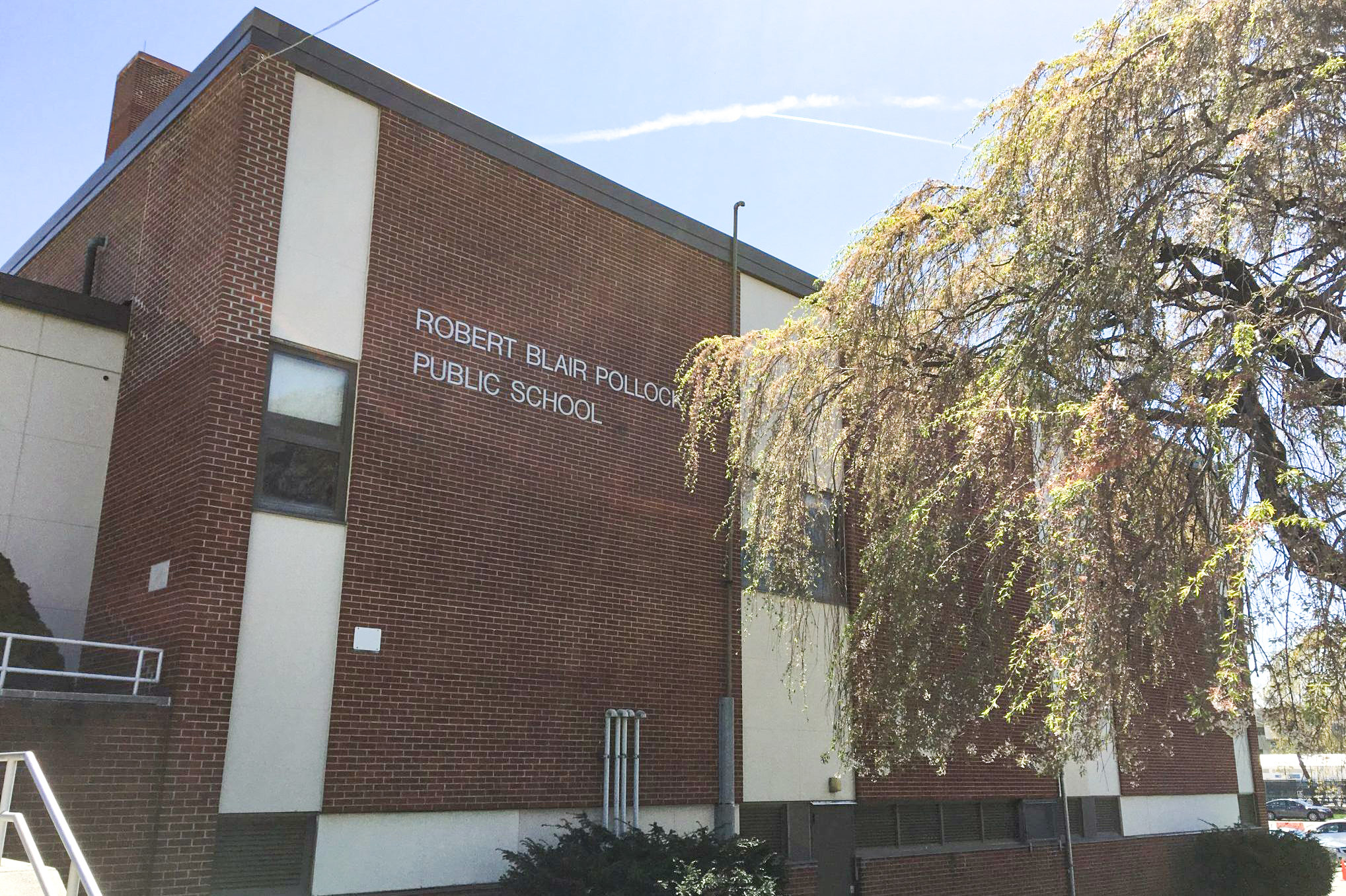
    The former principal of a Northeast Philadelphia elementary is on the hook for $31,000 paid to the school by students but never deposited into its bank account.

    According to the Philadelphia School District’s inspector general, the former principal of Robert Pollock Elementary, Yvette Jackson, received the money from events including book fairs, holiday bazaars, and class trips — plus dues for graduating eighth graders — but “failed to deposit proceeds.” Jackson has since retired.

    Multiple vendors, including Scholastic Books Inc., were not paid for goods delivered under Jackson’s watch, according to Pollock sources and documents reviewed by The Inquirer. The inspector general’s report confirmed the lack of payments.

    Jackson’s actions violated the district’s policies, “eroded the public’s trust and violated the district’s ethical standards required by the [Employee Code of Ethics] mandating honesty and forthrightness and avoiding falsification, misrepresentations and deceptions in records the former principal kept while managing and administering” school activities funds, wrote Sha S. Brown, the inspector general.

    The report stopped short of accusing Jackson of taking the funds, but said she was liable for all losses “resulting from administrative negligence and failure to exercise proper oversight and accounting” of student funds.

    At Brown’s recommendation, the district is withholding $31,576.24 from Jackson’s final termination pay. Jackson did not respond to a request for comment, but, according to the inspector general’s report, “the former principal acknowledged receipt of the memo and did not object to the proposed withholding.”

    Pollock, a K-8 school on Welsh Road, educates 900 students, 77% of whom are considered economically disadvantaged.

    Missing money, missing records

    The possible financial improprieties came to light during a reconciliation of school accounts after Jackson retired from Pollock at the end of the 2024-25 school year.

    When district personnel attempted to balance the books, money from trips, bake sales, class dues, and the holiday bazaar was missing, according to sources. Scholastic Books was not paid for either its fall 2024 or spring 2025 book sales.

    Ultimately, the district’s office of general accounting filed a complaint with the inspector general’s office “pertaining to the mismanagement of the Robert Pollock School Student Activity Fund (SAF) by the retiring principal,” according to documents reviewed by The Inquirer.

    The inspector general’s probe concluded that Jackson failed to keep adequate records and that over the course of the 2023-24 and 2024-25 school years, she made only five bank deposits, despite cash having been received for various school events through the year.

    District policy requires cash received for student activities be deposited into the bank “as soon as possible, ideally daily unless this would cause an undue hardship.”

    None of the deposits Jackson made came with required documentation, such as the dates and descriptions of the activities, number of students who participated, cost of participation, and more, the report said.

    “The former principal failed to account for, and deposit, the proceeds of several fundraising activities including book fairs and class dues (graduation fees) … the OIG could only partially match one bank deposit pertaining to the school’s 2023 fall book fair sales over this two-year period. Further, records indicate the former principal failed to pay invoices of SAF-related vendors,” Brown said.

    Brown found that Jackson collected the $31,576.24 but never deposited it. She also told a staffer managing the book fair that there was “no need for receipts,” the investigation found, despite district policy explicitly stating that receipts were required.

    In some instances, vendors were stiffed. Both Scholastic and a business that provided goods for the holiday bazaar were not paid, the report said.

    Book fair money is typically used to purchase books for classroom libraries and for students to take home. Other activities, like the bake sale, fund things like classroom pizza parties and assorted celebrations.

    “According to an administrator of the school, the holiday bazaar vendor said the former principal kept telling the vendor they were ‘… good for the money,’” the report said. “In total, the OIG found that three invoices remained unpaid and totaled $16,840.49.”

    Going forward, Brown said, the district must require student activities fund money be deposited into a bank account weekly.

    “Accounting and Financial Reporting staff will continue to work with school leaders to make timely deposits,” chief financial officer Mike Herbstman said in the district’s response to the report.

    The school district had no immediate comment Tuesday on the inspector general filing.

  • Teaching in Philly can be tough. At some schools, so is finding a place to park.

    Teaching in Philly can be tough. At some schools, so is finding a place to park.

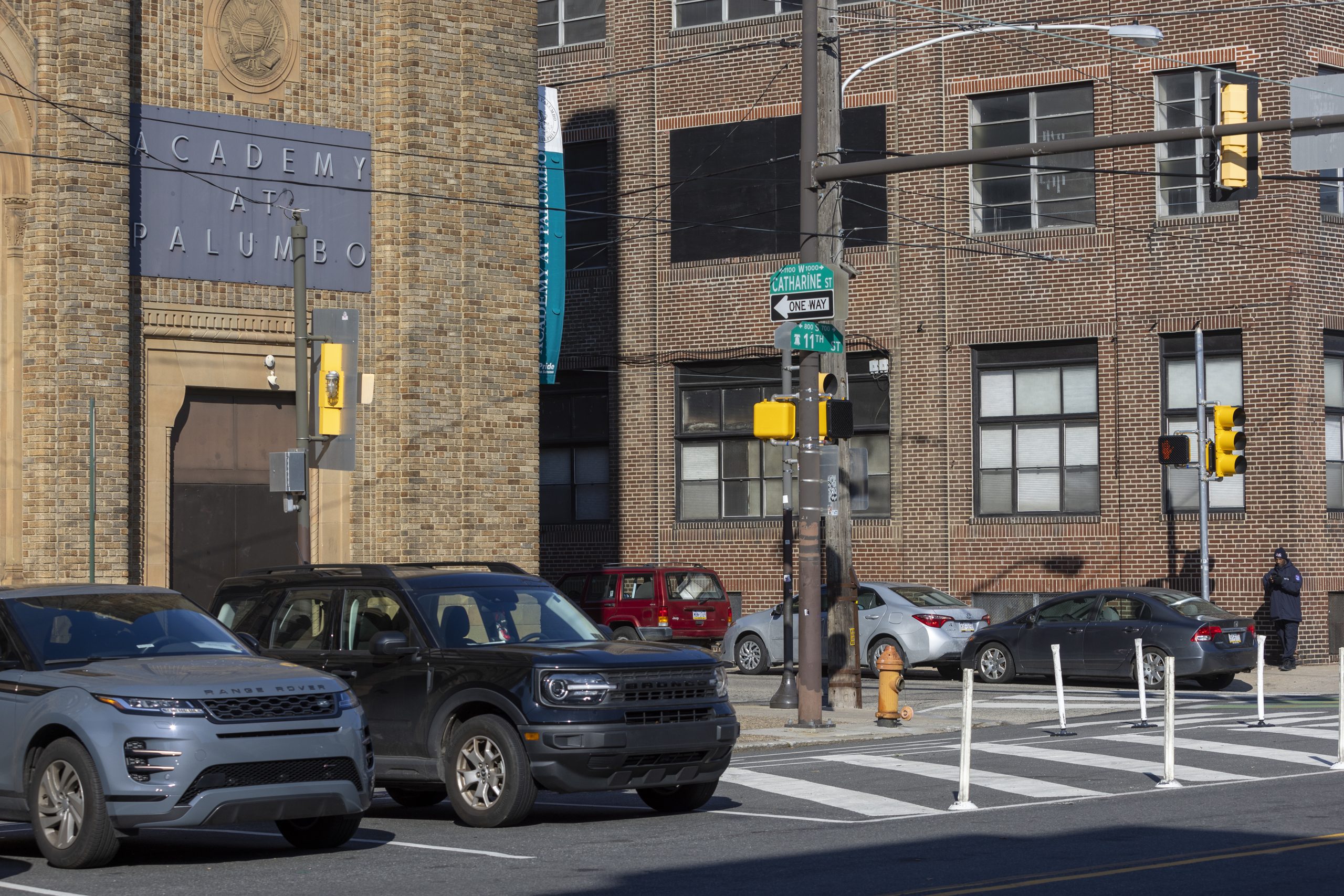
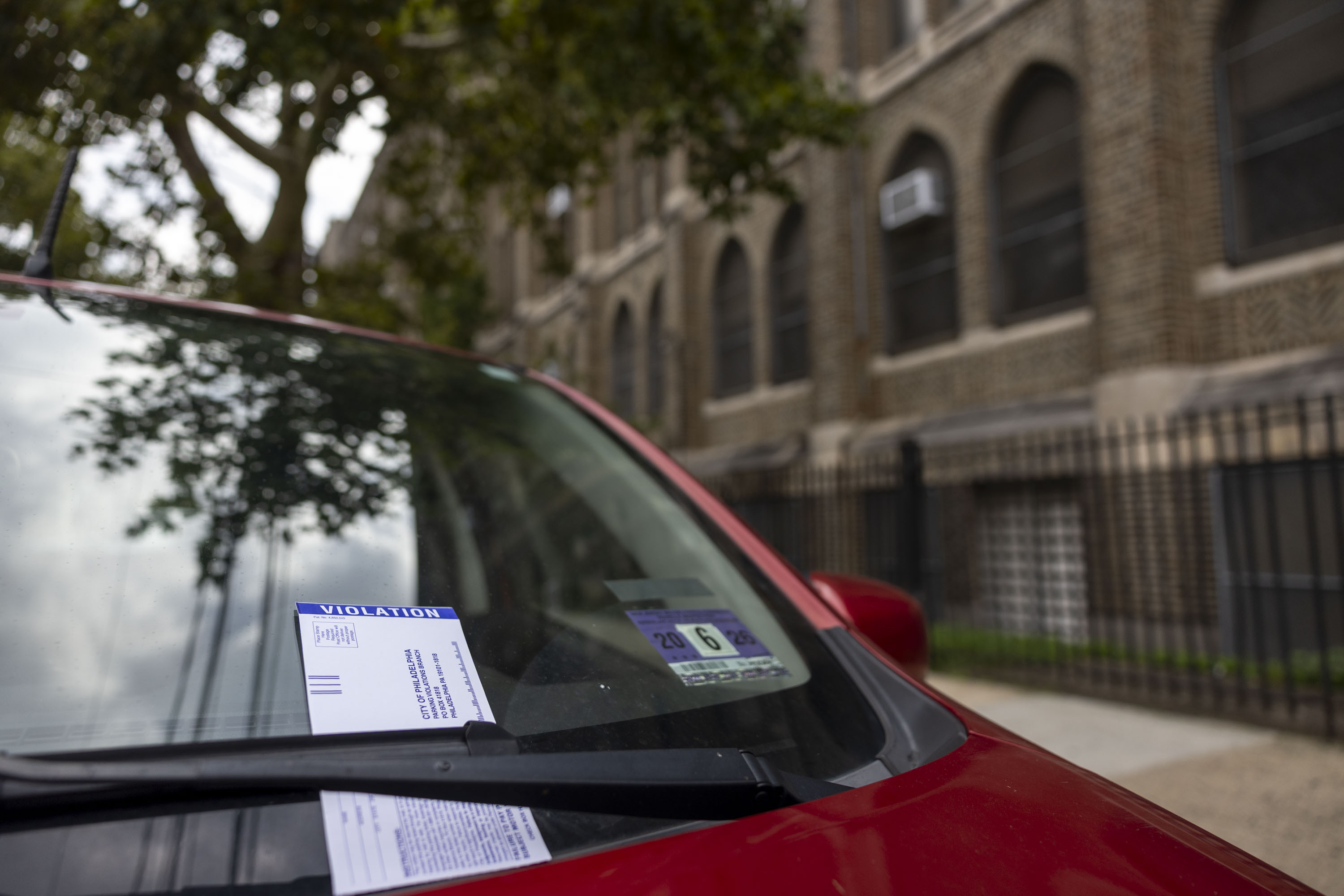
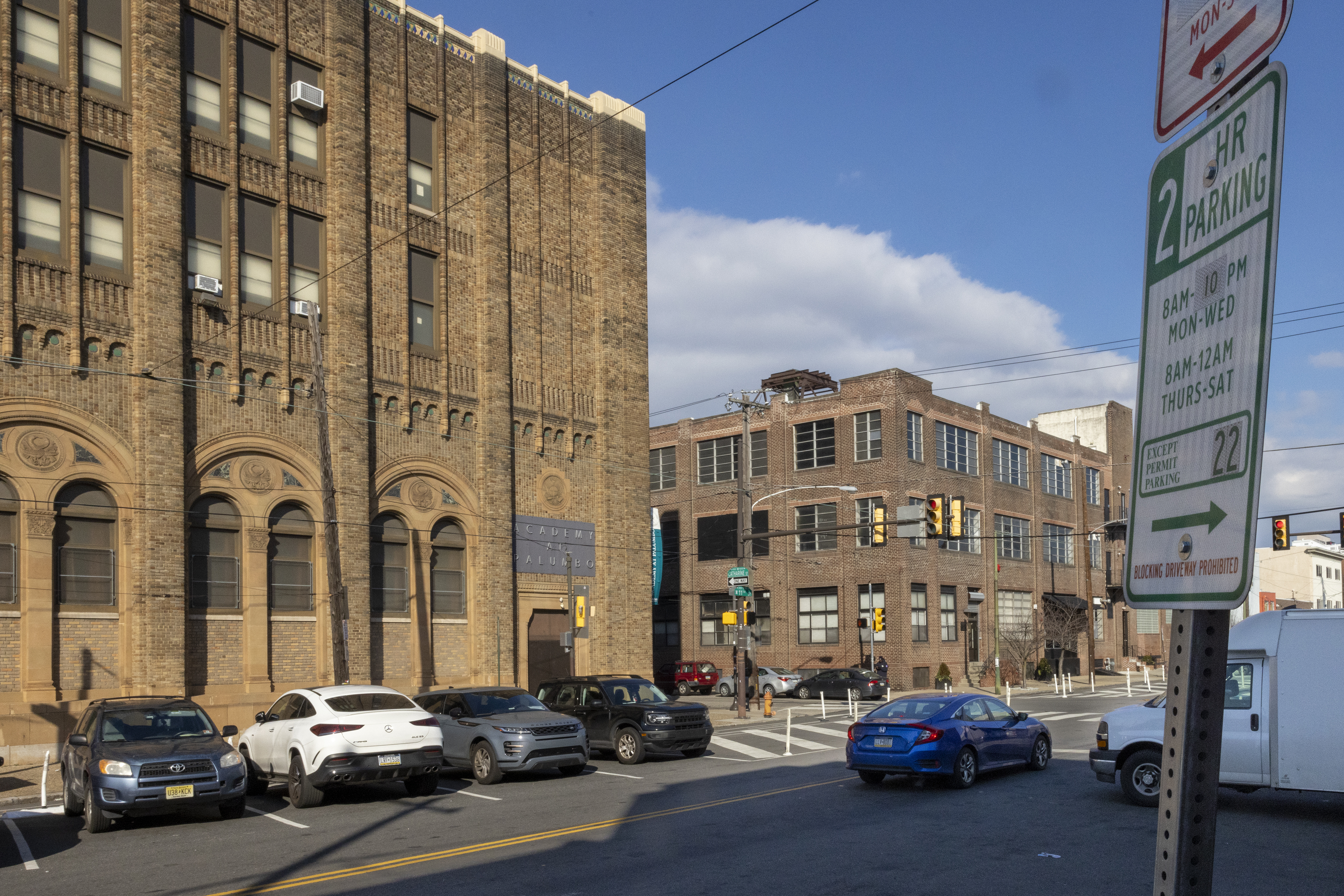
    The math is simple: There are 11 parking spots reserved for Academy at Palumbo teachers and 107 teachers and staff at the South Philadelphia school.

    There’s no parking lot and people who work at the acclaimed magnet school tend to drive, teachers say.

    Though public transportation is an option for some school staff, many teachers live outside the city, with fewer transit options nearby. And while some schools in the Philadelphia School District are close to bus, train, or trolley stops, others are farther afield, making them tougher to access via public transit.

    “Before I even walk in the doors of the school, I am already overwhelmed with stress every single day,” Palumbo teacher Sheila Fisher said. She and other Palumbo staff might circle for 30 minutes or more hunting for a space and often have to park in two-hour spots, they said — meaning they have to dash out during the school day to move their cars.

    Parking is at a premium at The Academy at Palumbo, at 11th and Catharine Streets, shown in this 2023 file photo. The school has over 100 staffers, no staff parking lot, and just 11 dedicated spaces.Alejandro A. Alvarez / Staff Photographer

    It’s a common problem at many Philadelphia School District schools that lack dedicated parking lots, or those that have lots too small to fit all employees’ cars. Amid a continuing teacher shortage, in an underfunded school system that offers lower pay and tougher working conditions than many neighboring districts, it’s a quality-of-life problem with a real effect.

    Bridget Mason, a Palumbo teacher, said neighbors have threatened to slash her tires if she parks in front of the public spaces in front of their houses.

    Fisher estimates she’s gotten 150 or more tickets in the three years she’s worked at Palumbo and said she has paid close to $5,000 in tickets and lot fees on the days she just can’t find any spot.

    Fisher loves teaching at Palumbo and hopes it will be her last job before retirement, years from now. But that’s not a given, she said.

    “The stress has come to the point where my husband has mentioned the option of me leaving Palumbo to work elsewhere, because parking has become such a challenge,” Fisher said.

    ‘It’s a nightmare’

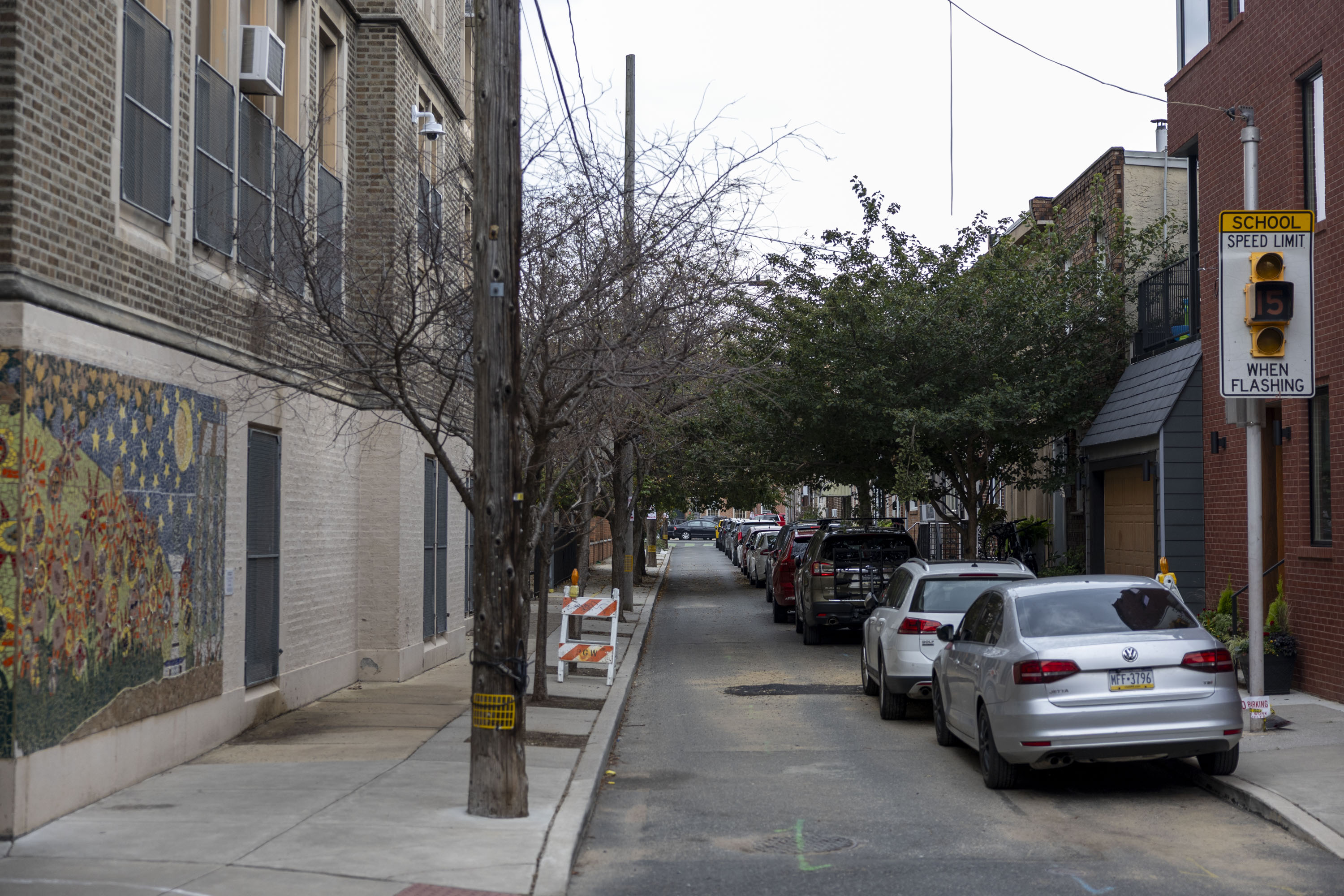
    To park at Penn Treaty High School in Fishtown, you can’t arrive too early, because neighbors won’t have moved their cars yet. But you can’t arrive too late, or you’ll miss your window, get locked out of a spot, and be late to work because you have to “circle and circle” for a space, said Kerri Todd, a longtime Penn Treaty teacher.

    Cars fill the streets and sidewalks outside Penn Treaty High School on Tuesday.Tyger Williams / Staff Photographer

    “It’s a nightmare — parking is so scarce,” Todd said. Some cars park on the sidewalk around the perimeter of the building.

    Todd knows exactly when she has to arrive for the best chance at a parking spot. And if she ends up having to settle for a two-hour space, it’s not as tough as it would be for other teachers, because Todd’s free periods make convenient times for car moving.

    But it’s still difficult, Todd said. (Penn Treaty teachers have the extra headache of knowing their school is closing for good in 2030 — the fifth- through 12th-grade school is one of 17 the district plans to close permanently.)

    Even Todd’s principal gets into the act. If she’s working in her office, Wajibah Thompson might hang her head out the window and help.

    “She’s like, ‘Yo, Kerri, move over, I think another car can squeeze in there.’ She’ll ask neighbors, ‘Can you move your car up a little more? We can get another car in,’” Todd said.

    A car with a parking ticket outside of Penn Treaty High School on Tuesday.Tyger Williams / Staff Photographer

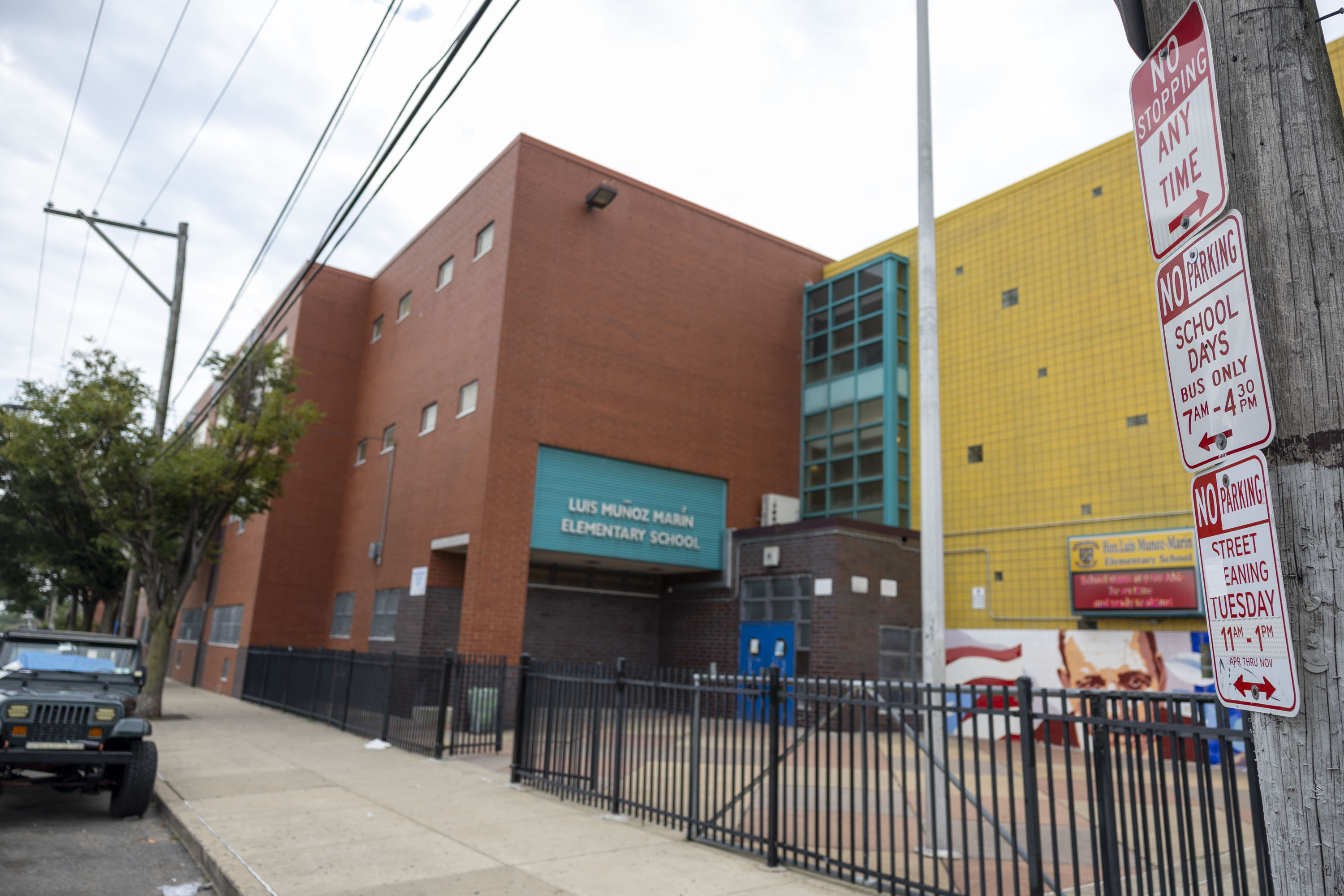
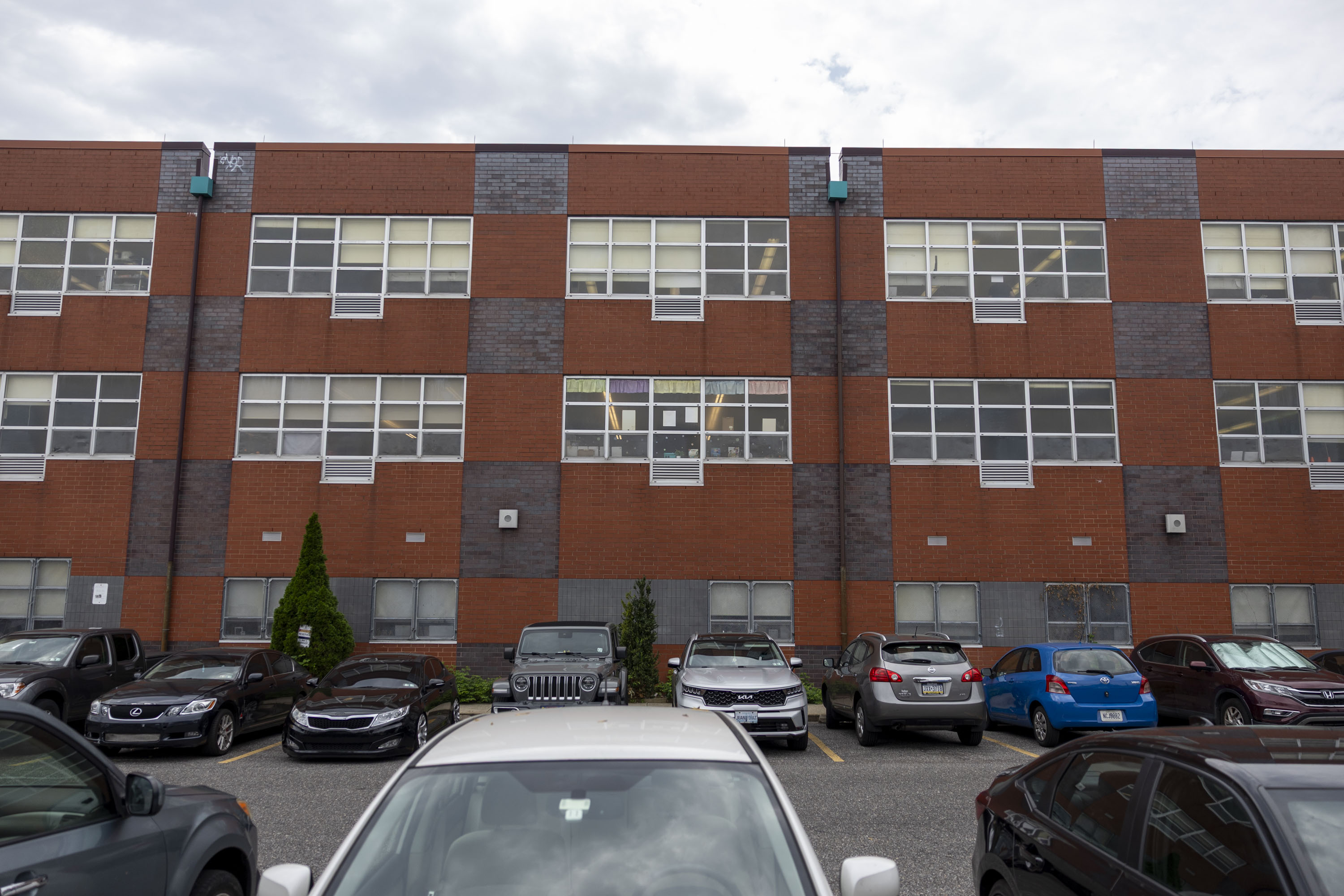
    Parking is also a perpetual worry at Muñoz-Marín Elementary at Third and Ontario Streets in North Philadelphia, said Jennifer Goldman, a veteran teacher there. Muñoz-Marín has a lot, but it’s not nearly large enough for all staff at the 500-student school.

    Compounding the problem, Goldman said, is a vacant parcel adjacent to Muñoz-Marín’s parking lot — people dump trash there, and it’s smelly and not usable.

    “It’s awful parking around here,” Goldman said. “We just have to circle — it’s a race to find a spot, and sometimes people are late. Residents have started [putting cones in] their spots.”

    Educators working in neighborhoods around the city struggle with parking, with teachers at schools including Bache-Martin in Fairmount, Fanny Jackson Coppin and Southwark in South Philadelphia, and Robert Morris in North Philadelphia raising the issues to an Inquirer reporter.

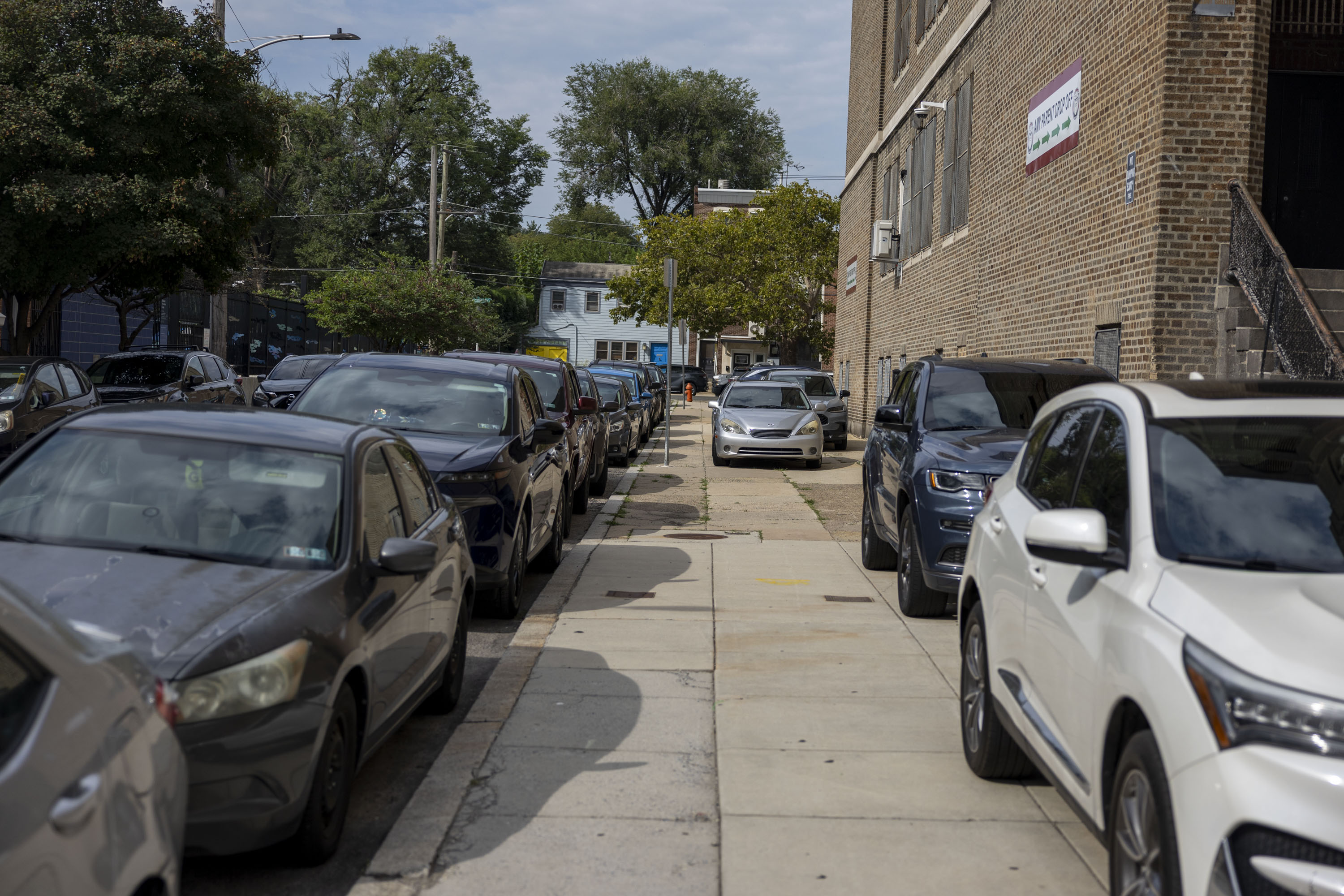
    Cars parked all along a side street outside of Fanny Jackson Coppin School on Tuesday.Tyger Williams / Staff Photographer

    ‘It should not be this difficult’

    There’s some precedent for school parking help.

    Councilmember Jamie Gauthier paved a way for special parking permits for teachers at Powel Elementary in West Philadelphia. (The same permits are not available to Science Leadership Academy Middle School staffers, who work in the same building.)

    The permits are not free: The cost is roughly similar to the price of a monthly transit pass.

    Palumbo’s parent group wants a similar option for their teachers and staff, but three years of efforts have yielded only frustration, its leaders said. They’ve been shuffled from bureaucrat to bureaucrat, and ultimately have been told the person who can make it happen is City Council President Kenyatta Johnson, whose district includes Palumbo.

    Vincent Thompson, Johnson’s spokesperson, said Johnson understands parent and staff concerns but “at the same time, any discussion of changes to parking policy must consider the impact on the broader community” — the Philadelphia Parking Authority, neighbors, and residents who would be affected by turning some spaces into school staff permit parking during school hours.

    “Council President Johnson and his district office are willing to work with the Philadelphia Federation of Teachers to find thoughtful, practical solutions to parking challenges around our schools in the Second Councilmanic District,” Thompson said in a statement.

    The Philadelphia School District did not respond to a request for comment.

    Academy at Palumbo Liberal Arts High School, located at the corner of Catherine and S. 11th Streets. The teachers at school need to move their cars during work day because of timed street parking.Alejandro A. Alvarez / Staff Photographer

    Martin O’Rourke, a spokesperson for the PPA, said it “does its best to assist whenever possible, recognizing the delicate balance that exists among residents, businesses, visitors and teachers necessary to manage and share the limited curb space available for parking in many neighborhoods near local schools.”

    It’s frustrating to Julie Kaeli, the former Palumbo HSA president, that three years of “begging and nagging” Johnson’s office and others on behalf of students and teachers has led nowhere, she said.

    “They’re giving us lip service,” Kaeli said. “It’s so clear to us that they are no interested in addressing this issue. Our school is highly ranked, our teachers are amazing and so dedicated. We know what little resources and support they have. This is such an easy fix; it should not be this difficult.”

    ‘Parking was a must have’

    The lack of adequate parking for staff has consequences, according to educators and those who support them.

    “For me, parking was a must have when deciding on a school,” said Cathy Provenzano, who recently retired from teaching at Hill-Freedman World Academy in East Mount Airy. Hill-Freedman has a large lot.

    Parking problems have scared off teachers who were otherwise interested in coming to Palumbo, too.

    “Each year when interviewing potential new staff, the school may be interested in offering a position to a candidate, but candidates turn down offers because of the lack of parking,” the school HSA said in a statement. “With the teacher shortages the district has had, this is not ideal.”

    The parking lot full with teachers and staff’s cars at Luis Muñoz-Marín Elementary School on Tuesday.Tyger Williams / Staff Photographer

    A teacher at a Kensington school has dealt with a lack of parking lot for years. But it’s gotten tougher to park in the neighborhood, and she’s at her wit’s end, she said. The teacher requested her name be withheld because she feared reprisal.

    “I’ve been at my school for over 10 years and have never considered leaving until the first day of school this year,” the teacher said. “I drove around for about 35 minutes, trying to find parking.”

    She ended up clocking in late.

    “Our students deserve high-quality educators, but us not having a parking lot is a huge deterrent for many people,” she said. “While we are lucky to have several staff members at our school that have been there for five or more years, we also have had a higher turnover in the years since street cleaning became a thing. Teachers don’t want to spend extra time driving around to find parking. That time is meant to be preparing for our student, to make sure that they’re getting the education they deserve.”

  • A Philly charter and its former CEO will pay $4 million to resolve claims they discriminated against Black students

    A Philly charter and its former CEO will pay $4 million to resolve claims they discriminated against Black students

    A Philadelphia charter and its former CEO have agreed to pay nearly $4 million to resolve claims they discriminated against Black students in the school’s admissions lottery.

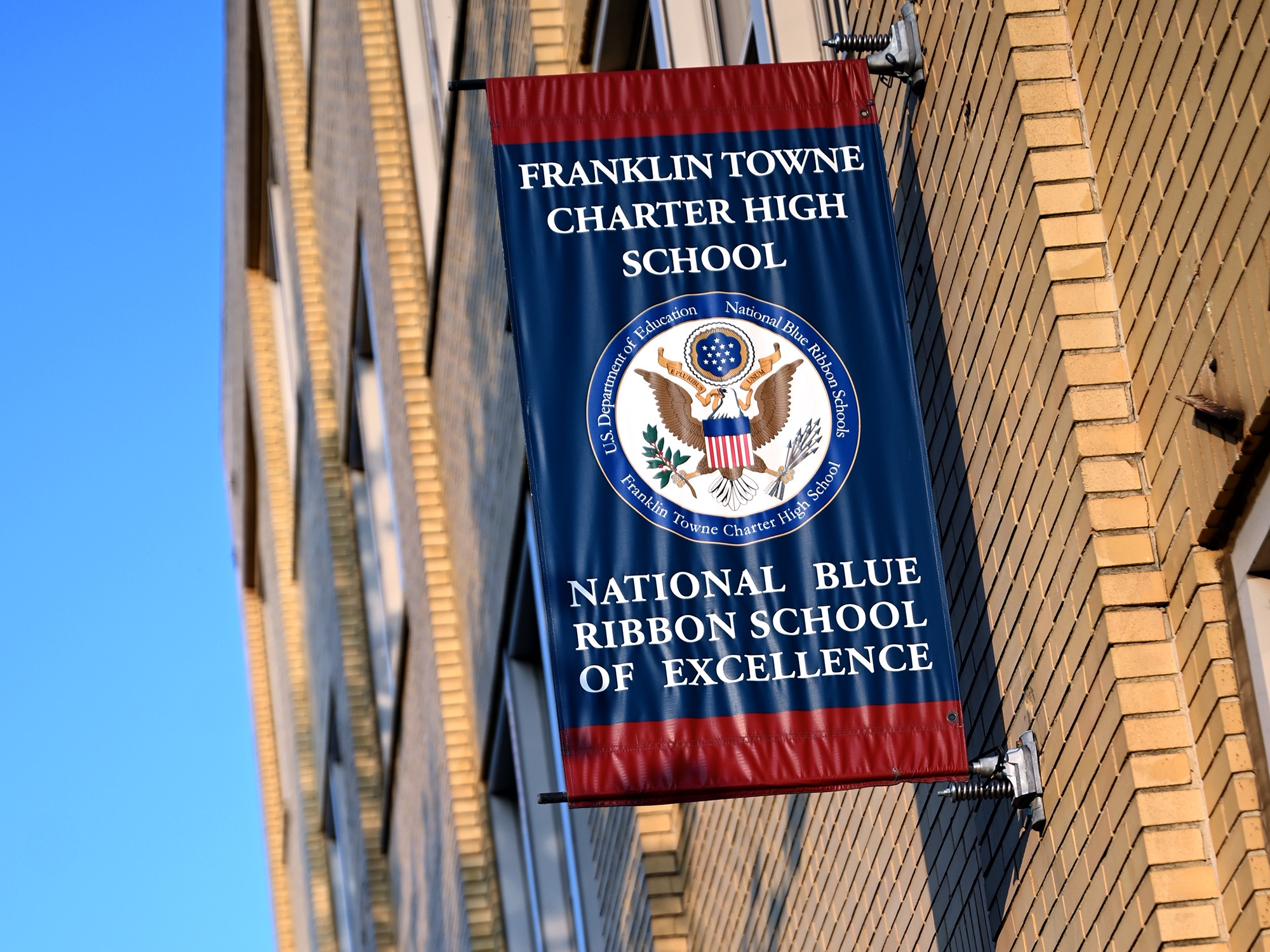
    Franklin Towne Charter High School, in the Northeast, deliberately fixed its 2023 lottery to exclude students from certain majority-Black ZIP codes, Franklin Towne administrator Patrick Field told The Inquirer that year. The order to shut out those students came from Joseph Venditti, a longtime Franklin Towne CEO, who has since left the school, Field said.

    Field sued the school and Venditti in federal court later in 2023, alleging Franklin Towne retaliated against him after he came forward about the lottery manipulation.

    The U.S. Department of Justice brought the case against Franklin Towne and Venditti after Field’s allegations surfaced.

    U.S. Attorney David Metcalf announced the settlement Friday.

    “Racial discrimination has no place in school admissions,” Metcalf said in a statement. “Selecting or excluding students because of their race is illegal and violates the agreements schools sign when they accept federal grant money.”

    Despite signing off on the settlement, neither Franklin Towne nor Venditti admitted wrongdoing.

    “Defendants deny the United States’ allegations,” court documents read.

    Public schools are prohibited by federal law from discriminating against students based on race or national origin; Franklin Towne violated the federal False Claims Act by its actions, Metcalf’s office said Friday.

    Franklin Towne — a public charter school funded by taxpayer dollars — must pay $3.6 million, and Venditti $275,000 from his private funds, as part of the settlement.

    Part of the money will go to the U.S. government, and part to Field, whose suit raised the issue of the improprieties.

    Field and Venditti could not immediately be reached for comment.

    Franklin Towne’s CEO, Brianna O’Donnell, said in a statement that the school had settled allegations about past enrollment practices that “do not reflect how the school is being led or operated today.”

    “We have taken the necessary steps to address this matter while maintaining our full commitment to serving our students, families, faculty and staff,” O’Donnell said, noting that the school’s operations were “continuing as normal.”

    Federal officials said the school “has made significant governance changes, including replacing the Chief Executive Officer and hiring an independent third party to conduct all future admissions lotteries at the school.”

    Franklin Towne remains a top academic performer, but the Philadelphia school board moved to revoke its charter over the lottery manipulation allegations.

    The revocation hearing’s goal, the board said at the time of the vote, was not necessarily to close Franklin Towne, but to effect change. Board officials said the only tool they possess under Pennsylvania law to trigger a public accounting of serious allegations of impropriety is a revocation hearing, which includes witnesses and evidence before an independent hearing officer.

    Franklin Towne filed suit against the board, objecting to its choice of hearing officer for the revocation proceedings, which have not yet begun.

    Reginald Streater, the school board president, said in a statement that the charter school’s office’s “serious concerns” about Franklin Towne admissions data over several years led to the revocation notice of the school. It’s still pending, Streater noted.

    “The board is committed to striving for fair and equitable access to public education for all Philadelphia students,” Streater said in a statement. “We will continue to uphold the standards and requirements that apply to all public schools and to take action when there are concerns about compliance with those requirements.”

    Staff writer Abraham Gutman contributed to this article.

  • Philly’s school bus drivers, cleaners and maintenance workers have a new contract

    Philly’s school bus drivers, cleaners and maintenance workers have a new contract

    The people who drive Philadelphia School District buses and clean and maintain its buildings have a tentative contract.

    The district and negotiating team from 32BJ SEIU District 1201, which represents 2,000 workers, reached a deal right at the wire: 32BJ’s old contract was set to expired Monday at 11:59 p.m.

    Officials declined to disclose the terms of the deal, but 32BJ was making no secret of its asks. The big one was more money for its workers, who are among the lowest paid in the district.

    Members’ current pay scale ranges from bus attendants, who are paid $30,762 annually under the existing contract, to building engineers, whose pay rate starts at $51,155 and tops out at $77,832. The union’s best-paid employees are building construction workers, whose salary maxes out at $77,832.

    Tradespeople — bricklayers, HVAC mechanics, electrical mechanics, plumbers, and roofers — are paid $62,899 at the top of the pay scale.

    “We went into this looking for an agreement that reflects the hard work, dedication, and importance of our 2000 members covered under this agreement, and we believe this deal does that,” Tim Finucan, 32BJ SEIU state director, said in a statement. “We appreciate the strong relationship we have with the Philadelphia School District, and our shared commitment to providing family-sustaining wages, healthcare, and a ladder of opportunity within the district.”

    Union officials said membership will meet in the next two weeks to learn about and vote on the deal.

    In addition to higher pay, 32BJ was asking for a clearer path to job advancement, and ways to work with the school system to fill vacant jobs. The district often struggles to find qualified engineers and trades workers.

    Superintendent Tony B. Watlington Sr. said in a statement that he was “pleased to have reached a tentative agreement with our 32BJ SEIU Philadelphia school workers that recognizes the essential contributions of these dedicated professionals. Every day, our staff helps to safely transport our students and create the safe, welcoming, and supportive environments our students need to learn and thrive.”

  • With no PSSA scores in sight, Philly is pushing back its special-admissions deadline

    With no PSSA scores in sight, Philly is pushing back its special-admissions deadline

    The Philadelphia School District has pushed back the application window for its 37 magnet schools.

    The news hinges on PSSA scores, which have not been released to the public by the Pennsylvania Department of Education.

    Instead of students submitting applications for the 2027-28 school year between Sept. 8 and Oct. 30, as originally announced, the application window will now open Oct. 5 and close Nov. 24, officials announced Monday night.

    Students will use both their 2024-25 PSSA results and the yet-to-be-released 2026 scores.

    “This adjustment ensures families have access to official, verified 2026 assessment data when making their school choices,” officials said in a letter to families.

    Initially, district officials said that assessment results would not be ready in time for the application process, and that they would allow applying students to take an alternative assessment.

    But that plan has since changed. Superintendent Tony B. Watlington Sr. said last week it wasn’t clear if alternative assessments would be needed and now, officials are saying they won’t.

    State tests are a question mark

    The PSSAs remain a question mark for the district.

    Harrisburg officials released preliminary data to districts in the late spring, as they typically do, but Philadelphia has shared only limited student PSSA scores with select staff. Most Philly principals and teachers have not seen the scores, though other districts and schools have not withheld the data.

    State education officials notified districts last week that statewide results, typically available to districts in late August or early September, would be delayed, though the release of the data to parents and the public does not typically happen until the fall.

    Philadelphia officials then suggested the state holdup was the reason for their own delay.

    A district spokesperson said the system expects scores in adequate time to make admissions decisions.

    “Once the verified 2026 PSSA and Keystone results are released by PDE later this fall, district staff will contact all applicants to assist them with submitting their scores,” officials said in the letter to parents. “Families do not need to take any action regarding their 2026 assessment scores at this time.”

    A school selection town hall is scheduled for Wednesday at Powel Elementary, 3610 Warren St., from 5:30 to 7:30 p.m. Another town hall will be held virtually on Thursday from 1:30 to 3:30 p.m.

  • Philly schools transition committee app opens as district moves ahead with $3B facilities plan

    Philly schools transition committee app opens as district moves ahead with $3B facilities plan

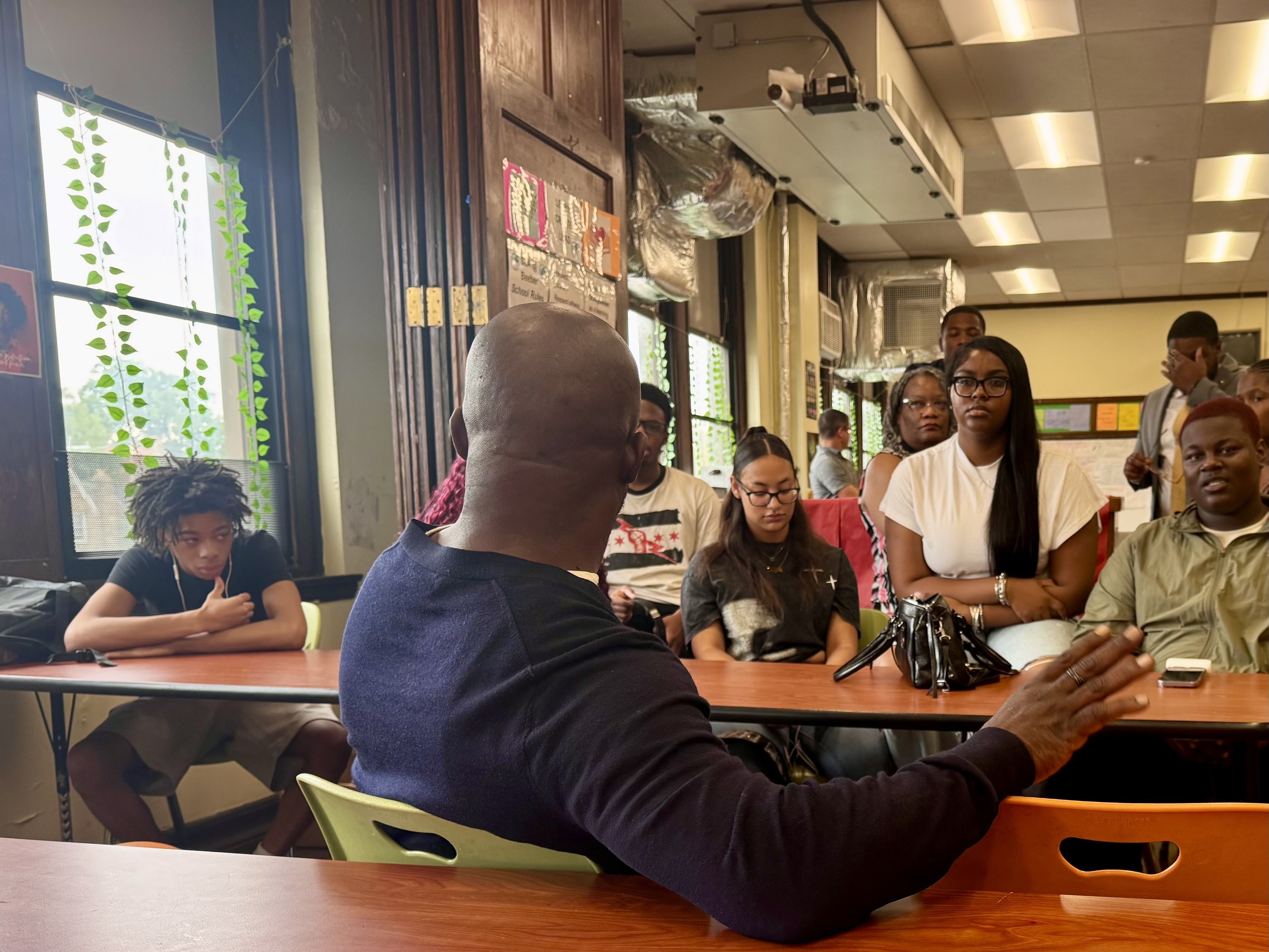
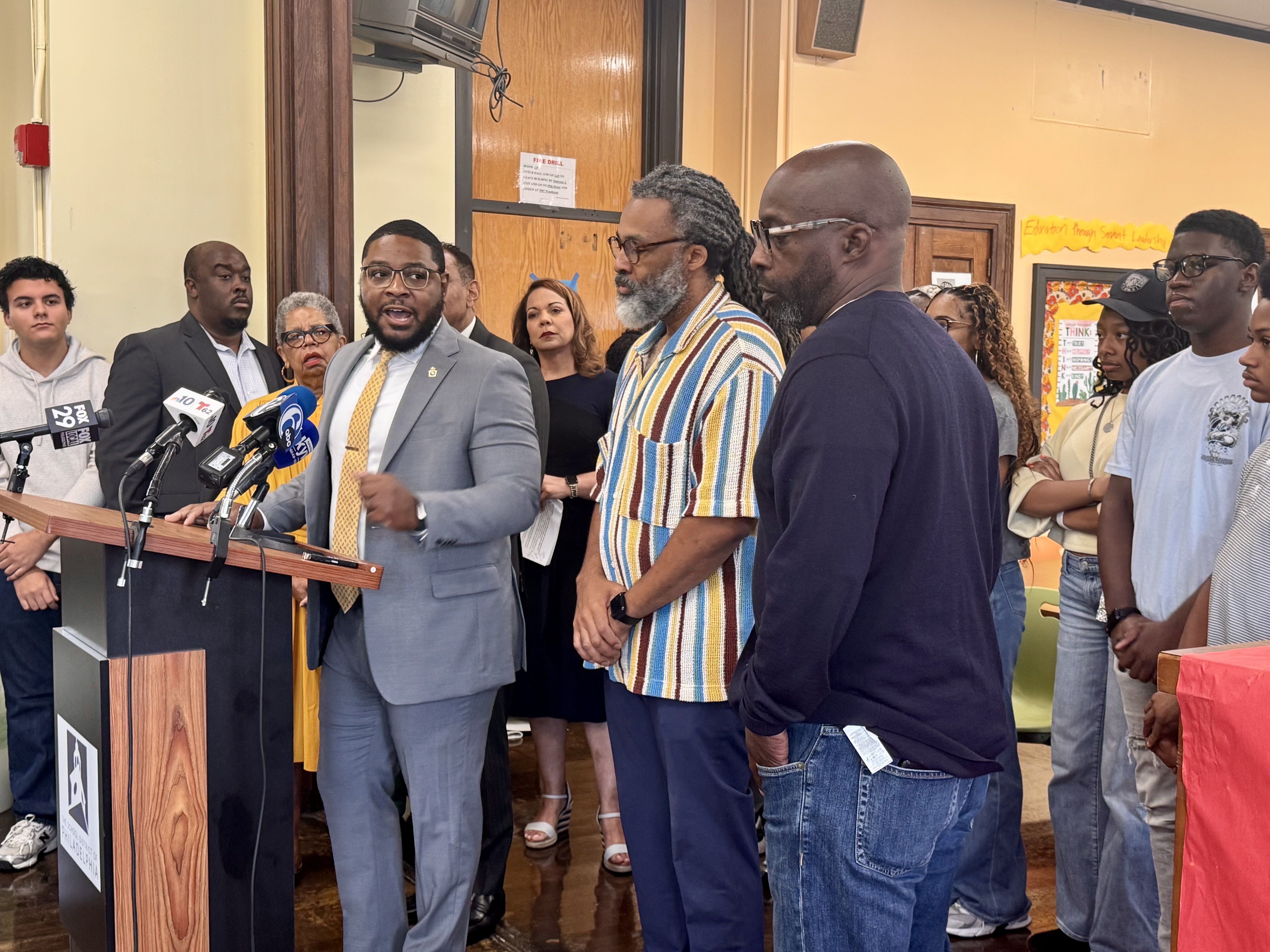
    Chris Johnson, principal of Science Leadership Academy at Beeber, looked at the students in front of him — 10th and 11th graders at Parkway West, a school that’s closing in June.

    “What’s coming up for you?” Johnson asked them.

    “Division,” one student said plainly.

    SLA Beeber won’t be doing that, Johnson said. On the first day of school last week, Johnson told his students if they were going to have issues accepting the Parkway West kids coming next year, they could leave.

    “We don’t do stepbrothers, stepsisters. We do family. Ain’t no division. We’re family,” said Johnson.

    The conversation came as Philadelphia School District officials toured SLA Beeber to tout a new process for managing school closings.

    Applications opened Monday for transition teams that will affect how changes will happen at 50 schools that will be closed or beginning phaseouts at the end of the 2026-27 school year, and those receiving students from those schools in 2027-28.

    Ten Parkway West students traveled to SLA Beeber Monday to get a preview: tours of the school, a sit-down with Johnson, shaking hands with Superintendent Tony B. Watlington Sr., school board members, and others.

    “We’ve got to do some things differently in Philadelphia to address the fact that we have a 65% occupancy rate across the district, which means 35% of our seats in our buildings in the district-operated schools are empty,” Watlington said at a news conference in a third-floor classroom.

    The school board in April approved a $3 billion facilities plan that will close 17 schools and modernize 169 over a decade, though the timeline and scope is not set in stone, as more than half of the plan is not yet funded. Some public officials, including several City Council members, are still pushing against the plan, demanding some schools be removed from the closing list.

    Shakeera Warthen-Canty, whom Watlington appointed this summer to lead a new School Transition Office, said transition committees will help think through concerns about safety, transportation, space planning, and more.

    “We understand that for some communities this is very hard, but we want to make sure that we are hearing them and we’re providing as much support as we can,” Warthen-Canty said. “The red carpet, white-glove treatment Dr. Watlington talked about, that’s what we want to make sure our principals, our staff, our students, and our families have.”

    Each transition committee will have about 20 members. Applications, available through the district’s website, will be open through Sept. 18. Those who are selected to sit on committees will be notified by Oct. 1, with work expected to begin the week of Oct. 12.

    ‘There’s a lot of uncertainty’

    When Parkway West first showed up on the list of possible school closings, principal William Brown and Johnson of SLA Beeber began meeting regularly, they said.

    William Brown (center, speaking at podium), principal of Parkway West, speaks at a news conference at SLA Beeber. Brown’s school is closing at the end of the school year, and its students will be sent to SLA Beeber.Kristen A. Graham / Staff

    “I’d be lying if I said this was an easy time for the Parkway West community,” Brown said Monday. “There’s a lot of uncertainty out there for the people involved.”

    SLA Beeber enrolled 533 students in grades 5 through 12 last year; Parkway West had 151 students in grades 9 through 12.

    While Parkway West students will have the opportunity to go to SLA Beeber, most staff will be force transferred to other schools, without a chance to follow their students. Still, Brown said, the focus is on children.

    “These are our young people, we really have to make sure they’re OK,” said Brown, who said the SLA Beeber and Parkway West communities “are united” around that goal.

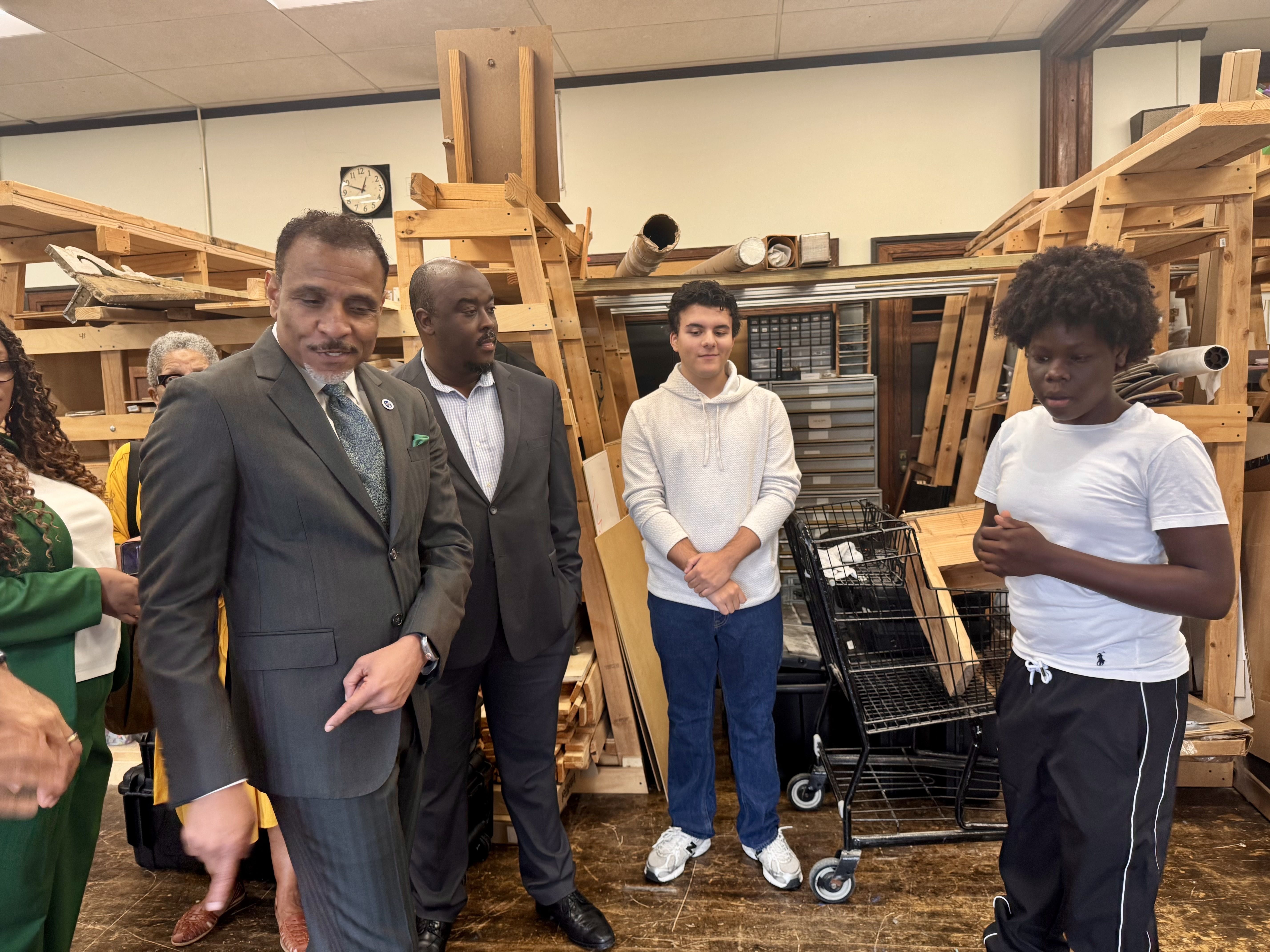
    Later, SLA Beeber students Mohamed Ali, 15, and Sebastian Delgado-Colón, 16, showed Watlington, board president Reginald Streater, board member Whitney Jones, and others around their school. Other SLA Beeber classmates took Parkway West students on a tour.

    What do you think of the coming changes, the dignitaries asked Ali and Delgado-Colón.

    “I can’t imagine what they’re feeling, going into a completely new environment,” said Delgado-Colón.

    At first, Ali said, he thought about what the change would mean for SLA Beeber students.

    “Our teachers are very one-on-one with us. Is this going to change that? But we’re going to make the best of it,” said Ali.

    “We were looking at it in more of a tense way — now we’re looking at it as a net positive,” said Delgado-Colón.

    “It can build on community,” Ali added.

    Philadelphia Superintendent Tony B. Watlington Sr., school board member Whitney Jones, and Science Leadership Academy at Beeber students Sebastian Delgado-Colon and Mohamed Ali look at SLA Beeber’s engineering lab. Delgado-Colon and Ali gave Philadelphia School District officials a tour of the school, which will receive students from Parkway West after Parkway West closes at the end of the school year.Kristen A. Graham / Staff

    District officials have stressed that closing schools will enhance resources citywide.

    The cooperation between Parkway West and SLA Beeber, Watlington said, is a hopeful one.

    “It shows that we can make tough decisions and we can do it in a way that all of us absolutely can become winners and not losers,” the superintendent said. “Our gain doesn’t have to necessarily come at anybody’s expense.”