Measles cases in Pennsylvania topped 900 this week, as the state’s largest outbreak in three decades continues to spread from rural Lancaster County communities into Philadelphia’s suburbs.
The Pennsylvania Department of Health reported 114 new cases in the last week, reaching a total of 903 cases this year as of Monday. That includes 83 cases in Chester County, the only county in the Philadelphia region where the virus is actively spreading in an outbreak that is also the nation’s largest currently.
Chester County’s outbreak has emerged as the third largest in the state, having more than tripled in size since early August.
Physicians and local health officials say the current case count is likely an undercount, with many cases going unreported.
Cases in Chester County have largely been concentrated along its western border with Lancaster County. But health experts expect the virus to continue to spread statewide. More than half of Pennsylvania’s counties already are affected, as vaccination rates have declined in many communities.
Overall, Chester County has a 94.5% measles vaccination rate among kindergarten students, just below the 95% of people scientists say need to be vaccinated to prevent the virus from spreading within a community.
The so-called herd immunity threshold for measles is high because the virus is so contagious: Nine out of 10 unvaccinated people who come into contact with measles will get sick.
In response to the outbreak, the county’s health department has ramped up communications and outreach, sent nurses into schools and close-knit communities, and held pop-up clinics. The overarching goal of all these efforts: Get more people vaccinated.
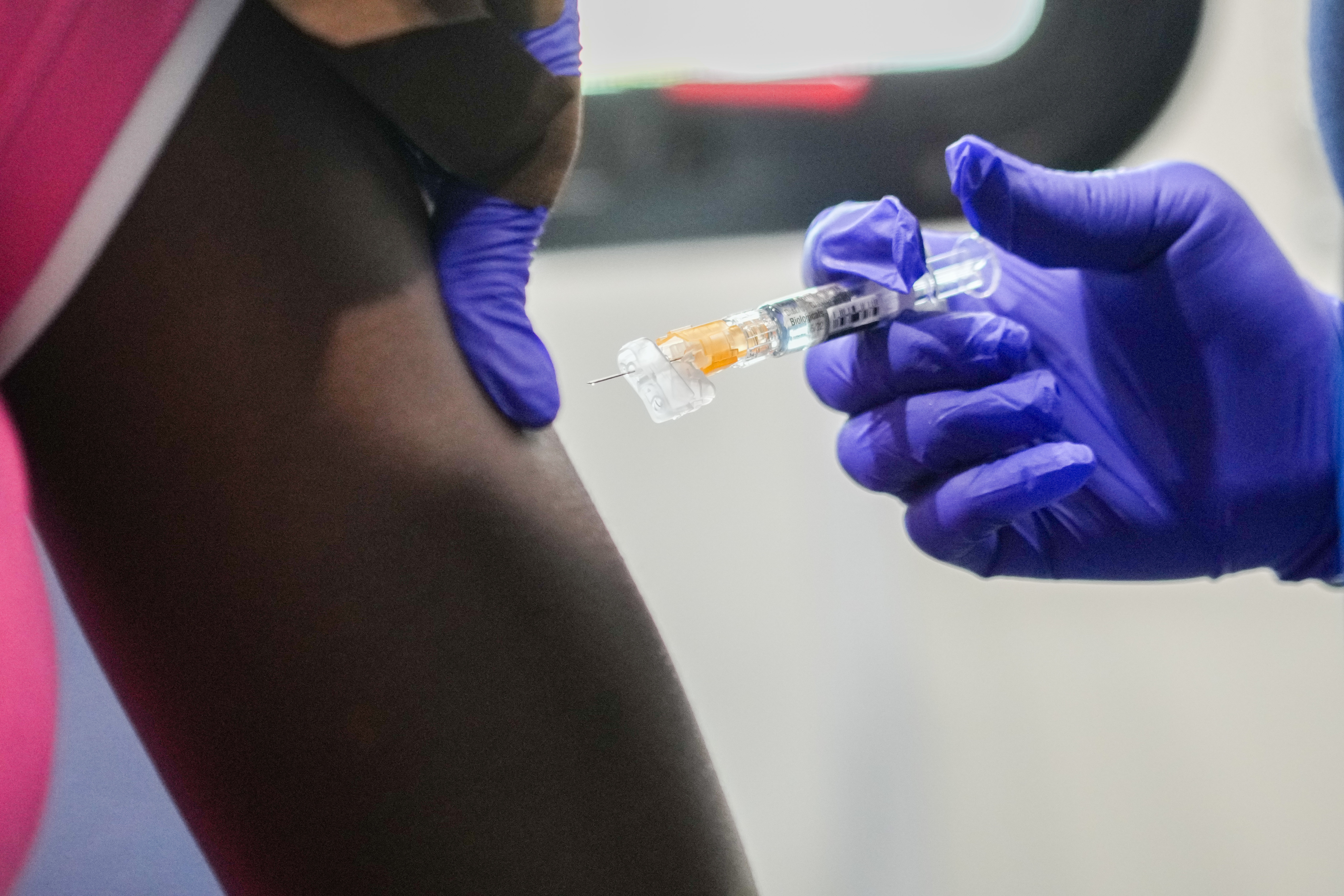
Two doses of the measles vaccine offer 97% protection against the virus.
“We are working all the time with organizations, businesses, community leaders — whoever we can get the attention of in the communities impacted,” Jeanne Franklin, the county’s health director, said in an interview last week.
The county has administered 538 measles, mumps, and rubella (MMR) vaccines this year, most of them since the outbreak began in April, she said.
(function(){function e(){window.addEventListener(`message`,function(e){if(e.data[`datawrapper-height`]!==void 0){var t=document.querySelectorAll(`iframe`);for(var n in e.data[`datawrapper-height`])for(var r=0,i;i=t[r];r++)if(i.contentWindow===e.source){var a=e.data[`datawrapper-height`][n]+`px`;i.style.height=a}}})}e()})();
Measles spreading in Pennsylvania
Across Pennsylvania, at least one measles case has been reported in 39 of 67 counties.
The virus’ most common symptoms include a fever, cough, runny nose, watery eyes, and a telltale splotchy red rash.
Most people recover, but rare complications can be deadly.
(function(){function e(){window.addEventListener(`message`,function(e){if(e.data[`datawrapper-height`]!==void 0){var t=document.querySelectorAll(`iframe`);for(var n in e.data[`datawrapper-height`])for(var r=0,i;i=t[r];r++)if(i.contentWindow===e.source){var a=e.data[`datawrapper-height`][n]+`px`;i.style.height=a}}})}e()})();
Pennsylvania has reported four measles-associated deaths, all affecting people who were unvaccinated and confirmed to have measles infections.
The deceased include two infants from Amish families in Lancaster County, an 18-year-old in Mifflin County who died from a serious neurological complication of measles, and a 40-year-old woman in Jefferson County with severe respiratory conditions.
As of Monday, Lancaster County had the largest outbreak, with 363 cases. There have been 106 cases in Mifflin County.
Family and friends cooked, cleaned, and took care of Alejandra McBride after she gave birth to her first child in Ecuador, so that the young mother could focus all her energy on her newborn.
She felt much more alone when she gave birth to her second child 14 years later, in Delaware County.
“I have friends who would come for a few minutes to see the baby – and then go,” said McBride, who lives in Springfield. “It was hard to recover.”
Now she is training to be a doula through a new initiative in Delaware County to provide other women with support during and after pregnancy.
McBride is among 30 doulas trained through the Delco Doula Collaborative, designed to build the maternity care workforce and expand patient resources in Philadelphia suburbs where prenatal care options have dwindled since last year’s closure of Crozer Health, which operated the county’s largest birth center.
Earlier this month, an online directory launched where families can access doula services — which are covered by Medicaid and some private health insurance plans. Delaware County spearheaded the initiative with Family Village, an initiative of the Foundation for Delaware County that brings together support services for families and parents-to-be.
“Every family deserves to feel supported, informed, and empowered throughout pregnancy, childbirth, and the postpartum period,” Lora Werner, director of the Delaware County Health Department, said in a statement. “By expanding access to this trusted support, we are advancing health equity and helping to build a healthier future for parents, babies and families across Delaware County.”
Doulas are not medical professionals, but rather provide emotional support around pregnancy, and can serve as an advocate for patients.
Research has found that parents who work with a doula experience lower rates of cesarean section births, reduced anxiety, and higher rates of breastfeeding, in part because they are more empowered to advocate for their wishes and feel heard by their medical providers.
Doula training in Delaware County
With part of a $600,000 grant from the U.S. Department of Labor’s Employment and Training Administration, the Delco Doula Collaborative provided free training and licensing assistance to 30 county residents.
Participants work alongside certified doulas to learn about patient advocacy, childbirth education, and how to interact with patients.
Family Village also helped participants apply for certification through CAPPA, a leading international doula certification organization, and a Pennsylvania license.
Participants worked with a Medicaid billing consultant to help them establish their own Medicaid contract or join the organization’s contract. In Pennsylvania, doula services are covered by Medicaid. The government-funded health program covers about one-third of births statewide. Some private health plans also pay for doulas.
The organization hopes to provide scholarships to support more certification training in the future.
In the meantime, doulas who are already certified can join the collaborative for networking and additional training opportunities, and to be part of the online directory.
Individuals interested in self-funding their initial doula training should visit the national CAPPA Website, or other doula organizations in Philadelphia or surrounding areas.
For expectant parents, a doula can be a valuable resource, said Erica Loizos, the doula program coordinator for Family Village. They can talk to first-time parents about the stages of labor, postpartum care, and breastfeeding.
Doulas play the critical role of advocating for the person who is giving birth at a time when medical attention often shifts to the baby.
During labor and maternal medical appointments, some patients may struggle to speak up for what they want, or may not know what questions to ask. Doulas can coach them on how to advocate for themselves, or be the advocate, voicing their client’s wishes when they are unable to. Doulas often attend the birth to help advocate for the birthing person.
“The most important thing is getting to know their family,” Loizos said of the service doulas provide.
Zainab Waites, who works as a daycare teacher in Chester, embraced that mission. She has worked with eight families since beginning her training last year, many of whom were “really alone,” she said.
“I always see myself as coming in to be a family member,” Waites said. “Whatever it is, even if you just want to complain about something, I’m here.”
Learning from personal experience
McBride said she was surprised how different pregnancy is treated in the United States, compared to where she grew up in Ecuador. Parents are faced with many more decisions and choices, which can be especially hard to navigate if they come from a different culture or do not speak English as their first language.
“With my third birth, I was pretty much saying yes to whatever the doctor said,” McBride recalled. She didn’t know doulas existed, or that it was possible to push back against a doctor’s initial recommendation.
McBride had a C-section because she didn’t know she could ask to wait a little longer to see if she would go into labor naturally.
“Every woman is different,” she said. “My job is to advocate for these families and make sure they are delivering in a safe and warm place.”
People who buy health insurance through Pennsylvania’s Affordable Care Act marketplace, Pennie, can expect double-digit rate increases next year.
The Pennsylvania Insurance Department has finalized an average rate increase of 16% for Pennie health plans sold to individuals and families. Premiums for small business plans will go up an average of 10%.
“We understand that these rate increases are rough on Pennsylvania families and businesses, and we fought insurers for every savings we could reasonably assert,” Pennsylvania Insurance Commissioner Michael Humphreys said Fridayin a statement.
Insurers had requested an average rate increase of 17% for individual plans and 11% for small-business plans.
The rate increases reflect rising healthcare and prescription drug costs, Humphreys said. Federal Medicaid cuts and the loss of a key financial incentive program for ACA plans are expected to continue driving up the number of people who are uninsured, raising costs across the healthcare system and contributing to higher insurance prices.
Insurers are required by law to spend 80% of the money they collect through premiums on healthcare for members.
New Jersey’s Department of Banking and Insurance has not released 2027 rates for the state’s ACA marketplace, Get Covered New Jersey.
Pennie cost pressures
The 2027 rate increases follow massive price hikes in ACA marketplaces this year, after Congress failed to extend a critical financial incentive program. The cost of a Pennie health plan more than doubled for many in 2026, and at least 177,000 people have dropped coverage as a result.
Before their elimination, the so-called enhanced premium tax credits ensured that no one paid more than 8.5% of their income on an ACA premium. The credits had been renewed annually since being introduced in 2021, but expired at the beginning of last year after Republicans refused to approve them for another year.
Patient advocates said they are concerned that another price hike will make insurance unaffordable for even more people. Representatives of Affordable Healthcare for PA, a coalition of patients, community members, and advocates, said they would push to make insurance affordability and the expired tax credit program a central issue in the upcoming midterm elections.
“This is a five-alarm fire,” said Alisha Hoffman-Mirilovich, a coalition member and executive director of Action Together NEPA, a nonprofit that advocates for progressive healthcare policies.
“You don’t need to be an economist to understand that when health insurance costs skyrocket while wages remain stagnant, people are going to suffer in very real ways,” she said.
Pennie executive director Devon Trolley urged people currently insured through Pennie to review their coverage during fall open enrollment. Prices vary depending on age, income level, and geography.
Income-based tax credits remain available as part of the ACA for people earning up to 400% of the federal poverty level — about $62,600 a year for an individual or $128,600 for a family of four.
Pennie’s open enrollment runs Nov. 1 through Jan. 15. For coverage that starts Jan. 1, people should sign up or make changes by Dec. 15.
Get Covered New Jersey will remain open for 2027 enrollment through the end of January.
Pennsylvania is seeking more emergency aid from the Centers for Disease Control and Prevention to respond to the state’s largest measles outbreak in more than 30 years, but only if the federal agency acknowledges the four measles-associated deaths Pennsylvania has reported.
The CDC has so far declined to publicly report Pennsylvania’s measles-associated deaths, reportedly at the direction of Health and Human Services Secretary Robert F. Kennedy Jr.
The CDC’s measles dashboard says the agency is still reviewing death data and developing a new standard definition of a measles-associated death.
Public health experts say it is highly unusual for the CDC to challenge routine disease surveillance by states, and delaying death reporting could affect efforts to control Pennsylvania’s outbreak, which has sickened more than 700 people and is now this year’s largest in the country.
“The CDC’s choice not to publicly recognize the deaths undermines our response,” Pennsylvania Health Secretary Debra Bogen wrote in a Wednesday letter to CDC Director Erica Schwartz, a nominee of President Donald Trump who was confirmed to the post last month. The state shared the letter with The Inquirer.
Bogen wrote that the CDC’s Epi-Aid program, which provides short-term technical assistance and subject matter expertise during health crises, will benefit Pennsylvania’s outbreak response only if she can assure her staff that the CDC’s assistance “will not will not undermine their efforts and will partner with them toward a common goal, including publication of timely, accurate information about the outbreak.”
The CDC said it had not received Pennsylvania’s Epi-Aid request “through its normal channels” and accused state leaders of politicizing outbreak response. Federal outbreak assistance and national mortality reporting are separate issues, the agency said.
“CDC will not submit to political blackmail that conditions critical public health assistance,” the agency said in a statementThursday. “The people of Pennsylvania should never be used as leverage in a political dispute over how deaths are classified.”
The back-and-forth comes after the CDC has said the state is not cooperating with the agency and, for days, highlighted the fact that health officials here had not requested an Epi-Aid team from the agency, as other states with measles outbreaks have done.
(function(){function e(){window.addEventListener(`message`,function(e){if(e.data[`datawrapper-height`]!==void 0){var t=document.querySelectorAll(`iframe`);for(var n in e.data[`datawrapper-height`])for(var r=0,i;i=t[r];r++)if(i.contentWindow===e.source){var a=e.data[`datawrapper-height`][n]+`px`;i.style.height=a}}})}e()})();
An ongoing political clash
Pennsylvania defines a “measles-associated death” as one that occurs within 30 days of symptom onset in a person with clinical evidence of infection and a positive laboratory test, and who did not die of another unrelated cause, like a car crash.
The state announced its first two measles-associated deaths in late August, but provided no information on them beyond that both were in unvaccinated Lancaster County residents. The county coroner later said he did not believe measles caused one of the deaths, involving an infant with a lacerated spleen who tested positive for measles, though physicians have noted measles can weaken the organ and make it more likely to rupture.
The coroner, an elected Republican, said a second death, in another infant with a fatal genetic condition, was caused by measles.
Two other measles-associated deaths were reported this week in Mifflin and Jefferson Counties. Mifflin County’s coroner confirmed the death of an unvaccinated 18-year-old who died from a serious neurological complication of measles; Jefferson County’s coroner said measles led to the death of an unvaccinated 40-year-old woman with severe respiratory conditions.
Gov. Josh Shapiro, a Democrat, has criticized Kennedy, a longtime anti-vaccine activist, for spreading misinformation and contributing to lower vaccination rates that he says have allowed the virus to spread through 38 counties in Pennsylvania.
Kennedy had accused the state of “fabricating” two deaths, although he later acknowledged one was caused by measles.
Both have said the other is politicizing the deaths, the first reported in Pennsylvania and the highest death toll linked to the virus nationally in more than three decades.
On Wednesday, the state reported that 731 people have been sickened in Pennsylvania so far this year — with 117 cases reported in the last week alone. Just over 140 people had been hospitalized, with 18% of them under 18.
An Epi-Aid team typically works with a state for one to three weeks to provide technical assistance investigating an “urgent public health problem,” according to the CDC’s website.
“The focus of an Epi-Aid investigation is to assist partners in making rapid, practical decisions for actions to control and prevent the public health problem,” the website reads.
In the letter sent to Schwartz on Wednesday, Bogen said that the state is already working closely with the CDC and recently made two requests for “technical assistance” from agency staff.
She said the state appreciated “the CDC professional staff’s timely and thoughtful responses.”
Since the state is still seeing measles cases and deaths, Bogen said, officials are now requesting an Epi-Aid team from the CDC.
But Bogen will rescind the Epi-Aid request “if CDC is unable to transparently and accurately communicate information about those measles-associated deaths,” the letter said.
“While our professional teams have collaborated well on the measles outbreak response, including the identification and reporting of four measles-associated deaths, CDC’s public communication about the deaths has not been reflective of our close collaboration,” she wrote.
(function(){function e(){window.addEventListener(`message`,function(e){if(e.data[`datawrapper-height`]!==void 0){var t=document.querySelectorAll(`iframe`);for(var n in e.data[`datawrapper-height`])for(var r=0,i;i=t[r];r++)if(i.contentWindow===e.source){var a=e.data[`datawrapper-height`][n]+`px`;i.style.height=a}}})}e()})();
Protocol on counting measles deaths
The CDC’s measles web page, updated weekly with new case information, has featured an asterisk in the column for 2026 deaths.
The CDC initially posted an explanation saying it had omitted Pennsylvania’s deaths because “available information does not establish whether measles caused or contributed to the deaths or whether the individuals died from other causes while infected with measles.”
The agency later updated its asterisk language to note that the National Center for Health Statistics (NCHS) “does not currently have any death records from 2026 that indicate measles is the underlying cause.”
The web page also says that the agency is working with the Council of State and Territorial Epidemiologists to develop a standardized case definition for measles deaths, in an effort to promote “consistent classification and reporting of measles deaths across jurisdictions.”
Pennsylvania health officials said their definition of a measles-associated death is modeled after existing CSTE definitions for deaths from other respiratory illnesses, like flu.
In the interim, the CDC will wait to report measles-related deaths until the NCHS “identifies measles as the underlying cause based on death record information submitted by the states,” the agency said in a statement to The Inquirer.
Relying on the NCHS for measles deaths is a departure from the CDC’s standard protocol for tracking infectious diseases, said Demetre Daskalakis, a former director of the National Center for Immunization and Respiratory Diseases, which oversees state immunization efforts and disease surveillance within the CDC.
In the past, the CDC has relied on the National Notifiable Diseases Surveillance System, its system for monitoring dozens of diseases, such as meningitis, pertussis, botulism, and measles. States submit new case reports as they obtain them.
States will typically alert the CDC in advance of entering data into the database when it is urgent — for instance, signs of an infectious-disease outbreak or a death associated with an outbreak.
This is the approach Pennsylvania’s health department said it took to report its first measles-associated deaths earlier this month.
By contrast, the NCHS database tracks all deaths in the United States, and is the source of the routine Vital Statistics reports. States upload death certificates, and the CDC’s system skims data about primary and secondary cause of death, and any additional details noted. The process can take weeks because states enter each death individually.
With both databases, information entered by states is reviewed for completeness (for instance, to ensure no required fields have been left blank) and then recorded.
“Generally, they are cleaning data to make sure it’s coming in as quality data. They’re not litigating the decisions on a death certificate,” Daskalakis said. “This relitigation is highly atypical.”
Deaths in which measles is listed on the death certificate will eventually be logged by the NCHS, but relying on this database will mean a longer delay between when a death occurs and when it is reported nationally.
The CDC did not answer multiple requests for comment explaining its updated protocol.
Slowing down measles death reporting could minimize the outbreak, and give Kennedy time to design new definitions that will manipulate how measles deaths are counted, Daskalakis said.
Daskalakis was among the top CDC officials who resigned last summer after its director at the time, Susan Monarez, clashed with RFK over vaccine recommendations and was fired.
He said he worries that “the goal of the secretary is to say that measles doesn’t kill anyone. And that’s not true, but when you own the keys to the kingdom …”
Philadelphia-area women can now seek relief from hot flashes, night sweats, and other menopause symptoms from a health provider better known for supporting their reproductive choices earlier in life.
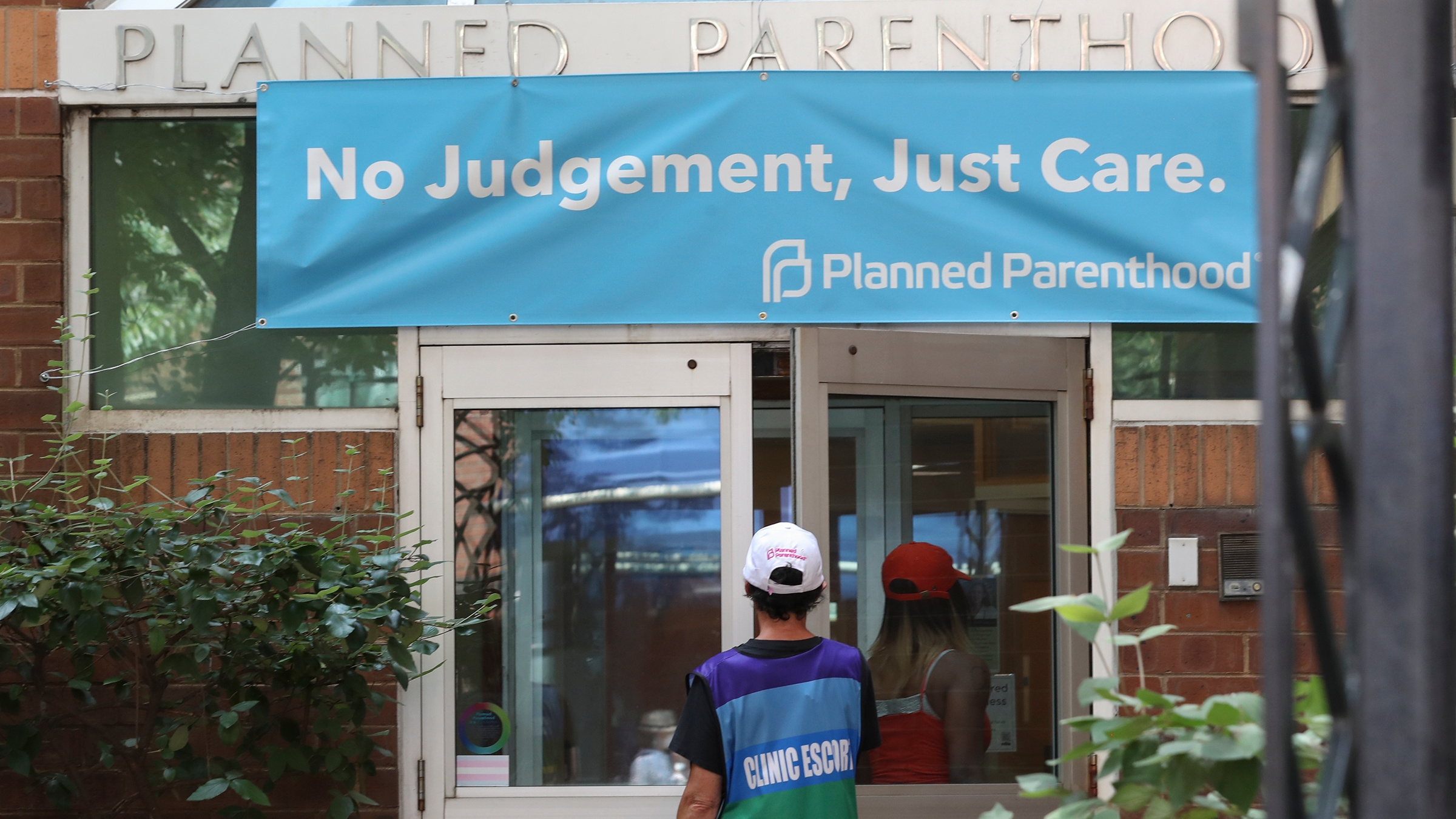
Planned Parenthood clinics around the region are now offering menopause hormone replacement therapy and perimenopause care and will begin providing vasectomies next year, in an effort to reach more patients and diversify services at a time when the nonprofit’s federal funding remains under fire because it is the nation’s largest abortion provider.
Local Planned Parenthood clinics lost millions of dollars this year when Republicans prevented the organization from billing Medicaid for services, and some were forced to stop accepting patients with the publicly funded insurance coverage. Medicaid access was restored in July, but conservatives who oppose abortion have vowed to pursue more funding cuts after the midterm elections this fall.
One way clinics have responded to ongoing financial and political attacks is by adding services that attract new patients who can pay out-of-pocket or with private insurance.
New patients accounted for nearly a third of the 350 patients who came to Planned Parenthood Southeastern Pennsylvania clinics for menopause treatment last year, when the service was rolled out.
The program has been popular in part because patients can typically get appointments within a week, said Dayle Steinberg, CEO of the Southeastern Pennsylvania affiliate, which operates clinics in Chester, Delaware, Montgomery, and Philadelphia Counties.
Planned Parenthood Keystone began offering menopause and perimenopause care at its clinics in Allentown, Bensalem, Harrisburg, Lancaster, Reading, Wilkes-Barre, and York earlier this month.
The Keystone affiliate plans to begin offering vasectomies at its Allentown location next year.
“When we look at ways to be resilient, looking at service opportunities that speak to people of a variety of ages, sexual orientation and gender is going to be vital,” said Melissa Reed, CEO of the Keystone affiliate.
Expanding reproductive health services
With roughly 600 health centers nationally, Planned Parenthood is the largest abortion provider in the country. It is also a leading resource for family planning, sexual health education, and gynecological care, often operating in underserved communities where patients are more likely to be uninsured or covered by government insurance.
At the Southeastern Pennsylvania network, eight out of 10 patients come for routine exams, tests for sexually transmitted diseases, contraception, family planning guidance, or other reproductive healthcare.
The clinics serve women and men and provide gender-affirming care.
Local Planned Parenthood leaders said the new menopause services are a natural extension of the organization’s reproductive healthcare.
“For so long, women’s symptoms in menopause have been dismissed or ignored,” Reed said. “This is an important part of a woman’s reproductive health journey.”
The organization is also capitalizing on surging interest in menopause and perimenopause in recent years, as high-profile public figures speak out about a midlife challenge long considered taboo. Revised health guidance now underscores the safety and benefits of treatment options.
As a result, doctors often have long waitlists for appointments. And pharmacies struggle to keep in stock the hormone medications that have gained popularity as a way to control side effects, such as hot flashes, disrupted sleep, and bone degeneration.
Planned Parenthood providers can counsel patients on hormonal and emotional changes associated with menopause and perimenopause, and write prescriptions for hormone therapy or other medications.
Ongoing federal threats
Planned Parenthood faced a financial crisis when President Donald Trump’s 2025 signature spending plan included new rules that prevented the organization from billing Medicaid for services.
The two Philadelphia-area affiliates estimated they would lose about $3 million in revenue. The Keystone clinics temporarily stopped accepting Medicaid patients.
They resumed seeing Medicaid patients in July, when the ban was lifted at the end of the fiscal year.
The Southeastern Pennsylvania affiliate relied on fundraising and donations to continue caring for Medicaid patients who were no longer able to pay.
But leaders acknowledged the approach was unsustainable.
“This isn’t something you can fundraise your way out of,” Signe Espinoza, vice president of public policy and advocacy at the Southeastern Pennsylvania affiliate told The Inquirer in March. “We don’t want to turn patients away, but we know that eating the cost is not a sustainable model.”
The organization has since begun offering more advanced OB-GYN services and expanded clinic hours. Leaders routinely survey community members to learn more about what other services they would like to see at Planned Parenthood.
Some of the ideas patients and community members have suggested include postpartum and prenatal care, and fertility services.
The organization isn’t ready to expand to include those types of services yet, but “we’re feeling much more optimistic in our ability to move forward,” Steinberg said.
Nurses at three Jefferson Health facilities want to unionize under the Pennsylvania Association of Staff Nurses and Allied Professionals, saying their effort addresses safety and quality-of-care concerns.
Nurses at Jefferson Bucks Hospital filed paperwork with the National Labor Relations Board for an election to form a new union chapter at the hospital that, if approved, would represent 170 staff members.
In a separate filing, nurses at Jefferson Health — Center One, a primary care and outpatient facility in Northeast Philadelphia, and Willowcrest, a skilled nursing center at Jefferson Einstein Philadelphia Hospital, are seeking membership in the existing nurses’ union at Jefferson Einstein Philadelphia. If approved, the move would add 43 nurses from Center One and Willowcrest to Einstein Nurses United.
The organization efforts would bring more than 200 Jefferson Health nurses into union chapters affiliated with PASNAP.
At a news conference outside Jefferson Bucks Hospital in Langhorne Tuesday, nurses said they wanted to organize because hospital administrators have not heeded their concerns that understaffing, heavy workloads, and insufficient resources could harm patients and lead to staff burnout.
“Jefferson Bucks nurses are being asked every day to do more with less and less, and it’s getting harder and harder to feel like our concerns are actually being heard,” Ashley Bupp, an emergency room nurse at Jefferson Bucks Hospital, said in a statement.
Jefferson Health accused PASNAP, which represents some 11,000 nurses and other healthcare professionals across Pennsylvania, of “promoting a narrative that serves its organizing efforts and ultimately, its own bottom line.”
“PASNAP has once again relied on a predictable campaign of misleading claims and public attacks designed to generate headlines rather than constructive solutions,” the nonprofit health system said in a statement. “Jefferson remains focused on supporting our nurses, caring for our patients, and meeting the healthcare needs of the communities we serve.”
Kiersten McCalmant, a nurse at Jefferson Bucks Hospital, said she and her colleagues were inspired to organize by the nurses at Jefferson Einstein Philadelphia Hospital.
Einstein Nurses United, which represents nearly 1,200 nurses, signed a new contract earlier this year that gave nurses raises, strengthened staffing, and included protections against forced shift rotations.
“We saw what a great contract they had already, and the fact that they were able to stand together and win improvements, and protect what they already had,” McCalmant said in a statement. “We thought, if nurses at Einstein can bargain with Jefferson and be successful, why can’t we?”
The Centers for Disease Control and Prevention’s latest update Friday on the toll of measles outbreaks nationally continued to omit two measles-related deaths reported last week in Pennsylvania, extending an unusual standoff between federal and state health authorities.
The agency instead placed an asterisk in a column where, if reported, the Pennsylvania deaths would be recorded as the first in the nation this year. A note below stated that ”available information does not establish whether measles caused or contributed to the deaths or whether the individuals died from other causes while infected with measles.”
The omission marked a clear departure from the agency’s normal operating procedure, as President Donald Trump’s administration and Democratic Gov. Josh Shapiro continue to clash over how the deaths were characterized.
States report to the CDC cases and deaths for dozens of infectious diseases, such as hepatitis, influenza, and measles. The CDC has long compiled the data into reports that help epidemiologists monitor outbreaks and risk, and can inform lawmakers’ efforts to improve public health policy.
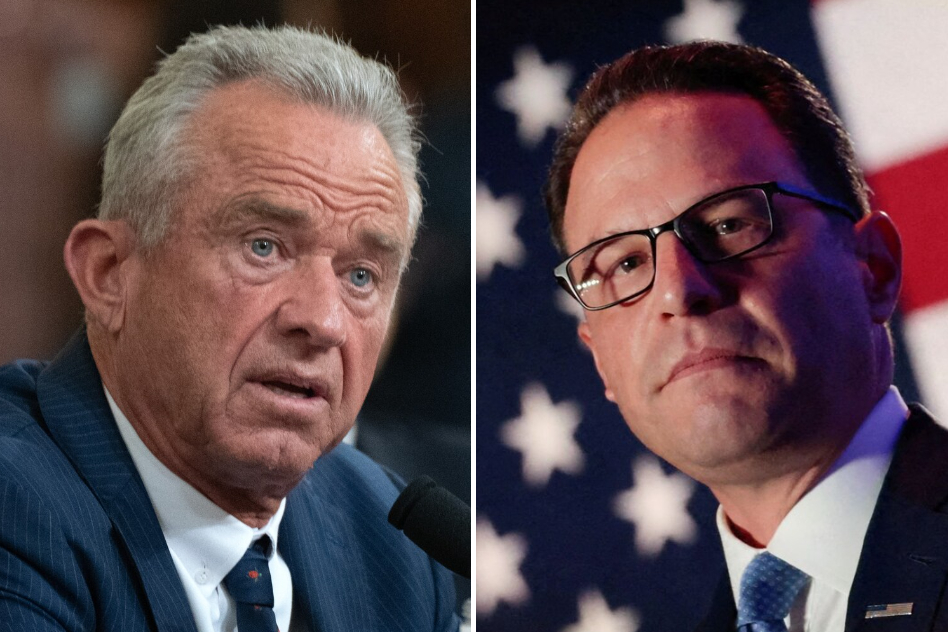
In a rare break from that norm, Health and Human Services Secretary Robert F. Kennedy Jr. asked the CDC’s newly appointed director, Erica Schwartz, to omit the Pennsylvania deaths, according to Reuters.
The move escalated a spat between Kennedy, a longtime anti-vaccine activist, and Shapiro, which began when the governor announced the deaths last Tuesday at a news conference in Lancaster County.
Shapiro accused Kennedy of spreading vaccine misinformation that has contributed to declining measles vaccination rates, and Kennedy suggested that Shapiro’s office had fabricated the deaths to win political points.
Public health experts warned that the ongoing political controversy sows doubt in what was designed as an unimpeachable health resource — national disease surveillance — and detracts from the ultimate public health goal of limiting the spread of illness.
“Every data point is a broken family, a mother crying, a future that’s lost. Instead of grieving that and making sure it never happens again, you’re debating the mechanism of death,” said Brian C. Castrucci,an epidemiologist and president and CEO of de Beaumont Foundation, a community health philanthropy outside Washington, D.C.
The Pennsylvania Department of Healthreported the two deaths to the CDC the morning of Aug. 25, and professional staff at the CDC “did not express any concern regarding the information,” Neil Ruhland, a department spokesperson, said in an email.
He described the communication that followed as an extension of the department’s ongoing communications around the state’s outbreak:
The next day, the state health department discussed the details of each case with CDC professional staff. The CDC requested records containing identifiable information, which the health department did not share, consistent with its past practices.
Shapiro has cited state privacy laws, and the need to protect the privacy of the families involved to ensure community trust, with limiting his ability to release more information.
Instead, the health department asked the CDC for a case report form to provide de-identified information. The health department says it has not yet received that form.
Pennsylvania health officials have a measles outbreak response meeting with the CDC every other week, and most recently met on Tuesday.
“CDC professional staff have repeatedly made it clear that it has been supportive of DOH’s measles outbreak response,” Ruhland said.
The CDC’s website says the agency plans to update its measles death count once it has completed its review of Pennsylvania’s cases. But officials have not said what additional information they need from Pennsylvania or when they expect to complete their review.
The agency did not respond to a request for comment in time for publication.
Joshua Sharfstein, a physician who served as Maryland’s Health Secretary from 2011 to 2014, said he has never heard of the CDC omitting disease surveillance data reported by states.
“I wouldn’t say it’s off the table for the CDC to want more information,” but the way the agency went about it in Pennsylvania’s case is unusual, said Sharfstein, who also served as Baltimore’s health commissioner and currently works as a health policy professor at Johns Hopkins University.
He said he would expect the agency to report Pennsylvania’s data, while alerting officials they are looking for more information. “It’s supposed to be a collaborative relationship,” Sharfstein said.
Pennsylvania officials initially provided no additional information to the public about the two people who had died, other than they were unvaccinated Lancaster County residents.
The state’s decision to call the deaths measles-associated came after the state health department’s “epidemiology team thoroughly investigated and verified both individuals tested positive for measles,” Pennsylvania Health Secretary Debra Bogen said in a statement.
Pennsylvania defines a measles-associated death as deaths of people where evidence of measles is present, even when the disease may not be assessed by the coroner as the immediate cause of death.
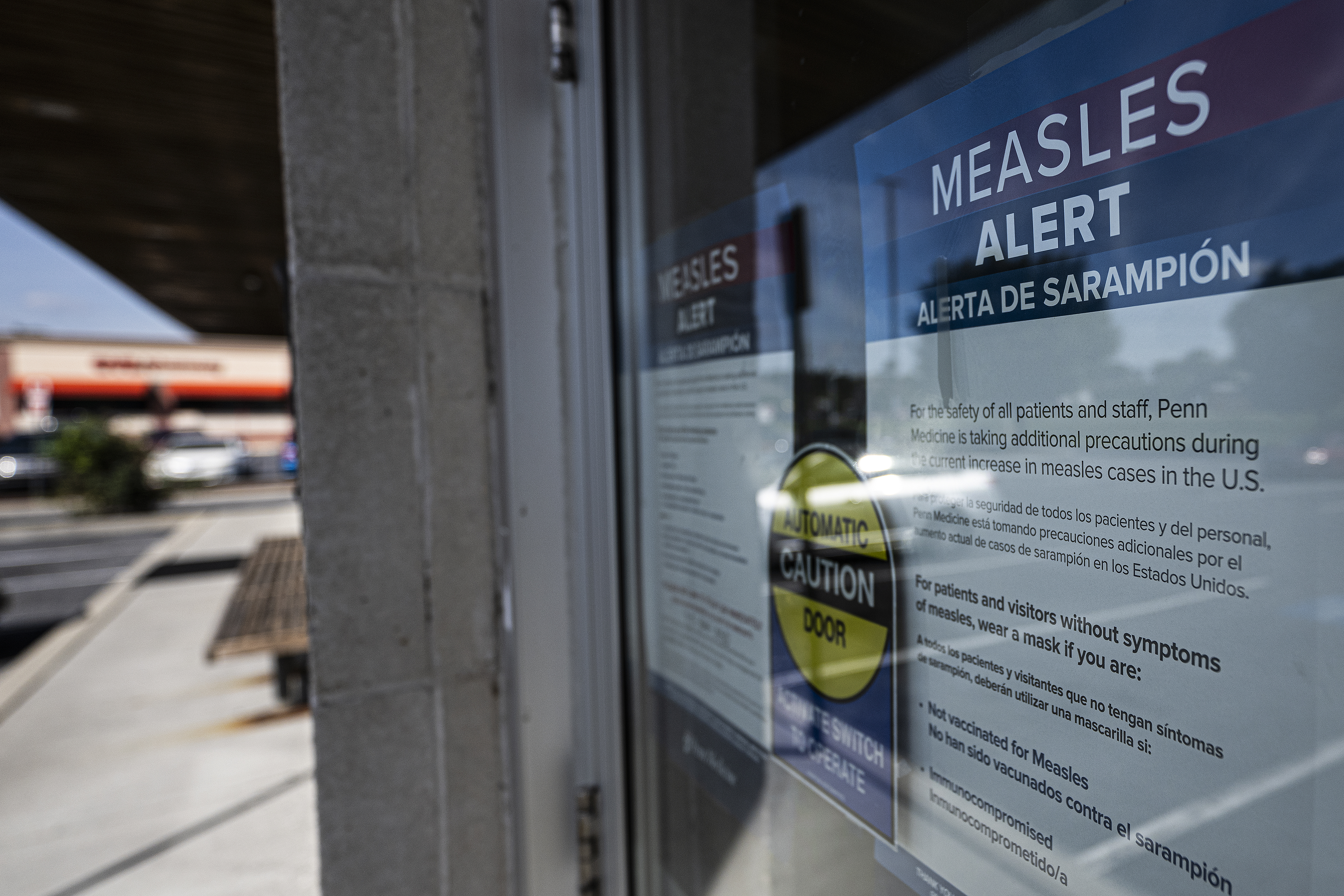
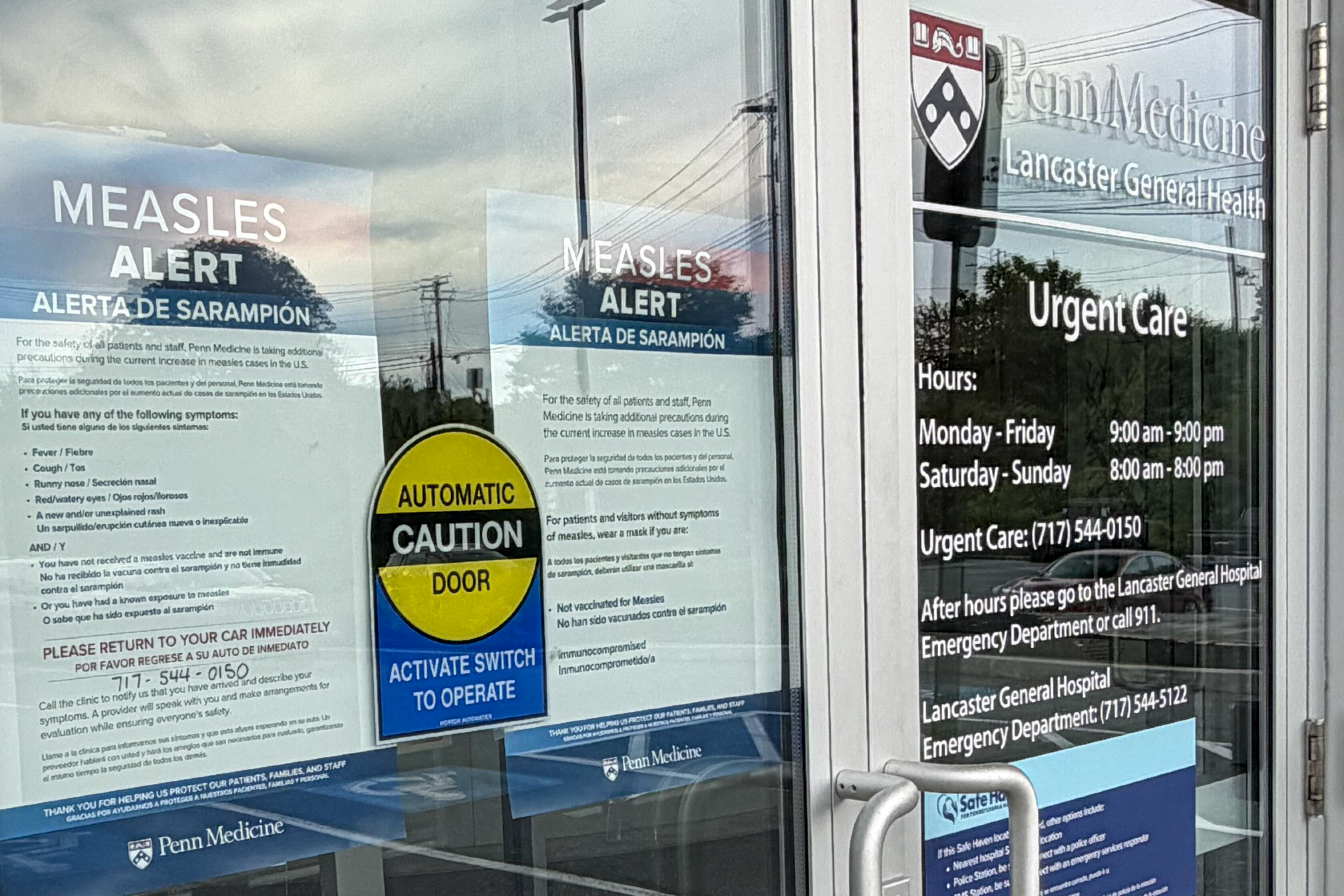
An alert about measles is posted in the window of a medical clinic in Lancaster.Gillian McGoldrick / Staff
Lancaster County’s coroner, Stephen Diamantoni, added confusion last week when he contradicted the state’s account.
Diamantoni, a physician and elected Republican, said his office was investigating one death involving a newborn and said postmortem testing showed the infant had a measles infection acquired before birth. But he said he did not believe measles contributed tothe child’s death.
The child died shortly after birth of a lacerated spleen with trauma to the torso, Diamantoni said. He did not know what caused the lacerated spleen or trauma.
He later said measles was noted on the infant’s death certificate as a significant condition “contributing to death but not resulting in the underlying cause,” because the baby tested positive for measles.
On Friday, he said a 6-week-old Amish infant who was being treated for a deadly genetic disorder had died of measles in mid-August. He said he did not know if the case was the second measles-related death Pennsylvania reported, saying that he reported the death to the CDC on Friday.
Pennsylvania’s health department said it was aware of the information the coroner reported Friday and had “no new measles-associated deaths to report at this time.”
Shapiro reshared a news article about the death on X. In his post, he blamed Kennedy for creating “a firestorm of conspiracy theories that denied these families’ pain, invaded their privacy, and undermined public health.”
“It’s long past time for RFK to stop playing games with people’s lives, report these deaths accurately on the CDC dashboard, and heed the guidance of actual medical experts so people get accurate information to discuss with their trusted healthcare providers and can best protect themselves and their children against this deadly disease,” he wrote.
Kennedy fired back, highlighting the Lancaster coroner’s disclosures, in another X post later on Friday: “The facts emerging now demonstrate why CDC waited for the evidence rather than allowing political grandstanding to dictate its reporting.”
Politicizing public health
Fixating on whether a patient died “because of” or “with” measles inevitably politicizes the issue and does not benefit people’s health, Jake Scott, a clinical associate professor of infectious diseases at Stanford University, wrote in an opinion piece published online by the Center for Infectious Disease Research and Policy at the University of Minnesota.
Measles usually kills through the complications it causes, such as pneumonia, encephalitis, secondary bacterial infections, and pregnancy complications, he wrote.
“A death tally that can be altered by officials whom it embarrasses will not be trusted by anyone, including the officials who edited it,” Scott wrote.
Diamantoni, Lancaster’s coroner, told The Inquirer earlier this week he did not want “to be dragged into a political fray.”
“Our role in our office is not political in any way. We’re focused on determining the cause and manner of death, and using objective and scientific methods to do that,” he said. “We’ve worked hard to be sure that the information we’re providing is based on objective things.”
More than a week into the controversy, lawmakers continue to take political jabs.
“I am disgusted the Trump administration is putting Pennsylvania families at risk by spreading dangerous misinformation and politicizing these tragic deaths,” U.S. Rep. Brendan Boyle (D., Phila.) said in a statement.
Pennsylvania’s highest-ranking federal lawmakers — U.S. Sens. John Fetterman, a Democrat, and Dave McCormick, a Republican — did not respond to a request for comment Thursday about the state’s standoff with the CDC. McCormick voted to approve Schwartz as the new CDC director; Fetterman voted against.
U.S. Rep. Brian Fitzpatrick (R., Bucks), the only federal GOP lawmaker in the Philadelphia region, also did not respond to a request for comment. Neither did U.S. Rep. Lloyd Smucker, the Republican who represents Lancaster County and who blasted Shapiro last week for not providing more information about the measles-associated deaths.
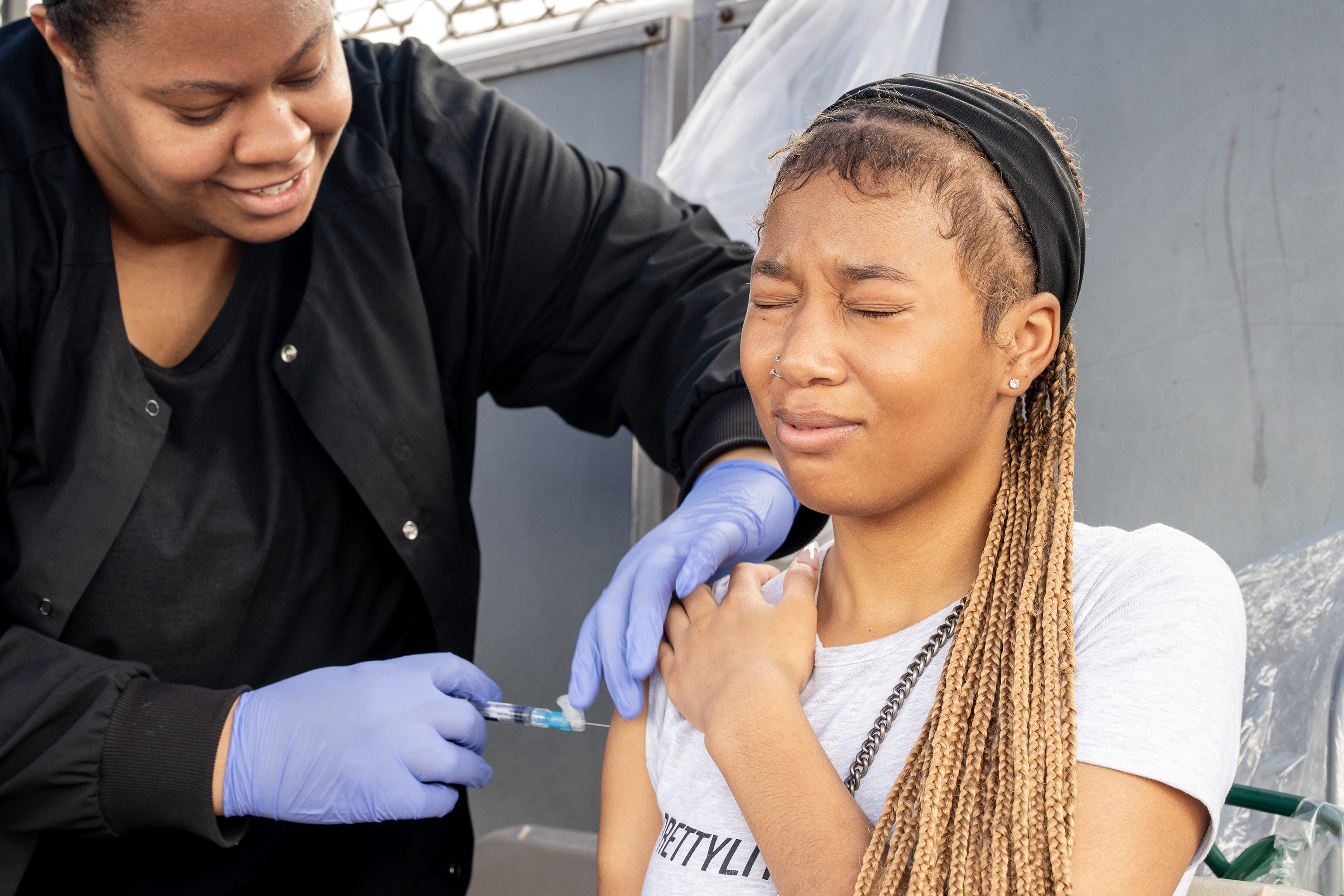
Cianey Brown, 16, receives an immunization last month during the School District of Philadelphia’s sixth annual Back-To-School Bus Tour stop at Marcus Foster Memorial Stadium. Tom Gralish / Staff Photographer
Measles outbreak continues
Public health leaders, doctors, and epidemiologists say that finding a path forward has become an increasingly partisan issue at a time of rising vaccine hesitancy.
Medical experts will be tasked with trying to rebuild trust in health authorities in order to contain a rapidly spreading outbreak.
“How can any American citizen begin to make decisions about their health right now, in the milieu of misinformation and falsehoods we’ve created?” said Castrucci, de Beaumont’s CEO. “We have to get back to a point where at least the data can be trustworthy.
As of Friday, there have been 577 measles cases in Pennsylvania, including 115 reported within the last week, according to the state health department’s online measles dashboard.
Only South Carolina has reported more measles cases than Pennsylvania so far this year, according to the CDC’s measles webpage. There have been 3,134 cases nationally this year, the agency reported in its latest update Friday.
Pennsylvania’s measles-associated deaths remain an asterisk.
Inquirer staff writers Sam Janesch and Aubrey Whelan contributed to this article.
Philadelphia-area health systems are warning residents to beware of an online phishing scam that mimics MyChart, the secure online patient portal used by most leading health systems.
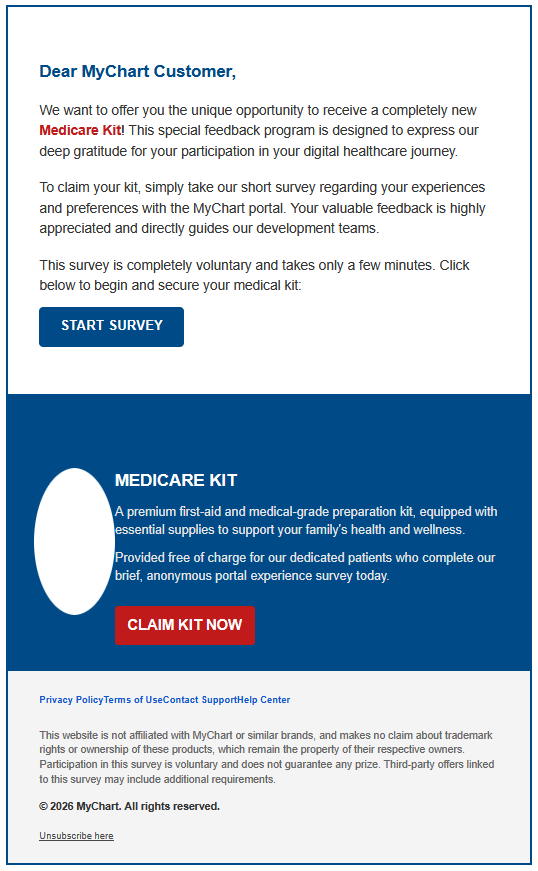
The scam involves emails and text messages that encourage people to claim a “MyChart Medicare Kit” by clicking on the embedded link to complete a survey. The resource kit is fictional, and clicking the malicious link could give hackers access to their MyChart portal, which stores identification information, including birth dates and addresses, and private health details, such as medications, medical conditions, and doctor conversations.
Penn Medicine, Jefferson Health, Temple Health, Main Line Health, and Virtua are among the local systems that have posted warnings on their websites and sent notices to patients urging them to not to share passwords or other personal information through email links.
Attorney General David Sunday has also urged people to “stay on the lookout for this new scam tactic.”
Phishing emails are becoming more sophisticated, as artificial intelligence does away with misspellings, grammatical errors, and graphics irregularities that were once telltale signs of a scam.
Phishing attacks have grown more than 40-fold since ChatGPT, an AI program that can draft emails and letters based on a prompt, was introduced in 2022, according to a 2026 trend report from HoxHunt, a cybersecurity risk management and training company.
Scams that relate to people’s healthcare or insurance can be especially dangerous because of the type of information they may expose and because of the urgency people may feel to respond to the message, said Tom Gordon, chief information officer at Virtua Health.
“The leverage with healthcare is you’re going to have a certain reaction,” Gordon said. “It drives an emotion, it affects people’s defenses.
A screenshot of a MyChart Medicare Kit phishing email shows one of the ways scammers attempt to obtain personal information.Sarah Gantz / Philadelphia Inquirer
Philadelphia hospitals take action
Philadelphia-area health systems work together to track scams and alert patients, said Lou Dignam, Virtua’s vice president of cybersecurity.
Virtua is part of Health Information Sharing and Analysis Center, known as Health-ISAC, a nonprofit membership organization for hospitals, insurers, pharmaceutical companies, and other health security professionals across the country to share real-time threats and best practices.
When Digman and Gordon heard about the MyChart Medicare scam, they turned to their group chat with security officers at Penn, Jefferson, Cooper, Inspira, Main Line Health, and others. They talked about what to do, even coordinating what to write in online notices and emails to patients.
“People may look at these organizations as competitors, but on this type of thing, it’s very collaborative and unified,” Gordon said.
Cohesive communication across health systems is especially valuable in the Philadelphia area, where a high concentration of providers means patients may see doctors at multiple systems, he said.
Their main message: Always be curious and cautious.
How to avoid phishing scams
Cybersecurity experts say vigilance is the best protection against phishing scams.
“Scammers are always looking for new ways to obtain as much of your personal information as possible,” Attorney General Sunday said in a statement.
Sunday and Gordon offered consumers some tips:
Be skeptical of unsolicited free offers and rewards.
Hover over email addresses and links, which can be disguised to appear to be from a trusted sender.
Avoid clicking links in emails and text messages. Instead, go directly to the website or mobile application.
Do not “unsubscribe” from emails that you suspect could be phishing attempts, as the “unsubscribe” link could also be malicious. Instead, delete the email.
Report phishing attempts sent to work email to your employer.
The two deaths reported by Pennsylvania — the first in the country this year — were not included because ”available information does not establish whether measles caused or contributed to the deaths or whether the individuals died from other causes while infected with measles,” the agency says in an update posted to the CDC’s website Sunday.
President Donald Trump’s head of the Department of Health and Human Services, Robert F. Kennedy Jr., has disputed what Democratic Gov. Josh Shapiro and state health officials have disclosed about the deaths.
Kennedy, a longtime anti-vaccine activist, wrote on X that the deaths may have been “fabricated” by the Shapiro administration, which has confirmed the deaths announced last Tuesday were “measles-associated.”
Pennsylvania “thoroughly reviews” all reported measles cases to ensure they meet CDC definitions and has provided “all required epidemiological data” on the measles-associated deaths to the CDC, state health department spokesperson Neil Ruhland said in a statement.
The state health department said it has death and medical records associated with the cases and the department’s investigation of them. The state does not disclose death certificates but does provide “de-identified” information to the CDC.
“DOH values its long-standing collaborative relationship with professional staff at the CDC and will continue to work with federal partners moving forward to address the ongoing measles outbreak,” Ruhland said.
The department declined to comment on “information the CDC may have obtained from third parties.” Kennedy said last week on social media the state was not providing requested information to the CDC.
“CDC has a responsibility to ensure its reporting accurately and transparently reflects what is known and what remains unconfirmed,” HHS press secretary Grace Davis Jamison said in a statement Monday, adding that Pennsylvania’s two announced measles-associated deaths “have not been confirmed based on the information currently available to CDC.”
Shapiro’s administration did not respond to a request for comment. He told reporters on Friday that “getting into a back-and-forth with people online who are spewing irresponsible conspiracy theories” does not “serve the public interest.”
Measles cases in Pennsylvania
The CDC publishes weekly updates tallying measles cases and deaths by state, tracking the spread of a highly contagious disease that was once considered eradicated in the United States due to widespread vaccination.
(function(){function e(){window.addEventListener(`message`,function(e){if(e.data[`datawrapper-height`]!==void 0){var t=document.querySelectorAll(`iframe`);for(var n in e.data[`datawrapper-height`])for(var r=0,i;i=t[r];r++)if(i.contentWindow===e.source){var a=e.data[`datawrapper-height`][n]+`px`;i.style.height=a}}})}e()})();
As of Thursday, 2,887 confirmed measles cases were reported by 47 states, with another 16 cases reported among international visitors, according to the CDC’s latest update.
As of Monday, Pennsylvania had reported 497 measles cases in 2026, with 87 hospitalizations, amid the state’s largest outbreak in three decades. Officials said they had recorded 100 new cases in just a week, and half of Pennsylvania’s counties have now reported at least one measles case this year.
About a third of the cases were diagnosed in children under 18. All were in unvaccinated residents. The disease is so contagious that it can infect nine in 10 unvaccinated people.
(function(){function e(){window.addEventListener(`message`,function(e){if(e.data[`datawrapper-height`]!==void 0){var t=document.querySelectorAll(`iframe`);for(var n in e.data[`datawrapper-height`])for(var r=0,i;i=t[r];r++)if(i.contentWindow===e.source){var a=e.data[`datawrapper-height`][n]+`px`;i.style.height=a}}})}e()})();
Pennsylvania health officials have said they define “measles-associated deaths” as deaths of people where evidence of measles is present, even when the highly contagious disease may not be assessed by the coroner as the immediate cause of death.
The state has not provided any additional information on the deaths beyond confirming both people were unvaccinated residents of Lancaster County, and one patient was a newborn.
Measles deaths are rare. Although most patients recover after mild illness, the virus can cause pneumonia and brain swelling and kills about one to three patients in 1,000.
Controversy around communications
Public health experts have said that, by not disclosing information like the victims’ ages, reasons for being unvaccinated, and causes of death, state officials created an information vacuum in which conspiracy theories could spread.
Officials said that state law prevents them from revealing more details about the deaths.
“There’s been a complete politicization of this event,” said Paul Offit, a Children’s Hospital of Philadelphia physician who heads the hospital’s Vaccine Education Center.
A longtime Kennedy critic, Offit said the state should have released more information on the deaths to prevent a “void” for conspiracy theorists to fill.
He’s also concerned that debate over the deaths will obscure efforts to address the growing outbreak centered in Lancaster County, which has some of the lowest kindergarten vaccination rates in the state.
“It’s August. This is only going to get worse. What can we do to prevent more children suffering and being hospitalized?” he said. “That’s really the question, and that’s not the question we’re asking.”
Democratic state lawmakers who are also medical professionals came to Shapiro’s defense on Monday, saying that the governor was right to announce the deaths and that it wasn’t surprising to see the ensuing public debate.
“Our governor had a responsibility to speak out. We’re glad that he did,” said State Sen. Maria Collett, a Montgomery County Democrat and registered nurse.
State Rep. Arvind Venkat, an Allegheny County Democrat and an emergency physician, said an immediate determination of death can be imprecise and require further evaluation. He urged the public to not “get distracted by this debate about the immediate versus underlying cause of death” when there is no doubt that the infant contracted measles in utero.
“I’ve had to fill out death certificates,” Venkat said. “It’s not a simple thing, and I’m not surprised that there is this controversy. But I think we’re losing the forest for the trees.”
State Rep. Bridget Kosierowski, a Lackawanna County Democrat and nurse, said advocating for vaccination to stop the spread of measles was personal.
On Monday morning, she was receiving treatment for breast cancer and considering the outsized impact measles would have on her and other patients if they weren’t vaccinated.
“It is really dangerous, and the outcomes can be catastrophic for people that are fighting cancer right now,” Kosierowski said.
What’s known about the measles death
Lancaster County’s coroner has said he handled one of the deaths, a newborn who died shortly after birth.
The coroner, Stephen Diamantoni, has said the child had a measles infection acquired before birth and died from a ruptured spleen, citing trauma to the torso. Diamantoni, a Republican elected official, said he was still investigating and that he does not believe measles was the cause of death. Measles can cause the spleen to become fragile, heightening the risk of rupture, Offit has noted, saying the coroner’s statements were also adding to the public confusion.
Diamantoni told The Inquirer last weekthat he had spoken with the CDC about his conclusions on the child’s death. He did not respond to an additional request for comment on the child’s death certificate on Monday.
Measles was listed on the baby’s death certificate, he told the Pittsburgh Tribune-Review, in a section of the certificate that reports other “conditions contributing to death but not resulting in the underlying cause.” Measles was included on the death certificate “to offer a broader view of the general health of the child,” he told the Pittsburgh paper.
The CDC’s latest measles update features an asterisk in lieu of a number for measles deaths in 2026, explaining that the agency is reviewing “additional information regarding the circumstances and causes of death.”
The agency updated the dashboard multiple times this weekend, and at one point had included the two deaths, the Washington Post reported.
“The information currently posted reflects the best available information and our commitment to transparency and telling the American people the truth — a foundational principle of the Trump Administration,” said Jamison, the HHS press secretary.
Lancaster Online reported late on Monday that Diamantoni said his office is investigating another death of a person infected with measles.
He would not provide details on the circumstances of the person’s death and said he was investigating “if measles has played any role.”
State health officials would not confirm whether the case Diamantoni is investigating is the second-measles associated death announced last week, Lancaster Online reported, adding that Diamantoni said his office “did not get information about the death from the state.”
A Lancaster family grieves
An Amish family in Lancaster County detailed in an article published Sunday in The Atlantic how their son had died shortly after birth earlier this month, after his mother was infected with measles.
The child had died on the same day as the newborn whose death was investigated by Diamantoni, who would not confirm the baby’s identity to The Atlantic.
The family has 13 surviving children, all of whom recently contracted measles. Only the father, identified by a pseudonym in The Atlantic, had been vaccinated against measles. Both parents said they did not have “strong feelings against vaccination.”
They had not known that their child’s death was potentially at the center of a national controversy and did not know who Shapiro or Kennedy were, they said.
They also hadn’t spoken to the coroner about the cause of their child’s death, but assumed that his mother’s illness had contributed.A midwife had told them measles was likely a factor in the boy’s death, they said in the report.
Still grieving the loss of their child, they said his death was “part of God’s plan,” the magazine reported.
The father confirmed to an Inquirer reporter that he had spoken to the Atlantic but declined to comment further.
Inquirer staff writers Sam Janesch and Michelle Baruchman contributed to this article. Editor’s note: This story has been updated with additional comment and developments.
The urgent care center, located at Nemours’ health facility at 101 Applied Bank Blvd. Suite 11 in Glen Mills will open daily beginning Sept. 16.
The facility is intended for patients with medical needs that do not require treatment in an emergency department, such as upper respiratory illnesses, rashes, abdominal pain, pink eye, sports injuries, burns and bites.
Nemours’ Glen Mills urgent care will offer basic laboratory and X-ray services.