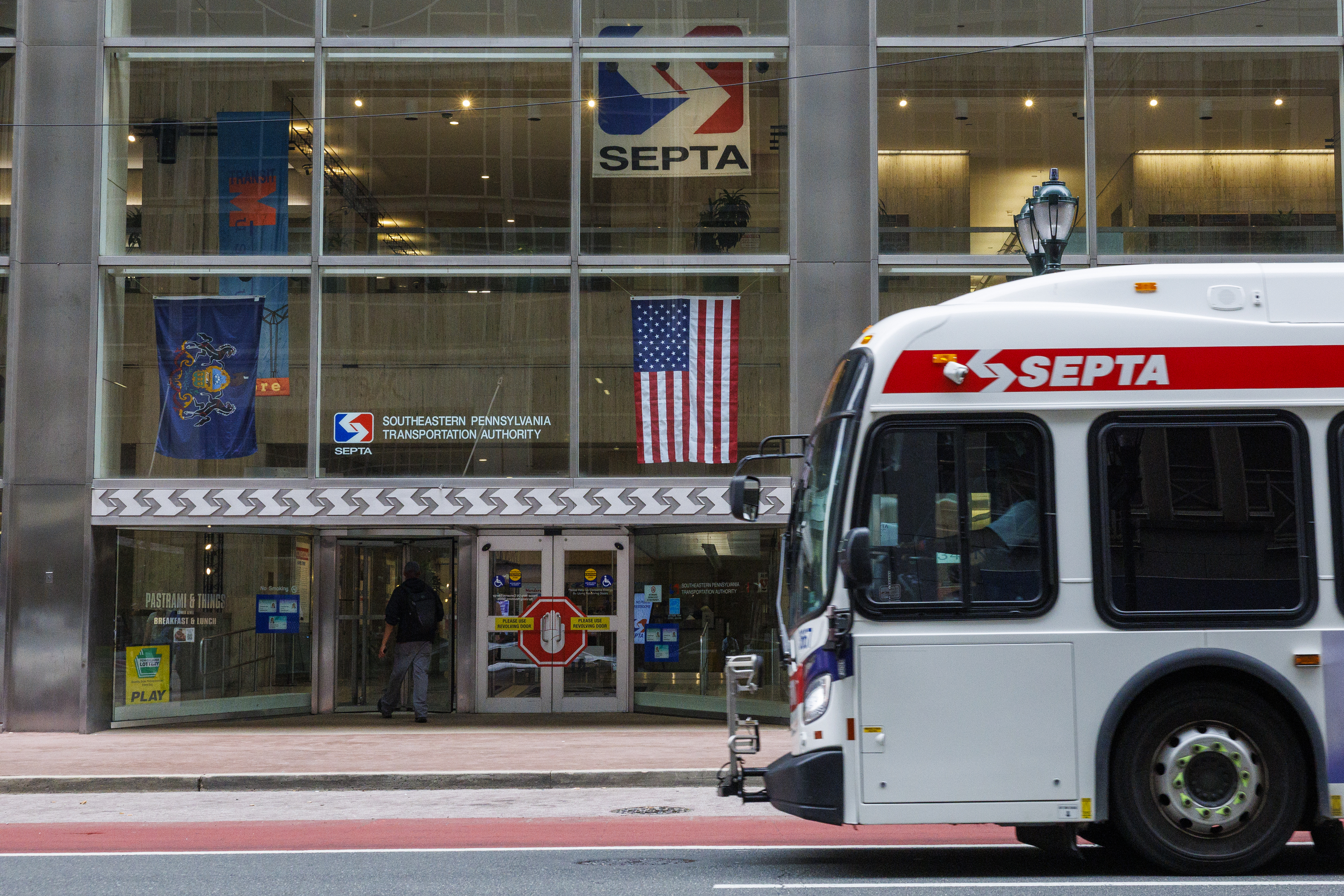
The revised outlook “reflects SEPTA’s better-than-expected financial performance” in fiscal 2026 that leaves it with enough liquidity to pay the bills while continuing to try to solve a structural budget gap, Moody’s said in an Aug. 28 statement.
“Our hope is that this external validation supports the message we want to send to our stakeholders in Harrisburg that SEPTA is a sound investment and that we are good stewards of taxpayer dollars,” assistant treasurer Michael Kendall said in an interview.
SEPTA managers pivoted to an increased focus on controlling costs, finding new revenue from advertising, parking, and real estate, and service improvements, Kendall said.
The transit agency says it has found about $30 million in annual savings, as well as increased income from advertising, parking, and real estate. Ridership remained steady and spiked during the summer’s World Cup games, celebrations of America’s 250th birthday, and the Major League Baseball All-Star Game.
Overall, SEPTA says its structural budget deficit dropped from $213 million a year to $192 million.
The credit rating for authority bonds remains good, as they are backed by reliable federal and state income streams, not passenger revenue, which can fluctuate.
SEPTA has a $501 million bond for asset improvement and a $42 million bond in the Public Transportation Assistance Fund. Moody’s gave both one of its highest ratings, Aa3. Moody’s also affirmed the A3 ratings on the authority’s $138 million in bonds issued against federal capital grants it has been awarded.
Still, Moody’s warned, “over the long-term, SEPTA’s sizable structural budget gap will be difficult to resolve without further financial support from the commonwealth or significant adjustments to operations.”
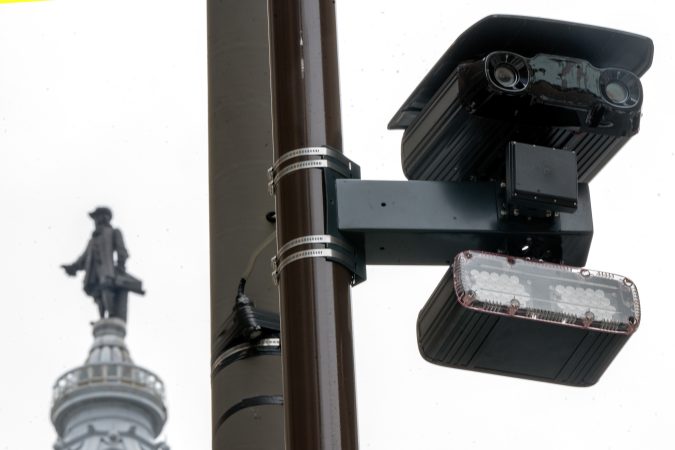
Broad Street, also designated State Route 611, has 31 speed cameras spread over 13 miles between Philadelphia’s northern and southern city limits. They began operating last September.
Since then, PPA has issued warnings or violations to nearly 800,000 speeders.
In October 2025, the Broad Street cameras issued 213,057 formal warnings to people who drove 11 or more miles per hour above the 25 mph limit.
Fines began the next month. In March, 70,498 fines were handed out based on speed-camera readings.
(function(){function e(){window.addEventListener(`message`,function(e){if(e.data[`datawrapper-height`]!==void 0){var t=document.querySelectorAll(`iframe`);for(var n in e.data[`datawrapper-height`])for(var r=0,i;i=t[r];r++)if(i.contentWindow===e.source){var a=e.data[`datawrapper-height`][n]+`px`;i.style.height=a}}})}e()})();
“Fewer people are speeding, and that means fewer people seriously injured or killed on Philadelphia roadways,” Gabe Roberts, interim executive director of the PPA, said in an interview.
“That’s the goal and it’s how we measure the program’s success. We feel very good about where it stands today,“ Roberts said.
Drivers who travel more than 11 mph over the posted speed limit will eventually be ticketed, with fines starting at $100 and rising to $150 for those driving more than 30 mph over.
(function() {
var l2 = function() {
new pym.Parent(‘speed-camera-map2’,
‘https://media.inquirer.com/storage/inquirer/projects/innovation/arcgis_iframe/speed-camera-map2.html’);
};
if (typeof(pym) === ‘undefined’) {
var h = document.getElementsByTagName(‘head’)[0],
s = document.createElement(‘script’);
s.type = ‘text/javascript’;
s.src = ‘https://pym.nprapps.org/pym.v1.min.js’;
s.onload = l2;
h.appendChild(s);
} else {
l2();
}
})();
When speed cameras were placed on Broad Street, some suburban commuters had concerns they were being targeted. PPA’s numbers found 59% of speeders lived in Philadelphia zip codes.
Speeding has dropped 95% on the roadway, based on the declining number of violations issued since the first month cameras were operating there, PPA said.
The Route 13 corridor — identified by the city as a particularly dangerous stretch of road — spans Baltimore Avenue in West Philadelphia, Hunting Park Avenue in North Philadelphia, and Roosevelt Boulevard in the Northeast before leaving the city by way of Frankford Avenue.
The first set of cameras along Route 13, in the Northeast, began issuing warnings in June, and there are not enough data to report from the corridor, officials said.
PPA also operates cameras to enforce school-zone speed limits at five elementary schools in the city. Those were installed in the spring and by law had to be shut down in the summer when school was not in session. Roberts said that the school zones will be assessed more fully in next year’s annual report.
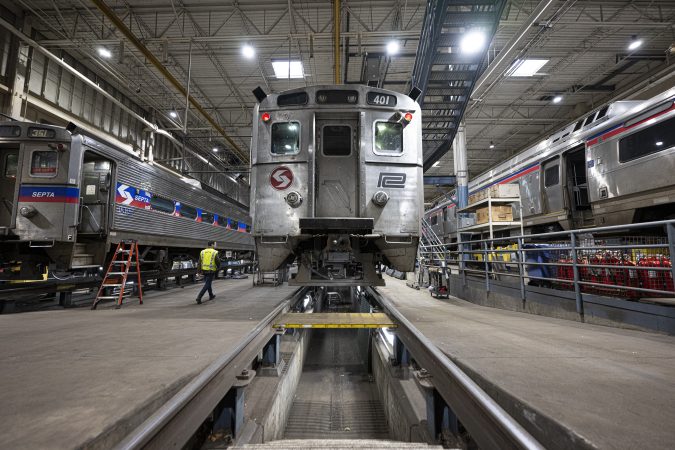
Silverliner IVs, the workhorse of SEPTA’s electric-powered Regional Rail fleet, were built between 1974 and 1976 — 10 presidents ago.
They were overdue for replacement, a process now underway.
U.S. Rep. Brendan Boyle, a Philadelphia Democrat, announced the award of the grant on Monday. U.S. Secretary of Transportation Sean Duffy is expected to speak about the grant at SEPTA’s Overbrook Maintenance Facility on Wednesday afternoon.
“The Silverliner IV cars have served our region for half a century, and this federal investment will help SEPTA move forward … with modern and accessible trains,” Boyle said in a statement.
The $13.3 million comes from the Rail Vehicle Replacement Grant Program, which was funded by the bipartisan infrastructure law of 2021.
SEPTA officials are reviewing bids from companies interested in building the new model, to be called the Silverliner VI, at an estimated cost of $2 billion.
The order will be for 234 new cars, which have motors and also carry passengers, spokesperson Andrew Busch said. A contract to build them could be awarded sometime this fall, he said.
The rest of the money has to be lined up. SEPTA officials say they intend to apply for a U.S. Department of Transportation loan program for part of the cost.
Transit agency rail cars are bespoke, built to each customer’s specifications. SEPTA has said it could take about seven years before the first cars begin arriving in Philadelphia.
Pulling the 50-year-old workhorses offline forced SEPTA to cancel thousands of Regional Rail trips, shorten train lengths, and sometimes bypass stations due to passenger overcrowding.
A second daily Amtrak passenger train between New York’s Penn Station and Pittsburgh will begin operating in mid-November, after an $80 million state investment in track and safety upgrades, the Pennsylvania Department of Transportationannounced Monday.
Bringing another Pennsylvaniantrain into service will double travel options for people traveling east-west between the state’s two largest cities; it also will provide more capacity for riders to and from New York.
The train currently has stops in Philadelphia, Harrisburg, Altoona, Johnstown, Latrobe, Greensburg, and Pittsburgh.
“The people of Western Pennsylvania have waited a long time for more passenger rail service and my administration has chased every opportunity to get this done,” Gov. Josh Shapiro said in a statement.
The Pennsylvaniantravels the Norfolk Southern-owned Pittsburgh Line, part of a main artery for freight moving between Chicago and metropolitan New York. The freight railroad has major terminals in Toledo, Cleveland, Pittsburgh, Harrisburg, and the Lehigh Valley.
Bus operators say they worry passengers frustrated over changed routes that take them by surprise and unexpected delays will yell at, curse, or assault them. It has been a persistent problem in recent years.
In some cases, riders accustomed to staying on one bus route will need to transfer to other buses or the subway and elevated trains. That increases the chances of missed connections and delays. And angry people.
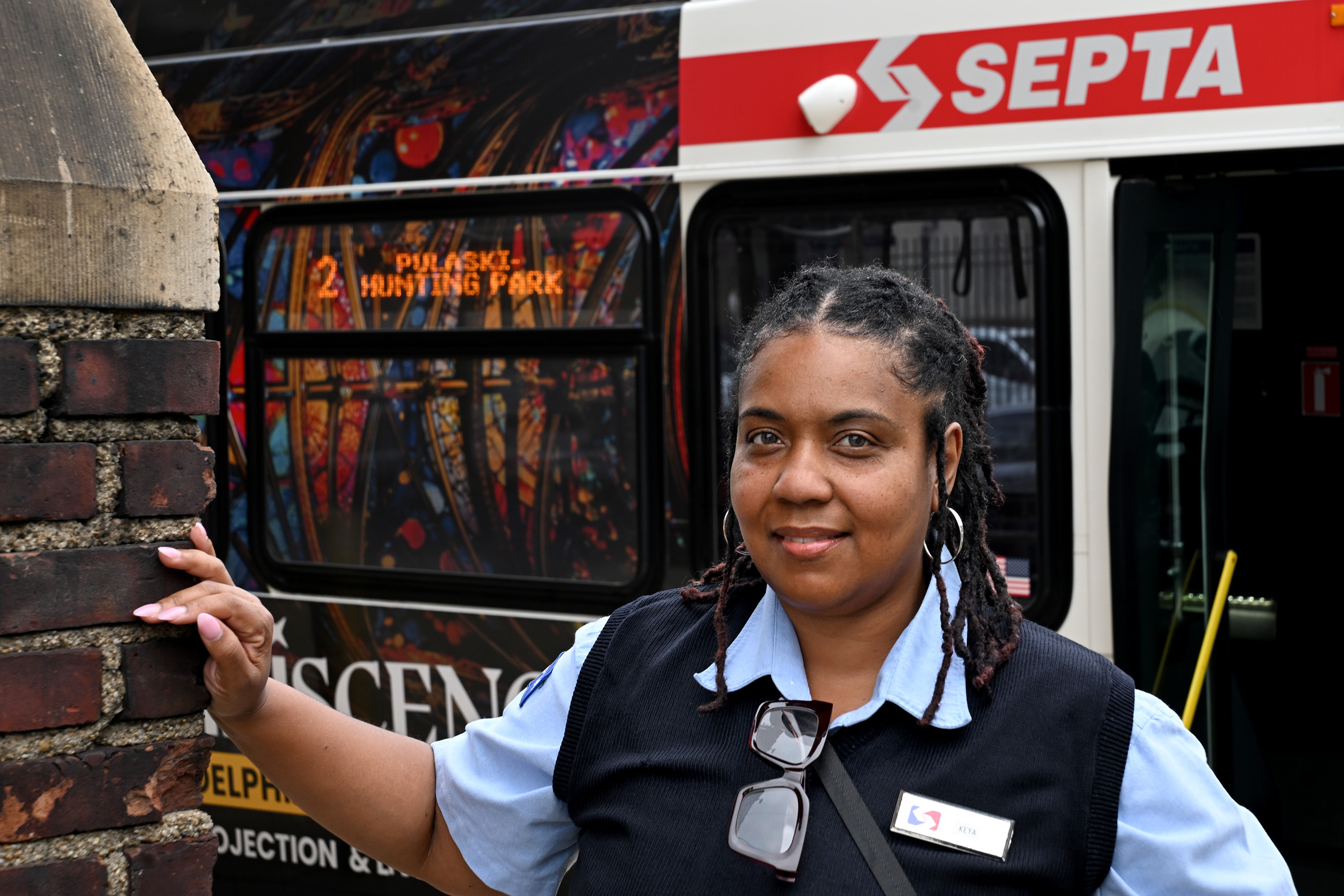
“You’re upset because you had counted on the bus,” said Keya Sampson, 52, a bus driver for 12 years. “You have to be at this appointment or you’ve got to punch in on time.”
She is sympathetic, even though delays are outside her control.
“We’re going to end up in a tricky situation because we’re the face of SEPTA,” Sampson said. “They don’t have anybody else to scream at, unfortunately.”
Vulnerable riders
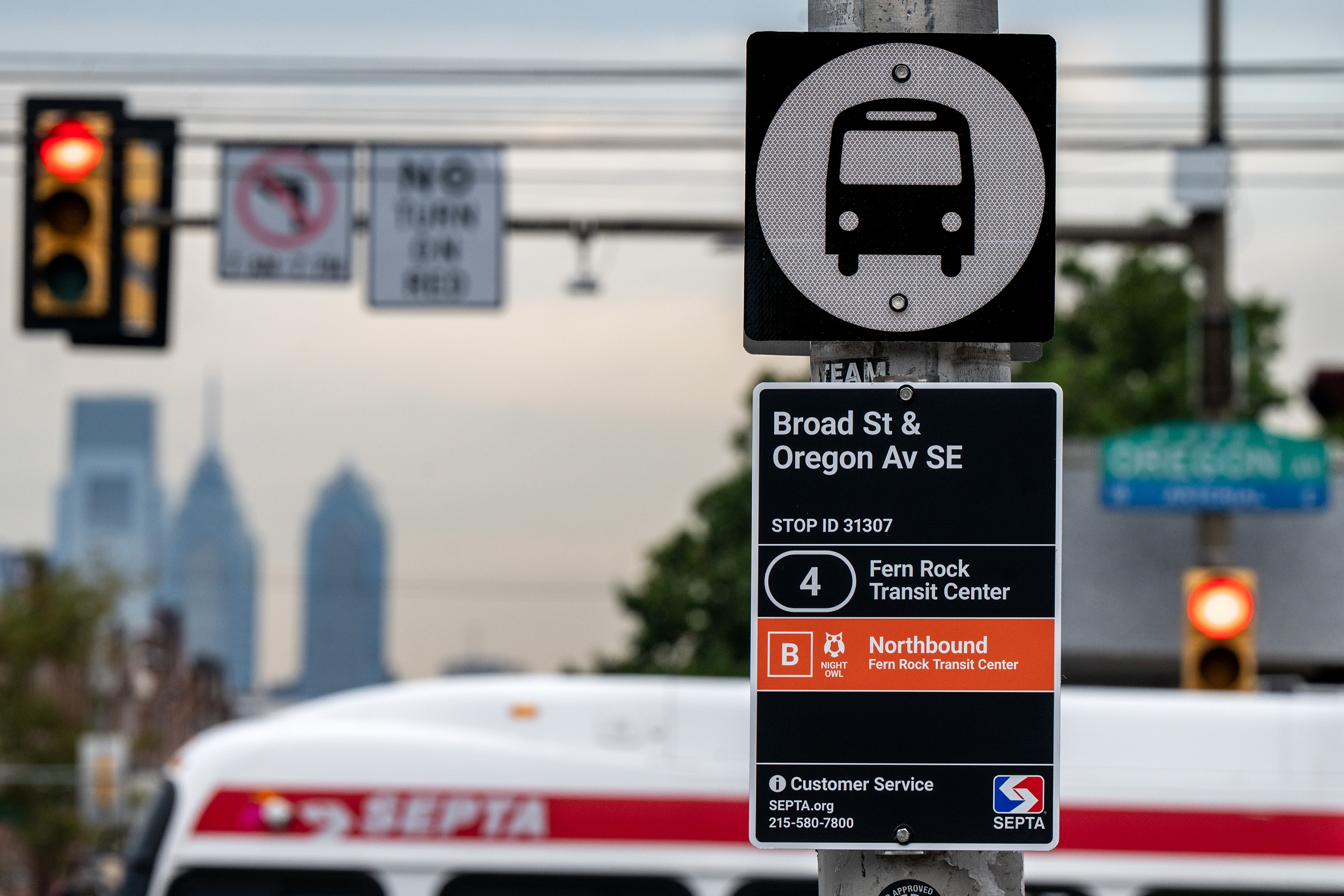
Carlos Guillen, who has worked for SEPTA for 19 years as an operator on buses and the Broad Street Line, noted that SEPTA advises Route 4 riders to take the B, SEPTA’s new name for the subway line,to avoid longer wait times.
“I can see how it can impact elderly and those with disabilities, especially moving down the sidewalk — they’re not the smoothest thoroughfares,” said Guillen, a safety officer for Transport Workers Union Local 234.
He noted a lack of ADA-accessible stations on the B north of City Hall.
Longer term, some bus operators are concerned about the possibility they could be replaced in the future by autonomous driving technology.
“Autonomously driven vehicles have no place in mass transit,” said Joe Coccio, secretary-treasurer of Local 234, which represents more than 5,000 SEPTA employees, including operators on buses, subways, and trolleys. “They’re flawed. They’re unpredictable.” He said they also can be hacked.
SEPTA says it has no plans to use robot bus operators and is hiring human ones as fast as it can. But a spokesperson also said the authority wants to keep its options open.
Most operators are anticipating some confused passengers at first, even though SEPTA has sent out teams to educate people about Phase 1 of the New Bus Network. Maps and cards illustrate the changes, translated into multiple languages.
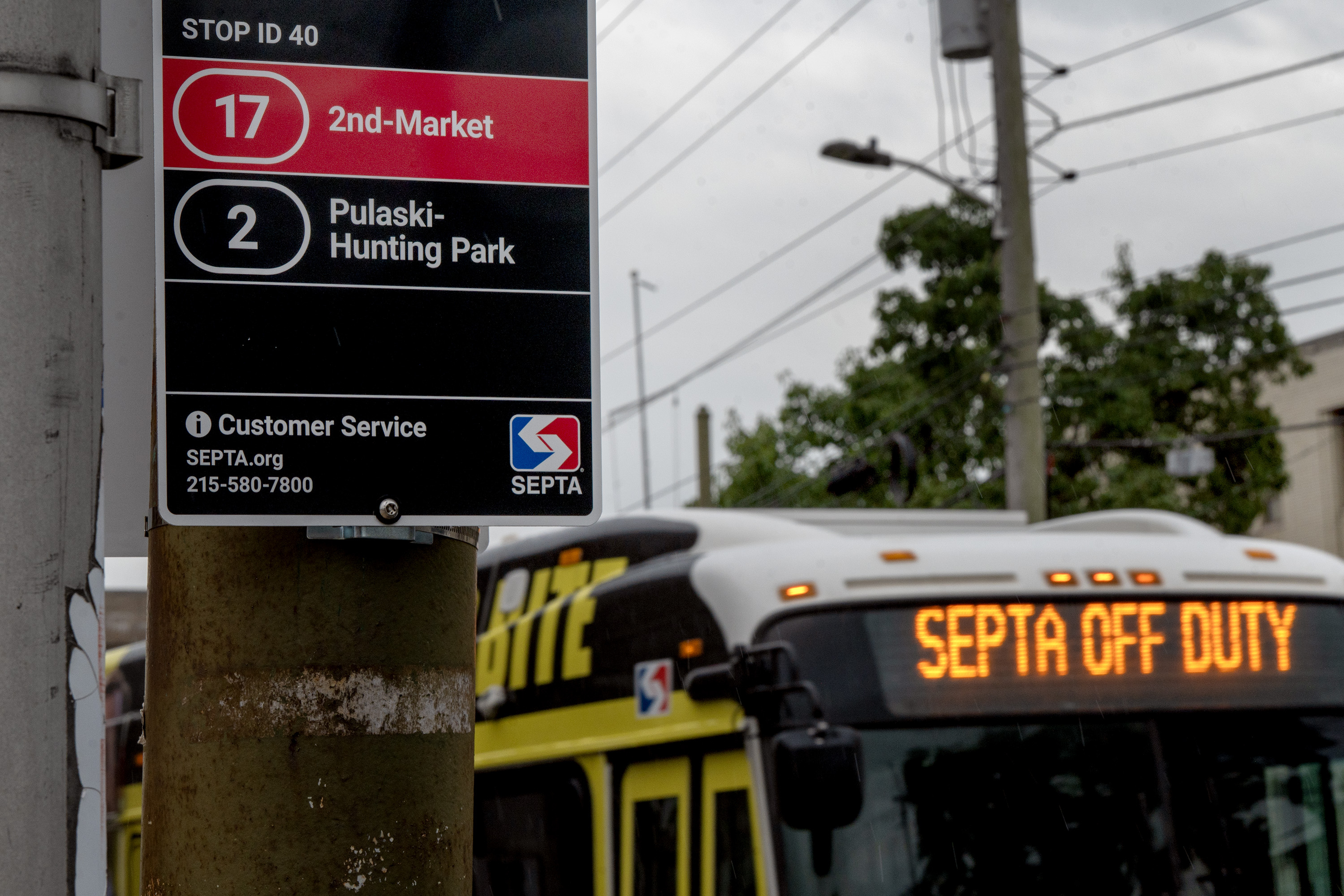
New color-coded signage is part of SEPTA’s plan to communicate changes to bus routes that begin on Sunday. Tom Gralish / Staff Photographer
Some people won’t get the message.
“People right now don’t even read our destination signs to see if it’s the right bus,” said Ryan Stewart, who operates a Route 35 bus from the Midvale depot in Nicetown.
In the first wave of changes, 30 bus routes will be affected.
Some routes with low ridership or that duplicate nearby service have beeneliminated. Othershave been extended. Some will run more frequently, others less frequently, based on analysis of demand. Two new routeshave been added.
The people who pilot the buses on Philadelphia’s narrow streets know that some small and overlooked issues could undercut the New Bus Network program’s goal of quicker, more efficient service.
Sampson, for instance, has been driving the 63 for the summer. She will be back behind the wheel on Route 4, her regular run for the last four years, this week — as the changes begin.
Route 4 will have fewer buses running. So SEPTA is deploying 60-foot articulated buses, which carry more passengers.
SEPTA had been using 40-foot buses on the route, which has narrow streets and hairpin turns, especially in its northern reaches, where there is a longstanding detour that will not end until summer 2027. Operators think the longer buses will have trouble navigating the route.
Operators have asked SEPTA to look at the issue. “If there’s nothing they can do, it’s going to be a nightmare,” Sampson said. “We’re going to get stuck.”
She knows well the hard turn from Erie onto Rising Sun, an angled intersection with a pub that often has a beer truck parked on the curb. Only one articulated bus at a time can fit down that little stretch of Old York Road. And the church at 10th and Rockland Streets that has packed funerals, with cars parked to the corners.
“How do you ask someone who’s grieving, ‘Hey, move your car’? … At the same time, we do need to make the turn, and it does need to be safe.”
Time will tell
Paul Pollard, a veteran bus operator on Route 61, said he spends precious minutes stuck in traffic on Main Street in Manayunk on his way north to Roxborough during morning peak hours, as parents drop students off at school.
But the schedule assumes his bus can sail through.
“I’ve had people get off my bus, walk two or three blocks down, and go into their job,” Pollard, 49, said. “I’m still sitting in traffic.”
It is “virtually impossible” to meet the schedule safely, he said. The result: late buses and steamed customers.
Time will tell if worries become reality, but operators know that they will bear the brunt of any outrage.
“There’s nobody at SEPTA headquarters getting somebody throwing coffee on them, or spitting on them,” Pollard said.
SEPTA is eliminating seven bus routes, debuting two new ones, and adjusting more Sunday as the first phase of a bus network redesign gets underway.
In all, riders will find changes to 30 routes, including more frequent service on those with high ridership, and buses coming less often on some lower-performing routes.
Highlights include:
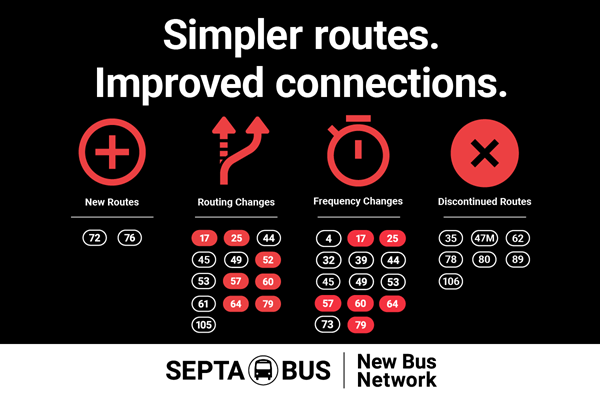
Routes 35, 47M, 62, 78, 80, 89, and 106 will disappear. SEPTA says they are less used or have nearby alternatives for passengers.
The new Route 72 will connect Frankford Transportation Center and Cedarbrook Plaza, running mostly along Cheltenham Avenue.
Route 76, the second new route, will travel between South Philadelphia’s Columbus Commons shopping center, anchored by Ikea and Lowe’s, and the intersection of Rising Sun and Olney Avenues.
SEPTA is using this graphic to summarize bus-route changes at a glance for the first phase of the redesigned system.SEPTA
SEPTA launched its bus system redesign efforts in earnest after ridership declined 13% from 2013 to 2019, a drop attributed to slow speeds, reliability problems, and competition from rideshare companies. And that was before the COVID-19 pandemic.
Originally called Bus Revolution, SEPTA’s redesign was set to launch in 2025 but faced significant community pushback and coincided with the state funding crisis that halted many planned transit initiatives. It was officially shelved in November 2024.
Along with the additions and subtractions, there are a few route extensions:
Route 45 will extend southward to serve the Navy Yard, the first time in a decade that a bus will serve the development seven days a week. There will be nine stops inside the Navy Yard for the 45. Currently, the route ends at Broad Street and Oregon Avenue. Route 17 will no longer stop at the Navy Yard on weekends.
Route 79, which ended at Snyder Avenue in South Philly, will cross the Schuylkill, go through Grays Ferry and University City, and end at 40th and Market Streets, where there is a stop on the L train, SEPTA’s new name for the Market-Frankford Line.
Route 53 is to be extended both east and west, to connect the Carpenter Regional Rail station on the Chestnut Hill West Line and the Richmond-Westmoreland Loop, via Aramingo Avenue. The 53 will no longer serve the Broad Street-Hunting Park Station on the B subway.
SEPTA says it is redesigning the bus network to modernize an outdated route structure and enable more efficient travel.
“We function as a network,” said Brandon Miller, manager of planning programs at the transit agency.
The changes will require riders to transfer to other bus routes, as well as metro trains, more often than they do now. And discontinuing low-ridership routes while beefing up popular ones is a needed trade-off to strengthen the overall system, Miller said.
Additional rounds of changes are scheduled for February and June 2027, with a fourth round in the fall.
The first phase of SEPTA’s bus network overhaul begins Aug. 23, and Brandon Miller is mobilizing hundreds of employees for a final push to meet face-to-face with riders in the days leading up to the changes and during the first week after they take effect.
“It’s a blitz,” said Miller, manager of planning programs at SEPTA, describing discussions at “pop-ups” as an effective way to help people navigate the new network.
Unlike some transit agencies, SEPTA has not done a comprehensive redesign of its bus network in its 58-year history. The agency has publicly pushed to do so since 2021, but change was delayed by opposition, political wrangling, and, later, a two-year fiscal crisis.
Originally the “Bus Revolution” was supposed to happen all at once, but SEPTA ultimately decided to phase in changes to routes.
“I think there’s more willingness to accept the fact that … we need to make the bus network a little bit more efficient,” Nemiroff said. “We need to make the system more attractive for people.”
Some routes with low ridership or that duplicate nearby service will be eliminated. Others will be extended or run more frequently, and two new routes will be added.
What routes will change?
New and expanded routes: Route 72, a new crosstown bus running along Cheltenham Avenue, and the new Route 76 bus from Columbus Commons to Rising Sun and Olney. Route 45 will be extended to provide service to the Navy Yard, and Route 79 will be extended from South Philadelphia into University City.
Eliminated routes: 35, 47M, 62, 78, 80, 89, and 106.
Riders can call SEPTA customer service at 215-580-7800 or email specific questions to planning@septa.org.
I want to talk to someone in person.
Beginning Monday, street teams will conduct “pop-up” visits at key transit hubs at various times between 6 a.m. and 8 p.m.
Next week, visits will include South Broad Street and Snyder Avenue, Cedarbrook Plaza, Hunting Park Station for changes to Route 53, Spring Garden Station, and Willow Grove Mall.
Staff are also attending community events.
When will changes happen?
The majority of changes will take effect Sunday, Aug. 23, followed by the Route 105 extension and elimination of Route 106 on Monday, Aug. 24.
Phase 3 changes are planned to begin in June 2027.
Phase 4 changes are planned to begin in Fall 2027. Many details are still being worked out.
Why redesign the bus network?
SEPTA launched its bus redesign efforts in earnest after ridership declined 13% from 2013 to 2019, a drop attributed to slow speeds, reliability problems, and competition from ridesharing companies. And that was before the COVID-19 pandemic.
Bus ridership rebounded faster than it did on other transit services, but SEPTA’s thinking is that simplifying the network will make it easier to use, with more frequent service on fewer or shorter routes.
Will bus stops be changed?
Stops will disappear during the first phase on routes that are eliminated, but there will be no wholesale changes yet.
Having more stops per mile provides access to more people, but closely spaced stops can also slow buses and make them less reliable.
Early plans for Philadelphia’s bus network redesign aimed to “rebalance” stops by spacing them farther apart to improve speed. But the idea has been unpopular.
SEPTA may revisit the issue later.
More questions about the New Bus Network?
Email transportation reporter Thomas Fitzgerald at tfitzgerald@inquirer.com.
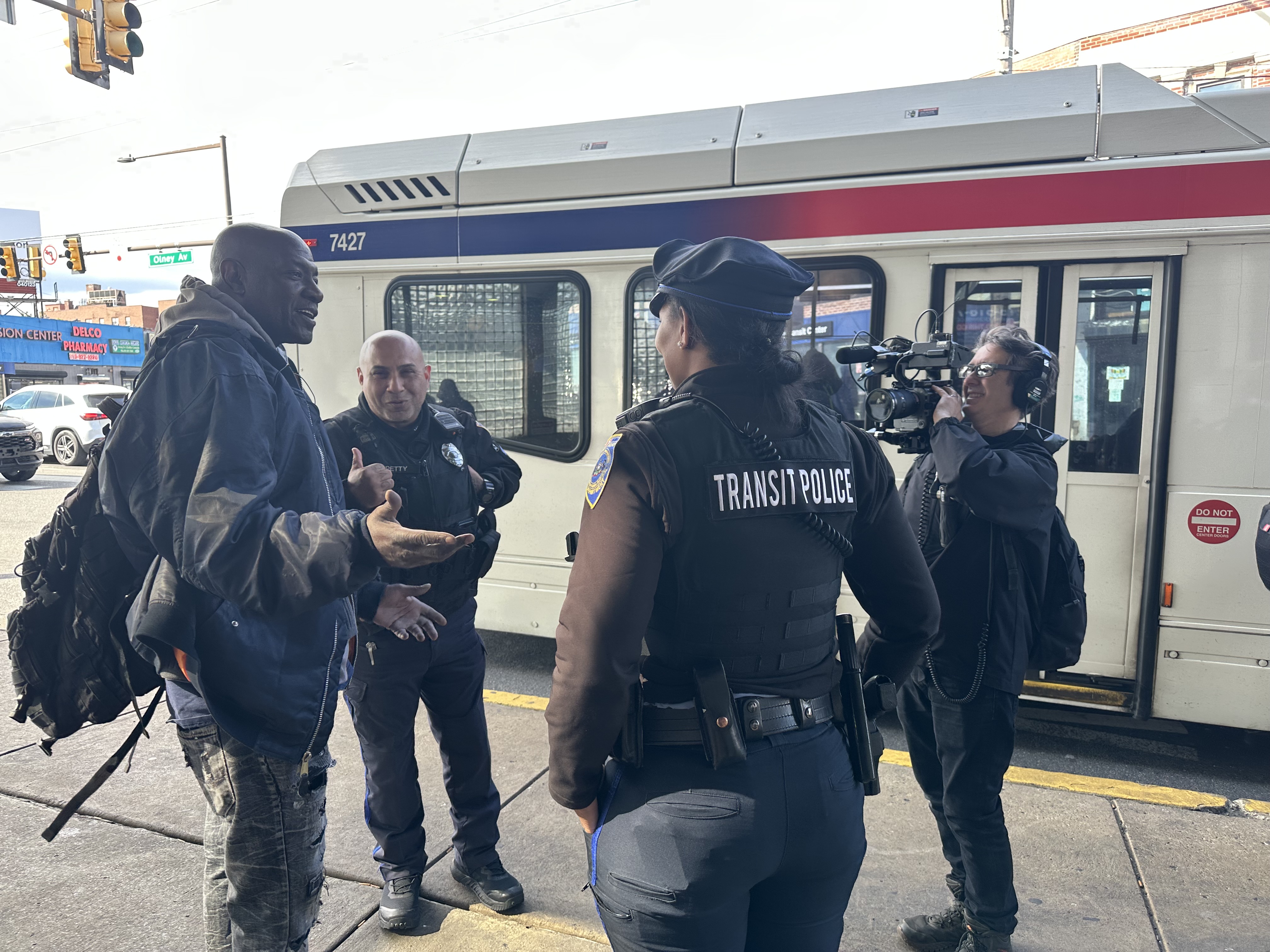
SEPTA said a production company is making a TV docuseries for A&E on the work of the transit police, shadowing officers in Philadelphia as they patrol trains, buses, and streets.
An email was sent to SEPTA employees last week explaining what’s behind filming they might see on the system.
The documentary will ”offer viewers a unique perspective of SEPTA law enforcement, allowing the audience to get to know some of the men and women of SEPTA’s 200-plus strong police force,” the internal message said.
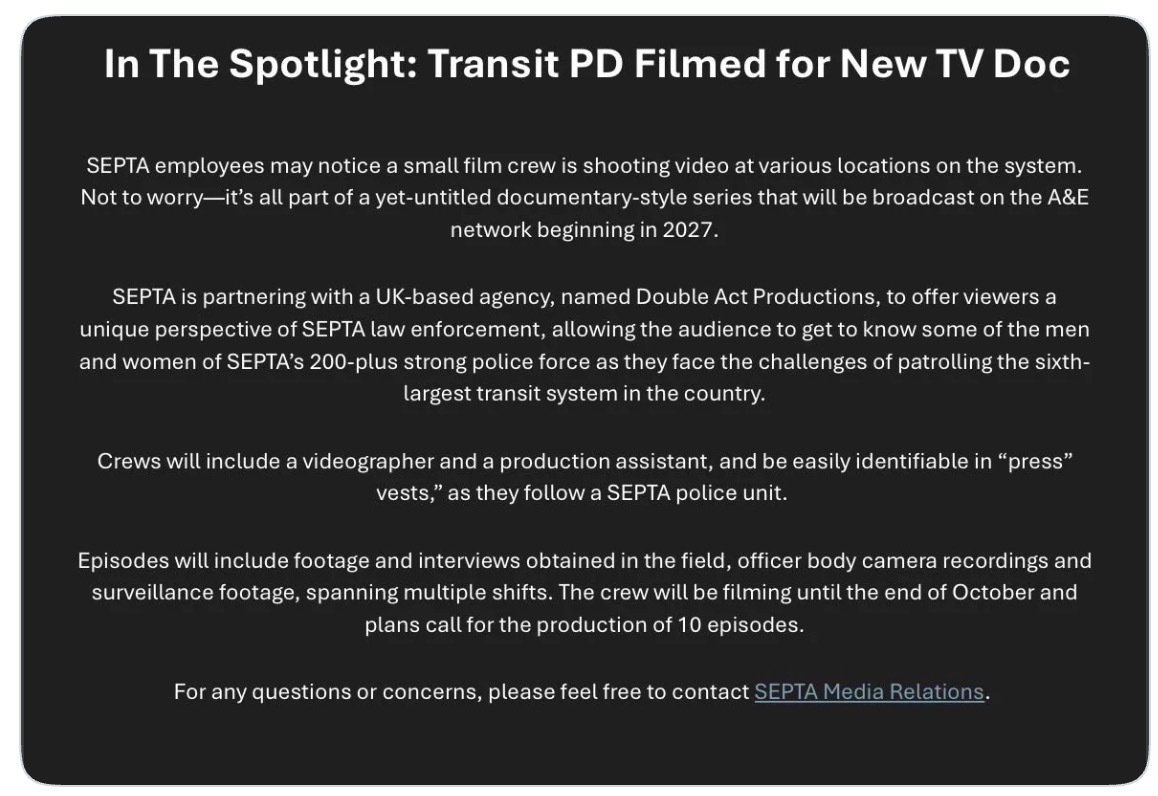
Screenshot of a post on X of an internal email sent to SEPTA employees about the A&E documentary.X.com
The production company has editorial control but has SEPTA’s permission to embed with police units. The transportation authority says it is not receiving any compensation from the production.
SEPTA senior press officer John Golden said the eventual series will not be so-called reality TV.
“There is nothing scripted about this,” he said, and the action as crews follow officers is not staged. It also is not focused only on arrests or confrontations.
Alastair Cook, cofounder and owner of Double Act Productions, emailed that he was traveling and not able to immediately discuss the show.
The company, headquartered in the Brixton district of London, has produced dozens of documentaries and fact-based dramas for outlets like A&E, the BBC, National Geographic, and Discovery+.
A representative for A&E Global Media did not respond to a request for comment.
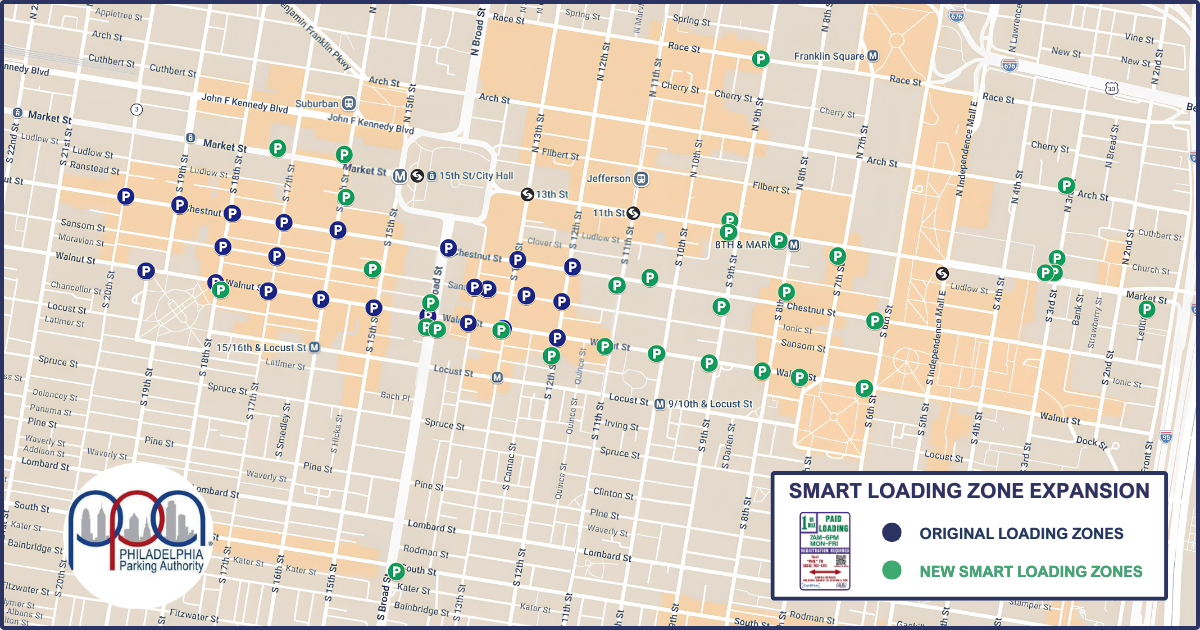
The Philadelphia Parking Authority is expanding tech-enforced smart loading zones in Center City beginning Monday, citing reduced curb congestion and faster travel on two corridors over the last 15 months.
Average traffic speeds are up 32% compared to historical averages on Chestnut Street and 28% on Walnut Street since the PPA installed the loading zones in May last year, according to a study by INRIX, the transportation analytics firm.
During the middle of the day, that means vehicles are moving at around 10 mph, on average, vs. 7 mph before.
High-res cameras track how long a delivery truck or a car stays in the zone, andsoftware calculates a 10-cent-per-minute fee. That is then charged to thedriver’s wallet on the CurbPass app. If needed, license plate pictures are used as evidence to issue $51 tickets for staying longer than the one-hour limit.
“Really, the goal is ensuring curb space is available for the folks who need it most … and improving traffic flow through some of the most congested parts of the city,” said Gabe Roberts, interim executive director of the PPA.
Turnover of vehicles is the key. It is a kind of EZ-Pass for curbs.
The Philadelphia Parking Authority is adding 30 new smart loading zones in Center City, for a total of 52. Officials say the first set improved traffic flow.Philadelphia Parking Authority
On Monday, the loading zones will begin operating on 30 blocks across Center City, PPA says. No tickets will be issued in the new spaces during a monthlong warning period.
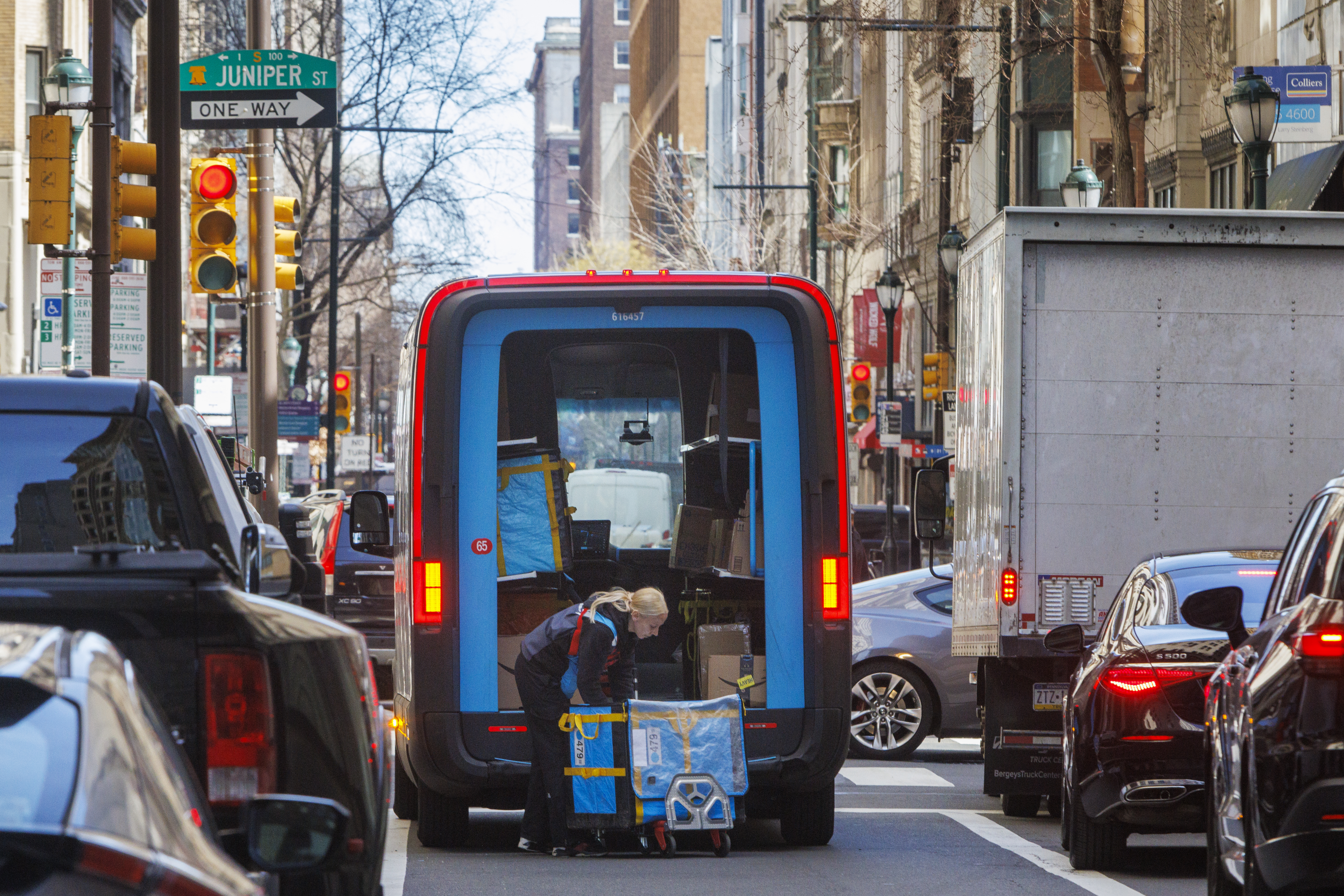
Darting delivery vehicles from DoorDash, Amazon, FedEx, UPS, and the like — along with Uber, Lyft, and regular drivers — have proliferated beyond the supply of curb space in Philadelphia and other cities in recent years, slowing through traffic to a crawl.
Philadelphia has had business and passenger loading zones for years, but they had been overflowing, forcing some delivery trucks to double park in the traffic lane.
Existing smart loading zones have effectively added curb space for 730 additional vehicles a day because vehicles are moving in and out instead of sitting for a long time, PPA says.
PPA says it has seen a 97% increase in commercial freight and delivery trucks using the loading zones, cutting down on double parking that blocks traffic.
The technology also captures plenty of vehicles double-parking in the zones, which are marked by purple, red, and white signs. That results ina $76 e-ticket.
“Enforcement is much more exact and consistent,” Roberts said. “It develops an expectation” that can change behavior, he said.
Indeed, PPA says about 78% of violators have received only one citation.
CurbPass accounts are not limited to commercial vehicles. Anybody can sign up, including rideshare drivers. The first three minutes are free, so a driver can pull in and create an account on the spot from a QR code before the toll starts.
Roberts stressed cameras only capture data necessary for enforcement and, in the case of loading zones, billing: license plate, time in, time out, and location.
“Our goal is to monitor the vehicle, not the person,” he said.
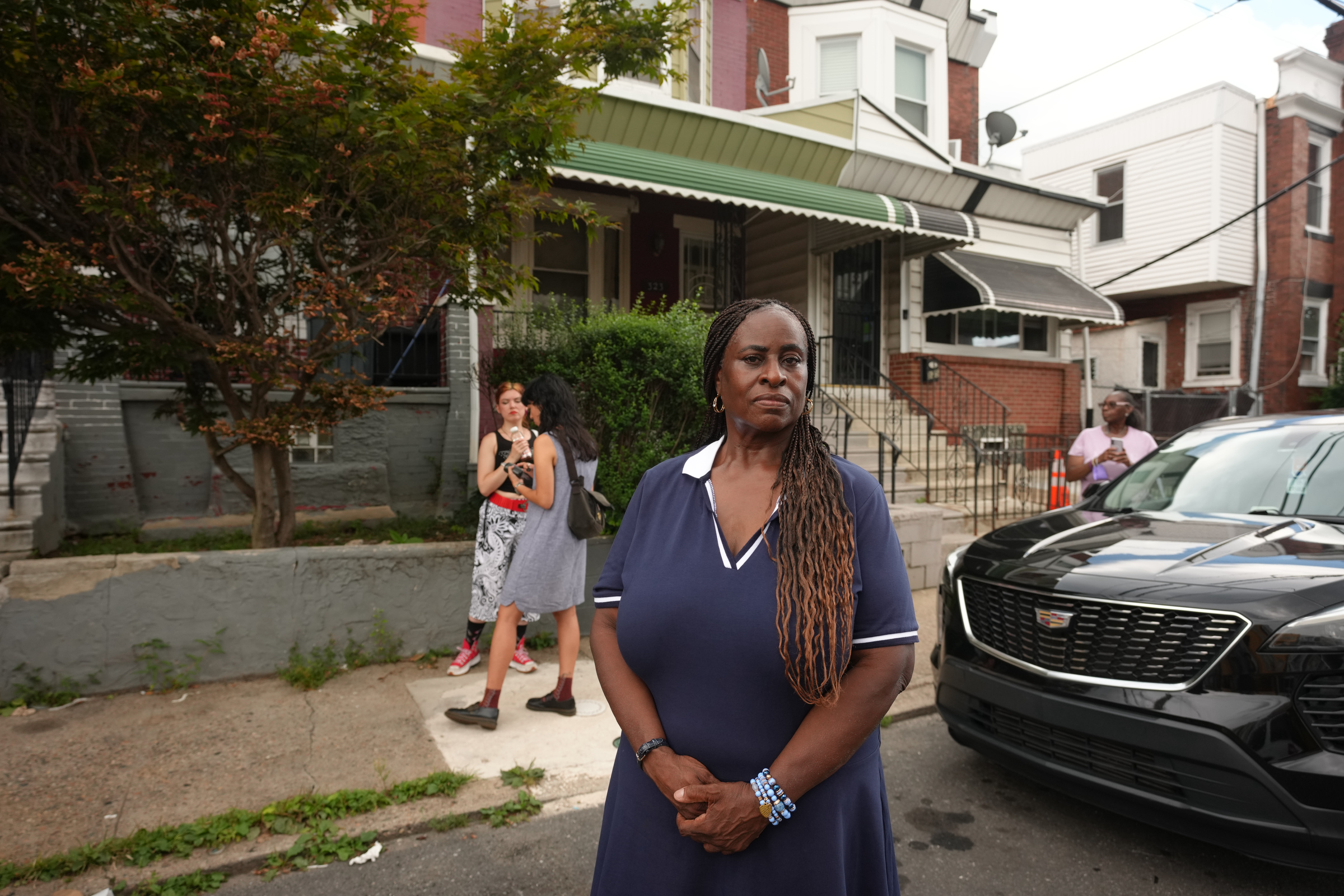
Angela McDonald caught her breath on the sidewalk at the intersection of South 58th and Delancey Streets in Cobbs Creek, a few feet from where her son, Mark Ringgold, was killed last year in a hit-and-run crash by a speeding driver in a Jeep Cherokee.
She wants someone to answer for her son’s death and for the city to install speed bumps on the streets and other road-design changes to slow drivers down. And surveillance cameras.
“This is what my purpose is now,“ McDonald said Friday, a year after the crash. ”I will fight until God calls me home.“
Ringgold, 33, was crossing Delancey Street after leaving a friend’s house shortly before 3 a.m., when he was hit and left in the street. The family calls it a blessing they were able to say goodbye to him in the hospital before he died.
Last year, 28 pedestrians were killed in hit-and-run crashes in Philadelphia, according to the city’s count.
“Don’t wait for it to come to your door before you do something. Nobody knows what’s coming. Make change now,” said McDonald, 62, a retired Philadelphia police officer.
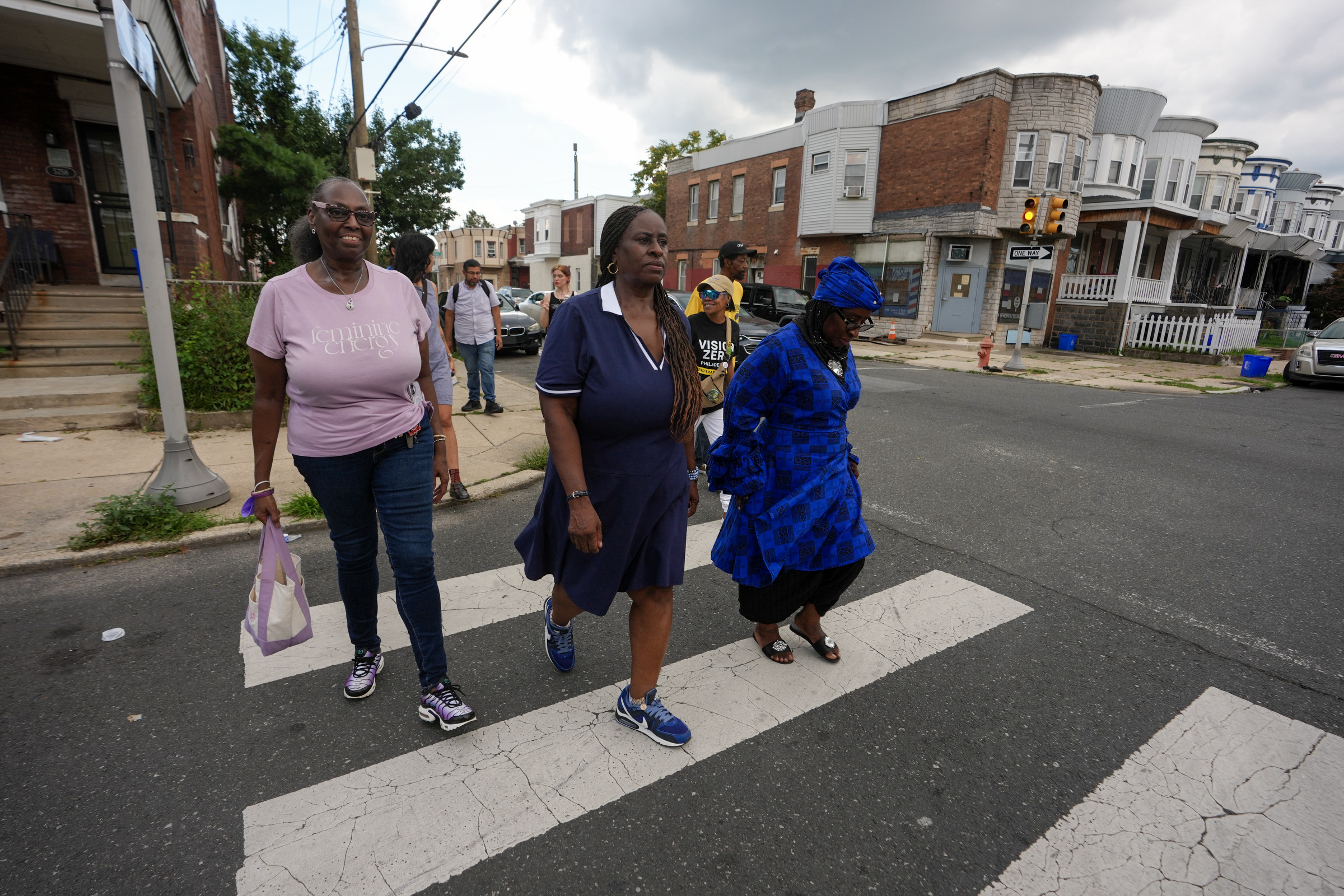
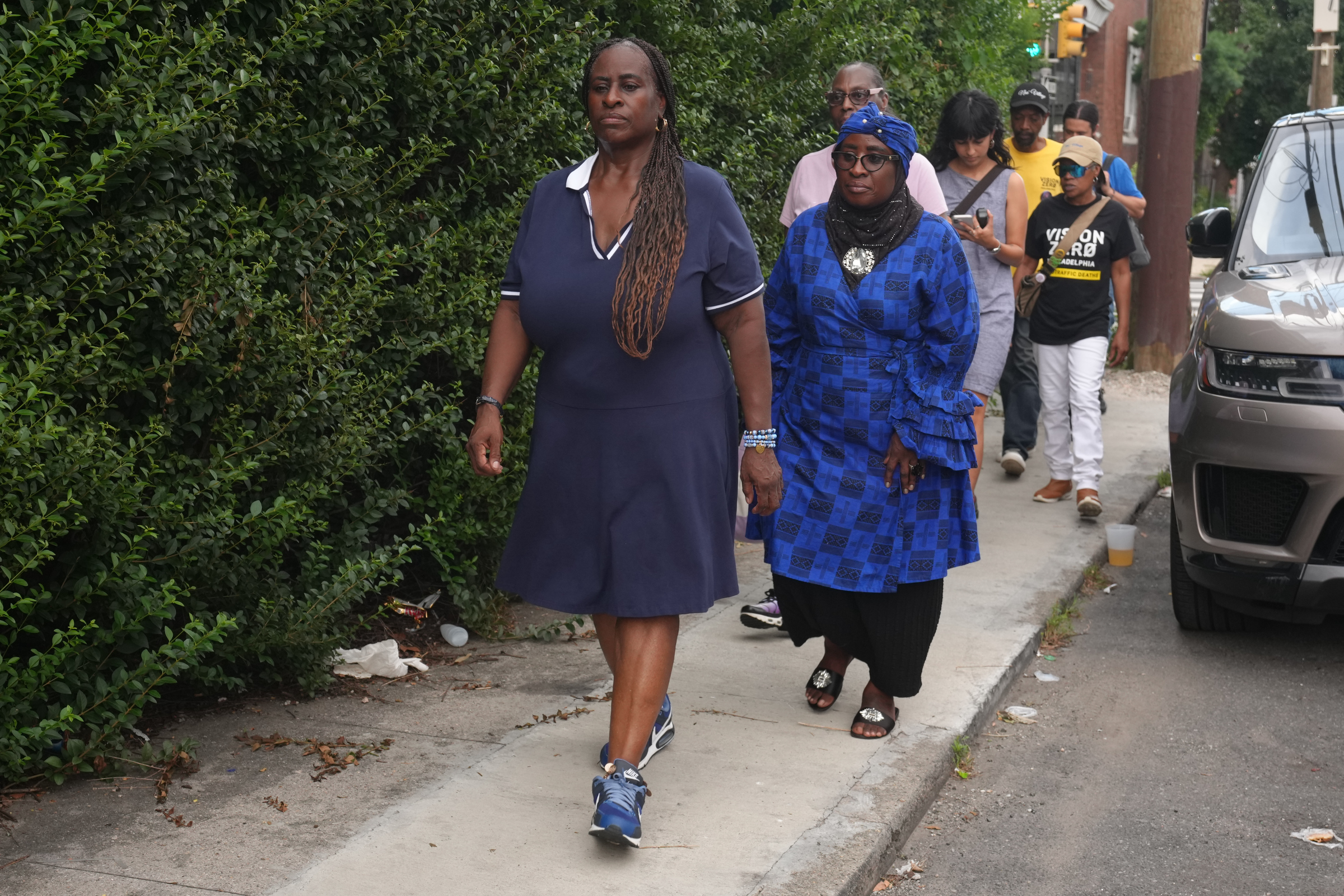
Angela McDonald and other traffic-safety advocates held a community walk in memory of her son Mark, who was killed by a hit-and-run driver. Jessica Griffin / Staff Photographer
A group of family, neighbors, and traffic safety advocates walked the streets Friday in heat brushing triple digits as thunderstorms rolled in.
Cobbs Creek Parkway, a state-designated highway not far away, is listed on the High Injury Network, one of the 12% of city roads where 80% of traffic crashes have occurred. Many of those streets are thoroughfares or state highways, like Broad Street (Route 611).
South 58th Street is not on the map, though there are speed bumps near a recreation center at South 58th and Spruce Streets.
And the city is working on a Neighborhood Slow Zone nearby, about five square blocks bounded by 52nd Street, 57th Street, Spruce Street, and Baltimore Avenue. The program imposes a 20 mph speed limit on residential streets and adds traffic-calming infrastructure such as speed cushions, narrower pedestrian crossings at intersections, and other elements.
“We have a lot of traffic violence on streets in regular Philadelphia gridded neighborhoods, not just on the High Injury Network or thoroughfares,” said Andrew Goodman, director of equitable development in the office of Councilmember Jamie Gauthier, who is working on getting some safety treatments for South 58th Street and Delancey Street.
“We get calls from people asking for speed bumps consistently,” Goodman said. “There are so many needs, so much demand. Driver behavior seems to be getting worse by the day.”
McDonald wants the neighborhood to get consideration. Speed-enforcement cameras are limited, with installations requiring specific authorization by the state legislature.
But she wonders about police surveillance cameras. If there is a hit-and-run crash, they might be able to capture the image of the driver. Police have recoveredthe car that hit her son, but there is no footage of the driver and there has been no arrest.
“As long as I have been traveling this road, since I was a young girl, 58thStreet has always been a racetrack,” McDonald said.
“Speed bumps aredefinitely going to slow people down, because if you don’t, you’re going to tear your car up,” she said. “You may flip yourself over.”
One year after a fatal hit-and-run took the life of Angela McDonald’s son, Mark, she and other traffic-safety advocates are pushing for traffic-calming improvements.Jessica Griffin / Staff Photographer