Author: Matt Breen

  • LeBron James first played in Philly as a teen and had no interest in seeing the Liberty Bell

    LeBron James first played in Philly as a teen and had no interest in seeing the Liberty Bell

    LeBron James met Donovan McNabb, ordered a cheesesteak in South Philly, and stayed at a hotel just a few blocks from City Hall when he visited Philadelphia for the first time. But James — then a high school senior — had no interest in trekking to the Liberty Bell.

    “LeBron was giving me a lot of flak about it,” said Jeremy Treatman, who organized the showcase at the Palestra in December 2002 that brought James to Philly. “I said, ‘I cannot in good faith let you come to Philadelphia and not go to Independence Hall and the Liberty Bell.’ I remember him saying, ‘I don’t want to see no damn bell.’”

    James returned to Philadelphia on Friday as an all-time great, signing a two-year contract with the Sixers that should cap his NBA career in the city he toured as a teenager. He arrived here in 2002 as a 17-year-old who just wanted to play basketball six months before turning pro.

    James was such a draw — Sports Illustrated labeled him “The Chosen One” earlier that year — that Treatman sold out the Palestra without advertising the game between James’ St. Vincent-St. Mary High of Akron, Ohio, and Philly’s Strawberry Mansion.

    James was an attraction like the Liberty Bell.

    “I had an office at 1420 Walnut St. and people were just coming off the street and coming up the elevator and buying tickets left and right,” said Treatman, who started organizing high school basketball games three years earlier. “It was great. Once or twice or three times in my lifetime, I could imagine a moment like that.”

    Treatman heard about James a year earlier and went to Akron to see him play. Treatman had been an assistant at Lower Merion when Kobe Bryant was a high schooler. He called Gregg Downer, the Lower Merion coach, and said he was watching another Bryant.

    “I said, ‘I think I just saw someone as good if not better than Kobe, and I can’t believe what I’m saying,’” Treatman said.

    He contacted St. Vincent-St. Mary with a proposal to host a series of games the next season. Treatman sent a fax to James’ coach with the plan: Madison Square Garden, Ohio State, University of Dayton, the Palestra, and the University of North Carolina.

    “He called the next day and said, ‘You can get us to play at the Palestra?’ I said, ‘Absolutely,’” Treatman said. “He called back three hours later and said, ‘I’ve always wanted to play at the Palestra. We’re in.’ I was like, ‘Holy s—. This is really happening.’ They all happened, except for Madison Square Garden. I chickened out on that one. They wanted $90,000, and I certainly didn’t have that money back then. But I should’ve borrowed it. I should’ve.”

    Chester, St. Joseph’s Prep, and Cardinal Dougherty would have given James’ squad a better game. But none of those teams had Maureece Rice, who was nearing Wilt Chamberlain’s Philadelphia high school scoring record. Treatman knew that Rice, who was nicknamed “The Score Lord,” playing James would be an event.

    The team from the Public League was happy to get picked to play James.

    “You have to understand something: We’re from the Strawberry Mansion section of North Philadelphia,” said Marc Starling, then a Mansion assistant. “That’s big time to be able to play someone so great in your city. We felt very honored. Now, I’m so glad he picked the Sixers. I’m an older guy, and I haven’t been this excited about a player coming to Philadelphia since the Sixers got Dr. J. You believe that?”

    The event included other games, as Kyle Lowry’s Dougherty squad and a Penn Charter team featuring future NFL quarterback Matt Ryan served as opening acts for James vs. Rice.

    “This place held 8,117, and somehow 9,000 people got in,” Treatman said. “I know I was at fault for letting at least 100 extra media people come in. I remember Howard Eskin was late, and I gave him a ticket. World Wide Wes [basketball power broker William Wesley] and Allen Iverson came late, and we got them in. There were no seats. There was this crazy aura to see this guy who people were hearing could be the greatest player of all time. So everyone wanted to see him.”
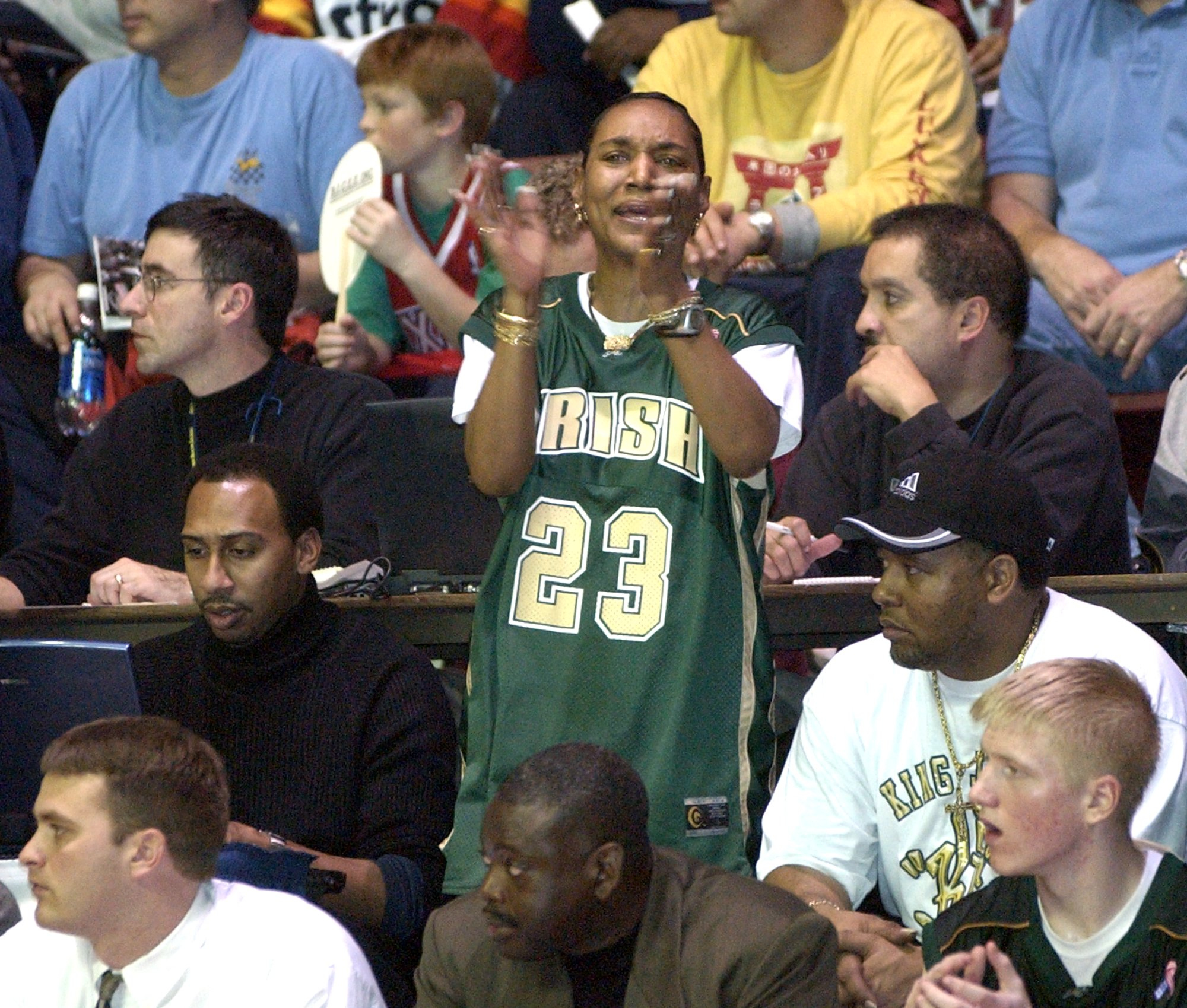
    LeBron James’ mother, Gloria, watches the 2002 game between St. Vincent-St. Mary and Strawberry Mansion at the Palestra.Peter Tobia / Staff Photographer

    The game was a 85-47 blowout, as Strawberry Mansion could not keep pace with James’ squad, which was the No. 1 team in the country with three Division I players.

    “The most important thing I remember about that game was just how humble they were and their sportsmanship,” Starling said. “They were a national team. We were a local team. The score showed the difference, but their attitude was great. They had a lot of respect for Maureece. It’s like it was yesterday. It’s a blessing to see LeBron’s growth from there to now.”

    The many fans were restless as James’ squad pulled away. Treatman remembered James’ mother starting to push back against the Philly fans. Finally, the crowd got what it wanted. With seven minutes left, James pointed to Rice and told everyone else to get out of the way.

    “They played one-on-one for about a four-minute stretch in a team basketball game,” Treatman said. “It was the most brilliant thing I’ve ever seen. LeBron was brilliant. He said, ‘This is what the fans came to see. The game’s out of hand. Let’s have some fun here.’ That was pretty remarkable. I remember saying, ‘LeBron is so smart. Like a marketing genius.’”
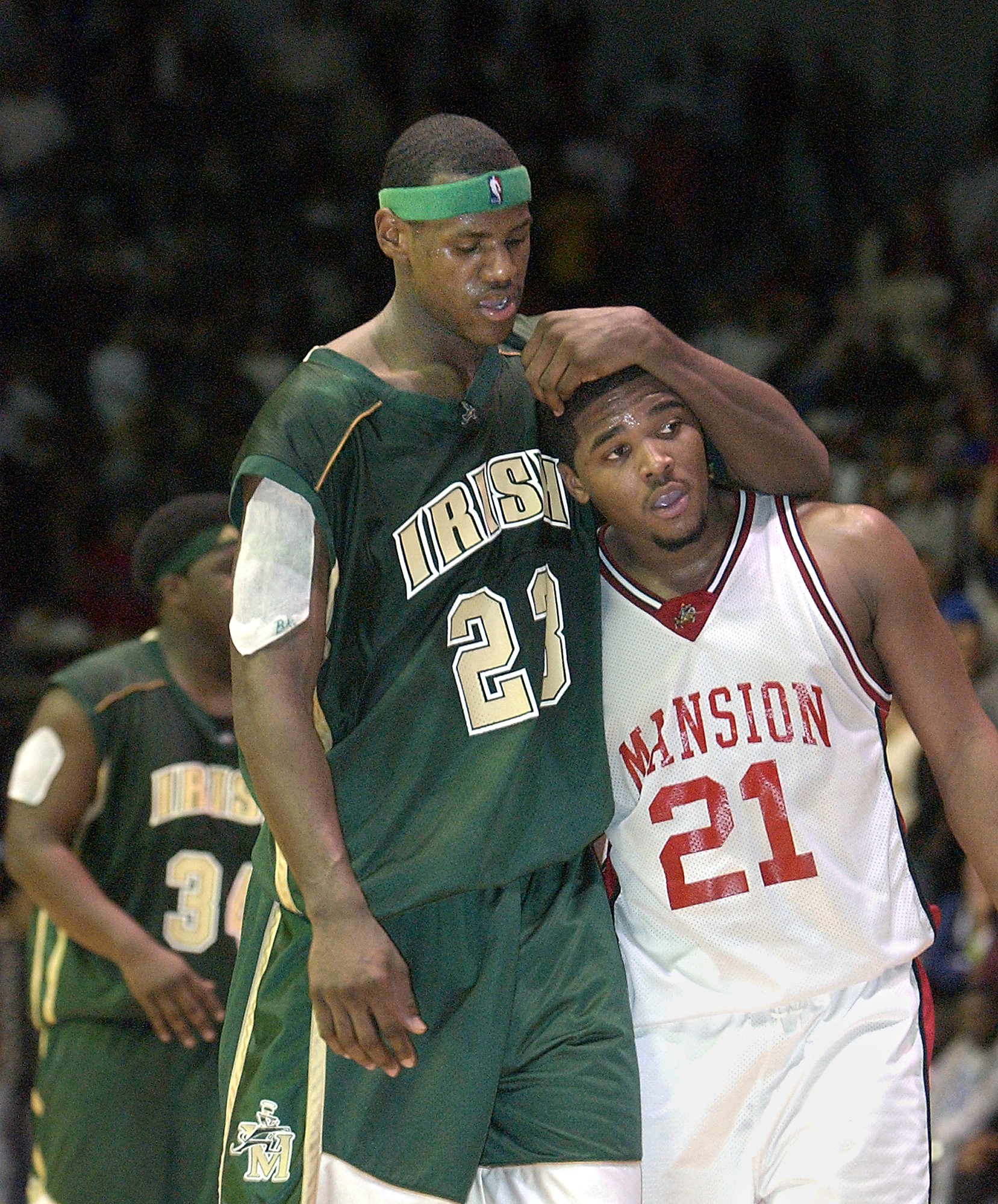
    LeBron James hugs Maureece Rice in the final minutes of their game at the Palestra in 2002. Peter Tobia

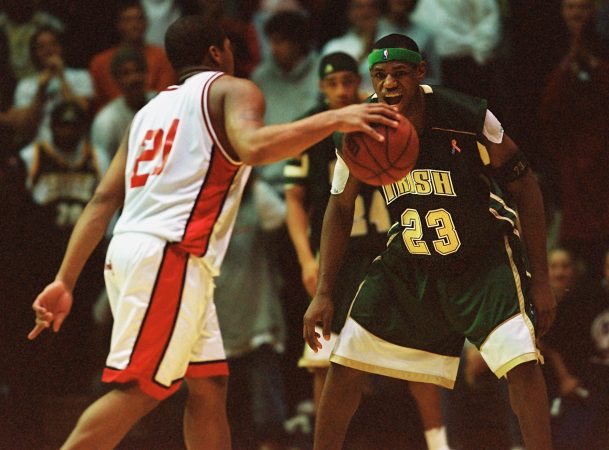
    James knocked down a three in front of Rice. And then Rice brought the ball down the court as the crowd stood. He hit a crossover dribble as James slipped on the court as if he was on skates. The crowd roared, and some fans came onto the court.

    “I had him set up, crossed one way, and he went the other way,” Rice said in 2011 before James played at the Palestra during the NBA lockout. “Next thing you know, he fell, and the crowd just went bananas. LeBron was the No. 1 player, and the things he does now, it’s something no one will forget.”

    Forget that Rice’s ensuing three-pointer didn’t even touch the rim and that James’ squad won by 38. The crossover — and the reaction of the crowd — became an iconic moment in Philly hoops.

    “It’s sort of like when Allen Iverson crossed over [Michael] Jordan as a rookie,” Starling said. “It was showing the world that Maureece Rice was very good, too. He was an exceptional basketball player. It was like being a father and seeing your son do something so great and show the world what you already knew he could do. That’s how I felt when I saw him make his move. I had been coaching him since the seventh grade and that was one of the proudest moments. He didn’t hit the shot, but he showed the world what he was about.”

    The game aired live on cable and James was interviewed afterward by Gregg Murphy, now a Phillies radio broadcaster.

    “The atmosphere was really great,” James told him. “All of these people came to watch these two teams play. It was great for the community and for our school, for Akron, Ohio. I like stuff like this. It was pretty fun.”
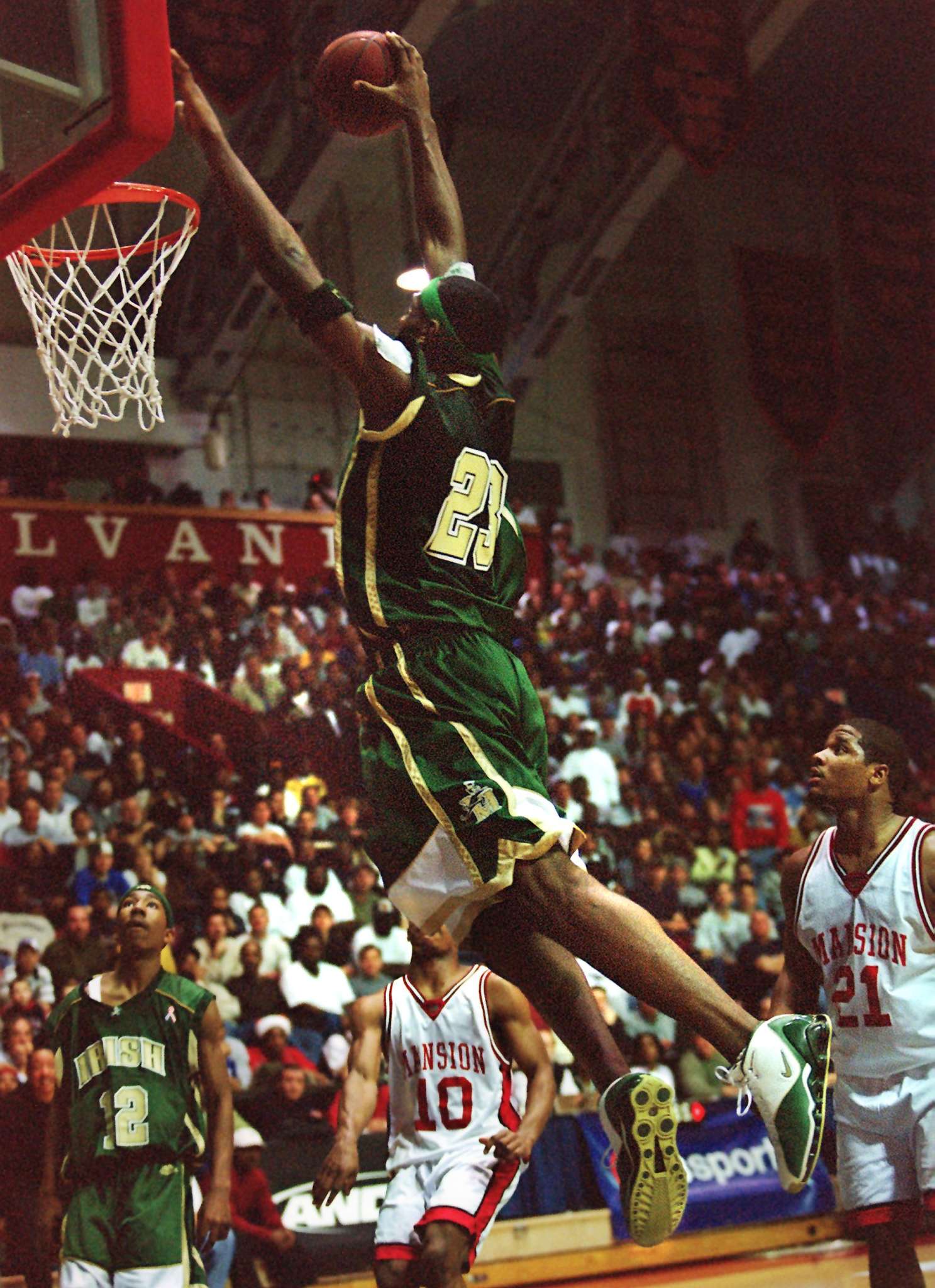
    NBA great LeBron James dunking at the Palestra as a high school standout from Akron, Ohio, in 2002.Jennifer Midberry / Staff Photographer

    James asked his coach to tell Treatman they weren’t going to the Liberty Bell. But the coach said he had to go. He wanted the trip to be more than just basketball. They met with McNabb and Andy Reid at the Eagles’ practice facility, ate cheesesteaks at Pat’s, and then went to Independence Hall.

    “The guide at Independence Hall started talking about the history of slaves and the history of Black people in Philadelphia,” Treatman said. “All of a sudden, LeBron and his teammates started asking question after question after question. They really enjoyed the education. That was my whole point. You’re coming to Philadelphia, and this is the birthplace of America. You have to learn what happened here.”

    Treatman dropped the team off at the airport the day after the game and said farewell to the kid who would become a great.

    “He came up and shook my hand and said, ‘Thanks for taking us to the Liberty Bell,’” Treatman said. “‘That was the most meaningful moment of the weekend for me.’ That was 24 years ago. It’s kind of incredible and surreal that it’s happening now. I hope it’s a great final chapter and he becomes the first guy to win a championship with four different teams.”
  • Kyle Kendrick feared the worst after his son was hit by a car. Now Kyle Jr. is back on the field and hitting homers.

    Kyle Kendrick feared the worst after his son was hit by a car. Now Kyle Jr. is back on the field and hitting homers.

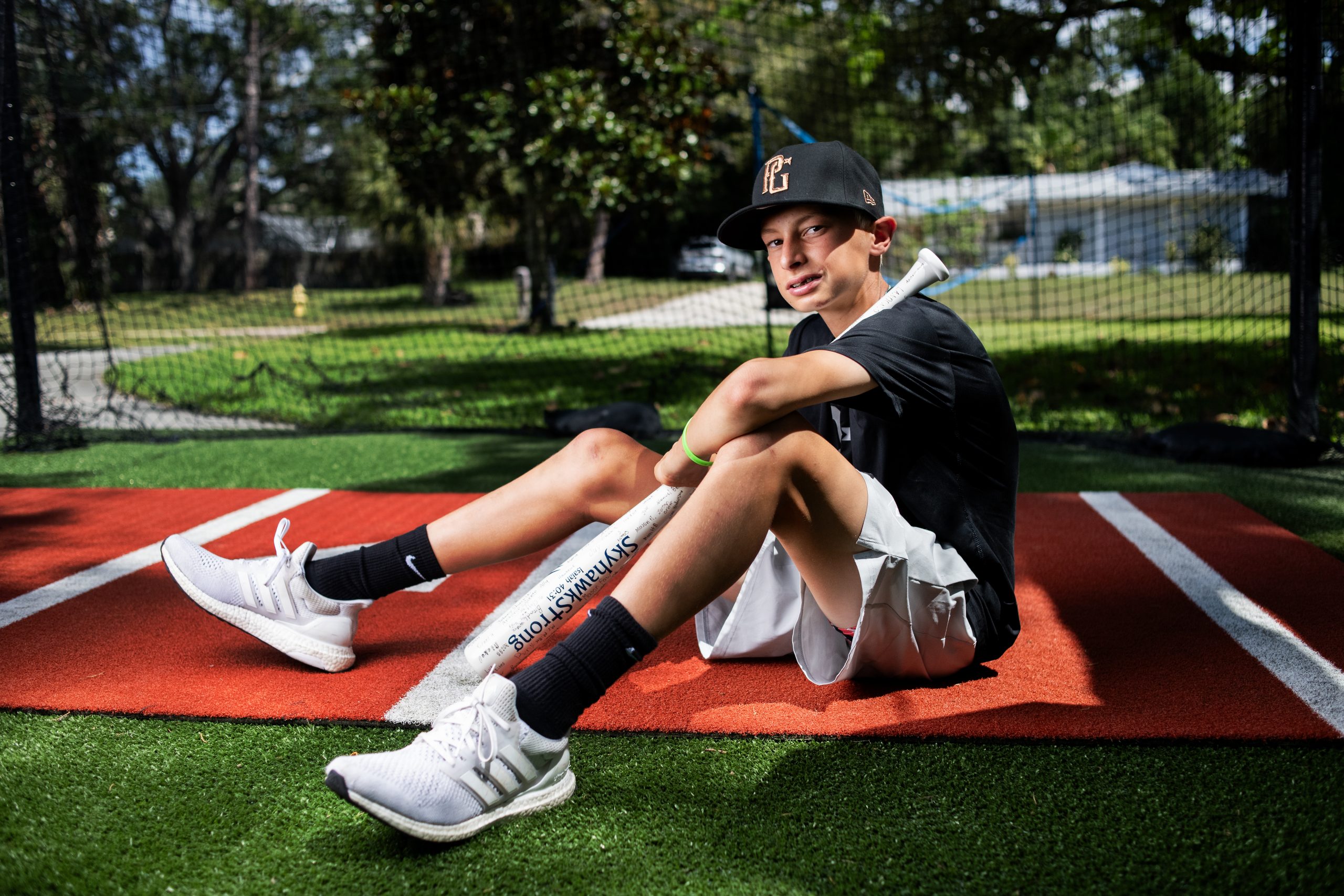
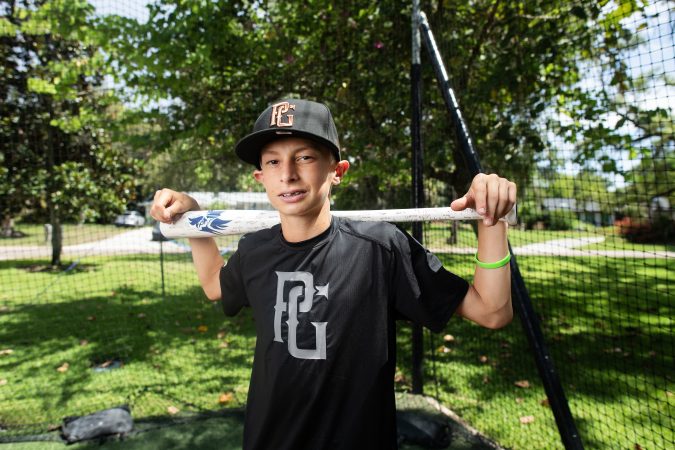
    Kyle Kendrick used to walk into the batting cage he built in his Clearwater, Fla., backyard and just stand in it. He dreamed of having something like this when he was a kid and the former Phillies pitcher was in awe of what he had.

    “I would just look around and say, ‘This is sweet,’” said Kendrick, a member of the Phillies’ starting rotation from 2007-14.

    It was there that he spent hours throwing batting practice to his son, Kyle Jr., as the son fell in love with the dad’s game. Kendrick even installed lights so his boy could keep swinging. The batting cage became their place.

    “They grow up fast,” Kendrick said. “Pretty soon, he’ll be in high school and then college, and he won’t want to go into the cage anymore.”

    For a few weeks last fall, the dad wasn’t sure if his son would ever be able to get back in the cage after the 12-year-old was hit by a car driving nearly 50 mph while he was walking across the street near his home.

    Kyle Jr. broke both femurs, had his mouth wired shut, and spent a week in the hospital after six hours of surgery. The Kendricks first feared their son wouldn’t make it. Next, they wondered if he’d ever play baseball again. And then they watched him leave his wheelchair to get back into the batting cage with his dad.

    The son sat on a bucket in the cage 18 days after the crash while his dad bounced baseballs toward him. He nabbed each hopping grounder with ease and fired throws back to his dad. There was no fear, his mother Stephenie said. Kyle Jr. was back in the cage.

    “I was just so proud,” his mom said. “This kid was just hit by a car and he wasn’t even flinching. It didn’t faze him. He was so driven to get back. He was on that bucket swinging the bat. He was catching and throwing. He was fielding ground balls. I was amazed.”

    ‘Oh my gosh’

    Kyle Kendrick kept calling his son’s phone, wondering where he was after he rode his bike that Sunday to fish in a nearby lake. Finally, a police officer answered. He told Kendrick that his son was in a crash and he had to get there fast.

    “I actually heard the sirens from my house,” Kendrick said. “I was like ‘Oh, my gosh.’”

    Kyle Jr. was riding his bike home when he stopped at an intersection so he could walk his bike across the street. A driver waved him on and the boy started to cross. But another car did not see him. The boy was launched into the air before crashing down onto the car and striking the pavement. The driver was not charged. There were ambulances, firefighters, and a crowd of people there when the dad arrived. It was the worst experience of his life, Kendrick said.

    He called his wife, who was driving home from a meeting for their daughter’s volleyball team.

    “He couldn’t speak,” Stephenie said. “The cop got on the phone and said they had to helicopter him to the hospital. I said, ‘Helicopter him there? Why? Why can’t he take an ambulance? Is he going to survive? How bad is it?”

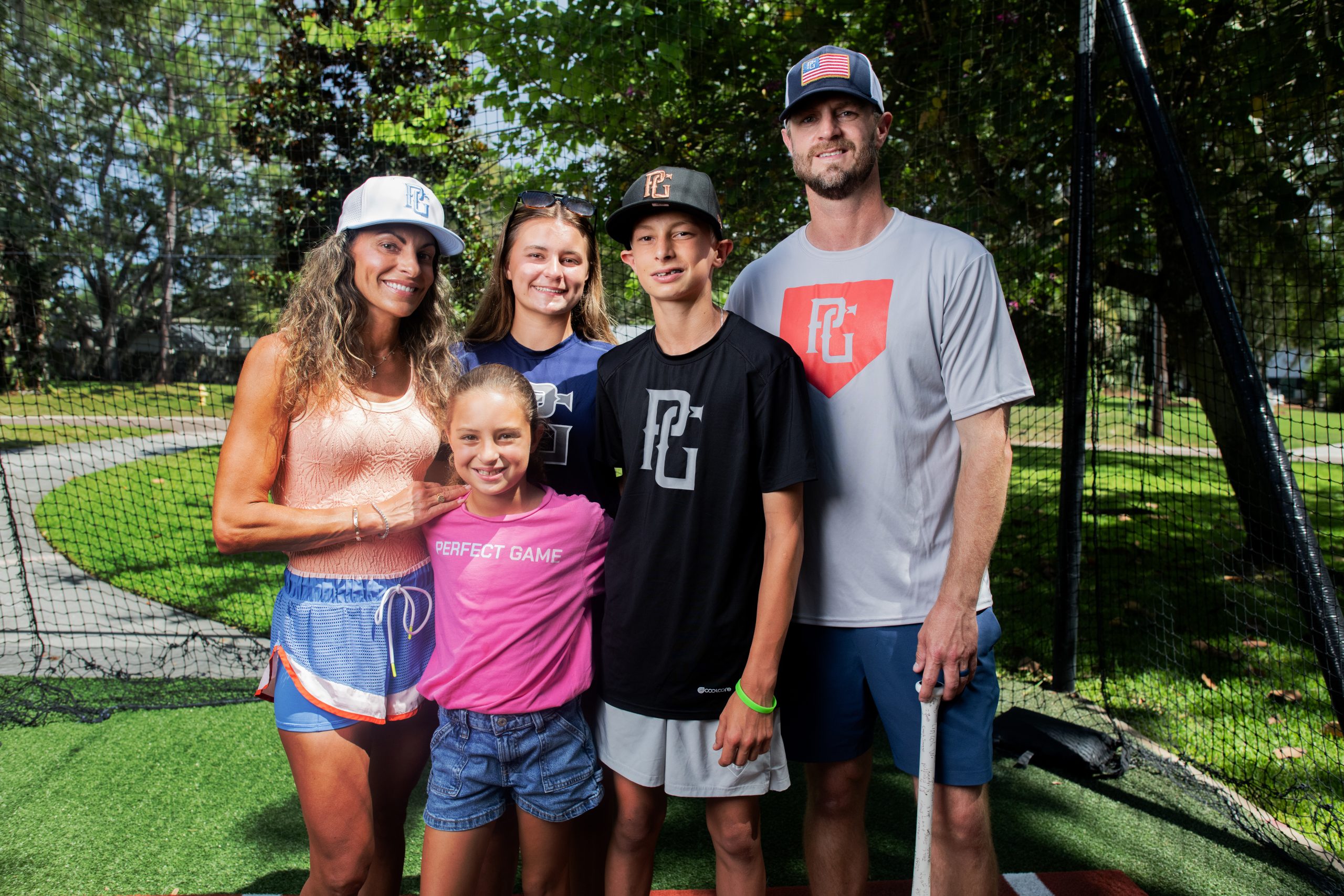
    Former MLB pitcher Kyle Kendrick poses for a portrait with his wife, Stephenie LaGrossa Kendrick, and their children, Sophia, Kyle Jr., and Sloane at their home in Florida. Octavio Jones / For The Inquirer

    The son underwent a bevy of X-rays and MRIs at Johns Hopkins All Children’s Hospital in St. Petersburg, Fla., where doctors learned that he broke both femurs but somehow did not have a spinal or head injury. Even his teeth were mostly intact as the boy lost just one.

    The crash happened three years after Stephenie’s brother Chris died. Kyle Jr. was close to his Uncle Chris, who loved to fish. She asked her late brother on the way to the hospital to pull some strings and limit the damage.

    “I swear he had a hand in it,” Stephenie said. “Every doctor said, ‘He shouldn’t have survived this. This is a miracle.’”

    The boy’s face looked like he had gone 12 rounds when his mom saw him in the hospital. His jaw was broken but he still managed to say, “Hi, mom.” Stephenie told her son to show everyone how tough he was. He did just that.

    He screamed when his legs were pulled into traction but he fought through it. His pain medication was limited overnight to prepare for surgery in the morning and the boy bore the discomfort. He was tough.

    “He really is very tough,” his mom said. “And it’s mentally tough.”

    The parents sat in the hospital cafeteria for 6 hours while their son underwent surgery.

    “That was the longest and most emotional time,” Kendrick said. “It’s six hours of surgery and he’s under for a long time. As a parent, it’s the worst.”

    Former Phillies pitcher Kyle Kendrick thought his son was going to die. Six months later, Kyle Jr. is playing baseball again after being hit by a speeding car.Octavio Jones / For The Inquirer

    The surgeon installed metal rods into Kyle Jr.’s femurs through his hips and was so precise that he left the tiniest scar. The doctor told the parents that their son would heal in six months. That sounded a little optimistic, the dad thought. But they were clean breaks, the doctor said. There were no growth plate issues. The boy would bounce back. He got lucky, the doctor said.

    The boy stayed in the hospital for a week with his mom while dad stayed at home with their daughters, Sophia and Sloane. Everyone at the hospital was great, mom said. Well, everyone except for the people who kept removing and inserting the catheter.

    “I was like, ‘OK. No more students are coming in to try the catheter. We’re going to use your best person who knows how to use a catheter and that’s what we’re going to do,’” said Stephenie, who lives in Florida but still has the accent of the girl from Glenolden who attended Archbishop Prendergast. “I pulled out a whole Delco thing there. You don’t even know. I was real nice until I was like, ‘That’s enough. Now leave the friggin’ catheter in until he can pee on his own.’”

    ‘Back on the horse’

    Kyle Jr. returned to school in early December, less than a month after the crash. His buddies at Skycrest Christian School pushed the sixth grader’s wheelchair around the halls and carried his books. He went snowboarding just three weeks after surgery. The doctor was right.

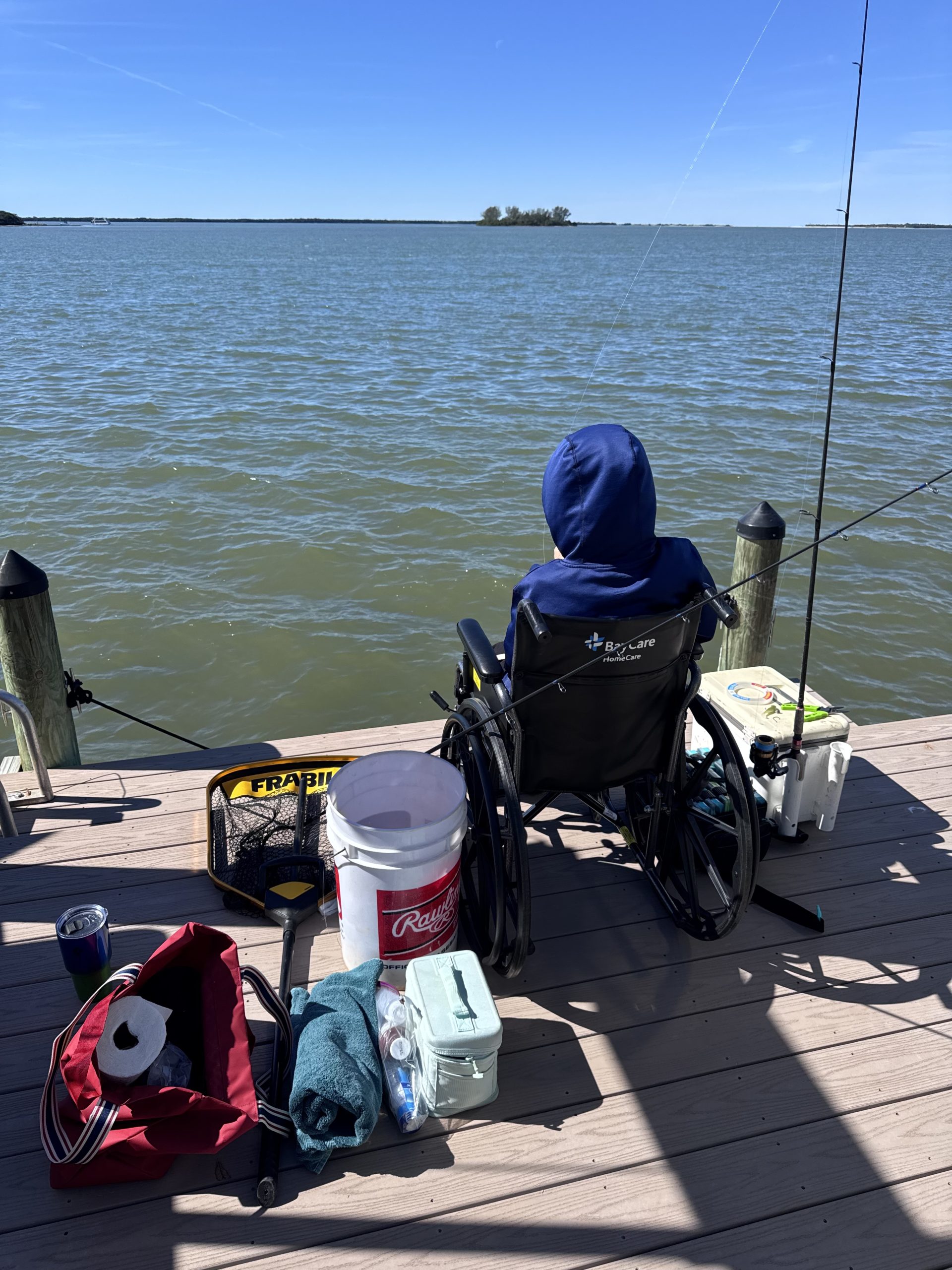
    Kendrick took his son to fish at the spot where he was headed that Sunday and they went back to the scene of the crash. He bought his son a new bike.

    One of their daughters used to ride horses, and the trainer always put her right back on the horse if she fell off. There’s no guide instructing parents how to deal with a crash like this. So the Kendricks did what they thought was best.

    “We got right back on the horse,” Stephenie said. “He’s a badass. He really is.”

    Kyle Kendrick Jr. fishes from his wheelchair weeks after he was hit by a car while heading home from fishing in the same spot. His dad, former Phillies pitcher Kyle Kendrick, drove him back to the spot.Kyle Kendrick

    And they got the boy in the cage. Kyle Jr.’s travel team — which is coached by his dad — had a trip planned for June to a tournament in Cooperstown, N.Y. The fields are named after big-league parks and nestled in the valley near the Baseball Hall of Fame. This was a trip the father and son had been looking forward to. But Kendrick worried his son wouldn’t be able to make it.

    He played his first game for the Florida Burn in January as his dad used him as a designated hitter to keep him out of the field. His Burn teammates wore his number on their batting helmets and some of the other parents cried. He was back, but the Kendricks noticed their son’s confidence wasn’t where it used to be.

    He had missed weeks of baseball and had trouble timing his swing. They couldn’t fault him if he was tentative still from the crash. The father and son kept working.

    “He’s a good coach,” the son said. “It’s a lot of fun to hit with him and then to have him as my coach. Just working with him and learning what he learned is really cool. It’s special.”

    Kyle Kendrick said his son being “able to play at 100 percent after this is a miracle.”

    “When I got back out there with him, I said, ‘This is so cool,’” the father said. “He could’ve passed. And now to still play? He could’ve been paralyzed. Just to be out there doing baseball stuff is unbelievable.

    “I really didn’t think he’d be able to play again. I didn’t know how he’d move. A lot of thoughts go through your mind. For him to come back, he looks normal if not better. We’re very lucky and grateful. It’s cool to be back with him. To see him on the field was awesome for me.”

    He made it to Cooperstown and the team’s first game was delayed until near midnight. The boys didn’t play that night until way past bedtime. They were a bunch of friends on a baseball trip. They slept in bunks for a week, traded pins, ordered pizza, went to the Hall of Fame, and watched fireworks. Playing late at night was perfect.

    It became even better when young Kyle got hold of a pitch and drove it to center field. His first homer came seven months after a crash that gave his parents the worst scare of their lives.

    “It was freezing cold,” Kyle Jr. said. “I could hardly feel my hands. I got a high pitch and I just swung up at it.”

    He circled the bases and his teammates — the same kids who left a giant banner of support on his lawn when he was in the hospital — rushed toward home plate. Kyle Jr. slowed his jog as he neared the gang of kids and skipped onto home plate as his buddies went wild.

    “That felt so good,” Kyle Jr. said. “Everyone was pumped. Everyone was jumping because it was my first one.”

    A day later, he did it again. It was “oppo taco,” he said of his opposite-field homer.

    The kid who fell in love with baseball in the batting cage his dad built was back doing what he loved.

    “I just love to play,“ he said. ”It’s a lot of fun.”

  • Phillies to wear 1939 throwbacks for Field of Dreams Game against Twins

    Phillies to wear 1939 throwbacks for Field of Dreams Game against Twins

    The 1939 Phillies were managed by a dentist, lost 30 of their final 37 games, and finished more than 50 games back of the pennant. So it’s safe to say the current Phils aren’t hoping to channel that squad next month when they wear 1939 throwback uniforms for the Field of Dreams Game.

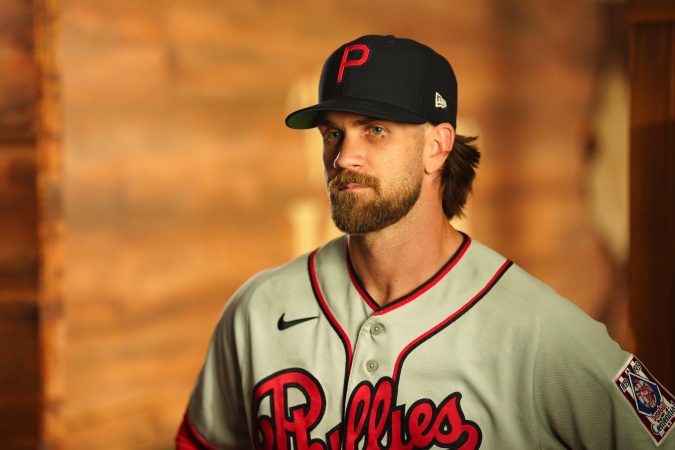
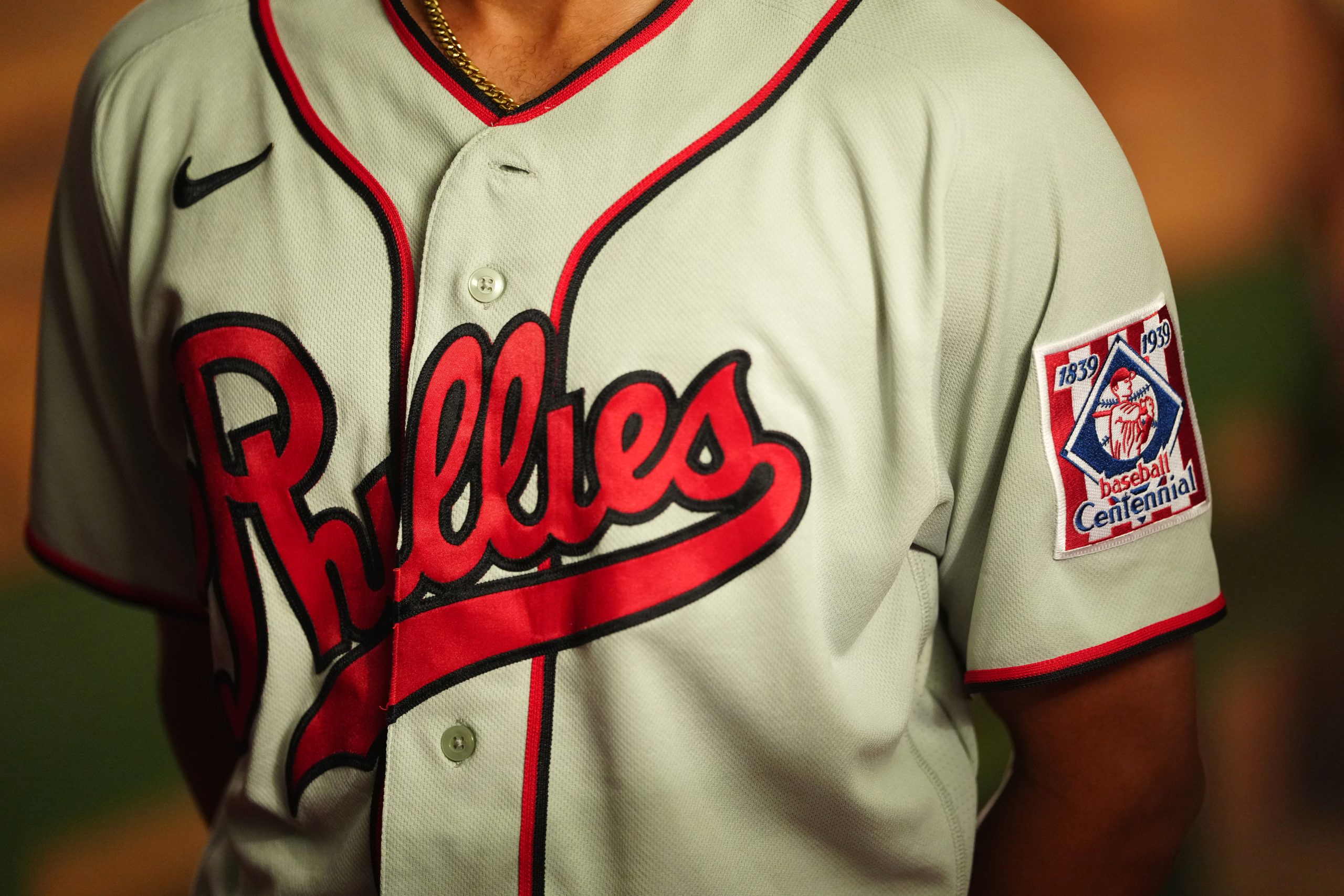
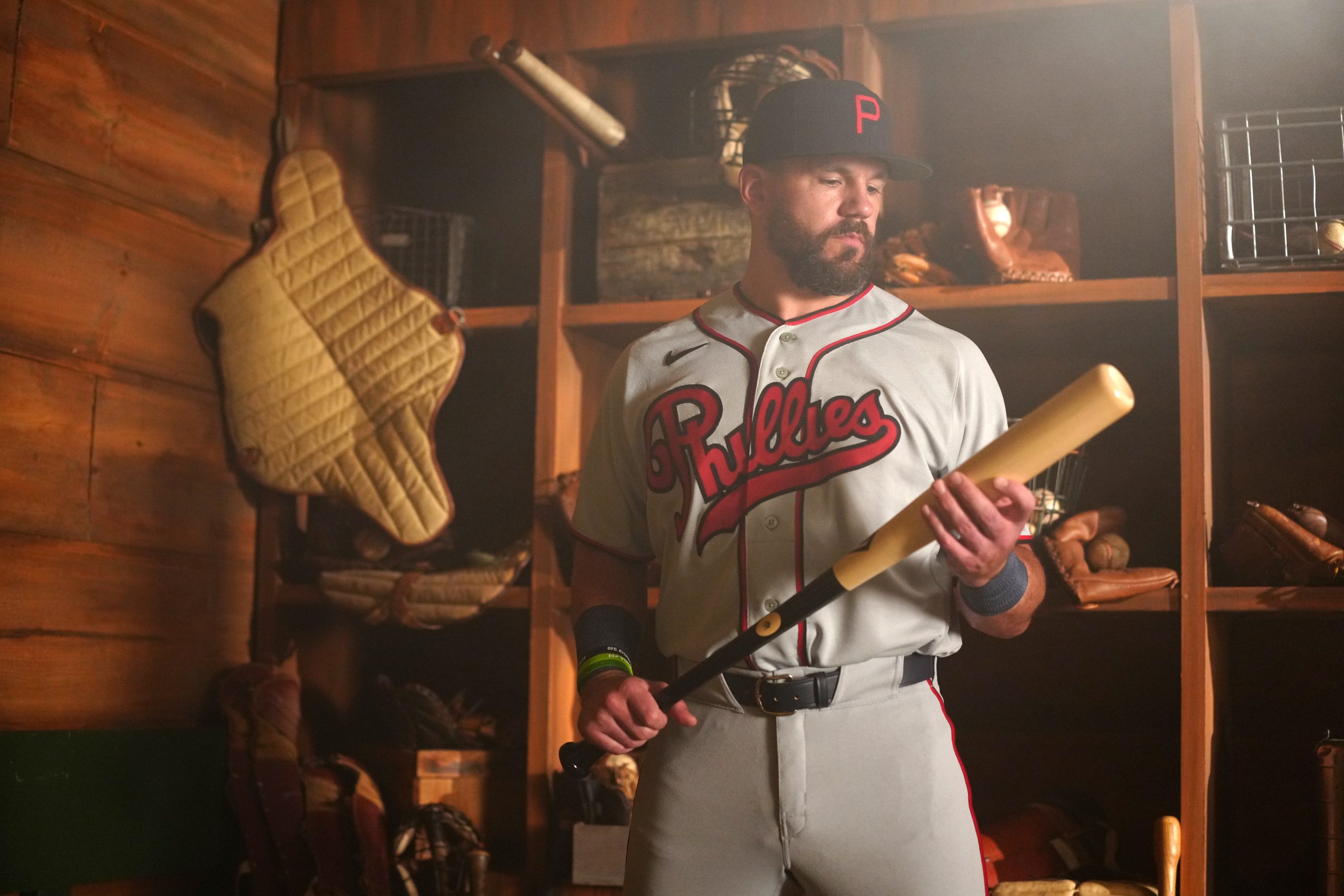
    The jerseys — a sharp grey top with red and navy “Phillies” script across the chest — were unveiled Monday along with the uniforms that will be worn by Minnesota on Aug. 13 in Dyersville, Iowa. The Phils will wear navy hats with a bold red “P” on the front. The sleeve will feature the 1939 Baseball Centennial patch that all teams wore that season.

    The Phillies will wear their Field of Dreams uniforms on Aug. 13. Daniel Shirey

    This year’s game is the third Field of Dreams Game and first since 2022, which is played at a ballpark constructed adjacent to the field used to film the 1989 movie. The game will air on Netflix. The ballpark holds about 7,800 fans, and the big league players usually enter the game by walking through the cornfield, just as the White Sox players did in the film.

    Kyle Schwarber did a promo shoot including the Field of Dreams uniforms last month. Daniel Shirey

    The 1939 Phillies started the season by training in a small Texas town, where they received “one of the warmest welcomes ever accorded a team at spring training.” It was the highlight of the season. By the end of May, they were 12 games back. Doc Prothro, the new manager who pulled teeth in the offseason, had “more cavities to fill than any other team in the National League,” the Inquirer wrote.

  • Kevin McGonigle had ‘unbelievable’ All-Star weekend, from sleeping in his childhood bed to meeting Chase Utley

    Kevin McGonigle had ‘unbelievable’ All-Star weekend, from sleeping in his childhood bed to meeting Chase Utley

    Kevin McGonigle sat countless times as a fan in Citizens Bank Park, but he still wasn’t sure how the crowd would react Tuesday night when he was introduced before the All-Star Game. He grew up in Delaware County, starred at Bonner-Prendergast, modeled his game after Chase Utley, and was in the stands for Red October.

    But he’s a rookie for the Detroit Tigers. McGonigle worried his own people — the Phillies fans he used to cheer with — would boo him.

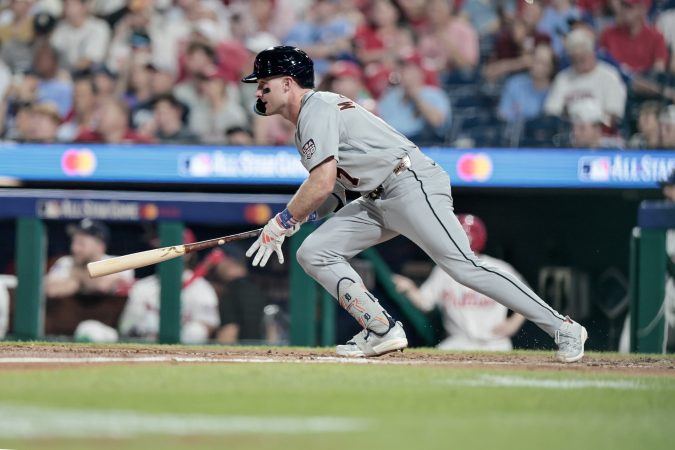
    It was instead a roar as the 21-year-old who grew up just 10 miles from the ballpark was treated like a returning hero. It was the perfect cap to a few days that McGonigle said were unbelievable: He slept in his childhood bed, made his parents cry, finally met Utley, and was an All-Star in the ballpark where he used to dream.

    McGonigle had “Detroit” across his chest, but he was at home.

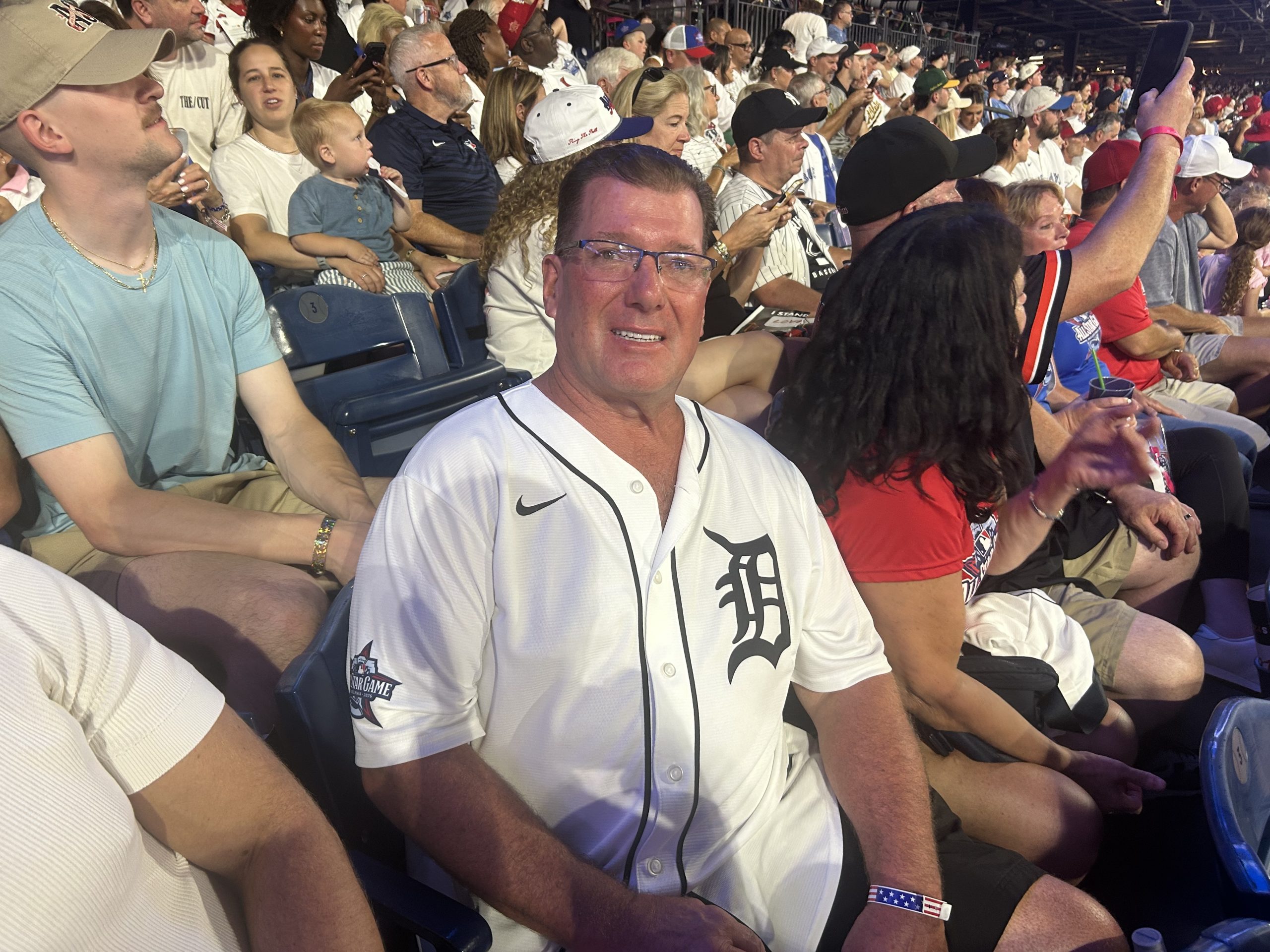
    “The kid’s a hometown kid, and it’s a shame Philly didn’t figure it out,” McGonigle’s father, Kevin George, said during the game as the Phillies could have drafted the infielder in 2023. “But that’s the reason it was so loud here. This kid is a winner and he’s always going to be a winner. For him to be here right now in the All-Star Game is beyond my wildest dreams. I never saw it happening this soon. It’s pretty amazing.”

    McGonigle received a text message a few days ago from a number he didn’t know. It was Utley. He congratulated McGonigle for making the American League team and said he would look for him in Philly. McGonigle has never been shy about his admiration for Utley, and NBC10 had Utley record a video for McGonigle in 2023 before he was drafted. But the two never met.

    McGonigle was on the field for batting practice on Tuesday afternoon when someone told him that Utley was looking for him. McGonigle stopped what he was doing and looked for his idol. The All-Star became a fan again.

    “Right when I saw him, I was like, ‘Thank you for everything you’ve done,’” McGonigle said. “Then I stepped back and I was like, ‘Maybe I should act more professional. I’m in the major leagues now.’ But I think that’s the best thing about this game. It’s a kid’s game. The way I played it as a kid and the work I put in as a kid got me to where I am today. I want to keep acting that way. It’s a kid’s game.”

    Utley told McGonigle that there was nothing to thank him for. All the credit belonged to McGonigle. The Tigers infielder — who had an Utley poster as a kid in his bedroom — wasn’t thanking Utley for helping him with his swing or with his defense. He thanked him for being an inspiration every time he watched the Phils on TV or sat in those blue seats.

    “It’s just the way he played the game,” McGonigle said. “It was the way he hustled on and off the field. The way he never took any pitches off. Of course, his swing is great and his defense. But it’s really just the way he went out and competed. I just wanted to thank him for helping me get to where I am today.”

    Kevin McGonigle’s dad, Kevin George, cheering on his son at the All-Star Game on Tuesday at Citizens Bank Park.Matt Breen

    McGonigle ended the conversation by asking his favorite player for a photo. All-Stars are fans, too.

    “I want to meet Utley next,” McGonigle’s father said.

    The path to Tuesday’s game can be traced to a $5,000 investment his father made years ago when he purchased a JUGS pitching machine off the internet.

    “And I got a Honda Whisper generator,” McGonigle said as he motioned his arm like was pulling the motor again.

    The McGonigles spent countless hours in their backyard building a swing that helped make the Delco kid a rookie sensation. He signed a $150 million contract three weeks into the season and entered the All-Star break with an .812 OPS. He’s the favorite to win the AL Rookie of the Year and could haunt the Phillies for not drafting him as the player they drafted — Aidan Miller — has not played this season due to a back injury.

    McGonigle looks like a star. So, was that JUGGS machine the best investment his dad ever made?

    “No doubt in my mind,” the father said. “The kid learned to spoil a pitch at a very young age. He’s pretty good at it.”

    McGonigle had patches representing Bonner-Prendergast and Delco sewn into the inside of the suit jacket he wore to the ballpark on Tuesday. He’s proud, McGonigle said, to be from Delco. He arrived home on Sunday night and hung out with his neighborhood buddies. McGonigle could have stayed with the All-Stars in a Center City hotel, but he opted to eat his mom’s cooking and sleep in his bedroom that still has a Cole Hamels poster on the wall.

    “[My] younger self would be super proud,” McGonigle said. “This is all I ever dreamed of.”

    Kevin McGonigle’s mother, Tracy (center) was one of 36 family and friends in attendance of Tuesday night’s All-Star Game.Elizabeth Robertson / Staff Photographer

    His mom Tracy cried, McGonigle said, when he was named an All-Star. And his dad was verklempt after he watched his son enter the game on Tuesday night.

    “This is a real blur for me,” McGonigle’s dad said. “But this kid has what it takes. We’ll probably see this a few more times before he’s done.”

    The public address announcer used the standard intro for most players before the game: “From the San Diego Padres, pitcher Mason Miller.” McGonigle received a special touch: “From the Detroit Tigers, from Delco, shortstop Kevin McGonigle.”

    McGonigle had plenty of friends and family in the stands but this roar was louder than the pack of 36 family and friends McGonigle brought from Delco. It sounded like the whole ballpark. Boos? No chance. Philly fans knew that one of them was on the field.

    “It was chills, man,” McGonigle said. “Hearing the stadium get loud like that. Just having the support of the fans here today was unbelievable. I can’t thank them enough.”

  • Tom Burgoyne insists he’s just the Phanatic’s best friend. A new documentary convinced him to admit he’s more.

    Tom Burgoyne insists he’s just the Phanatic’s best friend. A new documentary convinced him to admit he’s more.

    Tom Burgoyne was selling computer supplies for six months after graduating from Drexel when he saw a listing in the newspaper that said “mascots wanted.” It didn’t say who was looking for mascots or where the job would be located. Burgoyne, who was the mascot in high school at St. Joe’s Prep, didn’t need to know.

    “I sent my resume to the P.O. Box,” Burgoyne said. “I thought I’d be like the Hamburglar or the Statue of Liberty at tax time. And then the Phillies called.”

    Burgoyne aced his audition and spent five years as the backup Phillie Phanatic before becoming the main man inside the flightless bird from the Galápagos Islands.

    But Burgoyne has long protected the mascot like a professional wrestler protecting the business.

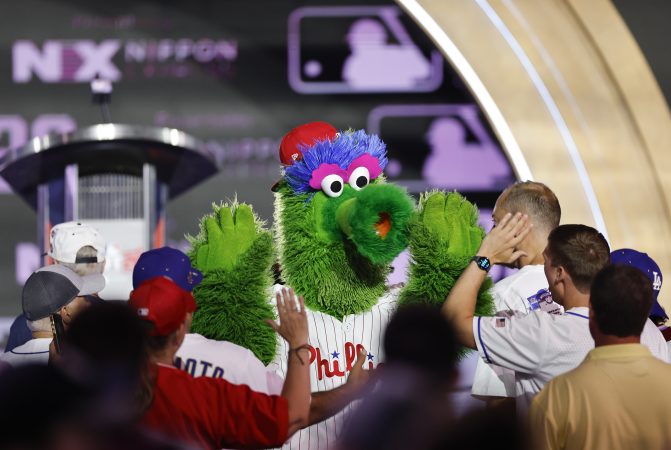
    He’s not the Phanatic. He’s the Phanatic’s best friend. He talks about the mascot in third person — “The Phanatic will be busy on Tuesday,” Burgoyne said of the All-Star Game — and does his best to separate the man from the bird. He knows another big-league mascot who is a teacher during the day but keeps his other job so secretive that people in his school don’t know he’s a mascot.

    “I respect the hell out of that,” Burgoyne said.

    So Burgoyne, who is participating in his 30th All-Star Game, needed some convincing to peel back the curtain for a documentary expected to premiere later this year about the character he brings to life every summer. But then Burgoyne remembered watching a documentary about the Muppets that showed Jim Henson pulling the strings for Kermit The Frog. If Henson could do that, then Burgoyne could talk about what he does.

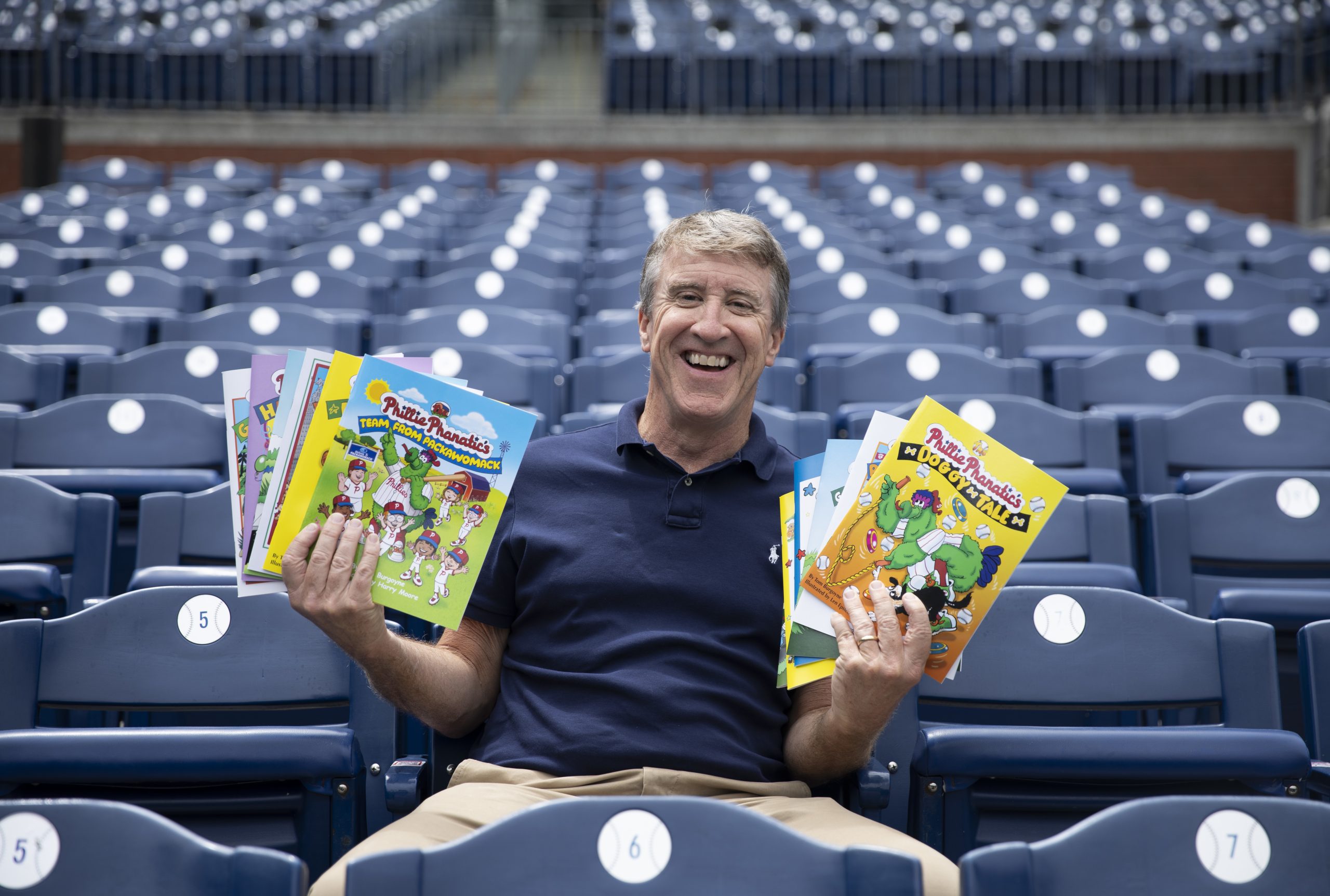
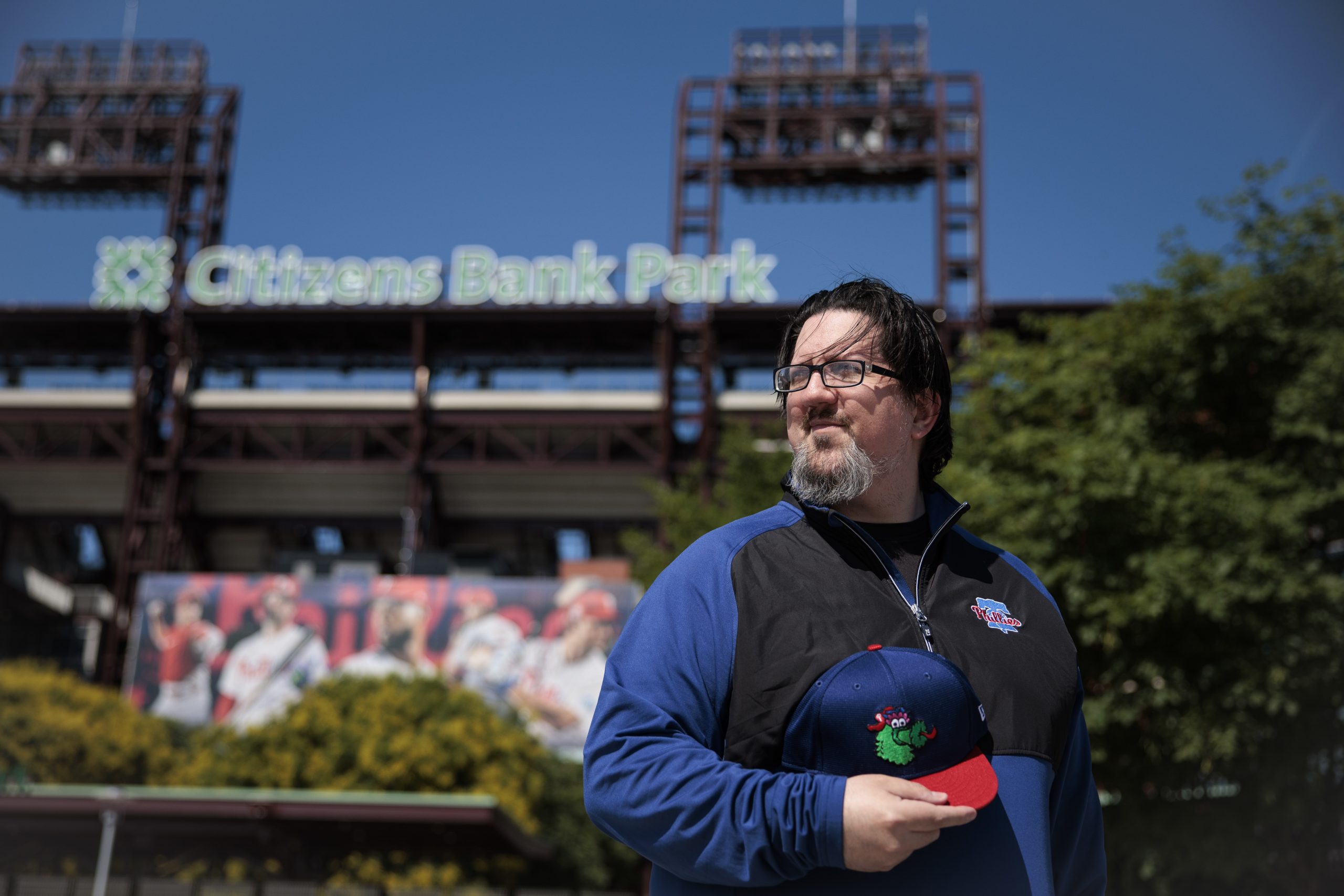
    Tom Burgoyne, the man inside the Phanatic, posed for a portrait with some of the children’s books he’s written at Citizens Bank Park in 2024.Monica Herndon / Staff Photographer

    The documentary — which is titled Big Phan — is directed by Flourtown native Hoag Kepner, the brother of longtime baseball writer Tyler Kepner. It tells the history of the mascot, Burgoyne said, and “has a lot of heart.” And it allowed Burgoyne a chance to admit that he’s more than just a friend of the Phanatic.

    “You never want to think that there’s someone in the costume,” Burgoyne said. “I can look at an old clip of the Phanatic and I’m not thinking, ‘Oh, that’s me in there.’ I’m just thinking ‘That’s the Phanatic.’ You want that magic to stay alive.”

    Burgoyne’s first All-Star Game was in 1996 at Veterans Stadium when Major League Baseball invited every mascot for the first time. The mascots were told to dress across Pattison Avenue at the Spectrum before the Home Run Derby, but the locker rooms were under construction when they arrived. So they took over the Vet’s umpire dressing room, which equipment manager Joey Dunn had already set up for the next day’s All-Star Game.

    “Here come the mascots trashing the place on Monday,” Burgoyne said. “MLB has learned a lot over the years.”

    The game has become the annual gathering of the mascots as they didn’t have a reason to come together before MLB started to invite them each July.

    Burgoyne was in Boston in 1999 when Ted Williams returned to Fenway Park. He was in Pittsburgh when Ryan Howard won the 2006 Derby, and he was in New York in 2008 when they played 15 innings. But his favorite memory is the one that leaves him wondering what could have been.

    The mascots were taking turns sliding down Bernie Brewer’s slide in Milwaukee during the 2002 Home Run Derby when the Phanatic took his turn.

    “I think someone had to give him a shove with their foot,” Burgoyne said.

    The big, feathery green thing neared the bottom of the slide just as Sammy Sosa homered off it. The Phanatic could have made a play.

    “I’m telling you, the Phanatic was coming down the slide and it just missed,” Burgoyne said. “If the Phanatic slid two seconds earlier, he could’ve caught it on the fly in the slide. It’s such a regret. It would’ve been the ESPN Play of the Day.”

    The mascot arrived in Philadelphia in 1978 and was brought to life by Dave Raymond, who retired after the 1993 season. The schtick has been fine-tuned in nearly 50 years, but the main elements have remained unchanged. Burgoyne makes fans allow themselves to believe that what they’re seeing is real. Because he’s not in the costume. He’s just a friend. And he has no plans of stopping.

    “I’m still having fun,” Burgoyne said when asked how much longer he has in the gig. “I’ve been thinking of David Montgomery a lot and when they announced the All-Star Game so long ago for him, I was like ‘2026? Someone else can do that.’ But here we are. When you’re having so much fun, why not?”

  • The story behind Tug McGraw gifting his 1980 World Series jersey to a teen fan

    The story behind Tug McGraw gifting his 1980 World Series jersey to a teen fan

    The pandemonium at Veterans Stadium had started to quiet down after the Phillies won the 1980 World Series when John Romagnoli remembered he was wearing an all-access credential. He was caught up in the excitement, Romagnoli said. And he had to see where his pass could take him.

    So the 19-year-old walked onto the field, stepped into the dugout, and wandered up the ramp that led to the clubhouse where the Phils were still celebrating their first World Series title.

    “There’s Al Meltzer over there and I’m just standing back taking it all in,” Romagnoli said, referencing the longtime Philly TV sportscaster. “I’m just thinking ‘Holy smokes. This is unreal.’ There was a lot of joy just like you see on TV.”

    Romagnoli’s father, Lou, was friends with the owners of the Phillies who gave the Romagnoli family tickets to Game 6 against Kansas City. Three years earlier, the Carpenter family arranged for John Romagnoli to rehab at the Vet with Phillies trainer Gus Hoefling after suffering a knee injury as a high school quarterback. Romagnoli befriended some players that summer as guys like Tug McGraw, Mike Schmidt, and Bob Boone encouraged him to keep working.

    But they lost touch after his recovery. It was back to high school, Romagnoli said. And then McGraw — the pitcher who fired the strike past Willie Wilson and sent the stadium into a frenzy — spotted Romagnoli in the clubhouse.

    “It was an eye lock,” said Romagnoli, now 65 and living in Wilmington. “He said, ‘Oh my gosh. This is for you.’”

    McGraw removed his jersey and handed it to the person he used to work out with in the stadium’s weight room. Romagnoli said McGraw encouraged him when he was a teenager and cried when the pitcher gave him his jersey.

    “I think he liked me,” Romagnoli said of McGraw, who died in 2004 at 59. “He cared. We had a bond. He’s a special person. It was all just surreal. You’re just in the mix and it’s all happening. You’re kind of stunned just taking it all in.”

    Romagnoli kept McGraw’s jersey for years in his dresser drawer, often taking it out to remember that October night when he stepped into the clubhouse. He’s ready now to part with it. The jersey will be auctioned off this week by Hunt Auctions amid the All-Star Game festiviites.

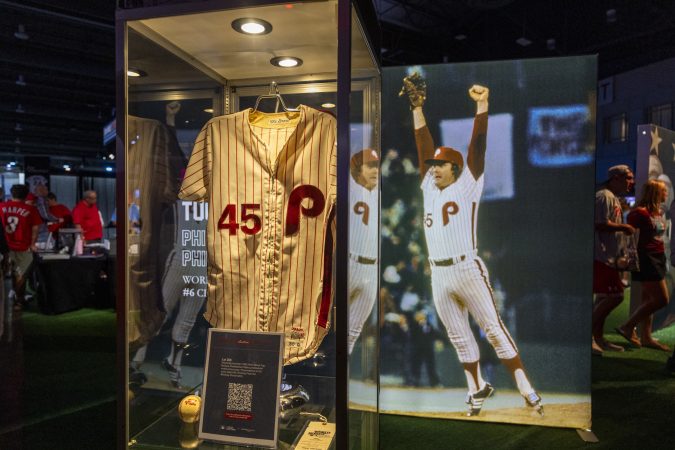
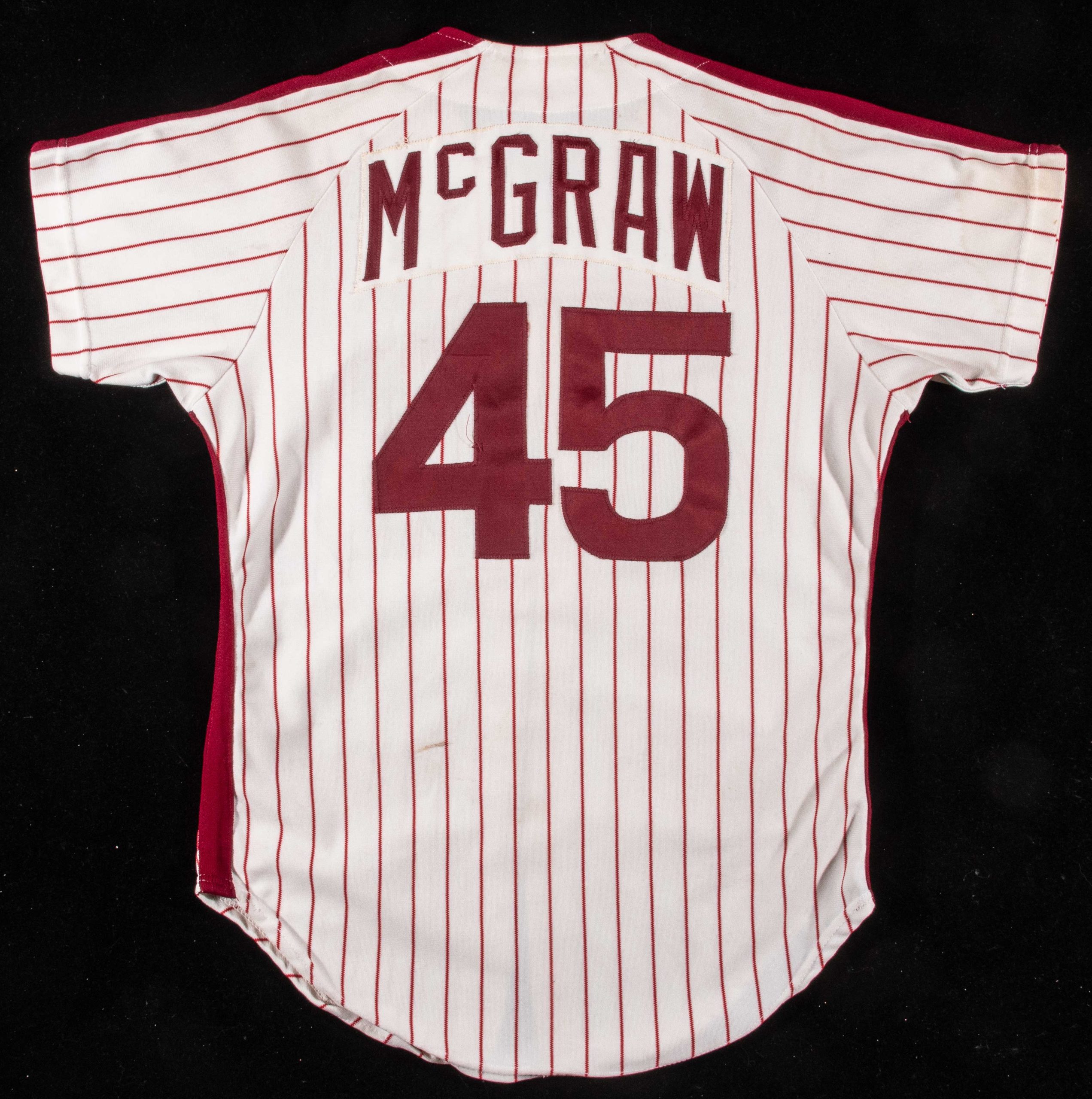
    Tug McGraw’s jersey from Game 6 of the 1980 World Series is being auctioned off this week by Hunt Auctions.Hunt Auctions

    An online auction closes Monday night followed by a live auction on Tuesday at the All-Star Village at the Convention Center. It is expected to be sold for more than $300,000 and a portion of the proceeds will be donated to the ALS Hope Foundation.

    “Our family is thrilled that the jersey our dad wore for the final out of the 1980 World Series — the strikeout of Willie Wilson on October 21st at Veterans Stadium — has finally surfaced,” McGraw’s family said in a statement. “For more than four decades there has been mystery around what happened to that jersey, and we are grateful to have the rest of the story. Tug would appreciate the incredible story of its re-emergence more than anyone.”

    Romagnoli would sometimes forget to check on the jersey for a few months, causing him to fear that moths ate it or someone stole it. But there it was in a Ziploc bag in his drawer. He used to bring the jersey to his children’s schools for show-and-tell, but the best reactions came when he shared it with people who remembered that night. They couldn’t believe he had McGraw’s jersey. He never thought about how much it was worth.

    “It was about the relationship and the feeling of a friendship,” Romagnoli said.

    The jersey was authenticated by MeiGray Authentication via photo matching. The company said the jersey “conclusively” matched the one worn by McGraw in Game 6. It was the real thing. But Romagnoli already knew that. It’s time for the jersey to find a new owner. Included with the auction is the credential that Romagnoli wore that night and led him into the clubhouse.

    “Life goes on and you want to share it with others. That’s where we are,” he said. “It’s like a Picasso. I don’t think it should sit in somebody’s living room in Texas.”

  • Jimmy Rollins and Ryan Howard will host Chase Utley and Cole Hamels on their podcast at All-Star Village

    Jimmy Rollins and Ryan Howard will host Chase Utley and Cole Hamels on their podcast at All-Star Village

    The gang is getting back together.

    Jimmy Rollins, Chase Utley, Ryan Howard, and Cole Hamels — the core of one of the greatest eras in Phillies history — will record a live podcast on Tuesday at All-Star Village at the Convention Center.

    The recording will be an episode of Rollins and Howard’s “6-1-1 Podcast,” which is produced by Major League Baseball. Fans attending All-Star Village on Tuesday will be able to attend the hourlong live show, which begins at 10:30 a.m. Rollins and Howard launched their podcast in 2024 and have been joined this year by Freddie Freeman, Darryl Strawberry, and rapper Raekwon of the Wu-Tang Clan.

    “That’s big bro, right there,” Howard said of Rollins. “Jimmy took me into his house when I first came up. He showed me the ropes and showed me what it’s like to be a big leaguer. It was always natural with Jimmy and us being ourselves around each other.”

    Howard said Rollins was a good landlord as he didn’t charge him rent after he moved in during the end of the 2004 season. Rollins did the same a season later for Shane Victorino.

    “We kept it clean,” Howard said. “Despite what he might try to tell you about the ‘Dishgate.’ He’ll try to talk about me not cleaning up dishes and stuff like that. I beg to differ. He probably had the cleanest dishes when I was there.”

    Howard said the Phillies from his era remain close years later because they always cared about more than what happened on the field. The four players many symbolized from those years will be together on Tuesday.

    “That’s what gave such a great bond,” Howard said. “We still have a text chain now where we update each other and try to see about getting together for a golf trip. It was a great time. It was a fun time.”

  • Ricky Bottalico ‘tells it like it is’ and understands it might bother some Phillies

    Ricky Bottalico ‘tells it like it is’ and understands it might bother some Phillies

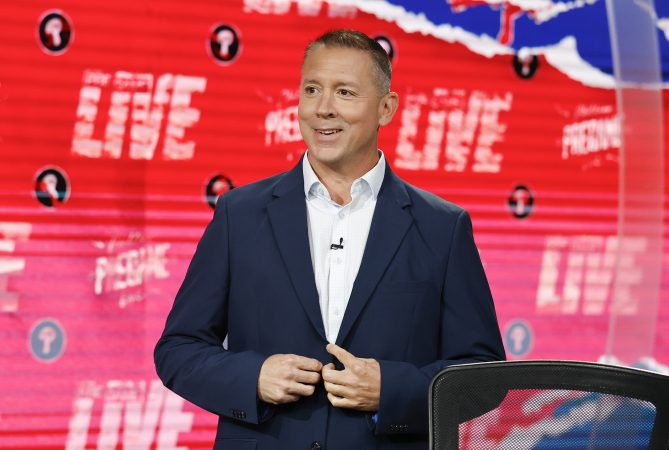
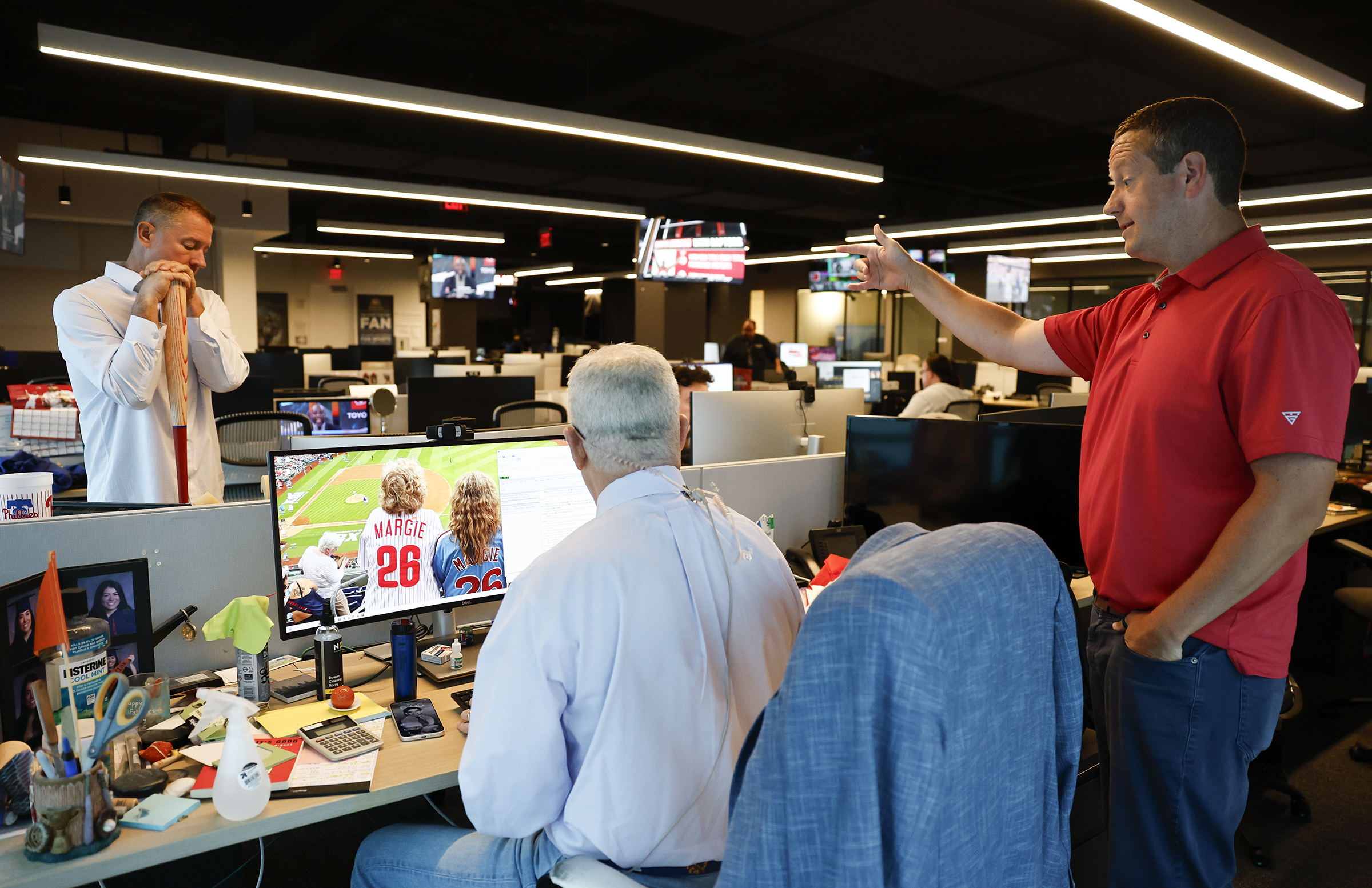
    Ricky Bottalico often walks NBC Sports Philadelphia with a hockey stick, pacing the newsroom like a third-line enforcer before it’s his turn to dissect that night’s Phillies game.

    Bottalico battled that same restlessness during his 12-year major league career, often bothering fellow relievers with his inability to simply relax in the bullpen while they waited for the phone to ring. It’s only fitting that he prepares for TV the same way.

    “He’ll take slap shots at people,” said Sean Kane, a senior producer who oversees the network’s Phillies coverage. “People are trying to get work done, and he’s shooting hockey pucks. He’s all amped up talking to people. It’s just how he is. How he’s wired. And it makes for good TV.”

    Bottalico pitched with intensity — he once started a brawl by beaning Barry Bonds and cursed at his old manager after earning a save — once he left those jitters in the bullpen. His fastball was blazing, and his stare was glaring. Bottalico had an edge. So does the guy who carries the hockey stick around the newsroom.

    The 56-year-old Bottalico has made his name on TV as a no-nonsense analyst who isn’t afraid to criticize the Phillies, even though the team owns part of the station. Bottalico is irate after a loss, fumes when relievers don’t throw strikes, and blows his lid when fundamentals are lacking.

    He does praise the Phils when they deserve it and is just as heavy-handed with the opponent. But it is his barbs against the Phils — “This is pathetic,” he said after a rough loss one night — that players have bristled at over the years. Bottalico pitched seven seasons for the Phils, and it’s uncommon for a former player working as an analyst on the station that carries the games to have as strong opinions as him.

    The former player said he never takes a cheap shot as he speaks solely on what happens on the field. It’s never personal. He’s doing his job, just like he did when he was on the mound. Bottalico is throwing strikes.

    “I’m sure there are some guys who are pissed at me,” Bottalico said. “You don’t want to piss anyone off. That’s not why we do it. I’m sure there are some people who enjoy teeing off on players. I don’t enjoy teeing off on something that happens in a game, but you have to. It’s part of the job. The way I look at it is if you can look in the mirror and see that you had a bad game or you made some bad pitches, then everything is status quo.”

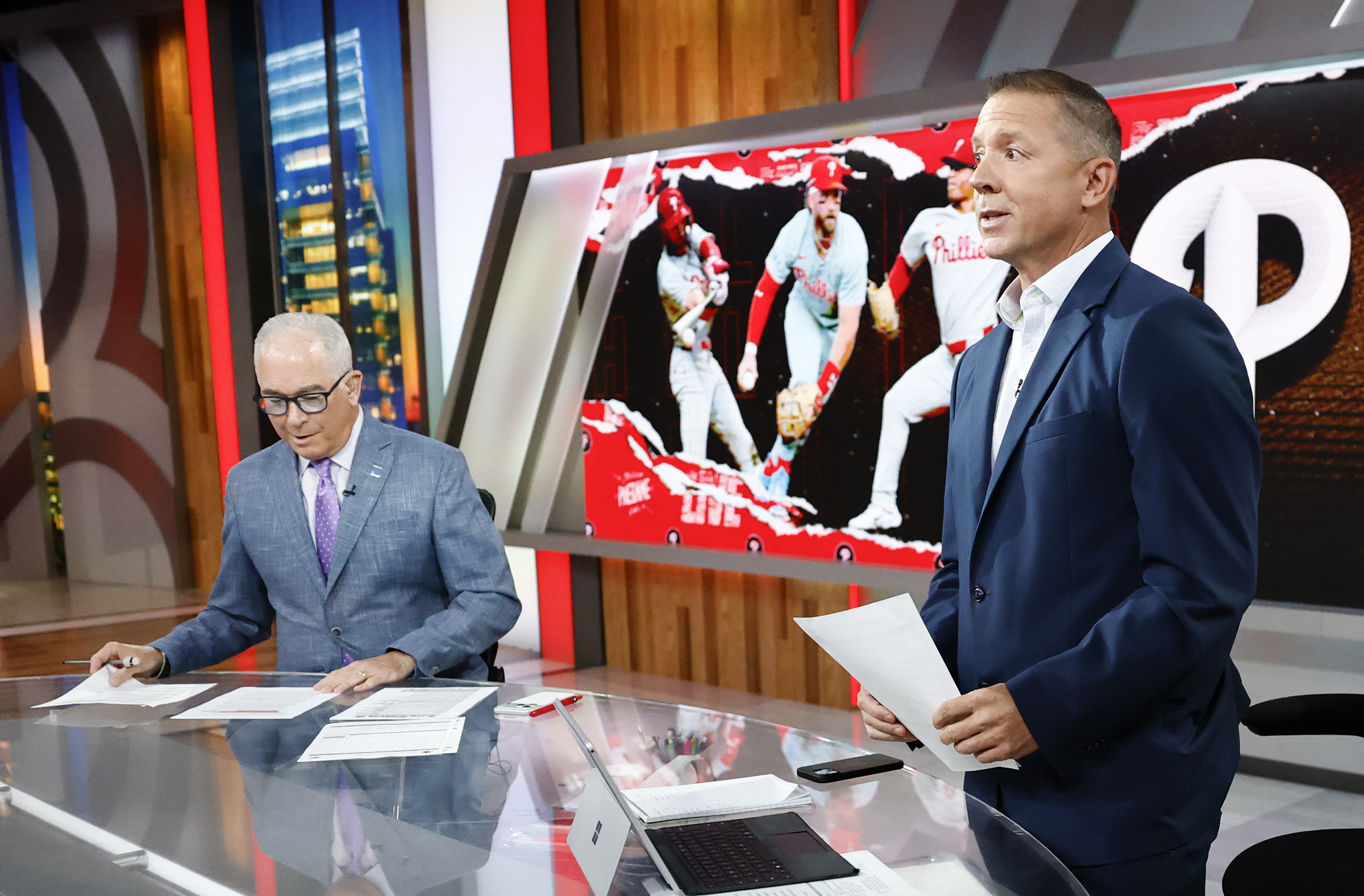
    Ricky Bottalico (left) prepares for “Phillies Pregame Live” with senior producer and digital contributor Sean Kane and host Michael Barkann on Thursday at the NBC Sports Philadelphia studio inside Xfinity Mobile Arena.Yong Kim / Staff Photographer

    Truthful to the fans

    Bottalico started with the network, then called Comcast SportsNet, late in the 2007 season. He retired two years earlier and was looking for the next chapter.

    “You get your first summer off in 15 or 20 years,” Bottalico said. “And I’m like, ‘This is going to be great.’ Then you realize that it’s not everything you thought it would be. You’re sitting around a lot. Everything is getting stale. I missed the game.”

    Bottalico’s TV gig gave him a chance to get back to baseball. He didn’t have much experience, but station fixture Michael Barkann said the former All-Star closer had what it took to be in front of a camera: knowledge, passion, and an opinion.

    “He’s just so good at conveying what’s going on on the field,” said Barkann, who hosts the pregame and postgame show. “Many people will say baseball is just as simple as ‘See ball, hit ball, field ball, and throw ball.’ But it’s so much more than that situationally. When you absolutely live it and it just runs right through you and it’s a language you can speak with other people who have been there, it enables you to explain the game in a much more clear way. That’s him.”

    Bottalico’s work that season led to more postgame shifts in 2008 along with work as a color commentator for the Lehigh Valley IronPigs. A Daily News review of broadcasters in 2009 said Bottalico would be a star once he lost “the alumni-bias that sometimes causes him to broad-brush obvious chinks in the Phillies’ armor.” That soon happened.

    “You have to be truthful to the fans,” said Bottalico, who also cohosts an afternoon radio show on 97.5 FM. “I don’t like to beat around the bush. I learned early on that you have to be truthful about what happens because fans see what happens. But the other side of that is when they’re good, you point out that they’re good. I will say it’s a lot easier to do the show when they’re good.

    “I’ve been doing this job for a long time. I now work with Cole Hamels. I see Ryan Howard around all the time. Jimmy Rollins, I played with and analyzed. They never had a problem with me. They might say, ‘Ah, you’re getting on me today.’ But that’s about it.”

    The network started broadcasting Phillies games in 1998 and gave the team a share of the station in 2014 as part of its current $2.5 billion TV deal. So Kane said it can be “a little tricky sometimes” when the studio analyst working for the rights-holder takes a dig at the team.

    Kane said he’s heard Bottalico might not be the most popular person if he walked into the Phillies clubhouse, but he’s never fielded a complaint from anyone. So Bottalico keeps bringing the heat.

    “He’s going to tell it like it is, and I think that’s why fans love him,” Kane said. “He’s not going to worry about ‘Well, if I say this it might upset the players or it might upset the front office.’ I don’t think he takes cheap shots, but I just think he tells it like it is. If someone needs to play better or if someone needs to be more accountable, then he’s going to say it on TV.

    “I’m sure over the years that has rubbed some guys in the clubhouse the wrong way. Like, ‘What’s this former player doing? He should be more protective. He should be more of a player-friendly analyst like, ‘They’re trying hard. That’s all you can ask.’ But I really don’t think he takes cheap shots. I just think he’s objectively watching this like a fan and ‘This guy needs to be better’ and ‘This guy needs to hustle’ and ‘This was a stupid decision’ and ‘They should’ve done this.’ When they’re not playing well, he’ll get angry. It’s not manufactured.”

    Ricky Bottalico (right) with host Michael Barkann during a show on Thursday at the NBC Sports Philadelphia studio inside Xfinity Mobile Arena.Yong Kim / Staff Photographer

    Treating it like football

    If you think Bottalico is intense, he said you should watch a Phillies game with his dad in Connecticut.

    “It’s unreal. It is unreal,” Bottalico said. “I’ll be there every once in a while and be outside with my brothers and we’ll hear ‘What the heck are they doing?’ You’re like, ‘Wow. OK. I guess I know where I got it.’”

    The intensity Bottalico inherited from his father, Jay, proved to be a perfect match with Barkann, the host who rides an emotional roller-coaster every night during a 162-game season.

    “He made a comment the other night and said, ‘You know what I love about Philadelphia is that we treat it like the Eagles, and they play once a week. That’s how we do every game,’” Bottalico said. “But it’s true. Because that’s our job. A lot of people don’t understand, ‘How are you getting so excited over this one game?’ Because that’s our job to bring what we feel that night. I think he’s a perfect example of what Philadelphia is and how intense the city has always been.”

    Treating the result of a baseball game the same as a football score is the antithesis of how baseball players manage the grind of a season that often is characterized as a marathon. But how many viewers would tune in after a loss if the hosts simply said, “That’s baseball?” This is TV they’re making, and even the pitcher who ran those marathons for years had to become a sprinter.

    “When you’re playing, you don’t do this,” Bottalico said. “But let’s face it: If I wasn’t true to what’s happening each and every game, I wouldn’t be doing this anymore. It’s one of those things where you have to have a love of the game, a passion for what you’re doing, and you have to be able to talk and explain it.”

    The analysts know their tone may not resonate in the clubhouse, but their audience is the fans who are reeling — or riding high — like they are. The team’s postgame show meets the die-hards where they are.

    “You want to be true to them,” Barkann said. “If you treat 162 games like Don Mattingly treats 162 games or Dave Dombrowski does, then come on. You want people to watch the program. You want people to get excited. You also understand as a fan that it’s not one of 162. It’s everything on that particular day or night. I pride our program on the fact that we do get excited, maybe a little over the top, about every win or every loss.”

    Ricky Bottalico had a 3.70 ERA and 78 saves over seven seasons with the Phillies, and was their lone All-Star in 1996 at Veterans Stadium.INQ LODRIGUSS

    A natural edge

    Bottalico signed his first professional contract with the Phillies in 1991 in the backseat of a scout’s car after being discovered in a men’s league in Hartford, Conn. He was a catcher who didn’t start pitching until his junior year of college before going undrafted. Bottalico reported to Clearwater, Fla., and another pitcher wondered how Bottalico fell through the cracks.

    “He looks at me and goes, ‘You throw harder than anyone else in here,’” Bottalico said.

    It would have been easy to be bitter about the route he needed to take, but Bottalico never felt slighted. The edge he pitched with was not because he was overlooked. It was just him.

    “I had it in Little League,” Bottalico said. “And I’m being honest. In Little League, I wanted to win every game. I wanted to get a hit every at-bat. At that point of your life, you don’t realize that the game is a game of failures. I always wanted to win. I always had that desire to make everyone on the team better, no matter where it was. I just think you’re born with that fire and desire.”

    Five years after being undrafted, he was the lone Phillies’ All-Star in 1996 at Veterans Stadium. He was a big league closer, which meant the reporters flocked to his locker after a blown save but practically ignored him after a 1-2-3 ninth. Like a kicker, the closer usually makes news only after a botch. Bottalico understood the game.

    Ricky Bottalico says “If you can look in the mirror and self-evaluate, then you don’t have a problem with getting ripped apart.”Yong Kim / Staff Photographer

    “John Marzano was doing pre- and postgame, and he would rip us apart,” Bottalico said. “But I thought it was funny. I never took it offensively. I’d be like, ‘OK, John. Get on me. What are you going to do? Rip me tonight.’ It was just one of those things. I was always the look-in-the-mirror-first guy. We used to have to stand in front of our lockers, and if I had a bad game, I would tear myself apart before they even asked a question. I was true to myself. If you can look in the mirror and self-evaluate, then you don’t have a problem with getting ripped apart.”

    The analyst who presses the Phillies every night once was the player who got pressed. He didn’t have issues taking it, so he has no issues dishing it out. Bottalico is doing his job just like Marzano was. The guy who carries a hockey stick around the office can still pump one by you.

    “Let’s face it: People criticize me,” Bottalico said. “You know what I do? I laugh at it. OK. You have your opinion, and I have mine. I’ve never thought about it as a critical thing. It’s just that I have a job to do. I’m doing my job, and they have a job to do, and they do their jobs.”

  • Everything you need to know about the MLB All-Star Game coming to Philly

    Everything you need to know about the MLB All-Star Game coming to Philly

    The wait is finally over.

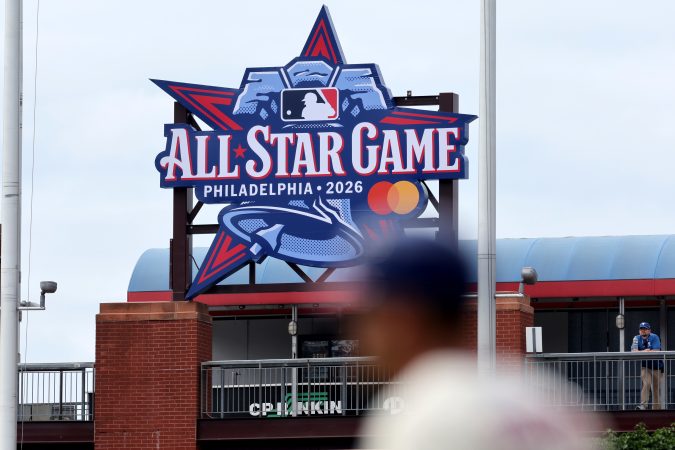
    It was more than seven years ago that Major League Baseball announced the All-Star Game would come to Philadelphia for the nation’s 250th birthday. The game is the bookend to a season of big events following March Madness, the PGA Championship, and the FIFA World Cup.

    Baseball’s midsummer classic, which returns to Philly for the first time since 1996, will be more than just a game, as the city will be the center of the baseball world for nearly a week.

    Here’s a look at what to expect:

    HBCU Swingman Classic

    When: 7 p.m., Friday

    TV: MLB Network

    Location: Citizens Bank Park

    What you need to know: The fourth annual game is a showcase of the best players from historically Black colleges and universities. The classic was founded by Ken Griffey Jr. as a way to give a platform to players who often are overlooked.

    The local connection: Jimmy Rollins will manage one of the teams, and Mayor Cherelle L. Parker will throw out the first pitch. The teams will visit City Hall before the game to honor Octavius Catto, a civil rights activist who cofounded one of America’s first organized Black baseball teams in 1865. There is a statue of Catto outside City Hall. Mayfair’s Santino Harwood will play in the game. The Roman Catholic grad is a shortstop at Delaware State.

    Pitcher Gage Wood was the Phillies’ top pick in last year’s MLB draft.Yong Kim / Staff Photographer

    The MLB draft

    When: 1:30 p.m., Saturday; TBD Sunday.

    Location: Pennsylvania Convention Center Grand Hall

    What to know: The event is free to attend, but ticket registration has closed. The draft used to be held at MLB Network’s studio in Secaucus, N.J., before the league moved it to All-Star Week starting in 2021. The White Sox have the first pick, and the Phillies have to wait until No. 36 for their first selection.

    All-Star Village

    When: 10 a.m.-8 p.m. Saturday and Sunday; 10 a.m.-6 p.m. Monday and Tuesday

    Location: Pennsylvania Convention Center

    What to know: The event is similar to Fan Fest that came with the 1996 game, but it’s much bigger now. The village will feature big league mascots and appearances by a cast of Phillies legends including Steve Carlton, Cole Hamels, John Kruk, Larry Bowa, Dave Cash, and Carlos Ruiz. Fans can make their own strikeout call, test food from around the majors, throw a pitch, take batting practice, see the World’s Largest Baseball, and even strap on a Velcro suit, jump, and stick on a wall for a home run-robbing photo op.

    Former Phillies pitcher Cole Hamels is scheduled to make an appearance at MLB’s All-Star Village. Yong Kim / Staff Photographer

    Futures Game

    When: Noon Sunday

    Location: Citizens Bank Park

    TV: NBC10

    What to know: The game is a collection of baseball’s best prospects as each team sends two players from its farm system. The players are split into American League and National League squads. The game will feature nine of MLB Pipeline’s Top 10 prospects including top-ranked Jesús Made, a shortstop in the Milwaukee Brewers’ system.

    Local connection: The teams will be managed by Larry Bowa and Shane Victorino. Gage Wood, who may have a shot to reach the majors this year, will represent the Phillies a year after they drafted the hard-throwing right-hander 26th overall. Wen-Hui Pan, a right-handed reliever, also was selected for the Futures Game. Both pitchers are with double-A Reading.

    MLBx All-Star 3-on-3

    When: Following the Futures Game on Sunday

    Location: Citizens Bank Park

    What to know: New this year, MLBx replaces the Celebrity Softball Game. The fast-paced event is a modified home-run hitting challenge in which players are awarded points for their hitting and the catches they make in the field.

    Local connection: Ryan Howard, Rollins, and Victorino will captain teams, with Atlanta Braves legend Andruw Jones leading the fourth squad. Howard has Eagles wide receiver DeVonta Smith on his team while Rollins is teamed up with Terrell Owens. Each team includes an MLB legend, a professional softball player, and a nonbaseball celebrity.

    Bryce Harper was the last slugger to win the home run derby in his home ballpark. However, that was in 2018 while he was with the Nationals.Jose F. Moreno / Staff Photographer

    Home Run Derby

    When: 8 p.m. Monday, July 13

    TV: Netflix

    Location: Citizens Bank Park

    What to know: It’s been 20 years since Howard won the Home Run Derby. The Phillies are due. Bryce Harper is the last player to win the derby in his home ballpark, which he did with the Nationals in 2018 by beating … Kyle Schwarber in the final round.

    The competitors: There will be eight participants, but could two of them be Phillies? Perhaps we’ll see a rematch of the 2018 final.

    The format: The league is ditching the clock that governed the derby since 2015, as players now will be given a finite number of swings per round. A batter gets 20 swings in Round 1, 15 in Round 2, and 15 in the final. If a batter homers on their final swing, they keep swinging until they come up empty. The top four players from the first round move to Round 2, and the top two then move to the final round. The tiebreaker in Round 1 is home run distance, and Rounds 2 and 3 use a three-swing swing-off.

    The red carpet

    When: 2 p.m. Tuesday, July 14

    TV: MLB Network

    Location: Independence Hall

    What to know: The players will showcase their fashion just steps from the Liberty Bell before walking all the way to South Philly. Just kidding. They’ll board a bus and head to the game after walking the red carpet. This event is free for fans to attend, but ticket registration has closed.

    All-Star Game

    When: 8 p.m. Tuesday, July 14

    TV: Fox29

    Location: Citizens Bank Park

    What to know: Only one player has won back-to-back All-Star Game MVP awards, Mike Trout in 2014-15. Could Schwarber be the next? It’ll be hard to match last year’s heroics, when Schwarber won the game for the NL in a dramatic swing-off at the Atlanta Braves’ stadium. Expect the game to have a star-studded lineup for pregame ceremonies and something special during the game. Last year’s tribute to Hank Aaron set the bar.

    Phillies in the game: Brandon Marsh will start after receiving the most votes on the fan ballots. He will be joined by Bryce Harper, Kyle Schwarber, Jhoan Duran, and Cristopher Sánchez.

  • Phillies radio calls give him ‘goose bumps.’ Then he shares those chills with everyone on social media.

    Phillies radio calls give him ‘goose bumps.’ Then he shares those chills with everyone on social media.

    The Phillies game wasn’t over yet last month but it was over as Nick Piccone kept the TV on mute like a distraction in the background. The Phils trailed the Nationals by two runs and were down to their last strike with the bases empty in the ninth on June 23. It was over.

    But Piccone — just like lots of diehards who accepted a loss but refused to stop watching — didn’t turn it off.

    “Just in case,” he said.

    And then it happened. The Phillies scored eight runs with two outs, delivering the most unlikely win of the season. It was time for Piccone to work. He’s built a following in recent seasons for being the guy who clips the radio calls of Philly sports highlights and posts them to social media.

    First, he had to listen to how Scott Franzke — the Phils’ radio voice on 94.1 WIP — described the action.

    “I got goose bumps when I listened to it,” said Piccone, who lives in Delaware County. “And I just knew Phillies fans are going to love this.”

    He posted a montage of Franzke’s pitch-perfect calls that night and then watched them go viral. Philadelphia loves its teams but the city has always had a deep relationship with the voices, putting Piccone at the intersection of fandom and the way we enjoy it.

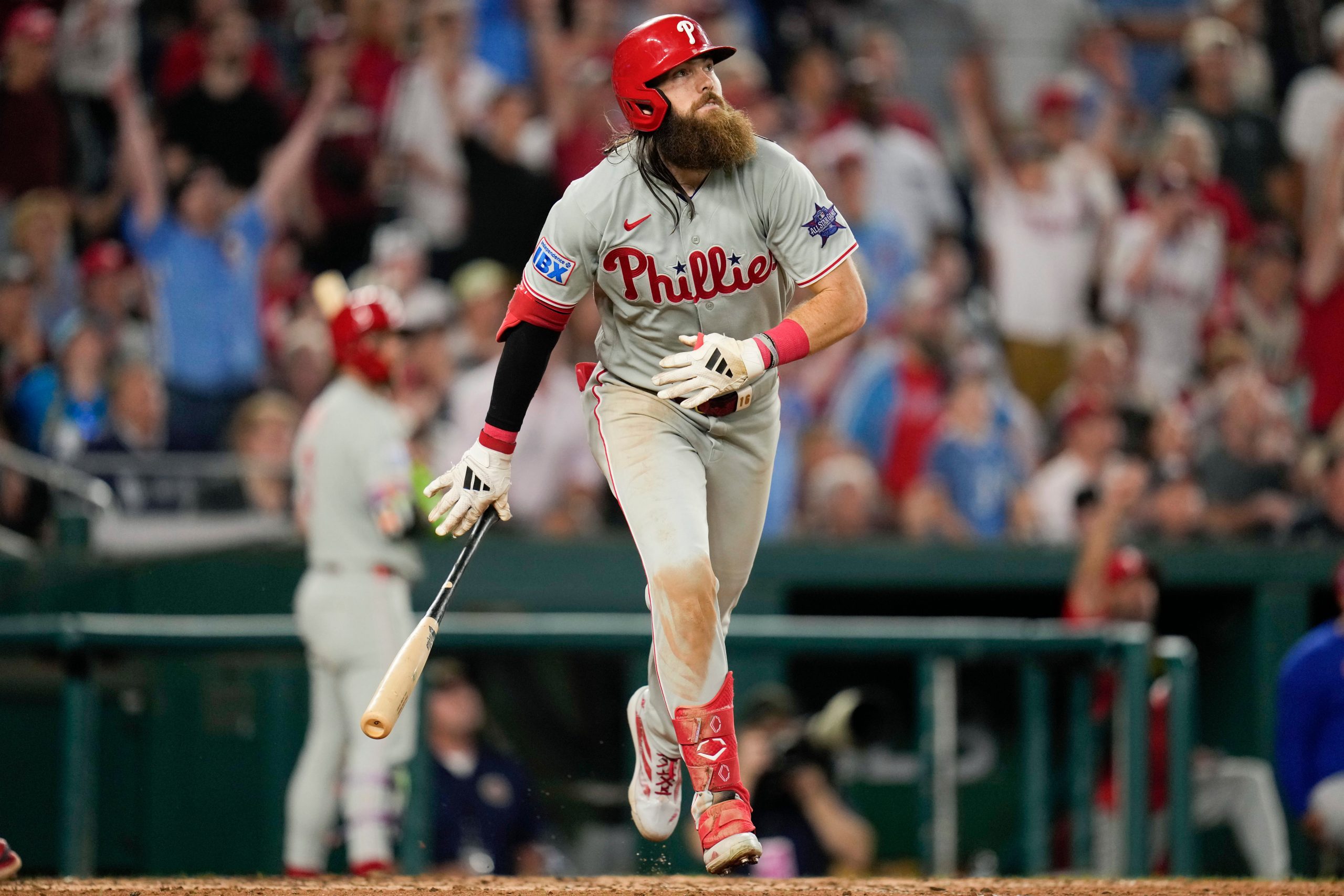
    Brandon Marsh’s homer was thrilling, but how much better did Franzke’s narration make it feel?

    “You could tell that the fan kind of came out,” Piccone said. “Like, he didn’t think that was going to happen. He had the same reaction that we did, and he’s calling it. He reaches that second level for a regular season game when I’m sure he probably thought this was going to be a loss. You could hear the surprise in his voice.

    “If you’re listening live on the radio, you feel that instantly. And even if you’re watching the video, you’re like, ‘Oh my God.’ Having him feel what we feel and hear his voice match what we’re feeling inside, makes it so much better. It makes those moments so much better.”

    Phillies radio play-by-play announcer Scott Franzke (left) with TV analyst John Kruk. NBC Sports Philadelphia

    Piccone does not get paid to post his videos, but he commits himself every game — “I watch every pitch,” he said — to tracking the calls of the big plays and sharing them on social media. He does the same thing for other teams. It’s how he enjoys the game.

    It takes about 10 minutes for Piccone to edit the clip on his computer and post it on social media.

    “People would message me from Europe or Asia and say, ‘I’m stationed here’ or ‘I moved here for work, and your videos make me feel like I’m home,’” Piccone said. “When I started doing it, I wasn’t even thinking about that stuff. So when people say that I was able to provide that, I was like, ‘Wow.’ That’s a huge reason why I continue to do it.”

    His hustle gives a radio broadcast a new life, allowing Franzke’s words to be heard again and again. Some people want to relive a moment they already enjoyed. Others want to feel closer to home.

    “It’s flattering, honestly,” Franzke said. “It’s humbling to know that it resonates enough with someone to know that they’re willing to go through that sort of trouble and effort to spread the word.”

    Brandon Marsh watches the ball after hitting a two-run home run against the Washington Nationals on June 23.Jess Rapfogel

    From Dolly to Franzke

    Franzke was told when he first got into the business to have someone in mind to whom you are broadcasting.

    “For me, the general Delaware Valley listener is stuck in traffic on the Schuylkill,” Franzke said.

    His voice is the soundtrack of traffic jams, days at the beach, and backyard barbecues. Kids tune their radio to the Phils while they’re putting on their PJs, just like their grandparents used to sneak transistor radios under their pillows. They listen to Franzke on their porch at night and power walk around the neighborhood with his voice in their earbuds.

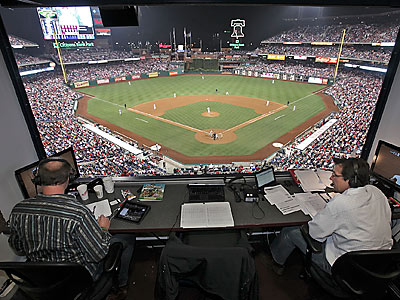
    Radio broadcasters Larry Andersen (left) and Scott Franzke (right) call a Phillies game in 2011.

    The Phillies broadcast their first game on the radio in 1936 with a former umpire named Dolly Stark calling the action. He was regarded as the National League’s top ump but quit after the 1935 season when the league balked at his request for a raise from his $9,000 salary.

    “A new sports thrill,” said the advertisement for the games that were broadcast on WIP 610. “Seeing the game through the umpire’s eyes! Hearing what he thinks about every play, while that play is being made! And it’s a thrill that will last all summer.”

    Stark called games for just one season before he returned to calling balls and strikes. But the game became the perfect radio sport. The pace is slow enough for the broadcaster to share a story and make you comfortable. Yet the action becomes exciting enough for them to build drama and make you feel something.

    The umpire was followed by greats who became voices of summer like By Saam, Bill Campbell, Harry Kalas, and Franzke. Richie Ashburn ordered pizzas, Chris Wheeler taught you something, and Larry Andersen admires the umpire. There’s just something about baseball on the radio. It works.

    “I think one of the reasons that baseball on the radio still works is because people can consume it passively,” Franzke said. “They’re driving, falling asleep in their beach chair, or doing yard work. They can do other things and be a part of it. A lot of people like the audio wallpaper, if you will. It’s there. It’s around them. They enjoy it passively and do other things in their life. We’re just along for the ride, I guess.”

    Piccone’s clips show that Franzke is more than just enjoying the ride. He’s driving the car. It wasn’t a silent clip of Marsh’s homer that went viral last week. It was the clip of Marsh’s homer with the announcer sounding just as stunned as you were that it happened.

    Franzke said it’s the moment that “generates the goose bumps,” since he’s just a guy. And it was the guy calling that moment last week that gave Piccone chills.

    “It doesn’t matter when it is during the season, September or April, the story of the game takes over,” Piccone said. “I think he tells that story perfectly in his calls. Offense, a great defensive play, a strikeout. That emotion comes through and you know it’s a big moment.”

    Nick Piccone says he’s “kind of jealous” of people who grew up listening to baseball games on the radio. “I didn’t even think of consuming sports in that way when I was younger. I’m glad I’m able to do it now.”Monica Herndon / Staff Photographer

    Being that guy

    Piccone grew up on the 1993 Phillies and started watching the other teams in 1999 as a freshman at Kingsway High School. He soon was a diehard: devastated when they lost and elated when they won.

    “I just consume it,” Piccone said last month. “Like, I’m mad the Phillies lost today.”

    But the guy who chops up the audio of every radio broadcast didn’t grow up listening to the radio. He just watched it on TV.

    “People who say they were brought up listening to sports on the radio, I’m kind of jealous of them,” Piccone, 40, said. “Because I didn’t even think of consuming sports in that way when I was younger. I’m glad I’m able to do it now.”

    “We just have amazing play-by-play guys. You think of the Phillies, you think of Franzke. You think of the Flyers, you think of Tim Saunders. You think of the Sixers, you think of Tom McGinnis. Eagles, Merrill Reese and Mike Quick. They’re synonymous with the teams.”

    Piccone planned to do what he does now — clip the radio call and match it to the TV feed — when the Eagles played the Patriots in Super Bowl LII. But his buddy’s Wi-Fi dropped that night, so Piccone closed his laptop and watched the game like a normal fan. And then the Eagles won, and he wished he had the clips.

    He made sure to have a stronger connection in 2022 when the Phillies went to the World Series. He clipped every call that October, and his social media following soared.

    He sends out Franzke’s call along with the team’s Spanish broadcasters and the opponent’s call. Piccone noticed that the TV calls are the ones usually shared by the teams or networks. The radio guys, he thought, weren’t getting their due.

    People soon started messaging him for specific calls or pointing out things he may have missed. He suddenly felt like he had a responsibility. He became that guy.

    “It’s fun being known for that,” said Piccone, who writes for Crossing Broad. “I like being that guy.”

    The Phillies season likely will end in October again, giving Piccone plenty of moments to share. The goose bumps, he said, usually are felt in the fall when the stakes are higher. But sometimes the broadcaster makes you feel it on a weeknight in June. And that’s why you leave the game on.

    “People will say, ‘I heard your call,’” said Franzke, who is not on X, formerly known as Twitter. “And there’s two places they heard it: WIP playing it back or on social media. It’s cool that Nick invests that kind of time. At the end of day, this promotes what we’re doing.”