Author: Michaelle Bond

  • Philly area’s housing market is ‘weird’ right now, agents say

    Philly area’s housing market is ‘weird’ right now, agents say

    Brenda Beiser knows firsthand how difficult buying a home in the Philadelphia area can be. She’s not only a Redfin real estate agent, but she’s also an empty nester who wanted to downsize.

    Her six-bedroom house in Mount Airy sold right away when she put it on the market in May. But she decided not to buy a replacement.

    “I went for a rental because I didn’t really want to compete with everyone who’s trying to get into a smaller house,” Beiser said. “A lot of people who are in their 60s and would have traditionally downsized into a smaller house just aren’t doing it. They can’t find a place to go.”
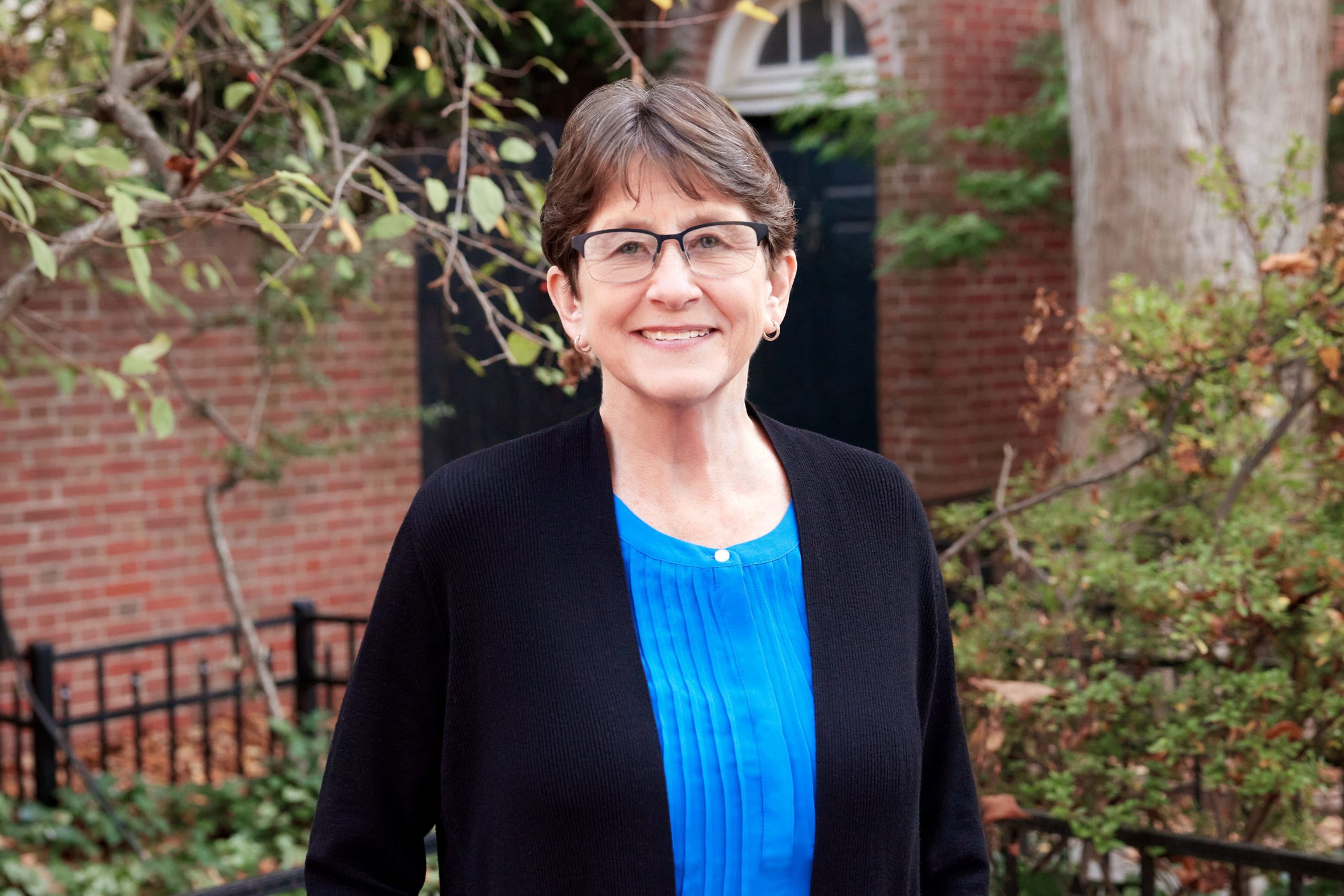
    Brenda Beiser, a Redfin real estate agent in the Philadelphia area, decided not to buy another home when she sold her Mount Airy house, because she didn’t want to enter the region’s competitive housing market.Courtesy of Brenda Beiser

    The Philadelphia region has a housing supply problem, just like large swaths of the country, and that’s impeding both repeat and first-time buyers. Inventory is particularly low across the Northeastern United States, where construction has not kept up with demand. In the beginning of this year, Zillow predicted that the Philadelphia metropolitan area would be one of the country’s 10 most-competitive housing markets of 2026.

    Home supply, however, has also ticked up a bit in the region compared with last year, and homes are staying on the market a bit longer before they sell. For the four weeks ending June 21, the region was in the top five markets with the highest annual increase in new home listings, according to a Redfin analysis of the 50 most-populous metropolitan areas.

    “The market’s encouraging,” said Jake Markovitz, president of the board of directors for the Greater Philadelphia Association of Realtors. “It’s certainly more balanced than it has been the last four, five years.”

    Erin Thompson, CEO of the Montgomeryville office with Keller Williams and leader of the Erin Thompson Team, agrees. She said buying and selling is “ebbing and flowing but trending toward a more stabilized market.”

    “Although I feel like I’ve said that twice in the recent past, and then it’s gone bonkers,” she said.

    The region’s market is a mixed bag.

    Some homes are sitting for a while, and some owners are at risk of selling properties for less than they bought them for a few years ago. Other homes have inspired five or more buyers to compete against each other, hiking up prices, said Markovitz, an associate broker with the Karrie Gavin Group at Elfant Wissahickon Realtors.
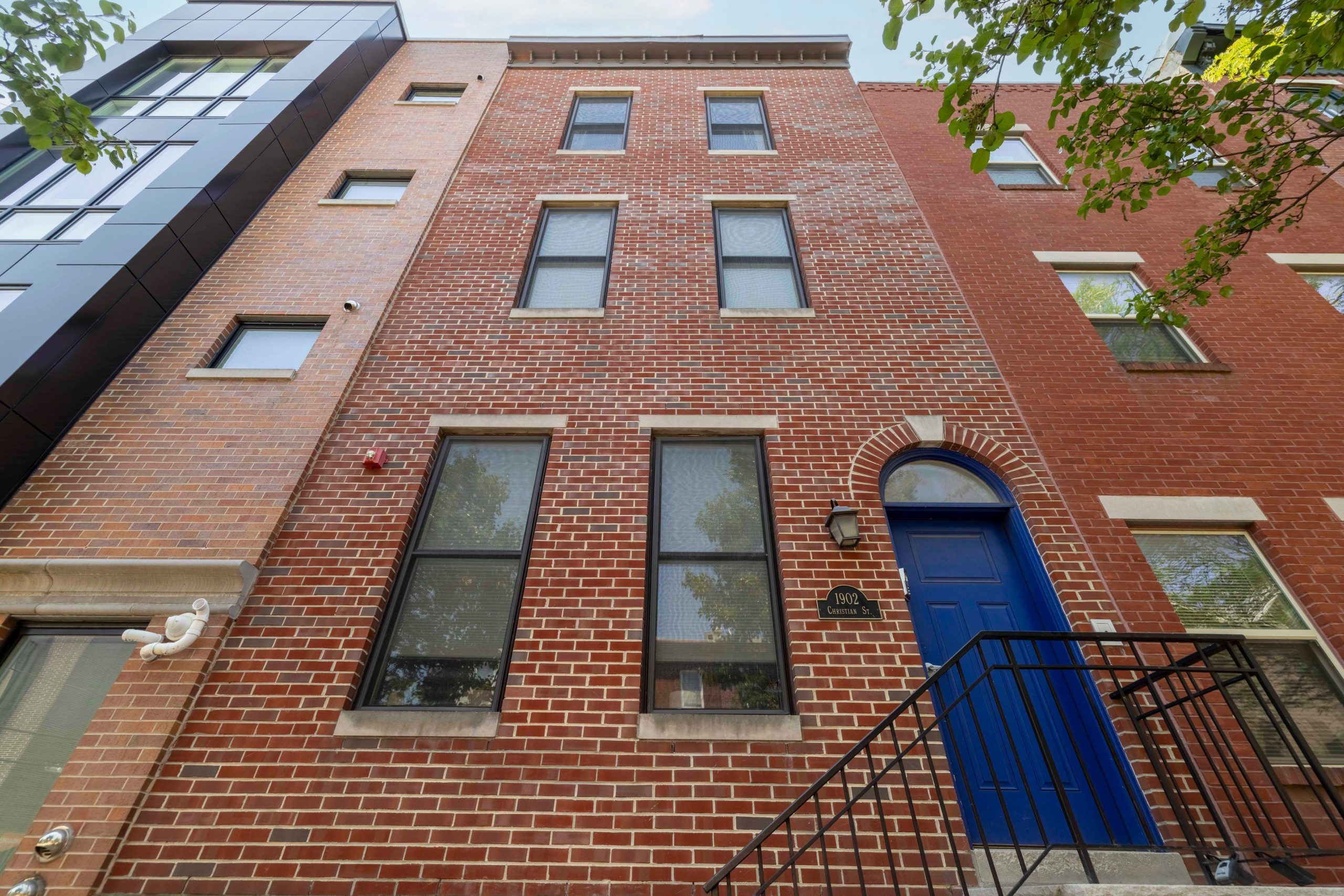
    This Graduate Hospital home went under contract last month a few weeks after it was listed for sale.Courtesy of Jake Markovitz

    “As an example, I’m seeing more inventory in Chestnut Hill than I have in a long time, which is giving buyers a little bit of power,” he said. But if the right property hits the market, it will go fast.

    He’s seen the same happen in neighborhoods such as Graduate Hospital and Fishtown.

    Because of strong demand for homes in the region, “I just don’t think we’ll see any major shift in prices coming down,” he said.

    ‘Weird’

    Markovitz and Thompson both used the same word to describe the recent real estate market: weird.

    They said housing activity isn’t always following time-tested rules.

    Philadelphia homes that sat on the market for months last fall, typically a busy season, suddenly went under contract in the winter, typically a slow one.

    A house that sits on the market for 30 days that a buyer thinks can be theirs at a lower price can suddenly attract two other buyers at the same time. And now they all need to be ready to pay more.

    Housing markets have always been hyperlocal, with buyer demand varying from neighborhood to neighborhood and block to block. But now, “it’s almost like a property-by-property basis,” even for comparable homes, Thompson said.

    Owners bound by ‘golden handcuffs’

    Even with recent upticks in home listings, the region’s housing supply is nowhere near enough to meet demand.

    “Most people are anticipating this year will continue to be a little tough,” Thompson said, “and then next year we’ll start to see some more inventory.”

    Markovitz said homeowners who bought properties five years ago with 3% or 4% mortgage interest rates are still experiencing “some sticker shock” from current rates, which lately have been averaging about 6.5% for a 30-year, fixed-rate mortgage.

    “Those people, even if they’re ready to leave, are kind of bound by their golden handcuffs,” not wanting to sell and then have to buy a home at a higher interest rate, he said.

    But for many homeowners, “the reality of the market has set in a little bit,” he said. “Where people were sort of hoping, wishing that rates would come back down, they’re not.” And life events such as births, deaths, and job moves mean that people need to sell their homes.
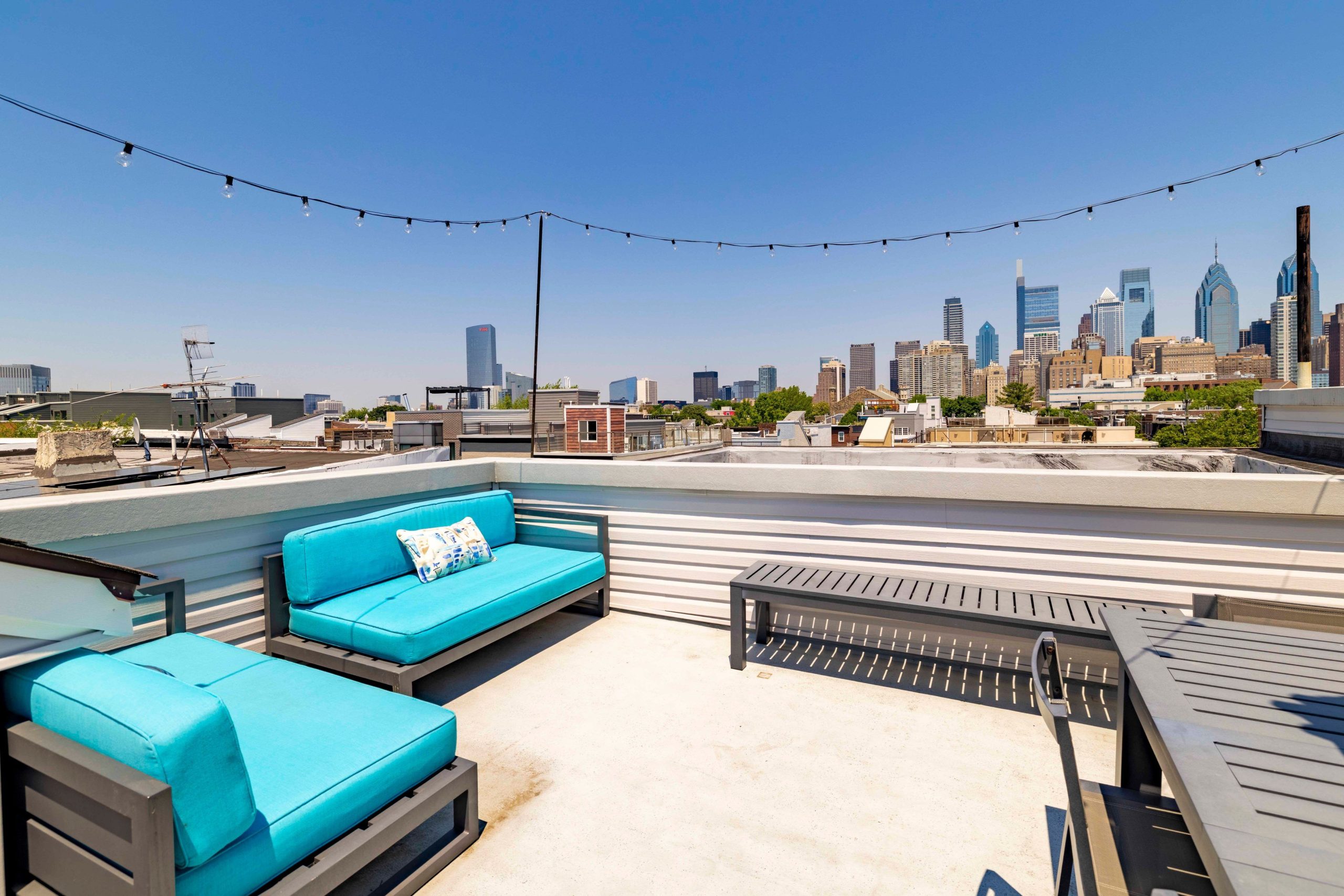
    This recently sold Graduate Hospital home has skyline views from the roof deck.Courtesy of Jake Markovitz

    And buyers show up to purchase them.

    Thompson said she was nervous when she listed a Phoenixville home for sale during Memorial Day weekend, when many homebuyers might be traveling. But a lot of people came to see it, and the seller ended up with seven offers and a final price that was well over what they expected.

    Buyers, however, aren’t accepting just anything. They are more selective and less likely than in past years to skip home inspections. If sellers want to get the highest price, they have to prepare their properties for sale, agents said.

    Homes, and especially kitchens and bathrooms, need to be up-to-date, and central air-conditioning is a plus, said Annette Collier, owner and real estate broker at Able Real Estate, based in West Philadelphia.

    “That’s what buyers are looking for, and I don’t think they’re willing to settle,” said Collier, who works in the city and surrounding areas. “I find that less buyers want to do any renovations. Most buyers want a move-in-ready situation.”
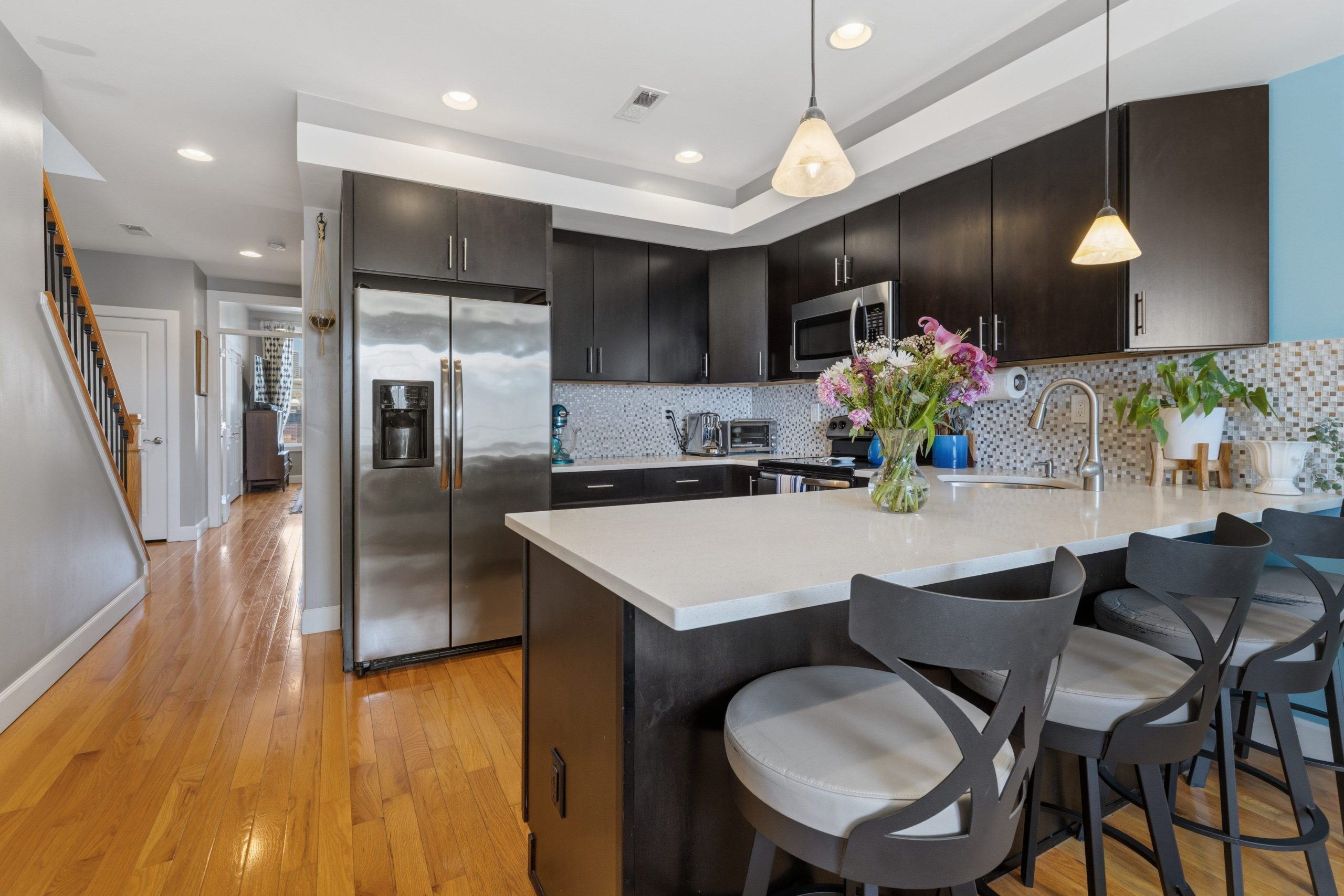
    Homebuyers want updated kitchens, like this one in a Graduate Hospital home that recently sold.Courtesy of Jake Markovitz

    And sellers need to be realistic about how much they can get for their home.

    “If you overprice by even just a little bit,” Thompson said, “you’ll end up sitting.”

    Buyers ‘ready to pounce’

    Generally speaking, buyers now have more time to make decisions than they did last year, since homes are staying on the market longer.

    But, in some submarkets, especially in Philadelphia’s collar counties, “there’s so much demand that certain houses are just going to fly off the shelves,” said Beiser, who works in Philadelphia and surrounding areas.

    “I have some buyers in the suburbs, and they‘ve kind of stopped looking because it’s too challenging,” she said.
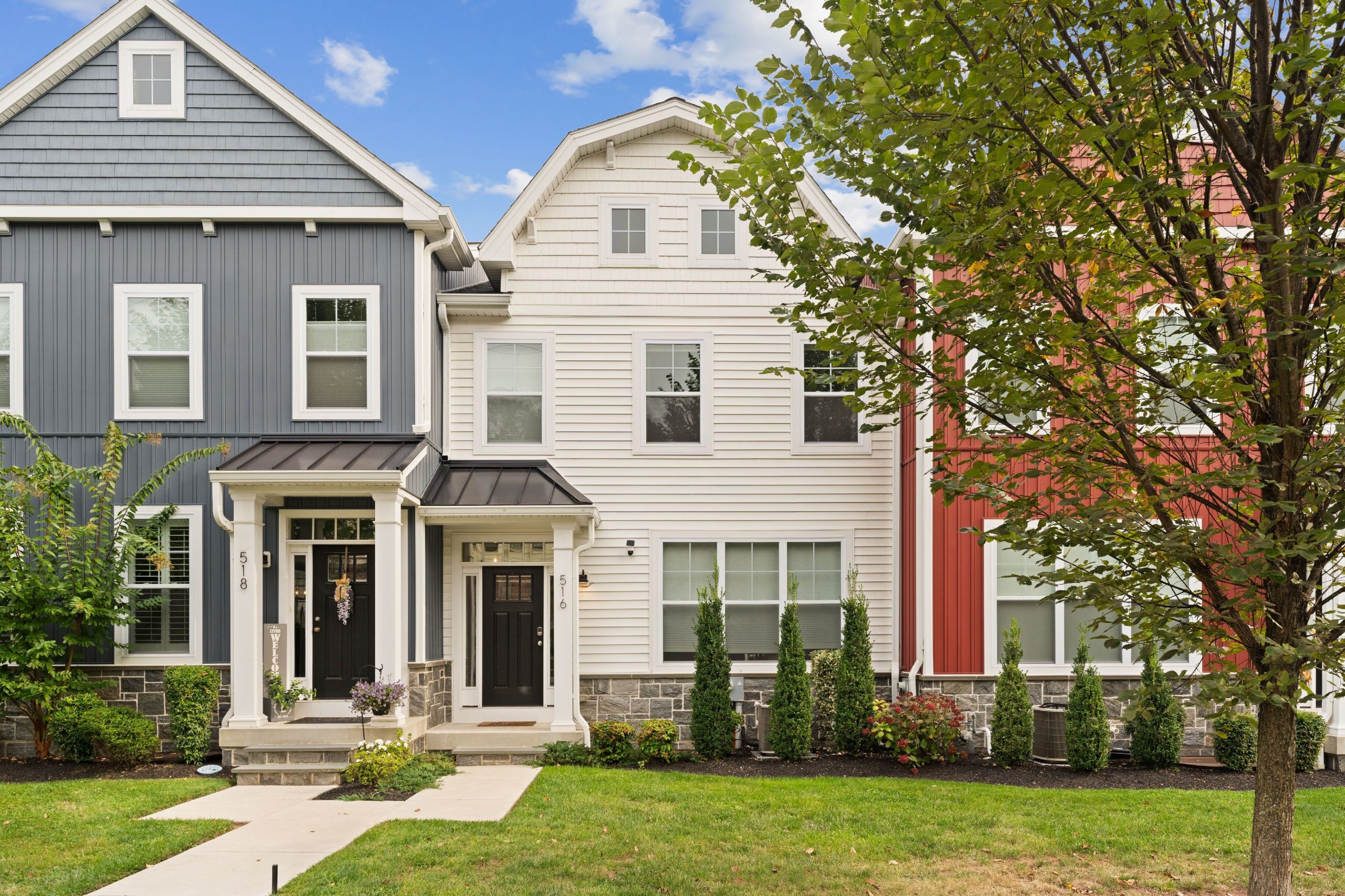
    This home in Upper Merion Township is listed for sale for $699,900 by agent Erin Thompson.Jacob Schroeder, Left Bank Real Estate Photo Services

    Beiser has been working with a couple with children who live in Philadelphia but want to move to the suburbs. Each spring for the last three years, her clients make a plan to try to find their next home. But every year, they decide that continuing to live in the city is more convenient than facing competitive markets in which they’re expected to skip home inspections to win a property, Beiser said.

    Thompson has seen a growing trend of frustrated buyers putting in offers above the asking price even when they’re not facing direct competition. One client recently went under contract on a Fishtown home they had immediately put an offer on.

    “They came in aggressive, because they’d just lost out on a house, and they’d been looking for a while,” she said. “You have these buyers who are scarred and tired, so they’re coming in more aggressive.”

    Thompson tells buyers to make sure they’re as prepared as possible before starting their home search.

    “You have to be ready to pounce the second [a home] comes to the market,” she said.
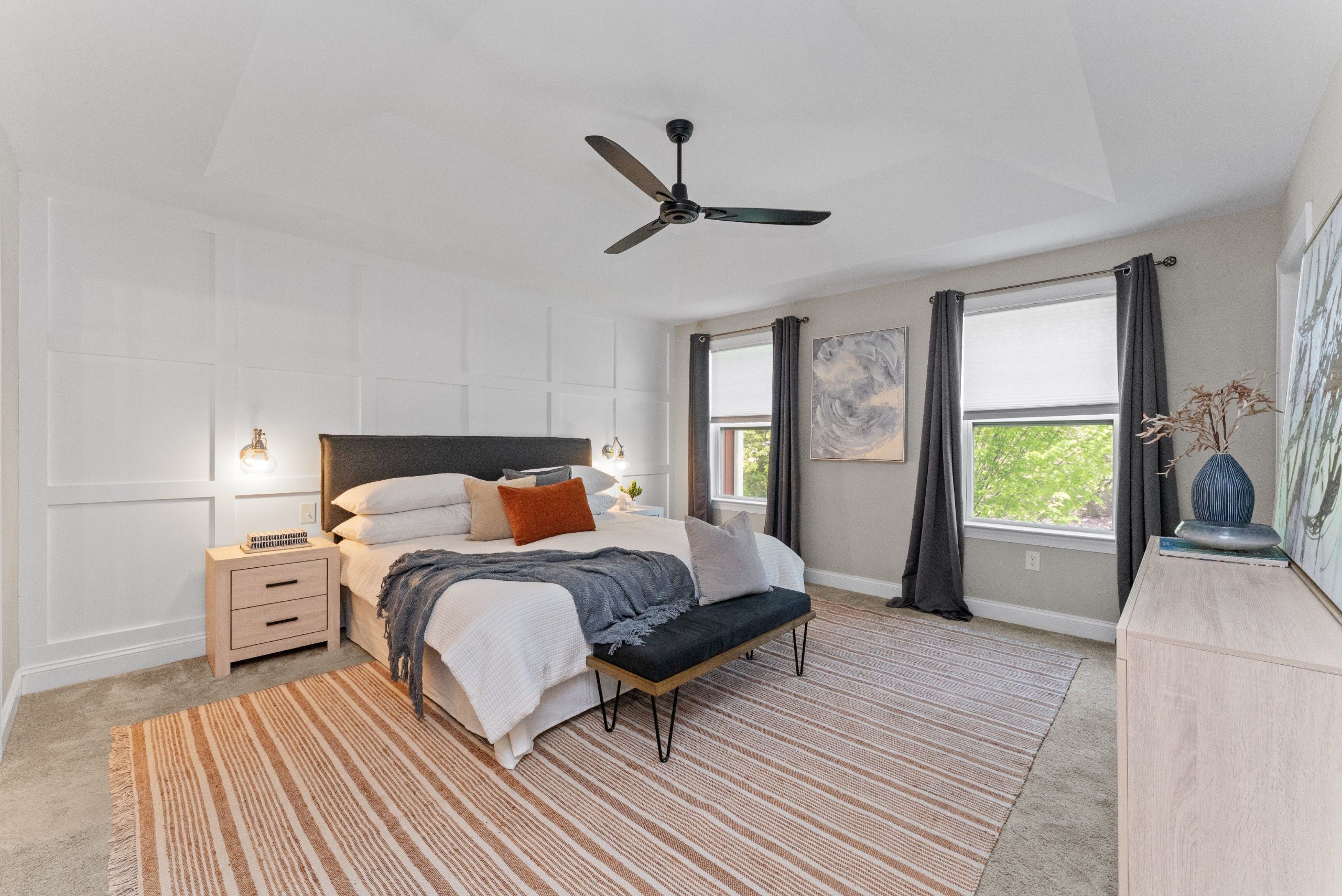
    This home on the market in Upper Merion Township spans more than 2,800 square feet and has three bedrooms.Jacob Schroeder, Left Bank Real Estate Photo Services
  • Affordable homes for historic property | Real Estate Newsletter

    Affordable homes for historic property | Real Estate Newsletter

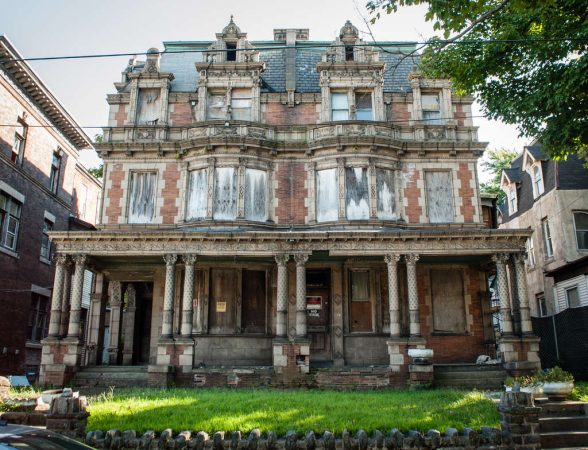
    A unique — and formerly crumbling — historic property in North Philly is poised for new life.

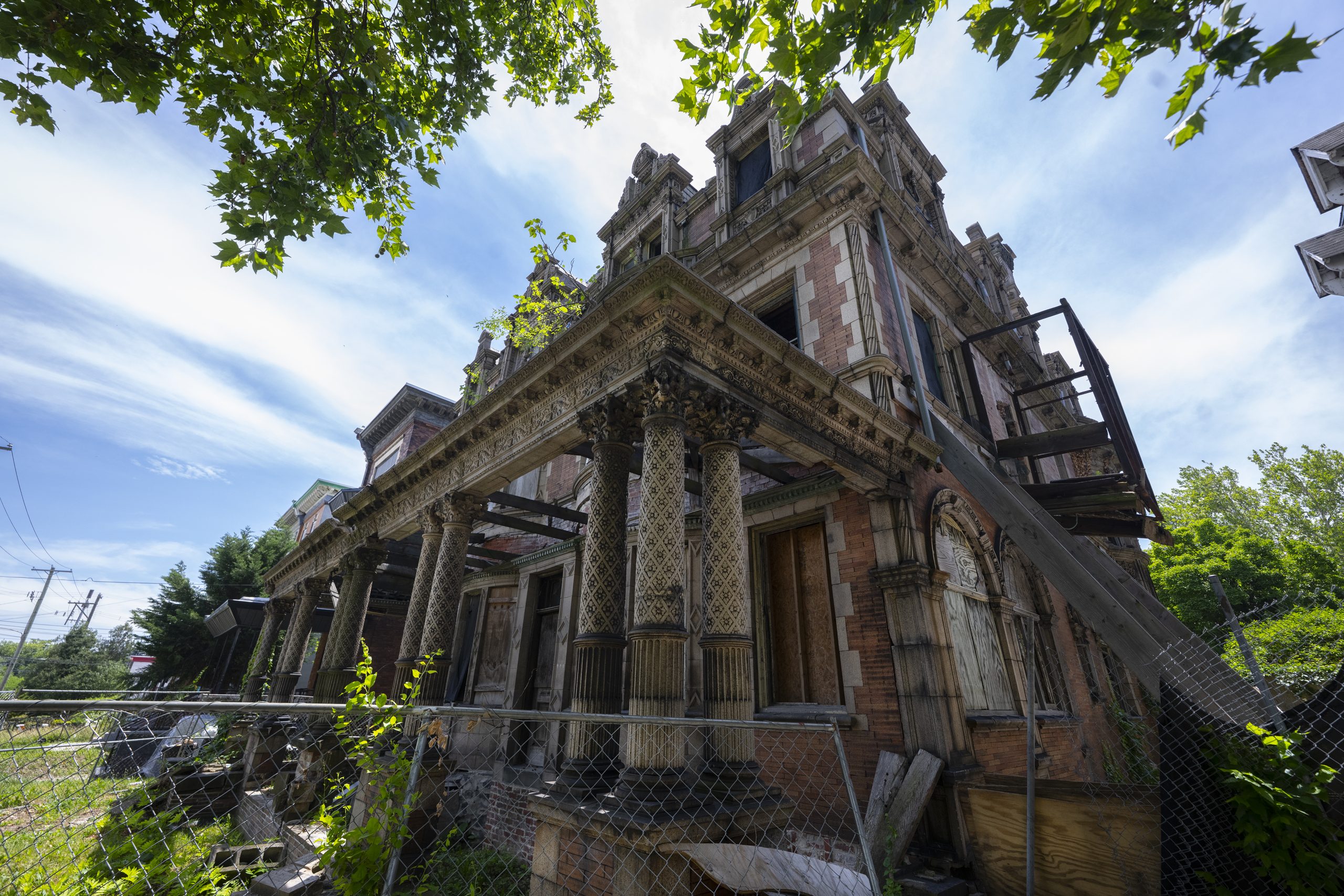
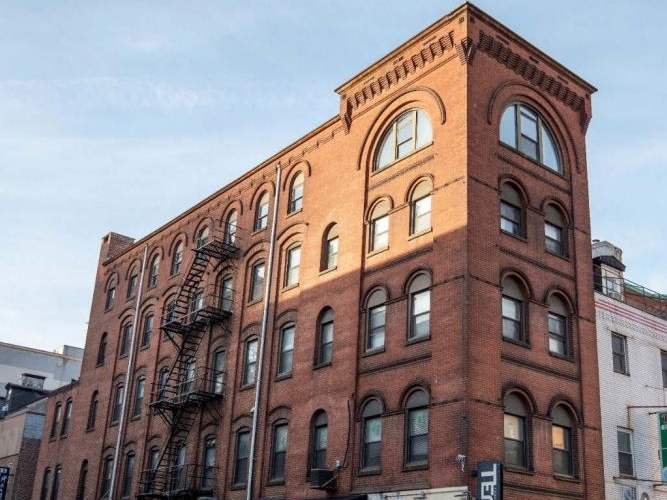
    The twin mansion on the 2200 block of West Tioga Street is almost 130 years old. The Conkling-Armstrong Terra Cotta Co. had the building constructed near its factory to show off its products to potential customers: late-19th-century developers and architects. Elaborate details and decorations make it one of a kind.

    But the building has been vacant for a while and fell into disrepair. Now, a local developer has big plans to reimagine it.

    Keep scrolling for that story and more in this week’s edition:

    — Michaelle Bond

    If someone forwarded you this email, sign up for free here.

    One-of-a-kind opportunity

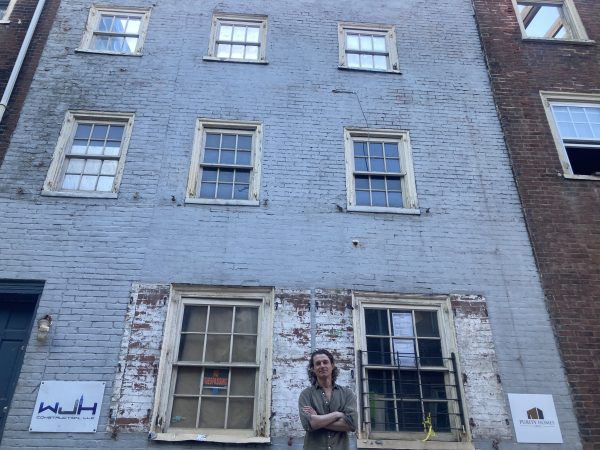
    The Conkling-Armstrong Houses weren’t safe to walk through when Brian Wise, an affordable housing developer, got a hold of them. He’s since spent $1 million to lay the groundwork for redevelopment.

    His plan is to build 12 apartments in each of the roughly 5,000-square-foot houses that make up the twin mansion. And he wants to build two additions in the back to fit more apartments.

    Wise plans for most of the homes to go to low-income tenants who use Philadelphia Housing Authority vouchers to help pay their rent.

    Philly’s zoning board gave Wise the green light last month, but he still needs approvals from the Philadelphia Historical Commission.

    Keep reading to learn more about the developer’s plans for the site and the historical legacy of the company behind the Conkling-Armstrong house.

    Taking in the views

    Beautiful views come at a premium at the Shore. And Shore homeowners want to make sure they’re getting the most out of their investment.

    As Laura Glantz, partner at a Jenkintown-based architecture firm, told my colleague, “When a view is one of a property’s greatest assets, every design decision should work to celebrate and preserve it.”

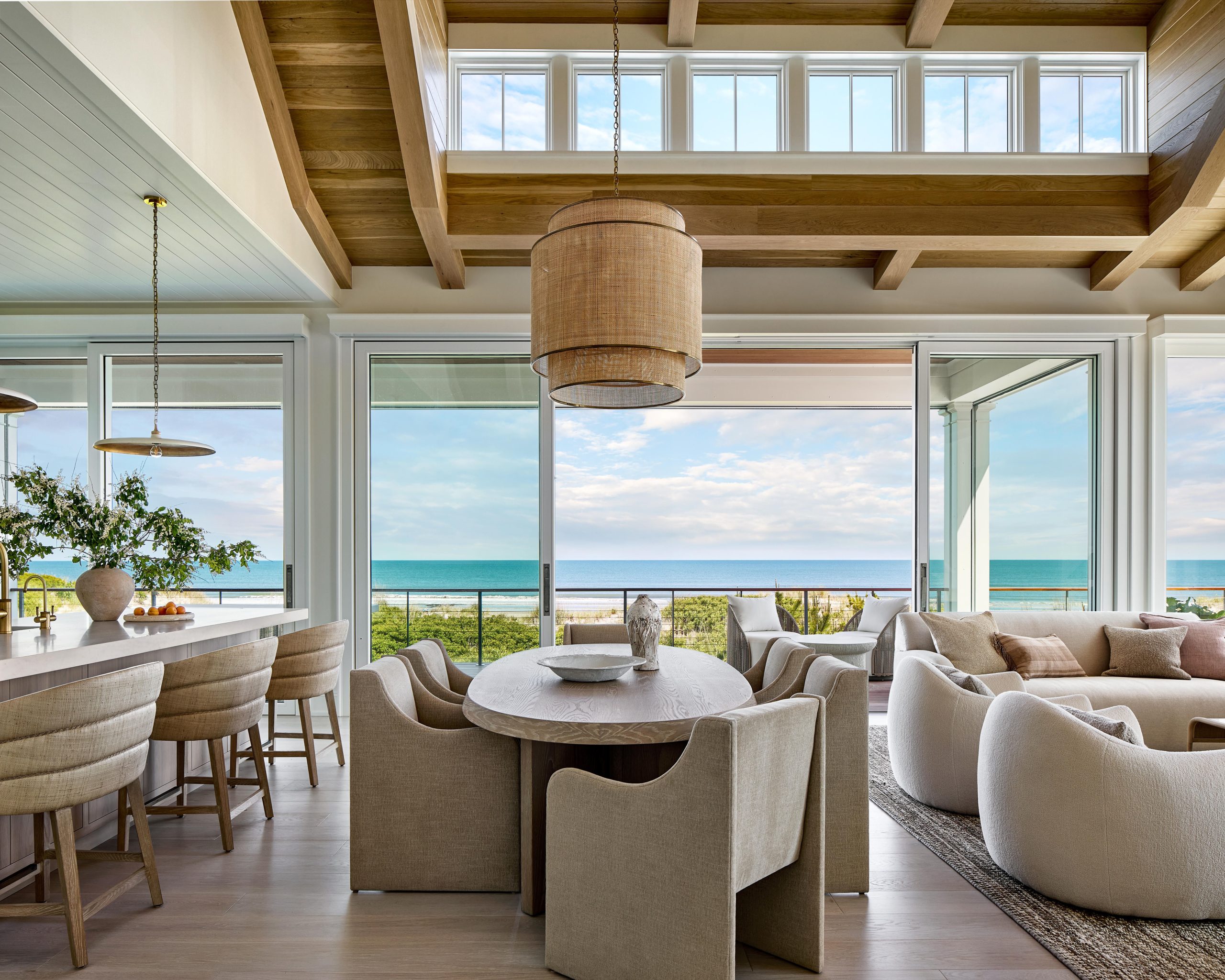
    When Katie and Randy Zakreski rebuilt their home in Strathmere, they wanted to optimize views of the ocean on one side and the bay on the other.

    That meant installing as many windows and glass doors as possible on every floor. They don’t mind not having much wall space for pictures, since the views act as dynamic wall furnishings.

    Views dictated the layout of their home inside and out. They have five exterior decks from which to look around.

    Read on to find out how owners of Shore homes are maximizing their views inside and outside.

    📮Did you buy a home for the views? Email me to show us what you see.

    The latest news to pay attention to

    Home tour: Wild in Schwenksville

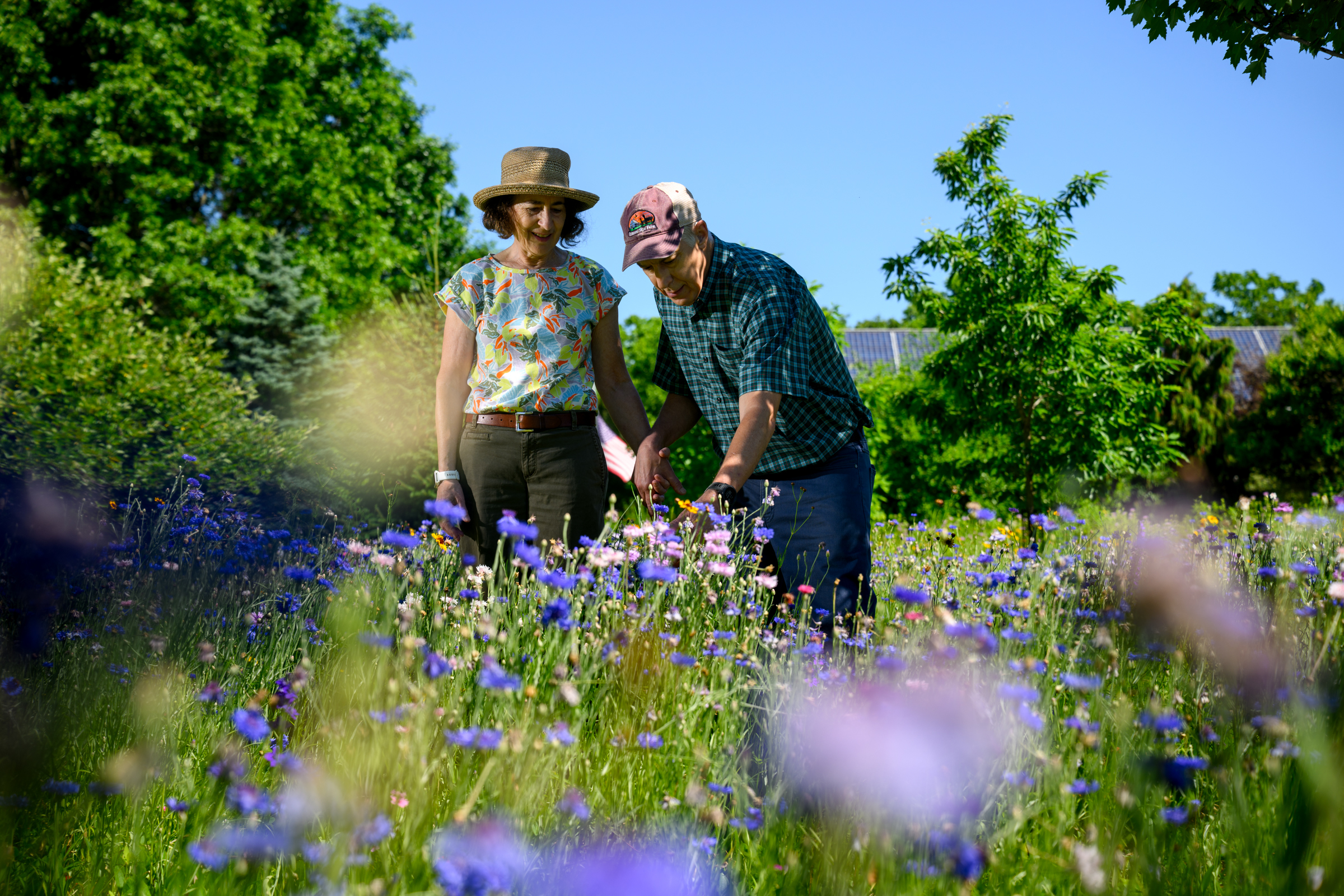
    Coming up the driveway of this Schwenksville home, you can’t really see the house. All that’s visible is solar panels on the roof, peeking out from behind trees and a meadow.

    Homeowners Marla Hexter and Larry Cohen take caring for the environment seriously. They’ve got two electric vehicles, a geothermal heating and cooling system, and those solar panels.

    They also have two wildflower meadows in their front yard. The meadows replaced their typical lawn and extend from their frog pond to the curb. They’re beacons for admiring neighbors, some of whom ask for tips for creating their own meadows.

    The wildflowers attract pollinating insects and 17 bird species.

    Hexter and Cohen grow vegetables and added a house specifically to welcome bats.

    Peek inside this wild piece of Schwenksville.

    📷 Photo quiz

    Do you know the location this photo shows?

    📮 If you think you do, email me back.

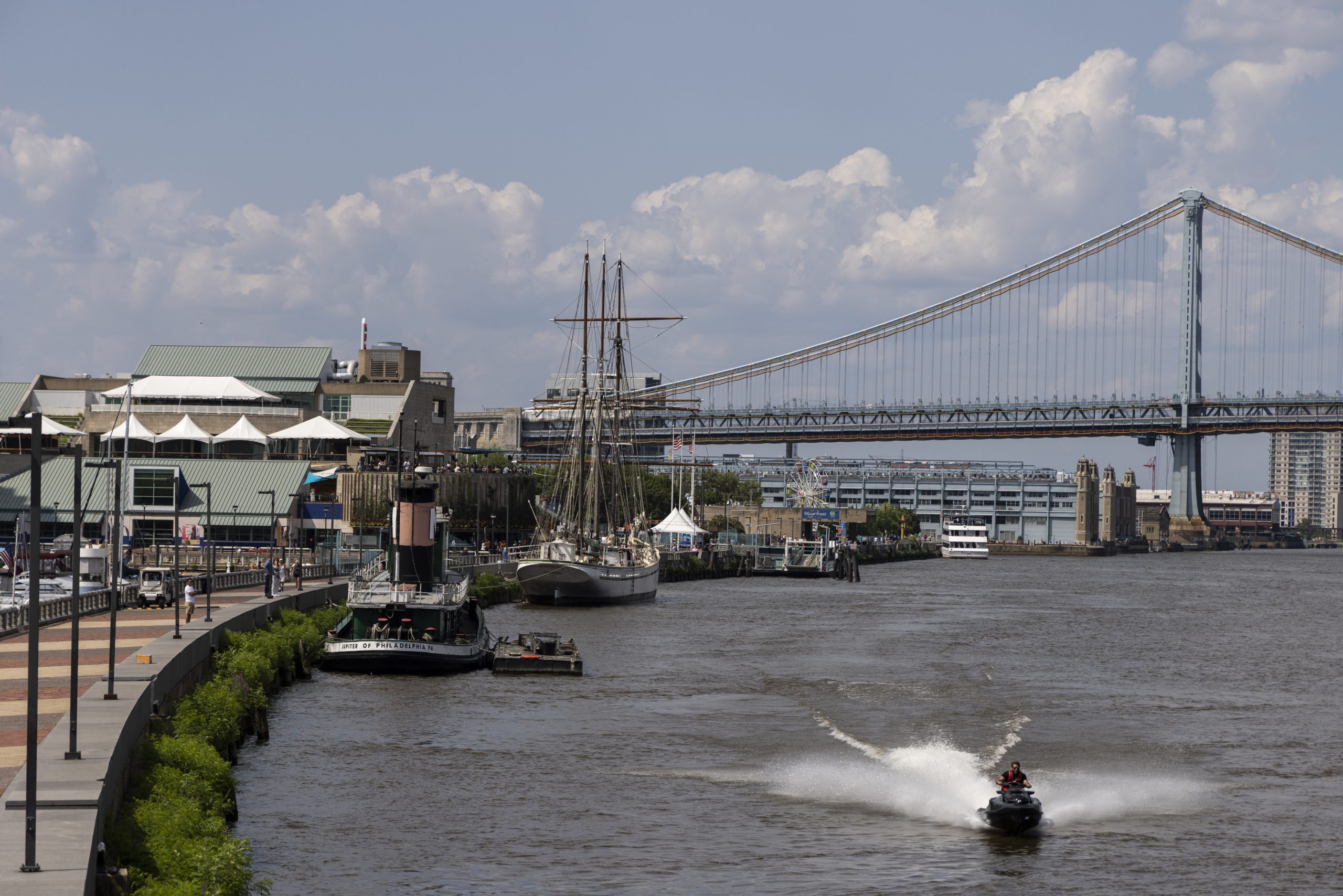
    Last week’s quiz featured a photo taken near the Independence Seaport Museum at the Penn’s Landing Marina.

    Shoutout to Bruce R. and Merrily T. for knowing that.

    ―

    Does your town let you keep chickens in your backyard? Collingswood is one of the local places that ban the animals.

    Some residents there have been fighting for years to have chickens and the fresh eggs they lay. But they’ve got reason to hope that this year will be different.

    Try to stay cool and enjoy the rest of your week.

    By submitting your written, visual, and/or audio contributions, you agree to The Inquirer’s Terms of Use, including the grant of rights in Section 10.

  • Home insurance costs in N.J. and Pa. are below national averages but on the rise

    Home insurance costs in N.J. and Pa. are below national averages but on the rise

    Being a homeowner is getting more expensive not only because of the rising costs of buying properties but also because of the rising costs of protecting them.

    From 2020 to 2025, home insurance rates across the country increased by a cumulative 47%, according to an analysis by the online loan marketplace LendingTree. In 2024 alone, they rose by about 13%. They increased by 6% in 2025.

    Last year, rates increased by 7.5% in New Jersey and just over 1% in Pennsylvania.

    Homeowners are seeing higher prices because of more frequent and damaging severe weather events and rising costs of labor, materials, and repairs.

    “Rising home insurance costs are forcing many homeowners to make difficult financial trade-offs,” Lindsay Bishop, an insurance expert for LendingTree, said in a statement. “That suggests affordability pressures are becoming severe enough that some homeowners are questioning whether they can continue carrying coverage at all.”

    Nationwide, more than 12 million owner-occupied homes are uninsured, according to a LendingTree report from March. LendingTree called homes uninsured if owners spent less than $100 per year on home insurance.

    Of the country’s 100 most populated metropolitan areas, the Philadelphia region ranks in the middle — 47th — when it comes to shares of uninsured homes. Roughly 203,600 homes, or about 12%, did not have insurance in 2024.

    Nationally, the average cost of home insurance is $2,395 per year. But costs are lower in New Jersey and Pennsylvania. The average cost is $1,449 in the Garden State and $1,712 in the Keystone State.

    Costs vary by state because of their varying risks of severe weather.

    Oklahoma, located in “Tornado Alley,” is the state with the highest average home insurance cost — $5,298 per year. Next is Nebraska, also in “Tornado Alley.” The average cost there is $4,956 per year.

    Then comes Colorado, where homeowners pay an average of $4,310 per year. Colorado also was the state with the largest cumulative increase in home insurance costs from 2020 to 2025. The average rate more than doubled.

    “States like Oklahoma, Nebraska, and Colorado experience greater damage from tornadoes, hail, wildfires, and severe storms,” Bishop said. “This leads to more frequent and expensive claims, so it’s unlikely that the gap between states will close dramatically unless the underlying risks change.”

  • Developer sued in Northern Liberties | Real Estate Newsletter

    Developer sued in Northern Liberties | Real Estate Newsletter

    Last month, developer Brian Zoubek appeared with New Jersey Gov. Mikie Sherrill to cut the ribbon on a group of luxury townhouses he built in Atlantic City.

    But over in Northern Liberties, a group of Philly homeowners say Zoubek’s construction of apartments next to their homes damaged the houses. One family even had to move out because the city said their home had become unsafe.

    Neighbors on Brown Street have sued Zoubek, who has faced lawsuits before over construction projects.

    Keep scrolling for that story and more in this week’s edition:

    — Michaelle Bond

    If someone forwarded you this email, sign up for free here.

    Cracks, slants, and leaks

    Philadelphia real estate developer Brian Emmons and his wife, Robyn, want to move to South Jersey to be closer to family. But they can’t sell their $900,000 rowhouse in Northern Liberties in its current condition.

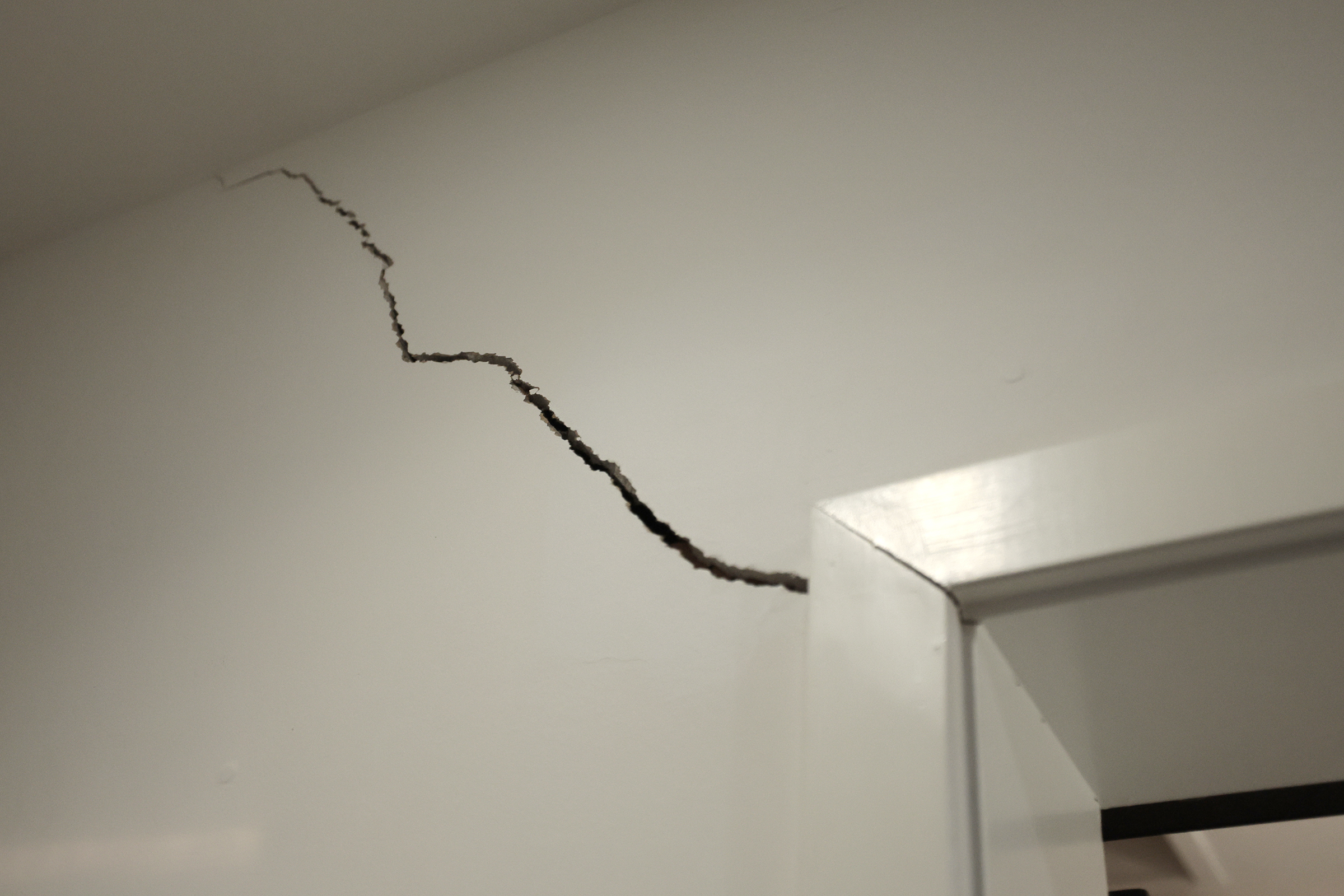
    They’ve got cracks all over their home. And they point to another developer as the reason why.

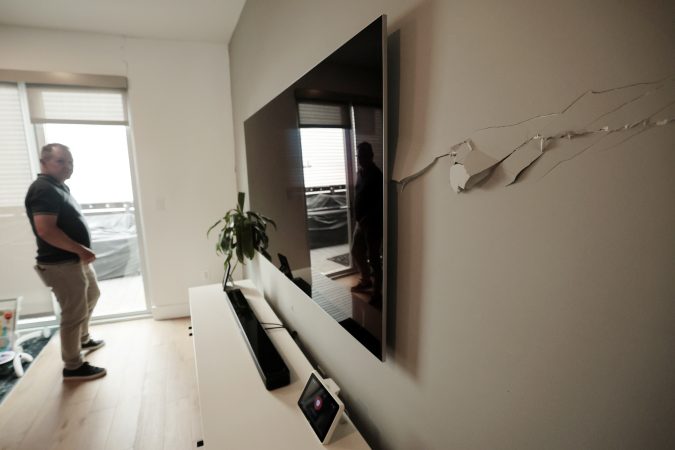
    The Emmonses and neighbors on Brown Street have sued Brian Zoubek, saying that his redevelopment of Philly’s oldest surviving public school building into apartments damaged their homes. They say Zoubek dug too deep while constructing a four-story addition next to their houses and compromised their foundations.

    Homeowners now deal with:

    • cracks in walls
    • slanting floors
    • leaks in the shared garage
    • windows and doors residents struggle to open

    Zoubek has been in the construction business in the Philly area for more than 10 years. He said he is “actively defending” the claims against him.

    Keep reading to learn more about what led to this legal battle.

    Reviving a public housing site

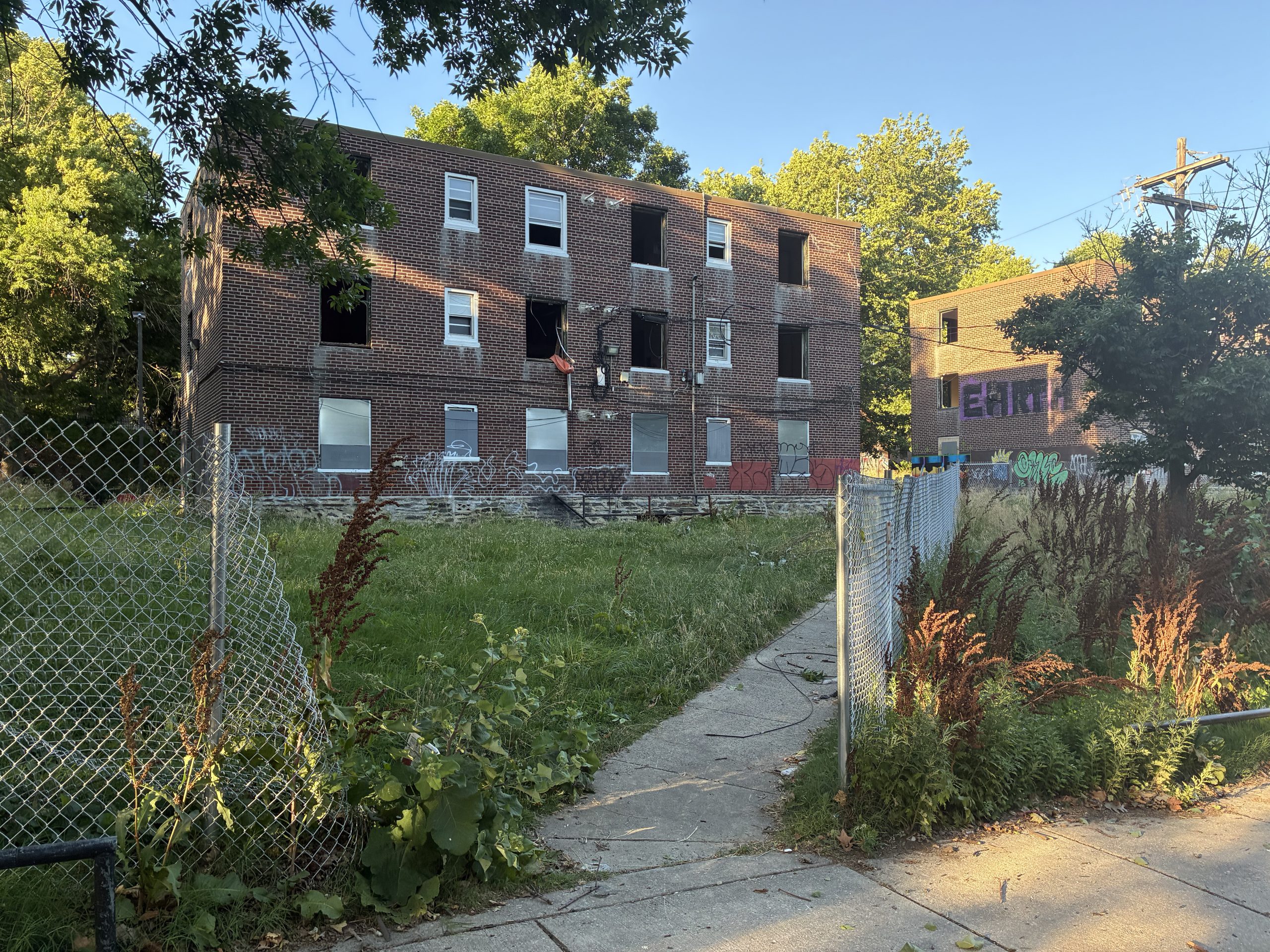
    The wrecking ball should be coming soon for an abandoned public housing complex in Southwest Philly.

    Bartram Village is a Philadelphia Housing Authority complex with 45 buildings that date back to 1942. Since at least 2018, PHA has been planning a major redevelopment at the 22-acre site, located next to the popular Bartram’s Garden.

    The last tenant moved out last year. But squatters moved in. Now, the buildings are in rough shape.

    Last week, Mayor Cherelle L. Parker declared a public safety emergency at the site.

    It’s a move meant to clear the way so PHA can finally move forward with its plans for demolition and redevelopment.

    Keep reading to learn more about the state of the site and what PHA plans to build there.

    The latest news to pay attention to

    Home tour: A pop of purple in Mount Airy

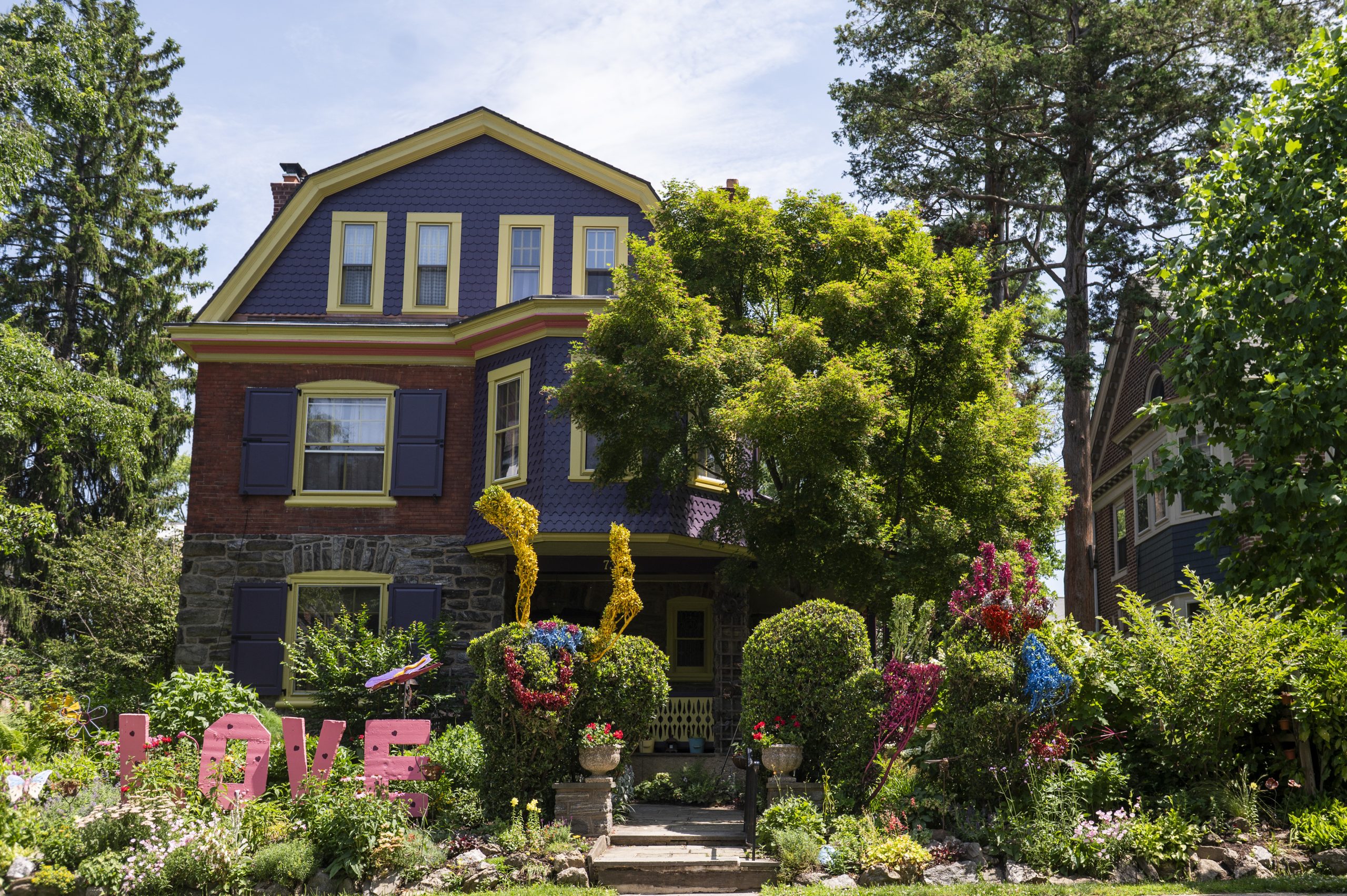
    Jean Miller has always wanted a purple house.

    After countless home renovations over more than 25 years, she now has one. That’s thanks to the most recent project, which included a lot of purple paint.

    “It makes the house pop,” Miller said of the Mount Airy home where she and Craig Heim raised their two children.

    But the bold facade isn’t the only thing that pops on the property. The outside of the house is lined with yellow, including the front porch railing and the windows. A hedge is painted and shaped to look like a “happy bull” in a colorful front garden. Miller made a large, heart-covered “LOVE” sign that stands in front of the home.

    Inside, Miller and Heim have transformed pretty much all 3,200 square feet of their house since they bought it in 2000.

    Take a peek inside the property.

    📷 Photo quiz

    Do you know the location this photo shows?

    📮 If you think you do, email me back and share your memories.

    Last week’s quiz featured a photo of Market Square in Germantown.

    Shout out to Stuart H. for getting that right.

    ―

    We regularly feature homes for sale in our region. But I’ve never seen anything like this.

    A historic Philly mansion recently hit the market with a quirky caveat in the deed: once a year, the owner must allow a reenactment of a Revolutionary War battle to take place on the front lawn.

    The current owner said he loved having the reenactments on his property. Now, he’s looking for someone else who’d be into it, too.

    Only in Philly. Enjoy the rest of your week.

    By submitting your written, visual, and/or audio contributions, you agree to The Inquirer’s Terms of Use, including the grant of rights in Section 10.

  • The ‘demand is real’ for backyard cottages, in-law suites, and other ADUs, says a Philly-area builder

    The ‘demand is real’ for backyard cottages, in-law suites, and other ADUs, says a Philly-area builder

    Homeowners across the Philadelphia region want to build garage apartments, in-law suites, and backyard cottages on their properties.

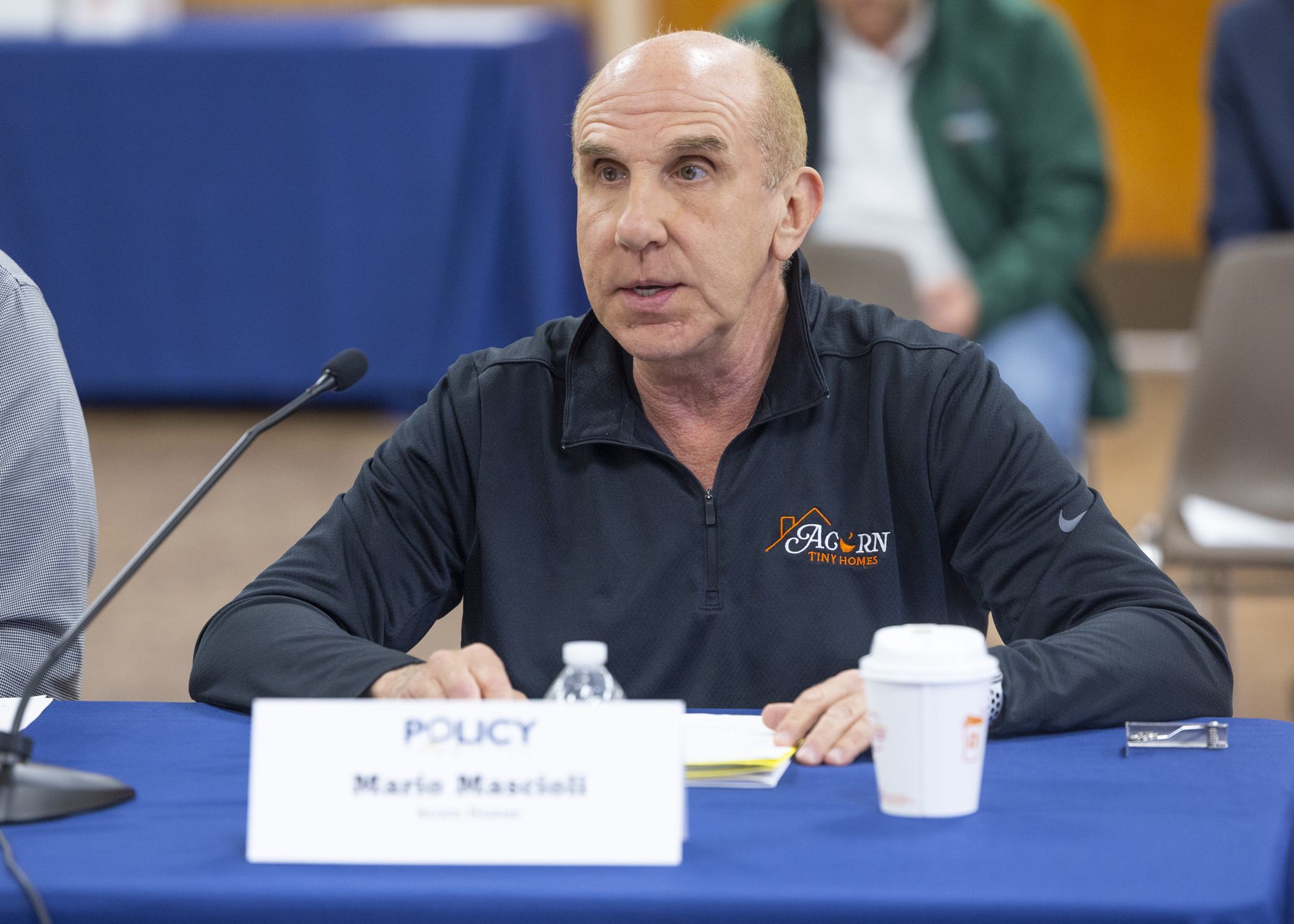
    Mario Mascioli, owner of Acorn Built Homes, said he gets hundreds of inquiries per month for these accessory dwelling units (ADUs), which have made up the bulk of Mascioli’s business since his company opened in late 2024.

    “The demand is real,” said Mascioli, who works across southeastern Pennsylvania and in Princeton. And builders like him are ready to create ADUs. But municipalities’ varying and often restrictive land-use rules often make that difficult.

    Pennsylvania lawmakers are currently considering legislation that would allow homeowners to create ADUs in places that are zoned for single-family houses without having to get special permission. The bill passed the state House earlier this month and is now before a state Senate committee.

    Allowing for the construction of ADUs is part of Pennsylvania Gov. Josh Shapiro’s plan to increase the state’s housing supply and provide Pennsylvanians with more affordable housing options.

    Mascioli has testified before state lawmakers to advocate for the loosening of restrictions for ADUs.

    “It would mean that homeowners that want these — which are plenty of them — would be able to get it done quickly, more economically, favorably,“ he said. ”It would be fantastic.”

    The Inquirer talked to Mascioli about the ADU landscape.

    This interview has been edited for length and clarity.

    Mario Mascioli, owner of Acorn Built Homes, testifies about accessory dwelling units at a policy committee hearing of Pennsylvania legislators on May 21, 2026.Acorn Built Homes
    Why do people want ADUs?

    The three drivers for why people want them are: aging-in-place elderly parents; adult children that can’t afford rent or can’t afford to buy a home; and third, people want rental income.

    What types of ADUs do you offer?

    We build studios as small as 240 square feet. [But] most people want a space that has at least 500 square feet. Most opt for one or two bedrooms.

    We [also] do additions. We do garage conversions. We do conversions of basements.

    In many cases, we have to attach an ADU as an addition to a house because of the township requirements. And in many cases, we’re limited as to the features we can put into it, because of those requirements.

    What’s something that clients have asked for that they weren’t able to get because of local land-use rules?

    I’ll give you a real-time example. We start every project with what we call our “feasibility and scoping” phase. That takes about four or so weeks to dial in on what’s buildable from a structural, construction, architectural, and also an approvable perspective.

    We have a customer we’re in the final phase of that study with. They have a beautiful property, plenty of land. They wanted a detached ADU for the couple’s mother, who’s going to be moving up from Florida to take care of their newborn, [who is due] in December. In this case, we can’t do a detached unit without going through a variance.

    We also uncovered through our feasibility process that … if we were to extend the garage and build on top of it, that would require a variance.

    Third thing is there’s a floodplain that runs through the property. And any modification to the footprint of the property would also be a variance.

    Those are three separate variance processes, each of which would require attorneys and fees and zoning hearing boards.

    So what we’re left building [without zoning approvals] is to raise up the loft on the second floor of the garage, put some dormers in it to make it more spacious, and create a one-bedroom living space there — but without a full kitchen with built-in cooking facilities. We can only put a kitchenette in.

    That is very typical. That’s 90% of what we deal with as it relates to ADUs.

    What’s different about building an ADU vs. a typical single-family home?

    Basically, the red tape impedes or kills [ADU] projects before they start. And that is because there’s over 2,500 municipalities in Pennsylvania. Each with different zoning rules as it relates to ADUs.

    In some townships, you can build one with no issues. But if you step, you know, a mile over the line in any direction, it’s either banned entirely or there are so many restrictions and other requirements that it takes [a] very long [time], if at all, to get through zoning hearing boards.

    Permitting and the expense of the red tape can make many projects impractical.

    Why did you decide to go into the ADU business in Pennsylvania with the challenges you’ve described?

    If you look at things from a national perspective, 20 states have passed legislation like Pennsylvania currently has in its legislature.

    People want them. That’s about affordable housing. I thought and still believe that it would be inevitable that ultimately Pennsylvania would pass such legislation. And if we were here in advance of that, establishing ourselves in the market, we would benefit from that legislation being passed.

  • Losing affordable Center City homes | Real Estate Newsletter

    Losing affordable Center City homes | Real Estate Newsletter

    The 100 block of North Mole Street is a special place.

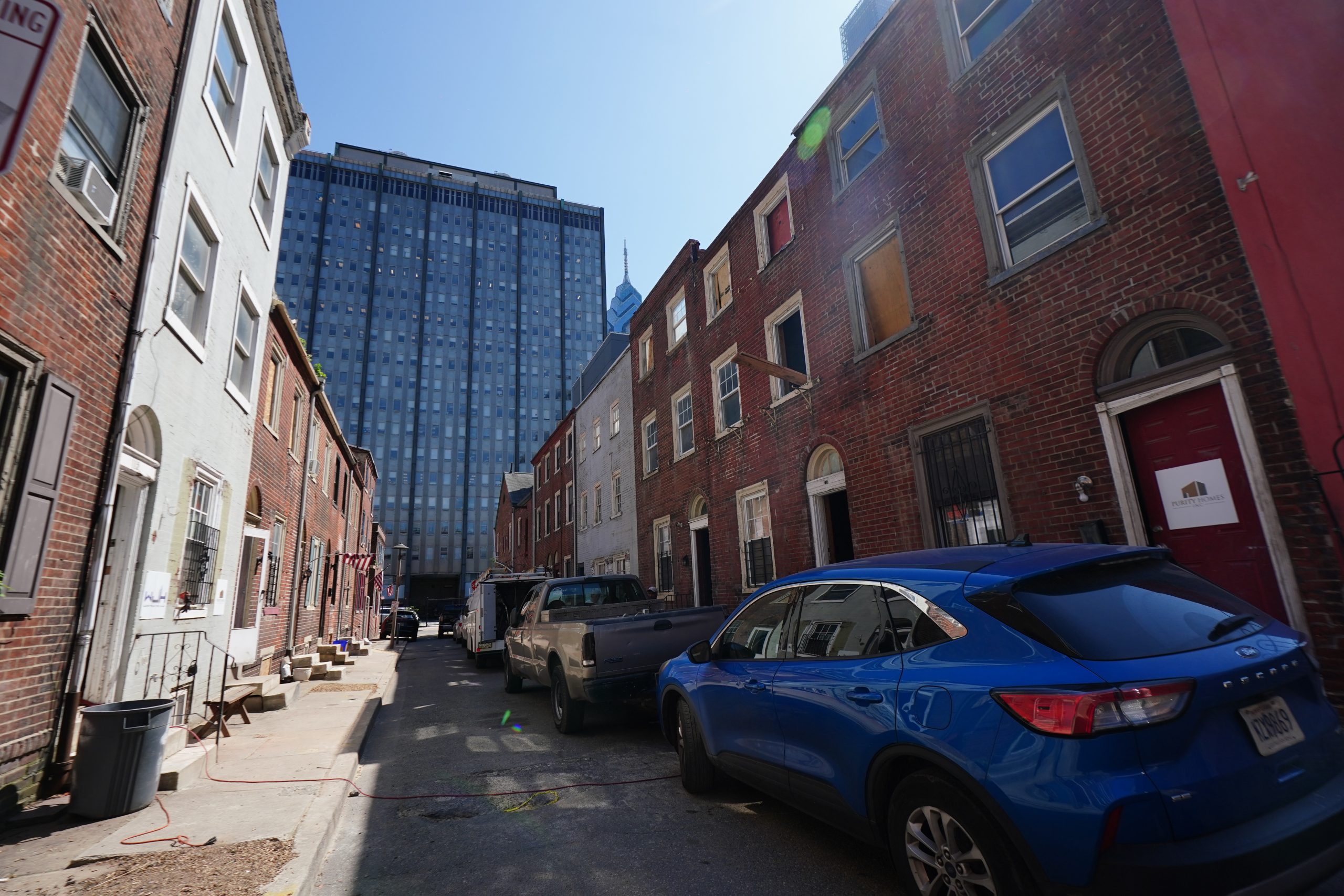
    It’s a cluster of two-story brick houses in an area of Center City where high-rises and parking lots reign. Neighbors are close with each other. For decades, they held the Molestice Festival in the block’s pocket park.

    And the street’s renters, which include a mix of artists and students, have been paying well under $2,000 for four-bedroom homes just two blocks from City Hall.

    But now the pocket park is gone, and many of the houses are being redeveloped. Soon, this piece of Center City will lose its affordable homes.

    Keep scrolling for that story and more in this week’s edition:

    📮Last week, we looked at some of the beautiful murals on Philadelphians’ homes.

    Do you have a favorite mural? Maybe it’s one you pass all the time or one you stumbled upon. Send me a photo and tell me why you like it.

    — Michaelle Bond

    If someone forwarded you this email, sign up for free here.

    A sinking island of affordability

    A historic preservation advocate called the 100 block of North Mole Street “magical” and said it’s an “extremely important remnant of Old Philadelphia in Center City.”

    Some of the houses there are almost 200 years old. Until recently, a family trust belonging to descendants of a U.S. founding father owned 25 of the block’s 30 homes. The trust kept rents low.

    But last year, a developer bought some of the homes with plans to buy more. Renters have learned their leases won’t be renewed.

    Given how much money the developer will spend buying and redeveloping the homes, Mole Street can say goodbye to its low rents.

    Keep reading to learn more about this Center City block and the developer’s plans for the street.

    $1 million ‘starter’ homes

    For most of us, the words “starter home” and “million dollars” don’t go together.

    And paying a million dollars for an entry-level home is rare. But it’s happening more than ever across the country.

    Just before the pandemic, the U.S. had 80 communities where starter homes — defined by Zillow as the bottom third of the market — were worth an average of $1 million or more. In April, that number tripled to a record 242.

    We have one of these communities in the Philly region: Villanova.

    It’s the only one in Pennsylvania. New Jersey has 26, mostly in North Jersey and at the Shore.

    Keep reading to learn more about the trend of million-dollar starter homes.

    The latest news to pay attention to

    Home tour: Pet friendly abodes

    Every week, we take you inside a local home that residents want to show off. And pretty often, there’s a furry member of the household who enjoys the home just as much. Maybe even more.

    So this week, my colleague Lizzy McLellan Ravitch took a look back at some of the pets featured in past home tours.

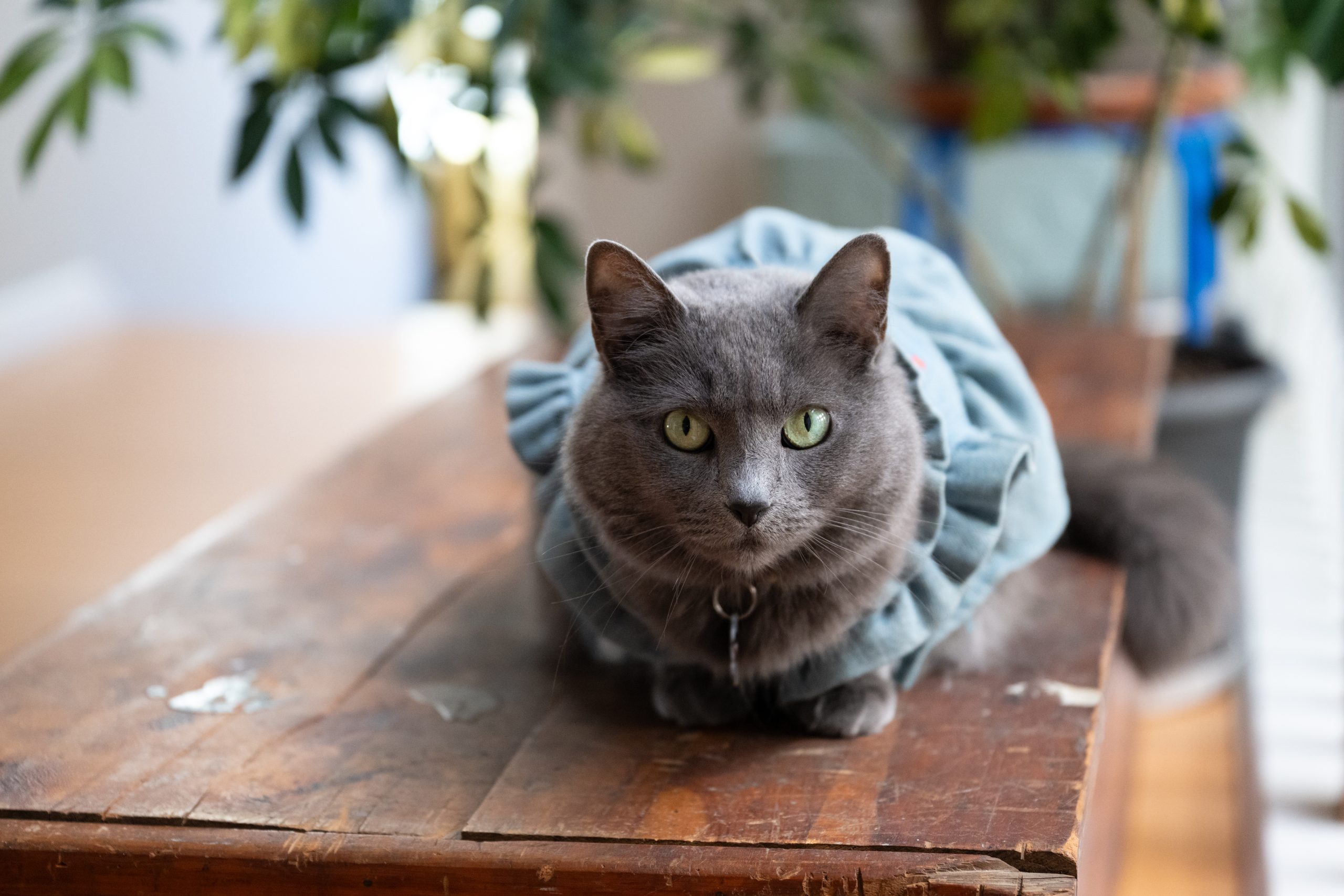
    Pets such as Olive, the kitty in the dress above, who lives in a Bella Vista apartment. I remember her for her outfit and the cat door in one of her human’s bedroom doors.

    Frankie the cat’s bed is on the windowsill of her Fairmount apartment, so she can lounge in the sun.

    Dipplin the dog likes people- and dog-watching from two balconies at his Fishtown-area home.

    Read on for more tales of local pets and some pictures to brighten your day.

    📷 Photo quiz

    Do you know the location this photo shows?

    📮 If you think you do, email me back.

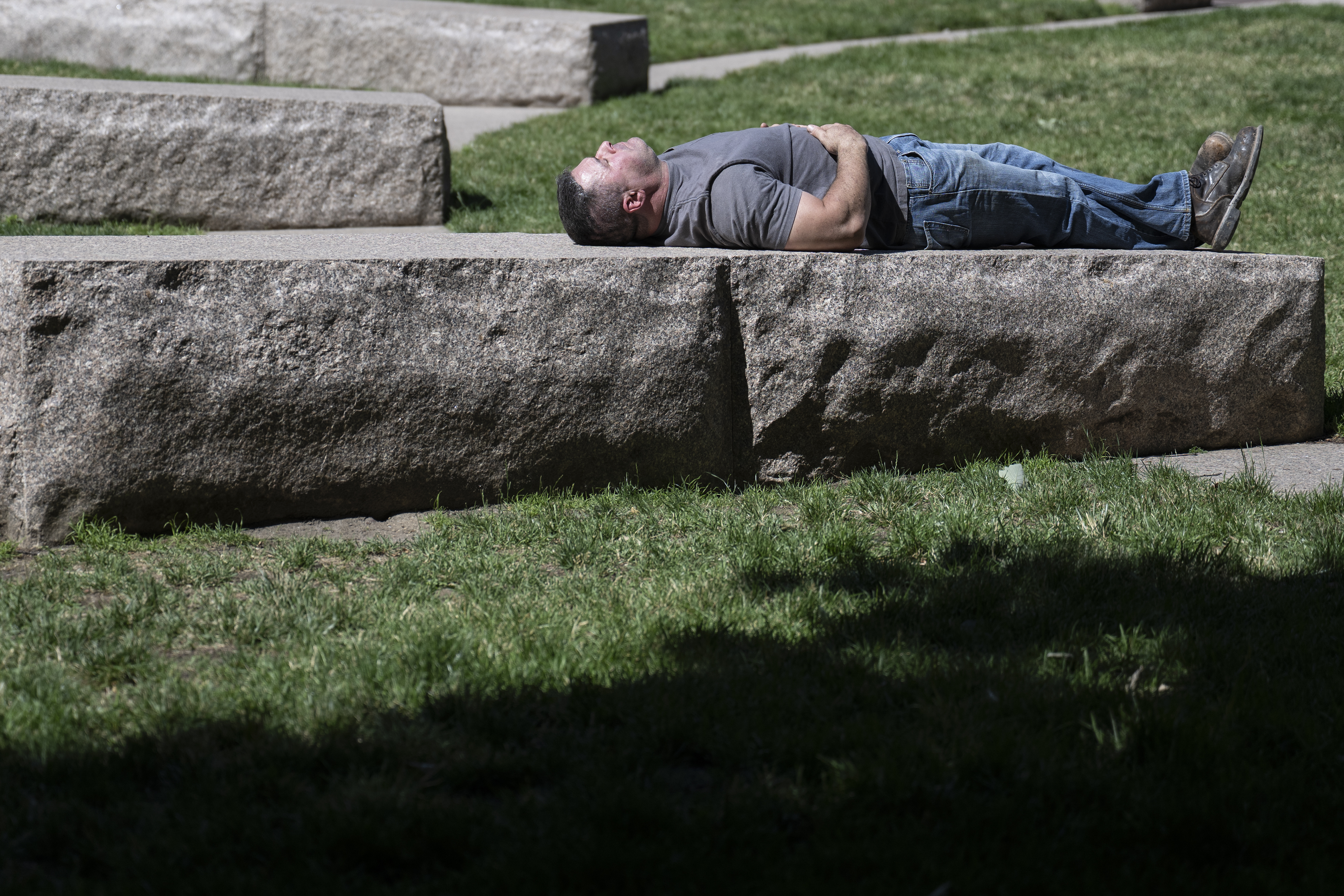
    I stumped you with last week’s quiz. That photo of a guy lounging was captured at Thomas Jefferson University’s Sidney and Ethal Lubert Plaza between 10th and 11th Streets and Locust and Walnut Streets.

    Enjoy the rest of your week.

    By submitting your written, visual, and/or audio contributions, you agree to The Inquirer’s Terms of Use, including the grant of rights in Section 10.

  • In Villanova, the average starter home costs $1 million

    In Villanova, the average starter home costs $1 million

    Villanova is one of a record 242 places in the country where the average starter home is valued at $1 million or more, according to Zillow.

    The community is the only such place both in Pennsylvania and in the Philadelphia metropolitan area, according to an analysis by Zillow based on April home values. Zillow calls properties starter homes if they are in a market’s bottom third of home values.

    Million-dollar starter homes are rare. The typical starter home in the United States is worth a little less than $200,000. But home values keep rising as demand for homes has outpaced supply, especially over the last few years.

    “The pandemic reset the cost of buying a home, spreading million-dollar starter homes from a handful of coastal states to more than two dozen states across the country,” Kara Ng, senior economist at Zillow, said in a statement.

    Since early 2020, the number of communities in the United States where the average entry-level home is worth at least $1 million has tripled, from 80 to 242. And the number of states has jumped from nine to 26.

    Unsurprisingly, expensive California is the state with the most communities where the average starter home is valued at $1 million or more — 105. But the numbers in New York and New Jersey are rising the fastest.

    “Million-dollar starter homes are popping up in more Northeast cities because the housing shortage there hasn’t been solved,” Ng said. In the Northeast, home construction hasn’t kept up with demand.

    In early 2020, Pennsylvania didn’t have any communities where the average starter home was valued at $1 million or more, and New Jersey had one: Alpine in North Jersey.

    The Garden State now has 26, up from 21 last year. Most are either in North Jersey or the Jersey Shore.

    These include Avalon, Stone Harbor, Strathmere, Cape May Point, and five of Long Beach Island’s six towns: Harvey Cedars, Barnegat Light, Long Beach Township, Surf City, and Beach Haven.

    (function(){function e(){window.addEventListener(`message`,function(e){if(e.data[`datawrapper-height`]!==void 0){var t=document.querySelectorAll(`iframe`);for(var n in e.data[`datawrapper-height`])for(var r=0,i;i=t[r];r++)if(i.contentWindow===e.source){var a=e.data[`datawrapper-height`][n]+`px`;i.style.height=a}}})}e()})();

  • These 4 Philly properties just got historic protection

    These 4 Philly properties just got historic protection

    These 4 Philly properties just got historic protection

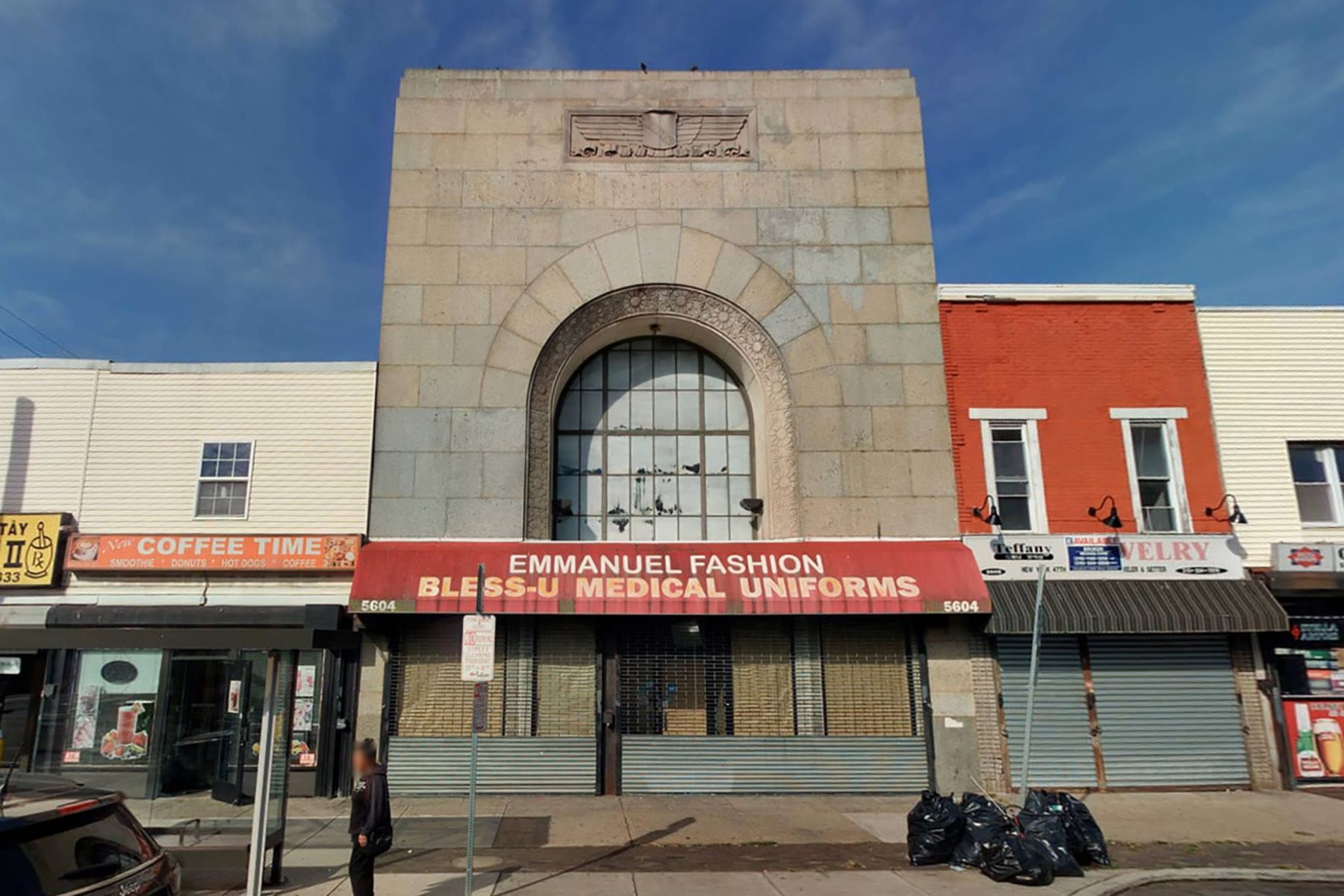
    National Bank of Olney

    The former National Bank of Olney building is an example of the shift in the design of neighborhood banks toward the Art Deco style in the late 1920s.Kevin McMahon

    5604 N. 5th St. | Built: 1927-28

    The building is an example of the shift in the design of neighborhood banks toward the Art Deco style in the late 1920s. Its architects — Simons, Brittain & English — were nationally prominent.

    Manayunk Plush Manufacturing Co.

    A manufacturing building and a power plant of the former Manayunk Plush Manufacturing Co. are representative of Manayunk’s industrial-era textile economy.Oscar Beisert

    4889 Umbria St. | Built: 1926-27

    The former company’s manufacturing building and a power plant are representative of Manayunk’s industrial-era textile economy. A developer plans to build a large apartment project next to these buildings.

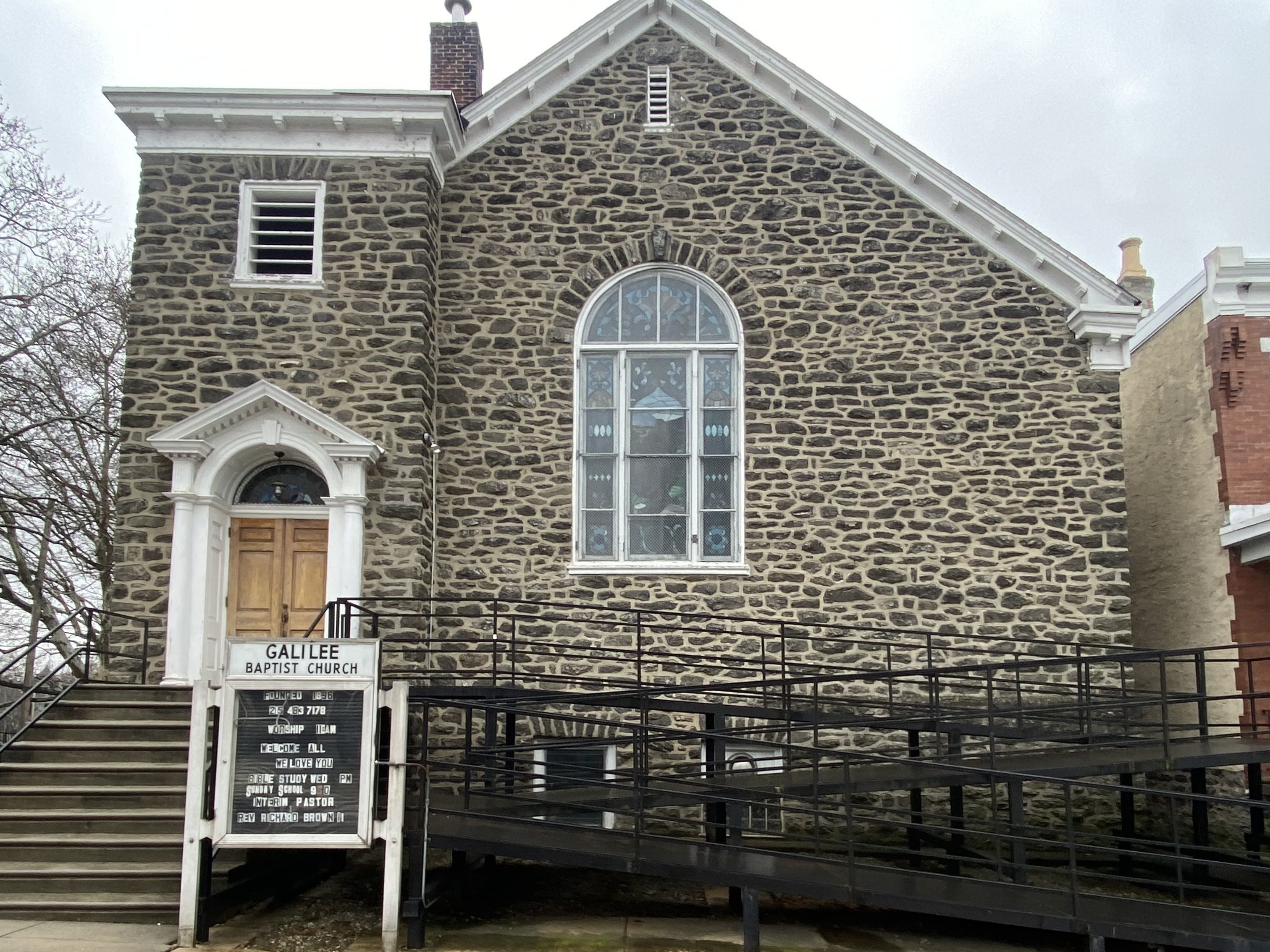
    Galilee Baptist Church

    Galilee Baptist Church has been an institution for Black residents in the Roxborough/Manayunk area for 125 years.Philadelphia Historical Commission

    459 Roxborough Ave. | Built: 1900-01

    The church has been an institution for Black residents in the Roxborough/Manayunk area for 125 years. It “has endured, far removed from the historical epicenter of Philadelphia’s Black community life.”

    Tetlow Manufacturing Co.

    This building in Chinatown was once a factory for the cosmetics maker Henry Tetlow. The Tetlow Manufacturing Company also is a “remarkably intact” example of a late-19th century industrial building.Annie Liang-Zhou, Liangs Culture

    132 N. 10th St. | Built: 1885

    This building was once a factory for the cosmetics maker Henry Tetlow, who discovered a non-toxic base for face powders. It also is a “remarkably intact” example of a late-19th century industrial building.

    bond_michaelle

    4 Philly buildings that just got historic protection —and one that didn’t

    Boyd Theatre owners want to remove historical marquee, angering preservationists

  • Murals grace these homes | Real Estate Newsletter

    Murals grace these homes | Real Estate Newsletter

    A few years ago, friends from California came to visit me for their first trip to Philly. As we waited to get into a restaurant for brunch, one of them noticed a mural on a wall across the street and asked me what it was. I said, “It’s a mural.”

    I realized later I should have told them about Philly’s strong tradition of murals and that the city is known for them. (Sorry, Katie.)

    It’s easy to take for granted that our city is full of murals. But as a residential real estate reporter, I recently thought it’d be fun to talk to some of the homeowners who’ve turned their properties into giant canvases for artists’ creations.

    Keep scrolling for that story and more in this week’s edition:

    📮Each week, one of my colleagues highlights the story of how a homebuyer in the Philly region made their purchase happen. Did you recently buy a home in the area? Whether you have an inspiring or cautionary tale to share, tell us how you did it.

    — Michaelle Bond

    If someone forwarded you this email, sign up for free here.

    These owners turned their homes into art

    I pass the Baldwin Locomotive Works mural on North 20th Street all the time. It’s impossible to miss. It takes up the whole side of a house and has a train that looks like it’s coming at you.

    But now I know a secret that I’ll share with you: If you ever stop to look at the mural and think you hear a faint whistle coming from inside, it’s not your imagination. The homeowner told me she likes to blow her own personal train whistle when she sees the mural getting attention.

    Across the city, roughly 1,000 murals are on someone’s home through partnerships with Mural Arts Philadelphia. That number doesn’t include the homeowners who put art on their walls themselves or pay an artist to do it, like an owner I talked to in Fishtown who has a giant fish on her brick wall.

    As the founder of Mural Arts told me, in Philly, “people 100% absolutely love public art.” The organization has a long waitlist filled with people who have a mural idea or a wall to fill.

    I talked to six Philly homeowners about why they wanted their properties to join the city’s rich tapestry of murals. Here’s what they told me.

    The latest news to pay attention to

    Home tour: A Fairmount loft with history

    Allison Langer and her husband, Mark Paulson, were intrigued by the converted apartment building next to Langer’s yoga studio.

    They’re both fans of historic preservation and could tell from the street that they loved the windows in the old headquarters of the AF Bornot Dye Works Co. They could see themselves living there.

    But the four-story building was full, so they had to wait a few months to get an apartment.

    Once they moved in, they saw they were right about the windows, which are now the couple’s favorite feature. Langer, Paulson, and their cat are treated to lots of natural light and daily sunset views.

    Both the windows and high ceilings make their apartment feel bigger than it is.

    Take a peek inside their home and learn about their lamp collection and personally meaningful pieces of art.

    📊 The market

    Mortgage interest rates were higher at the end of last month than they’ve been since last summer.

    Elevated rates are sidelining some buyers who want to purchase their first home or who don’t have a lot of money to spend.

    The buyers driving the market in the Philly area are those with higher incomes. And it’s not looking like that will change anytime soon.

    In the Philadelphia metro area in May, pending home sales and prices were up, and more homeowners put their properties on the market.

    According to the multiple listing service Bright MLS:

    🔺New listings were up about 6.5% from last May, to roughly 8,000.

    🔺The overall number of homes for sale increased 9.5% from a year ago, to about 12,800 active listings.

    🔺New pending sales increased 4% from last year, to about 7,050.

    🔺The median sale price was $405,000, up 2.5% from the same time last year.

    📷 Photo quiz

    Do you know where this guy is lounging?

    📮 If you think you do, let me know.

    Last week’s quiz featured a photo taken at North Second Street and Elfreth’s Alley in Old City.

    Shout-out to David N. and Ben S. for being two of the first to answer correctly.

    Enjoy the rest of your week.

    By submitting your written, visual, and/or audio contributions, you agree to The Inquirer’s Terms of Use, including the grant of rights in Section 10.

  • Homeowners turn their properties into art through a Philly tradition: The mural

    Homeowners turn their properties into art through a Philly tradition: The mural

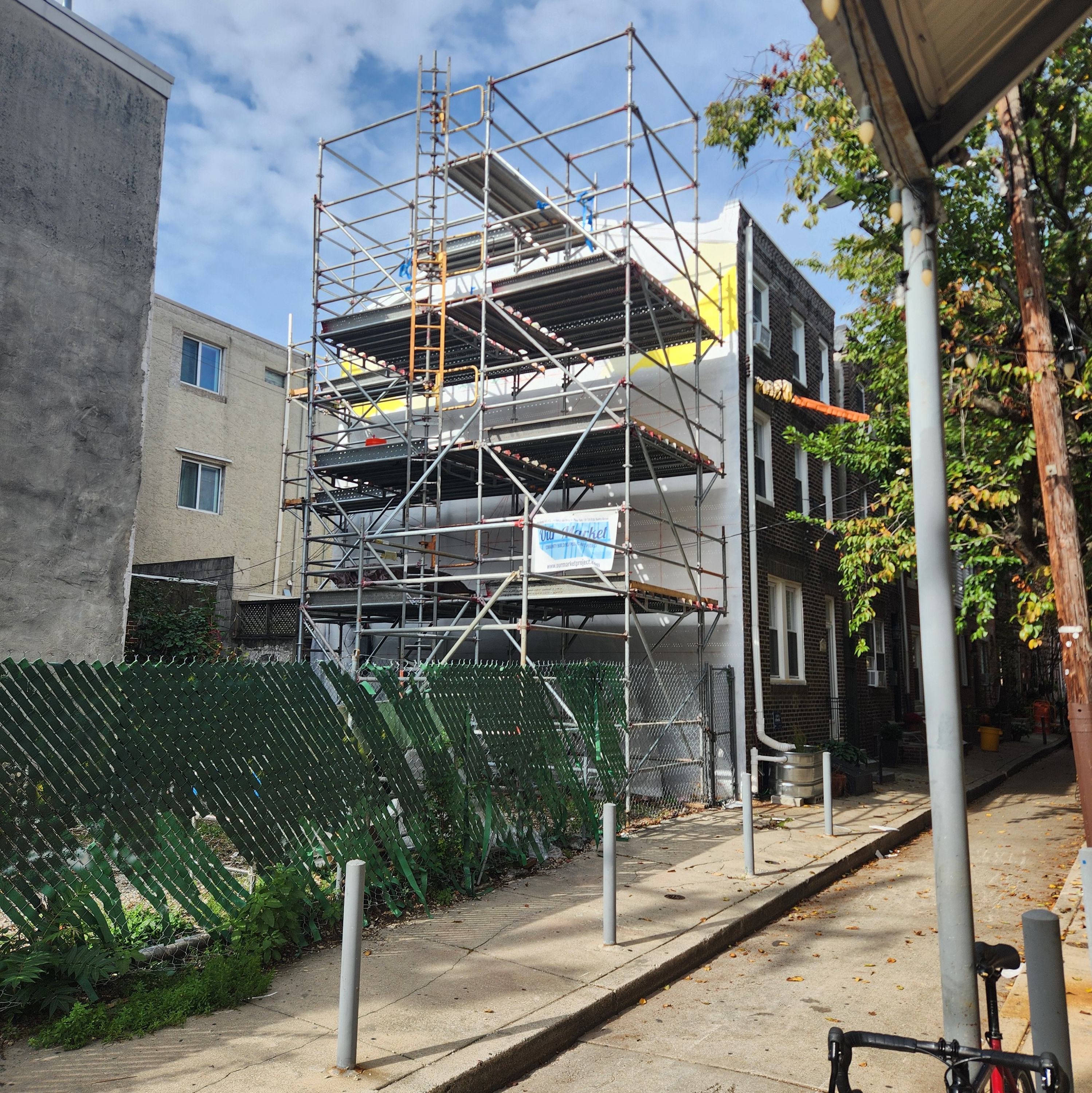
    After first-time homebuyer Brendan McCreath settled into his Bella Vista rowhouse last spring, his first priority was contacting Mural Arts Philadelphia.

    During the closing process, he had learned that the previous owner had agreed to let an artist paint a mural on the house, but withdrew her support. McCreath wanted to revive the plan.

    “I love that Philly is just loaded with murals,” he said. “It’s beautiful.”

    In a city internationally known for murals, roughly 1,000 are on private homes through partnerships with Mural Arts. Homeowners don’t have to go through the organization to put a mural on their house. But if they do, Mural Arts covers the costs of preparing the wall, installing the piece, and maintaining the mural.

    “We appreciate homeowners so much who really hold art in esteem and are thinking not just about their house but about the communal effect the art will have on the city,” said Jane Golden, founder and executive director of Mural Arts. “Murals become part of our collective identity.”

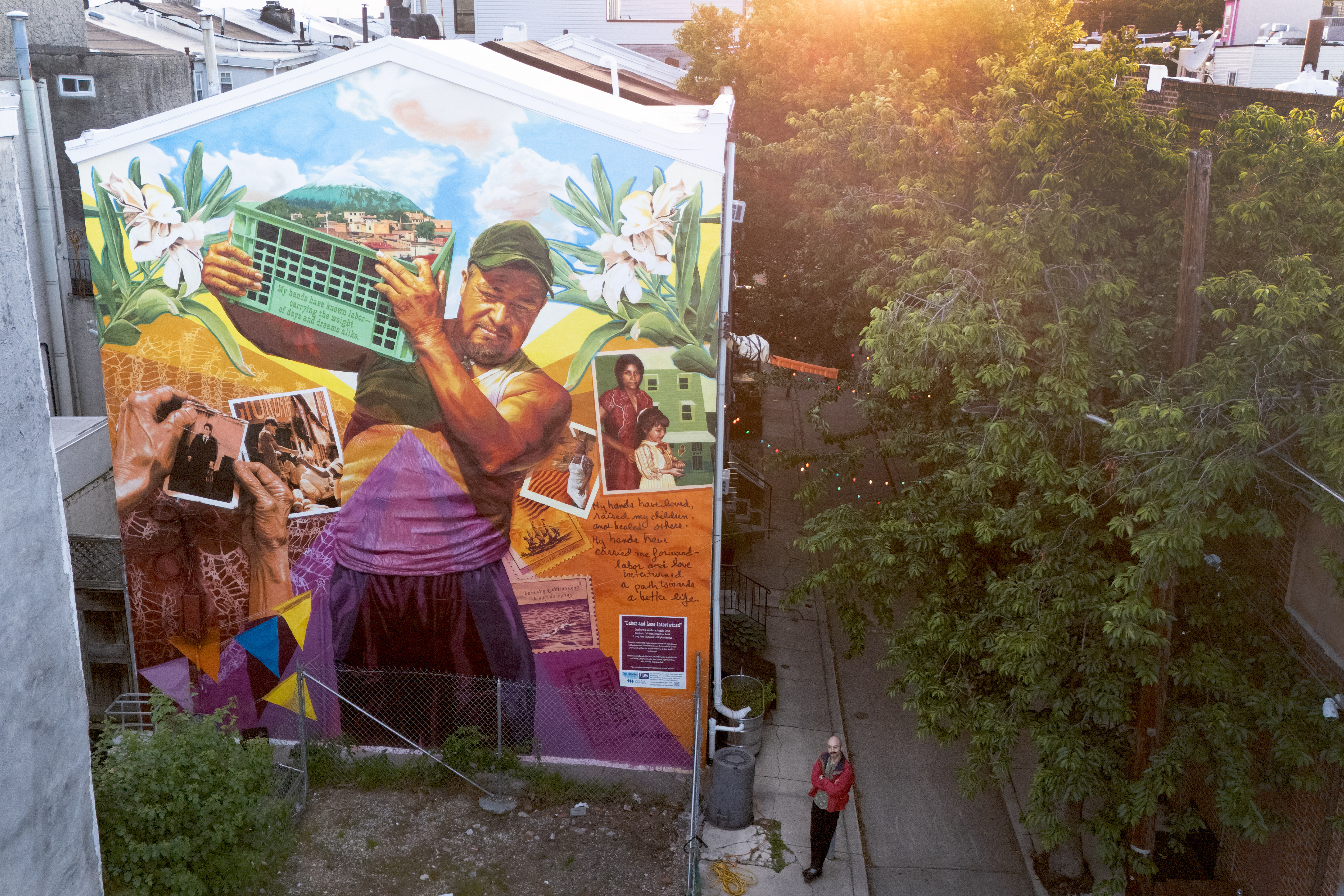
    Homeowner Brendan McCreath captured photos of artist Michelle Angela Ortiz’s mural as it was installed last year.Brendan McCreath

    Artists plan murals in collaboration with homeowners and neighbors. Some paint directly onto walls, but most now paint on large sections of cloth and piece them together later on surfaces, Golden said.

    She estimates the wait list for artwork through Mural Arts is close to a thousand strong. In Philadelphia, “people 100% absolutely love public art,” she said.
    The city gets about a hundred new works per year through Mural Arts. Pitches come from the wait list as well as artists, Mural Arts staff, city officials, and funders.

    But the city also loses murals to development and demolitions. Mural Arts tries to stay away from vulnerable sites, including those next to vacant lots.

    Lack of funding is usually what prevents Mural Arts from doing more work, Golden said. But sometimes, artists just need walls. The organization has an official “wall hunter” who scouts potential locations. The job has gotten harder, as more properties are owned by limited liability companies (LLCs), and tracking down humans who can give permission for murals is difficult.

    Bella Vista homeowner John Del Rossi gave an immediate “yes” when Mural Arts approached him.

    “I can’t imagine anybody saying, ‘No, don’t put this beautiful mural on my wall. Leave it blank and ugly,’” he said.

    The Inquirer asked six homeowners why they wanted their properties to join Philadelphia’s rich tapestry of murals.

    Brendan McCreath looks at the mural painted on the side of his rowhouse.Tyger Williams / Staff Photographer

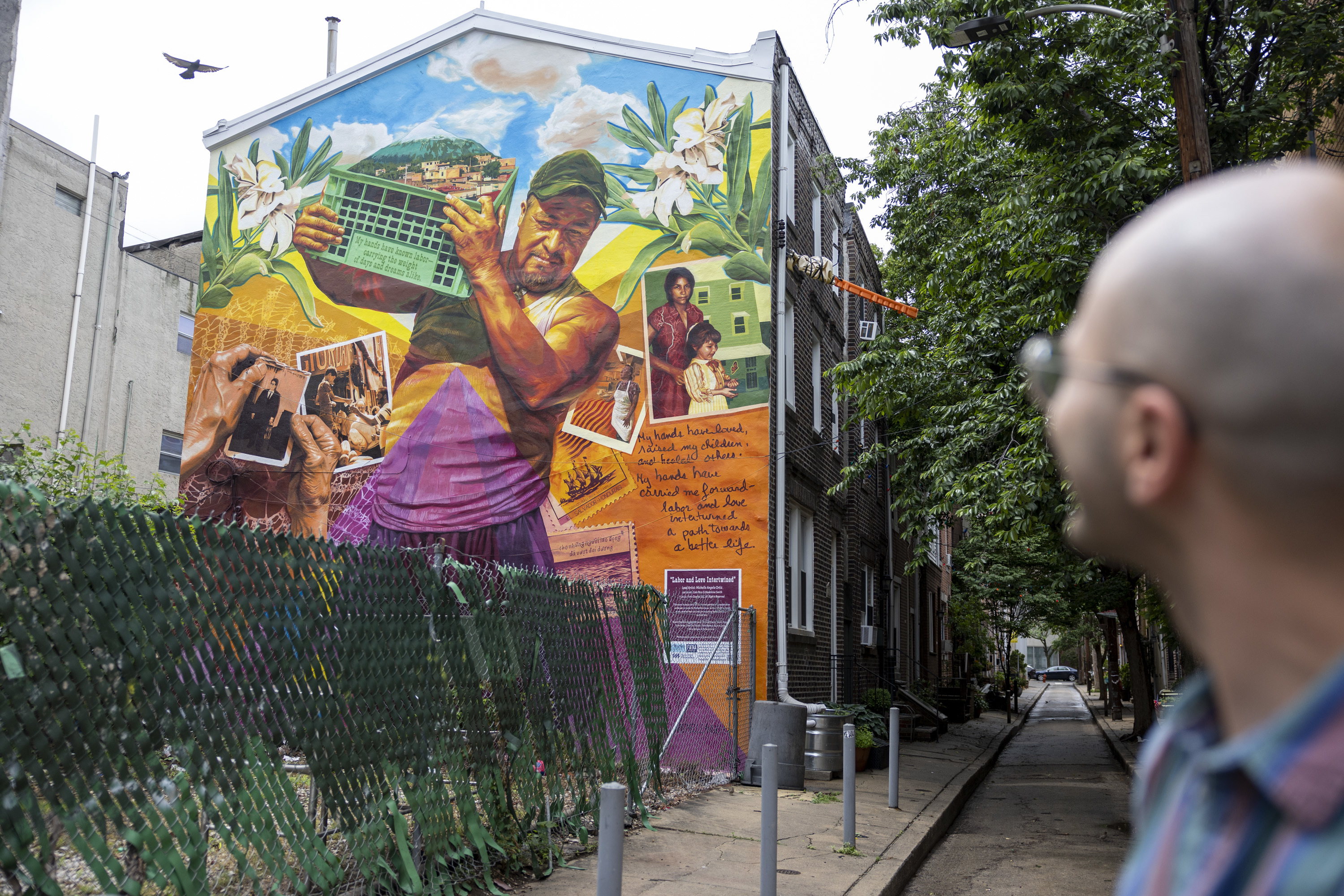
    Labor and Love Intertwined

    Sometimes, McCreath will spot people gazing at the mural and stop to gaze with them. Then he’ll take out his keys and walk through the door behind it.

    “There’s many people who will stop dead in their tracks and take a photo of the side of my house,” he said. “It’s such an open wall out to Ninth Street. It truly feels like the perfect placement for a mural.”

    Creator Michelle Angela Ortiz makes art nationally and internationally, and turned to other projects when the mural fell through. But she was disappointed. She was born and raised on this block of League Street, and her parents still live there. Ortiz had wanted to paint a mural “at home” in her neighborhood.

    So when McCreath revived plans for the mural, she was ecstatic.

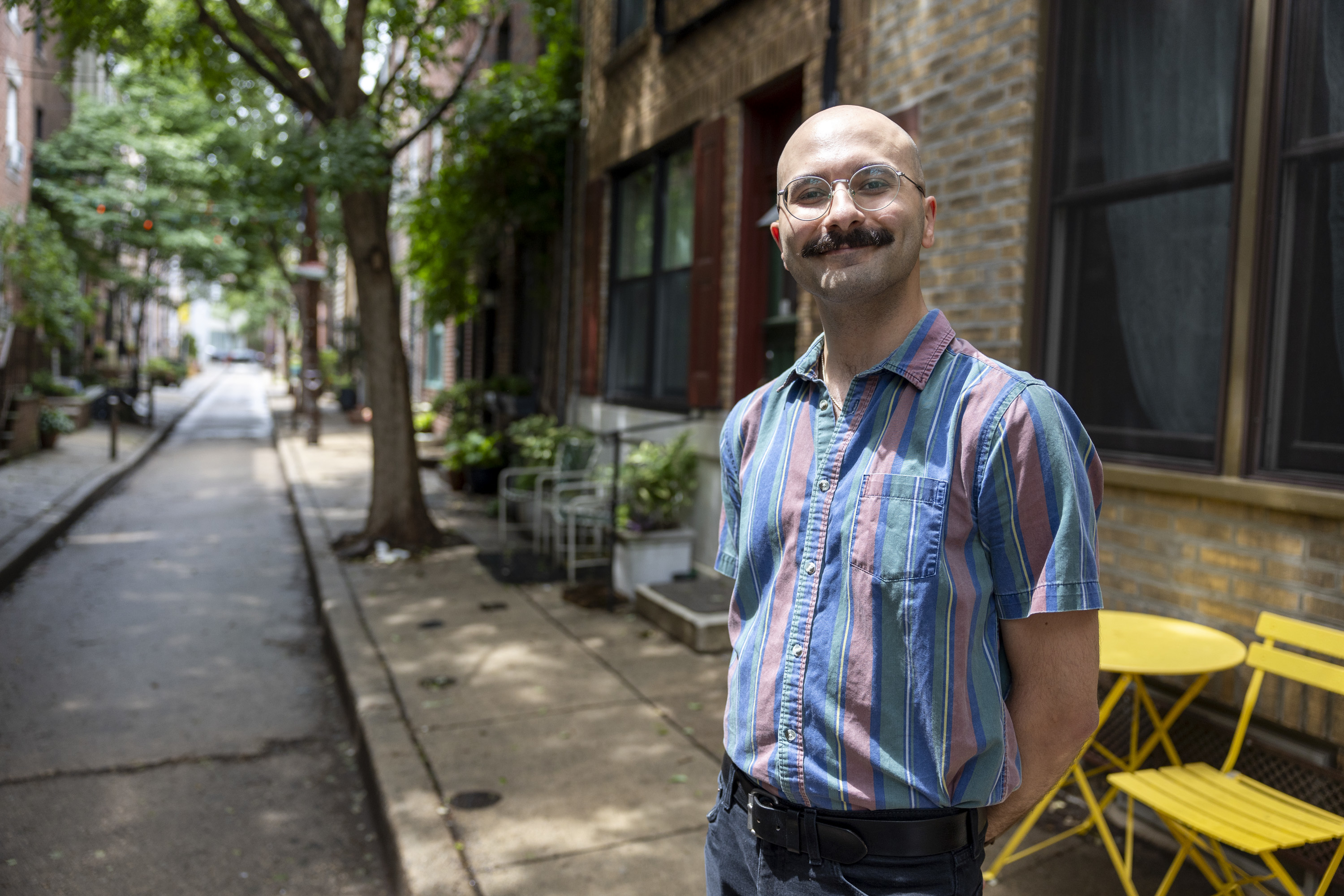
    Brendan McCreath poses for a portrait outside his home.Tyger Williams / Staff Photographer

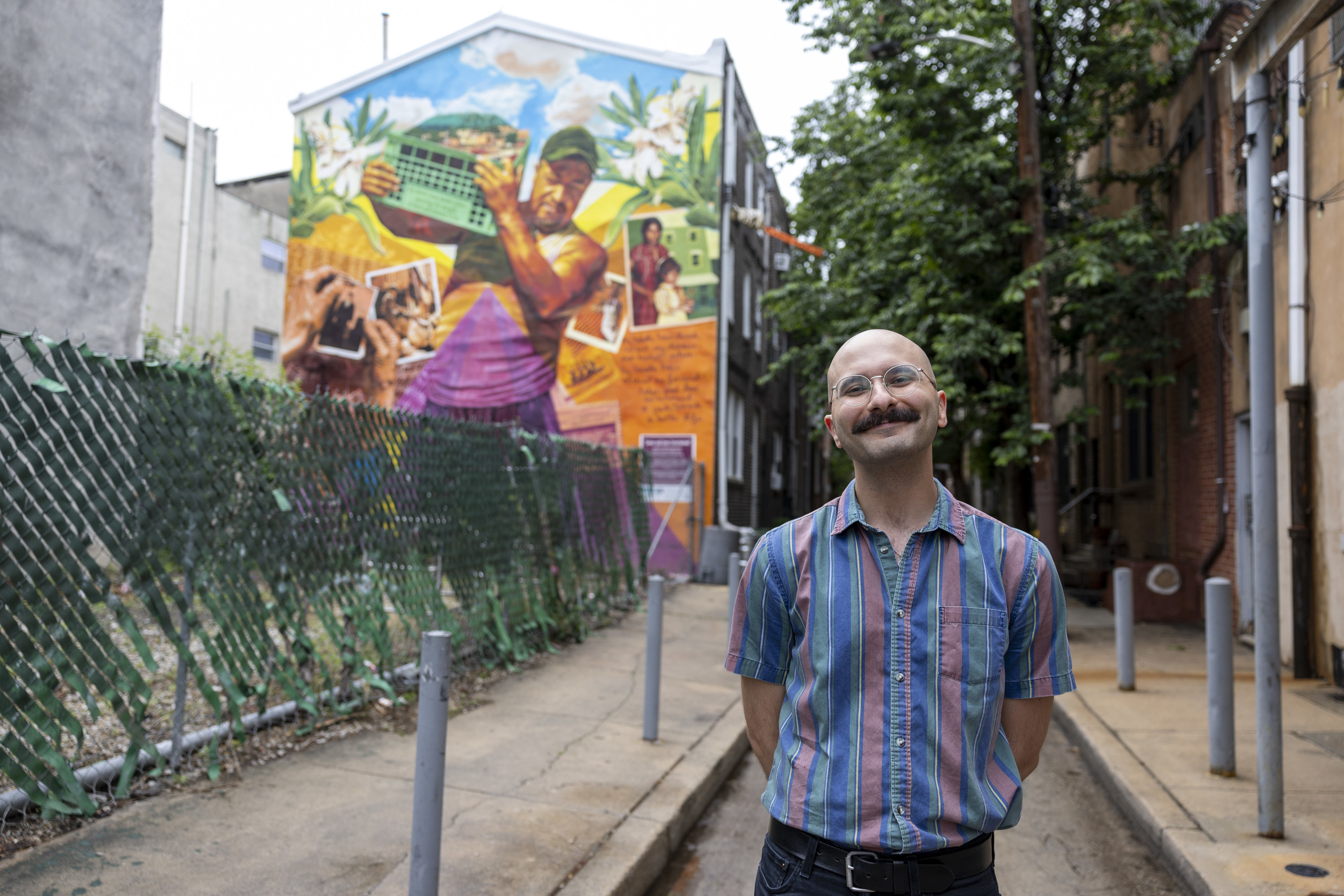
    The work is part of the Our Market Project that Ortiz created six years ago to broaden the narrative of what has become known as the Italian Market and honor the people from different backgrounds who make the market on South Ninth Street what it is.

    “What we do in the market is not just sell things. We take care of one another,” Ortiz said. “We raise our families. We bring our culture. We bring our values and our spirit to the market.”

    In the mural, which she painted directly onto McCreath’s wall, she highlights stories of neighbors with ties to the market. The center image is of a Mexican immigrant named Gabriel who works at Tran’s Produce, owned by Vietnamese immigrants. The mural includes a poem by Alice Harrison, a longtime market worker and the daughter of Holocaust survivors, who also lives on League Street.

    Ortiz said her Our Market Project is “my love letter to my community, but also a way to pay homage and honor to my mother, who is an immigrant from Colombia and work[ed] at Giordano’s for 25 years.”

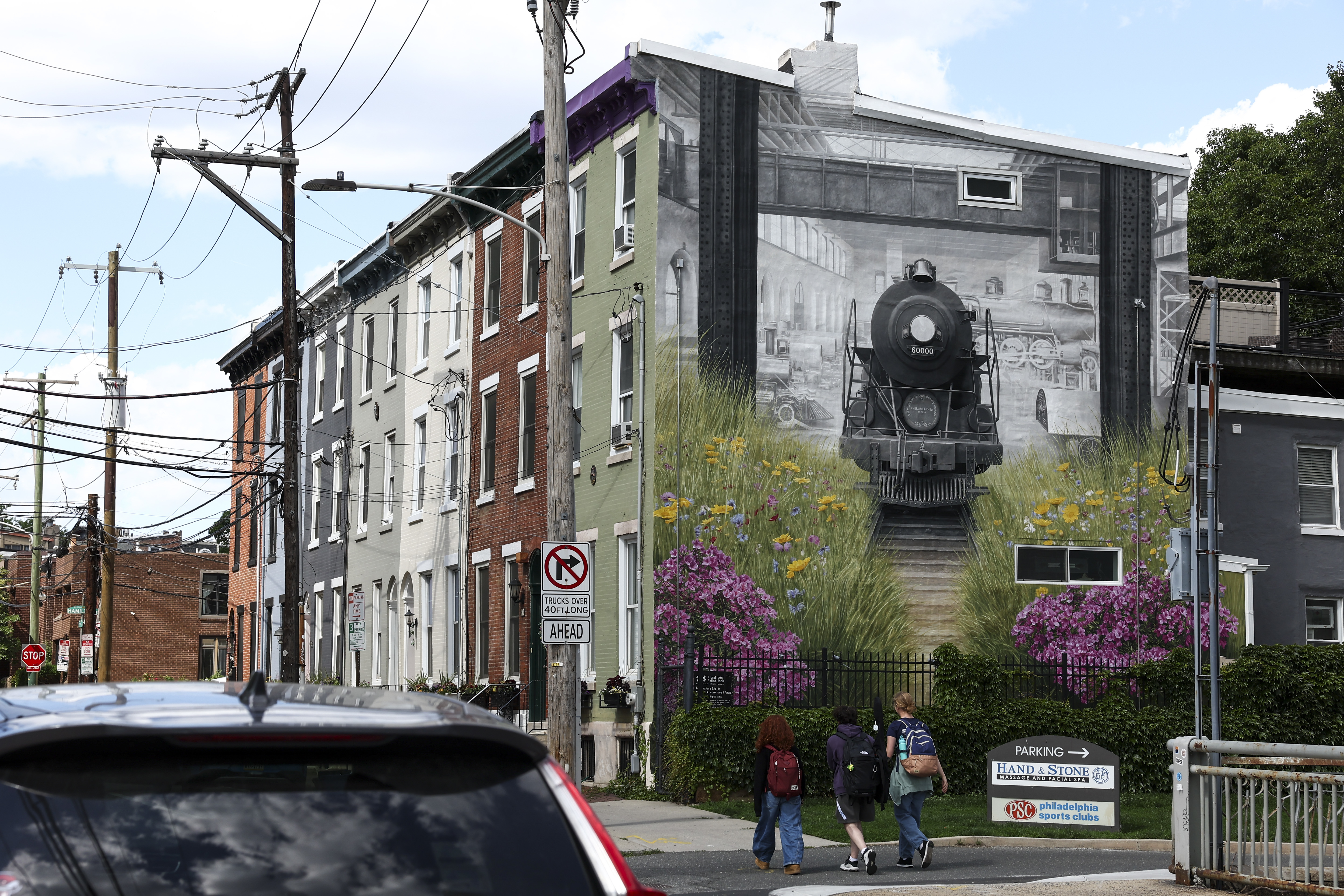
    This mural by Phillip Adams pays tribute to Baldwin Locomotive Works and the Lenape.Monica Herndon / Staff Photographer

    Industrious Light: Baldwin Locomotive Works

    If you stare at the mural of a train on North 20th Street and think you hear a faint whistle, you’re not imagining things. Homeowner Susan Freeland likes to blow a train whistle when she sees the mural getting attention.

    “Many people remark that it actually looks like the train is coming toward you, because it looks larger than life,” she said.
    Freeland and her husband owned their house for a few years before she called Mural Arts about their “ugly, empty” wall. It was visibly lumpy from when the neighboring house was torn down.

    “You would never know that to see the mural on it,” she said.
    About six months after Freeland’s call, Mural Arts called back. That led to meetings with nearby neighbors and artist Phillip Adams. The mural stalled when neighbors said they didn’t like Adams’ first idea for a still-life painting.

    His second idea, Freeland said, “really spoke more to explaining what used to be in the area right where we live.” It pays tribute to Baldwin Locomotive Works, once the world’s most successful builder of steam locomotives, and the Lenape, who once lived on the land.

    For Freeland and her husband, having the mural on the house “makes us feel very special indeed.”

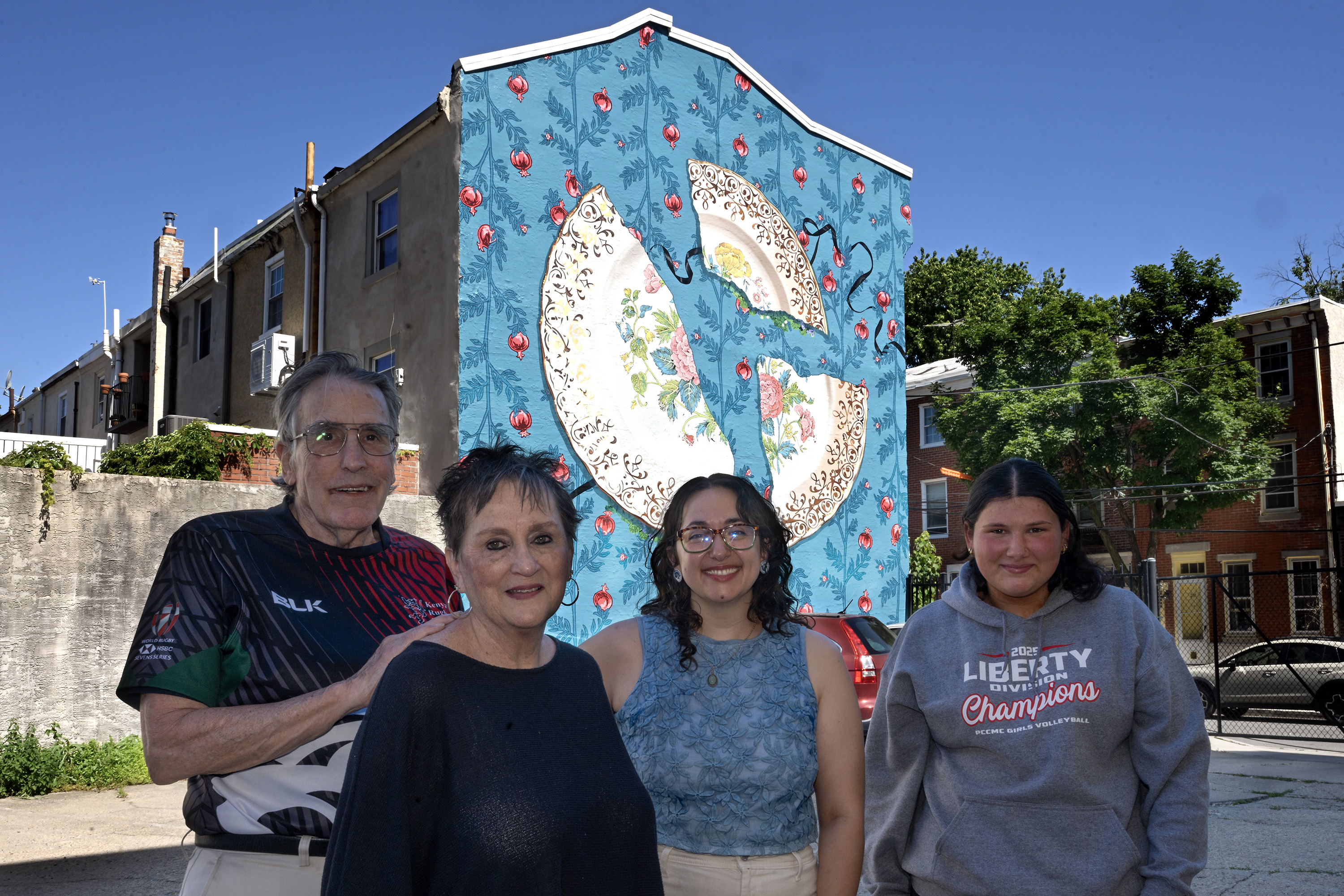
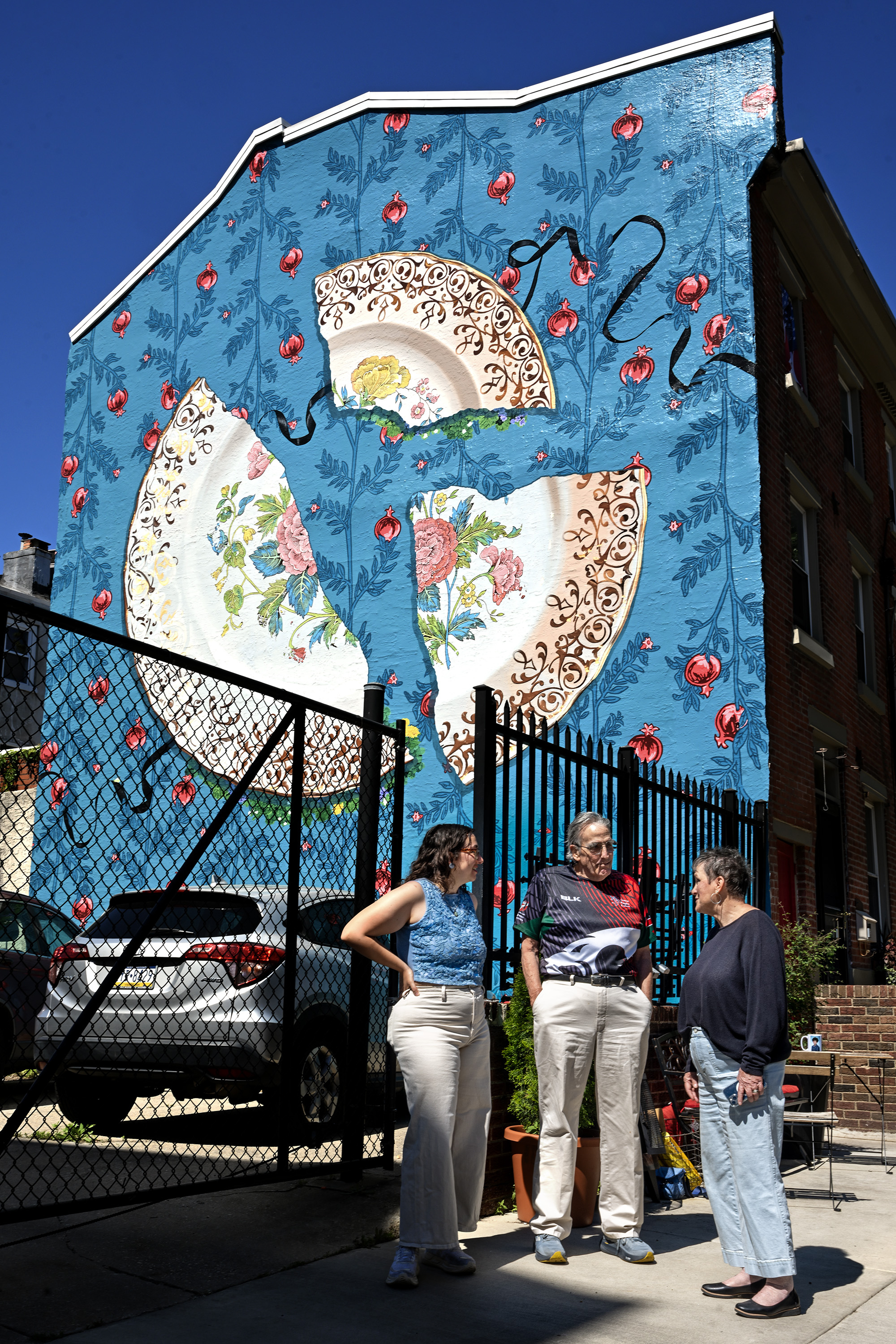
    Homeowners Sara and Clark DeLeon (left) and their granddaughter Lucy Metzker (right) pose in front of their mural with artist Sammy Kovnat (center).Tom Gralish / Staff Photographer

    Pomegranates and Plate Shards

    Sara DeLeon was persistent. She kept calling to check on her 2016 application for a mural through Mural Arts. For years, she stayed on the wait list.

    “My husband and I, we just kept believing that one day, the right mural would be up on our wall, and the right artist would choose our wall,” she said.
    In 2024, Sara and her husband, Clark, finally got the call they’d been hoping for. Artist Sammy Kovnat needed a wall after another one fell through when a neighbor refused to make space for the installation process.

    “We feel very lucky that she chose us,” DeLeon said.

    Three renters in the neighboring building enthusiastically gave up their spots in the parking lot for a month so the mural could be installed.

    The DeLeons were thrilled with the design, and so were their neighbors.

    Artist Sammy Kovnat (left) talks with homeowners Sara and Clark DeLeon in front of their mural.Tom Gralish / Staff Photographer

    “It’s the block’s mural, not just ours,” DeLeon said. “It’s become just a wonderful focal point.”

    The DeLeons also discovered a surprising personal connection when they saw the artist’s plans that made the mural feel “like fate.” They had inherited a set of dishes from Clark’s mother with an almost identical design to the one on the large plate featured on the mural.

    Kovnat makes mosaics using broken dishes, and painted the plate in shards as part of her work exploring healing after trauma. The background of the mural is an homage to her grandfather, the Philadelphia-based founder of a national wallpaper hangers union.

    Whenever the DeLeons see people they don’t recognize looking at the mural, they always stop to talk and answer questions.

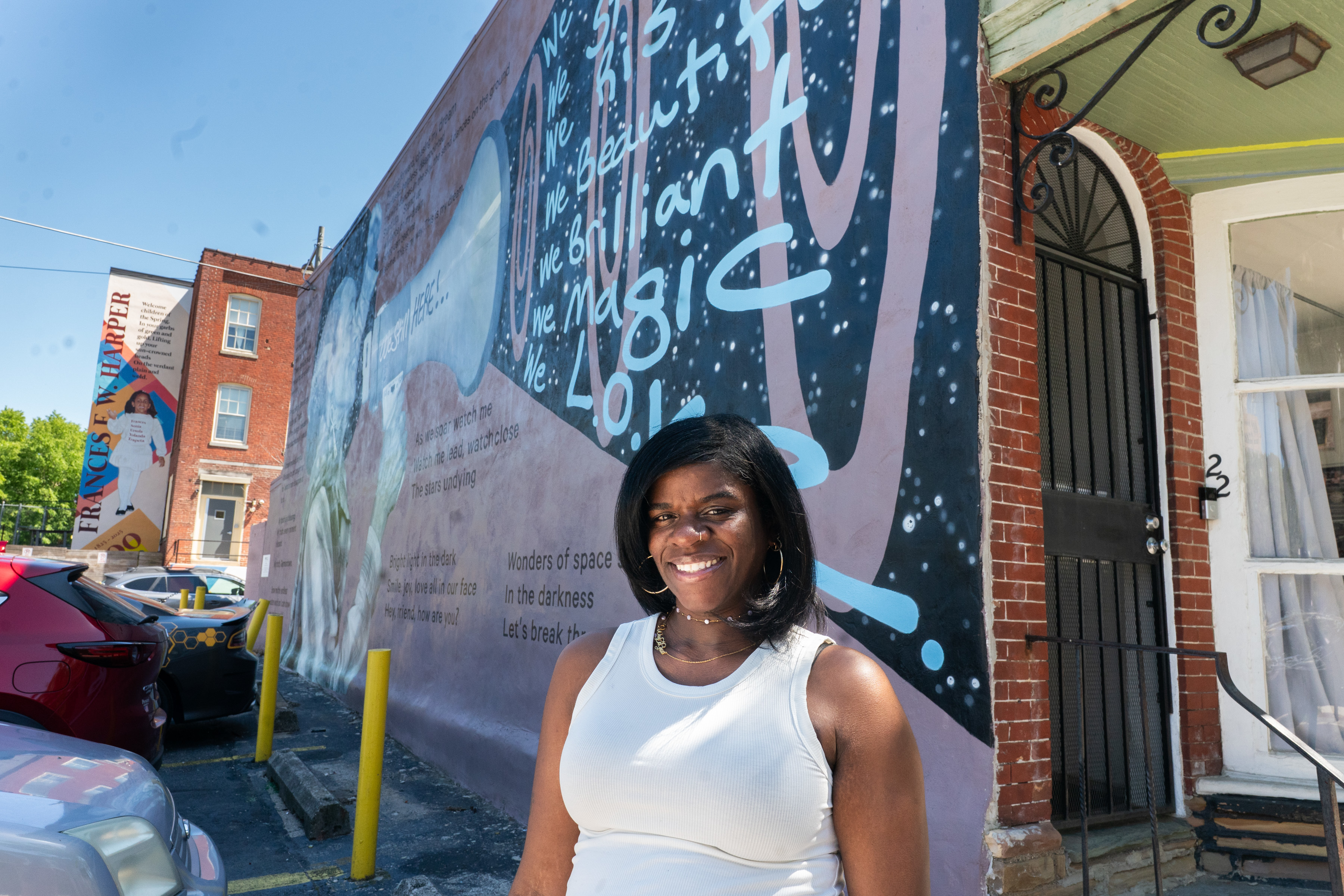
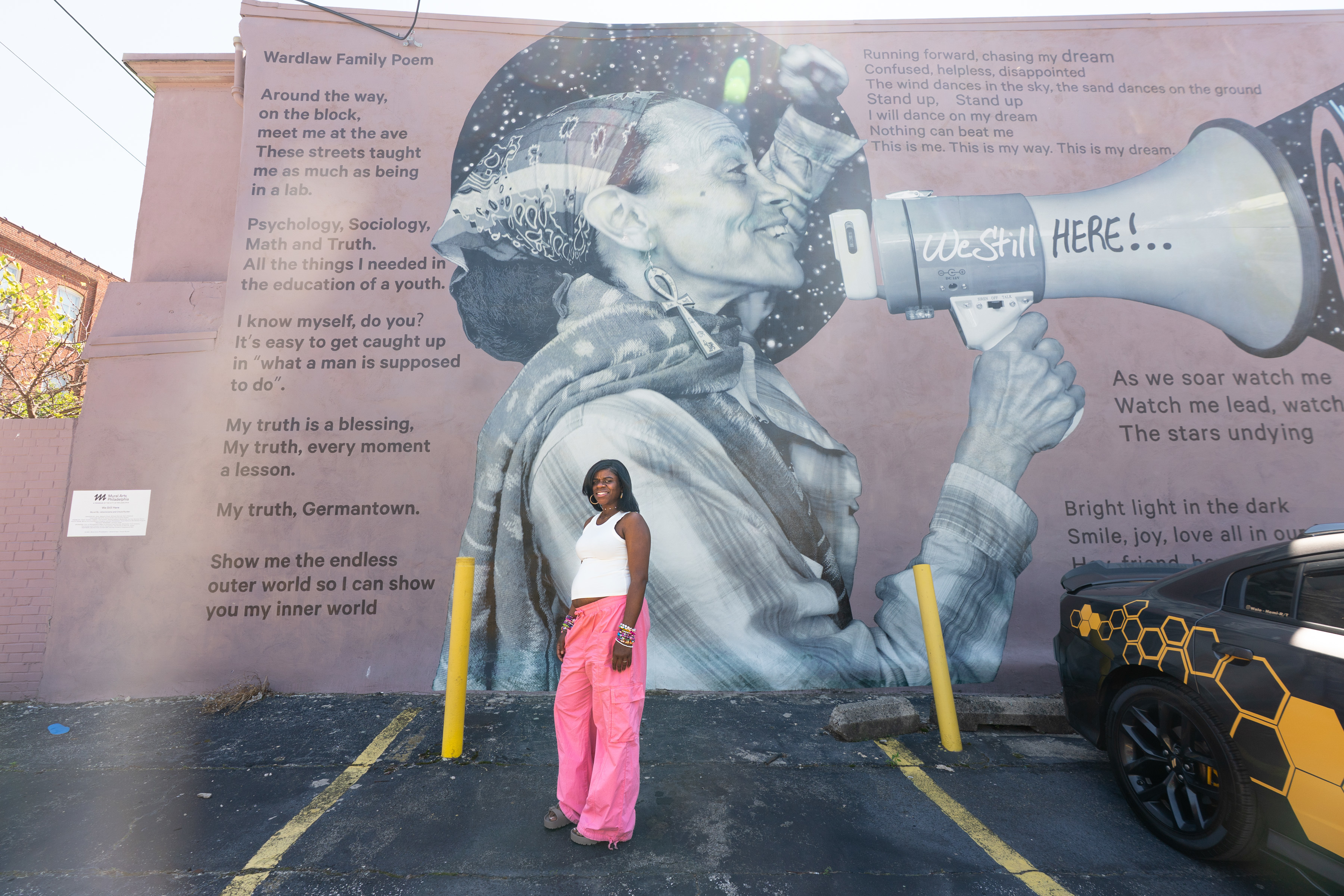
    Shirley Wardlaw stands in front of the mural featuring poet and recording artist Ursula Rucker on her property, which includes a poem she wrote with her husband and daughter.Jessica Griffin / Staff Photographer

    We Still Here!

    In 2019, a North Philadelphia mural of poet and recording artist Ursula Rucker was covered when a developer constructed a mixed-use building next to it. So Mural Arts invited artist Chip Thomas, aka Jetsonorama, to create another. The organization asked Shirley Wardlaw whether a mural of the Germantown native could go on her mixed-use building in Germantown.

    Wardlaw operates a nursery school out of the building, and for a few years lived in the apartment above with her husband, Eckloff, and daughter, Sanayah. When the Wardlaws bought the property, the side wall had a partly sketched-out mural that had languished since Shirley was in high school. The wall was cracking, and it “looked pretty bad,” she said.
    So Wardlaw applied to Mural Arts. And in came Jetsonorama.

    Shirley Wardlaw worked with Mural Arts to get a mural on the side of her building, where she operates a nursery school.Jessica Griffin / Staff Photographer

    “I was really attracted to his real-life art and the black and white photos,” Wardlaw said.

    The mural features an image of Rucker holding a megaphone that amplifies a poem celebrating the community. Another poem was written by the Wardlaw family. Young people in the neighborhood also contributed poetry.

    The mural “brought back life” to the area and is “a big attraction” for visitors, Wardlaw said.

    “It’s a beautiful, colorful space at the end of our block,” she said.
    Wardlaw thinks the mural helps draw families to her nursery school, and she has pitched murals to other neighborhood businesses as a way to attract customers.

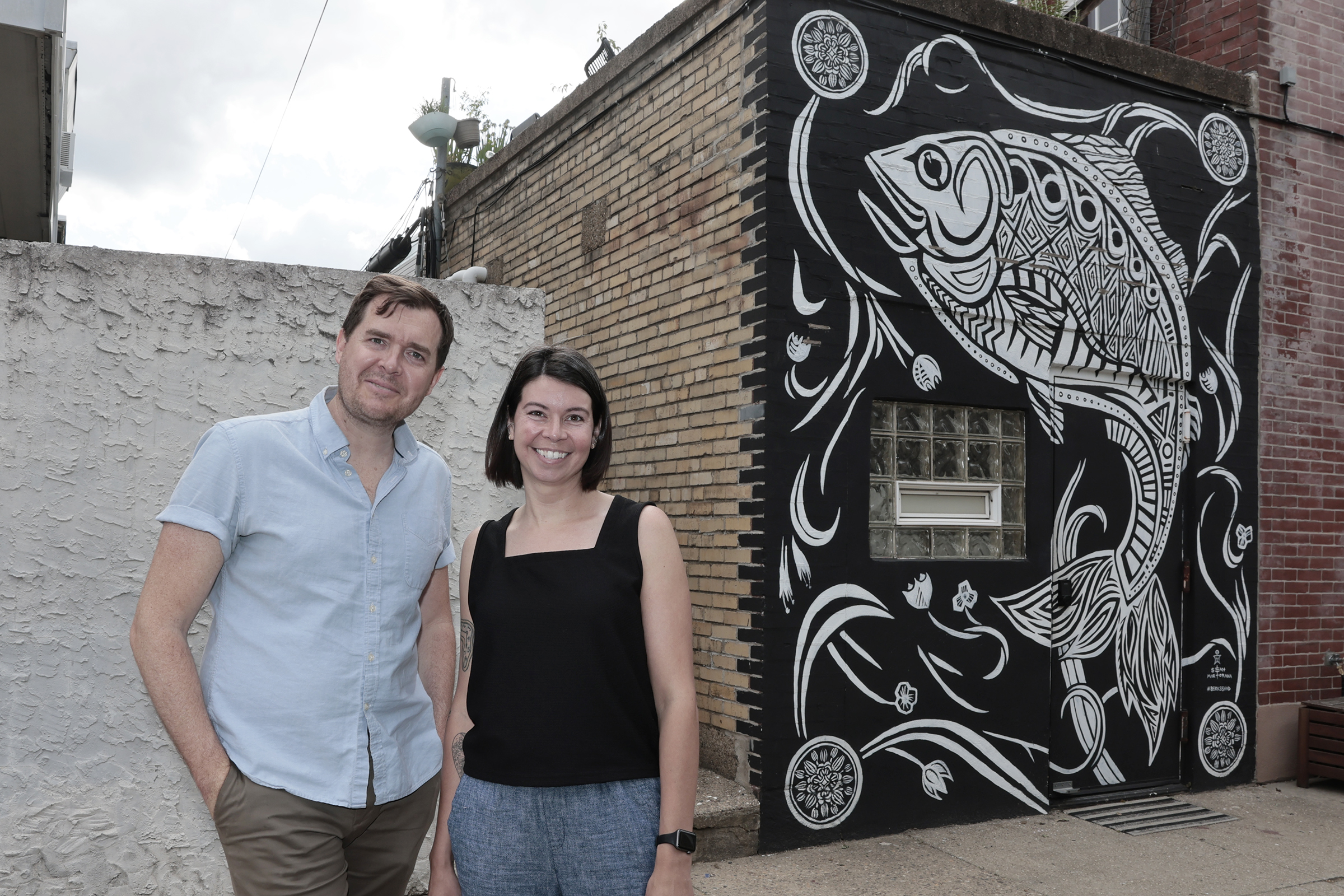
    Christopher and Shannon Wink stand in front of the “Berks Shad” mural on their Fishtown home.Elizabeth Robertson / Staff Photographer

    Berks Shad

    The plain brick wall on Shannon and Christopher Wink’s Fishtown property was “screaming for a mural,” Shannon said.

    The year after they moved in, it got one.

    The Winks had known Philadelphia artist Sean Martorana for years and liked his style. So they asked him to paint the exterior wall of a structure that had been a cold storage room decades earlier. It was Martorana’s first outdoor mural.

    “We knew we wanted something Fishtown,” Shannon Wink said. “It can easily get a little over-the-top, but it’s so nice to have a neighborhood that has its own visual identity.”

    Martorana painted a giant shad surrounded by the Pennsylvania state flower, mountain laurel, in black and white, since the Winks didn’t want something too colorful. It all stands out next to the brick of their house.

    “The way that the fish is oriented, it’s facing the river, which is something that Sean and we wanted to be really intentional about,” Wink said.

    Sightseers often use their mural as a backdrop for photos. People have come in their wedding dresses.

    The Winks’ two daughters were born after the mural was painted, so they’ve never known a home without it. The girls love walking around the neighborhood and seeing other decorated walls.

    A neighbor of theirs, inspired by the Winks’ mural, got a similar one on their home, also painted by Martorana.

    Wink encourages homeowners to get in on the city’s mural tradition.

    “It’s just a really nice way to sometimes beautify, but also just create some more fun in a neighborhood,” she said.
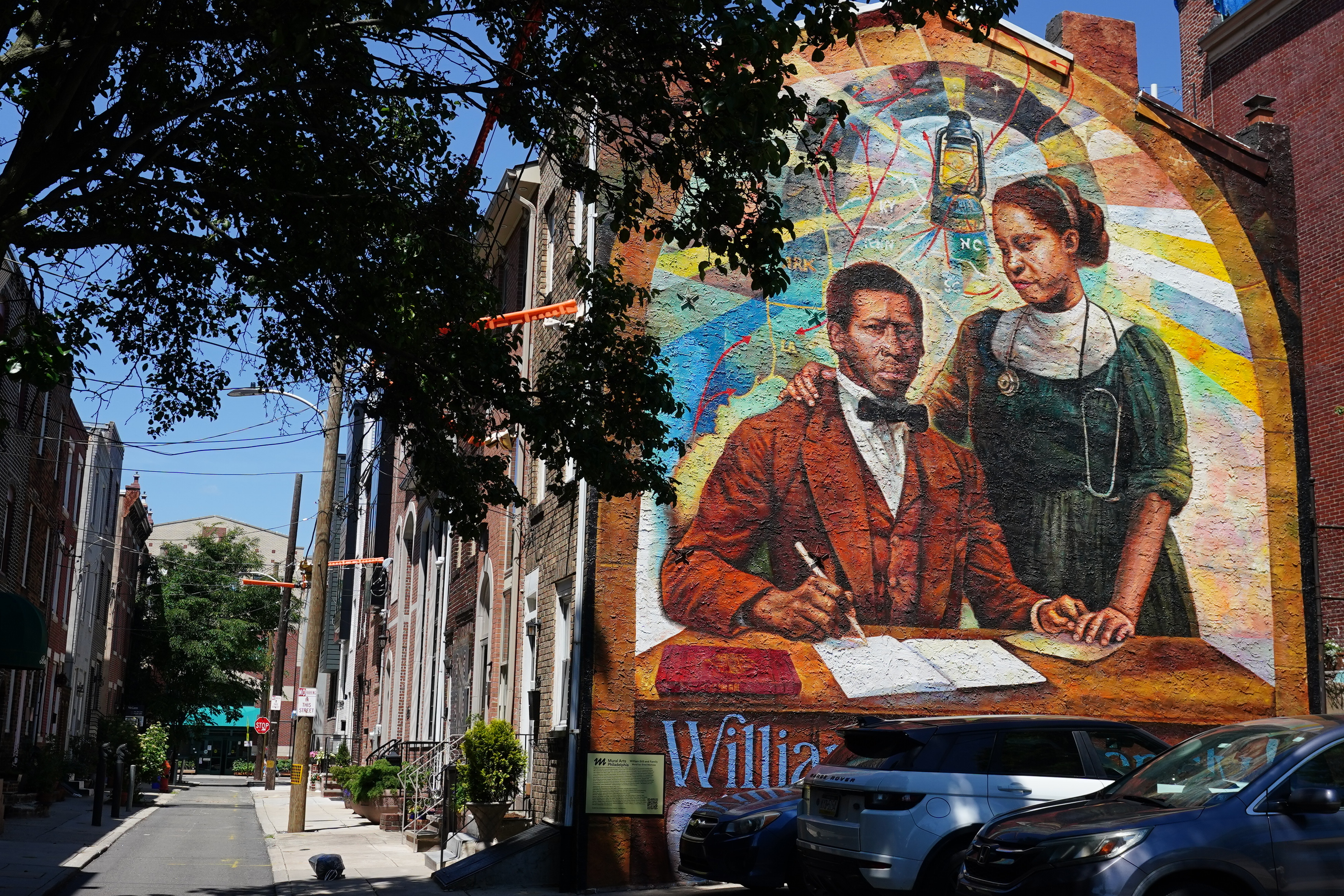
    Mural Arts asked homeowner John Del Rossi for permission to honor William and Letitia Still, Underground Railroad leaders who once lived in the home. Jessica Griffin / Staff Photographer

    William Still and Family

    John Del Rossi bought his Bella Vista rowhouse in 2006. But he didn’t know about its historic significance until 2018, when he learned the property was nominated for designation as the William and Letitia Still House, named for the Underground Railroad leaders who once lived there.

    A few years after the house joined the Philadelphia Register of Historic Places, Mural Arts asked Del Rossi for permission for a mural to honor the Stills. He said hosting the artwork is an additional honor.

    “The mural says a lot about what the house stood for,” he said. “It’s a visible representation of what took place in the home, and the sacrifice and the courage that people had in order to make that home what it was.”
    During the design process, Del Rossi got to meet descendants of the Stills, which he called “a goose bumps type of meeting.”

    “It was pretty surreal,” he said.
    As the homeowner, he was invited to share his thoughts on the mural’s design, but he left the decisions to those who know more about art.

    “I’m not an artist. I’m in medicine,” said Del Rossi, who works in California and rents out his home.

    All mural expenses were covered, but he said he would have paid for the artwork himself if he had to in order to honor this piece of Philadelphia’s abolitionist history.

    “I’m not gonna live forever,” Del Rossi said. “But hopefully, the mural will remain, and it’ll be a representation for the neighborhood and people in future generations to be able to see and understand what took place within those walls.”
    Editor’s note: This story has been updated to correct the name of the mural, “Pomegranates and Plate Shards.”