Author: Michaelle Bond

  • Going native at the Shore | Real Estate Newsletter

    Going native at the Shore | Real Estate Newsletter

    Large groups of butterflies freak me out. I learned that the hard way as a kid during a nectar feeding incident on a field trip to the Philadelphia Zoo.

    So I personally wouldn’t want to attract the insects en masse to my home. But I know how important pollinators are and applaud homeowners who do their part to help them thrive.

    Planting native species can go a long way. At the Jersey Shore, gardeners are ditching manicured lawns and joining the growing trend that benefits the environment and wildlife.

    Read on to find out more.

    Keep scrolling for that story and more in this week’s edition:

    — Michaelle Bond

    If someone forwarded you this email, sign up for free here.

    Ditching manicured lawns

    Virginia Rettig has about 200 varieties of native plants on her Cape May property. And she runs a business that helps other Shore residents go native, too.

    She said she’s found plenty of clients who are down for the cause.

    Why plant native species? These types of plants provide habitats and food for birds and other wildlife.

    Notable quote: “There has been a lot of focus for too many years on instant gratification — pretty things that are forced to be in bloom well before nature intends,” said Pat Sutton, a working naturalist. “The focus on native plants is a focus on making sure wildlife can persist.”

    Sutton says her tiny yard feels like a wilderness. She’s recorded hundreds of species of birds, butterflies, and other pollinators.

    In some places, areas that used to be covered in native vegetation have been cleared for development. In one Shore community, residents have come together to make native plantings a priority.

    Keep reading to learn about the Jersey Shore’s native plant varieties and the gardeners who love them.

    📮Do you have a native garden? I want to see it.

    Philly region = millennial homebuying hot spot

    Making the leap from renting to owning a home hasn’t been easy for millennials.

    In prime homebuying years, folks born between 1981 and 1996 have been challenged by low housing supply, skyrocketing home prices, high inflation, expensive financing, and student loans.

    But millennials are buying properties. And the Philadelphia area has been a homebuying hot spot for the country’s largest generation.

    Millennial homeownership in the Philly region almost doubled over five years. That growth outpaced increases in every other major Northeastern metro and the country as a whole.

    Our area has a lot going for it, and a combination of features make us stand out.

    Keep reading to learn why millennial homeownership has grown so much in the Philadelphia area and how we compare to other regions.

    The latest news to pay attention to

    Home tour: North Wildwood family retreat
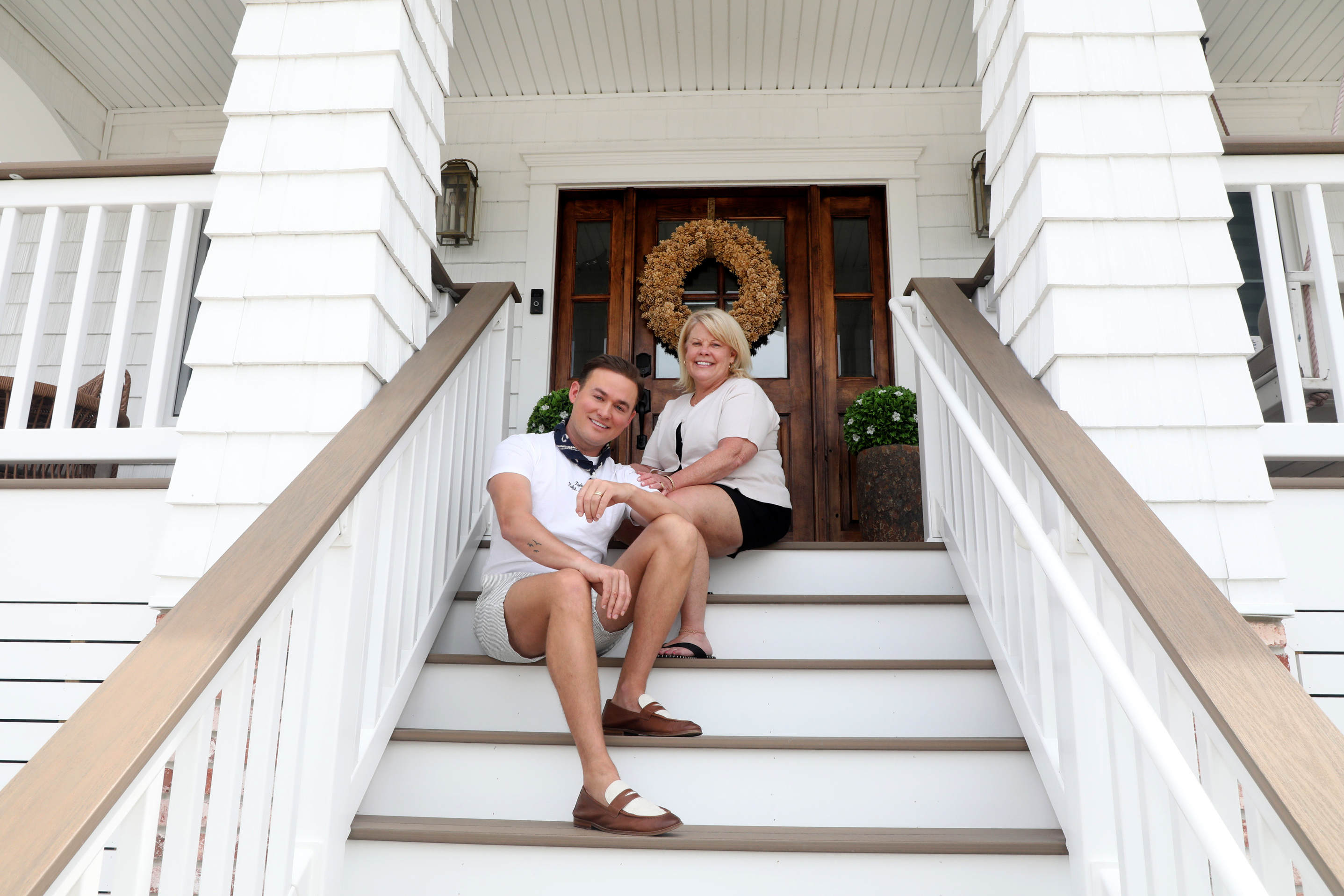
    Dolly Kelly initially lost out on buying her favorite house in North Wildwood. But the owner’s deal with the buyer who outbid her fell through. A few months later, Kelly moved in to the cottage.

    But it actually wasn’t her dream home. Kelly has a big, close-knit family, and she wanted her house to be a gathering place for everybody.

    She wasn’t able to add on to the century-old, 675-square-foot house. So she knocked it down and spent a year and a half building her 2,400-square-foot home. Her nephew helped her design it.

    The new house includes a covered carport, open-concept living area, and primary bathroom that feels like a spa. There’s a heated pool in the backyard.

    Peek inside Kelly’s home and her family’s retreat.

    📊 The market

    Across the region, we’re seeing a trend play out that makes sense. As home prices and mortgage rates continue to rise, the folks who can most afford to buy homes are the ones driving sales.

    In the Philadelphia metro area, the high end of the market is outperforming the market overall.

    In July, the number of homes for sale was up from last year, but the number of showings was down, according to the multiple listing service Bright MLS. First-time and moderate-income buyers were less active.

    Across the Philadelphia metro area in July, according to Bright MLS:

    🔺The median sale price was $430,000 — $10,000 more than in July of last year.

    🔻 The number of showings dropped by about 4%. But home tours in Chester County increased.

    🔺The numbers of active and new home listings were up from last year, meaning buyers had more homes to choose from. Roughly 14,200 homes were on the market at the end of July.

    🔻The number of new pending sales dropped by 4%.

    📷 Photo quiz

    Where is this Philly mural?

    📮 If you think you know, email me back.

    Last week’s quiz featured a photo of Lemon Hill in East Fairmount Park.

    Shout-out to Susan T. and Bruce R. for knowing that. As Susan mentioned, the site is currently looking rough in the aftermath of this summer’s FIFA Fan Festival.

    Enjoy the rest of your week.

    By submitting your written, visual, and/or audio contributions, you agree to The Inquirer’s Terms of Use, including the grant of rights in Section 10.

  • Millennial homeownership in the Philly area almost doubled in 5 years, outpacing every other major Northeastern metro

    Millennial homeownership in the Philly area almost doubled in 5 years, outpacing every other major Northeastern metro

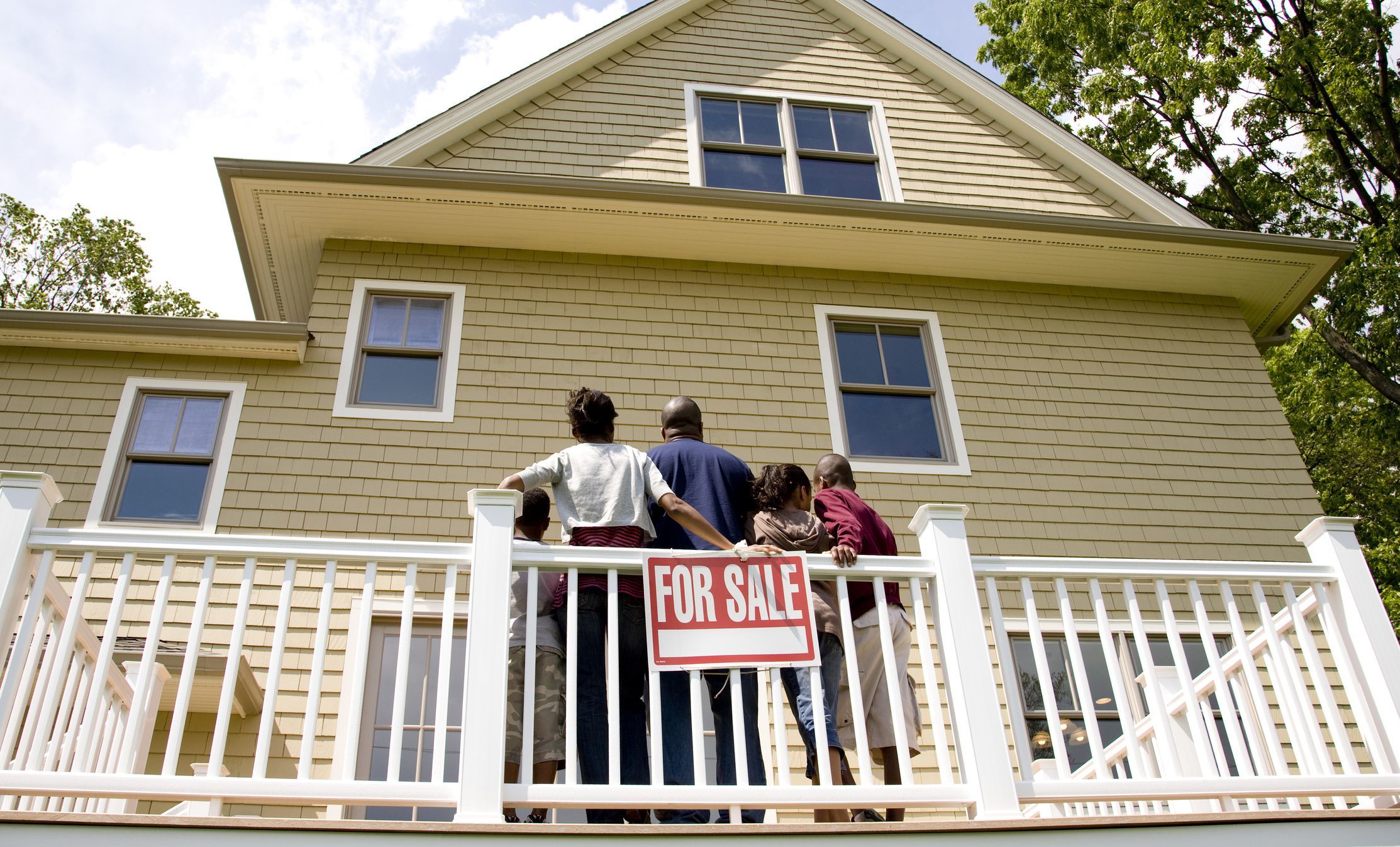
    The Philadelphia region became a homebuying hot spot for millennials in recent years.

    The number of millennial households that own their homes in the Philadelphia area almost doubled between 2018 and 2023, outpacing the generation’s homeownership growth in every other major metropolitan area in the Northeast, according to an analysis by RentCafe.

    In that five-year period, homeownership among Philadelphia-area millennial households jumped roughly 92%, from about 201,000 to about 386,000, according to the nationwide apartment search website.

    That’s higher growth than the 74% increase nationally. In RentCafe’s analysis of 107 metro areas with the biggest populations of millennial households, the Philadelphia region ranked 17th for its jump in millennial homeownership. And among metros with at least 100,000 millennial households in 2023, it ranked seventh.

    “Philadelphia stands out because it’s unique in the Northeast,” said Doug Ressler, manager of business intelligence at Yardi Matrix, RentCafe’s sister company.

    He points to the Philadelphia area’s combination of positive characteristics. Compared to many other markets, the region has lower home prices, stronger job opportunities, and good wage growth, Ressler said.

    It also has a good supply of starter homes, which he called “key.” Rowhouses in particular “provide an entry point for homeowners at a price you can’t find anywhere else,” he said.

    Coastal areas are popular among millennials — people born from 1981 to 1996. But “millennials in many coastal markets remain locked out of homeownership,” Ressler said. The Philadelphia region’s relative affordability gives renters a chance to become homeowners.

    RentCafe’s report specifically points to the area’s older housing stock and availability of homebuyer assistance programs to further explain why millennials can buy homes in the Philadelphia region.

    Also, the generation’s income growth has outpaced the growth of home prices. Between 2018 and 2023, area millennials’ incomes increased by roughly 38%, while home prices increased by 18.5%, according to the RentCafe analysis.

    Roughly 56% of Philadelphia-area millennial households were homeowners in 2023. More millennials owned homes than rented them in 83 of the 107 metro areas RentCafe analyzed.

    While millennial homeownership in the area increased by about 92% between 2018 and 2023, the number of millennial renter households increased by just 2.4% — below the roughly 5% increase nationwide.

    (function(){function e(){window.addEventListener(`message`,function(e){if(e.data[`datawrapper-height`]!==void 0){var t=document.querySelectorAll(`iframe`);for(var n in e.data[`datawrapper-height`])for(var r=0,i;i=t[r];r++)if(i.contentWindow===e.source){var a=e.data[`datawrapper-height`][n]+`px`;i.style.height=a}}})}e()})();

    Where millennials are buying homes nationwide

    Small and mid-sized metro areas have seen the highest concentrations of millennial homeowners, thanks to more affordable home prices. In the Lancaster area, roughly 63% of millennials owned homes in 2023.

    In the Grand Rapids, Mich., area and two metros in Utah — Ogden and Provo — more than two-thirds of millennial households owned their homes.

    From 2018 to 2023, small and mid-sized metros in Florida and California had the highest increases in millennial homeowners. They’re all places with more affordable home prices and strong income growth. And they attracted millennials during the pandemic who moved away from denser and more expensive major cities.

    The number of homeowner millennial households more than doubled in 12 of the 107 metro areas RentCafe analyzed.

    The nearest of these to the Philadelphia area is Youngstown in northeastern Ohio, near the Pennsylvania border. The number of millennial households that own homes increased from about 15,900 in 2018 to about 32,400 in 2023.

    Three Florida metro areas topped RentCafe’s list for highest rates of millennial homeownership growth: North Port, Lakeland, and Jacksonville. The North Port area has ranked among the country’s fastest-growing metros overall.

  • The manager at Trump’s North Jersey golf club set up the botched renovation of the Reflecting Pool, according to a NYT investigation

    The manager at Trump’s North Jersey golf club set up the botched renovation of the Reflecting Pool, according to a NYT investigation

    The person who set up the botched renovation of the Lincoln Memorial Reflecting Pool in Washington is the manager at President Donald Trump’s golf club in Bedminster, N.J., according to an investigation by the New York Times.

    The Times found that David Schutzenhofer, who has run the Trump Organization’s golf club in North Jersey since 2006, was chosen by Trump to lead the renovation of the national landmark, which had leaked for years and was full of algae.

    The Times reported that Schutzenhofer does not have formal training in architecture or engineering and is Trump’s private employee, but that the golf club manager “played an off-the-books role in government decisions” regarding the project.

    The company that Schutzenhofer chose to do the renovation partnered with a company that enlisted the help of a third company that had never won a government contract, and applied the pool’s lining that later peeled away.

    Charles Birnbaum, president of the nonprofit Cultural Landscape Foundation, told the Times that paying millions of dollars to a first-time contractor to undertake a plan orchestrated by a golf-club manager to fix a national landmark was “like asking the museum guard to restore a painting in the Met.”

    In January, Schutzenhofer attended the World of Concrete trade show in Las Vegas in search of ideas for fixing the Reflecting Pool, according to the Times. Vendors recommended he call Rodney Jarboe, president of Creative Polymers, a company based in Missouri.

    Jarboe told the Times he first spoke with Schutzenhofer in March and was told the president wanted the work done in time for the Fourth of July, which Jarboe called “a very tight deadline.”

    He said Schutzenhofer decided to coat the Reflecting Pool with a polyurea liner, but Trump’s tariffs made getting polyurea coatings difficult. So Jarboe partnered with a California-based company called Rhino Linings, which then got a Virginia-based company called Atlantic Industrial Coatings to help apply the coating.

    Soon after the Trump administration said the renovations were finished in early June, the blue lining began to peel. Algae also returned. The Reflecting Pool was then drained so it could be repaired.

    Spokespeople for the Trump administration defended the project in statements to the Times. Neither Schutzenhofer nor Rhino Linings responded to questions about their roles, according to the Times. Atlantic said in a statement that a “very small part” of the liner needed repairs but otherwise declined to comment.

    Trump has claimed without evidence that vandalism was behind the damage to the Reflecting Pool. But in a court filing, Jeanine Pirro, the U.S. attorney for the District of Columbia, admitted that “the damage was the result of a botched installation.”

    A judge this week dismissed felony charges against Olympic canoeist David Hearn after he was accused of vandalizing the Reflecting Pool. And Pirro has moved to dismiss cases against several others.

  • Luxury homes are getting more expensive in the Philly area, but they’re still selling fast

    Luxury homes are getting more expensive in the Philly area, but they’re still selling fast

    Luxury homes in the Philadelphia area sold faster this spring than the overall market’s already fast pace, even as the minimum price to be considered a luxury sale hit a record high.

    Strong demand for luxury homes is outpacing supply in the Philadelphia metropolitan area, which is helping boost prices.

    The multiple listing service Bright MLS defines luxury homes as those sold for prices in the top 5% of the market. In the Philadelphia area this spring, that meant homes that sold for at least $1.15 million. That price is 7.5% higher than at the same time last year, according to Bright MLS.

    (function(){function e(){window.addEventListener(`message`,function(e){if(e.data[`datawrapper-height`]!==void 0){var t=document.querySelectorAll(`iframe`);for(var n in e.data[`datawrapper-height`])for(var r=0,i;i=t[r];r++)if(i.contentWindow===e.source){var a=e.data[`datawrapper-height`][n]+`px`;i.style.height=a}}})}e()})();

    An ‘accelerating’ luxury market

    In the Philadelphia region, the luxury market is “accelerating,” with homes selling quickly, said Lisa Sturtevant, chief economist at Bright MLS. In the second quarter of the year, half of the luxury homes for sale in the region sold in six days or less, compared to 11 days or less for homes overall.

    Across the Mid-Atlantic, one-third of luxury homes sold this spring were paid for with cash. The Philadelphia area had a higher share of all-cash luxury sales — 42%. In comparison, 24% of all spring home sales in the Philadelphia region were cash sales.

    Sturtevant predicts that the luxury market will continue to be more active than the rest of the market for the second half of 2026.

    Main Line community and Shore town are among top luxury zip codes

    Two local zip codes ranked in the 10 areas in the Mid-Atlantic with the highest shares of luxury home sales this spring, according to Bright MLS.

    In the Wayne area’s 19087 zip code, 37 of 88 home sales classified as luxury sales — roughly two in five sales.

    Down the Shore in Long Beach Island’s 08008 zip code, 34 of 36 home sales were luxury sales.

    Demand for luxury

    Luxury home buyers are less deterred by elevated mortgage interest rates and rising prices than entry-level and mid-market buyers. And gains in the stock market have helped boost luxury buyers’ purchasing power and demand for homes.

    The number of new pending luxury sales rose in the second quarter of the year in the Philadelphia region. They were up roughly 9% from the same time last year to a total of 1,056.

    More luxury homeowners in the Philadelphia area listed their homes for sale in the second quarter of the year than during the same time last year. The number of new luxury listings — 1,647 — increased by about 4%.

    But the Philadelphia region doesn’t have enough luxury homes for sale to meet the demand from buyers. The number of active luxury listings — 1,102 — was down almost 5% at the end of the second quarter compared to the same time last year.

    The number of closed luxury sales this spring — 889 — was relatively flat from the same time last year. Sales ticked up 0.5%.

    The number of sales would be higher if more luxury homes were on the market, Sturtevant said.

    “Unlike the entry-level and mid-market homeowners, luxury homeowners are not as likely to need to move in response to changing family or financial circumstances,” she said in a statement. “And right now, luxury homeowners, by and large, are not exercising their discretion to sell.”

    A stalled market for starter homes

    While luxury homes sold quickly and at a premium this spring, at the other end of the housing market, starter homes lingered.

    In June, the number of starter homes for sale in the Philadelphia area was up 14% from the same time last year, according to an analysis by Zillow. And sellers cut prices in a quarter of these listings that month.

    The number of starter homes sold in May was down almost 7% from the year before.

    Zillow considers starter homes to be those in the 5th to 35th percentile of home values.

    Buyers of these homes have more choices than last year, since supply is up, said Kara Ng, senior economist at Zillow. But these buyers are also facing “financial pressures” that make saving for a down payment and taking advantage of opportunities more difficult.

  • Philly movers make the impossible happen | Real Estate Newsletter

    Philly movers make the impossible happen | Real Estate Newsletter

    When I was getting ready to move into a Center City trinity (longtime readers will know it as “the mouse house”) in 2019, I was told my box spring would probably not make it up the narrow stairway.

    I decided to take my chances. And it looked for a second like the movers would be able to maneuver it up there. But they couldn’t make it fit, and I had to order one that folded in half.

    Turns out Philly movers aren’t magicians. But they’re overall pretty good at working with the challenges thrown at them by the city’s housing stock. They even make moving look easy.

    Keep scrolling for that story and more in this week’s edition:

    — Michaelle Bond

    If someone forwarded you this email, sign up for free here.

    Moving like a pro

    Old buildings. Tight spaces. City streets. Wild West parking. Philly’s professional movers have to navigate it all.

    One mover told my colleague that getting furniture where it needs to go sometimes means “you gotta puzzle-piece it up the stairs.”

    Older Philly homes have smaller doorways, hallways, and staircases that can be a problem for larger, modern furniture (and box springs).

    Sometimes, that means stuff has to be hoisted through windows. A mover said he once hauled furniture through trap doors in a house’s floorboards.

    Some of the more interesting items movers told us they’ve hauled into homes include:

    • retro pinball machines
    • gun safes weighing more than 600 pounds
    • an (empty) casket

    Keep reading to hear professional movers’ stories and get some moving tips.

    Contractors vs. developer

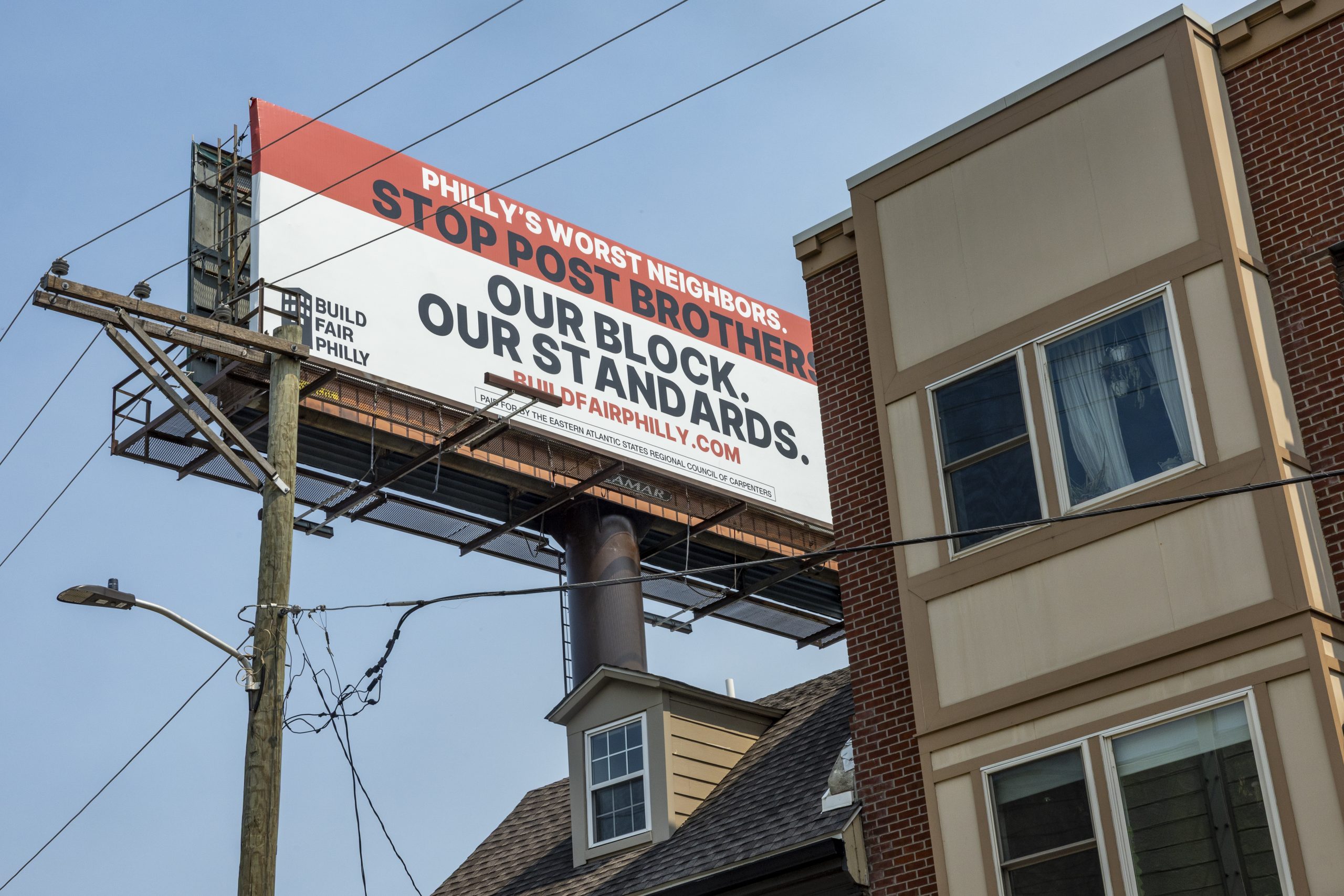
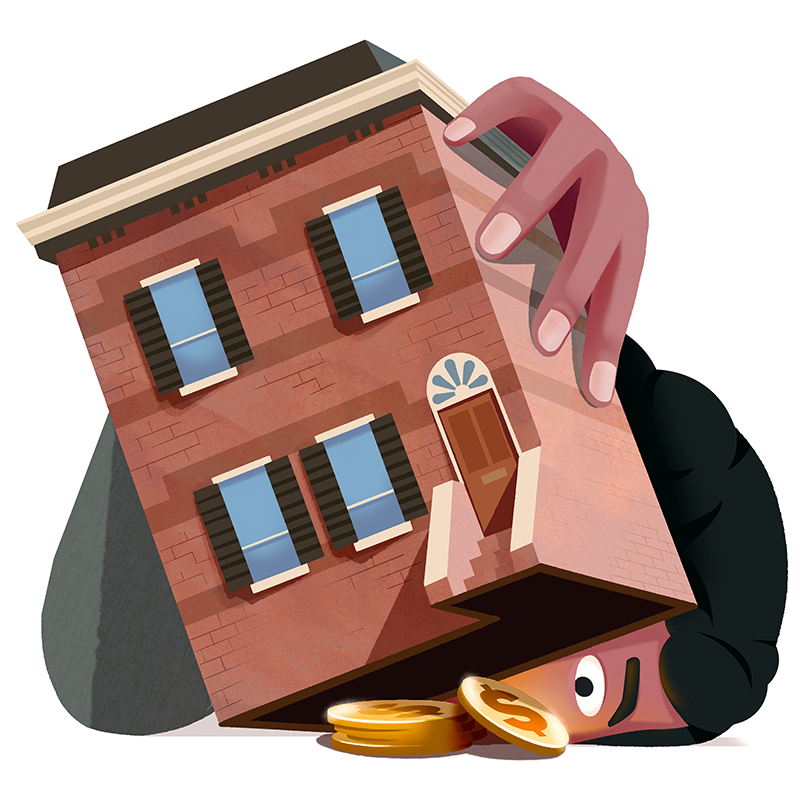
    Driving on Philly highways recently, you may have noticed billboards that call out Post Brothers, the apartment developer. The signs are part of a pressure campaign by the city’s carpenters union.

    More than a dozen Philly-area contractors, most of which are affiliated with the union, have sued the developer. They say Post Brothers owes them millions of dollars for work they did at an apartment complex at Broad Street and Washington Avenue in South Philly.

    A union official accused Post Brothers of undertaking a “Donald Trump business model” and not paying contractors.

    Post Brothers says these legal fights are really about who should pay costs that ballooned throughout the apartment project because of inflation. Spoiler: They’re saying “not it.”

    Keep reading to learn more about the allegations and what the legal saga says about today’s construction environment.

    The latest news to pay attention to

    Finding property tax help

    Philly homeowners will have new property tax bills to pay come March, thanks to new property assessments the city released in June.

    Property valuations increased citywide, but some neighborhoods are seeing higher increases than others.

    Philadelphia offers programs that help homeowners with rising property tax bills, but you’ve got to opt into them, and a lot of people don’t. Homeowners could be missing out on thousands of dollars in savings.

    To figure out which assistance programs you’re eligible for and how much you could save, use this online tool my colleagues built.

    In related news, the city has kicked more than 13,000 Philly homeowners off tax break programs they weren’t actually eligible for.

    Most of them had been getting tax relief from a program that’s only available for people’s primary residence. Now, the city is charging them back taxes.

    📮Did you successfully appeal a past property assessment? Let us know how you did it.

    Home tour: Downsized in Bella Vista

    For 26 years, Andrea and Eran Preis lived in a four-bedroom house in Queen Village. But when Andrea turned 80, their sons told them it was time to downsize.

    Now, the couple lives in a two-bedroom condo in Bella Vista.

    Andrea had to part with beloved belongings, including cookbooks, photo albums, her collection of framed embroidery, and the dining room table that seated 14.

    But she was able to keep other treasures. She still has a carved antique buffet and vintage Hanukkah oil lamps from Spain and Italy. And the condo’s walls are covered in art.

    Peek inside the home the Preises filled with the important things.

    📷 Photo quiz

    Do you know the location this photo shows?

    📮 If you think you do, email me back. You and your memories of visiting this spot might be featured in the newsletter.

    Last week’s quiz featured a shot of a pedestrian walking through the south portal of City Hall.

    Shout-out to Ian M. for knowing that.

    Enjoy the rest of your week.

    By submitting your written, visual, and/or audio contributions, you agree to The Inquirer’s Terms of Use, including the grant of rights in Section 10.
  • Philly tenants have reached a deal with their landlord over unsafe conditions and could get rent refunds

    Philly tenants have reached a deal with their landlord over unsafe conditions and could get rent refunds

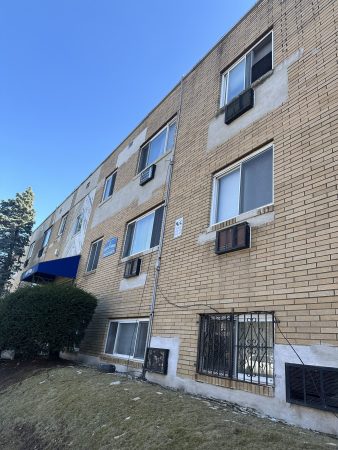
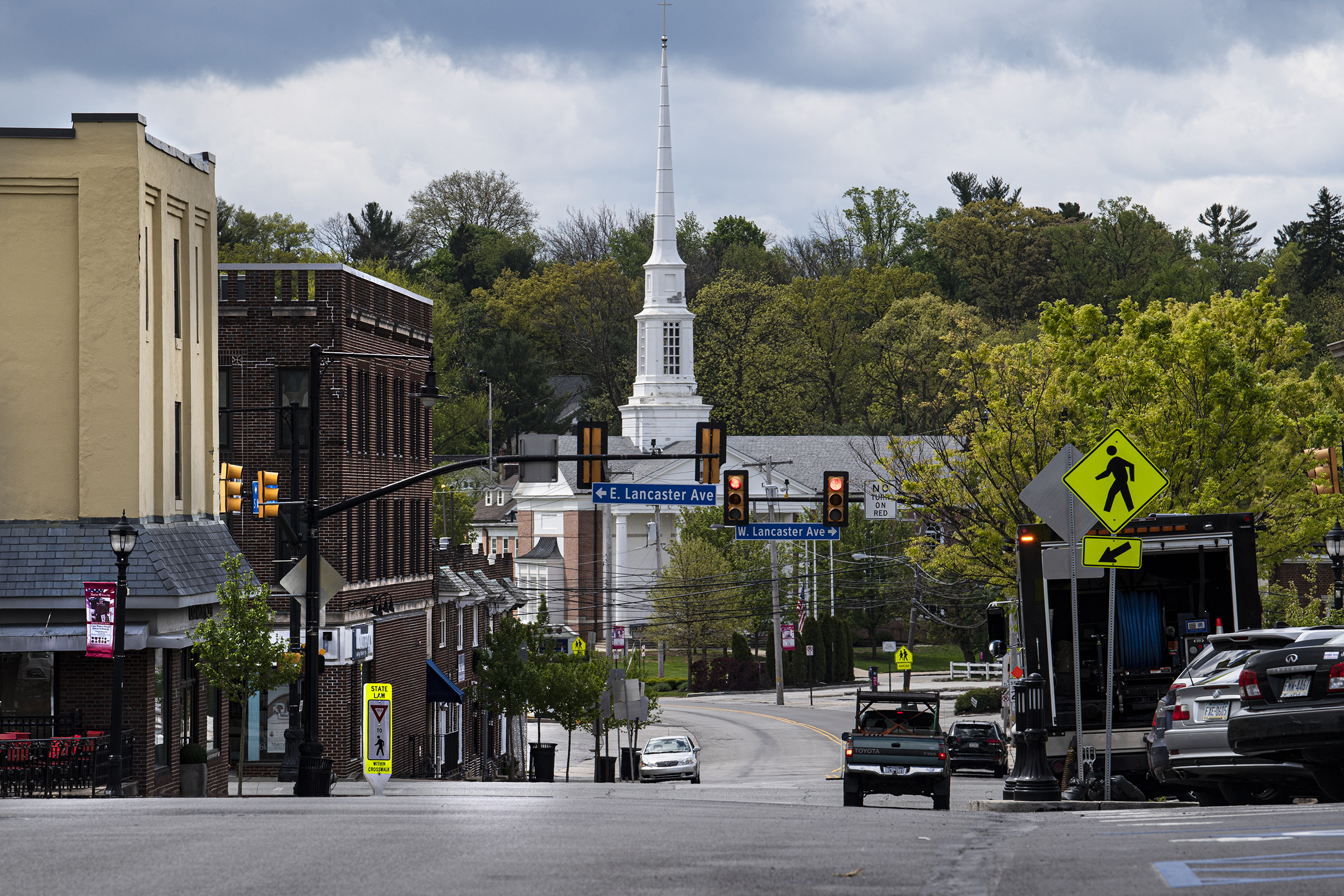
    West Oak Lane tenants who sued one of Philadelphia’s biggest landlords over unsafe conditions will get rent forgiveness and refunds if their class-action settlement is approved.

    According to the settlement, which was preliminarily approved in Philadelphia’s Common Pleas Court this week, Philadelphia-based Odin Properties and affiliated companies have agreed to forgive an estimated total of $67,000 in unpaid rent and associated late fees, and to refund a total of $75,000 for roughly 70 tenants of the Bentley Manor apartment building.

    Philadelphia law prohibits landlords from collecting rent if they have a serious violation from the city’s Department of Licenses and Inspections that has been outstanding for at least 30 days from when they received notice.

    In November 2024, the department declared the 71-unit Bentley Manor apartment building in West Oak Lane unsafe, saying property conditions presented an “immediate danger or hazard to health, safety, and welfare.” The agency cited loose and missing bricks on exterior walls and a leaning parapet.

    Tenants are entitled to rent relief and refunds for the time period of Dec. 14, 2024, through April 28, 2025, according to the settlement.

    The agreement provides for the largest known per-tenant award in a class-action lawsuit under Philadelphia’s rental license and certificate law, according to the Philadelphia-based nonprofit Public Interest Law Center and the Philadelphia-based Hausfeld law firm, which sued on behalf of Bentley Manor tenants in March 2025.

    “A settlement was possible because Odin took real steps — on its own — to comply with Philadelphia law,” Madison Gray, staff attorney at the Public Interest Law Center, said in a statement. “All landlords should follow suit.”

    Odin Properties’ affiliate companies own and manage roughly 2,000 housing units in Philadelphia.

    Soon after Bentley Manor tenants sued in March 2025, Odin Properties made necessary safety repairs at the building. Fernrock Apartments 2 LP, an affiliate of Odin Properties that owned Bentley Manor during the time period covered by the settlement, sold the apartment building for more than $6.2 million in December, according to city records.

    “Our residents are incredibly important to us and have been since our founding,” Philip Balderston, CEO of Odin Properties, said in a statement. “All of our properties are free and clear of City of Philadelphia violations and current on licensure, and we look forward to being positive catalysts for our communities long into the future.”

    Dawn Colbourne, one of three named plaintiffs in the class-action lawsuit against Odin Properties, moved into Bentley Manor in 2023.

    “We all deserve a safe place to live, no matter who we are,” Colbourne said in a statement. “This agreement is a step forward in making sure that happens, and I’m glad that we’re taking this step together.”

    The settlement agreement still needs final court approval. Between now and a court hearing scheduled for Oct. 26, the roughly 70 people who are eligible for rent relief — including two former tenants — will be notified about the preliminary settlement and given the opportunity to object to the agreement or ask to be excluded from it.

    Will Hanna, an associate at Hausfeld, said in a statement that the law firm is “proud of the settlement reached in this case and believe this will provide meaningful results for Philadelphians.”

  • Living at the Navy Yard | Real Estate Newsletter

    Living at the Navy Yard | Real Estate Newsletter

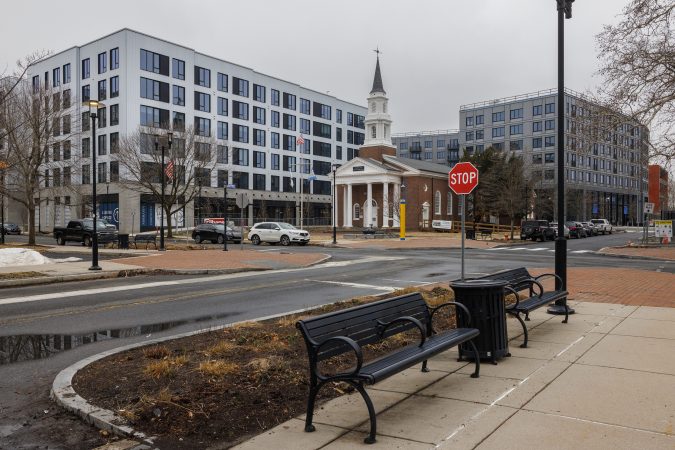
    The Navy Yard is not your typical Philly neighborhood. But that’s partly why its first apartment renters say they like it.

    The decommissioned military base at the southernmost edge of the city is now mostly a hub for offices and laboratories and is home to more than 150 companies. The first homes for people opened there late last year.

    My colleague and I wrote about what it’s like to be among the first to live at the Navy Yard.

    Keep scrolling for that story and more in this week’s edition:

    — Michaelle Bond

    If someone forwarded you this email, sign up for free here.

    The Navy Yard’s first residents

    The folks behind two new apartment buildings at the Navy Yard in deep South Philly are calling the area “Philadelphia’s newest neighborhood.”

    Sure the neighboring buildings are the only ones that house residents and you have to drive to get groceries, but some of the first residents of the apartments say that’s fine.

    I visited the property in early March when the first tenants were moving in. My colleague Erin McCarthy went back this month. More people live in the buildings now, but about 70% of the 614 units still await tenants.

    Renter Integra Feliciano told me the area is “still up-and-coming in terms of having more restaurants and stuff” but called the Navy Yard “a little gem.”

    She and another resident Erin and I talked to said they’re not really city people, which is why they like living at the Navy Yard. There’s a lot of open space, and free parking is plentiful.

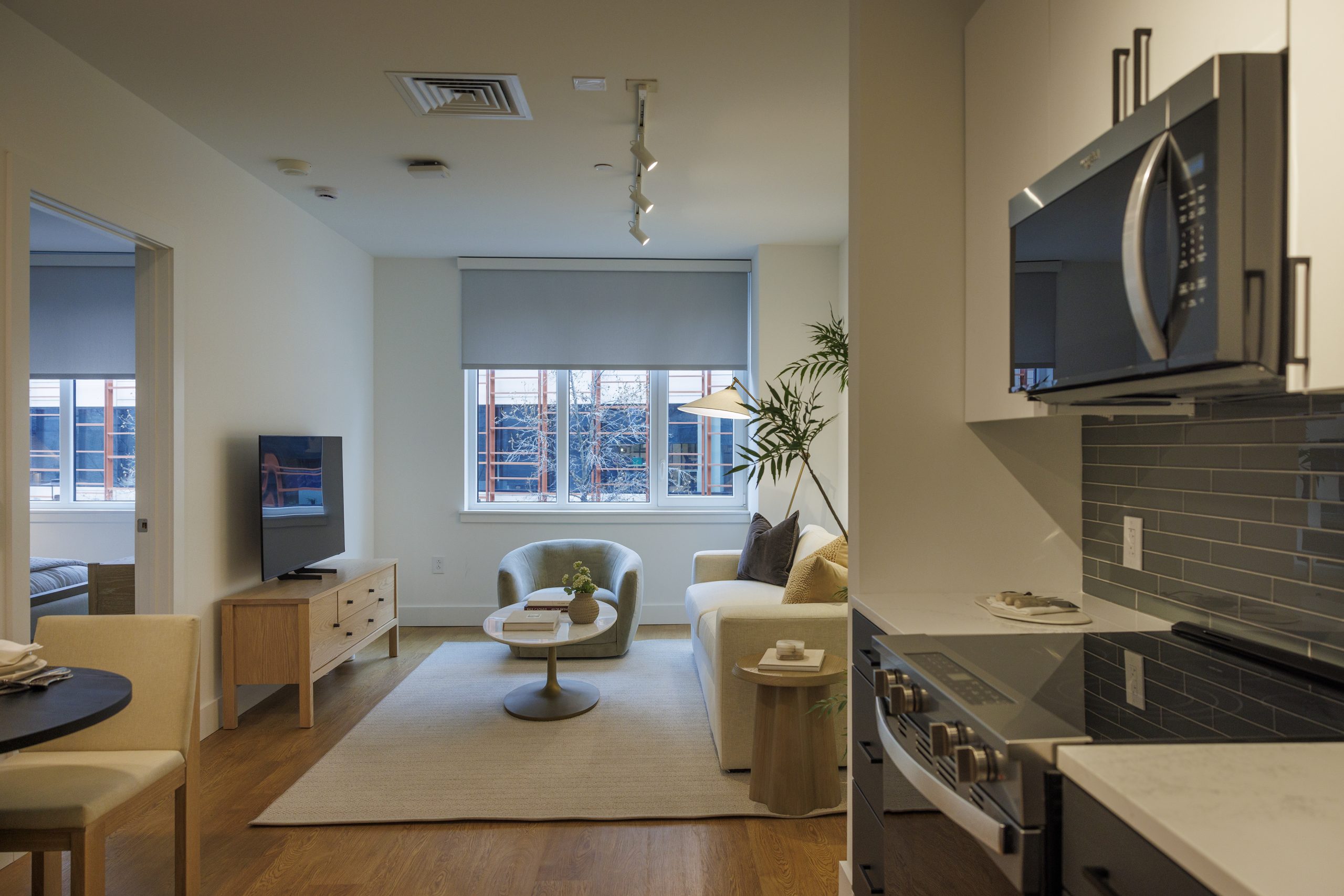
    The national apartment brand AVE opened the Constitution building late last year and the Normandy building this spring. Normandy includes both unfurnished apartments and furnished units marketed to business travelers.

    Navy Yard stakeholders eventually want to see thousands of apartments in the area.

    Keep reading to learn more about the first new homes to open at the Navy Yard and meet some of the early residents.

    A campaign against rogue developers

    Have you seen orange signs around your neighborhood that say “Their Profit. Your Loss!”?

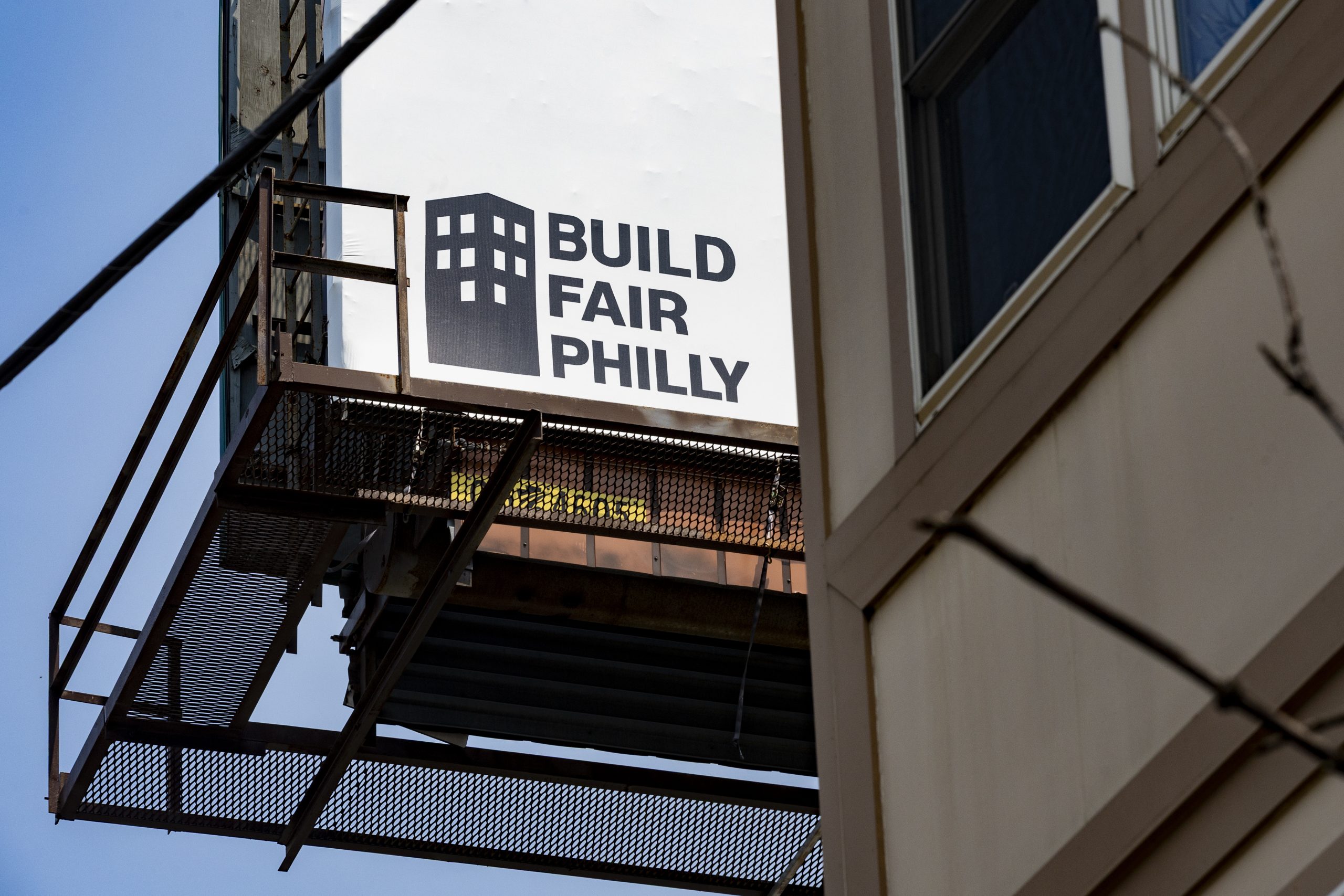
    In recent months, “Build Fair Philly” signs have popped up on rowhouses and lawns across the city. The campaign calls out the practice of shoddy and harmful real estate development.

    Peter Kim in Passyunk said that when he found a flyer on his door, he figured it was from “some NIMBY [not in my backyard] anti-housing group.”

    But the organization behind the campaign is actually the Eastern Atlantic States Regional Council of Carpenters.

    The union is generally pro-development since building means work for its members. But the Carpenters are encouraging Philly residents to join its push for more regulation in the construction industry.

    Learn more about the campaign and the Build Fair Philly pledge that thousands of people have signed.

    The latest news to pay attention to

    Home tour: Low energy in Brewerytown

    Come for the cute dog; stay for the energy efficiency.

    With utility prices as high as they are, I’m always interested to hear about how folks are keeping costs down. Chuong Nguyen says he pays almost nothing to heat his Brewerytown house and about $100 a month total for all his utilities.

    It all comes down to Nguyen’s focus when he was house hunting. He chose his home because it was a rare find: a multiunit Zero Energy Ready house.

    He doesn’t have to turn on the heat until the outside temperature dips well below freezing, he said, because his home is well insulated, and windows let in sunlight all year.

    Nguyen’s passion for living with a low carbon footprint stems from his childhood in Vietnam and eight years living in France.

    In Brewerytown, Nguyen lives with his Yorkie poodle, Milo, in the two-bedroom upper unit and rents the two-bedroom lower unit on Airbnb. He furnished the house with secondhand items, mostly from Facebook Marketplace.

    Peek inside Nguyen’s energy-efficient home and discover which fashion statement makes Milo a neighborhood favorite.

    📷 Photo quiz

    Do you know the location this photo shows?

    📮 If you think you do, email me back.

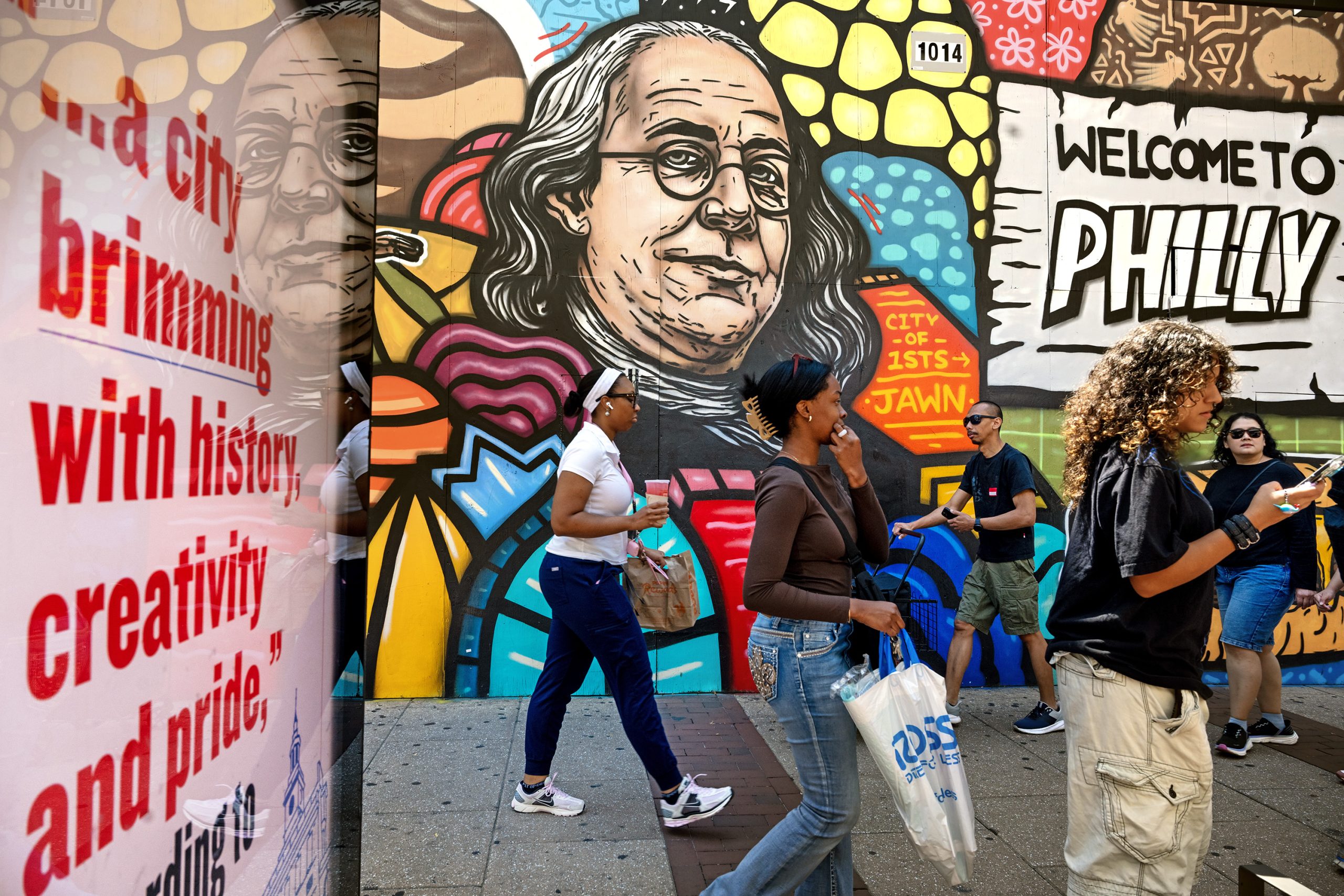
    Last week’s quiz featured a photo of the new 150-foot mural “Welcome to Philly” by artist Alloyius McIlwaine on the 1000 block of Market Street.

    Shout-out to Nikol L. for knowing that location.

    Enjoy the rest of your week.

    By submitting your written, visual, and/or audio contributions, you agree to The Inquirer’s Terms of Use, including the grant of rights in Section 10.

  • A property manager used rent price-setting algorithms that were banned in Philly last year, lawsuit says

    A property manager used rent price-setting algorithms that were banned in Philly last year, lawsuit says

    A West Philadelphia renter has filed a class-action lawsuit against his property manager and a national company that sells property management software, alleging that his landlord used price-setting algorithms that Philadelphia has banned.

    Since early 2025, Philadelphia has prohibited rental home providers from coordinating to set prices and using software that facilitates the practice. Officials argued that price coordination, especially among large corporate landlords, can lead to artificially inflated rents.

    This month, renter Yiyao Liu sued Willow Bridge Property Co., which manages his apartment building and is one of the country’s largest residential property managers, and RealPage, an industry leader in software for landlords. Liu alleges that Willow Bridge used RealPage services to get rent recommendations based on information from competing landlords that is not available to the public, in violation of a Philadelphia ordinance.

    The lawsuit, filed in Philadelphia’s Court of Common Pleas, is the first known case brought under the city’s ban, according to the office of City Councilmember Nicolas O’Rourke, who introduced legislation in 2024.

    At the time, O’Rourke said his bill was a preemptive move based on corporate landlords’ use nationwide of software to coordinate rental prices. City Council unanimously passed the legislation in October 2024, and the ordinance went into effect in February 2025.

    Liu, who lives in the Vue32 apartment building, asks in his lawsuit to represent as a class other tenants of Philadelphia rental units managed by Willow Bridge.

    A representative from RealPage said Monday that the company does not comment on active litigation, and Willow Bridge’s general counsel did not immediately respond to a request for comment.

    But in a 2024 statement to 6abc, RealPage said that a lawsuit brought against it by the U.S. Department of Justice and state attorneys general sought “to scapegoat pro-competitive technology that has been used responsibly for years.”

    Willow Bridge was one of a handful of large landlords that the Justice Department added as defendants in its lawsuit, in which it alleged that RealPage’s pricing algorithm violated antitrust laws. The Justice Department reached a settlement with RealPage late last year that does not include admission of guilt or financial penalties.

    Last month, Washington, D.C.’s Office of the Attorney General announced that it had reached settlements with two landlords it accused of conspiring to inflate rents using RealPage software. The landlords agreed to pay a total of $1.4 million. These were the latest settlements to come from the district’s 2023 lawsuit against RealPage and 14 of the district’s largest residential landlords.

    In the summer of 2024, San Francisco became the first city in the country to pass a ban on landlords using algorithmic software to set rents. Philadelphia became the second that fall, according to O’Rourke’s office.

    While Council members considered O’Rourke’s legislation, the Pennsylvania Apartment Association said in written testimony that “every industry relies on internal and external data analyses and responsive pricing technology.”

    The association said algorithm-based technologies improve operational efficiency, which “directly benefit[s] residents and rental communities.” And it argued that algorithmic software “encourages pricing competition within the marketplace through greater transparency.”

  • Going in on a South Philly garage | Real Estate Newsletter

    Going in on a South Philly garage | Real Estate Newsletter

    It all started with a property listing sent to the group chat as a joke.

    A 3,000-square-foot garage in South Philly was listed for sale for $380,000.

    Three longtime friends and self-described “motorheads” dreamed about what they could do with that much space.

    And that could have been it. But the friends couldn’t stop thinking about the property. So they decided to stop dreaming and actually buy it.

    We have the story of how these classic vehicle enthusiasts came to be the owners of a South Philly garage.

    Keep scrolling for that piece and more in this week’s edition:

    — Michaelle Bond

    If someone forwarded you this email, sign up for free here.

    A garage dream realized

    In January, we told you about three friends who bought a communal house together in Mount Airy.

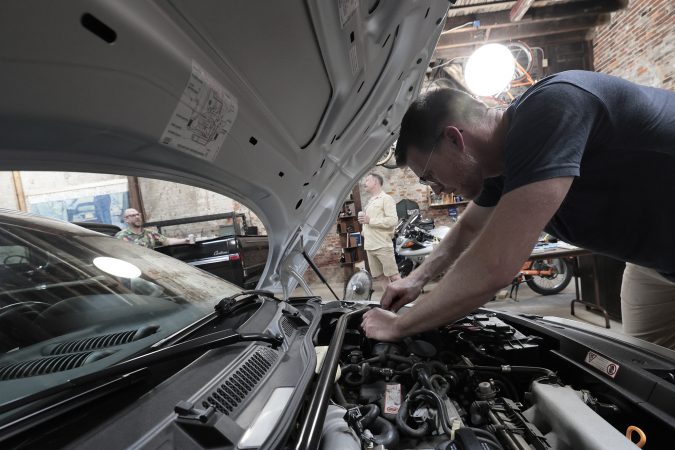
    Now, we’re bringing you the story of three friends who bought a property not to house themselves, but to be a home for the vintage vehicles they’re restoring.

    The men had been doing what they could to continue their passion projects, but none of the space workarounds they found were ideal for their collection of cars, trucks, motorcycles, and bicycles.

    Last spring, they found their slice of heaven: a windowless garage with no heating or air conditioning, a rusted beer fridge, and a bathroom with no walls.

    The garage is within a mile and a half of each of their homes, which means the friends are over there all the time.

    Keep reading to see the vehicles they’re working on and learn how they made their garage dream a reality.

    📮Have you ever gone in on a piece of property with a friend? Tell us about it.

    A church will become apartments

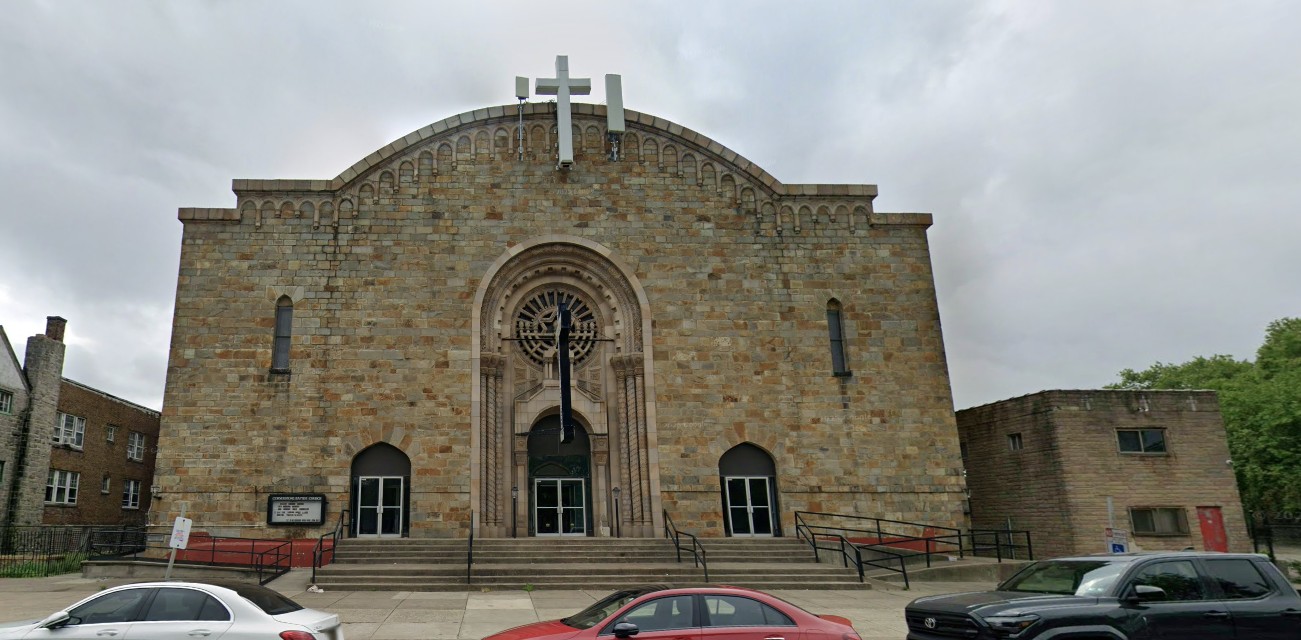
    A century-old building in Strawberry Mansion was originally a synagogue. Until recently, the property was a Baptist church. Now, it’s getting ready for its latest transformation.

    The former Cornerstone Baptist Church on the edge of Fairmount Park has joined the growing list of Philly religious sites that are being turned into homes.

    After the congregation shrank and the church couldn’t keep up with repairs, the building was sold for $1.9 million to a Philly-based developer. The company plans to build apartments and offer them only to renters making below certain incomes.

    A company official says Strawberry Mansion has been underappreciated by the real estate industry.

    “Obviously [Strawberry Mansion] had some economic disinvestment over the second half of the 20th century, but a lot of people are waking up to the sense that neighborhoods like this are not being made every day anymore,” he said.

    The redevelopment project will be partially funded by TD Bank as part of federal requirements that banks invest in neighborhoods that historically have been subjected to redlining and other systemic discrimination.

    Keep reading to learn more about the redevelopment plans for the former church and see why residents have some concerns.

    The latest news to pay attention to

    Home tour: Kid-friendly in Spring Garden

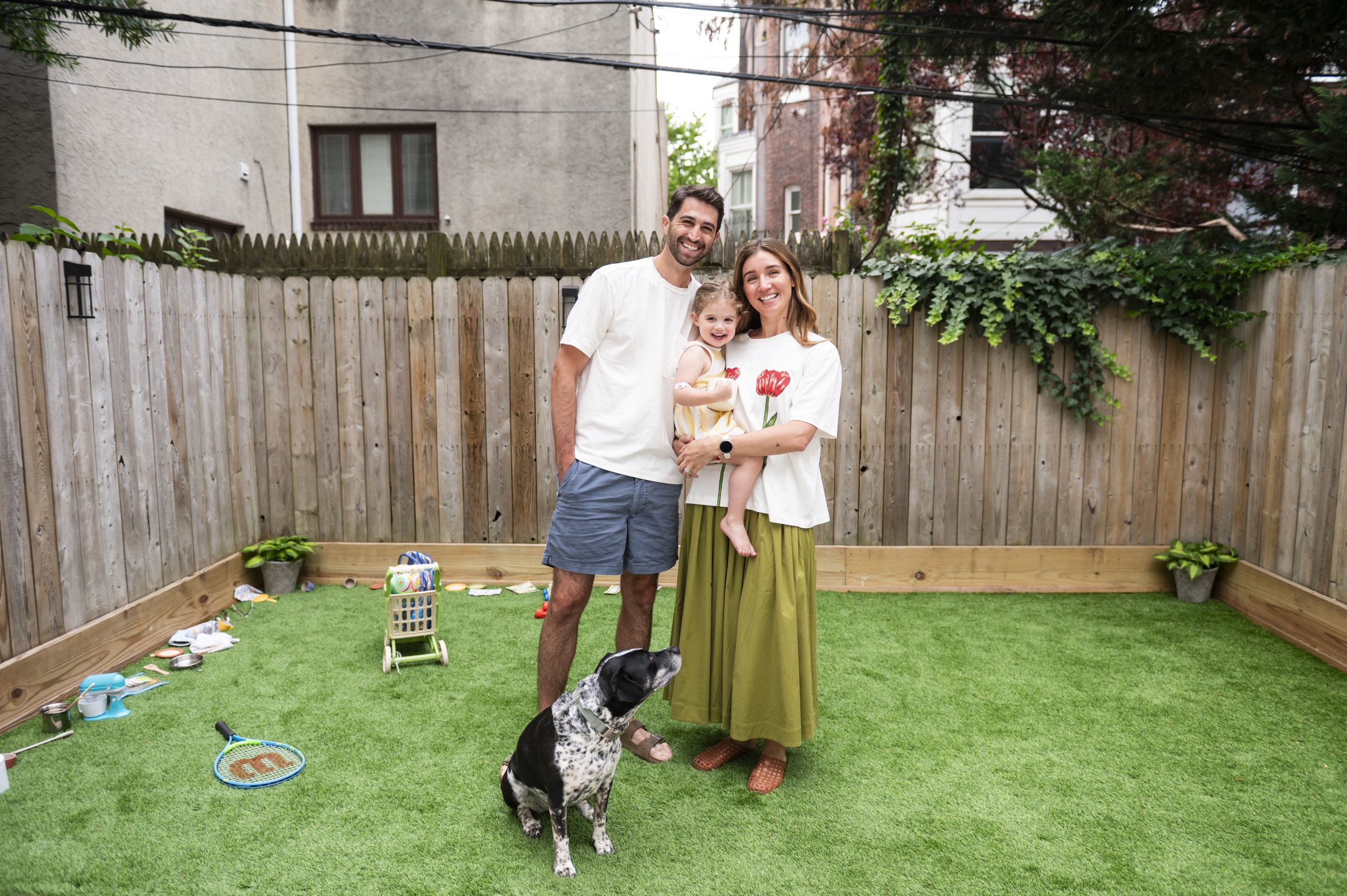
    We’re adding a dose of cuteness to your day with our latest home tour. This week’s piece features the home of Lana Shapiro, who is “almost 3″ and was making a pretend meal in the backyard when we came to visit.

    When her parents, Maddy and Andrew, bought their rowhouse in Spring Garden in 2022, the yard was not kid-friendly. The Shapiros removed the brick that was everywhere and added a cement patio and synthetic grass.

    The space is filled with furniture and colorful plants. Andrew repaired and power-washed the fence that surrounds the yard.

    A cement dividing wall still has some stubborn white paint that refused to be be power-washed away. So the Shapiros embraced the wall as it is, and it’s become a focal point of the yard.

    Inside the home, one of the Shapiros’ renovations was to add a vestibule, the classic rowhouse feature we highlighted this spring.

    Peek inside the family’s home and learn about its toddler-specific features.

    📊 The market

    Across the Philadelphia region in June, the number of home sales grew from last year. And so did the typical sale price.

    The supply of homes for sale was up too, but not enough for us to escape a yearslong truth: there’s more demand than supply in many areas across our region.

    According to the multiple listing service Bright MLS, in the Philadelphia metro area in June:

    🔺The number of closed home sales was 4% higher than at the same time last year.

    🔺The number of pending sales was up roughly 7% from last year.

    🔺The median sale price hit a new record high for June for the region — $430,000.

    🔺The number of active home listings at the end of the month was more than 12% higher than last year. But home supply is still only about half what it was before the pandemic.

    Our limited inventory means we won’t see home prices drop in any kind of meaningful way anytime soon.

    📷 Photo quiz

    Do you know the location this photo shows?

    📮 If you think you do, email me back.

    Last week’s quiz featured a photo of the President’s House at Independence National Historical Park.

    A few readers recognized the site. Shout-out to Bruce H. for being the first to answer.

    ―

    Did you know that the Delaware River has roughly 123 islands? They’re owned by governments, corporations, and private individuals.

    Some are pretty much just a sandbar, but others span hundreds of acres. Some are used for camping or birding, but most aren’t being used at all.

    Take a flight up the Delaware and learn about the river’s islands in this fascinating interactive story.

    And enjoy the rest of your week.

    By submitting your written, visual, and/or audio contributions, you agree to The Inquirer’s Terms of Use, including the grant of rights in Section 10.

  • Here’s what $1,500 in rent can get you in Philly, Miami, Boston, and other cities across the country

    Here’s what $1,500 in rent can get you in Philly, Miami, Boston, and other cities across the country

    Apartment renters with $1,500 a month to spend can get the equivalent of one or two bedrooms in Pittsburgh, a studio in Philadelphia, or a dorm room in Manhattan.

    That’s according to an analysis by RentCafe, a national apartment search website, based on average price per square foot for apartments in properties with 50 or more units.

    A monthly rent of $1,500 can get tenants 750 square feet in Pittsburgh, 591 square feet in Philadelphia, and 210 square feet in Manhattan. The national average for this price is 703 square feet — 112 square feet more than in Philadelphia.

    In most cities, $1,500 pays for a bit less space this year than last year. Philadelphia renters lost 6 square feet, and Pittsburgh renters lost 18.

    Whether a renter paying the same amount gets a spacious home or cramped quarters can depend on the type of rental property, but it mostly depends on the location. Varying costs of living, amounts of available space, and levels of apartment demand and construction all factor into home prices and sizes.

    RentCafe’s report, published this month, looks at the 200 largest U.S. cities by population and determines how much apartment space $1,500 in rent pays for in various cities. To calculate the rough number of possible bedrooms, RentCafe looked at each city’s average square footage by bedroom count.

    (function(){function e(){window.addEventListener(`message`,function(e){if(e.data[`datawrapper-height`]!==void 0){var t=document.querySelectorAll(`iframe`);for(var n in e.data[`datawrapper-height`])for(var r=0,i;i=t[r];r++)if(i.contentWindow===e.source){var a=e.data[`datawrapper-height`][n]+`px`;i.style.height=a}}})}e()})();

    In Philadelphia, $1,500 would not even cover a one-bedroom home in an apartment building.

    In places such as Manhattan and Boston, $1,500 a month won’t even pay for a typical studio apartment. That’s the case in 26 cities. Fifteen of them are in high-cost California, including Los Angeles and San Francisco, where $1,500 would get renters 429 square feet and 307 square feet, respectively.

    In 97 of the 200 cities RentCafe analyzed, $1,500 a month could pay for apartments with one to two bedrooms. Renters could get a two- to three-bedroom unit in 31 cities, mostly in mid-sized urban centers.

    Rent money goes furthest in cities with relatively low costs in the South and Midwest. In McAllen, Texas, a renter with $1,500 a month to spend can get a 1,378-square-foot apartment, enough space for three or four bedrooms. In this city, apartment rents average just under $1,000.