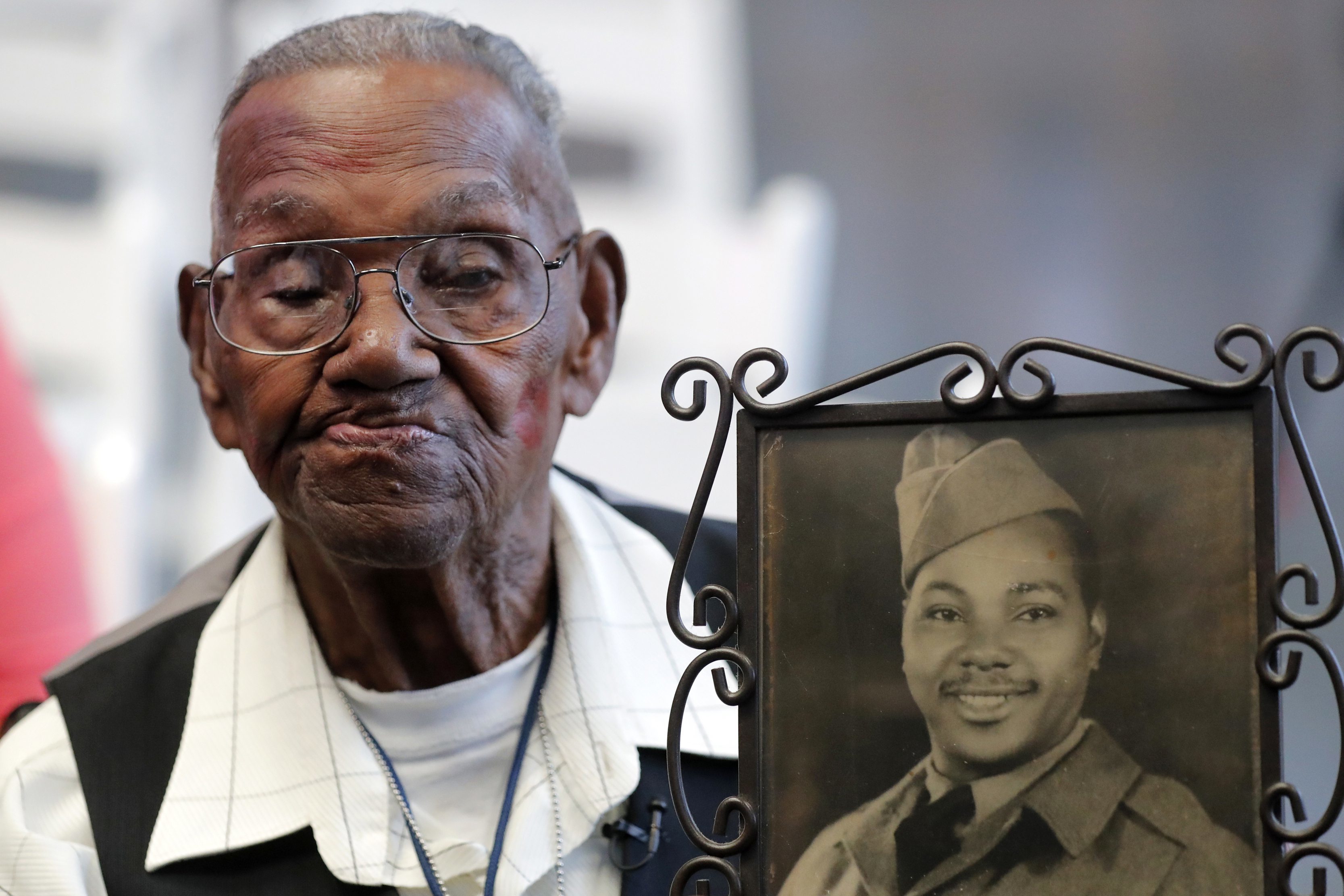
Paul L. Newman is an amateur historian of African American history. He’s currently working on a miniseries docudrama on the Civil Rights Movement of the first half of the 20th century.
1946 should be remembered as a time when opportunities denied to “the Greatest Generation” by the Great Depression became available, as World War II veterans took advantage of the GI Bill’s four benefits.
The first two benefits were assistance in finding employment and a weekly stipend until a job was secured. The third was a loan guarantee by the Veterans’ Administration (VA) for a home, farm, or business. The fourth was education or vocational training.
But formidable obstacles blocked many African American veterans in the South from receiving their benefits, which were locally administered, allowing the same racists who’d been holding back their advancement since 1865 to continue doing so.
After applying to the U.S. Employment Service for jobs, many Black veterans were offered low-paying, unskilled work regardless of the training or skills they may have acquired in the military. If they refused employment offers below their abilities, their unemployment stipend could be cut.
Racism at home
Some African Americans may have wanted a loan to buy a home or farm or to start a business. They soon learned that the VA merely guaranteed loans; it didn’t make them. VA loans would have to be secured from a local bank, which was generally not interested in improving the status of Black veterans.
In the North, Black veterans hoping to buy homes were relegated to decaying older housing inside city limits, while newly built suburban tracts barred them from home ownership.
White and Black colleges, as well as trade schools, were inundated with students taking advantage of GI Bill education benefits, but state-supported historically Black colleges and universities (HBCUs) didn’t receive the same increase in state funding as white schools. This situation led to severe overcrowding at Black colleges. Five Southern states refused to admit Black students to their law schools, but willingly established segregated, inferior ones to comply with the “separate but equal” doctrine.
Getting admitted into Southern vocational training schools, except the few affiliated with an HBCU institution, was virtually impossible. Some unscrupulous entrepreneurs established trade schools to train Black veterans in the low-wage jobs they were relegated to before the war, instead of ones through which they could join the middle class.
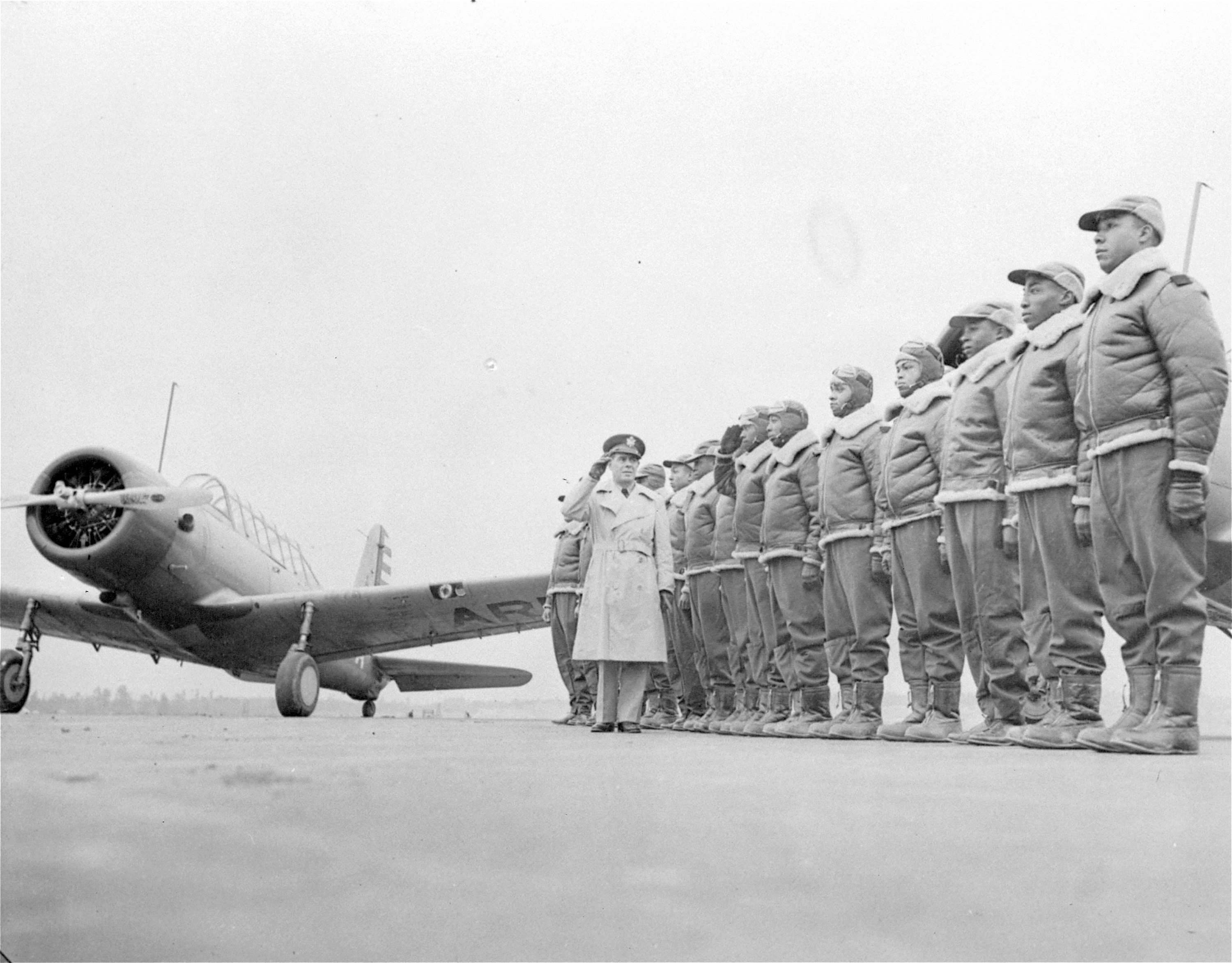
Most Black veterans returned to their hometowns which, despite their wartime service, refused to acknowledge their full citizenship. Hosea Williams, disabled by combat wounds, was beaten so badly for using a whites-only drinking fountain in a Georgia bus station that a hearse, instead of an ambulance, was summoned. Williams later became a key organizer for the Rev. Dr. Martin Luther King Jr.
In February 1946, a police officer blinded Isaac Woodard, a recently discharged veteran. Veteran Maceo Snipes had the audacity to be the first African American in Taylor County, Ga., to vote since Reconstruction. Snipes was murdered the next day. That year, there were multiple instances in which Black veterans were murdered with impunity during disputes over public transportation or accommodations in New York, Alabama, Georgia, North Carolina, and Louisiana.
However, the Black veterans, who had defeated fascism in Europe and Asia, wouldn’t countenance a repetition of 1919’s Red Summer, during which more than 75 African Americans were lynched, and hundreds of others were killed in race riots that occurred in Chicago, Charleston, S.C., Washington, D.C., Elaine, Ark., and Omaha, Neb.
Fighting back
World War II’s Black veterans, who had faced death abroad, returned home unafraid. In February, Black veterans in Columbia, Tenn., defended their neighborhood against a police invasion. A hundred Black veterans tried to register to vote in Birmingham, Ala. In July, Medgar Evers and other Black veterans tried to do likewise in Mississippi. They had willingly put their lives on the line to ensure their constitutional rights and were now going to fight for their children’s future. Oliver Brown and Harry Briggs Sr., two of the plaintiffs in 1954’s Brown v. Board of Education, were fearless veterans who risked their lives and livelihoods for their children’s education.
As we thank our veterans today, it is imperative we remember that the Black members of the Greatest Generation came home 80 years ago to fight for the civil rights of all African Americans and laid the foundation for every large-scale grassroots movement that followed.
Their courage inspired others to march against the Vietnam War and to fight for the rights of women, LGBTQ+ communities, and other marginalized Americans.
To those Black veterans, I say, “Thank you for your service.”
Leave a Reply