Tag: West Philadelphia

  • Acquitted of double murder as a teen, he now faces new charges in a West Philly shooting that left two dead

    Acquitted of double murder as a teen, he now faces new charges in a West Philly shooting that left two dead

    Andre Bowie was just 17 when he was arrested and charged with killing two men in West Philadelphia in the fall of 2020.

    But a jury acquitted him of those crimes, and he walked free in May 2023.

    Three years later, Bowie, now 22, is back in jail — again accused of killing two people.

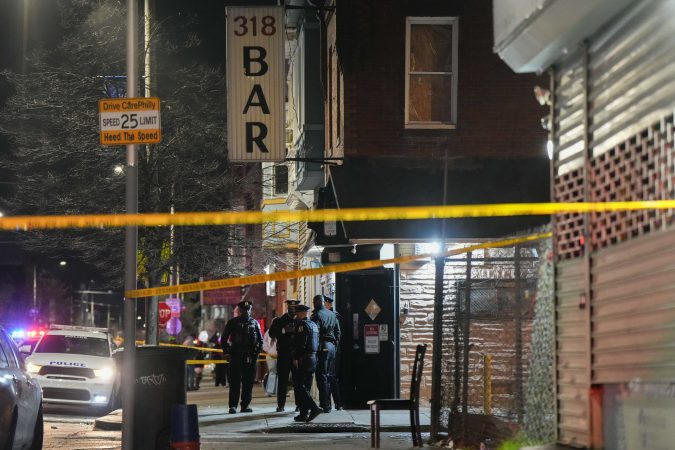
    Police said Bowie and several others drove to 60th and Delancey Streets on the night of March 30, and opened fire on a group of people standing outside a corner bar, wounding three and killing Paul “PJ” Cobb and Naasir Boyd, both 24.

    More than a dozen shots were fired from three different 9mm handguns, police said. In the hours after the shooting, police found the Mercedes on fire on the 1200 block of Cumberland Street.

    Another man, Marquis Andrews, is also expected to be charged, police said. Andrews, 22, has been in custody since April after he was charged with illegally carrying a loaded gun, court records show.

    Paul “PJ” Cobb, 24, was shot and killed near 60th and Delancey Streets on March 30. Cobb was the eldest son in his large, blended family, and was born and raised in West Philly.Courtesy of the Cobb family

    The deaths of Cobb and Boyd, childhood friends born and raised in the neighborhood, came amid what law enforcement officials described as an escalating feud between the crews “Northside” and “Southside” in West Philadelphia — groups that have warred across the Market Street corridor for more than a decade.

    Cobb’s and Boyd’s killings not only devastated their families, but police said the shooting likely led to another. The week after they were killed, police said, four Southside affiliates seeking revenge opened fire on a Northside rival standing outside a corner store at 60th and Market Streets.

    Instead, the bullets struck and killed 20-year-old Imani Ringgold, who was walking with a slice of pizza and talking to her grandmother on the phone — and who had nothing to do with the feud.
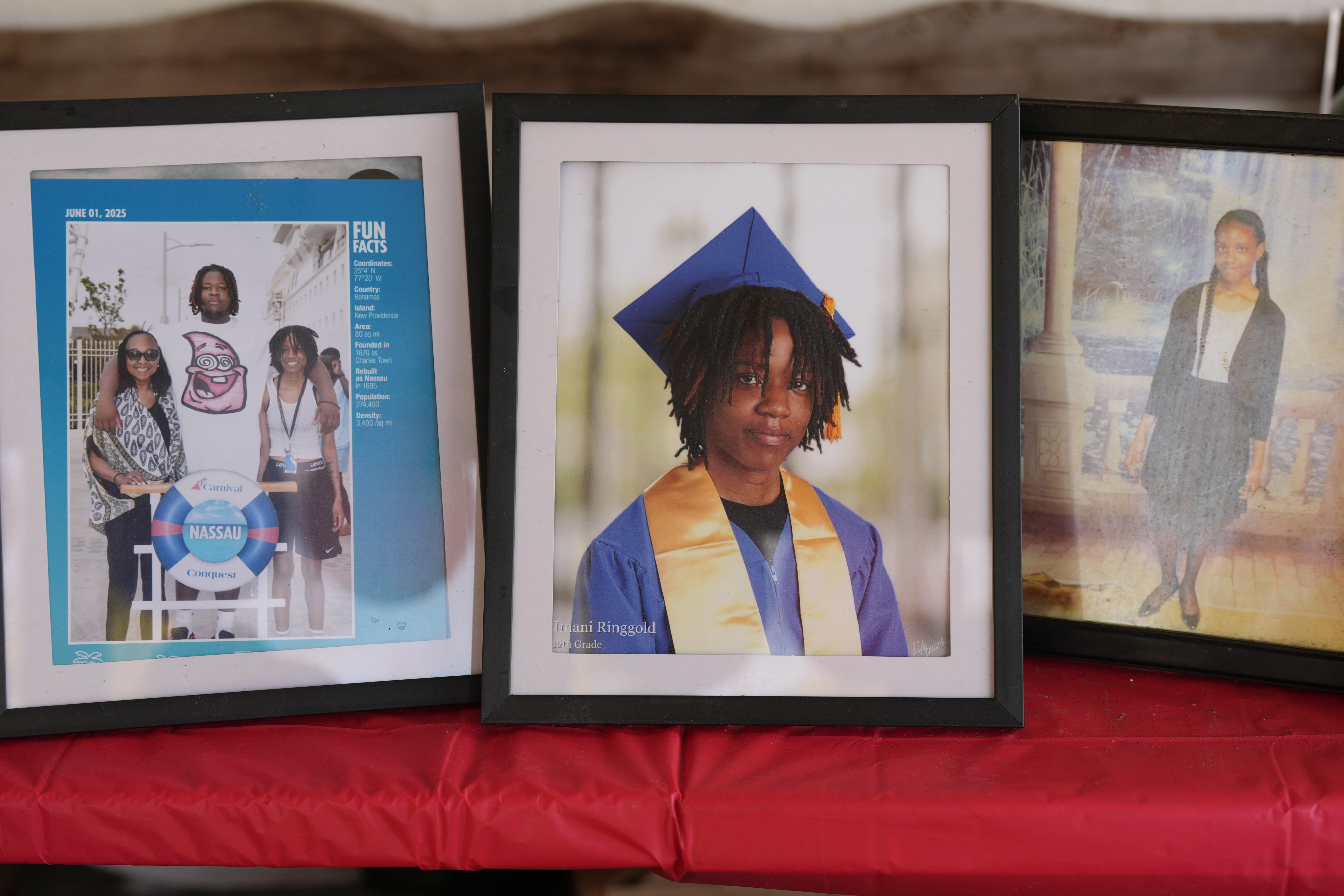
    Photos of Imani Ringgold are laid out on the table at her grandmother’s home. Jessica Griffin / Staff Photographer

    One detective, at a recent court hearing, testified that at least 30 people have been killed in connection with the groups’ conflicts since 2015 — a beef that has festered for so long that many people at the center don’t even know how it started.

    Bowie’s cases

    Prosecutors previously said the first two killings Bowie was charged with — and later acquitted of — were also tied to the Northside-Southside feud.

    In that case, lifelong friends Jarell Jackson and Shahjahan McCaskill, both 26, were driving near 57th Street and Locust Avenue when three gunmen jumped out of a black SUV and fired more than two dozen bullets into their car, killing them, in October 2020.
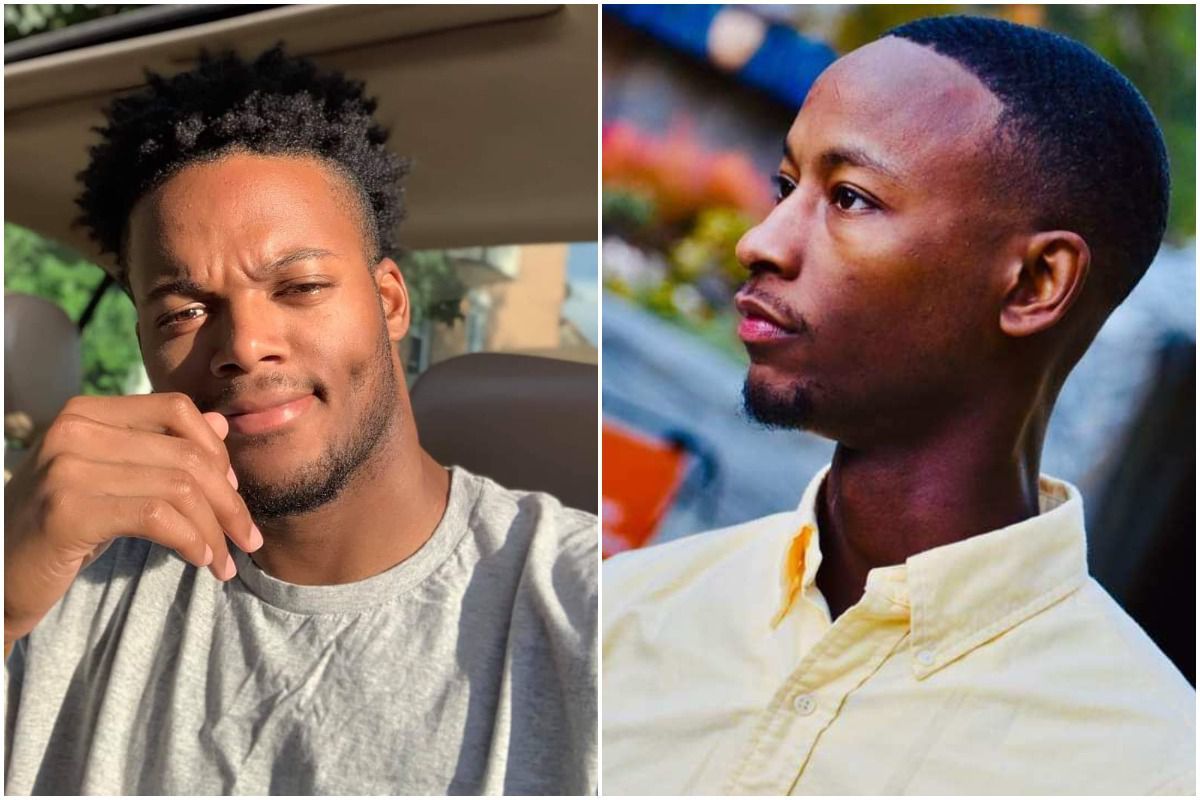
    Jarrell Jackson, left, and Shahjahan McCaskill were killed in a case of mistaken identity in West Philadelphia in October 2020.Family photos

    Investigators at the time said they believed the gunmen were Northside members who shot up the car in a botched retaliation for an earlier homicide.

    Chesley Lightsey, then-homicide chief at the district attorney’s office, said Jackson, a Jefferson Health technician who mentored troubled teens, and McCaskill, who was a cancer survivor and small-business owner, had nothing to do with that conflict. The men, she said, “were targeted because of the neighborhood they live in.”

    Bowie was among three teens charged. But at the May 2023 trial, jurors acquitted him and his co-defendants. (Bowie was convicted of illegal gun possession in the case, and sentenced to 11½ to 23 months in jail, allowing his immediate parole, court records show.)

    Marisa Palmer, a spokesperson for the district attorney’s office, said in an emailed statement that at Bowie’s trial, prosecutors presented witness testimony, and social media, video, and firearm-related evidence that prosecutors “believed established the defendants’ guilt beyond a reasonable doubt.”

    The office respects the jury’s decision, she said. She called the new allegations against Bowie “deeply concerning,” and declined to comment further.

    Bowie was taken into custody last week and charged with two counts of murder, as well as three counts of attempted murder, arson, and related crimes.
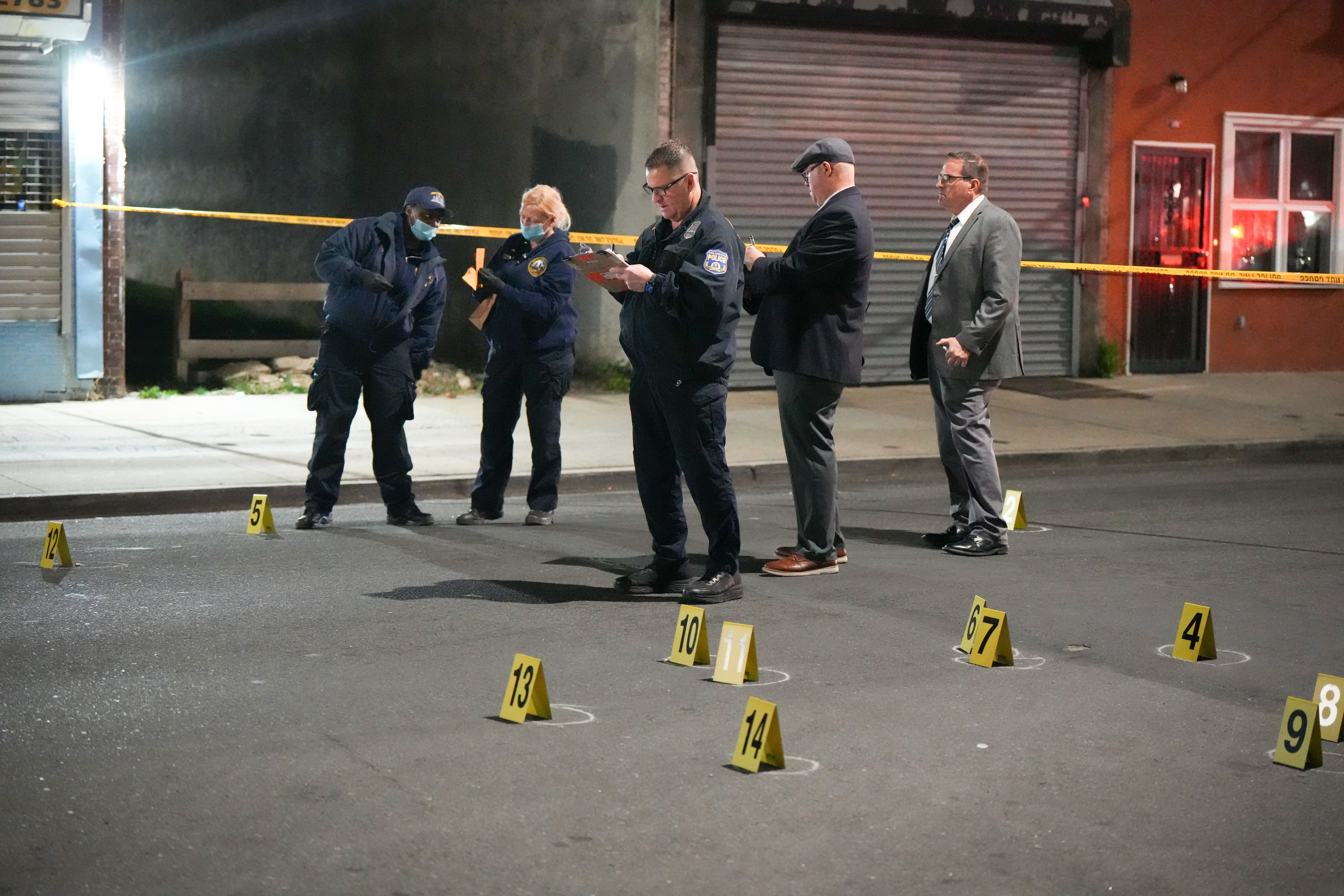
    Police and homicide detectives investigate a double homicide at 60th and Delancey Streets on March 30. Jessica Griffin / Staff Photographer

    Investigators tied Bowie to the crime after his cell phone location data placed him near the scene of the shooting, according to the affidavit of probable cause for his arrest. Andrews’ cell data also links him to the crime, the affidavit says, and call detail records and text messages show the two men were in communication in the hours after the killings.

    The records say that police also recovered the murder weapon linked to Bowie. During an April 30 car stop in Kensington, the records say, police encountered Bowie and another man, and officers recovered a 9mm handgun that a ballistics test showed was used in the killings of Boyd and Cobb.

    Court records did not list an attorney for Bowie.

    Families in mourning

    Boyd and Cobb have deep ties to the neighborhood, and were killed just blocks from where they lived.

    Cobb’s mother said in an interview that her son was raised in a house at 60th and Delancey, and that she had countless memories of him playing and riding bikes on the block where he was killed. He was the eldest son of a large, blended family.

    Cobb’s mother and sisters, who asked not to be identified for fear of retaliation, said he was goofy and protective, loyal and independent. He attended Sayre High School, before earning his GED, they said, and worked in construction with his father.

    Paul “PJ” Cobb, 24, loved helping take care of a collection of nieces and nephews. Courtesy of the Cobb family

    But his favorite role, they said, was being an uncle to his many nieces and nephews. He picked several of them up from school and daycare each day, and cared for them as if they were his own until his sisters finished work.

    The sisters said they now tell their kids their favorite “Uncle P” is “in the sky.”

    One older sister said that on a recent flight, her 3-year-old kept staring out the airplane window, looking for him in the clouds.

    “She asked ‘Mom, where’s Uncle P at?’” she said. “And I had to tell her, ‘He’s further in the sky than we are on the plane.’”

    His death, they said, has fractured their lives and ability to feel safe in their neighborhood.

    Cobb’s mother said the conflicts of Northside and Southside have always loomed. Her son was not affiliated with Southside, she said, but having grown up on blocks at the center of the group’s feuds, he was cautious about his whereabouts, and she often worried about him.

    When she first heard police made an arrest, she said, she was relieved. But learning that Bowie had been charged and acquitted before left her uneasy.

    “There are things that happened,” she said, “that could have prevented this.”
  • Philly City Council will hold hearings to investigate police response during Pride celebration in the Gayborhood

    Philly City Council will hold hearings to investigate police response during Pride celebration in the Gayborhood

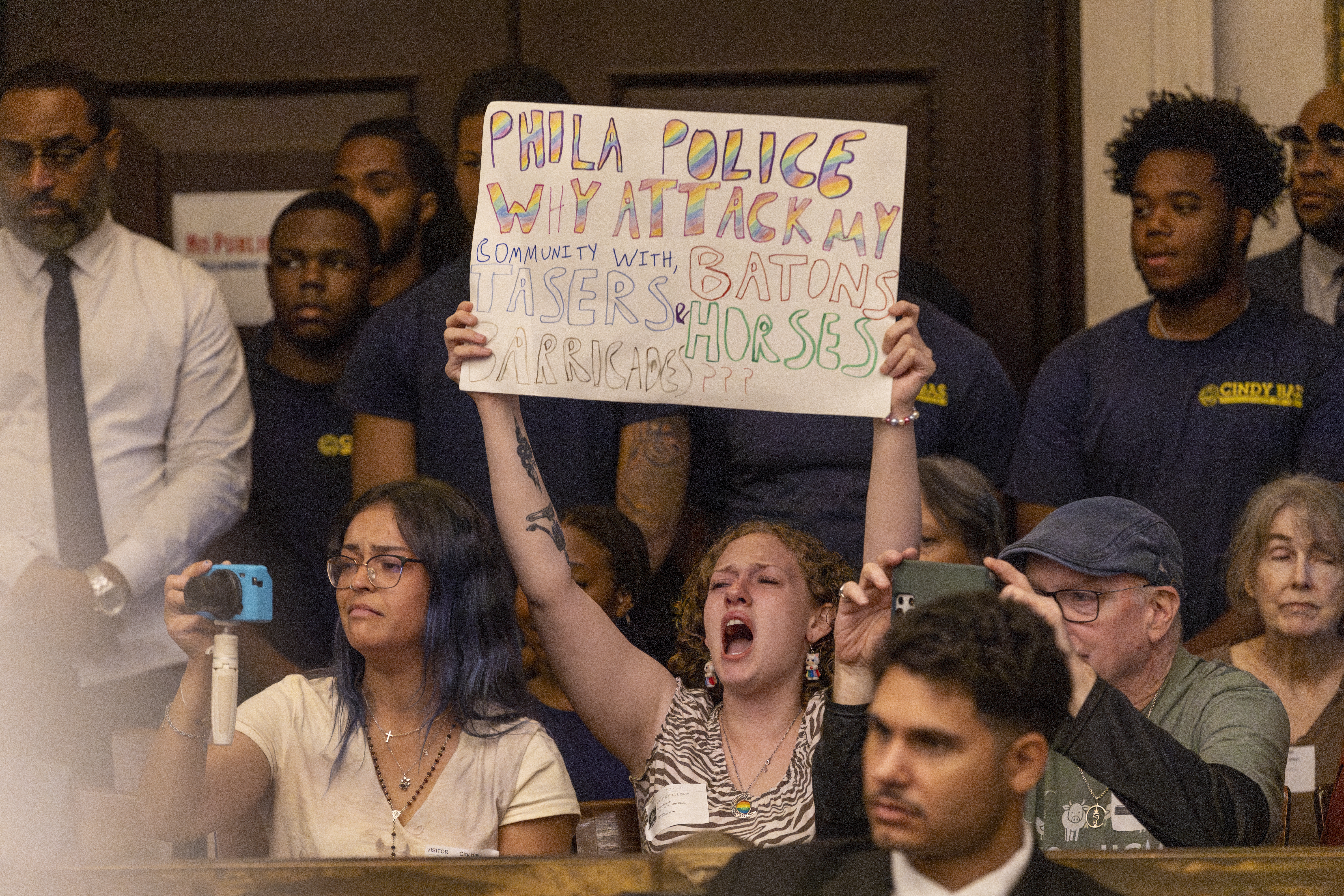
    Philadelphia City Council will hold public hearings to examine the police department’s crowd-control tactics used during Sunday’s Pride festivities in the city’s Gayborhood, a response that drew criticism from LGBTQ+ community leaders who have called the display of force unacceptable.

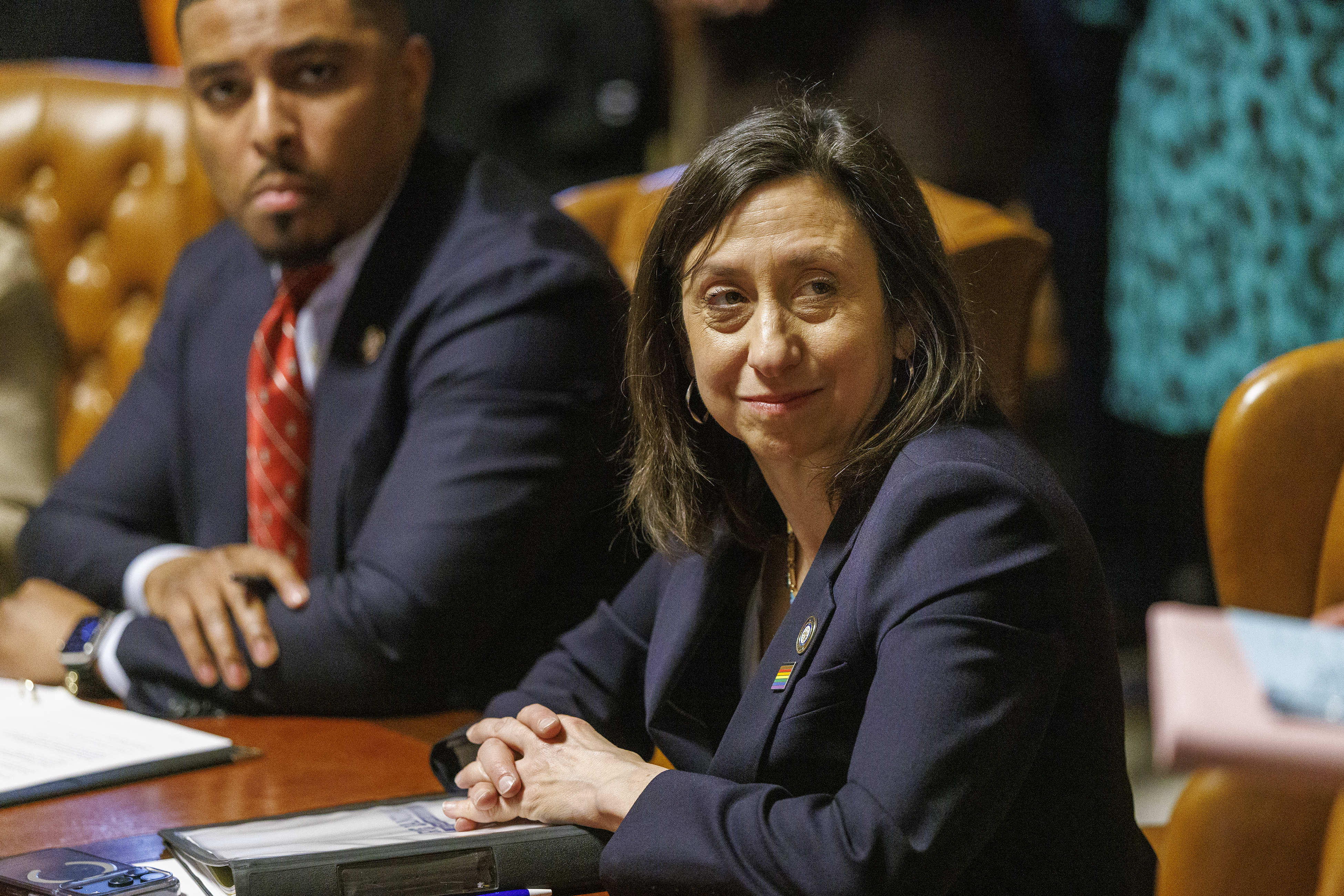
    Councilmember Rue Landau, a Democrat who represents the city at-large and is Council’s first openly LGBTQ+ member, introduced legislation Thursday to authorize Council to hold hearings on the response, citing video and eyewitness accounts of “aggressive police tactics,” such as physical confrontations between police and celebrators, as well as the use of mounted and motorcycle officers to disperse crowds.

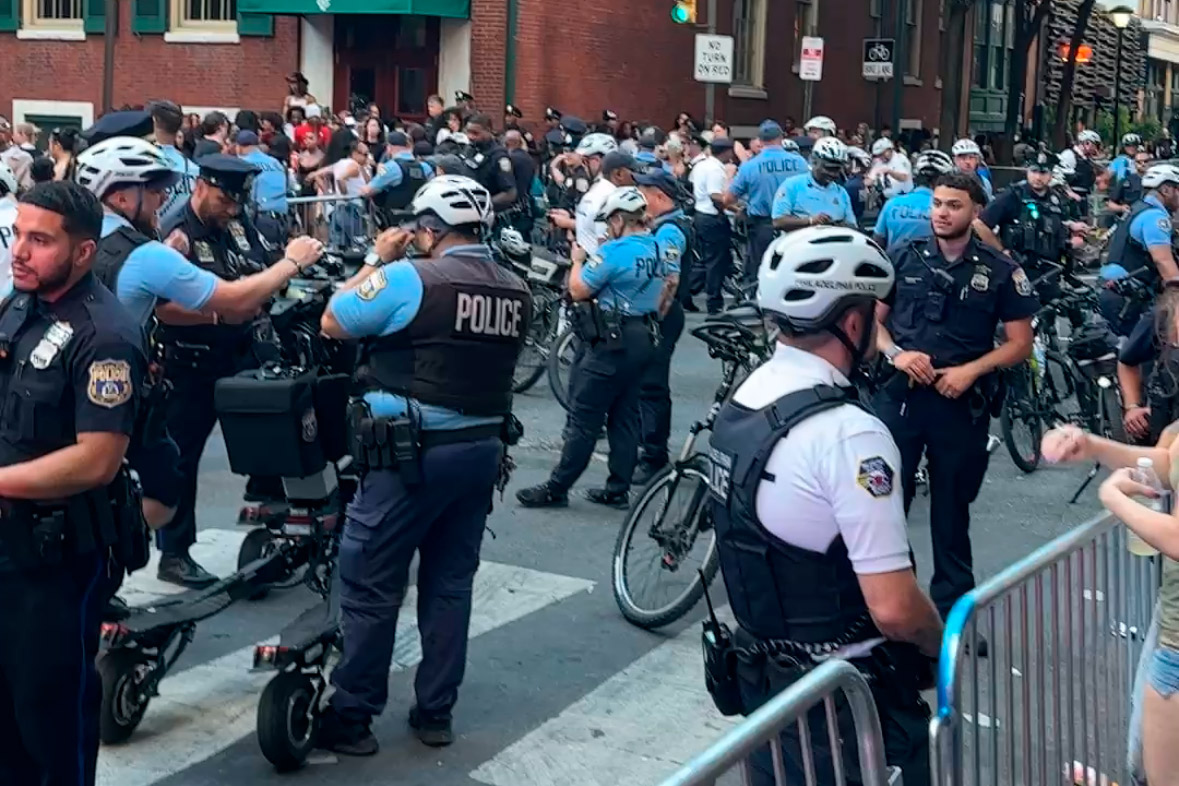
    A large police presence at a Pride celebration in the Gayborhood on Sunday, June 8, 2026.Courtesy of Joshua Stokem

    Images and videos that circulated widely on social media this week showed officers pushing attendees, as well as police on horseback dispersing crowds from the sidewalk. Multiple officers were seen on video with their faces covered, and others barricaded Gayborhood streets. Police said 15 people were arrested.

    “It’s clear that this was a lack of communication, a lack of planning, and a lack of clear on-the-ground decision making of what to do in this situation,” Landau said Thursday.

    Holding hearings in Council “is not going to heal the pain and trauma that happened on Sunday,” Landau said, but it will “answer strategic and tactical questions.”

    ”We need to work towards a time when the Gayborhood is safe and open and welcoming to every member of the queer community, but especially to Black and brown queer people and trans people,” she added.

    Councilmember Rue Landau on Thursday, March 12, 2026.Alejandro A. Alvarez / Staff Photographer

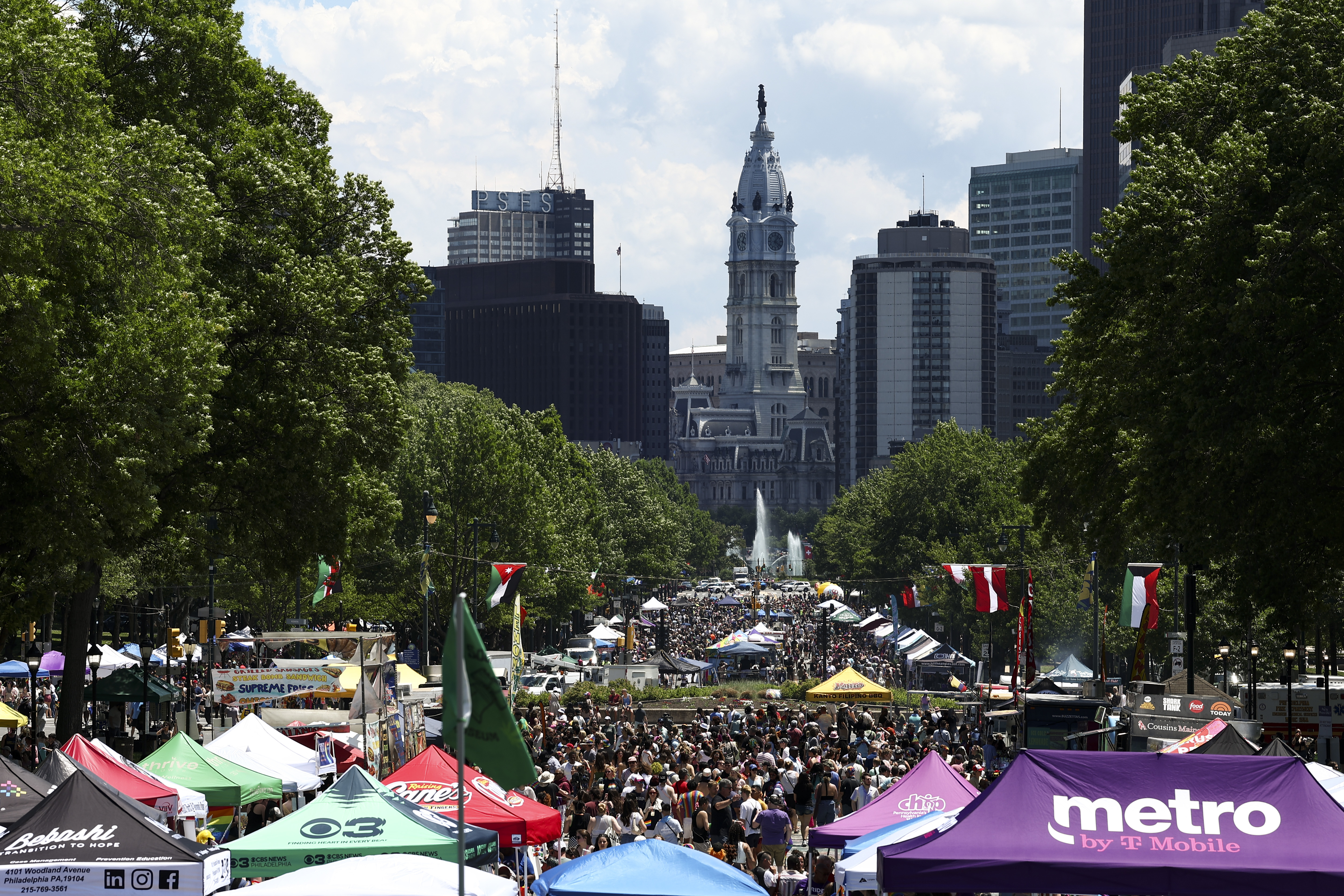
    The city sponsored an official Pride march and festival on the Benjamin Franklin Parkway on Sunday, but many also gathered to celebrate in the Gayborhood, near some of the city’s best-known LGBTQ+ establishments.

    During an acknowledgment of Pride month in Council on Thursday, Mark Segal, the publisher of the Philadelphia Gay News and a fixture of the city’s LGBTQ+ community, said he was looking for accountability and wanted to know: “Who was in charge Sunday?”

    “No police should be wearing a mask in Philadelphia,” Segal said to applause. “No motorcycle should be up on the sidewalk. Police on horseback should not be hurting citizens. The police should not be running around with Tasers. People should not be punched. People should not be fenced off like animals.”

    Council unanimously approved a resolution to hold hearings. They are not likely to take place until fall, as Thursday was Council’s final meeting before adjourning for summer recess.

    The move to hold hearings is a notable step for a Council that has largely steered clear of public criticism of the city’s police department in recent years. While individual members have taken issue with discrete tactics or policies, most have been satisfied with the leadership of the force under Commissioner Kevin J. Bethel, who took the helm in 2024 when Mayor Cherelle L. Parker appointed him to the role.

    Bethel said the police department is investigating the agency’s response during the Pride festivities, and a police spokesperson said that five officers who wore facial coverings may face discipline for violating department policy.

    Parker said in a statement that senior members of the administration were examining the response. During an unrelated news conference Thursday, she said that “accountability will be reached.”

    “Rest assured we’re going to do the research. We’re going to find out what happened and where accountability is appropriate,” Parker said.

    People fill the street during the Philly Pride Festival on the Ben Franklin Parkway on Sunday, June 7, 2026 in Philadelphia.Monica Herndon / Staff Photographer

    More than a dozen LGBTQ+ residents and Pride attendees came to Council on Thursday to tell lawmakers about their experiences Sunday and call for an investigation.

    Philadelphia resident Jazmyn Henderson, a longtime activist in the city, was in the Gayborhood on Sunday and said she witnessed police using aggressive crowd-control tactics.

    She said she did not think Council’s resolution was enough to make her feel safe going forward.

    “I think City Council is delusional,” Henderson said. “I think the city is delusional, and they think that that resolution meant anything to any of the Black and brown people who were brutalized, assaulted, hurt, or mistreated by the cops on Sunday.”

    Sergio Cea, political director of the progressive political group Reclaim Philadelphia, testified during Council’s public comment section that he was tear-gassed by officers in West Philadelphia during a wave of civil unrest in 2020 and, following Sunday’s events in the Gayborhood, he does not feel safe in the city from what he described as “police violence.”

    “I really welcome the resolution that Rue Landau is presenting, but we need to go beyond that,” Cea said. “We are not safe.”

  • A Havertown native is giving historic $112.6 million to Drexel, months after his record gift to St. Joe’s Prep

    A Havertown native is giving historic $112.6 million to Drexel, months after his record gift to St. Joe’s Prep

    Drexel University has received a $112.6 million gift — the largest in its history by more than double — to establish its new college of engineering and computing, renovate space in two buildings to foster programs within it, and provide more scholarships.

    The gift comes from the Howley Foundation, a Cleveland-based philanthropic group whose mission, according to its website, is “to create social and economic mobility and improve lives” through “quality educational opportunities.”

    The foundation is headed by billionaire W. Nicholas “Nick” Howley, a 1975 Drexel graduate, his wife, Lorie, and their daughter Meg Howley, a 2010 Drexel graduate. Nick Howley, who got his degree in mechanical engineering, is the cofounder and board chairman of TransDigm Group Inc., a Cleveland-based aerospace parts manufacturer.

    The same foundation in April gave a $74 million gift to St. Joseph’s Preparatory School, also Howley’s alma mater, which school officials believe was the biggest donation ever given to a U.S. Catholic high school.

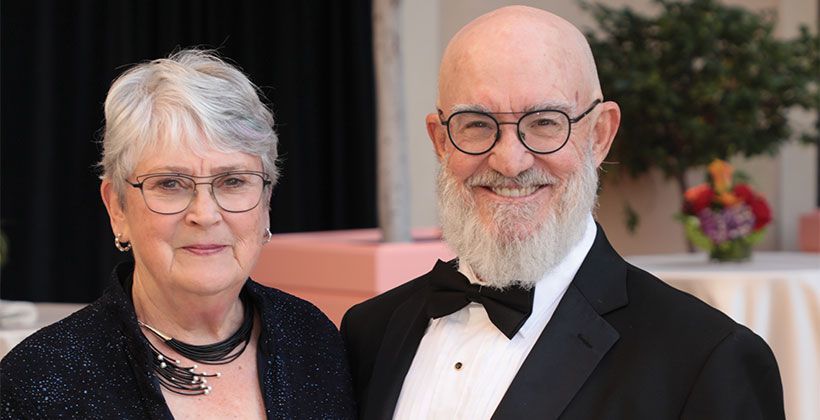
    W. Nicholas “Nick” Howley and his wife Lorie have given $112.6 million to Drexel University through their foundation.Courtesy of Drexel University

    The new school, which will be Drexel’s largest, will be named for the Howley family. It will be made up of the School of Engineering, School of Computer and Information Sciences, and School of Biomedical Engineering and Science, which merged earlier this year as part of a consolidation and academic overhaul.

    Drexel made the announcement Thursday morning, with commencement scheduled for later in the day at the West Philadelphia university. It was the first major gift to come to the university under president Antonio Merlo, who took over last July.

    Drexel’s previous largest gift, $50 million, came from Thomas R. Kline in 2014 to name its law school.

    “This investment is a powerful affirmation of Drexel’s strength and leadership in fields where innovation and impact are deeply intertwined,” Merlo said in a news release. “It will not only bring excitement and a new look to our campus, but it will also provide generations of students with access to state-of-the-art facilities, as well as set them on course for a transformational educational experience at Drexel.”

    The gift also comes as the university has been aiming to reduce a deficit, making some operational changes, and considering changing its relationship with the Academy of Natural Sciences. The school said in April it would end the year with a $20 million deficit. Drexel is projected to continue to run deficits through fiscal year 2028, according to a report from Moody’s, which downgraded the school’s rating earlier this year. And last fall, Drexel experienced a 19% drop in the size of its freshman class.

    But Merlo in a message to campus last week said the university has seen a 16% increase in students indicating they will attend next fall. And the university is preparing to launch its “renewed curriculum” and change to semester calendar.

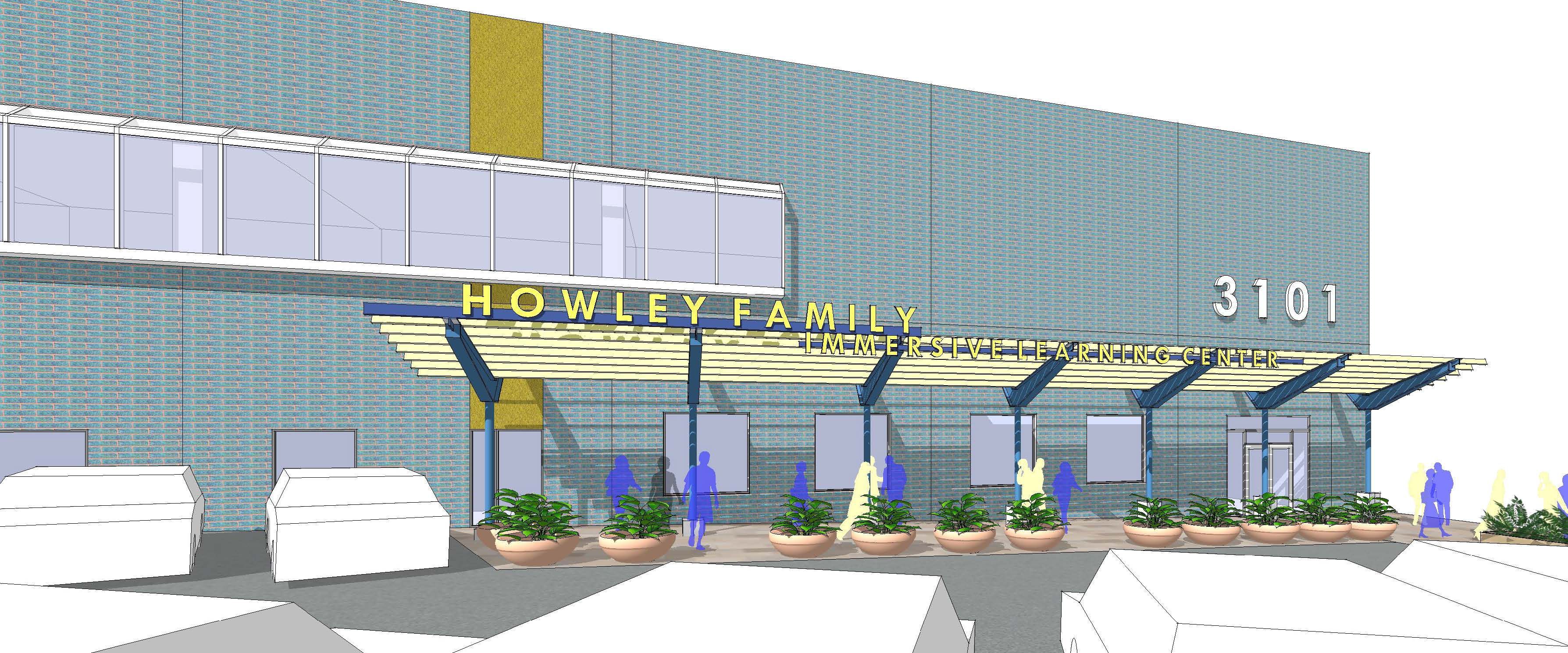
    A rendering the exterior of the Howley Family Immersive Learning Center at Drexel UniversityCourtesy of Drexel University

    “I am filled with optimism about what lies ahead for our students and our institution,” Merlo wrote.

    About $76 million of the Howleys’ gift will fund programs and scholarships for talented students from certain schools, primarily in Philadelphia and Cleveland, who enroll at Drexel, regardless of their financial circumstances.

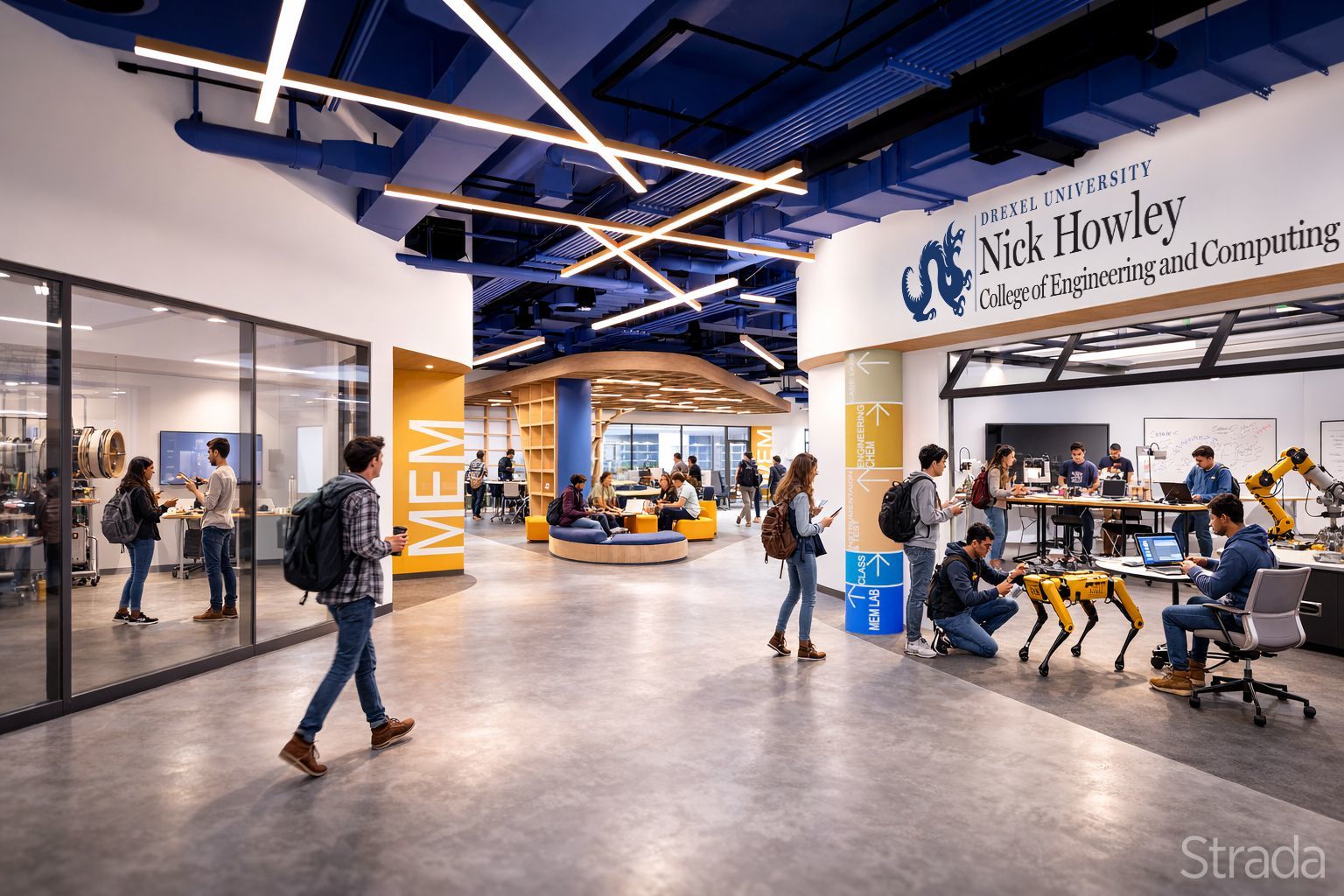
    Roughy $36 million will fund about 55,000 square feet of classroom, lab, and other learning spaces in Drexel buildings along Market Street and JFK Boulevard. That includes more than 45,000 square feet in Drexel’s 3101 Market St. facility that will become the Howley Family Immersive Learning Center and include a robotics facility, a flight simulator, a jet engine lab, a soil and concrete analysis lab, and wet labs for chemical engineering, materials science, and cell and gene therapy education.

    The remaining 10,000 square feet will become the Walter N. Howley Jr. Innovation garage, named after Nick Howley’s father, who got his bachelor’s degree in commerce and engineering from Drexel in 1951. The space at 32nd and Market Streets will feature work in bays by engineering and computing student organizations, the school said. Students, the university said, will be able to build race cars, electric vehicles, and scale airplanes, as well as rockets, steel bridges, and concrete canoes to enter in national competitions.

    Construction will begin on both spaces in spring 2027, the school said.

    “I am proud to support Drexel’s mission as a global leader in experiential education,” Howley said in a news release. “The university’s model provides a true return on investment for all students who earn a Drexel degree and I believe it is the best way to encourage upward social and economic mobility.

    “The combination of its academic rigor and co-op program make Drexel’s a unique educational experience that goes farther than any other university in propelling its graduates toward their career objectives.”

    In addition to his role at TransDigm Group Inc., Howley, who grew up in Havertown and now lives in Ohio, is a founder and cochair of Perimeter Solutions, which provides industrial products and services in areas including firefighting materials, lubricant additives, electronic components, and medical devices. Howley, who also has an MBA from Harvard Business School and is a member of Drexel’s board of trustees, previously donated $15 million to Drexel for scholarships.

    Lorie Howley, who got her degrees in ornamental horticulture and communication arts from Cornell University, worked as an educator at Longwood Gardens for 15 years. She is cofounder of the Howley Foundation and is on its board of directors.

    The Howleys’ daughter Meg, who got a master’s degree in psychology from Drexel, is executive director for the foundation’s Philadelphia operations. She got her undergraduate degree in psychology from Hobart and William Smith Colleges, and a master’s in school psychology and educational specialist certification from Rowan University.

    Part of the gift will be used to create an endowment for the new college to help it attract students and faculty. The college will enroll about 5,000 students in more than 60 undergraduate and graduate degree programs, including its new undergraduate degree in artificial intelligence and machine learning.

  • Philly progressives made gains in Democratic ward elections. But party chair Bob Brady remains well-positioned for reelection.

    Philly progressives made gains in Democratic ward elections. But party chair Bob Brady remains well-positioned for reelection.

    Former City Councilmember Jannie Blackwell, who has been a fixture of Philadelphia politics for decades, is no longer a Democratic ward leader. State Sen. Sharif Street — weeks after losing the city’s heated congressional race — just became one.

    And the Rev. Lewis Nash Sr., who in 2024 was removed as leader of the 47th Ward after The Inquirer reported he was recorded making anti-LGBTQ+ remarks, has returned to the post after being reelected in his North Philadelphia ward Monday night.

    Meanwhile, the upstart group Wards That Work, which was backed by progressive activists and sought to recruit hundreds of people to run for committee openings in the May 19 Democratic primary, claimed victories in six wards that were previously seen as aligned with the party establishment or more centrist Democrats.

    Despite those notable gains, fewer than one-third of Philadelphia’s 69 Democratic ward leaders are seen as closely aligned with the party’s left wing.

    That means Bob Brady, who has led the local Democratic Party since 1986 and is seen by many as the embodiment of the political old guard, will likely coast to victory in party leadership elections — decided by the ward leaders — next week, securing an 11th term as chair of the Democratic City Committee.

    The party’s internal politics have become a key battleground in the fight between progressive upstarts and the Democratic establishment. There has also been a renewed push to grow the number of “open wards” — those that allow committeepeople to vote on political endorsements rather than allowing ward leaders to decide unilaterally.

    Brady, a former U.S. representative, has over the last few weeks struck a conciliatory tone regarding the party’s left wing after clashing with activists in a series of elections, most notably when the party sought to punish committeepeople who endorsed the elections of Councilmembers Kendra Brooks and Nicolas O’Rourke from the progressive Working Families Party.

    “These labels — Working Families, Reclaim, socialist — the best labels they have that I love is they’re Democrats,” he said in an interview, referring in part to Reclaim Philadelphia, a group inspired by U.S. Sen. Bernie Sanders’ presidential runs that organized the local progressive movement’s first successful ward takeovers in 2018.

    Now, he said, he is focused on unity as Democrats hope to make gains in this year’s midterm elections and defeat candidates aligned with President Donald Trump in future elections.

    “We can come together and beat that nut in the White House,” Brady said.

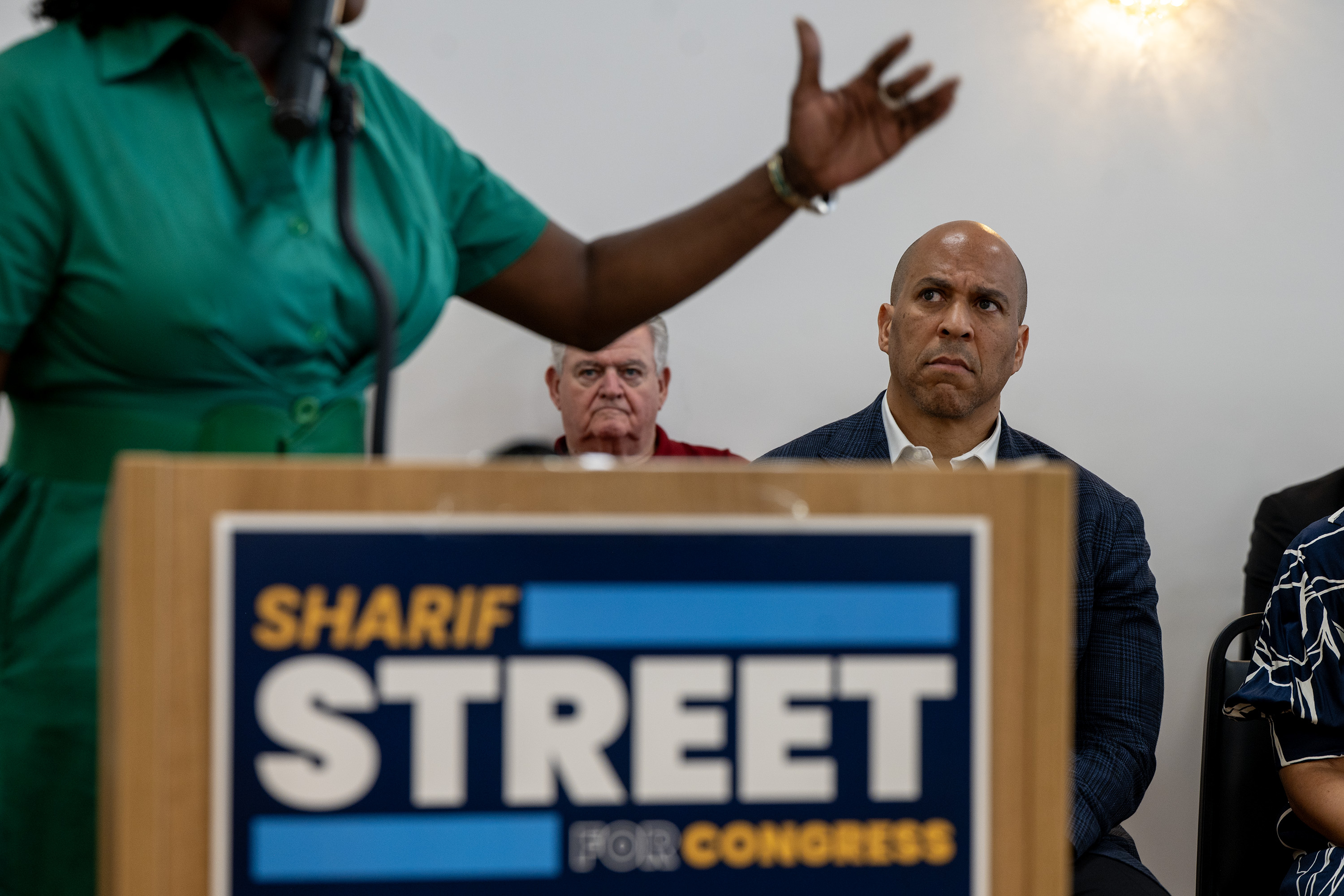
    Philadelphia Democratic Party Chairman Bob Brady (left) and U.S. Sen. Cory Booker (right) listen as Mayor Cherelle L. Parker speaks in support of State Sen. Sharif Street at a get-out-the-vote rally at the Church of Christian Compassion in West Philadelphia Monday, May 18, 2026 the day before Tuesday’s Democratic primary election for the 3rd Congressional District.Tom Gralish / Staff Photographer

    Earlier this year, however, Brady acknowledged that the Democratic City Committee funded mailers opposing some of the committeepeople backed by Wards That Work, and many on the left are still hoping for major changes in the local party.

    District Attorney Larry Krasner, for instance, recently called on Brady to resign, and State Rep. Chris Rabb, a democratic socialist who last month won the Democratic primary for an open Philadelphia congressional seat, has emerged as a leading critic.

    Rabb beat Street, the party’s endorsed candidate, in the 3rd Congressional District race, and has accused the city committee of neglecting the work of turning out the vote, instead concerning itself with backroom dealings among party insiders.

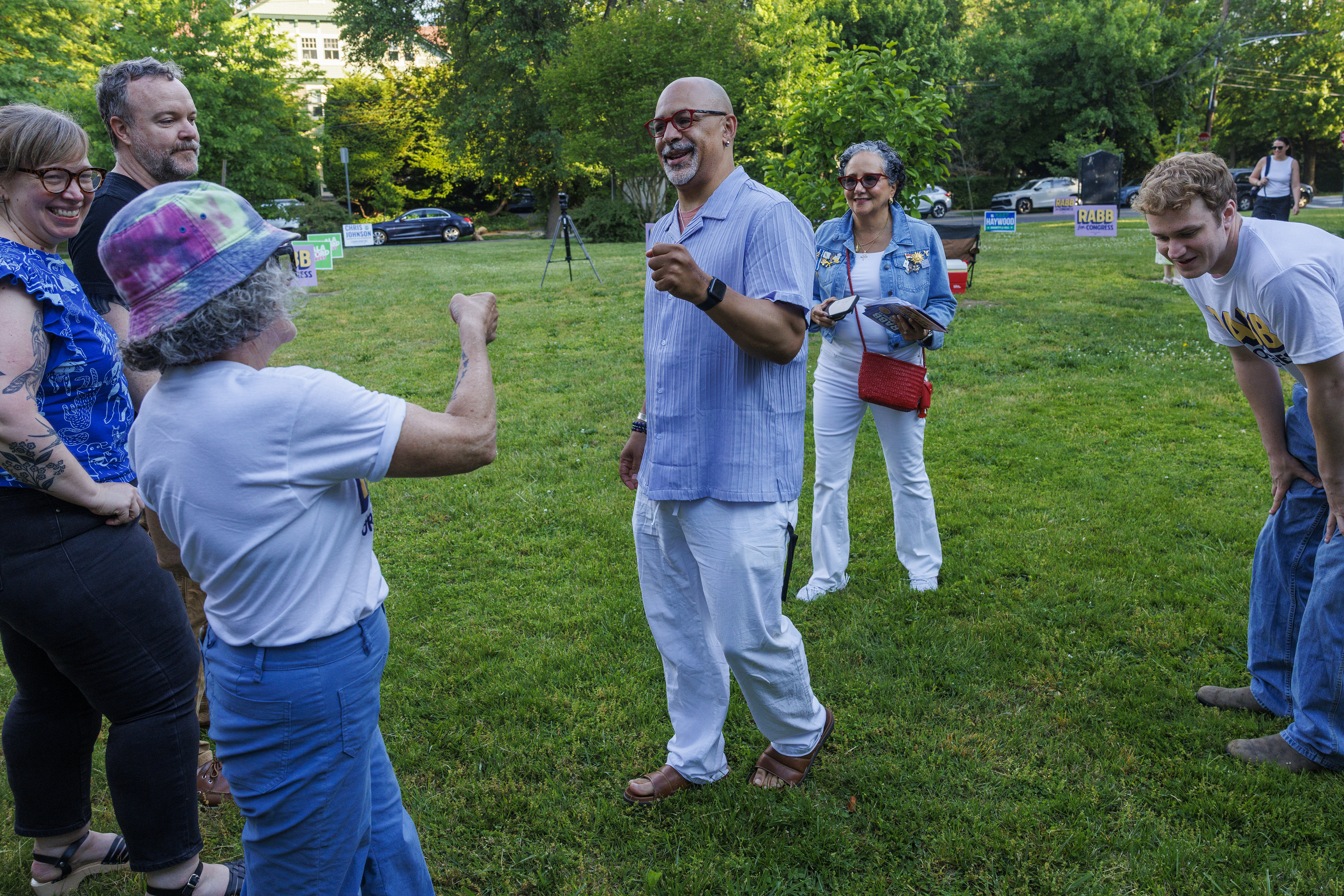
    State Rep. Chris Rabb greets supporters on election day. He is arriving to his polling place to vote, Grace Epiphany Episcopal Church, Philadelphia, Tuesday, May 19, 2026.Alejandro A. Alvarez / Staff Photographer

    Rabb has not explicitly called for Brady to resign. But he is now calling for a dramatic overhaul of the party, from its leaders to its bylaws to the city’s antiquated ward boundaries.

    “What I’m asking for is for the ward leaders — whatever candidate is running for chair, whether it’s Bob Brady or anyone else — that they demand that their first order of business is to overhaul the bylaws by Labor Day [to focus] on building a local party built on transparency integrity and inclusion,” Rabb said in an interview last week.

    Progressives make gains

    On paper, Philadelphia’s Democratic Party structure is bottom-up. Every four years, during the primaries of presidential midterm cycles, registered Democrats elect two committeepeople from their precincts, as they did this year on May 19. The committeepeople then elect neighborhood-level ward leaders, and the ward leaders in turn elect the top officials in the city party, including Brady.

    But in practice, many critics of the city’s old guard see a top-down reality, with Brady and other high-ranking city officials controlling the party’s agenda.

    Progressives are hoping to wrest control of the party from the establishment or to force reforms that make it more hospitable to left-leaning candidates. But it remains an uphill battle given the diffuse nature of the party system.

    Among the notable progressive wins in Monday night’s ward elections:

    • 5th Ward (Center City): Ryan Alsayegh, a political consultant currently working for State Reps. Tarik Khan and Joe Hohenstein, unseated Mike Boyle.
    • 25th Ward (Port Richmond, Kensington): Alexandria Mercedes Murphy, a neurophysiologist and volunteer with Reclaim Philadelphia, succeeded Tommy Johnson.
    • 31st Ward (Fishtown, East Kensington): Molly Hartman, a staffer for Councilmember Rue Landau, faced no opponents in her bid to succeed Margaret Rzepski.
    • 27th Ward (University City): Benjamin Moss-Horwitz, a staffer for State Rep. Rick Krajewski, won a contested race to succeed retiring ward leader Carol Jenkins, a party stalwart.
    • 46th Ward (Squirrel Hill, Cedar Park): James Bridgeforth, a University of Delaware professor, ran an uncontested race to succeed Blackwell, who retired this year after defeating a progressive challenger for her ward in a contentious election four years ago.

    In West Philadelphia’s 60th Ward, State Rep. Amen Brown, a centrist Democrat, was unseated by Lorraine White-Johnson.

    White-Johnson, who had the backing of Wards That Work, said in an interview that she is not aligned with one faction and welcomes all Democrats. She added that she plans to explore opening up the ward but has not made formal plans to do so yet.

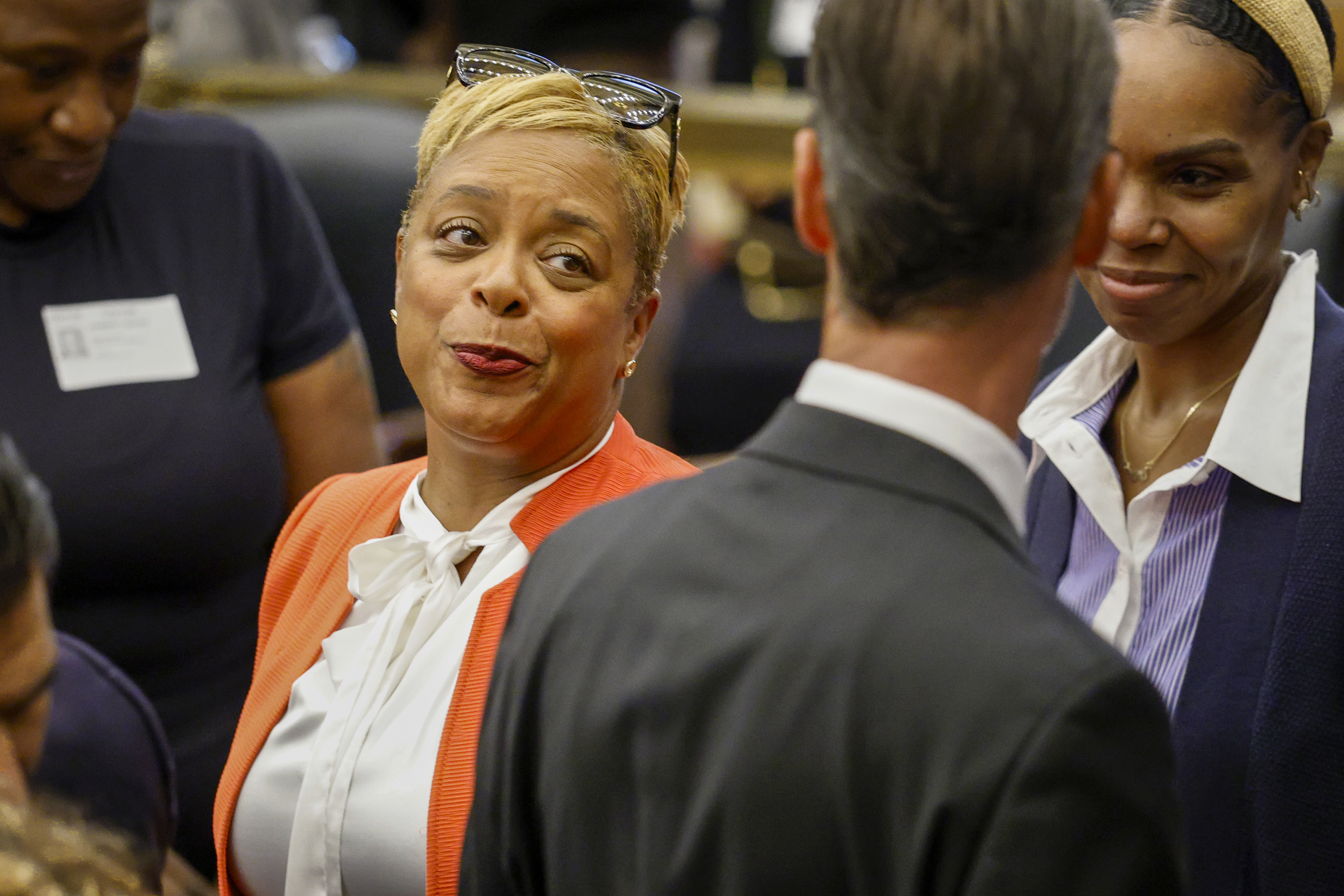
    Philadelphia City Councilmember Cindy Bass on Thursday, September 11, 2025.Alejandro A. Alvarez / Staff Photographer

    In Mount Airy’s 22nd Ward, Councilmember Cindy Bass declared herself reelected to a new term in a controversial move by saying she won a contested voice vote of committeepeople and denying motions for a roll-call vote that could have clarified the results. Her opponent, Octavius Price, was backed by progressive organizers and said he plans to challenge the election.

    Some notable ward election results did not involve major ideological shifts.

    Nash, who on Tuesday denied having made the anti-LGBTQ+ comments that previously cost him his seat, won a three-way race to reclaim the 47th Ward.

    “I forgive everybody that was involved with those unforeseen circumstances,” Nash said in an interview Tuesday. “To anyone that was offended by the alleged comments, forgive me and the person who made those comments, allegedly and falsely, and let’s move forward.”

    Also in North Philadelphia, Street, a former chair of the Pennsylvania Democratic Party, unseated 11th Ward leader Dwayne Lilley just weeks after losing his congressional bid to Rabb.

    In a statement, Street said he would “take a back-to-basics approach, listening to my neighbors about their concerns and filling vacant committee member seats.”

    “Last month’s election results galvanized my belief that we need to build the party from the ground up,” Street said in a statement. “We need to increase voter turnout in Black communities, like North Philadelphia, by demonstrating every day that Democrats are fighting for them.”

    Staff writer Anna Orso contributed to this article.

  • Lorina Marshall-Blake wears retirement with the verve and flair of one of her signature hats

    Lorina Marshall-Blake wears retirement with the verve and flair of one of her signature hats

    During the early 1990s, back when I was a business reporter for the Daily News and brand-new to Philly, one of my first challenges was to figure out who the local players in corporate and political circles were. It didn’t take long before I came across Lorina Marshall-Blake.

    She stood out partly because of her penchant for wearing exquisite hats. But it was also because Marshall-Blake was the newly installed vice president of government relations at Independence Blue Cross. I would see her at meetings and events across the city. She seemingly knew everybody in business and at City Hall — and could work a room like no other. Not only was Marshall-Blake a mover and shaker, but it was clear she was well-liked and respected, as well.

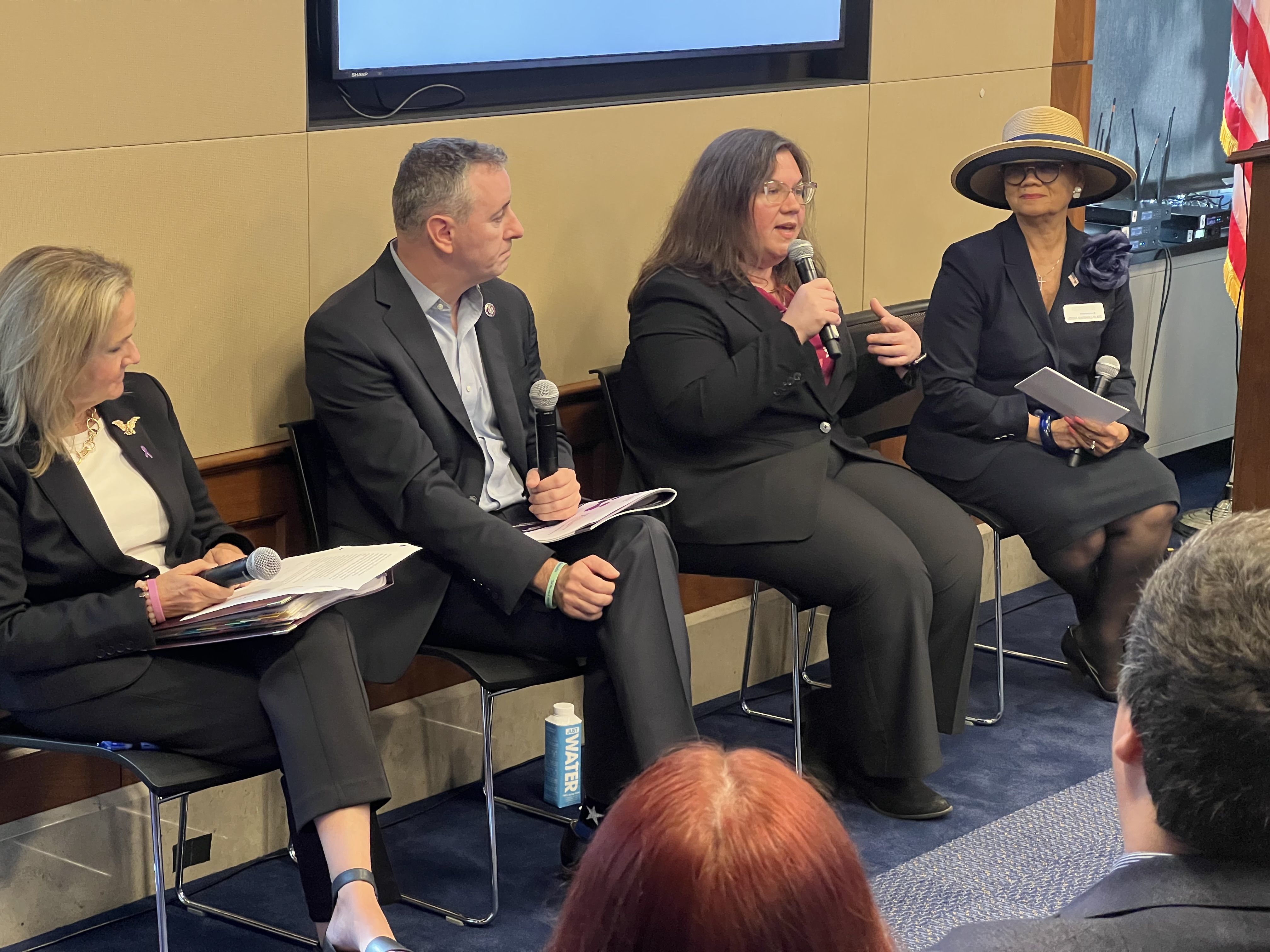
    Lorina Marshall-Blake at a meeting in Washington, D.C., with U.S. Reps. Madeleine Dean and Brian Fitzpatrick, and Kristina Canfield of the Association of Recovery in Higher Education.Courtesy of Independence Blue Cross

    “Lorina Marshall-Blake has a way of making people feel seen and supported the minute she walks into a room,” Kelly Munson, president and CEO of Independence Blue Cross, said. Marshall-Blake, she added, is an example of “how you lead matters just as much as what you lead.”

    Watching Marshall-Blake’s career trajectory from afar, I was in awe. There aren’t many women — much less Black female executives — who have experienced the kind of success she has, especially during the early 1990s. The proverbial glass ceiling that blocks qualified women and people of color from advancing in the workplace is stubbornly thick, but Marshall-Blake was somehow able to break through it.

    In 2011, she was named president of the Independence Blue Cross Foundation, the company’s philanthropic arm, which has distributed more than $90 million in grants to various local causes — including a program that provides scholarships for Philly-area high school students to attend nursing school.

    When I learned earlier this year that Marshall-Blake intended to hang up her fancy hats after 35 years at Independence Blue Cross, I felt a little sad, because it marked the end of an era.

    “She’s an iconic person given what she achieved during that period of time,” said A. Bruce Crawley, the public relations guru who met Marshall-Blake when they were both students at the now-defunct Charles Morris Price School of Advertising and Journalism.

    Crawley, who founded the African American Chamber of Commerce, watched her career over the years, and “was amazed at the progress she was able to make because she was always just a nice person.”

    Back then, he believed that to succeed in corporate America, “it required a certain toughness.” Crawley added, “I thought that she maybe would be challenged by having to be tough, but she was able to do that in a way that didn’t grate on people, and she was a very productive executive.”

    When I reached out to Marshall-Blake earlier this year about doing an exit interview, she informed me she will continue working with IBX — just not in a full-time capacity.

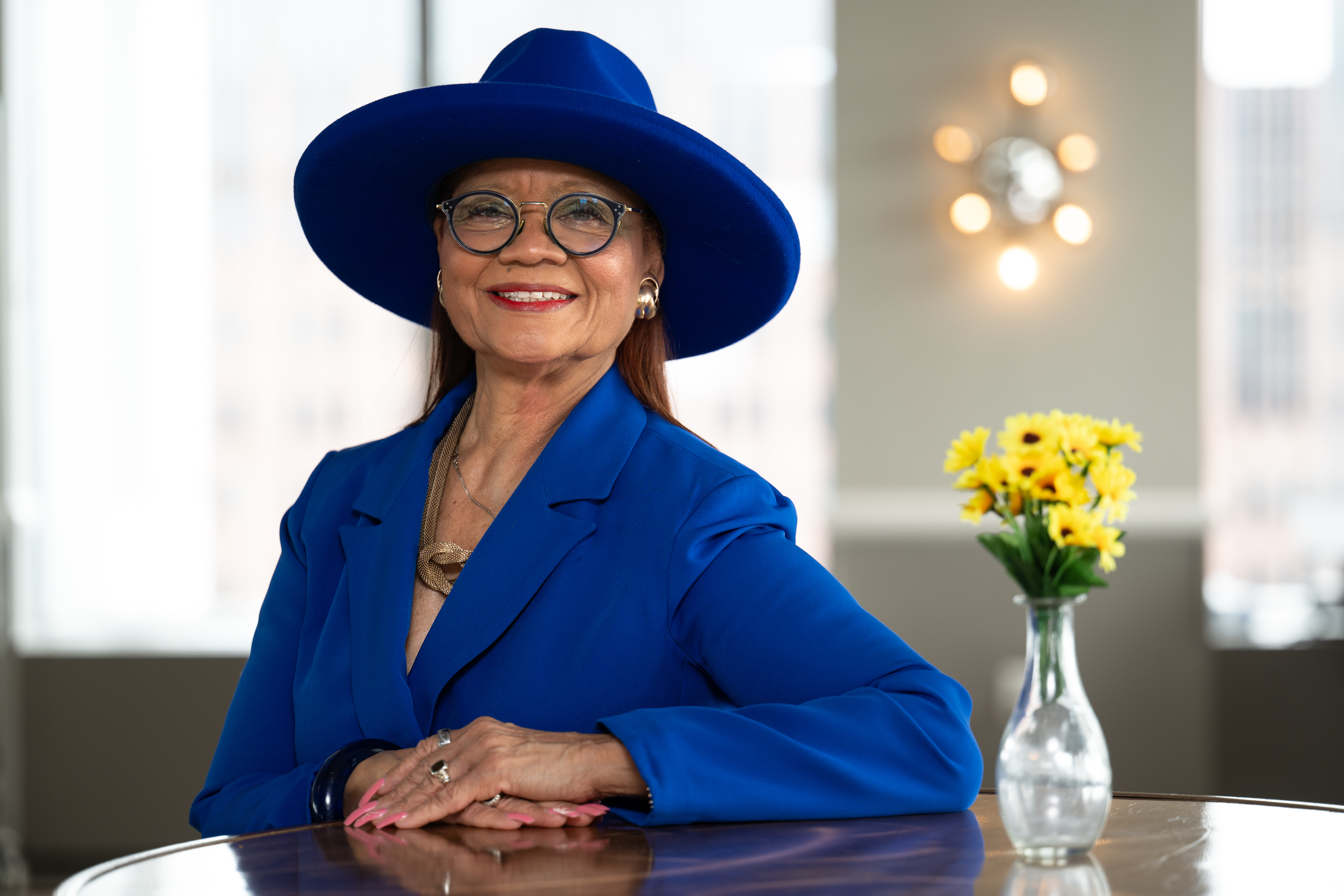
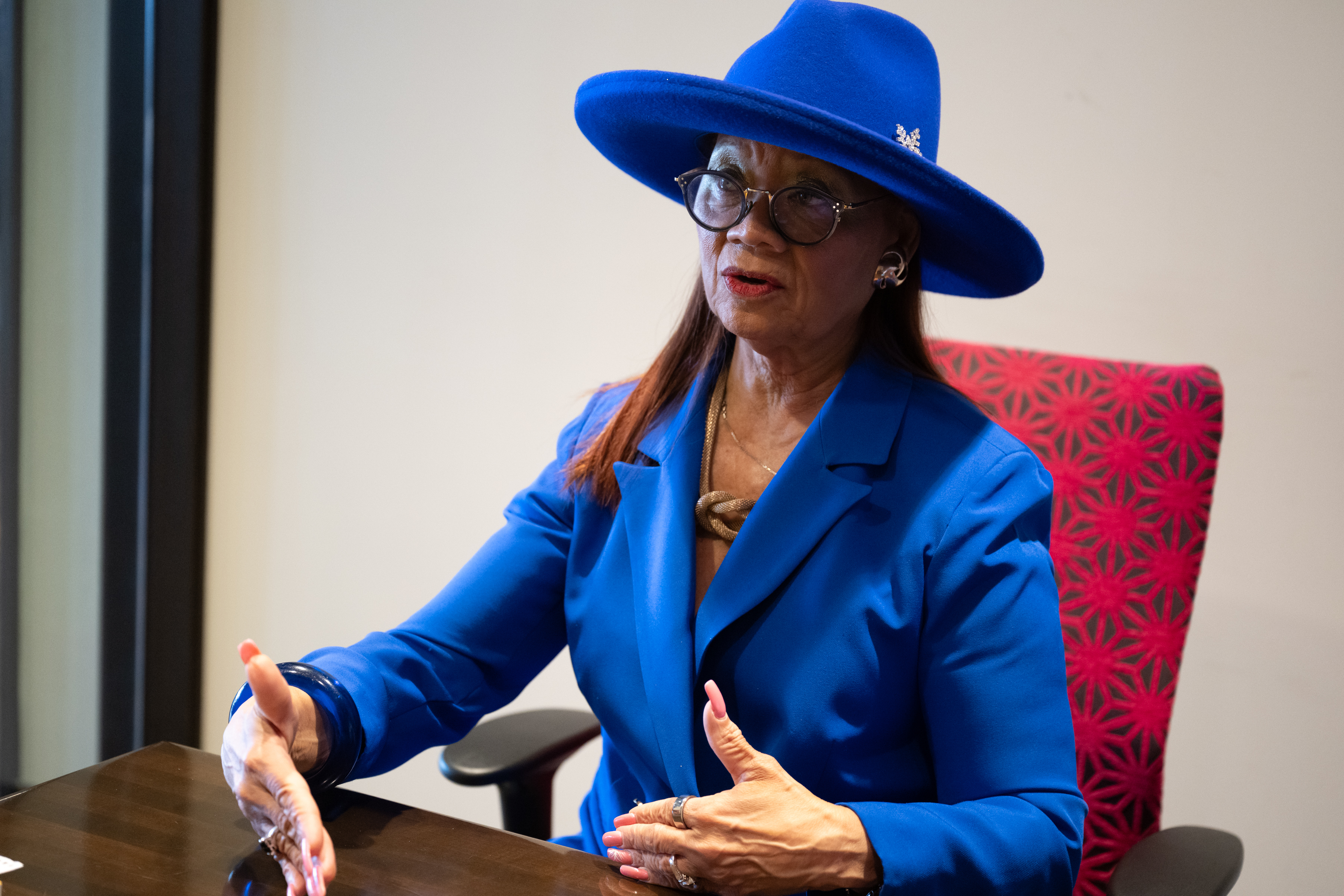
    Lorina Marshall-Blake chats with Jenice Armstrong at the Pyramid Club in March.Erin Blewett / For The Inquirer

    But I still wanted to meet with her to talk about her next chapter, as well as to glean some wisdom about succeeding in corporate America. We agreed to meet at the Pyramid Club on a chilly, overcast day. When she walked in, Marshall-Blake lit up the room in an electric blue pantsuit with, of course, a crisp matching chapeau.

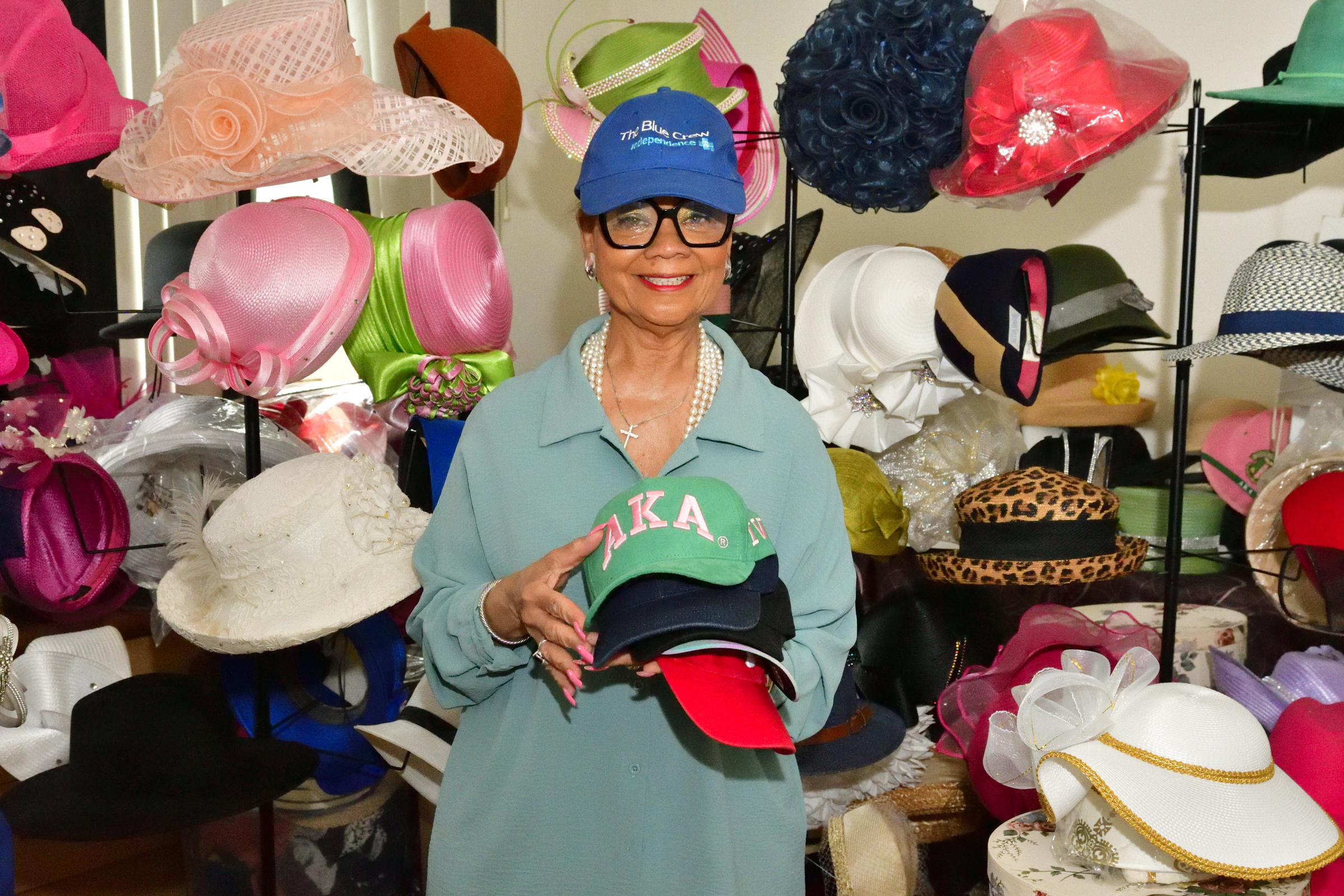
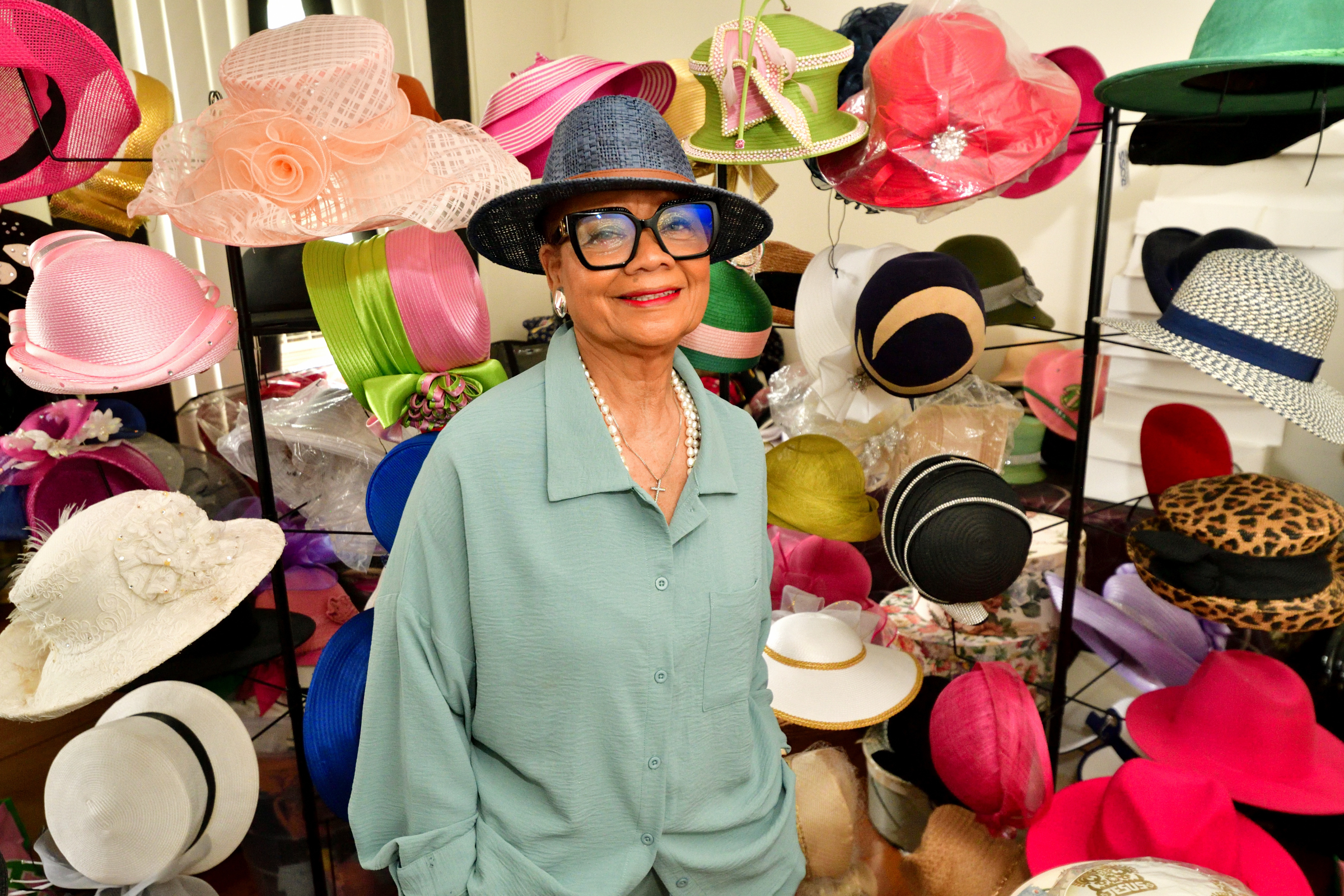
    She told me she has an entire room in her home filled with hats, many of which were given to her as gifts over the years.

    Listening to Marshall-Blake talk about growing up as a middle child in a family of five children in a modest, four-room house on the 600 block of North Yewdall Street in West Philadelphia, I thought about the considerable challenges she faced along the way. Her mother was a homemaker; her father was a welder until he was injured on the job.

    “I didn’t know I was poor until somebody told me I was poor,” she said.

    After graduating from Overbrook High School in 1968, where she was a cheerleader and class treasurer, Marshall-Blake won a scholarship to attend Temple University. But her college dreams were put on hold because she couldn’t afford books.

    She went on to hold a series of low-level jobs at Philadelphia Gas Works, Cigna, and a local law firm, and took undergraduate classes before finally graduating from Antioch University in 1983.

    Marshall-Blake got her first big career break in 1980, when PGW named her vice president of government relations and urban affairs — a role she fully embraced. She said she worked to learn everything she could about the organization from the ground up — literally.

    “I donned my meter reader outfit and read meters,” she told authors of the 2020 book, They Carried Us: the Social Impact of Philadelphia’s Black Women Leaders. “I climbed underneath buildings and got in ditches with the guys. I got on the phones. I wanted to know the people that really carried PGW. If there was a gas explosion, I was there. It was more than just showing up. I was present.”

    Lorina Marshall-Blake dons a full fascinator from her collection …Bastiaan Slabbers / For The Inquirer
    … and an Independence Blue Cross cap.Bastiaan Slabbers / For The Inquirer

    In 1990, she completed her master’s degree in government relations at the University of Pennsylvania. The following year, she moved to Independence Blue Cross, where she had been named vice president of government relations.

    “I’ll always remember the first day I walked into Independence Blue Cross on June 1, 1991,” Marshall-Blake said during a retirement reception in her honor at the company’s headquarters earlier this spring. “This work for me was more than a job. For me, it was ministry.”

    March 31 marked her last official day as a full-time employee at Blue Cross, but her consulting agreement with the insurance giant began immediately. She said she welcomes the slower pace of her new role. She’s 75. It’s time. She’s ready.

    Still, stepping into her next act will be a major adjustment. Marshall-Blake is working on letting go of her usual “got-to-do-this” mindset. The 20 unpacked boxes in the middle of her living room can stay where they are. She’ll get to them when she gets to them.

    Lorina Marshall-Blake wears a classic coffin-top Stetson …Bastiaan Slabbers / For The Inquirer
    … and then a mushroom crown hat with a downturned brim.Bastiaan Slabbers / For The Inquirer

    Marshall-Blake, who is also an associate minister at Vine Memorial Baptist Church in West Philly, said she recently offered up a simple prayer: “Lord, let me accept retirement with grace.”

    She accomplished so much during her time in corporate America; I’m sure she will do the same during this season in her life, too.

    My hats off to her.

  • The new owner of Crozer-Chester Medical Center wants to restore hospital and emergency services

    The new owner of Crozer-Chester Medical Center wants to restore hospital and emergency services

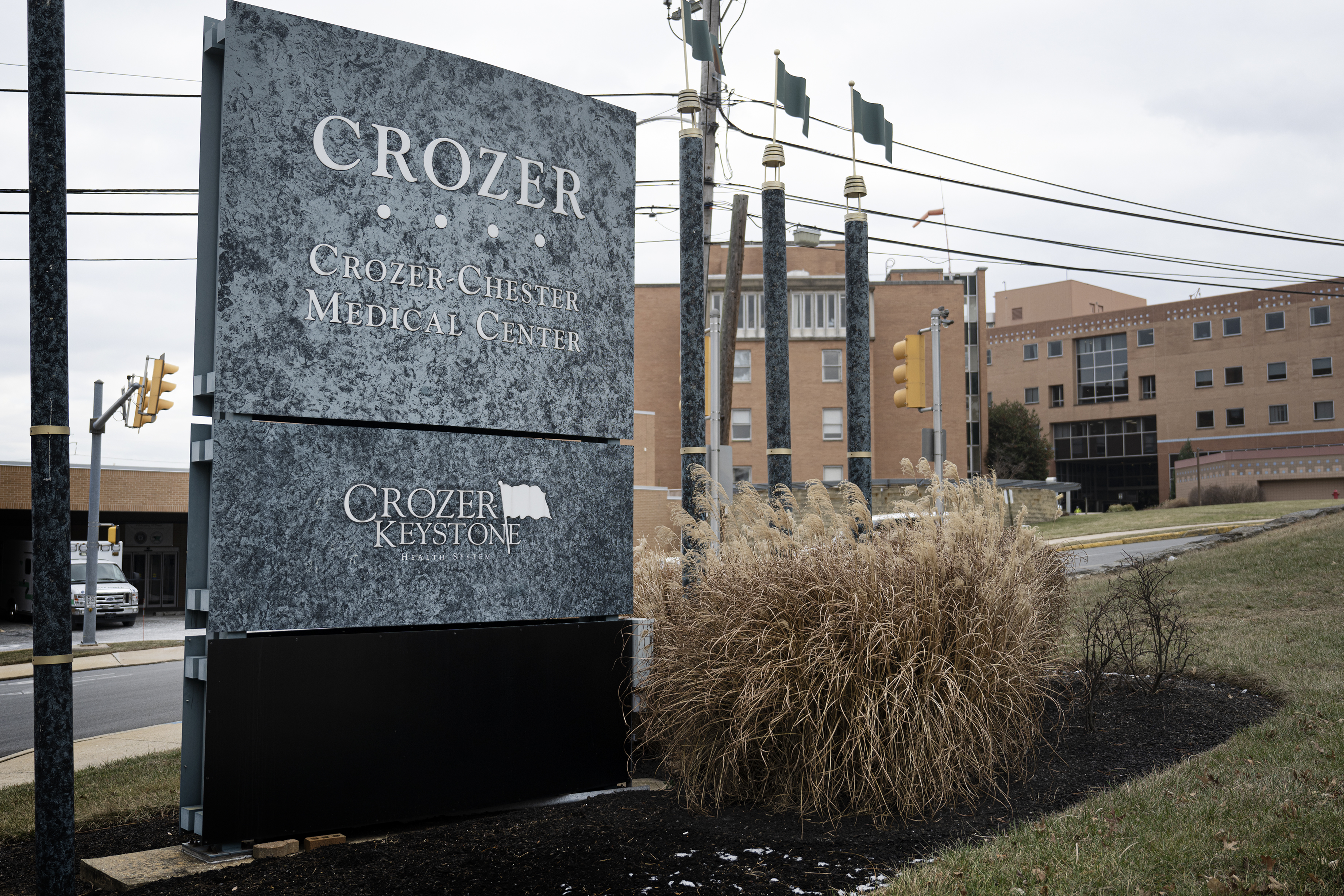
    The new owner of the defunct Crozer-Chester Medical Center wants to restore hospital and emergency services to the 64-acre campus that straddles Chester and Upland Township in Delaware County.

    Newly formed Chariot Equities completed the $10 million purchase Wednesday. The for-profit entity said it expected within six months to have an agreement with a health system that would operate a “right-sized” hospital and emergency department at the facility that had been the county’s largest provider of those services before closing last year.

    The idea is then to open the first phase within two years, Chariot said in a statement.

    Chariot did not say how much it would spend on refurbishing Crozer-Chester, which had suffered from years of neglect under its two previous owners.

    Chariot’s partner at Crozer-Chester is Allaire Health Services, a Jackson, N.J.-based for-profit operator of nursing homes.

    The partners said they are in talks with regional and national nonprofit health systems regarding an operating partnership, but provided no details. The amount of money needed for the project would likely depend on what prospective tenants would want to do at the property.

    “Our belief in Delaware County’s future, and the community’s need for sustainable healthcare access, made this an effort worth committing to well before the finish line,” said Yoel Polack, Chariot’s founder and principal.

    Little is known about the new owners. Polack worked in healthcare real estate in the New York City area before setting his sights on redeveloping Crozer-Chester.

    Federal records list Allaire’s CEO Benjamin Kurland as an owner of 20 nursing homes, including three in the Philadelphia area. Chariot’s statement said Allaire owns a total of 29 facilities in five states.

    Philadelphia-area facilities associated with Kurland are the Center For Rehab & Nursing Washington Township, which was acquired from Jefferson Health; Riverview Estates Rehab & Senior Living Center in Riverton; and West Park Rehabilitation & Nursing Center in West Philadelphia.

    Local interest?

    Main Line Health has been involved in discussions about reopening emergency services at three former Crozer hospitals — Crozer-Chester Medical Center, Springfield Hospital, and Taylor Hospital — at the request of state lawmakers and the property owners, Ed Jimenez, CEO of Main Line Health, said Wednesday at a Riddle Hospital event.

    Jimenez said he would “entertain the concept” of restoring emergency services at one of the hospitals as part of a partnership with other health systems, but only if it can be done on a break-even basis.

    All three of the former hospital buildings visited by Main Line officials are in poor condition and were stripped of medical equipment after the closures. Main Line’s experts estimated it would cost between $15 million and $20 million just to make the emergency department at Taylor functional, Jimenez said.

    ChristianaCare, Delaware’s largest health system, considered acquiring Crozer in 2022. Instead, it took a different path to expansion in Southeastern Pennsylvania. It is planning to open two micro-hospitals in Delaware County. The nonprofit system also took over five former Crozer outpatient locations. Its credit rating was recently downgraded by one notch because of lower profitability.

    The importance of Crozer-Chester

    Crozer-Chester closed in early May during the bankruptcy of owner Prospect Medical Holdings Inc., a for-profit company based in California, and after the failure of government-supported efforts to form a new nonprofit owner for Crozer-Chester and other Crozer Health facilities.

    Crozer-Chester was particularly important as a safety-net provider for a low-income area of Delaware County that has few other nearby options. The Crozer system, which had four hospitals, was the county’s largest health system and largest employer for many years.

    Two local Democratic officials, State Rep. Leanne Krueger and Delaware County Council member Monica Taylor, said they were encouraged by the approach being taken by Chariot and Allaire.

    At Taylor Hospital, the other Crozer hospital that closed last year, new owners are also looking for healthcare tenants. Local investors bought the Ridley Park facility for $1 million. It is less than four miles from Crozer-Chester.

    The same group agreed last week to pay $1 million for Springfield Hospital, another facility that had previously shut down under Prospect ownership.