Tag: topic-link-auto

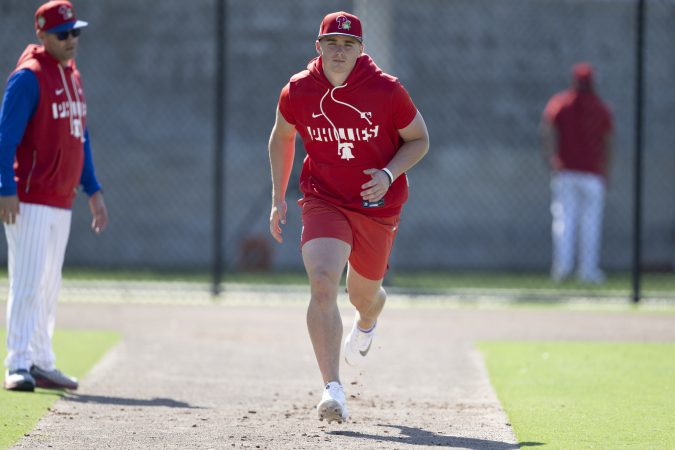
  • Phillies prospect Aidan Miller is ‘progressing very well’ and could be close to playing again

    Phillies prospect Aidan Miller is ‘progressing very well’ and could be close to playing again

    Aidan Miller may be close to playing again.

    Miller, the Phillies’ top position player prospect, has missed the season because of a back condition. But in an appearance this week on Phillies Extra, The Inquirer’s baseball podcast, minor league director Luke Murton said the 22-year-old shortstop is “progressing very well.”

    “I don’t want to overpromise and underdeliver, but there may be a surprise in the near future,” Murton said. “I’ll say that. I’ll leave it at that for now.”

    The Phillies have been intentionally vague with updates on Miller, especially since a June 5 spinal procedure to relieve recurring low-back pain. At the time, the Phillies set a “goal to return to game activity in six to eight weeks.” But Miller only resumed all baseball activities, including swinging a bat, last month.

    Murton suggested the Phillies have taken a conservative path with Miller.

    “He wants to be on the field,” Murton said. “It’s hard. But he also understands the big picture. He’s got a long career ahead of him. … Just from seeing him move around of late, he’s moving as good as I’ve ever seen him. And so I’m excited about where he’s at right now. I’m excited about where he’s going to go.”

    The minor league season is nearing an end, with both A-ball levels wrapping up Sunday, double A on Sept. 13, and triple A on Sept. 20. But the Phillies’ low-A Clearwater team qualified for the Florida State League playoffs next week, a logical starting point for Miller’s return to game action.

    Double-A Reading also is closing in on a second-half title in the Eastern League, which would net a spot in the postseason and provide additional opportunity for Miller to get into games.

    Aidan Miller was the 27th pick of the 2023 draft.David Maialetti / Staff Photographer

    The Phillies also could choose to send Miller to the Arizona Fall League, which begins on Oct. 3. He was scheduled to play there last year, but the Phillies withdrew him because of late-season discomfort in his back.

    Miller, the 27th overall pick in the 2023 draft, had an .825 OPS, 27 doubles, 14 homers, and 59 stolen bases last season, mostly in double A. He got promoted to triple A in September and went 9-for-27 (.333) with one homer and seven steals.

    The Phillies hoped Miller would contribute in the majors this season, even purposely placing his spring training locker in the high-rent district of the clubhouse, in between Bryce Harper and J.T. Realmuto. But the back pain resurfaced in spring training after subsiding with rest in the offseason.

    After seeing multiple spine specialists, Miller was diagnosed with discogenic pain and facet inflammation in the lumbar spine, according to the team in June. He underwent a radiofrequency ablation of the facet joints, a procedure described by the Phillies as “minimally invasive.”

    It’s unclear whether Miller will have to manage the condition throughout his career.

    “As far as the long-term effects, positive, negative, I would let the [medical] experts speak to that,” Murton said. “But I feel pretty confident, [based on] what we’ve been seeing lately, that he’s on the right trajectory to be with us and be a good player for a long time.”

    The full episode of Phillies Extra will be available Friday on inquirer.com, The Inquirer’s YouTube channel, or by subscribing on Spotify or Apple Podcasts.


  • Flyers announce rookie camp schedule and roster headlined by Porter Martone

    Flyers announce rookie camp schedule and roster headlined by Porter Martone

    While the majority of the Flyers still have a little time to enjoy the fleeting moments of summer before reporting to training camp on Sept. 17, the countdown for others is down to just over a week.

    On Thursday, the Flyers released the roster and schedule for the team’s rookie camp, which will commence on Sept. 11. This year, the team’s rookie camp will begin at the PPL Center in Allentown, where the Flyers will play games on Sept. 12 (7:05 p.m.) and Sept. 13 (5:05 p.m.) against the New York Rangers. The camp then shifts back to the Flyers Training Center in Voorhees for three practices beginning on Sept. 14.

    The 27-man roster is highlighted by several players who are expected to be key contributors for the big club, led by forwards Porter Martone, Alex Bump, and Denver Barkey. The 19-year-old Martone, who tallied four goals and 10 points in nine games to help the Flyers make the playoffs, will be participating in his first rookie camp. He was heading off to college at this time last year and thus was not eligible to attend.

    Former first-round picks Oliver Bonk (2023), Jett Luchanko (2024), and Maksim Sokolovskii (2026) will also be present, with Bonk expected to push hard in main camp for a spot on the Flyers’ blue line after getting into a couple of games late last year. The 6-foot-7 Sokolovskii will head back to juniors with London in September, so this will represent the final chance to see the defenseman up close this season.

    Speaking of Luchanko, he figures to be desperate to build some positive momentum for training camp on the heels of an underwhelming season in the OHL. The speedy center is likely ticketed to start the season with Lehigh Valley, as are a couple of organizational favorites in defensemen Ty Murchison and Spencer Gill, and center Cole Knuble. The three listed goalies for the camp are 2023 second-rounder Carson Bjarnason and 2026 draft picks Martin Psohlavec and Marek Sklenička.

    Forwards Jack Nesbitt, Jack Berglund, NUShane Vansaghi, and Jack Murtagh, defenseman Carter Amico, and goaltender Egor Zavragin are among the most high-profile absences. Nesbitt is off to the University of Michigan for his freshman season, while Amico and Murtagh are heading back to Boston University. Vansaghi will be a junior at Michigan State this fall. The Flyers revealed last month that Berglund would play this season on loan at his hometown club Färjestad BK, while Zavragin remains under contract in Russia and was recently traded to Metallurg Magnitogorsk.

    Flyers prospect Jack Berglund, seen here playing for Sweden, will not be at rookie camp as he prepares for his pro season in Sweden.Matt Krohn

    One Russian player who will be present is Ilya Pautov. The winger, who was a sixth-round pick in 2024, signed with the Flyers in June and is making the move to North America this season. Phoenixville’s Owen McLaughlin, a seventh-round pick in 2021, will also participate after wrapping up his collegiate career last season at BU. Forward Sawyer Dingman, the son of former NHLer Chris Dingman, is one of two camp invites alongside defenseman Riley Steen.

    The Rookie Camp on-ice sessions in Voorhees are free and open to the public. Fans interested in attending the Rookie Series games can purchase tickets at PPLCenter.com.

    Rookie Camp schedule

    2026 FLYERS ROOKIE CAMP SCHEDULE (ALL TIMES EST):

    Full rookie camp roster

    Forwards (16)

    #12 Devin Kaplan

    #20 Alex Bump

    #37 Riley Thompson

    #45 Alex Čiernik

    #49 Sawyer Dingman (Camp Invite)

    #50 Noah Powell

    #54 Cole Knuble

    #60 Brady Berard

    #62 Nathan Quinn

    #70 KJ Sauer

    #72 Owen McLaughlin

    #77 Jett Luchanko

    #82 Matthew Gard

    #86 Denver Barkey

    #94 Porter Martone

    #97 Ilya Pautov

    Defensemen (8)

    #40 Brek Liske

    # 42 Spencer Gill

    #59 Oliver Bonk

    #61 Maksim Sokolovskii

    #67 Luke Vlooswyk

    #92 Jackson Edward

    #93 Riley Steen (Camp Invite)

    #96 Ty Murchison

    Goalies (3)

    #33 Marek Sklenicka

    #34 Martin Psohlavec

    #64 Carson Bjarnason

  • Evesham Library is getting its first upgrade in nearly 30 years

    Evesham Library is getting its first upgrade in nearly 30 years

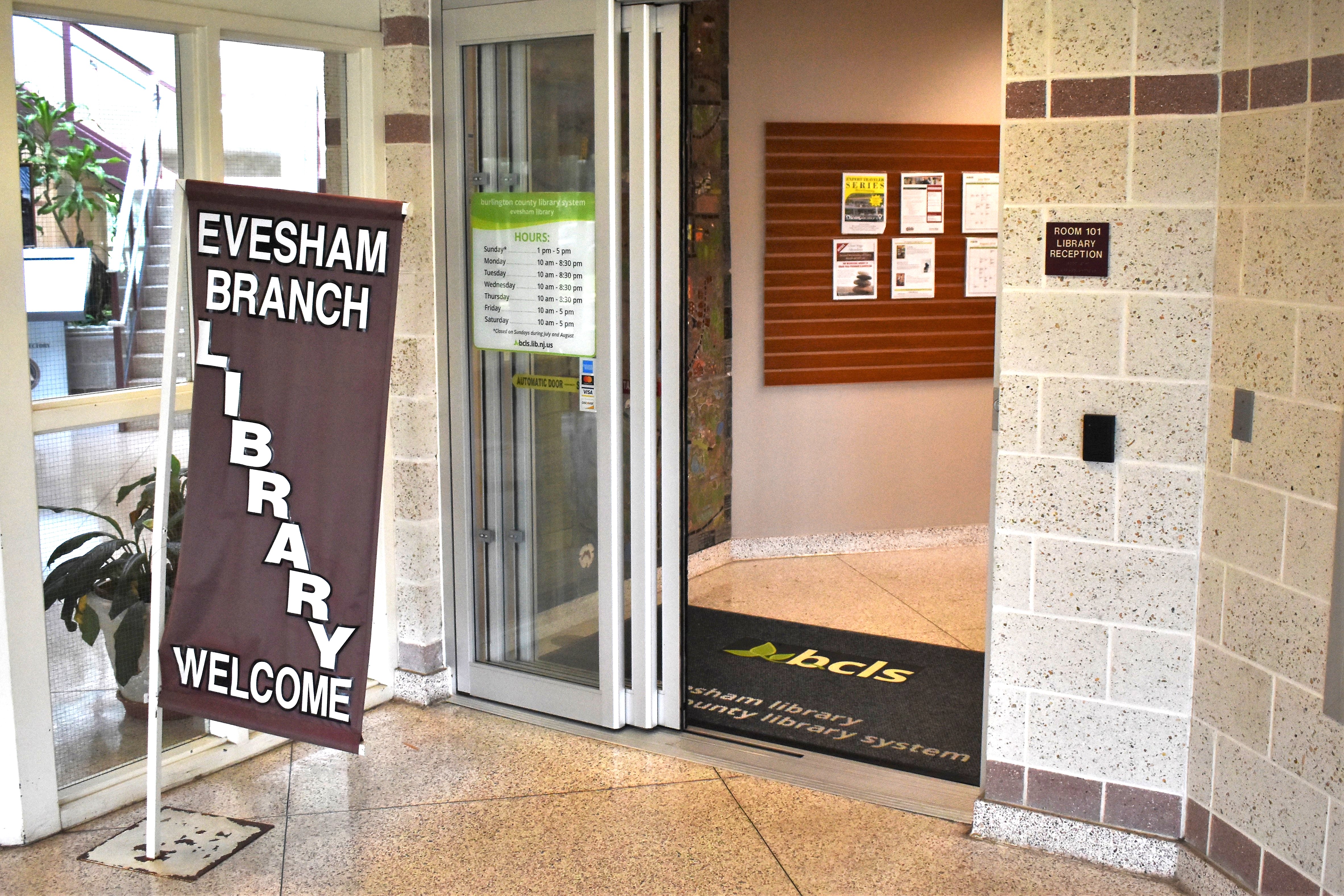
    One of Burlington County’s most popular public libraries is getting a major upgrade — its first in nearly three decades.

    The Evesham Library in Marlton, part of the Burlington County Library System (BCLS), will be getting a new technology center and expand its children’s area and activity/meeting room as part of the $500,000 project.

    “The improvements planned for the Evesham library will allow it to better serve residents of all ages and become an even greater resource for the community,” Burlington County Library Commission Chair Jonathan Chebra said in a statement announcing the effort.

    Renovations are underway and expected to wrap up by the end of the year, the county said.

    The library, which opened in 1998 as part of Evesham Township’s new municipal building complex, will remain open for visitors during the renovations.

    The Evesham branch is the second most-used location in the BCLS, the county said, recording more than 215,390 checkouts in 2025. The Evesham location also has the second-highest active library users in the BCLS with nearly 10,000 active accounts.

    “Evesham is Burlington County’s most populous municipality, so it’s absolutely essential that it continue to have a state-of-the-art library to serve the town and the surrounding communities,” Burlington County Commissioner Tom Pullion, liaison to the BCLS, said in a statement.

    Half the funding for the project came from a $1 million state grant for capital improvements to the BCLS as part of the New Jersey’s 2023 budget. The library system matched the remaining $250,000 for the renovations in Evesham, the county said.

    Burlington County’s main library branch in Westampton and the libraries in Pemberton and Cinnaminson will share the rest of the state funding, according to the county.

    Pemberton branch’s renovation wrapped earlier this year and work on the Cinnaminson library is expected to finish in the fall, the county said. Meanwhile, renovations at the main branch in Westampton are still in the early stages of planning and design.

    “Burlington County’s libraries are proven difference-makers and the investments we make to improve them directly benefit our residents and communities,” Burlington County Commissioner Randy Brolo said in a statement.

  • Cherry Hill PTA is hosting a forum for residents to meet Board of Education candidates

    Cherry Hill PTA is hosting a forum for residents to meet Board of Education candidates

    Special education and the student use of electronic devices will likely be two hot topics when candidates for the Cherry Hill Board of Education are questioned at a forum in two weeks.

    Jamie Marchese, chair of the Zone PTA for South Jersey’s largest school district, said special education usually comes up at candidate forums and, this year, screen time by students is a big issue.

    Cherry Hill schools also are in the midst of a massive renovation program, financed by a $363 million bond referendum passed by voters in 2022.

    The forum for the eight school board candidates, sponsored by the parent–teacher association and moderated by the League of Women Voters, will be held on Tuesday, Sept. 15 from 6:30 to 8:30 p.m. in the Cherry Hill High School West auditorium — the first in-person forum since the pandemic. The audience also can join in remotely by Zoom.

    The five-member Zone PTA board represents the school district’s 18 school PTAs and the special education PTA.

    Marchese said residents have been asking for a live audience for the annual forum.

    “Not everyone likes to sit in front of a screen and watch,” she said.

    Voters will cast their ballots in advance or go to the polls on Nov. 3 to select three board members for three-year terms.

    The candidates, in the order they are listed on the ballot and their slogans, are:

    • Melissa Manzano (incumbent), Experience in Education
    • Darby Malvey, Experience in Education
    • Renee Cherfane (incumbent), Learn, Then Rebuild
    • Joseph Lynch, Leadership, Results, Integrity
    • Harold “Hal” Melleby Jr., Experience-Leadership-Community
    • Steven Redfearn, Experience-Leadership-Community
    • Ineda “Corrien” Elmore-Stratton, Experience-Leadership-Community
    • Anne Einhorn

    Residents have until Sept. 11 to submit their questions for the candidates, said Marchese, who lives in the Windsor Park neighborhood and has three children in Cherry Hill schools. Questions can be submitted via Google form.

    Marchese said that some questions may be combined because of the time constraints on the two-hour forum.

    The forum will open with candidates spending two minutes each to present their platforms. Each candidate will also get a two-minute closing statement at the end of the forum.

    Candidates are also given one minute to respond to each of the questions.

    All community members are invited to attend, Marchese said. In November, voters will select Board of Education members “to represent us in our wants and needs for our public schools,” she said.

    70and73.com is a hyperlocal news site focused on South Jersey, including the communities of Cherry Hill, Evesham, Mount Laurel, Voorhees, Medford, Medford Lakes, and Moorestown.

  • Pa. is the only state to split fish and wildlife management. Combining could save $34 million a year.

    Pa. is the only state to split fish and wildlife management. Combining could save $34 million a year.

    Pennsylvania is the only state that splits fish and wildlife management across two separate agencies, totaling a combined 1,298 employees — well above the number in similar states.

    Perhaps more dire, the Fish and Boat Commission (PFBC) and Game Commission are expected to see hundreds of millions in reserves drastically reduced within a decade as the number of hunters and anglers continues to decline, according to a new report dated Aug. 31.

    The state could save $34 million annually by combining duplicative operations, the report says.

    The PFBC and Game Commission contracted the Wildlife Management Institute to conduct the independent study in search of efficiencies and collaboration.

    A statement by PFBC said the institute dug into the operations of both commissions, examined finances, looked at physical assets and demographics, and considered employee feedback.

    The institute then compared the data against other state fish and wildlife agencies before making recommendations.

    In a statement, PFBC said this week that the recommendations are only that, and not mandates.

    “The decision on whether to combine the agencies will require detailed analysis of additional factors that are unique to Pennsylvania, as well as potential action by the Pennsylvania General Assembly,” the statement said.

    Pennsylvania Rep. Anita Astorino Kulik, who chairs the House Game and Fisheries Committee, could not be reached for comment.

    The numbers behind the decline

    The report warns that the current way of doing things is unsustainable because the base of both commissions is eroding. Both agencies depend on fees and licenses to hunt, fish, and boat on state game lands and waterways.

    Since 2009, the number of hunters seeking licenses has fallen by 100,000, and it appears little growth is on the horizon. There are significantly fewer license sales to hunters aged 21-37 compared with those aged 49-65.

    The Game Commission projects hunting licenses will decline by 0.8% per year over the next decade.

    Much of the revenue decline stems from the shrinking base of hunters who typically pay full price. Hunters 65 and older pay once for lifetime licenses that require no more payments.

    The loss is similar among anglers. Fishing license sales saw a big spike during the COVID-19 pandemic from 2020 to 2021. But sales have declined steadily since. Many of those buying licenses are also older and transitioning to senior lifetime brackets.

    The report says that nearly one-fifth of active registered anglers held senior lifetime fishing licenses by 2023.

    A senior hunter pays $52 for a lifetime license and an angler pays $85. Seniors also have an option of paying $102 for a lifetime license for both.

    Those licenses return only a small fraction of revenue generated by a standard adult license. Meanwhile, operating costs continue to rise.

    As a result, rising costs at both commissions are projected to outpace revenues within a decade.

    What’s in the report?

    Steve Smith, executive director of the Game Commission, noted in a statement that the report does not call for the two agencies to be completely merged.

    “The Pennsylvania Game Commission takes its fiscal responsibility seriously, and that includes being good stewards of every dollar entrusted to us,” Smith said. “In part, that is why we chose to do this study now, when the commission is in solid financial standing.”

    He also noted that the study does not recommend immediate action.

    The Game Commission has a sizable $504 million cushion, and revenues are expected to grow a bit. However, the report said annual expenditures will soon outstrip that. As a result, the Game Commission is on course to use 95% of those funds by 2034.

    Meanwhile, PFBC is projected to exhaust its $145.8 million in reserves within the same time frame.

    The institute recommends consolidating some operations, which would reduce the number of employees by 17%, saving about $34 million annually.

    How would it save money?

    The study looked at staffing and physical assets at five states comparable in size with similar geographic and ecological profiles: Michigan, Minnesota, New York, Ohio, and Wisconsin.

    The authors say the biggest savings to Pennsylvania would come from unifying the law enforcement branches of each commission. Currently, the combined law enforcement workforce totals 337 sworn officers, surpassing those of comparable states.

    The Fish and Boat Commission’s waterways conservation officers enforce fishing, boating, and environmental laws and regulations by patrolling streams, rivers, and lakes on foot, in vehicles, and on boats.

    The Game Commission’s wardens patrol state game lands. They investigate poaching, illegal shooting, and trapping violations.

    Bringing the number of officers down to 222 would streamline the number of supervisors and enhance field coverage during peak seasons, the report found.

    It also recommends reduction of overlapping administrative positions, including top supervisors, legal counsel, human resources, and engineering.

    The number of buildings could also be reduced. The Game Commission has 74 field offices, compared with an average of 29 in other states. Sharing facilities would cut utility and maintenance costs.

    However, such changes would likely require legislation by the Assembly. There is currently no bill proposed, but combing operations could be tricky given that hunters and anglers have long had their own views of what the state should prioritize.

    Pennsylvania has a sprawling network of state game lands covering 1.55 million acres of public land popular with hunters and anglers. And it has 86,000 miles of flowing waterways popular with anglers and boaters.

  • Labor Day weekend is the perfect time to break out the boxed wine

    Labor Day weekend is the perfect time to break out the boxed wine

    Bottled wine has its upsides, but sometimes it’s impractical. Heading into the holiday weekend, many people have plans to celebrate outdoors, at the beach, on boats, or poolside — where glass is prohibited or discouraged. And bottles can be too heavy and bulky for ease of use in campgrounds or for picnics in the park. This is where the advantages of a 3-liter bag-in-box wine shine, as with this vibrant California cabernet sauvignon.

    The 3-liter size hits the sweet spot for bargain seekers, since the box contains the equivalent of four standard bottles of wine for the price of two. There’s no need to rush to polish all the liquid off once you’ve opened it thanks to the bag-and-tap system, which can keep the wine tasting fresh for up to 4 weeks. The same volume of wine in a box weighs a lot less and occupies far less space, making it easier to pack for adventures. Added benefits include lowering the wine’s shipping and storage costs and shrinking the carbon footprint, too.

    Stylistically, this wine is dark in color and intense in taste without being too strong in alcohol to be enjoyable on a sunny day behind the grill. Its tannins are also soft enough for this red wine to taste good on ice if it gets hot out, and the concentration of its cherry and raspberry flavors also make an excellent base for sangria. Best of all, this style tastes fantastic with a juicy cheeseburger or grilled chicken.

    Nighthawk by Bota “Bold” Cabernet SauvignonCourtesy of Bota Box Vineyards

    Nighthawk by Bota “Bold” Cabernet Sauvignon

    California

    13.5% ABV

    PLCB Item #2496

    On sale for $22.99 through Oct. 4 (regularly $24.99)

    No alternate retail locations within 50 miles of Philadelphia according to Wine-Searcher.com

  • The Constitution turns 239 this month. It was signed in Philadelphia at Independence Hall.

    The Constitution turns 239 this month. It was signed in Philadelphia at Independence Hall.

    The Continental Army won the Revolutionary War in 1783.

    But, in the four years following that victory, the new country wasn’t very united. In fact, young America was only a loosely organized group of 13 colonies, with governors fighting to control their own fiefdoms.

    That left the states vulnerable to world powers eager to scoop up the fragmented new nation. Add to that, America was broke, with debts owed to France, Spain, and the Netherlands after the Revolutionary War.

    Kat Black’s design emphasizes the dedication and collaboration behind the signing of the U.S. Constitution in 1787.Kat Black for Colibrí Workshop

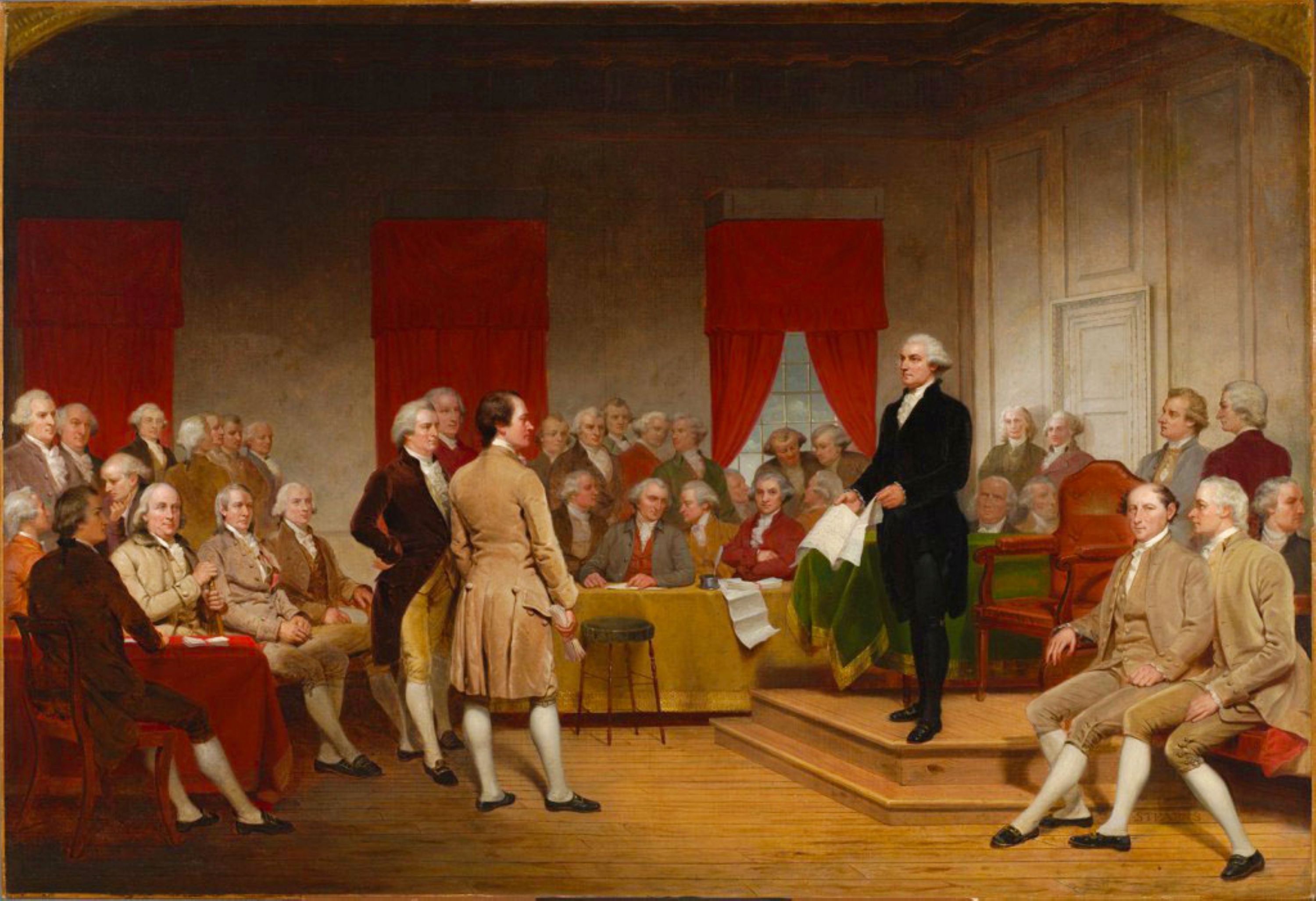
    Petrified their “great experiment” would be short-lived and eight years of a violent revolution fought in vain, James Madison, Alexander Hamilton, and John Jay convinced George Washington to convene a Constitutional Convention at Independence Hall in May 1787.

    By September, the delegates had worked out the brass tacks of the American government and signed the Constitution, establishing the political system that would help America become a world power.

    The signing of the Constitution will be remembered Saturday at the National Constitution Center from 11 a.m. to 1 p.m. as part of the Philadelphia Historic District’s 52 Weeks of Firsts, celebrations affectionately called “firstivals.”

    This firstival will kick off a series of events honoring the Constitution and includes First Amendment Day on Sept. 9 and Constitution Day on Sept. 17.

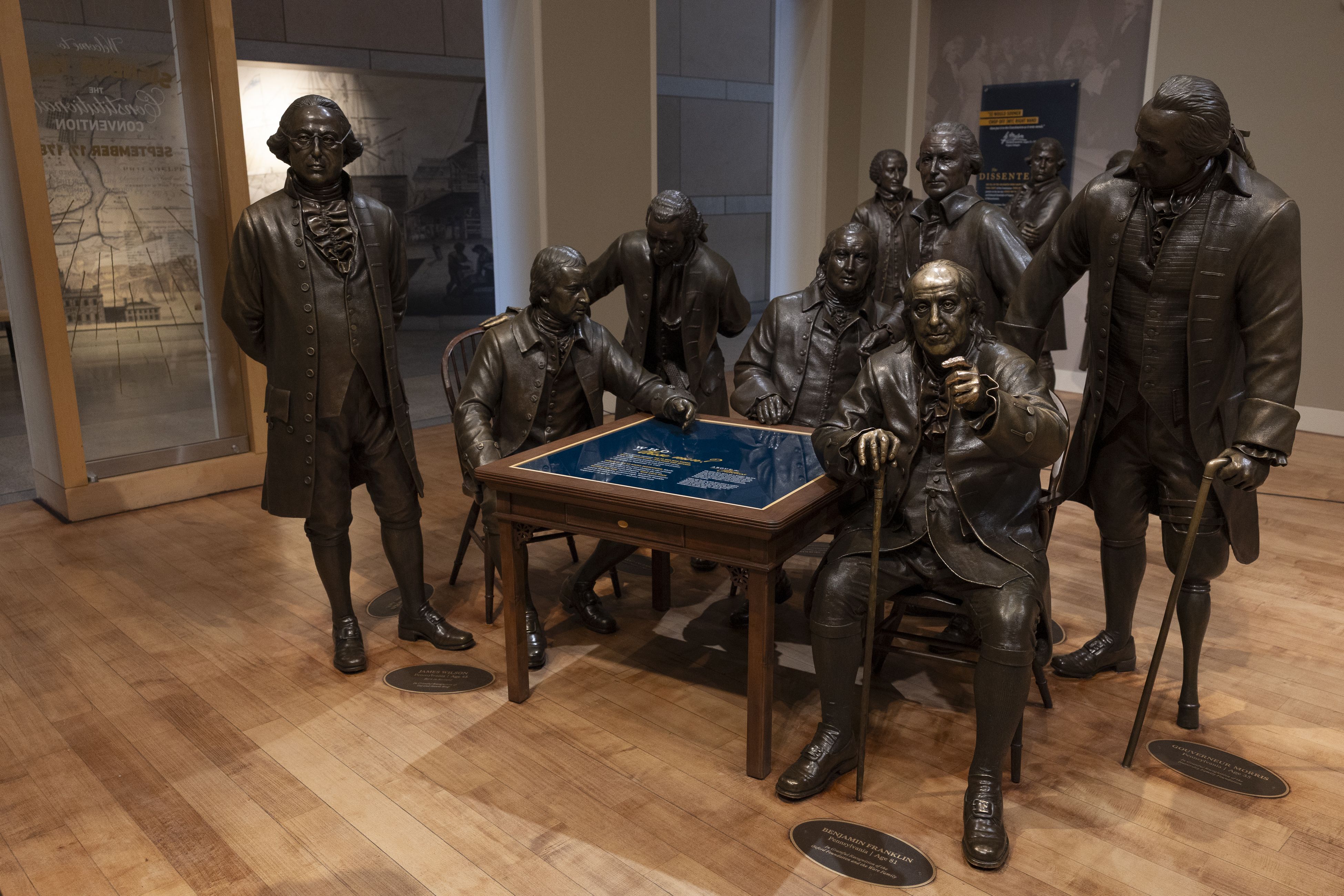
    Statues of the delegates are on display at the National Constitution Center, 525 Arch St.Jason E. Miczek courtesy of the National Constitution Cente

    “I think many of the Founding Fathers would be surprised to know the form of government they created is still going,” said Vince Stango, interim president and CEO at the National Constitution Center. “The Founders knew it was a ‘great experiment’ and … knew it would take work, compromise, and sacrifice.”

    During the summer of 1787, 55 delegates from 12 of the 13 colonies — Rhode Island didn’t send delegates — wheeled and dealed to create a government by the people, controlled by the people, and unable to be corrupted by the people.

    The Founding Fathers didn’t agree on much, but none of them wanted to be ruled by a monarch and insisted on a government with checks and balances.

    Enter James Madison, author of the Virginia Plan that proposed a strong national government with three branches: executive, legislative, and judiciary.

    After the three branches of government were established, a series of compromises were made. Among them, a legislative branch that afforded each state two Senate seats. The number of members of the House of Representatives for each state would be chosen based on population.

    The National Constitution Center, 525 Arch St., is the site of this week’s Firstival, on Saturday, Sept. 5, from 11 a.m.-1 p.m.Tom Gralish / Staff Photographer

    This set up a series of compromises that would institutionalize slavery. Enslaved Black people would be counted as three-fifths of a person to boost the Southern states’ population, giving them more representation in the House. Yet Black men — enslaved or free — would not have the right to vote anywhere until the 15th Amendment was ratified in 1870.

    Compromises also included allowing the Atlantic slave trade to remain legal. Founders also inserted a Fugitive Slave Clause stating that if an enslaved person emancipated themselves, they could not be freed in the new state. These compromises, made to appease the South, instituted slavery as the law of the land, and paved the way for it to become the backbone of commerce that established America as a superpower.

    During the convention, delegates also established the Electoral College. The Founding Fathers didn’t believe the average voter was intelligent enough to choose a president by majority vote.

    Nevertheless, America officially became a constitutional republic.

    A copy of the United States Constitution, on exhibit in the National Constitution Center.Jason E. Miczek courtesy of the National Constitution Center.

    Pennsylvania delegate Gouverneur Morris drafted the preamble and the Constitution’s seven articles between Sept. 8 and Sept. 12.

    Although 55 delegates attended the Constitutional Convention, only 39 signed it on Sept. 17. The Constitution still had to be ratified. And there were still some issues.

    The anti-Federalists — which included delegates and dissenters George Mason, Edmund Randolph, and Eldbridge Gerry — thought the power of government rested in the hands of the elite and advocated for a Bill of Rights.

    After yet another of series of compromises, which included the promise of a Bill of Rights, the Constitution was ratified on June 21, 1788.

    Article V of the Constitution, and the rarely shown fifth page, when it was on public display at the National Archives in Washington. MUST CREDIT: Tom Brenner / For The Washington PostTom Brenner

    It went into effect on March 4, 1789, and on April 30 in New York, George Washington was sworn in as president of the United States.

    On Dec. 15, 1791, Congress ratified the first 10 amendments of the Constitution, creating the Bill of Rights.

    This week’s Firstival is Saturday, Sept. 5, from 11 a.m.-1 p.m., at the National Constitution Center, 525 Arch St.

    Each week, The Inquirer is highlighting a “first” from the Philadelphia Historic District’s 52 Weeks of Firsts. A “52 Weeks of Firsts” podcast, produced by All That’s Good Productions, drops every Tuesday.

  • Delaware County communities approve ordinance creating EMS authority without Media

    Delaware County communities approve ordinance creating EMS authority without Media

    Five Delaware County communities voted Wednesday to establish a new authority to provide emergency medical services funded by annual fees paid by residents, businesses, and other entities in their municipalities.

    The Municipal Emergency Medical Services Authority of Delaware County will provide advanced life support, or ALS, to Nether Providence, Rose Valley, Rutledge, Swarthmore, and Upper Providence.

    Media was originally part of the working group developing the authority proposal, but announced last week it would not be joining for financial reasons.

    Each community approved an ordinance to join the authority Wednesday night at Strath Haven Middle School and appointed a representative to the authority board.

    Nether Providence, Rose Valley, Rutledge, and Swarthmore voted unanimously to approve the ordinance. Upper Providence voted 3-1 in favor.

    The appointed board members include Nether Providence Township commissioner Max Cooper, former Rose Valley council member David Firn, Rutledge fire marshal Thomas Moleski, former Swarthmore council member Kristen Seymore, and former Upper Providence council member Christen Rexing.

    Creating an EMS authority is essential to provide reliable ALS service by stabilizing funding and staff, Swarthmore Mayor Conlen Booth said. Booth was a member of the authority working group.

    “The authority model, sharing fees across all potential users of the system, is in my opinion the most equitable way to ensure that a reliable EMS service is available to everyone who may need it,” he said.

    Talks kicked off last year shortly after Prospect Medical Holdings closed Crozer-Chester Medical Center and Taylor Hospital, leaving a gap in ALS support throughout the region.

    The authority’s name was originally going to be the Delaware County Emergency Services Authority, but was changed to avoid being confused with other county organizations and make clear that it was only providing medical service and not a police or fire response, Cooper said.

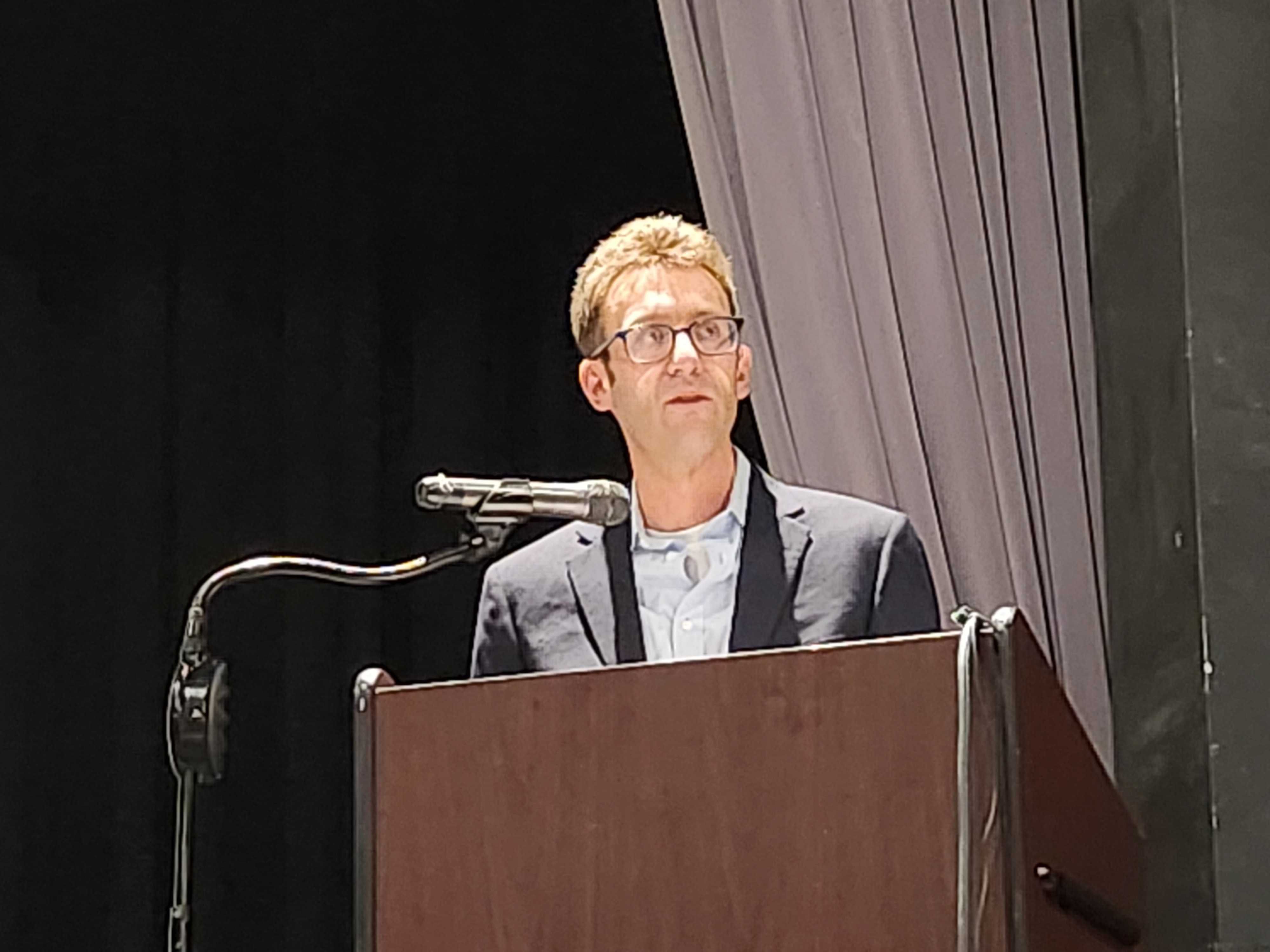
    Nether Providence Township Commissioner Max Cooper speaks after five Delaware County communities approved the creation of a regional EMS authority Wednesday at Strath Haven Middle School in Nether Providence.Torin Sweeney / Staff

    The next steps for the authority

    While the vote established the authority, it won’t immediately go into service. The new board members will be charged with building the authority based on the foundations laid by the working group.

    The recommended fee for residents will be $95 a year, although that is strictly a starting point for discussions, working group members said, and will be subject to future public hearings.

    “Ninety-five dollars is similar to the yearly voluntary subscription models that many of our local firehouses use, and is similar to other recently formed EMS authorities in the state,” Cooper said. “This works out to less than $8 a month and our working group views it as a reasonable cost to ensure stable funding for such a critically important service.”

    Businesses, nonprofit entities, and the municipalities themselves will have to contribute yearly fees as well. Using an authority and fee-based model was important for making sure nonprofits contribute to the costs of an EMS service, Cooper said. Nonprofits would not have to contribute if the system were tax based.

    “We anticipate this will decrease the amount of taxes which will need to be dedicated to this system, and relieve some municipal pressure to raise taxes on residents every year,” Cooper said.

    The board will have to decide the level of staffing and equipment needed. A potential partnership with Main Line Health is being discussed to provide some level of service.

    “The authority could contract just their staff, but the authority could choose to own the ambulances and equipment,” Booth said. “It could also be that the authority contracts them to provide all the services in their entirety and then the board manages the contract. There’s a lot of potential.”

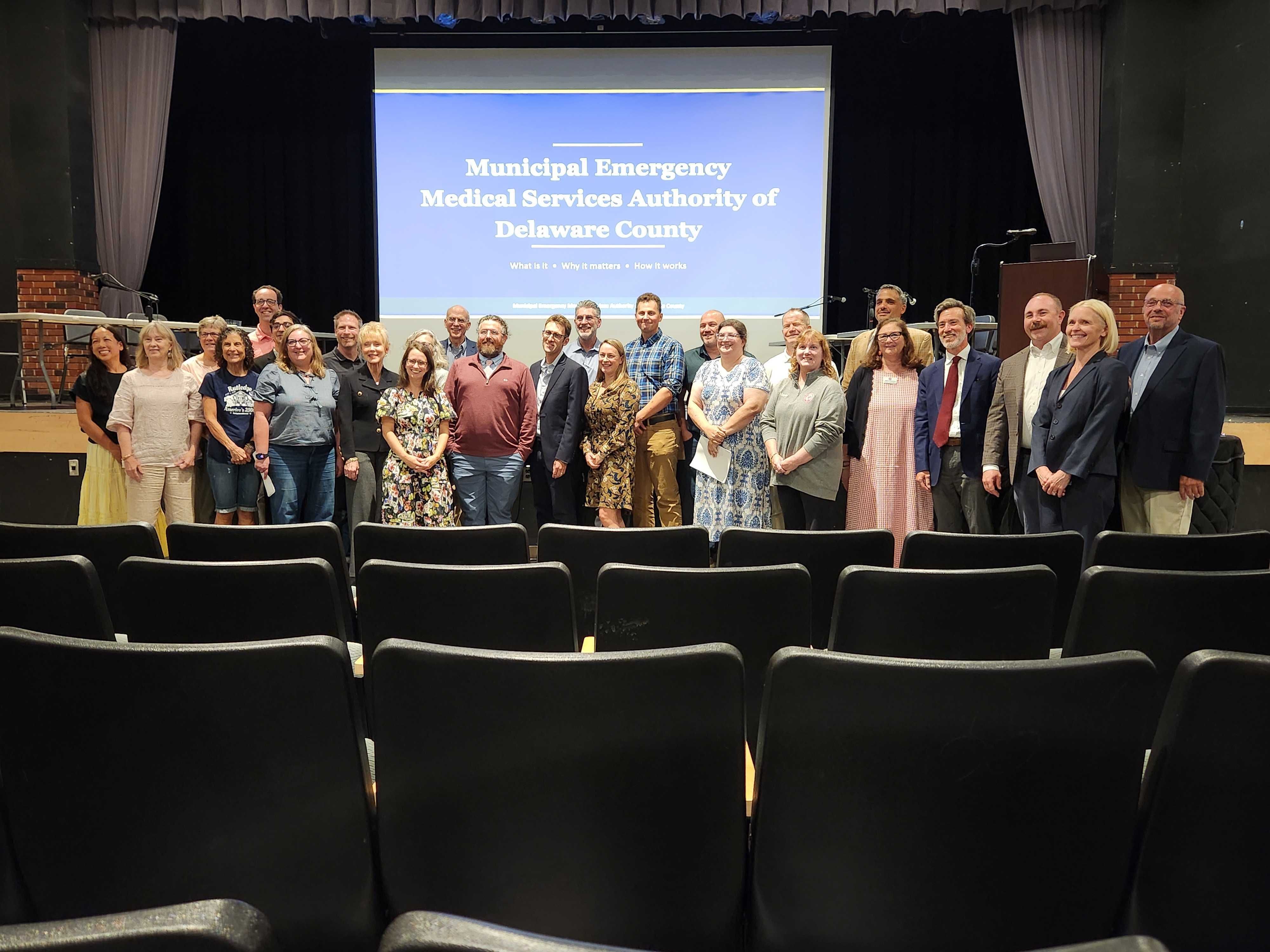
    Representatives from Nether Providence, Rose Valley, Rutledge, Swarthmore, and Upper Providence pose for a picture after approving an ordinance to create a regional EMS authority Wednesday at Strath Haven Middle School in Nether Providence.Torin Sweeney / Staff

    The working group hosted a presentation about the EMS authority and took public comments before each town approved the ordinance. Several attendees who identified themselves as Upper Providence residents spoke against the authority, questioning the logistics and cost.

    “This is a tax increase, like it or not,” Upper Providence resident Justin Perry said to scattered applause.

    Another Upper Providence resident, former longtime Marple Township Ambulance Corps member Vince Delvacchio, spoke in support.

    “I don’t know where you think you’re going to get an ambulance if we don’t do this,” Delvacchio said, to more applause.

    Why Media opted out of the authority proposal

    Media had been part of the working group for the proposed authority, but borough council decided not to proceed for financial reasons, Borough Manager Brittany Forman said.

    The borough has an existing contract with Main Line Health to provide ALS service and had been in discussions with them about projected 2027 costs. The council tasked Forman with comparing how those costs would affect taxpayers vs. the authority’s proposed fees for residents and businesses.

    Ultimately the borough determined it would be less expensive to stay with Main Line Health, Forman said.

    “Our council is interested to see this get implemented and really does want to keep the dialogue open,” Forman said. “Even though we’re not joining this year, I think this is still just a great step for the region.”

  • Evesham signs letter of intent to buy former Barton Run Swim Club and preserve nearly four acres as open space

    Evesham signs letter of intent to buy former Barton Run Swim Club and preserve nearly four acres as open space

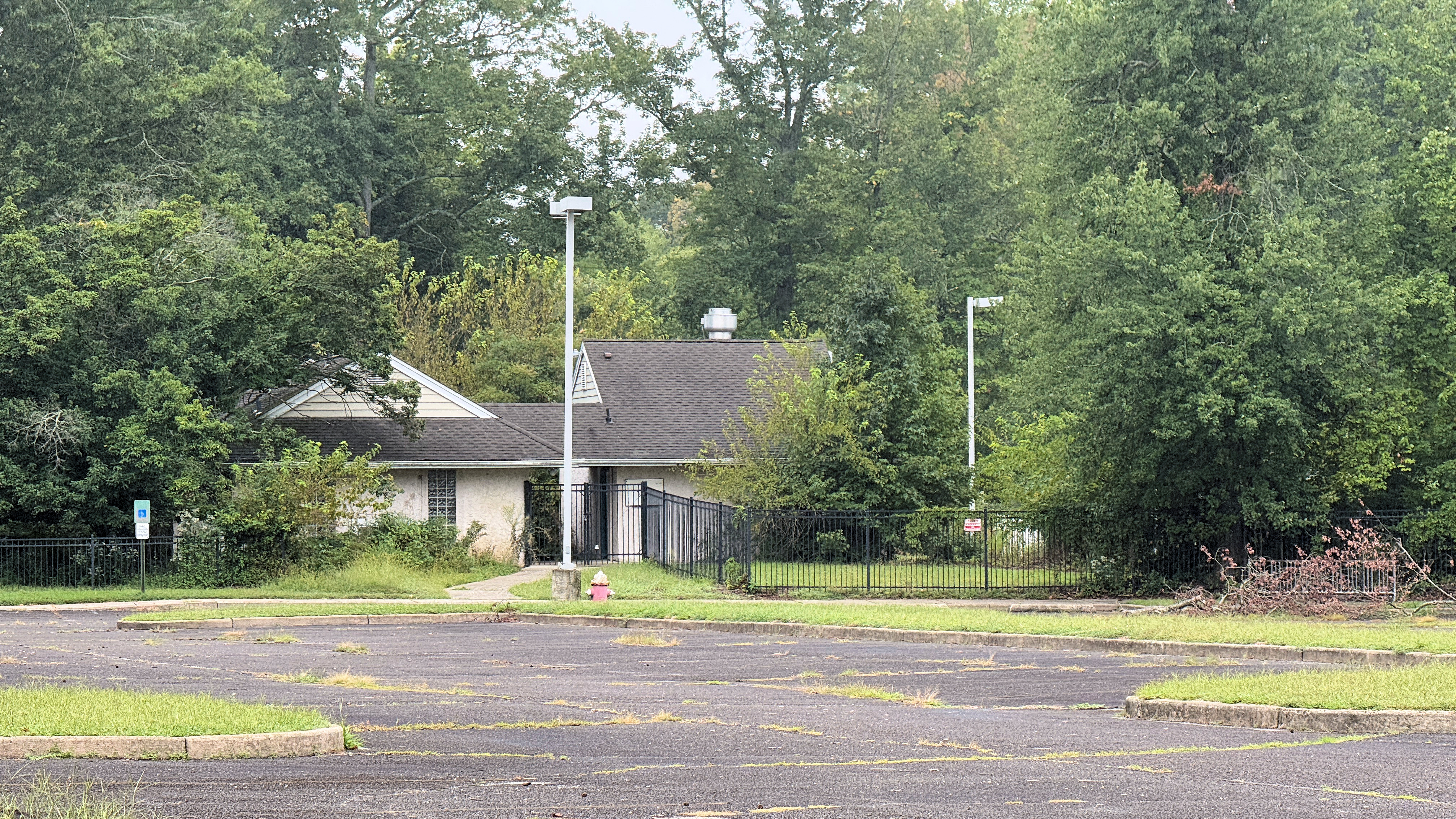
    A developer that planned to build six homes on the site of the closed Barton Run Swim Club in Evesham would sell the property to the township to preserve it as open space, according to a letter of intent from the town.

    The 3.84-acre property on Lakeside Drive would be cleared by developer Orleans Investment Land Associates and Evesham would pay between $670,000 and $810,000 for the land, according to the township, which on Wednesday announced it had secured a $405,000 New Jersey Green Acres Program grant to help fund the purchase.

    Evesham has budgeted from Township Open Space funds the balance of the purchase price, which is a range because it requires a Green Acres appraisal, Zane Clark, Evesham director of public information, said in an email.

    Township council authorized the letter of intent at its meeting earlier this month.

    “Once formal closing proceedings on the property are completed, and the land is restored to open space, the Township will begin engaging the community so residents can help plan for the future uses at the new park,” Clark wrote.

    Orleans would be responsible for demolishing the clubhouse and pool, filling the land and planting grass at the club, which closed about 10 years ago.

    Clark said the township also is seeking grants to finance rain gardens on the site.

    “By securing this Green Acres funding and approving this letter of intent, we are protecting the neighborhood from further development and creating new open space for the public to enjoy,” Mayor Jaclyn Veasy said in a statement. “Once the land is under municipal ownership, the Township will ensure its safe upkeep and long-term care,” she added.

    In recent years, Evesham Township has been aggressive about acquiring land to preserve as open space.

    Projects have included preserving 176 acres of the former Beagle Club property on North Elmwood Road and purchasing 18 acres from the Board of Education off Greenbrook Drive in the Country Farms neighborhood.

    However the town’s landmark preservation project, announced earlier this year, was the $15-million acquisition of 835 acres next to the Black Run Preserve by the New Jersey Conservation Foundation. After the purchase, the township will assume ownership and oversee the preservation of the land. The Black Run Preserve, also owned by Evesham, covers 1,300 acres.

    70and73.com is a hyperlocal news site focused on South Jersey, including the communities of Cherry Hill, Evesham, Mount Laurel, Voorhees, Medford, Medford Lakes, and Moorestown.

  • Lawmakers accuse FanDuel of ‘promoting addiction’ amid battle over VIP promotions

    Lawmakers accuse FanDuel of ‘promoting addiction’ amid battle over VIP promotions

    Three members of Congress renewed their criticism of FanDuel Sportsbook on Thursday, accusing the company’s leaders of providing “misleading and incomplete” responses to a recent inquiry about the VIP services and rewards that it offers to customers.

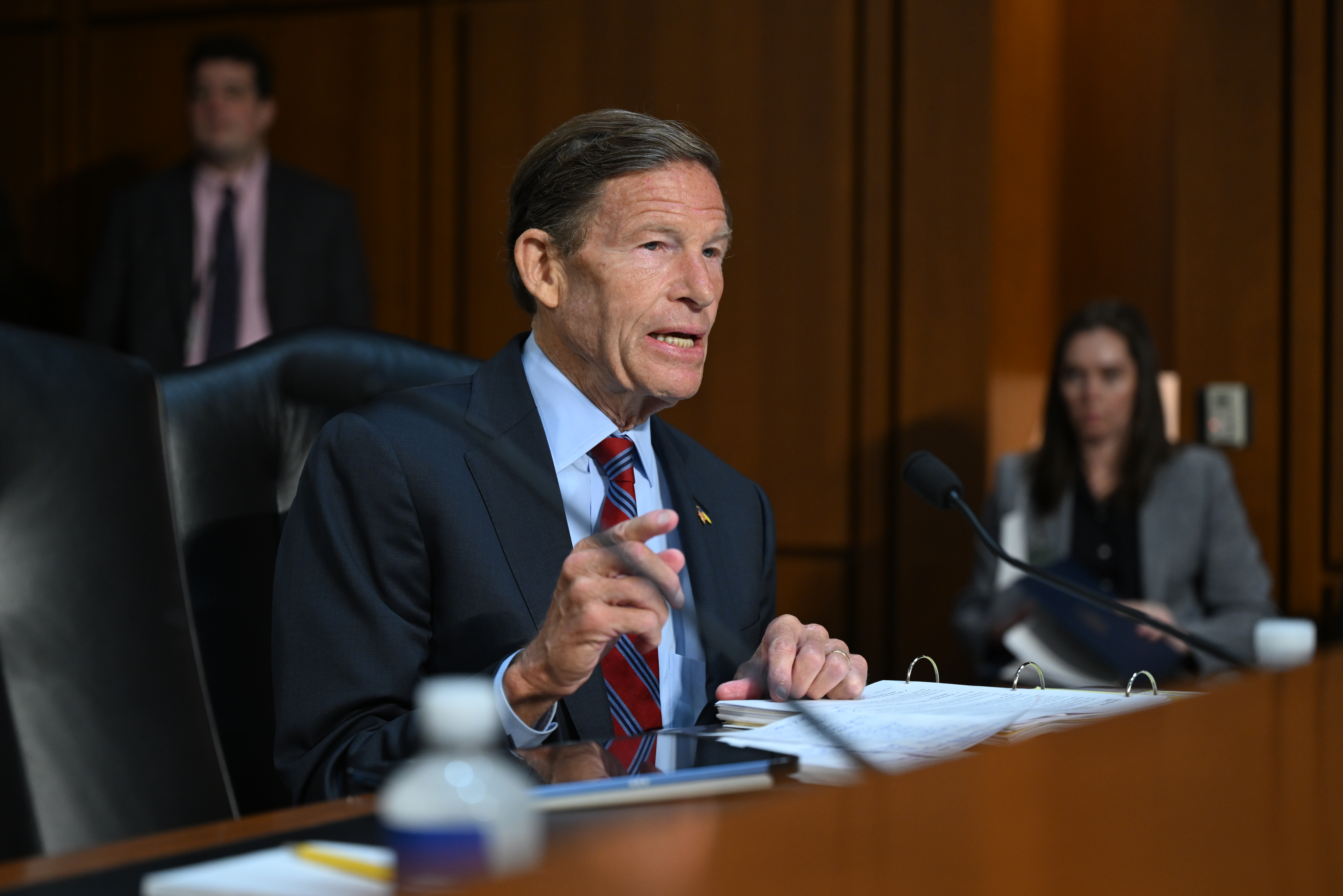
    In a letter to FanDuel chief executive officer Christian Genetski, U.S. Sen. Richard Blumenthal (D., Conn.) and U.S. Reps. Paul D. Tonko (D., N.Y.) and Valerie P. Foushee (D., N.C.) wrote that they “remain unconvinced that FanDuel is making an active effort to protect bettors from harmful gambling and instead appears to be promoting addiction.”

    The lawmakers had initially sent letters on Aug. 10 to FanDuel, Major League Baseball, and the Major League Baseball Players Association, and demanded that each make policy changes following an Inquirer story about a personal video greeting from Phillies star Bryce Harper that a FanDuel VIP manager sent in 2024 to a bettor who had a gambling addiction.

    In response, the MLBPA said last week it would support banning players from doing promotional work for sportsbook VIP programs in the union’s next collective bargaining agreement.

    The lawmakers had called on FanDuel to eliminate its VIP rewards and disclose information about those services, including whether the company had sent videos of other athletes to VIP bettors, or offered promotions to gamblers who experienced losing streaks and attempted to cut back on wagering.

    In an Aug. 14 response, FanDuel wrote that it is “committed to being a transparent and cooperative partner” but did not directly respond to many of the lawmakers’ questions.

    The company said it spent $158 million on responsible gaming in 2025, and that it extensively reviews customers’ betting history before offering them VIP status.

    Though professional sports leagues were once deeply opposed to legalizing sports betting, leagues and many franchises have now entered into lucrative partnerships with gambling entities.Elizabeth Robertson / Staff Photographer

    “Sports wagering is one of the most heavily regulated industries in the United States,” wrote Cory Fox, a FanDuel senior vice president, “and FanDuel operates a licensed online sportsbook in 26 U.S. jurisdictions.”

    The lawmakers seized on this point, writing that FanDuel also has a prediction market, FanDuel Predicts, “which undermines the integrity of — if not bypasses — those very regulations.”

    A FanDuel spokesperson said he was looking into the matter Thursday morning, but did not respond to follow up requests for comment.

    Prediction markets allow customers to wager on a range of subjects: sports, politics, Hollywood award shows, the weather. They’re regulated by the federal Commodity Futures Trading Commission, which thus far has enforced few limitations on companies like Kalshi and Polymarket.

    Critics — including former New Jersey Gov. Chris Christie, who works as a strategic adviser to the American Gaming Association — contend that prediction markets are running illegal sports betting operations. New Jersey Attorney General Jennifer Davenport earlier this week petitioned the U.S. Supreme Court to decide whether states should have the authority to regulate the markets.

    In their latest message to FanDuel, the lawmakers described the company’s “VIP perks, constant push notifications, and personalized promotions” as exploitative, and demanded the company provide a written response to eight questions by Sept. 17.

    Sportsbook VIP rewards and push notifications are a central thread in a lawsuit that the nonprofit Public Health Advocacy Institute filed in March in Common Pleas Court of Philadelphia against FanDuel, DraftKings, the NFL, and the data company Genius Sports on behalf Montgomery County resident Terry Thompson and Delaware County resident Christopher Sage, VIP bettors who each developed ruinous gambling addictions.

    FanDuel, DraftKings, the NFL, and Genius Sports have each sought to have the case dismissed.

    Thompson, who received the 21-second video of Harper, lost more than $1.8 million on sports bets, and planned to die by suicide earlier this year, rather than reveal to his family the scope of his losses.

    Harper has said that he recorded the message through the video service Cameo, but didn’t know that Thompson had an addiction, or that FanDuel intended to use it as a VIP reward.

    The Inquirer will continue to report on issues related to the growth of gambling addiction — among teens and adults — across Pennsylvania. If you, or someone you know, wants to speak with a reporter, please contact David Gambacorta or William Bender at dgambacorta@inquirer.com and wbender@inquirer.com