Tag: topic-link-auto

  • I attended segregated schools. Trump’s assault on the Education Department should terrify us all.

    I attended segregated schools. Trump’s assault on the Education Department should terrify us all.

    Having attended segregated schools in Birmingham. Ala., from 1959 to 1970, I know what a poorly funded public education system looks like. But I didn’t know my schools were being shortchanged until a federal court desegregation order closed all-Black Ullman High School in 1970, and I was reassigned to Ramsay High, which for most of its 60-year existence had been all-white.

    Only a trickle of Black students began attending Ramsay in 1963, when Richard Walker became the first African American student there. But after Ullman closed, Ramsay abruptly went from being nearly 5% to about 50% Black. Both Black and white students experienced some serious culture shock as a result, but I don’t recall any major racial incidents during my one year on that campus.

    What I do recall is that Ramsay’s books weren’t worn-out, hand-me-downs, that its science classes had enough working lab equipment for every student, and that its smaller student-teacher ratio made it easier for academically struggling children to get the attention they needed. In fact, to this day, I applaud all of my Ramsay teachers, including several reassigned there from Ullman.

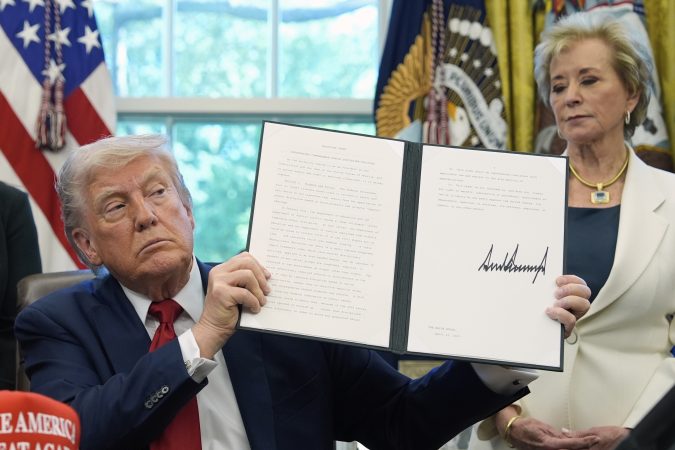
    My reminiscing about poorly funded schools was sparked by the Trump administration’s efforts to shut down the federal Department of Education, which has played a crucial role over the years not only in lessening the impact of past racism in America’s schools but otherwise ensuring adequate educational opportunities exist for all children, including those with financial or health disadvantages.

    More Americans should be raising hell about what’s happening to the Education Department. But it’s hard to keep track of what to be upset about with this president. Every day, Americans are flooded by often inane news out of Washington that diverts their attention. So what if President Donald Trump has botched the repairs of the Lincoln Memorial Reflecting Pool? He messes up almost everything he touches.

    The amount of news coverage given to that story was not only undeserved but a disservice. It also plays into the hands of Trump, who most likely would prefer to have people talking about algae in the Reflecting Pool instead of how much his ill-conceived war with Iran has cost in dollars and lives. The Iran war reminds me of a satirical movie released in 1997, Wag the Dog, in which a fictional U.S. president, after being caught trying to seduce an underage girl inside the Oval Office, fabricated a war in Albania to distract the American public from the sex scandal.

    There’s nothing fake about our war with Iran. More than 3,600 Iranians and 4,000 people in Lebanon are believed to have been killed as a result of military attacks by our country and Israel. Thirteen U.S. service members and at least 39 Israelis have also died since the fighting began on Feb. 28. That’s why it’s so disheartening but necessary to question the war’s true intent.
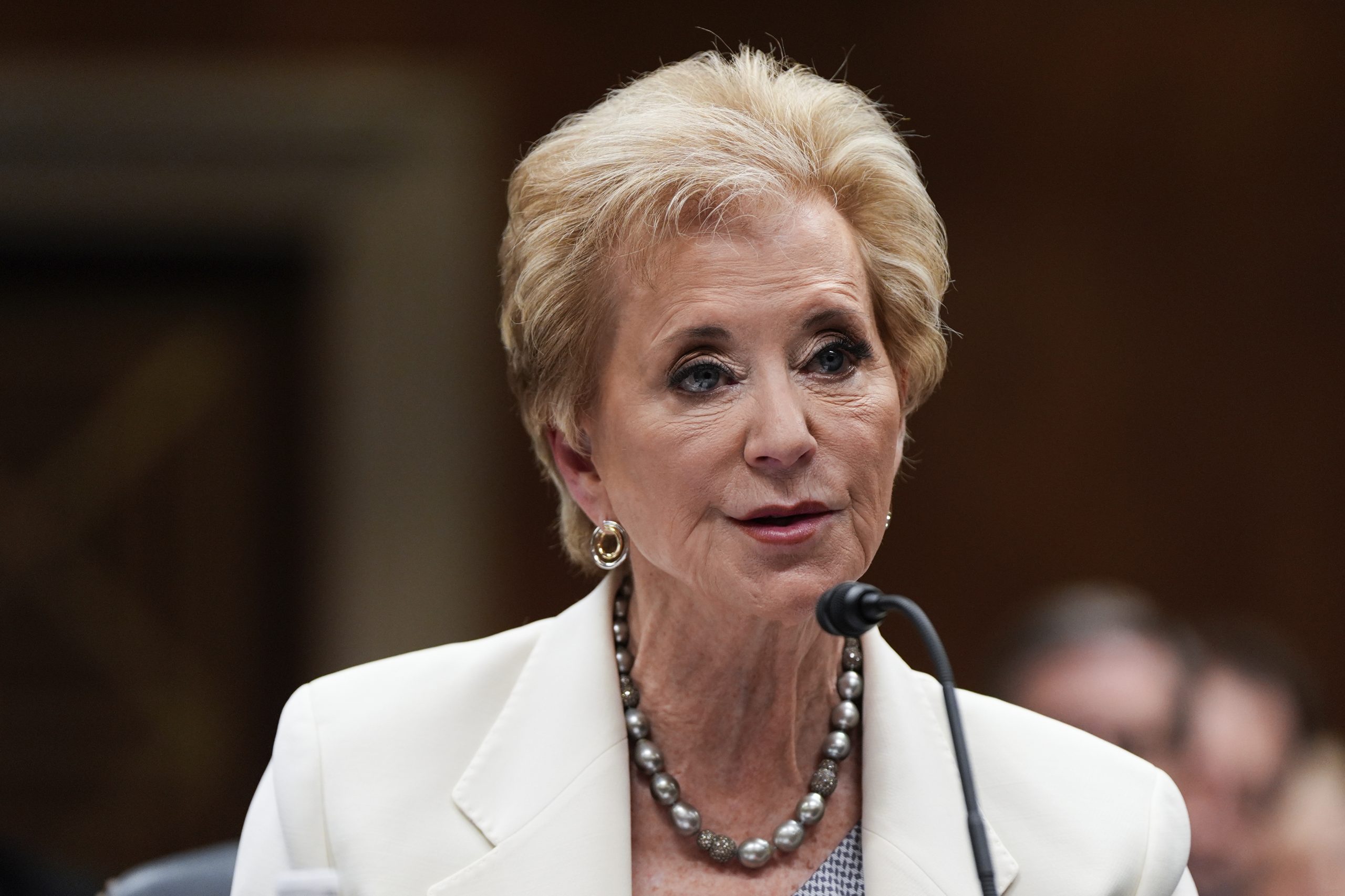
    Harold Jackson writes that Education Secretary Linda McMahon is just as ill-equipped for the job as her predecessor, Betsy DeVos.Julia Demaree Nikhinson

    “If we didn’t do what we’re doing right now, you would have had a nuclear war, and they would have taken out many countries,” Trump said while meeting with German Chancellor Friedrich Merz on March 3. Our president would have us believe he started the war because Iran, which wasn’t close to having nuclear attack capability, was a greater threat to America than Russia or China, which already have advanced nuclear weapons. Or North Korea, which is way closer than Iran to achieving that status.

    I pray Trump isn’t employing a horrific Wag the Dog ploy to divert attention from a war that has cost thousands of real lives and billions of dollars. But whether it was his intent or not, the American public’s understandable focus on the Iran war and its ancillary impact on consumer costs such as the price of gasoline and food has allowed Trump to push forward some dubious goals that more Americans might otherwise have vehemently rejected.

    That includes Trump’s ongoing dismantlement of the Department of Education, which he tried but failed to do during his first term. Trump appointed billionaire Betsy DeVos, who had no background in education, to be his education secretary in 2016 so she could cripple the department. His current education secretary, billionaire Linda McMahon, is just as ill-equipped for the job as DeVos, but she, too, seems hell-bent on finishing what her predecessor started.

    McMahon announced last month that her department will no longer enforce rules meant to protect civil rights in education and will discontinue oversight of special-education programs. Those functions are being transferred, respectively, to the U.S. Department of Justice and the U.S. Department of Health and Human Services. There was no mention of personnel being transferred to those departments to perform those additional duties.

    McMahon earlier announced plans to transfer two of her department’s largest units, the Office of Elementary and Secondary Education and the Office of Postsecondary Education, to the U.S. Department of Labor, move the Office of Indian Education to the U.S. Department of the Interior, transfer responsibility for childcare access and a foreign medical program to the U.S. Department of Health and Human Services, and shift a foreign language education program to the U.S. Department of State.

    Trump has never fully explained his zest to kill the Education Department, but it fits the states-rights attitude of some of his supporters, especially down South, who have long resented federal intrusion into how they run their public schools. Such resistance to federal involvement was about segregation when I was a child; today it’s more about encouraging vouchers and other programs that drain tax dollars and students from traditional public schools.

    It’s not wrong to reassess the role the federal government plays in running local schools, but educating Americans’ children should remain a national priority — one that requires significant input from Washington to ensure some uniformity in educational opportunities and outcomes no matter where a family lives.

    Congress passed the 1965 Elementary and Secondary Education Act with that in mind. Known as Title I, the law provides additional federal funding to schools with large numbers of students living in poverty. Changing Title I to a block grant program — without federal oversight — risks that the money won’t be spent where it is most needed. Misuse of taxpayer money led the Department of Health and Human Services to freeze access to more than $10 billion in block grants for California, Colorado, Illinois, Minnesota, and New York earlier this year.

    The National Education Association warns that handing out block grants without clear restrictions would allow states to divert tax money to voucher programs — and essentially turn the clock back 60 years on education policy and progress. “While one would like to think that we can trust every state to do the right thing on behalf of all students, history tells us differently,” the NEA said. “States would not have to answer to anyone about whether or how they are following the law.”

    As a product of the public schools in New Bern, N.C., population 34,000, McMahon should know better than to participate in any effort to divert taxpayer money from neighborhood schools. Public schools whose funding is based on enrollment lose money they can’t afford to lose when students using vouchers leave them. With less funding, public schools don’t get better. And children in families who, even with vouchers, can’t manage the logistics of getting a child to a supposedly better school outside of their neighborhood will be hurt.

    Harold Jackson, who served as editorial page editor for The Inquirer from 2007 to 2017, was awarded the Pulitzer Prize for editorial writing in 1991 and retired from the Houston Chronicle in 2020. His memoir, “Under the Sun: A Black Journalist’s Journey,” was published by the University of Alabama Press.
  • Federal appeals court rules that New Jersey’s assault weapons ban is unconstitutional

    Federal appeals court rules that New Jersey’s assault weapons ban is unconstitutional

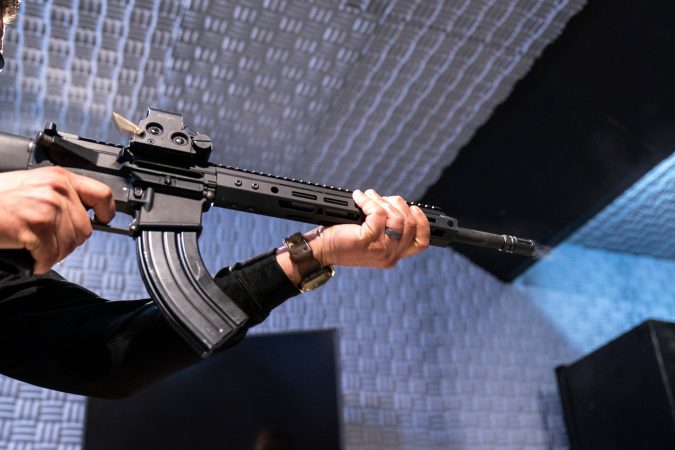
    A federal appeals court ruled Friday that New Jersey’s bans on assault firearms and magazines that can hold more than 10 rounds are unconstitutional.

    This is the first time a federal appeals court has struck down a state ban on such weapons, and it comes as the U.S. Supreme Court is set to consider whether bans on semiautomatic rifles violate the Second Amendment. Just last week, a different federal appeals court upheld Illinois’ ban on semiautomatic weapons.

    Friday’s appeals court ruling in the New Jersey case goes further than a July 2024 ruling from a federal judge, who said that the state’s ban on AR-15s specifically was unconstitutional but upheld the provision barring larger magazines. The 3rd U.S. Circuit Court of Appeals said Friday in its opinion that the state’s ban on all semiautomatic rifles it deems to be “assault firearms” and restriction on “large capacity ammunition magazines” were unconstitutional.

    New Jersey Attorney General Jennifer Davenport, a Democrat whose office defended the law, said in a statement that the decision is “as unfortunate as it is legally incorrect.”

    “Every other federal circuit court to consider the issue has come out the other way,” Davenport said. “Assault weapons and large capacity magazines play a dangerous role in the modern epidemic of mass shootings, and New Jersey acted reasonably and lawfully in restricting them. We are considering our options.”

    John Commerford, executive director of the National Rifle Association Institute for Legislative Action, called the ruling a “historic victory for the NRA, the Second Amendment, and law-abiding Americans.”

    In addition to New Jersey, 10 states, as well as the District of Columbia, have laws that generally ban the manufacture, sale, and transfer of assault weapons, according to the Giffords Law Center to Prevent Gun Violence. The District of Columbia, New Jersey, and 11 other states cap magazine capacity at 10 rounds generally or for certain types of firearms.

    Adam Winkler, a law professor at the University of California, Los Angeles, said that Friday’s ruling was surprising because federal courts of appeals have upheld assault weapons bans in the past. On the other hand, he added, the decision “may be foretelling the Supreme Court’s coming opinion on assault weapons bans.”

    “What this Third Circuit opinion shows is that there are very few gun laws that are safe from being struck down right now,” Winkler said.

  • The SEPTA special prosecutor in Philly is set to expire this year. Will state lawmakers extend it into Larry Krasner’s third term?

    The SEPTA special prosecutor in Philly is set to expire this year. Will state lawmakers extend it into Larry Krasner’s third term?

    The special prosecutor for crimes on or near SEPTA property will be funded through the end of the year as part of the newly approved state budget, Pennsylvania lawmakers said this week.

    After that, the office’s fate is uncertain.

    The controversial position is set to expire in December. It was championed by GOP lawmakers in Harrisburg, who for years have tried to limit Philadelphia District Attorney Larry Krasner’s powers and contended that the position was necessary because Krasner failed to prosecute crimes on the state’s largest transit system.

    Legislators set aside another full year of funding for the office — $1.2 million — but haven’t agreed whether they will extend it further into Krasner’s third term, which began in January.

    Senate Majority Leader Joe Pittman (R., Indiana), the top Republican leader in Pennsylvania’s split legislature, where Democrats narrowly control the state House and Republicans lead the state Senate, said Democratic leaders repeatedly rejected GOP efforts to extend the position as part of the closed-door budget talks.

    Krasner’s office has strongly opposed the law that created the special prosecutor position, calling it a “shocking usurpation of power” that unconstitutionally singled out Philadelphia and stripped an elected officials’ authority.

    He could not be reached for comment Thursday.

    The post has also faced opposition from Philadelphia-area lawmakers who say the effort is an affront to city voters who have reelected Krasner, a progressive prosecutor, three times.

    “This is nothing more than voter suppression and an attempt to circumvent some of the extremely popular criminal justice reforms under this DA,” said Sen. Nikil Saval (D., Philadelphia), who chairs the city’s Senate delegation to Harrisburg.

    Pittman, by contrast, said extending the special prosecutor is a critical component for Senate Republicans to agree to a new long-term funding source for SEPTA, which is approaching another fiscal cliff that could cause service disruptions when the state’s current short-term fix runs out next year.

    Asked about the future of the special prosecutor’s office, House Majority Leader Matt Bradford (D., Montgomery) said at Shapiro’s budget signing earlier this week that he hadn’t “given it much thought.”

    Pennsylvania Attorney General Dave Sunday, a Republican who is tasked with overseeing the office, has lauded the special prosecutor’s work so far.

    He said his office supports extending the position, calling it a “force multiplier” that has been effective in combating violent crimes against both SEPTA employees and riders.

    “Our caseload reflects a range of very serious conduct — including murder and aggravated assaults — and we have secured results through convictions,” he said.

    In one example of that effort, the special prosecutor will oversee the case of a 22-year-old woman charged with simple assault after authorities said she pepper-sprayed and punched a conservative social media influencer during a viral confrontation on a SEPTA bus.

    While legislators approved the special prosecutor’s office in 2023, it has been mired in legal challenges from the district attorney’s office in years since and did not begin taking on cases until last year.

    Some House Democrats supported creating the role in 2023, as part of a state budget deal with the Senate GOP and Democratic Gov. Josh Shapiro, who was critical of Krasner when he served as attorney general.

    Saval said Democrats shouldn’t use the position as a bargaining chip again.

    “House Democrats who voted to suppress the will of Philadelphians should be ashamed of themselves, and should not support other attempts to do so,” Saval added. “This has nothing to do with the essential task at hand, which is to secure funding for mass transit.”

    A spokesperson for Bradford said the House needs to “take a critical look” at whether the SEPTA special prosecutor is necessary. She noted SEPTA’s success in reducing crime and the size of its police force, but said the money used to fund the position may be better spent to reduce fare evasion by replacing gates to full-length ones that cost $40,000 each.

    The funding was approved in the 2026-27 fiscal year budget “in the case of reauthorization,” and would be used to wind down the office, said Beth Rementer, Bradford’s spokesperson. Any unused funds would be returned to the general fund, she said.

    A spokesperson for Shapiro declined to comment on the prosecutor role, but said Senate Republicans “need to do their jobs” to find a long-term funding solution for mass transit.

    The office

    The office is overseen by Special Prosecutor Michael Untermeyer, a former deputy attorney general and real estate investor who ran against Krasner in the 2017 primary.

    Untermeyer did not respond to a request for comment.

    The single lawyer employed by his office is investigating about 15 cases, including charges of homicide, aggravated assault, and robbery, according to a spokesperson for the attorney general’s office. That figure does not include cases the special prosecutor is considering taking on or are still under investigation, the spokesperson said.

    Lawmakers could still choose to extend the position as part of their fall legislative session. It is among the several time-sensitive issues before the General Assembly ahead of the November election, in which Democrats hope to flip control of the state Senate for the first time in decades.

    Krasner’s office has challenged the special prosecutor role from the beginning. His office filed a lawsuit in 2024 in an attempt to nullify the law, but was rebuffed by a 4-3 Commonwealth Court ruling that said legislators had not violated the state constitution in creating the post.

    The office then appealed to the state Supreme Court, which has yet to decide the matter. As the high court heard oral arguments in the case last year, justices cited the Pennsylvania Constitution when suggesting that the legislature had been free to pass such a law, even if it interfered with the duties of an elected county official.

    And lawyers for the attorney general’s office argued that the special prosecutor role did not strip Krasner’s power, but rather offered additional powers to a prosecutor appointed by the attorney general to handle cases involving crimes in and around SEPTA property.

  • He thought buying a house meant leaving Philly. He was proven wrong in East Falls. | How I Bought This House

    He thought buying a house meant leaving Philly. He was proven wrong in East Falls. | How I Bought This House

    The buyers: Eric Murchison, 35, vice president and commercial loan officer

    The house: A 2,617-square-foot townhouse in East Falls with 4 bedrooms and 3 baths built in 2025.

    The price: Listed for $525,000; purchased for $490,000.

    The agent: Marvin Capps, Marvin Capps Realty, Inc.

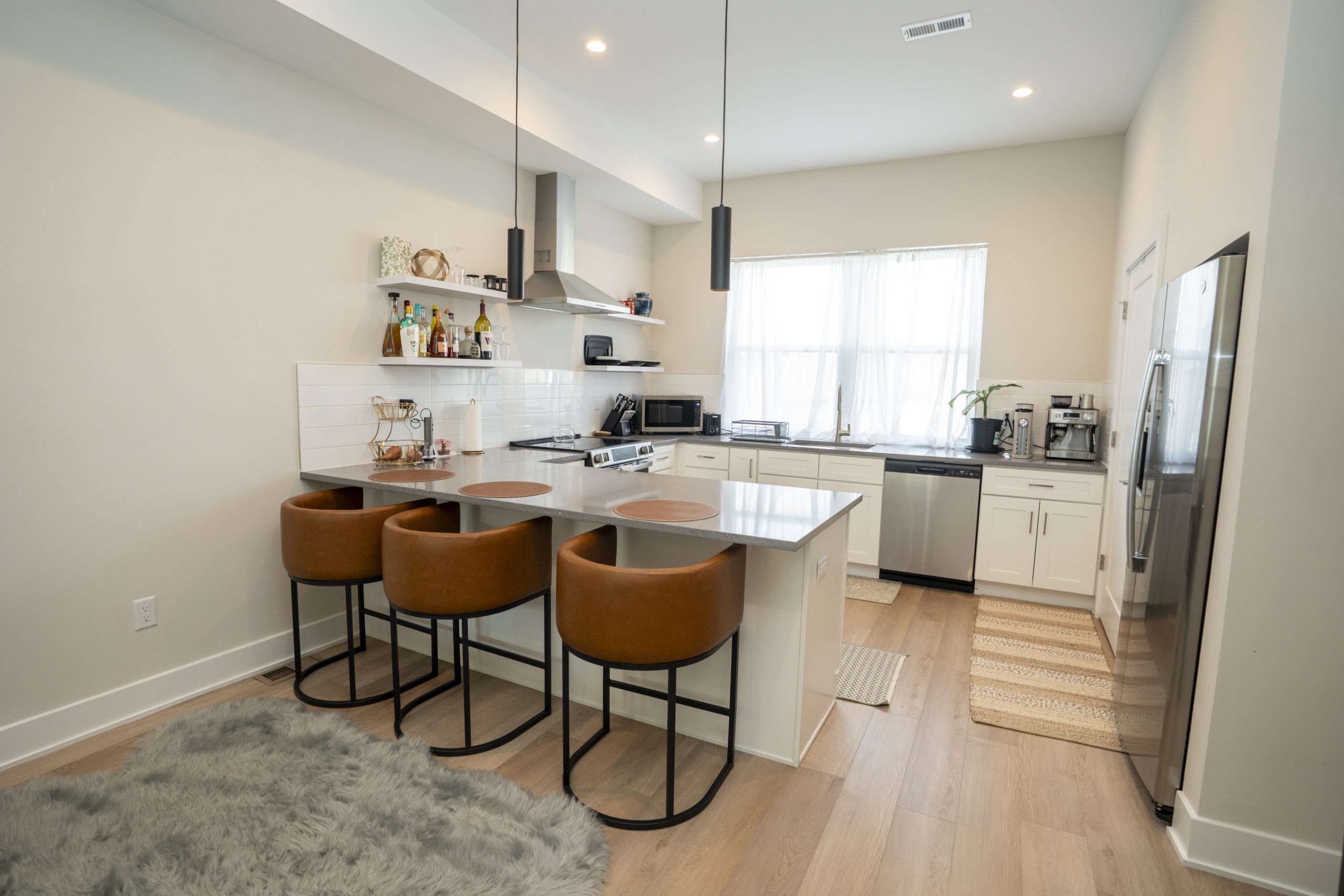
    The kitchen of Murchison’s new East Falls townhouse.Jessica Kourkounis / For The Inquirer

    The ask: The idea of buying in Philly had begun to feel impossible to Eric Murchison.

    Born and raised in North Philly, he’d watched prices in the city skyrocket for years, convincing him that in order to own a nice home, he’d need to move somewhere like Texas. He’d already begun telling friends that he’d be gone within two or three years.

    But when a work client urged him to think about buying in his home city — Why would you leave your hometown? Why not own a piece of it? — he began to think seriously about the possibility.

    “I kind of couldn’t sleep at night after he said that to me,” Murchison said.

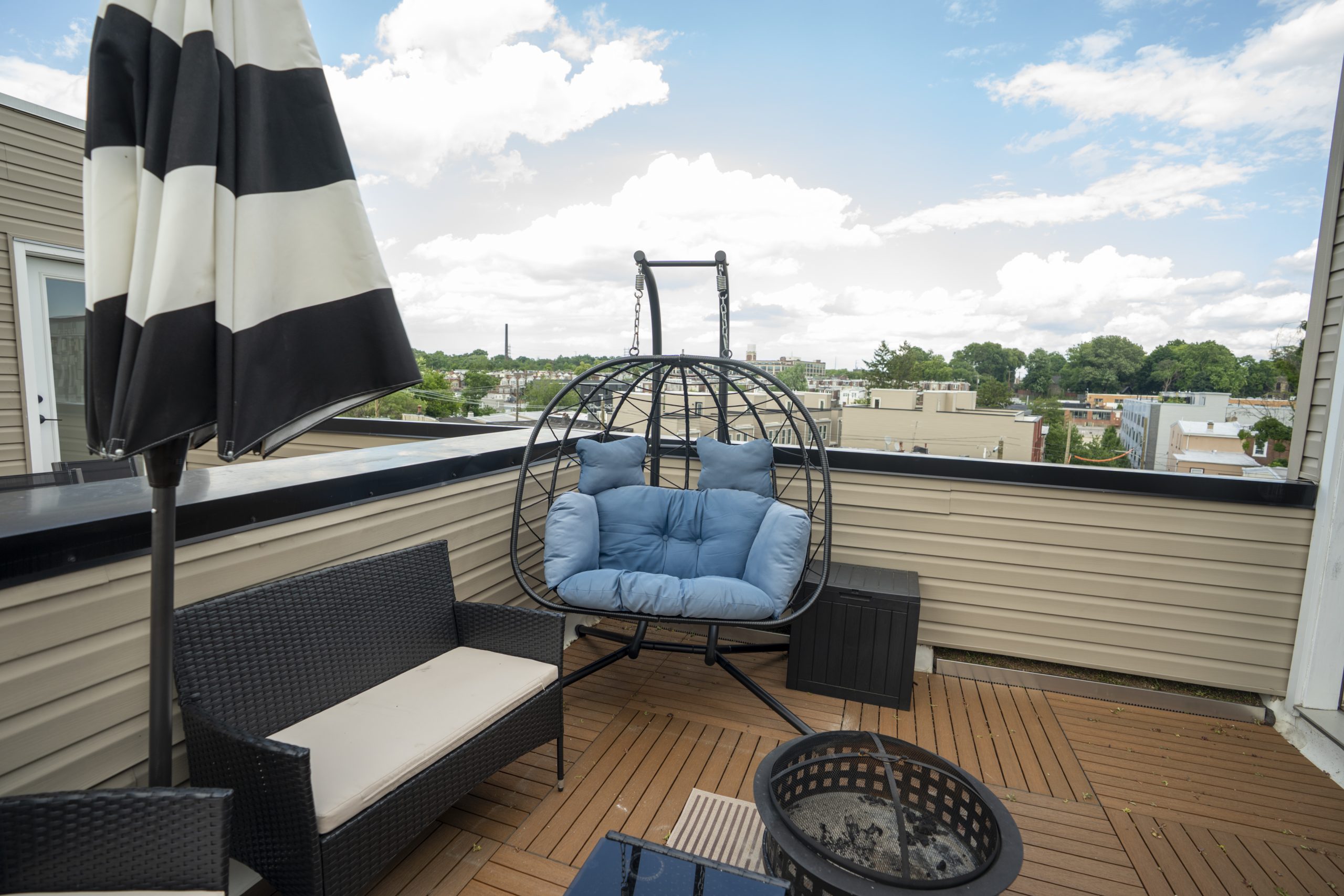
    What he was looking for wasn’t extravagant. He wanted a garage and a rooftop space, along with a separate bathroom for his 16-year-old daughter — which he didn’t have in his rental in Bala Cynwyd. And to be “in an area where you could visually see that developers are in this space.”

    He hoped to find all that under $500,000, even as his real estate agent tried to temper expectations.

    “When I said ‘under a half-million,’” Murchison recalled, “he said, ‘Eric, are you kidding me? That’s [probably] not going to happen.’”

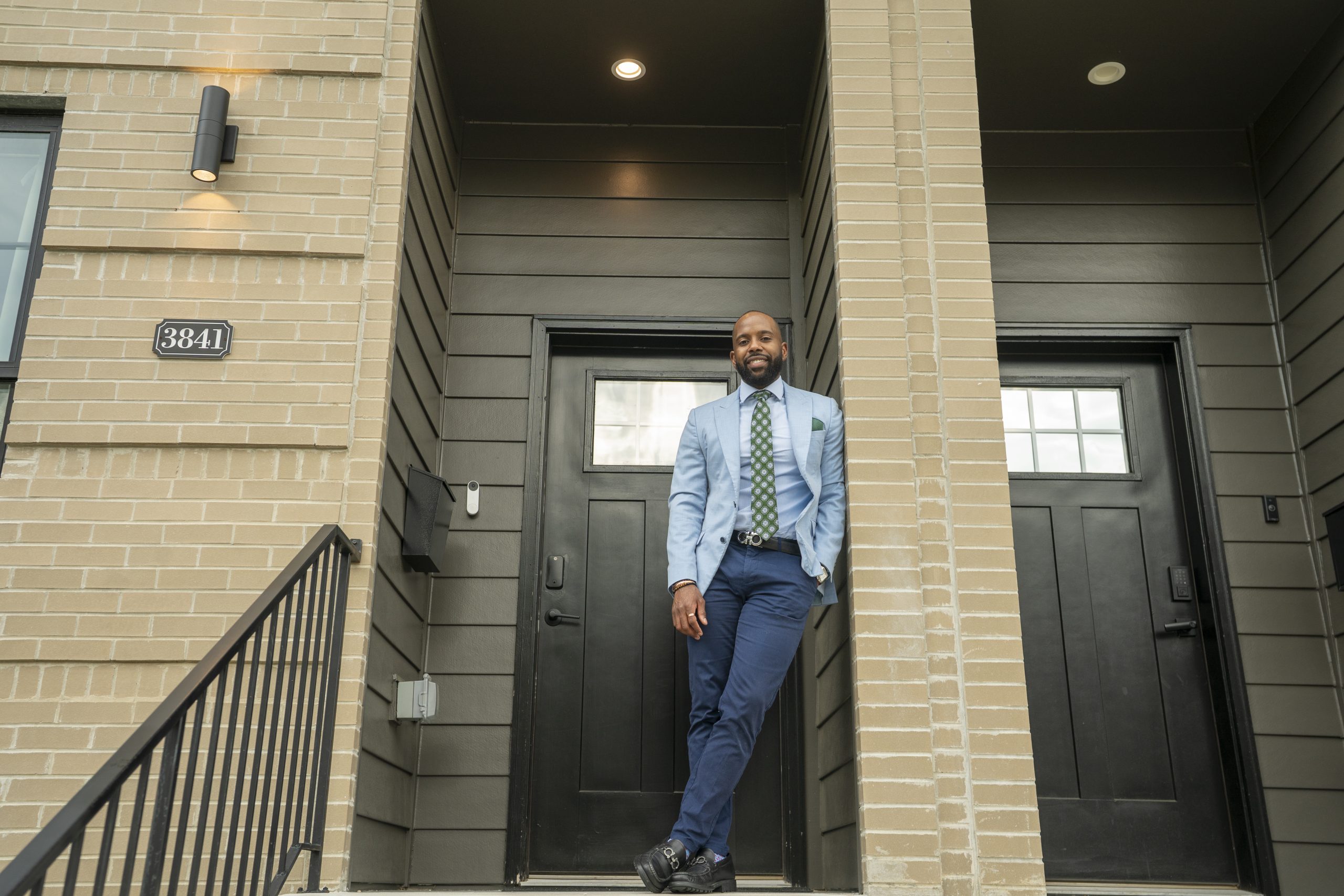
    Eric Murchison, 35, on the front steps of his new East Falls townhouse.Jessica Kourkounis / For The Inquirer

    The search: By his own admission, Murchison’s search was “very spontaneous and random.” He’d see a potential home while searching online during his lunch break and decide to go check it out.

    One — a duplex near Temple University — was well over his budget, at $750,000. (He’d liked the idea of buying a duplex and renting out one of the units while living in the other.)

    Another home he liked in South Philly was priced around $550,000, with no wiggle room. “The guy just was not budging on the price,” Murchison said.

    Discouraged, he let his property manager know that he was renewing his lease for the following year.

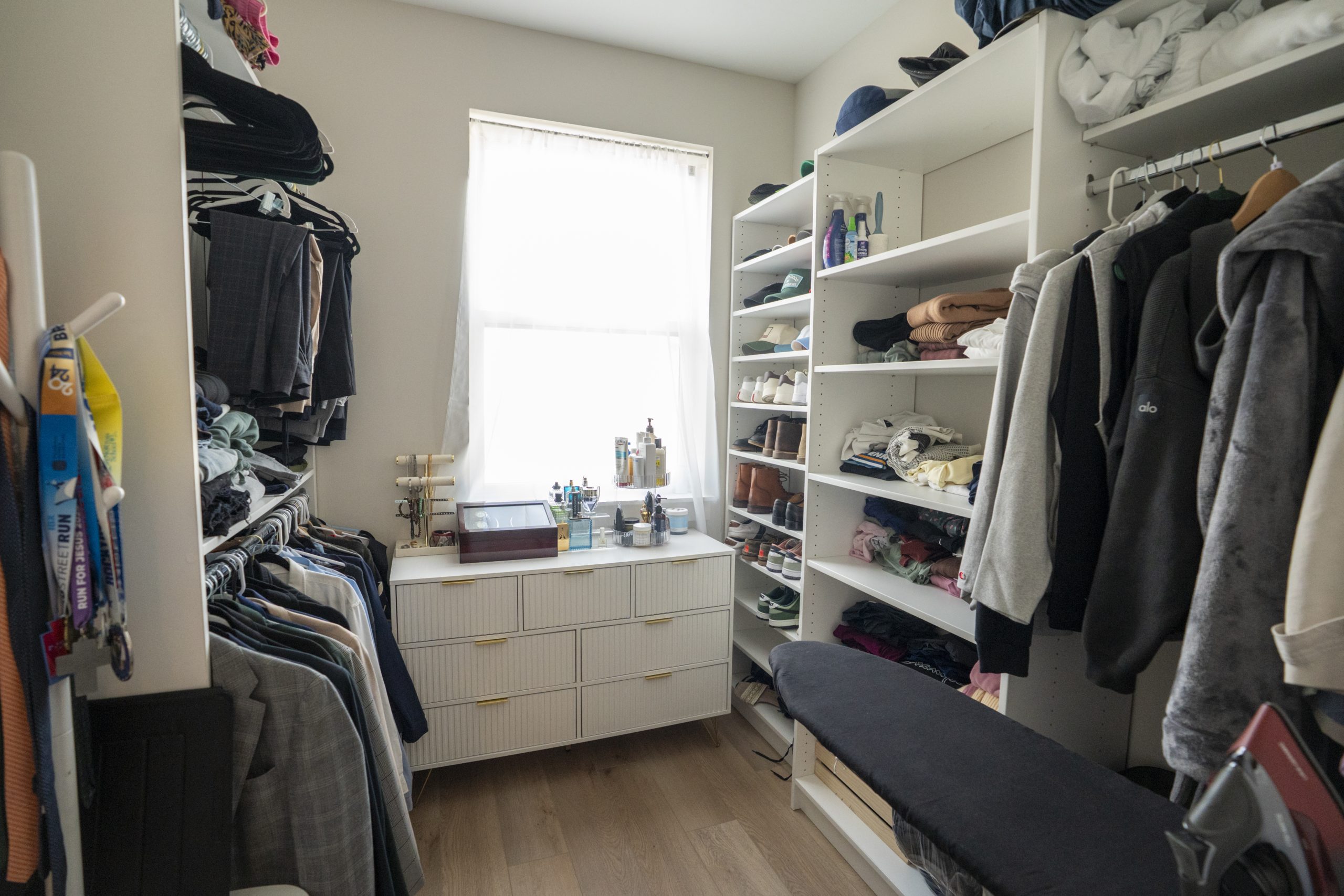
    The primary suite includes a walk-in closet.Jessica Kourkounis / For The Inquirer

    The appeal: The first time he came across his future home was on Zillow. It was also on his drive to work, so he’d passed it on his commute, admiring the newly constructed townhouses.

    But when he randomly met the developers through work, he said, it felt like kismet.

    The development was across from a cemetery and a bit over budget at $525,000. But it was just a 10-minute drive to Center City and a half-mile walk to Kelly Drive, where Murchison liked to go running. He liked the neighborhood, too, which he felt was poised for a boom.

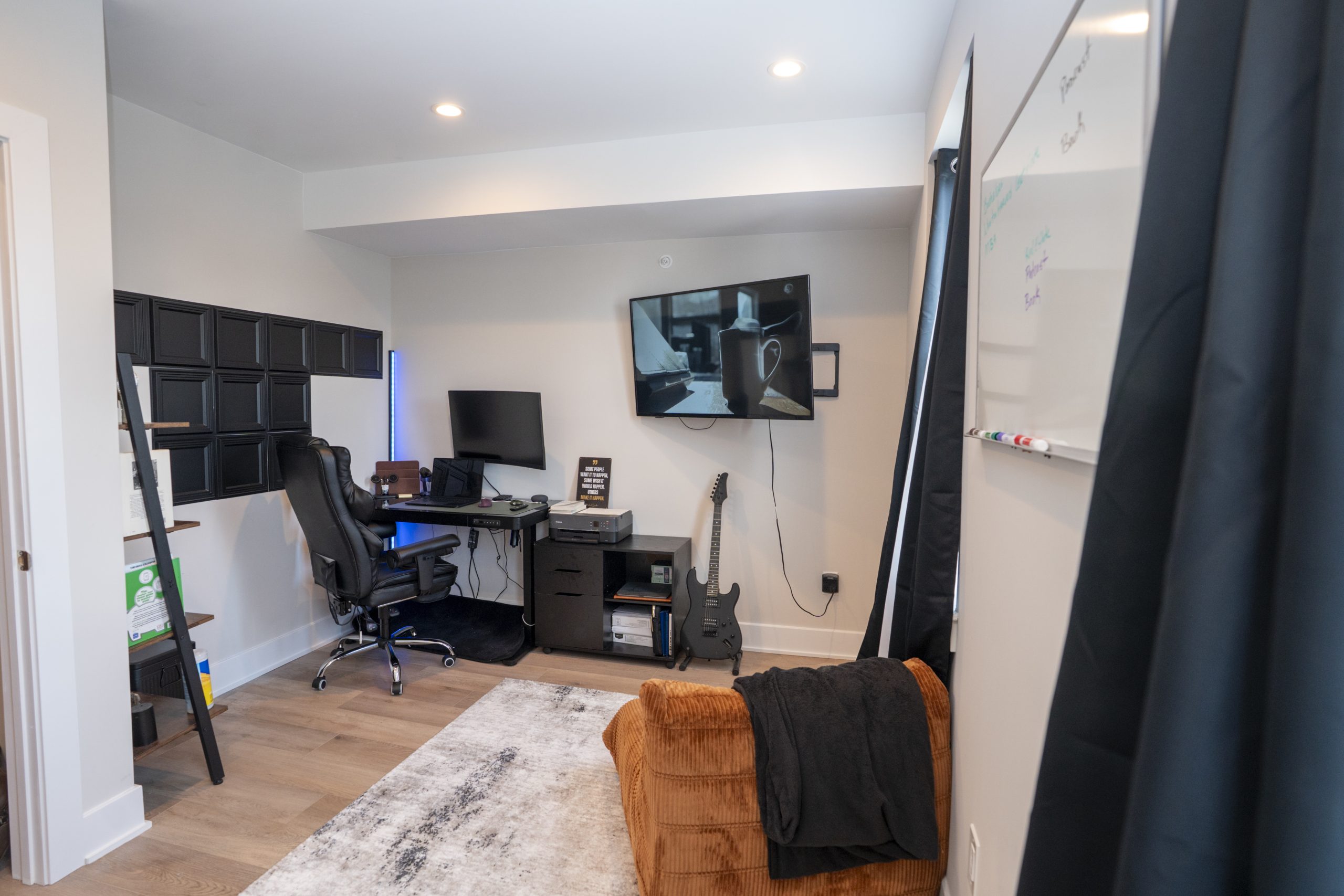
    Murchison turned one of the home’s four bedrooms into an office and meditation space.Jessica Kourkounis / For The Inquirer

    Because it was a newly constructed home, it was part of a city program that provides a 10-year tax abatement to buyers who bought into certain new construction projects in the city.

    “But what ultimately made me move on it was that feeling like, ‘This feels like it could be home,’” he said. “I remember having that feeling, and seeing my daughter, envisioning us like having popcorn and watching TV, and I kind of had in mind where I could put the furniture.”

    By the time he toured a second time, he was sold.

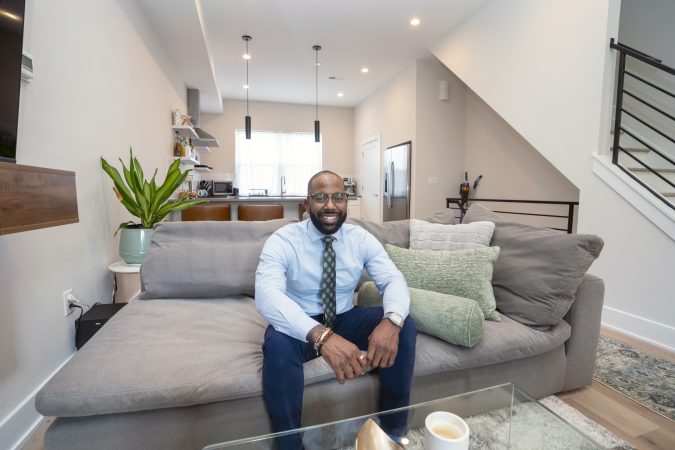
    The first floor of Murchison’s new townhouse. At 2,617 square feet, it’s more than twice the size of his previous rental. Jessica Kourkounis / For The Inquirer

    The deal: Listed at $525,000, Murchison initially offered $480,000 before settling on $490,000, with a 6% seller’s assist.

    Though it was a new home, an inspection turned up some minor issues — a loose faucet and a noisy kitchen range fan — that the developer agreed to fix.

    The money: Murchison was prepared to put 3% down on the new home. But when he inquired with another lender, he said, he was able to get a more attractive deal, in which a down payment wasn’t required.

    “I actually got a refund at settlement because I had the 6% seller’s assist,” he said. “So the only down payment was like transfer tax, closing cost, all those things.”

    Today, his mortgage is $3,400 — $400 more than his previous rent — and because of the tax abatement, he pays just $68 a month in taxes, he said, instead of the roughly $500 he’d otherwise owe.

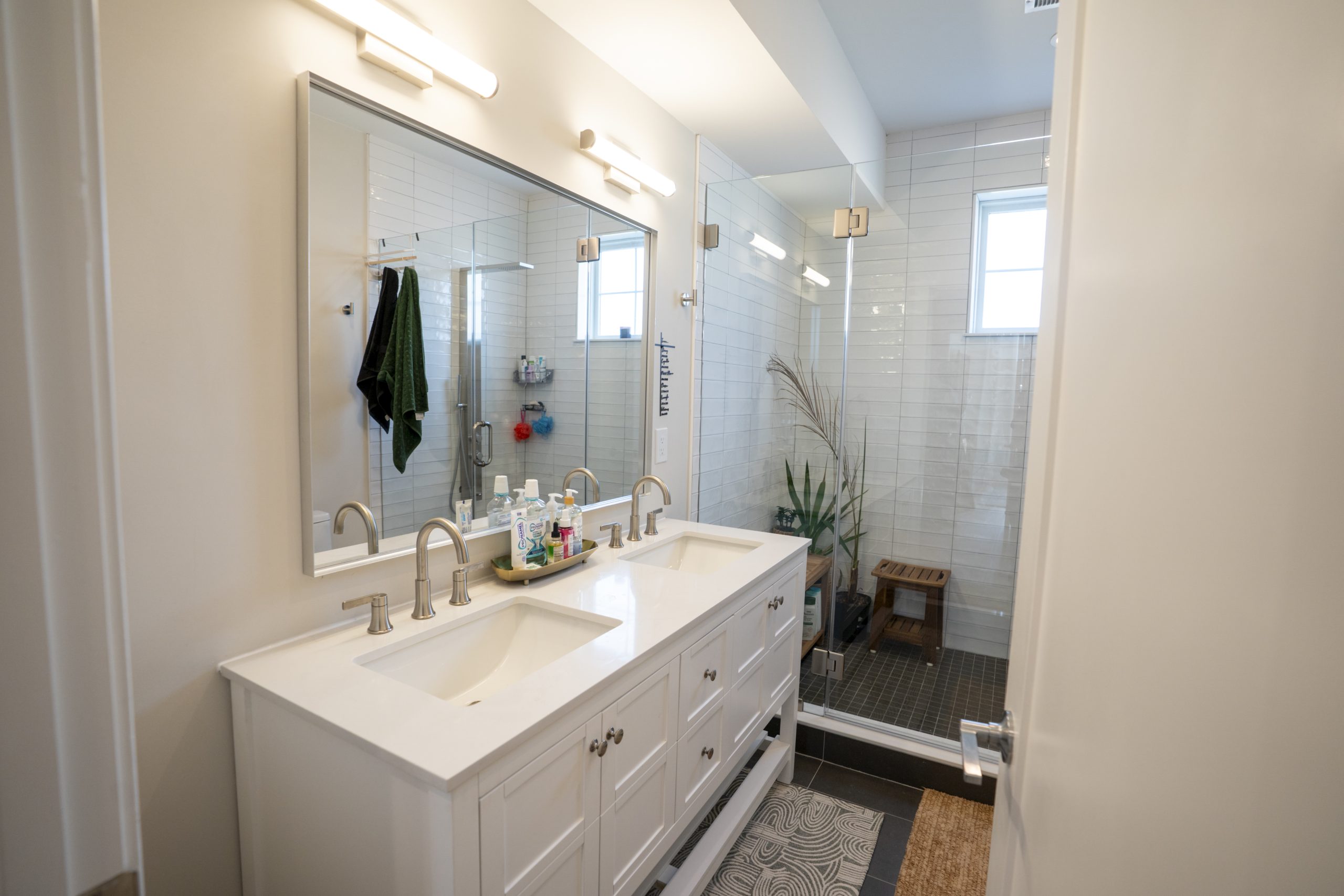
    The primary bathroom in Murchison’s new townhouse.Jessica Kourkounis / For The Inquirer

    The move: With the money he was able to save by not putting down the 3% down payment, he was able to pay for movers, plus a nice dinner for his first night in his new home.

    He moved in the same day he closed on the home. “I closed Feb. 6, I think at like 10 a.m., [and] the movers were done by 1 p.m.,” he said.

    Life after close: At more than 2,500-square-feet, the new home dwarfs Murchison’s previous rental, which was about 1,000 square feet.

    In addition to bedrooms for both him and his daughter, he also has a meditation/prayer room.

    Eric Murchison’s daughter’s bedroom in his new East Falls townhouse.Jessica Kourkounis / For The Inquirer

    So far, he’s had one small renovation project done — removing some shelving in a hallway between his bedroom and bathroom — with plans to make two more improvements in the not-too-distant future: adding a sauna, as well as some shade to the rooftop.

    He considers himself “very happy” with his new home, and hopes his story inspires other Philadelphians that homeownership in the city remains possible.

    “People need to know — especially Philadelphia natives who think they have to leave — like, hey, if you have a good real estate agent and you have creative financing, you might as well buy.”

    A rooftop deck is one of amenities Murchison was seeking in his new home. He got it.Jessica Kourkounis / For The Inquirer

    Did you recently buy a home in the Philadelphia area or South Jersey? Share the story of how you did it. Email Inquirer real estate reporters at properties@inquirer.com.

  • New York vowed to protect immigrants. The World Cup final is the moment of truth.

    New York vowed to protect immigrants. The World Cup final is the moment of truth.

    On Sunday, the eyes of the world turn to New York for the World Cup final, capping a tournament set to beat the record for highest cumulative attendance in World Cup history.

    The deeper story of this tournament isn’t playing out under the lights. It’s unfolding in the parking lots, transit hubs, and neighborhoods around the stadiums, where immigrant families are asking whether hosting the world’s game means being welcomed — or being watched.

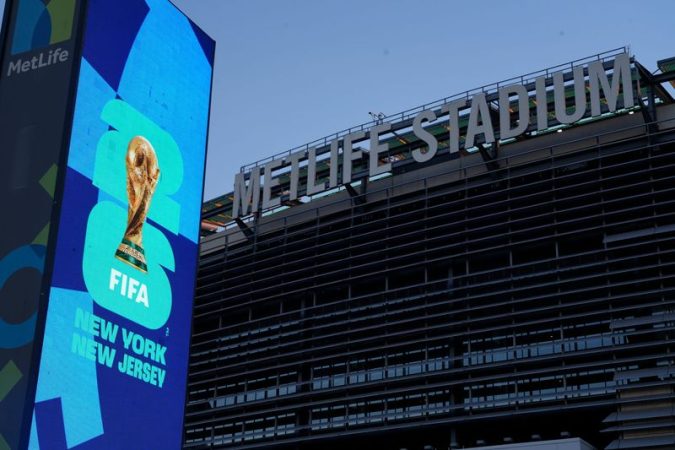
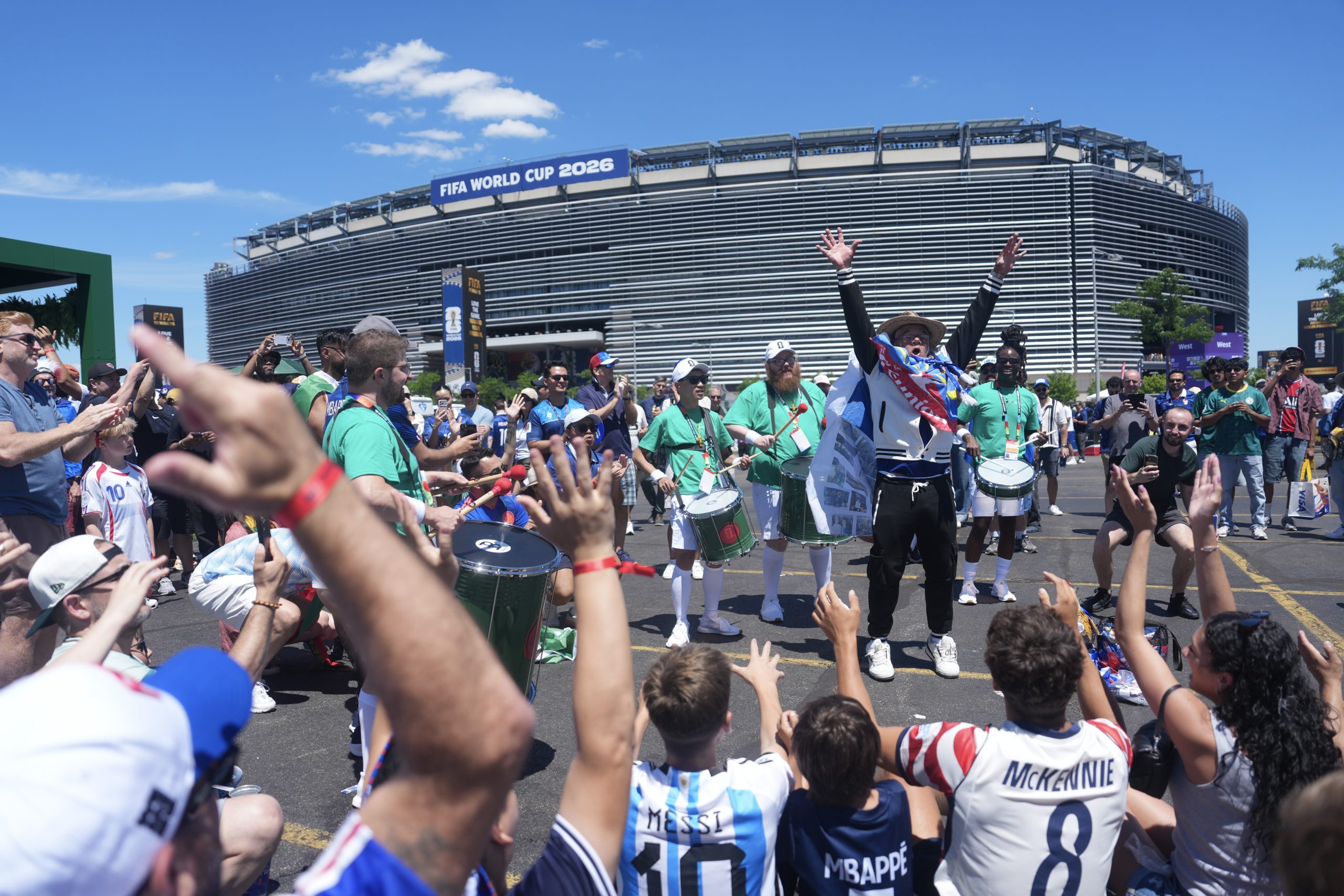
    Fans of Senegal and France gather outside New York New Jersey Stadium in East Rutherford, N.J., on June 16. The deeper story of this tournament is unfolding in the parking lots, transit hubs, and neighborhoods where immigrants wonder if they are being watched by ICE, writes Debbie Almontaser.Hiroko Masuike

    A recent poll conducted by Opinium for the transatlantic think tank Concordia Forum found that 45% of Muslims in the U.S. are often or always worried they or someone close to them will be affected by anti-Muslim violence. More striking still, over 39% said they avoid certain places out of safety concerns. Their fears will have been sharpened by two fatal shootings within a week by U.S. Immigration and Customs Enforcement agents — one in Maine, one in Houston. In both cases, neither man was the original target of the enforcement operation, and both leave behind grieving families.

    This is what “enforcement” looks like under this administration: lethal, indiscriminate, and expanding.

    Now Washington is bringing that same posture to New York. In advance of the final match, border czar Tom Homan has promised New Yorkers “more ICE agents than you’ve ever seen,” framing it as payback for New York’s sanctuary laws — local rules limiting how far city agencies help federal immigration enforcement. The surge is timed to a tournament that’s drawn millions of visitors, many from countries now targeted by expanded travel restrictions.

    It is hard to read this as anything other than an attempt to punish New York for refusing to do Washington’s enforcement work for it.

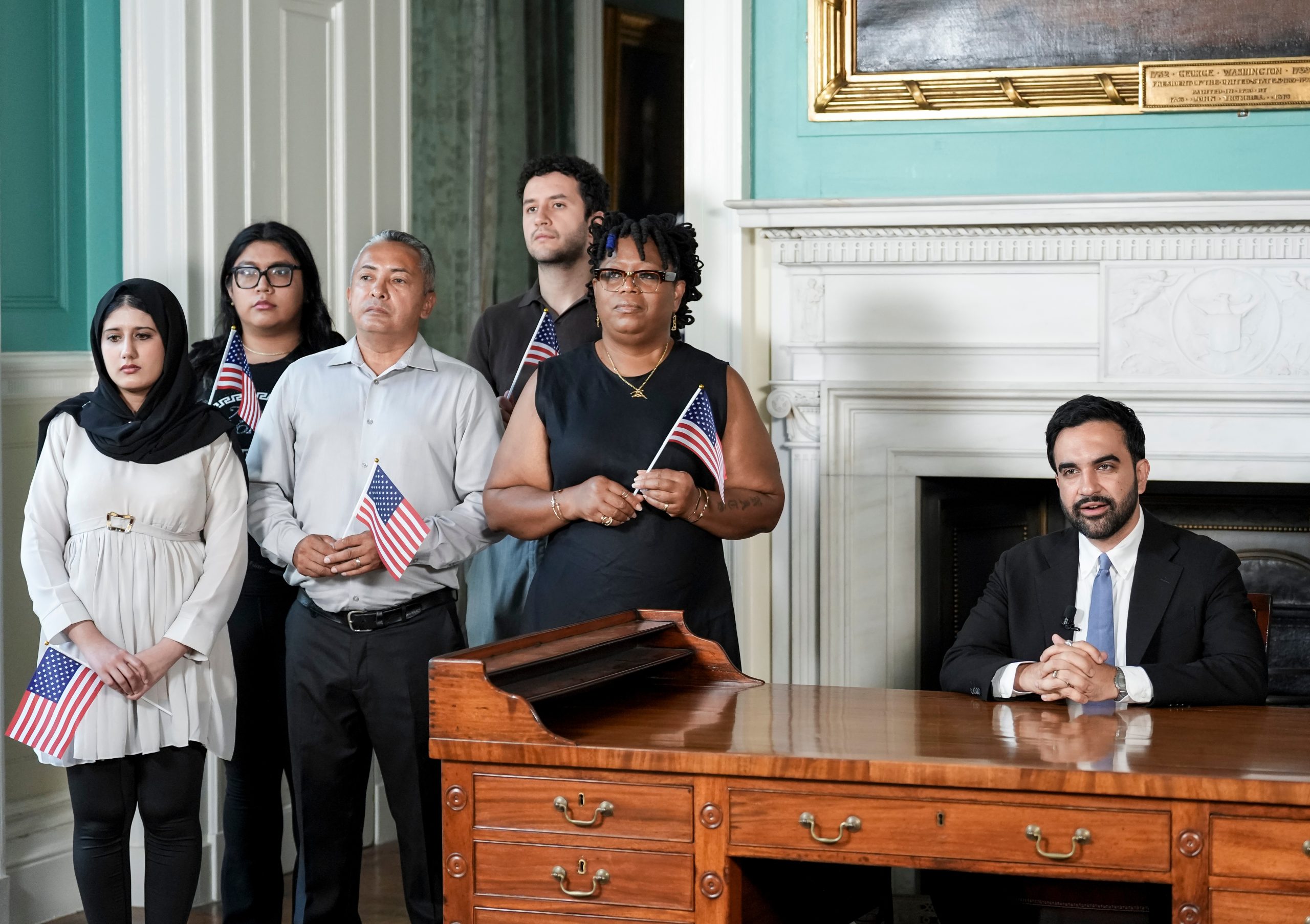
    New York City Mayor Zohran Mamdani delivers an address from George Washington’s desk, surrounded by recently naturalized citizens, to commemorate America’s 250th anniversary on Friday, July 3.Anna Connors

    New York has not backed down. Mayor Zohran Mamdani has been unambiguous, calling ICE’s presence an attempt “to divide us” and noting that six U.S. men’s national team players are themselves immigrants. His administration has restricted New York Police Department cooperation with ICE, barred federal agents from city property without a judicial warrant, and has completed and published a citywide audit of every city agency’s dealings with federal immigration authorities — a level of transparency and follow-through most sanctuary cities never attempt.

    That kind of institutional courage carries a cost, and I know exactly what it can look like up close. As an immigrant rights advocate in the weeks after 9/11, I saw this play out in my Brooklyn backyard on Coney Island Avenue, where thousands of Muslims were rounded up and detained and/or deported under the Bush administration. Washington is running the same playbook now, just at a much larger scale: manufacture a threat, attach it to an immigrant identity, and let the political pressure do the rest.

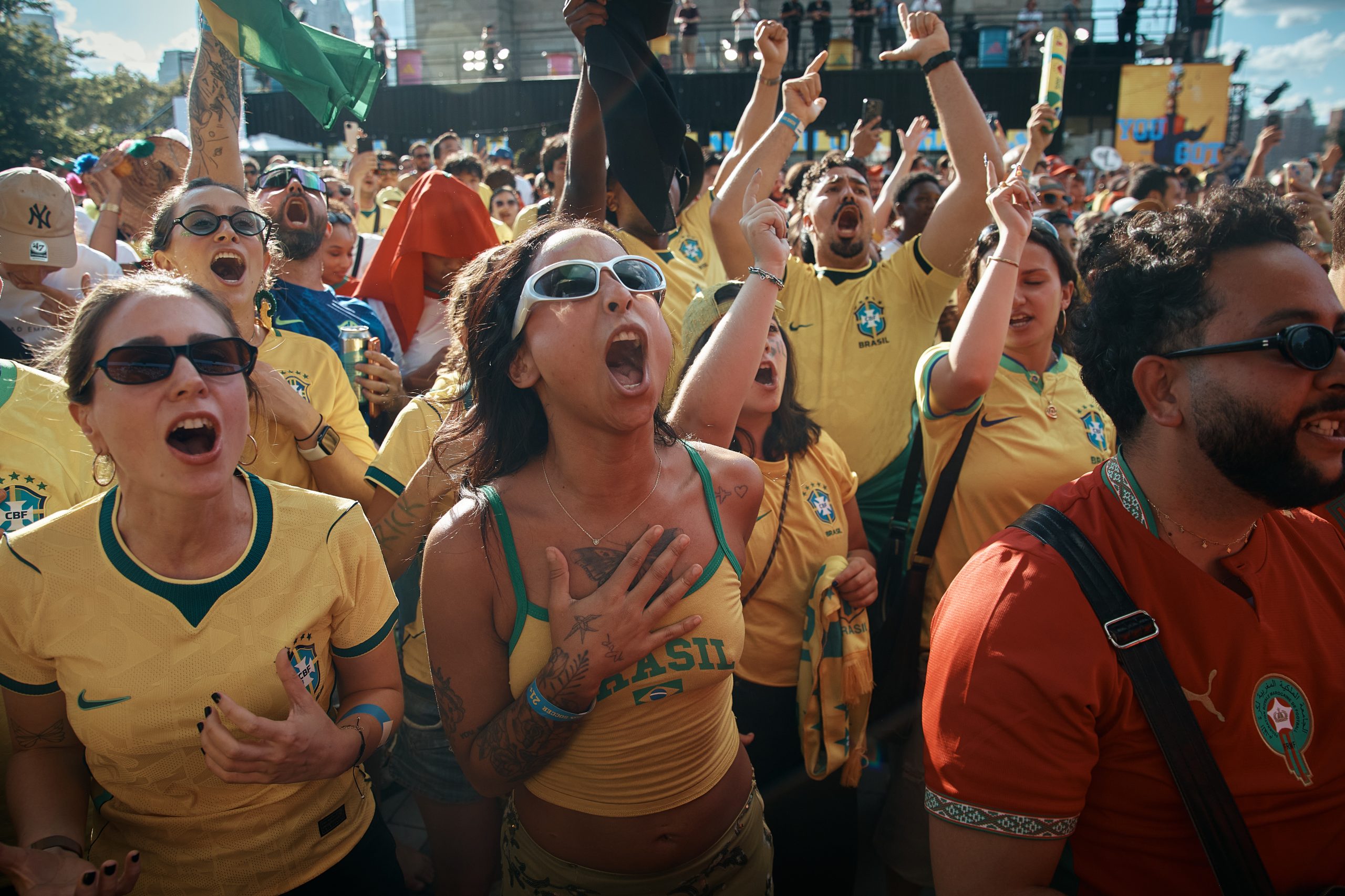
    Brazil fans sing while watching the FIFA World Cup Group C match between Brazil and Morocco during a public watch party in New York’s Central Park on June 13.Andres Kudacki

    That escalation doesn’t stop with the final whistle. Los Angeles hosts the Olympics in 2028, and Washington’s willingness to weaponize federal enforcement against a host city sets a precedent every future host will have to reckon with. Agents visibly stationed near Sunday’s Central Park watch party would send an unmistakable message about how far this administration is willing to go to undermine New York’s resolve in full view of the world.

    New York’s sanctuary protections are real, and Mamdani has been consistent in defending them. Washington’s decision to turn a global celebration into a show of federal force against a city that has broken no law — a city that has only declined to do the federal government’s job for it — is the actual failure here. Call it what it is: retaliation, staged for an audience of billions. All eyes are on New York again — this time, waiting to see what Washington does next.

    Debbie Almontaser is a Yemeni American educator with 25 years’ experience teaching in New York City public schools. She is a published author and motivational speaker, spending two decades advocating for Muslim and immigrant communities in New York. She is also the founding principal of NYC’s Khalil Gibran International Academy and CEO of Bridging Cultures Group.

  • ‘I’m proud of the city that I’m from’: Kurt Vile on why his new album is called ‘Philadelphia’s Been Good To Me’

    ‘I’m proud of the city that I’m from’: Kurt Vile on why his new album is called ‘Philadelphia’s Been Good To Me’

    Kurt Vile’s love of Philly — and Philadelphia’s affection for Kurt Vile — has never been in question.

    For the cover of Constant Hitmaker, the 2008 album that announced his arrival, Vile posed in front of a blown out wall “that looks like a Rauschenberg painting” at the corner of Frankford and Norris, he recalls. “That stuff’s beautiful, you know?”

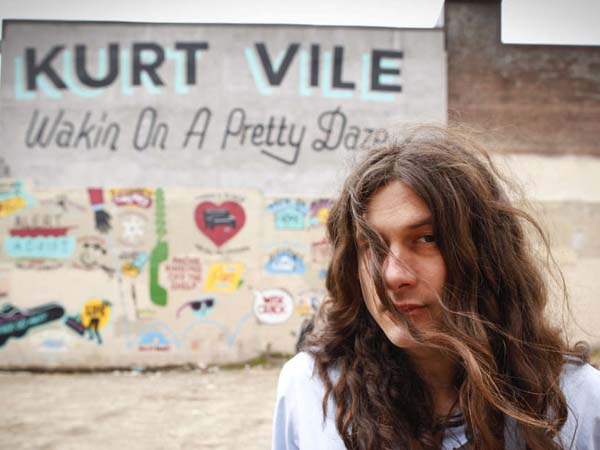
    Since 2012, a Steve “ESPO” Powers mural that doubles as the cover for Vile’s 2013 album Wakin On A Pretty Daze has adorned a wall at Front and Master Streets in Northern Liberties, visible to travelers headed north on the Market-Frankford El.

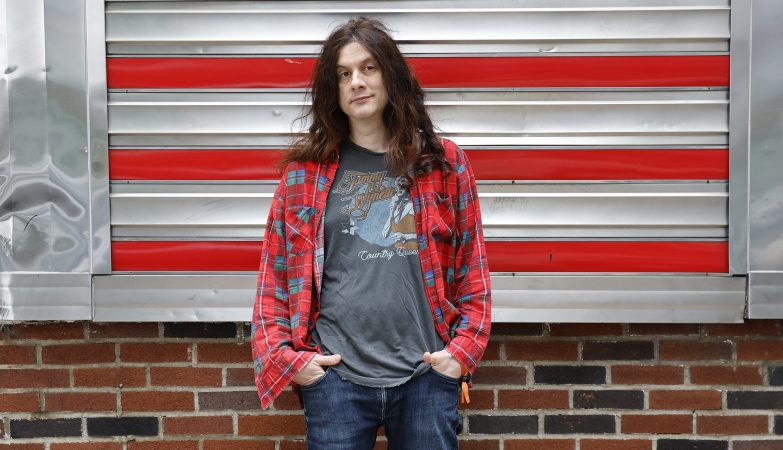
    With his signature mane and quizzical expression, Vile, who grew up in Lansdowne in Delaware County, has been the face of Philly’s reign as the capital city of 21st century indie rock.

    Kurt Vile stands in front of a mural by Steve “ESPO” Powers on March 27, 2013. Michael S. Wirtz / Staff Photographer

    The city is embedded in Vile’s music at every turn, from the “I park for free!” boast on the 2018 song “Loading Zones” to the cover of 2022’s Watch My Moves, which pictures the Dad rock king wearing a crocodile mask in Wissahickon Valley Park, flanked by daughters Awilda and Delphine.

    But Vile has never repped his hometown so hard as on his new album, Philadelphia’s Been Good To Me, released in May. It includes shout-outs to Lincoln Drive, the Schuylkill, and Sun Ra, and an infectious single “Chance to Bleed” that features Philadelphia gangsta rap pioneer Schoolly D in a video shot at Kung Fu Necktie.

    Philadelphia’s Been Good To Me even includes a playful taunt at two of Vile’s classic rock favorites who dared to record songs with the word Philadelphia in the title.

    “A couple of my heroes wrote a song,” Vile talk-sings in “You Don’t Know Cuz It’s My Life.” “But that ain’t where they’re from, so hey you don’t know / But I still love you, Neil and the Boss.”

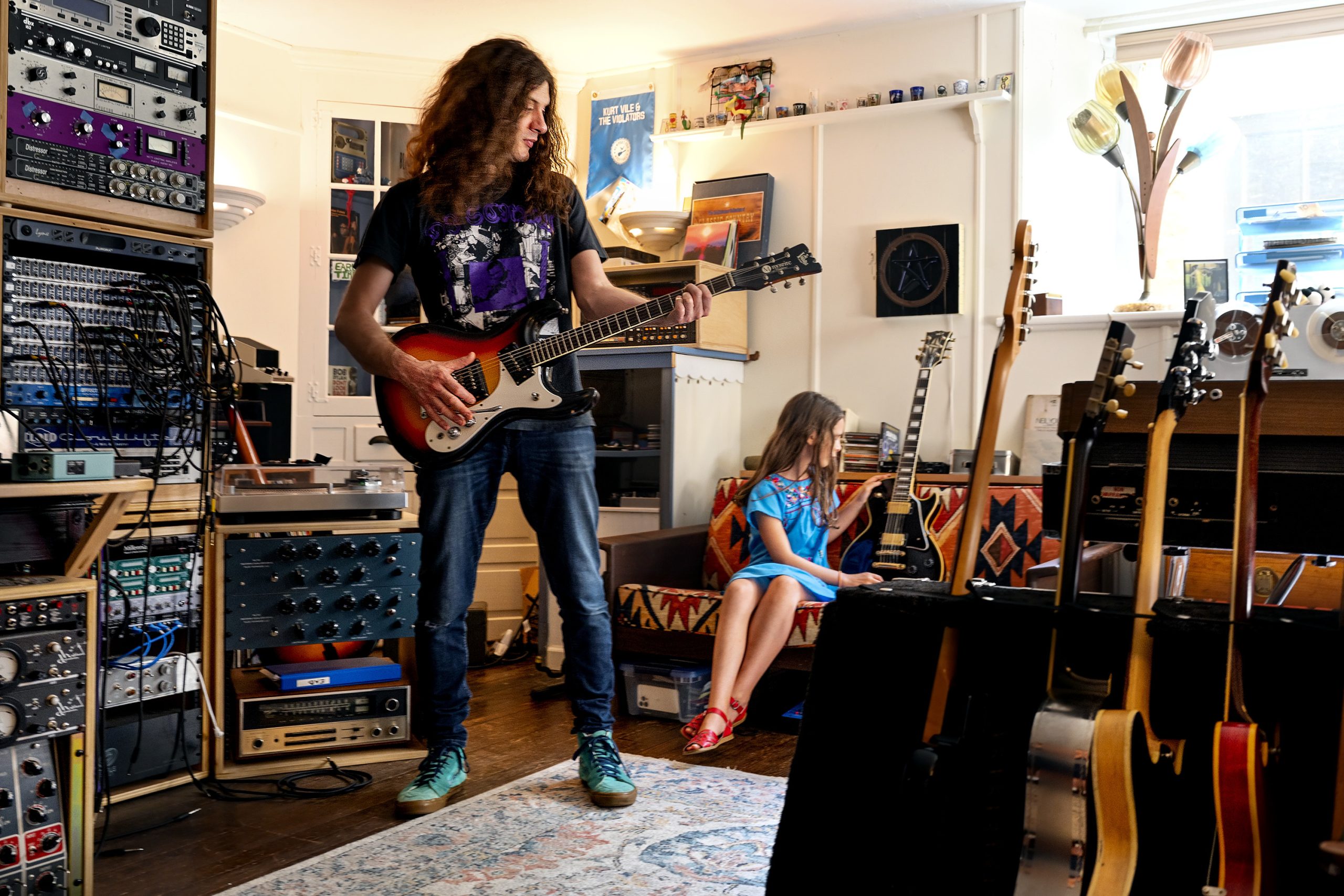
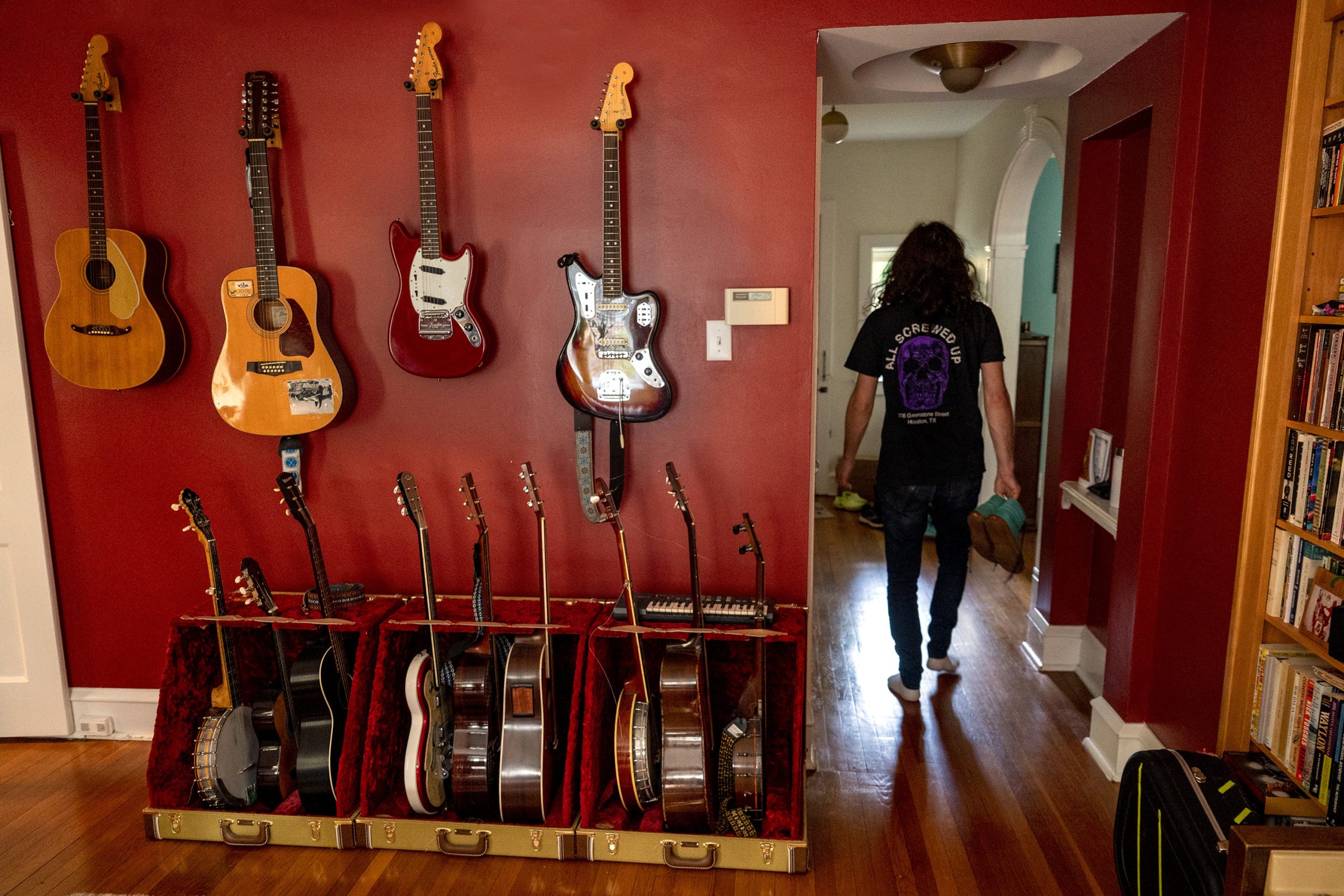
    Working in the wee hours in his basement OKV studio — which stands for “Overnight Kurt Vile” — in his fieldstone house in Mount Airy, Vile recalls, “I was singing along to this keyboard track I had laid down, and that thought came to me.”

    Kurt Vile in his basement studio at his home in Mount Airy June 13, 2022, with his daughter Delphine.Tom Gralish / Staff Photographer

    Vile, who had (legally) parked his Prius in a nearby loading zone, was talking at the Silk City Diner on the Sunday night of Memorial Day weekend where he would realize a long-held ambition: sitting in with centenarian saxophonist Marshall Allen and members of the Sun Ra Arkestra.

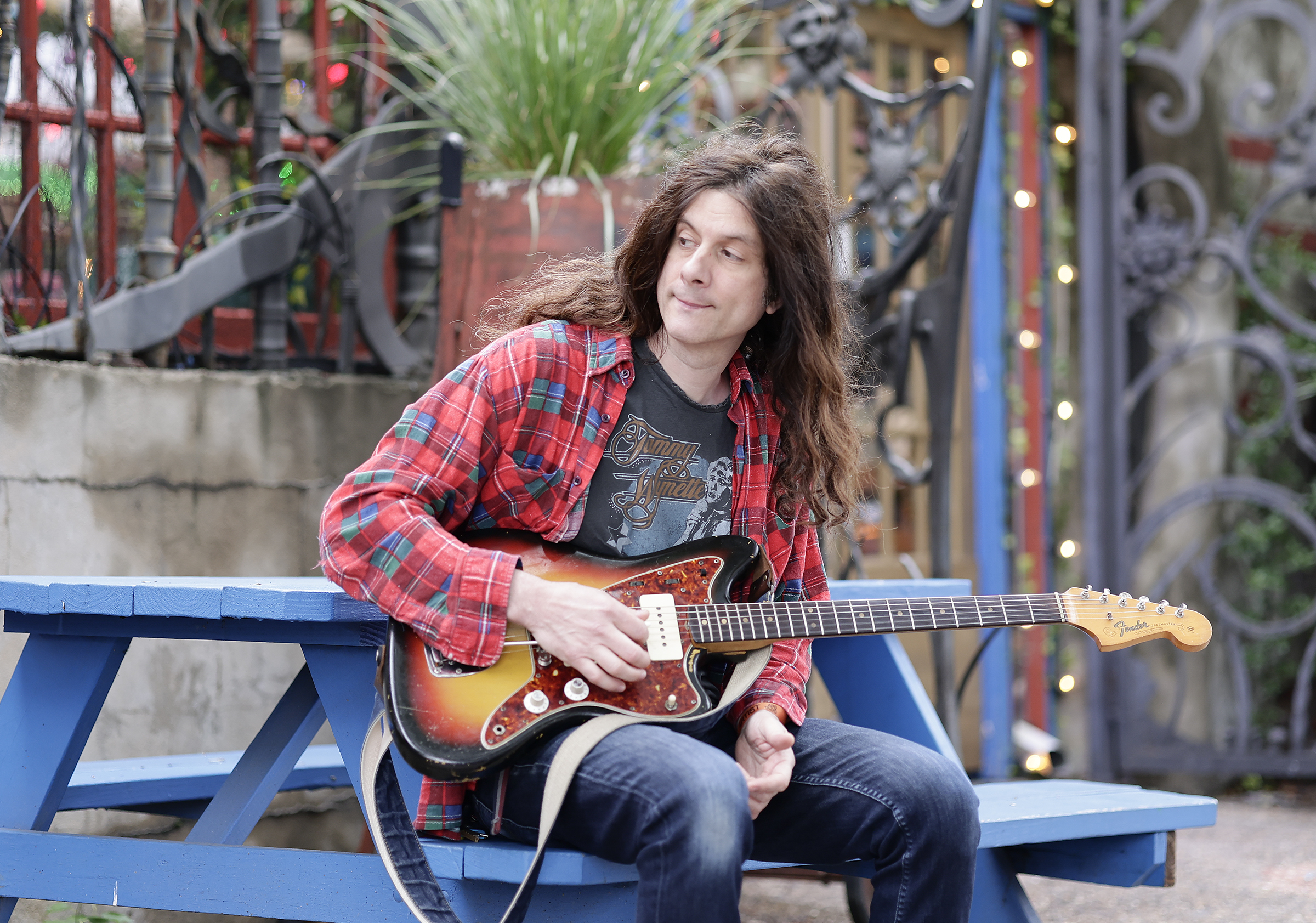
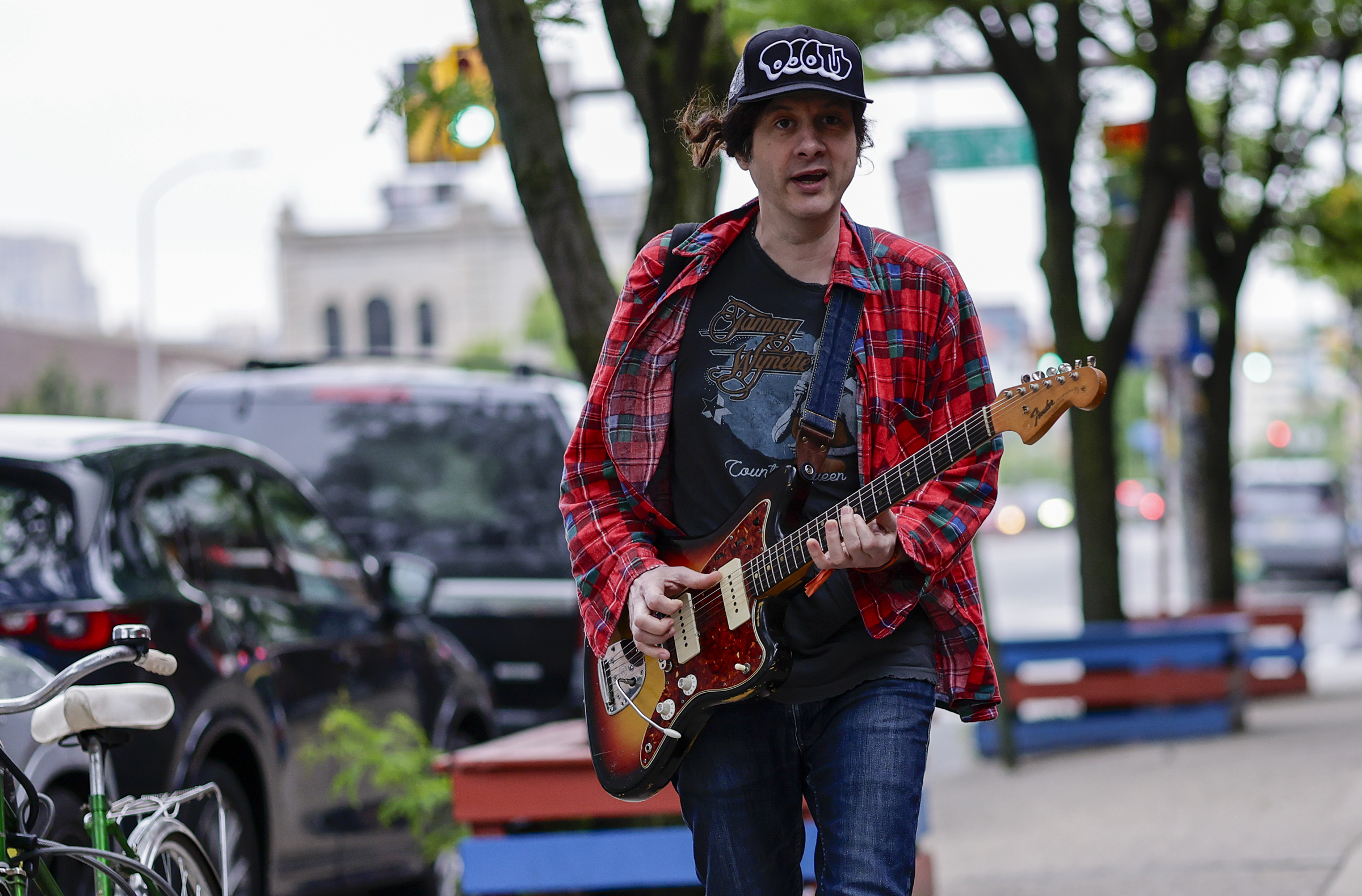
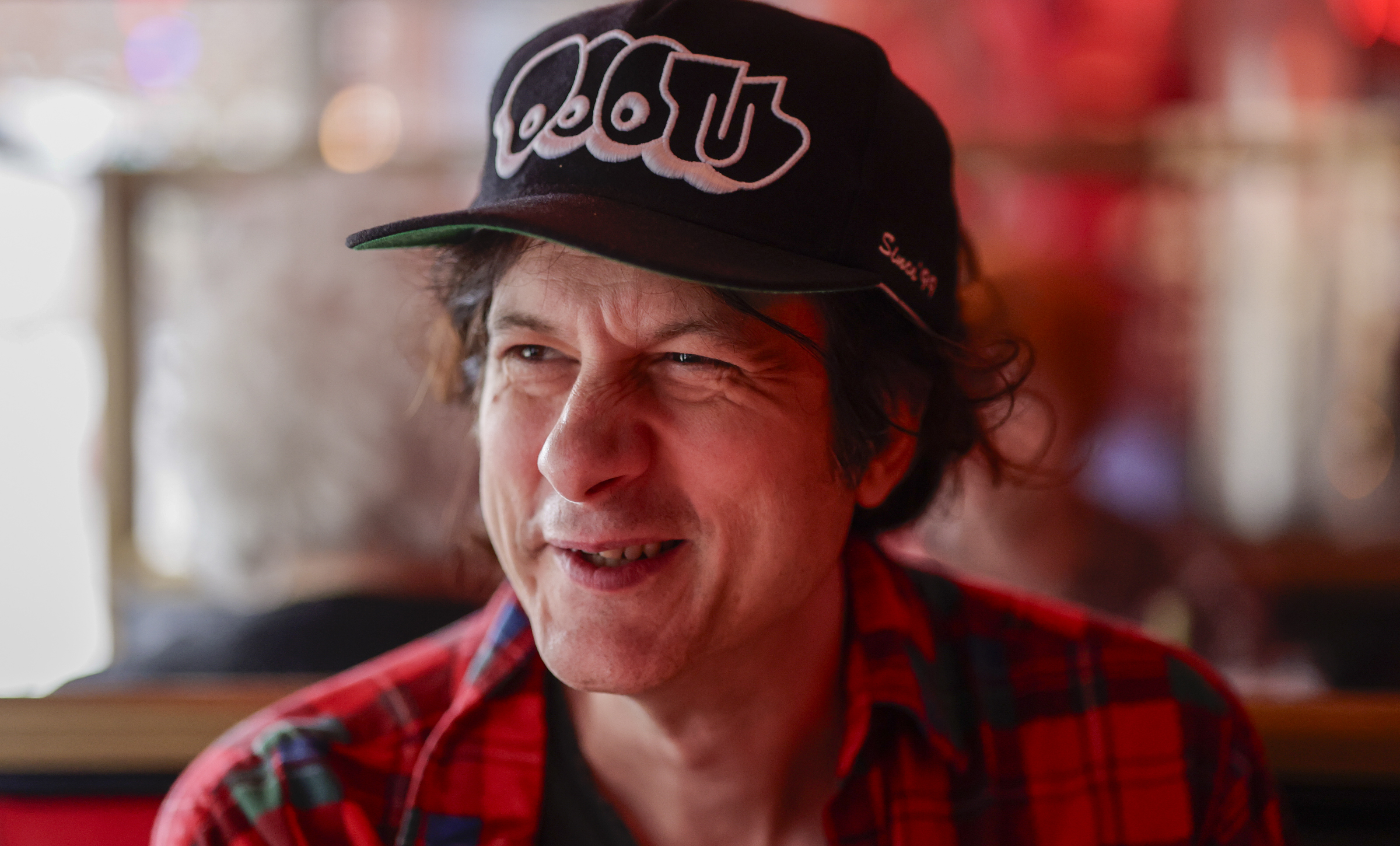
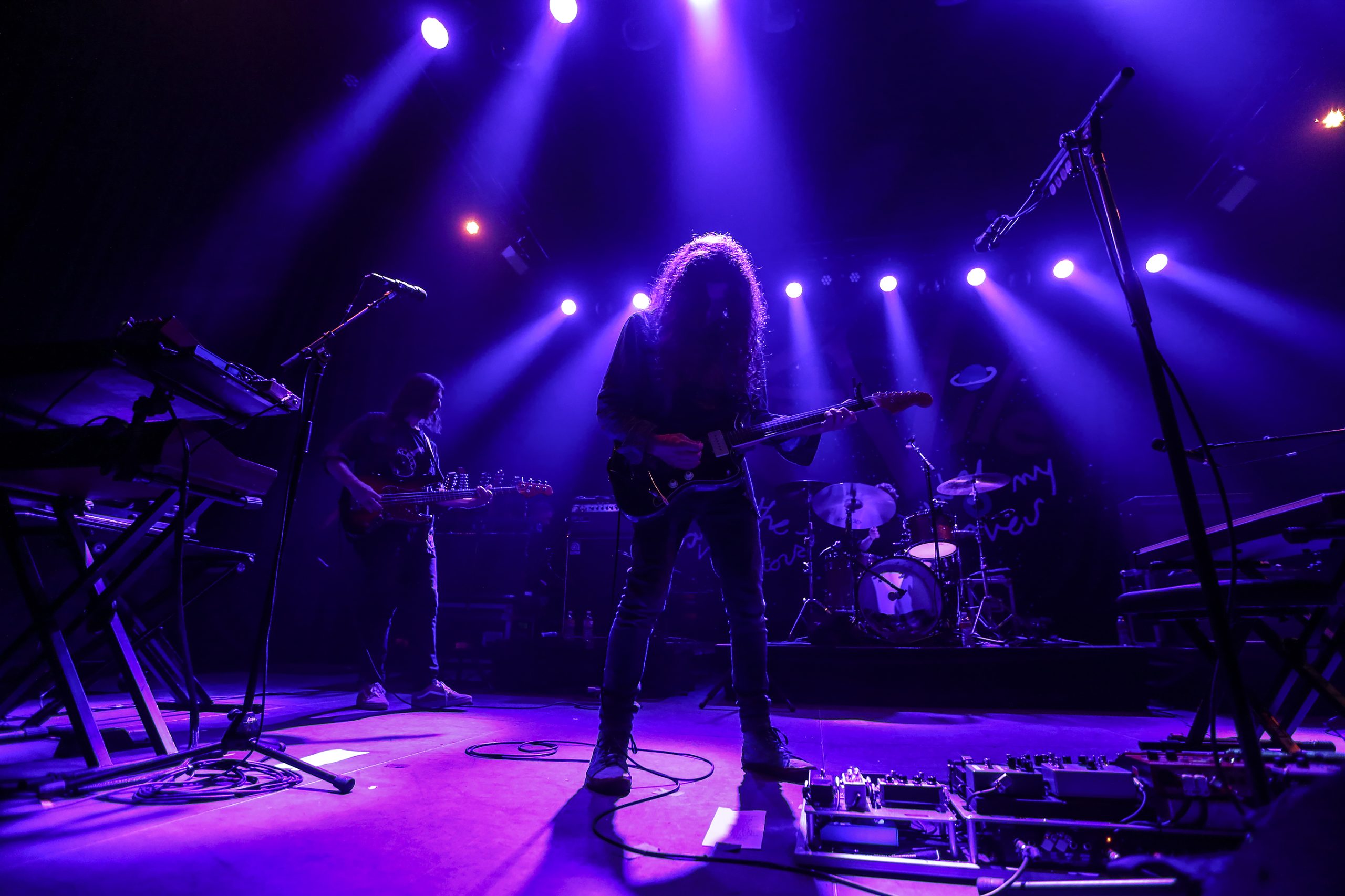
    Vile — who was wearing a Tammy Wynette T-shirt and MF Doom trucker’s hat, with his 1965 Fender Jazzmaster Sunburst in the booth beside him (without a case) — explained his unique position in Philadelphia music history while dining on an Impossible Burger and Korean fried cauliflower.

    “Springsteen wrote the song ‘Streets of Philadelphia’ and Neil wrote ‘Philadelphia,’ and they’re both on the soundtrack to Philadelphia, right?” he says, referring to Jonathan Demme’s 1993 AIDS drama.

    “I get where they’re coming from, but it’s still an assignment. They’re singing about a city they don’t know that well. I’m proud of the city that I’m from, and I’m also lucky that I’m from here.

    “It’s like my friend Mary Lattimore, who plays the harp.” (And has given lessons to Vile’s daughters, who also both play guitar.) “She’s not from Philly, but she lived here forever, so it feels like home to her, even though she’s in LA now.”

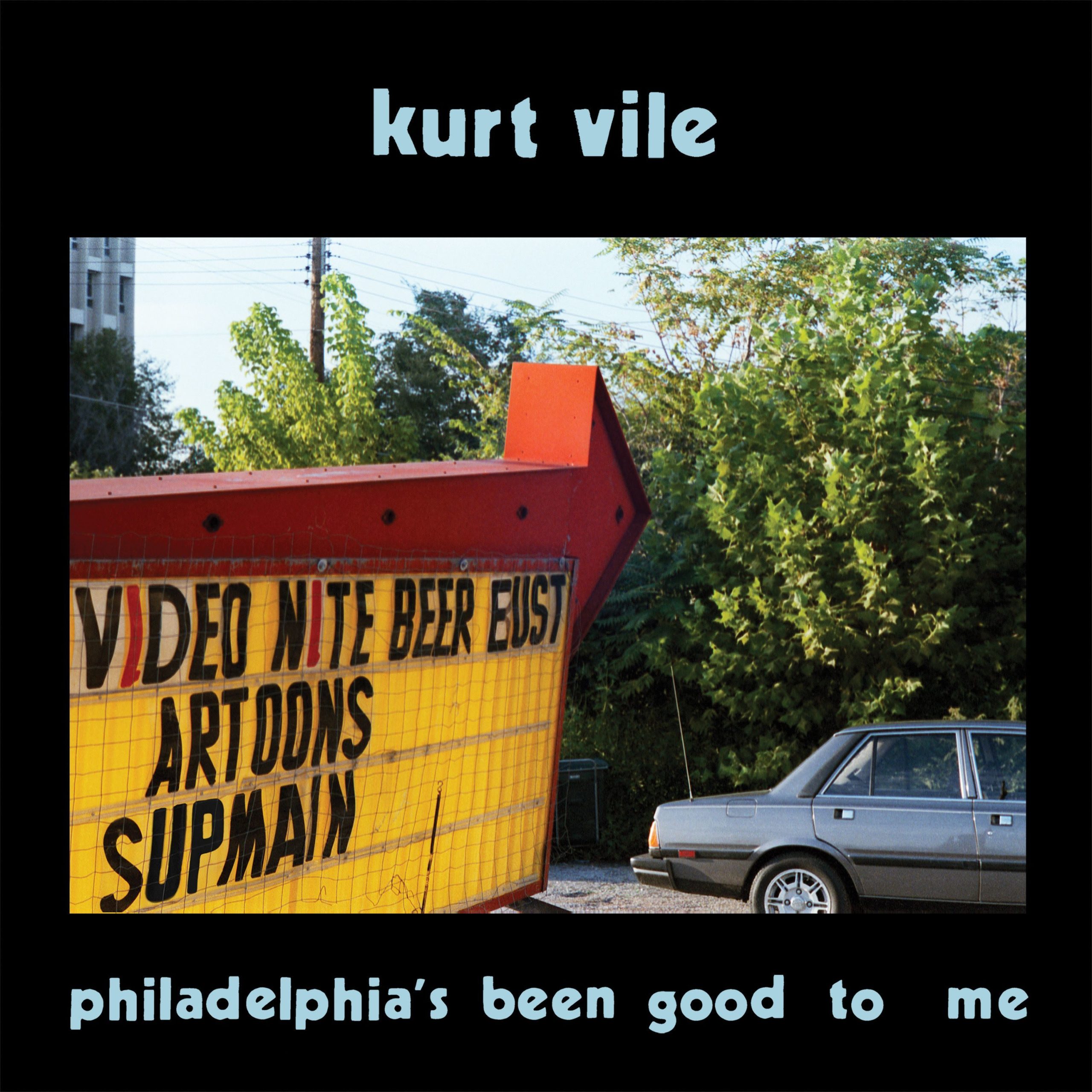
    The album cover of Kurt Vile’s ‘Philadelphia’s Been Good To Me,’ which features a photo by Memphis photographer William Eggleston.Verve

    Adam Granduciel of the War on Drugs, with whom Vile frequently teamed up when both were aspiring artists in the 2000s, also grew up elsewhere and now lives in Los Angeles.

    “They’re two of my oldest friends that were in the Philly scene forever, but they don’t have the extended history that I do.”

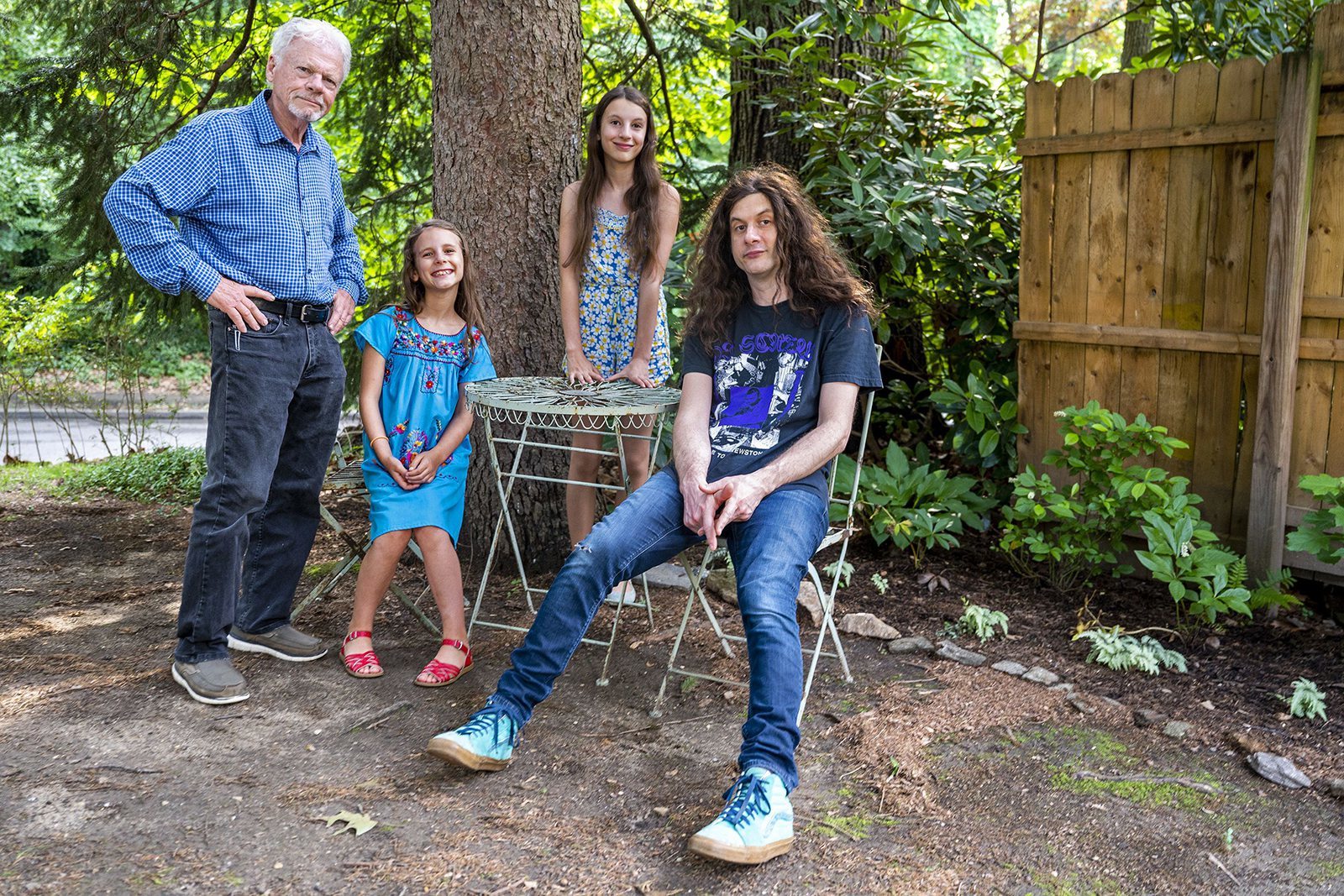
    Kurt Vile with his father, Charlie, and his daughters Delphine (left) and Awilda, who posed with him on the cover of his latest album, at his home in Mount Airy on June 13, 2022.Tom Gralish / Staff Photographer

    The Philly fixture

    Vile — who is the oldest boy among the 10 children of his SEPTA train operator father Charlie and stay-at-home mother Donna — is Philly-area born and bred.

    “I’m the OG,” he says. “That’s what I’m proud about. It’s like Questlove, or something,” though for all the Philly repping the Roots drummer does, he doesn’t live here either.

    Vile, by contrast, is a Philadelphia fixture. When artists like country rebel Margo Price, Australian rocker Courtney Barnett, and North African desert blues band Tinariwen have come to town, there was one way to know for sure they were in Philadelphia: Kurt Vile was standing next to them onstage.

    In 2024, MJ Lenderman covered Warren Zevon’s “Werewolves of London” at Union Transfer and paid homage with an altered lyric: “I saw Kurt Vile walkin’ in a pretty haze / His hair was perfect!”

    Vile plays the Dell Music Center with his band the Violators on July 25 as part of Connor Barwin’s Make The World Better Concert Weekend. He played Barwin’s first MTWB Foundation benefit in 2014, which raised money to build playgrounds and rec centers throughout the city.

    “I don’t follow football and I didn’t know who he was,” Vile says, recalling meeting Barwin at a show. “He walked in and he looked amazing. He was so tall, like a [expletive] Eagle. He was just a genuine fan. I love reconnecting with Connor and watching him do his thing.”

    Vile’s July 25 show is the second of two MTWB nights at the Dell. The first-night headliners are 1990s alt-rock heroes Pavement.

    “Pavement was my gateway drug to indie rock,” Vile says. “Stephen Malkmus was my hero. I got my first job as a busboy at the Blue Comet on Baltimore Pike and I would spend all my money on Pavement CDs.”

    Now, Vile is friends with Malkmus, and was stoked when he found out they were both playing the MTWB weekend — until he realized that he has a gig in Boston the night Pavement is playing. “I’m missing Pavement by a day,” he says. “Which I’m not happy about.”

    Vile, 46, has spent his entire life living in the Philly area, save for 2002-03 when he followed his wife Suzanne Lang to Boston while she got a master’s degree at Emerson College.

    Philly alt-rock star Kurt Vile outside the Silk City Diner on Sunday, May 24, 2026 in Philadelphia.Yong Kim / Staff Photographer

    He worked as a forklift operator for an air freight company. “The most ball bustin’ blue-collar job there is,” he says. Before he mastered the machinery, “I got made fun of a lot my first year. But then I got really good at it.”

    Returning to Philly and moving to Northern Liberties, he went to work for Philadelphia Brewing Company, where he was hired by future pizza sensei Joe Beddia who was roommates with Granduciel. “They were all blown away by my forklift skills,” recalls Vile. “And that’s how I met Adam.”

    At PBC, Vile met Jack Rose, the late Philadelphia guitarist who, like Vile, was a fan of influential American Primitive guitarist John Fahey.

    Asked to name his top five Philadelphia artists, Vile starts with Rose. He then adds Purling Hiss guitarist Mike Polizze, and psychedelic folk singer Meg Baird, Petty Bunco label head and singer Richie Charles, along with Schoolly D.

    “Is that five?” It is, but Vile has a couple more: Marshall Allen-slash-Sun Ra, and rockin’ country band Florry. “They’re so fun and excitable and young,” Vile says.

    Kurt Vile in the music room in his home in Mt. Airy June 13, 2022 (this is not the basement studio)TOM GRALISH / Staff Photographer

    ‘Mount Airy really saved my life’

    Vile moved to Mount Airy with Lang and Awilda and Delphine — who are now 16 and 13 — in 2016. “I need a driveway,” he said at the time.

    “I love Mount Airy and Germantown,” he says. “There’s still so much old-school Philly in Germantown. And Mount Airy really saved my life. I love that there’s forest, and I have room to think.

    Kurt Vile at his home in Mount Airy June 13, 2022, with his daughters Awilda (left) and Delphine, who posed with him on the cover of his latest album.Tom Gralish / Staff Photographer

    “But I can still go to the city any time, and it’s so quick,” driving his Prius down Lincoln and Kelly Drives. “You go in through the Art Museum, and it’s a classy way to go in, you know?”

    Over 10 albums, Vile has continued to develop a raw, unhurried signature sound. He often seems to be talking to himself in a bemused drawl over patient jams that turn out to be transfixing.

    What country star Keith Urban once said of Vile’s 2015 hit “Pretty Pimpin’” in naming it as one of five songs he wished he’d written applies to Vile’s songwriting in general: “I don’t know how he wrote it, but it sounds like pure stream of consciousness.”

    Philly alt-rock star Kurt Vile walking outside the Silk City Diner on Sunday, May 24, 2026 in Philadelphia.Yong Kim / Staff Photographer

    ‘Philadelphia’s Been Good To Me’

    On Philadelphia’s Been Good To Me — whose cover features a photo by Memphis photographer William Eggleston — that deft, uncanny approach is evident on tracks like “99th Song,” an ode to a loop pedal that turns out to be a paean to domestic bliss.

    “Stoned on music, well, the best kind of high,” he sings. “Got love in my life, and three girls by my side.” Later, the album includes a more straightforward love song: “Every Time I Look At You,” which begins: “Every time I look at you, sparks fly from my eyes.”

    At Allen’s birthday party, Vile took a seat next to guitarist DM Hotep at the rear of the stage. “I was playing spacey, bendy Sonic Youth-hybrid leads,” he said afterward. “I felt really calm up there.”

    A few days after that party, Vile celebrated the release of Philadelphia’s Been Good To Me at the Triangle Tavern in South Philly, where 200-plus fans lined up to purchase the album and receive a free vegan cheesesteak as a bonus.

    Vile headed out with the Violators in June, and checked in before a sold-out show at San Francisco’s Castro Theatre this month.

    “I’m a little discombobulated today,” he says, ordering a late afternoon large coffee and glazed doughnut. “It was a late night.”

    The night before, Vile enjoyed a day off at Festa, a beloved San Fran karaoke bar closing this year he wanted to visit one last time. “I’m shy at first, but then everybody sings and I get up, too.” His go-to is “Stand Back” by Stevie Nicks.

    The tour, Vile says, “is going good, man.” This trek has made him rethink the streaming era. He’s a fan of physical media, and feels “the past was more simple and honest.”

    Philly alt-rock star Kurt Vile at the Silk City Diner on Sunday, May 24, 2026 in Philadelphia. Yong Kim / Staff Photographer

    “But now the way people can consume your catalog from streaming, the younger people can binge my catalog like Netflix, and I can tell that they know all of my music. I just feel that people are connected.

    “This is my 10th record, and I’ve accumulated all these songs that have emotional qualities combined with a dreamy, pretty, hypnotic thing, and then it rocks live with my electric guitar. It just keeps evolving. The songs are simple enough, but the possibilities are endless.”

    On the bus, Vile has been keeping Philly — and Delco — close to his heart.

    Kurt Vile in concert at the Union Transfer, Friday, June 3, 2022Steven M. Falk / Staff Photographer

    “I’m watching Mare of Easttown,” he says. “I never saw it, and now I’m obsessed, just watching all the Delaware County locations and hearing Kate Winslet say a sentence half-Delco, half-British.” He slips into a Winslet impression: “I’m hoping for an an-swer,” and chuckles to himself.

    “But it’s my favorite show in a long time,” says Vile, who has Task cued up next. “And it’s got Mannequin Pussy in it. Does the director not know who I am?” he wonders. “I guess I’ve got to get in touch.”

    “The timing is interesting, ‘cause I’ve been spending a lot of time in Delco lately,” says Vile, who’s been hanging with his parents and recently dropped in at his old haunt Paul Revere Pizza in Lansdowne. “Now I’m traveling, and I’m touring my Philly record, and I’m loving it. I’m loving being somewhere else and not in Philly every night. But I’m watching Mare of Easttown. And I know I’m gonna love it when I come home.”


    Kurt Vile & the Violators with They Are Gutting A Body of Water and Twisted Teens at the Dell Music Center, 2400 Strawberry Mansion Dr. at 7:30 p.m. July 25th, dellmusiccenter.com.

  • See it, hear it, feel it: All the Philly art we loved this week

    See it, hear it, feel it: All the Philly art we loved this week

    A different kind of bookstore opens on Pine St.

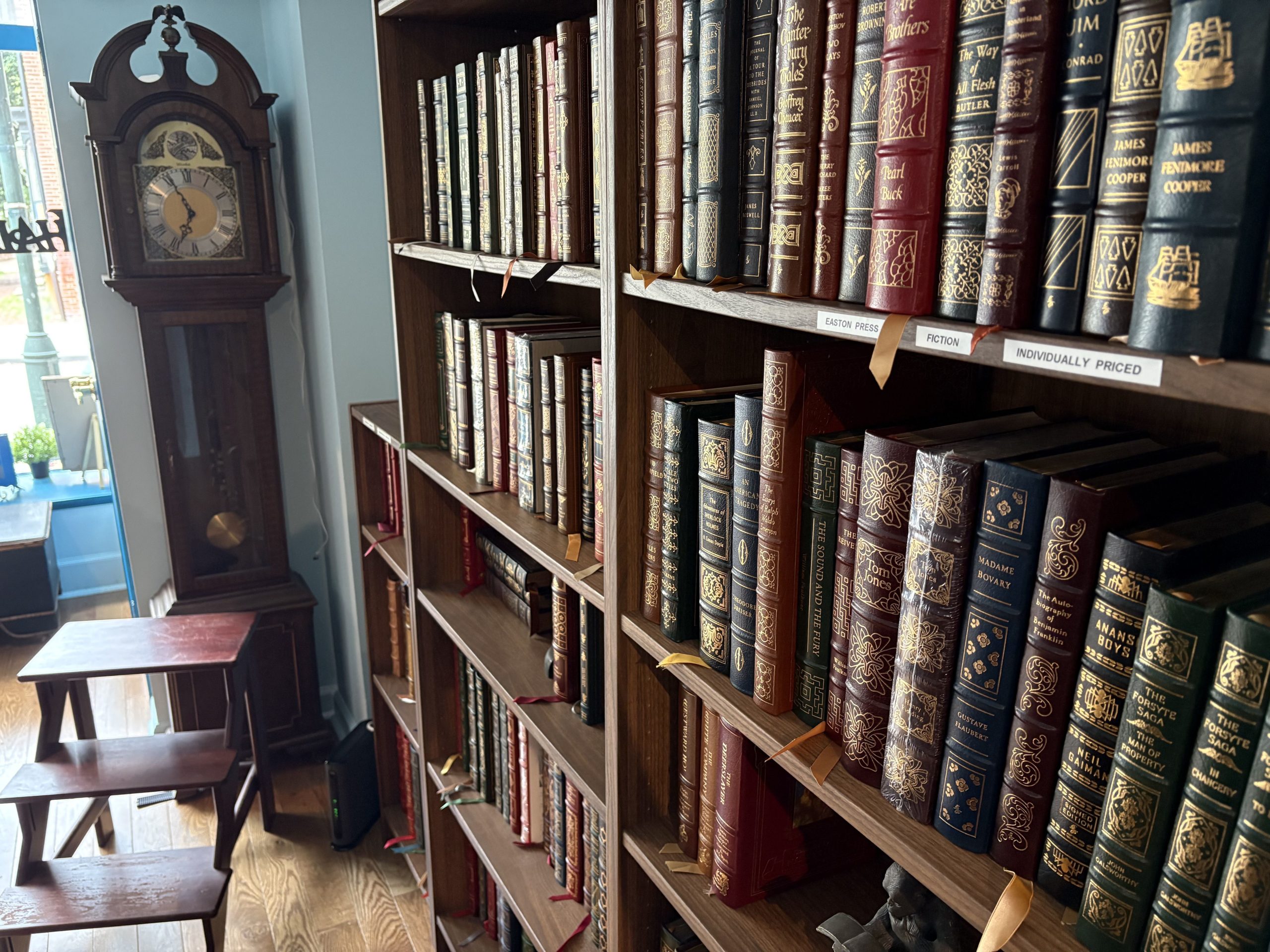
    It looks like the antiquarian bookstore of your dreams: a cozy corner storefront, the shelves lined with leather-bound and gilt-edged books. A poetic name is painted on the front window in retro gold letters: Whales & Windmills.

    But this new shop in the 1200 block of Pine Street isn’t quite what it seems. The books are old, and surely beautiful. Owner Yaoguang Jiang, however, was aiming for something more specific when she opened the doors in May.

    While the volumes in the front room look decidedly 19th century, many in fact are reprints from the middle or late 20th century — books like The Scarlet Letter or The Great Gatsby in handsome Franklin Library editions, or an Easton Press reprint of The Canterbury Tales.

    Inside of Whales & Windmills, the bookstore at 1220 Pine St.Peter Dobrin

    “What I’m really trying to be is something between a rare bookstore and a used bookstore,” says Jiang.

    Antiquarian book dealers may charge hundreds or thousands of dollars for first or early editions of certain titles. But these later editions at Whales & Windmills, while often beautifully bound and embellished with illustrations, might go for $15 to $30 (sometimes more, sometimes less).

    “I don’t want to sell super-rare books because it’s counter to my purpose, which is to get people to read books,” says Jiang, a former Penn neuroscience research associate.

    Among the many authors currently represented in the shop’s fancy-binding front room are John Galsworthy, James Fenimore Cooper, Pearl Buck, and Louisa May Alcott.

    In another room there are traditional used-bookstore paperbacks and hardcovers by Alice Munro, Jane Austen, Saul Bellow, and many others, some for $2 or $3 each.

    “We want to be on the one hand curative, selective, but on the other hand approachable. So we want books that are pretty and have another 50 years of shelf life, but not cost-prohibitive,” says Jiang.

    Her own favorites?

    “Shakespeare is pretty high on the list.”

    On her Instagram, she admits to an N. C. Wyeth obsession.

    About the bookstore’s name, Jiang says the idea came from a joke her husband made involving Moby-Dick and Don Quixote.

    “In the beginning when I started the online business and had zero followers, those were the only two books I could reliably sell.”

    The name Whales & Windmills carries another kind of literary resonance.

    “It’s in the theme of Pride and Prejudice, Sense and Sensibility — but whimsical.”

    It sends the message that the shop deals in classic literature, “but we don’t take ourselves too seriously.”

    Whales & Windmills, 1220 Pine St., is open Friday through Monday, 11 a.m. to 7 p.m. instagram.com/whalesandwindmills

    — Peter Dobrin

    An artifact from a little known colonial-era massacre

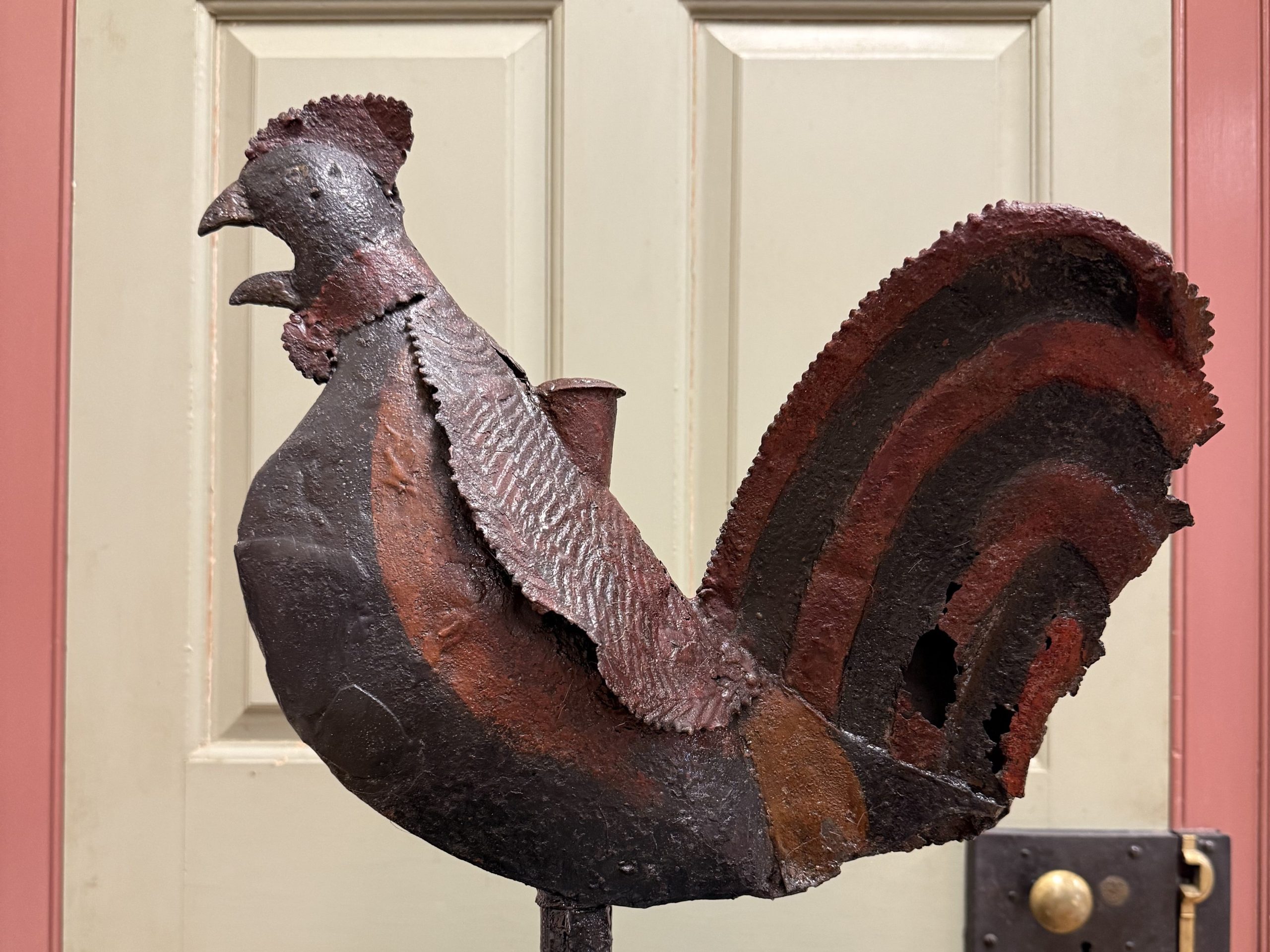
    A centuries-old rooster-shaped weather vane greets visitors at the Historic Germantown Visitor Center’s new rotating exhibit, “Rebellion and Remembrance in Freedom’s Backyard.” Its metallic feathers are worn from age. Just below the bird’s comb is a scratch that Historic Germantown’s executive director Tuomi Forrest surmises has been repaired.

    It’s how the scratch came to be that I find chilling.

    The weather vane was once on top of Germantown Presbyterian Church. It was damaged during the Paxton Boys’ Massacres in 1763 amid the turmoil of the French and Indian War. It is a part of Historic Germantown exhibit honoring America’s 250th birthday.Kaila Temple

    Historians suggest it came from rocks, stones, or perhaps even gunshots lobbed at the Germantown Reform Church on Market Square by the Paxton Boys, a violent group of revolutionaries who wanted to wipe Indigenous people from Pennsylvania.

    In December 1763, a mob of settlers from Paxtang Township, about 100 miles northwest of Philadelphia, murdered 20 unarmed Susquehannock Indians in Lancaster County. A month later, hundreds of these “Paxton Boys” marched toward Philadelphia to harass and kill more Indigenous peoples. Ben Franklin halted the march just outside of Germantown.

    The weather vane is part of a rotating exhibit examining Germantown’s place in the Revolutionary War. But it’s also a visceral reminder that when hate goes unchecked and is allowed to linger, it can be explosive.

    The Historic Germantown Visitor Center is located at 5501 Germantown Ave. “Rebellion and Remembrance in Freedom’s Backyard” runs through December.

    — Elizabeth Wellington

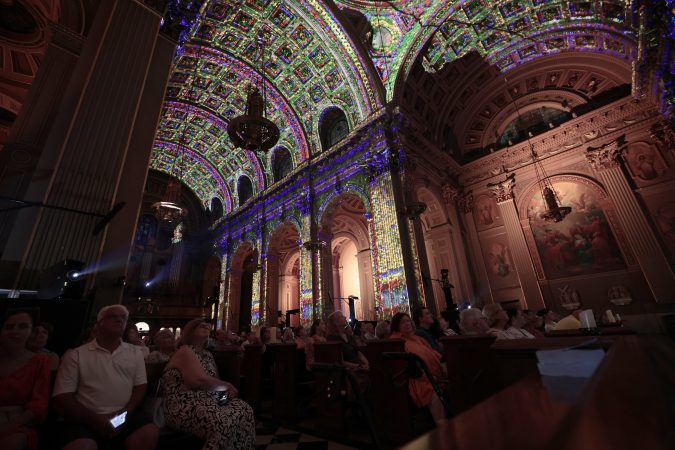
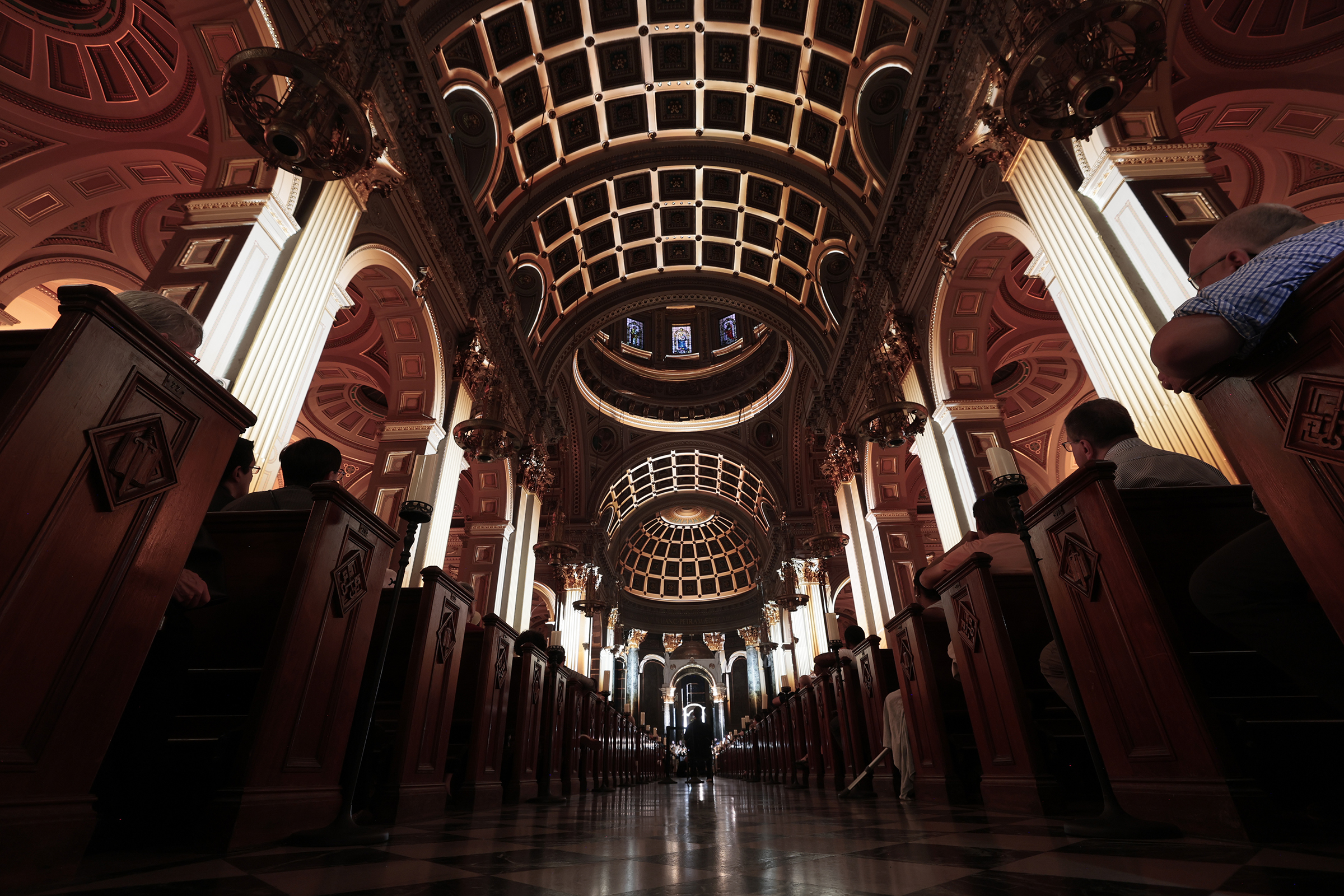
    The opening night performance of “Luminiscence Philadelphia: An Immersive Celebration of Light, Music and Story” lights up the interior of the Cathedral Basilica of SS. Peter and Paul in Philadelphia on June 11, 2026.Elizabeth Robertson / Staff Photographer

    Step inside Philly’s dazzling ‘Luminiscence’ experience

    At “Luminiscence Philadelphia,” time, history, and music converge inside the Cathedral Basilica of SS. Peter and Paul.

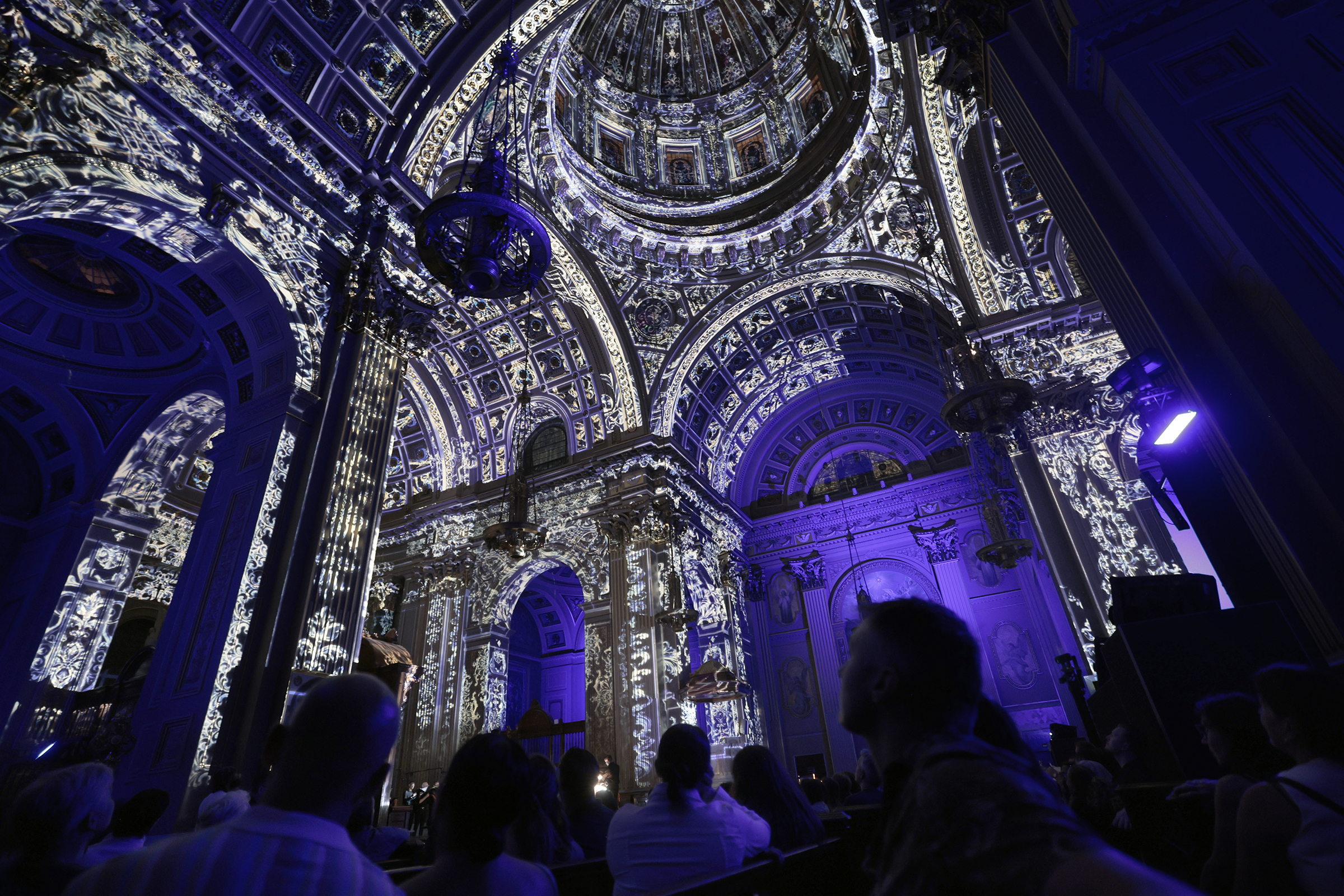
    The church’s barrel arches, Corinthian columns, and copper dome are bathed in atmospheric hues and kaleidoscope imagery. Its walls transform into a singular canvas, filled with dreamscapes that stretch from the altar to its entrance doors.

    Across the 45-minute show, produced by Banijay Americas Live, there are scenes of a glimmering palace, a starlit sky, a garden of falling blossoms, and angels resting in the heavens — all reminiscent of Italian Renaissance paintings.

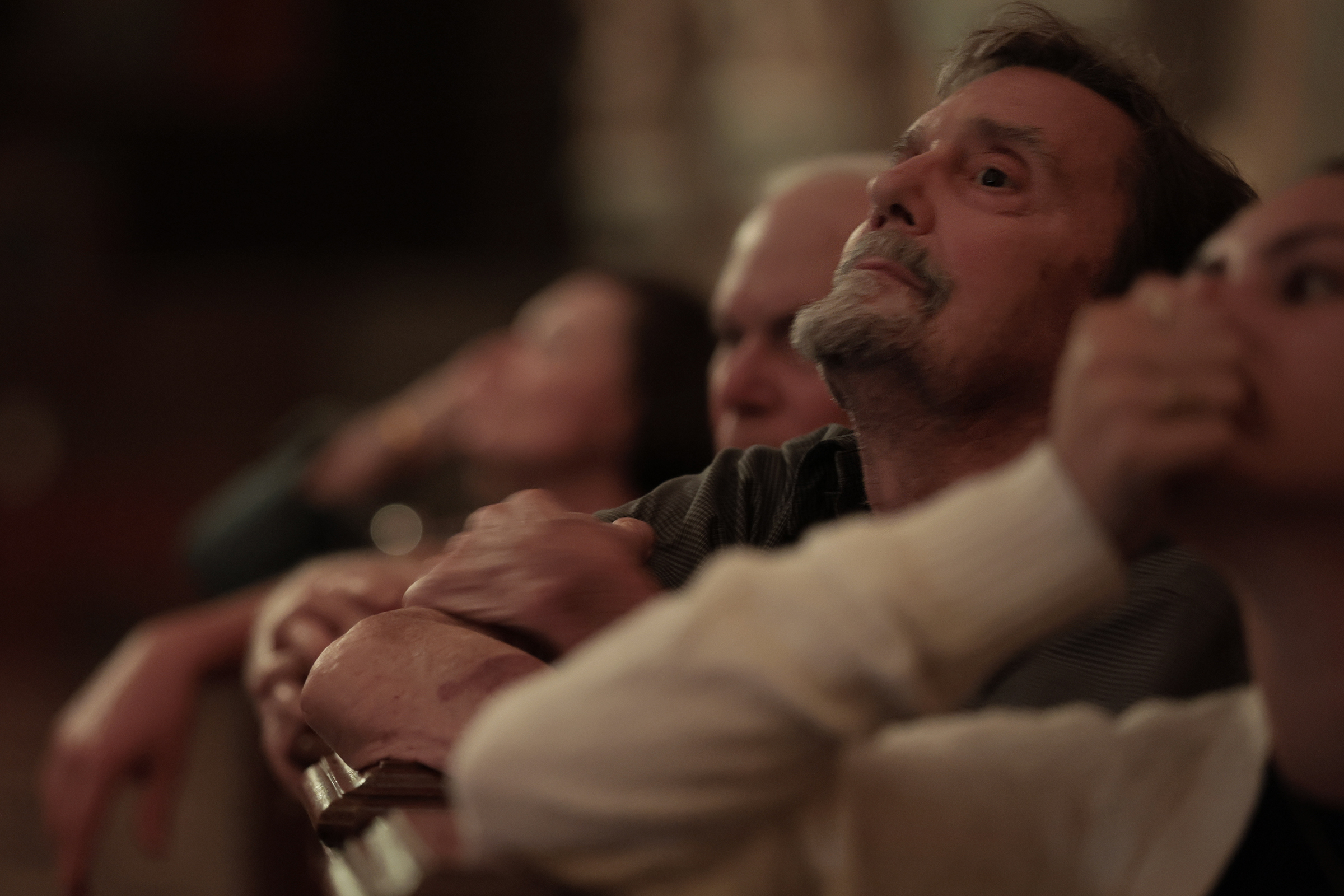
    Joseph Blanch of Havertown watches the opening night performance of “Luminiscence Philadelphia: An Immersive Celebration of Light, Music and Story” at the Cathedral Basilica of SS. Peter and Paul in Philadelphia on Thursday, June 11, 2026.Elizabeth Robertson / Staff Photographer

    Each vista is shaped by 25 high-definition projectors and 360-degree video mapping. As viewers lift their heads from the church’s pews, they are struck by a full panorama of colors, elevated by a blend of orchestral works.

    Beethoven’s “Ode to Joy” and Claude Debussy’s “The Sunken Cathedral” blare from the church’s sound system, while human silhouettes walk along the walls. Their shadowy presence adds to the show’s visual depth.

    The opening night performance of “Luminiscence Philadelphia: An Immersive Celebration of Light, Music and Story” lights up the interior of the Cathedral Basilica of SS. Peter and Paul in Philadelphia on June 11, 2026.Elizabeth Robertson / Staff Photographer

    On select nights, there are live choir and orchestra performances. Yet, even with prerecorded music, the experience is still deeply immersive. The narration, however, can be distracting. It’s difficult to make out what’s being said, other than references to the church’s formation and the nation’s 250th celebration.

    But what’s clear is Luminiscence’s allure. It’s an audio-visual experience that aims to enliven basilicas and cathedrals, with respect to their religious significance and architectural wonder. And with its unfurling inside the mother church of the Archdiocese of Philadelphia, it successfully melds these distinct worlds – the sacred and the luminary.

    “Luminiscence,” the Cathedral Basilica of SS. Peter and Paul on 1723 Race St., is open most Wednesday to Sunday nights into August. luminiscence.com/philadelphia

    — Earl Hopkins

    What is the true value of a dollar?

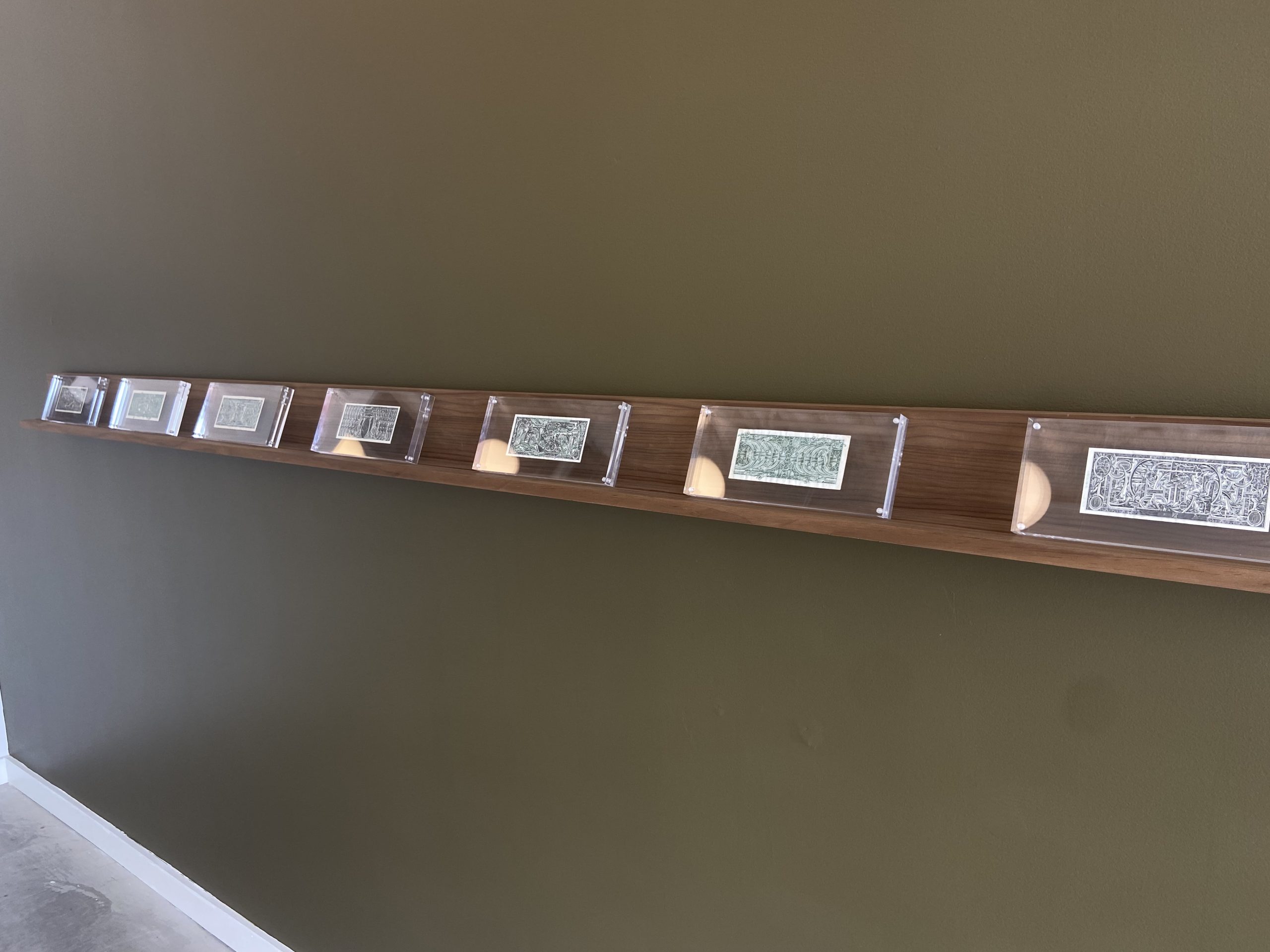
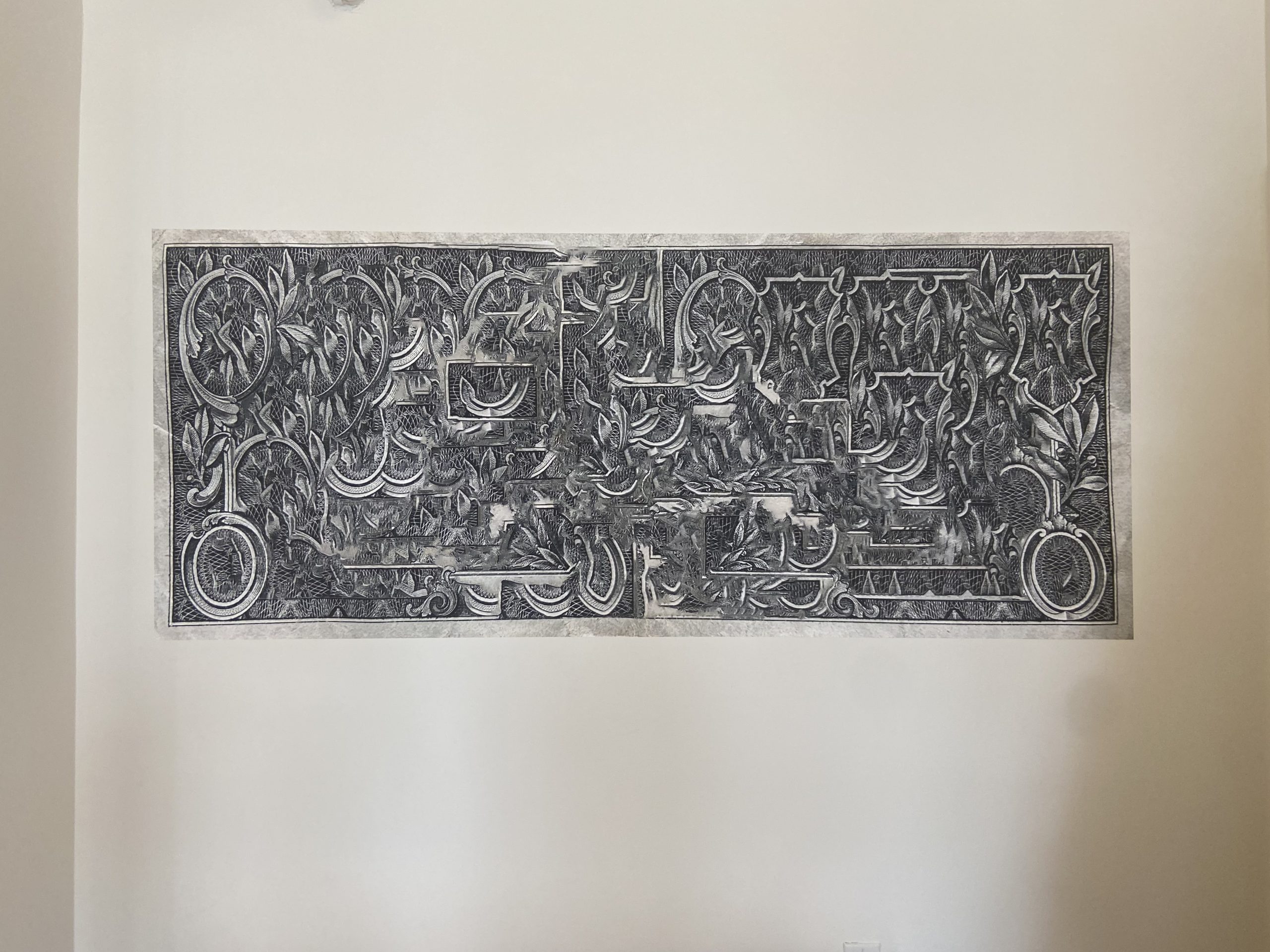
    A wall of artist Kaitlin Pomerantz’s “Rewilded Dollars,” featuring reworked collage designs.Morgan Ritter

    A U.S. dollar today doesn’t just represent currency. Artist Kaitlin Pomerantz shows that it also represents centuries of capitalism overriding the importance of the planet.

    Pomerantz’s new exhibit “(de)growth” in Studio 105 at Ray Philly exhibits the dollar bill in a more ecological fashion. On one wall of the exhibit hang several dollar bills that look normal from afar, but up close, are completely reworked.

    A large prototype of artist Kaitlin Pomerantz’s “Rewilded Dollar” hangs at the entrance of the exhibit. It is a digital collage on adhesive vinyl.Morgan Ritter

    Pomerantz eliminated any symbols of political power from the dollar bill, cutting them up and collaging them to highlight the environmental aspects that exist on the dollar bill. Rather than the ecosystem being taken over by capitalism, “(de)growth“ imagines a world where nature reclaims itself.

    Included in the exhibit are living plant installations placed in deliberately fractured ceramic pots, showing the damage we have already done to the environment, but that it can still regrow.

    A collection of ceramics and living plant installations, representing artist Kaitlin Pomerantz’s emphasis on the importance of ecological growth.Morgan Ritter

    It was nice to walk around the exhibit, imagining a world where the U.S. government places emphasis on protecting the environment and valuing the natural world around us. That being said, feelings of melancholy soon followed, remembering how damaging the ecological impact from capitalism has been.

    Pomerantz powerfully calls out how political domination has caused government powers to lose sight of what’s really important.

    It’s easy not to think about the meaning behind the design of the dollar bill. Pomerantz’s vision of changing it to be centered around the planet offers an almost optimistic perspective of what could be valued someday if oppressive systems are dismantled.

    “(de)growth” by Kaitlin Pomerantz, is on view through Aug. 2 at Studio 105 at Ray Philly, open Wednesday through Sunday from noon-6 p.m.

    — Morgan Ritter

    An earlier version of the article had an incorrect name of the exhibition at Ray Philly. It is called “(de)growth.”

  • Before Mike Gansey became a Sixers executive, he was a hard-nosed high school player who earned LeBron James’ respect

    Before Mike Gansey became a Sixers executive, he was a hard-nosed high school player who earned LeBron James’ respect

    Steve Gansey was playing with his son a few weeks ago, as ESPN hummed in the background, when he heard something unusual. It was Kendrick Perkins, talking to his NBA Today cohosts, about a photo that recently went viral.

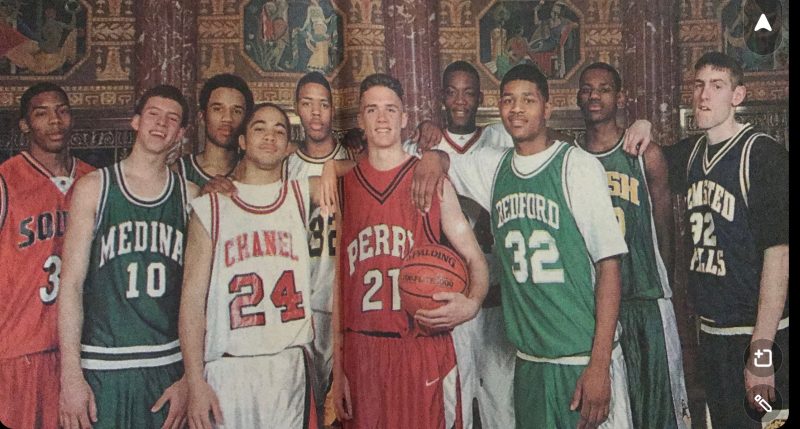
    It was taken in 2000, and was on the front page of the Cleveland Plain Dealer’s sports section. Ten high school basketball players from Northeast Ohio stood side by side, in their respective jerseys.

    The group had been voted by coaches and athletics directors as the best players in the region. There was Maverick Carter and Chester Mason (“Chet the Jet”) toward the left. Brian Swift was closer to the middle, alongside Mike Patrick.

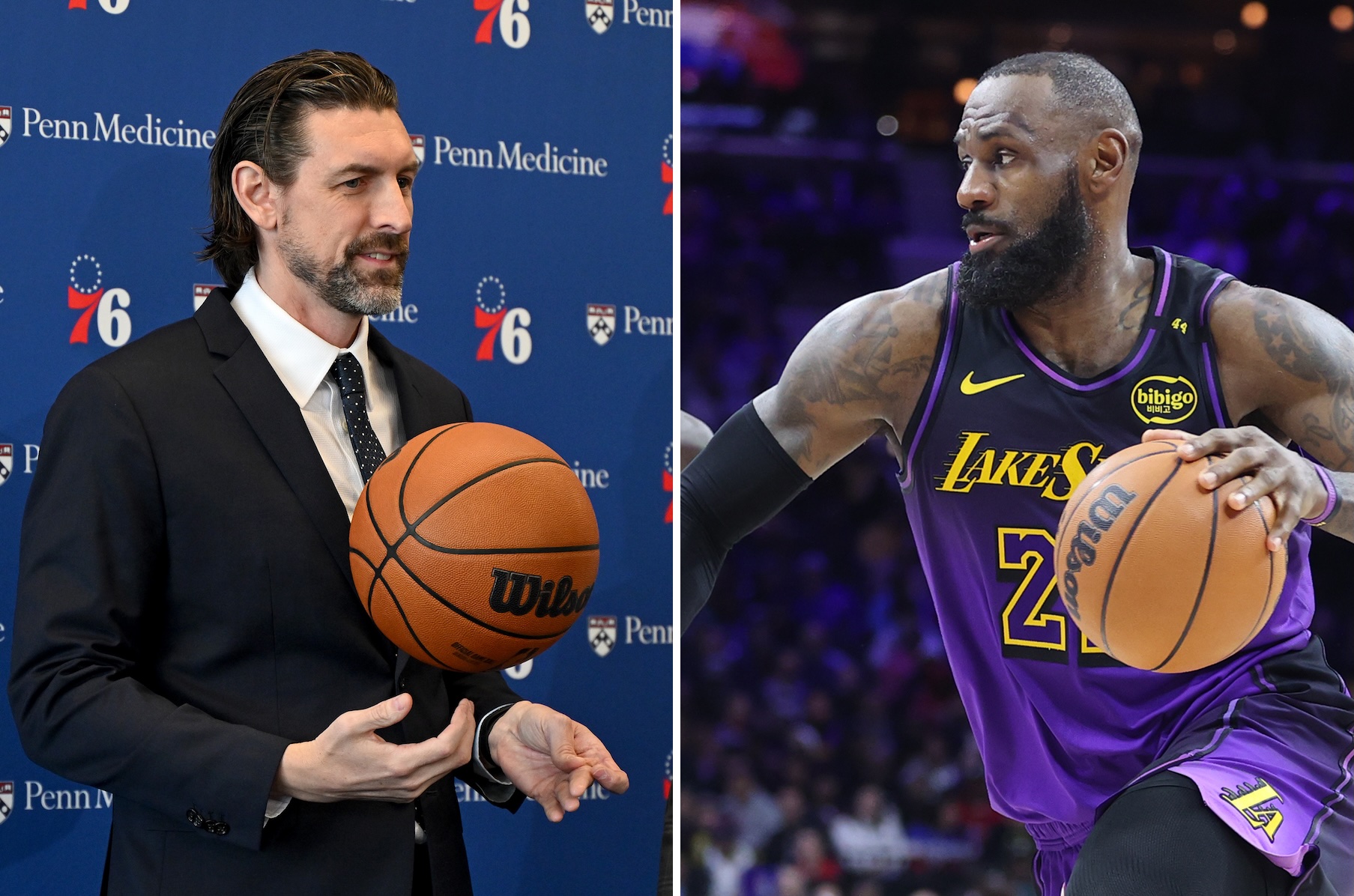
    But what caught the commentators’ attention was to the far right: future Sixers president of basketball operations Mike Gansey, of Olmsted Falls High School, alongside future Hall of Famer LeBron James, of St. Vincent-St. Mary.

    Gansey was a junior at the time; James was a freshman. Steve Gansey, Mike’s younger brother, posted the photo on X on July 1, with an eyeball emoji, promptly setting the Sixers fan base ablaze with speculation.

    Before long, it received hundreds of retweets. Sixers fans sent Gansey direct messages asking if he had any information on whether James would consider coming to Philadelphia.

    He says he didn’t.

    “I’m getting DMs like ‘Hey if you make this happen, free cheesesteaks,’” Steve said. “And I’m like, ‘OK, alright, cool!’”

    The post eventually reached the NBA Today crew. As the younger Gansey held a Sheriff Woody doll in one hand, and a Buzz Lightyear doll in the other, he overheard the panel referring to him.

    “Perk goes, ‘Gansey’s little brother posted this picture,’” Gansey said. “And I’m like, ‘Uh oh. Mike’s going to be [ticked].’”

    Mike was not upset. The younger Gansey, who coached for 14 years (seven as head coach) in the NBA G League, asked if his brother wanted him to delete the photo. The Sixers executive said, “No dude, it’s cool.” But he certainly wasn’t as enthusiastic as Sixers fans.

    “Mike is a very humble person,” Steve said. “He doesn’t like attention and all that. I just think it’s one of the coolest pictures, and it’s not just Mike and LeBron.

    “There are some unbelievable basketball players in that Cleveland, Akron, northeast Ohio area. I’m glad they’re getting some love, too.”

    Sixers president Mike Gansey (left) and NBA star LeBron James both played high school basketball in Ohio, where James beat out Gansey for Mr. Basketball Ohio in 2001.Tom Gralish and Charles Fox / Staff Photographers

    Steve has long teased his brother about his run-in with the future Hall of Famer. When Mike was working in the Cleveland Cavaliers’ front office, his brother would joke that he’d make T-shirts with the photo printed on the front.

    Mike’s response: “No. Do not do that.”

    Steve also sent the photo to Koby Altman, Cleveland’s president of basketball operations, who worked closely with Gansey in the Cavaliers’ front office.

    “Koby loved it,” Steve said. “He laughed. He said, ‘Oh I know, we’ve talked about it a couple times.’”

    The truth is that James and Gansey never competed against each other on their high school teams. Olmsted Falls and St. Vincent-St. Mary were in different regions.

    Olmsted Falls, which is on the west side of Cleveland, was grouped with schools in northwest Ohio, closer to Toledo. St. Vincent-St. Mary’s is south of Cleveland, and often played schools in the Akron-Canton area.

    It is possible they overlapped playing AAU ball, but if they did, Steve didn’t hear about it. Coincidentally, the elder Gansey also played AAU ball against former Eagles and current Green Bay defensive coordinator Jonathan Gannon, who is also from the Cleveland area.

    “He went to St. Ignatius,” Steve said. “Mike battled him.”

    Despite their lack of competitive overlap, James and Mike Gansey shared a mutual respect. Over the years, Gansey frequently referred to the future Hall of Famer as the “greatest of all time.”

    And James thought highly of the future executive, too. One time, when Gansey was playing in Europe, and James was in the midst of his first stint with the Cavaliers, the two brothers went to a game at Quicken Loans Arena (now Rocket Arena).

    Gansey knew some of Cleveland’s players, from training with them during the summer, and went down to the tunnel to say hello.

    “And we were probably 100 feet from where LeBron and his people were talking,” Steve recalled. “Someone said, ‘Ganz is over there.’ And LeBron totally walked the opposite way of where he was going, and went to dap up Mike, to say, ‘What’s up, hey man, how you doing?’ Just a quick hello.

    “It just shows you the respect. And I was like, ‘Man, Mike, he really walked 100 feet over here, and just dapped you, and walked directly right back. That’s pretty cool.’ And Mike’s like, ‘Yeah, yeah, he’s a great guy,’ and that was it. I’ll always remember that.”

    Steve Gansey (left center) is the younger brother of Sixers executive Mike Gansey (right center).Courtesy of Steve Gansey

    The Sixers president of basketball operations isn’t the type to brag about any of this, or even mention it. He has never been one for the limelight. His high school coach, Pat Donahue, described him as a team player, almost to a “fault.”

    Gansey was one of the best players in the state (he came in second in Mr. Basketball voting in the state of Ohio in 2001, behind none other than James) but wasn’t a ball hog.

    If anything, he was the opposite. There were times when Donahue would have to talk to Gansey, midgame, to encourage him to take more shots. Even in AAU, competing with players who were trying to get the attention of college schools, he was very much team-first.

    “He very rarely came out and said, ‘OK, I’m gonna hit five threes in this game to try to get the coach from Duke to pay attention to me,’” said Donahue. “He was more, ‘Hey, I’ll pass to this guy,’ or ‘I’ll do this, I’ll get some rebounds and help the team win.’ And he’s always been that way.”

    Despite the future executive’s selfless style of play, he finished his high school career with 1,909 points, which is still the boys’ basketball all-time record at Olmsted Falls. Donahue felt bad that his pupil wasn’t able to reach 2,000, and mentioned this to him after his senior season.

    “I walked up to him and I said, ‘Mike, I’m sorry, 90 more points, or whatever it was,’” Donahue said. “‘I could have gotten you that by doing stuff for you.’ And he goes, ‘Coach. I don’t care. That doesn’t mean anything.’ And that’s just the way he is. It didn’t mean anything to him.”

    Gansey’s professional basketball career was short-lived. He had a short stint in the D-League (now the G League) and played in Germany, Italy, and Spain for a few years. But that experience was not for naught.

    Those who know Gansey best say he was quietly studying the players around him, through an entirely different lens. As his teammates thought about how to attack opponents, the future executive was pondering roster construction and player makeup.

    Mike Gansey was hired as the Sixers’ president of basketball operations last month.Elizabeth Robertson / Staff Photographer

    When he reached the Cavaliers’ front office, he was well acquainted with the NBA. But that didn’t keep Gansey from his meticulous preparation. He would attend Summer League games with Donahue in Las Vegas, bringing a big notepad to scribble down thoughts during games.

    “He’d be at every Summer League game, and he would sit there,” Donahue said, “and this is before he was the [general manager] of the Canton [G League] team. He would watch every summer league game. Every one.

    “And he would sit there with his notebook, and he would just take notes about the players. I don’t even know how much say he had in what the Cavs did. He just wanted to be prepared.”

    His little brother and the former Olmsted Falls coach say that in Gansey, the Sixers are getting a hardworking executive who keeps his head down but is aggressive, just like he was as a player.

    And so far, his Philadelphia tenure is off to a promising start (with the exception of a Phillies mishap in June).

    “Oh, he loves it,” Steve said. “He loves it. He loves the city, loves everyone embracing him. Mike felt really bad about that no-hitter he jinxed, but I joked with him, ‘I think you made up for it a little bit.’

    “I mean, time will tell, but you got them off your back at least. So, that’s pretty impressive, even though you haven’t played any games yet.”

  • The best things we ate this week

    The best things we ate this week

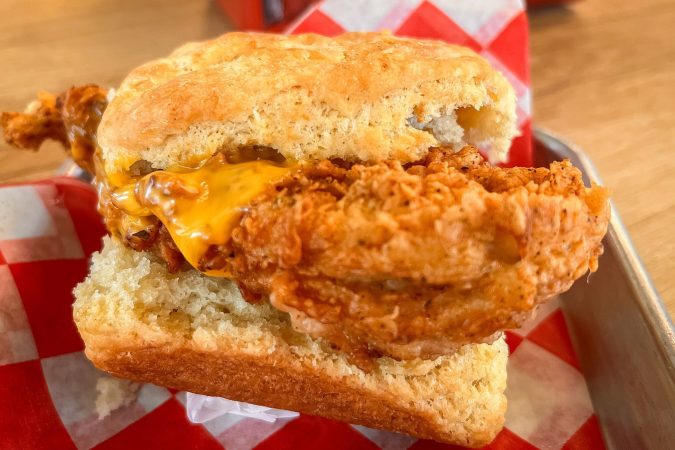
    The Maddie J at the Biscuit Lady

    Two great new moves by Tara Finder at the Biscuit Lady’s Plymouth Meeting location: later hours on weekends (till 8 p.m. for dine-in or takeout) and a chicken biscuit sandwich that’s only available after 2:30 p.m.. The Maddie J is 5 ounces of crispy fried chicken juiciness, a slice of American cheese, and a swipe of house Buffalo sauce. There’s a huge crunch and a zingy kick, but keep your plate handy because the light, flaky biscuit can barely contain all that goodness. It’s the perfect late-day counterpoint to morning specialties, such as the smash burger with bacon, fried egg, and jalapeño pimento cheese (Don’t Go Bacon My Heart) and the cheesesteak riff with ribeye, Cooper sharp, egg, and onion (the Stella). The Biscuit Lady, 115 Plymouth Rd., Plymouth Meeting, 484-243-6957, visitthebiscuitlady.com
    — Michael Klein

    Three weekly specials from Royal Tavern’s July-only hot dog menu. From left: a fried Diamondback Dog wrapped in bacon with salsa and beans, an Old Bay Bomber topped with Old Bay macaroni salad and crab, and Barrel It Up The Bronx topped with onion sauce and brown mustard.Craig LaBan / Staff

    Dog Days hot dog specials at Royal Tavern

    If you grew up in a hot dog culture like I did, devouring every Coney I could find in metro Detroit, the snap of the natural casing on Royal Tavern’s bespoke wieners is a flashback revelation. The Bella Vista bar’s third annual Dog Days of Summer event is in full throttle through the end of July, and they’re not serving skinless franks — the industrial norm — here. The taut-yet-delicate resistance on these artisanal links unleashes a savory rush of meaty juice, the pureed pork-beef blend harboring a balanced soupçon of coriander, garlic, and applewood smoke.

    Royal Tavern chef Nic Macri — whose butchery chops are still intact from his charcuterie run with La Divisa at Reading Terminal Market — began Dog Days two years ago as a labor of love to boost the bar’s typical summer doldrums. He ended up selling over 5,000 dogs that first July, then 7,000 in 2025, limiting it once again to the month due to the logistical challenge of transforming his small kitchen into a temporary frankfurter factory. This year, the restaurant aims to hit 10,000. To do so, Macri has turned to Happy Valley Meats to co-pack its proprietary recipe with responsibly-raised meats.
    But the creative challenge is still considerable: Four new preparations are unveiled every Monday for five weeks, pairing different techniques (steamed, chargrilled, fried, griddled) with an array of flavor toppings. No modifications allowed. I was charmed by the Baltimore-themed picnic of a dog last week topped with Old Bay macaroni salad and a scoop of fresh crab. But the purist in me kept returning to the Bronx-inspired steamer topped with saucy onions and brown mustard that still allowed that quality link to shine. There will be new cast of dogs next week themed to the World Cup, then a final quad dog bracket to bring it home, culminating in all 24 returning July 31 to celebrate a month of memorable wiener studies. The chef insists it will then be time to return to the fall programming of burgers, smoked beef, and fish sandwiches, no matter how much I plead our case: If Macri hasn’t turned Philly into a true hot dog town by then, no one can.

    Royal Tavern, 937 Passyunk Ave., 215-389-6694, royaltavern.com

    — Craig LaBan

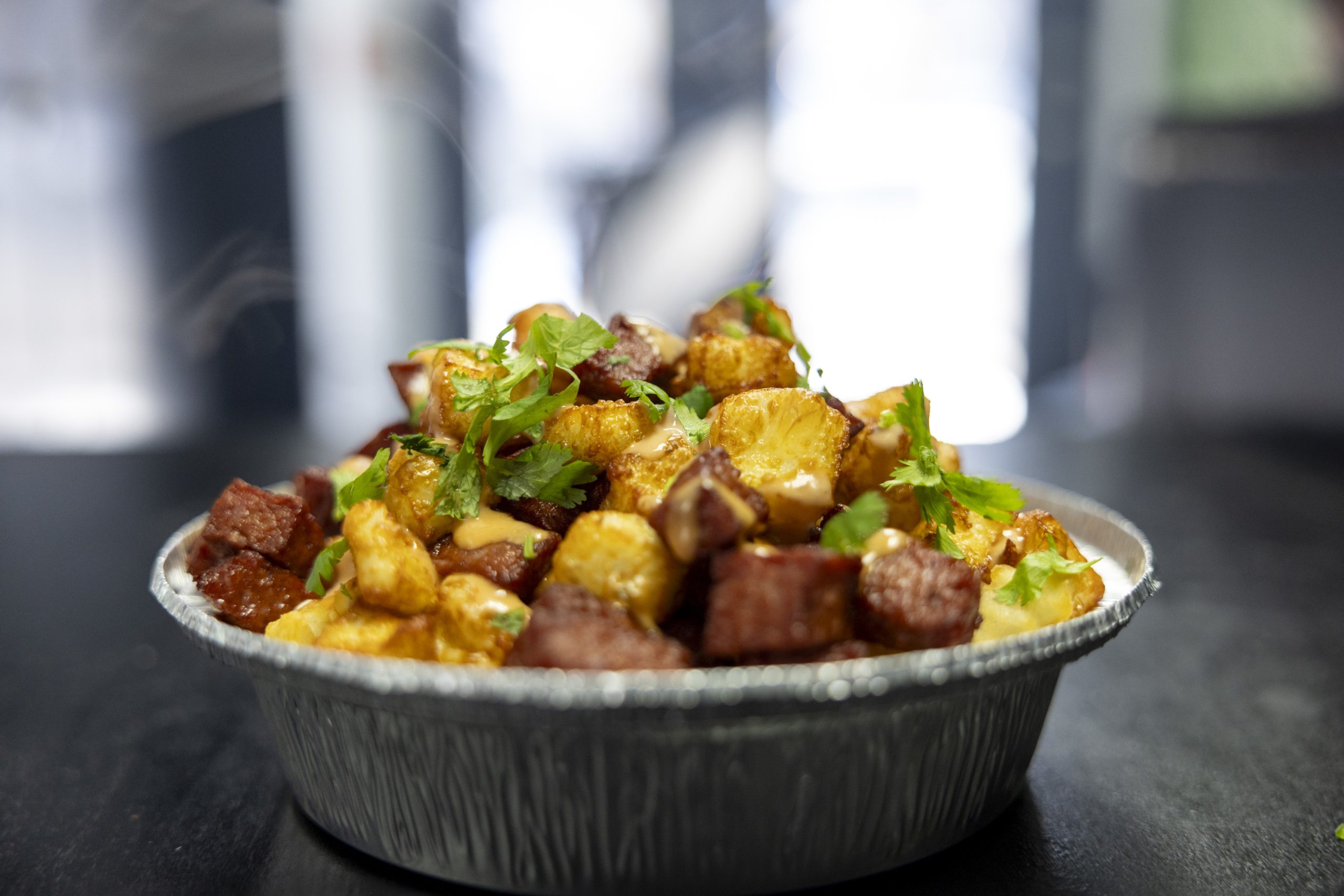
    Loaded fries at El Sazón R.D., 1030 N. Second St.Tyger Williams / Staff Photographer

    Loaded fries at El Sazón R.D.

    El Sazón R.D. in Northern Liberties only serves three things: smash burgers, empanadas, and fries — all with a Dominican twist. Luckily, it does them extremely well. The smash burgers have a crisp, lacy edge and come topped with queso de freir, a fried slab of slightly salty white cheese that elevates the sandwich from just a burger into something I’d wait in line for.

    The limited menu’s true hero, however, are the loaded fries. The dish is a decadent play on salchipapas — a street food ubiquitous across Latin America that combines fries with cut-up hot dog links — that comes with cubes of queso de freir and two hefty drizzles of tangy mayo-ketchup. The franks are juicy enough that they pop in your mouth, while cubing and frying the white cheese basically renders them into delectable cheese curds. Beware, though: These fries are very heavy, a meal in and of themselves that I often have to follow up with a nap. El Sazón R.D., 1030 N. Second St., 917-920-1316, elsazon-rd.com

    — Beatrice Forman

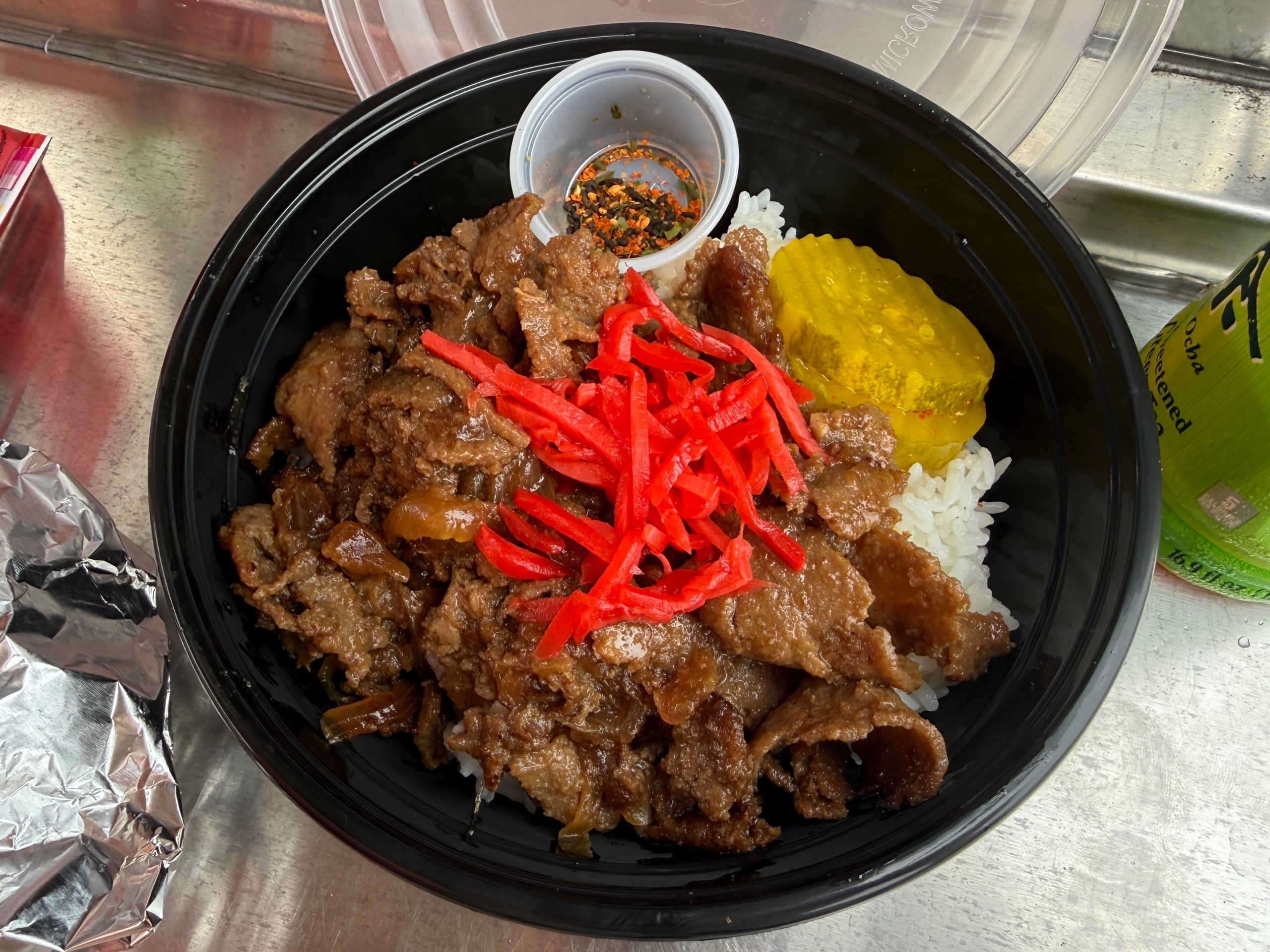
    Gyu-don at Haha’s Kitchen, a food cart that typically parks at 471 N. Seventh St. in Spring Garden.Kiki Aranita /

    Gyu-don at Haha’s Kitchen

    When Shikoku, Japan, native Shiho Utsunomiya first came to Philadelphia in 2000 and tried a Philly cheesesteak, she exclaimed, “This is a gyu-don! Well, the meat is anyway.” Eighteen years later, she began serving a chipsteak-based gyu-don at her food truck, Haha’s Kitchen (“Haha” means “mother” in Japanese), which typically parks in Spring Garden. The $10 bowl has tremendously tender beef, laced through with sweet, slow-cooked onions and decorated with a neon pink crown of pickled ginger. Served over steamed kokuho rice, it’s decadent and filling, and perhaps one of the best lunch deals in town.

    It’s also a marvel to watch Utsunomiya doing absolutely everything in the cart, from taking orders to preparing a large menu that encompasses American lunch standards like Italian sausage and hot dogs to chicken karaage, onigiri, and of course, this magnificent gyu-don. The best part of lunch may be witnessing how her cheerful but fierce independence comes to bear in the small kitchen. Utsunomiya worked at the now-closed Hikaru in between bearing and raising children, “but it’s very difficult to have kids and work in a restaurant kitchen,” she said. You should also grab one of the $3.50 tuna mayo onigiri for later. Generously sized and lovingly made, it tastes like a Japanese mother tucked it into your lunchbox. Haha’s Kitchen, 471 N. Seventh St., instagram.com/hahas_kitchen

    — Kiki Aranita

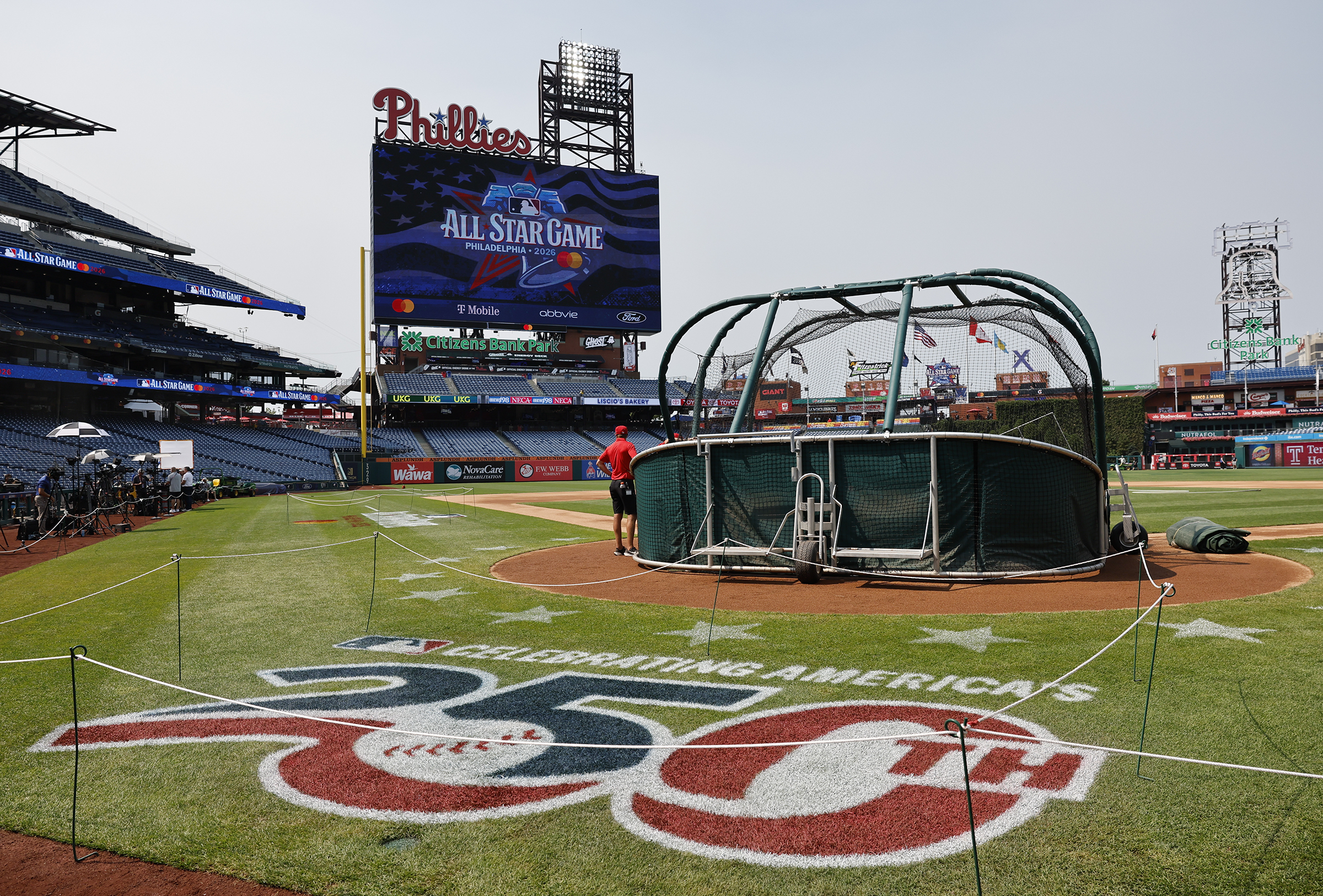
  • Philly’s Summer of Sports: No ICE arrests, unruly fans, or scary scenes at World Cup, PGA, All-Star Game

    Philly’s Summer of Sports: No ICE arrests, unruly fans, or scary scenes at World Cup, PGA, All-Star Game

    Well done, Philadelphia.

    The World Cup, the PGA Championship, and the Major League Baseball All-Star Game, the most daunting events in this Summer of Sports Celebration, are finished here.

    Philly is undefeated.

    “This summer proved what we have always known: Philadelphia is built to host world-class events,” said Mayor Cherelle L. Parker. “Our city shined on the national and international stage.”

    It was hot, and it was rainy, but hey, that’s Philly in July. At least the big three events didn’t have to deal with the current wildfire smog.

    Think about it. So many things could have gone wrong.

    There could have been embarrassing incidents involving the Department of Homeland Security, ICE, and other complications involving our suddenly inhospitable visitation policies in the United States.

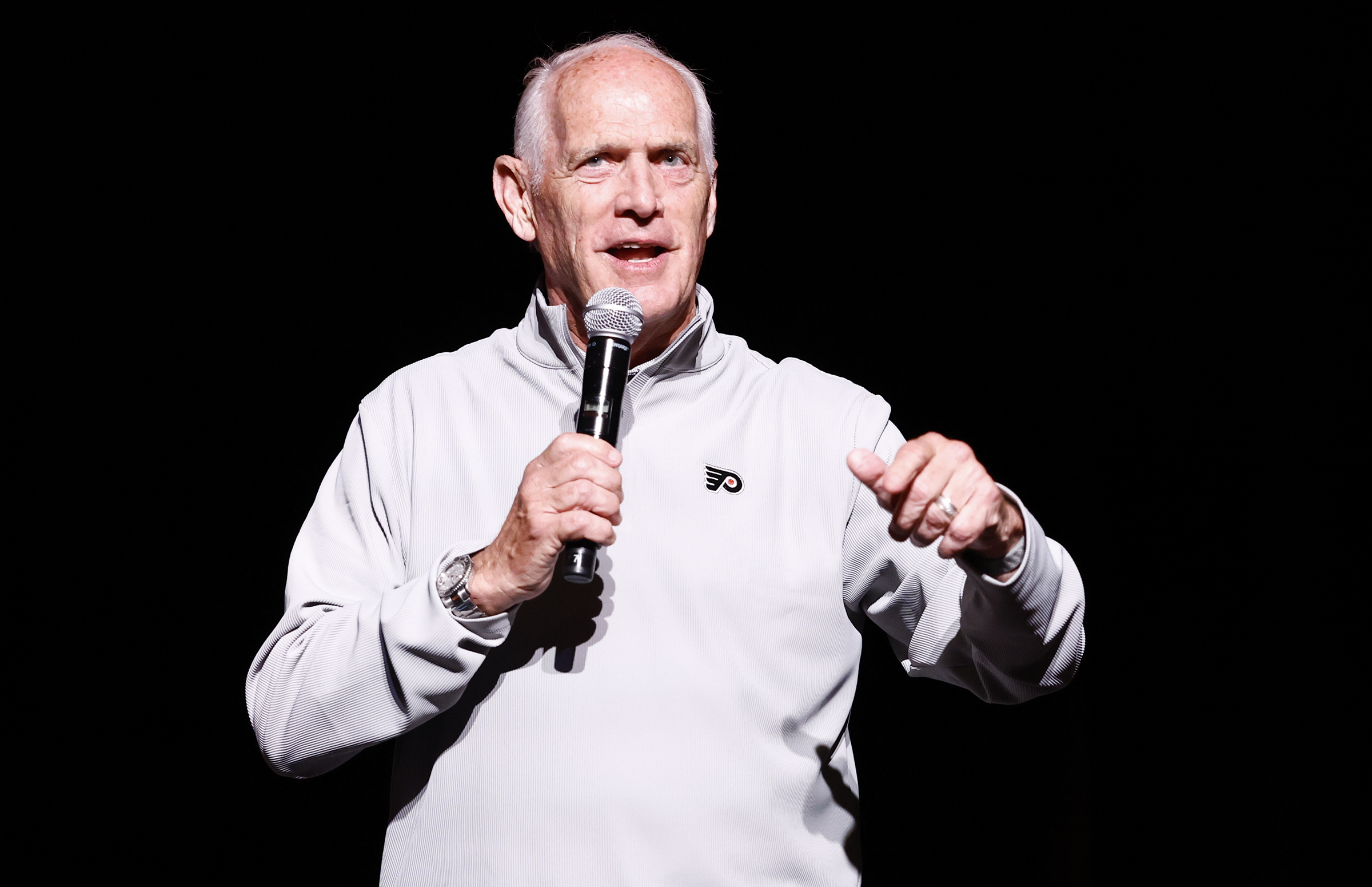
    “Worry number one was, with the influx of all of these people from all over the world into the city, making sure it was a peaceful experience for them,” said Dan Hilferty, the Flyers’ governor and CEO of Comcast Spectacor, who also served as co-chair of Philadelphia Soccer 2026 and is a Philly-area native.

    Chairman & CEO of Comcast Spectacor and Governor of the Flyers Dan Hilferty said this summer’s local events gave him “real hope” in troubled times. Yong Kim / Staff Photographer

    It was peaceful, Hilferty said, relieved.

    “We live in troubled times, not only in America but around the world. Sports can be a soft diplomacy effort,” he said. “To see people come to our city and us, as Philadelphians, welcome them with open arms — people of different faiths, different races, different nationalities — commingling in a peaceful and exciting environment … I witnessed that. It gave me a real hope for a more friendly future.”

    There could have been incidents on the streets of Philadelphia — crime or intimidation or boorishness — that would further entrench stereotypes about American cities, especially East Coast cities, and especially Philly. Nope.

    There could have been incidents in the golf crowds, the soccer crowds, and the baseball crowds. Nope. Local cops, state police, and private security kept cool and kept everyone in line.

    There could have been massive traffic problems, vociferous price gouging, public transportation disasters. On the whole, however, there was none of it. Hotels and short-term rental agencies offered reasonable options, some of them including public transportation vouchers in the rental price. Smart routing and parking rules kept cars at the sites flowing. And Philly subway rides stayed at $2.90 a pop while New York and New Jersey charged almost 10 times their normal fares. It might have taken a while to get onto the Broad Street Line after matches, but fans were patient, and the trains ran on time.

    “SEPTA really stepped up big,” Hilferty said.

    Philadelphia and its surrounding area, on the 250th anniversary of the signing of the Declaration of Independence, was glorious.

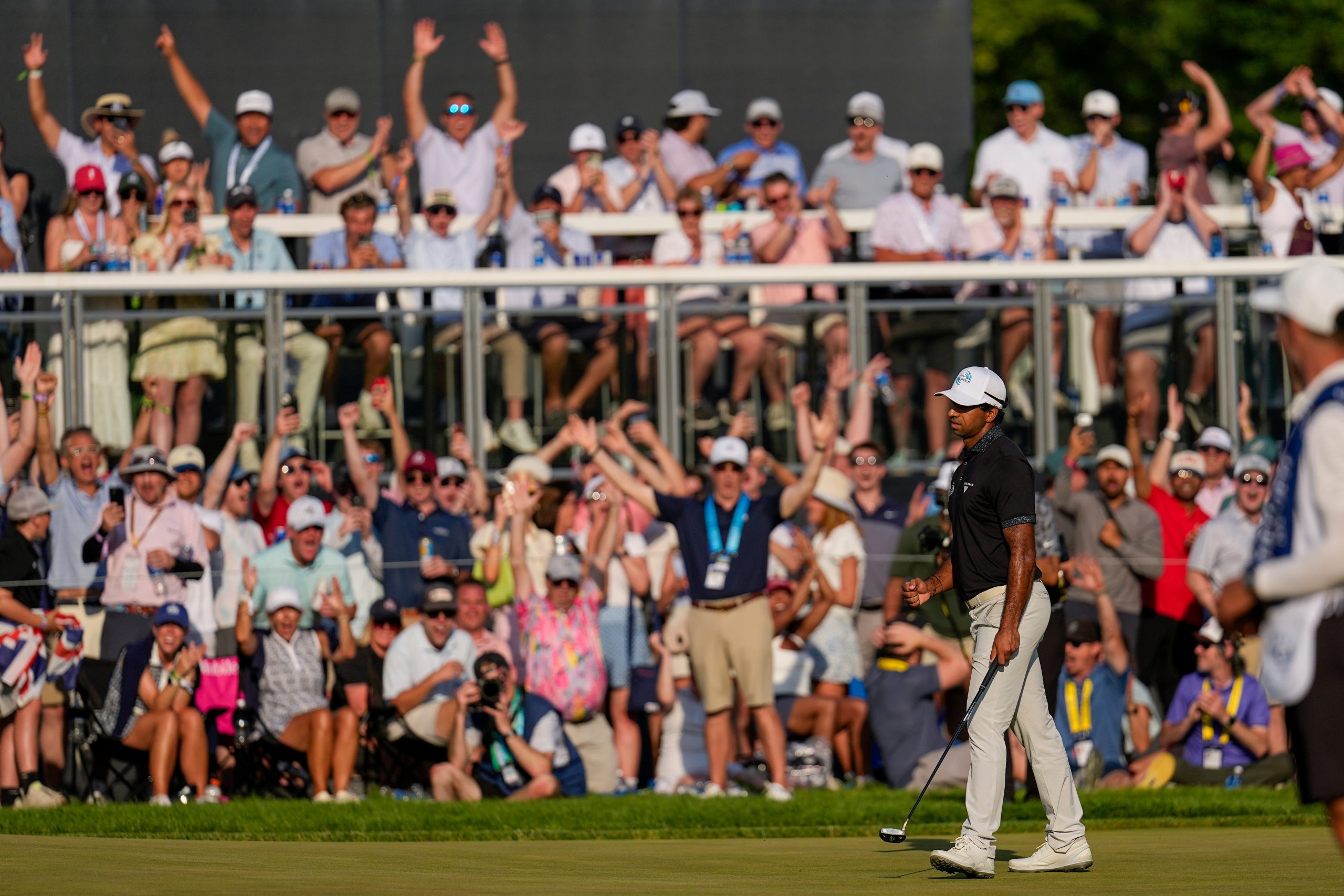
    Aaron Rai’s PGA Championship triumph at Aronimink was worthy of celebration, as was the success of the event itself. Carolyn Kaster

    Aronimink Golf Club stood strong as a major-championship venue, and, just as critically, Philly golf fans made the obnoxious New Yorkers at Shinnecock and Bethpage Black look bestial by comparison. Actually, there was no comparison: Philly golf fans once again proved to be the best in the country.

    “The crowd had great energy.” That was from Scottie Scheffler, Texas native and Cowboys fan, who had been heckled mercilessly in his opening round. “It was all in good fun.”

    The World Cup, the biggest event in Philly since the Sesquicentennial Exposition held 100 years ago, in which 10 teams played six games in a span of 21 days — including Iraq, a country with which the U.S. has a recent war history — held the largest possibility of calamity. There was none.

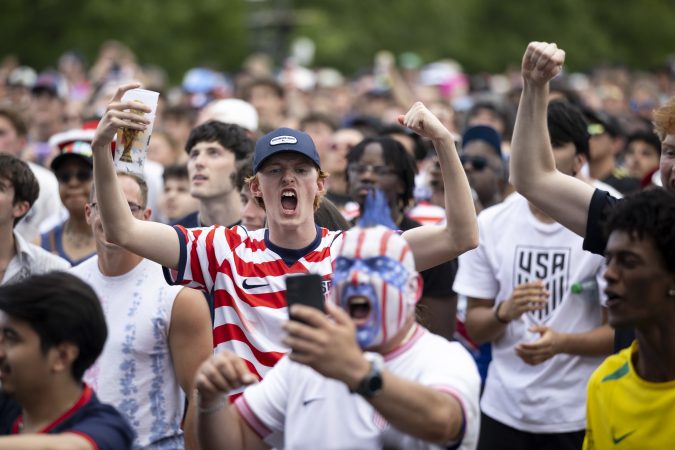
    Philadelphia, its law enforcement, its public transport, its politicians, and, more than anything else, its businesses and residents, literally could not have acquitted themselves better. From the specially installed pitch at Lincoln Financial Field (renamed Philadelphia Stadium for the World Cup), to the neighborhood restaurants and bars, to the sites at the South Philly sports complex that accommodated visitors, to the Lemon Hill Fan Festival that sometimes had crowds of 50,000, all you heard were stories of camaraderie and welcome.

    And, finally, this past week, MLB and the Phillies collaborated on five days of celebration capped by two nights of baseball magic that not only went off without a hitch but, really, incorporating the pomp and pageantry, were without compare. The key moment: The Sandlot interlude.

    For five minutes after the fourth inning Tuesday, 10 kids joined 10 players on the field as fireworks exploded and Ray Charles sang “America the Beautiful” from the scoreboard screen, a tribute to a scene from the 1993 kids’ baseball movie The Sandlot. It even got to me, and I don’t like the movie or fireworks.

    The game itself wasn’t great, but the Home Run Derby on Monday was superb. It was almost everything the Phillies could have wished for.

    “Together, these were not simply successful events,” said Phillies CEO John Middleton, also a Philly-area native. “They were defining moments that elevated both Major League Baseball and the City of Philadelphia, leaving a legacy that will endure for years to come.”

    The MLB All-Star Game was a culmination of the city’s summer of big events. Yong Kim / Staff Photographer

    David Montgomery, the late Phillies CEO who dreamed of having Citizens Bank Park host the midsummer classic in the middle of this special summer, surely is smiling down from above.

    It’s hard to overstate how unlikely it was that all of these events went off without an appreciable glitch. I’ve worked with the PGA of America, with FIFA, and with MLB. They are not particularly streamlined, seamless organizations. Combine the balkiness of those organizations and the history of glitches and missteps in Philadelphia’s past, there always was a chance that things might go haywire here this summer.

    But between Pennsylvania’s state government, local municipalities and city governments — more than 40 entities in all — and the golf course, the baseball team, and the guy who runs the Flyers, anyone who watched or attended the big three events should know that the efforts on a local level cannot be credited too much.

    “People came from across Philadelphia, our region, the nation, and the world, and, by every measure, they experienced the very best our city has to offer,” Mayor Parker said.

    Now, as the World Cup final in North Jersey closes down these 10 weeks of spotlight — there will be one more watch party at Lemon Hill in Fairmount Park, 2 p.m. to 8 p.m. Sunday for the Spain-Argentina final — the folks in charge and the folks they represent can breathe sighs of relief and stick their chests out, proud of the concept, the planning, and the execution of a summertime run such as the region has never seen.

    To be fair, incidents and accidents at other World Cup sites in the U.S., Canada, and Mexico were virtually nonexistent. But few venues faced the unique logistical and cultural challenges you get in Philadelphia.

    The bigwigs made sure to monitor the situation.

    Pennsylvania Governor Josh Shapiro and Philadelphia Mayor Cherelle L. Parker celebrated the city’s big events along with their constituents and visitors from all over the world. Yong Kim / Staff Photographer

    Mayor Parker went to Lemon Hill and commingled with Mexico soccer fans. She, Gov. Josh Shapiro (a Montco native), and the owners kept running into each other at the various events, their attendance less choreographed appearances than invested fandom and stewardship. They wanted to make sure everything was OK.

    Before the first World Cup match in Philadelphia, Hilferty and his wife, Joan, walked across the parking lot from his office at the Xfinity Mobile Arena to the Stateside Live! open-air bar. There, they saw Ecuador fans in yellow jerseys exchanging partisan chants with orange-clad Ivory Coast supporters — then exchanging cellphones so they could take pictures for each other.

    Ivory Coast won the match. The fans shared drinks in the parking lot and subway rides home.

    “After the first match,” Hilferty said, “I felt really good.”

    That feeling remains.