Tag: topic-link-auto

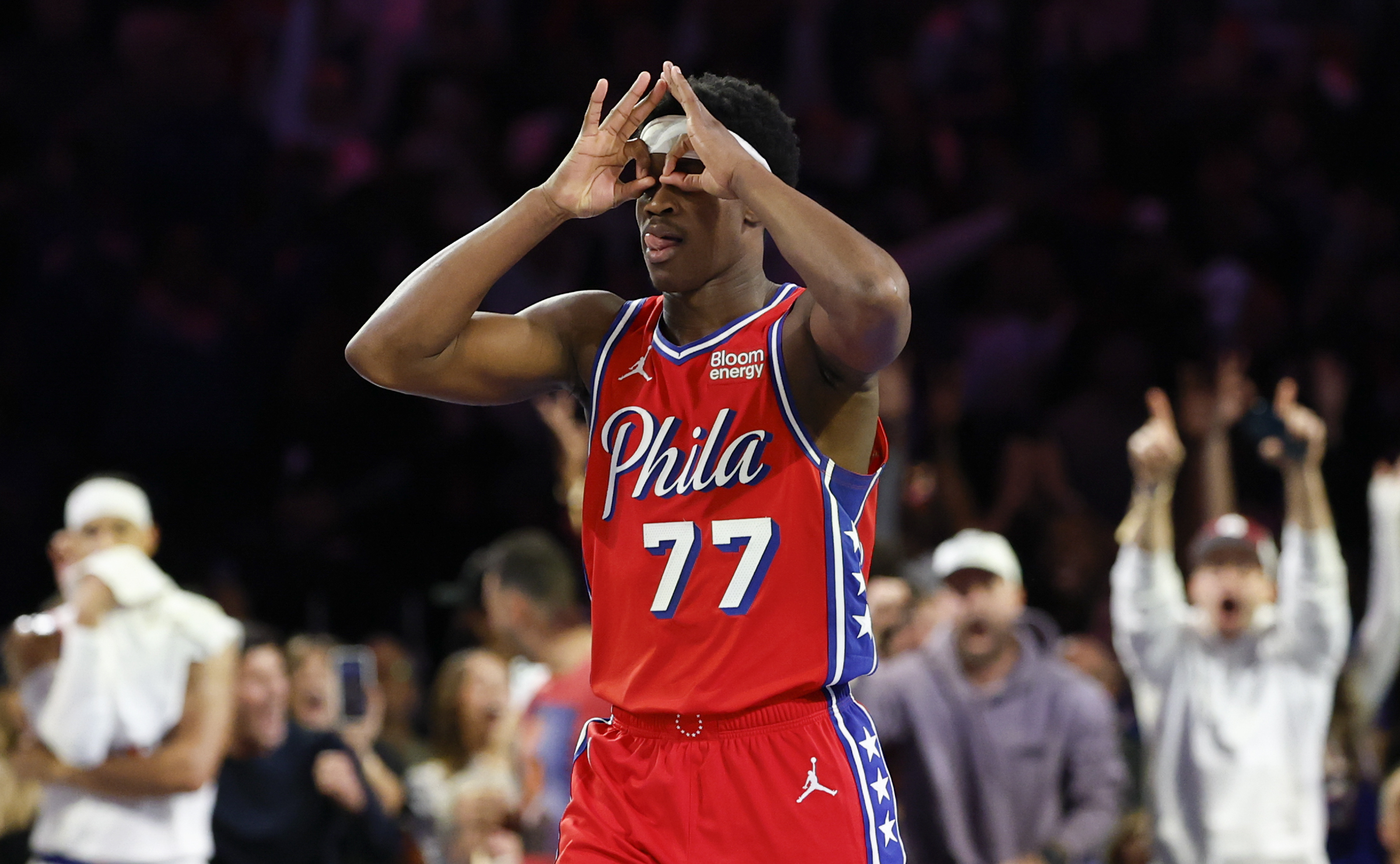
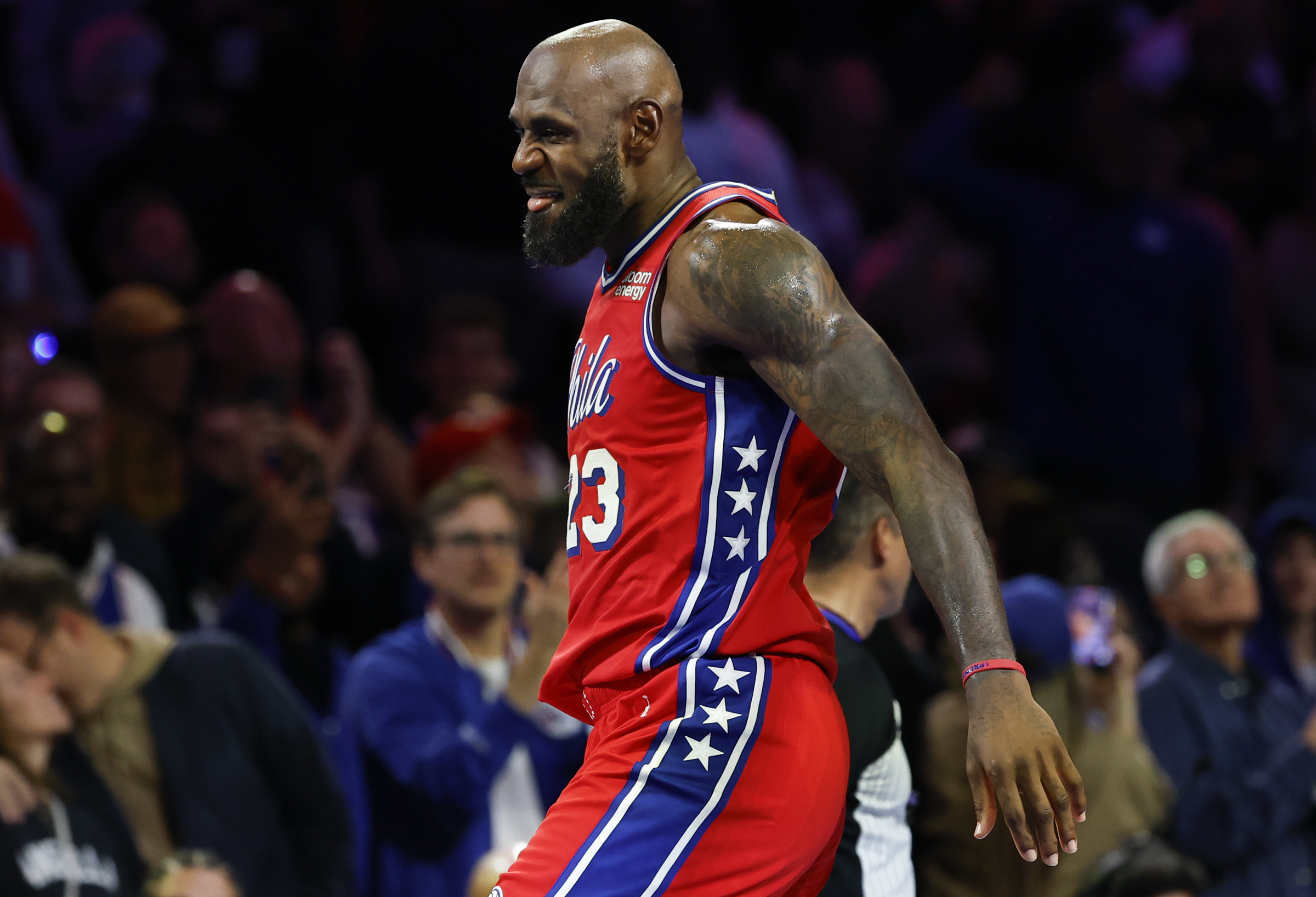
  • Sixers are playing grown man hoops. LeBron James and Tyrese Maxey were again the adults against the Knicks.

    Sixers are playing grown man hoops. LeBron James and Tyrese Maxey were again the adults against the Knicks.

    Tyreese Maxey was a man in search of a shirt.

    The Sixers superstar glanced toward his locker on the opposite side of the room. A throng of media members clogged his passage. He glanced back toward the training room but found little help there. After a few more moments of deliberation, a nearby teammate tossed him a sleeveless black T-shirt. Maxey slipped it on and stepped in front of the cameras. There was only one problem: LeBron James’ shirt size is a heck of a lot bigger than his own.

    “This shirt,” Maxey said with a rueful smile at the shirt’s gigantic armholes, his biceps suddenly reduced to a formless prepubescence.

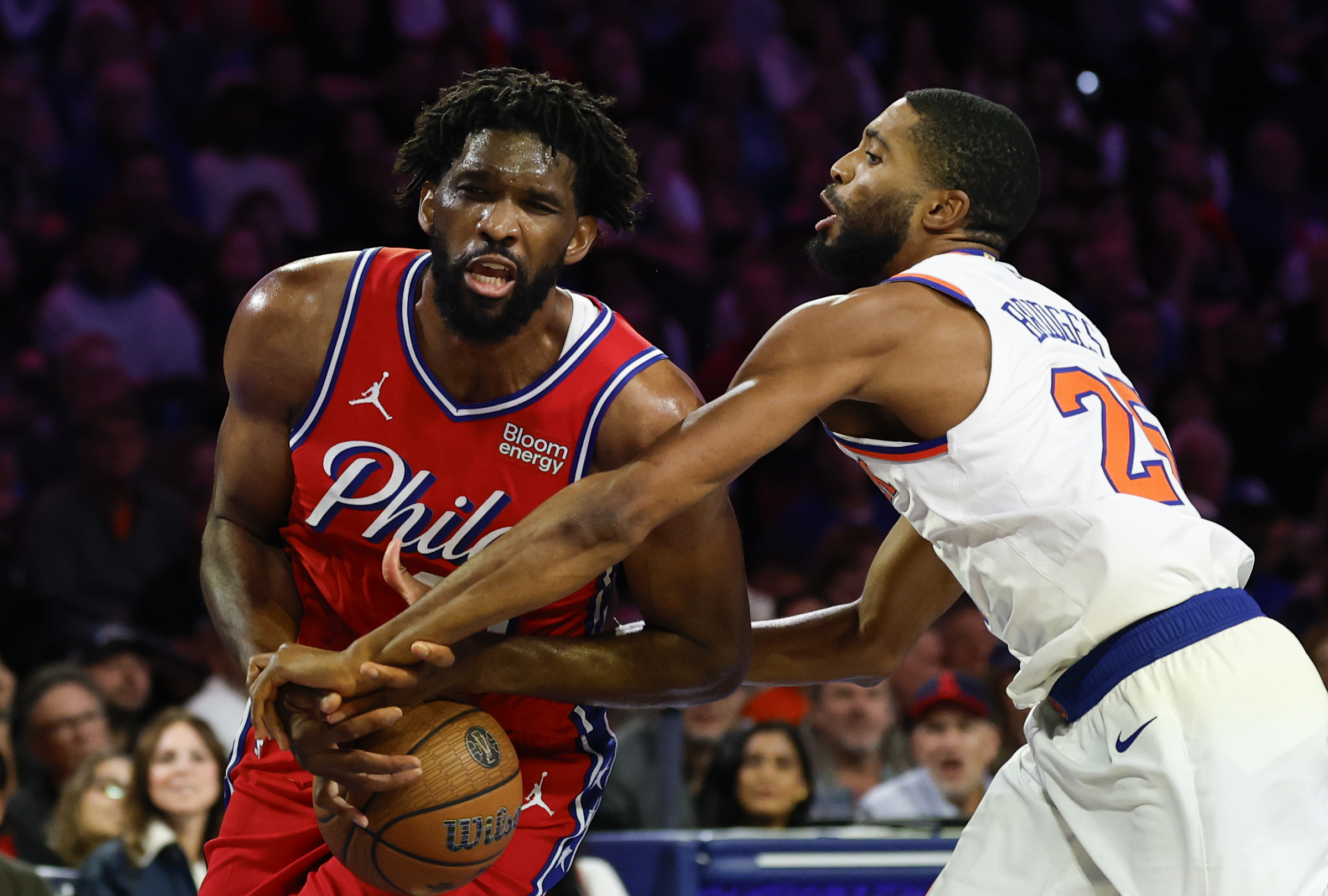
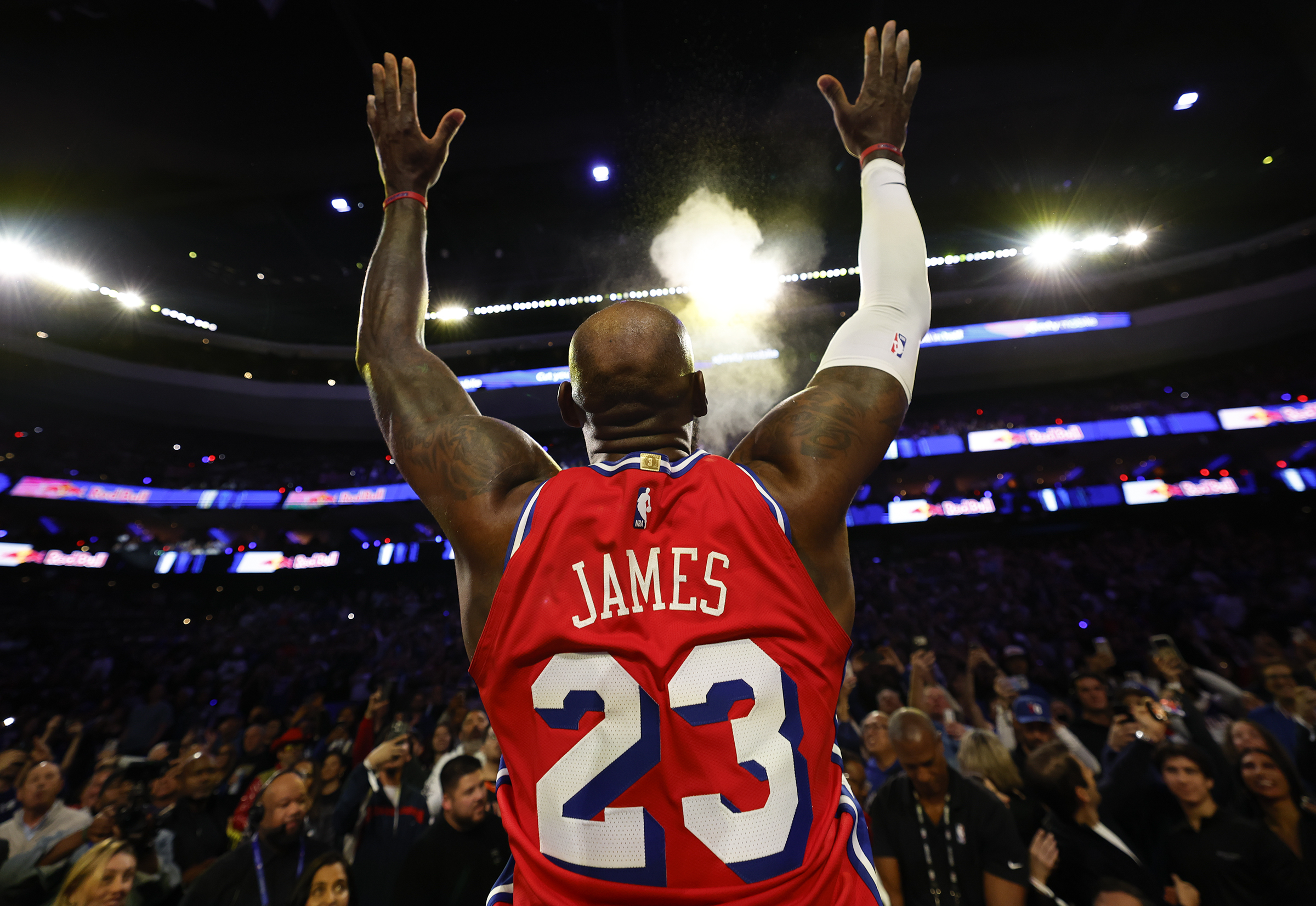
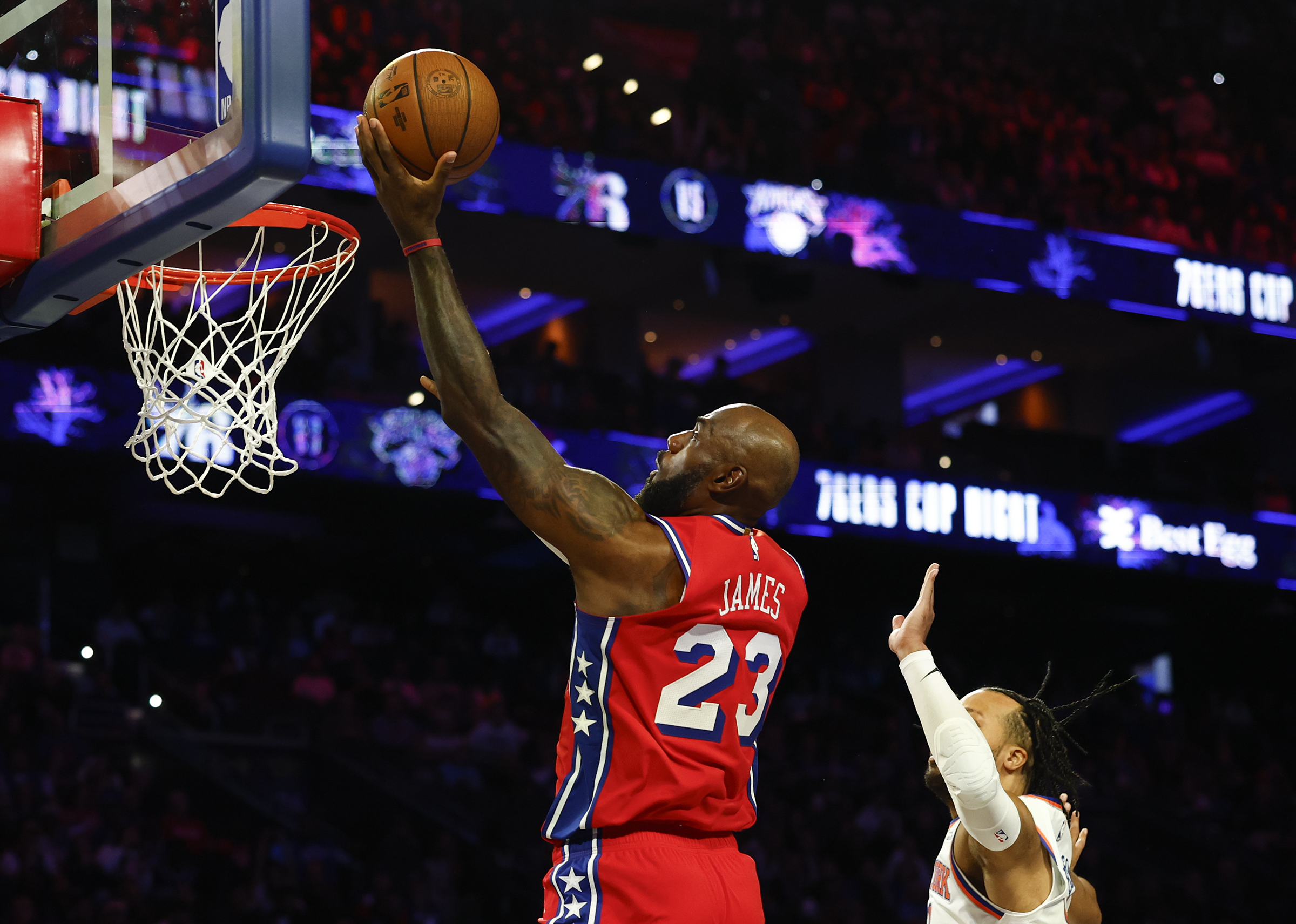
    Some nights, it would be a funny story. On this particular night, it was a metaphor. Less than an hour earlier, Maxey and James had led the Sixers to a 98-93 win over the Knicks, their second victory over the defending NBA champs in 10 days. The decisive bucket had come with 11.9 seconds left, Sixers up three, Maxey driving to the rim late in the shot clock, James crashing to put back the miss. The points were James’ 19th and 20th of the night, and the rebound his ninth. It was a fitting end to a night on which the Sixers, again, were the biggest, baddest adults in the room.

    We are past the point of revelation. The continuation is the story. Six games in, five of them wins, the Sixers have an identity. They have out-Knicksed the Knicks. They have out-Pacered the Pacers. They have done to the Cavaliers what good teams do when the Cavaliers analytically win a game. They are winning in ways that teams must win when the sum of their parts is lacking. And, well, they have the parts.

    Except, they didn’t have all of them on Friday. That was a big part of the story. Earlier in the day, Jaylen Brown’s name popped up on the injury report. An hour before tipoff, he was downgraded to doubtful with what the team has called “jumper’s knee.” It was a potentially fatal blow, as reflected in a Vegas line that jumped a couple points in the Knicks’ favor. Brown’s physical two-way prowess played a big role in the Sixers’ season-opening 106-100 win over the Knicks at Madison Square Garden. Team president Mike Gansey said on draft night that a team can never have too many guards. However true, it certainly can have too few wings of a certain size.

    And yet …

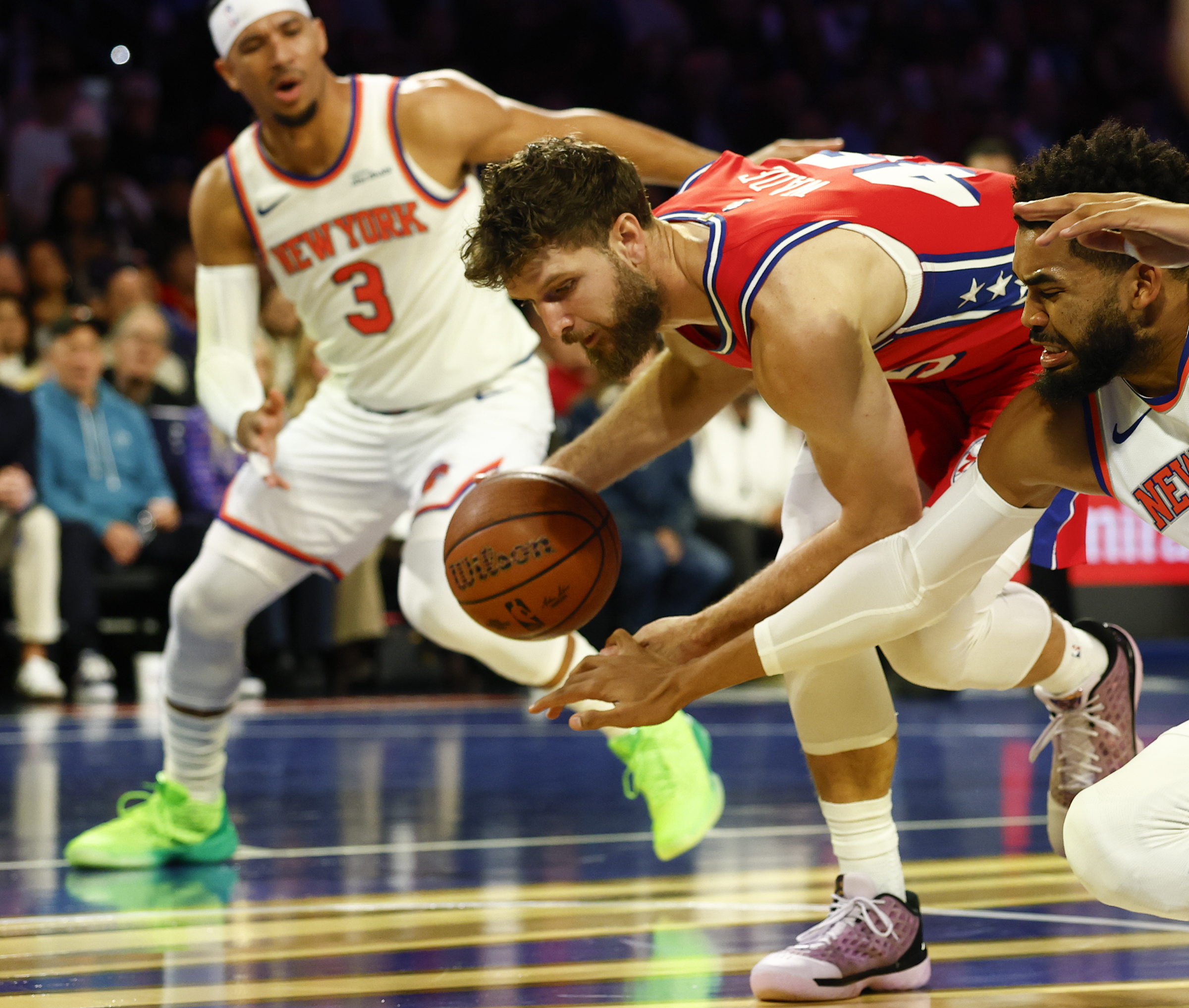
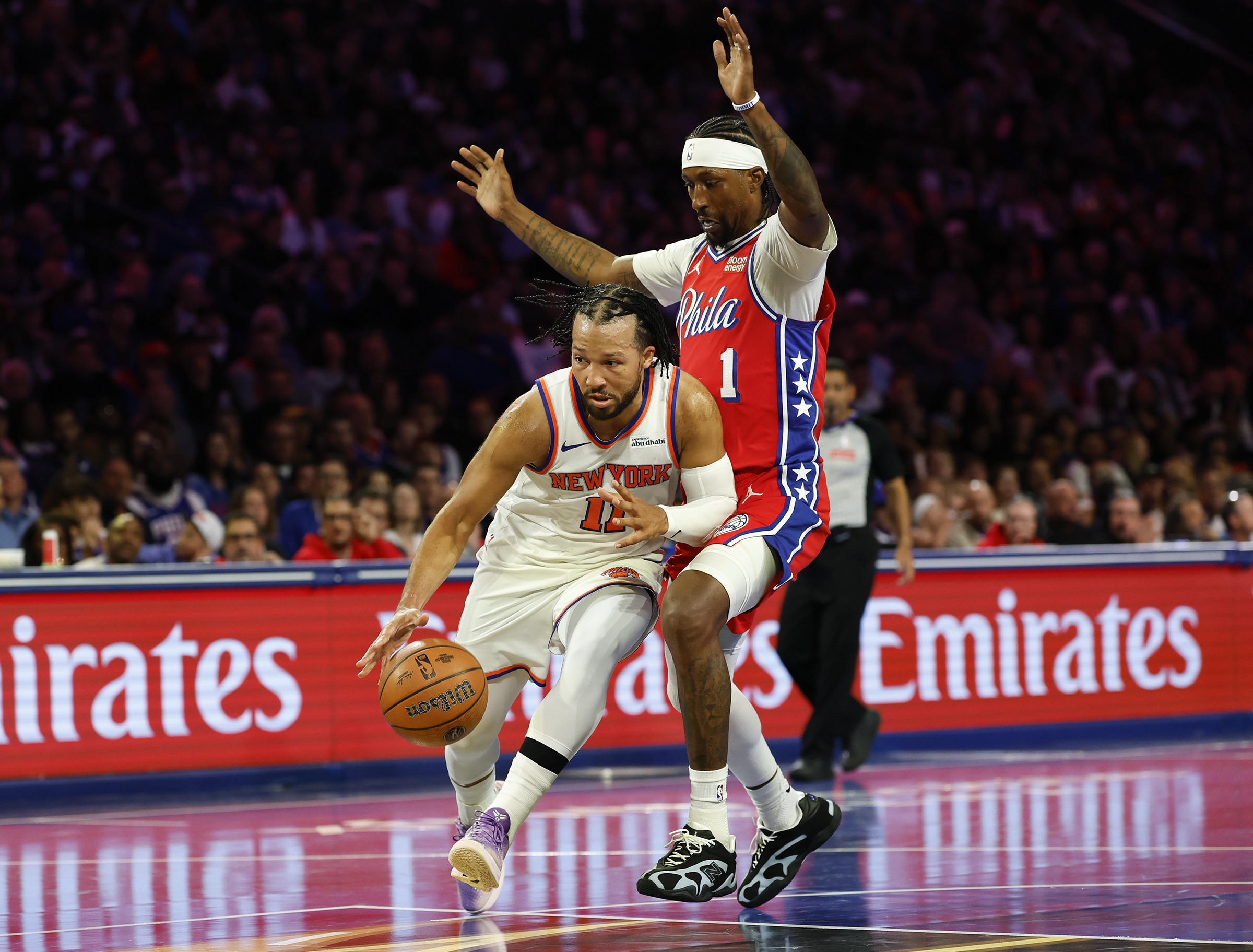
    Nick Nurse knew what he was doing when he inserted Dean Wade into the starting lineup in place of Brown. A 6-foot-9, 228-pound defensive force masquerading as yeoman, Wade almost single-handedly derailed the Knicks early on by preventing them from doing what they thought they’d be able to do. The Sixers jumped out to a 29-19 lead and basically held it until the latter stages of the second half. They did it with a possession-to-possession intensity on the defensive end. Credit Maxey and VJ Edgecombe and even Anfernee Simons for their on-ball defense against Knicks dynamo Jalen Brunson. Credit Joel Embiid, who is moving as easy and controlled as he ever has, in conjunction with his usual physical presence in the middle.
    But credit Wade, too.

    “You can always be in every game when you defend at a high level,” James said.

    Wade’s front-line defense on OG Anunoby, combined with his ability to switch and his nose for the ball, were everything the Sixers needed to make up for Brown’s absence on the defensive end. That he scored zero points is the kind of thing a team like the Sixers can live with. Let’s not forget: There was a brief moment in time when Wade was the team’s marquee offseason signing.

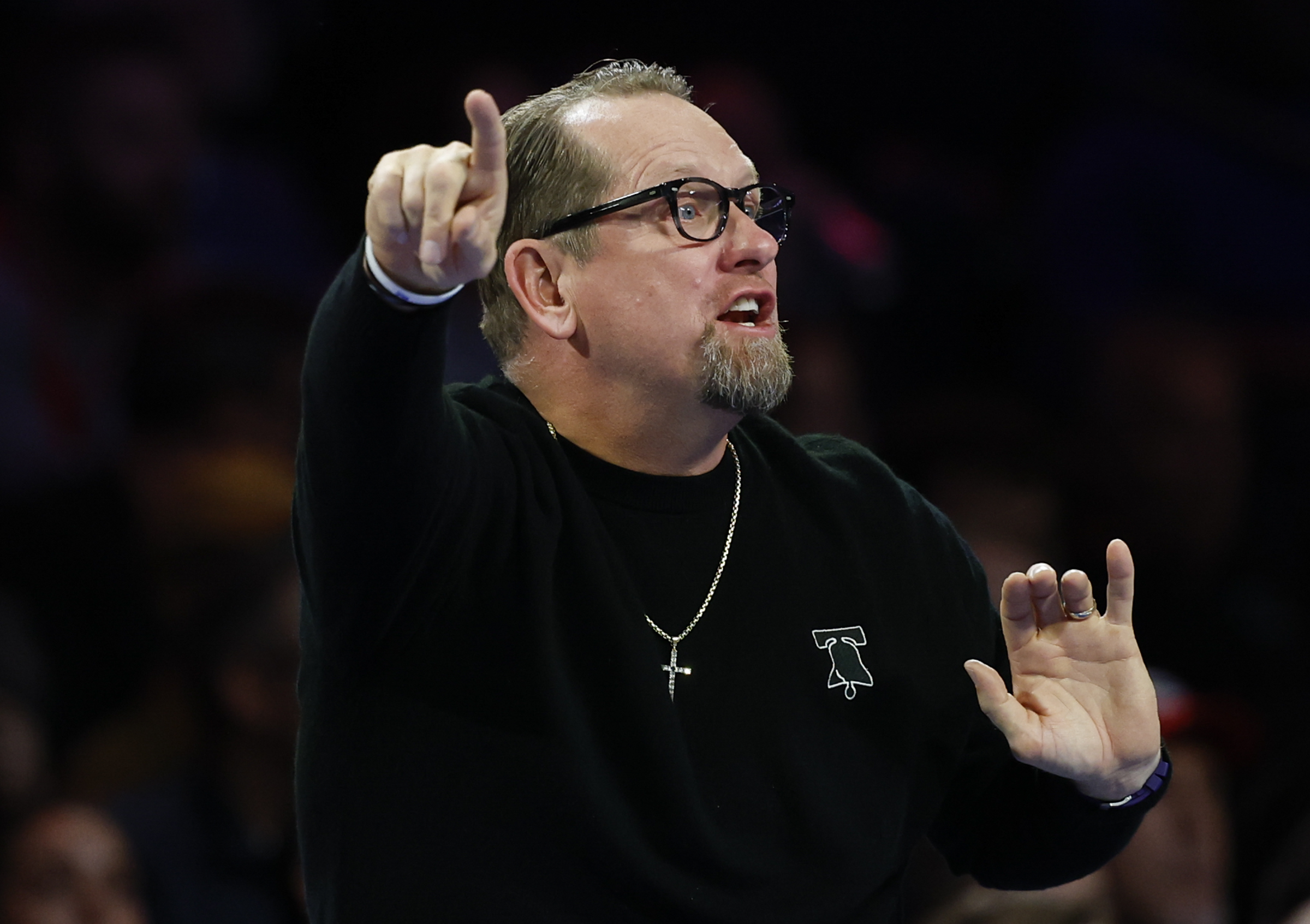
    “When you have that many good defensive possessions, it’s going to take you a long way,” head coach Nick Nurse said.

    Nobody expected this. The defense. The intensity. The exertion of possession-to-possession competitiveness that inevitably coalesces into an outcome that feels like the natural order of things. When the Sixers traded for Jaylen Brown and then signed James, the potential outcomes were presumed to range from the early-ish 2000s Miami Heat-les to a late-stage casino act whose original lead singer passed away decades beforehand.

    Turns out, the Sixers are the bouncers.

    “We definitely know it’s going to be a physical battle when you play those guys,” said Maxey, who scored 27 points on 10-of-19 shooting. “If you’re going to play them, and you’re going to try to win a basketball game against them, you’re going to have to get into a physical battle. That’s just how it is.”

    Maxey played a big role in that. Before the Sixers’ home opener, Cavaliers coach Kenny Atkinson was asked what he’d seen on film from his opponent. His first reaction: Maxey has somehow gotten better. Before Friday night’s game, Nurse explained it as Maxey’s natural-born maturity manifesting in a self-understanding that he is the best player on the court. It has been most evident in Maxey’s strength and confidence at the rim, along with his readiness and willingness to pull it from deep.

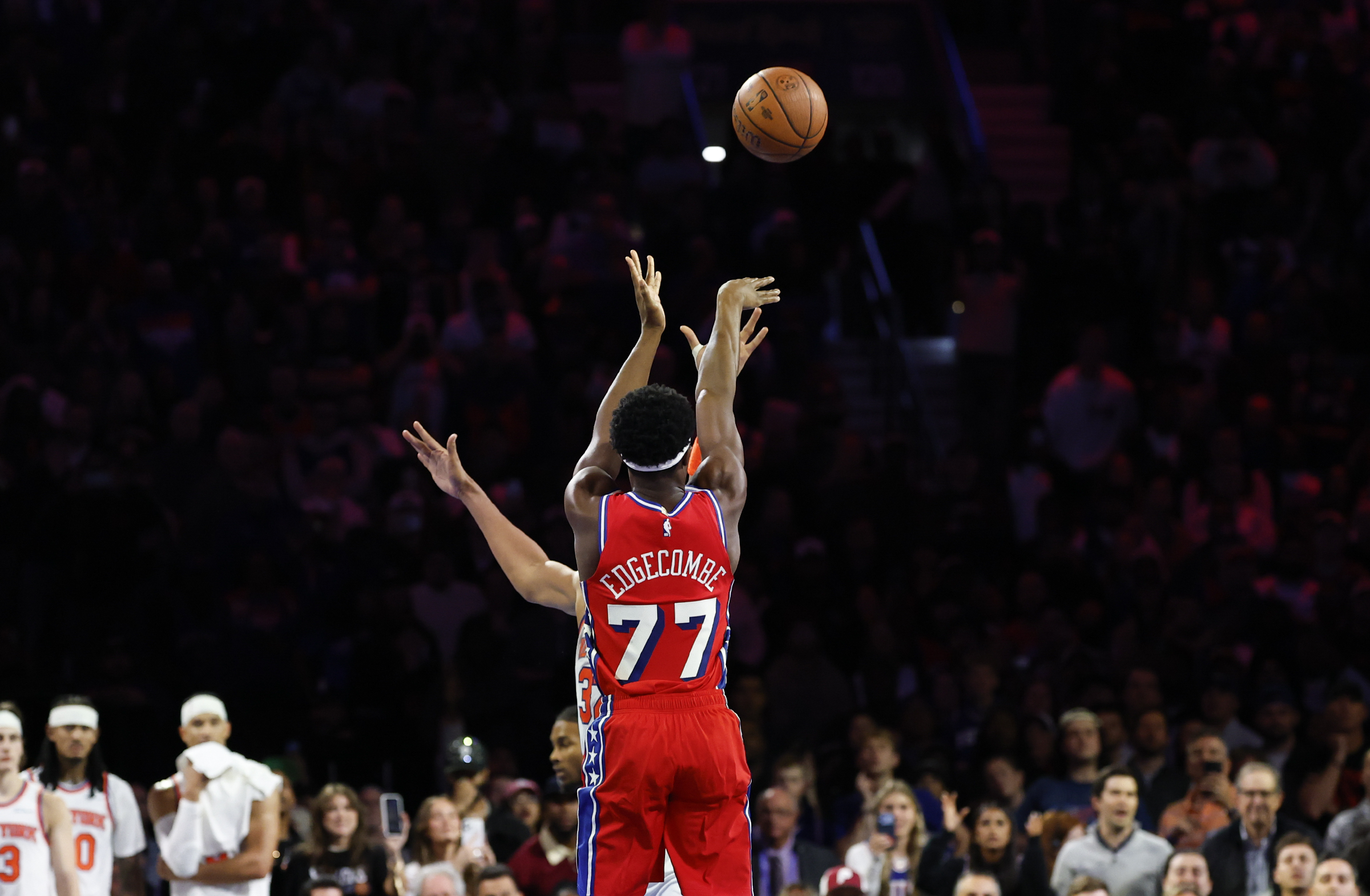
    On Friday, you saw it in the way he commanded through deference. The Knicks stormed back to take a 90-89 lead, which the Sixers quickly answered. Then, with 33.6 seconds left, Maxey passed out of a double team to Edgecombe, who drilled a three-pointer from the top of the arc to put them up by two possessions.

    More than anything, though, this was a night when you saw James’ presence manifest itself. He has always been a shape-shifting superstar, capable of being whatever he needs to be, given the setting and circumstance. Here, we saw what that looks like with five games under his belt. His 20 points, nine rebounds, eight assists somehow understate his involvement. They do not give him credit for speed and decisiveness of his passing as a connector on the perimeter, nor do they illustrate the intentionality of each of his buckets, from his off-ball back-cuts to his bully-ball drives against Mikal Bridges.

    Know who you are. Know who those around you need you to be. These are the hallmarks of adulthood. The Sixers suddenly look like a bunch of guys who know what it means.
  • A celebration for Dick Vermeil, the Sixers make a deal, and other thoughts

    A celebration for Dick Vermeil, the Sixers make a deal, and other thoughts

    First and final thoughts …

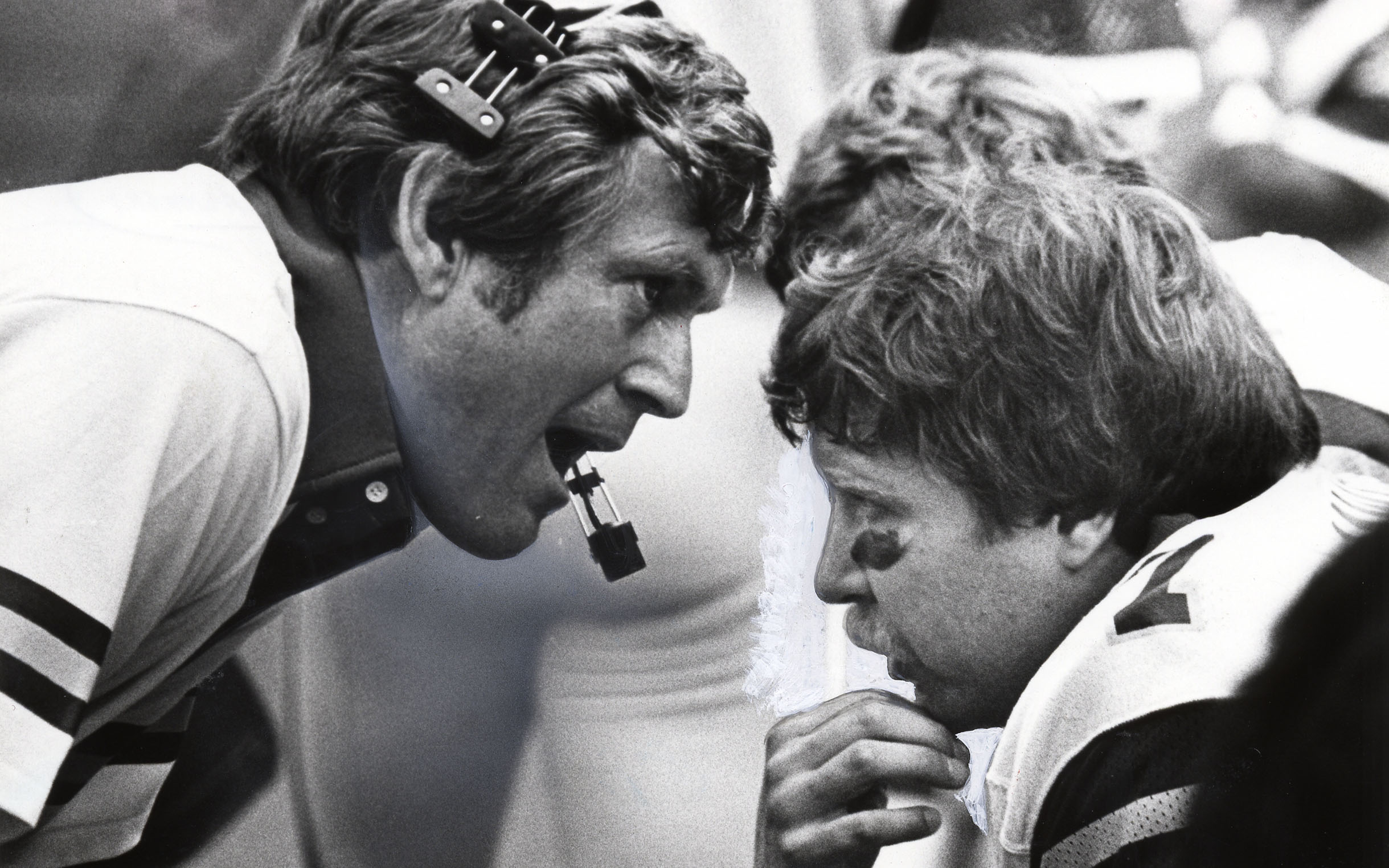
    On the night before he turned 90, Dick Vermeil took hold of a microphone, stood at the front of a packed banquet room Thursday at Downingtown Country Club, and looked out at the faces looking back at him.

    There were more than 200 of those faces. Several members of his 1980-81 Eagles Super Bowl team were on hand: Ron Jaworski, Wilbert Montgomery, Roynell Young, Keith Krepfle, coaches, team employees, their family members, and more. Herm Edwards was in town from Monterey, Calif. Former Eagles head coach Doug Pederson flew in from South Florida. Dante Hall, who with the Kansas City Chiefs in the early 2000s had been the NFL’s most dynamic kick returner while playing for Vermeil — he called Hall “my Black son” — made the trip. Vermeil’s friends and former players and business partners filled the room. His wife, Carol — they’ve been married 70 years — and their three children and 10 of their 11 grandchildren took up a couple of tables.

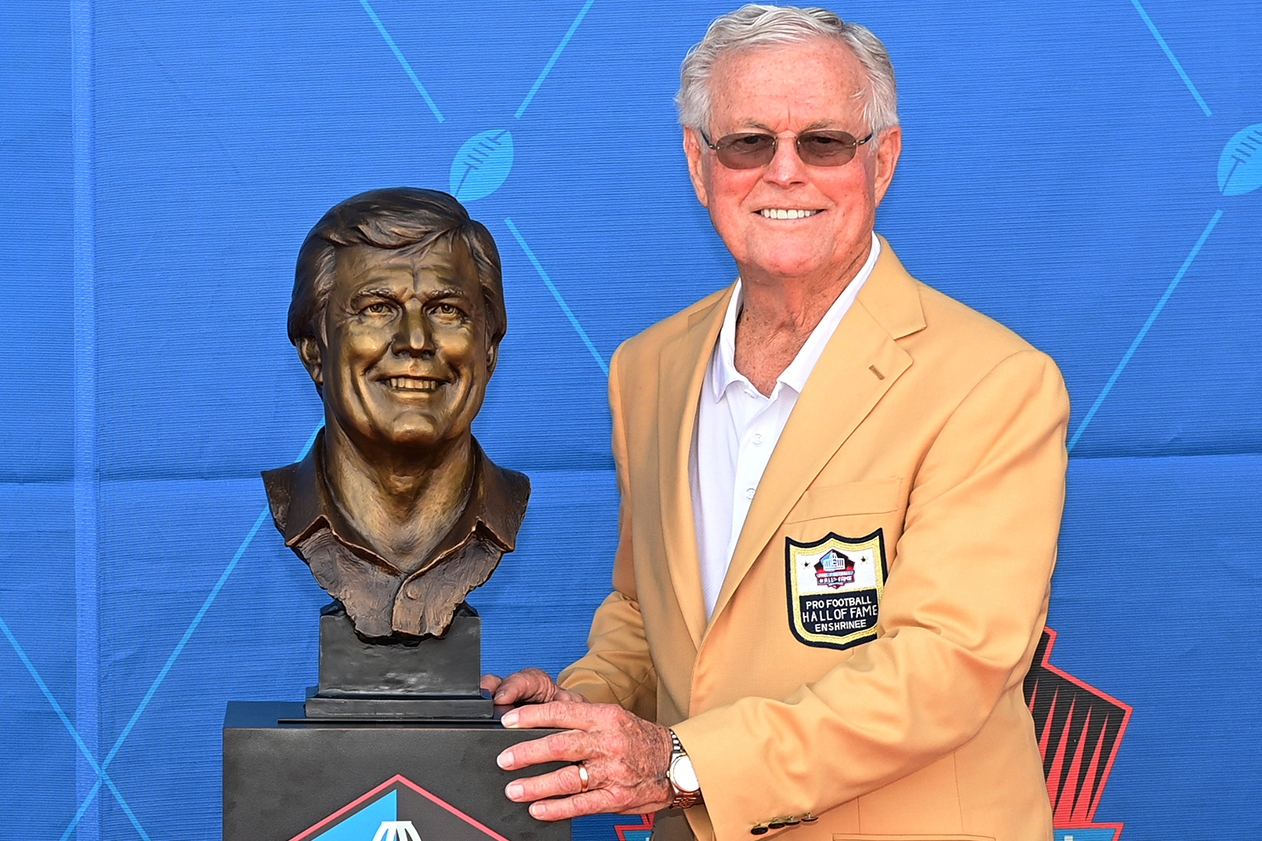
    Former NFL coach Dick Vermeil poses with his bust during an induction ceremony at the Pro Football Hall of Fame in Canton, Ohio in 2022. David Dermer / AP

    He wore his gold Pro Football Hall of Fame blazer. He started with a single word, “Wow,” and continued speaking for 45 minutes, and the most surprising part of his remarks was not that he acknowledged one person after another in the crowd, not that his recall of his connections to those people was perfect, but that he did not cry. Vermeil is famously emotional, but not Thursday night. He could have been hosting a dinner party or delivering a locker-room speech to one of his teams or motivating a group of executives at a sales conference. He was that engaged and engaging and joyful.

    A birthday party for a 90-year-old man might seem a pre-death wake, a commemoration of a life soon to end while the subject is still around to savor and appreciate it. This was not that. This was a celebration of a still-vigorous man, a coach who in his way still is coaching, a teacher who in his way still is teaching, a husband and father and friend as open-hearted as he has always been.

    “There is nothing more important than my family,” Dick Vermeil said Thursday night, as if he were speaking of everyone in the room, which he was. It was a remarkable night for a remarkable man. Happy Birthday, Coach.

    Don’t bet on it

    The 76ers announced Friday that they had reached a sponsorship deal with the predictions market company Kalshi, less than two months after LeBron James reached a sponsorship deal with the predictions market company Polymarket. Professional sports keeps opening its arms to snuggle betting and gambling and all their obvious ethical issues in its warm embrace, and neither these leagues nor their athletes appear to care about the cynicism they’re fostering.

    As more of these unholy partnerships form, more people might start wondering whether everything they see on the field or the court is on the level, if they haven’t already. As one example, it now will be fair to examine the dates, the circumstances, and the frequency of the games that James misses this season because of “load management” or a “coach’s decision.” And it will be fair to ask why a man who already was a multibillionaire chose to align himself with such a problematic industry for the sake of a few more bucks.

    The trend the Phillies missed

    The Milwaukee Brewers’ charge to the first World Series title in their history and the Tampa Bay Rays’ run through the American League proved just how far the Phillies were from competing for a championship. And for all the rightful complaints about the flaws within the 2026 Phillies — a top-heavy lineup, bad defense, a lousy bullpen — the Brewers and Rays also showed that Dave Dombrowski and his staff made a giant miscalculation that has loomed over not just this season but this entire era of Phillies baseball.

    It’s not a coincidence that Milwaukee and Tampa Bay, which didn’t just reach the World Series but were the best teams in their respective leagues, were tied for the major league lead in batting average (.258). Ahead of the 2023 season, MLB implemented several rules changes, including a ban on the kinds of infield and outfield shifts that had transformed hundreds of ground balls and line drives from hits to outs.

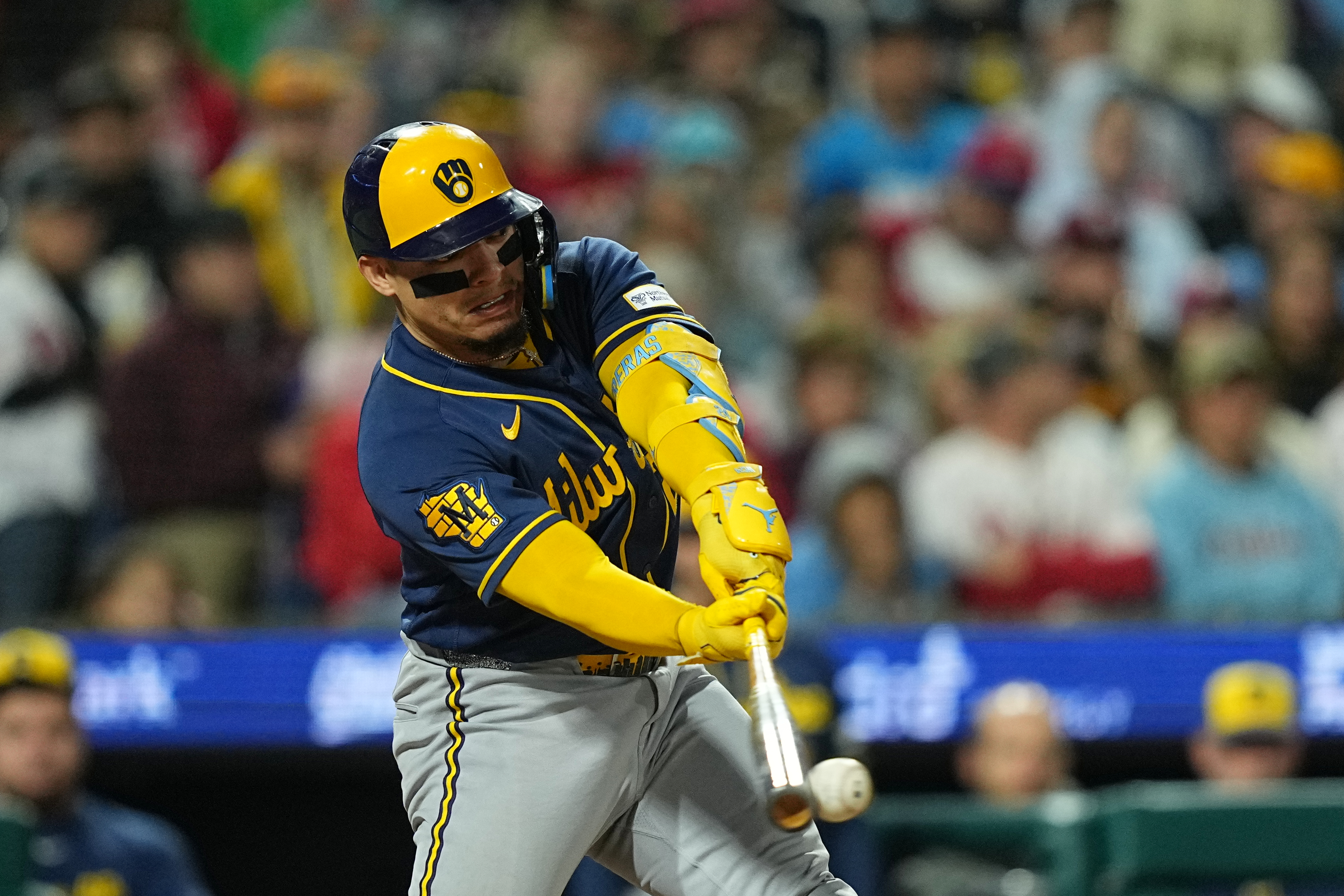
    Brewers catcher William Contreras had 19 hits in the playoffs for a team that was about way more than the longball. Matt Rourke

    The discussion about the need for such legislation had been swirling around the sport for years. There was a groundswell of fans and people within baseball who understood that widespread emphasis on the “three true outcomes” — home run, walk, strikeout — was making the sport boring. The pendulum was bound to swing back toward creating more action, encouraging more athleticism, and incentivizing teams to put the ball in play more often.

    The Brewers and Rays got ahead of that. The Phillies didn’t. With Bryce Harper and Rhys Hoskins already here, Dombrowski leaned into constructing a team that could hit the ball over any shift and out of any ballpark. To a roster that already had Harper and Hoskins, he added Kyle Schwarber, Nick Castellanos, and Trea Turner, all of whom were, or have become, swing-from-the-heels hitters and subpar fielders (at best). One of the undermentioned aspects of Turner’s underwhelming tenure is that, even though he has averaged more than 20 home runs over his four seasons with the Phillies, he actually had a higher home-run percentage over his four previous seasons (3.7%) than he has here (3.2%).

    Put simply, Dombrowski and the Phillies adjusted too late to what was coming. Now they’re not built for what baseball once was and has become again.

  • Why so many pet owners can’t afford a veterinarian

    Why so many pet owners can’t afford a veterinarian

    This article was produced by Capital & Main. It is published here with permission.

    One day in 2024, Justin Laudadio found his cat, Chicken, writhing on the floor of his home in Feasterville, Bucks County, apparently in the midst of a seizure. Laudadio put Chicken in a carrier and raced to a veterinary hospital, preemptively grieving the whole way.

    The veterinarians were able to stabilize Chicken, a brown tabby who was about 12 years old and diabetic, during a three-day hospital stay. Though he was diagnosed with acromegaly, a hormonal disorder caused by a benign pituitary gland tumor, it never became entirely clear what caused the seizure.

    But one thing was very clear: Chicken’s care was going to be costly. Even before extra testing that would add thousands of dollars, the bill was $9,500. It was an eye-watering figure, but Laudadio and his wife, Airy, agreed to cover it before they even knew whether Chicken would make it. “You do what you have to do,” Justin said.

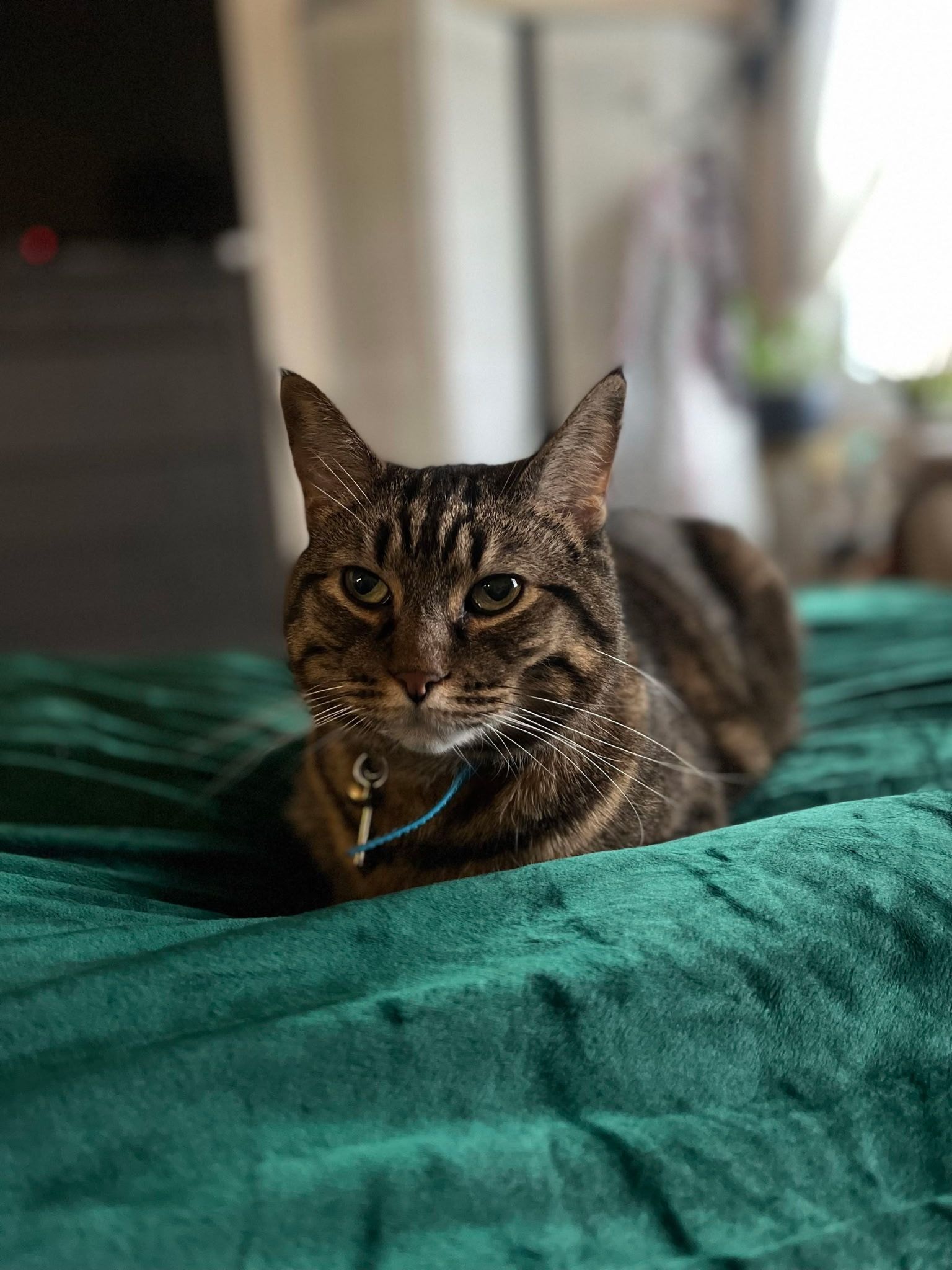
    Justin and Airy Laudadio’s cat, Chicken, needed emergency care that cost thousands of dollars.Courtesy of Justin and Airy Laudadio

    Veterinary care in the United States has grown much more advanced in recent years; Chicken, for example, has his own cardiologist. It’s also become much more expensive, partly because of the costs of more sophisticated medicine. At the same time, vet bills have climbed as the industry has become increasingly consolidated, with more clinics and emergency hospitals now owned by corporate groups and private equity firms.

    The consequences of these rising costs vary widely depending on pet owners’ ability to pay. Some can afford human-level care for their pets. Others may be forced to take on debt, forgo treatment, or even surrender or euthanize their animals.

    “The biggest struggle in access to care is certainly the cost of it,” said Donald Consla, a veterinarian at Animal Friends, a Pittsburgh animal shelter with a low-cost veterinary clinic.

    Since 2017, veterinary prices have increased about 67%, much faster than overall consumer prices, which rose about 38% during the same time period, according to the Bureau of Labor Statistics.

    (function(){function e(){window.addEventListener(`message`,function(e){if(e.data[`datawrapper-height`]!==void 0){var t=document.querySelectorAll(`iframe`);for(var n in e.data[`datawrapper-height`])for(var r=0,i;i=t[r];r++)if(i.contentWindow===e.source){var a=e.data[`datawrapper-height`][n]+`px`;i.style.height=a}}})}e()})();

    “Veterinary medicine has had a big transformation in the last decades,” said Jennifer Quammen, president of the American Veterinary Medical Association. Pet owners now have access to technologies such as MRI and ultrasound that “at one point [were] found in human hospitals only,” she added. “That equipment certainly comes with a cost.”

    Higher operating expenses, pharmaceutical prices, and general inflation are also contributing to bigger bills, Quammen said.

    Pet owners may be responding: Vet visits have declined over the past year even as industry revenues increased, according to the veterinary association. “We are seeing people delay routine care, preventive care,” Quammen said.

    The low-cost Pittsburgh clinic has seen greater demand for its services in recent years, Consla said, as more owners sought out affordable vaccinations and wellness exams.

    While it’s hard to compare the business model of a low-cost clinic with that of a typical private practice, Consla said, he has seen some extraordinary prices quoted by other veterinarians. “Some of the estimates people come in with are truly wild,” he said.

    Private equity and your pet

    For most of the industry’s history, the vast majority of veterinary practices were small and independently owned. Today the landscape is increasingly shaped by large veterinary groups backed by private equity and corporations such as Mars Veterinary Health, controlled by the wealthy family behind Mars candy. (Chicken was treated at two Mars-owned BluePearl hospitals.)

    National Veterinary Associates, owned by the investment firm JAB Holding Co., has more than 1,000 veterinary hospitals in the United States and Canada. Many of them kept their original local names, making their corporate ownership less obvious.

    Corporate ownership of vet practices has grown rapidly in recent years, from 11% of the sector in 2017 to about 30% in 2024, according to Brakke Consulting. It’s much higher among specialty and emergency clinics, 75% to 80% of which are owned by corporate and private equity groups. Such clinics together with corporate-owned primary-care practices account for roughly half the industry’s revenue.

    Veterinary care is appealing to investors for several reasons. It’s easy to consolidate fragmented pet care markets, for example, and pet owners typically pay for services out of pocket rather than relying on insurance companies with more power to contest prices. But perhaps the most important factor is demand: If a pet owner can afford to pay for the care a vet recommends for an animal they consider part of their family, they will.

    While it’s not clear whether corporate- and private-equity-backed practices are uniformly charging more than independent vets in the United States, a recent investigation by the U.K.’s Competition and Markets Authority found that five large veterinary groups charged on average about 18% more than independent practices.

    U.S. regulators have worked to limit the market power of large veterinary groups in recent years. During the Biden administration, the Federal Trade Commission required the private equity firm JAB to divest several specialty vet clinics as a condition of its more than billion-dollar acquisitions of two veterinary groups, a move regulators said would prevent the firm from “gobbling up competitors in regional markets that are already concentrated.”

    The cost of companionship

    Ongoing research by Lauren Powell, an assistant professor of animal welfare and behavior at the University of Pennsylvania’s School of Veterinary Medicine, shows low-income people report strong attachment to their animals — sometimes stronger than that of other income groups. As a result, they “will do everything they can within their means sometimes to try and find ways to access veterinary care,” she said. And sometimes they will exceed their means.

    The Philadelphia Animal Welfare Society is a shelter committed to doing all it can to keep people of limited means with their pets, offering low-cost care, free pet food, and even temporary foster home placements for animals whose owners are experiencing homelessness or other hardships. Philadelphia is a high-poverty city where many people “are living paycheck to paycheck, and the [choice] between feeding themselves and their pets is a reality,” said Cory Topel, the communications and grants manager at PAWS. She said pet owners will sometimes go hungry themselves to afford food for their animals.

    PAWS will never turn anyone away for lack of funds, Topel said. “If you turn them away, then they’re in a situation where they can no longer afford to keep their pet,” she said. That only forces owners to surrender their pets to a shelter or, worse, “Tie them to a bench or let them run free.”

    Other organizations aim to intervene before the cost of care forces difficult choices. The Bethlehem, Pa., nonprofit For the Love of Alex raises money to help low-income pet owners across the country pay for necessary vet care.

    Daisy, a dog from Pennsylvania, was one such pet. Daisy escaped during a walk earlier this year and eventually found her way home with a broken leg and tail; a vet believed she had been hit by a car. Daisy’s owner covered the cost of her hospitalization with CareCredit, a credit card for health and wellness expenses, including pet care.

    But Daisy needed a leg amputation that wasn’t approved for financing. For the Love of Alex covered the remaining cost, more than $7,000.

    “Owning a pet has become dramatically expensive,” said the group’s executive director, Carla Isenberg.

    Isenberg, a former veterinary technician, said emergency vet bills amounting to several thousand dollars used to be unusual. But in fielding requests for help lately, she has noticed big differences in prices between smaller, “mom-and-pop” clinics and those owned by corporate chains.

    The high-priced care Chicken received after his seizure led to a happy result. He is “thriving” today, his owners said, living the standard snoozing life of a senior cat. His health has improved with the help of specialized food and daily medication, a “luxury” that Justin and Airy feel lucky to be able to afford.

    Airy said she now wonders whether the low life expectancy of cats with acromegaly is “because of the disease or because the [cost of the] treatment is so prohibitive for so many people.” If Chicken had fallen ill a few years earlier — before Airy and Justin were married and both had stable jobs — the calculus might have been different. They may have faced what Justin called a “heartbreaking choice.”

    Copyright 2026 Capital & Main

  • They were sorority sisters at Penn. Sixty years later, they’re roommates again.

    They were sorority sisters at Penn. Sixty years later, they’re roommates again.

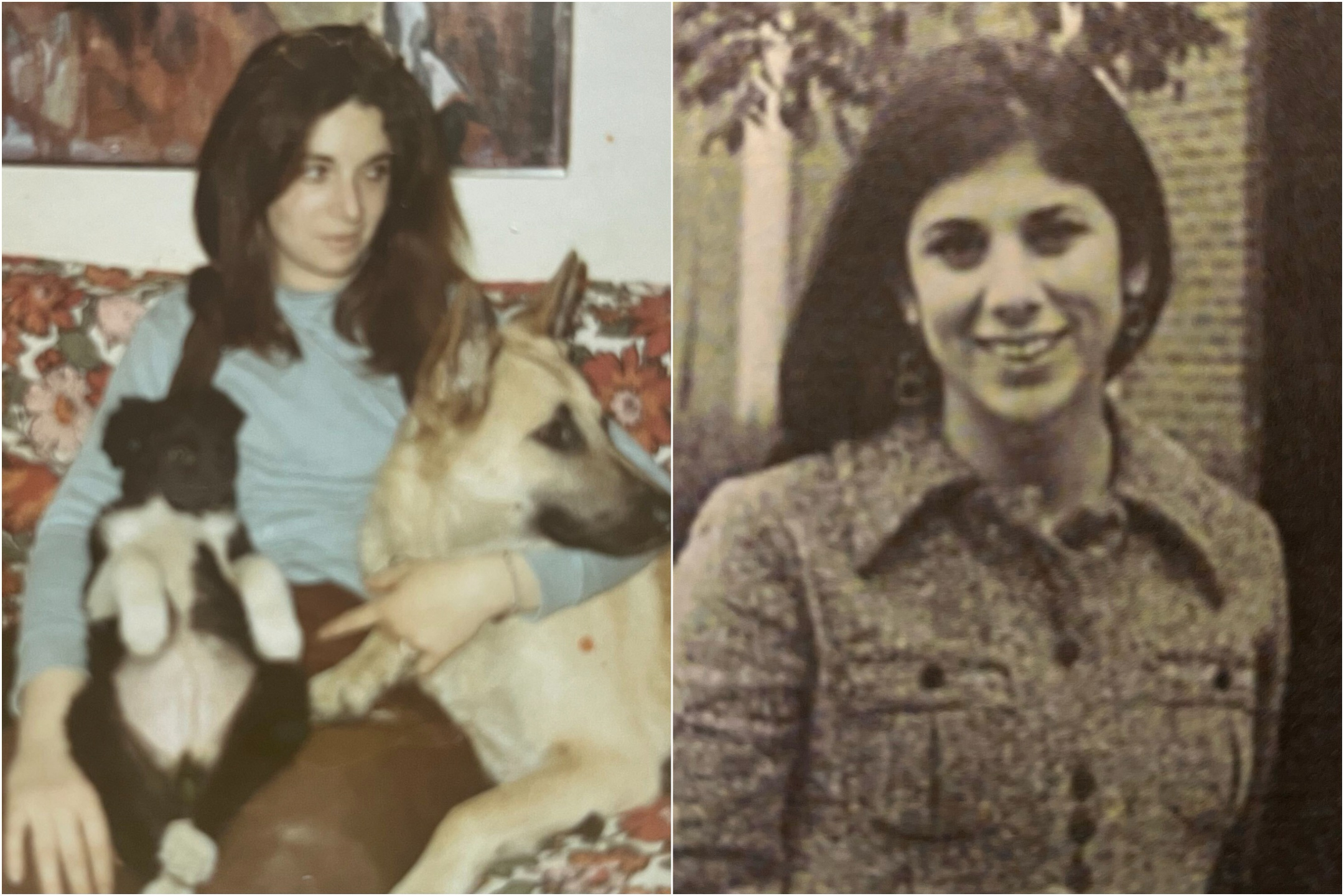
    In the fall of 1966, Susan Dannenberg and Michele Mathes moved into a small room together on the third floor of the Delta Phi Epsilon sorority house at the University of Pennsylvania. It was not clear whether they would make it as roommates. Mathes was an analytical pre-law student focused on the future, while Dannenberg was a struggling art student with a penchant for bringing home small rodents as pets.

    Sixty years later, the two women, both now 79, have once again moved in together.

    In the intervening decades, they married, raised children, built careers, got divorced, and lived alone. But they remained connected and always thought they might end up as housemates once more.

    “I’ve never had to explain myself to her,” Mathes said.

    This time, instead of a cramped sorority room, they are sharing a spacious apartment in Chestnut Hill, where they each have their own bedroom and bathroom.

    In pooling their belongings, Mathes brought the books, music, and handwoven rugs; Dannenberg brought furniture from 50 years of flea market scavenges. (They each brought a male Tuxedo cat.) They opened a joint bank account to pay for their rent and other shared expenses.

    They see their non-romantic living arrangement as a way to spend the older years of their lives in companionship, doing exactly what they want to do.

    “It’s not just about being roommates,” Mathes said. “We give special priority to figuring out how you meld two lives.”

    The following, as told to Zoe Greenberg, has been edited for length and clarity.

    On being roommates 60 years ago

    Dannenberg: At the end of every day, no matter what went on, we would get the hardbound dictionary out, and we would pick out a word that neither of us knew. We would learn that word, and we would commit to use it the following day.

    Mathes: The following year we were in different rooms. But every night, after everyone else was asleep, Susan and I would sit on the stairs and sing show tunes.

    Susan Dannenberg, left, and Michele Mathes in 1971, five years after they met in the Delta Phi Epsilon sorority at Penn.Courtesy of Michele Mathes

    On their marriages

    Dannenberg: In both my marriages, each of my husbands was aware that I had a strong relationship with Michele, and accepted that was a big part of my life. It was hard to navigate sometimes. I never believed that anybody else had a relationship like this. What other people meant when they said “best friend” didn’t capture the complexity and the depth of this relationship.

    Mathes: You have to understand that by the time we got married, we had such an incredibly strong friendship. It didn’t detract from the marriage, but it coexisted with the marriage. It was braided into the marriage.

    On difficult years of friendship

    Dannenberg: From about 1977-87, I withdrew from Michele. Those years were challenging. I was so deep in my own struggles that I can’t say I even saw other people’s lives.

    Mathes: My life was going swimmingly at the same time that Susan was struggling. So that made it very difficult. I was hurt. Susan was not in touch, but she was still Susan, and I was still me.

    On making plans to be roommates again

    Dannenberg: Fifty years ago, I remember thinking: At some point the best way to live is for women to live with women. I was married at the time. Everybody was married at the time. We made a commitment to each other that we were going to do the work it took to be in a place where the two of us could live these years together.

    On what they worried about before moving back in together

    Mathes: Because we are very different, I had some concerns about how accommodating we could be to each other. Part of my baggage going back to the way I grew up was I felt that I was run over a lot. I was concerned because Susan is very orderly and likes to do things a certain way.

    Dannenberg: My concern is the flip side — I worry that I’m going to make a misstep, and Michele’s going to get angry.

    Susan Dannenberg and Michele Mathes prepare dinner in their kitchen. They’re learning to meld their lives after years of living alone. Monica Herndon / Staff Photographer

    On their new daily ritual

    Dannenberg: We’re figuring out our own desires, how to spend our time and how we can do it together. We have a ritual at 4 o’clock. We stop what we’re doing. I pour a nice glass of wine. Sometimes Michele will have a little bit of wine, but more likely iced tea. We call it cocktail hour.

    On sparing their children (and themselves)

    Dannenberg: My son will always say, “If something happens to you, mom, you can always come live with us.” Living with them would not be my dream. I would have to re-locate, and I wouldn’t want them to be responsible for looking after me. I think it’s such a relief to them that Michele and I have each other.

    Mathes: We’d both taken care of parents who had become frail or ill. I wanted another stage where I’m living the way I want to live — not to support other people, or take care of responsibilities. You’re old enough to reflect back on your life. I want to live with someone I love in an environment where we can decide what we want to do, and have that be the last part of my life. And that’s what we’re doing.


    This story is part of a series about life partners across the Philadelphia area.

    If you want to share your story about who you’re navigating life with, romantically or otherwise, write to lifepartners@inquirer.com. We won’t publish anything without speaking to you first.

  • Ed Hastings played at Villanova, became a priest, and now helps athletes find the joy in losing

    Ed Hastings played at Villanova, became a priest, and now helps athletes find the joy in losing

    It’s been more than 50 years but Ed Hastings can still feel the sting of leaving the Palestra in March of 1969 after losing in the Catholic League playoffs.

    “That’s a long time ago,” Hastings said of Monsignor Bonner’s overtime loss in the semifinals to North Catholic. “But I can go over certain things and where it took place on the Palestra floor.”

    And Hastings can still feel the comfort of his uncle, who was waiting for the teenager at his home in Drexel Hill. Bob Devine played at West Catholic and captained the hoops team at Notre Dame before becoming a priest. He told Hastings he knew how he felt — “I was hurting,” Hastings said — but promised that the loss would prove beneficial.

    “He was giving me perspective and he was also giving me hope,” Hastings, 75, said. “There would be more challenges to come but also maybe I would respond better the next time after I’ve gone through this kind of loss. I took that with me.”

    That loss at the Palestra prepared Hastings for what was to come: a knee injury at Villanova that cost him the chance of playing for the 1971 national title, 16 years as an Augustinian priest, and now a trip to Rome to speak to a sold-out crowd a day before Villanova opens its season there.

    Hastings, who left the priesthood in 1999 and now teaches theology at Villanova, will focus his talk on what athletes can learn from losses. He might even mention that afternoon against North Catholic — Hastings hit a go-ahead shot with 12 seconds left before North forced OT — and the lesson he learned.

    “I did a lot of winning, but certain losses stick and they can inform us perhaps more than anything,” Hastings said. “Spirituality has since informed me that the necessary suffering can help us more than anything. Winning is great. I promise you, I never went on a field or in a gym being content with losing. But through the hard times, I’ve learned that losing — if we use it well — can be the very thing that helps us develop the most spirituality.”

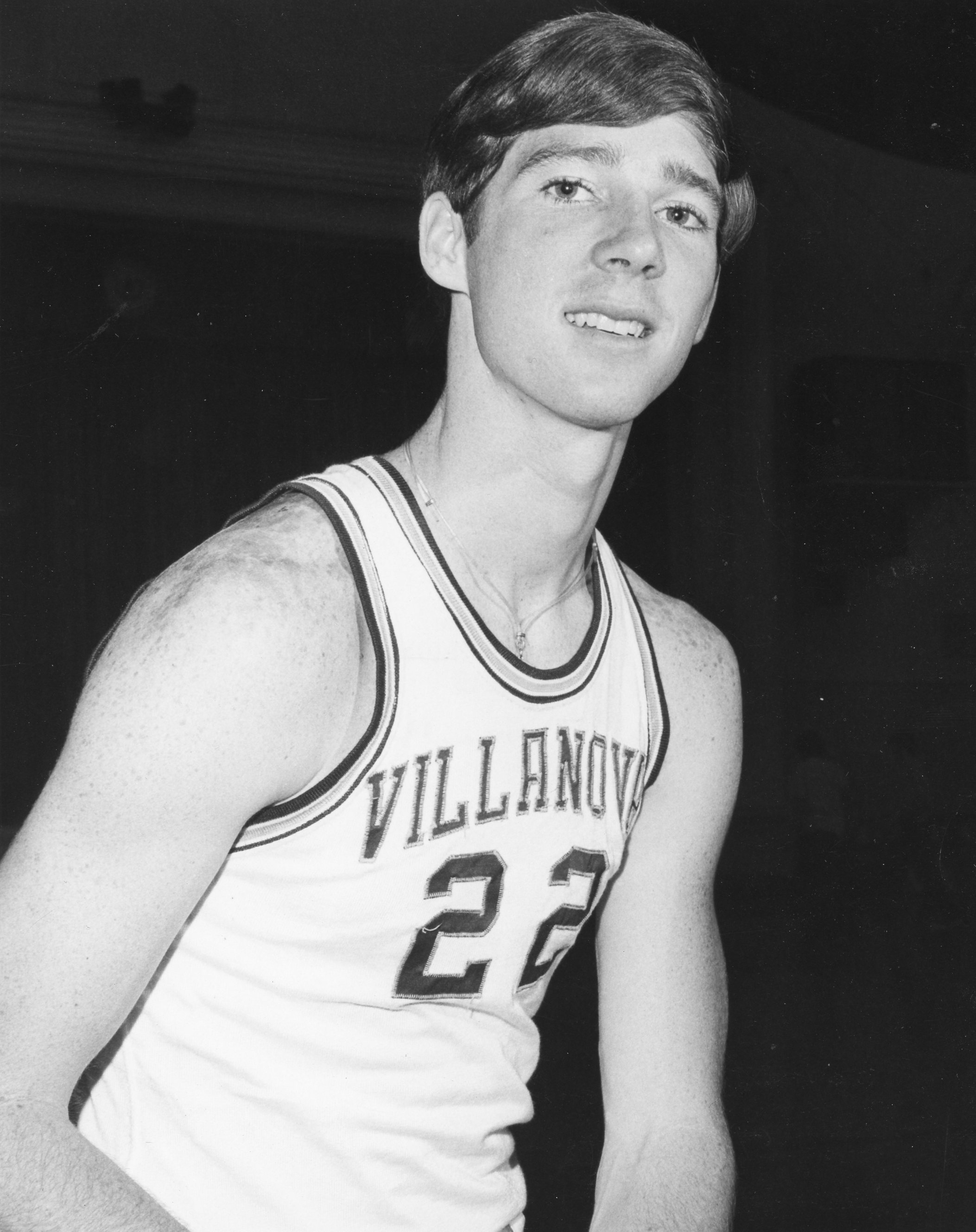
    Ed Hastings during his playing days at Villanova.Villanova University Athletics

    Dealing with losses

    Jack Kraft knew Hastings wasn’t happy to sit after injuring his knee weeks earlier, so the Villanova coach inserted Hastings late in a blowout game in Hawaii.

    “I brought the ball up court,” Hastings said. “I planted my foot, and my knee went one way and my body went the other way. I tore my ACL.”

    His sophomore season — and his role as the team’s sixth man — was over. Hastings didn’t go to practice or travel with the team to road games. His roommate was fellow guard Tom Inglesby, who is now his brother-in-law, but Hastings struggled to find his place with the team without being able to play.

    “My community at Villanova was the basketball team,” Hastings said. “That was really hard.”

    He was allowed to travel with the team to Houston for the Final Four. He watched them beat Western Kentucky and then give UCLA enough trouble in the national championship that John Wooden slowed down his up-tempo offense to force Villanova to come out of Kraft’s famed “ball defense.” Hastings could only watch as the Wildcats lost by six. It was another loss to learn from.

    “That was exciting,” Hastings said. “But I thought, ‘Wow, I could be playing in the national championship against John Wooden, of all people.’”

    Hastings played two more seasons at Villanova and co-captained the squad as a senior. He wanted to be a basketball coach, so he stayed at Villanova after graduating in 1973 to be a graduate assistant under new coach Rollie Massimino. He was a character, Hastings said. One season was enough for Hastings to find a new calling. He entered the seminary.

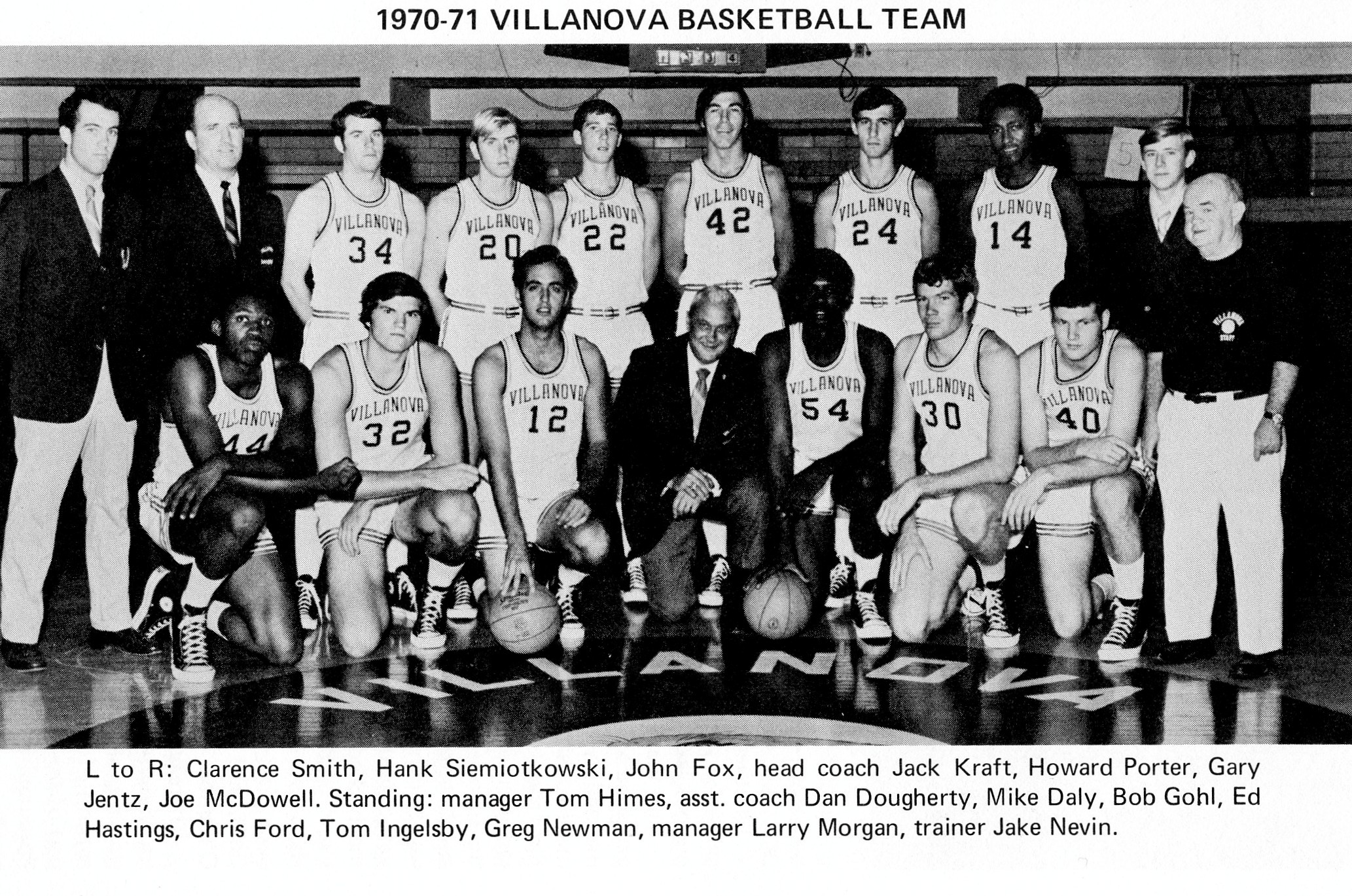
    The team photo for the 1970-71 Villanova Final Four Four team.Villanova University Athletics

    ‘Sports and Spirituality’

    Hastings graduated from Villanova a few months before Pope Leo XIV arrived on the Main Line. But Hastings knew him when they were both in the seminary.

    “I asked a couple people, ‘How are we going to refer to him?,’” Hastings said. “Because to me, he was Bob Prevost. But I guess it’s ‘Your Holiness’ or something like that. It’s honestly hard to believe. When we first heard this, it was like, ‘This is amazing.’ It gave me great hope for the church that he was elected.”

    It was a relief, Hastings said, that the pope won’t be in attendance for his speech in Rome as the former Villanova guard didn’t need any more pressure. Hastings said the vow of celibacy pushed him out of the priesthood and he now lives in Haverford with his wife, Kathy. He will be joined in Rome by Villanova’s minister for sport and spirituality David Walsh and Notre Dame’s assistant vice president of campus ministry Rev. Peter M. McCormick. Their talk is titled “Win or Lose, Be Fully Alive” and will focus on what Hastings has spent most of his life centered on: finding spirituality in sports.

    Hastings founded Neumann University’s Center for Sport, Spirituality and Character Development in 1999 shortly after leaving the priesthood. He shows his Villanova students examples of “spirituality in the sports page,” and thinks back to how impactful the pickup games were in Delaware County. He learned how to shoot by watching Herb Magee, Jim Lynam taught him how to play point guard, and Fran Dunphy was stiff competition. More so, they showed Hastings how to carry himself while they played at places like the Aronimack Swim Club.

    “I looked up to them,” Hastings said. “These people are classy people. They were really good people. So I became involved with them and saw how they treated others. I could see something going on there.”

    One of Hastings’ classes at Villanova is titled “Sports and Spirituality.” Sports, he said, is the hook to get students to sign up.

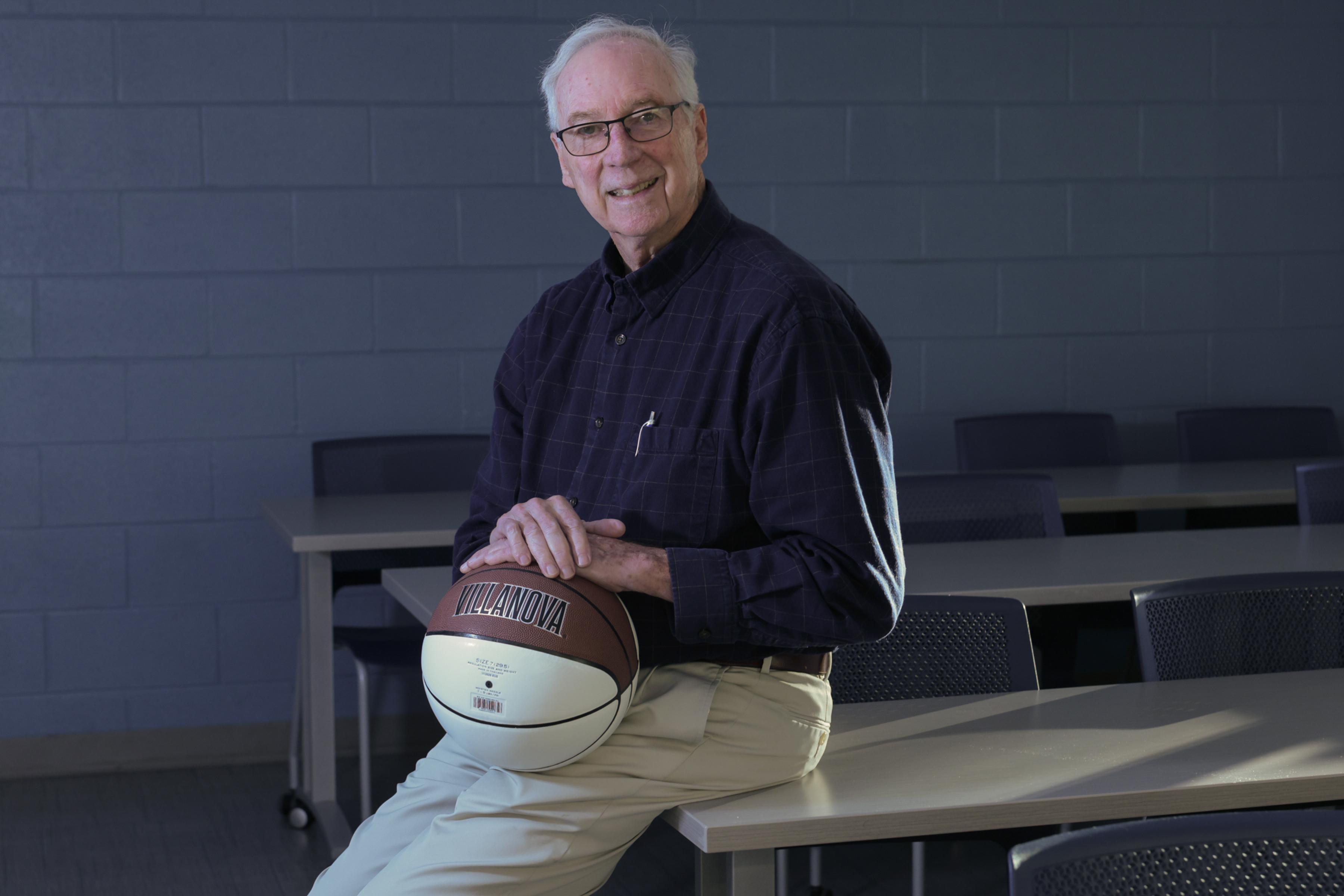
    Ed Hastings, who was on the 1970-71 Villanova Final Four team, is a theology teacher at the school.Steven M. Falk / For The Inquirer

    “But then I’m sneaking in spirituality and teaching them spirituality through the experience of playing sports,” Hastings said. “That’s what I’m doing. My expertise is spirituality. It’s how we can look at sports and see spirituality.”

    He teaches his class at Villanova like his uncle taught him that night years ago in Drexel Hill. He was crushed about losing in the Catholic League playoffs. But his uncle saw a chance to use sports as a way to guide the teen’s spirituality. Yes, he still remembers the disappointment of losing to North Catholic. But he also remembers the hope his uncle gave him. And that’s what he’ll carry to Rome.

    “Winning is great and everyone wants it and I’m for it,” Hastings said. “But it’s losing that can really teach us about life. That’s what I want to talk about.”

  • Horoscopes: Saturday, Oct. 31, 2026

    Horoscopes: Saturday, Oct. 31, 2026

    ARIES (March 21-April 19). Trick: You remember the darnedest things about the people you love, such as what they said a decade ago. You delight them with not only the story but the fact that you were paying attention. Treat: You have great timing. You share when it matters most.

    TAURUS (April 20-May 20). Trick: You really do call when they are thinking of you. You really do feel it when they need you. You really do show up at the crucial moment. Treat: You don’t overextend yourself. You prioritize your people.

    GEMINI (May 21-June 21). Trick: You can talk to almost anyone. Give you two minutes and you’ll find the subject that gets someone going. Treat: You remember what lights people up, so the next time you see them, you start with that.

    CANCER (June 22-July 22). Trick: You see suffering, but you don’t act like you do unless you think it will help. You realize that people need their dignity and you have the social grace to just be there as an ally, which is often exactly enough. Treat: You don’t even have to try. Your humanity is fully alive.

    LEO (July 23-Aug. 22). Trick: You make people feel interesting. You ask about their story and give them the floor when they have something good to tell. Treat: You remember to applaud. You make a bigger deal of their victories than they expected.

    VIRGO (Aug. 23-Sept. 22). Trick: You make ‘em laugh. By now it’s an instinct. You don’t even have to try. A little truth with a twist and they’re right there with you. Treat: It’s always in good fun, never at their expense.

    LIBRA (Sept. 23-Oct. 23). Trick: You can rescue a party, a dinner or a conversation before anyone realizes it needs saving. You change the subject or pull someone in. Treat: You make social skill look easy because you pay attention to everyone in the room.

    SCORPIO (Oct. 24-Nov. 21). Trick: You remember what people tell you in confidence. Years can pass and you still keep the vault locked. Treat: You give people somewhere safe to put the truth. They know you can handle the real story.

    SAGITTARIUS (Nov. 22-Dec. 21). Trick: You can talk someone into having a good time. You spot the adventure and make it sound irresistible. Treat: You bring people home with a story they’ll tell for years and a new place they want to revisit.

    CAPRICORN (Dec. 22-Jan. 19). Trick: You know how to make yourself useful without making a production of it. You see what needs doing and handle your share. Treat: You give people the immense pleasure of knowing they can count on you.

    AQUARIUS (Jan. 20-Feb. 18). Trick: You ask the question nobody expected and suddenly you’re having the best conversation of the night. Treat: You take a real interest in the answer. You give people room to tell you who they are.

    PISCES (Feb. 19-March 20). Trick: You make people like you in under six seconds. Treat: you don’t abuse that power. In fact, you are very careful with people’s attention and feelings. Of course, these days, it’s an honor when people look up from their phones.

    TODAY’S BIRTHDAY (Oct. 31). In your Year of Love’s Favor, you will understand people’s depth of feeling for you on a visceral level. People show it in the way they include you, gift you, entertain, help, touch and laugh with you. Even nature itself will seem to cradle your heart. More highlights: An exciting move involving trucks and friends, a changing of the guard, epic family celebration. Cancer and Aquarius adore you. Your lucky numbers are: 10, 5, 23, 19 and 16.

  • Dear Abby | Beloved niece lacks respect for relatives’ time

    Dear Abby | Beloved niece lacks respect for relatives’ time

    DEAR ABBY: We live 500 miles from our nearest relatives, but a niece is attending a university about 50 miles away. We invite her to join us for holidays and weekends, and sometimes she asks to visit to escape from roommate drama.

    We love having her, but she often says she’s coming at one time only to arrive hours or days later. Last time, she told us she was coming on Friday afternoon and didn’t show up until Sunday afternoon (she does keep us updated).

    We have busy lives and often set aside our regular activities to shop for special meals or make reservations for activities to do with her. Instead, we end up sitting home because our other activities were canceled to spend time with her. Her parents, when they travel to this area, also do this or expect us to travel to meet them within about 100 miles, but they keep changing the plans, so our schedules are disrupted. They try to cram so many things into a day that visits to a special place are often pushed to the end of the day, and we must rush through before closing.

    When we visit them, they rarely alter their plans for us and seem surprised when we show up on time. Sometimes, we have to wait hours for them to come home when we agreed on our time of arrival. We love spending time with them, but this just makes us feel used. I don’t know how to express this to them without alienating them.

    — ON SCHEDULE IN CALIFORNIA

    DEAR ON SCHEDULE: What boorish, disrespectful relatives you have been catering to. Worse, they have passed their disregard for the feelings of others along to their daughter. You are long overdue for a conversation with that niece, informing her that if she can’t show up on the agreed-upon date, she should cancel rather than leaving you hanging for two days. Make sure she understands that you won’t be home if she arrives hours late.

    Deliver a similar message to her parents. If you are left waiting for more than 30 minutes (and I think that’s generous), you will carry on without them or go home.

    ** ** **

    DEAR ABBY: I have a 7-year-old daughter who hasn’t seen her dad in years. Her own father wants nothing to do with her. He has always hidden our child from his family and tries to keep us a secret. I’m getting sick and tired of this behavior, and the department of child support can’t do anything because he ignores their calls. What can I do? Is it best to move on and cut off contact for good since he’s not interested in our daughter?

    — DONE WITH NON-DAD

    DEAR DONE: Sadly, you can’t force a deadbeat dad to have a relationship with his daughter. You would be justified in cutting him out of your life completely. I must ask, though: Have you consulted a lawyer about any of this? Even if he’s unwilling to be present as a parent, a father is legally required to provide financial support in most cases.

    ** ** **

    DEAR READERS: It’s Halloween, a time for fun and fantasy! I hope that any celebrating you do tonight will be creative, fun and safe for everyone involved. Happy Halloween!

    And a reminder that daylight saving time ends at 2 a.m. Sunday. Don’t forget to turn your clocks back one hour at bedtime tonight. And while you’re at it, be sure to put fresh batteries in your fire alarms and smoke detectors.

    — LOVE, ABBY

  • Homecomings, step shows, and more highlights kick off Philly’s HBCU weekend

    Homecomings, step shows, and more highlights kick off Philly’s HBCU weekend

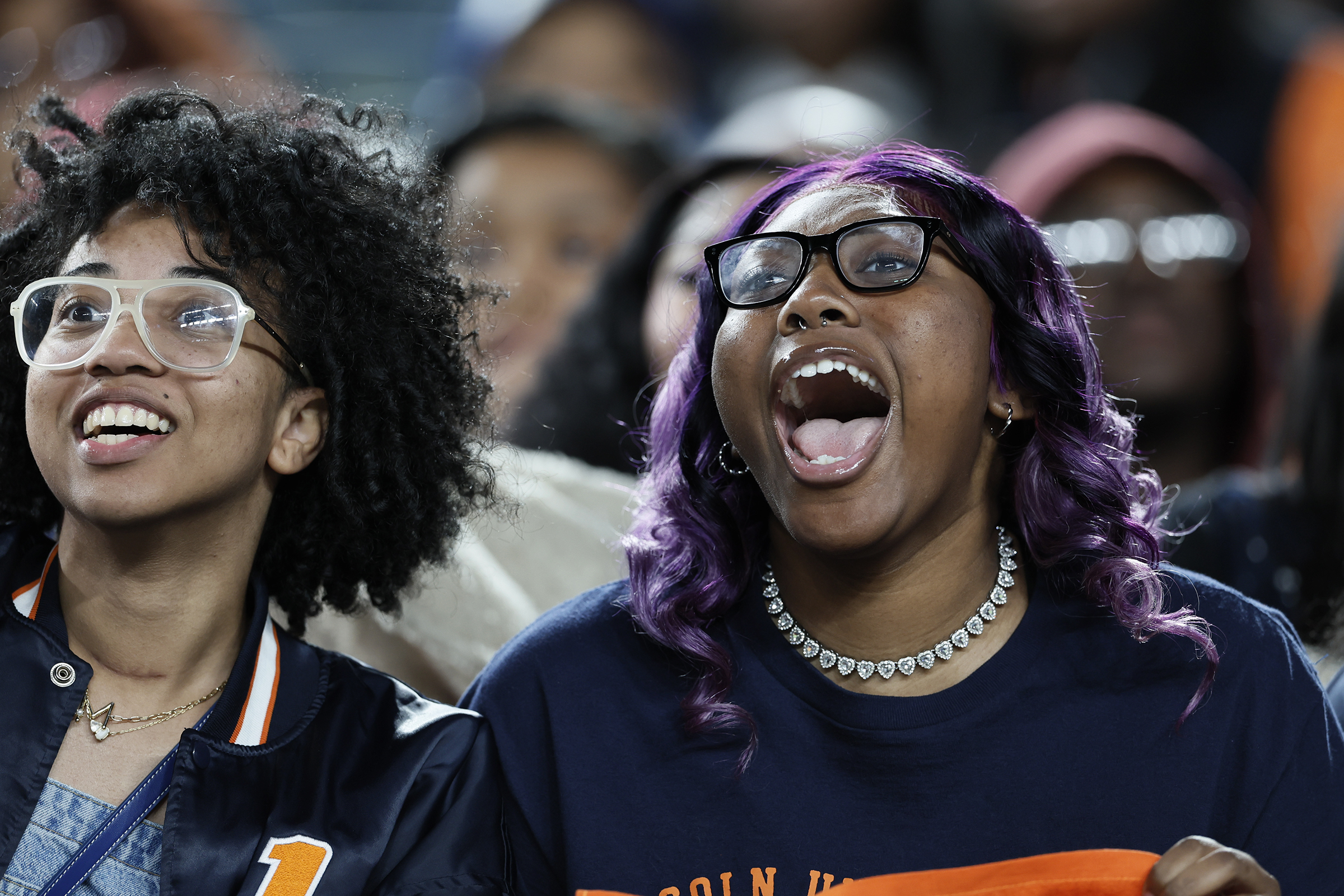
    For Virginia Union linebacker Christian Aiken, the Panthers’ 62-0 victory over Lincoln “means everything.”

    Aiken, a South Jersey native, helped spearhead a defensive effort that shut out the Division II Lions at Lincoln Financial Field on Friday. The game kicked off this year’s One Philly HBCU Week, hosted by the City of Philadelphia and the Eagles. Aiken, the Central Intercollegiate Athletic Association’s leader in sacks, rushed to the stands following the game. He went to greet his family, some wearing custom No. 44 gear.

    “Being a Philadelphia Eagles fan, getting an opportunity to come out here, play with my teammates, and just enjoy this stage,” Aiken said. “One Philly HBCU week, get out of here, come out and put on a showcase. It’s amazing. … I got my whole family out here, man. I got cousins, everybody.”

    Despite the outcome, the moment was not lost on Lincoln either. The Chester County college was invited to participate in this year’s festivities, in part because the program participated in the first HBCU Classic in 1919. That game, played against Howard, was also played in Philadelphia.

    “It’s an unbelievable experience,” said Lincoln linebacker Charles Thompson, a Chester native. “Riding past the stadium anytime I have to go to Philly, its about 15 minutes from my house, so it was awesome.”

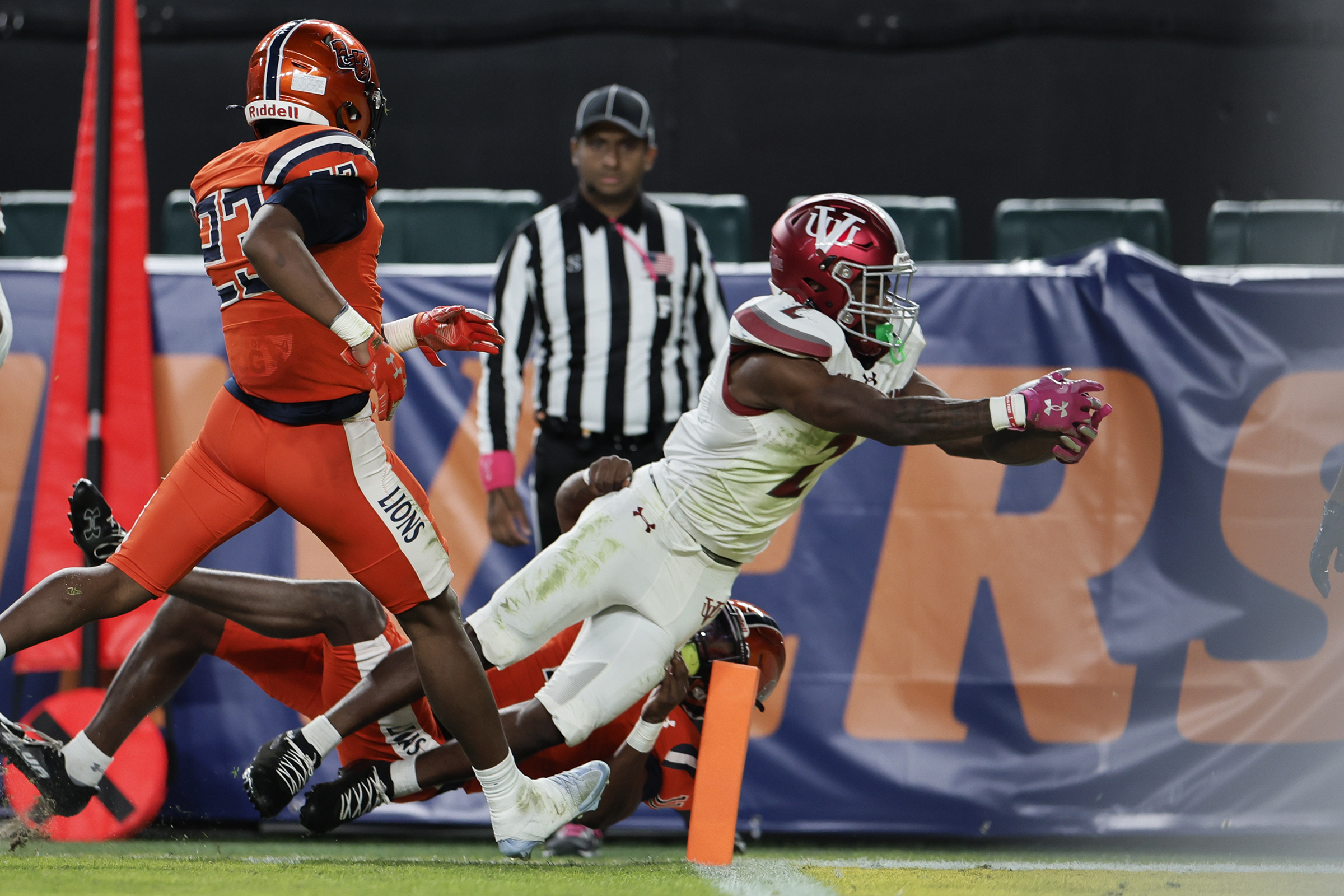
    Virginia Union’s Raphael Tucker dives into the end zone for a touchdown against Lincoln University on Friday.Elizabeth Robertson / Staff Photographer

    ‘A historical moment’

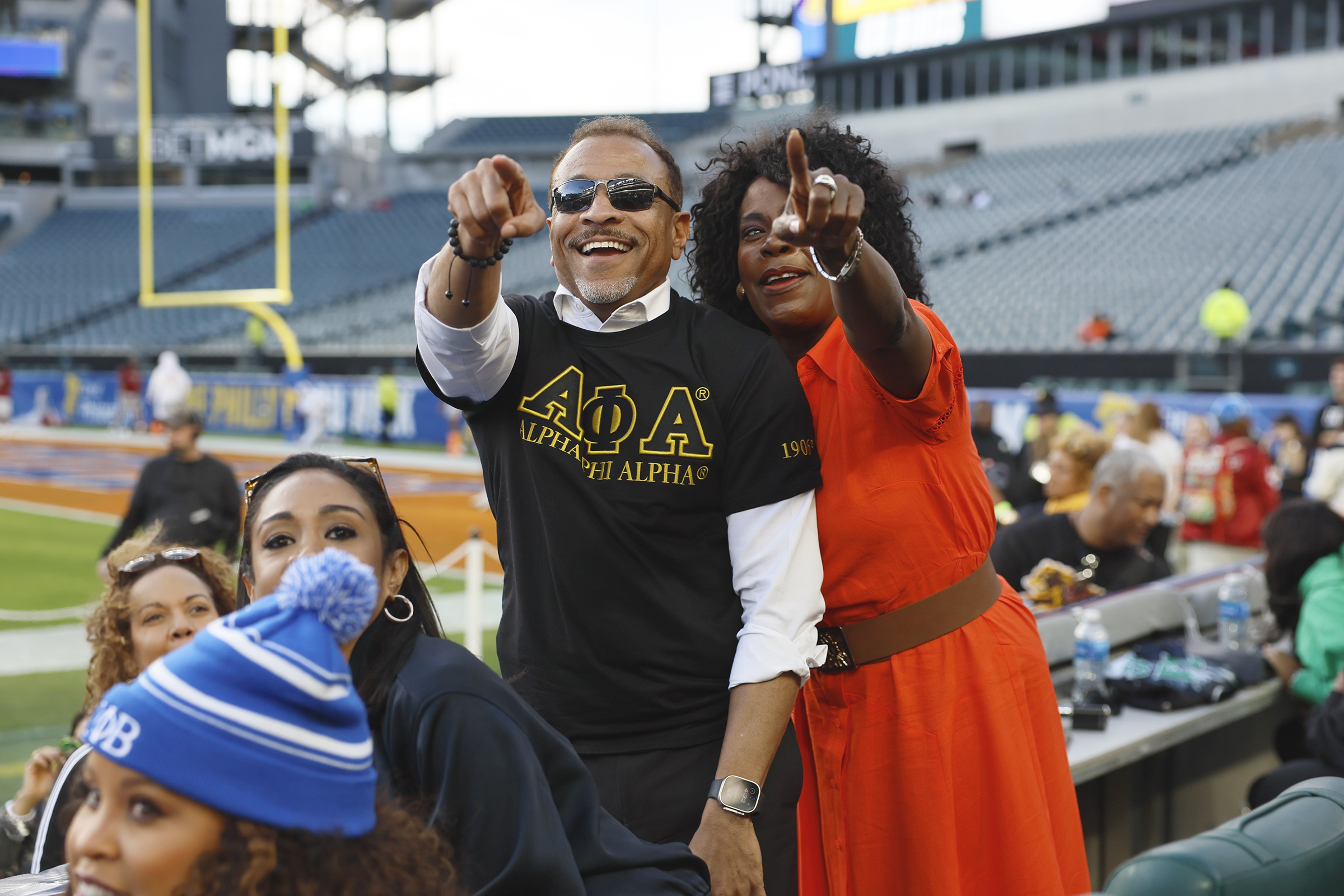
    Prior to kickoff, the Lincoln and Virginia Union faithful held joint tailgates outside the Linc. Along with their school colors, many of the fans sported their Greek letters.

    “HBCUs, it’s a vibe,” said Lincoln alum Chris Barnes. “It’s almost like a homecoming. Anytime we get a chance to get together, watch the game, do some cooking, share stories about when we were on campus — It’s just a really, really good atmosphere. … See some folks we probably haven’t seen in a couple days.”

    Added Virginia Union graduate Raynee Doweary: “We were at Union last week … To be able to see them back-to-back in our neck of the woods, it’s that Panther pride, that Panther love, as simple as that.”

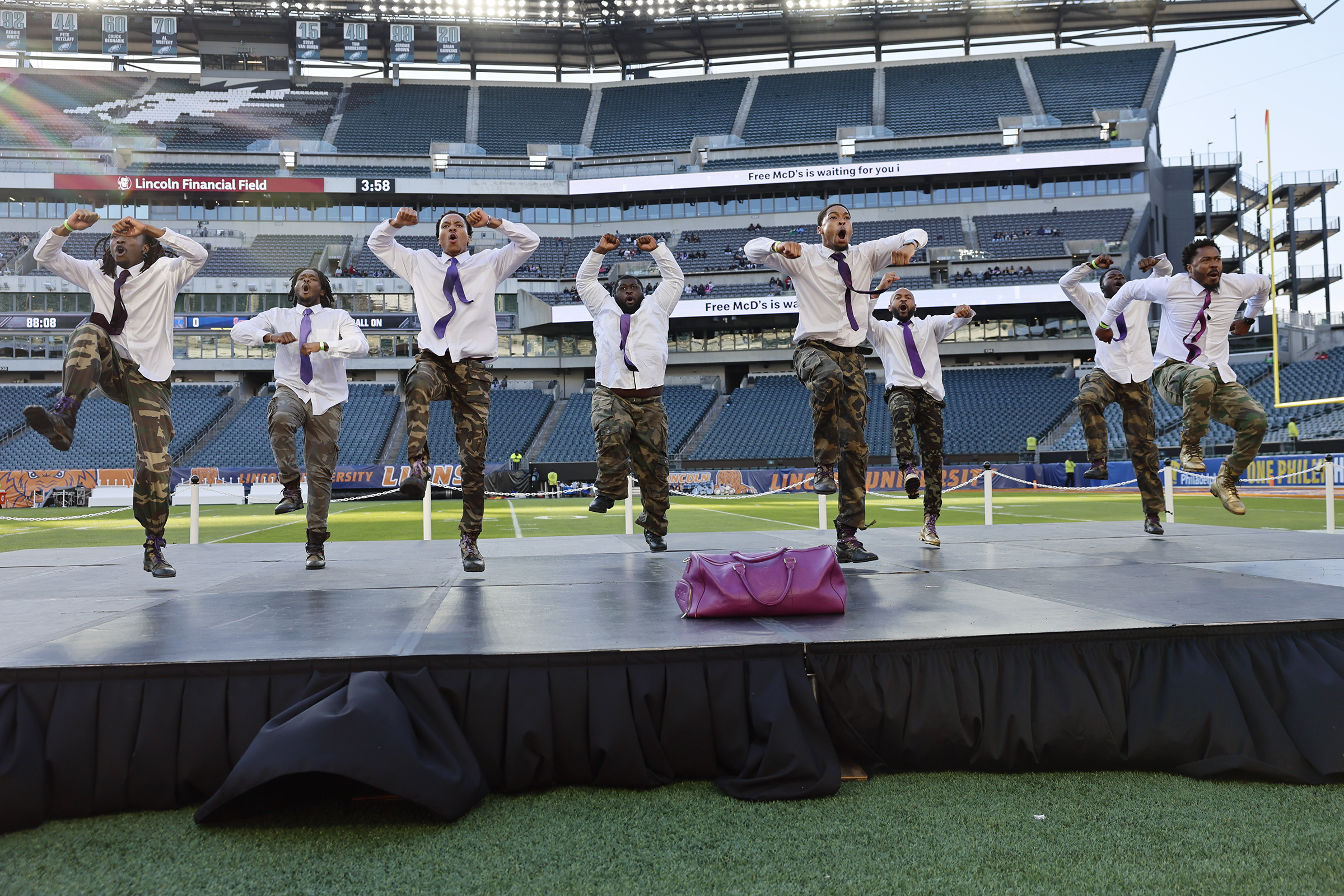
    Before the game kicked off, fans who got to the Linc early were treated to a step show. Step is a type of dance where performers use their bodies to create a beat through stomping and clapping. It was popularized on HBCU campuses in the early 1900s and is still a major part of campus culture today.

    “I feel like it’s really a historical moment,” said Jasir Jeffcoet, a member of Lincoln’s Kappa Alpha Psi chapter. “This is our second step show win within a week, so we make history day by day. Great to be at the HBCU Classic doing our thing. We appreciate everybody here that gathered to make sure everything got right today.”

    Friday’s step show is part of the six day celebration of HBCUs. Earlier in the day, the city held a college and career fair.

    The week’s events kicked off on Tuesday at West Philadelphia High School, where various community cheer groups and marching bands put on elaborate performances. For Halloween, West Philadelphia’s Marching Orange & Blue performed Michael Jacksons’ “Thriller” — complete with zombie makeup.

    “We had the cheerleaders and the young bands, the school bands, and they’re competing [in the Battle of the Bands],” said Mayor Cherelle L. Parker. “ … Temple was there. Father Judge was there. — That’s what ‘One Philly’ is, right?”

    On Friday, the Marching Orange & Blue were the opening act for rapper Ludacris, who played a melody of his hits at halftime. Jamire Boyer, a member of the Marching Orange & Blue, was nervous when he first heard his high school band would perform at the Eagles’ stadium.

    Participants perform during the step competition on Friday.Elizabeth Robertson / Staff Photographer

    However, after being around all the various performers this week, his apprehension turned to excitement.

    “It makes me inspired to do it more and more often,” Boyer said.

    Devin Jackson contributed to the reporting of this story.

  • Bringing Lincoln University to Philadelphia for HBCU football was ‘personal’ for Mayor Parker

    Bringing Lincoln University to Philadelphia for HBCU football was ‘personal’ for Mayor Parker

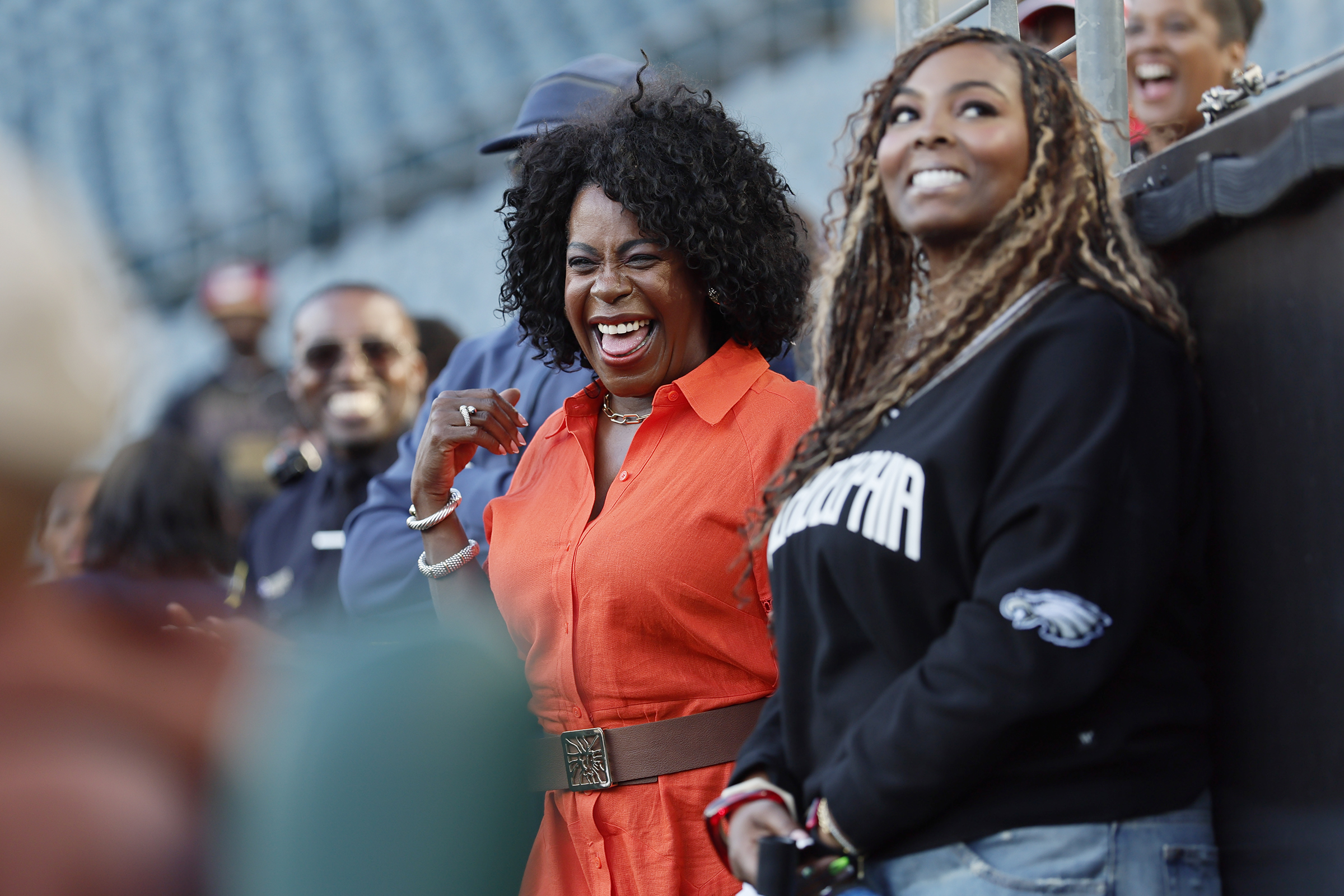
    Mayor Cherelle L. Parker began fanning the tears that were starting to form in her eyes inside the northeast tunnel of Lincoln Financial Field, two hours before her alma mater played in the Eagles’ home stadium on Friday night.

    A 1994 graduate of Lincoln University, the first degree-granting historically Black college or university, Parker was attempting to put into words what it meant to see the school’s colors, orange and blue, written in the north end zone and wrap the walls of the stadium.

    “I’m filled with a lot of excitement right now, but it’s also very personal for me,” Mayor Parker, wearing an orange jumpsuit with orange boots that was an unmistakable homage to Lincoln, told The Inquirer. “I wouldn’t be the mayor without a public education, K through 12, here in Philly, and that foundation I got at an HBCU, which was Lincoln University. They told me I could be anybody.

    “It didn’t matter that I started behind the starting line. It wasn’t the same for me as it was for other people. But [Lincoln] said, ‘No excuses.’ I’m never satisfied, and it’s never good enough because [Lincoln] planted those seeds in my head, and so, I’m just grateful.”

    A few hours later, Mayor Parker, watched near the southwest tunnel in the Linc, when Lincoln’s football team took the field with Meek Mill’s “Dreams and Nightmares” blaring with an orange and blue light show illuminating the stadium. And she was there, too, at midfield, conducting the pregame coin toss between Lincoln and Virginia Union, donning her half orange, half blue Lincoln jacket, with the Lion emblem on the left side.

    “[Mayor Parker] gave me a hug [before the game],” Lincoln’s football coach Frank Turner said postgame. “She told me that she was proud of me, proud of of the program, and things like that, and [to] keep pushing.”

    Participants perform during the step competition on day one of the HBCU Classic on Friday.Elizabeth Robertson / Staff Photographer

    The “Orange Crush,” Lincoln’s band, played the national anthem pregame. “Lift Every Voice and Sing” was performed afterward. The various colors of the Divine Nine — historically Black fraternities and sororities — performed at the step show on the east side of the stadium from 3 p.m. to 5 p.m. Mayor Parker was especially excited to watch chapters from Delta Sigma Theta sorority, for whom she became a member of in the Spring of 1994 at Lincoln, perform.

    This was all what Mayor Parker had envisioned when she first thought of bringing HBCU football back to the city. A staff member from the mayor’s office says this dream of Mayor Parker’s has been formulating in her mind for at least 18 years, if not longer, and long before she became Philly’s mayor in 2024. She recalls telling the Philadelphia City Council, for whom she was member of, several years ago, “Man, I want to do a classic HBCU Classic here in Philly.”

    And though her school, Lincoln, were shutout by Virginia Union, 62-0, on Friday night, dropping them to 1-8 on the season, the game marked the first time the school played in Philly in 16 years. Back then, Lincoln played Cheyney University, the oldest HBCU in the country, annually in the city.

    Lincoln has a deep history playing football games in Philadelphia. Mayor Parker admitted she hadn’t previously known that in 1919, Lincoln and Howard (based in Washington, D.C.) played in Philadelphia, which became the earliest known use of the term “Classic” to describe an HBCU football game. That game 107 years ago was played at the Baker Bowl, which was then the home of the Phillies, and a series was held for the next decade, alternating at the home of each city’s professional baseball stadium.

    Friday night’s game between Lincoln and Virginia Union, which will be followed by DeSean Jackson’s Delaware State facing Michael Vick’s Norfolk State, two former Eagles, playing on Saturday (3 p.m., ESPN+), is a microcosm of the week. There was a Battle of the Bands earlier this week and another to be held on Saturday featuring several HBCUs, along with a job fair and choir show as highlights of One Philly HBCU Week, turning what was a solo HBCU game last year into a full week of celebrating HBCUs and Black culture.

    “It showed the range of One Philly [HBCU Week],” Mayor Parker said about the week. “It’s the One Philly and the HBCU Divine Nine fraternal organization culture. So I’m just proud that this excellence, this Black excellence, is on full display. Wow! Wow!”

    Mayor Parker reached back into her memory bank, 36 years ago to be exact, to recount when she began her college journey on Lincoln’s campus. In her own words, she practiced with the track team, was a cheerleader, and became the “first female president of the Lincoln University Student Government Association” during the 1993-94 school year.

    She spoke of David Haines, a fellow Lincoln graduate who was Will Smith’s photo double in the movie Ali and several other Smith films, Christoper Curry, a minister in Wilmington, among several others for helping her become SGA president.

    Dr. Tony B. Watlington Sr. (left), superintendent of the School District of Philadelphia, and Mayor Parker look into the crowd on Friday.Elizabeth Robertson / Staff Photographer

    Mayor Parker became the first person in her family to graduate from college and earned her Lincoln degree in English Education.

    “When you go to an HBCU, it’s the football, the bands,” Mayor Parker said, “but it’s [also] the culture in the [Divine Nine]. I’m a Delta. It’s just part of that sense of hope and pride and dignity.”

    She added: “If you don’t tell the story about who you are and continue the legacy, you don’t know when somebody will come around and intentionally try to erase you and your community and your contribution and your story and your legacy.”

    The night’s festivities continued with three-time Grammy Award winner Ludacris performing hit songs like, “How Low” and “Stand Up” along with his verses in “Yeah!” and “All I Do Is Win” with a gaggle of Lincoln and Virginia Union students watching him up close on midfield, while others danced from the stands.

    Ludacris performs at halftime on day one of the HBCU Classic featuring Lincoln University and Virginia Union University on Friday.Elizabeth Robertson / Staff Photographer

    The announced crowd of 21,854, many of which were pro-Lincoln, didn’t have many moments on the field to cheer about. But this was bigger than football. It was a night to celebrate the long history of HBCUs.

    “It’s only going to get bigger,” Mayor Parker said. “And listen — the hope is that if we do it right, I’ll be dead. But Philly will still have a HBCU Classic.”

  • Sixers drop Knicks, 98-93, thanks to clutch moments from LeBron James and VJ Edgecombe

    Sixers drop Knicks, 98-93, thanks to clutch moments from LeBron James and VJ Edgecombe

    It turned into a nail-biter, but the 76ers beat the Knicks, 98-93, to move to 1-0 in NBA Cup play, thanks to some clutch moments from LeBron James in the best performance of his young Sixers career.

    Offense sputters down the stretch

    The Sixers’ offense was firing on all cylinders in the first half. Joel Embiid showed off his high-level passing ability, with two of his best coming on consecutive possessions: First with a quick two-man game that led to a VJ Edgecombe dunk and then a pass to a cutting Kentavious Caldwell-Pope for a layup with 4 minutes, 47 seconds left in the first quarter.

    But Embiid (10 points) had a rough shooting day, going 3-for-12 from the field, including 0-for-4 from three, which handicapped the Sixers down the stretch.

    Sixers fans embraced LeBron James in his best game in Philly. Yong Kim / Staff Photographer

    James was extremely aggressive offensively, especially in their downhill transition game, and the ball easily whipped around the group even in their set-up game.

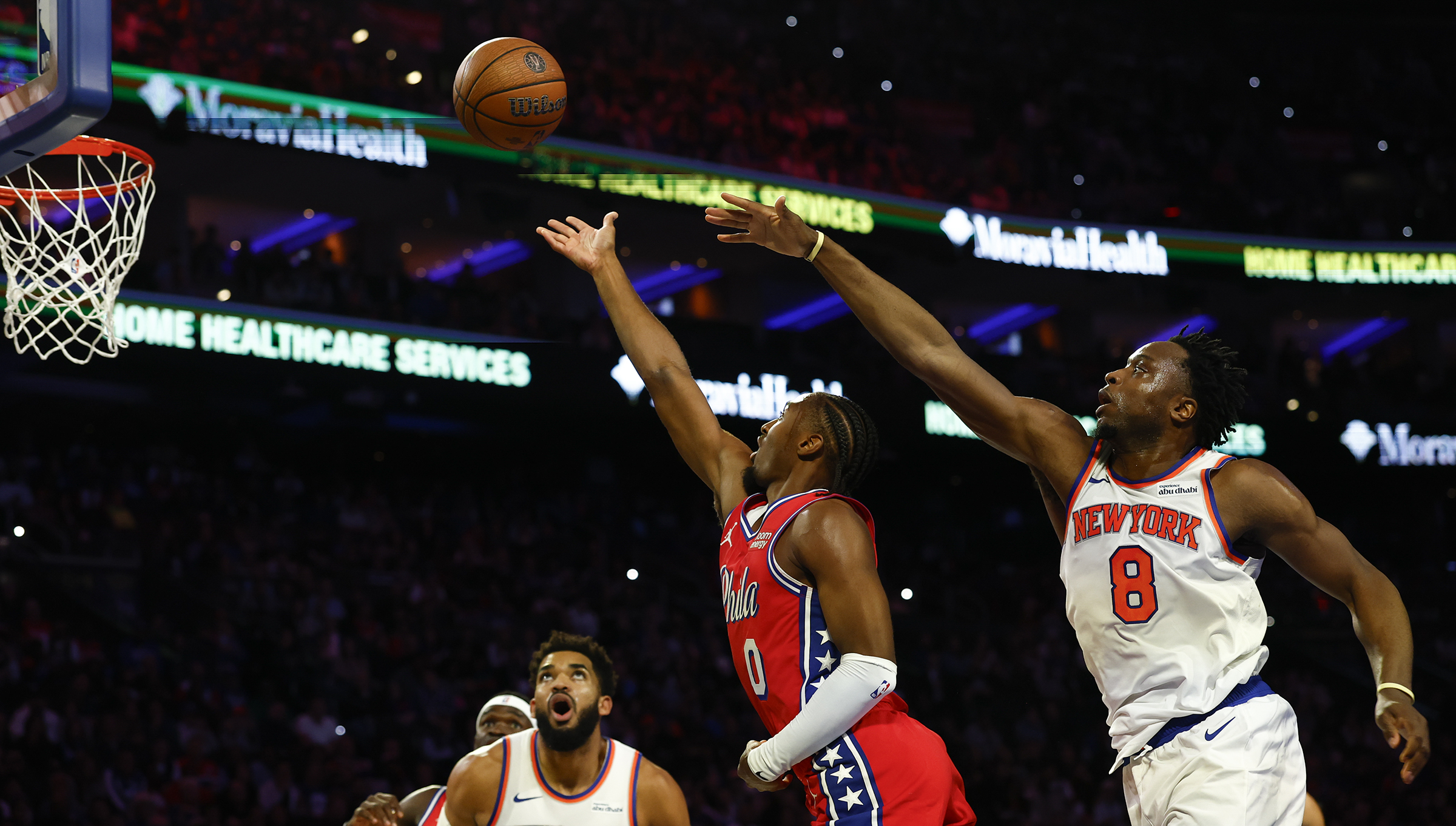
    Despite the second-half struggles, the Sixers did enough when it mattered. Edgecombe (13 points) hit a massive three to put the Sixers up four with 33 seconds left, but it was James who got the put-in to restore the lead, 91-90, a possession earlier after a three by Jalen Brunson (24 points) briefly put the Knicks in front, and it was James whose putback pushed the advantage to five with 11.9 to play and iced the game. He finished with 20 points, nine rebounds, and eight assists.

    Bench units

    Much has been made of the Sixers’ star-studded starting five, but the Sixers’ bench played a big role in Friday’s win. The team announced pregame that Jaylen Brown would miss Friday’s game with left knee tendinopathy, which drew Dean Wade back into the starting lineup.

    Embiid and James split the first back-to-back of the year: Embiid played the first leg against Milwaukee, and James played the second half against Detroit. This time, both played the front end and likely will sit tomorrow in Charlotte, N.C.

    Dean Wade still hasn’t found his shooting stroke offensively yet — he didn’t even attempt a shot in the first three quarters — but his defensive effort, especially in the second quarter against OG Anunoby, was noticeable.

    Anfernee Simons gave the Sixers a critical stretch in the third quarter after the Knicks went on their first real run of the game, scoring 13 points in just over five minutes to reestablish a comfortable 77-68 lead by the end of the third quarter. He went 5-for-8 from three, had 21 points to finish as the second-leading Sixers scorer behind Tyrese Maxey’s 27, and was aggressive on the boards and as a passer.

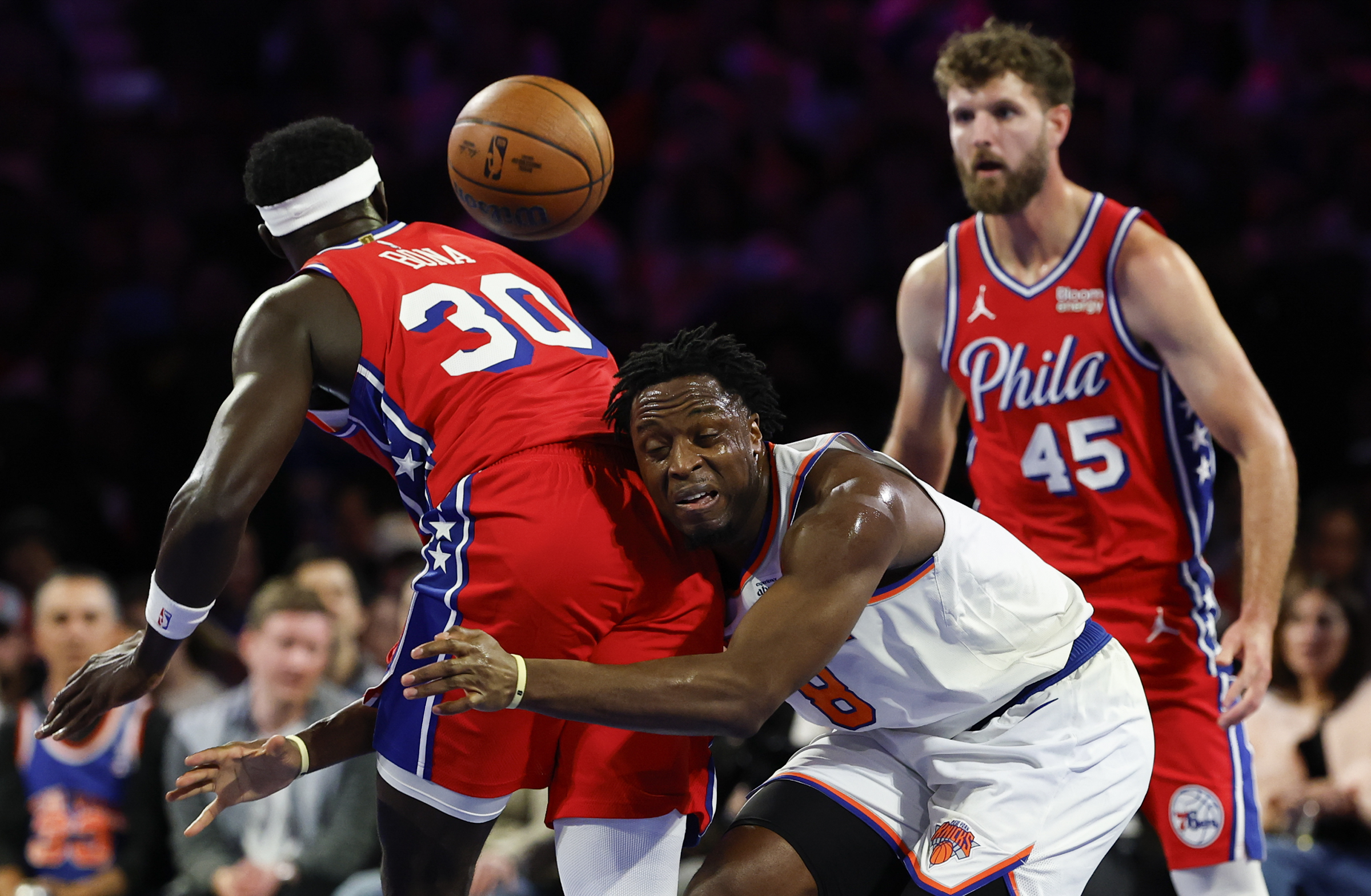
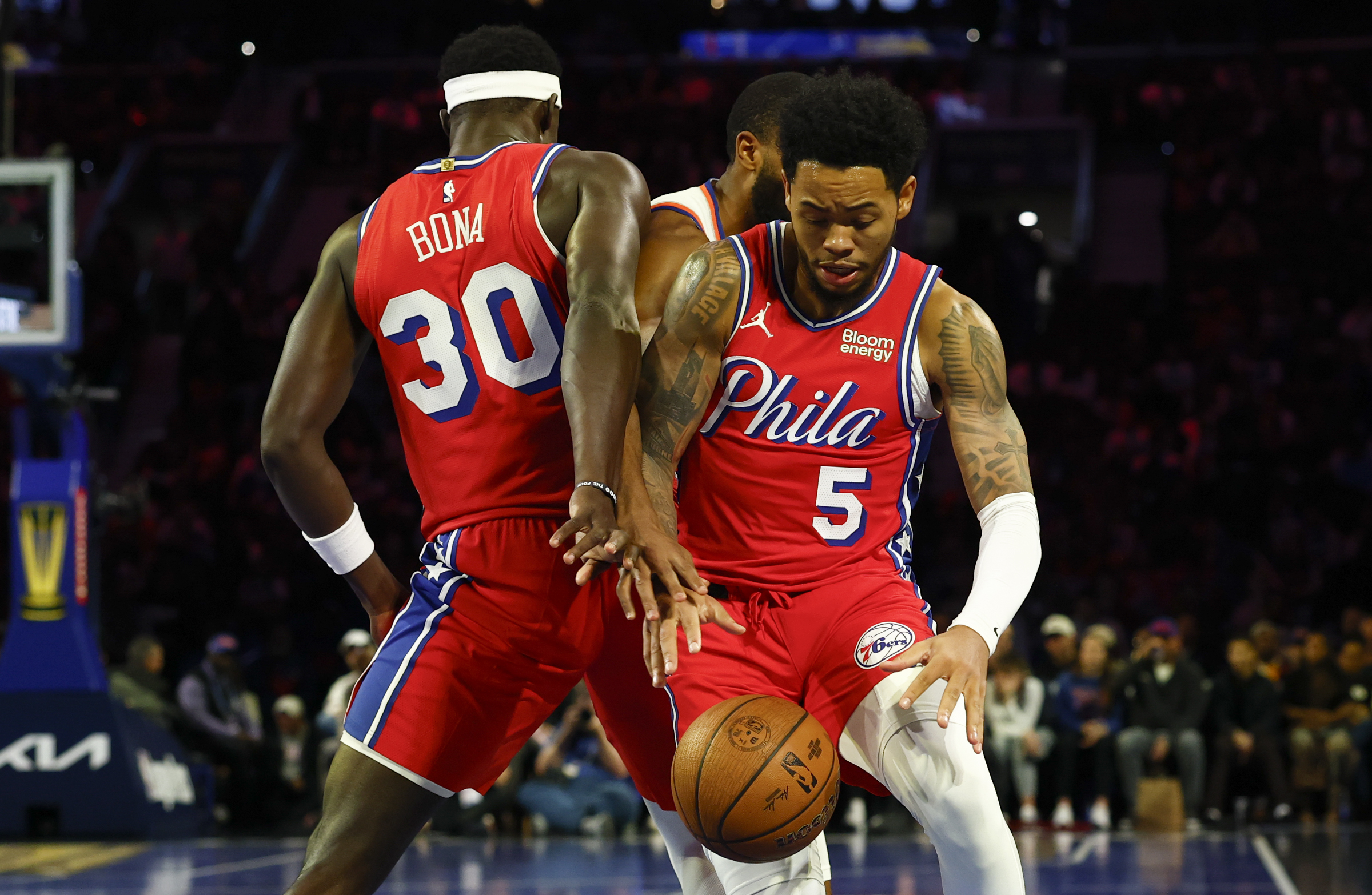
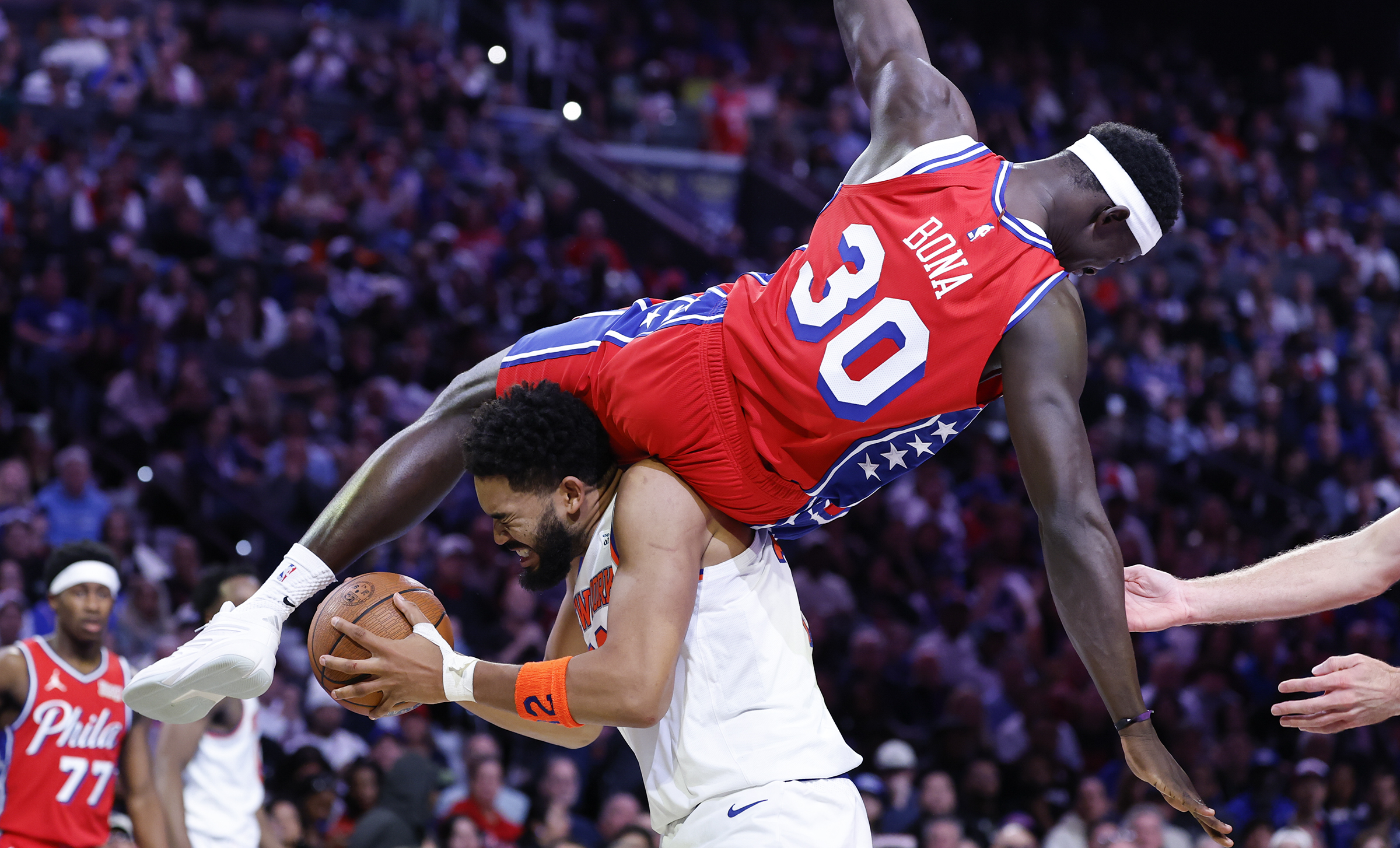
    Adem Bona, however, had one highlight-reel block, but he didn’t grab many rebounds and was a clear mismatch vs. Knicks backup center and former Sixer Andre Drummond. He was equally inefficient against starter Karl-Anthony Towns. He ultimately committed four fouls and ended as a negative-6 plus-minus in 14:15 of play.

    Home-court advantage

    The Sixers are used to Knicks-heavy crowds. In the playoffs, their plea for home fans to come to games went mostly unanswered, but on Friday they had possibly their best home crowd against New York in years.

    Not to say there weren’t any Knicks fans in the building. There was a sizable contingent making noise, especially during their fourth-quarter run. But the energy and noise from the Sixers faithful well outshined them. After a third-quarter block, James had the whole crowd wagging a finger with him, and the fans exploded when Edgecombe hit the dagger three-pointer.