Almost every day in September, Iranian media outlets have published reports of explosions “heard from the sea,” an ominous sign that military activity is taking place in the Strait of Hormuz.
But the reports left mysterious just who was carrying out the attacks.
It turns out it was Iran itself.
Confidential data shared with the New York Times by a Western security official who spoke on condition of anonymity to discuss operational matters shows that Iran has been launching dozens of drones and missiles at commercial ships in the strait each week, largely out of the public eye, though it has often failed to strike its targets.
And on Wednesday, Iran’s Revolutionary Guard for the first time appeared to confirm it was behind the near-daily sounds of explosions heard from Iran’s southern coast, saying it was striking targets in the Strait of Hormuz every 24 hours.
“We prevent them from passing, but for some time now, America has not responded,” a spokesperson for the Revolutionary Guard said in a state news interview.
The aggression shows that even as oil exports from the Middle East have rebounded in recent weeks, shipping through the waterway remains risky, as Iran jostles to keep control of one of its biggest sources of leverage.
“Negotiations aren’t going anywhere. Neither side is really budging. So it’s a standoff,” said Gregory Brew, an Iran analyst at the Eurasia Group. He said that the violence in the strait “speaks to the position that both sides are in: Neither is looking to aggressively escalate the conflict.” But both, he said, want to control the waterway.
Since the beginning of August, Iran has launched about 30 drone attacks and 10 anti-ship missile attacks per week against commercial ships transiting the Strait of Hormuz, according to the data shared with the Times by the Western security official. At least four commercial ships have been hit by Iran in the past 10 days, the official said.
A tally of reports by a monitoring group run by the British navy show that since Sept. 10, at least 13 ships, most of them oil tankers, had been struck by projectiles or debris from projectiles. (Those reports may be incomplete because they are based on voluntary reports by ship crews.) While the reports do not specify who was responsible for the attacks, maritime experts say the details suggest many were Iranian.
Motorcyclists pass a billboard depicting President Donald Trump underwater amid explosions, with the words “Great Victory! Strait of Hormuz,” in Tehran, Iran, on Aug. 24.Vahid Salemi
The attacks in the strait have kept up even as crude oil exports from the Middle East have gotten closer to prewar levels. Part of that turnaround, analysts say, is because of a U.S. military operation aimed at protecting the vessels from the attacks, an effort that appears to have encouraged more shipments from big exporting countries, such as Saudi Arabia and the United Arab Emirates.
Those ships pass through Oman’s territorial waters in a U.S. Navy-guided route, with the support of U.S. fighter jets and attack helicopters to help ward off strikes. Some ships also turn their transponders off to help pass through the strait undetected.
But analysts say U.S. military protection requires significant resources and will be hard to maintain indefinitely. And a big part of the regional increase in exports, according to Kpler, a cargo tracking group, is from export routes that circumvent the Strait of Hormuz altogether.
Just because more ships and oil are moving than seen earlier in the war “doesn’t mean we’re seeing a normalization of flows,” said Ana Subasic, a trade risk analyst at Kpler.
U.S. Central Command, which oversees military operations in the Middle East, declined to comment on Iranian attacks on shipping in the Strait of Hormuz in September. The Pentagon has not announced any strikes on Iran or Iranian vessels since early that month.
Ian Ralby, president of the maritime governance nonprofit group Auxilium Worldwide, said the fact that Washington has appeared not to respond militarily against Iran for its shipping attacks may be a function of the Trump administration’s seeking an off-ramp to the conflict now in its seventh month.
Brew, the Iran analyst, said that with the rise in oil exports, the administration may think it has less to gain from retaliatory strikes.
Ever since the United States and Israel attacked in February and started the war, Iran has used its ability to throttle shipping through Hormuz, a key route for oil and gas exports, disrupting the global economy.
The United States has imposed a naval blockade and tougher sanctions on Iran in retaliation, putting the country under further pressure, as President Donald Trump has sought to pivot the war from a military campaign to one focused on strangling its economy.
Artificial intelligence companies racing to shape how the federal government might regulate their industry amid rising safety and economic concerns are spending heavily to influence which candidates make it to Congress.
A New York Times analysis of federal campaign finance data shows that the political groups aligned with the two leading AI developers, OpenAI and Anthropic, have quietly but decisively intervened in key 2026 races, spending on campaign advertising and outreach to voters to the tune of $55.7 million.
So far, the spending has been concentrated almost entirely in the primaries. The two groups have spent $52.6 million on safe seats — those that are unlikely to change party hands but that often feature intense intraparty contests.
The big AI players have also spent more heavily for Democrats than Republicans. They have bolstered candidates who align with their agendas, helped defeat those they see as hostile to them, and ingratiated themselves with front-runners who are likely to be in positions of power in the next Congress to make decisions critical to their bottom lines.
But with voters quickly souring on their industry — including demanding that lawmakers do more to regulate AI and halt or mitigate the proliferation of data centers — they have taken pains to obscure their involvement. With few exceptions, they have intervened without ever explicitly mentioning AI or data centers in the TV and digital ads they have purchased.
(The Times has sued OpenAI and Microsoft, claiming copyright infringement of news content related to AI systems. The two companies have denied those claims.)
The Times reviewed 95 unique ads bought by four AI super political action committees heavily funded by the two biggest players — the OpenAI-aligned Leading the Future and the Anthropic-aligned Public First Action — each of which funnels its money through separate Republican and Democratic groups. None of the ads mentioned data centers. Only seven mentioned AI or an AI company directly.
An ad for Rep. Barry Moore (R., Ala.) featured the phrase “CHAMPION AMERICAN INNOVATION” as he shook hands with firefighters in a garage — one of several AI-backed advertisements that used that phrase over images of workplaces that appeared to have nothing to do with AI.
Another was in support of former Rep. Jesse Jackson Jr., a Democrat running for an open House seat in Illinois. It was paid for by Think Big, which is aligned with OpenAI, and praised him as committed to reducing gun violence and supporting law enforcement.
And in some instances, both the Republican and Democratic groups funded by the same big AI player created advertisements advocating opposing sides of an issue. For example, two spots for House candidates in Texas, a Democrat and a Republican, praise opposite positions on immigration. Both are funded by the Anthropic-aligned super PACs.
“It’s so cynical,” said Nate Blouin, a state senator in Utah who lost a Democratic primary to an opponent who had been backed by more than $1 million in AI-funded ads. “They’re coming into races in safe seats that they know that they’re going to be decided in the primaries, and they are spending millions of dollars on things that are unrelated to the core issue that they are pushing for.”
It is a strategy that has also been deployed this cycle by the American Israel Public Affairs Committee, another major interest group whose brand has become a liability in recent years and has spent in the midterms to the tune of tens of millions of dollars while rarely mentioning its top issue.
The companies behind the spending have somewhat different policy agendas. Anthropic generally supports stricter regulation of AI development, while OpenAI tends to push for fewer guardrails to allow for the acceleration of AI development. But they both share the same goal: promoting AI and electing policymakers who hold a favorable view of it.
In a statement, Anthony Rivera-Rodriguez, a spokesperson for Public First Action, vehemently denied that the Anthropic-aligned group had a parallel agenda to the political group affiliated with OpenAI.
“We reject any suggestion that we have anything in common with Leading the Future, a group that exists to gut every serious attempt to regulate artificial intelligence,” he said. His organization, he added, “was founded to be the counterweight to Big Tech’s political machine” and stands “with the people willing to fight for real rules on this technology and protect kids, workers and families from AI harms.”
Jesse Hunt, a spokesperson for Leading the Future, said the group was “focused on building a bench of champions who understand the need for a national AI framework that keeps America at the forefront of innovation while putting responsible safeguards in place to protect workers, families and communities.”
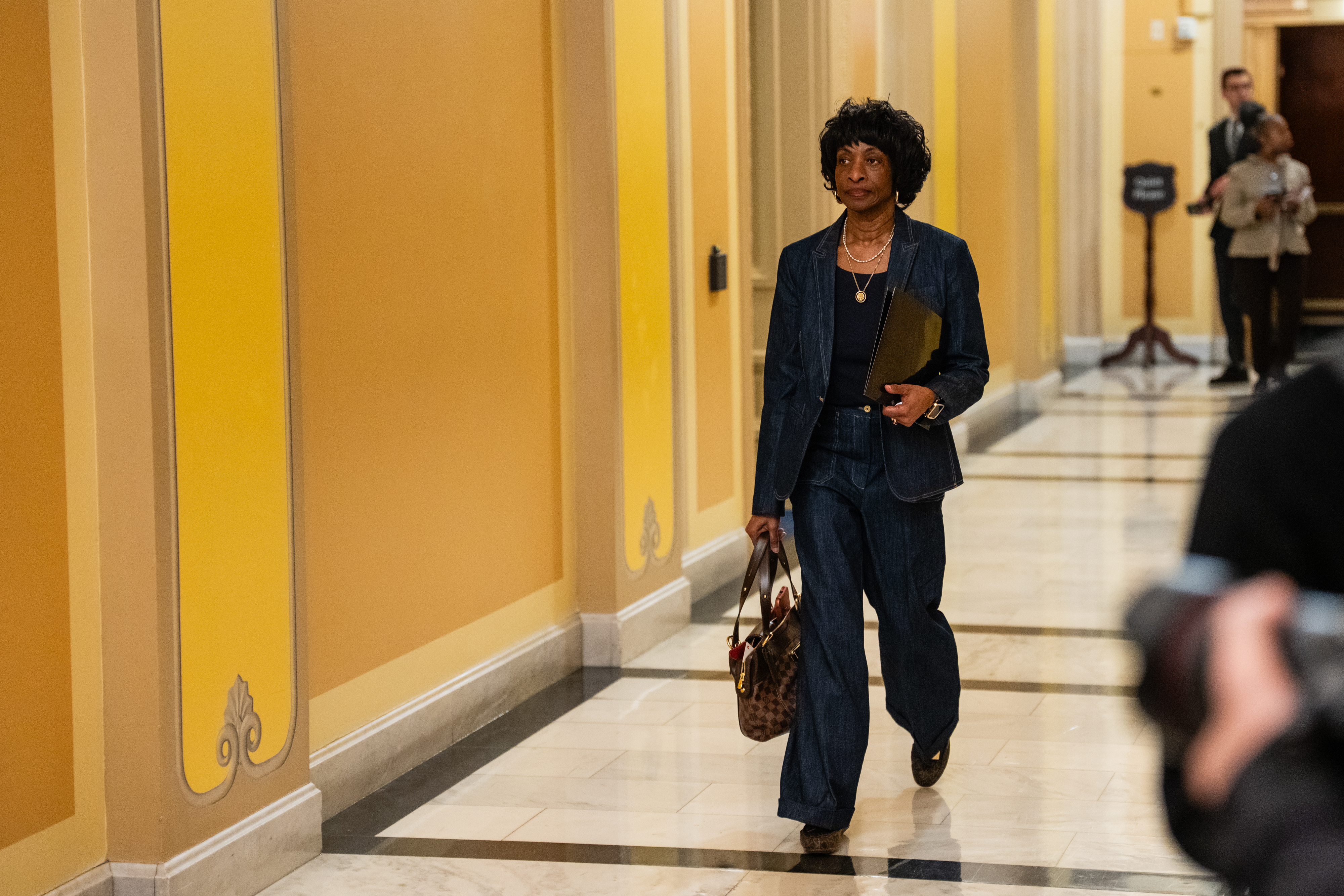
A PAC aligned with Anthropic spent $1.6 million to help Rep. Valerie Foushee (D., N.C.) win her primary.ERIC LEE
Helping the AI-friendly
Late last year, Rep. Valerie Foushee, a Democrat who represents most of North Carolina’s Research Triangle, was staring down a formidable primary challenge.
Then, two days before Nida Allam, a younger, more progressive candidate who had challenged her in the past, announced that she was running again against Foushee, Rep. Hakeem Jeffries of New York, the Democratic leader, named Foushee as co-chair of the party’s new Commission on AI and the Innovation Economy.
Two months later, the Anthropic-aligned Jobs and Democracy PAC spent $1.6 million in support of Foushee. She won narrowly, defeating Allam by less than 1 percentage point.
“These committees and task forces — they’re basically a flag or indicator to the lobbyist industry that these are people who will have decision-making power over your industry and so you need to go spend money on their campaigns,” Allam said in a recent interview. “No one is spending that amount of money unless they’re getting something in return.”
In a statement, Foushee denied that the money had bought any favorable treatment for AI, saying that her work on the issue “has centered on establishing guardrails, holding corporations accountable and protecting our children, communities and jobs.”
In Washington state, American Mission, an OpenAI-aligned PAC, waded into the GOP primary to replace Rep. Dan Newhouse, who is retiring at the end of this Congress, to back Amanda McKinney. McKinney, a Yakima County commissioner, won President Donald Trump’s endorsement this cycle but was running against a former race car driver who had won Trump’s endorsement in 2024 when he challenged Newhouse.
“She believes the United States must lead in artificial intelligence and advanced technologies, not surrender leadership to China or other adversaries,” her campaign website says. “Amanda opposes heavy-handed regulation that stifles innovation or drives jobs overseas.”
American Mission spent about $780,000 to support McKinney. She advanced from her primary with 35% of the vote.
Punishing the skeptics
With other seats, in Utah, Illinois and New York, the PACs moved to undercut candidates who had established themselves as opponents of AI.
The most prominent example was in the primary to succeed Rep. Jerrold Nadler (D., N.Y.). The race was inundated by outside spending after Alex Bores, an Assembly member, sponsored legislation seeking to regulate advanced AI models. That set off a multimillion-dollar influx from rival AI interests, with Think Big, aligned with OpenAI, attacking Bores and Jobs and Democracy, aligned with Anthropic, defending him. He narrowly lost the race.
Along with Foushee’s contest in North Carolina and a primary in the Florida district of Rep. Debbie Wasserman Schultz, the former chair of the Democratic National Committee, the race drew the most money from the AI PACs this cycle.
In Utah, Think Big intervened to back Ben McAdams, a former Democratic member of Congress.
It was not expected to be a highly competitive primary, and was made even less so after Punchbowl News unearthed a series of old posts in which his opponent, Blouin, joked about sexual assault and made offensive comments about women and Mormons. McAdams made no mention of AI on his campaign website, though he wrote an opinion essay arguing that schools “should begin treating AI fluency as a basic form of literacy.” He said he opposed the construction of a 40,000-acre AI data center campus proposed in the district.
But Blouin, the state senator, described himself as a “leading skeptic of the push for unchecked growth of data centers,” and grew increasingly vocal about AI and data center regulation as the race went on.
Think Big spent about $1.1 million on television and digital ads and text message blasts supporting McAdams. Asked for comment, McAdams reiterated a previous statement he made during a June debate, in which he said that “every member of Congress needs to be proactive in providing oversight of AI in order to protect jobs, our kids, the environment and the fabric of our communities.”
“That will require federal guardrails to make sure this technology happens carefully and transparently, with appropriate regulation, strong oversight, human accountability, and safeguards for data privacy and civil rights,” he said. “AI could potentially cure cancer, but it could also destroy our kids. I believe thoughtful policy can unleash the good and stop the bad.”
Backing front-runners
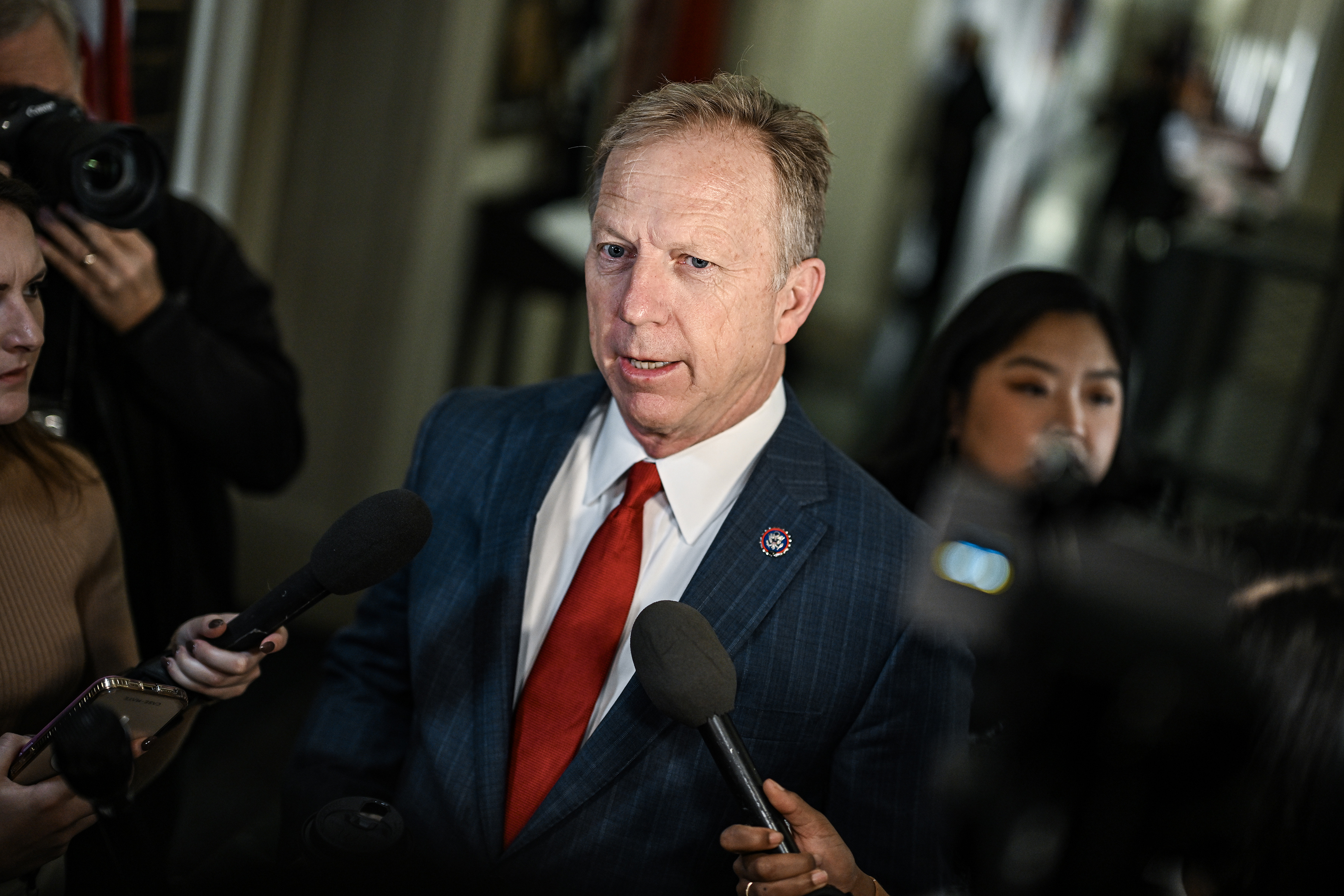
The AI groups spent in support of clear front-runners in primaries all across the country, including favorites of party leaders, many of them Republican. Rep. Kevin Hern of Oklahoma, who was widely expected to win the nomination to replace Markwayne Mullin in the Senate, was backed by nearly $1.3 million spent by American Mission and Defending Our Values, an Anthropic-aligned PAC, before his victory in June.
Rep. Kevin Hern (R., Okla.) prevailed in his primary to replace Markwayne Mullin in the Senate. He received backing from Anthropic and OpenAI.KENNY HOLSTON
Defending Our Values also supported Carlos De La Cruz, the brother of Rep. Monica De La Cruz of Texas, who both received speaking slots at the midterm convention in Dallas. Carlos De La Cruz is favored to win his election; the nonpartisan Cook Political Report recently rated Monica De La Cruz’s race as a “toss-up.”
American Mission spent about $375,000 to support Sen. Lindsey Graham for his primary campaign in South Carolina, though it was never expected to be particularly competitive. After he died, the super PAC spent nearly $1.2 million supporting his sister, Darline, in the primary and general contests.
A vanishing money trail
With about a month until the midterms, the AI groups have yet to wade into many general election contests.
American Mission has doled out roughly $500,000 each on behalf of three Republican candidates for Senate who are running in less competitive races: Rep. Julia Letlow in Louisiana, Graham in South Carolina, and Cindy Hyde-Smith in Mississippi. Think Big, the Democratic super PAC, has spent nearly $300,000 to support three House candidates: Reps. Greg Stanton of Arizona, Emilia Sykes of Ohio and Steven Horsford of Nevada — as well as roughly $50,000 to support Rep. Joseph Morelle in New York.
The amounts could grow. But political operatives closely following their spending believe that the groups will have to shift their strategy amid the furious outpouring of anti-AI sentiment, and will instead move money through other means. That could include donating directly to the major political PACs associated with House Democrats or Republicans, or establishing smaller, more obscure groups to move the money through, as AIPAC has done.
Usamah Andrabi, the communications director for Justice Democrats, the ultraprogressive organization that backed many candidates whom AI groups spent against, said the industry’s influence was already becoming as difficult to track as that of AIPAC and other pro-Israel groups.
“There was a time where I could tell you every Israel lobby super PAC, and I cannot tell you that anymore because there’s so many pop-up PACs, there’s so many shell PACs, there’s so many pass-throughs,” Andrabi said. “And I think the same thing is happening with the AI lobby.”
It wouldn’t be a Pennsylvania election without Bucks County becoming the star of the show.
And that’s exactly what’s happening this weekend, when Gov. Josh Shapiro travels to the swingiest of the swing counties to stump for Democrats up and down the ballot in key races.
🎤 I’m Fallon Roth, the suburban politics reporter at The Inquirer, coming to you live from Bucks (my home county) as we dig into how the suburb will be the make-or-break place for Democrats’ wishlist next month, including a win for Bob Harvie in the 1st Congressional District and shift in party control in the state Senate, which could only happen with help from the Philly suburbs.
We’ll also explore whether Pennsylvania voters would support Shapiroturning his attention to a bid for the White House in 2028.
In this edition:
🗳️All hands on deck: Shapiro will be in Bucks County Saturdayto launch a day-of-action for Democrats, organized by Planned Parenthood’s state-level PAC.
🗳️ The Bucks stops here: Two Bucks County swing districts and another in Montco could determine which party controls the state Senate.
🗳️Homefield (dis)advantage?: Pennsylvania voters are split on whether Shapiro should run for president in 2028.
-Fallon Roth, Michelle Baruchman, Sam Janesch, Gillian McGoldrick (pa2026@inquirer.com)
The latest
The price of gas, groceries and, well, living is on the rise and Pennsylvania’s swing district voters will have affordability on their minds as they head to the ballot box next month.
As democratic socialist candidates become more mainstream — including in Philly — most Pennsylvania Democrats said in a recent Inquirer/New York Times/Siena University poll that they have a positive view of socialism.
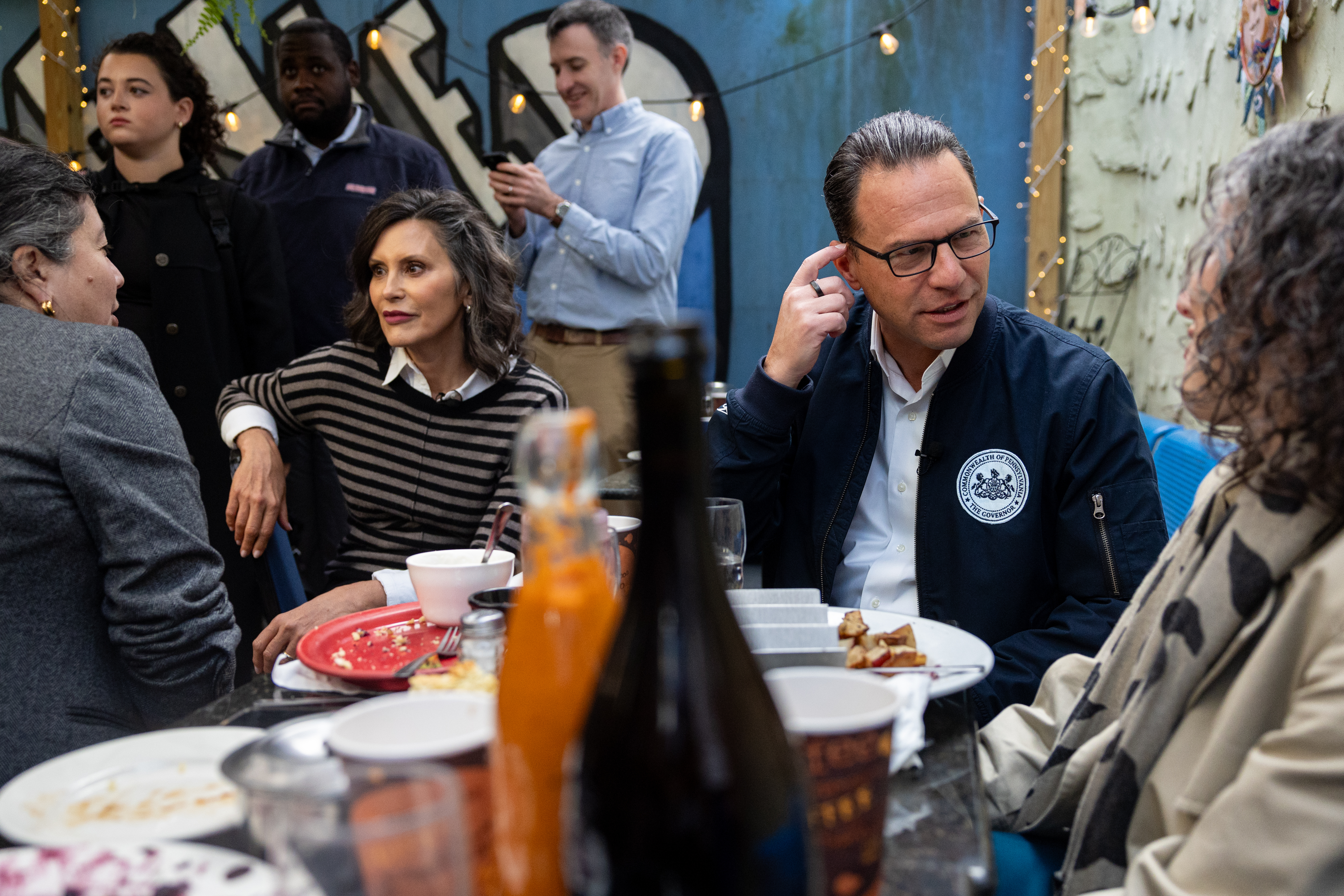
Shapiro and Michigan Democratic Gov. Gretchen Whitmer (possible 2028 rivals) went to Sam’s Morning Glory Diner in Philly to energize voters ahead of the midterms.
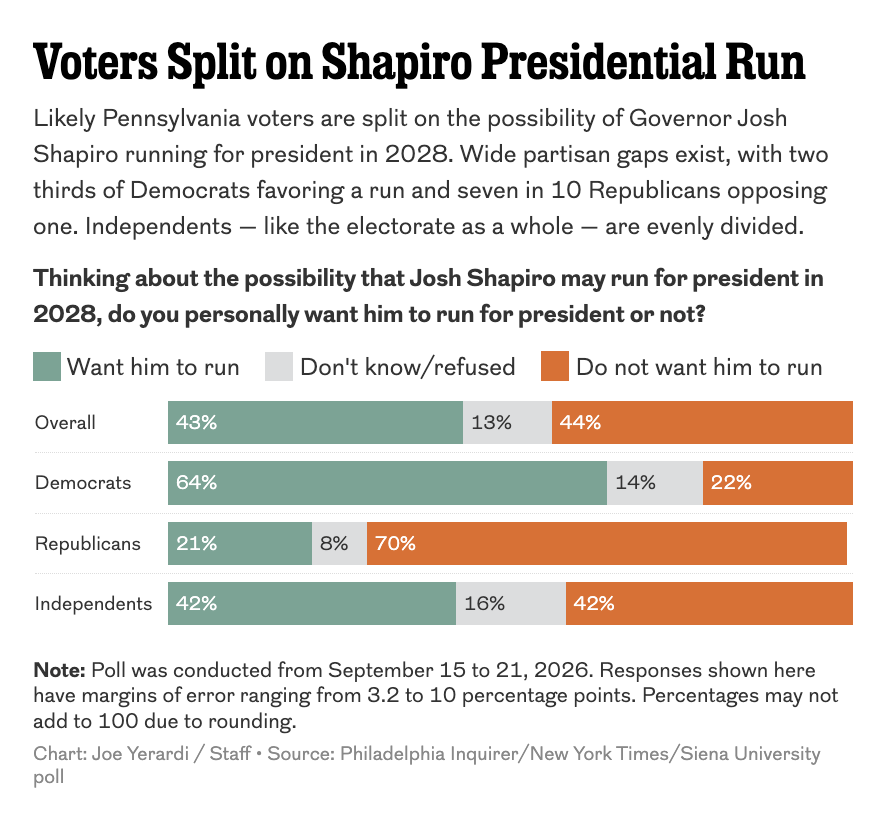
📊 Without a doubt, Shapiro is a popular governor. He’s viewed favorably by Democrats, independents and even some Republicans — no small feat in a swing state that voted for President DonaldTrumpin 2024. But whether these likely Pennsylvania voters want Shapiro to run for president in 2028 is an entirely different question.
Voters, in a poll conducted by Siena University on behalf of The Inquirer and the New York Times, were split on whether Shapiro, who is expected to pursue a White House bid, should run: 43% of respondents want him to run, and 44% don’t.
Of those supporting a potential presidential campaign, 41% ranked his character and competence as their reasons, and nearly one in five said they were satisfied with Shapiro’s performance as governor. But for those who oppose a run, it’s not necessarily because they don’t like him (although that is the case for 21% of respondents).
About one in 10 said they would prefer Shapiro, who is up for reelection this November with a commanding lead against his competitor, to remain in Pennsylvania. Campaigning and presidential debates would likely begin soon into his second term.
“I like his views. I like his policies. I like everything. I just think his religious affiliation will stop him from winning because I think the rest of the country, especially the middle of the country, will rally against him,”said Michael Biello, a 68-year-old Democrat in Philadelphia.
Campaign scrapple
🏥 Is the U.S. ready for Medicare for All?
Democrat Bob Harvie thinks there needs to be more trust in the federal government first before it starts running the healthcare system, he told The Inquirer on Tuesday evening.
Harvie, a Bucks County commissioner challenging GOP U.S. Rep. Brian Fitzpatrick in the swingy 1st Congressional District, has focused his campaign on addressing rising costs and increasing access to healthcare, such as advocating for 55-year-olds to be able to buy into Medicare.
Congressional candidate Bob Harvie (D, Pa.) speaks on Friday, September 11, 2026 at the Garden of Reflection in Yardley, Pennsylvania.William Thomas Cain / For The Inquirer
“My worry is you start talking to people about well, ‘We’re going to take away the healthcare system you have, and we’re going to give you another one, and the government’s going to run it,’” Harvie said of Medicare for All. “We’ve got a lot of work to do to rebuild trust in the government, just like we have a lot of work to do to rebuild how this healthcare system works.”
Michigan Gov. Gretchen Whitmer (second from the left) and Pennsylvania Gov. Josh Shapiro chat with diners at the Morning Glory. The two Democrats have grown close in recent years, but they could become rivals in 2028 if they both pursue the presidency. Aidan T. Gallo / Staff Photographer
👀 What we’re watching
Shapiro and Garrity will face off in a live, televised debate this coming Wednesday, Oct. 7. The Harrisburg-based TV station ABC27 is hosting the debate, which will air on several stations owned by Nexstar across Pennsylvania, including WPHL-TV in Philadelphia. Politics reporters Gillian McGoldrick and Michelle Baruchman will break the major moments down at inquirer.com/politics.
Quote of the week
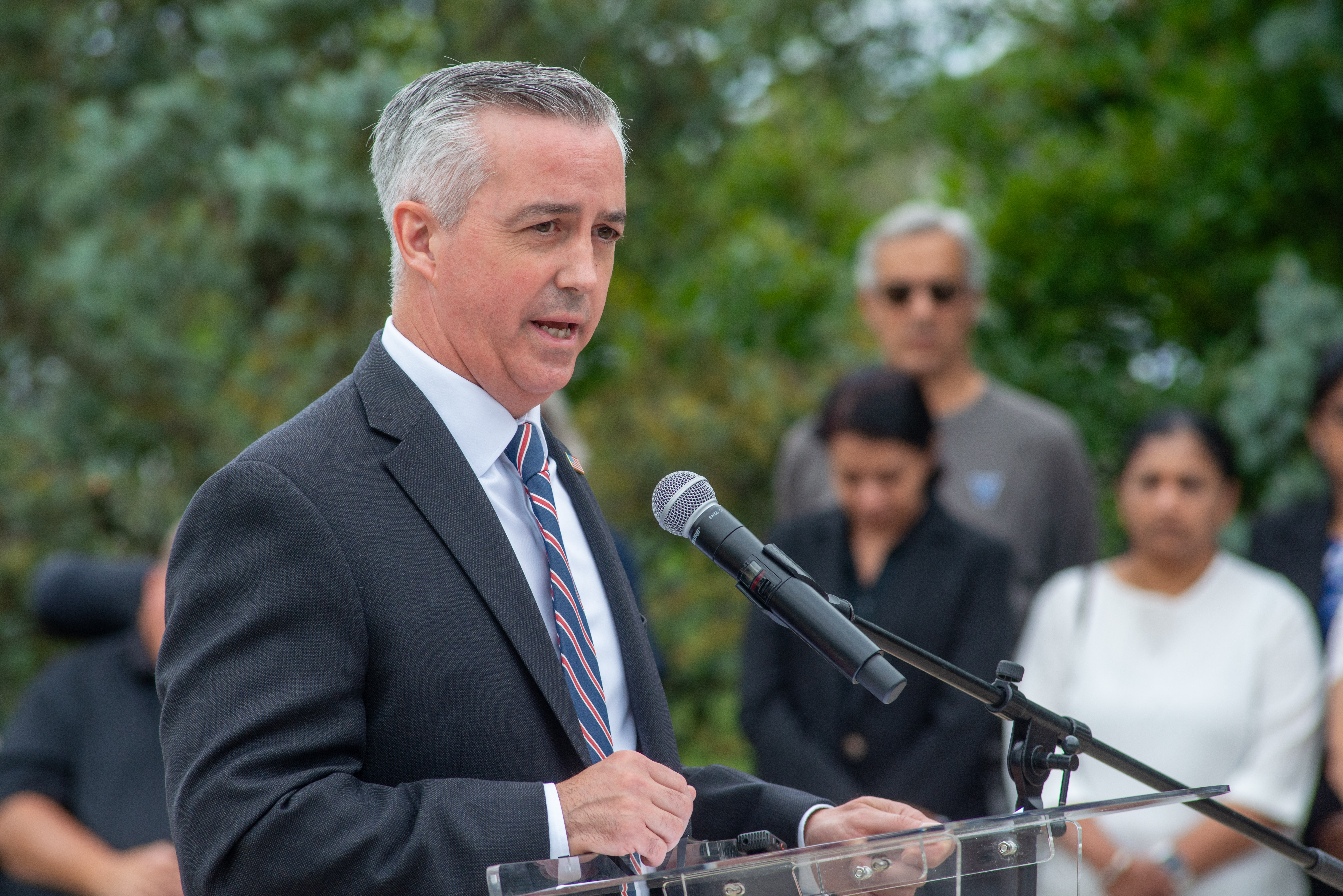
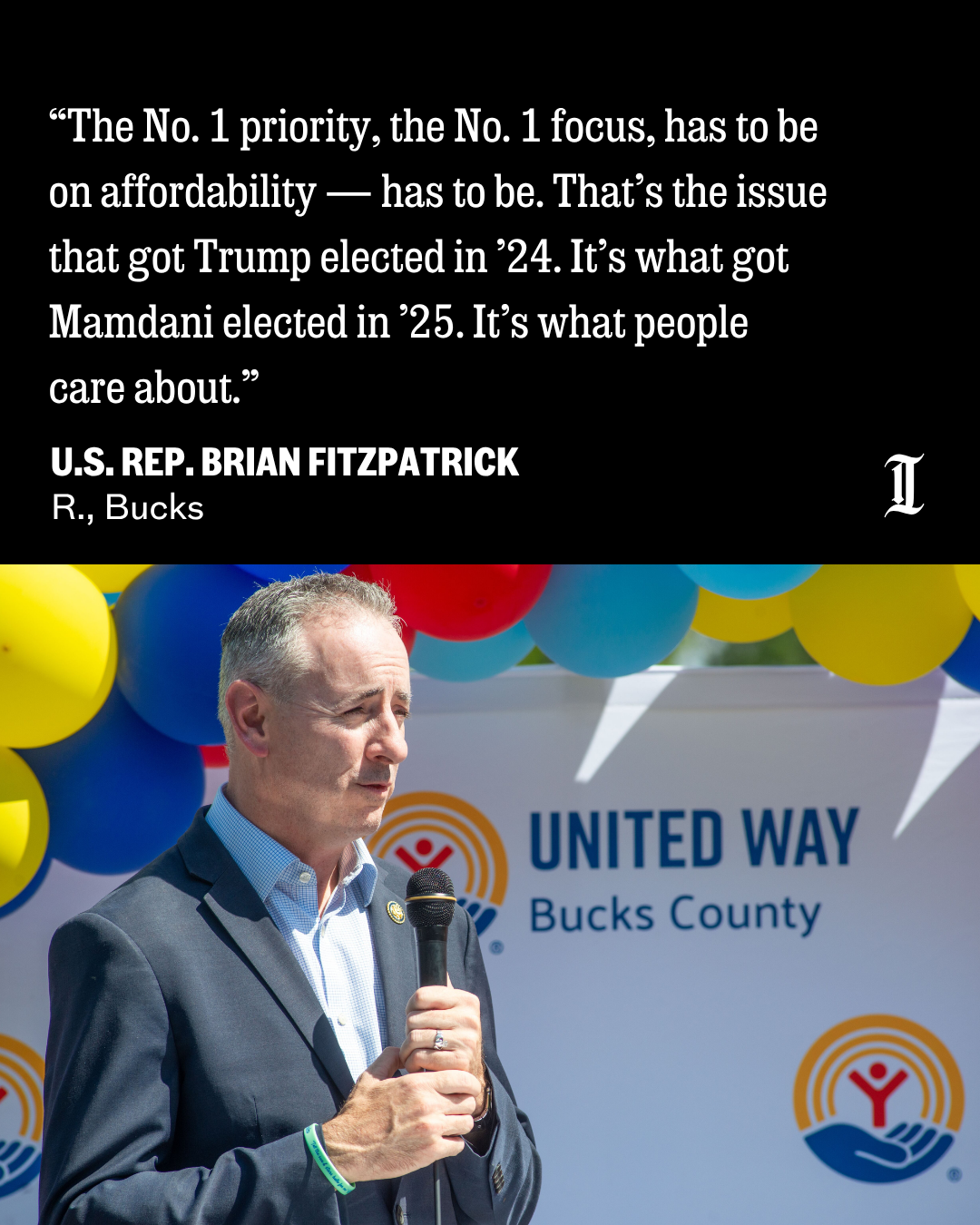
U.S. Rep. Brian Fitzpatrick weighs in on the No. 1 issue this election. William Thomas Cain / For The Inquirer
Fitzpatrick agrees with his opponent, Harvie, on one thing: this election will hinge on which party voters think will do a better job lowering the cost of living.
👋 Thanks for reading, and don’t forget to check back as we enter a final campaign month packed with debates, candidate events and maybe even a few October surprises. You can follow The Inquirer politics team’s coverage here, and we’ll see you in your inbox next Friday.
Gov. Josh Shapiro will be in Bucks County on Saturday to campaign for Democrats up and down the ballot in the key swing county.
Shapiro, who kicked off Democrats’ general election campaigns at a space centrifuge in Warminster this past spring, is returning to Bucks, emphasizing the important role that the perennially purple county will play in November’s midterms with competitive contests for Congress and state Senate on the ballot.
The governor will appear at a canvass launch in Langhorne organized by Planned Parenthood PA PAC, the organization’s state-level political action committee. The PAC has endorsed Bucks County Democrat Eileen Hartnett Albillar, who is running for state Senate in the 6th District, a crucial seat for the party, and state House candidates Bryan Allen, Kristin Egan, and Monica Weninger.
Shapiro will also appear alongside Democratic County Commissioner Bob Harvie, who is challenging GOP U.S. Rep. Brian Fitzpatrick in the Bucks-based 1st Congressional District — one of four seats in the state being targeted by both parties. Harvie is endorsed byShapiro and Planned Parenthood’s federal PAC.
Democratic U.S. Reps. Madeleine Dean, of Montgomery County, and Mary Gay Scanlon, of Delaware County, will also be in attendance.
Democrats are hoping to win control of the state Senate — which they haven’t had for 33 years. The GOP currently holds 27 seats in the 50-member state Senate.
To take control of the chamber with the lieutenant governor’s tie-breaking vote, Democrats would need to flip at least two seats and maintain control of the governor’s office. With a trifecta in Harrisburg, Democrats hope to advance legislation on issues that haven’t gained support in the Republican-controlled Senate, like codifying abortion protections.
The Shapiro-endorsed candidates have an opportunity, if successful in November, to give Democrats more governing power, whether that’s winning party control in the U.S. House, the state Senate, or giving Democrats an expanded majority in the state’s lower chamber.
Shapiro is running for a second term as governor, but he’s spending much of his time using his political prowess to bolster other Democrats ahead of the midterms. Recently, he was in Philadelphia with Democratic Michigan Gov. Gretchen Whitmer to energize volunteers. Earlier this month, he was in Montgomery and Chester Counties campaigning for down-ballot candidates.
Shapiro has invested more than $5.7 million in the state party since fall 2025, his campaign said last month.
Gov. Josh Shapiro poses with Democratic Pa. Senate candidate Chris Thomas (left) and his supporters after a rally in Towamencin, Montgomery County before heading out to canvass Sunday, Sept. 29, 2026.Tom Gralish / Staff Photographer
In July, he launched an effort — “Rise Up Pennsylvania” — that is aimed at pooling donations to fund campaign resources for key state Senate and U.S. congressional races.
Abortion protections remain a key piece of the party’s platform, even as Democrats have refocused their messaging on affordability ahead of November.
“Bucks County will be critical to building a pro–sexual and reproductive health care trifecta in Pennsylvania,” Signe Espinoza, executive director of Planned Parenthood PA PAC, said in a statement Friday.
“We endorsed these candidates because we know they will stand up to fight to protect every Pennsylvanian’s freedom to make their own decisions about their body, health and future.”
How’s “false fall” treating you? If you pulled your sweaters out thinking summer was done and dusted, you’re not alone. Soon enough, it’ll start to feel like autumn (real autumn).
As the clock ticks on, we’re losing roughly 2½ minutes of sunlight each day, The Inquirer’s weather whisperer Tony Wood reports. One sure way to combat the negative effects of shorter days? “Get outside and move your body daily,” an expert told Wood.
In Philly and the surrounding region, we have a variety of fall festivals and markets to embrace the season in good company.
Here’s a preview of some lively events to look forward to:
🏺 Mt. Airy Arts Fest (Oct. 3) at Allens Lane Park will have stations for painting, printmaking, and ceramics to make art with your own hands, along with live performances and food to enjoy.
🧀 Manayunk Fall Festival (Oct. 17) lets you mac-and-cheese-crawl your way through local vendors. Plus, just one neighborhood over, enjoy free pumpkin decoratingand more fun for all ages at East FallsFest.
🍁 Cherry Hill Harvest Festival (Oct. 18) at Croft Farm will host a beer garden, free pumpkins, and a petting zoo.
Last weekend’s nor’easter underscored the limitations of computer models, and it may also foreshadow what’s to come.
🌳 Your outdoorsy experience
My colleague Sam Stewart recently spent a couple of days in the Poconos and was excited to share this with us:
These pics are from the Little Falls Trail in Promised Land State Park! It was SO beautiful, lots of water along the trail (including a waterfall!), and it was a super easy, 1.5-mile loop. It was my first fall hike of the year, the weather was incredible and the sun was shining 🙂
Such a spectacular sight! I’m already planning my own trip up there. Thanks, Sam.
How about you, dear reader? What’s happening in your neck of the woods? Email me with your favorite adventures or special outdoor memories (and pictures, if you have them). You may see it featured here.
Pennsylvania is home to tens of thousands of farms, and Airbnb wants you to stay on them.
The short-term rental giant ispartnering with the American Farmland Trust and recruiting Keystone State farmers — and even offering grants — to host guests and tap into the growing agritourism industry. The average farm stay listing on Airbnb, the company said, can make an extra $9,600 per year.
Valerie and Jeff Fellenbaum said they’re making much more than that at Pleasant Pines Stables, their horse farm dating to the early 19th century in Lancaster County.
“Once we started, we never looked back,” Valerie Fellenbaum said. “I would say, from March to about the end of October, we’re anywhere from 85% to 90% booked.” — Jason Nark
💡 A fall fact: According to Merriam-Webster,the term “autumn” entered English in the 1300s, and “fall” became the shortened version of “the fall of the leaves” in the 1600s.
There are spotted lanternflies hidden among these vines.Paola Pérez
I believe this is a Virginia creeper plant, also known as woodbine. It also bears some resemblance to poison ivy. Avoid its berries, though — while wildlife can feed on them, they are toxic to humans.
👀 Can you spot a spotted lanternfly among the leaves? By my count, I think there are at least two.
Speaking of the invasive species, my colleague Nick Vadala reported this week about a man tricking at least 80 Pennsylvanians into paying for fake trainings and permits to contain the invasive species. Be wary of scams like that, folks.
👋🏽 Our next adventure awaits!
By submitting your written, visual, and/or audio contributions, you agree to The Inquirer’s Terms of Use, including the grant of rights in Section 10.
ITHACA, N.Y. — There were fiery testimonies, voices lurching and pleas for action from school leadership. There were fingers pointed angrily at Cornell University’s internal investigators, including by a woman who faced her student government representatives and said, emphatically: “I am also speaking as Jane Doe.”
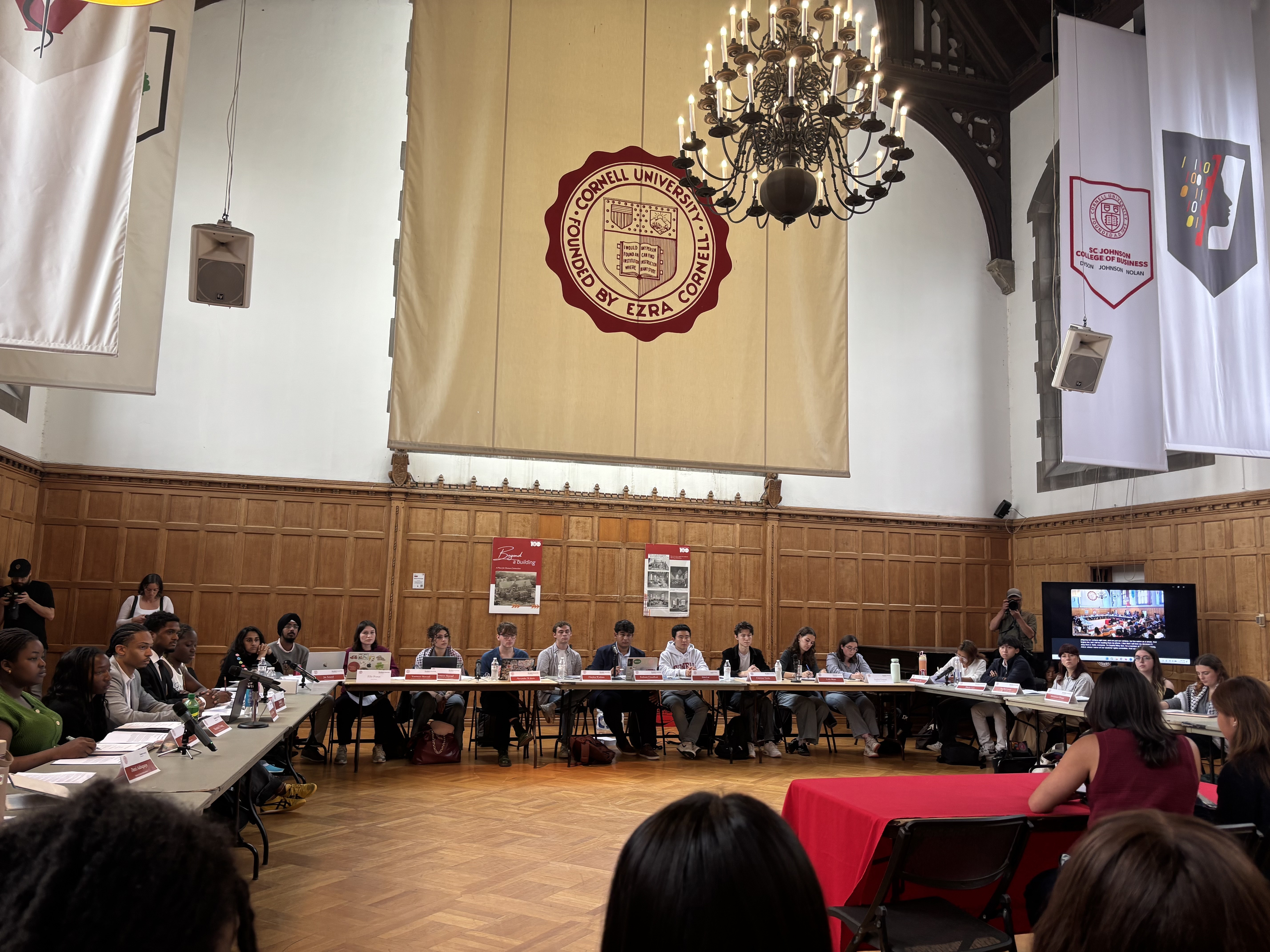
Cornell’s student government convened a public hearing on sexual assault Thursday, and some 100 people turned out to share their raw emotions in a student union auditorium, Cornell flags and chandeliers hanging overhead.
Some broke down in tears, channeling the churning emotions of the broader campus. They walked forward, one by one, to offer testimonies, facing a semicircle of somber-faced student assembly representatives who were surrounded by backpacks and soda bottles.
“I cannot pretend this is a normal Thursday,” said Sophia Riley, a junior, remembering that as a freshman in 2024 she was shattered to hear that a student said she was assaulted at the Chi Phi fraternity house. “I cried about it then, and I’m still equally devastated now.”
In the days since a lawsuit and rape allegations put Cornell in the national spotlight, the school’s Ithaca campus has been consumed by the news. The meeting gave students a chance to denounce administrators, saying that they had mishandled the allegations of assault, though few school leaders were in the room and the university president, Michael Kotlikoff, was absent.
Some students expressed rage about the fraternity culture cited in the lawsuit. The suit had prompted the Tompkins County district attorney to reopen the investigation into the claims by a woman known only as Jane Doe that she was sexually assaulted by seven men at a fraternity house.
University officials have defended their disciplining of the defendants in the lawsuit and denied that the consequences were not strong enough, saying that “false narrative” could make assault survivors feel less safe and less likely to report crimes.
None of the men accused in the lawsuit has been charged with a crime, and they all have denied any wrongdoing. Four said that they had consensual sexual contact with the woman at the party, and the others denied any participation. Two were expelled, and others received lesser penalties.
Along with the students, the forum brought together faculty members and a smattering of Cornell parents. Eeshaan Chaudhuri, the student body president, began the event by addressing the room.
“We’re absolutely ashamed of the events that happened on campus,” Chaudhuri said, before inviting members of the community to line up and make comments. “I think we’ve made it abundantly clear for the past couple of days that we as a campus community stand with victims of sexual violence.”
A stream of ideas and proposals followed from students, some of whom feel besieged by national media and eager to shift the focus to solutions. Students urged administrators to improve the required workshops and trainings that teach students about consensual sex. And they asked for their classmates to be supported if they can’t complete homework and exams this week because of distress about the case.
“Students should not have to choose between grieving and keeping up with their academic responsibilities as if nothing had happened,” said Riley, declaring that the campus is in a “mental health crisis.”
While the majority of the meeting was declared off the record so students could come forward and candidly share their reflections, a handful shared their stories in front of reporters gathered for the public portion.
Emotions heightened as a woman came to the front of the room and said she, too, had reported a sexual assault at Cornell and felt let down by the university’s Title IX process, which investigates complaints of sexual assault on campus. She saw her own experience reflected in the accuser’s reports, of having an assault claim mishandled.
“When I filed my Title IX case in the midst of all of my mental, physical and emotional recovery from the assault,” Jane Wang, a junior, said, “I was also met with an abundance of paperwork, very little instruction on how to navigate it and no follow-up from our Title IX office of an outcome.”
Wang said that for students like herself to feel comfortable coming forward to report assault, they need to know the institution will act on it. “Through this event, we have witnessed the complete opposite,” she said.
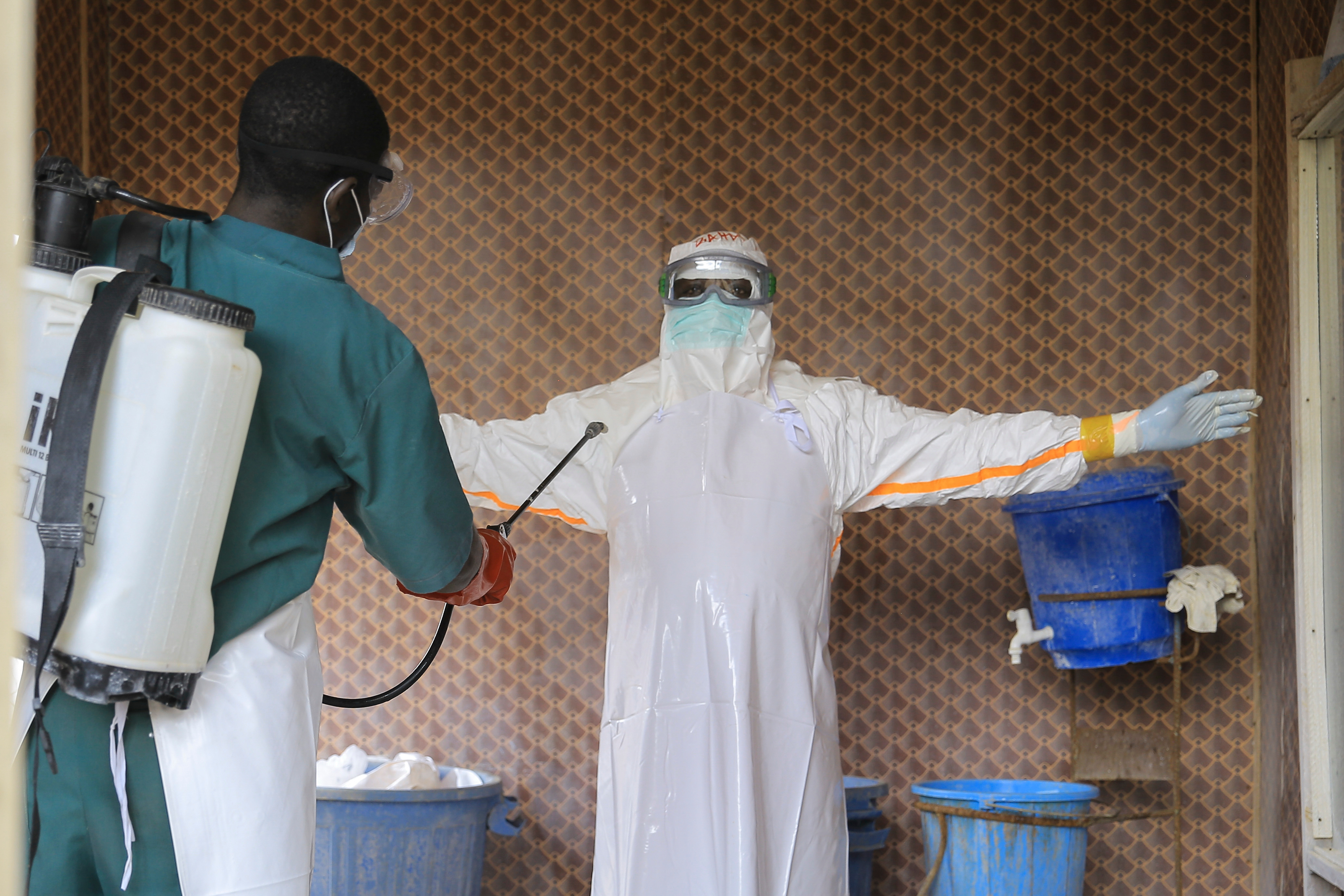
The latest figures released by the Health Ministry on Thursday showed that 4,018 people have died among 8,300 cases recorded since the outbreak was declared in eastern Congo on May 15.
Some health workers, meanwhile, gathered at the epicenter in Ituri Province to demand payment for wages owed them. The protesters, who included surveillance team members, waved placards saying, “No money, no data!” and “No payment for months.”
Some of the workers haven’t been paid for August and September, said Biongi Beiza, one of the protesters in Bunia, Ituri’s capital. “There is no explanation from the administration,” he said.
Congolese authorities did not immediately address the issue. Front-line workers have gone on strike several times since the outbreak began, further hampering efforts to contain the disease.
A senior U.N. official said an Ebola-hit displacement camp housing a transit center for infected patients was burned by soldiers earlier this week as they were looking for weapons in Kigonze, on the outskirts of Bunia, forcing 19,000 people in the camp to flee.
Creating such transit and treatment centers has been a struggle, requiring money and staff, all of which are in short supply, said Julien Harneis, the U.N. senior Ebola coordinator. “When we lose a center, that means we lose capacity, we lose investment, and we have to start again. And above all, it means that people do not get access to the care that they really need,” Harneis said.
Infected aid worker evacuated to the Netherlands
An aid worker with Médecins Sans Frontières, known in English as Doctors Without Borders, was infected with Ebola while working in Congo, the group said in a statement.
The worker arrived in the Netherlands late Thursday on a special medical flight and was transferred to a high-level isolation unit, the Leiden University Medical Center said in a statement.
“The human cost of this crisis is unprecedented in the DRC, with communities facing the largest Ebola disease outbreak ever recorded in the country,” MSF said.
At least 50 health workers have died after contracting the virus.
Mobile labs are helping detect cases quickly
One way local authorities have tried to contain the outbreak is through mobile laboratories. In Butembo, an Associated Press journalist watched a medical team operating one such lab near an Ebola treatment center on Thursday.
Test results that used to take 72 hours can now be obtained in six hours with the mobile labs, said Lota Kalubi, a doctor at the treatment center.
The labs have also made it easier to get to locations usually difficult to reach, said Michel Ngimba with the National Institute of Biomedical Research in Butembo. “So we can go, if today we have an emergency, for example, in Katwa, we can start up the vehicle, and we can move the lab to Katwa,” said Ngimba.
Insecurity and community resistance are hampering containment efforts
The World Health Organization has recently raised the alarm about the virus’ rapid spread into new health zones, stretching limited resources. The current outbreak is on track to exceed the deadliest on record, West Africa’s regional outbreak between 2014 and 2016, which killed 11,000 people, WHO has said.
The number of newly confirmed cases is falling, but that could be attributed to insecurity and challenges in getting communities to cooperate in some of the hot spots, Africa CDC said on Thursday. While the spread of the disease has slowed in some areas, it has accelerated in others.
Confirmed cases fell from around 850 cases and 470 deaths a week in mid-July to an average of 490 cases and 230 deaths in September.
A Congolese politician was beaten to death earlier this week in one of the emerging hot spots after defending government measures to deal with the outbreak, highlighting tensions and mistrust in communities.
Authorities last month launched a village-centered approach that involved working with local leaders to educate people about the virus, but those efforts face resistance from residents who dismiss Ebola as a hoax. There is also deep distrust in the country’s government for reasons including how it’s managed past Ebola outbreaks and chronic corruption.
Former Lt. Gov. Dale Caldwell is being investigated by his own church.
A bishop of the Eastern Pennsylvania and Greater New Jersey Episcopal Area sent an email about the probe to colleagues on the same day of Caldwell’s resignation last week, which followed the release of the initial report finding evidence of sexual harassment.
Caldwell, who is a senior pastor at Covenant United Methodist Church in Plainfield, told the Inquirer that the Eastern Pennsylvania and Greater New Jersey Episcopal Area was “investigating the investigation, based on the same information” and referred to the examination as a “piling on.”
He is suspended from his church duties until the investigation is complete.
The U.S. Environmental Protection Agency awarded a $2.5 million grant to dig up layers of a 1.6-acre site to get rid of contamination.
It’s from a 45-foot-high pile of illegally dumped construction waste that was removed years ago in Camden’s Bergen Square neighborhood that left behind lead, arsenic, and PFAS, aka “forever chemicals.”
The EPA, Camden Mayor Victor Carstarphen, and other officials announced the grant on Thursday. The money will come after the city finds a developer and submits plans for new use at the site, the EPA said.
An investigation from Floodlight and The Guardian revealed that the DataOne data center in Vineland emitted large amounts of air pollution for almost a year before regulators stepped in. The center was recently hit with a $1 million fine for violating clean-air laws by operating dozens of natural-gas power generators without the required state permits.
Bancroft NeuroHealth seeks to build a two-level school for 160 students on its Mount Laurel campus. The proposal will go before the township’s planning board next week, according to 70and73.
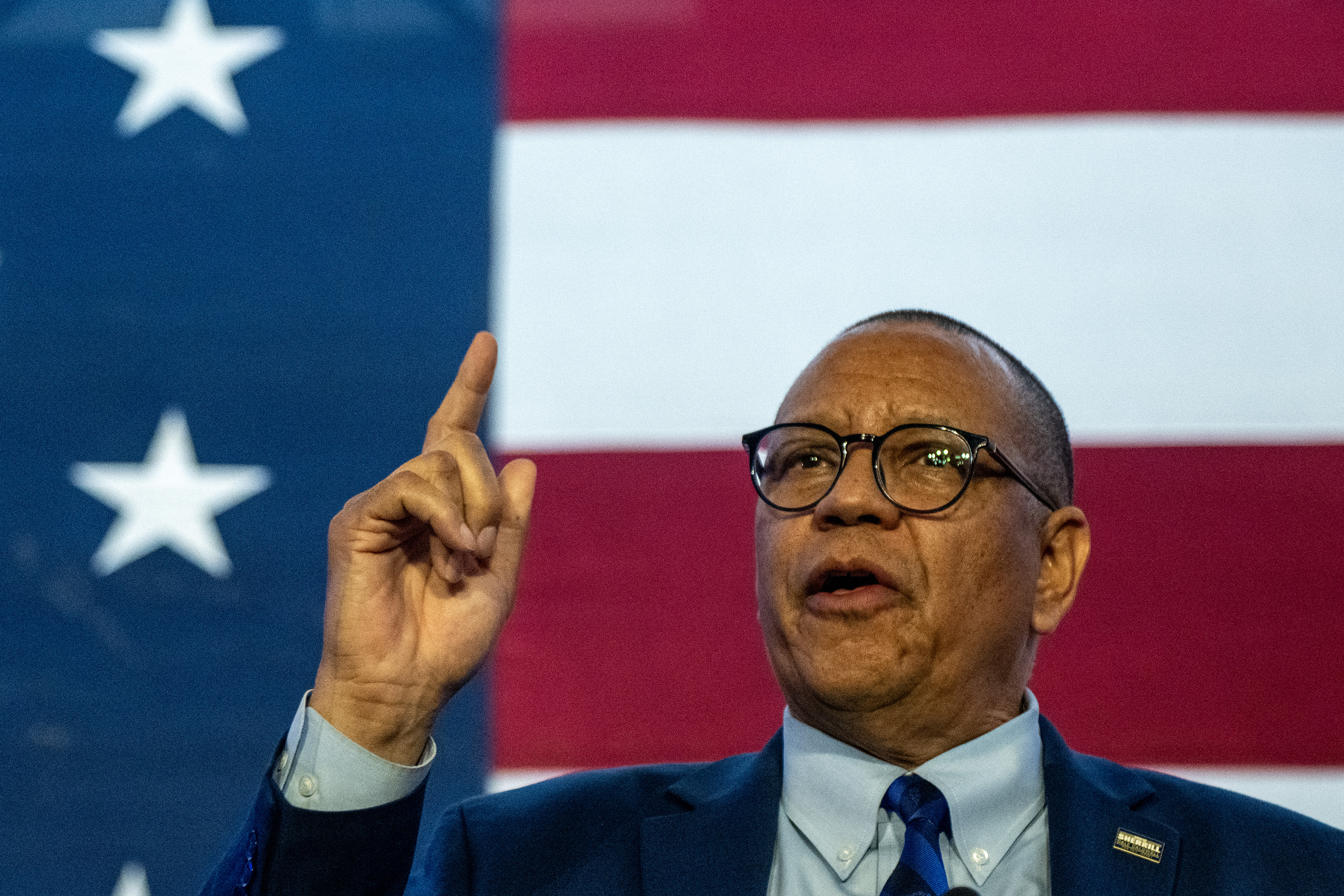
A new Rutgers University poll shows South Jersey residents are less supportive of Gov. Mikie Sherrill than the rest of the state.
A recently introduced bill would allocate $60 million in state grants for farmers who lost crops from the surprise April freeze. Under the proposed legislation, farmers would need to apply and the most impacted would have priority, according to New Jersey Monitor.
Fresh off its recent rebrand, Cooper Norcross Health released the first renderings of its planned $650 million Camden patient tower, which is set to open in 2028, the Philadelphia Business Journal reports.
Philadelphia 76ers LeBron James poses for a portrait during NBA Media Day at the team’s training facility in Camden on Monday. Jose F. Moreno / Staff Photographer
Enjoy your weekend! See you on Monday. 😎
By submitting your written, visual, and/or audio contributions, you agree to The Inquirer’s Terms of Use, including the grant of rights in Section 10.
Friedman — who has posted over 50,000 photos and videos of dogs (and their humans) online since 2013 — is hosting a meetup on Sunday morning on the Schuylkill Banks. Hundreds of hounds are expected to attend.
“We’re going to meet at the Schuylkill River Dog Park,” said Friedman, speaking via Zoom from his Manhattan apartment, “and then we’re going to walk along the river up to the Art Museum and climb the Rocky steps for a group photo.”
Friedman will be there with his dog, Elsa, the Instagram-famous white husky mix who was dog of honor at his 2025 wedding to Samantha Cutler, his fellow alum of Wynnewood’s Friends Central High School. The wedding was featured in the New York Times’ Vows column.
“It’s a little crazy for me,” said Friedman, “because I feel like I’m a prophet, or” — he laughs — “some sort of dog evangelist, where everybody’s gonna follow me. It’s like I’m leading a march.”
“It’s a very joyful thing to have people meet up around a shared love of dog. They get to know each other, and make a lot of connections. It’s an amazing show of the power of not just the dog community, but the Dogist community.”
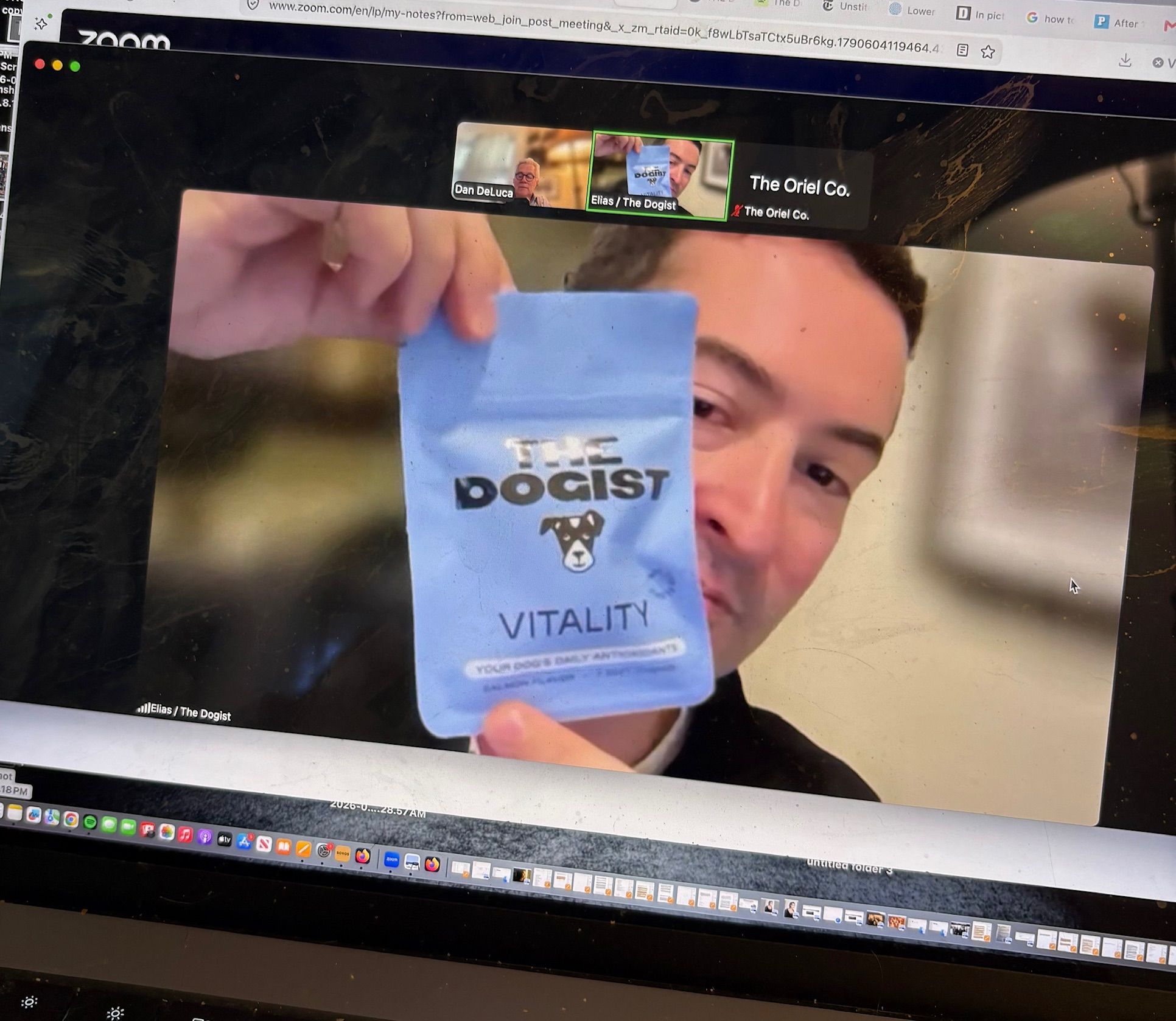
Sunday’s walk with Friedman is part of a Dogist tour tied to the launch of the Dogist Company, a canine wellness brand whose first product is Vitality, which is advertised as a “Board-Certified Vet-formulated antioxidant chew that supports brain, joint and immune health.”
“It’s salmon flavored so a dog might consider it a treat,” Friedman says of the product he developed with veterinary nutritionist Angela Rollins, which is available at thedogistcompany.com. “But it’s not a treat, it’s a supplement.”
Elias Weiss Friedman, a.k.a. the Dogist, holds a package of his newly launched canine wellness brand, The Dogist Company’s Vitality supplement, during a Zoom interview.Dan DeLuca
“Everybody wants more years with their dog. But it’s also about having good years with your dog,” says Friedman, who credits Elsa, 6, as “chief wellness officer” on the Dogist Company website.
“I’ve spent the last 13 years of my life showing the world how amazing dogs are. So the next evolution of the Dogist ecosystem is creating products that make dogs’ lives better — because it’s the least we can do for them for all they do for us.”
“They’re based in Narberth where I grew up,” Friedman said. “They raise service dogs to work with teenagers and children who are clinically diagnosed with depression, or PTSD, or are on the autism spectrum.”
Friedman also has a show on YouTube — simply called Dogs — where he strolls around meeting pups with celebrities, such as actors Zooey Deschanel and Sarah Paulson, and comedians Roy Wood Jr. and Lewis Black.
Elias Weiss Friedman, photographer and founder of the Dogist, holds onto his dog named Elsa, while photographing Michael Rey and Rosie, in his childhood neighborhood on May 20, 2025, in Narberth.Monica Herndon / Staff Photographer
Last year, Jane Goodall was a guest in an episode recorded a week before her death. Meeting the English primatologist and anthropologist “was the biggest honor, probably, of my life,” said Friedman.
The Dogist origin story dates back to when he was a 2 year old and wandered away from his grandmother’s house in Narberth toward traffic on Montgomery Avenue. Oreo, his grandmother’s dutiful black Lab, kept him from walking into speeding traffic.
Most of the Dogist’s photos are taken in New York, but Friedman’s content-gathering travels have frequently brought him to Philadelphia, where he’s found four-legged subjects in Manayunk, Rittenhouse Square, and the Main Line.
“Negativity is easily found on the internet,” he said. “Dogs are an antidote or a respite to all that.”
At group meetups like Sunday’s — where walkers without dogs are also welcome — he can connect IRL with members of the digital Dogist community.
“I always enjoy going out and meeting people and talking to them about their dogs,” said Friedman, who has published three books including last year’sThis Dog Will Change Your Life.
“Dogs don’t have an ego, right?” he said. “They’re not burdened by one like we are. So part of the joy of seeing that they’re so free is that it allows us to transcend our ego for a few minutes. And that’s a very liberating experience.”
The Dogist Company Vitality Walk at Schuylkill River Park, 30 S. 25th St. at 10 a.m. on Sunday, Oct. 4, Instagram.com/thedogist
Delaware County nurse Monica Ryadi and her husband couldn’t wait to take their 3-year-old son to Disneyland, so he could meet his adored Cars movie characters — Lightning McQueen, Tow Mater, and the rest.
They didn’t get there.
The family had barely stepped off the plane at Los Angeles International Airport on Sept. 15 when they were surrounded by four or five men in street clothes who said they were ICE agents, flashed a badge, and snapped Ryadi into handcuffs.
When her husband protested, the officers threatened to arrest him and send their toddler, Luca, to child-protective services, the couple said in court filings. One officer told Ryadi she was here illegally and, “I don’t care if you are the president of the United States or a congresswoman like Ilhan Omar,” court records say.
Ryadi, 30, said she kept insisting that she was a legal immigrant.
And that’s true.
She has lived in the U.S. since she was 9, brought to this country by her parents when they fled religious persecution in Indonesia.
They entered on legal visas in 2005, and five years later were officially granted what’s called “Withholding of Removal.” That’s where an Immigration Court judge agrees that deporting someone to their homeland could get them hurt or killed.
It’s similar to asylum, the key difference being the federal government retains the right to deport someone if it can find a third country willing to take them. Withholding does not include a path to citizenship.
Traditionally, people who gained that relief were left alone.
Now that’s changed, as the Trump administration takes a new, hard view — seeing those who have Withholding, even those who have lived here for decades, as candidates for deportation. Some immigrants are held in ICE detention for months while the administration tries to find a foreign government to accept them.
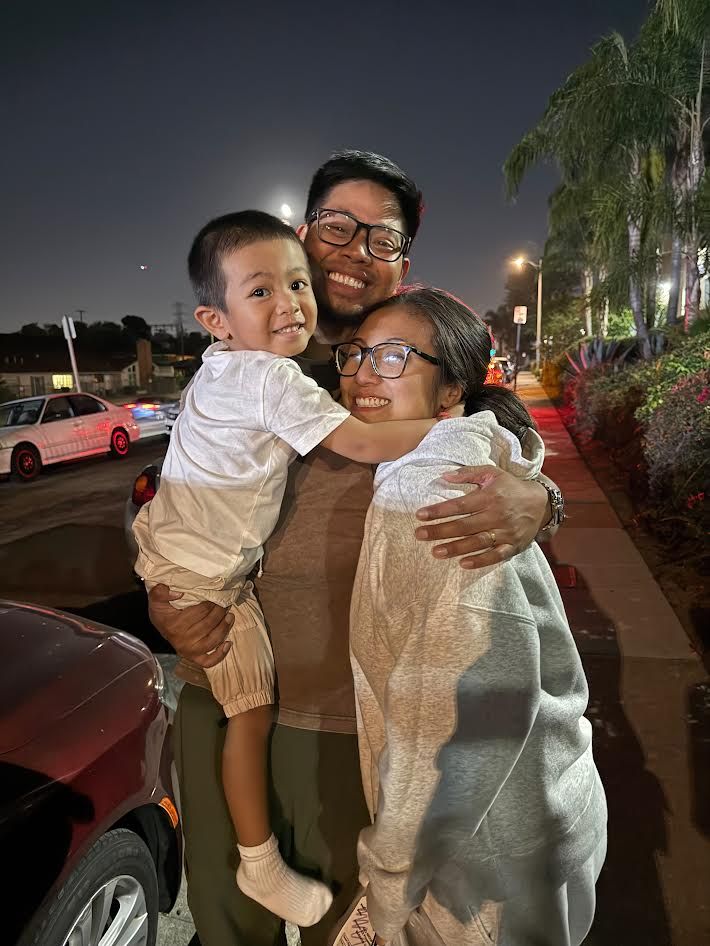
On Tuesday, after 15 days in custody at the Adelanto ICE Processing Center in California, Ryadi was ordered freed by a U.S. magistrate judge. Her husband and son flew to her immediately, and the family reunited that night, at the same Los Angeles hotel they booked when they planned to visit Disneyland.
“It’s a lot of emotions,” Ryadi said in an interview after her release. “I am still terrified, I’m still living under fear.”
At the same time, she said, “I can’t stop thinking about the other women that are in there.”
Video: A Delco nurse arrested by ICE reunites with her family
The Department of Homeland Security said in a statement that Ryadi was “an illegal alien” taken into custody “during a targeted enforcement operation at Los Angeles International Airport.”
DHS said she entered the U.S. legally in 2005 but “overstayed her welcome” in violation of immigration laws. An immigration judge issued a deportation order in 2010, DHS said, but did not note that such an order is a standard part of receiving permission to stay, work, and live in the U.S. under a grant of Withholding of Removal.
Ryadi’s husband, Steven Sary, 35, said he was overjoyed to be reunited with his wife. “But there’s still work to do,” he said. ”What’s the next step for us? We’re still living in fear.”
He tried to stay positive and supportive while Ryadi was detained, even at moments when they were both crying on the phone. He told her, “You don’t have to worry about Luca, I’m doing the best I can.”
The couple has arranged their lives around their son, setting schedules so one parent is always home with him. Ryadi works weekends at Riddle Hospital in Media, while her husband works Monday to Friday as a UPS truck driver.
The two met when they were children growing up in Philadelphia, and married in 2021.
Ryadi graduated high school from the Academy at Palumbo in the Bella Vista neighborhood, then earned an associate degree at Philadelphia Community College before obtaining her bachelor’s degree at Ohio University.
She became a nurse, she said, because she wanted to help people.
The court order that freed Ryadi came the same day that the Supreme Court ruled the Trump administration could resume the fast deportation of immigrants to countries other than their own.
The court granted the government’s emergency request to block an appeals court ruling that said the process was unlawful, because immigrants were not given sufficient opportunity to raise safety concerns.
The Supreme Court said it would hear oral arguments in the case in December, with a final ruling likely next year.
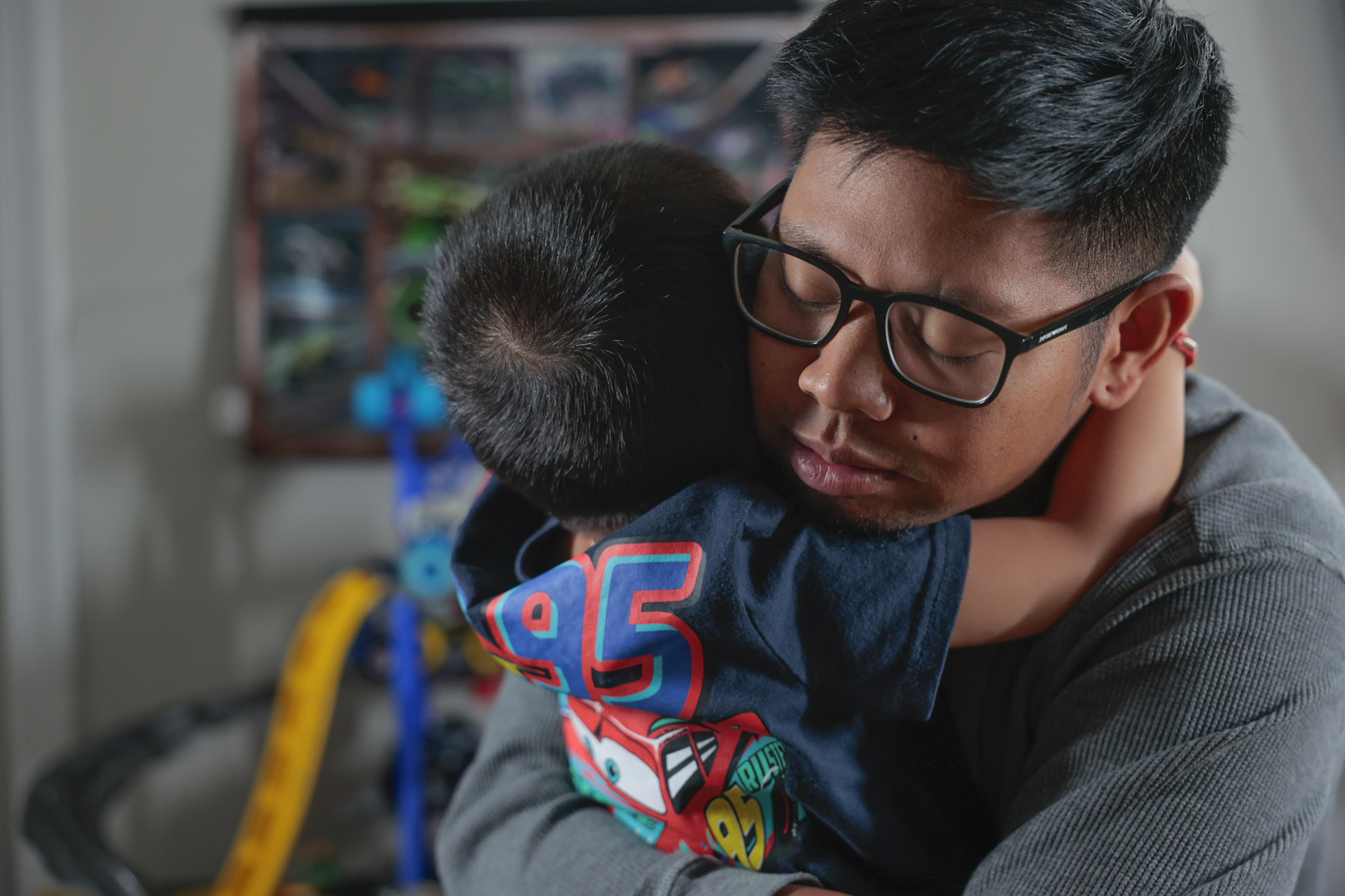
Steven Sary hugs his 3-year-old son, Luca, at their Delco home, waiting for word on his wife, who at the time was detained in California by ICE. She was detained by ICE agents after getting off a plane in Los Angeles as the family traveled to Disneyland. Steven M. Falk / For The Inquirer
“What happened to Monica should be treated as an extrajudicial kidnapping,” said Ryadi’s Philadelphia immigration attorney, Eric Rosenfeld, who is handling the case pro bono.
He noted that Ryadi is a registered nurse, the wife of an American citizen, and the parent of a son who is an American citizen — yet ICE casually told her she would be sent to an undisclosed third country.
She was never given any type of document or warrant to explain her arrest, he said. Upon release she was fitted with a GPS ankle monitor, and she knows ICE will likely try again to deport her, the attorney said.
“This is a respite. Not security,” Rosenfeld said.
As the Trump administration pursues its mass-deportation agenda, the protection offered by Withholding and similar relief “is proving to be very little protection at all,” the American Immigration Council wrote. “The Trump administration is trying to ship them out wherever it can — and keep them locked up in the meantime.”
A Philadelphia man who was arrested in July remains in detention, despite having lived legally for almost 20 years.
Mamadou Fadel Cherif of West Oak Lane was granted protection from potential political violence in his native Guinea. Now the administration wants to deport him to Ghana.
To receive Withholding of Removal, applicants must prove they were persecuted in the past or that their lives would be threatened in the future, that their home government harmed or will harm them — or failed to control others who might do so.
When that relief is granted, the immigration judge also enters a deportation order, then tells the government it cannot deport the person to their homeland. In that way the removal is “withheld.”
“We were planning to have an amazing trip with the family,” Sary said, “to see Cars Land with our son. But that changed.”
This image shows Delaware County nurse Monica Ryadi, left, in white, being arrested by ICE agents at Los Angeles International Airport on Sept. 15. She and her husband were taking their 3-year-old son to visit Disneyland.Courtesy of the family
“It felt like I was kidnapped,” Ryadi said. “I kept saying, ‘I’m legal, I’m a legal immigrant.’”
She grew up in the United States with government permission, has work authorization, a Real ID, and a Social Security number. She pays taxes. Yet she was chained wrist, ankle and waist like a criminal, she said.
Ryadi wonders if the ICE operation against her began in Philadelphia. As her family waited to board the plane, she said, a woman in a black jacket approached and made small talk.
The woman didn’t have luggage, Ryadi said, and she didn’t get on the flight. Instead, she walked away to talk to a man who also did not appear to be a passenger.
When Ryadi was released from the Adelanto detention center, 90 miles northeast of Los Angeles, immigrant-aid volunteers gave her a ride all the way to the city.
There she flew into the arms of her husband and son.
“I’m so happy to see you!” she cried.
At the hotel, the family saw people decked out in Disney attire, coming back from the theme park. Young Luca asked if they could go.