Tag: Swarthmore

  • Swarthmore College renames hall for two prominent Black scholars with Philadelphia ties

    Swarthmore College renames hall for two prominent Black scholars with Philadelphia ties

    Swarthmore College has renamed the former Trotter Hall and its adjacent lawn for two Black scholars who feature prominently in its history: the school’s first African American professor and an alumnus who served as a policy adviser to several U.S. presidents and formerly led the University of California, Berkeley School of Law.

    The move comes after the college last year stripped former professor Spencer Trotter’s name from the hall after the school learned Trotter had dug up a Native American burial ground in Chester County in 1899 and displayed human remains on campus.

    Effective immediately, the hall and its adjoining lawn will be known as Edley-Morgan Hall and Edley-Morgan Lawn, named for Kathryn L. Morgan, the late Swarthmore professor emerita of history, and Christopher F. Edley Jr., the late legal scholar and proponent of affirmative action who worked closely with three Democratic presidents and with six presidential campaigns.

    “This renaming is an important milestone, but not the end of this work,” Swarthmore president Valerie Smith said in a message to campus Monday. “Our further efforts will also ensure that this reckoning with the past is appropriately documented and acknowledged so our community can continue to learn and heal.”
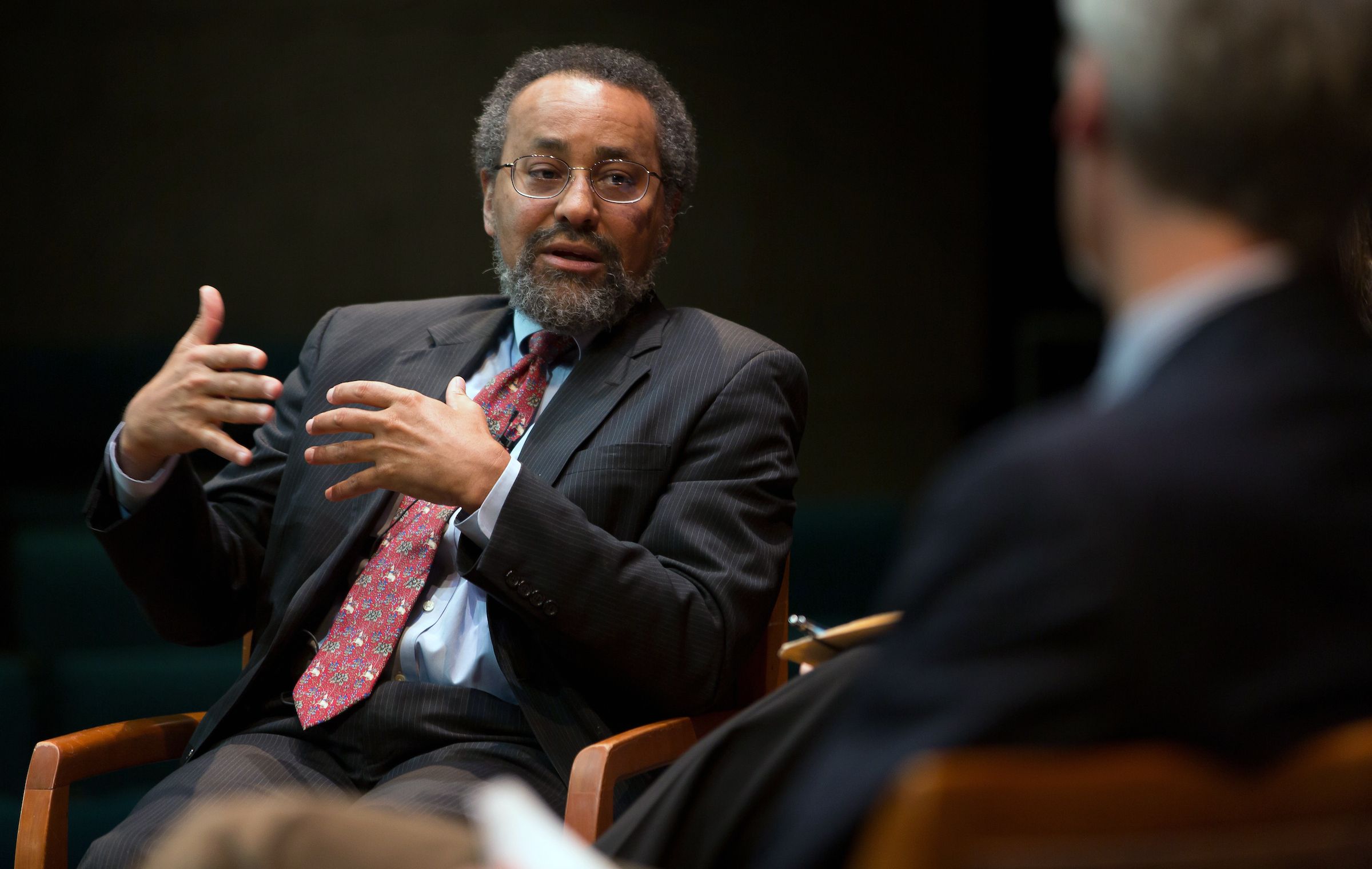
    The late Christopher F. Edley Jr. is a legal scholar and Swarthmore College alumnus. Swarthmore announced it is naming the former Trotter Hall and its adjoining lawn for Edley and Kathryn L. Morgan, the late Swarthmore professor of history, who was the college’s first African American professor.Courtesy of Swarthmore College

    The college undertook an extensive process that included input from more than 500 students, faculty, and staff through a campus survey, a panel discussion with other college leaders who had gone through renaming processes after controversies, a session with a leader of the Delaware Tribe of Indians, and research on potential new namesakes.

    Through the process, the community concluded the new namesake or namesakes should be someone with a direct connection to the college and honor departments based in the building — history, political science, classics, and the writing associates program. The community also wanted the new namesake or namesakes to be “consistent with or expand the diversity of representation on campus.”

    When the process began, of Swarthmore’s 70 primary buildings, 67% were named for people, and of those, 53% were named for one or more men, 26% for one or more women, and 21% for both, the college had said. All but two of the namesakes were white and about half were Quakers.

    More than 75 names were considered for the hall, which initially opened in 1882, the college said.

    Swarthmore hired Morgan in 1970, and she joined the history department as its first folklorist, according to a 2011 Swarthmore story about her passing in 2010. She got her bachelor’s degree from Virginia State University, a master’s degree from Howard University and another master’s degree and doctorate from Penn.

    She taught classes including Folklore and Folklife Studies, History through Folklore and Literature, Black Women in Historical Perspective, and Black Culture and Consciousness, according to the college. Though she initially was denied tenure, she eventually became the first Black woman to get it at Swarthmore and talked about tensions in her department in a 2000 Swarthmore College Bulletin interview, the college said in its piece.

    Her work Children of Strangers: The Stories of a Black Family (1980), was the first work of African American family folklore by a folklorist.

    In 2000, a scholarship was established in her name and a poetry festival in her name was held in 2009.

    “One of the first things I tell my students,” Morgan said, according to the Swarthmore piece, “is to go home, look to your families, to the stories you were told as children. They’re the most important stories in the world.”

    Morgan, who was born and raised in Philadelphia, was described in the Swarthmore piece as “a wise, charismatic woman who intellectually bridged the gap between W.E.B. Du Bois and Malcolm X, a militant yet gentle soul who embraced everything of interest with intensity, and a radiant presence who drew on lessons learned from her ancestors as others draw breath.”
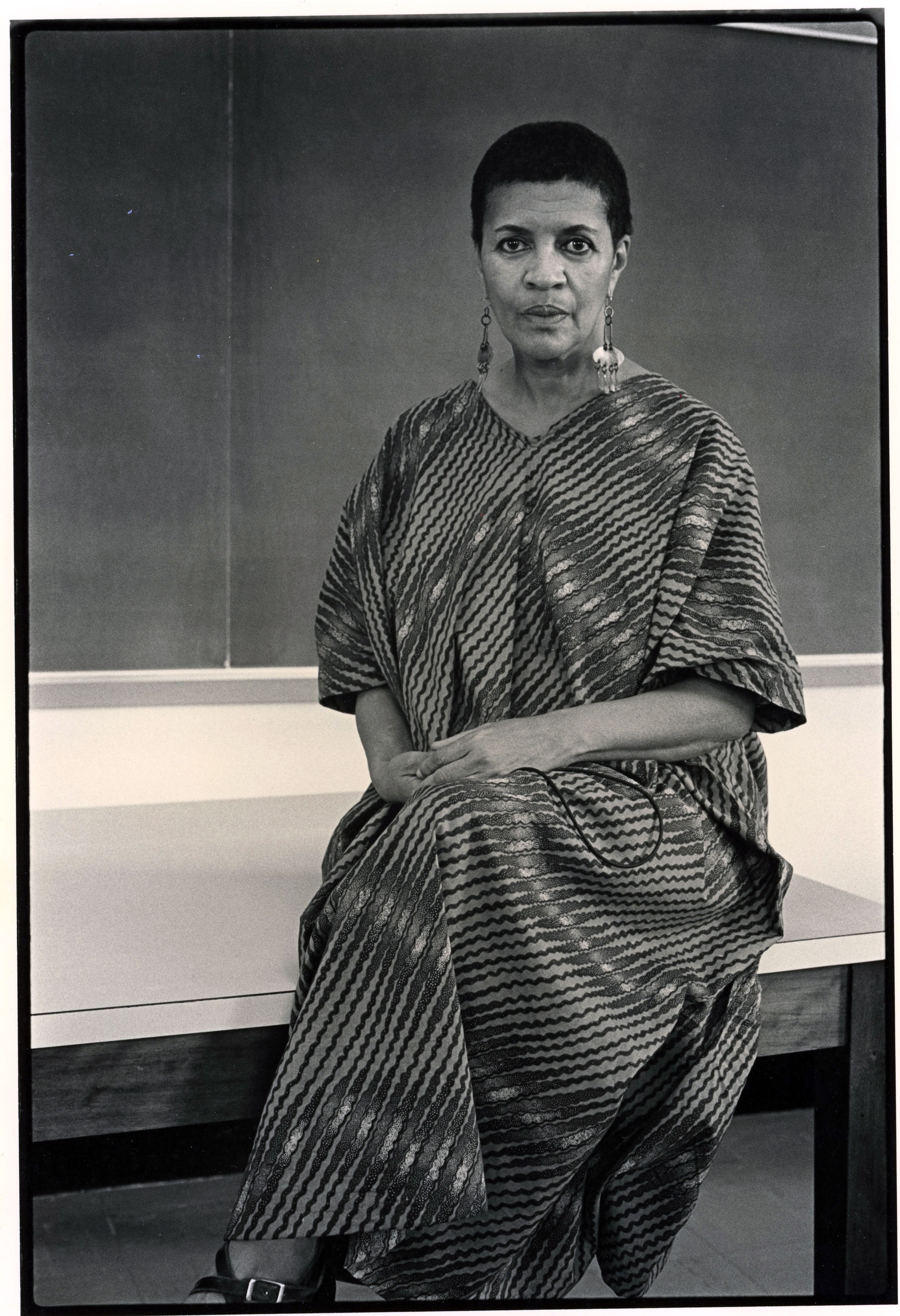
    The late Kathryn L. Morgan, professor emerita of history at Swarthmore College, was the first African American professor at the school. The college is renaming the former Trotter Hall and its adjoining lawn for Morgan and legal scholar Christopher F. Edley Jr., a Swarthmore alumnus.Courtesy of Swarthmore College

    Edley, who died in 2024 and spent part of his youth in Philadelphia, got a degree in mathematics and economics from Swarthmore in 1973 and later a master’s in public policy and a law degree from Harvard. Before serving as law school dean at Berkeley from 2004 to 2013, he was a professor at Harvard. He served on Swarthmore’s board of managers from 1982 to 1993.

    He worked for the White House domestic policy staff in the 1970s when Jimmy Carter was president, advising on issues including food stamps, child welfare and disability, according to an article on the Swarthmore website. During Bill Clinton’s administration, he worked in the Office of Management and Budget and served as special counsel to the president. And in 2008, he worked on Barack Obama’s successful presidential campaign and served on his presidential transition board. Obama had been a student of Edley’s at Harvard, according to Edley’s obituary in the Washington Post.

    When he received an honorary degree from Swarthmore in 1999, Edley talked about what he learned at the school.

    “I learned to face the limits of my intelligence, without fear,” he said, according to the Swarthmore piece. “I learned what it means to really understand something hard, only to realize that I was dead wrong, or that there was another, perhaps better way to understand it … And I learned that when there is trouble, find a grove of lilac bushes, lie down, get drunk on the fragrance, and think about important things.”

    Swarthmore’s renaming process started after a 2022 article in The Inquirer that mentioned how a former Swarthmore professor and student had dug up a burial ground and moved a skeleton and objects buried with it to the college.

    Swarthmore researched and discovered the professor was Trotter. The college first checked to make sure there were no remains from Trotter’s collection being improperly handled at the school; there were not. Officials found a collection of unidentified human bones that the college likely had obtained legally — but probably were initially acquired unethically — and moved them into storage.

    The college renamed the building Old Science Hall last December when Smith named a task force of students, faculty, and staff members to consider the next steps.

  • Three Wallingford-Swarthmore schools locked down Monday during a police search outside

    Three Wallingford-Swarthmore schools locked down Monday during a police search outside

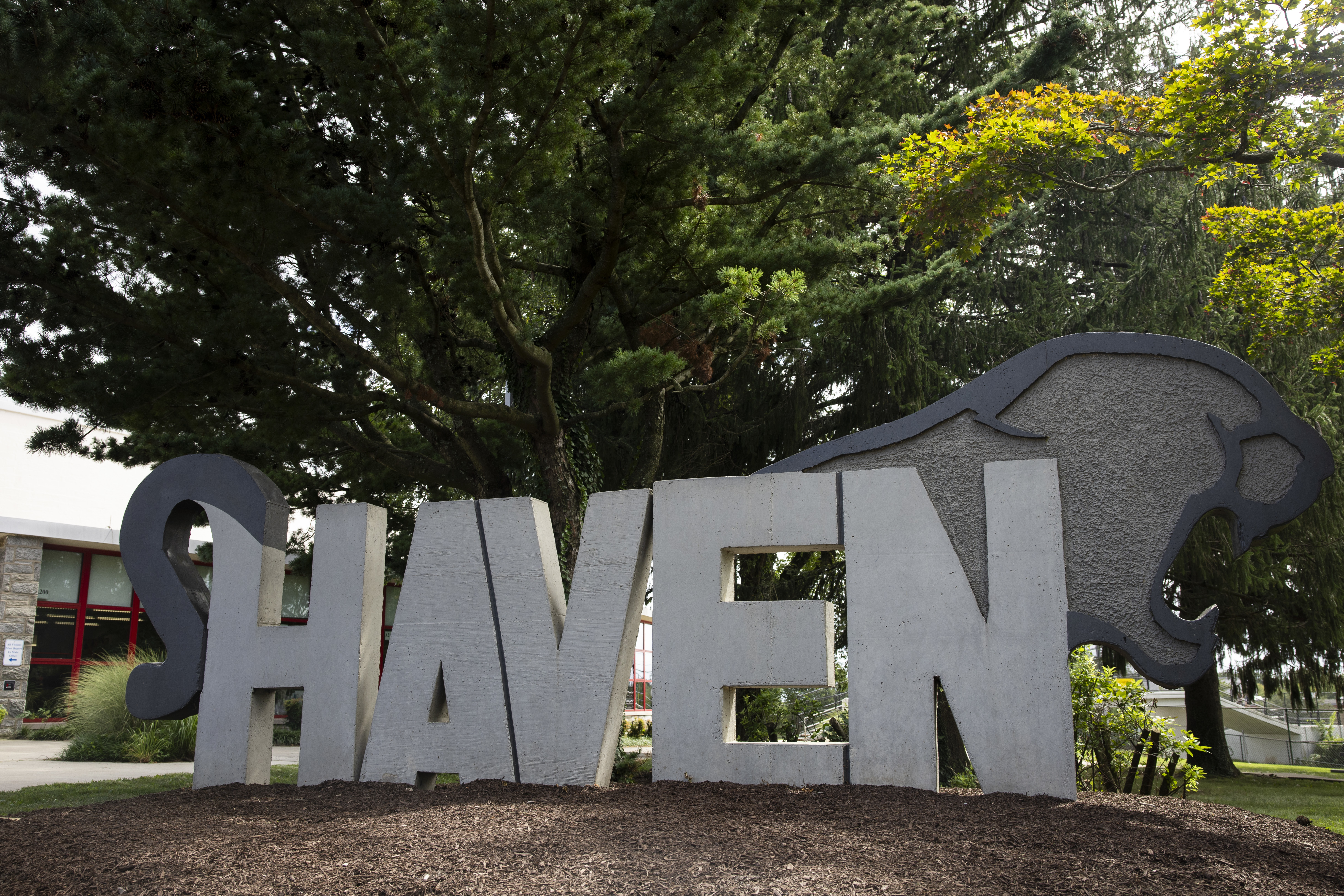
    Students at Strath Haven High School and Middle School and Wallingford Elementary School sheltered in place Monday morning as police searched the area for a suspect who had fled during a traffic stop.

    The incident began when a Nether Providence Township police officer stopped an Acura at 9:07 a.m. Monday on South Providence Road, police said in a statement. The driver fled in the car, which police determined was stolen, and the officer lost sight of it.

    Then at 9:41 a.m., a resident contacted the police to report a car abandoned in a backyard on Hickory Lane, near the high school, police said. Officers determined the car was the same one that had been driven by the suspect, and police began searching the area.

    Police said they worked with school officials to place the three Wallingford-Swarthmore schools, which enroll about 2,600 students, “in a ‘Teach in Place’ status while officers searched the surrounding area.”

    Wallingford-Swarthmore Superintendent Russell Johnston said the lockdown “kept the kids safe inside the buildings” during the police search. Classes continued during that time, he said.

    “What we did was out of an abundance of caution,” Johnston said. He said school officials believed police had guns drawn during the search.

    Police reviewed video surveillance that showed the suspect “fleeing toward the rear of Strath Haven High School” before being picked up by another car. The schools returned to their normal status after it was clear the suspect had left the area, police said.

    Nether Providence Township police are still investigating the incident, and are asking anyone with information to call the department’s detective division at 610-892-2875.

  • Schools around Philly are no longer giving laptops to kindergartners and scaling back on screen time. It’s a tech backlash.

    Schools around Philly are no longer giving laptops to kindergartners and scaling back on screen time. It’s a tech backlash.

    As her children start second and third grades in the Colonial School District, Elise LaChapelle expects they will spend no more than 20 to 30 minutes a day on their Chromebooks — limits the Montgomery County district has announced to parents.

    Colonial also no longer allows elementary school students to take their laptops home at night. “That seemed to be an acknowledgment on the district’s end that changes were needed,” LaChapelle said.

    Amid a spreading backlash to screens in classrooms, public school districts across the Philadelphia region are placing more limits on technology use — including by pulling back on one-to-one device programs once touted as critical for ensuring every student had access to technology.

    The Tredyffrin/Easttown School District has stopped assigning iPads to kindergartners, and students across the district’s elementary schools will no longer take their tablets home at the end of the day.

    In Methacton, the district has transitioned from individual devices to a shared model for kindergartners and first graders, with Chromebooks available for center-based activities, according to a district spokesperson.

    The Phoenixville Area School District has ended its one-to-one device program for kindergarten through third grade, while in Wallingford-Swarthmore, kindergartners through second graders will take fewer online assessments, and kids up to fifth grade are no longer able to search and browse YouTube.

    Parents who have been pushing schools to scale back on computer use are applauding the new restrictions as a step in the right direction of promoting teacher-led instruction and reducing screen-based distractions.

    But they also question how much will change in practice, because children will still have access to devices in many classrooms. Some parents who have been battling for less screen time want schools to go further to address what they see as excessive reliance on technology at older grade levels.

    In Lower Merion, which adopted a new technology policy last month that no longer assigns personal devices to kindergartners through second graders, seven parents are suing the district for rescinding their ability to opt out of computers entirely. The parents argue the district is violating their constitutional rights by requiring their kids to use internet-connected computers without adequate safeguards.

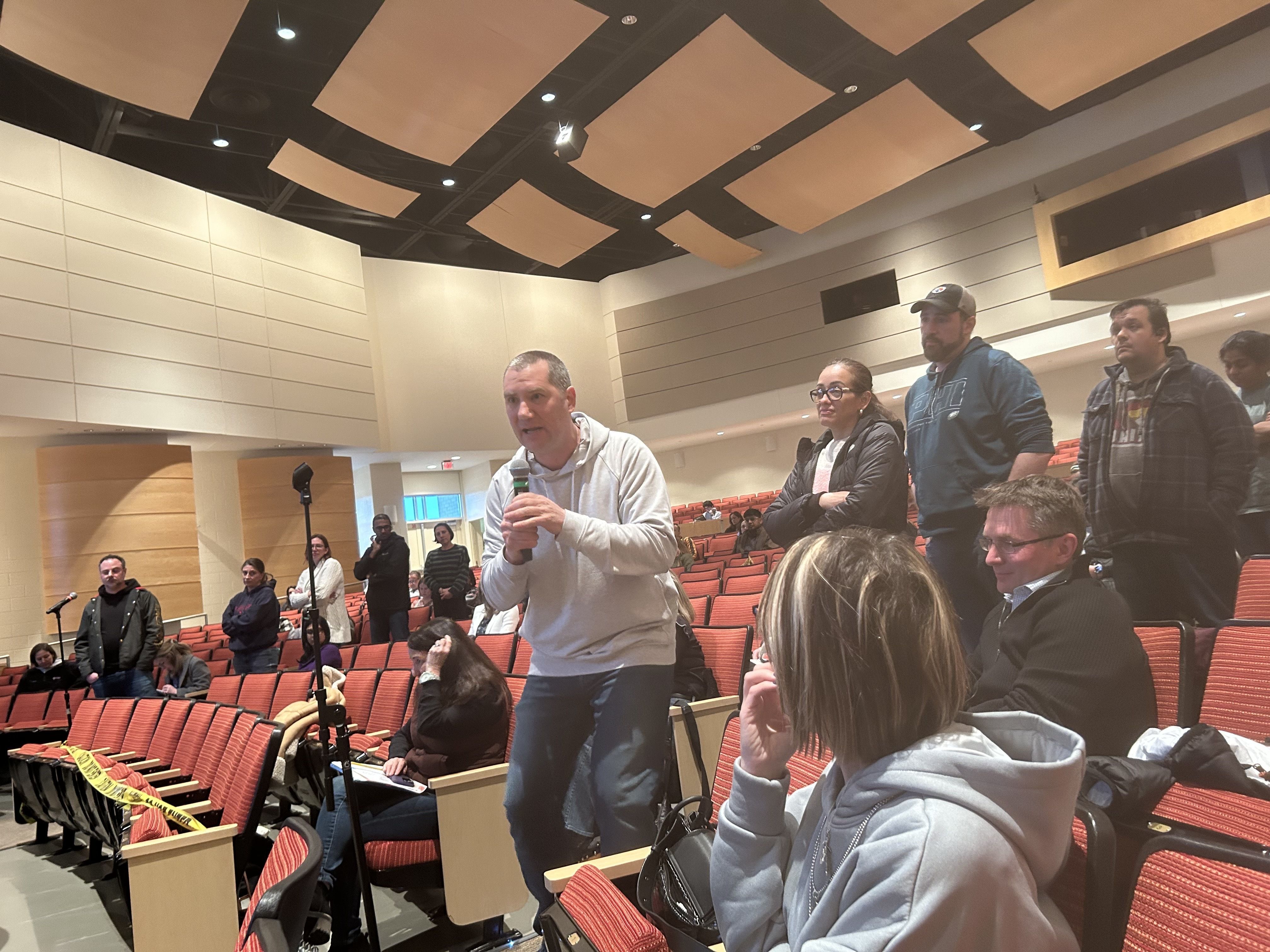
    Yair Lev, a parent who opposes Chromebook use in Lower Merion schools, speaks at a March 23 forum at Harriton High School about technology use in the school district.Maddie Hanna / staff

    For many districts, reducing computer usage in elementary schools “seemed like the low-hanging fruit,” said Alex Bird Becker, a Wallingford-Swarthmore parent active in PA Unplugged, a statewide group with about 5,000 supporters that advocates for limits on educational technology. But “when you get to middle school, the device culture has become really ingrained with curriculum. That’s where it gets harder to disentangle.”

    Wallingford-Swarthmore, a 3,700-student district, has been soliciting applications from parents to join a new Technology Advisory Council that will advise the district on further changes, including related to device use in grades six to 12. (In Lower Merion, parents have been pressing the district to create a technology review committee that includes parent representation.)

    “We know there’s even more we want to do in this area,” said Russell Johnston, Wallingford-Swarthmore’s superintendent.

    Johnston said the district was trying to ensure its use of technology was “focused” — posting online for parents to see which portions of the district’s elementary curriculum will incorporate technology, with lessons connected to Pennsylvania standards.

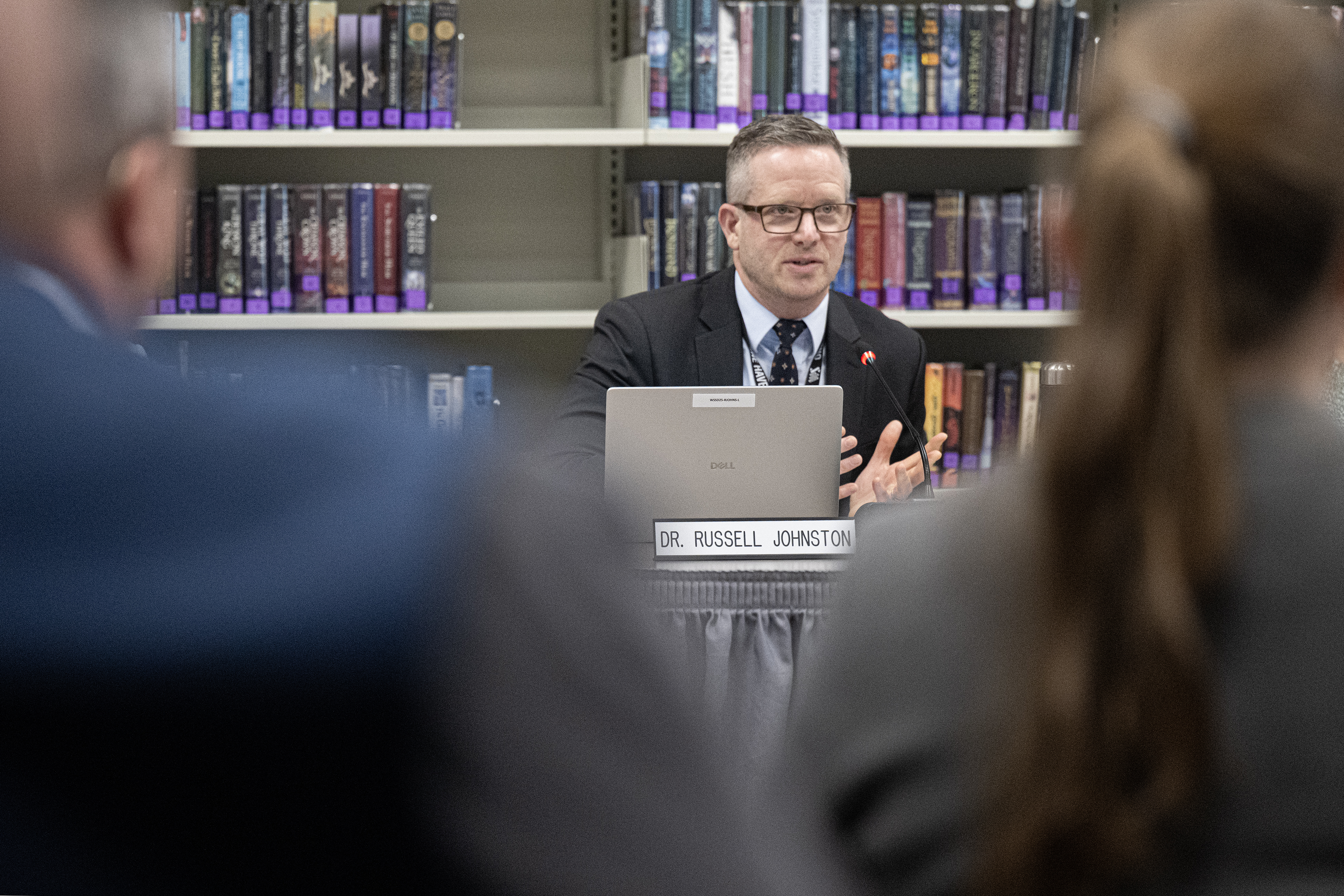
    Wallingford-Swarthmore School District Superintendent Russell Johnston speaks during a Feb. 24 school board meeting in Wallingford.

    Wallingford-Swarthmore is also reevaluating how laptops are used during “curriculum enrichment” time, Johnston said, when students are broken into small groups to receive extra help.

    In Phoenixville, which ended its one-to-one device program for kindergarten through third grade, “students will continue to have access to appropriate and approved educational technology for academic purposes only,” district spokesperson Nicole McClure said.

    Alair Southerton, a Phoenixville parent who has been pushing the district to make changes, said the school board had approved “strong language” around when devices should be used in classrooms.

    But “we’re still kind of crossing our fingers with the rollout,” Southerton said. She questioned whether teachers had clear guidance from administrators, and whether the district would consider educational technology apps that some parents object to as “gamified” as essential for learning.

    “We want to really fine-tune what needs to be done on a device on a screen,” said Southerton, who is a member of a new district Edtech Advisory Council.

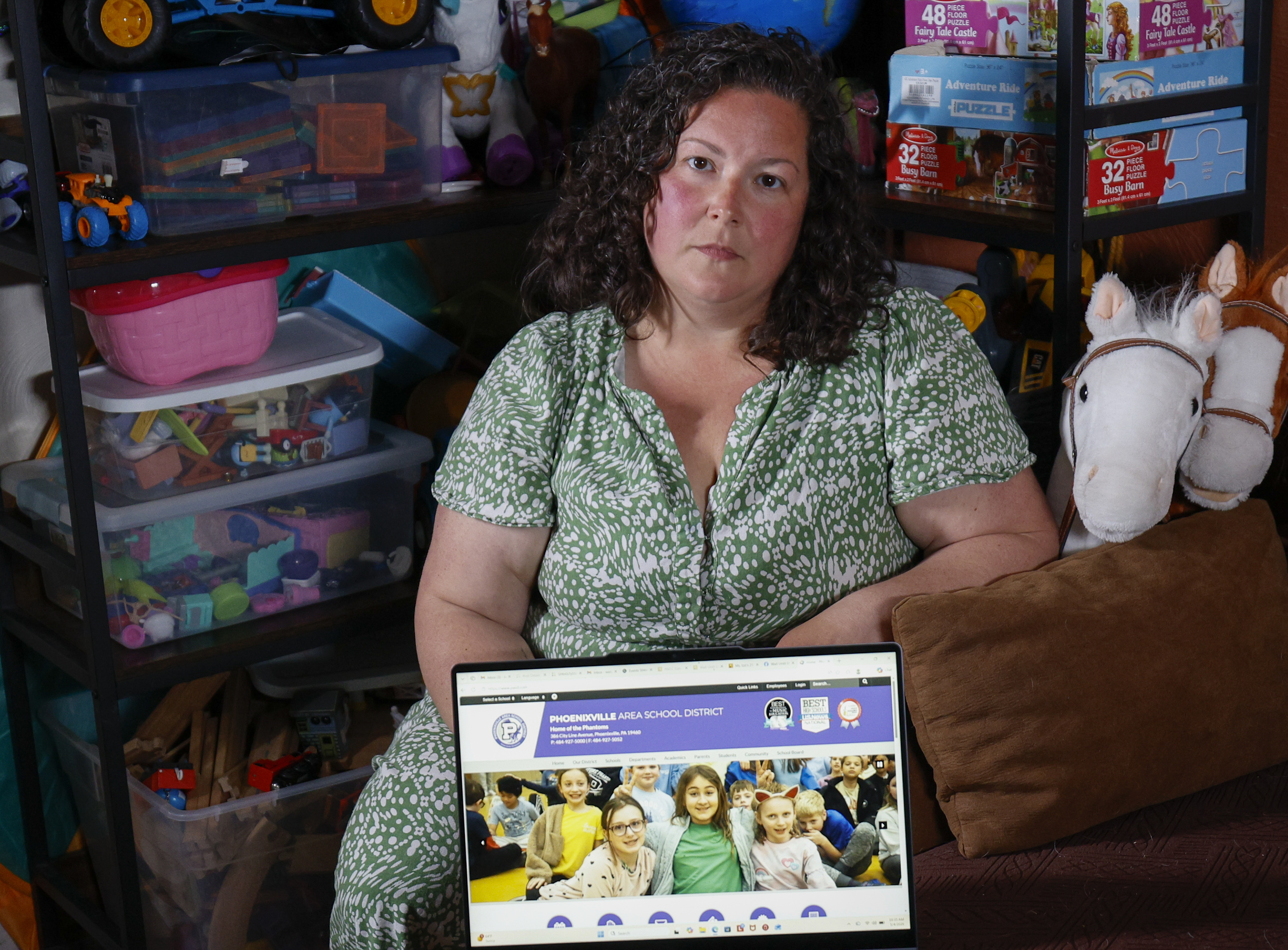
    Alair Southerton, pictured at her home in May with the Phoenixville Area School District website on her laptop. Southerton is leading a group of Phoenixville parents who are calling on their district to reduce screen time in school.Steven M. Falk / For The Inquirer

    While Phoenixville this fall adopted a new program, Qustodio, to let parents monitor their child’s device usage, Southerton said it has been less revealing than she hoped. The program reports which websites students accessed at 15-minute intervals throughout the school day but does not say how long they actually spent online, she said.

    In Colonial, LaChapelle is awaiting the district’s launch of a different program, Securly, that will also allow parents to monitor what their kids accessed.

    While the district has placed limits on screen time — 20 to 30 minutes in kindergarten through third grade, 40 to 50 minutes in grades four and five, and 2½ to three hours in grades six through 12 — “accountability and transparency are key,” LaChapelle said.

    Colonial spokesperson Jessica Lester said the district had “done more this year to try to communicate what our approach is” to technology.

    LaChapelle noted that in order to register her children for school, she had to consent to a list of more than 100 software programs used by the district; officials have since told her they plan to revise that, she said.

    LaChapelle hopes the district will continue to make changes. Taking an intentional approach to technology use could be a selling point for districts trying to show leadership, she said.

    “We’re doing and saying a lot of the right things,” she said. But “this isn’t a one-and-done conversation.”

  • Rachel Blau DuPlessis, experimental poet, literary scholar, and Temple professor emerita, has died at 84

    Rachel Blau DuPlessis, experimental poet, literary scholar, and Temple professor emerita, has died at 84

    Rachel Blau DuPlessis, 84, of Philadelphia, experimental poet and essayist, literary scholar and critic, Temple University professor of English and creative writing emerita, mentor, artist, and world traveler, died Wednesday, Sept. 2, of respiratory failure at Penn Presbyterian Medical Center.

    Professor DuPlessis was an eclectic experimental poet who grew up in New York, lived in Swarthmore and Philadelphia for more than 50 years, and taught a variety of writing and women’s studies classes at Temple from 1974 to her retirement in 2011. She wrote hundreds of poems — she called many of them “drafts” — about feminism, modernism, connectivity, imagery, and consciousness.

    She was an expert on cultural poetics and told The Inquirer in 2002 that her poems generally reflect her “awe at the universe, grief at the barbarity of modernism, and sense of how it was to be in the world.” She enjoyed poetic wordplay, reviewers said, and tinkered freely with conventional syntax, sound, tone, and form.

    “Reading her is an adventure,” reviewer Robert Long said in The Inquirer in 1997, “and poets this adventurous must be cherished.”

    Her poems were published in more than 30 books and in several languages, and also appeared in The Inquirer, other newspapers, magazines, journals, and anthologies. In tributes, fellow poets praised her “unique combination of erudition and exuberance” and her “generosity, brilliance, expansive thinking, and attention to so many possibilities of writing and art.”

    “From what I can tell, DuPlessis doesn’t write poems so much as build them,” reviewer Andrew Ervin said in The Inquirer in 2005. “The manner in which she does that is what makes the Temple professor one of the most exciting and inventive writers of our time.”

    She told the Oxonian Review in 2015 that “being a poet is not only writing poems. It is an address to the whole apparatus of and the traditions of poetic practice.”

    A book publisher said: “She brought such intelligence, generosity, and curiosity to everything she did.” Penn professor Al Filreis told Professor DuPlessis’ husband, Robert: “It’s hard to imagine the Philly poetry world without Rachel in it.”

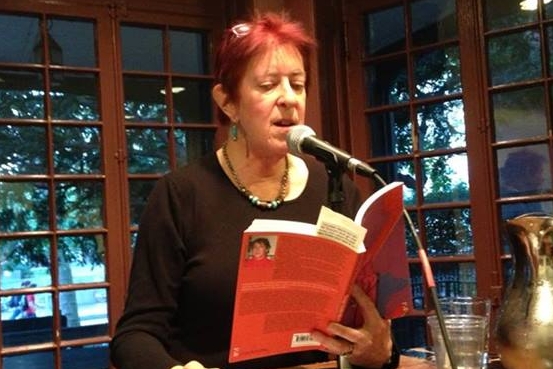
    Professor DuPlessis read her poems to people around the world. Courtesy of the family

    At Temple, Professor DuPlessis helped establish women’s studies classes and the school’s graduate program in creative writing. She mentored students and other professors, and the English department’s DuPlessis Lecture in Poetry and Poetics is named in her honor.

    “She loved being a mentor to people, to encourage them,” her husband said. “She loved being a poet and an academic. She prepared incredibly for her classes and was connected and attentive to her students.”

    Earlier, she taught briefly at what is now the College of New Jersey and Rutgers and Columbia Universities. She spent several of her research and study leaves from Temple working with students and colleagues at universities in the Netherlands, France, Belgium, and elsewhere.

    She was named a resident poet and distinguished visitor in Italy and New Zealand. She and her husband, a professor emeritus at Swarthmore College, visited every continent except Antarctica, and she spoke French and Italian as well as English.

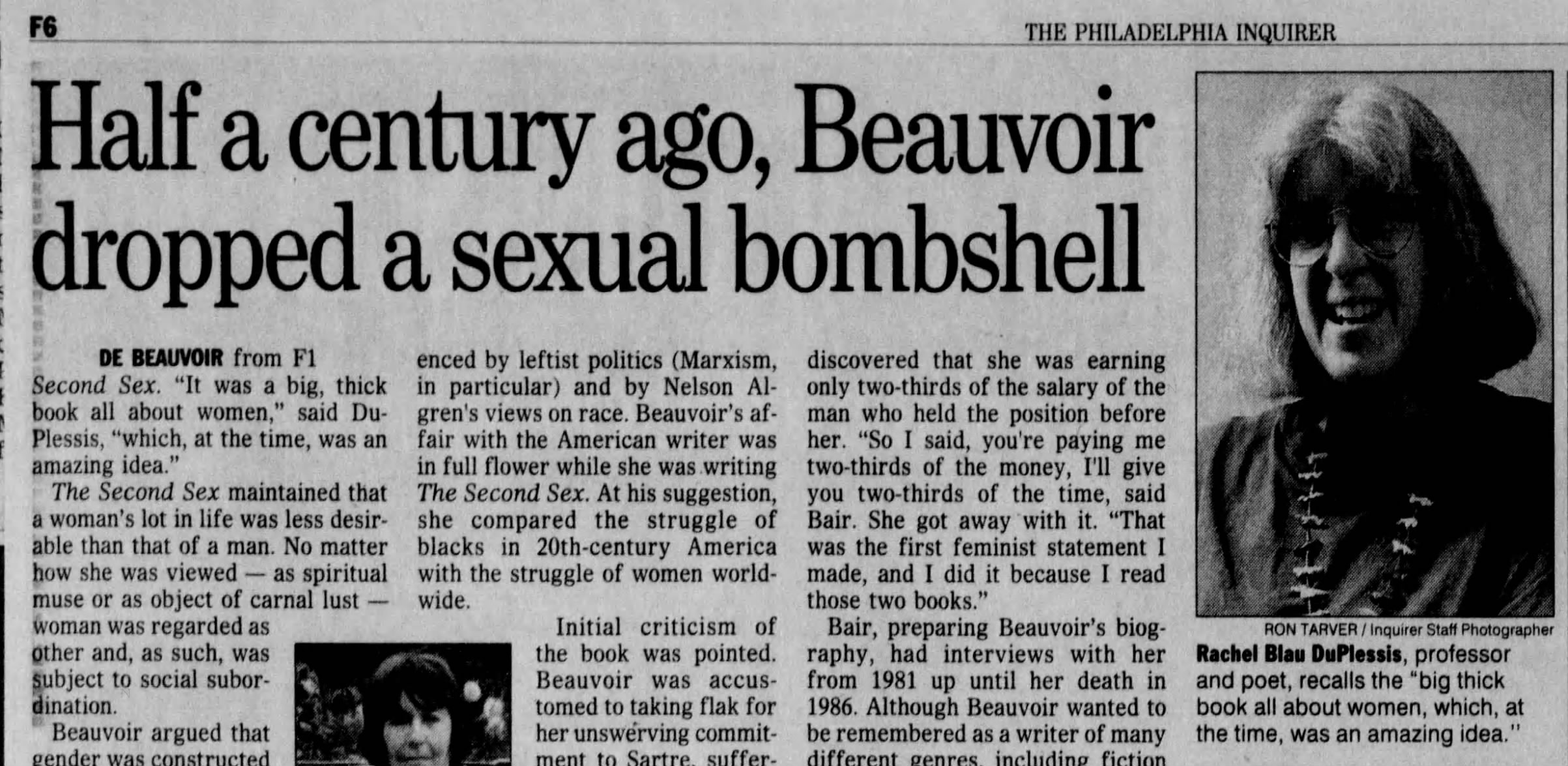
    This article featured Professor DuPlessis and appeared in The Inquirer in 1999.Newspapers.com

    She earned fellowships from the Pew Center, the Pennsylvania Council on the Arts, the National Humanities Center in North Carolina, and other groups. “She was constantly creating things,” her husband said. “She never stopped.”

    Professor DuPlessis also wrote and edited books and articles about writing and poetry, and she reviewed books for The Inquirer and other publications. She read her poems in public, was interviewed often, and earned achievement awards from Temple, the University of California in San Diego, the old Fund for Poetry, and other admirers.

    She created a comprehensive website, rachelblauduplessis.com, and made collage art that she augmented with poems. Thomas Devaney, a Philadelphia writer, called her “an important figure of American experimental poetry.”

    She told the Oxonian Review: “Poetry is an ethical practice as well as an aesthetic one. Just even thinking about what this means and how it is instantiated is a useful task.”

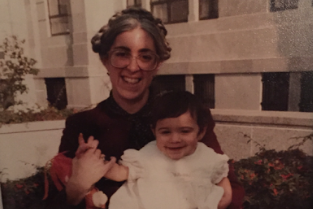
    Professor DuPlessis enjoyed time with her husband, Robert, and daughter, Kore.Courtesy of the family

    Rachel Maia Blau was born Dec. 14, 1941, in Brooklyn. She grew up in Queens and the Bronx, and earned a bachelor’s degree in English at Barnard College in New York in 1963 and a master’s degree and doctorate in English and comparative literature at Columbia in 1970.

    Her father was a professor, her mother a librarian. She met fellow Fulbright scholar Robert DuPlessis on a boat to France in 1966, and they married in 1968 and had a daughter, Kore.

    Professor DuPlessis enjoyed yoga, museums, art history, and long walks with her husband. They went to see and hear the orchestra, the opera, the ballet, and the theater.

    She doted on her daughter and grandchildren. “She always read me stories and sang me songs at night before bed,” her daughter said. “I would hold on to her leg because I didn’t want her to leave.”

    Professor DuPlessis started writing poems when she was 12, she said in an interview. “She was determined, hardworking, witty, and a lot of fun,” her husband said. “She was definitely intense.”

    Professor DuPlessis said she started writing poems when she was 12.Courtesy of the family

    In addition to her husband and daughter, Professor DuPlessis is survived by two grandchildren and other relatives. A sister died earlier.

    A memorial service is to be held from 1:30 to 3:30 p.m. Saturday, Oct. 17, at Temple University’s Charles Library, 1900 N. 13th St., First Floor, Philadelphia, Pa. 19122.

    Donations in her name may be made to Planned Parenthood, Online Services, Box 96771, Washington, D.C. 20090; Philabundance, 3616 S. Galloway St., Philadelphia, Pa. 19148; and the American Civil Liberties Union, 125 Broad St., 18th Floor, New York, N.Y. 10004.

  • Delaware County communities approve ordinance creating EMS authority without Media

    Delaware County communities approve ordinance creating EMS authority without Media

    Five Delaware County communities voted Wednesday to establish a new authority to provide emergency medical services funded by annual fees paid by residents, businesses, and other entities in their municipalities.

    The Municipal Emergency Medical Services Authority of Delaware County will provide advanced life support, or ALS, to Nether Providence, Rose Valley, Rutledge, Swarthmore, and Upper Providence.

    Media was originally part of the working group developing the authority proposal, but announced last week it would not be joining for financial reasons.

    Each community approved an ordinance to join the authority Wednesday night at Strath Haven Middle School and appointed a representative to the authority board.

    Nether Providence, Rose Valley, Rutledge, and Swarthmore voted unanimously to approve the ordinance. Upper Providence voted 3-1 in favor.

    The appointed board members include Nether Providence Township commissioner Max Cooper, former Rose Valley council member David Firn, Rutledge fire marshal Thomas Moleski, former Swarthmore council member Kristen Seymore, and former Upper Providence council member Christen Rexing.

    Creating an EMS authority is essential to provide reliable ALS service by stabilizing funding and staff, Swarthmore Mayor Conlen Booth said. Booth was a member of the authority working group.

    “The authority model, sharing fees across all potential users of the system, is in my opinion the most equitable way to ensure that a reliable EMS service is available to everyone who may need it,” he said.

    Talks kicked off last year shortly after Prospect Medical Holdings closed Crozer-Chester Medical Center and Taylor Hospital, leaving a gap in ALS support throughout the region.

    The authority’s name was originally going to be the Delaware County Emergency Services Authority, but was changed to avoid being confused with other county organizations and make clear that it was only providing medical service and not a police or fire response, Cooper said.

    Nether Providence Township Commissioner Max Cooper speaks after five Delaware County communities approved the creation of a regional EMS authority Wednesday at Strath Haven Middle School in Nether Providence.Torin Sweeney / Staff

    The next steps for the authority

    While the vote established the authority, it won’t immediately go into service. The new board members will be charged with building the authority based on the foundations laid by the working group.

    The recommended fee for residents will be $95 a year, although that is strictly a starting point for discussions, working group members said, and will be subject to future public hearings.

    “Ninety-five dollars is similar to the yearly voluntary subscription models that many of our local firehouses use, and is similar to other recently formed EMS authorities in the state,” Cooper said. “This works out to less than $8 a month and our working group views it as a reasonable cost to ensure stable funding for such a critically important service.”

    Businesses, nonprofit entities, and the municipalities themselves will have to contribute yearly fees as well. Using an authority and fee-based model was important for making sure nonprofits contribute to the costs of an EMS service, Cooper said. Nonprofits would not have to contribute if the system were tax based.

    “We anticipate this will decrease the amount of taxes which will need to be dedicated to this system, and relieve some municipal pressure to raise taxes on residents every year,” Cooper said.

    The board will have to decide the level of staffing and equipment needed. A potential partnership with Main Line Health is being discussed to provide some level of service.

    “The authority could contract just their staff, but the authority could choose to own the ambulances and equipment,” Booth said. “It could also be that the authority contracts them to provide all the services in their entirety and then the board manages the contract. There’s a lot of potential.”

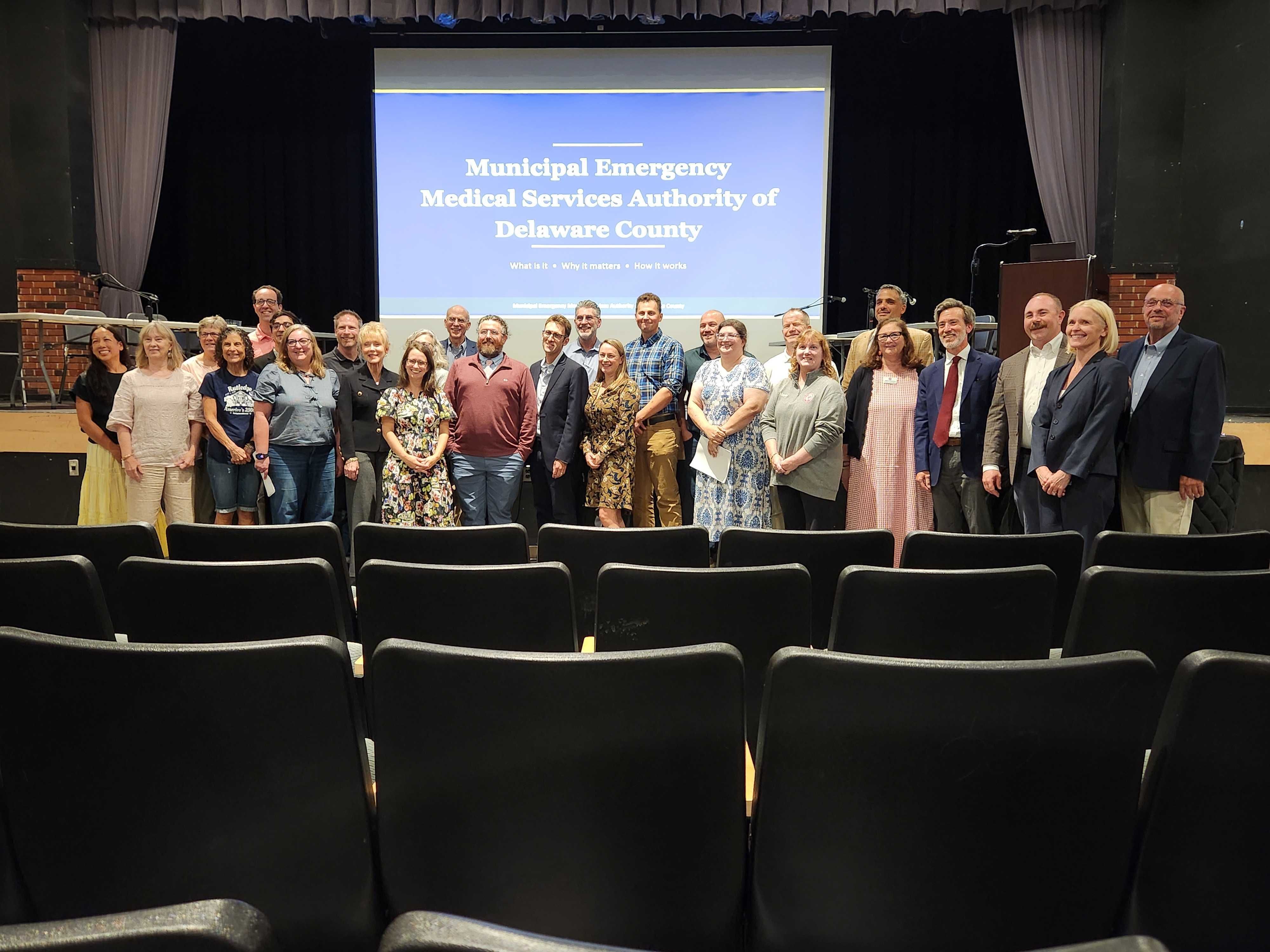
    Representatives from Nether Providence, Rose Valley, Rutledge, Swarthmore, and Upper Providence pose for a picture after approving an ordinance to create a regional EMS authority Wednesday at Strath Haven Middle School in Nether Providence.Torin Sweeney / Staff

    The working group hosted a presentation about the EMS authority and took public comments before each town approved the ordinance. Several attendees who identified themselves as Upper Providence residents spoke against the authority, questioning the logistics and cost.

    “This is a tax increase, like it or not,” Upper Providence resident Justin Perry said to scattered applause.

    Another Upper Providence resident, former longtime Marple Township Ambulance Corps member Vince Delvacchio, spoke in support.

    “I don’t know where you think you’re going to get an ambulance if we don’t do this,” Delvacchio said, to more applause.

    Why Media opted out of the authority proposal

    Media had been part of the working group for the proposed authority, but borough council decided not to proceed for financial reasons, Borough Manager Brittany Forman said.

    The borough has an existing contract with Main Line Health to provide ALS service and had been in discussions with them about projected 2027 costs. The council tasked Forman with comparing how those costs would affect taxpayers vs. the authority’s proposed fees for residents and businesses.

    Ultimately the borough determined it would be less expensive to stay with Main Line Health, Forman said.

    “Our council is interested to see this get implemented and really does want to keep the dialogue open,” Forman said. “Even though we’re not joining this year, I think this is still just a great step for the region.”

  • This incoming Swarthmore first-year is biking from Colorado to Delco for his first day of school

    This incoming Swarthmore first-year is biking from Colorado to Delco for his first day of school

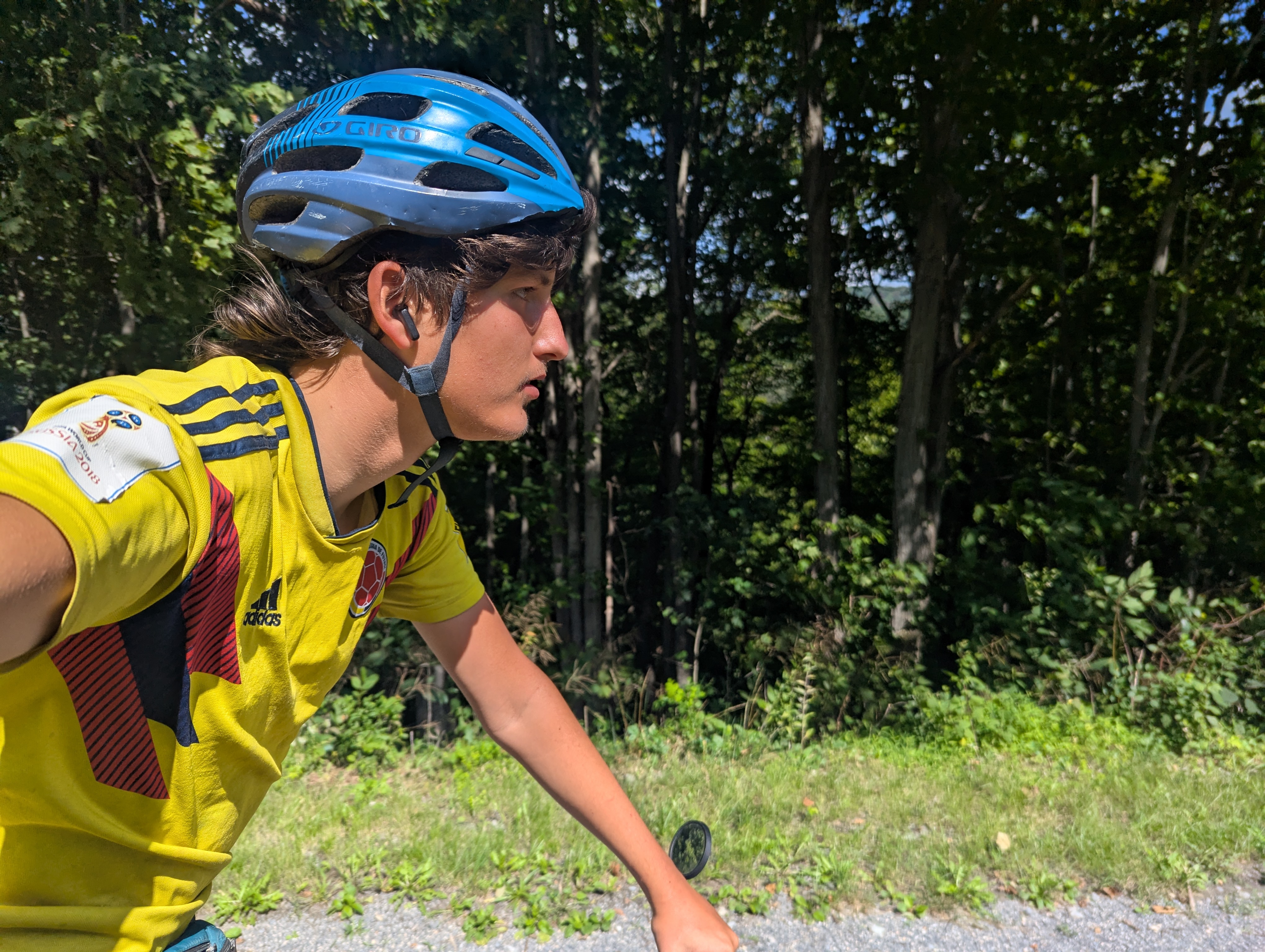
    Finn Fremstad has spent the last month biking past rolling hills and endless cornfields, through state capitols and sleepy Main Streets, and in heat waves and torrential storms. Fremstad isn’t competing in an ultra-cycling competition or checking off a 50-state bucket list — he’s commuting to school.

    Fremstad, 18, is an incoming first-year at Swarthmore College. Since July 23, he’s been on the road, biking from his hometown of Fort Collins, Colo., to Swarthmore College to start his first year.

    “To me, it just seems like kind of the perfect way to experience this country,” he said, calling in from Pennsylvania’s Franklin County on day 29 of his anticipated 31-day journey.

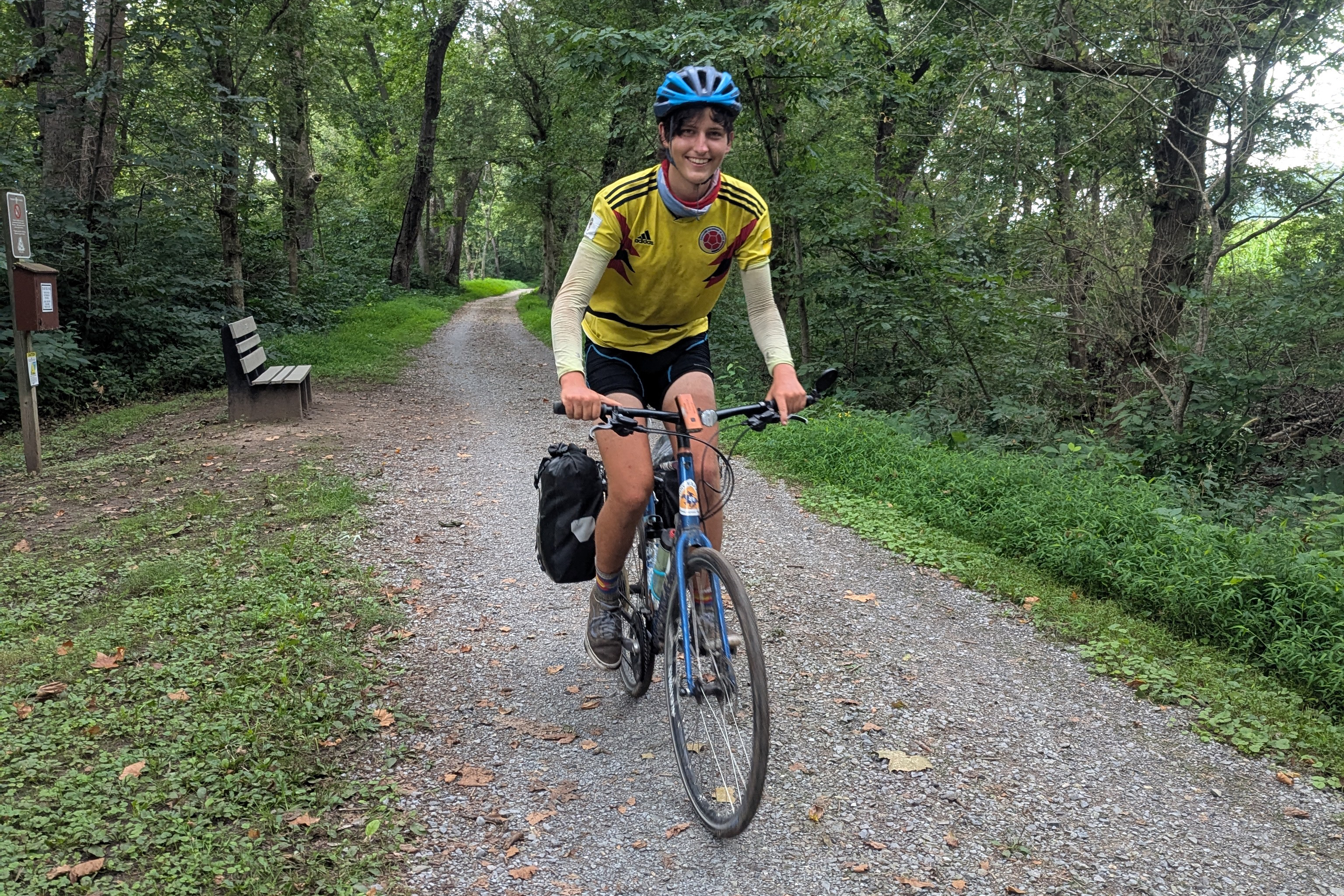
    Incoming Swarthmore freshman Finn Fremstad is biking to school from his hometown of Fort Collins, Colo.Courtesy of Finn Fremstad

    Why is Fremstad biking the roughly 2,000 miles it takes to get from northern Colorado to Delco, rather than, say, fly?

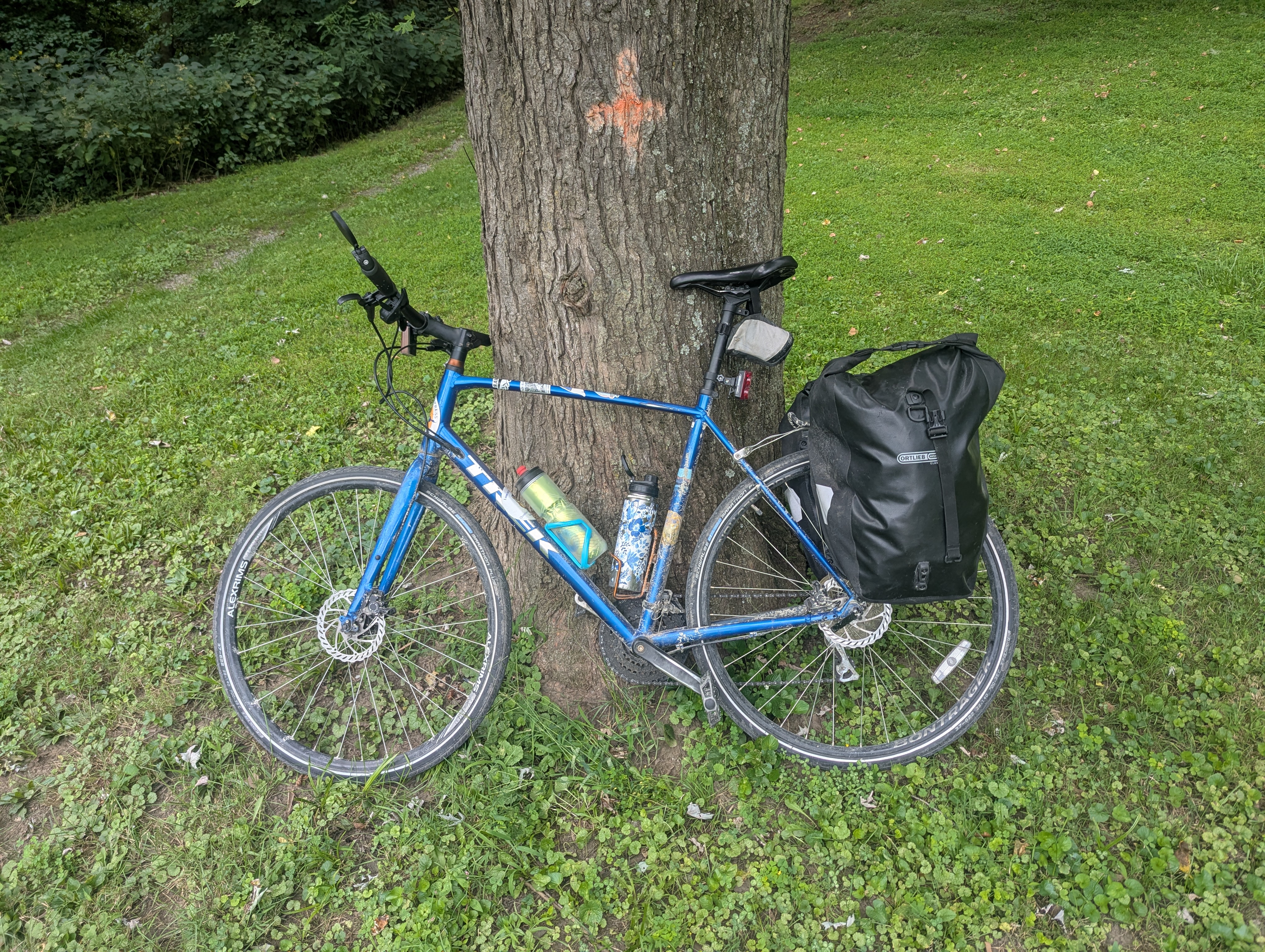
    Fremstad grew up cycling around Fort Collins, taking his bike into town and riding it to school. He had his sights set on a big trip this summer, and when a few other possibilities fell through, he decided to plan a solo cycling journey. It’s by far the longest bike trip he’s ever taken.

    He left home on July 23, armed with a playlist his parents made him and a healthy dose of pre-college excitement. As July turned to August, Fremstad passed from Nebraska into Missouri, Indiana into Ohio, and, finally, Pennsylvania. He strolled through state capitols and stopped into local museums. Sometimes he rode in silence, but most days he listened to podcasts or music (the soundtrack to the Broadway musical “Hadestown” has been a stalwart). He called his parents nightly.

    What has stood out about his travels?

    “A lot of corn and soybeans. I mean, just remarkable,” Fremstad said.

    Finn Fremstad is commuting from Colorado to Swarthmore College via bike.Courtesy of Finn Fremstad

    Each night, Fremstad rode into the nearest town and knocked on strangers’ doors asking if he could camp in their backyards. Most said yes, and some sent him on his way with food or some extra cash for his journey.

    “All of the greatest things about this trip have been how I’ve been able to interact with people,” Fremstad said.

    The trip, he said, has allowed him to “discover places and people in a much more intimate way than I would have been able to otherwise.”

    Weather has been the hardest part of the trek. He passed through Nebraska during a record heat wave and Indiana and Ohio amid torrential rain.

    Fremstad is set to hit Philly this weekend, where his mom will meet him with a checked bag (he will need a bit more than what he’s carrying on his back for college).

    Of Swarthmore, where he’ll be studying math, Fremstad said, “I’m just really excited to finally get there.”

    This suburban content is produced with support from the Leslie Miller and Richard Worley Foundation and The Lenfest Institute for Journalism. Editorial content is created independently of the project donors. Gifts to support The Inquirer’s high-impact journalism can be made at inquirer.com/donate. A list of Lenfest Institute donors can be found at lenfestinstitute.org/supporters.

  • The best thing Kiki Aranita ate this week: The savory tomato tart from Market Day Canelé

    The best thing Kiki Aranita ate this week: The savory tomato tart from Market Day Canelé

    Market Day Canelé’s savory tart is a scrapbook of sorts for owners Gil Ortale and Nem Ngo. It’s sold at farmers’ markets on weekends, each tart a collection of every interaction they’ve had through the week, shopping from their fellow vendors at Rittenhouse, Headhouse, Chestnut Hill, and Swarthmore Farmers’ Markets, and filling in the gaps at Reading Terminal Market, where Ortale once ran Fireworks, a charcoal-grill stall four decades ago.

    It’s tomato season, and the Market Day savory tomato tart ($30) is an ode to this area’s most covetable, most anticipated fruit. Crimini and white button mushrooms, corn, herb-roasted cotto ham from Claudio, Alderfer Farm eggs, and gruyère play supporting roles to the tomato slices splayed across its top. It’s a tart that’s also a philosophical meditation on produce.

    “Flavors [in my cooking] should be crystal clear examples of the very thing you imagine,” said Ortale, whose resume reads like a highlights reel of Philadelphia’s most storied restaurants, as he has worked everywhere from Frog to La Terrasse. “Like when you’re a child and tasting herring or Roquefort for the first time.”

    Ortale’s goal is to make food that tastes exactly like one’s first recollection of tasting any food. And so, his tomato tart reminds me of the first time I tasted fresh tomatoes cooked gently on a pizza, when I was five years old. It made me think of the first time I had sweet, fresh corn and the kernels burst in my mouth, and the savory British pies I ate growing up in Hong Kong.

    Nem Ngo and Gil Ortale are the folks behind Market Day Canelé. They were photographed in their Philadelphia home on Thursday, July 30, 2026.Elizabeth Robertson / Staff Photographer

    It’s so good that I was hesitant to write about it, as Ortale and Ngo usually only make two dozen to sell every week, and if you get one, there’s far less of a chance I’ll be able to get one.

    The crust is intentionally imperfect and not uniform, which makes it so flaky, it will stop you in your tracks, mid-bite. Ortale makes every single tart by hand. He doesn’t use a mixer or a Robot Coupe. “He blends the butter into the dry ingredients for each dough ball. That’s why they taste the way they do, they’re light and never stodgy,” said Ngo. “You can’t get that without elbow grease. It can’t be done with a machine.”

    This approach is also why Market Day Canelé has never opened a brick-and-mortar bakery. They have no desire to scale up.

    “We’re not hardcore capitalists. We just genuinely want to make good food. The farmers’ market industry is the most supportive and values-driven part of the food economy. People are shopping there because they want to know where their food is coming from and they want to see the faces of the people who make the food. We try to uphold that by doing everything by hand, with love, and to the best of our ability,” said Ngo.

    The canelé by Market Day Canelé is a vanilla custard pastry that is the traditional pastry of Bordeaux. It was photographed in Philadelphia on Thursday, July 30, 2026.Elizabeth Robertson / Staff Photographer

    The airy, honey-combed crevices of beeswax and butter-slicked canelés may be the emblem of their business. They certainly have sent Ortale and then Ngo down an obsessive path of perfecting a corner of French-rooted baking traditions. But their savory tarts, with a rotation of ultra-local ingredients, many sourced from their friends, are the finest illustration of how skilled hands and devotion to one’s community can produce extraordinary things.

    Market Day Canelé, instagram.com/marketdaycanele. Hours: Every Saturday, 9 a.m. to 2 p.m. at Rittenhouse Farmers’ Market and every Sunday, 10 a.m. to 2 p.m. at Headhouse Farmers’ Market. Every other Saturday: Chestnut Hill Farmers’ Market and Swarthmore Farmers’ Market, 9 a.m. to 12 p.m.