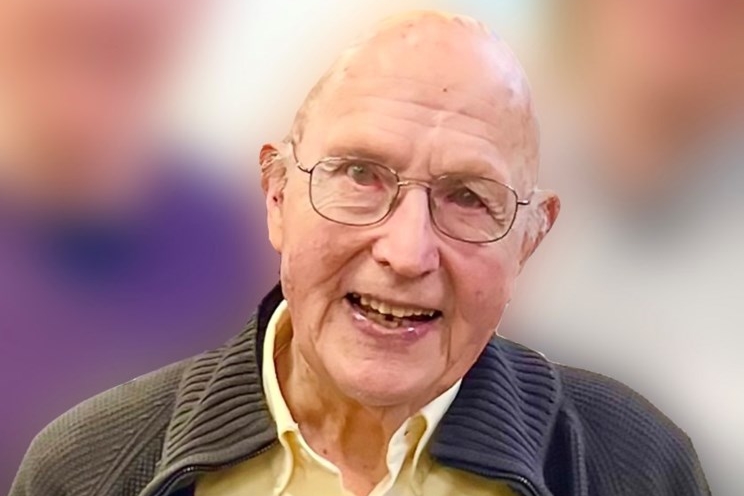
Charles P. Baker III, 101, formerly of Radnor, celebrated cofounder of Baker Industries, longtime workplace for the “least employable,” former owner of the C.P. Baker & Co. chemical firm, Army veteran, national squash champion, mentor, and volunteer, died Wednesday, Sept. 16, of congestive heart failure at HarborChase assisted living community in Wilmington.
Born in Philadelphia, Mr. Baker grew up in the old Colonial Hotel at 11th and Spruce Streets in Washington Square West. He and his wife, Louise, founded Baker Industries in 1980, and the workforce development nonprofit has hired, trained, and mentored more than 12,500 workers with physical and intellectual disabilities, substance use disorders, recent periods of incarceration, and housing insecurity who could not find jobs elsewhere.
Their own son, Justin, lives with epilepsy and, when he could not find suitable employment years ago, Mr. Baker and his wife started their own two-person mail order packaging firm in their Strafford garage. Their son was their first hire.
“We decided, if we’re going to start something like this, let’s go for the people who need it the most,” Mr. Baker told The Inquirer in 1998, “the ones who are least employable.”
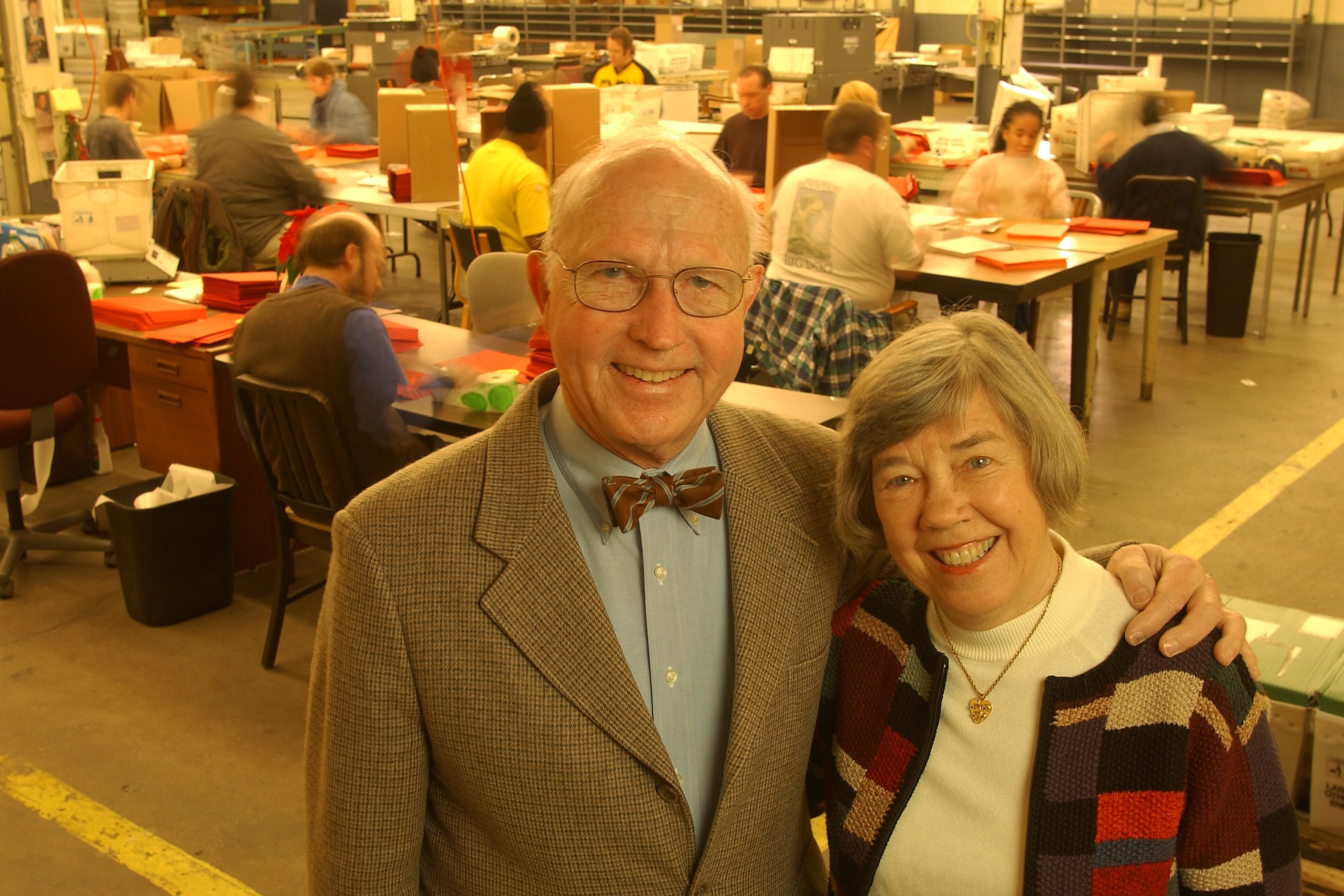
Mr. Baker and his wife, Louise, stand inside their Baker Industries building in Malvern in 2003. Michael Bryant / Staff Photographer
For nearly five decades, Baker Industries has contracted light industrial and office work from hundreds of businesses, and operated facilities in Philadelphia, Malvern, and elsewhere. Employees are paid an hourly wage, offered additional training, and encouraged to attend workshops, social events, and support group meetings.
The company motto is “providing a steppingstone to regular employment,” and many workers have moved on to higher-paying jobs elsewhere. “We have a philosophy of work as rehabilitation,” Mr. Baker told the Daily News in 1988. “The goal is to show these people they can do a whale of a lot more than they think they can do.”
Mr. Baker served as the unpaid president at Baker Industries until 2002 and then on the board of directors. In the 1950s, he assumed control of his family’s small chemical company, C.P. Baker & Co., and he expanded it before selling it in 1980.
“Charlie and Weezie Baker believed there is healing in work,” colleagues at Baker Industries said in a Facebook tribute on his 101st birthday in June. “Not just jobs. Work. Showing up. Being part of something. Contributing alongside others.”
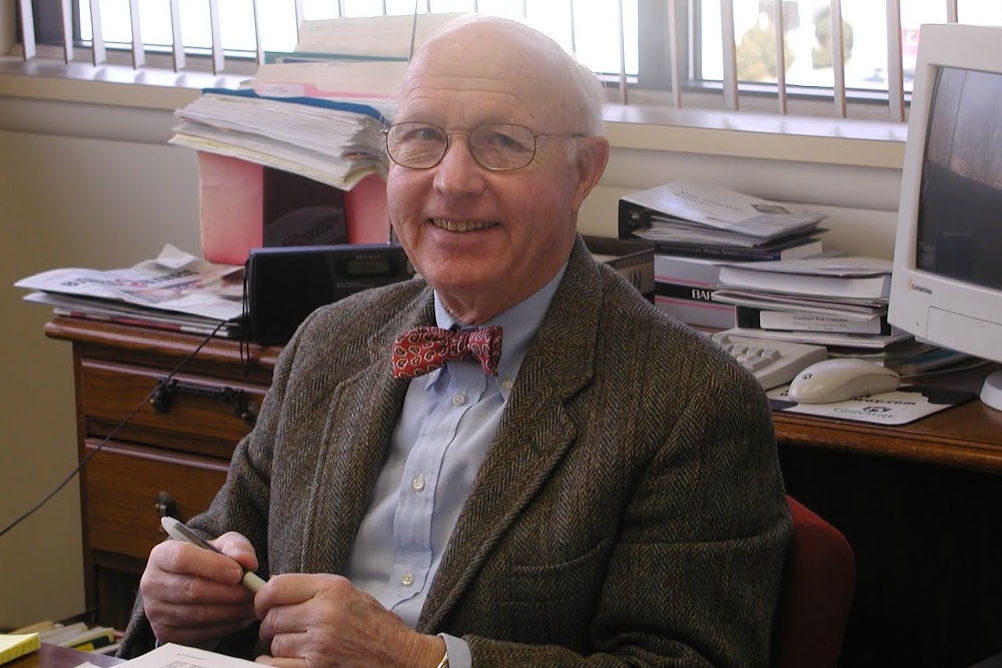
Mr. Baker played many roles at Baker Industries.Baker Industries
Turk Thacher, vice board chair at Baker Industries, said: “Charlie was beloved. He was kind to everybody.”
Mr. Baker, his wife, and their company were featured often on TV shows, and in The Inquirer, the Daily News, and other publications. They won many awards for their community service and innovative business model.
“I was grateful to have their guidance,” Nic Watson, president of Baker Industries, said, “and we will follow their example for years to come.”
In 1991, the company was named an inspirational Point of Light by President George H.W. Bush. In 2004, Mr. Baker and his wife earned the legacy award for “community generosity” from the Chester County Community Foundation.
“They went above and beyond their own self-interest,” a foundation official told The Inquirer then.
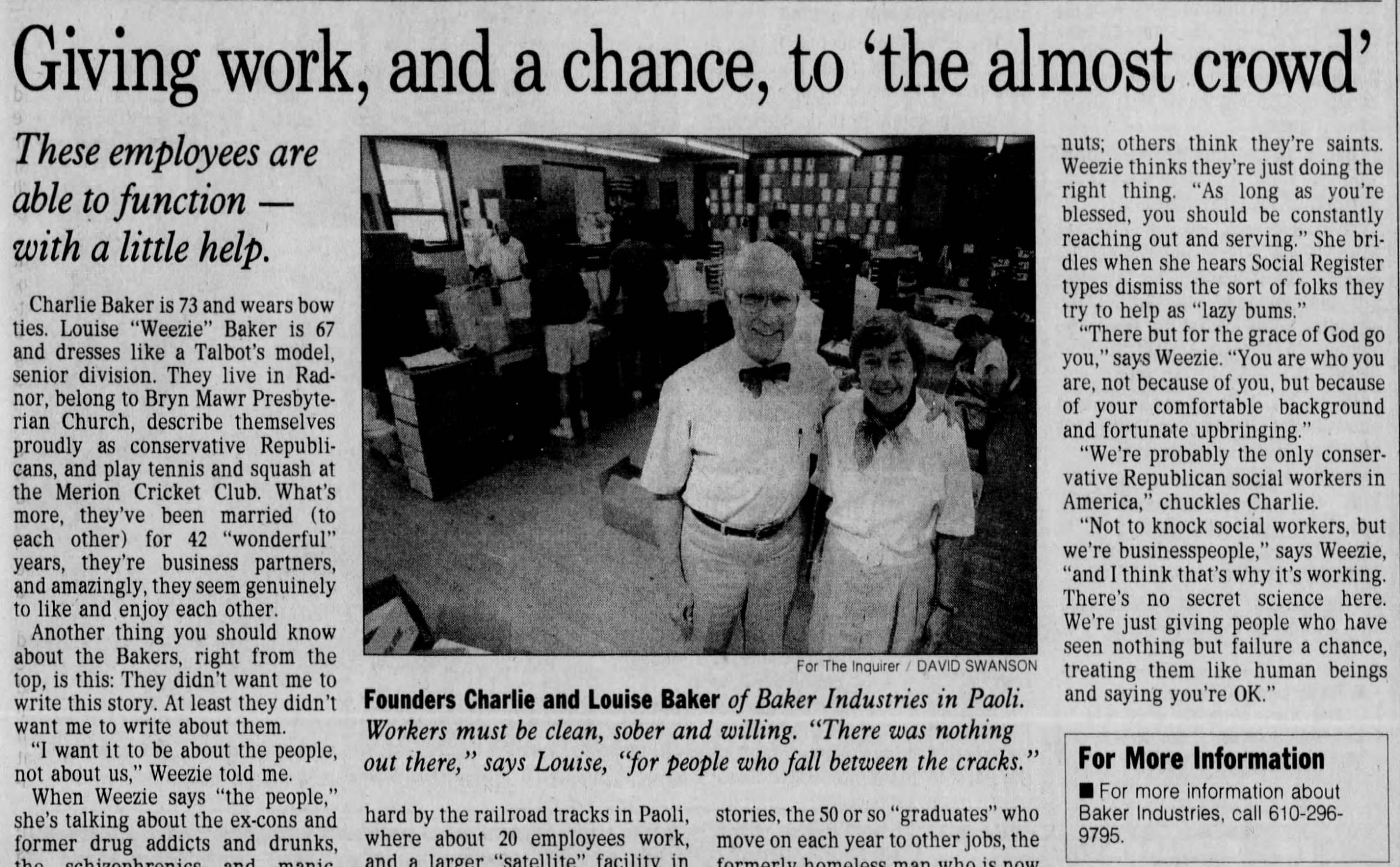
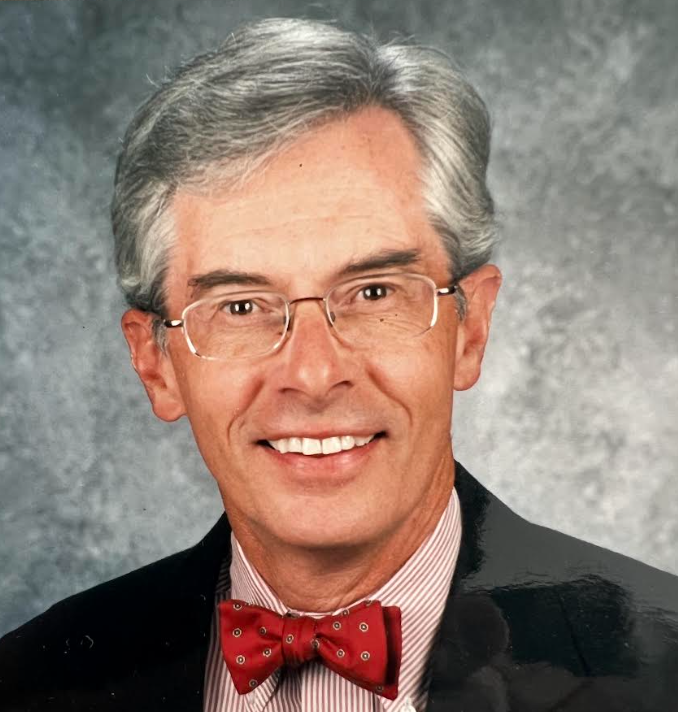
This photo and article about Mr. Baker were published in The Inquirer in 1998.Newspapers.com
Away from work, Mr. Baker was an avid squash player, skier, and sailor. He won the U.S. national hardball singles squash championship six times in the 80-and-older division from 2006 to 2016, skied into his 70s, sailed into his 80s, and played squash and tennis at the Merion Cricket Club until recently.
He graduated from the U.S. Military Academy in 1946 and served more than seven years in the Army. He was stationed in Europe and rose to captain. His family called him a “relentlessly joyful spirit” in a tribute and said: “The world was a better place for his presence.”
Charles Pitman Baker III was born June 24, 1925, in Philadelphia. His father, Charles Jr., was manager at the old Colonial Hotel, and Mr. Baker told stories of dropping water balloons on passing pedestrians from windows when he was very young and spending summers at the beach and on boats with the Ocean City Yacht Club.
He was a star squash player at the Haverford School and known by classmates as “the Arm,” his 1943 senior yearbook said, “because of the vicious way he wields a racket.” His mother died when he was 11.
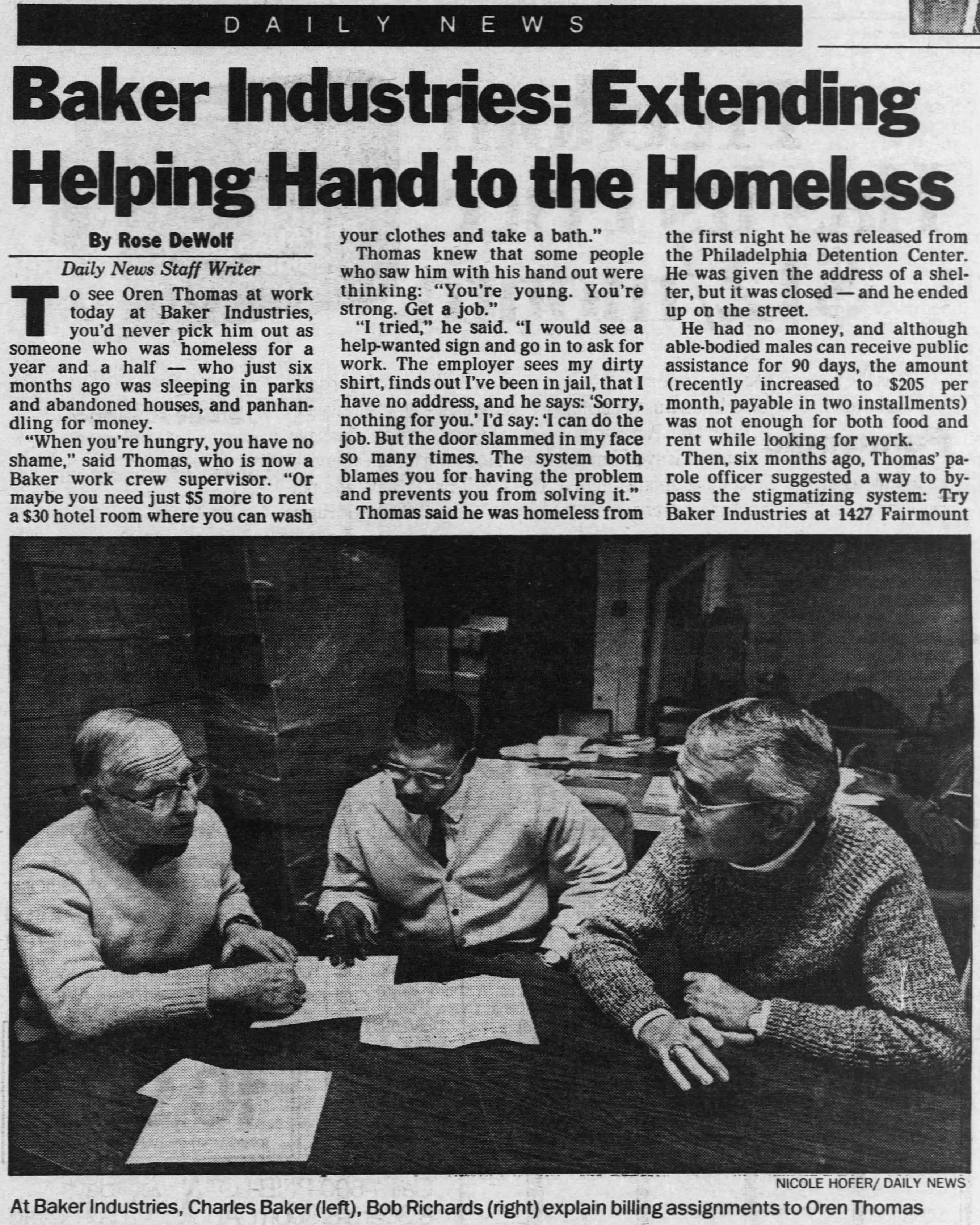
This photo and article about Mr. Baker (left) appeared in the Daily News in 1990.Newspapers.,com
He met Louise Wilhelm while water-skiing in Ocean City, and they married in 1955, and had sons Charles IV and Justin and a daughter, Sandra. His wife died in 2025.
Mr. Baker and his wife attended Wayne Presbyterian Church, and he was known for his bow ties and wide smiles. He was funny, his daughter said, and liked to sing show tunes anytime anywhere, and write corny poems on birthday cards.
“He was a wonderful dad who loved his family,” his daughter said. His family said in a tribute: “His legacy of service, humor, and kindness will live on for many generations to come.”
His wife told The Inquirer in 2004: “Charlie has a kind heart.”
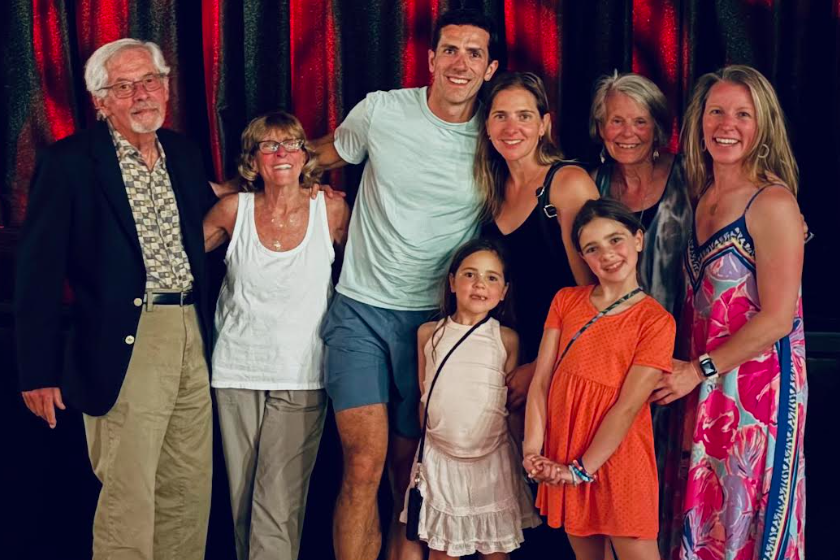
Mr. Baker (front left) celebrated his 100st birthday in June 2025 with his family.Courtesy of the family
In addition to his children, Mr. Baker is survived by four grandchildren, five great-grandchildren, and other relatives. Two sisters died earlier.
Visitation with the family is to be from 10 to 11 a.m. Saturday, Oct. 17, at Wayne Presbyterian Church, 125 E. Lancaster Ave., Wayne, Pa. 19087. A celebration of his life is to follow. Bow ties are optional but encouraged, the family said.
Donations in his name may be made to Baker Industries, 184 Pennsylvania Ave., Malvern, Pa. 19355.
His wife told The Inquirer in 2004: “Charlie has a kind heart.”Baker Industries
The two busiest surgery centers in the Philadelphia region last year were operated by Penn Medicine in Radnor and Jefferson Health in Center City.
Such facilities have grown increasingly popular as a cost-saving option for procedures that do not require intensive hospital resources or overnight stays.
While they offer convenience, the facilities operated by Penn and Jefferson both count as hospital departments for billing purposes, which means they cost more than surgery centers operated by independent physicians or other companies.
Penn Medicine Radnor Surgery Center operates within a large outpatient facility near the intersection of I-476 and Route 30. It logged 12,464 surgical visits in 2025, up from 8,961 the year before, according to data published last month by the Pennsylvania Department of Health.
Penn attributed the growth to the addition of new gastroenterologists in Radnor to perform colonoscopies, upper endoscopies, and other procedures. Colonoscopies, in particular, account for a large portion of the overall volume in surgery centers outside hospitals.
Jefferson Surgery Center was close behind, with 12,261 surgical visits, up from 2,639 in 2024. It sits within the Honickman Center, which opened in 2024 at 1101 Chestnut St. in Philadelphia. Jefferson has gradually expanded the array of surgical services offered there.
“Growth has been driven by both increasing patient demand and the strategic transition of services from other Jefferson locations, allowing us to provide care in a state-of-the-art outpatient environment,” Jefferson said in an email.
Other fast-growing surgery centers include two independently operated facilities focused on orthopedics, Premier at Exton Surgery Center in Exton and Restore Orthopaedic Surgical Institute in Chadds Ford.
(function(){function e(){window.addEventListener(`message`,function(e){if(e.data[`datawrapper-height`]!==void 0){var t=document.querySelectorAll(`iframe`);for(var n in e.data[`datawrapper-height`])for(var r=0,i;i=t[r];r++)if(i.contentWindow===e.source){var a=e.data[`datawrapper-height`][n]+`px`;i.style.height=a}}})}e()})();
Surgery center ownership matters
Even though the Penn and Jefferson outpatient facilities are not in hospitals, their ownership by large hospital systems enables providers to get paid as if they were located inside the Hospital of the University of Pennsylvania or Thomas Jefferson University Hospital.
Hospital outpatient department billing rates are sometimes twice as much as the rates paid to independent surgery centers.
For example, surgery to remove torn cartilage from a knee can cost $7,190 when performed on an outpatient basis in a hospital, nearly three times the $2,477 cost in ambulatory surgery centers (ASCs), according to Philadelphia-area commercial insurance averages from Turquoise Health.
Health insurers Independence Blue Cross and Highmark have implemented policies this year seeking to save money for employers and patients by moving care out of hospitals and into ambulatory surgery centers or ASCs. Both insurers say they will only pay for certain procedures if they are done in an ASC.
But it’s not enough to move surgeries to a setting outside a hospital, given the hospital-like billing status of certain surgery centers.
“The cost savings from an ASC depend on the facility’s ownership, licensing, and billing model,” Richard Snyder, IBX’s chief operating officer, said in a email to The Inquirer.
IBX would like to see more ASCs in its Southeastern Pennsylvania market and is “prepared to help catalyze growth through continued value-based arrangements, strategic partnerships, and investments,” Snyder said.
Litigation over ASCs and other policies
In a July lawsuit against IBX, Jefferson claimed that the insurer’s ASC policy amounted to a change to the financial terms of their contract that needed to be negotiated.
The lawsuit said that ASC mandate will cost the health system $35.4 million, but doesn’t specify over what time period.
IBX filed a motion last weekto dismiss the lawsuit, which was moved to U.S. District Court in Philadelphia from the Philadelphia Court of Common Pleas.
The insurer says that the lawsuit was premature because Jefferson filed it before completing a contractual process designed to resolve such policy conflicts.
Two men have been charged in the sexual assault of a student at Eastern University inside a dorm room earlier this year, Delaware County District Attorney Tanner Rouse announced Thursday.
Dontae Williams, who turns 20 on Friday, and Chase Thompson, 19, surrendered to Radnor Township police on Thursday to face charges of rape of unconscious person and related offenses. Bail was set at $150,000 unsecured for both men.
The assaults allegedly occurred in the Kea Hall residence of Naeem Turner, a friend of the victim, Rouse said. Turner was issued a summons to appear in court on three counts of invasion of privacy for allegedly recording video of the victim.
Robert C. Keller, a lawyer representing Williams, said his client “has been cooperating since the beginning.”
Keller said he will review the criminal case against Williams and pursue an appropriate defense.
No lawyers could be identified Thursday evening for the other two men.
Eastern University, a private Christian institution located in St. Davids, said in an emailed statement Thursday evening:
“Student safety remains our highest priority. Sexual assault is not tolerated at Eastern University. The university took this incident very seriously, acting swiftly and fully cooperating with the Radnor Police Department throughout their investigation.”
Eastern University continued: “We are grieved by this situation and the impact it has had on those involved. As a Christian university, we are committed to the safety and well-being of our students.”
The university said Naeem Turner was no longer enrolled at Eastern.
On Feb. 1, Radnor Township police responded to Eastern University for a report of a rape, Rouse said. The officers met with the student, who said that after a night out drinking, she reached out to Turner, her friend.
Turner said he had cousins visiting his dorm room, but she could come over, the police criminal complaint said.
The student, who already was intoxicated, arrived at Turner’s residence and was given tequila to drink, the complaint said. The student then said she fell asleep.
She was then allegedly sexually assaulted by Williams and Thompson, the complaint said.
Investigators collected DNA evidence that matched both men, the complaint said.
Turner had recorded video of himself engaged in sexual activity with the student, and twice the victim is seen pushing the phone camera away and indicating that she did not want to be recorded, the complaint said.
Turner, who was not charged with rape or any other assaults, said he had consensual sex with the victim, the complaint said.
The student said she did not remember having consensual sex with Turner and that she did not consent to being recorded, the complaint said.
Turner later allegedly sent two video clips to a contact on his phone, the complaint said.
“This incident is an appalling violation of a person’s safety, dignity, and trust,” Rouse said in statement.
“No one should ever have to fear being sexually assaulted by someone they know, and especially not by someone they consider a friend. It can be frightening to come forward after an experience like this, and we commend the victim for having the courage to report what happened,” Rouse said.
“Sexual violence is never acceptable, and my heart goes out to a young woman that will live with this trauma for the rest of her life. No one should have to fear that someone they trust will violate their safety or boundaries. There will be accountability,” Rouse said.
Reed E. Pyeritz, 78, of Radnor, pioneering medical geneticist, cofounder of the Marfan Foundation and the American College of Medical Genetics and Genomics, professor emeritus of medicine and genetics at the University of Pennsylvania, author, mentor, veteran, and nationally ranked masters triathlete, died Monday, Aug. 10, of interstitial lung disease at Bryn Mawr Hospital.
Dr. Pyeritz was a trailblazing expert on the diagnosis and treatment of Marfan syndrome and other inherited cardiovascular disorders. His 44 years of research and clinical work, from 1978 to 2022, advanced the understanding and management of the diseases, and extended the life expectancy of Marfan patients by 30 years.
“So many of us in the community owe Reed so much,” Bert Medina, board chair of the Marfan Foundation, said in a tribute. “His legacy lives on in all of us, thanks to his dedication.”
In an online tribute, a relative of former patients said: “Without this amazing doctor, I wouldn’t have my sister or dad. He changed the world for Marfan patients and their families.”
Dr. Pyeritz joined the faculty at Penn in 2001 and spent more than 20 years treating patients, teaching students, doing landmark studies on the value and social implications of genetic testing, and championing patient-centered care. He was codirector of Penn’s research center on hereditary hemorrhagic telangiectasia, onetime chair of the faculty senate, and a fellow at the College of Physicians of Philadelphia and other medical associations.
His “vision and scholarship fundamentally transformed the care of patients,” Nimesh D. Desai, director of the Penn Aorta Center, said on X.
Before Penn, Dr. Pyeritz spent nine years in Pittsburgh with what is now the Allegheny Health Network and 17 years at the Johns Hopkins University School of Medicine in Baltimore. In 1991, his team at Hopkins discovered that mutations in the FBN1 gene cause Marfan syndrome and followed up with new regimens to treat it.
He cofounded the Marfan Foundation in 1981 and the American College of Medical Genetics and Genomics in 1991. “It became clear that folks with Marfan syndrome could benefit by an organization that allowed them to communicate [and] to stimulate other physicians to become involved,” he said in a 2018 video interview.
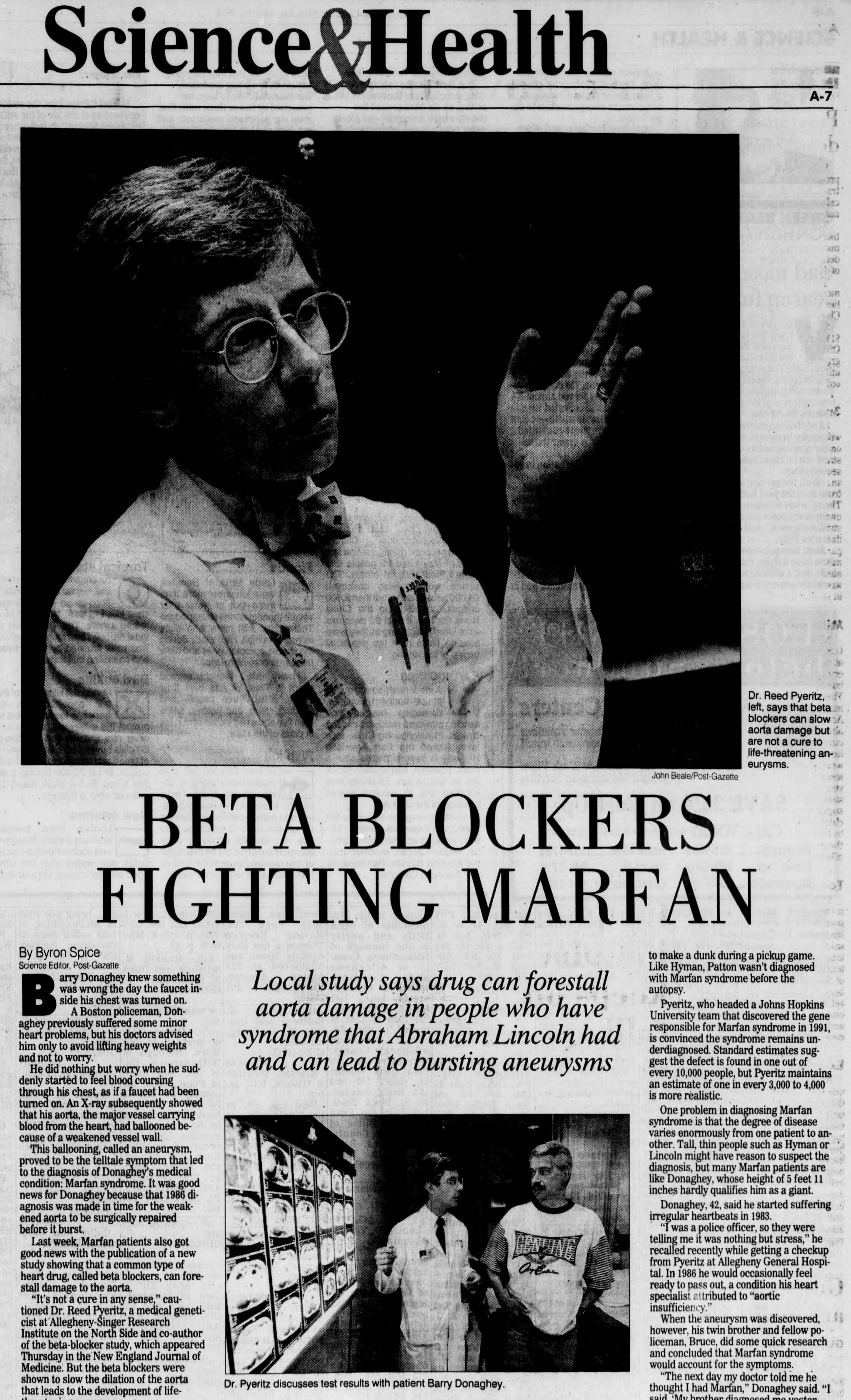
This story and photos about Dr. Pyeritz appeared in the Pittsburgh Post-Gazette in 1994.Newspapers.com
Colleagues, friends, and former patients called him “a phenomenal physician,”“a guiding light,” and “an extraordinarily reassuring presence” in online tributes. In 2018, he said: “The most gratifying thing is the fact that folks [with Marfan syndrome] are living their normal life expectancy.”
Dianna Milewicz, chair of the John Ritter Foundation advisory board, noted his “excellence in clinical care, teaching, and research” on Facebook. Michael L. Weamer, president and CEO of the Marfan Foundation, called him “a true hero” and said his “impact on our community is immeasurable.”
He served 13 years in the Army Reserve Medical Corps and earned lifetime achievement awards from the Marfan Foundation, the American College of Medical Genetics and Genomics, and other groups.
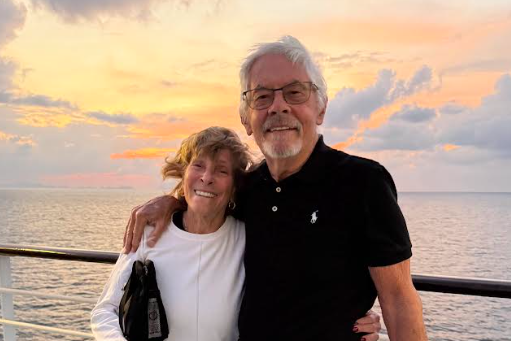
Dr. Pyeritz and his wife, Jane Tumpson, married in 1972.Courtesy of the family
On weekends, he did marathons and triathlons, and was part of a world record 100-man, 100-mile relay. His family said in a tribute: “He measured a successful life less by titles or awards than by what one gives, what one learns, whom one loves, and what one leaves behind in others.”
Reed Edwin Pyeritz was born Nov. 2, 1947, in Pittsburgh. He was fascinated by science and space as a boy, and he built rockets in his backyard and performed scientific experiments in his bedroom.
He earned a bachelor’s degree in chemistry at the University of Delaware in 1968, a master’s degree and doctorate in biological chemistry at Harvard University in 1972, and his medical degree at Harvard in 1975.
He met Jane Tumpson in first grade, and they graduated together from Mount Lebanon High School near Pittsburgh in 1965. They reconnected on the tennis court a few years later, married in 1972, and had daughters Allyson and Abigail.
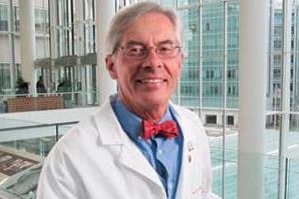
Dr. Pyeritz, left in the top photo and right in the bottom photo, enjoyed time with his family.Courtesy of the family
Dr. Pyeritz and his wife honeymooned on Mount Kilimanjaro in Africa and traveled the world together for years. In April, the whole family went to Spain.
He liked to wear bow ties, build stone walls, watch the news, and spend time outside with his dogs. He followed the Pittsburgh pro sports teams closely and enjoyed Manhattans and chocolate milkshakes.
“I will miss it all,” he told colleagues at Cure HHT when he retired a few years ago. “But I am certainly looking forward to spending time with my two granddaughters, Tallulah and Penelope.”
His daughters said: “Ever an adventurer, he instilled in us the importance of making the most of every day, watching the sunrise or sunset, and cherishing the time you have.”
His wife said: “He loved without exception and reservation.”
In addition to his wife, daughters, and granddaughters, Dr. Pyeritz is survived by son-in-law Keith Hopkins and other relatives. A brother died earlier.
A celebration of his life is to be held later.
Donations in his name may be made to the Marfan Foundation, 22 Manhasset Ave., Port Washington, N.Y. 11050.
Dr. Pyeritz “loved without exception and reservation,” his wife said.Courtesy of the family
One of the year’s more closely watched Main Line restaurant projects now has a name, a chef, and a clearer identity.
Old Friend, a contemporary American grill built around live-fire cooking, is targeting a late-fall opening in downtown Wayne with former Fork executive chef Sam Henzy leading the kitchen.
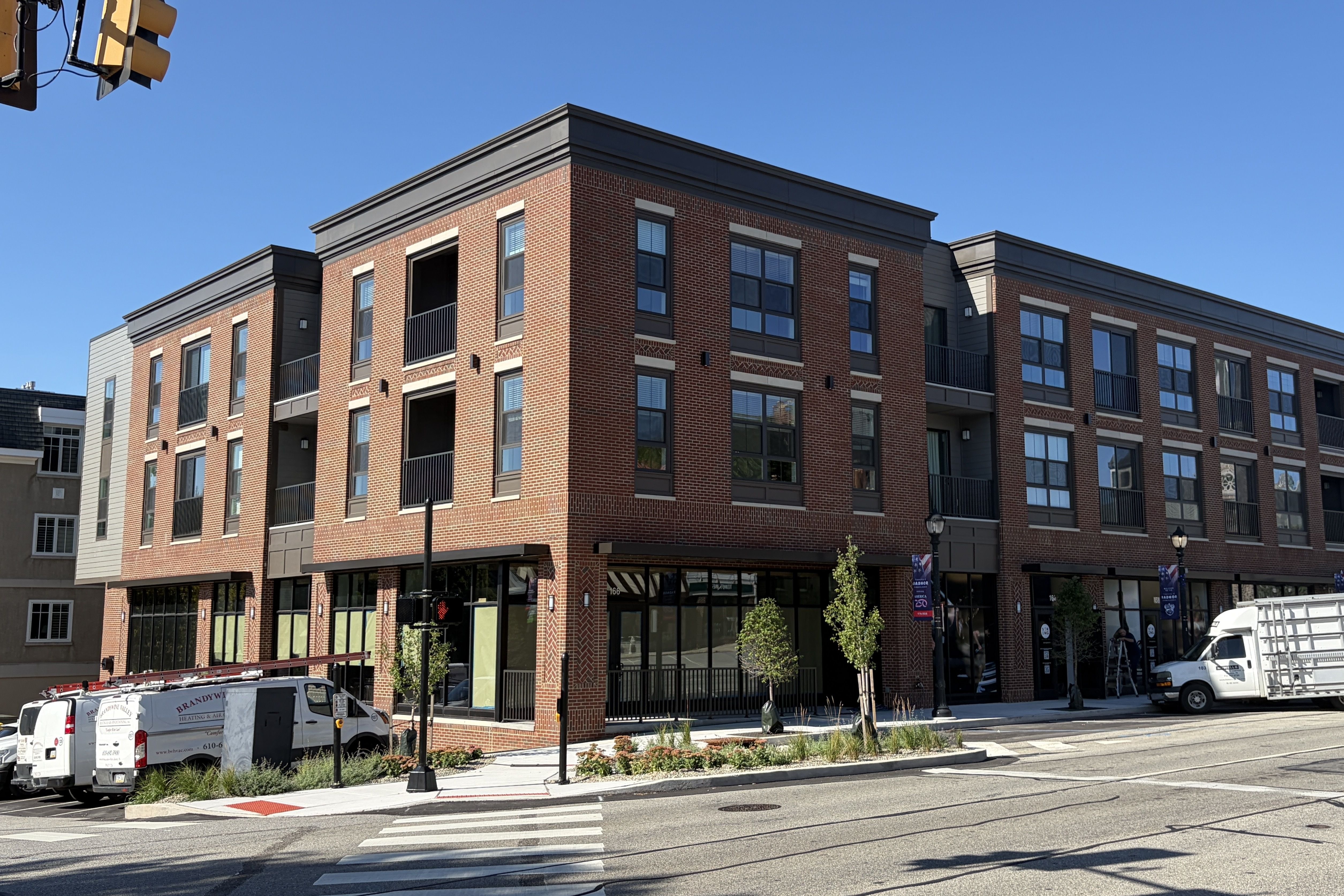
The 86-seat restaurant — 78 in the dining room and eight at the bar — will be at 166 E. Lancaster Ave., in a newly constructed ground-floor retail space at Lancaster and Louella Avenues that is part of the Apartments at Wayne Station. It is amid Wayne’s restaurant row, across from Maison Lotus and Rosalie, and just a few blocks from At the Table, White Dog Cafe, and the North Wayne Avenue dining strip.
Rendering of Old Friend, 166 E. Lancaster Ave., Wayne.Stokes Architecture & DesignArchitectural rendering of the facade of Old Friend, 166 E. Lancaster Ave., Wayne.Stokes Architecture & Design
Old Friend is the creation of Larry Kagan and Chas McFeely, who met in 1984 at Welsh Valley Middle School and later attended Harriton High. McFeely, an advertising copywriter who lives in Alameda, Calif., has family ties to the Main Line and returns frequently.
Kagan, who works in financial services and is a partner in the Campus sports complex in Downingtown, offered the first public outline of the project at a March Radnor Township Board of Commissioners hearing for its liquor-license transfer, describing an unnamed grill restaurant “that’s going to have the soul of a steakhouse.”
Kagan told The Inquirer this week that the name “old friend” describes his relationship with McFeely: “It’s someone between friend and family — someone you can pick up at any time, you can be yourself.” The name, he said, also reflects the sort of relationship they hope to develop with customers.
Kagan acknowledges that neither he nor McFeely is a restaurateur. They brought in Stove & Co. chef-owner Joe Monnich as a consultant to develop the concept and assemble the operating team. Monnich will remain in a leadership role while continuing at Stove & Co., whose holdings include Stove & Tap and Joey Chops.
Sam Henzy in 2025, when he joined Fork as executive chef.Courtesy of Fork
The connection to Henzy came through Monnich. The two met at Morimoto when Henzy was about 20 and, as he puts it, “green as grass.”
“Joe was the first chef who pushed me really hard, but he did that great older-brother thing of pushing somebody while being there to answer questions,” Henzy said. “He really took me under his wing.”
They remained friends as Henzy built his career. He did not know the name of the Wayne restaurant until he recently visited the space with Monnich and the owners.
“When they told me it was going to be called Old Friend, it just made me smile,” Henzy said, “because that’s how I think of Joe.”
Henzy, who grew up in Delaware, is best known locally for his two years as executive chef at Fork in Old City. His resumé also includes Middle Child Clubhouse, Vernick Food & Drink, Noma in Copenhagen, and Quince and Angler in San Francisco.
Henzy’s experience with live-fire cooking began during a six-month internship at Noma. He remembers touring the cutting-edge restaurant and encountering a Josper charcoal grill set up in a makeshift shack out back.
“In that moment, I was like, ‘Oh, I’m taking that station,’” Henzy said.
He eventually did, spending the final three months of his internship on the Josper. Later, he sought out Vernick Food & Drink in part for its wood-burning oven. His most intensive live-fire experience came at Angler, where he was executive sous chef and the cooking line had no conventional stoves.
“It’s just fires,” Henzy said. “It’s fires everywhere you look.”
Old Friend will bring him back to that style of cooking. Its open kitchen will center on a charcoal-fired Josper combination grill and oven, which Kagan calls the restaurant’s “engine.”
Designed by Stokes Architecture & Design, the restaurant will feature reclaimed mushroom wood, an oak bar, and an open, firebrick-lined hearth that will put the Josper in view of the dining room.
Kagan calls Old Friend a contemporary American grill. The developing à la carte menu will move from small and medium plates to larger-format proteins intended for sharing. The wine list will be compact and closely matched to the food.
Fish — including some dry-aged fish — as well as poultry and other proteins will be cooked on the Josper. Henzy gained experience dry-aging fish at Angler and wants to explore the technique further at Old Friend.
“I think dry-aging fish is both an underused and a misunderstood technique,” he said.
Old Friend also represents a move away from what became Henzy’s signature at Fork. Pasta may appear on the menu, but it will not be a focus. At Fork, he said, its popularity “took on a life of its own,” sometimes overshadowing the rest of the menu.
“I’m really big on never resting on my laurels and taking on new challenges,” Henzy said.
After years away froma live fire-fueled kitchen, Henzy said, “I’ve really been itching to get back into the flames.”
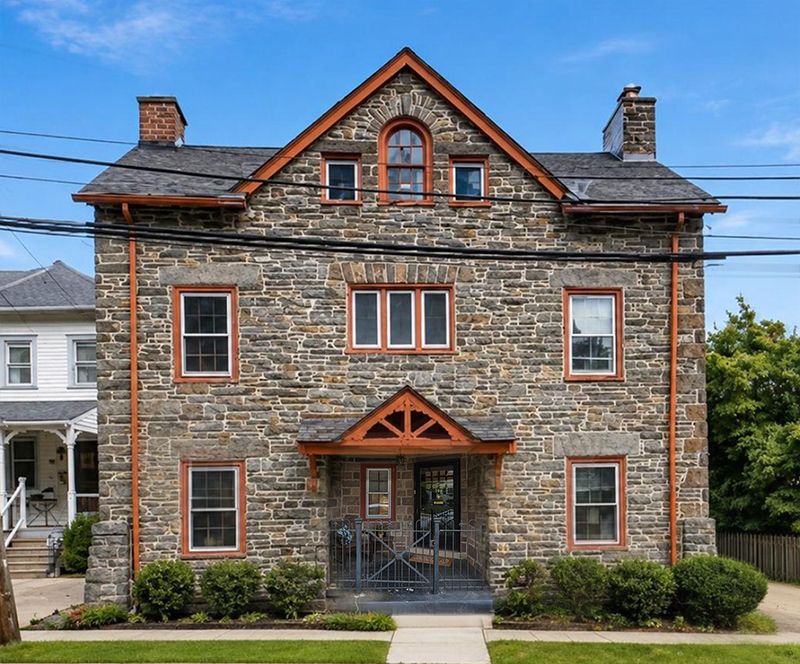
Elizabeth Monroe was living in New Jersey with her son in 2006 when she saw a listing in Bryn Mawr, and thought it might be time to go back to the town where she’d grown up.
“I hadn’t even gone inside it,” she said. “but I loved the Tudor look and the stone.
“It’s a soulful kind of house. A friend once called it my ‘sanctuary,’” she recalled.
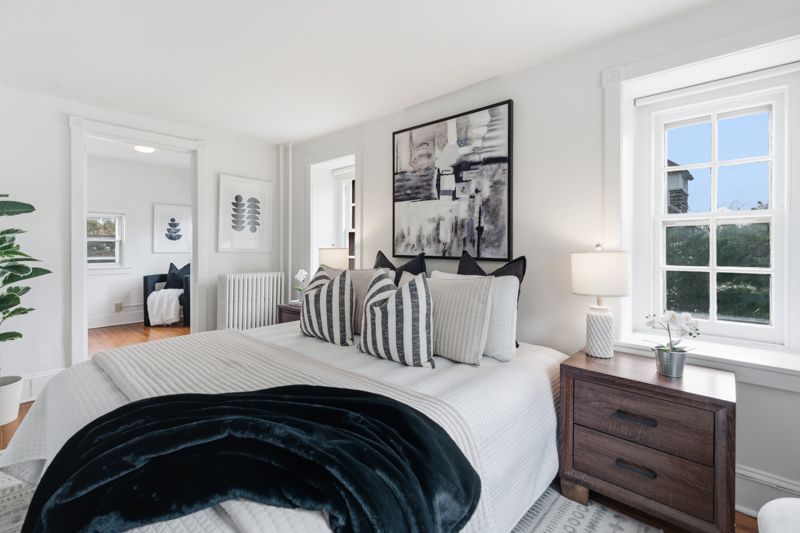
One of the bedrooms in the Bryn Mawr home features large windows to let in the light. Brendan Farrell
The four-bedroom, two-bathroom house spans 1,762 square feet.
Monroe, an ordained Presbyterian minister who mostly worked as a hospice chaplain, said she had considerable renovations done, mostly on the first and second floors.
The house, has a gated front porch, original hardwood floors, and deep-set windows.
The kitchen has updated appliances. Brendan Farrell
The kitchen has white cabinetry, black granite countertops, and updated appliances.
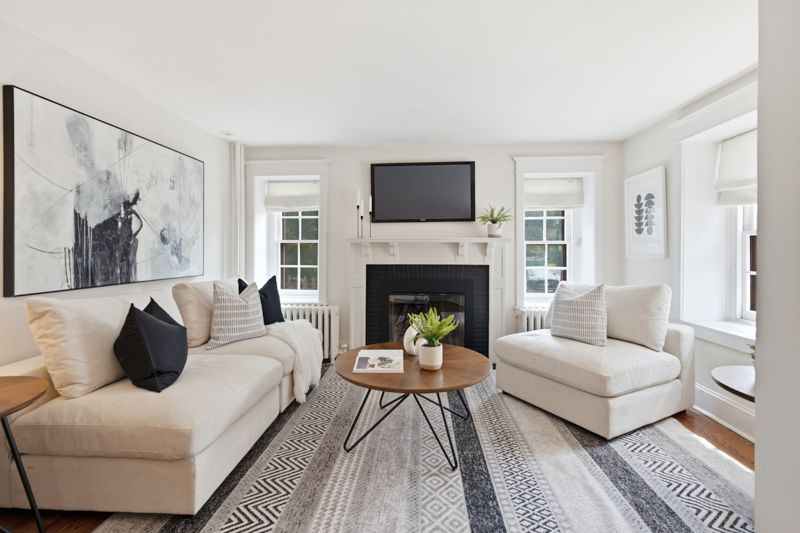
The living room has a working gas fireplace.
Each of the two second-floor bedrooms has its own sitting room, which could be used as a home office, reading room, art studio, or playroom.
A working gas fireplace is a highlight of the living room.Brendan Farrell
The third floor has two additional bedrooms and a hall bathroom.
There is high velocity central air and 200-amp electrical service.
There is a private brick patio, a fenced outdoor space, and a detached one-car garage. It is walkable to the Bryn Mawr Regional Rail station.
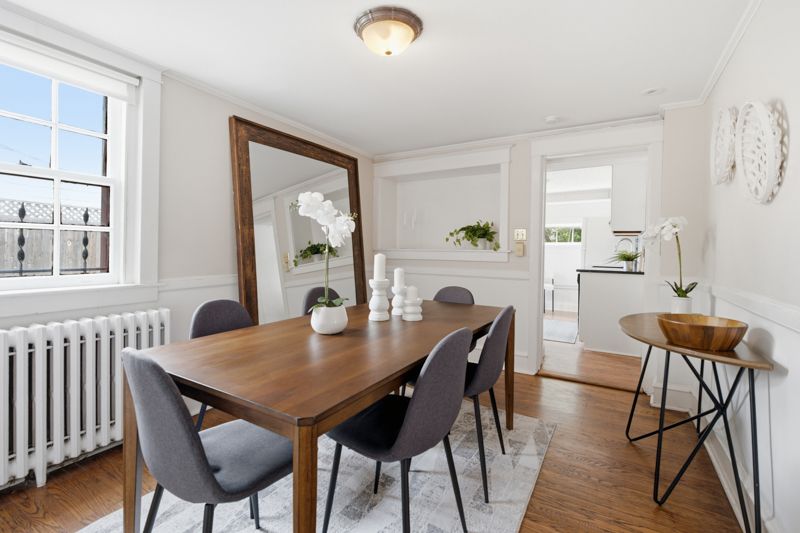
The dining room can fit a table for six.Brendan Farrell
And “it’s walkable to the Wawa,” Monroe joked. And since the parking lot there is often congested, “I thought that this might be a selling point.”
The house is in the Radnor School District.
It is listed by Colleen Whitlock and Brianna Golden of Keller Williams Main Line for $699,000.
A shuttered veterinarian’s office in Wayne may become the new site of a local courthouse.
Radnor Township has set its sights on purchasing 405 W. Wayne Ave., the former home of St. George Hunt Memorial Veterinary Hospital, for $1.45 millionand converting the building into its magisterial districtcourt.
The building would be owned by the township and leased back to Delaware County, which pays for and operates the county’s 30 district courts. District courts are the first level in Pennsylvania’s state court system and typically handle traffic cases, minor criminal cases, and civil cases involving amounts up to $12,000.
Radnor’s district court cases were previously split between Marple and Newtown Townships, meaning Radnor residents looking to challenge a speeding ticket or sue a faulty contractor would have to do their legal business in another town. Three years ago, a realignment of the court once again gave Radnor its own court, but a struggle to find a home has forced Radnor’s court proceedings to take place in Newtown Square.
Radnor’s district judge is Sloan Walker.
Officials said bringing Radnor’s district court home would make hearings more convenient for residents and law enforcement officers, would save the police department on gas and overtime expenditures, and would, the next time court realignment occurs, send a message to the state that Radnor should retain its own court.
“Eventually there’s going to be pressure, some other district is going to want a judge, and when the Supreme Court looks at Radnor and we haven’t had a magistrate in Radnor for 15 years, they’re going to say, ‘Well, they don’t really want one,’” Township Commissioner Jack Larkin told attendees at a July meeting, warning of the consequences of continuing to hold Radnor’s legal proceedings in Newtown Square.
Why is Radnor’s district court judge still sitting in Newtown Square? The cash-strapped county has been unable to afford the high cost of renting a space in Radnor, Larkin said.
Officials said they looked far and wide for commercial space in the township that would fit the court’s needs. Though “there are other places that are probably better locations” in the township, Larkin said, the Wayne Avenue site is already zoned for commercial use, has ample parking, is within the county’s price range, and is, most importantly, available.
Under the proposal, officials say, the county would pay the township back for the cost of purchasing the building and retrofitting it as a courthouse over the course of 10 years.
Township Commissioner Moira Mulroney said Radnor has “exhausted every option” during its three-year search.
At a meeting this week, residents pleaded with the commissioners to find another location for the court, citing concerns over traffic, parking, and the safety of having court proceedings happening in a neighborhood full of children.
“Respectfully, this is a square peg going in a round hole,” resident Jason Bologna said. “This is a court that is being put into a residential neighborhood, and that is not appropriate for our neighborhood.”
Diane Edbril, another resident, said the commissioners’ proposal is “an idiotic solution” and “ridiculous.”
“I am absolutely terrified by the idea of shackles and handcuffs in my backyard. I don’t think that that should be in anybody’s backyard,” resident Marciana Bradley said.
Larkin told residents that it is “incredibly early in the process” and that there will be a “lot of opportunities for feedback.”
In order to move the court into the old vet building, the township board of commissioners would need to approve and finalize the sale, and the county would need to agree to a lease price.
Radnor Township is planning to hold a public meeting in September, where residents will be able to ask questions and learn more about the district court.
This suburban content is produced with support from the Leslie Miller and Richard Worley Foundation and The Lenfest Institute for Journalism. Editorial content is created independently of the project donors. Gifts to support The Inquirer’s high-impact journalism can be made at inquirer.com/donate. A list of Lenfest Institute donors can be found at lenfestinstitute.org/supporters.
A Gladwyne-based senior services organization is planning to build an independent living community on an estate in Radnor Township, a move the group says is necessary as demand for senior living services rises in the region.
Waverly Senior Services presented an early proposal to Radnor Township’s planning commission on Aug. 3 for a large senior living facility at 452 S. Roberts Rd., a historic estate owned by the Haverford School.
The proposal includes 208 multifamily housing units across 15 buildings, 16 twin homes, and a handful of administrative buildings, including a maintenance building and a welcome house.
Waverly Senior Services, a nonprofit organization, is in the process of purchasing the 43-acre property, which the Haverford School acquired in 2022.
Waverly operates Waverly Heights, a life care residence in Gladwyne, as well as in-home healthcare and personalized care management services.
Tom Garvin, Waverly’s president and CEO, told the Radnor planning commission that the organization is seeing “unprecedented demand” for life care facilities as baby boomers age and their housing and care needs change.
“There’s a woeful lack of senior housing across the country to serve that sort of bubble that’s coming in the population,” Garvin said.
The number of U.S. residents 65 and older grew nearly five times faster than the total population between 1920 and 2020, according to the U.S. Census Bureau.
More than 560,000 senior housing units will be needed to meet the demand for older adult housing, according to market research firm NIC MAP. Under current development rates, only 191,000 will be built.
Waverly currently serves around 365 residents, the vast majority of whom are local, Garvin said.
The Radnor site would primarily be home to independent living, with some additional care for residents who need it as they age in place. It will not be a skilled nursing facility.
Waverly representatives said that they are early in theprocess — they will still need to finalize the land sale and secure township approval — and that it could be three to five years before shovels hit the ground. However, Garvin said, the organization felt it had to jump on the opportunity in a region where it is difficult to find open space to develop.
“This opportunity for a piece of property that’s 43 acres, zoned institutional, in our primary market area is one we just couldn’t pass up,” he said.
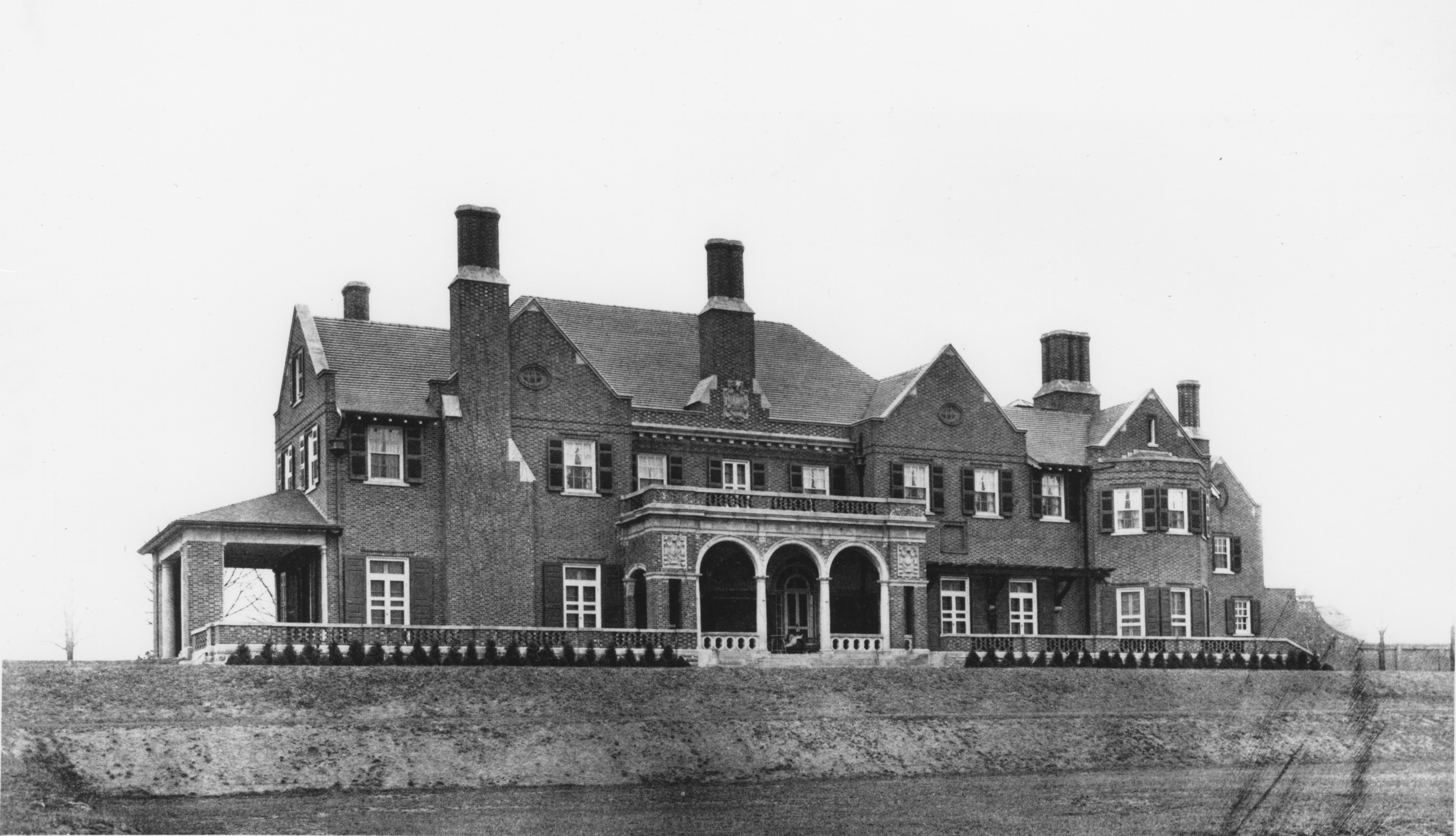
The property is home to the Glencoe estate, built in 1907 for Thomas McKean Jr., and purchased by Samuel Robinson, founder of Acme Markets, in 1925, according to the Radnor Historical Society. In 1960, Robinson left the estate to Presbyterian Children’s Village, an orphanage run by a local Presbyterian group. The orphanage transitioned over time to become a residential treatment program for children with emotional and behavioral challenges, and in 2019 became Gemma Services after a merger with Silver Springs-Martin Luther School. Gemma Services is building a new campus in Plymouth Meeting.
The Haverford School purchased the property in 2022from Gemma Services for $19.88 million and said at the time that it did not have a specific plan for the site.
Waverly’s early proposal involved retaining the historic mansion and knocking down its dormitory buildings, which are in “poor shape,” said Marc Heil, Waverly’s vice president of campus development.
Heil said any new construction would “have that Main Line flair to it” and would not be “commercial looking.”
Planning commission members expressed an openness to having the site developed, but raised concerns about the early plans.
Commission member Stephen Varenhorst called the plan “chaotic” and “random” and encouraged the organization to reconsider its approach. Lane Vines, the commission’s chair, said he hoped more of the historic property could be retained.
Residents expressed concern about increased traffic in the quiet neighborhood, stormwater management, and a potential increase in ambulance traffic, especially if an EMS station is placed on the site, a possibility.
Waverly officials said they will submit plans to the planning commission, which will issue a recommendation to the Radnor Township commissioners, who will ultimatelyvote on whether to approve the project. Representatives from Waverly said the organization may also seek additional zoning reliefif they pursue renovations outside of the property’s institutional zoning classification, which would require a separate approval process through the zoning hearing board.
This suburban content is produced with support from the Leslie Miller and Richard Worley Foundation and The Lenfest Institute for Journalism. Editorial content is created independently of the project donors. Gifts to support The Inquirer’s high-impact journalism can be made at inquirer.com/donate. A list of Lenfest Institute donors can be found at lenfestinstitute.org/supporters.
The former Cabrini University campus has undergone a more than $100 million, Villanova-fueled rebirth, and students will begin attending classes and living there this month.
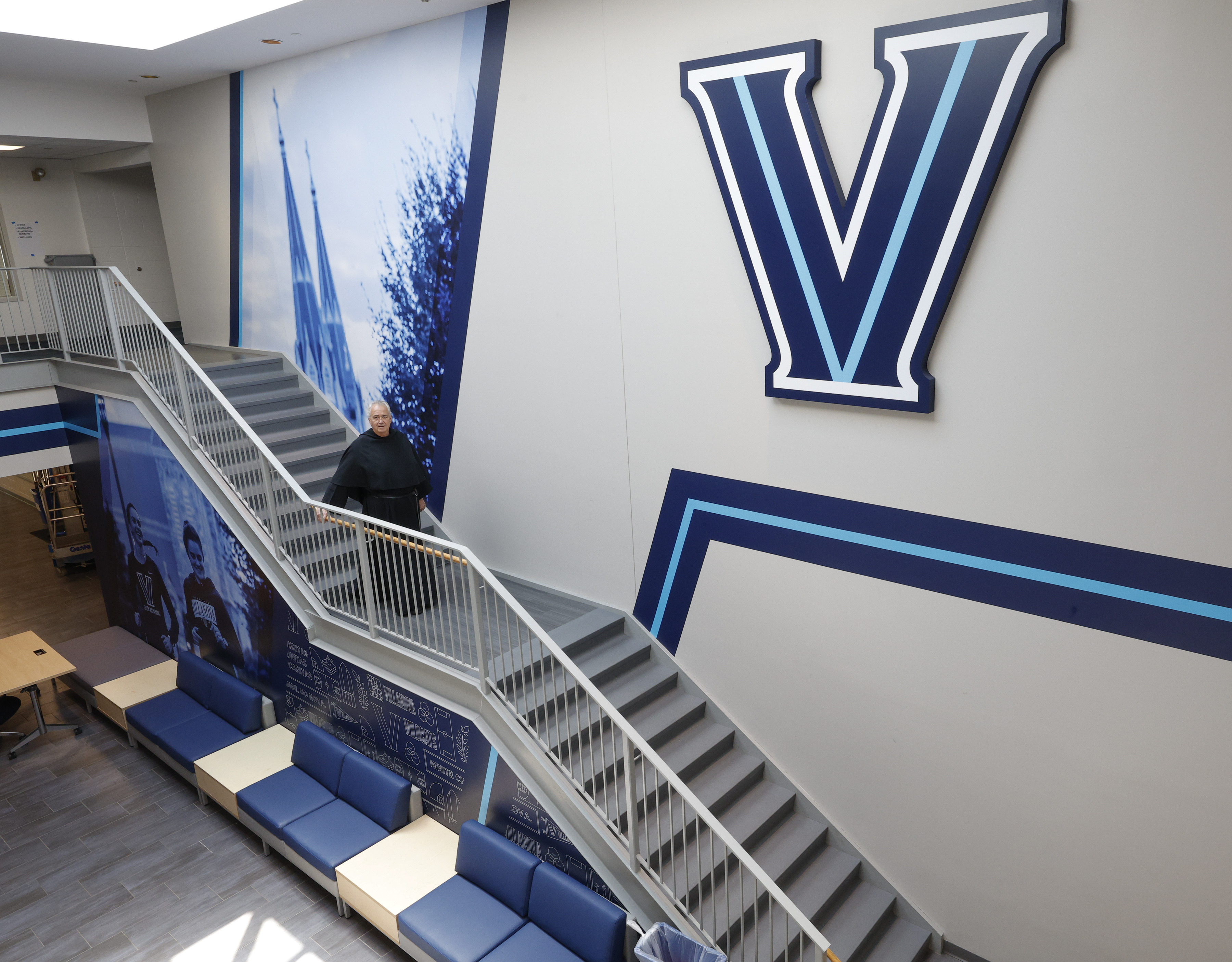
Large signature blue and white V’s for Villanova University are everywhere. “Ignite Change. Go Nova,” says a wall in the student recreation center. Beds in the residence halls now have navy blue sheets, and many of the buildings have been renamed to honor Villanova’s Augustinian heritage.
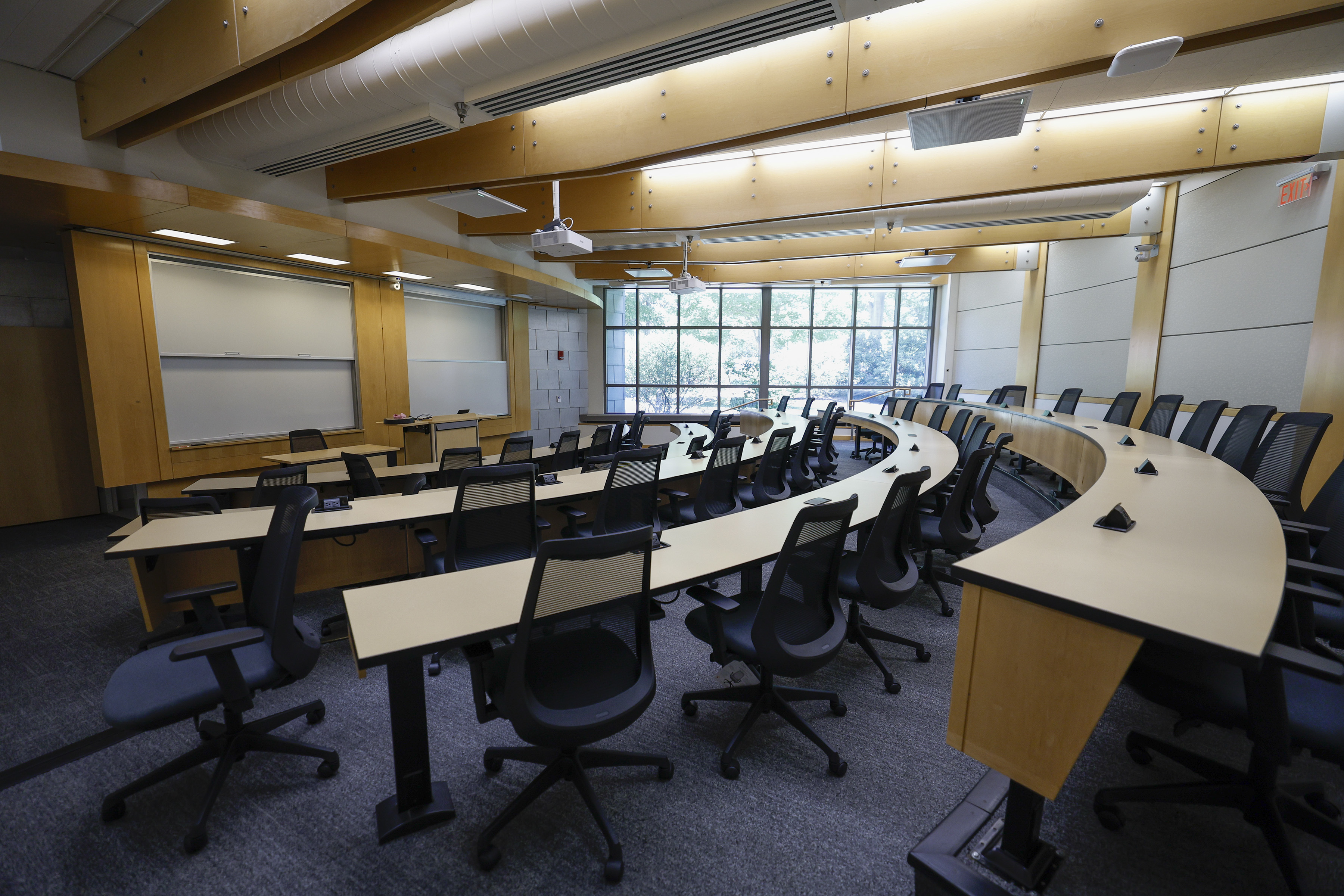
The Radnor campus once in dire need of maintenance sports a fresh look, including new light poles, landscaping, painting, furniture, boilers, roof repairs, a running fountain, pickleball courts, and restored architectural flourishes, in addition to upgraded educational technology for classrooms.
The university removed dead trees, installed firepits on the campus green, and connected the two campuses’ phone and internet systems.
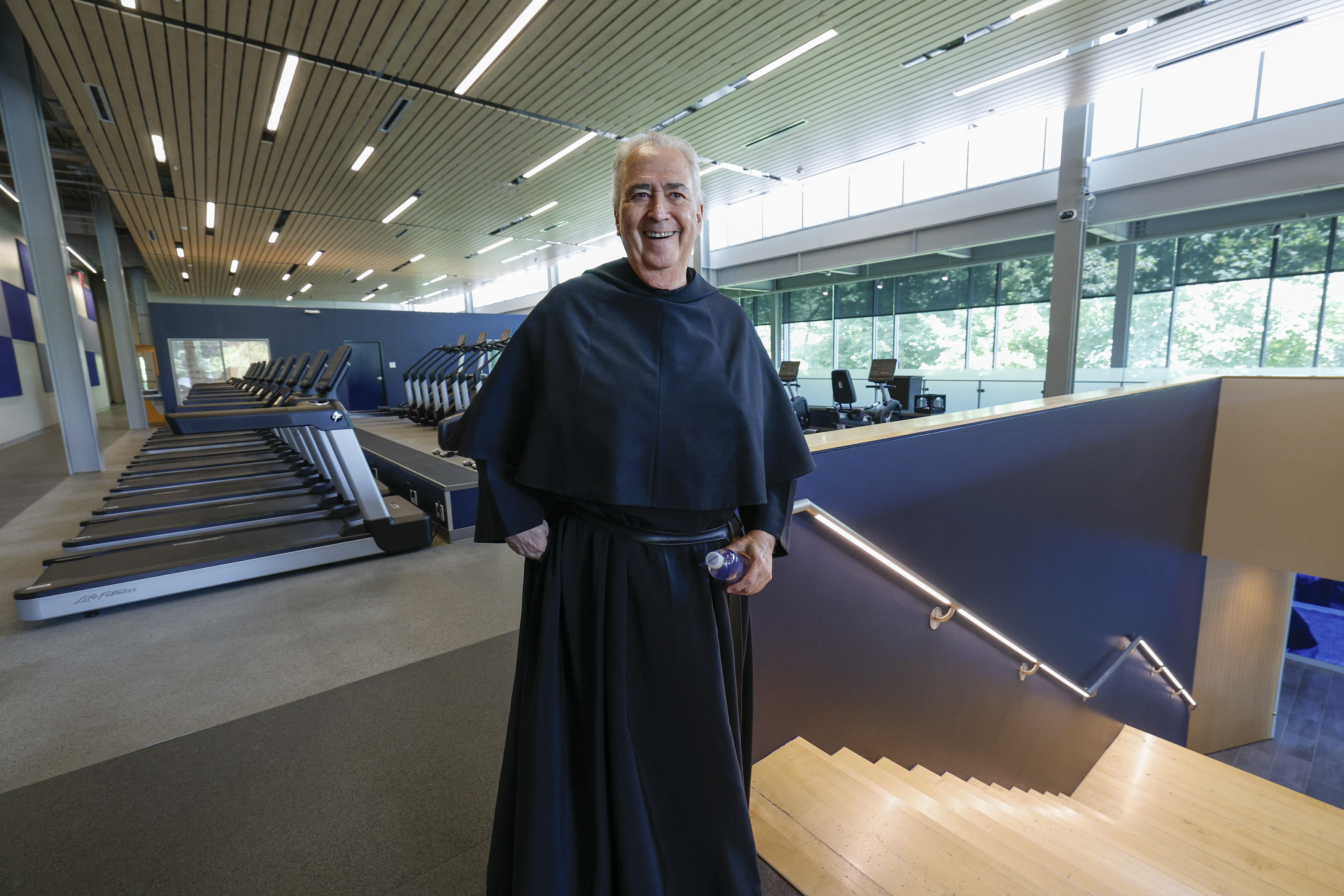
Villanova President Rev. Peter M. Donohue walks down the stairs at the Dixon Center, which has been covered in Villanova signage and colors. Steven M. Falk / For The Inquirer
It is all part of Villanova’s effort to make the 112-acre campus that it acquired from the shuttered Cabrini look and feel decidedly Villanovan. The campus has been closed for the last two years as the planning and upgrades took place.
“It’s always been a beautiful campus, but it looks very Villanova now,” said Kelly Tuzio, assistant director of Villanova’s graduate nursing program, who worked at Cabrini from 2005 to 2011.
“You can feel the change,” she said, helping to ready the Iadarola Center, the building she works in, for the opening. “Everything is just done to perfection.”
Some things remain largely untouched, like the signature statue of Mother Cabrini on the green and the Mansion, Cabrini’s former administrative building, which is on the National Historic Register. It was renamed Montefalco Hall. Masses will continue to be celebrated in the chapel: Cabrini was a Catholic university, as is Villanova.
Villanova University purchased the nearby campus of the now shuttered Cabrini University two years ago and has had the site closed for remodeling. But this fall, students will live and study there. Steven M. Falk / For The Inquirer
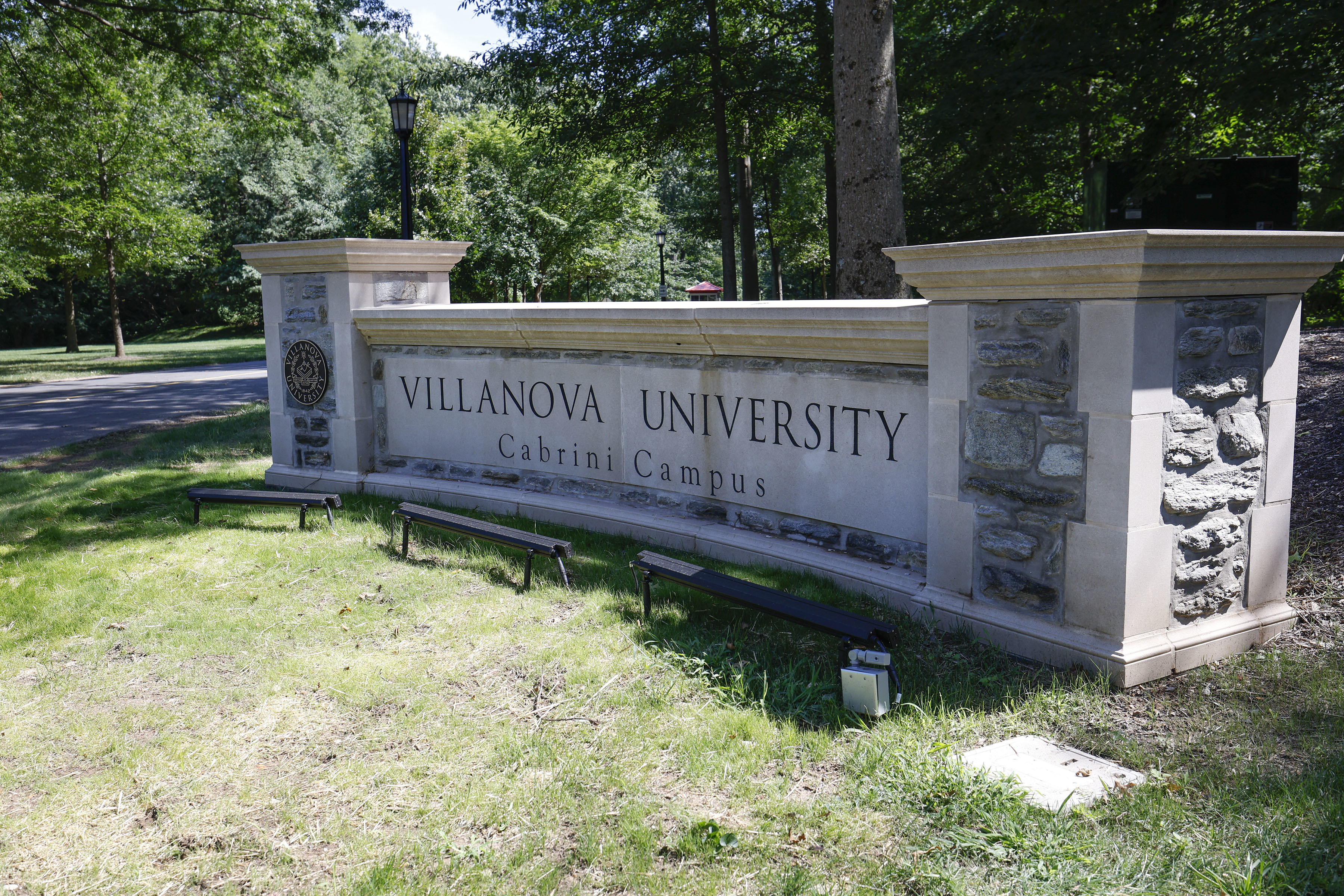
And signs at the entrance to campus say: Villanova University, Cabrini Campus — a nod to Villanova’s larger promise to retain Cabrini’s legacy.
A new era of growth
The acquisition of the campus, which officially opens for fall classes Aug. 24, marks an era of new growth for Villanova.
As many other colleges have lost enrollment in recent years, Villanova plans to grow its undergraduate student body, now at about 7,000, to 8,000 over the next four years, said the Rev. Peter M. Donohue, Villanova’s president. That growth started this year with about 250 additional freshmen. And the school plans to maintain its selectivity; it admitted just 29% of applicants for this fall’s class and saw more than a 10% surge in applications over the last year.
Villanova, which has a 260-acre main campus, will expand 43% in size with the addition of Cabrini.The university’s acquisition of Rosemont College — which will be complete in 2028 — will add 58 acres, increasing Villanova’s total to 430 acres.
The Cabrini campus will house five academic departments: psychological and brain sciences, graduate nursing, education and counseling, ethics, and part of communication. About 75 faculty — 10% of the total — will be based there.
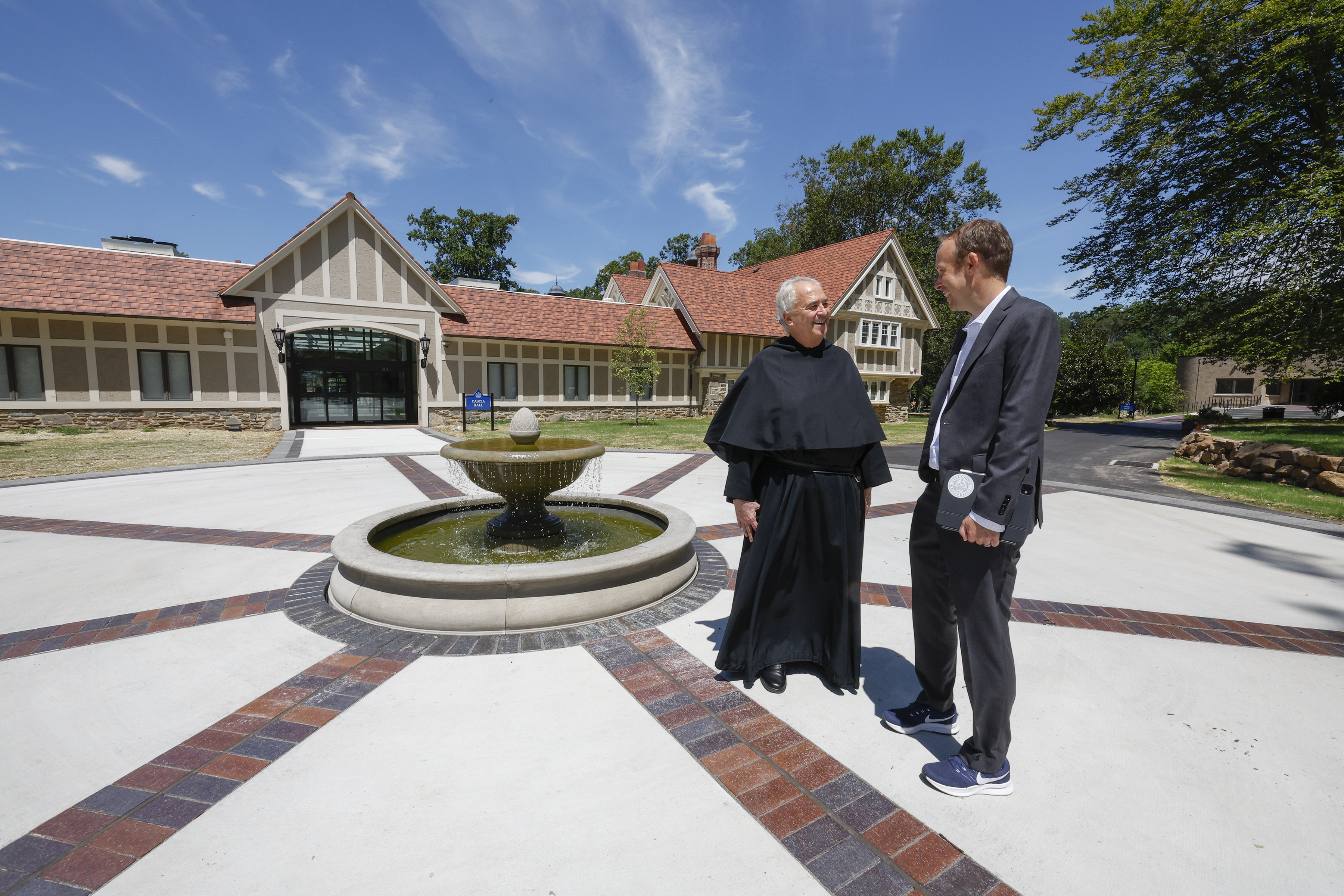
Villanova University President the Rev. Peter M. Donohue left, and Timothy Hoffman, vice provost for finance and administration, stand in front of a newly installed fountain outside Cascia Hall, which received a lot of renovations inside and out. It houses the student center. Steven M. Falk / For The Inquirer
About 900 sophomores — roughly half of those enrolled at Villanova — will live on the campus, expanding the percentage of undergraduates who live on Villanova’s campuses to more than 80%.
In addition, more than 2,000 undergraduate and graduate students — about a fifth of Villanova’s overall student population — will take classes at the Cabrini campus in the fall, said Timothy Hoffman, vice provost for finance and administration.
“I’m just excited to see life again on the campus,” said Michelle Filling-Brown, formerly dean of academic affairs at Cabrini and now associate vice provost for the integrated student experience at Villanova.
She has been designing themed living and learning communities for the new Cabrini campus.
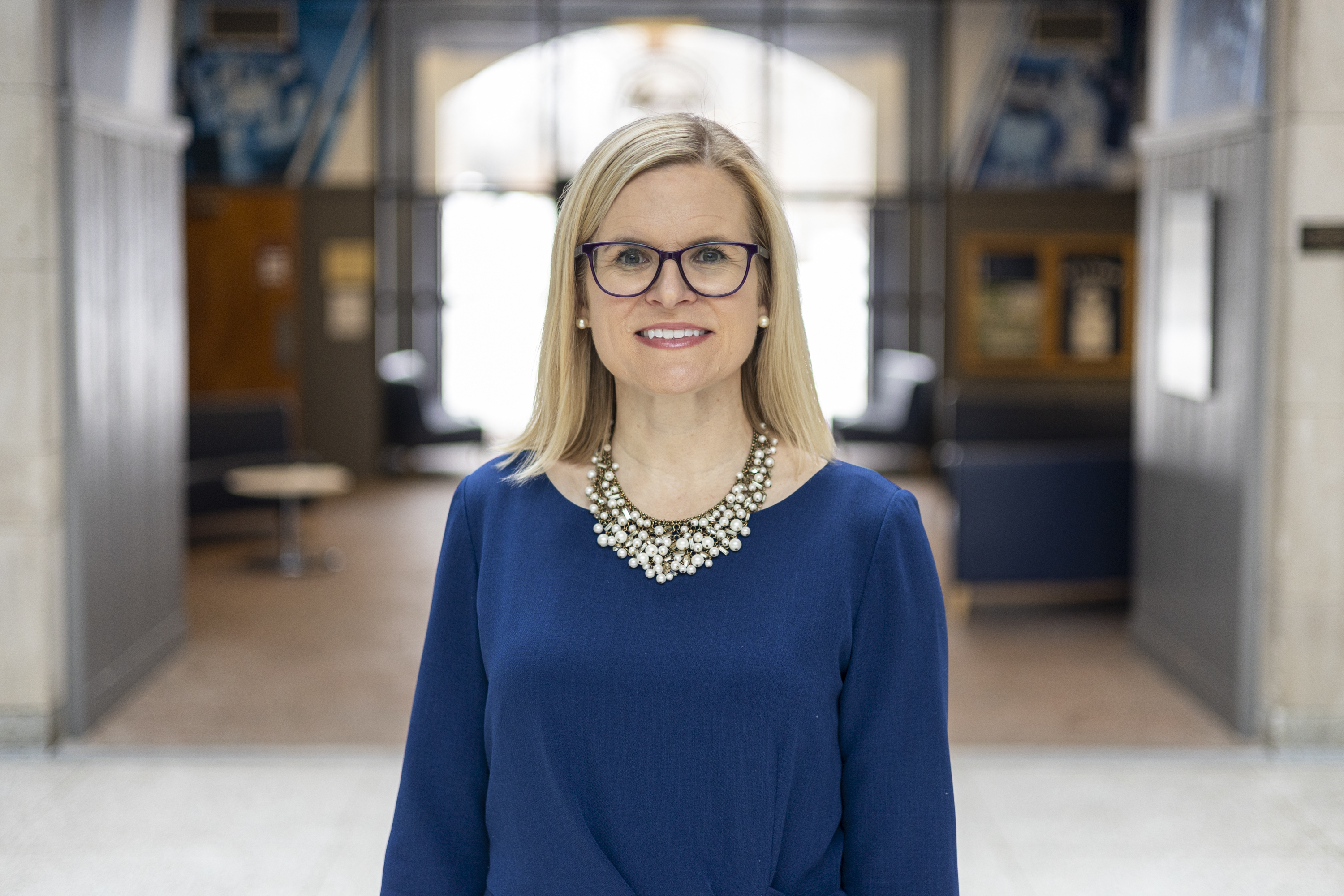
Michelle Filling-Brown, a former top administrator at Cabrini, now works at Villanova.Tyger Williams / Staff Photographer
Started in 1957, Cabrini was the only college founded by Sister Francesca Cabrini’s Missionary Sisters of the Sacred Heart. The university announced in 2023 it would shut the next year and Villanova would take it over, giving students and employees a year to find a new runway. The decision came as enrollment plummeted, finances tightened, and deferred campus maintenance mounted.
Donohue said Villanova has not yet made specific plans for Rosemont.
A classroom with new educational technology at the Iadorala CenterSteven M. Falk / For The Inquirer
Before beginning renovations, Villanova invited Cabrini alumni to collect memorabilia, Donohue said. The school also donated truckloads of old furniture and materials that it did not plan to use to nonprofits.
A $170 million-plus investment
The university has invested more than $170 million into the Cabrini purchase, including the $70 million it paid to close out Cabrini’s debt and acquire its land, buildings, and assets, and more than $100 million on renovations. Donohue said it will take just four years for the school to recover that money through the operation of the campus.
The university was able to keep $15 million of Cabrini’s $42 million endowment, the school said.
Though the campus has not officially opened yet, a few students have begun to move in. Last Tuesday, a group of young staff members huddled in a room, planning grand-opening activities. Others unpacked and organized nursing equipment.
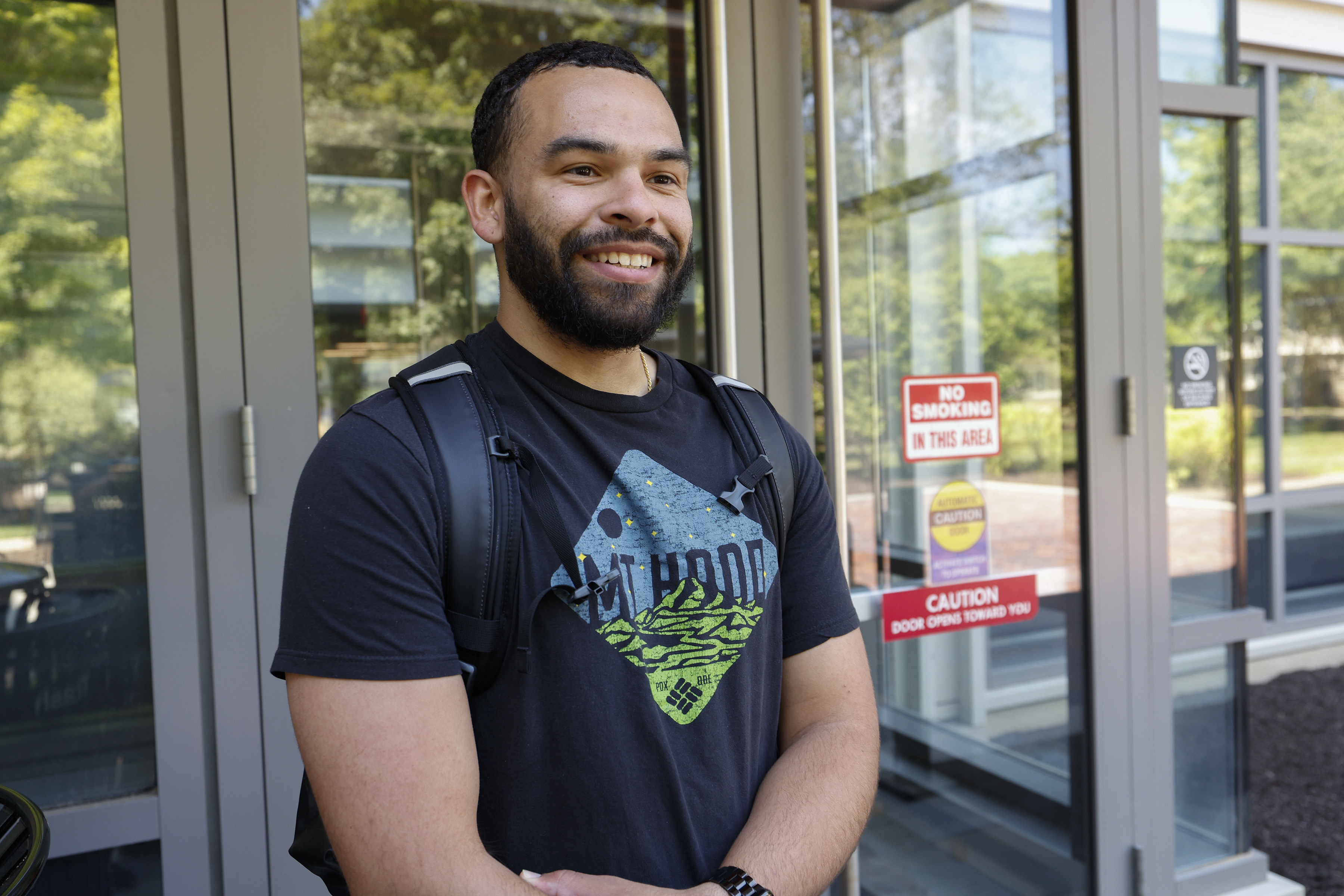
Graduate student Curtis Wesley stops by the Iadarola Center where he will study this fall.Steven M. Falk / For The Inquirer
Curtis Wesley, 26, an incoming graduate student in the nurse anesthesia program, strolled out of the building where his classes will be.
“I just wanted to come and check it out,” said Wesley, who is from Kansas. “I was excited to see all the new technology.”
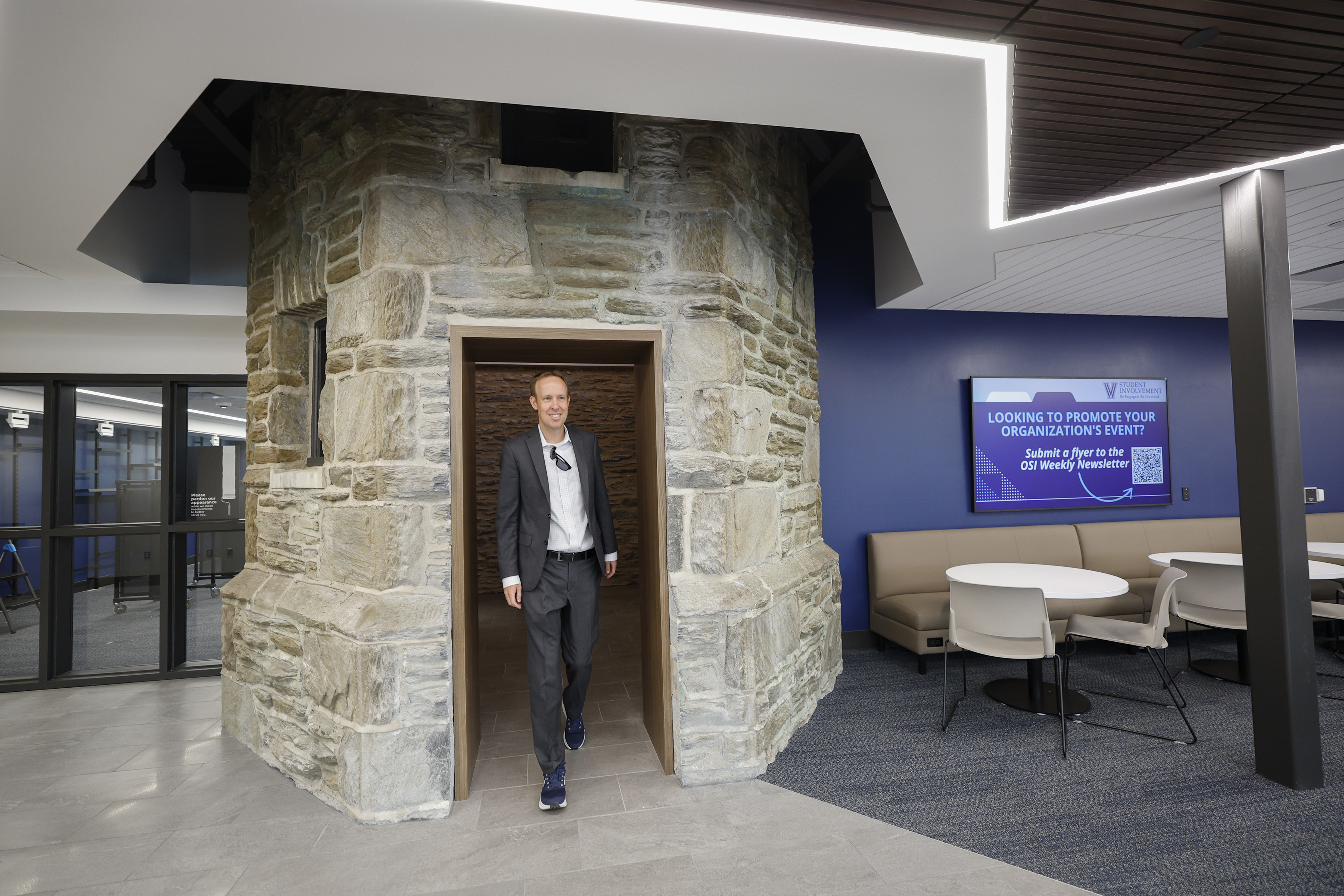
Timothy Hoffman, vice provost for finance and administration, emerges from the stone-walled turret leading to what will be a Villanova apparel shop. The turret was uncovered during remodeling at Cascia Hall. Steven M. Falk / For The Inquirer
One of the buildings that received the most renovation was the former Grace Hall, now Cascia Hall, home to the student center. The building used to be a stable house for the Woodcrest Mansion. Over the years, Cabrini put up drywall and turned much of it into office space.
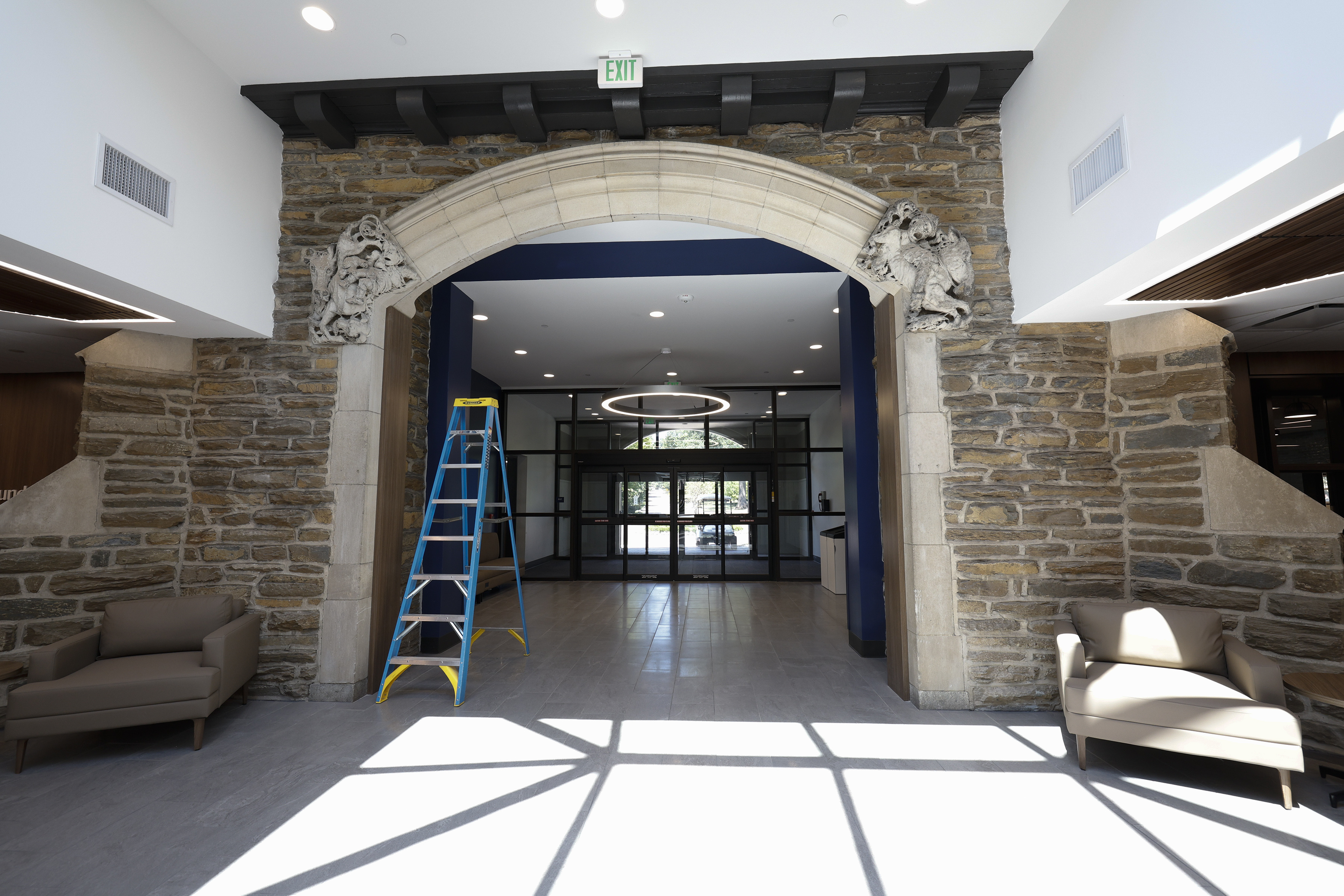
Villanova knocked those walls down and uncovered architectural flourishes including gargoyle-like stone carvings and a cavernous, stone-walled turret with a wooden-framed doorway, leading to what will be a Villanova apparel shop.
Renovations at Cascia Hall uncovered some architectural flourishes, including these stone carved gargoyles. Steven M. Falk / For The Inquirer
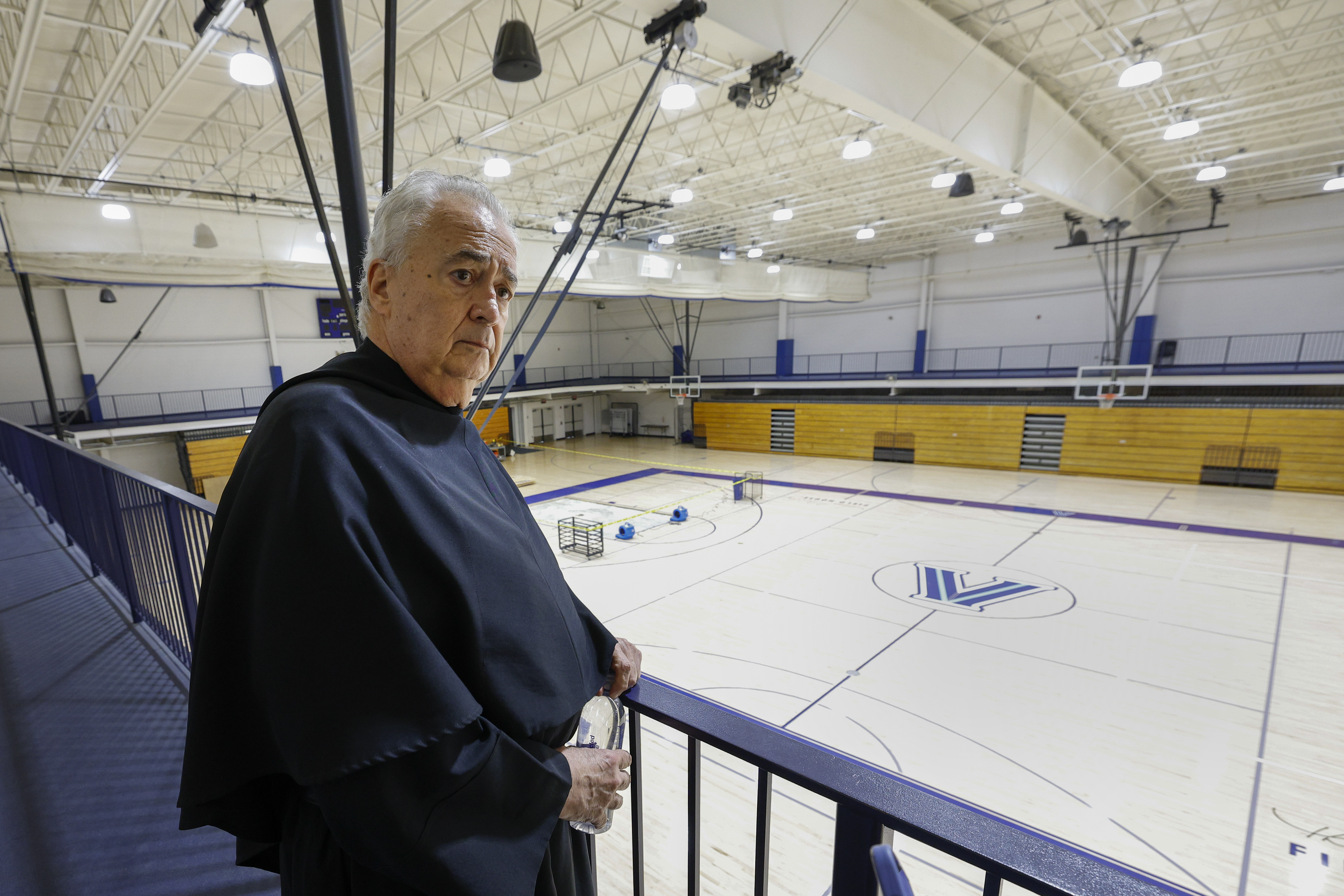
The Dixon Center will remain an athletic facility, but now the basketball court has a large V in the center and the smoothie bar will offer treats such as the Brunson, named after Villanova Wildcats basketball star-turned-New York Knicks standout Jalen Brunson, and the Father Peter Power, honoring the university president.
Donohue couldn’t name the ingredients in his new signature drink.
“I didn’t know it existed,” he said.
The facility, which also got new cardio equipment and reupholstered weight benches, will be used for non-varsity sports recreation.
Villanova President the Rev. Peter M. Donohue overlooks the basketball court at the Dixon Center. Steven M. Falk / For The Inquirer
“Our intramural basketball activity goes into the wee hours because we’re limited in our number of courts, so we are delighted to have this space,” Hoffman said.
The Iadarola Center, Cabrini’s former science building, includes a new nursing simulation facility that Cabrini had recently finished. But Villanova added upgrades, including a vivarium for psychology department research and more space for the brain science program. The former Cabrini library has been converted into student study space.
‘Many more dorm options’
Seven residence halls will house students, including two that had been closed amid Cabrini’s enrollment decline. One of them had a malfunctioning boiler — not anymore.
Sophomores were given the choice of living at Cabrini. Villanova ran tours of the campus for students last academic year. Those who chose Cabrini said they were attracted to the renovated dorms and larger room configurations that allow them to live with several roommates and share a bathroom. Options on main campus for sophomores are largely limited to doubles with a large bathroom shared by an entire floor or wing.
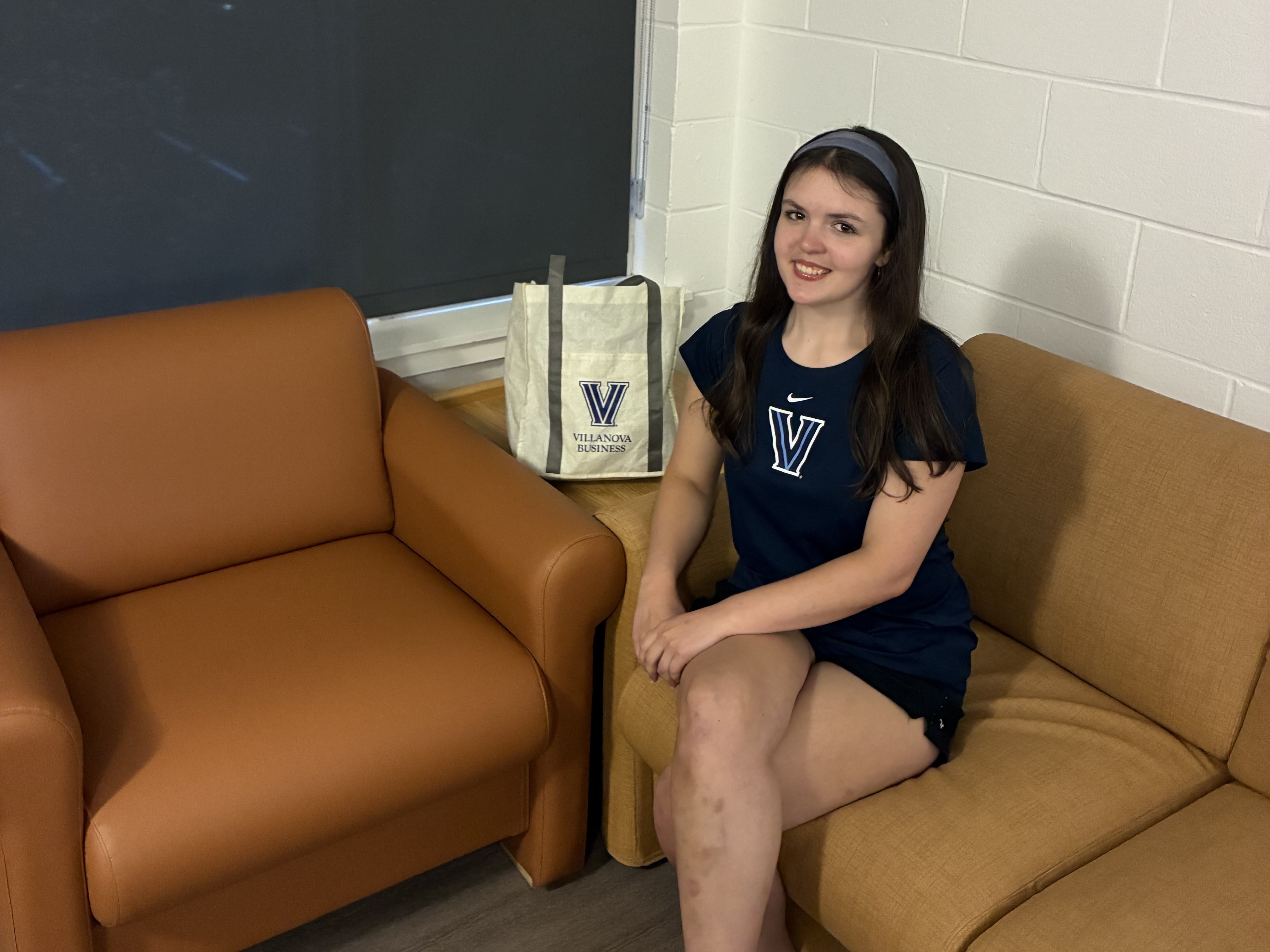
Villanova University sophomore Molly Dunphy-Culp has moved into her new apartment on the Cabrini campus.Courtesy of Molly Dunphy-Culp
“With Cabrini, there are so many more dorm options,” said Molly Dunphy-Culp, 19, a sophomore who was born in Boston and grew up in Abington.
She will be sharing an apartment in Lecceto Hall with three classmates.
She acknowledged that she will have to take the shuttle to main campus for classes, but said the short ride will be worth it. Dunphy-Culp also has a job on Cabrini as a recreation center supervisor — another plus for living there.
About half the students on campus will be allowed to have cars. Sophomores do not have that option on main campus.
“Two of my close friends are both going to have cars on campus,” said Ella Hayman, 19, a sophomore from just outside Boston. “This will give us a little more freedom we didn’t have last year. That was a big motivation.”
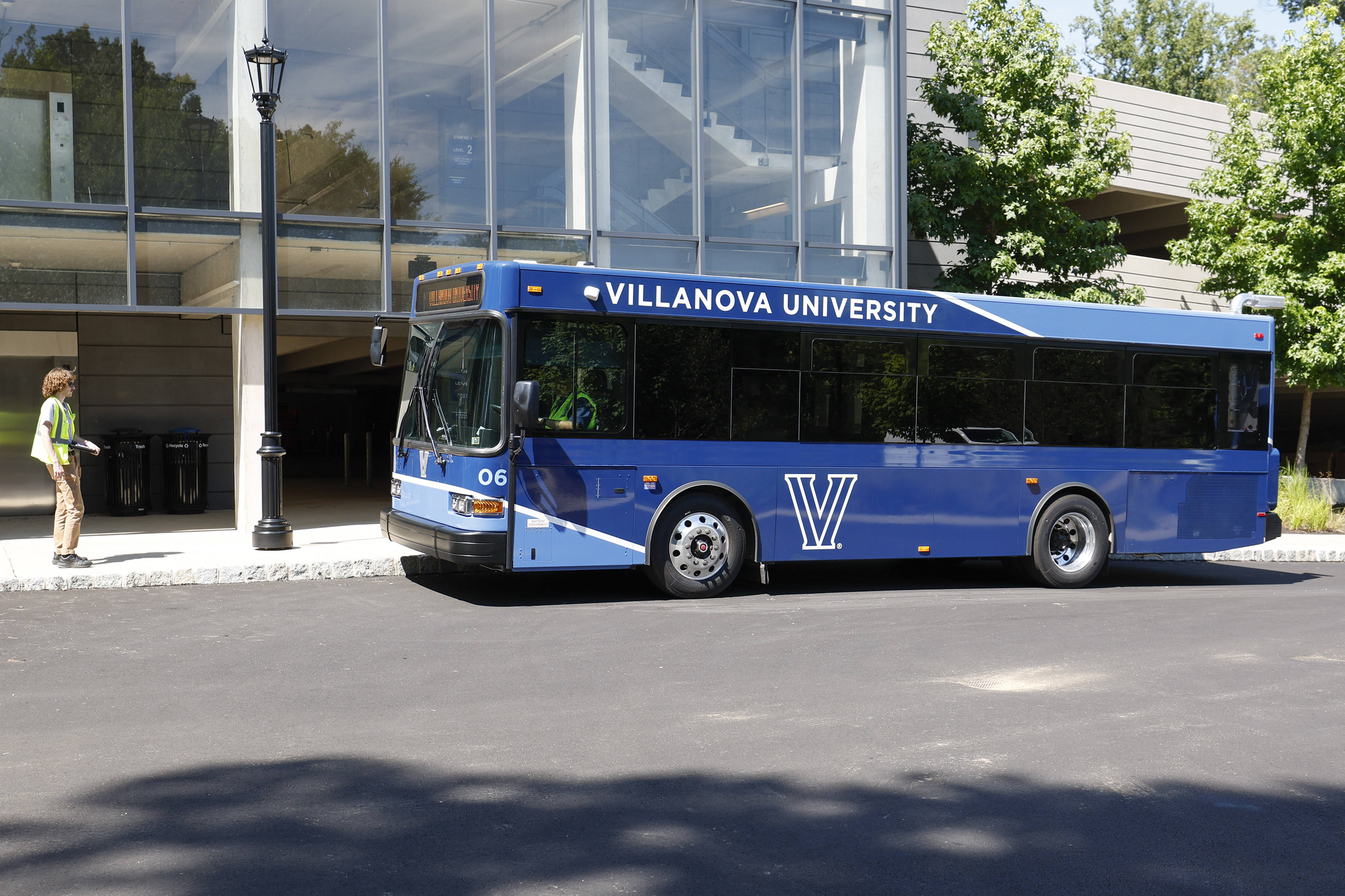
Shuttle buses including this one will transport students between Villanova’s main campus and the Cabrini campus 1.9 miles away. Steven M. Falk / For The Inquirer
Thirteen shuttle buses will transport students between the two campuses, which are 1.9 miles apart — a seven- to 12-minute ride, Hoffman said. A team of Villanova employees over the last couple of years visited five universities with multiple campuses, including Lehigh and George Washington, to learn how best to integrate them. They looked closely at models for a shuttle system that would keep students informed of where and when buses would be arriving and departing, Hoffman said.
Among new dining options on the campus is the restaurant-style Table 1842, named for Villanova’s founding year, where students can order off a menu. It is located in the former Founder’s Hall, now Bellesini Hall, which also was heavily renovated, including the installation of a new entrance that leads directly into dining facilities so people do not have to climb as many steps.
Bellesini has become the third-largest classroom building at Villanova. Some of the nearly 30 classrooms on the Cabrini campus had to be expanded to accommodate slightly larger class sizes, Hoffman said. Cabrini’s classes were 12 to 14, and Villanova starts at 16, Hoffman said.
Villanova University President the Rev. Peter M. Donohue left, and Timothy Hoffman, vice provost for finance and administration, walk through the Dixon Center. Steven M. Falk / For The Inquirer
Some improvements are still to come, including renovations to the former Mansion, which will be costly, and a nature trail, Donohue said.
Villanova named Francesca and Xavier Halls for Mother Cabrini and is continuing Cabrini’s Center for Immigration; Villanova converted it to the Mother Cabrini Institute on Immigration. Villanova also launched an elementary education major in honor of Cabrini’s former program.
Preserving a legacy
“They had a strong desire to make sure some of their legacy lasted, and we wanted to protect that,” Donohue said.
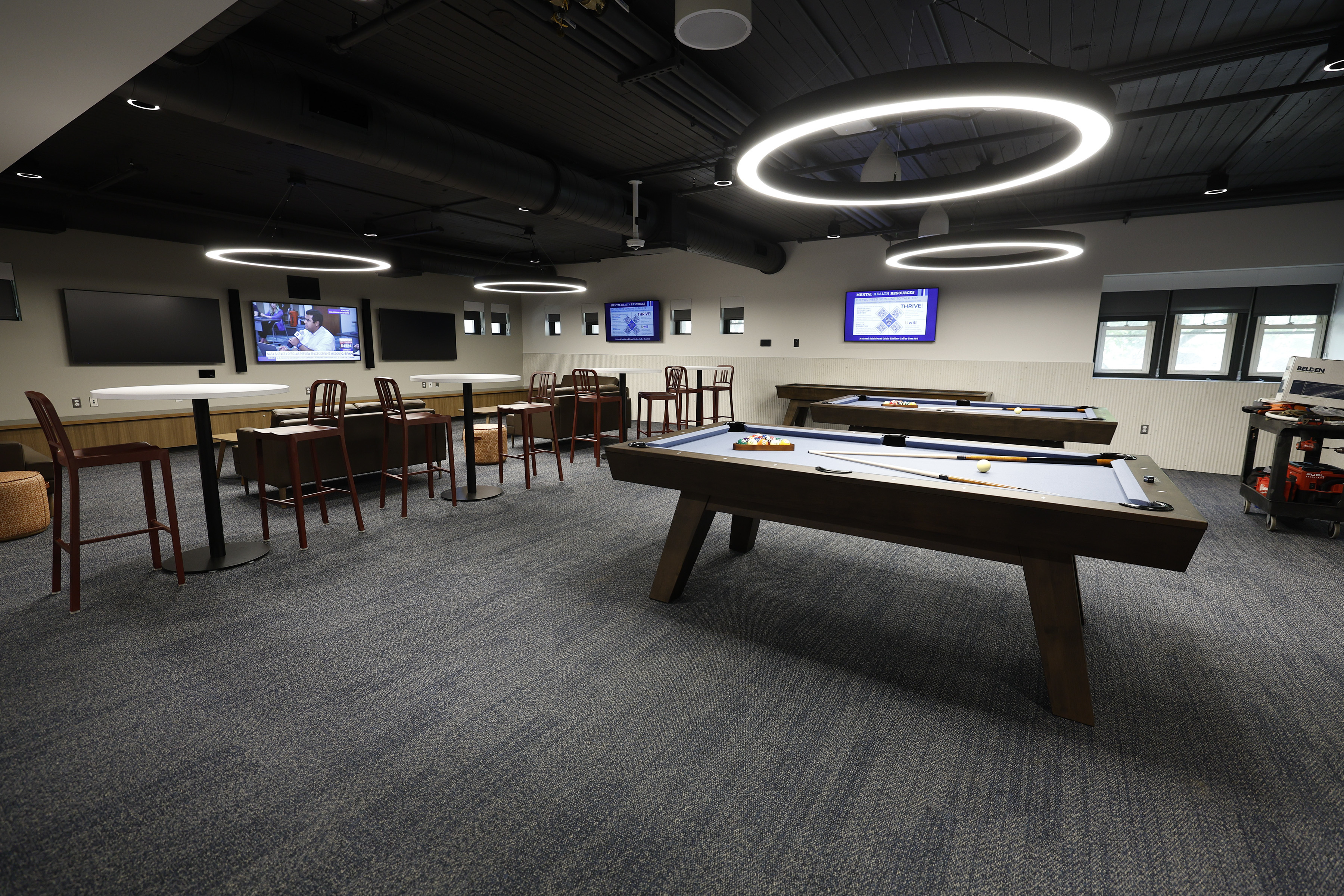
The game room at Cascia HallSteven M. Falk / For The Inquirer
Coincidentally, there is a stained glass window of St. Augustine — namesake of Villanova’s founding order — in Cabrini’s chapel and a stained glass window of Mother Cabrini in Villanova’s Corr Hall chapel.
Filling-Brown, the former Cabrini administrator now at Villanova, said it seems meant to be.
“It’s beyond my wildest dreams for the campus,” Filling-Brown said. “It’s the best outcome to see Catholic higher education continue on that campus.”
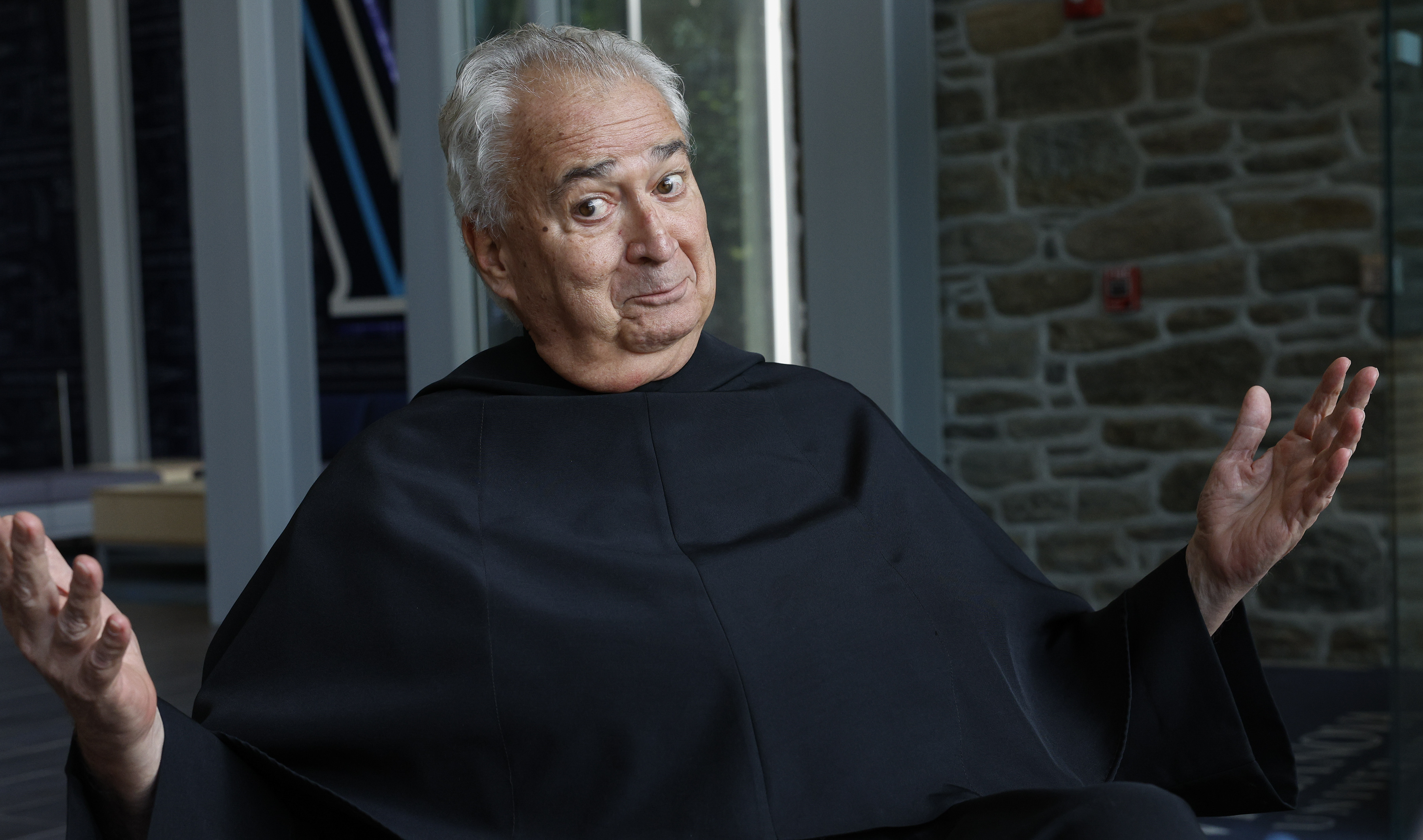
Villanova President the Rev. Peter M. Donohue discusses all it took to remodel the Cabrini campus. Steven M. Falk / For The Inquirer
Radnor’s 333 Belrose shut down in June 2025 for what was billed as a six- or seven-month renovation.
But when the January target came and went, chef Ross Essner said, regulars would show up at the door to ask the same two questions: “First, they wanted to know when we would reopen and then, ‘Will the nachos return?’”
The answers: late June, and yes.
The Main Line mainstay, which opened off King of Prussia Road in the St. Davids section in 1999, reopened in late June after an extensive renovation that rearranged its dining rooms and enlarged the bar.
Capano Management, which acquired the property in December 2022, initially expected the work to take only a few months. But early in the project, Essner said, designer Barbara Gisel of Haverford proposed flipping the layout, turning the dining room into a larger, dark-toned bar with 13 seats, a backlit wall of spirits, and a poster of Keith Richards, while converting the old bar into a bright dining room. “It ended up opening the whole space,” Essner said. “Now the bar is the focal point when you walk in.”
That dining room, boasting a vaulted, paneled ceiling, white millwork, and divided-light windows, and a checkerboard wood floor, has the feel of an updated country house. Woven chairs, pale tabletops, sculptural floral chandeliers, and contemporary artwork modernize the historic shell without hiding its character. The patio spills out from the bar through full-length doors.
Customers dine at the bar inside 333 Belrose in St. Davids on Thursday, July 23, 2026.Allie Ippolito / For The Inquirer
The 3,870-square-foot building was once used as a stable where lore holds that George Washington once watered his horse.
Essner, also Capano’s director of hospitality, described the menu as American food with occasional international influences. “Our goal isn’t Michelin stars or accolades,” he said. “The food is approachable. Nothing too cerebral, nothing too crazy. We want to be good enough for the neighborhood every day, but also nice enough that you can come here to celebrate something.”
Entrées ($29 to $46) include goat-cheese gnocchi with short rib and horseradish cream, steak frites, black cod with mashed potatoes, a cowboy pork chop, and a long-bone short rib. Desserts include crème brûlée, peanut-butter mousse with chocolate ganache, and a warm skillet cookie with coffee-toffee ice cream.
Shellfish cobb salad at 333 Belrose.Allie Ippolito / For The Inquirer
And yes, the nachos are back. Layered with black beans, house-made lime and chipotle cremas, pickled jalapeños, cheddar, Colby Jack, guacamole, pico de gallo, tomatillo salsa, a Cooper Sharp sauce infused with peppers, and cotija, they remain one of the restaurant’s signatures. They were landing on table after table during a recent dinner service. “We would never take this off,” Essner said.
The company, which also owns such Delaware restaurants as Columbus Inn and Charcoal Pit, views Belrose as a long-term investment rather than a project expected to produce an immediate return, Essner said. “The goal is to be here for the next 20 years.”
333 Belrose, 333 Belrose Lane, St. Davids. Hours: 5 to 9 p.m. Tuesday to Saturday.
A previous edition of this article misstated chef Ross Essner’s title.