Tag: Phoenixville

  • Phoenixville will turn into ‘Gilmore Girls’ town Stars Hollow for one weekend

    Phoenixville will turn into ‘Gilmore Girls’ town Stars Hollow for one weekend

    As Kenzie Hamblin watched Gilmore Girls unfold in the fictional town of Stars Hollow, she looked around Phoenixville and thought, “I literally live in this town.”

    And now, that’ll be actually true — at least for a weekend.

    On Friday, Sept. 25 through Sunday, Sept. 27, a smattering of Phoenixville shops will transform into staples from the show in an event that Hamblin and business partner Mallory McDaniel organized.

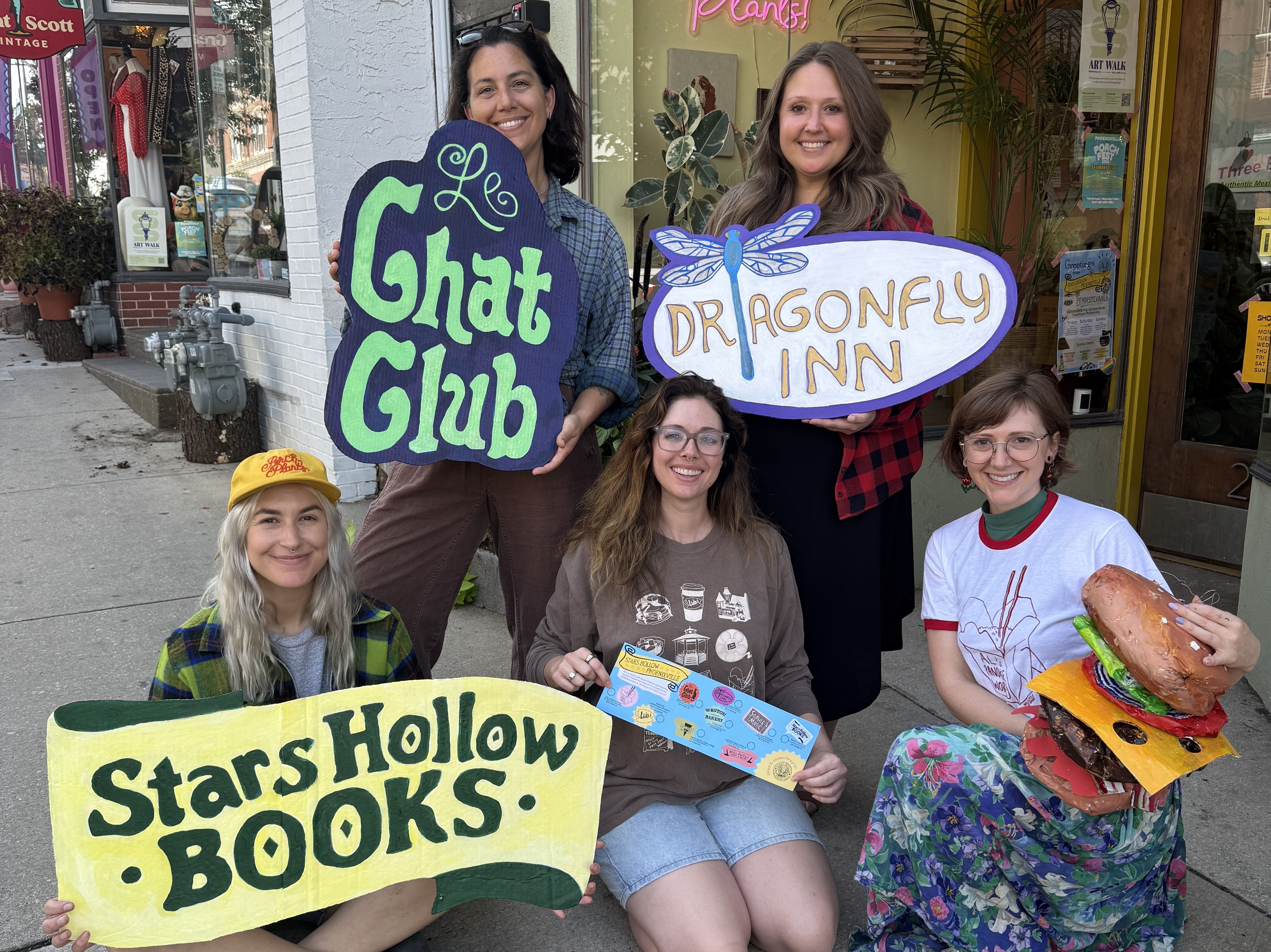
    All across downtown, existing shops will dress up as Stars Hollow storefronts, from Le Chat Club, to Doose’s Market, to the Dragonfly Inn, and, of course, Luke’s Diner. Hamblin’s shop, Silly Little Art Shop at 28 S. Main St., will become Al’s Pancake World, serving up piping hot art kits and more.

    Visitors can expect themed events, redecorated interiors and window designs, specialized merchandise, a map to collect stamps from participating shops for a prize, and maybe a handful of grumpy Lukes serving them coffee.

    The plan was sparked about a year ago, when Hamblin saw another similar pop-up in a nearby town. It was fun, she recalled, but she knew Phoenixville could do better. The borough has the bones to do so: There’s an “amazing creative, collaborative energy” among the small business owners, and a genuine investment from the community they serve, she said.

    “We have all this magic that exists in Phoenixville,” Hamblin, 35, said. “I want people to experience that, but then also get to have that fun of experiencing the magic of Stars Hollow — as much as any place can create that.”

    For the uninitiated, you may ask: What is it about Stars Hollow, the whimsical, quirky New England small town in which Gilmore Girls is set?

    The show, a quick-witted, comedy-drama that follows the lives of a mother and daughter, ran for seven seasons in the early 2000s and has amassed devoted fans since. Among those fans, the town has become a desirable, beloved place. It has it all: It’s close-knit, supportive, and yes — walkable. It taps into something people just seem to crave: connectedness and community, Hamblin said.

    “People live in suburban wastelands, where you live in a house, and you don’t really know any of your neighbors, and you don’t have a downtown; you have a shopping mall,” she said. “And I think people want to live somewhere like Stars Hollow, where it’s very community-oriented.”

    Kenzie Hamblin, left, and Mallory McDaniel, right, will transform their storefront, Silly Little Art Shop, into Al’s Pancake World later this month. Artist Emily White, middle, has designed a “Gilmore Girls” collection.Photo courtesy of Kenzie Hamblin

    And you may ask, what is it about Phoenixville?

    “I lived here before it was cool to be from Phoenixville,” said Julie Miller, whose pottery shop at 24 S. Main St. will become the Dragonfly Inn. “There’s such a strong community in the downtown, and a want for the downtown to survive, and a want for it to be this special, quaint little slice of heaven that it has become. I think that really equates with Stars Hollow.”

    And the response to the town coming to life has been pretty resounding. Hamblin organized a small group of businesses to participate in this year’s event, with the goal of drawing a couple hundred people downtown. When she posted the initial social media flier, though, it got more traction than she could have predicted — more than 100,000 views and 5,000 shares in the first 24 hours.

    Within the community, other businesses wanted to participate. And beyond the community, new customers have dropped by, scoping her shop out ahead of the event later this month, she said. (@starshollow.pa on Instagram is giving updates to the weekend’s offerings.)

    The business owners aren’t entirely sure what the magnitude of the turnout could be, but they’re excited.

    Miller, 36, said the enthusiastic response has been “amazing, and also a little terrifying in the best way.”

    She’s creating a line of dragonfly teacups and teaspoon rests. Themed pieces from other local artists will also be on offer in her shop. And to tap into the coziness of the inn, complimentary tea and cookies will welcome visitors.

    “It’s just really exciting for the potential,” Miller said. “Hopefully that just means that this is going to continue and be like another amazing thing that happens in Phoenixville that we get to do once a year.”

    Studio 323, at 323 Bridge St., will become Weston’s Bakery, offering fall-themed baked goods from a local microbakery on Saturday (“Who doesn’t love baked goods on a homemade plate?” owner Abby Wheeler, 31, noted), alongside other local artisans’ creations through the weekend.

    “As a creative space, a themed assignment to transform our space is what we live for,” Wheeler said.

    Though Jason Hafer, 48, isn’t overly familiar with the show himself, his staff is enthusiastically helping transform Reads and Company into Stars Hollow Books. There will be a Gilmore Girls-themed book display up front, and the staff plans to be decked out accordingly in plaid.

    Though a town might be content with its slate of other annual events, “we have like this great young business … and they’re bringing like their creativity and their passion to the town, which is I think what makes things so great,” Hafer said.

    And over at Al’s Pancake World, Hamblin and McDaniel, 34, will be dressed as waitresses, serving up art kits in takeout containers, alongside a collection of other merchandise they’ve made.

    “I deeply, deeply want our town to stay quirky and fun and strange and weird,” Hamblin said. “The only way for [small businesses] to stay and to grow and to be successful is if we can get people to come to town to ultimately enjoy themselves and spend money and enjoy Phoenixville for what it is and fall in love with it. If there’s any way I can be a part of that, to build success for our town in any small way, then that’s what I want to do.”

    This suburban content is produced with support from the Leslie Miller and Richard Worley Foundation and The Lenfest Institute for Journalism. Editorial content is created independently of the project donors. Gifts to support The Inquirer’s high-impact journalism can be made at inquirer.com/donate. A list of Lenfest Institute donors can be found at lenfestinstitute.org/supporters.

  • How Philly-area businesses use employee bonuses to reward performance

    How Philly-area businesses use employee bonuses to reward performance

    As we enter the last quarter of this calendar year, many businesses are budgeting for pay raises in 2027. Most of my clients — and many other small businesses — also offer bonuses, which can provide extra financial incentives to employees.

    According to HR consulting firm Korn Ferry, the average pay raise is expected to be about 3.3% next year. Professional services firm Marsh says raises should be about 3.5%.

    Given the current rate of inflation, this may barely seem enough to cover the cost of living. But base pay isn’t everything, and bonuses can be a great motivator.

    Here is how several area businesses use this tool.

    Employees ‘write their own ticket’

    At the Pest Rangers, a pest control company based in Hanover Township, CEO Jeff King utilizes several bonus and incentive plans, all with the aim of rewarding workers for reliability, customer service, and sales.

    “Our technicians receive baseline bonuses for punctuality, weekly truck inspections, and avoiding customer complaints,” he said. “Employees who sell recurring pest-control plans share a monthly bonus pool based on their portion of total sales.”

    The company also offers sales commissions and production bonuses with no cap on earnings, he said.

    The company’s “raving customers” program rewards employees who receive exceptional customer feedback, King added. The company paid more than $18,000 in these bonuses in 2025, including more than $6,000 to its top technician.

    “This method we’ve formulated allows the employee to write their own ticket. If you want to go above and beyond, you’re being recognized for that behavior,” he said. “We put money directly into the employees’ pockets, rather than spending on traditional marketing.”

    Lowering costs while paying good managers what they’re worth

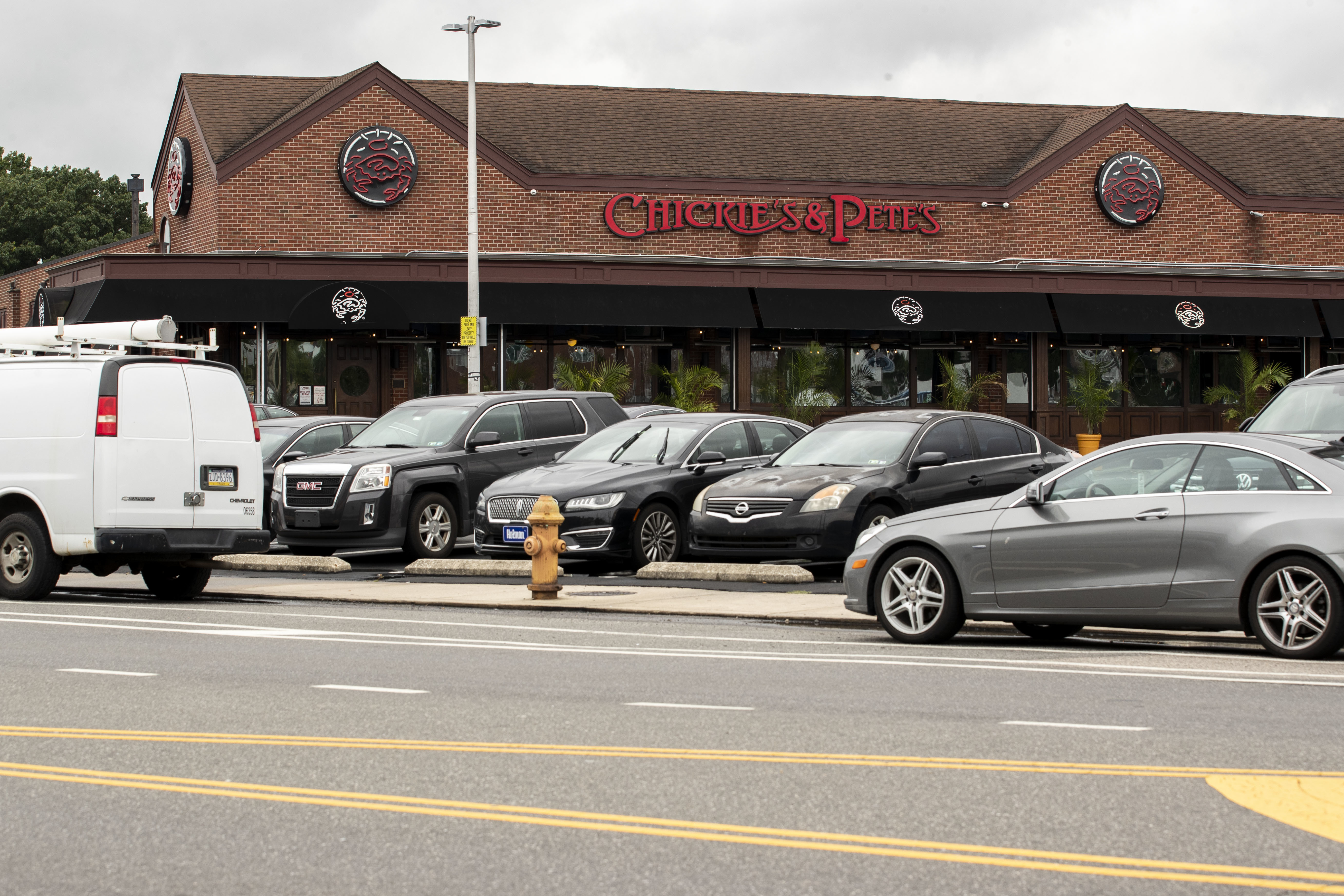
    Chickie’s & Pete’s, the popular Philadelphia-based restaurant chain, offers several bonus programs, but focuses its rewards primarily on managers and supervisors.

    “We award managers for things like developing hourly employees into supervisors and managers, training incoming managers at designated training locations, and keeping labor and food costs within quarterly budget targets without hurting customer service,” said vice president of operations Peter “Pete” Ciarrocchi III.

    “Our plans were designed to help retain the staff that we have and also providing consistent quality services to our families,” he added.

    Bonus plans have helped to reduce the company’s labor costs, Ciarrocchi said, but managers make 20% more on average since the restaurants started giving bonuses.

    Chickie’s & Pete’s restaurant in South Philadelphia.MONICA HERNDON / Staff Photographer

    Bonuses rewarding consistency

    Werner Bus Lines in Phoenixville uses targeted bonus programs that are tied directly to the results or behaviors the company wants from each department.

    For example, sales employees get paid based on bookings and mechanics get a bonus for punctuality.

    “I tried to think about the systems I could design where my employees and the company are happy,” Werner’s president Heath Ochroch said. ”I asked what was the actual behavior that I wanted to see more of in each of these departments and that would be the common thread.”

    Jamie Turner, founder and president of Acclaim Autism, focuses bonus programs on the people providing services.

    Acclaim Autism’s “frontline workers,” who help provide behavior analysis and therapy, among other services, can earn up to $300 in bonuses per month, Turner said.

    “Their bonuses are primarily based on consistently completing scheduled patient-facing hours, maintaining continuity and routine for patients, and meeting quality and compliance standards,” he said.

    Turner said it’s critical for their employees to be incentivized to provide consistency in their patient-facing hours, “which our patients need on a regular routine basis.”

    Using discretion to reward less quantifiable contributions

    Many firms I know like to pay once-a-year bonuses based on management’s discretion.

    Employees at PayUSA, a King of Prussia-based payroll processing firm, receive an annual year-end bonus based primarily on their individual performance. President and CEO Christian Hoyt said most established employees receive a bonus equal to at least one week’s salary, with a larger multiple for stronger performers. The largest bonuses are up to 2.5 times the employee’s weekly pay.

    “The basic idea is to recognize a full year of hard work with an additional week or more of compensation,” he said. “If an employee worked really hard for 50 weeks, let’s pay them for 53.”

    At Newtown-based JS Benefits Group, an employee benefits consulting firm, all 26 employees are eligible for discretionary bonuses, which can be as much as 5% of their salary, or about 2.5 weeks’ pay. Founder and CEO Jennifer Schaefer said there is no fixed formula.

    “We generally consider three principal factors: the company’s overall performance, the employee’s individual contribution, and the employee’s years of service,” she said.

    Schaefer deliberately keeps the bonuses discretionary because conventional productivity measures do not capture every valuable contribution. She considers how employees serve clients, support colleagues, solve problems, and strengthen the company’s culture.

    “A formula can measure revenue, but it can’t always measure the employee who quietly solves problems, earns a client’s trust, or makes the entire team better,” she said.

  • Schools around Philly are no longer giving laptops to kindergartners and scaling back on screen time. It’s a tech backlash.

    Schools around Philly are no longer giving laptops to kindergartners and scaling back on screen time. It’s a tech backlash.

    As her children start second and third grades in the Colonial School District, Elise LaChapelle expects they will spend no more than 20 to 30 minutes a day on their Chromebooks — limits the Montgomery County district has announced to parents.

    Colonial also no longer allows elementary school students to take their laptops home at night. “That seemed to be an acknowledgment on the district’s end that changes were needed,” LaChapelle said.

    Amid a spreading backlash to screens in classrooms, public school districts across the Philadelphia region are placing more limits on technology use — including by pulling back on one-to-one device programs once touted as critical for ensuring every student had access to technology.

    The Tredyffrin/Easttown School District has stopped assigning iPads to kindergartners, and students across the district’s elementary schools will no longer take their tablets home at the end of the day.

    In Methacton, the district has transitioned from individual devices to a shared model for kindergartners and first graders, with Chromebooks available for center-based activities, according to a district spokesperson.

    The Phoenixville Area School District has ended its one-to-one device program for kindergarten through third grade, while in Wallingford-Swarthmore, kindergartners through second graders will take fewer online assessments, and kids up to fifth grade are no longer able to search and browse YouTube.

    Parents who have been pushing schools to scale back on computer use are applauding the new restrictions as a step in the right direction of promoting teacher-led instruction and reducing screen-based distractions.

    But they also question how much will change in practice, because children will still have access to devices in many classrooms. Some parents who have been battling for less screen time want schools to go further to address what they see as excessive reliance on technology at older grade levels.

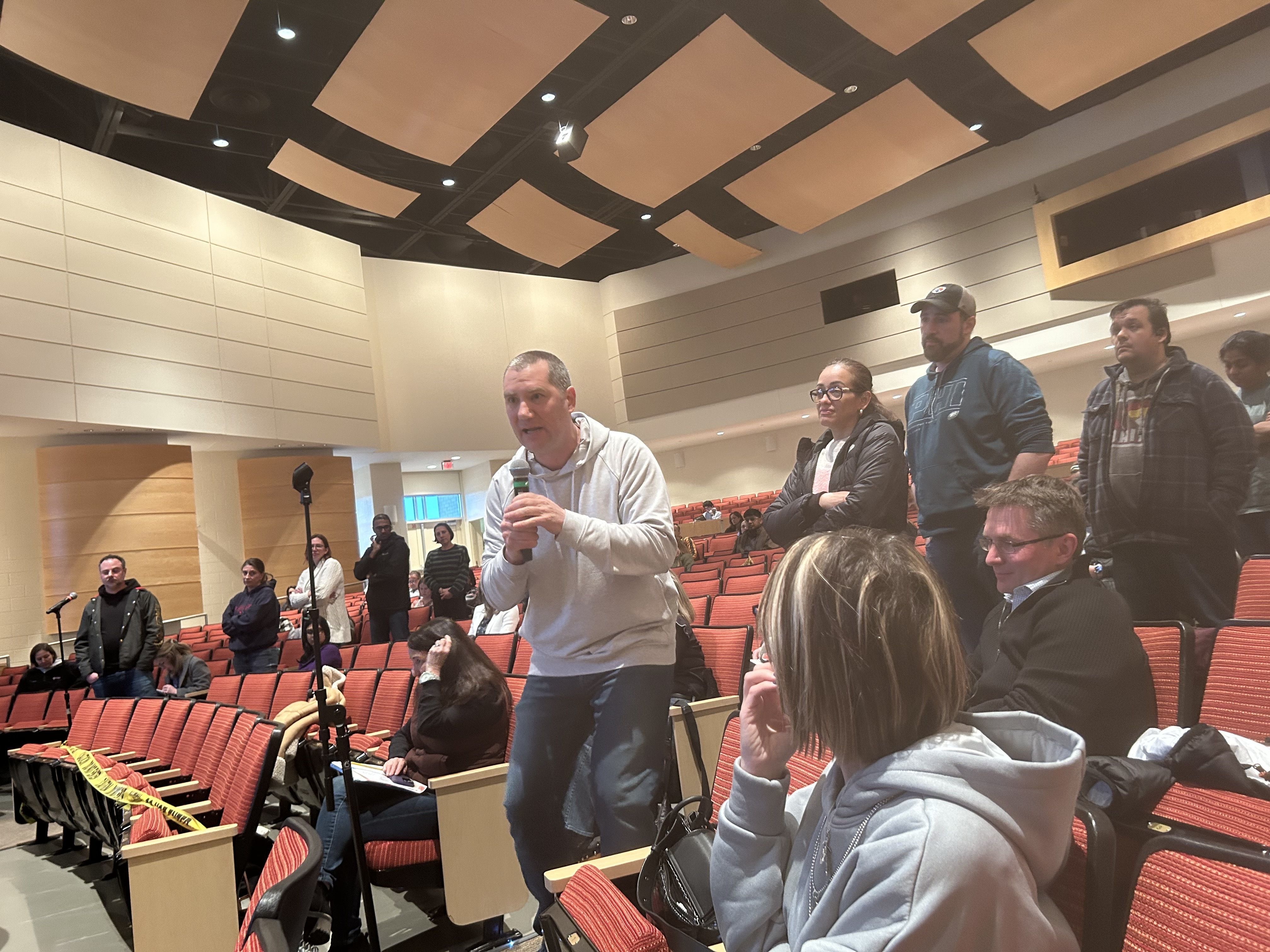
    In Lower Merion, which adopted a new technology policy last month that no longer assigns personal devices to kindergartners through second graders, seven parents are suing the district for rescinding their ability to opt out of computers entirely. The parents argue the district is violating their constitutional rights by requiring their kids to use internet-connected computers without adequate safeguards.

    Yair Lev, a parent who opposes Chromebook use in Lower Merion schools, speaks at a March 23 forum at Harriton High School about technology use in the school district.Maddie Hanna / staff

    For many districts, reducing computer usage in elementary schools “seemed like the low-hanging fruit,” said Alex Bird Becker, a Wallingford-Swarthmore parent active in PA Unplugged, a statewide group with about 5,000 supporters that advocates for limits on educational technology. But “when you get to middle school, the device culture has become really ingrained with curriculum. That’s where it gets harder to disentangle.”

    Wallingford-Swarthmore, a 3,700-student district, has been soliciting applications from parents to join a new Technology Advisory Council that will advise the district on further changes, including related to device use in grades six to 12. (In Lower Merion, parents have been pressing the district to create a technology review committee that includes parent representation.)

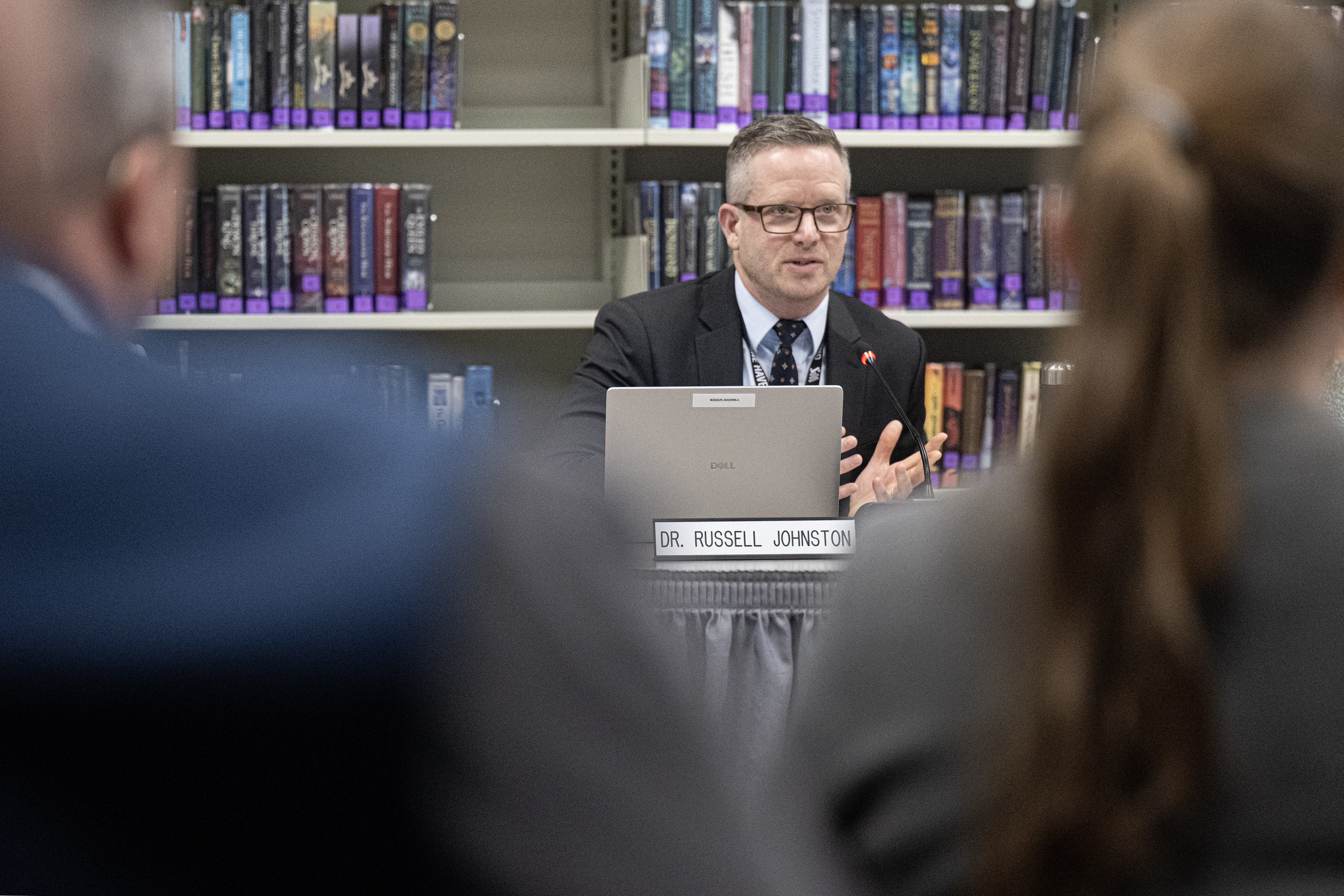
    “We know there’s even more we want to do in this area,” said Russell Johnston, Wallingford-Swarthmore’s superintendent.

    Johnston said the district was trying to ensure its use of technology was “focused” — posting online for parents to see which portions of the district’s elementary curriculum will incorporate technology, with lessons connected to Pennsylvania standards.

    Wallingford-Swarthmore School District Superintendent Russell Johnston speaks during a Feb. 24 school board meeting in Wallingford.Jose F. Moreno / Staff Photographer

    Wallingford-Swarthmore is also reevaluating how laptops are used during “curriculum enrichment” time, Johnston said, when students are broken into small groups to receive extra help.

    In Phoenixville, which ended its one-to-one device program for kindergarten through third grade, “students will continue to have access to appropriate and approved educational technology for academic purposes only,” district spokesperson Nicole McClure said.

    Alair Southerton, a Phoenixville parent who has been pushing the district to make changes, said the school board had approved “strong language” around when devices should be used in classrooms.

    But “we’re still kind of crossing our fingers with the rollout,” Southerton said. She questioned whether teachers had clear guidance from administrators, and whether the district would consider educational technology apps that some parents object to as “gamified” as essential for learning.

    “We want to really fine-tune what needs to be done on a device on a screen,” said Southerton, who is a member of a new district Edtech Advisory Council.

    Alair Southerton, pictured at her home in May with the Phoenixville Area School District website on her laptop. Southerton is leading a group of Phoenixville parents who are calling on their district to reduce screen time in school.Steven M. Falk / For The Inquirer

    While Phoenixville this fall adopted a new program, Qustodio, to let parents monitor their child’s device usage, Southerton said it has been less revealing than she hoped. The program reports which websites students accessed at 15-minute intervals throughout the school day but does not say how long they actually spent online, she said.

    In Colonial, LaChapelle is awaiting the district’s launch of a different program, Securly, that will also allow parents to monitor what their kids accessed.

    While the district has placed limits on screen time — 20 to 30 minutes in kindergarten through third grade, 40 to 50 minutes in grades four and five, and 2½ to three hours in grades six through 12 — “accountability and transparency are key,” LaChapelle said.

    Colonial spokesperson Jessica Lester said the district had “done more this year to try to communicate what our approach is” to technology.

    LaChapelle noted that in order to register her children for school, she had to consent to a list of more than 100 software programs used by the district; officials have since told her they plan to revise that, she said.

    LaChapelle hopes the district will continue to make changes. Taking an intentional approach to technology use could be a selling point for districts trying to show leadership, she said.

    “We’re doing and saying a lot of the right things,” she said. But “this isn’t a one-and-done conversation.”

  • A dozen notable Philly-area restaurant openings you may have missed this summer

    A dozen notable Philly-area restaurant openings you may have missed this summer

    If you spent the summer out of town (or off the grid), you may have missed a busy few months on the restaurant scene. Philadelphia-area newcomers include a Milan-inspired aperitivo bar in Rittenhouse, Japanese barbecue on the Main Line, and two corner bars in Point Breeze.

    Here are 12 noteworthy restaurants that opened in the last few months.

    Academy Grill (424 S. Bethlehem Pike, Fort Washington): This white-tablecloth restaurant in the former Cantina Feliz near Germantown Academy serves house-made pastas, seafood, steaks, and contemporary American dishes in a polished, decidedly grown-up setting.

    Bánh xèo at Anh Em, 1252 S. 21st St.Michael Klein / Staff

    Anh Em (1252 S. 21st St.): Pho, bánh xèo, and 24 local beers meet at Anh Em, a Vietnamese bar-restaurant at 21st and Titan Streets in Point Breeze from Victor Nguyen and Anna Huynh. Nguyen draws on dishes the husband-and-wife team grew up eating, while the 20-seat bar gives the neighborhood spot an unusually deep commitment to locally brewed beer.

    Bar Cicci (1620 Sansom St.): Ellen Yin’s 30-seat, Milan-inspired spot starts with espresso and Italian pastries, moves into sandwiches at lunch, then shifts to spritzes, wine, cicchetti, and small plates at night. The Rittenhouse newcomer is High Street Hospitality’s take on northern Italy’s all-day aperitivo culture.

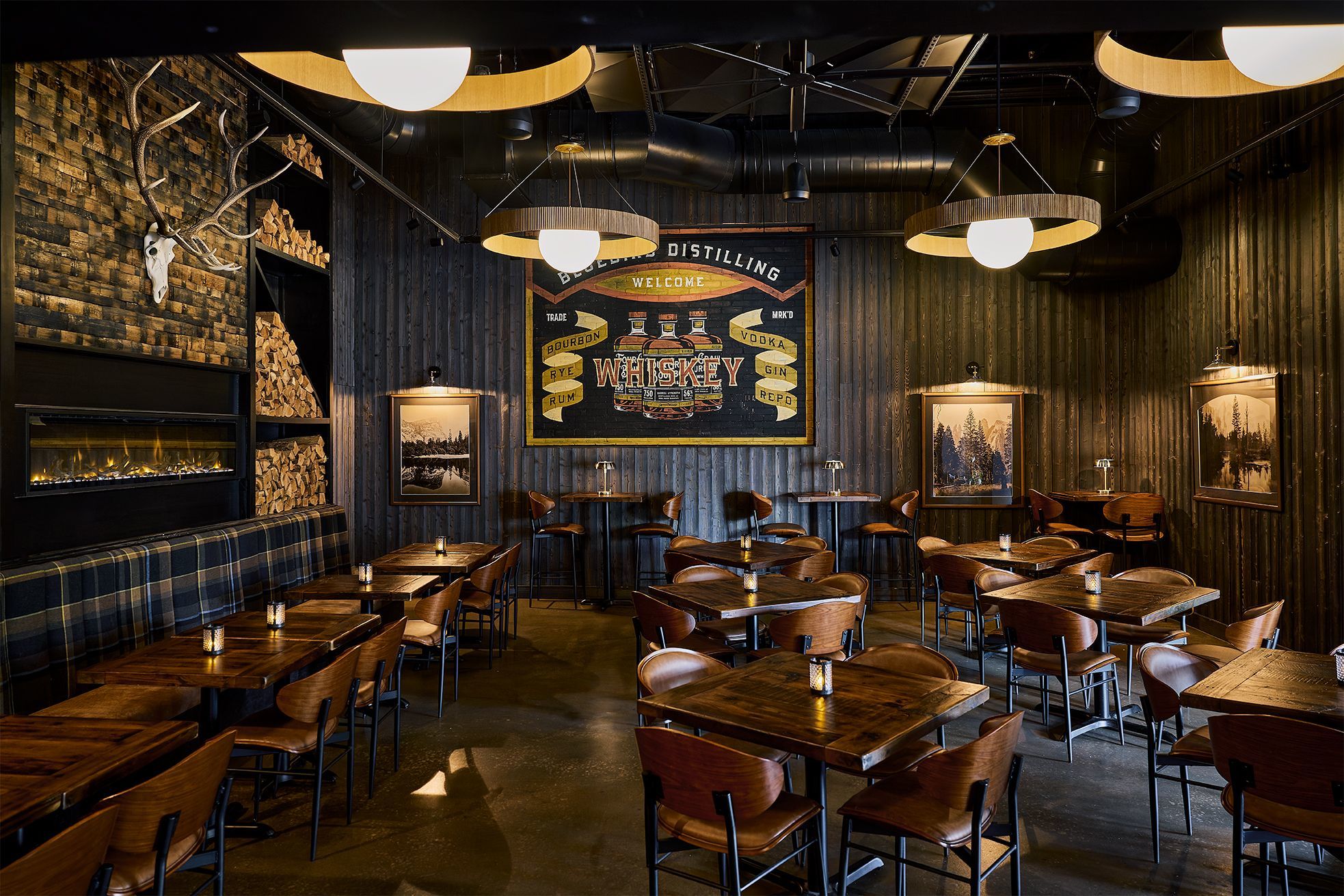
    Bluebird Distilling in Phoenixville.Photos courtesy of Ed Newton

    Bluebird Distilling & Dough House (100 Bridge St., Phoenixville): A $2.2 million investment turned Bluebird’s Bridge Street distillery into a full-fledged restaurant. Executive chef Devon Migeot, whose resumé includes Zahav and Laser Wolf, centers the expanded food program on naturally fermented neo-Neapolitan pizzas, house-baked breads, shareable plates, and, naturally, Bluebird cocktails.

    Silenia and John Rhoads, owners of the Buttery in Bryn Mawr.Allie Ippolito / For The Inquirer

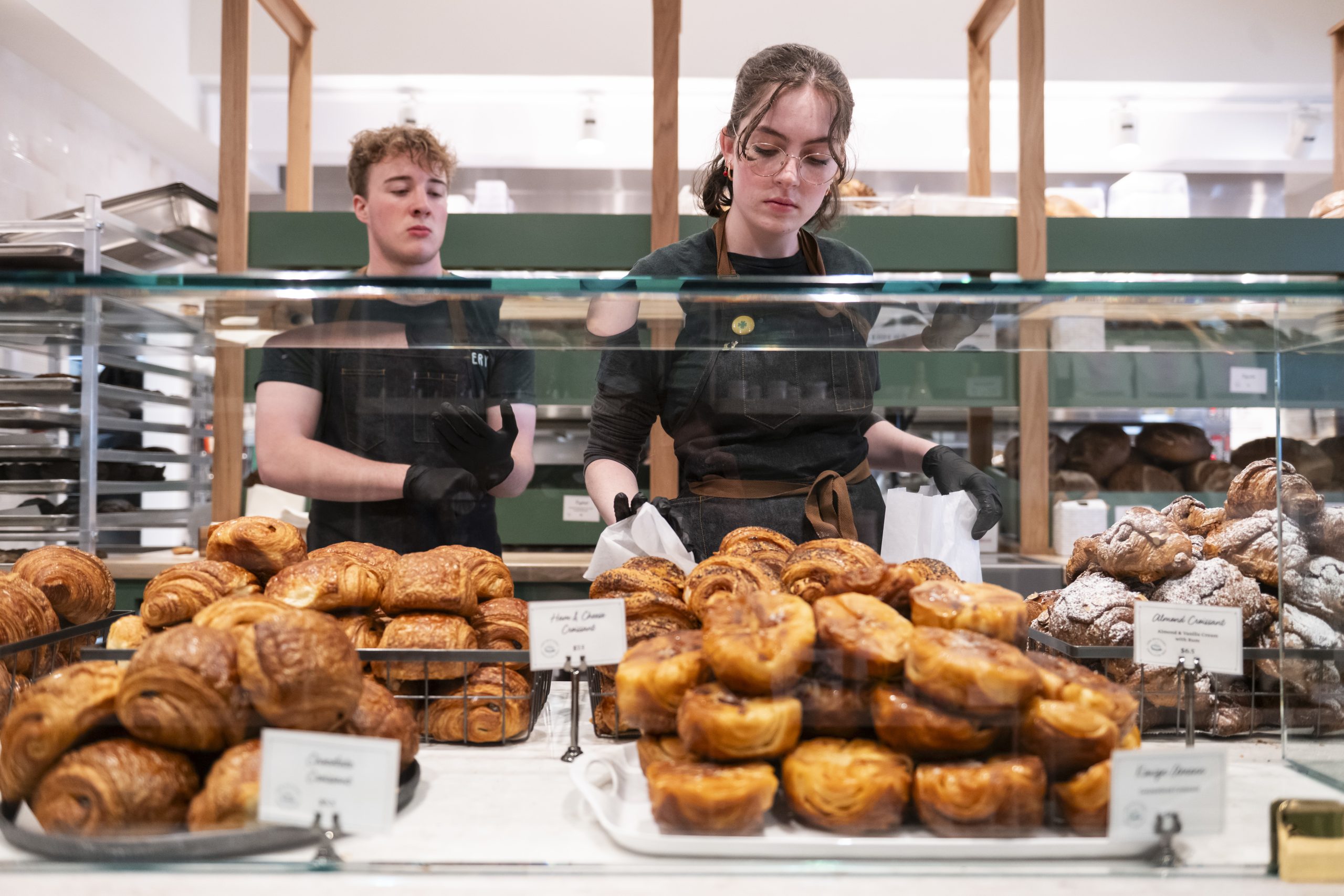
    The Buttery (836 W. Lancaster Ave., Bryn Mawr): John and Silenia Rhoads’ third location is an 82-seat bakery-cafe on Lancaster Avenue, where the Malvern-incepted operation’s sourdough breads and house-made pastries share the menu with breakfast dishes, sandwiches, and seasonal fare from its all-day scratch kitchen.

    Known Associates at 10th and Spruce Streets.Allie Ippolito / For The Inquirer

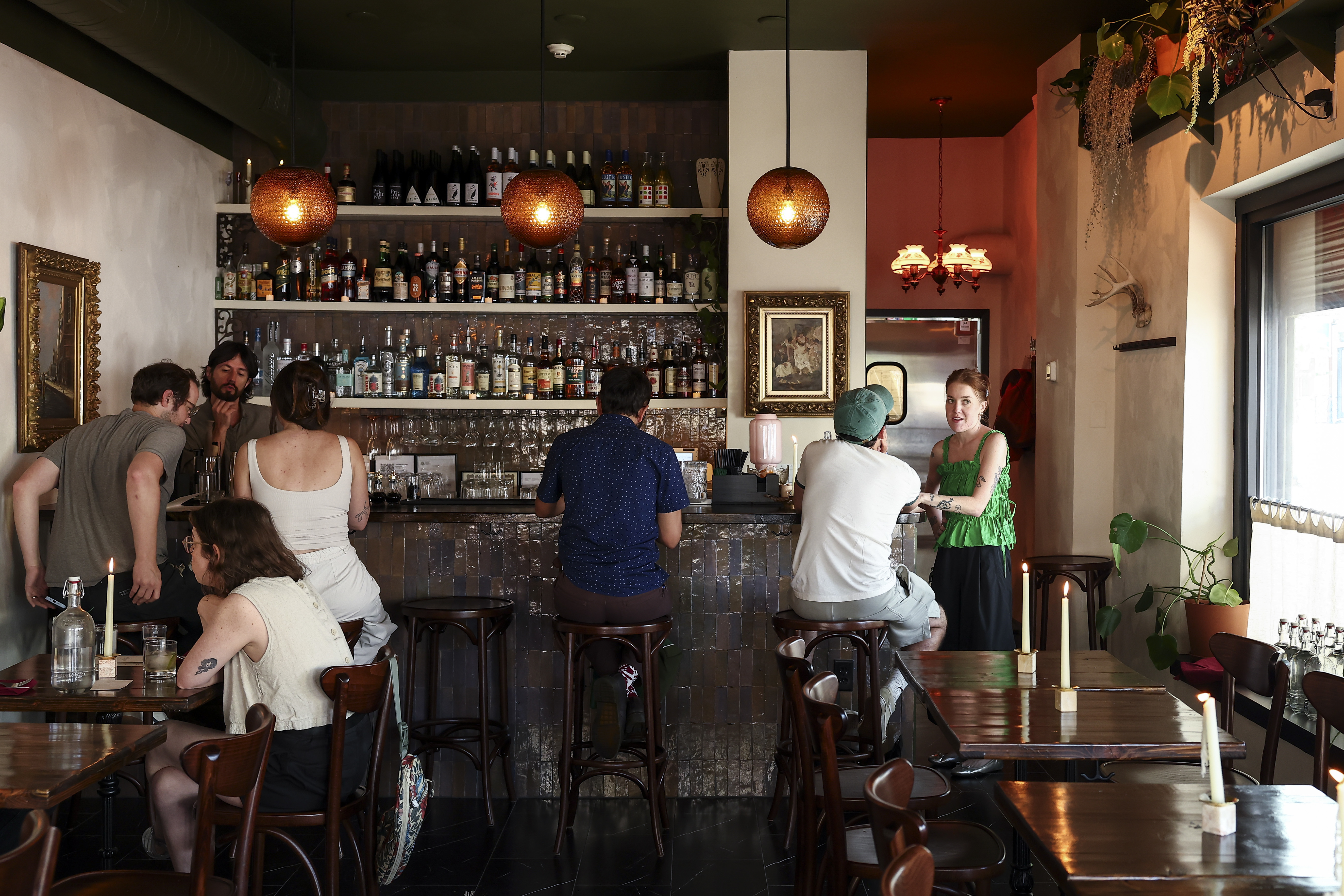
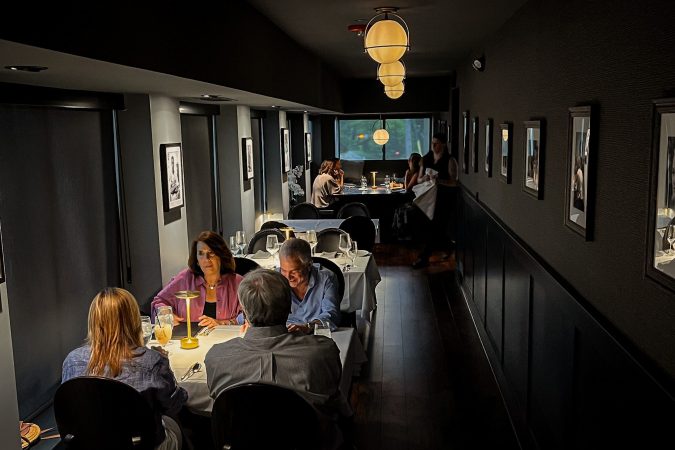
    Known Associates ( 941 Spruce St.): Chef Christopher Kearse’s Washington Square West cocktail bar does not treat the food as an afterthought. The former Varga Bar at 10th and Spruce is a 40-seat room where cocktails accompany a concise, European-influenced menu of a dozen savory dishes.

    Lillian’s at 19th and Mifflin Streets.Monica Herndon / Staff Photographer

    Lillian’s (1900 S. 19th St.): Even the chef isn’t permanent at Sam Ahern’s parlorlike cocktail bar/bistro at 19th and Mifflin Streets, whose kitchen rotates among guest chefs. The residency model gives each cook a temporary restaurant within the restaurant — and gives this Point Breeze newcomer an ever-changing menu.

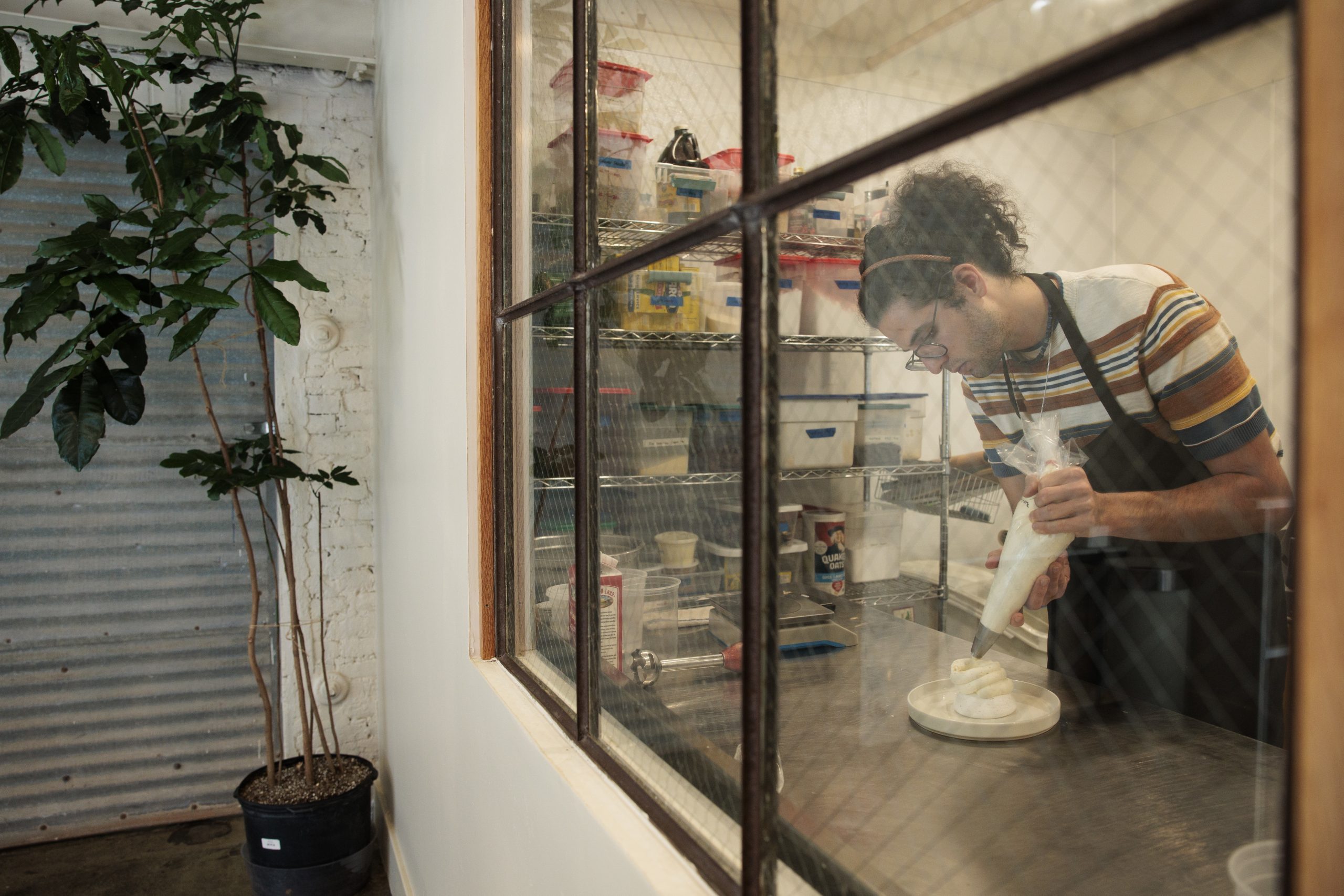
    Saif Manna works on a pavlova at Manna Bakery.Monica Herndon / Staff Photographer

    Manna Bakery (110 W. Berks St.): Five years and countless farmers market appearances later, Saif Manna’s Temple dorm room project has moved into the former Essen Bakery in Kensington. Manna draws on his Palestinian heritage for Levantine pastries and savory dishes in a comfy cafe setting.

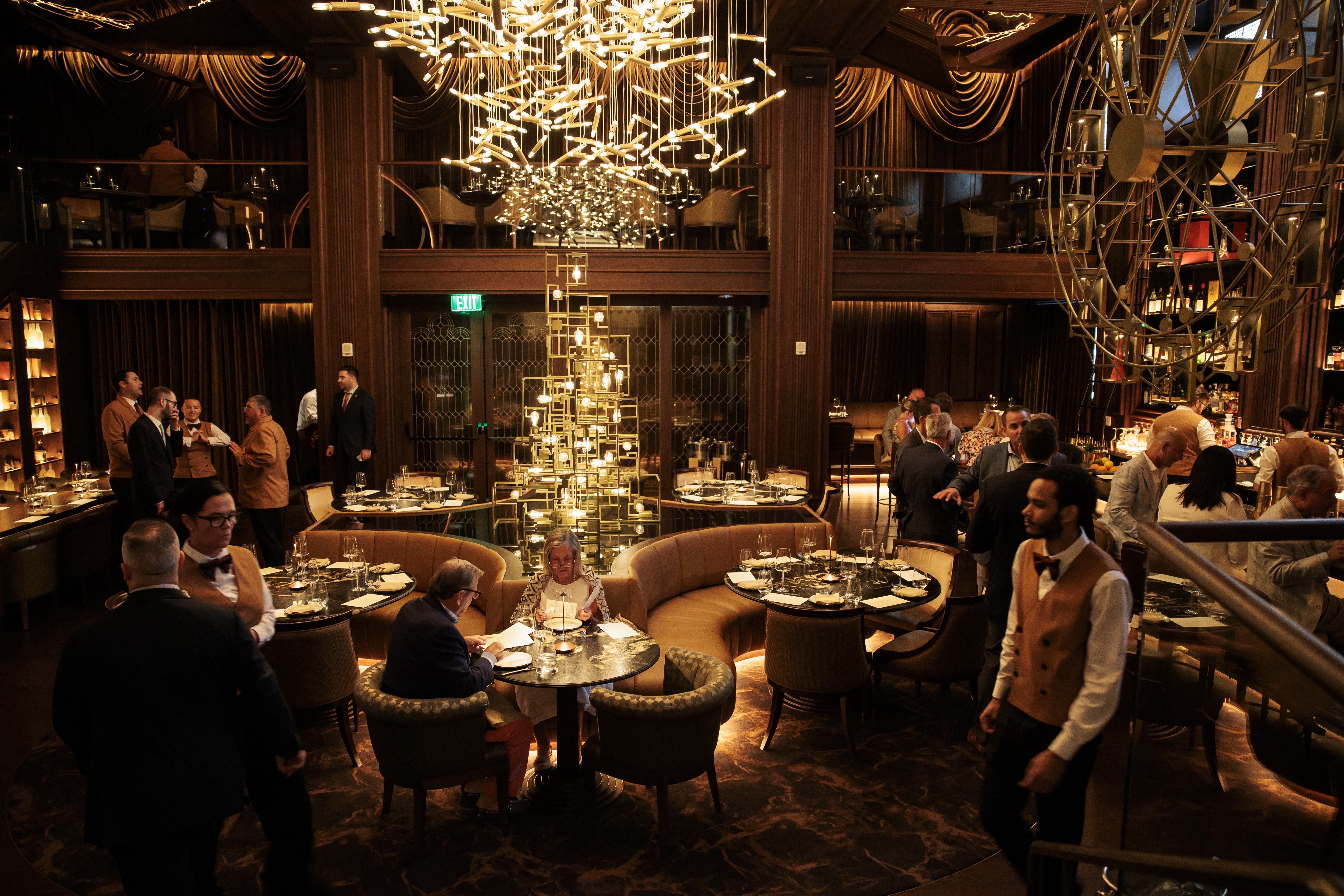
    Mr. Edison in the Bellevue Hotel.Monica Herndon / Staff Photographer

    Mr. Edison (1400 Walnut St.): There’s a Ferris wheel carrying liquor behind the bar at Mr. Edison, which gives some idea of the production. Veteran restaurateur Jeffrey Chodorow’s Philadelphia debut is a theatrical Bellevue supper club where chef Matt Levin’s cooking shares a two-story room with live music, dramatic lighting, and plenty of visual spectacle.

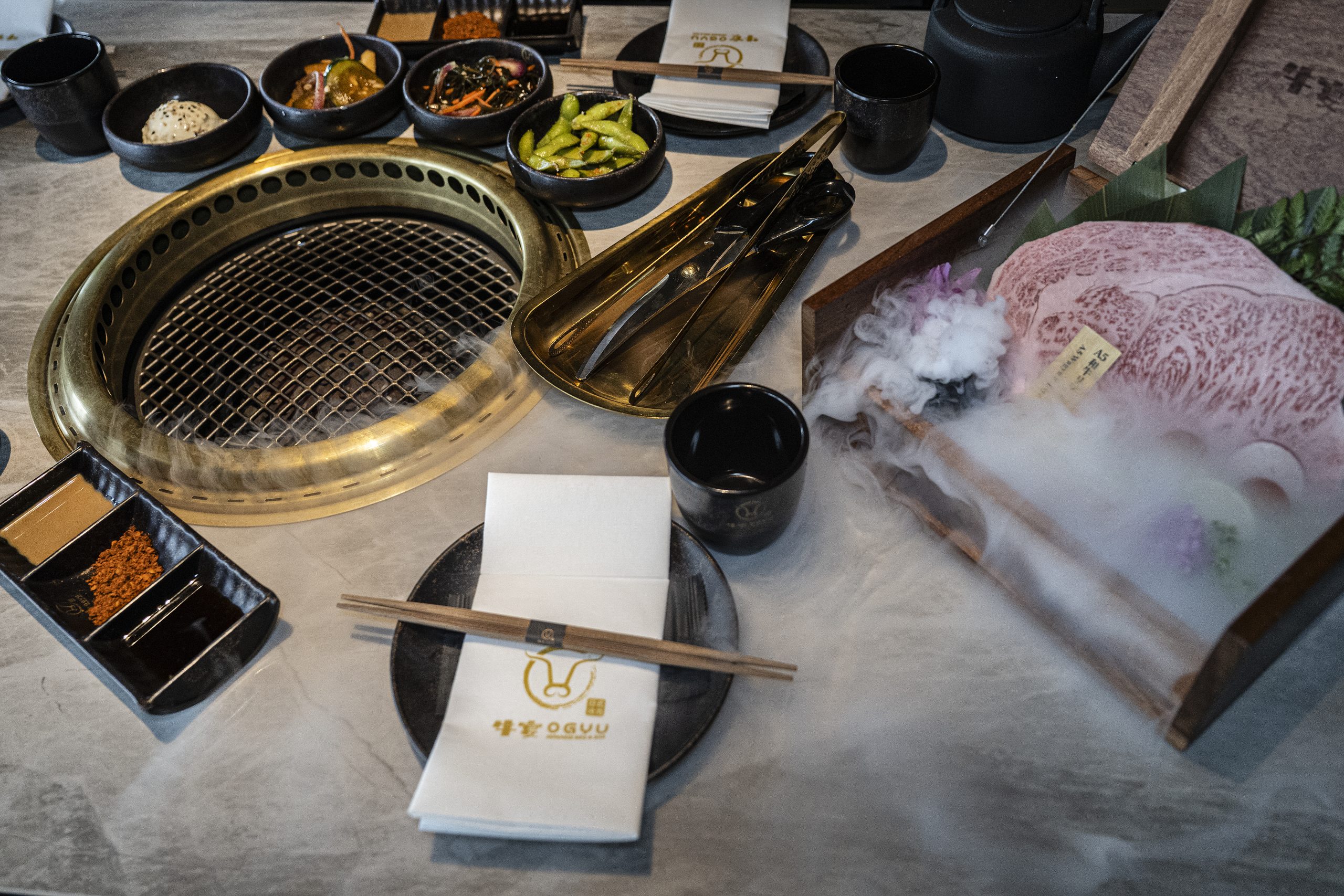
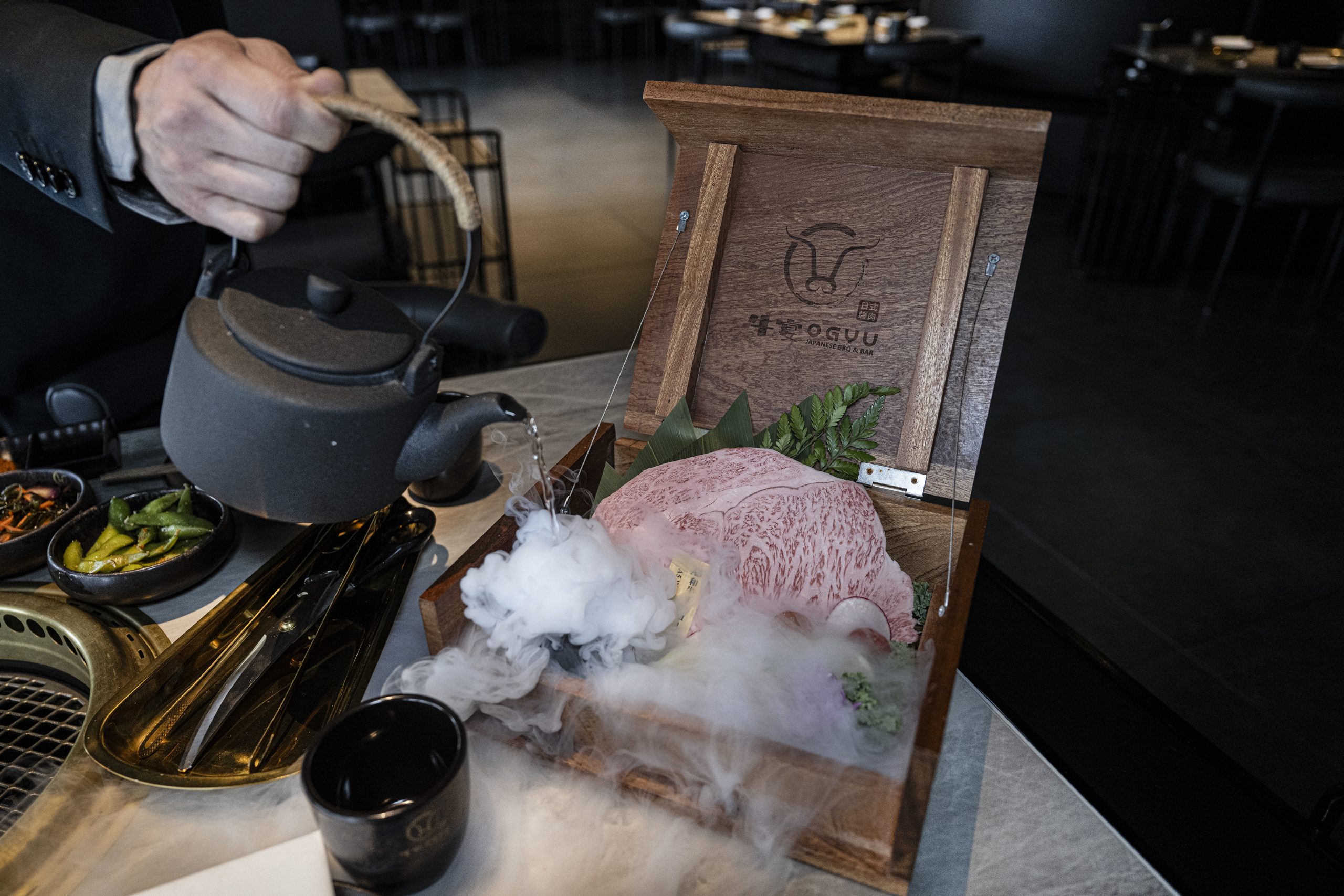
    Ogyu Japanese BBQ in Ardmore.Jose F. Moreno / Staff Photographer

    Ogyu Japanese BBQ (60 Greenfield Ave., Ardmore): Sam Li turned Ardmore’s former Iron Hill Brewery into a sprawling yakiniku restaurant built around the grill at each table. Diners cook wagyu and other meats themselves — or enlist a server — choosing among fixed-price packages and à la carte options in a dramatically remodeled space with private dining rooms and a full bar.

    The latke, egg, and cheese sandwich at Schmaltz.Aidan T. Gallo / Staff Photographer

    Schmaltz (1300 S. 18th St.): This Jewish-inspired breakfast-and-lunch cafe serves latkes, cheese blintzes, egg sandwiches — and no bagels. Jeremy Asch and Abby Armstrong opened the Point Breeze corner spot with chef Sam Chertock, whose deliberately compact menu includes latke, egg, and cheese sandwiches on house-baked English muffins.

    Outdoor dining at Soufiane at the Morris.Elizabeth Robertson / Staff Photographer

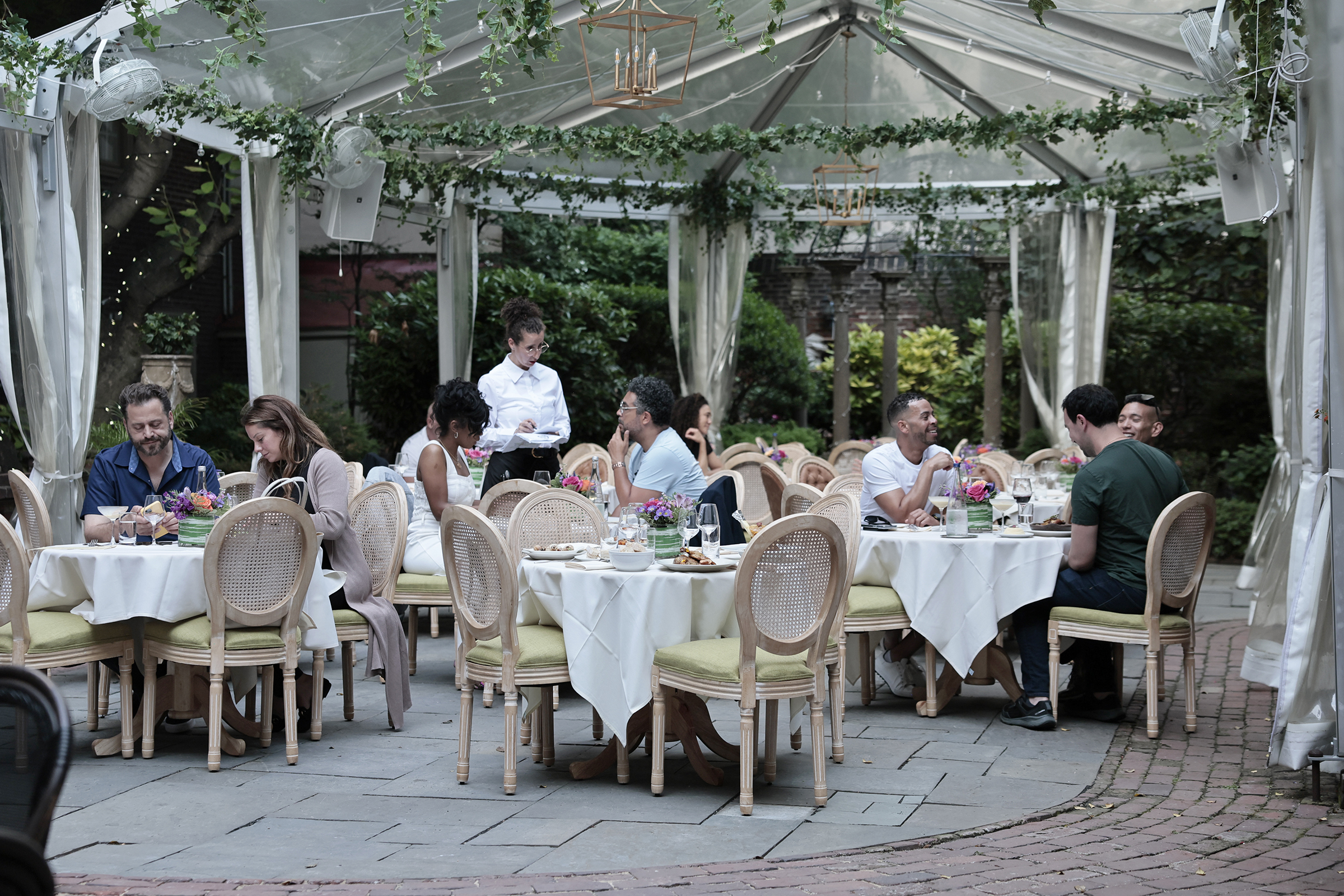
    Soufiane at the Morris (225 S. Eighth St.): The 1787 Morris House provides a peaceful backdrop for Soufiane Boutliliss’ French-Moroccan cooking, served in a secluded stone courtyard shaded by magnolias and dogwoods in Washington Square West. This is the second restaurant from the Moroccan-raised Boutliliss and husband Christophe Mathon of Sofi Corner Cafe.

  • Tower Health reported $8.5 million in operating profit for fiscal 2026

    Tower Health reported an $8.5 million operating profit in the year that ended June 30, compared to a $20.6 million loss the year before.

    The fiscal 2026 profit will be Tower’s first in eight years, if the result holds in its audited financial.

    In the Berks County nonprofit’s preliminary financial report to bond investors Friday, Tower management called the result “an important milestone in Tower Health’s ongoing journey toward sustained financial strength.”

    Recent moves by Tower to become financially stable included creating a clinical alliance with Jefferson Health, with the goal of bringing more advanced care to Tower’s markets, and laying off 160 workers — or 22% of the workforce — at Pottstown Hospital.

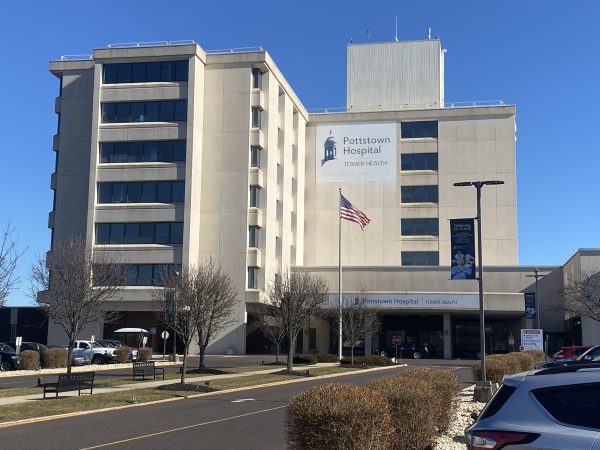
    In addition to Pottstown, Tower owns Phoenixville Hospital and Reading Hospital in West Reading, and half of St. Christopher’s Hospital for Children in North Philadelphia in a joint venture with Drexel University.

    Here are more details:

    Revenue: Tower reported a 2% increase in revenue, to $2.07 billion from $2.03 billion. Reading Hospital in West Reading logged an 11% increase in revenue, while the combined revenue of Phoenixville and Pottstown Hospitals fell 8%.

    Patient volumes: Pottstown saw an 11% decrease in hospital admissions, likely because Tower closed the hospital’s intensive care unit at the beginning of the this year. Phoenixville had a small gain of 0.7% in admissions, while Reading was flat. Total surgeries across the system were flat.

    Notable: A year ago, Tower reported a preliminary operating profit of $5.9 million for fiscal 2025, thanks to a gain on the sale of the former Brandywine Hospital. That would have been the system’s first profit in seven years, but it turned into a $20.6 million loss in Tower’s audited financial statements. Auditors from KPMG decided that Tower needed to boost medical malpractice reserves and give up on collecting millions owed by patients.

    In an email to The Inquirer, Tower CEO Michael Stern expressed confidence this year’s audit will uphold the preliminary result, giving Tower its first profitable year since 2017.

  • What you need to know about SEPTA’s bus route changes

    What you need to know about SEPTA’s bus route changes

    The first phase of SEPTA’s bus network overhaul begins Aug. 23, and Brandon Miller is mobilizing hundreds of employees for a final push to meet face-to-face with riders in the days leading up to the changes and during the first week after they take effect.

    “It’s a blitz,” said Miller, manager of planning programs at SEPTA, describing discussions at “pop-ups” as an effective way to help people navigate the new network.

    “This is the evolution of the ‘Bus Revolution,’” Miller said.

    Unlike some transit agencies, SEPTA has not done a comprehensive redesign of its bus network in its 58-year history. The agency has publicly pushed to do so since 2021, but change was delayed by opposition, political wrangling, and, later, a two-year fiscal crisis.

    Originally the “Bus Revolution” was supposed to happen all at once, but SEPTA ultimately decided to phase in changes to routes.

    The process has been quieter this time around.

    Dan Nemiroff, SEPTA’s director of city service planning, , said people are more open to the need for changes, especially after SEPTA had to shut down bus routes last year because of a budget deficit. A court ordered those cuts reversed, and the agency later received an infusion of cash from PennDot.

    “I think there’s more willingness to accept the fact that … we need to make the bus network a little bit more efficient,” Nemiroff said. “We need to make the system more attractive for people.”

    In the first wave, 30 routes will be affected in some way.

    Some routes with low ridership or that duplicate nearby service will be eliminated. Others will be extended or run more frequently, and two new routes will be added.

    What routes will change?

    New and expanded routes: Route 72, a new crosstown bus running along Cheltenham Avenue, and the new Route 76 bus from Columbus Commons to Rising Sun and Olney. Route 45 will be extended to provide service to the Navy Yard, and Route 79 will be extended from South Philadelphia into University City.

    Eliminated routes: 35, 47M, 62, 78, 80, 89, and 106.

    I have specific questions. How can I ask SEPTA?

    There will be a Zoom session on Aug. 19 from 6 p.m. to 7 p.m. Register here to attend.

    Miller said the talk is informally called “back-to-school,” with more discussion of the changes’ effects on students than in previous meetings.

    SEPTA has a webpage dedicated to Phase One changes, as well as an overview of the New Bus Network.

    Riders can call SEPTA customer service at 215-580-7800 or email specific questions to planning@septa.org.

    I want to talk to someone in person.

    Beginning Monday, street teams will conduct “pop-up” visits at key transit hubs at various times between 6 a.m. and 8 p.m.

    Next week, visits will include South Broad Street and Snyder Avenue, Cedarbrook Plaza, Hunting Park Station for changes to Route 53, Spring Garden Station, and Willow Grove Mall.

    Staff are also attending community events.

    When will changes happen?

    The majority of changes will take effect Sunday, Aug. 23, followed by the Route 105 extension and elimination of Route 106 on Monday, Aug. 24.

    What areas are most impacted?

    How can I find alternative routes?

    SEPTA’s website provides alternative routes. Look up your route here.

    What other changes are planned?

    Phase 2 changes are planned to begin in February.

    Phase 3 changes are planned to begin in June 2027.

    Phase 4 changes are planned to begin in Fall 2027. Many details are still being worked out.

    Why redesign the bus network?

    SEPTA launched its bus redesign efforts in earnest after ridership declined 13% from 2013 to 2019, a drop attributed to slow speeds, reliability problems, and competition from ridesharing companies. And that was before the COVID-19 pandemic.

    Bus ridership rebounded faster than it did on other transit services, but SEPTA’s thinking is that simplifying the network will make it easier to use, with more frequent service on fewer or shorter routes.

    Will bus stops be changed?

    Stops will disappear during the first phase on routes that are eliminated, but there will be no wholesale changes yet.

    Philadelphia had the shortest median distance between bus stops of any large U.S. city as of 2021, at 564 feet. Pittsburgh’s median distance was 623 feet, while Chicago’s was 673 feet.

    Having more stops per mile provides access to more people, but closely spaced stops can also slow buses and make them less reliable.

    Early plans for Philadelphia’s bus network redesign aimed to “rebalance” stops by spacing them farther apart to improve speed. But the idea has been unpopular.

    SEPTA may revisit the issue later.

    More questions about the New Bus Network?

    Email transportation reporter Thomas Fitzgerald at tfitzgerald@inquirer.com.

  • 150 employees expected to lose jobs as company closes Oaks distribution center

    150 employees expected to lose jobs as company closes Oaks distribution center

    Wholesale supply distributor Essendant plans to lay off 150 workers in the Phoenixville area and close its location there, as it looks for a way to avoid liquidating the whole company.

    The distribution center at 125 Green Tree Rd. in Upper Providence Township, which the company referred to as the Oaks facility, is expected to shutter around Oct. 3, said Marcela Sztainberg, who leads human resources at Essendant.

    The Illinois-based company has been operating out of the 558,704-square-foot Phoenixville facility for roughly 20 years, said Sztainberg. Its current lease expires in 2031.

    Essendant several years ago merged with private-equity owned Staples. The deal was announced in 2018 as an acquisition by Staples, and the Federal Trade Commission scrutinized the combination over concerns that the deal would harm competition in the office supply industry. The companies ultimately agreed to limit Staples’ access to Essendant’s customer information.

    Workers at the Phoenixville site earn $46,718 annually on average, Sztainberg said. The company does not plan to offer them positions at other company locations.

    Sztainberg did not provide a reason for the closure. But the company has been going through several changes recently.

    Industry reports note that Essendant has been shifting away from office supplies to focus the business on other products, including janitorial items and technology. Late last year the company also announced a partnership with transportation and logistics management company Hub Group, as part of its new delivery model.

    Late last year, the company issued layoff notices for facilities in Florida, Texas, North Carolina, and Ohio, the Houston Business Journal reported.

    In a layoff notice filed this week with the Pennsylvania Department of Labor and Industry, Sztainberg wrote that Essendant was looking to sell off some of its assets.

    “The company has been exploring various strategic alternatives, including potential sale transactions involving certain of the company’s assets and operations, and securing additional capital to avoid liquidation of the company,” the notice reads. “At this time, the company does not know if these efforts will succeed.”

    Essendant’s website indicates that it carries brands such as Clorox, Rubbermaid, and Colgate-Palmolive. It distributes items including batteries, calculators, printing supplies, hand sanitizer, soap, and trash bags.

    Originally called Utility Supply Co., the company was incorporated in 1922. It opened its first retail store in 1937 and by 1978 functioned as a wholesale supplier of office products, according to the business’ website. It was renamed Essendant in 2015.

    The company went public in 1981 and in 2017 reported $5 billion in net sales. It became a private company following the Staples merger.

  • 18 new restaurants that opened in the Philly suburbs this summer

    18 new restaurants that opened in the Philly suburbs this summer

    An eclectic crop of new restaurants has opened over the last several months across the Philadelphia suburbs in Pennsylvania, New Jersey, and Delaware. Some — like the three sports bars in Camden County alone — are breathing new life into familiar addresses. Others mark ambitious first ventures.

    Here are 18 of them, from Phoenixville to Gloucester Township to Wilmington.

    Pennsylvania

    Academy Grill (424 S. Bethlehem Pike, Fort Washington): Michael Sloane and Jay Rosenthal’s group, Fine Line Dining, has transformed the former Cantina Feliz into a polished white-tablecloth destination. Jeffrey Power, longtime chef at the erstwhile Dettera in Ambler, oversees a menu of house-made pasta, seafood, and steaks.

    Bluebird Distilling has reopened with a new neo-Neapolitan pizzeria and restaurant.Photos courtesy of Ed Newton

    Bluebird Distilling & Dough House (100 Bridge St., Phoenixville): Bluebird Distilling has expanded its flagship into a full restaurant built around cocktails and neo-Neapolitan pizza. Chef Devon Migeot, formerly of Zahav and Laser Wolf, makes dough with Italian stone-ground flour and bakes bread in-house. The $2.2 million renovation also added an expanded bar and dining room.

    Noah Clifford (left) and Sofia Siano working the pastry case at the Buttery in Bryn Mawr.Allie Ippolito / For The Inquirer

    The Buttery Bryn Mawr (836 W. Lancaster Ave., Bryn Mawr): The Malvern bakery-cafe opened its Main Line expansion with 82 indoor seats and daily service from 7 a.m. to 5 p.m. The menu includes sourdough breads, pastries, Turkish eggs (poached eggs cooked in garlicky yogurt with a drizzle of spicy butter), sandwiches, and seasonal lunch dishes, plus grab-and-go foods after the kitchen closes at 3 p.m.

    Cleavers (103 Squire Dr., Newtown Square): The Center City cheesesteak shop grand-opened its second location last month at Ellis Preserve, offering cheesesteaks, chicken cheesesteaks, burgers, sandwiches, fries, and milkshakes.

    The Coffee Station (1117 Smithbridge Rd., Glen Mills): The Delaware County breakfast-and-lunch operator took over the former Meghan’s Restaurant, which had occupied the building for 27 years. The menu includes omelets, pancakes, breakfast sandwiches, burgers, hoagies, wraps, soups, and salads. Other locations are in Morton and Garnet Valley.

    Tabletop and tableside cooking are offered at Ogyu Japanese BBQ.Jose F. Moreno / Staff Photographer

    Ogyu Japanese BBQ & Bar (60 Greenfield Ave., Ardmore): Restaurateur Sam Li’s upscale yakiniku restaurant occupies the former Iron Hill Brewery. Customers grill premium Wagyu and other meats on tabletop burners, choosing from fixed-price packages or à la carte selections. The dramatically remodeled space includes black-and-gold finishes, marble-paneled walls, a large bar, and private dining rooms.

    Upper Darby’s Tina Fey offers Jimmy Fallon a slice of Pica’s pizza on the “Tonight” show in 2014.Lloyd Bishop / NBC

    Pica’s Italian Market (1101 Sussex Blvd., Broomall): After closing its landmark Upper Darby dining room earlier this year, the Pica family soft-opened this mostly takeout shop in a Delco light-industrial park, carrying the restaurant’s signature square pizzas, sandwiches, prepared foods, and other Italian specialties. Pica’s, which hit the national radar in 2014 when locally raised Tina Fey sampled its pizza on the Tonight show, traces its roots to Frank Pica Sr.’s West Philadelphia pizzeria. There’s a West Chester location, too.

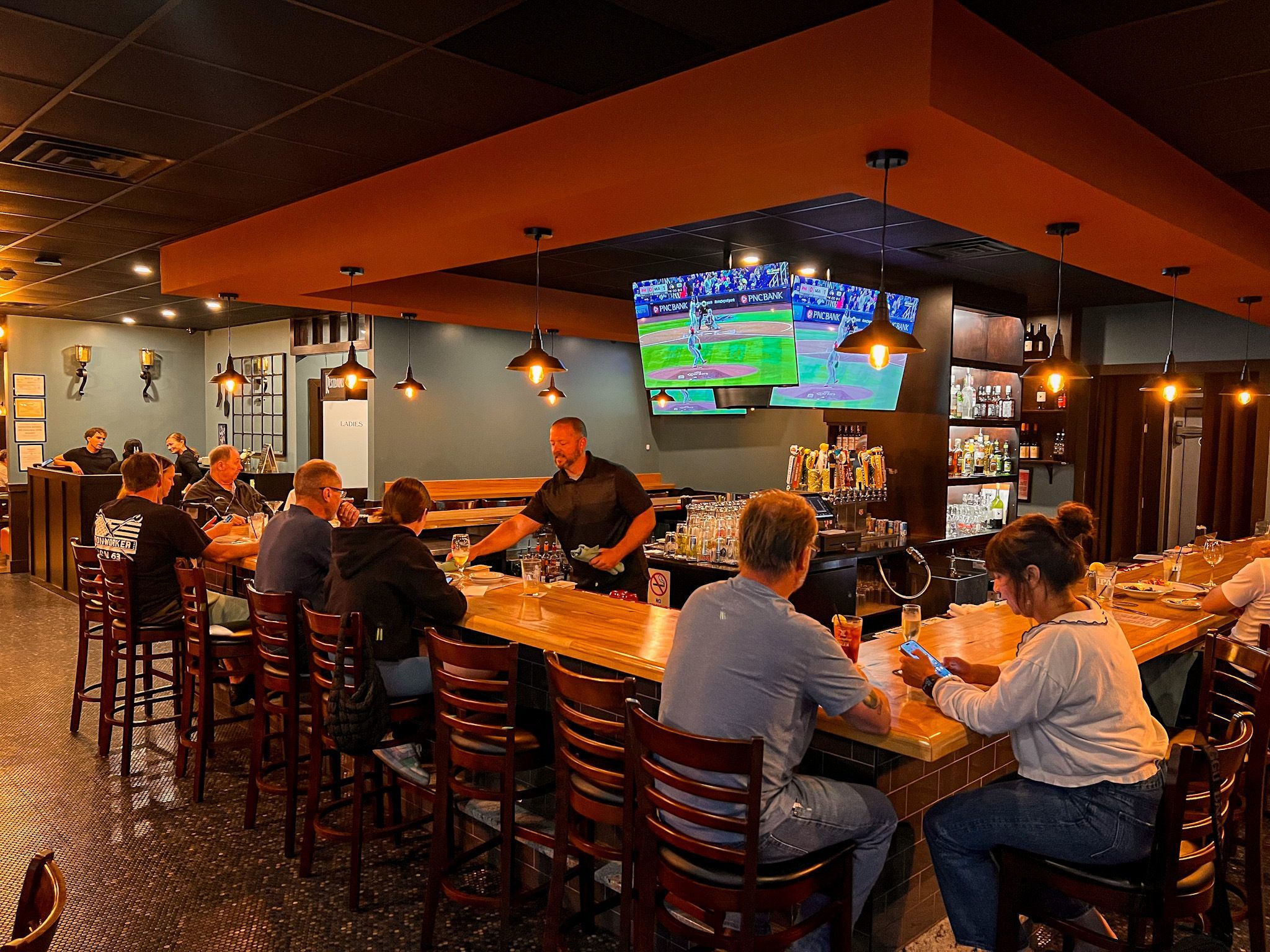
    P.J. Whelihan’s (2920 S. Eagle Rd., Newtown): The regional sports-bar chain took over the former Iron Hill Brewery at the Village at Newtown with its signature wings, burgers, sandwiches, salads, and American entrees, backed by numerous televisions and a broad draft-beer selection. Most of Iron Hill’s existing layout was retained.

    Pomelo Rooftop Terrace at the Brandywine, 165 King of Prussia Rd., King of Prussia.The Brandywine

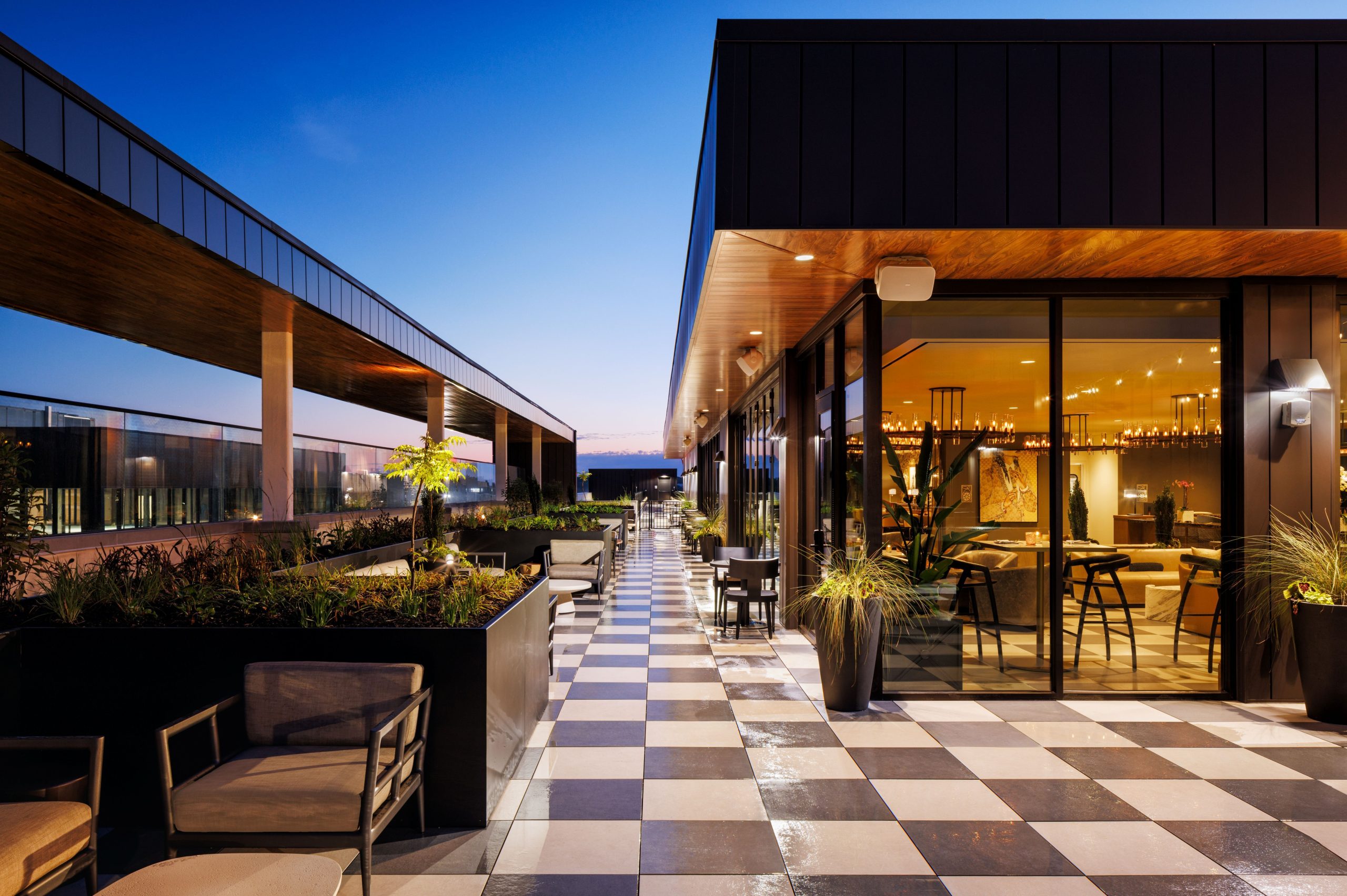
    Pomelo Rooftop Terrace (165 King of Prussia Rd., Radnor): This expansive rooftop bar and lounge atop The Brandywine hotel in Radnor (with 136 seats, inside and out) will grand-open Aug. 8 with chef Michael Davies’ menu of shareable plates (e.g. oysters, scallop crudo, a smash burger, grilled branzino, lion’s mane mushroom cake), raw bar, botanical-focused cocktails, wine, and beer. Weekend brunch begins Aug. 22.

    Porter (34 E. Butler Ave., Ambler): This newcomer is in the former Gypsy Blu space on the first floor of Ambler’s historic former Wyndham Hotel, offering contemporary American cooking in a candlelit, vintage-inspired dining room. Menu includes oysters, pasta, risotto, seafood, and meat dishes. Gaslight, a separate craft-cocktail bar with small plates, is upstairs.

    Rick’s Tavern (201 W. Seventh Ave., Conshohocken): Chef Derek Davis runs the show at Rick and Gale Mahoney’s modern tavern on the rebuilt site of Pizza Time Saloon and Old Time Saloon. The two-story restaurant honors those neighborhood institutions with wood-fired pizza while adding house-made pasta, cocktails, private-event space, and live music upstairs on Friday and Saturday nights.

    The bar at the Scratch Kitchen by Gallo’s, 575 Horsham Rd, Horsham.Michael Klein / Staff

    The Scratch Kitchen at Gallo’s (575 Horsham Rd., Horsham): The Harvey family, owners of Gallo’s Seafood in Northeast Philadelphia, is behind this casual, roomy neighborhood restaurant in the former Farm & Fisherman Tavern. Chef Bob DeLange, the owners’ son-in-law, combines seafood dishes from Gallo’s with burgers and bar food inspired by Harv’s Burger Bar, Gallo’s adjoining Northeast Philadelphia tavern.

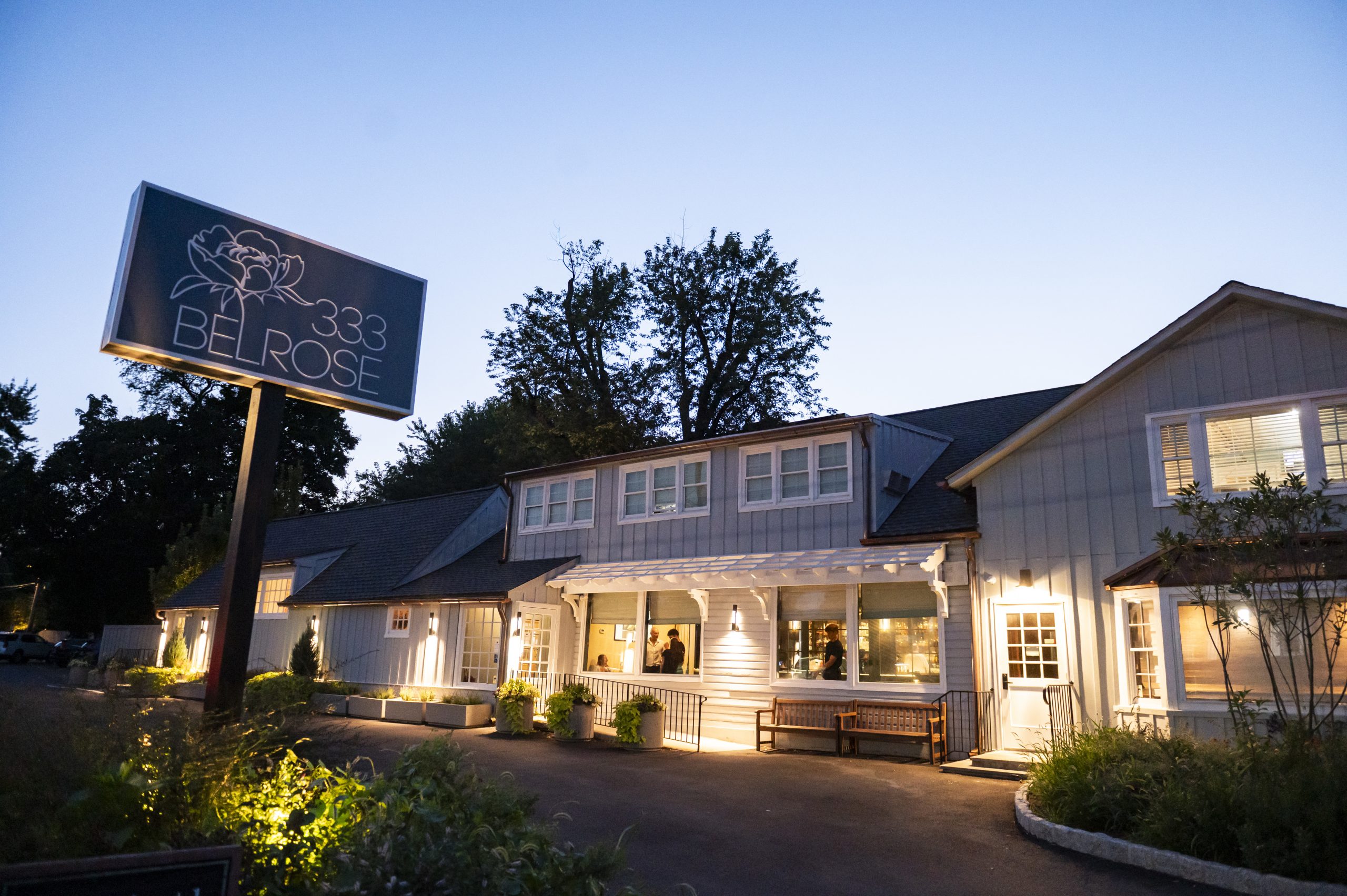
    The exterior of 333 Belrose in Radnor’s St. Davids’ area.Allie Ippolito / For The Inquirer

    333 Belrose (333 Belrose Lane, Radnor): The longstanding contemporary American restaurant has reopened under chef Ross Essner after an extensive renovation that flipped the positions of the bar and main dining room.

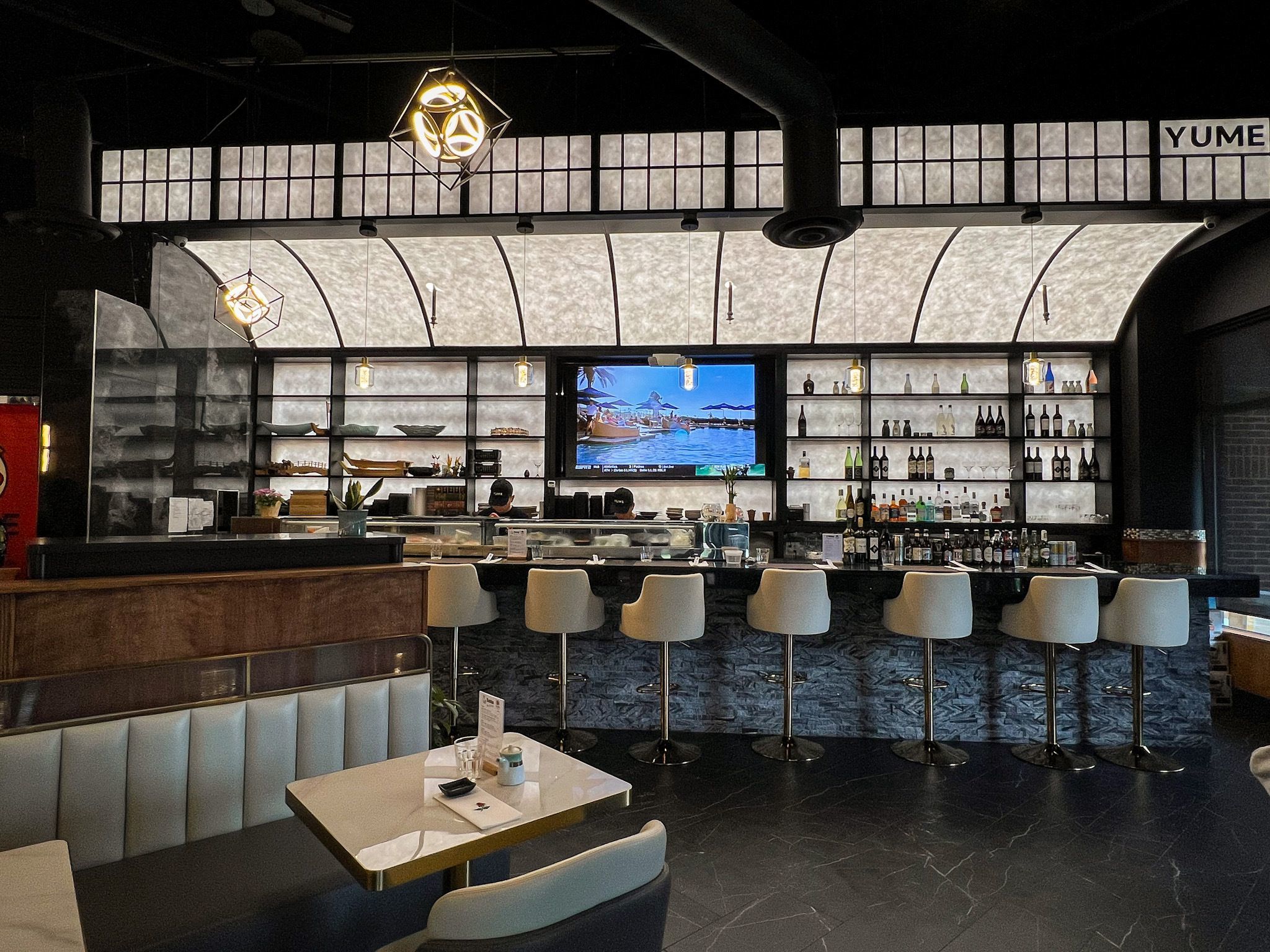
    Yume Sushi in the Shoppes at English Village, 1460 Bethlehem Pike, North Wales.Michael Klein / Staff

    Yume Sushi (1460 Bethlehem Pike, North Wales): This Japanese restaurant has opened in the Shoppes at English Village, down the row from Trader Joe’s. Co-owner and head chef Kevin Wan brings about a decade of sushi experience to the venture. The menu centers on sushi, sashimi, rolls, and Japanese-Asian fusion dishes.

    New Jersey

    Flying Pig Tavern & Tap (1300 Blackwood-Clementon Rd., Gloucester Township): The sprawling former Favorites off-track-betting building has come up as the fifth unit in a growing group. Menu of pizzas, burgers, wings, tacos, and entrees shares billing with live bands, darts, shuffleboard, and a covered tiki bar. A sixth location is planned for the former Andalusia Bar & Grill space in Bensalem.

    Home Team Tavern (267 S. Black Horse Pike, Mount Ephraim): Greg D’Alesio has turned the former Mount Ephraim Bar & Grill into a compact, sports-themed neighborhood tavern. Its scratch kitchen serves pizzas, burgers, wings, sandwiches, and elevated bar food, alongside draft cocktails and beer.

    Thirsty Turtle Tavern (270 White Horse Pike, Barrington): This new concept from SAS Restaurant Group in the former Chuck Lager space features an open kitchen, burgers, pizza, sushi, cocktails, draft beer, and an outdoor patio behind garage doors. It operates daily; weekday happy hour and weekend brunch are expected to begin in the fall.

    Delaware

    Ezme (625 N. Market St., Wilmington): Chef Antimo DiMeo and the Bardea Restaurant Group opened this coastal Mediterranean restaurant across from Bardea Food & Drink. Inspired by cuisine from Turkey, Greece, and the Aegean coast, the menu encompasses mezze, raw-bar dishes, handmade breads, grilled seafood, and fire-driven preparations accented with herbs, citrus, and spices. Both à la carte and tasting-menu formats are available.

  • Tower Health is laying off 160 workers at Pottstown Hospital while expanding emergency department, behavioral health

    Tower Health is laying off 160 workers at Pottstown Hospital while expanding emergency department, behavioral health

    Tower Health is eliminating 160 jobs at Pottstown Hospital as part of an effort to bring staffing at the Montgomery County facility in line with lower patient volumes, the Berks County nonprofit announced Tuesday. The cuts amount to 22% of the workforce at Pottstown.

    In addition to the job reductions — which are more than the 131 positions cut last year at Pottstown — Tower also plans “a multimillion-dollar investment” to expand the emergency department, enhance inpatient and outpatient behavioral health services, and update portions of the hospital, Tower said.

    “These changes are designed to strengthen the hospital’s ability to serve local residents for generations to come by preserving access to the services patients need most, investing in the areas of greatest community need, and ensuring Pottstown Hospital remains a strong, sustainable community hospital for the future,” Tower said in a statement.

    To expand behavioral health, Tower will convert some underused general-purpose hospital beds to inpatient behavioral health beds. The behavioral health total will rise to 52 from 28, an 86% increase. Pottstown has 213 licensed beds.

    Tower did not provide a timeline for the changes but said it plans to hire 38 people to staff the expanded emergency department and behavioral health unit, which will have a separate entrance for the sake of patients’ privacy when they seek mental health services.

    Another change at Pottstown involves the lease of an unspecified amount of space to Community Health & Dental Care, a federal health clinic that was formed in 2008 with funding from Pottstown Area Health and Wellness Foundation.

    Unlike the restructuring Tower announced last fall at Pottstown, which included the closures of the combined intensive care/critical care unit, the Pottstown location of the McGlinn Cancer Institute, and the hospital’s endoscopy center, this round is not eliminating any services, Tower said.

    In the nine months that ended March 31, Pottstown has 5,104 inpatients, down 9.7% from the same period the year before. Most of that decline came in the first three months of this year, after Tower’s service cuts, according to data shared with bondholders.

    After last year’s layoffs, which included about 60 registered nurses represented by Pennsylvania Association of Staff Nurses & Allied Professionals, Pottstown employed about 700 people. Overall, Tower employs more than 10,000.

    The union said it still has 200 Pottstown nurses in its ranks. “We have been in touch with hospital management to better understand the context for and impact of the proposed layoffs and to push hard for solutions that protect both patient care and the dedicated nurses who serve the Pottstown community,” a union spokesperson said.

    Tower’s anchor is Reading Hospital in West Reading, Pa. In additional to Pottstown, it owns Phoenixville Hospital, plus St. Christopher’s Hospital for Children in North Philadelphia in a 50-50 joint venture with Drexel University. Tower previously owned Brandywine, Jennersville, and Chestnut Hill Hospitals.

    It closed Brandywine and Jennersville and sold Chestnut Hill to a group led by Temple University Health System.

    Tower recently announced that Jefferson Health, Nemours Children’s Health, and Temple University Health System are working on forming an alliance to support St. Chris clinically. Last week, Tower said that it had formed a clinical affiliation to expand advanced care in its markets.

  • Under pressure from its accreditor, University of Valley Forge offers students information on transferring

    Under pressure from its accreditor, University of Valley Forge offers students information on transferring

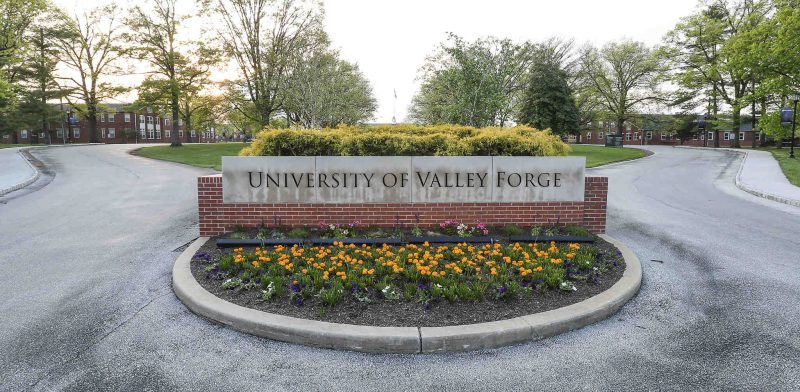
    Under pressure from its accreditor, the University of Valley Forge is offering students and families information on how to transfer to other colleges.

    The move comes as the Phoenixville-based college — which enrolls 589 students, according to the National Center for Education Statistics — faces the possible loss of its accreditation by the Middle States Commission on Higher Education. Colleges need accreditation to keep their students eligible for financial aid.

    Middle States last month issued its most serious warning — “show cause” — to the small Christian college that prepares students for leadership in the church and the world. It cited concerns about finances, planning, and governance.

    The university is among the latest institutions in the region to face the threat of closure amid a declining pool of high school students and increased competition. The University of the Arts and Cabrini University closed in 2024. Rosemont College’s campus has been purchased by Villanova University, and the college plans to conclude its operations in 2028. Peirce College has been merged into Lackawanna College, a process that has been approved by the U.S. Department of Education and was sanctioned by Middle States this month.

    University of the Sciences and Philadelphia University were phased out in previous mergers with St. Joseph’s University and Thomas Jefferson University. Pennsylvania State University plans to close seven of its Commonwealth campuses next year.

    On its website, the University of Valley Forge says that it is not closing, but that it has established several colleges as “teach-out partners” that would streamline admission of University of Valley Forge students in the event of a closure. The school was required under the Middle States process to develop “teach-out plans” that would provide students with options to complete their education if the school were to close.

    “Although this process does not require the university to provide students with teach-out options at this time, we understand that students may wish to consider alternative pathways for completing their academic programs during this period of uncertainty,” the school wrote in an email to students.

    The school, according to its website, plans to charge $41,020 in tuition, fees, and room and board for next academic school year, which is scheduled to start Aug. 30.

    The school held an event on campus earlier this month with representatives from the partner institutions — Eastern University in St. Davids, Messiah University in Mechanicsburg, and Southeastern University in Florida — so that students could get information. All three schools are private, Christian universities.

    But the University of Valley Forge on its website, which was updated as recently as Tuesday, said it is “actively pursuing strategies to strengthen enrollment, finances, partnerships, and operations.”

    “While no institution can guarantee future outcomes,” the school said, “leadership remains committed to preserving and advancing the university’s mission.”

    The challenges appear to be substantial.

    Earlier this month, the school said that it planned to soon communicate decisions about staff furloughs and that it would have to delay payroll for up to one week, according to emails obtained by The Inquirer from a source close to the university who was not authorized to discuss the matter and requested anonymity.

    “I am deeply sorry for the disruption and for the hardship this may cause,” university president David Kim wrote, according to the email.

    Kim, board members, and several other administrators and faculty have not responded to a request for comment. The emails did not indicate if furloughs occurred, how many, or for what period.

    The school employed 419 people in calendar year 2021, according to the school’s most recently filed Form 990. With expenses of $20.2 million, the school operated with a $1.9 million loss that year, the tax document shows.

    The Rev. Don Immel, a member of the University of Valley Forge board, addressed the Middle States action in responding to a July 11 Facebook post asking why the college was requesting “urgent prayer.” The university held a day of prayer and fasting on July 8 following the Middle States’ action.

    “The need is financial,” Immel wrote. “We have a donor who has the capacity and has expressed the willingness to step in. Please pray that the donations is released.”

    In other public Facebook posts, parents of students, alumni, and others have expressed concern.

    “I have a daughter enrolled at UVF right now, and is supposed to be starting her sophomore year come this fall,” one parent wrote. “I don’t know at this point what to do concerning her returning to campus in the fall, or do we need to look at transferring now.”

    An alumnus also had questions.

    “Should we be doing anything to secure duplicate degrees or official transcripts (in the event that we lost ours or anticipate needing copies in the future)?” the alum wrote.

    The school has until Sept. 1 to “show cause” to justify why it should not lose accreditation, according to Middle States. The commission will review the university’s submission, the school said on its website, and take its next action — which could include up to revocation of accreditation — in November.

    In issuing the show-cause decision, the commission cited “insufficient evidence that the institution is in compliance” with standards involving planning, resources, and institutional improvement, and governance, leadership, and administration.

    The university must document in its show-cause report “financial resources, funding base, and plans for financial development to support its educational purposes and programs and to ensure financial stability,” the commission said. The school also must provide information on long-range financial planning that includes “realistic enrollment projections and the assumptions on which they are based,” the commission said.

    The university started in 1939 as the Eastern Bible Institute, which was aimed at training pastors, evangelists, missionaries and Christian educators, and lay workers, according to the school’s website. It became a college in 1975 and the University of Valley Forge in 2014. The university is part of an international network of Assemblies of God colleges and universities and offers more than 60 degree programs, according to its website.