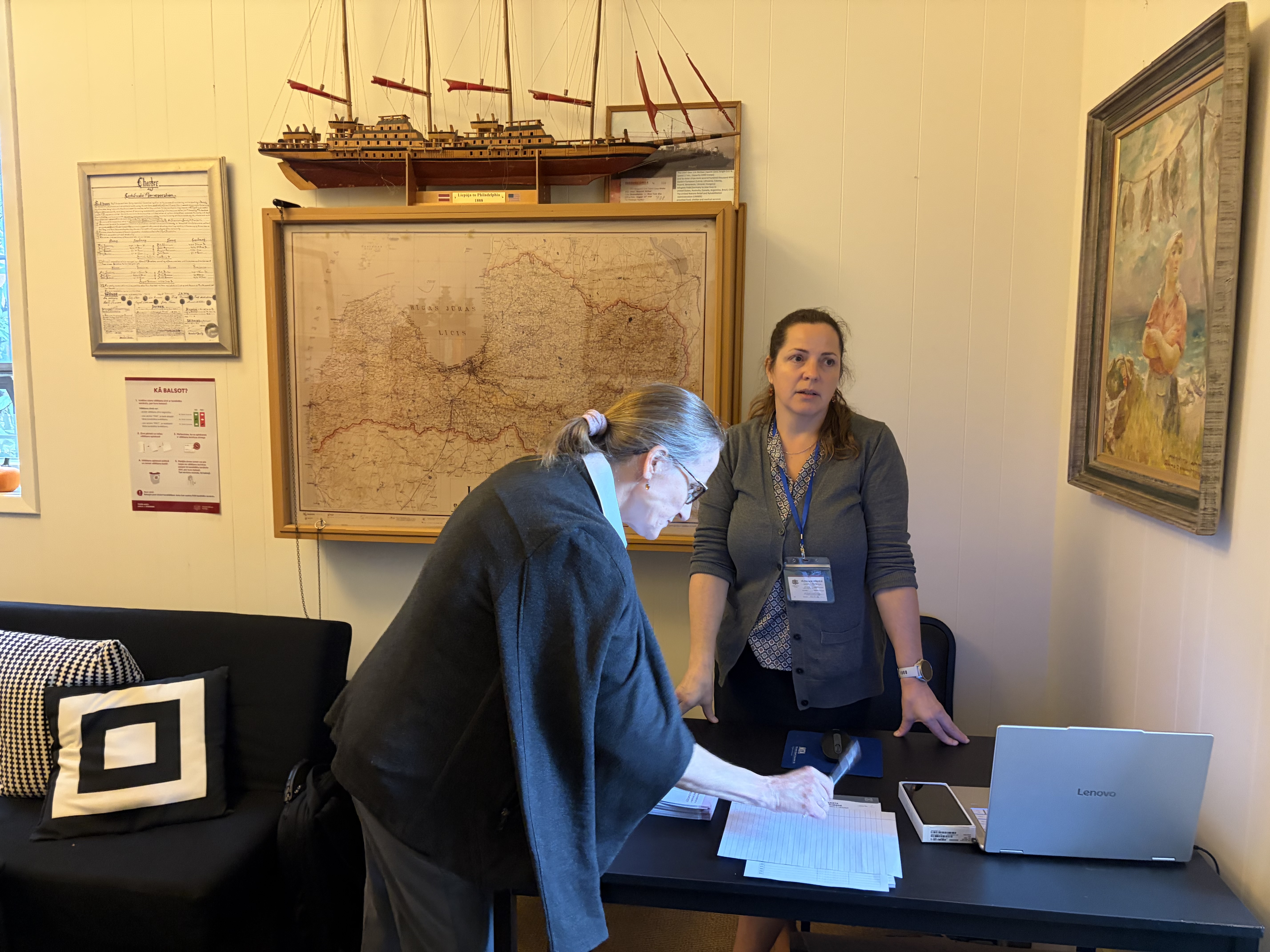
Over 4000 miles away in Northeastern Europe, the Latvian parliamentary elections were underway — and Diana Mednis a50-year-old Ocean County, N.J., resident was determined to cast her ballot. So, she drove an hour to the Latvian Society of Philadelphia in Northern Liberties on Saturday to participate in the polls.
Latvia is celebrated for its ancient forests, white-sand beaches, stunning architecture, and proud people. The small Baltic nation of nearly 2 million, which won its ultimate independence from the crumbling Soviet Union in 1991, extends its democracy far beyond its borders. Latvian law offers its diaspora direct access to its elections. Latvian citizens and descendants with dual citizenship can cast same-day ballots at community polling stations across the world, many created by Latvian immigrants.
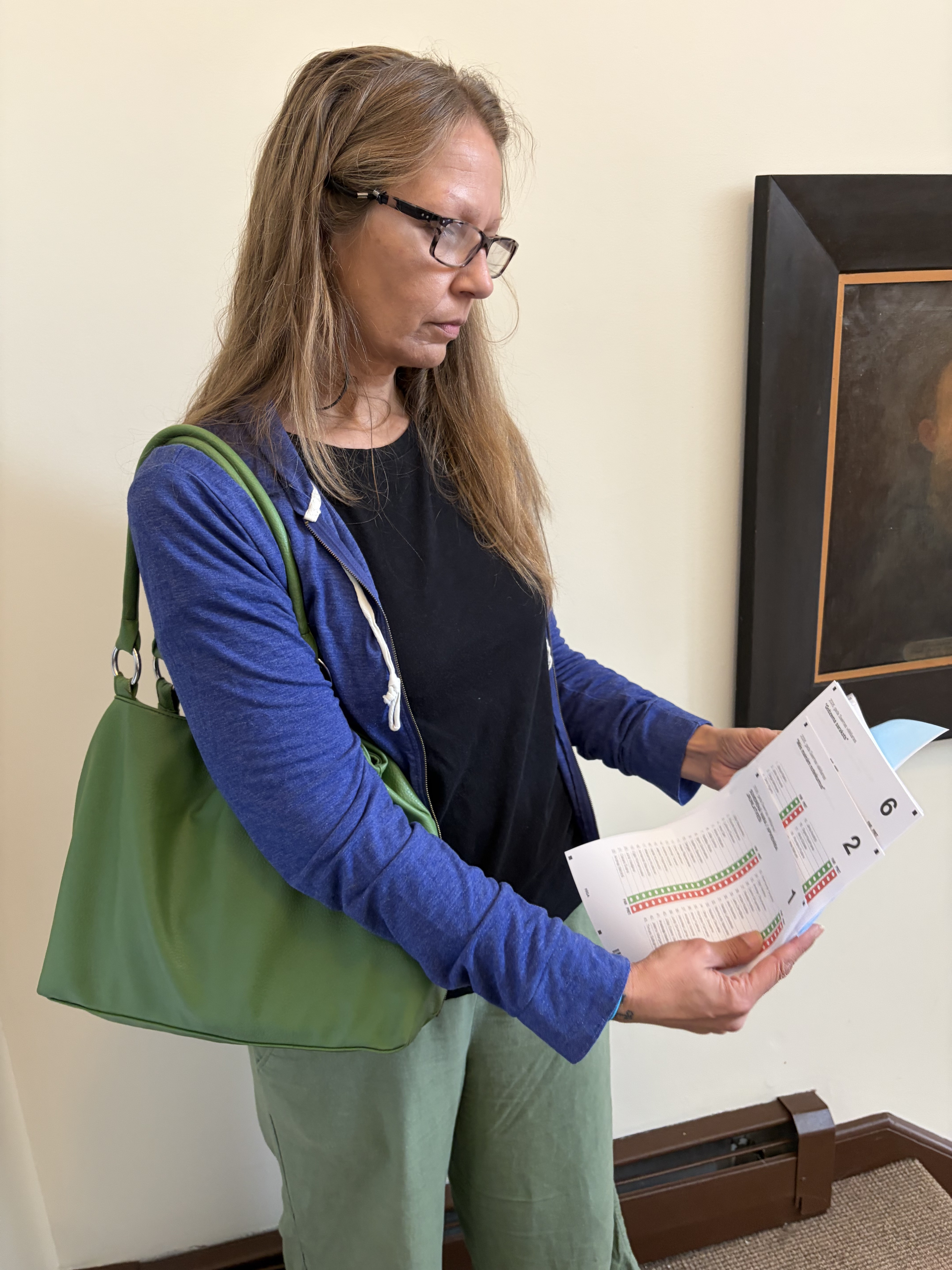
Diana Mednis of Ocean County, N.J., reviewed her ballot for a national election in Latvia on Saturday, which she cast a longtime Latvian cultural hub in Northern Liberties.Mike Newall (Cuistom
Founded in 1892, and with a claim to being the oldest Latvian social and cultural club anywhere outside of the homeland, the charming, rough-cut stone building on North 7th Street is one of 16 polling stations in the United States.
Latvian voters confront fears
With the Russian-Ukraine War still raging, and Russian President Vladimir Putin making veiled and unverified threats about Latvian security, Latvians everywhere confront existential fears about their hard-won independence.
Mednis, whose parents fled their home in a cart during World War II and eventually settled in New Jersey, was the second person to sign her name on the rolls Saturday. (Fifty-one people voted at the Latvian Society during the last election in 2022.)
“Freedom is always under threat everywhere,” she said, after casting her ballot. There were candidates from over 14 parties competing for 100 open seats. “If you don’t take care of it, somebody’s going to try and take things from you. So it’s important to vote here.”
Her father, Juris, was only 5 when his family fled Russian forces in a cart in 1942, she said.
“They had come to my father’s house looking to put them on the train to Siberia,” she said. “So his first memories are of my grandmother holding his mouth because they were hiding in the forest.”
A community’s beating heart
More than 3,000 people of Latvian descent live in Pennsylvania, with many concentrated in the Greater Philadelphia region and suburbs, according to the U.S. Census Bureau.
Established by Latvians who fled Tsarist Russia, the Latvian Society of Philadelphia has a beating heart of that community for 134 years.
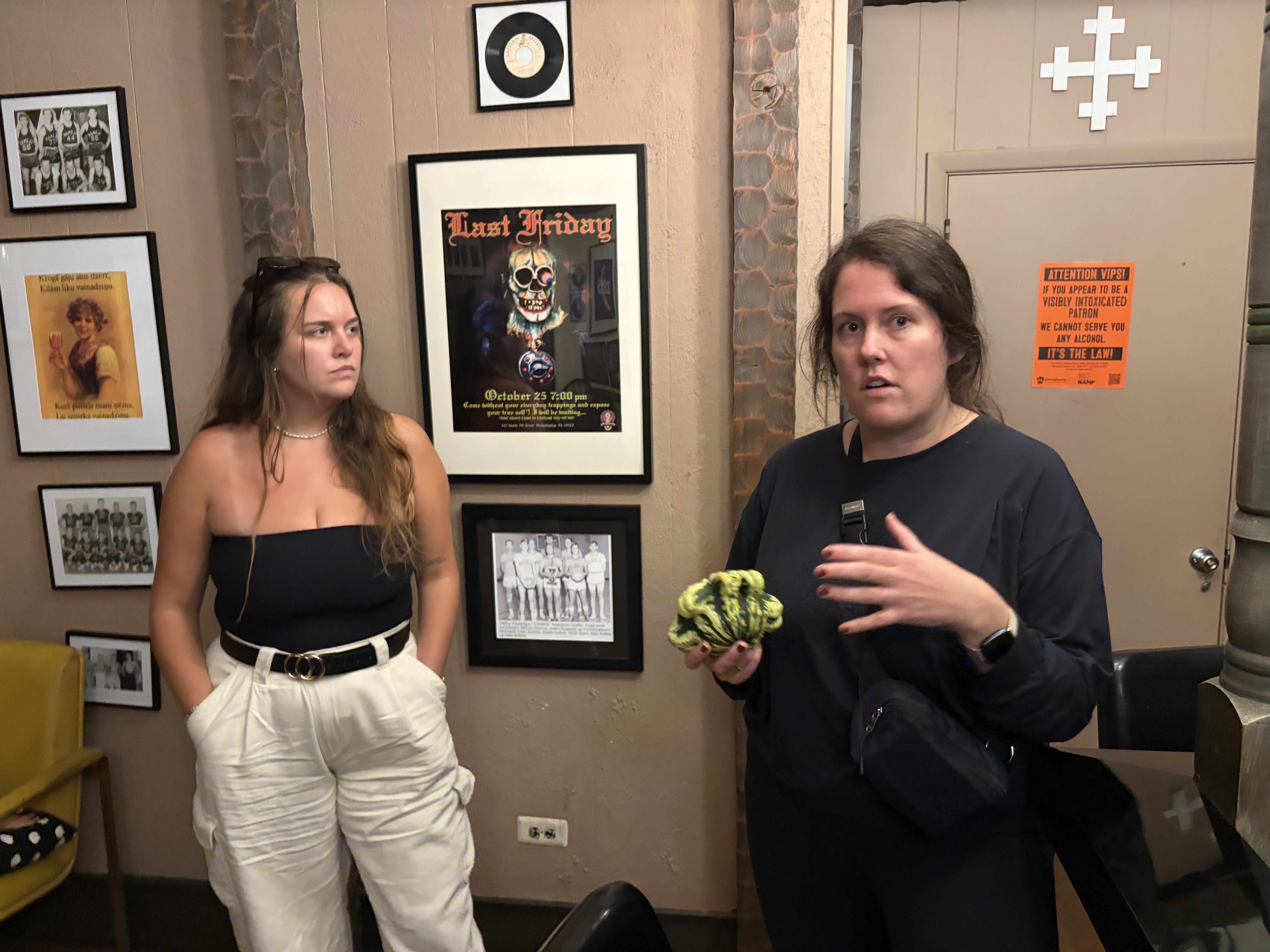
Growing up in Bucks County, sisters Anna Berzins, 35, and Aleksandra Berzins, 30, recalled countless holidays and family celebrations in the building , when the savory aroma of traditional Latvian piragi — crescent-shaped baked rolls filled with bacon and onions — drifted from the kitchen and Latvian folk bands played on the stage. They remember how their grandfather, Alfons, always a devoted member, made sure the girls participated in the society’s performances and art shows. They learned Latvian history there, like how the country’s first period of independence ended in 1940, when Russian forces forcibly occupied and annexed it.
Aleksandra Berzins (left) and her sister, Anna (right), cast ballots in a national Latvian election at the Latvian Society of Philadelphia on Oct. 3.Mike Newall (custimo
“It was a continuation of our culture,” said Aleksandra Berzins, adding that the sisters now bring their own children to the society. “It’s about passing on the language and traditions, and upholding our values. I think that our grandparents will be very proud that we were here.”
Laura Bērziņa, a society official, who works as the polling station manager, said the nonprofit remains vibrant — with well-attended folk shows and other events — but not without its struggles. Non-members can also rent out the society hall for events.
Election day represents the start of the society’s busiest season, she said, ushering in celebrations for Latvian Independence Day, and an annual Winter Holiday Market.
Later this month, the society will host a fundraiser to fix a leaky roof, she said.
Still, despite these challenges, the society survives, she said.
“It’s been a home away from home,” she said, before excusing herself to get back to her desk. There were voters to help.
This fall’s restaurant openings reflect an industry hedging its bets: established operators expanding into the suburbs and repurposing familiar spaces, and newcomers pursuing narrowly drawn concepts built around omakase, caviar, Korean barbecue, cocktails, and live-fire cooking.
I count about five dozen restaurants in the region’s pipeline, with Italian concepts (no surprise), all-day service, and experience-driven dining recurring throughout the list. In addition to 60 restaurants opening between now and late December, two other restaurants are expanding: Lovat Square in Chestnut Hill is adding dinners and Palm Vintage across from City Hall is adding nighttime sushi service.
By comparison, last year’s fall roundup covered 53 restaurants. All of those opened except for three that are now a full year behind schedule: Adda in Fishtown is shooting for October, Ayat near Rittenhouse Square is aiming for November, and Brunch Bulls in Point Breeze is targeted for December. (Although this year has seen its share of closings, especially among longstanding restaurants, each of last fall’s restaurants is still open.)
Brand new and notable
Aogami (4343 Main St.): Underground sushi is coming to Manayunk as chef Tom LoMonte joins chef Moon Krapukthong to offer a 16-course omakase in a 20-seat BYOB setting beneath Krapukthong’s Yanako and neighboring Chabaa Thai Bistro, starting Sept. 25. LoMonte — a veteran of Zama, Izakaya by Yanaga, Pod, and Yanaga Kappo Izakaya — will lead the omakases at 6 p.m. Fridays and Saturdays; reserved sushi-bar seatings will run Wednesdays, Thursdays, and Sundays alongside hand rolls and à la carte service. LoMonte describes the atmosphere as energetic and less formal than typical omakase counters. Upstairs, Yanako will continue serving rolls, sushi platters, udon, tempura, and yakitori.
The Buttery (1099 Germantown Ave.): Malvern-based bakery and cafe the Buttery is preparing a Philadelphia location at Piazza Alta in Northern Liberties, near Scusi and Terra Grill. It recently opened a Bryn Mawr location and expanded its original Malvern operation into dinner service with Neapolitan pizza and shareable plates. An opening date has not yet been shared.
Nick & Nora’s Oyster Dive (560 Stokes Rd., Medford): Michael and Jeniphur Pasquarello (La Chinesca, Piccolina) are bringing a raw bar and American kitchen to a corner space with a large deck at Ironstone Village. The broader menu will include steak frites, burgers, fish, vegetables, and small plates, says Michael Pasquarello, who hopes to open in 60 to 90 days.
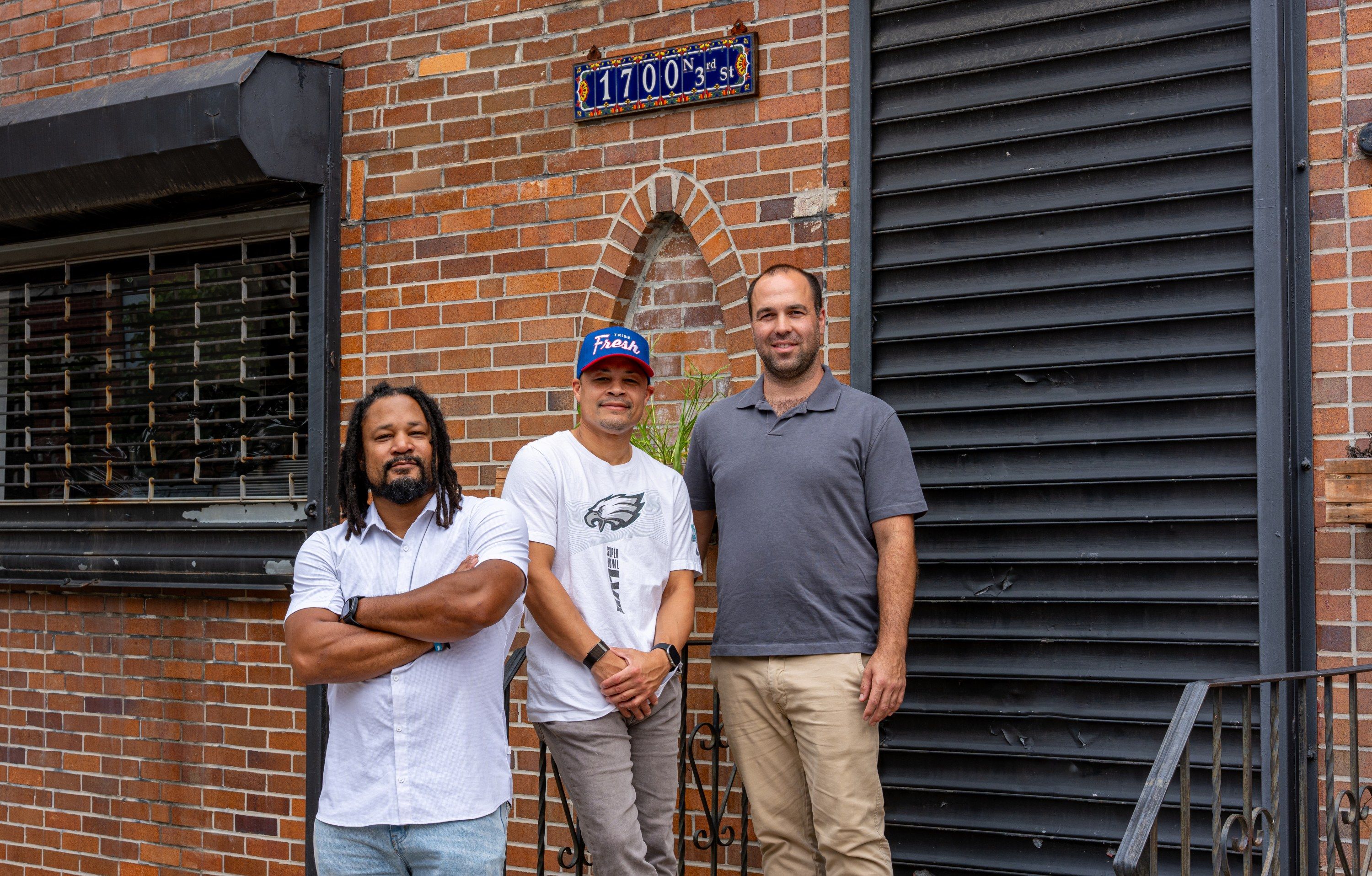
Chef Chaz Brown (left) is partnered with his brother Clifford Brown (center) and John Skeele in Rumblefish, 1700 N. Third St.Mike Prince
Rumblefish(1700 N. Third St.): Chef Chaz Brown is targeting November for this 900-square-foot, fast-casual Caribbean fish-fry restaurant at Third Street and Cecil B. Moore Avenue. Brown — a Trinidadian American chef whose resumé includes Nobu, Le Bec-Fin, Fatty Crab, and television’s Top Chef — will focus on invasive species such as lionfish, snakehead, green crab, and Chesapeake Bay blue catfish when available. (The catfish turned heads at the recent Oxtail Exchange at Forman Arts Initiative.) Brown uses gluten-free corn flour with Trinidadian spice blends and serves the fish on po’boy-style rolls baked by Angelo’s Bakery in Conshohocken. The mostly takeout operation will have counter seating, a 25-seat covered patio, slaws, fries, sea-moss drinks, and Solo Kola Champagne.
Pennsylvania suburbs
Alessandro’s Enoteca (915 W. Lancaster Ave., Bryn Mawr): Alex Fiorello’s third restaurant will bring a bar-focused Italian concept to the former Enoteca Tredici space in Bryn Mawr Village in mid-to-late October. Fiorello and culinary director Matt Arcomone, whose resumé includes Osteria, Vetri, and Palladino’s, are planning house-made pastas, wood-fired pizzas, live-fire cooking, and dry-aged meats. It’s intended to have a stronger evening and bar scene than Fiorello’s Wayne restaurants.
Bruzi (281 Montgomery Ave., Bala Cynwyd): Two couples with Calabrian roots plan to open this Southern Italian restaurant in the former Aldar Bistro in late fall. Expect house-made pastas and Calabrian dishes such as fusilli with slow-cooked meat sauce, baked lamb, and grilled tuna, plus cocktails and an opening list of about 100 Italian wines.
Capperini (137 S. Easton Rd., Glenside): Eastern Montco will get an upscale Italian-Mediterranean destination with a liquor license from Ilya Vorobey and partners including members of the team behind Capri in Queen Village. Vorobey is aiming for October or November.
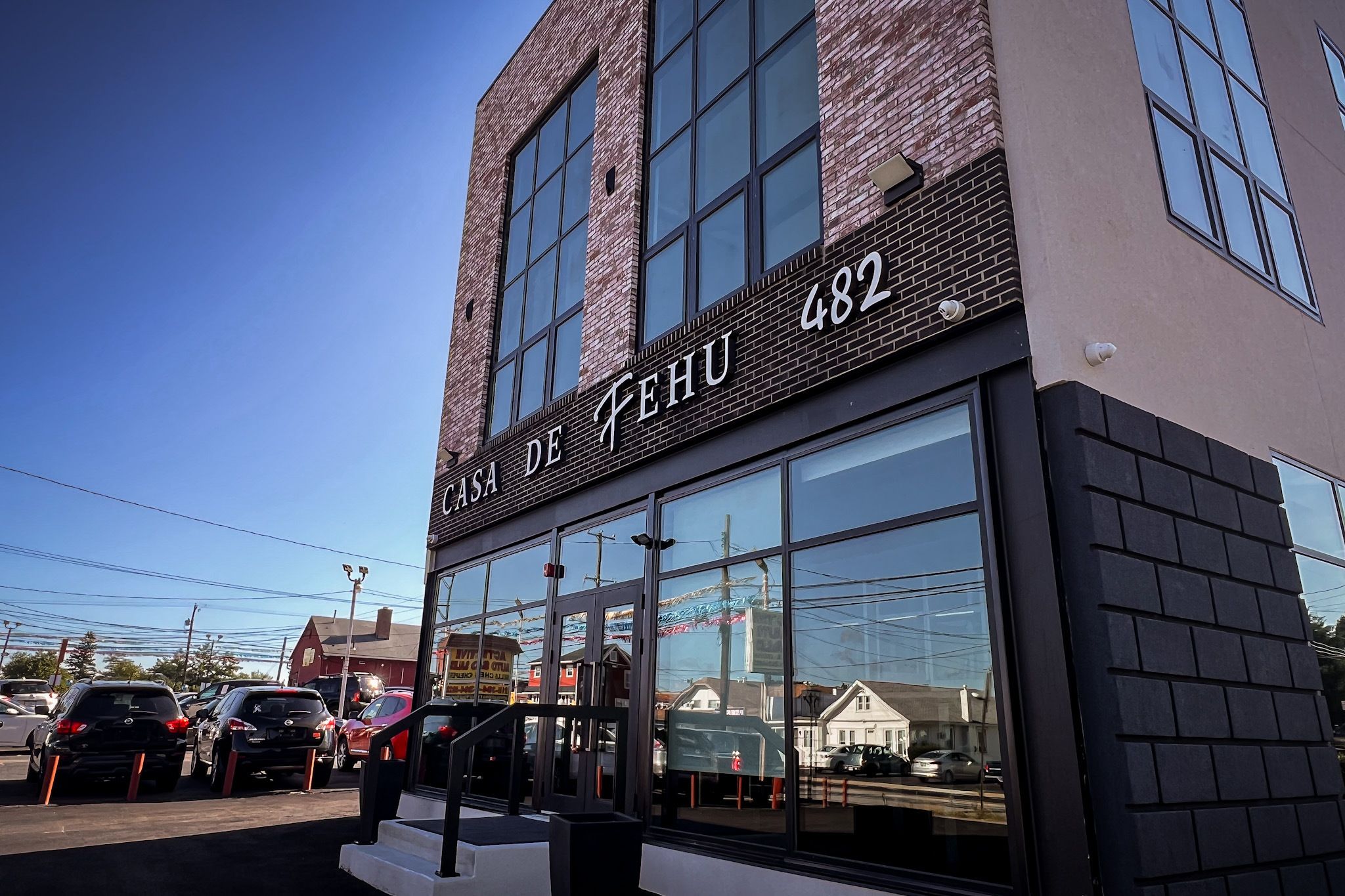
Casa de Fehu, 482 Jacksonville Rd., Hatboro.Michael Klein / Staff
Casa de Fehu (482 Jacksonville Rd., Hatboro): Hatboro couple Anthony Shalamov and Anastasia De Roy are developing this polished restaurant with European-inspired cooking and an upscale atmosphere, possibly with a tie-in to a local brewery that would allow alcoholic drinks. Shalamov is targeting an October soft opening.
Cecilia (266 E. Fourth St., Bridgeport): The team behind Blue Bell Inn and the Copper Crow is just about ready to open this contemporary American bar-restaurant in the extensively renovated former Taphouse 23. The roomy property includes a large patio and a wood-burning oven. The menu emphasizes familiar American dishes, positioning this as an all-purpose neighborhood destination.
Donatelli’s (1 Washington Ave., Newtown): Restaurateur Habib Troudi, who owns Panache and Ristorante Castelloin Blue Bell, is behind a top-to-bottom overhaul of the former Rocco’s at the Brick in downtown Newtown. He said he is hoping to open the Italian steakhouse in October.
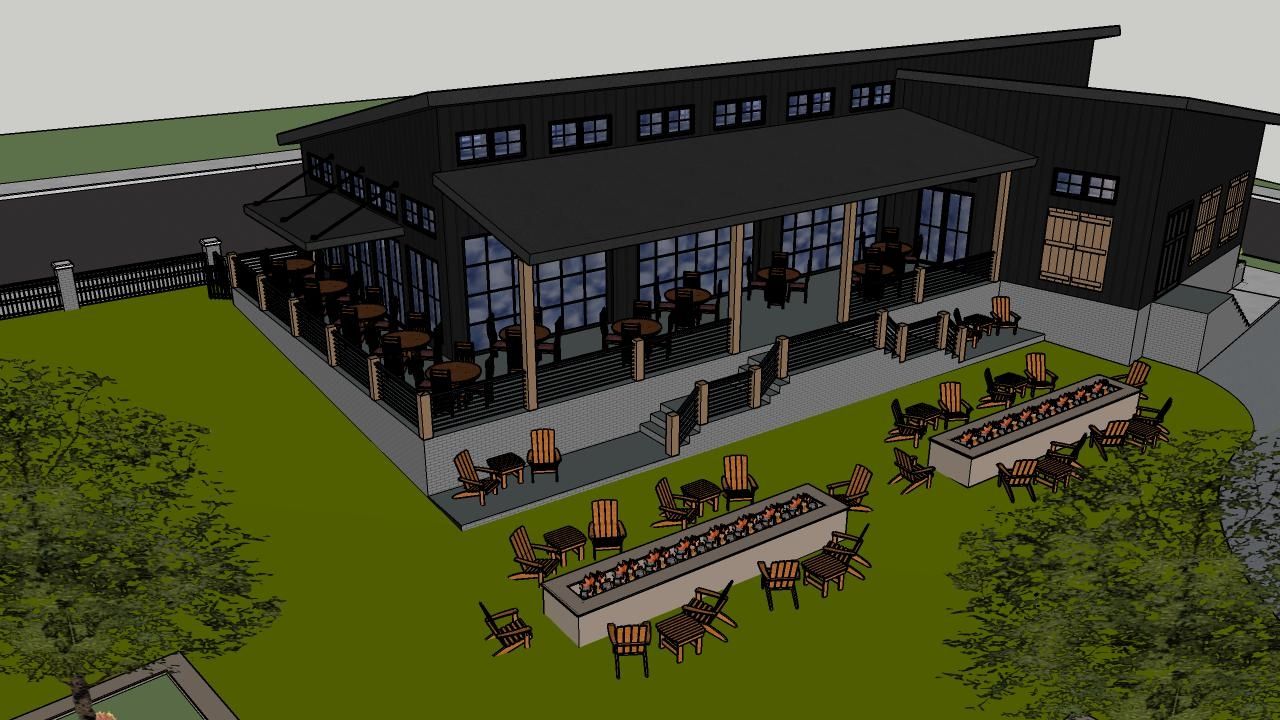
Rendering of the Garden by Pieri Winery, 127 E. Elm St., in Conshohocken.Courtesy of Christina Pieri
The Garden by Pieri Winery (127 E. Elm St., Conshohocken): Winery owner Christina Pieri and restaurateur Brian Pieri (StoneRose, Bar Lucca, Cerdo) are targeting a mid-October opening of their year-round indoor-outdoor restaurant beside the Schuylkill River Trail, an offshoot of Christina’s Coopersburg winery. A wood-fired kitchen will serve seasonal American food, including brick-oven pizzas, focaccia sandwiches, salads, steaks, and fish, at lunch and dinner Tuesday through Sunday. The property will include a covered patio, fire tables, a turf area, and pickleball and bocce courts.
The Hungry Hub (11 S. Orange St., Media): Media native Cassidy Moretti and her mother, Glenda, are taking over the former Rivalry Cafe with a family-run breakfast and lunch operation. The Hungry Hub also plans later hours and a late-night menu, broadening its role beyond that of a conventional daytime cafe. An Oct. 1 opening has been announced.
The Iron Oven (58 S. York Rd., Hatboro): Alex Nalbandian’s Southampton bar-restaurant — known for an expansive American menu, cocktails, craft beer, brunch, and dishes ranging from wings and burgers to flatbreads and entrees — is adding a second location in eastern Montco: the former Ross & Co. He’s aiming at November.
Lazy Dog(160 N. Gulph Rd., King of Prussia): The California-based bar, known for Rocky Mountain lodge imagery and a broad American menu, is targeting late 2026 at the King of Prussia Mall.
Luna (129 E. Butler Ave., Ambler): FineLine Hospitality, which recently opened Academy Grill in Fort Washington, is behind a stylish revamp of Dettera in downtown Ambler. Chef Marie Lavizzo-Mourey will base her menu on the 20-plus countries bordering the Mediterranean. The project is on track for fall.
Martini & Roz(523 W. Lancaster Ave., Wayne): Fearless Restaurants is turning Wayne’s former Bertucci’s into an ambitious, 300-seat Southern Italian restaurant named for founder Marty Grims’ parents, Martin and Roslyn. Menu will include crudo, oysters, steaks and chops, wood-fired pizzas, house-made pastas, and charcuterie. It will feature two open kitchens, a cheese cave, a tasting counter, and extensive outdoor seating.
Maru (2922 Conestoga Rd., Glenmoore): David Backhus and the team behind the former Oori restaurants are in the early days of a fast-casual Korean-inspired restaurant at their former Collective Coffee & Bakery. Think Korean fried chicken sandwiches, wings, and tenders, supplemented by mochi doughnuts and specialty Collective coffee.
Nudy’s Cafe (122 Park Ave., Willow Grove): Prolific suburban breakfast-and-lunch operator Ray Nudy hopes for late September for his latest diner, across from Marshalls in Willow Grove.
Old Friend (166 E. Lancaster Ave., Wayne): Childhood friends Larry Kagan and Chas McFeely are behind this contemporary American grill, with former Fork executive chef Sam Henzy leading the kitchen. The 86-seat restaurant will center on live-fire cooking in a Josper oven, with dry-aged fish, poultry, and larger proteins intended for sharing. Its compact wine list will be closely tied to the food. A late-fall opening is planned in the Apartments at Wayne Station.
Opus (201 Birch St., Kennett Square): Square Roots Collective will open this 125-seat New American restaurant Sept. 11 in the former temporary home of Hank’s Place, next to the Artelo hotel. Executive chef Matthew Anderson, formerly of Longwood Gardens and Winterthur, plans seasonal dishes, such as Kennett Square mushroom bisque, butternut squash agnolotti, herb gnocchi, and dayboat scallops. The two-story space includes a cocktail lounge, terraces, and work by local artists. Profits will support community projects and nonprofits.
Salt (840 W. Lancaster Ave., Devon): Rich Kim of North Wales’ acclaimed Salt predicts late December for his redevelopment of Devon’s former La Jonquille and Shiraz property into a second Korean barbecue concept, followed in 2027 by Yugo, a carousel sushi restaurant, upstairs.
The Still on State (18 W. State St., Doylestown): Only days open at the Doylestown Inn, this Irish pub-inspired bar/restaurant fills the former Hattery Stove & Still space; it’s paired with an on-site microdistillery called the Tilted Brim.
Taco Heart (120 Coulter Ave., Ardmore): Nano Wheedan is bringing his South Philadelphia breakfast-taco shop to the Ardmore Farmers Market, its first expansion beyond its East Passyunk-area home. Expect Austin-style flour tortillas and breakfast tacos built around eggs, potatoes, beans, bacon, brisket, and house salsas. Opening is set for Oct. 5.
Top Dog Cocktails (110 E. State St., Kennett Square, and 2012 Frankford Ave., Fishtown): Ken Smuckler’s cocktail company plans two vinyl listening rooms this fall inspired by Japanese jazz kissas. Kennett Square’s 750-square-foot space partners with local music venue Kennett Flash, while Fishtown’s 350-square-foot flagship — arguably the neighborhood’s smallest bar — will feature a 15-seat bar, two-turntable DJ station, and retail.
Tusk (50 N. Main St., Doylestown): Mike and Joy Grafenstine, owners of Roberts Block in Glenside and Bonnet Lane Family Restaurant in Abington, are taking over the former Water’s Edge wine bar, combining the martini-and-wine-bar airs of Roberts Block with approachable upscale American comfort food. Target is October.
Vintner’s Table (24 Cricket Ave., Ardmore): Andrea and Marco Folino, behind Kutztown’s Folino Estate Winery, are opening a third location of their Italian-inspired wine bar, salumeria, and lifestyle boutique in downtown Ardmore in October.
New Jersey suburbs
Akira 70 Omakase (249 Marlton Pike, Cherry Hill): Ming “Frank” Zheng is expanding his Japanese holdings — he owns Akira Sushi in Voorhees and Moorestown — with an omakase experience in a former fur salon.
Banjara Indian Bistro (687-689 Berlin-Cross Keys Rd., Sicklerville): Vaneet Chopra, whose family operates Cross Culture in Haddonfield and previously ran Banjara in Chestnut Hill, is bringing the Banjara name to Sicklerville; its dine-in starts Thursday.
Freckled Jawn Brewing(1003 N. Evergreen Ave., Woodbury): Woodbury residents John Wagner and Colleen Gibson are taking over the former Eight & Sand Beer Co., which closed in June after 10 years. Targeting the first week of October, the brewery will introduce new branding and a fresh lineup of approachable beers, emphasizing natural and locally sourced ingredients when possible.
Irishtown Steaks (155 S. Burlington St., Gloucester City): Donkey’s Placealumnus Dave Murphy is targeting Halloween for his steak shop, joining recent Gloucester City entries Lillo’s and Pudge’s Pub. Murphy will use rolls from Boaggio’s, which has a bakery in town.
Penny’s Bagels (212 Kings Highway East, Haddonfield): Chris Fetfatzes and the Happy Monday Hospitality Group (Wine Dive, Grace & Proper) are developing this long-delayed bagel shop in downtown Haddonfield, now with an October target.
Pizzeria Cusumano (872 Haddon Ave., Collingswood): Announced back in September 2021, this passion project from South Jersey’s Sal Cusumano is finally about to start offering his Roman-inspired squares and neo-New York rounds, but “I don’t want to box myself into a certain style.” Cusumano, a third-generation pizzaiolo, is planning a small shop with limited seating. This week, he said it will open in October for sure.
Philadelphia
Adda (1700 Frankford Ave.): New York’s Unapologetic Foods — behind Dhamaka, Semma, and the original Adda — is bringing its energetic Indian cooking to Fishtown, across from the 19125 post office. Expect regional dishes in an informal setting, continuing the restaurant group’s practice of pushing beyond familiar Indian American standards. Originally expected in fall 2025, the Philadelphia location is now targeting an October opening.
Ayat (2021 Sansom St.): Abdul Elenani’s New York-based Palestinian restaurant — first announced in spring 2024 — is looking at a November opening in the former Roxy Theater near Rittenhouse Square. Ayat is known for generous portions of mansaf, maklouba, mezze, grilled meats, and other homestyle Palestinian dishes.
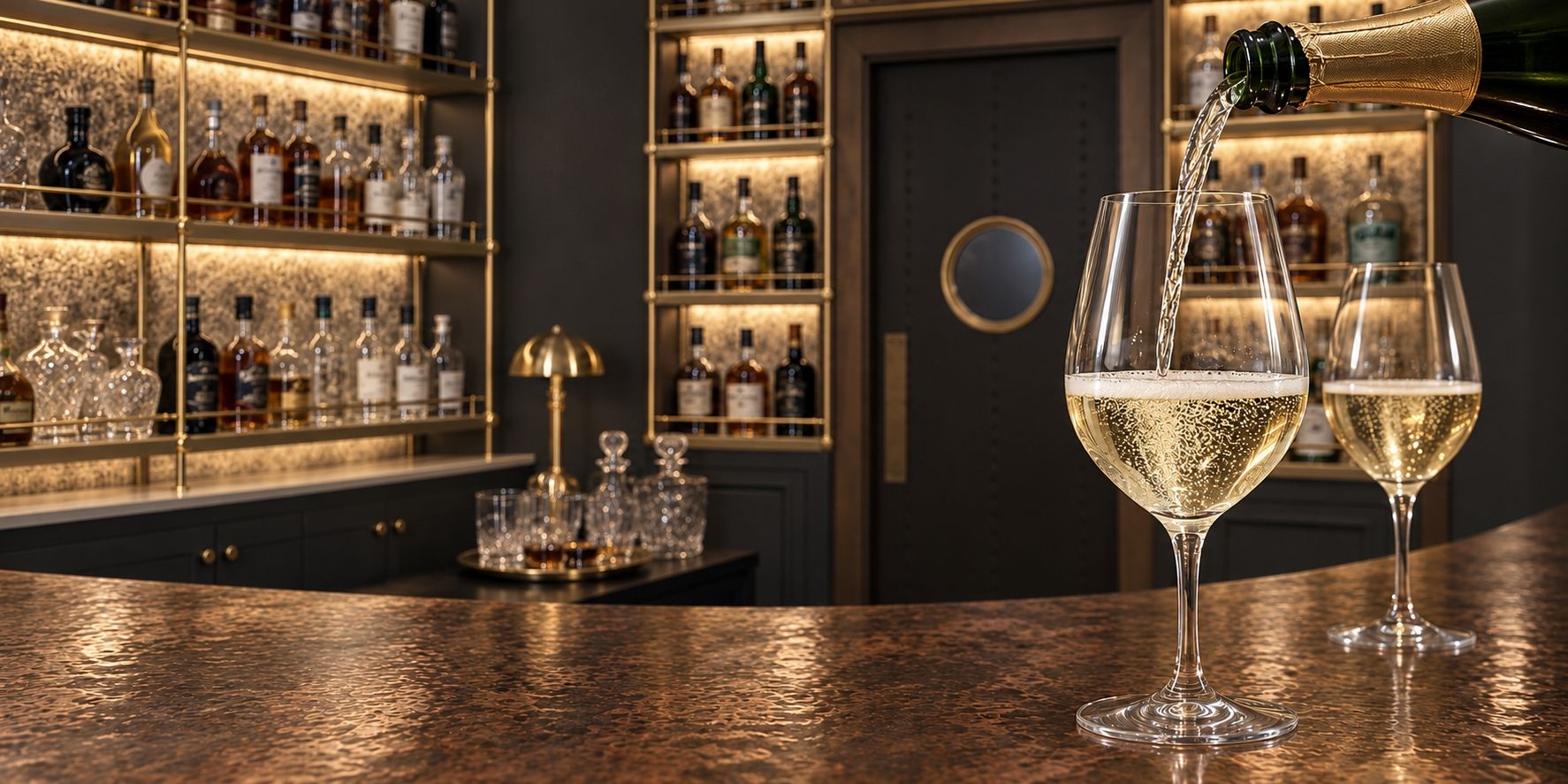
The bar at Bar Caviar, 256 S. 16th St.Kenneth Schutz
Bar Caviar (256 S. 16th St.): Opening in early October in the Dwight D Hotel in Rittenhouse, this bar will pair caviar and seafood with 50 varieties of Champagne and a full wine program in a setting that’s more neighborhood than hushed luxury lounge. Executive chef Greg Vassos’ contemporary American menu, informed by classical French technique and Japanese precision, will feature raw-bar selections, caviar-focused dishes, and seasonal small plates. The restaurant also will operate Parallel, a caviar program emphasizing careful sourcing and extended maturation. In 2027, Vassos plans to follow with Fall Line, a Mid-Atlantic-focused tasting-menu restaurant.
Brunch Bulls (1638 W. Passyunk Ave.): Brothers Derrick “Dee” Long and Jarrick “Jakk” Long are behind this all-day brunch/dinner/dessert restaurant in Point Breeze. They say they’ll be open by December.
Call Your Mother (262 S. 19th St., 1500 Frankford Ave., 12th and Sansom Streets): The lively, Washington-based “Jew-ish” bagel chain is making a three-location push into Philadelphia, starting this week with its Fishtown debut. Menu includes bagel sandwiches, schmears, latkes, coffee, and deli-inspired specials.
Carolyn’s Modern Vietnamese (2015 Walnut St.): This week, chef Carolyn Nguyen opens her deeply personal successor to Revolution Taco, which she co-owned in the space for a decade. Her menu brings together her family’s Vietnamese cooking, the seafood boils and Southern food of her Louisiana childhood, French culinary technique, and the freewheeling flavor combinations that defined her earlier ventures. The 33-seat restaurant serves dinner, and alcohol, in a spare, contemporary dining room.
Corte (1175 Ludlow St.):Corio partners Ryan Mulholland, chef David Feola, and James Smith are taking over the former Mulherin’s Pizzeria at East Market, between Iron Hill Brewery and Mi Vida. Feola will lead a menu built around house-made pastas plus proteins, vegetables, and small plates cooked in the large Mugnaini wood-burning oven. Mulholland will oversee daily operations and oversee an Old World-leaning wine list and cocktails inspired partly by forgotten recipes from century-old books. The dark-wood, earth-toned restaurant is targeting a fall opening.
DiDi (3748 Lancaster Ave.): DanDan owners Kevin and Catherina “Cat” Huang say they are “within a month or two” of opening their fast-casual pan-Asian concept at the Triad apartment building in Powelton Village. DiDi will join Kabobeesh, Karak Cha House, Shibam Coffee, Two Locals Brewing, and other businesses in the growing complex at 38th and Lancaster.
Divers Club (733 S. Fourth St.): Queen Village is in line to get a neighborhood wine bar from Susan Freeman, Chris Fetfatzes, and Heather Annechiarico (Grace & Proper, Wine Dive) in a former hair salon that sits on the same stretch as Famous 4th Street, Southwark, Ambra, and Fitz on 4th. Fetfatzes describes the mood as “dark, scrappy, and European — somewhere between a Paris backstreet wine bar and a graffitied Berlin hangout.”
Eggcetera Haus (625 S. Sixth St.): Husband-and-wife team Rey Tamaka and Vina Kencana soon will turn the former Redcrest Kitchen into an all-day bar-restaurant. Tamaka, previously the chef at an Old City brunch restaurant, plans breakfast, lunch, and dinner, moving from specialty coffee and morning dishes into pastas, steaks, cocktails, and comfort food at night. The couple expects daily service, giving the Queen Village-Bella Vista border another full-day neighborhood option.
Field Day (923 N. Second St.): James Beard Award-winning bartender and author Danny Childs and his wife, Katie, have a fall opening targeted for their casual regional cocktail bar in Northern Liberties, next to Cescaphe Ballroom. Childs’ drinks will use locally farmed, foraged, and fermented ingredients. Executive chef Melissa McGrath, known for her work at the idled Sweet Amalia Market & Kitchen, will offer Pennsylvania Dutch-inspired snacks, sandwiches, and tomato pies. Highballs, house-made sodas, boozy gelati, and walk-in seating will help keep the mood informal.
Habibi Supper Club (1515 E. Passyunk Ave.): Miled Finianos is giving his itinerant Lebanese dinner series a permanent home on East Passyunk — possibly by the end of year — serving late breakfast and lunch before he offers ticketed, multicourse suppers.
HYO (1222 Walnut St.): Nightlife veteran Justin Jordan plans an October opening for this Korean tabletop barbecue restaurant behind Hearsay, his indoor-outdoor sidewalk bar and listening lounge. Guests will enter HYO through a phone booth inside Hearsay. The restaurant is part of Jordan’s multilevel entertainment complex, which also includes Celine and the forthcoming Chancellor Room event space and karaoke lounge.
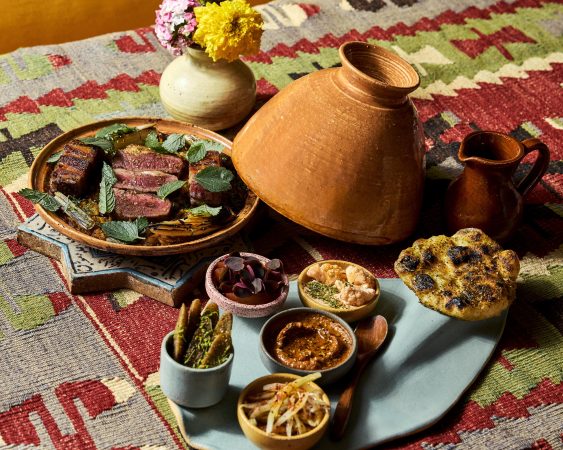
Jean (161 W. Girard Ave.): Emmett chef Evan Snyder and partner Julian van der Tak are going upstairs with a 15-seat tasting menu restaurant opening this fall. Snyder and chef de cuisine Antonio Pizzo will prepare a 12-course menu centered on a 7-foot wood-burning hearth, drawing on Algeria, Tunisia, coastal Morocco, and the southern Mediterranean for culinary influences. A tagine will roast throughout dinner before being served family-style.
Kato (1832 Frankford Ave.): Mei Meichef-owner Jay Ho is taking over the former Izakaya Fishtown space for a restaurant inspired by his Taiwanese father and the food Ho grew up eating. Influences from Korean, Thai, and Vietnamese cooking will broaden the menu. Ho, who hopes to open in late fall, plans to retain the front bar while replacing the rear sushi counter with additional seating that can double as a private dining area.
Lovat Square(184 E. Evergreen Ave.): Former Four Seasons sommelier Damien Graef and journalist Robyn Semien opened this Chestnut Hill wine shop and tasting room in February, offering small-production bottles, wines by the glass, and light fare. The couple, who also own Brooklyn’s Bibber & Bell wine shop, will debut a full dinner menu by the end of September.
Macaluso’s (3101 S. 13th St.): Realtor Joel Gruenke and restaurateur Mark D’Andrea, long-ago roommates at Valley Forge Military Academy, are looking at an early October opening of this white-tablecloth Italian restaurant at 13th Street and Packer Avenue, near the sports complex. D’Andrea’s family owns RoadHouse in Staten Island, N.Y. Gruenke says the moderately priced menu will stick to traditional Italian cooking and offer a full bar. Parking will be available across the street.
Mylar Bar (1636-38 S. Ninth St.): Hospitality veterans Liv Arterbridge and Gina Piccari are turning the former Dino’s Party Center into a festive neighborhood bar inspired by the building’s history. They promise something nostalgic, playful, and deliberately unserious. Drinks will include martinis, punches, classics, and draft beer. Chef Colin White, formerly of Sally and Emmett, will oversee shareable “party snacks,” larger plates, and desserts available late.
Nippy’s on South (1312 South St.): Nurse and first-time restaurateur Nikia Peterson has purchased the former Ms. Tootsie’s building for an ambitious restaurant and bar. Peterson plans a polished setting with seafood towers, steaks, Asian and Caribbean influences, a substantial happy hour, and weekend brunch. The project will revive a prominent South Street property that had remained closed since restaurateur KeVen Parker’s death in 2021.
O’Morrey’s (1720 Sansom St.): Chefs Biff Gottehrer and Kenjiro Omori are developing a cocktail bar on the former site of Genji, the Japanese restaurant created by Omori’s father. The name is a cheeky rendering of the Omori family name. Plans call for a comfortable neighborhood bar in the spirit of the Ripplewood, where both chefs work, with cocktails and a serious food component. Their second joint project, Tako Taco, is months away at the former Bing Bing Dim Sum in South Philadelphia.
Palm Vintage (1414 S. Penn Square): Houston Yang and Mike Beja, who opened this day-to-night cafe and cocktail bar across from City Hall in the Residences at the Ritz-Carlton, are close to expanding into a nighttime scene with cocktails, sushi, oysters, caviar, and light food in a lush, tropical-inspired room meant to offer an escape from Center City.
Panco (2300 S. Croskey St.): Chef Ryo Igarashi, whose background includes Tokio Global and Maru Global (noted for its takoyaki balls), is behind a corner shop in West Passyunk whose menu will focus on Japanese cutlets. He says it’s opening soon.
Philly Curio (2240 Frankford Ave.): Tattoo Arts Convention founder Troy Timpel is creating an intimate Kensington restaurant-bar around his private collection of curiosities (think tribal masks, skeletal displays, taxidermy, and glass-topped tables containing preserved animals). Inspired partly by Savannah’s Alligator Soul, Timpel has discussed a Cajun-Creole menu with small plates and unconventional proteins such as rattlesnake. Drinks are expected to include cocktails, wine, bottled beer, and limited drafts. Target is November.
Philly Po’Boy (102 W. Berks St.): Brothers Chris and Greg Lynch are bringing a taste of New Orleans to the storefront beneath the Berks station of the Market-Frankford Line. Chris spent years cooking in New Orleans, while Greg’s Philadelphia background includes Starr Restaurants and LMNO. Plans call for classic powdered-sugar-dusted beignets, gumbo, and a mix of classic and specialty po’boys like fried shrimp, oysters and roast beef “debris,” plus fries, Creole potato salad, and café au lait from coffee roasted by Applied Arts in New Orleans.
Santé Social(1546 E. Passyunk Ave.): Sommelier Daniel Solway is giving his roving dinner series a permanent home across from the Singing Fountain. The approximately 30-seat space will function less like a conventional restaurant than a flexible hospitality venue, hosting wine dinners, tastings, classes, collaborations, private events, and some walk-in service. Cocktails are being developed with Danny Childs of Slow Drinks and Field Day, while changing chefs and collaborators may shape the food programming.
Somedays Bakery (1601 Walnut St.): Hand-laminated croissants are the foundation of this Queens-rooted bakery, which deals in sandwiches, salads, soft serve, and coffee. It’s targeting the end of the month.
Thalassa (918 N. 28th St.): Matt Maltepes is looking at late October or early November for his Greek-inspired cafe in Fairmount that will serve baklava, croissants, and house-made ice cream in flavors that change weekly. Savory offerings will include small plates such as feta grilled cheese with honey, avocado toast, and bagels with cream cheese. The drinks menu will feature European-style coffee preparations, including frappes and Freddo espresso.
Looking ahead
Two major projects are now on the docket for January, as the owners don’t want to compete with the holiday-season madness:the Pelican Club, Stephen Starr’s flashy Greek-themed restaurant taking shape in the former Devon Seafood Grill on Rittenhouse Square, and the yet-to-be-named “punk French” restaurantthat chefs Justin Bogle and Arthur Cavaliere are creating at the former Winnie’s Manayunk.
The long-closed Mermaid Bar in Mount Airy will retain its name under the new ownership of pizzaiolo Dan Gutter and business partner Alex Carbonell of Circles & Squares and Pizza Plus. The project, announced earlier this year, is aiming at a summer 2027 rollout.
This week’s edition of Shackamaxon covers data centers, property assessments, and more woes at the Philadelphia Sheriff’s Office.
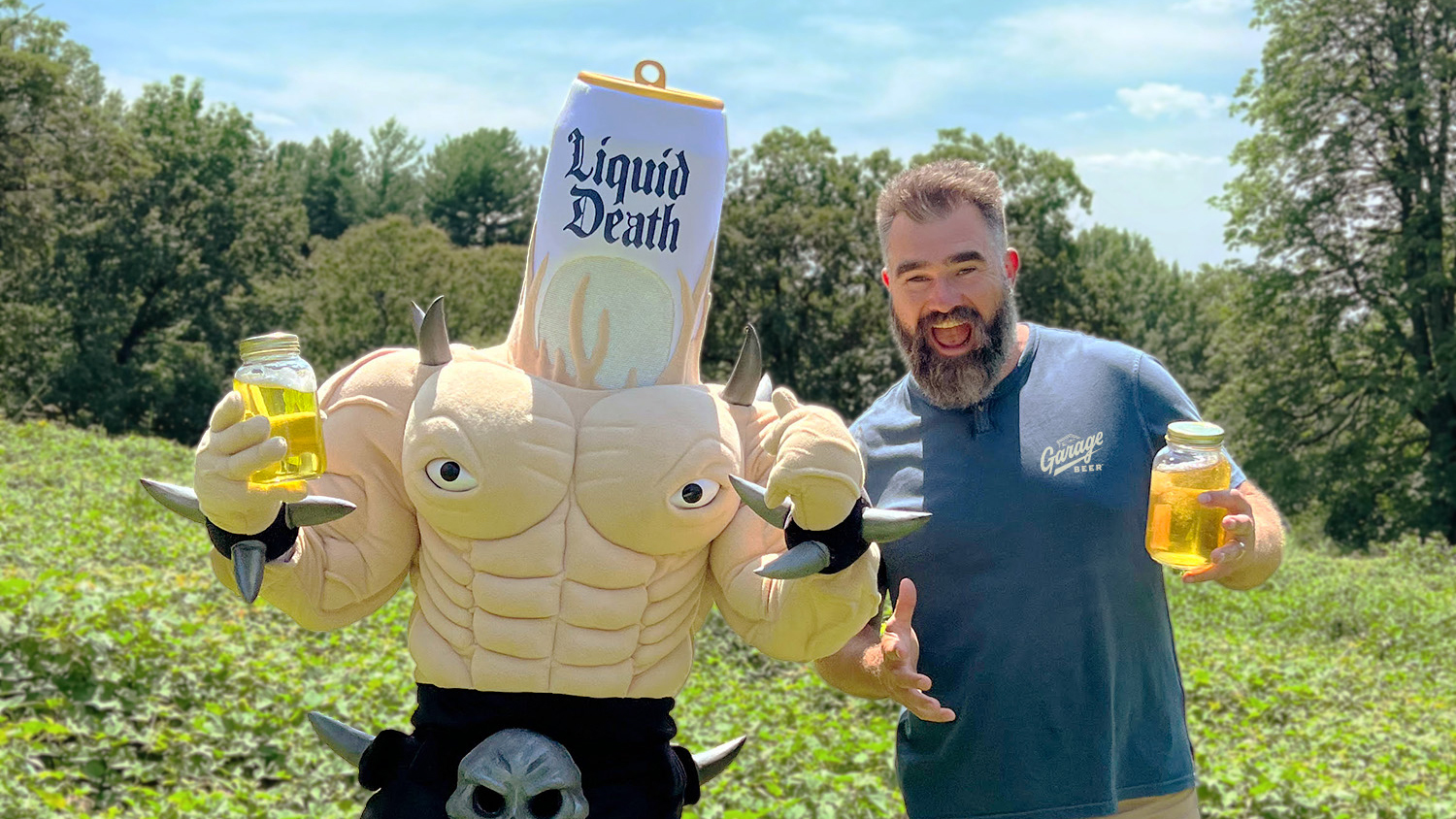
Jason Kelce with Liquid Death mascot Murder Man in an ad for the canned water and Garage Beer.Garage Beer
Sports data center
Former Eagles offensive lineman Jason Kelce seems to be more omnipresent in retirement than he was during his career. Most recently, he filmed a commercial for Garage Beer and Liquid Death that asked Americans to send him their urine to supply data centers.
While conjuring a negativeimage of yellow liquid in a cup is probably an unwise strategy for someone who co-owns a light beer company, Kelce’s commercial had another major problem — data centers don’t actually use as much water as public perception suggests.
In fact, the biggest threat to U.S. water supplies is something far more mundane: alfalfa farming.
Across the arid Western states, farmers are using vast amounts of water to irrigate their fields, which are then used to feed cows for the beef industry. A single acre of alfalfa uses 1.6 million to 2.5 million gallons of water. In Utah, feed farming uses over half the state’s water supply. Meanwhile, the data centers themselves increasingly rely on closed-loop systems. The water used as coolant gets purified and reused, reducing their own need.
The confusion over water use is emblematic of the general debate over the centers, which is rife with hard-to-vet claims. And shifting public opinion has left politicians in both parties flat-footed and scrambling to react.
Gov. Josh Shapiro, the ever-Ambitious Abingtonian, issued his own response to the situation. Much of what Shapiro said is reasonable. He wants tech companies to pay for their own power and contribute to community benefits agreements, and to respect the Pennsylvania Constitution’s guarantee of clean air and pure water. Some of it is less sensible, specifically his commitment to local control.
Local control sounds great in theory: Why shouldn’t communities have the final say over how they are developed? In practice, however, it is shortsighted. There are two reasons for this.
One, the impact of data centers is regional, not local. If opponents are correct about the impact on water and electricity bills, this impact will exist no matter where the centers operate. Given the PJM grid Pennsylvanians rely on spans multiple states, there is no plausible pathway for local communities to insulate themselves from rising energy demand by blocking data center proposals.
Two, not every community can afford to say no. Take the bankrupt city of Chester, for example. From its efforts to sell the Chester Water Authority to its role as host for the Reworld Trash Incinerator, financial considerations already play a big role in that city’s policymaking. By handing control to local authorities, the governor is ensuring cities like Chester will disproportionately play host to data centers.
For those who believe they will have a strong negative impact on quality of life, how is that possibly fair?
Instead, what is needed is federal, regional, or at least statewide coordination.
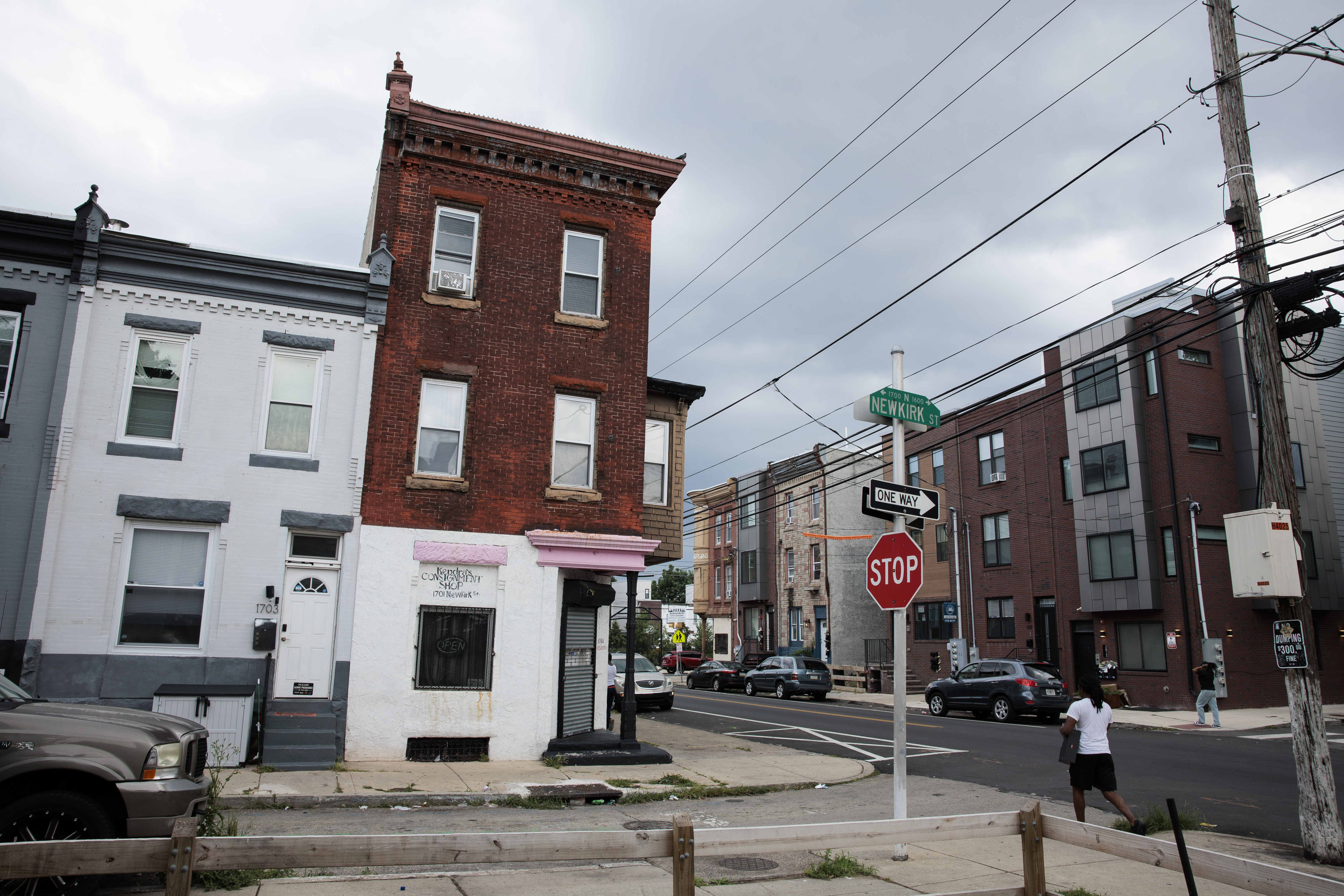
The 1700 block of North Newkirk Street on Aug. 20. On this block in Strawberry Mansion, some homeowners saw their property assessments double.Monica Herndon / Staff Photographer
Fair value
Over in Allegheny County, home to Pittsburgh and many of its suburbs, the courts have ordered local officials to begin a full property reassessment, which must be completed by 2032. Pennsylvania is unique in not requiring regular reassessment.
Pittsburgh’s values were last set in 2012, but more than a third of the state’s counties haven’t been reassessed since the 20th century. This leads to wildly out-of-whack and unfair tax bills for some residents.
Of course, Philadelphians can tell you that regular reassessment is not a panacea for discontent. The city’s most recent valuations have set off a firestorm of consternation, especially given how many lower-income areas saw big increases. It doesn’t help matters that the neighborhoods Cherelle L. Parker used to represent on City Council, and powered her election as mayor, saw some of the smallest boosts in valuation.
As tempting a story as the mayor favoring her core supporters while squeezing the city’s poorest neighborhoods may be, that is not an accurate assessment.
Given the massive decrease in shootings and consistent efforts to clean and green the city, it is not surprising to see increased demand for neighborhoods like Kensington, Grays Ferry, and Fairhill. While there is still a long way to go on public safety, higher valuations are a sign of progress.
It also should remind Council members that their theory that development drives property appreciation is faulty. Many of the neighborhoods with higher appreciation have seen little to no new development. In Northern Liberties/Fishtown, one of the city’s hot spots for new construction, values increased by just 1.7%.
Additionally, the city has a powerful tool for protecting low-income homeowners: the homestead exemption. While the city’s stated property tax rate is 0.013998, owner-occupants pay a much lower rate. For a home valued at the city’s median of $260,000, the total tax bill is $2,239.68, or 0.008614. In Fairhill, where the median home value is $80,000, the homestead exemption eliminates the total tax liability for many residents. Boosting the exemption from $100,000 to $110,000 or $120,000 would ensure more low-income homeowners are protected from rising tax bills.
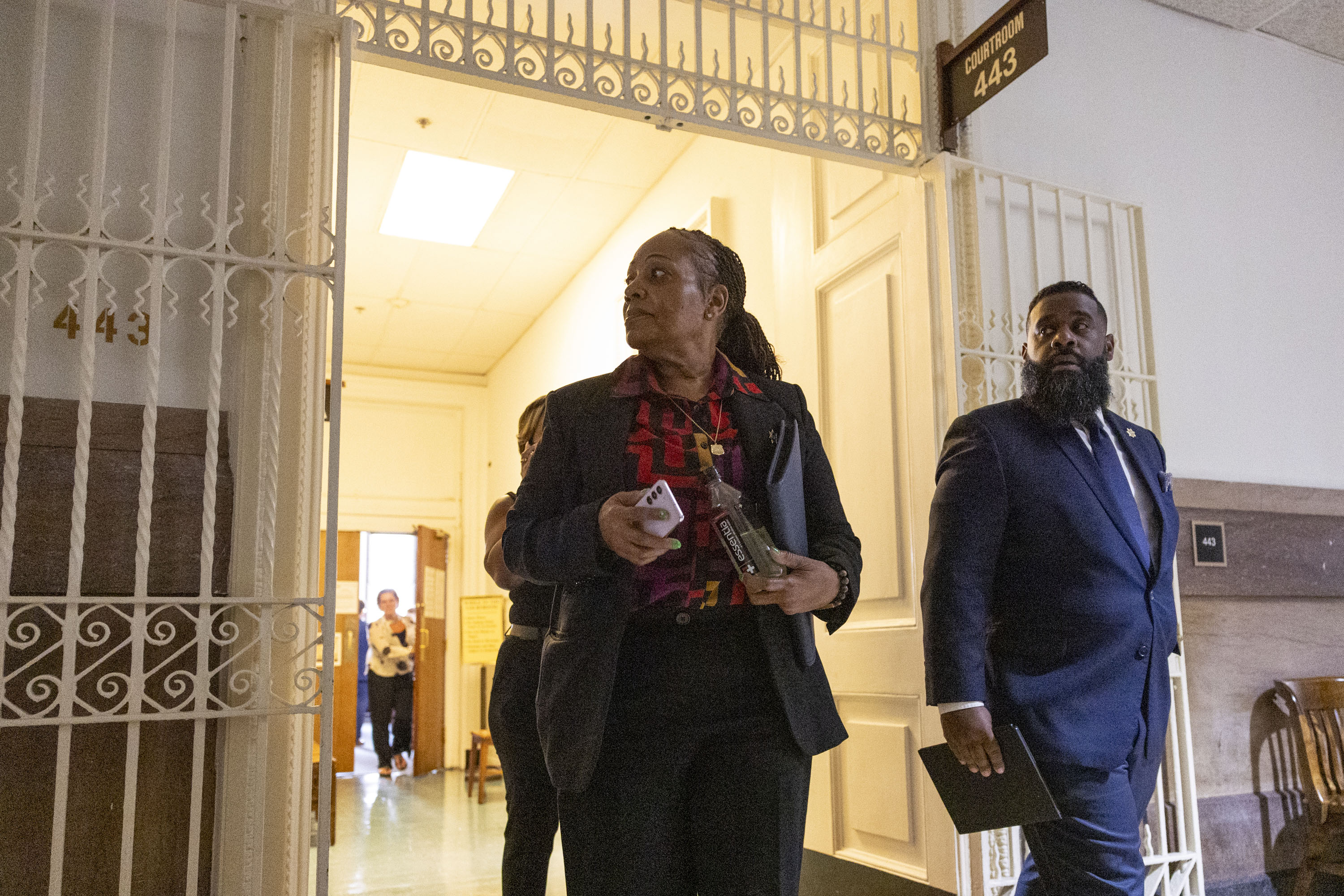
Sheriff Rochelle Bilal is seen exiting a courtroom at City Hall on Wednesday.Tyger Williams / Staff Photographer
Bilal’s babysitter
Mayor Parker wouldn’t do it. City Council wouldn’t, either. Accountability for the Philadelphia Sheriff’s Office instead came from Common Pleas Court Judge Paula A. Patrick.
After listening to a list of excuses and promises, it was clear Patrick had her fill of incompetence. The beleaguered department, which had been ordered to produce a specific set of documents months ago, suddenly released thousands of pages the night before the hearing.
Instead of putting officials before the court with direct knowledge of why a backlog in processing property deeds began, Sheriff Rochelle Bilal instead sent Steven Wakefield, a deputy undersheriff who was hired just two months ago. Wakefield was tasked with testifying about past events he was not privy to, despite repeated warnings from the judge.
As for Bilal herself, she claims to have “limited personal knowledge of the underlying facts.”
Issuing deeds is one of the core functions of her job, but apparently the sheriff had no idea what was going on. Instead, Wakefield tried to scapegoat a former employee named Melissa Simpson, who had apparently been handling the entire process on her own without oversight from anyone.
This testimony led to an agreement in which Bilal will have to identify someone to oversee deed sales for six months. A babysitter, essentially.
While it is good to see someone holding the sheriff accountable for once, a temporary babysitter is only a partial solution. The office should be abolished.
Sadly, that seems unlikely. Bilal may struggle to perform her day job, but she has thrived at building up political allies. She has been invited to news conferences by District Attorney Larry Krasner, remains a political player after her years running the Guardian Civic League, and faces next to no criticism from City Council. She was even honored by the Phillies as a “hometown hero.”
Troublingly, Bilal does not even seem to have an opponent in next year’s elections, despite the continued public mismanagement of her office. That, at least, should change.
Perhaps the Ambitious Abingtonian can find a Perspicacious Philadelphian willing to take on the challenge of replacing Bilal.
Haverford Square Properties wants to transform an industrial stretch of Lancaster Avenue into a residential and small-business hub, with 420 apartments and more than 30,000 square feet of commercial space across three projects.
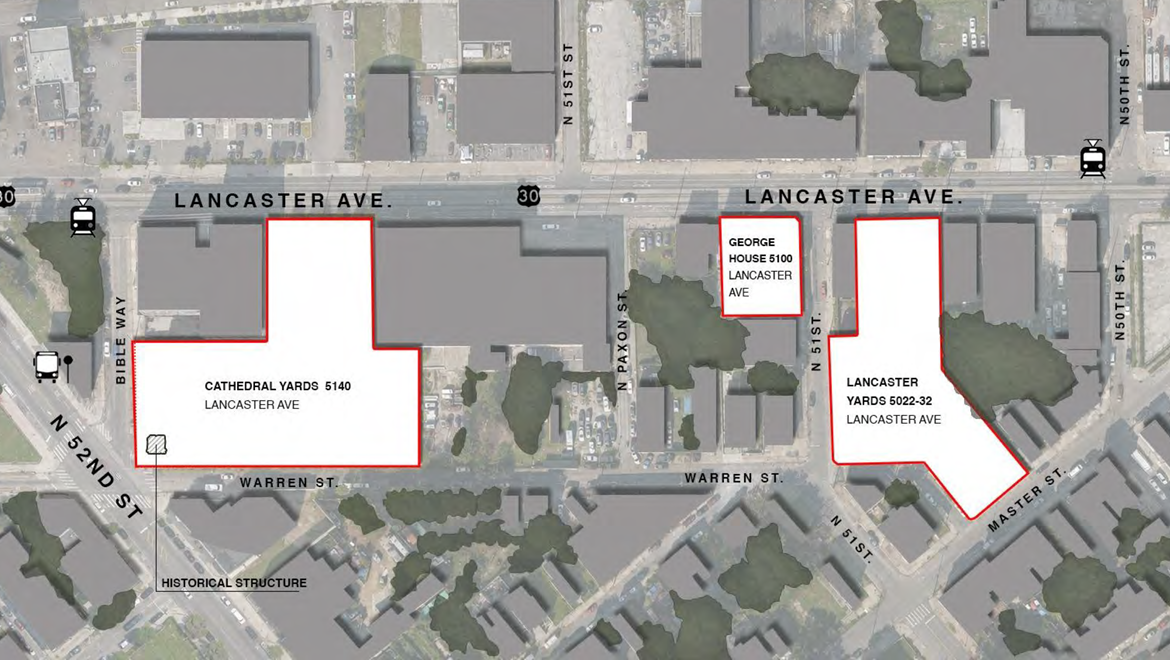
The ambitious plan would unfold between 50th and 52nd Street, with the 215-unit Cathedral Yards at 5140 Lancaster Ave. to the northwest and the 160-unit Lancaster Yards to the southeast at 5022-32 Lancaster Ave. Cathedral Yards would take the place of the Greater Bible Way Temple, a church that burned down in 2019.
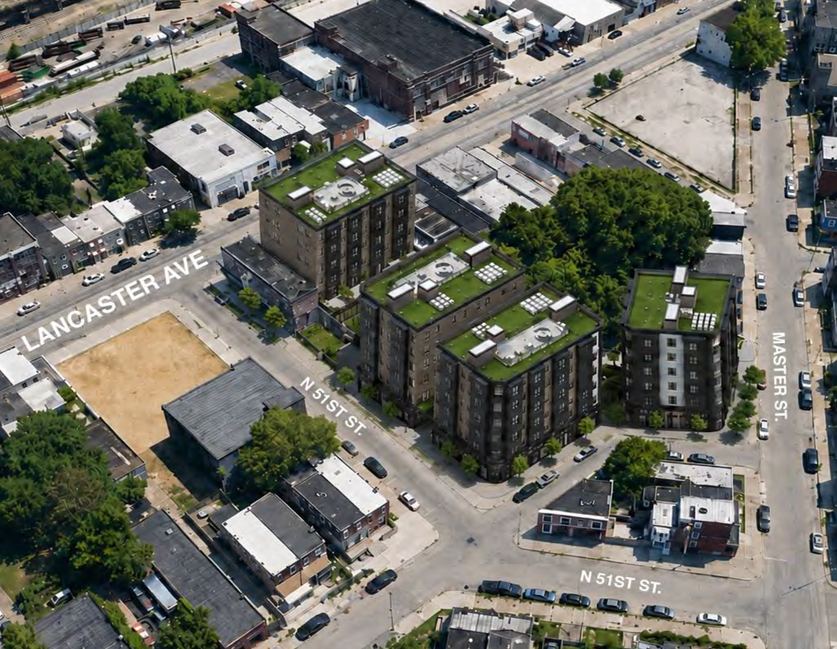
The two complexeswould comprise four connected six-story buildings, with roof decks and commercial space on the ground floors. A smaller building at 5100 Lancaster Ave. would include 45 mostly two-bedroom apartments, and Haverford Square’s headquarters.
On Tuesday, the Cathedral Park Community Development Association held a meeting about the project. Attendees shared a variety of concerns, but the chief issue was parking. The project has 65 parking spaces for more than 400 units.
“That building is gorgeous, but it has an issue and that issue is parking,” said Kim Fuller, a neighborhood leader. Haverford Square noted that because the project sits directly on a trolley line, and enjoys frequent bus service, parking is less necessary.
Rents will be kept relatively low for new construction, with a one-bedroom unit priced under $1,650 and two-bedroom units under $1,900. Sixty percent of the 420 units will be one-bedrooms, and the rest two-bedrooms.
Haverford Square will offer “workforce rents for, like, a SEPTA driver or city worker,” said German Yakubov, president of the development group.
“[Households] making between 12 and 16 bucks an hour that have two incomes can easily afford a brand new apartment with amenities that they wouldn’t otherwise be able to afford in Center City or Northern Liberties,” he said.
A map of Haverford Square Properties’ three proposed projects along Lancaster Avenue.Wisdomtree Group
“We’re able to control a lot of the costs,” said Yakubov, because Haverford Square has its own construction company and in-house architecture. “And because we’re able to build in other places, we’re able to negotiate better pricing for a lot of our material.”
For this project, low rents are also manageable because the company purchased the land for the three properties for $4.5 million, relatively cheap.
Ten percent of the apartments in Lancaster Yards and Cathedral Yards will have affordable rents as part of Philadelphia’s Mixed Income Housing Bonus program, which allows developers to build denser projects than zoning wouldtypically allow — as long as they include affordable units.
Those 42 units will be available to people making less than 50% of area median income, or under $42,000 a year for a one-person household.
Yakubov says the commercial space is key to the project, and Haverford Square plans to seeksmall businesses in the neighborhood, such asfood truck operators who want to move into a brick-and-mortar space.
“We’re really targeting businesses that have a following already, but don’t have the financial means to open up a brick-and-mortar location,” said Yakubov.
“We don’t anticipate opening any bars. We’re not going to have any places to serve alcohol or smoke shops or sell cigarettes or anything that would be a negative impact to the neighborhood,” he said.
An overhead rendering of Haverford Square’s 160-unit Lancaster Yards proposal, at 5022-32 Lancaster Avenue.Wisdomtree Group
Parking wars
At a Tuesday evening meeting, residents pushed back on the project, some saying the proposed buildings were too tall and others sharing fears of displacement.
But the most significant and frequent feedback was about parking.
Haverford Square proposed 65 parking spaces at Cathedral Yards, and none at Lancaster Yards, highlighting nearby bus and trolley routes.
“Please take it into consideration to eliminate that bottom row [of the building] and put parking in. Parking is so important,” said Fuller, an employee of Councilmember Curtis Jones Jr., who represents the area.
Audible groans rang out when Yakubov noted that many of his company’s tenants do not own cars — partly because they often have rental vouchers that are reserved for lower-income residents.
“No one bought it,” said Mark Harris, of the Cathedral Park Community Development Association, in an email following the meeting.
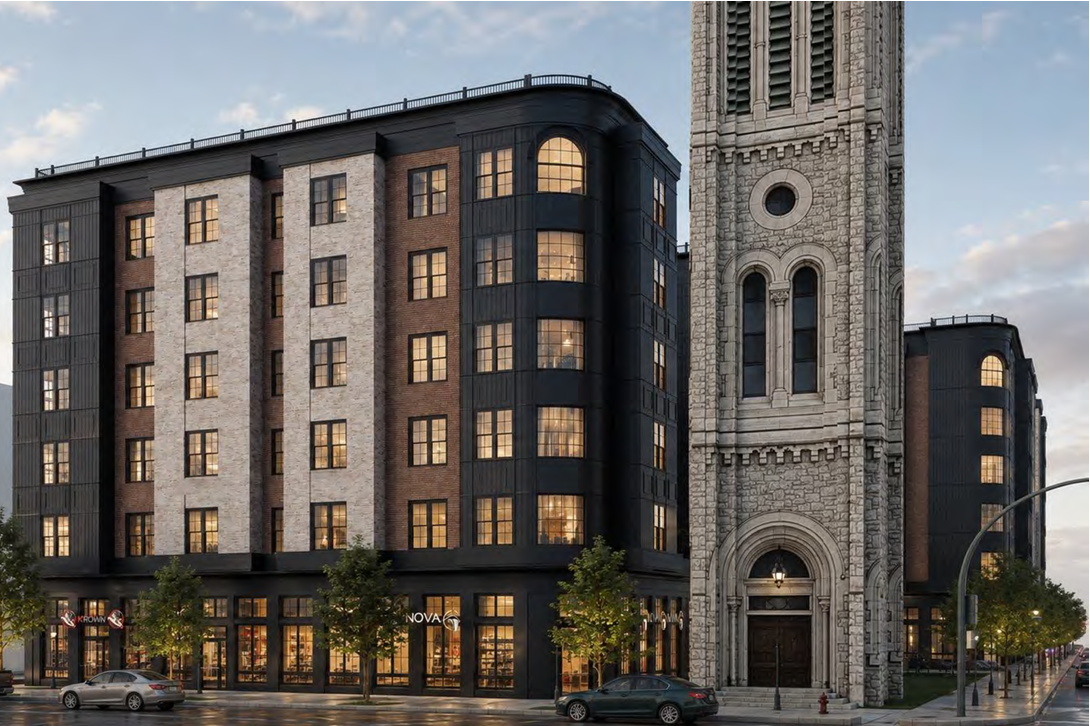
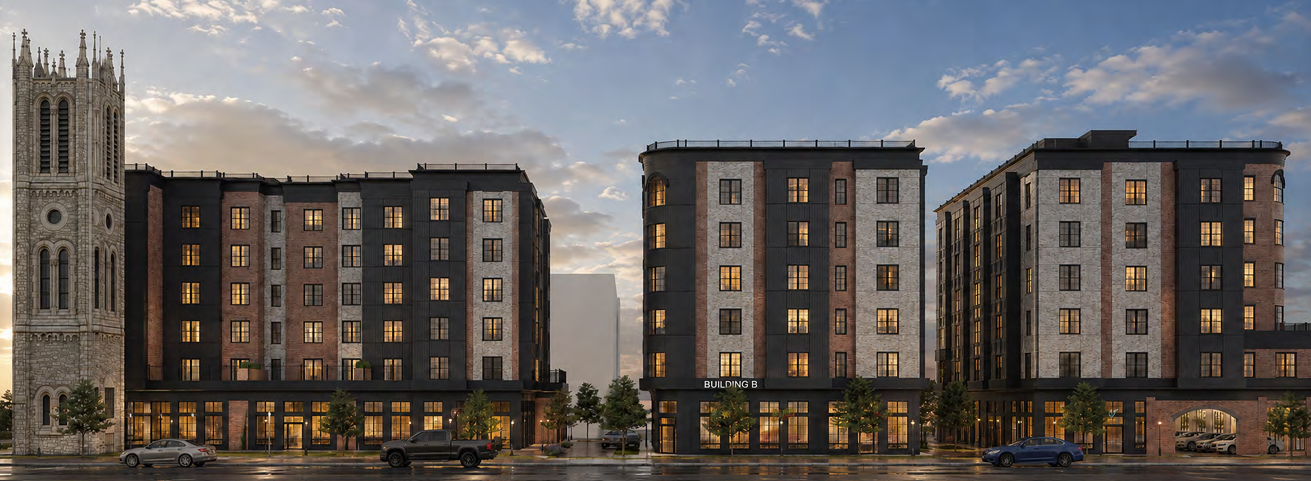
A rendering of Cathedral Yards, with the remnant tower of Greater Bible Way Temple at the left.Wisdomtree Group
At the end of the meeting, 21 attendees voted to oppose the project before the zoning board, while four were in support. Comments on Zoomwere more supportive of Haverford Square’s plans, compared with the in-person attendees.
Yakubov said on Tuesday that he would consider adding more parking in place of some commercial space.
Zoning approvals
Neighborhood support could be important for Haverford Square’s plans. Although the Philadelphia-based developer already owns the three properties on Lancaster Avenue, they need permission from the Zoning Board of Adjustment to move forward on this project. The board takes community feedback into consideration.
As currently proposed, the project exceeds the allowed number of units and is taller than existing land-use regulations allow.
Yakubov says additional height is needed to accommodate commercial space with high ceilings.
He argues that the zoning board hasrecently given other projects permission to build above height limits along Lancaster Avenue, so he is optimistic.
Although the Haverford Square project does not have many immediate residential neighbors, the nearby One Art Community Center is critical of the developer’s plans. The nonprofit organization sought to buy the Greater Bible Way Temple property to expand their services.
Greater Bible Way Temple sold to Haverford Square properties instead. In advance of Tuesday’s meeting, One Art sent an email to its supporters criticizing Yakubov.
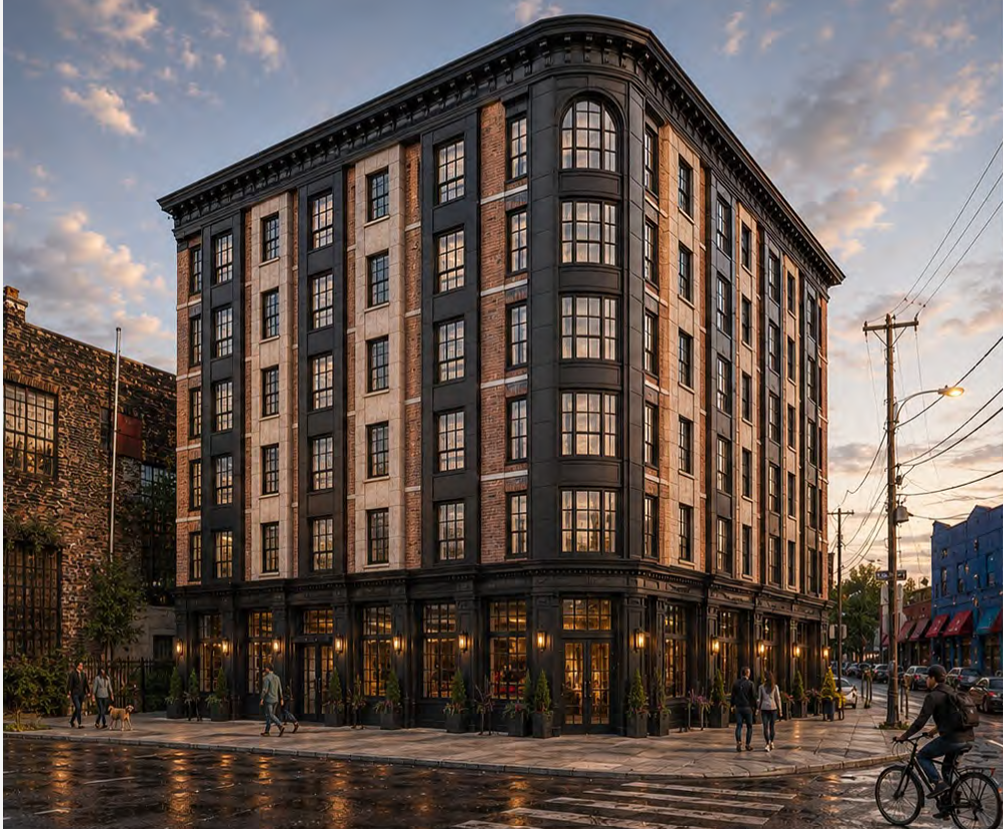
A rendering of one of the many six-story apartment buildings Haverford Square Properties has proposed for Lancaster Avenue between 50th and 52nd Streets.Wisdomtree Group
“We’re concerned about the increased traffic. … We have questions around the increased pollution and parking issues, sanitation issues, and the rise of the cost of living for the current residents,” said Malaika Gilpin, co-director of One Art, at the Tuesday night meeting.
In response to the group’s concerns, Yakubov suggested bringing One Art programming into the commercial space in the proposed project.
Yakubov said zoning board support is not essential to the project. If the project does not get approval, Haverford Square will move forward with a smaller version of the project without commercial space.
“If for whatever reason the wheels fall off and we’re not able to get zoning relief, we’re ready to proceed,” said Yakubov. But, he added, “I think that the commercial component it would be a huge boost to the community and to the city.”
Editor’s note: This story has been edited to update the number of units in the proposed development.
Several weeks ago, The Inquirer food desk deliberated on declaring a sandwich of the summer, after the New York Times designated Italian piadinas their pick for said title (a phenomenon that seems mostly confined to Brooklyn). Personally, I think the designation is pretty silly. Why?
The hot dog is the sandwich of the summer. It always has been, but it’s especially true now.
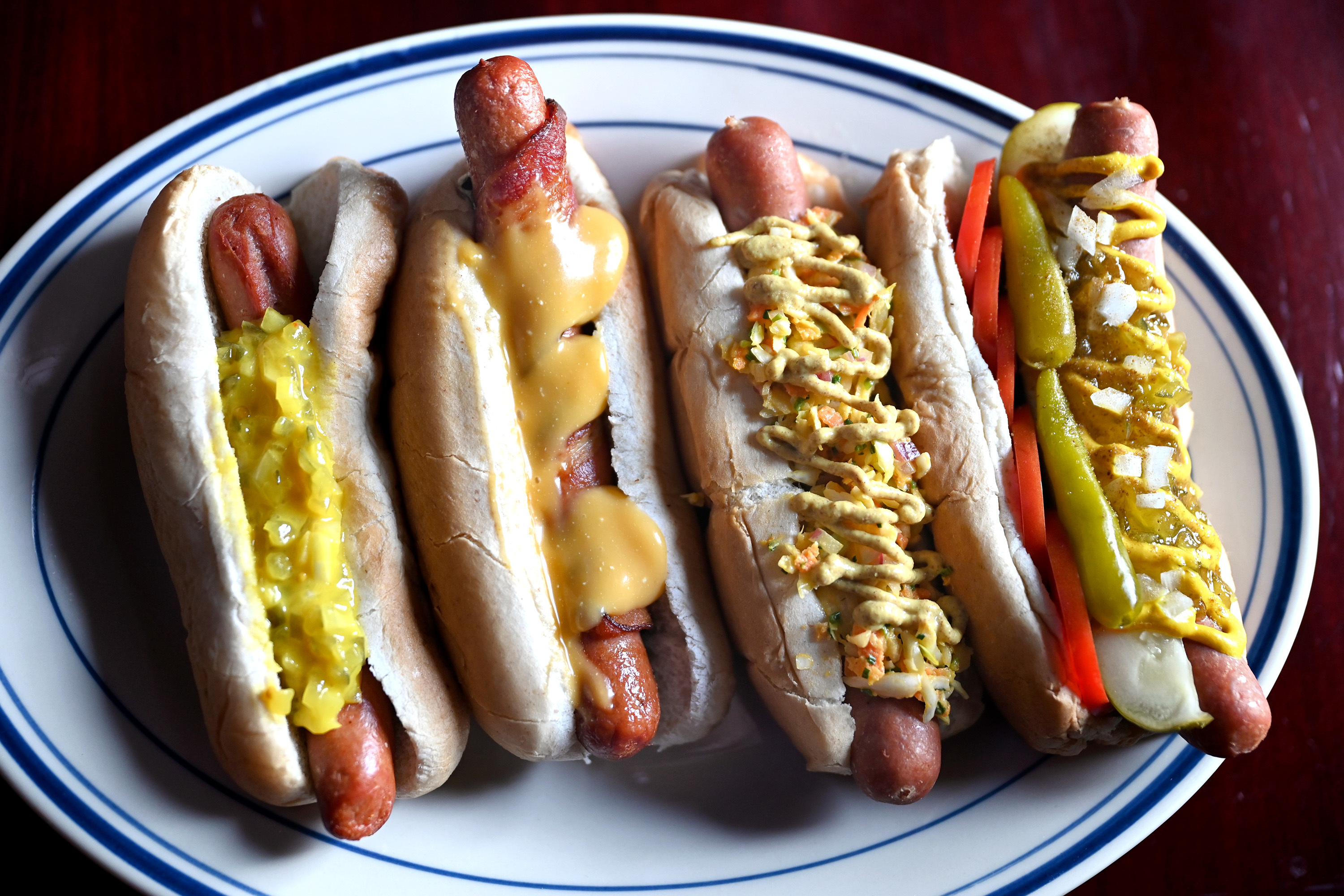
Hot dogs at Royal Tavern’s Dog Days of Summer special, held annually in July. (A few dogs remain on the menu in August.)Tom Gralish / Staff Photographer
The boom times won’t necessarily end after Labor Day, but, for many people, hot dogs have a season, and it is summer. After all, nearly half of the 100 million hot dogs made annually by Dietz and Watson, Philly’s homegrown deli meat maker, are sold between May and August, according to Lauren Eni Canseco, Dietz’s vice president of brand strategy and fourth-generation family owner.
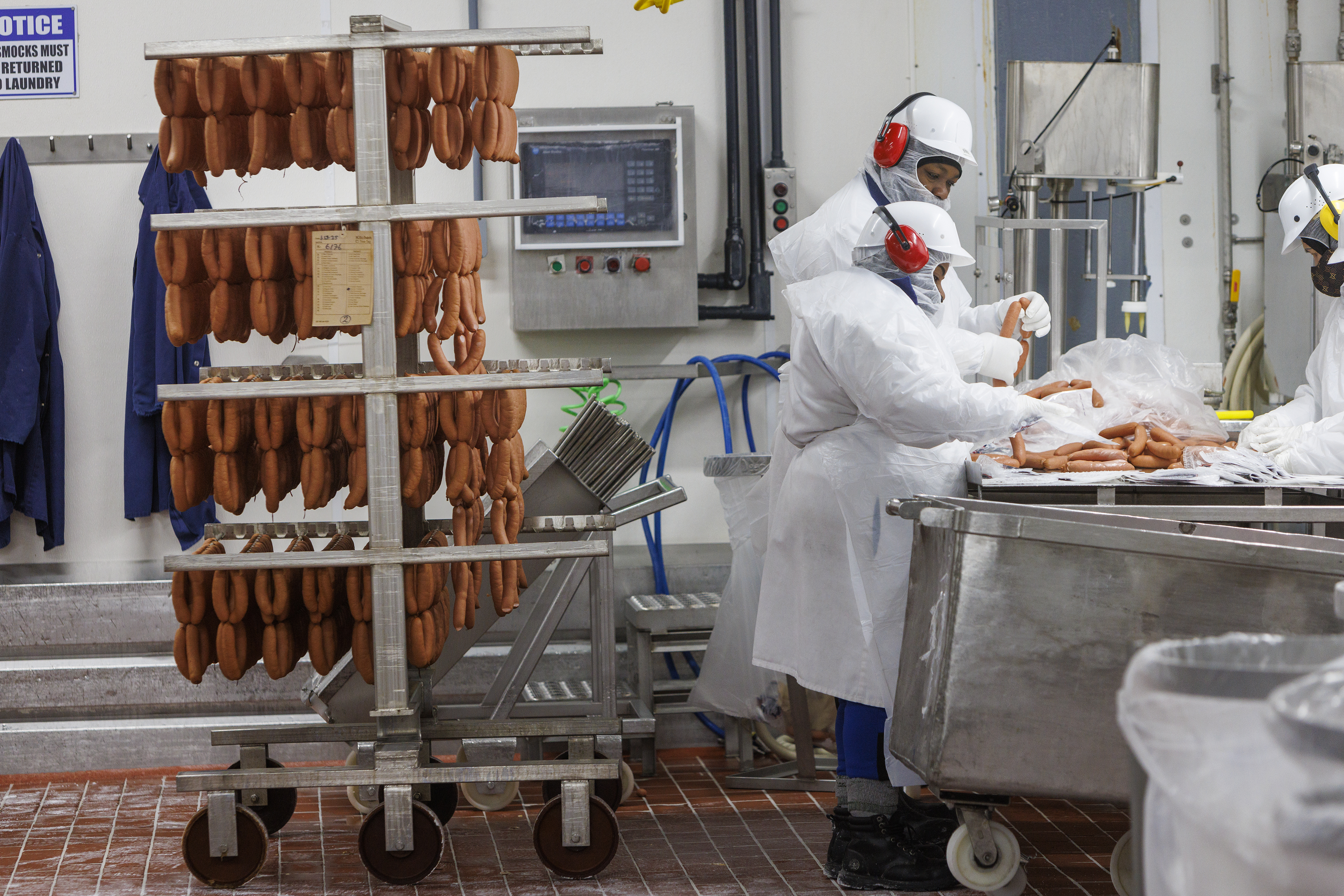
Food handlers packaging Black Forest Uncured Knockwurst at Dietz and Watson plant Philadelphia in 2025. Dietz and Watson produces and distributes deli meats, cheeses, and other specialty food products.Alejandro A. Alvarez / Staff Photographer
That the hot dog is the sandwich of the summer, here or anywhere, seems so obvious, it almost shouldn’t even need to be verbalized. It’s ballpark food, barbecue food — summer food.
The one major hitch? The enduring, irreconcilable debate over whether a hot dog is a sandwich. This is well-tread ground among hot dog enthusiasts, a subset of civilization that is fiercely opinionated and quite vociferous.
To give both sides of the argument equal air time, I asked several local glizzy authorities — makers, avid consumers, etc. — to weigh in. Is a hot dog a sandwich? Here’s what they said:
Craig LaBan, Inquirer restaurant critic: Technically, yes. As much as a hoagie, or hot roast beef, cheesesteak or cutlet can be a sandwich. You put sausage on a bun and call it a sandwich. Hot dog is a sausage, so …That is not to say hot doggery is the same thing as eating a peanut butter and jelly. … and it’s true hot dogs can absolutely exist on their own — in a pot of beans or Korean Army soup, baked into a croissant, wrapped in a blanket, in which cases they are not a sandwich. So … now that I rethink it, a hot dog is NOT a sandwich, but it can become one.
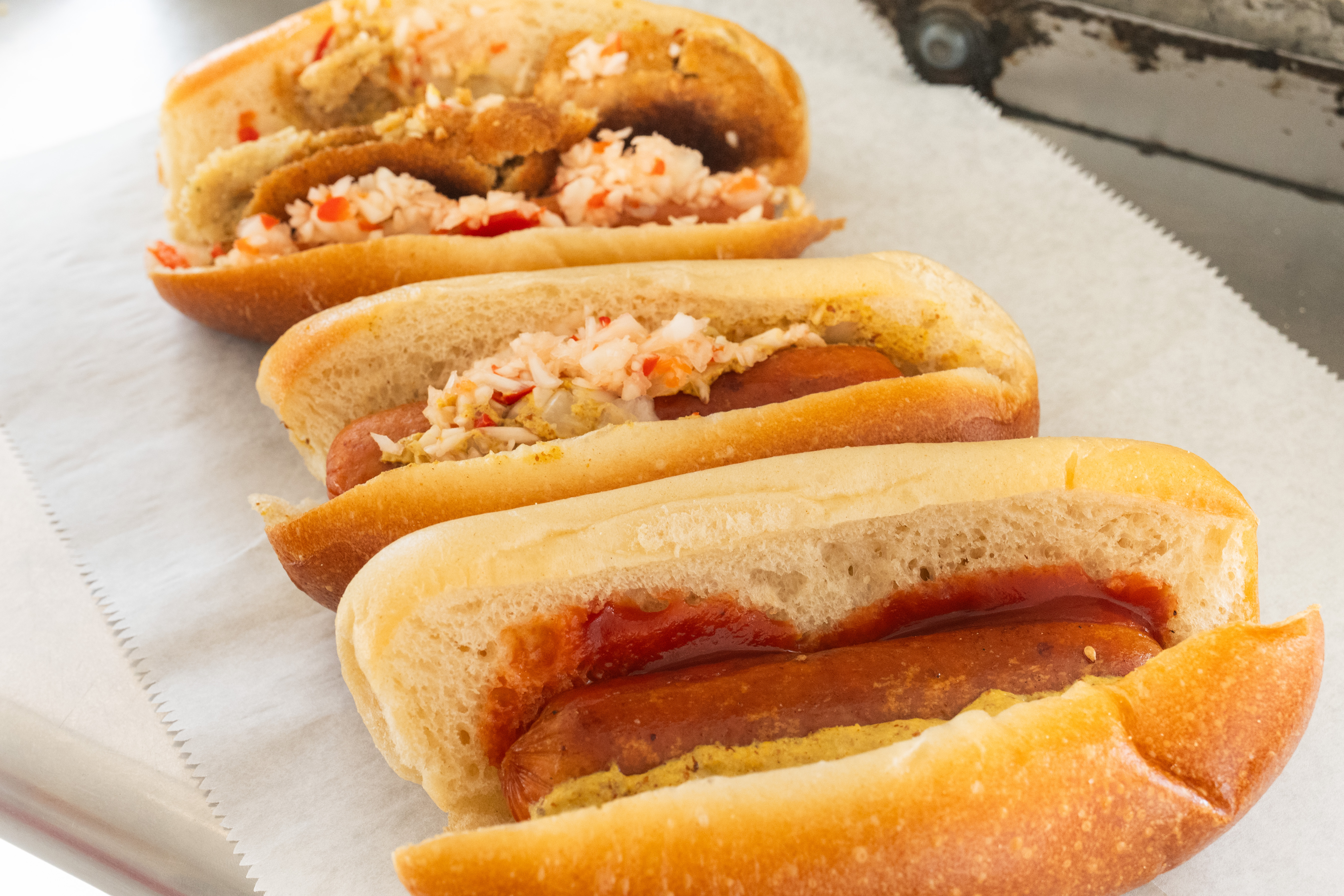
Standard hot dog with ketchup and mustard, hot dog with pepper hash, and hot dog with fish cake and pepper hash at Johnny’s Hots on Aug. 17.Jessica Griffin / Staff Photographer
Chris Barnes, owner of Lucky’s Last Chance: A hot dog is a hot dog! It’s unique and perfect and one of one. Anyone who says otherwise probably also likes ketchup on it.
Jen Zavala, owner of Juana Tamale: Yes, a finger sandwich.
Sandwiches are commonly considered a complete meal. One hot dog is a snack. You need two or three to make a meal.
Sandwiches are usually portable, packable. Something you can put in a Ziploc, bring for lunch, or save for later. This is not a pleasant or regular practice with hot dogs, they are designed to be eaten immediately.
Sandwiches are usually COLD, unless advertised as a “hot sandwich.” Hot dogs are almost NEVER served cold.
Hot dogs and sandwiches are best purchased from different sorts of vendors. You probably wouldn’t want a hoagie from your favorite Center City hot dog lunch cart; and you probably wouldn’t want a hot dog from your favorite Philadelphia deli (I’ve tried) — unless it was Famous 4th Street.
I’ve been painting and writing about hot dogs for almost 20 years. Poring over old articles, menus, going back to the early 1900s. Very rarely, or maybe even never, have I seen a hot dog historically referred to as a sandwich.
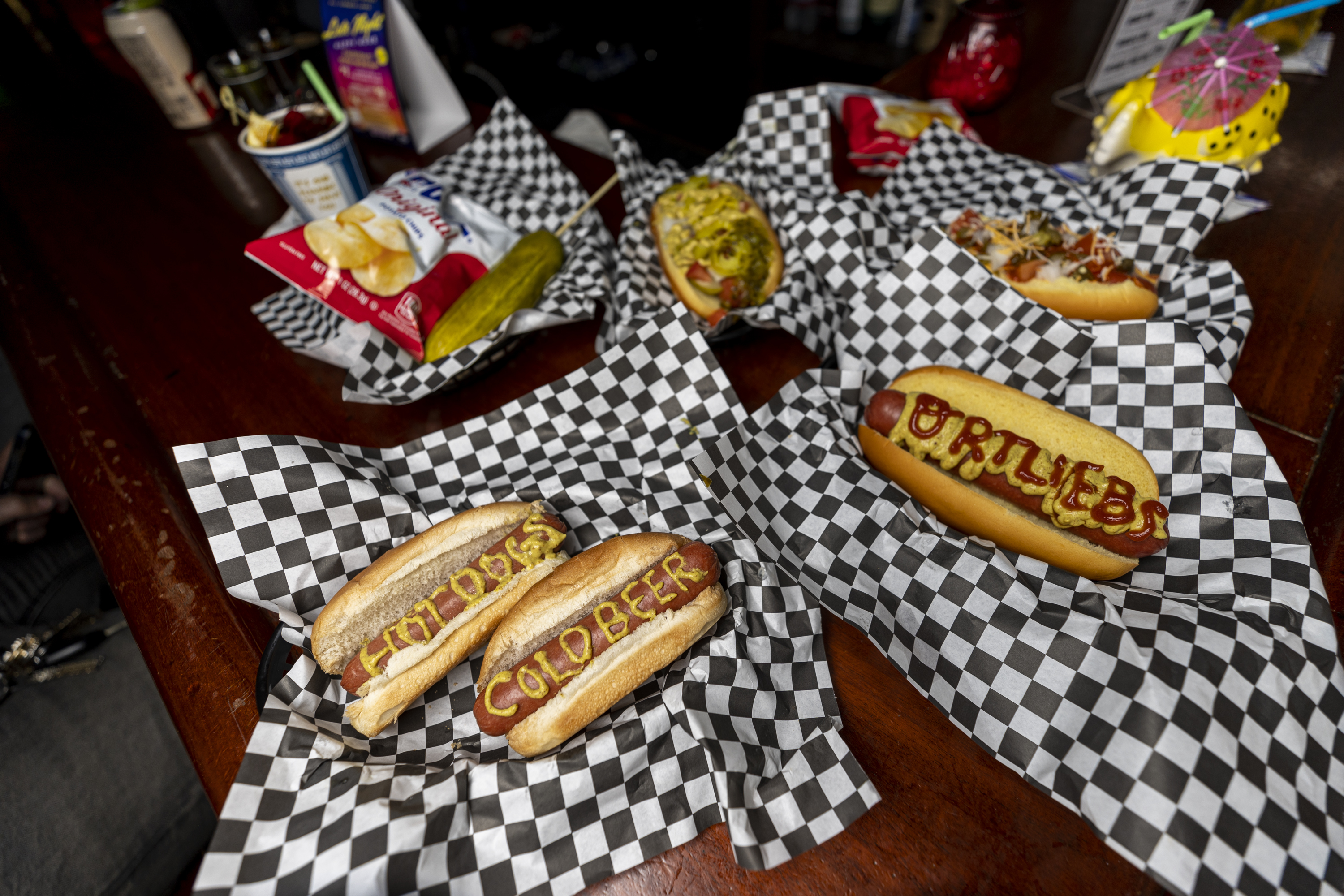
An assortment of classic hot dogs with mustard and ketchup writing at Ortlieb’s in Northern Liberties.Tyger Williams / Staff Photographer
Nic Macri, chef at Royal Tavern: Considering a hot dog is a hot dog without the bun, I am going to say no. I’ll tell you what is not a hot dog — a sausage in a hot dog roll!
Pierre Li Peters, aka @theehotdogsummer: A hot dog is not a sandwich because it’s an entirely different art form. A hot dog is a hot dog, even when it doesn’t look like the classic Nathan’s frank we all imagine. For example, a corn dog could be considered a part of the hot dog family but doesn’t really fit into the sandwich category … The beautiful thing about the hot dog community: It’s not limited in being classified as a sandwich; creativity flourishes due to unique characteristics shaped by the regions that enjoy them.
Lauren Eni Canseco, Dietz & Watson VP: A hot dog CAN be a sandwich, but it can also be an ingredient, an entree, or a snack! If it’s a high-quality, high-protein dog, the possibilities are endless.
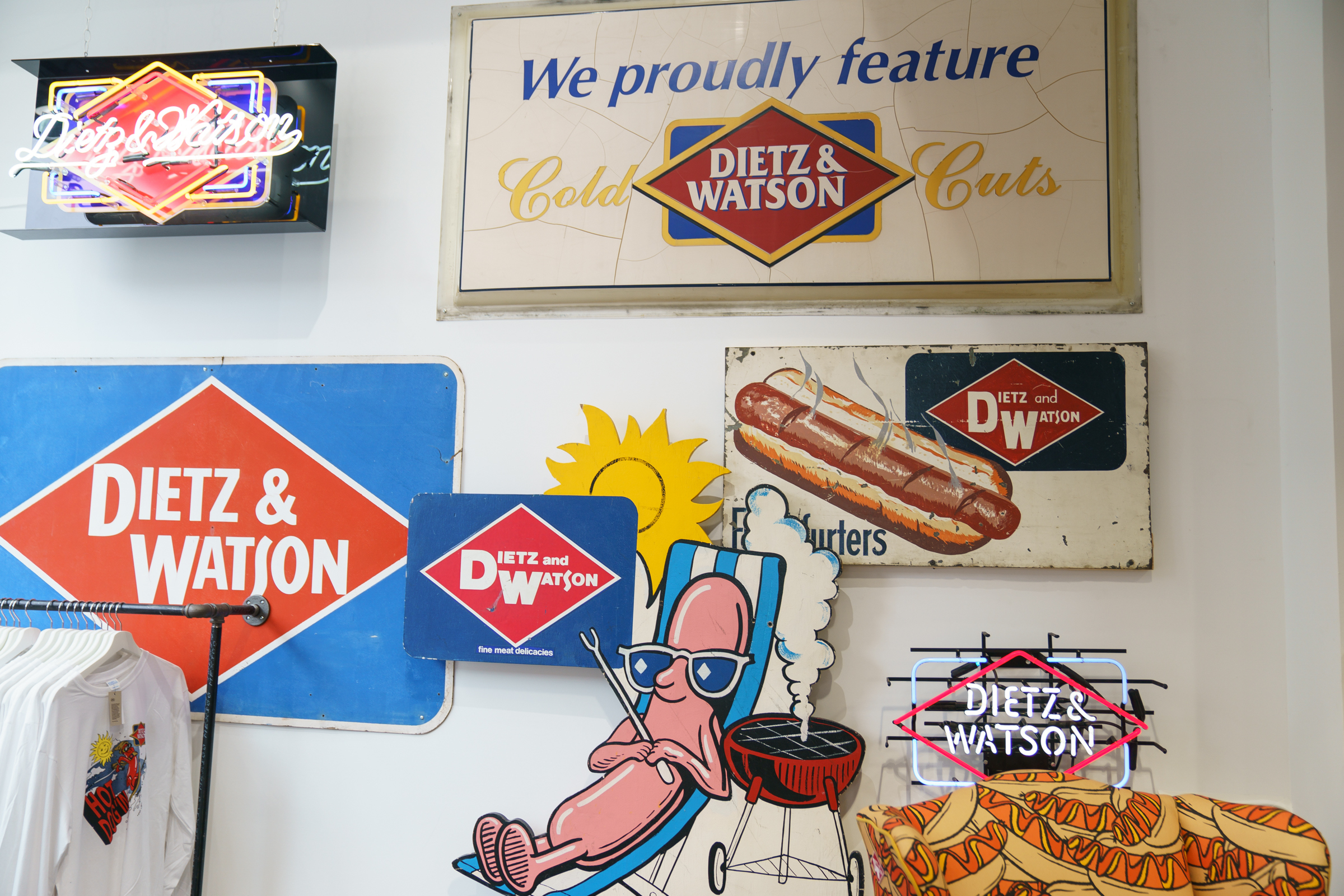
Retro wall decor at Dietz & Watson pop-up store at Fifth and South Streets in 2019.JESSICA GRIFFIN / Staff Photographer
Emilie Dormer, aka @glizzygirliez: In my heart, I don’t consider a hot dog a sandwich. A hot dog feels like its own category entirely. There’s something culturally distinct about it that gets lost when you simply call it a sandwich. That said, if you forced me to place it into one of the traditional food categories, I’d have to admit that yes, structurally, I guess that it probably qualifies as a sandwich. Bread, filling, handheld … the evidence is unfortunately there.
Ralph Stollenwerk, artist and hot dog illustrator: I think a hot dog is as much of a sandwich as a hoagie. Nobody officially calls it a “hoagie sandwich,” [just] as nobody calls it a “hot dog sandwich,” but it is meat held between bread. I’m calling it a sandwich, but I would NEVER call it a sandwich in public.
As for me, I pretty much agree with Stollenwerk. You can quibble with my headline, but the substance of the argument is undeniable: The hot dog is the sandwich of the summer, even if the “sandwich” is silent.
The Michelin Guide is taking its Northeast restaurant awards back to New York.
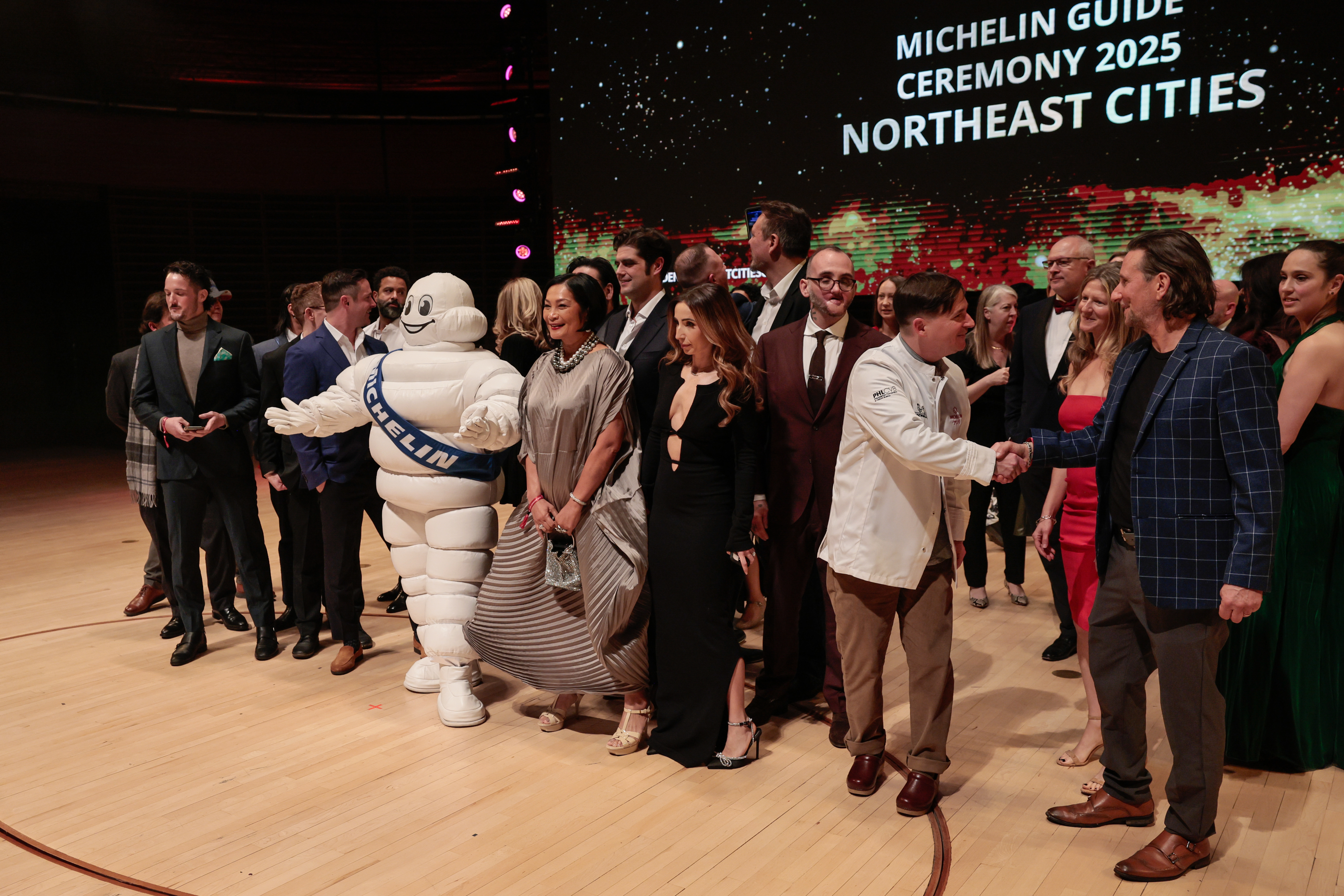
Michelin said Tuesday that its 2026 Michelin Guide Northeast Cities ceremony will be held Dec. 14 at the Glasshouse in Manhattan, where it will disclose its latest restaurant selections for Boston, Chicago, New York, Philadelphia, and Washington.
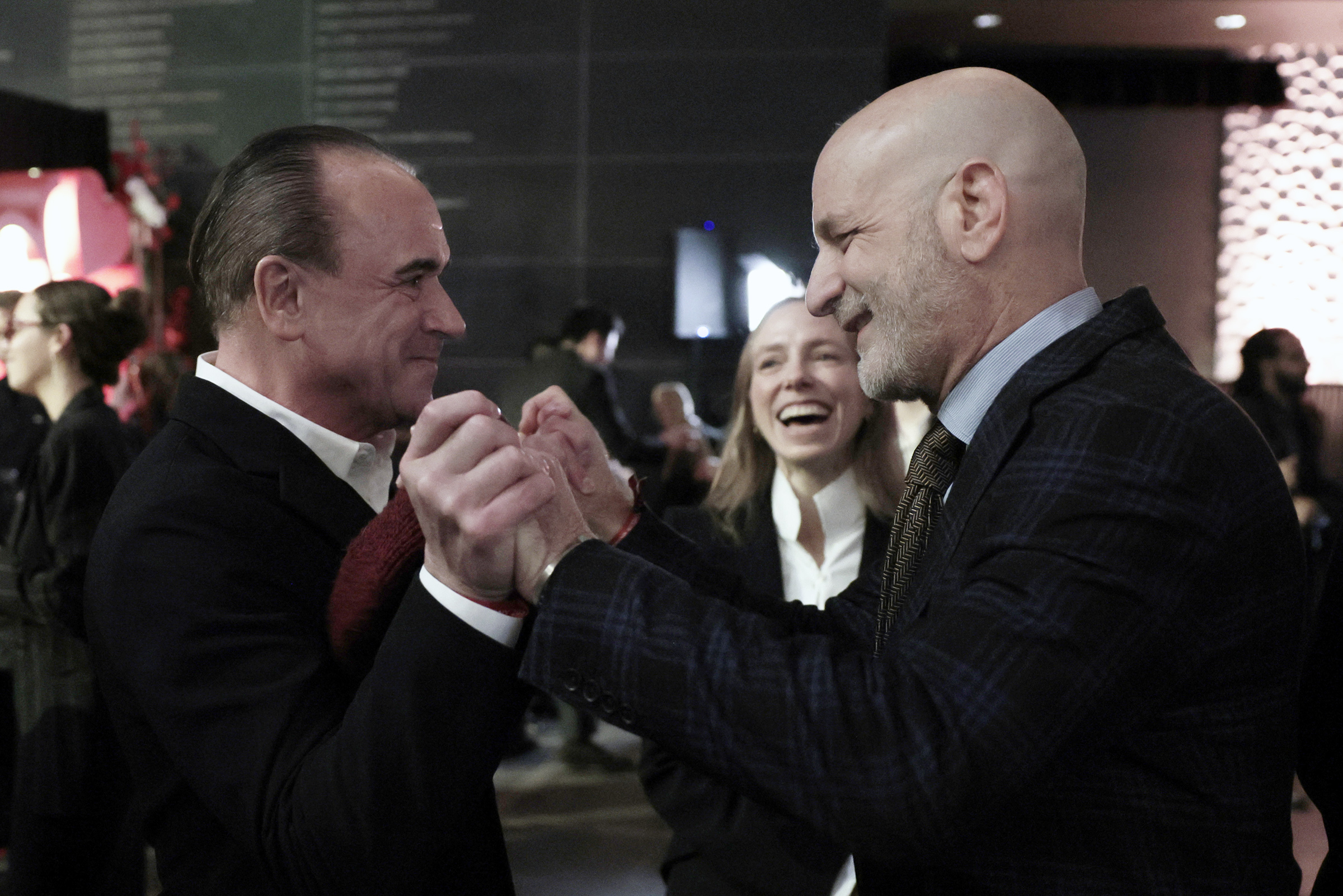
Jean-Georges Vongerichten and chef Marc Vetri greet each other as Megan Vetri looks on during the cocktail hour at the Michelin Guide announcements at the Kimmel Center on Nov. 18, 2025, in Philadelphia.Elizabeth Robertson / Staff Photographer
Restaurateurs should treat this as a reminder that Michelin’s famously anonymous inspectors are on the prowl.
The 2025 ceremony was held at the Kimmel Center in Philadelphia, as Philadelphia and Boston joined the guide for the first time. Michelin, which hosted ceremonies in New York in 2023 and 2024, said last year that it planned to hold the annual ceremony in different cities.
A representative of the Philadelphia Convention and Visitors Bureau was not immediately available Tuesday to say whether Philadelphia had sought to host the event again.
Last year’s ceremony, attended by culinary glitterati from around the world, gave Philadelphia its first Michelin stars. Friday Saturday Sunday, Her Place Supper Club, and Provenance each received one star, while 31 other Philadelphia restaurants — including three cheesesteak shops — received Michelin recognition. Ten earned Bib Gourmands, Michelin’s designation for restaurants offering good food at a good value, while 21 were Recommended. Pietramala, the vegan restaurant in Northern Liberties, also received a Green Star for its sustainability practices. (Don’t expect more Green Stars this year; the award category was retired in May.)
The Philadelphia chefs flooding the stage at the Michelin Guide announcements on Nov. 18, 2025.Elizabeth Robertson / Staff Photographer
Michelin’s stars denote increasing levels of distinction: One star signals very good cooking that is “worth a stop,” two stars indicate excellent cooking “worth a detour,” and three stars represent exceptional cuisine “worth a special journey.”
The French tire company introduced its first North American guide in New York in 2005 and has expanded rapidly since. Chicago followed in 2011 and Washington in 2017, while California, Florida, Toronto, Vancouver, Colorado, Atlanta, Mexico, Texas, and Québec were added in subsequent years.
The expansion has accelerated recently. Michelin added the American South, Boston, and Philadelphia in 2025 and the Southwest and a statewide Florida guide in 2026. An American Great Lakes guide is scheduled to debut in 2027.
Philadelphia’s inclusion is part of a partnership with the Convention and Visitors Bureau, which has not disclosed how much it is paying Michelin.
Gluten-free pizzas are generally less than exciting, as Craig LaBan notes, with textures ranging between pressboard and Styrofoam. At Barclay Pies, it’s not like that at all. Even the mozz sticks and their conventional pizzas are well worth a stop.
Wild Yeast Bakehouse, Wayne’s new sourdough bakery, has a living room vibe, writes Jenn Ladd. That makes sense, because the founder started baking out of his living room.
Saif Manna started baking during the pandemic in his Temple dorm room. He’s opening a brick-and-mortar home for his Levantine and Palestinian pastries, and tomorrow is the first day.
Ba Le Bakery in South Philly is practically synonymous with the city’s bánh mì scene. Now, writes Kiki Aranita, a third generation is expanding the business dramatically.
Two Sweet Boutique has had an interesting problem in its new location in Washington Township, writes Sarah Nicell. It’s selling out. Want that banana pudding? Get there early.
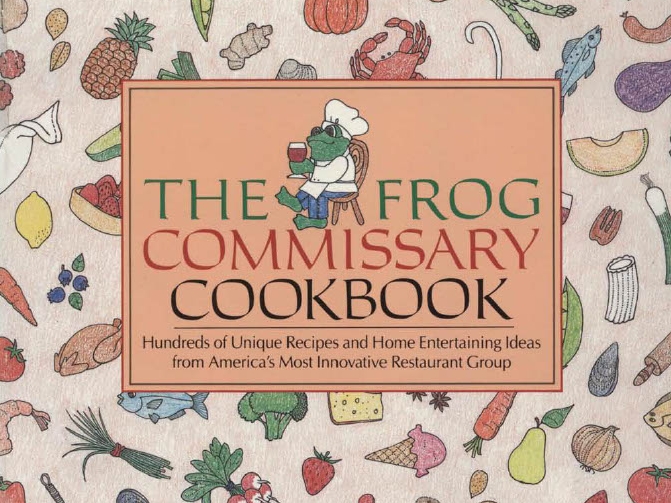
After four decades, The Frog Commissary Cookbook remains a Philadelphia icon — “our book,” says one acolyte. Contributor Devra Ferst takes a stroll down memory lane and winds up at the Commissary’s original location, where the current restaurant occupant bakes its carrot cake.
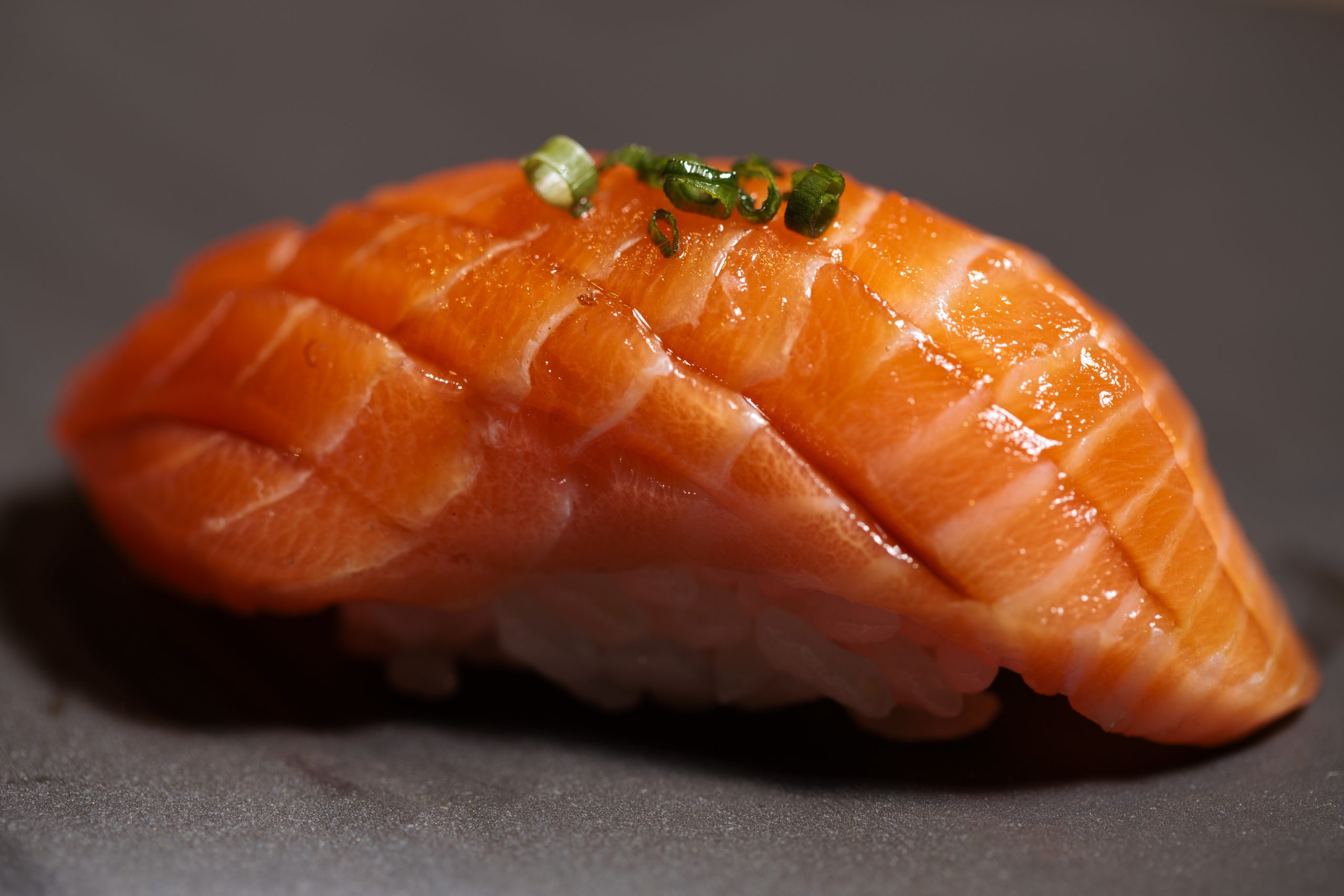
Oroshi, a new omakase restaurant at Broad and Lombard Streets, is part of a minitrend of faster, less expensive omakase experiences. The lights are bright and the decor is spare, but Kiki Aranita walked away happy after 90 minutes.
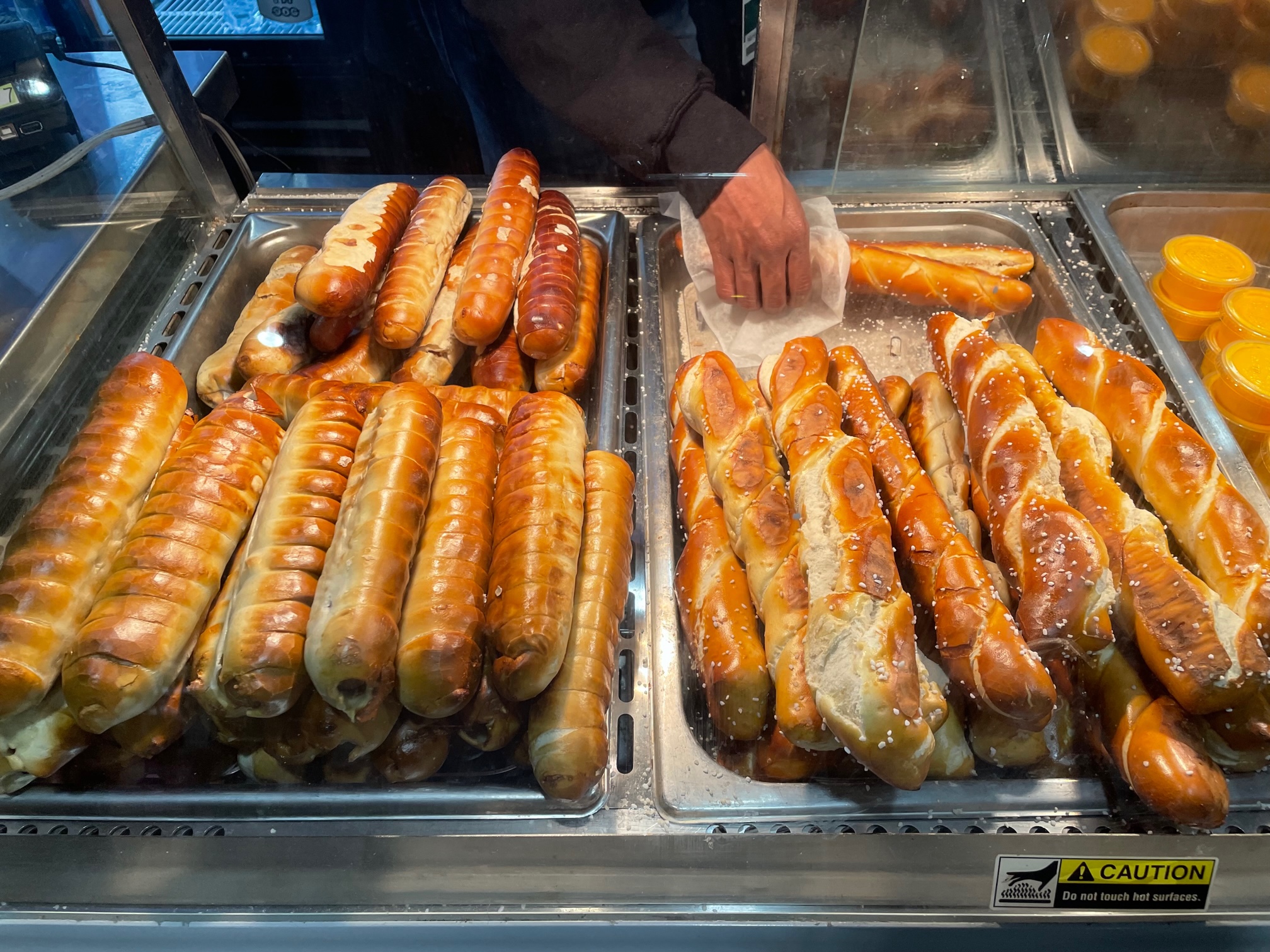
Here’s a twist: Local food brands such as Philly Pretzel Factory are working to accommodate consumers who are eating less and “protein-maxxing,” Olivia Prusky writes.
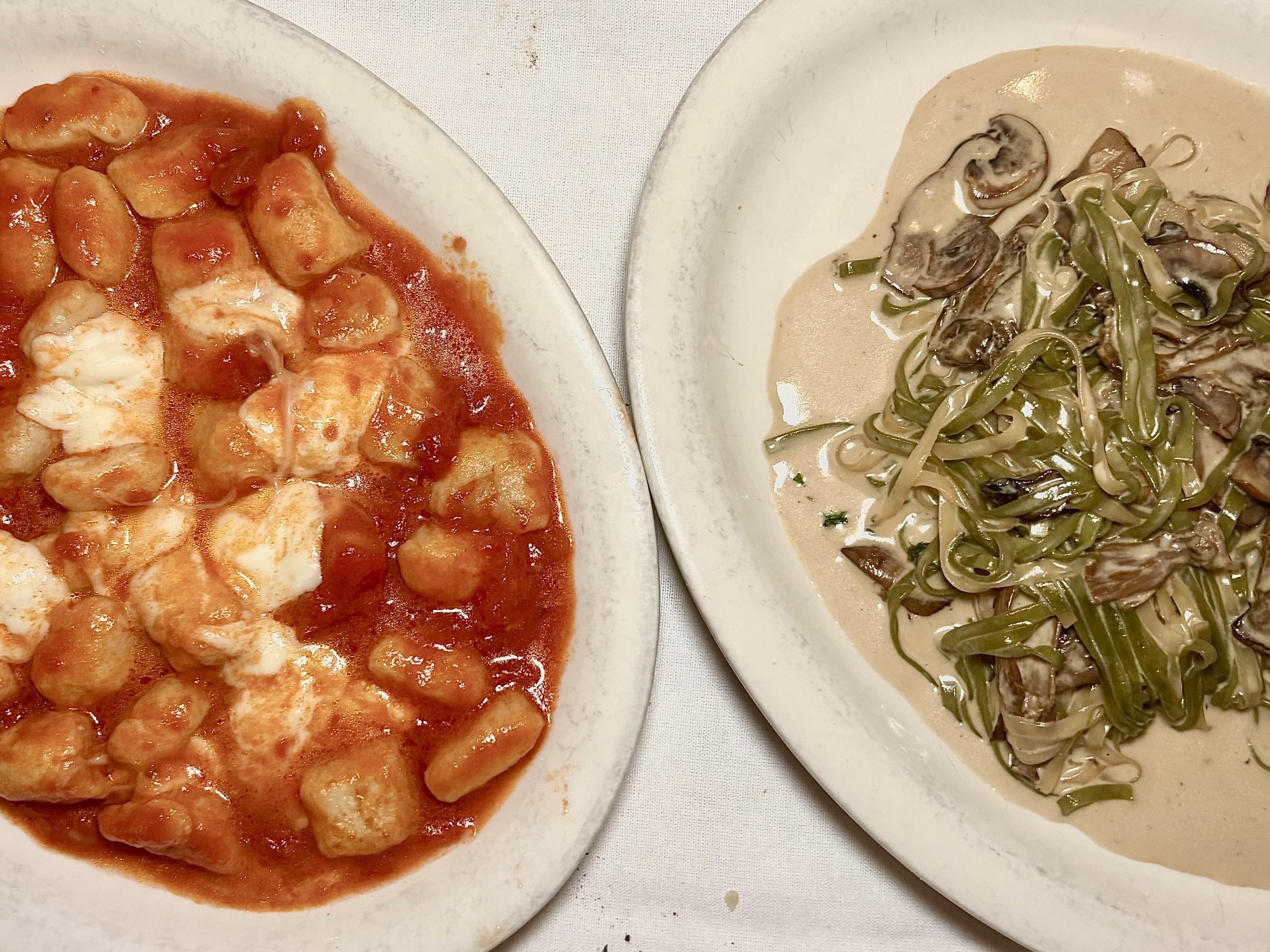
Craig visited an old fave — Porcini in Rittenhouse — and found the pastas have not lost a beat even after three decades. And yes, it’s still a BYOB.
Scoops
Chef Nic Macri and restaurant-ops specialist Suzanne O’Brien are proving you’re never too old experienced to open your first restaurant. They’re partnering with Stephen Simons on a spot just off 13th and Sansom in Washington Square West, and Macri describes the menu as “Philadelphia cooking with an Italian accent.”
Anh Em, a Vietnamese bar-restaurant and bar from husband-and-wife team Victor Nguyen and Anna Huynh, is aiming for an Aug. 8 grand opening at 1252 S. 21st St. in Point Breeze, the former Madira. Nguyen, a longtime Philadelphia hospitality veteran who bartended at Mad Mex in the late 1990s, co-owned a Chinatown bubble tea shop in the early 2000s and later spent 15 years managing Tango, is realizing a longtime goal of opening his own place. The roughly 45-seater will pair Vietnamese comfort food (pho and bánh xèo alongside home-style dishes) with a 20-seat bar pouring 24 local drafts and a small cocktail list.
Andorra Kitchen & Tap will join Andorra Shopping Center’s $32 million glow-up by Federal Realty, possibly in the fourth quarter. Spanning 6,900 square feet in the former Applebee’s, the restaurant is positioning as an all-day neighborhood gathering place serving breakfast/brunch, lunch, and dinner, with a full bar and dedicated coffee area for the morning. Owner Emmanouil Lagoudakis says he was drawn to Andorra-Roxborough for its “wonderful energy.”
Restaurant report
333 Belrose, one of the Main Line’s old-guard restaurants, has reopened after a dramatic renovation that flipped the bar with a dining room, opening up the layout. The menu is still “nothing too cerebral, nothing too crazy,” as chef Ross Essner told me, adding that there’s one dish he will never take off the menu.
Toll Man Joe’s, whose South Philly run was abbreviated by the pandemic, will resurface at the former Mixto on Pine Street near 12th. The owners hope to get the sports bar open in just a few weeks.
Pomelo Rooftop Terrace, atop the new Brandywine hotel in Radnor and counterpoint to Merrick’s Tavern off the lobby, will grand-open Aug. 8. It’ll be open year-round with indoor-outdoor seating. Weekend brunch begins Aug. 22.
The region’s last Brio Italian Grille, in Cherry Hill’s Towne Place at Garden State Park, closed abruptly Monday, two months after its Marlton location shuttered. The site 42Freeway joined the Facebook account A View From Evesham in first reporting that steakhouse Fogo de Chao will occupy the Cherry Hill location, citing township permits. A rep from Fogo declined my request for comment.
Briefly noted
Flash back to 2023, when chef Dionicio Jiménez and Mariangeli Alicea Saez of Cantina la Martina, La Baja, and the Cantina on the Go locations went to Mexico with Inquirer critic Craig LaBan and photographer Jessica Griffin for articles that won a James Beard Award in 2024. The restaurateurs are using part of that trip as inspiration for a five-day excursion to Oaxaca they’re planning for Oct. 30–Nov. 4. (LaBan and Griffin, who also met with Tequilas’ David Suro for a lesson in mezcal and tequila production during that 2023 trip, will sit this one out.) Limited to eight guests, the experience will feature family celebrations, cultural traditions, home-cooked meals, a private mezcal tasting, artisan visits, and special dinners, including one from Jiménez himself. It’s $2,000pp plus airfare. Details via cantina@cantinaonthego.com.
Nine Philadelphia bartenders will throw down Patrón Tequila-based cocktails in the Dirty Rocks Cocktail Competition from 3-7:30 p.m. Sunday at Fringe Bar (140 N. Columbus Blvd.). Attendees will determine the winner among Matt Welch (R&D), Kari Rosenfeld (Bourbon & Branch), Kevin Castro (Soufiane at the Morris), Roland Bui (Com.Unity Consulting), Damian Langarcia (Drams by Damian), Chris Harrop (Known Associates), Tony Jimenez (Static), Jackie Miller (Fringe Bar), and defending champion Jessica Stark (Trestle Inn). Also: a DJ, pizza truck, food and drink specials. Admission ($20) includes three tasting votes; VIP tickets are $45 and include a welcome cocktail, gift bag, and 10 votes. Cocktails: $5-$12. Tickets via DirtyRocks.com.
2nd Street Festival returns to Northern Liberties from noon-10 p.m. Sunday, transforming the stretch from Spring Garden to Girard Avenue into a festival with more than more than 50 restaurants and food trucks, 10 beer and cocktail gardens, two live music stages, and family activities.
❓Pop quiz
Name the brand that Wawa has partnered with on a hot-selling tote bag.
Owner Rayyan Kayyali sounded discouraged but not defeated when we caught up yesterday, more than two months after a gas explosion destroyed his Overbrook Park bagel bakery on the very morning of its reopening following another blast in March. He said he is waiting for a new burner pipe for the oven, and “so far, I haven’t seen a dime” from the insurance company. Meanwhile, lords Jeffrey Gladstone and Andy Rubin of Herbert Yentis & Co. say they have not charged him rent since the first explosion. Kayyali vows to rebuild and reopen.
📮 Have a question about food in Philly? Email your questions to me at mklein@inquirer.com for a chance to be featured in my newsletter.
By submitting your written, visual, and/or audio contributions, you agree to The Inquirer’s Terms of Use, including the grant of rights in Section 10.
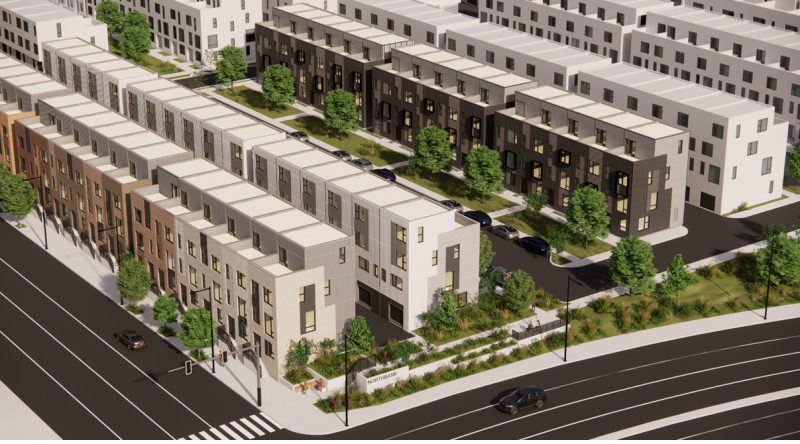
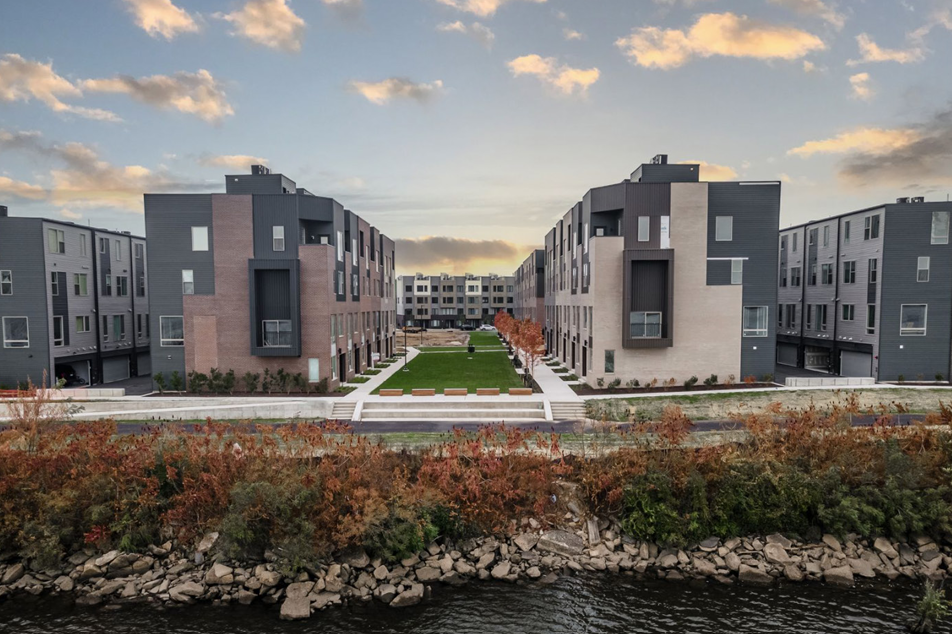
A further 219 single-family townhouses are slated for the North Bank development at 2001 Richmond St. in Philadelphia, between the Battery and Graffiti Pier on the Delaware River.
The proposal, from Concordia Group and D3 Real Estate Development, is the second phase of their project. The first is composed of 475 single-family townhouses at 2001 Beach St., which have sold out.
In 2024, the developers planned to include a 307-unit apartment building on the western side of the second phase of North Bank — closer to Richmond Street — along with 8,425 square feet of commercial space and 135 townhouses closer to the river.
But the apartment boom along the Delaware River and in Northern Liberties and Fishtown has made that proposal unworkable, the developers say.
“There’s just such an abundance of apartments” in this area, said Greg Hill, cofounder and managing partner of D3 development.
“We were surprised. Although the market has certainly slowed down for multifamily, there are still lots of new starts happening in this neighborhood,” Hill said. “The investment team just felt the timing was not optimal to come on with another 300 units at this location.”
The 2001 Richmond St. portion of the project is on the southern end of the property, nearPenn Treaty Park.
“Our development team felt it was in the best interest of the community we’ve developed to date to complete the project and build it out with houses, as opposed to leaving the land to sit vacant any longer,” Hill said.
The designer for the project is the Philadelphia-based Interface Studio Architects. The team anticipates a construction timeline of 24 months.
The 219 townhouses will have 284 parking spaces for residents, along with another 85 public parking spaces.
The developers plan to extend the Delaware River Trail to Graffiti Pier from where the trail currently ends at Penn Treaty Park. They also plan additional green space throughout the development.
A rendering of the new phase of the North Bank project, with the Delaware River Trail in the foreground.ISA
Matt Ruben, chair of Central Delaware Advocacy Group, had praised the earlier plan to bring apartments to the riverfront.
“Still seems to have the original issue — shared by many waterfront townhome developments of the past decade or so — of facing neither the river nor the street and instead turning a ‘shoulder’ (side) to the water and the street,” Ruben said in a text message.
But Ruben praised the developer’s plan to extend the river trail, the commitment to adding green space, and a change from an earlier plan that would have blocked public access to Graffiti Pier.
“We were disappointed that the multifamily will not go forward, but we feel we have a nice site plan with lots of green space and lots of extra parking, which we think the community needs,” Hill said.
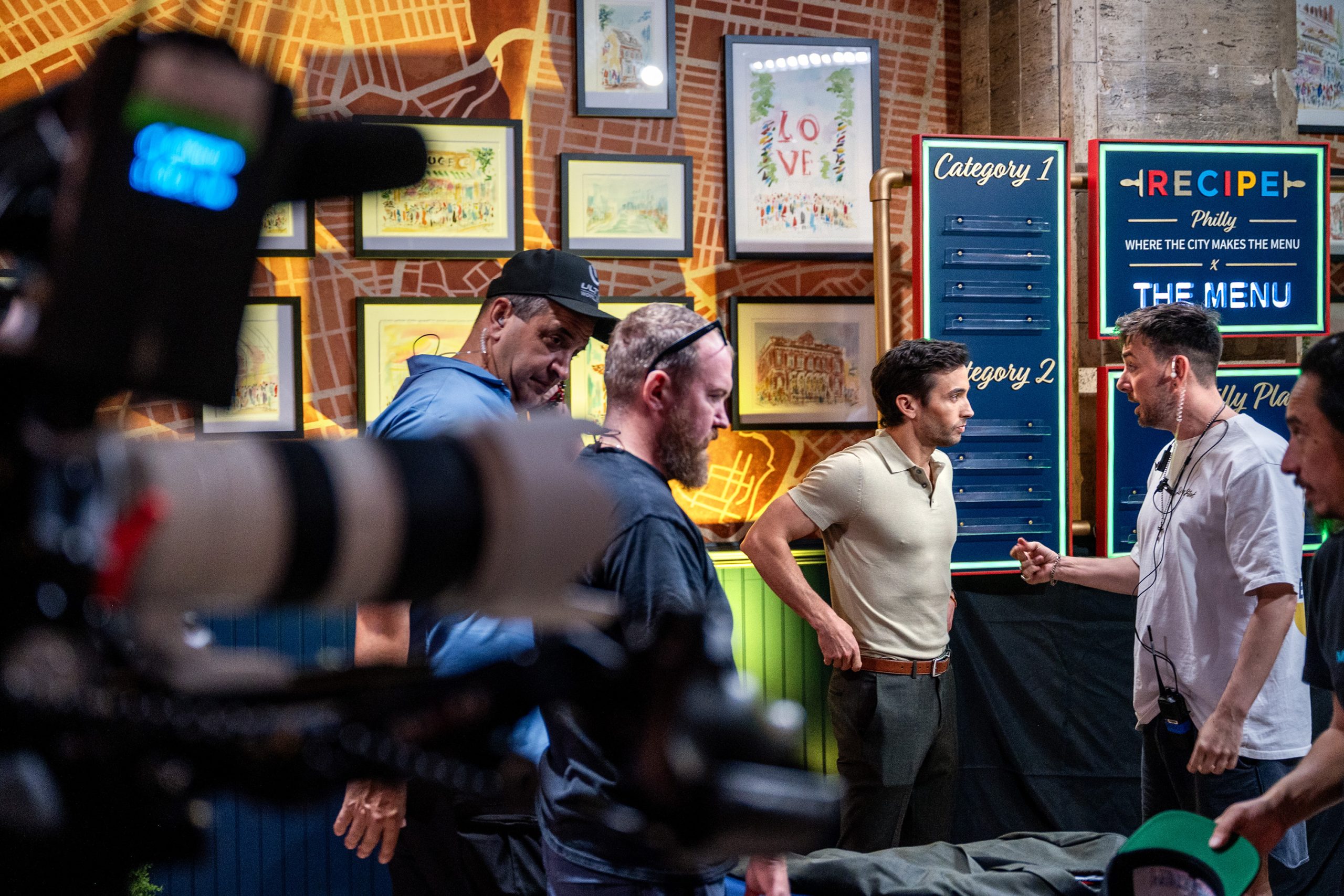
Here’s your first look at Recipe Philly, where home cooks — not pro chefs — contribute the recipes to create the menu. It’s also the basis for a reality series, filming now in advance of the restaurant’s mid-August opening.
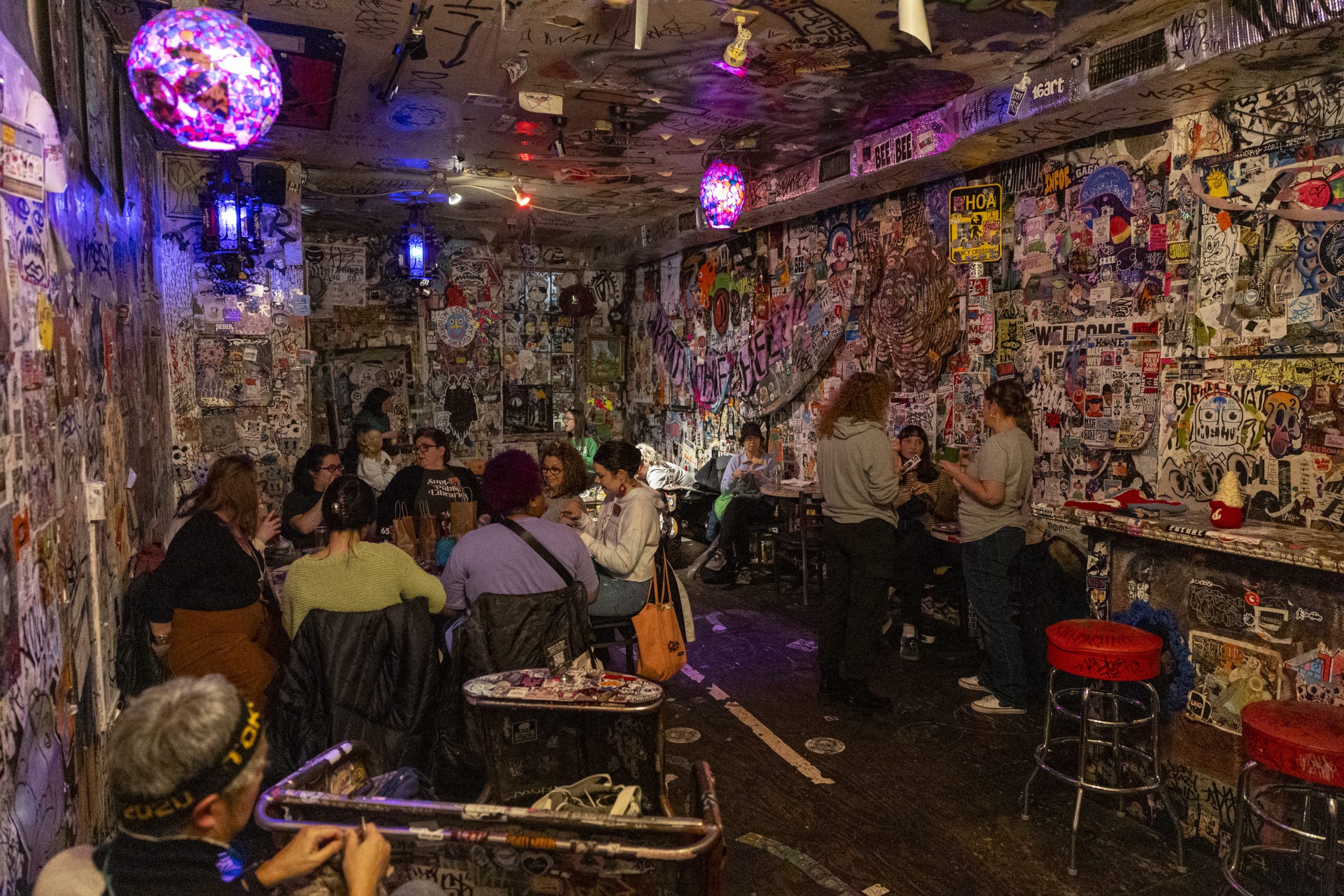
Tattooed Mom has hosted countless drag shows and burlesque performances since it opened on South Street in 1997. But the city has shut down those events (but not the bar itself) over a missing assembly license. Getting one could take six months, its owner tells Beatrice Forman.
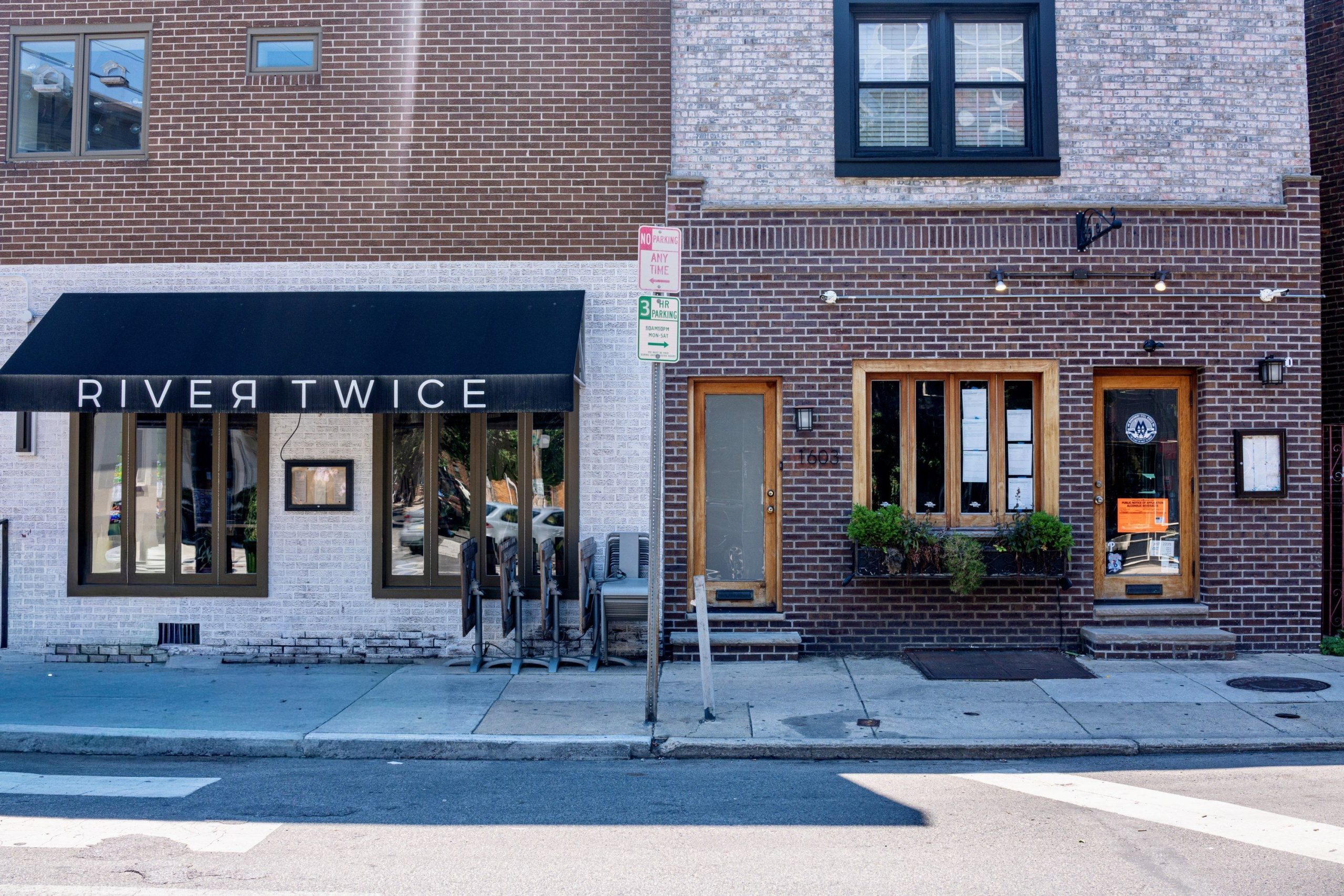
River Twice on East Passyunk is expanding next door, and that means a real bar, more seating, and new opportunities to eat one of our favorite burgers.
Critic Craig LaBan visits Terra Grill, a newcomer from globetrotting chef Laurent Tourondel in Northern Liberties’ Piazza Alta, where he found “a textbook chophouse vibe” and a “something for everyone” menu. Read on for his review.
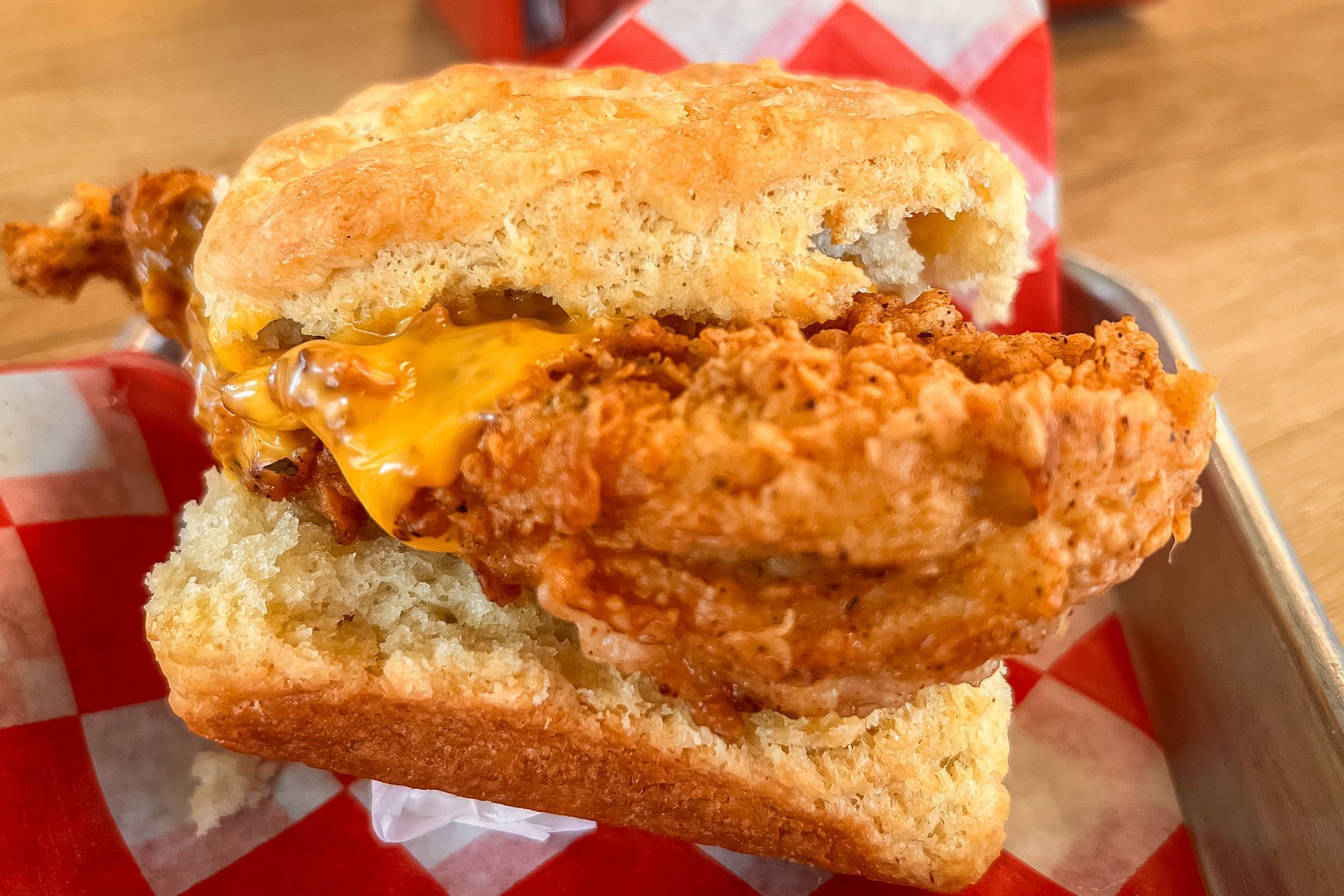
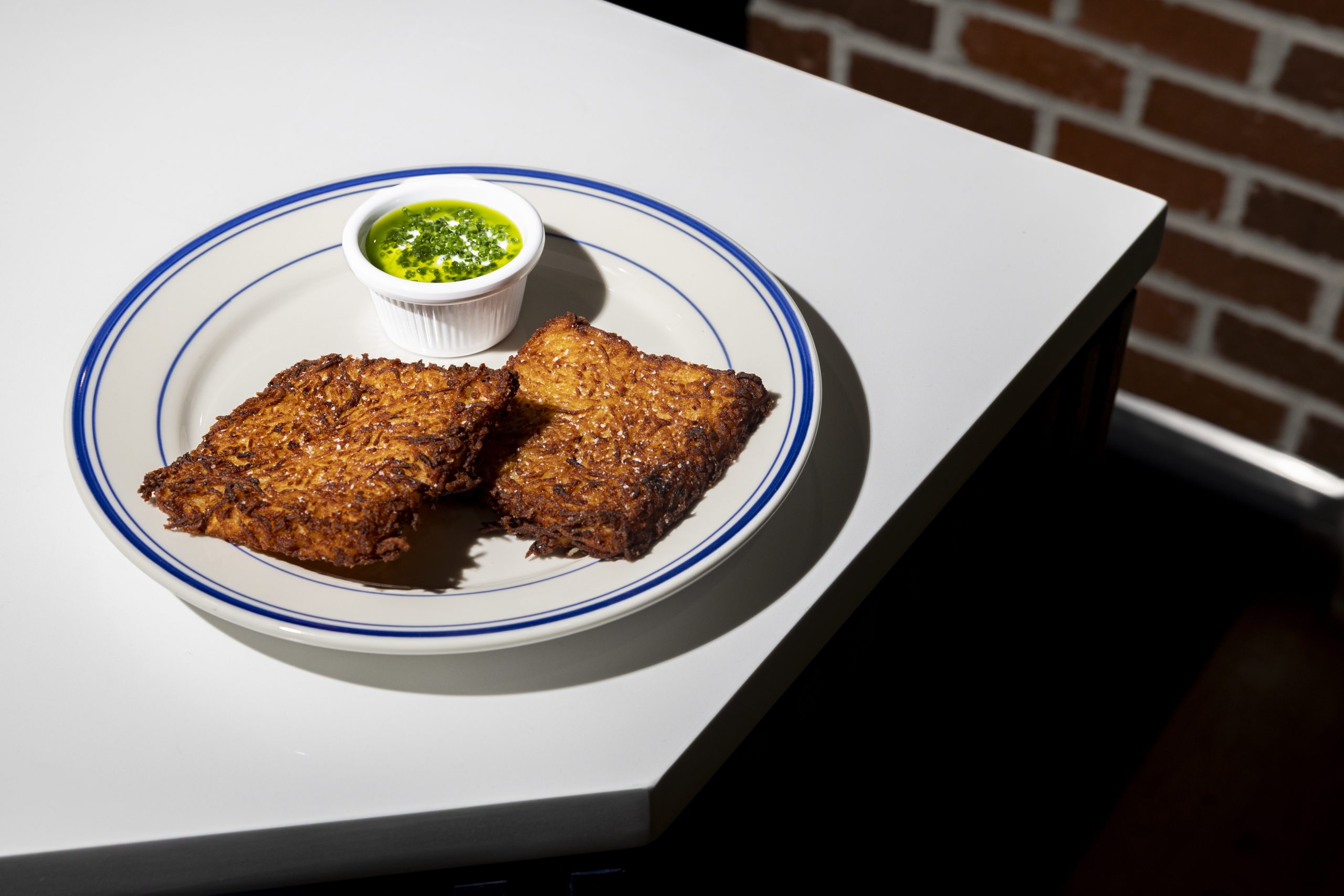
The food team caught up with a tasty chicken biscuit sandwich in Plymouth Meeting, hot dogs in Bella Vista, loaded fries in Northern Liberties, and a winning bowl of gyu-don from a food truck.
Scoops
Eggcetera Haus will replace the shuttered Redcrest Kitchen at Sixth and Bainbridge Streets, likely in the next few weeks. Husband-and-wife team Rey Tamaka and Vina Kencana will operate the all-day bar-restaurant. Tamaka, who spent the last six years as head chef at an Old City brunch restaurant, will oversee a modern American menu spanning breakfast, lunch, and dinner, while Kencana will manage operations. Breakfast will feature specialty coffee from Philadelphia’s Vibrant Coffee Roasters, with dinner service adding pasta, steaks, cocktails, and comfort food. Hours will be 8 a.m.-9 p.m. daily. Queen Village/Bella Vista will get another all-day option next spring when Sabrina’s Cafeopens at Fifth and Bainbridge, down the block from mainstay Famous 4th Street.
Sabrina’s Cafe — speaking of which — is behind a new venture aimed at the late-night crowd. Spence De Abreu, the 21-year-old son of Sabrina’s founders Robert and Raquel De Abreu, is hoping for a late-July opening of Big Spence’s, a sandwich operation at 1816 Callowhill St., a few doors from the Art Museum-area Sabrina’s. It will run via delivery services and pickup (no seating), offering six sandwiches at launch, with additional menu items expected over time. Initial hours will vary, with service planned as late as 2 a.m. during the fall, when college students are back. Opening is tentatively scheduled for July 29.
Scampi, chef Liz Grothe’s Queen Village Italian-ish restaurant, has added a beverage program in partnership with Northeast Philly winemaker Camuna Cellars. The tie-in allows spirits and beer options from Pennsylvania producers, including Fell to Earth vermouthery. BYOB is OK, with a $15-per-bottle corkage fee. Scampi also has collabs planned for August: Percy (at Percy) on Aug. 21; Habibi Supper Club (at Scampi) on Aug. 23; and an Italian American pasta night with chef Wyatt Piazza at Kiddo on Aug. 30.
Chimney Rustic Ales closed its brewery in Hammonton, N.J., in June 2025, in anticipation of opening in Philadelphia. Brewmaster/owner Dan Borrelli is seeing light at the end of a city-permitting tunnel, so he’s looking at a late-2026 opening at 2153 E. Lehigh Ave. in Kensington. Borrelli said this location will have a full kitchen and a chef (to be named later) serving what he calls “elevated bar food, with some seafood mixed in.” Borrelli had a seafood truck called Minnow Seafood Co. “We’re not trying to earn a Michelin star,” he said. “We just want to serve food that’s a little more upscale than you’d typically find at a brewery or neighborhood bar.” He specializes in lagers but also offers IPAs — because “they make up about 60% of the market, so you kind of have to have them.”
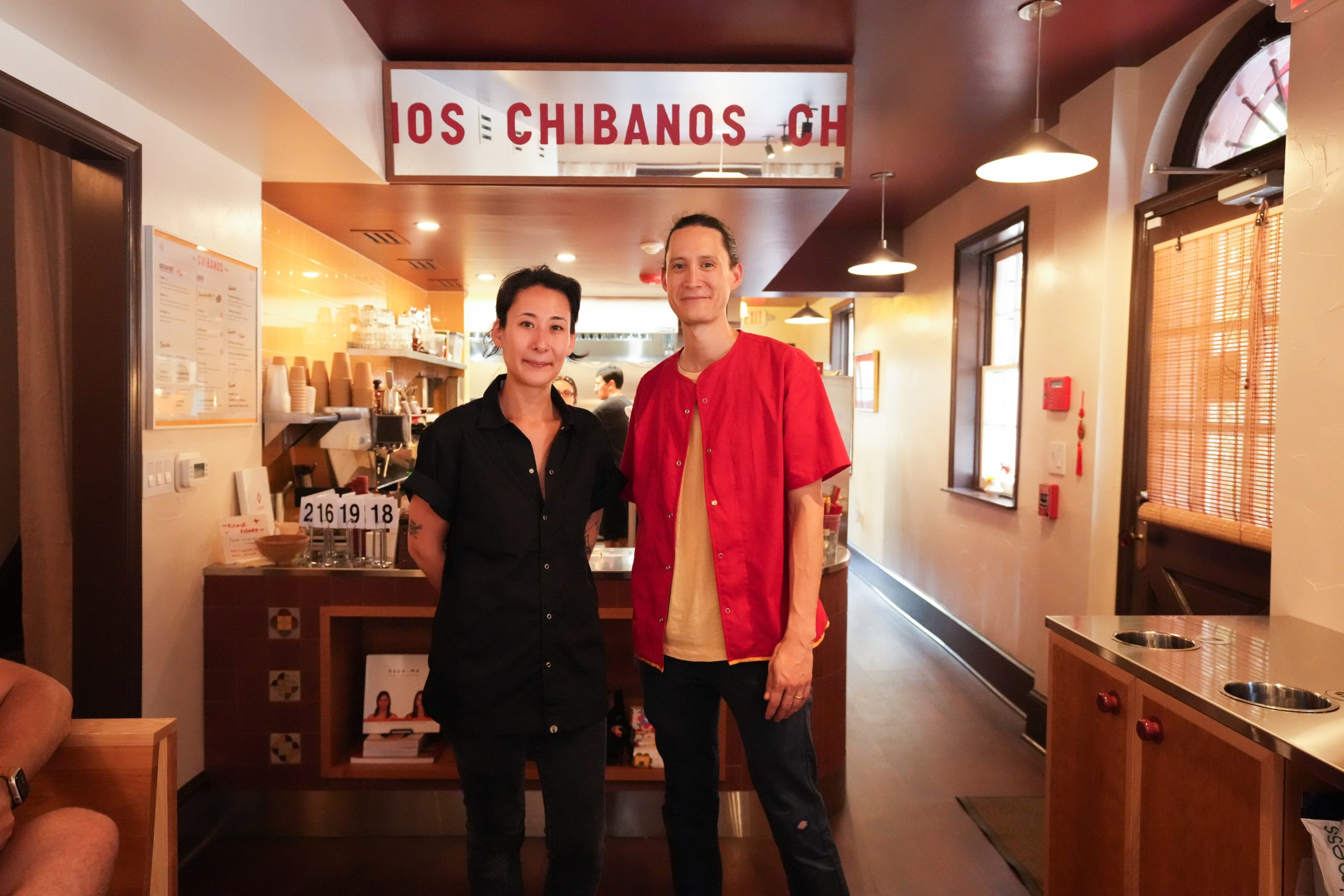
Chibanos has opened at the former Effie’s in Washington Square West, and Delco-raised owner Evan Fong Jaroff expresses his Chinese-Cuban background through pressed sandwiches, fried yuca, flan, and croquetas. Beatrice Forman tells a fascinating story of food and culture.
Call Your Mother, the D.C. bagel-sandwich chain, has signed a third Philly lease before the first shop even schmeared its first bagel.
EMei’s Dan Tsao is taking over a fourth landmark restaurant location — the home of Old Original Bookbinder’s — as part of the Sichuan restaurant’s ambitious expansion.
Briefly noted
Townsend on East Passyunk Avenue has been closed since early May after extensive water damage from a fire next door. Chef/owner Tod Wentz has swung part of the French menu to Oltremare, his Mediterranean seafooder at 2121 Walnut St. “Townsend at Oltremare” offers a hybrid menu from Townsend executive chef Alex Nissley through at least the end of the summer.
Baby’s Kusina & Market in Brewerytown returns Thursday, two weeks after a plumbing issue caused a flood. One change: Dinner service has been paused for the foreseeable future. Meanwhile, Baby’s will do a popup at 11 a.m. Monday at Farina Di Vita (250 Catharine St.) with a roast pork adobo sandwich.
Hop Sing Laundromat (1029 Race St.) is pricing all cocktails at $12 for the summer, discounted from $17-$21; it’s open from 5 p.m. Thursday-Saturday.
❓Pop quiz
Local bartenders have been foraging recently for what prized ingredient to make amaro?
🚗 Winners! Last week’s quiz asked you to guess how many miles Craig LaBan put on his car while scouting restaurants for his Jersey Shore dining package. We had a tie — the total was 1,034 and two readers guessed 1,000, so I ordered a runoff. Jan D. of Norristown submitted “1,005” (29 miles under) while Ed H. of Philadelphia offered “1,066” (32 miles over). What’s 3 miles among friends? I’m sending Inquirer swag to both, along with my sincere thanks for reading.
Please update us on a couple of bakeries, like Manna near Norris Square and Del Buono’s, where McMillan’s was in South Jersey. — Scot T.
Saif Manna, adding a brick-and-mortar location at 110 W. Berks St. in Kensington, is aiming for a soft-opening of Manna Bakery tomorrow, followed by a grand opening on July 30. Meanwhile, the PR machine is revving up for the opening of Del Buono’s, in a partnership with Al DiBartolo’s custom-cake studio DiBartolo’s Kakery, at 15 Haddon Ave. in Haddon Township’s Westmont section. Soft opening is planned for mid-August, with an Aug. 29 grand opening tied to Haddon Township Summer Music Festival.
📮 Have a question about food in Philly? Email your questions to me at mklein@inquirer.com for a chance to be featured in my newsletter.
By submitting your written, visual, and/or audio contributions, you agree to The Inquirer’s Terms of Use, including the grant of rights in Section 10.
My Uber driver could be forgiven for becoming a tad disoriented as we gingerly approached Terra Grill. After all, this newly cobbled stretch of Germantown Avenue in Northern Liberties has not appeared on a Philadelphia map since the 19th century, when the massive Schmidt’s Brewery rose here in 1860 on 14-plus acres east of North Second Street.
The legendary brewery is long gone, closed in 1987, demolished in 2000, and replaced in 2007 by developer Bart Blatstein’s original Piazza project, which supercharged gentrification of this once-industrial neighborhood. The mixed-use development quickly sputtered after an ownership change in 2013, just as nearby Fishtown and Kensington began to thrive.
Can Terra Grill help revive the Piazza dream? I’m not convinced a steakhouse alone will do the trick, even if it’s something different for Northern Liberties. (Remember the short-lived “vibe dining” of meat-forward SIN?)
But the development’s current owners, Post Brothers, clearly hope this modern American grill will help restore at least some of the neighborhood’s shine. It’s a $6 million anchor for the Piazza Alta, a new 1,100-unit high-rise complex targeted to families, not just the “frat boys in backwards trucker hats” that Post CEO Michael Pestronk said occupied the Piazza during its decline under their predecessor, Kushner Cos., whose tenure saw falling rents and shuttered retail storefronts.
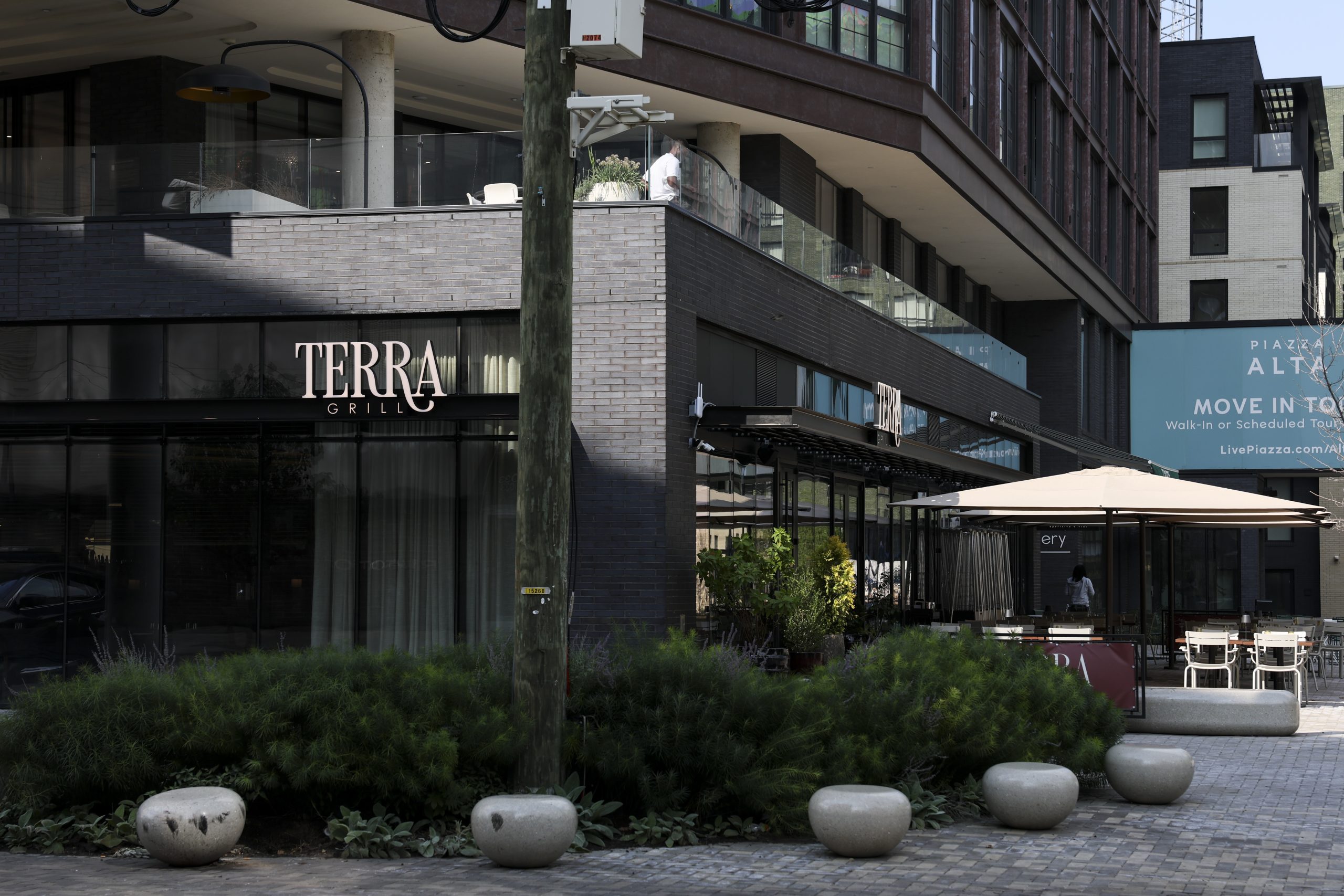
The exterior of Terra Grill on July 9 in Philadelphia.Monica Herndon / Staff Photographer
The fact that there are people blithely wandering across our car’s path as we approach Terra Grill’s landscaped facade is both confusing and deliberate. Post Brothers has resisted adding road striping to the avenue (a technically private stretch now open to the public) to “prevent it from becoming a speedway.” The unmarked stones are meant to foster a street-facing, Euro-style pedestrian plaza.
Recruiting a nationally known chef for this project in Laurent Tourondel is also part of the strategy to give the neighborhood an upscale, Center City-esque aura — signaling that this once-edgy neighborhood has a new polish on top of its existing gastropubs (Standard Tap, North Third), cutting-edge vegan cooking (Pietramala), brunch spots (Honey’s Sit ‘N Eat, Cafe La Maude) and standout BYOBs (Pera, Apricot Stone). With an apartment boom bringing thousands of new residents and median incomes skyrocketing over the last decade, the affluence and density is suddenly there to potentially support something fancy like Terra Grill, whose entrees hover in the mid-$30s before you even touch the $50-plus prime steaks.
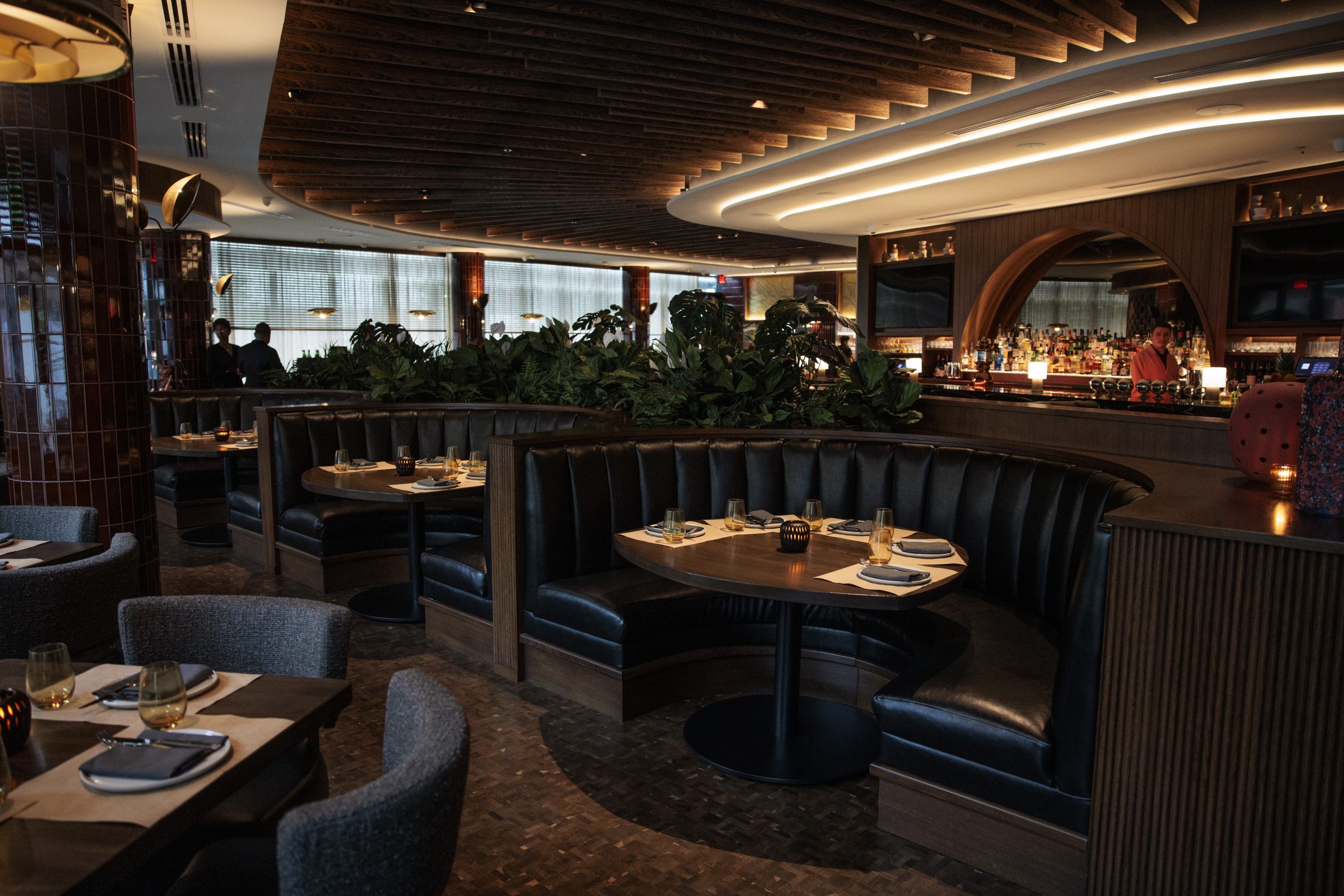
The interior of Terra Grill on July 9 in Philadelphia.Monica Herndon / Staff Photographer
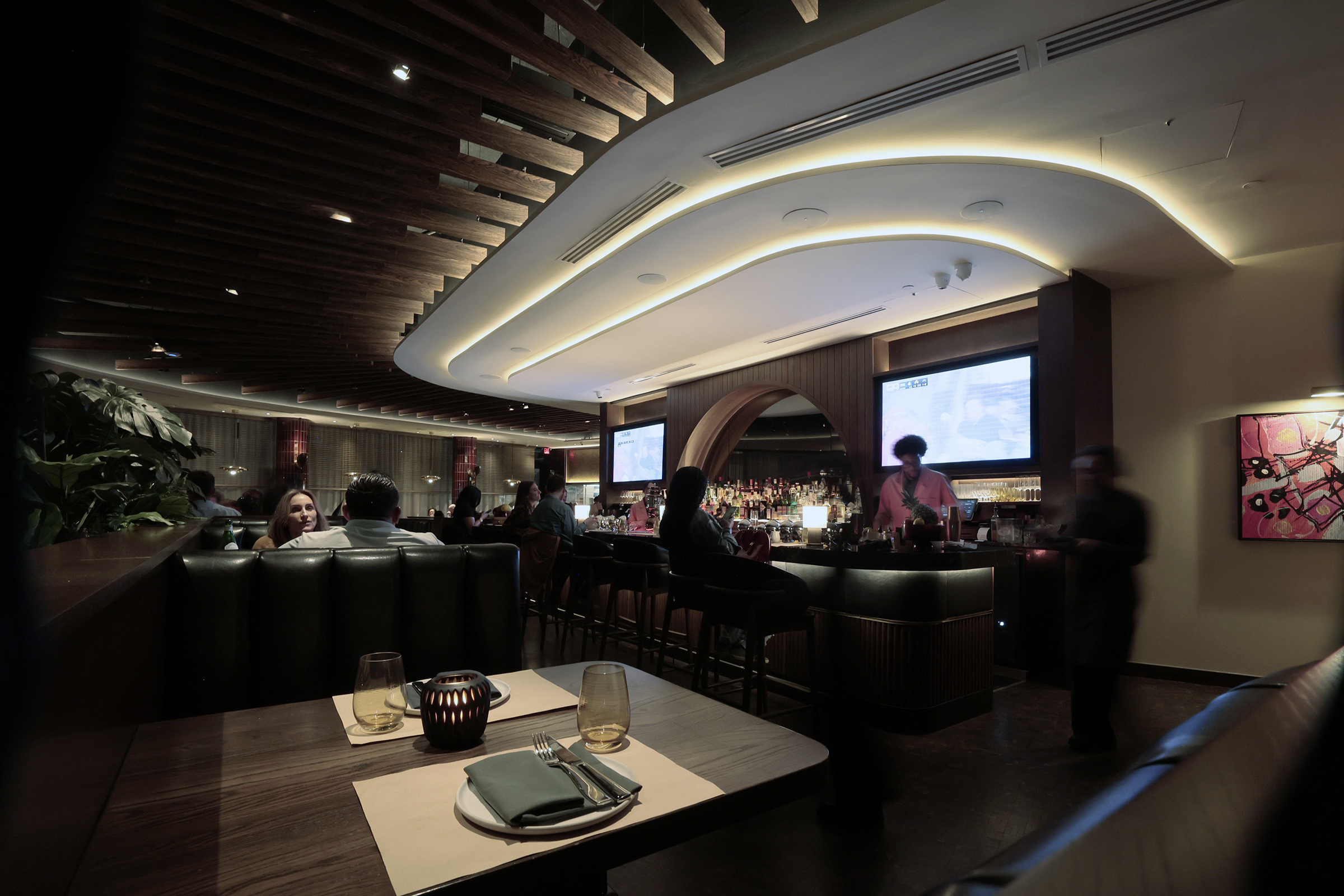
Is it a particularly adventurous place to dine? Not especially. But that may not matter. The restaurant exudes a textbook chophouse vibe, with circular booths clad in cushy black leather, a marble-topped bar, dark wood accents, walls of wine bottles, and hot pans of fresh, salt-speckled Parker House rolls served with little crocks of whipped miso-garlic butter.
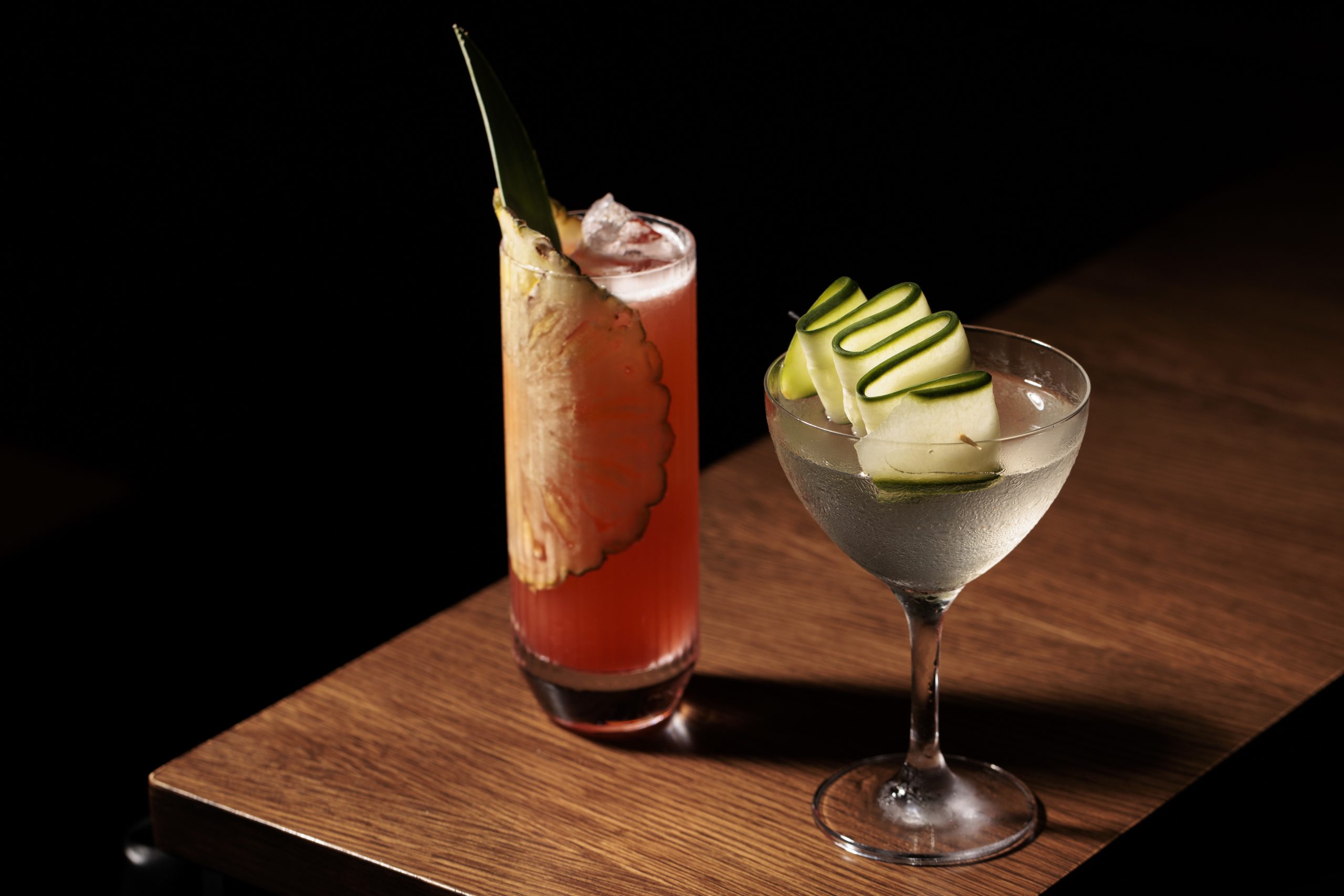
There are culinary twists on classic cocktails to spark the meal, like the Quick & Dirty, an entry-level dirty martini washed with tzatziki yogurt and piqued with giardiniera brine, or the Golden Hour white Negroni, infused with red and golden raspberries as a nod to Philly’s Clover Club.
The Crazy Bird and Quick & Dirty cocktails at Terra Grill on July 9.Monica Herndon / Staff Photographer
It’s the bar program’s nod to the kitchen ethos of the French-born Tourondel, a respected chef based out of New York best known for BLT Steak (which he no longer owns) and BLT Fish, which briefly held one Michelin star and is now closed. Tourondel has since evolved into a management chef for hire, having opened 58 restaurants, from Kazakhstan to Panama, over the course of his career. He now operates 12 locations under his company, from Manhattan (L’Amico) to South Beach, where we recently dined on a delicious and stylish rendition of steak and eggs for brunch at LT Steak & Seafood.
Terra Grill is large, with 139 seats inside and 50 on the patio, alongside the chef’s cozier and more casual Roman-inspired Scusi Pizza. But the menu is essentially straight off the Tourondel rack: quality ingredients in familiar dishes treated with a thoughtful flourish or a seasonal touch. In other words, something for everyone.
The grilled octopus at Terra Grill.Monica Herndon / Staff Photographer
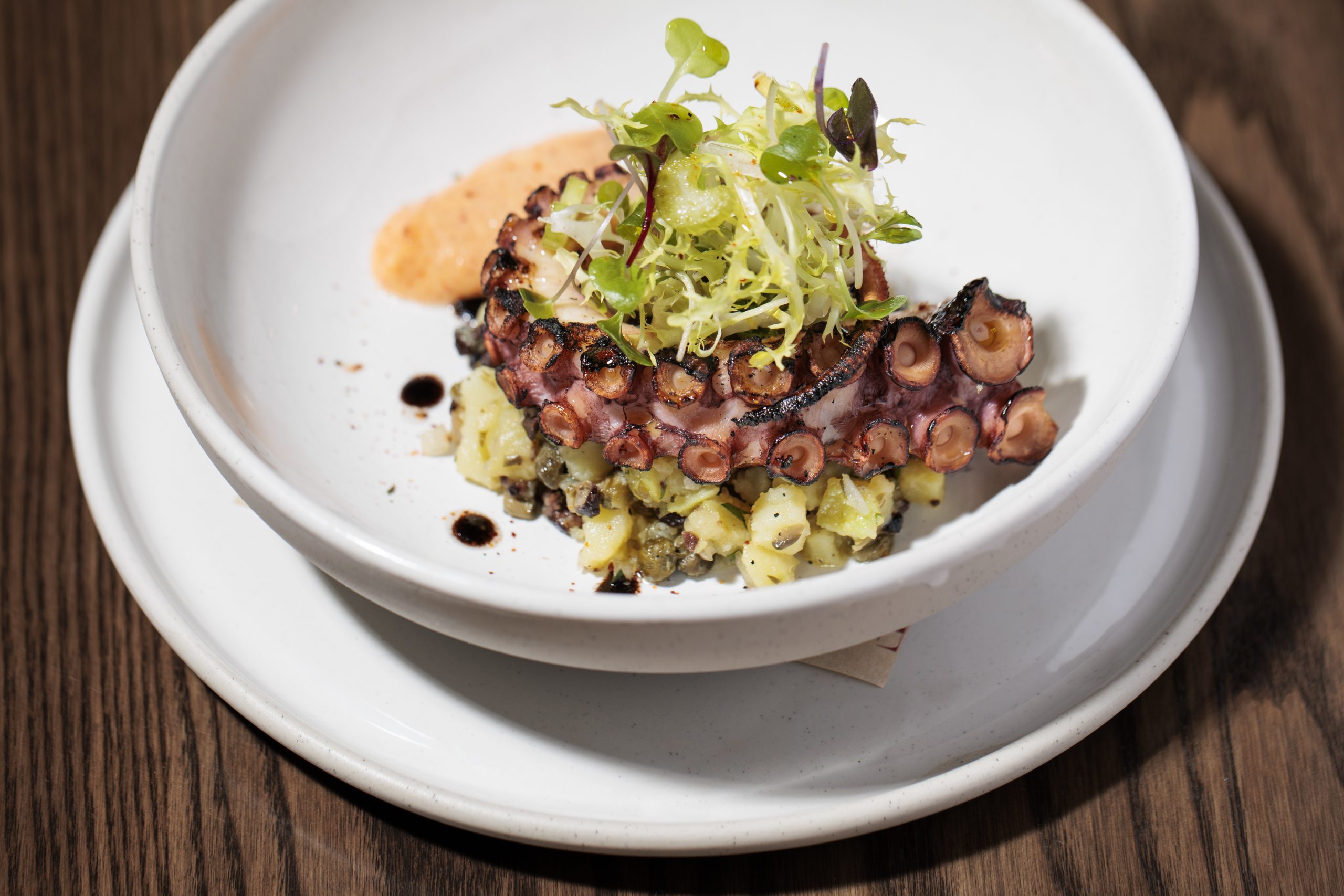
I especially enjoyed Tourondel’s octopus starter, coiled into a thick ring with its tentacles pointing out over a hash of crushed fingerling potatoes bright with lemon, olive oil, espelette aioli, and black dots of cured-olive purée. A baked crab cake is meaty and fresh, and fun to eat from the shell that it’s been stuffed back into.
Beside such successes, though, there are some fusion dishes that felt off-key, like the fried calamari with sweet chili dip, or the chimichurri-dabbedshort ribs wrapped in bao buns whose puffy hinges had gone stale. A luxe hot dog encasedin puff pastry with Gruyère and sauerkraut would have been delicious had its Wagyu dog not been so dense and rubbery. (Just as with burgers, a Wagyu pedigree does not make a hot dog better.) A tuna tartare stuffed into a flower-like bloom of shaved watermelon radishes beneath an avocado dome was flavorful and satisfying. But a mizuna salad draped with yuzu-dipped slices of yellowtail was awkward to eat and a waste of good fish.
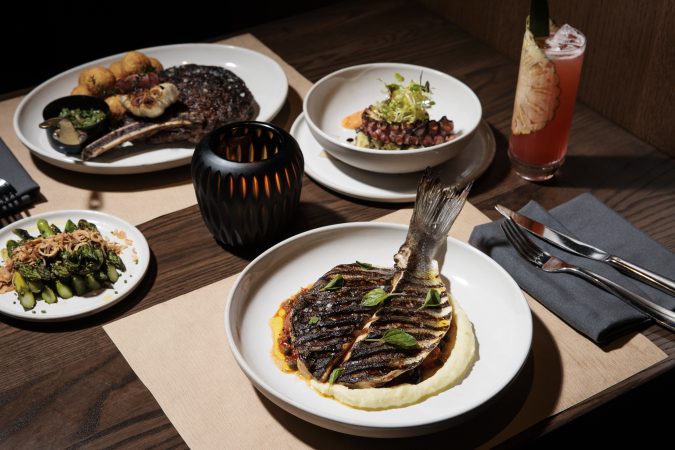
The prime rib eye with dauphine potato puffs and grilled asparagus at Terra Grill.Monica Herndon / Staff Photographer
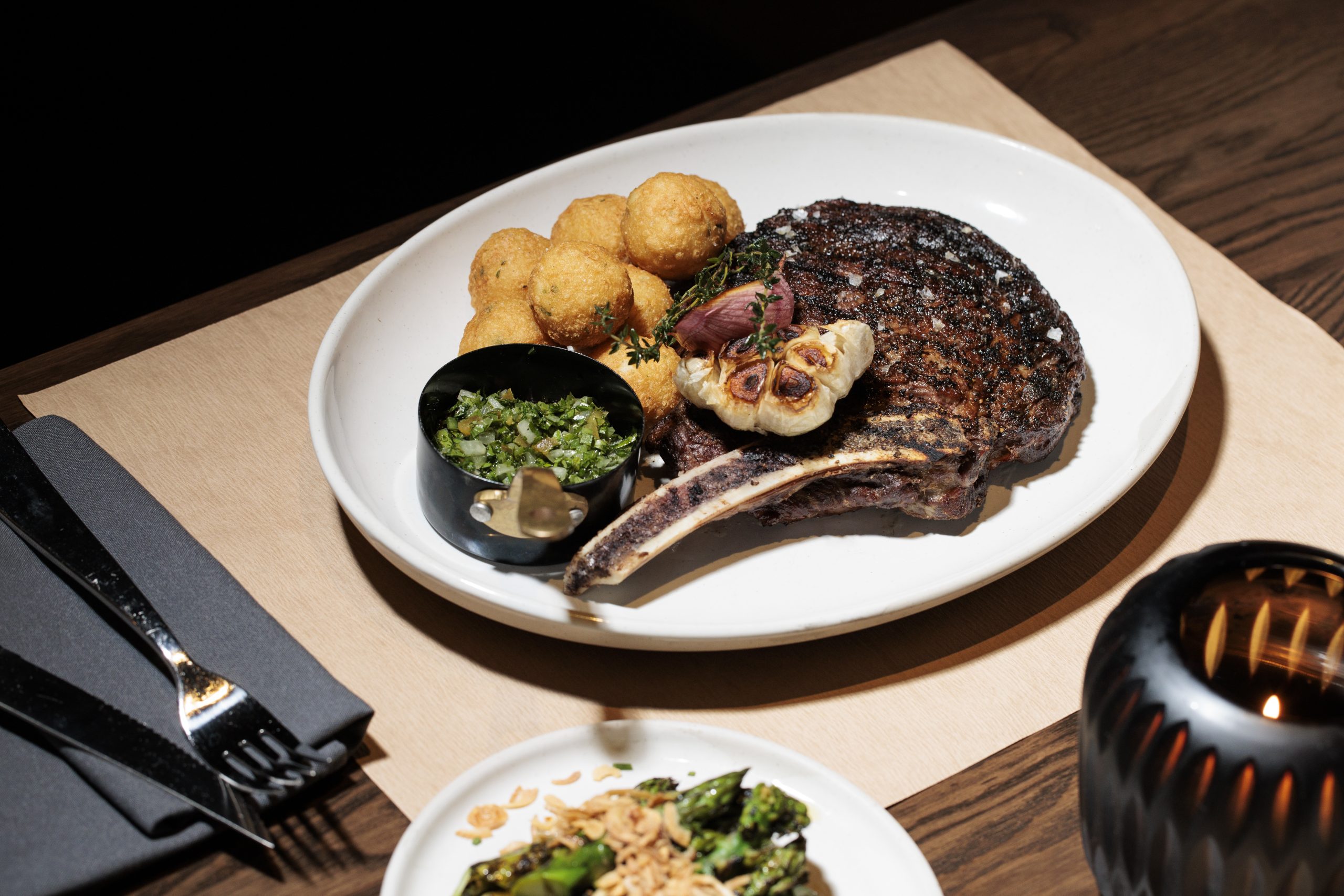
The entrees are naturally headlined by the steaks — all high-quality prime grade (except for the Angus filet mignon) and properly cooked over the live flames of a hardwood grill, served simply with the sauce and side of your choice. The 22-ounce rib eye was the ultimate beefy cut of the four options, and also the most expensive at $98. The entry-level skirt steak wasn’t huge for $52 (and oddly, more expensive than the signature dish at Tourondel’s Skirt Steak in Midtown Manhattan), but the 10-ounce flap of black garlic-marinated beef glazed in hoisin was delicious, especially with crispy croquettes of dauphine potato puffs on the side.
The bar at Terra Grill restaurant, 1099 Germantown Ave.Elizabeth Robertson / Staff Photographer
Considering designer Olya Volkova’s attention to fostering the clubby comforts of a swank dining room, it’s a shame the mood is so often squashed by the glaring flash of big TVs behind the central bar. It speaks to a personality conflict this fledgling restaurant is still trying to resolve: Is Terra Grill a special-occasion destination, or a chic weekly hangout for neighbors to watch the Phillies over a $28 burger?
I’d actually come back for that prime beef burger encrusted with seven different kinds of peppercorns and topped with molten raclette cheese — if only they manage not to overcook it next time.
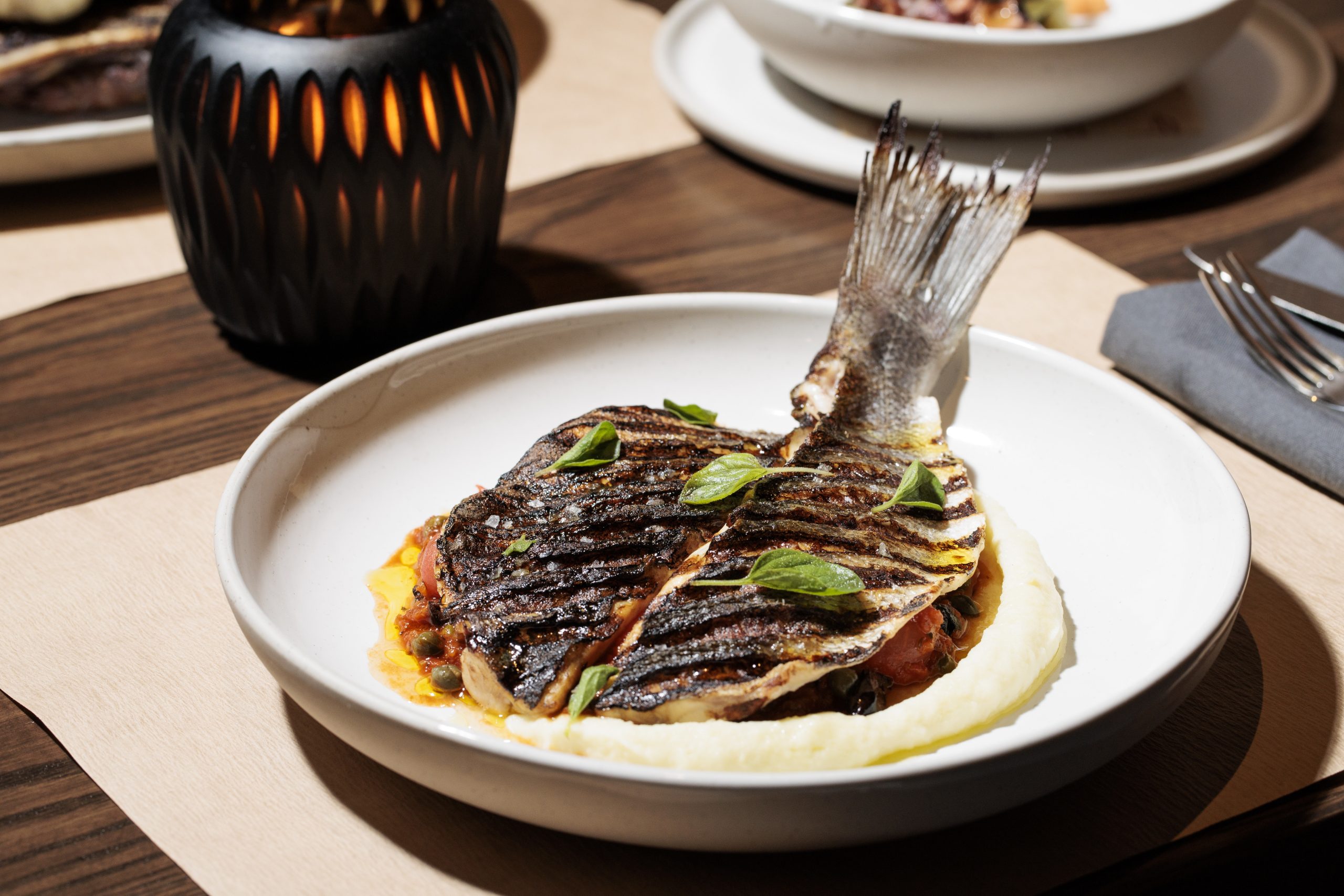
I can also see returning for the excellent branzino, which gets butterflied and crisped skin-side down over the wood fire and served with a seasonal garnish — a lemon-soy salsa verde in spring, and now a summery puttanesca of blistered tomatoes with capers and olives. That fish is a fair deal at $36. However, even the chef conceded the entree of head-on red shrimp was “a little small” when I sent him a picture of my plate with three crustaceans for $36.
The grilled branzino puttanesca at Terra Grill.Monica Herndon / Staff Photographer
The rigatoni in lamb Bolognese is understandably popular with Terra’s regulars, both hearty and flavorful for $28. But it also feels random on a menu that has few other Italian flourishes — even if Tourondel’s adjacent pizzeria, Scusi, is right next door.
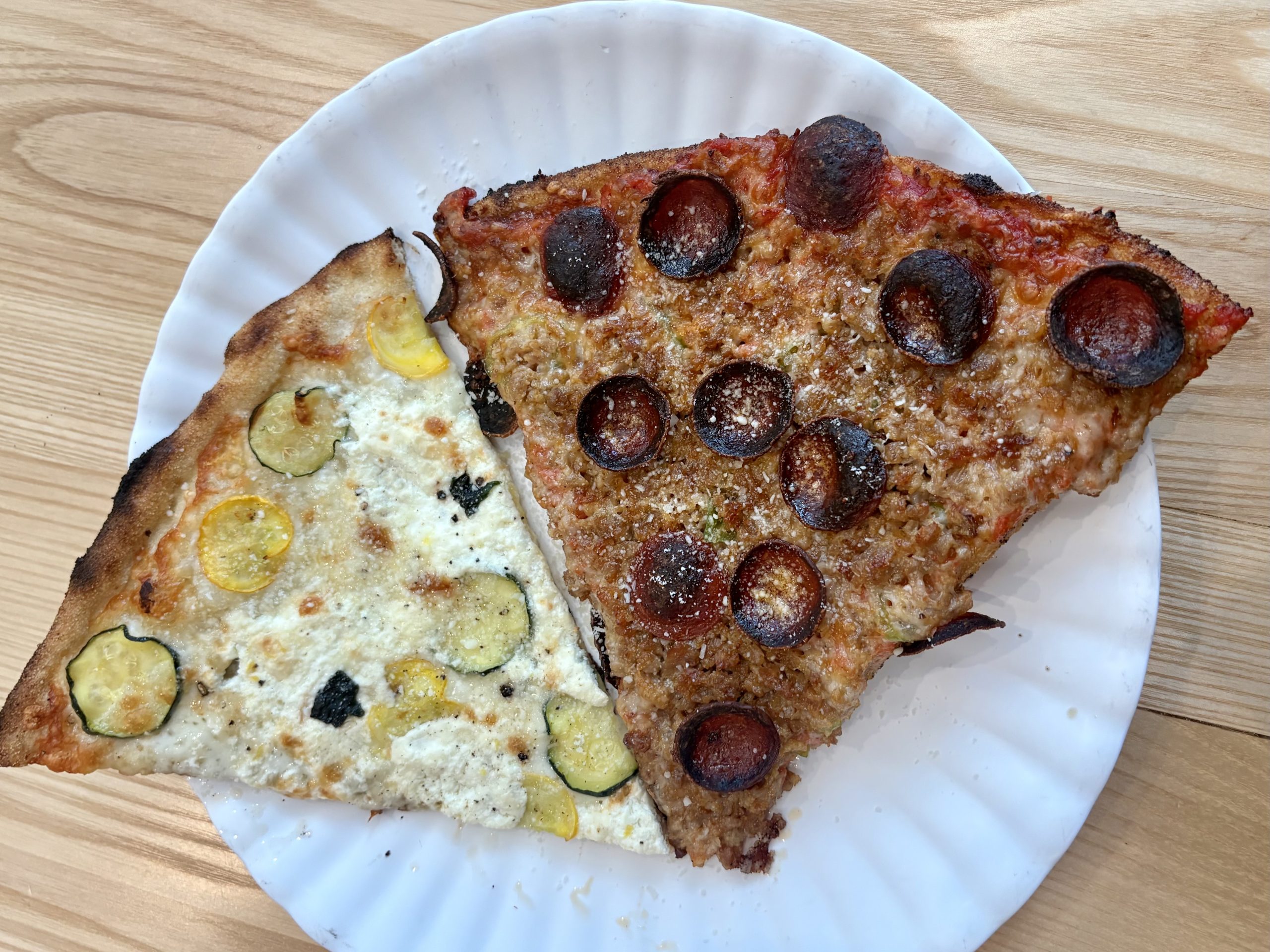
With its blond wood, aperitivo hour, and appealing menu of salads and pies (many available by the slice), Scusi could very well be just the affordable counterpart Terra needs. But its thin-crusted Roman pies were so strangely heavy from a blend of grains, including bran, that the dough was leaden and tough. My weighty slice of sausage and pepperoni was also incinerated.
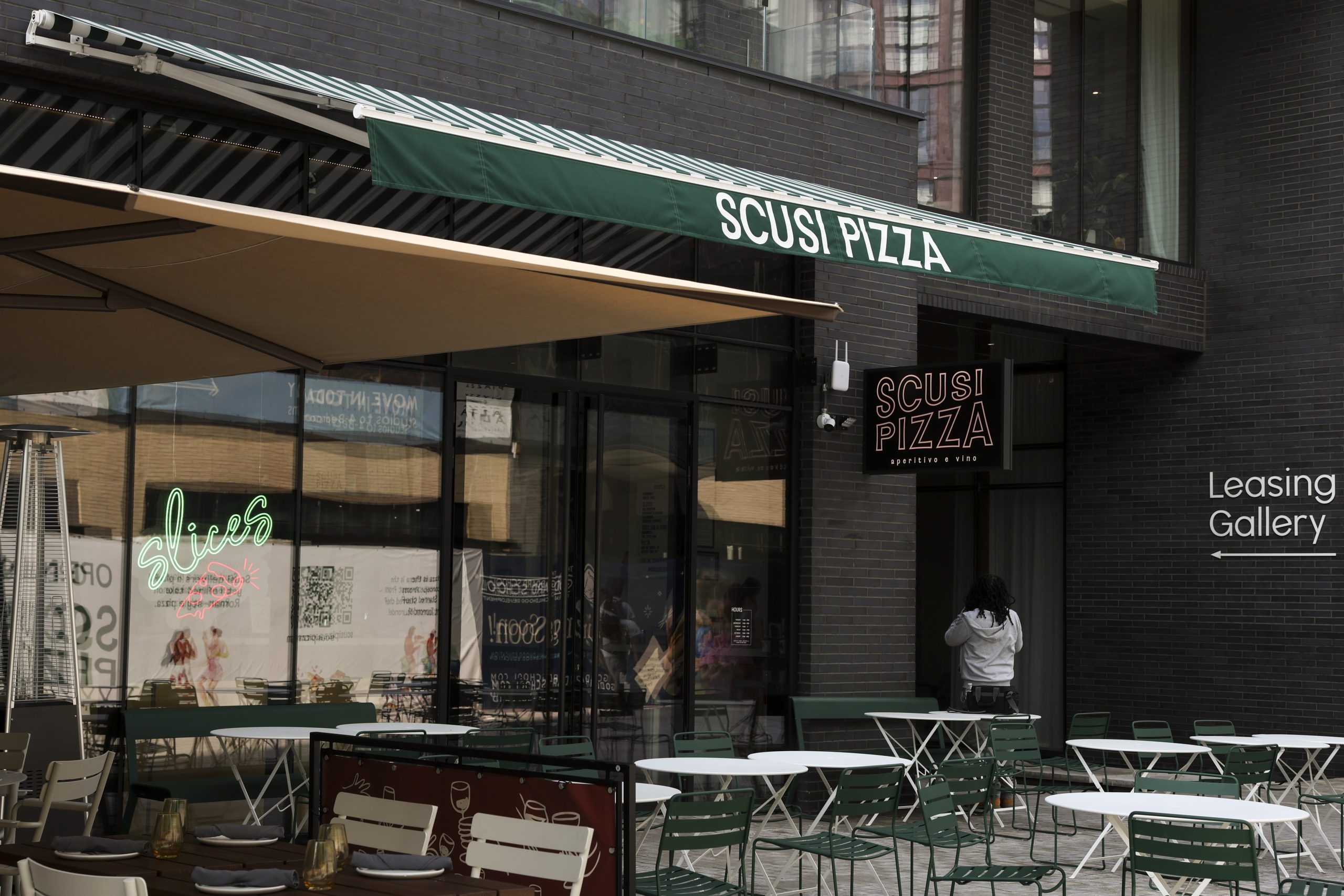
Two slices of pizza at Scusi, located in the Piazza Alta in Northern Liberties.Craig LaBan / StaffScusi Pizza next door to Terra Grill.Monica Herndon / Staff Photographer
Having previously enjoyed Tourondel’s Neapolitan-style Sag Pizza in the Hamptons, I know he’s capable of good pies. But Scusi’s troubled crusts reflect one of the perils of having a remote-control chef conducting from out of state.
Even more difficult than executing recipes, though, is finding the soul of a cookie-cutter concept, such that it feels like it fits the fabric of a place. Of course, in a literal blank slate like the Piazza Alta, the right restaurant can help set that tone. I did enjoy much of my food here, including the whimsical finale of a caramel popcorn sundae with a tableside chocolate sauce drizzle.
There are good ingredients in place. And the service is friendly enough (despite some rushed pacing with the starters). But there is still a paint-by-numbers corporate energy to Terra Grill.
The caramel popcorn sundae at Terra Grill.Monica Herndon / Staff Photographer
Maybe its stride will come with more customers: The restaurant was less than half full during my visits. Perhaps they will materialize if the neighborhood gains the kind of momentum its developers hope to conjure — including the promise of an undisclosed local star chef slated to take a prime space across from Terra. Tourondel’s restaurants alonedo not carry the gravity to fully animate this recently revived stretch of Germantown Avenue, but Terra could complement a broaderscene. Just like the chaotic, slow-motion traffic patternsoutside the restaurant’s doors, it feels like a work in progress.
Dinner 5 to 9 p.m. Sunday, Wednesday, and Thursday; until 10 p.m. Friday and Saturday. Brunch 11 a.m. to 3 p.m Saturday and Sunday.
Entrees, $28-$98.
Wheelchair accessible.
A little over half the menu items are gluten-free, with several others being easily modified with care to avoid cross contamination. Fried items are not available.
Menu Highlights: Parker House rolls; fried calamari; lemon chicken parm sandos; grilled octopus; stuffed crab cake; grilled branzino; Terra burger; prime steaks (skirt; strip, rib eye); potato puff dauphine; caramel popcorn sundae.
Drinks: Creative takes on classic cocktails with culinary twists are front and center, including a tzatziki-washed riff on a dirty martini and the rummy Crazy Bird tinged with bitter Campari. The sub-50 label wine list covers multiple styles with a balance of big names (Whispering Angel, Jordan) and lesser-known options (Decibel, Txakoli rosé). There are solid choices by the glass at $20 and under.
The interior of Terra Grill on Thursday, July 9, 2026 in Philadelphia.Monica Herndon / Staff Photographer