Tag: no-latest

  • Letters to the Editor | Sept. 22, 2026

    Letters to the Editor | Sept. 22, 2026

    When banned, boycott

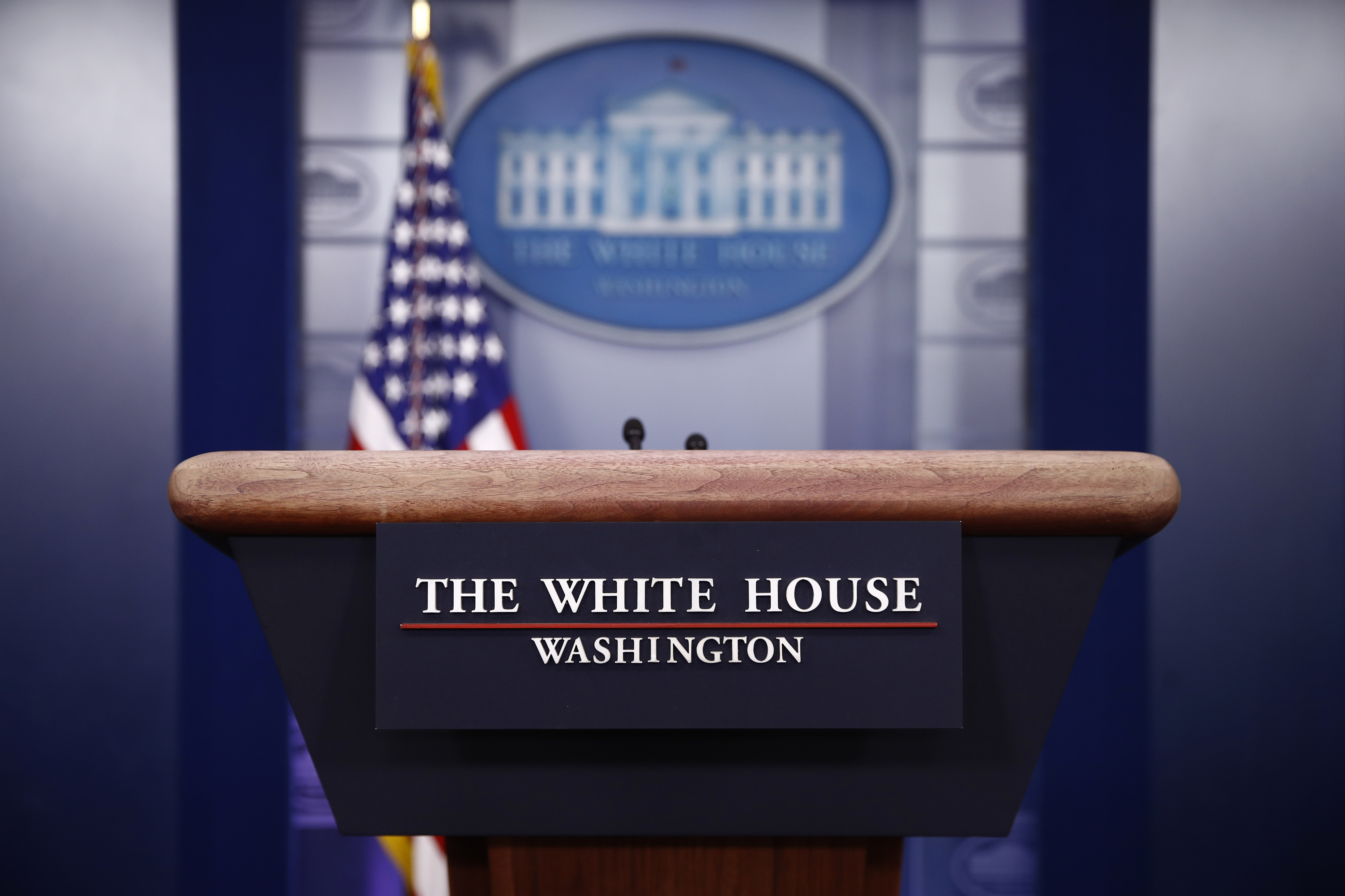
    How does one explain the blatant hypocrisy of a president who says he defends freedom of speech, but who banishes CNN, MS NOW, and Politico from the White House? Donald Trump endorses free speech for white supremacists, anti-LGBTQ people, Christian nationalists, anti-immigrant people, those who oppose Muslims, and so on. Those people whose far-right beliefs were at one time scandalous are now mainstream. The president doesn’t think the opinions of the left are worthy of the First Amendment. Trump is not interested in protecting the First Amendment for all of America’s citizens. He is simply interested in squelching the opinions of those who disagree with him.

    Sandra Detweiler, West Chester

    . . .

    Now that Donald Trump has decided to ban selected news outlets from access to the White House, I wish all news outlets would join in solidarity and boycott the White House, Trump, press briefings, interviews, and news articles related to his current administration. We as a country believe in freedom of speech. This president has gone too far in subverting any news article, story, or question that he finds unfavorable. What if he did not see or hear himself in the news at all? What if no one showed up to interview him or ask him questions? Frankly, for many of us, even a day without Trump in the news would offer some respite.

    Kathleen Coyne, Wallingford

    . . .

    Donald Trump just announced that he plans to ban CNN, MS NOW, and Politico from the White House due to unfavorable press coverage. Does the news media really need a news conference with Trump where he spouts his lies? The press already gets all of the information it needs from Trump’s Truth Social posts. Why do reporters need to attend a dog-and-pony show where he makes lame jokes, attacks female reporters, and calls the news media fake, corrupt, scum, and enemies of the people? Such news conferences only enable an increasingly out-of-touch president to market his fascist brand and push his narcissistic claims of greatness. It would be much more constructive if Trump gave a news conference and no reporters showed up, just like what happened at the Pentagon. In that regard, if the First Amendment is so important, why are the news media as a whole not boycotting any future news conferences?

    George Magakis Jr., Norristown

    Join the conversation: Send letters to letters@inquirer.com. Limit length to 150 words and include home address and day and evening phone number. Letters run in The Inquirer six days a week on the editorial pages and online.

  • Horoscopes: Tuesday, Sept. 22, 2026

    Horoscopes: Tuesday, Sept. 22, 2026

    ARIES (March 21-April 19). You’re working on a problem and attracting a high level of expertise to assist with it. You admire people who have honed their craft, and you’ll receive the benefit of their experience.

    TAURUS (April 20-May 20). Forget the big quest for a moment while you focus on doing yourself proud on the smaller jobs. It will feel good to see concrete evidence of a task completed, even if it’s one as simple as sweeping the floor.

    GEMINI (May 21-June 21). You’ll have a blast crossing items off the list: sending the email, making the appointment, buying the part, returning the call. Each small checkmark brings you closer to the wonderful feeling of crossing a finish line.

    CANCER (June 22-July 22). An hour left open, a meal you chose because you wanted it, or someone else taking care of a task — these are all signs that you’re learning to leave more room for yourself in your life. It’s what you need to thrive.

    LEO (July 23-Aug. 22). You may have learned that shining too bright makes certain people feel threatened, which didn’t go well for you. But in the right environment, it pays to let yourself be seen and appreciated. You’ll be in that space today. Take it in.

    VIRGO (Aug. 23-Sept. 22). It will feel great to know that a system you created really works, or something you fixed is working better than ever now. It’s the kind of thing that some people take for granted but others never forget and will keep thanking you for.

    LIBRA (Sept. 23-Oct. 23). Look closely at the terms of new arrangements. It’s tempting to sign the line before you’ve read the document, but spending a few more minutes to ask questions and really understand what you’re getting into will save you from later regret.

    SCORPIO (Oct. 24-Nov. 21). You have something good on the horizon, and it changes the feel of the weeks ahead. A ticket, a reservation, a visit or a plan with friends gives you a little point of light to move toward.

    SAGITTARIUS (Nov. 22-Dec. 21). You’re looking for a smarter way to do something, and the research is paying off. A review, recommendation or late-night search leads you to a tool, price or method that makes the whole project easier.

    CAPRICORN (Dec. 22-Jan. 19). You’re choosing what will hold up over time. Proof is everywhere: the repair done right, the savings account growing, the routine you enjoy keeping. You’re building a life that will keep taking good care of you.

    AQUARIUS (Jan. 20-Feb. 18). You start the season on a brave note, following your famously auspicious curiosities, and they don’t disappoint. You follow a link, enter a room or start a conversation, and soon you’ll hear people speaking your language or vibing just right.

    PISCES (Feb. 19-March 20). You’re seeing more of the story behind someone’s behavior. A detail about their family, health, money or past explains why they have been acting this way. Understanding the context helps you decide whether to get involved or give more space.

    TODAY’S BIRTHDAY (Sept. 22). It’s your Year of Easy Breezy. It’s a vibe you cultivate, a way you come across and approach problems. It’s not a weather report on actualities. In fact, you do hard things all the time, and it’s the practice of doing hard things until they are easy that expands your world in wonderful ways. More highlights: Professional accolades and travel for work, epic family and gatherings, and renovations. Pisces and Aries adore you. Your lucky numbers are: 6, 22, 50, 4 and 16.

  • Dear Abby | Mom’s passing triggers reevaluation of friendships

    Dear Abby | Mom’s passing triggers reevaluation of friendships

    DEAR ABBY: My mom died of extreme old age recently. She was a sweet woman everyone loved. I sent invitations to her memorial, and I’m getting a lot of excuses for why my friends can’t attend. I am upset.

    In my circle of friends (all similar ages), I was the last to graduate, get a career job, start a relationship, buy a house, be married and so forth. I’ve attended my friends’ graduations, weddings, baby showers, milestone birthdays, and family funerals, yet there hasn’t been much reciprocation.

    Excuses for not attending Mom’s memorial included going to a grandkid’s soccer game and attending a 2-year-old’s birthday party. Really? I know I’m dealing with unusually strong emotions due to Mom’s death, but I want to scream, “This is MY MOM,” not some distant friend or relative. My spouse says I shouldn’t stress and that all we need is each other (said by someone who has a huge, loving family whereas my family is just me and my dad). How do I deal with my feelings of resentment, abandonment and being a low priority?

    — LAST ONE IN CALIFORNIA

    DEAR LAST ONE: Your spouse is right. In the final analysis, all you need is each other — though a few supportive friends would certainly be welcome. I have always said that funerals are for the living, not the deceased. Be grateful for the support you are receiving from the people who accepted the invitation to your mother’s funeral. They are your core support group; the others are mere acquaintances, so start thinking of them in those terms.

    ** ** **

    DEAR ABBY: I rent a two-bedroom apartment, which I shared with my best friend. When he moved away last month due to a work relocation, I advertised the room, and a couple moved in. They are friendly and pay their rent on time, but their cooking produces extremely strong smells that I cannot tolerate. My medication causes hypersensitivity to odors, and I can no longer stand to be in the kitchen because the smells linger. They also live on a very different schedule from me. As a result, my diet and sleep are both suffering. They remain unaware of how the adjustment has affected me because I don’t feel they are doing anything wrong. I would like to move out into a studio of my own. The lease on this apartment is currently a month-to-month, so the only thing keeping me here is the guilt I feel about burdening my roommates with this. They will have to move out, find a replacement for me or take on the full rent themselves. I want to do right by them, but I know it would be best for me to leave. What is the proper course of action here?

    — DOOMED IN AUSTRALIA

    DEAR DOOMED: There is no reason why you should feel guilty for leveling with this couple; your health must come first. Explain the problem to them and tell them that while you like them personally, your health is being affected by the cooking odors. Tell them that because you are now on a month-to-month lease, you plan to move to a smaller place of your own and give them the option of staying or moving. Consider this a first step in learning to stand up for yourself.

  • Presley Gerber, son of Cindy Crawford and model, dies at 27

    Presley Gerber, son of Cindy Crawford and model, dies at 27

    LOS ANGELES — Presley Gerber, the son of supermodel Cindy Crawford and businessperson Rande Gerber, died Sunday at age 27, a family representative said.

    Mr. Gerber died at a rehabilitation facility, according to online records of the Los Angeles County Medical Examiner. The medical examiner did not provide a cause of death Sunday. An autopsy was performed, but more testing is required before investigators can give a cause, according to the medical examiner’s website.

    The death was confirmed by Allie Jenkins, a representative for Crawford and Rande Gerber, who were married in 1998.

    “The family is asking for privacy during this very difficult and painful time,” Jenkins said in an email Sunday night.

    Mr. Gerber was a model and the older brother of model and actor Kaia Gerber. He had been open about his struggles with mental health and substance abuse, documenting his journey on Instagram. He even started a “Mental Health Mondays” series on the platform to raise awareness and share wellness tips. Across multiple episodes, he related his own experiences with substances ranging from ketamine to kratom, as well as his time at rehabilitation facilities.

    He posted an Instagram video in March from Mexico, where he said he planned to take ibogaine, a potent psychedelic that is being studied as a treatment for opioid addiction, post-traumatic stress disorder and other conditions. Ibogaine — known to sometimes trigger potentially fatal heart problems — is banned in the U.S. under the federal government’s most restrictive category for illegal, high-risk drugs, although President Donald Trump directed his administration to ease restrictions and spur research.

    Raised in Malibu, Calif., Mr. Gerber signed with the management agency IMG as a teenager and made his runway debut for Moschino at 16. In 2018, he appeared alongside his mother — whose famous beauty mark he inherited — in a Pepsi Super Bowl ad that paid homage to her 1992 commercial for the soda brand. That same year, he and his sister shot a campaign for Calvin Klein jeans.

    Mr. Gerber later signed with DNA Models. His biography on the agency’s website describes him as an entrepreneur and model who was inspired by “his mother’s legendary modeling career and his father’s lucrative business career.” Rande Gerber’s businesses have included restaurants, nightlife companies, and Casamigos — a tequila brand he cofounded with George Clooney and Mike Meldman that was sold to Diageo in a $1 billion deal.

    Mr. Gerber’s modeling biography also described him as an “avid surfer and skater.” In an Instagram video posted in July 2025, Mr. Gerber described growing up as a dedicated athlete who spent hours in the water nearly every day — a routine that came to a halt when he started working. With less physical activity, Mr. Gerber said, he was put on more medication and his quality of life suffered.

    “For me it took 10 years of looking back at my life being like, ‘Well, what changed?’ A lot of the time people would ask like, ‘You were such a happy kid; what happened to you?’” he recalled. “What happened was life happened and I wasn’t able to worry about one thing, which was my next meal and then get back in the ocean. Like I had to start making money, I had to start — I got a job.”

    In an interview with Vogue last month, Kaia Gerber praised her brother for being so open about his experience with addiction.

    “My parents for most of our lives were very, very private and didn’t share anything—and now we have this absolute teacher, my brother, who says, ‘I’m gonna be very human for everyone,’” she told the magazine. “There’s only so much you can hide from the world. And trying to put a lid on something just makes the person feel like you’re ashamed of them.”

    In addition to his testimonial videos, Mr. Gerber’s Instagram was a collection of modeling shoots and memories that stretched back to childhood. His life around cameras influenced his own interest in photography as an art form.

    “I have always been the type of person to stop and take a picture when everybody is just focused on the destination,” he told Vogue in 2016, on the occasion of his runway debut. “I feel like people walk by a countless amount of beauty in the world every day, and I hope that I don’t miss all of it.”

  • Tiny wild cat newly identified as a species draws curious visitors in Bolivia

    Tiny wild cat newly identified as a species draws curious visitors in Bolivia

    COROICO, Bolivia — A tiny wild cat hidden away in the cloud forests of Bolivia has become an unlikely tourist attraction, drawing a stream of visitors hoping for a glimpse of the animal that scientists have identified as a brand new species.

    There is just one problem: Tigrino, as he has been affectionately dubbed, doesn’t like the attention.

    The small, spotted feline with large, leopardlike spots is easily stressed, so caretakers at the wildlife sanctuary near La Paz keep him out of public view, turning away the crowds eager for a closer look. When the Associated Press visited Sunday, Tigrino cautiously emerged from his shelter, sniffed the air and paced around for a few minutes before slipping back into the foliage.

    Tigrino belongs to Leopardus tilcayo, the first living wild cat species described by scientists in more than a century. At just 18 inches from head to the base of his tail and 3 pounds, he is smaller than the average house cat.

    The discovery published Thursday in the journal Current Biology set off a flurry of excitement on social media. Visitors from across Bolivia and beyond have flocked to the Senda Verde Wildlife Sanctuary, where Tigrino has lived since 2017, when a family brought him there after trying unsuccessfully to make a house cat of him.

    “Tigrino has become, in just a few days, an ambassador for conservation,” said sanctuary co-founder Marcelo Levy, adding that the new species designation has helped raise awareness about the need to protect wild cats and their habitat in Bolivia’s tropical forests.

    “He’s such a tiny animal, and he has become something so important,” Levy said.

  • Ex-Haitian official, 17 others appear in U.S. court related to 2021 plot to kill Haitian president

    Ex-Haitian official, 17 others appear in U.S. court related to 2021 plot to kill Haitian president

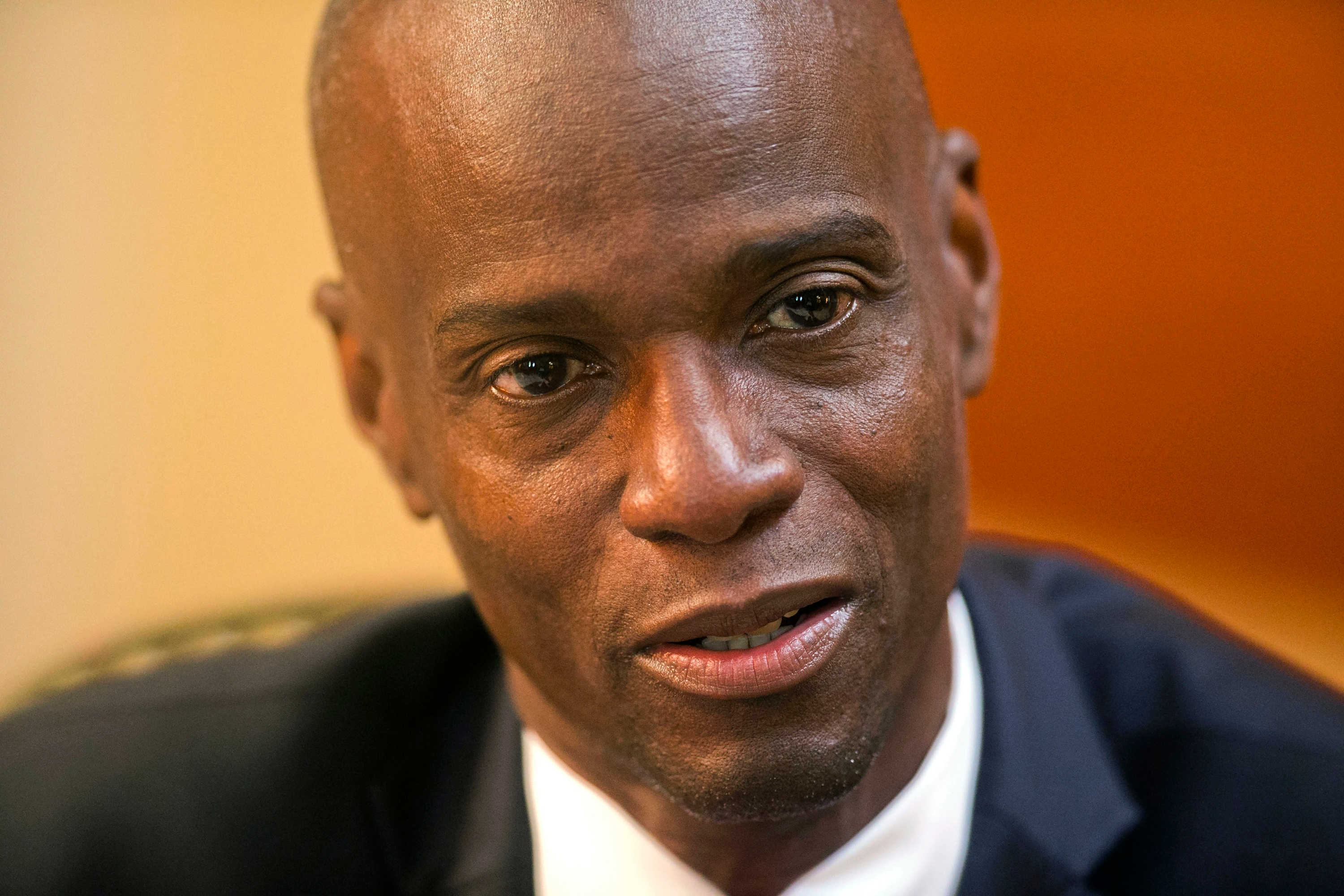
    MIAMI — A former Haitian government official and more than a dozen other people appeared Monday in federal court in Miami on charges related to the 2021 assassination of Haitian President Jovenel Moïse.

    Joseph Badio, a former Haiti Ministry of Justice employee, was brought into the Florida court in a wheelchair. The hearing happened a day after he and 17 others described as Colombian mercenaries were flown to the United States from Haiti, where they had been in custody.

    They’re among 30 people charged in the indictment, including Christian Sanon, a Palm Beach County, Fla., resident and dual Haitian-American citizen who was already preparing to face trial next week. Authorities said he aspired to be Haiti’s president.

    South Florida served as a central location for planning and financing the plot to oust Moïse and replace him with someone of the conspirators’ choosing, U.S. authorities have alleged. At least nine people so far have been convicted at trial or through guilty pleas.

    Moïse was “assassinated by individuals seeking to profit from illicit financial opportunities and business contracts,” U.S. Attorney Jason Reding Quiñones said.

    Moïse was killed on July 7, 2021, when about two dozen foreign mercenaries, most from Colombia, attacked his home near Port-au-Prince.

    In 2025, justice officials in Haiti asked the U.S. and Canada for help after a local court of appeals ordered a new investigation into Moïse’s killing, the third inquiry of its kind since he was shot 12 times at his private residence. His wife, Martine, also was injured in the attack.

    The previous investigations were stalled because Haitian judges kept resigning from the case, fearing for their lives, and gangs seized control of the downtown Port-au-Prince courthouse where the judges were interrogating suspects.

    Any proceedings in Haiti “continue to face significant difficulties,” the Ministry of Justice and Public Security said Sunday.

    The indictment says Badio, who is charged with conspiracy, posed as a U.S. drug agent and participated in Moïse’s killing. A lawyer appointed to temporarily represent him could not immediately be reached for comment.

    Badio once worked in the government’s anti-corruption unit until he was fired for alleged ethics violations weeks before the assassination.

    U.S. Magistrate Judge Lisette Reid assigned lawyers and set additional court dates during a series of brief dialogues with each of the 18 defendants.

    The scheme to kill Moïse included paying mercenaries with money obtained from U.S. government programs that were intended to help businesses during the COVID-19 pandemic, the indictment says.

    Haiti has not had a president in the five years since Moïse’s death. It has instead been overwhelmed by gang violence: More than 3,000 people were killed this year by June and about 1.5 million people were displaced, according to the U.N.

  • The Netherlands is bracing for potentially devastating U.S. sanctions against the ICC

    The Netherlands is bracing for potentially devastating U.S. sanctions against the ICC

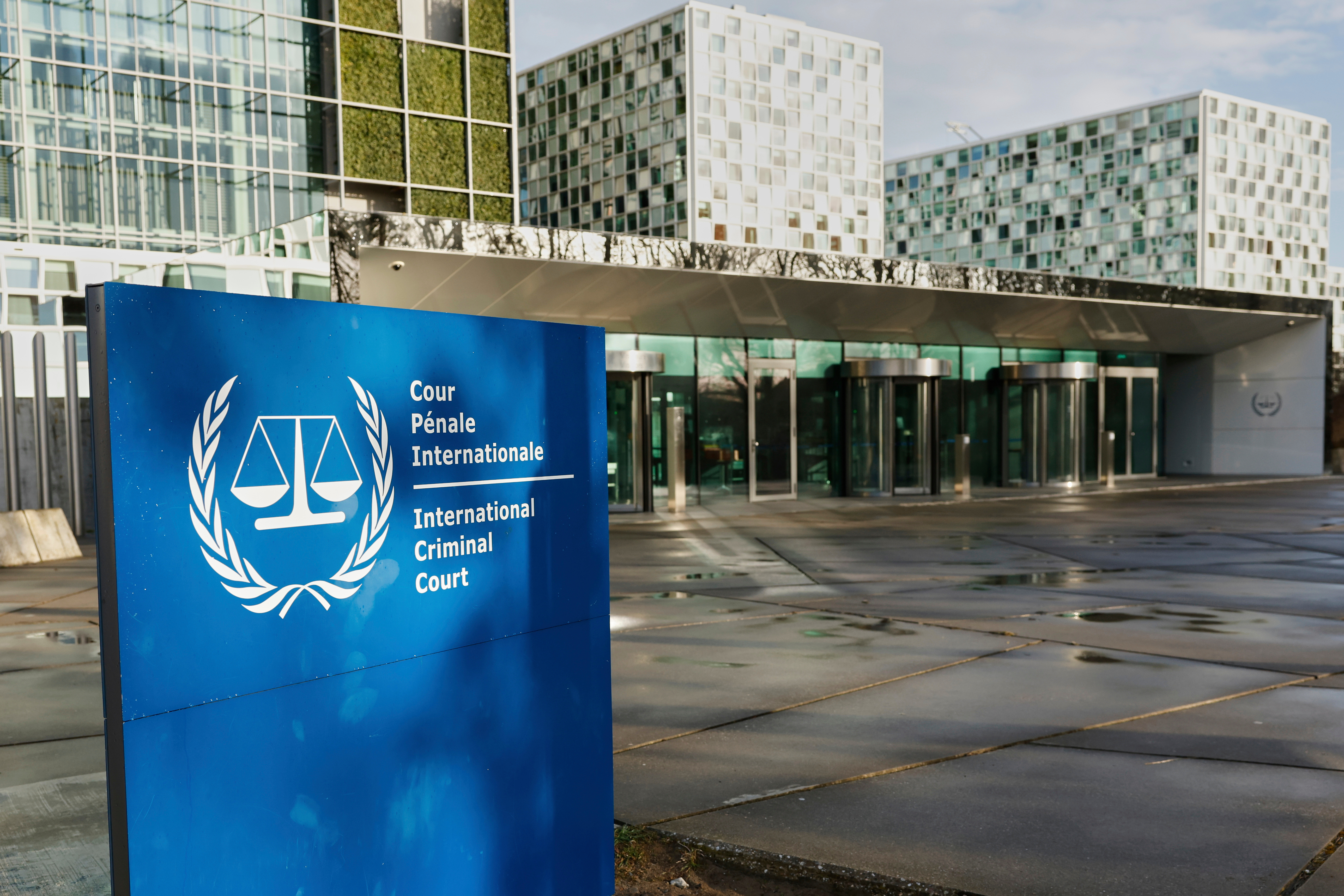
    THE HAGUE, Netherlands — Dutch officials are preparing for the United States to impose a tough new round of sanctions on the International Criminal Court as it seeks to dismantle the global tribunal over what the Trump administration sees as overstepping its authority.

    Officials in the court’s host country, the Netherlands, have been notified that the sanctions are imminent and are looking at ways to help the tribunal keep operating, including paying staff, protecting witnesses, and maintaining the detention facility, diplomatic and government officials with knowledge of the briefings told the Associated Press. They spoke on condition of anonymity because they were not authorized to speak publicly.

    Washington has already sanctioned more than a dozen current and former staff members, including half of the court’s sitting judges, in what U.S. Secretary of State Marco Rubio has described as a “sweeping campaign to dismantle the threat posed by the International Criminal Court.”

    The U.S. and Israel have strongly objected to the court’s arrest warrants for top Israeli officials, including Prime Minister Benjamin Netanyahu, over the war in Gaza. The U.S. also has opposed investigations into its military actions in Afghanistan.

    Like Russia, China, India, and Israel, the United States is among countries that have never joined the panel, with Washington citing fears of politically motivated prosecutions of its military. The court currently has 125 member states.

    The sanctions could prevent the court from accessing financial and IT services, and even paying its U.S. employees. When the court’s former chief prosecutor was sanctioned in 2025, he lost access to his Microsoft email, his bank accounts were frozen, and he was barred from entering the United States.

    According to two sources familiar with the situation, U.S. officials warned their Dutch counterparts that sanctions would be levied as early as Monday and encouraged the court’s host state to withdraw from the institution.

    Two U.S. officials told the AP that more ICC sanctions may be coming, but stressed that the scale and scope of the penalties had not yet been finalized and that no announcement is expected this week. The officials were not authorized to comment publicly on the matter and spoke on condition of anonymity.

    The ICC was established in the Hague in 2002 as the court of last resort to prosecute individuals responsible for the world’s most heinous atrocities: war crimes, crimes against humanity, genocide, and the crime of aggression. It takes on cases when nations are unable or unwilling to prosecute crimes on their territory.

    U.S. officials did not immediately reply to a request for comment. “The Trump Administration has been clear: the International Criminal Court is a corrupt and fatally politicized supranational court that has maliciously abused its authority and exceeded its mandate,” Secretary of State Marco Rubio said in a statement when announcing sanctions on the court president last month. “We will not tolerate its assault on state sovereignty.”

    The ICC has been preparing for months for the possibility of sanctions. Earlier this year, the court migrated off Microsoft products onto a German software provider, according to three ICC staff members who were not authorized to speak on the record. The tribunal has also changed insurance and other financial providers to companies without a footprint in the United States, they said.

    Dutch and court officials are hoping for a six-month grace period before the sanctions come into effect, arguing that the institution needs time to sever itself from American companies, which could face huge financial penalties if they are found to be in violation.

    Beyond migrating to European-based alternatives, the Netherlands and the European Union have few options to protect the institution.

    The EU “blocking statute” can be used to protect European court staff by preventing European companies from complying with the U.S. measures, though it’s unclear whether the statute would shield the ICC itself, because it’s an international body, not a European one. EU citizens are entitled to a basic bank account, but that doesn’t provide access to credit cards or U.S. payment facilities.

    A small but growing number of the global tribunal’s member states have announced plans to leave the institution in recent months, including Venezuela and Chad.

    Chad specifically cited the United States in its decision to withdraw. Foreign Minister Abdoulaye Sabre Fadoul said in a statement that during a phone call with a U.S. official in July, “the American side expressed its concerns regarding the functioning of this institution and requested that Chad reconsider” its membership.

  • Kamala Harris launches into the 2026 midterms as her 2028 decision looms

    Kamala Harris launches into the 2026 midterms as her 2028 decision looms

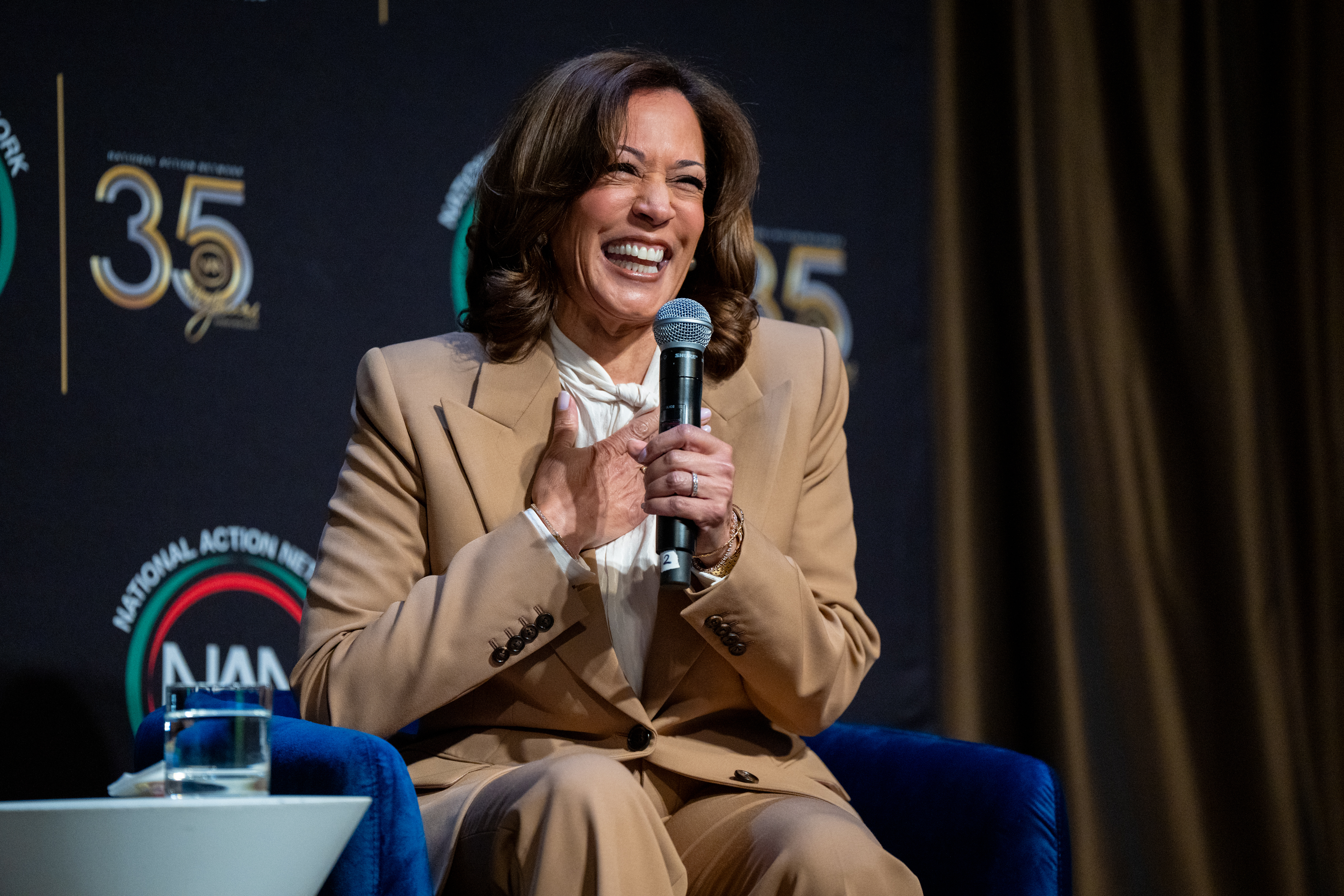
    As Kamala Harris mulls whether to run for president again, she’s throwing herself into the midterms by campaigning with fellow Democrats, starting with a Tuesday trip to Michigan on behalf of Senate nominee Abdul El-Sayed.

    It’s an especially notable destination for the former vice president. Michigan was one of seven battlegrounds she lost to Donald Trump two years ago, and it’s now one of six states that will start Democrats’ next presidential nominating process. Harris has additional rallies scheduled in Nevada and Georgia, two other key places on the political map.

    Her campaigning could serve to solidify or undermine her status as a potential Democratic front-runner. Although she’s one of the nation’s best-known politicians and a barrier-breaking figure, there are others eager to turn the page after she failed to defeat Trump when she replaced President Joe Biden on the top of the ticket.

    “I think she’s run her course,” said Barry Goodman, a Democratic National Committee member from Michigan who raised money for Biden and then Harris. “I just don’t think her running again would be the right thing for America moving forward.”

    Some Democratic candidates, especially in places Trump won handily, have curtly dismissed any possibility of campaigning with Harris. “No thanks,” Iowa gubernatorial nominee Rob Sand told Politico. “Let’s move on. We need some new leadership.”

    But plenty of Democrats, including some influential Black women who helped convince Biden to select Harris as his running mate in 2020, said she has more than earned the space to consider her options without being rushed or pilloried. Underscoring her unique position, California Gov. Gavin Newsom recently told CNN that he would not seek the nomination if Harris does.

    “Kamala isn’t under any deadline to run for anything,” said Donna Brazile, a former Democratic National Committee chair who managed Al Gore’s presidential campaign in 2000. She called it a “waste of time” to relitigate Harris’s truncated 2024 campaign and said any White House hopefuls “should follow Kamala’s lead and get out there” by trying to help midterm candidates.

    Harris has not announced any upcoming trips to South Carolina, where Democrats will hold their first primary. Antjuan Seawright, a political consultant in the state, said she could make a strong case for herself but another campaign would need to look and sound different.

    “She’s going to have to admit that she was wrong about some things,” he said.

    Michigan presents risk and opportunity

    Harris has painful political history in Michigan. During the 2024 campaign, the state’s prominent Arab American communities were outraged over Biden’s support for Israel’s military operations in Gaza, and they were disappointed when Harris did not break with him after she became the party’s nominee.

    El-Sayed, on the other hand, is an outspoken critic of Israel who has described the war as a genocide against Palestinians, an accusation rejected by Israel. He’s been viewed warily by some Jewish voters, which he’s tried to address by apologizing for some past controversial comments.

    El-Sayed told MS NOW that “there were some hurt feelings” in Michigan over the 2024 election, with some Black voters feeling like Arab Americans didn’t do enough to help Harris.

    With the former vice president coming to visit, he said it’s a chance “to bring communities together that have often been torn apart by recent events.”

    Their joint appearance will be closely scrutinized for other reasons too. Harris has a strained relationship with the party’s progressive wing, which includes El-Sayed, and El-Sayed is eager to solidify establishment support during his campaign against Republican nominee Mike Rogers, a former congressman.

    “We can build together on the areas of agreement, and we can come to understand each other far better on the areas where we might have seen eye to eye, and I think her coming into town will help us to do that,” El-Sayed said.

    Harris’ political travel has been light compared to potential presidential candidates like Pete Buttigieg, who ran in 2020 before serving as Biden’s transportation secretary. He recently visited South Carolina and he’s been stumping for other Democrats in the midterms.

    Harris went to South Carolina in the spring, but for smaller, local party events. She recently spoke on an organizing call aimed at registering and turning out 1 million more Black voters.

    “There’s value in doing a lot of stuff behind the scenes instead of being front and center, especially for her,” said Bre Maxwell, a Democratic National Committee member from South Carolina. She said there’s little benefit for Harris to insert herself into news cycles knowing “she’s still a target of Donald Trump right now.”

    Jaime Harrison, a South Carolinian who served as national party chair when Biden and Harris were in the White House, said the former vice president’s stature affords her the advantage of time that other potential candidates will not have.

    “Many of these folks who do get in quickly would love to have that type of name ID, would love to have that type of network, to have that type of email list,” Harrison said.

    Harris herself has said multiple times, including in an Associated Press interview last year, that she feels no rush to decide her next move. “Right now – midterms, midterms, midterms,” she told Megan Rapinoe on a recent podcast. Harris spokesperson Eduardo Negrón declined to comment when asked about her timeline.

    Harris’ other campaign events this fall include stops for Nevada’s Democratic candidate for governor, Aaron Ford, and Georgia Sen. Jon Ossoff, who has generated 2028 chatter of his own as he seeks reelection.

    “She is certainly being strategic,” said Seawright, the South Carolina political consultant.

    He noted that Harris’ tour for her campaign memoir, 107 Days, hit virtually every major Southern city in states where Black voters hold strong sway in presidential primaries that come early in the nominating process.

    Meanwhile, Goodman said he’s heard no evidence that Harris is working the party’s top donor network. Harrison said he hasn’t heard from her since last December.

    Past campaigns offer Harris lessons

    Harris first ran for president in the 2020 cycle, when she was a U.S. senator from California. But she dropped out late in 2019, before any primary votes were cast.

    Some progressives saw the former prosecutor as part of a criminal justice establishment that disproportionately imprisons Black men. Some moderates saw her as another San Francisco liberal.

    Biden chose Harris as his running mate, and she became the first woman and Black person to serve as vice president.

    When Biden dropped his reelection bid after a disastrous debate performance, Harris generated visible enthusiasm, drawing crowds that rivaled or exceeded Trump’s. She delivered a convention address and debate performance that most analysts lauded.

    But she could not distance herself from Biden on inflation or immigration. Harris infamously told friendly interviewers on The View that she couldn’t think of anything she’d have done differently than Biden. Trump hammered her with advertisements exploiting her support for transgender rights, saying “Kamala is for they/them. President Trump is for you.”

    If she runs again, Seawright said, Harris would need to emphasize moderate positions and “be willing to say, you know, ‘I’ve rethought some things.’” Voters, he said, “reward that kind of authenticity and humility.”

    Harrison argued it would be easier for Harris to articulate her own agenda than when “she was a sitting vice president, somebody else’s No. 2.” But, he warned, she would also have to shed the pomp and circumstance of the vice presidency, not just its political burdens.

    “You can’t act like a sitting vice president, standing up on that stage,” he said. “I’d tell her she has to run hard, just as hard as everybody else, working every rope line, taking every selfie.”

    Unlike Biden’s handoff to her in 2024, Harrison said, “This is going to be the wild, wild west.”

  • Iran’s Revolutionary Guard warns U.S. over escalation

    Iran’s Revolutionary Guard warns U.S. over escalation

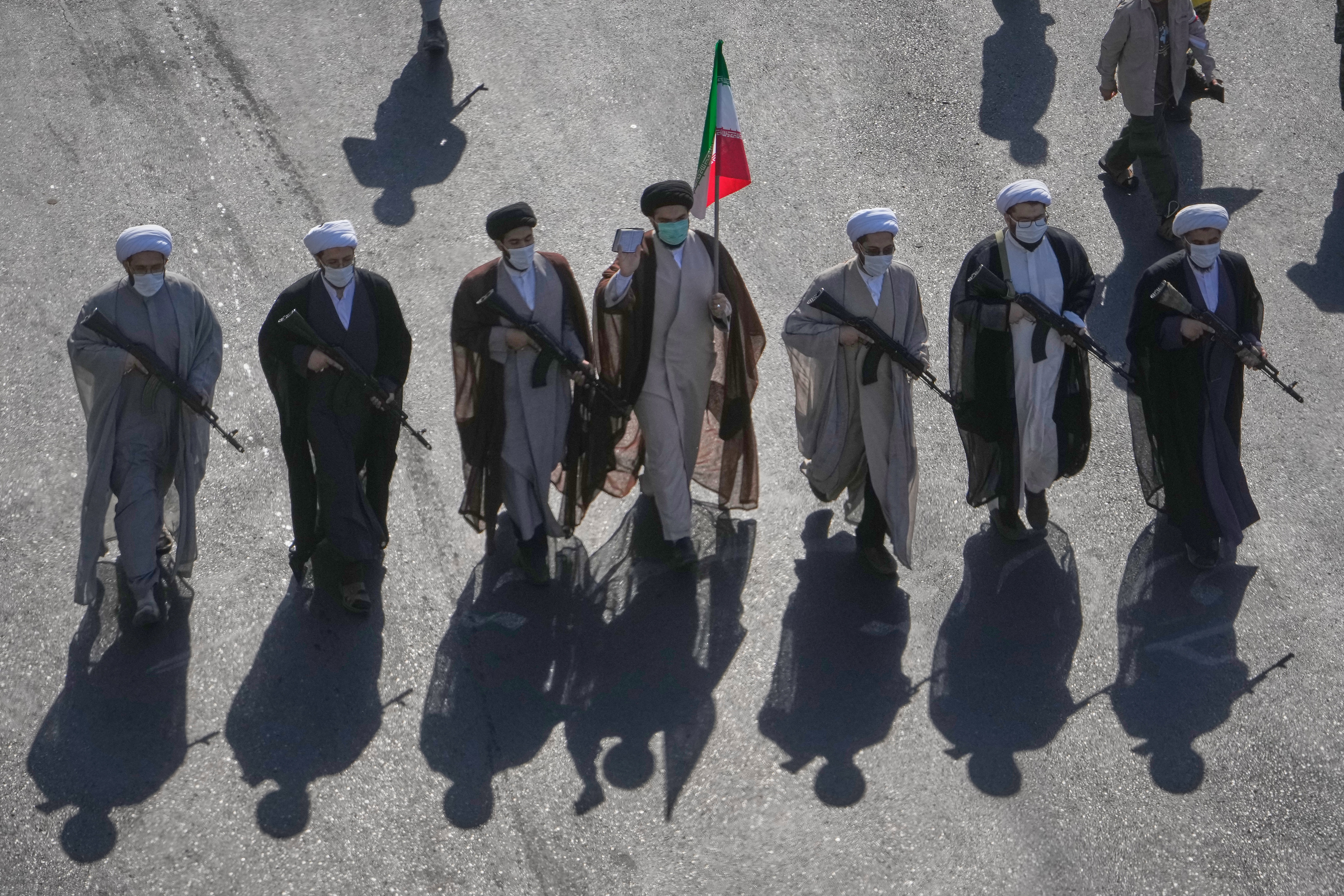
    Iran’s Revolutionary Guard warned Monday that it would “change the geography of the war” if the United States escalates the conflict.

    Meanwhile, the British military said an “unknown projectile” struck a tanker as it entered the Strait of Hormuz on Monday, injuring two crew members.

    The Israeli military remained on alert as much of the country shuts down for Yom Kippur, the holiest day in Judaism.

    Iran’s Revolutionary Guard says ‘war is not over’

    A spokesperson for Iran’s paramilitary Revolutionary Guard, Hossein Mohebbi, said Monday that “the war is not over” and warned that Iran would change its weapons, military tactics, and targets if the conflict with the U.S. escalates.

    “We will certainly change the geography of the war,” Mohebbi said in a statement carried by Iranian state media. “We will certainly bring new weapons with new capabilities into the battle.” He said the Guard had prepared for a long-term war.

    “Our targets will no longer necessarily be the same as before,” he said, according to the Islamic Republic of Iran Broadcasting, adding that Iran has targets that have not yet been struck.

    The more than six-month war began with U.S. and Israeli strikes on Iran on Feb. 28. The conflict has included repeated attacks and efforts to negotiate an end to the fighting, with no agreement reached to reopen the Strait of Hormuz or revive talks over Iran’s nuclear program.

    Projectile strikes tanker in Strait of Hormuz, British military says

    The United Kingdom Maritime Trade Operations Center (UKMTO) said a tanker was struck by an “unknown projectile” as it headed into the Strait of Hormuz. Two crew members sustained minor injuries.

    The UKMTO said Monday the vessel is reportedly continuing to its next port of call under its own power. No reports indicated any environmental impact at this time.

    Tehran has asserted control over much of the Strait of Hormuz since the U.S. and Israel launched the war on Feb. 28. In peacetime, about 20 million barrels — roughly a fifth of the world’s oil supply — passed through Hormuz each day.

    Some tankers are again traversing the strait, but traffic is well below what it once was.

    Houthi leader lashes out at Saudis in televised speech

    In Yemen, the leader of the Iran-backed Houthi rebels used the anniversary of his group’s overthrow of the Yemeni government to lash out at Saudi Arabia.

    In a recorded speech aired Monday, Abdul Malik al-Houthi said his group’s demands include an end to what he called Saudi “aggression” and the blockade the Saudi-led coalition has imposed on the rebels for about a decade.

    “Stop the aggression and end the blockade. Our demands represent the legitimate rights of our people,” he said in the speech aired by the Houthi-run al-Masirah channel.

    The Houthis descended from their stronghold in northern Yemen, taking over the capital of Sanaa in September 2014 and forcing the country’s government into exile in Saudi Arabia.

    The following year, Saudi Arabia led a multi-national coalition that entered the war in an attempt to restore the government. The coalition imposed an air and sea blockade on the Houthi-held areas, as part of its war efforts.

    WHO reports 680 new casualties in a week in Yemen

    The World Health Organization says 680 people were killed or injured across Yemen over the course of a week as fighting between the Houthi rebels and Saudi-backed government forces continues.

    WHO said on Monday in a post on X that 164 people were killed and 516 injured between Sept. 13 and Friday. This brings the total number of casualties since Aug. 6 to 3,672, including 674 deaths and 2,998 injuries.

    Lahj province in southwestern Yemen is currently an active front line where 58 deaths and 226 injuries were reported within six days, according to the U.N. agency.

    Fighting between the Houthis and government forces has so far displaced 129,438 people across seven provinces, the International Organization for Migration says.

    The IOM said in an update Monday that people escaping the conflict inside the country were forced from their homes in only a few weeks, with many already fleeing more than once.

    Israeli military on guard on Jewish faith’s holiest day

    Israel’s military remained on alert even as the country woke up to the silence and empty streets of Yom Kippur, the Day of Atonement, considered the holiest day for the Jewish faith.

    Streetlights blinked yellow Monday as the faithful walked to the Western Wall in Jerusalem’s Old City.

    “For the next 25 hours, Israel is offline,” the foreign ministry said on X after sundown Sunday. But the military said it bolstered its frontline forces following the killing of an Israeli settler Sunday in the occupied West Bank. The Palestinian suspect was detained after a search.

  • U.N. General Assembly to confront familiar crises, new conflicts and AI

    U.N. General Assembly to confront familiar crises, new conflicts and AI

    World leaders converge in New York this week for the United Nations General Assembly with the Middle East in turmoil, war raging between Russia and Ukraine, old alliances in peril, energy prices rising, and scientists warning that artificial intelligence could imperil humanity.

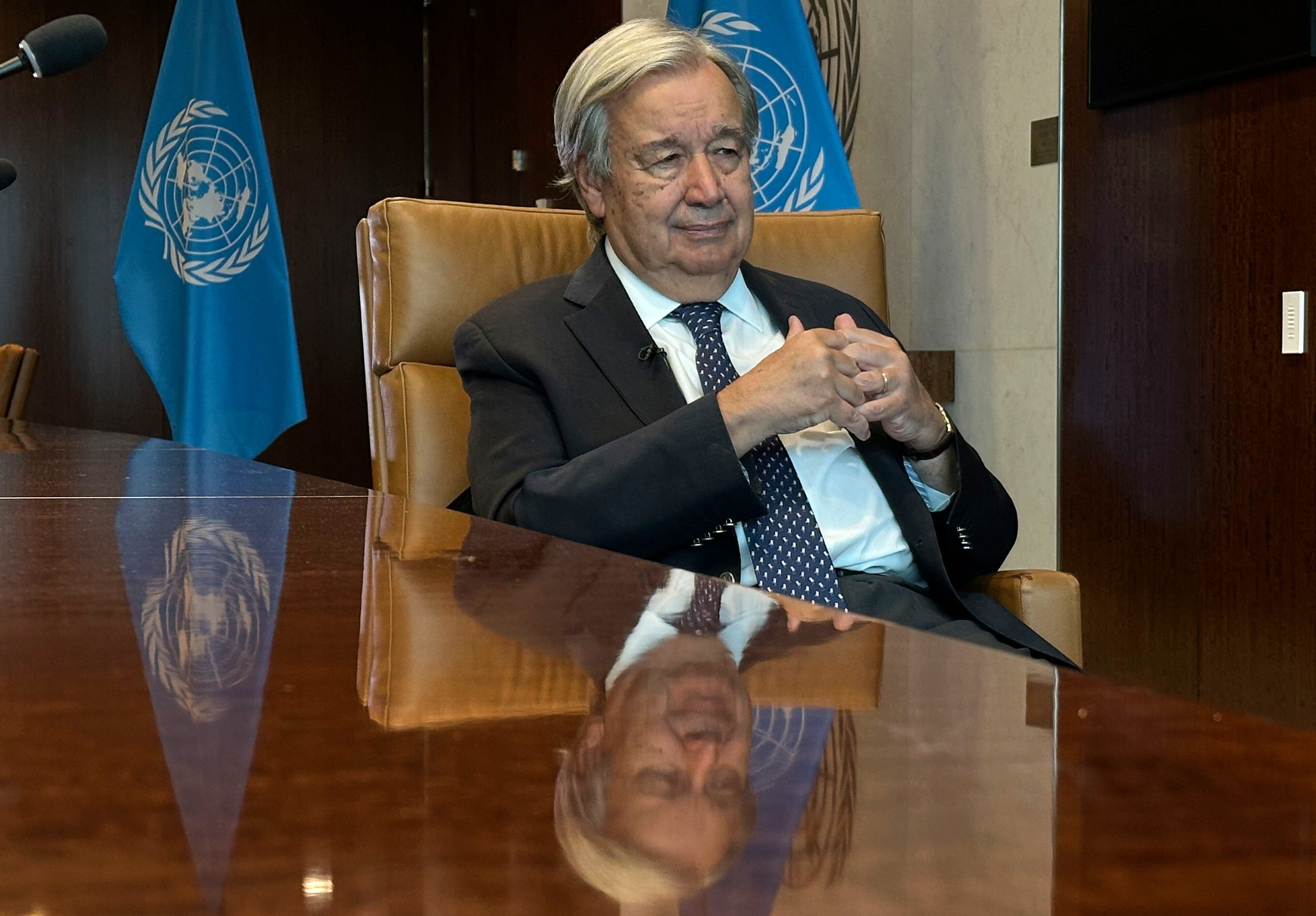
    “It would be hard to imagine a scenario as threatening as the one we’re facing right now,” acknowledged António Guterres, who has served two terms as the U.N. secretary-general since 2017 and will step down at the end of December.

    The U.S.-Israeli war with Iran and its reverberations on the world economy and oil supplies will be a major topic. And Ukrainian President Volodymyr Zelensky is expected to implore world leaders not to forget his country.

    But for the first time at the world body, the threat posed by artificial intelligence has jumped to the top of the agenda. U.N. leaders plan to seek global cooperation for guardrails around the rapidly advancing technology.

    Against the backdrop of these challenges, the U.N. is searching for its next leader, who will take the helm in January. Seven candidates are in the running after Michelle Bachelet, former Chilean president and ex-high commissioner of the U.N.’s Human Rights Council, dropped out. But so far no clear front-runner has emerged, diplomats said, because the U.N. Security Council, the body responsible for selecting the secretary-general, has not reached a consensus.

    Guterres will deliver his final address to the General Assembly on Tuesday, and he is expected to close his tenure by urging world leaders to defend international law, protect human rights, invest in sustainable development, and push for peace.

    “At a time when the world faces three existential threats — runaway artificial intelligence, the climate crisis, and the intolerable deepening of inequalities — international cooperation is more necessary than ever,” Guterres said at a recent news conference.

    He said that when he took charge of the institution years ago no one could have predicted that the world would be as it is today, roiled by conflicts and facing a multitude of crises like climate change and the seemingly unrestrained growth of artificial intelligence.

    The U.N. has defined the theme of this year’s gathering as “Restoring Trust, Managing Transformations: A United Nations That Delivers for All.” Trust and transformation have been among the biggest challenges for the U.N. as it has faced questions of relevance from donors and the public, experienced severe funding cutbacks from the Trump administration and made efforts to streamline its operations. At the same time, its 15-member Security Council stands paralyzed by divisions among its five permanent members with veto-holding powers.

    Still, while the organization said in January that it was facing imminent financial collapse and would run out of money by the summer if member states — namely the United States, its top donor — didn’t pay their annual dues, it has survived.

    Last week, the United States paid $725 million to the U.N. as part of its dues for the regular budget and $102 million for peacekeeping, but it still owes $1.3 billion in annual dues, said Farhan Haq, a U.N. spokesperson.

    Many U.N. staff members and diplomats had expressed anxiety that President Donald Trump could withdraw from the organization altogether, given his exit from U.N. agencies such as the World Health Program and the defunding of some programs as part of a policy to cut foreign aid significantly. Analysts said last year that the U.N. was in a “free fall” as it observed its 80th anniversary.

    But those fears have not materialized. Analysts said that while the U.N. was still facing a crisis, the United States had remained engaged, albeit seeking to change and bend the institution to the administration’s vision.

    Richard Gowan, a U.N. expert at the International Crisis Group, said of the United Nations, “It is still standing, and if you compare the U.N. to some of the really bad periods during the Cold War, it’s still actually far more active than it was in its darkest hours.”

    He added, “But every single year it’s a little bit less relevant; it’s a little bit more under restraint.”

    Trump is set to speak to the General Assembly on Tuesday morning, the first day of the gathering. Last year, he lectured the United Nations and other countries about how they were failing and aired a list of grievances.

    “Your countries are going to hell,” he said.

    This year, he will be facing a world rattled by his imposition of tariffs, his open disdain for allies, and the instability resulting from his war against Iran.

    The biggest hurdle for the U.N. in resolving conflicts in the past few years has been the geopolitical divisions among the five permanent powers of the Security Council: the United States, Russia, China, France, and Britain. The council, which is in charge of preventing global conflict and safeguarding stability, has been frozen over the wars in Ukraine, the Gaza Strip, and Iran because action has been blocked by permanent members with stakes in the fighting.

    The Ukraine war is more than 4 years old, the conflicts in Sudan over 3 years old, the one in Gaza closing in on 3 years old, and the United States’ war with Iran nearing its seventh month. The conflict in Iran has sent energy and oil prices soaring and has upended supply chains that rely on shipping in the Strait of Hormuz. The Houthis in Yemen and Saudi Arabia have intensified fighting in the past few weeks with another critical waterway, the Bab el-Mandeb Strait, in the Indian Ocean, under threat.

    “There is clearly a vacuum here in terms of dealing with these growing number of wars we have and other crises,” said Robert A. Wood, a U.S. ambassador to the U.N. during the Biden administration. “It is critical that we get a next secretary-general who has experience, and Rolodex, and kind of energy and background in managing, not only dealing with great powers, but in dealing with major international crises.”

    Among the speeches by leaders that will be watched closely will be the ones by Iranian President Masoud Pezeshkian; Zelensky; and Venezuela’s leader, Delcy Rodríguez, who will be making her debut on the world stage after the United States captured her predecessor, Nicolás Maduro. Others of note will be by leaders of the Arab countries in the Persian Gulf; Israeli Prime Minister Benjamin Netanyahu; and Palestinian leader Mahmoud Abbas, who will address the assembly virtually for a second year because the United States denied visas to the Palestinian delegation.

    This year, discussion of a possible two-state solution for Israel and Palestinians is expected to be more low-key than in the past, with France, Britain, Canada, and Saudi Arabia hosting a session Thursday on the sidelines of the General Assembly meeting.

    A notable number of world leaders will be absent from the General Assembly. Xi Jinping of China is traveling to Washington to see Trump on Thursday, and the meeting is expected to overshadow the speeches at the assembly in New York.

    The leaders of two nations from the so-called global south — India’s prime minister, Narendra Modi, and South Africa’s president, Cyril Ramaphosa — will also not attend.

    The Security Council will hold a session on Ukraine, as it has done for the past four years during the General Assembly meeting, and this year it has drawn new criticism that European members of the council have ignored other pressing conflicts every year to keep the spotlight on Ukraine during the high-level week.

    Despite their global repercussions, Iran and the conflict in the Persian Gulf are not on the council’s public agenda this week. Arab countries in the Gulf are expected to hold a closed-door meeting with council members and Trump on the sidelines, diplomats said.

    The council will discuss AI and the threats it poses to global security and stability. Guterres was also set to host a side event Monday to urge countries to create global regulations for the technology, and a private, invitation-only event at the U.N. that brings together heads of states and leaders of AI to debate how to govern the field.

    But a clash of opinions and visions is expected.

    The United States, China, and Russia have indicated that they oppose external rules on their own development of AI technology, and Trump recently denounced such efforts as a “sick conspiracy.”

    Guterres said the world cannot “afford a race to the bottom on AI safety.” He added, “We need guardrails to build trust, and that make AI safe, transparent, accountable, with human dignity at the center.”

    This article originally appeared in the New York Times.