Tag: data-marker

  • Five Below plans to have 2,000 stores soon — on par with Home Depot and Target

    Five Below plans to have 2,000 stores soon — on par with Home Depot and Target

    Five Below has been opening hundreds of new stores in recent years, and this month, the Philly-based retailer is set to add its 2,000th location.

    The new store is expected to open in LaGrange, Ga., on Friday, July 17, the company announced this week.

    “Reaching 2,000 stores is an incredible milestone for our brand whose mission is to be the destination for the kid and the kid in all of us,” CEO Winnie Park said in a statement. “We know our unique retail concept has a lot of runway ahead with thousands of new stores across the U.S.”

    The company’s expansion puts its store count on par with Home Depot and Target. As of the beginning of 2026, Home Depot operated 2,359 stores in the U.S., Canada, and Mexico, and Target had 1,995 U.S. stores.

    Company leaders said in a recent annual report that they see opportunity to grow Five Below’s store count to 3,500 eventually.

    Five Below launched its first store in 2002 in Wayne, and most items the business sells cost between $1 and $5. Its offering of toys, gadgets, games, and other items includes slinky toys, crayons, sandcastle buckets, basketballs, and wireless gaming headsets.

    “Many of the products we sell can also be found in mall specialty stores, department stores, mass merchandisers and drug stores,” the company’s most recent annual statement notes, but what sets the business apart is their prices, and their “exciting and easy to shop retail environment.”
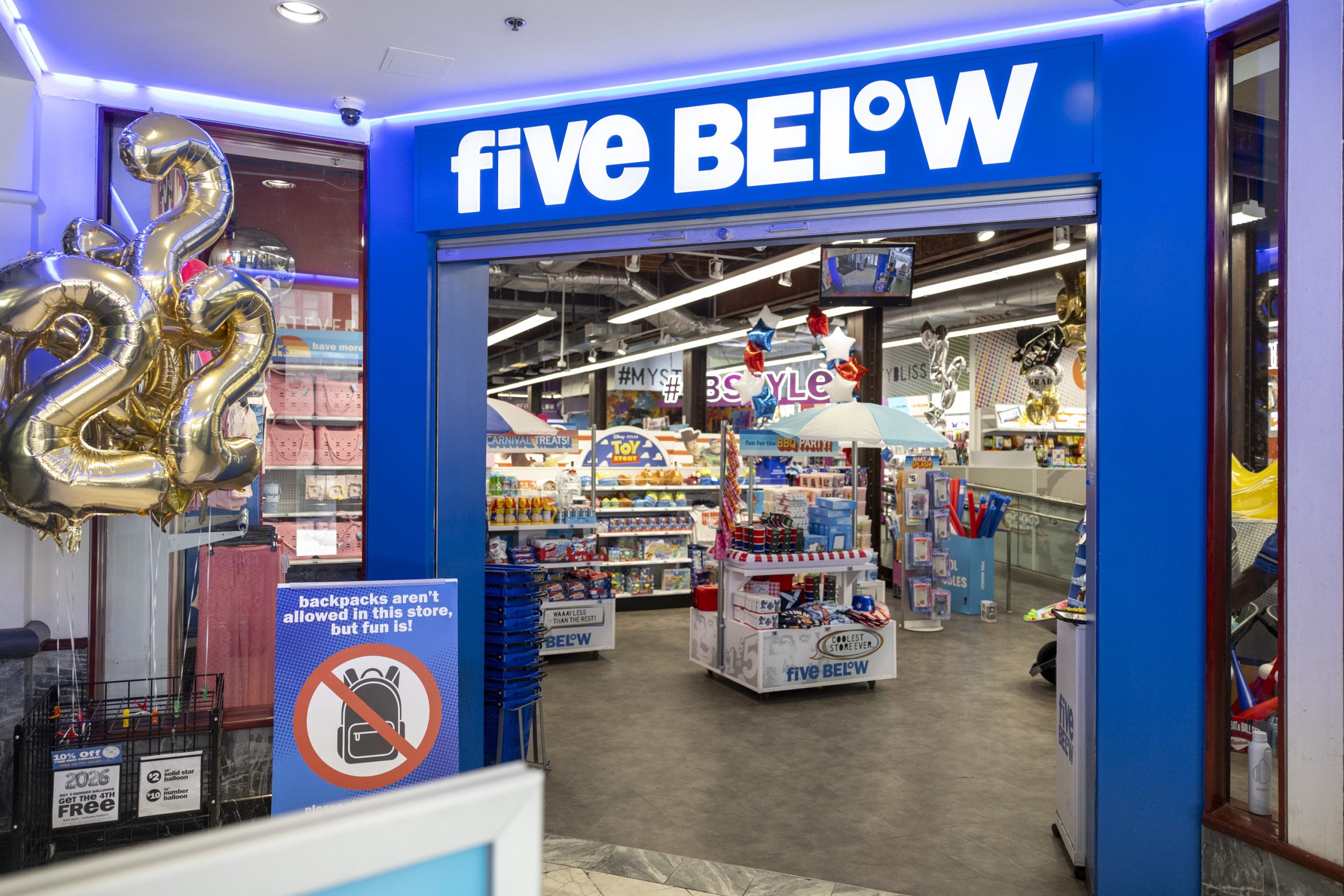
    The Five Below storefront at the company’s headquarters in Philadelphia.Tyger Williams / Staff Photographer

    Three years ago, Five Below had 1,350 stores in over 40 states. Then-CEO Joel Anderson, said the company had a plan to triple its store count by 2030. In the last three fiscal years, the company has added between 150 and 227 net stores annually, according to its recent annual report.

    Five Below recently eliminated the section of its stores dedicated to items over $5. The company still sells the pricier items but now displays them among other items in the store.

    As of January, the company reported having 7,800 full-time employees and 16,800 part-time workers, 24,600 total. The majority work at stores across 46 states.
  • Peco buys property in Chester County, part of larger growth strategy

    Peco buys property in Chester County, part of larger growth strategy

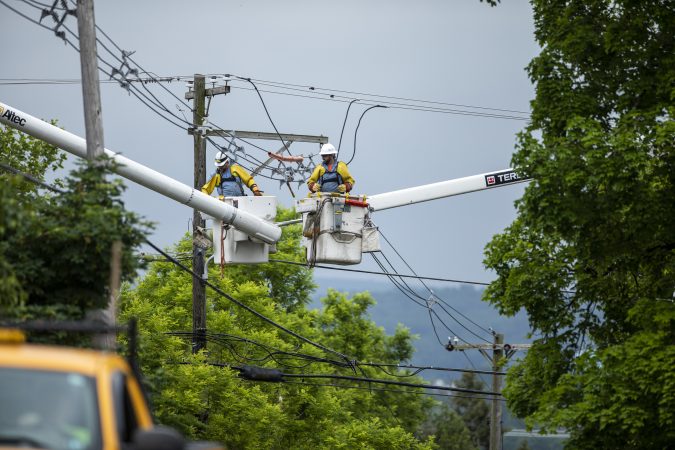
    Peco is expanding its real estate footprint in the Philadelphia region.

    The gas and electric utility company purchased a property at 100 Chesterfield Parkway in Malvern for $5.95 million in January, according to Chester County property records. The Philadelphia Business Journal first reported the purchase.

    The building had previously been leased by Vanguard, which still has offices nearby and has been working toward moving more of its Malvern employees to the company’s main campus. The investment company most recently closed one of its Malvern offices spanning 137,000 square feet.

    Peco’s Malvern acquisition “is part of a comprehensive, multi-year strategy to support the recent expansion and future growth of our operations teams,” Peco spokesperson Matthew Rankin said Thursday.

    Administrative staff and “other support teams,” will work out of the new office, Rankin said, but did not say how many.

    The property is near Peco operations facilities, Rankin said.

    Peco’s expansion comes as the company brought in $814 million in net income in 2025, up 48% from the previous year. Exelon, the utility’s parent company, has said the increase was in part due to “favorable weather” and higher distribution rates.

    The company proposed a rate hike again this year, but quickly withdrew the proposal after backlash. Peco had said it needed to increase prices for upgrades, to meet demand, including to prepare for data centers, and increase grid reliability. The company also cited extreme weather conditions, which can damage infrastructure.

    Peco and its worker union, IBEW local 614 reached a tentative agreement on a new union contract this week, ending the company’s first worker strike in its history, which lasted three days.

  • Escape Lounges is opening a new location at the Philadelphia airport

    Escape Lounges is opening a new location at the Philadelphia airport

    A new airport lounge is landing soon in Philadelphia.

    Escape Lounges is set to open a location at the Philadelphia International Airport later this year, according to MarketPlace PHL, which manages the airport’s concessions. The lounges run on a pay-per-visit model, with food and drink included, and do not require customers to have a certain credit card.

    Escape’s 1,500-square-foot space in Terminal D will serve food and drinks, according to MarketPlace PHL, and include a bar and other seating areas that overlook the runways.

    The U.K.-based Escape Lounges operates 20 U.S. locations, including Syracuse and Providence, R.I. The lounges are open to all travelers within three hours of their departing flights, according to the company’s website.

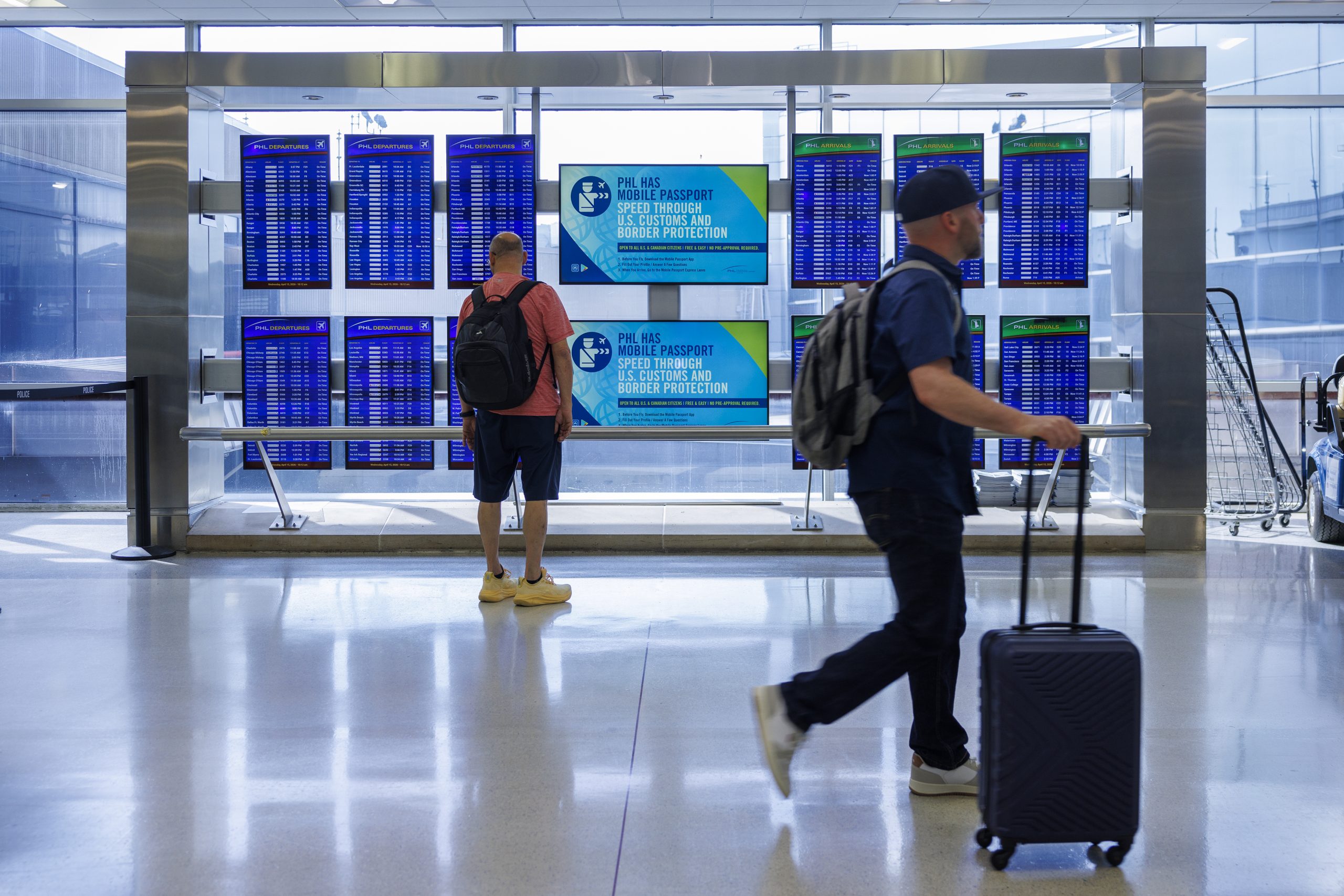
    Someone looks at the arrivals and departures board at Philadelphia International Airport in April.Alejandro A. Alvarez / Staff Photographer

    Prices fall between $45 and $65 per person for walk-ups, while customers who pre-book online can get reduced rates starting at $32. Complimentary access is available for American Express cardholders.

    The cost includes food and drink, including wine, beer, and spirits, according to Escape. Customers also get private Wi-Fi, charging ports and outlets, printing and copy services, and PressReader, which provides digital access to more than 7,000 newspapers and magazines.

    The news comes at a time when airport lounges have become more accessible than ever — and often more crowded. A growing number of credit cards offer lounge access, and travelers without the required cards can buy day passes to most spots.

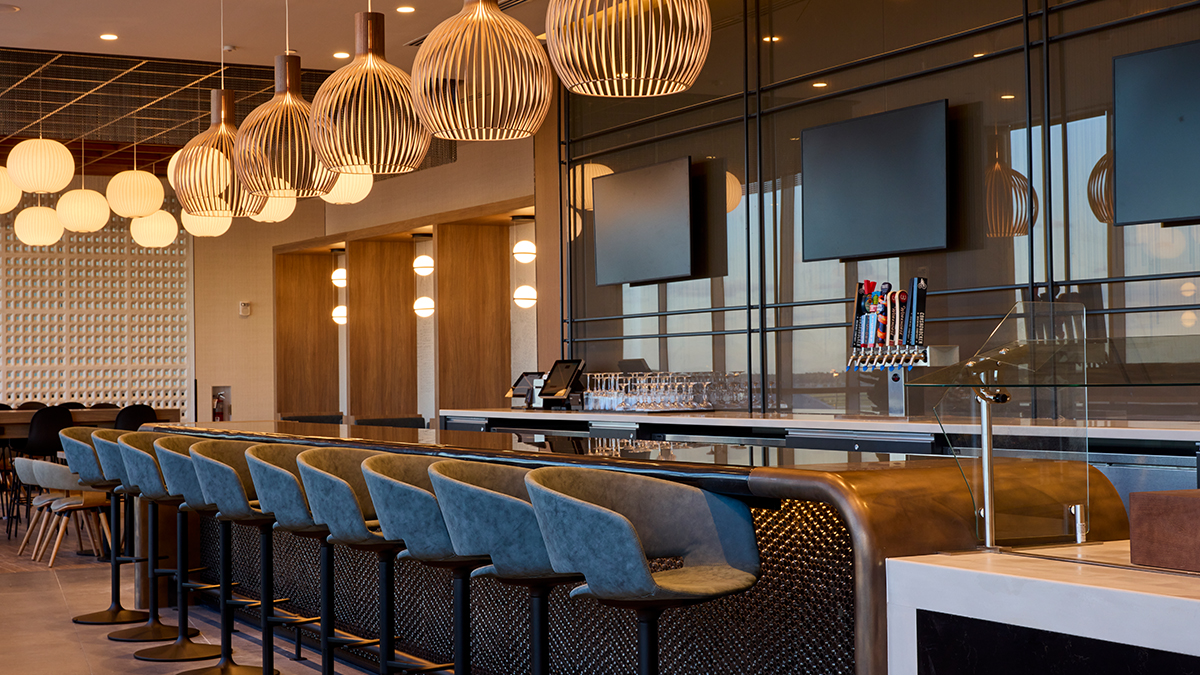
    The bar at the American Airlines Flagship Lounge at Philadelphia International Airport.American Airlines

    As a result, the airport lounge market is evolving and growing, with analysts expecting it to reach $6.4 billion by next year.

    Last year at Philadelphia International Airport, Chase Sapphire opened a lounge between Terminals D and E, and American Airlines opened neighboring lounges in Terminal A-West.

    American Express and British Airways also operate lounges in Terminal A-West, from which many international flights depart.

    The airport also has a United Club between Terminals C and D, and Delta Sky Club between Terminals D and E, as well as private Minute Suites between Terminals A and B.

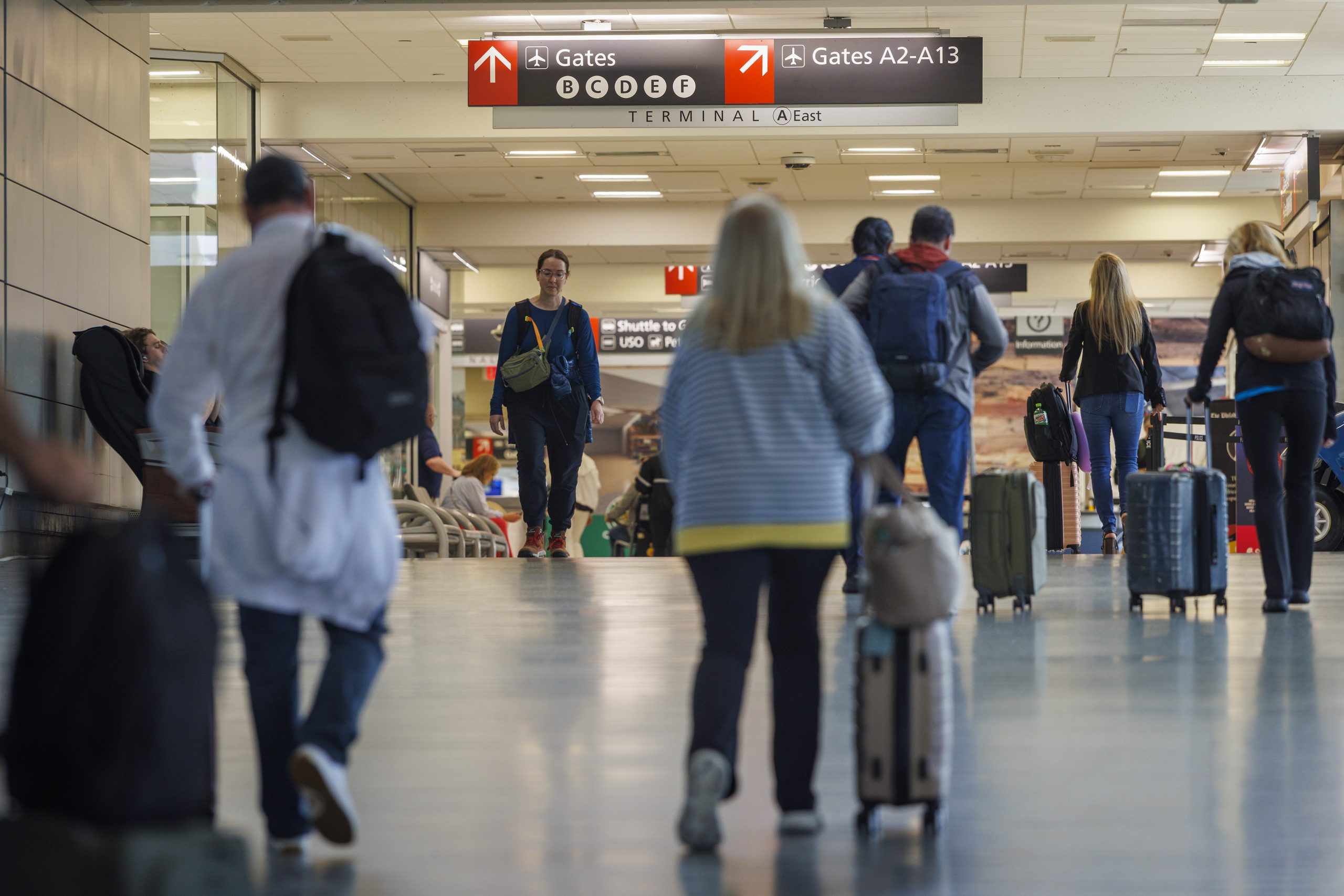
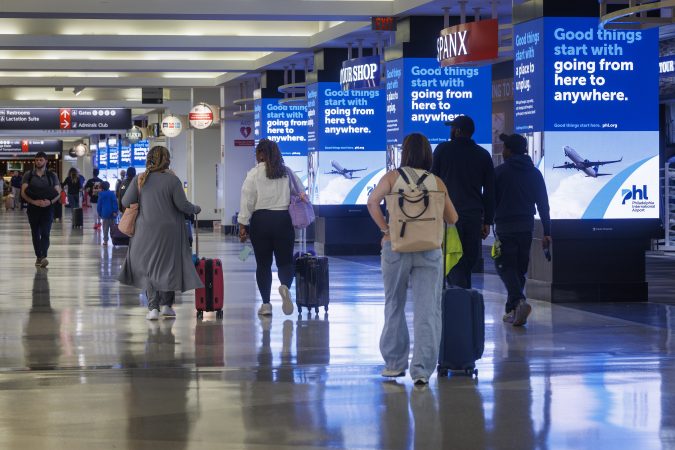
    Travelers walk through Philadelphia International Airport in April.Alejandro A. Alvarez / Staff Photographer

    Last year, more than 30.1 million travelers passed through Philadelphia International Airport, which is getting $500 million in upgrades.

    While the total number of 2025 passengers dropped slightly from the prior year, the airport saw a 7.5% increase in international travelers, executives said.

    It was also the first time since before the pandemic that the airport recorded two consecutive years with more than 30 million annual passengers.

  • King of Prussia Mall to get new stores including Pop Mart and Candyland Adventure playground

    King of Prussia Mall to get new stores including Pop Mart and Candyland Adventure playground

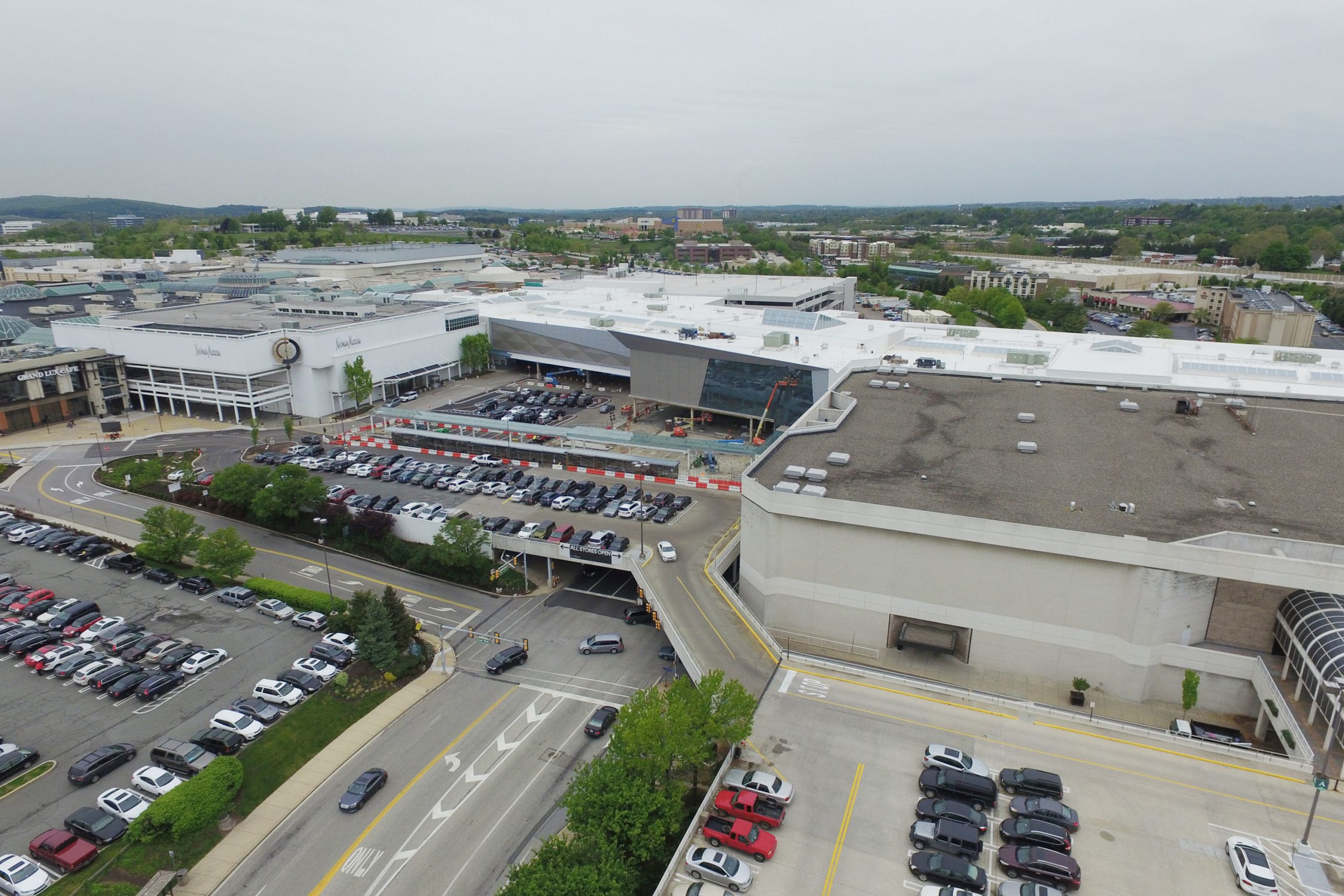
    The King of Prussia Mall is set to get several new shops and restaurants in the coming months.

    As some other retail centers struggle, die, and transform, the massive Montgomery County complex has remained a thriving shopping destination, with a wide array of retailers, dining options, and experiential concepts.

    Over the past year, the 2.9 million-square-foot mall has become home to the world’s first Netflix House — which contains a restaurant and four paid immersive experiences in an old Lord & Taylor — as well as Eataly, an Italian marketplace, and the Philly region’s first Sloomoo Institute, an interactive slime playground.

    More experiential retail is in the works. Next year, Level99 is set to open a 46,000-square-foot live social-gaming venue on the ground floor of the former JCPenney.

    The mall’s expansion comes as others in the region have become ghost towns. One of the vacant complexes, Exton Square Mall, closed Tuesday after more than six decades as a Chester County retail hub.

    Stores coming soon to the King of Prussia Mall

    By the end of 2026, the mall plans to open the following stores:

    The Pandora store will also move from the Court to the Plaza, and the David Yurman store will undergo a facelift. David Yurman will open a temporary boutique near Neiman Marcus while its permanent location is renovated.

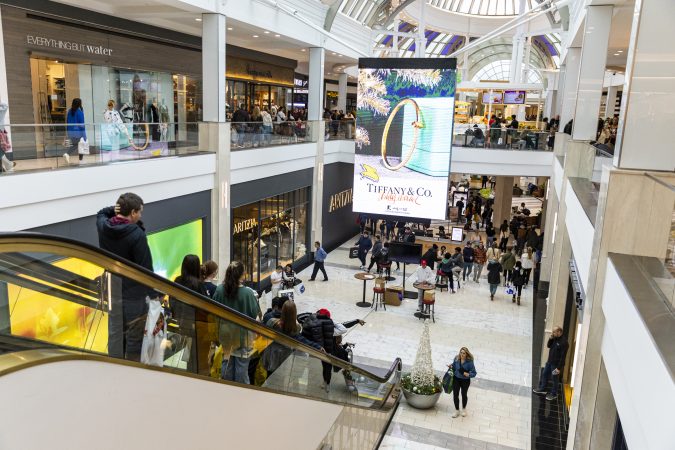
    King of Prussia Mall Tuesday, May 10, 2016.David Swanson / Staff Photographer

    New stores at the King of Prussia Mall

  • Philly has the cheapest office space of any Northeast city, report says

    Philly has the cheapest office space of any Northeast city, report says

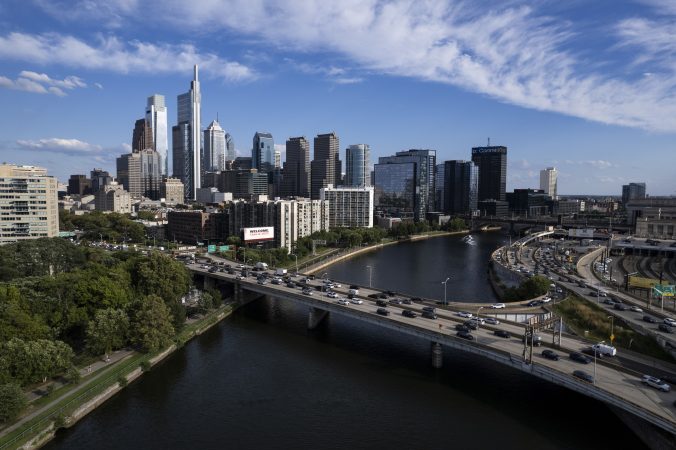
    In the post-pandemic hybrid-work environment, Philadelphia office space remains cheaper than most other major metro areas, according to a new report from the online real estate platform Commercial Cafe.

    Asking rents for Philly offices were $31.26 per square foot on average as of May, the report found. That makes Philadelphia the only major market in the Northeast below the national average of $33.61 per square foot.

    Relative to other major U.S. markets, only Chicago, Houston, and Phoenix recorded lower average asking rents.

    Elsewhere in the Northeast, Manhattan averaged the most expensive asking rents at more than $69 per square foot, according to the report. Boston’s asking rents were around $44 and New Jersey’s were more than $35.

    Philadelphia’s 18.4% office vacancy rate, meanwhile, was slightly higher than the other Northeast markets, as well as the national average of 17.6%, according to the report.

    The analysis, released last week, reflected the broader challenges that all office markets are up against. In Philadelphia and elsewhere, the office landscape has shrunk since the pandemic, with many employers downsizing their space amid the rise of hybrid work.

    Some Center City office buildings have plummeted in value and are now becoming apartment complexes. Among them: The iconic Wanamaker Building and Centre Square, better known as the “Clothespin building” for the sculpture outside it.

    Chubb’s new 18-story tower at 2000 Arch St. may be Center City’s last new office building for a while, local industry experts say.

    Between January and May, $220 million in office sales were recorded in Philadelphia, according to the Commercial Cafe report, and $387 million in New Jersey. In the Garden State, 630,000 square feet of offices were under construction, found the report, which did not have under-construction data for Philadelphia.

    Peter Kolaczynski, the director of Yardi Research, helped compile the report, and noted the trend toward office reuse.

    “The destruction of value that we have discussed for years is showing through in the sales data,” Kolaczynski said in a statement. “With this decrease cost in acquisition comes opportunity — whether that is conversions to apartments, repositioning to best-in-class office and coworking, or full-on redevelopment and revitalization projects.”

  • This Philly-based steel stock has rocketed as SpaceX shot up

    This Philly-based steel stock has rocketed as SpaceX shot up

    It’s not just SpaceX on the rise.

    Elon Musk’s company that runs the Starlink communications network, launches rockets for NASA, and develops artificial intelligence software raised more than $75 billion from investors last week — a record initial public stock offering (IPO) for a company fast-burning through billions in investor dollars in hopes of future profit.

    SpaceX is just the flashiest of a string of industrial stocks that have soared as orders for missiles, drones, and other war machines, as well as civilian aircraft and rockets, pile up. S&P’s Aerospace and Defense Select Industry Index is up 44% over the past year vs. 24% for the broader S&P 500 stocks, even with Google, Nvidia, and other AI-linked stocks leading the 500.

    The share price for Philadelphia-based Carpenter Technology is up 125%, almost three times as much as that index of aerospace and defense stocks.

    Carpenter does $3 billion in annual sales, melting or grinding iron, tungsten, cobalt, and other metals into super hard or relentlessly flexible alloys used in stainless steel and other specialty parts by military, commercial airliner, medical, industrial, and space equipment makers.

    The company operates plants in Reading, Berks County; Latrobe and other Western Pennsylvania towns; and around Athens, Ala. It has a finishing plant in China and distributors worldwide. Carpenter’s large customers include passenger jet and military aircraft maker Boeing and European aerospace giant Airbus.

    CEO Tony Thene has said space is a fast-growing growing part of Carpenter’s customer base, exciting some investors into expecting the company will share SpaceX’s gains.

    Thene, who is stepping down at the end of the month, hasn’t said SpaceX is a customer. Chief operating officer Brian Malloy will take over leading the company.

    Investor Louis Navellier was quoted last month as saying he’d rather own Carpenter, which makes the metals used by SpaceX and other aerospace companies, and its larger customer, Pittsburgh-based Howmet Aerospace, than SpaceX itself, at recent valuations.

    In an article in Barron’s, also last month, polled analysts predicted Carpenter stock would rise into the high $500s — as it has in the four weeks since.

    That price is above the targets set by analysts at Bala Cynwyd-based Susquehanna International Group and Wall Street brokerages after Thene reported earnings at the end of April. At that time, Carpenter officials predicted stronger than expected sales and higher profits, to be split between investor dividends and new furnace equipment.

    Carpenter at recent valuations is worth around $30 billion, roughly as much as Hershey or Kraft Heinz, whose sales are much larger, and almost as much as gas-drilling giant EQT, based in Pittsburgh.

    Shares of area aerospace manufacturers such as Ametek, which has its headquarters in Berwyn and plants around the world, and Innovative Aerosystem, of Exton, are also up significantly over the past year.

    Triumph Group, an aerospace manufacturer based in Radnor, was bought by private equity companies last year. Growth at privately held Piasecki Aircraft has slowed after delays in private and government contracts.

    Howmet, with $8 billion in yearly sales to Carpenter’s $3 billion, hasn’t boosted its share value as fast in past year, but it has risen enough to become the most valuable company in Pennsylvania, the only company whose shares are worth over $100 billion on the stock market.

    That’s more valuable than companies with much larger sales, such as Philadelphia-based media giant Comcast; mega-drug distributor Cencora of Conshohocken, or Pittsburgh’s PNC, the nation’s fifth-largest bank.

    At today’s share prices, many times earnings or projected future profits, investors are gambling that suppliers like Carpenter and Howmet — and SpaceX, the spaceship builder — will grow a lot faster than the economy as a whole.

  • Philly women make 89 cents for every dollar men make, new report finds

    Philly women make 89 cents for every dollar men make, new report finds

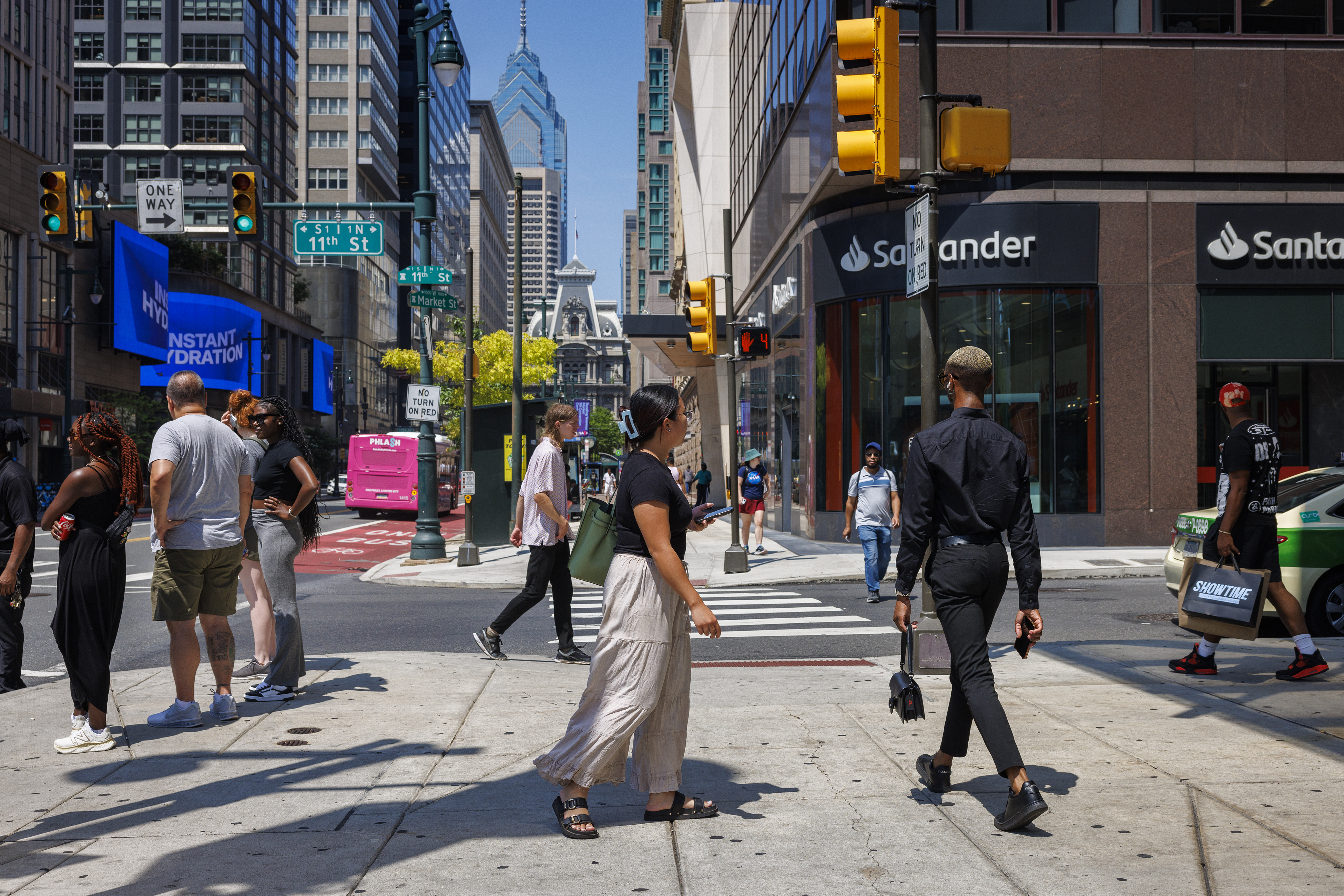
    Women working in Philadelphia continue to make less than their male counterparts, according to a new report from the Forum of Executive Women.

    While the gender pay gap in the city narrowed between 2015 and 2024, women in the local workforce still earn on average about 89 cents for every dollar men make, according to the organization’s annual report, citing Philly-specific research from the Economy League of Greater Philadelphia.

    And the pay gap is worse for women of color, the report found.

    “Persistent pay gaps do more than reduce annual income,” Meghan Pierce, forum president and CEO, wrote in the report. “They affect lifetime earnings, retirement security, access to capital, business formation, and the generational wealth of women and their families.”

    “Pay gaps impact who leads, who invests, and who builds lasting economic power in our region.”

    The gender pay gap is narrower in Philadelphia than the national average, which is roughly the same as it was in 2010. Across the country, women earn on average 81 cents for every dollar made by men, according to data from the Economic Policy Institute, a left-leaning nonprofit think tank.

    Because of the gap, working women in the U.S. collectively lose about $1.7 trillion in wages each year, according to the forum report, and each woman loses about $500,000 on average during their career.

    While the gender pay gap is smaller in Philadelphia, racial disparities persist.

    Compared to non-Hispanic white men, white women in Philadelphia earn 94 cents on the dollar, the report found, while Black women earn 64 cents, and Hispanic and Latina women earn 57 cents.

    Women in the city also remain concentrated in lower-earning professions, making up 76% of healthcare workers and 66% of education workers, two sectors where the median annual earnings was below $60,000, according to the report, titled “The Philadelphia Paradox.”

    While a pay gap persists for local women at every education level, some industries have narrowed the gap more than others in recent years, the report found: Finance, retail, and real estate saw their gender pay gaps narrow, while the gap widened in arts, utilities, and construction.

    When it comes to Philadelphia’s gender pay disparity, the report concluded: “Progress is real, but closing the remaining gap requires addressing the structures that determine who enters higher-paying fields, who advances within them, and who benefits from the systems that shape long-term economic security.”