The move comes as PHS prepares to mark its 200th anniversary next year.
PHS’s roughly 100 office-based employees have worked on a hybrid schedule since 2022, president Matt Rader said. The in-person cadence ranges from a couple days a week to a couple times a month, he said.
That will change starting in the spring at PHS’s new office at 1900 Market St., where the organization signed a 16-year lease. Rader said employees would be required to come into the office three days a week.
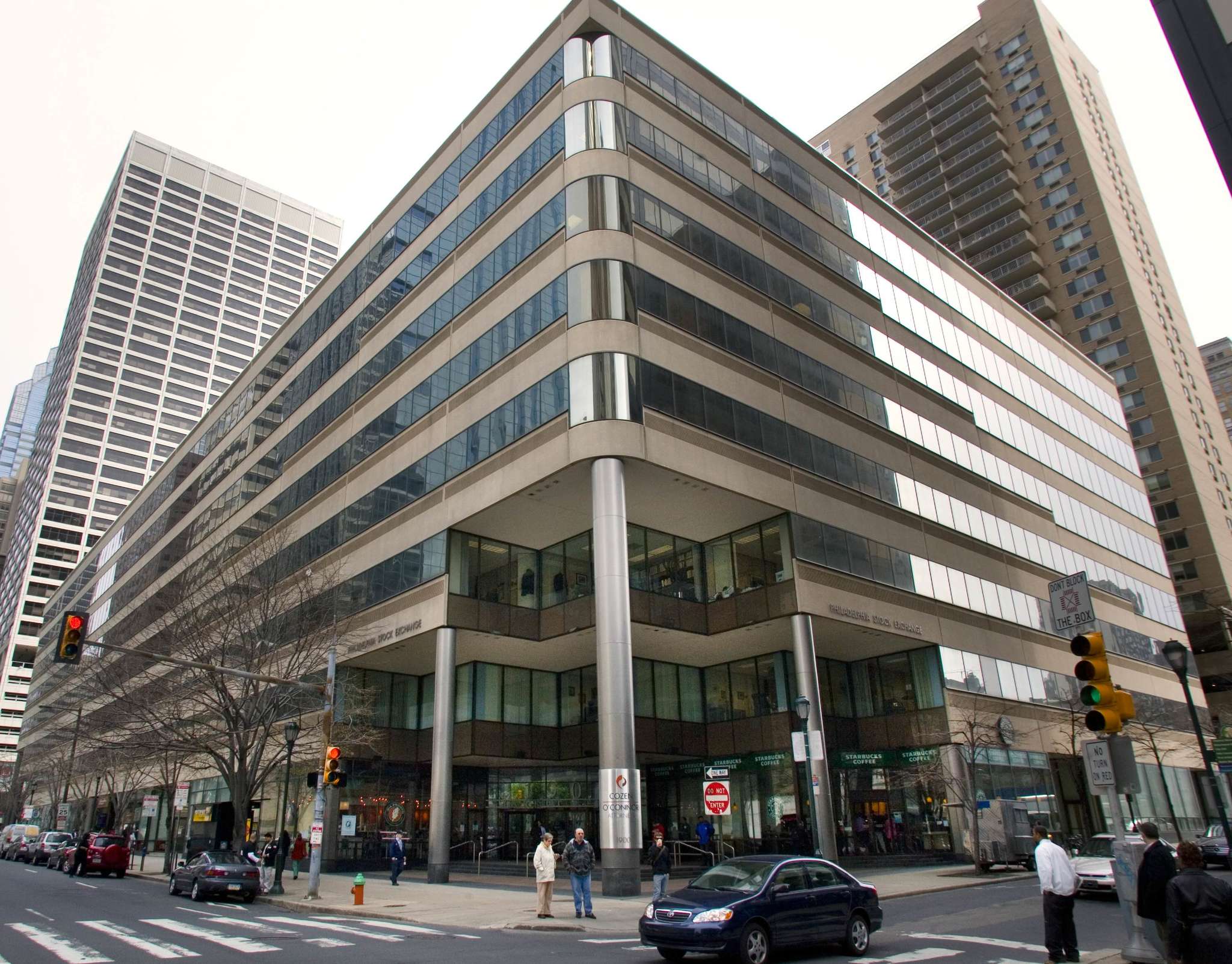
In its current building at 100 N. 20th St., PHS leases 31,000 square feet, subleasing two-thirds of that space to another tenant, Big Brothers Big Sisters. Its workforce is split into two suites on different floors. The new location, at the site of the former Philadelphia Stock Exchange building, is a single space spanning 18,000 square feet.
“Our current office space that we’re occupying is quite small because we’ve been on this largely hybrid model, and we wanted to move into a situation where we could have the team comfortably in-office three days a week and have everybody in one space,” Rader said.
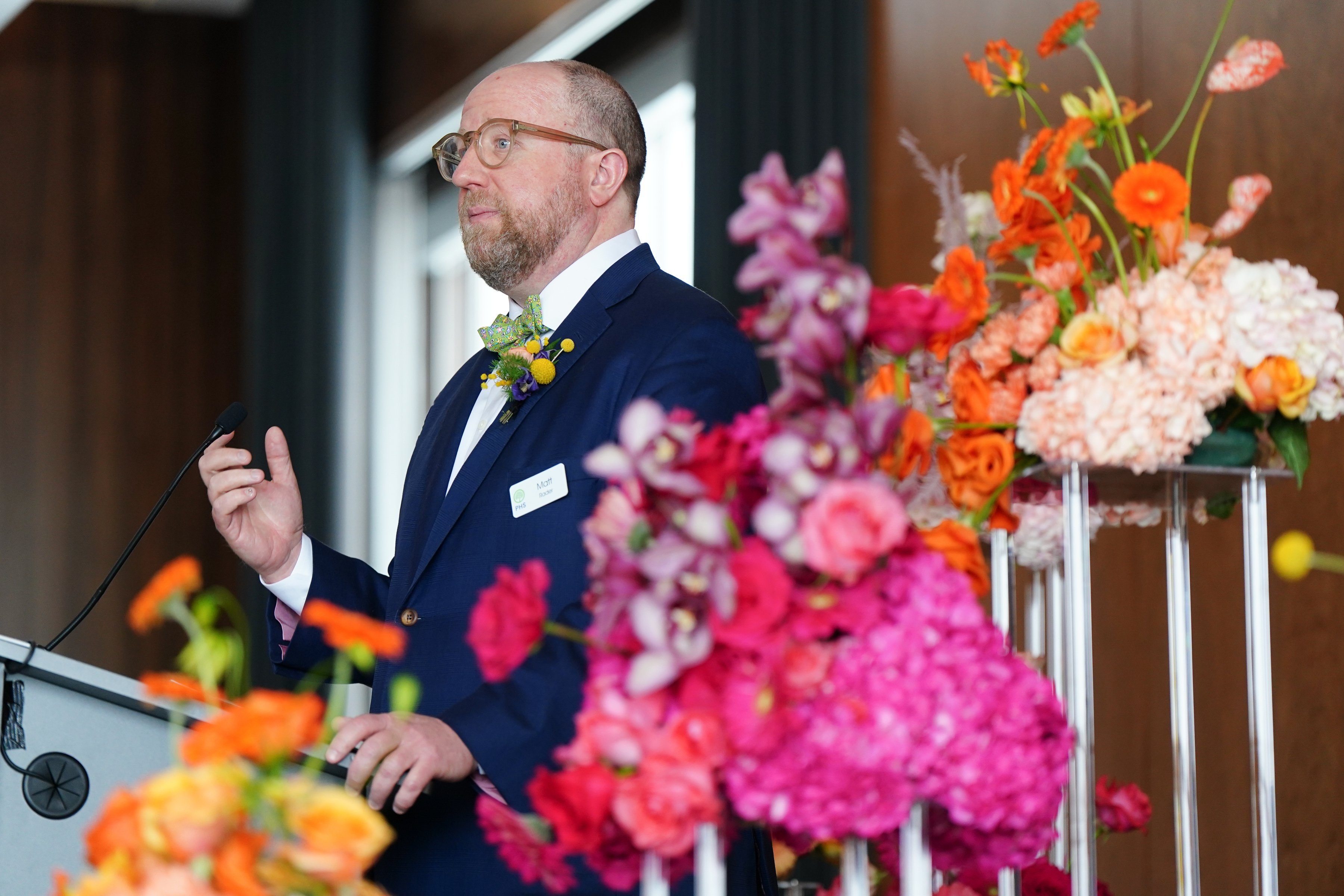
Matt Rader, president of the Pennsylvania Horticultural Society, in 2024.Jessica Griffin / Staff Photographer
“PHS, despite being two centuries old, has the nimbleness of a start-up,” he said. “We’ve been in a significant chapter of growth, particularly in our neighborhood work. We do a lot of work around tree planting, community gardening, vacant land greening, small-business development, and job training across the city and region, and that work has grown significantly since 2019.”
Staying in Center City was an easy decision, Rader said.
“We believe very much in Center City,” he said. “We work in more than 230 city and suburban neighborhoods. So our PHS community of supporters, volunteers, staff is kind of everywhere.”
That means easy access to public transit is important, Rader said.
As for its 200th anniversary, PHS plans to double down on its neighborhood greening work, invest more in the annual Flower Show, and launch a new vision, Rader said: “Every person, every place, gardening for the greater good.”
“Our job is to scale up the places and people involved in using gardening to improve the health and well-being of the region, and we see this new headquarters office space as a great first step on that journey,” he said.
Matcha lovers have a new way to sip their beloved drink: out of a can.
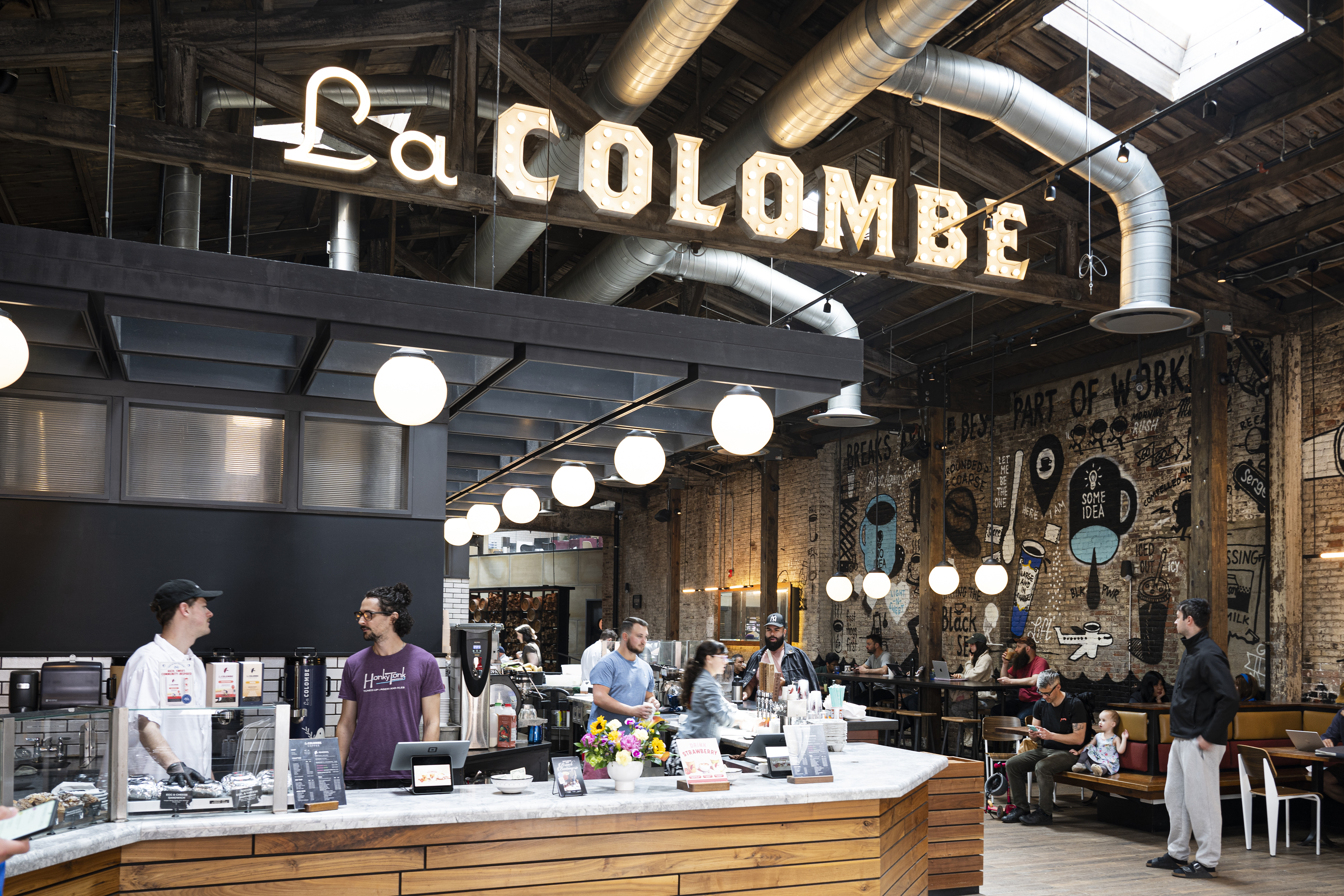
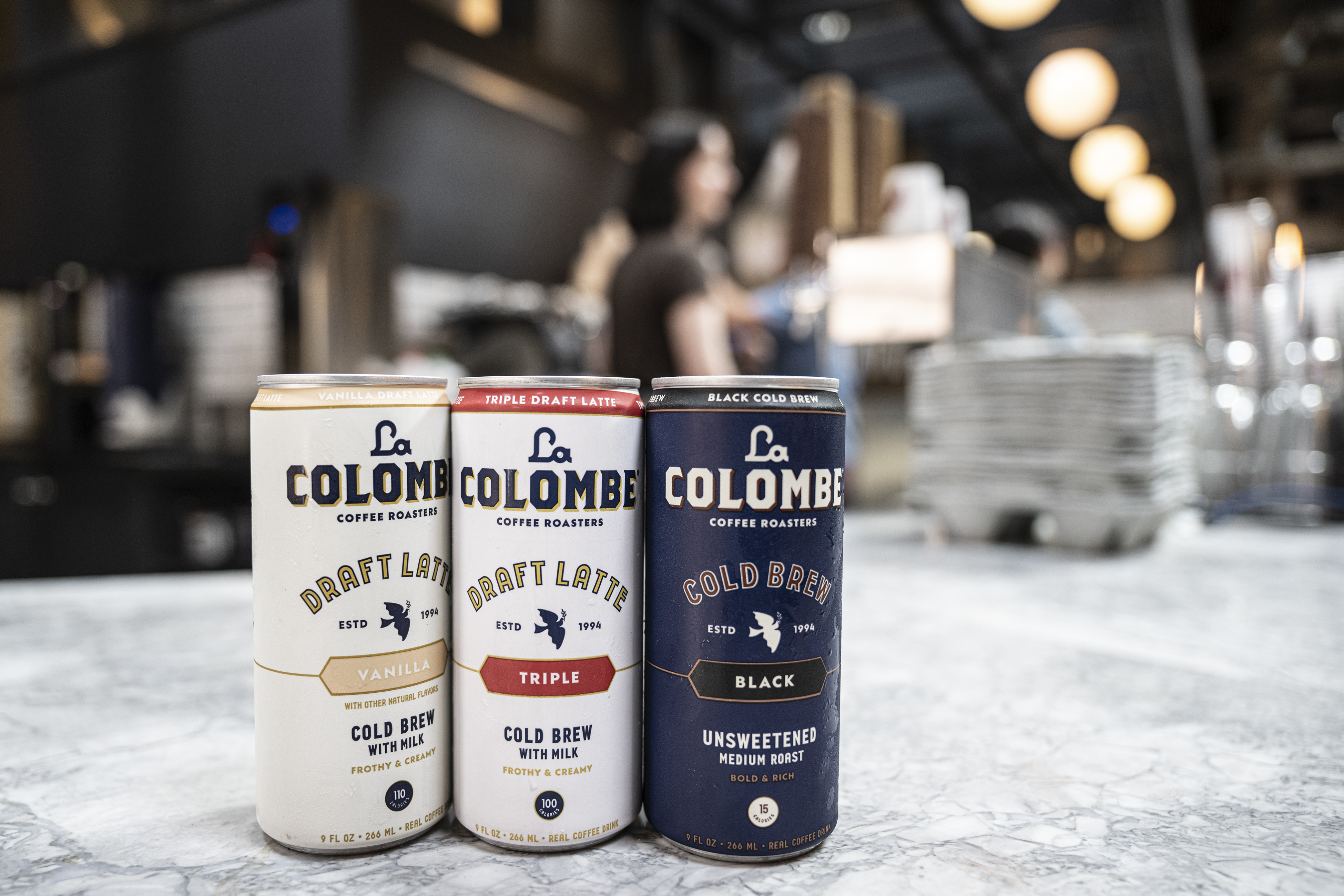
La Colombe, the Philly-founded coffee company, is launching a canned matcha latte that is expected to be in stores this month. The brand already sells matcha drinks at its cafes, but the new line of canned drinks will reach customers at nationwide retailers, the company announced this week.
The 11-ounce La Colombe cans come in the original matcha flavor, as well as matcha with strawberry or vanilla. Each can contains lactose-free whole milk, Japanese matcha, and 65mg of caffeine.
Meanwhile, change has been brewing at La Colombe in recent years. In 2023, the Philly-born coffee brand was acquired by yogurt-maker Chobani for $900 million. Chobani founder and CEO Hamdi Ulukaya was already the majority owner of La Colombe as of 2015.
As part of the acquisition, Chobani worked out a deal with a major La Colombe investor, Keurig Dr Pepper. Keurig Dr Pepper’s La Colombe stake became Chobani equity, but this year, Keurig Dr Pepper said it was selling it back.
The canned matcha drinks join several other La Colombe canned beverages on store shelves. The canned draft latte was officially launched in 2016.
Ulukaya is credited with originally challenging the co-founder of the coffee company, Todd Carmichael, to make a ready-to-drink latte, The Inquirer has reported.
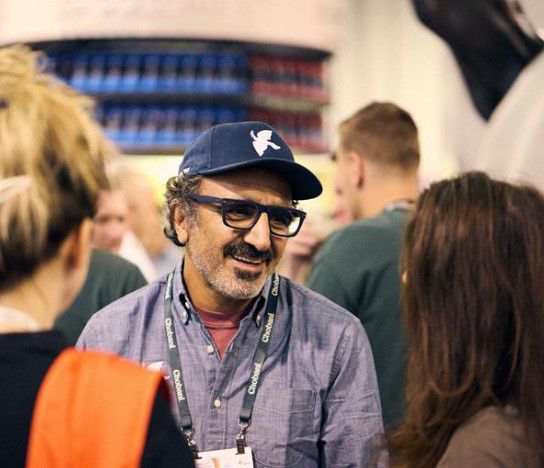
Hamdi Ulukaya, Chobani founder and CEO, became the majority owner of La Colombe in 2015.Chobani
“When La Colombe first put the Draft Lattein a can, the brand helped reshape the [ready-to-drink] coffee category by making a true coffeehouse quality experience accessible to more people,” said Niel Sandfort, chief innovation officer at Chobani and La Colombe, in a statement this week. “Now, we’re bringing that same craft and innovation to matcha.”
And parent company Chobani recently announced it would invest $1.2 billion in Pennsylvania in a new dairy plant, in a move expected to create hundreds of jobs and increase milk demand, benefiting the local dairy industry. Chobani is buying the facility from Keurig Dr Pepper for $125 million.
La Colombe canned draft lattes in Philadelphia, Pa., on Monday, May 6, 2024.Jose F. Moreno / Staff Photographer
A federal transit agency has awarded SEPTA $80 million to make three stations in the Center City trolley tunnel accessible to people with disabilities, officials said Monday.
New elevators, raised platforms, and other improvements will make the 22nd Street, 33rd Street, and 36th Street stations fully accessible, officials said, bringing them into compliance with the Americans with Disabilities Act of 1990.
Built in 1955, the stations are currently only accessible by stairs.
“Ensuring that every customer can access transit service that is safe, clean and reliable is a core part of SEPTA’s mission,” SEPTA board chair Kenneth E. Lawrence Jr. said in a statement.
Lawrence said Pennsylvania’s congressional delegation worked to secure the grant, which was made available under the Federal Transit Administration’s All Stations Accessibility Program. The program was established by the 2021 Infrastructure Investment and Jobs Act.
SEPTA was awarded an earlier $56 million grant in 2022 through the same federal program. That funding was designated for elevators, ramps, and other enhancements at five subway stations on the Broad Street and Market-Frankford Lines. SEPTA began construction last month on one of those projects at the 11th Street Station.
SEPTA officials said the accessibility project was part of its $2 billion plan to modernize its eight trolley lines — an initiative that includes longer vehicles that hold more passengers, new on-street stations, and proposed line extensions.
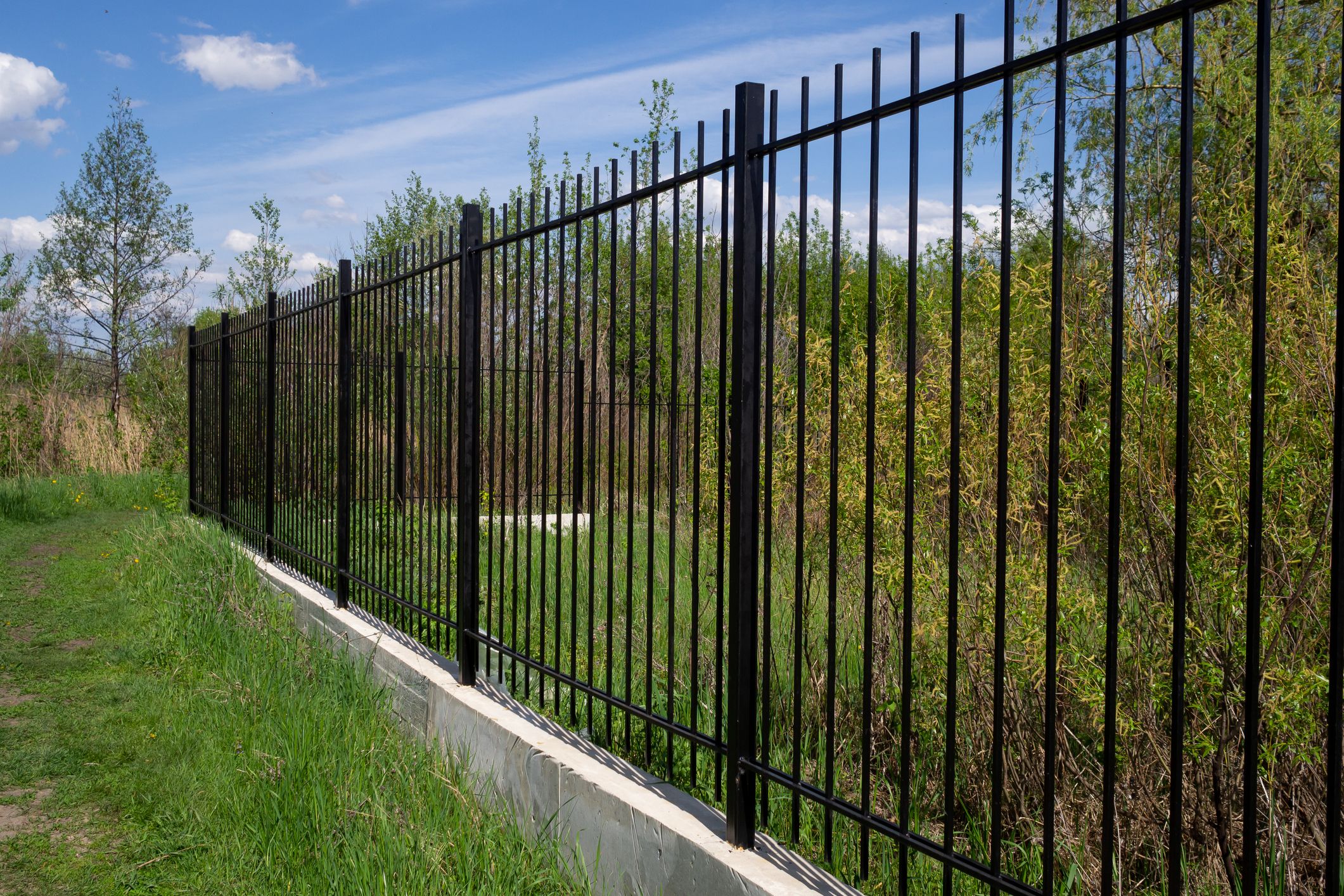
Faced with a huge rent increase, Northeast Philadelphia aluminum fence maker Jerith Manufacturing is closing its factory by next spring.
Continuing to operate out of the 14400 McNulty Rd. facility would be “economically impractical” in light of the rising cost of rent, general manager K. Robert Lomber said in a layoff notice filed with the Pennsylvania Department of Labor and Industry.
Rent on the 445,000-square-foot facility is expected to nearly triple starting May 1, Lomber said.
In the layoff notice, Lomber said Jerith is “going out of business as a separate operating entity.” But the president of Jerith’s parent company, Ameristar Perimeter Security, said last month that Jerith would be adopting a new operating model“to better serve customers and support the long-term success of the Jerith brand.”
The closure of the Philadelphia site affects 61 workers, 24 of whom will be offered new positions at a New Jersey facility owned by Jerith’s parent company, according to the notice. Layoffs will occur in phases beginning Nov. 15.
Thirty-eight of Jerith’s 61 Philly workers are represented by Teamsters Local 830.
Jerith spends about $4.4 million on employee payroll annually, and Philadelphia is expected to miss out on $140,000 annual tax revenue when it is closed, the layoff notice indicates.
Going forward, some of the manufacturing, assembly, and transportation work Jerith has been doing in Philadelphia will be carried out by Ameristar, which also makes fences, gates, and other barriers, in New Jersey and Tulsa.
Jerith, which dates back to 1961, uses U.S. aluminum in its products — one of the materials currently caught in the tariff dispute between the United States and Canada, under the Trump administration.
Jerith was acquired in 2017 by Assa Abloy, which has 64,000 employeesin over 70countries and over 250 brands, including manufacturers of locks and doors, such as Ameristar Perimeter Security.
Tela Bio, a Malvern-based medical-technology company, plans to cut about 20% of its workforce.
The layoffs, most of which are to take place this month, will reduce the company’s headcount from 201 full-time employees to 160, according to an SEC filing last week. The locations and types of jobs affected were not specified. Company executives say the move is part of a larger plan to slash Tela Bio’s annual operating expenses by about $17 million.
CEO Heather Getz said in a statement that they are “implementing a broader initiative to strengthen our cost structure and position Tela Bio for long-term success.”
Headquartered in the Great Valley Corporate Center, Tela Bio makes biological products for soft-tissue repairs, including hernia surgeries and ab-wall reconstructions. Among its products: OviTex tissue, made from sheep stomach, which Tela Bio says promotes natural healing while reducing plastic in the body.
Last year, Tela Bio reported more than $80 million in revenue, up 16%, which the company attributed to an increase in customers and higher sales overseas, according to earnings reports. But with $88 million in operating expenses, the company continued to operate at a loss, as it has since its founding in 2012.
Company executives expect these layoffs to cost about $1.5 million in severance and other employee payouts, according to the SEC filing.
On Monday, the company also parted ways with Roberto Cuca, who had served as chief financial officer and chief operating officer since 2021. Per the SEC filing, Getz, the CEO, will become the company’s “principal financial officer.”
Tela Bio executives said they’ll provide more information on cost-cutting efforts on the company’s next earnings call, scheduled for November.
“We are focused on disciplined execution, strengthening the business, and creating a more efficient organization positioned to deliver sustainable long-term growth,” Getz said, adding that executives ”expect this initiative to extend our cash runway into 2028.”
Getz was appointed CEO last month, succeeding Tela Bio cofounder Antony Koblish. Previously, Getz was executive vice president and chief financial and operations officer at Butterfly Network, a portable-ultrasound company.
In announcing Getz’s hiring, Tela Bio executives said she made “transformative changes in [Butterfly Network’s] strategy, capital allocation, cash runway and investor relations while building a performance culture.”
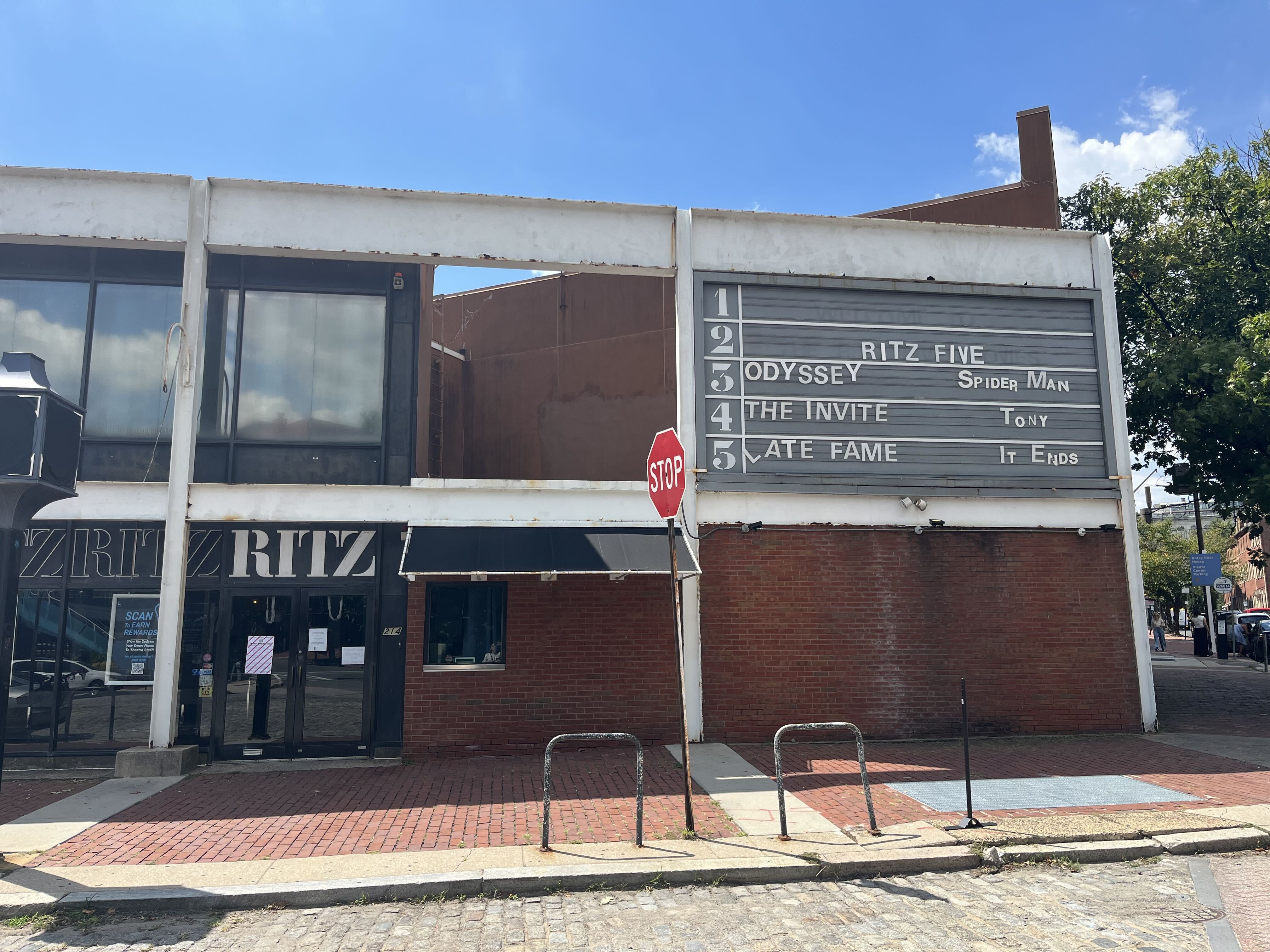
Landmark Ritz Five movie theater is closed after failing inspections by the city’s Department of Licenses and Inspections.
On Wednesday morning, the theater’s website posted that the location was temporarily closed “due to administrative issues.”
The theater at 214 Walnut St. was found in violation of several city codes in March, and the theater failed a follow-up inspection on Aug. 11, according to a city online portal.
March’s violations include failure to: obtain a permit to install a fire alarm system, share documentation that fabrics are flame retardant, ensure that exit doors fully “self-close and latch,” andcertify emergency lighting. The theater was also found to be missing a valid food license. In total, the theater was issued seven violations in March.
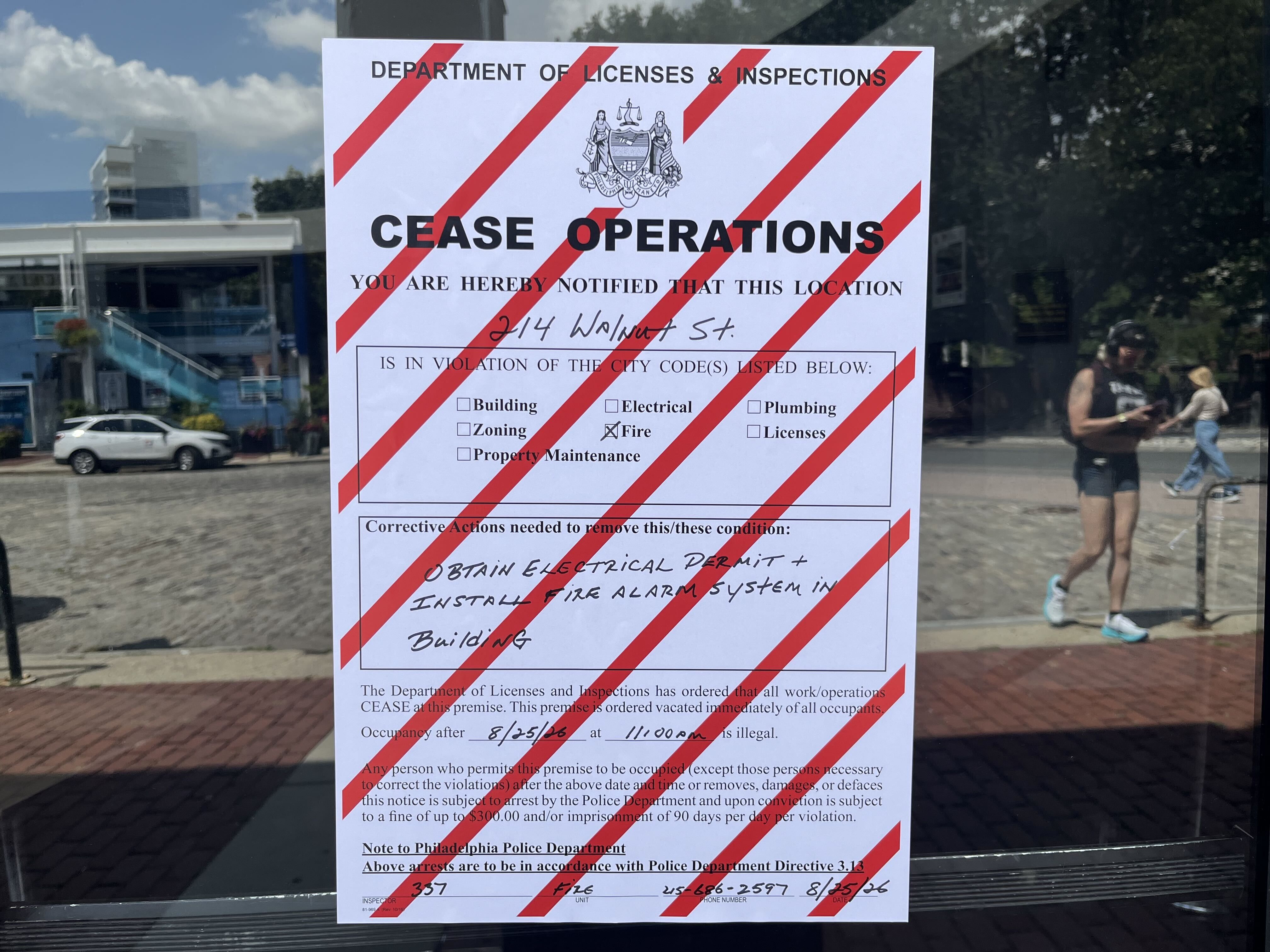
A city notice posted to the theater doors on Wednesday said the theater needed to obtain an electrical permit and install a fire alarm system.
The inspections were prompted by the department receiving “several complaints regarding the Ritz Five Theater,” an L&I spokesperson said.
The Landmark Ritz Five movie theater was closed on Wed. Aug. 26, 2026, after failing two city inspections. A cease-operations notice was posted to the theater doors on Wednesday.Ariana Perez-Castells
A representative for Landmark Theatres did not immediately share a comment on the closure and inspections on Wednesday.
When the Philadelphia theater was inspected in March, it was ordered to remedy the violations by April 22 or face fines. The violations each carry their own fines, totaling $2,800. The department charges the code violation fines on a daily basis. The theater can also be ordered to pay additional fines related to the violations.
However, on Wednesday, an L&I spokesperson said “there are no fines associated with the violations. Should this matter be progressed to court, then fines may begin to accumulate.”
The roughly 13,0000-square-foot theater was founded in 1976 with three screens, according to the theater’s website. Today, it has five projection screens.
Philadelphia was once home to three Landmark Ritz theaters, known for showing independent and documentary films alongside mainstream releases. But the theaters at the Bourse and East are now operated by the Philadelphia Film Society while only Ritz Five remains under Landmark’s umbrella.
No showtimes were listed for Wednesday on the theater’s website. As of Wednesday morning, tickets could still be purchased online for Thursday viewings of The Odyssey, Spider-Man: Brand New Day, and Tony, among other movies.
Landmark Theatres was purchased by Cohen Media Group in 2018. The Landmark Theatres brand has several locations across the country, including theaters in Arizona, California, and Florida.
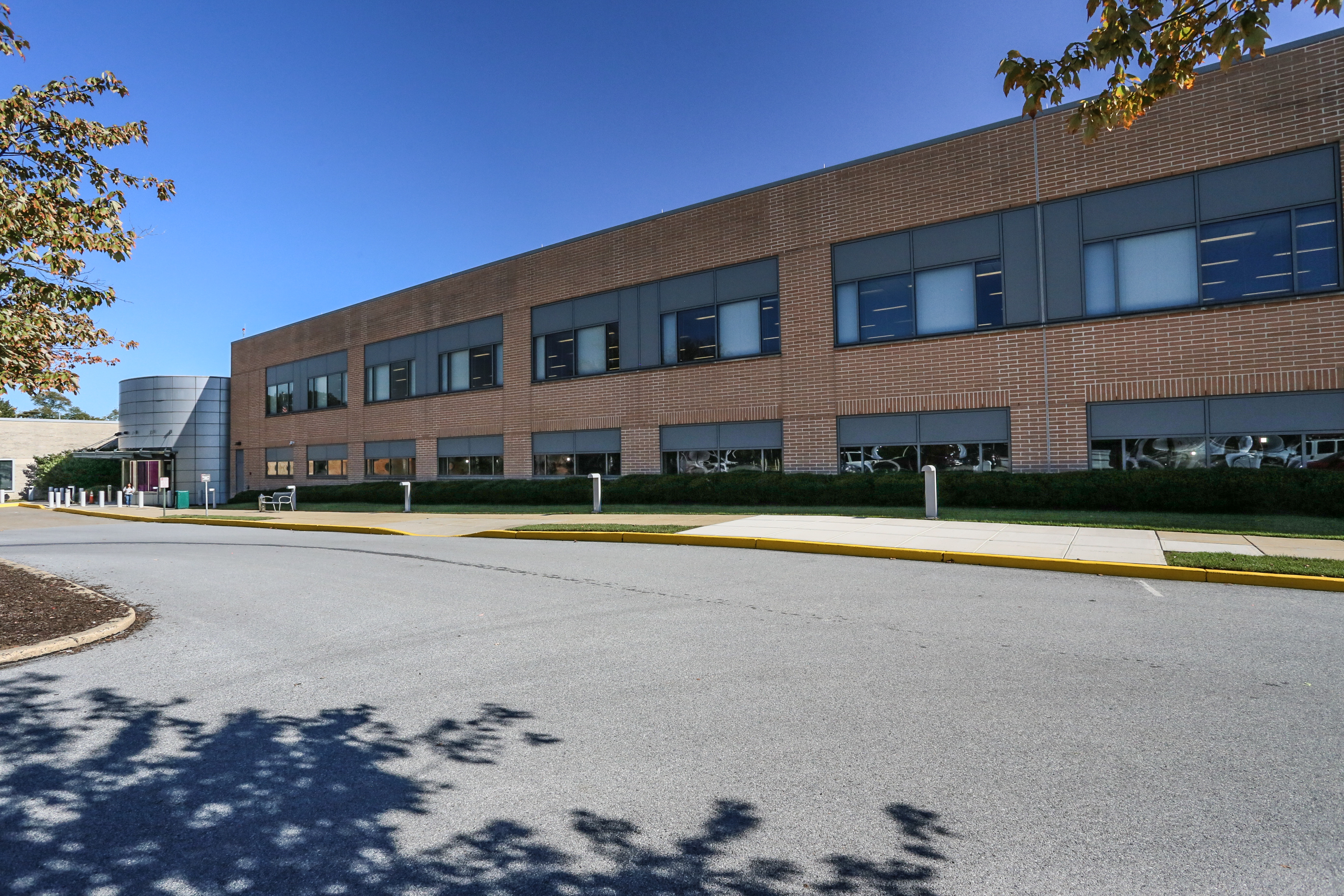
Vanguard has sold a Tredyffrin Township office complex for $17 million — with no plans of moving out.
Last month, the Malvern-based investment firm sold its 22-acre property at 1041 W. Valley Rd. to another Malvern-based company, E Kahn Development, according to Chester County property records.
But Vanguard plans to continue leasing the 323,000-square-foot space, which sits just off U.S. Route 202, about eight miles from its main campus in Malvern. Hundreds of Vanguard IT employees work at the complex, called the Robert A. DiStefano (RAD) Technology Center.
Vanguard’s RAD complex in Tredyffrin Township has been sold for $17 million, but Vanguard will continue to lease the space for its IT operations.Courtesy Vanguard
The sale and lease-back “reflects Vanguard’s focus on providing work environments that support and inspire our crew as they remain focused on our end investors,” a company spokesperson said in a statement. “Vanguard crew will continue to work at the RAD Technology Center through at least 2028, and there are no immediate plans to move crew who work there today.”
Eli Kahn, president and founder of E Kahn Development, said in an email that his company has “no immediate plans for the buildings.”
Vanguard employs about 20,000 employees, 12,000 of whom are based in Malvern. About 600 IT staffers work at RAD, Vanguard’s only complex with a Wayne address.
The company is expanding its IT staff worldwide, including at a new office in India, but has said its U.S. workforce will not be impacted.
The company recently announced plans to open stores in King of Prussia and Moorestown in late 2027.
The King of Prussia market, the chain’s first Pennsylvania location, is set to open at 320 W. DeKalb Pike, the site of the closed Hobby Lobby in the DeKalb Plaza shopping center.
The Moorestown store, the first in South Jersey, will be located at 1311 Nixon Dr., replacing the Barnes & Noble and PetSmart in the East Gate Square complex.
Each of the new locations will be about 58,000 square feet.
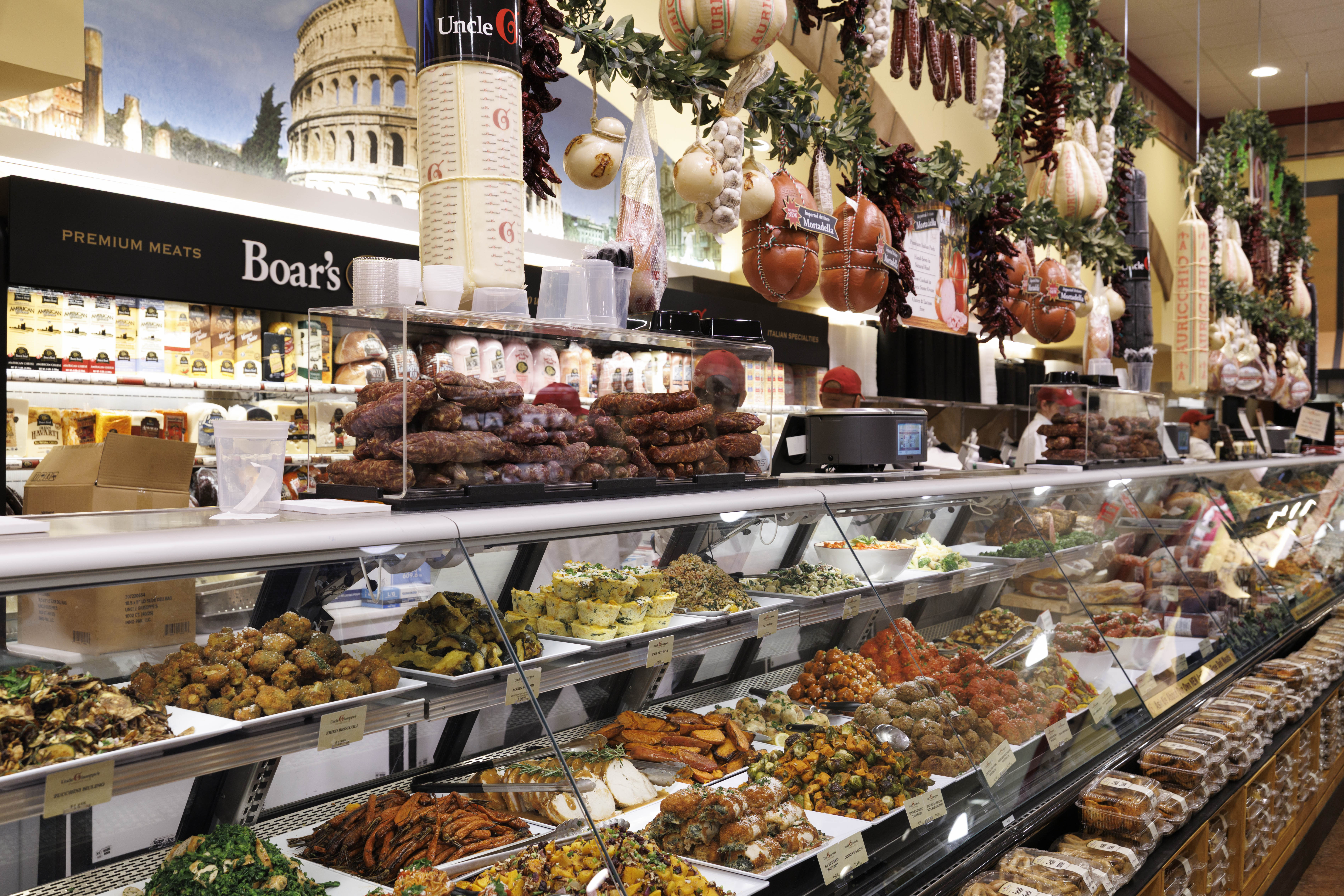
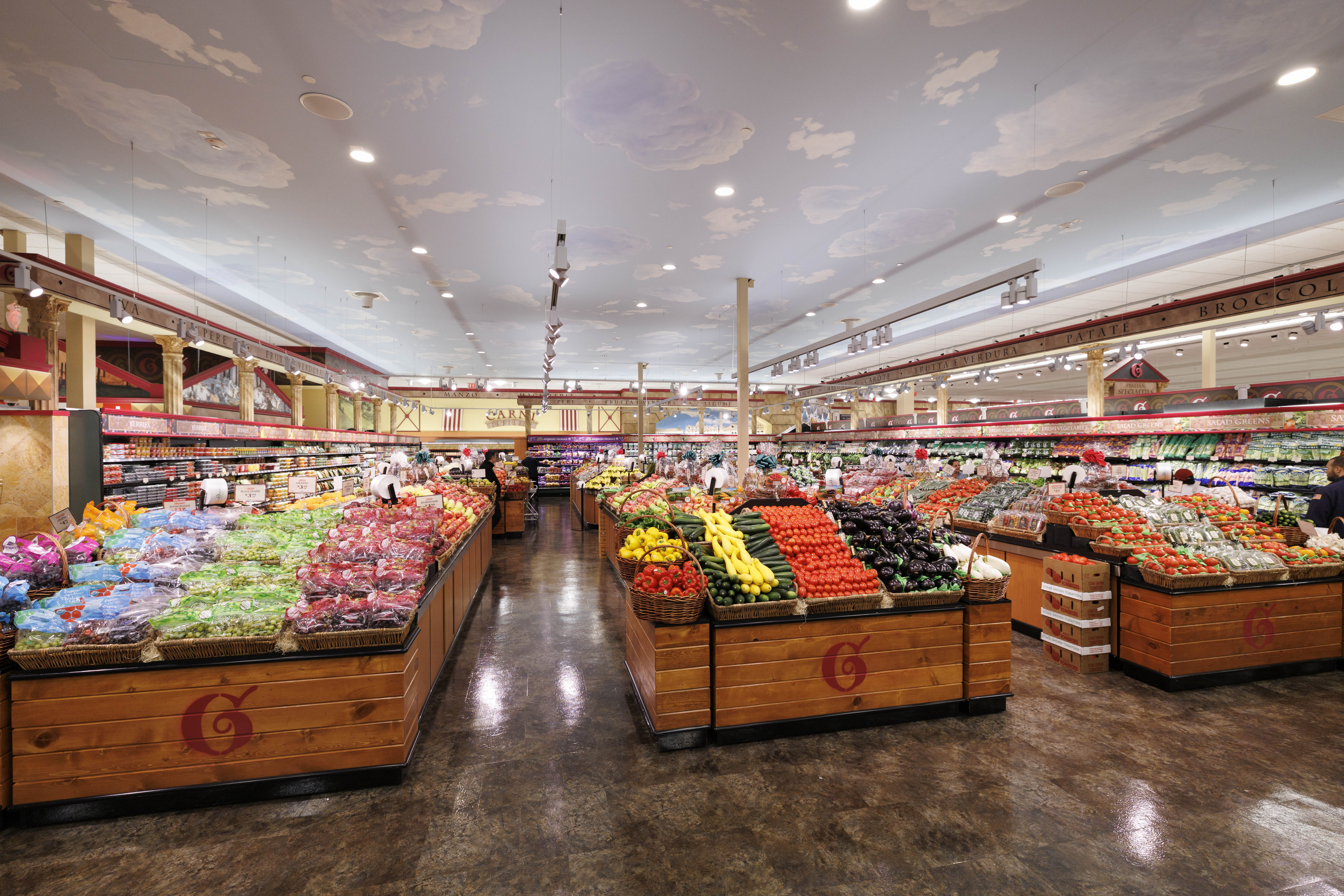
The inside of a recently opened Uncle Giuseppe’s Marketplace in New York.Courtesy Uncle Giuseppe's Marketplace
“King of Prussia and Moorestown are two markets we’ve been looking at for some time,” Carl DelPrete, CEO and cofounder of Uncle Giuseppe’s Marketplace, said in a statement. “We look for communities where we believe our stores will be a good fit and where customers are looking for fresh, quality food and good service.”
Founded on Long Island in 2001, Uncle Giuseppe’s now operates 13 locations in New York and North Jersey.
Every store sells made-in-house mozzarella, homemade pasta, prepared foods, fresh produce, specialty cheeses, imported Italian products, natural and organic items, and more traditional groceries. Each market also has full-service meat and seafood departments, an Italian deli, a scratch bakery, and a catering department.
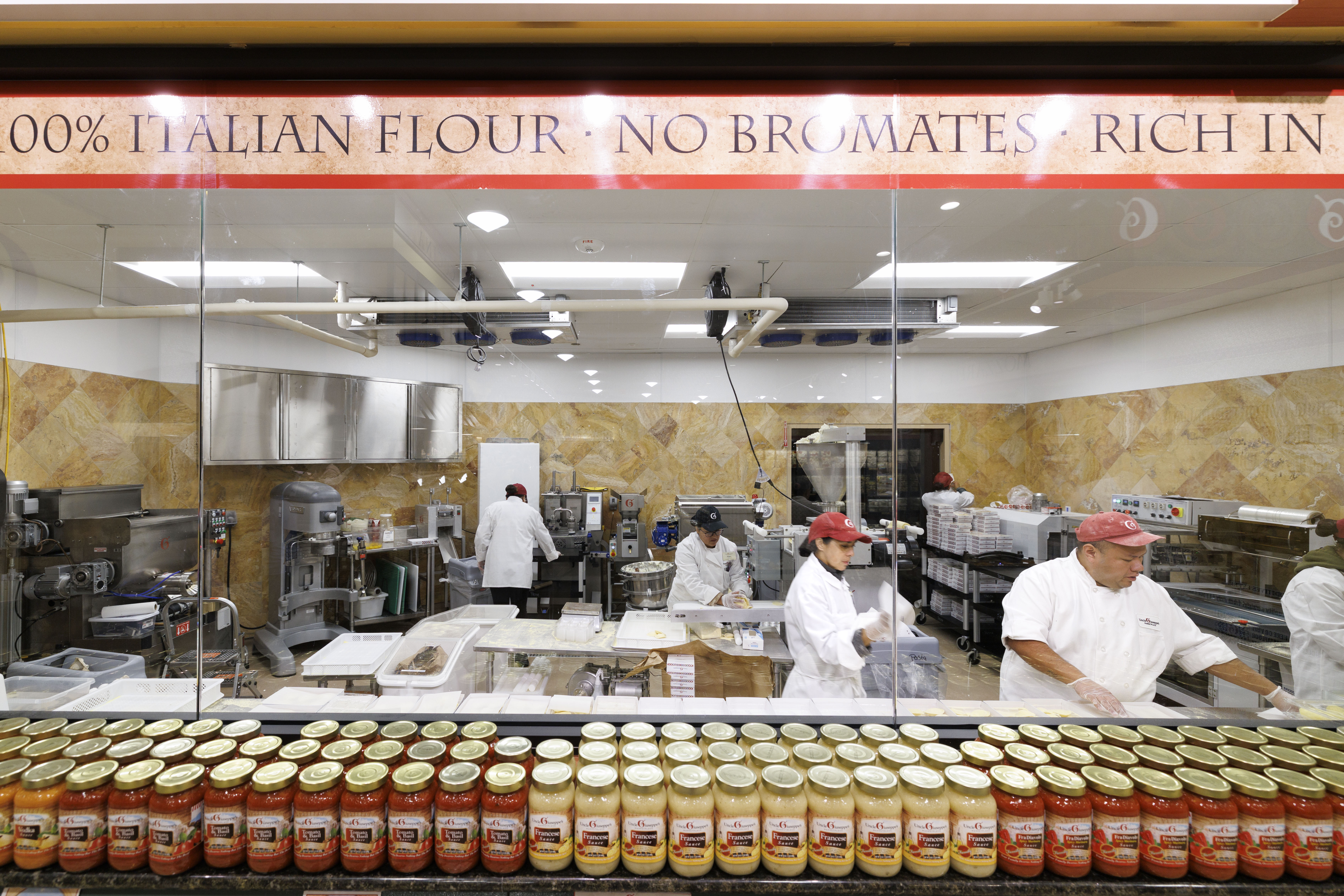
Customers can watch workers make pasta at a recently opened Uncle Giuseppe’s Marketplace in New York.Courtesy Uncle Giuseppe's Marketplace
Company executives call shopping at Uncle Giuseppe’s an experience, one in which customers can watch pasta, mozzarella, and bread being made and see meats being cut to order.
Gourmet grocers have not been spared. Di Bruno Bros., the Philly-based Italian-food retailer, closed three of its five locations this winter, two years after being acquired by Wakefern Food Corp., the North Jersey-based supermarket cooperative that operates ShopRite.
Despite industry uncertainty, Uncle Giuseppe’s is not the only grocer expanding. Sprouts, the organic supermarket chain, is adding stores, too, including in Havertown, Limerick, and Washington Township.
A shuttered bridal shop in downtown Conshohocken will soon become the home of another family-run business with local roots.
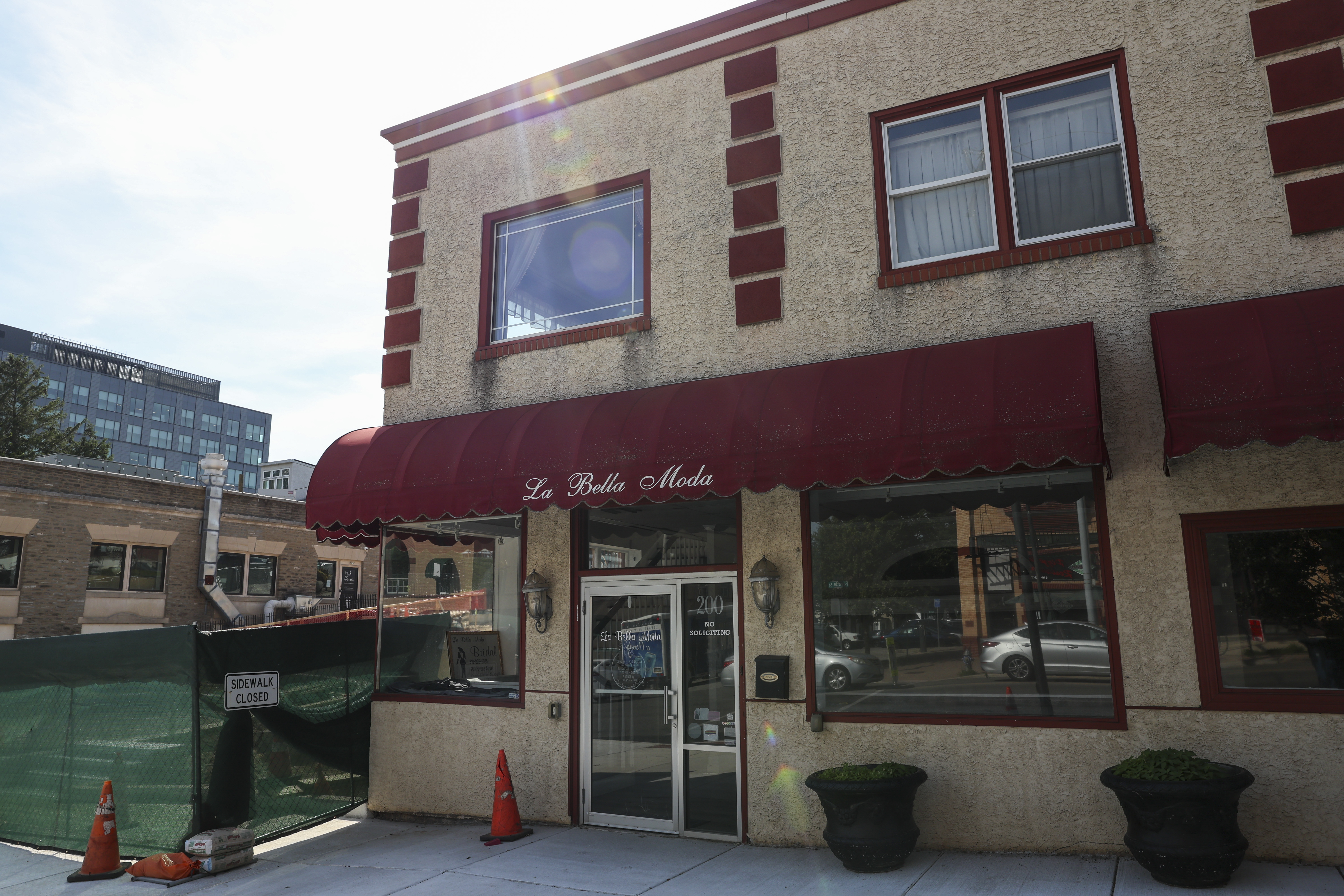
Goodness Bowls, a “healthy-eats cafe” chain run by Montgomery County residents, has signed a lease for the former La Bella Moda bridal shop at 200 Fayette St., with the goal of opening a corporate headquarters there by early 2027. La Bella Moda closed in May after 45 years in business.
“I always looked at La Bella Moda, and I thought, ‘God, that would be the perfect corner,’” said Susan Persichetti, Goodness Bowls’ cofounder and CEO. “ But I never thought they would close their doors.”
In the coming months, the Goodness Bowl team plans to open a 1,500-square-foot restaurant on the first floor, according to company executives, and use 2,000 square feet upstairs for additional seating and its corporate offices. They declined to share the terms of the lease.
The Conshohocken restaurant will be Goodness Bowls’ 10th location and its third corporate outpost. The rest of its cafes are franchised.
The closed La Bella Moda, as seen in June.Monica Herndon / Staff Photographer
The chain’s expansion comes as acai bowls — smoothie bowls loaded with toppings like fruit, granola, and peanut butter — and other more nutritious fast food have surged in popularity.
Shops selling these bowls seem to be popping up everywhere. Over the past decade, Belmar, N.J.-based Playa Bowls has grown to more than 100 locations in 20 states, including more than a dozen spots in the Philly area. And the Juice Pod, founded in Avalon and now headquartered in Bryn Mawr, has expanded to more than two dozen cafes, most of which are in the region.
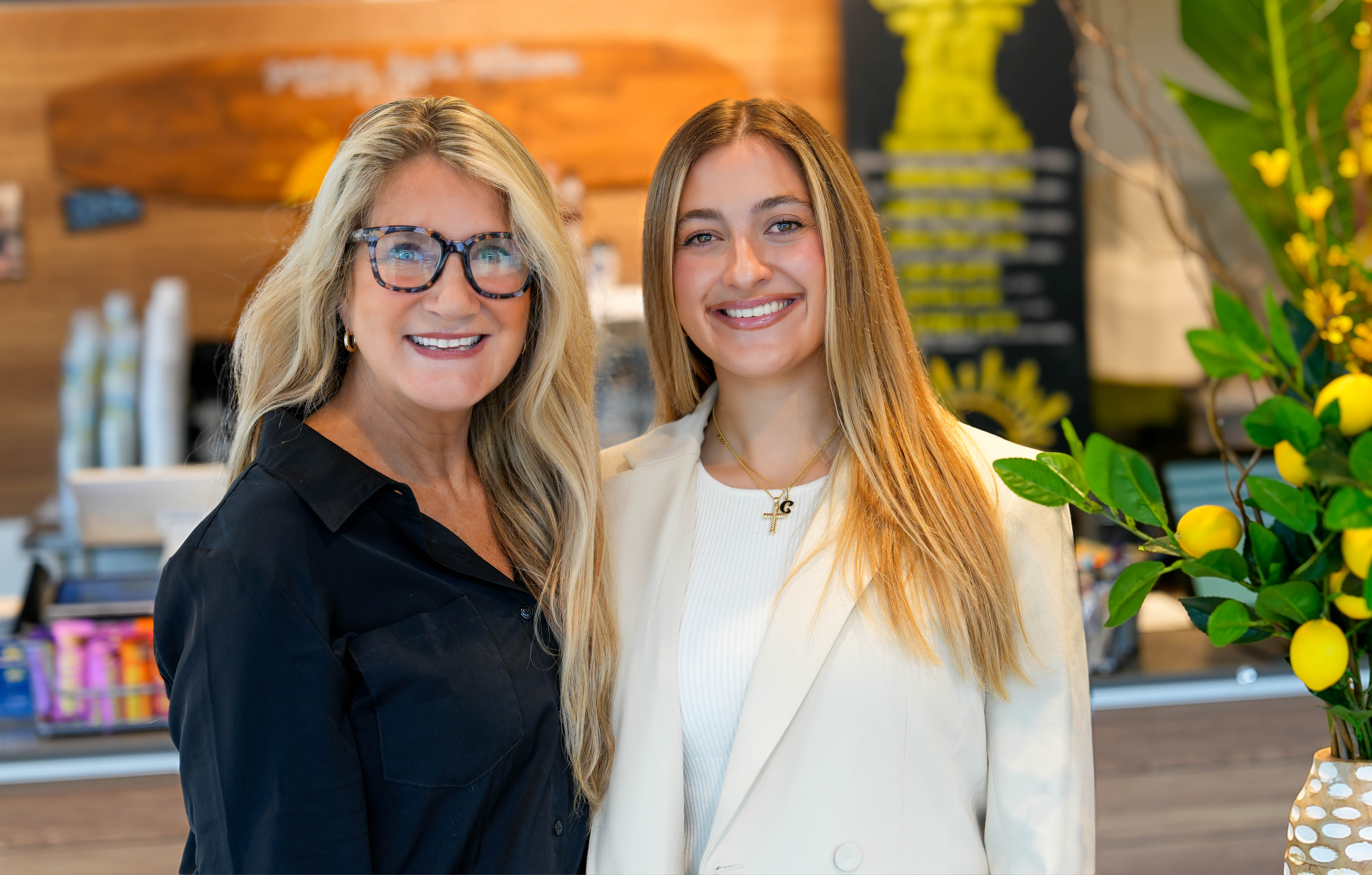
A mother-daughter duo, Susan and Corinne Persichetti, opened the first Goodness Bowls in Avalon in 2019. Susan said her daughter Corinne — a former Division I field hockey player at Fairfield University and a health enthusiast — was the driving force behind the business.
Susan Persichetti, cofounder and CEO of Goodness Bowls, with her daughter Corinne Persichetti, cofounder and chief operating officer.Courtesy Goodness Bowl
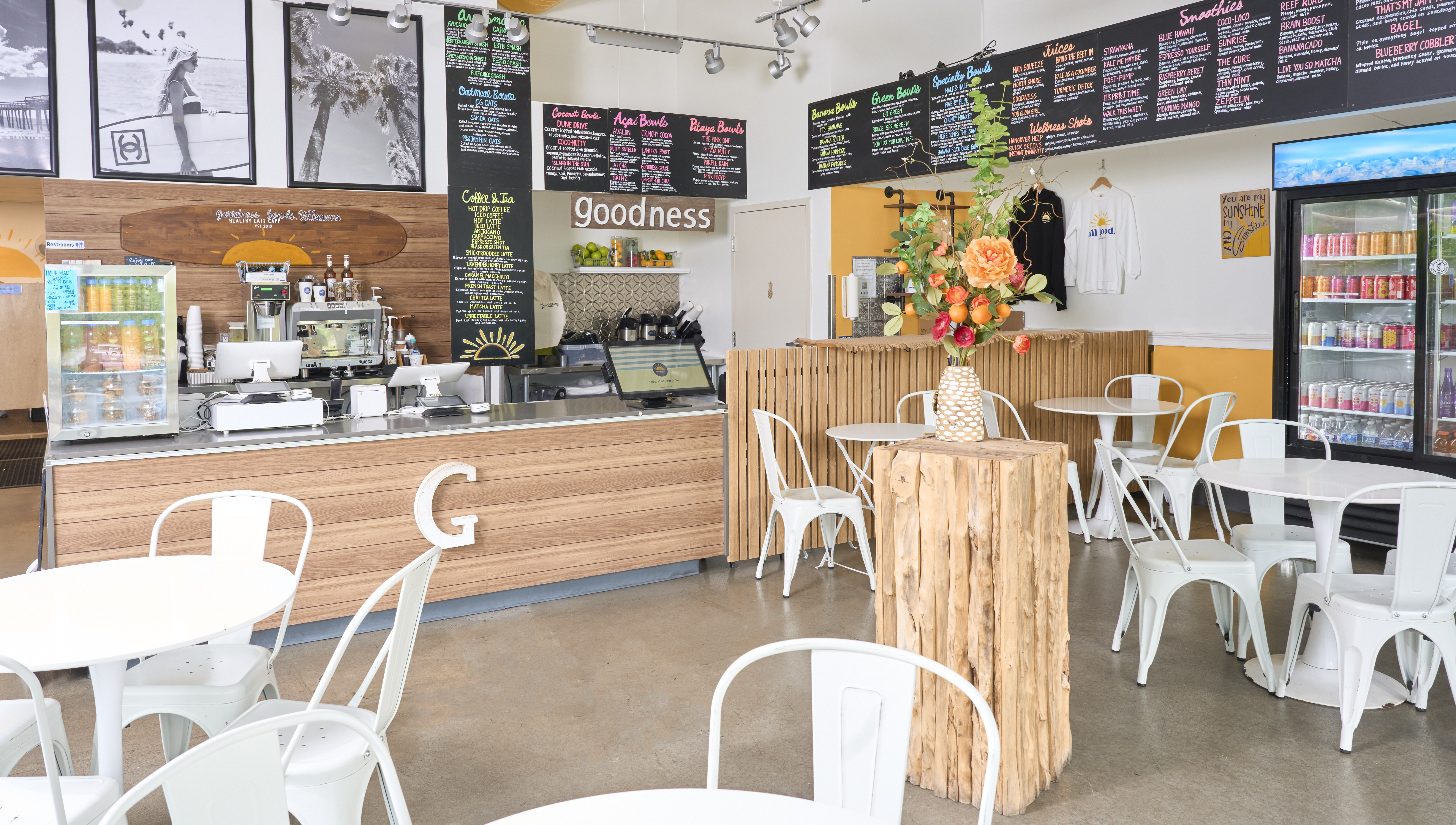
Corinne created the cafe’s menu, which includes acai bowls, salads, wraps, and smoothies, and came up with its slogan, “Eat Good. Feel Good. Do Good.” Susan, meanwhile, crafted the shop’s coastal aesthetic and branding.
For a couple years, Susan and Corinne ran the Avalon location in the summertime while working corporate jobs. In 2022, they opened a second location in Villanova, where they quickly found success. They realized there was demand for the Shore-inspired business in the Philadelphia suburbs, Susan said, and started franchising.
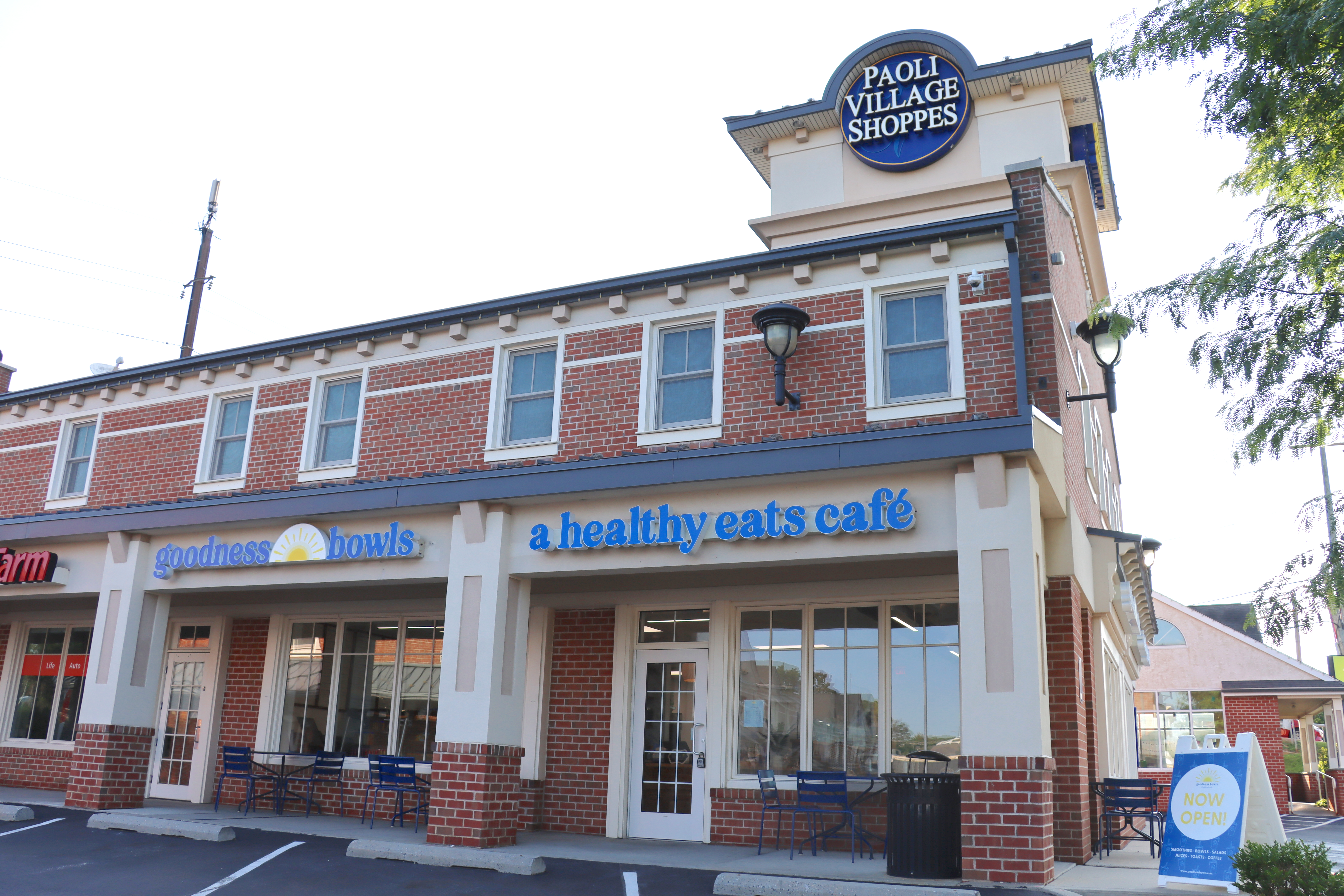
Goodness Bowls currently has franchise locations in Narberth, Paoli, Collegeville, Spring House, Haddon Township, Sea Isle, and Scranton.
The new Paoli location of Goodness Bowls.Courtesy Goodness Bowls
In recent years, Goodness Bowls has also expanded their team, including by hiring a company president, Finn Loftus, who also lives in Montgomery County.
“People really are craving healthy options,” she said. “And they really want food that they’re able to get quickly.”
Customers also say they are drawn to the bright cafes and friendly service, according to Susan.
Goodness Bowls executives look at their move to Conshohocken as a homecoming, and are excited to be back in the borough where Susan raised Corinne and her other children.
“We want to add to the community,” Susan said, by “keeping a small, family-owned business there on a really great corner that’s built such great traditions.”
The paper indicates thatthe self-driving vehicles of Alphabet Inc.’s robotaxi service, which is testing the service in the city, are not only safer, but much safer than humans.
“The results provide further evidence that Waymo’s current L4 vehicles have lower crash involvement rates than human drivers,” the authors stated.
Such findings could help lessen fears around the vehicles, which are already ubiquitous in California and headed that way in some other states.
Philadelphia was not part of the study, but Waymo has been testing vehicles in the city without yet offering riderless service.
“We welcome this new research from IIHS, which confirms our previous peer-reviewed analyses and reinforces the significant safety benefits of the Waymo Driver,” Waymo spokesperson Ethan Teicher said in an emailed statement.
Teicher called the study “an important contribution to a growing body of research on AV [autonomous vehicle] safety data” and said more high-quality data like it would help build public trust.
The study’s findings
The authors found that the highly automated Level 4 (L4) vehicles operating without a human driver had a police-reportable crash rate 68% lower than human drivers in comparable areas.
The research also looked specifically at crashes resulting in injuries. Autonomous vehicles performed even better, boasting an 81% lower injury crash rate compared against the human benchmark.
Data indicate that Waymo vehicles were rarely instigators in collisions.
To draw their conclusions, the authors analyzed 736 autonomous vehicle crash reports submitted to the National Highway Traffic Safety Administration (NHTSA) between July 2021 and December 2024.
They found that the autonomous vehicles’ rate of rear-ending another vehicle was 91% lower than that of human drivers, and their rate of being rear-ended was 40% lower.
Furthermore, they were involved in 85% fewer single-vehicle crashes per mile traveled.
The IIHS, which conducted the study, is an independent, nonprofit scientific and educational organization, with the goal of reducing deaths, injuries, and property damage from motor vehicle crashes.
The same organization has been performing crash tests on regular vehicles since the 1990s to rate their safety.
Comparing the safety of robotaxis to human drivers has historically been difficult because of differences in how crashes are reported. Federal regulations require automated vehicle operators to report even the most minor incidents, such as scraping an undercarriage or hitting small road debris.
In contrast, human drivers typically only report crashes that meet state damage thresholds — often $1,000 — or involve injuries, and even then, over halfhuman crashes go unreported.
To overcome that bias, IIHS researchers manually evaluated the descriptions of property damage and injuries. They estimated whether a “reasonable person” would have called the police.
The study found that 78% of the reported automated vehicle incidents were too minor to meet typical police-reporting standards.
Researchers then compared the adjusted crash data from Waymo — which voluntarily publishes its autonomous mileage — against police-reported human crash data from California, Arizona, and Texas. The analysis covered approximately 50 million miles of Waymo driverless operation and 222 billion human-driven miles.
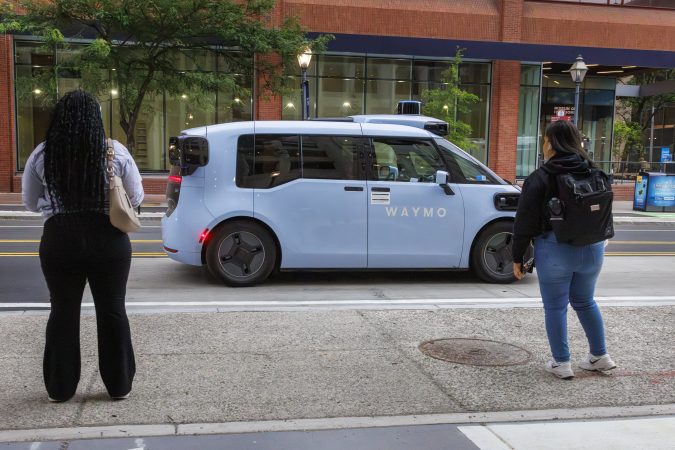
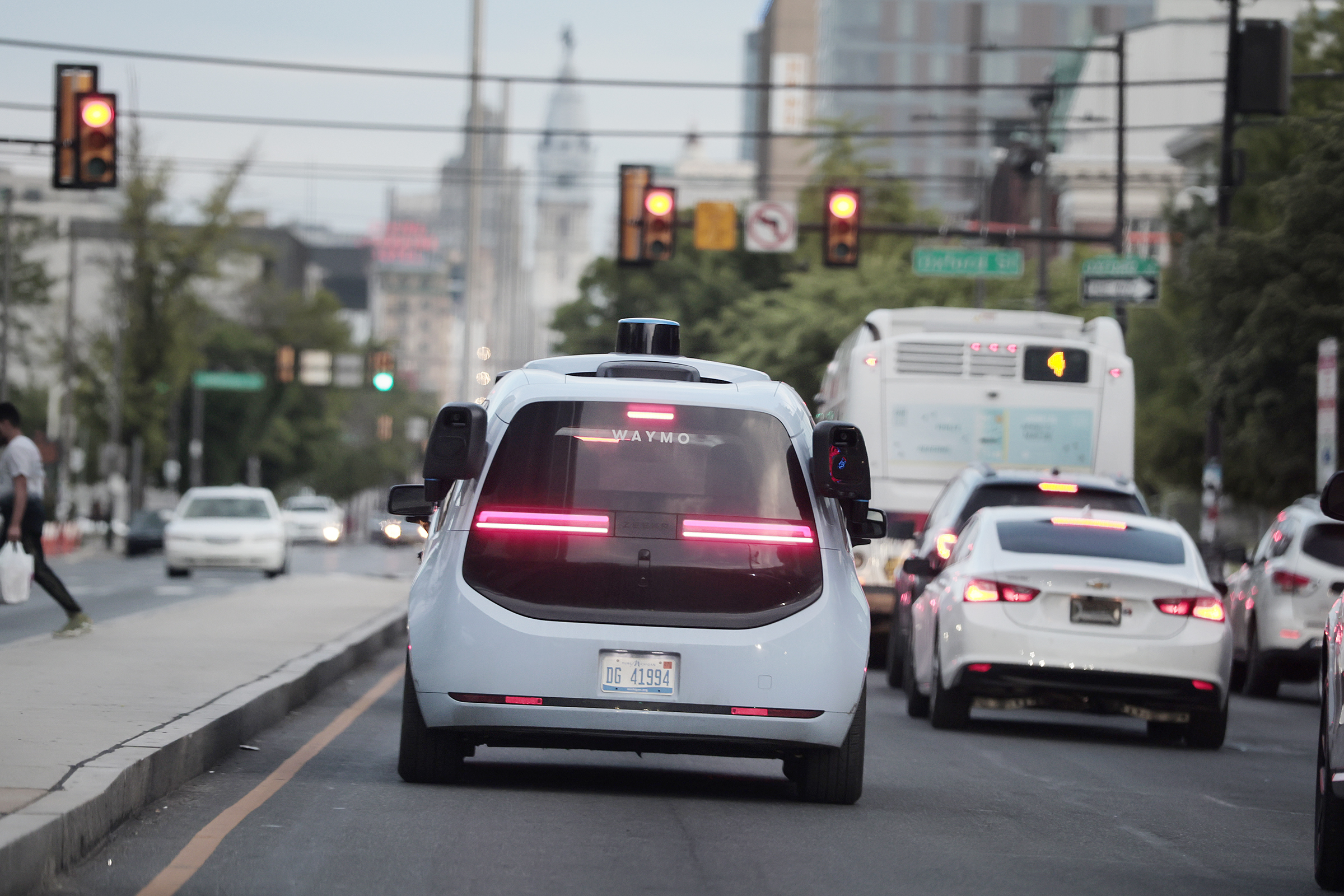
A Waymo car navigates North Broad Street in Philadelphia in May.Elizabeth Robertson / Staff Photographer
The study’s limitations
Despite the promising safety record, the researchers acknowledged several limitations.
First, Waymo did not operate its driverless vehicles on interstates or freeways during the study period, environments that account for 22% of human drivers’ police-reported crashes.
Second, because autonomous vehicles often drive empty, fewer humans are exposed to injury risk during collisions, which can artificially lower the overall injury rate.
As self-driving fleets continue their rapid expansion, the study’s authors warn that manually reading crash narratives is an unsustainable method for monitoring public safety.
The study only looked at Waymo, not other self-driving vehicles. Waymo is the largest such company to offer robotaxis, but Tesla is also testing driverless vehicles.
The IIHS is calling for a standardized, national reporting system for automated vehicle crashes and mileage, arguing that streamlined data are essential for accurate and timely safety evaluations.
Waymo said it supports an industry-standard reporting system that would include air bag deployments and an injury scale.
When will Waymo be available in Philly?
Despite the limitations, the study could reassure Philadelphians hesitant to ride in an autonomous vehicle.
Waymo slowly began introducing the vehicles last summer, but they were driven manually by specialists in the most complicated to navigate parts of the city. They fanned out at all hours across various neighborhoods.
In December, Waymo began autonomous testing in the city but still with a specialist behind the wheel with permission from PennDot.
Teicher, the company spokesman, said Tuesday that Waymo is still currently testing. The next step would be to operate fully autonomously with employee-passengers, he said.
If the feedback is positive, Waymo would be ready to begin taking on public riders.
However, the company has declined to discuss timing and still needs regulatory approval to carry passengers in Pennsylvania.
The robotaxi service has received intense local political scrutiny.
The Inquirer reported in May that some City Council members and a coalition of religious leaders, labor unions, and rideshare drivers urged PennDot to halt Waymo until safety and job-loss concerns were addressed.
Philly does not have the power to directly regulate Waymo.