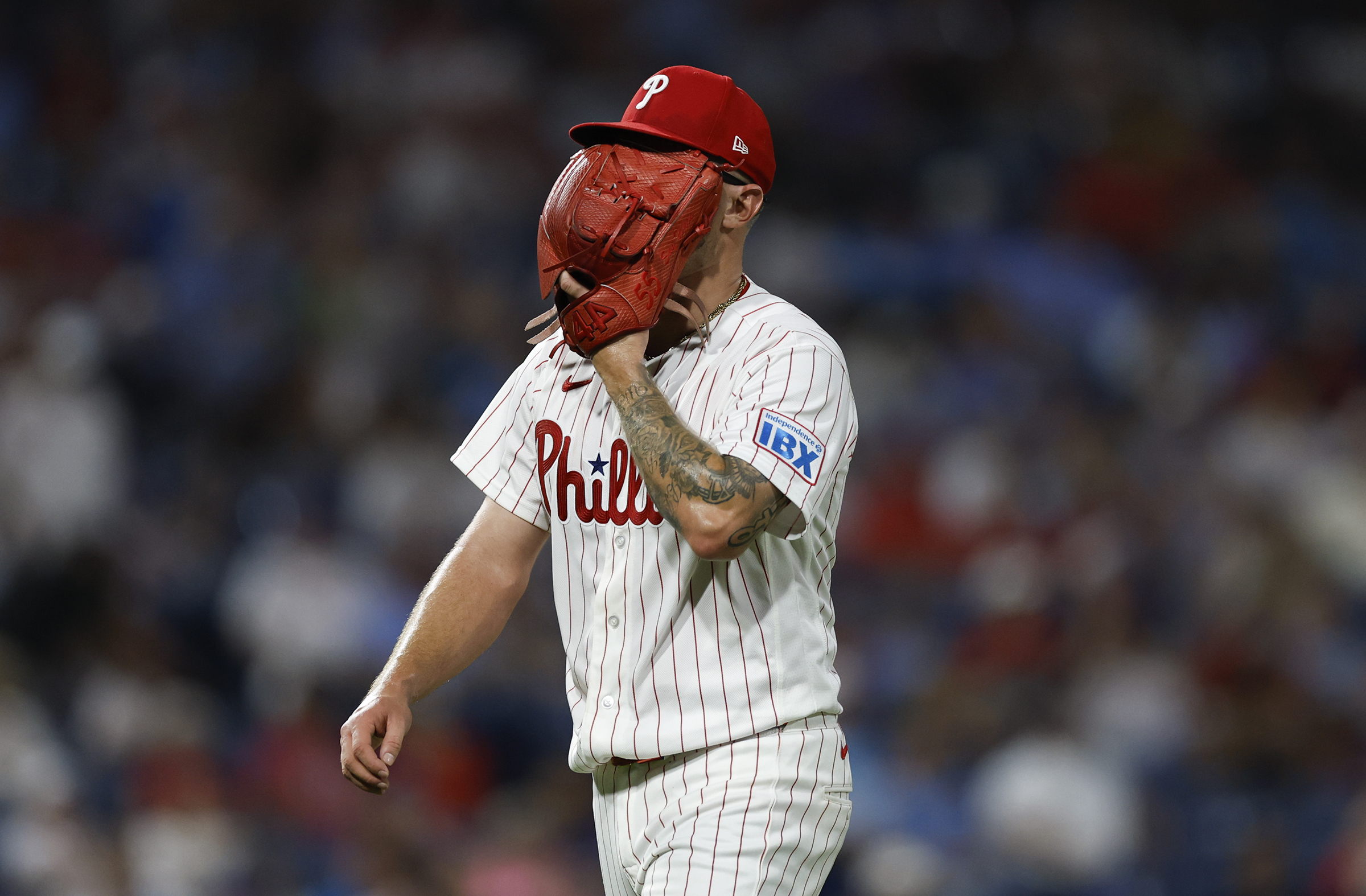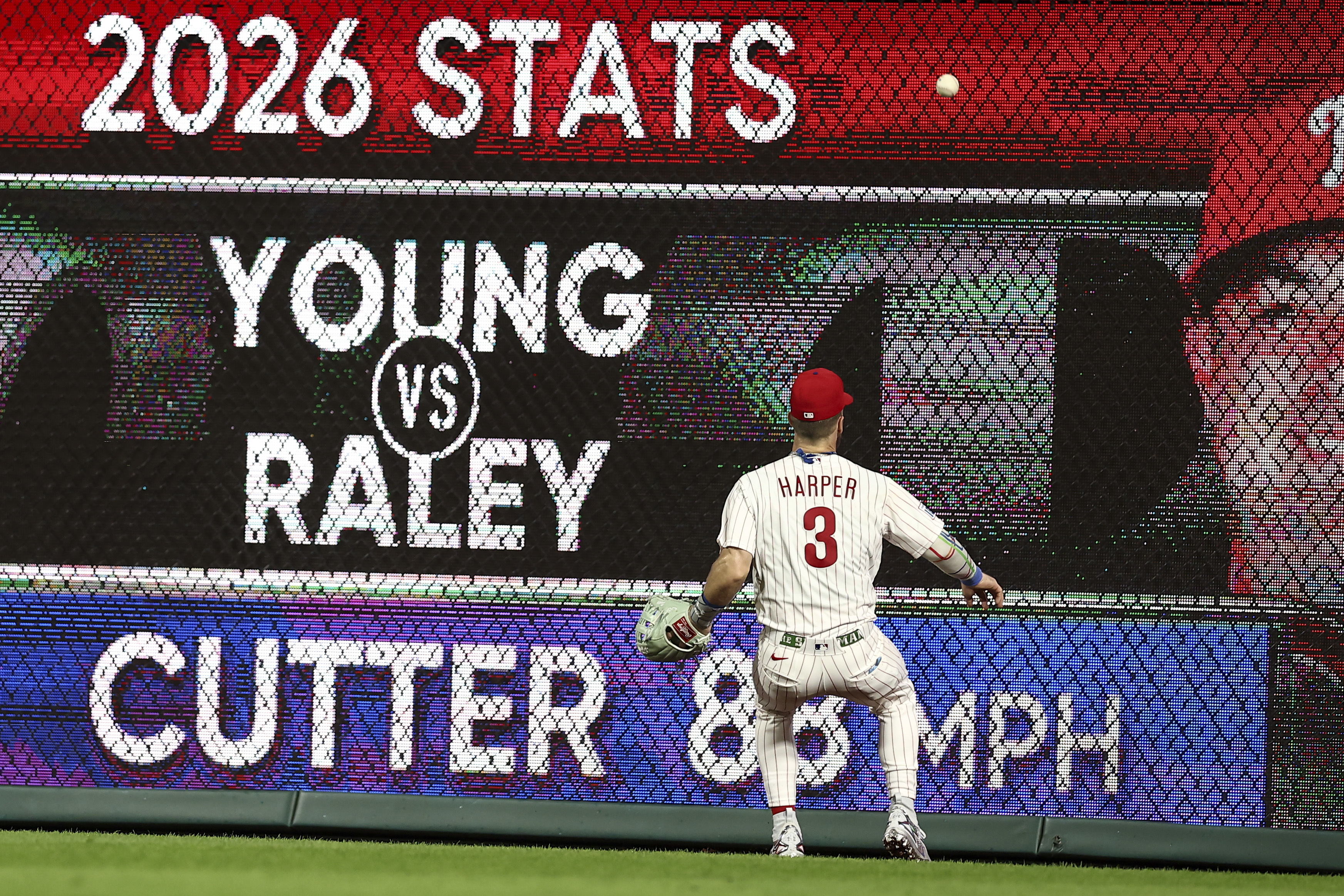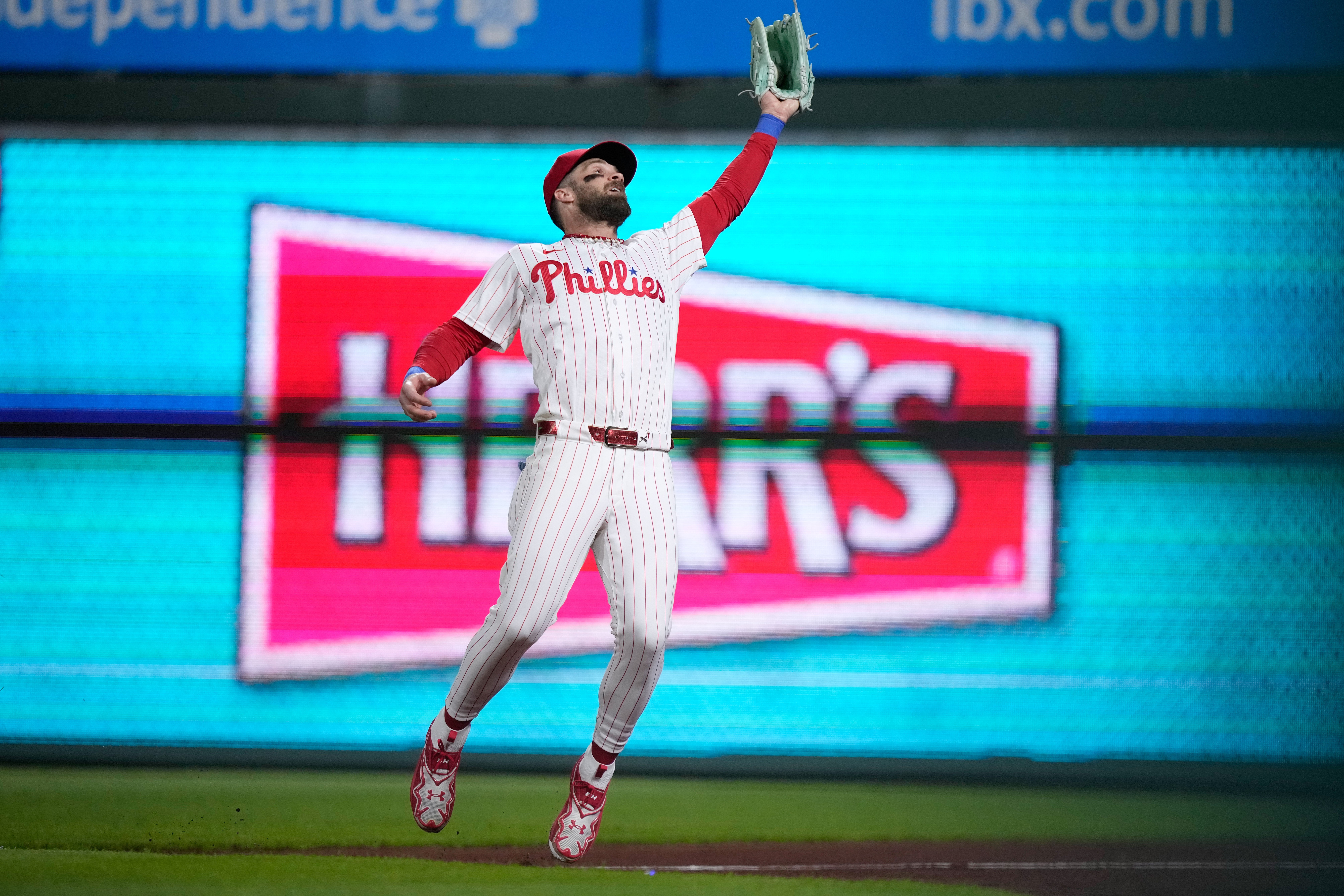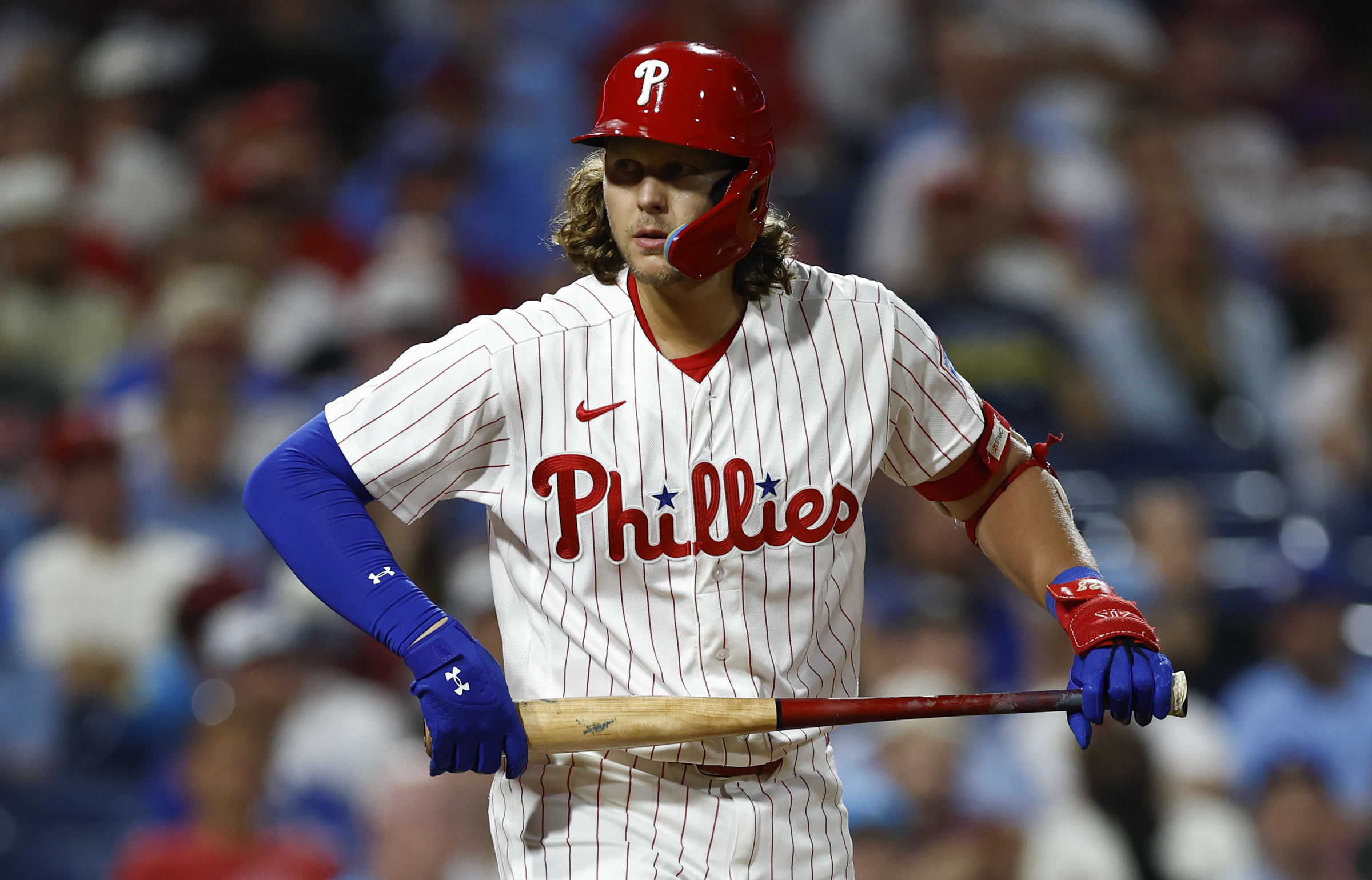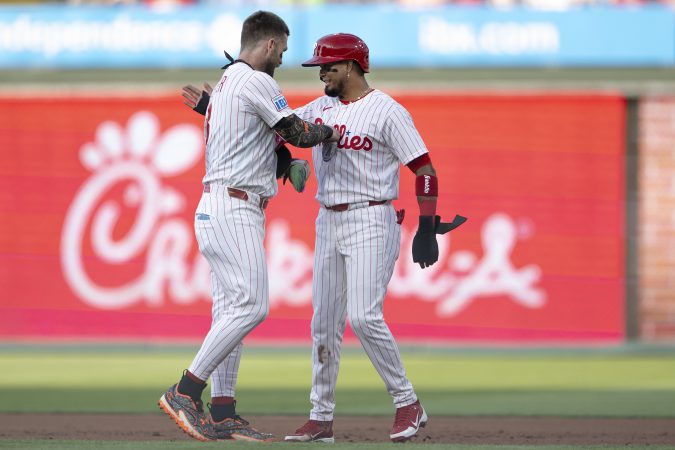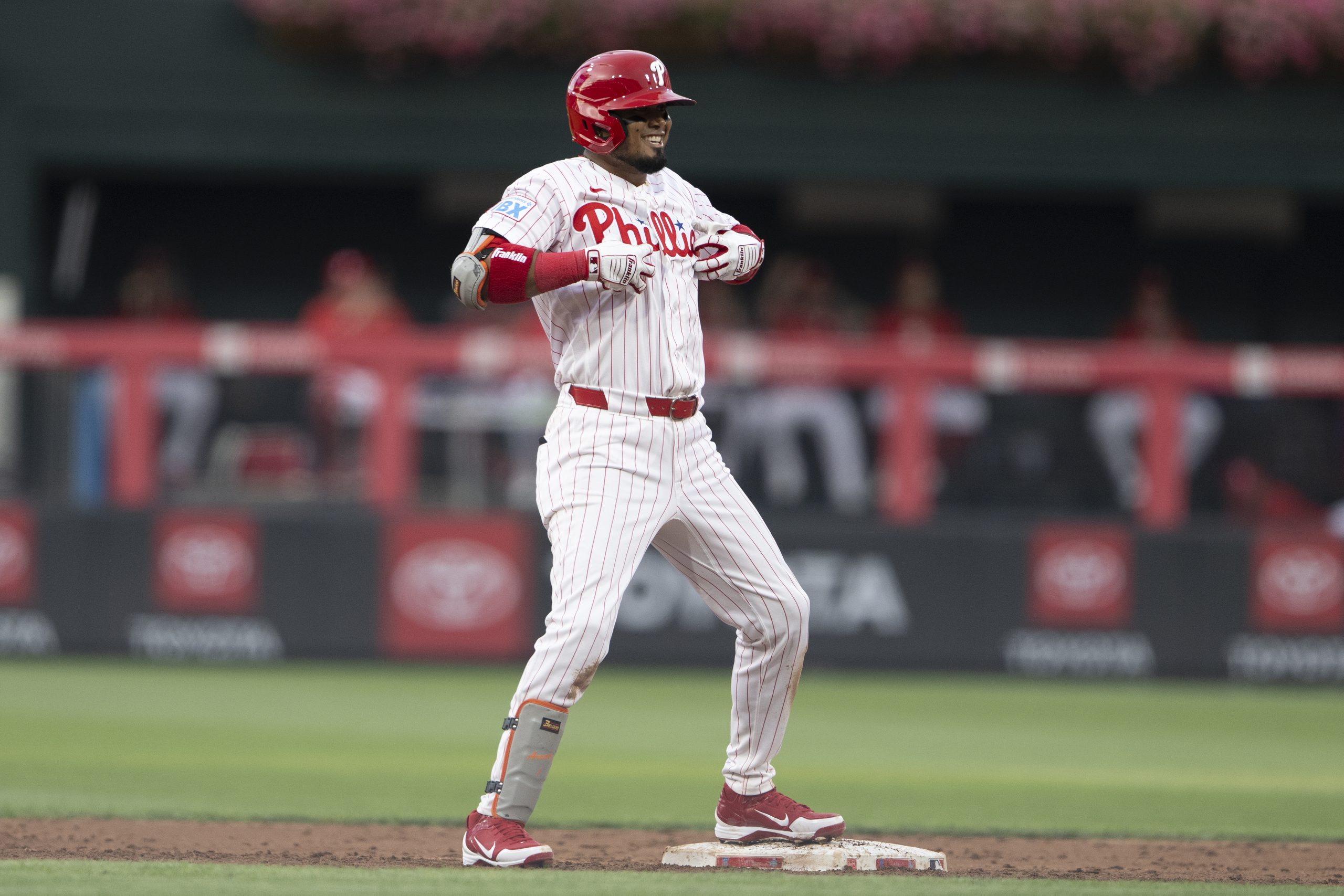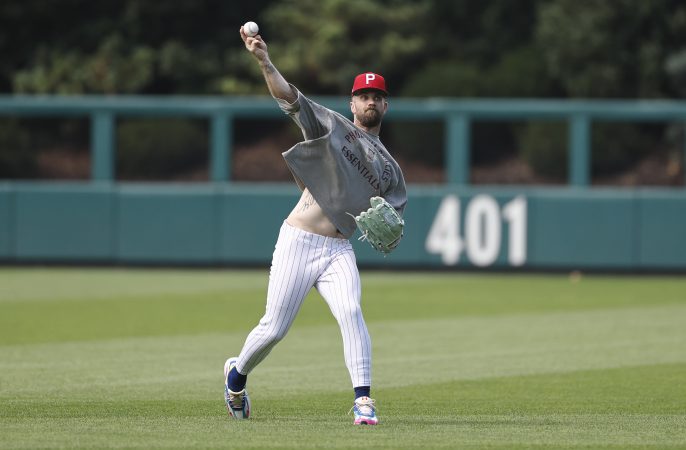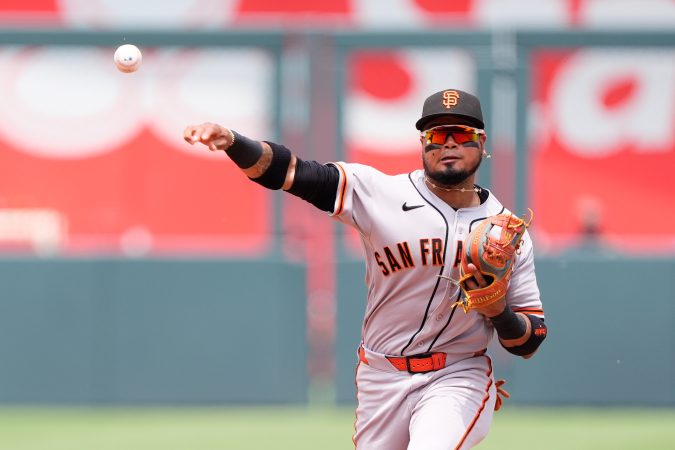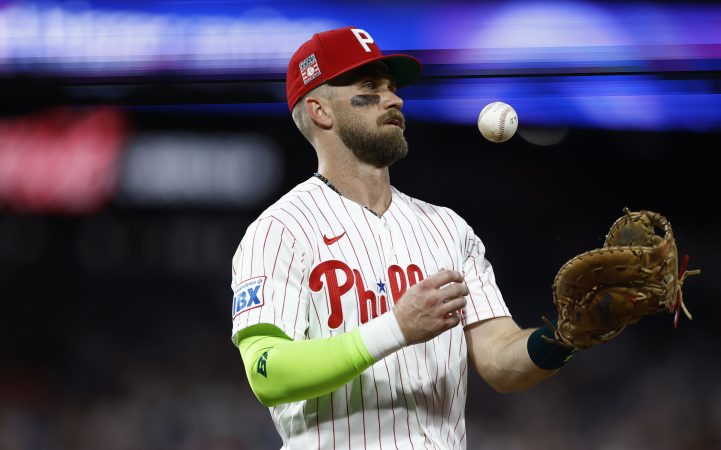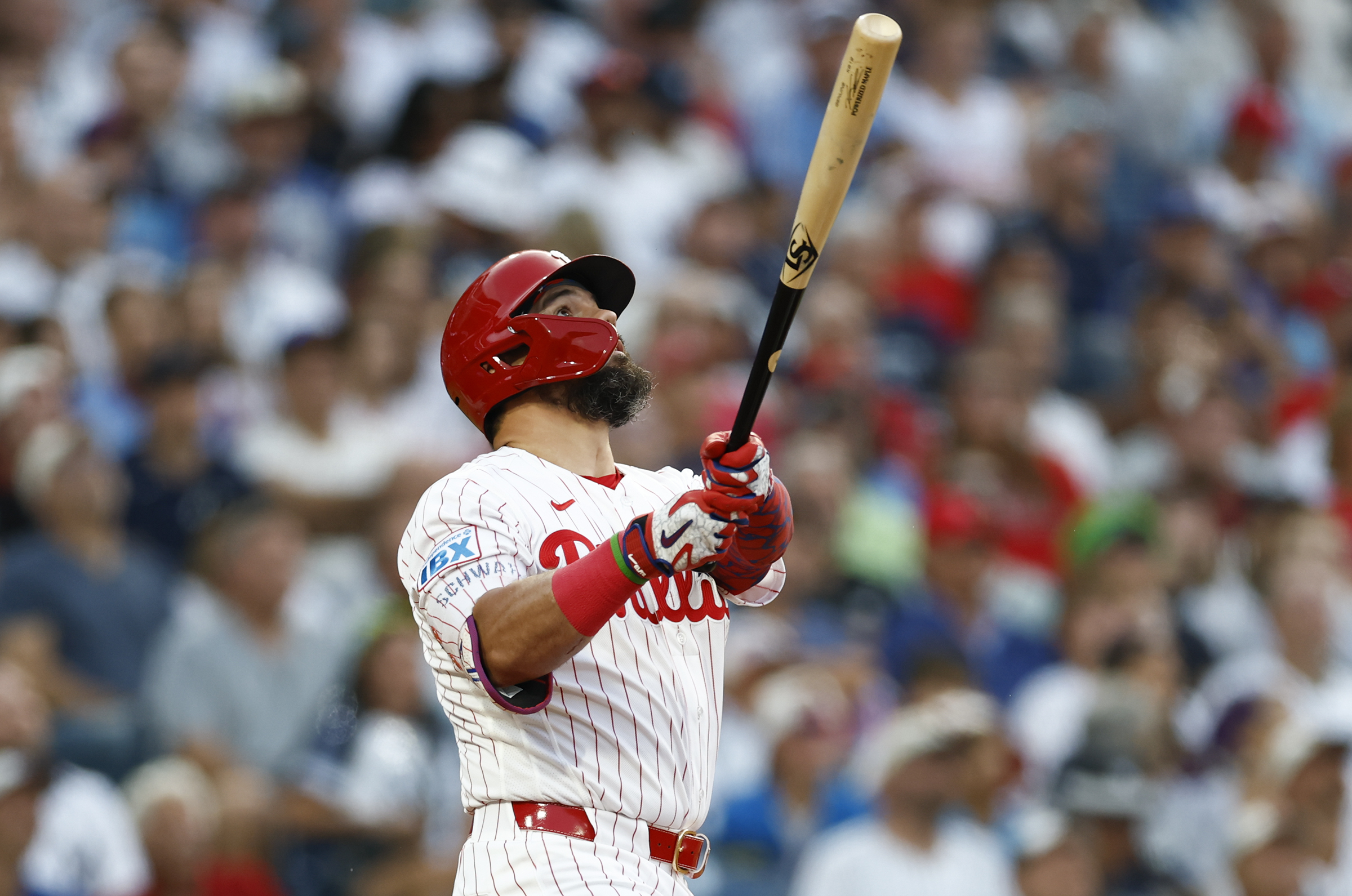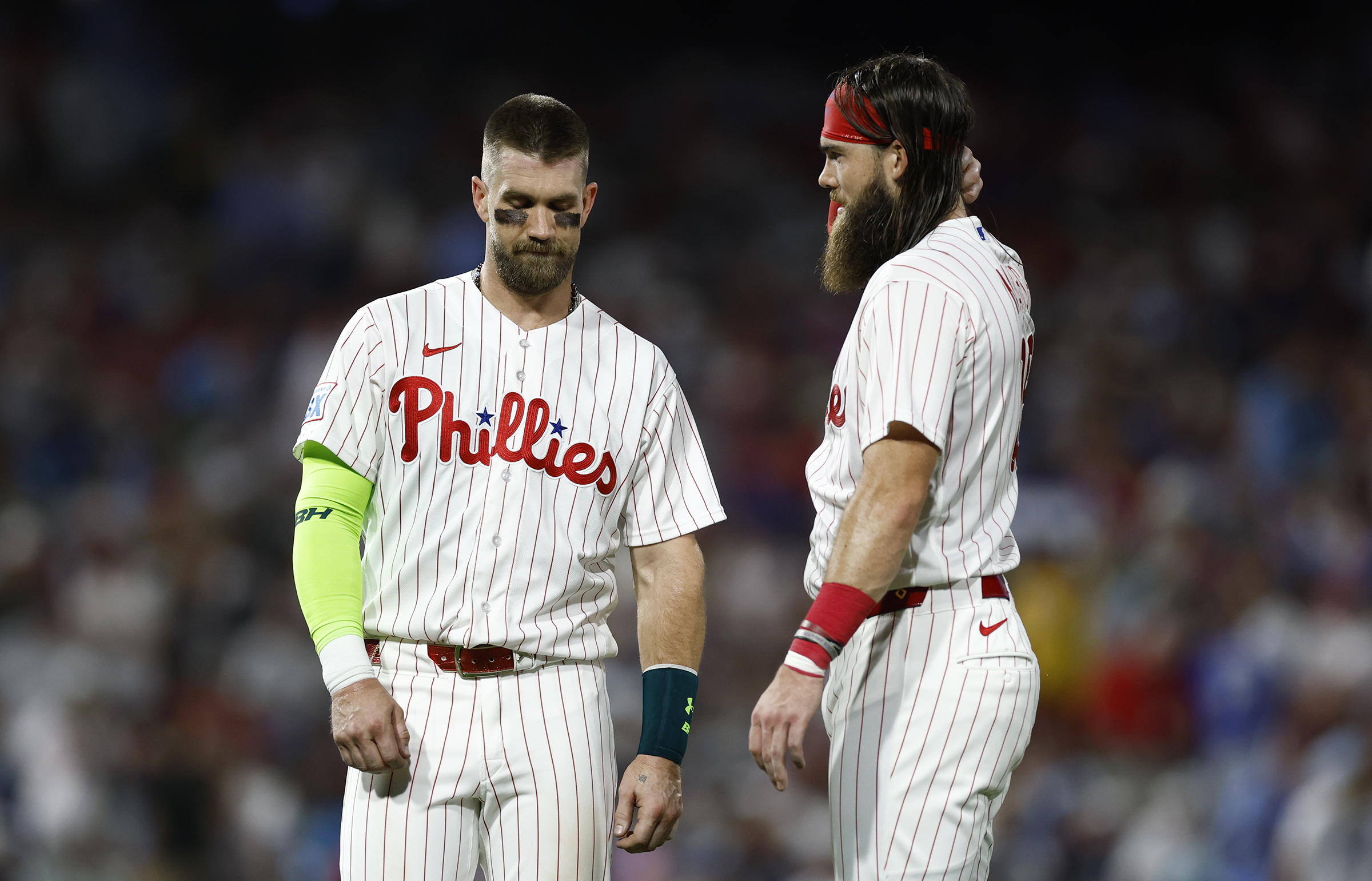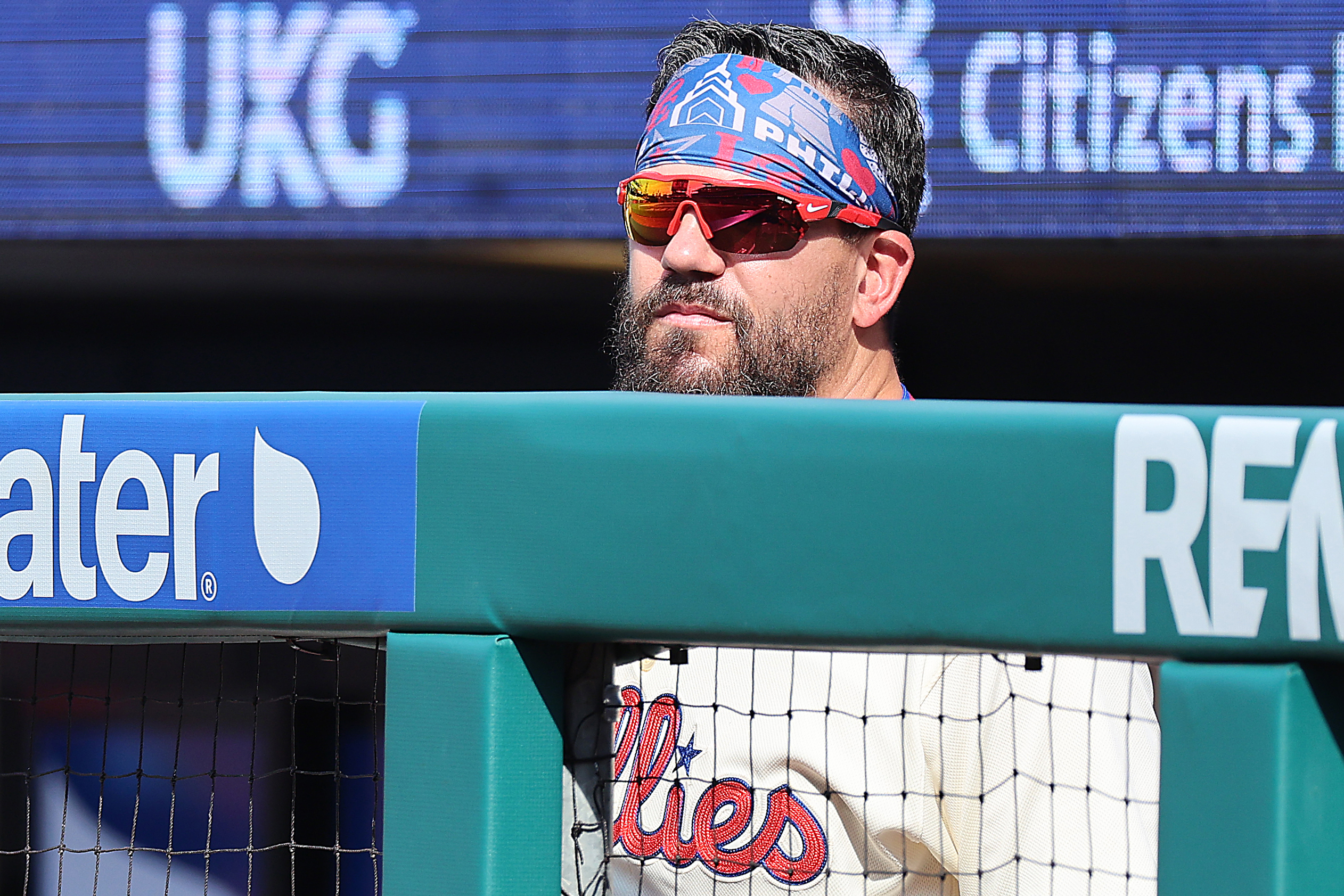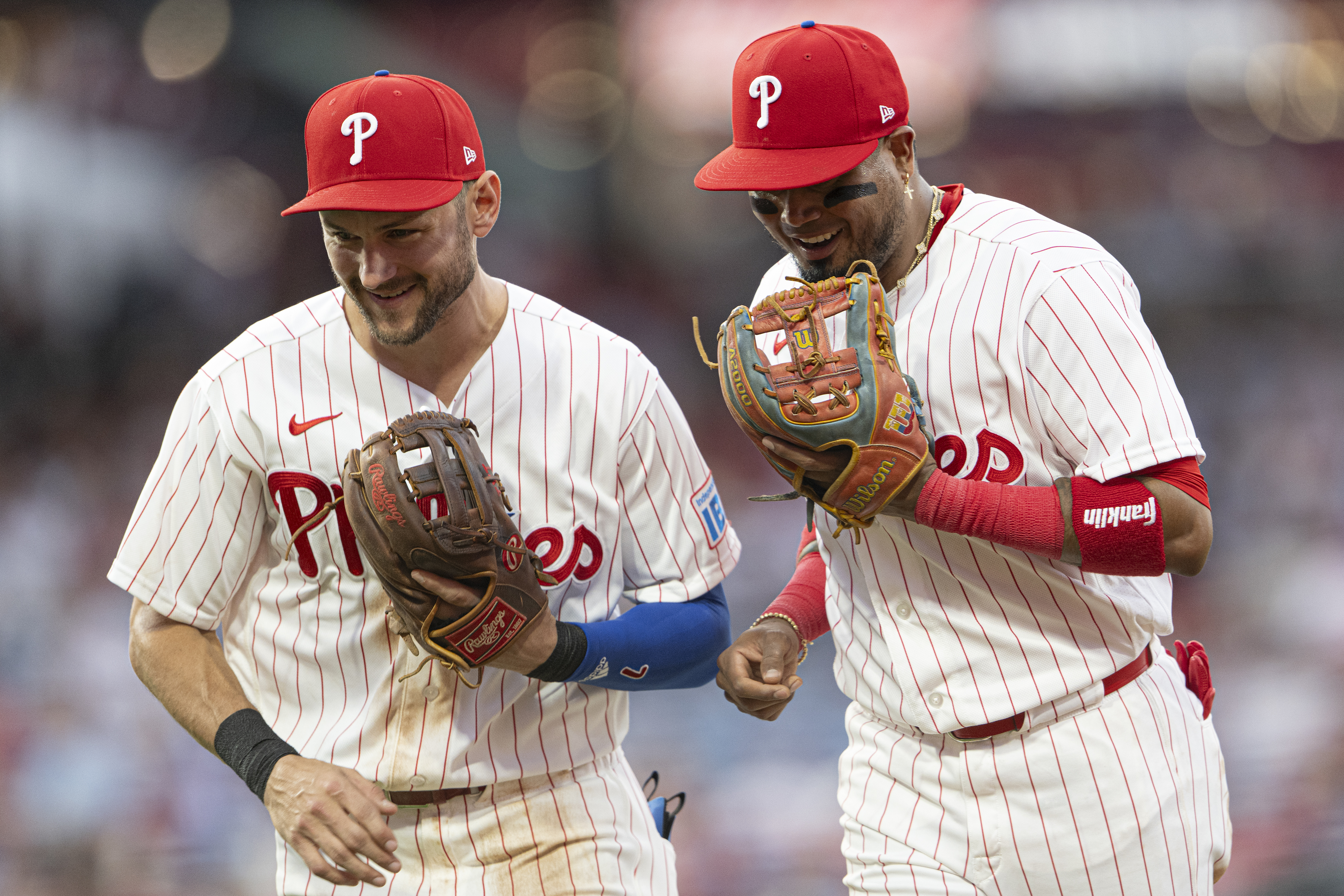
In trading for Luis Arráez at the deadline, the Phillies displaced three-fourths of their infield with less than 50 games left in the season.
It was unprecedented.
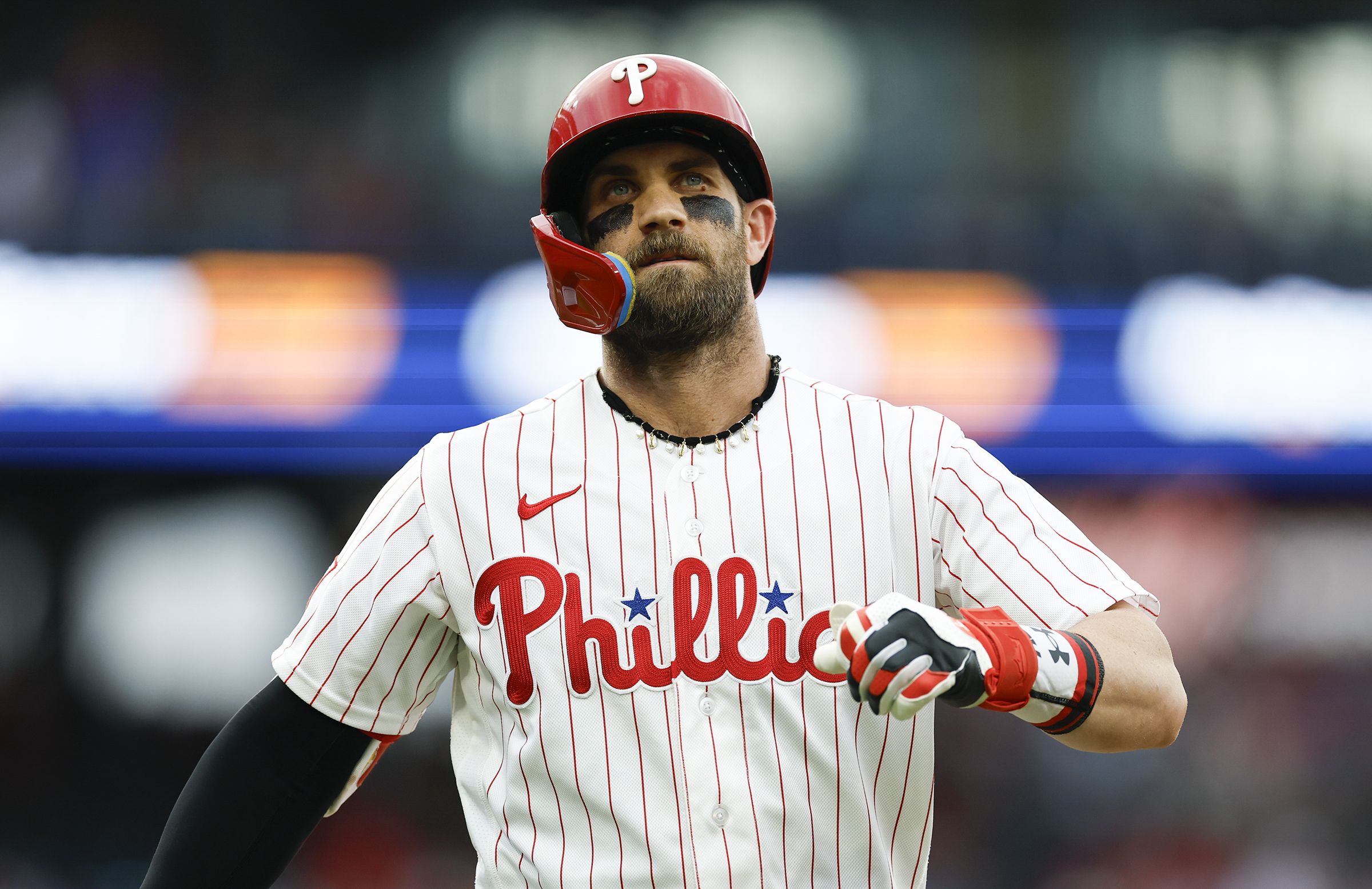
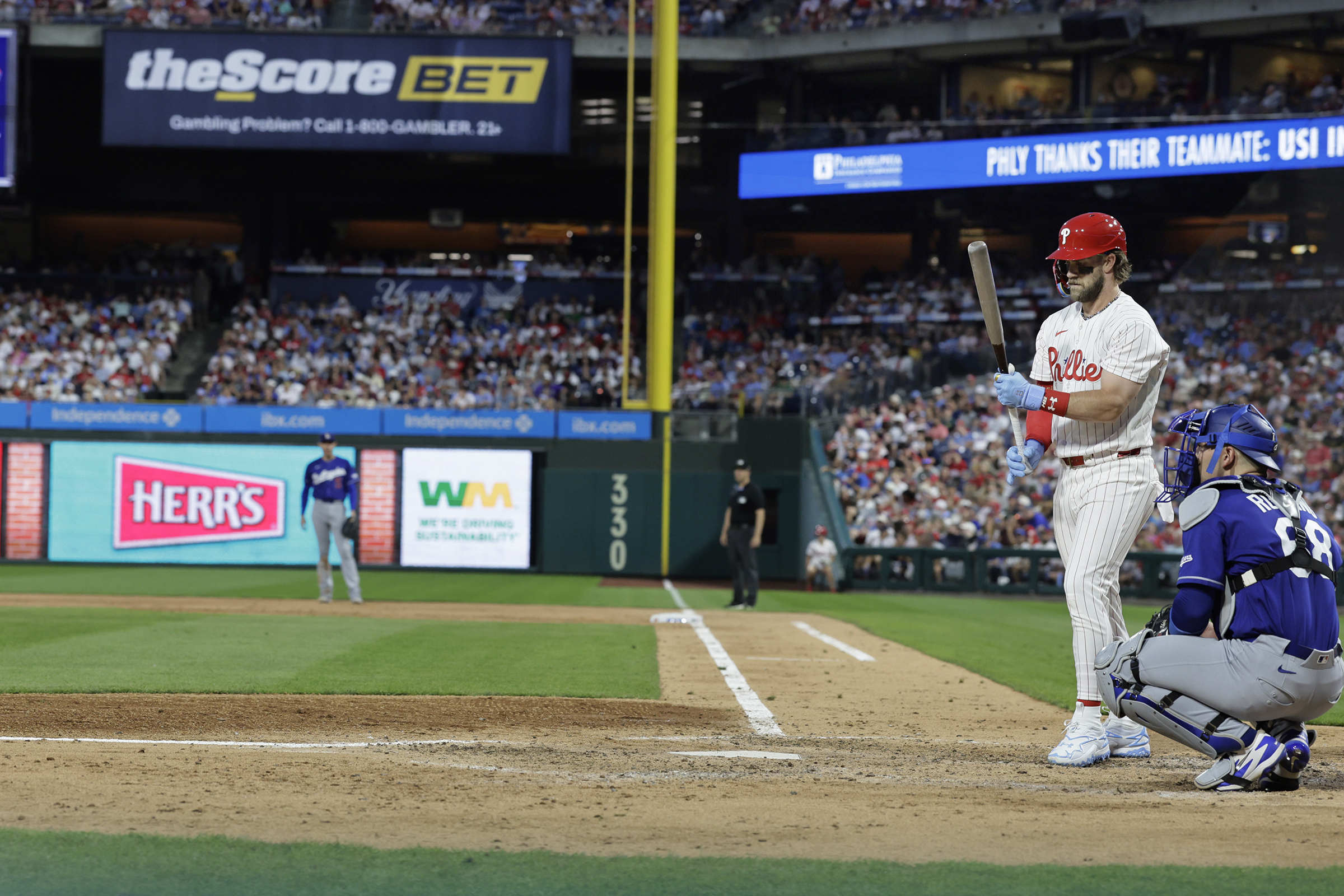
Kevin Stocker, the Phillies’ pennant-winning shortstop in 1993 and now a member of the radio broadcast team, joined The Inquirer’s Phillies Extra podcast, to share his thoughts on all the moving parts — Bryson Stott to third base, Alec Bohm to first, and Bryce Harper to right field — as well as the one player who stayed put: shortstop Trea Turner.
Watch the full interview below and subscribe to the Phillies Extra podcast on Spotify or Apple Podcasts.
Q: What was your reaction when you heard the Phillies were trading for Luis Arráez, and that they were going to uproot three-quarters of the infield with less than 50 games left in the season?
A: I was happy because it was Luis Arráez. I like the kind of player that he is offensively, and very confused, I guess, onto the limitations he kind of put on if he was only going to play second. I got so many feelings about uprooting three guys in the middle of the season. It’s not like it’s new. We’ve seen this before with other guys. I think the most recent maybe Mookie Betts has moved. I remember back in the day, Robin Yount moved out to center because of an injury, but never three guys at once. So I guess if we were to take each spot as it is, for example, Bryson Stott having to move from second to third. I don’t think it’s going to affect Bryson as much, other than the fact … the middle infield, shortstop, and second base are your main spots that handle most of the baseballs. To me, Bryson Stott is probably the best fielder, definitely on this team. I know he’s not an All-Star. … He’s the captain of the infield, and now you’re moving him out of there. That was my first concern.
… He’s constantly directing traffic, calling timeout. He’s helping the pitcher. You’re going to lose some of that by bumping him over to third base. However, defensively, I think he’ll be fine. He’s played that side of the infield, super strong arm. I don’t worry about him over there at all.
Now you bump Bohm over to first. Now I think Alec has done tremendous things at third as far as making strides. He’s worked his tail off. He’s become pretty comfortable. I wouldn’t say he’s the best third baseman, anything like that. But he’s solid over there. At first base, to me, he’s got a lot to learn. I love the fact that he’s 6-5. If I was a shortstop throwing over there, I would want the tall first baseman. Fred McGriff was over there for me, and I loved that. So it’s going to take him a little while, I think, to kind of get better at first base.
So that is a little bit interesting to me. It’s going to take him a while. I’m not sure how that’s going to go. I will say that in the same breath, I love that Harper’s going back to right field. … and here’s why. One, he’s a hitter first. When he’s on that field, he’s thinking about hitting. When he goes to first base to play defense, he’s still thinking about hitting. I’ve played with a lot of guys in my career, and all the hitters were the same. The guys in the outfield, I would look out in left field, and I might see a guy out there who’s a hitter, and he’s in between pitches. He’s working on a swing, and I’m like, ‘Hey, man, we got to play defense.’
The infield demands so much focus all the time, and at first base, Bryce was good. He’s very athletic, but I think there was a lot of balls over there that he wasn’t comfortable maybe helping Trea out or helping the infielders out. Not that he was bad. I don’t know that he’s having the greatest year this year, but a couple years ago he was fine. I just think in right field to me, he will be a better hitter, better player, and happier. That’s just me. I haven’t seen him play a lot of right field, and I also think it takes care of the right field problem that the Phillies had. So you get Luis Arraez and people are like, ‘Why didn’t we go get a right fielder?’ Well, the Phillies did. They bumped Bryce out there and now they have one.
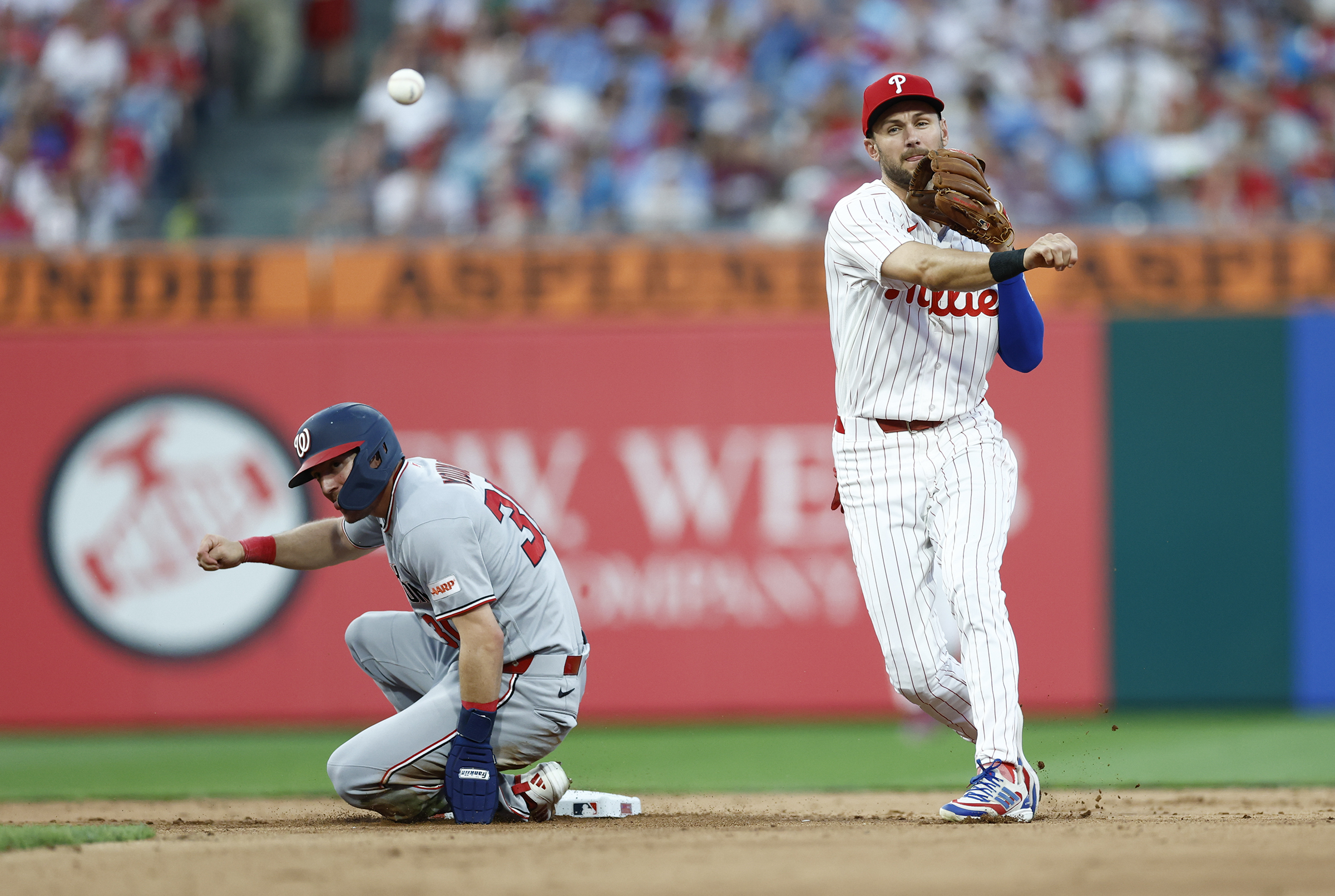
Q: What’s your take on leaving Trea Turner at shortstop and moving everyone else around?
A: I never saw Trea play outfield. I saw him play a little bit at second base. That was with the Dodgers for a short period of time, and I don’t think he was comfortable over there. But a lot of people want Trea to go to the outfield. So this is what I would say with that in the outfield. I’ve watched Trea long enough to know now that he is not the most aggressive player defensively. And what I mean by that is, for example, if he’s going back on a popup over his head, it’s pretty ginger when he goes back there. Whereas Bryson Stott just goes … running back. Trea doesn’t play that way. He’s a little bit more cautious.
So now everybody wants him to go to center. You do not want a cautious center fielder. That’ll totally mess up the corners. Now you got [Brandon] Marsh, and you got Harp over here. I’ve talked to [infield coach] Bobby [Dickerson] about this a lot. He’s worked so hard at shortstop. He’s not having that great year that he had last year, a much better year. I just don’t know if he’s better anywhere else on the field. And if you asked me to disrupt three guys, Turner would be the last one I would want to disrupt right now because that would just create a lot more problems in his head. And he’s starting to hit.
The other thing about Trea, he is just like Harper. He is a hitter first, defense second. When I played, I was defense all the way. I think Stott is defense first, and then kind of mixes in the offense. So as a hitter-first guy, you’re going to get some years that are good. You’re going to get some years that he struggles, and it’s been a challenge there. But I just don’t think it would have been a wise move for me to move him. I just think that would have created more problems in his head.
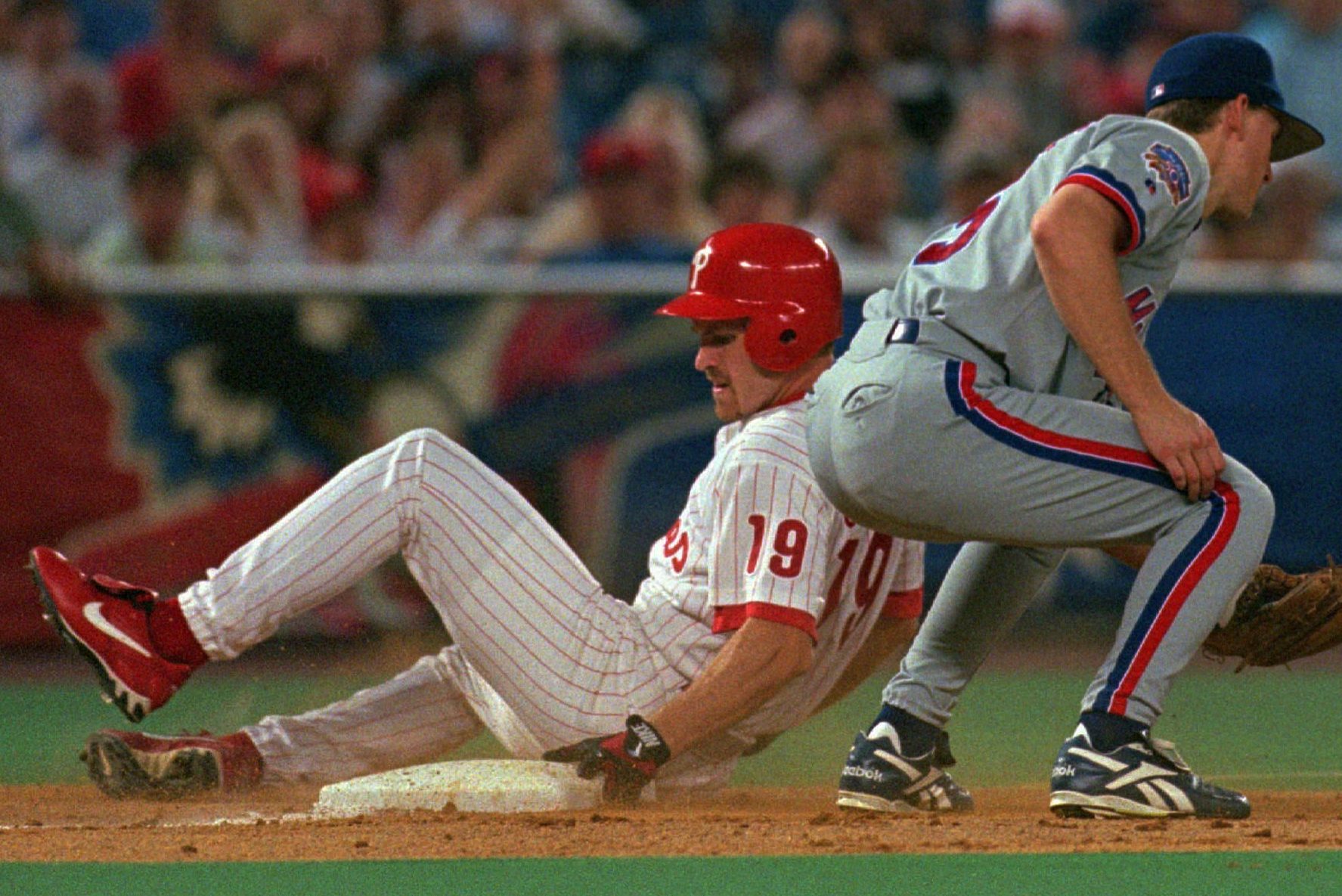
Q: How was shortstop different for you when you were 24, 25, vs. when you were 30? How does it get harder as you get a little older?
A: Well, there’s a couple of things. The most direct thing that gets tougher, whether you’re 30 or 33, you start to, I don’t want to say lose a step, but I needed to go out and take ground balls at full speed on Sunday morning when I did not want anything to do with that. I didn’t want to go take ground balls or BP. When I was younger, I was so jazzed. I was like, ‘I’m going to go to the park, and I would go get Bowa and say, ‘Let’s go take ground balls.’ … As you get older, you start to lose that edge. You start having to go out. … you’re just not getting in the same work, and so then what happens is you’re not quite playing … I call it playing on the edge. That’s where you want to be. So that’s one thing.
And then you just don’t recover as quickly. You just don’t. Like that dive [Turner] had the other day, it was very jarring. When you lay out and you land on your chest, it is a huge jarring. … that stuff gets tougher to recover from the next day. You’re rolling out of bed, like I got hit by a truck. So the amount of work — that’s why I admire Edmundo Sosa, who has all these positions. He’s out there every day. He has to in order to keep the legs and the body moving.
But I do remember that last year. I think I was even in camp with the Rockies. It was right before I retired, and I went out and played a little bit of shortstop. And I’m like, I’m not moving as fast as the other guy that’s 25, 26 to my left and right. So that’s one of the things I think is just keeping the edge to go out there and make sure you get the right amount of work in. I really admire the fact that Trea, at his age at 33, and the amount of time he’s played, hasn’t really lost a step. I don’t think he has. Sprinting and running. I think he’s guarded as times, like he’s not running full speed all the time, but I don’t know if he has to.