Medicare drug coverage premiums are expected to rise in 2027 after the Trump administration said Tuesday it would end a temporary subsidy that reduced monthly premiums by an average of $16.
But it’s not yet clear how much they’ll increase, or whether they will increase for all Medicare beneficiaries.
The loss of the subsidy does not translate directly to how much premiums will rise, because companies that sell Medicare Part D drug coverage take into account many factors when setting rates.
The cost to the government of the subsidy was $3.6 billion in 2026, according to KFF, a nonpartisan health policy organization. About 25 million people enrolled in Part D plans in 2026, up from 23 million two years ago.
“It’s certainly possible that without this enhanced financial support in place for 2027, some Medicare beneficiaries enrolled in [Part D plans] could face relatively steep premium increases for drug coverage next year,” said Juliette Cubanski, director of KFF’s program on Medicare policy.
Insurance companies received notice of the move late Tuesday and were examining the impact. Expected Medicare Part D rates for 2027 will be publicly announced in September.
“We are closely reviewing today’s announcement. At a time of sharply rising prescription drug costs, health plans are focused on keeping Part D coverage and benefits as affordable as possible for seniors,” said Chris Bond, spokesman for AHIP, the insurance industry’s Washington trade group.
The average estimated monthly Part D premium in 2026 was $34.50, according to the National Council on Aging. Part D premiums were already four times higher than the $8 average premium under Medicare Advantage, the privatized version of Medicare. Cubanski said higher Part D premiums in Part D in 2027 could accelerate beneficiary enrollment in the privatized plans.
The Department of Health and Human Services, which oversees the Center for Medicare and Medicaid Services, did not respond Tuesday night to a question about the amount of expected increases.
CMS said it ended the subsidy, which was intended to stabilize premiums after the agency made changes to the benefits, because “plan sponsors had sufficient experience” under the new program to support their cost assumptions.
UnitedHealthcare, which offers Part D plans, said loss of the subsidy was not unexpected. “We are committed to working with CMS, ensuring seniors have access to affordable prescription medicines,” UnitedHealthcare spokesman Eric Hausman said.
Good morning, South Jersey. Don’t pack away your rain jacket yet. The region is still under a flood watch with more showers expected.
Inquirer food critic Craig LaBan visited Barclay Pies in Cherry Hill and found a new standard of gluten-free pizza in the region.
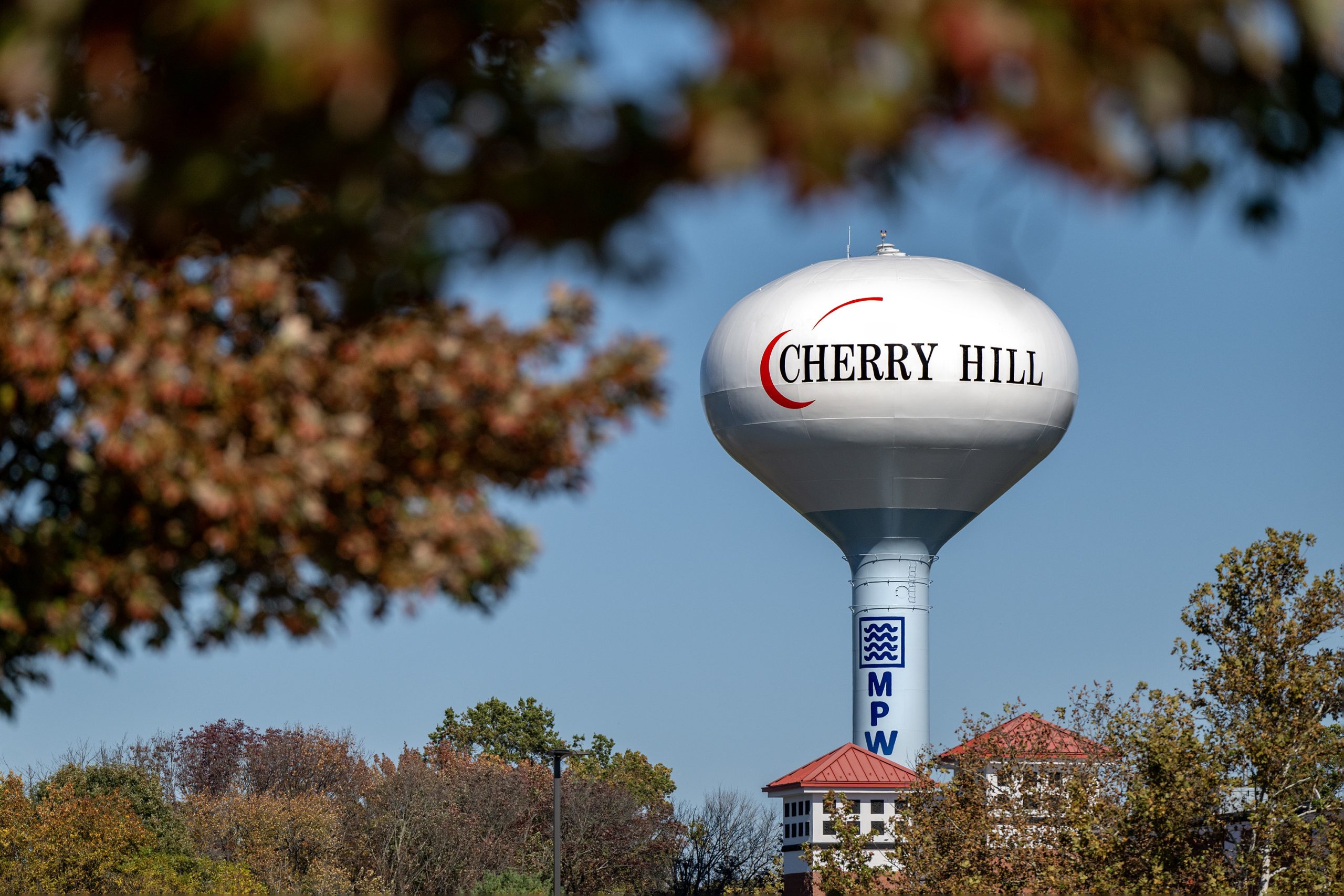
And speaking of Cherry Hill, the township banned large-scale data centers, becoming the latest South Jersey municipality to send a clear message to potential developers.
Plus, Gov. Mikie Sherrill shared Tuesday that about 2,000 registered voters who were identified last week as noncitizens may actually be citizens after all, and more news of the day.
P.S. If you like what we’re doing — or see room for improvement — take our survey. We want your thoughts so we can better serve you and remain your trusted source for South Jersey news.
There’s a reason Barclay Pies in Cherry Hill generates a lot of buzz among the gluten-free community, according to our food critic, Craig LaBan.
The owners worked for nine months to create the crust for its gluten-free pies. LaBan explains that the pizza has a bit of cornmeal for the bottom crunch, a frico cheese band around the edges, and a pan-based format that helps to prevent cross-contamination.
Barclay Pies sells both standard and gluten-free pies, and the latter now accounts for a third of the pizzas they sell.
“There’s a market need for a pizzeria that was truly inclusive,” co-owner Thomas “TJ” Hunton said.
It’s official: No large-scale data centers can come to Cherry Hill.
The township council voted unanimously this week to list data centers as a non-permitted land use within its borders, as debate around artificial intelligence technology continues nationwide.
“We don’t think that Cherry Hill should be a guinea pig,” Cherry Hill Mayor David Fleisher said. “So while the technology is evolving, we wanted to be proactive and make sure that we eliminated a problem before it became one.”
If a developer wanted to build one in the future, they would have to get a land-use variance from the zoning board. And according to a city planner who worked on the ordinance, it’s one of the hardest approvals to get.
So far, no data center developers have approached the township.
About 2,000 of the 6,600 New Jersey registered voters who were identified as noncitizens could be citizens after all, Gov. Sherrill said on Tuesday. The news comes a week after her disclosure that a software glitch registered thousands of noncitizens to vote ahead of the 2024 election.
A state grand jury voted not to file criminal charges on Monday against a Haddon Township police officer in connection to the fatal shooting of a Pennsauken man while responding to a reported burglary in 2024.
Due to this week’s predicted storms, the scheduled maintenance of the Tacony-Palmyra Bridge that was supposed to close to vehicle traffic Tuesday night into Wednesday has now been postponed to begin Monday, Aug. 3, at 9 p.m. and conclude Tuesday, Aug. 4, at 5 a.m.
The Burlington County Library System on Wednesday is launching a “StoryWalk,” an interactive attraction that features reading stations that display pages of an illustrated children’s book. The stations are built around the playground at Riverton Memorial Park.
Four Green Cats Cafe in Mount Laurel announced an expansion coming later this year to a second location under construction in Haddonfield. Owner Nadia Vasa told New Jersey Voyager it will be called The Grand Salon, with a full commercial kitchen to serve authentic Czech dishes and room to host a cultural program.
🧠Trivia time
The Freedom Mortgage Pavilion in Camden has had several name changes since the venue opened in 1995. Which of the below was its shortest-lived name?
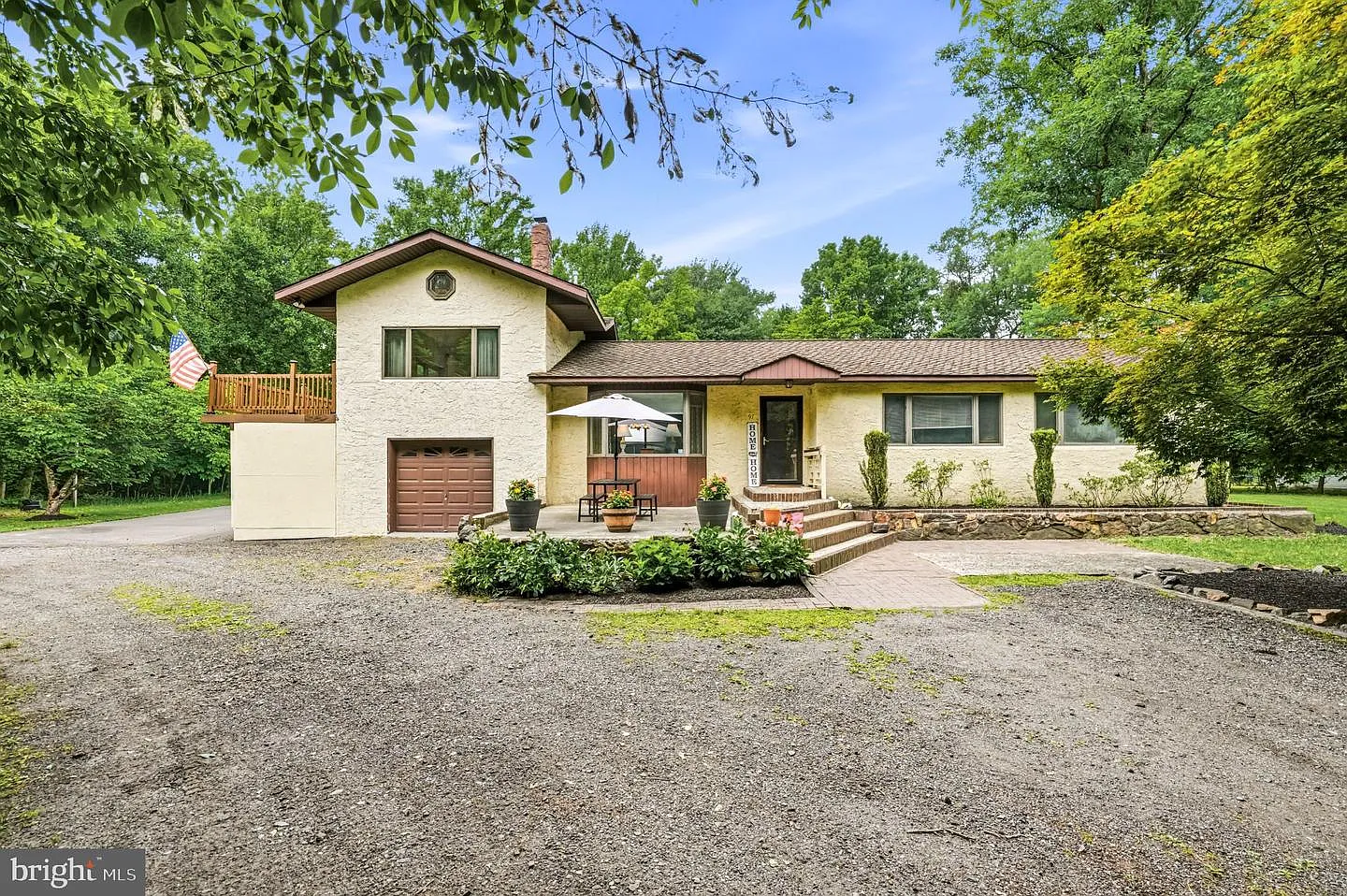
Sitting on almost five acres, this Medford home has hardwood floors, a modern kitchen with an exposed brick wall, four bedrooms, two bathrooms, a living room, and a family room.
Outside, there’s space for gardening, a deck for entertaining, and an above-ground pool. Catch an open house this Sunday from noon to 2 p.m.
Abdoulaye Cherif was asleep when his phone rang that morning, and he answered only because the display showed the call was coming from a prison.
He was shocked to hear the voice of his father, who was supposed to be at work, driving for Uber.
Mamadou Fadel Cherif told his son he had been arrested by ICE as he left the family home in West Oak Lane. He said he needed his son to break the news to his mother, because she would be devastated to hear it over the phone.
Cherif, 21, called his mom at work and told her she needed to come home.
Now, two weeks after that July 13 morning, “we’re all scrambling,” Cherif said in an interview. “A piece of us is missing.”
Fadel Cherif, 56, never expected to be arrested by ICE. He lives legally in the United States, having been granted Withholding of Removal almost 20 years ago.
That status allows him to stay and work, and bars the government from deporting him to his homeland, the West Africa nation of Guinea, where the U.S. government agrees he could be harmed or killed over politics.
His status, however, does not shield him from being sent to a third country, if ICE can find a nation willing to accept him.
Those kinds of third-country deportations are difficult for the agency to achieve. But recent ICE guidance tells agents that when immigrants with Withholding of Removal or Convention Against Torture protections report for check-ins, officers should consider the viability of their removal and if they should be detained in the meantime.
Advocacy groups and immigration lawyers say the Trump administration is increasingly arresting and detaining migrants who have been granted withholding, keeping them in custody while it pursues removal to a third country. Last year, an Iranian immigrant who had fled the regime spent nearly six months in detention before a federal judge ordered his release.
Officials with U.S. Immigration and Customs Enforcement, who did not initially respond to queries, said Tuesday that they were working on a response to questions about the case.
(function(){function e(){window.addEventListener(`message`,function(e){if(e.data[`datawrapper-height`]!==void 0){var t=document.querySelectorAll(`iframe`);for(var n in e.data[`datawrapper-height`])for(var r=0,i;i=t[r];r++)if(i.contentWindow===e.source){var a=e.data[`datawrapper-height`][n]+`px`;i.style.height=a}}})}e()})();
Philadelphia immigration attorney Ricky Palladino, who represents Fadel Cherif, said there is no reason for ICE to detain him. He has no criminal record. He has legal authorization to work, a Social Security number, and a driver’s license.
Palladino filed a petition in federal court that seeks Fadel Cherif’s immediate release, arguing that he has been denied due process under the law.
In nearly 20 years, the filing says, no government official has suggested that Fadel Cherif’s deportation was “even remotely likely.” And it says that ICE can return someone with his status to custody only if, on account of changed circumstances, the agency finds “a significant likelihood that the alien may be removed in the reasonably foreseeable future.”
Immigration attorney Ricky Palladino with Palladino, Isbell & Casazza, LLC, at his office on Walnut Street in Center City Philadelphia in 2022.Alejandro A. Alvarez / Staff Photographer
Palladino said in an interview that Fadel Cherif is the main support for his wife, who has legal permanent residency, also known as a green card, and for their four American-born sons, including Abdoulaye, a Marines reservist.
In Guinea, a nation of 12 million people that is roughly twice the size of Pennsylvania, Fadel Cherif was jailed by the government after protesting the results of his country’s 1998 presidential election, which was marred by irregularities. He later fled in fear of being rearrested, using a document that showed a different Guinean identity to enter the United States in New York in November 2003.
For years he has worked in dining services at La Salle College High School, the private Catholic boys school in Montgomery County, and also drives for Uber.
Matt Beck, director of dining services for CulinArt at the school, was upset to learn of the arrest, describing Fadel Cherif as an extremely hard worker.
“He’s a good guy,” Beck said. “The students here love him. And so does the staff.”
Fadel Cherif’s detention comes as ICE is arresting record numbers of immigrants. In one five-day span this month, the agency detained more than 10,000 people across the country, the New York Times reported.
The rate of ICE arrests topped 1,300 a day in June ― and grew again to a record 1,474 a day during the first 11 days of July, Syracuse University professor and immigration-data analyst Austin Kocher reported last week.
“ICE has been touting record high arrest numbers this summer ― and they are not wrong,” Kocher wrote in an analysis.
The ICE directive issued shortly after President Donald Trump took office meant that people with Withholding of Removal could be detained, noted the Catholic Legal Immigration Network Inc., even if they had no criminal record and had been reporting to ICE for years without incident.
“Given the increased pressure that ICE has been under to meet quotas for arrests, detentions, and deportations,” the network wrote, “it is not surprising that the agency is focused on those who already have removal orders as being easy targets.”
Fadel Cherif was denied asylum when he could not prove that he had filed within a year of entering the United States.
To receive Withholding of Removal, applicants must prove that they were persecuted in the past or that their lives would be threatened in the future, that the government harmed or will harm them ― or failed to control others who might do so. And they must show that moving to a different part of their country would not provide safety.
Withholding offers fewer benefits than asylum, which includes a path to citizenship and allows people to seek to have their spouses and children join them in the United States.
When Withholding of Removal is granted, the immigration judge also enters a deportation order, then tells the government it cannot deport the person to their homeland. In that way the removal is “withheld.”
People with that status cannot leave the United States without triggering deportation, have no path to citizenship, and cannot petition to bring family members to this country.
While the U.S. government may try, deporting people with withholding to a third country is difficult to accomplish. Nations that willingly accept their own citizens can be disinclined to accept other foreign nationals.
The Migration Policy Institute estimates that during its first year back in office, the Trump administration carried out about 15,000 removals to third countries, a fraction of the total 396,000 deportations.
Deportations of those who have Withholding of Removal are even more rare, according to the Amica Center for Immigrant Rights in Washington. The center says it is pointless to detain those people while attempting to deport them. If ICE were to release a foreign national and later identify an appropriate third nation, it could simply detain them again.
Abdoulaye Cherif near his West Oak Lane home on July 23. His father, Mamadou Fadel Cherif, was arrested by ICE and has been detained for weeks.Yong Kim / Staff Photographer
Fadel Cherif remains in custody at the Moshannon Valley Processing Center, the ICE facility in central Pennsylvania.
“My brothers, they need their dad in their life,” said his eldest son, Ahmad, 22, noting that the youngest brothers are 13 and 15. “It’s very important for my dad to be here.”
Abdoulaye Cherif said his father told him that on that morning, he demanded that the ICE agents show him an arrest warrant signed by a judge. Instead, he said, the officers presented an agency-issued detainer.
Today, he said, the family is surviving financially on savings. Emotionally, they struggle without their father.
“He’s like the glue,” Abdoulaye Cherif said. “He directs us, he leads us, he’s the dad. He’s been worried about the situation at home, making sure we get all the bills paid on time.”
Inquirer staff writer Abraham Gutman contributed to this article.
It’s terrible what’s going on with Haitians and Syrians who have been living under a special designation known as Temporary Protected Status (TPS).
They’ve literally been in panic mode since last month’s U.S. Supreme Court 6-3 ruling cleared the way for the Trump administration to strip away their ability to legally work and be protected from deportation. Roughly 350,000 Haitians and 6,000 Syrians are scrambling to figure out what their next moves will be.
Will they relocate to Canada? South America? Somewhere else? Or even go underground? Pause for a moment and imagine having to find a whole other country that will take you in.
Many fled Haiti’s 2010 earthquake and have lived in the United States for more than 15 years. We’re not talking about illegal aliens. These people are here legally. They are our neighbors. They own homes. Some have children who are U.S. citizens. They pay taxes. They hold jobs. Many work in hospitals, nursing homes, and retail establishments. Some are entrepreneurs. What are they supposed to do? Where do they go? Do they take their American-born children with them?
MAGA dismisses them, saying, “Go back to Haiti.” But it’s not that simple. The tiny Caribbean nation is on the U.S. Department of State’s Do Not Travel list. It’s not safe there. Not for Americans. Not for native-born Haitians, either.
The Trump administration has dramatically restricted the number of refugees allowed in this year to just 7,500, but makes exceptions for white South Africans.
As an African American, it galls me to have to sit back and watch this kind of racial preference play out. Granted, disparate treatment like this is nothing new. America has always been racially divided — but what’s happening now reaches a new depth of inequality.
It starts at the top.
President Donald Trump’s disdain for Haitians is deep and well documented, having falsely accused those living in Springfield, Ohio, of eating their neighbors’ pets and “destroying their way of life.” He has a long history of racial animus directed at Black people, famously referring to Haiti as being a “shithole country” and claiming many of its immigrants “probably have AIDS.”
Former Fox News host Megyn Kelly may be feuding with Trump, but it certainly sounded as if she were speaking for his administration last month when she said this about Haitians: “We don’t want you. We don’t care if you’re offended.”
Bigot Barbie wasn’t done, adding: “Get out. Go home,” before using an expletive to tell immigrants to go back to Haiti. Kelly delivered her vile commentary shortly after the Supreme Court’s conservative majority ruled that government officials could end Temporary Protected Status for those who had cometo America to escape violence and natural disasters.
Megyn Kelly speaks at a Donald Trump campaign rally at PPG Paints Arena in Pittsburgh in advance of his election in 2024.Evan Vucci
Now that the protections Haitians and Syrians have been living under have effectively ended, Trump can extend his campaign pledge and include those until now legally residing here in his mass deportation efforts.
This is scary.
And potentially life-threatening.
Yet, it’s not on a lot of people’s radar.
I reached out to the Rev. Jennifer Joseph, the lead pastor at Zion Community Church in Yeadon, where many Haitians worship. She told me people need to know that “folks on TPS are not illegal, and they are not criminals.”
Joseph added, “Those who are not well versed about immigration law just assume that these people shouldn’t have come [and that] they should have known better.”
It’s great that the U.S. allows immigrants to reside here when their homelands are in turmoil. But once people arrive and become long-term, law-abiding residents, they need more pathways to permanent legal status.
They also need to be protected from the political whims of people like Trump or Homeland Security Secretary Markwayne Mullin.
Saquon Barkley isn’t just a champion on the field. On Wednesday, Jefferson Health announced that he will be the new face of its “Champions of Care” campaign, bringing the running back’s impact out of the stadium and into the community.
Barkley has a history of nonprofit work. Jefferson Health is partnering with The Michael Ann & Saquon Barkley Hope Foundation, a nonprofit the Barkley family founded in 2020. (Michael Ann was Saquon’s late grandmother.) Together the organizations plan to support underserved youth in the community through events like a backpack drive, as well as food and holiday gift drives.
“Saquon Barkley is a leader both on and off the field — someone whose work ethic, humility, and connection to this city inspire people far beyond the stadium. That’s why we’re so proud to welcome him as a Jefferson brand ambassador,” said Nick Ragone, executive vice president and chief marketing officer for Jefferson.
“Together, we will work to fulfill our mission of improving lives across the Greater Philadelphia and Lehigh Valley regions. Just as sports have the unique power to unite our city, this partnership will help us build a healthier, more connected community.”
Eagles running back Saquon Barkley during an event for the Michael Ann and Saquon Barkley Hope Foundation in November.Jose F. Moreno / Staff Photographer
Jefferson Health has been a major partner of the Eagles since 2024. Earlier this year it expanded its multiyear partnership and renamed the Eagles’ training facility in South Philadelphia to the Jefferson Health Training Complex.
Barkley is not alone in this endeavor. He and Eagles defensive end Brandon Graham plan to make public appearances as ambassadors throughout the Philadelphia and Lehigh Valley areas, potentially including the Jefferson Lehigh Valley Classic golf tournament, running Sept. 28-Oct. 4. The Classic also supports the Eagles Autism Foundation, with the team’s philanthropic efforts serving as a central pillar of its identity, and a motivation for Barkley to join the Champions of Care campaign.
“While everybody sees what my teammates and I accomplish during games, it’s just as important to have partners off the field that help make a difference for the communities around you,” Barkley said in a statement. “Teaming up with Jefferson as a ‘Champion of Care’ not only aligns with the mission of the Michael Ann and Saquon Barkley Hope Foundation but will make a tangible difference in the lives that we serve. I could not be prouder to join this team.”
Pennsylvania mushroom growers and their Canadian counterparts — whom are winning a larger share of the U.S. market — find themselves on opposite sides of tariff and “dumping” disputes.
🍄🟫 The state produces 68% of the mushrooms grown in the U.S., and most of that is within 100 miles of Philadelphia. As domestic production has dropped, imports have risen.
🍄🟫 Canadian farms have “dumped” mushrooms, or sold them at unfairly low prices, to U.S. grocery stores, according to a preliminary finding by the U.S. Department of Commerce.
🍄🟫 This anti-dumping ruling would ease competitive pressure and other compounding factors on family-owned U.S. growers. But one Keystone State grower called the decision a protectionist move, and warned that consumers would be left with fewer choices.
Philadelphia Managing Director Adam K. Thiel is resigning from his job in Mayor Cherelle L. Parker’s administration.
Thiel supervised many of the government’s day-to-day operations, stood by Parker as a key crisis manager, and was the face of the administration’s strategy in Kensington.
He has also been one of its least visible senior officials. The Inquirer previously reported his frequent absences.
American Airlines flights have resumed after a temporary halt Tuesday night due to a “technology issue.”
City Council on Tuesday renewed its call for officials to amend their plan to shut 17 Philadelphia schools, saying it had been more than a month since talks broke down over removing schools from the closing list.
Philly’s city budget is balanced, but structural deficit and federal funding concerns loom, according to a state board that oversees the city’s finances.
A West Philadelphia renter has filed a class-action lawsuit against his property manager and a national company that sells property management software, alleging that his landlord used price-setting algorithms that Philadelphia has banned.
About 2,000 of the 6,600 voters identified as noncitizens who were registered to vote in New Jersey could be citizens after all, Gov. Mikie Sherrill said.
Cherry Hill just became the latest municipality in New Jersey to formally ban the development of large-scale data centers.
Quote of the day
A football player was sexually assaulted by teammates in Cheltenham High’s locker room. Nearly a year since the hazing incident, no charges have been filed. His mother is pushing for answers.
🧠Trivia time
The Eagles signed defensive tackle Jalen Carter to a contract extension through 2031, making him the highest-paid defensive tackle in NFL history.
⚽ Discovering: What Premier League team to support, based on this quiz. (Paola says: I got Coventry City, and Fulham and Nottingham Forest as alternatives. As an existing Fulham fan, I feel seen — and I concur!)
🧩 Unscramble the anagram
Hint: Delco fixture selling dairy, groceries, and convenience goods
Cheers to Jody Schiavelli, who solved Tuesday’s anagram: National Treasure. A three-day event in late August will celebrate one of the best and most absurd films ever partially filmed in Philly.
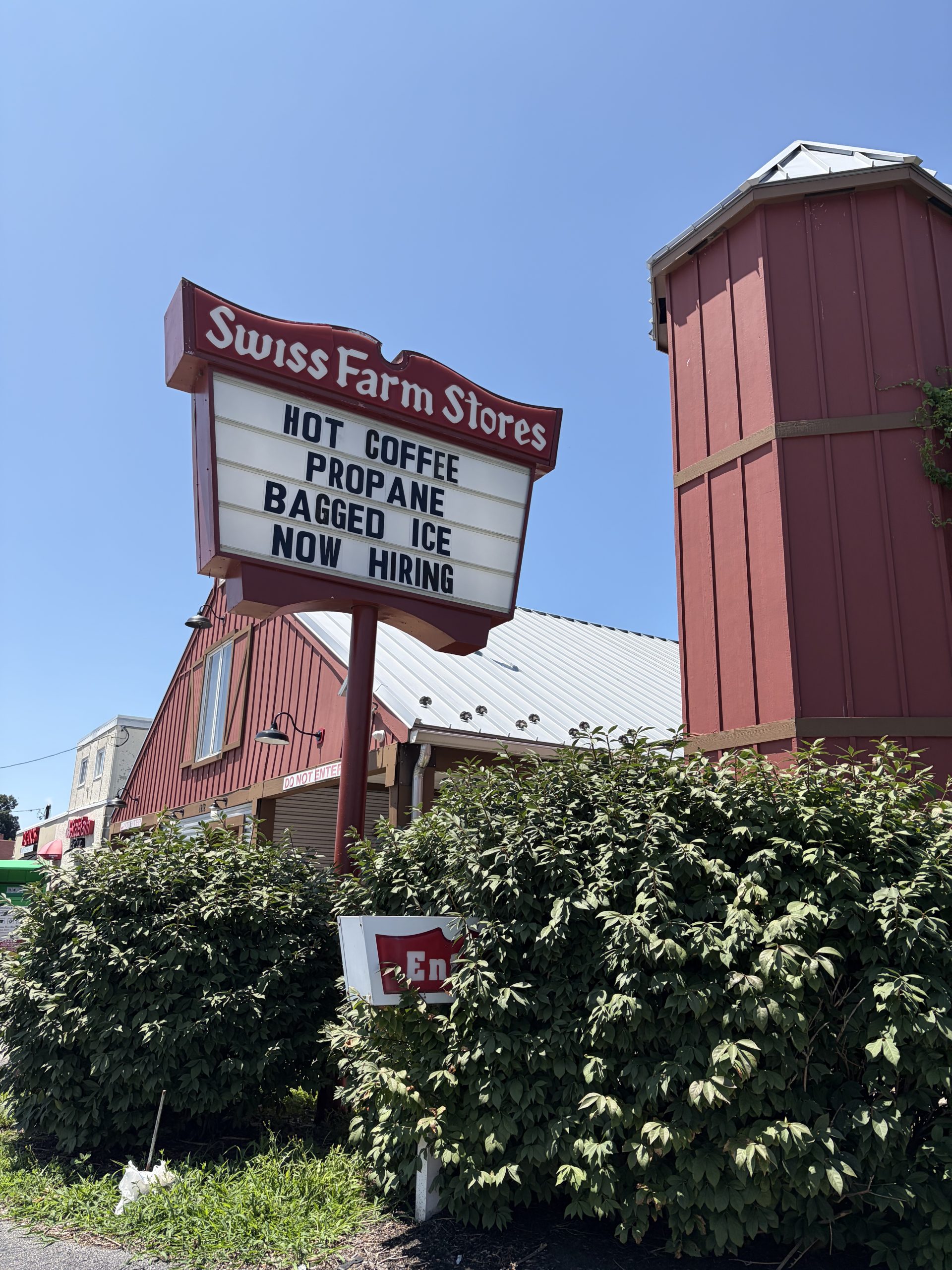
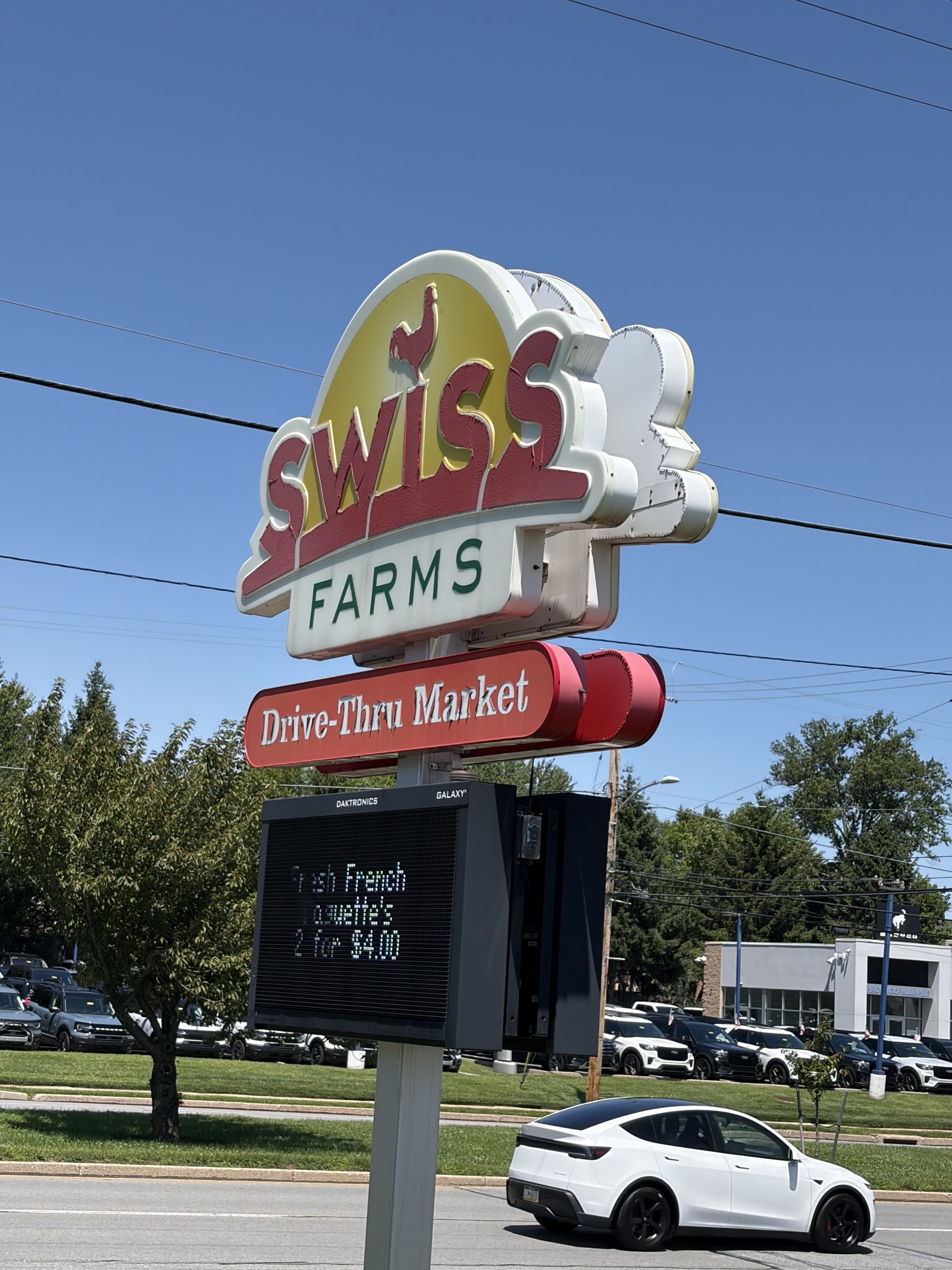
The new owner of Swiss Farm Stores, a Delco fixture selling dairy, groceries, and convenience goods almost as long as cross-county rival Wawa, is planning new stores with gas pumps in Delaware, Philadelphia, Montgomery, and Bucks Counties.
“We were neck and neck with Wawa, then they went into gas in 1996, and it revolutionized their business,” said Arsh Pola, a Drexel University graduate and gas station and convenience store operator, who bought the chain in stages after starting talks in 2022.
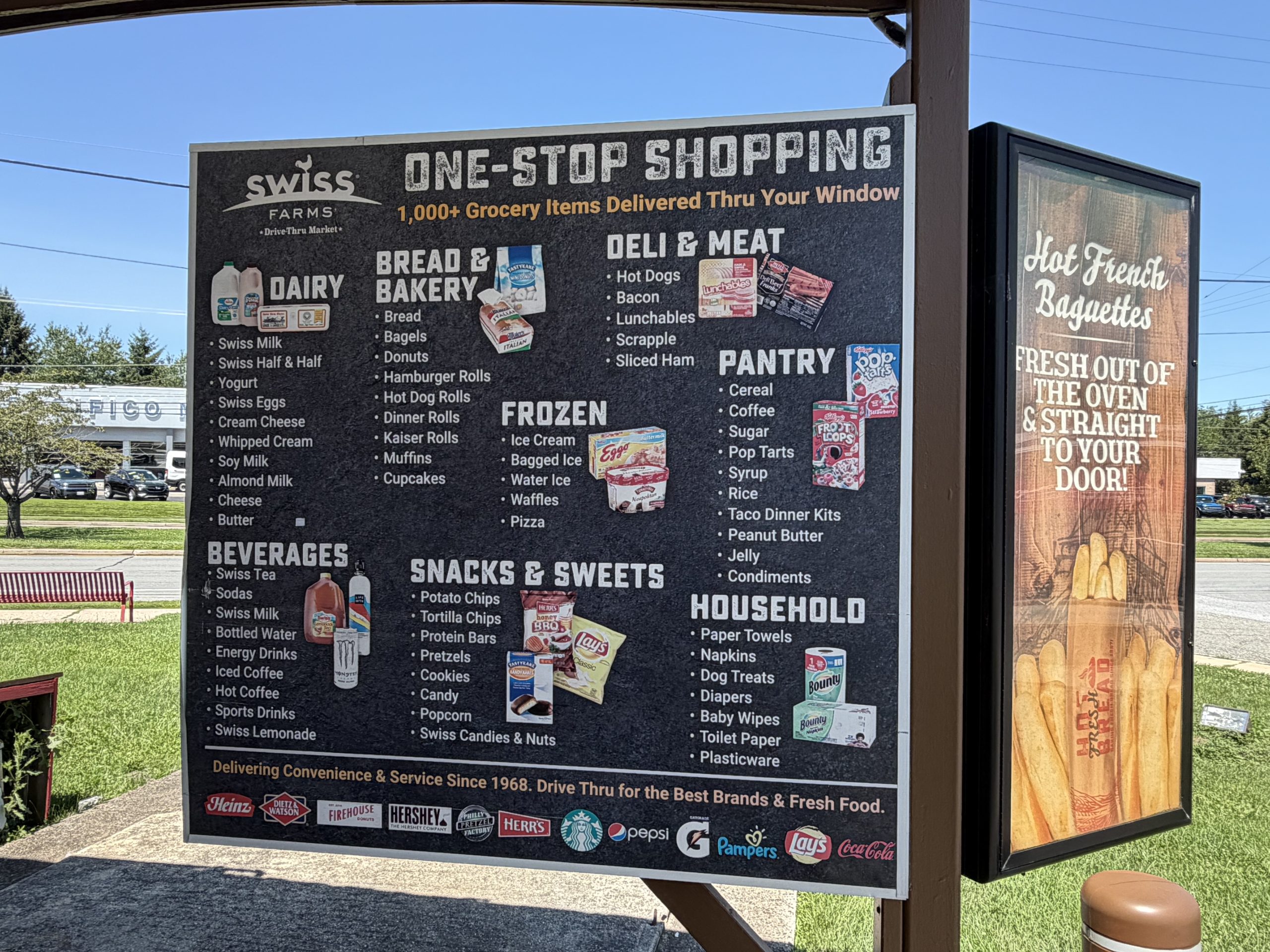
“It’s a beautiful business,” Pola said. Serving through drive-up windows from posted menus of hot and cold foods andpantry items, “we have a different customer from other stores: mom. We are serving local families milk and the things that built a cult following. We will add more of the right things.”
Side entrance at Swiss Farm Stores’ Drexel Hill, location.Joseph DiStefano
Pola’s vision to update Swiss Farm, which started in 1968, is fuel and an expanded menu.
Adding gas to a drive-up chain might not be a long jump for Pola, who owns gas stations, stores, and apartments in Philadelphia and Montgomery County.
The North Penn High School alumnus jokes that his retail focus in a family of professionals — engineer, pharmacist, dentist — makes him “a black sheep” but also tracks with his Gujarati immigrant grandfather, a teacher who saved his pay to buy a New England convenience store.
Pola began negotiating to buy Swiss Farm franchises in 2022, two years after Florida-based Farm Stores bought the company from Radnor-based MVP Capital and other investors.
Earlierowners tried and failed to grow Swiss Farms beyond Delaware County. When Pola realized the Delco-area franchises were the only stores still open, he bought one after another, starting in 2024, and then the parent company. He was financed by regional banks that also backed his gas station deals. The purchase closed June 30.
His plans rely on execution by Swiss Farm veterans, topped by Chris Gray, who worked 25 years at the company and rose to CEO before MVP let him go. Pola, now CEO, brought Gray back as chief operating officer.
Pola agreed to detail his plans for Swiss Farms to The Inquirer in interviews at the Broomall and Drexel Hill stores.
How did you get into retail?
When I was studying finance at Drexel [graduated 2019], I had the dream of working at Goldman Sachs. I became the youngest co-op at Goldman Sachs. And they quickly told me, ‘You get along really well with the clients.’
I started buying gas stations while I was still a student. I took Warren Buffett’s advice: ‘Buy something with a moat around it.’ Gas stations have a very strong customer cash flow that’s recession-proof.
I started with a former Liberty, up at Ridge and Manatawna. I wanted my own brand on the store. I called it Posh [with a crown over the P]. I ended up doing Marathons and Lukoils. I still have a few stations in Philadelphia and Montgomery County.
How could you afford to buy Swiss Farms?
Each gas station required a million-dollar investment. So I wanted to do a portfolio deal [buy several at once]. Everything was financed from the banks that knew me. They do 20-year mortgages.
Farm Stores’ goal was: ‘Let’s franchise!’ Wawa doesn’t franchise. Raising Cane’s CEO Todd Graves talks about this: You can’t control the quality of a franchise when you don’t own it.
I told Farm Stores, ‘You guys are 1,500 miles away. Let me buy it all.’
Sign at Swiss Farms’ Broomall, Delaware County store.Joseph DiStefano
What are the first few things you will add or take away?
The stores need a facelift. We won’t take away the silos, but [we’ll give them] a fresh look.
We always had employees in these black shirts. Now we’ve added six new colors, make it fun for the staff.
We just did an event with [former Eagle] Brian Dawkins. Everyone on his staff knew Swiss Farms and loves us.
How can you compete with large chains like Wawa and 7-Eleven that can purchase gas and food in bulk at lower costs?
I’m already in the gasoline business. I buy on the open market every day. I buy from the same [fuel suppliers] that sell to BJ’s and Sunoco. We are going to price gas the most aggressively we can.
Some costs you can cut. Swiss Farms had a consultant negotiating what were supposed to be the best trash rates. We cut that.
Swiss Farm Stores drive-up menu, July 2027Joseph N. DiStefa
Kathy Strimmel, who runs the Drexel Hill store, says she’s a longtime customer, who’s now been working there for a year. Is it hard to find people to work your stores?
It’s difficult to find quality talent. People don’t all have the same drive, or loyalty. We start at $10 to $12 an hour.
Your milk costs maybe a dollar more a gallon than the store down the street, why?
It’s good milk! People don’t say, ‘Can I get a gallon of whole milk?’ They say, ‘Can I get Swiss Vitamin D?’ And we share the cost for getting it into your car.
We do have the best prices on our iced teas. I don’t know why, but Delaware County has a reputation as the best iced-tea market in the country.
How many new stores are you planning?
Twenty-five in the next five years. We will find locations here in Delaware County, and we will enter Philadelphia, Montgomery County, and Bucks County. After that, we will grow organically, state by state, where it makes sense.
I respect Wawa. [Wawa CEO] Chris Gheysens said, ‘It took 60 years for us to get into six states; it’ll take six years to get into the rest.’”
Neck-downs, chicanes, bulb-outs: They sound like threats from a 1930s mobster, but all three are traffic-slowing techniques that could soon arrive on your Abington street.
The township will now allow residents to request traffic-calming measures under a new policy approved last week that requires traffic studies and majority approval from nearby property owners.
The new petition policy adds to over a decade of efforts to curb speeding in Abington, which was the first town outside of Philadelphia to begin installing red-light cameras in 2014. Abington police have said they saw a resurgence in violations after the department limited in-person traffic stops during the pandemic.
Which streets can get traffic calmers?
To qualify for a traffic-calmer application, a street has to average between 500 and 6,000 vehicles per day on three weekdays in a row and cannot be a major artery or an emergency route. Private roads and alleys aren’t eligible, either, and the road has to be at least 500 feet long.
There are other criteria too, depending on why the traffic-calming tool is needed.
If the issue is speeding, only roads where three-day traffic studies show that over 15% of drivers are going more than 10 miles above the speed limit will qualify.
If cut-through traffic on a sleepy street is the problem, the traffic volume has to exceed the expected level under a formula the township uses, either as a daily average or at its peak.
Who decides which roads get bumps?
There are two ways a road can be evaluated for traffic calmers under Abington’s new policy: a property owner’s petition, or the township manager’s request.
If the manager requests it and a traffic study shows the road meets the criteria, property owners “directly adjacent” to the proposed traffic calmers will get at least 30 days’ notice of the proposal, the traffic data for that road will be posted on the township website, and there will be a two-week public comment period on the plan.
If a property owner submits their road, the police will do a traffic study and ensure it meets the criteria, and then get approval from the township manager to proceed with a petition for approval from local residents. The property owner who filed the request has to get signatures from 60% of the directly affected home and business owners supporting the measure within 90 days.
If approved, the property owner would then pass around a second petition to get 60% to 70% approval from a larger group of affected residents for the specific traffic-calming device and its planned location within 90 days.
Ticketable speeding not as common as some Abingtonians think, traffic studies show
The traffic study alone may stop many proposals in their tracks, based on similar studies the township already does when residents complain about speeding.
Most studies on the township’s website from 2025 and 2026, spurred by complaints, found very few enforceable speeding infractions.
For example, an October 2025 study at the 500 block of Montgomery Avenue where the speed limit is 25 mph found zero enforceable speeding violations. The average driver was going 18 mph, with 85% going 21 mph or slower.
Many of the dismissed complaints were for roads posted at 25 mph, where going just 9 mph over is 136% of the speed limit.
But some complaints do reflect frequent, enforceable speeding violations: An August 2025 study of the 300 block of Shelmire Street next to Lawnview Cemetery found an average speed of 31 mph in the 25 mph zone, and about 10% of passing vehicles met the criteria for enforcement. The police department planned to add speed enforcement on that block, according to the report.
“Most of our residential streets tend to have 25 mph speed limits,” said Sgt. Michael Coughlin, the traffic safety officer who introduced the new policy at last week’s commissioners’ meeting. “In our experience, people tend to be a little more concerned about speeds where they live, which helps explain some of the complaints.”
What traffic devices could Abington add?
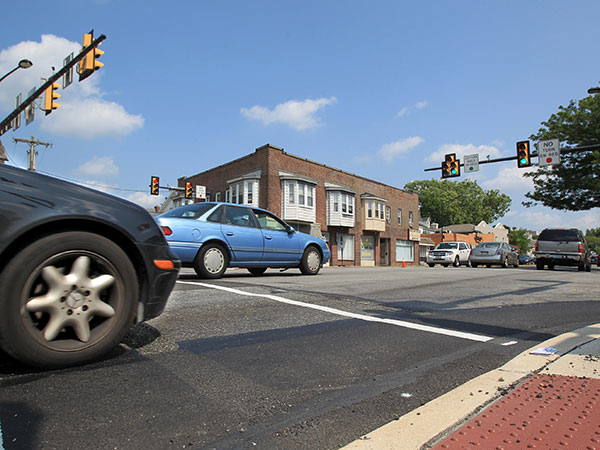
The traffic-calming measures mentioned in the policy include speed humps, roundabouts, road narrowing (called neck-outs), bulb-outs (extended curbs), and chicanes, which create artificial curves in the road with deflectors.
A chicane, or artificial curve, at Charlotte Motor Speedway in Concord, N.C., in 2018. AP
But there are downsides to some devices, township officials have noted at public meetings: Residents might win speed humps on their street, only to realize they now hear the sound of tires thunking over bumps thousands of times per day.
This suburban content is produced with support from the Leslie Miller and Richard Worley Foundation and The Lenfest Institute for Journalism. Editorial content is created independently of the project donors. Gifts to support The Inquirer’s high-impact journalism can be made at inquirer.com/donate. A list of Lenfest Institute donors can be found at lenfestinstitute.org/supporters.
A developer is looking to build a data center on a Superfund site. Jose F. Moreno / Staff Photographer
Like the plumes of dust rising from the site of what soon could become a data center in East Whiteland Township, concern rose in Malvern Hunt resident Kelly Donia as construction vehicles moved about it last month.
While the township has issued a stop-work order to assess the safety of the former Cyprus Foote Mineral Co. property, now a Superfund site, neighbors continue to express concern over the potential environmental impacts.
A 37-year-old Chester County man pleaded guilty last week to human trafficking and involuntary servitude after forcing two teenagers to work on a Kennett Square mushroom farm without pay. The Inquirer’s Vinny Vella has the details.
Expect detours and delays on certain roads as projects continue or get underway. Notable closures this week include parts of Route 1 (presumably for Task filming), a monthslong project in East Bradford Township, and stream bank stabilization in Malvern.
Oxford’s borough council is hosting a special meeting tonight at 7 p.m. to continue discussions about the future of its police department, with a possible vote on the table. The meeting will also be live streamed.
Franklin Township’s board of supervisors is holding a meeting Monday at 7 p.m. to discuss the future planned merger of the Avondale and West Grove Fire Companies, including their combined budget and interim governance agreement. Virtual attendees can also join via Zoom.
The Coatesville VA Medical Center will undergo a number of updates after receiving funds from Veterans Health Administration, including renovations to two buildings and a new roof on another.
East Goshen Township is launching a five-month composting pilot program in August for 50 households.
Penn Township is hosting a ribbon cutting today from 10 a.m. to noon for its new fitness court at Penn Township Park.
Phoenixville women’s boutique Refinery has expanded to a second location at 117 E. King St. in Malvern.
Ducklings Early Learning Center is expanding to Elverson, with its new location set to debut Monday. There’s a sneak peek event today from 4 to 7 p.m. Located at 4987 N. Twin Valley Rd., Ducklings Early Learning Center offers daycare and preschool programming.
🏫 Schools Briefing
West Chester Area School District had a 28% participation rate for student athletics during the 2024-25 school year, putting it among the highest in the region. Along with the Phoenixville Area School District, it spent over $1,100 per high school student on athletics, The Inquirer’s Maddie Hanna reports.
Coatesville Area School District has named Jennifer Becker assistant principal of Rainbow Elementary School.
Octorara Area School District has named Angela Regrut principal of Octorara Primary Learning Center.
The West Chester school district has appointed a supervisor of strategic initiatives and district partnerships. Katie Walker will begin in the newly created role in August.
🍽️ On our Plate
Goodness Bowls, which serves smoothies, bowls, juices, salads, and wraps, opened its newest location last week at 5 Paoli Plaza in Paoli.
A new ramen and Hawaiian barbecue spot opened recently in West Chester. Located at 124 E. Market St., Momoyama also serves fried noodles and rice, steamed buns, and dumplings.
Origami Asian Fusion recently opened in Exton. The BYOB serves sushi and Chinese dishes.
🎳 Things to Do
🎙️ Sound of Summer Free Concert Series: Wide-ranging cover band The Late Ambitions, which plays everything from the ‘50s to today, will perform. ⏰ Wednesday, July 29, 6:30-8:30 p.m. 💵 Free 📍 Anson B. Nixon Park, Kennett Square
🛍️ Phoenixville Vintage Fest: Browse vintage goods and listen to live music at this two-day event. ⏰ Saturday, Aug. 1 and Sunday, Aug. 2, 9 a.m.-4 p.m. 💵 Pay as you go 📍 Main and Bridge Streets parking lot, Phoenixville
🎆 Uwchlan Township Community Day: This celebration includes live music, food trucks, and kids activities followed by fireworks. ⏰ Saturday, Aug. 1, 4-9 p.m. 💵 Pay as you go 📍 Lionville Park, Exton
🎀 Legally Blonde The Musical: See a musical adaptation of the iconic Reese Witherspoon movie. ⏰ Thursday, July 30-Saturday, Aug. 1, times vary 💵 $20-$28 📍 Uptown! Knauer Performing Arts Center, West Chester
🇺🇸 Drone Show: Catch a patriotic drone show over West Chester. ⏰ Sunday, Aug. 2, 9 p.m. 💵 Free 📍 Downtown West Chester
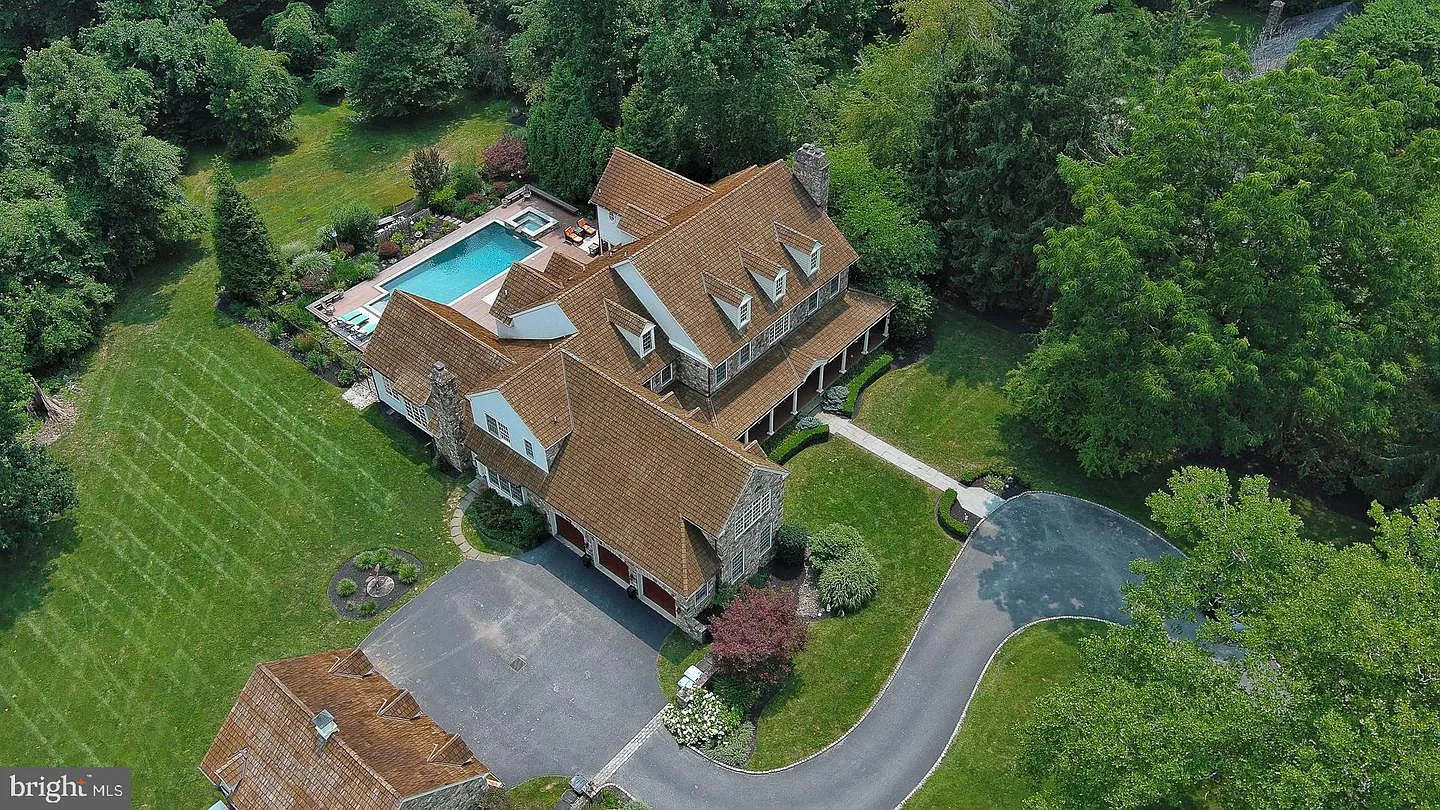
An aerial view of the home, which has a pool, spa, and detached garage.David Ocenas | Courtesy of Michael and Maribeth McConnell/Berkshire Hathaway Fox & Roach Realtors
Thanks to a classic design, this stone estate looks historic but has all the trappings of a modern home. Some of its features include a kitchen with high-end appliances and an oversized island, a butler’s pantry, and a family room with vaulted ceilings. The home has six bedrooms, including a primary suite with a fireplace and two walk-in closets. There’s also plenty of outdoor living space thanks to a three-season room, a large deck with a fireplace, and a pool and spa. There’s an open house tomorrow from 2 to 4 p.m.
By submitting your written, visual, and/or audio contributions, you agree to The Inquirer’s Terms of Use, including the grant of rights in Section 10.
This suburban content is produced with support from the Leslie Miller and Richard Worley Foundation and The Lenfest Institute for Journalism. Editorial content is created independently of the project donors. Gifts to support The Inquirer’s high-impact journalism can be made at inquirer.com/donate. A list of Lenfest Institute donors can be found at lenfestinstitute.org/supporters.
“This ruling supports the long-term health of our industry” in Pennsylvania, said CJ Ciarrochi, CEO and fourth-generation owner of Modern Mushroom Farms in Toughkenamon, Chester County, part of the Fresh Mushrooms Fair Trade Coalition supporting the case against the Canadians.
But one of the largest area growers called the decision a protectionist move that would enable aging U.S. farms to avoid upgrades and leave consumers with fewer choices.
“We sell our Canadian-grown mushrooms in the U.S. at a higher price than our U.S.-produced mushrooms — the polar opposite” of dumping, said Lewis Macleod, Kennett Square-based CEO of South Mill Champs mushrooms, which also has operations in Canada and Mexico.
(function(){function e(){window.addEventListener(`message`,function(e){if(e.data[`datawrapper-height`]!==void 0){var t=document.querySelectorAll(`iframe`);for(var n in e.data[`datawrapper-height`])for(var r=0,i;i=t[r];r++)if(i.contentWindow===e.source){var a=e.data[`datawrapper-height`][n]+`px`;i.style.height=a}}})}e()})();
Final decisions in September could impose penalties that boost U.S. grocery stores’ cost to buy Canadian mushrooms. The Commerce Department’s calculations suggest anti-dumping and countervailing-duties penalties, if adopted, could add 10 to 15 cents per $1 to the price of Canadian mushrooms exported by Champs, owned by Eos Partners of New York; Highline Mushrooms, owned by Japan-based Sumitomo Corp.; and Windmill Mushrooms, owned by Toronto-based Instar Asset Management.
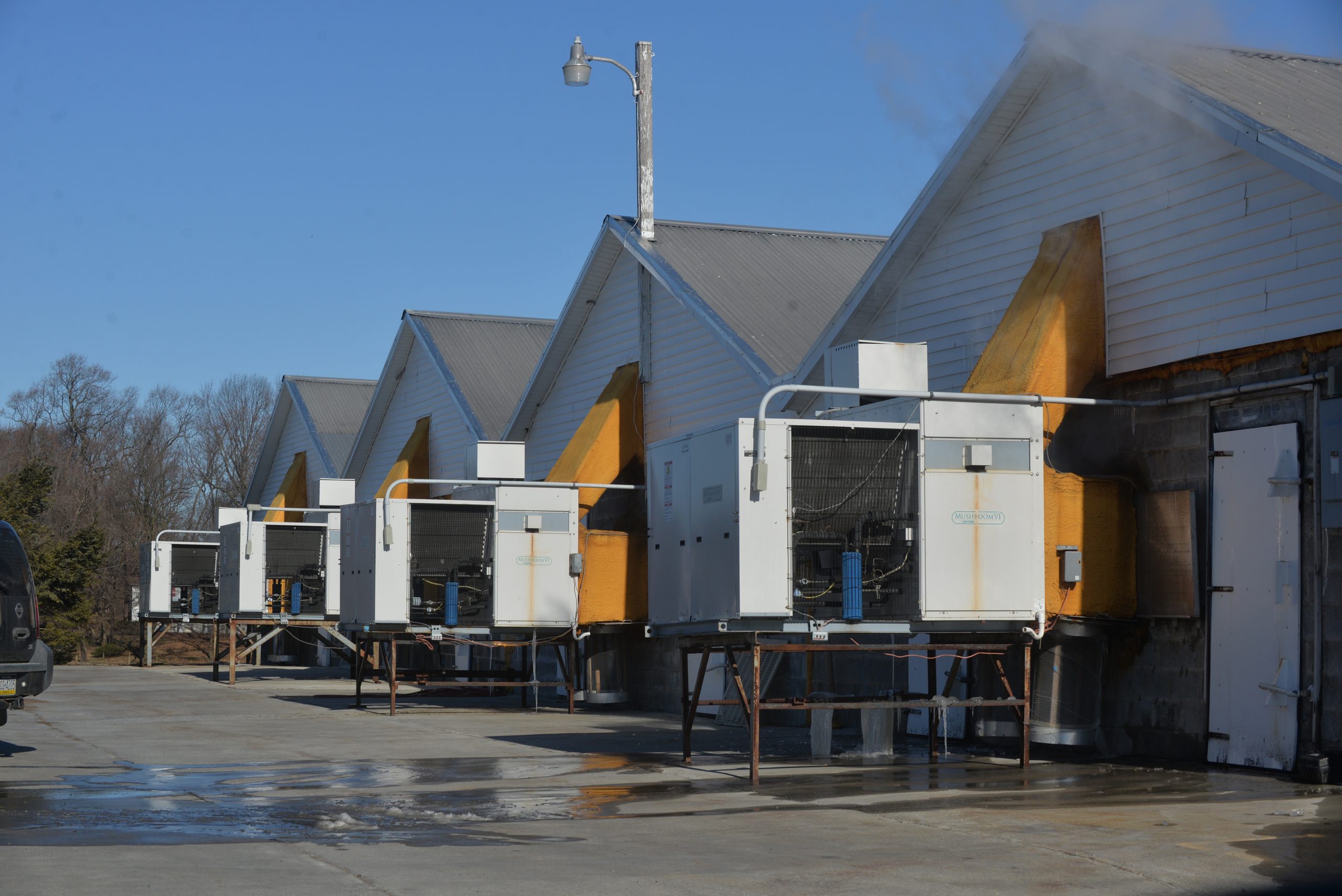
That would ease import competition for Pennsylvania growers, who produce more than two-thirds of the U.S. mushroom crop, mostlyin clusters of climate-controlled sheds in northern Berks County and southern Chester County.
At Modern Mushroom Farms, on Newark Road, Toughkenamon, Chester County, in 2020.Bob Williams For The inquirer
The Department of Commerce’s finding “is a win for fairness, competition and the future of American mushroom farming” and for “everyone to play by the same rules,” said Mark Currie, CEO of 99-year-old Giorgio Cos.’ food division, the largest of the coalition members.
Giorgio employs over 2,300 in Berks and Chester Counties and also buys from other growers such as Modern. Its corporate parent, Giorgi Global Holdings, is an international bottle and can maker with $5 billion in yearly sales.
While Champs’ Macleod predicted the Commerce Department’s final probes would find no dumping, Currie said he expects the review of sales records would find more evidence.
“We know the private-equity playbook: ‘Let’s drive the mom-and-pops out, jack prices, and then flip our companies” to outside investors and global companies, Currie said. “We called them on it. Enough’s enough.”
Sales to U.S. buyers peaked at around 1 billion pounds in 2019 but have since declined, according to the Mushroom Council,a national organization that promotes the crop. Canadian farms are gaining larger sales in a smaller U.S. market.
U.S. production peaked in 2015 at 811 million pounds and has fallen each year since, to 631 million pounds in 2025.
Fresh mushroom imports, mostly from Canada, have grown steadily since 2012, more than doubling to 208 million pounds in 2025.
The trade coalition says at least 10 U.S. mushroom farms have closed since 2022, including five in ChesterCounty and one in Berks County.
In its investigation, the Commerce Department compared the prices of premium-grade U.S. mushrooms to lesser-grade Canadian mushrooms and discounted low-priced U.S. mushrooms, Macleod said.
Canadian exports are winning U.S. customers not because Canadians are selling unfairly cheap but because Canadian farmstend to be new and efficient and grow an attractive product, he said.
Commerce began the investigation of alleged dumping and subsidies in January. The department’s latest finding follows its May “preliminary affirmative determination” that some Canadian mushroom farms were operating with an effective Canadian government subsidy of up to 5%.
South Mill Champs built an additional plant in 2023 in Chester County’s Elk Township, near the Maryland border, and now directly employs around 400 in the county, according to Macleod.
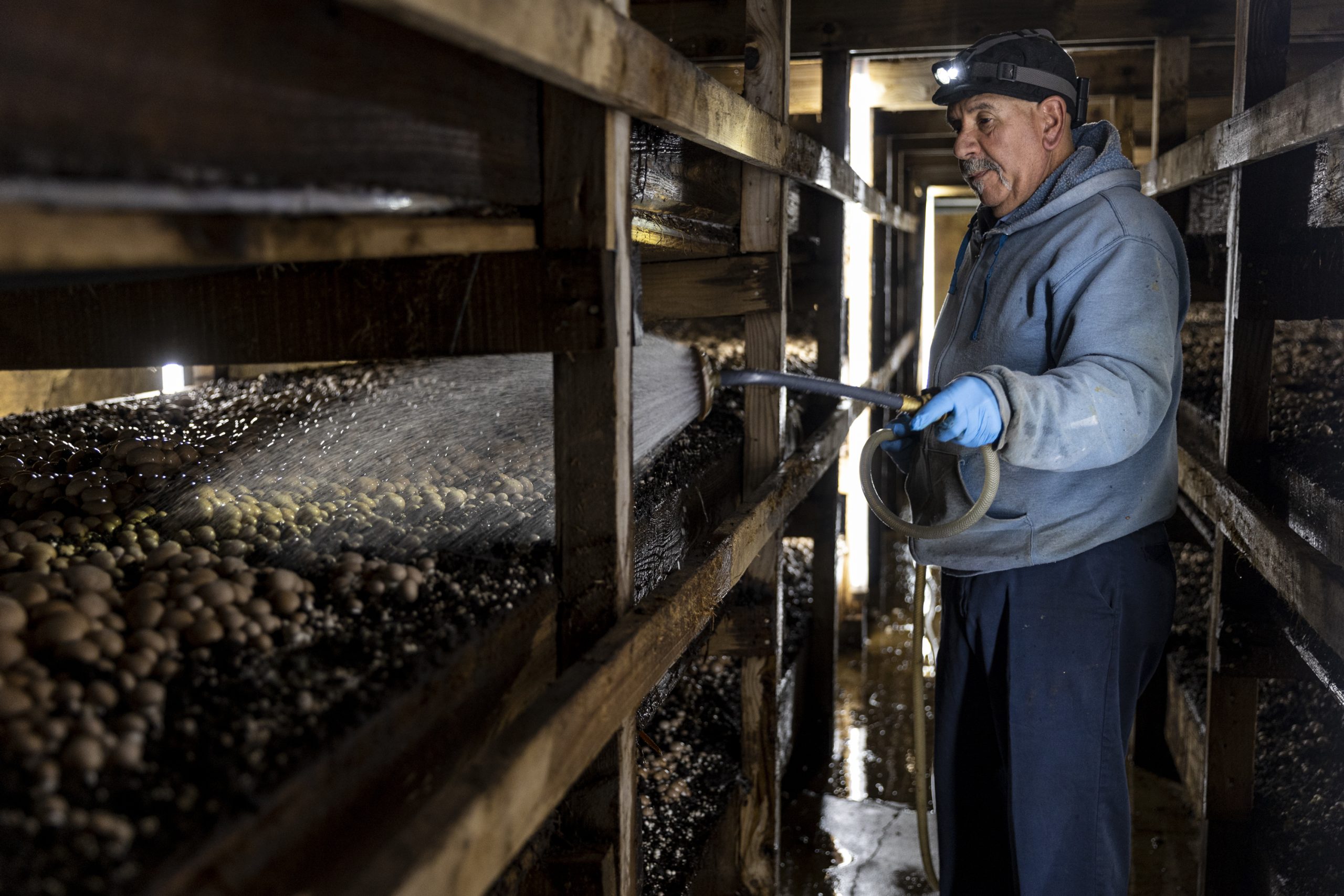
A worker is watering Crimini Mushrooms being grown at The Woodlands at Phillips Mushroom Farm in Kennett Square in 2022.Tyger Williams / Staff Photographer
The company also has added mushroom production near Winnipeg, Manitoba, and is building in Mexico’s Guanajuato state. It has a processing plant in Cambridge, Md., and has diversified into mushroom-based snacks and fruit storage and distribution.
Rival Giorgio has a joint-venture plant in Saltillo, northern Mexico, which has been selling to Mexican and U.S. buyers since the 1990s.
Many of Chester County’s Mexican mushroom workers are from Guanajuato. Thousands gained legal resident status and a path to citizenship in President Ronald Reagan’s 1980s amnesty program. Many have raised families and started businesses in the county. Nearly half Kennett Square’s population is Latino, according to the U.S. Census’ 2025 estimates.
Mario Gomez, of West Grove, cooks white mushrooms in butter, garlic, and salt to give out as free samples during the annual Mushroom Festival in Kennett Square in 2023.Tyger Williams / Staff Photographer
In recent years, growers have had more difficulty obtaining U.S. work permits for workers from other countries.
Miguel Morales, a Guatemalan labor contractor who served as employer of record for nearby Chester County mushroom growers from his base at an Oxford convenience store, was convicted in federal court in Philadelphia last year of hiring unauthorized workers and failing to collect and pay taxes for some of them. He was sentenced to a year in prison, plus $8 million in restitution to the IRS. The growers were not charged.
South Mill Champs’ Macleod said he and his neighbors, though they differ on trade and sanctions, all support efforts by the American Mushroom Institute to expand legal status for immigrant farm laborers.
But with government restrictions on labor growing instead of easing, he said, “we have had to limit our expansion in the U.S., owing to challenges with labor availability.”
Macleod says the key to the U.S. mushroom industry’s survival and growth is automation.
The “distraction” of the trade dispute has delayed South Mill Champs’ proposed investment in a new, fully automated mushroom farm at its Oxford facility, where there’s room to triple the size of the current facility, he said.