Blog

  • Financialization of farmland: How farmers are staying afloat as crop prices plunge

    Financialization of farmland: How farmers are staying afloat as crop prices plunge

    When 36 acres of pristine northwest Iowa farmland came up for auction in December, Bob Wassenaar knew he had to have it. Plots in this region rarely go on the market, and the land — with fertile soil and gentle slopes for drainage — is only a mile from a feedlot that he used to own and has since passed down to his sons.

    But competition for the land was fierce. Four other bidders quickly pushed up the price at the auction. The $1.13 million Wassenaar ultimately paid is considered to make it the most expensive sale of Iowa farmland, on a per acre basis.

    He never had any intention to grow and sell crops. Since buying the land, he has rented it out to his sons to grow more feed for the cattle that they fatten.

    “If you are just going to buy that land and crop farm, no, it won’t work,” Wassenaar said. “It don’t add up.”

    As agricultural costs rise and the prices for corn, soybean, and other cash crops fail to keep pace, farmers are increasingly treating their land as real estate investments, focusing on the value of the soil — not what can be grown from it.

    Traditionally, the value of farmland was mostly based on the profitability of its crop production, said Rabail Chandio, an assistant professor of economics at Iowa State University. Now many owners treat farmland as a separate asset, she said, divorced from the crops grown on it, instead of a farm input, like seeds and fertilizer.

    Call it the financialization of farmland. It is keeping land values high and helping to stave off waves of bankruptcies and collapses that plagued American agriculture four decades ago, when farmers also faced dire economic conditions.

    Most American crop farmers will lose money in 2026, the third straight year of losses. Farm income is down and debt is increasing, according to the Agriculture Department. Farm loan delinquency rates have ticked up, the Federal Reserve Bank of Kansas City found.

    At the same time, land value is on the rise. The Agriculture Department says the value of cropland has risen a whopping 47% since 2020.

    Some of the most valuable land is in Iowa, which averages $10,700 an acre, federal data show, compared with the national average of $6,020.

    Mark Zomer was the auctioneer of the plot that Wassenaar bought, and he sells much of the farmland in northwest Iowa. Two-thirds of his sales are to nearby farmers looking to add to their portfolio. But he estimated that up to a third of sales are to investors, who then rent the land out to local farmers. (The share of investors would probably be higher if not for Iowa’s restrictions on corporate ownership of farmland.)

    “They realize it is a 1 or 2% return,” Zomer said. “Sometimes it is a 5 to 6% return. They like the steadiness.”

    While some farmers are struggling to generate enough operating capital to pay for day-to-day expenses, the agricultural economy is staying afloat because of the equity they have in their land. Farm bankruptcies were up 16% in the first half of 2026 compared with the first half of 2025, according to Epiq AACER, a bankruptcy data provider, but are still on a pace to be lower than the number of farm bankruptcies in every year of the 2010s.

    “I feel like Chicken Little. I keep expecting the ag economy to tank, with this extended run of losses and persistently high land prices, and it keeps rolling along,” said Austin Peiffer, an Iowa bankruptcy lawyer.

    Today, 84% of Iowa farmland is owned debt-free. At the beginning of the 1980s farm crisis — when many farmers faced annual interest payments that exceeded their crop revenue and the rate of farmer suicides soared — the figure was only 62%.

    Farmers then tended to have smaller plots and were more indebted, so when crop prices fell precipitously, catastrophe followed. More than 200,000 farms across the country went bankrupt, were foreclosed on, or had their operations restructured in the 1980s.

    “A lot of the family farms have been wiped out,” said John Rigler III, the president of Peoples Bank, one of Iowa’s largest farm lenders. “All the smaller little guys are out of the business.”

    Wassenaar, 82, was almost one of them. As a younger farmer in the 1980s, he said, he had to walk away from 40 acres of land he owned and allow the bank to repossess it. When he recovered financially, he resumed buying land. He says property he paid $3,000 per acre for 25 years ago is now worth more than $25,000 per acre.

    He now owns about 1,100 acres.

    Farmland as an investment is nothing new. Chandio traces the first big financialization of American farmland to the end of World War I, before the Great Depression brought much of the investment to a halt.

    Institutional investors looking for stable, inflation-resistant returns have led the recent waves of investment, first after the 1980s crisis and then after the financial crisis of 2007 to 2009. Today, it is logistically and financially easier than ever to invest in a few huge farms and outsource their management.

    “Each boom and bust, each wave of institutional capital and each improvement in management slowly turned farmland into a modern, financialized ‘real asset,’” Chandio said.

    Only about 1% of agricultural land in the Midwest comes up for sale a year, which can help explain why bidding for it is so fierce.

    “These farms don’t come up for 100 years or more,” Rigler said. “These guys are notorious for ‘overpaying.’ You say they overpaid 10 years ago, but that is a fair price today.”

    Even when buyers of land are nearby farmers and not out-of-state investors, they tend to be older and wealthier farmers, like Wassenaar, whose holdings are worth millions of dollars.

    The Gesink family, which owned the land Wassenaar bought in December, farmed it for decades before finally selling it for inheritance planning purposes. When the land went to auction, bidding began at $20,000 per acre — double the state average, and more than triple the country’s. By the time he outbid his competitors, Wassenaar paid $32,000 an acre.

    Being so close to the feedlot means lower trucking and equipment costs for his sons, which was one of the things that attracted him to the land.

    The federal government also plays a large role in increasing land values. The Agriculture Department estimates it will spend more than $44 billion on direct payments to farmers this year, and the Trump administration is seeking $11 billion more. Research from Ming Wang, an agricultural economist from North Dakota State University, found that about 45% of every dollar spent on commodity programs — which pay farmers when crop revenue or prices fall — ends up as higher cropland rent over time.

    In essence, the government subsidy becomes permanently baked into the land’s rent, and therefore value, propping it up. “Any subsidy like that just kicks the can down the road and distorts the free market,” Rigler said.

    This article originally appeared in the New York Times.

  • She borrowed $11,000 from her 401(k) to transform a ‘total dump’ in South Philly | How I Bought This House

    She borrowed $11,000 from her 401(k) to transform a ‘total dump’ in South Philly | How I Bought This House

    The buyer: Tessa Maropis, 29, property manager for her family’s realty business in Texas.

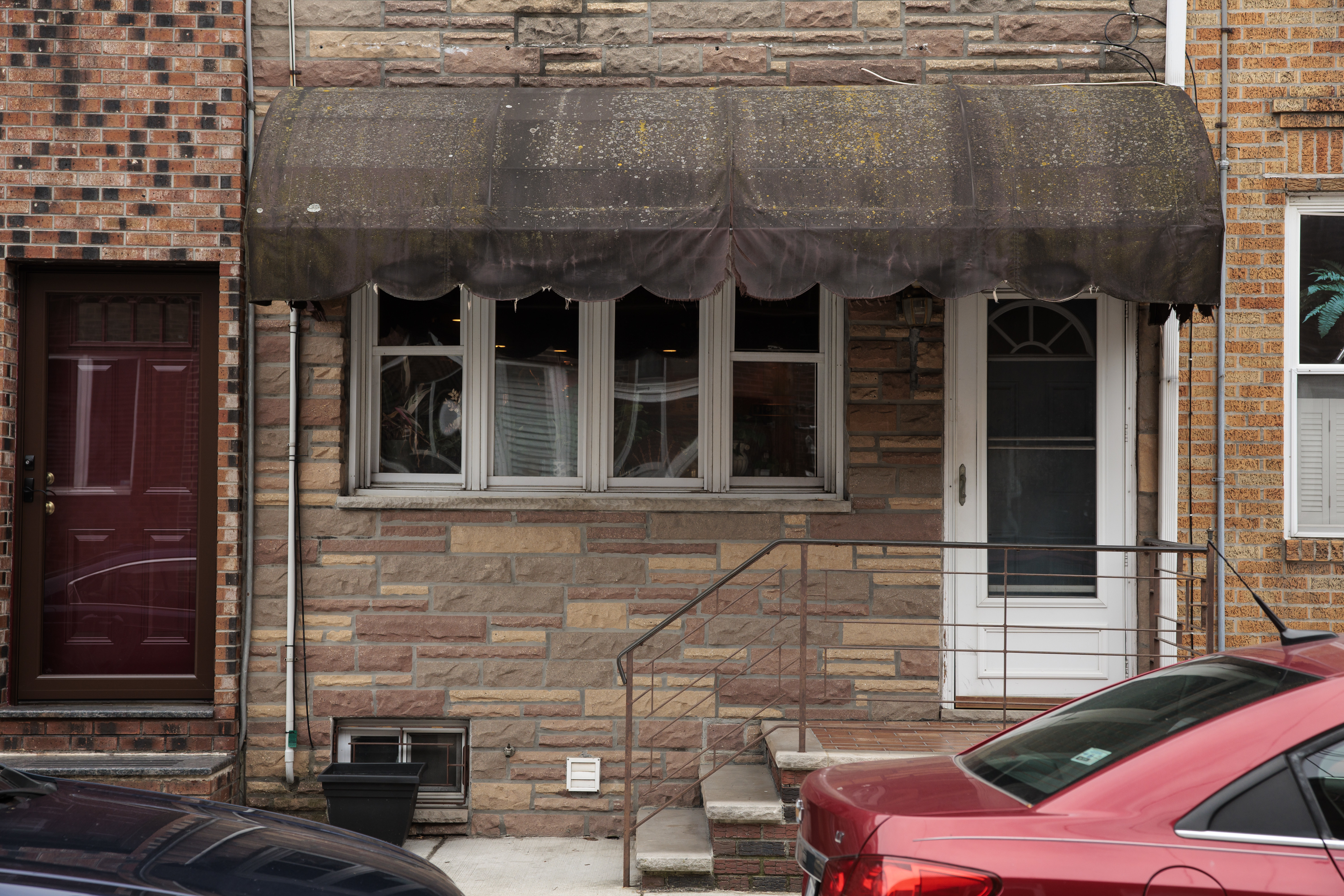
    The house: An 896-square-foot rowhouse in South Philly with three bedrooms and one bath built in 1923.

    The price: Listed for $280,000; purchased for the same.

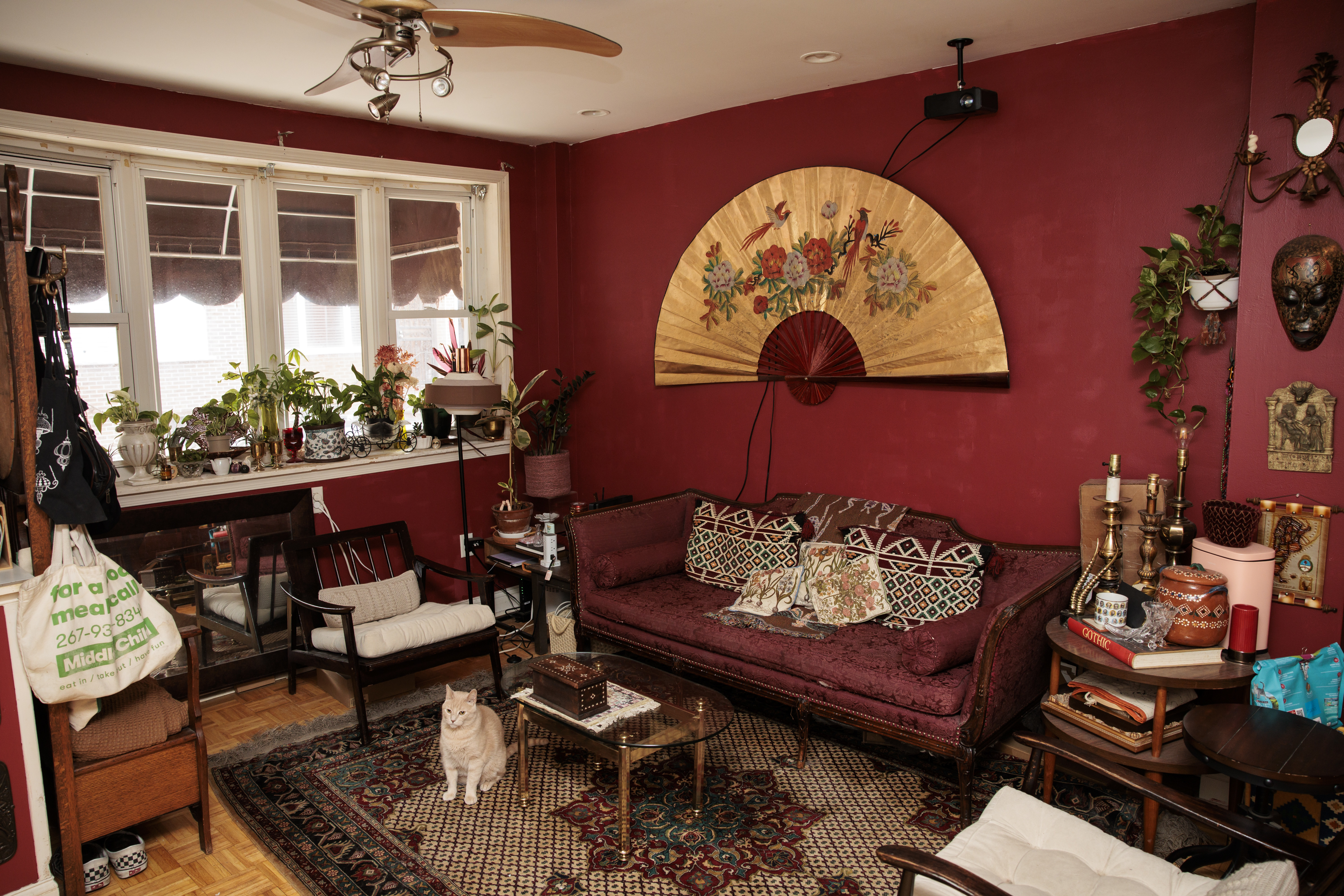
    Maropis knew her mahogany and silk couch would fit perfectly in the living room. Monica Herndon / Staff Photographer

    The agent: Salvatore Emma, Exit Elevate Realty.

    The ask: Maropis moved to Philly from Austin, Texas, in 2022 for a job, bringing her then-boyfriend with her. They signed a 15-month lease in South Philly but broke up after five months. Then they kept living together.

    When the lease finally ended, Maropis wanted to start fresh. She hoped to find a rental with a bathtub and a private outdoor space that retained its original details. She didn’t want millennial gray or a sleek Ikea remodel.

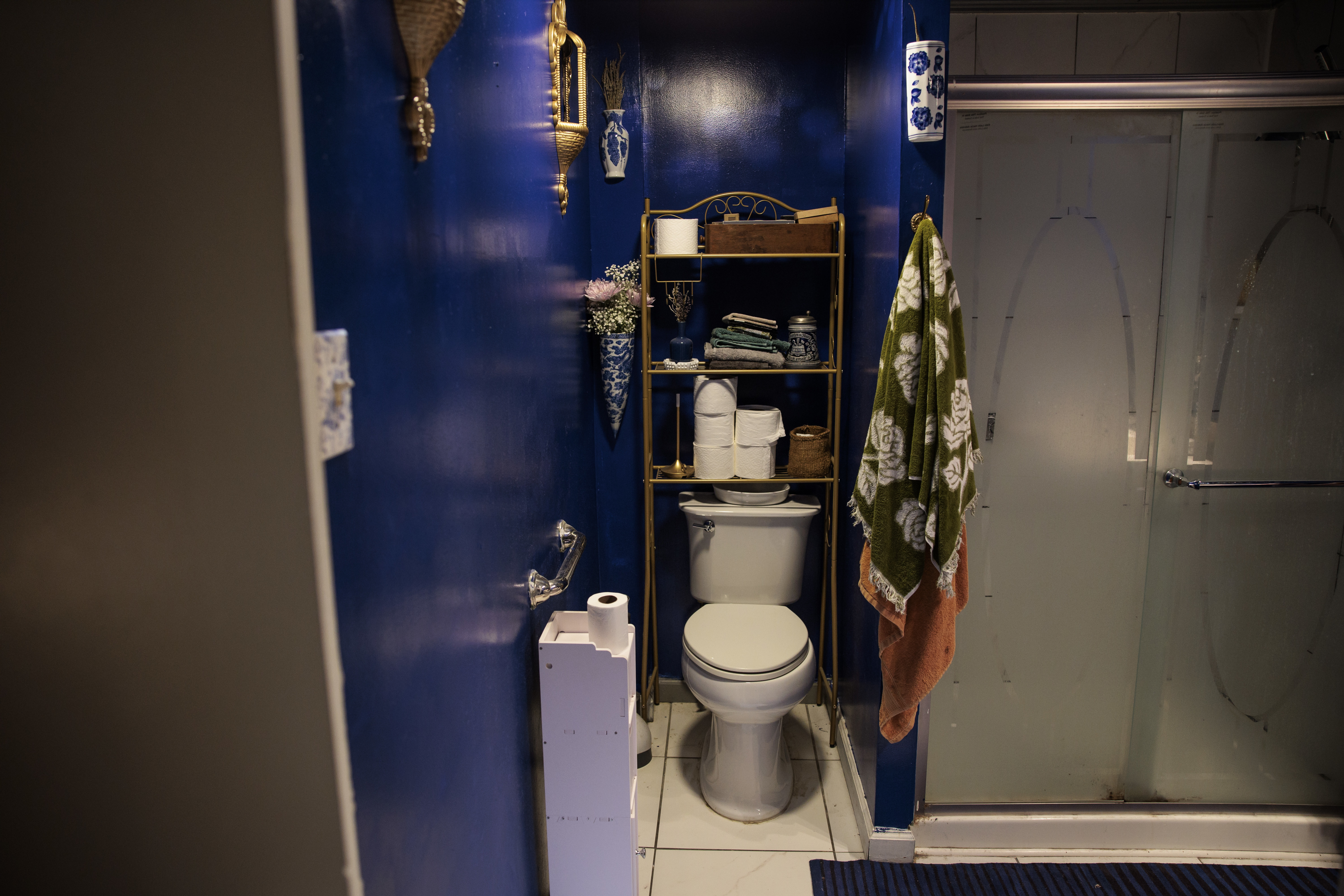
    The bathroom at Maropis’ house. Monica Herndon / Staff Photographer

    She also knew she wanted to stay in the 19147 zip code. A frightening incident had left her committed to the area: Two weeks after arriving in the city, Maropis was drugged at a bar and left near her house, she said. A good Samaritan found her and drove her safely home, unharmed.

    “As much as something terrible happened,” she said, “it showed me how surprisingly gentle and kind the community here was.”

    Maropis said she “lucked into the best community” in South Philly. Monica Herndon / Staff Photographer

    The search: Maropis had bad luck on the rental market; the apartments she liked kept getting snapped up. As her search dragged on, she found what seemed like a perfect house, but the owners were offering only a short-term lease because they planned to sell soon. Not wanting to move immediately, Maropis looked into buying the house. She prequalified for a mortgage but didn’t have enough cash to make the monthly payments affordable.

    It dawned on her that buying could be a real option if she found a less expensive place.

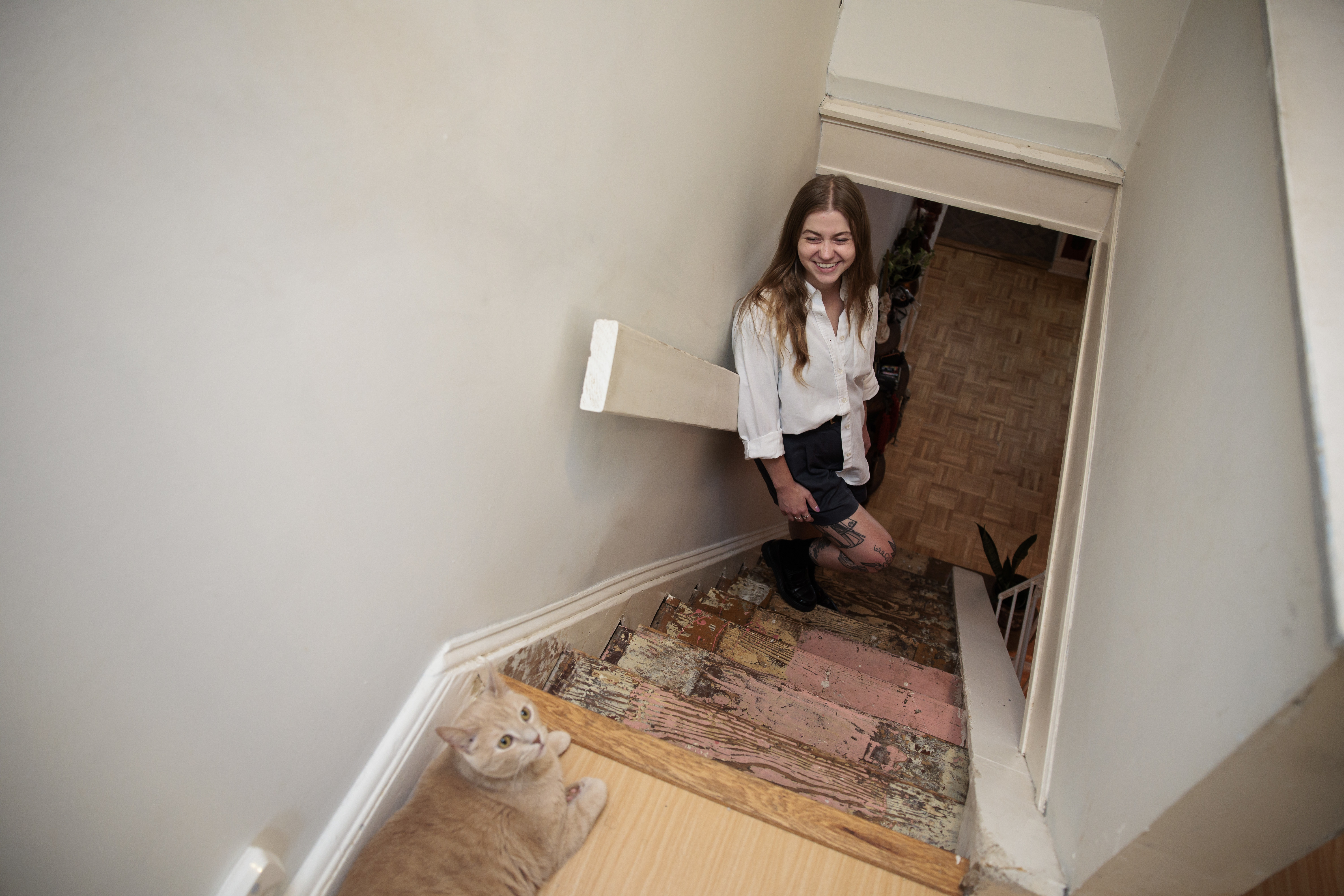
    The appeal: The first house her agent showed her had attracted little interest. It was filthy; the stairs and second floor hallway were covered in poorly maintained blue shag carpeting from the 1960s, and there were holes punched in the smoke-stained walls.

    Maropis especially loved the original bamboo parquet floors in the living room. Monica Herndon / Staff Photographer

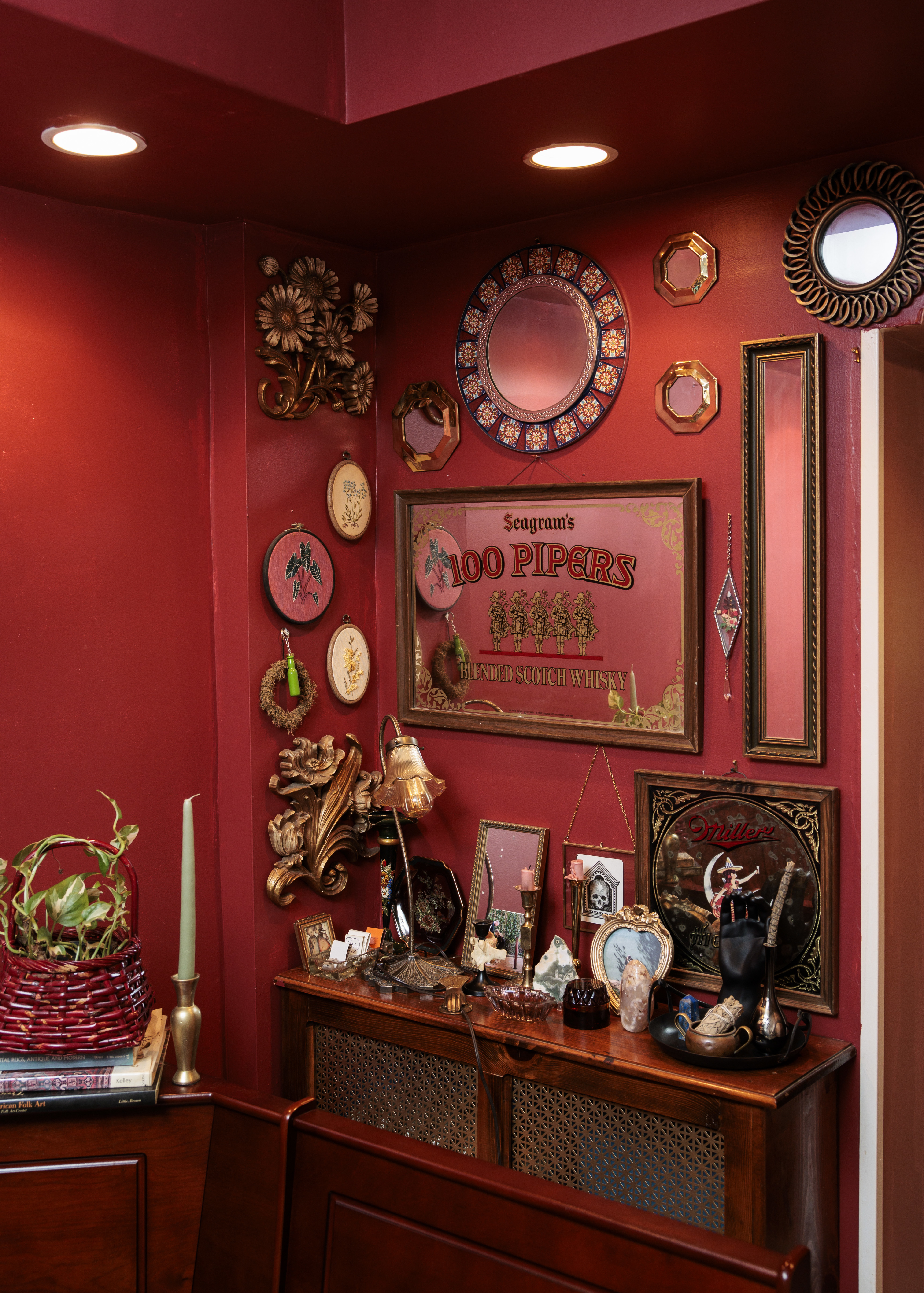
    “It was a total dump, so every person who looked at it hated it,” Maropis said. Yet right away she loved the wooden radiator covers, which looked like Victorian mantelpieces with brass grates, and the bamboo parquet floor in the living room. She could already picture a place for her mahogany and silk couch.

    She had grown up fixing houses, and she thought she could manage about 99% of the problems herself.

    “It had great bones and just needed somebody to love it a little bit,” she said. “The first time I toured it, I had a little tingle of the feeling that maybe I could actually live here.”

    The radiators have wooden covers with brass grates. Monica Herndon / Staff Photographer

    The deal: From the outset, Maropis knew she was in a good position to negotiate because the owners wanted to sell quickly. Her agent was in the same brokerage as the seller’s agent, so they were both incentivized to make it work.

    Maropis describes the stairs as the bane of her existence. Monica Herndon / Staff Photographer

    She also had leverage because of the state of the house. The inspection revealed lead pipes in the basement, a furnace that was leaking carbon monoxide, and a foundation partly chewed through by termites.

    The house had a reverse mortgage so the sellers did not want to budge on the purchase price. But Maropis negotiated a $15,000 seller’s assist, which went partly toward her closing costs and partly toward her down payment. She visited twice more before deciding to buy.

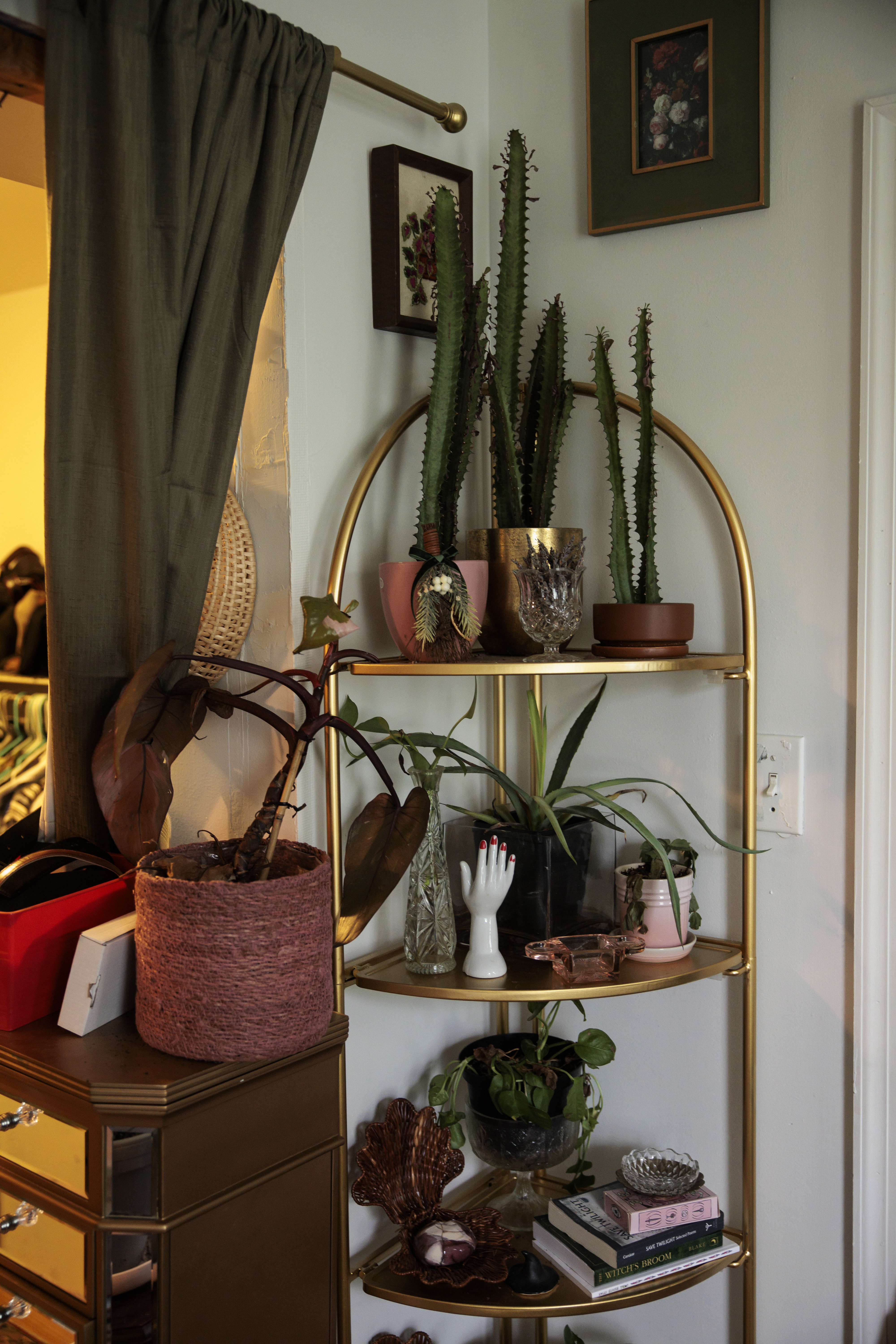
    Plants fill a corner shelf. Monica Herndon / Staff Photographer

    The money: Maropis’ decision to buy was clinched when she learned she could withdraw money from her 401(k) to put toward her down payment. For three years she had been working for the consulting company GLG, contributing 7% of her salary to her 401(k), with an equivalent company match.

    “I always considered my 401(k) Monopoly money because I don’t really think my generation will ever be able to retire,” she said. She ultimately withdrew $11,000 from her retirement account to buy the house.

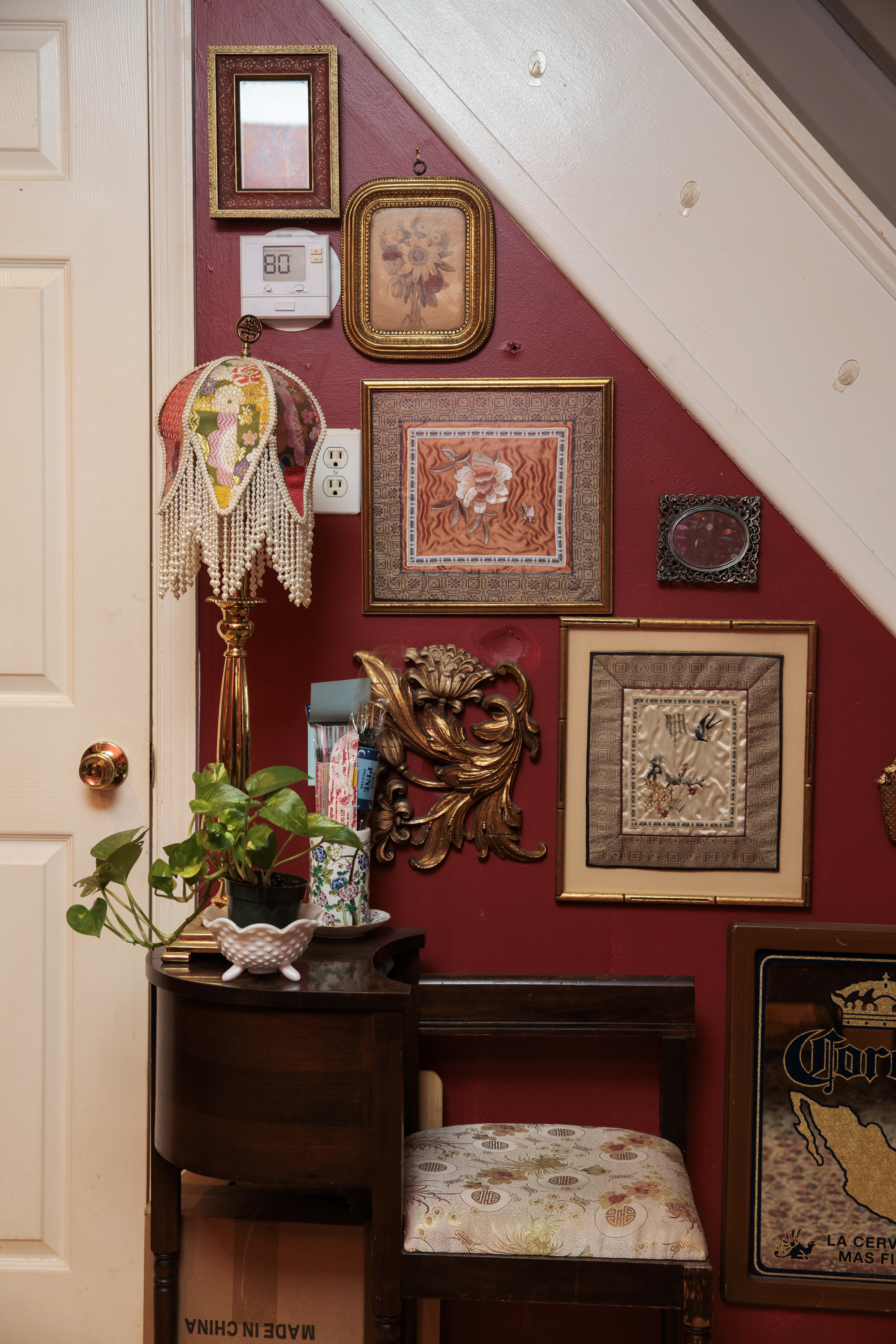
    Maropis described her style as Victorian modern; she felt the house had an “old-school feel.” Monica Herndon / Staff Photographer

    She then used her end-of-year bonus to put down an additional $5,000, bringing her down payment to 6%. She secured a Federal Housing Administration (FHA) loan for the rest, with an interest rate of 6.2%. Because of the seller’s assist, she paid only $2,100 in closing costs.

    She wanted to keep her monthly costs under $2,000, but ended up paying $2,200 per month until she refinanced in winter 2024, bringing her monthly payments down to $1,800.

    The move: Maropis closed on the house at the end of March 2023, two days after her 26th birthday.

    She moved in two weeks later, with the help of Broad Street Movers and her dad, who had flown in from Texas.

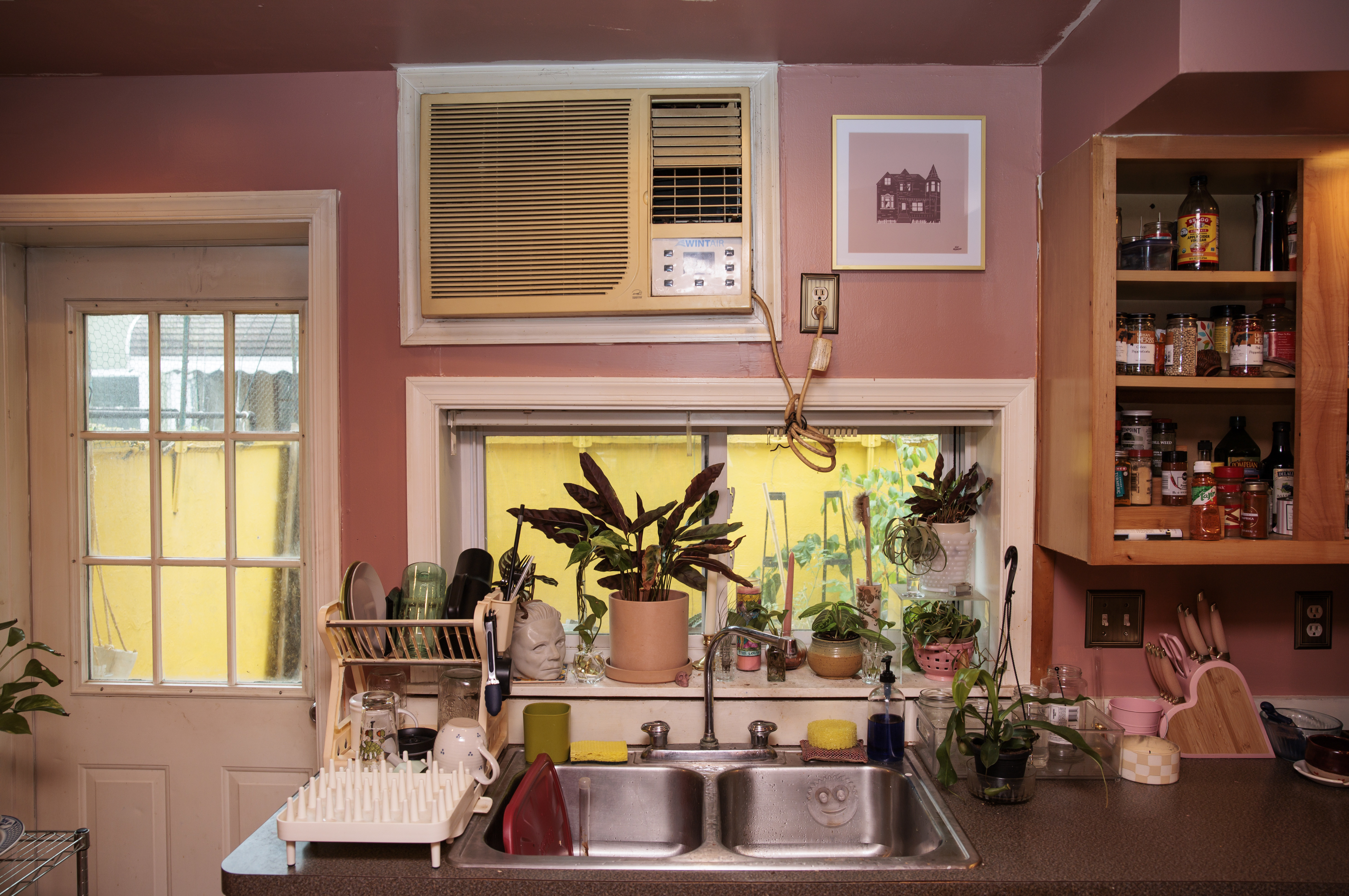
    Maropis said her next project is a renovation of the tiles, countertops, and appliances in the kitchen. Monica Herndon / Staff Photographer

    Life after close: Maropis’ life as a homeowner began with hours of scrubbing. She hired a contractor to tear out the carpets and replace them with luxury vinyl plank, but he did a shoddy job, and the vinyl is already peeling.

    Three months after moving in, she was laid off, which scuttled some of her financial plans. She had aimed to pay back her 401(k) from her salary that same year but instead owed a small tax penalty.

    Still, she’s thrilled with her home and the community it brought her. Her now-husband moved in with her in 2024, and they share two cats, Daddy and Little Cat. Grumpy’s Tavern is nearby, and she says the dive bar regulars are like her neighbors.

    Her next big project will be renovating the kitchen, replacing the counters, tiles, and appliances.

    “The progress of this house,” she said, “is one of the things I absolutely love the most.”

    Did you recently buy a home in the Philadelphia area or South Jersey? Share the story of how you did it. Email Inquirer real estate reporters at properties@inquirer.com.

  • How to have a perfect Philly day, according to State Senator Nikil Saval

    How to have a perfect Philly day, according to State Senator Nikil Saval

    State Sen. Nikil Saval’s favorite glimpse of Philadelphia comes at dawn, on the return leg of his run across the Ben Franklin Bridge. Lately, he’s been listening to Lizabeth Cohen’s 2019 book Saving America’s Cities along the way.

    “It feels like you’re experiencing the city at a moment of total possibility,” Saval, 43, said.

    Saval was a journalist before he was a politician, writing about architecture and design for the New York Times and the New Yorker and publishing Cubed: The Secret History of the Workplace, a book about the evolution of white-collar work.

    When he first ran for state Senate in 2020, the New York Times dubbed him the “N+1 candidate,” a reference to his time as co-editor of the Brooklyn-based literary magazine. (He remains on its board).

    Now, the Democratic Socialist represents the Pennsylvania Senate’s 1st District, stretching from the Philadelphia International Airport across South Philly up to Port Richmond. He is perhaps best known for sponsoring the state’s Whole-Home Repairs program, which funds homeowners to repair and adapt their homes and served as a model for a federal pilot program that became law last month.

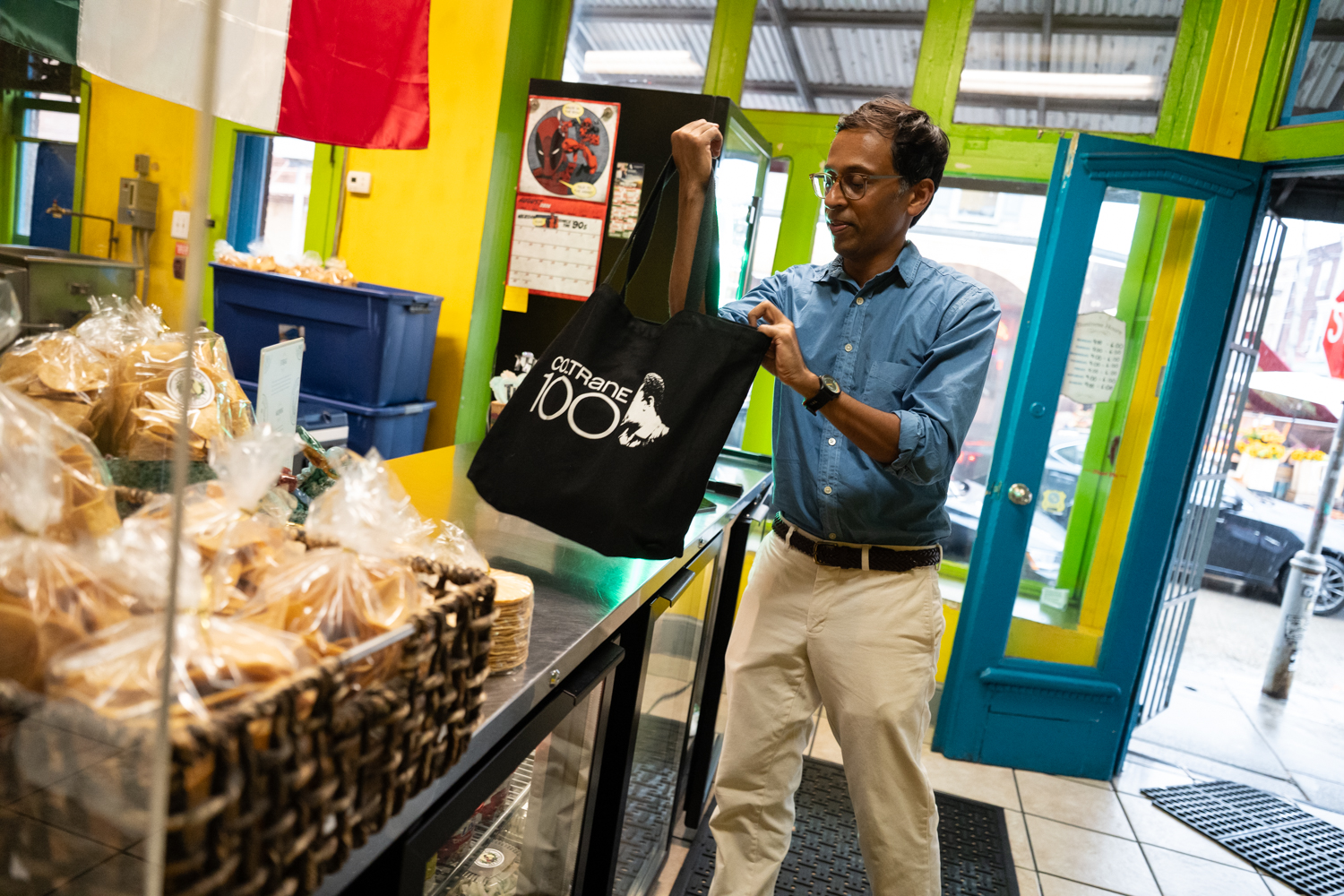
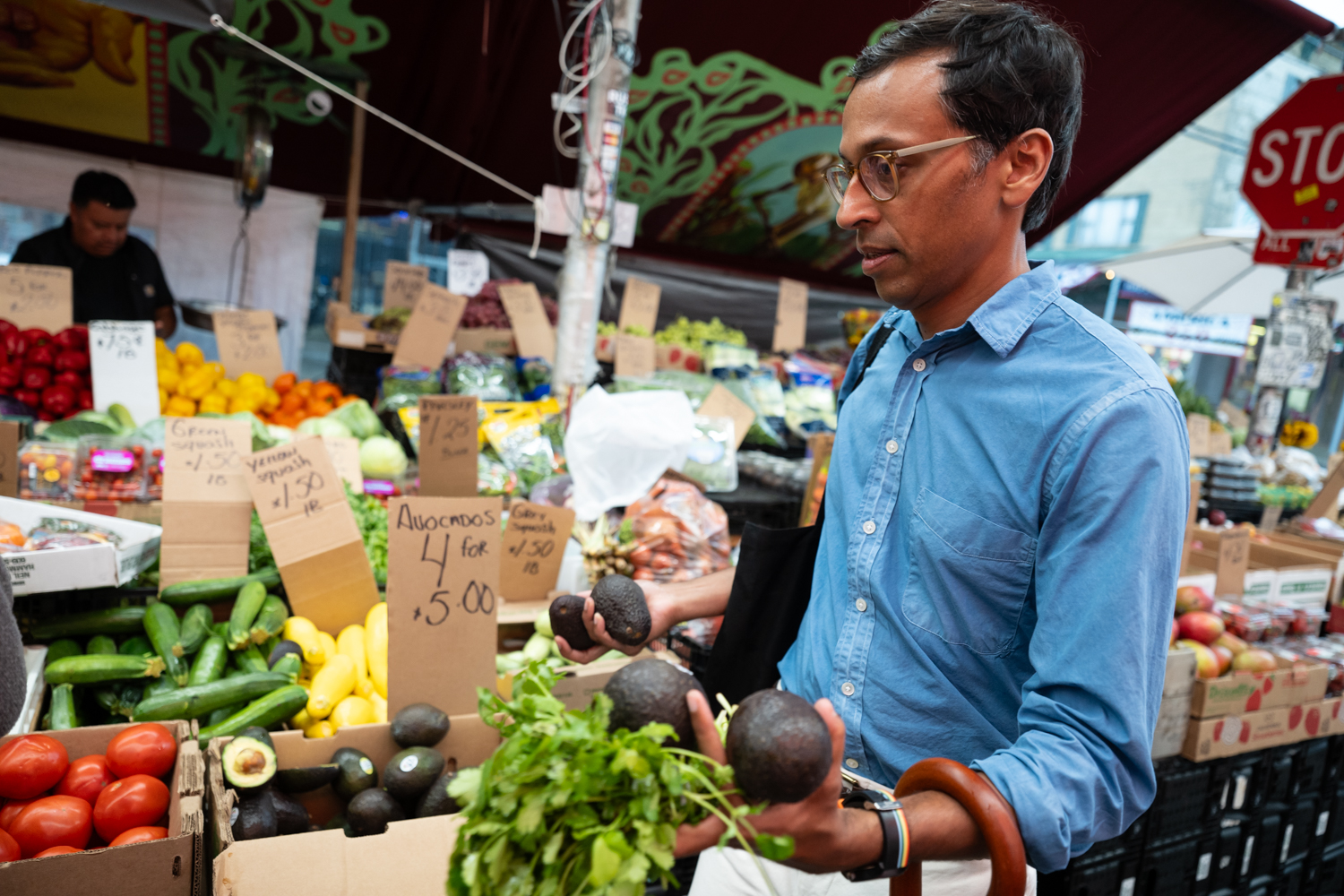
    He lives in the Italian Market with his wife and two young children. On his perfect Philly day, he buys fresh tortillas, strolls down Fabric Row, and plays a game at the Philadelphia Museum of Art inspired by the Surrealists.

    State Sen. Nikil Saval lives in the Italian Market with his wife and two young children. Erin Blewett / For The Inquirer

    5:30 a.m.

    I’m up slightly before my children. It’s a magic hour and I try to go for a run. My favorite route at that hour is to go up Fifth Street to the Ben Franklin Bridge, and then over the bridge to Camden and back. You get the best view of the city on the way back.

    7 a.m.

    My kids are up. We’ll make coffee and put breakfast together at home. We’re usually supplementing that with another coffee at some point. I’m a partisan supporter of Shot Tower Coffee in Queen Village. I feel like everyone gathers there — there have been times when it’s so populated that we will defect to Gleaners Cafe in the Italian Market, which is warm and friendly.

    9 a.m.

    My son has been taking golf lessons through First Tee at the Walnut Lane Golf Club, which is a public course in East Falls. I’m not a golfer, I have no interest. But he’s gotten into it. First Tee is really diverse.

    It turns out to be this nice morning ritual. He’s chipping balls with a bunch of kids, we sit at the snack bar with our younger son while he colors. We read the newspaper, and he eats a pretzel, because that’s naturally what you have for breakfast.

    Nikil Saval buys tortilla chips and beans at Tortilleria San Roman in the Italian Market. Erin Blewett / For The Inquirer

    11 a.m.

    Then we’ll go to Headhouse Farmers Market. We’ll get the lonsa from Aaji’s, a local brand. It’s Indian tomato relish, and it’s amazing. I give those out as Christmas gifts to my colleagues in the Senate.

    We’ll get chips and pico de gallo from Tortilleria San Roman, tortillas from Casa Mexico. We’ll get other produce from Charlie’s and pasta from Claudio Specialty Foods.

    12 p.m.

    We travel by SEPTA to the Art Museum. They have an Art Kids program, where we drop off our younger son to do an art project.

    Then we’ll spend an hour and a half with my older son in the galleries. We’ve developed this game that came out of the Surrealism exhibit. We’ll do an “exquisite corpse,” where someone draws the top third of a drawing, and then someone does the middle third, but you don’t look. Then you unfold the paper at the end and see what you come up with.

    Each of us will choose a sculpture or a painting to draw as one section.

    Nikil Saval buying produce in the Italian Market. Erin Blewett / For The Inquirer

    2 p.m.

    Next we go to South Kensington. There’s a really good vegan Puerto Rican place there, Casa Borinqueña. We also love the falafel from the Al Amana Grocery store that’s attached to the Al Aqsa mosque. They’re the best in the city.

    3 p.m.

    We take a post-lunch stroll on Frankford Avenue. We visit the Philadelphia Record Exchange, and Lot 49 Books on Girard Avenue, which is awesome.

    Then we take the 57 down to Fourth Street, Fabric Row. It’s one of these great commercial corridors because it maintains everything that’s historic, but over time it has integrated new businesses that are of a piece, like Approved Textiles. They sell really amazing products, especially this brand of Palestinian soap that we buy there. Yowie has awesome designers for goods as well as clothes. Brickbat Books has great records and an extraordinary selection of books.

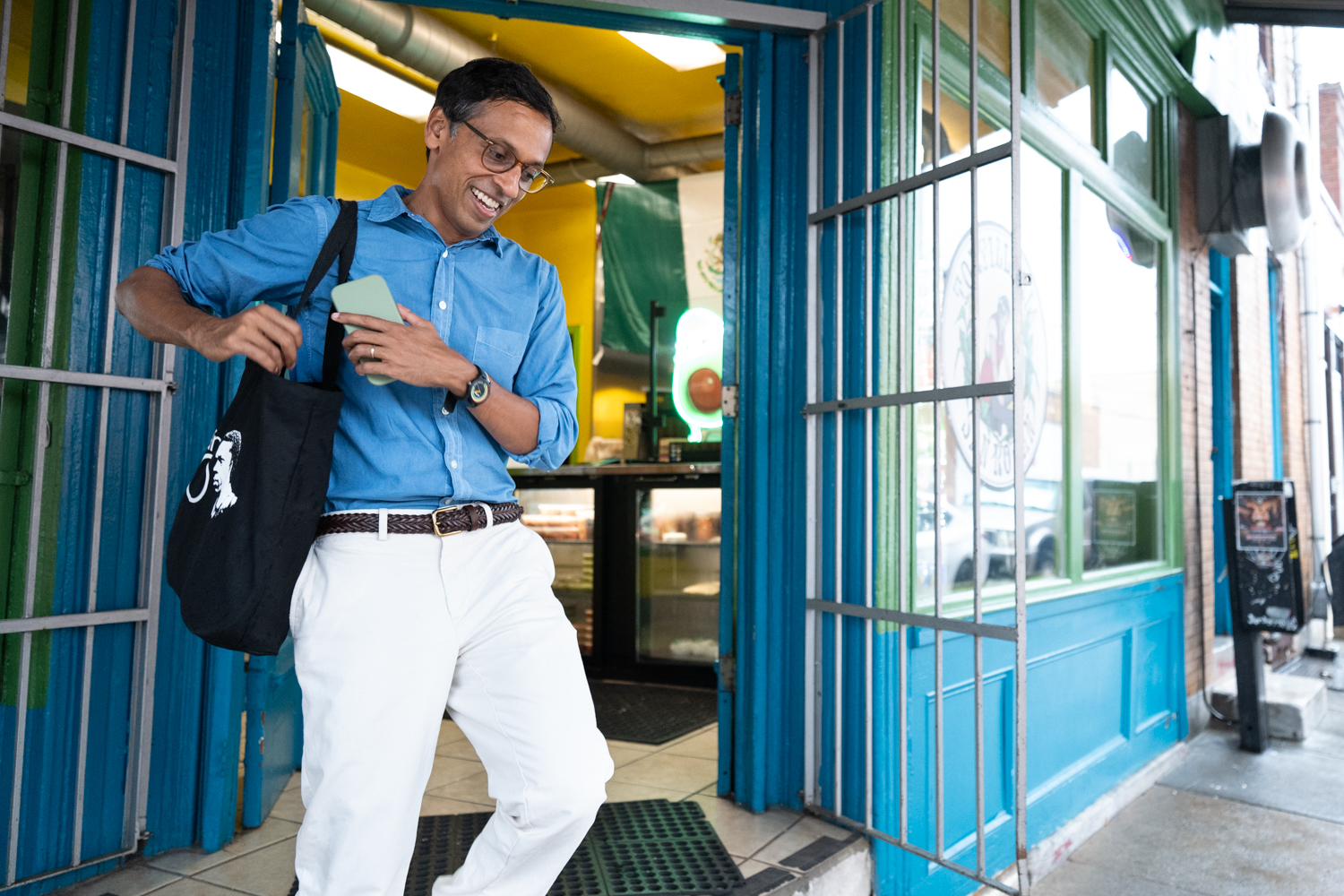
    Nikil Saval leaves Tortilleria San Roman in the Italian Market with his groceries. The state senator loves to cook. Erin Blewett / For The Inquirer

    6 p.m.

    We get a babysitter and order from Tamalex, a Mexican restaurant in our neighborhood. We have a go-to order of nachos that the kids like.

    6:30 p.m.

    We love Mish Mish. It’s a good place to go with friends and get lots of things. I’m vegan, and there’s always something exciting there.

    8 p.m.

    Then we go see performing arts, anything that’s unexpected. We’re members of the Film Society, so we’ll go to a “Surprise 35!″ showing. Once a month, they’ll show a movie on 35 mm film; you don’t know what it is until it starts. We’re in a good age of repertory film in the region — the Philm Club newsletter is a good resource.

    We go to shows at Solar Myth, where they have free jazz. We also have an Opera Philadelphia subscription. That’s always novel and shocking. They’re frequently new productions. You pay $11. The audiences are totally transformed.

    10 p.m.

    If we had the energy for a post-all-of-this drink, I would go to Southwark. It feels boisterous, but private in this way where you can have a conversation. The bartenders are incredibly welcoming.

    The conversation has been edited for clarity and brevity.

  • The best thing Emily Bloch ate this week: Lots of fish on a Fishtown staycation

    The best thing Emily Bloch ate this week: Lots of fish on a Fishtown staycation

    It’s summer and that means I have one goal at basically all times: to be lounging in a pool. It’s the Florida girl in me, what can I say?

    So when my boyfriend, Mark, and I decided to take some days off together for a staycation, Fishtown’s Hotel Anna & Bel immediately came to mind. The boutique hotel, in a historic property that once served as a women’s home, opened in 2024 with a heated pool in its luxe open-air courtyard. A stay at the 50-room hotel guarantees exclusive poolside service, enjoyed while lounging on a cozy recliner. (Sorry, no day passes here.)

    We kicked off our first night as tourists in our own city with a meal at Bastia, the in-hotel restaurant with a Sardinian- and Corsican-inspired menu. Many excellent bites were had: skate cheeks over white polenta and sweet peppers that transported me back to the South, a bright artichoke salad with shaved Parmesan, and a morel tart that inspired at least one limerick about how good morels are.

    But one special in particular really sang.

    Mark loves eating fish and is an excellent cook, but he’s a hamachi collar skeptic, having tried so many that have been underseasoned, uninspiring, and so tough you have to scrape the should-be fatty meat off the bone.

    He had all but written off the cut — until executive chef Michael McDonough’s hamachi collar with grilled fioretto cauliflower, beldi olive agrodolce, and golden raisin glaze hit the table. One bite and Mark was sold. “It’s as if they cooked hamachi collars like they were sweet barbecue ribs,” he said.

    The grilled hamachi collar, Calabrian chili agrodolce, garlic scape salsa verde, and fines herbs at Bastia in Fishtown. Elizabeth Robertson / Staff Photographer

    The fish itself was blackened and tender, lacquered with a complex glaze, and brightened by a spritz of grilled lemon wedge. Its meat fell right off the bone and melted in our mouths.

    This special frequently appears on Bastia’s menu because the hamachi collar is leftover after the kitchen team preps the amberjack crudo that lives on the menu at Caletta, the restaurant’s moodier, more playful cocktail lounge sister. (Hamachi is the Japanese name for amberjack, aka yellowtail.)

    McDonough said the accompanying components came together out of seasonality and theme. Fioretto cauliflower — whose heads are nuttier and less dense than standard cauliflower — is at its peak. Beldi olives (Moroccan cured black olives) and golden raisins are crossover ingredients in the Sardinian, Corsican, and neighboring North African trade hub.

    My other favorite bite was good enough to order twice.

    Bastia’s swordfish skewers are a mainstay on its menu. They start with a center-cut loin that’s diced and marinated in an herb blend of parsley and marjoram. McDonough preserves the herbs’ vibrant green color by emulsifying them in oil with a little bit of ice. From there, the kebabs are grilled and finished with Sicilian olive oil, fresh lemon juice, French sea salt, and walnut pesto. The set of emerald green kabobs are served atop a bed of black rice with citrus labneh.

    Emily Bloch enjoyed Bastia’s swordfish skewers so much, she ordered them the following day in their lunch format: swapping black rice for a bed of traditional-cut fries.Emily Bloch

    We enjoyed the skewers so much, we ordered them the next day from Anna & Bel’s poolside menu, which pairs them with golden, traditional-cut fries. After a few bites washed down with Caletta’s dirty martini and tonic (a best-of-both-worlds drink off the bar’s aperitivo hour menu), we determined our future pool days have been ruined forever.

  • Ben Crimm lived in silence for 25 years. Now, he’s raising awareness for non-speakers through the AACR Charity Ride

    Ben Crimm lived in silence for 25 years. Now, he’s raising awareness for non-speakers through the AACR Charity Ride

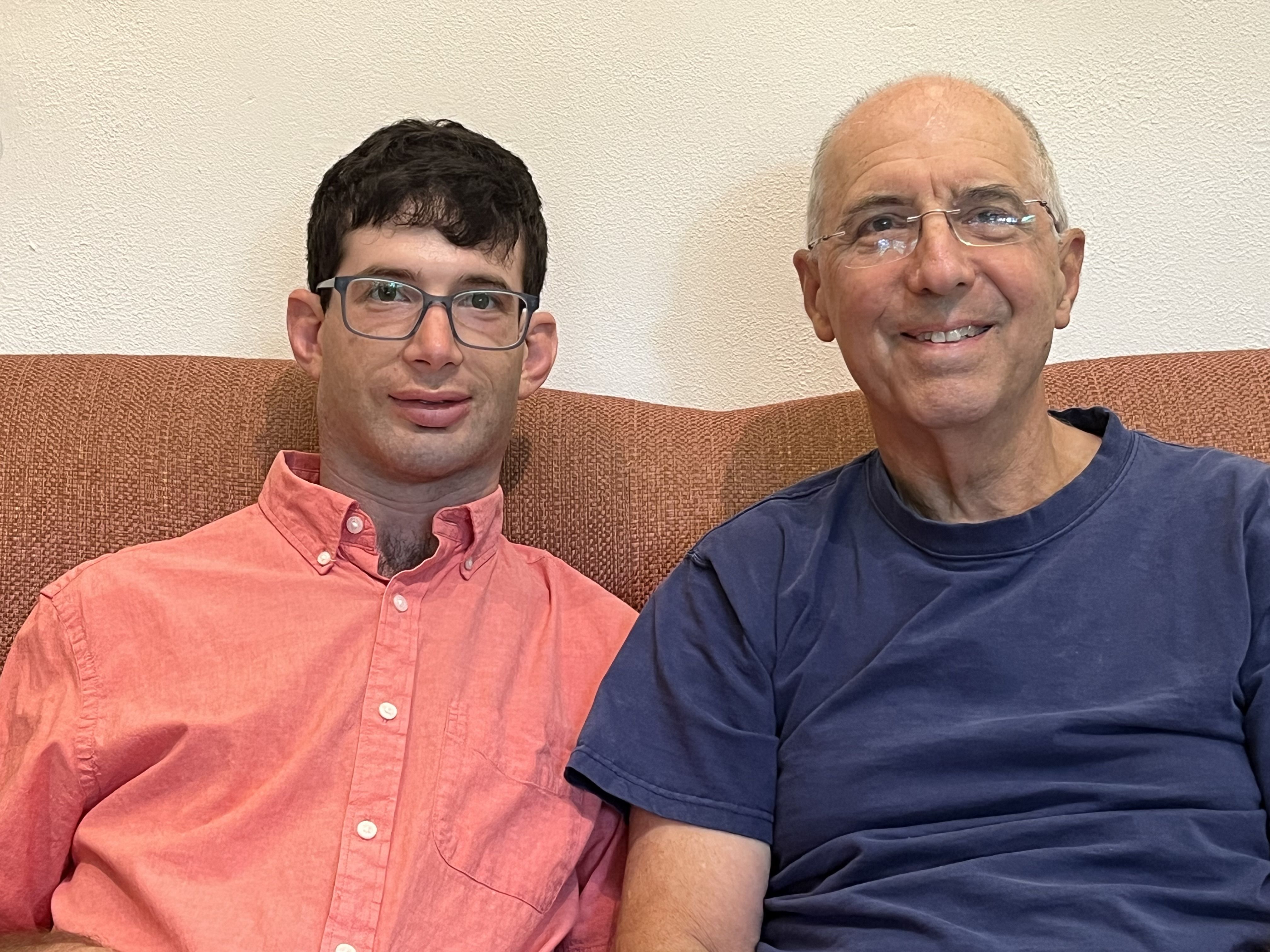
    Ben Crimm slowly lifted his arm and began to point at different letters on a laminated alphabet board in front of him. The board is a means of communication for Crimm, who is a 34-year-old nonverbal autistic individual.

    As Crimm continued to spell out his thoughts, his father, Allan, sat beside him and read his sentences aloud.

    When Ben finished pointing, he put down his hand, and Allan read the sentence he had spelled out: Non-speaking does not mean we cannot think and learn.

    Ben lived in silence for 25 years.

    After finding his voice through International Association for Spelling as Communication, he’s become an advocate for nonverbal autistic individuals.

    “This organization has changed my life in so many ways,” Ben said. “Without the ability to communicate for the first 25 years of my life, I had no ability to tell anyone what I wanted to do. Now, I do. And I have a resolve to raise awareness about nonspeakers and our capabilities and our communication access needs. Without this, I would be trapped in silence.”

    Alongside work with Spellers Empowering Education for Nonspeakers, a Philadelphia-based advocacy group founded in 2020, the Crimm family also is raising awareness through the Philadelphia Cycling Classic’s charity ride for the American Association of Cancer Research.

    Ben and Allan will ride in Sunday’s charity ride to raise money and awareness for the AACR and I-ASC.

    Both organizations are important to Ben. The I-ASC provides training and access for nonspeakers, and AACR is dedicated to preventing and curing cancer through research — a mission close to Ben’s heart after his uncle, Jon Shipp, died of lung cancer in 2006 at 49 years old.

    The charity ride will feature a 14-mile loop along the course of the professional PCC race. As both Ben and Allan prepare for the event, Ben said he’ll be staying in the back of the pack.

    “I’m not a fast cyclist,” Ben said. “[I’m looking forward to] good weather and being with so many wonderful folks.”

    Proceeds will go to the AACR, the official charity partner of the charity ride. As of Friday afternoon, the total fundraising was over $145,000, all from small-dollar donations, according to the AACR.

    “This is sort of a natural partnership where sports and healthcare come together,” said Steve Ryan, the president and chairman of the AACR Foundation. “So it’s really a natural fit for us, gives us exposure, gets people out, gets people to know what we do. It’s great for Philadelphia, great for us, great for everyone.”

    Spelling to communicate

    Ben was diagnosed with autism at 6 years old and struggled to communicate throughout everyday life. Without the ability to speak and engage in conversation, he felt “trapped” with no way to tell anyone what he was thinking or how he was feeling. Despite years of speech therapy and sign language lessons, he turned to spelling to communicate.

    The Crimm family first found out about spelling to communicate through a family friend, who had a son who had a condition similar to Ben’s. They implemented the method in Ben’s daily routine in 2017. But they never expected it to work as well as it did.

    “It was beyond our wildest dreams,” Allan said. “It has been so exciting to get to know [him], to get to know what is in that wonderful mind of [his], and to hear [his] sense of humor, [his] kindness, and [his] generosity. To know what’s inside of [him]. [He’s] such a fierce advocate for nonspeakers. [His] passion inspires everybody in the family, including me.”

    Spelling to communicate has transformed Ben’s ability to express himself and has led him to use his newfound voice as a tool to raise awareness for nonspeakers struggling to communicate and experiencing any sense of powerlessness in a world where they may feel invisible.

    SEEN has met monthly for six years and has a mission to educate others about nonspeakers, autism, and apraxia. The organization conducts eight to nine presentations a year to legislators, schools, parent groups, and national conferences.

    “It has been so incredible to have so many close friends that I can talk to over our shared life experience,” Ben said. “I love educating families of nonspeakers and especially healthcare professionals.”

    According to the Autism Science Foundation, around 26% of individuals with autism are nonverbal or minimally verbal, meaning they have difficulty with speech.

    However, this does not mean that they’re intellectually disabled. They can still form thoughts and communicate in ways that don’t rely on the voice. Allan and Ben are hoping they can continue to educate others on the topic.

    “We’ve come to learn as a family and being in relationships with so many other nonspeakers that the popular understanding of what nonspeaking autism is is not what people think,” Allan said. “It’s time for people to engage with nonspeakers and learn from nonspeakers that the lived experience really is because almost a third of all autistics are [nonspeaking]. And people have total misconceptions of what their capabilities are.”

  • Berwyn-Paoli Area Little League’s challenger baseball team relishing ‘amazing opportunity’ to play in Williamsport

    Berwyn-Paoli Area Little League’s challenger baseball team relishing ‘amazing opportunity’ to play in Williamsport

    In 2017, Zach Brooks was watching the Little League World Series on TV when he asked his dad, Gary, if he could take him to a game in Williamsport, Pa.

    The Brooks family and two of Zach’s teammates from the Berwyn-Paoli Area Little League’s challenger baseball team, which is designed for individuals with physical and intellectual challenges, went to a game. They returned the following year, this time to watch the Little League Challenger Division exhibition game.

    Gary noticed the excitement on the players’ faces as they took the field and soaked up the energy of the environment. On the drive home, an idea began to formulate.

    Brooks, who is the director of the BPALL Challenger Division and has been a coach for 13 years, wanted to get his team there.

    “I remember distinctly on the way home talking to my wife and saying, ‘This is something we’ve got to do. I got to figure it out,’” Brooks said. “So that sort of planted the seed and put it on my bucket list.”

    That bucket-list item will become a reality for Brooks and the team this weekend.

    Berwyn-Paoli Area Little League will represent the area in a challenger baseball game at Williamsport on Saturday.Courtesy of Gary B

    The BPALL Challenger Angels will compete in the 2026 Little League Challenger Division’s exhibition game at 10:30 a.m. Saturday in Williamsport as part of championship weekend. They will face the East County Little League from Oakley, Calif. WVIA, the PBS station for northeast and central Pennsylvania, has partnered with Little League to televise the game.

    Fifteen players from BPALL were selected to participate based on their age and how long they’ve been part of the program. Each player will be introduced before the game, get an at-bat, and receive a medal. Little League teams from around the world will attend the exhibition, helping pack the stands and create an exciting atmosphere, Brooks said.

    Challenger baseball counts roughly 950 programs worldwide and 30,000 players. In older and more skilled BPALL senior challenger games, they call balls and strikes, steal bases, and play on a 90-foot diamond. The only difference in challenger baseball is that players don’t pitch.

    The Berwyn-Paoli program, started in 1991 by Bob and Jeannie Roggio, includes players ranging from 8 years old to 36. Brooks said the program is designed for young adults with disabilities who play baseball and have the skill and desire to play competitively.

    “One of the things that I’ve seen and I’ve witnessed is when you teach the challenger players and keep raising the bar for them and the expectation of what you’re going to do on the baseball field — ‘I want you to throw the right way, I want you to hit the right way, I want you to feel the right way,’” Brooks said. “It’s not about wins and losses. It’s about you’re going to get more enjoyment and enjoy more success out on the field if you’re doing things properly”

    Berwyn-Paoli Area Little League has fielded a challenger baseball team for 35 years.Courtesy of Gary B

    Brooks first submitted an application in 2019 to take part in the exhibition game in Williamsport. Each team interested in participating must submit an application in November, including a written explanation of why the team deserves to compete in the game.

    For years, Berwyn-Paoli was passed over. Now, this will be the first time in the team’s 35-year history that they will play in Williamsport.

    The Brooks family first got involved with the Berwyn-Paoli challenger team in 2014 after Zach, who graduated from VUnited Scholars at Villanova in 2023, transitioned from Devon Strafford Little League to challenger baseball. Gary started out as a helper, but after seeing what happened during practices and games, he was “hooked” and became a coach.

    “Once you start and you see the smiles on the players’ faces and the joy that they get from playing games, it encourages you to want to be out there helping these players,” Brooks said.

    Brooks’ nephew is getting married this weekend, so he almost missed the opportunity to travel to Williamsport with the team. Initially, his wife, Wendy, wasn’t sure they would be able to make it work.

    “I was like, ‘Wendy, with all due respect, I can’t say no. If I say no, the league might never get this opportunity again,’” he said. “I owe it to the league and the legacy of the Berwyn-Paoli challenger baseball league to go out there and do it right.”

    Luck was on the Brookses’ side. The wedding falls on Sunday, allowing them to attend both events. Zach, 29, will assist as a “buddy” for players during Saturday’s game.

    The weekend for Brooks is about more than the game itself. Being up in Williamsport and getting treated like “rockstars,” Gary said, is a once-in-a-lifetime experience for these players and families to represent the Berwyn-Paoli area.

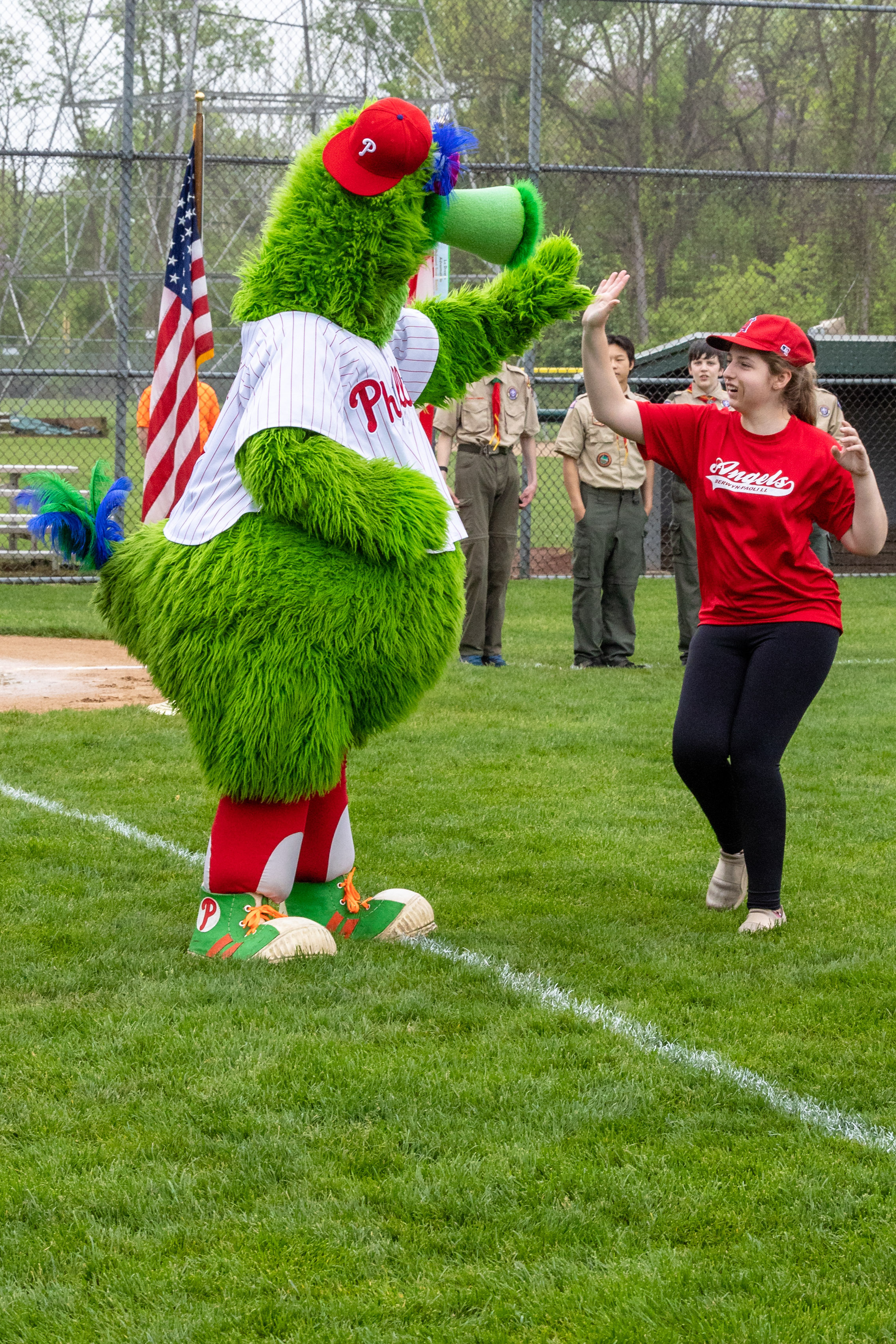
    A challenger baseball player high-fives the Philly Phanatic.Courtesy of Gary B

    “You got to pinch yourself a bit because we’re doing this on the biggest stage in youth sports in the world,” he said. “Everybody knows the Little League World Series and ESPN is all over the place.”

    And when the players step on the field Saturday morning, Brooks expects the significance of the moment to sink in for all of them.

    “When the families start seeing the other Little League teams coming to the game and on the field afterward, by the end of the day on Saturday, they’ll have realized what an amazing opportunity this is,” Brooks said.

  • Dear Abby | Retired husband drives remote worker wife up a wall

    Dear Abby | Retired husband drives remote worker wife up a wall

    DEAR ABBY: I am at my wits’ end with “Barney,” my husband of 35 years. He retired two years ago, but I am still working and likely will for several more years. I’ve worked from home successfully since long before the COVID-19 pandemic, which was fine while Barney was working. When he retired, I talked to him about respecting boundaries during the day while I work. My home office is on the second floor of the house, which leaves him the entire downstairs to enjoy without disrupting me during work hours.

    Unfortunately, Barney has not shown me the respect I asked for. He frequently yells upstairs for me to come help him with something, or he comes into the office and wants to talk. He wants to know what’s for dinner, and he gets upset if I’m not done working at exactly 5 p.m. He also gets upset with me if I won’t let him caress and hold me while I’m trying to work. When he worked, he often stayed late and went in after hours or on weekends. I never complained or showed him the disrespect he is showing me.

    For a while, I tried to give Barney more attention because I do love him. Now, his constant complaining is so annoying that I don’t even want to spend my free time with him. I am certainly not interested in any physical expressions of love. I’ve tried to discuss this with him and even asked if he’d consider going to couples counseling, but he refuses.

    I’m a happy woman except when I’m with my husband. That makes me sad, and I’m tired of feeling this way. I’m not sure what to do. I’ve thought about renting office space, but that would only solve the disruption issues during my workday. It wouldn’t solve the other issues, notably Barney’s lack of respect for me.

    — GIVE ME SPACE

    DEAR GIVE ME SPACE: A partial solution is better than no solution. Go ahead and rent the office space. It will be helpful to learn how much of the pressure that relieves. Once your work frustrations are out of the picture, reassess Barney’s treatment of you and decide how much relationship adjustment is still needed. Even if he refuses counseling, go by yourself! If you do, you may learn some techniques for dealing with his troublesome behaviors.

    ** ** **

    DEAR ABBY: My 40-year-old niece has lived in my sister’s basement for five years now. She has had many ups and downs since running away at 15, but she was able to get a degree in engineering, fly helicopters, etc., so she is intelligent. I don’t know why she has withdrawn to such a degree.

    Should I ask my sister or brother-in-law how she is doing when I call? I feel it’s normal and natural that I ask, but the question always brings a painful silence followed by, “She’s figuring out her life.” She does not work or look for it, hides from the public, and behaves like a 16-year-old. Should I quit asking?

    — UNCLE IN THE DARK

    DEAR UNCLE: If you do not ask how your niece is doing, it will appear that you do not care. So, the next time you speak to your relatives and your question is met with an uncomfortable pause, consider asking whether they would rather you not ask.

  • Horoscopes: Saturday, Aug. 29, 2026

    Horoscopes: Saturday, Aug. 29, 2026

    ARIES (March 21-April 19). Even when you’re not getting precisely what you want at the time you want it, you know that you have enough. The confidence that you’ll be OK has become one of your greatest lifelong assets.

    TAURUS (April 20-May 20). Of course your energy is heightened around people you like a lot. You’re more enthusiastic than intended, or much less in an attempt to play it cool. It feels unnatural because it’s new, it’s exciting and you care.

    GEMINI (May 21-June 21). There’s no need to compare your timeline with someone else’s. The power move is to accept that there are some things you simply don’t have power over. The delay may make sense only in hindsight. Later, this will seem like perfect timing.

    CANCER (June 22-July 22). This is no time to explain yourself. Those who get it are on your level and will make good team members, or they will be the kind of opposition that will keep your work bulletproof. Let the rest go for now.

    LEO (July 23-Aug. 22). Assume that people are doing their best at the time, even when it doesn’t impress you much. Someone’s best is always the result of a complex and deeply personal algorithm you may never fully know.

    VIRGO (Aug. 23-Sept. 22). Enjoy the habit of mind you’ve cultivated, especially the one where you find something to like in those less-than-ideal situations. Your thoughts automatically gravitate to the positive things, the advantages and your points of leverage.

    LIBRA (Sept. 23-Oct. 23). Someone shows up who’s already done what you want to do. They can show you how. The map shows the big picture of the journey, but of course you can only know the actual journey with boots on the ground.

    SCORPIO (Oct. 24-Nov. 21). Marketers are experts at making you want something you didn’t know about two minutes ago. That’s when you know you’re dealing with a want, not a need. Wants can be easily forgotten when you put space between you and the object.

    SAGITTARIUS (Nov. 22-Dec. 21). You feel stuck, but you won’t stay stuck. Try it all this time: Wiggle. Push. Make yourself smaller or bigger… and if that doesn’t work, call for help. There’s someone strong and gentle who would love to step in.

    CAPRICORN (Dec. 22-Jan. 19). Multiple bids from multiple people is today’s theme, and a little competition for your attention will drive up the value of your time, with the added bonus of keeping familiar people from taking you for granted.

    AQUARIUS (Jan. 20-Feb. 18). You don’t know the answer, and it’s a relief not to have to. Even if you were the smartest person in the world, it might not change things, because people tend to focus exclusively on knowledge relevant to them.

    PISCES (Feb. 19-March 20). Since being cranky and tired can put bad vibes into the atmosphere that can affect everyone around, you owe it to all in the general vicinity to relax, have some fun and take good care of yourself.

    TODAY’S BIRTHDAY (Aug. 29). Welcome to your Year of Endless Sky. It’s as though the universe is expanding just for you with a view the color of awe and optimism. There are new things to want. You lock in and somehow work hard even as you go easy. More highlights: The dream project comes together under your leadership. This one benefits all who touch it. Love fills days with purpose and evenings with carefree fun. Aries and Gemini adore you. Your lucky numbers are: 1, 12, 20, 16 and 40.

  • Edmundo Sosa’s ninth-inning pinch-hit grand slam rallies the Phillies to a dramatic 5-3 win in Anaheim

    Edmundo Sosa’s ninth-inning pinch-hit grand slam rallies the Phillies to a dramatic 5-3 win in Anaheim

    ANAHEIM, Calif. — Edmundo Sosa let himself start to dream about it.

    He had waited on the bench for eight sweltering innings on Friday night and the Phillies had trailed the Los Angeles Angels, 3-1, for most of it. But when the clearly erratic Ben Joyce hit Alec Bohm with a pitch in the ninth, Sosa started to perk up. He could feel a rally brewing. He could see himself walking to the plate and making something happen.

    Joyce walked Justin Crawford, and then Bryson Stott took him to a full count. When Stott turned on a fastball, giving it a ride toward the seats in right field, for a split second it seemed like Sosa’s services might not be necessary at all.

    Angels outfielder Wade Meckler had other ideas, diving into the seats to haul it back in a highlight-reel robbery. It was the type of defensive play that could have easily deflated the Phillies, especially considering it was the second out of the ninth inning, and they still trailed 3-1.

    But not Sosa.

    “I just stayed focused. The energy went on their side at that moment,” he said through team interpreter Diego D’Aniello. “The whole stadium was euphoric, and I just stayed calm and focused.”

    He parked himself right next to interim manager Don Mattingly in the dugout, making it known he was ready if needed. And when Joyce walked J.T. Realmuto and the Angels brought in left-hander Sammy Peralta from the bullpen, Sosa had the pinch-hit opportunity he’d been waiting for.

    This time, Sosa made sure there was nothing that the Angels outfield could do. He crushed a changeup and sent it to the rock formation in center field, well beyond the reach of Mike Trout. The go-ahead grand slam propelled the Phillies to a 5-3 comeback win over the Angels to open the series.

    As he touched the plate, Sosa pounded his chest.

    “You know, going crazy,” he said, needing no translation.

    It has been a dazzling week for Sosa, who hit two key doubles in the Phillies’ sweep of the Cardinals at home. Mattingly kept him out of the starting lineup on Friday even with left-handed Reid Detmers starting for the Angels. Knowing the Angels had several lefty relievers, he wanted a right-handed option remaining in the chamber for exactly that situation.

    “I just trusted that the opportunity was coming, and that I was going to be able to come through in it,” Sosa said.

    Jonathan Bowlan picked up the save since closer Jhoan Duran was unavailable due to a “stomach thing,” according to Mattingly. Postgame, as Sosa pulled on the headset for a television interview, the traveling Phillies fans gathered behind the visitors’ dugout chanted his name.

    Afterward, Sosa paused to enthusiastically dap up the security guard stationed outside the clubhouse, before walking in to raucous cheers from his teammates.

    “I mean, everybody loves Sosa, right?” said Andrew Painter.

    Phillies rookie Andrew Painter settled down after surrendering three runs in the first inning on Friday.Mark J. Terrill

    He had been watching the ninth from inside the clubhouse, but raced to the dugout to join his teammates after seeing Sosa’s hit clear the wall. The grand slam helped pick up the rookie right-hander, who was tagged for three runs in the first inning but was lights out after that.

    The Angels capitalized on two walks, two singles, and two wild pitches to build an early 3-0 lead, as things initially looked dire for Painter as he struggled with command.

    But after finally ending the first with his 28th pitch — inducing a lineout from Josh Lowe — Painter somehow found a reset between innings.

    When Painter walked back out for the second, he looked like a different pitcher. He retired 15 consecutive Angels. When the streak finally ended with a nine-pitch walk to Meckler, Painter induced an inning-ending double play that he started himself with a throw to second base.

    “I felt like I was a little trigger-happy early,” Painter said. “Trying to rip those things I think got me in bad positions. … The miss was gloveside, a couple fastballs trying to go away to lefties, ended up being on the inside part of the plate. So just got to figure that out.”

    The two hits he gave up in the first inning — singles from Trout and Meckler — proved to be the only ones that Painter allowed in six innings.

    “It’s good to see,” Mattingly said. “I think it’s obviously always going to be good for him to get through that like that. Don’t want to give up the runs in the first. Just seemed like he was out of sync in the first.”

    On the offensive side, it initially looked like it was just going to be one of those games for the Phillies. Luis Arraez hit into an unusual double play to end the fourth inning, a screamer up the middle that deflected off the glove of Detmers and directly to shortstop Zach Neto without touching the ground. Neto snared the line drive and touched second base to complete the double play.

    Then, a baserunning blunder snuffed out a potential rally in the fifth. The Phillies had finally spoiled the shutout with an RBI bunt single from Derek Hill, who had capitalized on his elite speed. But with runners on first and second, the Phillies were poised to do even more damage.

    Kyle Schwarber sent a line drive single to right field, and Bryan De La Cruz initially pulled up after rounding third base before changing his mind. He was easily tagged out at the plate, ending the inning.

    Most stunning of all, though, was Meckler’s robbery of Stott. The Phillies third baseman could only stare at right field in disbelief, his hands on his head.

    But Sosa ensured the despair was short-lived.

    “I think I hit all of them. I was like, what the hell? Then I was very mad,” Stott said. “And then, super happy.”

  • Eagles rookie Makai Lemon ‘glad’ his rough NFL debut happened in the preseason and not September

    Eagles rookie Makai Lemon ‘glad’ his rough NFL debut happened in the preseason and not September

    On the first play from scrimmage Friday night, Eagles quarterback Tanner McKee faked a handoff and rolled right. His eyes found rookie first-round pick Makai Lemon in the flat, and McKee hit the wide receiver for a modest three-yard gain.

    Lemon, who missed nearly three weeks with a hamstring injury and saw his first preseason action during the team’s 30-13 loss to the Cincinnati Bengals, caught three passes Friday night for a grand total of three yards. He was targeted five times. On one of the misses, Bengals corner Tacario Davis provided tight coverage on a sideline route. On the other, McKee fired a short pass toward Lemon on a third-and-7 from the Bengals’ 27-yard line — a rare series Friday night where the Eagles could have scored a touchdown — only to have the ball hit his hands and deflect into the waiting hands of Davis.

    McKee said he could have put that throw in a better spot, but Lemon took ownership of the turnover.

    “It’s a drop,” he said after the game. “It hit my hands. It went through my hands. I got to catch them.

    “Dropping the ball like that — glad it happened in the preseason so come around September things like that won’t happen.”

    Lemon’s NFL debut, while in a meaningless game, did not go as planned, and the 20th overall pick has not had an ideal summer in the lead-up to his first NFL season. He missed time during the offseason program with a hamstring injury on the same leg that sidelined him this month.

    The Eagles have been installing a new offense under a first-year coordinator in Sean Mannion. They are moving on to life without A.J. Brown. But Lemon and DeVonta Smith missed significant time during training camp with hamstring injuries, and Lemon has had limited time to work extensively with Jalen Hurts.

    While the Eagles rested the vast majority of their projected starters, Nick Sirianni said the team dressed and played Lemon because he hadn’t played in the preseason yet and, as a rookie, Sirianni felt like he needed reps during the exhibition schedule.

    “Few opportunities, but we’ll look at it,” Sirianni said. “There’s gonna be ups and downs for every player. There’s gonna be good plays, bad plays. Obviously, he’s going to want that catch back on third down, to be able to hang onto that, not cause a turnover that basically led to points. We’ve seen some good things throughout his practices where we’re feeling good about his development. He’s got to continue to develop. Young player that we know we’re going to be able to count on this year.”

    Lemon played the entire first half and did not take a snap on offense during the second half. He did, however, field a punt late in the third quarter. That, too, wasn’t perfect. Cincinnati’s punter, Ryan Rehkow, did not hit the ball well. It fluttered toward Lemon, who had to come forward before letting the ball bounce. The ball caromed awkwardly between Lemon’s legs. The receiver picked up the ball and quickly was tackled.

    “Punts aren’t always going to be right to you,” Lemon said. “I just got to make sure I stay on my task, stay ready so when things like that happen in the game, when they do come about, I’m ready.”

    It’s unclear if Lemon will be relied on to return punts during the regular season, though he said he would be willing if called upon. He returned just six total punts in college, all during the 2025 season.

    How the Eagles use Lemon come Week 1 remains to be seen. The rookie used his time away from practice to focus on mental reps, but after sitting out the joint practices in New England, Friday offered his first chance at real reps against another opponent.

    “I’m really hard on myself; I’m a perfectionist,” he said. “When things like that do come about I just got to forget about it and move on.”

    Asked if he was prepared for Sept. 13, when the Eagles host Washington, Lemon said he feels ready, “but we still got some time,” he said.

    “I got to make sure I lock in each week.”