Blog

  • Philly temperatures are forecast to near 100 degrees, again, this week

    Philly temperatures are forecast to near 100 degrees, again, this week

    No rest is in sight for the weary Philadelphians still recovering from the scalding week that led up to the city’s July Fourth festivities. Temperatures this week are expected to near 100 once again.

    The National Weather Service has issued an extreme heat watch for Wednesday, when temperatures are expected to peak at 99 degrees, accompanied by a heat index of up to 108. Before then, a high of 93 is expected on Tuesday. Temperatures should return back down to 93 on Thursday and settle at 92 on Friday, according to the service’s forecast.

    The forecast doesn’t anticipate anything quite as severe as the series of triple-digit days leading to July Fourth, but it will surely be humid, hot, and uncomfortable, said Zack Cooper, a meteorologist with the National Weather Service’s Mount Holly office.

    Similarly to the early July heat stretch, rain is possible to follow the heat over the weekend, Cooper said.

    The city has tallied eight heat-related deaths this year, according to the city health department.

    This blanket of heat in the atmosphere “probably won’t be centered” over the Philadelphia area, Cooper said. “What really set the last event apart from this one was that high pressure center being right over the area for a period of a few days where, in this case, it’ll mostly be suppressed down to our south.”

    Virginia and West Virginia are anticipated to experience the brunt of this heat spell, he added.

    Temperatures this week are unlikely to break records, Cooper said, as the hottest recorded temperature in the Philly area on a July 15 was 103 degrees, set in 1995.

    Still, Cooper advised Philadelphians to treat this heat similarly to the early July heat wave — limit time outdoors, dress in lightweight clothing, and check up on neighbors.

    “It still will be dangerous heat,” he said.

  • Bryce Harper responds to controversy over his personal video message to a FanDuel customer with a gambling addiction

    Bryce Harper responds to controversy over his personal video message to a FanDuel customer with a gambling addiction

    Bryce Harper, the Phillies’ All-Star first baseman, said on Monday that he was unknowingly working on behalf of FanDuel when he recorded a personalized video for a man with a gambling addiction who had placed millions of dollars in bets on the site.

    Harper, in a story on his verified Instagram account, wrote that he thought he was just doing a message on the site Cameo — in which celebrities are paid to record videos for fans — but “what happened here went beyond anything I knew about or approved.”

    “I did not know this video would be used for commercial purposes,” Harper wrote. “The request included a short script. I read it in good faith. FanDuel then put its own logo on the video and used it as a gambling promotion. I did not know FanDuel would do this, I did not consent to it, and FanDuel had no right to do it.”

    The Inquirer obtained a copy of the 21-second video from November 2024, which is marked with a blue FanDuel logo and shows Harper offering a greeting to the bettor, Terry Thompson, and Thompson’s son, by name.

    Harper’s statement also said he has no affiliation with FanDuel and that “Contrary to the Inquirer’s suggestion, I did not know that the Cameo video would be used for a FanDuel VIP promotion.”

    However, in the video Harper states that he’s reaching out at the request of Thompson’s VIP manager — “your host Bryttanni at FanDuel.” Harper also posted the Cameo script, which included the same language about FanDuel.

    The Inquirer reported on the video on Thursday. Harper had declined to comment until Monday. His statement came ahead of his planned appearance at Monday night’s 2026 MLB Home Run Derby at Citizens Bank Park.

    Beginning in 2020, Thompson wagered $18.5 million with FanDuel and lost $1.5 million, according to a lawsuit that the Public Health Advocacy Institute filed in March in Common Pleas Court in Philadelphia on behalf of Thompson and against FanDuel and DraftKings, to which Thompson also lost money.

    Harper says he did not know anything about Thompson.

    “Had I known FanDuel’s true intent, I would not have made the video,” Harper wrote on Instagram. “The same is true had I known anything about Terry or his situation, or about any alleged ‘partnership’ between Cameo and FanDuel.”

    On the advice of counsel, Harper wrote, he would not comment further. Harper did not discuss the matter further during a media availability Monday.

    Cameo notes in its terms of service that celebrities are not required to follow a purchaser’s instructions exactly. Harper, however, mostly stuck to a short script that made clear to Thompson that the Thanksgiving message was arranged by the FanDuel host.

    Cameo has not responded to requests for comment.

    FanDuel did not respond Monday to Harper’s Instagram post. Last week the company released a statement:

    “FanDuel is committed to fostering a culture of responsible gaming and protecting our customers. Unlike illegal offshore sportsbooks, FanDuel employees are trained to recognize and flag signs of problem gambling and offer resources and tools, and we continue to review and strengthen our policies to ensure we have the industry’s strongest consumer protection initiatives.”

    The Phillies and Major League Baseball have so far declined to comment on the video.

    The Pennsylvania Gaming Control Board, which regulates casinos, online gambling and sports wagering, said on Friday that it is examining the video, but a spokesman for the board declined to provide details.

    The Inquirer will continue to report on issues related to the growth of gambling addiction — among teens and adults — across Pennsylvania. If you, or someone you know, wants to speak with a reporter, please contact David Gambacorta or William Bender at dgambacorta@inquirer.com and wbender@inquirer.com

  • Richard D. Wood Jr., Wawa chair emeritus and ‘guiding heart and soul,’ has died at 88

    Richard D. Wood Jr., Wawa chair emeritus and ‘guiding heart and soul,’ has died at 88

    Richard D. Wood Jr., 88, of Wawa, Delaware County, chair emeritus and former chief executive officer and president of Wawa Inc., Convenience Store News Hall of Famer, lawyer, trustee, mentor, veteran, and philanthropist, died Friday, July 10, of age-associated decline at his home.

    Born in Philadelphia, Mr. Wood earned a law degree at what is now the University of Pennsylvania’s Carey Law School in 1964 and joined his family’s nascent Wawa food market company in 1970 as its first general counsel. His great-grandfather founded the Wawa dairy in 1902, and his father’s cousin opened the first Wawa food market in 1964.

    By 1977, Mr. Wood had ascended to president of the company, and its innovations, including 24-7 hours of operation and custom-made hoagies, made it the region’s dominant convenience store. He became CEO in 1980 and chair in 1982, and was named chair emeritus in 2020.

    In 2020, Inquirer business writer Joseph N. DiStefano said Mr. Wood “presided over the board during the period of Wawa’s rapid growth from a regional cokes-smokes-milk-and-hoagies chain to a convenience store and gas outlet with more than $12 billion in annual sales and 850 stores from New Jersey to Florida.”

    For more than 40 years, Mr. Wood supervised Wawa’s multistate expansion, addition of gas pumps, expanded inventory, rigorous employee training, and popular employee stock ownership plan. During his tenure, the company grew to more than 36,000 associates and was one of the largest privately held companies in the country.

    Through it all, Mr. Wood was affable and curious, friends and family said. He wanted to know everybody’s name and what they thought, and he enjoyed touring the stores and chatting up associates and customers, especially on Christmas Day. He told colleagues he wanted to “create an environment where each of us believes that we can make a difference.”

    “Dick Wood was our true lead goose who was the guiding heart and soul of the company,” Chris Gheysens, Wawa’s chairman and CEO, said in a tribute. “He is the reason why Wawa is the company we are today and why we enjoy so much share of heart from our customers and dedication from our associates.”

    Mr. Wood hired students and women to work in the stores, and offered flexible schedules to accommodate their availability. He oversaw Wawa’s $200 million of donations to community nonprofits and its college tuition reimbursement plan for associates.

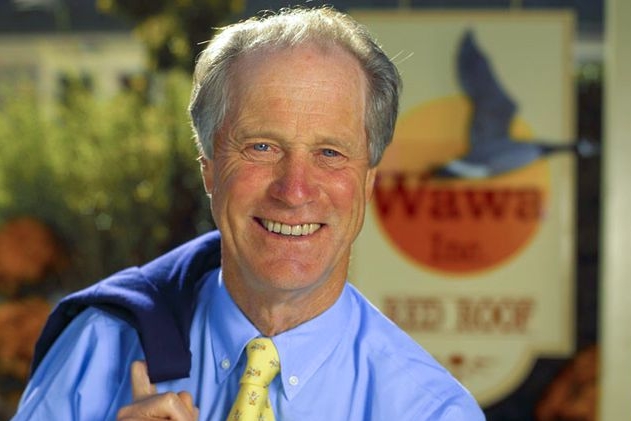
    This photo of Mr. Wood and a story about Wawa appeared in the Daily News in 1994. Newspapers.com

    In 2021, to mark his 50th anniversary at the company, Wawa established the Dick Wood College Scholarship Fund for associates. He told Inc. magazine in 2018: “Values and culture mean more in this company than being smart.”

    Colleagues called him “humble, gracious, curious, and kind” and “a beloved treasure to the company” in tributes. His life-size bronze statue greets visitors at Wawa’s corporate headquarters.

    “He made people feel important,” said Barbara Ennis, his longtime assistant, ”because to him, they were.”

    Mr. Wood was onetime chair of the executive committee of the National Association of Convenience Stores and on boards at Children’s Hospital of Philadelphia, Riddle Memorial Hospital, Philadelphia National Bank, Bok Tower Gardens in Florida, and other organizations. He appeared often in The Inquirer and Daily News, spoke on panels and at conferences about corporate leadership, and was inducted into the Convenience Store News Hall of Fame in 1996.

    Mr. Wood (left) worked closely with fellow CHOP trustee N. Scott Adzick.Children's Hospital of Philadelphia

    He served on the Chester Heights Borough Council in the early 1980s and was named 1996 businessman of the year by the Great Valley Regional Chamber of Commerce. Before Wawa, Mr. Wood was a public defender in Philadelphia and a lawyer at Montgomery McCracken.

    “People loved to follow him,” said his son, Richard D. Wood III. “He was larger than life,” said his daughter, Lisa Wright.

    As a philanthropist, Mr. Wood and his family donated $25 million to Children’s Hospital of Philadelphia in 2021, and CHOP named its Richard D. Wood Jr. Center for Fetal Diagnosis and Treatment in his honor. His family also funded the Richard D. Wood Jr. and Jeanette A. Wood Endowed Chair in Pediatric Diagnostic Medicine, and he instituted a volunteer services program at CHOP.

    Sometimes, his family said, Mr. Wood walked the halls of the hospital, sharing Wawa coffee and conversation with patients and families. CHOP honored him at its 2019 Carousel Ball. Madeline Bell, CEO at CHOP, said: “I will truly miss his warmth, wisdom, and generous spirit.”

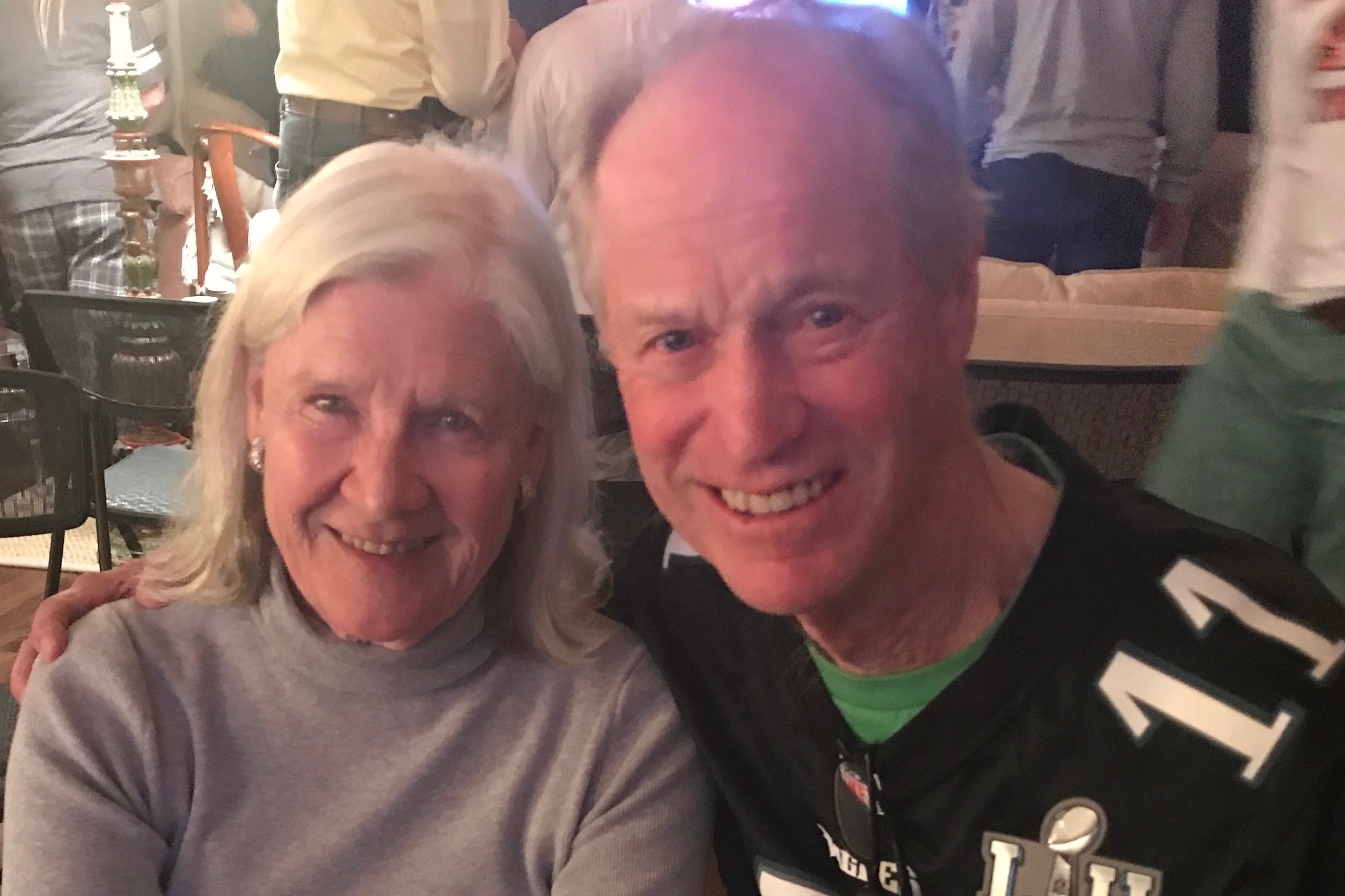
    Mr. Wood and his wife, Jeanette, married in 1964.Courtesy of the family

    Howard Stoeckel, former Wawa vice chair, CEO, and president, said in a tribute: “He had a special mix of heart, compassion, empathy, and humility that made him a true believer and practitioner of servant leadership.”

    Richard Davis Wood Jr. was born March 4, 1938. He graduated from St. Paul’s School in Concord, N.H., earned a bachelor’s degree in business at the University of Virginia, and served for a year in the Marine Corps and later in the Marine Corps Reserve.

    He met Jeannette Andrews when he was visiting New York with friends, and they married in 1964. They lived in Philadelphia and Wawa, and had a daughter, Lisa, and a son, Richard III. His wife died in 2025.

    Mr. Wood was an avid golfer, and he belonged to the Gulph Mills and Pine Valley Golf Clubs, and the Mountain Lake Club in Florida. He played tennis and bridge, and was a longtime season ticket holder for the Eagles and Flyers.

    Mr. Wood (right) enjoyed meeting and talking with Wawa associates and customers.
    Jonathan Wilson / Staff Photographer

    He and his wife traveled, hosted family holiday parties, and spent memorable winters in Lake Wales, Fla. He drove his favorite Honda Accord for years and followed Virginia college football and basketball closely.

    He championed conservation, education, and health. “He treated every single person the same,” his daughter said. His son said: “Humility defined him.”

    Mr. Wood said in a 2020 video for CHOP: “It’s a great feeling to know that you’re helping out.”

    In addition to his children, Mr. Wood is survived by five grandchildren, a sister, a brother, and other relatives. Two brothers died earlier.

    A celebration of his life is to be held later.

    Donations in his name may be made to the Richard D. Wood Jr. Center for Fetal Diagnosis and Treatment at Children’s Hospital of Philadelphia, Box 781352, Philadelphia, Pa. 19178; and Bok Tower Gardens, 1151 Tower Blvd., Lake Wales, Fla. 33853.

  • Where microburst storm damage has been reported around Philly, mapped

    Where microburst storm damage has been reported around Philly, mapped

    Cleanup from Saturday’s storm was continuing Monday, as communities around the Philadelphia region deal with aftermath of fallen trees, flooding, and high winds.

    A series of four “microbursts” brought severe damage to a limited area Saturday, with wind gusts traveling up to 60 to 70 miles per hour. Those isolated bouts of high winds, which ripped through parts of Philadelphia and Montgomery County, toppled hundreds of trees and damaged or collapsed several buildings, while sudden and severe rains caused floods around the region.

    Microbursts, the National Weather Office said, occur when there is a rapid increase in the updraft of a thunderstorm. Once that updraft stops, the mass of the storm system crashes back down, resulting in severe winds.

    As of early Monday afternoon, Peco continued to restore power to affected customers, with more than 170 outages impacting nearly 2,400 people. And though a comprehensive account of damages was not immediately available, damage reported to the weather service and select other entities indicated dozens of recorded incidents.

    (function() {
    var l2 = function() {
    new pym.Parent(‘july_11_storms’,
    ‘https://media.inquirer.com/storage/inquirer/projects/innovation/arcgis_iframe/july_11_storms.html’);
    };
    if (typeof(pym) === ‘undefined’) {
    var h = document.getElementsByTagName(‘head’)[0],
    s = document.createElement(‘script’);
    s.type = ‘text/javascript’;
    s.src = ‘https://pym.nprapps.org/pym.v1.min.js’;
    s.onload = l2;
    h.appendChild(s);
    } else {
    l2();
    }
    })();

  • ICE shot and killed motorist in Maine. Advocates say he’s a 26-year-old man from Colombia

    ICE shot and killed motorist in Maine. Advocates say he’s a 26-year-old man from Colombia

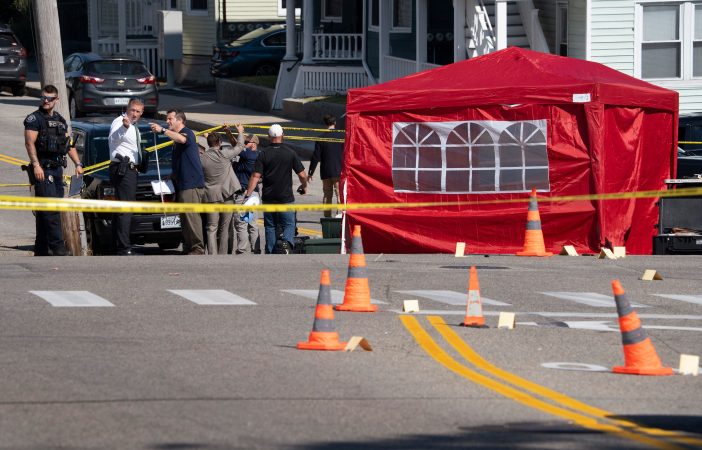
    BIDDEFORD, Maine — The motorist killed by ICE officers in a Maine shooting Monday was not the target of the warrant the officers were executing, Sen. Angus King said Homeland Security Secretary Mullin told him.

    It’s the second time in a week that U.S. Immigration and Customs Enforcement agents have used deadly force and at least the ninth since President Donald Trump began his immigration crackdown.

    Immigrant rights groups identified the man who was killed as a 26-year-old native of Colombia.

    King, an independent senator from Maine, said Mullin told him the officer opened fire after the man tried to use his vehicle as a weapon against officers in Biddeford, a coastal city roughly 15 miles southwest of Portland.

    “He was in a vehicle — pulled out in the vehicle, and the term the secretary used was ‘weaponized’ the vehicle and was shot by an ICE agent,” King said.

    King had initially said Mullin told him the man was the target of a deportation effort. Mullin later called King with new information he had received, a spokesperson for the senator said.

    The Maine attorney general’s office, which is investigating along with the FBI and other agencies, said initial statements suggest the motorist was trying to flee in the direction of the agent. The man was the target of an enforcement operation related to a final order of removal, the office said, and the agent who killed him has been placed on leave.

    Messages seeking comment were left for ICE and the Maine Department of Public Safety.

    Man was authorized to work in U.S., advocates say

    The advocacy groups Maine Immigrants’ Rights Coalition and Presente! said the man who was killed was authorized to work in the U.S. and had a Social Security number. After the shooting, his family contacted the Immigrants’ Rights Coalition, executive director Mufalo Chitam said.

    “It’s a young family and he was leaving to go to work,” Chitam told the Associated Press. The family, she said, isn’t ready to speak publicly about the shooting.

    Mary Hayes, who lives close to where the shooting happened, said the man lived nearby with his wife and daughter.

    “I watched a wife fall to her knees looking at her husband’s dead body on the ground,” Hayes told the AP as she held a piece of cardboard with “No ICE Stop ICE” written on it. “I watched a little girl crying with a little pink backpack on because she’s never going to see her father again.”

    The Colombian Embassy told the AP in an emailed statement that it is in contact with U.S. authorities and “working to formally confirm the individual’s identity and nationality.”

    Security video but no body-worn camera footage

    Cory Poulin, whose family runs a laundromat near the scene, told the AP that security cameras at the business captured footage of the man’s car rolling into the intersection after shots were fired. Other images from the scene showed the car going in circles and bullet holes in its windshield.

    “Two ICE members ran to the intersection and another ICE member in a Ford SUV went into the intersection to stop the car from rolling,” he said. “I don’t know for a fact, but I don’t believe he was alive when the car started rolling.”

    He said Maine State Police asked that he not release the footage publicly.

    The agents involved in the shooting didn’t have body-worn cameras, King said.

    “The question is, what did he do with his vehicle,” King said. “Were officers threatened? Were the threats rising to the level that justified deadly force?

    “That’s what this investigation is all about and I certainly intend to stay after it to do everything I can to be sure the investigation is as transparent and thorough as possible.”

    Anti-ICE protesters gather near scene

    Dozens of demonstrators critical of ICE and President Donald Trump’s ongoing immigration crackdown gathered in Biddeford within hours of the shooting.

    Amy Goodman, who is from nearby Wells, arrived with a sign that said “Stop Killing Us” and directed it toward police working at the scene.

    “Sadly, it’s something we’re seeing a whole lot more often lately, and I’m mad about it,” said Goodman, who was wearing a shirt that said “ICE is best when crushed.”

    “It’s heartbreaking and I wanted to show up,” Goodman’s friend, Molly Zucker of Cape Neddick, said as she held a sign reading, “No human being is illegal.”

    Police blocked access to the shooting scene, which is in a neighborhood of mostly multifamily homes, churches, and businesses near downtown. Several protesters stood nearby, with some holding signs condemning ICE’s presence in the community and state.

    “We are grieving, we are furious, and we will not allow his death to be treated as routine or inevitable,” Chitam said. “How much more harm must our communities endure before those with the power to act acknowledge that this has gone too far?”

    A recent uptick in Trump’s immigration crackdown

    The fatal shooting in Maine was at least the ninth death from an encounter with federal immigration officials since the start of the Trump administration’s immigration crackdown and the second in a week, following the killing of a Houston man.

    The reported shooting comes amid a newly intensified push by the Trump administration to carry out its mass deportations agenda. During the five-day period at the end of June, ICE arrested more than 10,000 people. The figures indicate that while the administration is no longer cracking down on individual cities, the arrests continue and are surging.

    “More than anything else, I want to know, ‘Why are you in Maine?’” Rep. Chellie Pingree (D., Maine) said in a video posted on social media.

    Maine Secretary of State Shenna Bellows, a Democrat running for Senate, wrote on X: “It’s time to get ICE off our streets.”

    Hundreds of Maine ICE arrests since Trump’s return

    ICE had a significant presence in Maine earlier this year, which prompted several protests.

    The Homeland Security Department named the operation “Catch of the Day,” an apparent play on Maine’s seafood industry, just as it has done for other enforcement surges, like “Metro Surge” in Minnesota and “Midway Blitz” in Chicago.

    Immigration officials said in late January that they had ceased “enhanced operations” in Maine after hundreds of arrests.

    A Homeland Security spokesperson said at the time that some Maine arrests were of people “convicted of horrific crimes” including aggravated assault and endangering the welfare of a child.

    Court records show that while some had felony convictions, others had unresolved immigration proceedings or had been arrested but never convicted of a crime.

    ICE arrested 546 people in Maine between the start of Trump’s second term and March 11, 2026, the most recent data available, according to ICE arrest data provided to the University of California, Berkeley Deportation Data Project and analyzed by the AP. About 45% of those arrested had criminal backgrounds. During the equivalent 416-day period before Trump took office, roughly 69% of those arrested had criminal backgrounds, the data show.

    The Trump administration’s immigration crackdowns were widely condemned last winter after the killings of Alex Pretti and Renee Good in Minnesota.

    Last week, an ICE officer fatally shot 52-year-old Salgado Araujo, of Houston, after he was pursued by federal agents driving unmarked vehicles while he was taking his construction crew to their latest job site.

  • Former major leaguers join nearly 100 volunteers to revamp Shane Victorino Boys & Girls Club

    Former major leaguers join nearly 100 volunteers to revamp Shane Victorino Boys & Girls Club

    Six months ago, Major League Baseball partnered with America 250 and the Shane Victorino Nicetown Boys and Girls Club to contribute to the MLB’s 250,000 volunteer hours leaguewide pledge.

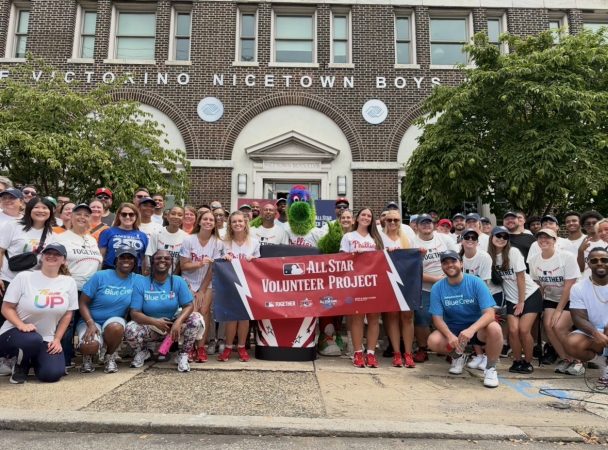
    On Saturday, former major leaguers C.C. Sabathia, Chris Young, Jason Kendall, Michael Bourn, Nick Swisher, Dellin Betances, and Kenny Lofton, along with nearly 100 volunteers from more than seven different organizations, joined Victorino to add two hours to that effort.

    “To have 100-plus volunteers here today digging in the dirt and pulling weeds and making this boys and girls club look that much prettier, it means a lot,” Victorino said.

    The Phillies and the rest of MLB have added $5,500,000 into the nationwide effort of trying to reach the goal of 250,000 volunteer hours in honor of the 250th anniversary of America. And now a portion of that has been dedicated to serving children in North Philadelphia.

    Nearly two months from the Boys and Girls Club’s 15-year anniversary, Victorino and the community came together to give the club a much-needed refresh. From 10 a.m. to noon, volunteers split into groups working on planting flowers and weeding, painting and refurnishing the teen room, raking new dirt dumped on the baseball field across the street, and picking up trash around the area.

    This comes after the announcement on Thursday of the renovation and expansion project at Tree House Books. This project will also be a part of MLB’s legacy initiative and includes an expanded children’s library named after Victorino’s former teammate Ryan Howard and his wife, Christine Howard.

    It was MLB’s and the Boys and Girls club’s goal to hit four main points upon the completion of Saturday’s event. These included getting the community partners to help provide a refresh to the club, making sure the environment was given care, committing hours to reach 250,000 hours of service, and to unveil the PHS mobile garden unit, which is another legacy project.

    “I really think the community residents are going to see that love is important,” said April Brown, MLB’s senior vice president of social responsibility. “We’re beautifying the outdoor space and enriching the experience for the youth every day.”

    And it isn’t just the presentation that made this project special to the volunteers.

    “It means a lot,” said volunteer Paige Giunta. “Not only from an attractive standpoint, but also people coming together to do something special for the community.”

    Giunta volunteered through Comcast, one of several organizations that partnered with MLB and the Phillies to bring more help to the cause.

    “Everybody thinks with the All-Star Game, you’re thinking of the game,” said Michele DeVicaris, the Phillies director of community events and fundraising. “They don’t always know that all these things are also going on. So it’s amazing to bring attention to something like the Boys and Girls Club, like a community event like this, have volunteers come out and be a part of this project.”

    The Club opened in September 2011 in Nicetown-Tioga, after a $1 million commitment from the Shane Victorino Foundation. Now almost 15 years later, the former two-time All-Star and World Series champion still cares deeply for the city that once embraced him.

    “I love this place,” Victorino said. “It’ll always be my second home, and I will always hopefully have a little love for the city as it does for me.”

    Playing Fields, not Killing Fields is an Inquirer collaboration with the Claire Smith Center for Sports Media and The Logan Center for Urban Investigative Reporting, to produce a series examining the current state of Philadelphia’s youth recreation infrastructure and programs. The project will explore the challenges and solutions to sports serving as a viable response to gun violence and an engine to revitalize city neighborhoods.

  • Zack Wheeler tosses another gem to defeat Tarik Skubal and Tigers going into the All-Star break

    Zack Wheeler tosses another gem to defeat Tarik Skubal and Tigers going into the All-Star break

    DETROIT — Warming up in the bullpen pregame, Zack Wheeler did not feel his best.

    The Phillies right-hander’s pitches were erratic. He wasn’t himself. Afterward, he grilled his catcher, J.T. Realmuto, asking if he’d noticed anything.

    But anyone watching, at home or at Comerica Park, would never have known what had been going through his head minutes before first pitch. Because Wheeler managed to pull off another masterful performance with six scoreless innings in the Phillies’ 5-0 shutout against Detroit.

    “That’s what makes him special,” Realmuto said. “Even when he doesn’t have his best stuff, he can still be very effective.”

    There was plenty motivating Wheeler to turn in a strong final start before the All-Star break, and not only because it was a heavyweight matchup with two-time Cy Young winner Tarik Skubal. After his previous outing, Wheeler had publicly criticized MLB for not including him as an All-Star replacement. When the league later invited him on Friday, he declined, calling the belated offer “pure disrespect.”

    He needed to back it up.

    Wheeler had the best feel for his splitter, so he leaned on that more than usual. In a normal start, Wheeler uses the pitch at about a 14% clip. Against Detroit, he turned to it 27% of the time, only less than his four-seam. He recorded six of his 10 strikeouts with his split, stifling the Tigers offense to just two hits total — both singles.

    J.T. Realmuto celebrates scoring against the Tigers during the third inning on Sunday in Detroit.Paul Sancya

    “J.T. did a nice job of just mixing it in and just pitching to that strength today,” Wheeler said.

    Realmuto also helped out his pitcher with his offensive performance. He scored a run in the third after getting hit by a pitch, and then delivered a three-run double during the Phillies’ rally in the sixth.

    It marked his second straight game with a key RBI double.

    “The guys in front of me are just doing a really good job of getting on base and putting a lot of pressure on the pitcher,” Realmuto said. “And then I think when you get in those situations, it’s about trying to do less, really trying to get a pitch over the heart of the plate, especially with runners in scoring position.”

    The Phillies worked long at-bats against Skubal, chasing him from the game before he could record an out in the sixth. He needed 27 pitches in the fifth alone, although he managed to strand a pair of runners in scoring position by striking out Trea Turner and Kyle Schwarber.

    Harper started the sixth-inning rally. He won a 10-pitch battle against Skubal with a single that ticked the lefty’s pitch count up to 93 and ended his day. Alec Bohm kept the line moving with an infield single off reliever Keider Montero, one of three the Phillies legged out on Sunday.

    Montero then intentionally walked Brandon Marsh after falling behind 3-0, loading the bases and setting the table for Realmuto’s heroics. He was then driven in by Stott, who hustled out an infield single, to cap a four-run outburst.

    J.T. Realmuto hits a three-run double against the Tigers during the sixth inning on Sunday.Paul Sancya

    “It just ended up being one of those games that you’re really happy about your club and the way we played, and the small things that we talk about, coming into play,” said interim manager Don Mattingly.

    Following the long half-inning, Wheeler wasn’t as sharp coming out for the sixth. He issued two walks, and went back to his splitter more often to try and get out of it. After taking Riley Greene to a 3-2 count, though, Wheeler turned to his usual bread and butter: his fastball. He beat Greene with a 95.1 mph four-seam to finish his outing.

    “We’d thrown him a lot of splits, a lot of off-speed throughout the day. Wheeler’s got such a good fastball,” Realmuto said. “He’s typically a good fastball hitter, but I felt like in that spot he was going to be looking for something softer. And when a guy’s got a fastball as good as Wheeler, you can trust it in those counts.”

    After some recent struggles as a collective, the Phillies’ bullpen had a bounce-back performance to close it out. JosĂ© Alvarado, Orion Kerkering, and Jonathan Bowlan combined to retire nine straight Tigers to seal the shutout.

    Mattingly said postgame that righty Brad Keller, who has made just one appearance since returning from right forearm tendinitis on Wednesday, was “a guy we wanted to stay away from today,” but didn’t give specifics on why.

    Alvarado’s performance in particular was a good sign after giving up four runs in his previous outing. He recorded two strikeouts in a clean inning, including pinch-hitting righty Eduardo Valencia.

    The Phillies head into the break with a 54-43 record and some momentum. They have closed within two games of the Braves in the National League East.

    “This for me is probably our best game of the year,” Mattingly said. “I mean, so many things went the way we wanted to go.”

  • Prosecutors went to prison to ask the prisoners how to fight crime

    Prosecutors went to prison to ask the prisoners how to fight crime

    Except for the portraits of Jesus, the chapel in California’s oldest prison is reminiscent of a high school gymnasium, with cinder block walls and a high, narrow strip of windows. On a recent day, it was the venue for an unusual six-hour event in which the people in prison had a chance to talk to the people who put them there.

    About 60 men in dusky blue work shirts — referred to as “inside people” — congregated with about 20 people in darker business attire — “outside people,” a contingent of district attorneys and their staff members.

    It was the first time that Erik Nasarenko, the district attorney for Ventura County, had visited a prison in his 18 years as a prosecutor. Gripping and grinning, he worked the crowd. “What high school did you go to?” he asked one inmate, who was from Long Beach.

    “Wilson,” the man said, affably. “For one day. Then I went to juvenile hall.”

    Prosecutors rarely visit prisons, and even more rarely converse at length with people doing hard time. This was the second annual such meeting convened by Brooke Jenkins, the top prosecutor in San Francisco, who said that both sides stood to gain from the experience.

    Prosecutors could ask prisoners for ideas about what interventions might have prevented their younger selves from committing crimes. And prisoners could tell their stories of redemption to the very officials who might review their requests for parole or a shortened sentence.

    The location itself, on a stretch of Bay Area waterfront, was a draw for the outside people. Once the infamous home of California’s death chamber, the prison has undergone a rebrand. Three years ago, its name was changed from the San Quentin State Prison to the San Quentin Rehabilitation Center, where prisoners have access to therapeutic and job training programs and can work on the hit podcast Ear Hustle; on the San Quentin News, which is distributed at prisons around the state; or in a soon-to-open cafe.

    Prosecutor visits to San Quentin began in 2012 with George Gascón, Jenkins’ predecessor. Understanding the rehabilitation process helped prosecutors make better decisions, Gascón said then. For her part, Jenkins has supported proposals by San Quentin prisoners to ensure that the money they pay to the courts goes to crime victims first — before fines and fees — and for single-occupancy cells, to make prisoners safer and more productive. The first idea became state law; the latter passed in the state Assembly last year.

    After bagels and coffee, a microphone was passed around the chapel for introductions. The chief prosecutor for Merced County turned out to be seated between a man convicted of carjacking and another convicted of murder; the acting district attorney for Yolo County was rubbing elbows with a former police officer who had kidnapped and raped women, and a man who had killed his own son.

    Many of the residents had worked their way from rougher institutions to San Quentin, where they are encouraged to come to terms with the harm they had caused. Several mentioned their victims by name and made a point of saying they had been “rightfully convicted.”

    The day’s chosen moderator, an inside person, invited everyone in the room to take two deep breaths, in unison. “We just heard a lot of accountability,” he said, “and I really believe in self care.”

    State prison officials permitted the New York Times to observe the event on the condition that prisoners not be identified, except for a handful who were selected to give interviews.

    After a panel discussion, the outside people were given a tour of a new learning complex with floor-to-ceiling windows and benches fashioned from gargantuan wooden beams.

    Stephen Wagstaffe, the district attorney of San Mateo County, who has been a prosecutor for 49 years, was attending for the second time.

    “In California at large, I’m one that would be described as one of the public safety, law-and-order, harsh types. I fully acknowledge that’s what I am,” he said. But, he added, “This is spectacular. This is what we ought to be doing.”

    Wagstaffe said he did not approve of recent changes to California law that allowed prisoners to seek relief from sentences that can exceed 100 years, even in crimes where no lives were lost.

    But he had made one adjustment since his last visit, he said. “I went back to my office and I put in a rule that nobody in my office can request a three-digit sentence without my review and approval.”

    He gestured toward a San Quentin resident. “I see people like this gentleman and I think, ‘You know, he doesn’t have to die here.’”

    For the next two hours, the inmates and the prosecutors gathered in smaller sessions that one DA described as “inmate-led focus groups.” Among the topics: the difficulty of determining when a prisoner is truly rehabilitated, whether prosecutors could hire people with the “lived experience” of having done time, ways to expand prisoner mentoring of at-risk youth, and how to get hip-hop songs, recorded by prisoners and aimed at deglamorizing violence, into the hands of DJs. Prosecutors asked what might have kept the inmates from committing crimes in the first place.

    “To be honest, I don’t know if I could have told anything to my younger self to stop the journey that I was on,” said Ryan Pagan, who was serving 77 years for a murder he committed as a teenager. Now, he makes podcasts and documentary films. People had tried to scare him straight, he said, but he did not listen. “I feel like I needed prison.”

    Jenkins protested. “That makes me feel hopeless,” she said.

    Another inmate, Jason Jenkins, said it might have helped if someone had been around to cultivate his talent for basketball. But his mother had gone to prison for dealing drugs when he was 5, and his father had been shot and killed by police. “No one ever showed up to my basketball games,” he said.

    And Taiosisi Matangi, who regularly speaks to high school students as part of a San Quentin mentorship program, said it was more important to listen to kids than to scare them.

    If he could talk to his younger self, he would say that the abuse he experienced as a child was not his fault.

    “But,” he would add, “we can do something to get you out of there and stop thinking that violence is OK.”

    This article originally appeared in the New York Times.

    Inmates show a film made through the filmmaker training program at the San Quentin Rehabilitation Center in San Quentin, Calif., May 29, 2026. What might stop kids from committing crimes? A group of district attorneys went to San Quentin, once one of California’s most infamous prisons, to ask the inmates for advice. (Rachel Bujalski/The New York Times)RACHEL BUJALSKI
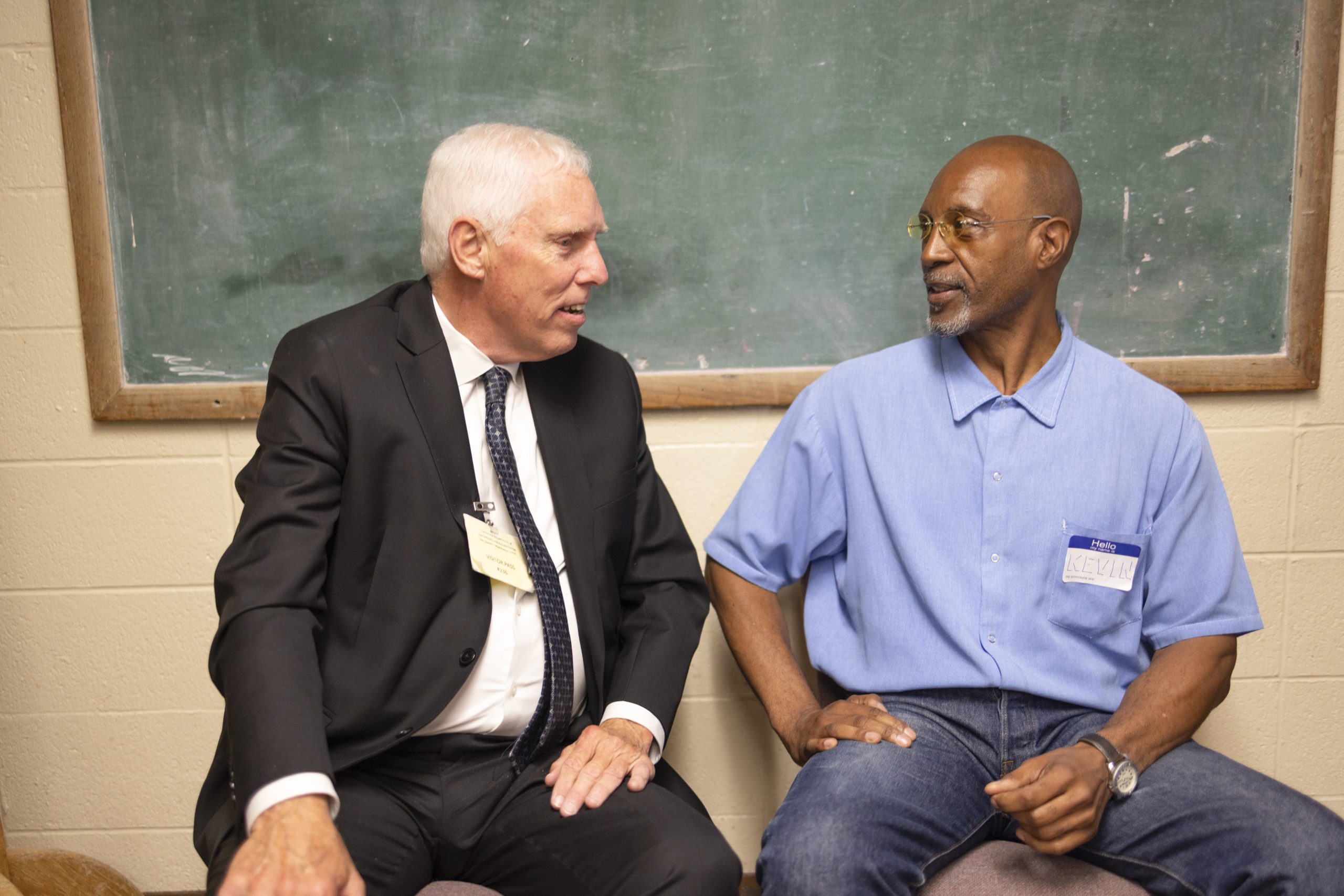
    Stephen Wagstaffe, the district attorney of San Mateo County, speaks with Kevin Sawyer, an inmate at the San Quentin Rehabilitation Center in San Quentin, Calif., May 29, 2026. What might stop kids from committing crimes? A group of district attorneys went to San Quentin, once one of California’s most infamous prisons, to ask the inmates for advice. (Rachel Bujalski/The New York Times)RACHEL BUJALSKI
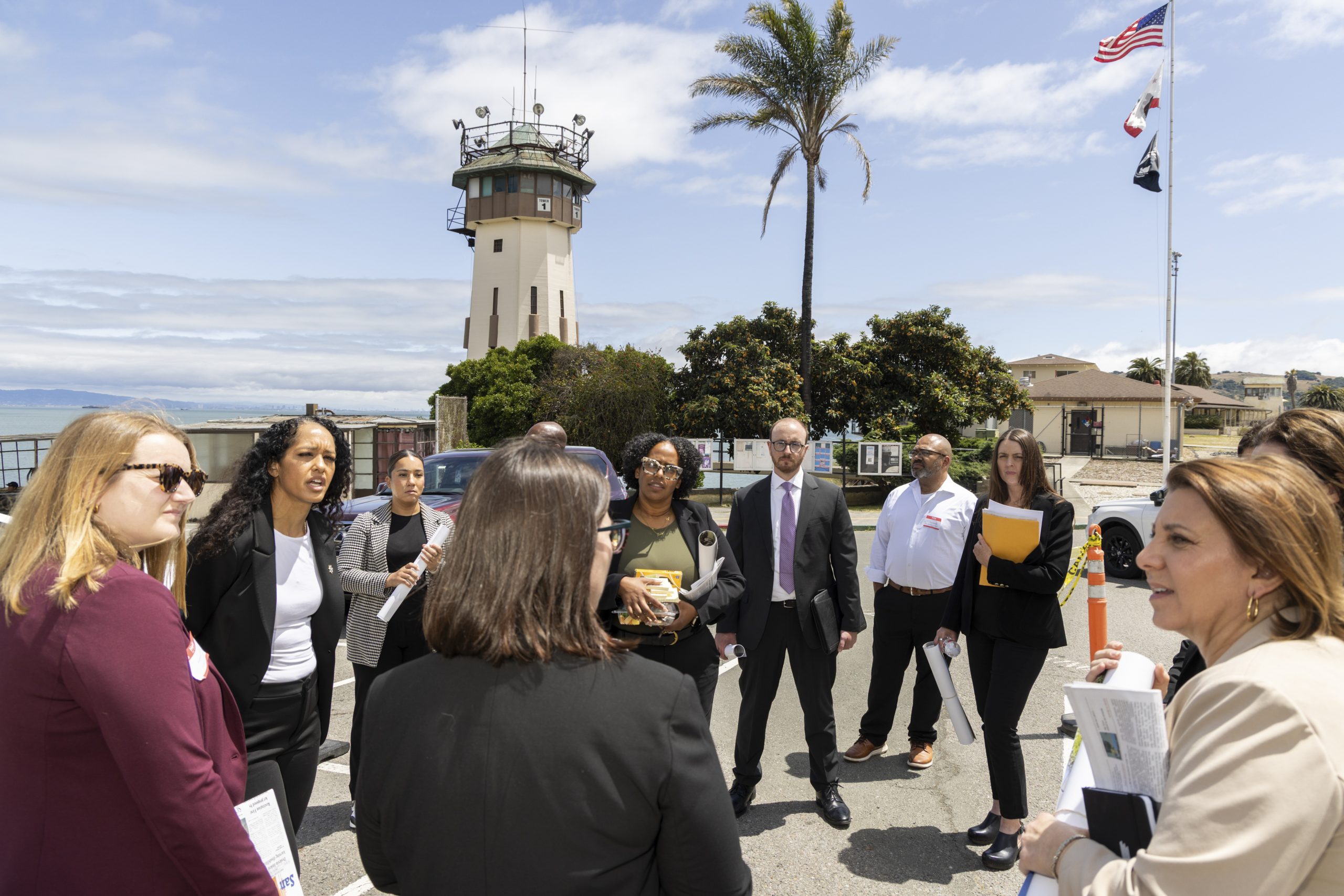
    District attorneys gather after meeting the inmates at the San Quentin Rehabilitation Center in San Quentin, Calif., May 29, 2026. What might stop kids from committing crimes? A group of district attorneys went to San Quentin, once one of California’s most infamous prisons, to ask the inmates for advice. (Rachel Bujalski/The New York Times)RACHEL BUJALSKI
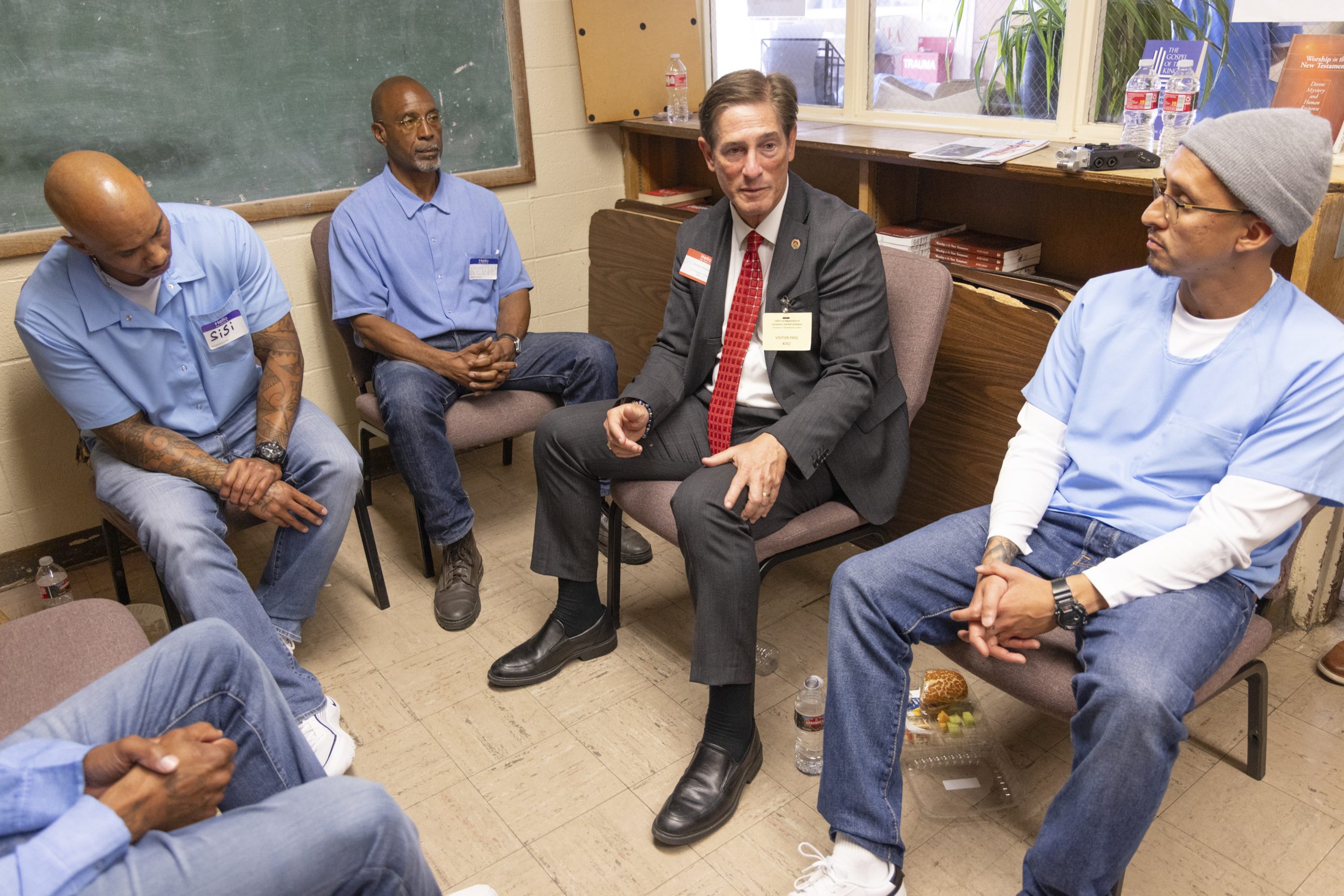
    Nathan Hochman, the Los Angeles district attorney, speaks with inmates at the San Quentin Rehabilitation Center in San Quentin, Calif., May 29, 2026. What might stop kids from committing crimes? A group of district attorneys went to San Quentin, once one of California’s most infamous prisons, to ask the inmates for advice. (Rachel Bujalski/The New York Times)RACHEL BUJALSKI
    Brooke Jenkins, the top prosecutor in San Francisco, is interviewed by inmates for The San Quentin News at the San Quentin Rehabilitation Center in San Quentin, Calif., May 29, 2026. What might stop kids from committing crimes? A group of district attorneys went to San Quentin, once one of California’s most infamous prisons, to ask the inmates for advice. (Rachel Bujalski/The New York Times)RACHEL BUJALSKI
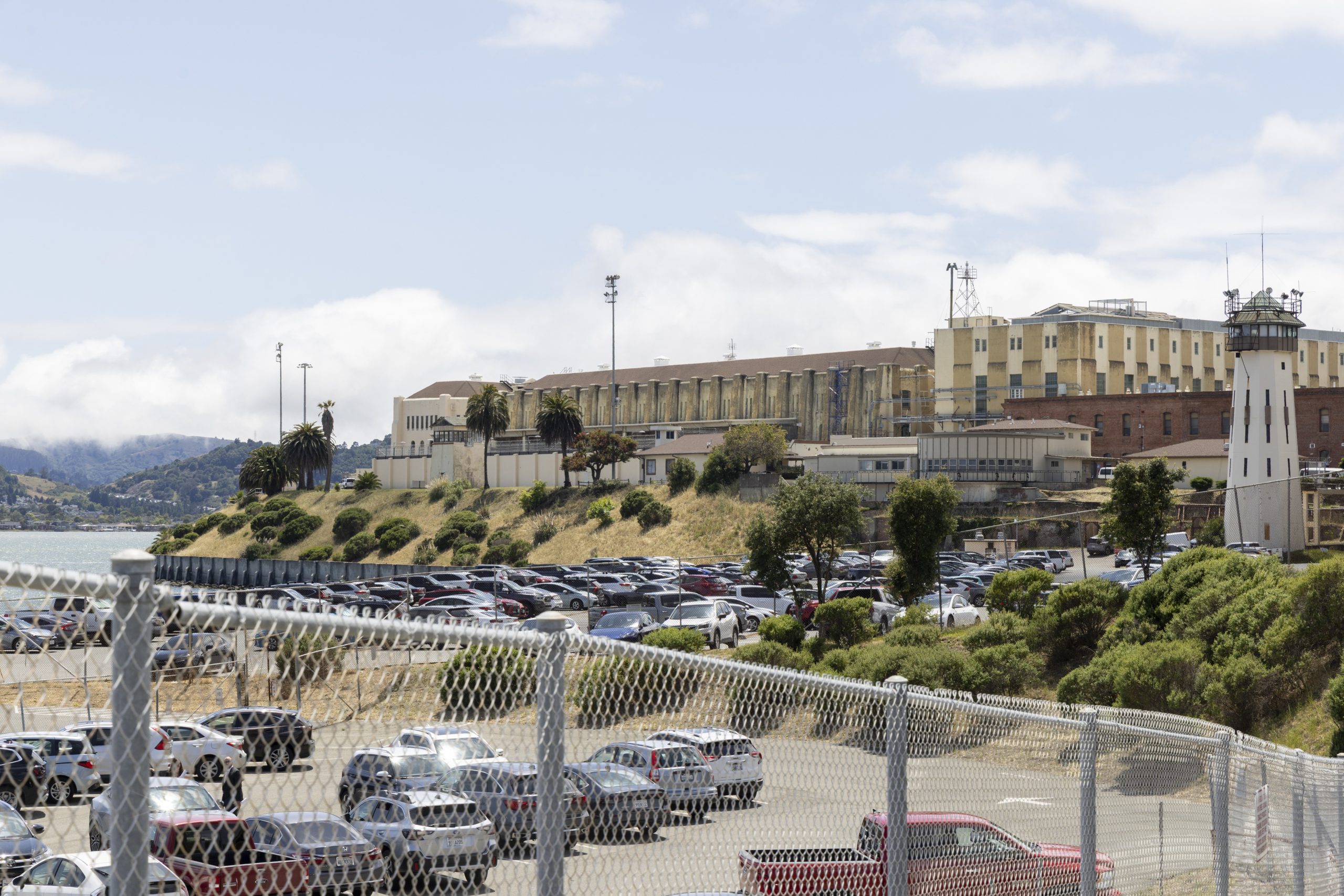
    A general view of the San Quentin Rehabilitation Center in San Quentin, Calif., May 29, 2026. Inmates at San Quentin have access to self-help and job training programs. (Rachel Bujalski/The New York Times)RACHEL BUJALSKI
  • ‘Phillies Extra’ Q&A: Ryan Howard on Home Run Derby memories, Kyle Schwarber’s bid for his record

    ‘Phillies Extra’ Q&A: Ryan Howard on Home Run Derby memories, Kyle Schwarber’s bid for his record

    Twenty years ago, Ryan Howard launched baseballs into the Allegheny River in Pittsburgh and won MLB’s annual Home Run Derby.

    In some ways, it launched his career.

    Howard was the National League’s Rookie of the Year in 2005. But his star turn at the 2006 Derby came in the midst of a season in which he won NL MVP and became the foremost power hitter in the sport for a six-year stretch.

    As the All-Star Game returns to Philadelphia for the first time in 30 years, Howard sat down with Phillies Extra, The Inquirer’s baseball podcast, to discuss the Phillies’ first half, his expectations for a Home Run Derby in Citizens Bank Park, and more.

    Watch the full interview below and subscribe to the Phillies Extra podcast on Spotify or Apple Podcasts.

    Q: You played in three All-Star Games in your career. You were the Home Run Derby champ in 2006. When I say All-Star Game, what sticks out to you from your career?

    A: When you say All-Star Game, it’s one of those things that when you’re younger, you always strive to want to be a part of. It’s kind of where, it’s the elite of the elite, if you will, and you’re always striving to try to make an All-Star team, and you’re always striving to try to win a championship. So to be able to participate on the All-Star teams and be recognized by the fans and your peers as one of the top players, in the middle of the season, is something that’s always such a great honor to have. And it means you’re doing something right. So you always want to continue to try to do something like that.

    Ryan Howard won the 2006 Home Run Derby in Pittsburgh.ASSOCIATED PRESS
    Q: How much are you looking forward to seeing what a Home Run Derby in Citizens Bank Park will look like?

    A: I’m so excited to see what it’ll look like. This group of guys are just different. It’s a whole different level of strength, and these guys are bigger, stronger, faster. The ball just travels further, so I’m excited to see where the ball lands. Charlie [Manuel] always told Jimmy [Thome] and I that he saw Julio Franco hit a ball in batting practice that hit the bell. Now we’ve said that’s a little suspect, Charlie. There’s got to be like a 35 mph tailwind. He’s got to catch it and do the whole nine, but like it’ll be very interesting. I think somebody could potentially get close to trying to hit that bell, so I would love to see somebody hit a ball that goes up and hits that bell on the fly.

    Phillies designated hitter Kyle Schwarber leads baseball with 32 home runs at the break.Yong Kim / Staff Photographer
    A: Kyle Schwarber is one of the preeminent sluggers of this generation, him and Aaron Judge, and certainly Shohei Ohtani. Is this the year that maybe Schwarber matches or tops your Phillies record 58 home runs in a season?

    A: He’s must-watch TV. You don’t want to miss his at-bat because of what he’s able to do with the swing of the bat — the ball comes off his bat different. It’s just so violent, and the swing is so 
 quick and it’s so violent off the bat that it’s so fun to watch. The ball he hit a few years ago in San Diego, people don’t do that. People don’t hit the ball like that, but Schwarber does. As far as the 58, it’s just a matter of him staying healthy and just continuing to stay consistent and do what he does. He got close last year [with 56]. Right now he’s at [32]. You just want him to stay healthy and be good for the stretch run, and he’s going to get those hot streaks where he’s dropping off like five, six, seven homers in a week, and again it’s like video game-type stuff.

    But it’s fun to watch. I like to call it kind of like some blackout moments where you’re like, I don’t even know what’s going on, but I’m not going to fight it. And he gets in those zones where it’s just like it feels like every time the bat comes off your shoulder, damage will be done, and usually it winds up on the other side of the fence.

    Q: Did you see this Phillies turnaround coming after the 9-19 start? How do you look at the first half they’ve had?

    A: 
 There’s no level of panic because with the level of quality players on this team and what they’ve done in the years past 
 I feel like the Phillie franchise, even when I was playing, we’d always get out to slow starts in April. April is not a good month for the Phillies. And the thing is, you can’t win the division in April, but you could lose the division in April. And I think with the talent that this team possessed 
 you still had [Zack] Wheeler that was out. [Cristopher] Sánchez was doing his thing. It was just a matter of time because they had too much talent, too much veteran presence on this team to do what they were doing, and that’s what happens over the course of the season.

    You’re going to have bad stretches, and you’re going to have good stretches. So, hopefully, for them, they got that bad stretch out of the way early, to where you have plenty of time to be able to make up for it, which is what they’ve been able to do and put themselves in a position to make the postseason.

    And you just want to continue to try to say, OK, stay above .500 each month. With the caliber of guys that they have, the chemistry that they have, it’s not a surprise that they put themselves back in it. It’s what they do, and you would expect them to be able to go and be in the postseason and try to make a long run in the postseason.

  • Jefferson announces new Allentown medical school campus

    Jefferson announces new Allentown medical school campus

    Thomas Jefferson University is bringing its medical education offerings to Allentown, with a new four-year regional campus set to enroll students in 2029, officials announced Monday.

    The site will offer the same curriculum as Jefferson’s main campus in Center City, including the same assessment standards, learning objectives, and graduation requirements.

    Once opened, the Allentown location of the Sidney Kimmel Medical College will mark the school’s second regional expansion. The university announced plans last month to open Delaware’s first four-year medical school in 2028.

    University leaders hope the move will create pathways for workforce development in the Lehigh Valley and help meet regional healthcare needs.

    “Physicians are more likely to practice where they train,” Said Ibrahim, dean of Sidney Kimmel Medical College, said in a statement. “Establishing a four-year campus of Sidney Kimmel Medical College in the Lehigh Valley will expand opportunities for medical education, strengthen regional connections, and build a pipeline of physicians who are committed to serving this community for generations.”

    What is known so far

    The new regional campus will reside at One Center Square in downtown Allentown and span more than 54,000 square feet.

    Students will complete clinical training at Jefferson Health – Lehigh Valley region hospitals and outpatient practices.

    The regional campus will enroll 45 students starting in July 2029 — slightly more than the Delaware campus’ 40 students in 2028. Last year, the incoming class in Center City included 286 students.

    Jefferson declined to comment on the cost of the new regional campus.

    The university also announced plans in May to expand other academic programs to the Lehigh Valley this fall, including graduate-level nursing education, paramedicine, and respiratory therapy programs.

    Local politicians celebrated the expansion for its potential to recruit future healthcare workers to the region.

    “An Allentown School District student with a dream to be a doctor can do pre-med at Cedar Crest College and now stay in Allentown for her MD. A Muhlenberg College student who comes from Puerto Rico or Connecticut who falls in love with Allentown can become a doctor right here and stay here,” Allentown Mayor Matt Tuerk said in a statement.