Blog

  • Jenkintonians rebuild local playground | Inquirer Greater Abington

    Hello, Greater Abington!

    Welcome to the inaugural edition of Inquirer Greater Abington, your go-to weekly roundup of the top stories affecting your community, from updates on your local government leaders and schools to restaurant openings and events. We hope to make your day a little easier with helpful and accurate news you can really use.

    👋 I’m Laura, your trusty newsletter writer. I’ve called Greater Philadelphia home for about 12 years, and am endlessly charmed by the distinct identities of every borough, township, suburb, and city neighborhood. I hope this space will become your reliable news hub for everything Abington, Jenkintown, Cheltenham, and Elkins Park.

    I’m hopeful I’ll hear feedback from you as this newsletter grows. Seriously, I want to know what you like most about this digest, what’s not working for you, and any suggestions for improvement or story tips. Just be nice — you’ve got real humans working on the other end of this thing.

    Now, let’s get into the news.

    Jenkintown residents are leading the charge on planning and fundraising for the borough’s new $1.3 million playground project. Also this week, e-bikes and e-scooters face a potential ban in parts of Abington, eligible homeowners can apply for emergency home repairs assistance, and arrests were made in two nearly identical cases affecting both the Abington and Cheltenham school districts after adult men allegedly had illegal sexual contact with students who are minors.

    — Laura Smythe (greaterabington@inquirer.com)

    P.S. Tell us what you think of the newsletter by taking our survey or emailing us at greaterabington@inquirer.com.

    If someone forwarded you this email, sign up for free here.

    Who’s rebuilding Jenkintown’s only playground? Maybe you are.
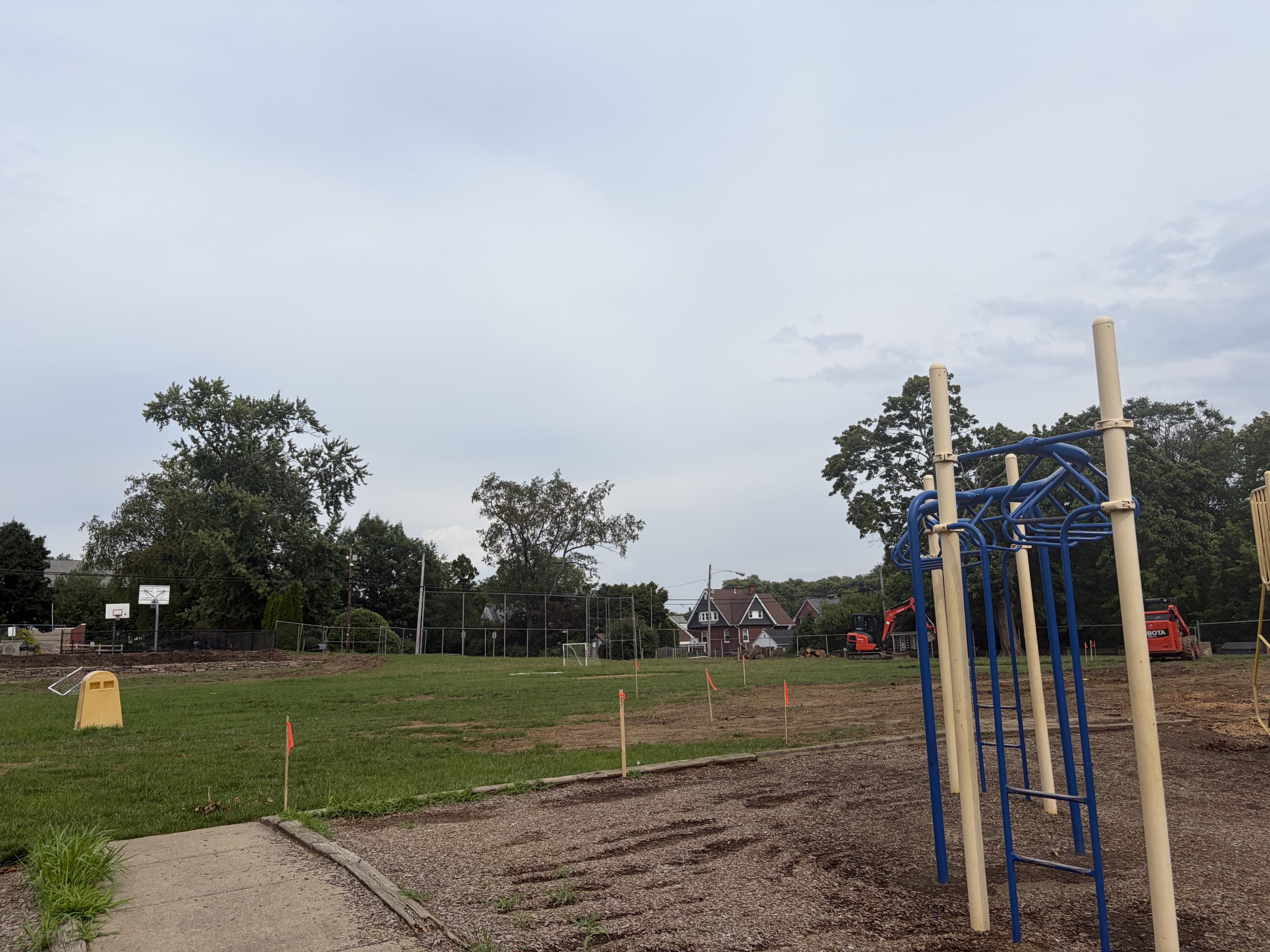
    Jenkintown’s community-oriented, DIY spirit is on full display as residents gear up to build the borough’s new playground at the end of the month, following the beloved Jenkintown Castle demolition in April. Dubbed Legacy Park, the forthcoming $1.3 million project will include slides, swings, a toddler section, and an imaginative play area with a stage donated by Jenkintown Music Theatre.

    Local volunteers have spearheaded planning and fundraising for the playground, while contractors will handle tasks such as land work, water drainage, and installing equipment to ensure safety and longevity.

    The hands-on effort reflects Jenkintonians’ desire for the playground “to be a community project that benefits the most people,” said Kelly Hudson, a volunteer who helms the newly formed playground board. “We’re very prideful about our small little town.”

    The Inquirer’s Jess Rohan, who covers all things Greater Abington, has the details on the project, including how you can volunteer to be part of it.

    💡 Community news

    • Abington is moving toward banning e-bikes and e-scooters at public parks and trails following crashes across the region, but some local cyclists argue the current proposed ban is too broad.
    • Phillip Prince, a 40-year-old Glenside man, has been charged with attempted murder after Montgomery County prosecutors said he intentionally drove his car into a cyclist, The Inquirer’s Vinny Vella reports.
    • Neighbors can sue Gov. Josh Shapiro and his wife, Lori, as regular Montgomery County homeowners, but not in his official capacity, a federal judge ruled — something they’re pursuing after claiming the Shapiros used yard space that doesn’t belong to them to build an eight-foot security fence.
    • Commuters using the Jenkintown-Wyncote station will soon see a development underway that will include 86 apartments. Plus, 40 new apartments are headed to the former Helweg funeral home site in Jenkintown.
    • Some Abington residents are eligible to apply for a piece of the $200,000 Pennsylvania recently awarded to the township’s emergency home repairs program.
    • Area residents are taking to social media to share fond memories of Weinrich’s Bakery patriarch Edward Weinrich, who ran the Willow Grove family institution for decades. Weinrich died last month at 92.
    • Cheltenham’s board of commissioners has selected Jonathan Altshul, current town manager of Newington, Connecticut, as the township’s new incoming manager, per Glenside Local. He’ll be formally appointed at the board’s legislative meeting on Wednesday at 7:30 p.m. at Curtis Hall in Wyncote, as well as on Zoom.
    • Jenkintown’s Capricorn Books has moved to a new location, Glenside Local reports.

    đŸ« Schools briefing

    • Abington’s new forthcoming middle school, part of a $285 million project, could feature more parking, a class “pod” setup, and layouts for easier monitoring of classrooms and bathrooms.
    • A 21-year-old Philadelphia man, Jamaal Raheem, has been charged with unlawful sexual contact with a minor and related crimes after allegedly posing as a teenager to persuade an underage student to enter Cheltenham High School after hours.
    • Abington School District has launched an internal investigation to review security protocols after a nearly identical case, in which police charged Raeem Grange-Allen, 25, with attempted rape by force and attempted statutory sexual assault of a 14-year-old student who let him inside Abington Senior High School, according to a police affidavit.

    đŸœïž On our plate

    • Four Jenkintown bars participated in a Nicolas Cage-themed bar crawl last month, shaking up themed cocktails inspired by the actor and hosting “Cage match” challenges based on his films. Inquirer columnist Stephanie Farr details her experience at the crawl, likening it to many of Cage’s movies: “not a blockbuster, but still quirky and fun.”

    🎳 Things to do

    🎹 Blacklight Ben Franklin Bridge 100th Anniversary: Get smocked up and bring your artistic vision of the century-old bridge to life during this guided, BYOB painting session. ⏰ Friday, July 17, 7-9 p.m. đŸ’” $45 📍 Painting With a Twist, Jenkintown

    đŸ§” Flag-Making Workshop: Get hands on with a variety of fabrics and materials to create a one-of-a-kind flag that tells your story. ⏰ Saturday, July 18, 10 a.m.-noon đŸ’” Free 📍 Abington Art Center

    đŸ„ Free Summer Concert Series: Soak in the summer night while jamming out to the tunes of Irish band Shades of Green. ⏰ Saturday, July 18, 6 p.m. đŸ’” Free 📍 High School Park, Elkins Park

    🏡 On the market

    A 20th-century Tudor with elegant details
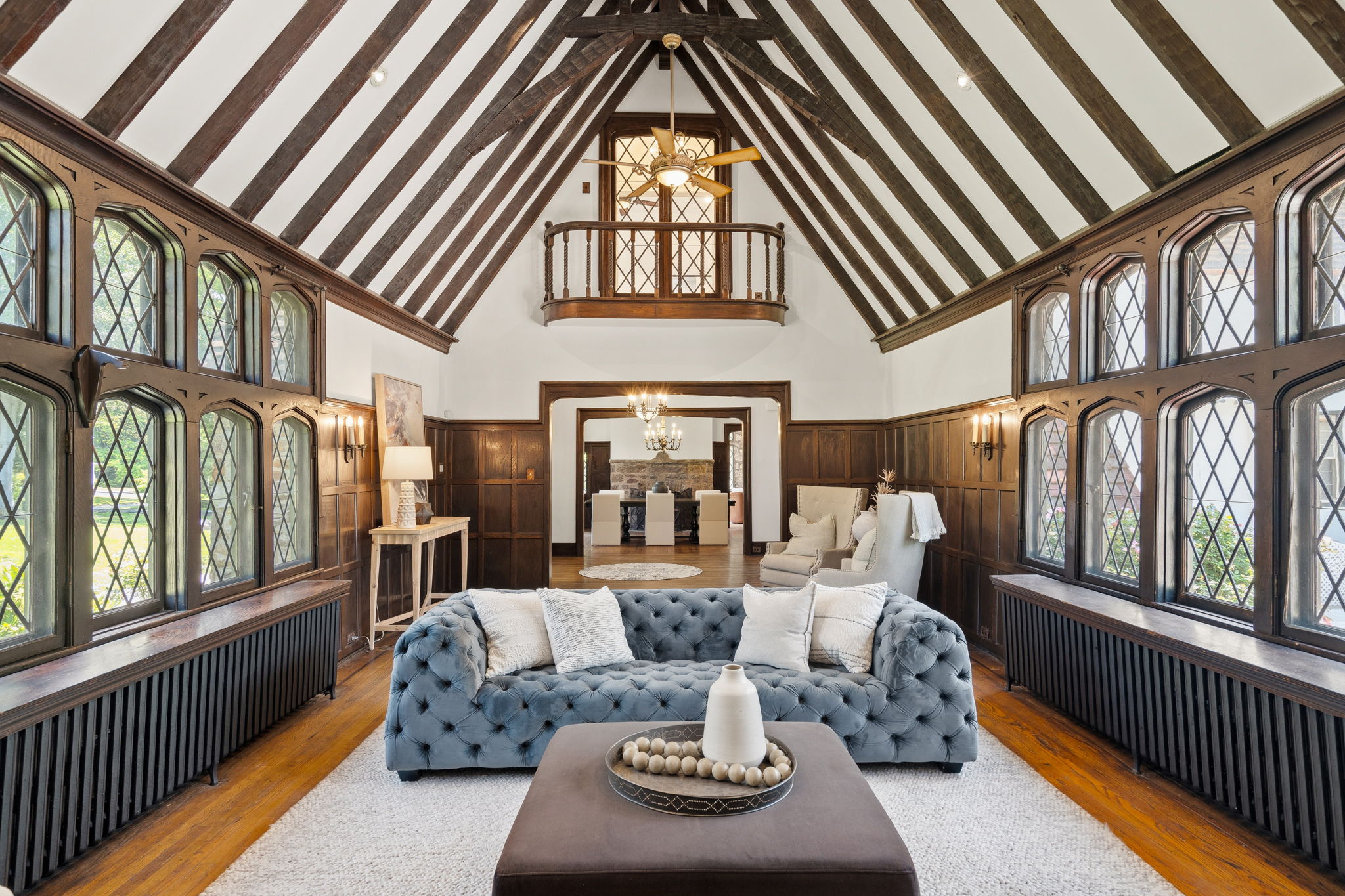
    The great room inside 1952 Canterbury Road in Abington.

    This property in Abington’s Baederwood neighborhood was constructed in 1938 for the Pennsylvania family behind now-defunct Laird & Schober Shoes, according to the listing. Details in this five-bedroom home include stone fireplaces, a handcrafted staircase in the foyer, and a great room with cathedral ceilings, exposed beams, glass-paneled walls, and a Juliet balcony.

    See more photos of the property here.

    Price: $1.2M | Size: 4,328 | Acreage: 0.93

    📈 Greater Abington market report

    Abington

    • Median listing price: $487,500 (down $7,400 from April) 📉
    • Median sold price: $451,000 (same as April)
    • Median days on the market: 25 (up five days from April) 📈

    Jenkintown

    • Median listing price: $275,000 (down $50,000 from April) 📉
    • Median sold price: $553,800 (up $36,300 from April) 📈
    • Median days on the market: 27 (down 9 days from April) 📉

    Cheltenham

    • Median listing price: $497,800 (up $65,300 from April) 📈
    • Median sold price: $530,000 (up $48,800 from April) 📈
    • Median days on the market: 25 (up one day from April) 📈

    Elkins Park

    • Median listing price: $496,500 (up $71,600 from April) 📈
    • Median sold price: $425,000 (up $35,100 from April) 📈
    • Median days on the market: 28 (down three days from April) 📉

    This Greater Abington market report is published on a monthly basis. Above is data for May from realtor.com.

    đŸ—žïž What other Greater Abington residents are reading this week:

    By submitting your written, visual, and/or audio contributions, you agree to The Inquirer’s Terms of Use, including the grant of rights in Section 10.

    This suburban content is produced with support from the Leslie Miller and Richard Worley Foundation and The Lenfest Institute for Journalism. Editorial content is created independently of the project donors. Gifts to support The Inquirer’s high-impact journalism can be made at inquirer.com/donate. A list of Lenfest Institute donors can be found at lenfestinstitute.org/supporters.
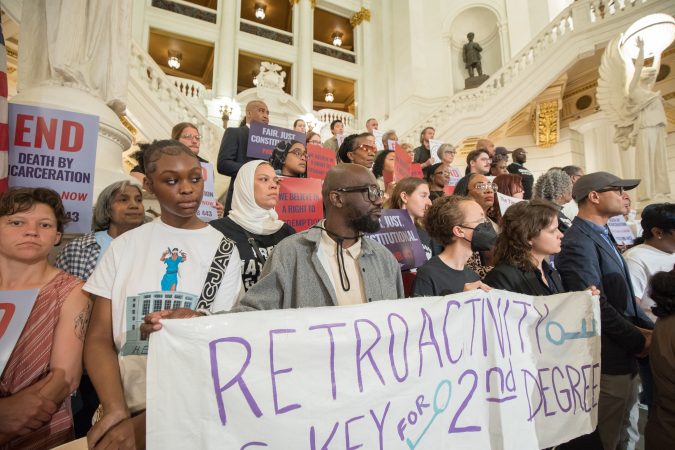
  • Pa. lawmakers have only days to set sentencing guidelines for felony murder cases. Hundreds of cases are on the line.

    Pa. lawmakers have only days to set sentencing guidelines for felony murder cases. Hundreds of cases are on the line.

    State lawmakers left Harrisburg on Sunday without approving a new sentencing structure for second-degree murder convictions, all but ensuring Pennsylvania will miss a court-imposed deadline to replace a law the state’s highest court struck down as unconstitutional because it barred judges from weighing individual culpability.

    The legislature’s failure makes it exceedingly likely that judges across Pennsylvania will soon have to sentence people convicted of second-degree murder without a legislatively enacted sentencing range to guide them. It also sets the stage for what is expected to be years of litigation over the roughly 1,100 people already serving mandatory life-without-parole sentences.

    The political stalemate leaves thousands of people — incarcerated Pennsylvanians, victims’ families, and attorneys — waiting to learn what happens next.

    “In the absence of a law, there’s going to be a lot of chaos and a lot of confusion,” said Sean Damon, director of strategic partnerships for Straight Ahead, a decarceration advocacy organization.

    Gov. Josh Shapiro said Sunday that he agreed with the Supreme Court’s decision striking down the mandatory sentencing law as unconstitutional, but had hoped lawmakers would reach a compromise before leaving Harrisburg.

    Shapiro said he spent much of the final two days of session trying to bridge the divide between House Democrats and Senate Republicans. Though no agreement emerged, he said that House procedural maneuvering left a legislative vehicle available should negotiators eventually strike a deal before a July 24 deadline to rewrite the law.

    “I’d like to see the legislature act on this and not just leave it up to every individual county to act,” Shapiro said.

    ‘Someone’s going to need to act’

    Until the Pennsylvania Supreme Court ruling in March, the state was one of only two that still required life without parole for every second-degree murder conviction — a category of homicide that generally applies to deaths committed during certain felonies, including cases in which a defendant played a role in the crime that led to the death.

    In their decision, the justices said courts must consider the facts of each case and the defendant’s culpability before deciding on a punishment.

    But the high court stopped short of deciding whether its ruling applies retroactively to people already serving those sentences. And it delayed implementing its decision for 120 days to give lawmakers time to rewrite the law.

    Since March, judges across the state have postponed sentencing defendants convicted of second-degree murder while awaiting action from the General Assembly.

    That action never came.

    Lawmakers adjourned for the summer with 12 days remaining before the Supreme Court’s stay expires and with no realistic path toward a compromise. Republicans and Democrats spent months advancing competing visions for replacing the unconstitutional law but failed to bridge deep disagreements.

    Senate Republicans twice approved legislation that would replace the mandatory sentence with a minimum term of 35 years to life, allowing parole eligibility after 35 years — or after 20 years for prisoners at least 70 years old.

    House Democrats backed legislation that would cap future second-degree murder sentences at 50 years while allowing many people already serving mandatory life-without-parole sentences to seek parole after 25 years. The proposal, supported by the Philadelphia Bar Association, the Defender Association of Philadelphia, and District Attorney Larry Krasner, never advanced to a vote in the House.

    House Majority Leader Matt Bradford (D., Montgomery) said Sunday that Democrats have a legislative path prepared, so when they reach an agreement they can swiftly pass it and send it to Shapiro’s desk.

    Asked whether that could happen before July 24 despite no additional voting days currently scheduled, Bradford replied: “We’re hoping to get something accomplished.”

    Republican Attorney General Dave Sunday urged lawmakers this weekend to reach an agreement before the deadline, warning that failing to enact a new sentencing law would leave courts without clear guidance and could allow some people now serving life-without-parole sentences to become immediately eligible for release.

    “It is dangerously inadequate for the House to allow the deadline to pass without a substantive and realistic proposal that includes sensible sentencing ranges with the option of a life sentence for the most serious offenders and protections for the victims of these horrible crimes,” Sunday said.

    Sen. Wayne Langerholc (R., Cambria) voiced similar concerns during a committee meeting Saturday.

    “Someone’s going to need to act in the House, or else this risks 1,100 violent offenders being released onto the streets of our commonwealth that we cannot afford to have,” he said.

    A ‘free-for-all in the courts’

    The Supreme Court cannot create a new sentencing range itself because establishing criminal penalties is the legislature’s responsibility. But advocates say Pennsylvania has already faced a similar situation.

    After the U.S. Supreme Court ruled in 2012 that mandatory life-without-parole sentences for juveniles were unconstitutional, Pennsylvania enacted a new sentencing law that applied only to future cases. Four years later, when the high court ruled that decision applied retroactively, judges had to resentence hundreds of incarcerated people without legislative guidance.

    Many attorneys expect a similar pattern after July 24. Judges will continue sentencing people convicted of second-degree murder on a case-by-case basis until lawmakers or appellate courts provide clearer direction. At the same time, attorneys representing people already serving mandatory life-without-parole sentences are expected to begin seeking new sentencing hearings.

    Because the Pennsylvania Supreme Court did not decide whether the decision applies retroactively, that question is also expected to return to the justices.

    “We reasonably believe that if this matter is brought to them [the justices] again, they will mandate mass resentencing,” said Damon, of Straight Ahead.

    Some criminal justice advocates argue that individualized sentencing hearings before judges are preferable to replacing one mandatory sentencing scheme with another because judges are better positioned to weigh a person’s role in a crime, rehabilitation while incarcerated, and risk to public safety.

    “Even though it will be a free-for-all in the courts,” said Celeste Trusty, a consultant for criminal legal reform organizations and former state legislative affairs director of FAMM, “people serving the now-unconstitutional mandatory life-without-parole sentences would also likely fare better” under individualized resentencing than under the failed bill.

    Even so, the absence of a statewide framework is likely to place enormous demands on courts, prosecutors, and public defenders, particularly in Philadelphia, where more than 500 people are serving mandatory life-without-parole sentences for second-degree murder — about half the statewide total.

    Keisha Hudson, chief defender of the Defender Association of Philadelphia, estimated each resentencing would require about $40,000 in attorney time, investigators, mitigation specialists, and other resources — roughly $24 million if every potentially eligible Philadelphia case returned to court.

    She said defenders are expected to shoulder much of that work but lack the resources to handle the oldest cases, including about 30 that predate the creation of the office’s homicide unit in 1993.

    Philadelphia District Attorney Larry Krasner did not respond to an interview request.

  • A 12-year-old Philly girl interviewed baseball’s best players at the All-Star Game: ‘It was so chaotic’

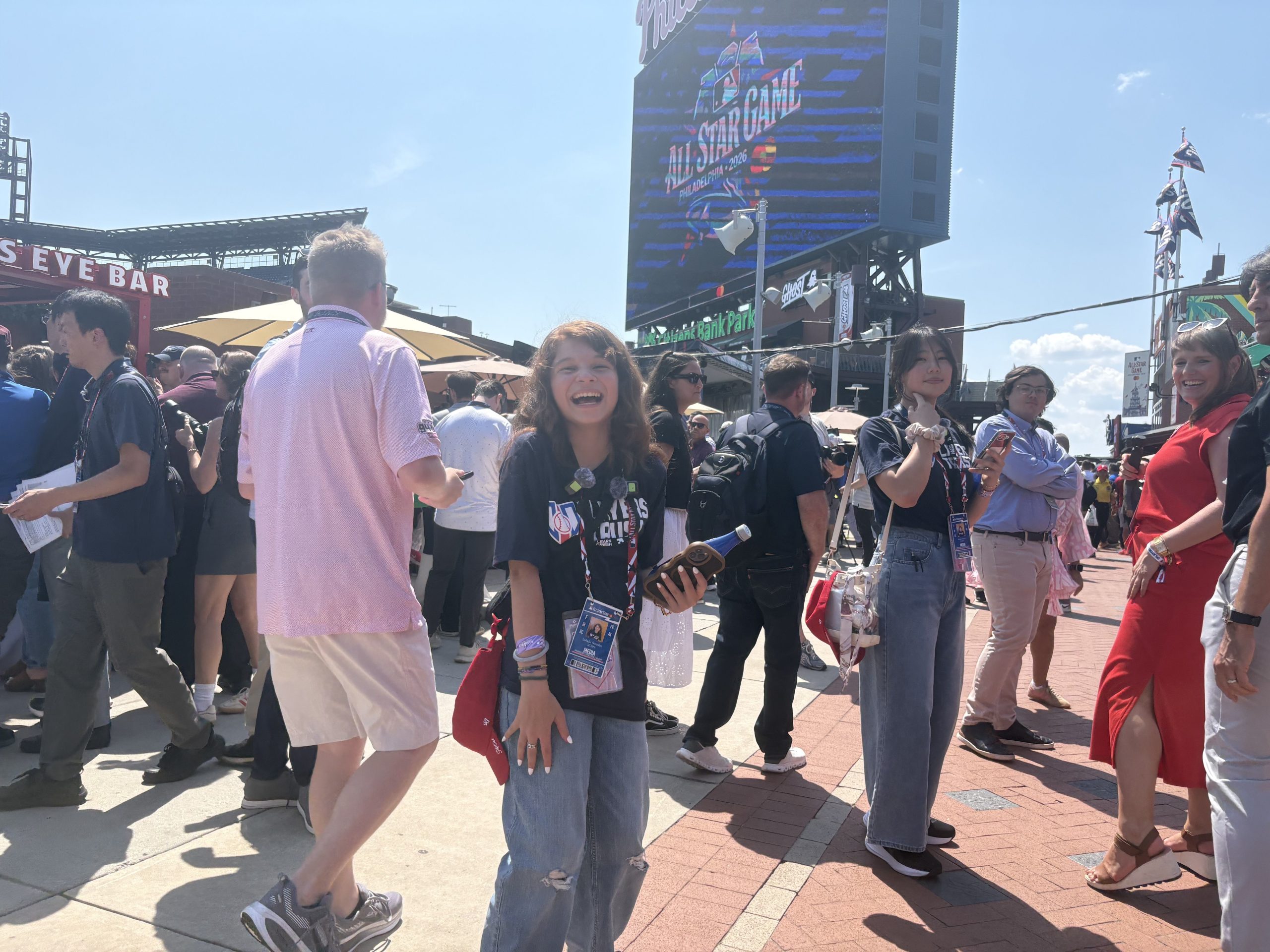
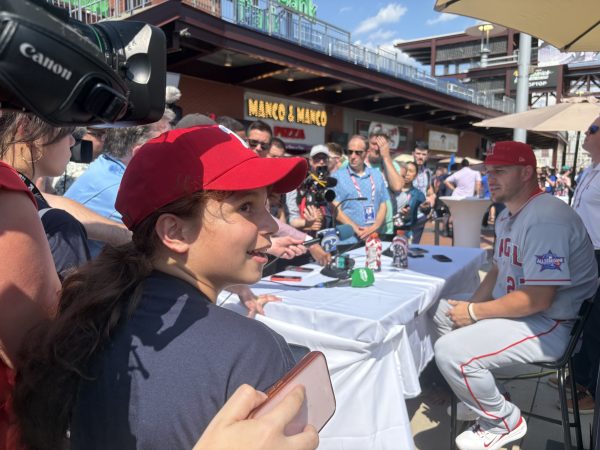
    A 12-year-old Philly girl interviewed baseball’s best players at the All-Star Game: ‘It was so chaotic’

    In the center of Ashburn Alley at Citizens Bank Park, Yoshinobu Yamamoto was surrounded by dozens of media members standing shoulder-to-shoulder, pushing their way through the crowd with mics in hand to ask the Dodgers pitcher a question.

    And standing shoulder height to the other media members, getting pushed around in the middle of it all, was 12-year-old Philadelphia native Isabella Gonzalez.

    “So, I’m actually claustrophobic, I hate tight spaces,” Gonzalez said. “But when I was over there, because of how wild it was, I started to get smushed in. Everyone slowly started closing in.

    “So, I felt someone’s shoulder go on my cheek. I didn’t want to be rude and fully shove them. Because like everyone was ahead of me, so I’m like rushing over. It was so chaotic. But I think it was easy to deal with because I can just be like, ‘Oh, excuse me.’ Or give them a light [shove].”

    Despite her fear of tight spaces, she found her way to the front of the crowd, took a deep breath, and let her voice be heard.

    My name is Bella. Congratulations on making it to All-Stars. I’m from Philly, but my family background is from Costa Rica and Puerto Rico. I have a question for you.

    After getting out of the crowd, she let out a sigh of relief and was onto her next assignment: an interview with Phillies pitcher JesĂșs Luzardo — and this interaction would hold a special place in Gonzalez’s heart.

    Earlier this year, Luzardo filmed a video for Gonzalez informing her that she was selected to serve as a Players Exchange Student Correspondent, where she would be interviewing MLB players during All-Star media day. Since then, he’s been a favorite for the Phillies fan.

    Philadelphia student Isabella Gonzalez, 12, served as a Players Exchange Student Correspondent, interviewing MLB players during All-Star media day on Monday.Ariel Simpson

    “My favorite [interview] was JesĂșs Luzardo,” Gonzalez said. “Obviously, he made a video for me. So, knowing that he was the player who made me a video and that the whole class had to watch me see that video, it made me happy because I feel like I could make a few connections toward him. My dad always told me about him 
 He was just telling me that he’s a really good guy and be proud that’s the man who made you a video.”

    Gonzalez, a seventh-grader at Decatur Elementary School in Northeast Philly, has been part of the MLB’s Players Exchange program for a year. The program, designed for 11- to 14-year-old students, teaches collaboration, communication, and global connection through insight from MLB players.

    Ahead of media day, Gonzalez was able to prep with her own media tour — making an appearance on PHL17.

    Now, after conducting a number of her own interviews, pushing through crowds of reporters, and overcoming a fear of tight spaces, the 12-year-old is already thinking about a career in reporting.

    “Everyone’s like, ‘You speak so fluently, you sound so good,’” Gonzalez said. “I’m like, maybe that’s going to be my future. One of my aunts messaged my mom and was like, ‘We’re going to have a reporter in our family.’ I was on the news on Friday and my mom was like, ‘I’m surprised how comfortable she was.’ How I got comfortable was I was just pacing around the green room.”

    And after a day full of interviews in the heat, Gonzalez tied her hair up, tossed on her Phillies hat, grabbed her claw clip and was ready to enjoy the rest of the All-Star Weekend experience — attending the Home Run Derby and the All-Star Game.

    “What I found the most best about the whole thing was being able to learn more about the players and being able to ask any questions,” Gonzalez said. “I also like how they didn’t just give a tiny answer. They told you the reason behind the answer.”

  • ⚟ Crack of the bat | Sports Daily Newsletter

    ⚟ Crack of the bat | Sports Daily Newsletter

    Think about it. Only eight batters competed in last night’s MLB Home Run Derby at Citizens Bank Park, and two of them were Phillies — one a Commissioner’s Pick in Bryce Harper.

    Speaking of Harper, he’s picking up the pieces from a different spectacle at the moment, but let’s keep it to what’s on tap now, and that is tonight, back at the ballpark for the MLB All-Star Game (8 p.m., FOX).

    Ahead of that, Inquirer writer Scott Lauber sat down with one of the best to ever do it in Phillies pinstripes, former slugger Ryan Howard. The two talked about everything from his time taking part in an All-Star week to Kyle Schwarber chasing down his home run record. It’s a great read to start your Tuesday, but if you’re more of the visual type, you can watch their conversation right here.

    Speaking of Tuesday, we’re looking at a carbon copy of yesterday, with clear skies and highs in the mid-90s. Sounds like a steamy midsummer classic is on the horizon, y’all.

    — Kerith Gabriel, @phillysport, sports.daily@inquirer.com.

    If someone forwarded you this email, sign up for free here.

    ❓Which sport do you think delivers the best All-Star event? Email us back for a chance to be featured in the newsletter.

    A man like Marsh

    Phillies outfielder Brandon Marsh speaks during the National League media availability at Citizens Bank Park on Monday.Monica Herndon / Staff Photographer

    It’s not just that Brandon Marsh has become a beloved figure among fans and most notably in the clubhouse, but that he actually has teammates who are playing the role of proud dad watching him come up through the ranks to what will tonight be his first MLB All-Star appearance.

    But it’s not just that he’s a good-natured, fun-loving guy, he’s also a baller. A dive into his stats and you’ll see that the left-handed Marsh has been a .300 hitter since May of last year, and currently sits with a .301 average and an .829 OPS.

    Even more amazing is that there was a portion of time last year when we were talking about the slump he was in. Inquirer writer Lochlahn March takes a look at Marsh and why he’s a hard man to dislike.

    What we’re…

    đŸ€” Wondering: Is Makai Lemon feeling any pressure from all of the “ready to replace A.J. Brown” comparisons?

    👀 Watching: Sixers forward Johni Broome as he continues to rehab and refocus from an unexpected injury.

    âšœ Sharing: The U.S. women’s national soccer team will play Spain at Subaru Park in Chester in October.

    đŸ‘đŸœ Applauding: Chase Utley coming back to Philly to dish out slices of tomato pie at Sarcone’s Bakery yesterday.

    ‘That would be amazing’

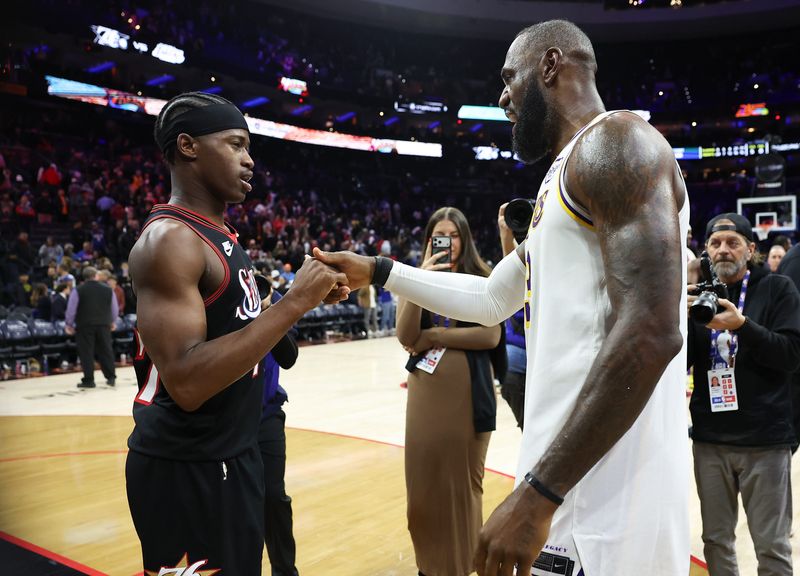
    Sixers guard VJ Edgecombe (left) says that LeBron James was a guy he looked up to and even tried to emulate when he was coming up the ranks in his own basketball career. Bill Streicher, Bill Streicher-I

    VJ Edgecombe was already “shocked” at the Sixers going after — and obtaining — former Celtics forward Jaylen Brown during the NBA’s free agency period. Now, he’s holding his breath for the possibility that the Sixers will win again in their still-ongoing pursuit of LeBron James, one of Edgecombe’s basketball idols.

    “I like it,” Edgecombe said at the Sixers’ Summer League practice in Las Vegas. “It’s LeBron James. At the end of the day, despite how old he is, he’s still, to me, the greatest player of all time. If I get to play alongside LeBron, that would be amazing.”

    So how realistic is it, really? It’s what we’re evaluating with our Bron-o-Meter, updating as we get the latest news, reports, and rumors on where King James might take his talents next.

    Road trip

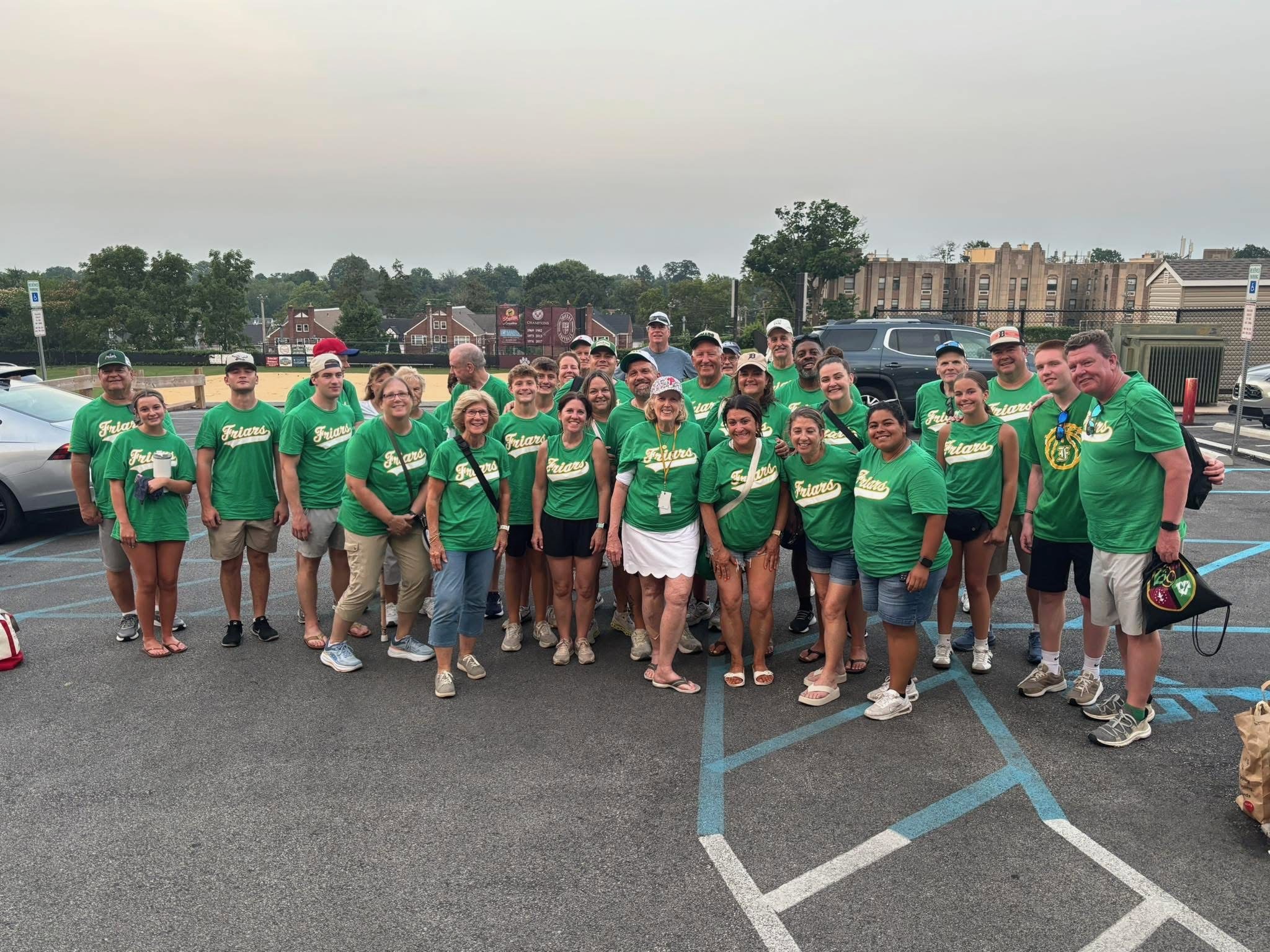
    Over 50 members of the Bonner-Prendie community took a bus to watch alumnus and current Detroit Tigers star Kevin McGonigle play earlier this month.Jason Shepherd

    When Detroit slugger Kevin McGonigle made it to The Show, few people were happier than teachers and administrators at Monsignor Bonner and Archbishop Prendergast High School.

    They desperately tried to get to a game to see the Delco native, but each notion was interrupted by a school event, except one: a game on July between the Tigers and the New York Yankees at Yankee Stadium. So 55 members of the school’s community got on a bus and went to the game to see McGonigle, who rewarded them with a 422-foot home run.

    Now, they have the opportunity to see him in Philly as he was named to the All-Star roster for the American League. Inquirer writer Alex Coffey tells this awesome story of planning, preparation, and a little bit of luck.

    On this date

    July 14, 1951: Today marks the first time a sporting event was televised in color. The station was CBS, and the first-ever sport to go full color? Horse racing. đŸ‡đŸŒ

    đŸ§© Unscramble the anagram

    DASHE NAWU

    This former top prospect out of Ohio State is doing what he can to crack the Eagles roster at the cornerback position after an unsuccessful go at a few other spots. Think you know? Take a guess and then click here to see if you’re correct.

    🧠 Trivia time

    With the MLB All-Star Game leading off tonight, we wanted to know how many Phillies players have hit a home run in a game. The number was surprising, even to us.

    A) Three

    B) Nine

    C) Seven

    D) Five

    What you’re saying about the MLB All-Star Game

    A line of Phillies hats and other merchandise are on display at the 2026 MLB All-Star Village inside the Convention Center in Philadelphia.Jose F. Moreno / Staff Photographer

    We asked: What is your favorite part of the MLB All-Star Game?

    My favorite part of the All-Star game, especially as a young fan, was seeing all these great players together. Seeing Stan Musial and Sandy Koufax, Bob Gibson, the great Willie Mays, and our own Robin Roberts, Mike Schmidt, Hank Aaron, Ted Williams, Jackie Robinson, Steve Carlton, Roberto Clemente, Mickey Mantle, and on and on. And of course, years back, the players from the two leagues only played each other at the All-Star game and the World Series. An all-time favorite All-Star moment was Johnny Callison’s walk-off in New York in 1964. — Everett S.

    I personally love watching the Phillies players who make the team. As a lifelong Phillies fan in a baseball-crazed family, in addition to my favorite part of the whole weekend being the Home Run Derby and all of the smaller events leading up to it, but I do get joy in watching a Phillies player do well in the game. Here’s hoping we get [Kyle] Schwarber, [Bryce] Harper, or [Brandon] Marsh to hit an absolute tank and give us something to be proud of. — Harold W.

    We compiled today’s newsletter using reporting from Alex Coffey, Scott Lauber, Lochlahn March, Gina Mizell, Ryan Novozinsky, Jonathan Tannenwald, and Conor Smith.

    By submitting your written, visual, and/or audio contributions, you agree to The Inquirer’s Terms of Use, including the grant of rights in Section 10.

  • Philly’s e-bike and e-scooter boom comes with a more dangerous price than traditional cycling

    Philly’s e-bike and e-scooter boom comes with a more dangerous price than traditional cycling

    It was the first weekend of summer break. Abigail Gillon, an honor student, had just finished sixth grade. She was free.

    “My last text to her was at 2:14” on June 14 last year, said Abby’s mom, Lori Kralle.

    An hour later, Kralle received a call from an emergency room nurse about her 12-year-old daughter.

    Abby had been riding an electric scooter with her best friend, Isabelle, in Aston Township. The girls were sharing the scooter when they drove off the curb and fell into the street. They were struck by an oncoming car at 2:22 p.m. Emergency responders found them holding each other in fetal position, Kralle said. Abigail died two days later. Her friend was severely injured.

    “It didn’t just tear away and take away Abigail’s life, it took apart everybody’s life, her friends and family,” Kralle said.

    Lori Kralle with her daughter, Abby Gillon.Lori Kralle

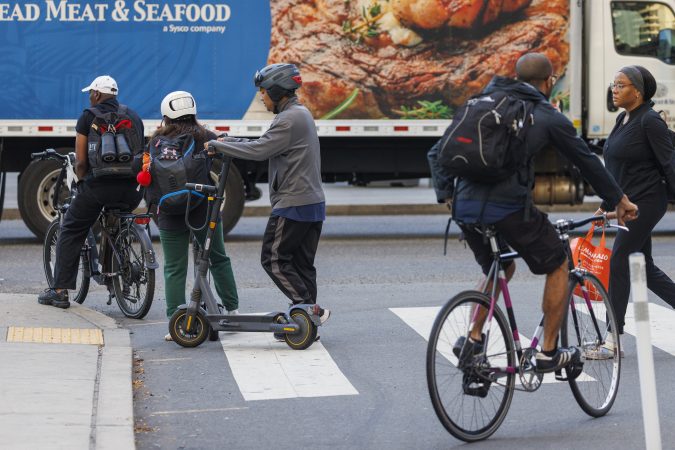
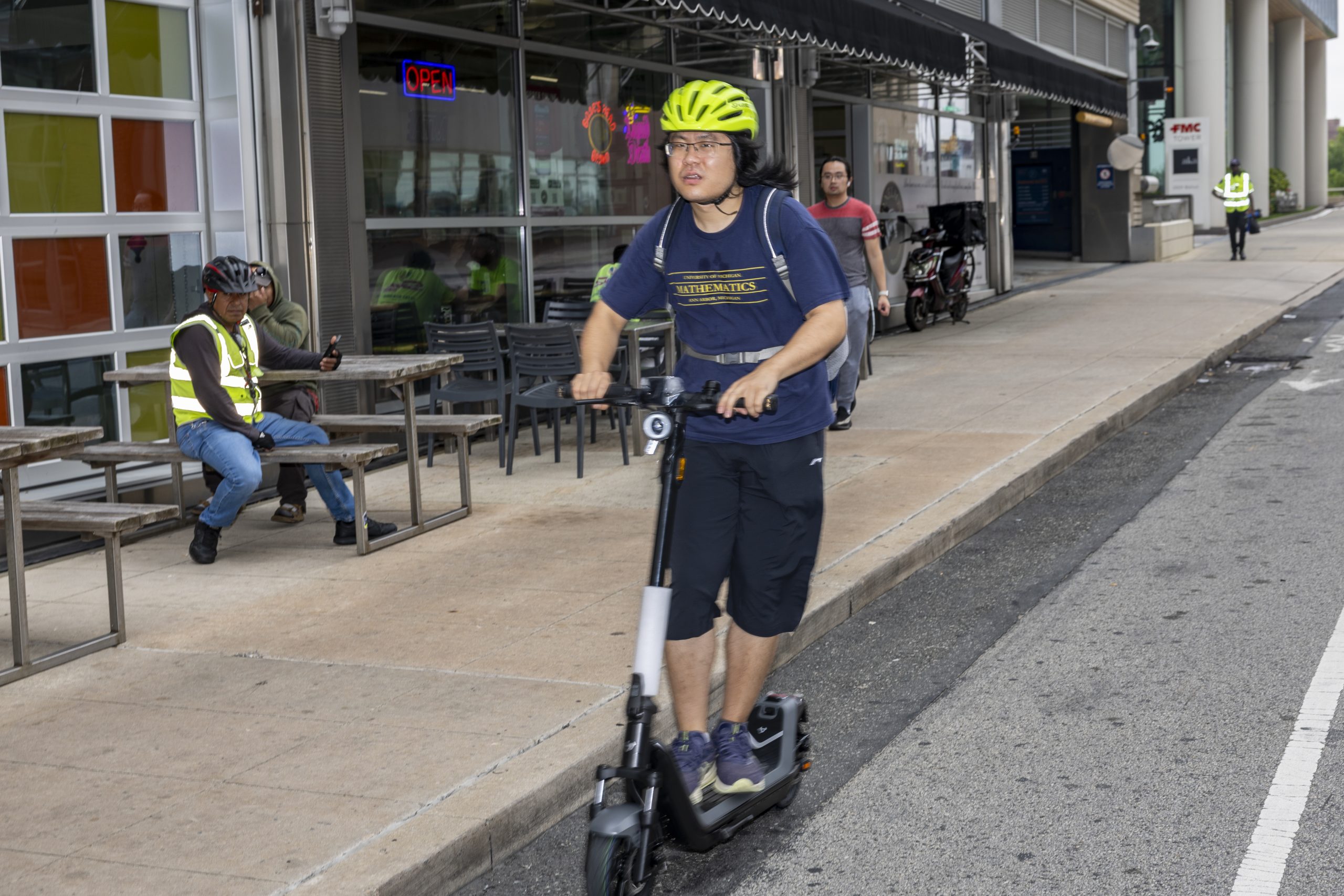
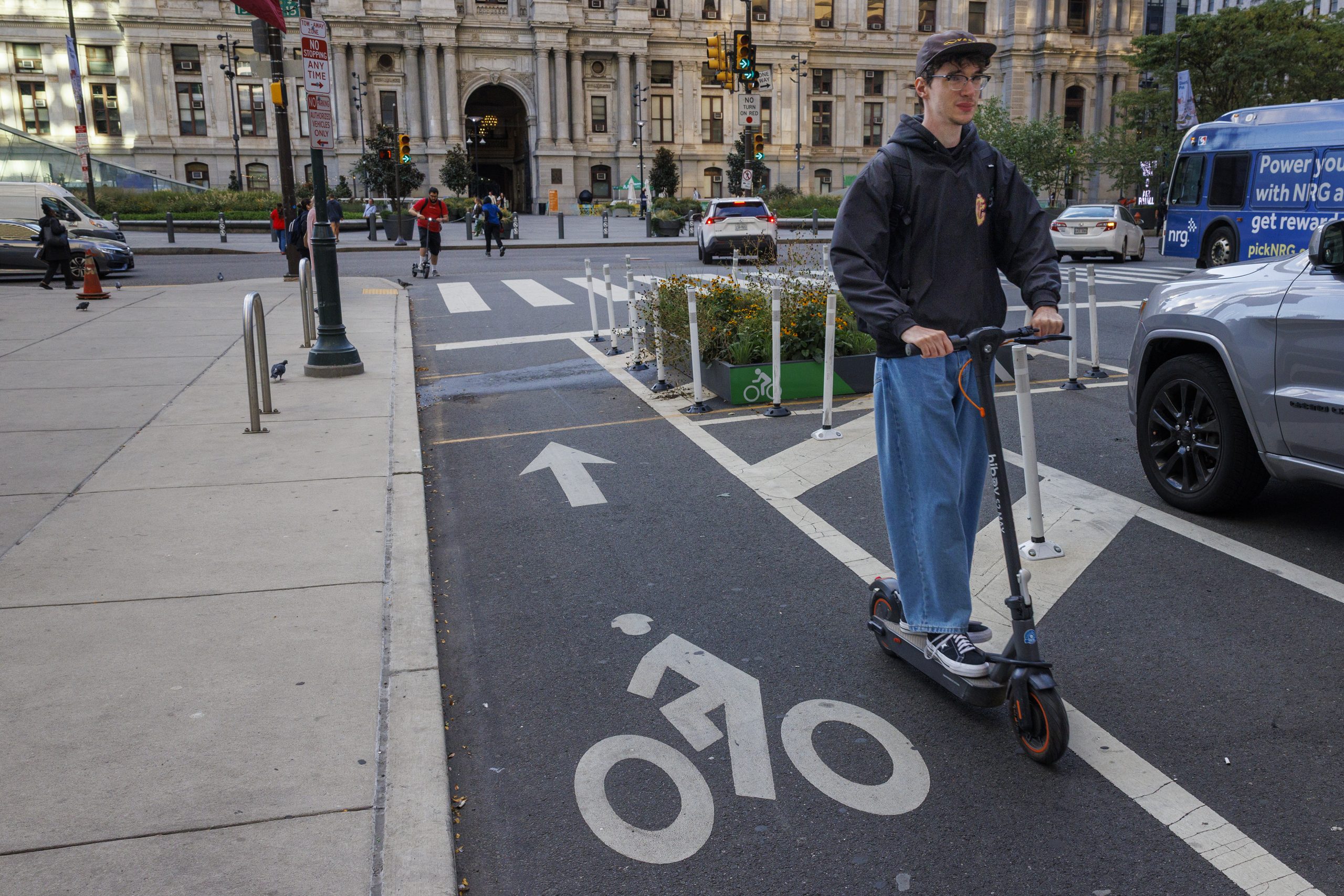
    Last year, more traffic crashes causing injury and death in Philadelphia involved electric bikes and scooters than manual ones, according to Pennsylvania Department of Transportation data. The finding highlights a new reality in which e-bikes and e-scooters present a major safety problem, the state confirmed.

    The high numbers of injuries and deaths point to the need for legal clarity, statewide safety regulations, and new infrastructure to protect users of e-bikes, e-scooters, and bicycle riders from cars and trucks, traffic safety advocates contend.

    (function(){function e(){window.addEventListener(`message`,function(e){if(e.data[`datawrapper-height`]!==void 0){var t=document.querySelectorAll(`iframe`);for(var n in e.data[`datawrapper-height`])for(var r=0,i;i=t[r];r++)if(i.contentWindow===e.source){var a=e.data[`datawrapper-height`][n]+`px`;i.style.height=a}}})}e()})();

    “There’s a lot of technology out there and there is no real enforcement and regulation,” said Nicole Brunet, president of PA Safe Roads PAC. “It’s causing devices to be on the road that are unsafe.”

    In 2025, e-bikes and e-scooters were involved in 197 crashes on city streets, excluding interstates — a 40% increase over 2024. Four riders were killed and 193 were injured in those collisions, PennDot figures show.

    Meanwhile, 193 reported crashes involved standard bikes, more numerous in the city than their electric cousins, as well as traditional foot-propelled scooters, the state figures indicate.

    E-bikes and scooters are poorly defined in Pennsylvania law. The ambiguity makes it hard for governments to identify problems; PennDot did not analyze separate crash data for the electric devices until 2024, for instance, due in part to uneven reporting.

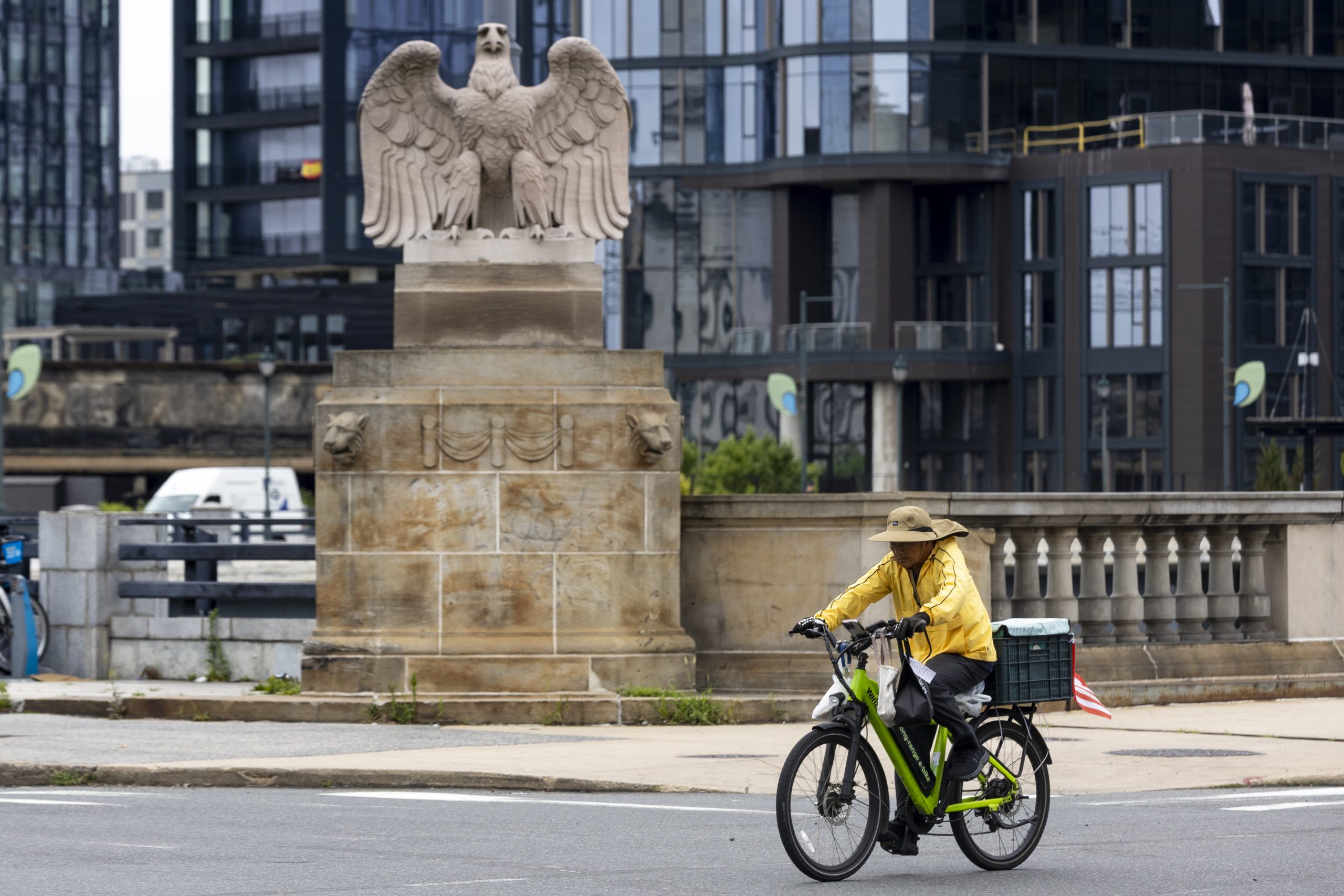
    A delivery driver riding an e-bike drives past an intersection on Walnut Street in West Philadelphia on Tuesday, July 7, 2026.Aidan T. Gallo / Staff Photographer

    State law authorizes the use of low-speed electric bikes — those that weigh less than 100 pounds, have engines that generate no more than 750 watts, and travel below 20 mph — on public roadways. E-scooters are not street legal in Pennsylvania.

    This narrow definition, however, does not differentiate among the many new types of electric bikes or e-scooters for sale, which can reach speeds of 60 mph or even 100 mph.

    (function() { var l = function() { new pym.Parent( ‘crash-types3__graphic’, ‘https://media.inquirer.com/storage/inquirer/ai2html/crash-types3/index.html’); }; if(typeof(pym) === ‘undefined’) { var h = document.getElementsByTagName(‘head’)[0], s = document.createElement(‘script’); s.type = ‘text/javascript’; s.src = ‘https://pym.nprapps.org/pym.v1.min.js’; s.onload = l; h.appendChild(s); } else { l(); } })();

    Two states, two speeds

    Governmental response has been uneven, with neighboring states moving in opposite directions and local jurisdictions sometimes banning e-bikes and e-scooters or enacting bespoke rules.

    “What we’re seeing right now is sort of a wild, wild west,” said State Sen. Tim Kearney, a Delaware County Democrat.

    Kearney wrote and introduced “Abby’s Law” — SB 1008 — in September last year.

    The bill says no person under 16 could operate a privately owned “low-speed electric scooter” on public roads; a helmet would be required until age 18. The bill would set a uniform 20 mph speed limit and prohibit tandem riding on e-scooters.

    Local police would issue summonses for those and other traffic violations by riders. Municipalities could increase penalties for second and third violations, as long as the fine is no more than $250.

    (function() { var l = function() { new pym.Parent( ‘crash-types3__graphic’, ‘https://media.inquirer.com/storage/inquirer/ai2html/crash-types3/index.html’); }; if(typeof(pym) === ‘undefined’) { var h = document.getElementsByTagName(‘head’)[0], s = document.createElement(‘script’); s.type = ‘text/javascript’; s.src = ‘https://pym.nprapps.org/pym.v1.min.js’; s.onload = l; h.appendChild(s); } else { l(); } })();

    In New Jersey, former Gov. Phil Murphy, a Democrat, signed the most restrictive electric cycling law in the nation on his last day in office earlier this year. The law, which takes effect later this month, requires all e-bike users to obtain a license and register their devices with the New Jersey Motor Vehicle Commission, even if they do not go over 20 mph.

    Models that can travel between 21 and 28 mph or have a throttle are classified as “motorized bicycles” and must also have liability insurance. The lower-powered e-bikes provide “pedal assist,” which cuts off at 20 mph.

    Enforcement could be tricky, especially at the Shore. The MVC says out-of-state visitors can ride legally, but language in the law appears to grant the exemption just to people who have registered devices in their home states. That is not an option in Pennsylvania.

    The MVC is now taking reservations for appointments; officials have acknowledged the deadline might need to be extended.

    E-scooters with a top speed of 19 mph are legal.

    In Pennsylvania, more than a year after Abby Gillon’s death, Kearney’s bill has not had a public hearing or a vote in the Senate.

    “We need to get people to acknowledge what’s actually happening on the road, and then stop sticking our heads in the sand about the various bureaucratic reasons not to move forward with it,” Kearney said.

    Wide use, thin information

    Government officials face challenges identifying and classifying the many varieties of electric bikes and scooters — also known as micromobility vehicles — transportation activists and state officials said. That makes information, including about crashes, hard to come by.

    PennDot, for instance, began counting electric bikes and scooters separately from pedal cycles, unmotorized scooters, and pedestrians for its annual tally of crashes only in 2024.

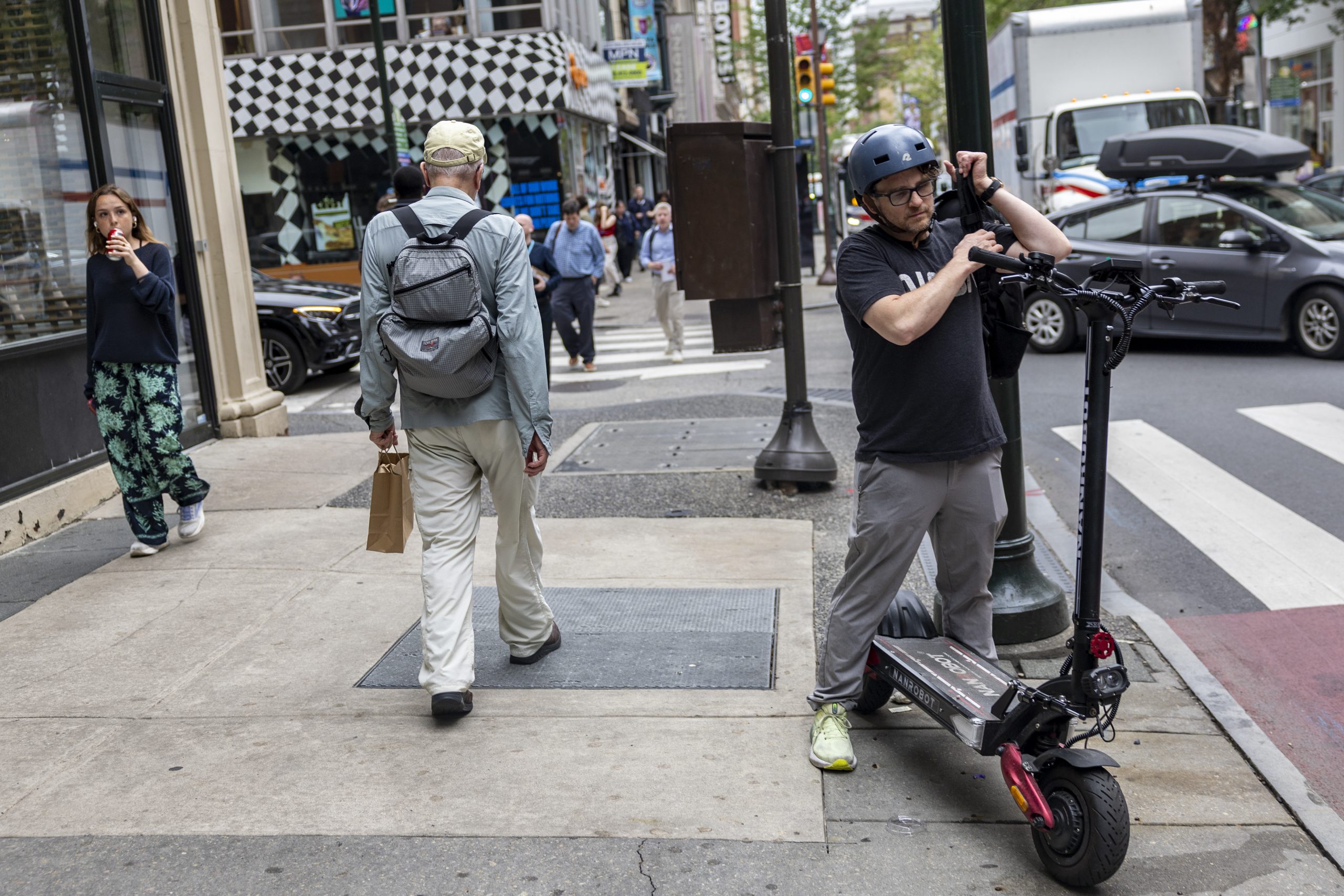
    A man gets ready to leave on his electric shooter in Center City.Aidan T. Gallo / Staff Photographer

    After a vehicular crash, law enforcement is required to report to PennDot details of crashes that involve injuries, fatalities, or significant damage to vehicles.

    Regarding the data prior to 2024, Robert A. Ranieri, crash-analysis manager at PennDot, said via email: “I don’t find that fully reliable since we didn’t look at all the narratives and the police may not have reported them properly at the time.”

    While his office works to verify the data, “not all reports are touched by my staff,” Ranieri said.

    Similarly, the crash data on electric bikes likely include vehicles known as e-motos, which look like pedal bikes but go faster than 20 mph, said John Boyle, research director at the Bicycle Coalition of Greater Philadelphia.

    In general, e-motos being lumped in with e-bikes is causing a lot of issues as communities and states try to regulate the higher-speed micromobility devices, Brunet said.

    E-scooter law is ‘basically ignored’

    The recently released PennDot data include at least 92 crashes in Philly involving e-scooters, which are technically illegal to ride on public streets in Pennsylvania.

    Last year, there were four reported fatalities involving e-scooters, though they made up only 14% of micromobility devices, according to the Bicycle Coalition’s 2025 bike count data.

    Standard bikes, in comparison, resulted in the same number, a total of four deaths, last year.

    “Some of the e-scooters have a top speed of 60 mph, which is crazy fast,” Boyle said, but “the law is basically ignored.”

    There is a gray market of electric scooters and bikes available for purchase, transportation experts told The Inquirer.

    “You can purchase electric bikes or scooters for $800 on Amazon and they have 1,000 to 2,000 watts,” Boyle said.

    The bikes are sometimes marketed as “Class 2,” meaning their motor tops out at 20 mph, but with a few basic adjustments can easily go faster, Boyle said.

    A man rides an electric scooter down a bike lane near Drexel University’s campus.Aidan T. Gallo / Staff Photographer

    Motorcycles, unlike e-motos, have quality standards and regulations. When it comes to selling a motorcycle in Pennsylvania, dealerships are required to handle legal requirements, title transfers, and state registrations.

    Reining in the manufacturers and dealers of electric bikes, motos, and scooters is an important step, Boyle said, but the state first needs to better define in the law what electric bikes and scooters are.

    Brunet, president of PA Safe Roads PAC, said her organization supports the Safe System approach to transportation safety, which involves education, enforcement, and infrastructure.

    “Philly just needs to keep building better bike infrastructure. 
 There is definitely a lot to do to make roads safer so that the people choosing these devices get home safe,” Brunet said.

    Several bills to regulate e-scooters have been proposed in the state legislature, but none have been passed.

    Pittsburgh embraced e-scooters

    At the same time, State Rep. Emily Kinkead (D., Allegheny) is pushing a proposal to bring a shared e-scooter program back to Pittsburgh and give the option to 53 smaller cities.

    Special legislation gave Pittsburgh the right to test a shared e-scooter rental program in partnership with Spin, a private company, from 2021 to 2023, when the trial expired.

    Kinkead called it a success, noting her north Pittsburgh district has steep hills and limited transit links.

    “What I saw 
 was not college kids goofing around, it was people who were trying to get around the North Side with grocery bags,” Kinkead said at a recent public hearing on the bill.

    The city had 230,000 unique e-scooter users during the test, said Ryan Seiferet, who managed the program for the Pittsburgh Department of Mobility and Infrastructure.

    A survey of about 1,000 participants showed 44% of e-scooter riders used them to get to work and one-third to travel between transit stops and home. Regular users tended to have low incomes.

    While rules are needed in the state, especially for privately owned scooters, “We want to make sure we aren’t penalizing or disincentivizing a valuable micromobility travel option” for people, said Jessie Amadio, an organizer for Philly Bike Action.

    The electric scooter program was relatively safe, with one reported injury per 17,000 rides, according to a DOMI report.

    Electric scooters going against directed traffic flow at Market Street at 15th in Center City.Alejandro A. Alvarez / Staff Photographer

    News site Next Pittsburgh found, however, that a handful of the injuries were serious and, in some cases, life-threatening. Spin planned to deploy scooters with larger tires for stability, the site reported.

    Kinkead said shared e-scooters can be tightly controlled in agreements between a city and an e-scooter firm; in Pittsburgh, the scooters could not exceed 15 mph, enforced by software. E-scooters stopped working if the rider strayed into a town that did not allow them.

    Philadelphia, however, is opting out. Mayor Cherelle L. Parker’s administration asked that the city not be included in the shared e-scooter bill, said State Rep. Ed Neilson, a Democrat who represents a Northeast district and chairs the House Transportation Committee.

    “Because of the historic nature of the city and the millions of people that come every year, we just don’t want to block or impede that,” Neilson told colleagues in the hearing.

    Most agree that the state needs to take some sort of legislative action soon.

    “Getting as far as we have gotten [with Abby’s Law] on the Senate’s desk and to still not have anything signed or put into order is very frustrating,” Lori Kralle said.

    “What does it take? For another mother to get that phone call?” she added. “I don’t wish that on anybody.”

  • Collingswood’s vibrant downtown needs a weekday evening boost, business owners say

    Collingswood’s vibrant downtown needs a weekday evening boost, business owners say

    Nab a table at Collingswood’s Sabrina’s Cafe at 11 a.m. on a Sunday without a wait? Good luck with that.

    A dinnertime walk-in at one of the town’s many vaunted restaurants might be easier. On a weekday, you’ll practically be a shoo-in.

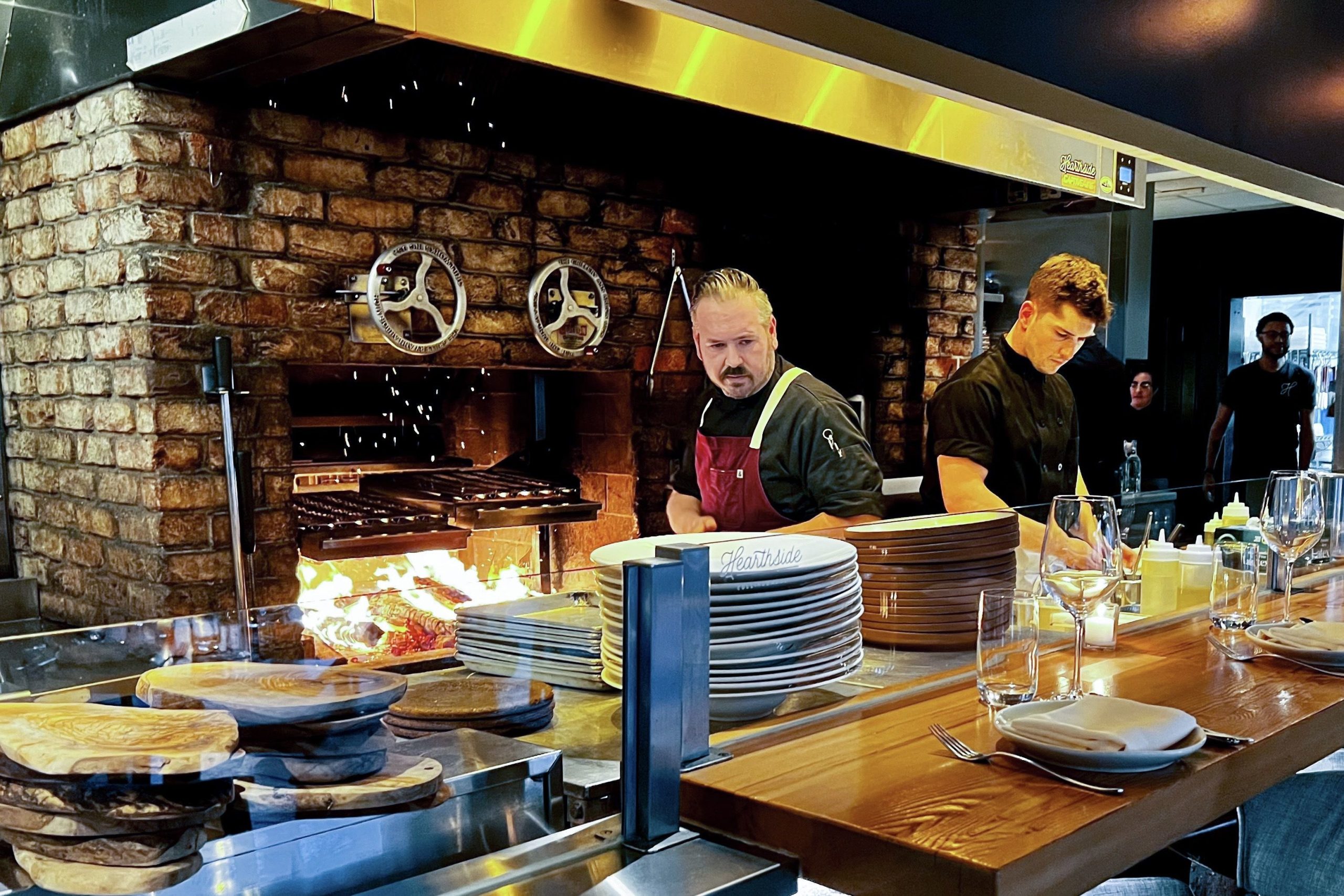
    Despite its reputation as a South Jersey dinner destination — owing to longtime red-sauce staples like Villa Barone and Il Fiore and newer fine-dining joints like Hearthside and June BYOB — restaurant owners on Collingswood’s popular Haddon Avenue say business isn’t booming on weeknights.

    With thinner margins brought on by the higher costs of food, supplies such as to-go containers, and labor, it’s getting harder for some of these spots to get by.

    The Camden County town of 14,000 is hopping with energy on weekend days thanks to the beloved Saturday morning farmer’s market, a bevy of city-organized events, and Collingswood’s variety of stores. But the energy on Haddon Avenue often fizzles come evening.

    Business owners of all types point to one main reason: Collingswood is dry.

    “During the day on Saturday when we’re prepping, there are people walking around everywhere, but on the weekdays after 5 o’clock, there’s just nobody walking around,” said Dominic Piperno, chef and owner of Hearthside, which opened on Haddon Avenue in 2017.

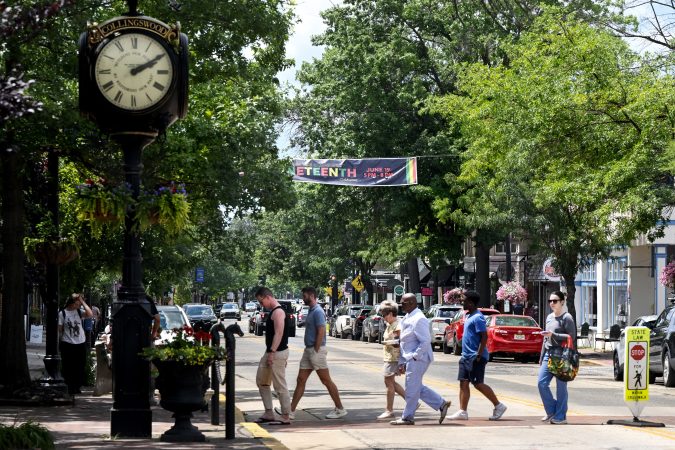
    People walk along Haddon Avenue in Collingswood. Elected officials and business owners say the town needs more experiential businesses.Tom Gralish / Staff Photographer

    Piperno said weekday evenings have become increasingly quiet in the past few years. There was a boom just after COVID-19 restrictions lifted, when folks were happy to get out of their homes, but it didn’t last. He and other Haddon Avenue restaurant owners say inflation and the rising cost of living are partly to blame, with disposable income for many out the window.

    Giovanni Barone, whose family has owned and operated Haddon Avenue Italian restaurant Villa Barone for 32 years, thinks the town could make some changes to support restaurants. He motioned toward nearby Haddon Township, which has long allowed alcohol sales and on-site consumption.

    There, “on a weekday night — Wednesday or Thursday, for example — I drive down the street and it’s packed,” Barone said. “We’re losing a bit of that piece of the pie.”

    A thriving daytime scene

    Yet amid the challenges, Collingswood’s share of Haddon Avenue is experiencing a wave of new businesses filling long-vacant storefronts and injecting fresh daytime activity.

    Kaival Patel of John’s Friendly Market in nearby Haddon Heights is preparing to open a convenience store-like concept in Collingswood with a deli case and prepared foods in the former Wawa space, likely this summer.

    The business was courted by Collingswood Commissioner and Deputy Mayor Amy Henderson Riley. She campaigned with Mayor Daniela Solano-Ward on the promise of ensuring downtown continued to welcome diverse business owners and shoppers of various income levels. James Maley, a commissioner since 1989 and Collingwood’s mayor from 1997 until Solano-Ward took office, continues to serve as a commissioner.

    “We’re replacing Wawa in our own way,” Patel said. “We’ve heard that people used to get their groceries from Rite Aid next door that closed, too, so we’re going to try to add groceries as much as possible.”

    Nearby, a bank that has sat empty for years is primed for a new life as a three-storefront building topped with condos, said Keller Williams real estate agent Pat Ciervo. The parking lot will become public parking, Ciervo said — a perk for that end of downtown.

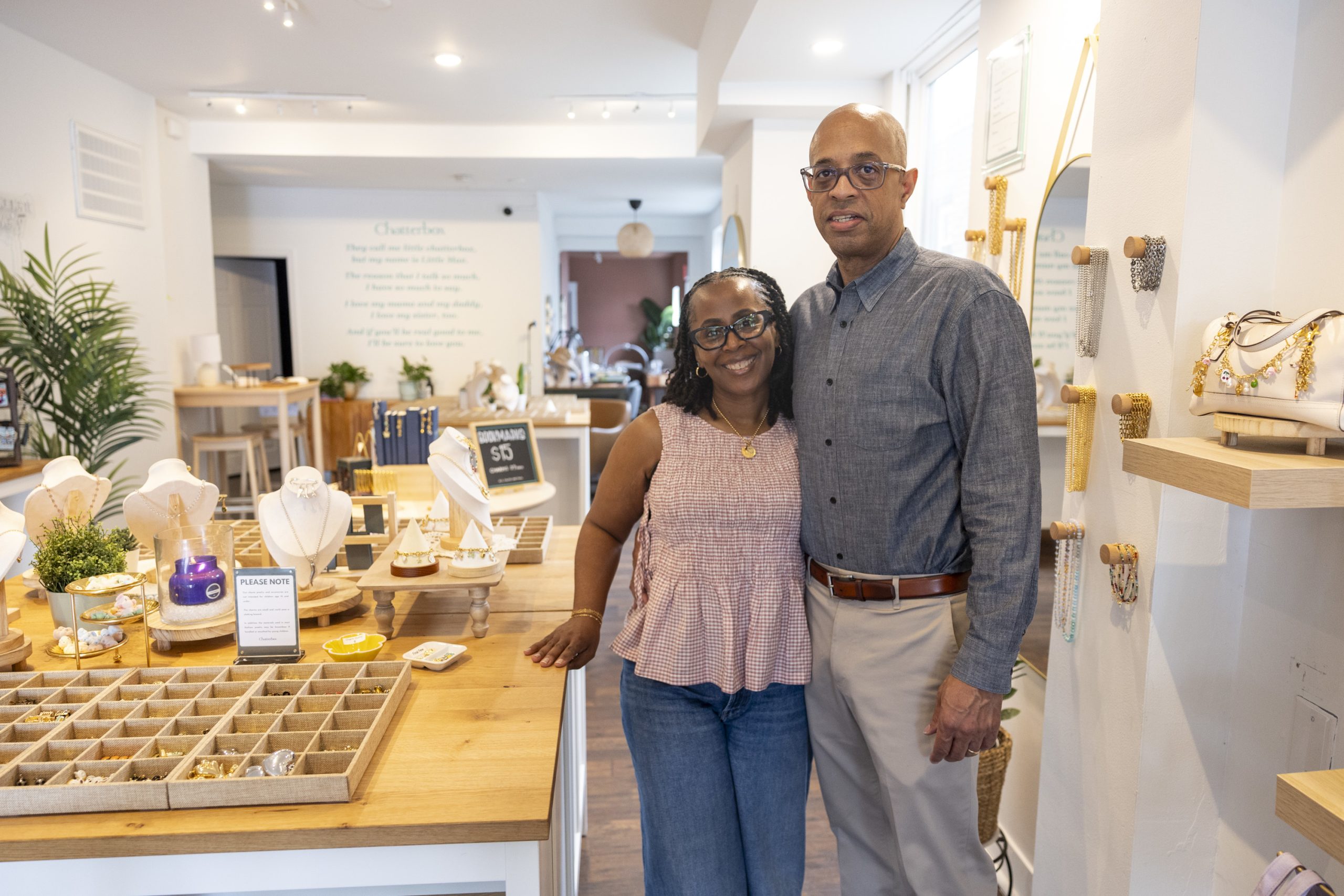
    Charm bar and permanent jewelry studio Chatterbox celebrated its first anniversary July 4. Business has been good for owners Douglas and Nikki Coleman. People are eager to support a Black- and family-owned business, Douglas Coleman said.

    Douglas and Nikki Coleman at their business Chatterbox in Collingswood.Tyger Williams / Staff Photographer

    “Weekends have been very steady for us,” he said. Weekday business fluctuates, “but this has become a destination for people, just the store in itself. We’ve had people come from Boston and Virginia.”

    Lindsey Ferguson, Collingswood’s director of business and community development, praised the store.

    “We have loved the addition of Chatterbox because, simply, their business model includes waiting for your jewelry, so people then walk around and shop” at other businesses on the avenue like suburban birding store House Finch or Occasionette gift shop, she said.

    Ferguson would like to see more so-called experiential businesses like Chatterbox and nearby pottery-painting studio All Fired Up! And she’d like to add nighttime businesses “that can kind of lift everybody up.”

    Ends of the Earth, a cigar lounge that recently debuted in Collingswood’s former fire station, is open until 7 p.m. on Thursday, Friday, and Saturday — a welcome evening addition, according to Ferguson.

    Ferguson said the chasm between daytime and nighttime foot traffic along Haddon Avenue dates to the pandemic years, when some businesses began closing earlier.

    But that lack of deep overlap between so-called daytime and nighttime businesses has left Collingswood’s restaurant scene in the lurch.

    The inside of Douglas and Nikki Coleman’s business Chatterbox in Collingswood.Tyger Williams / Staff Photographer

    ‘Let’s not mess this up’

    Liquor was prohibited by ordinance in Collingswood in the 19th century, dating back to its Quaker roots.

    Now Collingswood’s three-person Board of Commissioners, which includes Henderson Riley and Solano-Ward, is considering a resolution to put liquor sales on the ballot in November.

    “It’s a conversation we need to keep having as a community,” Henderson Riley said. “It would be an influx of cash into the town that would be up to voters to decide.”

    In 2015, Collingswood voted to allow craft breweries, and now Raccoon Taproom operates on Haddon Avenue under a state-issued limited brewery license. The license allows operator Swedesboro Brewing to serve beer in the taproom.

    Chef-owner Dominic Piperno (left) with line cook Christopher Ross at Hearthside in Collingswood in 2023.Michael Klein / Staff

    Henderson Riley said officials are concerned about how to equitably distribute the restaurant and retail liquor licenses. Collingswood would receive up to four, based on its population, which isn’t enough for all of its dinner-serving establishments. And if they are auctioned to the highest bidder, Ferguson noted, out-of-town restaurant groups could come in and create even more competition for licenses.

    “We want to keep restaurants open. We want to keep our downtown thriving,” Henderson Riley said. “We see neighboring towns that are open a little later than us, and the main reason is liquor.”

    And as a result, Henderson Riley said, the restaurants in those neighboring towns have a lower price point for their food.

    Nearby Haddonfield is also a dry town but allows businesses to operate under state-issued manufacturing licenses — not just for beer — and is now home to a brewery, a winery tasting room, and a distillery. Piperno, of Hearthside, sees how these businesses help feed the area’s restaurants, even if the restaurants can’t sell alcohol.

    “My wife and kids and I will walk Haddonfield at night, and like on a Monday, Tuesday, it’s jamming,” Piperno said. “It just has helped that downtown a lot, especially with younger families.”

    Piperno said Fridays and Saturdays at Hearthside are still “jammed,” but “it’s really hard to survive this industry with just two really busy nights.” The restaurant plans to relocate to Haddon Township in 2027, where it will have a liquor license.

    “It’s a bittersweet thing for us because we love Collingswood,” Piperno said, “but something has to change.”

    Still, for Collingswood, much already has. Former Mayor Maley is owed much of the credit, says Henderson Riley, the deputy mayor.

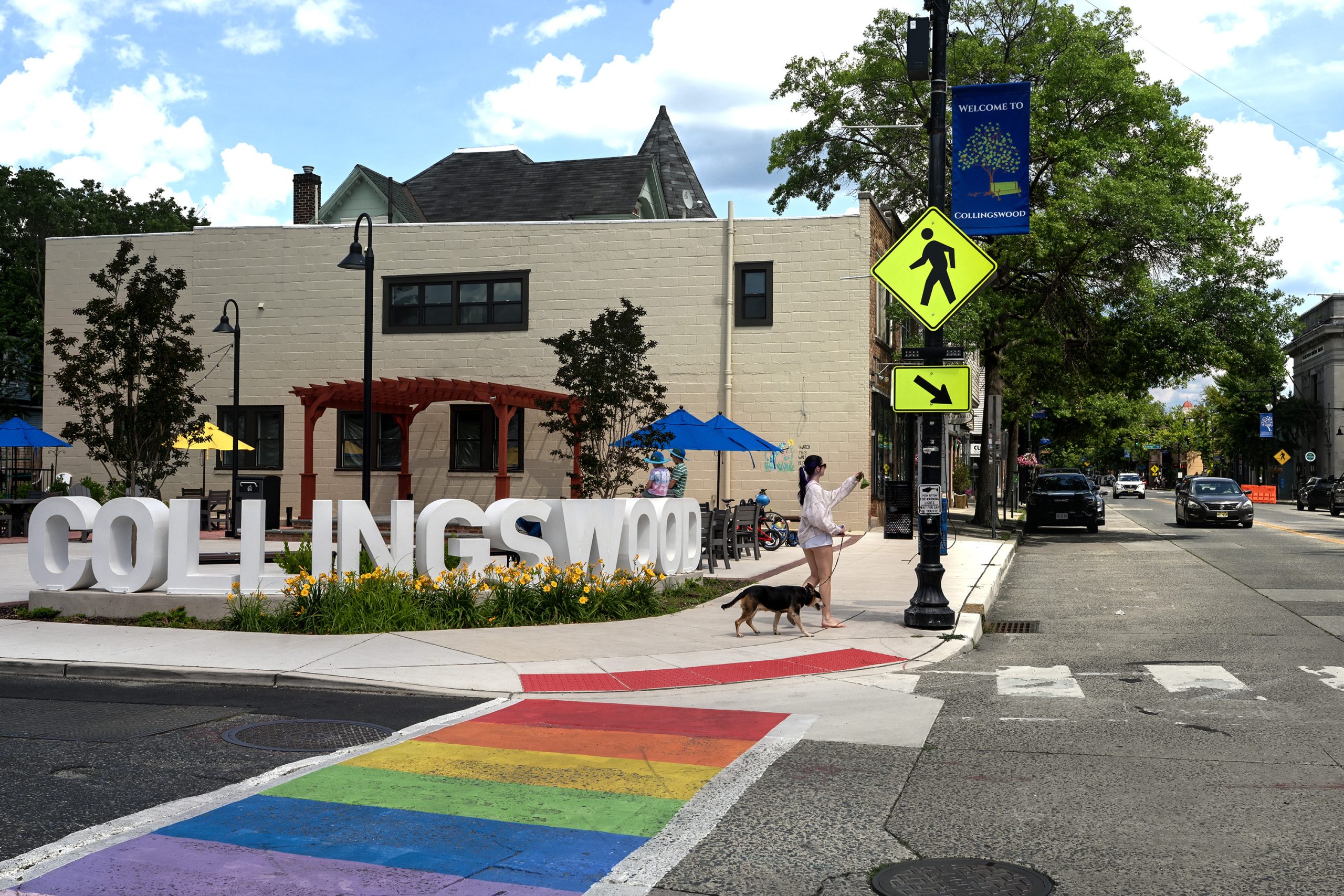
    The downtown pocket park with a “Collingswood” sign.Tom Gralish / Staff Photographer

    Henderson Riley recalled Maley’s efforts to attract new homeowners by incentivizing converting former duplexes into single-family homes, and appeals to Philadelphia’s LGBTQ+ population to move across the bridge.

    “Part of what drew us here was what he used to call the Collingswood story,” Henderson Riley, who has lived there for 15 years, said. The businesses and restaurants that germinated from it are the basis of Haddon Avenue’s reputation today.

    Nikki Coleman, of Chatterbox, grew up in Cherry Hill and has watched throughout her life as Collingswood’s downtown transformed from a dingy strip into a robust retail scene. She has shared her observances with her husband.

    “This has been a great case study for how to take a town and really bring a certain dynamic to it that I think a lot of other small towns wish they had,” Douglas Coleman said. “I don’t know if we’re doing anything wrong, but it’s more of a ‘Let’s not mess this up.’”

  • Letters to the Editor | July 14, 2026

    Letters to the Editor | July 14, 2026

    Judicial overreach

    One of your recent editorials detailed the U.S. Supreme Court’s political overreach, which only underscores my belief that reforming the court is the most urgent issue of constitutional reform facing the United States. It has long been the most conservative — if not reactionary — branch of the federal government, and also the most unaccountable. Its justices serve life terms with no binding ethics code over their conduct, which has grown increasingly corrupt. Since John Marshall’s obiter dictum in Marbury v. Madison (1803), it has exercised an unquestionable power — conferred on it nowhere in the Constitution — to alter and overturn duly passed legislation. In fact, theirs is a power that, as noted by Thomas Jefferson, would — if exercised — fatally undermine the rule of law. It has done so ever since, giving sanction to a century of slavery and another of Jim Crow, among the many rulings that have over the years impeded the progress of freedom and democracy for all Americans, most recently in the gutting of the Voting Rights Act. Now, following the template of a former Republican operative and Supreme Court justice himself, Lewis Powell, it has achieved a standing right-wing majority that may, if unchecked, endure for decades, and has already, in the current Roberts Court, inflicted great damage on matters ranging from gun laws to environmental protection to campaign financing and election districting. No genuine reform of the many problems that face and divide us can be hoped for without dealing with a Supreme Court that is now at war with the other branches of the state and federal judiciary. Jefferson was right: We have created a monster. It is time to cut the claws it has grown.

    Robert Zaller, Bala Cynwyd

    Atrocity of ICE

    The killing of Lorenzo Salgado Araujo by a U.S. Immigration and Customs Enforcement agent in Houston isn’t just a tragedy — it is a systemic outrage. Coming on the heels of the fatal federal shootings of RenĂ©e Good and Alex Pretti in Minneapolis, a terrifying pattern is undeniable: federal immigration enforcement is operating above the law, destroying lives on American soil with zero transparency.

    The corruption runs deeper than the pull of a trigger. It has been reported that three other people were in the vehicle with Mr. Salgado Araujo during the incident. Instead of being protected as vital witnesses to a fatal shooting, they are currently being pressured by the government to sign self-deportation orders, according to a civil rights organization. ICE is actively and deliberately attempting to eliminate them to bury the truth.

    Polite concern will not stop this. Citizens must aggressively pressure Congress to mandate independent, external criminal investigations into federal use-of-force incidents, ending the corrupt practice of internal self-policing. Federal agencies must be answerable to the public, starting with the mandatory release of unedited body-camera footage. We must force systemic accountability before more blood is shed.

    Maria Duca, Philadelphia

    Join the conversation: Send letters to letters@inquirer.com. Limit length to 150 words and include home address and day and evening phone number. Letters run in The Inquirer six days a week on the editorial pages and online.

  • Horoscopes: Tuesday, July 14, 2026

    ARIES (March 21-April 19). Your new moon paradox: Certainty and wonder held together. The secret is letting convictions provide direction while curiosity keeps them alive. Beliefs are likely to change over time, but values don’t have to. Mantra: “I stand for what I know and stay open to discovery.”

    TAURUS (April 20-May 20). Your new moon paradox: Trust yourself and learn from others. The secret is remaining teachable without surrendering your inner authority. Advice becomes useful when filtered through your own experience. Mantra: “I listen with respect and choose my own path.”

    GEMINI (May 21-June 21). Your new moon paradox: Shine and share the spotlight. The secret is understanding that another person’s success doesn’t diminish your own light. Generosity turns achievement into connection rather than competition. Mantra: “I celebrate what is mine and what belongs to others.”

    CANCER (June 22-July 22). Your new moon paradox: Lead and listen. The secret is trusting your vision while remaining open to wisdom, which can come from any direction. Influence grows where people feel heard. Mantra: “I offer my perspective and welcome what others see.”

    LEO (July 23-Aug. 22). Your new moon paradox: Play a role and stay real. The secret is to remember that what you do is not who you are. Mantra: “My title is a tool, not a prison. My heart shines through all I do.”

    VIRGO (Aug. 23-Sept. 22). Your new moon paradox: Be important and be ordinary. The secret is realizing that a meaningful life is built from small moments as much as grand ones. Significance wears everyday clothes. Mantra: “I value my place in the story and the day before me.”

    LIBRA (Sept. 23-Oct. 23). Your new moon paradox: Discipline creates freedom. The secret is recognizing that structure can support spontaneity rather than limit it. The practices you maintain today become options available tomorrow. Mantra: “I build strong foundations for a life that can expand.”

    SCORPIO (Oct. 24-Nov. 21). Your new moon paradox: Be yourself and keep evolving. The secret is knowing that authenticity isn’t a fixed destination. Growth doesn’t betray who you are. It reveals more of you and expands what’s possible. Mantra: “I welcome change without abandoning myself.”

    SAGITTARIUS (Nov. 22-Dec. 21). Your new moon paradox: Take the game seriously and remember it’s a game. The secret is full participation without attachment to the outcome. Effort matters, but so does delight. Mantra: “I give my best and leave room for surprise.”

    CAPRICORN (Dec. 22-Jan. 19). Your new moon paradox: Stand out and belong. The secret is contributing your distinct gifts without requiring everyone to mirror your perspective. Strong communities are diverse. Mantra: “I bring my whole self to the circle and make room for others.”

    AQUARIUS (Jan. 20-Feb. 18). Your new moon paradox: Create yourself and accept yourself. The secret is building toward the future without declaring war on the present. Ambition and self-respect can travel together. Mantra: “I honor who I am while welcoming who I’m becoming.”

    PISCES (Feb. 19-March 20). Your new moon paradox: Seek recognition and stay grounded. The secret is enjoying appreciation without making it the source of your worth. Applause is pleasant, but identity runs deeper. Mantra: “I receive praise with gratitude and remain rooted within.”

    TODAY’S BIRTHDAY (July 14) You are remarkably equipped and perfectly adapted to getting what you need in this Year of the Hummingbird. Your “wings” create astonishing movement. You’ll accomplish much through precision and keen observation — it’s like you can smell opportunity. More highlights: Your talent pays dividends. Family closeness; nuanced and specific communication. Important introductions at festive occasions. Leo and Aquarius adore you. Your lucky numbers are: 6, 31, 12, 8 and 14.

  • Dear Abby | In-law’s sunny comments get on woman’s nerves

    DEAR ABBY: My husband and I have four children, two of whom have congenital health issues we’ve been managing. One child is leading a “normal” life and is a spunky little kid. Our other child may be more impacted down the road, and we continue to seek answers. If people ask how either one of them is doing, we are open to sharing. Depending on how close we are to family or friends, we may share a bit more or a bit fewer of the details. It’s an approach that has been working, and in return, we mostly receive supportive feedback.

    The issue is that my father-in-law always has a comment to make. I am sure he means well, but he tends to give responses like, “Oh, that’s probably nothing,” “Well, she looks fine to me,” or “One day, this will all be behind you.” It gets under my skin. His responses are either dismissive of our concerns or they downplay the extent of the illness, especially when it’s related to the underlying health concerns.

    I always bite my tongue. With our more impacted child, I have been hesitant to share anything because I don’t want to hear his comments. The matter is serious from what we know right now, and my husband did share some of it with his parents because he felt they needed to know. With things now in the open, I expect follow-up questions from them.

    To prepare for more comments, how can I respectfully let my FIL know they are unnecessary and, at times, hurtful to us because we are doing so much to care for our children? I’m afraid one of his next comments will be the last straw for me, and I don’t want to react disrespectfully.

    — ANXIOUS DAUGHTER-IN-LAW

    DEAR DIL: Your father-in-law may be attempting to put a positive spin on a difficult subject when he downplays the problems your child is facing. The way to deal with this would be to gather your thoughts and have an honest conversation with him about how it makes you feel. If you do, there is less likelihood of your exploding upon hearing what may be his attempt to be supportive.

    ** ** **

    DEAR ABBY: I am writing for your help in bringing attention to a disability issue I find unacceptable. I am partially deaf. I use closed captions on televisions and online. However, I am increasingly frustrated that televisions in public places like hospitals, doctors’ waiting rooms, restaurants, etc., never have closed captions activated. Public places are required to have disability parking, so why can’t my disability be accommodated? I’m hoping you can make these public places aware of this simple accommodation for the hearing-impaired public.

    — CINCINNATI CC ADVOCATE

    DEAR CC ADVOCATE: In many regions and many businesses, it is the norm to mute the volume and turn on the captions for the comfort of everyone. Often, the television chatter is an unwelcome distraction, or, in a more social space, it would be impossible to hear the audio even if you wanted to. For those who haven’t caught on that this is the practical way to go, I’m happy to spread the word. In public areas, television programs are better seen than heard!

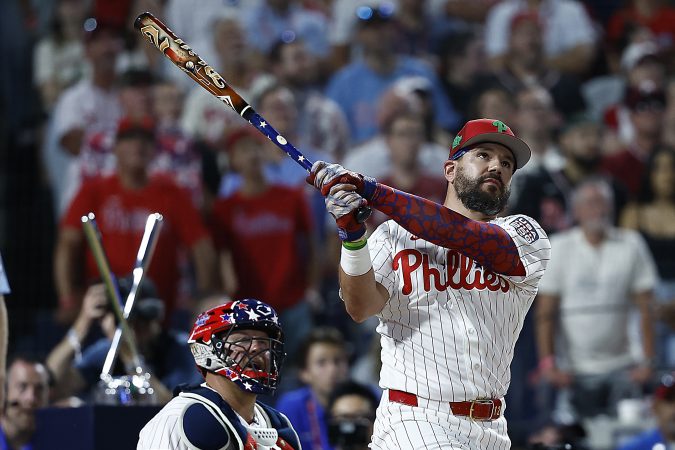
  • Kyle Schwarber falls in Home Run Derby heartbreaker, Cardinals’ Jordan Walker wins in bonus time

    Kyle Schwarber falls in Home Run Derby heartbreaker, Cardinals’ Jordan Walker wins in bonus time

    Kyle Schwarber had been here before.

    Leading in the final round of the Home Run Derby. His opponent down to one last swing. On the precipice of lifting his tired arms once more to hoist a trophy.

    In 2018, it was Bryce Harper who smashed nine home runs in a row in an all-time Derby flourish to vanquish his future Phillies teammate.

    So, guess what Schwarber was thinking about Monday night when the Cardinals’ Jordan Walker cut through the boos in sold-out Citizens Bank Park with back-to-back-to-back … to-back homers to walk off the hometown star, 12-11, in a cruel twist to a pulsating Derby final.

    “Oh, trust me,” Schwarber said, “yeah, it was definitely popping in your head. Seeing Bryce do what he did in ‘18, and then, obviously what [Walker] was able to do, the run he just had, it’s impressive. I mean, you tip your cap, right?”

    What else was there to do?

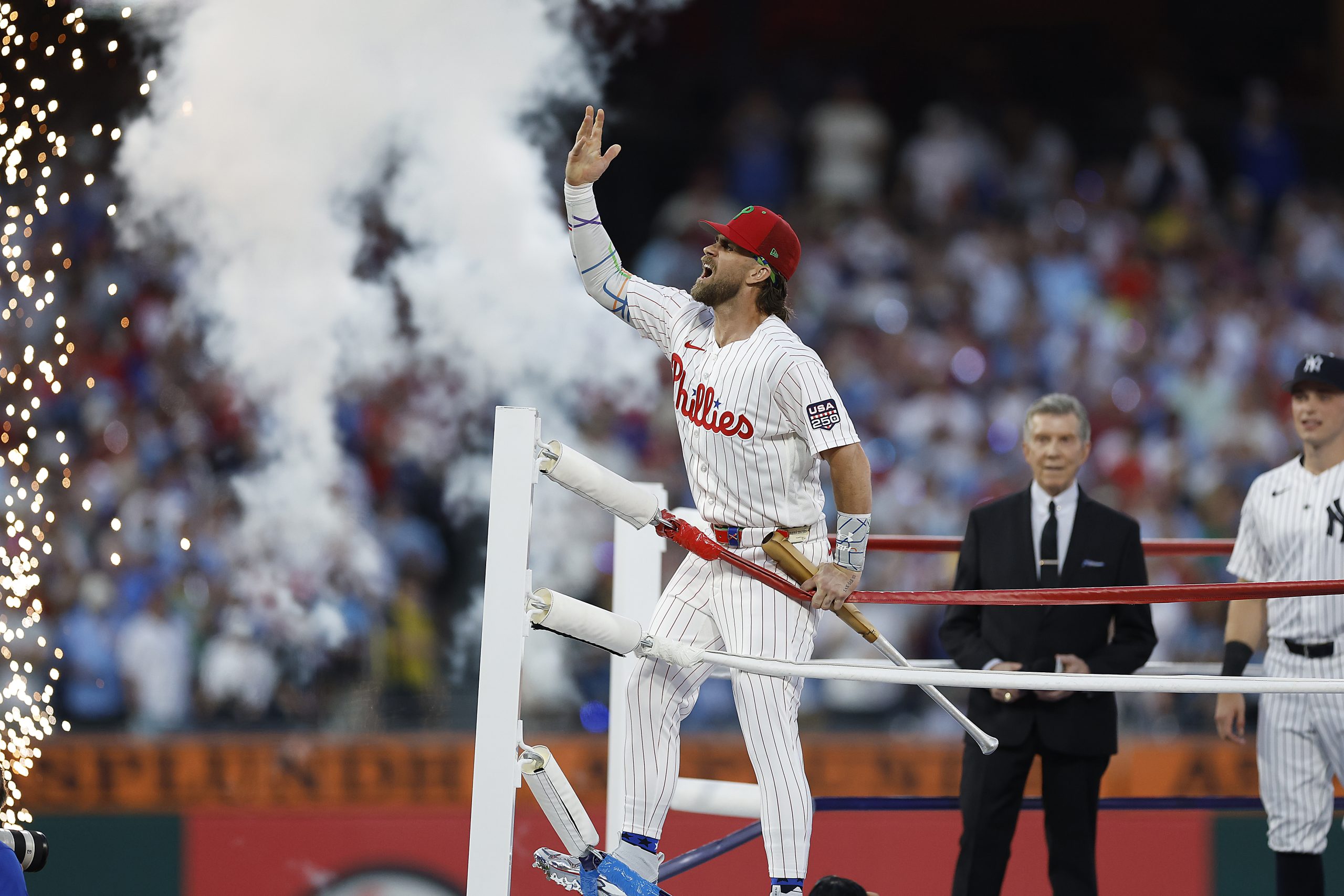
    Schwarber went deep 10 times in 20 swings to survive the first round, unlike Harper, who hit only eight after making a climb-the-ropes, WWE-style entrance upon being introduced by famed 81-year-old ring announcer (and Philadelphian) Michael Buffer. But we’ll come back to that.

    In the semifinals, Schwarber edged Willson Contreras, 9-8, with help from a partisan crowd that booed the Red Sox slugger each time he hit a ball over the fence and roared for every non-homer.

    Phillies Bryce Harper climbs up the ropes of the boxing ring during his introduction at the MLB Home Run Derby on Monday. Yong Kim / Staff Photographer

    It set up a showdown with Walker, a 24-year-old former top prospect who has 22 homers for the Cardinals, five fewer than in his first three major league seasons combined.

    Schwarber went first and hit 11 balls out on 15 swings, all to the familiar right-field bleachers that he reaches so often during the season with his short left-handed stroke. With Phillies assistant hitting coach Rafael Peña throwing to him, he hit six homers on his first nine swings.

    And when he needed a breather, Schwarber stepped out and urged on the 43,863 paying customers.

    “I thought Kyle had it,” Harper said.

    Of all people, Harper should’ve known better.

    After 19 swings, Walker trailed 11-8. But the righty-swinging outfielder began peppering the left-field bleachers in bonus time — a 407-footer off the top of the wall here, a 413-foot laser there, a 450-foot missile to tie it up.

    “The big one was that one where the ball hits the top of the wall there and snuck over,” Schwarber said. “I was like, oh, that one’s not good for us.”

    Walker clinched it with one more mighty swing, shades of Harper in ‘18 and Schwarber in Atlanta last year, when he banged three homers on three swings in the first-ever swing off to decide an All-Star Game that was tied after nine innings.

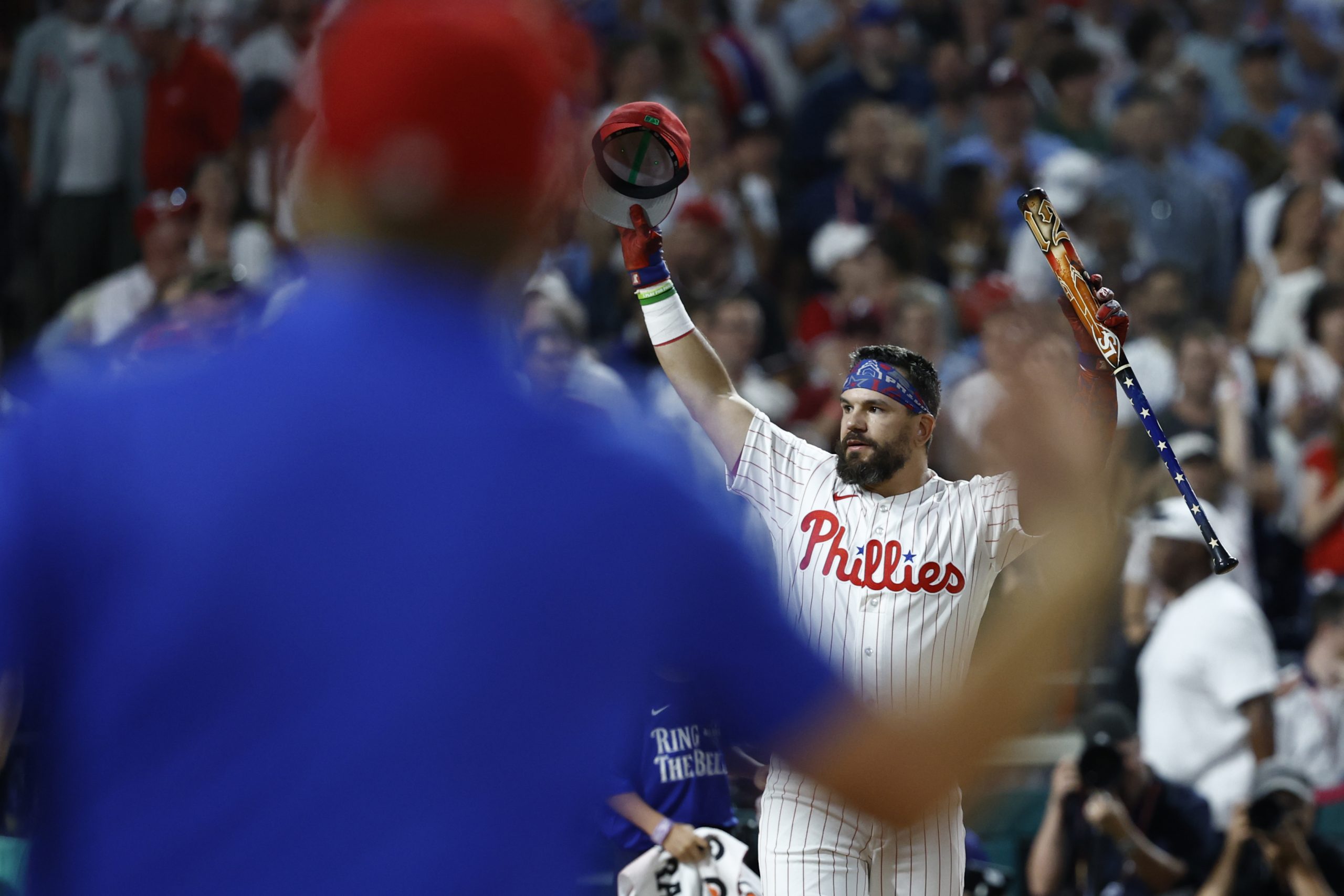
    The Phillies’ Kyle Schwarber reacts as he finishes his turn in the finals of the Home Run Derby.Yong Kim / Staff Photographer

    “That’s a pretty special thing that he was able to do,” Schwarber said, “to lock it in there for those swings and to get them over.”

    Indeed, it was one swing from being one of the more memorable nights for the Phillies in their 22-year-old ballpark, which is hosting its first All-Star Game.

    Buffer started the show by bellowing his catchphrase — “Let’s get ready to rumble!” — and introducing the Derby contestants, who met in a wrestling ring behind second base.

    Harper took it from there.

    The last player announced, “The Showman,” as he’s called by teammates, raised both arms to salute the crowd. Upon reaching the ring, he climbed up, shook the ropes, and shouted, “Let’s go!”

    What can he say? He got caught up in the moment.

    “I mean, Buff’s incredible,” Harper said. “He’s so Vegas, right? Being from Vegas, born and raised, they do a lot of fights out there. That’s a guy that I’ve seen a lot on TV. It was insane to see him announcing our names and to announce my name, as well.”

    And climbing the ropes?

    “I’ve always wanted to do that, too,” Harper said. “Watching wrestling growing up, Sting was one of my favorites. I liked Goldberg, too. I felt like Kevin Nash in that situation, a little bit of nWo. But that was pretty cool.”

    Harper was the last player to hit, roughly one hour after the Derby began. He enlisted Dodgers third base coach Dino Ebel to throw to him and appeared to get into a groove late in the first round, with six homers in the span of 11 swings.

    On his fourth homer, Harper crushed a ball that seemed to disappear beyond the second deck before touching down on Ashburn Alley, estimated at 482 feet. He hit another homer over the batter’s eye in center field.

    “I’ve done that in a game, though,” Harper said. “I hit one, what, 480 or something like that to right-center? So, that one felt pretty good. I just wanted to go out there and have some fun and enjoy the best I can.”

    Beyond that, Harper was a spectator. And he plans to only watch the Derby from now on. After being nudged into his third career Derby, the 33-year-old said he won’t compete in another.

    “Yeah, I’m done,” he said. “I mean, it took a lot for me to do it this time. Once you get out there, obviously your adrenaline’s going and stuff. You want to have a chance to win it. But, yeah, I’m done. I’m going to hang it up from the Home Run Derby.”

    Schwarber was reminded that next year’s All-Star Game will be held at Wrigley Field, where he began his career with the Cubs. He couldn’t possibly be a three-time runner-up, could he?

    “Oh man, you’ve got to give me another year to think about that,” Schwarber said. “I’m just thinking about trying to make it home tonight and having a beer. But we’ll see what happens moving forward.”