Blog

  • For some families, the answer to the housing crisis is in the backyard

    For some families, the answer to the housing crisis is in the backyard

    A boom in state policies legalizing backyard housing construction is allowing some families to build multigenerational compounds for grandparents, parents, and grandchildren to all live together on the same property.

    Twenty-four states have passed laws meant to enable construction of “accessory dwelling units,” or ADUs: separate housing units attached to or located nearby existing homes. The ADUs might be converted basements, over-the-garage apartments or, frequently, small homes built in backyards. In the past two years alone, 11 states have passed laws allowing ADUs at any single-family home, according to New York University’s Furman Center, plus many more state and local laws are meant to reduce barriers to ADU construction.

    Pennsylvania lawmakers are currently considering legislation that would allow homeowners to create ADUs in places that are zoned for single-family houses without having to get special permission. The bill passed the state House in June and is now before a state Senate committee.

    While many ADUs are used as rental housing, it’s nearly as common to use ADUs for multigenerational living — often elderly parents moving into their own small home on their adult children’s property, or adult children living in their parents’ yard or above a parents’ garage instead of moving away.

    California has led the charge on legalizing ADUs, passing a string of laws over the past decade. Several surveys in the state consistently show that about 3 in 10 ADU owners have a family member living in the unit, while about 4 in 10 rent them to strangers.

    As soon as Massachusetts moved to prevent cities from restricting ADUs in 2024, Joel and Oreon Mode — who live on the outskirts of Boston — pitched the idea of building one to their son Carter and his wife, Zoe. What if the Modes built a 900-square-foot house in their backyard and moved into the new home, then sold the big house where Carter had grown up to Carter and Zoe at a steep discount?

    The Modes would have a single-story place as they got older, instead of their current home where they have to go upstairs to their bedroom. Their 33-year-old son, who had just had a baby, would get to move out of his nearby apartment into a single-family home at a price he could afford. And the Modes would have more time with their granddaughter.

    “Our home … would have gone on the market for about $1 million, which is stupid. It’s just idiotic,” Joel, 67, a special-education teacher, said in an interview. “Selfishly, we’ve got this lovely little granddaughter who we’re gaga over, and we’re very close with Carter and Zoe, and we didn’t like the idea that they would be two hours away,” where they would need to go far from Boston to find a home they could afford.

    Carter and Zoe eagerly agreed. The family all share a property now in Sudbury, Mass. Oreon, 67, recently retired from her job as a project manager and has time to care for her granddaughter, which means Carter and Zoe don’t pay for daycare either. “I’ve had my friends go: ‘Aren’t you going to get on each other’s nerves?’” Oreon said. “Yeah, probably, but that’s family. That’s what family does.”

    Christopher Lee, the lead designer at the company that built the Modes’ new backyard home, said his firm’s homes cost between $200,000 and $600,000 to build, with most running about $300,000 for a two-bedroom house.

    “When we started, it was almost all aging parents moving into people’s backyards,” he said. Lately, he’s started seeing more instances where the younger generation is living in the ADU, often people who were priced out of buying a house when prices surged during the pandemic.

    “We’re starting to see people using ADUs as starter homes,” Lee said. “We’ve done a handful now where it’s adult children moving into their parents’ backyard and they’re building a house for them and maybe a spouse and firstborn child. … There’s been some level of acceptance that high prices are here to stay. People are moving on.”

    Dohyung Kim, an urban planning professor at Cal Poly Pomona, pointed out that ADUs have been marketed as multigenerational housing long before the recent boom in policies aimed at using these small homes to ease the nationwide housing crunch. After all, the additions have long been called “granny flats” or “mother-in-law suites,” implying relatives moving in. (The homebuilder Lennar, which declined to comment for this piece, calls theirs “next gen,” in a nod toward adult children living at their parents’ homes.)

    Zoning rules that only permit one house on a lot made it illegal to build ADUs in much of America for decades, Kim said, and still exist. Often, he said, the towns that passed those rules object to the idea of the ADUs being used as rental housing as opposed to for family members.

    “Many people build ADUs and use it as a granny flat. But at the same time, many people built ADUs and rented it out,” Kim said. “The tenants used to be more likely to be low-income people of color. Historically, many cities did not want to see that happen.”

    Lindsey Fitzgerald, a sales representative for Coca-Cola, moved into an ADU on her mother’s property in Billerica, Mass., with her boyfriend and child. “When I got pregnant, my mom told us that she would be our childcare while we worked. This made all the sense to build this ADU,” she said. “It’s the cheapest way to build or buy a house right now. The market is so crazy that this is what made sense for our family.”

    Fitzgerald said that she can look right through her window into her mom’s house; her toddler son delights in going between the two homes. “As my mom gets older, then I’m also here for her to help her,” she added.

    Fitzgerald’s mother, Linda Dahl, was already used to having something of a family compound: Dahl’s sister lives in the other half of her split-level home, and her adult son lives with her in the main house.

    Dahl said, with a laugh, that her son wants her to put another ADU in her yard so that he can live there instead. “I probably could.”

    Contractor David Giacomin, who works in Maryland, said that nine times out of 10, when he builds ADUs the owner is planning for family to live in them — usually elderly parents, or sometimes adult children. Giacomin used to own a Maryland yoga studio, but he started casting about at age 50 for a new business idea when it shut down during the pandemic.

    His business has boomed thanks to a state law requiring all localities to permit ADUs by this fall, including in Rockville and Gaithersburg, cities that formerly banned most ADUs. But other requirements, like mandates to install fire-suppression sprinklers, make it much more costly to build them than he thinks it has to be — and most homeowners struggle to get a mortgage to build one.

    “If you put a pencil to it, you’d have to charge so much to get your money back in a reasonable time, that it just doesn’t make sense to have it as a rental,” Giacomin said. He thinks that’s why he’s mostly building for families.

    One of his clients, Anne Lao, plans to move into one on her daughter’s property in Silver Spring, Md., next month. Lao and her husband moved from California to live just 10 minutes away from their daughter, but since the death of Lao’s husband, Lao’s daughter encouraged her to be even closer. Lao, 70, wasn’t thrilled at the idea of living in an addition, but she agreed to live in a unit at the end of the driveway, where a detached garage used to be.

    “When I’m getting older, and if I need help, it’s just very convenient to be right next to them,” Lao said. “It just gives you a little bit more privacy and independence. They have their privacy also.”

    She looks forward to seeing her 9- and 10-year-old grandchildren nonstop. “I’m sure I’m going to have visitors every day.”

    The rise in ADUs has opened some people up to the idea who might not have considered intergenerational living before, said Wayne State University urban planning professor Kami Pothukuchi.

    “For immigrant groups that have a tradition of living in intergenerational households, where older parents will live with their adult married daughters or sons and their families, that has been common and is still common and really has nothing to do with ADUs,” Pothukuchi said. “But where ADUs are legal — that is certainly something that you’re seeing a lot more, within American families that don’t have this as their immediate tradition of living intergenerationally.”

    It’s hard to quantify just how common these family compounds are, she said, because so many ADUs, such as basements and garages, are converted into separate living spaces without permits. “If it’s unpermitted, it’s not counted.”

    Because some ADUs are counted as part of the main house and some are counted as their own household in the U.S. Census, it’s hard to parse out a trend in multigenerational households in federal data.

    David Garcia, who works on housing policy at Berkeley’s Terner Center for Housing Innovation, said he hopes future research will provide greater clarity.

    “Part of the challenge with ADUs is we want them to do a lot of things,“ he said. ”We want them to stabilize families. We want them to create more housing stock. But it’s hard for us to know exactly how much of those goals ADUs are fulfilling without better data.”

    Inquirer staff writer Michaelle Bond contributed to this article.
  • A pair of sassy chairs at the Museum of Art in Wood and summer evenings with Rodin are your best art to-dos this week

    A pair of sassy chairs at the Museum of Art in Wood and summer evenings with Rodin are your best art to-dos this week

    A summer evening oasis with Rodin

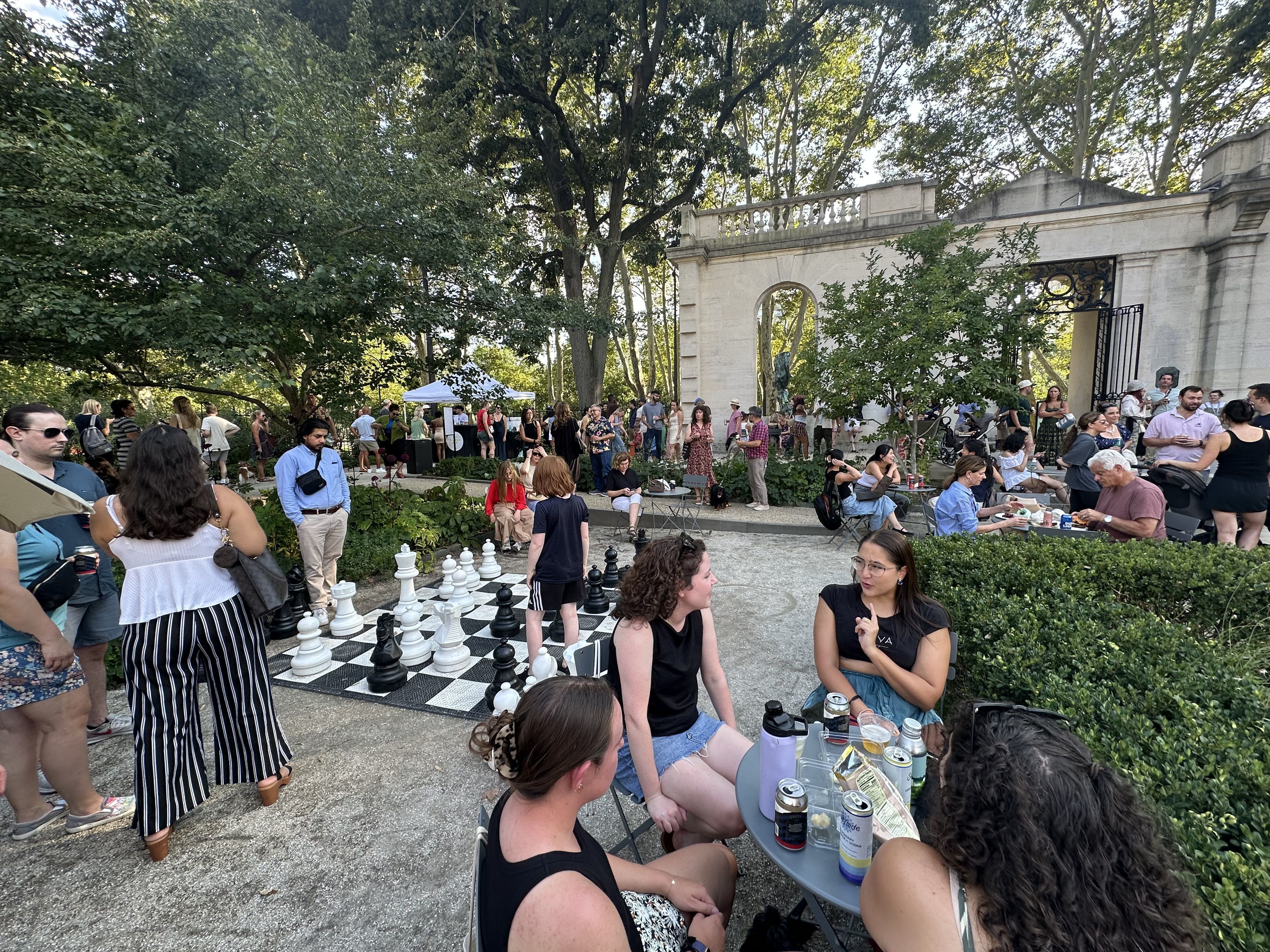
    In Rodin Museum’s courtyard last Friday evening, you could run into old friends, play a game of gigantic chess, or try to keep up with your toddler toddling through the garden.

    Or you could just sit back, sipping white wine and taking in the scene.

    This weekly urban oasis at the Rodin has often featured live music to accompany drinks and snacks in the gorgeously landscaped courtyard. The event is now in its seasonal homestretch, continuing each Friday evening with recorded music through the end of August.

    A Friday evening gathering at the Rodin Museum on the Ben Franklin Parkway, July 31, 2026.Glenn Holsten

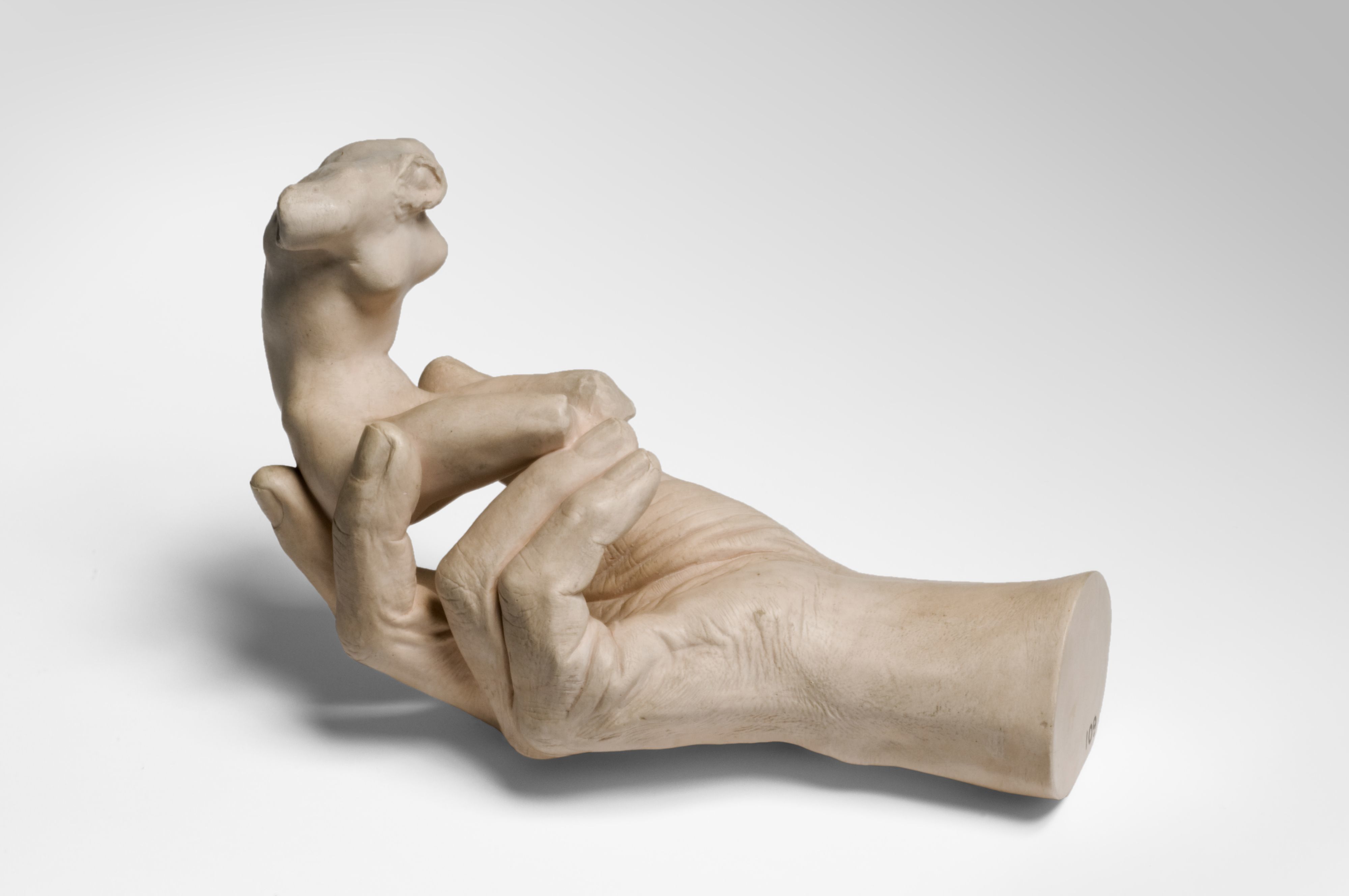
    Oh, and while you’re there, you could also take in the jewel-box of a museum, which offers a choice selection of works by the French sculptor. The current show, “Rodin’s Hands,” features 15 bronzes and plasters, some of which relate to Auguste Rodin’s famous The Burghers of Calais.

    The Rodin Museum, 2151 Benjamin Franklin Parkway, Friday-Monday, 10 a.m. to 5 p.m., and on Fridays until 8:30 p.m. through Aug. 28. Friday evenings are pay-what-you-wish. philamuseum.org.

    — Peter Dobrin

    Eddie Veddie with Charlie Hall to his right and Imelda Mae to his left in a tribute to the late Glen Hansard at the Dublin concert hall Vicar Street.Screenshot from YouTube

    A devastating Glen Hansard tribute

    The last Irish funeral I watched on YouTube was Shane MacGowan’s.

    The musical peak of that celebration of the Pogues songwriter, who had been beset by health problems before his death in 2023 at 65, came on a thrilling duet between Glen Hansard and Lisa O’Neill on the whiskey-soaked holiday classic “Fairytale of New York.”

    I watched another this week. This time, it was for Hansard, the Frames and Swell Season singer who had been working on an album in Philadelphia before his death at 56 in a Dublin motorcycle accident, on July 29.

    The funeral mass, which was livestreamed Aug. 4 from St. Patrick’s Cathedral in Dublin, — and is archived online — had a feeling of unwanted deja vu. Less than three years after MacGowan had been laid to rest, many of the same musician mourners again gathered to pay tribute to one of their own, in this case a life brought to an unexpected tragic end.

    Mourners included U2’s Bono, who led the congregation in an a cappella “Beautiful Day,” and played a voice note recording of Patti Smith singing a lullaby she wrote for Hansard. Eddie Vedder of Pearl Jam, whom Hansard opened for in Philadelphia in 2024, sang “A Song of Good Hope” with the Swell Season’s Marketa Irglova.

    The service is a beautiful, devastating watch. Eulogies were given by Hansard’s wife, Maire Saaritsa, and his brothers Richard and Gary, the latter of whom sang the heartbreaking ballad “I Can See God,” written by the Hansards’ uncle Paul Cahill.

    O’Neill, who was among the Dublin musicians who played with an expanded Pogues at Franklin Music Hall in Philly last September, was particularly moving on “Old Note,” a song she wrote in a Dublin apartment that Hansard lent her so she could work on her music.

    The Philadelphia crew who worked with Hansard at Elm Street Studios in Conshohocken in 2025, and this year, was represented by producer Charlie Hall of the War on Drugs. He can be spotted in the church choir as the service came to a close with a fevered rendition of Bob Dylan’s “Forever Young,” mashed up with George Harrison’s “My Sweet Lord” and led by Hot House Flowers singer Liam Ó Maonlaí.

    The night of the funeral, Hansard was further celebrated at Dublin’s Vicar Street concert hall. Vedder led the way on Neil Young’s “Rockin’ in the Free World,” with Hall on guitar on his right, and Asbury Park repped by Jake Clemons of the E Street Band, and photographer/musician Danny Clinch.

    Philly musicians who worked with Hansard, including Hall, Luke Carlos O’Reilly, Ben Arnold, and Kevin Hanson, shared their remembrances of him on the Craic Radio Hour on WPPM-FM (106.5). The show can be heard on Mixcloud.

    — Dan DeLuca

    The fabric of a person

    For incarcerated individuals with long-term or life sentences, life outside of prison may seem unimaginable. Artist Jesse Krimes brings those future visions to life through his Elegy Quilts.

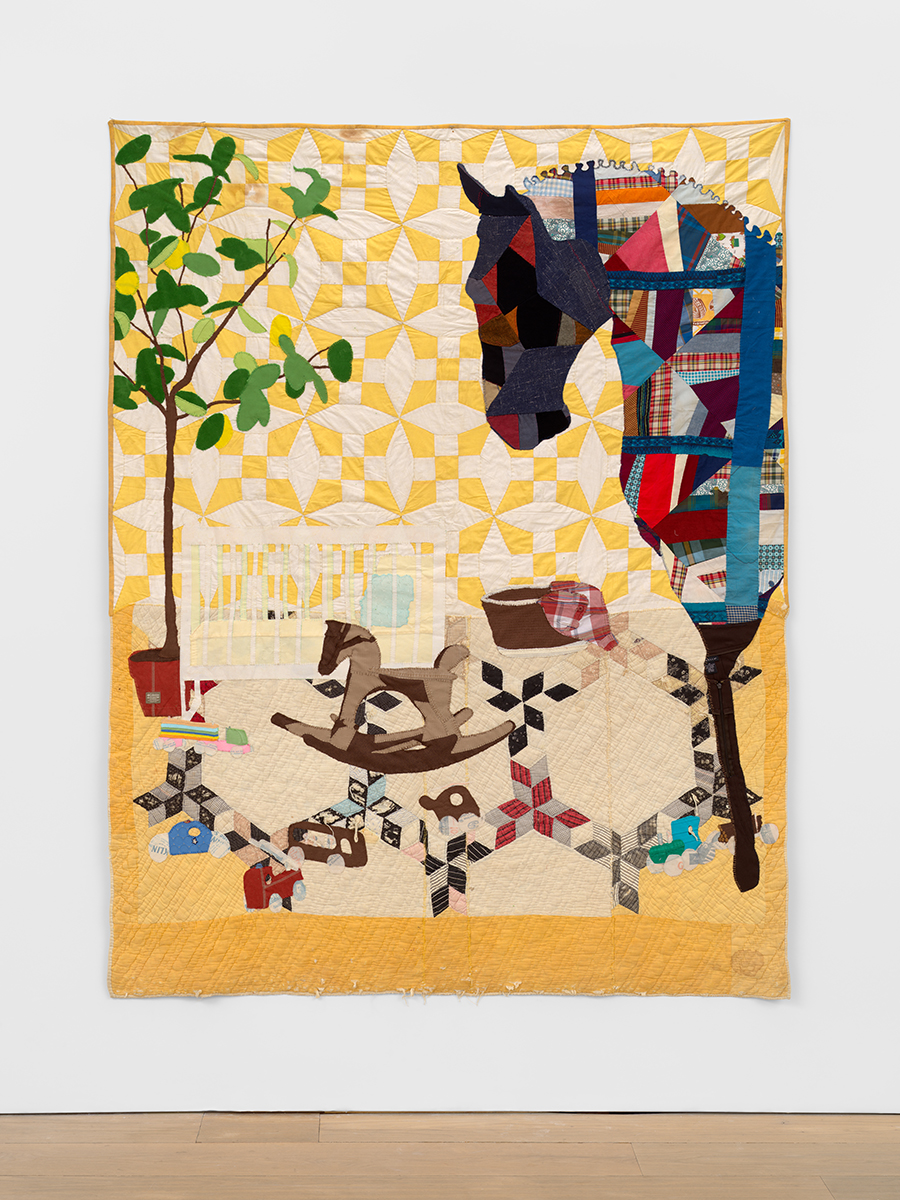
    The quilts, currently on display at the Fabric Workshop and Museum, are made up of pieces of clothing from incarcerated individuals. Krimes then asks the subjects of these quilts to name three elements: a piece of furniture, an animal, and an object, all meant to represent the person’s identity.

    Jesse Krimes. Installation view from left to right: “Arrowhead,” 2021; “Redwing,” 2021. © Jesse KrimesCourtesy of Jesse Krimes and Jack Shainman Gallery, New York

    Some commonalities are present, with multiple individuals selecting a bird or a bathroom setting. However, each quilt feels like its own distinct insight into this person’s life, whether that’s a memory they cherish or the life they wish to return to.

    Krimes himself was incarcerated for five years, and used art as a creative outlet during his sentence. All of the pieces in the show are named after prisons.

    Jesse Krimes’ 2026 quilt “Riverside” will become a mural in Spring Garden that will be unveiled on June 3. Description: Jesse Krimes, “Riverside,” 2026. Antique quilt, used clothing collected from incarcerated people, assorted textiles, 87 1/2 x 54 inches.Courtesy of Jesse Krimes and Jack Shainman Gallery, New York

    The quilts feel incredibly personal, thanks to the elements that Krimes requested of the subjects. Particularly in pieces like Florence, where I could almost see the sadness of the quilt horse as he looks at this childhood playroom scene.

    At the same time, as deep as the pieces feel, their ultimate message or theme can’t be known without knowing the subject’s intention. It creates this emotional reaction while also raising questions about these people’s identities and how they perceive themselves: What makes someone feel like they’re an owl? Or a flamingo?

    Jesse Krimes, “Florence,” 2021. Antique quilt, used clothing collected from incarcerated people, assorted textiles 89 x 65 1/2 inches. © Jesse KrimesCourtesy of Jesse Krimes and Jack Shainman Gallery, New York

    The quilts are striking, and all I want to see besides a million more are the actual stories behind them. That being said, the mystery is heartbreakingly beautiful, too.

    “Elegy Quilts by Jesse Krimes” is on display until Nov. 1, 2026, at the Fabric Museum and Workshop, 1214 Arch St., Phila. fabricworkshopandmuseum.org

    — Morgan Ritter

    Wonders in wood

    Inside the quiet, well-air-conditioned Museum of Art in Wood, visitors can explore dozens of wondrous artworks that will leave them asking, “How did the artist make this?” Two floors in Old City are packed with treasures primarily inside humidity-controlled glass cases, though I’d encourage you to check every corner — and make sure to look up! — so you don’t miss a thing.

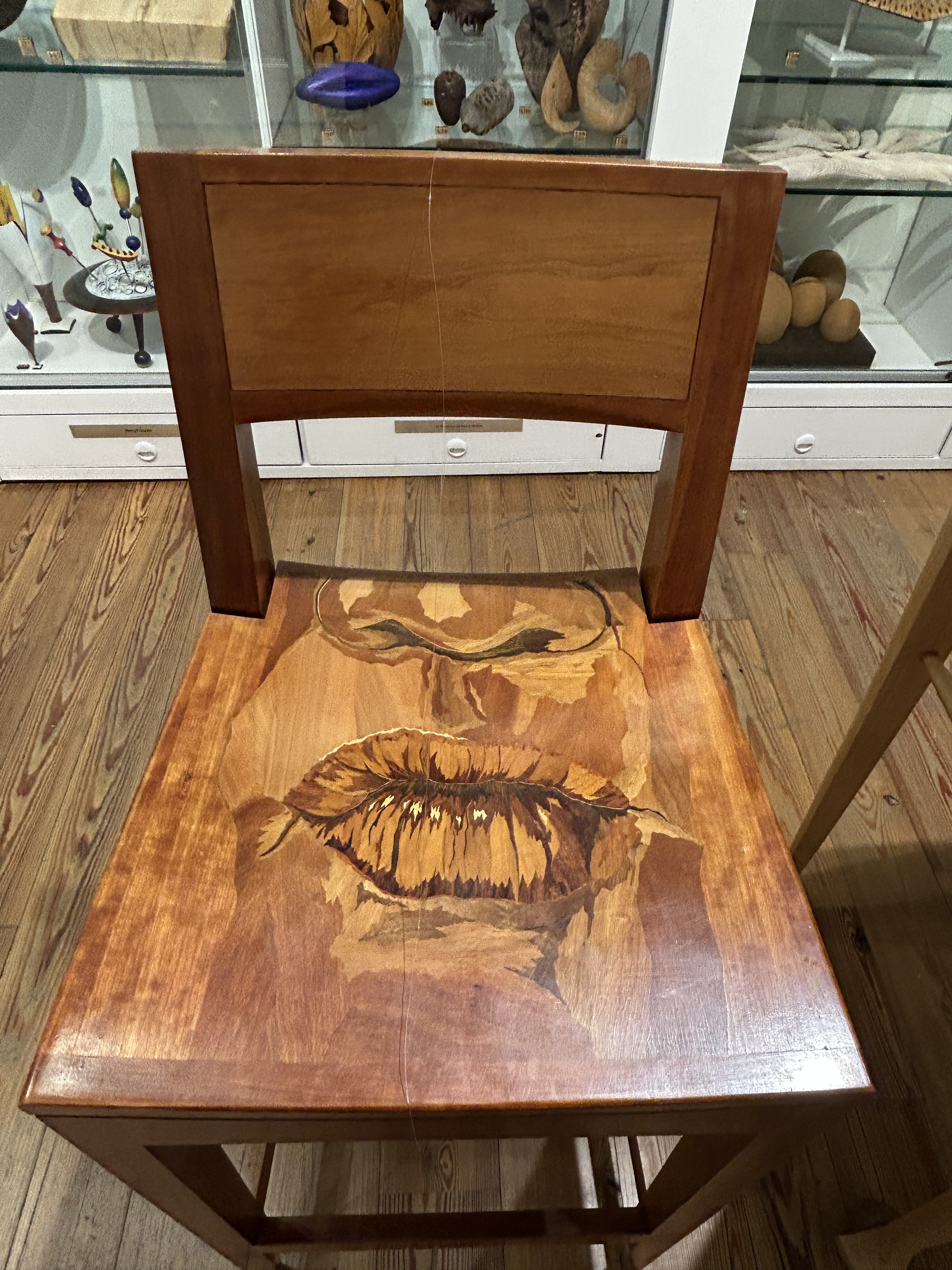
    One disarmingly funny work that I loved was a pair of tall bar chairs made of cherry wood with a special design on the seat: meticulously crafted luscious lips. Artists Silas Kopf and Thomas Coughlin fittingly called them Kiss My Ass Chairs, but I was fascinated even before I learned the cheeky title. The lips (and nose) are multicolored to indicate texture, light, and shading with such impressive skill.

    Kopf is particularly renowned for his expertise in marquetry, a style of woodworking that incorporates thin pieces of material (in this case, assorted types of wood) to create a design.

    One of the “Kiss My Ass Chairs” by Silas Kopf and Thomas Coughlin, on view at the Museum of Art in Wood in Old City.Rosa Cartagena

    See also: Louise Hibbert’s stunningly shiny seashells, Daniel Forest Hoffman’s unbelievably realistic Ram, Jason Marlow’s enigmatic helmet, and John H. Williams’ Solar Storm, a deep orange vessel with fingerprint-like swirls.

    Those picks are from the permanent collection — the museum also hosts rotating exhibits, with the latest spotlighting their artists-in-residence. (The gift shop is another must-see.)

    Plus, if you’re looking to enjoy the air-conditioning a bit longer, enter the museum’s wooden games library and try your hand at various puzzles or the ancient Egyptian board game senet.

    Museum for Art in Wood, Wednesday-Sunday, 11:30 a.m.-5 p.m., 141 N. Third St., Phila. museumforartinwood.org

    — Rosa Cartagena

  • As this city firefighter’s discrimination lawsuit heads to court, he may get help from a new state law protecting Black hairstyles

    As this city firefighter’s discrimination lawsuit heads to court, he may get help from a new state law protecting Black hairstyles

    A Black Philadelphia firefighter headed to court after suing the city for discrimination over his hair may get some help from a recently passed law.

    Last November, Gov. Josh Shapiro signed the Pennsylvania CROWN Act, reshaping the statewide landscape for such cases. The law, which amends the Pennsylvania Human Relations Act, bans discrimination based on hairstyle, texture, or type.

    The firefighter’s lawsuit argues that the city broke both the Pennsylvania Human Relations Act and a city ordinance by discriminating against him due to his hair. The lawsuit seeks compensation and a change in the fire department’s hair policy. The city declined to comment for this article.

    According to one legal expert, the CROWN Act’s passage reflects a shifting understanding of how Black hair is viewed in a workplace setting.

    “The Pennsylvania CROWN Act makes clear harassment and other acts of discrimination on the basis of characteristics that are historically associated with one’s racial identity, like a Black worker’s locs or skin complexion, constitutes unlawful race discrimination,” said D. Wendy Greene, a professor at Drexel University’s Thomas R. Kline School of Law who is not involved in the case.

    Similar laws have been passed in 30 states, according to a legal advocacy website. On the local level, a similar rule already was enshrined in the Philadelphia Fair Practices Ordinance.

    ‘A measure of time’

    The plaintiff, 42-year-old Bariq Fluellen, said he has always wanted to work in a field where he could help people. His uncle was a firefighter, and he remembers emergency workers arriving at his home after his father died from a heart condition. “I knew these people were here to help,” he said, and he wanted to be like them.

    After a stint in college and a couple of years working at the former Manayunk Paperworks to support himself and two children, Fluellen took the civil service test and was hired as a firefighter at age 29.

    “I was elated. I knew it could be a career and not just a job for me. I knew that I would be able to sustain my family and myself and have a little extra just because of the opportunity the fire department provides,” Fluellen said.

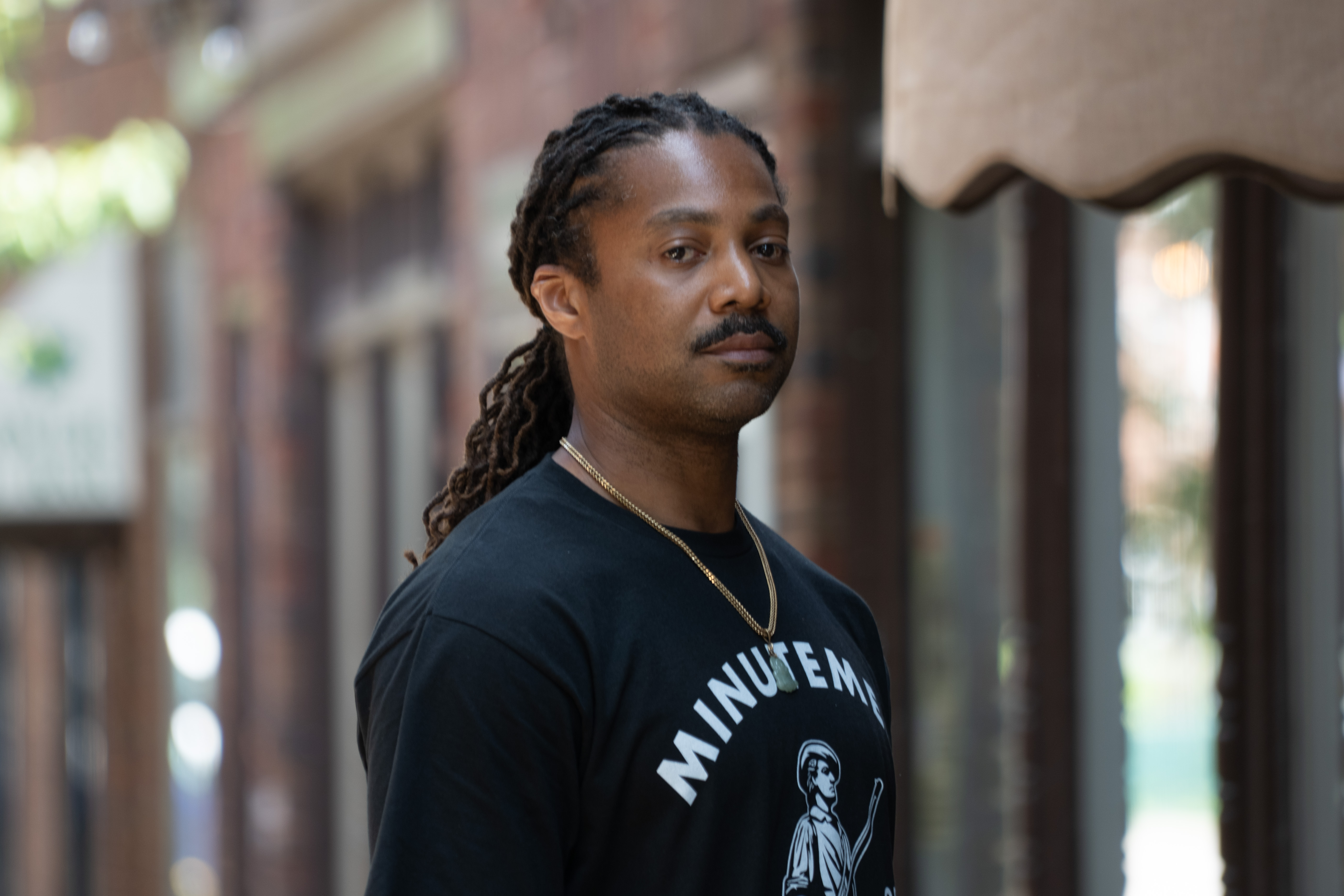
    Firefighter Bariq Fluellen. Now that the court is ready to hear his case, a new state law known as the CROWN act is in place. The law bars employers and schools from establishing policies against Black hairstyles.Jessica Griffin / Staff Photographer

    Fluellen said that as he navigated the stresses of the job, he embraced Rastafarianism, a religion often associated with reggae music that originated in Jamaica in the 1930s.

    To Rastafarians, hair is “a measure of time” and a symbol of one’s connection with a higher power, Fluellen said. And, like most Rastafarians, Fluellen began growing out his hair.

    But as his hair grew, Fluellen got the attention of some fire department officers who were not happy about it.

    Fluellen’s lawsuit said he suffered “severe and persistent harassment based on his race” because his locs made it impossible to comply with the fire department’s hair policy. The lawsuit argues that the policy goes against the state and local rules.

    The lawsuit says the harassment began around 2021 when, at a firefighter’s funeral, a senior captain made a comment about Fluellen’s hair to his supervisor.

    His boss threatened to cut his hair, threatened to write him up, and often “singled out and humiliated” Fluellen in the company of other firefighters, the lawsuit states. The harassment caused him humiliation and physical pain due to stress and prevented him from advancing in his career, the complaint states.

    One key question is whether his lengthy locs kept him from wearing his protective gear. Fluellen emphasized that he created videos showing his supervisors that it did not.

    Nor did his hair affect his work as a ladderman sometimes tasked with rescuing people trapped in burning buildings, Fluellen said.

    “When I put all my gear on, you cannot see skin, hair, or anything else, from head to toe,” Fluellen said.

    A test

    Fluellen’s attorneys at the Public Interest Law Center first filed the lawsuit last summer, but the case sat for a year with the Pennsylvania Human Relations Commission before it was moved to Common Pleas Court in Philadelphia.

    The CROWN Act, which passed a few months later, was a bonus, said Fluellen’s attorney, Meghan Binford of the Public Interest Law Center.

    “It shows that attitudes are catching up with the law,” Binford said. The city has a Monday deadline to respond to the lawsuit, she said.

    “I think that we have a very strong case, because Bariq has shown that this does not affect his ability to do his job.”

    To Greene, the law professor, the case may also be a test for how Pennsylvania courts handle the issue at a time when many federal judges weighing the 1964 Civil Rights Act have supported employers over workers.

    “Many federal courts that have decided similar racial discrimination cases under Title VII have not protected Black workers from this pervasive form of racial discrimination but, rather, have protected employers who perpetuate racial inequality,” Greene said.

    In these cases, employers were not required to show that rules banning a Black employee’s hair were “actually related to bona fide health and safety concerns, or their ability to perform the job at hand,” Greene said.

    In addition, employers were not required to show that grooming policies were enforced equally and without racial bias, Greene said. Both of these issues will be essential in Fluellen’s case.

    Despite all the stress, Fluellen said, growing out his locs has been an important spiritual experience — and one that has garnered some support from other Black firefighters in the 3,500-person department.

    “Especially the women, in particular Black women who wear their hair in cultural hairstyles, like individual braids, have reached out to me, and said they agree with what I’m saying, and we can still do the job,” Fluellen said.

  • Dear Abby | Illness, mom’s passing and time have increased isolation

    DEAR ABBY: I have a chronic illness and have been on a long-term leave of absence from my job for two years now. I have always surrounded myself with good people and have been blessed with great friends and family. When I was diagnosed, everyone was supportive. There were many platitudes, not the least of which was the ole standby, “Let me know if you need anything.” I have never asked anyone for anything, soldiering on and refusing to be a burden.

    My mom recently passed, and I’m struggling. Now, for the first time, I need actual face time. I’m extremely lonely, and all I would like is an occasional lunch or a quick diet soda with a friend. But, Abby, no one calls or responds to any of my messages. I didn’t know there was a time limit on “let me know if you need anything.” I know others out there understand what I’m going through, and I wonder if you have any words of encouragement.

    — NOT ALWAYS SUNNY IN UTAH

    DEAR NOT ALWAYS SUNNY: Please accept my sympathy for the loss of your mother. It’s shameful that your old friends and co-workers have conveniently forgotten that they offered to help you after your diagnosis. However, because they apparently have, you will have to do something about your feelings of isolation and loneliness on your own. My first thought is to reach out to a support group (in person or online) for the illness you have. The second would be to contact your religious adviser if you have one. Another (depending on your mobility) would be to volunteer some of your free time to a cause you believe in or become a foster for shelter animals.

    Finally, rather than waiting for your phone to ring, consider going out and having an occasional lunch or soft drink so you are exposed to other people rather than sitting alone at home and becoming increasingly depressed.

    ** ** **

    DEAR ABBY: My son and daughter-in-law think it’s OK to have cameras on me and my husband when we watch their children. It has been going on for six years, and I’m uncomfortable babysitting them while being recorded.

    I know my son and his wife watch the footage, because comments have been made about what we have discussed while babysitting. I’m tired of sucking it up and allowing this. This would mean that I probably wouldn’t get to see my grandchildren anymore. What should I do?

    — HATE BEING FILMED IN THE MIDWEST

    DEAR HATE BEING FILMED: Are the cameras running all the time, or just when you are babysitting? If they are on all the time, then you are not being singled out. Because you find the idea of your son and daughter-in-law listening in on what you thought were private conversations, perhaps you should start doing the babysitting at your home instead of theirs. However, if that isn’t viable, you may either have to bite the bullet and accept the status quo or remove babysitting from the equation.

  • Horoscopes: Saturday, Aug. 8, 2026

    ARIES (March 21-April 19). Not having all the answers is great because it gives others a turn. Today you’ll need more collaboration than independence. Relying on others is a process. You can go slow and test things along the way.

    TAURUS (April 20-May 20). People follow you. They’ll follow you in the dark. They’ll follow you into foreign territory. They’ll follow you because they want the adventure and the safety at the same time. You’re fun that way. You’ve earned a reputation for both.

    GEMINI (May 21-June 21). A gift will find its way to you through an indirect route. Why ask questions? Receive it. You don’t have to think “everything happens for a reason” to accept that things are indeed happening and we either make the most of that or not.

    CANCER (June 22-July 22). Every change has both positive and negative effects, depending on who’s calling the score. Since you don’t yet know how this might turn out, why not trust that the current timing is for the best?

    LEO (July 23-Aug. 22). It’s just a bunch of loveliness today: people who make you laugh, a route without obstacle and an instinct for investing the best of your energy in what pays you back with enjoyment and experience.

    VIRGO (Aug. 23-Sept. 22). Yes, you’re bending to make a situation work, which is only wise. The same tactic is used by the willow, the snow leopard and the river itself. It’s the wild intelligence of evolution to bend instead of break.

    LIBRA (Sept. 23-Oct. 23). The right company doesn’t ask you to become someone else. It expands your sense of who you are. Someone is bringing out a version of you that could easily become your favorite. And you have the time to find out.

    SCORPIO (Oct. 24-Nov. 21). You have yet to try all the ways of calming mental chatter. Walking, gardening, knitting, washing dishes, playing music, prayer, drawing, fishing — these and countless other activities can fall under the category of “meditation”.

    SAGITTARIUS (Nov. 22-Dec. 21). Three people can ask you the same question in different ways, but they’re all asking the same thing: “What do you want to do?” Once you answer, people stop guessing and life starts happening at a faster pace.

    CAPRICORN (Dec. 22-Jan. 19). Goal posts on opposite sides of the field? But of course. When your goal opposes theirs, it’s a clear skirmish. But what if the goal posts are just a little to the side? Then the game gets more complex and, frankly, today, a little weird.

    AQUARIUS (Jan. 20-Feb. 18). You’ll take things apart to see how they work. A conversation gets replayed. An old assumption comes off first. Then another. Before long, you’re holding the little piece that was making the whole thing rattle.

    PISCES (Feb. 19-March 20). It’s easy to believe we’re kind until someone inconveniences us. It’s easy to believe we’re brave until something feels risky. Today brings one of those ordinary moments that settles the question.

    TODAY’S BIRTHDAY (AUG. 8). It’s your Year of Invitations, where you have all of them you need and want. Some are social, some professional and many beckon you to fun and lucrative opportunities, emotional realms and personal success. More highlights: You’ll create atmospheres where everyone can do their best work. You’ll stand where the greats have stood and take on admired characteristics. You’ll adjust habits in a way that makes you stronger and richer. Pisces and Taurus adore you. Your lucky numbers are: 45, 31, 18, 8 and 12.

  • Zack Wheeler’s delivery comes under scrutiny from the Blue Jays as Phillies lose a rain-delayed 5-4 series opener

    Zack Wheeler’s delivery comes under scrutiny from the Blue Jays as Phillies lose a rain-delayed 5-4 series opener

    Chase Utley, famous for his pregame routine and laser-focused preparation, was just getting warmed up. So, he led with an apology.

    “Zack,” he said. “Sorry, dude. I’ll pick this up.”

    Out in the bullpen, Zack Wheeler kept on throwing. Rain shortened his last start to two innings and delayed this one by two hours. Normalcy was gone long before Utley gave his Phillies Wall of Fame speech Friday night.

    Besides, things only got stranger once the game finally started. The Blue Jays accused Wheeler of taking his right foot off the rubber, leading to the ejection of their hitting coach and a two-word obscenity from Wheeler in the fourth inning of a 5-4 Phillies loss that went down to the final batter after the clock struck midnight.

    “I’ve been pitching over there [on the first-base side of the rubber] forever, and I’m going to keep doing it, you know?” Wheeler said. “They’ve lost a lot of games over there, so they’re probably trying to pick some things up to complain about.”

    Zing!

    OK, let’s get this out of the way: The Phillies drew 10 walks — 10! — and lost after leaving the bases loaded twice in the last three innings. They had the tying run on third base — and reliever Tyler Rogers on the ropes — in the ninth after Luis Arraez’s 10-pitch walk. But Alec Bohm hit a first-pitch grounder for a force out at home before Brandon Marsh was thrown out by a half-step on a grounder to end the game.

    The Phillies finished 2-for-11 with runners in scoring position and stranded 11. Kyle Schwarber, Trea Turner, and Bryce Harper struck out in succession with two runners on base in the fifth inning.

    Brandon Marsh was thrown out by a half-step to end the game in the Phillies’ 5-4 loss Friday night.Yong Kim / Staff Photographer

    “Yeah, just got to be better,” Harper said after the Phillies (62-55) slipped back into a tie for the final National League wild card. “I ain’t got much for you. It’s got to be better in those situations and get those guys in.”

    Hey, it happens. Unlike, say, a team asking the home plate umpire to watch for a pitcher taking his foot off the rubber during his delivery.

    But MLB contacted the Phillies a few weeks ago, interim manager Don Mattingly said, after Wheeler started a nationally televised Sunday night game on NBC. A camera angle appeared to show that Wheeler’s right foot disengaged from the rubber.

    The Phillies disagreed and provided an overhead view that shows Wheeler’s foot does, in fact, stay on the rubber, albeit at the edge. Wheeler said his delivery has been the same for years. To his knowledge, nobody ever complained.

    “Not until this year,” he said.

    Or, more specifically, Friday night.

    Early in the game, Blue Jays manager John Schneider asked plate umpire John Tumpane between innings to look for the placement of Wheeler’s foot. Tumpane, in turn, spoke with Wheeler.

    “John told me to make sure I stay on the rubber,” Wheeler said. “He kind of just said that MLB has me on a list.”

    The Blue Jays pressed the issue again in the fourth inning, with Tumpane ejecting hitting coach David Popkins, who drew the ire of Wheeler.

    “We were just getting information that his foot was off the rubber on the first base side, from video angles with that little step back from the windup,” Schneider said. “It’s hard to see in real time, but there was just an example of our hitting coach kind of protecting the players and me doing the same.”

    It was all part of a bizarre start for Wheeler, who walked five batters, more than in any start since April 7, 2019, and threw 116 pitches, his highest total since May 6, 2021.

    The Blue Jays led, 1-0, 2-1, and 3-2, and knocked out Wheeler with one out in the sixth inning after losing a 15-pitch duel with Nathan Lukes, who singled to load the bases. Lefty reliever Tim Mayza gave up a sacrifice fly to make it 4-2.

    “He did that to me last year,” Wheeler said of Lukes. “When we played there, he had a really long at-bat also. I figured I’d have one of those tonight with him. It just happened to be the last one. I was just trying to throw everything at him, but he put a good at-bat together.”

    Wheeler threw only 32 pitches last Sunday in Baltimore before a rain delay forced him from the game. Surely, though, there was a toll from throwing more pitches than he had in five years.

    “Tired,” Wheeler said. “I’m not going to lie, you know? It was hot and humid, and the air was just still. I still had juice in me there at the end, but, yeah, I was a little tired.”

    Trailing, 5-2, in the ninth inning, the Phillies loaded the bases against Rogers on back-to-back walks and a catcher’s interference call that enabled Schwarber to reach. Bryson Stott scored from third when Turner hit into a fielder’s choice, and Harper punched an RBI single through the right side to cut the margin to 5-4.

    Arraez’s drawn-out walk reloaded the bases, and Rogers had thrown 31 pitches when Bohm swung at a first-pitch sinker.

    “I like it if he gets a hit and gets the ball in the air,” Mattingly said. “Obviously he’s not trying to hit a ground ball there. What you’re trying to do [is] you’re trying to get [Rogers] up a little bit. Obviously, we didn’t do that.”

  • Chase Utley’s path to the Phillies Wall of Fame was forged with hours in the video room

    Chase Utley’s path to the Phillies Wall of Fame was forged with hours in the video room

    The game was finished and the Phillies had a flight to catch as Kevin Camiscioli hurried to unhook the computer monitors and video equipment in the visiting clubhouse.

    But Chase Utley — “Nobody spent more time in that video room than Chase,” Pat Burrell said — wasn’t finished yet.

    Forget that the game was over. Utley had more tape to dissect. He replayed each at-bat like it was the Zapruder film. So Camiscioli, then the team’s director of video, gave his workstation to Utley and packed up everything else.

    “But then I pulled the wrong power cord, and it was the main power cord,” Camiscioli said. “As soon as I pulled it out, I could hear the power supplies click. They lost power.”

    Camiscioli stood up and locked eyes with Utley.

    Utley spent hours before — and even after — games in the video room trying to find any advantage he could. He was obsessed, Utley said. And it’s that work ethic that he credits for the iconic career that landed him Friday night on the Wall of Fame at Citizens Bank Park and soon could take him to Cooperstown, N.Y.

    But when Utley’s computer unplugged, Camiscioli held his breath.

    “I said, ‘Man, I’m sorry,’” Camiscioli said. “He starts walking to me. I’m like, ‘Here we go.’ He looks at me and goes, ‘That’s OK.’ Phew. Bullet dodged.”

    Earning Philly’s respect

    Utley debuted in April 2003 as a pinch-hitter for the final home opener at Veterans Stadium. But he didn’t really arrive until later that month when the Phillies recalled him from triple A.

    The Scranton Wilkes-Barre bus pulled over and Utley waited at a Subway until a ride arrived to bring him to Philadelphia. A day later, he hit a grand slam for his first big-league hit and sprinted around the bases as if he was being chased. From then on, his connection with Philadelphia was unrivaled.

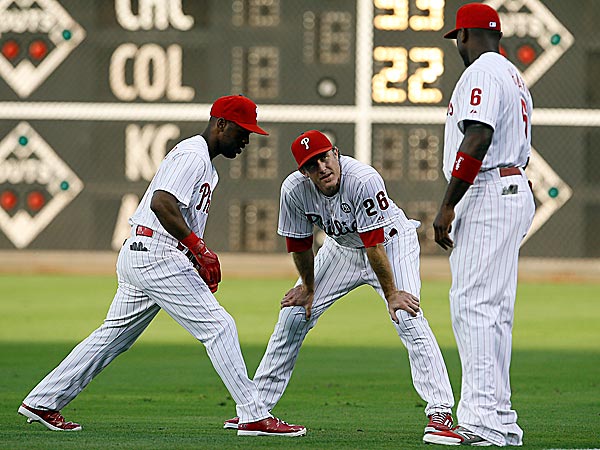
    Jimmy Rollins (left), Chase Utley, and Ryan Howard were part of the Phillies’ core that won the 2008 World Series.YONG KIM / File Photograph

    “I get asked all the time, ‘What was it like to play in Philly?” Utley said. “The truth is you don’t just play in Philly. You survive it. You earn it. And, if you’re lucky, you grow from it. To me, this city is about passion. It’s about emotion. It’s about toughness. But most of all, it’s about winning. For 13 years, I tried to play the game that this city expects us to play: hard, honest, no shortcuts, no excuses. You let me know every night whether I was doing my job. That’s what I love most about this city. In Philadelphia, you don’t get respect. You have to earn respect.”

    Fans roared on Friday when Utley walked onto the field and interrupted his Wall of Fame speech with ovations and catcalls.

    “I love you, too,” Utley responded to a screaming fan.

    Philadelphia has fallen for athletes: Wilt, Bednarik, Dr. J, Iverson, Schmidt, Clarkie, and so on. But there’s an argument to be made that no one won over Philly like Utley.

    “I adore this town,” Utley said. “We had such amazing moments over the years and created so many memories together. Winning the World Series was No. 1, but there were so many other great times together. They supported me essentially from Day 1. I had to earn their respect, and I felt like I did a good job of that. I’m as much obsessed with the fans as they seem to be with me.”

    He grew up in Southern California but was made for South Philly. He played with a scowl and let his game do the talking. He was The Man and always arrived first at the ballpark and was last to leave.

    Utley would go to the trainer’s room before checking in with Camiscioli to watch video. Then he ate a peanut butter and jelly sandwich, hit the weight room, and took batting practice. He grabbed a sweet potato and watched more video before the game began. It was the same thing every day. Even the food didn’t change.

    “He just had that look in his eye,” Camiscioli said. “You got the heck out of the way. You knew when to talk and when not to talk. Just because you knew he was in the zone. You knew. Roy Halladay had that look, too. When it got to a certain time before the game, he would walk from Point A to Point B with determination. There was more speed than regular. A 7 o’clock game, he’s basically suited up to the cleats by 6 ready to go.”

    Chase Utley thanks Phillies fans while getting inducted into the Phillies Wall of Fame on Friday.Yong Kim / Staff Photographer

    ‘What could he be looking at?’

    Utley sat for more than an hour in the afternoon before a game studying every opposing pitcher. The video guys eventually knew what Utley wanted to see so they queued up clips of the other teams’ pitchers in every situation possible and watched Utley go to work.

    “He’d call you over sometimes after he was sitting there for three hours and he’d be like, ‘I don’t know if my eyes are going cross, but is this what I’m seeing?” Camiscioli said. “Some guys go to the clubhouse and they play cards. Some guys do nothing. Some guys play ping-pong. Chase watched video. That’s what he did. I’m surprised he doesn’t need glasses from staring at the monitors so much.”

    Other players soon filtered in, sitting with Utley as if he was a professor teaching a class. He shared the tidbits he gleaned from video — like the opposing pitcher always throws a fastball if he starts with his glove by his belt — and hoped he gave his teammates an advantage before the game started.

    “I wanted to be as prepared as I possibly could,” Utley said. “I felt like the more video I watched, the more information I could gather, the better suited I was to compete on a nightly basis. There were some days when it didn’t tell much, but there were plenty of days where I felt like I benefited greatly from the preparation I put in, my teammates also. Nowadays, the game has changed, and there’s plenty of people watching video. Back then, it wasn’t quite the same. I wanted to be as prepared as possible.”

    The video room is just a few feet from the dugout at Citizens Bank Park, and Utley would stop back after each at-bat, when players were still allowed to watch video during games. He used two monitors to compare what he saw before the game to what actually happened during the game and then leave the monitors up for teammates to check out. Class was always in session.

    “He was very generous with his knowledge,” Camiscioli said. “I never really saw him force himself onto anybody, but eventually people knew and figured it out. Ut had a routine. He was in the video room all the time. There were so many times where it would be like, ‘Oh my God. What could he be looking at?’ But then you started to notice guys filtering in and hovering around him. His preparation was just off the chart.”

    It was one thing to pick apart pitchers during a regular-season game, but Utley requested the same footage when he was selected to the All-Star Game. Camiscioli, who worked for the Phillies from 1996 to 2021, loaded an iPad before the All-Star break with clips of the American League pitchers. For Utley, nothing was an exhibition.

    “All-Star Game? He wanted to hit,” Camiscioli said. “You know how the All-Star Game is. It’s a fun time. He wanted to rake. It was business as usual.”

    Phillies fans walk the Citizens Bank Park concourse with Chase Utley jerseys on.Yong Kim / Staff Photographer

    A sense of pride

    It didn’t take long for Utley to tell Camiscioli and his staff to just give him some basic instructions on the computer so he could move through his film without help. That’s who he was, Camiscioli said. Utley didn’t want to bother anyone else.

    “He was great to us,” Camiscioli said. “He respected us and appreciated us. It wasn’t, ‘Oh, you’re just staff.’ In return, everyone wanted to run through a freakin’ wall for him. To this day, I still would.”

    So it meant something that Utley invited Camiscioli and other staff members from his playing days to be at his induction on Friday night. Jimmy Rollins, Ryan Howard, and Cole Hamels were there. But so was Camiscioli and other behind-the-scenes folk who helped Utley become The Man. They loved him, Camiscioli said. Even if he made packing up the equipment a little bit complicated.

    “For me and the guys who worked with me, it was a sense of pride,” Camiscioli said. “We were proud that we could be a part of it. He treated us with respect. You know, that doesn’t always happen. He was really good to us.”

  • 70-year-old man fatally shot in Hunting Park

    70-year-old man fatally shot in Hunting Park

    A 70-year-old man died Friday evening after he was found fatally shot inside a car in the city’s Hunting Park section, police said.

    Around 6:25 p.m., police responded to the 4300 block of North Seventh Street, where they found the man inside a gray BMW with a gunshot wound to his upper chest.

    Police transported the man, who was not identified, to Temple University Hospital, where he was pronounced dead at 6:28 p.m.

    Inspector D.F. Pace said the man was probably driving at a different unknown location when he was shot and he possibly was trying find help when the BMW crashed into a parked car.

    Police reported no arrests.

  • N.J. Attorney General’s Office investigating fatal shooting of Millville man by law enforcement

    N.J. Attorney General’s Office investigating fatal shooting of Millville man by law enforcement

    The New Jersey Attorney General’s Office said Friday it was investigating the fatal shooting of a 47-year-old Millville man by a sergeant with the Cumberland County Prosecutor’s Office.

    On Thursday morning, police responded to a report of a domestic disturbance on the 300 block of Hazel Boulevard, the attorney general’s office said. During an encounter inside a residence, Cumberland County Prosecutor’s Office Sgt. John Borelli fatally shot Shaun Murphy, the attorney general’s office said.

    The attorney general’s office said a gun was recovered from the scene.

    Under state law, the attorney general’s office is required to investigate all deaths that happen during encounters with law enforcement.

  • In South Jersey, a police standoff ended with a man fatally shot

    In South Jersey, a police standoff ended with a man fatally shot

    An hours-long standoff with police at a home in Millville, N.J., on Thursday ended with a man fatally shot, the New Jersey Attorney General’s Office said.

    The attorney general’s office said it is investigating the shooting. Last night, the Attorney General’s Office of Public Integrity and Accountability identified the man who shot as Shaun Murphy, 47, of Millville. The officer was identified as Cumberland County Prosecutor’s Office Sgt. John Borelli.

    The deadly encounter happened at a white, two-story suburban home near Holly Heights Elementary School and a patch of woods, according to video footage and maps of the area.

    Police showed up outside the house on Hazel Boulevard around 8 a.m. Thursday, according to TV news reports.

    Neighbors described a standoff as police spoke to a man in the house with a loudspeaker, 6abc reported.

    News camera footage showed one window of the home was shattered. Police tape wrapped the property. A New Jersey State Police crime scene investigation unit van was parked outside.