Blog

  • Messina Social Club is releasing new memberships — and 100 will be free

    Messina Social Club is releasing new memberships — and 100 will be free

    Twice a year, the members-only South Philly hangout Messina Social Club combs through its list of members — currently 8,000 — weeds out inactive ones, and releases a hundred new memberships.

    Starting this week until they’re sold out, Messina is accepting new member applications. A basic membership, which costs $25 and $20 per year thereafter, includes the ability to make reservations and visit the club any time it’s open with up to three guests.

    This fall, Messina’s owners are also releasing an additional 100 free memberships for restaurant-industry workers — one of the club’s key clientele.

    The bar area at the Messina Social Club in 2021.CHARLES FOX / Staff Photographer

    Because it has a PLCB club license, Messina is able to serve alcohol until 3 a.m., an hour later than conventional liquor licenses. That has attracted a late-night crowd of industry workers who can come in for a cocktail and a roast pork sandwich after their own restaurants close for the night.

    The free memberships are a gesture to the rising price of daily goods, from rent to gas to groceries.

    “Everything is terrible, especially for restaurant-industry people,” said owner Jason Cichonski. “We’re trying to be more approachable for them.”

    With industry workers in mind, Messina now offers an a la carte menu as well as half-price wine bottles on Wednesday. “We’ve been finding that a lot of restaurant friends are having a hard time going out and spending $100 on dinner and … [another] $20 to $30 on drinks,” he said.

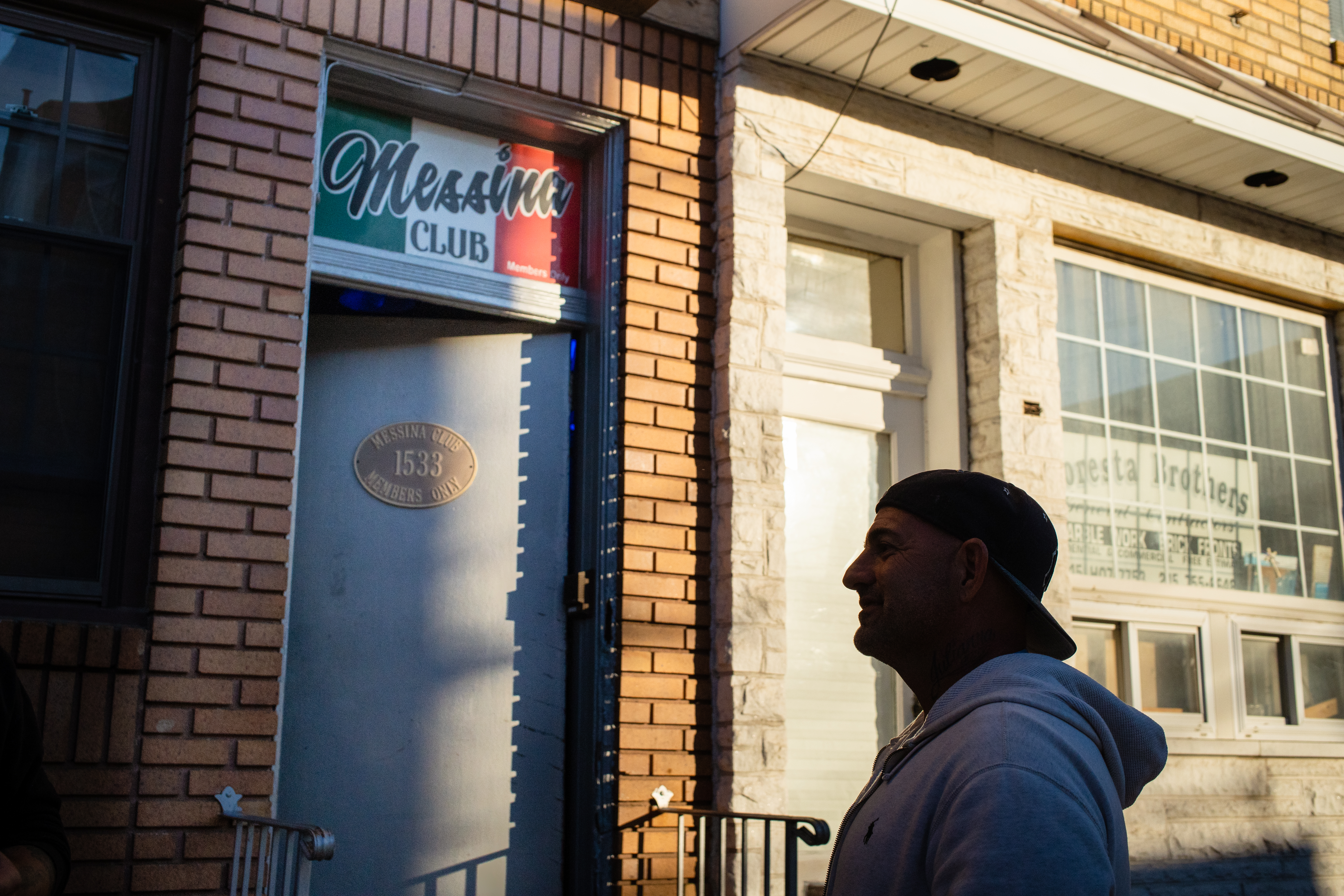
    Former Messina Social Club owner Damon Julia stands outside the South Philadelphia club in 2019. The Messina used to be a hangout for the cigar-smoking old timers.MARGO REED / For the Inquirer

    Unlike nearby Palizzi Social Club — whose occasional limited membership releases see prospective customers wait in long lines, even in the rain — Messina membership can be purchased online. Potential new members can also apply in person during service hours.

    Messina Social Club was founded in 1909 for Italian immigrants in the neighborhood, many of whom had come from Messina, in northern Sicily. It gradually became a place to smoke and play cards.

    When Cichonski and executive chef and partner Eddie Konrad took over in 2019, they transformed Messina Social Club into a tucked-away restaurant with a tasting menu.

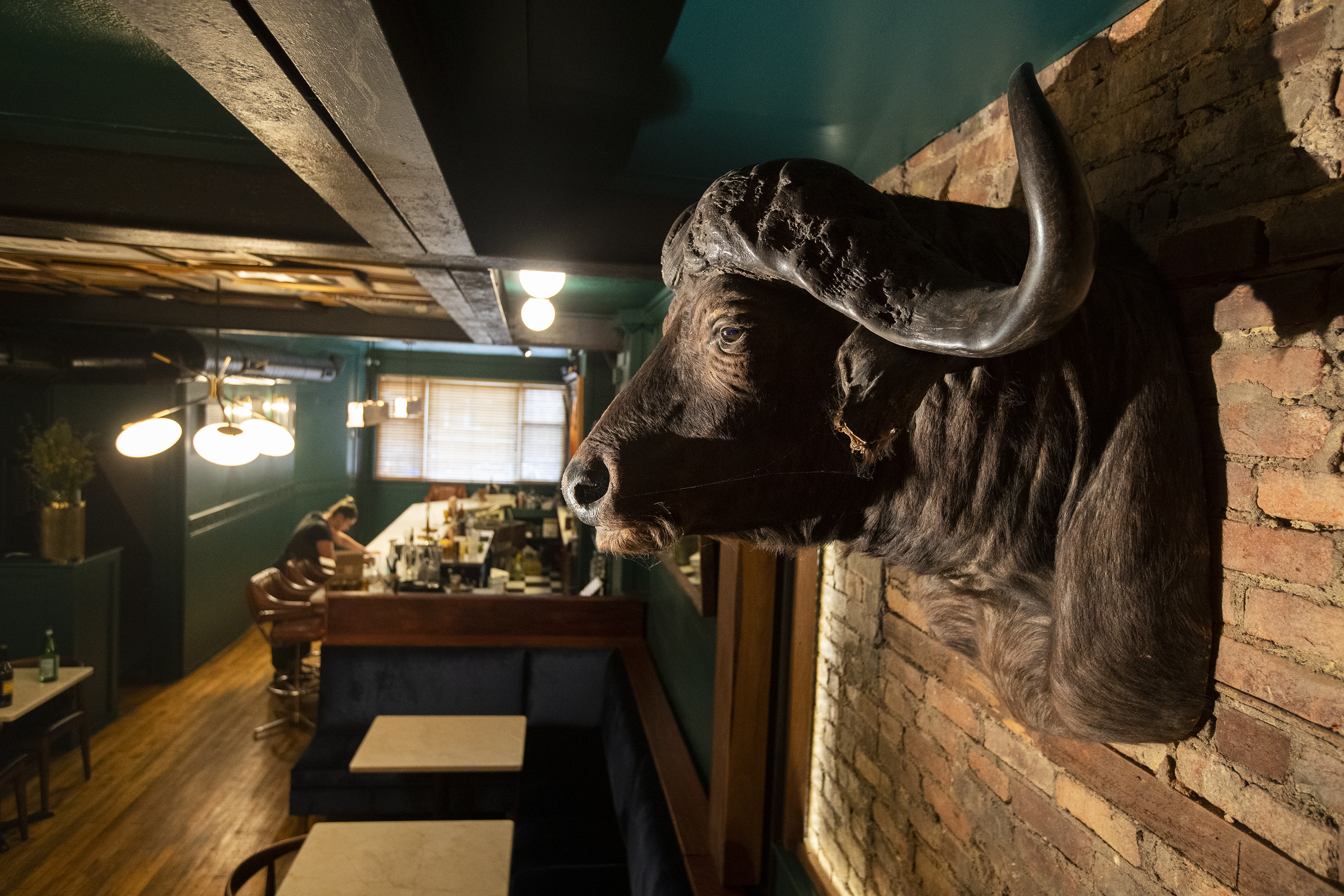
    A water buffalo on the wall at the Messina Social Club in 2021, a fixture from its previous owners.CHARLES FOX / Staff Photographer

    To join, interested customers can go to messinasocialclub.com/join and enter “Msc2026” as the password. Industry members need to apply in person and provide proof of industry work, “whether it’s a business card, paystub, name tag, or whatever,” said Cichonski.

    Messina Social Club is open 5:30 p.m. to 10 p.m. Tuesdays through Thursdays and 5:30 p.m. to 3 a.m. Fridays and Saturdays.

    Messina Social Club’s a la carte menu.Chris Parisi

    Messina Social Club, 1533 S. 10th St., 267-928-4152, messinasocialclub.com

  • NFL considering flexing Eagles off NBC’s ‘Sunday Night Football’

    NFL considering flexing Eagles off NBC’s ‘Sunday Night Football’

    The Eagles are currently the opposite of must-see TV, which could lead to their schedule changing.

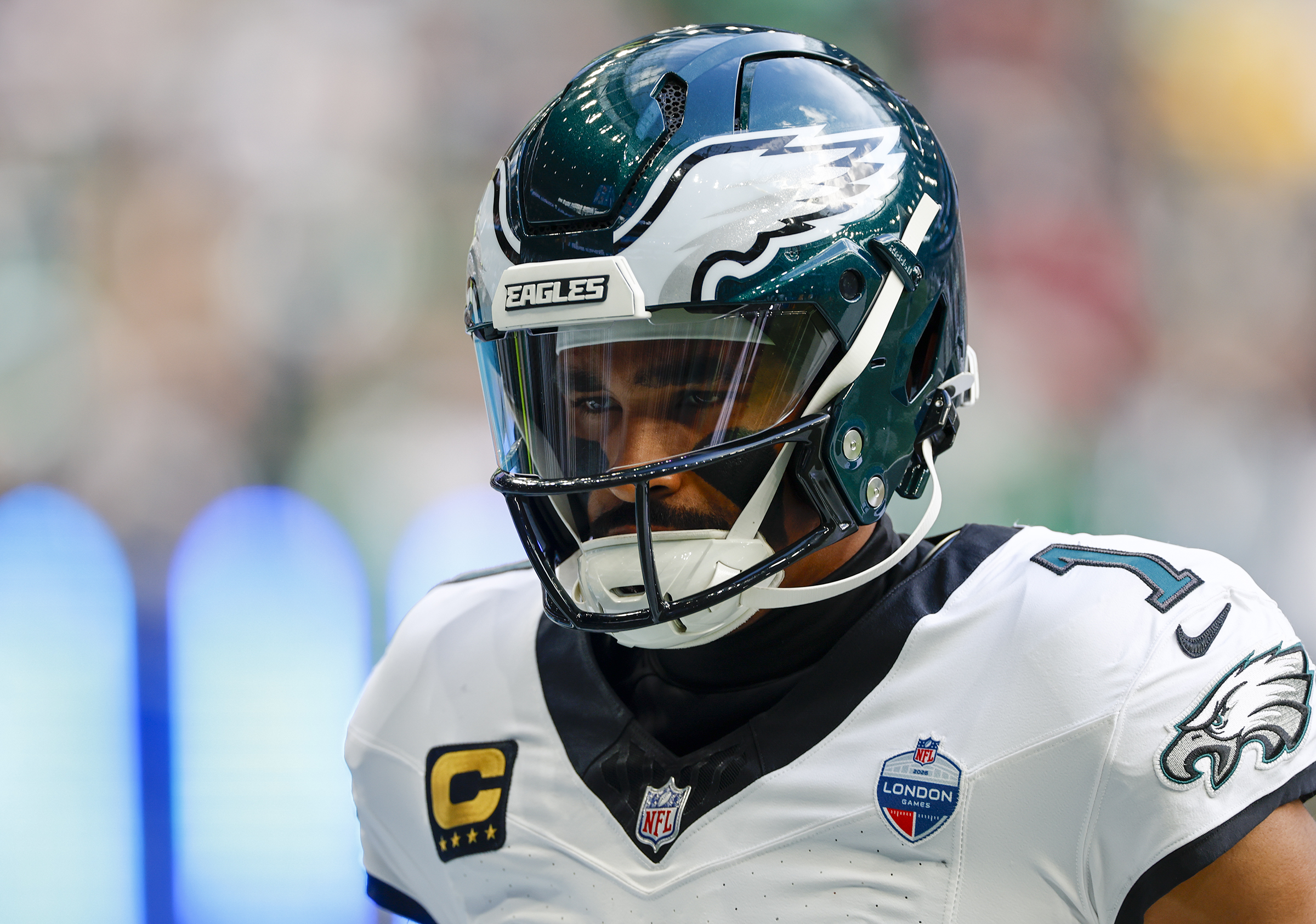
    The Birds (2-3) are scheduled to face the Washington Commanders (1-3-1) on NBC’s Sunday Night Football in Week 8, a game that looks a lot worse on paper now than it did a few months ago when NFL schedule makers put it in primetime.

    The Eagles, who have lost three straight, find themselves with a losing record for the first time under head coach Nick Sirianni. It also doesn’t help that the Birds have had an unwatchable second-half offense where the star has been punter Braden Mann. The Commanders are even worse, with just one win after an inexplicable collapse in overtime Sunday against the New York Giants (3-1-1).

    As a result, the NFL is considering whether to flex Eagles-Commanders off NBC and replace it with a better matchup.

    The league has until Oct. 20 to make a final decision, so it will depend what happens this weekend. The Eagles face the Carolina Panthers (2-2) at home in Week 6, while the Commanders face the undefeated San Francisco 49ers (5-0) Monday night on ESPN.

    The NFL usually avoids flexing in and out of Sunday Night Football so early in the season unless it’s pretty clear one or both teams’ seasons are going in the wrong direction. The last time the NFL made an early-season primetime flex was in 2024, when it moved Eagles-Jaguars off Sunday Night Football in Week 9.

    If the league moves Eagles-Commanders, there appear to be limited options to replace it. The most obvious would be Baltimore Ravens (4-1) vs. the Buffalo Bills (4-1), which is currently scheduled as a 1 p.m. regional game on CBS. But the game is likely protected by the network and the Ravens are scheduled to play the following Thursday night.

    Under the NFL TV rules, Fox and CBS can pick one game a week to protect against being flexed into primetime, which they have to declare three weeks out.

    Other options are:

    • Minnesota Vikings (5-0) at Detroit Lions (3-2) on Fox at 1 p.m.
    • Kansas City Chiefs (4-0) at Denver Broncos (3-2) on CBS at 4:25 p.m.
    • Cleveland Browns (3-2) at Pittsburgh Steelers (3-2) on CBS at 1 p.m.

    The NFL might be blocked from moving any of these. CBS and Fox are guaranteed at least one game of each divisional rivalry during the season from the AFC and NFC, respectively. And for all three matchups, their second divisional game is scheduled or has already been played on a different network.

    One other option would be Indianapolis Colts (2-3) at Jacksonville Jaguars (4-1) at 1 p.m. on CBS, since their second game is in Week 18 and doesn’t yet have a network.

    The NFL could also decide to swap games in Week 8 for Fox’s national 4:25 p.m. window, the league’s most-watched time slot. It’s currently stuck with the winless Los Angeles Charges (0-5) facing off against the Los Angeles Rams (2-3).

    As a reminder, here are the current NFL flex rules:

    • Sunday Night Football (NBC): The NFL can flex twice between Weeks 5-10 any game during Weeks 11-17. Early-season flexes through Week 13 require at least 12 days notice, which drops to six days notice for Weeks 14-17.
    • Monday Night Football (ESPN/ABC): Any game between Weeks 12-17 can be flexed with at least 12 days notice.
    • Thursday Night Football (Amazon’s Prime Video): Two games can be flexed between Weeks 13-17 with 21 days notice.

    The NFL is certainly hoping the Eagles turn things around. The Birds are scheduled to appear in at least seven more standalone games this season, including four in primetime. That includes Christmas Eve against the Houston Texans and their Thanksgiving matchup against the Dallas Cowboys, which the NFL still hopes will top last year’s turkey-day audience of 57.3 million viewers.

    Michael Barkann back at NBC Sports Philadelphia

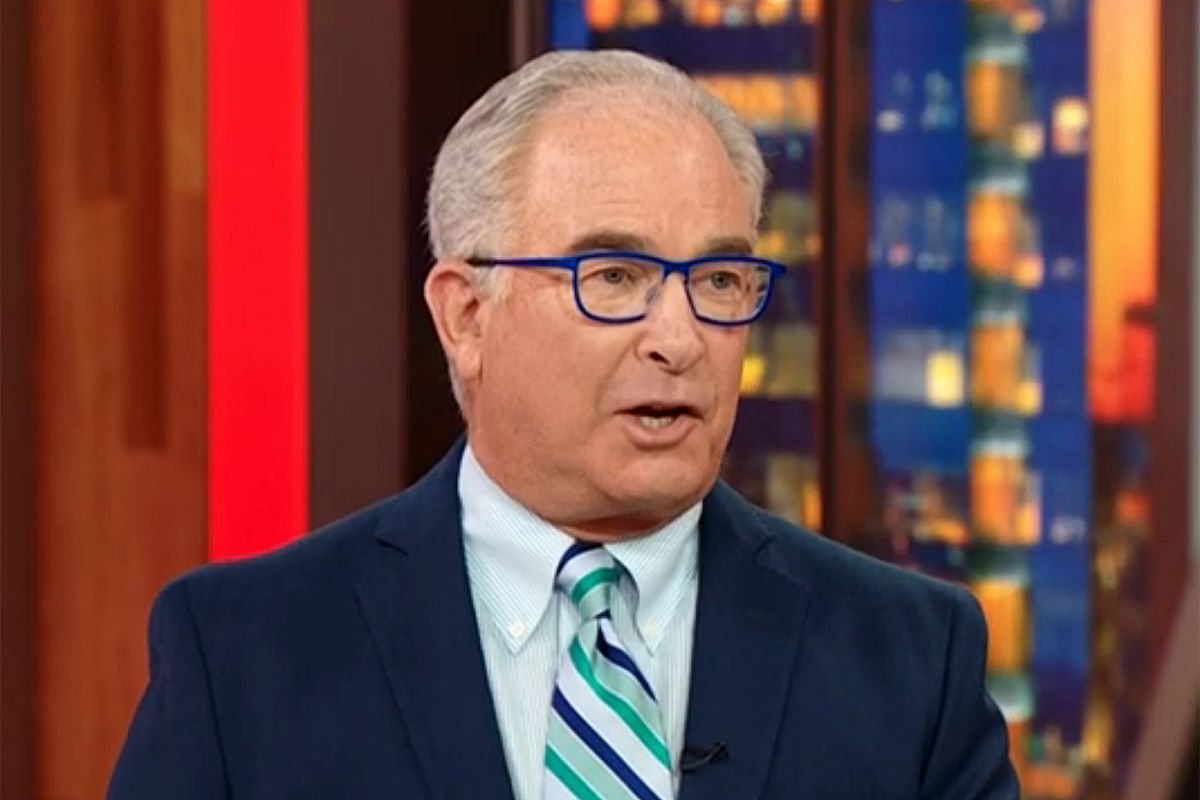
    Longtime NBC Sports Philadelphia host Michael Barkann.NBC Sports Philadelphia

    Michael Barkann picked up right where he left off — reacting to a disappointing Eagles loss.

    Barkann, the host of Eagles pre- and postgame coverage on NBC Sports Philadelphia dating back to the channel’s inception in 1997, had been off the air for a little more than a week after undergoing an emergency cardiac ablation, a procedure to stop dangerous heart rhythms not responding to normal treatment.

    He returned Sunday, just in time to have his heart strength tested by another late-game collapse, this time against the Jacksonville Jaguars in London.

    “I don’t know of a tougher loss I’ve ever covered since the existence of Comcast SportsNet,” Barkann said. “And we’re pushing 30 years.

    “That was a stake right through the heart,” Barkann added. “And my heart about now ain’t real ready to take that.”

    There might be some recency bias there. In 2023, Barkann was quietly benched for two weeks over his reaction to the Eagles loss to the Kansas City Chiefs in the Super Bowl, where he called a now-notorious holding penalty against cornerback James Bradberry late in the game “utter, complete b—.”

    “You don’t make a call right then and there. You don’t let the game be decided by officiating,” Barkann said. “This is a freaking Super Bowl! And that should never happen!”

    Quick hits

    Jason Kelce (left) alongside Kurt Warner during the NFL Network’s Eagles-Jaguars broadcast.ESPN
    • Was Jason Kelce disappointed in Sunday’s Eagles loss? Probably. Did he punch a hole in the wall of the booth at Tottenham Hotspur Stadium in London out of frustration, as a viral post on social media claimed? Definitely not, according to an ESPN source.
    • On Football Night in America, NBC used music associated with the classic ESPN highlight show NFL Primetime, which is still hosted on ESPN+ by Chris Berman. Beyond the rights issue, there’s some history here — NFL Primetime was forced off the air as part of NBC’s contract with the league when it took over Sunday Night Football in 2006.
    • Two months ago, ESPN did not have a single reporter on the Sixers beat. Now that LeBron James has signed, they have two — Philly native and longtime NBA reporter Dave McMenamin and former Los Angeles Chargers reporter Kris Rhim, also a Philly native and Central High School alumnus.
    • Calling Eagles-Panthers Sunday on CBS will be a familiar voice — Birds preseason announcer Ross Tucker, who will be in the booth alongside play-by-play announcer Ian Eagle. It’ll be the second time Tucker will call a Birds regular-season game on TV, which is two more than fellow CBS announcer and voice of the Phillies Tom McCarthy.
  • Want to use AI for your business? Philly-area experts lend their tips. | Expert Opinion

    Want to use AI for your business? Philly-area experts lend their tips. | Expert Opinion

    As a technology consultant, I’ve had a growing number of clients ask me how they can start using AI in their businesses. Generally, I recommend four options, which can be used independently or together.

    For starters, if you’re like most businesses, you use either Microsoft Office or Google Workspace as your office platform. But you’re probably underusing the AI capabilities of Microsoft Copilot and Google Gemini to do tasks like creating presentations, revising emails, managing files, updating calendars, translating conversations, and analyzing spreadsheets.

    Consider training your employees to better leverage these features.

    Many of my clients are starting to connect their AI chatbot — Claude, ChatGPT, etc. — to their data. They are either applying the out-of-the-box integrations that come with these platforms or using Model Context Protocol (MCP), which can connect these platforms to most data models, databases, and files.

    Of course, it’s important to establish safeguards and policies around which applications are approved and what data can be used. Once connected, your employees can start prompting for analysis and assistance using your company’s actual data.

    Chop Dawg founder and CEO Joshua Davidson uses his AI chatbot to help manage the day-to-day operations of the business, and he uses it to help clients do the same. Philadelphia-based Chop Dawg builds custom web, mobile, and AI-powered applications, and helps business use AI to improve operations.

    “We connect AI to our accounting, project management, calendar, email, and website, and every morning, I get a briefing on where the money is and what needs attention,” he said. “None of it is compiled by a person.”

    Many popular software applications and platforms — from Salesforce to QuickBooks to Paychex — are rolling out new customer relationship management, accounting, and human resources AI features that can be used to increase productivity. It’s important to reach out to your software vendors to better understand the ways you can use these new tools.

    And then you can build your own AI application.

    Figure out what you need

    The key is defining an actual business problem that AI can address or solve, says Rick Tashman, managing partner of Tashman Tech in Drexel Hill. His company consults businesses on how to use AI to improve workflows and access company information.

    “The biggest factor is having very clear intent and a very clear expected outcome,” Tashman said. “Projects often get into trouble when AI becomes a solution looking for a problem.”

    Tashman recommends thinking backward: “Start with the problem and ask yourself what takes too long? What frustrates customers or employees? Where are people repeatedly searching for information? Then determine whether AI is an appropriate part of the solution.”

    I’m seeing a growing number of use cases in the business world.

    An AI application can, for example, listen in on conversations, transcribe what it hears, and automatically create quotes or proposals. Or, after being connected to multiple internal data sources, it can generate a weekly “CEO Report” of activities in your company. Or it can access your repository of manuals, technical documents, spec sheets, and other knowledge material about your products so employees and customers can prompt for answers, generate a service ticket, or create step-by-step instructions for fixing a problem.

    After defining a problem, it’s important to address management’s commitment and the skills of the employees involved, said Brian Dainis, CEO of Philadelphia-based Curotec. His company builds AI-powered applications, automates business workflows, and modernizes existing software for midsized companies.

    Dainis recommends establishing clear deliverables and making sure your company’s data is usable and built around a secure architecture.

    “The biggest factors are: being aligned on expectations, staffing the team correctly, how bought-in the client is internally, how involved the customer is with our team, and whether the client has experience buying services from a technology firm,” he said.

    “Technical feasibility is rarely the risk,” Dainis said. “The biggest risks are always the human factors.”

    How much will it cost?

    The cost of an AI project is always a major consideration.

    Larger companies complain of the spiraling cost of their AI applications, according to media reports. These applications can eat up countless tokens — basic units of data, such as words, parts of words, syllables, or punctuation, that an AI model uses to read, process, and generate text — each time employees prompt their systems.

    Most small businesses don’t have that kind of volume and haven’t seen these high costs … at least not yet. But, in my experience, the cost is not insignificant.

    Up front, a 10-50 employee company can expect to pay thousands annually in subscription fees, $10,000 to $50,000 for a firm or developer to implement a solution, and then ongoing costs for maintenance and support.

    Large modernization projects can take multiple years, Dainis said.

    Davidson recommends an annual upkeep allowance of roughly 10%–15% of the build cost.

    Tashman advised budgeting for increased usage, hosting, storage, and data-processing expenses.

    “There are also ongoing costs that get overlooked — if the application runs through services such as Microsoft Azure or AWS, there may be charges based on computing, AI usage, storage, and the amount of data being processed,” Tashman said. “Businesses should evaluate the total cost over time, not simply what it costs to get started.”

    Going forward, AI applications will likely be more tailored to individual businesses. Davidson expects these applications to take a more active role in identifying problems and preparing actions, while retaining an approval step. The agents are coming.

    “The apps that win will act, not just display,” he said. “Today most software shows you information and waits. The next generation reads your business, flags what needs attention, drafts the follow-up, and asks you to approve it.”

    My advice: Choose one process, establish its current cost or time requirement, and measure whether the application improves it.

  • President Trump’s desperate campaign to buy off voters | Editorial

    President Trump’s desperate campaign to buy off voters | Editorial

    The omens that Donald Trump is facing an epic example of what another Republican president once called “a thumpin’” are accumulating. His deeply unpopular Middle East war is metastasizing, contributing to persistently high prices and a historically low public opinion of his presidency. Republican schemes to rig the vote by gerrymandering and other means appear insufficient to withstand a Democratic wave, forcing them to abandon formerly favorable territory such as Georgia and North Carolina and fight for ruby-red turf in Kansas and South Carolina.

    Enter Trump’s last crass resort: rank bribery. From cash payouts to compromising imports of high-priced resources, the president is making a last-ditch attempt to buy off voters and dodge a richly deserved reckoning.

    Last week, for example, Trump announced that he would send a one-time $90 “rebate” to tens of millions of Medicare recipients. Billed as offsetting October premiums for the program’s Part B, which covers outpatient medical services, the $2 billion in payouts are raiding a fund meant to improve Medicare management and oversight. The money will cover not quite half the $202.90 premium, which has risen about 16% since Trump took office.

    It’s not the administration’s only attempt to use money to paper over its record of making Americans sicker and healthcare costlier. Last month, the White House announced plans to send $500 to nearly a million Americans insured under the Affordable Care Act in 30 states, excluding Pennsylvania, New Jersey, and others that manage their own insurance marketplaces. Even for those getting the money, the payout will be dwarfed by annual premium increases in the thousands of dollars under the Republicans’ so-called One Big Beautiful Bill Act, which cut social services to offset tax cuts favoring the wealthy.

    Trump has also been reiterating his most preposterous promise to pay off voters, claiming during recent campaign stops that his administration will give every American adult $5,000 if Republicans retain control of the House and Senate next month. Such a giveaway, first floated during the party’s midterm convention last month, would cost the government more than a trillion dollars. Given the scant likelihood of such a GOP victory, on the other hand, the president might as well promise us $5 million each.

    The administration is also scrambling to temper mass discontent by dumping dubiously sourced foreign goods on the domestic market. In a desperate bid to tame punishing diesel prices, Trump shocked Ukrainians fighting for their freedom and lawmakers who voted to penalize Russian aggression by announcing a deal to let Vladimir Putin’s regime export millions of barrels of the fuel. U.S. Rep. Brian Fitzpatrick, who is in danger of losing his reelection bid in Bucks County, is among the Republicans joining Democrats to block the move, which could violate a federal ban on Russian energy imports while subsidizing Putin’s brutal invasion.

    The gambit echoes Trump’s mystery meat gimmick easing foreign beef imports in an effort to bring down U.S. prices. The policy has angered ranchers and done little for consumers.

    It’s not the only such Hail Mary that appears to be going nowhere. Despite the diesel deal, oil prices rose Monday after Saudi Arabia came under attack from Iran’s Houthi allies, underscoring the chaotic repercussions of Trump’s war. And polls have shown voters are divided over Trump’s crude promises of cash, which most don’t believe. When it comes to winning over voters, it seems promises of payoffs are no substitute for a record of success.

  • JPMorgan is relocating its Philly office, with plans to hire 100

    JPMorgan is relocating its Philly office, with plans to hire 100

    JPMorgan Chase & Co. is moving Center City operations to larger quarters at 2400 Market St., the black-boxes building above the Schuylkill’s east bank that also houses Aramark, Audacy, and the Fitler Club.

    The largest U.S. bank is leaving its Philadelphia outpost at One Liberty Place, nine blocks east, for the 62,000-square-foot fifth floor at 2400, doubling space at its main corporate offices for the region.

    Aramark is giving up the space as it consolidates in-office staff. JPMorgan CEO Jamie Dimon says the company expects its workers to be in-office every day.

    The floor will house 370 workers when it’s full, said Stephen Wright, JPMorgan private bank managing director and co-chair of its Delaware and Philadelphia leadership team. That includes more than 250 JPMorgan workers now based at Liberty Place and 1735 Market St., including corporate and investment bankers, securities traders, and wealth managers, plus more than 100 new hires expected over the next few years, the bank announced Tuesday.

    The nearby Amtrak station at 30th Street, which gives JPMorgan employees easy access to trains to their Manhattan headquarters, is “a huge plus,” Wright said. “We also have a big hub in D.C. and 12,000 people in Delaware,” also served by Amtrak.

    The bank says it expects 200 construction workers will help transform the 2400 Market space over the next 18 months.

    Jamie Dimon, CEO of JPMorgan Chase & Co. since 2006, at the Philadelphia Navy Yard business park in July.JPMorgan Chase & Co.

    JPMorgan managed $5 trillion in loans and other assets, plus just over $5 trillion in investments, as of June 30.

    The company has been boosting its Philadelphia-area Chase network — it now has 80 branches — since opening the first in 2018, and plans at least 20 more. JPMorgan has nearly 5,000 branches nationally and has been opening more while rivals such as Wells Fargo and PNC have been shutting offices.

    The bank employs more than 600 in Philadelphia and its suburbs, including its branches. They offer loans, investments, and financial advice, and other services to small and midsize companies, according to Wright.

    JPMorgan also plans a central office for services to wealthy customers on the fifth floor, and a branch open to the public a block away at a former 7-Eleven at 22nd and Market Streets.

    The bank’s large corporate customers in the region include Philadelphia-based Comcast, whose co-chief executive officer Michael Cavanagh is a former JPMorgan chief financial officer, and South Korea’s Hanwha Group, which has plans to invest $5 billion in expanding its Hanwha Philly Shipyard.

    Dimon, the bank’s CEO since 2006, visited the Hanwha yard last summer to announce it is helping finance the neighboring Rhoads Industries shipyard expansion and Chamber of Commerce-backed shipyard and construction worker training programs. He said he hoped to finance larger Hanwha projects.

    JPMorgan typically manages relations with multinational companies like Comcast and Hanwha through investment banking groups based at its Manhattan headquarters and other major offices.

    Wright said Philadelphia-area local bankers serve individual corporate employees and small and midsize business owners and executives, as well as homebuyers, student borrowers, and other mass-market customers.

    JPMorgan’s “private” banking unit, targeting rich customers, has doubled its Philadelphia staff since 2021 and plans to double again by 2031, Colin Wetherill, head of investments and advice for the bank’s Mid-Atlantic region, said in a statement.

    The company estimates that it has more than 250,000 individual consumers and nearly 23,000 small-business customers in the Philadelphia region, which has a total population of around 6 million.

    JPMorgan’s largest employment center is in the Dallas area. Its office and technical centers in northern Delaware are substantially larger than its Philadelphia presence, employing more than 12,000. The Wilmington area is a major employment center for the company’s credit card and technology businesses and other operations.

    Editor’s Note: A previous version of this story misstated the year Jamie Dimon became CEO of JPMorgan. The error has been corrected.

  • Trump faces stiff bipartisan pushback to Russian diesel import deal

    Trump faces stiff bipartisan pushback to Russian diesel import deal

    Amid strong bipartisan pushback to an agreement to import Russian oil, President Donald Trump defended the deal with Russian President Vladimir Putin.

    “The European Union paid Russia 250 Billion Dollars for Energy, and the Fake News Media doesn’t want to get near that story. I made the right choice for the American People,” Trump wrote in a post on Truth Social on Monday morning.

    Some lawmakers have been publicly pushing back on Trump’s announcement that Russian President Vladimir Putin had agreed to supply diesel fuel to the global marketplace, an effort to bring down diesel prices.

    Seven senators on the Foreign Relations Committee, four Republicans and three Democrats, released a statement arguing that the agreement violates a 2022 law that bans Russian energy imports “to prevent American dollars from financing Putin’s brutal war against Ukraine,” which began in February that year.

    “President Trump’s decision to allow Russian diesel imports to the U.S. runs directly counter to that law,” they said. “The United States should not provide Putin with a financial lifeline while Russia continues to kill Ukrainian civilians. The Administration must immediately reverse course.”

    Sen. Jerry Moran (R-Kansas) agreed on Monday that the U.S. “should be tightening sanctions further, not undercutting them by allowing the import of Russian diesel” in a statement on the social media platform X.

    In the U.S. House, Rep. Don Bacon (R-Nebraska) said Trump is “weak on Putin” and Rep. Brian Fitzpatrick (R-Pennsylvania) said he would introduce bipartisan legislation to block all purchases of Russian oil.

    The Treasury Department temporarily lifted sanctions on Russian diesel Friday, allowing the fuel to be imported into the U.S. until April. Trump also said Sunday that Russia and Ukraine agreed to an “energy ceasefire,” though Ukrainian President Volodymyr Zelensky said neither side agreed to and that Russia was still hitting Ukrainian energy infrastructure.

    Persistently high energy prices driven primarily by the Iran war have been a major challenge for Republicans in the midterm elections. The economy has consistently ranked as the top issue for voters in the midterm elections, according to recent polling from the Pew Research Center, which also found that voter confidence in Trump’s ability to make good decisions about the economy has dropped.

    GOP criticism around Trump’s move has built in recent days.

    Sen. Thom Tillis (R-North Carolina) told NBC’s “Meet the Press” on Sunday that the decision could have “deadly consequences.”

    “This guy has a murderous rap sheet. He cannot be trusted. And I will guarantee you, at the first opportunity Putin has to embarrass or undermine President Trump, he will,” said Tillis, who was also part of the Foreign Relations Committee letter.

    Former vice president Mike Pence said the decision to lift sanctions is “throwing a lifeline to Putin’s war machine.”

    Democrats similarly hammered the White House, including Senate Minority Leader Chuck Schumer (New York) calling it “a deal with the devil” enacted to help Trump’s “flailing political fortunes.”

    Russia is one of the world’s largest oil exporters and was a major provider of fuel to European countries before the E.U. and other members of the Group of Seven countries implemented sanctions on Russia in 2023 in response to its war against Ukraine.

    Some Republicans defended the president’s agreement as a needed compromise to bring down fuel prices.

    “The president is focused on getting down the cost of energy,” Sen. John Barrasso (Wyoming), the second-ranking Republican in the Senate, said on CBS News’ “Face the Nation” on Sunday. Trump “has to make tough decisions. He’s balancing his effort to stop and end Putin’s war in Ukraine and lowering prices for American families.”

    Rep. Anna Paulina Luna (R-Florida) said it will “massively benefit the American people.”

  • Why it was wrong to name the accused Cornell assailants

    Why it was wrong to name the accused Cornell assailants

    Like millions of other Americans, I was appalled by the news of a gang rape at a Cornell University fraternity house. But I’m glad the victim came forward and sued the university along with the seven men who allegedly assaulted her in 2024. And I’m grateful to the student newspaper, the Cornell Daily Sun, for its intrepid reporting of the story.

    But I still don’t think it should have named the seven accused men. And if you think otherwise, I’ve got one name for you: Matthew Ingalls.

    A Cornell student by that name was one of the seven men whom the Sun identified. And a very different Matthew Ingalls has had to pay the price for that.

    I’m talking about 23-year-old Marine Corps Sgt. Matthew Ingalls, a New York native with no connection to Cornell. But after the Sun’s report, his mother said, he started to receive “crazy aggressive messages.” So did Ingalls’ sister, who likewise had no link to Cornell.

    The attacks stepped up when lawyers for the Cornell victim mistakenly served him with her lawsuit on Sept. 26. The attorneys admitted their error and amended the suit to reflect the correct person’s address. But the flawed filing was still publicly available.

    And that meant it was open season on Sgt. Ingalls and his family. People posted their home address and phone numbers. They threw trash onto the family’s property. They sent death threats.

    That should scare anyone who cares about due process and justice in the United States. By releasing the names of the accused men, the Sun encouraged people to take the law into their own hands.

    A banner hangs from student housing at Cornell University in Ithaca, N.Y., on Thursday in support of the woman known as Jane Doe.LAUREN PETRACCA

    I understand the impulse to do that, and I’ve been tempted to do the same. The reported behavior of these men was truly heinous. They treated the victim like a piece of trash. Why shouldn’t we throw trash — literal and verbal — at them?

    Because in America, you’re still innocent until proven otherwise. You can’t call for a more transparent and thorough investigation — as the Sun did in its editorial naming the assailants — and then presume they’re guilty. Why ask any new questions, when we already know the answers?

    Quoting Cornell president Michael Kotlikoff’s 2024 letter to the university community, the Sun noted that “‘only those who perpetuate sexual violence benefit from its concealment.’” But Kotlikoff made that comment in an appeal asking students who had experienced sexual assault to report it. In the Sun’s editorial, by contrast, it meant that only the seven accused men would benefit from keeping their names out of the papers.

    But that’s not true. Sgt. Matthew Ingalls would have benefited, too, if the names hadn’t been published. Ditto for a small consulting firm in Texas, which was flooded with invective after internet vigilantes wrongly identified it as a company that another accused Cornell assailant owned.

    Again, I have only the deepest respect for the dogged reporting by the Cornell Daily Sun. One of their writers spent 23 months on the story, even while she was studying abroad in Australia. Without her efforts, we might not be talking about this case at all.

    But identifying the accused men by name actually detracted from the Sun’s own case against Cornell: its flawed Title IX investigation, its failure to keep the victim informed, its toothless task force on sexual assault, and more.

    Indeed, if I were the university, I would be glad the Sun named the accused assailants. That keeps the focus on them instead of on the culture of Cornell and what the institution has done — or not done — about the wider problem of campus sexual assault.

    Forty years ago, when I was the editor-in-chief of the student newspaper at Columbia, we reported that a female student had been sexually abused at a fraternity. She said she had been “held prisoner” for two hours at a late-night “naked man’s meeting,” as her assailants called it. Some of them masturbated in front of her, she said.

    We interviewed a fraternity member who insisted that all of this was in good fun. After the incident, he claimed, the victim “was laughing and joking with the guys.” We then ran an editorial, denouncing the idea that she had consented to the abuse.

    “A woman who shows up at a fraternity at 2:30 in the morning is not ‘asking’ for such treatment, as some warped commentators on campus have alleged,” we wrote. “Their perverted argument reduces to the same nauseating rationale invoked for hundreds of years by men who have sexually abused women: ‘She wanted it.’”

    But we refrained from publishing the names of the fraternity members she charged, even though we knew several of them. We didn’t want to indict anyone who might have been innocent, which could have triggered a different kind of abuse. Just ask Sgt. Ingalls about that.

    Jonathan Zimmerman teaches history and education at the University of Pennsylvania. His next book, “Schooling Citizens: How Education Can Save Our Democracy,” will be published in the spring by the American Philosophical Society Press.

  • Six Flags closes 9 rides after 1 person dies in an incident involving a roller coaster in Georgia

    Six Flags closes 9 rides after 1 person dies in an incident involving a roller coaster in Georgia

    Six Flags temporarily closed nine roller coasters across six amusement parks on Monday after one person died and several others were injured in an incident involving a coaster in Georgia.

    Officials did not confirm how the person died, nor how the others were injured or their medical conditions after the incident at Six Flags Over Georgia, about 15 miles northwest of Atlanta.

    Cobb County Police Department major crimes unit detectives are investigating.

    Attractions at the parks that are similar to the coaster in Austell, Georgia, were closed “out of an abundance of caution,” according to a Six Flags Entertainment Corporation spokesperson, who said staff members and local authorities responded immediately and the park is cooperating with the investigation.

    “We are deeply saddened by the guest incident at our park today,” the spokesperson said, adding that the company is providing support to guests and staff who were impacted.

    Authorities and Six Flags did not identify the roller coaster. However, local TV stations showed video of passengers being evacuated from the Goliath coaster.

    Goliath, which was opened in 2006, reaches a top speed of 70 mph (113 kph) with a height of 200 feet (61 meters), according to the park’s website.

    During about 3 1/2 minutes, riders “navigate through razor-sharp turns and soar over colossal hills,” the website says.

    Lisa Cupid, Cobb County Board of Commissioners chairwoman, said next of kin of the deceased person have been notified.

    “I cannot imagine the horror the patrons and employees witnessed today, and my heart aches for the family who lost a loved one,” Cupid said. “We are all grappling with how something so devastating could happen at a place that has given generations of families such happy memories.”

    The park is a major part of the county’s tourism and brings in visitors from across the Southeast, Cupid said.

    The death would be at least the seventh at the Georgia park, including one in 2006 in which a man had a likely heart attack on the Goliath coaster, according to the Doan Law Firm, which tallies amusement park accidents and represents victims.

    It also comes less than two weeks after Six Flags Magic Mountain in Southern California announced the retirement of its famous X2 roller coaster following lawsuits alleging serious brain injury caused by the ride. The park settled one wrongful-death lawsuit from the family of a 22-year-old man who died after riding the coaster in 2022.

    Last year, a 32-year-old man died from blunt impact injuries after riding a high-speed roller coaster at the Universal Epic Universe theme park in Florida. His death was ruled accidental.

  • Trump says he is ‘looking at’ firing Kimberly Guilfoyle

    Trump says he is ‘looking at’ firing Kimberly Guilfoyle

    President Donald Trump said Monday that he was “looking at” firing Kimberly Guilfoyle, the U.S. ambassador to Greece, following revelations that she had asked a Republican donor to pay her credit card bill in exchange for access to senior Trump administration officials.

    “Well, we’re looking at it, yeah,” Trump said when asked by a reporter whether he was thinking of firing Guilfoyle. “We’re not happy.”

    The donor, Eric Deters, said last week that Guilfoyle had asked him to wire $100,000 to pay off her American Express card just before her Senate confirmation hearing in July 2025. She promised to serve as his “ride or die in Trump world” if he did, according to what appeared to be screenshots of their correspondence that Deters provided to The New York Times.

    “Honey please I need you to get this done for me today,” she wrote in what appeared to be a text message.

    Guilfoyle, who was once engaged to Trump’s oldest son, Donald Trump Jr., was one of the first ambassadors to be nominated in the president’s second term.

    The texts suggest that Guilfoyle warned Deters to call her on Signal and to keep their interactions private. “You’ll literally cost me my ambassadorship,” she wrote, according to one of the screenshots.

    Neither the State Department nor the U.S. Embassy in Athens responded immediately to requests for comment late Monday. A lawyer for Guilfoyle previously declined to comment on the correspondence.

    The accusations against Guilfoyle are the latest allegations of misconduct to emerge against her. Greeks interviewed in Athens in recent days have expressed exasperation and cynicism over reports of her dealings.

    This article originally appeared in The New York Times.

  • How the Trump administration is eroding airline passengers’ rights

    How the Trump administration is eroding airline passengers’ rights

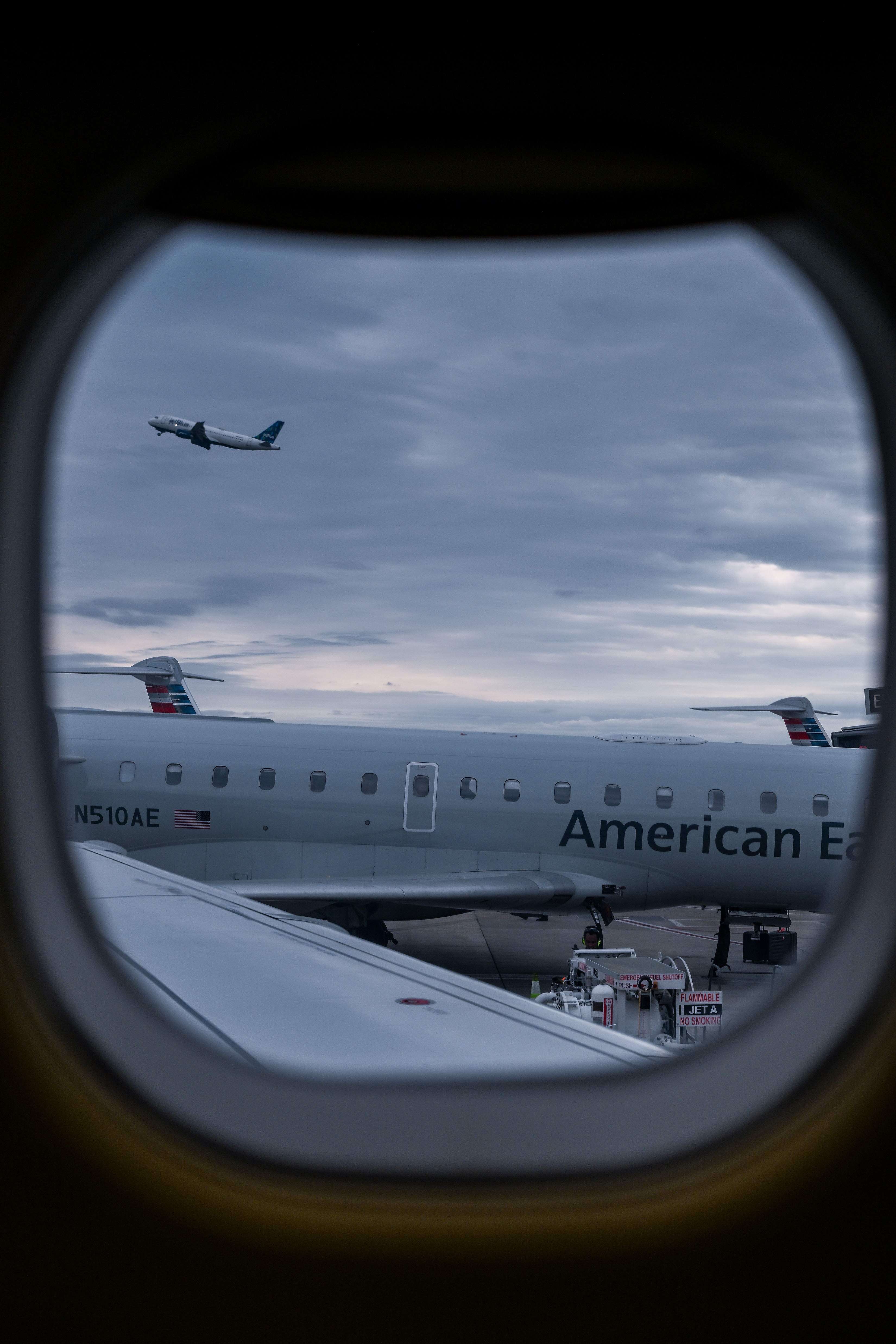
    For years, U.S. airline passengers have been gaining ground against annoyances like misleading prices, hidden fees and flight disruptions. But now the tide appears to be turning.

    The Department of Transportation is aiming to water down long-standing passenger protections, pushing, for example, to change how prominently airlines display prices in advertising and to clamp down on compensation for disrupted flights.

    These recent steps have alarmed consumer groups and elected officials, with some saying that the proposals tilt the scales in favor of the airline industry. In addition, they say, the department is steadily taking a more hands-off approach to policing airlines, and that could end up hurting passengers.

    “We’re in really new territory with consumer protection regulations,” said Paul Hudson, president of FlyersRights.org, one of the largest U.S. advocacy groups for air travelers. “It’s shaping up to be a wholesale reversal of consumer protection for airline passengers.”

    When Sean Duffy was sworn in as transportation secretary in January 2025, he pledged to help usher in a “golden age” of transportation by immediately taking action to remove what he called government overreach.

    Since then, advocates say, the department has consistently worked to roll back passenger rights in areas like cash compensation, wheelchair handling and hidden, or “junk,” fees. It has also adopted a markedly gentler approach for addressing bad behavior by airlines compared to previous administrations: Under Duffy, the department has not yet issued a single fine to an airline.

    In a statement, the Transportation Department rebutted the claims. “No passenger rights have been diminished,” a spokesperson wrote.

    Font sizes and hidden fees

    Two of the biggest changes have taken place in how the Transportation Department aims to regulate junk fees and pricing information.

    In June, the department abandoned a Biden-era rule on hidden fees that would have forced airlines to show charges for extras like checked bags and ticket changes alongside the full fare during the booking process. Airlines sued in 2024 to block the rule, which a federal court later vacated on procedural grounds.

    A month later, the department moved to undo a 15-year-old requirement that airlines display a ticket’s final price more prominently and in a larger font size than other components of the price, such as taxes and fees.

    “The department proposed a common sense adjustment to protect passengers from misleading pricing information by allowing parts of airfare, such as government taxes, to be displayed just as prominently as the total price, but not more so,” the department spokesperson said, adding that public comments are currently being reviewed.

    In September, Sen. Richard Blumenthal, D-Conn., sent a letter of opposition to Duffy, stating that the new rule would allow airlines to advertise “false or misleading ticket prices.”

    “If the rule is implemented, it is inevitable that more consumers will need to invest additional time searching for the full fare or government charges, and will be surprised by unexpected, mandatory fees,” he wrote.

    The department has taken steps to undo other rules drafted under former Transportation Secretary Pete Buttigieg. It has dropped early-stage efforts to let families sit together at no extra charge and to make airlines pay passengers cash for significant flight disruptions. And it has carved out more exceptions for flight disruptions in which airlines would not need to compensate travelers.

    It has also repeatedly delayed enforcement of a landmark rule that expands the rights of disabled travelers, including making airlines liable for mishandled wheelchairs. Airlines sued over that rule, and the department has pushed back the enforcement of key sections of it to next year.

    Backing away from fines

    Past administrations have made headlines for penalizing airlines with hefty fines for failures like delays on the tarmac, false advertising of fares and mistreatment of passengers who use wheelchairs.

    Each year from 2002 to 2025, the Transportation Department assessed at least $500,000 in fines against airlines. But in the two years since Duffy took over, the department has not issued any against them.

    Three previous transportation secretaries — Ray LaHood, Anthony Foxx and Buttigieg — said in interviews that they used fines as a way to keep airlines accountable.

    “We leveled tough, stiff penalties,” said LaHood, a Republican who served as transportation secretary during President Barack Obama’s first term. “It sends a loud message that the DOT is serious about the No. 1 priority, which is safety.”

    Under Duffy, the department has walked away from its own investigations into airlines for operational and customer service failures. In May 2025, it dropped a lawsuit against Southwest Airlines, in which it accused the carrier of illegally operating chronically delayed flights in 2022. A month later, it ended an inquiry into Delta Air Lines stemming from the 2024 CrowdStrike software meltdown.

    The department also waived at least $25 million in fines owed by airlines, softening the impact of penalties like a $50 million fine against American Airlines for its “undignified” treatment of passengers with disabilities and a record $140 million fine against Southwest for an operational debacle in 2022.

    Asked about its view on enforcement, a department spokesperson said in a statement that “fines are only one tool” and that the department “focuses on airlines fixing the root causes of travel disruptions.”

    Others have a different view.

    “Simply not enforcing anything is like a backdoor way of repealing regulations,” said Hudson, of FlyersRights.org.

    A ‘dark period’ for passengers

    At the same time that the Transportation Department is loosening up on airlines, its relationship with the industry appears to be growing more harmonious.

    “The airlines never really loved the rules we were putting forth and in some cases litigated against some of the rules,” Foxx said.

    Several of the department’s recently proposed rules and actions appeared on a list of recommendations from Airlines for America, the industry trade association. These include undoing the junk-fee rule, changing the font size and prominence of fees, and contesting liability for mishandled wheelchairs.

    Several Democratic lawmakers have questioned Duffy’s relationship with the airlines, noting his time as an airline lobbyist for BGR Group in 2020. In December, a group including Rep. Jerrold Nadler, D-N.Y.; Sen. Elizabeth Warren, D-Mass.; and Blumenthal wrote a letter to the Transportation Department’s Office of Inspector General to request an investigation into whether Duffy had violated federal ethics law by “improperly assisting” an industry he had previously lobbied for.

    “We are very concerned that Secretary Duffy may have eliminated protections for American travelers not based on impartial policy assessments and the good of the flying public, but, at least in part, as a result of conflicts of interest and potential bias related to his former client’s airline members,” the lawmakers wrote.

    A spokesperson for the department’s Office of Inspector General declined to comment.

    Buttigieg, whose department levied the most fines against airlines by a significant amount, said consumer protections are either being “quietly picked apart or just not enforced.”

    A Transportation Department spokesperson said that Duffy had briefly represented the Partnership for Open Skies, a coalition of domestic carriers funded by United Airlines, American Airlines and Delta Air Lines. He worked to encourage “access for U.S. carriers into foreign markets,” not on domestic aviation policy, the spokesperson added.

    The secretary has taken “clear, decisive regulatory actions” to hold airlines accountable, the spokesperson said.

    Consumer rights advocates say the department’s stance is costing passengers money, even as some aspects of flying have significantly deteriorated. Last year, a combination of cancellations and delays led to the industry’s worst on-time performance since 2014, according to a report by the U.S. PIRG Education Fund, a nonprofit consumer advocacy group. There were more tarmac delays last year than in any year since 2010.

    The department is currently tracking 90 tarmac delay incidents for potential violations, a spokesperson said.

    “It’s a really dark period for airline passengers right now as far as consumer rights,” said William McGee, a senior fellow for aviation at the American Economic Liberties Project, a progressive-leaning nonprofit research and advocacy group.

    “Clearly, the big airlines have access,” he added. “They have the ear of the department, and the interests of consumers are not being heard.”

    This article originally appeared in The New York Times.