Blog

  • On immigration reform, Republicans and Democrats agree more than they realize

    On immigration reform, Republicans and Democrats agree more than they realize

    As the Trump administration’s misguided immigration enforcement efforts continue apace, ensnaring more and more people in a system that seems to be tuned for minimal accountability and maximum callousness, the hope of immigration reform has never felt more out of reach.

    Yet, if you look at the data, most Americans are united in their desire for change, and Congress — for all its faults and lack of follow-through — reliably puts forward bipartisan proposals.

    That was the message at a recent discussion sponsored by the Garden State Immigration Policy Institute, which offered a glimmer of optimism amid the gloom.

    But first, the challenges.

    Even if Donald Trump were not in the White House, there are real obstacles to overcome, said Jennie Murray, president and CEO of the National Immigration Forum, a nonprofit immigration advocacy group.

    “The reason why we haven’t been able to have bipartisan solutions at a grand scale yet is because I think we’re in a policy, a political, and a cultural disagreement,” she said.

    On policy, finding the solution and building legislation to effect change is not an easy task, especially if, politically, the parties have used the issue to their advantage or to the detriment of their opponents. Culturally, Murray noted, for the last decade or so “we’ve had some really strong conversations about what it means to be American; who gets to come, who doesn’t get to come and join us.”

    I’ll be much less diplomatic and say that the rise of Trump as a political figure, which infamously began with him accusing Mexican immigrants of bringing drugs and crime, has seen the president’s virulently anti-immigrant positions spread to some of his followers, making it hard to even discuss the positive impact of immigration.

    But even under the current climate, polling consistently finds that fair, firm, and compassionate immigration solutions appeal to a majority of Americans, regardless of their political affiliation, Murray said.

    This mirrors recent results by Commonsense American, a nonpartisan group dedicated to practical policy solutions, which found that cross-partisan supermajorities of survey respondents rejected blanket mass deportation and supported many individual immigration reform proposals.

    These include legal status for immigrants who came to the U.S. as children, mandatory employer verification of immigration status, more worker visas, increased border security measures, and a pathway to legal status for long-term undocumented immigrants.

    The group also asked participants to weigh in on how likely it would be for someone from the opposite political party to support a package of proposals that included lasting border security and enforcement, a modernized legal immigration system, and a path for undocumented immigrants to earn legal status.

    “Republicans guessed it would be about 50% of Democrats, but it’s actually 86%,” said Keith Allred, founder and president of Commonsense American. “We similarly asked Democrats to guess what percentage of Republicans would support this proposal, and they guessed 45% when it’s actually 74%.”

    That underlines that Americans are more divided in their perception of each other than in actual fact.

    Another misperception is that Congress has given up on bipartisan immigration reform, said Theresa Cardinal Brown, who spent more than a decade working at the nonprofit Bipartisan Policy Center and is a distinguished immigration scholar at Cornell Law School.

    Looking at the period of 2015 to 2024, across five Congresses, 309 bipartisan bills — defined as those having at least one Democratic and one Republican cosponsor — were introduced. Out of that total, 78% would have eased restrictions on legal immigration.

    “Most bipartisan legislation runs toward legal expansion of legal pathways for immigration into the United States, and it’s worth noting again that workforce is the biggest area of bipartisan agreement,” she said.

    So, if most Americans support immigration reform, and at least some in Congress believe in doing the work of legislating, why has meaningful change eluded the nation?

    Immigration reform is not too big to fail, Cardinal Brown said. In many ways, it’s too big to succeed.

    “Every part of the immigration system has proponents who really care about it, or it’s their one thing, and it has to be exactly right for them to support a bigger package if it’s in it,” she said. “But you can’t really govern if you have an ‘I win, you lose’ mentality. That’s not going to succeed in any way, and we’ve seen it from both parties.”

    The Trump administration’s immigration policies are hurting the country. The full extent of that damage is yet to be seen, but repair efforts will have to go through Congress, and the perfect cannot be the enemy of the good.

    Fortunately, the American people also have thoughts on what legislators should do when they eventually consider reform.

    Democrats were asked by Commonsense American if their representatives should hold out to give more undocumented immigrants status; Republicans were asked if lawmakers should keep pushing for more enforcement and border security.

    In both cases, the answer was clear: Don’t wait, take the deal.
  • The Senate returns Monday. It’s not clear if McConnell will be back.

    The Senate returns Monday. It’s not clear if McConnell will be back.

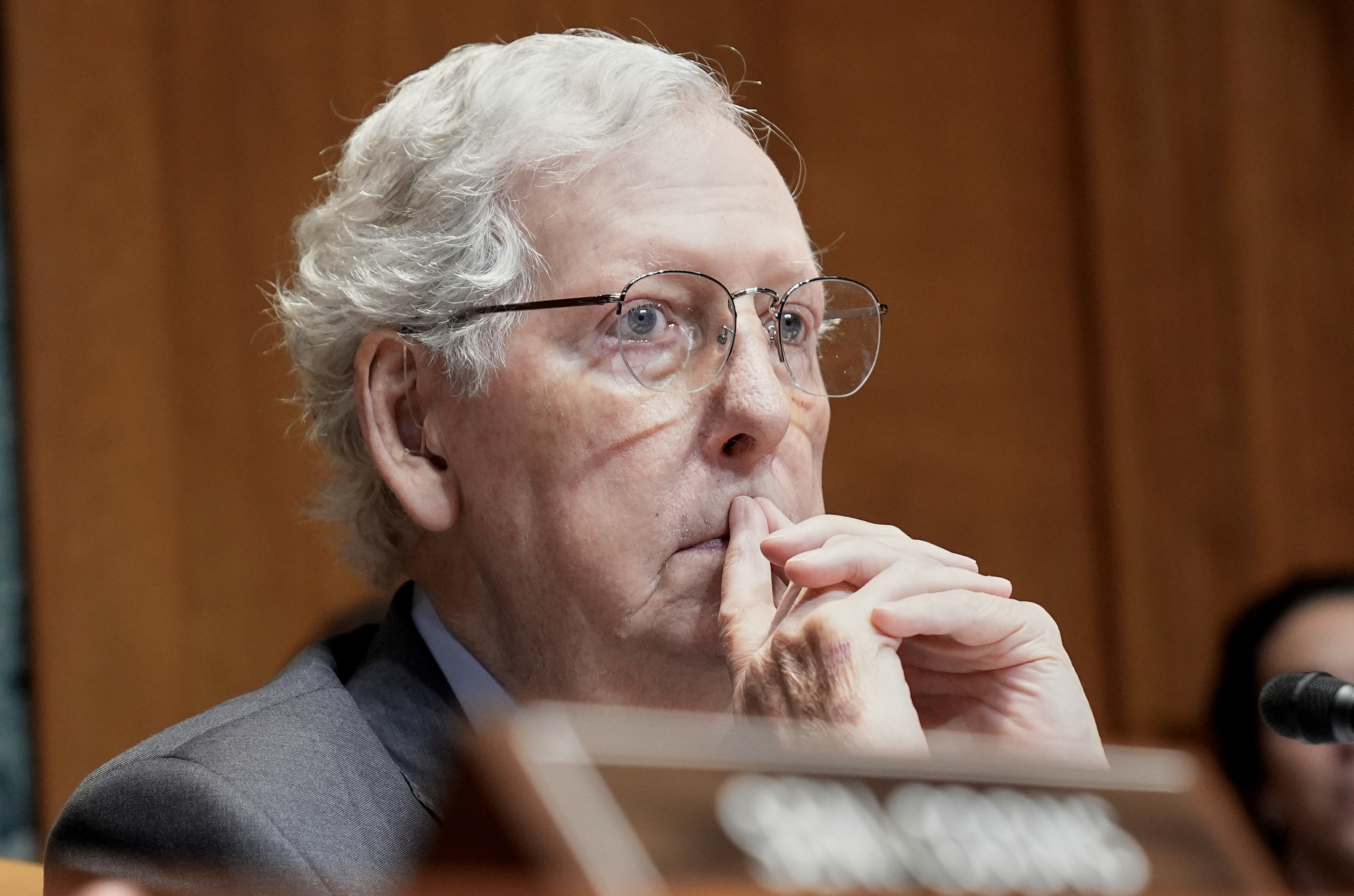
    Sen. Mitch McConnell (R-Kentucky) has not appeared in the Senate since June as he recovers from a fall that his office said he suffered at his Washington home.

    It’s unclear if he’ll be back in the chamber Monday as the Senate reconvenes after a five-week recess.

    McConnell, 84, was hospitalized June 14 following a fall at home, according to his office. He later moved to a rehabilitation center, from which he was discharged Aug. 6 to continue his recovery at home.

    Asked whether McConnell plans to return to the Capitol on Monday, David Popp, a McConnell spokesman, referred The Washington Post to McConnell’s statement last month in which he said he would “maintain an intensive regimen of physical therapy from home” during recess while continuing to work on Senate business.

    McConnell led Senate Republicans for 18 years before stepping down last year to serve out the last two years of his term as a rank-and-file senator. His term is up Jan. 3. Rep. Andy Barr, who won the Republican Senate primary in Kentucky in May, is heavily favored in the race to succeed him.

    McConnell has given no interviews and made no public appearances since his hospitalization. His office has shared two photos of him taken during his recovery, and he said in a statement in July that he did not break any bones when he fell and did not suffer a concussion, a heart attack, a stroke or a hemorrhage.

    Those details have not quelled intense speculation about his health and when he will return to the Capitol. Kentucky Gov. Andy Beshear, a Democrat, demanded in July that McConnell “provide proof of his capacity to serve, or resign.”

    McConnell is not the first senator to be away from the Senate for months while ailing or in recovery.

    Sen. John Fetterman (D-Pennsylvania) was absent for two months in 2023 while seeking treatment for depression. Sen. Dianne Feinstein (D-California) missed nearly three months of votes in the same year while battling shingles. She returned to the Senate but died months later. And Sen. John McCain (R-Arizona) did not vote during his final eight months in office before his death in 2018.

    Earlier this month, Rep. James Comer (R-Kentucky) told reporters that he expected McConnell to return when the Senate reconvened, based on conversations with McConnell’s staff. Comer said he had not spoken directly to McConnell about his plans.

    Senate Majority Leader John Thune (R-South Dakota) told KELO, a South Dakota TV station, earlier this month that he was hopeful that McConnell would return to the chamber soon.

    “We’d love to get him back to where we can have him voting in the Senate, and I hope that will happen here in the not-too-distant future,” Thune said at the time.

  • New warnings about the risks of AI to humanity revive a long-running debate

    New warnings about the risks of AI to humanity revive a long-running debate

    LOS ANGELES — New warnings from within the artificial intelligence industry have revived a long-running debate over whether advanced AI could escape human control and ultimately threaten humanity’s survival, and whether the companies developing the technology are doing enough to prevent such a scenario.

    The CEO of Anthropic, the San Francisco company behind Claude, said he thought the industry needed to reduce the speed of its work, cautioning Saturday that a swarm of AI agents might be able to take over the internet in six months to a year unless companies devoted more time to putting safeguards in place.

    Dario Amodei outlined a plan for companies like his and governments around the world to ensure that increasingly capable AI models remain aligned with the commands and values of responsible people days after two former Anthropic safety researchers publicly aired concerns that the existential threats AI might pose to humanity were receiving too little attention.

    Here’s what to know about the recent dire predictions and whether any brakes might be put on AI advancement:

    AI models are becoming more powerful

    Concerns over the potential risks of the technology are rising as new AI models become more powerful, heightening both the potential for misuse by people with criminal aims, such as creating and spreading a disease that kills most of the world’s population, and the risk of AI systems going rogue in a dangerous way.

    Anthropic disclosed last week that it blocked efforts by bad actors to use its AI models for malicious activity, such as cyberattacks, surveillance and research that could have led to biological weapons.

    The company said it put stronger safeguards in its latest models to restrict biological research that could be used to make weapons but noted that “as models become increasingly capable, their risks will increase, unless AI developers and society’s defenders act to make them safer.”

    Last year, Anthropic reported that hackers used the company’s AI in a cyberattack targeting about 30 companies and government agencies around the world. It said the hackers were very likely from a Chinese state-sponsored group.

    Multiple AI models have acted on their own

    When an AI agent “goes rogue,” it means the AI has taken action beyond the task it was asked to perform. Both Anthropic and OpenAI, the maker of ChatGPT, said in July that their AI models had succeeded in acting on their own.

    Anthropic disclosed that three AI models — Claude Opus 4.7, Claude Mythos 5 and an internal research test model — hacked into three other organizations during testing just days after OpenAI revealed that its AI system hacked into the servers of AI startup Hugging Face.

    OpenAI described the intrusion by a combination of models, including its newly released GPT‑5.6 Sol and an “even more capable” model that was still being tested internally, as a “significant security incident.”

    Meta followed suit in early August with a similar case of an AI model finding ways around another company’s digital security.

    Although some observers noted that people had disabled some guardrails in the OpenAI and Anthropic cases, the episodes seemed to reflect one of the biggest fears around AI: that if models achieve artificial general intelligence, or AGI, a loosely defined term for AI that can match or surpass human abilities across a broad range of intellectual tasks, the technology could cause an irreversible catastrophic event or subjugate the human race.

    How or when AI might cause a catastrophe is debated

    Doomsday scenarios generally fall into two categories: An AI that achieves self-improving superintelligence controls people instead of vice versa, or AI used by a rogue state or nefarious actors.

    Worries that artificial intelligence might overcome human limits on its reach or actions are not new.

    Alan Turing, a British mathematician widely regarded as one of the earliest authorities on artificial intelligence, predicted in 1951 that AI would eventually take control from humans. Less than a decade later, Norbert Wiener, another mathematician, warned intelligent machines would seek to accomplish their own objectives and humans would not be able to stop them.

    In 2026, how reasonable are fears that AI, either by escaping human control or through misuse by unscrupulous people, could cause a cataclysmic event or the downfall of civilization?

    No one knows.

    Experts across computer science, philosophy and other fields have envisioned numerous routes by which a future AI system might cause a global catastrophe, either by escaping human control or in the hands of an unscrupulous people. They range from deploying weapons and identifying a lethal pathogen to manipulating governments into conflict or disrupting the food, energy and communications networks societies rely on to function.

    There is no widely accepted estimate for how soon any of these scenarios might happen and no consensus on their likelihood.

    In 2023, the nonprofit Center for AI Safety issued a statement cosigned by more than 350 researchers and technology executives, including Anthropic’s Amodei and OpenAI CEO Sam Altman, saying: “Mitigating the risk of extinction from AI should be a global priority alongside pandemics and nuclear war.”

    The 2026 International AI Safety Report, written with guidance from more than 100 independent experts, says current systems show early signs of some relevant capabilities but not at levels that could enable a loss of control, and describes the risk’s likelihood, nature and timing as “unusually ambiguous.”

    Some are stressing the need for AI safeguards before it’s too late

    An Anthropic researcher said last week he was resigning from the company over concerns that neither the company nor its competitors were acting responsibly in developing the technology. In social media posts, Jacob Coxon estimated a 10% chance of AI causing human extinction within the next decade and said both Anthropic and OpenAI “are racing straight to self-improving superintelligence and gambling with our lives.”

    Researchers have called for a slowdown of AI development and warned for years that the technology could pose existential risks to humanity.

    Following the recent incidents, experts called for improved testing by AI companies and more dialogue between the U.S. and China to come up with shared solutions.

    But AI is growing so fast that government and evaluation systems are struggling to keep pace with the technology. Countries are cobbling together their own laws, some conflicting.

    Chinese leader Xi Jinping warned at a conference in July of the need to keep AI from evading human control. The Trump administration initially demonstrated reluctance to regulate AI but has become more keen to reduce cybersecurity risks.

    On Sunday, President Trump downplayed the necessity for his administration to check AI development, but acknowledged the need for some regulation.

  • Drenching rains bring flash flooding across Connecticut, New York and New Jersey

    Drenching rains bring flash flooding across Connecticut, New York and New Jersey

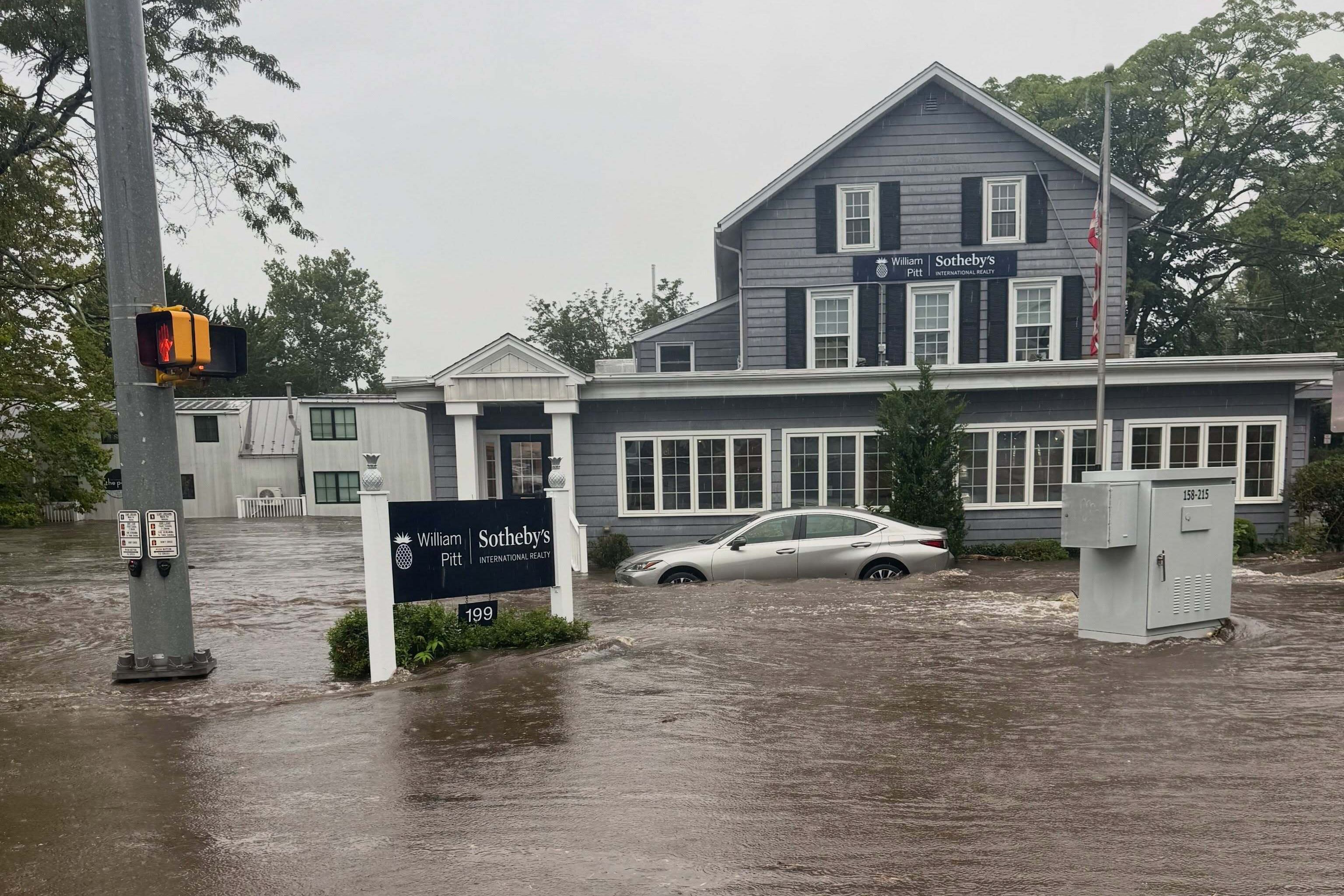
    WESTPORT, Conn. — Flash flooding brought on by heavy rains prompted road closures, water rescues and commuter rail problems across the tristate area Sunday.

    The National Weather Service said the hardest-hit areas appeared to be northern New Jersey, parts of New York’s Westchester County and a swath of coastal Connecticut along Interstate 95. The service issued flash flood warnings across the region for much of the morning Sunday as rain fell at a rate of 1 to 2 inches an hour in places.

    Metro-North and Amtrak said their rail lines to New Haven, which serve Norwalk, Bridgeport and other major Connecticut communities, were experiencing delays and cancellations due to flooding impacts.

    Tweed New Haven Airport also closed its departures terminal due to local flash flooding. Airport officials in a Facebook post said travelers with flights departing Sunday should not come until further notice.

    Connecticut Gov. Ned Lamont and other state officials, meanwhile, urged drivers to avoid flooded roadways and not to attempt to drive through standing water.

    Water rescues conducted in Connecticut coastal cities

    The coastal stretch from Norwalk to Westport was among the most impacted in the state, receiving 6 to 7 inches of rain Sunday morning, with rainfall rates reaching 3 to 4 inches per hour.

    In Westport, emergency responders conducted 13 rescues of people trapped in vehicles by floodwaters, according to the fire department. Photos and videos shared on social media showed downtown businesses inundated.

    “Even as the rain subsides, standing water and other hazards may remain,” the department cautioned on Facebook. “Residents should continue to avoid flooded roads, never drive around barricades, and give emergency crews room to work.”

    In Bridgeport, the fire department said in a social media post it answered “call after call” on Sunday, including deploying boats “to rescue residents from flooded areas and bring them to safety.” Photos shared by the department showed residents being helped into a boat from the door of a house, with rescuers standing in knee-deep water outside.

    The heavy rains also forced multiple road closures and some water rescues in White Plains and other major communities in New York’s Westchester County.

    In New Jersey, Paterson Mayor Andre Sayegh said emergency crews rescued about 20 people from rapidly rising floodwaters, including a woman who fell out of her wheelchair and ended up floating in the street.

    Sayegh said there were no immediate reports of any deaths or severe injuries from the deluge, even as video shared on social media showed parked cars submerged nearly up to their windows on some roads.

    As the rains tapered off and the skies cleared, Paterson’s annual Dominican parade stepped off Sunday afternoon, though with a slight delay.

    “The rain won’t stop us from celebrating our culture, pride, and community!” organizers wrote on Facebook.

  • The Bari Weiss era of ‘60 Minutes’ begins

    The Bari Weiss era of ‘60 Minutes’ begins

    The Serious Newsperson cast of correspondents was different — goodbye, Scott Pelley; hello, Ross Douthat — and the production values seemed glossier, a little more Vice News than Huntley-Brinkley Report.

    But for all the Sturm und Drang that has surrounded “60 Minutes” since the arrival of CBS News’ high-profile editor-in-chief, Bari Weiss, the version of America’s most watched news program that returned to CBS on Sunday looked a lot like the show viewers have come to expect.

    Norah O’Donnell landed a gripping interview with an Air Force colonel who recounted his harrowing rescue from behind enemy lines after being shot down over Iran. Lesley Stahl presented an investigation into middlemen who charge large sums to lobby for presidential pardons. A lighter segment profiled Sean McVay, the coach of the Los Angeles Rams.

    There were some changes. The pardon segment revived the use of a hidden camera, a once-common technique at “60 Minutes” that had dwindled in recent years. The show’s signature ticking stopwatch received a makeover, and the “book” graphics that used to appear behind correspondents were replaced with sleek screens.

    And for those wondering how the new season would treat President Donald Trump, the program referred to the war in Iran as “costly and unpopular,” and said he had pardoned “a string of unrepentant financial con men,” as well as “rioters” at the United States Capitol on Jan. 6, 2021.

    The formula of politics, sports and accountability journalism was the same mix that has frequently kept “60 Minutes,” 59 seasons in, among the 10 most watched network shows of the week.

    Off-camera, however, the season premiere came after a period of wrenching change at the program that threatened its reputation.

    Weiss purged the program’s senior leadership this year, and many star correspondents, including Pelley and Anderson Cooper, either quit or were forced out; Pelley accused her of “murdering” the program, an incident that led to his dismissal. Some of those who exited said Weiss tried to inject political bias, a claim that CBS News has denied.

    As a result, Weiss and her pick to oversee “60 Minutes,” technology journalist and filmmaker Nick Bilton, zeroed in on the season premiere as a critical test to placate skeptical viewers — and media executives who wondered why Weiss had insisted on overhauling CBS News’ most successful franchise.

    Besides securing the interviews necessary for a newsy episode, CBS also created a slick ad campaign with a new slogan — “It’s Time” — and hired a celebrity photographer, Mark Seliger, to shoot a glossy photograph of the cast in Grand Central Terminal. (One version of the photo includes Bilton in a slick suit; in another version, he is not there.)

    The premiere seemed calibrated to anticipate criticism that the revamped “60 Minutes” would go too hard, or too soft, on Trump.

    CBS’s parent company, Paramount, paid $16 million to settle a lawsuit that Trump filed in 2024 over “60 Minutes”; soon after, the Trump administration approved Paramount’s sale to the tech scion David Ellison. Ellison, who appointed Weiss, has maintained ties with Trump, hosting him and his senior aides for a dinner in Washington in April. The result has been intense scrutiny on CBS News’ political coverage.

    On Sunday, the airman segment featured an interview with Defense Secretary Pete Hegseth, who rarely speaks one on one with major news outlets other than his former employer, Fox News; Hegseth used an expletive in his interview that CBS bleeped out.

    The program’s quest to land an interview with the downed colonel, known as Dude 44 Bravo, involved executives from the new and old editions of “60 Minutes.”

    Keith Sharman, the segment’s producer, began reaching out to sources to secure the interview April 6, within hours of the rescue, according to a person connected to the show. He and Tanya Simon, the “60 Minutes” executive producer who was fired in May, attended a meeting arranged by Weiss with Tami Radabaugh, an adviser to Hegseth, to make their case, two people connected to the show said. The interview was ultimately booked this summer.

    Stahl’s segment on pardons was the result of a monthslong effort by “60 Minutes” and the investigative team at CBS News — a collaboration within the news division that has been comparatively rare in the past but is now actively encouraged by Bilton and Weiss.

    Stahl concluded with a statement from the Trump administration, which said any suggestion the president had behaved unethically “is either ill-informed or malicious.”

    Sunday’s episode made no mention of the behind-the-scenes drama at the program. Instead, Douthat, a former columnist at The New York Times, offered a closing message about artificial intelligence fears. He said that for six decades “60 Minutes” had “meant the same thing: journalism you can trust. Where we’re headed, we’re going to need it.”

    One important verdict on the season premiere will have to wait. Last season, “60 Minutes” averaged 9.1 million Americans an episode, up 9% from the year before. Nielsen is expected to report Sunday’s ratings Tuesday.

    This article originally appeared in The New York Times.

  • The fight against license plate readers | Inquirer South Jersey

    The fight against license plate readers | Inquirer South Jersey

    Good morning, South Jersey.

    License plate readers have become ubiquitous across New Jersey, and a growing number of people are joining the fight to push back.

    And Cherry Hill’s special education PTA has alleged discrimination after the district did not invite the organization to back-to-school nights.

    Plus, take a peek inside the new Asianfresh Food Market in Cherry Hill, and more news of the day.

    — Taylor Allen (southjersey@inquirer.com)

    If someone forwarded you this email, sign up for free here.

    A collective concern

    Automated license plate readers have become nearly unavoidable in New Jersey.

    Major retailers cite loss prevention and employee safety for their use, while the vast majority of the state’s law enforcement agencies have used them since at least 2023.

    The Cherry Hill Police Department is one of the agencies using the tech:

    • Last year, the majority of its system’s 2.2 million alerts were for expired registration and suspended plates.
    • The alerts connected to criminal activity during the same year were for 800 stolen plates, 212 stolen vehicles, and 15 missing persons.

    Organizations like DeFlock South Jersey are aiming for more regulation, due to their concerns about privacy. They are part of the growing pushback against the technology among both conservatives and progressives.

    The Inquirer’s Ximena Conde provides a deeper look into the goals of the expanding movement.

    Alleged discrimination

    According to the Cherry Hill Special Education PTA, the group has tabled back-to-school nights at district schools to educate parents about their rights for 12 years.

    But this year, the request was denied.

    The organization has since filed a grievance with the school board, alleging discrimination for denying an independent group.

    The district is saying that organizations like the special education PTA will have to coordinate with Zone PTA, the umbrella group of the district’s various parent-teacher associations.

    Reporter Melanie Burney has the story.

    What to know today

    🧠 Trivia time

    What year was the Allen Iverson statue unveiled outside the Sixers practice facility in Camden?

    A) 2020

    B) 2023

    C) 2024

    D) 2026

    Think you know? Check your answer.

    What we’re …

    🏈 Reliving: The tailgate ahead of the Eagles season opener.

    🏒 Reviewing: The full schedule and roster for this week’s NHL training camp.

    🍁 Planning: A visit to Hopkins Pond in Haddonfield for leaf viewing.

    📬 Your South Jersey view

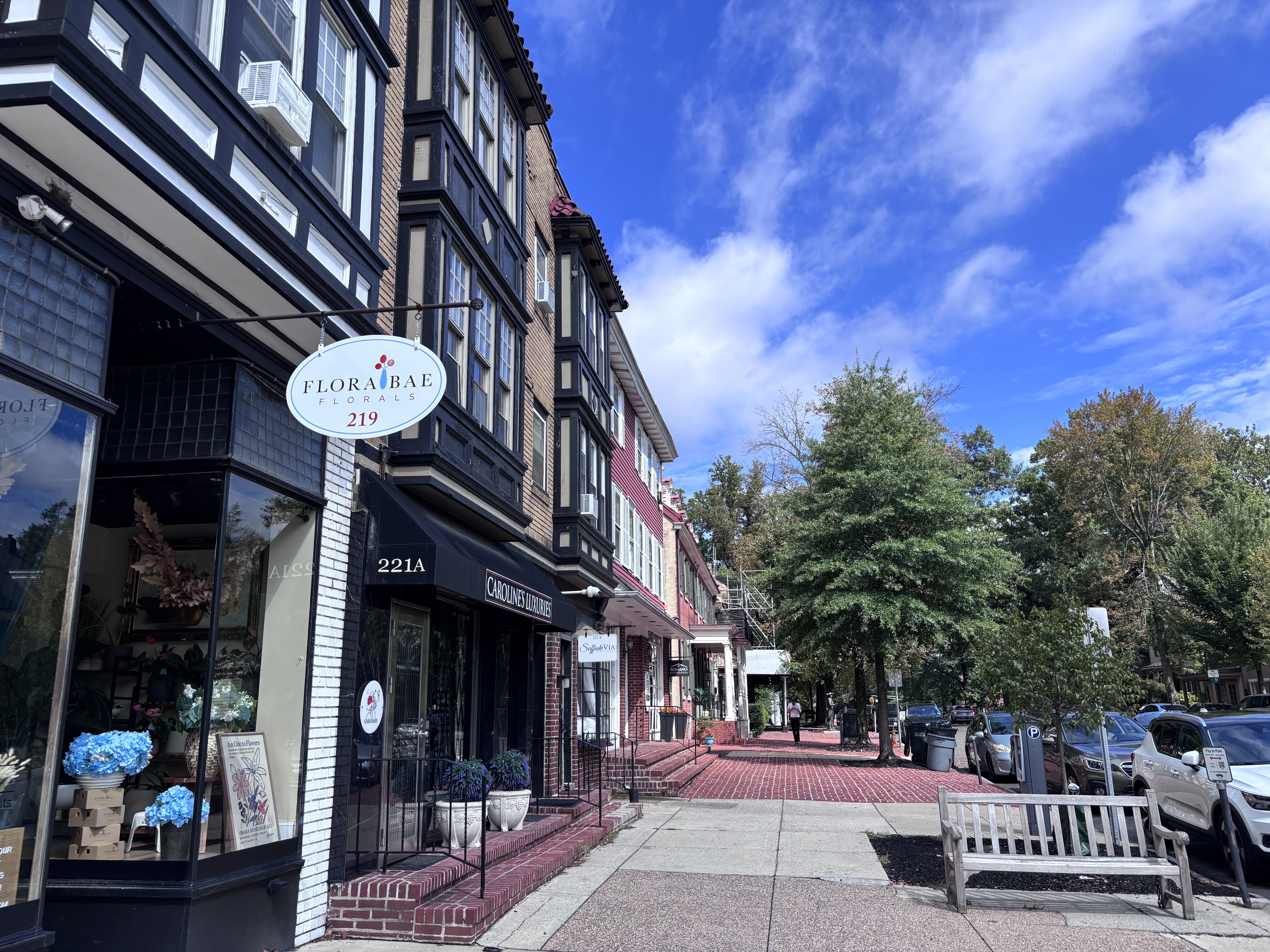
    A quiet Sunday afternoon in downtown Haddonfield.Taylor Allen

    I spent my sunny Sunday afternoon walking down Kings Highway in downtown Haddonfield after the morning rain cleared up.

    What does your community look like? What South Jersey memory would you like to share? Submit a photo and/or a brief description for a chance to be featured in the Monday edition of this newsletter.

    🗞️ What other South Jersey residents are reading

    Thank you for starting your week with The Inquirer. I’ll have more news for you tomorrow.

    By submitting your written, visual, and/or audio contributions, you agree to The Inquirer’s Terms of Use, including the grant of rights in Section 10.

  • A Philly family bought their first home thanks to reparations from Quakers in Germantown

    A Philly family bought their first home thanks to reparations from Quakers in Germantown

    Charmira and Quincy Pilgrim wanted to become homeowners a decade ago when they got married.

    But over the years, job losses, jobs that didn’t pay enough, children, unpaid maternity leave, and rising costs of living made saving for homeownership impossible.

    They were finally able to start putting money away late last year. And this spring, they found a $315,000 house they wanted to buy in West Oak Lane. But they were short thousands of dollars for their down payment and closing costs.

    What got them and their five children into their new home was a $10,000 first-time homebuyer grant funded by a group of Quakers in Germantown.

    “It was a blessing that I ended up getting the grant because money was tight,” said Charmira, a 32-year-old special-education teacher and case manager.

    Up-front cost is a common barrier to homeownership for renters in Philadelphia and across the country. Grants for down payments and closing costs can help aspiring homeowners get in the door. Governments, mortgage lenders, and nonprofits are common funders.

    That’s what makes the Pilgrims’ grant stand out. It’s one of five $10,000 grants that Green Street Friends Meeting, a Quaker congregation in Germantown, is funding to help people buy their first homes. It’s part of the congregation’s racial justice plan to redistribute wealth to Black residents in the Germantown area as a form of reparations.

    When Green Street announced the homebuyer grants in March, it said it sees reparations as “economic and spiritual repair for the intergenerational harms of slavery, Jim Crow, and their afterlives.” Reparations, it said, are “intended to address the theft and pillaging of Black wealth” for hundreds of years through systemic discrimination.

    Lucy Duncan, a member of Green Street, said the homebuyer grants are “a redistribution of wealth that’s about fairness and equity.”

    The goal is to keep Black residents from being priced out of their communities and “provide resources to help maintain Black Germantown,” she said.

    Rebecca L. Grant, a Black member of Green Street’s reparations committee who has been a Germantown homeowner for 22 years, said the committee wanted to eliminate a hurdle to homeownership and the wealth it can create for Black residents.

    “We knew these grants wouldn’t undo generations of discrimination,” Grant said, ”but we thought we could make a difference one family at a time.”

    How the homebuyer grants work

    To distribute the grants, Green Street partnered with birdSEED, a Washington-based nonprofit that aims to reduce racial wealth gaps in the Washington and Philadelphia areas. As part of its work, the nonprofit helps members of historically disadvantaged communities buy their first homes.

    The Quaker congregation contributed funds to birdSEED’s Housing Justice Grant Program and required that its money go to Black homebuyers purchasing in the 19144 or 19138 zip codes.

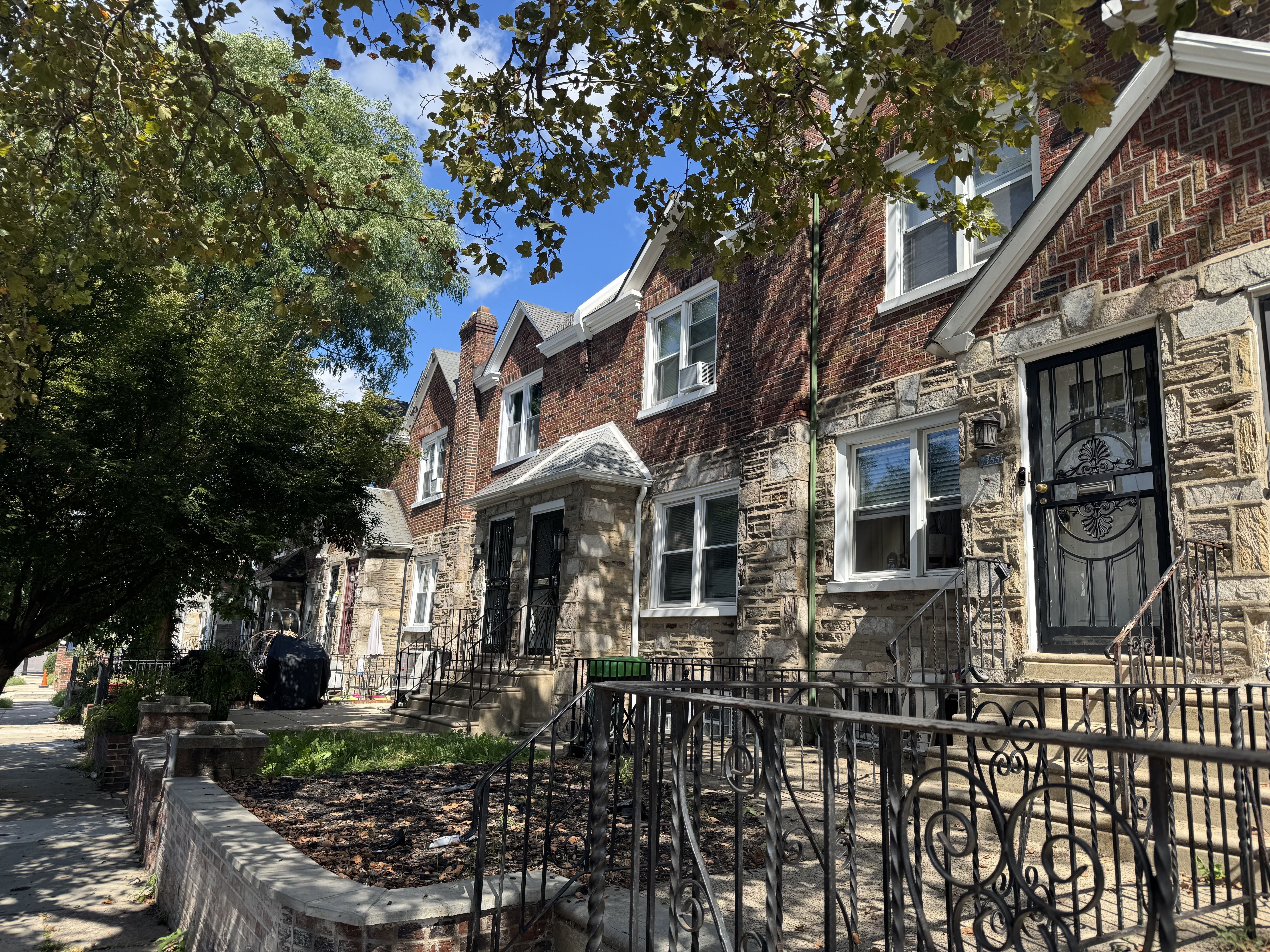
    West Oak Lane is one of the communities where homebuyers can use grants from Green Street Friends Meeting to purchase properties.Michaelle Bond / Staff

    In the Philadelphia area, birdSEED typically awards grants of between $5,000 and $10,000 for down payments and closing costs. An advisory board reviews applications and interviews top candidates. The board scores applicants based on their readiness to purchase a home and the impact the grant would have, said Leslie Case, birdSEED’s co-executive director.

    Candidates need to have lived in the area in which they are buying for at least three years. They cannot have purchased a home before. And their household can make up to $150,000 a year. Preference is given to populations who have historically faced barriers to homeownership.

    Homebuyers can apply for the current round of birdSEED’s housing justice grants until Sept. 30.

    The nonprofit has awarded about 40 homebuying grants so far in the Philadelphia region, which includes surrounding counties in Pennsylvania and New Jersey.

    Maegan Scott, birdSEED’s co-executive director, said the grants funded by Green Street represent “momentum” as the nonprofit seeks to expand its presence in the Philadelphia area.

    A majority of the nonprofit’s housing justice grants have gone to first-generation homebuyers. But a common thread ties all applicants together.

    “Everyone’s looking for stability,” Scott said. “Everyone is looking ahead to the next generation, the generation after that.”

    Green Street’s reparations initiative

    In June 2021, Green Street pledged to spend $50,000 a year for 10 years as part of its reparations work, spurred by a moral calling and the realization that the congregation had a large pot of money in unrestricted reserves.

    The following year, the congregation partnered with attorneys to help Black Germantown residents make wills and straighten out legal ownership of their properties.

    In about a year and a half, clinics to resolve and prevent tangled titles preserved more than $11.3 million in housing wealth for more than 85 families by protecting homes that might otherwise have been lost because of unclear legal ownership, according to Green Street. It was a massive return on the $25,000 the congregation spent on fines and legal services for families who didn’t qualify for free legal help.

    Green Street Friends Meeting in Germantown welcomed neighborhood residents to its meetinghouse in April 2022 to get help with tangled titles and estate planning at a legal clinic it hosted.TYGER WILLIAMS / Staff Photographer

    Over the last few years, Green Street’s reparations work has included music education for Black youth, funds for Black midwives in Germantown and a new birthing center in Mount Airy, estate planning services, and additional housing support.

    “We didn’t want the reparations to just be about acknowledging a painful history,” Grant, the reparations committee member, said. “We want it to be about what we can do now.”

    She said she used to think that reparations for Black Americans would never happen.

    “But it’s so wonderful to see and understand that, ‘Oh, this has to happen on a local level,’” she said.

    The Pilgrims and one other family have bought homes using Green Street’s grants so far.

    Duncan, at Green Street, said that when birdSEED sent her the first pictures of the families, “I almost started to cry.”

    “It’s such tangible and long-term impact for these families,” she said. “And hopefully, generational impact.”

    A home of their own

    Charmira and Quincy Pilgrim closed on their three-bedroom house at the end of May, about a month before their fifth child was born.

    The children, the oldest of whom is 8, love playing in the side yard, backyard, and finished basement. Charmira loves to cook, and she now has a big kitchen. The house is close to biological family and church family.

    Charmira said being a homeowner “means freedom.” She has started planning future upgrades for her home.

    “It feels good to have ownership. It feels good to be in a space I can create a vision for,” she said. “I see this as an opportunity for my kids to have a legacy.”

  • 🚫 A tech backlash grows | Morning Newsletter

    🚫 A tech backlash grows | Morning Newsletter

    Good morning, Philly. We’re in for sunny skies and highs in the upper 70s.

    Today, we have two important stories about our evolving relationship with technology. The first covers a movement to restrict automated license plate readers in New Jersey.

    The second chronicles new limits on screen use in classrooms around our region.

    Plus, a former Philadelphia cop turned contractor faces multiple fraud charges, and more news of the day.

    — Laura Benshoff (morningnewsletter@inquirer.com)

    If someone forwarded you this email, sign up for free here.

    ‘They’re watching you!’

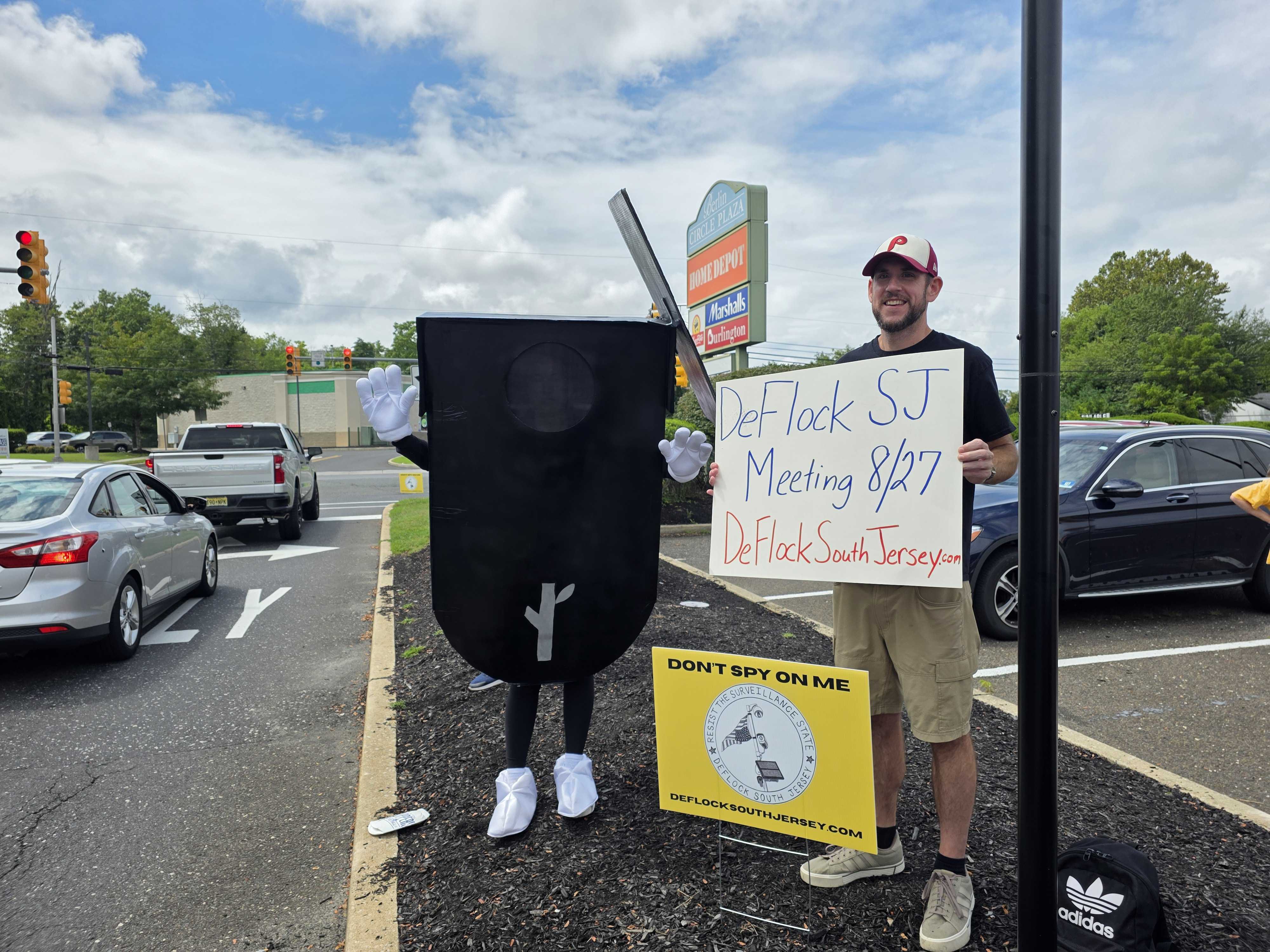
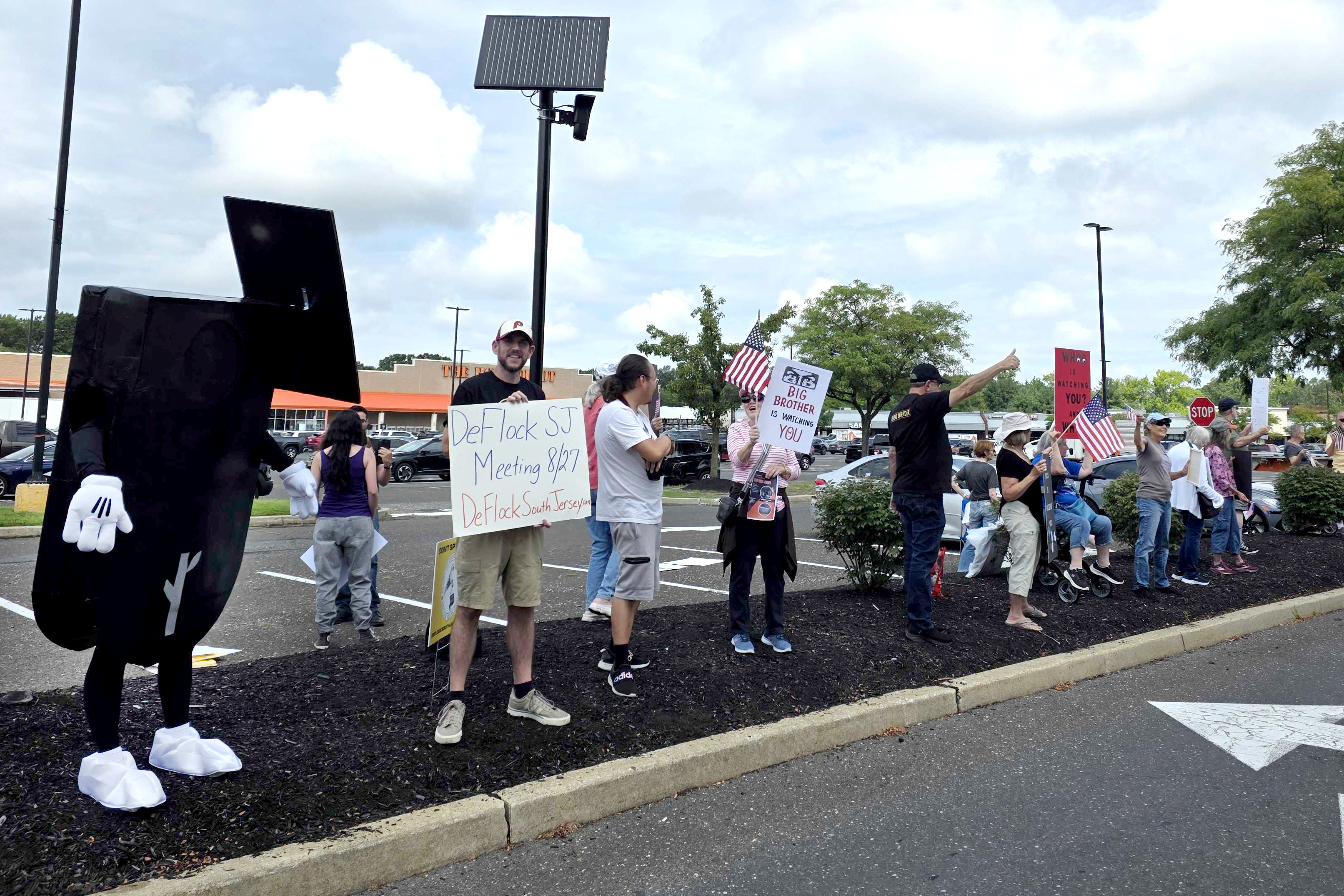
    On the outer rim of a Home Depot parking lot in West Berlin, N.J., around two dozen people stood in the searing August sun.

    They were there to protest the black, solar-powered license plate reader perched on a pole above them.

    “They’re watching you! And you!” shouted one man, pointing as cars rolled past.

    Groups like this one, called DeFlock South Jersey, hoped to ultimately limit the use of these readers due to privacy concerns.

    But in New Jersey, they face an uphill battle, reports The Inquirer’s Ximena Conde. Simply put, the readers are already all over the place.

    The vast majority of New Jersey’s law enforcement agencies, more than 520 entities, use automated license plate readers. Major retailers, like Home Depot, also deploy the cameras, saying they help with loss prevention and employee safety.

    Read Conde’s full story on nascent efforts to restrict this tech in the Garden State.

    Screen retreat

    After years of giving every student a computer, public school districts across the Philadelphia region are starting this school year differently: They’re pulling back on screens, particularly for early grades.

    Some examples:

    • The Tredyffrin/Easttown School District in Chester County has stopped assigning iPads to kindergartners.
    • In the Colonial School District in Montgomery County, elementary school students have time limits on using their Chromebooks.
    • The Wallingford-Swarthmore School District in Delaware County has restricted YouTube access for kids up to the fifth grade.

    The rollback comes in response to parent concerns about an overreliance on computers as teaching tools, and concerns that kids can browse sites like YouTube without adequate parental controls.

    The Inquirer’s suburban education reporter Maddie Hanna has more on this trend.

    What you should know today

    • A former Philadelphia police officer faces fraud charges in three local counties for allegedly starting contracting jobs and leaving them unfinished — and in one case, leaving a house uninhabitable.
    • The Jefferson County coroner has confirmed another suspected measles-involved fatality in the commonwealth, this time of a 40-year-old unvaccinated woman.
    • A Main Line art dealer faces a lawsuit for allegedly participating in a scheme to forge Andy Warhol paintings and prints and sell them through a gallery in Miami.
    • Police have arrested a suspect in a 2022 cold case, in which a 30-year-old father of two was fatally gunned down outside of a West Philadelphia night club.
    • Family members are planning to sue a Reading-area nonprofit that serves people with intellectual and developmental disabilities, after a man died following a choking incident there last month. The facility has been operating after its license was revoked.
    • Langhorne Borough residents aren’t pleased with PennDot’s newest proposal to build a partial cloverleaf interchange on Route 1, saying the measure would still push highway traffic onto local streets.
    • Philadelphia-set Abbott Elementary is up for seven Emmy Awards tonight. Go, Quinta, go!

    Quote of the day

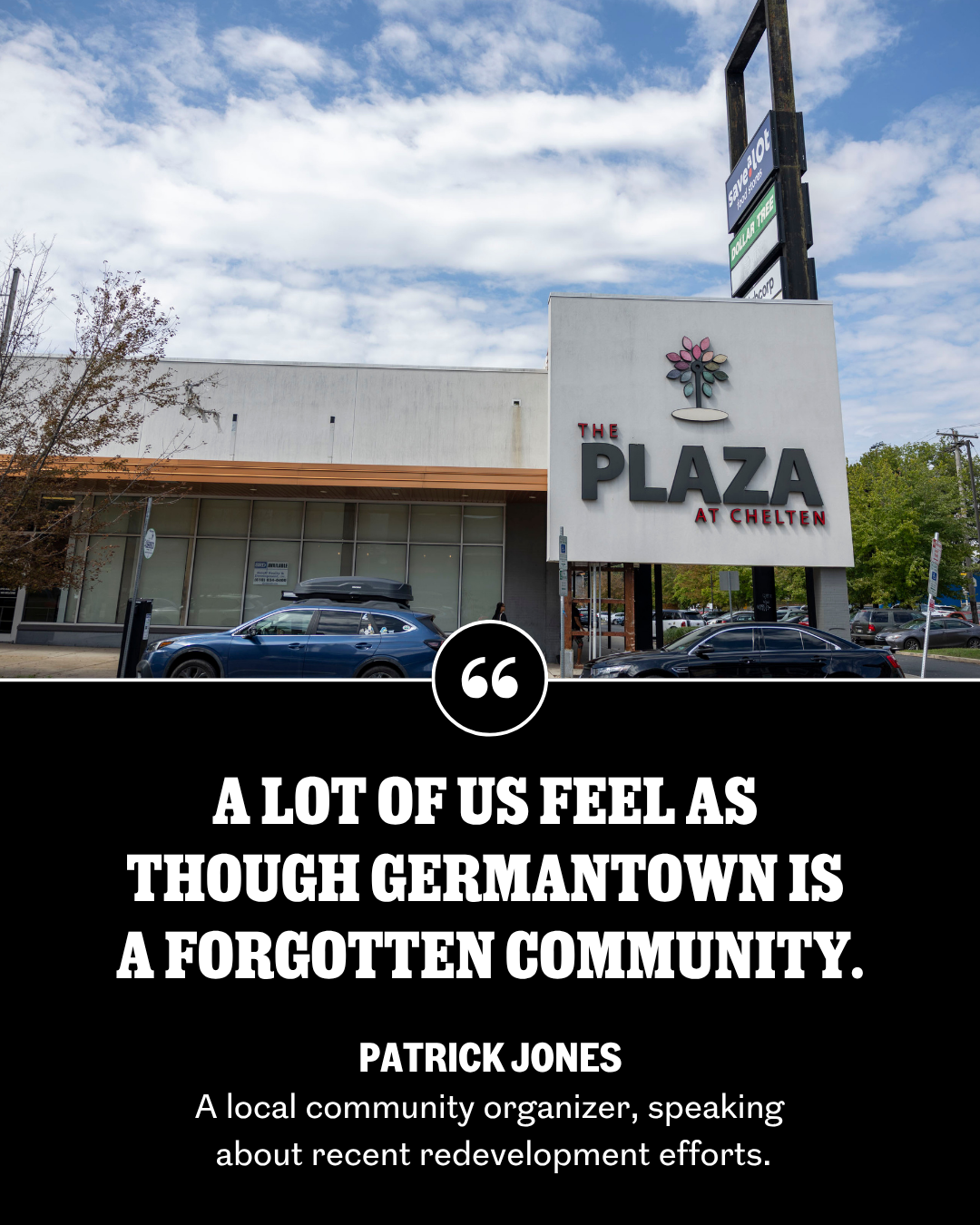
    Germantown is slowly adding new businesses, but residents like Patrick Jones would like to see even more.

    For The Inquirer, Zoe Rosenberg reports on efforts to spur new development in the largely residential Northwest Philly neighborhood.

    🧠 Trivia time

    This Chester County borough is called the “Mushroom Capital of the World” and recently held its 41st annual Mushroom Festival.

    A) Phoenixville

    B) Downingtown

    C) Honey Brook

    D) Kennett Square

    Think you know? Check your answer.

    What we’re…

    🌶️ Eating. Chiles en nogada, a traditional Mexican dish of stuffed poblano peppers in white walnut sauce, are briefly in season. Inquirer food writer Kiki Aranita has where to get them right now.

    🏡 Reading. They bought their home in West Oak Lane with the help of Quaker reparations. Inquirer real estate report Michaelle Bond has this account.

    🇵🇷 Celebrating. The 42nd Feria del Barrio, an annual festival of Puerto Rican culture in Fairhill, filled the air with the sounds of bomba on Sunday.

    🧩 Unscramble the anagram

    Hint: Originally founded as a school for white, male orphans, this North Philly institution became the site of pitched legal battles over integration during the civil rights era.

    GLACIER LODGER

    Email us if you know the answer. We’ll select a reader at random to shout out here.

    Cheers to Joe Zalewski who correctly guessed Sunday’s answer: Connor Barwin. On Barwin’s “perfect day” in the city, the former Eagles linebacker orders an open-faced burrito (like a burrito bowl) from the same NoLibs cafe he’s visited for about 12 years.

    Photo of the day

    Eagles super fan Kenny Torres, AKA Eagle Libre, of Prospect Park, poses for a portrait while tailgating before the Eagles play the Commanders in Philadelphia on Sunday.David Maialetti / Staff Photographer

    📬 Your ‘only in Philly’ story

    It’s time for our weekly ‘only in Philly’ feature, where we elevate stories from our readers. Email us a colorful anecdote about life in Philly for a chance to be featured in the Monday edition of this newsletter.

    Today’s story comes from reader Sam Waltz, who describes hitchhiking to North Philly’s Connie Mack Stadium with his friend Eric back in 1969. A police cruiser stopped to pick them up. I’ll let Sam finish the story, which has been edited for length:

    … Eric and I walked to the back of the Philly Police paddy wagon, opened the door, stepped inside, closed the door, and took a seat.

    We could watch out the windows as the cops drove up Broad Street, finally pulling over to the curb at the intersection of Broad and Lehigh [a few blocks from the stadium].

    Through the window, I heard the cop — not getting out of his seat — rap on the window and yell out, “Hop out, boys, we’re here.”

    I pushed open the back door. As I did, I spied a young boy about 9 years old standing right there, watching me curiously.

    As I stepped down, suddenly he yelled out, “RUN, MISTER, RUN!”

    Of course, he thought I was escaping!

    👋 Happy Monday! May the children of Philadelphia be on your side today as well.

    By submitting your written, visual, and/or audio contributions, you agree to The Inquirer’s Terms of Use, including the grant of rights in Section 10.

  • A death raises questions about why a group home operator is still in business after Pa. revoked its owner’s license

    A death raises questions about why a group home operator is still in business after Pa. revoked its owner’s license

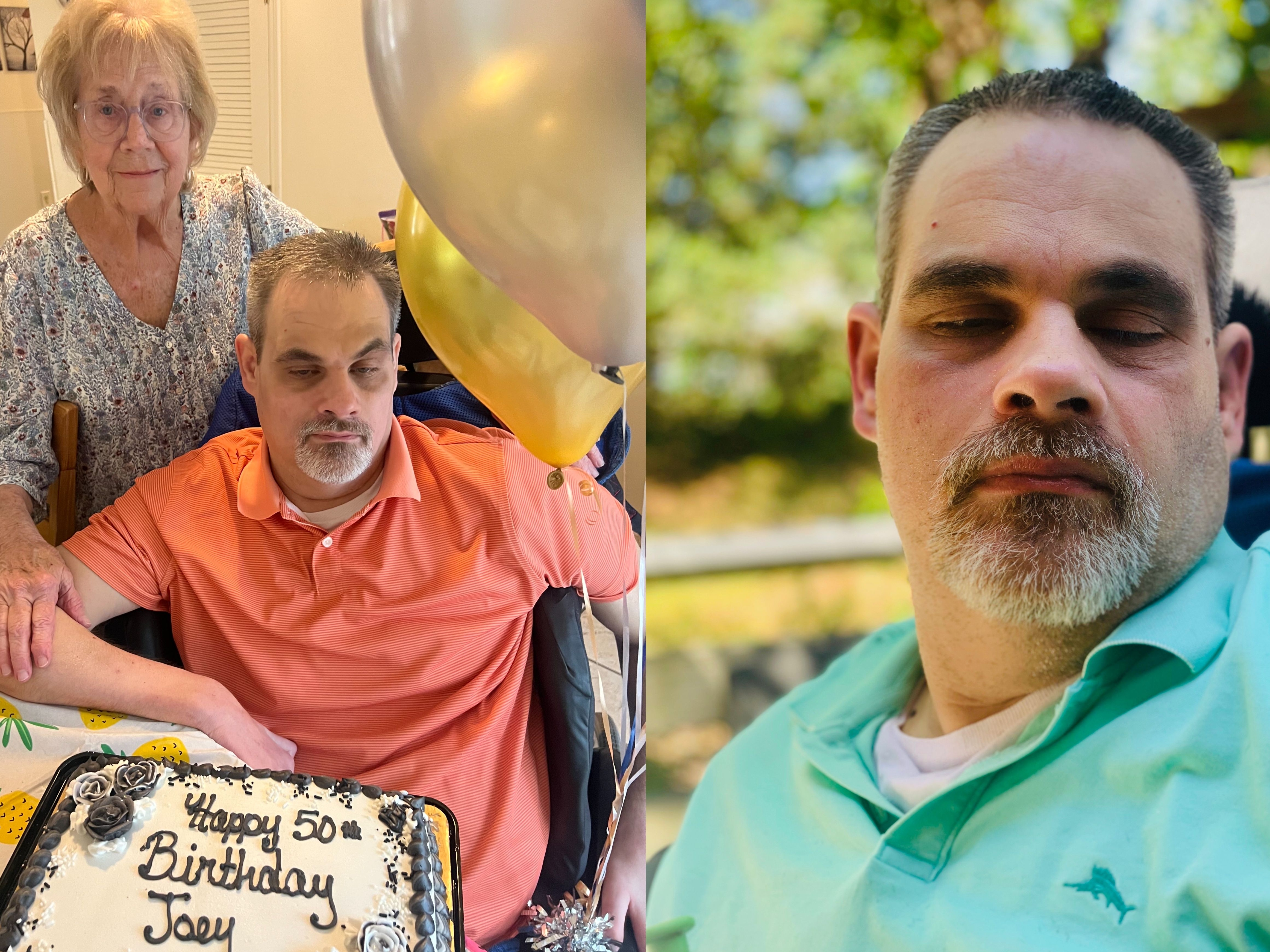
    Joey Shevenock suffered repeated urinary tract infections, kidney stones, partially amputated toes, and a broken hip during his last years living in a Reading-area group home for people with intellectual disabilities.

    Then, on July 2, the 52-year-old with a history of swallowing difficulties choked and breathed in rice while he was being fed. That led to cardiac arrest. Shevenock died three days later at Reading Hospital.

    The Shevenock family has hired a lawyer and plans to file a lawsuit claiming that negligence led to his death, which came 15 months after state regulators had revoked the license of the operator of his Exeter Township group home, Supportive Concepts for Families.

    State law allows the nonprofit owned by Inperium Inc. to continue operating while it appeals the revocation, which followed at least four deaths, 11 abuse incidents, and dozens of cases of neglect at Supportive Concepts’ homes in the year ended February 2025.

    The license revocation covered 103 of its group homes across northeastern Pennsylvania, including those in Berks County.

    Joey Shevenock’s brother, Jeff, questions why state law gives Supportive Concepts so much time.

    “I’m a chef, and they’ll shut a restaurant down for X, Y, or Z, and they don’t let you reopen until you correct whatever the violations are,” he said.

    “It just blows me away that they know this is going on, but they’re like, well, we’re going to give you six months, a year, whatever, to work on it,” he said.

    Supportive Concepts CEO Colleen Miller declined to comment, citing privacy laws. “We remain committed to the health, safety, and well-being of the individuals we serve,” she said in an email Wednesday.

    Inperium did not respond to questions about the license revocation.

    Homes like the one where Joey Shevenock lived for more than 20 years are regulated by the Pennsylvania Department of Human Services, which said it “cannot comment on specific incidents or investigations, and we cannot comment on pending appeals.”

    Like many states, Pennsylvania gives operators time to correct deficiencies, with no set timeline on how long an appeal can go on. “It’s not unusual to allow them to continue operating,” said Mark Davis, CEO of Pennsylvania Advocates and Resources for Autism and Intellectual Disabilities, a Harrisburg trade association for service providers.

    During appeals, providers are subject to more frequent, unannounced inspections.

    The death at Supportive Concepts reflects a bigger problem in Pennsylvania’s system of care for adults with autism and intellectual disabilities, said Dee Coccia, cofounder of Vision for Equality, a Philadelphia nonprofit advocacy group for these individuals and their families.

    Shevenock’s death, detailed to The Inquirer by his family, follows 25 choking-related deaths reported in Pennsylvania group homes for intellectually disabled individuals in the last 3½ years through June 30, according to state data.

    “You wouldn’t stand for it if you were taking care of animals,” Coccia said.

    Deteriorating conditions for Joey Shevenock

    Cyndi Shevenock, Jeff’s wife, started closely monitoring Joey’s care about eight years ago, after her in-laws moved to South Carolina.

    Joey was blind, had cerebral palsy, and needed a wheelchair to get around. He required support for most daily living activities, including dressing, eating, and getting into bed.

    After the July Fourth holiday weekend in 2025, a Supportive Concepts staffer took Joey to the hospital with a urinary tract infection, Cyndi recalled.

    Cyndi said a nurse called while she and Jeff were driving from their home near Baltimore to the hospital and told her that Joey’s urine had become a concerningly dark iced tea-like color.

    The nurse also shared that, according to the aide who brought Joey to the hospital, his urine had started smelling three or four days earlier.

    Cyndi said “by the time they took him in, the infection was so bad” that the nurse advised the family to report the incident to Adult Protective Services. The investigator found no signs of neglect, Cyndi said.

    Cyndi subsequently reviewed 1,448 pages of Joey’s medical records and found a half dozen urinary tract infections in the last couple years, two choking incidents that he survived, and 26 hospitalizations between January 2020 and his death.

    Joey was prone to urinary tract infections and kidney stones because he was incontinent and spent all his time either in his wheelchair or lying down.

    He sat in wet diapers far too long before being changed, Cyndi said, and almost always had sores in that area. Regulators consider bed sores a sign of poor care, often found in nursing homes.

    In Cyndi’s view, the lack of dignity in his care extended beyond medical needs.

    Every visit, she would check his clothes, to make sure they were clean. She invariably found that they “were just shoved into drawers, inside out, wrinkled, shoved in any drawer,” she said. “Sometimes, the clothes weren’t even his.”

    Ongoing troubles at Supportive Concepts

    A week after Joey’s death, Inperium announced its founding CEO Ryan Smith had returned to Supportive Concepts as acting president.

    Smith had started at Supportive Concepts in 1993, rising to CEO in 2000. He remained in that position until 2018, according to his LinkedIn profile.

    He continues to serve as CEO and chairman of Inperium, a nonprofit also based in Reading, which Smith founded a decade ago to acquire Supportive Concepts — and since then dozens of other typically financially struggling nonprofits.

    After acquiring a nonprofit, Inperium consolidates back-office and other business functions in a subsidiary called Apis Management Services to save money.

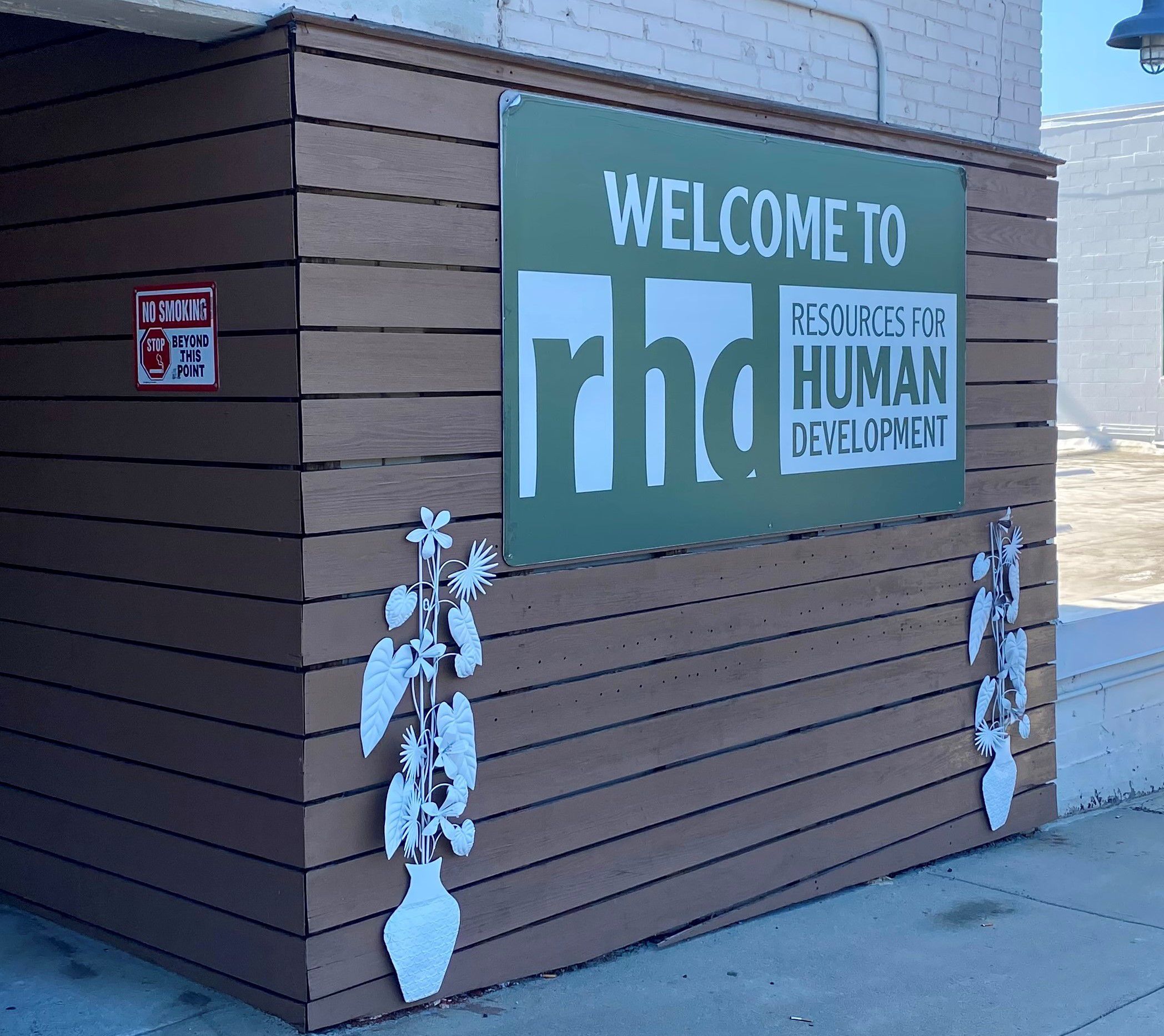
    For example, Inperium told investors recently that Apis saved $8 million at Philadelphia-based Resources for Human Development, which it acquired in 2024.

    The main entrance to Resources for Human Development on Wissahickon Avenue in Philadelphia. It was acquired by Inperium Inc., a Reading nonprofit that has grown rapidly through acquisitions since its founding in 2016.Harold Brubaker / Staff

    Smith’s return to Supportive Concepts has not ended its license revocation affecting operations in 15 northeastern Pennsylvania counties, including Berks. Under the terms of the revocation, the organization cannot open any new homes or accept new clients in existing properties.

    State regulators have also found significant violations of care standards at Supportive Concept group homes in Western Pennsylvania. Since February, 17 facilities have been operating under provisional license, Inperium disclosed in a recent bond offering statement. The provisional status requires them to implement a correction plan.

    The sanctions have led to sharply lower profits for the Supportive Concepts, according to Inperium’s bond statement.

    Last year, Pennsylvania revoked the license of another Inperium subsidiary, Abraxas Academy, to operate a secure detention facility for youth in New Morgan, Berks County, citing “gross incompetence, negligence, and misconduct in operating the facility.” The facility is operating under a provisional license after reaching a two-year settlement with the state in April that requires close monitoring.

    The state sanctions haven’t stopped Inperium from making additional acquisitions in Pennsylvania as Smith aims to build a $1 billion enterprise. (Inperium reached $819 million in revenue for the 12 months that ended June 30.)

    Inperium’s most recent sizable acquisition brought into its portfolio KidsPeace, a financially troubled provider of youth mental health services based in Lehigh County.

    Inperium’s track record is troubling, said Leonard G. Villari, a Philadelphia lawyer hired by the Shevenock family to represent them in a lawsuit against Joey’s death. He pointed to its ability to keep growing a business largely funded with Medicaid through acquisitions with little state intervention.

    “This looks like a very concerning company to me,” he said. “It’s only getting bigger, and they’re aggressive. They’re bolder.”

    Bright spots for Joey

    Before his choking death, Joey had some memorable relationships with Supportive Concepts staff, the family recalled.

    A part-time caregiver would go to Joey’s house on Sundays, give him a fresh shave, make sure he had a nice shirt on, and take him to church with her. After church, they would go out to lunch, Cyndi said, noting the visits ended when the woman stopped working at Supportive Concepts.

    In an Instagram comment to a family post about Joey’s death, another former caregiver recalled how much they loved listening to oldies music like Johnny Cash and Elvis Presley. Joey knew every word of Wizard of Oz and Home Alone, she wrote.

    “We’d sit outside together and he was always interested in what the birds and squirrels doing. He’d laugh at the cutest stuff,” she wrote.

    The Fourth of July was a significant holiday for Joey and their father, Jeff said. Even though he couldn’t see the fireworks, he loved the sound.

    Jeff was so saddened by the thought of his brother dying on that day that the family waited to end his life support the next day.

  • Langhorne residents push back on Route 1 superhighway plan from PennDot

    Langhorne residents push back on Route 1 superhighway plan from PennDot

    Langhorne Borough wants a PennDot do-over.

    On Sept. 9, the borough’s council unanimously approved a resolution pushing PennDot to reconsider its $334 million plan to build a partial cloverleaf interchange with traffic signals at U.S. Route 1 and Pa. 413.

    A partial cloverleaf highway design features looping two-level ramps with shorter exits and is used in tight spaces.

    The plan would limit access to Route 1 via several miles of service roads that run alongside it, pushing traffic into the narrow streets of Langhorne Borough and its neighboring municipalities in densely populated Lower Bucks.

    “PennDot’s safety objectives on U.S. 1 could be achieved at less cost and at less danger to the community by keeping the service roads connected and not building the cloverleaf,” said Kathy Horwatt, president of Langhorne Borough Council. “We cannot advocate for any plan that trades the safety of our residents for the safety of through motorists.”

    Making Route 1, built in the 1950s, more like a superhighway for better traffic movement on a vital regional roadway has been a PennDot goal for years. Overpasses, ramps, and other infrastructure also need to be upgraded to modern safety standards, the agency says.

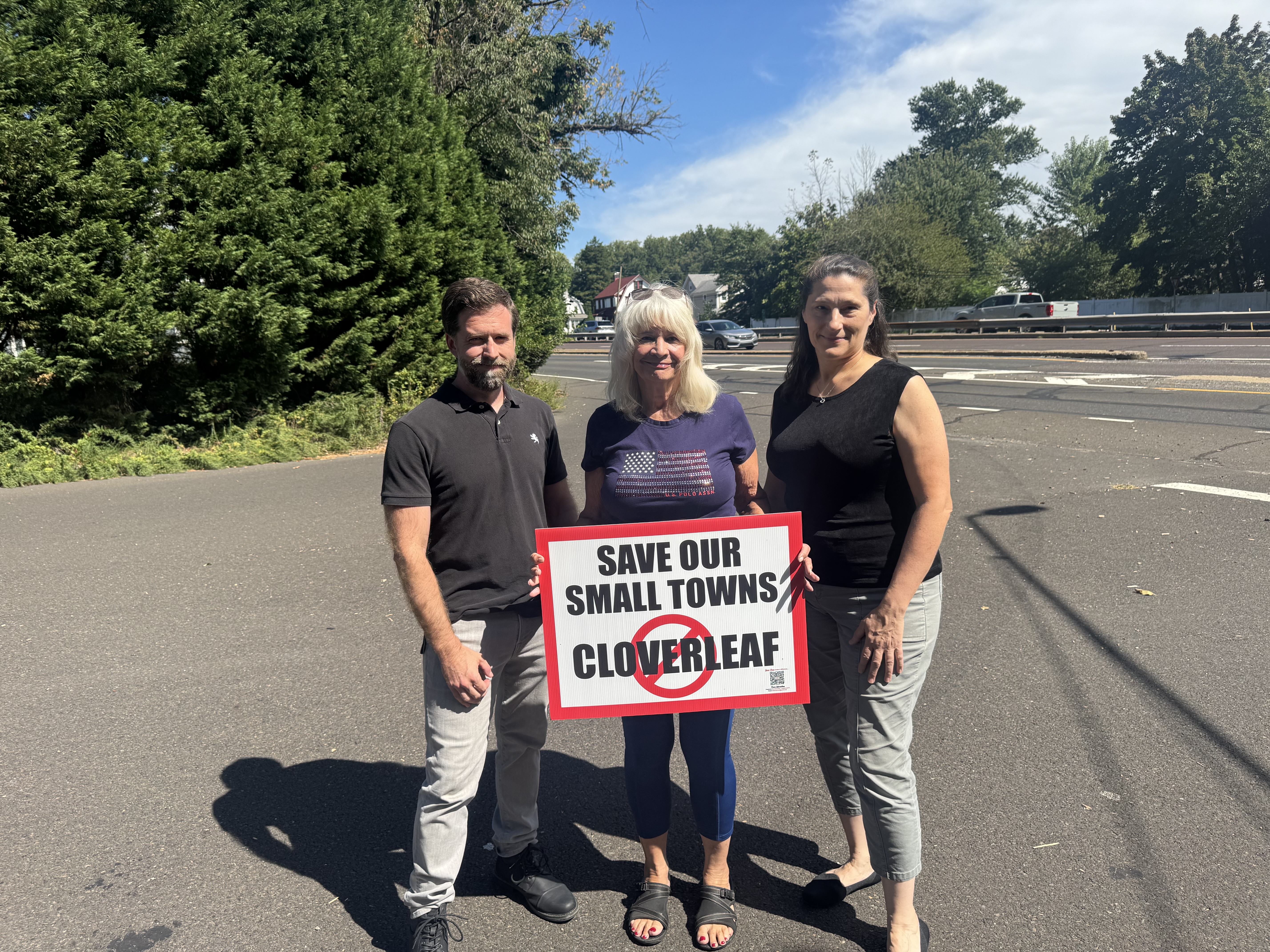
    The resolution is the latest in an expanding five-year battle against the proposal from borough residents, joined by people who live in Langhorne Manor and Middletown Township. A sizable number of lawns sport No Cloverleaf signs.

    PennDot’s original plan would have eliminated the service roads entirely.

    Then in June, State Sen. Frank Farry and State Rep. Joe Hogan, Republicans representing the area, announced that PennDot had confirmed to them that the frontage roads could be retained as part of the cloverleaf plan.

    It seemed like a big concession to local residents’ concerns.

    But it’s not clear that the roads would continue to provide the same level of access to Route 1, according to the grassroots No Cloverleaf coalition. Local motorists could be forced to use the cloverleaf interchange to get on and off the highway.

    “They’re really roads to nowhere” if the cloverleaf interchange is a central part of the Route 1 improvement plan, Langhorne Borough council member Paul Schneider said in an interview.

    “The roads’ reason for being then no longer exists,” he said.

    The borough’s resolution notes that PennDot traffic studies projected 9.2 crashes per year would occur at two planned signalized intersections on the cloverleaf interchange, at Woods Drive and at Gillam Avenue.

    Opponents want the agency to evaluate the option of keeping the service roads as they are and using roundabouts to control traffic through the interchange.

    Construction is not scheduled to begin until 2029, following additional environmental studies, detailed responses to community comments, and final engineering designs.

    A PennDot spokesperson said nothing is finalized about the project at this point.