Good morning, Philly. Temperatures may creep into the mid-80s this afternoon, with a slight chance of storms overnight.
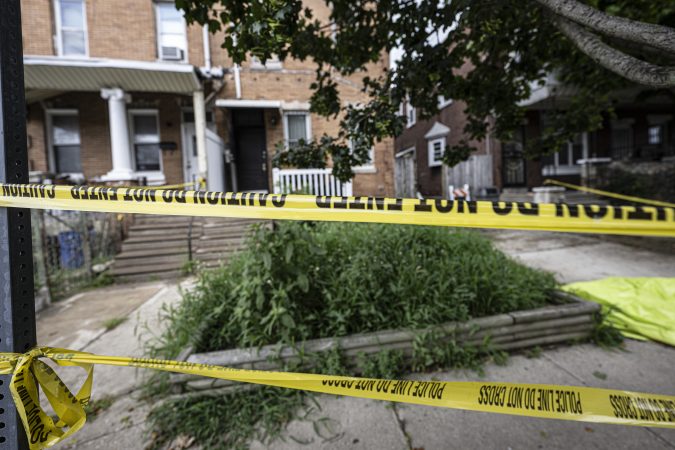
Today, we start with an unsettling development in a sweeping Olney missing persons investigation that continually raises more questions than answers. Police found photo evidence of two more lifeless women in their ongoing investigation into violent pornographer Raymond Horsch and his son, Eugene.
Philadelphia police on Wednesday said investigators had recovered images from the home of Raymond “R.C.” Horsch — the now-deceased pornographer, illicit drugmaker, and chemist — that appeared to show two more dead women. It was the most significant update since police began poring over more than a million photos, videos, and pieces of writing found inside the house a month ago.
Despite the major announcement, there was a haunting lack of answers in the update. No remains have been recovered from the house and the two additional women’s names were not released.
Police also officially confirmed details of one videotaped death first reported by The Inquirer last month.
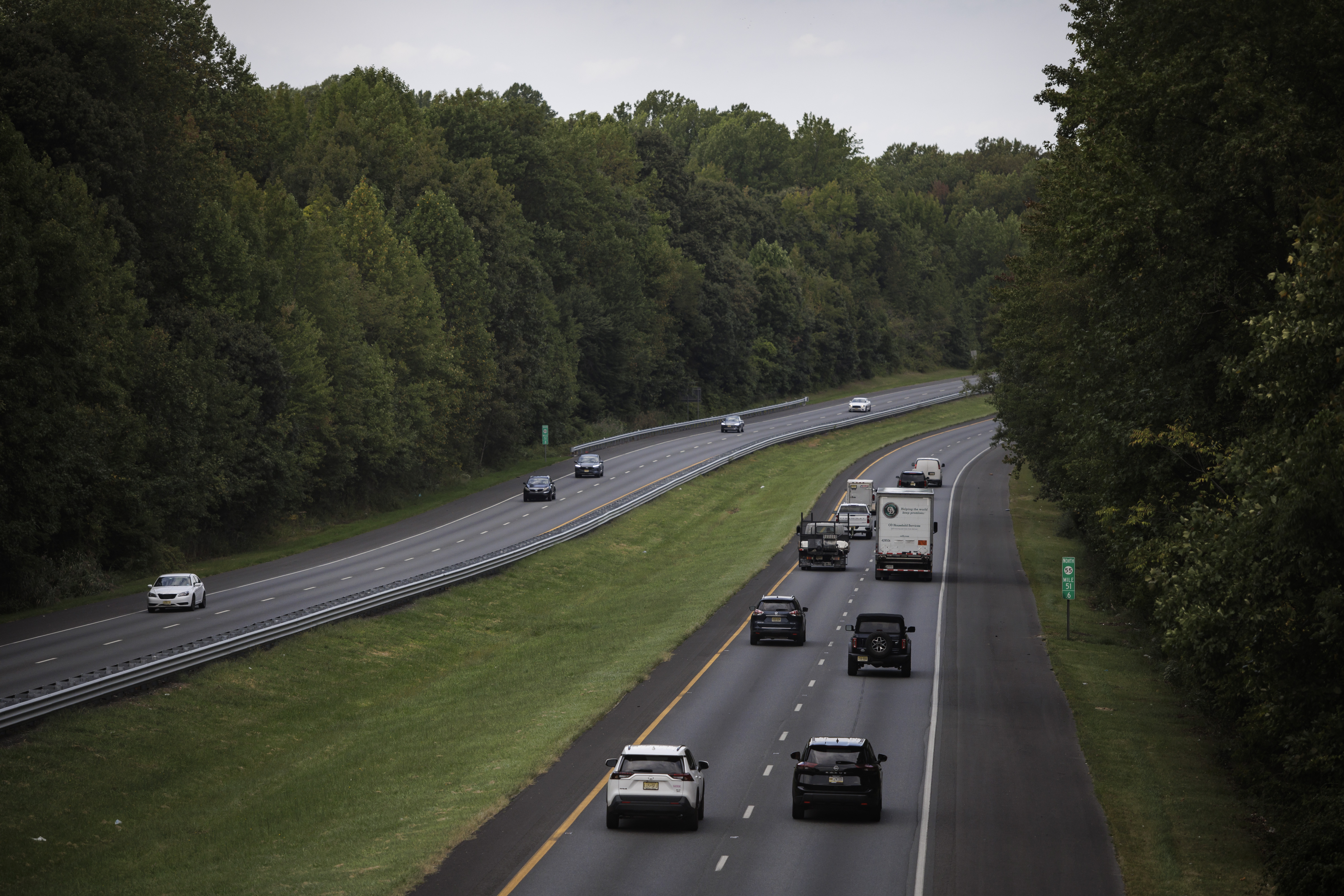
If you’ve ever white-knuckled the steering wheel taking Route 42 down to the Shore, or while driving north along I-76 into Philly, the next fact might not surprise you.
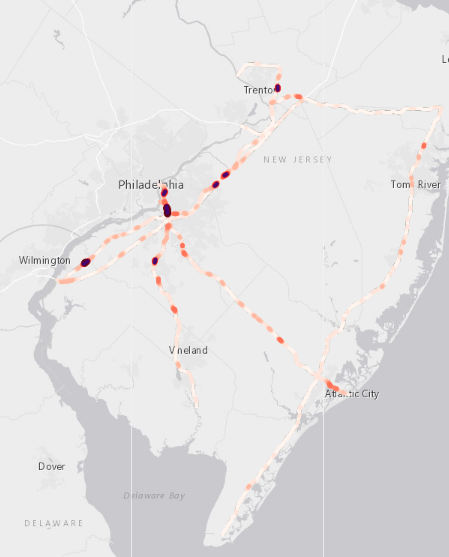
The tangled interchange where these two meet I-295 has recorded some of the highest rates of fatal accidents in the region, according to a new Inquirer analysis.
Our newsroom looked into 330 fatal crashes in South Jersey between 2019 and July 2026 to identify the corridors that were most crash-prone, and to figure out what about their design makes them so deadly.
Indeed, the geography of the road often bears some blame, according to Chris Pollard of the Delaware Valley Regional Planning Commission. Highways such as I-76 with tricky merges, heavy congestion, and sharp bends are more likely to be fatal than calmer sections of road.
Philadelphia police are investigating how their civil affairs officers ended up monitoring a peaceful meeting of the activist group No ICE Philly, an occurrence some attendees found intimidating.
A prominent Center City personal injury attorney, who has a significant following on TikTok as “Tommy the Lawyer,” has been charged in a domestic violence dispute.
Planned Parenthood clinics in Pennsylvania are now offering care for menopause, including hormone replacement therapy, to try to replace money lost due to funding cuts targeting abortion.
An iconic Keith Haring mural in Point Breeze, We the Youth, is on track to become the first outdoor mural officially designated and as a protected landmark in the city’s history.
Updating a beloved library should be easy win for a local politician.
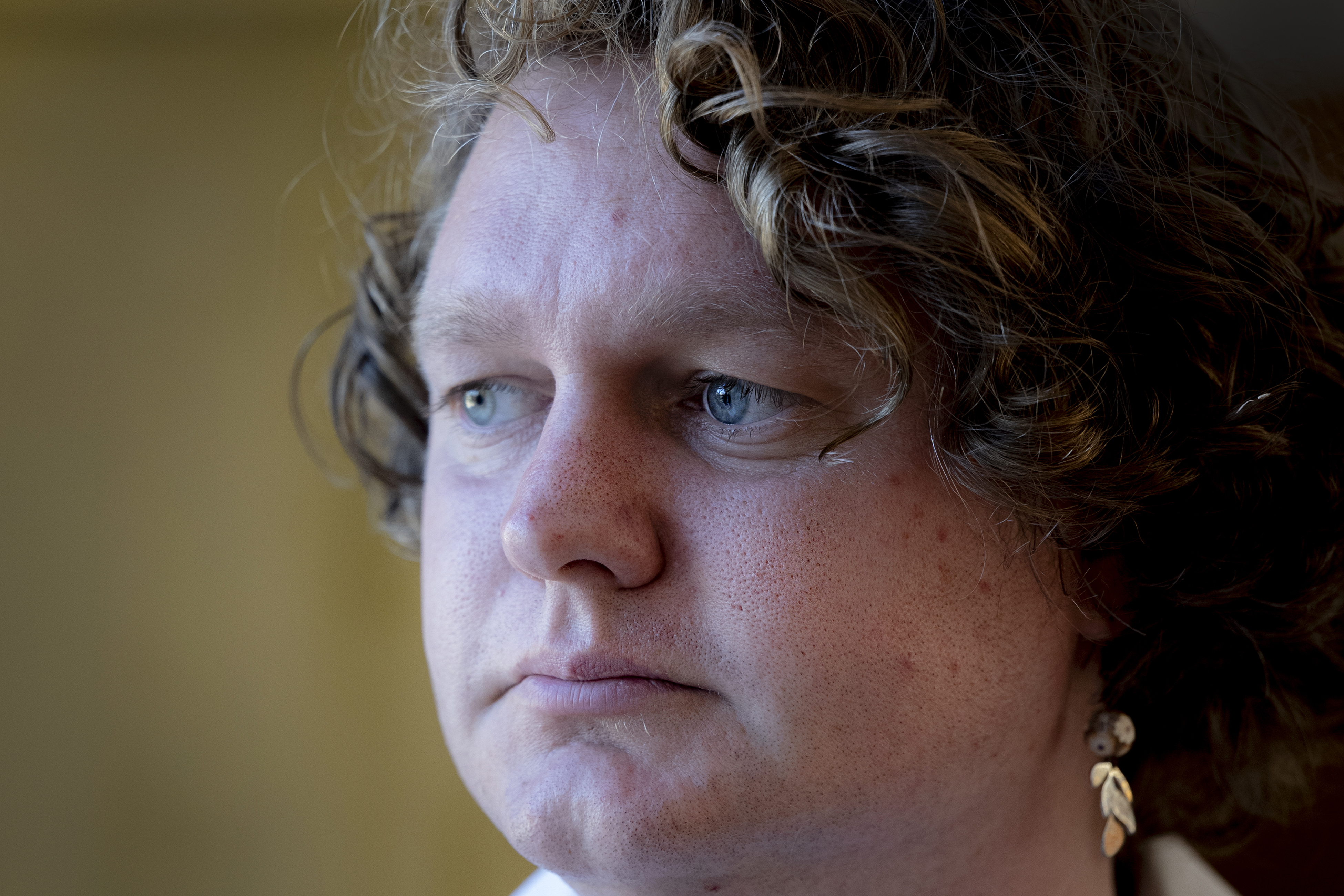
But as The Inquirer’s Nate File reports, Councilmember Jeffery Young Jr. got an earful from unhappy North Philly residents like Estremera, and community organizers like David Evans (pictured), at a meeting on Tuesday night.
🧠Trivia time
Big Daddy Graham was an overnight host on what Philadelphia radio station?
🏛️ Pondering: Despite its 150 years as a local institution, the Academy of Natural Sciences building is not historically protected. The Inquirer’s Michaelle Bond reports that fact surprised many in the conservation community.
🧩 Unscramble the anagram
Hint: This Philadelphia institution saw around 6 million visitors last year.
Cheers to Roserita Fratoni, who correctly guessed Wednesday’s anagram: The Bear. Ceramicist Jono Pandolfi is selling cups and plates like those seen on the Hulu series for a limited time in Philly.
Photo of the day
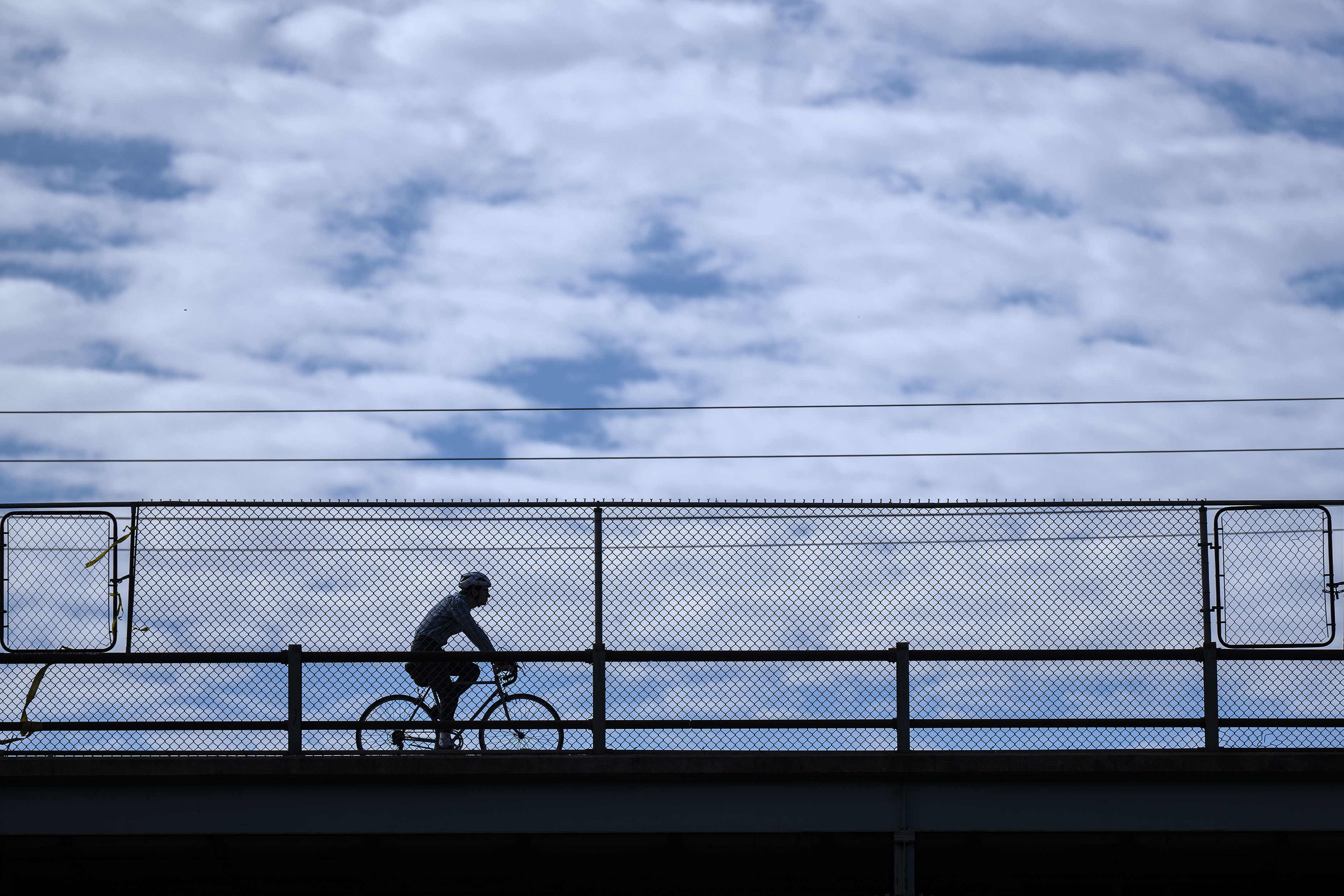
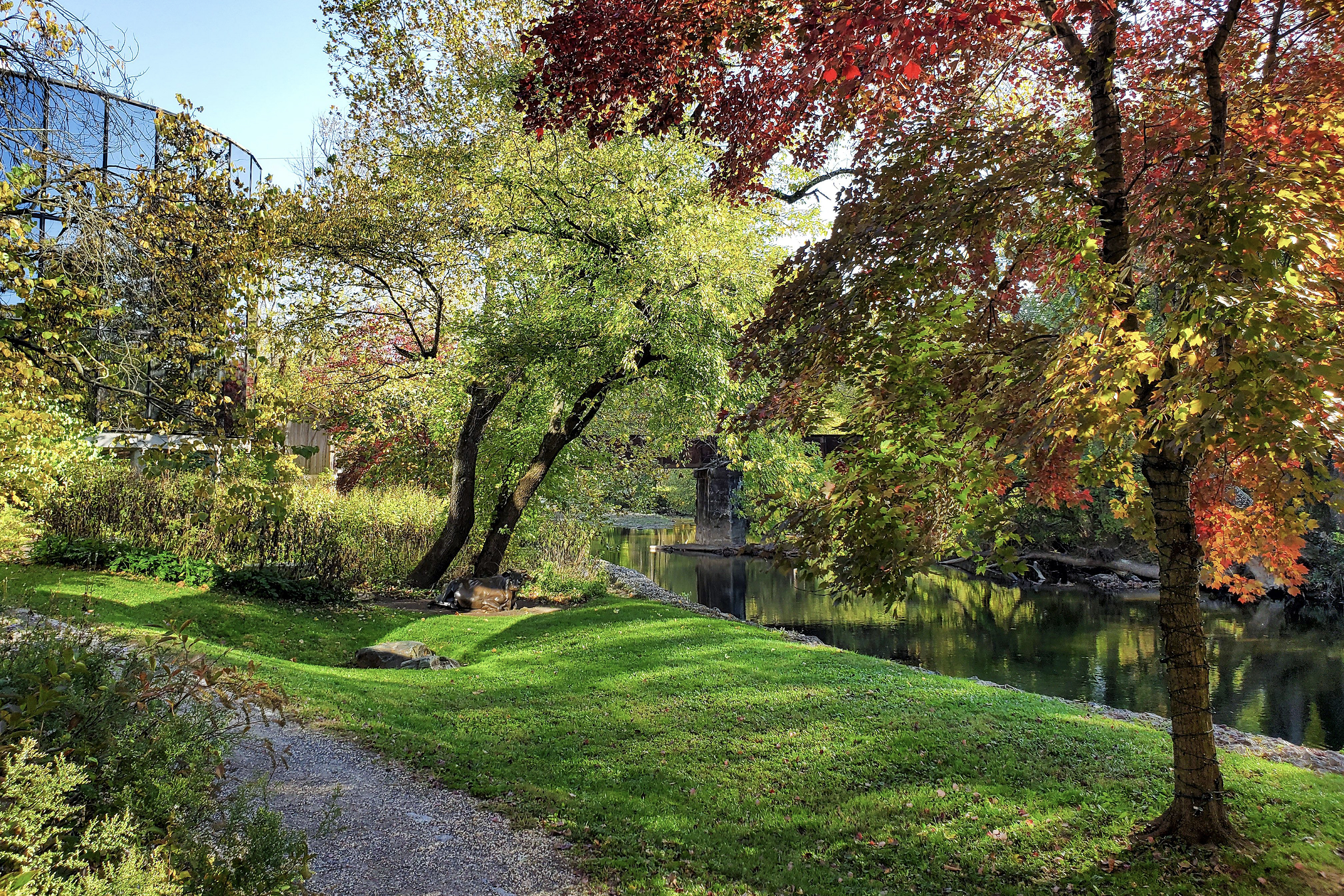
A cyclist pedals along the Girard Avenue Bridge on a sunny, clear morning Wednesday, Sept. 16, 2026, in Philadelphia.Jose F. Moreno / Staff Photographer
This picture does a good job of capturing the feeling of being outdoors in this week’s nearly perfect weather.
👋 Thanks for spending some of your week with The Inquirer. Paola Pérez will be tapping in for me tomorrow. See you Monday!
By submitting your written, visual, and/or audio contributions, you agree to The Inquirer’s Terms of Use, including the grant of rights in Section 10.
The skirmishes between the colonies and England in April 1775 grew into a full-on war by January of 1776. No longer contained to New England, the fighting had spread to Canada and the South; so much so that British loyalist and Virginia’s royal governor Lord Dunmore offered freedom to any enslaved man who fought on behalf of the Crown.
The stakes were high.
The colonies were no longer interested in making nice with England. They wanted independence and realized they had to unite to win.
Kat Black’s design presents the flag of the original 13 colonies of 1776 when the name “United States” was approved by the Second Continental Congress in July of 1776 along with the Declaration of Independence.Kat Black for Colibrí Workshop
Stephen Moylan, a Pennsylvanian and officer in the Continental Army, first floated the idea of calling the new nation the “United States” in a 1776 letter to politician and comrade in arms Joseph Reed.
“Moylan wrote the ‘united states’ needed to spend emissaries to Spain and build a case for the rising revolution and secure foreign support,” explained Matthew Skic, director of collections and exhibitions at the Museum of the American Revolution.
”That letter, dated Jan. 2, 1776, is the first documented reference to the colonies as the ‘united states,’” Skic said.
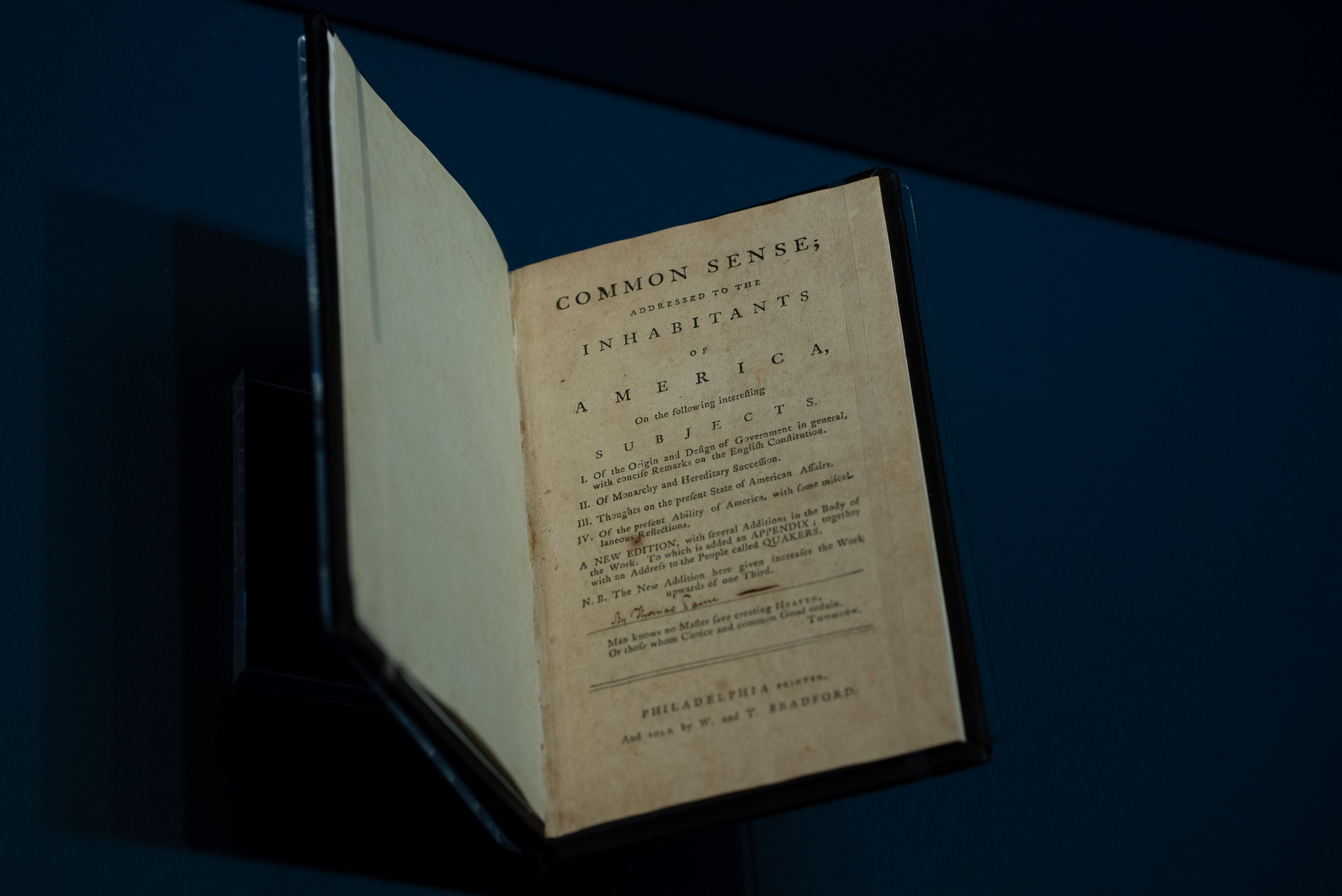
An original copy of Thomas Paine’s 47-page Jan. 1776 Common Sense pamphlet where the revolutionary called for the colonies to form united states independent of English colonies.The Museum of the American Revolution
The pamphlet, read aloud in taverns in Philadelphia and throughout the original colonies, stoked the flames of independence. It was printed in Robert Bell’s print shop at Third and Walnut Streets.
“Paine urged the colonies to form states,” Skic said. “But not the 21st-century perspective of states as in New Jersey, Virginia, or New York. In the 18th century, states were an independent nation or country with its own government.”
And those states, Paine said, needed to come together to defeat a common enemy: England.
In May 1776, Virginia statesman Richard Henry Lee issued a resolution proposing that the Second Continental Congress declare the colonies’ independence, explicitly stating that the new country should consist of independent states formerly known as colonies.
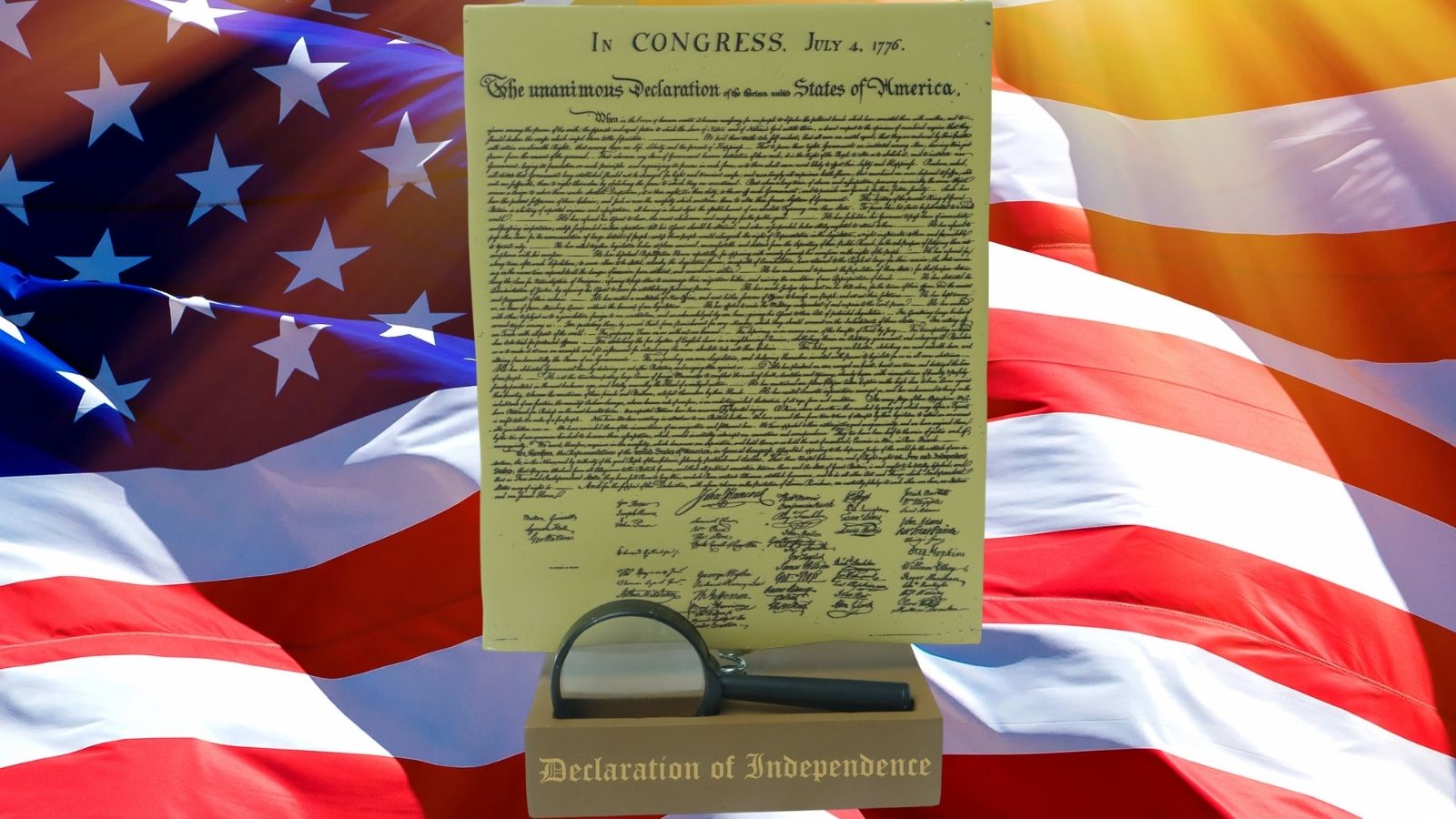
An image from the National Bobblehead Hall of Fame and Museum of its Declaration of Independence bobble created for the nation’s 250th anniversary.Courtesy of the National Bobblehead Hall of Fame and Museum
On July 2, the Second Continental Congress adopted the Declaration of Independence that referred to the new country as the united States. The united was written in lowercase, Skic said, to emphasize the focus on “States.”
However, it wasn’t until Sept. 9 when during the Second Continental Congress — meeting at the Pennsylvania State House, today’s Independence Hall — delegates voted to call the new government the United States of America, with a capital “U.”
“As soon as independence becomes the goal, not just restoring liberty, the United States took hold as a name,” Skic said. “And it happened in a neat six month time period.”
The official naming of the United States will be remembered Saturday at Independence Hall from 11 a.m. to 1 p.m. in the Philadelphia Historic District’s 38th firstival. Firstivals are weekly day parties held in honor of America’s 250th birthday.
“The Continental Congress had been trying to decide how it should be represented when we present ourselves to other countries,” Skic said. “What would be the official seal on our government documents? With the Sept. 9 vote, Congress officially says all of the government’s official documents will say ‘United States.’”
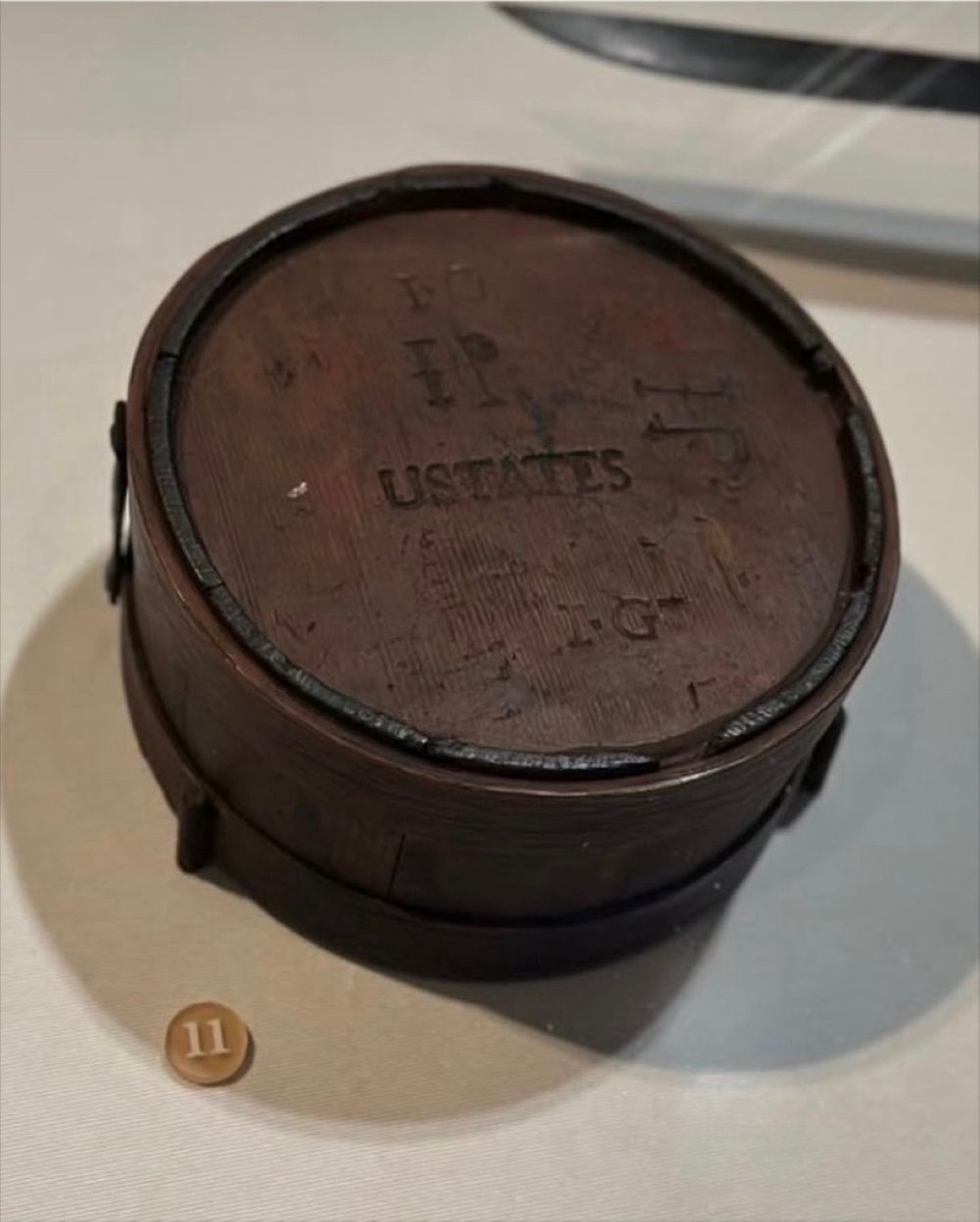
The Continental Congress ordered the Continental Army’s property be marked United States in February 1777.
A Revolutionary War-era canteen marked U. States for United States. One of the first military-issued items that speaks to the formation of America’s independence.The Museum of the American Revolution
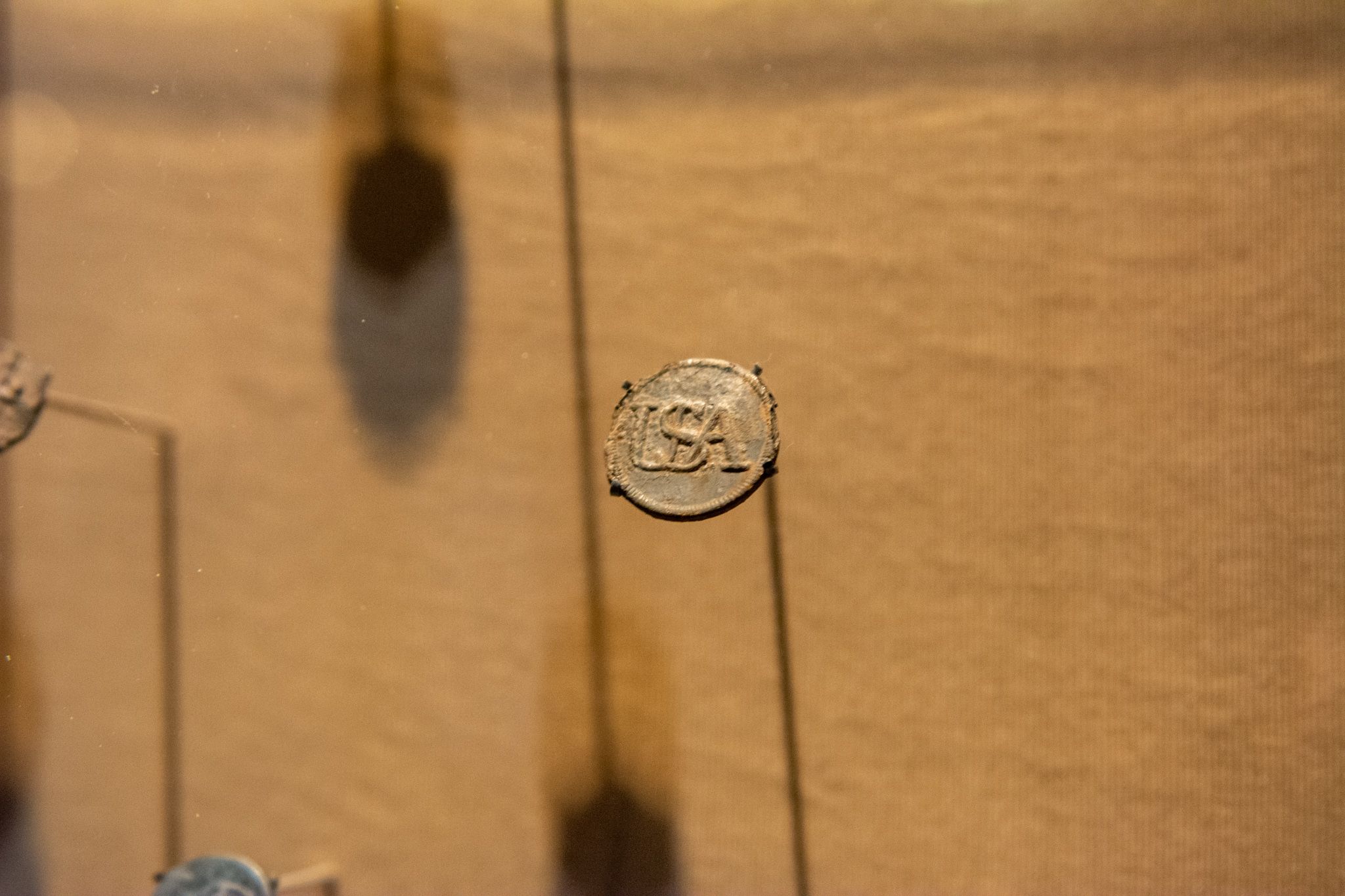
“[The Museum of the American Revolution] has muskets, canteens, and cartridge boxes marked U. States,” Skic said. “We also have one of the only surviving original molds of USA buttons.”
The army would be called the Continental Army through the end of the Revolutionary War in 1783, after which it disbanded. George Washington was elected president in 1789 and soon after his inauguration, it was reestablished as the United States Army.
A previous version of the story misstated Common Sense’s publication date. It was published Jan. 9, 1776.
This week’s Firstival is Saturday, Sept. 19, from 11 a.m.-1 p.m., at Independence Hall, 520 Chestnut St.
A new general store, complete with a craft counter and floral bouquets, is coming to Narberth, with a goal of creating a third space for area residents. Here’s what to expect. Also this week, township police are looking to add a “first responder” drone, the school district is urging a judge to deny a parent-led lawsuit over device use, plus a Gladwyne resident and TikTok personality has been charged with assaulting his girlfriend.
Have a question about town? Submit it to Curious Lower Merion and one of our reporters might track down the answer.
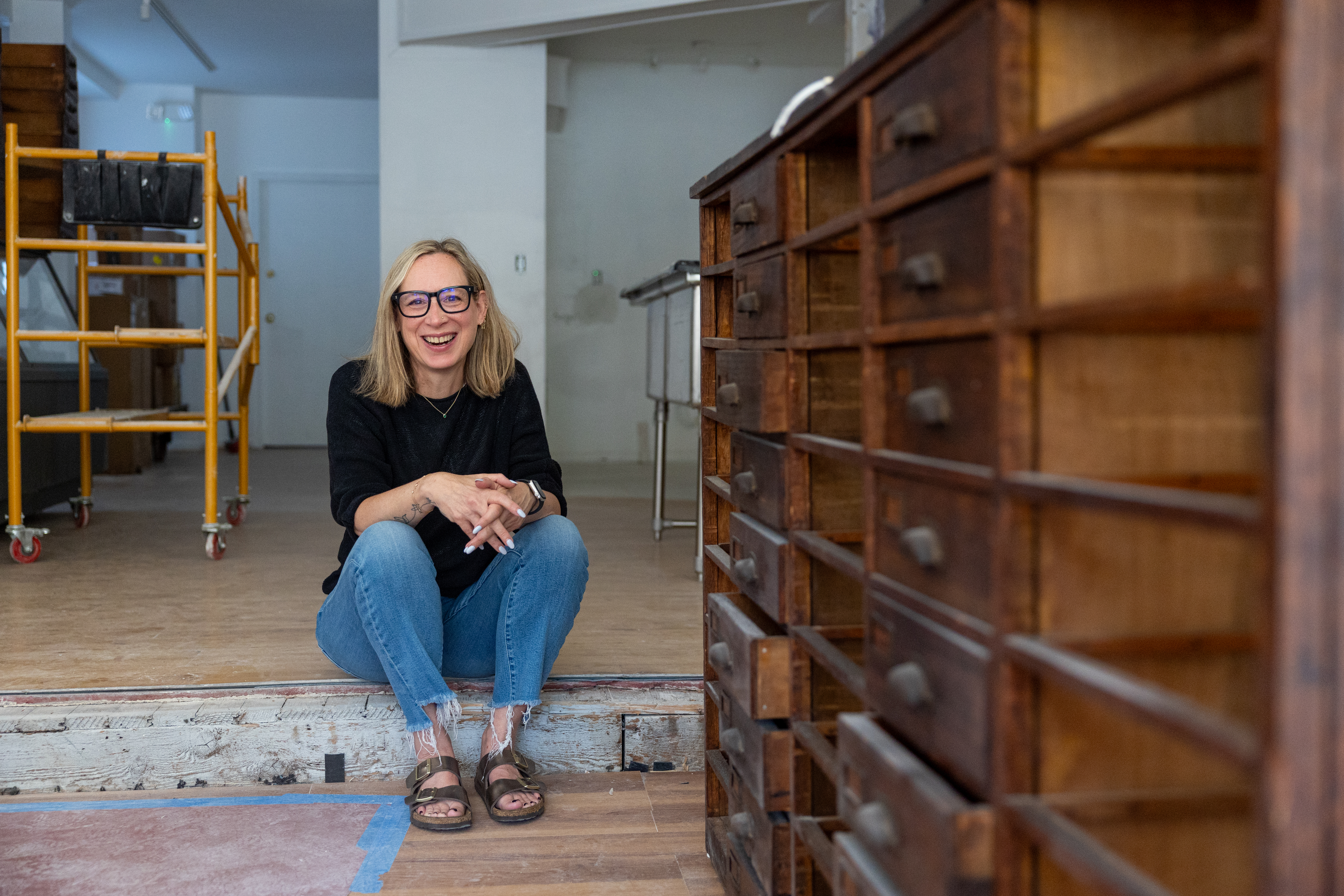
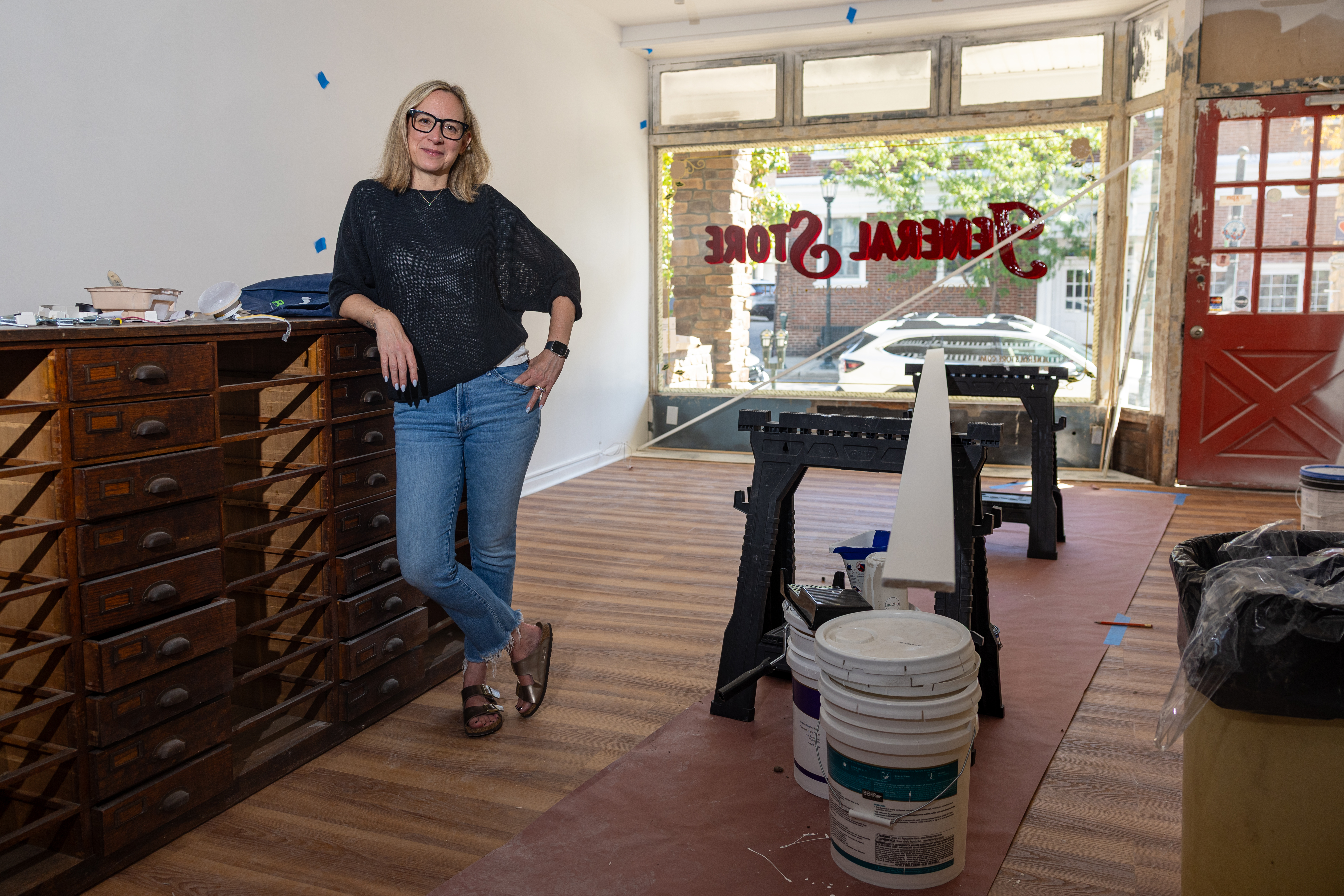
Narberth is getting a new take on the old-school general store this fall when borough resident Jen Kurland debuts her new spot, Jeneral Store, in the former home of Danny’s Guitar Shop.
The storefront will offer a mix of home goods, DIY floral bouquets, penny candy, and a craft counter in the vein of delis. There, shoppers will be able to order art supplies à la carte.
Kurland hopes it will become something of a third space, with plans to offer craft nights and workshops down the line.
Lower Merion police are seeking funding for a drone that could be automatically deployed for certain emergency calls, a tool they say could provide crime scene information before officers even respond. Commissioners expressed skepticism, particularly over privacy, at last week’s budget workshop. Here’s what the program could look like.
At the same 2027 budget workshop, township officials warned of financial headwinds that could mean possible real estate tax increases next year. Additional workshops will be held throughout the fall before a decision is made.
Gladwyne resident and personal injury lawyer Thomas Bosworth has been charged with simple assault and harassment after allegedly choking his girlfriend and throwing her to the ground during a dispute on the Cynwyd Heritage Trial in Bala Cynwyd. The 37-year-old is known as “Tommy the Lawyer” on TikTok, where he has hundreds of thousands of followers.
The owner of Dane Fine Art has been named in a lawsuit for allegedly participating in a scheme to sell fraudulent artwork, including fake Andy Warhol paintings. The Haverford gallery was raided by the FBI earlier this summer. Owner Nathan “Nicky” Isen has denied the accusations.
Downtown Ardmore District will hold a ribbon cutting tomorrow to officially unveil the transformation of the alleyway wall along Past Present Future into a mural. It will also include a dedication to the shop’s owner, Sherry Tillman, as she winds down the beloved business.
🏫 Schools Briefing
The school board voted unanimously on Monday to accept former board member Jennifer Rivera’s resignation, which she tendered last month after being charged with embezzling more than $50,000 from her employer, The Inquirer’s Denali Sagner reports.
After a group of parents filed a lawsuit against the district over opting their children out of school-assigned computers, the district has asked a federal judge to deny the request, accusing them of “fearmongering.”
The school district is closed Monday, which is Yom Kippur. There’s a special board meeting Tuesday from 5 to 8 p.m.
🍽️ On our Plate
Two new eateries are coming to Bala Cynwyd on City Avenue in 2027. French-inspired chain Paris Baguette is slated to open a location in the spring, while all-you-can-eat revolving sushi concept Supra Sushi is planning to open sometime in the middle of next year.
Nanu’s Hot Chicken has reopened at 59 W. Lancaster Ave. in Ardmore after being forced to close at the end of July when a vehicle damaged the store.
Tired Hands Brewing Company in Ardmore has released a new Rose Panna Cotta milkshake IPA. The 7.2% ABV beer has notes of bubblegum, pink grapefruit, raspberry honey, and mango.
🎳 Things to Do
🎪 Bryn Mawr Day: Celebrate the community with local businesses, food, drinks, and a circus. ⏰ Saturday, Sept. 19, 9 a.m.-2 p.m. 💵 Pay as you go 📍 North Bryn Mawr Avenue parking lot
🎨 Chalk Mob 2026: Watch as artists transform the plaza at Linwood Park or try your hand at it yourself. ⏰ Saturday, Sept. 19, 10 a.m.-noon 💵 Free 📍 Linwood Park
🍿 Back to the Future: This month’s family movie night features the first installment of the Michael J. Fox film series. ⏰ Saturday, Sept. 19, 7:30 p.m. (rain date: Sept. 20) 💵 Free 📍 Narberth Park
🏴☠️ Pirate Day Crafternoon: Pirates and their mateys can make themed crafts in honor of National Talk Like a Pirate Day (parrots and eye patches optional). ⏰ Wednesday, Sept. 23, 3-5 p.m. 💵 Free 📍 Gladwyne Library
🍖 KB Foundation’s Fall Fundraiser: Chef Nick Elmi will dish up barbecue for this benefit, which also includes a silent auction, a DJ, candy and cigar bars, and an awards ceremony. ⏰ Thursday, Sept. 24, 7 p.m. 💵 $175 and $250 for individual tickets 📍 Pump House
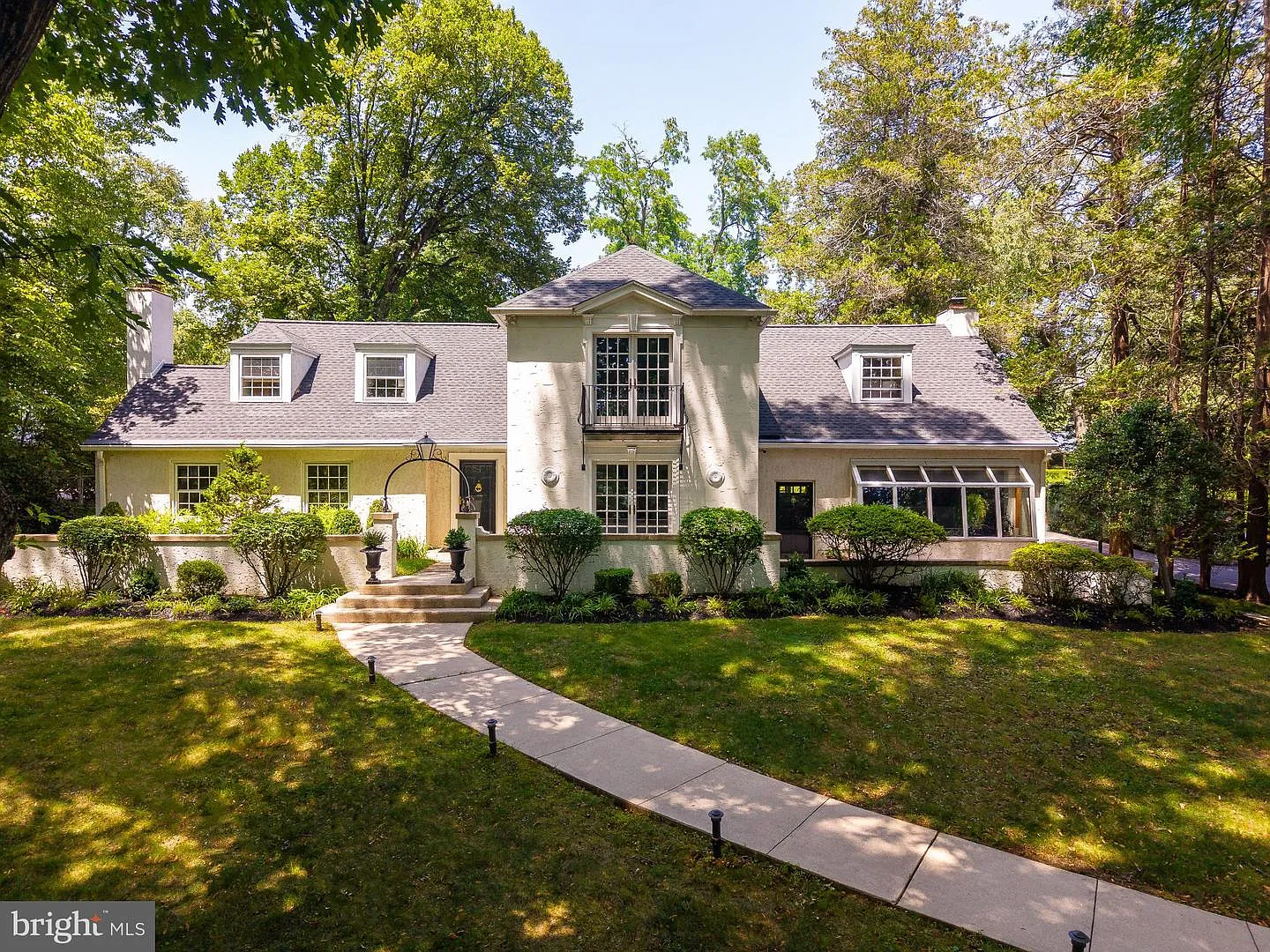
The home has a conservatory and courtyard-style entryway.A1RMedia | Courtesy of Arielle Roemer/ BHHS Fox & Roach at the Harper
This mid-century Penn Valley home has undergone a number of updates, including a private wing addition for the primary suite. Located on the second floor, it has vaulted ceilings, dual vanities, a dressing room, walk-in closets, a laundry room, and a balcony. Other features of the four-bedroom home include a dining room, a kitchen with a butler’s pantry, an office, a parlor with an antique marble fireplace, and a conservatory. Outside, there’s a patio with a pergola and a pool. There are open houses today from 11 a.m. to 1 p.m. and Saturday from noon to 2 p.m.
By submitting your written, visual, and/or audio contributions, you agree to The Inquirer’s Terms of Use, including the grant of rights in Section 10.
This suburban content is produced with support from the Leslie Miller and Richard Worley Foundation and The Lenfest Institute for Journalism. Editorial content is created independently of the project donors. Gifts to support The Inquirer’s high-impact journalism can be made at inquirer.com/donate. A list of Lenfest Institute donors can be found at lenfestinstitute.org/supporters.
Wallingford-Swarthmore School District Superintendent Russell D. Johnston.Jose F. Moreno / Staff Photographer
As parents push back on screen time in the classroom, a number of local school districts have made efforts to scale it back, including Wallingford-Swarthmore.
For the youngest students, that means limits for online assessments and restrictions on YouTube access.
In making decisions, the district has sought parents’ feedback, including creating a forthcoming Technology Advisory Council focused on device use in grades six to 12.
For Alex Bird Becker, a parent in the district who’s active in the statewide group PA Unplugged, setting limits gets harder in middle school, where “the device culture has become really ingrained with curriculum,” she said.
A four-month investigation by Nether Providence Township police resulted in five felony arrest warrants being issued last week related to nearly $60,000 in fraudulent withdrawals from a victim’s bank account. Among those accused in the scheme is Robin Massing, who faces unrelated forgery charges for allegedly attempting to change and deposit checks from Media Little League.
One member of the cast of hit HBO show Task, which was filmed throughout the region, took home an Emmy Award Monday night. Tom Pelphrey, who played Robbie Prendergrast, won in the supporting actor in a drama series category. Task is returning for a second season, though a release date hasn’t been announced yet.
Swarthmore resident and Celia Bookshop literary director Rachel Pastan’s new book came out this week. We’re So Lucky to Live Here follows a 27-year-old protagonist who moves back to her childhood home in the Philadelphia suburbs, struggling to afford it in the wake of her mother’s death. The book was inspired in part by Pastan’s work on the borough’s affordability task force. She’s hosting a book launch and discussion Saturday at 7 p.m.
Expect overnight roadwork on Swarthmore Avenue between Dartmouth and Benjamin West Avenues for borough paving from 9 p.m. to 5 a.m. through Saturday. And in Nether Providence Township, work on Providence Road between West Rose Valley and Chester Roads switches to overnight hours this week, taking place Mondays through Thursdays from 7 p.m. to 5 a.m. Work is expected to continue into early next year.
Looking for gluten-free pizza? Main Line Today rounded up nine spots, including Poseidon Pizza in Media.
🎳 Things to Do
🍁 Hayrides at Linvilla: Hayride season arrives at Linvilla this weekend, including autumn moon options and hayrides to the witch’s house. ⏰ Select days, Friday, Sept. 18-Friday, Oct. 30, times vary 💵 $8-$11 in advance, $10-$14 at the door for autumn moon hayrides; $10-$13 in advance, $12-$16 at the door for hayrides to the witch’s house 📍 Linvilla Orchards, Media
🍔 Food Truckathon: Nosh on bites from over 20 food trucks and listen to live music. ⏰ Friday, Sept. 18, 5-9 p.m. 💵 Pay as you go 📍 Swarthmore town center
🎭Dear Evan Hansen: See the hit Broadway musical live. ⏰ Select days from Friday, Sept. 18-Saturday, Oct. 3, times vary 💵 $18.50-$30.50 📍 PCS Theater
🪕 Porchfest: Catch musicians performing on porches throughout Media. ⏰ Saturday, Sept. 19, noon-6 p.m. 💵 Free 📍 Throughout Media borough
📖 Well Red Fundraiser: This Helen Kate Furness Free Library benefit includes food, drinks, and a silent auction. ⏰ Saturday, Sept. 19, 7-10 p.m. 💵 $75 📍 Helen Kate Furness Free Library, Wallingford
🗞️ What other Greater Media residents are reading this week:
By submitting your written, visual, and/or audio contributions, you agree to The Inquirer’s Terms of Use, including the grant of rights in Section 10.
This suburban content is produced with support from the Leslie Miller and Richard Worley Foundation and The Lenfest Institute for Journalism. Editorial content is created independently of the project donors. Gifts to support The Inquirer’s high-impact journalism can be made at inquirer.com/donate. A list of Lenfest Institute donors can be found at lenfestinstitute.org/supporters.
The Rev. Jay Bergen was at the sign-in table inside the Friends Center, where No ICE Philly was holding its regular public meeting last week, when a police civil affairs officer appeared.
Bergen asked what was happening, and said the officer responded, “We’re just here to make sure everyone’s safe.”
The activist group was preparing to serve cake, to celebrate its one-year anniversary.
Bergen, who leads No ICE Philly, was concerned that the officer brought his gun into the Center City facility, which includes a Quaker meetinghouse. The pastor escorted the officer down the hall to the door, explaining that he could attend the public meeting if he wished ― then noticed a second civil affairs officer outside.
The two officers stayed there, watching, for the duration of the three-hour gathering, Bergen said, their presence leaving those inside feeling confused, intimidated, and surveilled.
“Who gave the order, and what was the goal?” Bergen asked in an interview. “Why are we more of a threat than ICE agents are? … It’s another instance of the Philadelphia police being interested in targeting Philadelphians instead of protecting Philadelphians.”
The police department said in a statement last week that “the Sept. 9 event was identified as a scheduled protest.” Civil affairs officers routinely attend demonstrations as part of their duty to public safety and the First Amendment, and “their presence was not specific to No ICE Philly,” the statement said.
But on Monday, Staff Inspector Frank Palumbo, who oversees the civil affairs unit, said he would open an investigation into the matter.
Palumbo said he did not know why an officer would have entered the Friends Center. That would be outside department policy, he said, unless there was a disturbance inside.
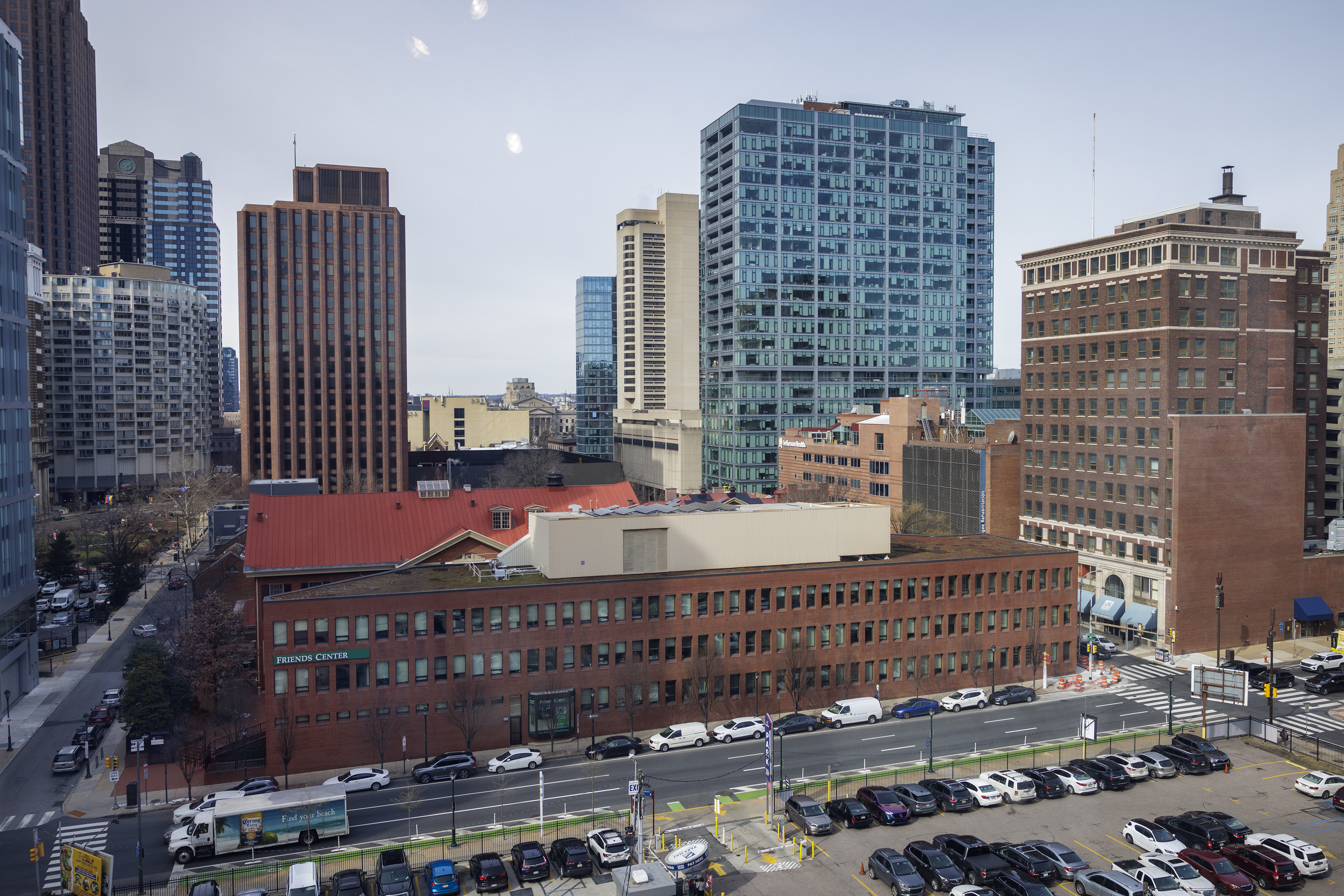
The Friends Center at 15th and Cherry Streets.Alejandro A. Alvarez / Staff Photographer
If the group had gathered outdoors, Palumbo said, the department would have sent more officers ― including some in uniform. It did not do so, he said, because “there was no indication whatsoever that there would be destruction of property, violence, or anything that would even result in civil disorder.”
He added, “This will not continue to occur.”
Civil affairs units are specialized teams of officers designed to act as neutral liaisons between sides during what might be contentious protests, labor actions, or big public gatherings. Like other officers, they always carry their guns while on duty.
In Philadelphia, the police department says, civil affairs officers operate in a diplomatic and impartial capacity to ensure that constitutional rights are protected for all. The officers prioritize protection of life and property while preventing vandalism, assaults, or other illegal acts not covered by First Amendment rights, the department says.
Niles Wilson of the Center for Policing Equity, a California-based research and reform group, said a key question of any investigation into the matter should be why the officers were at the meeting at all.
“What intelligence did the police department have that would either lead these officers to do this, or were these officers acting on their own?” he asked. “That needs to be answered.”
The stakes reach beyond any particular meeting, he said.
A civil affairs unit is an asset, one that can help “towards transparency and building trust between the police department and the community,” Wilson said. But “anytime the public trust is lost in that service, then it disrupts public safety everywhere.”
Philadelphia civil affairs officers are commonly present at demonstrations led by No ICE Philly, which in the last year has emerged as perhaps the boldest and most visible of the city’s pro-immigrant organizations.
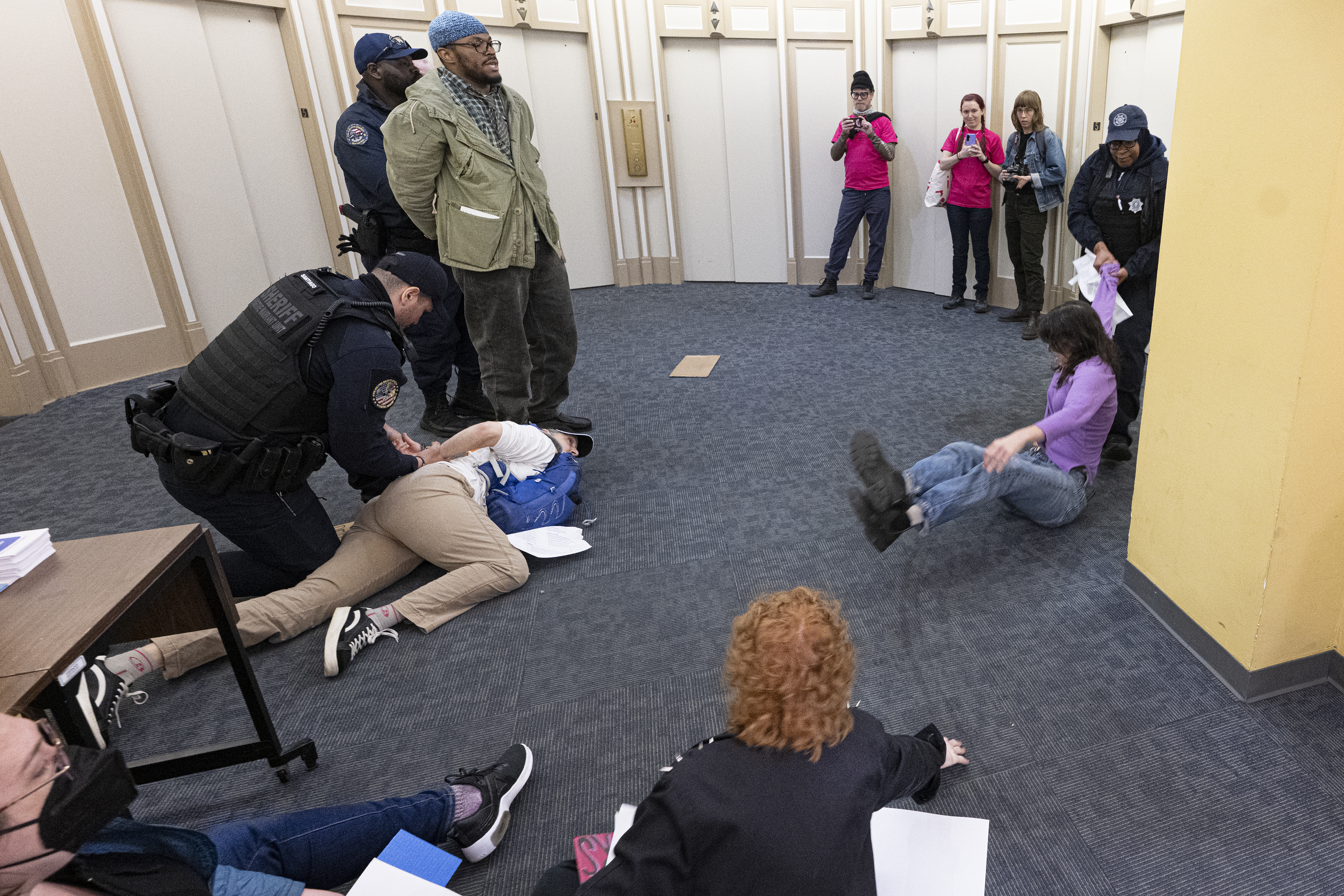
No ICE Philly activists and supporters are handcuffed and taken into custody at a sit-in outside the office of Sheriff Rochelle Bilal in April 2026.Jose F. Moreno / Staff Photographer
The Sept. 9 gathering, however, was a regular meeting, generally held twice a month, open to all, and advertised in advance on social media. Other meetings have drawn far more people than the 60 or so present at this one, organizers said, which made the police presence puzzling.
“It felt kind of like a threat, like, ‘We’re watching,’” said Em Auerbach, a group member who attended. “It made people feel on edge.”
As the meeting was ending, Auerbach said, one of the officers approached a Friends Center employee at the front desk and asked: “Are you good? Do you need anything?”
The worker answered that she was fine, Auerbach said.
No ICE Philly members waited for the employee to finish her work, and then everyone left together, Auerbach said.
“It was weird,” Auerbach said of the officers’ presence. “I think they were there to intimidate us. … Unless there was a threat against our group, I don’t think this was a good use of taxpayer funds.”
Bergen described at one point asking the officers, “‘Why are you surveilling us?’ They said, ‘We’re not surveilling.’ I said, ‘That’s what a body camera is for.’”
The pastor said that as people entered the meeting, they said the police officers had asked who they were and why they were there.
Palumbo said if that happened, it would fall outside department policy, that even at combative street demonstrations people generally are not asked their names “unless it is necessary to determine who they are for the purposes of an investigation. This was not an investigation.”
Palumbo said the relationship between the police and No ICE Philly has been cordial. He estimated that police have cited protesters twice in the last year, issuing citations with $100 penalties that are similar to parking tickets.
Those citations, he said, are “the most extreme police enforcement we’ve ever done with this group.”
Correction: This story has been updated to correct the pronouns used by Rev. Jay Bergen and Em Auerbach.
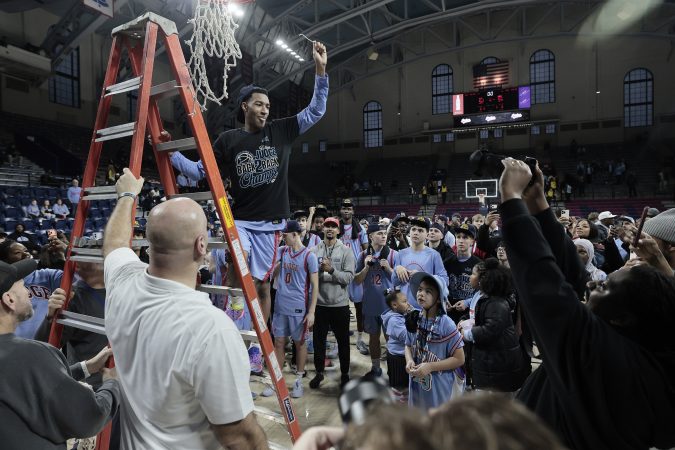
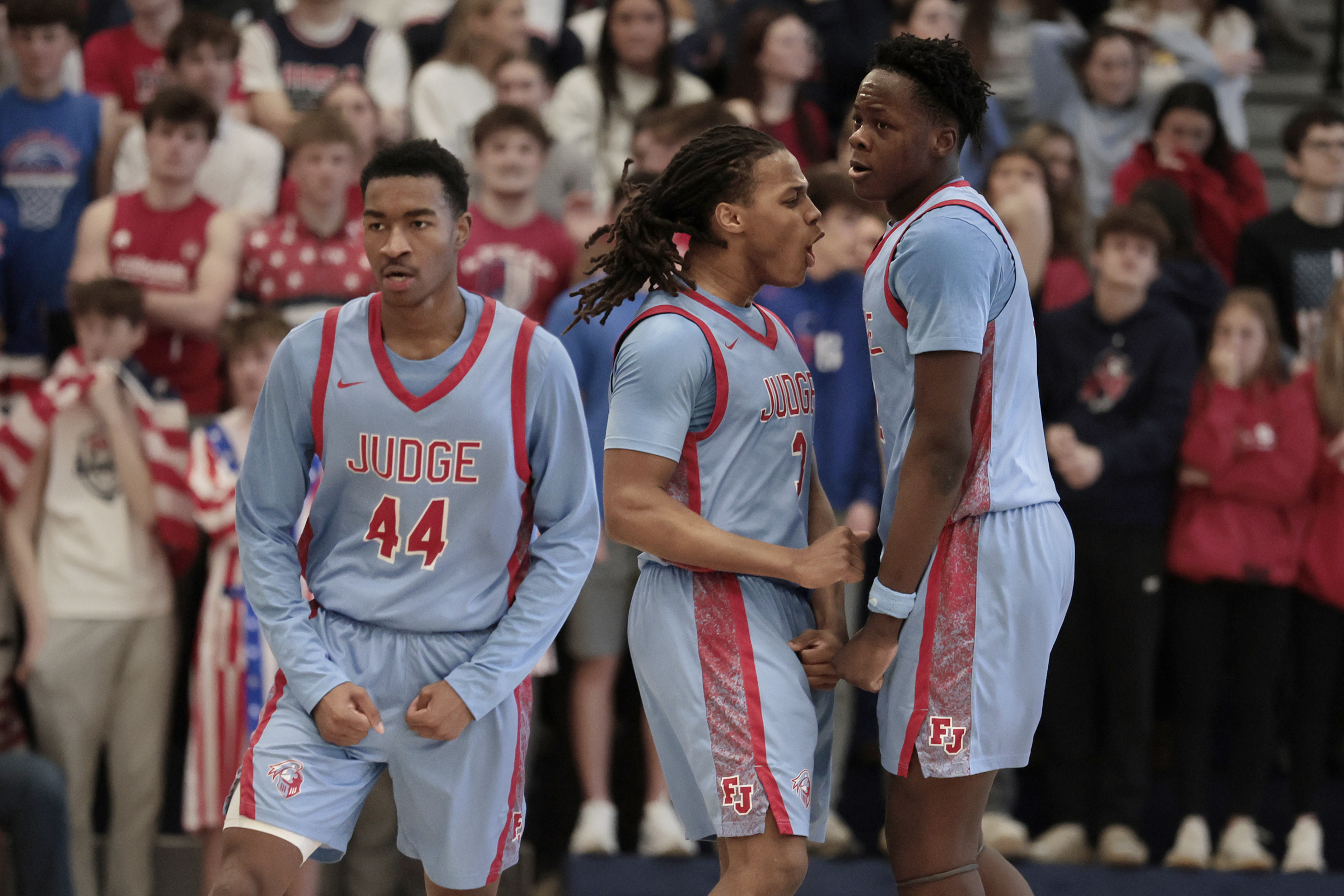
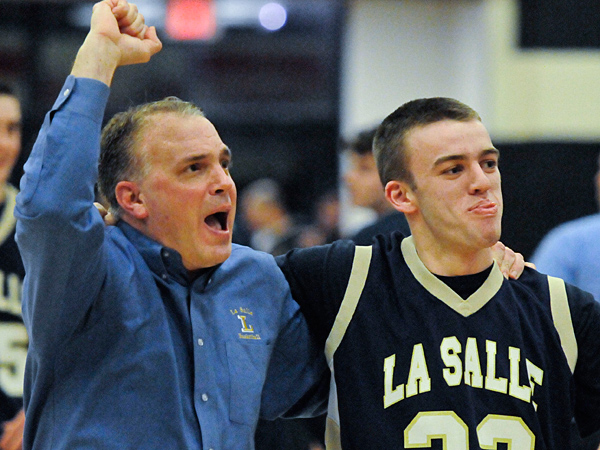
With his Father Judge teammates celebrating their Catholic League semifinal win in the background and the other game underway, Derrick Morton-Rivera said the quiet part out loud.
What drew the star guard, now a freshman at Temple, to Judge?
The coaches “recruited me,” he said.
Recruiting. It’s a topic of debate for coaches, parents, players, and even lawmakers across the state — so much so that House Bill No. 41, which would allow the PIAA to create separate postseasons, passed the Pennsylvania State House of Representatives in April.
In the latest installation of his occasional series, Mike Sielski unpacks the complex web of recruiting in high school sports — the dynamics between districts and the perks that are promised — in Philly and beyond.
Phillies outfielder Brandon Marsh (right) entered Wednesday hitting .176 since July 1.Yong Kim / Staff Photographer
Just a couple months ago, Brandon Marsh was an All-Star.
It’s pretty much ben all downhill from there. As Marsh’s star rose, teams began attacking him differently, and interim manager Don Mattingly noted that he’s gotten fewer pitches in the strike zone in the second half of the season. But the left fielder hasn’t been able to adjust.
Next: The road trip continues as the Phillies head to New York to face the Mets (7:15 p.m., Fox29). New York’s Nolan McLean (11-9, 3.24 ERA) will face Aaron Nola (6-10, 4.69).
Phillies pitcher Jesús Luzardo is on the injured list with shoulder soreness.David Maialetti / Staff Photographer
It’s time to sound the alarm. The Phillies entered Wednesday a half-game behind the Cubs for first place in the wild-card race and just 3½ games ahead of the Diamondbacks, who are the first team out of the three-team wild-card pool.
The bullpen is a mess, the defense and baserunning are as bad as ever, and the starting pitching is starting to wear down — Jesús Luzardo is the latest to go on the injured list.
Stars like Bryce Harper, Trea Turner, Kyle Schwarber, J.T. Realmuto, Alec Bohm, and Luis Arraez will make a combined $111.2 million this season.
Cooper DeJean (left) struggled at times in the Eagles’ season-opening win.David Maialetti / Staff Photographer
Cooper DeJean appeared to get hurt in the second quarter of the Eagles’ season-opening win. He grabbed the left side of his abdomen after making a tackle but didn’t miss any snaps because of the injury. He struggled in coverage at times, however.
Now, he’s sitting out in practice.
DeJean, who appeared to be wearing a sleeve on his left leg, sat out for the portion of practice open to the media on Wednesday with calf and abdomen injuries, though he expects to get on the field as the team prepares to face the Titans.
Flyers right wing Matvei Michkov is entering a pivotal season.Yong Kim / Staff Photographer
It’s officially time to “do that hockey.” Flyers training camp opens today, and they’re looking to improve upon last season, when they stormed into the second round of the playoffs. They bring back a young, healthy core, but that doesn’t mean there aren’t any questions surrounding the team and its top players, like Matvei Michkov.
Next: Flyers training camp opens today in Voorhees.
On this date
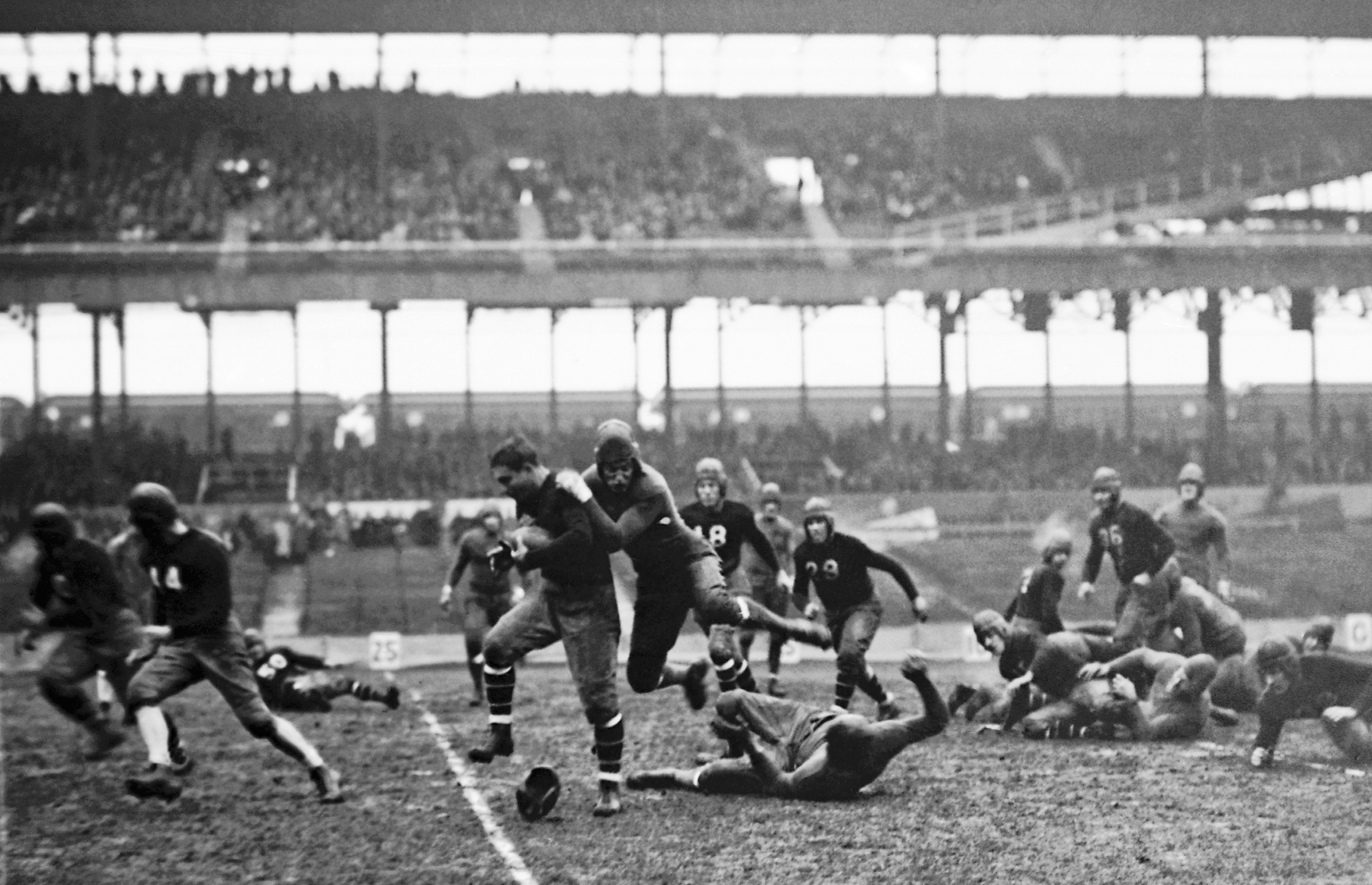
In this Nov. 24, 1929, file photo, New York Giant’s Benjamin Friedman is stopped after making a 10-yard gain against the Green Bay Packers during a football game at the Polo Grounds in New York City. The first season, 1920, the American Professional Football Association had 14 teams. Throughout a decade of flux, many franchises came and went.
On Sept. 17, 1920, 14 teams paid $100 to join the American Professional Football Association, which became the NFL. The league adopted its current name in 1922, and the Eagles joined the fold in 1933. Now, after almost a century in existence, the Birds have two Super Bowl trophies to their name and three other NFL championships from the pre-Super Bowl era.
What you’re saying about sports media
We asked: Who is your favorite sports media personality of all time and why? Among your responses:
Al Meltzer … “It’s a barn burner.” —William R.
My favorite sports personality was, without a doubt, Richie Ashburn. The combination of humor and baseball knowledge was unparalleled. His interaction with Harry Kalas was priceless. I ran into Richie twice and found that he was just as genuine in person as he seemed to be on air. John Kruk comes close, but nobody can totally replace Ashburn. —Tom E.
The late great Jim Healy, the legendary Los Angeles sports commentator who entertained all sports fans in the greater L.A. area for 43 years with his irreverent and original style. He poked fun at everybody in the sports world and some outside such as Richard Nixon. He had names for everyone such as “Bone Spur Bill” for Bill Walton, and “Brain Surgeons” for the USC Trojans. He played tapes of Tommy Lasorda and others where he bleeped out all the cuss words. He had great fun mocking our late Jerome Brown and his famous comments prior to the Miami-Penn State national championship in the Fiesta Bowl. A wild half hour every week day night. — Everett S.
I used to love to listen to Bill Campbell doing Eagles games prior to MR. — Bill B.
We compiled today’s newsletter using reporting from Mike Sielski, Scott Lauber, Marcus Hayes, Rob Tornoe, Conor Smith, Mia Messina, Olivia Reiner, and Gustav Elvin.
By submitting your written, visual, and/or audio contributions, you agree to The Inquirer’s Terms of Use, including the grant of rights in Section 10.
Thanks for reading along! Kerith will be back in your inboxes tomorrow morning. — Maria
The Eagles hit the road for their first away game of the 2026 season when they take on the Tennessee Titans on Sunday.
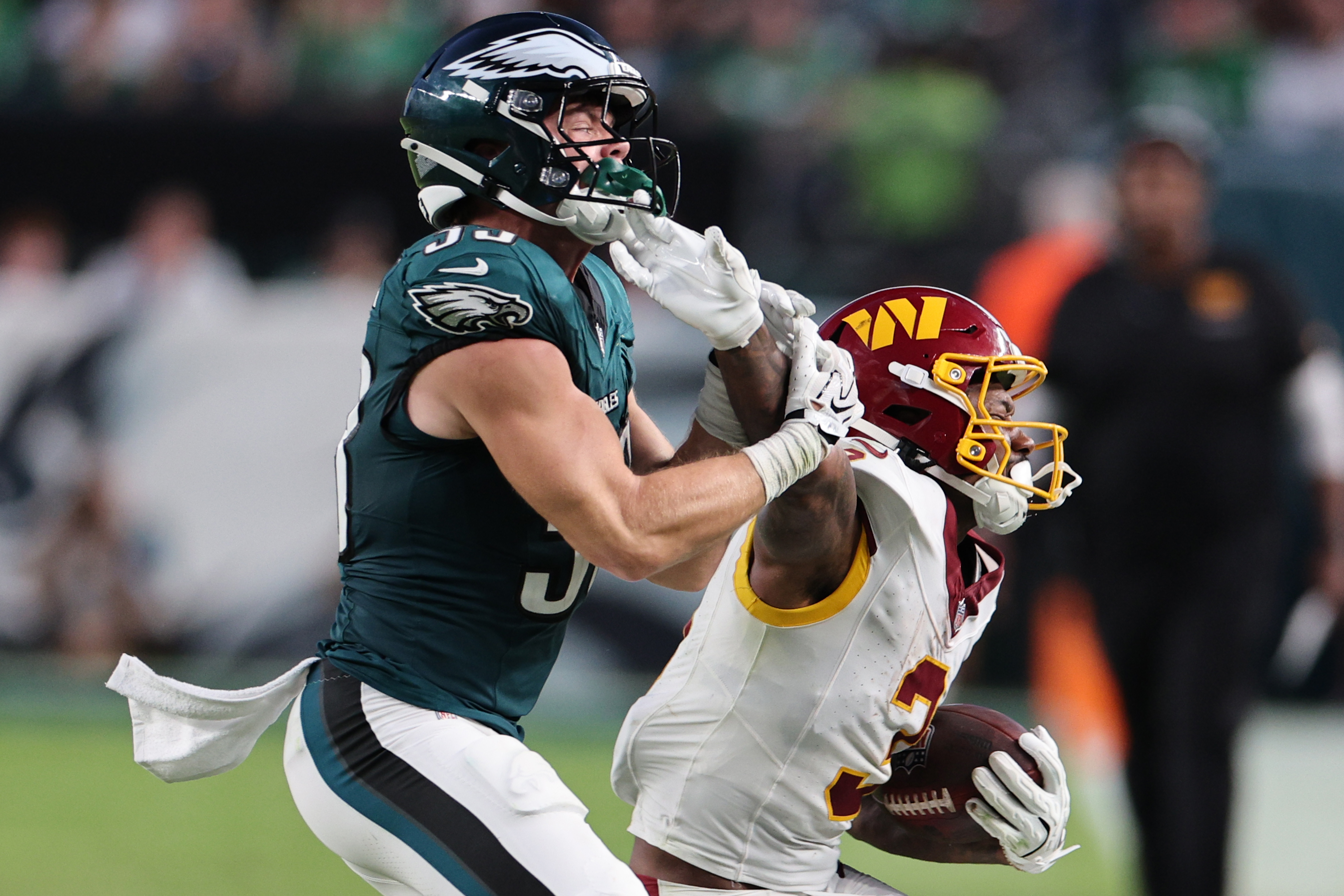
Coming off an uneven 24-22 victory over the Washington Commanders, the Eagles are big favorites over the Titans, with most sportsbooks and data sites giving them an advantage of about a touchdown.
The Titans lost a 23-10 home game in Week 1 to the New York Jets and have some issues on both sides of the ball. The Eagles should have plenty of advantages on Sunday.
Where might their biggest edges be?
Here’s a look at the numbers that could prove to be important Sunday afternoon in Nashville:
Tennessee Titans quarterback Cam Ward (1) scrambled a great deal in a Week 1 loss to the Jets. George Walker IV
41%
That’s how often second-year Titans quarterback Cam Ward was under pressure when he dropped back Sunday vs. the Jets, according to Next Gen Stats. He was 3-for-10 for 17 yards when under duress.
Ward is in the bottom tier of NFL quarterbacks, and he’s protected by an offensive line that Pro Football Focus ranks 29th in the NFL. That’s not a recipe conducive to a lot of success.
Rookie right guard Fernando Carmona allowed three pressures on 39 pass blocking opportunities in his NFL debut, according to PFF. Left guard Peter Skoronski is probably the best of the five starting linemen, but the Eagles should have an edge up front, inside and out.
The Jets applied pressure to Ward on six of their nine blitzes and had a pressure rate of 33.3% when they sent four or fewer pass rushers, according to Next Gen. It all added up to a pass rush win rate of 65%, according to ESPN, third-highest in the NFL in Week 1.
Vic Fangio said Tuesday that he thought his unit’s pass rush was “inconsistent and really wasn’t good enough.” But the Eagles pressured Jayden Daniels on 19 of his 38 dropbacks. Fourteen of those 19 pressures, and a 48.3% pressure rate, came with a four-man pass rush. They did only get Daniels to the ground once, though.
It remains to be seen if the Eagles get a boost with Jonathan Greenard’s return Sunday against the Titans, but they have the personnel up front to cause havoc Sunday regardless.
Jalen Hurts and the Eagles passing game will be in search of greater consistency Sunday. Yong Kim / Staff Photographer
176
Jalen Hurts threw for 203 yards in Week 1, and 176 of them came on throws that traveled at least 10 air yards, according to Next Gen, which counts any throw of 10 or more air yards as a “downfield” pass.
Hurts completed six of his nine downfield attempts and the Eagles scored all three of their touchdowns that way.
The running game struggled, and Hurts faced too much pressure, but the explosive plays to Dontayvion Wicks, Dallas Goedert, and DeVonta Smith showed some of the potential of the new-look offense.
The Titans allowed the sixth-most downfield passing yards last season, according to Next Gen, and they didn’t show in Week 1 that they’ll be less susceptible to it in 2026. The Jets completed four of their five downfield throws for 111 yards.
Cooper DeJean (left) did not have a banner Week 1 against the Commanders and was absent from the practice field on Wednesday. David Maialetti / Staff Photographer
16
That’s how many times Cooper DeJean lined up across Wan’Dale Robinson last season when the receiver was with the New York Giants. Those reps amounted to zero targets in Robinson’s direction. DeJean, according to Next Gen, was the only defender with at least 10 snaps against Robinson to go without a target. Robinson ran 25 routes from the slot against the Eagles without DeJean as his primary defender last season and caught six of seven targets for 90 yards and a touchdown.
Only nine receivers have accounted for more receiving yards from the slot than Robinson since he entered the league in 2022, according to Next Gen. The Jets did a good job against him in Week 1, allowing only two catches on three targets for 18 yards from the slot.
The third-year defensive back mentioned his eyes can sometimes “get bad” in coverage and it can hurt him.
“I think it can happen at times and at times it’s helped him, too,” Fangio said Tuesday when asked about DeJean’s comments. “He’s just got to make sure he can stay tight enough to his assignment and not let his vision get too skewed to where he gets out of position.”
It’ll be an interesting matchup with Robinson and DeJean Sunday, given their history and DeJean’s struggles in Week 1.
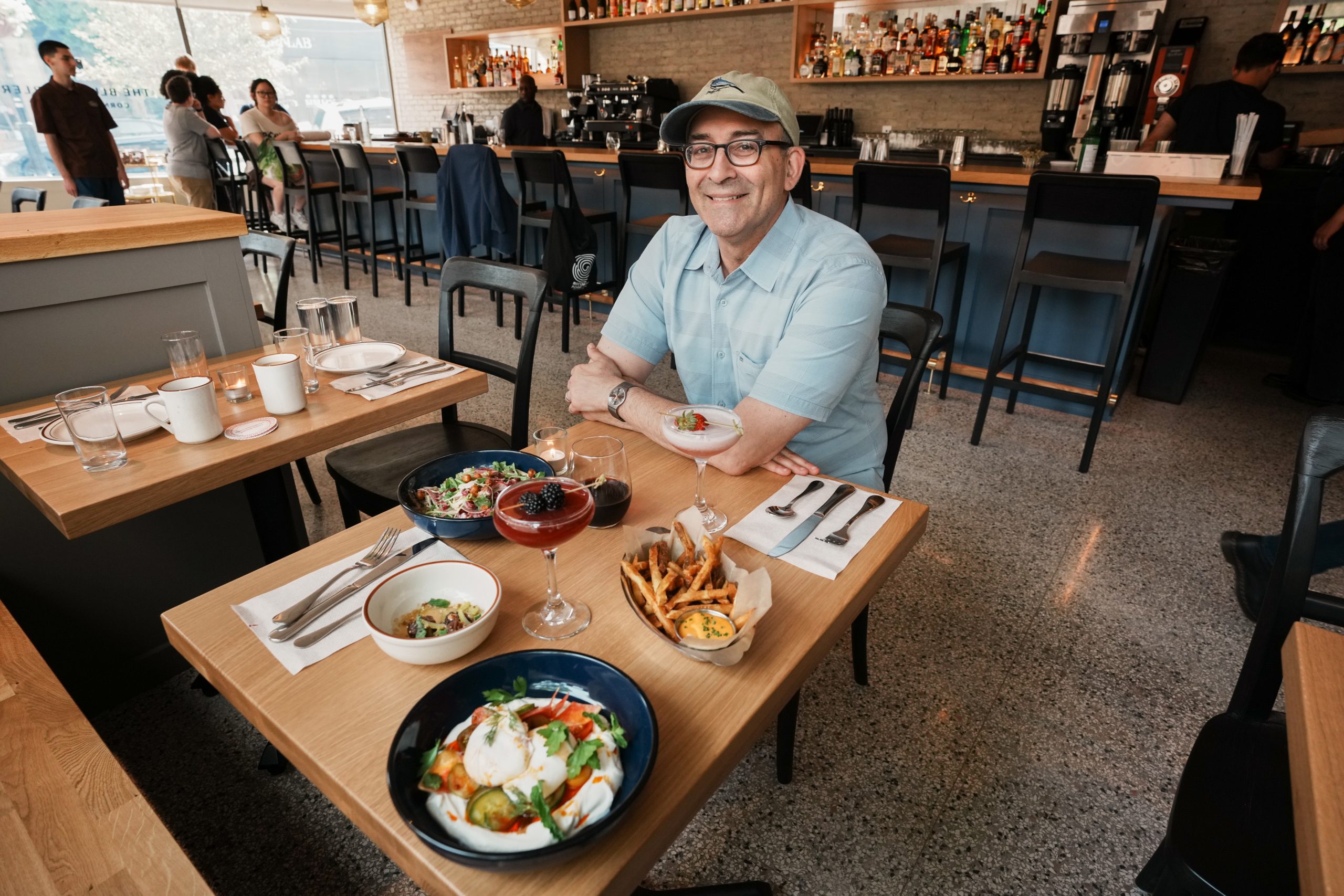
The little bird of an idea to open a restaurant circled the blue skies of Fred Mogul’s imagination for many years while he was preoccupied with other passions. The first few decades of his career were spent in journalism, working in print and at wire services from Nebraska to Jerusalem, then in public radioas a news reporter, first at WHYY, followed by 18 years at WNYC in New York.
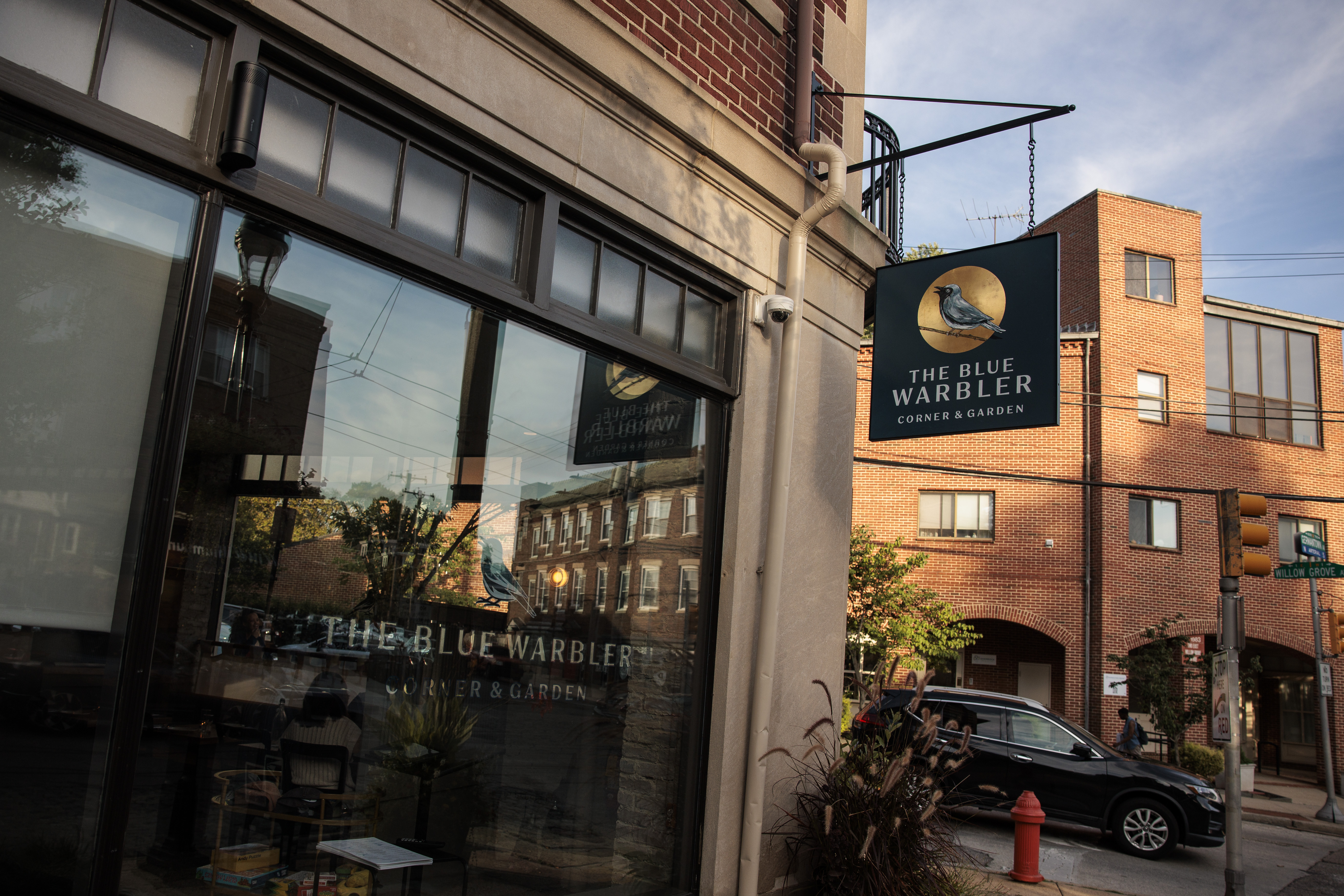
But that little bird persisted, which is how this cheerfully quirky all-day cafe and restaurant in Chestnut Hill — the Blue Warbler — eventually came to be. Having been steeped so long in the perpetual turbulence of the media industry, Mogul was not deterred bythe famously daunting risks of building a restaurant.
“I wanted to do something else for social good and contribute to the world in having a communal gathering place while feeding people,” he said, conjuring a destination that combined the best attributes of a bakery-cafe, a diner, and a local tavern. “But I also want it to be a little surprising, playful, and unpredictable.”
To open such an intriguing place in Chestnut Hill, especially,would absolutely be a good deed. That neighborhood’s chronically underperforming dining scene, despite its abundance of well-to-do residents and quaint retail district lining Germantown Avenue, is such an enduring enigma that the last time I wrote something really nice about a restaurant there was nearly a decade ago when I reviewed Mica, which sadly did not survive the pandemic.
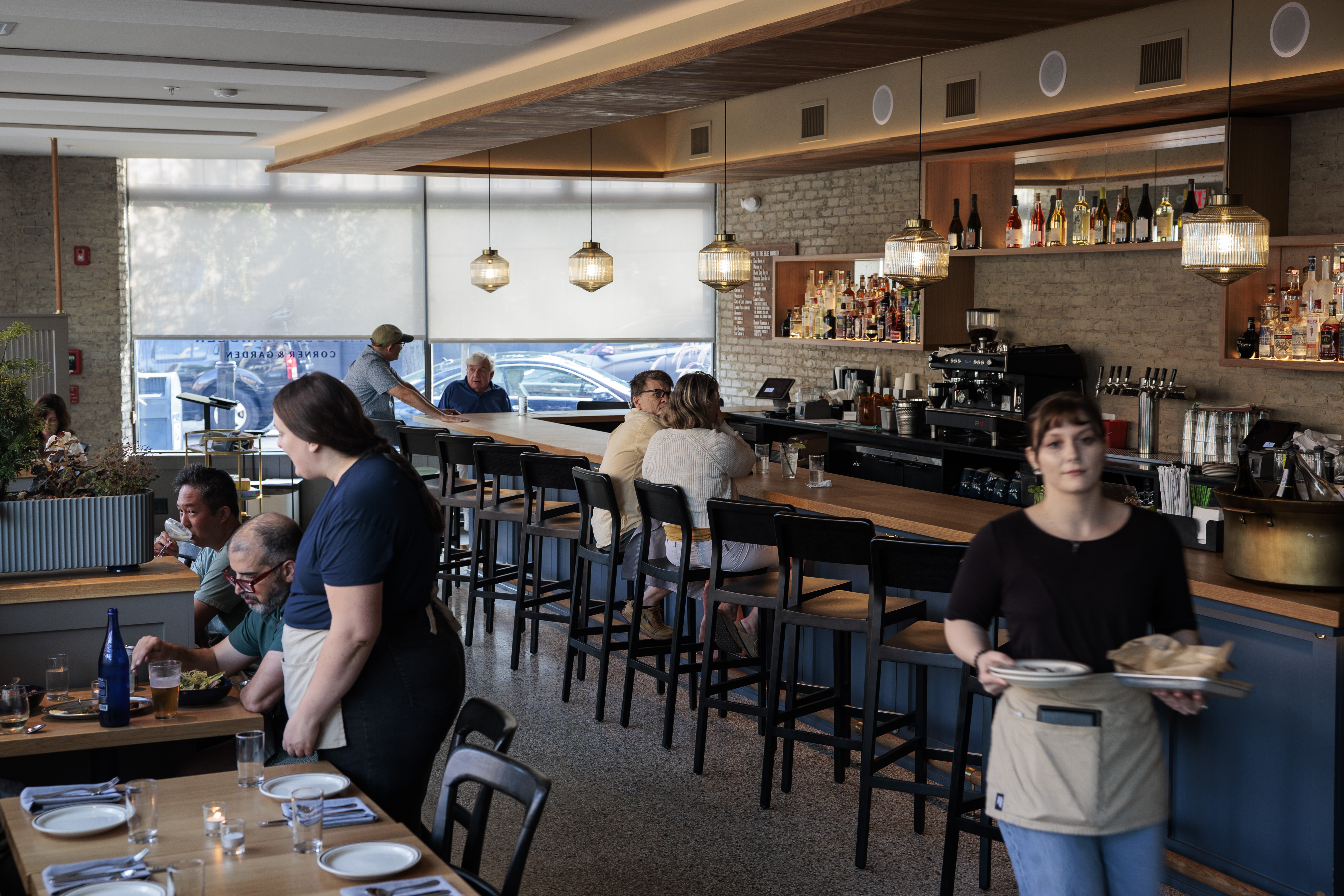
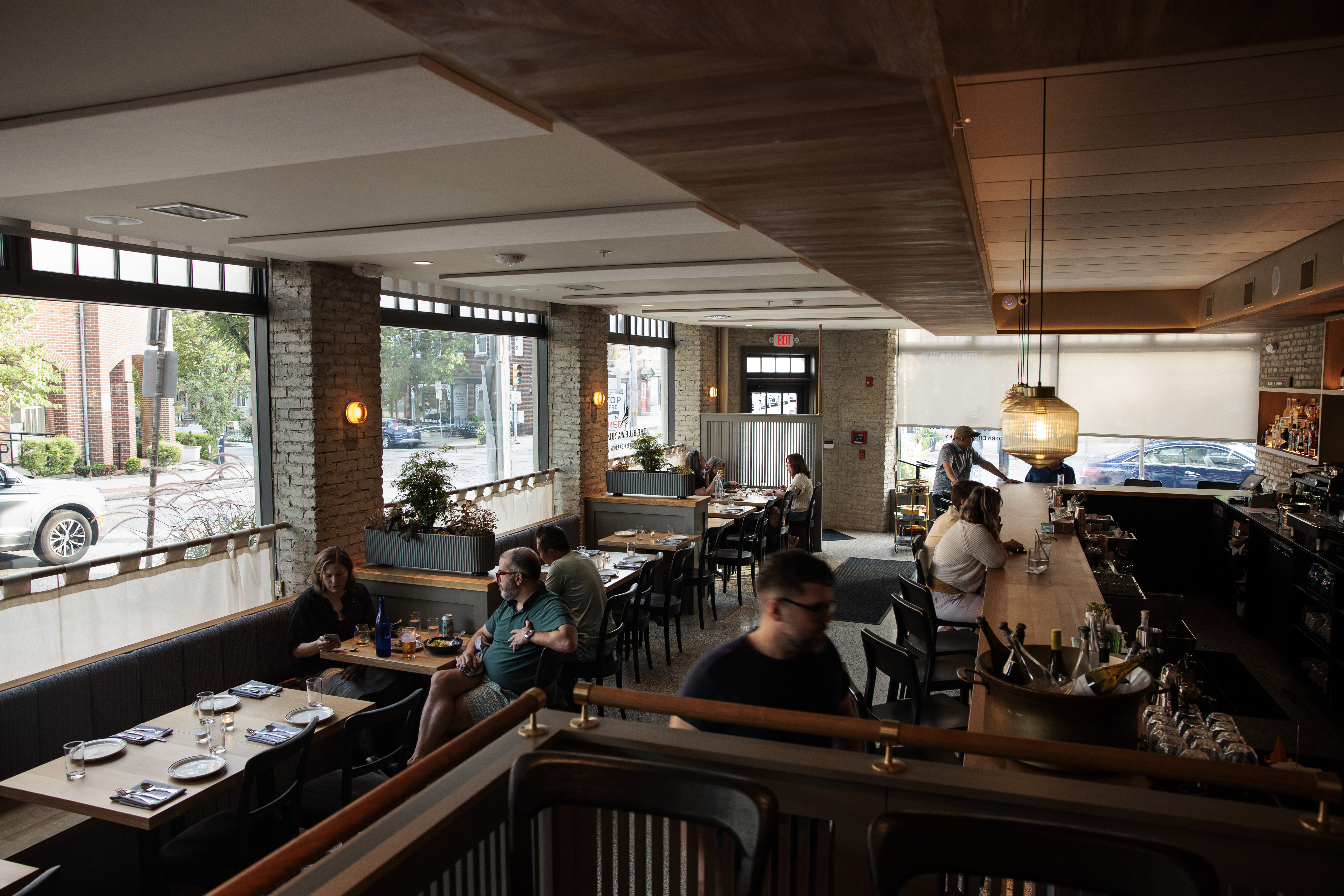
The dining room at the Blue Warbler on Thursday, Sept. 3, 2026 in the Chestnut Hill section of Philadelphia.Monica Herndon / Staff PhotographerThe dining room at the Blue Warbler on Thursday, Sept. 3, 2026 in the Chestnut Hill section of Philadelphia.Monica Herndon / Staff Photographer
But here was Mogul’s vision of the Warbler come to life with such vibrant warmth on a Saturday night, and it was as if this bustling three-month-old newcomer had been ensconced at the corner of Germantown and East Willow Grove Avenues for years.
The slate-blue bar trimmed with white oak was lined with customers sipping Cardamaro spritzes, blushing pink Clover Clubs, and sage gose beer from Germantown’s Attic Brewing Co. Meanwhile, eager diners waited patiently near the front door for their turn in the 71-seat dining room, where comfortable banquettes along the window and a cluster of tables on a raised rear platform create a sense of intimacy within the open space.
As a world-beat soundtrack pulsed with tunes from Brazil, Nigeria, and Afghanistan, the Warbler’s eclectic dinner menu — ranging curiously from Middle Eastern meze to smoked arctic char spread, mushroom kebabs, a tuna melt sandwich, and a faux-meatloaf platter — ultimately landed on the table less chaotically than it reads.
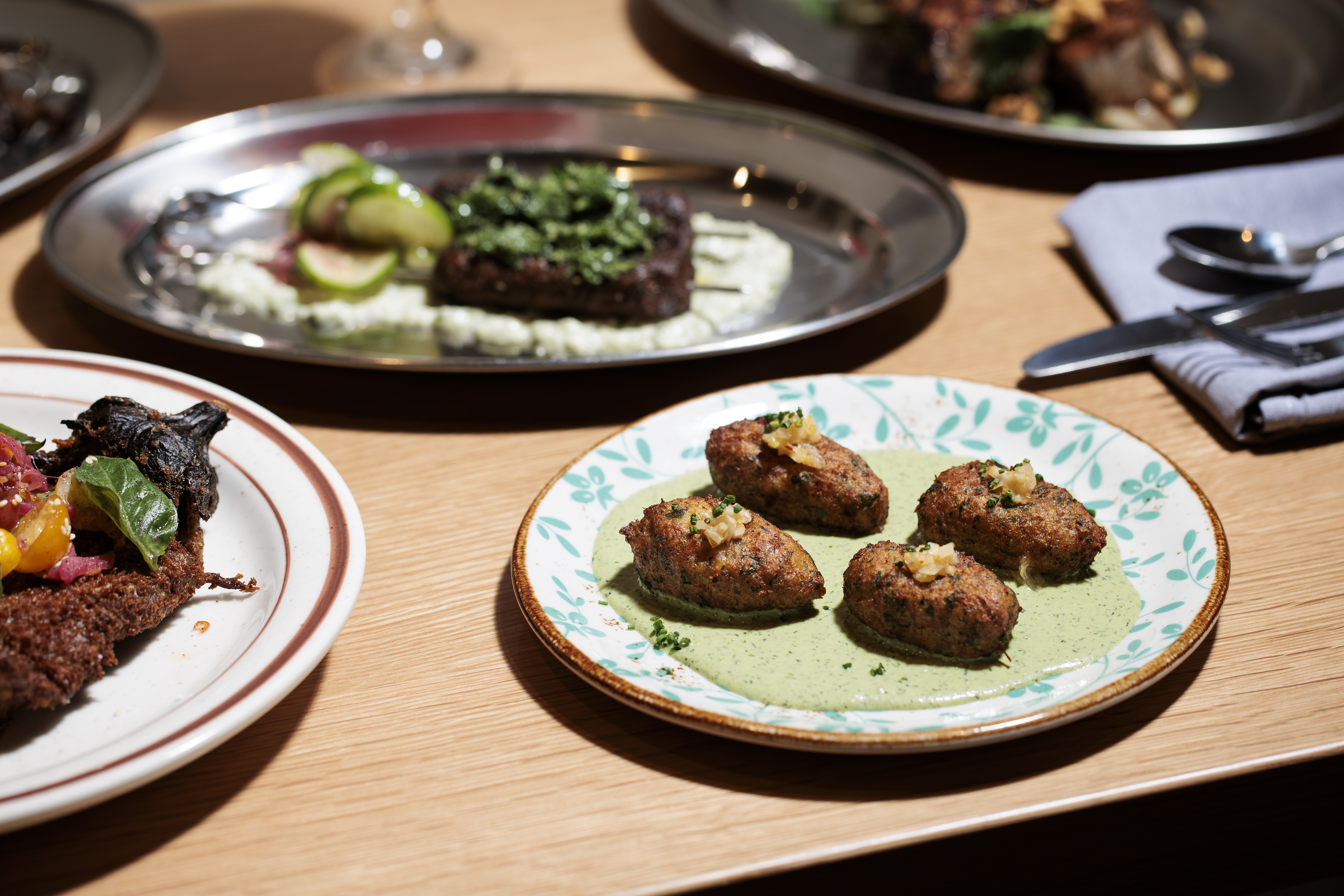
The bacalao, salt cod croquettes with green yogurt and lemon relish at the Blue Warbler.Monica Herndon / Staff Photographer
We swiped rounds of fluffy pita through silky hummus topped with cuminy Moroccan carrots and a spicy-smoky drizzle of harissa crunch. I savored the oceanic tang of warm salt cod fritters against the refreshing coolness of yogurt sauce greened with parsley, dill, and mint.
I’ll admit to the lowest expectations possible for the “meatloaf” made with Impossible meat. But this kitchen, run by chef Daniel Berret (formerly at CO-OP in the Study hotel in University City and Chestnut Hill Brewing Co.), seasoned that loaf nicely with a sweet onion and herb boost, lacquered it with a molasses-ketchup glaze, then added appealing sides of plancha-roasted king oyster mushrooms and fresh-cooked frites with a sriracha mayo dip. It was a comfort winner I’d return for.
Yes, there’s a vaguely retro sensibility to this globe-hopping collection of flavors, as well as the unabashed offering of tofu steaks and wheat meat as entrees in an era when vegetarian cooking has grown into a more vegetable-focused phase. The fact that there is no red meat or poultry on this menu, which does include fish, will be a no go for some.
But as Mogul told my colleague Michael Klein at the Warbler’s opening, he refuses to define this space by “what it lacks” or simply as “that vegetarian place” so much as a neighborhood-centered hub that is inclusive. The handsome dining room and breezy backyard patio are inviting. The service is genuine and outgoing. And the kitchen brings earnestly wrought flavors to everything it makes — including the hand-rolled bagels that anchor much of its daytime cafe menu.
It clearly has the neighborhood’s full attention, as evidenced by the customer who noted that an early version of cinnamon rolls for breakfast was topped with a wave of chai frosting that reminded them of “a Trump combover,” says Mogul. “That image could not be unseen, so we went to DIY schmearing with the frosting in ramekins instead!”
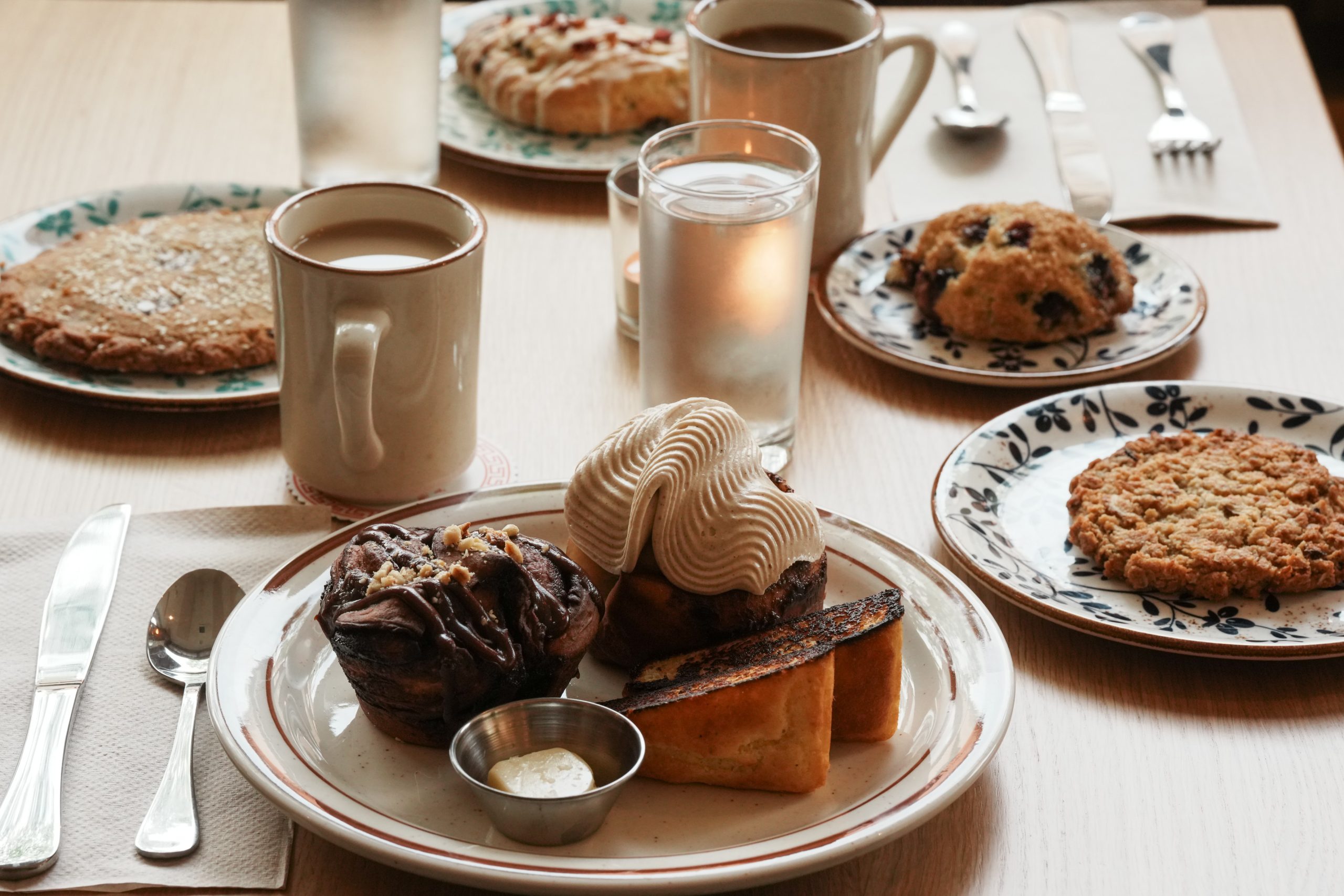
Chocolate hazelnut babka, chai cinnamon roll, and griddled cornbread at the Blue Warbler on June 11. The presentation of the cinnamon roll has since been changed with the frosting served on the side.Jessica Griffin / Staff Photographer
As a restaurant novice, Mogul still has a lot to learn — but he has eagerly embraced input from those with expertise. Just as he turned to Ambit Architecture and In House Studio to tastefully transform the longtime Foster’s Drugstore into its first use as a restaurant (note the salvaged original terrazzo floors and a serious ongoing attempt at soundproofing), he engaged restaurant consultant Arthur Cavaliere to translate his broad vision for the food into workable menus.
It all comes down to execution by Berret and his crew, and for me, the dinner service was the most successful. Aside from the tasty meze nibbles — including salty-sweet haloumi-stuffed dates and a smoky baba ghanoush topped with crispy cornmeal-fried Japanese eggplant — there is an appealing array of grilled skewers to start.
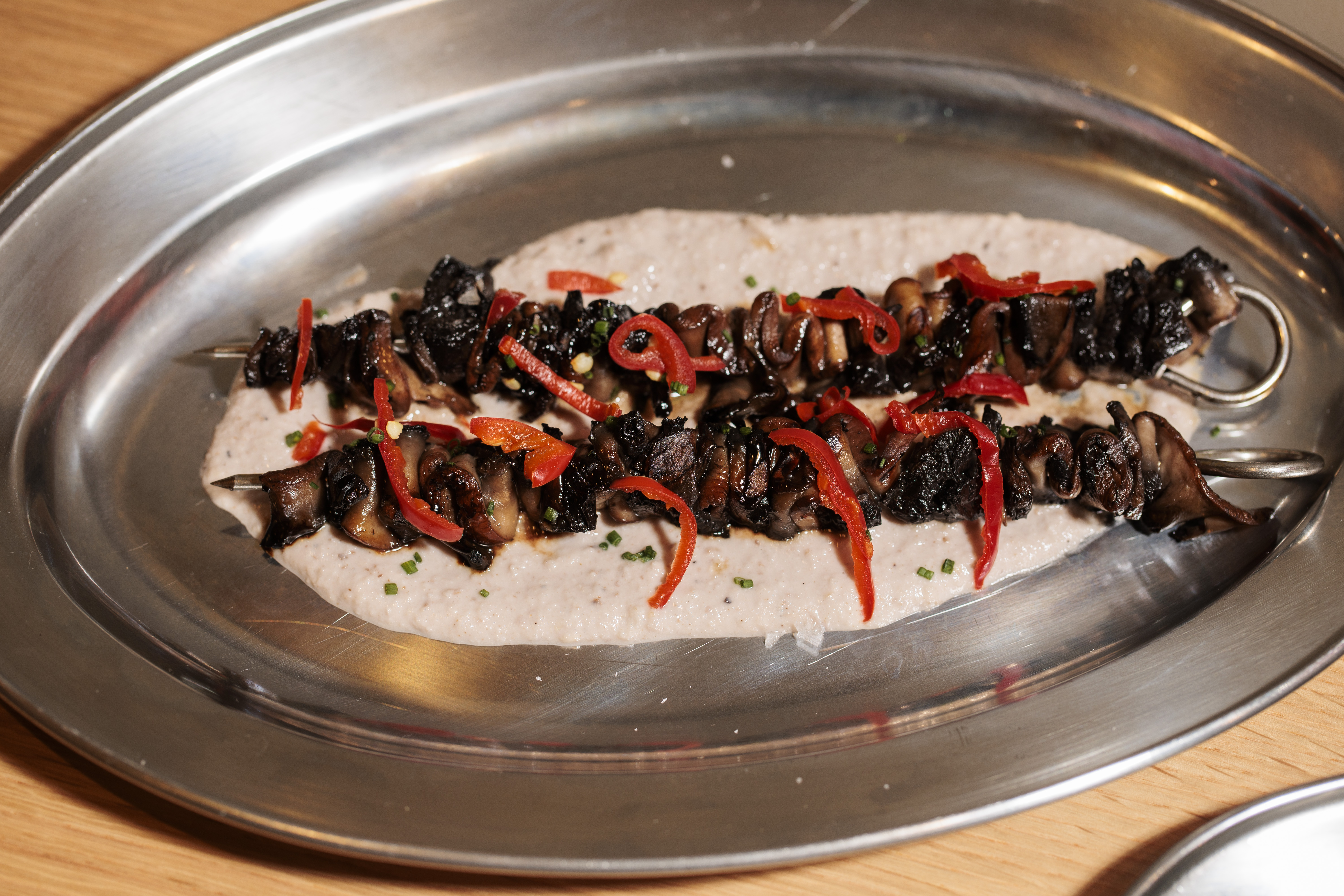
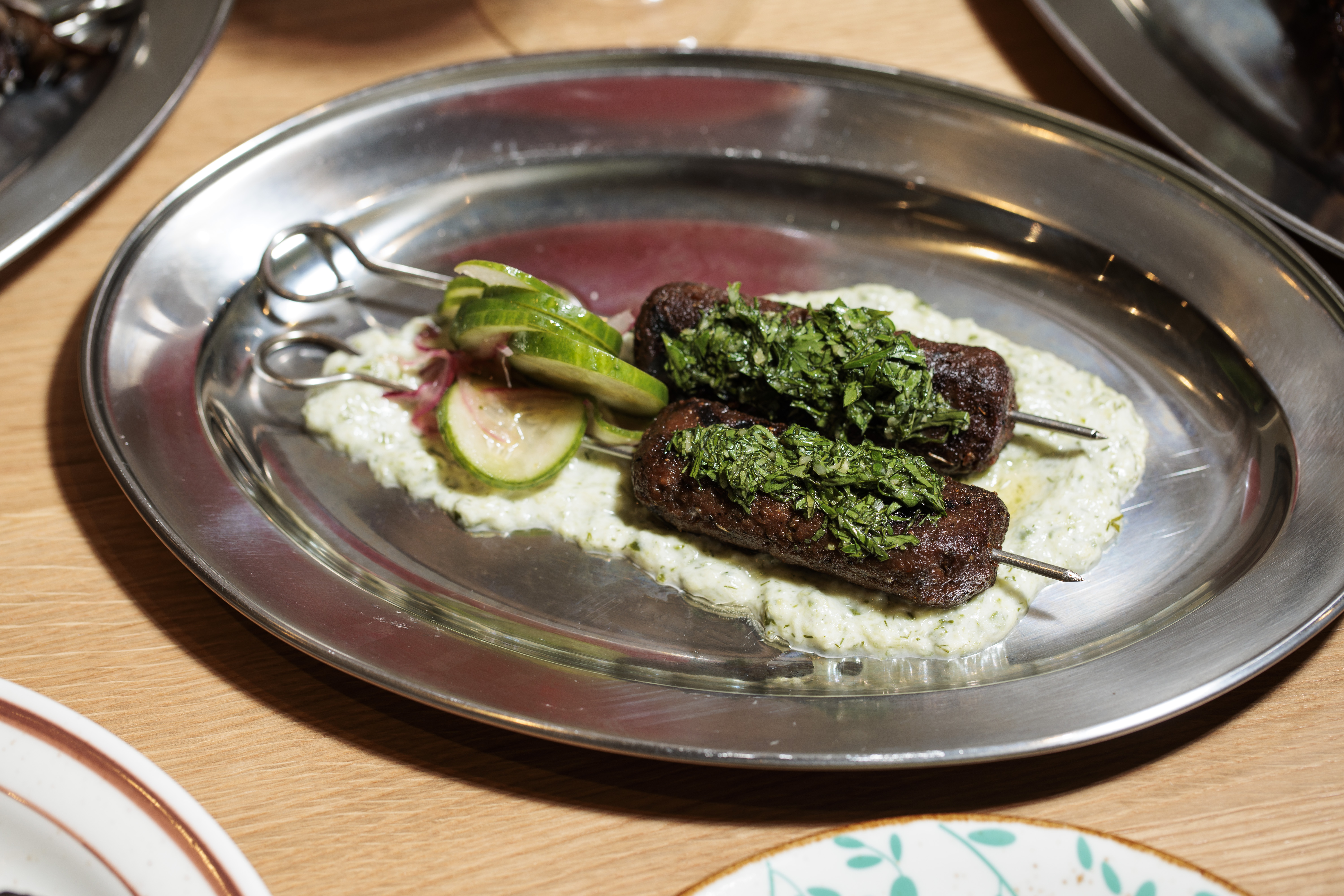
I especially enjoyed the “Chesco” portobello kebab whose long ribbon of mushroom is threaded like an accordion onto the skewer, glazed with date molasses and tamari, then served over a walnut tarator sauce. I also unexpectedly loved another Impossible meat creation: a version of kofta zestily seasoned with onions and garlic in the style of a Balkan ćevapi sausage, garnished with an herbal chimichurri over tzatziki yogurt.
The Chesco skewers at the Blue Warbler on Thursday, Sept. 3, 2026 in the Chestnut Hill section of Philadelphia.Monica Herndon / Staff PhotographerThe Balkan kebab skewers at the Blue Warbler on Thursday, Sept. 3, 2026 in the Chestnut Hill section of Philadelphia.Monica Herndon / Staff Photographer
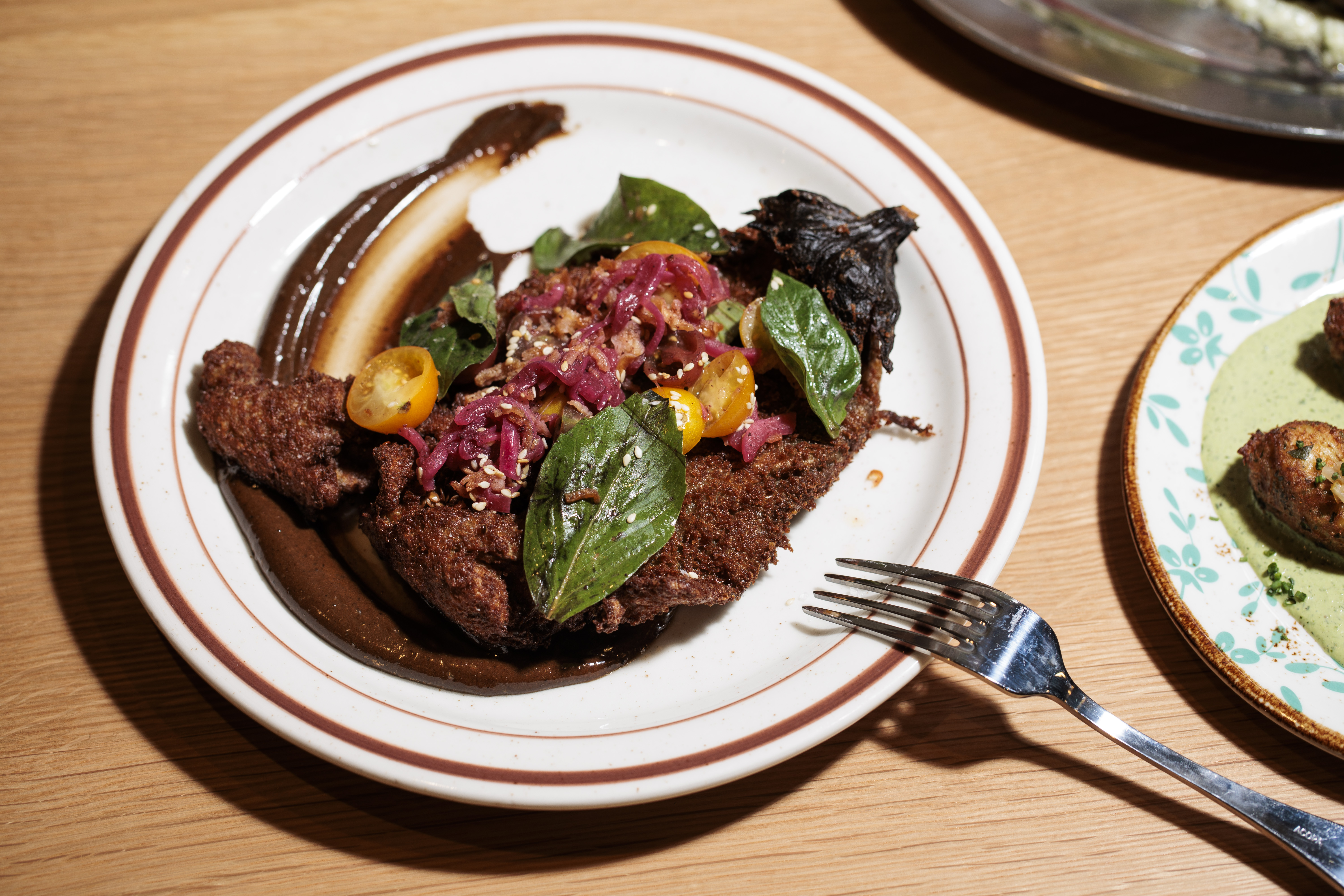
Such mock-meat successes opened my mind to the panko-crusted, lemon-infused tofu steak. It was not bad, especially over a colorful pile of sauteed asparagus and watermelon radish. But it was a bit boring compared to the most satisfying entree here, a whole smoked eggplant that’s deep-fried into a schnitzel, then placed over a black garlic aioli beneath a juicy tumble of fresh heirloom tomatoes tossed with Thai basil, sesame, and tart sumac.
The grilled whole branzino was a perfectly fine option for those craving fish, but it, too, was ultimately less engaging than that eggplant.
The smoked eggplant schnitzel at the Blue Warbler on Thursday, Sept. 3, 2026 in the Chestnut Hill section of Philadelphia.Monica Herndon / Staff Photographer
The desserts begin with two solid renditions of crème brûlée, including a classic vanilla custard, stylishly dusted with dried rose petals, and a seasonal variation that has so far ranged from strawberry to matcha and corn. I was most impressed by chef de cuisine Renee Rowlett’s creative deconstruction of a peach crisp into something lighter and more seasonal: A half peach caramelized with demerara sugar was posed over a crunchy mound of brown sugar-toasted almonds and buckwheat groats (a nod to the Ashkenazi Jewish thread woven through the Warbler’s menu) beside creamy maple soft-serve.
The peach crisp at the Blue Warbler on Thursday, Sept. 3, 2026 in the Chestnut Hill section of Philadelphia.Monica Herndon / Staff Photographer
Breakfast, lunch, and brunch are obviously key to the Blue Warbler’s success as an all-day cafe. And while this corner room soaks in the sunshine and exudes a pitch-perfect laid-back aura — I’d happily hang out here and drink that bold Cuban roast brew from Mayorga — our daytime meal was not the layup it should have been.
I would have loved my well-cooked omelet with zucchini, onion, peppers, and feta (and especially that side of cuminy tomato shakshuka sauce) but the kitchen forgot to add the zucchini. I’ll never pass up a socca chickpea pancake, but the Warbler’s rendition was unfortunately thick and scorched. The classic American-style pancakes with butterscotch were doughy. The cheddar biscuits were dense. Next time, I’ll definitely try the Turkish breakfast of eggs, tomatoes, and cucumbers over labneh with harissa.
Turkish breakfast at the Blue Warbler, in Philadelphia, June 11, 2026.Jessica Griffin / Staff Photographer
I’ll give the Warbler bonus points for hand-rolling their own bagels, even if the overly fluffy sourdough interior is not my ideal (not to mention the heat bubbles blistering its crust, which should be smooth). It nonetheless worked well enough as a vehicle for a breakfast sandwich stuffed with cheddar, eggs, arugula, and red pepper aioli. I especially liked that bagel hollowed out and stuffed with zesty green herbal tofu purée and tangy red peppadew peppers for the Herbivore sandwich.
All these flaws can surely be fixed with some tweaks. And considering how well the kitchen infuses seasonal creativity into the grab-and-go items that cycle onto the counter display on the bar throughout the day — from the muffin-shaped herb-and-feta “egg bites” to a fig- and fontina-topped schiacciatta bread still warm from the oven — such modifications are easily within their reach.
Mogul has already been so dialed in to all the details since embarking on making his restaurant dream a reality, I’m hopeful the Warbler will do that soon. There is already so much to appreciate at this promising — and needed — new addition to Chestnut Hill, I’ll look forward to watching it grow.
A schiacciata topped with figs and fontina at the Blue Warbler in Chestnut Hill.Craig LaBan / Staff
Breakfast and lunch 7 a.m. to 2 p.m. Monday through Friday. Dinner 5 to 9 p.m. Sunday, Wednesday, and Thursday, until 10 p.m. Friday and Saturday. Brunch 9 a.m. to 2 p.m. Saturday and Sunday. No dinner Monday or Tuesday.
Main plates, $15-$32 (including sharing platters).
Wheelchair accessible.
About a third of the menu is gluten-free or can be modified.
Menu highlights: Dinner: trio of meze dips; bacalao fritters; haloumi dates; smoked arctic char spread; Balkan and Chesco skewers; eggplant schnitzel; Impossible meatloaf; peach crisp. Breakfast-lunch: omelet; the Herbivore; egg bites; schiacciatta.
Drinks: Fresh and fruity takes on classic cocktails — Clover Club, Mai Tai with fresh orgeat, a pear martini, an amaro spritz, a spicy margarita, and fizzy Sgroppino — are worthwhile, alongside a selection of thoughtful N/A options. Local beers on draft and an international selection of well-priced wines by the glass ensure there’s something for everyone.
Owner Fred Mogul at the Blue Warbler, in Philadelphia, June 11, 2026.Jessica Griffin / Staff Photographer
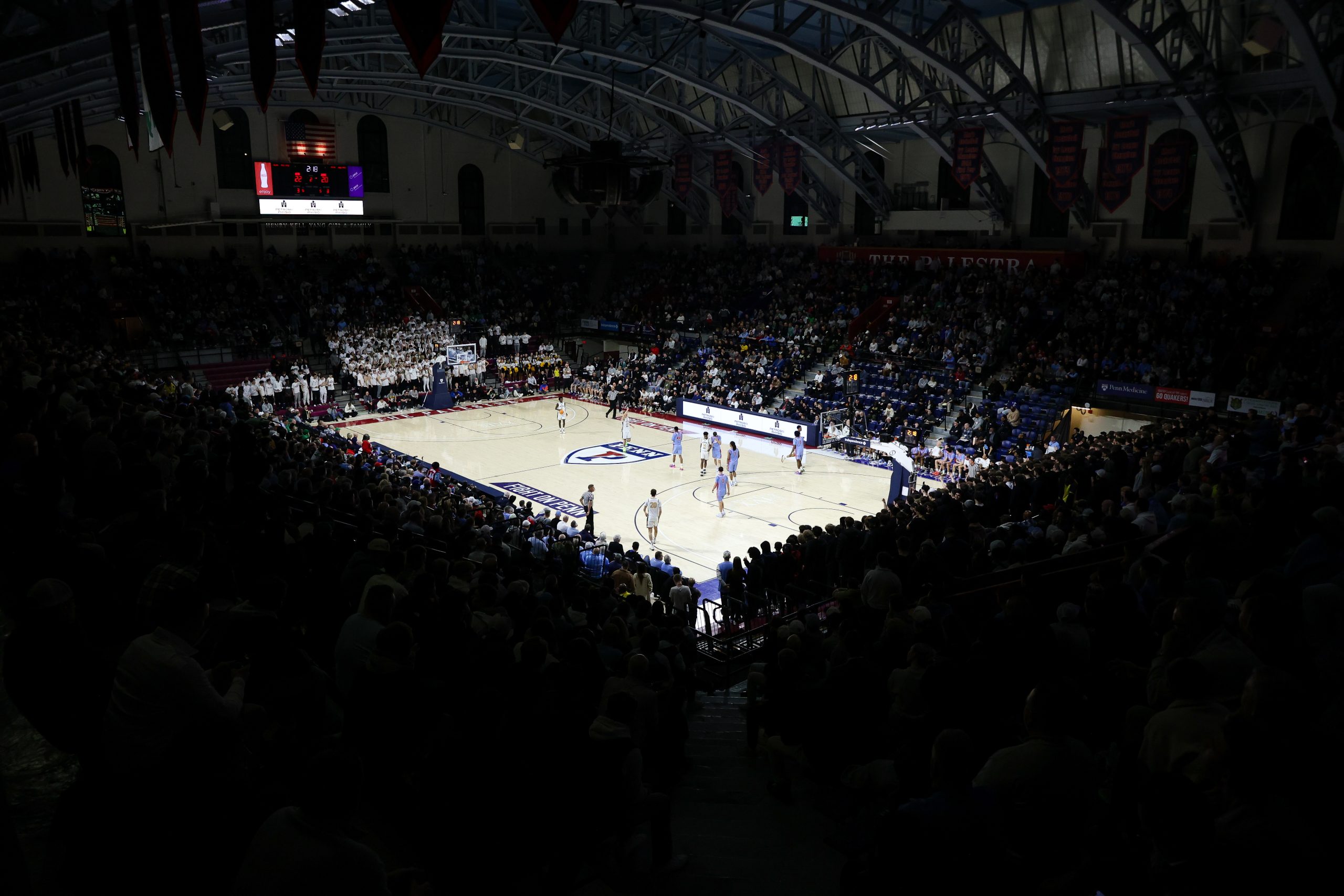
The sound inside the locker room was already overwhelming, Father Judge’s coaches and players shouting and singing after their 52-46 victory over Archbishop Wood in the Philadelphia Catholic League boys’ basketball semifinals last February. And every time someone opened the door to exit, the noise in the room rose, because a sold-out Palestra crowd was now roaring over the night’s second game: Neumann Goretti vs. Bonner-Prendergast.
Still, the kid who had been the primary cause of the celebration, the 6-foot-4 senior guard who had made the night his, was calm. Derrick Morton-Rivera had scored 27 points on an array of three-pointers and pull-up jumpers, leading the Crusaders back from an early 16-point deficit.
“Playing in front of 10,000 people every year, there’s nothing like it,” Morton-Rivera, now a freshman at Temple, said after the game. “I never knew about the PCL until my eighth-grade year. That’s when I learned.”
How did he end up at Judge?
The coaches “recruited me,” he said.
Father Judge graduate Derrick Morton-Rivera after he sank a three-point shot during the 2026 Catholic League boys’ championship.Elizabeth Robertson / Staff Photographer
With that one verb, recruited, Morton-Rivera touched the live wire that crackles among coaches, parents, administrators, and players throughout the high school sports scene in Pennsylvania. House Bill No. 41 — a measure that would allow the PIAA to create separate postseasons, one for public schools and one for private, parochial, and charter schools — passed the Pennsylvania State House of Representatives in April. And of all the factors that play into the longtime dispute over whether boundary and non-boundary schools should compete against each other for championships, none generates as much heat and controversy as recruiting.
“It’s two different worlds,” longtime Lower Merion boys’ basketball coach Gregg Downer said. “If you don’t put massive talent out in basketball or football or soccer or lacrosse, you’re going to get run over.”
Mark Ostaszewski with Archbishop Ryan athletic director Joe Zeglinski after the Raiders won the Catholic League Blue Division title in 2024.Courtesy of Archbishop Ryan
‘Philly is Philly’
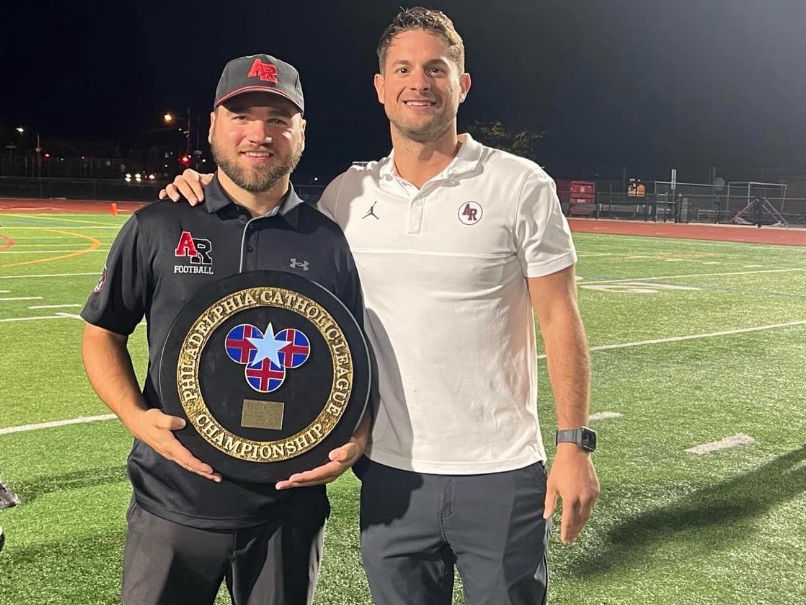
Since the Catholic League joined the PIAA in 2008, just one of its coaches, Archbishop Ryan football coach Mark Ostaszewski, has been suspended for recruiting violations. At a January 2025 football camp, Ostaszewski asked a student from the Bensalem School District if he wanted to apply to Ryan. District 12, the association’s umbrella for the Philadelphia Catholic and Public leagues, banned Ostaszewski for a year; he has returned to his role this season.
Locally, recruiting accusations often put programs from District 12 at odds with those from District One, which comprises schools in Philadelphia’s suburbs. And that confirmed example is tame compared to the more intense efforts that coaches have allegedly made to coax athletes to their programs.
A former basketball standout who graduated recently from a District One public school and his father told The Inquirer on the condition of anonymity that, while the student was in eighth grade and throughout his high school career, representatives from three Catholic League programs pursued him. One head coach offered him free tuition, a stipend, and the use of an apartment near campus. The coach also had his team’s star player send several direct messages on Instagram to the player in an attempt to persuade him to attend the school.
Another program had an assistant coach and a parent take the player’s father out to lunch twice, telling him at both meals that he would not have to worry about paying any tuition for his son. The third program’s head coach told the father that, if his son helped the team win the Catholic League championship, a booster would provide a house for the player. Each of the three schools were located between 15 and 35 miles from the player’s home.
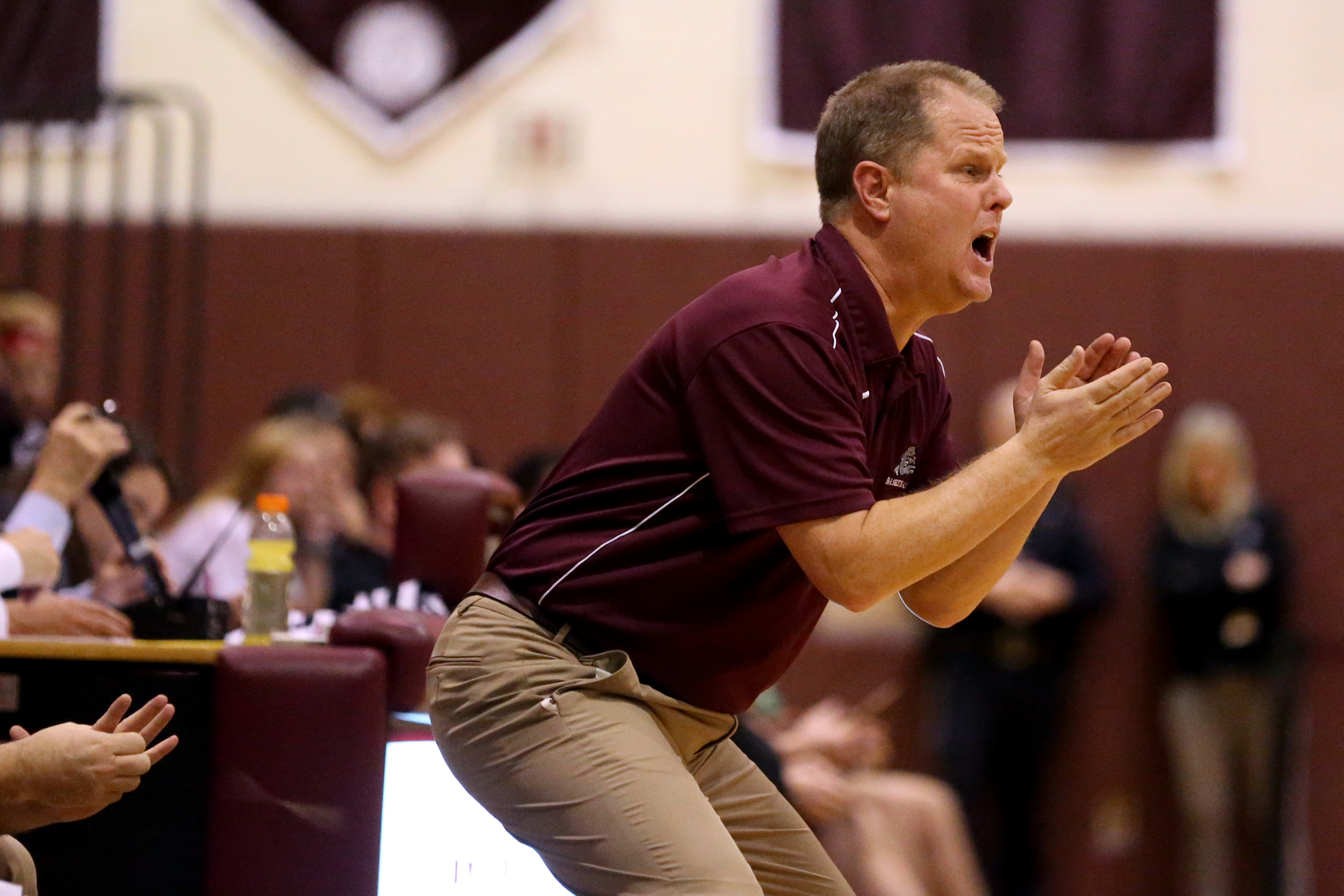
Gregg Downer has spent three decades as the Lower Merion boys’ basketball coach.CHARLES FOX / Staff Photographer
“They can twist this however they want,” Downer said. “These kids are targeted because they’re good at sports. I could list 50 examples of kids who have been recruited.”
Morton-Rivera’s path to Father Judge captures the murkiness of the entire issue. Jim Meredith, a 1992 Judge graduate who became its president in late July, noted in a recent interview that while in eighth grade, Morton-Rivera had visited the school and taken its entrance exam — and that he grew up and lived in Lawncrest, just a mile-and-a-half from Judge.
“I can say with full confidence that we’re following PIAA rules and regulations,” Meredith said. “We’re trying to put out an excellent product for our school and our students. Part of that is making sure we adhere to the guidelines that are prescribed to us.”
When asked how Morton-Rivera ended up choosing Judge, head coach Chris Roantree pointed out that Morton-Rivera’s background and family history made it natural for him to consider attending a school with a strong basketball program. D.J. Rivera, his father, finished his high school career in 2006 as Neumann Goretti’s all-time leading scorer before playing Division I ball at St. Joseph’s and Binghamton.
Father Judge coach Chris Roantree noted that Morton-Rivera’s background and family history made it natural for him to consider attending a school with a strong basketball program.Elizabeth Robertson / Staff Photographer
“Philadelphia basketball is a very small community,” Roantree said. “There are different relationships that everybody has. When somebody shows interest in us, we sell the school. When we bring guys in, we show them our career-pathway center. We show them our academic center. …
“Ultimately, ‘recruiting’ is a very broad thing. It’s going to be questioned because we’re a Catholic and private school. He’s within a mile or two of the school. To me, that’s no different from [a public-school coach] talking to someone from a Plymouth Whitemarsh middle school or an Abington middle school. He’s not a transfer. We didn’t aggressively go after him like that.”
Under Article VI, Section 11 of its bylaws, the PIAA forbids “recruiting [that] is materially motivated in some way by an athletic purpose. Recruiting for athletic purposes is directly contrary to fundamental interests of PIAA and its member schools, and any school engaged in such conduct should do so with the expectation that it will be treated harshly upon proof of such conduct.”
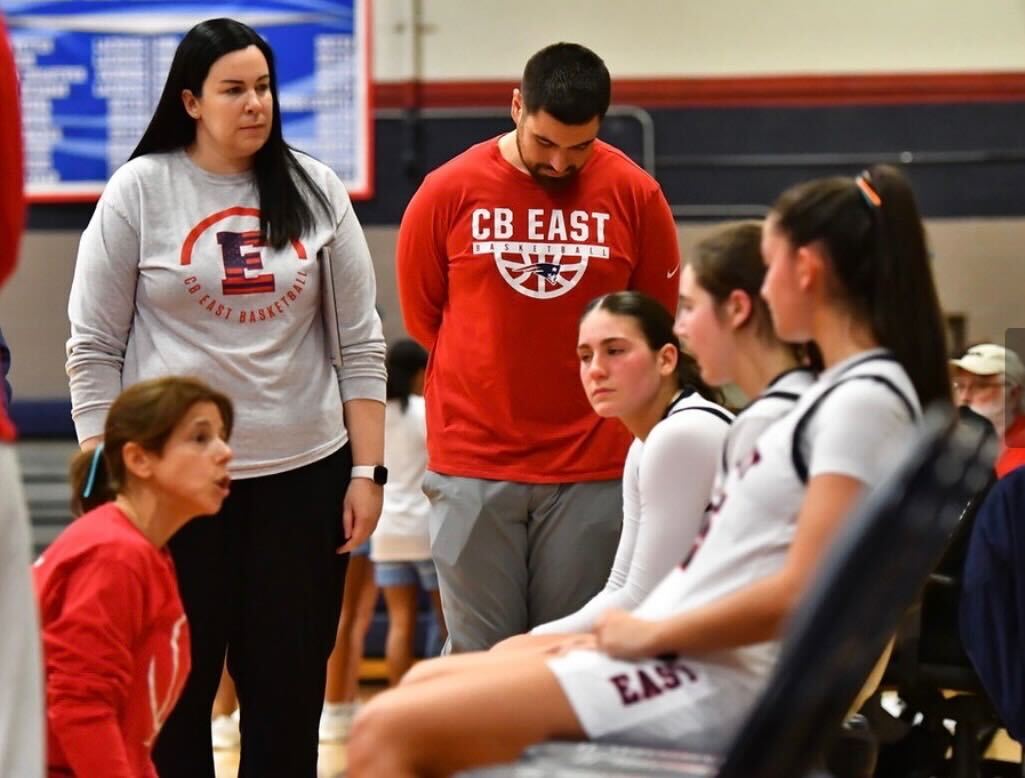
Liz Potash retired earlier this summer after 13 years as Central Bucks East’s girls’ basketball coach.Courtesy of Diane BarryShe said, “If I wanted to recruit, I wouldn’t be a public-school coach.” Courtesy of Diane Barry
As clear as that excerpt might seem, determining whether a student’s decision to attend a particular school was “materially motivated” by athletics requires hard and fast evidence, such as text or direct messages between a coach and the athlete, said Sean Kelly, District One’s vice chairman.
If a principal or athletic director files a formal complaint charging an opposing program with violating PIAA bylaws, the association’s corresponding district committee will hold a hearing on the matter.
“Sometimes I’ll get a call from a coach or an AD or somebody who’s associated with one of the schools who says, ‘Hey, this is what we’re hearing. We’re hearing Student A is going to go to this school,’” Kelly said. “I just ask them, ‘What evidence do you have? Are you saying they’re just transferring, or are you saying they’re being recruited?’ We take some time to make sure we pump the brakes because people get very sensitive and very emotional.”
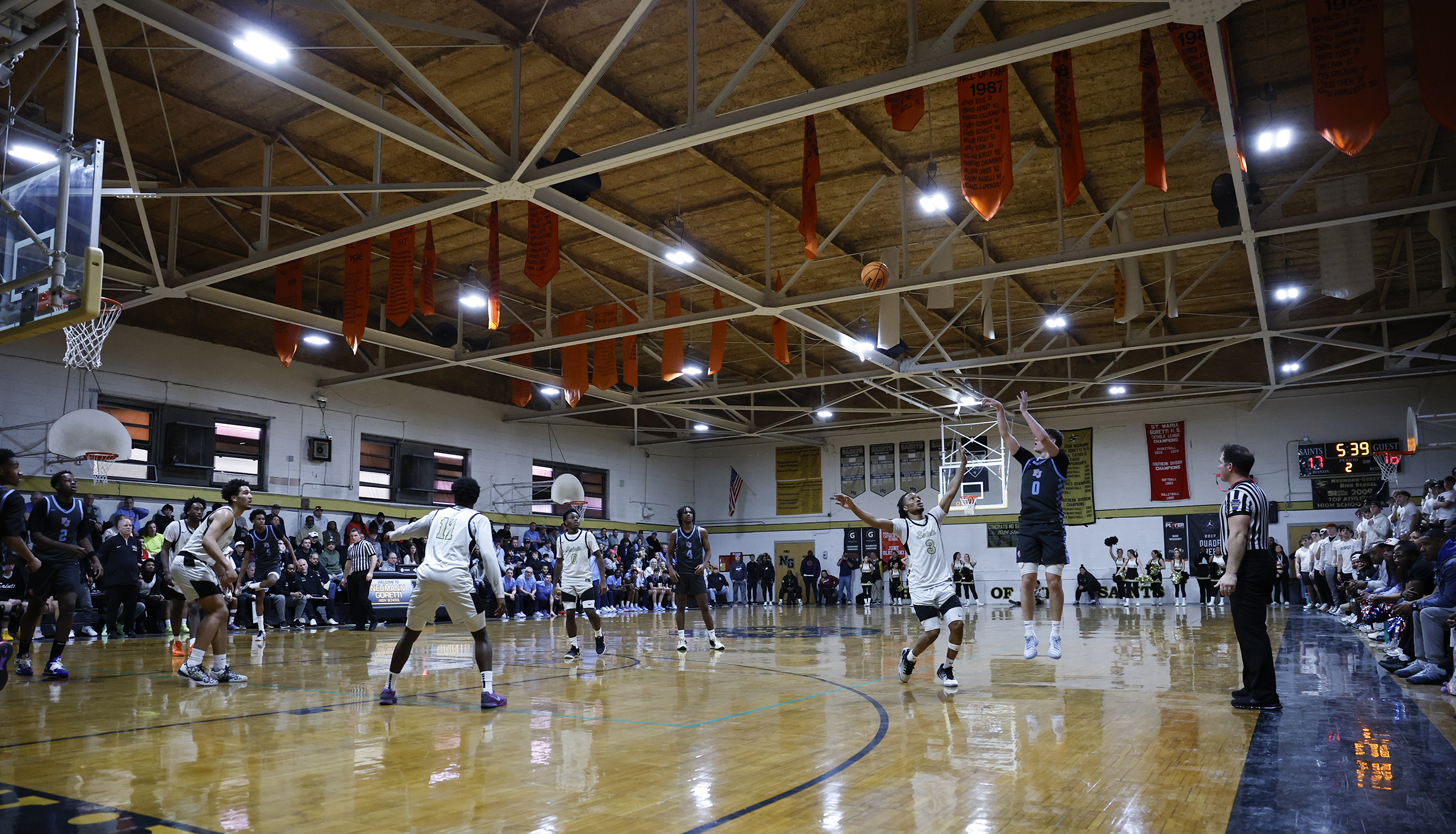
Neumann Goretti and Father Judge boys’ basketball play in South Philadelphia on Feb. 1, 2026.Yong Kim / Staff Photographer
Article VI, Section 11 applies to both boundary and non-boundary schools, but suburban public school coaches bemoan what they see as an inherent imbalance in the system: To play a varsity sport at a public high school, a student must live in that school district. But private, parochial, and charter schools, such as those in the School District of Philadelphia and the Archdiocese of Philadelphia, can draw their students from anywhere. Too many of those institutions, several District One coaches said, bend the rules to do it.
“It’s just not fair,” said Joe Dempsey, who has been the boys’ basketball coach at Spring-Ford High School in Royersford since 2021. “They have the ability to go and get players, to which I say: Let them do that. If they want to go play in that sandbox, let them go.”
Dempsey had previously coached at La Salle College High School for 27 years, including 14 as the program’s head coach. At CYO games, he would see a promising seventh or eighth grader, he said, then approach the player’s parents without talking to the player.
Joe Dempsey previously coached at La Salle College High School for 27 years.
“La Salle made it very clear: Don’t step over the line. Don’t get us in trouble,” Dempsey said. “Once a couple of schools took the gloves off, the pressure came. The pressure was on me at La Salle. I went to the administration: ‘Are you looking around the Catholic League? I can’t just sit on my hands and wait on some wonderful 6-foot-7 kid who can pay a lot of tuition and go to school with all boys and get bused here. It ain’t going to happen by accident.’”
That archdiocesan schools compete for students within District 12’s open-enrollment landscape only complicates matters further. Consider one example: Bonner-Prendie, nestled in Drexel Hill in Delaware County, won the 2024 PIAA Class 4A football championship. Of the top six zip codes from which the school drew students that year, five were within Delco, and the other was just nearby — the Overbook section of Philadelphia — according to Steve Clement, the chief administrative officer of the archdiocese’s Office of Catholic Education.
How many of its football players did Bonner-Prendie recruit, if any? How many did it have to recruit, given the school’s proximity to West Philadelphia? And if a school such as Bonner-Prendie draws students from the city or St. Joseph’s Prep draws them from Camden — less than five miles away — how different is that from the dynamic at a public school in an especially large district?
“The reality,” Clement said, “is that these schools are still serving the areas they were intended to serve.”
Similarly, parents can and do contact the School District of Philadelphia to ask what high schools would best fit their children’s skills and interests: maybe sports, maybe drama, maybe career and technical education. Starr Davenport, the district’s director of finance for athletics, said she frequently fields phone calls from parents of rising ninth graders who ask her about the quality and array of athletic programs at a particular school, and she is happy to answer their questions.
“It’s not a recruitment strategy,” Davenport said. “It’s just transparency. When they want to know, it means they’re trying to find their school home. That selection process seems equitable because we’re not putting it out there, ‘Go to this school if you like football.’ But if a parent or student-athlete inquires, we are definitely transparent in terms of the full gamut of what is offered at a school.”
As for making competition across the state and the Delaware Valley more equitable — that is, giving boundary schools a better chance of beating non-boundary schools — it doesn’t matter much whether gifted athletes who already live within the city’s borders attend public or non-public schools. As long as it stays in Philadelphia, that talent will reveal itself in the results one way or another.
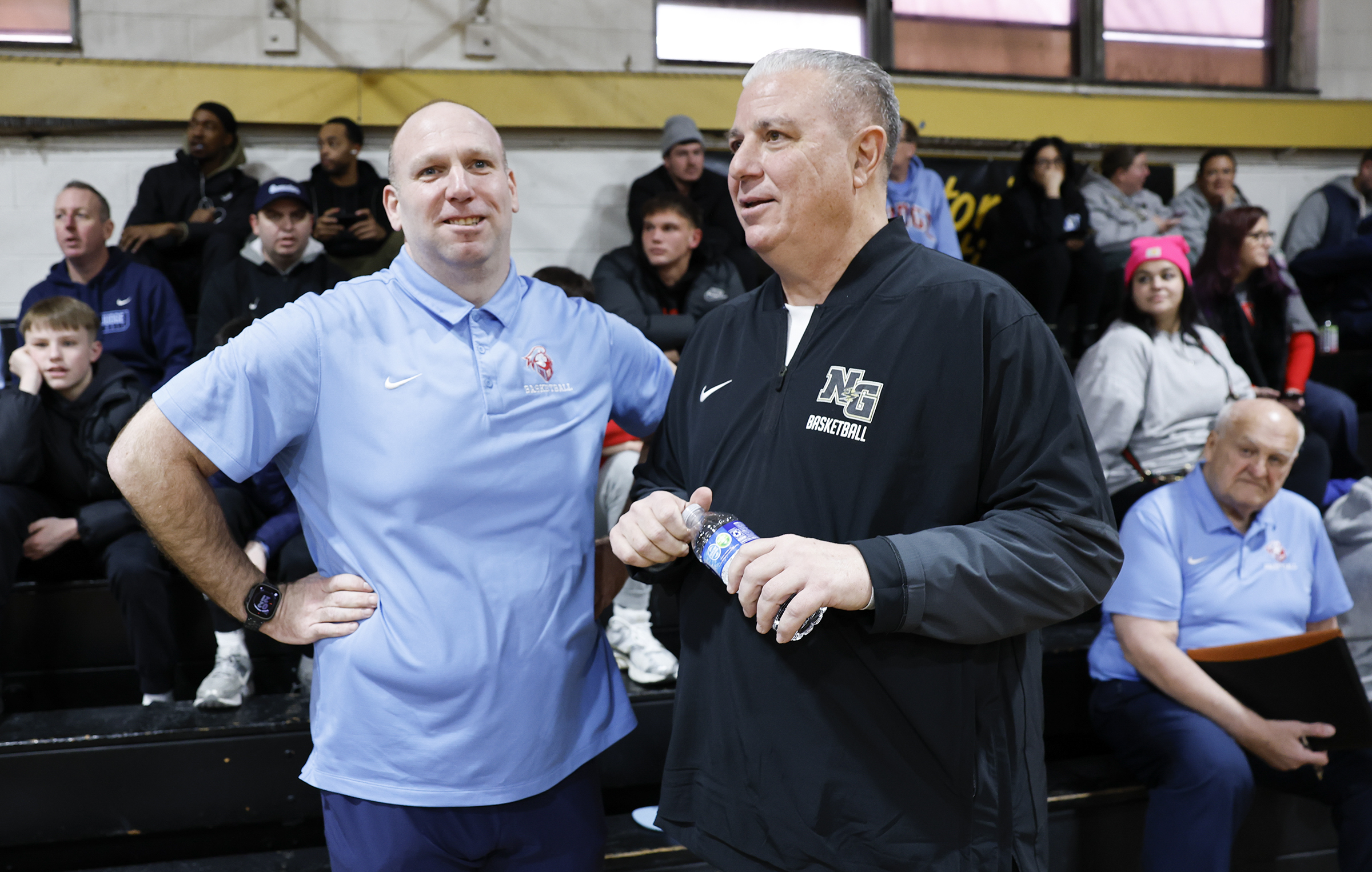
Neumann Goretti head coach Carl Arrigale (right) meets with Father Judge head coach Chris Roantree before the two teams played each other in February 2026.Yong Kim / Staff Photographer
“Here’s the thing: Philly is Philly,” Roantree said. “So if you want all the Philly kids to go to public schools, they’re still going to dominate. There are six, seven, eight, 10 good teams in the Catholic League. If they’re in the playoffs, they’re going to make some noise” in the state tournaments.
The primary complaint among suburban public school coaches and administrators, of course, is that non-boundary schools don’t limit themselves to drawing talent from the city or the neighborhoods that surround them. To some public-school coaches, the notion of recruiting is an alien concept, one they wouldn’t consider if for no other reason than they or the athletes’ families would have to make the necessary arrangements for the athletes to live within district boundaries — say, finding a long-lost aunt whose house was within walking distance of a school bus stop.
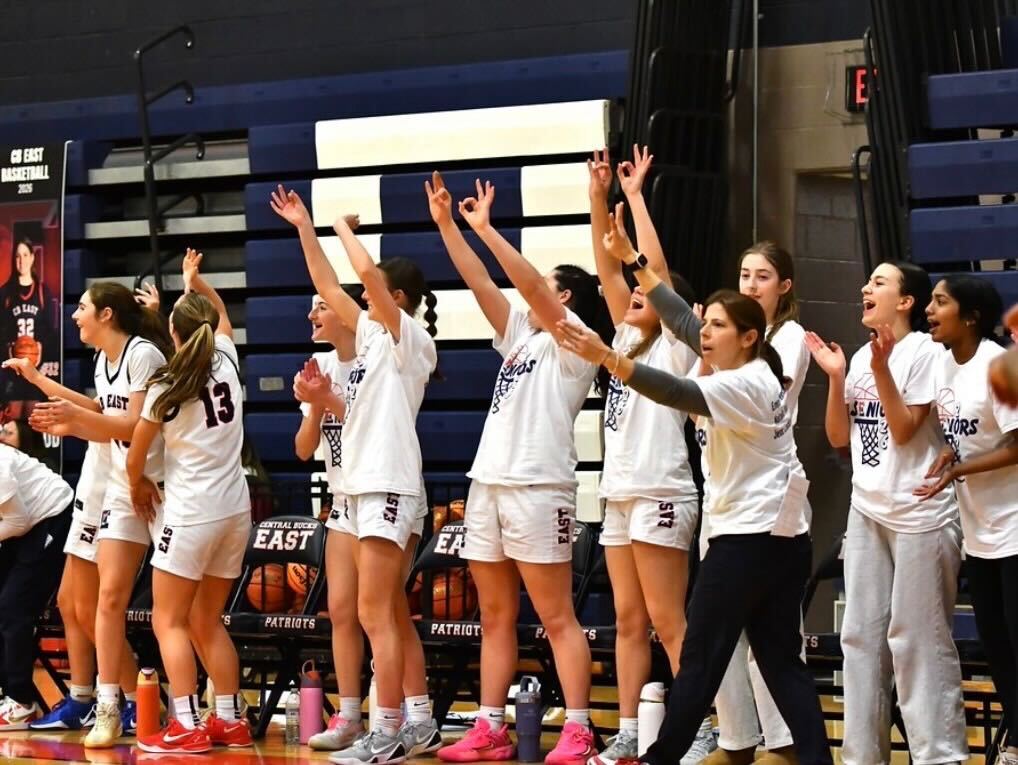
Liz Potash, who retired earlier this summer after 13 years as Central Bucks East’s girls’ basketball coach, said she never sought out players to refill her program’s talent pool. “If I wanted to recruit, I wouldn’t be a public-school coach,” she said. “I’m not going to beg an eighth grader to come to East.”
But another coach might.
“Everyone’s doing it,” said Daniel DiBerardinis, who spent 11 years as a Catholic League athletic director — six at Roman Catholic, five at St. Joe’s Prep — before becoming Penn Charter’s AD last year. “Public schools are recruiting. They recruit. People move to different zip codes all the time.
“I’m not going to put any school on blast, but I know intimate situations — I know families who got an address to be a part of a district. I’m not going to say any schools, but I do know it happens. The rules are super-gray, and people are always going to find workarounds.”
Father Judge takes on Archbishop Wood during in the Catholic League boys’ basketball semifinal at the Palestra on Feb. 18, 2026.Isaiah Vazquez / For The Inquirer
Technicalities
Football, boys’ basketball, girls’ basketball: It’s within the worlds of those three sports that the debates and bickering around recruiting are the loudest and have the most relevance. Rep. Scott Conklin, a Democrat who introduced House Bill No. 41 and represents the 77th district, in State College, all but admitted that the bill was aimed at stopping private, parochial, and charter schools from recruiting — and from continuing to move into the next frontier: wielding sponsor dollars or name, image, and likeness deals to entice athletes.
“Technically, yes, public schools could cheat,” he said in a phone interview. “But we know how difficult that is. I’m 67 years old, and I can win the high-jump competition — technically. But we all know it’s never going to happen.”
In that Palestra locker room back in February, Roantree snickered at the mere mention of the subject. “Everybody says it’s an unfair advantage,” he said. “What I say is, every kid’s got a dream of playing Division I, and there are a lot of coaches in our league who can make that happen. We don’t have to recruit as much as kids want to come and play for us.”
Four days later, behind a team-high 14 points from Morton-Rivera, Father Judge beat Goretti to win its second straight PCL championship. The Crusaders advanced to the semifinals of the PIAA Class 6A tournament, where they lost to a city rival, Imhotep Charter, which then lost in the championship game to Harrisburg’s Central Dauphin.
Even in an age where driving is as safe as it has ever been, hundreds of people still die on New Jersey roads each year.
Across South Jersey, an analysis shows, there are seven corridors that are particularly problematic — stretches where four or more people have died in crashes in the last seven years.
The Inquirer analyzed about 330 fatal crashes across South Jersey’s limited-access highways, which led to more than 360 deaths between 2019 and July 2026, according to New Jersey Department of Transportation data.
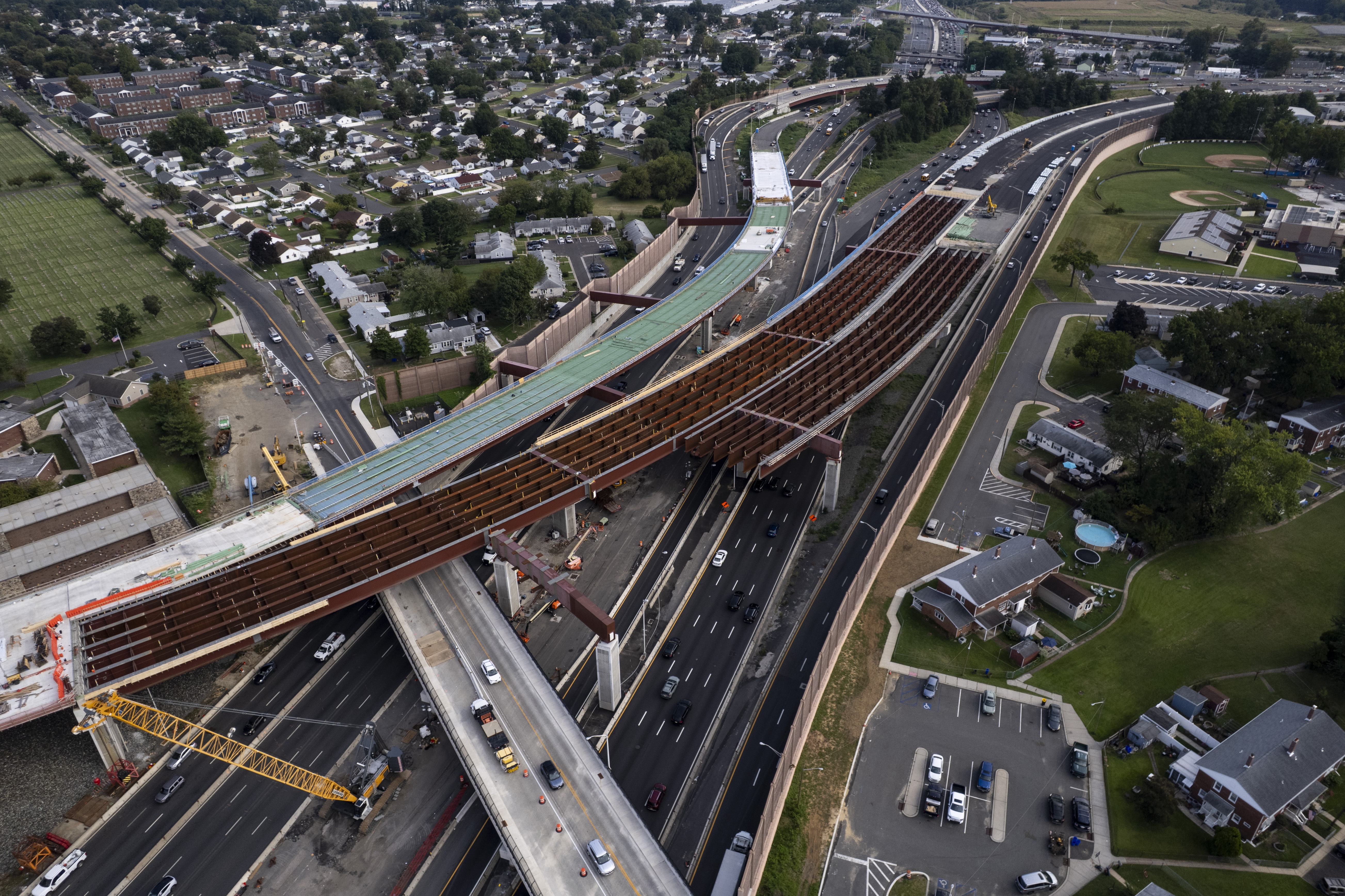
Drive north along I-76 to Philly or take Route 42 south to the Shore, and you will likely cross one of South Jersey’s most dangerous sections. The interchange where I-76 meets Route 42 and I-295, in Camden County, has recorded some of the highest rates of fatal accidents in the region, as city commuters, long-haul truckers, and beachgoers navigate a snarled intersection.
(function() {
var l2 = function() {
new pym.Parent(‘risk_corridors_map_4’,
‘https://media.inquirer.com/storage/inquirer/projects/innovation/arcgis_iframe/risk_corridors_map_4.html’);
};
if (typeof(pym) === ‘undefined’) {
var h = document.getElementsByTagName(‘head’)[0],
s = document.createElement(‘script’);
s.type = ‘text/javascript’;
s.src = ‘https://pym.nprapps.org/pym.v1.min.js’;
s.onload = l2;
h.appendChild(s);
} else {
l2();
}
})();
I-76 in South Jersey runs five lanes wide in both directions and spans only three miles, but each mile has seen fatalities. And within a 1.3-mile stretch, 10 fatal crashes occurred, more deaths than on any other highway segment. On the mile of I-295 leading up to the I-76 merge, four fatalities occurred.
“There are a whole bunch of reasons why, around intersections, you have crashes,” said Chris Pollard of the Delaware Valley Regional Planning Commission.
Highways like I-76 with tricky merges, heavy congestion, and sharp bends are more likely to be fatal than calmer sections of road, Pollard said. When cars go around curves or merge at high speeds around other, slower-moving vehicles, accidents are more likely.
“It’s often based on the geography of the road,” Pollard said.
I-76 in Camden County near the I-295/I-76/Route 42 Interchange construction on Thursday, Sept. 17, 2026 in Bellmawr, NJ.Monica Herndon / Staff Photographer
Distracted driving played a role in nearly half of South Jersey’s fatal car crashes, contributing to more than 140 deaths, while alcohol was a factor in more than 75 fatal accidents.
Other dangerous hot spots in South Jersey include a mile stretch of I-295 in Oldmans Township, Salem County, where seven fatal crashes occurred, a half-mile stretch of the New Jersey Turnpike in Mount Laurel Township, Burlington County, with four fatal crashes, and a 0.6-mile stretch of I-676 before the Ben Franklin Bridge, with four fatal crashes.
(function() { var l = function() { new pym.Parent( ‘sj-crashes3__graphic’, ‘https://media.inquirer.com/storage/inquirer/ai2html/sj-crashes3/index.html’); }; if(typeof(pym) === ‘undefined’) { var h = document.getElementsByTagName(‘head’)[0], s = document.createElement(‘script’); s.type = ‘text/javascript’; s.src = ‘https://pym.nprapps.org/pym.v1.min.js’; s.onload = l; h.appendChild(s); } else { l(); } })();
A recent call for safer highways
A string of fatal crashes on one of South Jersey’s safer highways this summer has legislators asking questions.
Since July, four crashes have killed five people on Route 55, a 40-mile freeway that runs from Cumberland County up to the Route 42 entrance in Deptford.
In response to the string of crashes, Assemblyman William Moen, a Democrat in the New Jersey Legislature, cosigned a letter with eight other politicians to NJDOT, urging the department to examine how Route 55’s design could have led to the deaths.
Moen’s social media post about the highway reached more people, about 200,000, than any post he has made in his decade as an elected official, he said. The interactions showed him the public wants answers, too.
“There’s always that question of, ‘Could there be things that are being used on other highways that the state operates that simply aren’t in place on Route 55?’” Moen said.
Unlike some of the region’s more complex roadways, Route 55 is onlytwo lanes, and has few, if any, sharp bends.
Still, 46 people have died on the highway between 2019 and this July. One 0.64-mile-long segment of Route 55, by Mantua Township, Gloucester County, has seen a high volume of fatal crashes, four total, in recent years. That included a crash that killed a Bridgeton resident in a wrong-way crash in July.
As a result of the letter, NJDOT is in talks with legislators to “identify safety improvements needed along the corridor,” according to Steve Schapiro, an NJDOT spokesperson. Miranda Toner, Moen’s spokesperson, said the assemblyman has since been briefed by NJDOT on the matter and has received an official letter from the department outlining plans for Route 55.
Route 55 near the Pitman Road overpass on Thursday, Sept. 17, 2026 in Pitman, NJ. NJ DOT sent a letter to concerned legislators about Route 55 in Gloucester County, saying new safety improvements would be added.Monica Herndon / Staff Photographer
In January 2025, the legislature approved the New Jersey Target Zero Commission, created to eliminate “all traffic fatalities and serious injuries” on public roadways by 2040.
Part of that law required NJDOT to track the state’s fatal crash data through its High-Injury Network, which flagged one-mile segments of public roadways with seven or more fatal or serious-injury crashes between 2021 and 2023. Since NJDOT updates the map every three years, recent crash data will not be available there until 2028.
No segments of Route 55 are currently featured on the network, but various miles of roadways throughout Camden, Gloucester, Burlington, and Cumberland Counties made the list.
Schapiro said 90% of state-maintained, one-mile segments on the High-Injury Network, which includes 88 locations, are currently undergoing projects, and the rest will start safety projects, too. Plus, the department regularly uses its data to identify high-risk areas, crash patterns, trends, vulnerable populations, and driving times.
Correction: This story was updated to correct the Gloucester County municipality with the high-fatal-crash corridor on Route 55.