Blog

  • Blanche’s partisan activity before midterms dismantles another principle

    Blanche’s partisan activity before midterms dismantles another principle

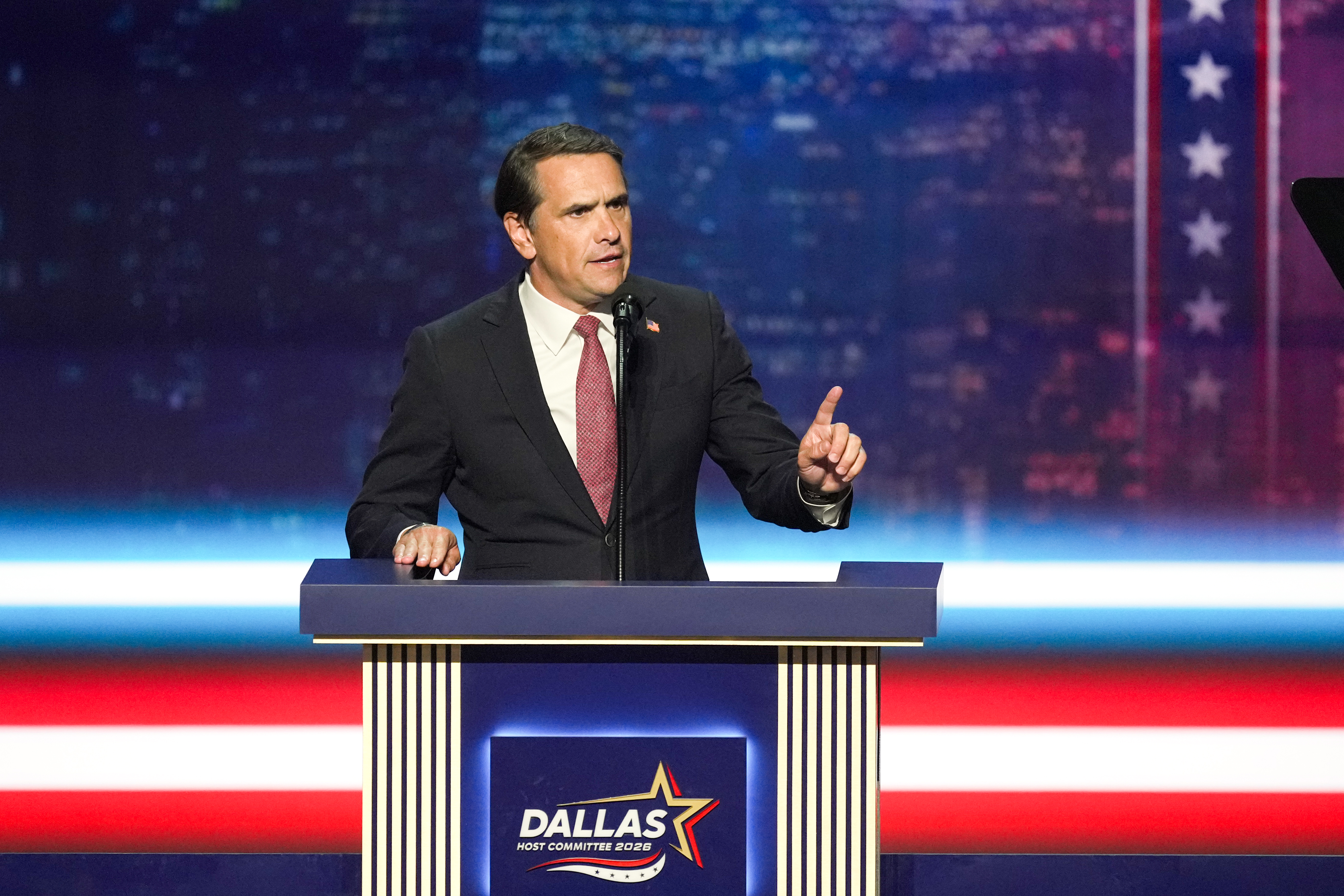
    WASHINGTON — Attorney General Todd Blanche has repeatedly participated in campaign events and spoken in partisan terms about the coming midterm elections since his confirmation last month, despite criticism that he violated a long-standing Justice Department principle of steering clear of electoral politics.

    This week, he waded again into those waters — twice.

    Since August, Blanche has come under fire for making campaign-tinged public appearances and comments. Last month, at a rally-style event on Long Island, N.Y., he praised Bruce Blakeman, the Republican candidate for governor of New York. Last week, Blanche delivered remarks at the Republican Party’s midterm convention.

    On Tuesday, he stood at the White House podium and disparaged Democratic lawmakers while invoking the coming election, dismissing their concerns about artificial intelligence as “nothing but an effort to influence the midterms.”

    And Wednesday, Blanche spoke at a campaign rally for Michael Whatley, the Republican Senate candidate in North Carolina. Echoing his convention speech, he portrayed crime rates, which continued a long-term downward trend to reach new lows in 2025, as “President Trump and Vice President Vance delivering on a promise.”

    Worries about the Justice Department abandoning its long-held commitment to appear apolitical in order to maintain institutional credibility may seem beside the point. Since January 2025, dozens of judges have viewed its representations with suspicion, eroding the traditional bonds of trust, known as the “presumption of regularity,” that the courts typically grant the department.

    The second Trump administration has also unabashedly destroyed the post-Watergate norm of Justice Department independence from the White House in investigative decisions. Early on, Blanche’s predecessor, Pam Bondi, declared, “We are so proud to work at the directive of Donald Trump.” Last September, after Trump publicly demanded that she charge several perceived adversaries, the department pushed through short-lived indictments of two of them.

    Still, Blanche is dismantling another post-Watergate principle: that Justice Department leaders stay away from partisan politicking.

    Joseph Tirrell, the Justice Department’s senior ethics official until the Trump administration dismissed him in July 2025, this week criticized Blanche’s participation in the Republican convention. He called the attorney general’s comments at the White House briefing “borderline” unethical, and his participation in the North Carolina rally “terrible.”

    “In my former role, I would have advised the attorney general not to go to the White House and not to make comments about members of Congress within 45 days of an election,” Tirrell said. Referring to a law restricting partisan political activity by government employees, he added, “I’d say, ‘That rally sounds like a Hatch Act violation to me, and I’d advise you not to do it.’ I would want to scare that person straight.”

    Stephen Gillers, a New York University law professor who specializes in legal ethics, said Blanche’s political statements and activities were protected by the First Amendment and did not violate professional conduct rule, even if they were ill-advised.

    “Any attempt to discipline him will fail,” Gillers said. “That’s unfortunate. He has the ability to do what he’s doing, and he’s chosen to do it.”

    The Justice Department did not respond to a request for comment.

    When the group Public Citizen filed a Hatch Act complaint about Blanche’s comments praising Blakeman, the Justice Department told Government Executive in a statement that it was “baseless” and “a politically motivated complaint designed to weaponize the Hatch Act against the attorney general for his support of law enforcement.”

    And in response to criticism last week by Democrats on the House Judiciary Committee over Blanche’s convention appearance, the department shot back on social media, “Todd Blanche’s appearance this evening in his personal capacity is legal (and has been approved by ethics).”

    Legal questions center on the Hatch Act, which is ambiguous and difficult to enforce when an administration does not want to strictly adhere to it. The law and related regulations allow some political appointees, while off duty, to attend partisan events, like fundraisers and campaign rallies. Some law enforcement officials are restricted from any partisan activity, but the attorney general is not listed among them, and it is disputed whether that part of the legal limits applies to them.

    Even for those who can engage in political activity in a personal capacity, the traditional test is not just whether such officials say they are doing so, but whether people would reasonably perceive them as acting in their government roles.

    Cynthia Shaw, who ran the Justice Department’s ethics office throughout Trump’s first term, said the notion that high-ranking officials could simply say they are acting in a personal capacity to get around that threshold was a misunderstanding.

    “The bigger the job you get, the less personal capacity you have, because when you speak, people are going to see you in your official capacity and representing the agency that you are head of,” she said.

    Federal law enforcement needs to not just be fair, she added, but to be seen as fair for the long-term good of the department and society.

    For that reason, the Justice Department had long held itself to a higher standard than the Hatch Act and its ambiguities. For decades, its ethics policies went beyond the statute in pushing officials to avoid events like political fundraisers and campaign rallies.

    In 2022, Attorney General Merrick Garland flatly banned political appointees from participating in partisan activities — even in their personal capacities, and even if their family members were the candidates.

    But in March of this year, Bondi rescinded that policy, freeing political appointees to attend such events in their personal capacities subject only to the lower standards of the Hatch Act.

    That weakening of ethics rules is one reason the department’s claim that Blanche’s appearance at the Republican Party convention was “approved by ethics” merits scrutiny. Another is that the administration has changed who makes ethics recommendations.

    After firing Tirrell, the administration left his position vacant for nearly a year before appointing Kristina Spencer, a former aide to Vice President JD Vance who had no prior department experience.

    The office of the deputy attorney general can also overrule the ethics office’s recommendations. For decades, the decision-maker was a career official, but the Trump administration moved that authority to political appointees.

    The principle that the Justice Department should strive to appear apolitical took root after Watergate. President Richard Nixon’s first attorney general, John Mitchell — who later went to prison for his role in the scandal — was so deeply partisan that he resigned to run Nixon’s 1972 reelection campaign.

    The attorney general immediately after established the modern norm of not acting as a political operative while in office: Edward Levi, a University of Chicago legal scholar.

    Maintaining a nonpartisan image has proved difficult, partly because of the department’s power and an increasingly polarized political atmosphere. Under both parties, one attorney general after another has been accused by political opponents of politicizing the Justice Department.

    In 2013, Attorney General Eric H. Holder Jr. called himself President Barack Obama’s “wingman,” clashing with the principle of Justice Department independence. Asked last week about Blanche’s speech at the Republican convention, Holder said, “It’s unprecedented, and it’s disgraceful. Attorneys general don’t talk about political things. He shouldn’t be there.”

    Holder, while serving as attorney general, never spoke at the Democratic convention or at campaign rallies. Nor did Republican attorneys general frequently accused by Democrats of politicizing the department, including Attorney General William Barr during Trump’s first term.

    Gillers said that shifting standards for the conduct of attorneys general would harm the rule of law, especially if Blanche’s successors followed his example.

    “This is new,” he said. “The changing image of what an attorney general should be seen to do, and how officials high in the Justice Department should behave, will not be good. We just don’t know yet how bad it will be.”

    This article originally appeared in the New York Times.
  • Eagles respond to shot by Titans’ Jeffery Simmons at Jalen Hurts: ‘Don’t care what any other locker room says’

    Eagles respond to shot by Titans’ Jeffery Simmons at Jalen Hurts: ‘Don’t care what any other locker room says’

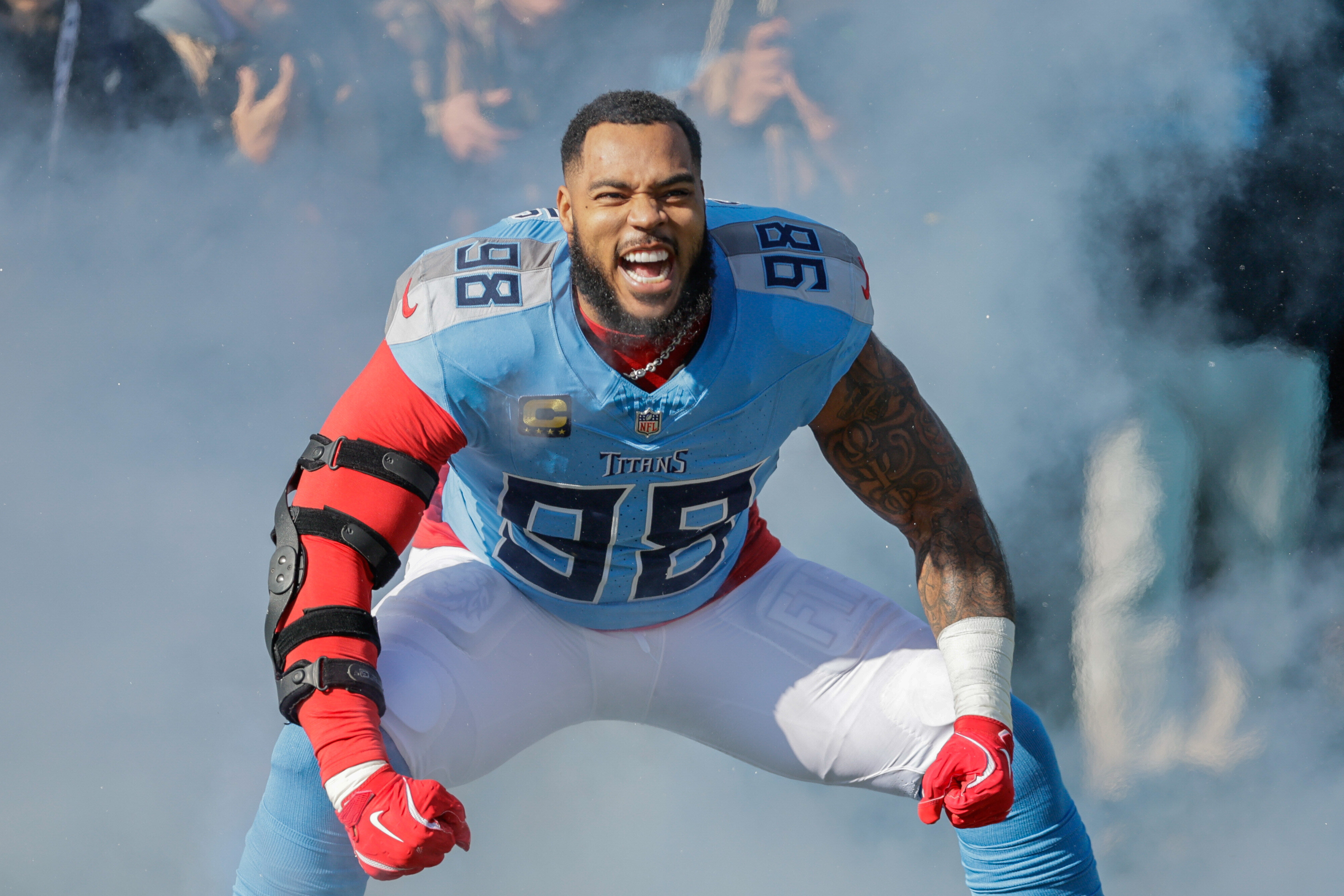
    Titans star defensive tackle Jeffery Simmons made headlines this week when he seemed to take a shot at Jalen Hurts.

    Asked a question about the Eagles quarterback Wednesday, Simmons said, via ESPN: “We just need to make Jalen Hurts be a QB. Stop his runs, make sure Hurts doesn’t get out of the pocket and make plays.”

    This quote seemed like textbook bulletin board material, a motivator ahead of the Eagles’ Week 2 matchup with Tennessee on Sunday. But when left tackle Jordan Mailata was asked about it, he downplayed its impact.

    “I don’t pay attention to that stuff. That’s clickbait stuff,” said Mailata. “That’s what you guys get paid for. … I only care about everyone in this locker room. This locker room is all I give a damn about. I don’t care what you guys say about this locker room, I don’t care what any other locker room says about this locker room. This is my focus.”

    Cam Ward has yet to live up to his promise as a No. 1 pick but has the Eagles’ respect, per Nolan Smith Jr. George Walker IV

    Edge rusher Nolan Smith Jr. took it one step further. Smith was asked about Titans quarterback Cam Ward, who had a QBR of 34.4 in Tennessee’s Week 1 loss, which was the seventh worst in the league. Smith took the opportunity to praise the former No. 1 pick.

    “Man, I ain’t gonna do what [Simmons] did,” Smith said with a smirk. “Man, they’re a good team. Any team in the NFL, they get paid just like we get paid and they go out there and put their best foot forward. And Cam Ward is a great quarterback. The media may portray this and that, but he’s a really good quarterback.”

    Simmons’ analysis came days after a solid Week 1 showing from Hurts. The seventh-year QB was one of only three quarterbacks to toss three-plus touchdowns with zero interceptions. He finished with 203 yards on 14-of-25 passing, along with 46 rushing yards on seven carries.

    How, in Smith’s opinion, did Simmons’ comments ring throughout the locker room?

    “Man, everybody got phones,” Smith said. “Everybody’s got social media, you know? I just tell people, they’re an NFL team, too. They get paid just like we get paid and they go out there and try to put their best foot forward. I’m not a big ‘tearing people down’ type of person, man. Just because you never know what somebody is going through personally in life off this field.”

  • Developer sues Upper Merion Township over rejected King of Prussia data center proposals

    Developer sues Upper Merion Township over rejected King of Prussia data center proposals

    Developer Brian O’Neill has sued the Upper Merion Township Board of Supervisors over its rejection last month of his proposed 4.6 million-square-foot data center campus.

    In lawsuits filed Wednesday in Montgomery County Court of Common Pleas, O’Neill said Upper Merion officials have stated in recent years that data centers — which house the equipment that powers AI — qualify as warehouses and are therefore permitted under its zoning code. They changed their tune, according to O’Neill’s team, only after residents pushed back against the plans.

    “The township issued a zoning officer’s determination letter that the proposed use was a permitted use, and then when the people started to bombard them, they did a 180,” said Marc Kaplin, an attorney representing O’Neill. “This is what happens when there is public pressure.”

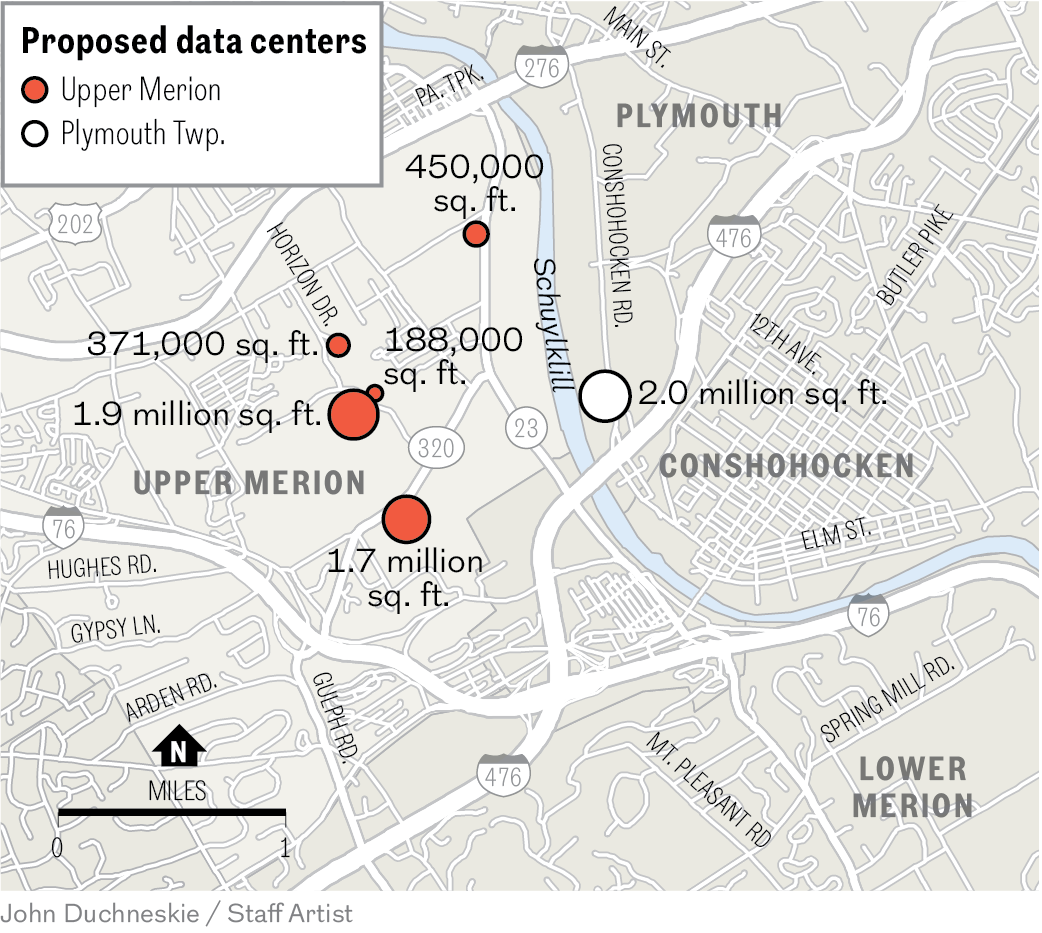
    Brian O’Neill has proposed five data centers in Upper Merion Township and one across the river in Plymouth Township.John Duchneskie

    Township Manager Anthony Hamaday said Thursday that Upper Merion officials had been informed of O’Neill’s land-use appeals but that the documents had yet to be delivered to them. They declined to comment, pending a full review of the filings.

    O’Neill is asking a judge to reverse the supervisors’ denial, give his plans preliminary approval, and appoint an independent third-party “referee” to conduct an evidentiary hearing and oversee the rest of the process. In the lawsuit, O’Neill says the board acted in bad faith and denied his plans over “minor technical items.”

    At a contentious Aug. 13 meeting, the supervisors unanimously rejected O’Neill’s five data center plans on the grounds that the proposals lacked specificity, including on fire-safety-related issues, and did not meet zoning requirements. They said O’Neill’s team failed to address their many questions and concerns during the review process.

    O’Neill had said his team needed more time to respond and requested an extension until Sept. 30, a request township officials denied.

    A day before the supervisors’ vote, the developer sued the township, its planning commission, and its board of supervisors, saying they violated his legal right to an extension. In response, Montgomery County Court Judge Garrett D. Page ordered a pause on township proceedings and decisions related to the data centers. That decision was vacated the next day, just hours before the supervisors’ vote on Aug. 13.

    Neighborhood pushback

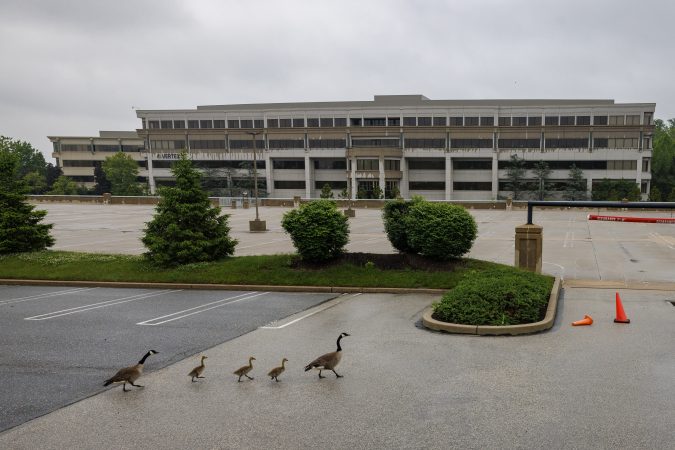
    O’Neill, a longtime real estate developer in the region, is fighting to build a data center complex on five of his properties in a swath of Upper Merion Township between West Conshohocken and Bridgeport.

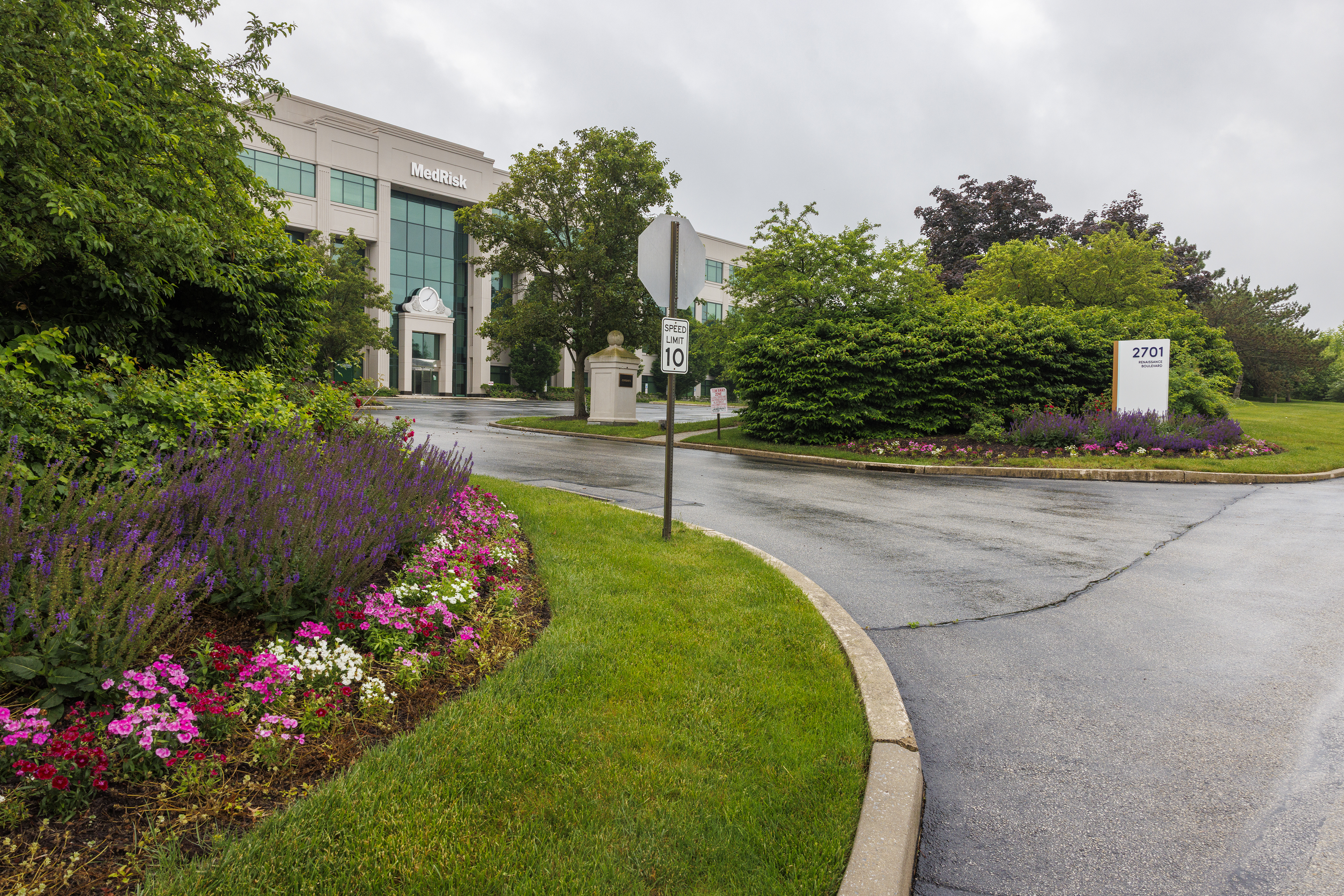
    A building at 2701 Renaissance Blvd., as seen in May, is one of the sites that Brian O’Neill wants to turn into a data center in Upper Merion Township.Alejandro A. Alvarez / Staff Photographer

    The developer has declined to specify who would operate the centers, though he indicated the facilities would fuel AI-powered biotech to complement his existing life-sciences complex, Discovery Labs.

    O’Neill has said the centers would emit little light and noise, operate on a closed-loop system that requires no outside water, and provide their own power. They would also be an economic engine for Montgomery County, according to O’Neill, who released an economic impact study saying the project would result in more than 10,000 jobs during construction, more than 700 permanent jobs, and more than $55 million a year in local tax revenue.

    Neighborhood groups have rallied against O’Neill’s plans, organizing on social media, packing township meetings, and displaying bright orange lawn signs opposing the project. About 18,000 people had signed a Change.org petition against the Upper Merion data centers as of Friday. Opponents have expressed concerns about pollution, light, noise, electricity prices, property values, and quality of life.

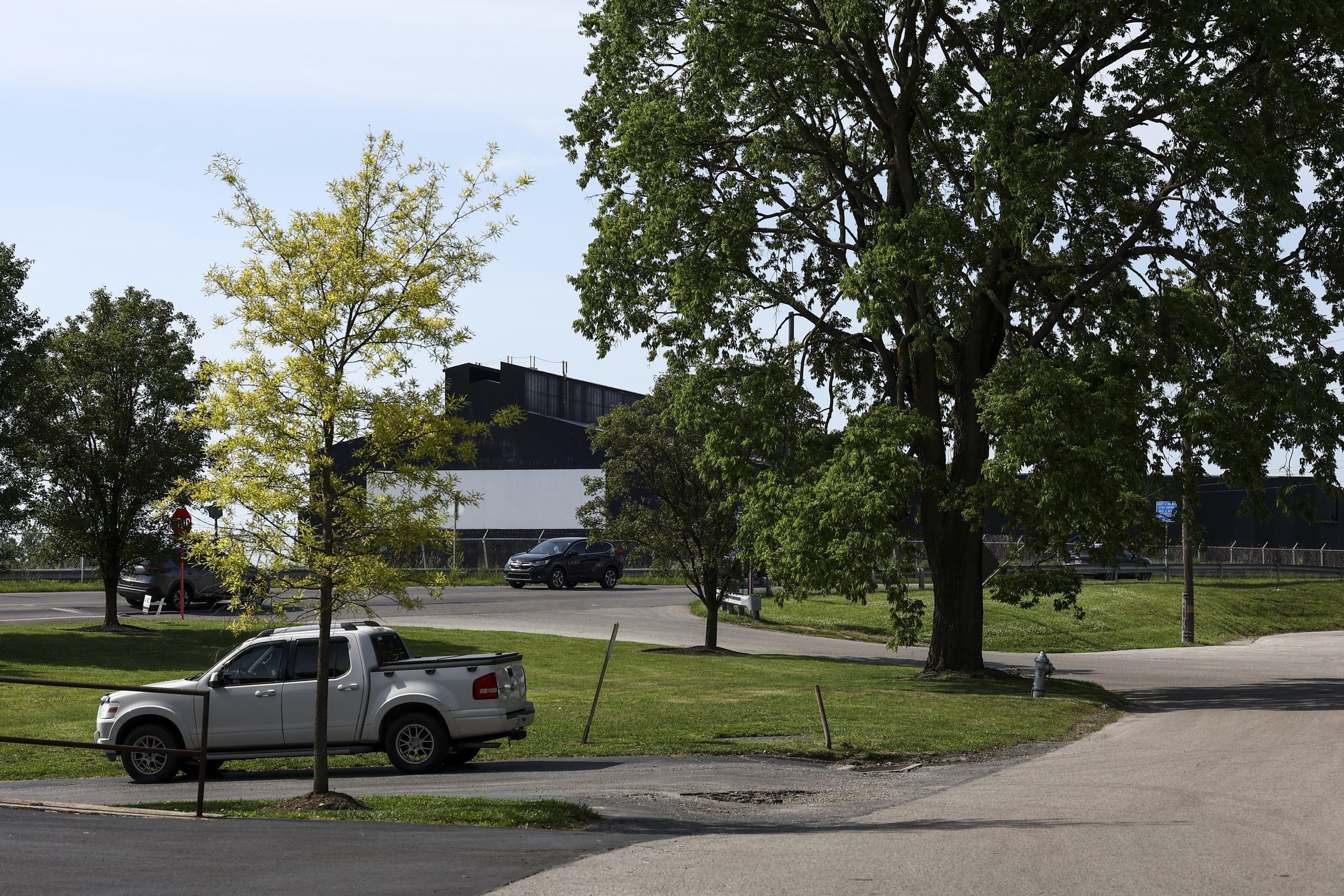
    The pushback in Upper Merion mirrors the opposition seen across the Schuylkill River in Plymouth Township, where O’Neill has spent a year trying to get the OK to build another 2 million-square-foot data center on a shuttered steel mill outside Conshohocken. The project was set to be the subject of a Plymouth Township Zoning Hearing Board meeting on Thursday, but the meeting was canceled due to what the township called “an administrative oversight.”

    The closed Cleveland-Cliffs steel mill in Plymouth Township, outside Conshohocken, that Brian O’Neill wants to turn into a 2-million-square-foot data center. Monica Herndon / Staff Photographer

    Plymouth Township officials failed to post the meeting agenda 24 hours in advance, in violation of the Sunshine Act.

    “Out of an abundance of caution and in the interest of legal compliance and public transparency, the board will not convene as scheduled,” Plymouth Township officials said Thursday in a statement, adding that the meeting will be rescheduled.

    O’Neill has also faced off with Plymouth Township officials in recent months. In July, he filed a legal challenge to the Plymouth Township zoning ordinance, which prompted township leaders to accuse O’Neill of “throwing a tantrum” in an attempt to bully and intimidate them. O’Neill called their statements “a bald-faced lie.”

    News of O’Neill’s actions in Plymouth Township prompted a rebuke from Gov. Josh Shapiro, who had previously encouraged data center development. Weeks later, the governor signed an executive order restricting data center development in Pennsylvania, including by requiring projects to get local approval before receiving state permits.

    Fears about AI

    The debate over artificial intelligence has intensified in recent weeks, with executives at some of the country’s largest AI companies urging a slowdown of the technology amid fears that it may eventually wipe out humanity.

    Despite pushback, O’Neill’s team remains bullish on data centers.

    “Everybody is against data centers but everybody wants their Amazon order delivered instantaneously,” Kaplin said. “We want all these things that are powered by data centers, so you can’t have it both ways.”

    Two decades ago, Kaplin said he worked for a developer trying to get several of the region’s Walmarts approved. At the time, there was great public opposition, he said, but now “everybody is like, ‘Walmart is part of the community.’”

    “This too shall pass,” Kaplin said. “We have to have this computing power to compete in the world.”

  • Penn State is selling its Wilkes-Barre and Shenango campuses

    Penn State is selling its Wilkes-Barre and Shenango campuses

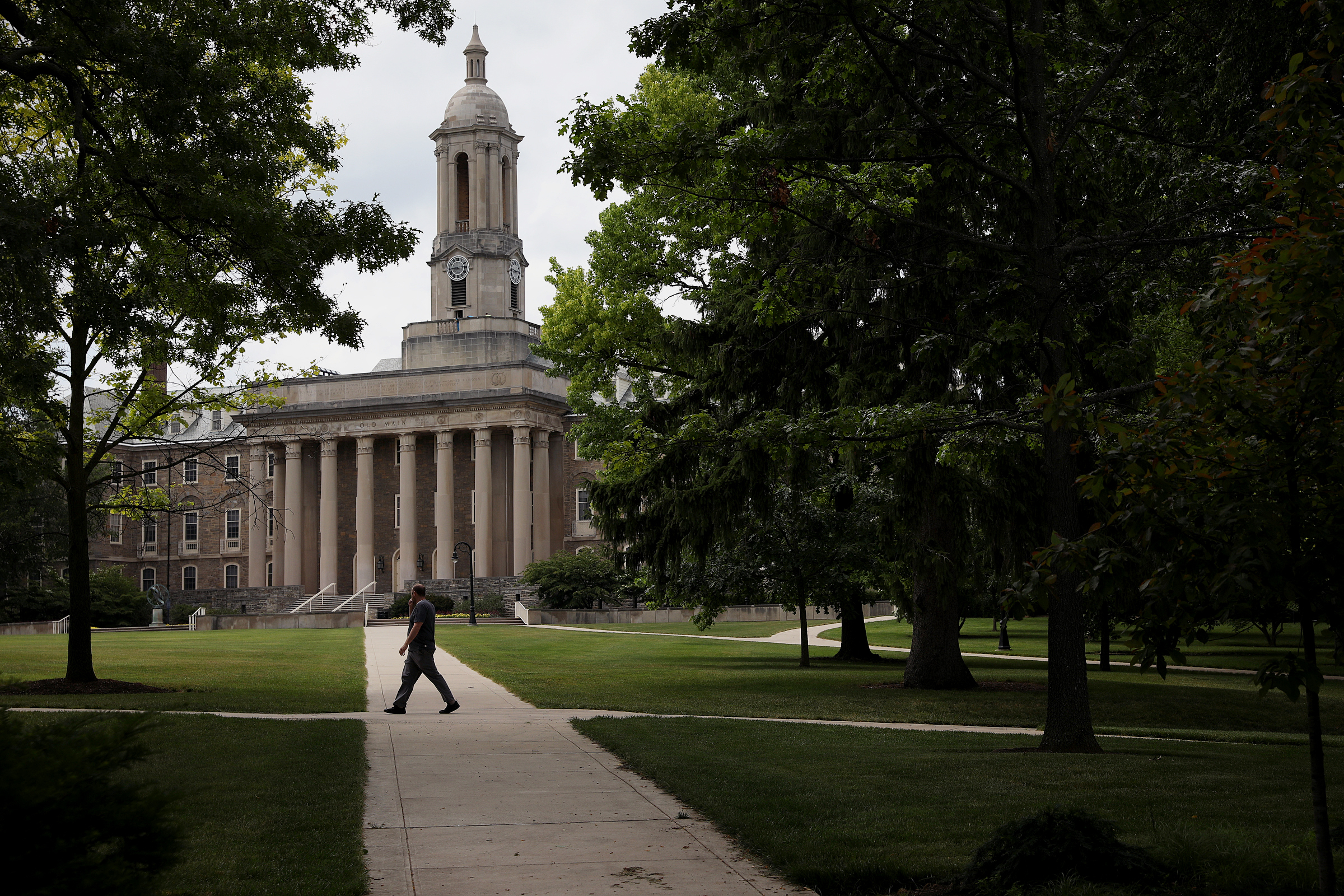
    Pennsylvania State University’s board of trustees agreed Friday to sell two of its closing Commonwealth campuses to developers for more than $6 million.

    Plans call for the Wilkes-Barre campus in Northeastern Pennsylvania to be developed into event and conference space for a nearby golf course and space for educational programming, while the Shenango campus in Northwestern Pennsylvania will be used for educational, cultural and workforce training purposes. The Shenango campus enrolled 309 students in 2024 and the Wilkes-Barre campus 329 students, according to a Penn State report on the closures.

    Sara Thorndike, Penn State’s senior vice president for finance and business and chief financial officer, told trustees at a committee meeting Thursday that discussions continue on the future use of the other five campuses: Dubois, Fayette, Mont Alto, New Kensington and York. The seven closing campuses are spread from Northeastern Pennsylvania to Western Pennsylvania. The campuses in the Philadelphia region — Abington, Brandywine, and the graduate education-focused campus at Great Valley — are not impacted.

    “Every campus is on its own path and own time line,” Thorndike said of the closing campuses. “Our goal is to find a positive path forward.”

    Penn State in May 2025 voted to close the seven campuses at the end of the 2026-27 academic year due to precipitous enrollment declines, marking the largest remake of the Pennsylvania flagship university’s Commonwealth campus system in its history.

    Since then, Penn State has been conducting meetings at each of the campuses with elected officials and others in the community to hear concerns about future uses, Thorndike said.

    The board approved the sale of the 13-acre, 12-building Shenango campus in Mercer County to JCL Development LLC for $1 million. It will be used for education, workforce training, economic development and cultural enrichment, Thorndike said.

    Penn State Wilkes-Barre’s 57-acre, 17-building campus in Luzerne County will be sold to HGC Development LLC for $5.25 million. HGC is a subsidiary of the Huntsville Golf Club, which is next to the campus. The property will be used for event space “complementary to the golf club,” the university said, and educational purposes, including a planned partnership with the nearby Misericordia University.

    Thorndike said the university considered community benefits, appraised values, deferred maintenance and the costs Penn State would have to pay if it held on to the campuses. Though both offers were below the value of the properties, she said the university determined they were the best overall offers.

    “Both proposals outline a vision for preserving the community-facing qualities of these properties while building on the educational impact the campuses have had for decades, and that’s an outcome we’re pleased to see reflected in each plan,” Renata Engel, vice president for Commonwealth Campuses and executive chancellor, said in a statement.

  • String of daring Russian plots is testing Washington’s restraint

    String of daring Russian plots is testing Washington’s restraint

    An airstrike on a train line that endangered the lives of former European leaders and CIA officers.

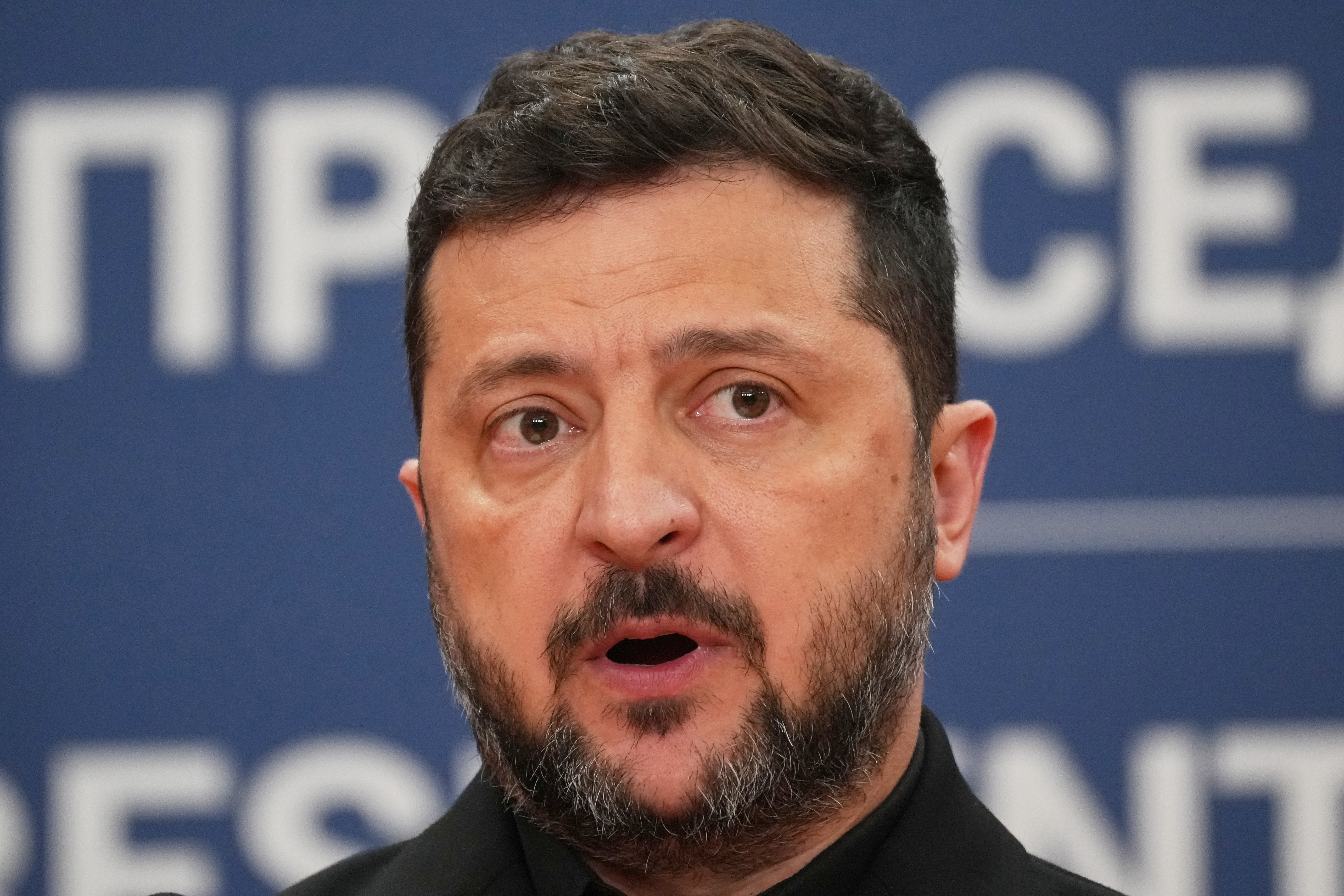
    Armed drones in Moldova suspected of stalking the plane of Ukrainian President Volodymyr Zelensky.

    A clandestine effort to assemble an international network of assassins, including plans to “eliminate” a Kremlin critic in Washington.

    In a matter of weeks, Russia has been linked to a stunning series of attacks and plots that — had any one of them turned deadly — carried the potential to trigger a dangerous escalation in the war in Ukraine and the West’s broader conflict with Moscow, according to security officials and experts.

    The spate of attacks — at a moment when the Trump administration is pushing to revive peace negotiations — has put security agencies on edge, officials said, threatened travel routes that are critical to Ukraine’s ability to maintain ties with its supporters, and raised concerns that Russia once again is probing how far it can go in widening the war as it seeks to break the will of Kyiv’s backers.

    Russia’s drone strike on a train near the Ukraine-Poland border early Sunday seemed to mark a worrisome new development in Moscow’s calculations, officials said.

    The attack destroyed a locomotive on a section of track where a delegation of diplomats and former top European officials — including former British Prime Minister Boris Johnson — had passed a short while earlier after attending an annual Yalta European Strategy conference in Kyiv.

    Former CIA director David Petraeus and two other former agency officials were on a separate train that was evacuated minutes before the explosion, officials said.

    Former officials and experts said Moscow probably intended to send a signal of intimidation but that a minor mistake in timing or coordinates could have left dozens dead and put pressure on the United States and its allies to retaliate.

    “My assessment was that it wasn’t intended to kill Boris Johnson or David Petraeus,” said Glenn Corn, a former senior CIA official with responsibilities for operations in Russia and Eurasia who was also aboard the evacuated train. “But it was definitely premeditated and intended to send a strong message: We don’t want you coming to Ukraine. This is our sphere of influence. This is a warning.”

    An errant strike on trains carrying Johnson or Petraeus risked unleashing a “snowball effect,” Corn said, an “escalatory chain” that could test the restraint of Moscow and Washington.

    French President Emmanuel Macron warned Friday that “the Russian hybrid threat has been intensifying” in recent weeks.

    “The nature of Russian aggression, and its threats in Europe, are changing,” he told reporters after a meeting with leaders of France’s political parties, along with military and security chiefs. He cited the train strike and repeated drone incursions into European airspace, among other incidents. He said he has instructed French authorities to increase vigilance.

    The strike came just days after Zelensky said his government plane was targeted by Russian drones at an airstrip in Moldova as he was traveling to the Sept. 9 funeral of the king of Norway, a country that has been a staunch supporter of Ukraine since Russia’s 2022 invasion.

    “In Moldova, my presidential jet was there, and that’s why they attacked Moldova,” Zelensky said in an interview with CBS. “When we went back home, again through Chisinau, they did the same.”

    Ukrainian and Moldovan officials confirmed that Russian drones had crossed into Moldovan airspace while Zelensky’s jet prepared to depart Chisinau International Airport, though officials said that one of the drones was destroyed near the border about 100 miles from the airport and that Zelensky’s plane was never in danger.

    On Tuesday, the U.S. government exposed another alleged front in Russia’s campaign against perceived external adversaries. A criminal indictment unsealed by the Justice Department accused operatives in Russian intelligence services of using encrypted communications apps to recruit assassins to kill dissidents or critics of Moscow.

    The indictment, filed in the Southern District of New York, describes communications in late August between alleged agents in Russia and an unidentified U.S. resident as part of a plot to “eliminate” or “disappear” a Russian dissident in Washington.

    The network also sought an assassin to kill a Russian dissident in Lithuania, according to the indictment, as well as other recruits to carry out terrorism attacks in the Czech Republic. At one point, according to the indictment, a Russian intelligence officer identified as Yuri Khrameev suggested killing an alleged Kremlin critic by “throwing a bottle of gasoline” or “sticking a knife” in him.

    Kremlin spokesperson Dmitry Peskov dismissed the allegations this week, saying Russia had not seen “any coherent evidence or arguments based on anything tangible.”

    Officials emphasized that Russia has been linked to assassinations, and to plots targeting alleged dissidents, in Europe for decades, and that in recent years Moscow has pursued other plots that similarly alarmed security services.

    In 2024, Russia’s GRU spy agency used operatives recruited online in a plot to place incendiary devices aboard cargo aircraft, causing parcels to catch fire in Britain, Poland, and Germany.

    The Biden administration was so alarmed by the prospect of explosions on trans-Atlantic cargo planes that CIA Director William J. Burns and national security adviser Jake Sullivan were enlisted to issue warnings to their counterparts in the Kremlin.

    It is not clear if President Donald Trump, who recently scolded Ukraine for carrying out attacks on energy targets in Russia, has taken similar steps to caution Moscow about the train strike or the potential targeting of Zelensky’s aircraft.

    European officials have repeatedly denounced Russia in recent months for drone incursions, arson attacks, and other plots attributed to Kremlin security services. German authorities last month found a drone carrying explosives near a Ukrainian cargo plane at an airport in Leipzig.

    Polish Prime Minister Donald Tusk warned on Thursday that Russia could launch “hybrid drone and missile strikes” against NATO countries while depicting them as accidental.

    “Don’t underestimate it,” Macron said of the Leipzig incident, in remarks to the press Friday. He added, “The consequences would have been tragic. … What happened in Leipzig could happen in any European city.”

    Russia’s ability to strike trains near the Polish border or violate Moldova’s airspace has been driven by new military capabilities, including the development of powerful jet-powered drones whose speed and high-altitude trajectories overwhelm Ukraine’s air defenses and have altered the war’s dynamic, according to officials and experts.

    Russia rarely succeeded in striking moving targets including trains early in its invasion because of the technical limitations of its air force and the inexperience of its targeters, experts said. Advanced drones, combined with experience, have reduced these shortcomings. As a result, a war in which the front lines have been effectively frozen is now characterized by penetrating strikes by both sides meant to disrupt and exhaust the enemy.

    Ukraine has “been doing well at the front and it’s their best year since 2023 in terms of combat performance,” said Michael Kofman, a military analyst at the Carnegie Endowment for International Peace. But now “it is the rear, the infrastructure in cities, that looks increasingly precarious heading into winter.”

    With Ukraine running extremely low on interceptors and other air defenses, Russia has been bombing civilian targets including shopping centers and distribution warehouses used for food and medicine, leading to some shortages. In a diplomatic gesture, Putin agreed to halt attacks on Kyiv for 72 hours while U.S. envoys Steve Witkoff and Jared Kushner made their first visit to Kyiv since Trump’s return to the presidency.

    Ukraine’s airspace has been closed since the start of the invasion, so visiting dignitaries almost universally arrive by railroad.

    The number of attacks on trains, however, has “grown exponentially” over the past year as part of a Russian drone campaign aimed at crippling Ukraine’s economy and infrastructure, Ukrainian Railways boss Oleksandr Pertsovsky said this week. He said about 40 trains were hit in August alone, among 400 targeted since the invasion’s outset.

    In an interview, Petraeus, who was a four-star U.S. Army general before becoming CIA director under President Barack Obama, said that his recent train trip to and from Kyiv was the 11th he has made since the invasion of February 2022. Petraeus, who attended the YES conference, said he had never before been forced to evacuate a train on the overnight journey, but that his train was evacuated three times this week because of the drone threat.

    Asked whether he believed that Russia intended to kill him or other dignitaries who had attended the conference, Petraeus said, “I think that would have been unwise.”

    Doing so would be likely to bolster Western resolve in its support for Ukraine, a response that “would undermine what it is [that Russia] is trying to achieve, and they would recognize that.”

  • Iran war will make winter more expensive for some Americans

    Iran war will make winter more expensive for some Americans

    Jonathan Robidoux, a resident of Long Island, N.Y., calls his heating oil supplier every fall to have his tank filled for the coming winter. He spent $1,200 on the fuel last winter.

    This year, he will likely pay a lot more.

    The price of heating oil, a fuel that is similar to the diesel used in trucks, is up roughly 60% since Israel and the United States started attacking Iran on Feb. 28.

    The war has sent oil and fuel prices soaring, leaving Robidoux and many others facing difficult financial decisions. About 3% of U.S. households use heating oil, and most of them live in the Northeast or Alaska.

    Robidoux, who rents a home in New Hyde Park, N.Y., is trying to decide if he should buy heating oil now or wait until the weather gets colder, in the hope that prices will drop.

    “I might just buy some now, but I don’t have that much liquidity, so it’s a tough decision,” said Robidoux, 41.

    People who use natural gas or electricity to heat their homes are expected to face more modest increases in heating bills but many of them could also find it hard to make ends meet, energy experts said.

    Many Americans are heading into a “much more expensive” winter, said Mark Wolfe, executive director of the National Energy Assistance Directors Association, which represents state officials that help dispense government aid to residents who meet certain income-based qualifications. The organization urged Congress in July to offer more financial assistance to families struggling with rising energy costs.

    “Those numbers, if you’re middle class, that’s a significant hit to your budget,” he said.

    Who will face higher costs and why?

    As with gasoline and diesel, heating oil prices can vary a lot based on where you live. The national average, which was $4.10 a gallon the week before the war, jumped 35% to $5.54 just a month later, according to weekly data from the Energy Information Administration, which will begin releasing weekly price data for heating oil in the fall.

    In New York, the average price of heating oil was $6.14 a gallon the week of Sept. 14, up from $3.70 a year earlier, according to the state’s Energy Research and Development Authority.

    More than 80% of U.S. heating oil is used in the Northeast. In the winter of 2023 to 2024, 4.79 million households used oil as their primary heating fuel, according to the EIA.

    Despite skyrocketing prices, investors are expecting them to fall. Futures contracts for heating oil delivered in December were trading at $4.61 a gallon on Thursday afternoon, compared with $5.10 a gallon for the October contract. Retail prices paid by residents are higher than those for futures contracts.

    Of course, traders have been wrong before. Oil and fuel prices dropped sharply after President Donald Trump and Iranian officials announced a tentative agreement to pause the war in June. But prices began climbing again when hostilities resumed.

    The uncertainty about what heating oil will cost in a few months is prompting many people to make anxious calls to oil suppliers like the Energy Co-op of Vermont.

    “There’s definitely been people trying to hold off that way or make plans of getting a minimum amount of gallons delivered at this point, hoping to stretch it till the next time, hoping that’ll be a little bit lower in cost,” said Rose Friedlander, the co-op’s marketing manager.

    What other options are available to stay warm?

    Many people use oil because switching to a different source of heat can be expensive or difficult.

    Natural gas is not an option in many rural and suburban areas because laying pipelines over long distances is often financially unfeasible. Some states have offered incentives to get residents to switch to electric heat pumps, which are much more energy efficient and contribute much less to climate change, but installing the devices can still cost residents thousands of dollars.

    Consider Vermont, where 35% of homes use heating oil. Of its 285,000 homes, about 80,000 have heat pumps, said Philip Picotte, a utilities economic analyst with the Vermont Department of Public Service. Around 8,000 to 10,000 heat pumps are installed in Vermont every year.

    That said, the use of heating oil has been dropping. In 2010, about 6% of Americans used it. Some states have weaned a lot residents off the fuel. Maine has decreased the number of homes that primarily rely on heating oil from 62% in 2018 to around 50% in 2025.

    One hurdle to heat pumps is that electricity rates tend to be higher and homes tend to be older in the Northeast than in other regions. That means using heat pumps may not lower heating costs unless they are paired with other home upgrades like insulation and sealing that help minimize energy use.

    Another option is propane, a fuel made from the processing of natural gas or crude oil. Around 5% of American households use it, and prices for the fuel have climbed modestly this year — in New York, they’re up about 5.7% compared with last year. But switching to propane also requires replacing home heating equipment, which can be beyond the means of many people.

    Natural gas and electricity prices are up less

    Households outside the Northeast and Alaska generally will not face as big a financial shock this winter. That’s because about 47% of U.S. homes heated with natural gas as of 2024 and the United States has plenty of it on hand, unlike Europe, where the price of that fuel has been rising sharply.

    “We’re really very well supplied for natural gas, and that’s where you see prices where they are,” said Matt Smith, director of commodity research at Kpler.

    The wholesale price of natural gas in the first week of September has actually been lower than prices in September last year, according to the EIA.

    But the price of gas delivered to homes, which also includes the cost of maintaining pipelines, has been rising. In June, the average retail price was $24.09 per thousand cubic feet, up 3.6% from a year earlier, according to the EIA.

    About 42% of U.S. homes used heat pumps or other electric heaters as of 2024, according to RMI, a research group formerly known as the Rocky Mountain Institute. These people will likely also pay somewhat more this winter. In June, the national average residential electricity rate was 18.34 cents per kilowatt-hour, up about 5% from a year earlier, though rate increases vary a lot by state and utility.

    This article originally appeared in the New York Times.
  • Trump refers to Black man from racially offensive 1988 campaign ad while stumping in North Carolina

    Trump refers to Black man from racially offensive 1988 campaign ad while stumping in North Carolina

    As President Donald Trump tries to convince voters that Democrats have let crime run amok, he’s digging into the country’s political past to cite one of the most controversial campaign advertisements — one that relied heavily on racist tropes.

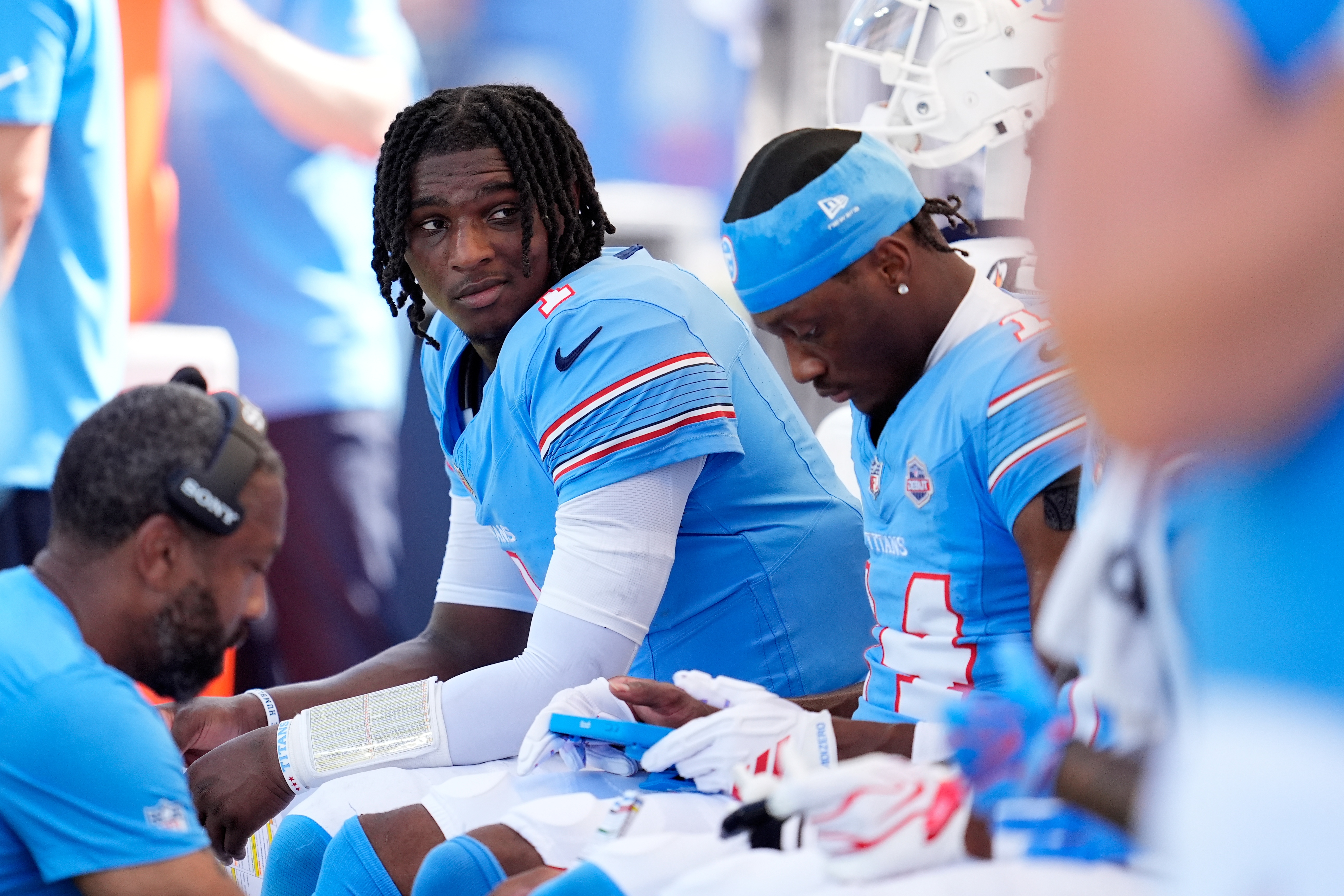
    During a campaign stop Wednesday in Gastonia, N.C., to stump for Republican U.S. Senate candidate Michael Whatley, Trump resurrected a 1988 George H.W. Bush presidential campaign ad featuring Willie Horton, a Black man convicted of rape and assault after his release through a Massachusetts prison furlough program.

    A grainy black-and-white prison photo of Horton was used in the ad targeting then-Massachusetts Gov. Michael Dukakis, who was ahead of Bush in the polls. On Wednesday, Trump evoked the Horton ad in an effort to convince voters Democratic former Gov. Roy Cooper, Whatley’s opponent in the Senate race, is soft on crime.

    “Willie Horton was a bad guy, really bad guy,” Trump said, before comparing Dukakis’ release of Horton to the pretrial release of a Black man who faces a murder charge for last year’s killing of a white Ukrainian refugee in Charlotte, N.C.

    But Cooper was not the governor when the man was released or when he was later charged with killing the refugee.

    “Same thing as this, same as, same exact thing,” the president told the crowd in Gastonia.

    It’s the second time Trump has invoked Willie Horton while campaigning for his party. Last month during a speech in Las Vegas, Trump called the Charlotte killing a “Willie Horton — modern day” tragedy.

    “After the Willie Horton ad dropped, Bush established a lead in the polls and never looked back,” said Andra Gillespie, a political scientist at Emory University outside Atlanta. “They showed the picture, and you ascribed race onto it. It wasn’t sufficiently condemned as racism.”

    A spokesperson for the Republican National Committee, which organized the Gastonia campaign rally, defended Trump’s reference to Horton.

    “Roy Cooper emptied prisons and released thousands of violent monsters onto North Carolina streets,” RNC National Press Secretary Natalie Baldassarre said in a statement to the Associated Press. “The results had deadly consequences, and every Democrat who supports abolishing or defunding the police, paroling criminals, and implementing lax bail policies will have to answer for their dangerous records in November.”

    Trump paints North Carolina as a ‘dangerous state’

    Wednesday’s rally cited the Aug. 22, 2025, killing of white 23-year-old Iryna Zarutska on a commuter train in Charlotte.

    Decarlos Brown Jr., who is Black, faces murder and other charges in Zarutska’s stabbing, which was captured on video. Court records showed that at the time of the attack, Brown had 14 prior cases in Mecklenburg County, including serving five years for robbery with a dangerous weapon. Doctors had diagnosed him with schizophrenia.

    Republicans and other influential voices in Trump’s Make America Great Again movement claimed the attack showed how Democratic elected leaders in large cities across the U.S. failed to protect residents, while some conservative commentators suggested Democrats were ignoring an unfounded “black-on-white” crime problem.

    “He should have been locked up for many, many years,” Trump said Wednesday of Brown.

    “Nobody used to think of North Carolina as a dangerous state, criminally dangerous,” Trump added while blaming Cooper. “It was apple pie, right? Now, it’s one of the most violent, one of the worst in the whole nation.”

    According to 2024 FBI crime data, North Carolina ranked 19th for statewide violent-crime rates in a 50-state comparison.

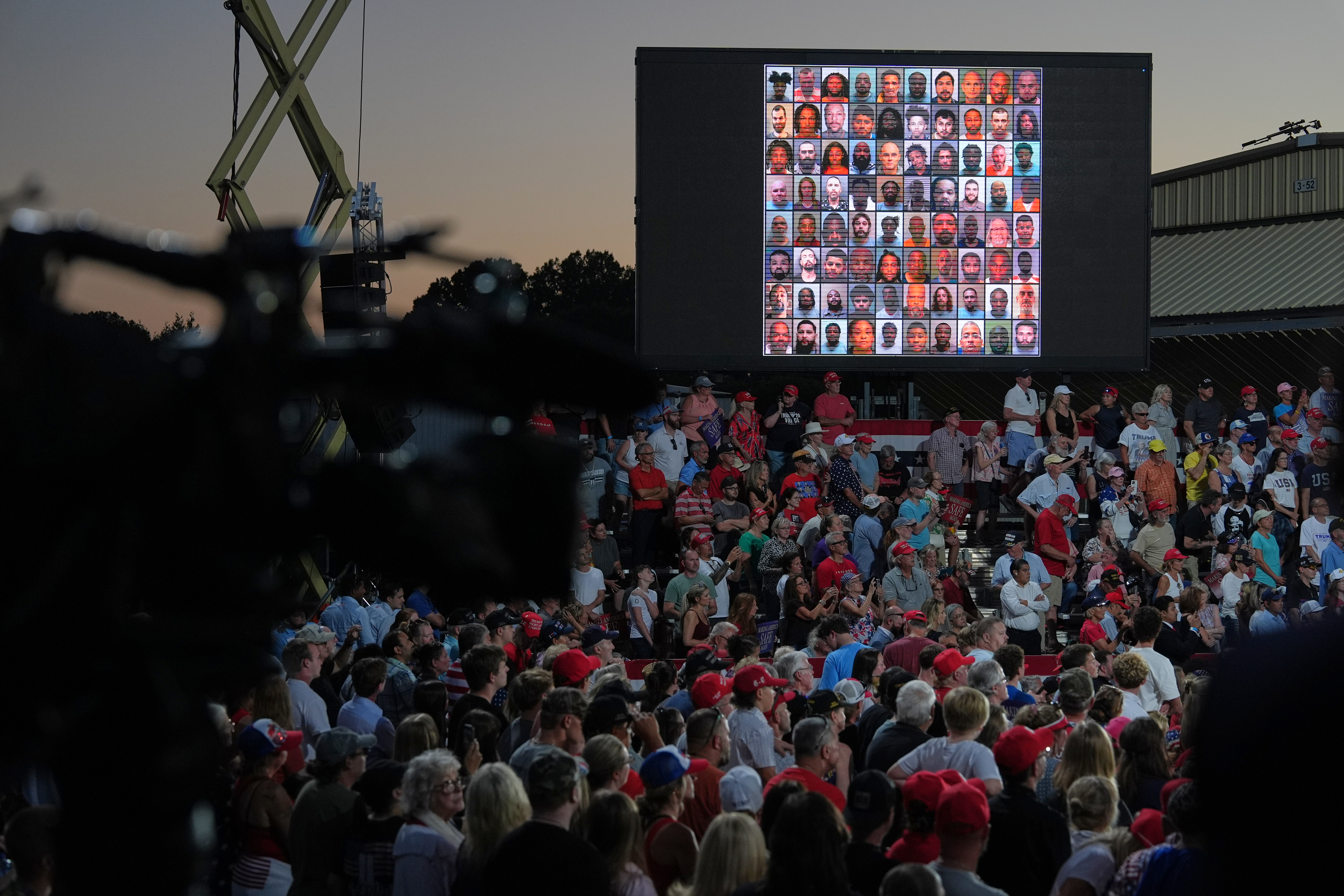
    During the Gastonia rally, a mosaic of mug shots was displayed on a large screen for the crowd. Trump claimed Cooper had cut a deal with “radical activists” to release “some of the worst criminals in the nation into North Carolina.”

    “He released these people. This is just a small group of them,” the president said, pointing to the mug shots that overwhelmingly featured Black people.

    Although it is unclear under what circumstances the people in the mug shots were released, state corrections officials have said Brown was not released early from prison or under Cooper’s COVID-era prisoner-release settlement that Trump referenced.

    Before fatally stabbing Zarutska, according to court records, Brown had been on a pretrial release over a misdemeanor offense that was ordered by a magistrate after Cooper left office.

    ‘Tapping into anger’

    Republicans are under pressure to win over swayable voters as the November midterms approach with Democrats pushing to gain control of the House, the Senate, or both. Some political strategists say part of the ploy of adding Horton to the North Carolina Senate campaign is to rile up Trump’s base.

    “He’s tapping into the anger to remind Republican voters of what he thinks their first principles are in hopes that will be successful for Republican candidates,” Gillespie said.

    “He’s doing this to try and divert attention away from criticism of how he’s governing at the moment,” she added. “Democrats want to make the story of this election Trump’s low approval numbers, the war in Iran, inflation, being preoccupied with things that don’t make a whole lot of sense when there are really serious things going on in the country.”

    Dewey Clayton, professor emeritus of political science at the University of Louisville, said Trump and other Republicans may be thinking that what worked before in the 2016 and 2024 elections presumably will work again in this year’s midterms.

    “It was very effective,” Clayton said. “You do not necessarily have to look at it as racial, in and of itself, although (race) clearly becomes a component. In 2026, talking about ads going back in the 1980s? I’m sure he had consultants that were basically saying this is tried and true.”

    The GOP may need the push in November, Gillespie warns. “I think the motivation by going back to these old strategies is there is real concern about Republican enthusiasm and you might see lower Republican turnout,” she said.

    Rhetoric attempts to divert voters’ attention from rising costs

    The tactic speaks to desperation by Trump and the Whatley campaign, according to Morgan Jackson, a partner with Nexus Strategies in Raleigh.

    “Trump brings up Willie Horton to stoke racial division, something he’s used for the last 10 years,” said Jackson, who is chief strategist for Cooper’s campaign. “It is very clear from the president’s speech last night their only goal is to sow division and hate and lies. Michael Whatley doubles down in support of that effort.”

    Jackson also said Trump and Whatley are trying to change the election’s message of “rising inflation and the cost of everything.”

    “They want to use inflammatory rhetoric, hate speech and lies to sow division in a chance to win an election,” he said. “By referencing Willie Horton, they are showing their hand very clearly.”

    The AP sent an email Thursday seeking comment from Whatley’s Senate campaign.

  • Texas coach Steve Sarkisian, QB Arch Manning, and casual toxic masculinity; LIV Golf’s … losers?

    Texas coach Steve Sarkisian, QB Arch Manning, and casual toxic masculinity; LIV Golf’s … losers?

    There’s a generalization that rich white guys think it’s OK to laugh at violence against women. Most rich white guys say that’s not true.

    You know what would be a great way for rich white guys to dispute that generalization?

    Stop laughing at violence against women.

    I know it feels these days like we’re at crisis level on several fronts, whether it’s the economy, politics, the climate, or, for lack of a better term, social justice issues. More than anything else, though, it feels like we’re experiencing an overload of casual toxic masculinity.

    Two weeks after Good Good Golf ruined its brand by partnering with Callaway in a commercial in which a Good Good executive tackled and berated a woman who was preparing to touch his driver, the biggest Texas home win in 76 years, over No. 1 Ohio State, became a sidelight to the antics of the millionaire principals who made it possible.

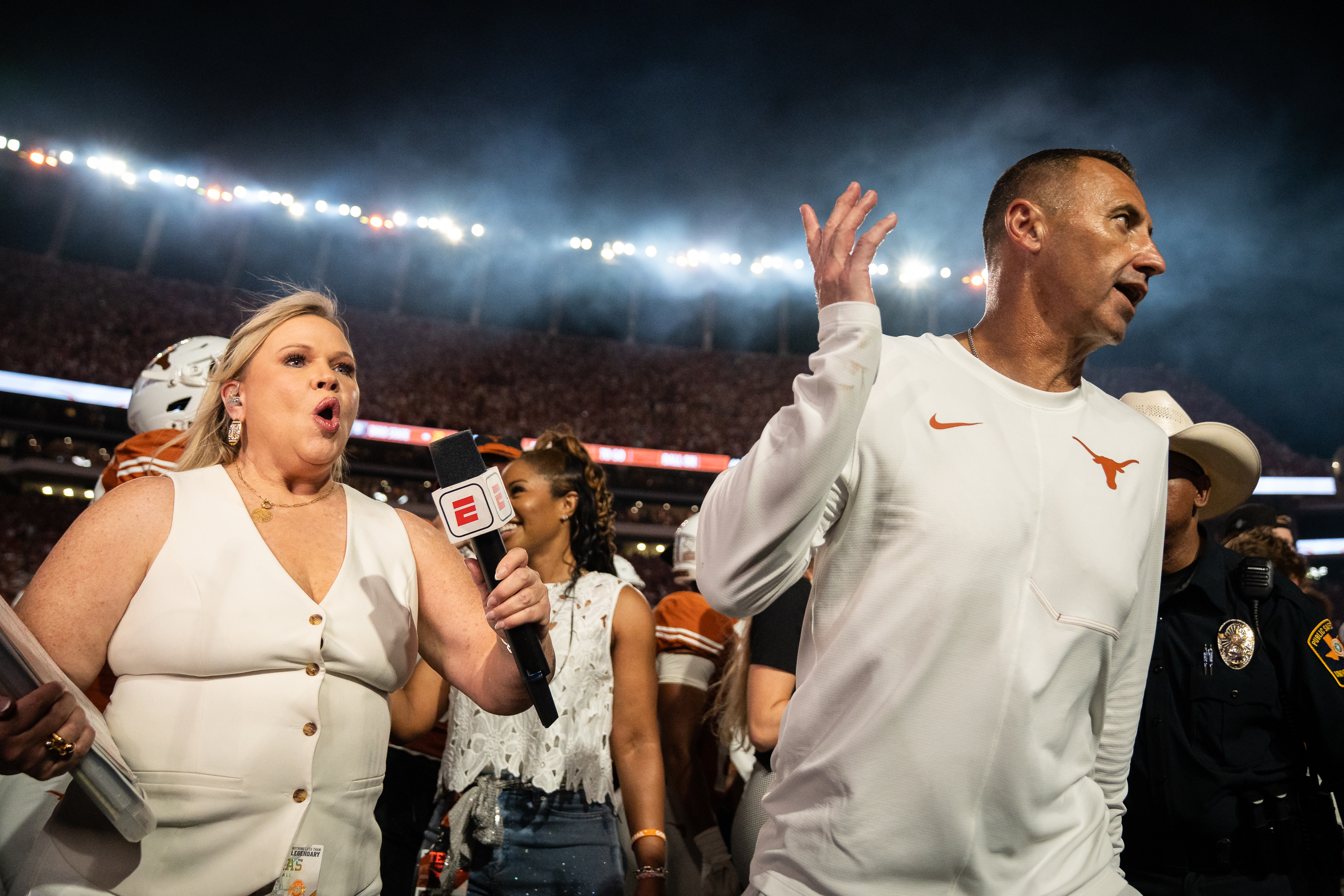
    First, coach Steve Sarkisian, working under a roughly $76 million contract partially funded by TV rights, refused to participate in halftime and postgame TV interviews, to which he is contractually obligated. Sark tried to justify his actions by citing technical glitches. Please. These sorts of glitches are commonplace on the sidelines of a raucous stadium, and Sarkisian knows it. He was just being a jerk.

    He simply ditched Laura Rutledge after waiting all of 10 seconds at halftime. He was just getting warmed up.

    After the game, as ESPN threw to respected sideline veteran Holly Rowe — a cancer victim who has worked the sidelines through debilitating treatments — Sarkisian ignored Rowe’s question, screamed, “That’s called Texas fight! That’s called Texas fight!” offered the Longhorns’ catchphrase, “hook ’em,” and ran off like an over-caffeinated teenage boy.

    Sarkisian should have been fined.

    He was not.

    He addressed the issue Thursday.

    “If hindsight’s twenty-twenty, if I could do it all over again, I would have exuded [he meant practiced] more patience in that moment and sat through and waited for the interview with Holly,” he said.

    He offered explanations that only painted him as even less professional, justifying his impetuousness by saying, basically, he didn‘t want to wait before halftime, and that, postgame, he couldn’t wait to celebrate with his team.

    Predictably, he failed to actually apologize, and worse, he failed to address the massive, vicious fallout that targeted Rowe all week on forums such as talk radio and social media. Sarkisian did manage to blame his quarterback’s reaction entirely on his quarterback and to paint himself and the precious program as blameless.

    Even more predictably, Sarkisian didn’t bother to address the incidents at all until Thursday. They should have been addressed no later than Monday night, as things further deteriorated.

    By the time quarterback Arch Manning took to the podium Monday, an AI-generated internet meme that depicted Sarkisian slapping Rowe during their interaction had gone viral. Asked about the original video, Manning, a junior who has made an estimated $10 million in NIL money, said he considered the violent, fake one more entertaining.

    “I’ve seen a few AI edits and stuff, but that’s about it,” he said. “I saw an AI edit of Sark’s interview. Y’all seen that one? That’s a good one.”

    Which one?

    “Of him slapping Holly Rowe. It’s hilarious!”

    Again: Manning was asked about the original video, but instead blithely touted the AI imagery of a woman being beaten by his coach.

    Disgusting.

    Manning — who has sponsorship deals with Red Bull energy drink, Vuori clothing, and Warby Parker glasses — issued an apology Tuesday on Instagram to the millions he offended, for the shrapnel of online hate directed at Rowe following his misogyny, and promised he would be “more thoughtful” in the future.

    There was nothing remotely funny or entertaining about the Good Good ad.

    There is nothing remotely funny, much less “hilarious,” about the AI violence in the Sarkisian video, which Manning noted: “There is nothing funny about it.”

    Really?

    Seems like it was plenty funny when he was in front of a gaggle of adoring sportswriters, some of whom, astonishingly, laughed along with Manning … but not so funny when your sponsors are threatening to fire you.

    One of the reporters in the room posted the video of Manning’s response with the revealing caption, “ … his answer is gold.”

    You can’t make it up.

    The reporter has since apologized, but his initial processing of the situation is troubling, to say the least. He was not alone.

    Everywhere you looked there were people, mainly men, downplaying what the faces of the Texas program did. The same demographic downplayed the Good Good ad.

    In his statement Thursday, Sarkisian said, “Nowhere do we condone domestic violence or violence against women.”

    What he doesn’t realize, or what he conveniently ignores, is that there’s a big difference between expressly condoning it, which nobody does, and implicitly, tangentially seeding it by disrespecting and bullying female sideline reporters. There’s also a difference between expressly condoning it and expressing casual indifference by waiting more than half a week to address it while the real life victims endured merciless condemnation for doing nothing more than their jobs and being treated horribly by the coach and quarterback of the No. 1 team in the country.

    Texas quarterback Arch Manning — who has sponsorship deals with Red Bull energy drink, Vuori clothing, and Warby Parker glasses — issued an apology Tuesday for his comments about an AI video of coach Steve Sarkisian and ESPN sideline reporter Holly Rowe.Eric Gay

    LIV … victims?

    Nobody feels sorry for the professional golfers and their caddies who began accepting tens of millions of dollars in Saudi sportswash in the middle of 2022, when LIV Golf embarked on its obvious goal of tearing down the PGA Tour that had provided those golfers and caddies the means to the millions they’d already made. They were painted as traitors, often on these pages, and were accurately portrayed.

    Many now find themselves uncertain of their futures as LIV slogs through bankruptcy proceedings that will, at best, spawn a toothless replication of itself in 2027. So, yeah, screw those guys.

    However …

    Should we feel sorry for the folks who worked in LIV’s administration?

    Should we feel sympathy for vendors and contractors who are owed millions but will get paid little, if anything, for their efforts?

    After all, for moralists (like me), just like the golfers, these folks chose to work for a nation whose government was linked with terrorism against America, kidnapped and murdered a journalist residing in America, and practices a brutal and repressive theocracy. In recent weeks, as we commemorated the 9/11 attacks 25 years ago, it became even more difficult to empathize with even the commoner folk who chased inflated, oil-drenched paychecks.

    It’s a real question, and one I’m wrestling with.

    My answer: Maybe we should empathize.

    Maybe not.

    Aren’t the administrators, vendors, and contractors just as guilty as the golfers for feeding at such a rancid trough?

    Shouldn’t they have been just as leery of the Saudis, who are internationally notorious for welching on payments?

    LIV laid off more than 300 employees last month. Nobody likes to see folks out of work. I know some of the people who got laid off.

    LIV Golf, which features the likes of Bryson DeChambeau, is going through bankruptcy proceedings.Chris Trotman

    My dad was a union bricklayer, but he also had a small contracting business on the side, so I also know what it’s like to not get paid cash for hard work done.

    We had to accept two sheep once, 10 chickens another time, and, probably the best consolation prize, a balky, World War II Willys Jeep.

    I hope the 300 laid-off employees find work elsewhere (actually, I couldn’t care less if former CBS and NBC analyst David Feherty and former Premier League announcer Arlo White, as feckless a pair as ever held a microphone, ever work again).

    And I hope the contractors at least get a Jeep, because sheep are pretty useless, and those damned chickens, man, they were the worst.

  • Penn launches mobile eye clinic to detect disease early and help prevent blindness

    Penn launches mobile eye clinic to detect disease early and help prevent blindness

    Penn Medicine’s newest mobile medical van features a giant mural of Philadelphia’s City Hall set against a bright, colorful eye.

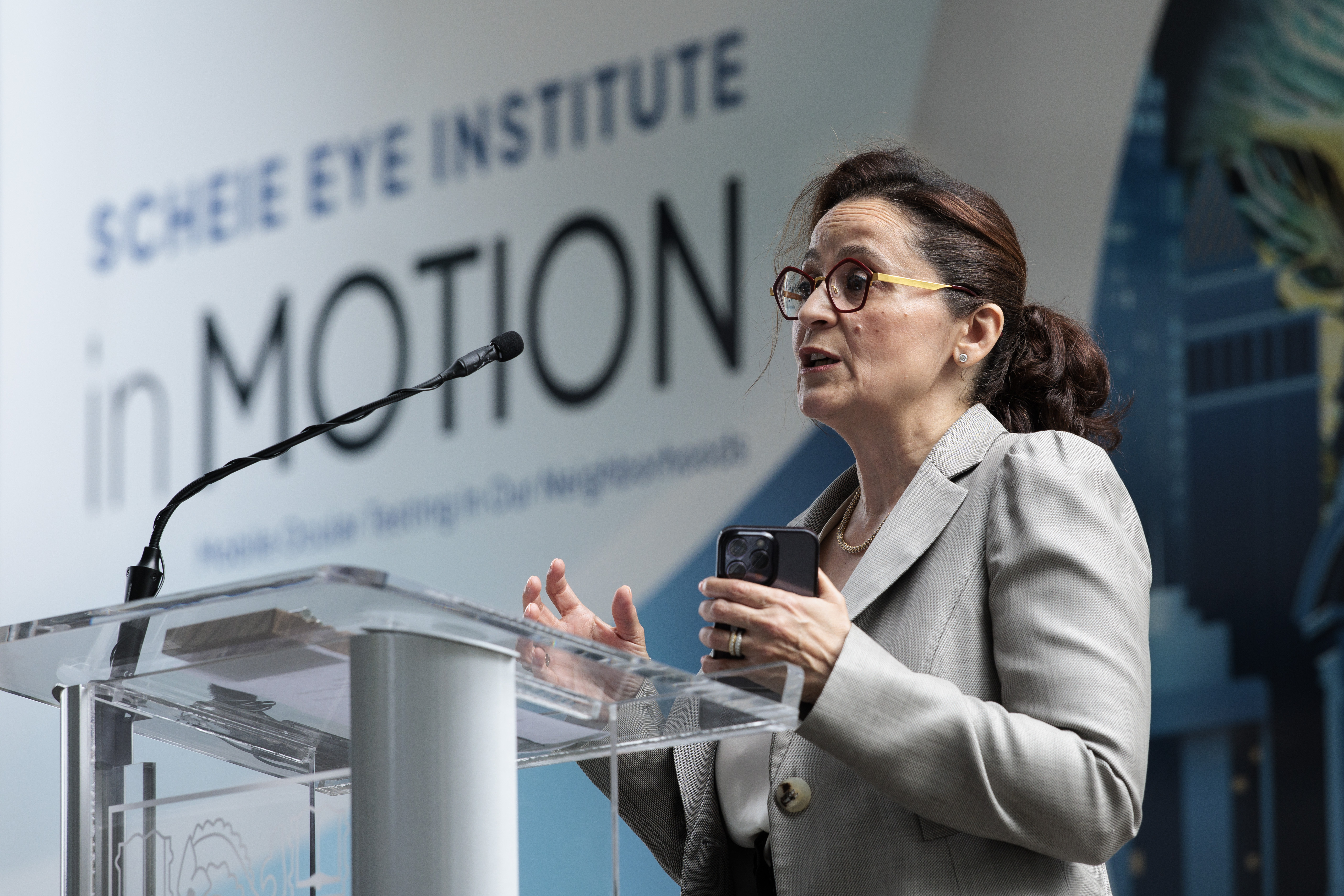
    It’s right on theme: the 26-foot-long van will travel around the city, offering free eye exams and education services to underserved communities. The project is led by Penn ophthalmologist Lama Al-Aswad, whose vision is to prevent blindness by improving access to eye care.

    Called the Scheie Eye Institute In MOTION, the van will screen adults for the four major causes of blindness: glaucoma, macular degeneration, diabetic retinopathy, and cataracts.

    The goal is to detect eye diseases early, so they can be treated before progressing to blindness. Half of an estimated 2.2 billion cases of visual impairment worldwide could have been prevented or still haven’t been properly treated, according to the World Health Organization.

    Lama Al-Aswad is the lead physician behind the new Scheie Eye Institute in MOTION mobile unit.Monica Herndon / Staff Photographer

    Al-Aswad had previously launched a similar effort in New York City that screened more than 8,500 people for glaucoma. She found more than half of them had never seen an eye doctor before.

    By teaching community members about eye diseases and expanding access to care, she hopes they can avoid worse outcomes.

    “By the time we say [patients] have a disease, we are improving their eye health literacy, so they understand the impact and the need to follow up,” Al-Aswad said.

    Those who cannot afford follow-up care can receive services for free, thanks to donations from Philadelphia native Rick Campbell and family, and the New York-based organizations, Save Vision Foundation and Envision Health Technologies.

    The van made its first appearance at Saunders Park in West Philadelphia in mid-September. The unit aims to run at least two to three times a week and see 25 patients at each event.

    The Inquirer spoke with Al-Aswad about the new mobile screening van in an interview lightly edited for length and clarity.

    Lama Al-Aswad speaks during an event introducing the Scheie Eye Institute in MOTION mobile unit.Monica Herndon / Staff Photographer
    What should the public know as part of eye health literacy?

    The four leading causes of blindness: That includes cataracts, which are reversible. People who have cataracts slowly lose vision, but once we do cataract surgery, it goes back to your baseline vision.

    Glaucoma is the leading cause of irreversible blindness. It’s called the silent thief of blindness because it’s asymptomatic until the end.

    Diabetic retinopathy is another leading cause of blindness. That’s preventable too, if there is annual evaluation for it and better control of diabetes.

    Macular degeneration is a disease that affects the macula and, with aging, slowly over time can affect vision. That can be treated with injection and monitoring.

    A lot of eye diseases can be blinding. But, in general, if we catch it early and take care of it continuously, we can prevent blindness.

    What communities are you hoping to reach?

    We are hoping to reach the underserved or vulnerable communities in West Philly, North Philly, and other places. We are even targeting the unhoused community with this mobile unit.

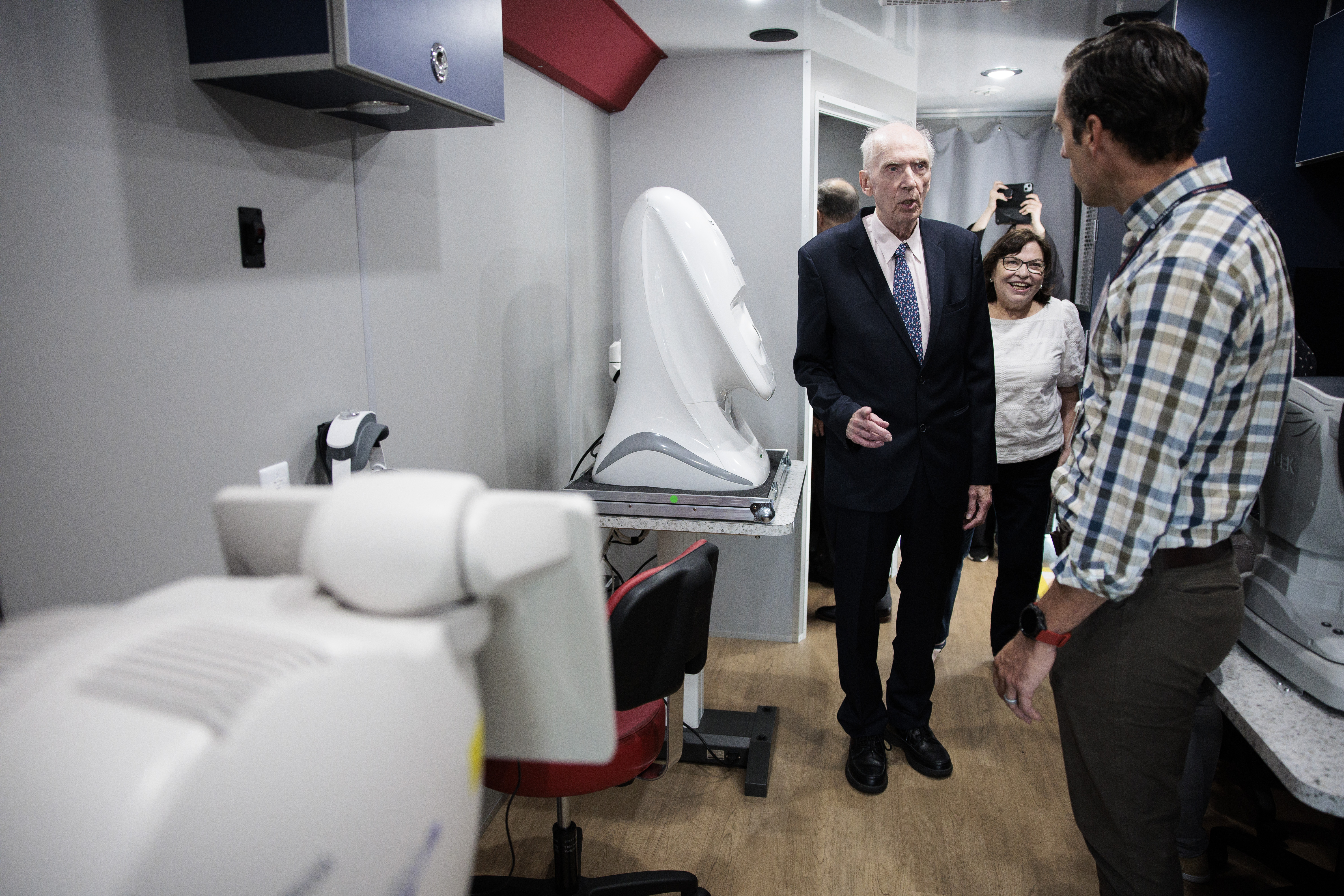
    The inside of the mobile unit.Monica Herndon / Staff Photographer
    What are some lessons that you learned in New York that will be guiding your new effort at Penn?

    One of the lessons that I learned is how to close the loop.

    Let’s say you go out to the community and you screen. But what happens after that? You tell the patient they have a disease. If you’re lucky, 50% follow up.

    When we did a lot of the screening in New York, I did an analysis of the people who followed up and people who didn’t follow up. A couple of things came up:

    It’s hard for individuals with mid- to low-socioeconomic status to take time off work. Second, eye health literacy is very, very important for blindness prevention. A good number of patients didn’t understand the need to follow up.

    We would call them and they would say, “I have no problem, I don’t feel anything, and I have other priorities.” The other thing is how to target populations at a higher risk.

    How will you help patients who require follow-up care after screening?

    If we identify disease, we refer them to our practices to be seen in person by one of our physicians. If they are uninsured, we see if we can help them access insurance, and if they cannot access insurance, we can provide care for them for free, thanks to Mr. Campbell and his family’s generous support for this project.

    Why is it important to catch eye diseases early?

    People go to their internists or other doctors, but the last thing that they think about is their vision.

    That’s because eye diseases most of the time are asymptomatic early on, so patients only go when it’s advanced. That’s a problem in itself because a lot of the vision loss we cannot reverse.

    It’s really important to identify disease early and manage it for blindness prevention.

    Donor Rick Campbell and his wife Marie Campbell walk into the Scheie Eye Institute in MOTION mobile unit.Monica Herndon / Staff Photographer
    How do you feel about the launch?

    Closing the loop is going where patients are, providing screening and diagnosis, providing education, and providing care to the uninsured. This is a dream come true to be able to do all of this together.

  • Here’s what we know about Ed Sheeran’s tour stop at the Linc: Planned protests, late start, no openers announced

    Here’s what we know about Ed Sheeran’s tour stop at the Linc: Planned protests, late start, no openers announced

    Is the Ed Sheeran concert scheduled for Saturday at Lincoln Financial Field going to go on?

    As of Friday afternoon, it appears that it is. But later than initially announced.

    The start time for the concert, initially advertised at 5:30 p.m. to accommodate openers has now moved to 8 p.m., per the concert listing on the ticket resale site Ticketmaster.

    The enormously popular British singer-songwriter’s Loop Tour has been in crisis since earlier this week when rapper Macklemore was dropped as an opener over pro-Palestinian comments he made during two shows at MetLife Stadium in New Jersey on Sept. 4 and 5. He performed his 2024 song “Hind’s Hall,” about pro-Palestinian protestors at Columbia University, showing footage from the war in Gaza and shouting out “Free Palestine.”

    Macklemore was dropped from the tour under pressure from New England Patriots owner Robert Kraft by promoters Messina Touring Group, who told Rolling Stone that several venues “will not allow a concert to take place with Macklemore on the lineup.”

    Those venues include Gillette Stadium in Foxboro, Mass., which Kraft owns, and Lincoln Financial Field, where Sheeran’s tour is scheduled to resume on Saturday.

    All of Sheeran’s opening acts — Finneas, Danish pop artist Lukas Graham, Irish band Beoga, and Irish singer Aaron Rowe — have since quit in solidarity with Macklemore.

    Given the late start, it is unlikely that any opening acts will be added to the Philadelphia stop. The least expensive tickets on the resale site which were priced at $91 on Thursday were available at $66.30 on Friday afternoon.

    Ed Sheeran performs during filming for the Graham Norton Show, at BBC Studioworks 6 Television Centre, Wood Lane, in London, Thursday, Nov. 6, 2025, to be aired on BBC One on Friday evening. (Jas Lehal/PA via AP)Jas Lehal

    “Kraft had rallied some of the other stadium owners and collectively they gave [Sheeran] an ultimatum: if Macklemore stays on the tour, you will not be allowed to play in our venues,” Macklemore’s Monday social media post reads.

    In a statement obtained by USA Today Sports, Kraft acknowledged his decision that Macklemore’s “participation in the Sept. 25 and 26 concerts at Gillette Stadium would cross that line.”

    “Too many lives have been lost, and there has been too much suffering,” he wrote, “but only sharing selective information and ignoring the actions of Hamas is not honest and only advances more divisiveness and hate.”

    The Linc is owned by the city, but its day-to-day functions and events are managed by the Eagles. This week, The Wall Street Journal reported that the respective owners of the Carolina Panthers and Atlanta Falcons decided to not host the Sheeran concert if Macklemore was not removed from the bill, and that “Philadelphia Eagles owner Jeffrey Lurie would soon reach the same conclusion, as the owners traded phone calls and prepared to address the situation.”

    The Eagles did not respond to the Inquirer’s request for comment on whether Lurie played any role in the decision to drop Macklemore. The Philadelphia mayor’s office and Messina Touring Group did not respond to requests for comments either.

    On Tuesday, Sheeran took to social media to say that he was in touch with venue owners, promoters, and activists to “find a mutual resolution for all.”

    He respects Macklemore’s “strength of purpose to stand up and shout for what he believes,” he said, but found it hard to “build bridges” with venue owners and promoters because of the way the rapper “conveyed part of his message” during his shows at MetLife.

    Not removing Macklemore, Messina representatives said in a Monday statement, would “result in the cancellation of the tour and impact hundreds of thousands of fans.”

    Local grassroots organizations have spoken out in protest of Macklemore’s removal from the tour lineup.

    The local office of the Council on American-Islamic Relations (CAIR), the nation’s largest Islamic civil liberties group, published an open letter on Wednesday to the Philadelphia Eagles, City of Philadelphia, Lincoln Financial Group, and other groups.

    The group criticized the decision to remove Macklemore from the “Loop Tour,” calling it a violation of free speech.

    “This is about more than one artist or one concert,” the organization stated. “It raises serious questions about free expression, public accountability, and whether advocacy for Palestinian human rights can become grounds for exclusion from a major venue operating on publicly owned property.”

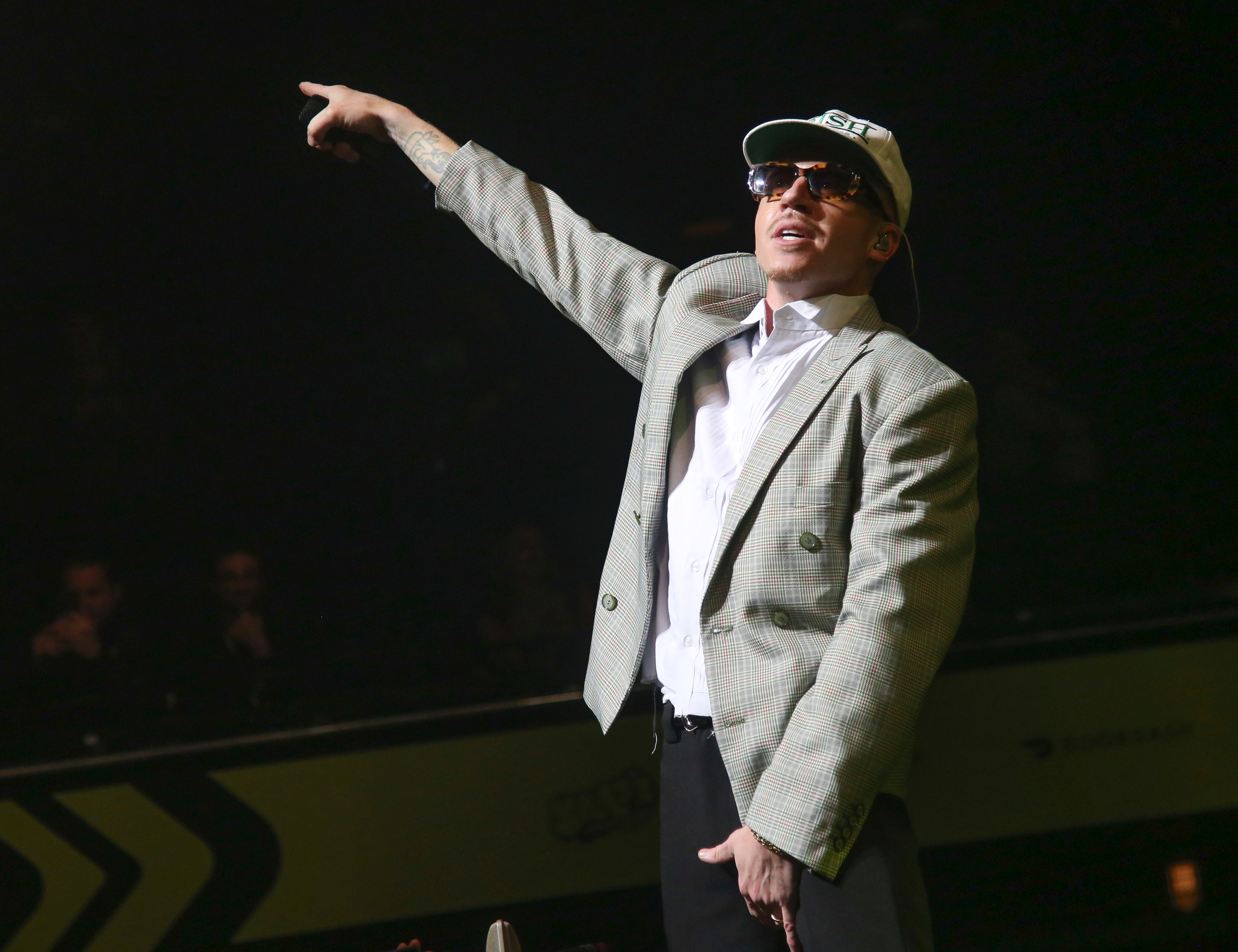
    FILE – Macklemore performs at Austin City Limits Live during the South by Southwest Music Festival in Austin, Texas on March 17, 2023. (Photo by Jack Plunkett/Invision/AP, File)Jack Plunkett

    The group has submitted a right-to-know form with the state’s office of open records, requesting information about which party told the Messina Touring Group that Macklemore was no longer able to perform.

    A coalition of pro-Palestinian protesters announced Friday they will rally outside the South Philly stadium an hour before Sheeran’s concert.

    Adi Chattopadhyay, a West Philly resident who intends to participate in the demonstration, said the protest is to combat the silencing of pro-Palestinian advocacy and the suppression of freedom of speech.

    The rally, scheduled for 4:30 p.m. on Saturday, will include speakers from Writers Against the War on Gaza, the Boycott Cooknsolo Coalition, and Shut Down Day & Zimmermann, according to a statement.

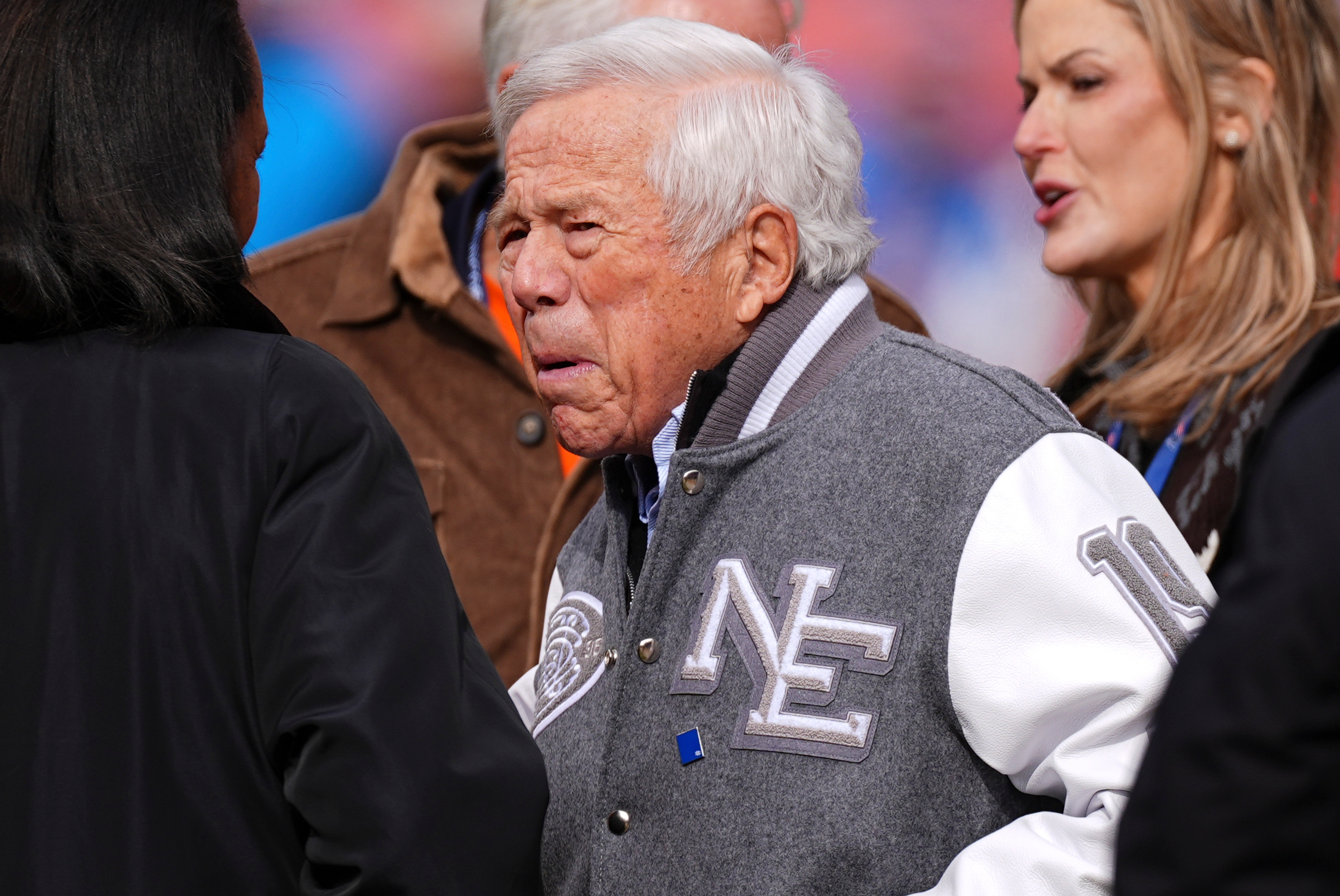
    New England Patriots owner Robert Kraft watches warm ups prior to the AFC Championship NFL football game against the Denver Broncos, Sunday, Jan. 25, 2026, in Denver. (AP Photo/David Zalubowski)David Zalubowski

    Regarding the expected protests in South Philly on Saturday, Philadelphia Police Department spokesperson Tanya Little said in a statement: “As with all large events at the stadium complex, the Philadelphia Police Department is working closely with venue and event organizers to help ensure the safety of concertgoers, employees, and neighborhood residents.”

    “PPD routinely monitors large events and assesses staffing needs to ensure an appropriate police presence. The Department will continue to monitor the event and make any necessary adjustments based on public safety needs.”

    Staff reporter Maggie Prosser contributed to this article.