Category: Wires

  • Carney calls for EU-Canada pact amid ‘ferocious storm’

    Carney calls for EU-Canada pact amid ‘ferocious storm’

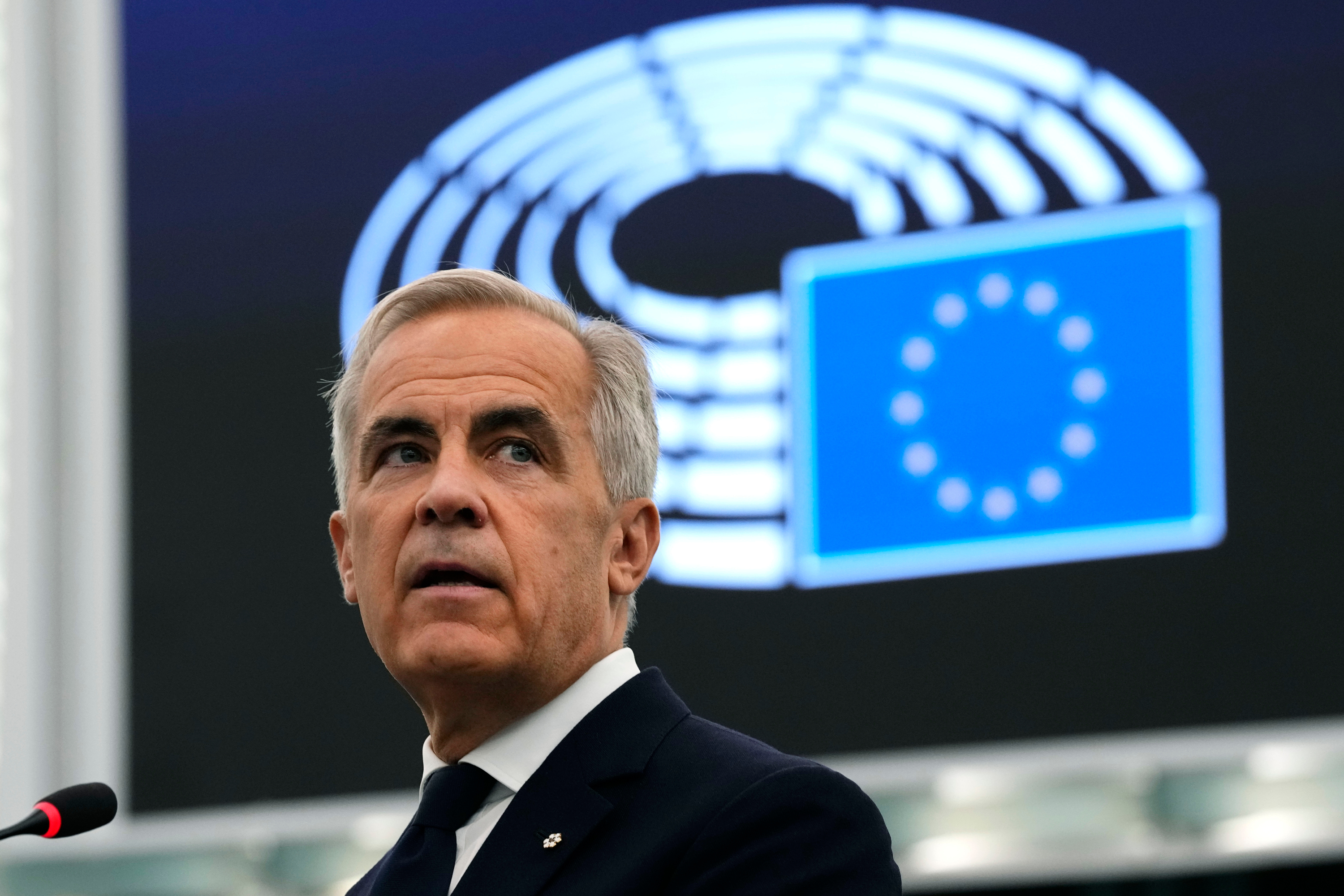
    STRASBOURG, France — Canada’s newly proposed associate membership in the European Union will help to secure sovereignty and freedom for the country amid a “ferocious storm,” Prime Minister Mark Carney told the European Parliament on Thursday, adding that the move would also make his nation a better partner for the United States.

    President Donald Trump, reacting Wednesday to the potential alliance between Ottawa and Brussels, said the move could be perceived as “a hostile act.”

    “If it’s a bad intention, we’ll put very heavy tariffs on Europe,” he added.

    Carney countered on Thursday. “This alliance is a positive process. That’s my response to the American president. It’s a positive thing,” he told reporters after his European Parliament speech.

    “A stronger, more resilient Canada will be a more effective partner with the United States — same with the European Union,” he added.

    Carney said the associate membership outlined by European Commission President Ursula von der Leyen on Wednesday would strengthen core areas of life on both sides of the Atlantic.

    The push for closer links comes amid a historic low for U.S. ties with Canada and turbulence in the relationship between Washington and the European Union as Trump has upended traditional American alliances.

    Carney said Canada and the European Union were not looking to become another superpower.

    “I am not proposing a third bloc in order to become a great-power rival only with better manners,” he said during his speech to European lawmakers in Strasbourg, France. “We do not seek power to dominate others,” he added.

    Associate membership for Canada in the European Union could be the closest linkup the bloc of 27 nations has with a nonmember state. The move highlighted a deep desire of traditional American allies to seek stability by banding together as Trump remakes the U.S. role in the world.

    Carney suggested that Europe and Canada were seeking to band together “so that no one can control our open markets, impair our sovereignty, threaten our territorial integrity or undermine our freedoms, our democracies, our rule of law.”

    Trump has instigated a trade war against Canada, the United States’ closest ally and second-largest trading partner, and routinely said he wanted the northern neighbor to become the 51st state. He has also pulled the United States away from the traditional close alliance with the European Union, imposing tariffs and barriers to trade, and he has weakened the NATO defense pact by threatening to drastically cut the U.S. contribution.

    Carney did not mention the United States or Trump by name during his speech in Strasbourg, but he made clear allusions.

    “Economic integration is now being used as a weapon, and tariffs as a means of leverage,” he said. “Financial mechanisms are employed for coercion. Supply chains represent vulnerabilities to be exploited.”

    Carney said youth from both Canada and the European Union should be able to travel and study in each other’s territories through participation in the bloc’s student mobility program, Erasmus. That program is credited with building generations of young Europeans with joint identities and shared experiences.

    Canada would most likely need to contribute financially to participate in Erasmus, as well as in any other EU programs the country might join, though the fine print of how the alliance would work has not yet been discussed.

    Carney’s vision for how the European Union and Canada could work together also extended to major, foundational parts of their economies and society. He said the two should launch a “deep cooperation in the full range of strategic capabilities,” including industries involving critical minerals, defense, artificial intelligence and computing, and energy security. He also suggested that the bloc and Canada could work on managing payment systems.

    Control over services such as payment mechanisms has been worrying policymakers in the European Union and Canada because many of those services are controlled by the United States or by American companies. That concern is front and center as the debate grows about the future of AI.

    “Technology is transforming the nature of warfare, the structure of economies and the capacity of states to govern,” Carney said.

    He also took aim at online platforms, of which the largest are American.

    “Tech platforms aspire to sovereignty,” he said. “They seek to set the terms of access. They want to dictate regulatory rules — or even bypass them.”

    “They want to control our data, spread disinformation and steal our children’s childhood,” he added.

    Carney noted that Canada was endowed with major critical mineral and energy resources, which the country wanted to export to markets in the European Union. The two already have agreements in place for such collaboration. This year, Canada secured a major contract to sell liquefied natural gas to Germany.

    The exact shape of the alliance between Canada and the European Union has been unclear because there is no formal or legal framework for an “associate member” of the bloc.

    In Canada, the conservative opposition has raised concerns that an alliance might encroach on the country’s sovereignty. In Europe, officials from EU member states worry that the label could antagonize other countries with deep ties to the bloc, such as Britain and Norway, as well as those that are in the arduous process of becoming full members, such as Albania.

    In his address, Carney touched on those issues, saying, “Canada is not in a position or seeking to become a full member of the European Union.”

    “The precise nomenclature is a question for Europe,” he added.

    Carney noted that the Canadian Parliament, which reconvenes next week after the summer recess, would get a chance to debate the future EU-Canada relationship and put the proposal to a vote.

    During his speech, Carney made extensive references to the deep historical bonds between Europe and Canada, framing the new cooperation as existential. He was frequently interrupted by applause from members of the European Parliament as he harked back to past battles they had fought together.

    “Freedom and life must be earned every single day,” Carney said. “Every day. Not once in 1945 or 1956 or 1989. Every day, including this one.”

    The lawmakers, with the exception of many from far-right parties, gave him a lengthy standing ovation.
  • Jon Kyl, a former top Republican in the Senate, dies at 84

    Jon Kyl, a former top Republican in the Senate, dies at 84

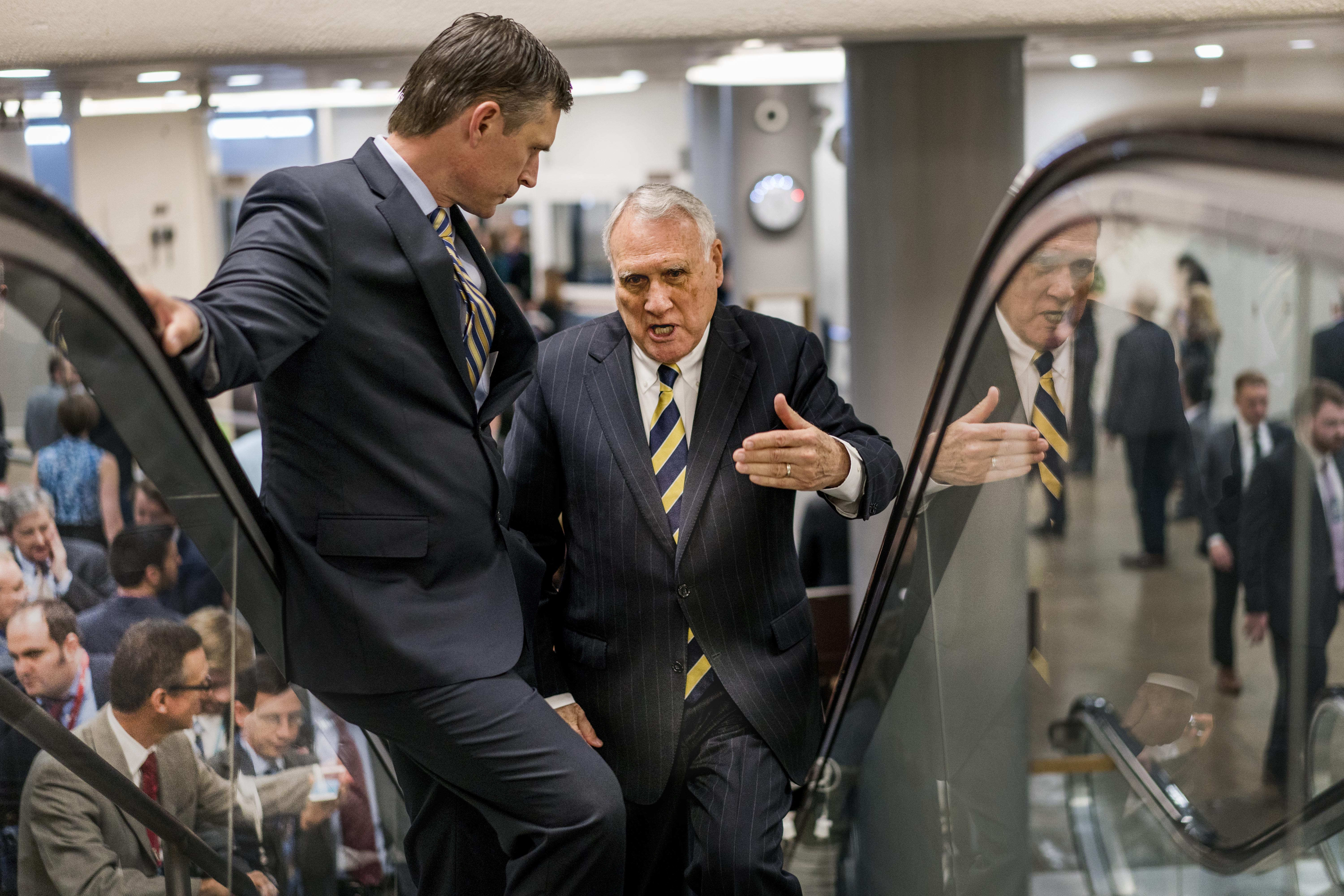
    Former senator Jon Kyl, who served in Congress for nearly 30 years and rose through the ranks of GOP leadership to become the Senate’s No. 2 Republican, has died at the age of 84, his family said Thursday.

    Mr. Kyl’s passing comes nearly nine months after he announced he had been diagnosed with dementia and would be withdrawing from public life. In a statement to local news outlets, his family said Mr. Kyl had passed due to “complications from a neurological disease.”

    “We know that Jon belonged to all of Arizona, a state he loved and explored with vigor, curiosity, and wonder,” his family said. “Serving his state and nation in Congress was a privilege and responsibility he honored and respected.”

    Mr. Kyl served in the House from 1987 to 1995 and in the Senate from 1995 to 2013. He served as the Senate minority whip before he left public office in 2013 and became a lobbyist.

    After the death of former Arizona senator John McCain in 2018, then-governor Doug Ducey appointed Mr. Kyl to serve out the rest of McCain’s term. Mr. Kyl returned somewhat reluctantly, out of a sense of duty, and was instrumental in guiding Supreme Court nominee Brett M. Kavanaugh through the confirmation process.

    This is a developing story and will be updated.

  • Is there anything a fruit fly brain can’t do?

    Is there anything a fruit fly brain can’t do?

    What can a fruit fly do? Buzz around ripe bananas, sure. But maybe, a whole lot more. Like parallel park. Or play Minecraft.

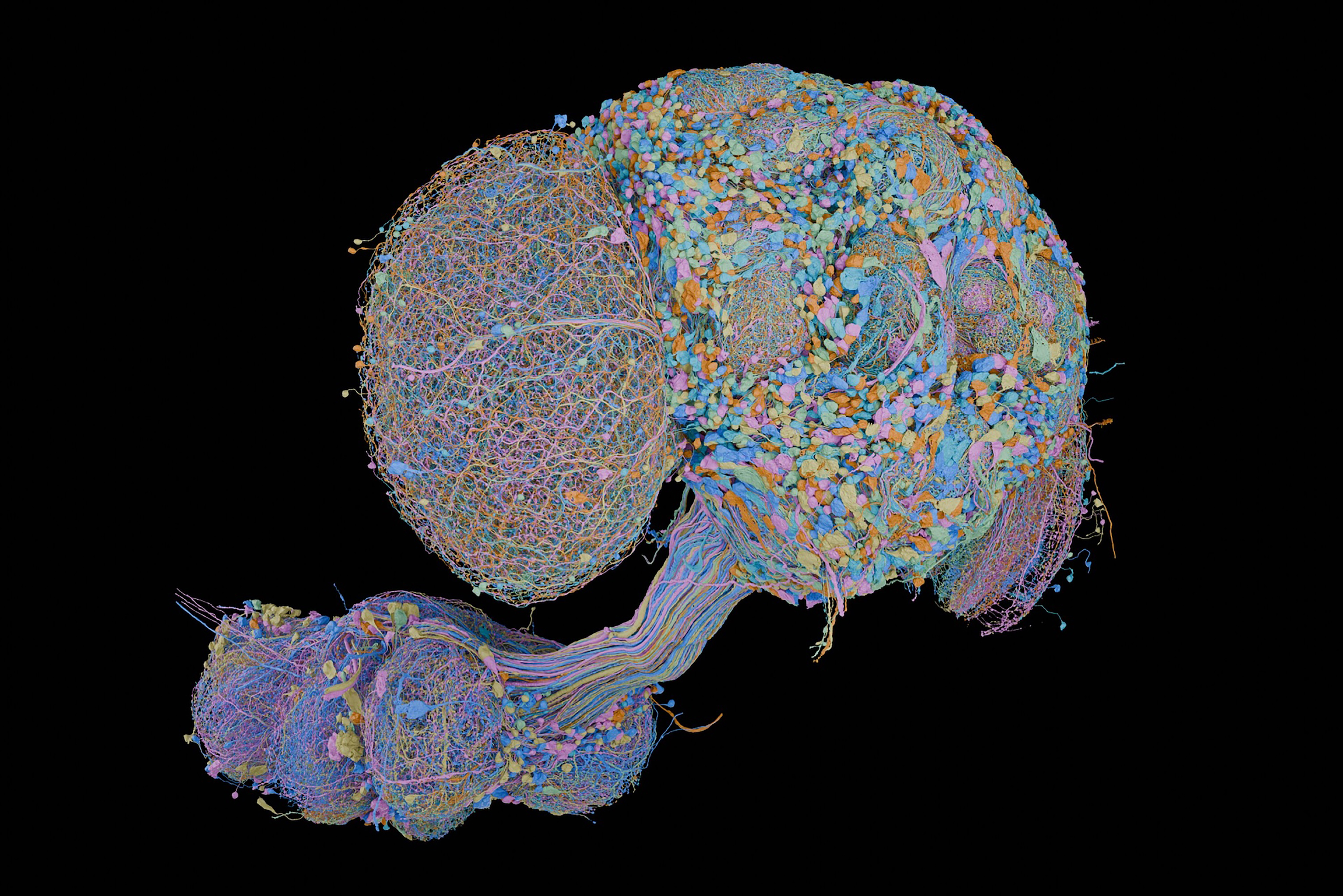
    Creative internet users have in recent days taken a complete map of a fruit fly’s 166,000 neurons, published by Google, and made simulated flies do some things that are pretty impressive, given that these insects have a brain the size of a poppy seed. One has been trained to solve a Rubik’s Cube. Another dances to the Village People’s “Y.M.C.A.” in response to four tones. Others have envisioned fruit flies playing poker and blackjack and slicing a doner kebab.

    In general, the goal of these engineers and artists is not to show what a fly can do, but “what’s the dumbest thing we can make it do,” said Mark Unthank, a software developer who got a fly to parallel park a car after hundreds of failed attempts. Unthank, who lives in Italy, also programmed a fly to use a car’s blinkers when turning because he was frustrated that so few human drivers seem to use them.

    “That’s how easy it is,” he said. “Even a fly could do it.”

    Producing the map of the fly’s brain, on the other hand, was anything but easy. It was serious research meant to advance the study of neuroscience.

    For years, researchers worked to develop sophisticated imaging techniques to map the connections within the nervous systems of various organisms. Some have focused on fruit flies because of the insect’s relative lack of complexity; while the fly has just 166,000 neurons, a human being has about 86 billion.

    Scientists call the neural maps connectomes, similar to the genomes that help map the genes that determine an organism’s traits.

    Researchers at the Janelia Research Campus at the Howard Hughes Medical Institute in Virginia completed the new map of the adult male fruit fly’s brain in partnership with Google. The effort involved hundreds of scholars.

    Scientists hope the map will help them understand how animals perceive the world, store memories, and react to stimuli.

    “Our goal is not simply to demonstrate that a fly brain is capable of generating movement in a fly — which we obviously know — but how,” said Nelson Spruston, a neuroscientist who is vice president and executive director at the Janelia campus.

    The institute is working to develop maps of the brain in two fish — a larval zebrafish and an adult Danionella. The research, it said, could one day reveal how humans develop Alzheimer’s or depression.

    For now, the Janelia researchers have been pleasantly surprised to see fruit flies driving cars and playing video games.

    “I certainly did not imagine this kind of application of our work, but I think it’s exciting and it’s fun, and it sort of demonstrates the power of open science,” Spruston said.

    Arie Matsliah, a research scientist at Princeton University, said the release of the maps has coincided with a spike in the capability of artificial intelligence-powered coding tools that allow people to create simulations with just a few simple prompts. Matsliah helped develop FlyWire Codex, an online portal for the maps that has seen thousands of downloads a day, he said.

    “It’s almost becoming a meme now,” he said. “Everyone is trying different things.”

    Alex Wormuth, a software engineer in Tulsa, Okla., said he used an OpenAI tool to make the fly play the 1990s first-person shooter video game Doom, which he named Doomfly. If the fly shoots and kills an enemy, it triggers the insect’s dopamine receptor, encouraging it to kill again to survive, he said.

    So far, the fly is not very good at Doom, he concedes.

    “It has been able to kill an enemy,” he said, “but I don’t think it’s learned that’s what it needs to do to beat the game.”

    Wormuth has also given a simulated fruit fly $100 in real bitcoin, with the option to buy, sell, or hold. For a brief period on Friday, he said, the fly made about $1 before the cryptocurrency’s price dropped.

    The simulations, although based on a fruit fly brain, do not actually account for the complex interactions between neurons, muscles, and other systems in a real fruit fly, Matsliah said.

    “They assume things, or they substitute the missing components with things that are not biological,” he said.

    That includes modifying the strength of the connections between neurons, which makes the simulations “substantially different from a real fly,” Spruston said.

    “It’s not like a fly brain in real life can play Doom, obviously,” he added.

    “Nevertheless, there is some reality there,” Matsliah said.

    Parallel to the existential anxieties brought up by recent rapid advancements in AI, some people have wondered whether the flies might have some form of consciousness as they twist and turn the faces of a Rubik’s Cube or try to win at poker.

    Wormuth, the Doomfly creator, has his doubts.

    “I don’t believe that’s happening,” he said. “But I think it’s an interesting thought experiment because, someday, we may have something like this for the human brain.”

    This article originally appeared in the New York Times.

  • 5 subtle dental symptoms you should never ignore

    5 subtle dental symptoms you should never ignore

    Plenty of dental issues can feel like no big deal, at least at first. The symptoms don’t always hurt and may not even catch your attention. “A lot of times patients don’t realize they have a problem in their mouth because they don’t look so closely,” said Steven Katz, immediate past president of the American Association of Endodontists.

    Even a toothache might come and go, Katz said, leading some people to put off dealing with it. And making a dentist appointment for a painless problem — for instance, gums that bleed when you floss — can feel like more of a hassle than it’s worth.

    But seemingly minor dental symptoms often signal infections that, if left untreated, can progress into more complex problems, Richard M. Lipari, a cosmetic dentist in New York, said in an email. These issues can also require more costly treatment and additional visits to repair. Some changes in your mouth can even be early warning signs of disease elsewhere in the body, Lipari added.

    Below are five tooth and gum symptoms you may be tempted to ignore — but shouldn’t, for the sake of your oral and overall health.

    Tooth pain of any kind

    “There’s no amount of pain in your teeth that should be considered normal,” Katz said. The most common cause of a toothache is tooth decay.

    It starts when bacteria combine with saliva and food particles to form a sticky film of plaque on a tooth’s surface. The bacteria feed on sugars and starches and produce acids that erode enamel. This decay can eventually lead to a cavity — a hole that can cause pain or irritation if it reaches the sensitive inner layers of the tooth.

    More than 1 in 5 people ages 20 to 64 in the United States have at least one untreated cavity, according to the Centers for Disease Control and Prevention. The concern is what can happen next: As bacteria move deeper into the tooth, an infection can develop at the root, causing sharp or throbbing pain. Over time, it may even spread to the face, neck, and underlying bone.

    Katz cautioned that even if your tooth stops hurting, you shouldn’t ignore it. “A lot of patients think, ‘OK, well, I aggravated something, and it’s gone now,’” he said. But usually, pain that suddenly lets up is a sign that decay has killed the tooth’s nerve. So, the pain can disappear even as the infection gets worse. “That’s when [bacteria] can start to eat away at the bone,” he said.

    While a cavity can be fixed with a simple filling (which generally costs a couple hundred dollars without insurance), a dental infection typically requires a root canal (which can cost $1,000 or more, depending on the tooth). During the procedure, a dentist drills into the tooth to clear out the infected pulp and then reseals it and stabilizes it with a crown. But if an infection destroys enough bone, the tooth will ultimately have to be removed.

    There’s also evidence that untreated dental infections are associated with a higher risk of several conditions beyond the mouth, including Type 2 diabetes, cardiovascular disease and dementia. Bacteria and inflammation around the root of an infected tooth may spill into the bloodstream and reach other parts of the body.

    Swollen or bleeding gums

    Puffy gums that bleed easily are often a sign of gingivitis, a mild form of gum disease, Lipari said, even if they’re not painful. Like cavities, gingivitis is generally caused by plaque buildup. The immune system triggers inflammation in the gums in an attempt to ward off an infection.

    While regular brushing and flossing can remove plaque and reverse gingivitis, if the swelling persists for longer than a couple of weeks, it’s important to see a dentist. They can use special tools to remove plaque and its hardened form, called tartar, at and below the gumline. This helps keep gingivitis from progressing to periodontitis, a more severe form of gum disease. At that stage, inflamed gums can pull away from a tooth, creating a pocket where bacteria can accumulate. The gums may become even more swollen or tender, and tooth pain and sensitivity can develop.

    Like dental infections, untreated gum disease has also been associated with other serious health issues. “The same systemic inflammatory mediators involved in gum disease are linked to conditions like cardiovascular disease and neurodegenerative disorders,” Lipari said.

    Though gingivitis is the usual culprit, persistently swollen or bleeding gums can sometimes have other causes, which a dentist can help rule out. For example, bleeding gums are also “strongly associated with diabetes,” said Lipari. Having high blood sugar can increase the amount of glucose in your saliva, which feeds bacteria in the mouth and increases the risk of plaque buildup.

    In very rare cases, gums that frequently bleed could also point to a blood disorder or cancer such as leukemia that interferes with blood clotting, Katz said. (If a dentist sees bleeding that doesn’t appear typical for gingivitis or suspects a different underlying trigger, they can refer you to the right doctor for a workup.)

    Loose teeth

    A loose tooth, particularly one that’s accompanied by tender or swollen gums, may signify advanced gum disease, Lipari said. Left untreated, the infection can damage the bone holding the tooth in place, leaving it mobile or wobbly.

    In rare cases, a loose tooth could also indicate a tumor in the mouth or jaw, Katz said. “Most of the time they grow silently until all of a sudden they don’t,” he said. “We might see loose teeth because tumors typically will destroy bone.”

    A slow-growing tumor could also push teeth out of alignment, Katz added. Outside of orthodontic treatment, you shouldn’t notice your teeth moving, he said: “Our teeth are always moving microscopically, but to move significantly such that your bite would be off, for example, that’s something that should ring a bell.”

    Bad breath or a bad taste that doesn’t go away

    A garlicky pasta or tuna salad sandwich can certainly give you bad breath that lingers for a few hours. But a foul odor or taste that persists day after day could signal an infection — and you might not always have pain or swelling along with it.

    In some cases, a small drainage track can form near an infected tooth or gum, allowing pus to escape. Sometimes it looks like a bubble or pimple on the gumline, though people often don’t notice it, Katz said. The release of fluid keeps bacteria and inflammation from building up, so the infection might not hurt much, he explained.

    Alternatively, off-smelling breath could be a result of dry mouth. Saliva helps wash away food debris and bacteria. Dry mouth is a common side effect of certain medications, including blood pressure drugs, antidepressants, and GLP-1s, Katz pointed out.

    If dryness and bad breath persist, it’s worth bringing it up to your dentist or primary care doctor. A dry mouth can also be associated with autoimmune diseases such as Sjögren’s syndrome (in which the immune system mistakenly damages the body’s moisture-producing glands) as well as diabetes, Lipari said, and can raise your cavity risk. In certain cases, a bitter or sour taste in the mouth could also be a byproduct of acid reflux, or the backflow of stomach acid and contents into the esophagus, he added.

    Persistent mouth sores

    Canker sores — small ulcers that form inside the mouth, such as on the inner cheek, tongue or gums — generally heal within a couple of weeks. (It isn’t known exactly what causes canker sores, but stress, minor trauma to the mouth, certain kinds of toothpaste, and spicy or acidic foods may trigger or aggravate them.) But if you have a sore that sticks around for longer than two weeks, or turns into a lump or bleeds, it’s important to see your dentist or primary care doctor. Certain autoimmune conditions, such as lupus, can cause mouth sores, and in rare cases, a persistent sore can be a sign of oral cancer, Lipari said.

    The bottom line

    If you notice any of the above symptoms, it’s better to get them checked sooner rather than later. That way, you’re more likely to catch an infection or other underlying issue before it becomes more serious. (It’s also wise to keep seeing your dentist regularly, even if you don’t have symptoms. They can spot problems early, when they’re easier to treat.)

    The typical resolution for gum and tooth disease is a root canal, Katz said. Getting one done when you need it may not only spare your tooth and stop the symptoms — research shows it can improve markers tied to heart health such as cholesterol and chronic inflammation.

    And these days, a root canal isn’t as bad as you may fear. Better local anesthesia can keep pain to a minimum. Improved technology means the procedure can often be completed quickly, Katz said, typically within an hour and in a single appointment. As he put it, “This is not your grandmother’s root canal.”

  • Speaker Johnson recesses the House early as Rep. Thomas Massie pushes Hegseth impeachment

    Speaker Johnson recesses the House early as Rep. Thomas Massie pushes Hegseth impeachment

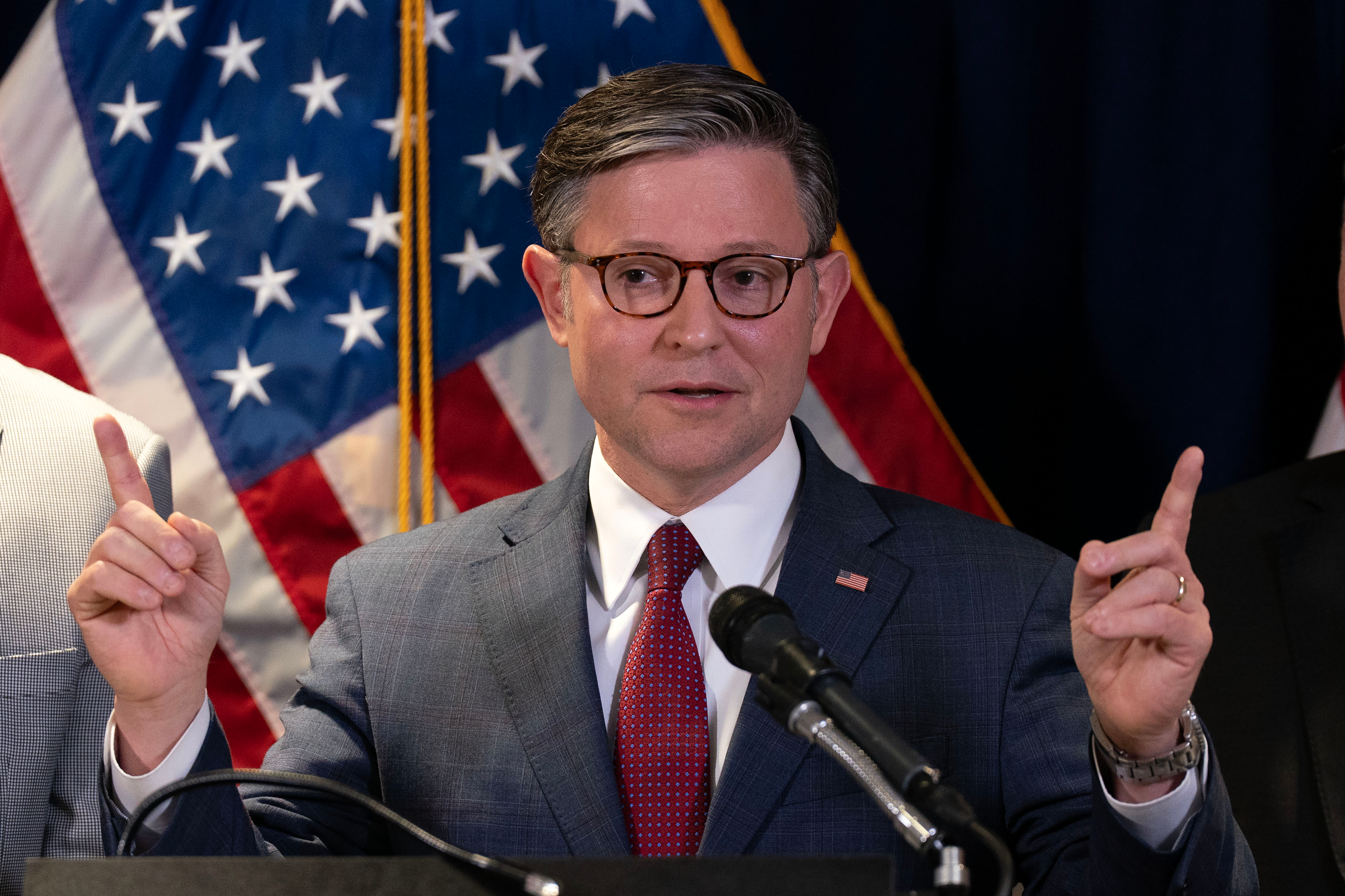
    WASHINGTON — Speaker Mike Johnson closed up the House early, sending lawmakers home Wednesday to campaign for the midterm elections after what he claims is the most productive Congress in decades.

    But not without a scathing rebuke from GOP Rep. Thomas Massie for all the unfinished business.

    Massie’s resolution to impeach Defense Secretary Pete Hegseth over the war in Iran and his bipartisan effort to force the release of more files in the Jeffrey Epstein investigation are all being left behind, blocked from votes.

    “We’re calling off Congress? And we’re in the majority?” Massie railed from the House floor.

    “I’m trying to get justice for the Epstein survivors,” he said. “I’m trying to stop a war.”

    Massie, the renegade Republican from Kentucky, seized control of the chamber for a blistering hourlong speech criticizing Johnson, the Republican majority, and the work he said the speaker is refusing to conduct to lower prices for Americans and hold the Trump administration accountable.

    “Why would we be canceling days when the country is burning?” Massie said. “We should stay here for every day that’s on the calendar and we should debate.”

    A fitting end to a tumultuous House session

    The afternoon showdown provided a colorful capstone to what has been a tumultuous two-year session of House Republicans in control by a bare majority, with Johnson routinely struggling to keep the place running.

    Despite the enormous tools of the gavel — the speaker holds one of the most powerful positions in Washington, second in the line of succession to the president — Johnson has often been thwarted by his own conference.

    The speaker has repeatedly and abruptly canceled House voting days to send lawmakers home rather than manage the disruptions from his own rebellious flank — particularly those legislative efforts that threatened to rebuke President Donald Trump.

    By one tally, the House has cut 28 days this year, while adding four others, for a net loss of 24 days — about one-fourth of the total scheduled.

    Still, Johnson has hauled major legislation to the finish line, most notably the “Big Beautiful Bill,” a package of tax breaks and social service cuts that Trump signed into law last summer. And on Wednesday the House powered through a full agenda, passing bills large and small, including one to name the American mastodon the national fossil mammal and the Tyrannosaurus Rex the national fossil dinosaur.

    Johnson called Massie’s effort to impeach Hegseth “a stunt.”

    “Secretary Hegseth has done an extraordinary job at the Department of War,” Johnson said.

    “This has literally been the most productive and successful and aggressive Congress” in decades, he said earlier this month, calling it the top five of all time. “We’re confident American voters are going to remember that when they head to vote this fall.”

    Voters will be assessing the situation in November as they decide whether to keep Trump’s party in power, while Democrats work to dislodge Republicans from majority control of both the House and the Senate.

    House Democratic Leader Hakeem Jeffries assailed the “do-nothing” Republican majority and promised Democrats will perform better.

    “Donald Trump and MAGA Republicans promised to bring down grocery prices on Day One. They promised to stop endless wars in the Middle East,” Jeffries said from the steps of the Capitol, flanked by Democratic lawmakers.

    “But Republicans have done nothing to make life more affordable for the American people,” he said.

    He said Democrats’ message is a simple one: “We hear you. We see you … And we are committed to making life better for you.”

    Massie’s last stand

    The confrontation also provided a platform for Massie, the libertarian-leaning go-his-own-way congressman who orchestrated the initial release of the Epstein files and helped lead efforts to halt the conflict in Iran through a war powers resolution.

    Massie lost his own primary bid for reelection after Trump mounted a costly campaign to kick him out of Congress.

    But the congressman has only appeared emboldened in his final days in office.

    Massie spent much of his floor speech assailing Johnson’s leadership and decrying what he calls the “uniparty,” which he characterizes as moving in lockstep with big-money special interests at home and abroad.

    He also devoted substantial time to criticizing Hegseth and the “stupid war” he said the U.S. should not be involved with in Iran. Deriding Hegseth’s leadership, he mocked the secretary for trying to rename the Defense Department as the Department of War without consulting Congress.

    “Hell, you can’t even rename a post office without us,” he said.

    Hegseth’s role in sending the U.S. into the Iran war without approval of Congress and directing the U.S. military strikes of alleged drug trafficking boats in the Caribbean are among the actions Massie characterized as high crimes and misdemeanors in the articles of impeachment against the Defense secretary.

    Massie said he knew when he landed in Washington that he would stand apart.

    “I’m not playing this game,” he said. “I am going to tell people what is going on up here.”

  • Annie Dillard, Pulitzer-winning author of ‘Pilgrim at Tinker Creek,’ dies at 81

    Annie Dillard, Pulitzer-winning author of ‘Pilgrim at Tinker Creek,’ dies at 81

    Still in her 20s and possessed of a curious eye and sensitive spirit, Annie Dillard set out beneath the trees along Tinker Creek in southwestern Virginia and emerged with a best-selling book that made her one of the most honored and beloved writers of her time.

    Pilgrim at Tinker Creek, published in 1974, won the Pulitzer Prize and made Ms. Dillard something more than a literary celebrity: She was viewed as a bard of the environment, a 20th century Henry David Thoreau, a youthful sibyl of the wildwoods, a visionary whose shimmering prose offered glimpses of the eternal.

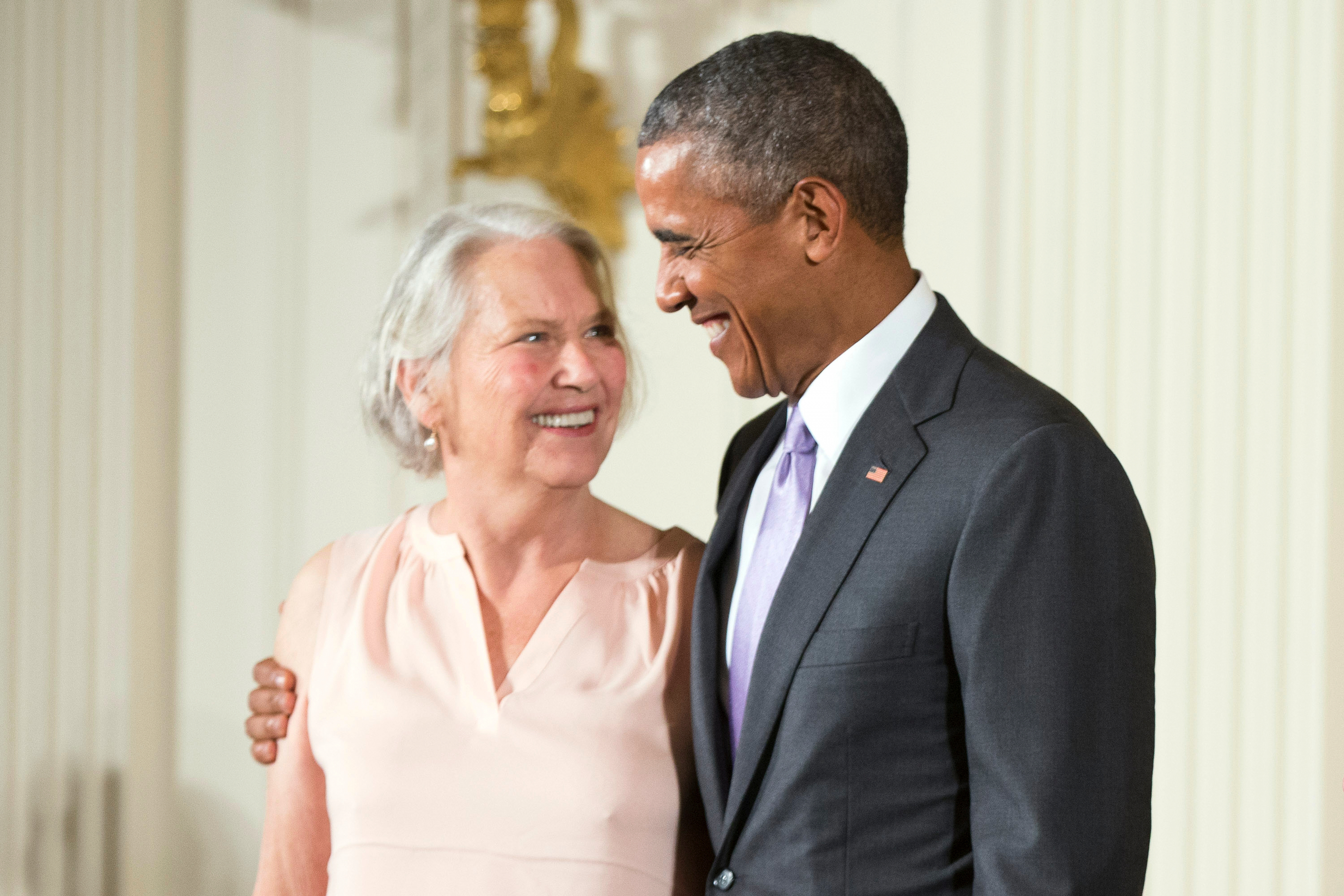
    Ms. Dillard, who went on to write well-received novels, memoirs, essays, and poems, and was awarded the National Humanities Medal in 2015, died Tuesday at her home in Wellfleet, Mass. She was 81. Her death was confirmed by writer Maggie Nelson, her literary executor.

    Pilgrim at Tinker Creek seemed to be an almost perfect embodiment of its times: an eager embrace of the natural world, a work of mystical, even sensuous prose, and the spiritual autobiography of a questing soul.

    “I am no scientist but a poet and a walker with a background in theology and a penchant for quirky facts,” Ms. Dillard wrote. “I walk out; I see some event that would otherwise be utterly missed and lost, or something sees me, some enormous power that brushes me with its clean wing, and I resound like a beaten bell.”

    Her model was Thoreau, who chronicled a year spent in a cabin in his 19th century literary classic Walden, which became a lodestar for students and nature lovers of the 1960s. Ms. Dillard similarly wrote about a single year — winter to winter — at Tinker Creek, giving the impression that she was isolated deep in the Blue Ridge Mountains of southwestern Virginia.

    In reality, Tinker Creek flowed through the suburbs of Roanoke, where Ms. Dillard lived at the time with her first husband. When she recorded her musings on nature, she was seldom out of range of houses, highways, and other fixtures of modern life.

    “I didn’t say, ‘I walked by the suburban brick houses,’” she told the Atlantic in 2015. “I didn’t obscure anything, I just left it out.”

    Yet her descriptions of the stones, trees, insects, and slippery creatures she found there — and her responses to them — suggested a pristine state leading to meditation, even prayer.

    “A reader’s heart must go out to a young writer with a sense of wonder so fearless and unbridled,” novelist Eudora Welty wrote in the New York Times. “There is an ambition about her book that I like, one that is deeper than the ambition to declare wonder aloud. It is the ambition to feel.”

    Ms. Dillard openly invoked a sense of the divine as she explored the world above her head and beneath her feet, but her depiction of nature went far deeper than sunshine and birdsong.

    “Evolution loves death more than it loves you or me,” she wrote in Pilgrim.

    In one of the book’s most celebrated passages, Ms. Dillard described the death of a Tinker Creek frog, attacked by a giant water bug:

    “As I looked at him, he slowly crumpled and began to sag. The spirit vanished from his eyes as if snuffed. His skin emptied and drooped; his very skull seemed to collapse and settle like a kicked tent … I gaped bewildered, appalled. An oval shadow hung in the water behind the drained frog; then the shadow glided away. The frog skin bag started to sink.”

    Earlier writers, including Aldo Leopold, Rachel Carson, and Henry Beston, had described the workings of nature with perception and skill, but Ms. Dillard brought a new sensibility to the art.

    She evoked the ecstasy of saints as she described her search “through the peach orchards of summer, in the forests of fall” for a tree burning with light. When she found such a tree, she described it almost as a moment of seduction: “It was less like seeing than like being for the first time seen, knocked breathless by a powerful glance.”

    Soon after winning the Pulitzer for nonfiction in 1975, Ms. Dillard moved from Virginia to an island in Puget Sound in Washington state. She published another slender meditation on nature and faith, Holy the Firm, in 1977. Two years later, she settled in Middletown, Conn., where she lived for many years while teaching at Wesleyan University.

    In the 1980s, she published Teaching a Stone to Talk, a collection of essays built around travel and science; Living by Fiction, a work of literary criticism; and Encounters With Chinese Writers, based in part on a visit to China with a cultural exchange program.

    Her acclaimed 1987 memoir, An American Childhood, described her Pittsburgh childhood, her intellectual and spiritual growth, her curiosity about the natural world, and her sometimes-strained relations with her socially prominent but idiosyncratic parents. Her father once quit his job to pilot a boat downriver to New Orleans to visit Dixieland jazz clubs. Her mother had a wicked gift for practical jokes, sometimes answering wrong numbers by handing the telephone to another person and giving the instruction, “Here, take this, your name is Cecile.”

    “Our family was on the lunatic fringe,” Ms. Dillard once said.

    From the time Pilgrim was published, her books were never out of print and were often collected in omnibus volumes. Other nonfiction writers of the 1970s and 1980s, including Tom Wolfe, Joan Didion, and Hunter S. Thompson, became renowned for their extravagant prose or personal styles, but their work relied primarily on the outward-looking conventions of journalism.

    Ms. Dillard’s vision, by contrast, was more internal. Like Wolfe and other writers first known for their nonfiction, she began to experiment with fiction and in 1992 published her first novel, The Living, a multigenerational saga about the 19th century settlement of the Northwest.

    She published a collection of essays, For the Time Being, in 1999. Another novel, The Maytrees, about the marital struggles of a couple on Cape Cod, appeared in 2007. Ms. Dillard then turned to painting and, except for a 2016 book of reprinted essays, fell silent as a writer.

    “One of the few things I know about writing,” she wrote in her 1989 book The Writing Life, “is this: spend it all, shoot it, play it, lose it, all, right away, every time. Do not hoard what seems good for a later place in the book, or for another book; give it, give it all, give it now. The impulse to save something good for a better place is the signal to spend it now.”

    Affluent upbringing

    The oldest of three daughters, she was born Meta Ann Doak in Pittsburgh on April 30, 1945. A great-great-grandfather had founded the bathroom-products company American Standard, and she grew up in affluent circumstances.

    She attended private schools, played baseball, and developed an early fascination with natural history. She also became a dedicated reader, documenting the thousands of books she read since 1964.

    An admitted rebel as a teenager, she was suspended from school for smoking. (She was a heavy smoker throughout her life, even when communing with nature.)

    Partly to “smooth off her rough edges,” her parents sent her to what is now Hollins University, a women’s college in southwestern Virginia. After her second year, she married her creative writing professor, poet Richard Dillard.

    After graduating in 1967, she received a master’s degree in English from Hollins in 1968, then stayed for several years in Roanoke, reading about nature and theology and exploring the nearby mountains and streams. She composed much of Pilgrim at Tinker Creek in the Hollins library.

    At first, Ms. Dillard wrote poetry, publishing her first collection, Tickets for a Prayer Wheel, in 1974, just before Pilgrim.

    “My poetry, unfortunately, is no good,” she told the Washington Post in 1987. “There’s nothing in the language that poetry can do that prose can’t do much better — discursive writing, reasoning, information as symbol, narrative — all those things that poetry has forbidden itself.”

    Her first marriage ended in divorce, as did her second, to anthropologist Gary Clevidence. In 1988, she married Robert D. Richardson, the author of biographies of Thoreau and Ralph Waldo Emerson. He died in 2020.

    Survivors include a child from her second marriage, Cody-Rose Clevidence; four stepdaughters, Carin and Shelly Clevidence, and Anne and Lissa Richardson; and two sisters.

    In later years, Ms. Dillard told interviewers she could not write any better than she had when she was younger. She spent her time painting and reading at her homes in Massachusetts and Key West, Fla.

    “Why are we reading,” she observed in The Writing Life, “if not in hope that the writer will magnify and dramatize our days, will illuminate and inspire us with wisdom, courage and the possibility of meaningfulness, and will press upon our minds the deepest mysteries, so we may feel again their majesty and power?”

  • Senate blocks cryptocurrency regulation as Democrats push back on Trump investments

    Senate blocks cryptocurrency regulation as Democrats push back on Trump investments

    WASHINGTON — Senate Democrats on Tuesday blocked legislation to create a new regulatory framework for cryptocurrency, stalling an industry-backed effort to place new guardrails around digital assets after demanding more limits on President Donald Trump’s investments.

    The 49-50 vote on whether to move forward with the legislation was a pivotal election-year test for the $2.3 trillion cryptocurrency market as the industry has pushed aggressively for a uniform set of rules. The Senate debate came as cryptocurrency companies have become a major political force, and as Trump has amassed significant wealth in crypto while in office.

    While some Democrats are friendly toward the industry and support the idea of regulation, they have been adamant that the bill include strong ethics safeguards to prevent the president and his family from enriching themselves while he’s in office. The opposition appears to have only solidified two months before the midterm elections, despite significant donations that crypto groups have given to some Democrats in recent years. In the end, no Democrats supported it.

    “Let’s make sure that we do not pass a crypto bill that will let Donald Trump continue to rake in billions of dollars in crypto profits while working families across this country struggle to deal with higher prices and an economy that gets worse by the day,” said Massachusetts Sen. Elizabeth Warren, the top Democrat on the Senate Banking Committee.

    Several Democrats who have been supportive of the bill aside from the ethics concerns said they were still open to negotiating.

    Virginia Sen. Mark Warner said he still wants regulation of the crypto industry, but “we cannot pass landmark legislation governing this industry while allowing the president of the United States to personally profit from it.”

    The White House indicated Tuesday that it would now turn to agencies to implement parts of their crypto agenda and warned that the failed vote would continue to stifle financial innovation domestically while it flourishes abroad.

    “The full cost of today’s result may not be known for years to come, but this much is clear: It increases the risk that the standards that global financial markets adhere to in the future will be those of Brussels or Beijing, rather than Washington and New York,” Patrick Witt, the White House’s crypto adviser, said.

    Trump agrees to some changes as Democrats push back

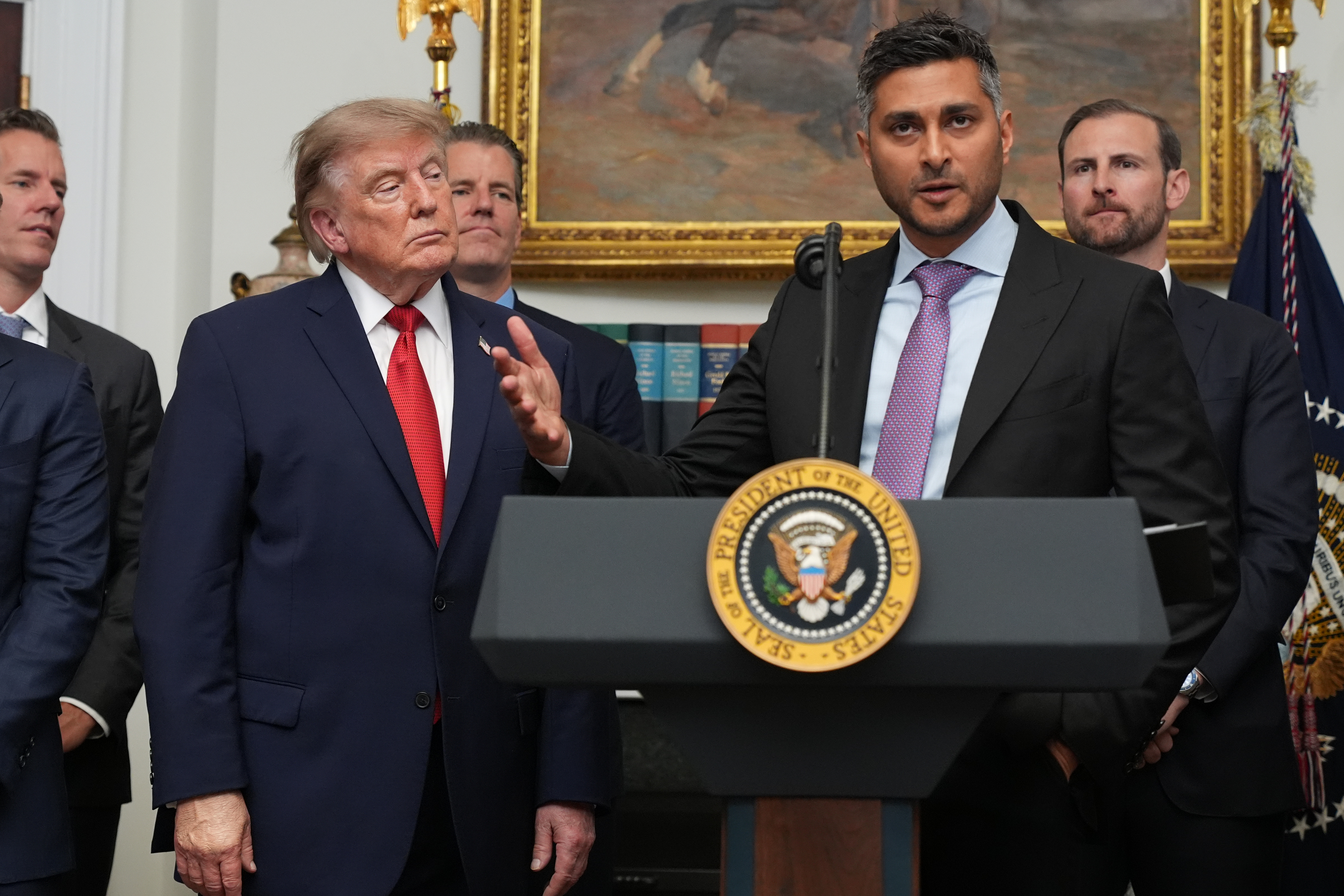
    As Democrats made clear they would block the bill, Trump agreed to some concessions on ethics, including new restrictions on federal elected officials from issuing digital assets like the presidential meme coins he and his wife Melania launched before he took office for his second term. He agreed to new concessions Sunday, such as additional powers for state attorneys general that Democrats had sought to enforce the crypto measures.

    Those concessions were not enough for Democrats, who sent a counteroffer late Monday to expand the ethics provision but were not able to strike a final deal. Among other issues, they said the bill still needed stricter enforcement and a requirement for Trump or any future president to divest if holdings reach a certain value.

    “Instead of spending their time twisting themselves into knots to appease President Trump, Republicans should have worked more closely with Senate Democrats to craft a bill that could pass with strong ethics provisions,” said Arizona Sen. Ruben Gallego, who was involved in last-minute talks with GOP senators on the bill.

    Republicans needed Democratic support to win the 60 votes necessary to move forward on the bill in the 53-47 Senate.

    North Carolina Sen. Thom Tillis, a Republican who worked with Gallego to strengthen the ethics provision, said before the vote that he was pleased with Trump’s latest concessions.

    “We’re so close,” Tillis said. “It’s just a shame to not take this opportunity.”

    Trump has amassed big crypto profits

    Trump’s family has raked in big profits in the crypto sector since he was reelected, including the meme coin, announced the day before Trump took office. Top investors were invited to a private reception with the president.

    Trump’s family also has a controlling stake in World Liberty Financial, a crypto firm co-founded with the president’s special envoy Steve Witkoff. Trump reported more than $500 million in revenue from World Liberty Financial sales of crypto products, including “governance tokens,” in his annual disclosure report filed with the Office of Government Ethics. That is a significant share of the more than $1.4 billion that the president reported from crypto businesses last year.

    A measure enacted into law last year regulating stablecoins, a type of cryptocurrency, barred members of Congress and their families from profiting off them, but it did not extend to Trump or his family.

    Legislation aims to give crypto firms legal certainty

    Republicans who have been working on the legislation for more than a year say it could now stall indefinitely. The House and Senate will be out of session during October and before the elections, and the dynamics could significantly shift if Democrats win back the majorities of the House or Senate, or both, in November.

    Republican Sen. Cynthia Lummis of Wyoming, a lead sponsor of the bill, said beforehand that a no vote means ”opposing real ethics reforms on politicians’ personal investments, handing American leadership in digital assets to our foreign competitors, and leaving Americans with zero protections in the digital asset markets.”

    Supporters say the legislation aims to give the industry more legal certainty and protect consumers by creating a broad set of guardrails and regulatory requirements, including better enforcement to prevent bad actors and protections to prevent a market collapse.

    As talks continued Tuesday morning, Lummis posted on X that it was “now or never for the Clarity Act,” referring to the bill’s name.

    “The time for negotiating is over,” she wrote.

    Crypto cash has flooded campaigns

    Opponents, mostly Democrats, say the bill is a giveaway to the industry as crypto companies have become generous donors to candidates in both parties around the country.

    “It’s no secret that they are seeking to ram a bill through Congress based upon not the merits of the bill, but the threat that they will spend even more money in elections against people who vote against it,” said Democratic Sen. Chris Murphy of Connecticut.

    In 2024, the crypto industry spent more than $130 million in congressional races, including $40 million in Ohio and $10 million each in Arizona and Michigan.

    “DC received a clear message that being anti-crypto is a good way to end your career, as it doesn’t represent the will of the voters,” Brian Armstrong, the CEO of Coinbase, the nation’s largest crypto exchange, wrote in a social media post the day after the 2024 election.

  • Trump bars some South Africans over claims of anti-white discrimination

    Trump bars some South Africans over claims of anti-white discrimination

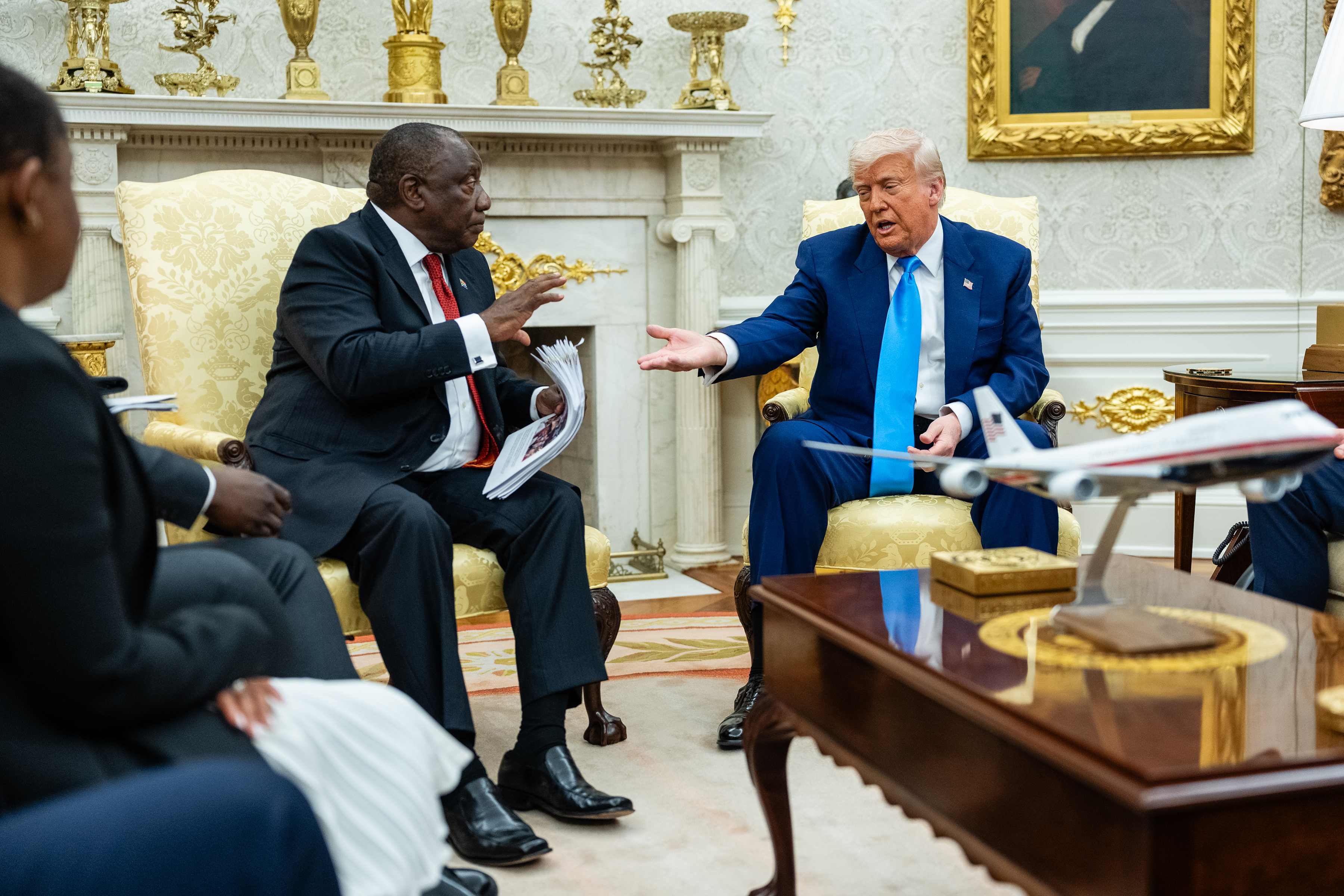
    JOHANNESBURG — The Trump administration imposed visa restrictions on selected South Africans on Tuesday and warned that it could take further punitive actions if South African leaders did not address President Donald Trump’s concerns over what he sees as discrimination against white people.

    The visa policy expands the administration’s efforts to punish South Africa since Trump last year accused the government of seizing land from Afrikaners, a white South African minority, and allowing them to be killed in what he has labeled genocide. Claims of genocide against white South Africans are widely acknowledged as false, and President Cyril Ramaphosa has said Trump’s policies toward South Africa are racist.

    The visa restrictions will prevent selected individuals from entering the United States. Under law, the government is not allowed to publicly disclose who is affected.

    In a statement, Secretary of State Marco Rubio said the United States remained “gravely concerned about racially motivated crime and government-sponsored discrimination occurring against the Afrikaners and other minority populations in South Africa.”

    He said the restrictions would target South Africans involved in race-based discrimination, those responsible for a law that enables the government to seize land without compensation, and those who incite violence against racial minorities.

    In a statement, South Africa’s foreign minister, Ronald Lamola, said Washington’s unilateral action “once again aligns with the misrepresentation of South Africa’s domestic policy by fringe groups.” He called on the United States to respect South Africa’s sovereignty on handling domestic issues.

    The policy was announced less than three weeks after Ramaphosa met with the U.S. ambassador, Leo Brent Bozell III. The South African government described the engagement as “an opportunity to strengthen and recalibrate” the relationship between the countries.

    In a social media post Wednesday, Bozell said he had “attempted time and again to express” that South Africa could face severe consequences if it did not take action on the administration’s demands, which include exempting American companies from Black ownership requirements and rolling back a land expropriation law.

    “This visa restriction policy is only the first step in a series of escalatory measures that will show America’s firm resolve in this matter,” Bozell wrote.

    The U.S. move was the latest sign of the deteriorating relationship between the United States and South Africa.

    This article originally appeared in the New York Times.

  • Charlie Kirk’s family accuses university of ‘stunning’ security failures

    Charlie Kirk’s family accuses university of ‘stunning’ security failures

    The family of slain conservative activist Charlie Kirk has accused the Utah university where he was killed last year of “stunning” security failures that made him an easy target for a rooftop assassin.

    In a legal notice filed this month, lawyers for Kirk’s wife, parents, and children said Utah Valley University did not have a written security plan or hold a security briefing before Kirk arrived for an open-air debate last September that drew a crowd of thousands.

    They also said the university’s police chief had failed to address concerns raised by Turning Point USA, the conservative activist group founded by Kirk, about how easily people could climb onto the rooftops that overlook the sunken plaza where he was shot.

    The accusations came in a “notice of claim” that lawyers for the Kirk family sent to the state of Utah earlier this month and made public Wednesday. Kirk’s family has not yet sued, but the notice is a potential precursor to a wrongful-death lawsuit against the public university or the state.

    “His murder was entirely preventable,” Brett Parkinson, a lawyer for the Kirk family, said in a statement.

    In a statement Tuesday, Utah Valley University said its “focus remains on supporting our campus community” but declined to comment further on the notice. It is conducting its own review of security surrounding the shooting.

    Kirk, one of the country’s most influential and visible conservative activists, made Utah Valley University in Orem the first stop of his “American Comeback” tour of college campuses. About 3,000 people showed up on Sept. 10, 2025, to see him debate political opponents on a sunny afternoon.

    He was just minutes into the event and answering an audience member’s question when he was shot in the neck by a gunman perched on a rooftop about 400 feet away.

    In the legal notice, lawyers for Kirk’s family said the university’s security decisions “ultimately rendered Mr. Kirk helpless to the rooftop shooter in an assassination that could have been avoided.”

    According to the notice, a Turning Point USA official texted Jeff Long, the university police chief, before the event to relay concerns from a Turning Point campus chapter about students’ ability to take staircases to building rooftops.

    “It would be nice to either have it controlled access or allow one of my guys to be there as well. If possible,” a Turning Point official texted Long, according to the legal notice.

    Kirk’s lawyers say Long responded, “I got you covered.”

    Lawyers for the Kirk family argued in the legal notice that the university should have been on alert for a rooftop sniper after a would-be assassin fired at President Donald Trump in 2024 from a roof outside a rally in Butler, Pa.

    Surveillance videos and testimony from investigators suggest that Tyler J. Robinson, the 23-year-old man charged with aggravated murder in Kirk’s killing, encountered virtually no obstacles or resistance on his way to the roof. Robinson, who could face the death penalty, has pleaded not guilty.

    Surveillance videos from the morning of the shooting captured the gunman as he walked to a railing on the roof of a campus building and then left. When he returned later, he “crawled to a sniper perch” along the edge of the roof, took aim at Kirk, and fired, according to a legal filing by prosecutors.

    The legal claim filed by Kirk’s family said the university did not fly drones or monitor its surveillance cameras in real time during the event — actions that might have spotted the gunman.

    It also says that despite Kirk’s fame and the size of the crowd, the university only had six officers on duty that day and did not ask police in Orem or nearby Provo for help until after the fatal shot was fired.

    This article originally appeared in the New York Times.

  • Change in human trafficking policy could make some minors easier to deport

    Change in human trafficking policy could make some minors easier to deport

    The Trump administration has ordered caregivers for migrant children to stop reporting human trafficking concerns directly to the office created to help victims, a change that critics say could make some vulnerable minors easier to deport.

    The directive, in a Sept. 10 memo reviewed by the Associated Press, could mean that some victims would be denied services and face tougher odds of obtaining asylum and visas allowing them to stay in the United States.

    “This is going to harm children,” said Jean Bruggeman, co-executive director of Freedom Network USA, a coalition that advocates for human trafficking survivors. “This makes it more likely they will be deported before they get the services they need and put back into harm’s way.”

    The order added another plank to the Trump administration’s hard-line immigration agenda that has forged the most restrictive policies toward immigrants in more than a generation. Some of those efforts have been stopped by courts but many others have taken root.

    The memo said the change would “streamline the reporting, tracking, and referral of trafficking-related concerns.” An administration statement said the change was an effort to reduce the high number of claims that did not rise to the level of criminal human trafficking but nonetheless triggered the award of benefits and relief.

    But Democratic Sen. Ron Wyden of Oregon said the change requires children and their advocates to report human trafficking to the same agency that is holding them in custody. “This move to sideline human trafficking experts is more evidence that the Trump administration will deport kids to score political points rather than actually protect them,” he said.

    Office has helped thousands of trafficking victims

    The change applies to 1,800 children who are in federal custody after arriving in the United States without parents or being arrested with parents who were not legally present, and others who have been released but remain under supervision.

    Under longstanding policy, caregivers are required to conduct an initial screening of unaccompanied children for potential labor or sex trafficking within five days of admission to a facility or shelter. If they suspect the child is a victim, they have been required within 24 hours to notify the Office of Trafficking in Persons, which was created in 2015 to prevent human trafficking and protect victims.

    If the office certifies the claim, the minors become eligible for a program that gives them greater freedom by allowing them to move out of short-term housing, placing them in foster care, and allowing them to attend public school. It does not protect them from deportation immediately, but they can use the determination to pursue visas for victims of trafficking or asylum claims. It also grants eligibility for nutrition, housing, and other public benefits once they are released from federal custody.

    Thousands of unaccompanied minors have benefited from the office’s determinations. They are particularly susceptible to labor and sex trafficking, including in their home countries, on their way to the U.S., and after they arrive, and that’s why Congress has given them protections, Bruggeman said.

    Administration says change will target improper claims

    Under the change ordered last week by the administration, federal employees and care providers were told to no longer report labor and sex trafficking claims involving the minors to the Office on Trafficking in Persons.

    Instead, the memo said those claims should be submitted only to the Office of Refugee Resettlement, which oversees the housing of unaccompanied minors. That office will now investigate the claims and decide which ones should be forwarded to the Office on Trafficking in Persons for further review, the memo said, warning that providers “must respond promptly to requests for information.”

    In a statement, the Office of Refugee Resettlement said the change was driven by a review last year that found 95% of more than 9,000 reports “were determined not to be viable trafficking leads” for criminal investigators.

    “The vast majority of the reports detailed instances of alleged abuse or neglect, not forced labor or commercial sex as defined in human trafficking statutes,” the statement said.

    Even so, 58% of reports from shelter employees and case managers qualified for trafficking-related benefits. The change in reporting will “strengthen integrity, reduce improper referrals, reduce fraud, and ensure that children who may have experienced trafficking receive immediate support,” the statement said.

    Former official questions rationale

    Jen Smyers, who served as deputy director of the Office of Refugee Resettlement during the Biden administration, said the claim that the change will streamline reporting is questionable. She said ORR already gets the human trafficking reports but has no special expertise in evaluating them, unlike the office created for that purpose.

    The fear is that legitimate claims will get delayed or missed during the new layer of review, and career employees will face political pressure to refer fewer cases, she said.

    “It’s the opposite of streamlining,” Smyers said.

    Smyers noted the change comes after what she called an “onslaught” of Trump administration policies that have undermined the ability of unaccompanied minors to gain legal status, including making it harder to leave federal custody, arresting sponsors in the middle of the release process, and cutting their legal representation.

    “What they are trying to do is deport as many as possible. What interferes with deporting children is if they are eligible for protections Congress has given them,” she said.