Category: Associated Press

  • Oil giant Chevron is expected to announce it will expand operations in Venezuela, U.S. official says

    Oil giant Chevron is expected to announce it will expand operations in Venezuela, U.S. official says

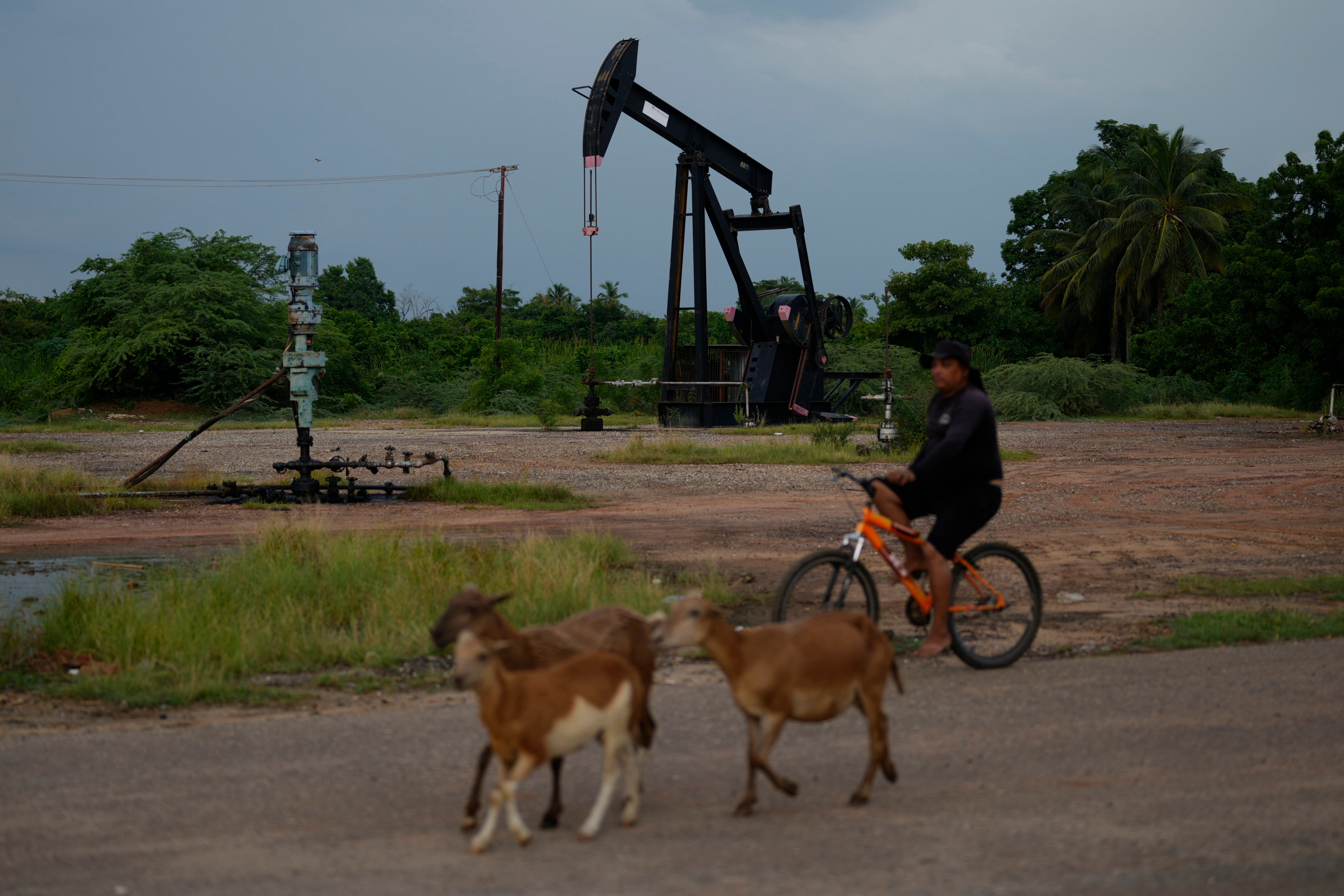
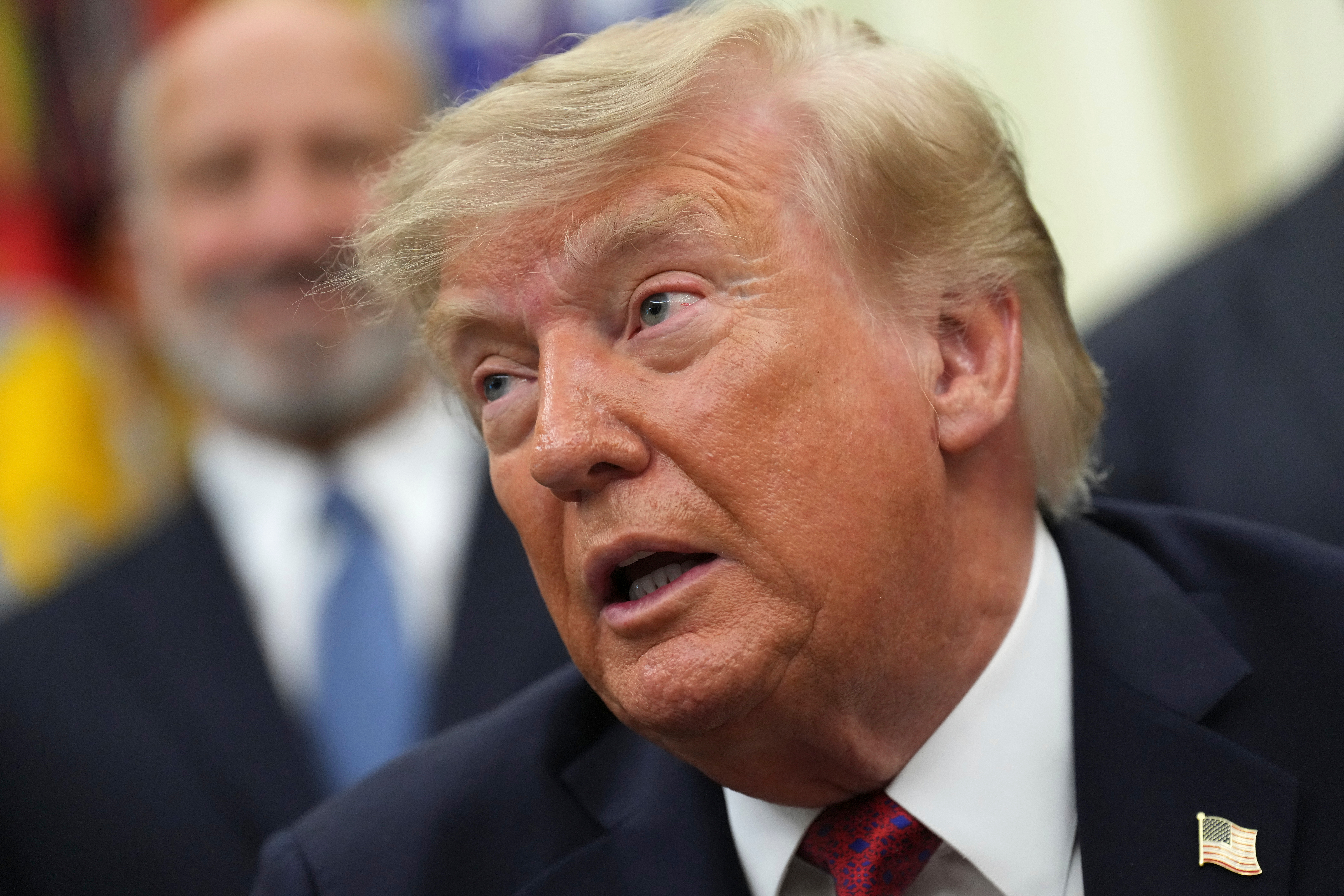
    WASHINGTON — Oil giant Chevron is planning to expand its operations in Venezuela, a U.S. official said Tuesday, just days after President Donald Trump announced an ambitious deal to develop the nation’s oil reserves and give the Pentagon a stake in the profits.

    The official, who briefed reporters on the expected announcement, said the company’s officials and Energy Secretary Chris Wright are expected to visit Venezuela on Wednesday where the new investment will be formally unveiled. The official spoke on condition of anonymity under ground rules set by the White House for the call.

    Chevron is the second-largest U.S. oil company and the only one with a major presence in Venezuela. Chevron did not immediately respond to a request for comment.

    The announcement comes after the White House confirmed on Monday it is partnering with North American Blue Energy Partners as part of President Donald Trump‘s push to tap into Venezuela’s oil industry.

    The sweeping agreement has been met with skepticism from analysts who say it will take years to revive Venezuela’s production. They have questioned whether Venezuela’s acting President Delcy Rodríguez has the legal authority to give the company 100-year rights over 17 oil fields with reserves of 65 billion barrels — and whether future Venezuelan or American administrations would overturn the agreement.

    Deal being pitched as step toward stability, democracy for Venezuelans

    The Trump administration wants elections to happen as quickly as is feasible, but is aiming to maintain stability as it helps Venezuela transition following decades of autocratic rule, the official said.

    The official argued that maintaining stability during such transitions “almost invariably requires you to work with elements of the existing structure, even as you are creating a new one.”

    The Pentagon’s role in the deal comes through its Office of Strategic Capital, which was created under former President Joe Biden to invest in technology needed for national security.

    A second U.S. official speaking on condition of anonymity described the Venezuela agreement as “a very standard deal” and said the office has made several similar ones since Trump returned to office.

    Trump says other companies are readying for business

    Trump has had his eyes on Venezuela’s oil since Maduro’s capture, and his aides call it a path away from reliance on oil from the Middle East. Trump has been pressing to get U.S. businesses to restore a presence in the country. President Hugo Chávez completed the nationalization of Venezuela’s oil industry in 2007, leading major players like ExxonMobil and ConocoPhillips to leave Caracas.

    Talking to reporters at the White House on Monday, Trump suggested that other oil companies were readying for business in Venezuela. “We have Exxon going in, we have Chevron going in. We have our big oil companies going in,” he said. ExxonMobil did not immediately respond to a request for comment. Trump in January said he was inclined to leave Exxon out of Venezuela after CEO Darren Woods called the country “uninvestable.”

    Chevron has been the only major American oil company actively operating in Venezuela since the nationalization.

    Trump was scheduled to meet with a group of large and small oil refiners on Tuesday to discuss ways to increase America’s capacity to refine oil into gasoline.

    The White House has said that increasing the number of refineries and expanding the capacity at existing facilities would eventually reduce prices for consumers. The administration also sees the need for more refineries to process oil from Venezuela.
  • U.S. strikes Iran and Tehran fires back as hostilities flare again

    U.S. strikes Iran and Tehran fires back as hostilities flare again

    WASHINGTON — The U.S. military hit targets in Iran on Tuesday and Tehran fired missiles and drones in response as hostilities flare once again in an intermittent war that has lasted more than six months. One U.S. strike hit a home hosting a wedding, killing two people and wounding dozens, local officials said.

    The U.S. strikes followed others on Sunday that abruptly ended a month without military action and threatened to fully reignite a conflict that has spiked global oil prices and posed political problems for Republicans in November’s midterm congressional elections. The renewed fighting comes after President Donald Trump had appeared to pivot toward trying to bend Iran to his will through economic sanctions.

    “If the failed Nation of Iran retaliates for this very justified attack, they will be hit again at a much harder and higher level, but it will not be the biggest attack of them all, that is waiting in the wings,” Trump warned on social media.

    U.S. Central Command said the latest strikes were in response to Tehran trying to attack commercial ships and American forces in the Middle East. Trump offered an additional explanation, telling Fox News in a phone call that U.S. forces struck Iran’s radars.

    “They tried to rebuild their radar because they can’t see anything,” Trump told Fox. “We waited until it was almost built and then we hit it.”

    Iranian state media reported that the U.S. had bombed civilian sites along Iran’s southern coast and hit a civilian airport. A U.S. strike hit a home where a wedding ceremony was being held in Kuhestak in southern Iran, killing two people and wounding at least 50 others, Ahmad Nafisi, Hormozgan Province’s deputy governor, told Iranian state television in a phone call. Red Crescent rescue officials in the province said the death toll had risen to four, including a child.

    U.S. Central Command did not immediately respond to an email seeking comment on those reports.

    Iran’s military warns of ‘devastating blows’

    Iran’s Armed Forces General Staff and its joint military command said the armed forces would deliver what they described as “crushing and devastating blows” against the United States. The state-run IRNA news agency cited a statement by Iran’s paramilitary Revolutionary Guard, which warned that the attacks have only strengthened the Islamic Republic’s resolve and tightened Iran’s effective closure of the Strait of Hormuz, through which 20% of the world’s oil normally flows.

    Explosions were reported across several southern Iranian coastal areas, including the port city of Bandar Abbas that is home to naval and air force facilities as well as Qeshm Island in the Strait of Hormuz. Witnesses in Bandar Abbas told the Associated Press that the explosions were stronger than those on Sunday and said they saw smoke rising from the eastern part of the city on the strait.

    Iranian state television said U.S. strikes hit a fishmeal factory on Qeshm Island and several civilian sites in Hormozgan province. It said a fishing pier and a Ports and Maritime Organization tower in Sirik were among the locations struck.

    State TV also reported that the U.S. military struck the civilian Jiroft Airport in central Iran’s Kerman province, saying a projectile struck an area outside the runway and caused no casualties or damage to airport infrastructure.

    The U.S. and Iran are both seeking control over the Strait of Hormuz, a narrow waterway off Iran’s coast that is a vital oil shipping corridor. Tehran effectively closed it after the war began.

    Oil prices have moved sharply higher this week with renewed clashes between Iran and the United States. Crude, already up about 7% this week, continued to rise following the strikes on Tuesday.

    The price of crude has jumped more than 50% this year and it’s dragged the cost of gasoline upward with it. The cost for a gallon of regular gasoline in the U.S. ticked higher again overnight to $4.10, according to AAA. Last year at this time, a gallon cost $3.19.

    Strikes have renewed after Iran said it would stick to a ceasefire deal if the U.S. did the same

    Before military action began again, the Trump administration had argued that hitting the right economic target in a campaign of financial isolation would get Tehran to its breaking point. Now, strikes are renewing even as U.S. stockpiles of advanced interceptors have been diminishing and the war has been unpopular among many Americans.

    A return to open conflict would be dangerous for the region, where Iran has targeted U.S. military bases and infrastructure in Gulf countries since the war began.

    Iranian President Masoud Pezeshkian said earlier Tuesday before the latest strikes that the Islamic Republic is ready to return to the interim ceasefire deal reached with the U.S. in June if Washington does the same.

    “If the U.S. returns to its commitments in the memorandum of understanding, the Islamic Republic of Iran will immediately reciprocate,” Iranian state media cited Pezeshkian as saying at the Shanghai Cooperation Organization summit in Kyrgyzstan.

    The June interim deal called for an immediate ceasefire and started a 60-day period for negotiations aimed at reaching a wider agreement, but crumbled soon afterward.

    In the previous strikes on Sunday, U.S. Central Command said its forces struck Iranian rocket launchers that would launch sea mines into the strait.

    Iran responded to Sunday’s attacks by launching missiles at U.S. sites in Jordan, which were intercepted, while the United Arab Emirates said it stopped an Iranian drone over its waters. Trump acknowledged Monday that more strikes might be necessary.

    The American military in recent days has cast the renewed fighting as limited, though Trump had acknowledged Monday that more strikes might be necessary.

    U.S. Central Command said Monday on X that its attacks on Iranian targets on Sunday were narrowly focused.

    “U.S. forces took limited, precise action against IRGC minelaying forces posing an imminent threat in the Strait of Hormuz,” U.S. Central Command said. “In essence, Iran created the threat and the U.S. military eliminated it to protect civilian mariners, commercial shipping, and the free flow of global commerce.”

    Central Command reiterated Tuesday that its attacks followed Iranian aggression against commercial vessels and American troops in the region.

  • Flash flooding causes major damage to the Grand Canyon’s critical water pipeline

    Flash flooding causes major damage to the Grand Canyon’s critical water pipeline

    WASHINGTON — The sole pipeline that supplies water for millions of Grand Canyon visitors was badly damaged by weekend flash flooding, setting up a tricky repair scenario and upending a yearslong construction project to upgrade the line laid over terrain so rugged helicopters are often required to make basic fixes.

    “We anticipate miles of the pipeline being destroyed,” Grand Canyon Deputy Superintendent Brian Drapeaux said, but a full survey of the devastation wouldn’t be completed until Tuesday at the earliest.

    From flyovers, park officials estimate that roughly 40% of the pipeline endured damage. The long-term implications to the park’s infrastructure, visitors, and year-round residents weren’t immediately clear. The 12.5-mile-long Transcanyon Waterline has endured dozens of breaks in recent years. A more than $200 million repair and replacement project was well underway when the floods hit.

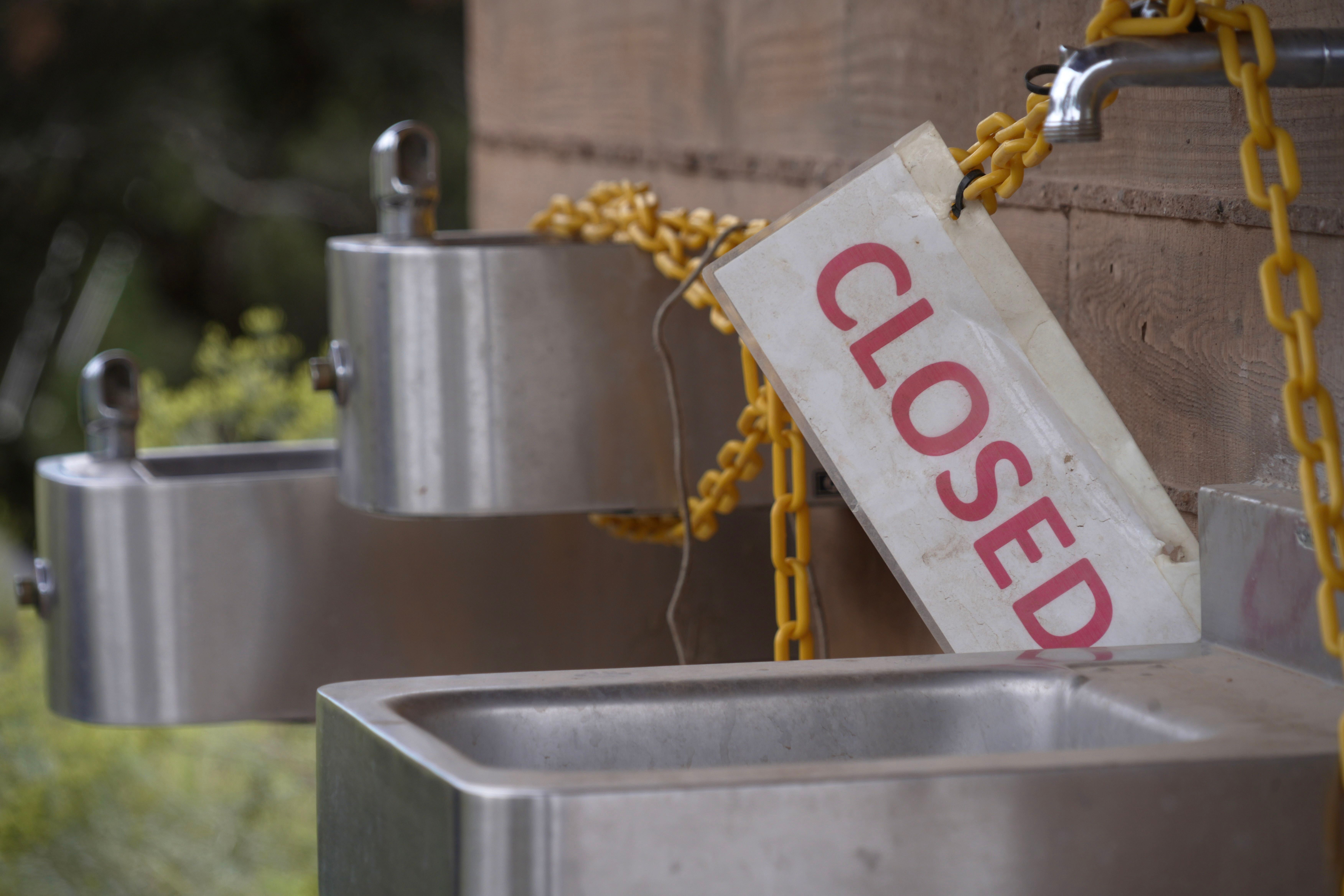
    At least two people died in the floods, and one person remained missing Monday night after rescuers saved some 80 people over the weekend, officials said. The park halted overnight accommodations, and officials said significant water reductions are needed — short showers, turning off the tap while brushing teeth, and flushing toilets selectively to protect the limited stored water on the South Rim, where most visitors go.

    “They have got to keep law enforcement going, they have to keep rescue operations going, backcountry operations, park admin going, the clinic, and the campground,” said longtime river runner and Grand Canyon hiker Tom Martin. “In the past, the park has hauled water” in tanker trucks.

    Even routine repairs can be tricky

    The pipeline, which was finished in the 1970s, has broken more than 85 times since 2010. It moves water from one side of the canyon, down to its base, across a bridge and back up the other side of the rough landscape. Any effort to fix a break from rock falls or flash floods is time-consuming, precarious, and costly, so addressing the latest damage will be complicated.

    The pipeline upgrade project, which began in 2023, took more than a decade to design, consider, and fund. It involves installing helicopter pads, building water treatment facilities, and replacing several miles of pipeline. The project also sought to move the water intake for the pipeline farther down the canyon to Bright Angel Creek. That would place it closer to Phantom Ranch, a popular lodge at the base of the canyon. An evaluation of the project in 2018 said key infrastructure for the intake would be outside of areas likely to flood.

    Basic decisions were complicated. For example, the original pipe was aluminum, which is lighter and easier to move into the steep canyon but is susceptible to breaking. Engineers picked a flex-steel material to balance weight with durability.

    Frequent breaks cause water restrictions

    Even routine pipeline breaks force water restrictions. In 2016, a hotel on the canyon’s rim that offers luxury dining and boasts about its history hosting presidents was forced to reduce dishwashing and use paper plates and plastic utensils.

    In 1995, a 28-day repair effort on the pipeline required officials to truck in water.

    The park had water conservation measures in place even before the latest bout of flooding and damage.

    The flooding has forced parts of the park to close and additional flooding was possible Monday, according to the National Park Service.

    “Consider changing your plans if you were going to hike, boat, or paddleboard to a slot canyon or normally dry wash. If you do still decide to recreate, check in at a nearby visitor center or ranger station,” a notice on the park website said.

    Officials said previously that the repair and replacement project would ensure that the park will be able to meet its water supply needs for the next 50 years or more. The park had roughly 4.4 million visitors last year.

    When the original pipeline was nearing completion in the 1960s, more than a foot of rain fell, flooding the inner canyon. That rare, historic flood caused 40% of the project to be destroyed, officials said.

  • U.N. report finds Syria was building a nuclear reactor in Deir el-Zour under former President Assad

    U.N. report finds Syria was building a nuclear reactor in Deir el-Zour under former President Assad

    VIENNA — Syria was constructing a nuclear reactor in Deir el-Zour under the leadership of ousted former President Bashar Assad, according to a U.N. report seen Tuesday by the Associated Press.

    Inspectors with the U.N. nuclear watchdog visited several sites in Syria in August and carried out verification work that confirmed the existence of a long-suspected nuclear site, according to the confidential report circulated to member states.

    Based on this visit, the International Atomic Energy Agency reported that it is “able to establish that the former Syrian authorities had failed to report nuclear material, facilities, and activities as required under the NPT Safeguards Agreement.”

    This information included a nuclear reactor under construction in Deir el-Zour, a fuel fabrication plant, and another site used for fuel storage during the rule of Assad.

    Under Assad, Syria was believed to have operated an extensive undeclared nuclear program that included a nuclear reactor built by North Korea in eastern Deir el-Zour province. Following Assad’s ouster, the new government agreed to give IAEA inspectors access to suspected former nuclear sites.

    The site in Deir el-Zour only became public knowledge after Israel launched airstrikes in 2007 that destroyed the facility. Syria later leveled the site and never responded fully to the IAEA’s questions about it. Israel is believed to have its own undeclared atomic weapons program that makes it the only country in the Mideast with nuclear bombs.

    Israel neither confirms nor denies having atomic weapons.

    The IAEA took samples at the site in 2024 and reported last year that they contained uranium particles.

    The new Syrian authorities have also expressed an interest in developing a civilian nuclear energy program and said any nuclear material found in the country would remain in Syria’s custody under international safeguards.

    The IAEA reported Tuesday that its inspectors visited the Deir el-Zour site on Aug. 29 “to monitor progress on the excavation work.”

    “Based on observations made at the location, the Agency confirms that the cooling infrastructure which has now been uncovered is consistent with that of a nuclear reactor.”

    In its confidential report, the IAEA said three locations were “functionally related” to the Deir el-Zour site. One was related to “conversion and/or fuel fabrication activities,” another was for “temporary storage of construction material,” and another was for the “temporary storage of construction materials being transferred to/from” the site, as well as for “planned reprocessing activities.”

    During the visit to Syria, IAEA Director General Rafael Grossi and a team of senior inspectors also visited a previously undeclared site in the country.

    Syria notified the agency of the site’s existence in a July 17 letter and invited the IAEA “to cooperate with the Syrian authorities in the inspection and verification of the site and of any nuclear material to be potentially found.”

    The IAEA said in its report that this new site contained “natural uranium metal in the form of fuel rods with cladding.” The agency verified the material and confirmed “the presence of around 73 tonnes of natural uranium metal.” The agency reported that “all of this nuclear material is currently subject to Agency containment and surveillance measures.”

  • Drones helped find people after Nepal floods but the search inside hydropower tunnels is a challenge

    Drones helped find people after Nepal floods but the search inside hydropower tunnels is a challenge

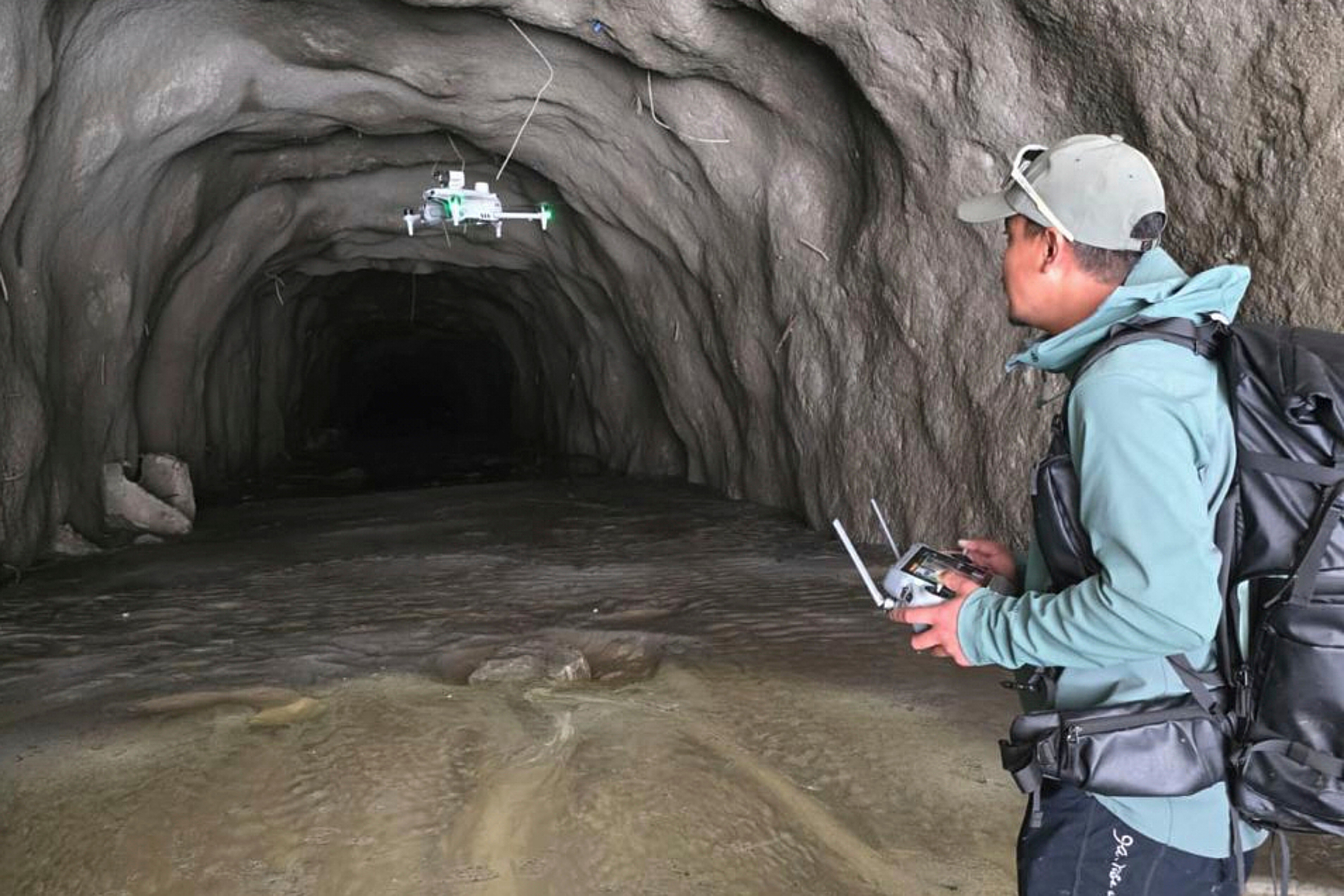
    KATHMANDU, Nepal — Drone pilot Manish Maharjan has helped rescue teams in Nepal find people missing after last week’s catastrophic floods, sometimes using speakers mounted on the devices to call out to or play music for those stranded on hillsides.

    But the search for hundreds of workers believed to be trapped in power plant tunnels — now a major focus of rescue operations — presents an entirely different challenge, he said.

    “We found tunnels were filled with mud like toothpaste in a tube,” Maharjan said. “There was no hollow or empty space inside.”

    Maharjan, who is also a filmmaker, joined the Nepal Army’s rescue efforts a day after the Aug. 26 flash floods, which have killed more than 1,000 people and left thousands missing in Nepal and Tibet.

    “We used microphone speakers to call out to them. In some places, we even played songs and then waited for a response,” Maharjan said. “That worked in a few cases and helped us locate people.”

    The torrent of water unleashed after a glacial collapse caused widespread damage to critical infrastructure, including roads, buildings, bridges, and hydropower plants — in the latest sign of the growing risks across the rapidly warming Himalayas. At least 900 workers are still missing from 12 hydropower projects buried under mud and debris. About 500 of them are believed to be trapped inside power plant tunnels.

    Some workers in the tunnels managed to call for help when the disaster struck, according to Mohan Kumar Dangi, president of the Independent Power Producers’ Association. But it was unclear whether rescuers have had any contact with the trapped workers since the initial calls for help.

    As time slips away, rescuers are finding it increasingly difficult to locate these missing people.

    Maharjan, who has been operating thermal drones in the tunnels, said the searches were challenging because of their difficult access and the absence of any empty space.

    “I can only fly drones in tunnels that are long and straight,” he said. “Once there are bends, turns, or zigzags, it becomes much harder to operate and search effectively.”

    At the Rasuwagadhi hydropower project on Monday, Maharjan managed to send a drone to search deep inside and all the way to the end of the tunnel but found no sign of any life.

    “We checked repeatedly but it was filled with mud and debris,” he said. “Looking at it, I could only imagine the force of the flood.”

  • House passes short-term funding bill to avoid a shutdown before the election

    House passes short-term funding bill to avoid a shutdown before the election

    WASHINGTON — The House passed a short-term measure Tuesday to fund the federal government into early December, a move designed to avoid a chaotic shutdown as lawmakers campaign for reelection.

    Lawmakers needed to act before the fiscal year concludes at the end of September to avoid a funding lapse. They were determined not to bump up against that deadline during the campaign season following this past year’s historic shutdowns.

    The House passed the bill by a vote of 370-48. The Senate has already overwhelmingly approved the measure, so it now moves to President Donald Trump’s desk for his signature.

    “It gives the nation and our constituents certainty, certainty that the government will remain open, certainty that our service members will be paid,” said Rep. Tom Cole, the Republican chairperson of the House Appropriations Committee.

    A record 43-day shutdown occurred last fall when the two parties disagreed on renewing an expiring tax credit that lowers the cost of health coverage obtained through Affordable Care Act marketplaces. Then came the shutdown of the Department of Homeland Security, which lasted 76 days before lawmakers agreed to fund much of the department but not its immigration enforcement operations.

    Lawmakers were wary of a repeat before voters go to the polls. They also blamed the other party for the recent impasses.

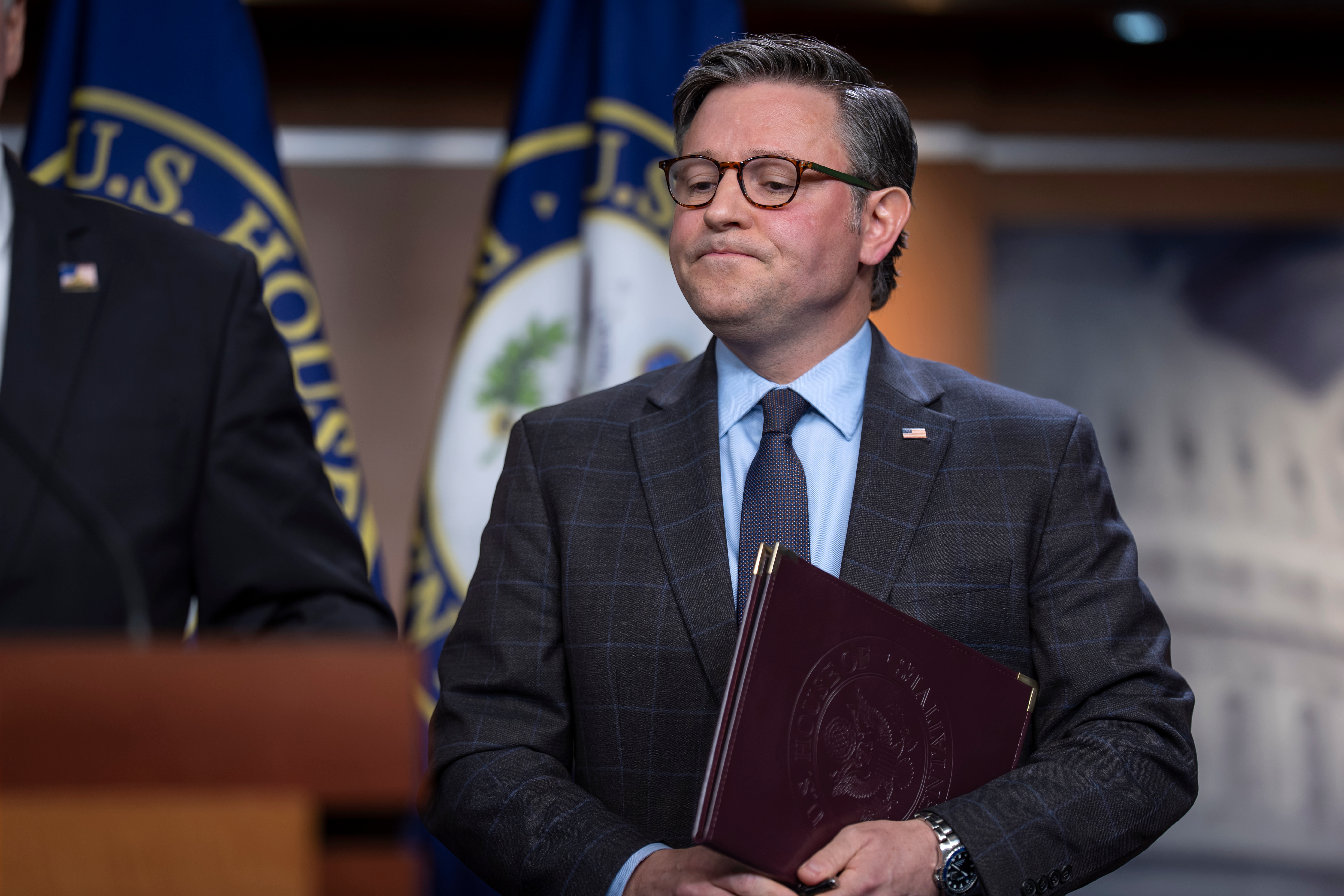
    “We’re going to avoid the threat of another Democratic shutdown,” House Speaker Mike Johnson told reporters in advance of the vote.

    Rep. Rosa DeLauro, the lead Democrat on the House Appropriations Committee, encouraged her Democratic colleagues to vote for the measure during a closed-door meeting Tuesday morning.

    She said the bill was much improved from the product that passed the House earlier this summer on a mostly party-line basis. For example, she said it prevents the Department of Homeland Security from transferring funds to the Border Patrol, and it delays a proposed rule that would give political appointees in the Trump administration more authority to stop federal grants from going out for programs they view as not in line with the president’s agenda. Those changes were made when the Senate approved its version of the bill.

    Democrats fear the administration will use the proposed regulation on grants to steer money away from Democratic-led states. DeLauro called the delay an important first step, but said more must be done to block the policy from taking effect.

    “Whether a community receives disaster relief should not depend on who they voted for in the last election,” DeLauro said.

    The short-term measure funds federal agencies generally at current levels through Dec. 11. It will give lawmakers more time to find compromise on a full-year measure, though that will likely be quite difficult.

    Republicans are seeking hundreds of billions of dollars in additional spending for the military while cutting most nondefense programs. Democrats say that’s a non-starter and insist on a bipartisan approach that treats domestic programs with parity.

  • Germany blames Russia for last month’s attempted drone attack at Leipzig airport

    Germany blames Russia for last month’s attempted drone attack at Leipzig airport

    BERLIN — The German government on Tuesday blamed Russia for an attempted attack at Leipzig/Halle Airport last month using a drone laden with explosives, and announced that it would shut down a Russian consulate among other measures.

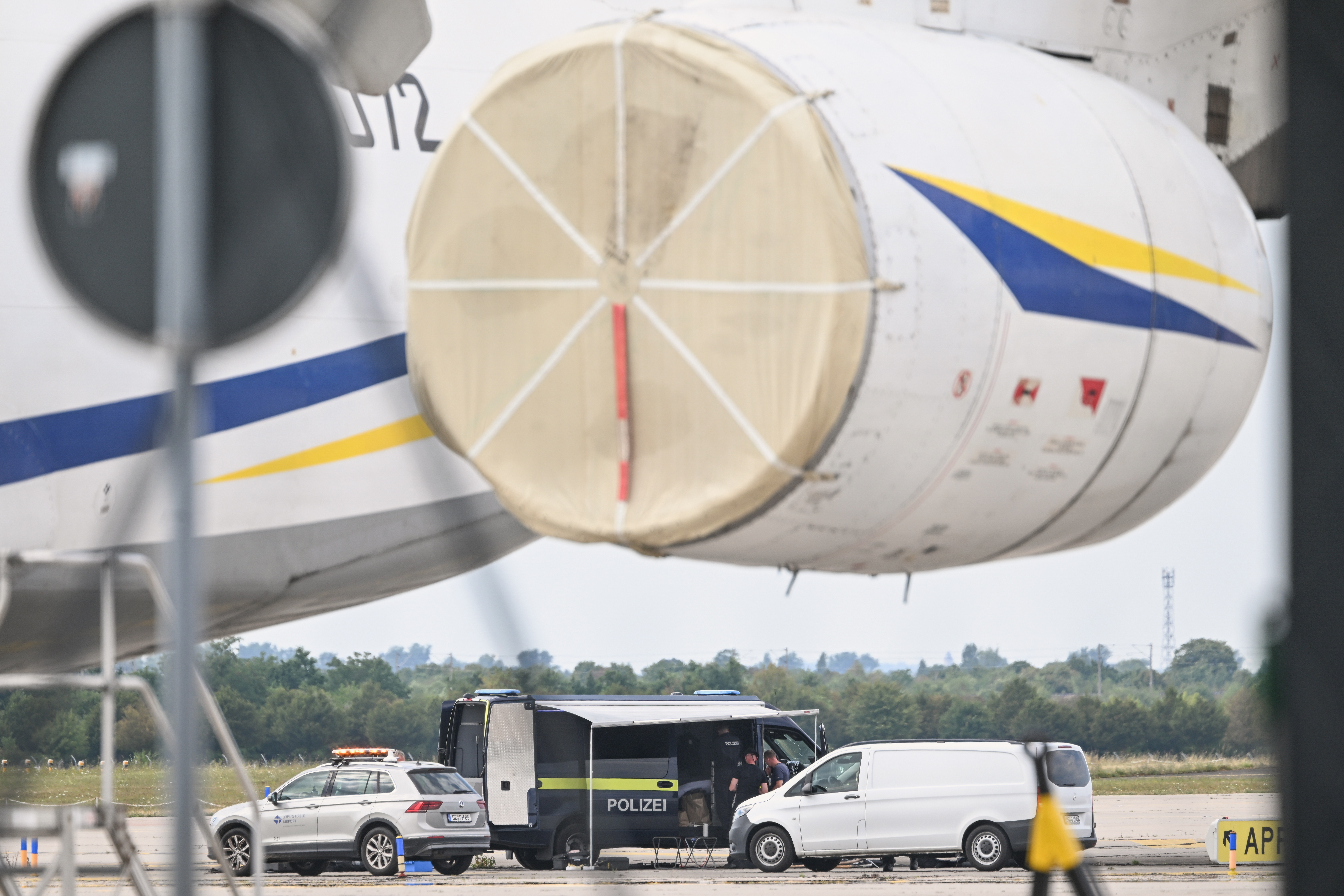
    The drone was found near a Ukrainian plane on Aug. 4 and the device was defused. German officials said at the time that the incident posed a new level of danger.

    Moscow has been widely accused by Western officials of running a campaign of sabotage and disruption with the aim of undermining support for Ukraine and destabilizing European nations.

    Minister says evidence points to a familiar pattern

    German Interior Minister Alexander Dobrindt said authorities found elements such as the drone configuration, components, explosives, and detonator that are “known to us from other Russian hybrid operations and its war against Ukraine.” He said the device pointed to “a high degree of technical expertise” and painstaking planning, but carrying out the plan appears to have been left to “low-level” agents.

    Dobrindt told reporters that intelligence points to “people being involved who acted on behalf of Russian state entities,” though he didn’t specify which ones. “Taken together, the police investigations, the pattern, and intelligence findings prove a Russian responsibility for the attempted attack at Leipzig airport.”

    Germany will shut a Russian consulate

    Foreign Minister Johann Wadephul said that “with the attempted attack in Leipzig, the Russian leadership decided deliberately to do significant damage again to our already massively burdened bilateral relationship.” He said the Russian consulate in Bonn will be closed effective Sept. 18 and the contract under which the Russian House cultural center in Berlin is operated will be rescinded.

    Germany will propose the addition of more people from Russia to European Union sanctions lists “in the context of hybrid attacks,” step up entry controls for people from Russia, and increase “pressure on the shadow fleet,” a reference to tankers suspected of shipping Russian oil in violation of international sanctions, Wadephul said. The EU has sanctioned hundreds of “shadow fleet” ships.

    The Russian ambassador was summoned to the Foreign Ministry in Berlin.

    Russian Foreign Ministry spokesperson Maria Zakharova said there would be a “fitting response” to the planned closures, Russian state news agency Tass reported.

    She rejected claims of Russian involvement in the attempted drone attack, calling them a “far-fetched and contrived pretext” for Berlin to escalate tensions and arguing that “as usual, no convincing or serious evidence has been presented whatsoever.”

    Around 200 incidents blamed on Russia

    Leipzig/Halle is a major hub for international freight and for providing support to Ukraine. The planes that regularly use it include Ukrainian Antonov transport aircraft.

    It is also home to NATO’s Strategic Airlift International Solution, or SALIS, which is currently operational almost every day in delivering equipment to NATO battle groups along its eastern flank from Finland to Romania and supporting EU and alliance nation missions.

    In 2024, an incendiary device ignited at a logistics center at the airport and set fire to a freight container before it could be loaded onto a cargo plane, part of a plot that Western security officials suspect was organized by Russian intelligence.

    The Associated Press has tracked around 200 incidents of sabotage and malign activity across Europe blamed on Russia by Western officials since the invasion of Ukraine.

    That includes organizing plots to set fire to warehouses, launching drones and trying to kill enemies abroad as well as stealing defense technology and carrying out cyberattacks on critical European infrastructure.

    In May, Russian President Vladimir Putin responded to the AP findings and said Moscow is not waging a sabotage campaign against Europe. He demanded that AP “name one proven fact.”

    Russia has faced many packages of EU sanctions

    The EU has slapped almost two dozen packages of sanctions on Russia over its war in Ukraine, targeting roughly 3,000 people and entities. EU foreign ministers will meet in Ireland Wednesday.

    European allies rallied around Germany after Tuesday’s announcement. NATO Secretary-General Mark Rutte said in a post on X that he had spoken with Chancellor Friedrich Merz and “NATO stands in full solidarity with Germany after the Russian hybrid attack in Leipzig.”

    In mid-August, the German Cabinet approved plans to give the country’s intelligence services broader powers for actions such as disabling sabotage and hacking attempts. The planned reform, which had been in the works for months, still requires parliamentary approval.

    Hours before Tuesday’s German statement, Polish Prime Minister Donald Tusk, who has frequently warned that Russia is carrying out a campaign of sabotage against NATO countries, said Poland has been targeted by new acts of sabotage including arson within the past “dozens of hours.”

    He spoke the day after a fire broke out at WB Electronics, which the Polish government has described as Europe’s biggest drone manufacturer.

    Prosecutors said Monday they launched an investigation based on suspicions of the “participation of foreign intelligence activities against the Republic of Poland,” without elaborating on what country might be responsible. They said the fire in Skarżysko-Kamienna destroyed warehouse facilities and caused damage estimated at at least 15 million zlotys ($4 million).

  • Los Angeles Angels to be sold to Rams, Arsenal owner Stan Kroenke

    Los Angeles Angels to be sold to Rams, Arsenal owner Stan Kroenke

    ANAHEIM, Calif. — Kroenke Sports and Entertainment says it has reached a deal to purchase the Los Angeles Angels from Arte Moreno.

    The company led by Stan Kroenke made the surprising announcement Tuesday, saying it expects to close the transaction in early 2027.

    Kroenke’s company owns the NFL’s Los Angeles Rams, Arsenal of the English Premier League, the NBA’s Denver Nuggets, the NHL’s Colorado Avalanche, Major League Soccer’s Colorado Rapids and SoFi Stadium, along with the large Hollywood Park campus around the multibillion-dollar Inglewood arena. The company has now added the Angels, whose turbulent 23-year tenure under Moreno’s ownership will finally come to an end.

    “The Angels are a storied franchise anchored in a great market,” Kroenke said in a statement. ”We look forward to an exciting future with the Angels organization.”

    Moreno, an outdoor advertising magnate from Arizona, bought the Angels from the Walt Disney Company in 2003. While the club had steady success in its first years under Moreno with much of the roster that won the 2002 World Series, the Halos have entered a decline since winning their most recent playoff game in 2009.

    The Angels are currently headed to their 11th consecutive losing season and their 12th consecutive non-playoff season, both the longest active streaks in the majors.

    They’ve made the playoffs just once during the career of three-time AL MVP outfielder Mike Trout, who teamed with two-time AL MVP Shohei Ohtani for six straight seasons with no success.

    A significant portion of the Angels’ struggles can be attributed to the 80-year-old Moreno, who repeatedly inserted himself into personnel decisions. While he spent aggressively in his attempts to build a winner, his biggest moves usually backfired, with a series of high-profile acquisitions who produced a fraction of their anticipated impact.

    The Angels have also endured numerous troubles off the field during Moreno’s tenure, from the drug-related death of pitcher Tyler Skaggs to numerous smaller scandals.

    The Angels remained a healthy box office draw to their loyal Orange County fans during most of his tenure, but the fan base had lost patience in recent years. Angel Stadium’s slightly smaller crowds this season have regularly chanted “Sell the team!”

    The lack of success also began to wear on Moreno, whose children reportedly aren’t interested in carrying on in the baseball business. Moreno publicly explored a sale of the Angels in 2022, only to pull the team off the market in early 2023.

    “The Moreno family has been honored to steward the Angels for 23 years, and we believe with KSE’s experience and success, they are the best next owner for the franchise,” Moreno said in a statement. “The Angels organization looks forward to continuing its commitment to the fans, our employees, the players and our business partners.”

  • Apple’s new CEO, John Ternus, takes over from Tim Cook after 15 years

    Apple’s new CEO, John Ternus, takes over from Tim Cook after 15 years

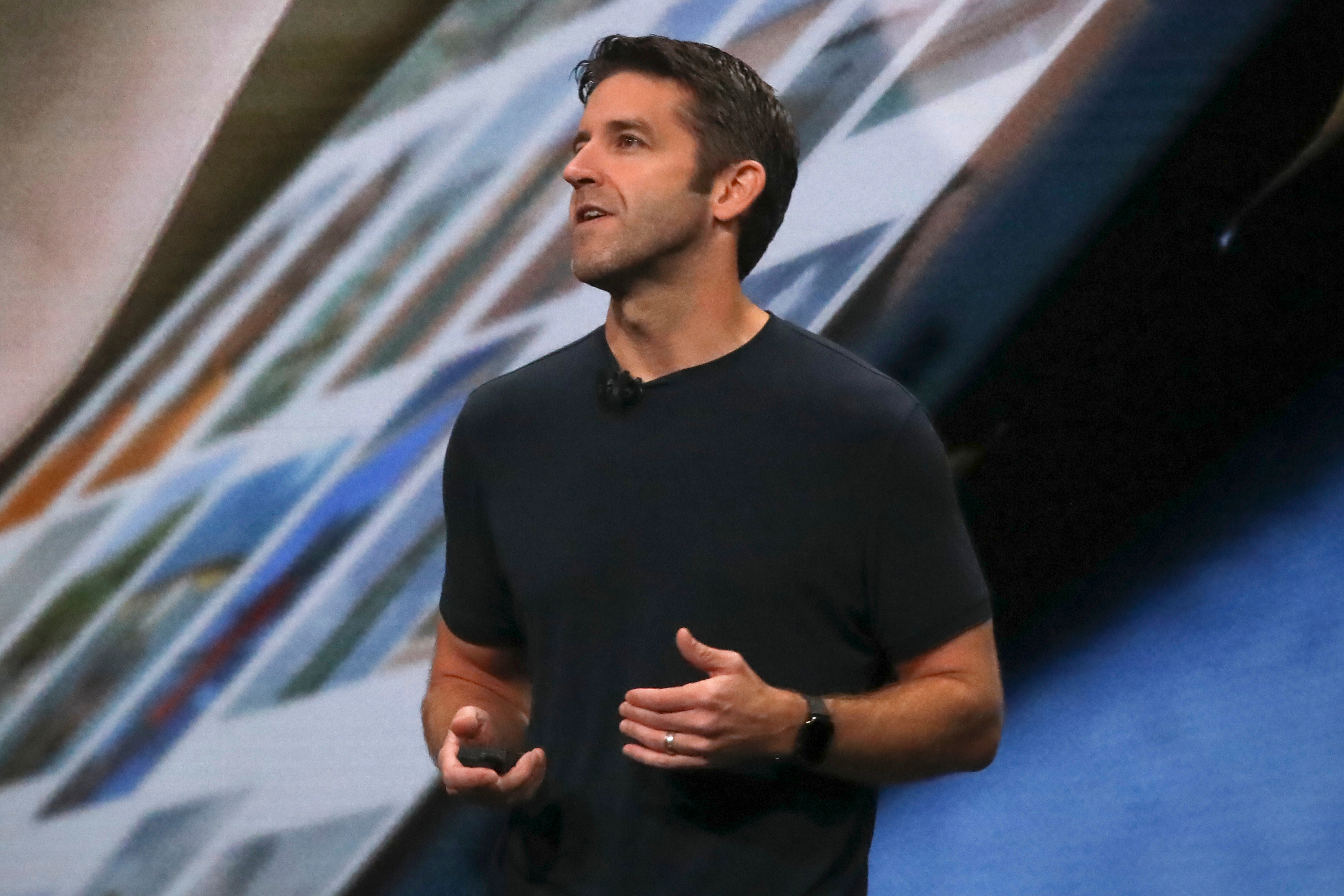
    Apple’s new CEO John Ternus took the helm of the iconic tech giant on Tuesday, ending Tim Cook’s 15-year tenure during which the company’s value skyrocket to $4.6 trillion thanks to the iPhone’s enormous popularity.

    The transition to a new CEO comes at a pivotal time for Apple. Artificial intelligence has unleashed the greatest upheaval within the industry since Steve Jobs unveiled the first iPhone in 2007. Apple has gotten off to a rough start in AI after stumbling in its efforts to deliver new features built on the technology, as promised nearly two years ago.

    Earlier this year, it unveiled new artificial intelligence advances, including upgrades to its Siri assistant, emphasizing a focus on privacy and day-to-day use as the iPhone maker tries to catch up with rivals.

    Ternus faces challenges that will force him to step outside his comfort zone in hardware engineering. Beyond finding ways to keep Apple competitive in the artificial intelligence race, he will need to navigate supply chain questions and relationships with figures such as President Donald Trump, who offered public praise for his predecessor on Tuesday.

    Serving as Apple CEO will also require soft skills, including developing relationships with important figures. Cook cultivated ties with Trump as he navigated the company through business challenges, including Trump’s trade and tariff war targeting countries in Asia, where Apple has extensive manufacturing supply chains. Although he is handing over the CEO reins at Apple, Cook is widely expected to help the company maintain a good relationship with Trump after he shifts to his new role as executive chairman.

    Ternus worked on some of Apple’s signature products under Cook, including the Apple Watch, AirPods, and Apple Vision Pro. He will headline next week’s launch of the latest iPhone at Apple’s Cupertino, Calif., headquarters.

  • Jury convicts Davis of first-degree murder for the 1996 killing of rap icon Tupac Shakur

    Jury convicts Davis of first-degree murder for the 1996 killing of rap icon Tupac Shakur

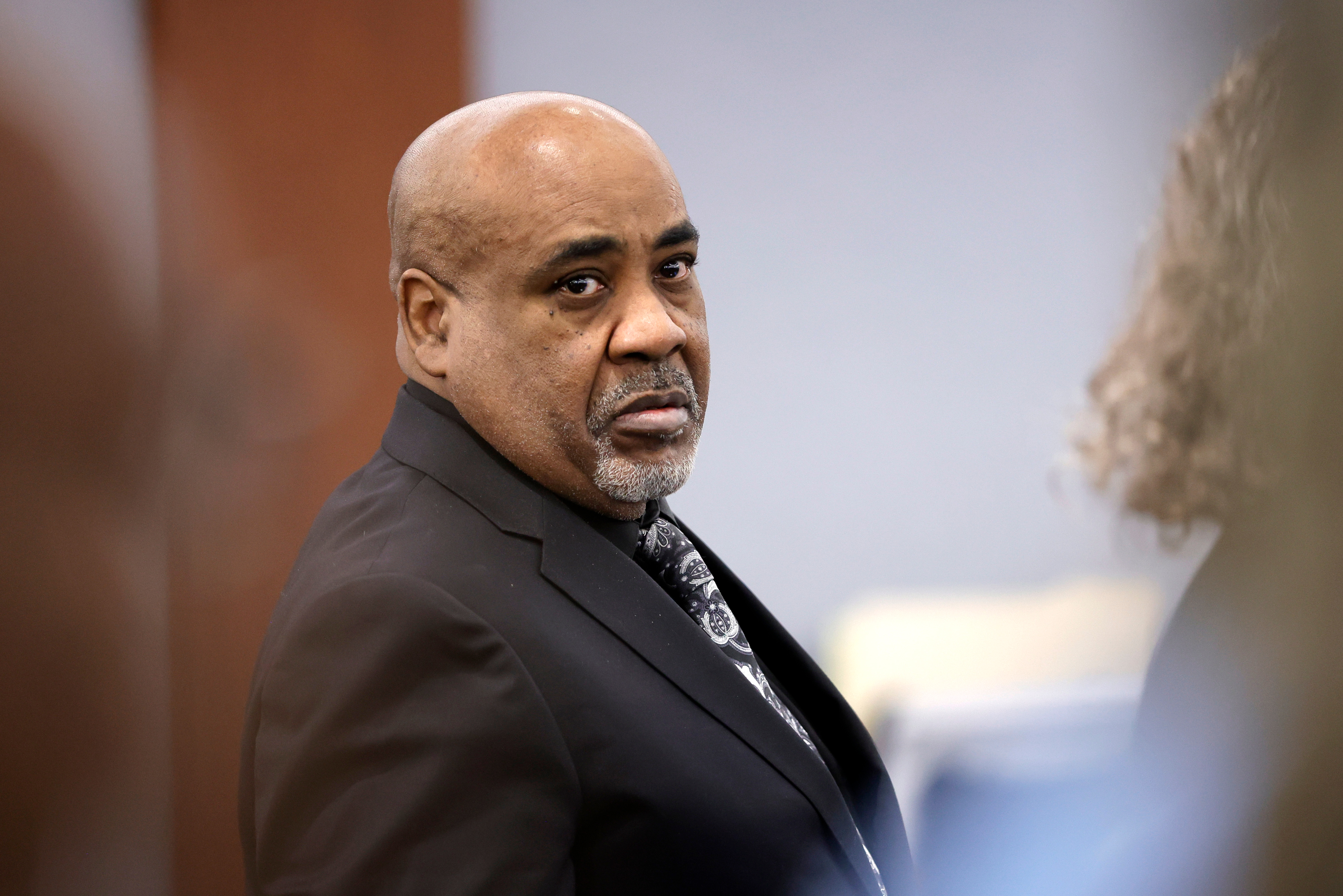
    LAS VEGAS — A jury found Duane “Keffe D” Davis guilty of orchestrating the 1996 killing of rap icon Tupac Shakur, finally bringing a measure of resolution to a case that had gripped hip-hop fans and lingered in the public imagination for decades.

    The 63-year-old Davis was convicted Monday of a single count of murder with a deadly weapon and could be sentenced to life in prison. The jury deliberated for less than three hours after a weekslong trial in Las Vegas.

    After the verdict was read, Shakur’s sister, Sekyiwa “Set” Shakur, cried and hugged the prosecutors. Davis’ son covered his face with one hand.

    Chief Deputy District Attorney Binu Palal told jurors in closing arguments earlier Monday that Davis acquired a gun and “went hunting” for Shakur and Death Row Records co-founder Marion “Suge” Knight after the men had beaten up Davis’ nephew earlier that night.

    “He is responsible of the murder of Tupac Shakur,” Palal said. “Tell him you hear him. Find him guilty.”

    Prosecutors said that while his story had changed over the years, Davis repeatedly placed himself inside a white Cadillac from which the shots were fired. And they said that while he did not pull the trigger, evidence showed he’d called for the gunfire as a powerful gang leader the younger men in the car, including his nephew, were going to listen to.

    Defense attorney Michael Sanft asked jurors if there was any evidence that Davis had ever called the shots before or after the shooting.

    The panel of 16 jurors, four of whom are alternates, heard testimony from 24 prosecution witnesses and three defense witnesses over nine days.

    The prosecution said the state would dismiss a gang enhancement charge due to witness logistics. Prosecutors declined to comment following the verdict, and members of Shakur’s family said they were waiting until sentencing, which is scheduled for October.

    Decades-old case has drawn attention of hip-hop fans and crime experts alike

    The trial brought to a head a decades-old case that for years has drawn the attention of hip-hop fans and true crime experts alike. Shakur, who was considered one of the most influential rappers of all time, was in Las Vegas on Sept. 7, 1996, and stopped at a red light when a white Cadillac pulled up beside him, and shots were fired. He died six days later from his wounds. Knight was also wounded but survived.

    For years, nobody had been charged in the rapper’s death until Davis began making public statements, saying he was in the Cadillac and gave the gun to others in the backseat, calling the shooting a retaliation for the earlier beating of his nephew. Davis is the only person still alive among the four men prosecutors say were in the Cadillac.

    Defense argued public statements were untrue, physical evidence was lacking

    Sanft, Davis’ attorney, argued there was no physical evidence connecting his client to the shooting. He said the book Davis co-authored and the public statements he made were dramatized bravado designed to make money, not to tell the truth.

    Throughout the trial, Sanft poked holes in prosecutors’ narrative. He said investigators did not back up the claims made by his client, and he repeatedly pointed out a lack of physical evidence, such as phone records, that showed Davis was the shot caller.

    “They have nothing in this case that says that man was here in Las Vegas on Sept. 7, 1996,” Sanft said during his closing argument.

    In a rebuttal argument, prosecutor Marc DiGiacomo pointed to a scrapbook Davis kept containing articles about Shakur.

    “This guy’s scrapbooking his murder, for God’s sake,” DiGiacomo told jurors.

    Davis’ own words were front and center

    Palal held up Davis’ 2019 memoir, Compton Street Legend, and played an interview in which Davis encouraged people to buy it to get the “real truth.” Although the book contains a disclaimer saying some facts were changed, prosecutors argued the central account did not.

    Sanft also turned to his client’s memoir during his closing argument. While reading an excerpt, he said the N-word aloud, prompting people watching in an overflow courtroom to recoil and shake their heads.

    In multiple interviews, Davis said he handed the gun to the back seat, but in others as well as in his book, Davis wouldn’t say who pulled the trigger.

    Gang and record label rivalries provided the backdrop

    While insisting Davis’ words alone were enough to convict him, prosecutors said a gang rivalry helped explain why the shooting happened.

    Witnesses described the hostile rivalry between the Los Angeles gang sects leading up to Shakur’s death, and how the gangs became affiliated with two rival labels — Mob Piru with Knight’s Death Row Records and the South Side Compton Crips with Sean “Diddy” Combs’ Bad Boy Records.

    The shooting death of Bad Boy’s the Notorious B.I.G. six months after Shakur came up many times during the trial, with law enforcement witnesses saying Davis was briefly a suspect in that killing before being discounted. That case, which has also been an obsession of hip-hop fans, remains unsolved.