Social media platforms will face a bevy of new restrictions in New Jersey that limit their use of children’s data, restrict algorithmic content recommendations to minors, and block notifications during school hours, among a range of others.
The new restrictions, which are set to take effect in September 2027, flow from legislation Gov. Mikie Sherrill signed Tuesday and are New Jersey’s bid to regulate tech giants the governor said federal policymakers had largely left to their own devices.
“Big tech isn’t just the big tobacco of our era. They are worse. They designed platforms that highjacked our kids’ attention spans,” Sherrill said at a bill signing ceremony in Jersey City. “The typical American teen spends about 35 hours a week, almost a full-time job, on platforms like TikTok, Instagram, and YouTube.”
The restrictions in the New Jersey Kids Code Act would require privacy settings on minors’ social media accounts be set to their strictest mode and would limit platforms’ ability to request minors change those settings.
It would restrict platforms’ use of children’s data to the purposes for which it was collected and bar algorithmic content recommendations unless a minor specifically requests more or less content from a given account or of a specific type.
The restrictions mandate that social media platforms limit the discoverability of children’s accounts, both to adults on their own sites and through search engines.
And the law will bar social media platforms from sending notifications to minors between 8 a.m. and 4 p.m. on school days between Labor Day and Memorial Day and block notifications between 10 p.m. and 6 a.m. at all times of the year.
Assemblywoman Andrea Katz was a chief sponsor on the bill to restrict how social media platforms deliver content to children.Anne-Marie Caruso / New Jersey Monitor
“Half of parents say their children’s mental health has suffered over the past year because of social media,” said bill sponsor Assemblywoman Andrea Katz (D-Burlington). “Nearly half of teenagers say they lose sleep every single night because they feel stuck on these platforms.”
The law permits both parents and the New Jersey attorney general to sue over violations. If they’re victorious, courts could award $5,000 per violation or treble damages — an amount equal to three times the harm suffered — whichever is greater, plus attorney fees.
They can also order punitive damages for reckless or knowing violations and injunctions to bar offending conduct.
Lawmakers on Tuesday described a social media landscape that had sold children’s mental health for engagement and shifted threats that once appeared in physical spaces to digital ones.
“When I was a kid, our parents worried about strangers and who’s talking to us at the park or at the mall,” said bill sponsor Sen. Raj Mukherji (D-Hudson). “Today, we have to worry about who’s DMing them, what algorithms are pushing into our kids’ feeds, and what sensitive information is being collected, used, even sold before they’re old enough to understand what they’re giving away.”
Meta, which operates Facebook, Instagram, and other social media platforms, did not immediately respond to a request for comment.
The state’s higher education office began accepting proposals for the center Tuesday and aims to open it sometime this fall with a $500,000 appropriation from the state’s budget.
Hours before Mohamed Coulibaly was found dead in his Gloucester County home, one of his alleged victims said, the 23-year-old entrepreneur had been desperately seeking a $75,000 loan.
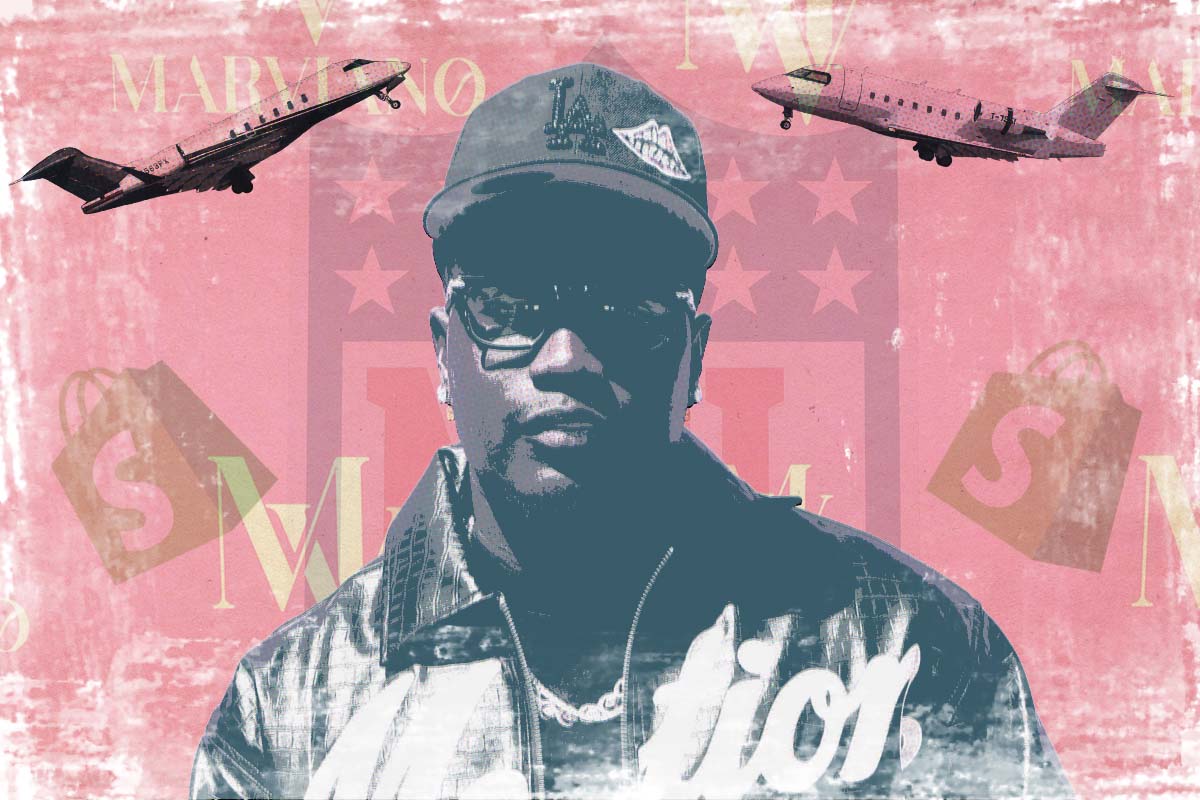
A recent Barron’s investigation alleged Coulibaly defrauded three former NFL players out of $1 million in an e-commerce scheme involving fake Shopify stores. Now others who invested in the venture or lent Coulibaly money were blowing up his phone. They wanted to know if Jalen Carter and several former members of the Eagles, including Nakobe Dean and Terrell Edmunds, were even real clients, a claim Coulibaly made on promotional materials.
Above all, these people wanted their money back.
The morning of his death, July 31, Coulibaly solicited money from a New York man, who agreed to speak with The Inquirer on the condition of anonymity to protect his family’s privacy. He is one of at least 10 people, including the three former NFL players, alleging Coulibaly scammed them out of more than $5 million through phony investments over the last year.
Coulibaly, who lived in Mullica Hill, a section of Harrison Township, promised to send a Lamborghini, two gold Rolexes, and a signed Lionel Messi cleat as collateral for what was to be a weeklong loan.
Coulibaly still owed the man $1 million for a bridge loan due in March. Yet he insisted the additional loan somehow would make it possible to return the initial money owed. His alleged victim said he figured he could only gain from the arrangement — if the collateral proved to be real.
But a driver — not in a Lamborghini — arrived at his doorstep with two fake watches, an unauthenticated signed cleat, along with an insurance card and a bill of sale for the promised luxe car, according to the man.
The man called off the loan.
“[Coulibaly] then started to cry hysterical on the phone,” the victim said. “He said, ‘I’ve lost it all, please help me here, please help me here.’”
Coulibaly was found dead later that day.
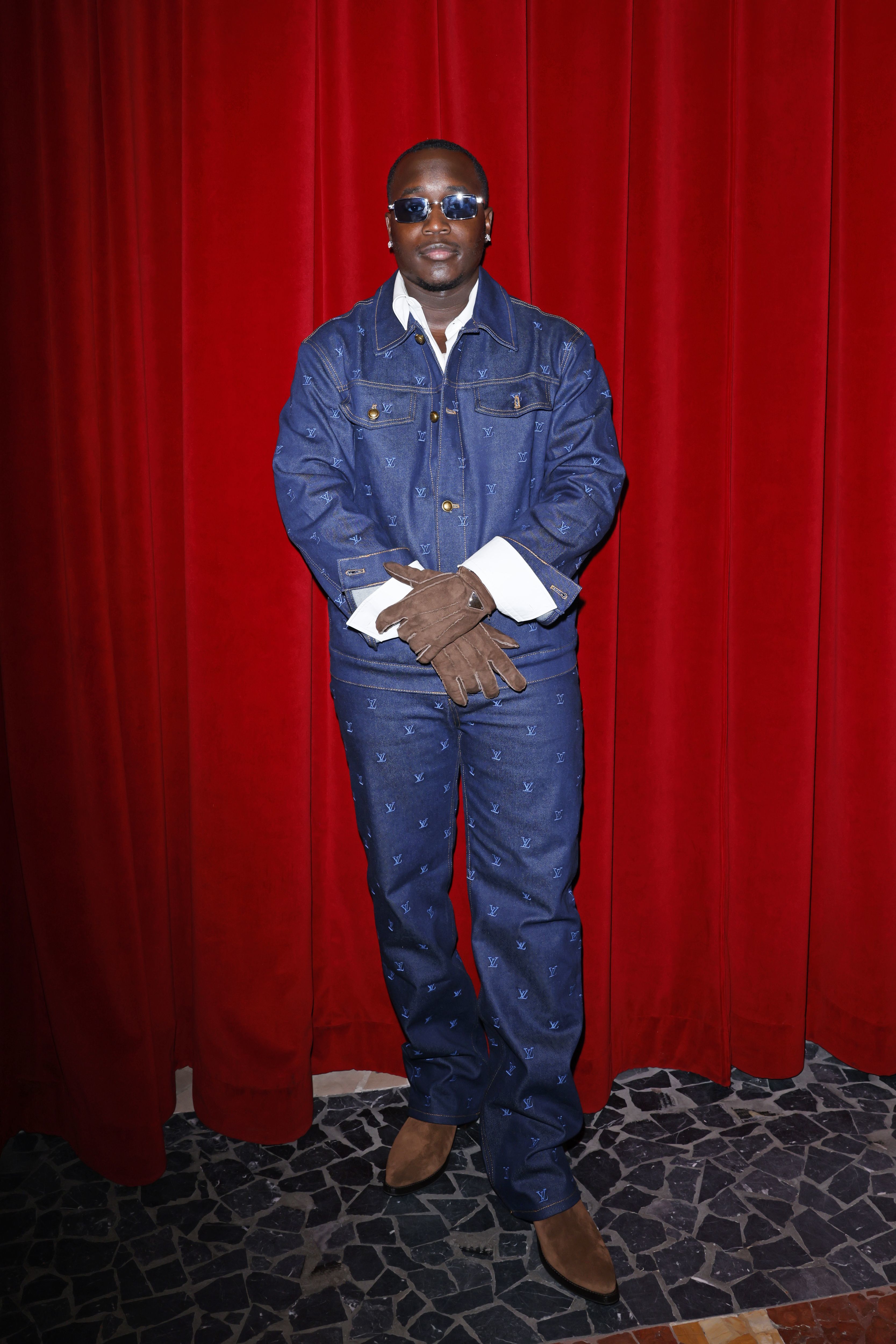
Mohamed Coulibaly attends Milan Fashion Week on Jan. 19 in Milan, Italy.Dave Benett/Getty Images
The Gloucester County Prosecutor’s Office is leading the investigation into Coulibaly’s death and declined to comment. No charges have been filed in connection to the alleged scams Coulibaly is accused of spearheading.
Coulibaly’s death has only added a layer of uncertainty for his allegedly defrauded clients, who now believe they were unwitting participants in a Ponzi scheme. New so-called investments went toward paying off other clients. But the chain could not be sustained.
“In terms of his death, it sounds rather brash or harsh, but the only reason I’m upset for his passing is that he’s not able to go to jail and suffer,” the bridge loan investor said.
The Inquirer spoke with four victims, all but one of whom asked to remain anonymous citing lingering shame, privacy concerns, and, in one case, safety considerations. They provided alleged contracts Coulibaly gave them, text messages, screenshots of their purported Shopify store sales, and a whistleblower report sent to federal and Pennsylvania financial regulators.
In hindsight, the business always seemed too good to be true. The young entrepreneur convinced them they could rake in millions each month selling vacuums, printers, desktop humidifiers, and silicone trays on Shopify, an e-commerce platform similar to Amazon.
At first, investors said they had no reason to question Vent Motion LLC, also known as Motion Venture. Shopify alerted the victims to a steady stream of sales through their phone apps.
But at least two Shopify stores victims bought into were fake, full of transactions a Barron’s analysis suggests are also a sham. Shopify did not respond to requests for comment.
The alleged victims say Coulibaly lured them in by highlighting purported investor relationships with wealthy and connected people. His pitch deck listed several former members of the Eagles and the NBA as clients. Representatives for the current and former Eagles declined to comment or could not be reached.
“A selling point [Coulibaly] gave me was, ‘Hey, we only have about 90 to 100 people in this,’ insinuating you can make it behind the velvet rope because everybody involved is celebrities or athletes, and this is just a venture they do,” said another of the defrauded investors, requesting anonymity because family and friends do not know about the scam.
Yet as more victims have found one another in the wake of Coulibaly’s death, it has become clearer the scheme was not limited to targeting NFL players.
It involved everyday investors from Arizona, Pennsylvania, and New York who now want to know if any of it was real.
A ‘magnetic’ man with the digital footprint of a business phenom
Coulibaly knew how to sell the image of a successful entrepreneur.
His story always hit the same beats: Coulibaly was a professional soccer player. He made $4 million reselling rare sneakers before he turned 21. His success was largely attributed to “building connections” with athletes and influencers. Grinding was the key to success.
But much of that was embellished.
A database for American high school sports coverage noted Coulibaly played soccer for Roxborough High School.
Coulibaly said he began his professional career with the New York Red Bulls soccer team, but a spokesperson said Coulibaly never had a contract.
A friend from Coulibaly’s days at Temple University said the sneaker venture Heatkickcity was also a scam that swindled students out of thousands. He asked not to be named out of safety concerns, saying Coulibaly often touted relationships with gang-affiliated people.
While Coulibaly told publications he was born in Mali, West Africa, and immigrated to the United States at a young age, while in college, he often intimated that he was a trust fund child and that his parents worked for the French government, the Temple friend said.
He added that may have helped induce so many of their peers to pay a $1,200 membership for monthly access to rare sneakers that ultimately never came.
“He’d be like, ‘It’s stuck in shipping,’ or ‘my assistant forgot to order them,’ or ‘my assistant’s slacking,’ and then he would just keep on extending it, extending it,” said the friend. “If you questioned him in any way, shape, or form about the product that you paid for, then he would switch to angry mode.”
The friend eventually got his money back after pressuring him for weeks but said Coulibaly continued his self-proclaimed pursuit of becoming a billionaire.
“He scammed his best friends,” the friend said. “Nobody was off-limits.”
Coulibaly’s next venture was fashion line Motion Apparelz. It was profiled in Forbes last year, where the author describes Coulibaly’s energy as “magnetic.” In the piece, Coulibaly name-drops artist friends, including rapper YG, who was later listed as an investor in Motion Venture promotional materials.
Rapper YG performs at the Coachella Music & Arts Festival in 2019.Amy Harris
YG’s agent could not be reached for comment.
Outside of the glowing profiles, a now-defunct Instagram account also detailed a lavish lifestyle full of run-ins with celebrities, boat jaunts on luxury yachts with city skylines in the background, and snapshots of Coulibaly in or in front of private planes. Often, Coulibaly could be seen wearing gold watches, what appear to be Van Cleef & Arpels bracelets, and diamond-studded chains.
Coulibaly’s digital footprint set the stage for an even bigger business pitch.
A business promising exorbitant returns
When it came to Vent Motion LLC, Coulibaly told clients he operated “factories in China and India with a combined team of 125 full-time employees,” according to a pitch deck he showed investors that was obtained by The Inquirer.
This allowed stores to operate without keeping any inventory and reducing overhead — a model known as drop-shipping.
The savings from eliminating the middlemen, he said, could then be reinvested into artificial intelligence-driven ads and “influencer amplification” to drum up more customers. Coulibaly’s company would set up and manage the Shopify stores on behalf of investors, pushing out additional advertising or swapping out products if sales slowed.
Clients would be charged a 20% to 25% service fee for that work, and even so, Coulibaly dangled extraordinary returns for those who joined the venture.
One Shopify store that began with a $550,000 investment in January 2024 had allegedly generated $2 million in revenue in April and a whopping $23 million in July of that year. By August, this particular store had generated a total of $84 million in revenue, according to the company’s unsubstantiated pitch deck.
Further sweetening the deal was an initial investment “protection” guarantee if their store did not generate profit within six months.
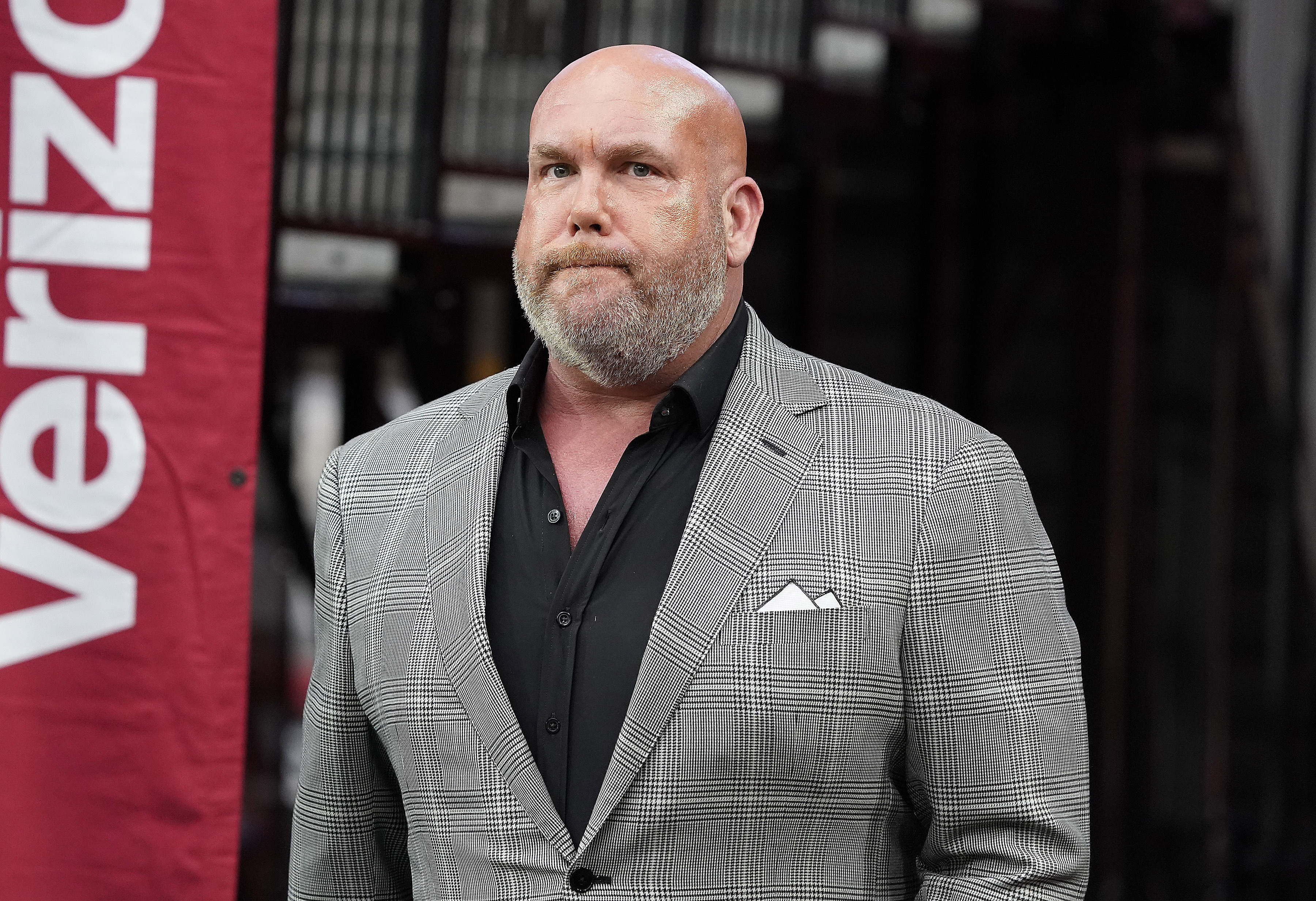
Former Arizona Cardinals General Manager Steve Keim says he was just as much of victim of Mohammed Coulibaly’s alleged scam.Darryl Webb
It’s what got Steve Keim, former general manager of the Arizona Cardinals, into the business.
Keim said he met Coulibaly through mutual Eagles acquaintances and by August 2025 he had bought his first Shopify store, which was recording sales at a pace that had him on track totriple his investment over six months. Keim bought into six more stores the following month, he said. His son and ex-wife would also buy into the business for at least a $1 million investment between all three.
Keim said he was soon offered the role of chief operating officer/chief growth officer, which he now sees as a way for Coulibaly to “legitimize his business.”
“I introduced him to people to sell stores to and that sort of thing,” said Keim, who describes fulfilling a figurehead role with no decision-making power. “He called me the COO but he also made promises to give me health insurance and to have some kind of bonus structure.”
The health insurance, bonuses, and exorbitant returns never materialized. Keim said he never had access to bank records and was never made aware of how many people gave money to Motion Venture. But by the start of the year, Keim claims, a flood of disgruntled investors were asking him for help getting their money back. Around this time, Keim said, he asked Coulibaly to stop using his name in promotional materials and told him he no longer wanted to be COO.
Keim contended he was as much of a victim as anyone else, holding onto hope that he could recover his money until Coulibaly’s death.
“This went downhill fast,” he said. “Not only did I get my name drug through the mud, I lost a lot of money since I was an investor.”
A Dubai deal
As more investors were demanding access to their Shopify funds in the fall, Coulibaly was telling them that the Dubai firm Middle East Venture Partners was interested in buying the operation for $215 million.
All they had to do was reach 175 online stores and meet other benchmarks by Aug. 1.
To back his claim Coulibaly produced a letter of intent dated Aug. 14, 2024.
Troubling for investors: The letter was dated more than a month before the company was registered in Pennsylvania.
The discrepancy was the biggest red flag for Barry Minkow, a convicted fraudster who now investigates scams on behalf of fraud victims. He started poking around the company at the start of the year for an investor who had put up $150,000.
“So here you are looking at a private equity company saying they’re going to buy up this company that doesn’t even exist for $200 million?” Minkow said in disbelief.
Middle East Venture Partners did not respond to an email to asking if a relationship existed with Coulibaly’s Vent Motion LLC.
With the permission of three of the alleged victims, Minkow submitted a 23-page whistleblower report to the U.S. Securities and Exchange Commission, FBI, and Pennsylvania Department of Banking and Securities. The report laid out victim accounts and flagged glaring issues with Motion Venture’s business model.
Minkow warned regulators in February thatintervention was essential to “halt ongoing solicitations, trace misallocated funds,” and stressed the importance of doing so “before the scheme inflicts further, irreparable harm.”
Minkow would prove to be right. Motion Venture was still actively recruiting new investors that month.
Picking up the pieces
Coulibaly’s college friend thinks he might have been one of the first victims of the Shopify sometime about three years ago. It involved less paperwork back then, more of a handshake deal. The friend put in $5,000 in a store with an investment protection promise in place, he said. Unlike that time in college, however, the friend only got half his money back.
The friendship with Coulibaly cooled after that.
“People just keep on saying he scammed NFL players,” said Coulibaly’s college friend. “No, anybody with money could be scammed, no matter how small.”
Coulibaly would insist money issues were the Dubai firm’s fault until his death, according to his alleged victims who shared screenshots and voice memos of conversations.
He ricocheted from distraught, lamenting the financial ruin that awaited him if he did not acquire more investors, to defiant, celebrating the Philadelphia 76ers’ LeBron James trade on X as he dodged investors.
When Keim and another investor flew into Philadelphia to meet with Coulibaly in late July, they spent a day and a half trying to figure out how much money was left, to no avail.
It was around that time that Coulibaly was soliciting the New York man for the $75,000 loan.
Coulibaly’s last post on X was a reshare a day before his death. “Trying to be everyone’s friend is a foolish behavior,” it read.
Whether any investor money remains is unclear. A now-defunct GoFundMe page put together by a man claiming to be Coulibaly’s brother raised more than $12,000 for the body’s “international transportation arrangements.”
Investors are also trying to figure out what legal recourse they might have, if any.
Coulibaly’s death has shattered any last remaining hope some victims had that a Dubai firm was to blame for cash-flow issues, and they are now seeking legal help.
It also left them feeling cheated one last time.
Staff writer Ryan W. Briggs contributed to this article.
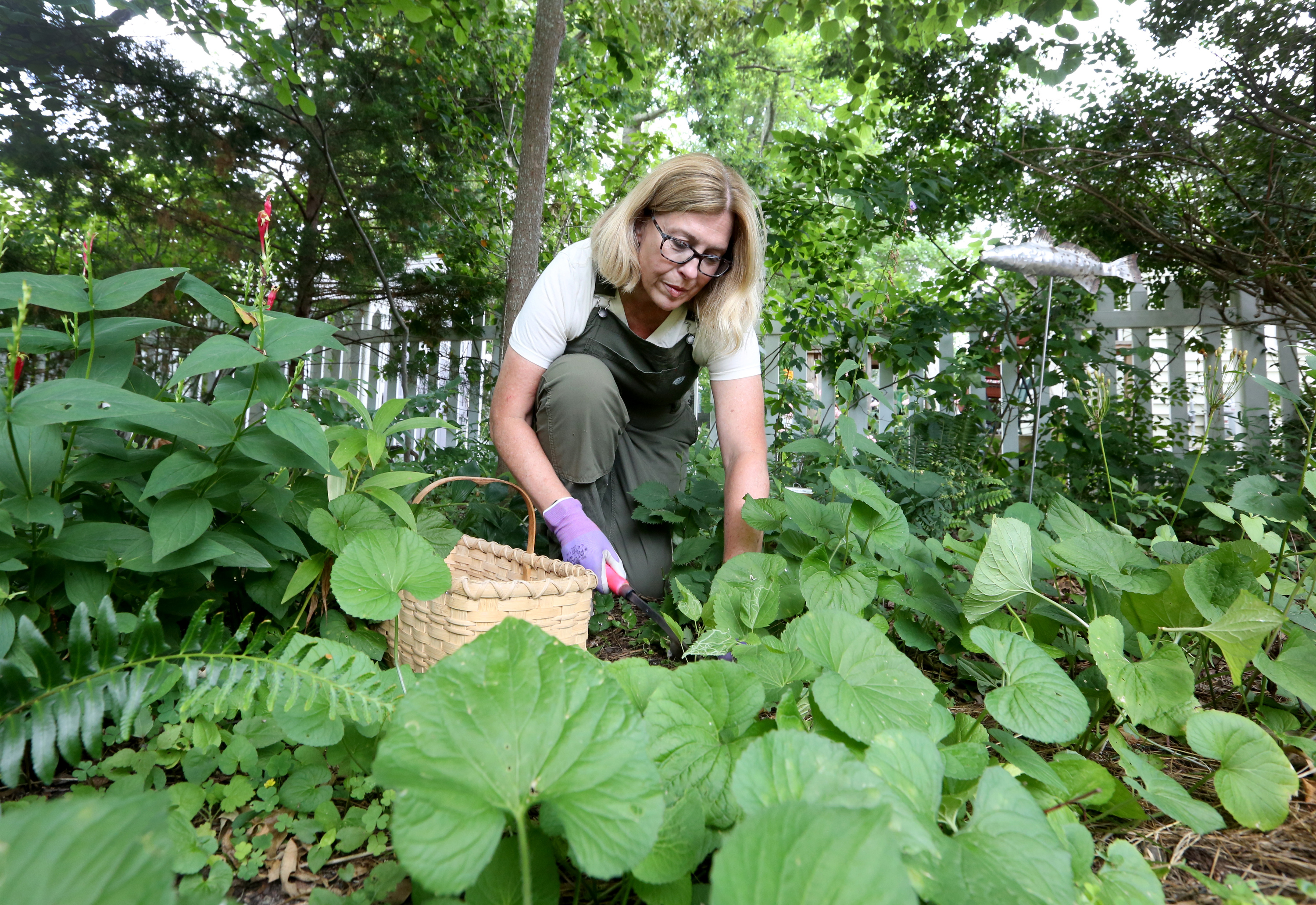
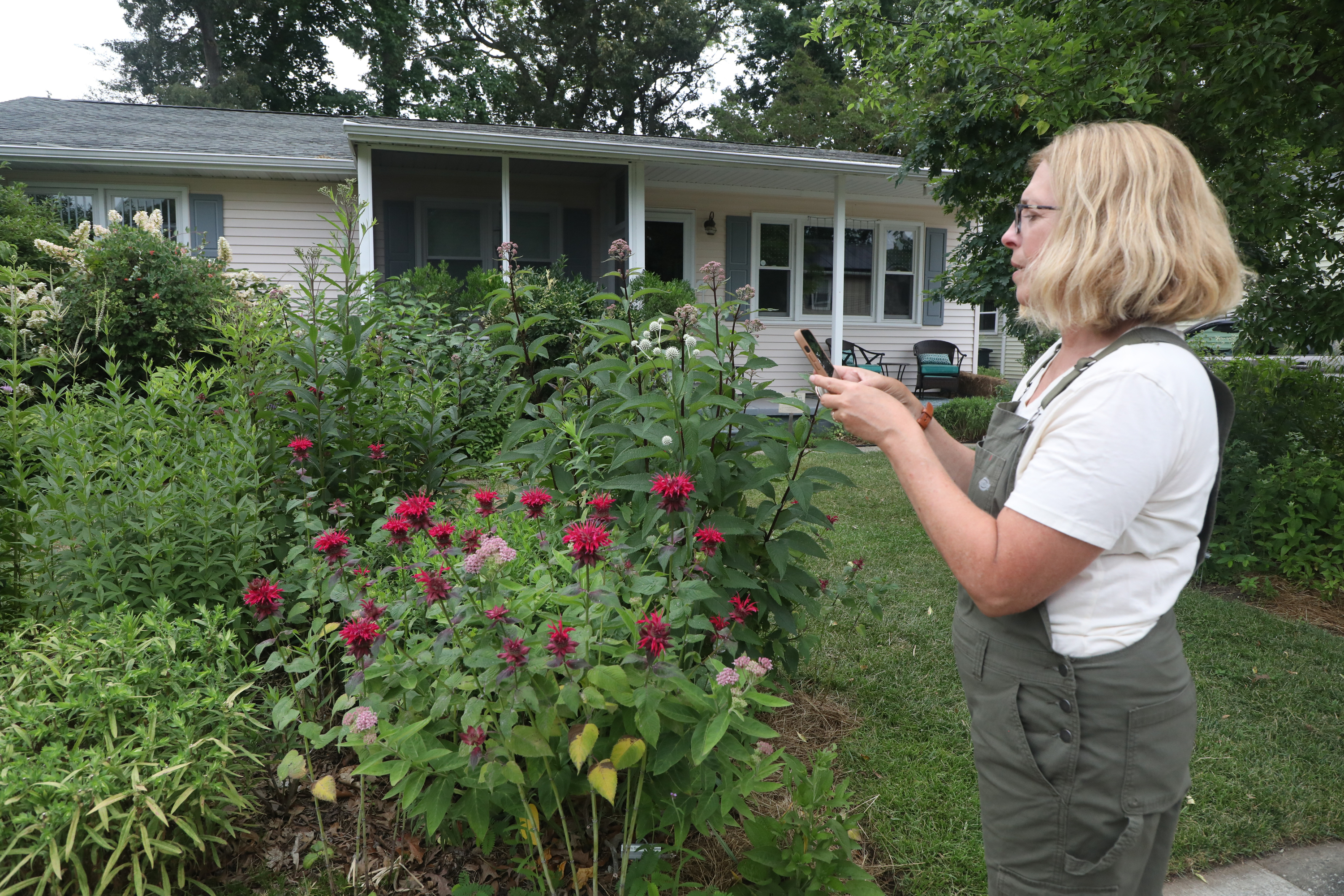
The 60-foot-by-100-foot plot on her Cape May property boasts about 200 varieties of native plants, which she estimates have drawn roughly 135 wildlife species. Monarch butterflies, hummingbirds, cardinals, gray catbirds, moths, and a host of other creatures suck nectar from her flowers and drink water from the small waterfall that flows into a pond.
Once she even saw a black-billed cuckoo, a rarity in Cape May.
“During spring and fall migration, millions of birds fly through Cape May County, and every blade of vegetation is critically important for them when they need to stop for food,” Rettig said.
Rettig owns Cape NativeScapes in Cape May. After a 30-year career in the U.S. Fish and Wildlife Service, she is sharing her knowledge and passion for managing wildlife habitats by helping clients create native gardens.
Virginia Rettig photographs a bush of bee balm and Eastern swamp milkweed outside her home.Vernon Ogrodnek / For The Inquirer
She’s found plenty of customers who live at the Shore and want to help — not hinder — native species with their own landscaping choices. Nearly 80% of self-identified gardeners incorporate native plants into their outdoor spaces, according to gardening consumer research organization Simple Spring. And over a third dedicate a quarter to half of their garden to local flora.
“People love nature and are itching for good information and support so they can provide these habitats for wildlife,” Rettig said.
Areas once covered by native vegetation have been lost to development, replaced by ornamental landscapes, manicured lawns, and invasive species.
But this increasingly popular practice of replenishing native plants serves the environment, birds, and wildlife, while growing roots to hold off erosion and conserve water.
Types of plants at the Shore
Native plants adapt well at the Shore where the conditions include wind, sandy soil, and salt spray, said Andrew Bunting, vice president of horticulture for the Pennsylvania Horticulture Society.
Popular varieties include native grasses, such as American beachgrass, coastal panicgrass, and little bluestem varieties, which have a steely blue-green color in the summer and a coppery red hue in the fall.
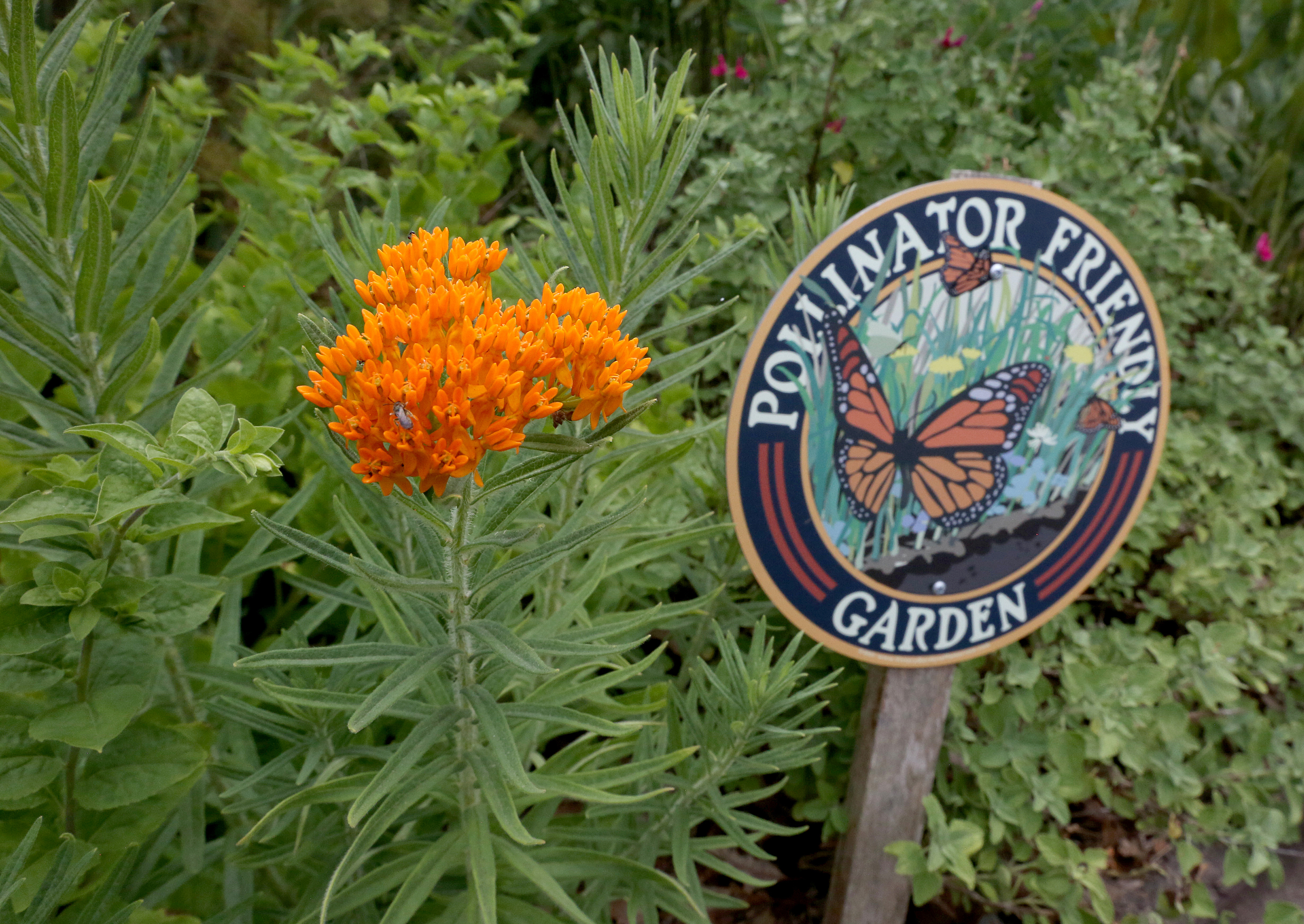
Butterfly milkweed, a favorite of monarch butterflies, blooms in Rettig’s garden.Vernon Ogrodnek / For The Inquirer
“Butterfly weed is one of the most iconic of all the pollinator plants,” Bunting said. It “has vibrant orange flowers and is especially a magnet for the monarch butterfly, which is a threatened species.”
It’s important to have perennial varieties that bloom at different times in the season to consistently provide nourishment to wildlife, Bunting said. For example, early spring might include a beach plum shrub, butterfly milkweed in midseason, and goldenrod late in the season.
Native species are very hearty, need full sun, and require little care once established. They need to be watered when first planted, but once they take hold, rainwater is usually sufficient. Native plants can be mixed with non-native varieties as long as they have similar sun and water requirements.
Attracting wildlife
Pat Sutton, a working naturalist since 1977 for the Cape May Point State Park, and then the New Jersey Audubon’s Cape May Bird Observatory, hopes education will encourage more people to move toward native gardens.
“There has been a lot of focus for too many years on instant gratification — pretty things that are forced to be in bloom well before nature intends,” Sutton said. “The focus on native plants is a focus on making sure wildlife can persist.”
A bumblebee pollinates a bush of wild bergamot in Rettig’s garden.Vernon Ogrodnek / For The Inquirer
Sutton’s website includes resources for native plants that attract birds and insects. For example, the coral honeysuckle vine and southern arrowwood shrub are especially attractive to moths when laying their eggs.
Along with her husband, Clay, Sutton transformed her property into a wildlife habitat containing 205 native plants, including perennials, native trees, shrubs, vines, grasses, and ferns. She has recorded as visitors 213 bird species, 79 butterfly species, and 121 assorted other pollinators, including wasps, flies, bees, and beetles.
“When I step outside, it’s like going into a wilderness, and it’s just a tiny yard,” she said. “But that’s what’s possible for people who embrace gardening with native plants.”
Civic responsibility
Strathmere residents have made native plantings a priority in homes and public areas throughout town. Along with N.J. Fish & Wildlife and Upper Township, the Strathmere Improvement Association Native Plant Committee members have erected gardens at several beach entrances, in front of the Schiavo Library, and around the Welcome to Strathmere sign.
“We have a gem of a town and wanted to maximize the beauty of our beaches by cleaning up and planting at our entrances,” said Linda C. Bateman, a member of the committee that began planting gardens three years ago, adding a couple streets at a time.
Native plants, including goldenrod, milkweed, bayberry, elderberry, Virginia rose, and New Jersey-native wildflowers, are labeled to educate beachgoers. The committee has raised awareness by offering talks led by gardening experts, holds native plant sales, and presents garden awards to residents who have dedicated yard space to pollinator plants. The town is a designated monarch butterfly way station.
“Before development, there were areas across the barrier islands that were covered in low shrubs and small patches of forest,” said Chris Konicki, a Strathmere resident who is heading up the Maritime Forest Project with Peter Manzelmann from Belleplain State Forest.
Their goal is to reintroduce native species that are indigenous to the area. Tree species such as eastern red cedar, American holly, black cherry, sassafras, black gum, and pitch pine will be planted, along with shrubs including bayberry, wax myrtle, beach plum, and Virginia rose. Small trees will feature winged sumac, a non-poisonous native species.
A bumblebee pollinates a bush of Eastern swamp milkweed in Rettig’s garden.Vernon Ogrodnek / For The Inquirer
“It’s an ongoing project that will slowly evolve over time and highlight some historical species that are no longer common in Strathmere and the surrounding islands,” Konicki said.
These initiatives are important, Bateman said, as the native gardens do much more than just beautify and unify the beach entrances. Bees, butterflies, moths, and other insects are drawn to them. Wildlife including bats, frogs, songbirds, red wing blackbird, and finches, will feed on the insects.
“We used to have fireflies in town, we used to have frogs trying to jump into our garage, and our windshields used to be covered in bugs,” Bateman said. “Where are they all? Clean air and clean water are not just human needs.”
Descendants from one of the oldest families of Lawnside, the Stills, met for their annual gathering on Sunday. And this one was particularly special.
Nearly 200 people attended the family reunion in a tradition that began in 1870.
And it happens that this year coincides with Lawnside celebrating 100 years of being the first Black self-governing municipality with roots dating back to the 18th century.
After Lawnside was established, it became a cultural hub. Its churches, jazz scene, nightclubs, shops, and other gathering spaces attracted visitors from across the region.
It’s also best known as a stop on the Underground Railroad.
Lawnside is celebrating through various ways including a centennial celebration with various events, sermons at the second-oldest A.M.E. church in the state, and history lessons.
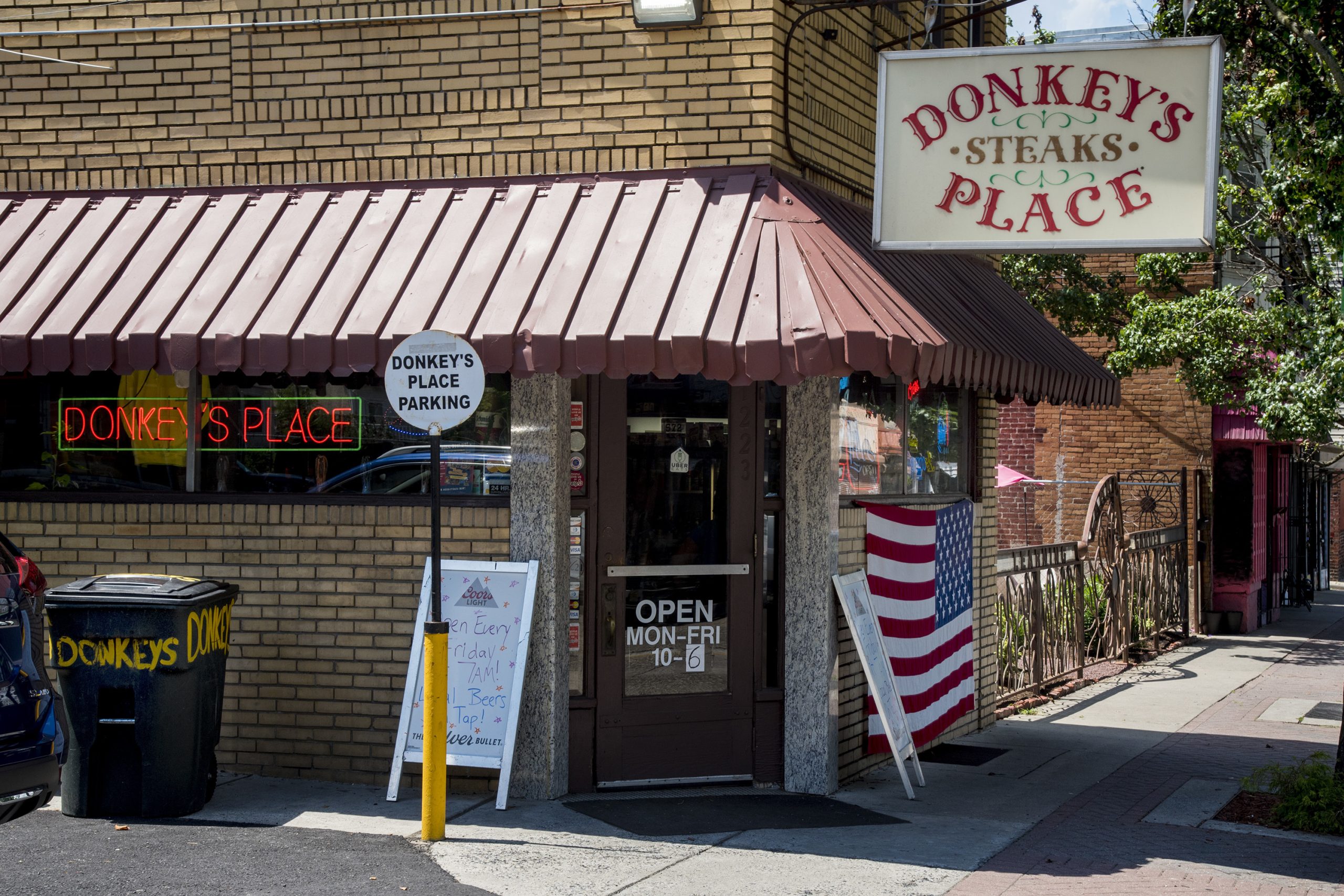
Since 1943, Donkey’s Place in Camden has a been point of pride for South Jersey.
Donkey’s cheesesteak — donned with fried onions and American cheese on a poppy seed kaiser roll — is legendary. Chef Anthony Bourdain stopped by for his Parts Unknown show in 2015 and gushed with praise, such as calling it “sublime” and “unbelievably good.”
Founded by Olympic boxer Leon “Donkey” Lucas nearly 80 years ago, it’s still family-owned and is run by Rob Lucas Jr., the third-generation owner and grandson of Leon.
Plus: New Jersey Gov. Mikie Sherrill recently posted about Donkey’s and said it has better cheesesteaks than the “millions” she’s tried in Philadelphia.
What to know today
AG Davenport announced on Friday that her office’s civil rights division is investigating the operation of the Delaney Hall ICE facility in Newark after multiple detainees died at the detention center.
According to the New York Times, the person behind the botched renovation of the Lincoln Memorial Reflecting Pool in Washington is the manager at President Donald Trump’s golf club in Bedminster.
A man was fatally shot after an hours-long standoff with police in a home in Millville on Thursday, according to the New Jersey Attorney General’s Office. There is an ongoing investigation.
Celebrated South Jersey teacher, singer, and poet of Cherry Hill Betty J. Wilson died of cancer at 92 at her home. The longtime educator was a two-time president of the Mount Laurel Teachers Association and taught elementary school students in Bordentown, Bridgeton, and Mount Laurel.
Two South Jersey towns were targeted in a nationwide cyberattack on local water agencies. Officials of Cape May and Woodbine confirmed they were hacked on July 27.Officials say both systems were impacted for about 12 hours, but water never stopped running and remained safe to consume. Both also said no personal data or customer information were compromised.
The $220 million project to restore the Commodore Barry Bridge which links Delaware and Gloucester Counties is underway. It’s also causing traffic jams this summer with one lane open in each direction from 7 p.m. to 5 a.m., as well as residual morning delays.
🧠Trivia time
Adam Weiner is the front man of the rock and soul band, Low Cut Connie.
A sunny Friday afternoon at Cooper River Park in Pennsauken.Taylor Allen
I didn’t stay out too long because of the heat last week, but it was still worth it to get a chance to be outside and sit near the water.
What does your community look like? What South Jersey memory would you like to share? Submit a photo and/or a brief description for a chance to be featured in the Monday edition of this newsletter.
New Jersey Gov. Mikie Sherrill made a bold statement on a social media post last week.
“The best cheesesteaks actually aren’t in Philly,” she said. “They’re right here in Jersey, and we’re about to go have one.”
She was talking, of course, about Donkey’s Place — the Camden cheesesteak staple that has long been a point of pride for South Jersey.
Founded in 1943 by Olympic boxer Leon “Donkey” Lucas, Donkey’s earned its name from Lucas’ hard-hitting fists. “They said he had a punch like the kick of a donkey,” says Rob Lucas Jr., the third-generation owner of Donkey’s Place after his father, Bob, and grandfather Leon.
Donkey’s has long been a favorite of locals and foodies in the know — Anthony Bourdain stopped by for his show in 2015.
Lucas sources the rolls from Del Buono’s Bakery in Haddon Heights. Customers old and new cite it as a secret to the sandwich’s success.
“I like it a lot,” says Bryan Neill, a real estate developer from Jenkintown who — after getting out of work from Moorestown early — decided to make the commute to Donkey’s for the first time. “You know, I don’t like too much bread. It’s a very thin roll. You get some flavor with the bread and the poppies, but a lot more focus on the meat and the onions.”
John Lynch, a warehouse owner from Maple Shade, who has been coming to Donkey’s for roughly 25 years, agrees. “His rolls are the best. Most rolls get soft and break apart — not these. You can eat a whole sandwich and the roll never deteriorates. It’s such a difference.”
The seeded roll has had some detractors — in a 2002 profile of Donkey’s in The Inquirer, food writer Rick Nichols noted that some “customers who are on probation worry the [poppy] seeds will taint their urine tests.”
So why a seeded roll? Lucas has a theory. “I think they put the poppy seeds on so it wouldn’t slide out of your hands when you were trying to eat it, to give it a little traction,” he said. “It’s just so much better. Hard on the outside, soft on the inside, and the poppy seeds really put it over the top.”
After Lawnside became the first incorporated African American municipality in the Northeast, the South Jersey community became a center for Black culture.
It attracted visitors from across the region drawn to its thriving churches, jazz scene, nightclubs, amusement park, shops and gathering spaces, and barbecue stands.
A century later, Lawnside has embraced its past as the first Black self-governing municipality, and while it has changed with the times, it also has preserved its rich history that traces its roots to the 18th century.
“It is quite a history. It’s a big deal,” said Linda Shockley, president of the Lawnside Historical Society. “I love the idea of Lawnside.”
Lawnside launched a centennial celebration earlier this year to commemorate its milestone anniversary with activities that included a scholarship luncheon, a Juneteenth celebration, and a barbecue cookout. More events are planned for later this year.
And on Sunday, as they have for more than 150 years, descendants of one of Lawnside’s oldest families, the Still family, met for their annual gathering.
The tiny community of about 3,200 residents was established on March 23, 1926, when Gov. A. Harry Moore signed legislation incorporating the Borough of Lawnside.
Best known as a stop on the Underground Railroad, Lawnside was previously known as Snow Hill. Peter Mott, a freedom fighter, used his three-story home to help enslaved people escape.
During its heyday, Lawnside was a popular destination for Black people who traveled there to shop, attend church, and socialize, said Shemele Jordon, a professional genealogist. The town had its own schools, businesses, and doctors. Because of segregation, many could not go elsewhere, she said.
“It was a place where African Americans came from all over,” said Jordon. Professional athletes from Philadelphia traveled there for haircuts, she said.
Over the years, the landscape has changed in the 1.4-square-mile town, located about 13 miles southeast of Philadelphia. Most of the attractions — like Lawnside Park which had a Ferris wheel, a baseball stadium, and picnic areas — have been replaced with developments and retail spaces.
The demographics have changed, too, although Lawnside remains an independent and self-governed predominantly Black community that maintains close ties to its past. The population is about 70% Black, 20% Hispanic, 5% white, and 1% Asian.
Lawnside remains a close-knit community where just about everyone knows everyone else, said Mayor-elect Michael Harper. Growing up, three generations of his family lived there. Now, his five adult children reside in Lawnside, he said.
“I counted it a blessing that I knew my family my entire life,” said Harper, 63, who recently retired as the Camden fire chief. “We’re going to try to keep this legacy going.”
Family reunion
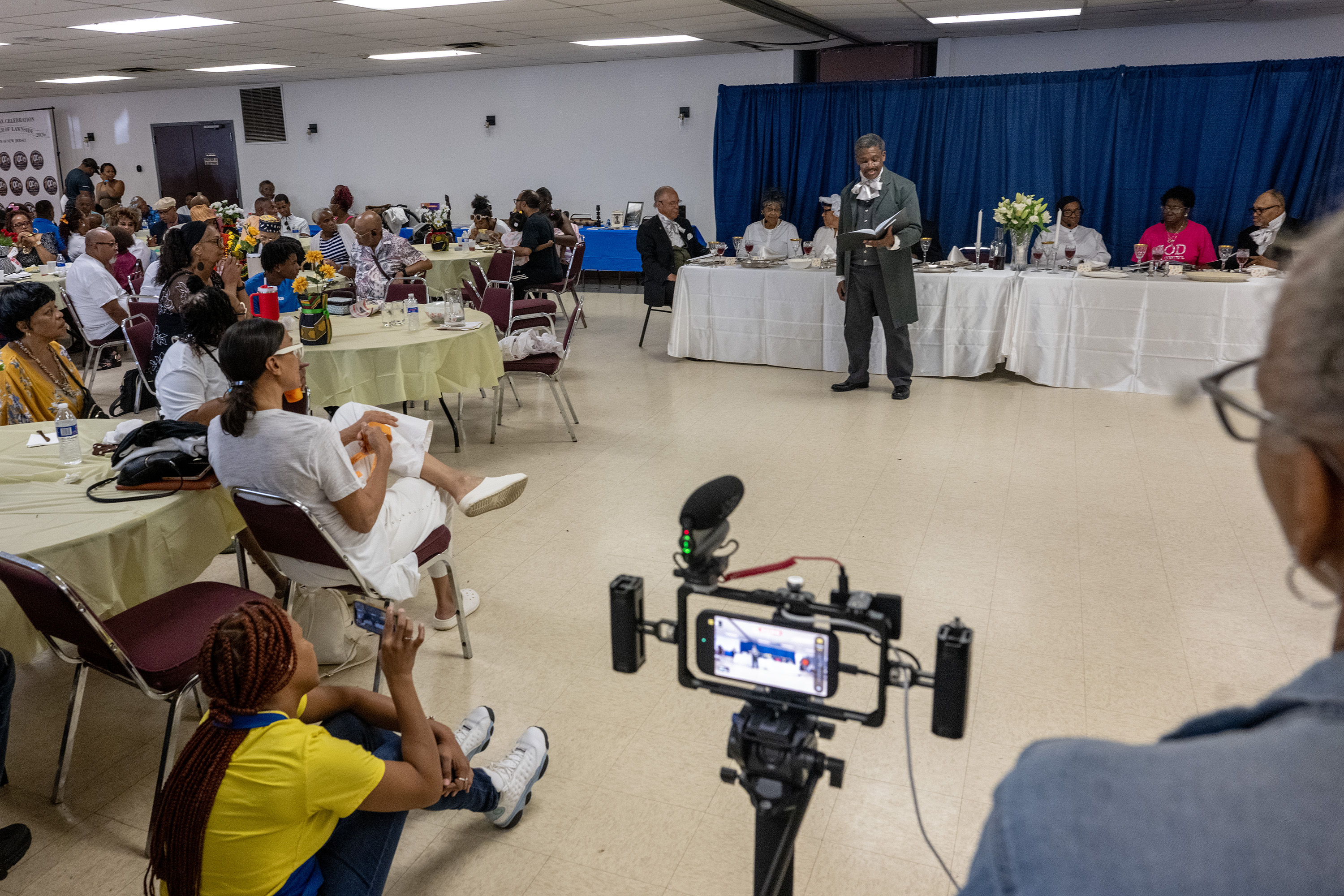
The Still descendants on Sunday had a catered barbecue meal, shared family stories and songs, and walked a short red carpet runway.
“I love to see gatherings like this,” said Jill Samuels, 72, of New Rochelle, N.Y. “This country tries to divide us. It’s important for families to stay together.”
Her mother Ola Bass, 99, a former Philadelphia schoolteacher, was the oldest person at the gathering. She was born on Nov. 23, 1926 in a house in Lawnside built by her father.
“I wake up each morning and I say, ‘Lord, am I still here?’” she said.
Said her daughter: “There’s a reason the Lord still wants her here.”
They were among the nearly 200 people who attended the reunion at the Wayne R. Bryant Community Center. Earlier, they attended services at Mt. Zion United Methodist Church, the family’s church, and where a family member, the Rev. Clifford Still, is the pastor.
“It’s just been a part of the reunion,” said Winifred Still Davis, one of the reunion planners. “That’s where we started.”
The reunion began in 1870, and for many years mostly consisted of church services and dinner at Mt. Zion. Later, it became a picnic held in a family member’s backyard.
On Sunday, family members reenacted the first reunion, a gathering of 10. They set up a table with formal place settings.
“We have to remember the ancestors. We walk on their shoulders,” said Valerie Still. “They can’t erase our history as long as we stay united.”
That history also has a strong spiritual foundation.
The `mother church’
At the historic Mt. Pisgah African Methodist Episcopal Church on Warwick Road, the faithful from Lawnside and neighboring communities still worship on Sundays. The oldest church in town, it also has played a role in the borough’s religious life..
The church began as Methodist prayer meetings held in homes around 1792. Philadelphia Bishop Richard Allen formed an A.M.E. church that became Mount Pisgah.
It is the second-oldest A.M.E. church in New Jersey and was where the Rev. Jarena Lee became the first woman in the denomination allowed to preach.
Although its membership has declined in recent years, Mt. Pisgah remains a cornerstone. It is considered the “mother church” that birthed other worship houses in Lawnside and elsewhere.
“This is my home away from home,” said Ava Rhem, 76, of Pine Hill, a member since 2005. “The nucleus of our family is our faith.”
On a recent Sunday, the Rev. Josiah Haggins preached an upbeat message: “Fix your face,” taken from the biblical story of Cain and Abel, to about 30 parishioners.
Haggins delivered a call-and-response sermon that at times brought the congregation members to their feet answering in affirmation. A keyboard player and a drummer pounded spiritual melodies.
The church is one of three Lawnside sites on the National Register of Historic Places. The others are the Peter Mott House and Mt. Peace Cemetery, a resting place for Black Civil War veterans.
“It’s a foundation of our lives,” said Chere Munderville, 52, of Sicklerville. “There’s so much going on in this world that you need fellowship.”
Haggins, a native of Jacksonville, Fla., was appointed the pastor in 2022. He was unaware of Lawnside’s history when he moved there with his wife, Rochelle, also a pastor, and their three children, but has embraced its traditions.
“Pastoring is the greatest privilege that God has trusted me,” Haggins said. “I just want to try my best to honor that.”
And, of course, so much of Lawnside’s history is about history, itself.
Teaching history
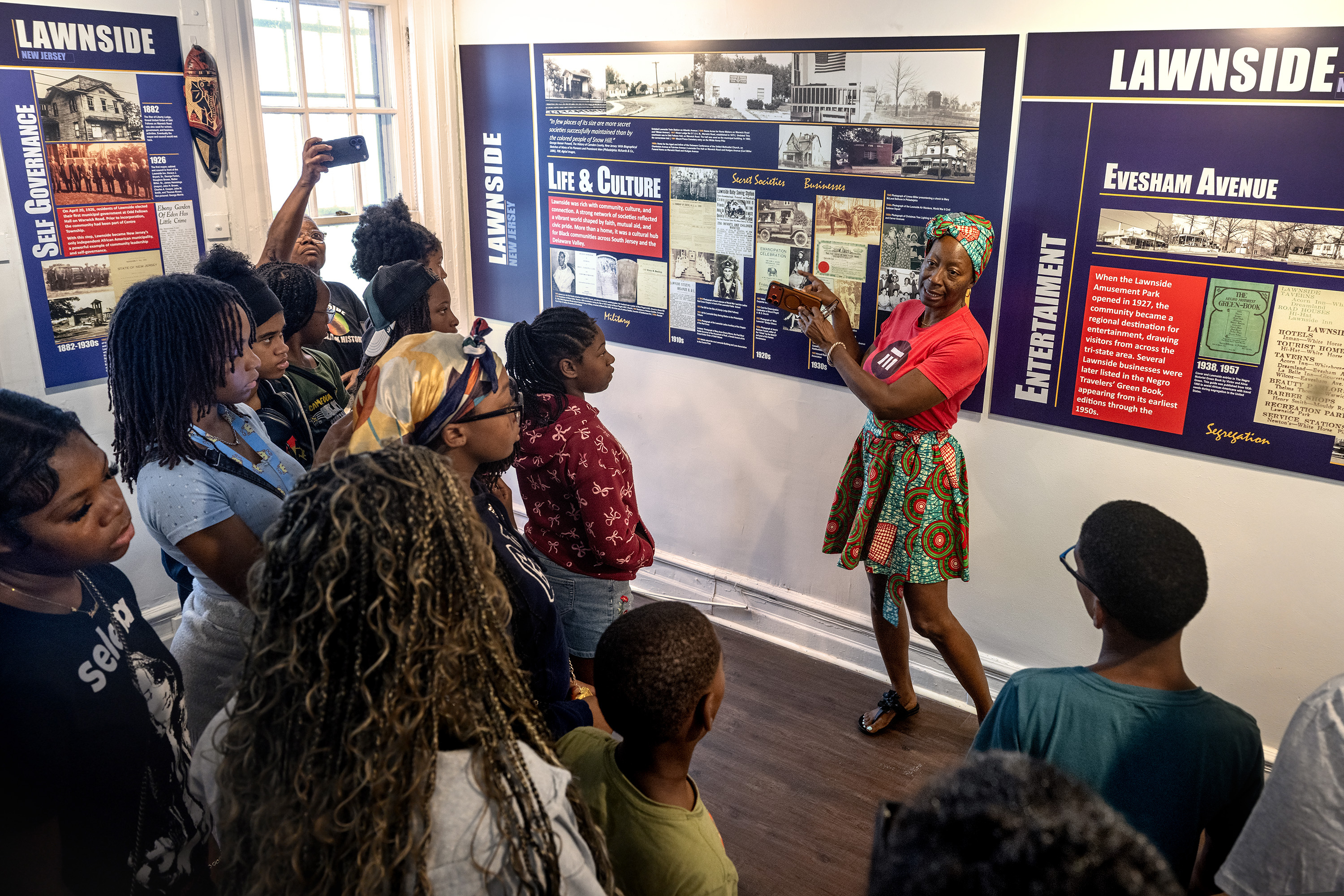
On a recent tour, the students in the Lawnside Underground Railroad Camp listened intently for two hours as they viewed an exhibit about Lawnside on display at the Camden County Historical Society in Camden.
Jordon, the exhibit’s curator, guided them through the exhibit showing them old photographs and artifacts chronicling the centennial anniversary. Lawnside was located on unincorporated land known as Centre Township when Black residents settled a boundary dispute to form the borough, she said.
“This is 1926 — Black people standing up for themselves. Let’s hear it for the Black people,” she said, drawing applause.
The free youth camp, in its fifth year, is the first-of-its kind sponsored by the historical society to teach middle school students about the Underground Railroad.
They learned about historic sites and slave auction block sites in Camden. At the end of the five-day camp, they made craft, visual arts and poetry projects to show what they learned.
Stacey Johnson, 13, a rising ninth grader at Sterling High, said his mother signed him up for the camp. He initially didn’t want to attend, but was happy that he did.
“It gives me a better insight on Black history,” said Johnson, of Somerdale. “It was nice to least learn about it.”
James Whitworth, 12, a rising seventh grader at Lacey Township Middle School in Ocean County, the only white student in the camp, said he learned about the camp from a friend. His mother transported him daily the 50-plus miles from Ocean County.
“I just wanted to learn more about Black history. It just seemed interesting,” said Whitworth. “It’s been a nice experience.”
Angela McNeil, of Lawnside, said she knew the camp was a good experience for the four children she signed up when she heard them another room singing “Wade in the water,” a Negro spiritual they learned at camp.
“It’s important for them to understand their past and know their history,” said McNeil.
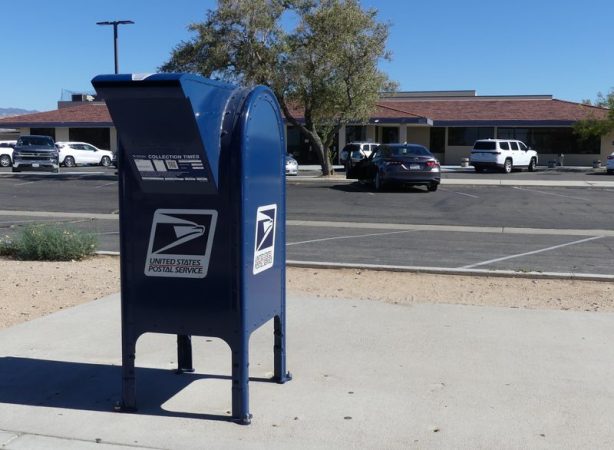
A Delaware County man who previously got in trouble for leaving lewd and threatening voicemails for U.S. Rep. Madeleine Dean pleaded guilty Wednesday to stalking a Philadelphia TV news personality.
Stephen M. Cilurso, 73, of Aldan, admitted to one count of stalking by use of the mail and one count of witness tampering before U.S. District Judge Gail A. Weilheimer in Philadelphia federal court.
Cilurso mentioned the man’s children by name in several of his threatening letters, according to the memorandum for Cilurso’s plea deal with prosecutors.
Even after Cilurso was contacted in March by law enforcement about the harassment, he continued to send letters to the TV personality — but this time he was asking the victim to help get the criminal investigation dropped, the memo said.
Cilurso reportedly did the same with Dean (D., Montgomery).
He was charged in 2021 with making threatening and lewd calls to Dean’s office because she was involved with the impeachment of Donald Trump, whom he supported in 2020. At one point, he mentioned Dean’s daughter by name.
After police began to investigate the calls, Cilurso left additional messages apologizing for his behavior and begging Dean to tell detectives to stop the investigation.
Cilurso pleaded guilty in the Dean case and was sentenced to probation, court records show.
In January, Cilurso was arrested for allegedly making threats to New Jersey Gov. Mikie Sherrill when she was a member of Congress.
On Thursday, the Essex County Prosecutor’s Office confirmed that Cilurso pleaded guilty in March to one count of fourth-degree stalking in the Sherrill case. His sentence is pending.
In the Philadelphia case, Cilurso mailed his first letter in 2019 and included homophobic comments and mentioned that he had just seen the victim with his kids.
Cilurso continued mentioning the victim’s children in subsequent letters as well as the victim’s spouse, prosecutors said.
He also threatened to release snakes around the victim’s home.
“Regarding why the snake letters were mailed, the defendant stated he saw a news segment where Victim 1 revealed on the air that he is deathly afraid of snakes,” the plea memorandum said.
“The defendant thought Victim 1’s fear of snakes was funny, so he began mailing threatening communications to Victim 1 indicating he was planning to release snakes at Victim 1’s residential property,” the memo said.
In a September 2025 letter, Cilurso again used homophobic slurs and mentioned the victim’s spouse. At the end of the letter, according to the memo, Cilurso wrote: “I hope what happened to Charlie Kirk happens to you.”
The victim received that letter about a week after Kirk, a conservative activist, was fatally shot on Sept. 10.
Prosecutors said the victim felt as if his life was in imminent danger after receiving that letter and installed security cameras around his house. He also contacted Philadelphia police, who then notified the U.S. Postal Inspection Service.
After being interviewed by law enforcement in March, Cilurso sent additional letters to the man, but was now asking for his help to stop the investigation.
“I am the 73 year old scumbag who wrote you” the letters, Cilruso wrote, according to the memo.
The plea memo said Cilurso begged for the victim to “help me out of this nightmare. Please ask the FBI to drop any future charges against me … I will donate a monetary amount to your favorite charity on your behalf … [D]on’t let me go to jail again and be away from my 3 remaining cats. I love my cats as you love your [children],” he wrote, again using their actual names.
In a side note, the agents confirmed that Cilurso owned three cats.
In another letter, Cilurso admitted that an agent had come to his house and told him to stop communicating with the victim, the memo said.
In his last letter in March, according to the memo, Cilurso wrote: “I know that I told you that I would not write you again, but things have changed and not for the better for me.”
Cilurso described health problems he claimed he had, and said he would take his own life and the lives of his cats rather than go back to jail, the memo said.
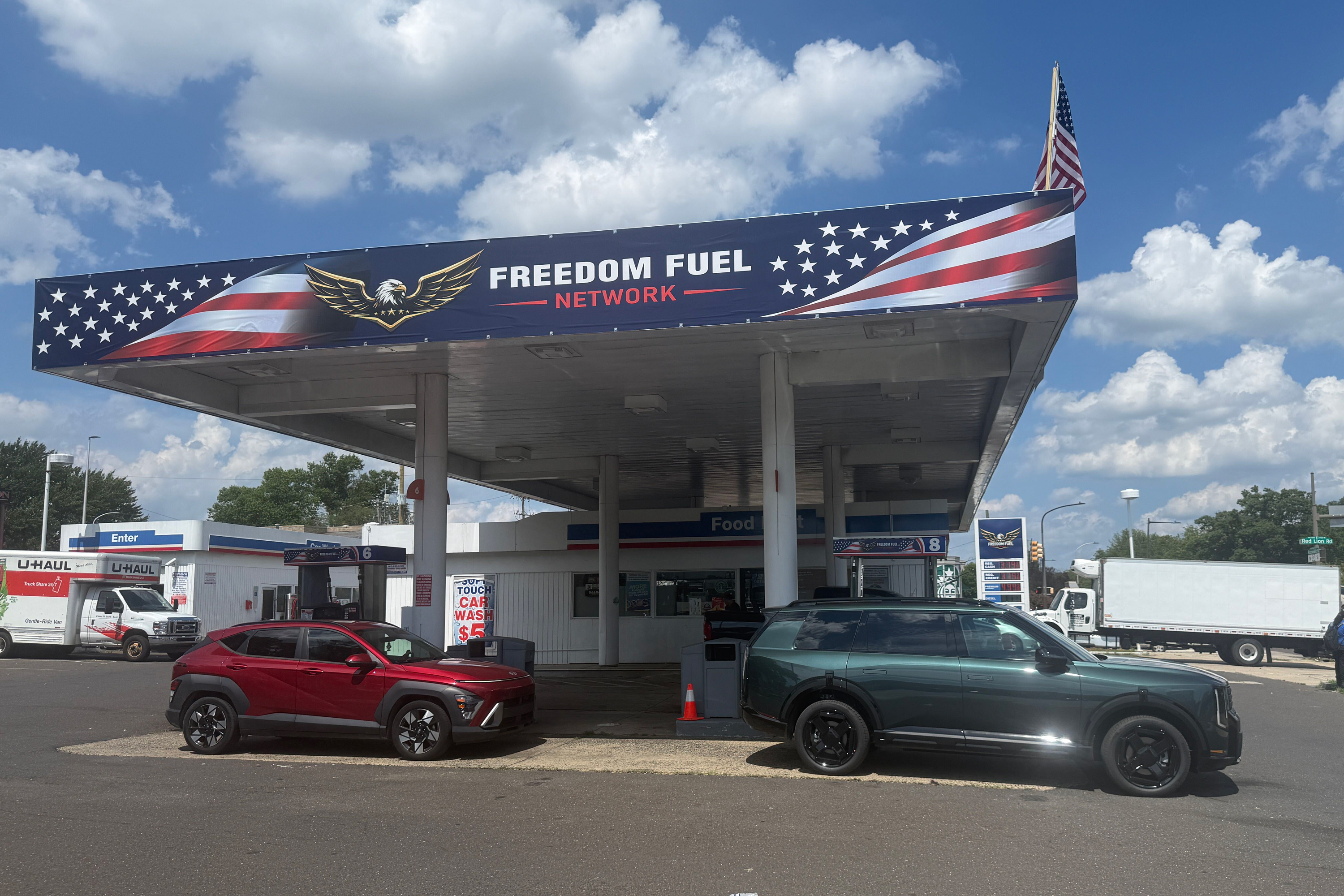
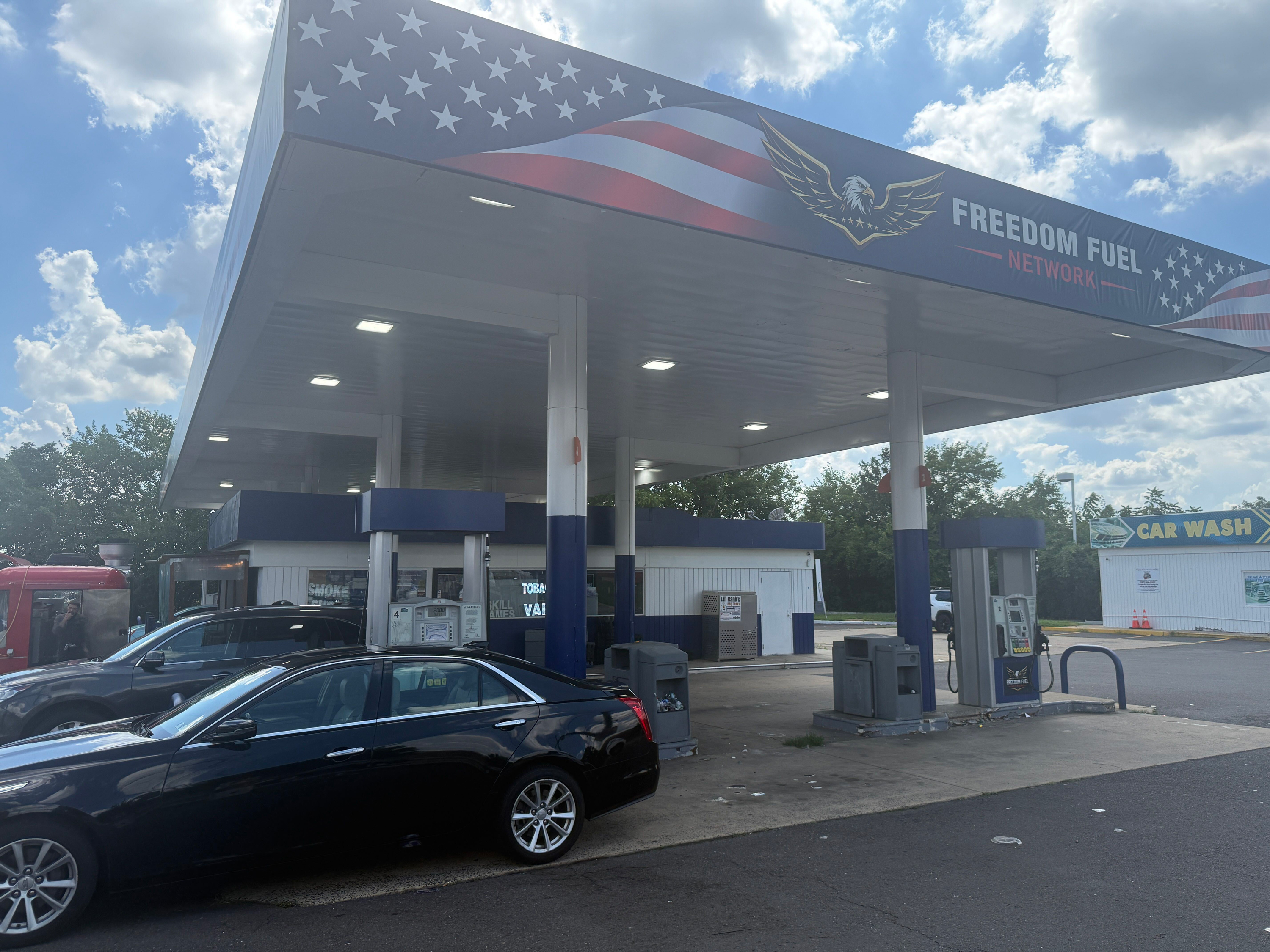
Philadelphia drivers looking to save a few bucks at the pump streamed into the city’s newest Freedom Fuel station Friday afternoon, even while the station’s deep discounts remain a mystery.
The station, located in Bustleton on Roosevelt Boulevard, is one of four new Freedom Fuel locations added this week. The other three are in New Jersey, including one all the way up in Morris County.
The gas network, which was promoted by both the White House and President Donald Trump last month, is now up to 29 stations across the Philadelphia region, stretching east to the Jersey Shore.
(function(){function e(){window.addEventListener(`message`,function(e){if(e.data[`datawrapper-height`]!==void 0){var t=document.querySelectorAll(`iframe`);for(var n in e.data[`datawrapper-height`])for(var r=0,i;i=t[r];r++)if(i.contentWindow===e.source){var a=e.data[`datawrapper-height`][n]+`px`;i.style.height=a}}})}e()})();
Nearly all the pumps were full at Philly’s newest Freedom Fuel spot Friday afternoon, with the station selling a gallon of regular gas for $3.79 a gallon. That’s nearly 35 cents a gallon less than a Wawa just up Roosevelt Boulevard, where a gallon of regular gas went for $4.13 on Friday.
A nearby Lukoil was a bit closer to Freedom Fuel’s prices, offering a gallon of regular gas for $3.99.
An enduring mystery remains how Freedom Fuel has been able to consistently offer lower prices than nearby competitors.
Experts told The Inquirer Freedom Fuel was likely suffering losses for selling fuel at such a low price, especially since many of the company’s stations don’t have robust convenience stores or car washes to create revenue.
“It becomes unsustainable,” Eliezer Fich, a finance professor at Drexel University’s LeBow College of Business, told The Inquirer last month. “Unless prices go down. But if they do, they go down for everybody.”
According to public records, the newest Freedom Fuel station is owned by Celik Plaza II l.l.c., which had previously run it under a “Red Lion Fuel” banner. Engin Celik, who is listed as a principal with the company, according to documents reviewed by The Inquirer, did not respond to a request for comment.
Philly Freedom Fuel station faces closure after failing inspection
The Freedom Fuel station on Bustleton Ave. in Philadelphia. Dana Munro / staff
While Freedom Fuel is adding locations, it could soon lose one in Philadelphia.
The station on Bustleton Avenue, one of at least six locations linked to Cherry Hill developer Shamikh Kazmi and his brother Syed Kazmi, has an expired fuel dispensing license and failed an inspection last week, according to city records.
If unresolved, the station could be forced to close by Sept. 4, according to a city spokesperson.
Ravens special teams coach Randy Brown signed Freedom Fuel’s formation papers. Terrance Williams
While Freedom Fuel’s launch was proudly promoted last month by Trump, the company’s owners have remained quiet about the enterprise and how they’re able to maintain low fuel prices.
A White House spokesperson previously told The Inquirer Freedom Fuel is a private company receiving no government subsidies and not accessing fuel at a lower cost.
“Freedom Fuel Network is a privately owned and proudly patriotic company — along with its convenience store operators, haulers, sign companies, and operational partners — that answered President Trump’s call to action to lower prices at the pump,” the company said in a statement on its website.
Baltimore Ravens assistant coach Randy Brown, the former mayor of Evesham Township, N.J., and a self-proclaimed “proud Trump supporter,” signed Freedom Fuel’s certificate of formation in Delaware on June 23. Brown has declined to comment on the enterprise.
Former commodities trader Yoni Gontownik also signed the certificate of formation, and has not responded to requests to comment. Gontownik and his wife, Bellen, have hosted Republican fundraisers through NORPAC, a New Jersey-based political action committee supporting pro-Israel lawmakers in both parties.
Staff writer Ryan W. Briggs contributed to this article.
The New Jersey Attorney General’s Office said Friday it was investigating the fatal shooting of a 47-year-old Millville man by a sergeant with the Cumberland County Prosecutor’s Office.
On Thursday morning, police responded to a report of a domestic disturbance on the 300 block of Hazel Boulevard, the attorney general’s office said. During an encounter inside a residence, Cumberland County Prosecutor’s Office Sgt. John Borelli fatally shot Shaun Murphy, the attorney general’s office said.
The attorney general’s office said a gun was recovered from the scene.
Under state law, the attorney general’s office is required to investigate all deaths that happen during encounters with law enforcement.
An hours-long standoff with police at a home in Millville, N.J., on Thursday ended with a man fatally shot, the New Jersey Attorney General’s Office said.
The attorney general’s office said it is investigating the shooting. Last night, the Attorney General’s Office of Public Integrity and Accountability identified the man who shot as Shaun Murphy, 47, of Millville. The officer was identified as Cumberland County Prosecutor’s Office Sgt. John Borelli.
The deadly encounter happened at a white, two-story suburban home near Holly Heights Elementary School and a patch of woods, according to video footage and maps of the area.
Police showed up outside the house on Hazel Boulevard around 8 a.m. Thursday, according to TV news reports.
Neighbors described a standoff as police spoke to a man in the house with a loudspeaker, 6abc reported.
News camera footage showed one window of the home was shattered. Police tape wrapped the property. A New Jersey State Police crime scene investigation unit van was parked outside.