Category: Obituaries

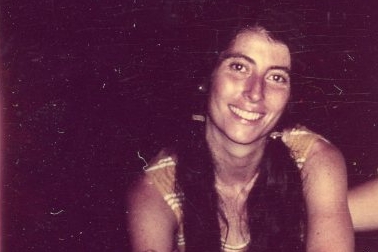
  • Phyllis Taylor, pioneering hospice nurse, celebrated prison chaplain, and renowned world peace activist, has died at 84

    Phyllis Taylor, pioneering hospice nurse, celebrated prison chaplain, and renowned world peace activist, has died at 84

    As a young nurse in Philadelphia, Phyllis Taylor met dying people desperate for hospice care. So she did it.

    She met people in prison desperate for a healthcare advocate and an empathetic chaplain. So she did that, too.

    In 1963, she met Sarah Baker and her family as they struggled to live as the first Black family in Folcroft, Delaware County. The Bakers were desperate for fearless allies to help fend off months of racism and violence. She also did that.

    For nearly her whole life, Phyllis Taylor championed peace, justice, and human rights, and helped people who were desperate. She got arrested for civil disobedience, cofounded and directed several nonprofit social service programs, and, with her husband, Richard, helped establish Witness for Peace in Nicaragua, and the Movement for a New Society in Philadelphia.

    She fed the hungry at St. Vincent de Paul Church, befriended immigrants and refugees with the New Sanctuary Movement, and comforted children and families at St. Christopher’s Hospital for Children. “Her entire life was about giving,” her son Dan said. “She refused to be someone who watched injustice and did nothing.”

    On Thursday, June 4, Phyllis Taylor died of endometrial cancer at KeystoneCare Hospice in Wyndmoor. She was 84.

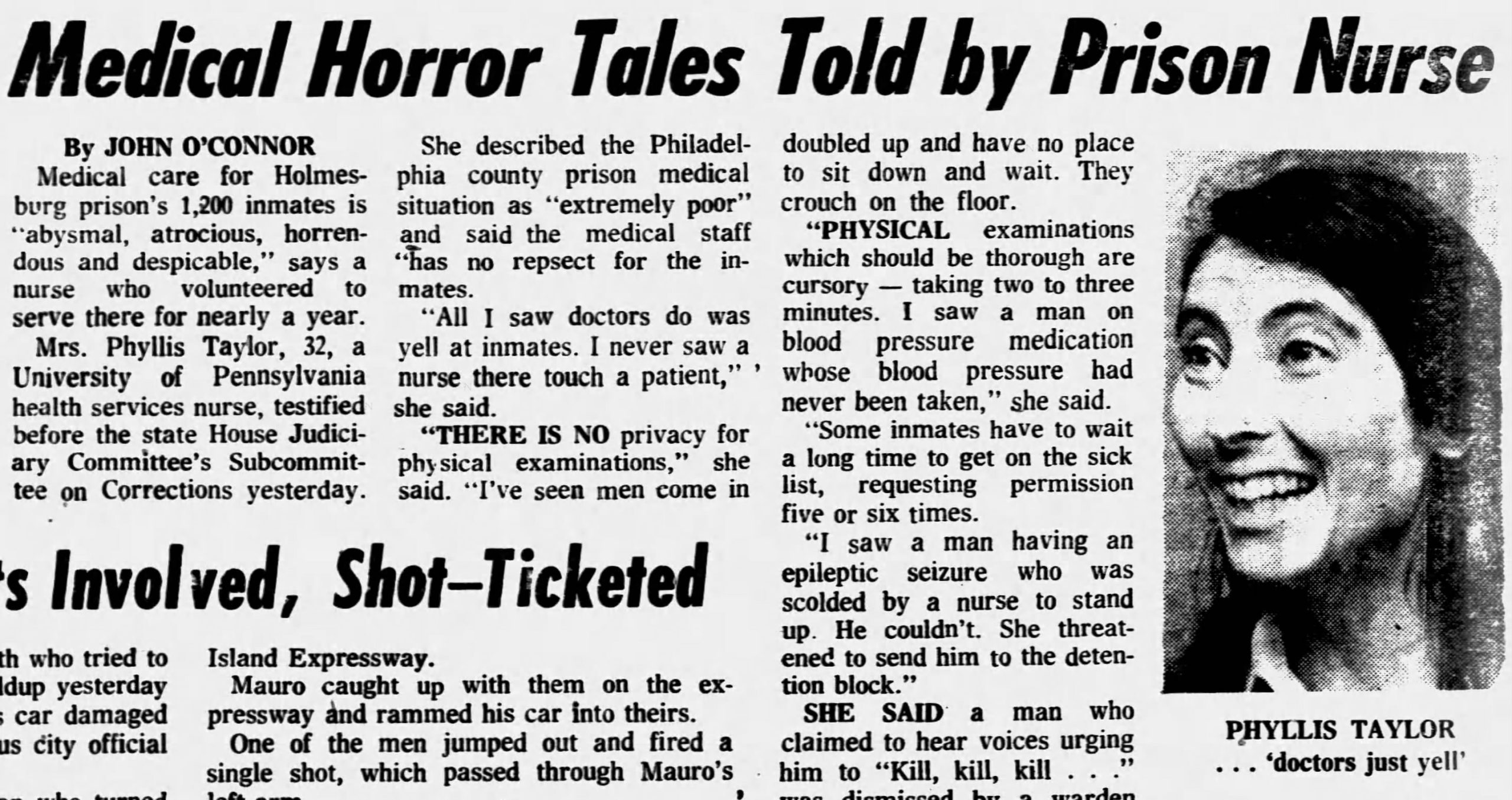
    The Daily News published this story about Mrs. Taylor in 1973.Newspapers.com

    “I really love what I do,” Mrs. Taylor told the Pennsylvania Prison Society in 2025. “I get the satisfaction of being able to journey with somebody, to let them know that they are not abandoned and alone.”

    Born in Brooklyn, N.Y., Mrs. Taylor earned a bachelor’s degree at what is now Arcadia University in 1963. After nursing school, she became a volunteer nurse and then a consultant for the University of Pennsylvania health services at Holmesburg Prison and elsewhere.

    She became senior counselor of hospice service for the new Death and Dying Program at Albert Einstein Medical Center’s Northern Division in 1978, and taught classes about death and grief, counseled parents whose babies had died, and comforted patients with terminal illnesses.

    Mrs. Taylor graduated from what was then known as Beaver College in 1963. It is Arcadia University now. Courtesy of the family

    She was featured in a 1980 story in the Sunday Inquirer called “The Gift of a Good Death” and said that her own health scares motivated her to embrace nursing. The horrors of the Holocaust, she said, compelled her to human rights activism, and the deaths of a friend, her brother, and her father moved her to hospice work.

    “It makes me happy to give someone the gift of a good death,” she told The Inquirer.

    Mrs. Taylor was also an enterostomal therapy nurse, head of the AIDS committee at the Philadelphia College of Osteopathic Medicine medical center, and director of education at the old Hospice of Delaware Valley. She wrote research articles for journals and letters to the editor, appeared on local TV and radio shows, and lectured often at conferences and seminars about death, grief, and medical and financial ethics. She never retired.

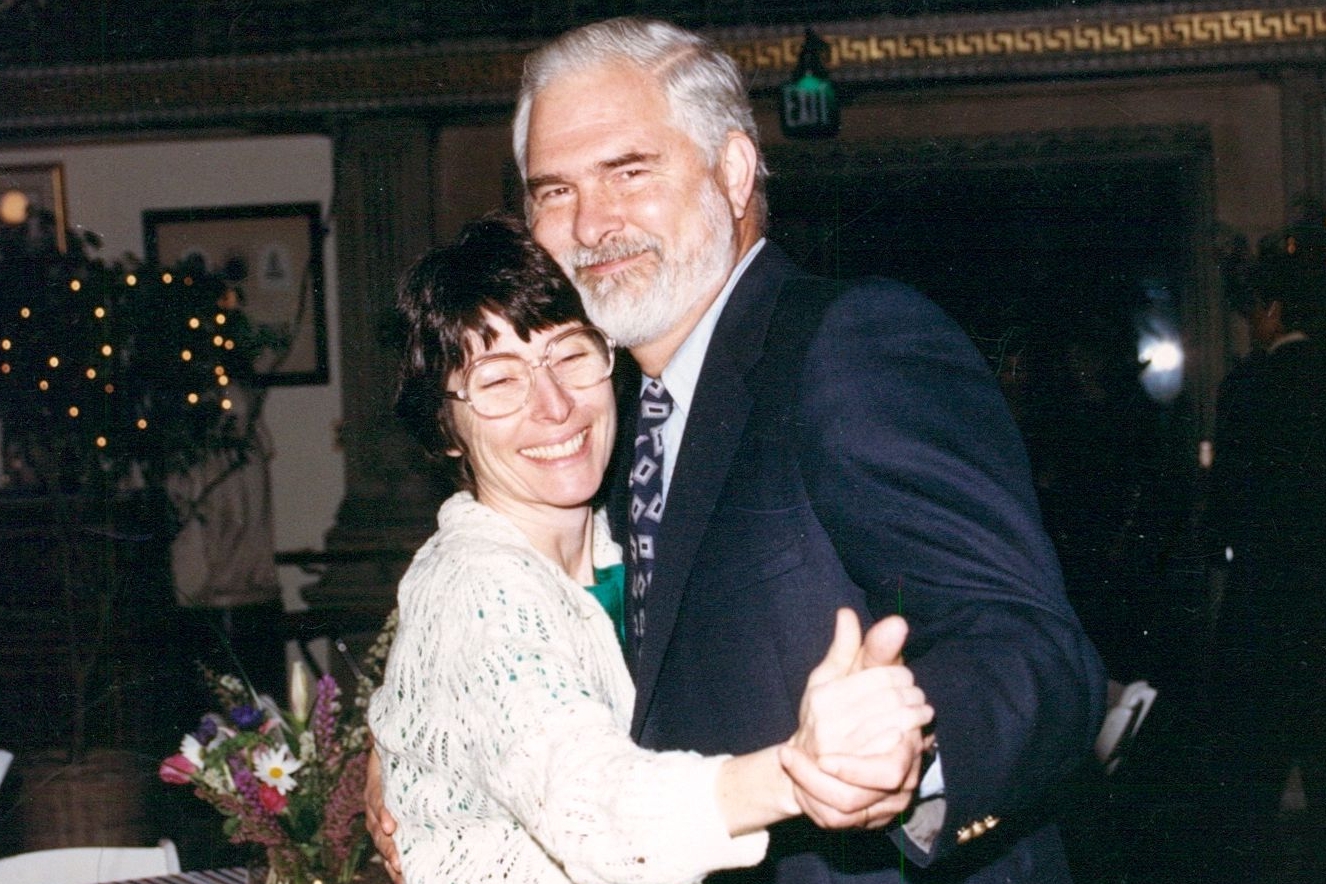
    Mrs. Taylor and her husband, Richard, traveled the world together fighting for peace, justice, and human rights. Courtesy of the family

    She went on Freedom Rides to integrate buses in the South and moved in temporarily with the Bakers as they sought to integrate Folcroft in the 1960s. In the 1970s, she demonstrated against the Vietnam War and America’s involvement in Iran and elsewhere.

    In the 1980s, she taught civil disobedience classes and protested violence at the border between Nicaragua and Honduras. In the 1990s and beyond, she volunteered to protect Muslims and Arabs from reprisals after the Sept. 11 attacks, traveled the world to decry pollution and unfair housing practices, and volunteered with Amnesty International and Planned Parenthood.

    She earned credentials as a chaplain and volunteered for decades with the Pennsylvania Prison Society to counsel and advocate for crime victims and prisoner rights. She was featured in the 2016 documentary Blockade, named the Prison Society’s Volunteer of the Year in 2022, and honored at Arcadia’s 2025 Women Who Lead Forum.

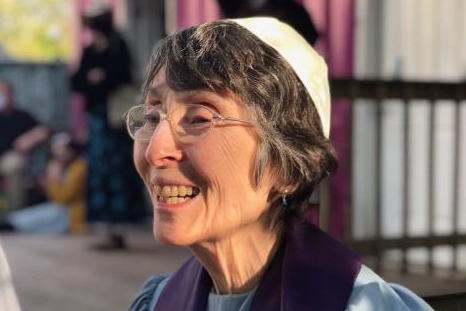
    As a chaplain, Mrs. Taylor officiated at weddings and funerals, and advocated for prison reform.Courtesy of the family

    “She felt a deep unwavering need to dedicate all her waking time to marginalized populations,” her son said. “Someone called her a merging of Ruth Bader Ginsburg and Mother Teresa.”

    Phyllis Claire Brody was born Aug. 10, 1941. She grew up Jewish in Lawrence, N.Y., and joined a Quaker meeting after she moved to Philadelphia.

    She met fellow peace activist Richard Taylor at a civil rights event in 1962, and they married in 1963 and lived in Germantown, Mount Airy, and West Philadelphia. They reared their son, Dan, and daughter, Deborah, and welcomed Blessing Mtshali and other children and families into their home for extended stays. Her husband died in 2024.

    Mrs. Taylor and her husband liked to hike and canoe. She lived with lupus and mailed handmade birthday cards to family and friends year after year.

    “What a life well lived,” her son said.

    In addition to her children, Mrs. Taylor is survived by her sisters, Margaret Noonan and Audrey Randolph, many grandchildren and great-grandchildren, and other relatives. A brother died earlier.

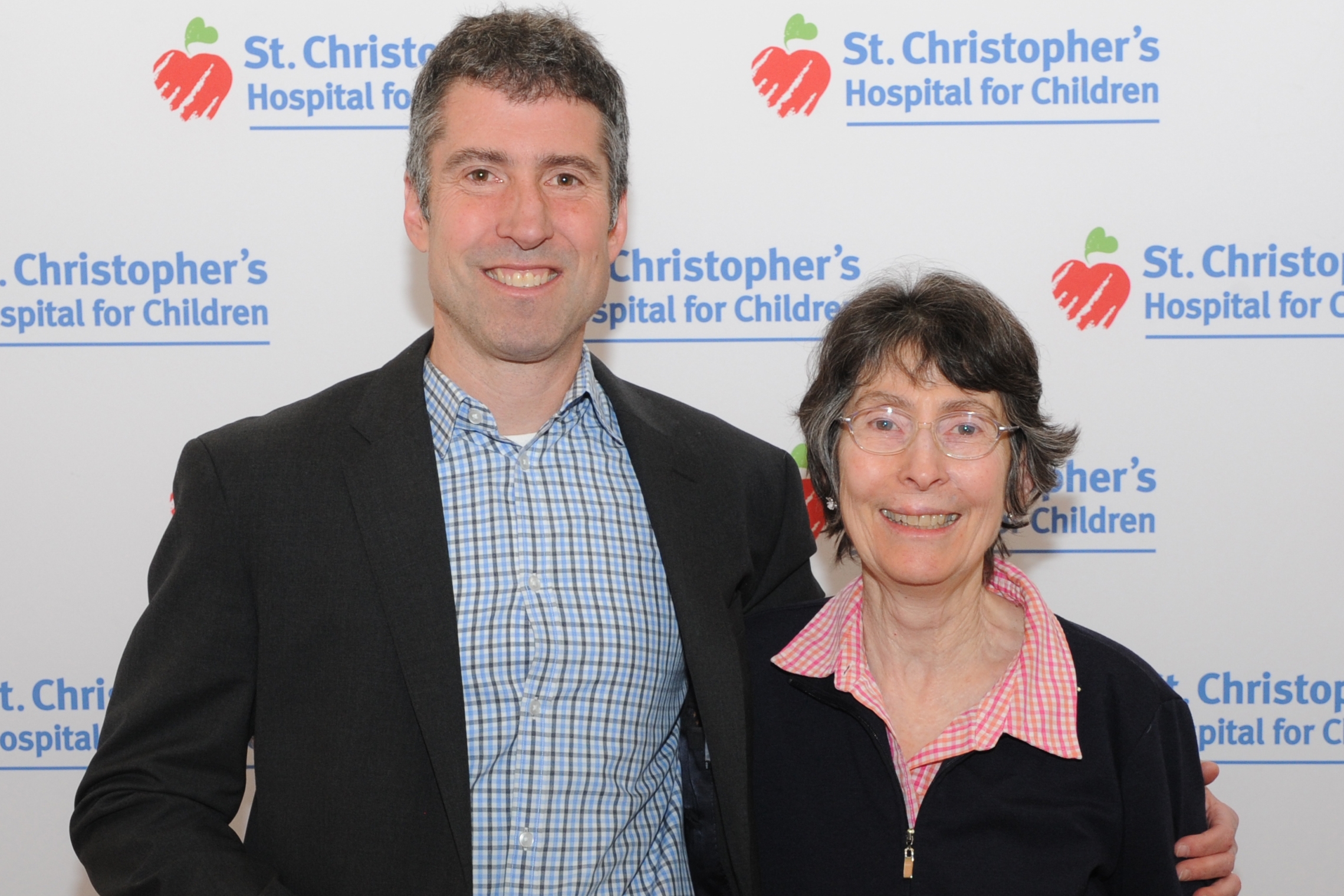
    Mrs. Taylor stands with her son Dan in 2017.Handout

    A celebration of her life is to be held at 2 p.m. Sunday, Sept. 20, at Germantown Monthly Meeting, 47 W. Coulter St., Philadelphia, Pa. 19144.

    Donations in her name may be made to the New Sanctuary Movement of Philadelphia, Box 46242, Philadelphia, Pa. 19160; and Face to Face, 123 E. Price St., Philadelphia, Pa. 19144.

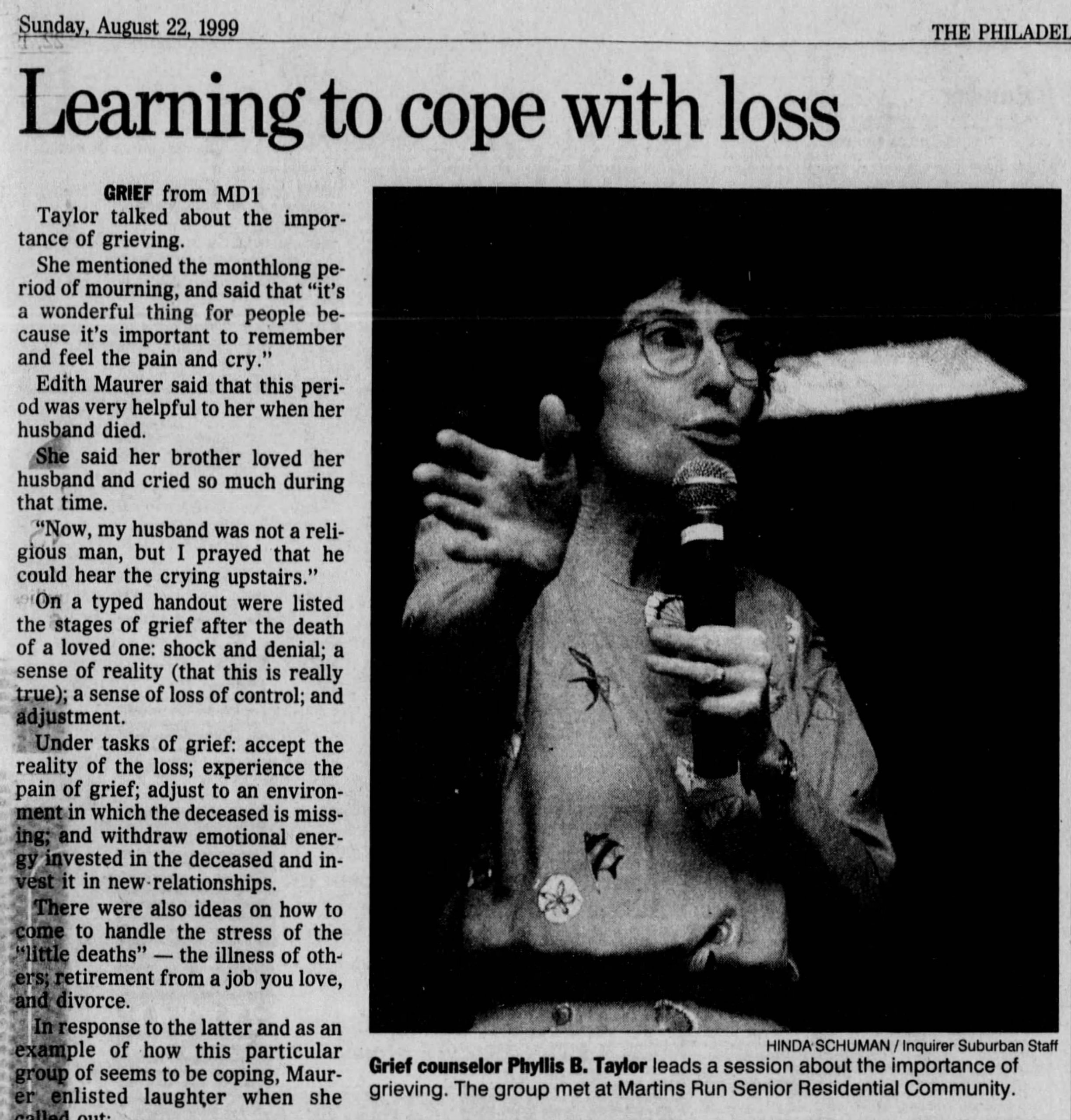
    Mrs. Taylor was featured in The Inquirer in 1999.Newspapers.com
  • Gene Shalit, film critic bristling with hair and puns, dies at 100

    Gene Shalit, the Muppet look-alike who reviewed movies and other cultural arts with a whimsical bent and a shtick for puns as the resident wit on NBC’s Today show for four decades, one of the longest tenures on an American television program, died Friday at 100.

    NBC reported the death, citing a family statement. No further details were immediately available.

    For millions of Americans tuned in to the Today potpourri of news, interviews, entertainment, and weather, a dose of literate, wacky commentary from Mr. Shalit’s “Critic’s Corner,” often with cackles of appreciation for his own incorrigibility, was as much a part of the morning as a cup of coffee.

    With his handlebar mustache, bushy hair, black-rimmed glasses, and extravagant bow ties, he was one of the nation’s most recognizable characters, a composite caricature of Groucho Marx, William Howard Taft, and a Jim Henson puppet. His punchy, wry wit may have borrowed from Woody Allen and Mark Twain, but it played well in Peoria.

    “Ishtar ish tarrible!” Mr. Shalit concluded in a review of Elaine May’s 1987 comedy about two lounge singers looking for work in Morocco and stumbling into Cold War machinations.

    After seeing The Longest Yard, a 1974 flick in which Burt Reynolds organizes a prison football team, he suggested: “This movie should be penalized half the distance to the goal — twice.”

    And joining a chorus of critics panning Hudson Hawk, a 1991 Bruce Willis world-domination vehicle, he warned: “This movie is awful, spelled o-f-f-a-l.”

    His most controversial criticism came in a negative review of Brokeback Mountain, the widely acclaimed 2005 Ang Lee film depicting the romantic and sexual relationship between two men in the American West. Shalit called Jake Gyllenhaal’s character, Jack Twist, a “sexual predator” who “tracks Ennis (Heath Ledger) down and coaxes him into sporadic trysts.”

    The Gay and Lesbian Alliance Against Defamation, now known as GLAAD, accused Mr. Shalit of promoting anti-gay prejudice and demanded an apology. Mr. Shalit, the father of six children, including a gay son, replied with a letter expressing regret, acknowledging that he had “angered, agitated and hurt many people,” and saying that he had had “no intention of casting aspersions on anyone in the gay community or the gay community itself.”

    Besides reviewing movies, books, plays, and other cultural offerings, Mr. Shalit interviewed authors and entertainers, including Barbra Streisand, Warren Beatty, Robert De Niro, and Sophia Loren. He did cameos of himself in several movies and television shows, and was a familiar figure on television game and talk shows and charity fundraisers.

    On Today, a program sensitive to ratings and notable for personnel changes, Mr. Shalit was the durable mainstay in a cast that over the years included Barbara Walters, Jim Hartz, Tom Brokaw, John Chancellor, Hugh Downs, Joe Garagiola, Deborah Norville, Jane Pauley, Katie Couric, Bryant Gumbel, Al Roker, Willard Scott, Matt Lauer, and Ann Curry.

    Mr. Shalit joined Today in 1968 as a book reviewer, became a regular in 1970, and was the culture critic from 1973 until he retired in 2010.

    His producer, Guy Ludwig, reflecting on Mr. Shalit’s long career in 2010, recalled seeing Mr. Shalit, late in his career, entering a theater for a screening with a look of glee on his face.

    “My God, how could you?” he said. “You’ve seen 2 million movies.”

    “Yeah,” Mr. Shalit replied, “but I’ve never seen this one!”

    Eugene Theodore Shalit was born in New York City on March 25, 1926, to Latvian immigrants, Isadore and Anna (Michelovich) Shalit. He grew up in Newark and Morristown, N.J., where his father owned a drugstore. He graduated from the University of Illinois in 1949.

    Arriving in New York City in 1951, he was hired by a press agent to attend stage shows at the Paramount and laugh at the comics for $5 a day. “They weren’t funny,” he recalled in a 2012 interview for this obituary. “I couldn’t laugh. One other person was laughing. He got $5 too.” Mr. Shalit quit after one day.

    He next landed in the publicity department of Look magazine, doing promotionals with “two other kids” — Lawrence K. Grossman, who became president of NBC, and Marvin Josephson, who founded the talent agency International Creative Management.

    Mr. Shalit was married to Nancy Lewis from 1951 until her death in 1978, and they had six children: Peter, Willa, Emily, Amanda, Nevin, and Andrew. Emily died in 2012. A complete list of survivors was not immediately available.

    In the 1950s and early ’60s, Mr. Shalit wrote columns and culture reviews for Ladies’ Home Journal and Look magazine. An NBC executive spotted his writing and, worried about how audiences might react to his mustache and hair, hired him in 1967 for network radio work. A year later, NBC took a chance, and he began appearing on the Today show.

    “Once Gene was on, he’d get letters like, ‘Who is this part-time anarchist that you have on television?’” Ludwig recalled. “But what resonated above his unusual appearance was his incredible wit, his remarkable intelligence.”

    From 1970 to 1982, Mr. Shalit produced a daily essay for NBC Radio, “Man About Anything,” which was heard on more stations than any other NBC network feature. He was an occasional panelist on What’s My Line?; hosted programs on the Masterpiece Mystery series; and wrote for TV Guide, Cosmopolitan, Seventeen, Glamour, McCall’s, the New York Times, and other publications.

    Laughing Matters: A Celebration of American Humor, a compendium of works by 200 authors, scriptwriters, and cartoonists selected by Mr. Shalit, was published in 1987. Mr. Shalit loved classical music, played the bassoon, and performed with the Boston Symphony in Boston, at the Berkshire Music Center at Tanglewood near his home in Stockbridge, Mass., and at Lincoln Center in New York. He once conducted the Pittsburgh Symphony in a full concert. He liked to say that in none of these venues was he ever invited back.

    In 1974, Jim Henson’s Muppets appeared on the Today show with Bert gussied up in Shalit-style hair and mustache. Side by side, they looked like fraternal twins. In 1983, he appeared in the Great Muppet Look-Alike Contest in Muppet magazine’s first issue, and in 1996 he contributed a recipe for Movie Crumb Cake for the cookbook In the Kitchen With Miss Piggy.

    Mr. Shalit wrote many letters to the Times about baseball. In 2003, he suggested help for the New York Mets lineup: Sign Rickey Henderson, then in his last season.

    “With his walks, bunts and an occasional extra-base hit, he will get on base far more often than the current troupe,” he wrote. “And when Rickey gets to first, he’ll soon be on second. Sure, he’ll be stranded there, but won’t it be fun to see a Met in scoring position?”

    This article originally appeared in the New York Times.

  • Joe Negri, handyman and music maestro on ‘Mister Rogers,’ dies at 99

    Joe Negri, handyman and music maestro on ‘Mister Rogers,’ dies at 99

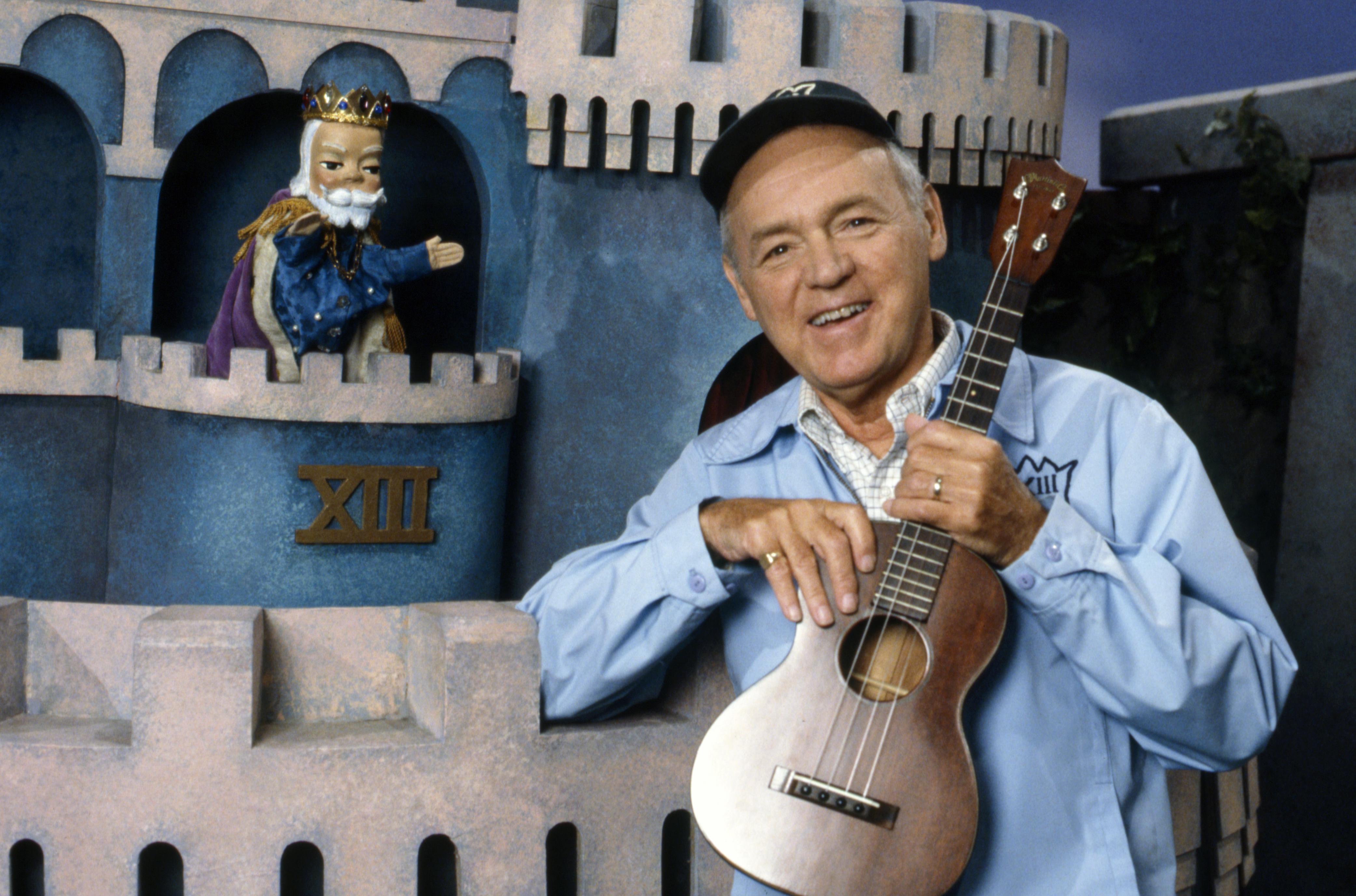
    Joe Negri, an elegant jazz guitarist who passed up touring with Tony Bennett and other luminaries to remain in Pittsburgh, his beloved hometown, where he played Handyman Negri on Mister Rogers’ Neighborhood, cleaning castles, mixing cement, and bantering with King Friday, died May 30 in Scott Township, Pa. He was 99.

    His death, at a senior living facility near Pittsburgh, was confirmed by his family.

    Mr. Negri appeared on more than 300 episodes of the long-running public television show — first as an affable, singing handyman in the Neighborhood of Make-Believe and later as the congenial proprietor of Negri’s Music Shop, demonstrating instruments and playing alongside Wynton Marsalis, Yo-Yo Ma, and other musical guests.

    “The thing about Joe was that he wasn’t acting,” David Newell, who played McFeely on the show, said in an interview. “He really was like the friendly fellow you might find walking around a neighborhood. He was just incredibly gentle as a person, but also as a musician.”

    After touring with jazz bandleader Shep Fields as a teenager, Mr. Negri accompanied Andy Williams, Johnny Mathis, and other headliners in the 1950s, framing their melodies with rich, effervescent chords. The Pittsburgh Post-Gazette arts critic Harold V. Cohen called Mr. Negri a “wizard.”

    Impressed by his talent, some Pittsburgh musicians persuaded him to move to New York, the center of the jazz world, where stars like Bennett wanted him to tour with them. But after arriving with his family in 1959, Mr. Negri realized he had made a mistake.

    “Living wasn’t easy in New York,” he told NPR in 2010. “The kids had babysitters. Somebody had to take them to the park to play. The whole scene just kind of turned me off. So we packed up.”

    Returning to Pittsburgh, Mr. Negri started a band and eventually became the music director at WTAE, a local television station. There, he worked with Fred Rogers on a short-lived children’s show.

    In 1966, Rogers left WTAE to develop Mister Rogers’ Neighborhood for the public television station WQED. He hired Mr. Negri to be on the show and later asked him to play a handyman.

    “I almost started laughing,” Mr. Negri later recalled. “I said, ‘Fred, you got the wrong guy. I’m not very handy. You know, I can’t do anything. I can’t even put a hammer on a nail.’”

    Rogers was undeterred.

    “Don’t worry,” he told his new handyman. “It’s going to be all pretend.”

    From the outset, music was central to the show. Mr. Negri sang for the first time in Episode 13, performing Sometimes People Are Good, a song written by Rogers, after the puppet Lady Elaine Fairchilde borrowed a painting without asking.

    The lesson is in the lyrics:

    Sometimes people are good

    And they do just what they should.

    But the very same people who are good sometimes

    Are the very same people who are bad sometimes.

    It’s funny, but it’s true.

    It’s the same, isn’t it for me …

    Isn’t it the same for you?

    At the end of the episode, Rogers reflected on what Lady Elaine had done. “If you want something, you ask for it,” he said. “And if you can’t have it, then you find something else.”

    Bending down to pick up domino blocks from the floor, he added, “I wonder if Lady Elaine knew that.”

    Then he, too, sang the song, lingering on the words “for you?”

    Joseph Harold Negri was born June 10, 1926, in Pittsburgh, the son of Italian immigrants. His parents were Michael Negri, a bricklayer, and Rose (Viggiano) Negri.

    Growing up in Mount Washington, a working-class neighborhood with a spectacular view of the city’s downtown, his home was filled with music. His father played the banjo. His mother listened to pop songs on the radio.

    When he was 3, he started playing the ukulele. By the time he was 5, he was singing on Uncle Henry’s Radio Rascals, a local program for child performers. He took up the guitar when he was around 8, taking lessons at Volkwein’s Music, a well-known store in downtown Pittsburgh, where he learned to play solos by jazz guitarist Eddie Lang.

    Mr. Negri had found his chord in life.

    “I guess there’s been a mainline for me — the guitar,” he told Vintage Guitar Magazine in 2010. “I call myself a work in progress.”

    In 1942, he played his first professional gig, sitting in with a local orchestra. Frank Andrini, a guitarist in Pittsburgh, took note of the performance and connected him with Fields, the bandleader. Mr. Negri dropped out of high school to tour with him.

    “He promised my mom and dad I’d be in good hands and he would look after me,” Mr. Negri later recalled. “And he did.”

    At 18, in the midst of World War II, he was drafted into the Army and sent to Europe, playing when he could at nightclubs and bars. An officer who saw him perform helped him join a special services unit that entertained soldiers.

    After his Army service, Mr. Negri returned to Pittsburgh, studying music at the Carnegie Institute of Technology (now Carnegie Mellon University). His path seemed set — move to New York, play on albums and tour with jazz stars — but the road led back to his hometown.

    “I feel that in this town I’ve gotten to do such a variety of things that I could never have done in New York or on the West Coast,” he told the Pittsburgh Press in 1971.

    Mr. Negri married Joan Serafini in 1954. She survives him, along with their daughters, Lisa Negri, Laurie Bentz and Gia Leven, and three granddaughters.

    This article originally appeared in The New York Times.

  • David Hockney, 88, renowned artist who captured fleeting moments in vivid color

    David Hockney, an English painter, photographer, stage designer, printmaker, and draftsman who long made Southern California his muse and his home, and the fleeting beauty of life’s smallest moments the grand theme of his shape-shifting art, died June 11 at his home in London. He was 88.

    His publicist Erica Bolton confirmed the death in a statement.

    Mr. Hockney’s art, which earned him international renown and a colossal fortune, encompassed paintings of azure swimming pools and the artist’s gay friends; kaleidoscopic portraits collaged together from dozens of cocktail-napkin-size Polaroids; room-size installations using computer-controlled theatrical light fixtures; and, in later years, garish landscapes “drawn” with fingers on an iPad.

    Throughout these stylistic reinventions, over a career that seemed at times to memorialize the unmemorable, there was one constant: impermanence. “I loved the idea of painting this thing that lasts for two seconds,” Mr. Hockney once said, reflecting on The Splash, one of a series of paintings of water displaced by a recreational diver who is nowhere to be seen. “It takes me two weeks to paint this event that lasts for two seconds.”

    In 2018, at Christie’s auction house in Manhattan, his Portrait of an Artist (Pool With Two Figures) sold for $90.3 million, a world record price for a living artist, topping the previous record of $58.4 million reached by American Jeff Koons in 2013 for his stainless steel sculpture Balloon Dog (Orange).

    Mr. Hockney, a working-class lad from what was at the time England’s grimy industrial north, became a top pupil at London’s Royal College of Art. In 1963, his first solo exhibition sold out at a trendy London gallery. He soon traveled to California, long the center of his hedonistic fantasies fueled by muscle magazines.

    Like his pop-artist friend Andy Warhol — whom he vaguely resembled with his peroxide-blond hair — he was strongly influenced by technological advances in color photography, color ads in magazines, and early color TV. He deconstructed traditional ideas of perspective, proportion, and color balance with his often vivid pinks, blues, greens, yellows, and purples.

    Man in Shower in Beverly Hills (1964) indulged his fascination not only with the male figure but also with water in motion. A Bigger Splash (1967), perhaps his best-known painting, captured the broken surface of a pool, the diving board protruding from the foreground. Today the work hangs in the prestigious Tate Britain museum when it is not on tour.

    Beverly Hills Housewife (1967), depicting philanthropist and art collector Betty Freeman standing on her patio, fetched $7.9 million at a Christie’s auction in New York in 2009. Mr. Hockney’s previous highest price, in 2006, had been $5.4 million for The Splash, painted in 1966.

    “What David did was reinvent the way we saw the world,” Lindy Dufferin, the widow of one of his early patrons, told British Vogue in 2017. “Up until then a splash had passed without us noticing; the pool and the people around it would interest us, not the splash. So, as is typical of David, he made a deep philosophical point — that everything is ephemeral and passing — in a humorous way.”

    Mr. Hockney’s artistic restlessness led him to remake himself and his work over the years, with portraiture and still lifes from the decorous to the vibrant, such as his 16-foot-long May Blossom on the Roman Road (2009) with its foliage and swarming insects. Some of his later and best-selling works were landscapes depicting the American West and the forests of his native Yorkshire.

    Woldgate Woods (2006) sold at Sotheby’s in New York in 2016 for a record auction price of $11.7 million. In 2017, his composite painting 15 Canvas Study of the Grand Canyon (1998), with its deep, earthy sunset colors, sold at Sotheby’s in London for $7.88 million. As his age and celebrity grew, so did his prices. In May 2018, at a Sotheby’s auction in New York, his 1990 work Pacific Coast Highway and Santa Monica went under the hammer for $28.5 million — more than twice the estimate and a record for a Hockney.

    His prevailing fascination was with taking the mundane — household objects such as ashtrays and lamp shapes and passing moments like a shower — and emancipating them from the workaday as commentaries on what and how we see.

    “He is one of only a handful of 20th-century British artists who added anything to the image bank of the world’s imagination,” Guardian art critic Jonathan Jones wrote in 2004. “He was British art’s first pop star. But this was not because he made easy images. His paintings unequivocally praised gay sex — for example, Two Men in a Shower (1963). They were so innocent they disarmed everyone.”

    Visionary or lightweight?

    David Hockney was born in Bradford on July 9, 1937, the fourth of five children of what he called eccentric, “radical working class” parents.

    His mother, who was deeply religious and devoutly vegetarian, encouraged her son’s doodling as long as he didn’t do it on the wallpaper. His father, he told the Guardian, “was constantly writing to Stalin — every week. He used to tell us how important these letters were. We didn’t think so. We didn’t think Stalin would be waiting for them.”

    A conscientious objector during World War II, the elder Hockney became a social pariah, losing his job as an accounting clerk.

    Bradford, Mr. Hockney recalled, was perpetually cold and overcast, and made drearier still by wartime rationing in the 1940s and postwar deprivation in the ’50s. He escaped through movies and became enchanted with the concept of sun-dappled California.

    “I knew even as a child that it was sunny in Los Angeles because even though Laurel and Hardy wore overcoats, they cast long shadows,” he once told the New York Times. “There were no long shadows in Bradford. I noticed that. I thought, ‘Boy, it must be very sunny there.’ ”

    Mr. Hockney displayed a precocious talent for cartooning and poster-making and won second place in a national newspaper competition to design an advertisement for a watch. He entered the Bradford College of Art at 16 on a scholarship and graduated in 1957. Also a registered conscientious objector, he worked as a hospital orderly to complete two-year national service.

    From 1959 to 1962, he studied at the Royal College of Art, where his works earned the school’s gold medal. The next year, art dealer John Kasmin gave him his debut solo exhibition, “Pictures With People In.”

    At the college, Mr. Hockney also met the Ohio-born artist R.B. Kitaj. Incorporating Kitaj’s literary leanings, he used fragments of poems and quotations from Walt Whitman in his work. Paintings such as We Two Boys Clinging Together (1961) were among his earliest artistic nods to his homosexuality.

    A chain-smoking playboy, the artist became a hero to some in the LGBTQ community for being openly, indulgently gay at a time when homosexuality was still criminalized in England. Jack Hazan’s 1973 semidocumentary film A Bigger Splash shows Mr. Hockney reeling after the trauma of a breakup. Mr. Hockney was also the subject of Randall Wright’s well-received 2014 documentary Hockney.

    After his initial success in London, Mr. Hockney made his first trip to New York, where one friend introduced him to the city’s museums and galleries and another took him to its gay hot spots. Mr. Hockney soon embarked for California, beckoned by magazine images of beaches, suntanned pecs, and six-pack abs.

    He set up a studio in Hollywood Hills, teaching at several universities in the state, while also maintaining a home in the posh London district of Kensington as well as a seaside house in Bridlington, East Yorkshire.

    In 1975, Mr. Hockney began designing stage sets for theater, ballet, and opera, starting with a noted production of Stravinsky’s opera The Rake’s Progress at the Glyndebourne Festival in East Sussex, England.

    Over the decades, Mr. Hockney was viewed alternately with admiration and skepticism, as a visionary who played with convention and as a lightweight drawn to the frivolous.

    Commenting on a major Hockney retrospective in 2017 at Tate Britain, the British art writer Michael Glover observed in the Independent: “Is Hockney really deserving of this ridiculous amount of attention on the grounds of merit alone? Certainly not. He can be wonderful — some of those early prints were wonderful. He can be awful — as he so often was in the 1980s, when he played at being Picasso or doggedly painted his dogs. He can also be no better than pretty good. Many of his portraits look tossed off.”

    But Chris Stephens, formerly lead curator of modern British art at Tate Britain and co-curator of the Hockney retrospective, called him “brilliant at capturing people’s psychological aspect, their psychological demeanor.”

    One of Mr. Hockney’s best-received works was a time-lapse installation titled Snails Space with Vari-Lites, “Painting as Performance,” created in 1995-1996 and donated to the Smithsonian American Art Museum in Washington in 2003 by philanthropist Nan Tucker McEvoy, who chaired the museum’s governing board.

    The work features a nine-minute light show in which high-intensity, computerized spotlights cast a rainbow of colors from ever-changing angles upon a 3D landscape that is more stage set than painting. Describing the Snails Space exhibition, the museum declared it “both a summary of Hockney’s career and a poignant example of his belief that art should ‘overcome the sterility of despair.’ ”

    From 2004 to 2013, Mr. Hockney decamped for Yorkshire, looking for new inspiration in the trees and the turning of the seasons — and also because of what he considered puritanical antismoking ordinances in America.

    His return led to the financial windfall of Woldgate Woods. But it also brought tragedy, including a stroke in 2012 and the death the next year at his home studio of a 23-year-old assistant who drank drain cleaner after taking cocaine and ecstasy pills. The death was declared “a result of misadventure” and no charges were brought against Mr. Hockney, who was away at the time and later returned to Los Angeles.

    In 2018, Mr. Hockney, at age 81, achieved a longtime ambition that earned him no money and cost him a lot of time. His first stained-glass window, designed on his iPad and titled The Queen’s Window, was unveiled in London’s historic Westminster Abbey to commemorate Queen Elizabeth II’s reign.

    In sharp contrast to the Abbey’s traditional staid, religious-themed stained-glass windows, Mr. Hockney used his distinctive color palette of yellow, red, blue, pink, orange, and green to reflect the queen’s love of the countryside. He visibly held back tears as the window was revealed. The Barley Studio of York, England, using centuries-old techniques, painstakingly created the window in pieces in coordination with Mr. Hockney and his iPad creation.

    In 2019 Mr. Hockney began working in Normandy, producing ink drawings and paintings including A Year in Normandie, a massive panoramic iPad painting inspired by the nearby Bayeux Tapestry and his fascination with Chinese scrolls. He relocated to London in 2023.

    The director of Tate Britain, Alex Farquharson, said in a social media post that the gallery would work to realize two major projects Mr. Hockney was preparing for 2027: an exhibition featuring seven decades of his work and a multimedia installation at the Tate Modern showcasing his designs for opera sets.

    Survivors include his longtime partner, Jean-Pierre “JP” Gonçalves de Lima; and two brothers.

    Stephens, the former curator at Tate Britain and also a Hockney biographer, told the Times of London in 2017 that Mr. Hockney was happiest basking in the libertine joys of California. “He says, ‘Well I only have to go out for three things: the doctor, the dentist, and the marijuana supply.’ Which is not true, actually, because the guy who washes his car brings that round.”
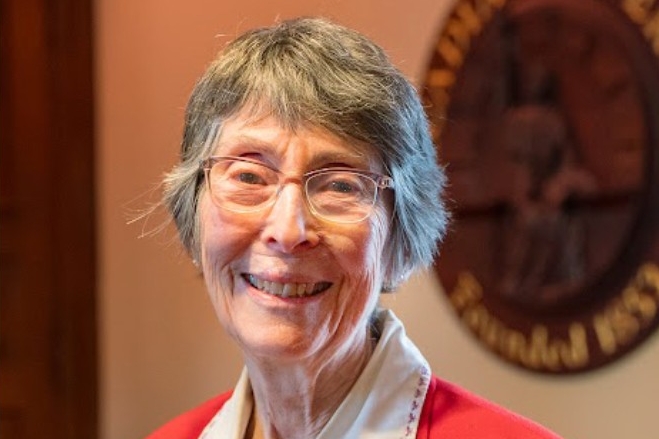
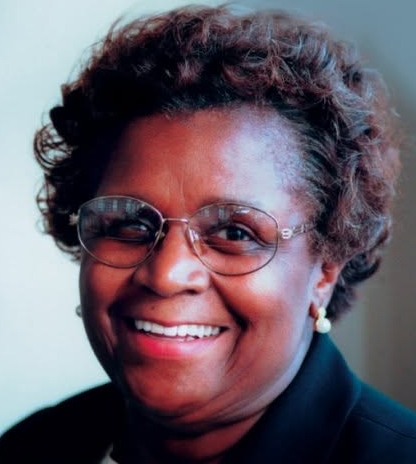
  • Former AP reporter Marlene Louise Johnson, who sued wire for discrimination, dies at age 89

    DETROIT — Former Associated Press reporter Marlene Louise Johnson, whose lawsuit against the wire service for race and gender discrimination led to affirmative action plans to spur hiring of female, Black, and Hispanic journalists, has died at 89.

    Ms. Johnson died May 9 in a Los Angeles-area care facility after being released from a hospital. She had been suffering from dementia, according to her daughter, Morenike Joela Evans.

    Born in Rochester, N.Y., Ms. Johnson earned an associate degree from the University of Buffalo and a bachelor’s degree at Wayne State University in Detroit. At the age of 75, she graduated from Howard University’s School of Divinity with a master’s degree in religious studies.

    While working in the Detroit office of the late-Rep. John Conyers in the early 1970s, Ms. Johnson met and befriended late civil rights icon Rosa Parks. In 1955, Parks helped spark a bus boycott in Montgomery, Ala., when she was arrested for refusing to give up her seat to a white man, ultimately leading to the desegregation of the city’s public buses. Parks died in 2005.

    Ms. Johnson was hired in 1972 as a general assignment reporter in the AP’s Detroit bureau. She covered stories on Black capitalism, court-ordered busing in Detroit’s public schools, tensions between the predominately white police department and the city’s Black residents, breast cancer screening, and women empowerment in business and culture.

    Minority hiring program brings Johnson to AP

    Ms. Johnson, who was Black, sued the global news organization for race and gender discrimination the year after she joined. She had been hired as part of a minority hiring program meant to bring in diverse talent to the AP — but after several months on the job, Ms. Johnson claimed she had received no training. She also believed she was being held to a performance standard different from her white, male counterparts.

    “What the suit was about originally was racism,” Ms. Johnson said in a 2013 interview with History Makers, a nonprofit research and educational institution that keeps an online oral history of both well-known and unsung Black Americans.

    “I was filing a copy, and there was nothing wrong with the copy,” Ms. Johnson said. “And so, like nine months in, the boss decides that he’s going to retire, and he’s going to dump me. And I said ‘oh, my gosh.’ And so, I was very upset.”

    Ms. Johnson said the Newspaper Guild helped her file the suit, which later became a class-action claim involving several other female minority journalists. Ms. Johnson then took a leave of absence in June 1975, according to AP records. Newspaper archives show her AP byline appearing on a Detroit-datelined story in 1975.

    “It was a scary thing for her to do,” Evans said about her mother’s discrimination claim against the AP. Much later, “she ended up getting like $700. I remember her being very upset over that — it kind of got taken away from her getting justice.”

    Class-action lawsuit nets bonuses, training for women and minorities

    The Newspaper Guild’s sex and race discrimination class-action lawsuit against the AP was settled about decade later in 1983 for more than $1 million. Ms. Johnson was not listed as one of the plaintiffs. Under the agreement, which involved the U.S. Equal Employment Opportunity Commission, the AP was required to establish affirmative action plans for female journalists, as well as Black and Hispanic journalists.

    “The suit turned from all Black and one white [plaintiff], to all white and one Black [plaintiff],” Ms. Johnson recalled in the interview with History Makers. “And the one Black — the one that went to the civil suit — they took my name off and put another woman’s name on it. A Black woman who I had never heard of before.”

    The seven women listed as plaintiffs shared $83,120, according to a 2019 NewsGuild International article. Part of the settlement agreement included provisions for training and bonuses for AP’s minority and female journalists.

    “I wasn’t in it for the money,” Ms. Johnson said, also noting that she couldn’t find jobs in the journalism industry for some time after filing her lawsuit.

    “We should be grateful that someone like Marlene, a Black woman in the 1970s at a major news organization who had the courage,” said veteran journalist Vincent McCraw, who also is Black and worked with Ms. Johnson later in her career at the Washington Times. “Whether she, willingly or not, knew there would be a sacrifice, she took it.”

    Johnson returned to journalism, ventured into public relations

    Ms. Johnson later moved to Washington where she worked for the Newspaper Guild, the National Urban League, and the National 4-H Council. She also worked with the White House Council On Aging and was part of the press office for President Jimmy Carter’s inauguration committee, according to her obituary.

    McCraw, a regional manager for Report for America, said he learned of Ms. Johnson’s death from Evans. He met Ms. Johnson in the early 1990s in Washington when she was working in communications and he was covering city government for the Washington Times.

    “We struck up a conversation and I learned she’d been in journalism,” McCraw said. “What I did not know then was the suit she had against AP. After a year or so she mentioned how she wanted to get back into journalism.”

    It was through McCraw that Ms. Johnson would come to work at the Washington Times in 1994, where she was an assistant features editor, he said. Ms. Johnson retired from there in 2004.

    She held memberships in the National Association of Black Journalists, the Capital Press Club, and the Public Relations Society of America.

    ‘Somebody you could count on’

    For about a decade prior to her death, Ms. Johnson lived in the Los Angeles area where she was cared for by Evans.

    “She loved being a reporter, a journalist,” her daughter said. “She was really an advocate for people and telling the truth.”

    In the interview with History Makers, Ms. Johnson said she would like to be remembered “as a friend, as somebody you could count on, as a good Christian woman, as a strong woman, as a loving person, as a good mom, as a wonderful grandmom.”

    Ms. Johnson also is survived by two grandchildren, a son-in-law, and two siblings.

  • Bennett L. Aaron, longtime attorney and honorary trustee of the Jewish Federation of Greater Philadelphia, has died at 92

    Bennett L. Aaron, longtime attorney and honorary trustee of the Jewish Federation of Greater Philadelphia, has died at 92

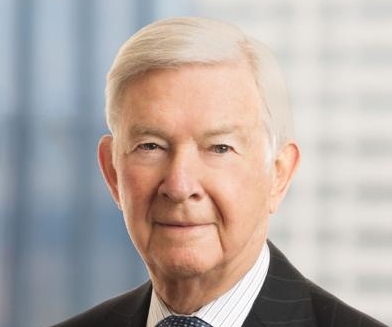
    Bennett L. Aaron, 92, of Bryn Mawr, longtime Philadelphia attorney, honorary trustee of the Jewish Federation of Greater Philadelphia, former president of the Federation of Jewish Agencies of Greater Philadelphia, board member for the Jewish Agency for Israel, onetime chair of the United Israel Appeal, mentor, volunteer, and world traveler, died Monday, June 1, of age-associated decline at Beaumont at Bryn Mawr retirement community.

    Born in Brooklyn, Mr. Aaron earned his law degree at Columbia Law School in New York in 1957, moved to Philadelphia, and spent the next six decades, until his semi-retirement in 2019, focusing on estate planning, gift taxation, probate, and trust law at Cohen, Shapiro, Polisher, Shiekman & Cohen and, later, Pepper Hamilton law firms.

    His clients included principals at Pocono Raceway and the Rite Aid Corp., and colleagues praised his ability to engage through both professional and personal connections. “He understood that estate planning was not merely about documents and tax strategy,” his family said in a tribute, “but about values, legacy, and protecting treasured family succession plans.”

    His son Steve said: “He was a superior listener and problem solver. That was his superpower.”

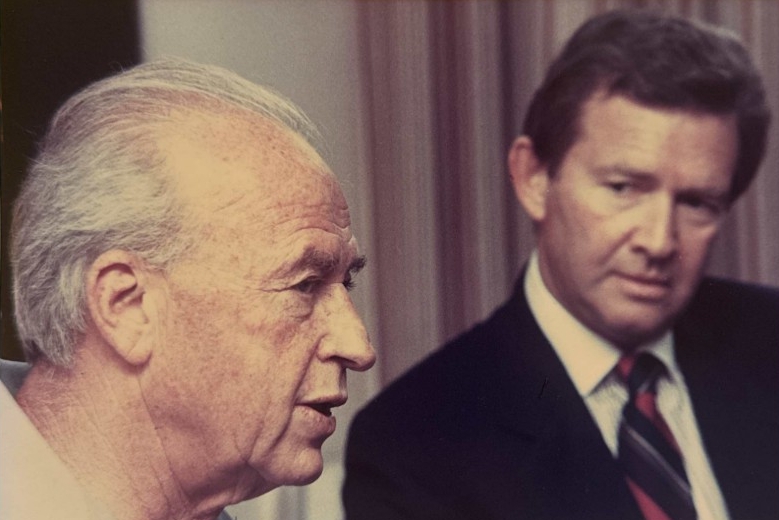
    Mr. Aaron (right) listens to Yitzhak Rabin, former primer minister of Israel.Courtesy of the family

    Mr. Aaron was friendly and energetic, his family said, and he excelled at collaborating through phone conversations and face-to-face encounters. He rarely micromanaged big contracts, colleagues said, but was available if something extra was needed.

    He mentored young lawyers and talked frequently with former Gov. Ed Rendell, former Sens. Arlen Specter and Bob Casey, and other government officials. Colleagues called him “a tremendous community leader and visionary” and “the smartest, warmest, most terrific guy” in online tributes.

    One colleague said: “It was easy to see the positive impact he had on those around him.”

    The son of a New York rabbi, Mr. Aaron was a prolific fundraiser and the local public face of Jewish philanthropy for decades. He served as president of the Federation of Jewish Agencies of Greater Philadelphia from 1983 to 1987, as chair of the United Israel Appeal for the United Jewish Appeal, as chief volunteer officer for the Jewish Federations of North America, and in other roles.

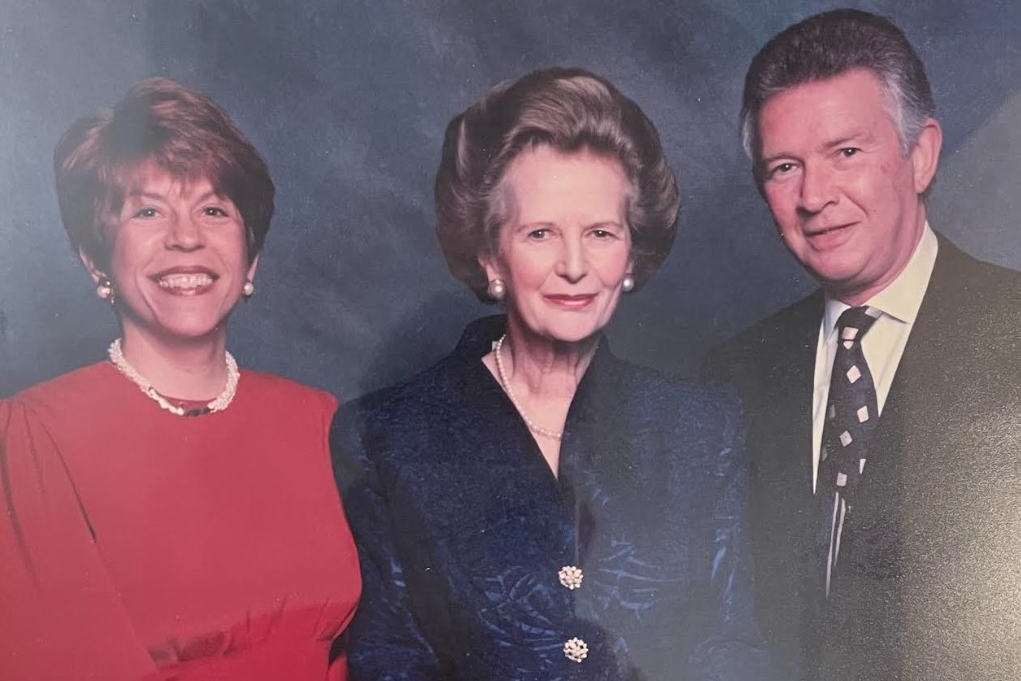
    Mr. Aaron and his wife, Carol (left), met Margaret Thatcher, former prime minister of the United Kingdom, on their travels.Courtesy of the family

    He was adept at balancing assets and liabilities for the nonprofit agencies. He oversaw record-breaking fundraising campaigns in Philadelphia and helped other leaders determine the direction of international Jewish philanthropy.

    His 10-hour fundraising phone-athon at the Civic Center in 1986 drew more than 2,400 volunteer callers and raised a then-record $2.4 million in pledges to the United Jewish Appeal. “We have no trouble getting more than enough volunteers for this,” Mr. Aaron told The Inquirer. “People look forward to coming here all year. There’s camaraderie and plenty of fun.”

    Colleagues at the Jewish Agency for Israel called him “an inspiration to many” and “a true mensch whose character, integrity, and warmth will be greatly missed.”

    Mr. Aaron traveled to Israel often and met with former Prime Minister Yitzhak Rabin, former U.K. Prime Minister Margaret Thatcher, and other leaders. “He worked tirelessly to foster understanding and solidarity between his Philadelphia community and Israel,” his family said. “He leaves behind a legacy of integrity, service, and enduring impact on the city he came to cherish and the causes that defined his life.”

    Mr. Aaron and his wife, Carol, married in 1955.Courtesy of the family

    Bennett Louis Aaron was born Oct. 2, 1933. He and his older brother, Joseph, shared a tiny bedroom, played stickball after school, and cheered for the old Brooklyn Dodgers baseball team.

    He graduated from high school at 16 and earned a bachelor’s degree at Columbia University in 1954 and a master’s degree in taxation at New York University School of Law in 1966.

    He met Carol Perlmann in 1953 at the Pennsylvania summer camp his parents owned, and they married in 1955. They lived in Merion and Bala Cynwyd before moving to Beaumont, and reared daughters Marjorie and Roberta, and sons Morrie and Steve. His daughter Roberta died in 2003.

    Mr. Aaron was an avid tennis player. He had season tickets to Eagles games and traveled with his wife to four Olympic Games.

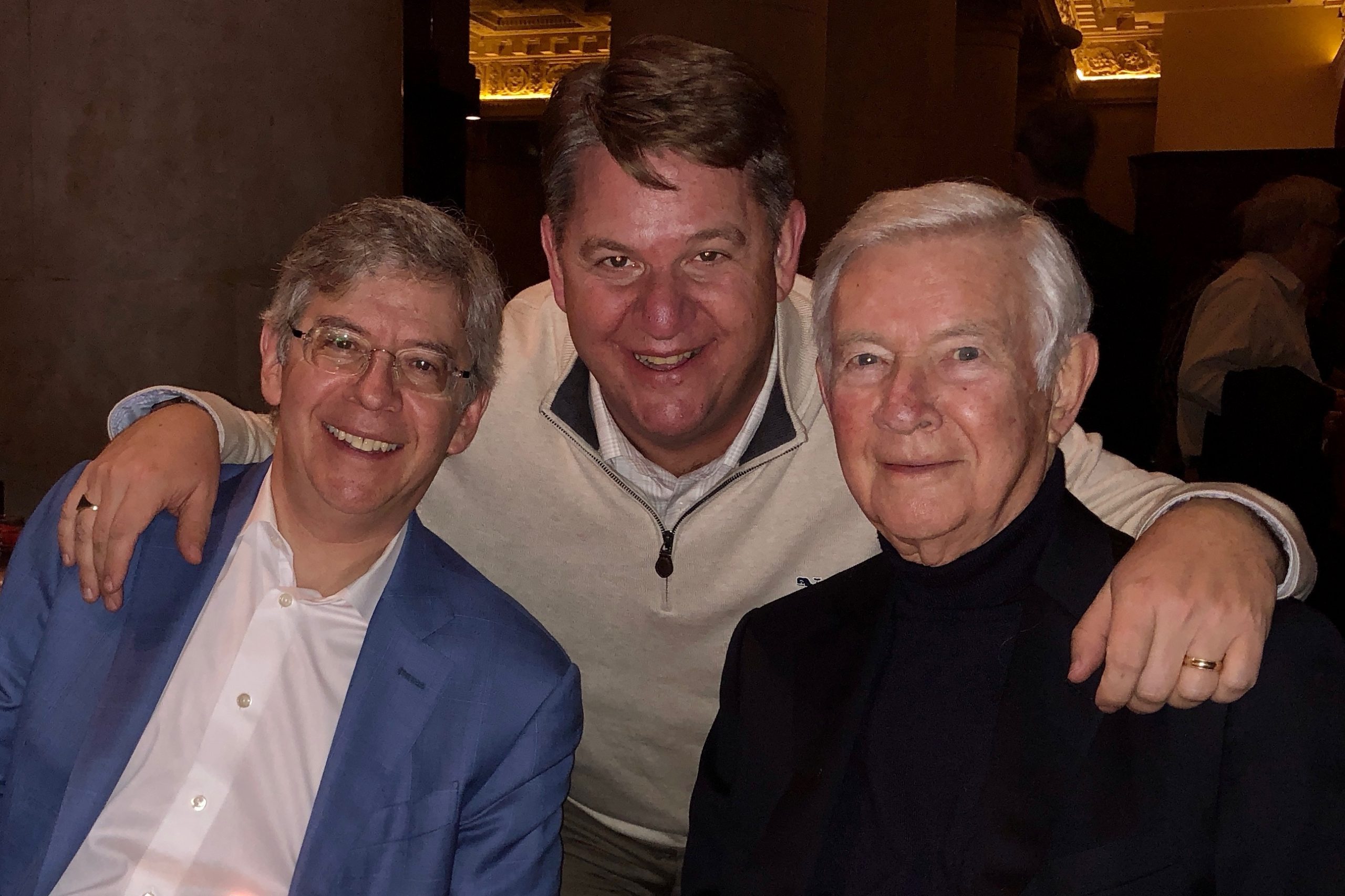
    Mr. Aaron (right) was close with his sons Morrie (left) and Steve.Courtesy of the family

    He cherished his family, everyone said, and he and his wife toured the world together. He was dapper and debonair. He liked to explore downtown city streets between meetings and answer the phone with “Hello there.”

    “He set the standard for hard work and integrity,” his son Morrie said, “always coupled with kindness, compassion, and generosity.”

    “He was the definition of a gentle man,” his son Steve said. His family said: “His was a life lived fully, purposefully, and with a really, really big heart.”

    In addition to his wife, children, and brother, Mr. Aaron is survived by eight grandchildren and other relatives.

    Mr. Aaron “was the definition of a gentle man,” his son Steve said.Courtesy of the family

    Services were held earlier.

    Donations in his name may be made to Penn State Hillel, 180 S. Garner St., State College, Pa. 16801; and the Jewish Federation of Greater Philadelphia, 2 Commerce Square, 2001 Market St., Suite 2300, Philadelphia, Pa. 19103.

  • David Briscoe, AP journalist who chronicled Philippines’ democratic revolution, dies at 82

    David Briscoe, a journalist for the Associated Press who chronicled the collapse of dictatorship and the rebirth of democracy during a dramatic period of upheaval in the Philippines, has died, his family said. He was 82.

    Mr. Briscoe died Sunday at an assisted living facility in Kapolei, Hawaii, said his wife, Leonor Briscoe. He was diagnosed in April with amyloidosis, a disorder in which protein buildup can lead to organ damage.

    In a career spanning decades and continents, Mr. Briscoe brought a reporter’s curiosity to his native Utah, to Washington and to Hawaii. But it was his perch in Manila that put him at the center of his biggest story.

    Taking the helm as bureau chief in 1980, Mr. Briscoe charted the waning years of Ferdinand Marcos’ authoritarian regime and the turmoil unleashed by the assassination of opposition leader Benigno Aquino Jr. He and his staff fanned out across the country in chartered planes, rented jeeps, and, at least once, a horse-drawn cart. They covered a relentless stretch of investigations, hearings and a presidential campaign so improbable it seemed scripted, with a reluctant widow thrust by tragedy to the forefront of a democratic movement.

    That thrilling conclusion, with Corazon Aquino ascending to the presidency and Marcos dramatically driven into exile, would stay with Mr. Briscoe forever. He recalled searing images “of nuns kneeling in front of military tanks” and “soldiers and civilians crying in each other’s arms.”

    “I expect to witness or cover no greater event in my life,” he wrote in AP World, an in-house magazine, in 1986, recounting his coverage of the upheaval.

    A love affair with the Philippines

    David Chesley Briscoe was born July 30, 1943, in Salt Lake City, Utah, to a union steward father and a homemaker mother who raised her two sons in the Church of Jesus Christ of Latter-day Saints. He grew interested in journalism at the University of Utah, writing for the student paper and eventually getting hired at the Deseret News, where editors handed him obituary assignments and pieces on standout local students.

    After two years there, Mr. Briscoe signed up for the Peace Corps and was assigned to Paracale, and then Naga City, in the Philippines, where he taught English. For a young man who had scarcely left Utah in his youth, every corner seemed to be a revelation, of water buffalo shimmering from mud baths and children running down dirt roads.

    He was smitten with his new home. When his Peace Corps tour ended, Mr. Briscoe bristled at the idea of leaving. He found work at a local newspaper, and while staffing an event in which Marcos was to speak, he met the former Leonor Aureus, editor of a rival paper. The two were soon walking down an aisle they lined with copies of The Naga Times and the Bicol Mail.

    A dramatic revolution unfolds

    Mr. Briscoe was hired by the AP in Manila in 1970, covering a deadly earthquake that rocked the capital, an assassination attempt on Pope Paul VI and the hijacking of a plane. By the next year, though, AP said he’d have to spend some time working in the U.S. He returned to Salt Lake, hoping fate might someday bring him back to the Philippines.

    In his hometown, he found ties with his faith were fraying. His wife says he was disciplined by the church after discussing its exclusion of Black men from its priesthood in a class he taught. Mr. Briscoe opposed the ban. The church later lifted the restriction.

    He also found himself at odds with the church over a three-part series he wrote with a colleague, Bill Beecham, examining its intricate web of business interests and tithing by its members that the reporters estimated brought in more than $1 billion a year. No Utah newspaper dared to run the stories, the pair said.

    Mr. Briscoe spent nine years in Salt Lake before his bosses dangled a chance to return to Manila as bureau chief. He rushed to phone his wife with the news.

    “Noree, are you sitting down?” she remembered him asking.

    From Washington back to the Pacific

    After his six-year stint running the AP’s office in the Philippines, Mr. Briscoe moved in 1986 to Washington, where he focused on international affairs. He was bureau chief in Honolulu from 2001 until retiring in 2009.

    There, dressed in aloha shirts and bathed in a tropical sun, Mr. Briscoe could again call a Pacific island home. He spoke of being “halfway back.”

    To his final days, he cherished his time in the Philippines. As the end neared, his family gathered around him and prayed. He grabbed his wife’s hand, told her he loved her, and asked her to let him go.

    The family plans to hire a boat and scatter Mr. Briscoe’s ashes in the waters of the Pacific, hoping the currents take his remains back to his adopted home.

    “The land that David learned to love,” his wife said, “and where he met the love of his life.”

  • Jackie Love, former Deptford Township deputy mayor and longtime champion of disability services, has died at 83

    Jackie Love, former Deptford Township deputy mayor and longtime champion of disability services, has died at 83

    Jackie Love, 83, of Deptford Township, longtime social justice activist, Black political pioneer, former council member and the second Black female deputy mayor of Deptford Township, former director of what is now the New Jersey Division of Disability Services, New Jersey Elected Officials Hall of Famer, mentor, and volunteer, died Friday, May 29, of age-associated decline at Shady Lane Nursing Home in Clarksboro, Gloucester County.

    Born in Philadelphia, Mrs. Love moved to Deptford Township when she was 13. She was reared by her grandmother, earned an associate’s degree in business administration at Camden County College in 1972, and served in government leadership roles for Deptford Township, Gloucester County, and New Jersey for four decades until her retirement in 2009.

    “Her caring spirit and willingness to help her community is a true example of a servant leader,” a former colleague said on Facebook.

    Mrs. Love was hired by Gloucester County officials in the 1970s to coordinate employment training programs and later to prevent and eliminate disability discrimination. She was the first director of the old Gloucester County Office for the Disabled in the 1980s and later was director of the Gloucester County Disabled Persons Advisory Commission.

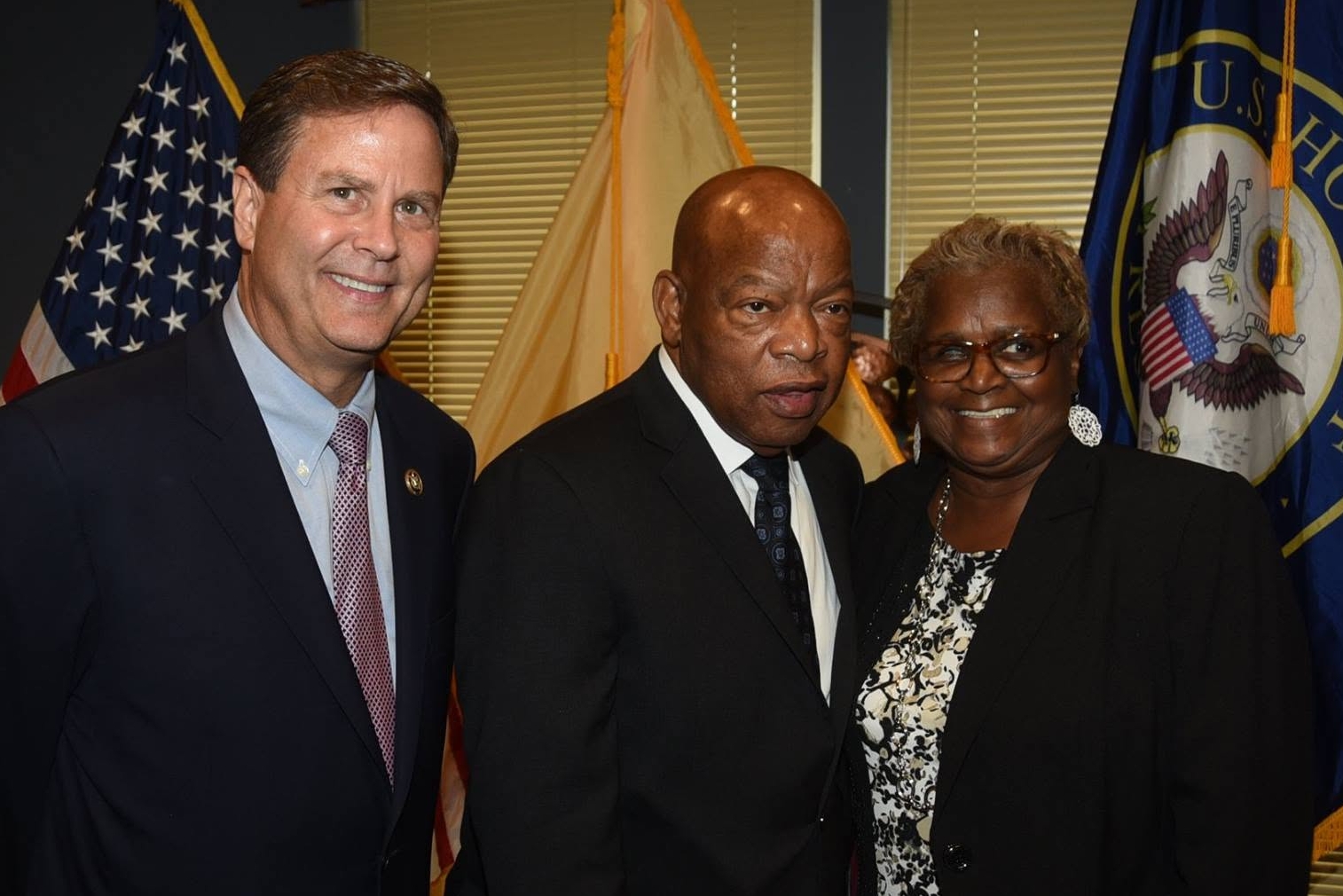
    Mrs. Love stands with U.S. Reps. Donald Norcross (left) and John Lewis.Courtesy of the family

    She became director at the old New Jersey State Office for Disability, now the New Jersey Division of Disability Services, in the 1990s and championed the installation of sidewalk ramps, curb cuts, and other improvements throughout the state. “We wanted to start making sure that we were accessible,” she told Front Runner New Jersey in 2025. “That’s a highlight of my life.”

    Mrs. Love first ran for Deptford Township Council as a Democrat in 1989. She received more votes than any of the other nine candidates, routinely collaborated with members of both parties, colleagues said, and became deputy mayor in 1996.

    “When Jackie was on council and she walked into a room, everybody knew who Jackie Love was,” Deptford Township Mayor Paul Medany told The Inquirer in 2015. “She’s known all over the state.”

    As Deptford council member and deputy mayor, Mrs. Love focused on reducing juvenile crime and lobbied for sound barriers along the New Jersey Turnpike, lower speed limits on busy township roads, responsible school budgets, improvements to animal waste disposal procedures, and upgraded vendor code guidelines. In 2015, Deptford Township officials renamed Church Street Park as the Jackie Love Community Park.

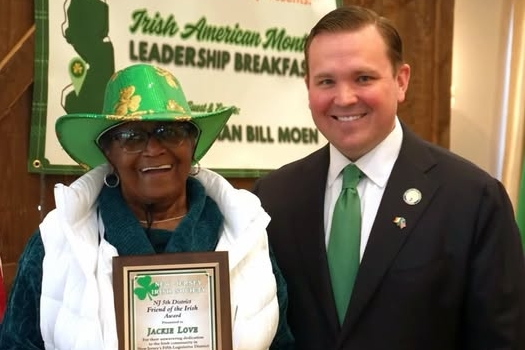
    Mrs. Love stands with state Assemblyman Bill Moen in 2025.New Jersey Irish Society

    “To see the future politicians and others out there playing and getting involved is another highlight of my life,” she told Front Runner New Jersey about the park.

    In 2005, the editorial board for the Courier-Post called Mrs. Love “loyal, hardworking, and a team player.” In a Facebook tribute, U.S. Rep. Donald Norcross (D., N.J.) said: “Jacquelyn Love was a force for good in Deptford for generations. She paved the way for others as a Black female deputy mayor … and long remained a champion for civil rights, faith, the disabled, and many more throughout her life.”

    Mrs. Love also served as a commissioner for the Delaware River Port Authority. She was active with the Gloucester County Minority Coalition, the Gloucester County College advisory committee on diversity and civility, and other groups.

    She recruited volunteer poll workers and was a delegate for Bill Clinton at the 1992 Democratic National Convention in New York. In the 1970s, she traveled the country with civil rights leader Leon Sullivan and helped organize his Opportunities Industrialization Centers of America.

    Mrs. Love (left) enjoyed time with her family.Courtesy of the family

    She was named the 1987 Woman of the Year by the Gloucester County chapter of the NAACP, honored in 2005 by the Gloucester County Human Relations Commission, and inducted into the New Jersey Elected Officials Hall of Fame in 2010. In March, her achievements were recognized by the New Jersey Irish Society.

    Mrs. Love mentored dozens of colleagues and friends, conferred frequently with Philadelphia Mayor Cherelle L. Parker, and volunteered at Mount Zion Wesley United Methodist Church and for the United Way. On Facebook, former colleagues called her “a once-in-a-lifetime type of leader” and “one of the most dedicated public officials I have ever had the honor of working with.”

    Jacquelyn Williams was born Sept. 10, 1942. She dropped out of Woodbury High School at 17, earned her General Educational Development certificate later, and worked at first as a counselor at Ancora Psychiatric Hospital in Hammonton.

    She married Arnold Love in 1972, and together they reared her daughter, Wanda, and their son, Wayne. Her husband died in 1985.

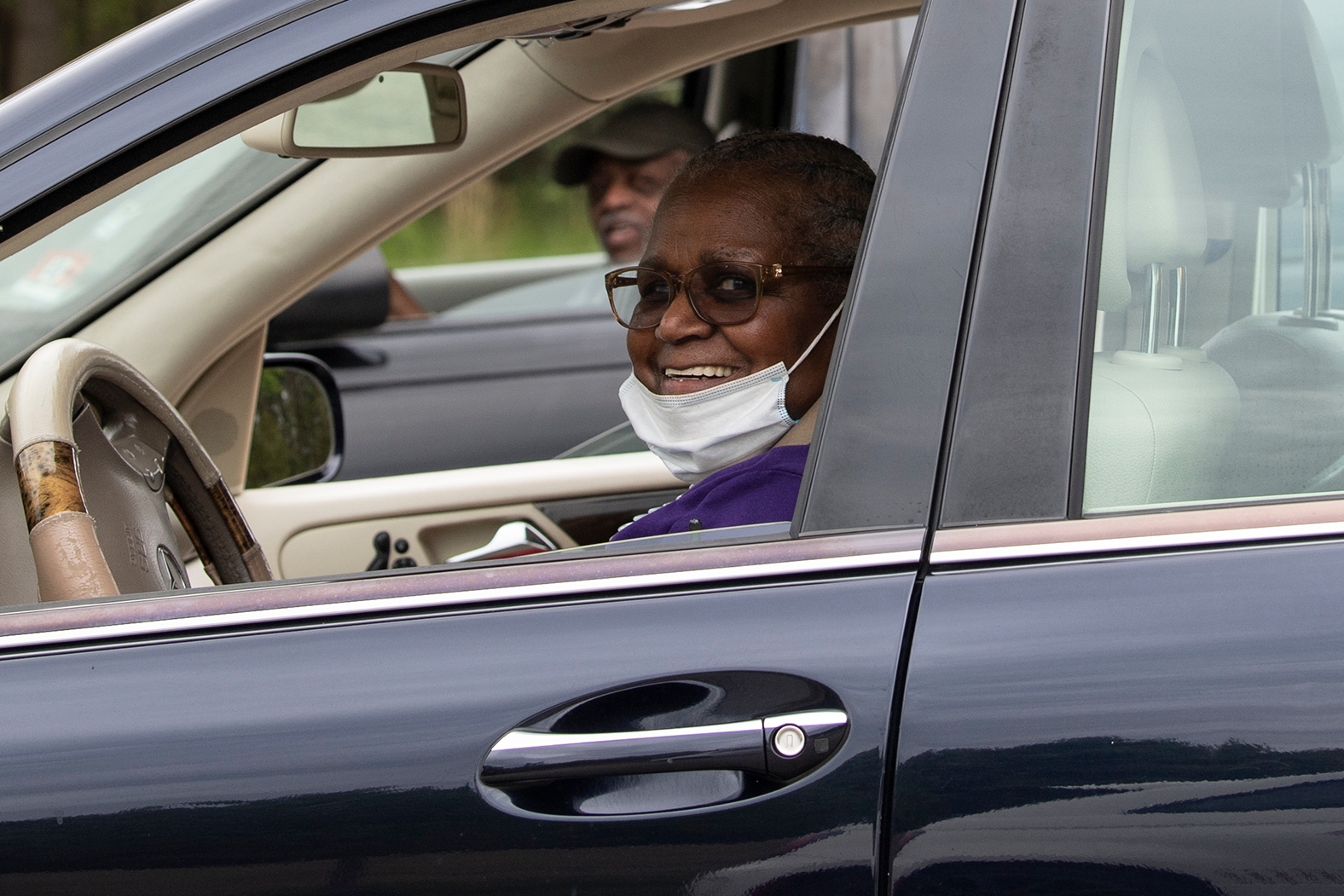
    Mrs. Love participated in this 2020 drive-by salute to a friend’s 60th wedding anniversary. Jose F. Moreno / Staff Photographer

    Friendly and classy, friends said, Mrs. Love wore memorable hats and enjoyed shopping at local Amish markets. She visited Amish friends in Lancaster when she was young, took classes at what are now Rowan and Rutgers Universities, and lived in Jericho for decades.

    Friends called her a “cornerstone of this neighborhood” and a “wonderful down-to-earth lady.” One friend said: “Jackie set the standard for leadership and dedication to her family, faith, friends, and public service.”

    Her son said: “She showed love to so many people.”

    In addition to her children, Mrs. Love is survived by four grandchildren, four great-grandchildren, a sister, and other relatives.

    Visitation with the family is to be from 8 to 10 a.m. Friday, June 12, at Gloucester County Community Church, 359 Chapel Heights Rd., Sewell, N.J. 08080. A service is to follow.

    Friends called Mrs. Love a “cornerstone of this neighborhood.”Courtesy of the family
  • Robert Coles, Pulitzer-winning child psychiatrist, is dead at 97

    Robert Coles, a child psychiatrist by training and a storyteller by inclination whose scores of books and articles transported readers into the minds of children, opening new vistas on issues as varied as race relations and moral reasoning, died Thursday in Lincoln, Mass. He was 97.

    The death, at a hospice facility, was confirmed by his son Robert.

    A longtime professor at Harvard University, Dr. Coles eschewed ideologies and psychiatric orthodoxies, visiting the homes of children — first in the American South and then around the world — to listen intently to what they, their parents, and others had to say. He returned again and again, sometimes for months or even years, building the trust that underpinned his work.

    He told searing accounts illustrating illusive truths of a fast-changing society, beginning with the tale of Ruby Bridges, who as a 6-year-old walked through a screaming mob in 1960 as part of an effort to integrate a public school in New Orleans. From the households of poor Black families to those of rich white ones, from Appalachia to the Arctic, Dr. Coles visited children whose voices were not often heard. He once rode a bus for a whole year with Black youngsters being transported to schools in white neighborhoods.

    Dr. Coles then wrote it all down, distilling the tape recordings of conversations, the children’s crayon drawings ,and his voluminous notes into compelling verbal snapshots of how children grapple with challenge. His five-volume book series Children of Crisis was published between 1967 and 1977; Volumes 2 and 3 won him a Pulitzer Prize in 1973.

    Some criticized his approach as scattershot and unscientific, and Dr. Coles readily admitted he veered from exact transcriptions to tell what he considered greater truths.

    But eminent sociologist David Riesman said in an interview with Time magazine in 1972 that the effect of Dr. Cole’s work was to obliterate stereotypes, to demonstrate that “policemen are not pigs, white Southerners are not rednecks, and Blacks are not all suffering in exotic misery.”

    “What he is saying is ‘People are more complicated, more varied, more interesting, have more resiliency and more survivability than you might think,’” Reisman said. “‘I listen to them! You listen to them! Please listen! Again and again!’”

    Dr. Coles offered proof “that hope is alive,” Kenneth Clark, a psychologist whose insights contributed to the Supreme Court outlawing the racial segregation of schools in 1954, said in an interview with the New York Times Magazine in 1978. “I don’t know if he’s one of the 10 just men required to keep this world spinning around,” Clark said, adding: “You can’t judge him by normal standards any more than you could Martin Luther King; they are men possessed.”

    Dr. Coles acknowledged a sense of “moral anxiety” as a white man writing about those with a less privileged existence.

    “I work with very vulnerable people, and yet I’m not very vulnerable myself,” he said in an interview with the New York Times in 1997. “It makes me uncomfortable, seeing the disparities between the world I document and the world I inhabit.”

    Dr. Coles was an exceedingly popular professor at Harvard, using great literature to stimulate debate in courses in its undergraduate college, as well as its schools of medicine, law, business, and government. He wrote books on personalities as diverse as Bruce Springsteen and the novelist Walker Percy, and also found time to write novels, children’s books, and poetry.

    He was awarded a MacArthur Fellowship in 1981, the Presidential Medal of Freedom in 1998, and the National Humanities Medal in 2001.

    So what was he? Dr. Coles variously described himself as a doctor, child psychiatrist, wanderer, oral historian, social anthropologist, teacher, friend, storyteller, busybody, nuisance, and “idiosyncratic oddball.”

    His friend Percy, himself a physician, once judged that the doctor designation, if broadly applied, might be most apt.

    “He treads a narrow path between theorizing and novelizing and emerges as what in fact he is: physician, and a wise and gentle one,” Percy said. “He is doctor to the worst of our life.”

    Robert Martin Coles was born Oct. 12, 1928, in Boston, to Philip Coles, an engineer who immigrated from England, and Sandra (Young) Coles, the daughter of an Iowa Episcopal minister. A deeply affecting memory of his youth in the suburb of Milton was how his parents read Charles Dickens, George Eliot, and other novelists aloud to each other.

    He went to Boston Latin School and graduated from Harvard in 1950. An essay he wrote on William Carlos Williams, the poet and pediatrician, led to him meeting Williams. After reading the essay, Williams replied on a prescription slip: “Not bad — for a Harvard student.”

    Dr. Coles was inspired to become a doctor himself, and earned a medical degree from Columbia University and interned at University of Chicago clinics.

    He said in an interview with the journal Christianity and Literature in 2005 that he worked with polio patients as a resident at Massachusetts General Hospital, and became interested in addressing the psychological impacts of the disease. This, as well as a reluctance to inflict pain on children by giving them shots, persuaded him to switch his specialty from pediatrics to child psychiatry.

    In 1958, he was drafted into the Air Force, given the rank of captain and sent to a psychiatric hospital in Biloxi, Miss. He became angered over the treatment of Black Southerners after he saw a “vicious” fight erupt when Black people tried to integrate a beach.

    He began his study of children with Bridges, whose poise in the face of racism moved him deeply. The girl was threatened daily on her way to class. She was told her food was poisoned and was kept isolated in a classroom without other students for a year.

    Dr. Coles noticed that she seemed to be talking to the hostile white people, and asked her why. She said she was praying for them.

    But why? “They need praying for,” the little girl said.

    Bridges would be a central theme running through Dr. Coles’ career. She inspired him to write about children’s moral and spiritual lives, and the two wrote a children’s book together.

    And when Bridges grew up, she told him that it was time for him to write Women of Crisis to accompany his earlier series.

    Dr. Coles teamed up with his wife, Jane, to write that two-volume women’s study, which was published in 1978 and 1980. But that was hardly the greatest of her contributions to his work: It was she who had urged him to stop asking questions during an interview with children in New Orleans when they were responding with a long series of monosyllabic replies.

    “Why don’t you just shut up and watch television with them?” she said, according to an oral history interview with Dr. Coles by the Southern Oral History Program in 1974.

    In Volume 4 of Children of Crisis, Dr. Cole described the approach he finally developed. No questions — or at least, not many.

    “I would tell the children I wasn’t interested in finding out anything in particular,” he said, “merely knowing, to a degree, how they lived and what they thought about — insofar as it was their inclination to tell me.”

    One thing Dr. Coles learned about children was that they were absorbed in their daily environment, not focused on concerns like nuclear war. Even when they did talk about such issues, they grounded them in their daily lives. A Black child in Mississippi once told him that, “If the Ku Klux Klan ever get that bomb, it would be real bad for us.”

    He noted that children of migrant workers saw everything as temporary. Or, rather, he let a migrant child make the point for himself: “I love the yo-yo, because it keeps going, up and down, and that’s what I do.”

    Pictures often told more than words. A deprived child of a migrant worker depicted himself without arms and gave the boss an ogre’s ugly teeth.

    As Dr. Coles moved around the country to study groups as diverse as Alaska Natives, wealthy suburbanites, and Hopi Indians, his wife and three sons moved with him.

    Jane Hallowell, whom Dr. Coles married in 1960, died in 1993. In addition to Robert, he is survived by two more sons, Daniel and Michael, and four grandsons. He lived in Concord, Massachusetts.