U.S. Central Command, which oversees military operations in the Middle East, said on social media that the carrier arrived in the region Wednesday. It was not clear when the USS Abraham Lincoln would arrive back in the U.S. or whether it would make a port stop along the way, but the journey takes just over a month.
The Washington arrived as concerns have grown about the Lincoln’s lengthy deployment, which has included a record-setting uninterrupted time at sea of more than 250 days, and about reports of crew stress and poor mental health, as well as supply shortages, including food and hygiene products.
Several Democratic lawmakers have pressed the Department of Defense for accountability over conditions aboard the Lincoln, which Defense Secretary Pete Hegseth has said were “completely misrepresented.”
Hegseth spoke with the Lincoln’s crew last week, and Adm. Brad Cooper, head of U.S. Central Command, visited this past weekend. In an editorial published Sunday by The Wall Street Journal, Cooper said the crew “delivered a performance for the ages, and now you are going home.”
Extended deployments of carriers wear on service members who are away from home for long periods and increase strain on the ship and its equipment. While renewed hostilities between the U.S. and Iran calmed in recent weeks, the Navy is enforcing a reimposed blockade on Iranian ports in the Strait of Hormuz, and the Trump administration has offered no clarity on how it intends to wind down the war.
Hegseth has said the U.S. can maintain the blockade “indefinitely.”
President Donald Trump this week downplayed reports about conditions on the Lincoln, which left its homeport in San Diego in November and arrived in the Middle East in January. Trump called the nearly nine months at sea that the sailors endured a “good period of time” but added that “over the years, we’ve had them out there much longer.”
Trump told reporters Monday that he spoke with a retired admiral over the weekend who recounted being on ships for “much longer.” Trump said the admiral assured him that the Lincoln is “beautifully maintained and beautifully taken care of.” Trump did not name the admiral.
In a statement Sunday after visiting the Lincoln, Cooper praised the carrier’s leaders for prioritizing mental health and resilience.
“History will record this deployment as one of the most operationally intense and consequential of the modern era,” Cooper said.
The Washington joins the USS George H.W. Bush in the Middle East, leaving Asia without an American carrier strike group at a time when China has shown more signs of aggression.
The lack of a U.S. carrier in the Pacific may be short-lived if the Navy deploys another in the next couple of months. But it shows how the open-ended operations with Iran are running some American sailors ragged, analysts say, while the Trump administration further retreats from the Asia-Pacific region and focuses on the Western Hemisphere.
Everything seemed primed for President Donald Trump to get his ballroom.
No, not that ballroom. His other ballroom.
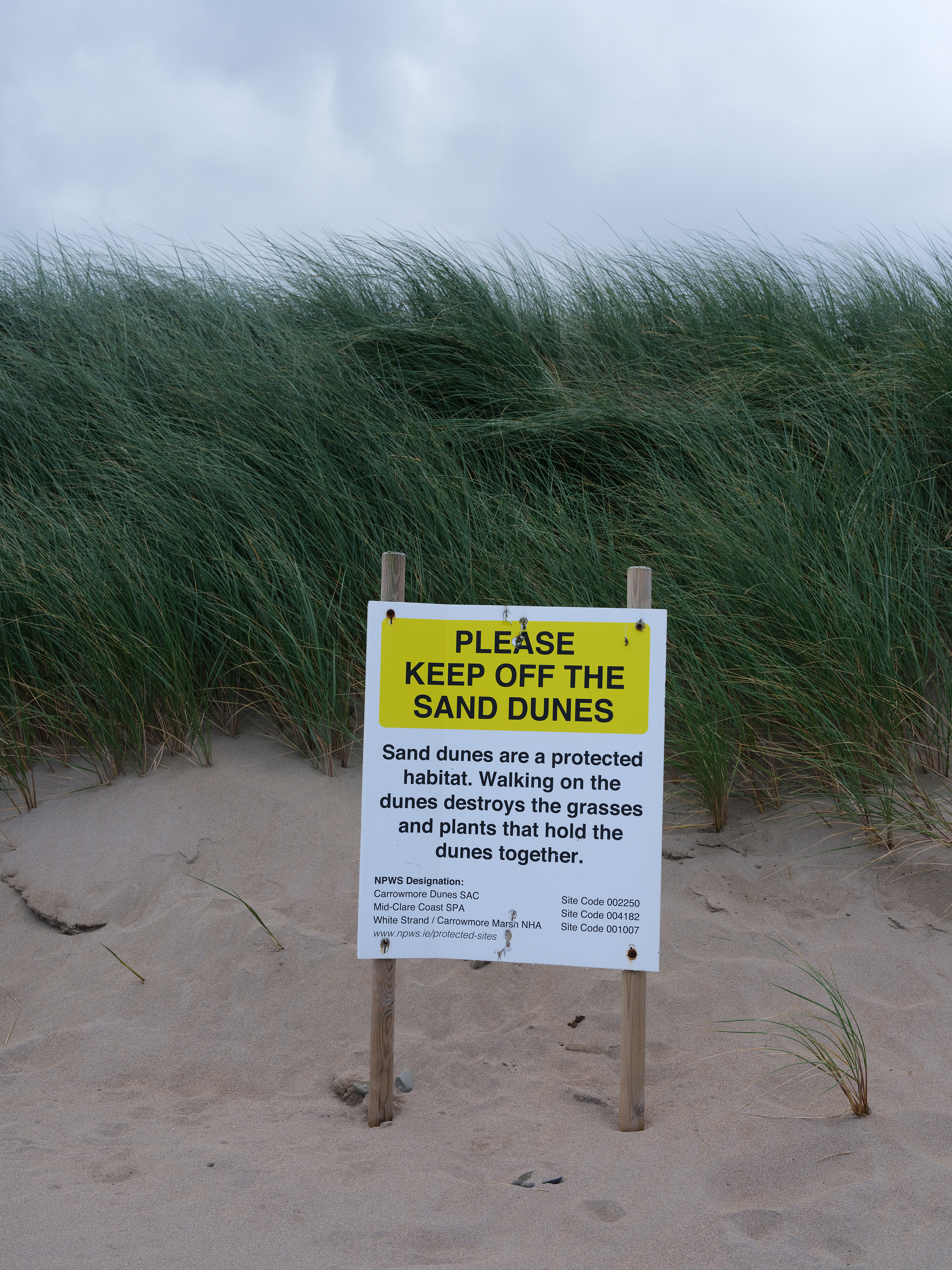
Across the Atlantic, in the tiny village of Doonbeg, where the Trump International Golf Links & Hotel rises above the dunes of a wind-swept beach, the president and his family had promised to build “the nicest ballroom in Ireland” — a grand edifice that would extend across 12,000 square feet and seat 320 guests at 42 tables.
And unlike in Washington, where Trump’s push to fast-track a grandiose White House ballroom set off a political and legal fight that has now reached the Supreme Court, the population of Doonbeg, which hovers around 300, had lined up behind the project.
In a letter to the local planning commission, a local pub owner said it would halt the village’s decline. Another resident said it would create jobs and bring in offseason tourism. A statement by the Doonbeg Football Club called the golf resort “not just a business … but an integral part of our community.”
Even the snail lobby had been appeased.
Questions over the fate of the threatened Vertigo angustior snail — a microscopic mollusk nestled in Doonbeg’s sandy dunes — had bedeviled the golf property even before the Trump Organization owned it. But in February, the commission approved the ballroom provided the Trumps offer a snail restoration plan.
“The ballroom,” said Rita McInerney, a Doonbeg resident and member of the Clare County council, had become “part of the community’s vision.”
The jubilation, however, was quickly cut short.
Days after the February approval, a lone appeal was lodged by Liam Madden, a hermetic figure notorious for blocking hundreds if not thousands of development projects across Ireland, including a previous expansion plan in Doonbeg. Impervious to shaming or calls for decency, he once stirred such rage that a foe attacked him with a blowtorch.
“Please,” Madden urged the appellate board, “refuse this nonsense.”
Trump’s other ballroom was stalled.
Guests ride horses at Trump International Golf Links Ireland.Anastasia Taylor-Lind
How to torpedo a project
Madden is a tall man with white hair who lives in a historic house behind a thick stone wall in the Irish village of Longford. He owns no cell phone. He has no website. No social media accounts. The only way to find him is either through his malfunctional landline or an email address that identifies him, in Latin, as the “Irish Vitruvius.”
And yet, people across this country know the name Liam Madden.
When confronted by bothersome development projects, the Irish over the years have turned to this quarrelsome and punctilious man for his ability to torpedo plans. He is what many in Ireland call a “serial objector” — someone who makes a living by appealing planning commission decisions. Madden, however, bristles at that classification.
Instead, when he’s feeling reticent, he describes himself as “the most successful appellant in the history of the Irish state.” At other times, including in interviews with the Washington Post, he referred to himself as a “god,” a “hero,” a “celebrity.”
“There simply isn’t anyone better,” he said. “It’s a scientific fact.”
“I’m modest as well,” Madden, 76, added. “That’s one of my failings.”
His profession is an unintended outgrowth of Ireland’s wildly permissive planning appellate system. In most of Europe and the Americas, a person typically needs to legally demonstrate some stake — financial, geographic or otherwise — to gum up a project with an objection. Ireland has taken a different tack.
All anyone has to do to file an appeal — and trigger a monthslong review by An Coimisiún Pleanála, the national appellate planning board — is submit a preliminary “observation” and pay a nominal fee. Appellants don’t have to be Irish. Or even in Ireland.
“There’s no such thing as too much democracy,” reasoned Lorcan Sirr, a housing analyst at Technological University Dublin.
A house in Doonbeg is painted in preparation of the Irish Open Golf Tournament.Anastasia Taylor-Lind
The system increasingly has become a matter of national controversy. Developers complain that it’s an impediment to progress, vulnerable to abuse and fueling a cottage industry of serial objectors, some of whom have used appeals to extract payments from developers. In 2024, lawmakers proposed reforms.
Madden, who’s never been accused of such improprieties, looks at other serial objectors as a lesser form of the species. He said he would never profane his craft with profit-seeking. What motivates him is the pleasure of winning — identifying even the smallest legal violations to bedevil his adversaries.
That, and bald-faced publicity. “I’m perpetually seeking notoriety,” he said.
So in January, while flipping through the papers, he saw what he recalled as a “golden opportunity.” In Doonbeg, roughly three hours from Madden’s house by car, Eric Trump had proclaimed his intent to build the “nicest ballroom in Ireland.”
Madden knew then what he must do.
“If there is a God in heaven,” he declared one July evening, “I will win the planning appeals and capitalize on it for notoriety.”
Volunteers for Doonbeg Tidy Towns water flowers along Main Street.Anastasia Taylor-Lind
A village praying for a golf course
Doonbeg was in trouble. As the 1990s drew to a close, the shoreline village, whose history dated to at least the 1500s, was fading.
“We weren’t poor in community,” said Tommy Comerford, a fifth-generation Doonbeg resident. “But we were poor in jobs and opportunities to keep our young people.”
The community pitched the European Regional Development Fund on a golf course — and won financing for it. Designed by famed golfer Greg Norman, the Doonbeg Golf Club opened in 2002, just as the local population fell to 206.
Busloads of golf tourists from the United States and Canada were soon rolling in. Seasonal employment at the club — which quickly added a luxury hotel and events space — grew to 300 people. Residents who’d left were coming back.
“The golf resort is so important to us,” said Seoirse Comerford, 52, who returned to take over the family pub.
But the resort could not turn a profit. By 2011, it had lost a reported $70 million. In January 2014, it was put up for sale, and worry spread through Doonbeg.
“It was like, ‘Oh my God, 300 jobs — gone,’” said Caroline O’Brien, a resident.
A savior, however, quickly arrived: an American buyer named Donald Trump. He touched down at Shannon Airport in May 2014 and immediately declared his plans for the resort.
“One of the main reasons I’m here is siting the ballroom,” Trump said. “A truly great ballroom. I believe people from all over the world will be using this ballroom.”
The sand dunes of Trump International Golf Links, as seen from Doughmore Bay Beach. Anastasia Taylor-Lind
‘I’ll be a friend to the snail’
Shortly after the sale’s announcement, an Irish environmentalist named Tony Lowes got a call from Trump.
“I’ll be a friend to the snail,” Lowes recalled Trump declaring.
Questions over the threatened Vertigo angustior, a fickle creature with exacting ecological needs, had long troubled the golf course. Even before it was built, Lowes’s Friends of the Irish Environment had filed a lawsuit to protect the snail. A judge ordered that the snail’s lot be “maintained or improved” and a settlement agreement even allowed for the appointment of a snail expert as a sort of steward.
For years, the snail thrived, and Trump promised to sustain its roll.
But Lowes said the Trumps haven’t kept their word, and the snail’s population has plunged. Shortly after they bought the resort, the snail expert was dismissed. (The expert didn’t respond to requests for comment.) Then, in 2016, the Trumps proposed building a 1.7-mile rock barrier wall along Doughmore Bay Beach to forestall shoreline erosion and protect the links from storm damage.
Environmentalists said the plan, even after it was scaled down, would alter the dunes’ delicate alchemy and doom the snail. To block construction, Friends of the Irish Environment filed an appeal with the national planning board. At its side, with his own appeal, was Liam Madden.
The board decided against the Trumps. Madden basked in glory.
Comparing himself to Saint Patrick, Madden at the time said he’d drive Trump “out of Ireland” like a “snake.”
Trump International Golf Links Hotel, seen from Doughmore Bay Beach. Anastasia Taylor-Lind
The making of a serial objector
When he graduated from architecture school in 1973, Madden said he wanted only an architect’s life. But the planning system was so integral to his work that he immersed himself in planning law and, upon submitting his first appeals, realized, “I was very good at it.”
During the mid-1990s, as Ireland experienced a building boom, people began seeking out Madden for his unusual acumen. Some wanted him to clear a project’s way. Others wanted the opposite. He became friend and foe to developers.
“He had a nickname among developers: the ‘Condom Man,’” said Irish federal senator Joe Flaherty. “You’d use him once, and then throw him out.”
Most of Madden’s work was done in obscurity. But his name nonetheless often rose to public notice.
First came a political campaign in 2004 against a candidate also named Liam Madden, for nothing more than what Madden called “devilment.” Then he stalled a project by the Gaelic Athletic Association, which is Ireland’s largest sporting organization, until it apologized to him over a decades-old grievance.
In 2013, Madden delayed the reopening of St. Mel’s Cathedral, a massive church that suffered a devastating fire, by objecting to a glass elevator that he alleged would offend the “modesty” of “Scotsmen visiting in their kilts.”
The town was furious.
“It was hugely emotional for the town,” Flaherty said. “It was two middle fingers to the local community.”
The attention only spurred Madden on. He objected to a fast food development. He objected to converting an abandoned factory into a car auction site. He objected to Trump’s barrier wall. And he objected to UFC legend Conor McGregor’s bid to build a boutique hotel, challenging him to a “bare-knuckle fight.”
Louis Herterich, a longtime client, said most people simply didn’t get Madden. “He’s just different,” Herterich said. “His god is being right and getting it right and winning.”
Flaherty added: “Nobody in their right mind would want to be Liam Madden — the criticism, the open contempt — but he relishes it.”
In a way, the two men said, they almost felt sorry for Trump.
“Even if he loses,” Flaherty said, “he’ll just find something else and keep going at it.”
Newly built houses in Doonbeg. Anastasia Taylor-Lind
A fatal error?
To Madden, there is no way he’ll lose — not this one.
“I’ve caught them with their pants down,” he said while beaming one July evening.
He returned to the snail — this time focused on helicopters. The Trump Organization, a promotional video indicated, allows guests to be ferried in and out by helicopter. In materials published online, an aviation company, Executive Helicopters, said it has two “heli landings” at the resort, one by the hotel and one on the golf course.
To Madden, this was a “fatal error”: The Trump Organization neither mentioned the helicopters nor sought to measure their ecological impact. The ballroom proposal thus was “tainted at law and beyond remedy,” he wrote.
Plus, Madden wrote, “Would our poor little Vertigo Angustior survive?”
The Trump organization didn’t respond to a request for comment. Golf course manager Joe Russel declined to comment. Executive Helicopters didn’t respond to a request for comment.
Geraint Ellis, an expert on Irish planning law who reviewed the appeal at The Post’s request, said Madden’s objection wasn’t frivolous. “Mr. Madden seems to have found some issues that are worthy of further scrutiny,” Ellis said.
As word spread of the objection, Doonbeg residents reacted with outrage. The golf resort had nothing to do with Trump, resident Rita McInerney said. Doonbeg started the resort, and will rise or fall with its fortune. How could a single outsider with nothing at stake kick up such trouble?
“Ludicrous,” she said.
“Disgraceful,” agreed Seoirse Comerford.
“Totally unfair,” added Tommy Comerford.
Doonbeg resident Rita McInerney said the ballrom became “part of the community’s vision.” Anastasia Taylor-Lind
In Washington, the White House ballroom is well underway. Foundational construction has started. The $900 million, 90,000-square-foot structure is coming into focus, including new details like gold-colored presidential seals. The Supreme Court is expected to rule this week, potentially giving it a green light.
But in Ireland, where the national appellate board is expected to rule by year’s end, Liam Madden insists the other ballroom will never be approved.
“Joe Biden beat Donald Trump once,” he said. “I’ve beaten him twice.”
LONDON — Prince Harry and his wife, Meghan, have decided to return to the United Kingdom, but they won’t resume their roles as working members of the royal family, British news media reported late Wednesday.
The couple’s children, Prince Archie, 7, and Princess Lilibet, 5, have already enrolled at British schools and will start classes in September, according to the Daily Telegraph, which broke the story. The family plans to live at a private, nonroyal residence outside of London, the newspaper said.
Harry and Meghan gave up their royal duties and moved to California more than six years ago to earn their living through lucrative contracts with Netflix and Spotify. Although relations with the rest of the royal family have soured since then, Harry has recently expressed an interest in reconciliation so he could spend more time with his father, King Charles III, who is being treated for an undisclosed form of cancer.
Charles was informed of the couple’s plans on Sunday and wasn’t told about them during Harry and Meghan’s visit to the U.K. last month.
Buckingham Palace has a policy of not commenting on speculation about non-working members of the royal family. A representative for Harry and Meghan declined to comment.
Harry and Meghan have had a stormy relationship with the royal family ever since they decamped to a mansion in the exclusive Southern California enclave of Montecito.
In a series of interviews and Harry’s memoir Spare, the couple said they left Britain to escape the restrictions of royal life and criticized palace officials for being insensitive to Meghan’s mental health while alleging that at least one member of the royal family had expressed racist views when she was pregnant with their first child. Meghan describes herself as biracial.
Those tensions were exacerbated by Harry’s long-running legal battle with Britain’s tabloid newspapers, which he alleges illegally hacked his phones and invaded his privacy when he was younger. The prince has lost a series of lawsuits against the media, including one against the publisher of the Daily Mail, which concluded last month.
The latest trial has left Harry facing a potential bill for millions of pounds after the court ruled he and other plaintiffs in the case were liable for the publisher’s legal fees. Associated Newspapers has filed documents showing that its legal costs amounted to 34.5 million pounds ($47 million).
Harry has also been embroiled in a legal wrangle with the British government after a government committee refused to authorize police protection for the prince and his family when they are in the U.K. The prince says he and his family need armed police protection because they are at risk simply because they are members of the royal family, regardless of whether or not they are working royals.
After losing a court battle over the security issue last year, Harry said he hoped to rebuild relations with his family.
“I would love reconciliation with my family. There’s no point in continuing to fight anymore,” Harry told the BBC. “I don’t know how much longer my father has.”
A tentative step toward that reconciliation came last month when Harry returned to the U.K. for a series of charity engagements. Meghan and the children joined Harry for part of the visit and they spent time with the king at his Highgrove estate in western England. It was the first time Archie and Lilibet had seen their grandfather since the late Queen Elizabeth II’s platinum jubilee in 2022.
While Harry has recently met with his father, there are no signs of a warming of relations with his brother, Prince William, the heir to the throne.
Peter Hunt, a former BBC royal correspondent, said the surprise announcement would make William “apoplectic.”
“In the short term, Harry will be able to deepen his rapprochement with his father,” Hunt told Britain’s Press Association. “And his presence back home will make it harder for his brother to duck a reconciliation.”
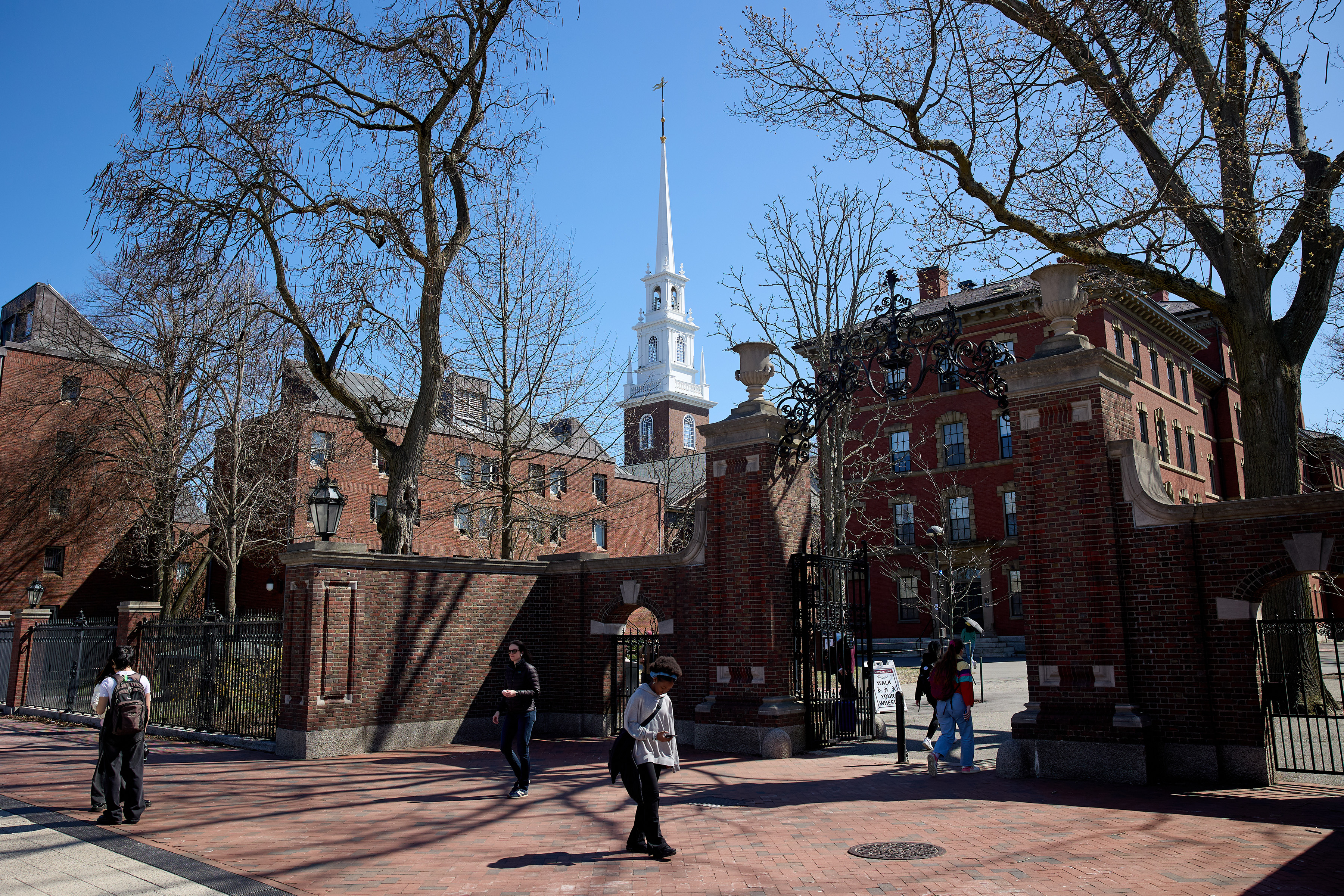
Harvard University said Tuesday that it had agreed to pay $53 million to settle claims that body parts that had been donated for research were stolen and sold by a former manager of the morgue at the university’s medical school.
The former manager, Cedric Lodge, 58, was sentenced to eight years in prison in December after pleading guilty to one count of interstate transportation of stolen goods. The university fired him in 2023.
Lodge had been entrusted with handling cadavers that were part of the Harvard Medical School’s Anatomical Gift Program and were supposed to be cremated after the research on them had been completed, prosecutors said.
But a sweeping federal investigation found that Lodge supplied brains, skin and other body parts to collectors in several states as part of a criminal network that involved several people, including his wife. Investigators said he drove the stolen body parts to his home in New Hampshire.
The breach went undetected from about 2018 until March 2023, tainting one of the nation’s most prestigious medical schools.
Families who accused Harvard of mishandling the remains of their loved ones sued the university. A Suffolk County Superior Court judge threw out a dozen lawsuits in 2024, but the Massachusetts Supreme Judicial Court revived them last year. It ruled that Harvard and the managing director of the Anatomical Gift Program were not protected by limited immunity under the Uniform Anatomical Gift Act.
George Q. Daley, dean of the faculty of medicine at Harvard, and Dr. Bernard Chang, the dean for medical education at Harvard Medical School, said in a statement announcing the settlement that the agreement would allow Harvard and the plaintiffs to avoid “prolonged litigation.”
“These events do not reflect the reverence we hold for the altruistic individuals who selflessly donate their bodies to our Anatomical Gift Program (AGP) to provide essential educational opportunities to medical and dental students, practicing surgeons and allied health professionals,” they said. “We reaffirm our deep sorrow and empathy for the families of donors who may have been impacted.”
The settlement was also announced in a statement from Morgan & Morgan, the law firm representing the donor families in Boston.
“Both Harvard and the plaintiffs’ attorneys worked diligently to come to an agreement so that these families can finally have closure and begin to heal,” Morgan & Morgan’s founder, John Morgan, said in the statement. “We hope that this resolution ensures that this never happens to another family ever again.”
Daley and Chang said in their statement that lawyers for Harvard and the plaintiffs would seek preliminary approval for the settlement at a hearing Wednesday. If it is granted, they said, two class-action settlement funds totaling $53 million will be established to resolve the lawsuits. A third-party settlement administrator will be appointed to notify potential class members of their eligibility and to distribute settlement funds.
The process is expected to take several months, they said.
Harvard Medical School has also agreed to issue a statement to the plaintiffs confirming that Lodge’s actions were “morally reprehensible” and another statement detailing changes that have been made to improve the Anatomical Gift Program.
Harvard has also agreed to establish an annual scholarship for medical students beginning in the 2027-28 academic year “in appreciation and in honor of all of our anatomical donors,” according to the university’s statement.
“While Lodge’s sentencing concludes the criminal case against him, and the class action settlement agreement when fulfilled would conclude the civil cases,” Daley and Chang wrote, “the process of recovering from this painful incident continues.”
A 41-year-old man allegedly fleeing sex-assault charges in Maine was arrested Sunday at Philadelphia International Airport as he attempted to board a flight to Germany, authorities said.
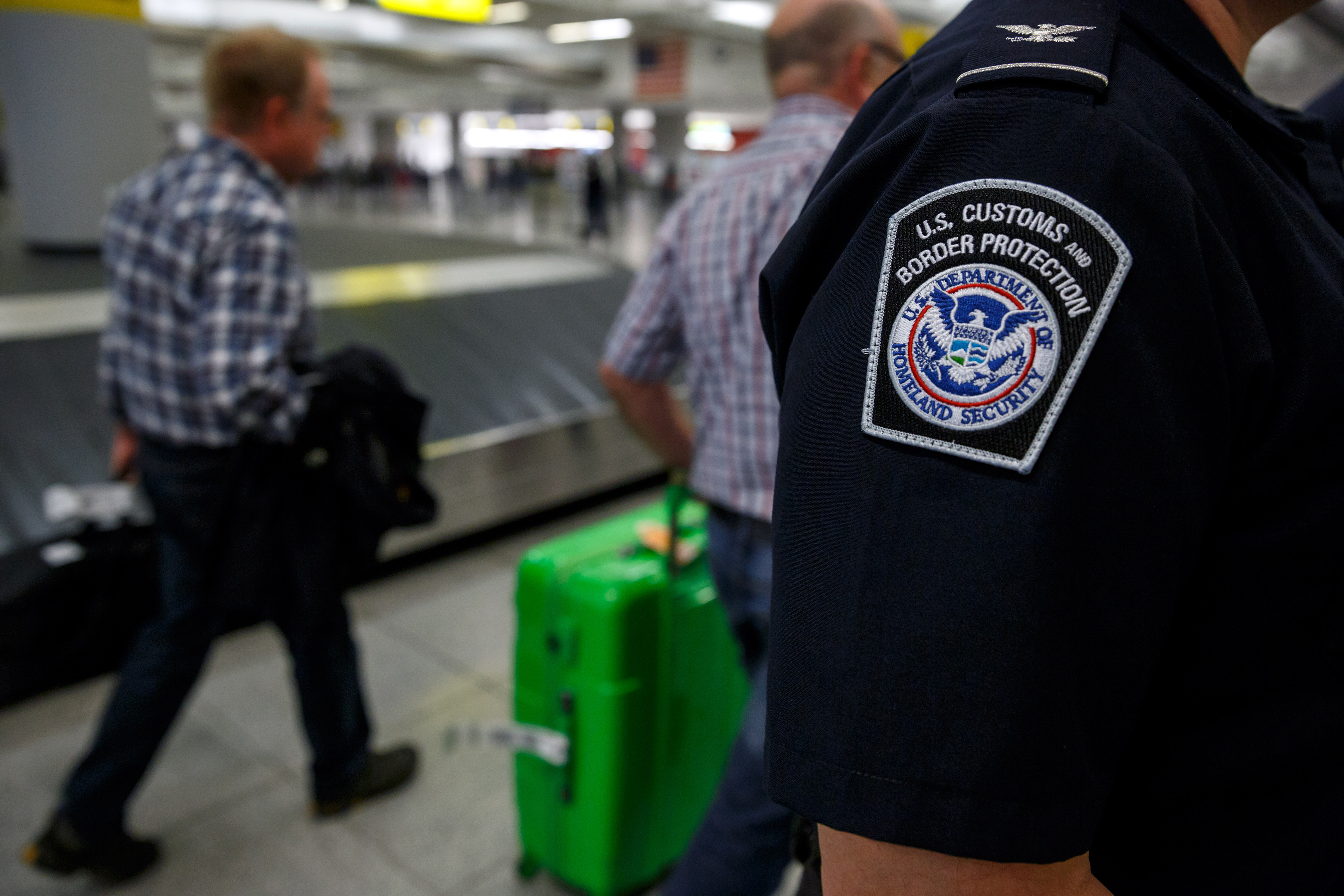
Matthew Thomas Cooley, of Solon, Maine, was stopped by U.S. Customs and Border Protection officers at the departure gate where he attempted to board a flight to Frankfurt on a one-way ticket, the federal law enforcement agency said Wednesday.
Cooley was transferred to the Tinicum Township Police Department to initiate extradition proceedings.
Court records show no attorney listed for Cooley, who was being held at the George W. Hill Correctional Facility in Delaware County.
In April, detectives from the Somerset County Sheriff’s Office in Maine went to Cooley’s home to arrest him in the sexual-assault case and Cooley allegedly pepper sprayed the detectives, CentralMaine.com reported.
Detectives began investigating Cooley after a 31-year-old woman alleged that Cooley sexually assaulted her twice last year, the news outlet reported. The woman also gave investigators videos and photos of multiple firearms and hundreds of boxes of ammunition kept in Cooley’s home.
Cooley was charged in Maine with two counts of gross sexual assault, one count of possession of a firearm by a prohibited person, and one count of domestic violence stalking. Cooley also was charged with two counts of assault on an officer, and one count of refusing to submit to arrest.
Elliott N. Ortiz, area port director in Philadelphia for Customs and Border protection, said in a statement: “Customs and Border Protection officers will always leverage our border security authority to help victims of sexual assault seek justice by capture dangerous fugitives attempting to flee the United States.”
Ortiz added: “Capturing dangerous fugitives is one way in which CBP works with our law enforcement partners to help keep our communities safe.”
JERUSALEM — Israel’s military on Wednesday announced its first criminal investigations into troop conduct in Gaza, focusing on the killings of 5-year-old Hind Rajab and her family and of 15 Palestinian paramedics.
The military said it would not probe three other attacks that killed aid workers from World Central Kitchen and Doctors Without Borders. It said it had completed reviews of 150 incidents of troop conduct in Gaza and made decisions on the five cases.
Chef José Andrés, founder of U.S.-based World Central Kitchen, condemned the decision on X as “wrong and painful.”
The investigations involve killings that drew a heavy international outcry. Hind was trapped in a vehicle with her slain relatives, pleading for help by phone before she too was killed in February 2024. After the shooting of the 15 medics in March 2025, troops then bulldozed their bodies into a mass grave.
Israel’s campaign in Gaza has killed more than 73,000 people, including tens of thousands of women and children, according to the territory’s Health Ministry. Rights groups and U.N. commissions have said the campaign amounts to genocide and that Israeli forces have committed a litany of war crimes, including indiscriminate use of force and deliberate killings of civilians.
Israel denies accusations of genocide and war crimes and says it is targeting Hamas after its October 2023 attack on southern Israel. It blames civilian deaths on Hamas because the militant group operates in populated areas in the tiny, overcrowded strip.
Israeli officials contend its justice system can address any violations by its troops, but rights groups say soldiers are almost never held accountable.
Wednesday’s statement did not mention many other high-profile killings that Israel has pledged to investigate, such as its strikes on a hospital in southern Gaza that killed five journalists in August 2025, including Mariam Dagga, a visual journalist who freelanced for The Associated Press and other news organizations.
The 5-year-old was the last alive in a stranded car
Hind’s grandmother, also named Hind Rajab, told the AP by phone that the Israeli investigation into her killing is not enough.
“An international investigation is required to uncover the truth and hold all those responsible accountable,” she said. “We call for justice, not only for Hind, but for all Gaza children.”
The military in Wednesday’s statement admitted to firing at the car carrying the 5-year-old, four of her cousins, and her aunt and uncle as they fled an Israeli invasion of Gaza City.
As gunfire sprayed around them, the girl’s cousin, 15-year-old Layan Hamada, called the Palestinian Red Crescent paramedic center, telling them her family had been killed. Seconds later, more gunshots were heard, and Layan’s screaming stopped, according to the Red Crescent recording of the call.
Palestinian paramedics dispatched an ambulance to rescue Hind and stayed on the line with her until contact was lost. Hind, her five relatives, and two medics from the ambulance were found dead 12 days later.
The military admitted Wednesday that troops had fired toward that ambulance, killing the two medics.
Dyab Abou Jahjah, director of the Belgium-based Hind Rajab foundation, told Al-Jazeera he considered the military investigations a “charade meant to whitewash the culprits instead of convicting them.”
The Palestinian Red Crescent also insists on an international investigation, said Raed al-Nims, a spokesman for the organization in Gaza. “Israeli measures are not enough,” he told the AP.
A movie docudrama about Hind’s death, “The Voice of Hind Rajab,” won international awards and was nominated for an Oscar.
The 15 medics had been trying to reach casualties
In the paramedics’ killing, Israeli troops fired on an ambulance driving to retrieve casualties from an Israeli offensive in the southern city of Rafah, then fired on other emergency vehicles that came looking for the first one, according to phone footage and the sole survivor of the shootings. Fifteen medics and emergency responders from the Red Crescent and Gaza’s Civil Defense were killed.
Troops then bulldozed over the bodies and vehicles, burying them in a mass grave. U.N. and rescue workers were only able to reach the site a week later to dig out the bodies.
The Israeli military initially said it opened fire because the vehicles were “advancing suspiciously” on troops without headlights or emergency signals. But it backtracked after the footage emerged, showing the teams driving slowly with their emergency lights flashing and logos visible. A deputy commander was directed to step down over the killings.
“We are not obligated to prove the truth because it is already proven to the whole world,” Eid Azizi, a Palestinian Red Crescent spokesperson, told the AP in a phone call. “We shouldn’t have reached this point if they respected and followed the international humanitarian law.”
Israel will not criminally probe World Central Kitchen strike
The military said it had decided against a criminal investigation into April 2024 airstrikes that hit a convoy of World Central Kitchen vehicles, killing seven staffers.
The aid group, which distributes food in Gaza, said at the time it had coordinated with the military over the convoy’s movement. The vehicles, which had the group’s logo on their roofs visible from the air, were left incinerated and mangled.
Wednesday’s military statement said individuals in the vehicles were mistakenly identified as armed Hamas operatives. But it concluded that the commanders’ decisions “did not raise reasonable suspicion of criminal misconduct.” At the time, two officers were removed from their positions and three others reprimanded.
World Central Kitchen responded in a statement saying the military’s account of the strike was untrue, “conflates different timelines and events, muddies the story and shifts the blame.” It called for an independent investigation.
The military also decided not to take criminal action over the killings of four staffers from Doctors Without Borders in two separate instances in November 2023 and February 2024.
What happens next?
Military investigators will now take up the probes and present their findings to military prosecutors. The military advocate general can then decide to keep investigating, indict any soldiers involved or decline to charge them.
Any action will take a long time, if it comes at all, said Tal Steiner, head of the Israeli rights group HaMoked.
Indictments are very uncommon and convictions even more so, she said, recalling only one soldier who had spent time behind bars since Oct. 7, 2023, for alleged abuse of Palestinian prisoners. That soldier was imprisoned for seven months under a June 2025 plea bargain.
“It’s very rare that soldiers accused of harming Palestinians even go to court … and even rarer that they get a severe punishment,” Steiner said.
Just 0.17% of all military investigations launched during three Gaza operations from 2014 to 2022 led to prosecution, according to an analysis by Israeli rights group Yesh Din.
The war’s toll keeps growing
The war began on Oct. 7, 2023, when Hamas-led militants killed 1,200 people, mostly civilians, in southern Israel and abducted 251 others.
Israeli strikes have continued in Gaza since a ceasefire deal came into effect in October, killing at least 1,270 people, according to the Health Ministry.
The ministry, part of the Hamas-led government, maintains detailed casualty records that are seen as generally reliable by U.N. agencies and independent experts. It does not give a breakdown of civilians and militants but says women and children constitute about half of the dead.
WASHINGTON — The Kennedy Center has told a federal court that it would not attempt to return President Donald Trump’s name to the building’s facade before at least Sept. 8 as another legal battle over the performing arts venue’s future takes shape.
In a status report filed late Tuesday, opponents of the move said members of the Kennedy Center’s Trump-aligned board “seem intent” on defying an earlier court order requiring the Republican president’s name to be removed from the building. The Kennedy Center said it would not move forward with the plans until after Labor Day “at the earliest” to allow time for legal arguments.
Lawyers for Rep. Joyce Beatty, an Ohio Democrat who is an ex officio member of the board, pressed U.S. District Judge Christopher Cooper for an earlier ruling, arguing there is “every reason to believe that Defendants will attempt to effectuate some or part of this latest unlawful resolution at the earliest opportunity after September 8.”
A board meeting this month that was expected to largely focus on options to close the Kennedy Center for renovations instead transformed into another push to attach Trump’s name to the building, part of a broader move by the president and his supporters to leave a physical mark on the nation’s capital.
The board passed a resolution to name the plaza in front of the building after Trump and add his name to the venue’s facade so it would read “The John F. Kennedy Center for the Performing Arts Restored and Renovated By President Donald J. Trump.” In the filing, Beatty said the board also agreed to add an additional reference to the president if the Trump Kennedy Center Fund reached $100 million.
In that event, the facade would read “The John F. Kennedy Center for the Performing Arts Restored and Renovated By President Donald J. Trump Endowed by the Trump Kennedy Center Fund.”
The board also voted to back a two-year closure for renovations, while some of the institution’s signature programming, including the Kennedy Center Honors and the Mark Twain Prize for American Humor, would take place at off-site locations. The National Symphony Orchestra announced this week it would split its upcoming season between six venues in and around Washington.
Cooper ruled in May that letters affixed to the building spelling out Trump’s name were added illegally and he ordered their removal, a decision that the administration failed to persuade courts to overturn. Since then, a tarp has covered the area where the letters were once installed, frustrating those who sought to remove the president’s name from the building.
Kennedy Center makes no commitment to removing tarp
In the latest filing, the Kennedy Center made no commitment to remove the tarp, saying the covering was in place to facilitate the removal of Trump’s name and is part of a broader system needed for “water testing and structural repairs to the roof overhang.”
More broadly, Beatty’s lawyers, Norm Eisen and Nathaniel Zelinsky, questioned the integrity of the board’s vote this month, echoing concerns Cooper raised when he called a March vote to shutter the building “ill-informed and seemingly preordained.”
Heading into the August meeting, the Kennedy Center’s management said it would provide the board with three options, including a complete closure or a partial closure that would allow “some continued public access and limited programming in spaces unaffected” by the work. A third option would “consider a highly limited series of phased closures to address only the Center’s most serious infrastructure needs while scheduling and maintaining a full slate of programming.”
In Tuesday’s filing, the Kennedy Center said a Delta Consulting Group analyst concluded that a partial closure that would play out over four years “would increase the length and cost of construction and lead to substantial safety concerns.”
The analyst “recommended that the Board proceed with a full closure for two years, which would minimize total cost, minimize the amount of time that programming would be subject to disruptions from construction, and best preserve the Center’s reputation as world-class performing-arts venue,” the Kennedy Center said.
Eisen and Zelinsky, however, noted that materials were provided to the board just two days before the meeting. They said some documents appeared to have been created before Cooper’s May ruling and referred to the Kennedy Center’s closure that was initially set to take effect on July 6.
The August vote to close the Kennedy Center, Beatty’s lawyers argued, “exhibits the same flaws as the first vote.”
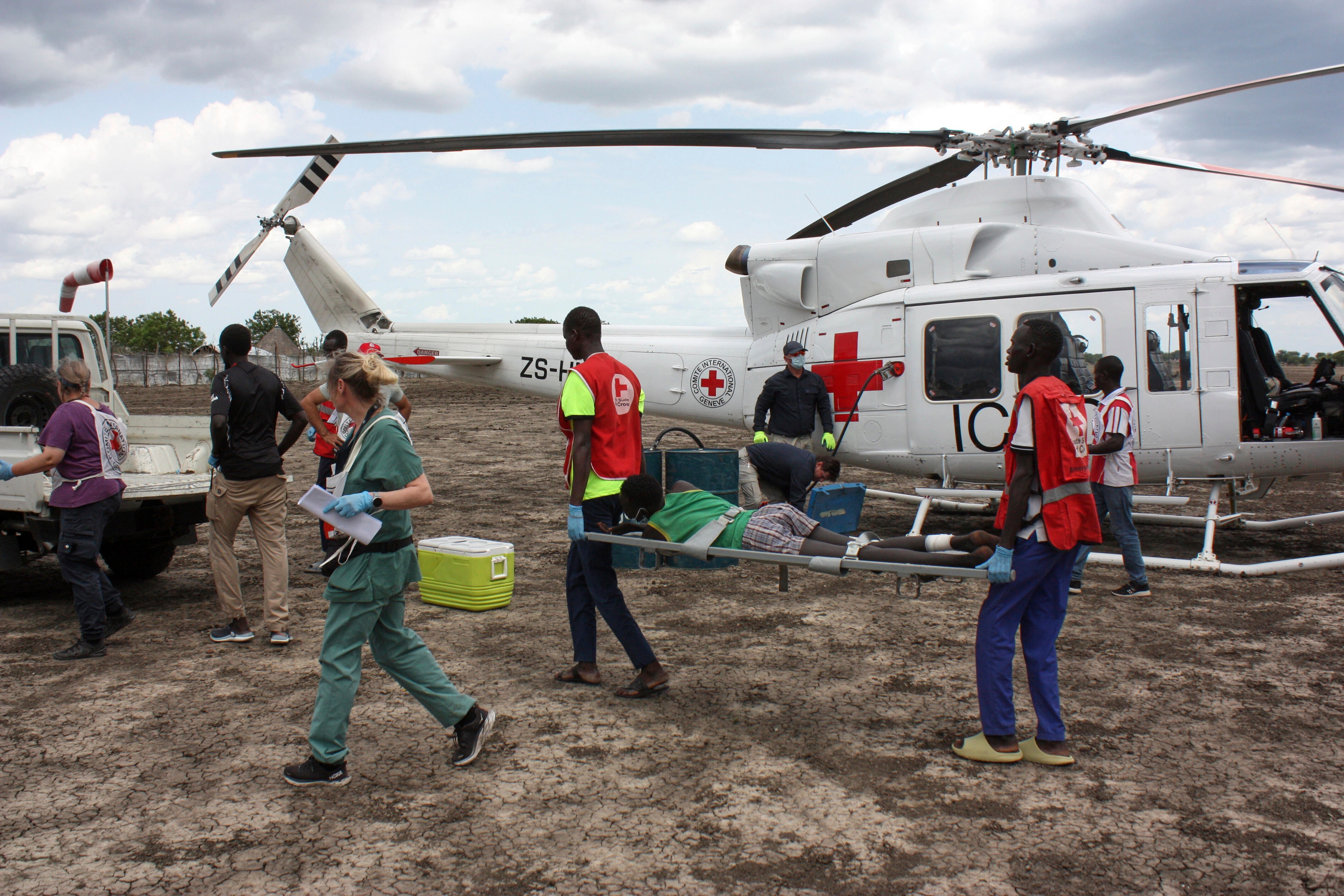
JUBA, South Sudan — At least 36 humanitarian workers and contractors have been killed in South Sudan since January, surpassing the 31 killed in all of 2025, as violence persists in the country that’s one of the most dangerous for aid workers, the U.N. humanitarian coordinator there said Wednesday.
“These are not just statistics,” Ramanathan Balakrishnan said in a statement marking World Humanitarian Day, adding: “Every killing must be investigated, and those responsible held accountable. The continued loss of humanitarian personnel, overwhelmingly South Sudanese nationals, is unacceptable.”
More than 450 incidents of violence against humanitarian workers and assets were reported between January and July, more than double the number recorded during the same period last year, according to the U.N. Mission in South Sudan.
Renewed fighting between government forces and opposition fighters has forced aid organizations to relocate from some areas, further restricting access to vulnerable communities in a country of about 12 million people that has struggled with both conflict and the effects of climate change since independence from Sudan in 2011.
Humanitarian organizations are calling on the South Sudan government and all parties to the 2018 peace agreement meant to end civil war to protect aid workers, investigate attacks and ensure safe and unhindered access to people in need.
Around 10 million people are expected to need humanitarian assistance this year, including more than 7.5 million facing high levels of acute food insecurity, according to the U.N.
Last week, the U.N. refugee agency and World Food Program warned that more than 650,000 refugees and asylum seekers in South Sudan risk losing access to lifesaving food, nutrition and other assistance because of severe funding shortages.
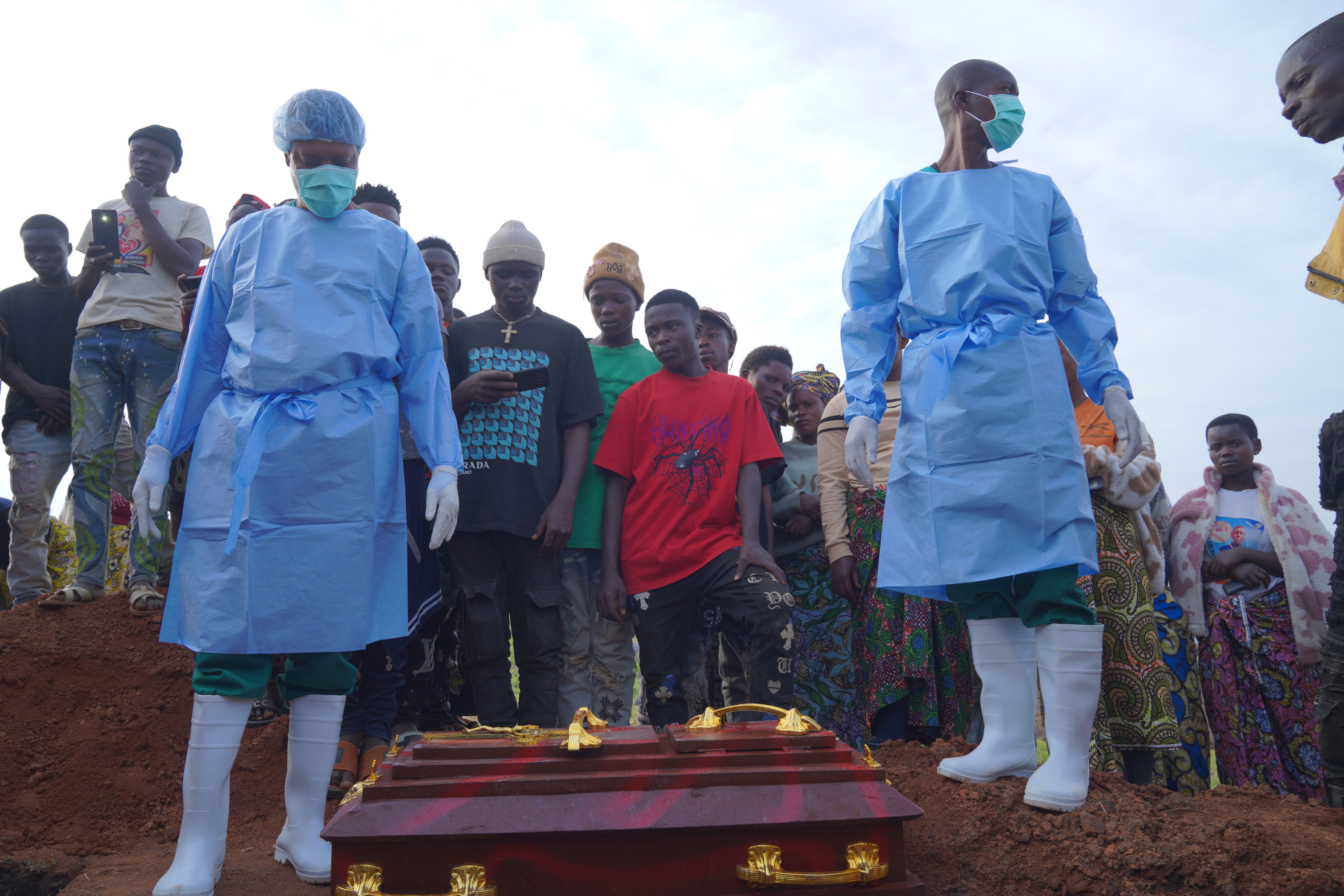
BUNIA, Congo — The Ebola outbreak in Congo has reached 5,000 cases, government data showed Wednesday, as responders warn it is spreading at an unprecedented speed, outpacing efforts to slow it in one of the country’s remotest regions.
Data from Congo’s Ministry of Health showed the outbreak had so far recorded 5,021 cases, including 2,378 deaths as of Sunday, as it rages in some of the most challenging conditions imaginable fueled by insecurity, displacement and intense population movements.
The outbreak has infected and killed more people at a greater speed than any other outbreak in history. The World Health Organization estimates it will likely surpass the outbreak of 2014 to 2016 across West Africa, which was the deadliest Ebola outbreak on record with more than 11,000 deaths.
Starting from the first detected case, the current outbreak has spread about three times faster than the deadliest on record.
The outbreak “has spread rapidly and the risk of further national and international spread remains high,” WHO Director-General Tedros Adhanom Ghebreyesus said Tuesday at a meeting convened by the agency.
Thérèse Anyiya, a nurse working in Ituri’s capital Bunia, said she is exhausted by the work demands and poor working conditions. Some health workers have gone on strike after not being paid.
“If the managers don’t take things seriously, we too will end up withdrawing. The way this epidemic is being managed is exhausting,” Anyiya told The Associated Press.
A key challenge has been the lack of approved vaccines or treatments for the rare Bundibugyo virus, which is responsible for the current outbreak. Most new cases are being reported outside of the people being monitored, showing it has spread quickly and left surveillance teams racing to catch up.
Lack of information in Ituri causes attacks on health workers
Ituri, the province that has been hit the worst by the outbreak, has become a primary location for violence that has limited the response as health workers are targeted.
Residents on Monday attacked a health team in the territory of Aru after a suspected case was reported there. A mob set fire to an ambulance and damaged two other vehicles, according to Michael Wani, president of the Union of Cultural Associations for the Development of Ituri.
Dr. Martin Cwinyay, who is involved in the Ituri response efforts, explained it is “essential to bring the response closer to the people, particularly in rural, mining and displacement areas.”
Trish Newport, an emergency coordinator with Doctors Without Borders, known by its French acronym MSF, said not all the people in the impacted areas have the essential information they need.
“The community needs to be aware about the outbreak. They need to be involved in the response. They need to know what the signs and symptoms are and what to do if they get sick,” Newport said.
Limited care is resulting in more deaths
Experts believe the virus began spreading from the mining town of Mongbwalu as early as February, months before authorities declared the outbreak on May 15.
Responders racing to catch up are also battling several other challenges including threats by rebel groups, anger from communities that have been traumatized for years and bad roads into the affected territories.
Although the 2014-2016 outbreak is considered the deadliest among the virus types that causes Ebola disease, government data shows this Bundibugyo outbreak has killed a higher percentage of people as care and support are not getting to patients quickly enough, while many are not reporting symptoms or doing so late.
The situation also varies across the six affected provinces. While the case fatality rate is so far 47.4%, it is far worse in some places where response efforts are more challenging, such as in North Kivu province where the fatality rate is 70%.
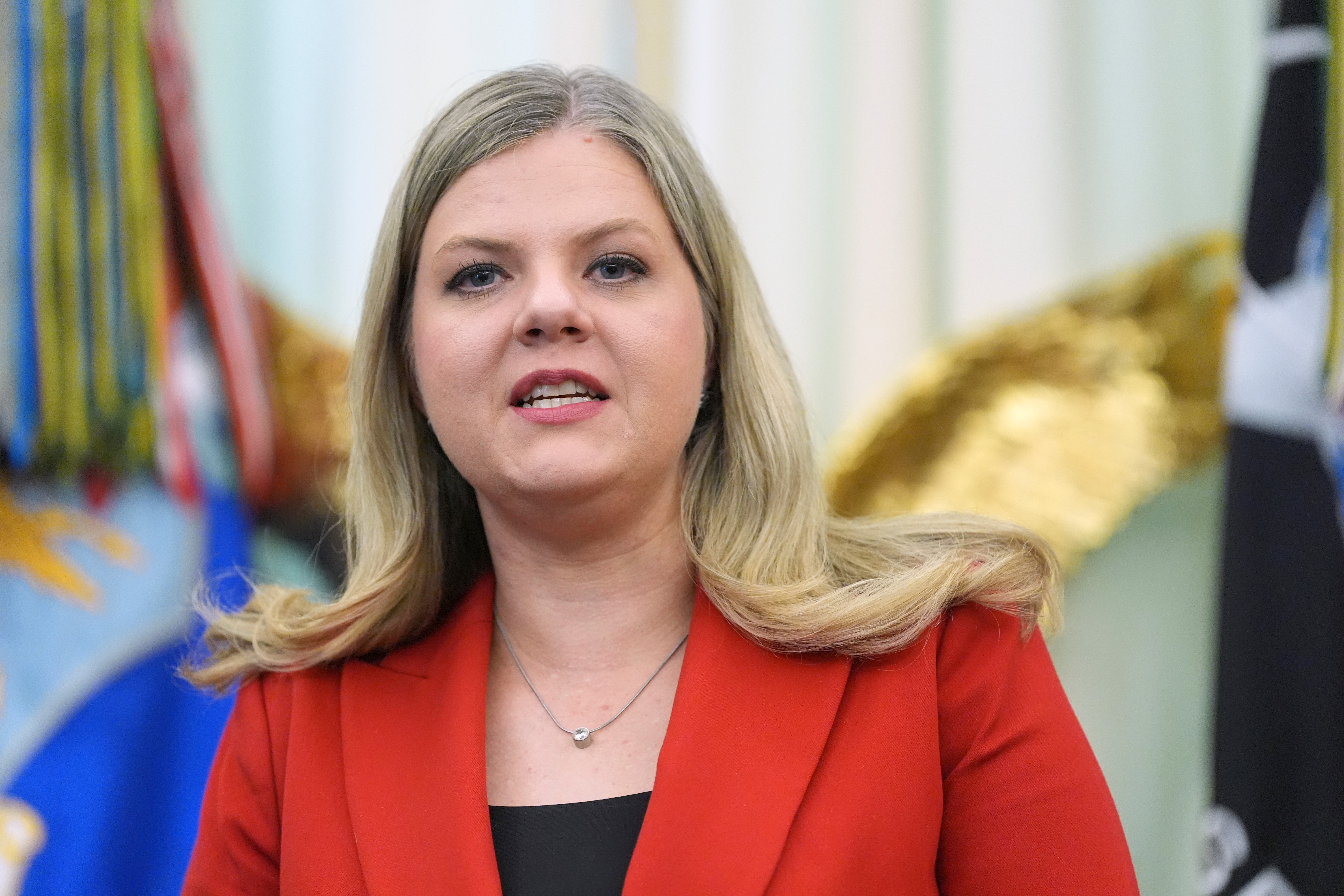
WASHINGTON — Heidi Overton, a top White House aide, has been picked to lead the Food and Drug Administration, President Donald Trump announced Wednesday.
Overton is a medical doctor and deputy director of the White House Domestic Policy Council who has worked on several of Trump’s second-term health initiatives. She has become a trusted administration figure and a champion of the Republican president’s goals.
If confirmed by the Senate, she would have to balance a raft of competing priorities, including Trump’s fixations, the anti-regulatory interests of traditional Republicans, and the anti-corporate posture of Health Secretary Robert F. Kennedy Jr.
Those challenges dogged the tenure of the previous FDA head, Marty Makary. He resigned in May, leaving behind unfinished projects such as work on ultraprocessed foods, antidepressants, and COVID-19 shots.
Referring to her as “Dr. Heidi” in a Truth Social post, Trump said Overton was a smart and respected “rockstar” who would deliver on his priorities of faster cures, innovation, lower drug prices and more wins for Kennedy’s “Make America Healthy Again” movement.
Kennedy posted on X that Overton has “exceptional judgment, professionalism, discipline and an unwavering commitment to the American people.”
Overton has promoted Trump’s health priorities
Overton attended medical school at the University of New Mexico and has a doctoral degree in clinical investigation from Johns Hopkins University, according to her LinkedIn profile. Before joining Trump’s second administration, she was the chief policy officer at the America First Policy Institute, a conservative think tank.
In recent months, she has appeared with the president to announce major projects, including some of his “most favored nation” deals with drug companies to lower prices to those of other developed countries and his recent vaccine order that sought to split the combined measles, mumps and rubella (MMR) vaccine into three separate immunizations — against the advice of medical groups.
At an Oval Office event to promote that order, she stood by Trump as he falsely suggested the number or timing of vaccines could play a role in rising rates of autism spectrum disorder. Scientific consensus and decades of studies have firmly concluded there is no link.
Overton has been critical of abortion pills and, if confirmed, would be positioned to roll back FDA rules that made them more accessible. U.S. abortion opponents have expressed frustration that the administration has not acted to stem the flow of such pills prescribed online, a situation they view as undermining state abortion bans.
Mifepristone is typically used with misoprostol in medication abortions that make up close to two-thirds of abortions in the U.S. Medical professionals call it “among the safest medications” ever approved by the FDA.
To be confirmed, Overton must seek approval from a narrowly Republican-led Senate and face questions from the Senate Health, Education, Labor and Pensions Committee. Its chair, Republican Sen. Bill Cassidy, a physician from Louisiana, has been a vocal critic of some of Trump’s actions to sow doubt in vaccinations, including the MMR order.
Democratic senators slammed the nomination on social media.
“Heidi Overton is a far-right, anti-abortion extremist who has no business leading the FDA,” posted Washington Sen. Patty Murray, a committee member.
Makary’s replacement will face challenges he left behind
Before he left the FDA, Makary had drawn complaints from health industry executives and anti-abortion activists. The frustration with him came to a head over the agency’s lack of movement on flavored e-cigarettes. Companies such as R.J. Reynolds are seeking to market to adult smokers, but sweet-flavored vapes have long been blamed for the trend of teenage vaping. FDA scientists have hesitated to endorse those products to curb adult smoking.
Pharmaceutical companies will be looking for changes at the agency, too, after rejections or reversals of biotech drugs intended for rare diseases. Complaints from biotech companies, investors and patient groups have grown and been taken up by conservative lawmakers.
Makary tried to assuage industry grievances, in part by announcing new programs designed to streamline or accelerate drug approvals. Some of those initiatives, however, have meant new headaches for the agency.
Several of Makary’s deputies also exited the agency.
Vinay Prasad, the vaccine and biotech chief, stepped down in April following intense criticism from drugmakers, patients and investors. Tracy Beth Hoeg, who was involved in scrutinizing the safety of antidepressants, COVID-19 vaccines, and other widely used therapies, was replaced as FDA’s acting drug center director.
MAHA has high expectations of FDA’s next head
Overton would also need to tend to the priorities of Kennedy’s health movement, some members of which are already skeptical of her.
Kelly Ryerson, an activist critical of pesticides who is known to her supporters as “Glyphosate Girl,” told The Associated Press that Overton parroted pesticide manufacturer Bayer’s talking points in a MAHA roundtable at the White House in April.
“I was stunned by the blatant, undisguised corruption,” Ryerson said.
One major decision for the next commissioner is what to do about peptide regulation. A panel of federal health advisers selected by Kennedy recently recommended easing access to several peptides that are popular with wellness influencers and celebrities, despite warnings from FDA scientists that the chemicals have not been shown to be safe or effective.
The agency recently proposed a rule change that would require food manufacturers to notify regulators before introducing new ingredients or additives into processed or packaged foods. But it is still working with the White House to finalize a first-of-its-kind definition of ultraprocessed foods, which Kennedy blames for elevated rates of diabetes, obesity and other chronic conditions.
Under Kennedy, the FDA has set up extra hurdles for vaccine testing and blocked the publication of research into the effectiveness of COVID-19 shots. Kennedy stood by Trump recently as the president signed the executive order aimed at upending childhood vaccinations in the U.S. despite unprecedented financial and logistical challenges.
The FDA also has an ongoing review of widely used antidepressants, including whether they may increase the risk of autism and other disorders when used during pregnancy. The medicines have long been a target of Kennedy, who was a leader in the anti-vaccine movement before joining the government.
In recent weeks, the agency has been investigating two summertime foodborne illness outbreaks: a cyclospora outbreak linked to tainted iceberg lettuce that has sickened thousands of people and a multistate salmonella outbreak linked to jalapeño peppers.