It would have nothing to do with Arthur, which on Wednesday became the first named storm of the Atlantic hurricane season, but the Philly region may be in for tropical-storm force gusts and strong thunderstorms Thursday.
Even if the rains don’t come — and on Wednesday, the storm odds were close to 50-50 — wind gusts to 45 mph are possible during the afternoon, said Alex Staarmann, meteorologist at the National Weather Service in Mount Holly, “quite unusual for June.”
Not so unusual these days would be the forecast high, which would mark the 14th time this year that official readings in Philly had reached 90 degrees or higher. That is about half the average total for an entire year.
But this heat will be more of a ripple than a wave, and the outlook for the holiday weekend is looking spectacular.
When the winds and storms may arrive in Philly on Thursday
As a front approaches, winds from the southwest are expected to gust to 20 mph during the morning and 30 to 40 mph in the afternoon.
While the winds are all but a certainty, it was unclear if any strong storms would pop Thursday. If they did, the best estimate would be between 1 an 8 p.m., the weather service said.
“The environment is favorable for damaging winds if anything does develop,” Staarmann said.
“The biggest question is how widespread the storms are going to be,” he said.
Uncertainty is a near 100% certainty with June storms
Such uncertainty is standard fare with thunderstorm threats this time of year, said Rich Thompson, forecast operations branch chief at the government’s Storm Prediction Center, which would have to make a call on posting severe storm watches.
With so many moving parts and micro-features such as terrain involved, predicting the behavior of small-scale storms is “incredibly complicated,” he said, and on some days clues are frighteningly lacking.
And while observations have improved immeasurably in recent decades, “we still aren’t observing most of what’s there,” he said. Land-based surface observations are far more plentiful than those over the oceans, which cover 70% of the atmosphere, and in the upper atmosphere, where the weather is manufactured.
Even if the atmosphere were perfectly measured, he added, meteorologists would still have to contend with the fact that the physics involved in forecasting are not completely understood.
Arthur and the weekend outlook for Philly
As for Arthur, knighted with a name by the National Hurricane Center at 11 a.m. Philadelphia time Wednesday as it matured off the southeast Texas coast, it is forecast to deluge portions of the Gulf states.
Then it is due to head out to sea before it could have anything to do with Philadelphia or the Jersey Shore, which is likely to be a popular destination this weekend.
For Friday, Juneteenth; Saturday; and Sunday, the beginning of the astronomical summer, highs are expected in the mid-80s with sunny days and no threat of showers until early Monday.
RINGOES — The first time Ozgur Tunceli planted hazelnut saplings on her Hunterdon County farm, deer came through and ate them to the ground.
The next time, her goats did the same.
“Imagine me sitting there and crying and regretting everything that I did,” she said. “I said, ‘I should sell this farm and just go back to my suburban life.’”
Instead, she got an electric fence. Now, four years after she set out to become a hazelnut farmer, Tunceli has close to 1,000 trees planted on her hilly, sprawling property in Ringoes. She’s part of a small but widening group of pioneers who are working to make hazelnuts as much of a signature New Jersey crop as tomatoes, blueberries, corn, and cranberries.
“We are really trying to build an entire industry here,” Tunceli said.
The state wants to help, said Ed Wengryn, the state’s agriculture secretary.
Officials are eyeing incentives to offset high startup costs and entice more farmers into growing the trees, Wengryn said.
And Sen. Andrew Zwicker (D-Middlesex), whose district office is just up the road from a hazelnut farm in Hillsborough, is seeking $6.5 million in state funding to help growers buy equipment to sort, shell, and package nuts for sale and secure a processing site. He envisions hazelnuts at every Garden State farm stand and a New Jersey version of Nutella on supermarket shelves someday.
“The potential for New Jersey to become a major player in hazelnut production is enormous,” Zwicker said. “I don’t think New Jersey peaches, blueberries, and tomatoes are going away, but I think if we get this right, we will be known worldwide as a hazelnut producer.”
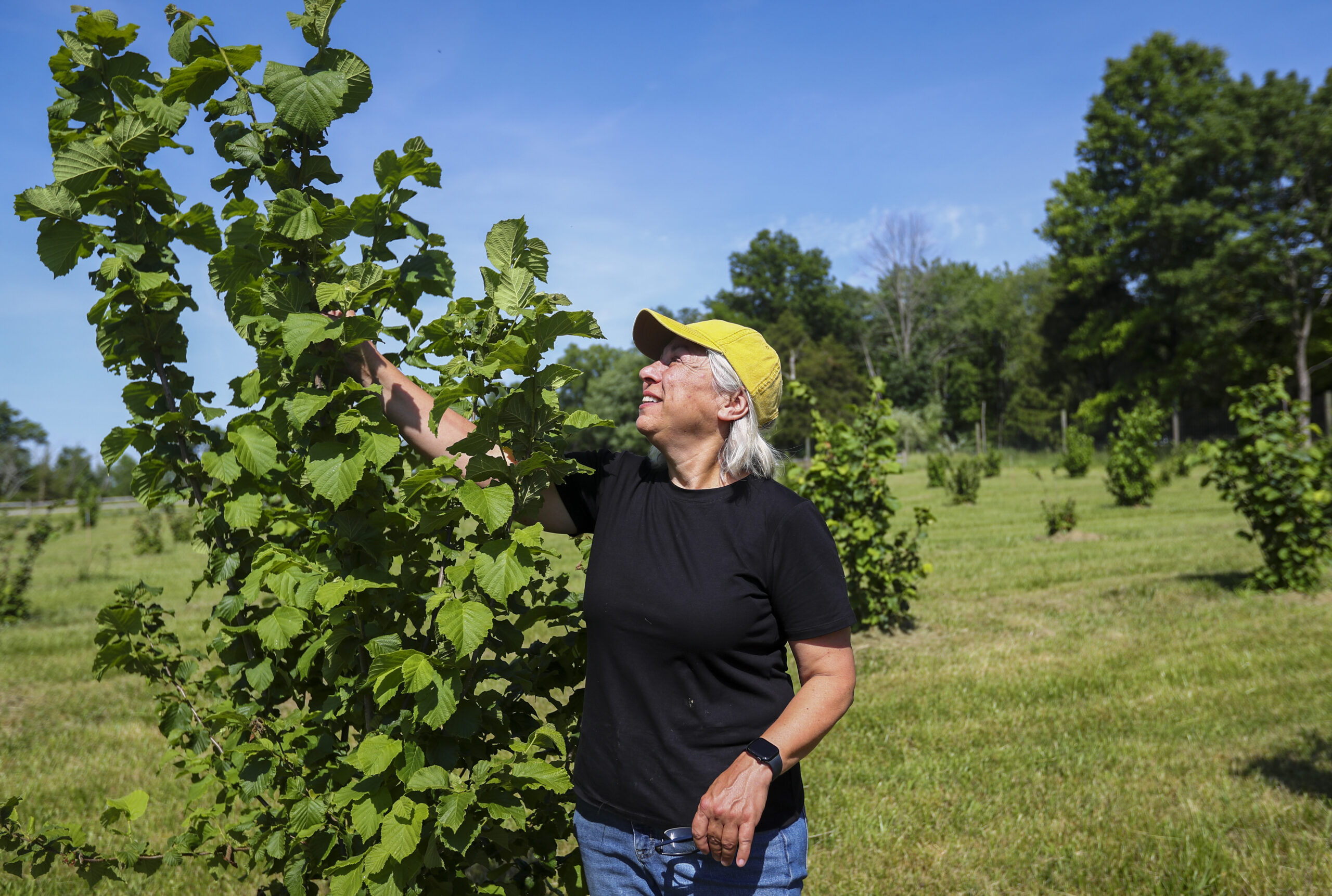
Ozgur Tunceli shows one of the few of her hazelnut trees that is taller than she is on June 5, 2026, at Our Farm by the Creek, her hazelnut farm in Ringoes.Dana DiFilippo/New Jersey Monitor
Some hazelnut history
Turkey produces about 70% of the world’s hazelnuts, and until recently, Oregon’s Willamette Valley was the only place in the U.S. to grow the nutrient-rich, round nuts also known as filberts.
The seeds for New Jersey’s fledgling filbert industry were first planted, literally, by Rutgers University.
Tom Molnar was a Rutgers student about 30 years ago hunting for a Ph.D. topic when he decided to focus on hazelnuts, which are native to New Jersey but had been decimated by disease decades ago. Molnar’s mentor was the late C. Reed Funk, Rutgers’ famed turfgrass breeder whose work made the school millions in royalties and a global powerhouse in grass development. Funk saw better breeding as key to growing nuts in the Northeast, Molnar said.
“We had land, we had funding, and he knew how to run a breeding program,” said Molnar, who’s now a professor of plant biology at Rutgers.
Molnar rejected nut trees like walnut, pistachio, and pecan, not wanting to compete with big U.S. producers like California and Georgia. He picked hazelnuts because, besides being native to New Jersey, they need less water, are more compact, and produce faster than other nut trees, he said.
He started by collecting hazelnut seeds from around the world and eventually planted tens of thousands of trees at Rutgers’ research farm in East Brunswick, observing and experimenting to create disease-resistant, higher-yield trees.
By 2020, his research had progressed enough that he wanted to see how his trees would do around the Garden State. He partnered with several farmers to plant Rutgers-bred varieties whose names honor their Jersey roots: Raritan, Somerset, Monmouth, and Hunterdon. Those farms still serve as living laboratories, with new growers adding to their ranks since Rutgers licensed a Columbus nursery to sell their cultivars.
“This has been a dream to grow hazelnuts in the eastern U.S. for 200 years,” Molnar said.
Ed Clerico was one of the “early adopters,” as Molnar puts it.
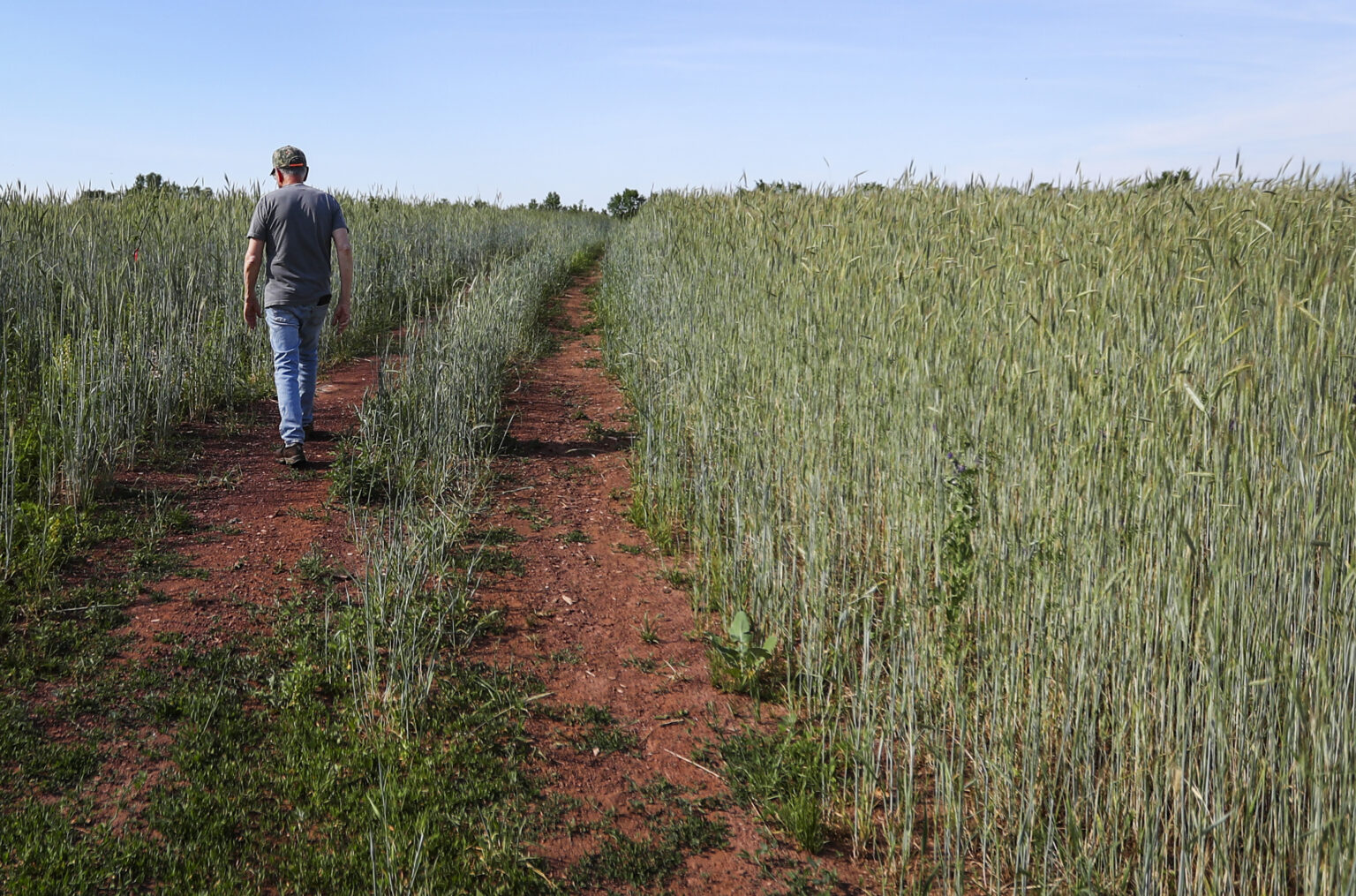
Farmer Ed Clerico walks the fields of his farm in Hillsborough on June 6, 2026.Dana DiFilippo/New Jersey Monitor
Clerico is a third-generation farmer whose family ran a dairy farm in Hillsborough (the one near Zwicker’s office), but who pivoted in retirement to perennial crops that don’t require annual tillage and planting.
He also had a career in water resource management, an experience that has deepened his dedication to filbert farming.
His 38-acre farm sits along Royce Brook, which feeds the Millstone and Raritan rivers, two waterways that flow through nearby Manville and Bound Brook and that sometimes catastrophically flood. He regards hazelnut trees, as well as thirstier breeds like the persimmons and pawpaws he’s planting in a floodplain beside the brook, as pulling double duty.
“There’s just a lot of benefits to agroforestry. Growing trees sequester a lot of carbon, so there’s greenhouse gas benefits. And they help with water quality and flood mitigation,” Clerico said. “This could be one of the best stormwater management and water quality advancements. When you hear about stormwater management, people are very oriented towards man-made infrastructure, but we could be using the environment as infrastructure too.”
Wengryn already is a convert, for the trees’ ecological benefits alone.
“They create a shade canopy, reducing ambient air temperatures in and around the orchard area. When we get these intense storms that drop a quarter to a half inch of rain in 15 minutes, the leaf canopy breaks that up, so it actually falls more gently to the soil and we get less soil erosion from this kind of agriculture,” Wengryn said.
Molnar ticks off a long list of other perks he hopes will persuade more farmers to plant Rutgers’ hazelnuts. They don’t require as many fungicides or insecticides, or as much pruning, as the peach, apple, and other fruit trees more commonly grown in New Jersey. They’re harvested by machine so don’t need as much labor as hand-picked crops. The trees are more climate-resistant and can live for over 50 years, making them both less susceptible to weather extremes that can destroy less-hardy crops and a good long-term investment. And hazelnuts aren’t as perishable as other crops; harvested unshelled nuts can be stored and stay fresh for over a year.
“That means you could sell them throughout the winter into the spring,” Molnar said.
But several hurdles have kept the industry small so far.
The high land costs that can make farming a pricey profession in New Jersey have hindered hazelnut expansion, farmers agreed.
The costs and logistics of processing are another barrier, Molnar added.
With most filbert farming occurring on other continents, U.S. growers must look to Europe and beyond for the machinery to harvest, sort, and get the nuts to market. Tunceli, Clerico, and two other farmers formed an agroforestry cooperative to process, promote, and sell their nuts. The co-op recently bought some equipment, funded by a federal grant, that they’ll house at Tunceli’s 89-acre farm until they find funding to open a separate processing facility.
Farmer Ed Clerico bought specialized equipment, including this mower, to harvest hazelnuts on his Hillsborough farm.Dana DiFilippo/New Jersey Monitor
At the same time, it takes five years for young hazelnut trees to produce their first nuts and seven to eight years for them to come into significant production, Molnar said. That means farmers see little to no return on their investment for years.
“Younger farmers don’t really have that much money to invest, while older farmers don’t have that much time,” Tunceli said.
Tunceli, who’s 56 and has kept her job in the healthcare insurance industry, hopes her orchards will thrive enough for her to live wholly off her land, but she expects that could take another five years.
Because hazelnuts have not been a U.S. crop outside of Oregon, some local farmers also see challenges in who to sell them to, fretting that a market might not exist here.
Tuncheli is not one whit worried about that.
She grew up in Turkey and immigrated here for college about 30 years ago. In Turkey, every bit of hazelnut trees gets used, she said. The kernels become nut butters, oils, flour, milk, candies, desserts, and other foods; the trees’ leaves can make herbal teas; their limbs can be used to weave baskets; and nutshells can be used for exfoliating scrubs, cosmetics, and even clean-burning fuels.
“That part is really easy,” she grinned.
Wengryn doesn’t see that as a problem either, noting a “global craze” for treats like Italian company Ferrero’s Nutella and Ferrero Rocher chocolate-hazelnut bonbons.
“People love this product,” he said of hazelnuts. “There’s very little domestic production of it, and this is an opportunity to enter that market.”
The future of filberts
Zwicker has submitted two budget resolutions that, if approved, would provide $298,200 in state funding to the agroforestry cooperative to support hazelnut automation, cold storage, food safety compliance, and commercial-scale infrastructure and nearly $6.3 million for the cooperative to build a processing facility and establish grower incentives.
Wengryn said he aims to work with the state Economic Development Authority to tailor more “business builder” funding to sustainable agriculture like hazelnut farming. He also thinks New Jersey could designate money collected under the Regional Greenhouse Gas Initiative, a multistate effort to reduce the power sector’s emissions that worsen climate change, for agroforestry.
“This type of agriculture really complements that carbon sequestration and really does improve our air quality and our water quality,” he said.
Whether or not New Jersey becomes a hub for hazelnuts, Rutgers’ cultivars now grow beyond the Garden State. Their trees are planted on about 300 acres across New Jersey, Pennsylvania, New York, and Ohio, Molnar said.
His work has made him somewhat of a celebrity in agriculture, at least elsewhere, in places where hazelnuts are a major, prized crop.
“In New Jersey, I’m an anonymous nobody, and like, nobody cares what I do,” he said with a laugh. “I guess agriculture isn’t really cool.”
Thomas Molnar stands in front of hazelnut trees cultivated by his team at Rutgers Horticultural Farm 3 in East Brunswick.Photo by Anthony Grippa, courtesy of Rutgers University
But Clerico expects Molnar’s research, like the trees on his own Hillsborough farm, will outlive them both.
“Rutgers’ work isn’t just leading-edge in terms of New Jersey. What they’ve done in their breeding programs to produce trees that have multiple gene resistance to diseases could benefit everywhere in the world,” Clerico said.
Some state legislators clearly agree and aren’t waiting on the industry to scale up to brag about New Jersey’s role in the hazelnut tree’s return to the region’s soils.
They want hazelnuts to be the official state nut.
The Assembly passed the proposal Thursday, despite opposition from most of the chamber’s Republicans that drove some to voice their objections for the record.
Assemblywoman Aura Dunn (R-Morris) said anointing hazelnuts the state nut was a few decades premature, Assemblyman Gregory Myhre (R-Ocean) said the American chestnut should get the honor, and Brian Bergen (R-Morris) blasted the the bill as a “moronic, awful, stupid, crazy, nutty piece of legislation.”
“Why on earth do we need a state nut?” Bergen said, before imploring Assembly Speaker Craig Coughlin: “I just really wish that, Mr. Speaker, you would do a better job selecting the bills that come to the floor, because this is useless.”
Bill sponsor Assemblyman Sterley Stanley (D-Middlesex), whose district includes Rutgers’ research farm, remained undeterred.
In a sweeping statement on the Assembly floor with Molnar standing at his side, Stanley hailed hazelnuts as “the most promising engine for economic development offered to rural communities in decades.”
“These trees represent a monumental achievement for our state, a true breakthrough in science that reinforces why we are known as the Garden State,” he said. “These hazelnuts are testament to the balanced spirit of innovation and resilience that lies at the heart of what it means to be a New Jerseyan.”
Citing increased safety concerns, a Burlington County township has canceled this year’s annual Independence Day celebration.
Mount Holly Township officials released a statement on Monday announcing the decision to cancel the township’s Fourth of July festivities, pointing to recent violence at other local events across the region and a lack of time to put enhanced security measures in place.
“This decision was not made lightly — over the past few months, we have been meticulously monitoring local and regional events throughout New Jersey, assessing which events have been canceled due to alarming violence, as well as those communities that have continued their events with significantly increased security measures and protocol put into place,” the township said in a joint statement with the Mount Holly Police Department.
In early May, a Maple Shade carnival held to raise money for a local youth football program was canceled after a large group of teenagers caused a hectic scene on the first night. By the end of the month, the Roebling Carnival was similarly canceled after numerous fights broke out on the first night of the Florence Township event, overwhelming police.
Officials in Medford took note of the events in Maple Shade ahead of their six-day St. Mary of the Lakes Carnival and Music Fest, boosting security with outside agencies, imposing crowd size limits, restricting entrances, and more.
“With our spectators and vendors’ safety top of mind, we could not enact a viable, actionable solution in such a short period of time to alleviate our security concerns without incurring additional, significant costs to the Township and our residents,” Mount Holly officials said in the statement.
“We understand the disappointment this decision may cause and extend our heartfelt thanks and gratitude to all who have supported this event over the years.”
A 71-year-old man was charged with first-degree murder in the strangulation of a 40-year-old woman in Franklin Township, Gloucester County Prosecutor Andrew B. Johns said Monday.
Police arrived at an East Avenue home at 6:16 a.m. on Thursday after Dennis J. Hall called to alert them to the fact that Devin Hall was not breathing. Dennis Hall admitted to strangling her on the call to emergency services and to officers when they arrived at the scene, according to a statement from the prosecutor’s office.
A witness also told Franklin Township officers Dennis Hall woke them up the morning of the incident and admitted to strangling Devin Hall.
Prosecutors would not say whether the two Halls were related, but Jan Hall, the wife of Dennis Hall and mother of Devin Hall, told 6abc her husband woke her up, saying he had killed their daughter.
“When he woke me up, I asked him what was wrong, and he said, ‘I strangled Devin. She’s dead.’ And I thought I didn’t hear him right,” she told the station.
Officers tried to save Devin Hall and she was taken to a local hospital. The following day, she was removed from life support and declared dead, according to the statement.
On Sunday, the Gloucester/Salem/Cumberland regional medical examiner conducted an autopsy and determined the cause of death was asphyxiation by homicide.
Dennis Hall was arrested at the scene and initially charged with attempted murder, then first-degree murder following the autopsy report.
He was in jail pending prosecutors’ motion for a pretrial detention. He faces a maximum sentence of life in prison if convicted.
It’s Wednesday, which means we’re halfway through our launch week. 🎉 Being brand new, we want to be sure we’re serving your interests. If you have a question rattling in the back your head about our region, ask it through Curious South Jersey. Our reporters might just pick it up for a story.
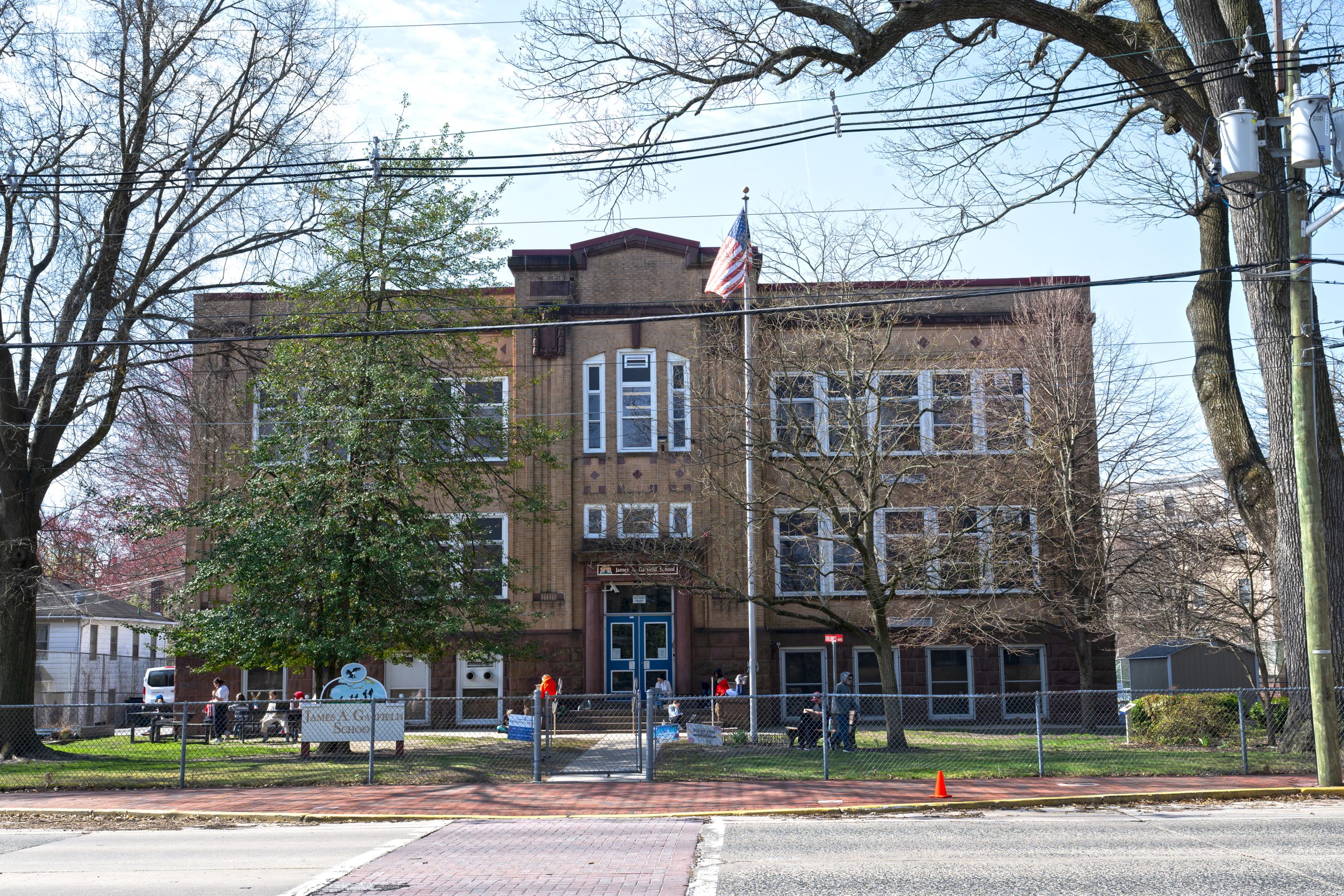
James Garfield Elementary School in Collingswood will close its doors at the end of the school year after more than a century in the borough. Students and staff will be transferred to other schools.
“It’s been the best 13 years of my career,” principal Mark Wiltsey said. “Is it sad? Of course. I was all about it. It’s who I am.”
Superintendent Fred McDowell made the call to close the K-5 school after grappling with a $3.3 million budget deficit for the school year. The lack of funds led to programs and staff cuts, too.
School districts across the state are stressed under tight budgets. Haddonfield, Washington Township, and Cherry Hill are also reducing staff positions.
The city of Camden halted the operations of EMR Metal Recycling earlier this month after its 13th fire since 2020. Now, the scrapyard is suing.
Their argument is that the city overstepped and didn’t provide due process. The company is also claiming that the facility is out $10 million in revenue and operational costs.
This isn’t the first time the company has been in a legal fight over the fires. The New Jersey attorney general’s office and local residents have sued the facility in the past.
Last Thursday, Camden City Council voted on a resolution calling on local and national agencies that have jurisdiction over the facility to shut it down.
Three Philly-area athletes, including one who attended Glassboro High School and another who played for Eastern Regional High School in Voorhees, were recently arrested related to an April assault that left the victim severely injured in Philadelphia.
Camden County released information on ongoing roadwork projects throughout the week. Drivers in Camden, Cherry Hill, Haddon Heights, and Winslow Township in particular should be aware and plan to take alternative routes when necessary.
Tucked away on a bustling tree-lined Collingswood street, James A. Garfield Elementary has been the center of its South Jersey neighborhood for more than a century.
Built in 1915, it is the second-oldest public school in Collingswood and has educated generations of families. Passersby stop in the front yard to reminisce under two giant trees or sit on a century-old bench.
Garfield enrolls about 128 students in kindergarten through fifth grade. The teachers know every student by name and parents love the sense of community.
It will come to an end next week when Garfield closes its doors.
“It’s been the best 13 years of my career,” said principal Mark Wiltsey. “Is it sad? Of course. I was all about it. It’s who I am.”
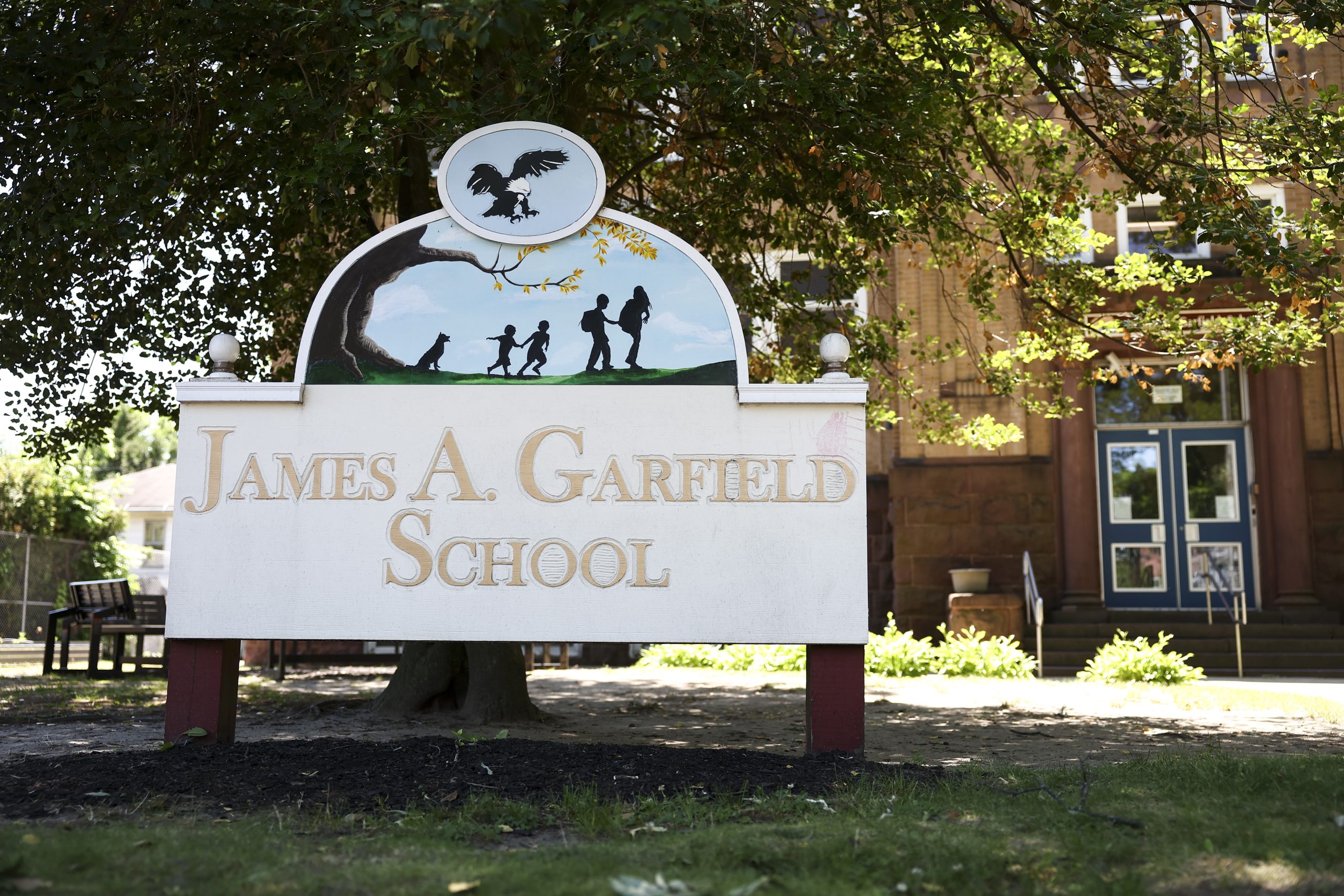
The exterior of James A. Garfield Elementary School in Collingswood.Monica Herndon / Staff Photographer
Facing a $3.3 million budget deficit for the 2026-27 school year, Superintendent Fred McDowell made the difficult decision to close Garfield and transfer students and staff to other schools. With operating costs exceeding available revenues, the district also cut 33 positions and programs.
“No one ever wants to make reductions to staff,” McDowell said in an interview this month. “It has become necessary. It’s just not sustainable.”
Collingswood Public Schools Superintendent Fredrick McDowell at James A. Garfield Elementary School earlier this month. He said budget issues forced him to close the school, which his own child attends.Monica Herndon / Staff Photographer
Collingswood’s state aid for the coming year was reduced by $305,000, while expenses have increased by $4.8 million. The district increased property taxes by 6.4% but still had a budget hole.
The Garfield closing and other cuts struck a nerve in Collingswood, which currently enrolls about 2,500 students in nine schools. The district plans to consolidate its high school and middle school operations, shut down its high school wellness center, and impose fees for some extracurricular activities.
The Collingswood Education Association criticized the decisions and took a no-confidence vote against McDowell. Saying there was an “urgent need for a change in the leadership direction,” the union implored the school board to relieve McDowell of his duties.
The union, which represents about 230 teachers and support staff, said 150 staff members have left since McDowell became schools chief in 2021. Morale has dropped and fiscal decisions have impacted the classroom, the union said.
Garfield Elementary in Collingswood is preparing to close.Jose F. Moreno / Staff Photographer
McDowell, whose contract expires in 2027, defended his record and blasted the union for finger-pointing during a budget crisis. Staff turnover follows post-pandemic nationwide trends, and Collingswood’s structural budget deficit has been years in the making, he said.
McDowell will be affected personally by the Garfield closing. His 9-year-old daughter is a fourth grader and a son would have been a kindergartner in the fall.
“In what world does a father want to close his own child’s school, unless there’s no other way,” the superintendent said.
‘Heartbroken’ to lose an elementary school
There were tears and high emotions as word spread that the two-story neighborhood school would close, affecting about 100students and about 15 teachers and support staff. The fifth graders will move to middle school, and the remaining students will be sent to the district’s four other elementary schools with larger class sizes to accommodate more students.
“I feel heartbroken. I feel angry,” said Elizabeth Vukovic Gartlan, whose youngest, Liam, is a fourth grader at Garfield. “It’s such a wonderful school and a beautiful community.”
Gartlan said Liam asked: “Why can’t we have a bake sale” to save the school? He will go to Newbie Elementary in the fall. His mother worries that more cuts could come.
Teacher Samantha Nash Rovner talks with a reporter at James A. Garfield Elementary School on this month. Garfield is closing at the end of the school year.Monica Herndon / Staff Photographer
The closing has been bittersweet for teachers, too, as they pack up years of materials. Fourth-grade English teacher Samantha Nash Rovner will have third graders at Zane North.
“It’s very mixed emotion,” Rovner said. “It’s really sad that Garfield is closing.”
McDowell said no employees will lose their jobs, although some staff may be put in different positions.
Located on Haddon Avenue, Garfield is a hub in Collingswood, known for its quintessential Main Street aura. The schools and the downtown district are walkable, making its quaint shops and restaurants popular destinations.
“It’s just a special place,” said Julie Donato, the mother of two Garfield students. ”Our entire life revolved around this school.”
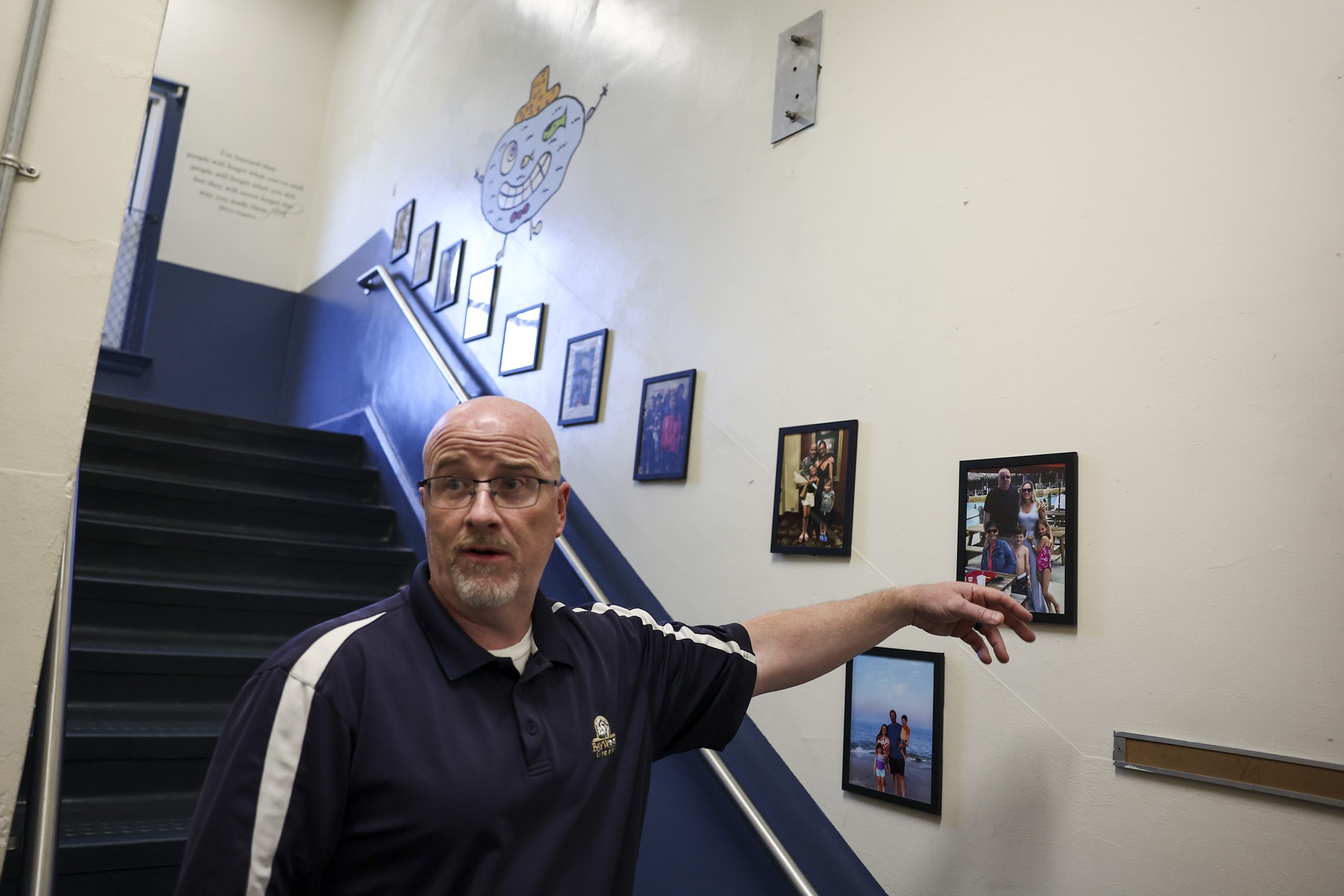
The school is decorated with colorful murals and inspirational quotes. Framed pictures of students and their families line the walls. A memorial garden out front pays tribute to Michael Jubb, a student killed in an accident, and a sign honors Dolores Bobb, a beloved crossing guard.
Donato said her husband’s grandmother attended Garfield. When his grandmother came to the United States from Italy, Garfield students taught her English, she said. And Donato’s children were especially fond of visiting senior citizens who live next to the school at Collingswood Manor.
Most students are unaware of the school’s history, Wiltsey said. Because the school is often referred to as Garfield, they believe the name comes from the comic strip about a cynical orange tabby cat with the same name, he said with a laugh.
Fifth grade students work in English class at James A. Garfield Elementary School in Collingswood this month. The school is closing at the end of the school year.Monica Herndon / Staff Photographer
Wiltsey said the school receives letters from former students sharing memories of their time at Garfield. They are archived in an album with old photographs.
For a Garfield history project that has been saved at the school, Bonnie Brown Saunders of Colorado recalled enrolling as a kindergartner in 1948. She recalled memories for every year, including first grade when a pretty girl transferred in.
“All the boys liked her — a lot. I learned about two emotions — boys and jealousy. I also learned how to read and become the picture of health,” she wrote.
A photograph of the seventh grade class at James A. Garfield Elementary School on April 24, 1922.Monica Herndon / Staff Photographer
Wiltsey, who will move to the middle school complex as a supervisor, said school officials began preparing students last month for the closing. Tatum Elementary will get the biggest chunk, about 52 students.
There have been walking tours and activities to meet new classmates and teachers, he said. Siblings were assigned to the same school.
Wiltsey compared preparing for the last day of school — June 22 — to the grief process and has experienced a range of emotions. Teacher Jessica Harbridge said the reality will hit in September.
“I’ve accepted it,” Wiltsey said. “We’re all moving on to new challenges.”
Principal Mark Wiltsey talks about the family photographs that line the walls at James A. Garfield Elementary School.Monica Herndon / Staff Photographer
Brio Italian Grille’s location in Cherry Hill. Sarah Nicell
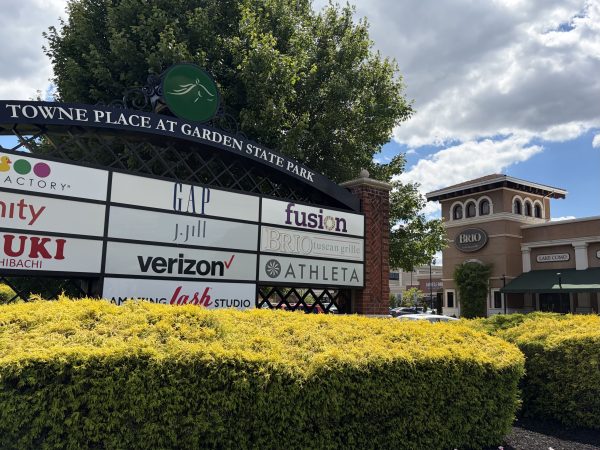
Last month, reports began swirling online that Brio Italian Grille in Towne Place atGarden State Park would be closing and be replaced by Fogo de Chão. But that may not come to fruition.
While permits have been issued for the Brazilian steakhouse to overhaul Brio’s current space, the chain doesn’t have a lease to take it over yet, a real estate executive with the firm that owns Towne Place’s tenant management company said. Should Brio, which filed for bankruptcy last year, choose not to renew its lease, “Fogo is 100% a tenant we would be interested in speaking with.”
The H Mart in Cherry Hill was recently updated.Hira Qureshi
Cherry Hill’s H Mart recently underwent a massive update, including an overhaul to the Asian grocery store’s first floor and a new second-floor food hall. Inquirer reporter and self-described H Mart diehard Hira Qureshi recently paid a visit to suss out the best finds.
Her advice? Start on the second floor, browsing the sections with Korean beauty products and general goods like notebooks, small toys, and character keychains, as well as an arcade, first. After, she recommends tackling the first floor, stocked with meat, produce, seafood, and other grocery staples.
By then, you’ll have worked up an appetite, so swing by the new food court.
In case you missed it, last week 28-year-old Oregon man Cristian Custodio-Aquino pleaded guilty to first-degree murder in connection with the 2024 stabbing death of Cherry Hill veterinarian Michael Anthony. The Inquirer’s Jesse Bunch has all the details.
South Jersey progressives who campaigned for Gov. Sherrill say the first-term governor failed her first major test in the office, juggling her opposition to Delaney Hall, the Immigration and Customs Enforcement detention center, with widespread criticism for how she handled protests outside of it. Cherry Hill resident Marie Henselder-Kimmel, who leads NJ Voters Who Want More Say, said she feels “torn” about Sherrill’s decision to send in state police during the protests. The Inquirer’s Aliya Schneider delves into what some former supporters are saying.
A new nursing home opened at 3025 Chapel Ave. last week. Dwellside Care and Rehab offers both short- and long-term care.
The College World Series kicked off this week and there was plenty of local talent on the eight teams that made the bracket, including Cherry Hill West alum Jon Young Jr. The sophomore at the University of Alabama is one of six players with area ties.
Heads up for drivers: There will be work on several roads this week, including a partial westbound lane closure on Kresson Road between Evesham and Cropwell Roads from 7 p.m. to 5 a.m. through Friday. Kenilworth Avenue will be closed between Chapel Avenue and Route 38 from 7 a.m. to 3:30 p.m. through Friday. And Cooper Landing Road will be closed between Valley Run and Route 70 from 8 p.m. to 5 a.m. today through Saturday.
🏫 Schools Briefing
Tomorrow is the last day of school, as well as high school graduations. There’s a board of education meeting Tuesday evening. See the district’s full calendar here.
Superintendent Kwame Morton made $250,213 for the 2025-26 school year, putting his annual salary $46,485 over the average superintendent salary statewide. (NJ.com)
Earlier this month, the Sari Isdaner Early Childhood Center at the Katz JCC named Stacey Unterlack director of Jewish education and early childhood education. Unterlack had previously served as interim director.
🍽️ On our Plate
Notorious former alleged mob boss Joseph “Skinny Joey” Merlino recently expanded his eatery, opening Skinny Joey’s Cheesesteaks & Pizza in Wildwood. He’s added stromboli and pizza to the menu, the latter using a recipe from Vito’s on Haddonfield Berlin Road. Merlino’s social media-driven reboot is thanks in part to Joe “Lil Snuff” Perri Jr., who you might recognize from his brassy, unscripted commercials for Mall Chevrolet. The Inquirer’s Michael Klein explains how the two connected and built a popular brand.
Blue Fig Garden is one of the best Mediterranean restaurants in the state, according to BestofNJ.com. The website noted the restaurant at the mall combines Turkish and Mediterranean flavors.
🎳 Things to Do
🍷 Wine Down Wednesday: Enjoy five two-ounce pours of wine and appetizers. ⏰ Wednesday, June 17, 6-8 p.m. 💵 $25 📍 Randall’s Restaurant
🗓️ Juneteenth: Cherry Hill African American Civil Association hosts its sixth annual parade and festival, complete with live music, vendors, food trucks, and a petting zoo. ⏰ Saturday, June 20, 10 a.m.-3 p.m. (Rain date: June 21) 💵 Pay as you go 📍 Croft Farm
🍑 The Peach Truck Tour: The roving peach truck will make a stop at the mall to sell boxes of the fresh fruit (which is good news, since local crops were largely wiped out earlier this year). It’ll return again next month. ⏰ Saturday, June 20, 4:30-6 p.m. 💵 $15-$120 📍 Cherry Hill Mall
🍿 Wicked: For Good: Catch a screening of the sequel to the Broadway hit and popular 2024 film. ⏰ Monday, June 22, 2-4:20 p.m. 💵 Free 📍 Cherry Hill Public Library
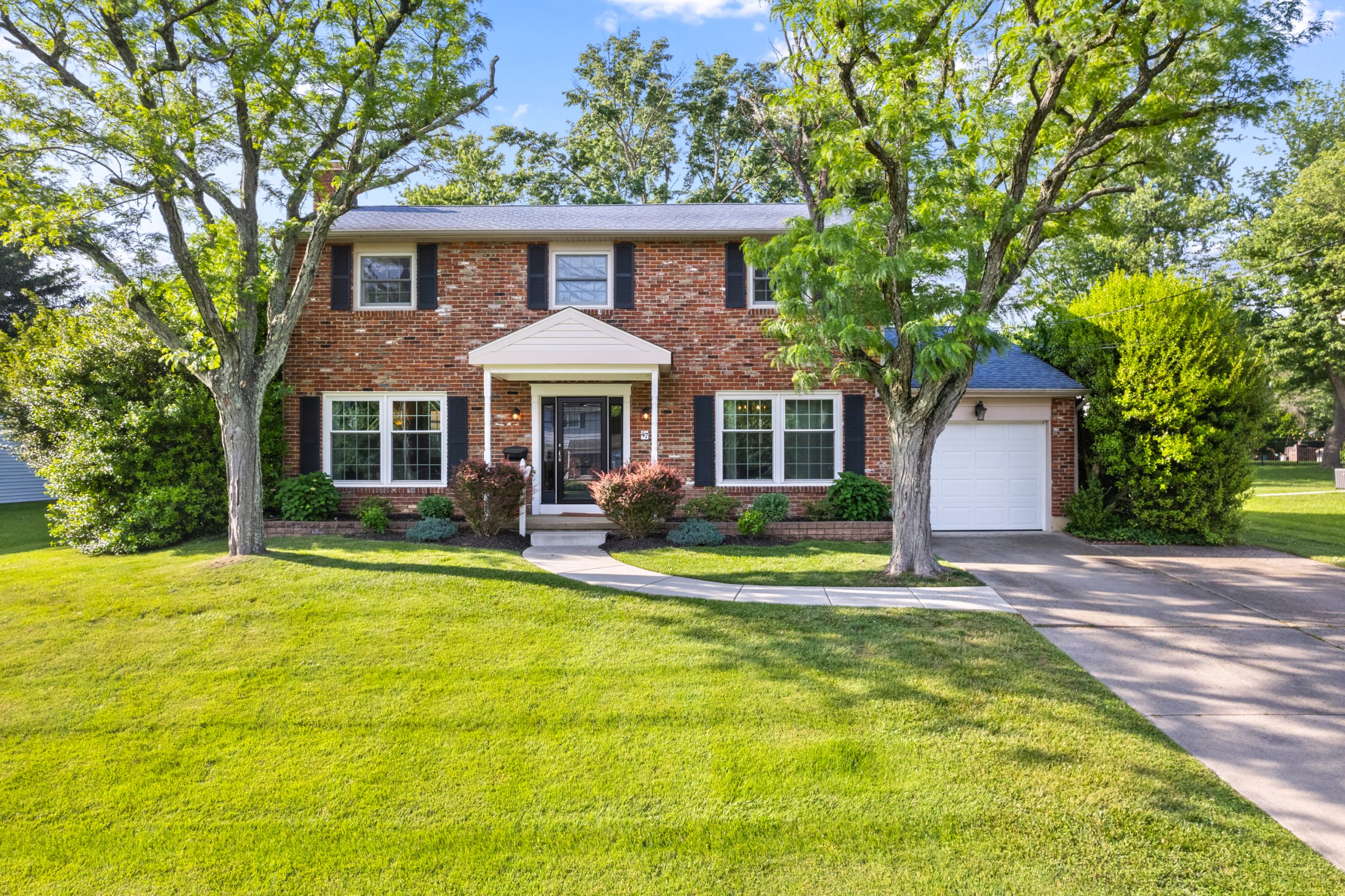
The brick-front home has a Colonial-style layout.Plush | Courtesy of Jacki Silva Steuer/The Silva Group | OCF Realty
Located in Kresson Woods, this four-bedroom brick Colonial has a bright interior. The living room features large windows and a fireplace and there’s a dining room off the kitchen, which has two-tone cabinetry, granite countertops, a walk-in pantry, and a double oven. All four bedrooms are upstairs, including a primary suite with a walk-in closet. Out back, there’s a patio and a fenced yard.
By submitting your written, visual, and/or audio contributions, you agree to The Inquirer’s Terms of Use, including the grant of rights in Section 10.
This suburban content is produced with support from the Leslie Miller and Richard Worley Foundation and The Lenfest Institute for Journalism. Editorial content is created independently of the project donors. Gifts to support The Inquirer’s high-impact journalism can be made at inquirer.com/donate. A list of Lenfest Institute donors can be found at lenfestinstitute.org/supporters.
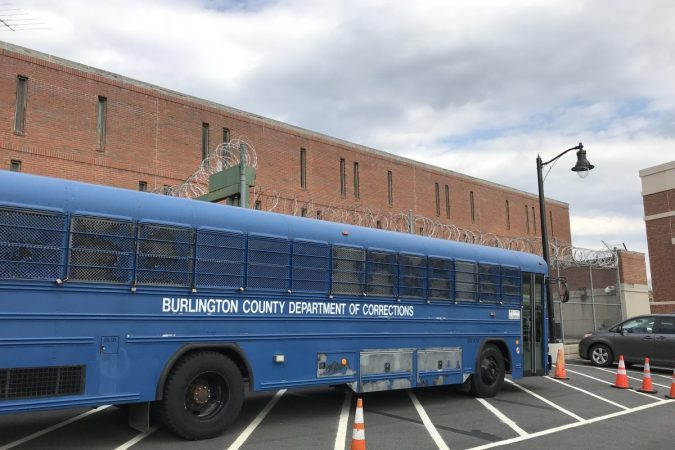
The New Jersey Attorney General’s Office has released a lengthy report detailing major disciplinary actions against law enforcement officers in the state, including a Burlington County correctional officer fired in connection with an inmate’s death.
The 560-page report, made public on Friday, covers hundreds of disciplinary actions taken in 2025.
“Maintaining faith in government and trust in law enforcement requires that residents know the State holds law enforcement to the highest professional standards,” Attorney General Jennifer Davenport said in a statement. “Transparency and accountability are key to maintaining public confidence in our officers.”
The report said Nicholas Morton was fired from the Burlington County Jail after an investigation sustained charges against him for failing to conduct the required security walk-throughs when 74-year-old Kenneth Bulle of Mount Holly allegedly was strangled by his cellmate, Rondale Holloman, in November 2024.
Morton also was accused of failing to immediately notify his supervisors that both inmates made requests to be housed apart from each other, the report said.
Two supervisors were suspended for 15 days in connection with Bulle’s death.
Sgt. Terrance Benson was found to have “neglected to conduct a full and complete security tour of the facility,” the report said.
Lt. Jonathan Carroll was found to have been negligent regarding Bulle’s death.
“His failure to take immediate corrective action delayed the custody and medical staff from responding to the scene with the proper equipment. He neglected to make immediate corrective action on several entries in logbook that were made by his supervisors and officers on duty. As a shift commander he is responsible for his conduct and his subordinates[’] conduct,” the report said.
At the Juvenile Female Secure Care and Intake Facility in Bordentown Township, two correctional officers were fired. Gary Nieves and William Young were criminally charged with sexual assault of residents, the report said.
At the Camden County Correctional Facility, two officers were fired after they were found to have used excessive force on inmates, the report said.
Tee Lormia was fired after he was allegedly found to have performed a roundhouse kick to the head of an inmate, the report said.
Nicholas Taylor was fired after an investigation determined that he lifted an inmate from behind and slammed him to the ground, the report said.
Yamalis Diaz, another Camden County correctional officer, was fired after she pleaded guilty to a charge related to shoplifting, the report said.
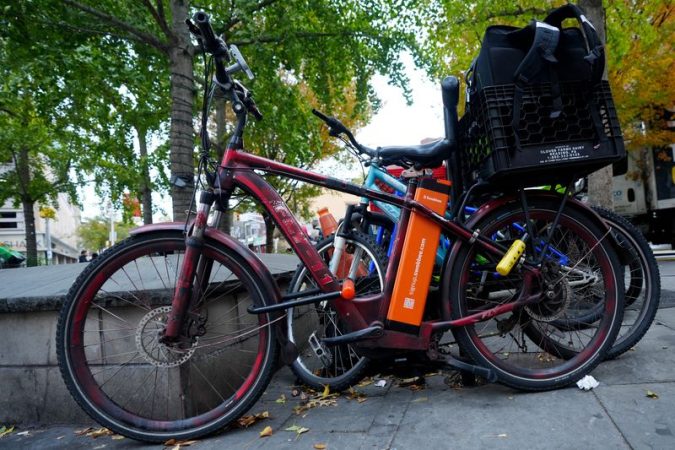
A child is dead following a collision with a delivery truck while riding an electric bicycle in Burlington County on Tuesday morning.
Emergency responders were called to the corner of Route 70 and Tranquility Court in Southampton Township around 10:45 a.m. Tuesday after a crash involving a juvenile riding an e-bike and a UPS driver, according to New Jersey State Police officials.
The rider, who has not been publicly identified, was pronounced dead. The police were unable to provide the rider’s age or any other details.
“We are heartbroken by the tragic accident in Southampton Township, NJ,” UPS said in a statement Tuesday afternoon. “Our thoughts and prayers go out to the family and loved ones. We are fully cooperating with authorities to understand what happened.”
While the exact circumstances surrounding the incident remain unclear, the tragedy comes as debate around the safety of e-bikes continues to rage across the country given their increased speed and weight compared to traditional bicycles.
The new regulations were born of a similar incident — a 13-year-old Scotch Plains boy died after colliding with a landscaping truck while riding his e-bike last September.
Starting in July, all e-bikes in the Garden State must be registered and insured, whether they are low-speed e-bikes, which require pedaling and cannot exceed 20 mph, or high-speed bikes, called motorized bicycles or e-motos, which can go up to 28 mph.
Riders will also need to be at least 15 years old and need a motorized bicycle license to ride. Those 17 and older can ride an e-bike using a driver’s license.
The New Jersey law treats all e-bikes as the same, whereas most other states that regulate e-bikes tend to focus on e-motos when it comes to license and insurance requirements. The slower pedal-assist bikes face a patchwork of regulations across the country, with some restrictions on where they can go.
The letters that follow Robin Cogan’s name represent some of healthcare’s most impressive achievements. NCSN, nationally certified school nurse. FNASN, fellow of the National Academy of School Nursing. FAAN, fellow of the American Academy of Nursing. Also, RN and MEd.
Then there are the awards. Two-time President’s Award winner from the National Association of School Nurses. The 2017 Population Health Hero Award from the New Jersey Department of Health. The Johnson & Johnson 2017 School Nurse of the Year. And many more.
Robin Cogan joined the Camden City School District as a school nurse in 2001 after training earlier as an art therapist and spending 14 years as a psychiatric clinical nurse and corporate health services manager. It was with the school district and its students, families, and staff where she really found her groove.
For nearly three decades, Robin Cogan championed school safety and population healthcare, and advocated tirelessly for school nurses everywhere. Her website, blog, frequent podcast appearances, and wide-ranging institutional activism gave voice to school nursing stories, and combated gun violence and other pressing problems.
On May 10, Robin Cogan blogged: “The profession is better, and so are countless children, because of the relentless, brilliant nurses who choose school nursing year after year.”
Mrs. Cogan became a school nurse in Camden in 2001.Heather Khalifa / Staff Photographer
On Thursday, June 11, Robin Cogan died of cancer at Cooper University Hospital in Camden. She was 65.
“Robin dedicated her life to caring for others,” Pamela K. Clark, president of the Camden Education Association, said in a tribute. “Her work extended far beyond the walls of our schools, leaving a lasting impact on the profession she loved.”
Born in Philadelphia, Mrs. Cogan graduated from Cherry Hill West High School in 1978 and earned a bachelor’s degree in art therapy and psychology in 1982 at what is now the College of New Jersey in Trenton. She gained her nursing credentials at the Helene Fuld College of Nursing in New York and Rowan University, and earned a master’s degree in clinical, counseling, and applied psychology at Wilmington University in Delaware in 2009.
As a school nurse in Camden, she oversaw more than 900 students from preschool through eighth grade at Cooper’s Poynt School and, most recently, more than 400 students at three preschools. She took temperatures, counseled worried parents, and personally helped thousands of people weather the COVID-19 pandemic.
“She influenced policy, championed health equity, elevated the role of school nurses,” a colleague said on Facebook, “and reminded us that one person truly can create ripples that become waves.”
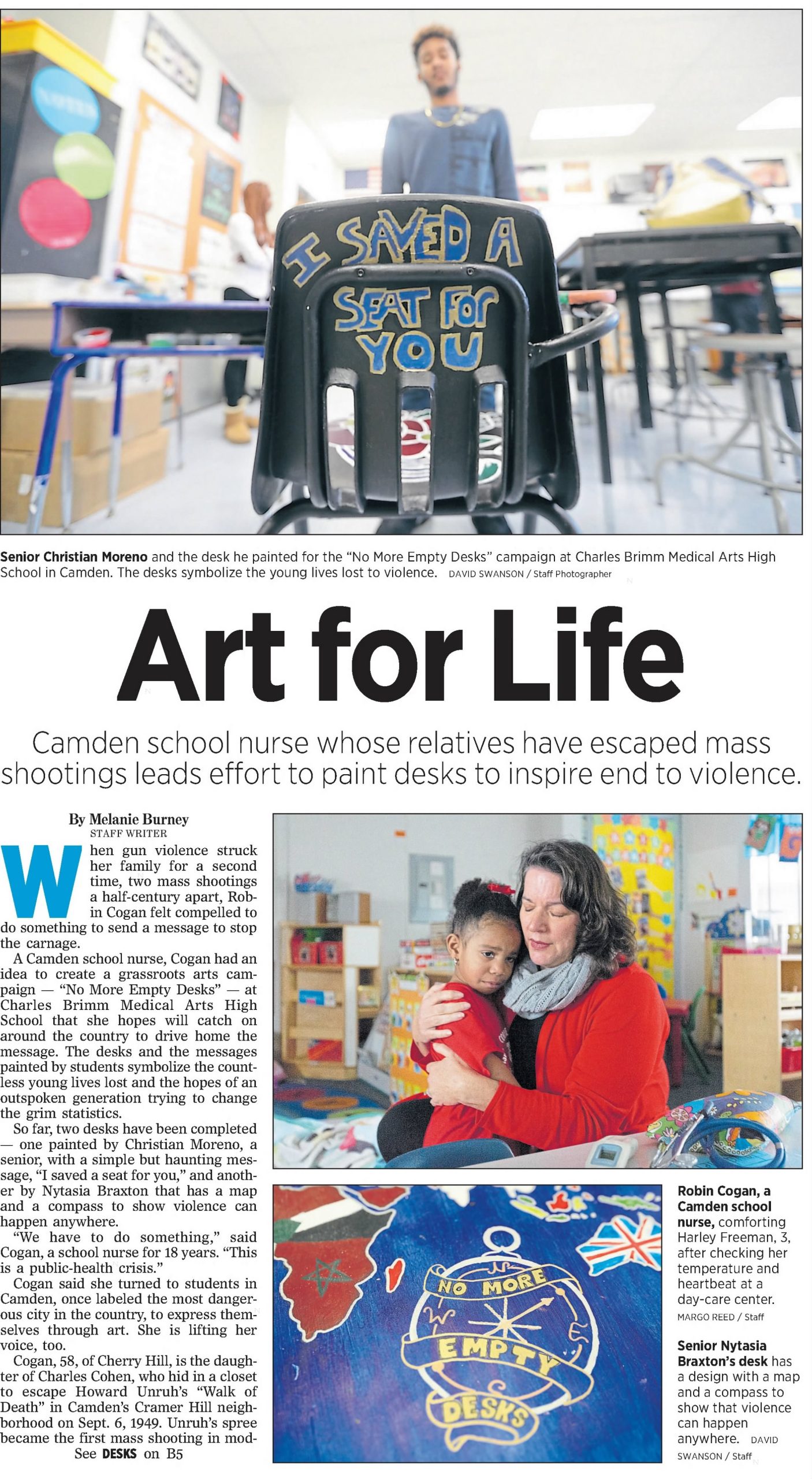
The Inquirer published this story and photos about Mrs. Cogan’s art program in 2019.Newspapers.com
She was featured in The Inquirer and other publications, and appeared on TV and radio programs and podcasts. She focused on “shared values” to connect people, she said often, and posted the motto for her Relentless Nurse website on the homepage: “Be relentless in your practice whatever it is.”
Robin Michelle Cohen was born June 28, 1960. She met Ed Cogan in college, and they married in 1984, lived in Trenton and Cherry Hill, and had twin daughters Allie and Jill.
Mrs. Cogan was driven to address gun violence, she said, after her father survived a mass murder in Camden in 1949, and her niece survived the 2018 mass shooting at Marjory Stoneman Douglas High School in Florida. “I hope my legacy is helping solve this crisis,” she told The Inquirer in 2022. “Don’t we owe that to our kids?”
This photo of Mrs. Cogan (left) and others at the old Temple Emanuel in Cherry Hill appeared in The Inquirer in 1996.Elizabeth Robertson / Staff Photographer
She was a talented painter and designed a popular pin that she and a friend sold in a home-based spiritual jewelry and art business. She loved nature and 1970s folk music. She enjoyed hosting Thanksgiving dinners and visiting the Jersey Shore. She was one-time president of the old Temple Emanuel Sisterhood in Cherry Hill.
“She was a helper,” said her daughter Allie. “She was good at relationships and never really turned off her working mind.”
In addition to her husband and daughters, Mrs. Cogan is survived by a granddaughter, Nora, a nephew, Matthew, sisters Lori and Merri, and other relatives.
Private services were held earlier. A celebration of her life is to be held later.