Category: Expert Opinions

  • How this Philly doctor helps patients to save on the cost of medications | Expert Opinion

    How this Philly doctor helps patients to save on the cost of medications | Expert Opinion

    In medical school, I was taught to choose medications based on how well a medication works and its risk or side effects. Cost was rarely mentioned, as if safety and efficacy were the only factors in the equation.

    But to patients, cost is not negligible. Money spent on medications or healthcare will not be there for something else — whether putting food on the table, childcare, or other needs.

    In my dermatology clinic, I see cost as an important “side effect” to pay attention to, and often the biggest reason for patients not filling their prescriptions.

    Consider a couple examples of how the exact same hair loss treatment can cost more in one form compared to another:

    The most common and effective over-the-counter hair loss treatment is topical minoxidil, best known under the brand name Rogaine. Forms of topical minoxidil marketed for women can cost 40% more than the exact same medication labeled for men — my colleagues and I published a study to prove it.

    Another medication, finasteride, is commonly prescribed in 1-milligram tablets to treat hair loss in men, and in 5-mg tablets to treat enlarged prostates. According to GoodRx, 30 tablets of finasteride 1 mg cost about $30 for a one-month supply, and 30 tablets of finasteride 5 mg also cost $30.

    I’m always looking for ways to save my patients money. So like many other doctors, I have prescribed the finasteride 5-mg tablets and directed patients to cut them in fourths with a pill splitter.

    I often advise women to use the minoxidil marketed for men, because it’s cheaper for the same medicine. Why should women pay more for the same thing — a pink tax?

    Here are some tips to help you navigate a system rife with irrational and unfair pharmaceutical pricing:

    • Co-pays can be based on the number of pills, or number of fills. Ask your doctor if you can save money by splitting pills (note: not all pills can be split), or by getting longer-term medications prescribed as a 90-day supply.
    • Many pharmacies offer a $4 (or other discount) formulary price for a 30-day supply. For instance, without insurance or any other program, you can usually get common prescription steroid creams for $10 for a 90-day supply. A full month of terbinafine, the common medication for toenail fungus, can cost around $10-15 without insurance. Strangely, sometimes certain medications may cost more out of pocket with insurance — it never hurts to ask.
    • Some over-the-counter prescriptions can be just as effective as more expensive prescription options. For acne, topical adapalene is similar to topical tretinoin, and an excellent option if you don’t have insurance.
    • Discount programs may offer coupons, and some pharmacies may offer discounts, e.g., GoodRx discounts and Mark Cuban’s Cost Plus Drugs pharmacy.
    • The pharmacies we use matter — for instance, if you use a telemedicine app like Hims or Keeps, it will likely cost you $90 every three months to get minoxidil or finasteride. My latest hot tip: In most states, Costco does not require membership to let anyone use their pharmacy, and instead of perhaps $360/year from Hims or Keeps or even regular pharmacies, for a full year supply of finasteride, it may only cost you $50-60.

    The same prescription can carry dramatically different costs, depending on the pharmacy, the formulation, or a discount program. Before deciding you can’t afford a medication, ask your doctor or pharmacist if they know of a less expensive way to get the same treatment. My tips can save you hundreds of dollars a year.

    Editor’s note: This story has been updated to clarify the cost of terbinafine without insurance.

    Jules Lipoff practices as a board-certified dermatologist and Pennsylvania medical director for The Dermatology Specialists and serves as a clinical associate professor (adjunct) in the Department of Dermatology, Lewis Katz School of Medicine.

  • Eating this food regularly could lead to greater longevity| Expert Opinion

    Eating this food regularly could lead to greater longevity| Expert Opinion

    Q: I’ve heard spicy food can be good for you. Is that true?

    A: Here’s great news for people who love to feel the burn: The purported benefits of spicy foods have a strong scientific basis.

    In 2015, a major study published in the British Medical Journal showed an association between consuming spicy foods and living longer. From 2004 to 2008, scientists enrolled more than half a million adults in China and tracked their health over the next several years. Several thousand in the group, not surprisingly, died during that time.

    But the surprising part? Even after controlling for multiple possible confounders — such as smoking, physical activity, and intake of red meat and fresh fruits and vegetables — adults whose spicy food intake averaged six or seven days a week had a 14% lower relative risk of dying than those whose intake averaged less than once a week. Eating spicy foods was associated with a reduced risk of death from cancer and heart and lung diseases.

    Two years later, a similar study done in the United States corroborated those findings: Americans who consumed hot red chile peppers were about 13% less likely to die at any given point during the study compared with those who did not.

    Scientists think capsaicin — the main active component in chile peppers — may be beneficial because of its effect on the receptors in our nerve cells that perceive heat, both from temperature and spice. Known as TRPV1 receptors, they’re expressed throughout our bodies, including the skin, gastrointestinal tract, and many immune cells.

    So move aside peptides: Should we all grab some chile paste from the grocery store to live longer?

    Well … not necessarily (and, for the record, peptides should stay on the shelf for now too).

    While the benefits of spicy foods are backed by strong research, we haven’t proved that spicy foods cause this apparent boost in longevity. And in some areas, the data are more uncertain. For instance, some — though not all — studies have found an elevated risk of stomach cancer among people who frequently eat spicy foods.

    Here’s what else we know about how spicy foods affect our health.

    Heart health

    Multiple observational studies in humans have shown an association with spicy food intake and a lower risk of heart disease and stroke. The mechanisms aren’t entirely known, but limited human randomized controlled trials point to capsaicin’s ability to increase HDL, or “good” cholesterol, low levels of which are a known risk factor for heart attacks. It may also help burn calories faster.

    Also, the spicier your food, the less you reach for the salt shaker. A 2017 Chinese study of around 600 adults found that people who preferred spicier foods gravitated toward less salty ones, eating about a half teaspoon less salt every day with corresponding decreases in their blood pressure.

    The same researchers performed a separate randomized controlled trial in which they scanned participants’ brains after stimulating them with salt mixtures. They found that capsaicin amplified how intensely people perceive saltiness — meaning, the same splash of soy sauce tastes even saltier when you stir chile into the mix.

    Gut health

    IBS and abdominal pain: What’s fascinating about TRPV1 receptors is that they’re also critical for pain signaling. They’re more concentrated in the colons of people with irritable bowel syndrome, for instance.

    That’s why, seemingly paradoxically, capsaicin creams actually can help treat pain. Capsaicin can overwhelm our pain-sensing nerves and, in doing so, help blunt alarm signals from reaching the brain.

    Capsaicin has even shown a benefit in small human trials for chronic abdominal pain. For some people, capsaicin can make abdominal discomfort worse in the short term. But after a few weeks of habitual consumption, those receptors become desensitized and the discomfort may actually improve.

    Stomach acid and ulcers: Despite a common misconception, capsaicin does not damage a healthy stomach lining. Capsaicin actually reduces acid production in the stomach. Because of this, and because capsaicin stimulates more blood flow to the stomach, it has been shown to protect against the risk of gastrointestinal ulcers.

    So why are spicy foods notorious for making acid reflux symptoms seem worse? We feel like we have heartburn after eating a spicy meal because capsaicin activates TRPV1 receptors in the esophagus. This is what causes that unpleasant burning sensation in the chest, which we would normally attribute to acid.

    Hemorrhoids: While I’m sure I don’t need to overexplain the meaning of the Hungarian saying “paprika burns you twice,” a 2006 randomized placebo-controlled trial found that capsaicin did not aggravate hemorrhoid symptoms. So if that’s your specific concern, the science has your back … side.

    Cancers: Regarding gastrointestinal cancers, the data is a bit mixed: Most studies have found that capsaicin protects against cancer, while some have found that it seems to bolster tumor growth. This is an area where we still need more research, but the overall trend so far is reassuring that spicy foods may well be protective.

    What I want my patients to know

    If you like spicy foods, by all means enjoy them, particularly in moderation. Personally, I get a bit of a thrill eating food spicy enough to make my nose run but not quite cry at the dinner table. But if you’re someone who feels ill when you eat chile peppers, this data shouldn’t push you to do anything that makes you uncomfortable. We’re all different in how we respond to capsaicin, so I wouldn’t regard vindaloo as the elixir of life.

    The eating pattern still most consistently linked to numerous health benefits, including longevity, remains the Mediterranean-style diet, which emphasizes whole foods, complex carbohydrates and polyphenols. Chile peppers can definitely be a part of that pattern, but they’re just one component.

    Trisha Pasricha is a physician and scientist at Beth Israel Deaconess Medical Center and an assistant professor of medicine at Harvard Medical School. She is the author of “You’ve Been Pooping All Wrong.”

  • Teen with unexplained pain, rash, bruises suddenly couldn’t walk | Medical Mystery

    Teen with unexplained pain, rash, bruises suddenly couldn’t walk | Medical Mystery

    The bruises didn’t make sense. Neither did her pain. A 16-year-old female came to the emergency department suddenly unable to walk. She had rolled her ankle about a month earlier, but now was experiencing significant pain, along with a rash and bruises all over her legs. She said the rash and occasional bruising had been present over the past two years, but she could not identify a specific pattern and thought the rash was just from shaving.

    In the emergency department she was awake, alert, and oriented. She appeared to be a normal weight and was developmentally appropriate for her age. Extensive bruising was noted on the back of her legs and buttocks. She had stretch marks on her lower extremities, but none on the upper extremities. Her rash appeared to be centered around her hair follicles, a condition called perifollicular petechiae.

    The physician ordered blood tests and an MRI and admitted her to the hospital for further evaluation since she couldn’t walk. Her MRI revealed generalized fasciitis — inflammation of the muscles which is often attributed to infection. But in her case, there were no secondary signs of infection, such as fever or elevated white blood cell count.

    What caused this patient’s symptoms?

    Many different diagnoses can cause symptoms of joint pain and rash. Infectious causes such as sepsis (blood stream infection), tick bite infections including Lyme disease and Rocky Mountain spotted fever, and viral infections such as hand, foot, and mouth disease can present with rash and joint pain. However, infections are usually associated with a fever, which this patient did not have.

    Rheumatologic (autoimmune) conditions such as lupus, vasculitis, and dermatomyositis can also present with joint pain and rash. Rheumatologic conditions occur when the body creates antibodies that attack the patient’s own cells. These can be more insidious and tend to develop over time rather than all at once.

    Other causes of rash and unexplained bruising include nutritional deficiencies such as iron, copper, zinc, vitamin D, and vitamin C. Patients should be evaluated with a detailed dietary history if there is any concern for nutritional deficiency.

    Solution

    Physicians from numerous subspecialties weighed in on this case, conducting many tests. Finally, the patient was asked to produce a detailed dietary history. She revealed a very limited intake consisting of only five foods, without any vegetables, vitamins, or minerals. The patient was diagnosed with avoidant restrictive food intake disorder, or ARFID, which had caused a vitamin C deficiency also known as scurvy. The patient underwent nutritional rehabilitation to correct her nutritional deficiencies, and anti-inflammatory medication was used to help with her pain. Her pain gradually improved, and within a few weeks she was back to walking like normal.

    ARFID

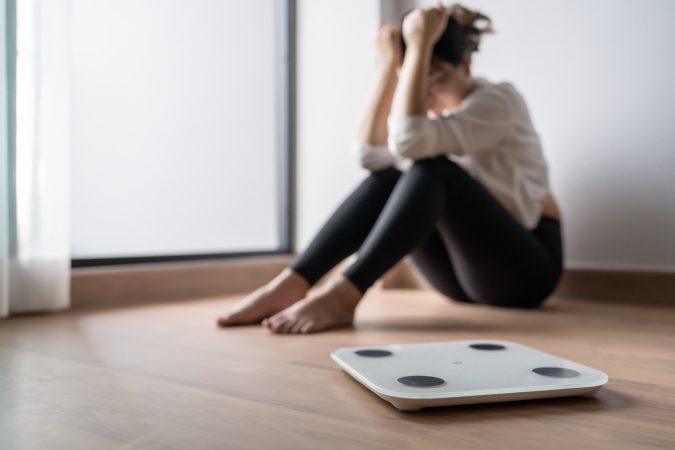
    According to the American Academy of Pediatrics, ARFID is a relatively newly recognized eating disorder in which patients severely limit their food intake. This restrictive diet is not due to lack of access to food, and it is not due to negative body image or desire to change one’s body like some eating disorders. Patients with ARFID often avoid foods due to their color, smell, texture, temperature, or taste. Patients often have “safe foods,” or only a few foods that they will regularly eat. This can lead to nutritional deficiencies like our patient experienced.

    Scurvy

    Scurvy is often thought of as a disease sailors suffered from centuries ago. But in this case, it was masked by a modern eating disorder in an otherwise healthy teenager. The classic signs of scurvy include dry, brittle, and coiled hairs called corkscrew hairs, rashes around hair follicles, and gingival (gum) bleeding. Severe leg pain has been documented in prior cases of scurvy, and scurvy has also been known to mimic rheumatologic conditions. This case highlights the importance of considering scurvy, even in patients with normal growth. Early identification and correction of vitamin C deficiency are essential for a full recovery. Treatment includes vitamin C supplementation, dietary modification and counseling, and feeding therapy.

    Katherine Musto is a second year pediatric resident and Hayley Goldner is a pediatrician in the adolescent medicine department at Nemours Children’s Hospital, Delaware.

  • Dry drowning isn’t real: What parents should know about water safety | Expert opinion

    Dry drowning isn’t real: What parents should know about water safety | Expert opinion

    No parent should lose sleep over a condition that doesn’t exist.

    Yet every summer, viral headlines resurface the myth of “dry drowning,” the misleading belief that a child can suddenly die days after a normal swim from water hidden in their lungs.

    As a pediatric emergency room doctor, I know these rumors are not harmless. Terms like “dry drowning” create anxiety about letting children enjoy the water. They also generate false expectations about the need for long-term vigilance after swimming. Instead, we must help families recognize the real signs of respiratory distress after a water incident.

    Water play and swimming are fun ways for kids to stay cool and active in the summer, but water safety should always come first. Drowning is the No. 1 leading cause of death in children 1 to 4 years of age in the U.S., and a major risk for older children as well. Inaccurate information can distract from proper prevention, recognition, and treatment, so we must understand the facts to stay safe around water.

    What is drowning?

    Drowning occurs when water gets in the way of normal breathing. This can happen quickly (in under 30 seconds) and silently; most kids do not scream and splash like in the movies. Drowning is not always fatal; symptoms can present or persist after a child gets out of the water but they occur shortly after the event, not days later.

    Symptoms of drowning include coughing, trouble breathing, chest pain, vomiting, pale or blue-appearing skin, or being unusually sleepy, irritable, or less interested in playing. These symptoms occur as a result of the body’s natural response to drowning; the body tries to clear water from the windpipe and lungs through protective reflexes like coughing before critical organs like the heart and brain suffer from a lack of oxygen. Children who develop concerning symptoms should be promptly evaluated by a medical professional.

    Drowning can occur in either salt water or fresh water, or any kind of liquid. And it doesn’t just happen in oceans and pools; young children have drowned in bathtubs, buckets, and even toilets. All it takes is a few inches of water.

    Why is ‘dry drowning’ a myth?

    “Dry drowning” — the idea that a child can look well after a water incident and then deteriorate days later without warning due to water in their lungs — doesn’t exist. Drowning by definition requires breathing issues caused by water. Since oxygen is necessary for life, the body does not wait days before telling you that something is awry.

    So how long should parents monitor their child? Multiple analyses of drowning events have shown that symptoms occur immediately or shortly after water exposure — usually within eight hours. If water reaches the lungs, it can trigger inflammation that may take several hours to become apparent. A child who is acting like their normal self is unlikely to develop symptoms from drowning beyond this initial period.

    If we recognize drowning and intervene quickly, we can help a child before breathing issues can lead to organ failure and death. The effects of non-fatal drowning range from no injury at all to severe complications, including brain damage or permanent disability. Swift action, however, can help limit the long-term consequences.

    If a child gets sick days after playing in the water, they haven’t drowned, but they still need to be seen by a healthcare professional to be evaluated for other serious conditions.

    How to prevent drowning

    I once cared for a young child who wandered out of her house without her parents noticing, only to be found unconscious in her neighbor’s unfenced pool. Kids are naturally curious and want to explore the world; it is up to us to keep them safe. Using multiple layers of protection can greatly reduce the risk of drowning:

    • Swim lessons: Swimming is a life skill; the American Academy of Pediatrics recommends that all children start swim lessons after their first birthday. Similar to putting on your own oxygen mask before helping others in an airplane emergency, supervising adults should know how to swim so they can help others. Check out classes in Philadelphia and the surrounding area for you and your children.
    • Properly fitted life jackets: Small children and weak swimmers should wear U.S. Coast Guard-approved life jackets whenever they are near water, including pools and waterparks. Everyone should wear a life jacket when boating or participating in water-based activities in open water, such as lakes, rivers, and oceans. Inflatable aids like “floaties” are not safe substitutes as they can deflate and do not prevent drowning. Refer to the U.S. Coast Guard brochure for guidance on choosing a properly fitted life jacket.
    • Four-sided pool fencing with a self-latching gate: Fencing that surrounds pools decreases the risk of drowning by a whopping 83% compared to three-sided fencing or no fencing. Barriers should be a minimum of four feet high, and avoid horizontal bars, chain links, or nearby patio furniture that children could easily climb.
    • Close supervision: Even with a lifeguard present, adults should closely supervise infants, toddlers, and noncompetent swimmers at all times when near water, staying within arm’s reach and avoiding distractions like phones, socializing, or alcohol. This applies to bathtubs, buckets, and toilets as well. Caregivers should always clearly hand off supervision responsibilities. 
    • Emergency preparedness: Parents, caregivers, and pool owners should be CPR trained in case of an emergency. Older children and adolescents can learn too. For the patient I cared for, CPR saved her life. A year later, she is thriving with no residual deficits. 

    With the right precautions, we can help kids enjoy the water safely all summer long. Talk to your pediatrician or visit CHOP Pediatric Health Chat whenever you have questions about kids’ health.

    Priya Shah is a fellow physician in Pediatric Emergency Medicine at Children’s Hospital of Philadelphia. She earned her medical degree from Harvard Medical School and is board-certified in General Pediatrics. Her work focuses on child injury prevention.

    The views expressed in this article are those of the authors and not necessarily those of CHOP. This information is not intended to provide medical advice, diagnosis, or treatment. Always consult a qualified healthcare professional regarding any health or medical concerns.

  • Safe sleep tips for babies to avoid SIDS and other injuries

    Safe sleep tips for babies to avoid SIDS and other injuries

    I remember the four-month-old boy, unmoving in his hospital bed, who had suffered severe brain damage from a sleep accident. This four-month-old boy had slept on the couch with a parent. When morning came, he was lying between couch cushions and not breathing.

    Paramedics revived the baby and took him to a hospital. The baby survived, but his brain went so long without oxygen that he would likely never grow up to walk or talk. He was the first of too many babies that I have seen who sustained severe injuries, or have died, from suffocation or Sudden Infant Death Syndrome (SIDS).

    Parents visiting in pediatrician’s offices in the last 30 years have probably heard us talk about “safe sleep.” We see a lot of misinformation and confusion about sleep practices these days, with social media rife with images of sleeping babies in hazardous conditions. Serene captions misleadingly encourage improper positioning and unsafe environments.

    Many people who get their health information online are unaware of what “safe sleep” means.

    The American Academy of Pediatrics (AAP) defines safe sleep as having babies sleep solo on their backs on a firm, flat mattress. Loose blankets, pillows, toys, or other soft objects should be kept out of the sleep space. In pediatric clinics, we call these recommendations the “ABCs” of safe sleep: Alone, on their Back, in a Crib.

    We know this advice saves lives. After the AAP recommended that babies be placed on their backs to sleep in 1992 rates of SIDS plummeted by over 50% in 10 years. Yet this progress has plateaued. SIDS remains the leading cause of death in children under 1.

    Frances Avila-Soto is a physician in her second year of residency training at the Children’s Hospital of Philadelphia.Frances Avila-Soto

    As pediatricians, we still have work to do to prevent SIDS deaths. For starters, we must address persistent racial and ethnic disparities.

    Black and American Indian/Alaska Native infants throughout the 2010s were more than double or triple as likely to die of SIDS, compared with white infants. The reasons are complex. Low socio-economic status, unemployment, and housing instability are associated with higher risk for SIDS. These issues often stem from systemic racism.

    We can’t trace how many SIDS deaths result from online misinformation. That makes me all the more committed to talking about the importance of safe sleep practices.

    At my primary care clinic in South Philadelphia, I see patients from a wide range of cultural and ethnic backgrounds. I often hear questions about babies sleeping from families flooded with conflicting information from social media or their peers.

    Here are some common concerns, and what I share to educate families:

    “I’m worried that if they’re not next to me, I won’t notice if something is wrong.”

    Avoiding bedsharing doesn’t mean your baby can’t be near you. The AAP recommends sleeping in the same room as your baby for at least the first six months. This means you can keep an eye on them and comfort them easily, but they still have their own space where they can sleep safely.

    “Our babies have always slept in bed with us. It’s part of our culture.”

    It is true that cultures have different sleep practices. But the sleep environment can also be different in many countries — including bedding/mattresses, the house, environmental exposures, and other factors. Here in the U.S., we know from decades of research that following the ABCs is what’s safest for your baby. 

    “My baby will only sleep in my arms. They won’t sleep when I put them in the crib.”

    Babies are constantly learning new skills, such as rolling, eating, and babbling. They can learn to sleep on a new surface. It’s all about establishing a routine. You can still comfort and hold your baby until they fall asleep, then move them to their own sleep surface. If you must share a bed with your baby — or worry that you may fall asleep while your baby is in your bed — make sure to remove any pillows, sheets, blankets, or any objects that could cover your baby’s face.

    Your pediatrician is not judging you by asking how your baby is sleeping. We know how challenging sleep is with infants. We want your baby to be safe and to minimize harm from confusing or misleading advice.

    Discuss questions about safe sleep with your pediatrician. You can also visit CHOP’s Pediatric Health Chat for more information on safe sleep and children’s health.

    The views expressed in this article are those of the authors and not necessarily those of CHOP. This information is not intended to provide medical advice, diagnosis, or treatment. Always consult a qualified healthcare professional regarding any health or medical concerns.

    Frances Avila-Soto is a physician in her second year of residency training at the Children’s Hospital of Philadelphia, with a focus on leadership development in issues involving equity, advocacy, and policy.

  • How primary care offices are looking into eyes to screen for preventable disease

    How primary care offices are looking into eyes to screen for preventable disease

    I called to check on one of my patients recently after a preventive screening test showed that he had the beginnings of diabetic eye disease.

    If untreated, this can cause severe visual impairment or blindness. Our office staff arranged an expedited appointment with an ophthalmologist for evaluation and treatment to slow the progression and preserve his eyesight.

    Such screening for preventable disease has long been crucial to my work in primary care. In the clinic, we typically offer counseling and discussion, and then send patients elsewhere for a screening test. For example, we tell patients to visit a lab for blood work, a radiology office for mammography, to see specialists for gynecologic, colon screening and eye exams, and to get many vaccines at the pharmacy.

    The most important screenings that we have traditionally performed in the office are measuring blood pressure, listening to patients, and physical examinations.

    Jeffrey Millstein at his practice at Penn Medicine Woodbury Heights.Tom Gralish / Staff Photographer

    Until now. My patient was diagnosed with diabetic retinopathy based on a retinal screening completed before he left my medical office.

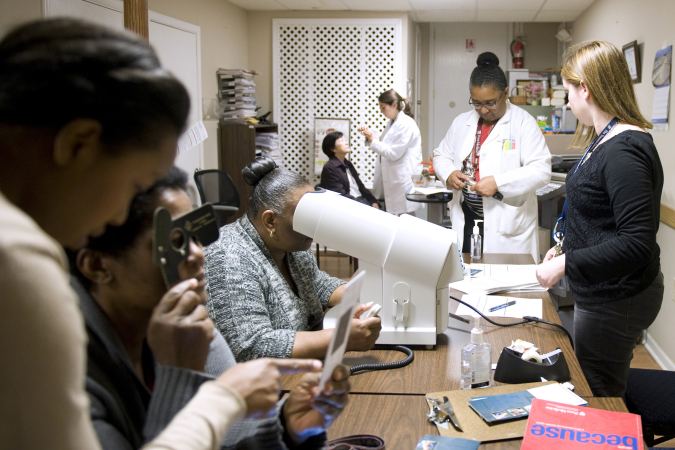
    One of our nurses performed the noninvasive exam using a machine that takes a photo of the retina, the part of the eye that processes or “develops” images we see to send through nerve pathways into the brain where we can make sense of them.

    The patient sat in a chair and looked into the machine’s eye pieces, which resemble a pair of binoculars. The retinal photos are then analyzed by an artificial intelligence assisted program that can accurately detect diabetic retinal disease. The screening is safe, takes only about 10 minutes, with results immediately available.

    Like high blood pressure, diabetic retinal disease is best treated early on, usually before a patient experiences warning symptoms.

    The primary care-based screening is not meant to take the place of regular yearly visits to the eye doctor. Rather, it helps to prioritize eye care for high-risk patients with diabetes, who are often juggling many medical appointments. The ophthalmology visit can easily drop down, on or fall off, their to-do list, especially when they have not noticed new vision issues.

    This type of retinal screening is becoming more common in primary care offices, with most insurances offering coverage for patients with diabetes.

    That’s not to say that more screening is always better. In healthcare, over screening can become an issue in its own right — when unnecessary, screening can add to the cost of care and may distract from the reason for your office visit. Your concerns should always be first priority, and it’s reasonable to ask your provider to explain the clear health benefit for any screening.

    Retinal screening is quick, accurate, and may help save your vision. If you are offered the opportunity to have one next time you see your primary care clinician and it fits into your visit agenda, I recommend you go for it. I think the patient whom I called this week would agree.

    Jeffrey Millstein is an internist and regional medical director for Penn Primary and Specialty Care.

  • The ups and downs of daycare germs | Expert opinion

    The ups and downs of daycare germs | Expert opinion

    Many parents and guardians find that as soon as their child starts daycare, they seem to be sick constantly. Whether that is a runny nose, sore throat, or lingering cough, there always seems to be something. They may be sent home from daycare due to fussiness or fever, and just when it seems they have turned the corner, they develop a new cough and the cycle continues. It can seem like there might be something wrong with the child’s immune system.

    The truth is, frequent illness in daycare is something to be expected – and may actually help a child build immunity. Children in daycare may experience eight to 12 illnesses per year. After all, kids who share toys and surfaces share viruses, too.

    Runny noses that do not fully go away, lingering cough, or temporary appetite changes are to be expected in a child with a viral illness.

    A runny nose is the way the body flushes out germs. Even after the infection improves, the lining of the nose may still be irritated, which is why you may still see this symptom after your child seems better.

    Additionally, the airways remain sensitive after an illness, and that means coughs can linger for several weeks after a cold. When the body is fighting a virus, that focus can suppress appetite, though that should improve within three to five days of the onset of illness.

    How daycare can build your child’s immune system

    Exposure to common viruses helps the immune system learn and grow stronger over time. Early childhood illnesses can:

    • Help build protection against future infections;
    • Lead to fewer missed days of school later in childhood;
    • Support the development of a stronger immune system.

    When should you check in with your doctor?

    • Usually normal: frequent colds, mild lingering coughs, reduced appetite during illness, short periods of fatigue;
    • Check in with your pediatrician if: your child is not growing well, infections are unusually severe, and symptoms linger for more than 4 weeks without any signs of improvement or change.

    What is “supportive care”?

    Often, the pediatrician will let you know that we treat these viral infections with supportive care, which simply means helping the body recover while the illness runs its course.

    Supportive care includes:

    • Hydration: fluids help to prevent dehydration and keep the mucus thin, so it is easier for the body to clear;
    • Rest: Sleep supports the immune system as it fights the infection;
    • Hand hygiene: Washing hands helps prevent the spread of viruses to others.

    The bottom line:

    Frequent illness in children who use daycare can feel overwhelming, but it is a normal part of early childhood. Over time, children exposed to common viruses build stronger immunity and experience fewer infections than those who don’t encounter typical childhood ailments.

    If you have any concerns, stay connected to your child’s pediatrician, as they can provide reassurance and guidance. Staying up to date with vaccines, including the flu shot, may not mean your child never gets sick, but vaccines are proven to reduce the severity of illnesses and prevent hospitalizations.

    Renee Bruce is a second year pediatric resident and Hayley Goldner is a pediatrician in the adolescent medicine department at Nemours Children’s Hospital, Delaware.

  • The power of prevention: How to reduce accidental poisonings in Philadelphia | Expert opinion

    The power of prevention: How to reduce accidental poisonings in Philadelphia | Expert opinion

    As a family physician who treats patients from birth through old age, a new trend in household decor has me worried. People increasingly are decanting or transferring household products, such as detergent, into decorative jars or containers, the American Cleaning Institute says.

    I can appreciate the aesthetic appeal, but I fear that many don’t realize the potential hazard created by removing important safety features such as child-resistant closures.

    In Philadelphia alone, 84 children under the age of 5 were hospitalized for poisoning in 2024, the latest available data show.

    The statistics from the Poison Control Center and the Children’s Hospital of Philadelphia do not include details on how these incidents happened. Still, reporting shows that everyday household items that are stored improperly commonly expose children under five to poison.

    These numbers track with a slight increase in poison center calls seen across Pennsylvania related to cleaning products in recent years, even as national exposure rates have held steady.

    From cleaning solutions to medications and even small batteries, many items essential to daily life require thoughtful storage and proper use, especially in households with young children who are naturally curious. Many don’t recognize the difference between a toy and something that could be harmful. Within seconds, a colorful object left within their reach can become an unintentional hazard.

    These situations often start with products left within their reach, such as cleaners stored under sinks without safety locks or outside of their original packaging. But small, intentional changes at home can make a difference.

    If you are not sure where to start, I often recommend taking a moment to review your home from your child’s perspective. Get down on the ground and look up. What can they reach? What might catch their attention?

    From there, a few practical steps can significantly reduce risk:

    1. Store products up, away, and out of sight. Keep cleaning supplies and other potentially hazardous items in high cabinets or secured spaces, and never within easy reach.
    2. Always keep products in their original packaging. Original containers are designed with safety features and labels that help prevent misuse and confusion.
    3. Focus on high-risk areas. Laundry spaces, undersink cabinets, and utility closets should be secured or reorganized with safety in mind.
    4. Build safe habits into daily routines. Putting products away immediately after use, even during quick tasks, can prevent a momentary lapse from becoming an emergency.
    5. Be prepared. The Poison Help number is 1-800-222-1222. Keep it saved on your phone, so you can act quickly if needed.

    These recommendations reflect guidance from the American Cleaning Institute and other safety organizations. A comprehensive home safety guide developed by Safe Kids Worldwide — available at PacketsUp.com — can also help families reduce risk in high-traffic areas like laundry rooms and undersink cabinets.

    As a family physician, I have seen how quickly a child’s curiosity can turn into a scary situation, and how preventable many of these incidents are. I urge Philadelphia families to prioritize safe storage at home. It could make all the difference in reducing the number of young children hospitalized here each year for accidental poisonings.

    Libby Wetterer is a family physician and assistant professor of family medicine at Penn Medicine who provides care with a focus on reproductive health and family-centered primary care.