
Category: Expert Opinions

  • WIC is now fully funded through 2026, but another deadline looms | Expert Opinion

    WIC is now fully funded through 2026, but another deadline looms | Expert Opinion

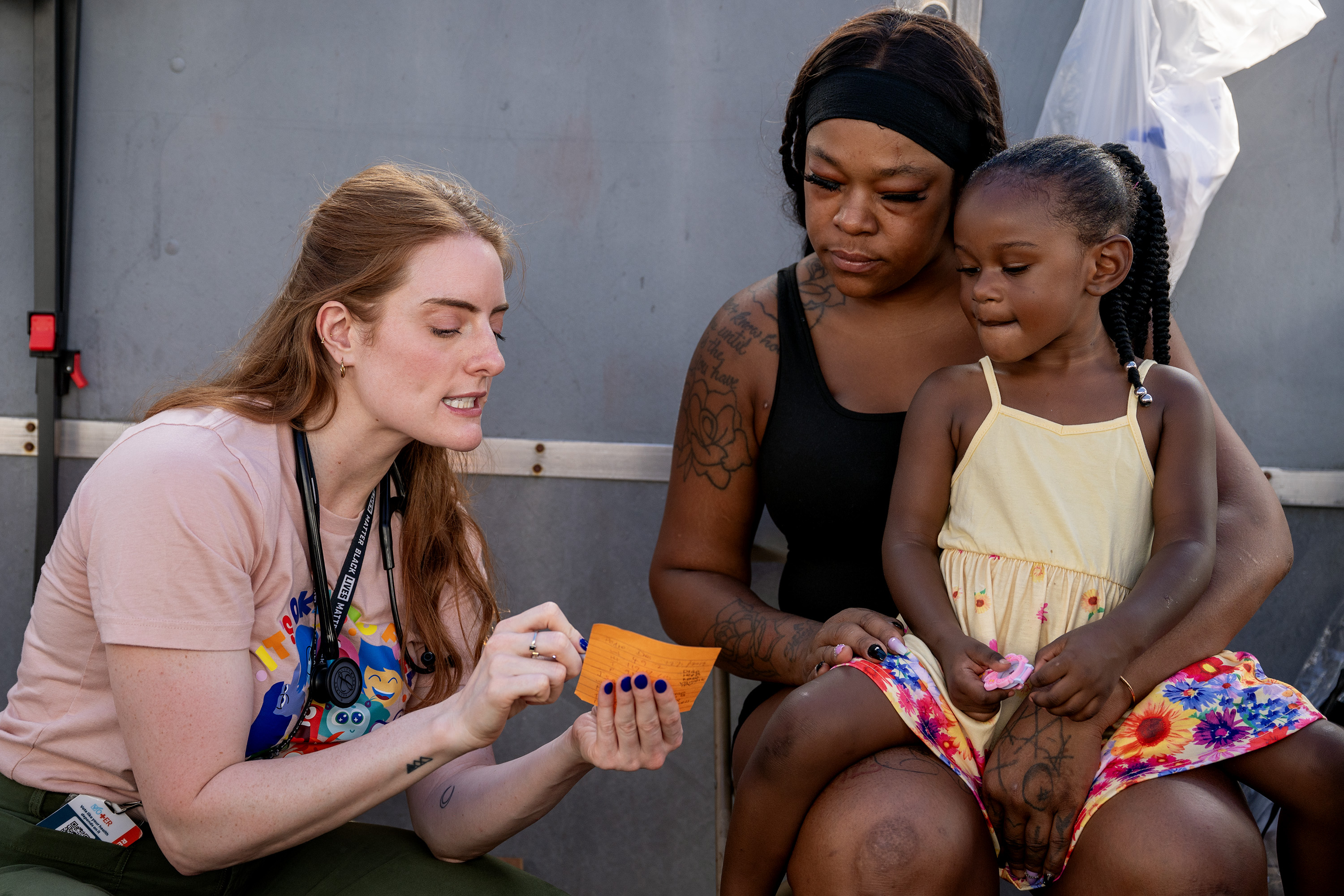
    Last month, I saw a single mother in my medical clinic who had recently lost her SNAP food benefits. She was now struggling to afford enough food for her three children, including solid foods that her 9-month-old baby needed for growth and development. Stories like hers are becoming more common as federal SNAP cuts strain families at a time when food insecurity is higher than at the height of the COVID-19 pandemic.

    As a pediatrician in Philadelphia, I care for many infants and families who rely on the Women, Infants, and Children (WIC) program for nutritional support. I referred this patient to WIC, but I can’t prescribe her the necessary childcare, transportation, and time off work to visit her WIC office every few months, as required in Pennsylvania to receive benefits. These logistical barriers have long challenged Pennsylvania participants, as well as many of the nearly 12 million people nationwide who are eligible for WIC each year.

    For families already struggling to put food on the table, these are not minor inconveniences. They often determine if a family can access adequate nutrition at all. The good news is the pandemic showed us a path to overcome this.

    In 2020, the U.S. Department of Agriculture issued emergency waivers allowing WIC agencies to offer remote appointments and services. Nearly all state agencies reported that the changes made WIC more accessible. They provided a lifeline for WIC families when in-person visits were almost impossible.

    Studies in the years since have suggested that waiving in-person requirements can increase WIC participation. In addition, families who used phone counseling and online education were more likely to stay enrolled. Remote services have modernized and expanded a program long known to promote better diets and health for mothers and children. That is why WIC advocates and policy researchers alike are pushing to keep these services permanent.

    But the federal waivers will expire on Wednesday.

    Earlier this month, Congress passed a temporary funding bill that keeps the program funded through the end of the year. Unfortunately, funding alone is not enough. Without action to extend remote services, families across the country risk losing WIC access due to work obligations, childcare needs, or travel barriers.

    Congress should also support universal adoption of remote benefit loading. Pennsylvania is one of the few states that still does not allow participants to load their WIC benefits remotely, though it plans to introduce a digital WIC card in 2027. Research from the Children’s Hospital of Pennsylvania and the University of Pennsylvania in 2021 found a 14% improvement in WIC participation in states that allowed remote benefit transfer, compared to “offline” states.

    Both the Modern WIC Act in the House and the 21st Century WIC Act in the Senate would formalize these changes, but neither has a clear path to passage. Like the National WIC Association and many public health organizations, I urge our lawmakers to prioritize these bills before the end-of-month deadline. All states should also commit to modernizing their WIC systems to make benefits and services easier for families to access.

    In the last few years, WIC still hasn’t reached nearly half of those eligible. Traveling to appointments is consistently cited as a major barrier, especially for working parents, rural families far away from any WIC office, and those without reliable transportation.

    Congress and state agencies must act together soon to protect families’ access to WIC, one of our country’s most valuable investments in maternal and child health. At a time when high cost of living and federal benefit cuts further threaten food security, we should strive to make WIC easier to use. No family should lose out on critical nutrition support because getting to a WIC appointment is harder than it needs to be.

    William Zhuo-Ming Li is a pediatrician in his final year of residency training at the Children’s Hospital of Philadelphia. He is interested in neonatal health equity and infant nutrition advocacy.
  • You should feel safe, not judged, at a doctor’s visit | Expert Opinion

    You should feel safe, not judged, at a doctor’s visit | Expert Opinion

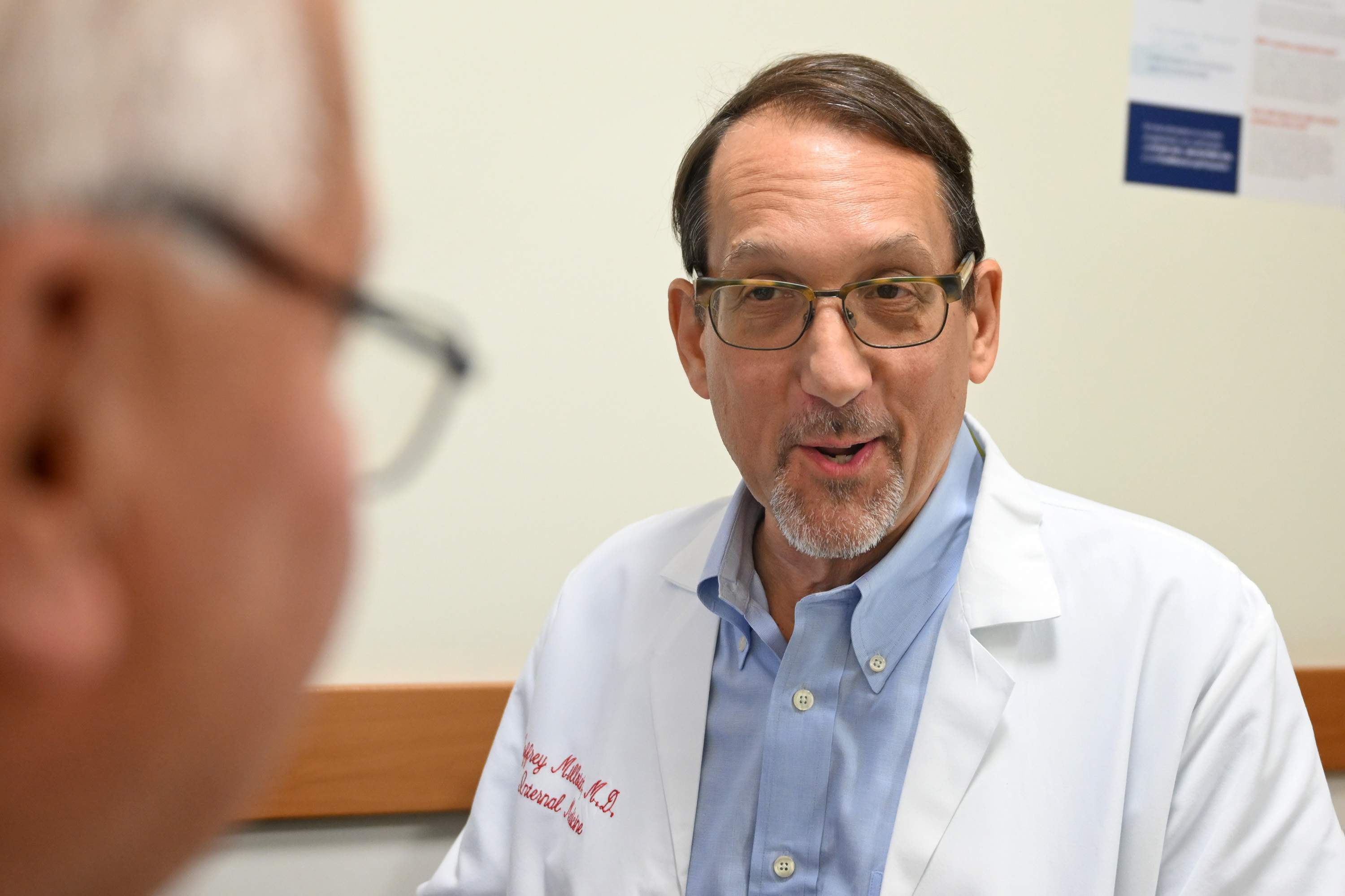
    A friend and colleague recently told me that he can feel anxious about going to see his doctor for follow-up care if he has not accomplished the health goals discussed at his last visit.

    When I asked why, he said he worried that he would be labeled “nonadherent” or scolded for being unprepared. He did not want to waste his doctor’s time.

    I was surprised, since many of my own patients come in for visits without completing every goal we set out. I may not have communicated the plan clearly, and sometimes, as the saying goes, life gets in the way.

    Then I began to wonder about patients who cancel appointments, miss follow-up visits, or never schedule them at all. Could some be avoiding care because they fear being judged for not meeting expectations?

    As physicians, we often emphasize treatment plans and health goals. Less often do we consider whether patients feel safe admitting when they have struggled to follow them.

    I would never scold a patient if they did not complete everything on the to-do list. At the same time, I don’t think I have ever directly said that I want to be sure they come back for follow-up regardless. I realized that I could address this with phrasing like:

    I trust you will try your best to follow our plan. But whether you are able to get these things done or not, I still want to see you back in a few months.

    Astute problem-solving, empathy, compassion, and clear communication are qualities clinicians aspire to in our professional roles. Equally important, though less emphasized, is creating a psychologically safe environment. This means ensuring patients can speak honestly without feeling at risk of being judged.

    Psychological safety was originally studied in workplace teams, based on the work of Harvard researcher Amy Edmondson. To reach high performance, Edmondson found team members need to feel comfortable taking risks, admitting mistakes without fear of shaming or reprisal.

    The principles of psychological safety apply to many settings. Planet Fitness, for example, posts signs on the walls and equipment declaring “Judgement Free Zone” and “No Gymtimidation” in an effort to make members feel welcome regardless of their level of fitness.

    In medicine, a psychologically safe office or exam room may help patients feel more comfortable being vulnerable and discussing more emotionally sensitive concerns. It may also improve the likelihood of scheduled follow-up.

    So what did I tell my friend-colleague? I suggested that he think about the source of his follow up worries. Some of this may require self-exploration, but there may also be areas where his own medical practice could do a better job at creating a psychologically safe, nonjudgmental environment that encourages follow-up.

    Patients should know that a missed goal is not a failed appointment. In health, as in life, progress is rarely linear. In fact, the times when things have not gone according to plan are often the times when medical follow-up matters most. Clinicians should make that message clear.

    Jeffrey Millstein is an internist and regional medical director for Penn Primary and Specialty Care.

  • Vaccines hurt. Skipping them hurts more. | Expert Opinion

    Vaccines hurt. Skipping them hurts more. | Expert Opinion

    As a pediatrician, I recommend children get approximately 30 injections between birth and 18 years of age, following the American Academy of Pediatrics vaccination schedule — and that’s not including their annual influenza vaccine.

    While these vaccines keep children healthy from vaccine-preventable illnesses, I recognize that pain related to these shots can worry children and their parents. Unfortunately, myths surrounding vaccine pain — including that pain is something that needs to be endured without help, or that the pain is too much for a small child to handle — can lead families to delay vaccination.

    This is risky at a time of rising vaccine hesitancy. Pennsylvania is currently experiencing the nation’s third-largest outbreak of measles, a vaccine-preventable disease, with more than 500 cases reported statewide so far this year.

    Most parents want to do everything they can to protect their children. That can feel hard when protection comes with a painful experience. Many parents tell me and my colleagues they “can’t look” when their child receives a shot. Some may be drawing on their own fear of needles; others simply find it difficult to watch their child cry or experience pain.

    As children grow older and begin to voice their own concerns about shots, these fears can become even more difficult to navigate. “I hate shots,” kids say to me all the time. And while I often quip that “no one likes getting shots,” that’s not entirely true.

    The experience of vaccine pain varies by child — age, developmental stage, prior experiences with pain, and temperament can all impact their pain perception. It takes time to assess how best to address a patient’s pain, because there is no one-size-fits-all approach.

    Historically, healthcare providers viewed vaccine pain as a normal part of a pediatric medical visit. We expected patients to bear it without any support. In a survey of nurses and medical assistants at Children’s Hospital of Philadelphia in 2022 regarding vaccine pain, one nurse said, “better to get it done and move on.” While well-intentioned, that mindset overlooks what we know about children’s experiences with pain.

    Pain is complex and deeply personal. Children’s memories of past procedures and their fears can shape how they respond to future vaccinations and medical visits. Anticipation and anxiety can become as important as the procedure itself.

    For some children, fear of pain can become a barrier to healthcare, affecting not only a single visit but their willingness to return for future care. By addressing pain proactively, pediatric practices can reduce distress, strengthen trust, and help children feel safer engaging with healthcare throughout their lives.

    That’s why CHOP created the Guided by Comfort program, enabling patients in our primary care locations to choose from a menu of comfort measures to address needle-related pain.

    Using evidence-based guidelines on the best way to manage needle pain, patients can be positioned for comfort and offered distractions. We also offer additional options for the appropriate ages, such as breastfeeding, sweetened water, vibration with ice, a plastic disc, and cooling spray. The comfort menu includes photos and descriptions of each item, much like the menu at a restaurant.

    In the 16 months since we introduced the Guided by Comfort program in all primary care offices, we have reached nearly 200,000 patients, with 82.5% electing to use a menu offering. One parent reported that her child “felt understood and in control of her own health.” These comfort menu options are helping parents and children to build trust and partnership with their healthcare team.

    This program offers a solution to a common concern identified through Pediatric Health Chat, a CHOP initiative tracking common myths and rumors in pediatric healthcare. CHOP teams have also created informational videos that empower parents and their children with practical strategies to make vaccinations more comfortable and help prevent pain from becoming a barrier to vaccination.

    We have proven that offering comfort measures to patients and families can make getting vaccines on schedule less stressful. Comfort isn’t an extra; we are treating it as part of the vaccination experience.

    The views expressed in this article are those of the authors and not necessarily those of CHOP. This information is not intended to provide medical advice, diagnosis, or treatment. Always consult a qualified healthcare professional regarding any health or medical concerns.

    Katie Lockwood is a primary care pediatrician at Children’s Hospital of Philadelphia and cofounder of Pediatric Health Chat, an online initiative providing resources for families looking for good information on the latest myths and misconceptions about children’s health.

  • Finding heroes in the Cheltenham football assaults | Expert Opinion

    Finding heroes in the Cheltenham football assaults | Expert Opinion

    The disturbing story of the assaults in the Cheltenham High School football locker room is sadly not unique. Incidents of hazing and locker-room violence have made headlines for decades.

    The allegations in Cheltenham have many familiar features: a younger or more vulnerable student was targeted, other students knew what was happening, and adults appear to be protecting the team rather than a victimized child.

    But within this terrible story, I see two heroes — and both offer lessons for parents.

    The first is the person who reported the violence through Pennsylvania’s Safe2Say system. That report helped move information about the abuse outside the closed world of the football program and into the hands of authorities.

    That matters. According to prosecutors, coaches exchanged messages saying the incident had to be “kept quiet,” with one writing that if it became public, “They will cancel the whole season.”

    Closed systems are dangerous. Information cannot get out, outside help cannot get in, and problems can fester — especially when the people responsible for setting the rules are also the people with something to lose.

    The second hero is the victim’s mother.

    She knew her son well enough to recognize that something was wrong. Their relationship was strong enough that he eventually told her he had been attacked. And when he did, she acted.

    Experts will undoubtedly recommend changes in supervision, reporting, hazing prevention, and school culture. But there are also things parents can do, starting at home.

    Lesson 1: Make it clear: We never blame the victim.

    One of the most heartbreaking details in this story is that the young man eventually switched to virtual school after being harassed by other students following the attacks.

    Being victimized should never become a source of shame for the person who was harmed.

    Parents can make one family value unmistakably clear: In our family, we never blame or humiliate someone for being victimized.

    We do not mock someone for being smaller, frightened, or embarrassed. We do not treat reporting abuse as weakness or betrayal. We think about how it feels to be in their shoes.

    Schools can adopt programs and conduct training, but culture begins long before a child walks through the schoolhouse door. When parents send kids to school already believing that cruelty is unacceptable and victims deserve support, schools have a much better chance of creating and maintaining a healthy culture.

    This is particularly important in adolescence. Teenagers can reason remarkably well, but the brain systems involved in empathy, impulse control, and weighing consequences are still developing. At the same time, adolescents are especially sensitive to the opinions of peers, social pressure, and belonging.

    That is not an excuse for cruelty. It is precisely why adults should create environments in which empathy, respect, and intervention are explicitly expected.

    Lesson 2: Don’t wait for a crisis to talk about sex and sexual violence.

    Too many families wait until there is a sense of immediacy; puberty is about to arrive, a child sees something explicit online, a dating relationship begins, or a frightening story about sexual assault like Cheltenham appears in the news.

    In that moment both parent and child may feel distressed and unprepared.

    Research consistently finds that parents remain an important influence on their adolescents’ sexual decision-making, even though parents often underestimate how much influence they have. Parent-child communication about sexuality is also associated with healthier and safer sexual behavior.

    Too many kids are now learning about sex from peers, pornography, and predators, and what they learn is often inaccurate and rarely matches the values parents have for their children.

    In The Sex-Wise Parent, I encourage parents to share sexuality information and values not as “the talk,” but as an ordinary part of parenting that begins early and develops as children grow. Parents need not know every answer in the moment. Rather, they should communicate that questions are welcome, and children can bring uncomfortable experiences to them without fear of being blamed.

    The Cheltenham victim eventually told his mother because something in their relationship allowed him to. Every parent can build that kind of relationship before a child ever needs it.

    And a relationship where a child can ask questions about sexuality is important for more than just crisis intervention; ultimately, we want our kids to grow up and be sexually safe and healthy in every aspect of their life. Parents who can discuss sexuality with their kids of every age are a gift; they send sexually safe and healthy people out into communities where they are safe peers, partners, and members of the public.

    Janet Rosenzweig, Ph.D., is a longtime child welfare and sexuality-education professional and author of “The Sex-Wise Parent,” a practical guide for parents to support healthy sexual development. The updated third edition was released in July.

  • Why was this previously healthy 14-year-old so sick? | Medical Mystery

    Why was this previously healthy 14-year-old so sick? | Medical Mystery

    A previously healthy 14-year-old male was brought to the emergency department after experiencing fatigue, fevers, and decreased appetite for four days. Two days earlier, he’d been seen in an urgent care center, where doctors prescribed a course of amoxicillin for suspected middle ear infection. Now, he was feeling worse and complaining of abdominal pain.

    When examined in the ED, the patient had a fever, an increased heart rate, and low blood pressure requiring IV fluids. He was admitted to the pediatric intensive care unit for close monitoring. His doctors were worried about sepsis, which is the body’s extreme response to infection and is a life-threatening medical emergency.

    But what was the underlying cause of his illness? Initially, doctors were concerned about pancreatitis, as his pancreatic enzymes (amylase and lipase) were elevated in his blood. However, the patient developed new symptoms including neck pain and limited neck motion, as well as reddening of his eyes, which is not consistent with this diagnosis.

    The answer

    Further laboratory testing revealed elevated heart enzyme levels, indicating damage to his myocardium, or heart muscle, as well as very high levels of c-reactive protein, which indicates generalized inflammation. Due to the evidence of inflammation in multiple organ systems, his doctors now suspected a condition called multisystem inflammatory syndrome in children, or MIS-C.

    What is MIS-C?

    MIS-C is a rare but serious complication of COVID-19 that can occur in susceptible patients, usually presenting around 2-6 weeks after initial COVID infection. This patient was not aware of having had COVID recently, but an asymptomatic COVID infection can still spur MIS-C. MIS-C can present with persistent fever, multiorgan dysfunction, and elevated inflammatory markers, which were all present in our patient. This condition was much more prevalent at the heights of the COVID-19 pandemic. Cases dropped rapidly after distribution of the COVID vaccine. This particular patient presented before the creation of the COVID vaccine.

    Since this patient’s inflammatory symptoms were progressing and tests showed signs of heart involvement, treatment for MIS-C was started. Specific treatment courses can vary but all include intravenous immunoglobulin (IVIG), steroids, and aspirin. The patient’s symptoms improved quickly; he was soon able to move his neck without pain, and the redness in his eyes abated. COVID-19 antibody testing eventually came back positive, further supporting the diagnosis.

    The bottom line

    As we get further into life with COVID-19 as a part of our overall medical picture, it’s important to take a step back and look at all we have already learned about the disease. MIS-C is a well documented complication of a COVID infection; however, it may no longer be foremost in physicians’ minds. COVID vaccination has proven highly effective in preventing this frightening condition; a CDC study from 2021 reported 91% effectiveness of these vaccines in preventing MIS-C, as well as more severe disease in MIS-C patients who were unvaccinated. For this patient, there was a full recovery thanks to doctors who quickly recognized the signs and symptoms of MIS-C and started treatment rapidly. Moving forward, it’s important for parents to understand that vaccination can help prevent COVID-related complications, and for our primary care teams to continue communicating everything we have learned over the past six years.

    Jordan Priess is a third-year pediatric resident and Hayley Goldner is a pediatrician in the adolescent medicine department at Nemours Children’s Hospital, Delaware.

  • Cyclospora spreads through human waste – so how did it get on food?

    Cyclospora spreads through human waste – so how did it get on food?

    The nationwide cyclospora outbreak is very likely a result of sewage contamination in the food supply, according to scientific researchers and public health officials.

    The parasite’s spread can become a self-perpetuating cycle. Cyclospora is found only in humans, where it replicates in the intestinal tract, causing severe diarrhea. The organism reproduces by releasing oocysts, which are excreted in those human feces. In the U.S., feces usually end up in sewage systems.

    In many states, sewage water is treated — though not always in ways that remove or kill the oocysts — and then released into waterways and can be used to irrigate crops. The oocysts mature in the environment with warm temperatures in about a week. Then a human comes along and eats the irrigated food or drinks the water and gets sick, releasing more oocysts into sewage systems.

    I am a public health water microbiologist who collects sewage water and tests it for evidence of harmful pathogens, such as cyclospora. The first time I studied cyclospora was in the first outbreak ever documented in the U.S., a small, 45-case outbreak in Florida in 1995.

    The cause was initially suspected to be strawberries grown in California, but later it was determined it was more likely due to imported contaminated raspberries from Guatemala. That country’s raspberries were also associated with much larger outbreaks in 1996 and 1997. At the time, little was known about this single-celled protozoan pathogen.

    More than 30 years later, the largest outbreak ever recorded in the U.S. has sickened more than 22,000 people, and contributed to the deaths of two in Michigan, where I live and work. Using treated sewage to irrigate crops is common in many places, especially where groundwater and surface water are in short supply.

    What’s in wastewater

    There are two reasons researchers like me collect sewage and monitor what’s in it.

    The first is to evaluate levels of disease in a community. Measuring viruses such as SARS-CoV-2 in untreated sewage helped paint a picture of the spread of COVID-19 and the emergence of variants as the pandemic continued.

    The second reason is to determine whether and how sewage treatment removes, inactivates, or kills pathogens.

    It is not easy to measure cyclospora oocysts in sewage, contaminated water, or food. Even modern laboratory methods have trouble reliably detecting low levels of oocysts, which can still cause disease.

    Cyclospora oocysts have been found in sewage around the world. A range of studies across the world shows that they can be detected in up to 25% of sewage samples — but not all studies report how high or low the concentrations of the oocysts were. So it can be hard to say exactly how widespread it is.

    A person who is infected with cyclospora excretes somewhere between 100 and 10,000 oocysts per gram of feces for as long as 60 days. Based on what is known about other fecal pathogen excretions from patients, related to the concentrations of those pathogens in sewage, I estimate that there could be anywhere from 1 to 100 oocysts per liter in sewage.

    Our laboratory at Michigan State University is developing a method to more accurately detect this parasite even at lower levels in sewage. This type of wastewater surveillance may help determine when an outbreak is beginning to subside and where larger numbers of people are still affected. In addition, this information could allow sewage treatment plant managers to regularly monitor their discharges.

    What happens during sewage treatment?

    There isn’t clear data on how well standard sewage treatment processes reduce the numbers of cyclospora oocysts. But there is information on two other similar protozoa that also cause significant diarrhea in humans: Cryptosporidium produces an oocyst about half the size of cyclospora, and giardia produces a cyst that is similar in size to cyclospora.

    From 2001 to 2003, my laboratory studied the occurrence of those protozoa at six sewage treatment plants — one each in Arizona and California and four in Florida. All had been approved by their respective state regulators for nonpotable reuse, including irrigation of landscapes and, in some cases, crops.

    In that study, we found these protozoa in all the untreated sewage we tested, indicating there is some portion of the population that is infected and excreting their cysts or oocysts.

    The five treatment plants whose processes included disinfection with chlorine were able to get rid of a high percentage — but not all — of the protozoa in their discharged wastewater. Some cysts and oocysts remained intact, with the potential to cause disease, even in water that had gone through the entire treatment process, as it is known that wastewater chlorination does not kill these protozoa.

    From that data, it seems reasonable to assume that at least some small proportion of cyclospora oocysts also survive sewage treatment processes and are released back into the environment, where they can survive for months.

    What about reuse?

    Across the U.S., 200 billion gallons of treated sewage wastewater are used for irrigation of agricultural lands each year.

    Some of that wastewater undergoes additional filtration and disinfection for reuse before being spread directly on landscapes or crops. The volumes, however, are not readily known. And other treated sewage, which undergoes only standard secondary treatment, is discharged into rivers, streams, and reservoirs that could provide irrigation water.

    But few states regulate efforts to remove or monitor protozoa such as cyclospora in treated sewage. Filtration can remove protozoa but must be designed and operated correctly. Chlorination is not effective, but ultraviolet light does inactivate cryptosporidium and eimeria, a chicken protozoan highly related to and used as a surrogate in studies testing methods of killing cyclospora by the food safety industry.

    What is needed for better risk assessment and management?

    As floods and droughts occur routinely across the U.S. and around the world, sewage may overflow into bodies of water or be used directly on crops. That increases the risk that diseases, including protozoa such as cyclospora, which are transmitted through ingestion of fecal matter, may spread through food and water supplies.

    And because cyclospora oocysts mature in outdoor heat, it is possible that increasing temperatures, such as heat domes, could speed up their maturation, exposing more people to the infectious form of the parasite.

    Modern technology and techniques are capable of monitoring water quality, detecting harmful pathogens and eliminating them. Expanding monitoring of wastewater for protozoan diseases and other dangers can help prevent outbreaks and slow the spread of disease from sewage-contaminated water in the future.

    Joan Rose is a professor of water research and director of the Water Alliance at Michigan State University.

    Reprinted from The Conversation.

  • Sometimes the best medical test is the test of time | Expert Opinion

    The middle-aged patient who came to the office with stomach issues looked more worried than ill. She had experienced bloating and irregular bowel movements for two days, following a family gathering. No others in attendance had similar symptoms.

    I felt reassured that she was not running a fever or bleeding, and her physical examination was normal except for slightly elevated blood pressure. She told me that she feared the symptoms pointed to a problem with her pancreas, a concern supported by conversations with a friend and her own research on ChatGPT.

    “Which tests should I have? Would blood work and abdominal imaging like a CT scan or ultrasound be best?” she asked.

    I acknowledged her worries, but explained that her symptoms and examination were most consistent with stomach flu, formally diagnosed as viral gastroenteritis. We discussed how this differs from pancreas inflammation and other serious ailments that usually cause more severe pain, vomiting, and abdominal tenderness. I validated her research as sensible; it just needed to be considered in the context of her own story and physical exam findings.

    We reviewed the list of tests that she wanted to consider, and together landed on the most useful one in this situation – the test of time. With gastroenteritis, I expected her symptoms to gradually improve over the next two days with a bland diet, extra fluids, and rest. If she was not better by then, or if her symptoms worsened, I would re-evaluate her and order further diagnostic testing.

    Two days later, when one of our nurses called to check on her, she was feeling much better.

    Why did I want to hold off on just doing the tests to be sure nothing else is wrong? Jumping too quickly to blood tests and imaging to “rule out” unlikely diagnoses may cause more confusion. There may be false positives, false negatives, or results right on the border between normal and abnormal. Instead of supporting or excluding a diagnosis, the test results can obscure it.

    Time can be an excellent diagnostic test, since many illnesses have a predictable course. However, clinicians should always look out for exceptions. A notable example is chest pain. Midchest tightness, accompanied by sweating and shortness of breath, are classic symptoms of a heart attack. Here, taking extra time is too risky, since missing a heart attack diagnosis can be catastrophic. Most clinicians have a very low threshold to move right to specific diagnostic testing and emergency care when there is any uncertainty about the cause of chest symptoms in middle-aged or older adults.

    The diagnostic test of time is powerful but comes with an important caveat: it requires a trusting clinician-patient partnership. My patient and I have known each other for years. I trust that she will reach out if her condition worsens, and she trusts that I will listen, apply clinical judgment in her best interest, and be reachable for follow up. I consider this relationship the special chemistry of primary care.

    When your doctor recommends “give it time,” this can be a sensible diagnostic strategy. Yet don’t take it at face value. Make sure you understand the rationale, and that all of your concerns are addressed. Most importantly, ask what to look out for and have a reliable way to contact the office if your condition changes or worsens. If you are in severe distress, go to the emergency room. Trust your doctor, along with your own instincts.

    Jeffrey Millstein is an internist and regional medical director for Penn Primary and Specialty Care.

  • I’m a Philly neonatologist. Every time I discharge a baby from the NICU, I worry about the air they’ll breathe at home | Expert Opinion

    I’m a Philly neonatologist. Every time I discharge a baby from the NICU, I worry about the air they’ll breathe at home | Expert Opinion

    Discharge day in the neonatal intensive care unit, or NICU, should feel like a finish line. After weeks or months of monitors, alarms, oxygen, feeding tubes, blood tests, and waiting, a family can finally take their baby home.

    As a neonatologist, I know how much work it takes to get that baby there. Their lungs have grown stronger. Their feeding has improved. Their medications have been adjusted and readjusted. The car seat test has been passed.

    But every time we prepare to discharge a preterm infant, I find myself thinking about something that is not listed in the NICU discharge summary: What is the air like in the home and neighborhood where this child lives?

    That question has animated my clinical and research life. Before I was a neonatologist, I worked in a toxicology lab studying fine particulate matter, or PM2.5. These are tiny particles produced by sources such as vehicle exhaust, power plants, and industrial emissions. They are small enough to be inhaled deep into the lungs and may enter the bloodstream. In the lab, we studied how early-life exposure to polluted air could affect the developing heart and lungs.

    Years later, caring for preterm infants in Philadelphia, I am confronted by the same question. Not in a dish or an animal model, but in the lives of my patients — whose lungs are still developing when they leave the hospital — and their parents.

    Preterm infants face double exposure

    Before my patients are born, their pregnant parent is already breathing the air in the place they call home, whether that’s in Philadelphia, Delaware County, or beyond. When a pregnant parent breathes polluted air, it may increase the risk of preterm birth, making it more likely I’ll see that baby in the NICU.

    But delivery does not end the exposure. The same air pollution may still be there when the infant comes home. The difference is that now, alongside their parent, a preterm infant with developing lungs is breathing it too.

    That means some infants may face a double exposure: first before birth, then again after discharge.

    As seen from the Live! Casino parking garage, haze hangs over the Center City skyline on July 15. Smoke from the Canadian wildfires was creating unhealthy air quality.Elizabeth Robertson / Staff Photographer

    Small pollution differences can have big impacts

    In Philadelphia and other large cities, the distribution of dirty air — and therefore the likelihood of facing this double exposure — reflects how American cities have been built. Highways, industrial sites, and traffic corridors have long been concentrated near communities that have also been negatively affected by policy choices such as redlining and disinvestment. Black families and lower-income families are more likely to live in neighborhoods where the air is worse and to face higher rates of preterm birth.

    My own research has focused on infants with bronchopulmonary dysplasia, or BPD. This is a chronic lung disease that affects many babies born very prematurely. These infants often spend weeks or months receiving respiratory support in the NICU. Even after they leave, their lungs remain vulnerable.

    In one Philadelphia study of 378 preterm infants with BPD who were cared for in NICUs affiliated with the Children’s Hospital of Philadelphia, we used a state-of-the-art air pollution model to estimate PM2.5 exposure at each infant’s home address and examined the association of PM2.5 exposure with respiratory illness during the first year after discharge.

    What we found was striking because the pollution levels at home were low. In fact, the average exposure was below the long-standing federal annual standard. Yet among infants with the mildest and most common form, grade 1 BPD, each small increase in annual PM2.5 exposure was associated with substantially higher odds of the infant developing a respiratory illness severe enough to require emergency care.

    More recently, we followed this same cohort of children through early childhood. We found that higher PM2.5 exposure in the first year after discharge was associated with a higher risk of asthma by the age of 5, an age when many kids enter kindergarten. In other words, what a baby breathes in the months after going home may be associated with respiratory health years later.

    The American Lung Association’s 2026 State of the Air report again shows that poor air quality remains a real problem in the Philadelphia region. Those rankings may sound like background noise. Another annual report. Another set of grades. But for my patients, air quality is meaningful. It is part of the discharge plan, whether we name it or not.

    What families and policymakers can do

    So what do we do? It is tempting to propose individual solutions. Families can use indoor air purifiers. They can avoid outdoor activity on bad-air days. They can keep windows closed during wildfire smoke events.

    The Environmental Protection Agency strengthened the annual PM2.5 standard in 2024, lowering it from 12 to 9 micrograms per cubic meter. In practice, the standard establishes a nationwide, health-based benchmark for outdoor air quality and requires states to develop pollution-reduction plans for areas that fail to meet it. That change matters because a growing body of evidence suggests that breathing PM2.5 can harm health even at levels once considered acceptable.

    My patients are part of that evidence. Their lungs are telling us that small differences in PM2.5 exposure may matter and that exposure to PM2.5 levels once considered low may have substantial implications for health when infants breathe that air day after day over a long period of time.

    There are also local interventions worth taking seriously. Cities can reduce traffic-related emissions near homes, schools, and childcare centers. They can electrify municipal vehicle fleets. They can enforce industrial pollution limits. They can invest in high-quality housing. They can also expand tree canopy and green space, which can help capture airborne pollutants and reduce urban heat.

    When clinicians discharge a baby from the NICU, we are making a quiet bet that the world outside the hospital will help that child thrive. But decisions made far beyond the bedside shape the quality of the air all children breathe.

    Tim Nelin is an instructor of pediatrics at the University of Pennsylvania’s Perelman School of Medicine.

    Reprinted from The Conversation.

  • I’m a podiatrist. Here’s what I really think about flip-flops | Expert Opinion

    I’m a podiatrist. Here’s what I really think about flip-flops | Expert Opinion

    Q. How bad are flip-flops, really? Am I inflicting lasting damage on my feet every time I wear them?

    A. Flip-flops must be the most vilified form of footwear. Each summer, the media are filled with stories about how bad they are for your feet. According to some experts, wearing flip-flops will cause acute injuries, such as sprains, or contribute to more insidious injuries, such as plantar fasciitis. Some even claim they can contribute to hammertoes and bunions.

    While it is reasonable to be cautious about flip-flop use for those who may be vulnerable to lower-extremity conditions, are they really that bad for everyone? And should you never slip on a pair if you care about your foot health? The answer I give my patients might surprise you.

    As a podiatrist in Minnesota, my clinic is slowest in late winter and becomes busier as we transition to spring and summer. Coincidently, some people also start to wear flip-flops around this time. It would be easy to assume a cause-and-effect relationship for the flip-flop wearers and their foot pain, but that is an incomplete picture.

    A winter spent in more structured shoes combined with the tendency to be more sedentary can essentially decondition your feet, so when you start to become more active and wear less supportive shoes, your feet might hurt as they adjust to the greater demands you’re putting on them. This reduced capacity is often high on the list of potential causes of foot pain whether wearing flip-flops or not.

    It is true that the risk of falling is higher in flip-flops, but this risk applies to all shoes that do not secure well to the foot such as high heels, mules, clogs, or even poorly fitting shoes.

    Additionally, there is no evidence in the research that flip-flops increase the risk of heel pain or toe alignment changes in people with healthy feet any more than other types of footwear. Heel pain, hammertoes, and bunions are common in the general population, even in those who have never worn flip-flops. Many factors contribute to these foot concerns including genetics, lifestyle, and biomechanical imbalances.

    As a general rule of thumb, I caution anyone with poor balance, osteoarthritis, rheumatoid arthritis, a history of lower-extremity surgery, diabetes, lower-extremity swelling, peripheral neuropathy, peripheral vascular disease, neurodegenerative conditions, or gait abnormalities to avoid not just flip-flops but any footwear that does not strap securely to the foot including at the heel. People with these conditions are more likely to fall or worsen existing issues when wearing unsupportive footwear.

    Even if you don’t have any of the health concerns listed above, remember that flip-flops are really made for walking on flat, dry surfaces only. That’s because you are more likely to fall if you are on a wet surface and subsequently injure yourself if your footwear is not secured to your feet.

    If you’re wondering what footwear is best for avoiding foot conditions, the answer is that there’s no one single type. Each of the shoes that we own uniquely alters how our feet function and affects how we move. Therefore, it’s best to have multiple types of comfortable footwear options with varying degrees of cushioning, support, and fit characteristics to allow your feet to maintain their strength, mobility, and adaptability.

    Flip-flops place more demand on the muscles and joints of the feet than conventional shoes, and that can be a good thing. Having a capacity to wear footwear with little to no support is an important part of long-term foot health. If you don’t have any of the health issues that I previously mentioned, this capacity can be built by transitioning to flip-flops gradually at the beginning of the season, wearing them for short periods of time in the beginning to give your feet a chance to adjust. Doing targeted foot-strengthening exercises as part of a fitness routine can also help.

    An often-overlooked benefit of flip-flops (and more broadly, sandals) is that they let our feet spread out more than shoes typically do. This is one of the reasons people find flip-flops comfortable. It is very common for people to develop foot pain due to poorly fitting shoes. In fact, a 2018 study showed that up to 72% of people wore shoes that did not fit properly and there was also an association with improper shoe fit and foot pain.

    All shoes affect our lower extremities in ways that can be potentially beneficial or detrimental. Telling healthy people to avoid certain types of footwear is like telling people to avoid the sun. Sure, too much exposure to either can be bad, but some exposure is beneficial and even necessary for our overall health. Having a variety of comfortable footwear options is a good strategy to maintain foot health — and for many people, that strategy can include flip-flops.

    Paul Langer is a sports medicine podiatrist practicing with Twin Cities Orthopedics in Minnesota and an adjunct clinical faculty at the University of Minnesota Medical School. He is also the author of “Great Feet for Life.”

  • Why AI and TikTok could make the youth mental health crisis even worse | Expert Opinion

    Why AI and TikTok could make the youth mental health crisis even worse | Expert Opinion

    Imagine a 15-year-old scrolling through TikTok videos late at night and encountering a video titled: “Five signs you have ADHD that NO ONE talks about!” By morning, she’s watched 20 more. By the weekend, she’s certain she has ADHD — without ever having seen a professional.

    Social media and increasingly, AI chatbots have become go-to mental health resources for teens. I understand the appeal of a seemingly quick and convenient way to get answers. We’ve all been Googling symptoms and searching WebMD for years.

    But social media is now inundated with false information, and AI companions can amplify those mistruths. Teens who forget an assignment or daydream in class can become wrongly convinced that their common experiences point to a condition like ADHD. It’s critical that they learn to never take an online diagnosis at face value and to consult a professional.

    The adolescent mental health crisis

    Less than half of children and youth are receiving appropriate care for their mental health needs. That includes the 40% of high school students who report persistent sadness or hopelessness, an increase of roughly 10% from a decade ago. Nearly 20% of these youth have seriously considered suicide.

    Many teens without access to expert care will fill that void digitally: In one survey, roughly 29% of respondents reported self-diagnosing via social media; among Gen Z, that figure was significantly higher.

    AI is accelerating this trend. A Common Sense Media study found last year that 72% of teens had used AI companions at least once, and 52% did so regularly. In another nationally representative survey, about 20% of adolescents and young adults reported having used AI chatbots for mental health advice, an increase of nearly 50% in just one year. Notably, 63% never told anyone about it.

    Platforms like Replika and Character. AI allow teens to build highly customized AI “companions” that remember your history, adapt to your language, and are available at 2 a.m. when no one else is.

    The adolescent brain is very sensitive to social validation and identity cues — traits that social media platforms are engineered to exploit. A central question of adolescence is: Who am I? Diagnostic labels feel like answers.

    And the social media algorithm makes it all very convincing. Once a teen engages with one mental health video, the platform serves up more — not because the content is accurate, but because engagement drives engagement.

    Richard J. Chung is a physician and the senior medical director for Enterprise Adolescent Medicine at Children’s Hospital of Philadelphia.Courtesy of CHOP

    Why the content can’t be trusted

    A recent analysis of the top 100 TikTok videos tagged #teenmentalhealth found they collectively were viewed over 140 million times, yet only one video incorporated scientifically supported content.

    Most content creators are not licensed clinicians; they speak from lived experience and often with a financial interest in selling products and coaching services. They are rewarded for content that is emotionally compelling and shareable, not clinically careful.

    A video that says “here are five signs you’ve experienced trauma” can spread faster and wider than one explaining the differential diagnosis of mood symptoms.

    AI makes it personal and more dangerous

    A TikTok video is static, but a chatbot adapts to your phrasing, mirrors your concerns, and rarely pushes back. Because AI systems are optimized to keep you engaged, they default to agreement and validation, even when pushback is appropriate.

    In some cases, the consequences can be catastrophic. Published case reports and wrongful-death lawsuits have documented adolescents disclosing suicidal thoughts to AI chatbots that sometimes offer back information on suicide methods and discourage users from seeking human support.

    Chatbots cannot do what a trained clinician does: assess for risk, challenge harmful thinking, and ensure a young person stays connected to care.

    All of this also makes it harder for teens who need the most help to get it. I know of one patient who struggled silently with a debilitating anxiety disorder for months because all her friends said they had it as well. They weren’t getting treatment, so why should she?

    What you can do

    For parents: Engage before you judge. Download TikTok. Search #mentalhealth, #anxiety, #ADHD — understand what your child is actually watching.

    Teach a simple credential check: does this creator have LCSW, Ph.D., MD, or DO in their bio?

    Watch for red flags: brief checklists presented as clinical diagnoses, product marketing, sweeping generalizations, absolute claims, and a few too many exclamation points. The goal is not to ban the conversation. It’s to be part of it.

    For teens: Let social media be a starting point, not a conclusion. If content resonates, write it down and bring it to a counselor or a doctor. Your curiosity is valuable and deserves to be met with high-quality guidance and support.

    Start with your pediatrician — they can screen for mental health conditions and coordinate referrals without you navigating the system alone. And always remember, you can call or text 988 for crisis support.

    Lastly, we need your help! Pediatric Health Chat at CHOP wants to hear from you about what you’re seeing and hearing on the internet so that we can work together to improve the quality of information out there.

    Building the system teens deserve

    With real help too often out of reach, teens are turning to TikTok in search of answers.

    The response from parents, clinicians, and policymakers should not be limited to policing social media or AI. Investing in services, removing barriers to care, and creating policies shaped by youth, will help ensure real help is as readily available offline. We must build the system of care that teens actually need, IRL.

    The views expressed in this article are those of the authors and not necessarily those of CHOP. This information is not intended to provide medical advice, diagnosis, or treatment. Always consult a qualified healthcare professional regarding any health or medical concerns.

    Richard J. Chung is a physician and the senior medical director for Enterprise Adolescent Medicine at Children’s Hospital of Philadelphia.