Category: Entertainment

  • Horror fans bid a bittersweet farewell to an empty Pennsylvania mall full of zombies

    Horror fans bid a bittersweet farewell to an empty Pennsylvania mall full of zombies

    MONROEVILLE, Pa. — When Michelle Parsons was planning her wedding in 2007, she had only one honeymoon destination in mind.

    “My fiance asked, ‘Where do you want to go?’” Parsons recalled. “And I said, ‘The Monroeville Mall.’”

    The modest two-story shopping complex, 20 minutes from downtown Pittsburgh, might not seem like the most romantic choice. But to horror lovers like Parsons, the Monroeville Mall is “a holy place” — not to mention one of the largest and longest-standing movie sets in the country.

    In the late 1970s, George A. Romero, the creator of the modern zombie genre, took over the building to shoot “Dawn of the Dead,” a blood-soaked tale of four survivors who hide out in an abandoned mall as they try to fend off bloodthirsty creatures and greedy bikers. As Romero once told Rolling Stone, the Monroeville Mall epitomized “the false security of the whole consumer America trip,” making it the perfect backdrop for a gory allegory about 20th-century capitalism run amok.

    Since the film’s U.S. release in 1979, “Dawn of the Dead” has attracted generations of fans to Monroeville, including Parsons, a 46-year-old X-ray technologist from Yarmouth, Nova Scotia. When she finally arrived at the mall after her wedding, Parsons began to cry.

    “I was in heaven,” she said.

    The marriage didn’t last. But Parsons’ love for the movie, and for the mall, has endured.

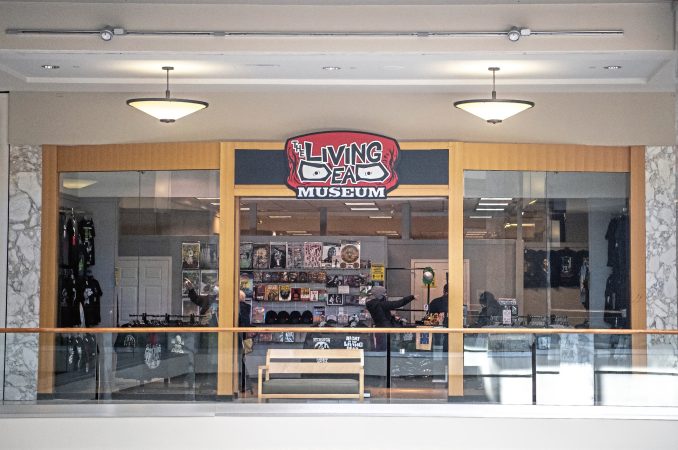
    Last month, she was back in Monroeville for the Living Dead Weekend. This year, it united an estimated 3,000 “Dawn of the Dead” aficionados with more than 60 cast and crew members, its organizer, Kevin Kriess, said. Together, the “Dawn of the Dead” faithful celebrated the building’s history — and began the uneasy process of saying goodbye to the mall.

    In October, Walmart announced it had teamed with Cypress Equities, a development company, to buy the property for $34 million. According to a filing, there are plans to demolish the mall and build a multiuse center. The Living Dead Weekend, which has been held since 2015, will need to find a new home.

    “I’m in denial,” Parsons said. “You just kind of hope there’s a Hail Mary, that maybe they’ll save some part of this.”

    Many Living Dead Weekend attendees expressed a similar disbelief. How could their beloved gathering space simply disappear?

    “It’s hard to fathom, because it’s so iconic to so many people,” said Greg Nicotero, a Pittsburgh native and an executive producer of “The Walking Dead” who got his start as a special-effects makeup artist with help from Romero. “I’d equate visiting the mall to going to Georgetown and standing at the bottom of the steps where Father Karras lands in ‘The Exorcist,’” he said. “Or going to Martha’s Vineyard and seeing Quint’s shack from ‘Jaws.’”

    Given the mall’s imminent closure, the mood over the weekend was bittersweet. There were panel discussions, autograph sessions and VIP parties where former zombies mingled with revelers. Fans, some of whom paid $50 for a three-day pass, re-created their favorite scenes — like a shootout on the mall’s top floor — and met up with other enthusiasts, including people from New Zealand, Sweden and Britain.

    “I’ve told friends and family, ‘If you love this movie, get down here as soon as possible,’” said Joseph Lilagan, a warehouse traffic-support specialist from Mesa, Arizona, who has visited the mall nearly a half-dozen times, and was attending this event for his 38th birthday. “Being here widens the fan vibe within you. Who wouldn’t want to come and enjoy whatever’s left?”

    Retail decay

    As attendees overtook the mall, the building’s declining health was hard to ignore.

    A handful of prominent businesses were shuttered, including a vast Forever 21 store that sat in darkness. Some smaller stores looked as though they’d been abandoned in a hurry: In one hollowed-out location, all that remained were a few skeletal fixtures and a lone red hat; in another store, a limp “Grand Opening” sign sat on the floor.

    Such images of retail decay would no doubt feel familiar to dead mall scholars — as well to viewers of “Backrooms,” the industrial-space horror film playing at the Monroeville Mall’s movie theater.

    “We’ve gone from deindustrialization to de-mallization,” noted Tony Buba, an 82-year-old documentarian who has spent decades chronicling the plight of working-class Pennsylvania. Buba, who had a small role in “Dawn of the Dead,” admitted he was no fan of malls, having watched them put mom-and-pop stores out of business. But even he was feeling sanguine about the Monroeville Mall’s current state. “I think someone should buy it and turn it into an indoor zombie amusement park,” he said.

    During the convention’s first two days, the number of shoppers trickling in was notably low. “It looks like a zombie apocalypse happened here, which is kind of spot-on,” said Scott Yesh, 52, a regional manager for AAMCO Transmissions from Houston who was posing next to a bust of Romero in the courtyard.

    Dennis Biondo, the mayor of Monroeville, said that while the sale of the building had been completed, no plans for its development had been submitted to the municipality. No closing date has been announced.

    In a statement, Walmart said it had no new information, noting only that, “We believe this transformation will create a vibrant, community-centered destination that helps shape a strong, exciting future for the Monroeville area.”

    But given that some tenants have been told to vacate by April 2027, the building’s end seems near.

    A few of the storefronts, including a giant-size former Party City, had been converted into halls for the weekend. On Saturday afternoon during the weekend of the event, Tom Savini, the makeup effects wiz on “Dawn of the Dead” and other classic movies like “Friday the 13th” — and who acted in “Dawn” — signed autographs close to where he had executed a daring stunt.

    “I dove off this balcony into cardboard boxes,” Savini, who played a machete-wielding biker in the film, said. “I can’t even look at it now without my knees getting weird.”

    Savini, 79, said he was taking a stoic approach to the building’s demise. “What can you do?” asked Savini, who directed the 1990 remake of “Night of the Living Dead.” “There are petitions out there, but they’re not going to do a bit of good.”

    Stumbling on escalators

    Such a fate seemed impossible when the mall opened its doors in 1969. Hailed by its founders as “the U.S.’s largest enclosed shopping center,” the building featured an ice-skating rink, a $125,000 clock tower that hosted puppet shows, and more than 100 stores and businesses.

    “It was busy all the time,” remembered Beverly Galando, 76, a longtime Monroeville resident who had stopped by the celebration to do some people-watching. “I used to meet my mom here for walks, and now my sister and my friends walk here. This place is a gem.”

    Romero felt the same way when he toured the mall in 1974. By that point, the Pittsburgh-based filmmaker had been running from zombies for years. After the success of his 1968 thriller “Night of the Living Dead” Romero was inundated with requests for a sequel. “I was just resisting completely,” he recalled in the 2004 documentary “The Dead Will Walk.” “I didn’t want to get typecast.”

    Romero’s visit helped inspire the screenplay for “Dawn of the Dead,” which filmed in late 1977 and early 1978. The cast and crew members shot in the evening and wrapped by 7:05 a.m. the next day. That’s when the mall’s automatic Muzak system switched on, and local cardiac patients arrived for their morning exercise, passing blood-splattered zombies on their way in.

    “The mall was sort of our home,” said Gaylen Ross, a documentarian who played one of the human survivors in “Dawn of the Dead.” “We had complete freedom to roam around,” she said. “And we spent a lot of time waiting for blood to be cleaned up.”

    Romero shot additional sequences at various Pittsburgh-area locations, including a regional airport and a gun shop (both now gone). But nearly all of the action was captured at the mall. That’s where the zombies try to reconnect to their human pasts: They wander through department stores, stumble along escalators and even take to the ice.

    In one exchange from the film, Ross’ character struggles to understand the creatures’ behavior.

    “Why do they come here?” she asks.

    Her boyfriend, played by David Emge, says, “Some kind of instinct.”

    “Memory of what they used to do,” the character adds. “This was an important place in their lives.”

    A hopeful future

    Though Romero took aim at me-decade commercialism in “Dawn of the Dead,” he surrounded that message with plenty of chaos and carnage, not to mention lots of gnarly special effects. That led the U.S. ratings board to slap the movie with an “X,” making it a tough sell in America (Romero ultimately decided to release it in theaters unrated). The movie proved too much for some critics, including Janet Maslin of The New York Times, who left “Dawn of the Dead” after just 15 minutes.

    Nonetheless, the low-budget film eventually became a box-office hit, powered by action sequences — including scenes of motorcycles and cars tearing through the mall — as well as wry humor and an unlikely upbeat message.

    “There’s a family component to the movie, because the survivors only have each other,” said Carl Hoelzl, 61, an insurance-industry employee from Stonybrook on Long Island. He was relaxing in a massage chair in the middle of the mall. “‘Dawn of the Dead’ gives you the sense of, OK, even though the world’s falling apart, people can come together and start building for a hopeful future.”

    Romero would likely never have guessed that the building he used to symbolize excess would become a product itself. And there were plenty of spending opportunities for the Living Dead Weekend attendees: Autographs of many of the zombie actors cost $20 to $60, while old bricks from the mall were available for $75 each.

    On Saturday night during the event, Dan Bertha was killing time near the food court, an unlit cigar in his hand. Bertha, 79, had a long history with the mall: He’d worked on its construction, and played hockey on its ice rink. He’d even starred as a SWAT team member in “Dawn of the Dead.” This was the third convention he’d attended for the film, and it was going well: The fans had been friendly, and he estimated he’d made about $1,000 a day signing autographs.

    For those who wanted a more immersive zombie experience, daily tours of the mall (for $50) were conducted by Larry DeVincentz, 51, an enthusiastic “Dawn of the Dead” authority from Fort Mill, South Carolina. At one point, DeVincentz rolled on the ground for about 100 tour guests, re-creating a scene in which zombies gobble a biker’s guts.

    DeVincentz was confident the “Dawn of the Dead” celebrations would continue.

    He won’t have to wait that long: Over the course of the weekend, word got out that another Living Dead Weekend had been set for October. (Since 2017, the event has been held twice a year, with other installments dedicated to different horror films.) That will allow “Dawn of the Dead”-heads to revisit their beloved mall one last time.

    Parsons said she would be among those returning. Many of the fans here, she noted, had come to feel like family. Last year, she even served as a maid of honor at a wedding of two friends she’d met at the Living Dead Weekend.

    “George Romero brought us all together for this one thing,” Parsons said. “And this is the only vacation I take.”

    This article originally appeared in The New York Times.

  • We can thank Philadelphia for ice cream sodas and root beer floats

    We can thank Philadelphia for ice cream sodas and root beer floats

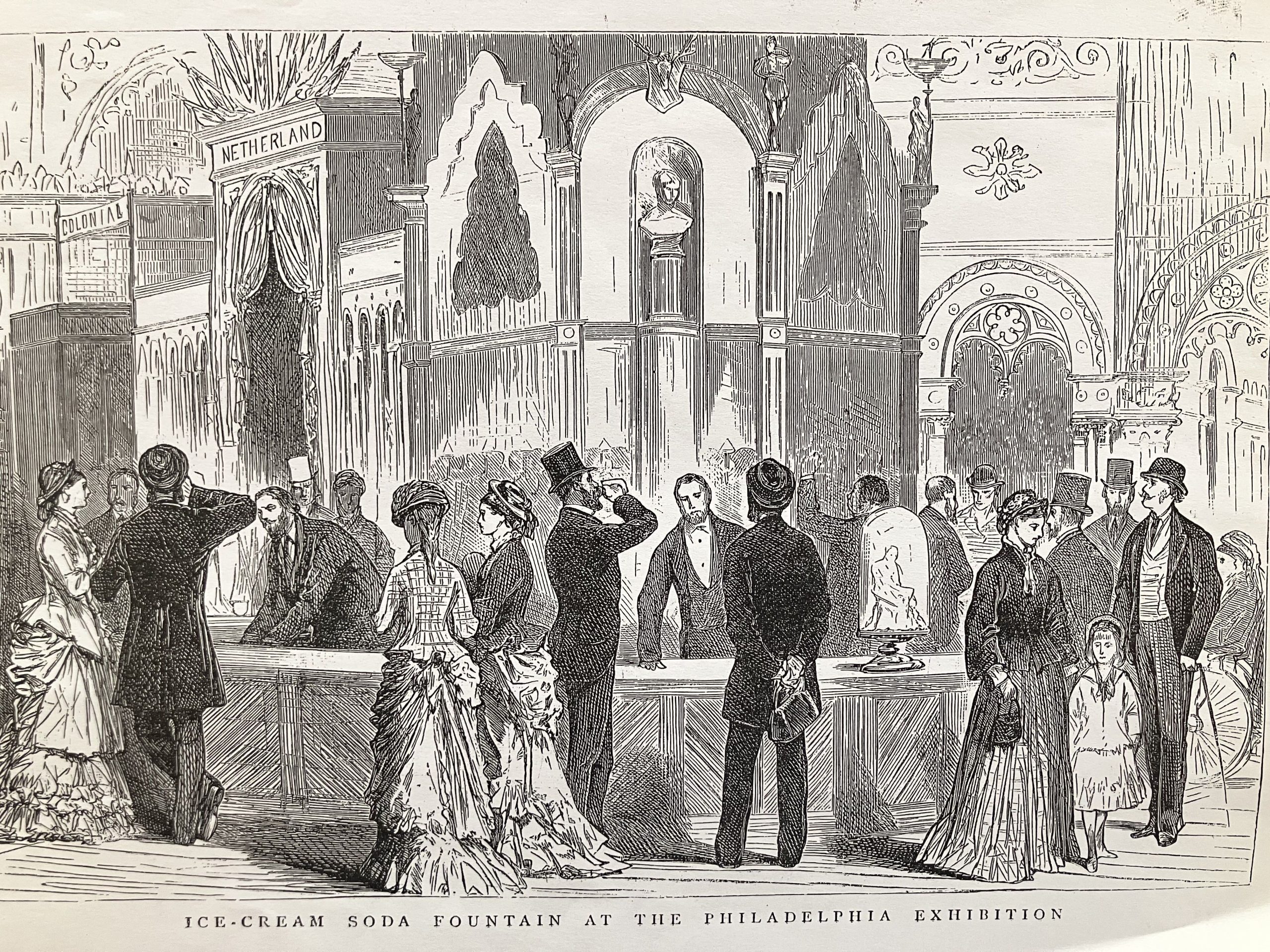
    In the fall of 1874, Philadelphia entrepreneur Robert M. Green was looking to make his fortune selling soda fountains. So, he set up a stand at the grand exposition feting the Franklin Institute’s 50th birthday.

    The monthlong fair — held near City Hall where Wanamakers would stand just two years later — drew hundreds of people a day. To Green’s dismay, another soda fountain manufacturer showed up to make his fortune, too.

    An ice cream soda fountain pictured at the Philadelphia World’s Fair.Colibri Workshop

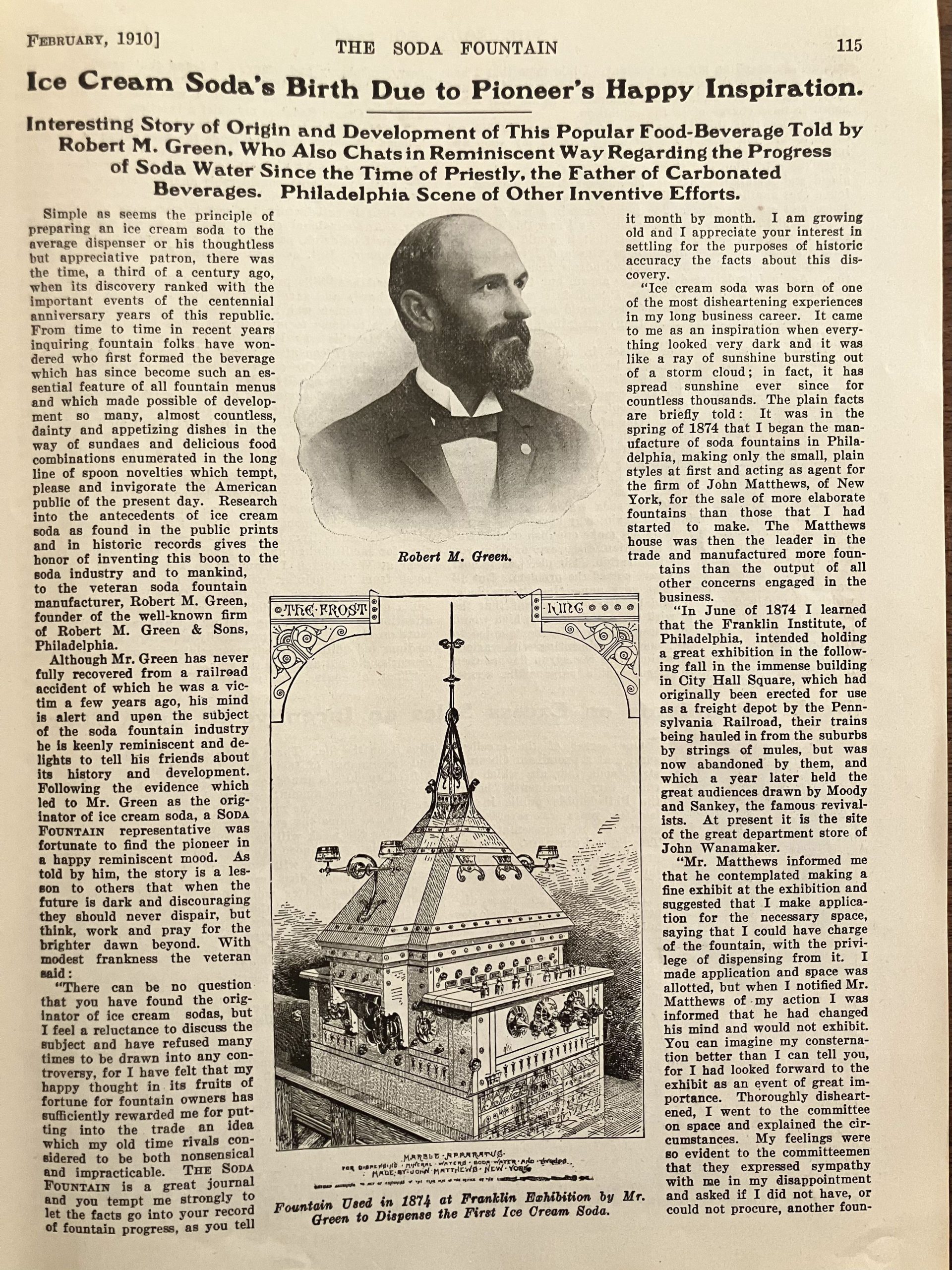
    To lure more fairgoers to the flavored soda water he was hawking at 10 cents a pop, Green added a dollop of vanilla ice cream. (Green purchased the ice cream from Henry Snyder, a confectioner at the corner of 13th and Vine.)

    “The ice cream soda came out of a moment of desperation,” explained Eric Berley, self-anointed ice cream historian and owner of Franklin Fountain in Old City. “It started to fizz and bubble up creating a real 19th-century experience.”

    The Philadelphia Historic District will honor ice cream soda’s effervescent beginnings at Franklin Fountain, Saturday July 18, from 11 a.m. to 1 p.m. It will be the district’s 29th firstival, part of a yearlong party celebrating America’s 250th birthday.

    The first ice cream soda was served at the 50th birthday fete for the Franklin Institute back in 1874 by soda fountain salesman Robert M. Green.Colibri Workshop

    Green made $8 that first day of ice cream soda sales. But he knew he could do better. According to a 1910 article in Soda Fountain, the next day he printed handbills advertising the creamy concoction. He gave teenagers free tastes and paid them to crowd around his booth to drum up interest.

    By the end of the fair Green was pulling in $200 a day — $5,793 in today’s money.

    Word of the sweet treat traveled throughout the country and ice cream sodas became a drugstore staple. Up until then, soda fountains were only used to make medicinal drinks like Alka-Seltzer. Ice cream helped turn drug stores into hot spots.

    Ice cream sodas, according to an article in the 1920 Philadelphia Evening Ledger were the precursors to the “sundae, the banana split, and the various egg drinks and a score or more of the tasteful and appetizing things which are now offered to the public.”

    Robert M. Green recounted how he made the first ice cream soda in a 1910 article printed in the trade magazine The Soda Fountain.The Berley Bros. Collection.

    Green opened Robert M. Green & Sons, at Broad and Vine, in the late 19th century where he sold soda machines and made a fortune. He’s buried in West Laurel Cemetery in Bala Cynwyd where his tomb stone reads: “Here lies the originator of the ice cream soda.”

    While it’s tempting to end the ice cream soda story here, there is more to this sweet saga.

    At the 1876 Centennial, Philadelphia-based pharmacist Charles Hires introduced the temperance drink Root Beer, a spicy blend of 16 wild roots and berries.

    Seventeen years later, Frank J. Wisner, owner of a Colorado-based brewing company, plopped in a scoop of vanilla ice cream, inventing the Root Beer float.

    The terms ice cream soda and ice cream floats are used interchangeably these days, Berley said.

    “But it’s clear without Philadelphia you wouldn’t have an ice cream soda or a root beer float.”


    The Ice Cream Soda Firstvial will be held, Saturday is Saturday, July 18, 11 a.m.-1 p.m. at the Franklin Fountain, 116 Market St.

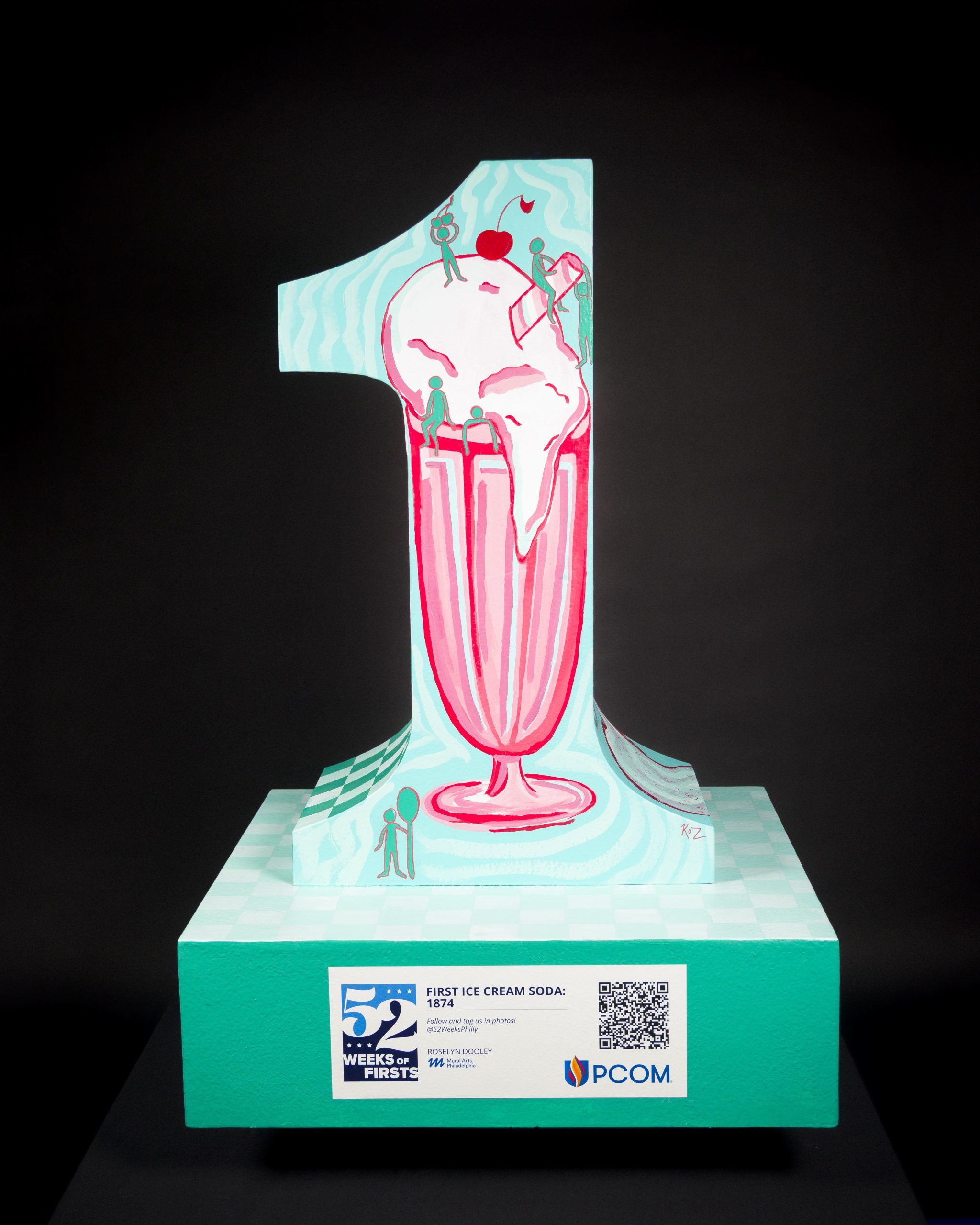
    The Inquirer is highlighting a “first” from the Philadelphia Historic District’s 52 Weeks of Firsts program each week. A “52 Weeks of Firsts” podcast, produced by All That’s Good Productions, drops every Tuesday.

  • Kylie Kelce tops the list of the most-searched Wikipedia pages of celebrities born in Lower Merion or Narberth

    Kylie Kelce tops the list of the most-searched Wikipedia pages of celebrities born in Lower Merion or Narberth

    Ever wonder who the region’s most searched for locally born celebrities are?

    Kobe Bryant? Of course. Sabrina Carpenter? Obviously. But a fighter pilot born in the early 1900s? Not so much.

    The Inquirer’s Lizzie Mulvey and Charmaine Runes recently dug into the 2025 most popular celebrities on Wikipedia who were born in the Philadelphia area. The results were a mix of obvious contenders and surprises.

    We went even further, looking at the top five most-searched individuals born in Lower Merion or Narberth, with the tiny borough punching above its weight class.

    Topping the list is Narberth native Kylie Kelce, who is also among the top 100 searched celebrities in the region, ranking No. 50 overall. Part of her online rise came about after her podcast “Not Gonna Lie” launched in late 2024.

    She’s followed by fellow Narberth native James Julien “Pug” Southerland II, a Navy fighter pilot credited with a number of victories in World War II. He reportedly earned his nickname because he was a pugnacious boxer at the U.S. Naval Academy. Sutherland died in 1949 at the age of 37 during a flight training accident, according to his page.

    Author Beck Dorey-Stein grew up in Narberth. Lawrence Jackson

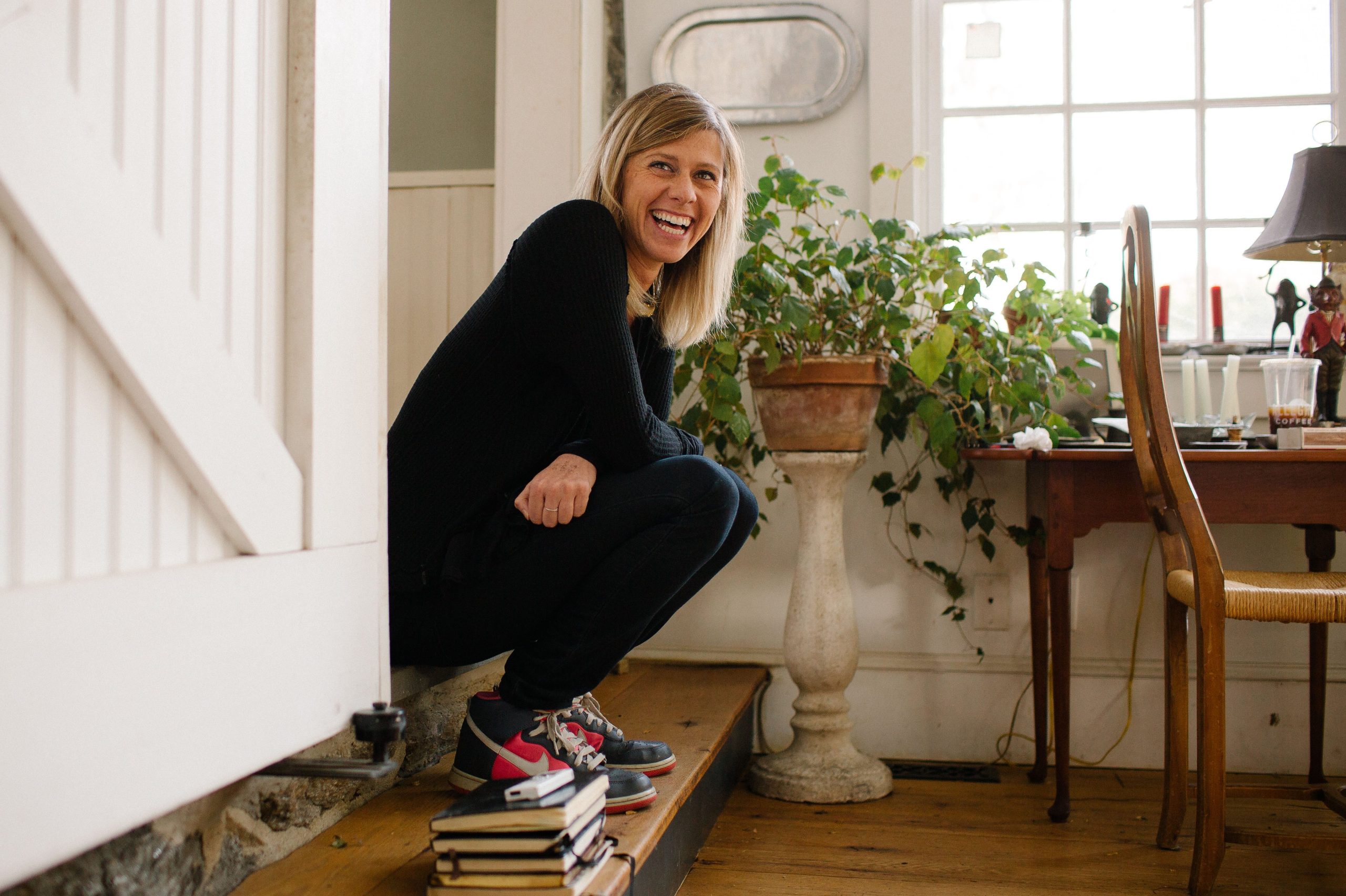
    Beck Dorey-Stein, another Narberth native, has the third-most page views among area residents. A Lower Merion High School alum, Dorey-Stein gained acclaim after penning her 2018 memoir From the Corner of the Oval about her time as a stenographer in the White House, predominantly under former President Barack Obama. Her most recent book, Spectacular Things, came out last year.

    Former Phillies minor leaguer and Houston Astros player Taylor Buchholz and former Cleveland Browns president Alec Scheiner, both from Lower Merion, come in numbers four and five, respectively.

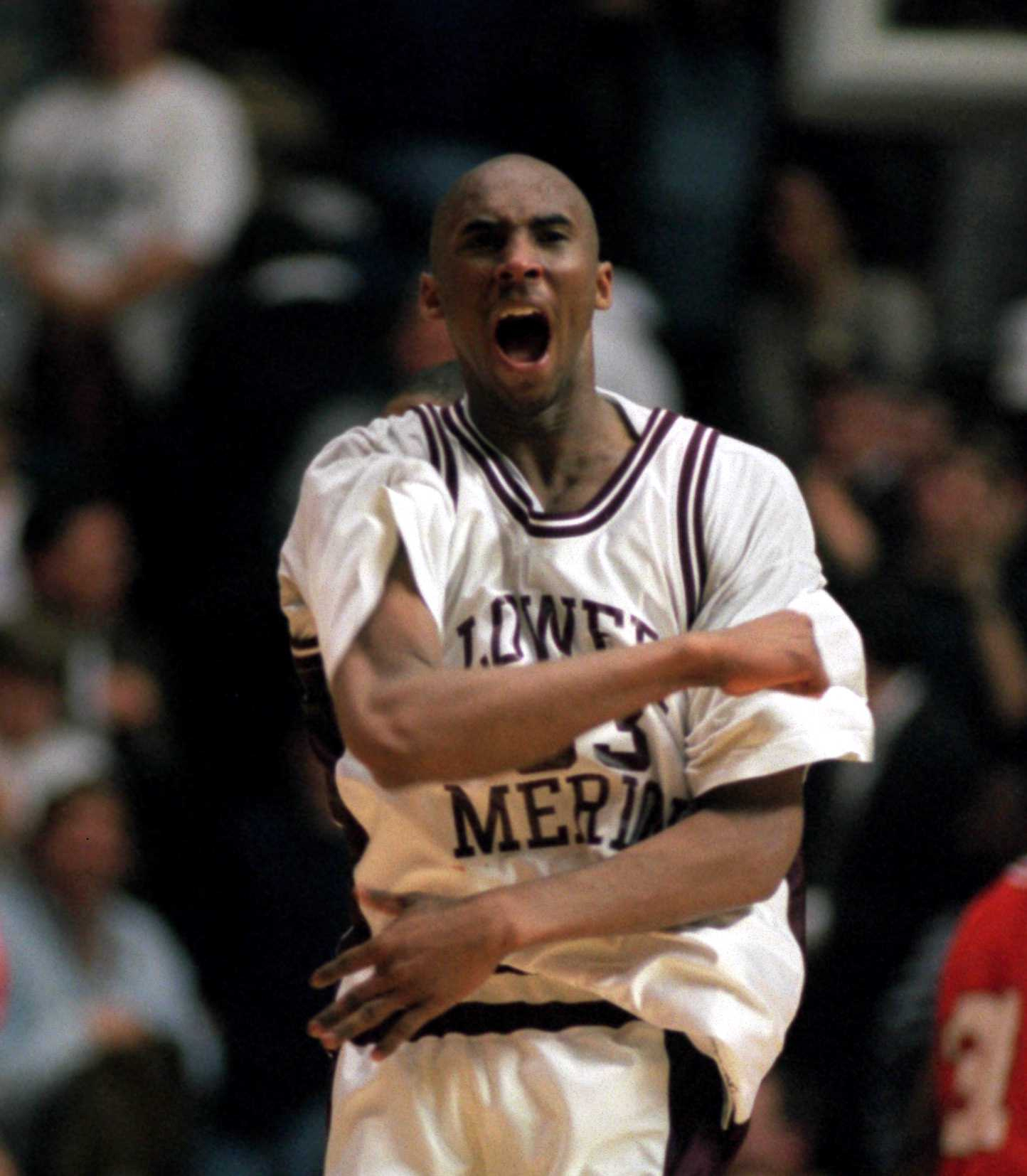
    Kobe Bryant played for Lower Merion High School.Ron Cortes / Staff Photographer

    While Kobe Bryant was born in Philadelphia, he famously attended Lower Merion High School. The 18-time NBA All-Star is the No. 2 most-viewed page among all locally born celebrities.

    See the full list of the most-searched celebrities born locally.

    This suburban content is produced with support from the Leslie Miller and Richard Worley Foundation and The Lenfest Institute for Journalism. Editorial content is created independently of the project donors. Gifts to support The Inquirer’s high-impact journalism can be made at inquirer.com/donate. A list of Lenfest Institute donors can be found at lenfestinstitute.org/supporters.

  • Mark Donovan Hagins, an actor, playwright, and educator who nurtured Philly’s theater community, has died at 56

    Mark Donovan Hagins, an actor, playwright, and educator who nurtured Philly’s theater community, has died at 56

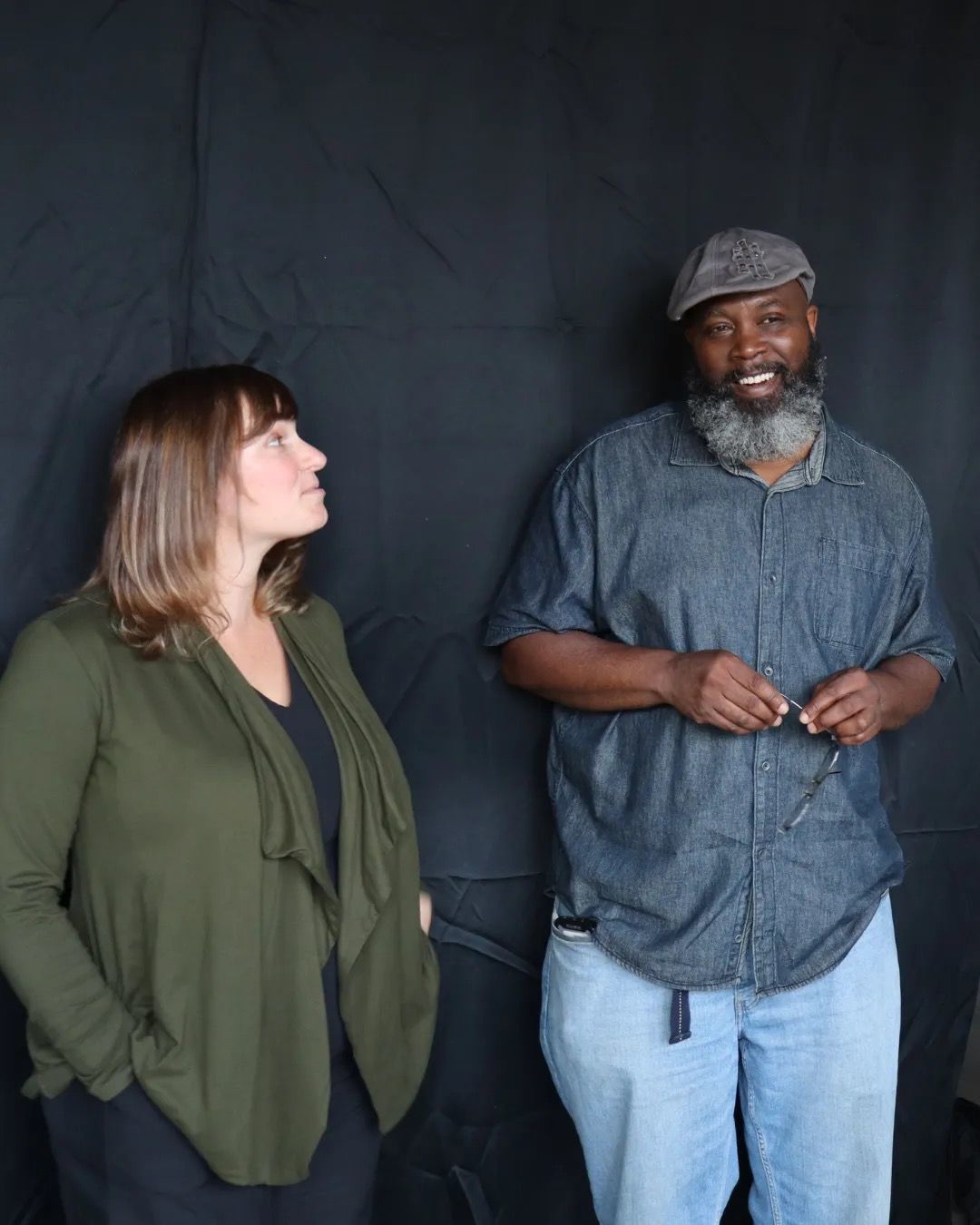
    Mark Donovan Hagins, 56, an actor, teacher, and producer who knew everyone in Philadelphia’s theater community, from the upstarts to the grizzled veterans, died Wednesday, June 24, at his home. His family said his death was sudden but could not provide further details.

    As a resident producer with the Philadelphia Young Playwrights nonprofit, Mr. Hagins mentored, educated, and staunchly advocated for countless young members of the city’s theater community. Mr. Hagins was known as a laid-back person who could calmly solve problems under pressure, while remaining curious and dedicated to serving his students. Those who worked with him said he was an imaginative, collaborative artist who understood the history of Black theater in Philadelphia and was interested in cultivating its future. He had a talent for bringing entertaining stories to life, with even the barest of tools.

    His acting career included productions with Philadelphia’s Freedom Theatre, Azuka Theatre, Walnut Street Theatre, and the Rutgers-Camden Center for the Arts, appearances in the second season of the HBO show The Wire, and roles in other theater workshops, television shows, and independent films.

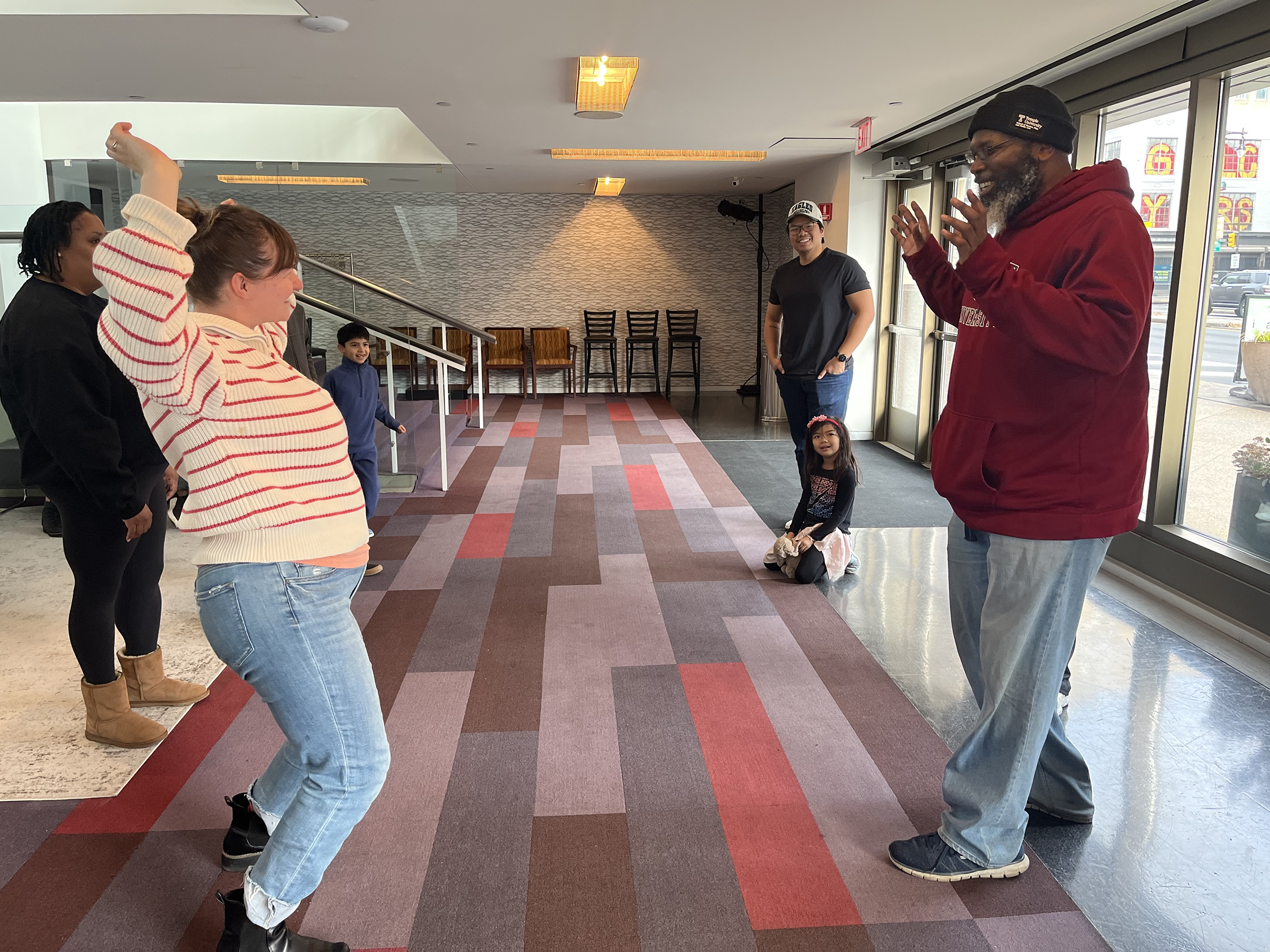
    One of his first roles came in 1999, when he connected with Philadelphia Young Playwrights as a student at Temple University and performed in the organization’s annual New Voices festival. After graduating in 2000, Mr. Hagins joined the nonprofit as a teaching artist and classroom actor to guide young playwrights and actors, even while his own theater career was just beginning. He produced numerous works by the city’s youth, including through the New Voices festival, where middle, high school, and even elementary school playwrights have their works performed by adult actors.

    Mark Donovan Harris teaching Philadelphia Young Playwrights students. He first connected with the organization when he was a student at Temple University in 1999.Philadelphia Young Playwrights

    “He believed that coming back to North Philadelphia … could make a difference in young people’s lives. And he said, if you could get through them through acting … you could change their momentum. You could change their environment. You could change their way of thinking. When they became adults, you know they would be better people in the world. So he invested into them,” said his aunt Millicent Platt.

    Mr. Hagins was born July 2, 1969. He grew up in the Hartranft section of North Philadelphia with his parents, the Rev. Paul Hagins and Vermell Hagins, and sister, Ramona Johnson, and spent his summers visiting family in North Carolina. Mr. Hagins, who went by his middle name, Donovan, in the theater world, always was interested in theater, but found it to be his passion once he enrolled at Temple, his family said.

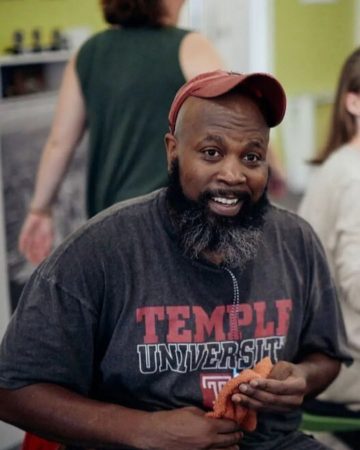
    “A fixture of our Temple Theaters community, Donovan was a proud Temple alum invariably seen repping his school with a hat or shirt,” Temple Theaters posted in an online tribute. “He lived in Cherry and White. Donovan embodied the values of generosity and collaboration, showing an unwavering belief in the power of young voices.”

    Professional actors who worked with him spoke highly of how he curated and directed student productions, said LaNeshe Miller-White, executive director of Philadelphia Young Playwrights. While he had a calming, comforting presence around people, Mr. Hagins was always willing to have fun, too, whether it be playing a silly character written by a student or taking hold of the microphone for his weekly karaoke outing, she said. He took his relationships with students seriously, and stayed in touch with some of his mentees long after their time with the program ended.

    “Donovan’s dedication to young artists and to PYP was unwavering, and his generosity, wisdom, and kindness touched countless students and colleagues across Philadelphia and beyond,” her organization wrote after his passing.

    Mark Donovan Hagins stands with Philadelphia Young Playwrights operations manager Ali Nebistinsky.Philadelphia Young Playwrights

    And while playwriting and theater drove him, Platt said, Mr. Hagins’ niece, Ragan Johnson, 25, and his nephew, Gregory Johnson III, 22, were his heart.

    His niece remembered visiting her uncle in Philadelphia, where they would eat cheesesteaks or visit Reading Terminal Market, and bond over Michael Jackson’s music. She said he was a great listener, and recalled how fun it was to watch him perform onstage in Washington during a period when he lived with her family. She will miss their phone calls, she said, when they used to go over her schoolwork together.

    Mr. Hagins’ parents and sister died earlier. He is survived by his niece and nephew; Platt and another aunt, Ella Mae Frederick; an uncle, Phillip Platt; a brother-in-law, Gregory Johnson II; and other family members.

    His family will hold a memorial service, open to the public, on Saturday, July 18, at 11 a.m. at Nix & Nix Event Venue, 1525 W. Dauphin St., Philadelphia.

  • Bob Dylan and his ever-changing band sang in the shadows at the Highmark Mann

    Bob Dylan and his ever-changing band sang in the shadows at the Highmark Mann

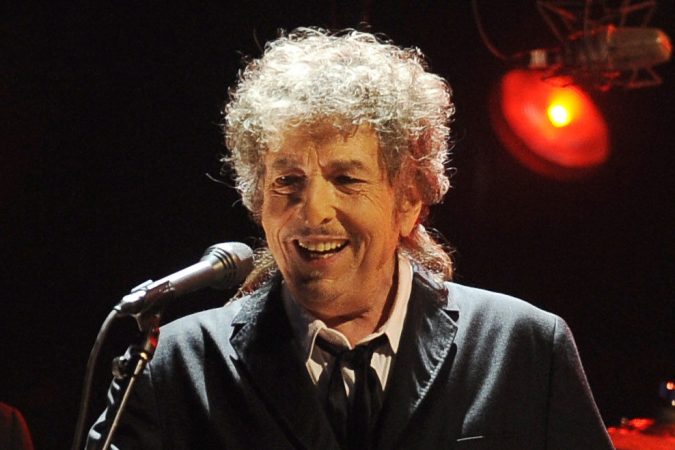
    The man in the short, white jacket singing “The Man in the Long Black Coat” at the Highmark Mann on Tuesday? That was Bob Dylan.

    You might not have known by looking because he wasn’t easy to see. Dylan has always been a master at hiding in plain sight, maintaining mystery about his true self — or selves — and resisting being known despite his every move being obsessively scrutinized for more than six decades.

    These days, Dylan also blurs himself visually. On Tuesday at the Mann’s TD Pavilion — a venue he last played 10 years and a day earlier — he stood behind an electric piano at the rear of the stage, his face partly obscured by the hood he kept over his head as if he were expecting rain.

    With the boudoir lighting on stage, it was as if the audience — surprisingly youthful, no doubt thanks for Timothee Chalamet’s star turn as Dylan in A Complete Unknown — was invited to witness a late-night jam in a ramshackle roadhouse.

    (Mobile phone photo taking — or phone use of any kind — was prohibited during the show, and enforced by security workers hustling around the amphitheater with flashlights.)

    And who were those shadowy figures on the film noir stage set interacting with the grizzled Bard? That was a source of intrigue as well. Dylan has been a road warrior on what he has dubbed the “Long Hot Summer Tour,” playing 51 shows so far in 2026.

    But while he and longtime bass player and bandleader Tony Garnier and drummer Anton Fig have been constants, the guitarists have been in flux.

    First, in June, Doug Lancio left the band, and Dylan watchers were wowed when he was replaced by improvisational jazz guitarist extraordinaire Julian Lage. Then longtime second guitarist Bob Britt quit the band without explanation, though he did post a “Sayonara Bobby” goodbye on Facebook.

    Britt was then replaced with Chicago jazz, blues, and Western swing player Joel Paterson. And the lineup then continued to shuffle this month when Lage missed shows due to prior commitments, and Memphis R&B player Jad Tariq filled in for him.

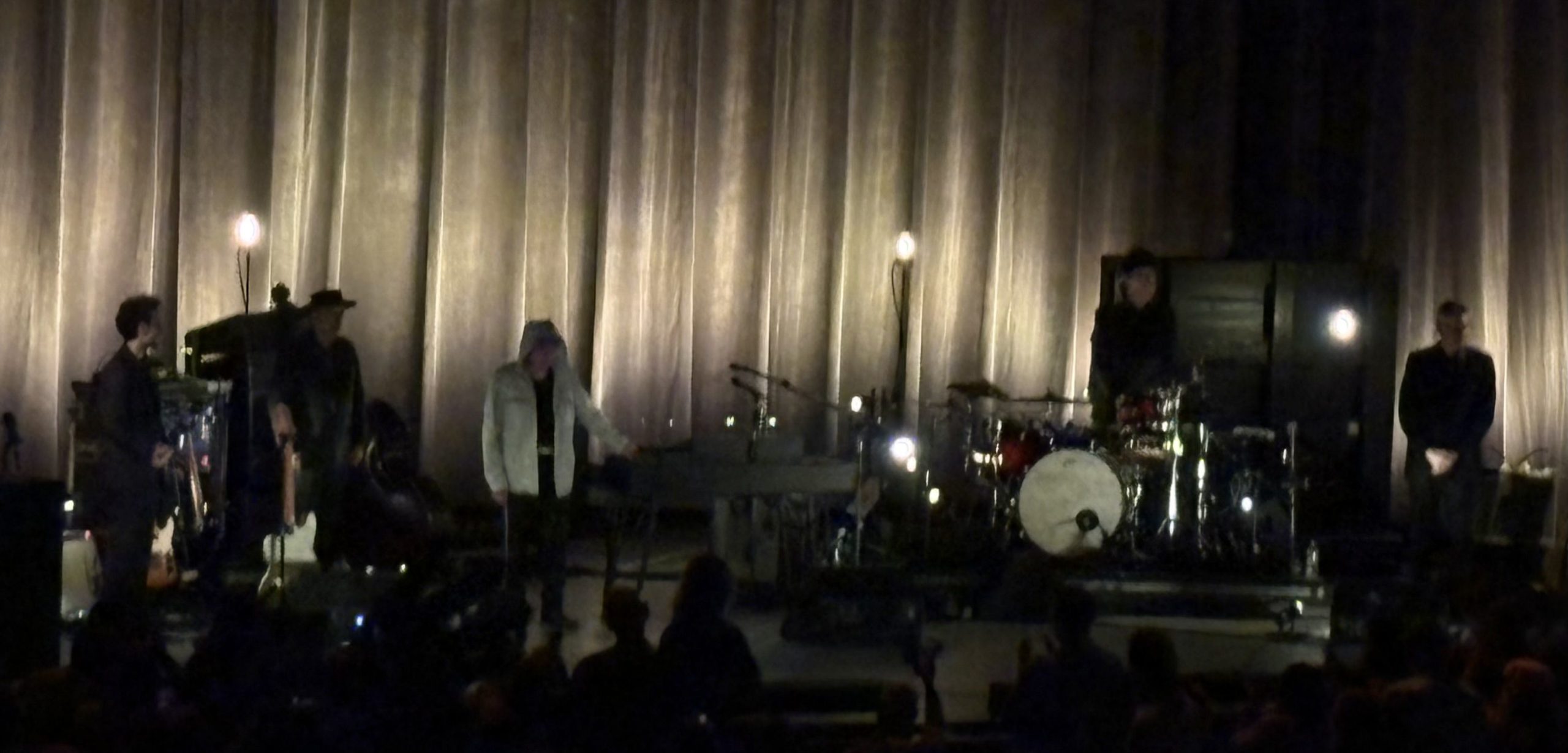
    Bob Dylan and his band at the close of his show at the TD Pavilion at the Highmark Mann on Tuesday, July 14, 2026. Left to right: Julian Lage, Tony Garnier, Bob Dylan, Anton Fig, and Joel Paterson.Dan DeLuca

    On Tuesday at the Mann, however, Lage was back in Tariq’s place, standing to the right of Garnier and his upright bass. Both kept a close eye on Dylan, careful to follow his lead throughout an 80-minute performance that worked as a steamy midsummer mood piece and intermittent meditation on mortality, while taking an alternative route through the world’s greatest living songwriter’s oversized oeuvre.

    Dylan is famous for rearranging much-loved songs from his 1960s and 1970s heyday to the point they become unrecognizable until a chorus comes around.

    There was a little of that this time. It took me a minute to realize that the sprightly third song, which was one of many marked by intuitive interplay between Paterson and Lage, was “It Ain’t Me Babe.”

    But mainly Dylan keeps the crowd from getting too comfortable by keeping his best-known warhorses out of the set. Nine of 16 songs he sang — in a clear, non-phlegmy voice by his standards, with the band skilled at staying out of his way — came from what are considered latter day Bob Dylan albums. (Though he’s been around for so long that one of those newish albums, Oh Mercy, is 37 years old.)

    With Paterson taking most of the leads, the set also included covers of three old-time rock and roll and R&B deep cuts. Bo Diddley’s “I Can Tell,” Jerry Lee Lewis’ “I’ll Make It All Up to You,” and Bobby “Blue” Bland’s ”Share Your Love With Me” were all examples of Dylan playing homage and drawing strength from bedrock American vernacular artists who inspire him. That was also true of the evening’s penultimate song, his own “Goodbye Jimmy Reed.”

    Dylan is 85, and the New York Times recently asked him about being an octogenarian and to perhaps offer President Donald Trump sage advice on a milestone birthday.

    He declined the latter opportunity but said that in his 80s “you don’t chase the parade anymore. You’re an old king from some vanished country. … You’re not rushing to become anything and you’re not haunted by the things that you did.”

    Dylan’s songs are enigmatic. They mean different things at different times to different people. Or you might say they “contain multitudes,” as Dylan sang of himself on his most recent album, 2020’s Rough & Rowdy Ways, which led the way with five tracks performed from it on Friday.

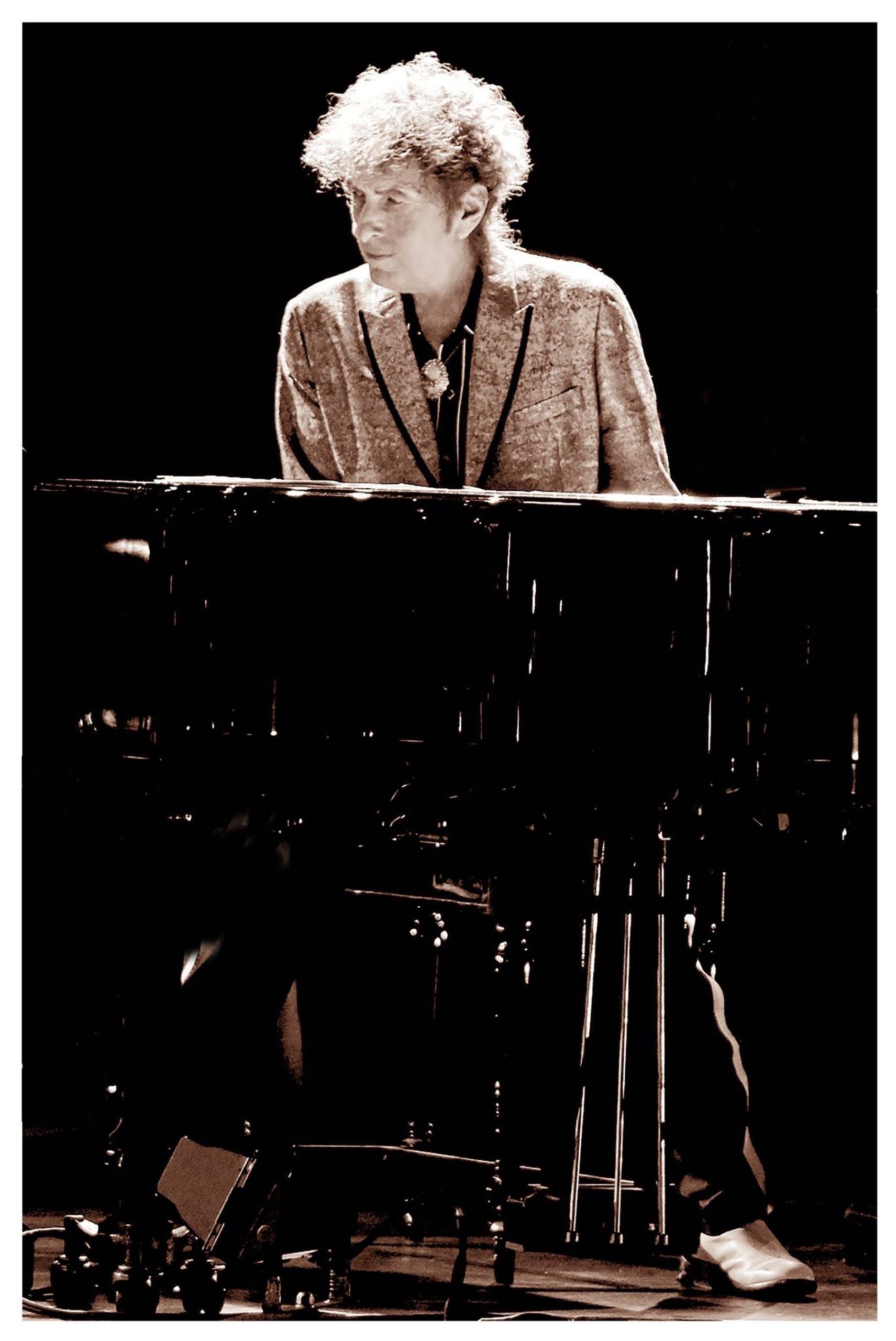
    Bob Dylan played the Highmark Mann in Fairmount Park on Tuesday.Carol Friedman

    But for those tempted to try to puzzle out what Dylan is thinking and feeling about his own eventual demise, Tuesday night’s set did offer opportunities.

    Two songs — one played early on, one mid-set — could be interpreted as dances with death, populated by mythical figures that may or may not be the Grim Reaper.

    In the doomy, foreboding, and thoroughly compelling “Man in the Long Black Coat,” darkness is embodied by a ghostly presence “with a face like a mask” who takes a woman away “without a goodbye, not even a note.”

    And in “Black Rider,” Dylan sounded feisty, casting himself as a mythical figure.

    As if his ability to keep on keepin’ on required it, he vowed to fight Death to the death: “Don’t turn on the charm,” he snarled, “I’ll take a sword and hack off your arm.”

    That set the stage for the gospel influenced “I Shall Be Released,” which has recently replaced the philosophical “Every Grain of Sand” as Dylan’s closing number.

    The song he first recorded with The Band in 1967 can be read as a prayerful plea from a prisoner, or a supplicant seeking heavenly relief from struggles and strife on this mortal coil.

    Either way, it was a stirring finale to a satisfying summer evening, and one of two songs — along with the title tune to the 1990 album Under the Red Sky — that featured a Dylan harmonica solo, with both drawing rousing ovations.

    Guitarist Jimmy Vaughn preceded Dylan with his Tilt-A-Whirl Band. It marked Vaughn’s return to the Mann, which he played in 1986 with the Fabulous Thunderbirds, opening for his brother Stevie Ray Vaughn, who died in 1990.

    Vaughn is a superb Texas blues guitarist. He never showboats or overplays, and along with his band — which included a three-member horn section — he revved up the crowd with a set that included covers of Roscoe Gordon, Slim Harpo, plus “Texas Flood,” the Larry Davis composition that became his brother’s trademark.

    The show kicked off with Brittney Spencer, the Maryland-raised Nashville-based vocalist who is a key player in this decade’s Black country renaissance.

    Spencer was a featured guest on Beyoncé’s Cowboy Carter, and along with slide guitarist Omri Skop, she followed Queen Bey’s lead in covering the Beatles’ “Blackbird.” And in addition to her own songs “New to This Town” and “Better As Friends,” she won over the crowd with a quality interpretation of Dylan’s own much-covered love song, “Make You Feel My Love.”

  • With next year’s cuts looming, Philadelphia Cultural Fund announces $5.6 million in grants

    With next year’s cuts looming, Philadelphia Cultural Fund announces $5.6 million in grants

    Even as it grapples with having less money to award next year, the Philadelphia Cultural Fund on Wednesday announced this year’s grants to arts and culture groups across the city. The fund is dispersing $5.6 million to 322 organizations representing arts and culture of all types, said Cultural Fund executive director Gabriela Sanchez.

    “We have theater, we have dance, we have visual arts, poetry open mics, historic sites, sculpture gardens — it truly ranges across all genres,” Sanchez said.

    The 2026 grants also reach beyond Philadelphia’s downtown marquee groups into all sections of the city.

    “We are funding Districts 1 through 10, and that is exciting,” she said, referring to the city council districts into which the city is divided.

    The Philadelphia Cultural Fund is an important source of money for arts groups, but especially for smaller ones. It is drawing more attention this year after the city’s budget process for fiscal year 2027 left the agency with a cut in funding. Instead of the $5 million it received from the city in FY26, it will now see only $3.5 million.

    As a result, it will have to cut the number of grants it gives out in 2027. Although there is currently no specific target for how large that reduction will be, it could mean grants going to 100 fewer groups.

    “When you look at 100 organizations that could be funded, that’s terrible, a painful thing to navigate,” said Sanchez. “We have to get creative to find other pathways to meet the need.”

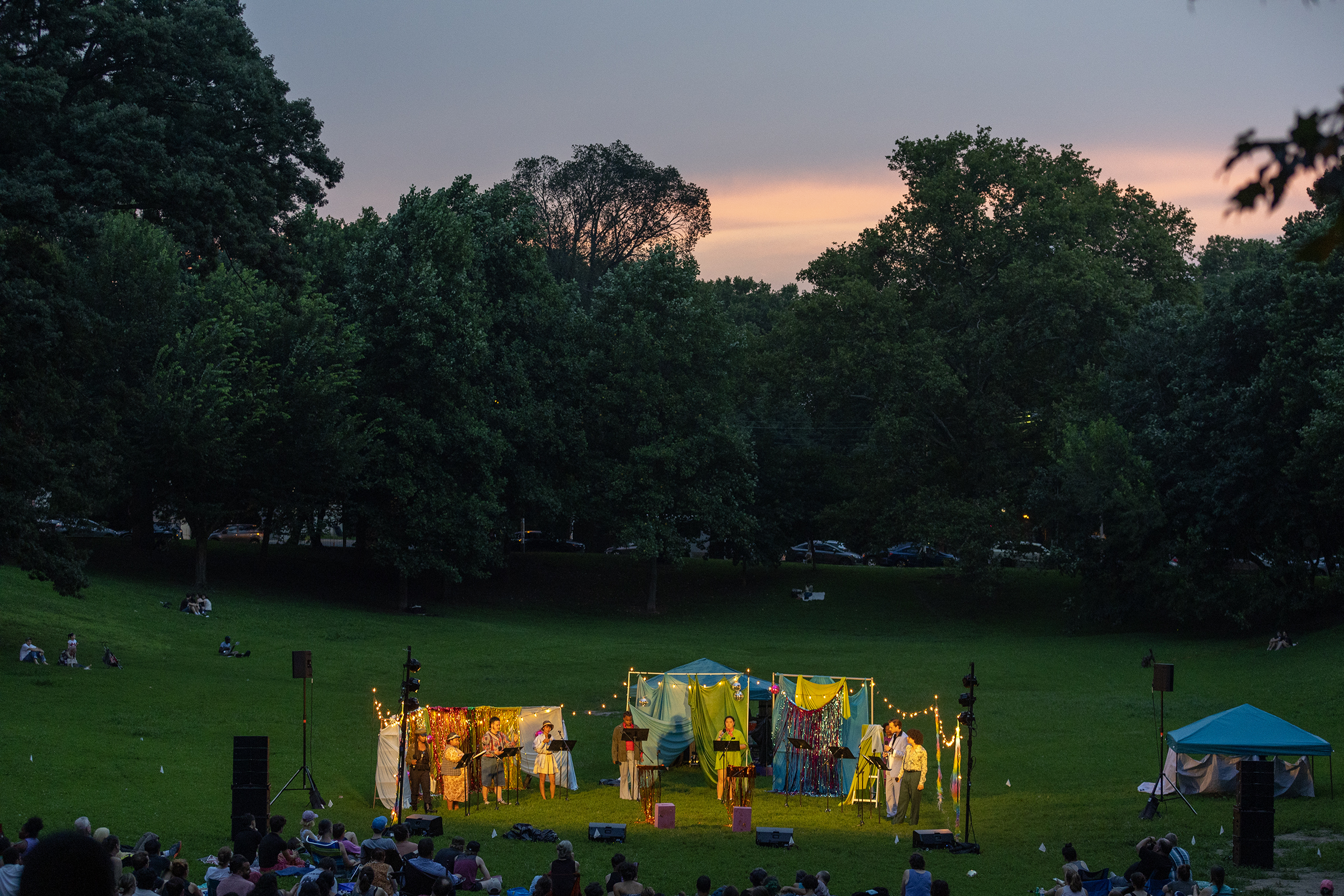
    Shakespeare in Clark Park in 2023 performing “Two Gentlemen of Verona” in its rock musical adaptation by composer Galt MacDermot and lyricist John Guare.Charles Fox / Staff Photographer

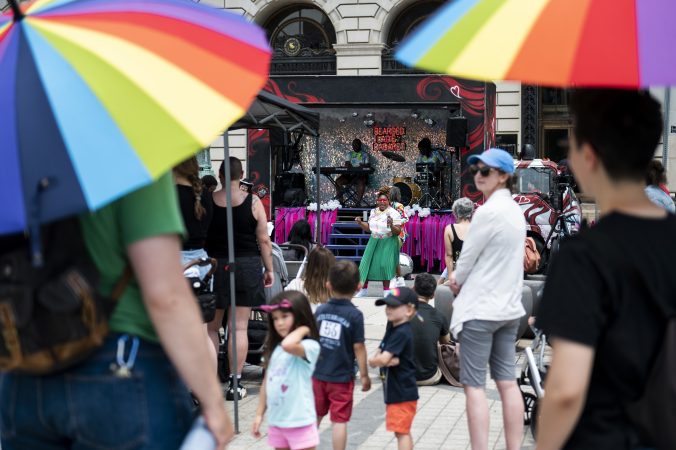
    Among this year’s 322 grantees are groups like the Wagner Free Institute of Science, Cambodian American Girls Empowering, Bearded Ladies Cabaret, vocal groups Variant 6 and the Crossing, Shakespeare in Clark Park, the Colored Girls Museum, and the Philadelphia Chinese Opera Society.

    In the wider world of arts funding, the grant amounts are relatively modest — either $12,875 or $23,375 — but they are critical to many groups, and the funding can have a compound effect.

    Artcinia, for instance, is a small nonprofit with a Center City business address, but the organization brings concerts into a wide swath of neighborhoods — 200 performances in a five-year period, reaching 9,000 audience members in Fox Chase, Nicetown, Hunting Park, Manayunk, and elsewhere, according to a recent summary prepared by the group.

    Its largest chunk of revenue comes from foundations, of which the money from the Cultural Fund is a part.

    That grant is “significant, about 12% to 15% of our operating budget this year,” said Jake Kelberman, Artcinia’s artistic co-director and director of operations. The group presents music in various genres and has engaged hundreds of professional musicians, and, if the funding disappears, “it’s sad that it’s going to affect the volume of programming we can do,” he said.

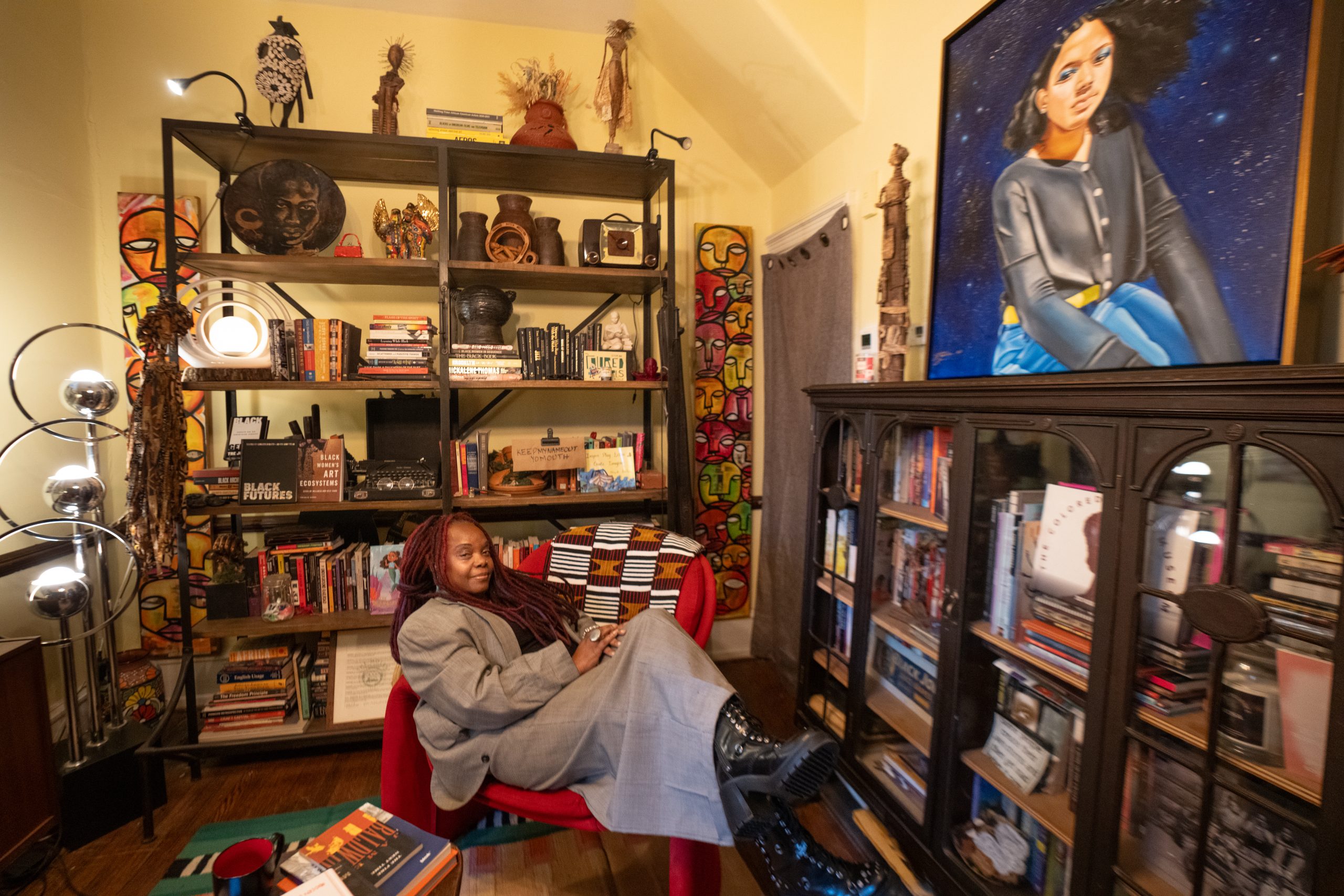
    Colored Girls Museum founder and executive director Vashti DuBois at the museum in Germantown.Jessica Griffin / Staff Photographer

    Two notable aspects of the Philadelphia Cultural Fund are the fact that it’s money that can be used for general operations (as opposed to being restricted to a specific project, which often requires raising additional money); and that there is no requirement that the money be matched with money from other sources.

    These factors makes the kind of funding available from the fund increasingly rare, says Eric César Morales, development director of Movimiento Administradores de Arte en Pensilvania.

    “This money from the Cultural Fund is what stabilizes the sector as a whole, because it allows grassroots organizations to become competitive and grow,” said Morales.

    Movement of Arts Administrators in Pennsylvania, or MAAP, has often received money from the fund since its inception during the pandemic, Morales said, including $23,375 in this latest round. The money has a salutary effect on the local arts ecosystem; MAAP aims to increase arts access for BIPOC individuals and communities in Pennsylvania by giving Spanish-speaking artists training and resources in navigating the often tricky process of applying for funding.

    Morales says that the $1.5 million reduction to the Cultural Fund may not sound like a lot, but with other sources of funding decreasing or threatened, “it’s evidence of a shrinking sector.”

    Of the impending city cuts to the fund for FY27, Sanchez said:

    “It’s obviously the worst-case scenario that we have to plan for, and I think that it’s also the reality. I hope that people take note of this change and become engaged in the way that they see fit — to talk to their council members around the importance of arts and culture in their neighborhood. That is a form of resilience and also action.”

  • Five Philly-area arts organizations receive a total of $500,000 in grant funding

    Five Philly-area arts organizations receive a total of $500,000 in grant funding

    As local arts groups continue to face decreases in city funding, a multiyear initiative is lending a hand to Philly-area craft makers and the organizations that support them.

    Through a collaboration with Etsy and the Center for Craft, five Philly-based arts organizations have received a combined $500,000 in grant funding. The recipients are the Brandywine Workshop and Archives, the Clay Studio, InLiquid, Fleisher Art Memorial, and the Museum for Art in Wood.

    Each organization received a $100,000 place-based, unrestricted grant, allowing them to direct funding where it is most needed.

    “It feels really exciting to be recognized in this way,” said Rebecca Morrison, executive director of the Brandywine Workshop and Archives. “Being recognized on a national stage in a city filled with so many incredible organizations is really special to us.”

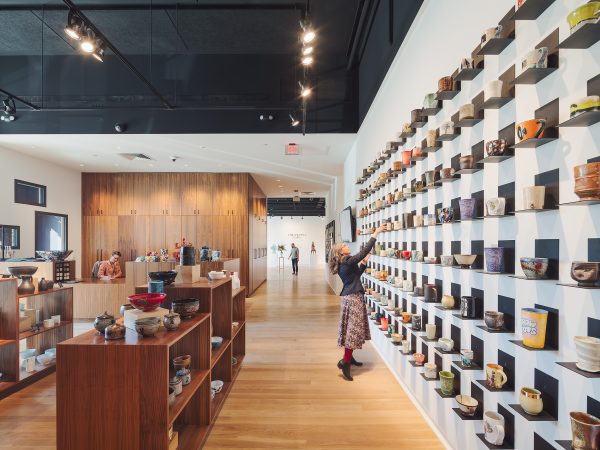
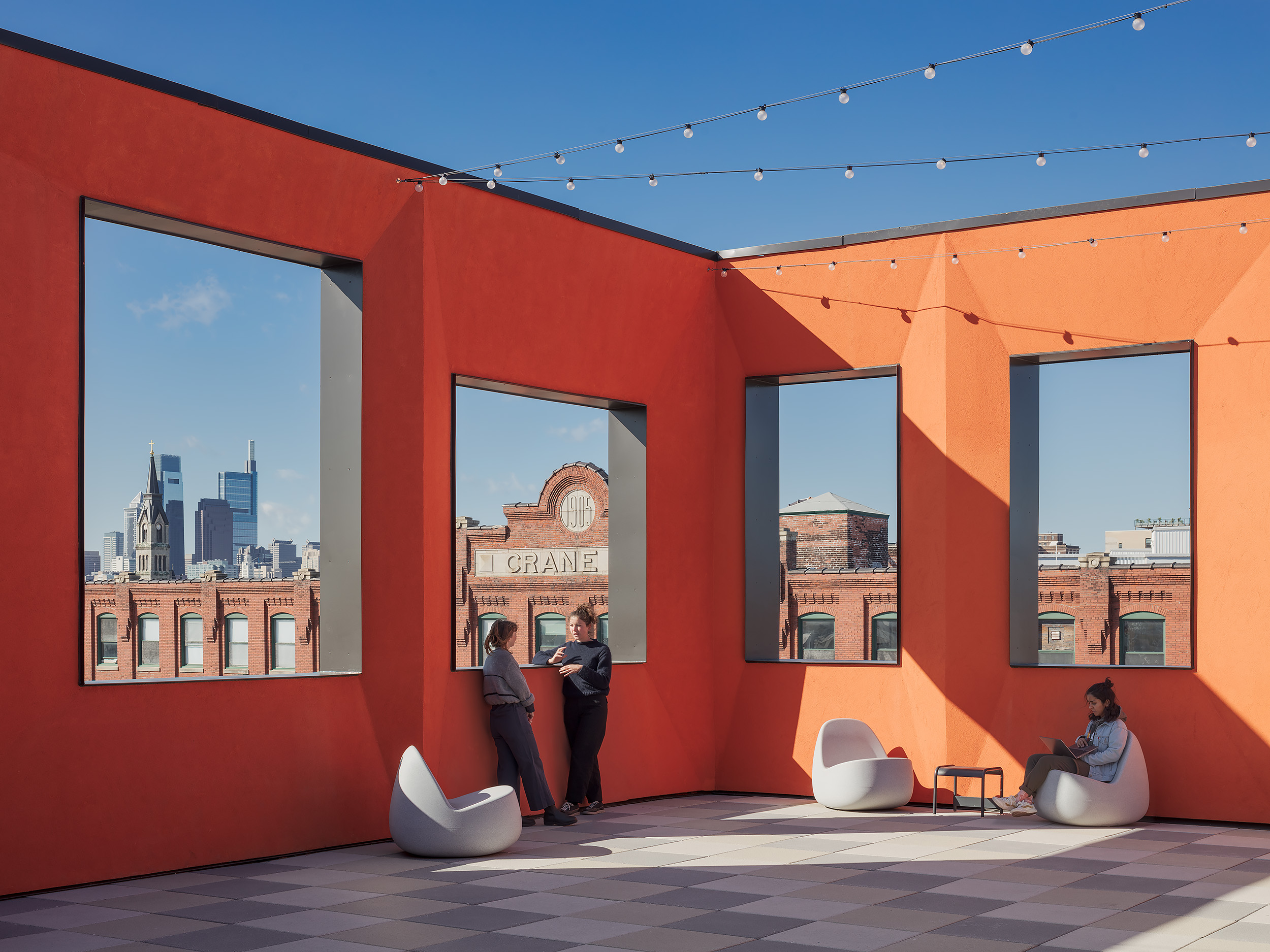
    The Clay Studio’s open air roof deck event space with view of Center City Philadelphia.Courtesy of Sam Oberter

    The funding is powered by Etsy and the Center for Craft’s Craft Catalyst Initiative, a new, multiyear collaboration that aims to support “greater organizational impact and resilience” within arts communities across the country.

    According to the Center for Craft website, the two organizations will award a total of $10 million over three years to select “craft hubs.”

    The Philly craft hub is among the first round of recipients. Other selected regions include Asheville, N.C., Berea, Ky., Santa Fe, N.M., and the San Francisco Bay Area.

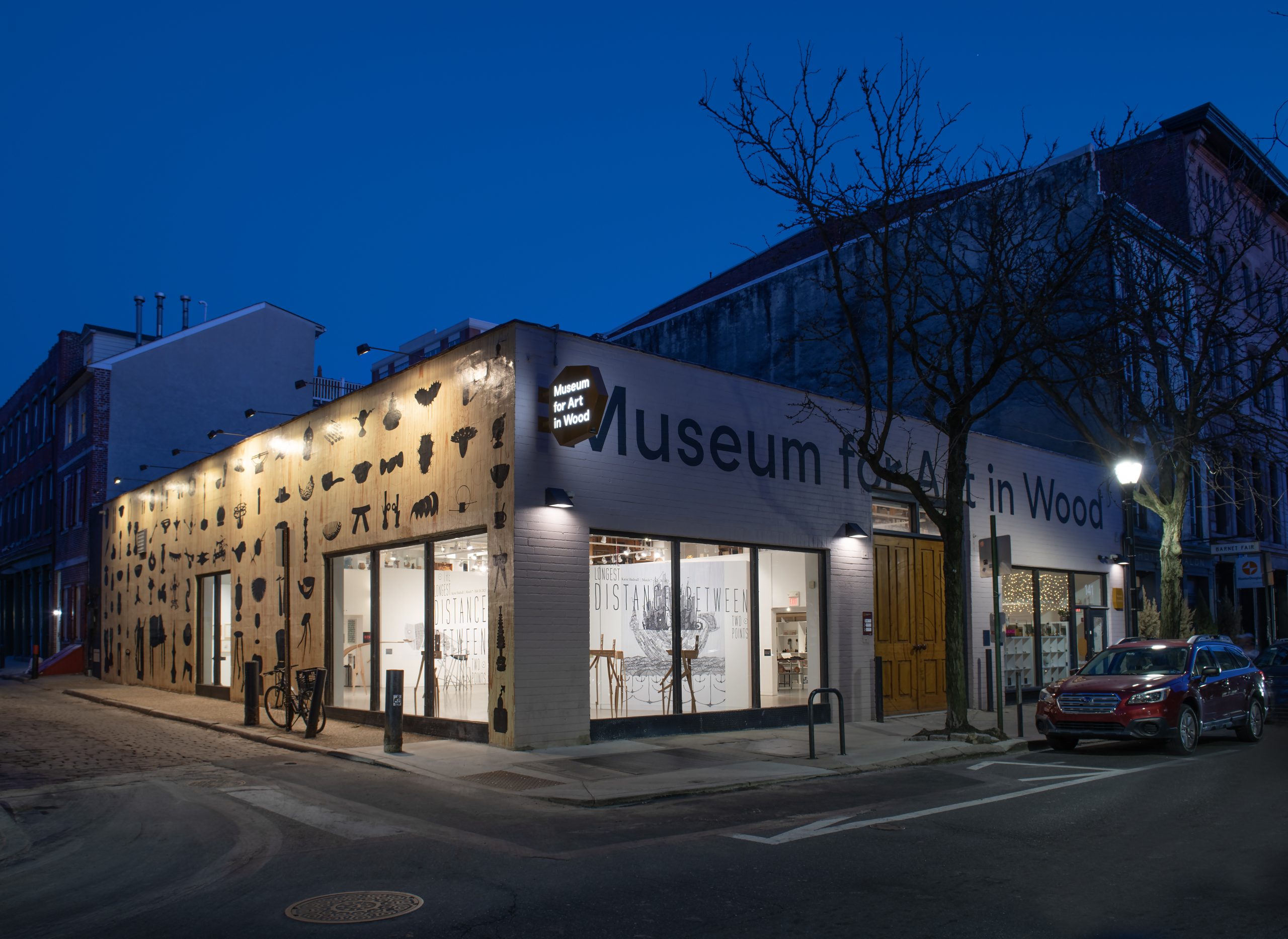
    An exterior image of the Museum for Art in Wood in Old City, Philadelphia, PA.Courtesy of John Carlano

    In an “increasingly AI-driven and digitized world,” Center for Craft executive director Stephanie Moore said, these investments are “essential” for local arts groups and craft makers to thrive.

    “This initiative will fortify craft’s place by investing in the spaces, relationships, and infrastructure that encourage artists, sustain creative careers, and strengthen communities across the country,” Moore said in a statement.

    According to the Center for Craft website, these regions were selected based on research commissioned by Etsy.

    Last month, arts organizations were notified that they were selected, and the grants were quickly distributed.

    Artists at work inside The Clay Studio.Courtesy of Sam Oberter

    Rachel Zimmerman, founder and executive director of InLiquid, a visual arts organization in Kensington, has already used a portion of the funds to give her staff raises.

    “They are partly responsibly for this,” she said. “We couldn’t do the work without the people.”

    Zimmerman said the funding arrived a year after InLiquid’s worst financial period since its founding.

    The economic challenges were worsened by lower state and city funding, which led to “fierce” competition among other struggling arts groups to acquire fewer resources.

    Zimmerman said the grant not only eased InLiquid’s financial struggles, but was also “affirming.”

    Her hope is that it will incentivize other large corporations to invest in small, grassroots institutions that are working to uplift and sustain the careers of local creatives. “It’s not charity. We’re doing the work,” she said.

    While her organization is still mapping out plans to administer the funds, Morrison said, she is excited to forge stronger connections and collaborations with other grant recipients.

    “It’s great to know we have these organizations in our cohort, so we can learn from each other,” Morrison said. “With grant funding not being as easily accessible as it was in the past, this is a great way for us to work together.”

    In a statement, Monica Zimmerman, executive director of Fleisher Art Memorial, said this recognition proves what she and other arts leaders already know: “Philly runs on creatives.”

    For more information, visit craftcatalyst.centerforcraft.org.

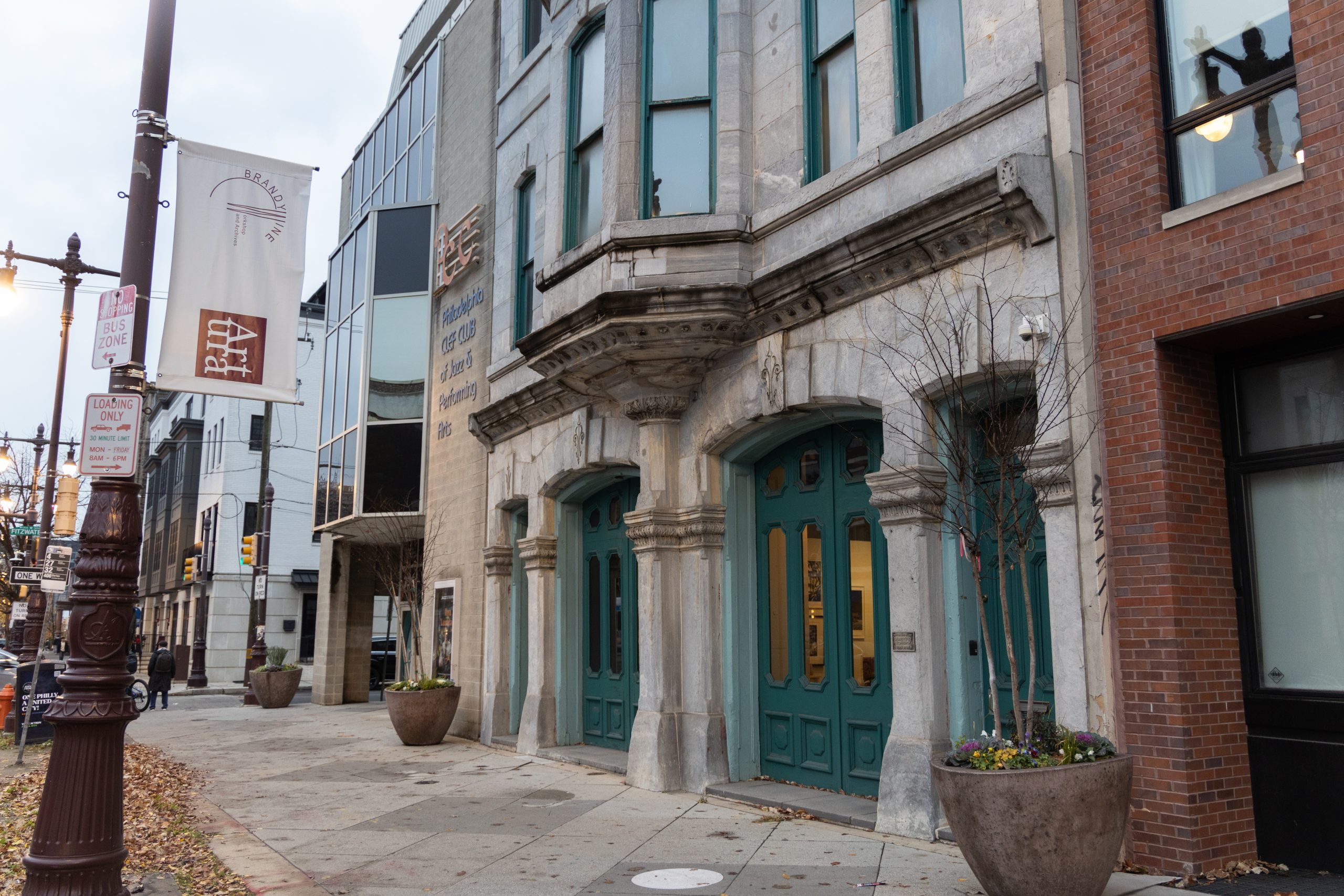
    An exterior image of the Brandywine Workshop & Archive building.Courtesy of Brandywine Workshop and Archives
  • Fans express ‘heartbreak’ after storm causes Louis Tomlinson show to be canceled

    Fans express ‘heartbreak’ after storm causes Louis Tomlinson show to be canceled

    The groans were audible outside Philadelphia’s Highmark Mann Center for the Performing Arts, where pop singer Louis Tomlinson was slated to take the stage.

    Tomlinson had been scheduled to perform at the venue’s Skyline Stage on Saturday. Then the skies opened up.

    “Due to impacts of severe weather on our campus, we are not able to proceed with tonight’s performance,” the venue said in a statement. The show was not rescheduled. Ticketmaster is in the process of issuing refunds.

    For rabid fans of the singer, a former One Direction member with a devoted army of admirers, the last-minute cancellation cut deep.

    “I came all the way from Italy,” a fan who goes by Crystal wrote on X. “I spent so much time and money to be here. I know this isn’t Louis’ fault, but right now I’m angry, exhausted, and my bank account is empty.”

    One Directioners and Tomlinson superfans are pretty common in the area. There’s a One Direction-themed smoothie shop in Scranton that enthusiasts travel hours to visit. And Tomlinson’s former bandmate and collaborator Zayn Malik has expressed his own devotion to the region.

    Tomlinson’s Philadelphia show would have been the 19th on his 27-stop North American tour, part of the “How Did We Get Here?” world arena tour in support of his third studio album of the same name. His show a few days earlier at Madison Square Garden was sold out.

    Tomlinson and officials at the performing arts center said Saturday’s intense storm — which caused significant damage across the city, particularly in parts of West Philadelphia — left the venue grounds and some equipment damaged.

    On Reddit, a purported venue employee said there was flooding, downed trees, and power outages.

    The venue did not respond to a request for comment.

    “[I’m] absolutely gutted that the show can’t happen tonight,” Tomlinson said in an X post. “I understand how frustrating it is and how gutted you all must feel. I wish I had better news for you all.”

    Online, fans swapped stories about how far they had traveled for the show and how many of Tomlinson’s tour stops they had caught so far.

    One fan drove eight hours from North Carolina. Others attempted to snag tickets to shows scheduled for later dates.

    The extent of the Highmark Mann’s damage was unclear. Bob Dylan was scheduled to perform on the main stage — which has covered amphitheater seating, in contrast to the all-outdoor Highmark Skyline Stage — on Tuesday evening.

    Tomlinson’s next show was also set for Tuesday, at the TD Garden in Boston.

  • Bryce Harper responds to controversy over his personal video message to a FanDuel customer with a gambling addiction

    Bryce Harper responds to controversy over his personal video message to a FanDuel customer with a gambling addiction

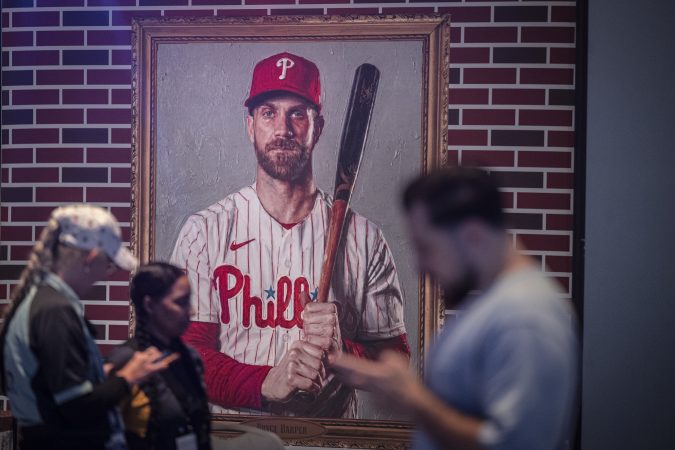
    Bryce Harper, the Phillies’ All-Star first baseman, said on Monday that he was unknowingly working on behalf of FanDuel when he recorded a personalized video for a man with a gambling addiction who had placed millions of dollars in bets on the site.

    Harper, in a story on his verified Instagram account, wrote that he thought he was just doing a message on the site Cameo — in which celebrities are paid to record videos for fans — but “what happened here went beyond anything I knew about or approved.”

    “I did not know this video would be used for commercial purposes,” Harper wrote. “The request included a short script. I read it in good faith. FanDuel then put its own logo on the video and used it as a gambling promotion. I did not know FanDuel would do this, I did not consent to it, and FanDuel had no right to do it.”

    The Inquirer obtained a copy of the 21-second video from November 2024, which is marked with a blue FanDuel logo and shows Harper offering a greeting to the bettor, Terry Thompson, and Thompson’s son, by name.

    Harper’s statement also said he has no affiliation with FanDuel and that “Contrary to the Inquirer’s suggestion, I did not know that the Cameo video would be used for a FanDuel VIP promotion.”

    However, in the video Harper states that he’s reaching out at the request of Thompson’s VIP manager — “your host Bryttanni at FanDuel.” Harper also posted the Cameo script, which included the same language about FanDuel.

    The Inquirer reported on the video on Thursday. Harper had declined to comment until Monday. His statement came ahead of his planned appearance at Monday night’s 2026 MLB Home Run Derby at Citizens Bank Park.

    Beginning in 2020, Thompson wagered $18.5 million with FanDuel and lost $1.5 million, according to a lawsuit that the Public Health Advocacy Institute filed in March in Common Pleas Court in Philadelphia on behalf of Thompson and against FanDuel and DraftKings, to which Thompson also lost money.

    Harper says he did not know anything about Thompson.

    “Had I known FanDuel’s true intent, I would not have made the video,” Harper wrote on Instagram. “The same is true had I known anything about Terry or his situation, or about any alleged ‘partnership’ between Cameo and FanDuel.”

    On the advice of counsel, Harper wrote, he would not comment further. Harper did not discuss the matter further during a media availability Monday.

    Cameo notes in its terms of service that celebrities are not required to follow a purchaser’s instructions exactly. Harper, however, mostly stuck to a short script that made clear to Thompson that the Thanksgiving message was arranged by the FanDuel host.

    Cameo has not responded to requests for comment.

    FanDuel did not respond Monday to Harper’s Instagram post. Last week the company released a statement:

    “FanDuel is committed to fostering a culture of responsible gaming and protecting our customers. Unlike illegal offshore sportsbooks, FanDuel employees are trained to recognize and flag signs of problem gambling and offer resources and tools, and we continue to review and strengthen our policies to ensure we have the industry’s strongest consumer protection initiatives.”

    The Phillies and Major League Baseball have so far declined to comment on the video.

    The Pennsylvania Gaming Control Board, which regulates casinos, online gambling and sports wagering, said on Friday that it is examining the video, but a spokesman for the board declined to provide details.

    The Inquirer will continue to report on issues related to the growth of gambling addiction — among teens and adults — across Pennsylvania. If you, or someone you know, wants to speak with a reporter, please contact David Gambacorta or William Bender at dgambacorta@inquirer.com and wbender@inquirer.com

  • Home Run Derby in Philly: New rules, new TV home and an ex-Phillie in the booth

    Home Run Derby in Philly: New rules, new TV home and an ex-Phillie in the booth

    Phillies fans will be seeing double during Monday night’s Home Run Derby (8 p.m., Netflix).

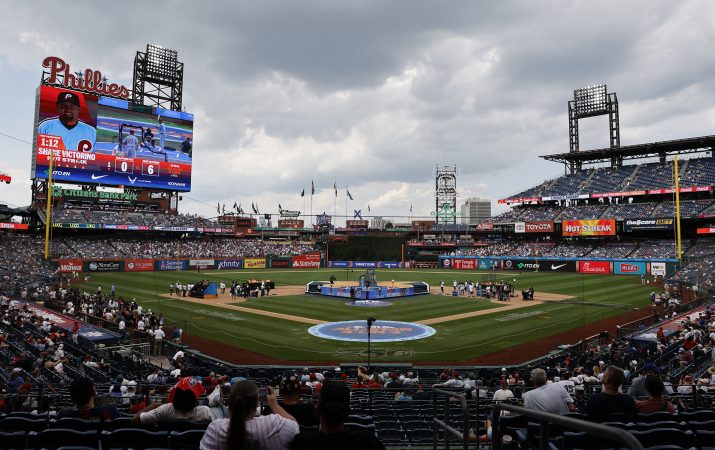
    Two Phillies sluggers — Bryce Harper and Kyle Schwarber — are participating in tonight’s event, the first time Philly teammates will compete in the Derby in its 41-year history. And they’ll do it in front of a hometown crowd at Citizens Bank Park.

    It’s a potential rematch of the 2018 Derby finals, when Harper was still with the Washington Nationals and Schwarber was playing for the Chicago Cubs. Harper edged out Schwarber by just one dinger, winning the competition 19 homers to 18.

    “I think it would be a pretty cool ending there if that could happen,” Schwarber told reporters. “But we’ll see what happens.”

    It’s the first time the Derby has been held at Citizens Bank Park, but not its first time in Philly. Veterans Stadium hosted the event in 1996, which was won by Hall of Famer Barry Bonds, who belted out 17 homers.

    Bonds will be back in Philly covering the event for Netflix, which is streaming the Home Run Derby as part of a three-year deal that also included MLB’s opening night back in March and next month’s Field of Dreams game in Dyersville, Iowa between the Phillies and Minnesota Twins.

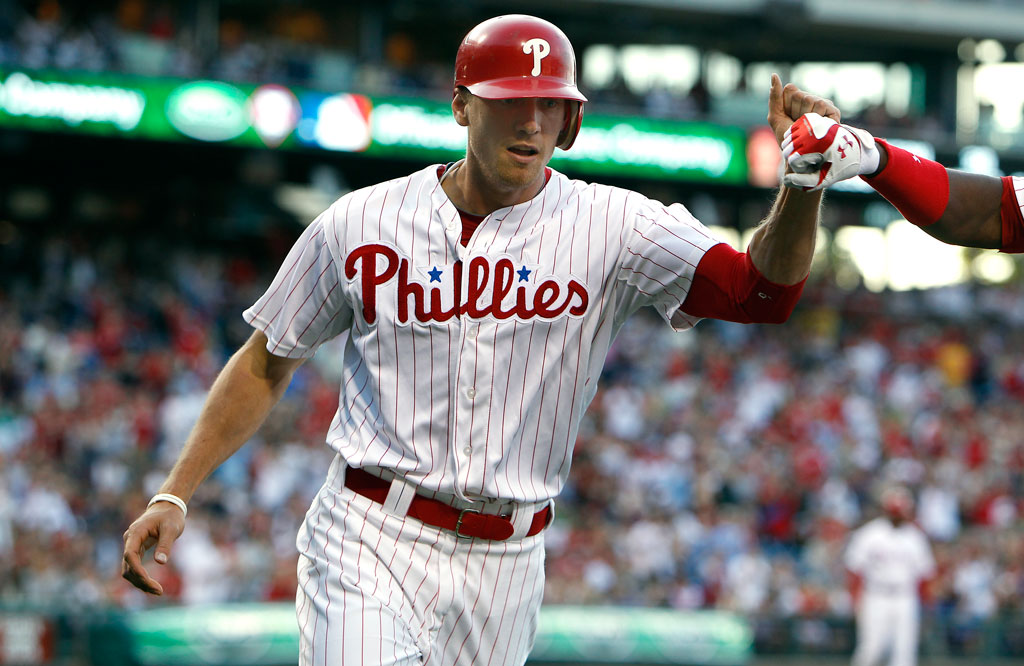
    Former Phillies outfielder Hunter Pence will be part of Netflix’s broadcast of the Home Run Derby.

    Among those joining Bonds on Netflix’s broadcast is one-time Phillies outfielder Hunter Pence, who spent a little more than a calendar year in Philly during the 2011 and 2012 seasons before being traded away to the San Francisco Giants.

    “The Home Run Derby’s always been one of my favorite things as a kid,” Pence said. “I’m going to be in the stands a little bit. I’m going to be in the booth as well… Netflix definitely has some excitement up their sleeve.”

    Netflix is the latest step in Pence’s second career as a broadcaster, which began as a fluke filling in last minute during COVID. He calls about 30 San Francisco Giants games a year as an analyst for NBC Sports Bay Area, and has broadcast games for MLB Network, Apple TV, and ESPN.

    “I feel like I always get to come out to Philly,” Pence said. “I love the stadium, I love all the people there. And [John] Kruk comes over and talks to me every time… He makes sure I get the right cheesesteak and the right sandwich.”

    Here’s everything you need to know to watch or stream this year’s Home Run Derby:

    What time does the Home Run Derby start?

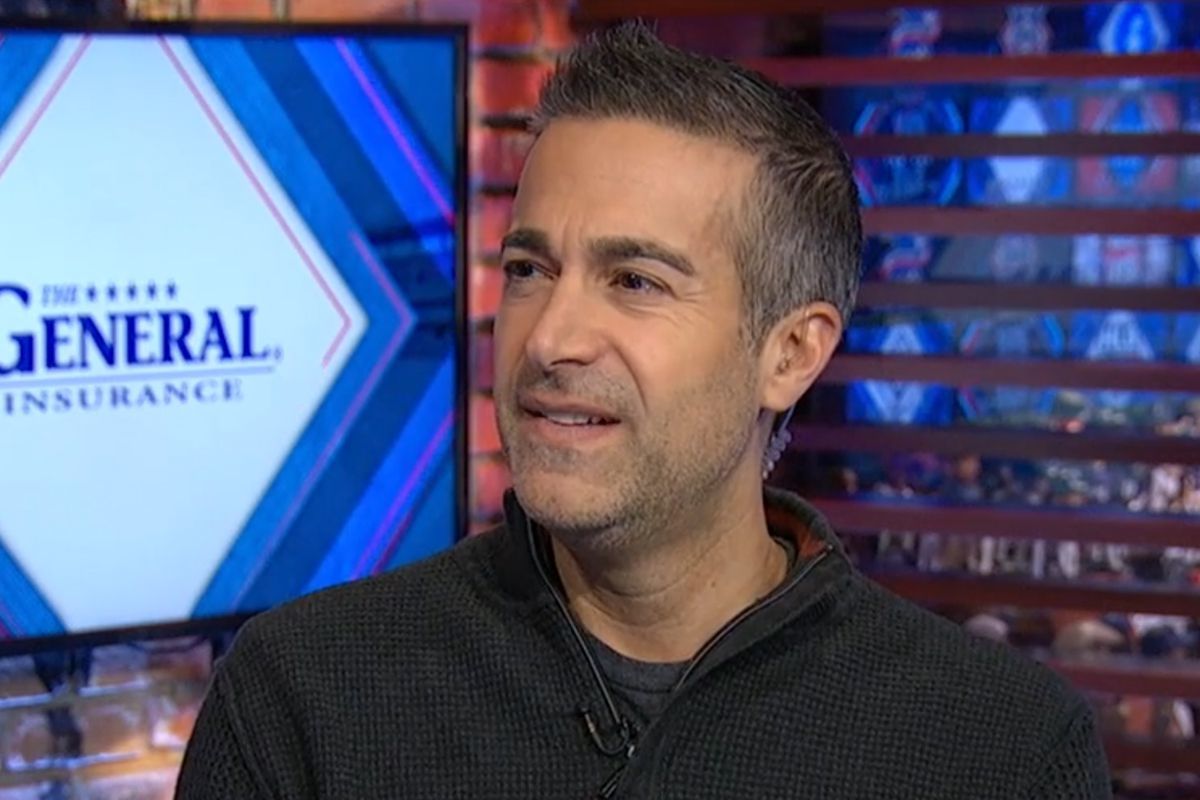
    Veteran MLB announcer Matt Vasgersian will lead Netflix’s coverage of the Home Run Derby. MLB Network

    The 2026 MLB Home Run Derby is scheduled to begin at 8 p.m. Eastern and will stream globally live on Netflix. It won’t air on either broadcast or cable TV.

    Calling all the action will be Matt Vasgersian, with Elle Duncan and Lauren Shehadi also leading the coverage. In addition to Pence and Bonds, Albert Pujols, Anthony Rizzo, and CC Sabathia will also provide analysis.

    Netflix hasn’t offered many details about its plans for the Derby, but if its opening night telecast is anything to go by, expect plenty of cross promotion and a lot of stars. Among them will be former Dallas Cowboys wide receiver Michael Irvin, who hosts The White House video podcast for Netflix.

    Players in the Home Run Derby

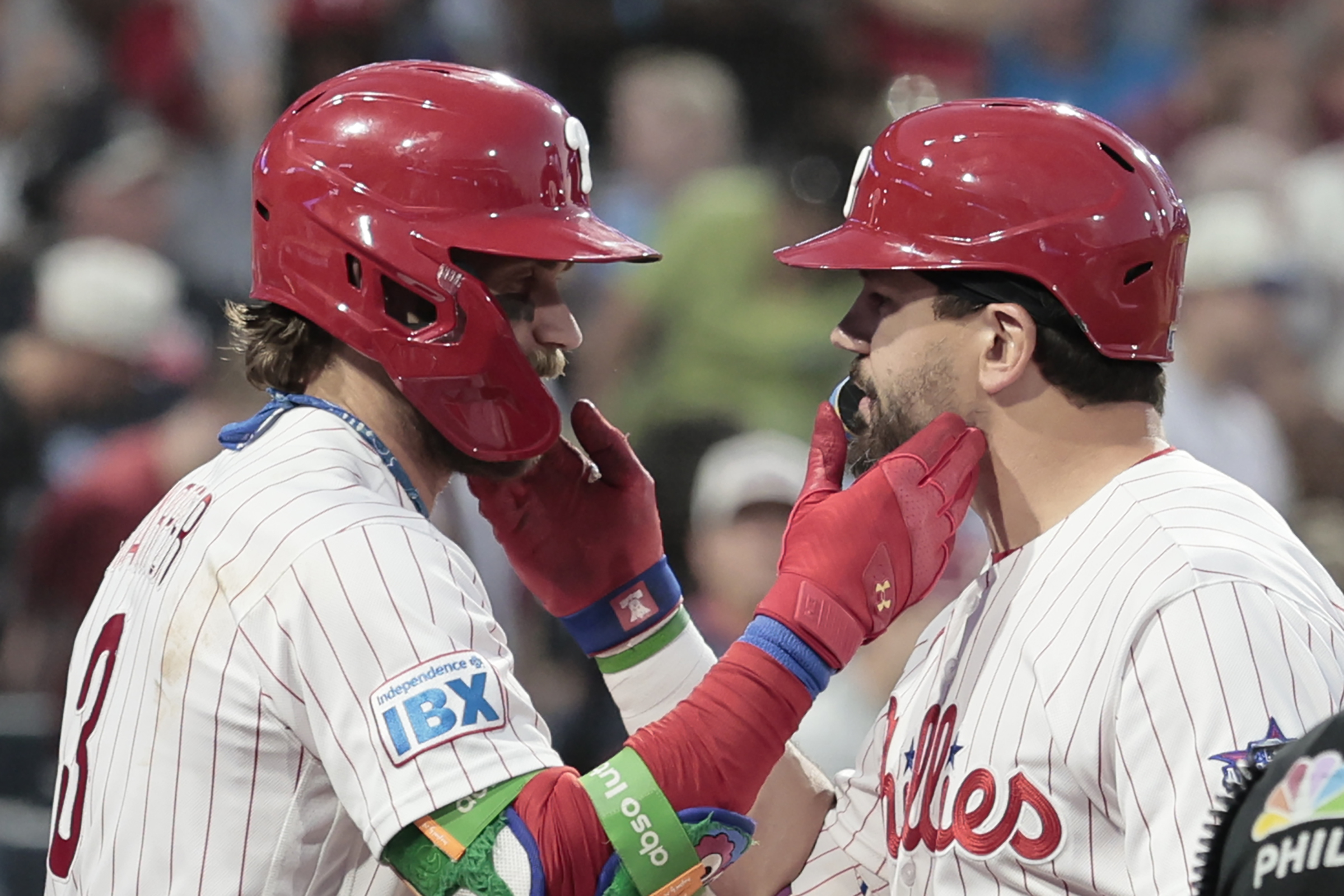
    Phillies sluggers Bryce Harper (left) and Kyle Schwarber will compete in the Home Run Derby. Elizabeth Robertson / Staff Photographer
    • Kyle Schwarber, Phillies
    • Bryce Harper, Phillies
    • Jordan Walker, Cardinals
    • Wilson Contreras, Red Sox
    • Munetaka Murakami, White Sox
    • Jac Caglianone, Royals
    • Ben Rice, Yankees
    • Junior Caminero, Rays

    Not participating for the second straight season is Baltimore Orioles first baseman Pete Alonso, one of only four players to win multiple Derby championships. Despite a strong first-half, Alonso wasn’t selected to this year’s All-Star Game.

    Also not competing is last year’s winner, Seattle Mariners catcher Cal Raleigh, who has struggled this year after being last year’s American League MVP runner-up.

    New rules for this year’s Home Run Derby

    This year’s Derby has a different format than previous years.

    For starters, there won’t be a timer. Instead, each slugger will get a set number of swings each round — 20 in the first round and 15 in both the second and final rounds.

    The last Derby without a clock was 2014.

    There’s also a “keep going” rule. If the batter hits a homer on his final attempt, he’ll keeping swinging until he fails to blast out a home run.

    “I love it,” Pence said. “It’s really awesome for TV and healthier for the players. They’re not just having this endurance contest. We get to really feel each swing and each player.”

    There also won’t be a bracket for the first round. Instead, the four sluggers with the most homers during the first round will move on to the second. There the competition shifts to head-to-head until a champion is crowned.

    What happens if there’s a tie?

    In the opening round, if multiple players hit the same number of home runs, the tiebreaker will go to whomever knocked out the longest home run.

    Beyond that, ties will be settled by a three-swing swing-off. There have been just two ties in modern Derby history — Vladimir Guerrero Jr. edged out Joc Pederson in the third tiebreaker in 2019, while Juan Soto topped Shohei Ohtani in the first round of the swing-off in 2021.

    How much money does the winner receive?

    The winner of the Derby takes home $1 million, which is more than the entire 2026 MLB salary of four of the participants — Caglianone ($784,000), Caminero ($794,800), Walker ($799,400) and Rice ($845,800).

    The runner-up receives $500,000.

    How many Phillies players have won the Home Run Derby?

    Former Phillies slugger Ryan Howard won the Home run Derby in 2006. ASSOCIATED PRESS

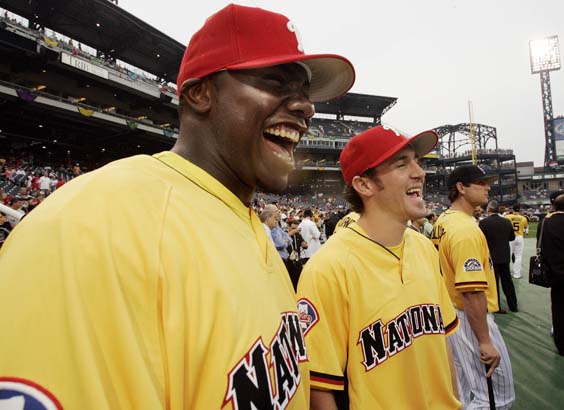
    Two Phillies players have won the Derby — Bobby Abreu in 2005 and Ryan Howard in 2006.

    Schwarber didn’t make it out of the first round in 2022, and Rhys Hoskins finished third in 2018, losing to Schwarber in the second round.

    Who won the 2025 Home Run Derby?

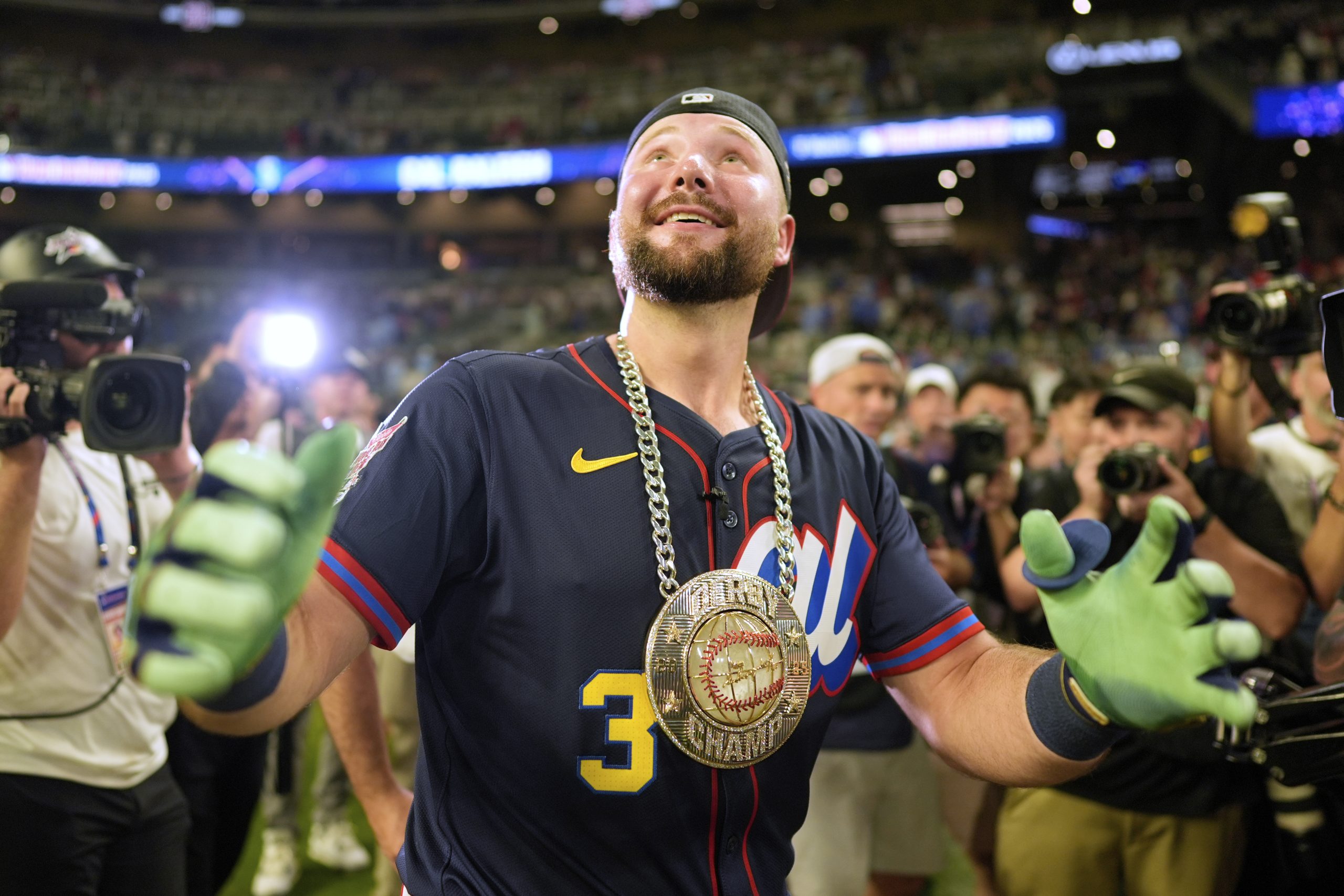
    Seattle Mariners’ Cal Raleigh celebrates after winning the 2025 Home Run Derby. Mike Stewart

    Seattle Mariners catcher Cal Raleigh topped the field last season, defeating Junior Caminero of the Tampa Bay Rays in the finals by three home runs.

    Recent Home Run Derby winners

    • 2025: Cal Raleigh, Seattle Marines (Truist Park)
    • 2024: Teoscar Hernández, Los Angeles Dodgers (Globe Life Field)
    • 2023: Vladimir Guerrero Jr., Toronto Blue Jays (T-Mobile Park)
    • 2022: Juan Soto, Washington Nationals (Dodger Stadium)
    • 2021: Pete Alonso, New York Mets (Coors Field)
    • 2020: No winner — the derby was canceled due to COVID-19
    • 2019: Pete Alonso, New York Mets (Progressive Field)
    • 2018: Bryce Harper, Washington Nationals (Nationals Park)
    • 2017: Aaron Judge, New York Yankees (Marlins Park)
    • 2016: Giancarlo Stanton, Miami Marlins (Petco Park)
    • 2015: Todd Frazier, Cincinnati Reds (Great American Ball Park)

    Future Home Run Derby locations

    • 2027: Wrigley Field, Chicago