Category: Entertainment

  • New Ken Burns-produced crime and punishment doc features Philly prisons and Larry Krasner

    New Ken Burns-produced crime and punishment doc features Philly prisons and Larry Krasner

    Philadelphia invented American democracy — and the American penitentiary.

    Philly’s role in the creation of American mass incarceration takes center stage in episode one of Crime and Punishment in America, the four-part PBS documentary directed by Lynn Novick and executive produced by Ken Burns, and now streaming on WHYY. A sweeping reckoning of 250 years of the American criminal justice system, blending evocative historical imagery, talking heads, and dramatic readings with contemporary scenes from American prisons, Novick traces how the Founding Fathers’ grand experiment of American liberty gave birth to the far messier realities of the American criminal justice system.

    Philly reformers, like Benjamin Rush, a physician and signer of the Declaration of Independence, fought for a criminal justice system more befitting the lofty ideals of American liberty — one that moved away from public hangings and brutal floggings for petty crimes to repentance and reform.
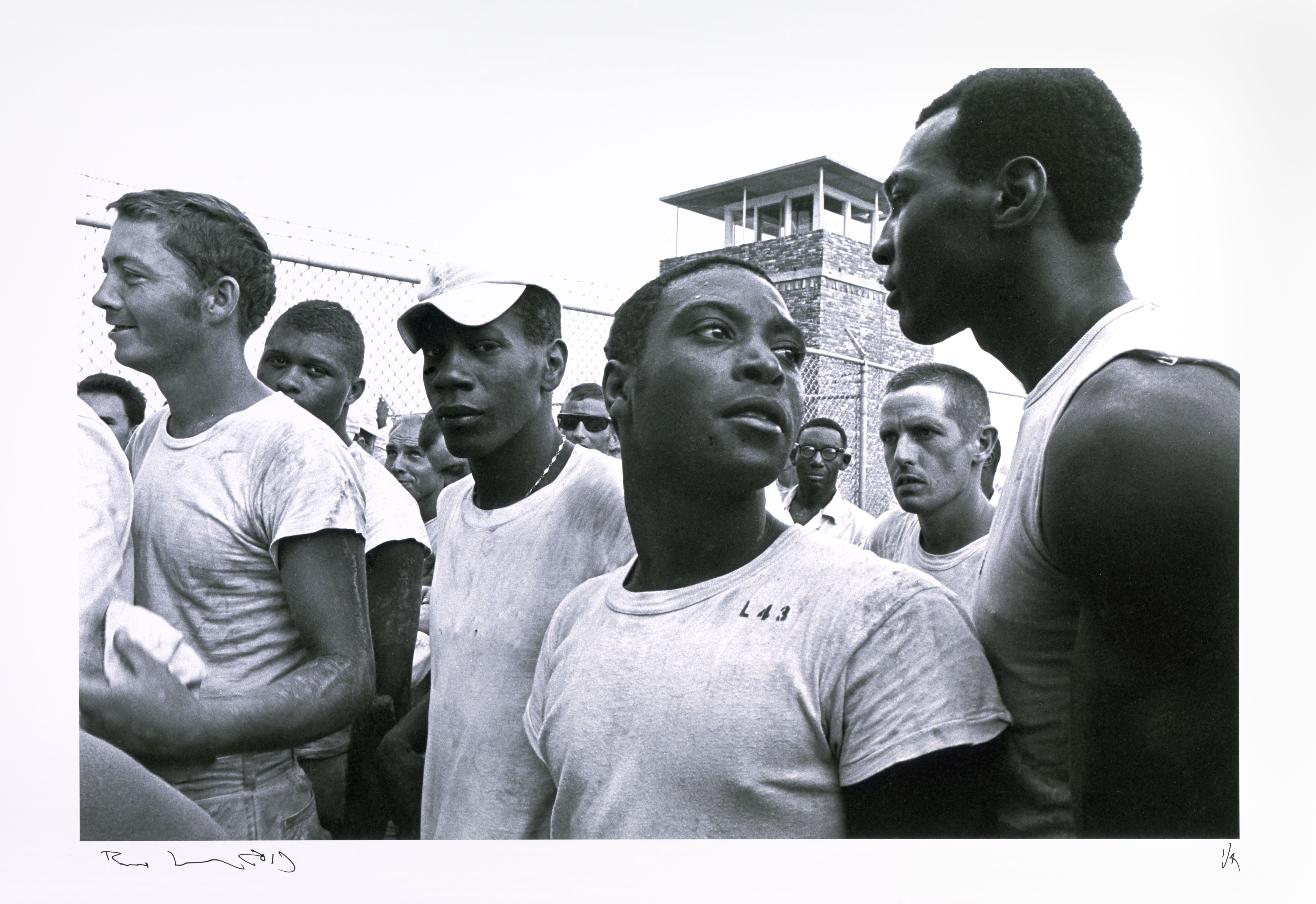
    A 1972 image of Inmates from Cummins Prison Farm in Arkansas as seen in “Crime and Punishment in America” on PBS.Bruce Jackson

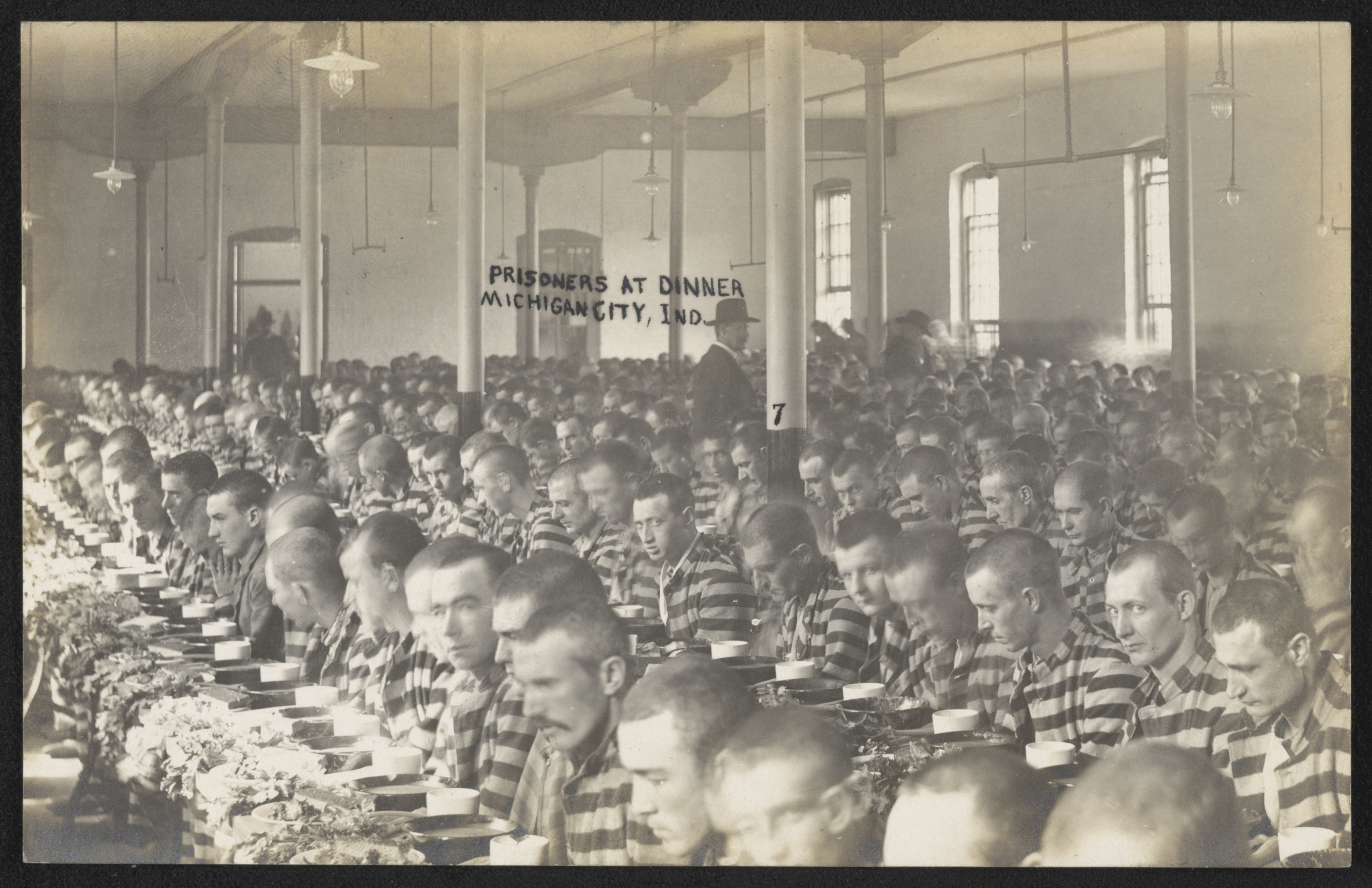
    It led to the wretched confines of Walnut Street Jail, first opened across from Independence Hall in 1776, and eventually considered the first true prison in the United States and the world. Those incarcerated were herded from filthy mass holding rooms to individual cells. And at Eastern State Penitentiary, built in a cherry field outside downtown Philadelphia in 1829 with chapel-like cells with running water and flush toilets, and the first prison anywhere to emphasize reform over punishment, where inmates initially served in total isolation, 24 hours a day.

    “The centrality of Philadelphia in developing the model of incarceration as both a punishment and a method of rehabilitation cannot be overstated,” said Novick. “It has become so baked into our way of thinking about what justice looks like for those who break the law that we can’t even imagine a world where that wasn’t the case — and it all began in Philadelphia.”
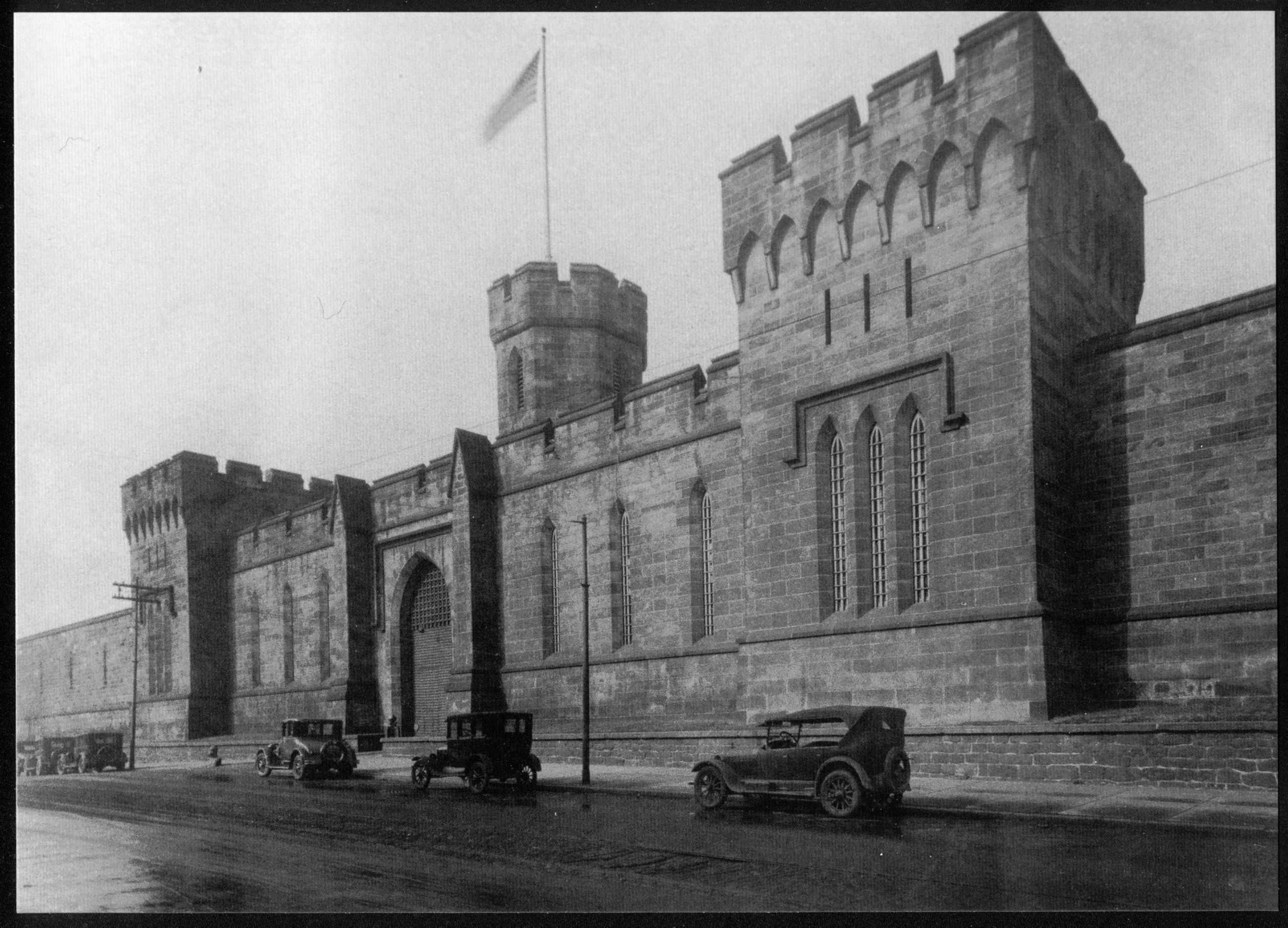
    Eastern State Penitentiary exterior 1920sCourtesy of Eastern State Penitentiary

    In later episodes, Philadelphia District Attorney Larry Krasner emerges in form as one of the more provocative interview subjects, bluntly eviscerating a criminal justice system stacked against the poor and vulnerable.

    “Broke people get screwed,” Krasner says in “Episode 3: Public Enemies (1929-1969.)” “Would you like more? I mean, that’s how it works. Broke people get screwed.”

    In an interview this week, Novick discussed Philly’s founding roots in the American industrial prison system, Krasner, and finally focusing on the thread of American crime and punishment.

    The idea of moving away from routine public executions to reform isn’t just an American idea — it’s a Philadelphia idea?

    There was a larger conversation going on around the time of the Revolution about public punishment and about capital punishment. So it wasn’t unique to Philadelphia that people were asking questions about [whether] our system of punishment and justice was appropriate for this new democracy. Philadelphia is extremely important because that is the place where the idea of the penitentiary was first expressed and actually brought into fruition.

    The Founding Fathers could literally peer into the wretched wards of Walnut Street Jail, where colonial prisoners were held for trial and punishment, from the courtyard of Independence Hall?

    There were terrible unsanitary conditions, to put it mildly. Disease was rampant. Food was inadequate. People were just thrown together. There was disorder, chaos, violence. They were seen as breeding grounds for crime.

    This didn’t sit well with newly minted Americans?

    There was a sense of outrage that the jails were a danger to the society at large and to the people inside there. The first idea was we’ll take part of the Walnut Street Jail and create this new thing called the Walnut Street Prison. They created individual cells. The intention was to separate people from each other, give them time and space to repent.

    But that didn’t sit well with those incarcerated.

    It was a new idea, and I don’t think it was welcomed by the people that were held there. Before this, when you broke the law, you would be punished and held up, and then you would go back about your business if you weren’t put to death. Now you’re being deprived of your liberty. There were riots. People tried to escape. They’d be leaning out the windows, trying to sort of harass passersby.
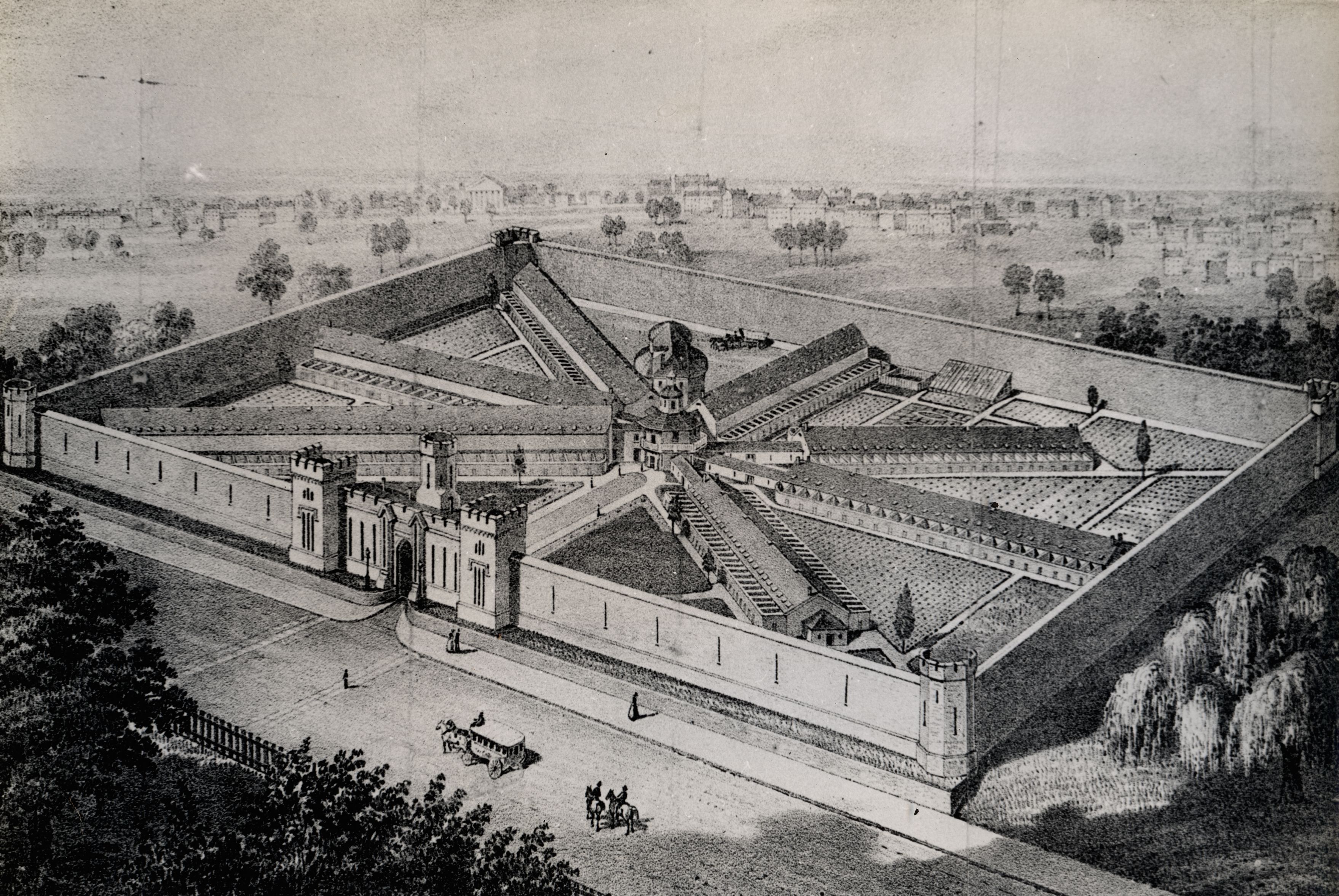
    A lithograph of Eastern State Penitentiary from 1855.Eastern State Penitentiary

    And all right in the heart of the city.

    Eastern State Penitentiary was sort of a response to that — they created this institution that was built on the idea that pure isolation for people was the goal.

    By 1842, a visiting Charles Dickens described the total isolation of Eastern State as “being buried alive”?

    We are social animals. We need exposure and companionship to thrive. Depriving human beings of any contact with any other human beings for long periods of time is cruel and, to some degree, torturous.
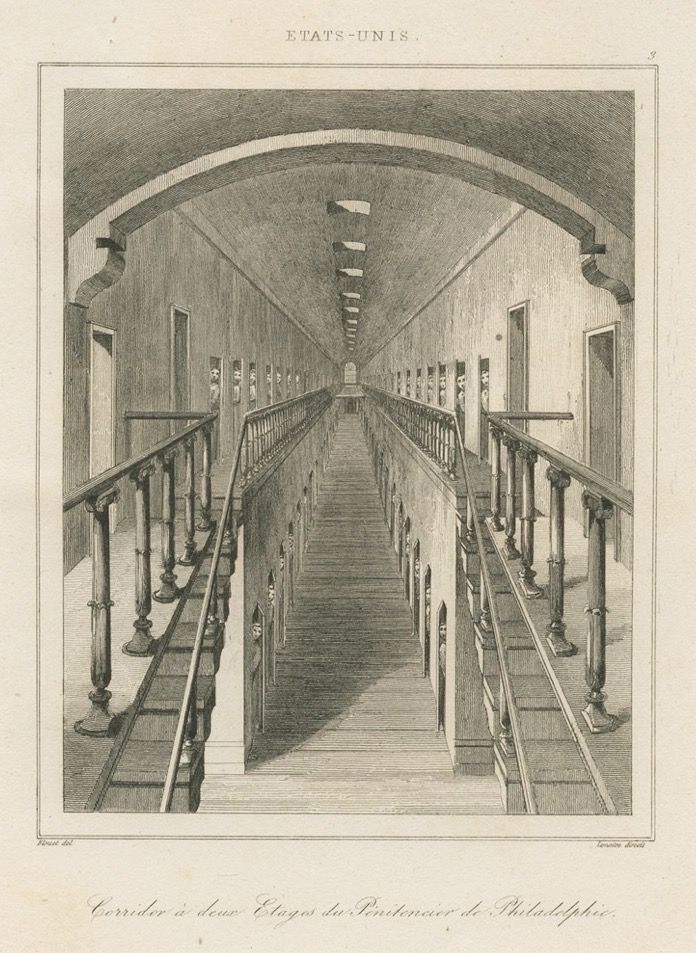
    Eastern State Penitentiary cellblock in 1837.Eastern State Penitentiary

    So many strains of your and Ken Burns’ other subjects, from the Revolution to the Civil War to the American West and Prohibition, appear in the film, but with a new angle.

    We’ve done many different walks through American history, but never focused on the prison system and the justice system. And it’s right there the whole time. We just sort of shifted the focus over here.

    Why did you feel Larry Krasner was an essential voice?

    He has his detractors — he’s a controversial figure. He’s not speaking about his career. He’s just sharing his perspective on white collar crime, on deinstitutionalization, on policing, on sentencing, and how the justice system functions in our society. He’s very direct. He doesn’t beat around the bush. I’ve interviewed a lot of public politicians and public officials, and they tend to be very careful and speak in platitudes, and that isn’t necessarily what you want when you’re making a documentary like this. Larry Krasner is really the opposite of that.
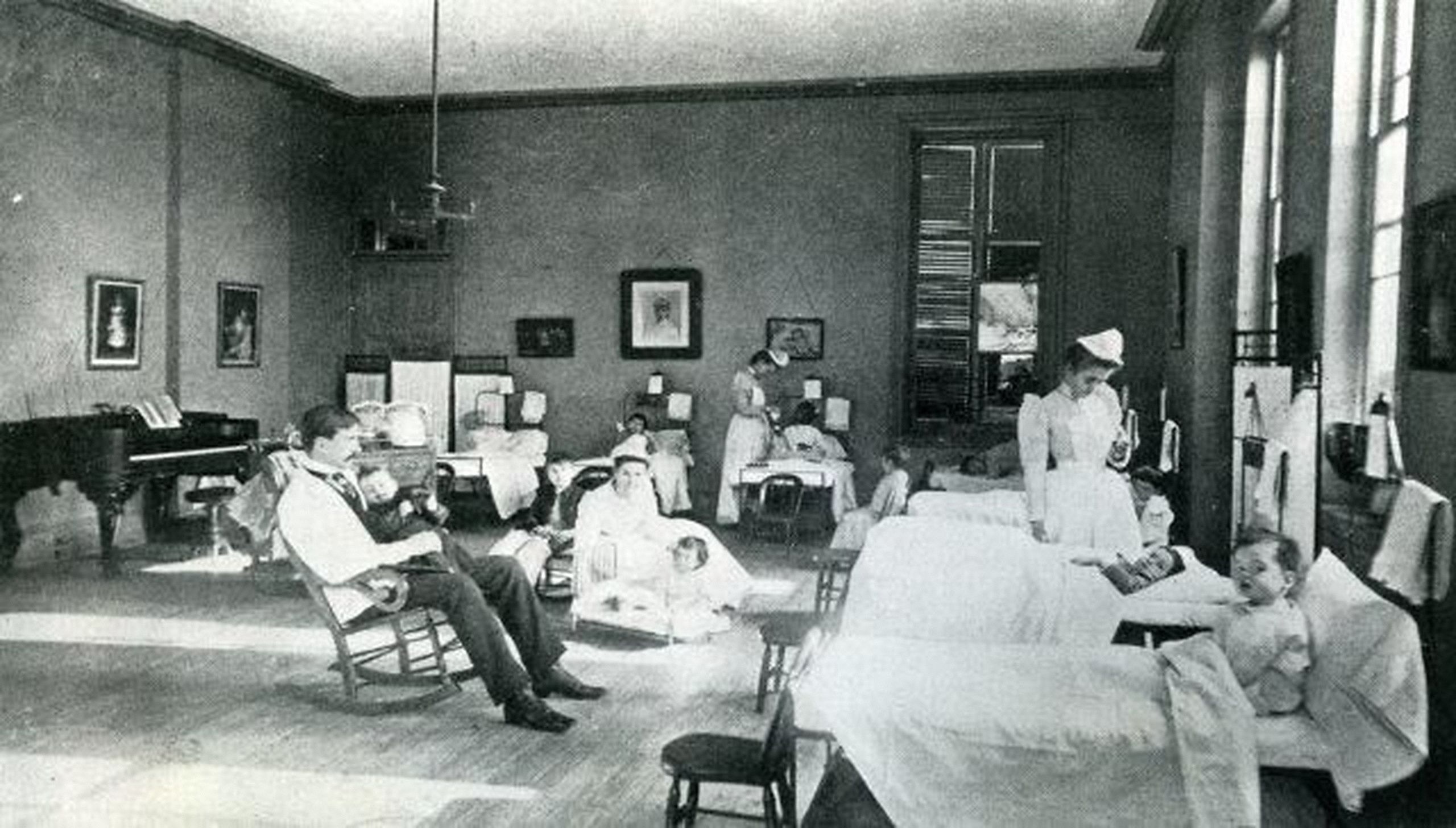
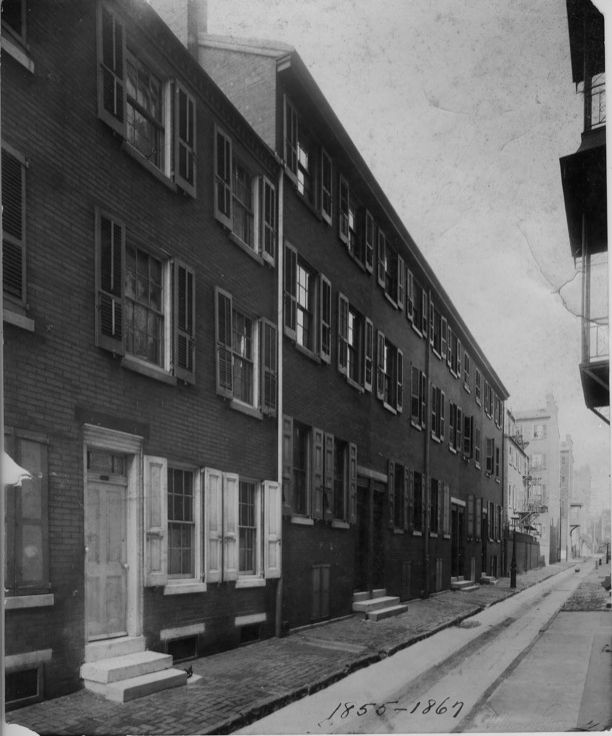
  • In 1855, children were falling sick from working in factories and living in squalor. CHOP was opened to treat them.

    In 1855, children were falling sick from working in factories and living in squalor. CHOP was opened to treat them.

    The notice on the front page of the Nov. 24, 1855, Philadelphia Ledger was nondescript.

    “The Children’s Hospital, located on Blight St. running from Pine to Lombard below Broad is now open for the reception of patients.

    Children suffering from acute diseases and accidents will be received free of charge.

    A dispensary for sick children is also attached to the hospital and will be open at the same place every day (Sundays excepted) from 11 to 12 o’clock. When advice and medicine will be given free of charge.”

    It was signed by T. Hewson Bache, M.D., Francis W. Lewis, M.D., and R.A.F. Penrose, M.D.

    But those few lines were anything but nondescript. They announced the opening of Philadelphia Children’s Hospital, United States’ first medical facility specializing in pediatric care that would jump-start the country’s children’s health industry.

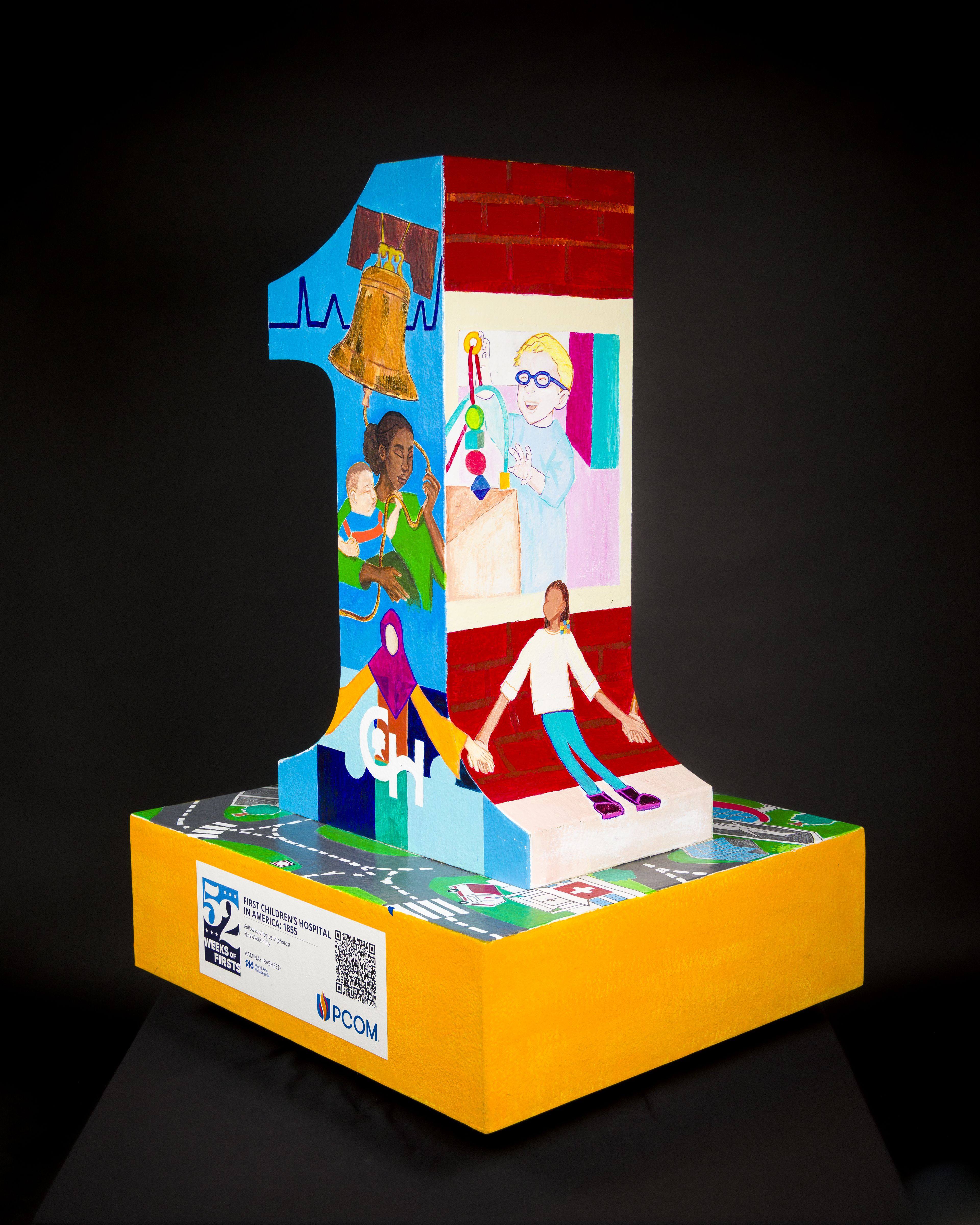
    Aaminah Rasheed’s No. 1 uses bright, bold and complementary colors alongside inviting imagery representing a diverse range of young patientAaminah Rasheed and Colibri Workshop

    CHOP’s beginning will be celebrated this Saturday at its Morgan Center for Research & Innovation. It is the latest firstival, the Philadelphia Historic District’s weekly day party celebrating major American milestones with Philly roots.

    Bache, a descendant of Ben Franklin; Penrose, of the illustrious Biddle family; and Lewis were all accomplished doctors when they opened the 12-bed facility on Blight Street in the heart of Center City, now Watts Street.

    Together they decided to open the hospital because children were becoming sick from living in unsanitary conditions marked by the beginning of the Industrial Revolution. Children were also being injured at an alarming rate from working in factories.

    “Children are not just little adults,” said Joseph W. St. Geme III, CHOP’s physician-in-chief. “They have a unique physiology. One that evolves as they mature from newborn into adulthood.”

    The original location of Children’s Hospital of Philadelphia or Chop located on Blight Street — now Watts Street — in Center City. It opened in 1855 and was there until 1886.Children's Hospital

    During its first year, the children’s hospital treated 67 patients. And in 1877, CHOP created the country’s first training ground for pediatric doctors, establishing the foundation for pediatric practices in the United States.

    CHOP moved to its second location at 22nd Street between Locust and Walnut Street in 1886, and in 1895, CHOP opened a training school for pediatric nurses. The hospital moved to 18th and Bainbridge in 1916, and it would stay there until 1974 when it made the campus on Civic Center Boulevard its home.

    In 1929, CHOP formed its official affiliation with the University of Pennsylvania’s school of medicine, creating its pediatric department.

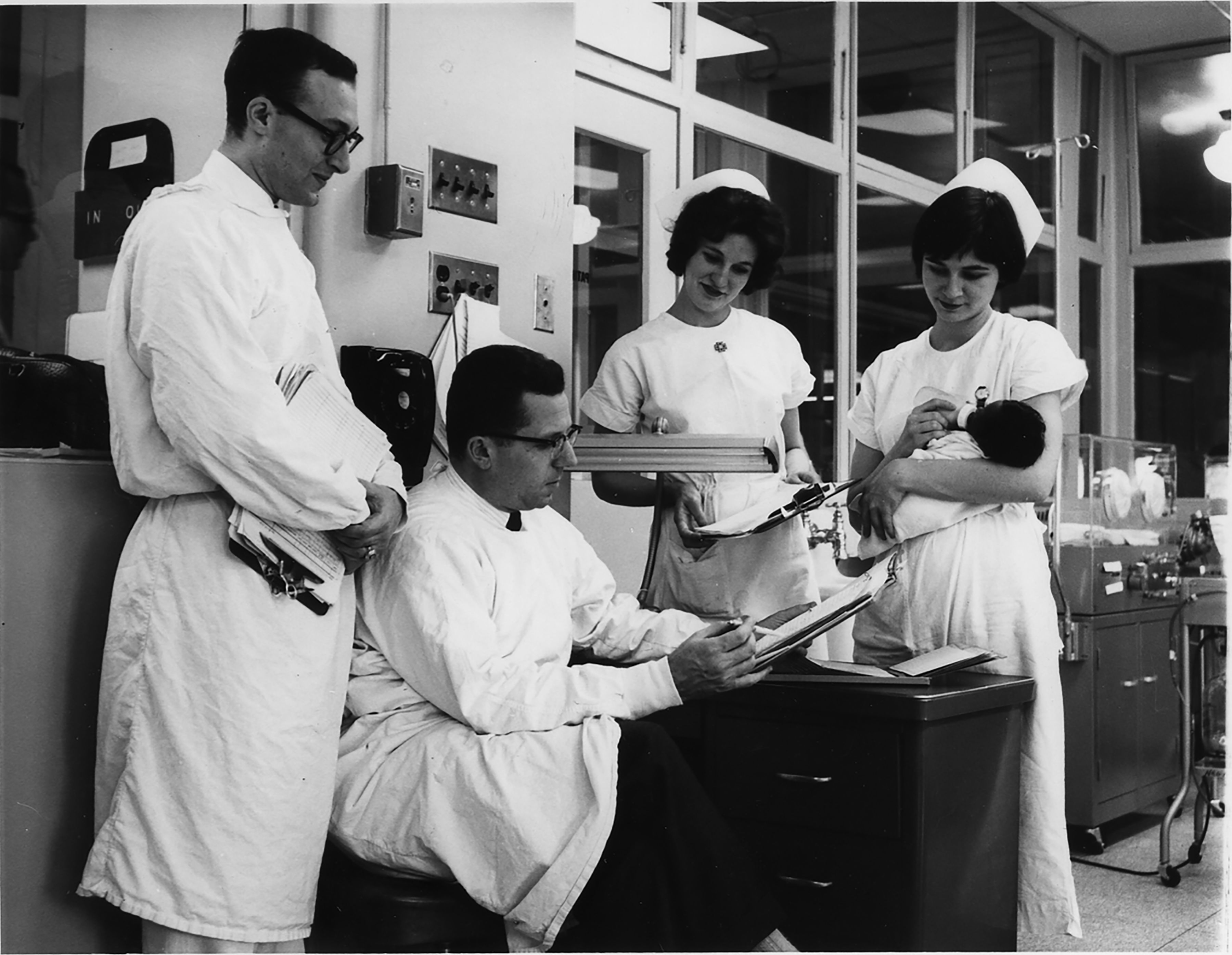
    Throughout its 170 years, CHOP served as a leader in children’s health innovations making way for many firsts in the industry. In 1936, CHOP doctors discovered the vaccine for whooping cough. In 1943, they discovered the first vaccines for influenza — which were administered to adults, too. The first neonatal intensive care unit, or NICU, was established at CHOP in 1962. The first rubella vaccine was developed in 1963.

    And more recently, CHOP doctors treated the newborn KJ Muldoon with CRISPR gene-editing therapy to treat a rare metabolic disease. They were the first doctors in the world to use these techniques.

    CHOP doctors at the the hospital’s NICU unit in the 1960s, the first in the nation.Children's Hopsital

    C. Everett Koop was CHOP’s surgeon-in-chief from 1948 to 1981 before serving as U.S. Surgeon General from 1982 to 1989. He pioneered techniques for operating on newborn babies and became an outspoken surgeon general on health issues, from smoking to AIDS. He died in 2013.

    Today CHOP spans three campuses that include its main campus on Civic Center Boulevard; its Behavioral Health and Crisis Center on South 54th Street, and a $289 million, 52-bed facility in King of Prussia.

    “We’ve gone from having just 12 beds in 1855 and 740 today,” Geme said. “A lot has happened since 1855.”

    Children’s Hospital of Philadelphia in 2025Children's Hospital of Philadelphia

    This week’s Firstival is Saturday, Nov. 21, 11 a.m. to 1 p.m. at Children’s Hospital of Philadelphia Morgan Center for Research & Innovation, 2716 S. St.

    The Inquirer will highlight a “first” from the Philadelphia Historic District’s 52 Weeks of Firsts program every week. A “52 Weeks of Firsts” podcast, produced by All That’s Good Productions, drops every Tuesday.

  • How Philly’s own Buzz Bissinger became the foremost authority on leather jackets

    How Philly’s own Buzz Bissinger became the foremost authority on leather jackets

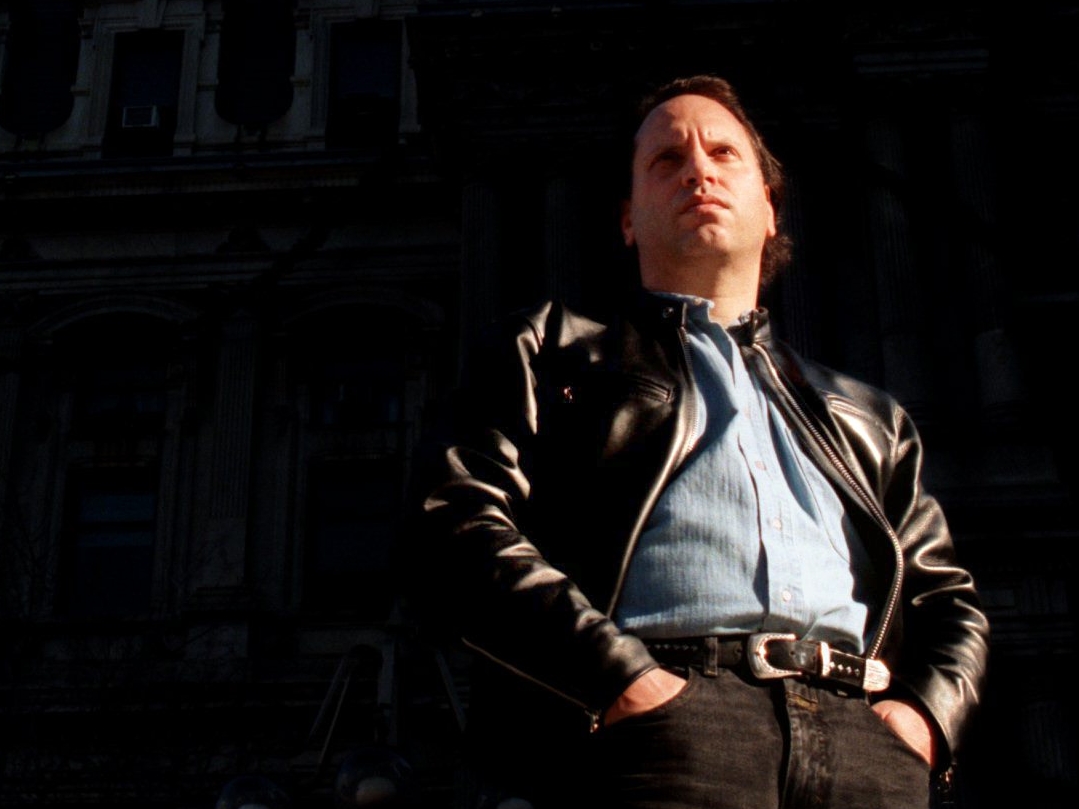
    Buzz Bissinger is tired of the stigma associated with leather jackets — regardless of whether the wearer is a best-selling author or a scandal-plagued, recently ousted tech mogul.

    He let those thoughts be known in his Wall Street Journal essay “In Defense of Middle-Aged Men in Leather Jackets,” which explores Nvidia CEO Jensen Huang’s signature look. Bissinger is, of course, no stranger to the subject.

    The Friday Night Lights author and Philadelphia Inquirer alum became an early internet main character for sharing similar enthusiasm for leather more than a decade ago.

    Huang, the entrepreneur who built an empire as a leader in the AI revolution before getting caught up in a personal and national security scandal and forced to resign, is well known for regularly wearing leather jackets.

    As Huang made headlines for his extramarital dalliances, the New York Times covered his jacket-wearing at length, likening his signature item choice to Steve Jobs’ turtlenecks or Mark Zuckerberg’s T-shirts. The Times also explored the leather jacket’s potential negative implications, cautioning that as details unfold about Huang’s affair with a Chinese businessperson and his second extramarital relationship with an Nvidia executive, that the jacket has gone from feeling “rebellious” to “reckless.”

    That’s where Bissinger comes in.

    Thirteen years ago, the Pulitzer Prize-winning author dropped a lengthy essay for GQ magazine about his self-proclaimed “Gucci addiction.”

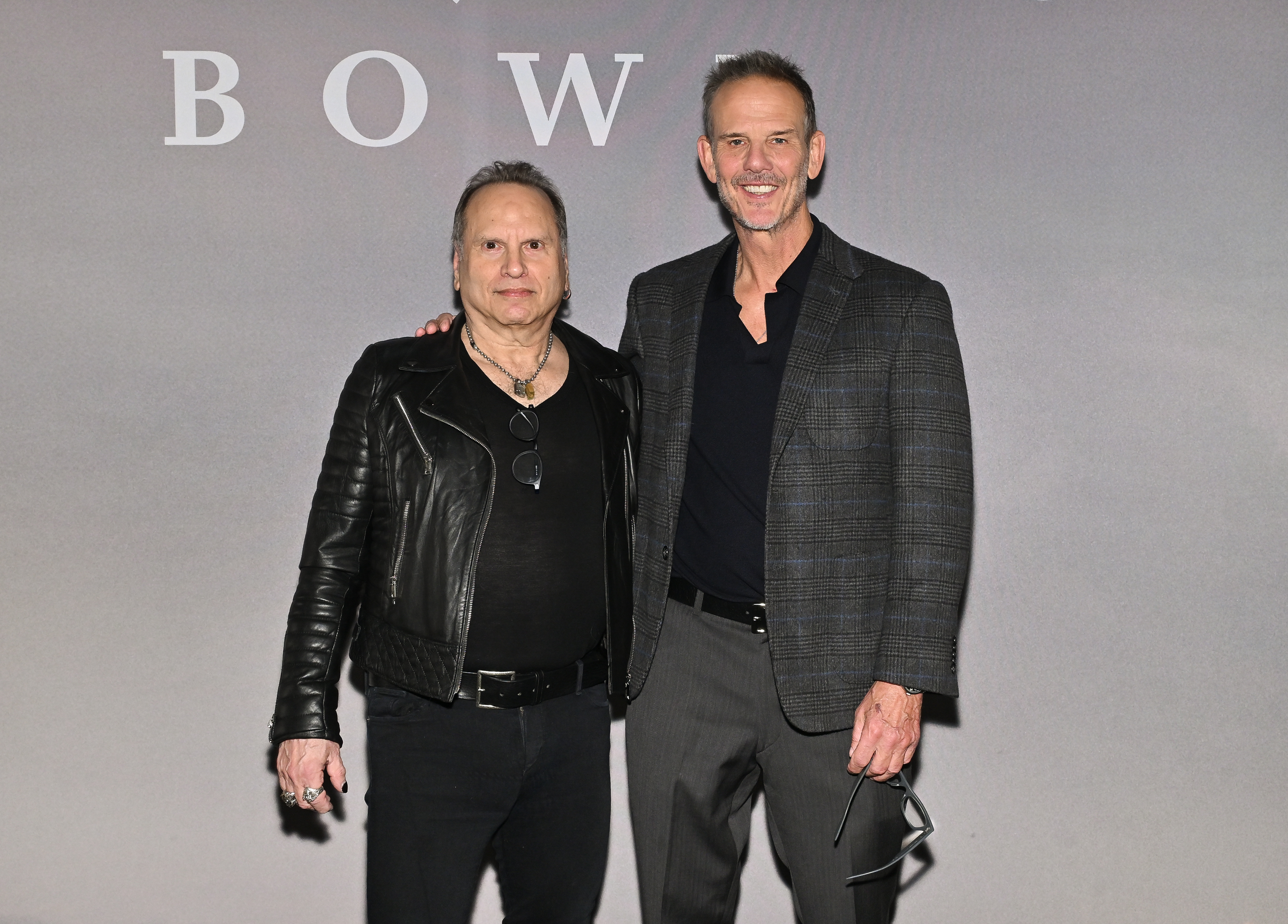
    Buzz Bissinger (left) and Peter Berg participate in a photo call for “The Mosquito Bowl” at the Whitby Hotel last month in New York.Evan Agostini / Invision / AP

    “In the past few years, I’ve bought 81 leather jackets. Dozens of boots and leather gloves. I’ve purchased pants that cost $5,000. I own a $22,000 coat,” Bissinger wrote at the time. “My name is Buzz Bissinger … And I am a shopaholic.”

    The 2013 confessional was both lauded and mocked, but it started a conversation that stuck with people about shopping, public image, luxury items, and aging.

    “The self-expression feels glorious, an indispensable part of me,” Bissinger wrote in the essay. “As a stranger said after admiring my look in a Gucci burgundy jacquard velvet jacket and a Burberry black patent leather trench, ‘You don’t give a f—.’”

    As Emily Gould of New York magazine recalled on X about the essay, “Obama is in office. Glossy magazines are still a going concern, and they publish epic, glorious stories about being addicted to buying leather jackets.”

    Bissinger documented over thousands of words how he’d spent more than $600,000 in a few years on luxury clothing, primarily leather jackets, putting his personal life and health at risk.

    The mix of his vulnerability — revealing intimate details about his marriage and fatherhood alongside his flashiness, flexing on readers with his $14,000 ostrich skin jacket and his trips to Milan for exclusive access to Gucci showrooms — made for a perfect internet storm, becoming a talker that stuck with readers for years.

    “I felt it was important to write,” Bissinger told The Inquirer about his GQ essay. “I felt proud that I’m able to wear what I want and don’t feel self-conscious or silly, and I refuse to be influenced by the parochialism of others.” Bissinger eventually went to rehab for addiction and compulsive disorder.

    When Huang’s own penchant for leather jackets became an item of interest all this time later, some mused that there was only one appropriate subject matter expert prepared to dive into it all. The Wall Street Journal put out a call to the foremost leather jacket aficionado.

    “[The] Wall Street Journal came to me because of my openness in the past,” Bissinger said. “I was happy to write it because I’m tired of the stigma that leather creates. It’s a piece of clothing, and it’s fun to wear, and no one should be judged for it.”

    In his piece for the Journal, Bissinger calls himself “the world’s leading authority on all things leather,” citing his GQ essay. “It is only fitting that I pass final judgment on the sartorial choices of Jensen Huang,” he wrote.

    In his opinion, Huang could actually go further on his leather journey.

    “Much has been made of the fact he owns 30 to 40 leather jackets. It might seem excessive unless you are a leather fetishist. Then it’s child’s play,” Bissinger wrote. “Huang did not go far enough.”

    Much like what happened 13 years ago, Bissinger’s new essay about leather also had a field day on the internet, garnering hundreds of thousands of views across social media platforms.

    “FINALLY the most qualified person alive on this issue has weighed in,” Dennis Young at Front Office Sports tweeted. “Can’t remember the last time I clicked on something so fast,” Laura J. Nelson at the Wall Street Journal wrote.

    So, what does Bissinger think about being “the guy” when it comes to leather?

    “I gave myself the title, but I figure when you have spent as much money as I have on leather, I deserve it,” he said. “At the peak of my compulsive spending, I did have an exquisite collection that I’m pretty sure few could match. Since then, I’ve given much away. I could no longer justify it, much less afford it. But I still have my favorite babies.”

  • Philly music this week with Meek Mill, Sombr, Gwen Stefani, Angine de Poitrine, the Menzingers, and more

    Philly music this week with Meek Mill, Sombr, Gwen Stefani, Angine de Poitrine, the Menzingers, and more

    This week in Philly music features Meek Mill and Sombr shows in South Philly, Gwen Stefani down the Shore, polka-dot masked Grammy nominees Angine de Poitrine at Franklin Music Hall, and the Menzingers and Maze at the Fillmore in Fishtown. Plus, Rufus Wainwright in Princeton and a Tom Waits tribute at the Ruba Club.

    Wednesday, Nov. 18

    Greg Freeman

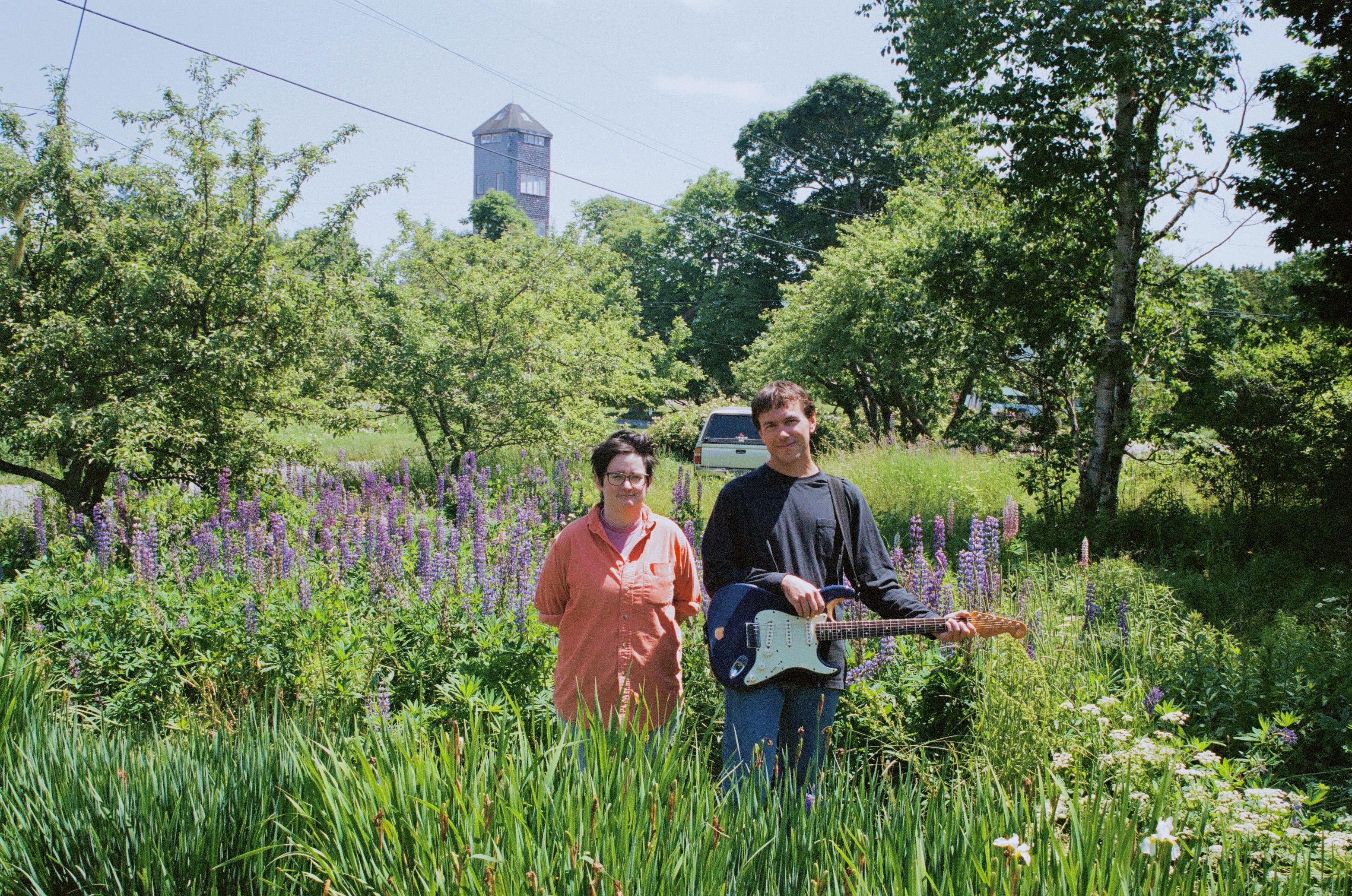
    Vermont songwriter Greg Freeman decamped to New Mexico to write the songs that turned into his terrific new album All Set The Bone. The John Congleton-produced collection comes hot on the heels of last year’s also excellent Burnover. Lyrics like “Life hits quicker than doubt, and regrets fill the cracks like grout,” pack a punch and his juiced up Americana lands nicely on the Waxahatchee-MJ Lenderman-Neil Young continuum. Robber Robber opens. 8 p.m., First Unitarian Church, 2125 Chestnut St., R5productions.com

    Greg Freeman plays the First Unitarian Church on Wednesday.Gabe Long / Courtesy of Grandstand

    Marshall Crenshaw / Sarah Borges & Eric Ambel

    A cool power-pop and roots music bill in Bucks County. Crenshaw’s early run of smart, catchy, and finely crafted albums made him an under appreciated 1980s hero. The opening tandem pairs of first-rate Massachusetts songwriter Borges and guitarist Ambel, whose resumé includes stints with Joan Jett and the Del-Lords while producing artists like Borges, Steve Earle, the Bottle Rockets, and Philly’s late great Go To Blazes. 8 p.m., Sellersville Theater, 18 W. Temple St., st94.com.

    Frost Children

    Electro and hyper-pop siblings Angel and Lulu Prost are the Frost Children, a shape-shifting project that has produced pretty-much-irresistible kinetic music on albums like last year’s Sister and the new Tweaker Poem EP. Afterlife and Kuru & Olswel open. 8 p.m., Union Transfer, 1026 Spring Garden St., utphilly.com

    Thursday, Nov. 19

    Alejandro Escovedo & Lenny Kaye

    Alejandro Escovedo’s five-decade career reaches back to his late 1970s punk band the Nuns and includes escapades with cowpunk band Rank and File, guitar army True Believers, and glam rockers Buick Mackane. His many solo albums blend punk, Americana, and a rich vein of story telling that has increasingly drawn on Escovedo’s family history. Opening is Patti Smith guitarist and music historian Lenny Kaye, whose recently released Goin’ Local is his first solo album. 8 p.m., the Queen, 500 N. Market St., Wilmington, thequeenwilmington.com

    Rufus Wainwright plays the McCarter Theater in Princeton.Sportsnet

    Rufus Wainwright

    With “Wanted: Judy Garland,” pianist and composer Rufus Wainwright will draw from his Rufus Does Judy at Carnegie Hall project, as a well as his albums Want One and Want Two. For this performance, he’ll use his own band plus Princeton student musicians to create a one-night-only 40 piece ensemble. 7:30 p.m., McCarter Theater, 91 University City Place, Princeton, mccarter.org.

    Maze

    With Maze, smooth R&B singer Frankie Beverly, who died in 2024, was beloved for a body of work that included several songs that became essential anthems for Black music fans that grew up with the music of the Philly-born band leader. His band is now taking Beverly’s music back out on the road with “Dressed All In White: The Homecoming.” 7:30 p.m., Fillmore Philly, 29 E. Allen St., thefillmorephilly.com

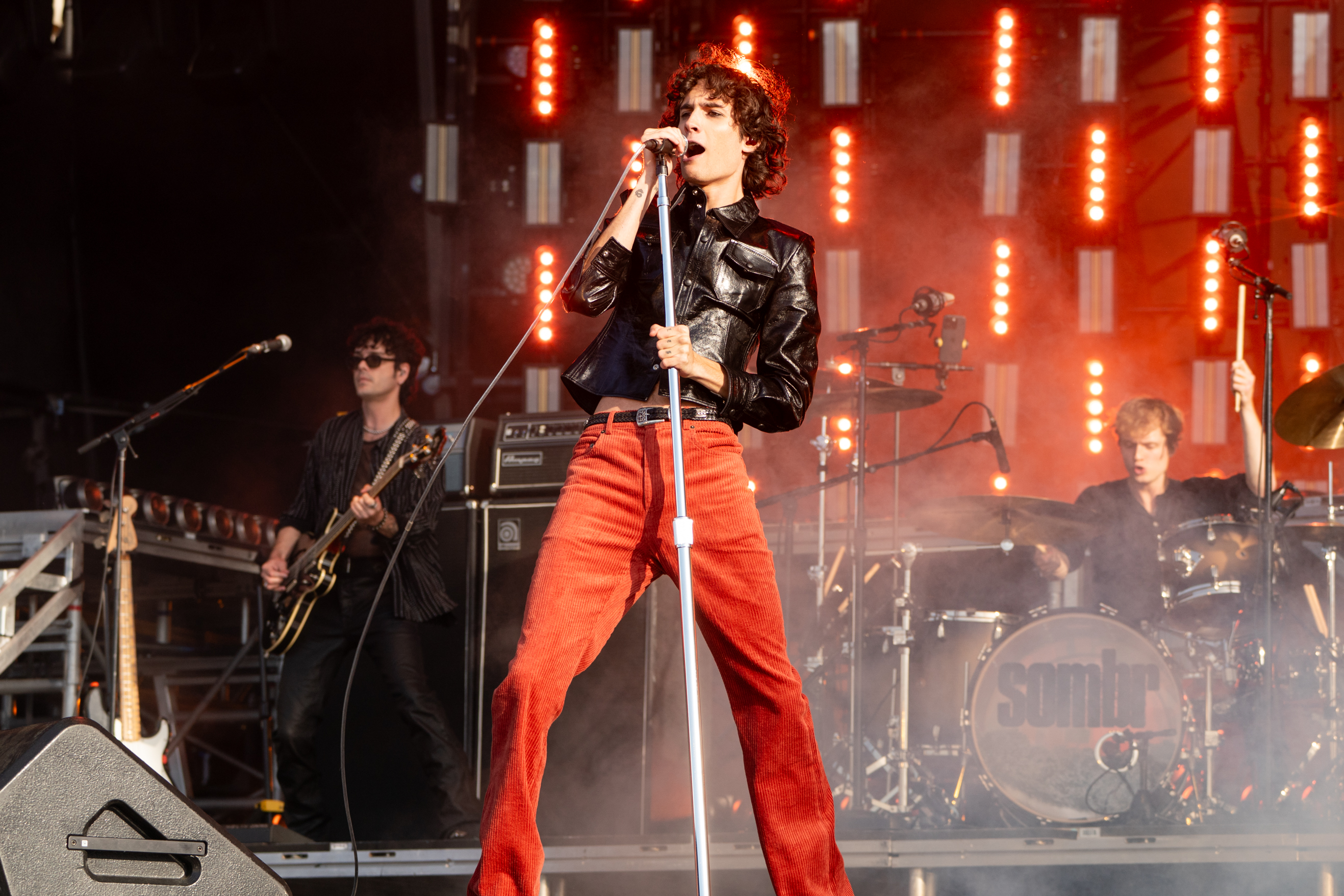
    Sombr performs in Napa, Calif., on May 24.Amy Harris

    Sombr

    New York songwriter and producer Shane Michael Boose came up with his stage name because it contains his initials and captured his teenage melancholy mood when he was starting out. Still only 21, Boose has quickly climbed the music industry ladder, going from TikTok heartthrob to playing the Foundry in 2024, to the Met last year, and now headlining arenas. 8 p.m., Xfinity Mobile Arena, 3601 S. Broad St., xfinitymobilearena.com.

    Gwen Stefani of No Doubt performs during the Coachella Valley Music and Arts Festival at the Empire Polo Club on April 13, 2024, in Indio, Calif.Amy Harris

    Friday, Nov. 20

    Angine de Poitrine

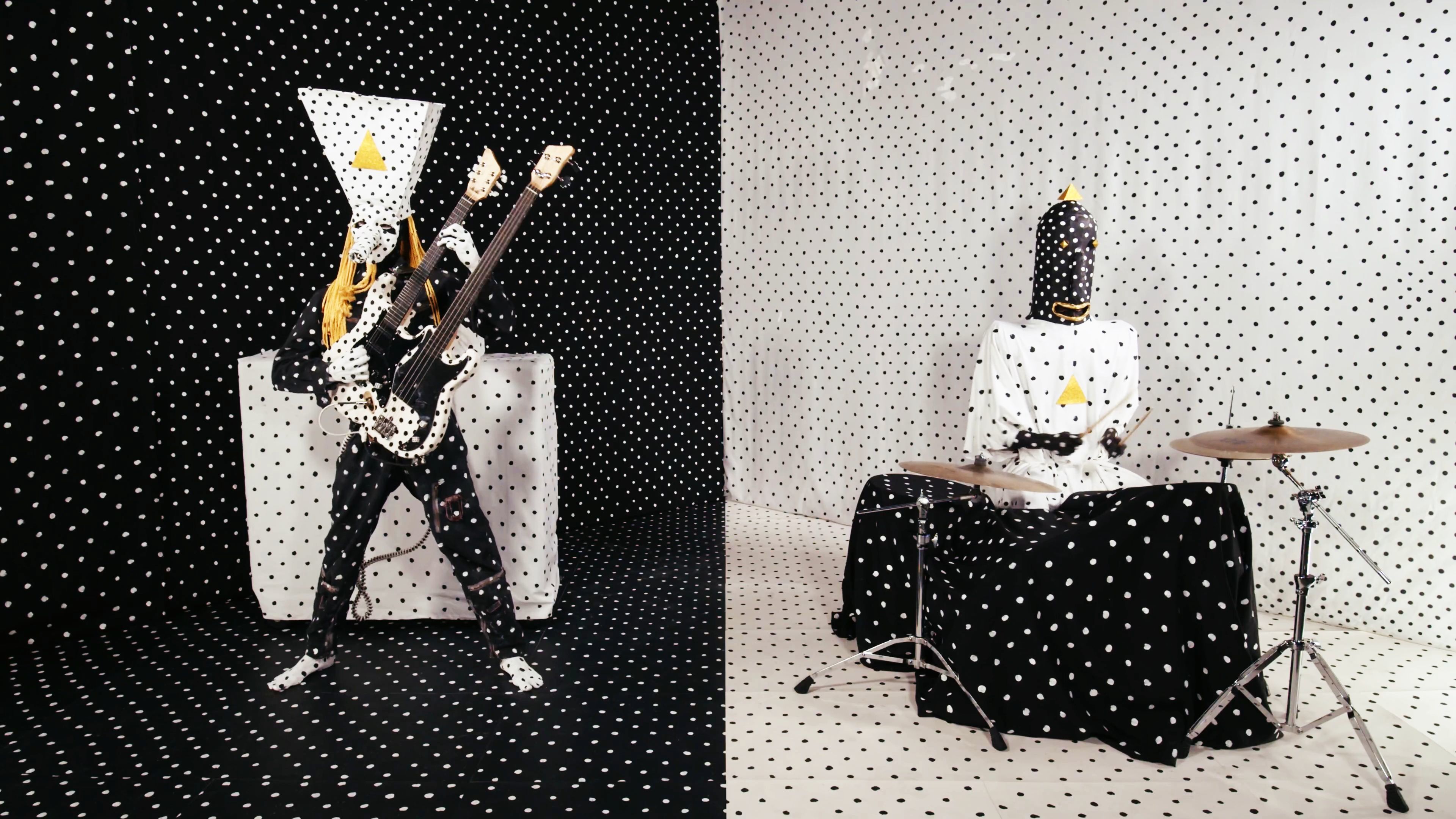
    Angine de Poitrine is a Canadian rock duo known for playing microtonal music and wearing cardboard polka dot masks. The anonymous duo — they go by the aliases Khn and Klek — got four Grammy nods this week, including best new artist for the hyperactive music on its album Vol. 2. 8 p.m., Franklin Music Hall, 421 N. 7th St., franklinmusichall.com

    The Menzingers

    The Menzingers is a Scranton-born band, but its members have lived in Philadelphia for nearly two decades, during which time it recorded one of the sweetest pop-punk Philly anthems ever in 2019’s immortal “Anna.” This year, the band recorded its eighth album, Everything I Ever Saw at Will Yip’s South Philly studio, which will be celebrated in this hometown show. 8 p.m., Fillmore Philly, 29 E. Allen St., thefillmorephily.com

    Catherine Dwyer and Peter Gill of 2nd Grade. The Philly band whose new album is “Girls and Boys” plays Free at Noon on Friday.Justin Wendler / Courtesy of Pitch Perfect PR

    2nd Grade

    Truth in titling is in effect on Girls & Boys, the new 20-song album by Philly power poppers par excellence 2nd Grade. The first 10 songs penned by singer-guitarist Peter Gill all have “Girls” in the title, such as “Flight School Girls,” “Radio Girls,” “White Album Girls.” The next 10 swap gender roles, with “Trouble Boys,” “Rumor Mill Boys,” “20th Century Boys,” etc. Gill, who is also in the alt-country band Friendship, sings half the songs. Catherine Dwyer, who also plays in Philly band Remember Sports, sings the rest. The album on Philly’s Lame-O label reflects a mini-industry trend: it was released on vinyl on Oct. 30, but doesn’t come out digitally until Dec. 4. 12 p.m., Free at Noon, 3025 Walnut St., xpn.org.

    Gwen Stefani

    This spring, Gwen Stefani reunited with her No Doubt bandmates for an 18-night residency at the Sphere in Las Vegas. Now, The Voice coach who went country with her 2024 album Bouquet, is doing a select number of dates under her own name. 8 p.m., Borgata Event Center, One Borgata Way, Atlantic City, borgata.mgmresorts.com

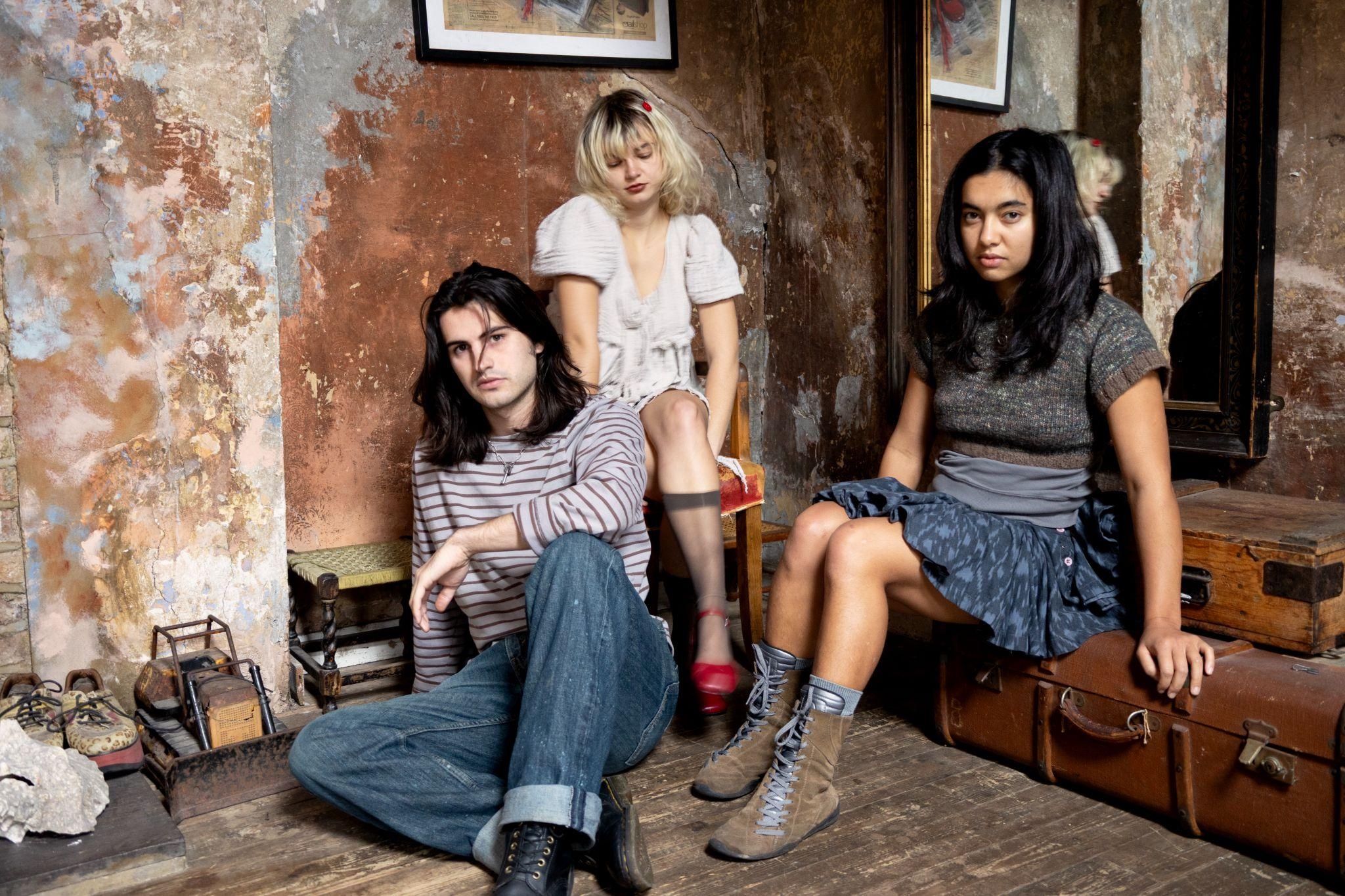
    London trio Mary in the Junkyard play PhilaMoca on Saturday.Daisy and Tomas Ayscough / Courtesy of Pitch Perfect PR

    Saturday, Nov. 21

    Mary in the Junkyard

    South London art-folk band Mary in the Junkyard has made one of 2026’s most intriguing entrances with Role Model Hermit, the band’s intricate and atmospheric debut album. The buzzed-about trio of singer guitarist Clari Freeman-Taylor, bassist and viola player Saya Barbaglia, and drummer David Addison — not a Mary in the bunch — is playing with Texas songwriter Lefty Parker opening. 8 p.m., PhilaMoca, 531 N. 12th St., philamoca.org.

    Wanderlust

    Philly rock band Wanderlust recorded the acclaimed album, Prize, in 1995 before breaking up. It got back together in 2012, to make a second album, Record Time. Singer Scot Sax lives in Nashville where he’s active as a songwriter and filmmaker, and collaborator with his wife, songwriter Suzie Brown. Now Wanderlust is back together for a forthcoming new album, and are playing a Saturday afternoon Main Line matinee. 4 p.m., 118 North, 118 North Wayne Ave., Wayne, 118NorthWayne.com.

    Louis Cato plays the Zellerbach Theatre at the Annenberg Center in West Philadelphia on Sunday.Shervin Lainz

    Tom Waits tribute

    A cast of 30 Philly musicians will band together for “A Cabinet of Curiosities” celebrating the music of Tom Waits. Players include such local luminaries as Chris Malcarney, Mike “Slo-Mo” Brenner, Shannon McGill Vasile, Jon Houlon, Neil Nathan, Dorothy Haug, Kevin Monko, Tuba Dan, and Rosie McNamara Jones and Her Strings of Bliss. 7:30 p.m., Ruba Club, 416 Green St., eventbrite.com.

    Sunday, Nov. 22

    Louis Cato

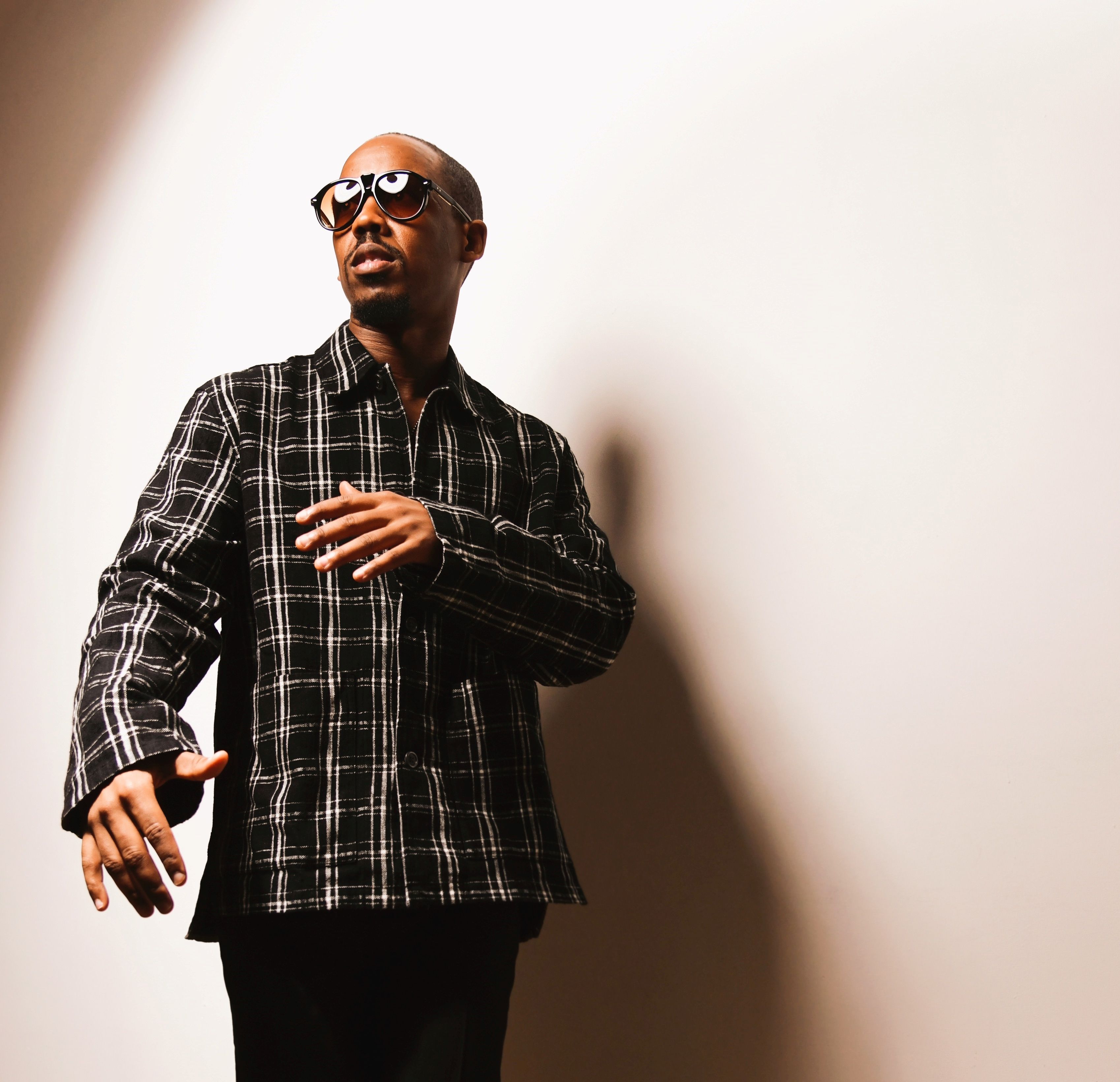
    Louis Cato lost a gig when The Late Show with Stephen Colbert was pulled off the air by CBS this year. The multi-instrumentalist who played guitar in Colbert’s house band — first under Jon Batiste, then as band leader — is on the road performing his own genre fluid music, from his 2023 album Reflections to soul-searching singles “Can’t Hide No More” and “Black Man Blues.” 7 p.m., Zellerbach Theatre, 3680 Walnut St., pennlivearts.org.

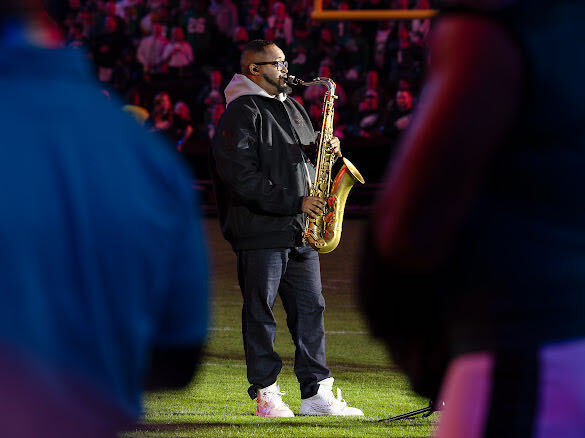
    Saxophone player Hiruy Tirfe played the national anthem at the Eagles’ recent “Monday Night Football” game against the Dallas Cowboys.Courtesy of Torri Green

    Hiruy Tirfe

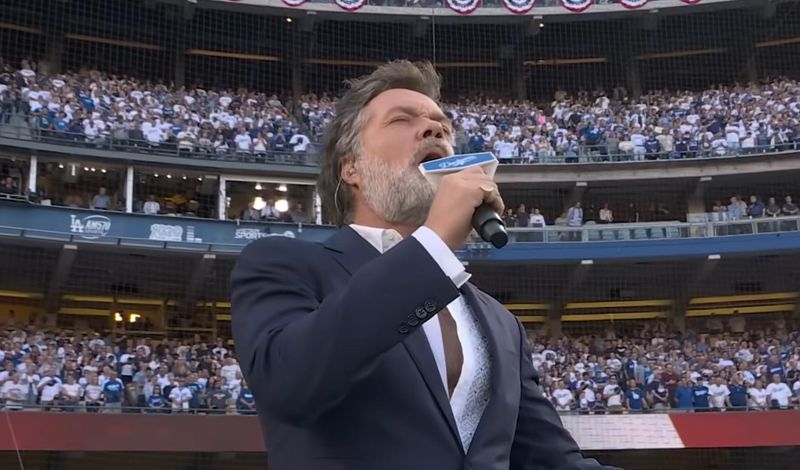
    Hiruy Tirfe’s gig this weekend will be considerably more intimate than the one the Upper Darby-raised saxophonist played in South Philly earlier this month. For that one, Tirfe delivered a jazz instrumental version of “The Star Spangled Banner” at Lincoln Financial Field before an Eagles-Cowboys game on Monday Night Football. At the 225-capacity Fallser Club, he’ll be celebrating his sophomore release Threshold, which features guest appearances from James Poyser, Mare, DJ Aktive, and Chill Moody. 8 p.m., Fallser Club, 3721 Midvale Ave., thefallserclub.org.

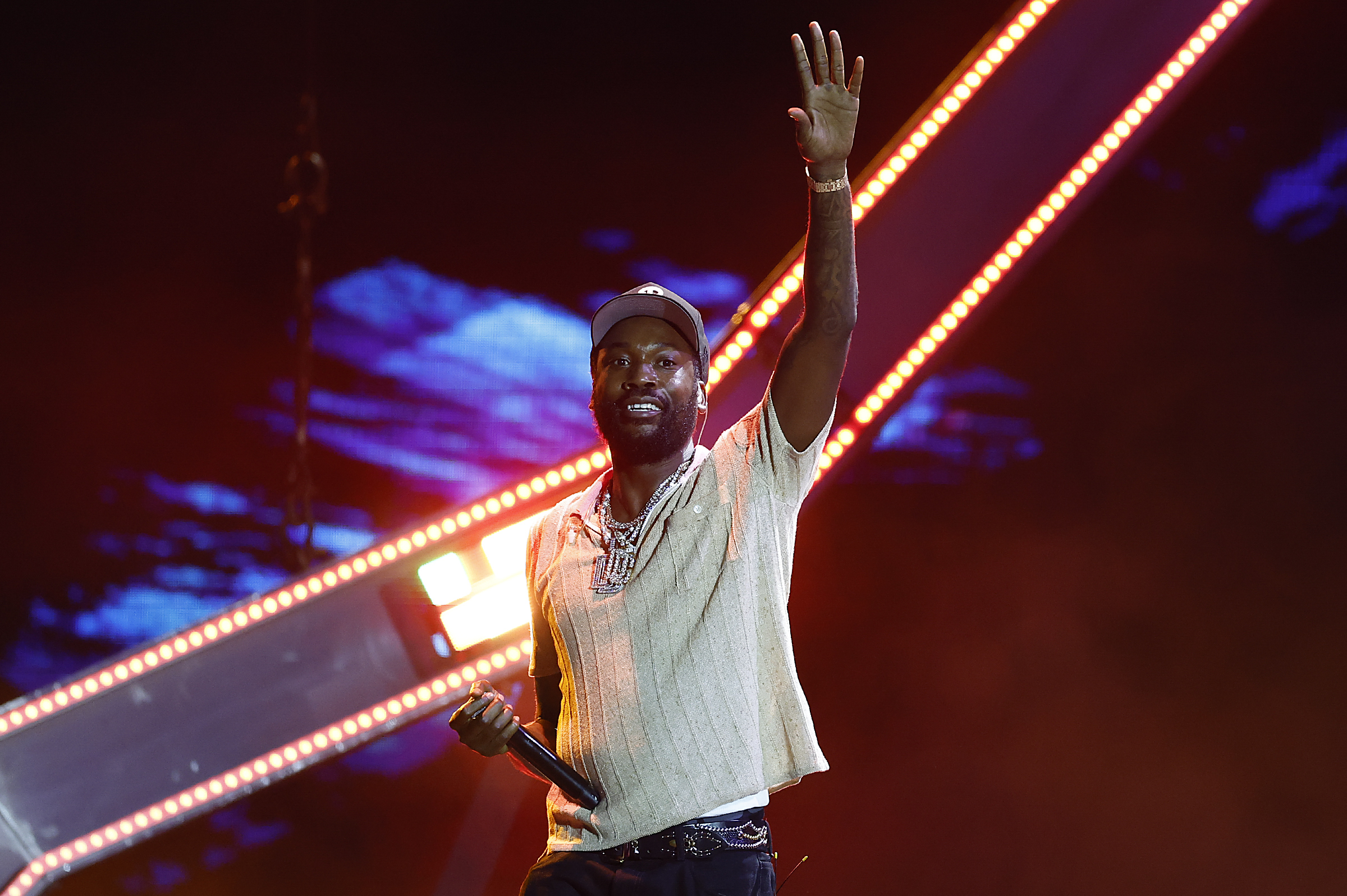
    Meek Mill performs during the One Philly: Unity Concert for America along the Benjamin Franklin Parkway on July 5.Yong Kim / Staff Photographer

    Tuesday, Nov. 24

    Meek Mill & Friends

    And who will Meek’s friends be? That information was unavailable at press time. What is known is that this “Dream Chasers Nights” concert is an extension of the North Philly rapper’s Dream Chasers brand, sharing a name with his record label and the gathering for young entrepreneurs that he hosted at the Liacouras Center in September. 8 p.m., Xfinity Mobile Arena, 3601n S. Broad St., xfinitymobilearena.com

  • ‘Grand Theft Auto VI’ is a cultural and economic earthquake. Brace yourself.

    ‘Grand Theft Auto VI’ is a cultural and economic earthquake. Brace yourself.

    Elijah Cannon has worked for five years without requesting a vacation. This week, he says, he’s taking his first days off in his adult life for “Grand Theft Auto VI.”

    The 23-year-old Las Vegas coffee-shop supervisor has been waiting for the game since he was 10, when “Grand Theft Auto V” released. He’s taking a week off to play, including his first Saturday and Sunday off without work since he was 17.

    “This has been something all my co-workers have heard me talking about for years and years,” Cannon said. “Every single person in my life knows how much GTA means to me.”

    “Grand Theft Auto VI” releases Thursday as the most anticipated video game in history, and gamers who can are clearing their schedules. Employers are fielding vacation requests. Schools are bracing for half-empty classrooms. An Army battalion offered soldiers time off to play as an incentive to reenlist. And streamers and other businesses are preparing to capitalize, including YouTube devoting an devoting an entire day to the game’s “cultural impact.”

    Welcome to the Grand Theft Auto economy, in which opportunity extends well beyond selling a video game that reportedly secured more than $1 billion in preorders a week before its release.

    “This game is going to change the world,” said streamer and political commentator Hasan Piker, who grew his online influence in 2021 by role-playing an Italian mobster in “GTA Online” for 16 hours a day, and who is planning a “sabbatical” from politics this week. “It’s going to have its own economy.”

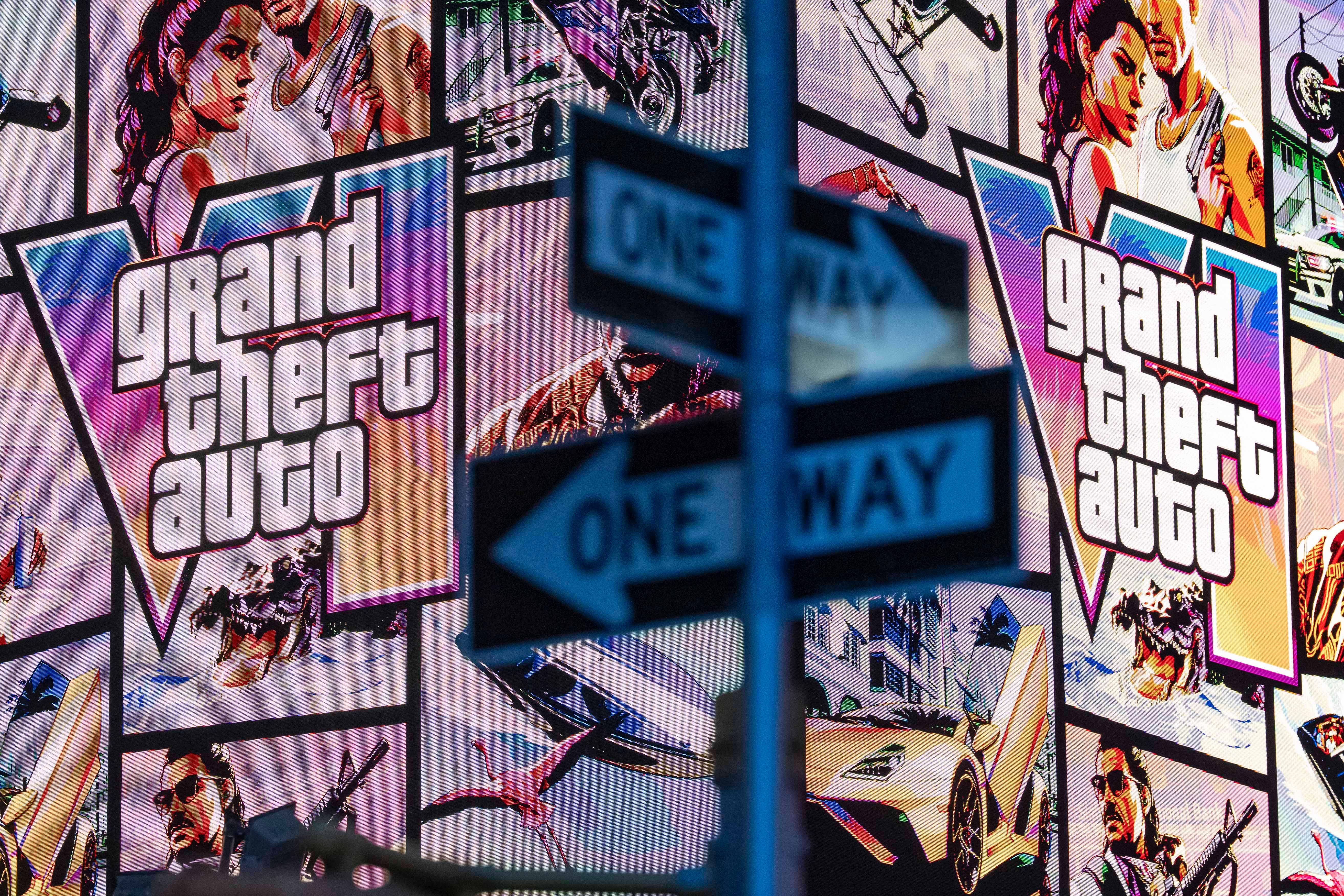
    “Grand Theft Auto VI,” by Rockstar Games in Scotland, is the latest in the crime-drama series, set in a fictionalized Miami and following a Bonnie-and-Clyde-style couple inside a simulation of American life. The fifth installment, from 2013, made $1 billion in three days and is considered the most profitable entertainment product of all time. It has remained on the best-selling charts almost every month since.

    “‘GTA V’ still crushes individual blockbusters like ‘Avatar’ or ‘Avengers: Endgame.’ … It simply doesn’t come close,” said Anthony Palomba, assistant professor of business administration at University of Virginia’s Darden School of Business. “Games are no longer a separate category. They are the industry’s biggest single-release events, and film and TV increasingly sit downstream of game intellectual property.”

    Work? On a day like this?

    “GTA VI” lands at midnight early Thursday. Managers probably should check their inboxes early that morning.

    Time-off requests for Thursday are about 20 percent higher than usual, the workplace software provider UKG found, after analyzing requests from a sample covering about 2 million U.S. employees across industries. Requests for the Friday after Thanksgiving are about 9 percent higher than usual, UKG said.

    The tsunami of requests presents a “balancing act” for employers, said Suresh Vittal, UKG’s chief product officer.

    “Saying no can hurt retention,” Vittal said. “Asking others to cover can accelerate burnout. And leaving shifts unfulfilled can cost you customers and revenue.”

    Aaron Close, 49, of Springfield, Missouri, works in payroll in the corporate office of an auto parts retailer and originally scored a week off when the game was slated to release in 2025. But this week’s launch date, the week before Thanksgiving, made scheduling tricky.

    “I shot my shot and asked for the 19th through the 27th, but my supervisor wasn’t sure about coverage,” said Close, who first played the series on the first PlayStation when he served as a Southern Baptist missionary. “But they gave me the 18th through the 20th, so I took it.”

    He planned on sleeping most of Wednesday so he can play as much as he can when midnight strikes.

    Some employers are embracing the occasion. Logitech, the workstation accessories company, announced a day off for its 7,000 employees. At Fort Stewart, Georgia, the Army’s 9th Brigade Engineer Battalion offered eligible soldiers a four-day pass aligned with the release if they reenlisted during a designated period. Specialty car parts manufacturer Burger Motorsports announced a “temporary company-wide operational pause” for the game’s release.

    The effects probably will extend beyond empty workstations. Accounting firm PwC published a report that anticipates a battle for the living room, with players spending evenings with the game instead of watching holiday programming. Schools across the world, including in the United Kingdom and Canada, are preparing for a mass absentee event.

    Downstream of ‘Vice City’

    With the whole world seemingly hitting pause to immerse itself in the game, Rockstar Games isn’t the only company planning to cash in.

    Music and social platforms could benefit as players discover songs through the soundtrack and share clips and memes. Food (and maybe cannabis) delivery services would be wise to staff up.

    Bart Spiegel, PwC’s global leader for media, entertainment, gaming and sports, said the new release might mean ordering dinner at home instead of spending three hours going out to eat. Multiply those decisions across tens of millions of people, and businesses have reason to pay attention.

    “Is it going to move the needle on GDP or anything? Probably not,” he said. “But I think what’s going to happen is you’re going to have a lot of entertainment companies and even private equity that are going to see how much time, effort and energy is being placed on “GTA VI.” They may step back and look at their portfolio and ask, where do we stand with video games?”

    Companies competing for players’ attention are bracing themselves, too. Daily players on most other games will collectively go down by 10 percent in the month following the release of “GTA VI,” the market intelligence firm Sensor Tower found, with only “Roblox” expected to weather the storm. It predicts movies and TV shows will see a drop of 6 million hours spent on streaming apps in the United States.

    A content bonanza

    While workers clock out, content creators all over the world are planning their schedules around this game.

    “I feel like anybody that wants to jump-start their content creation career should definitely play this game,” said JazzyGuns, a streamer in Maryland.

    For streamers, the opportunity extends beyond showing an audience the game’s story. Players can spend hours exploring, testing the game’s rules and finding unexpected encounters to turn into viral reaction clips and videos. The game creates opportunities for players to express themselves through fashion and activities.

    “It’s a good sandbox,” said Dwayne, JazzyGuns’s partner. “I know there’s going to be a whole bunch of compilations for sure on how people play.”

    IShowSpeed, the 21-year-old streaming phenomenon and the internet’s most influential content creator, said he and his team have been preparing to stream the game.

    “‘GTA VI’ plays a huge, huge role in today’s culture,” he said, reflecting on the 13-year wait for the sequel. “All the kids are going to be growing up playing it, and it’s just going to be like telling stories to the next generation.”

    The fifth game, released in 2013, comes with “GTA Online,” the multiplayer companion. It lets players create their own characters and share a fictional Los Angeles with other players. They can buy virtual businesses and properties, which created a cottage industry of creators focusing on earning more digital money in the game.

    Separately, customized versions of “GTA Online” let people turn that world into an improvised reality-TV series. Players will “role play” as different members of society such as police officers or business owners, developing storylines that continue across months or years of broadcasts. For viewers, the attention becomes following those characters and the personalities controlling them.

    “GTA Online” will return in the sixth game, which has creators salivating, including Piker.

    Piker has played the game for more than 570 hours. He is the rare franchise fan who played the game before the milestone third game, being a fan since “GTA 2.” But the first 3D game in the series, “GTA III″ in 2001, was a milestone for a generation of gamers, including Piker, who said, “It changed my life. … I couldn’t believe games could be like that.”

    Four years ago, Piker admitted he had an addiction to “GTA Online,” one so bad his friend had to pull him outside and have an intervention.

    “The first time we went outside, it was like, ‘Bro, you gotta stop. You’re an Italian man for 16 hours a day.’ It’s such a funny and stupid thing to mention,” Piker said. “I stopped working out. I stopped eating well.”

    Today, he said, thinks of those days fondly and looks forward to his “relapse.” He was excited that Rockstar Games hired the freelance programmers who helped players created custom role-play servers and its role-play features, many of which are now in “GTA VI.”

    “Can’t wait for the organic integration,” Piker told The Washington Post, who now says his obsession with role-playing helped him unwind during the pandemic. “And now I look forward to unwinding after the bluenami.”

  • Netflix House in King of Prussia is struggling to attract nighttime visitors, Bloomberg reports

    Netflix House in King of Prussia is struggling to attract nighttime visitors, Bloomberg reports

    Netflix House Philadelphia is reportedly struggling to attract nighttime visitors as the streaming platform reconsiders its expansion plans.

    On Sunday, Bloomberg reported that Netflix is reassessing its plans for opening new Netflix Houses, nearly a year after launching its first two locations in King of Prussia and Dallas.

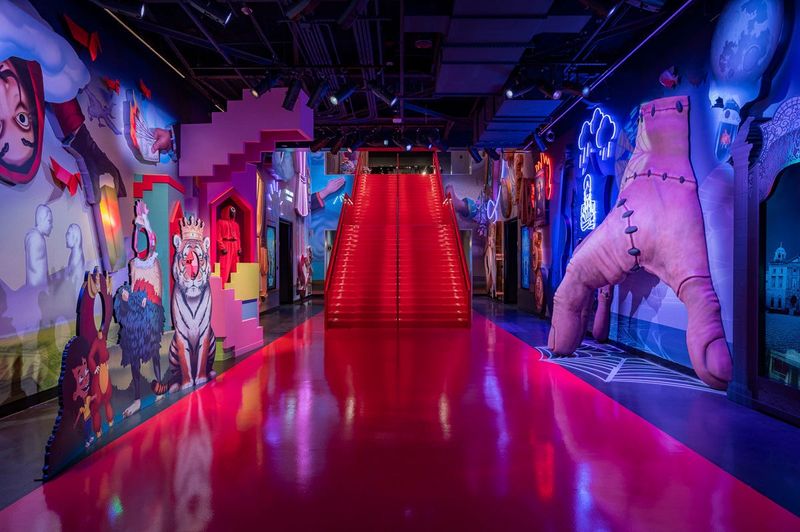
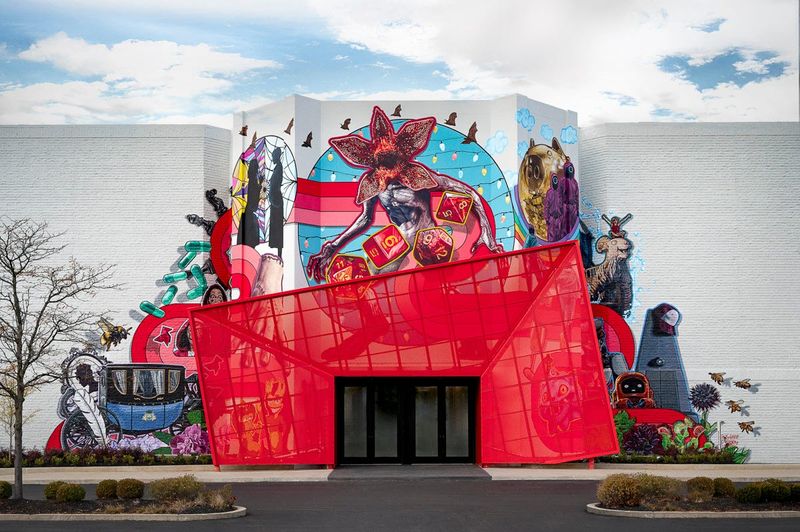
    The 100,000-square-foot entertainment venue at King of Prussia Mall features mini golf, virtual reality games, a movie theater, and rotating attractions inspired by popular Netflix shows, including Stranger Things and Squid Game. Admission tickets start at $39.

    The opening came as shopping malls across the Philadelphia region have increasingly turned to entertainment and other experiences to attract visitors beyond traditional retail. As The Inquirer previously reported, Plymouth Meeting Mall has embraced that approach with attractions, including Dave & Buster’s, Legoland Discovery Center, and an indoor trampoline venue. King of Prussia, meanwhile, has remained one of the region’s more successful shopping destinations.

    The King of Prussia location has reportedly been more difficult for Netflix to establish than its Dallas counterpart. Bloomberg identified nighttime attendance as a particular challenge for the attraction.

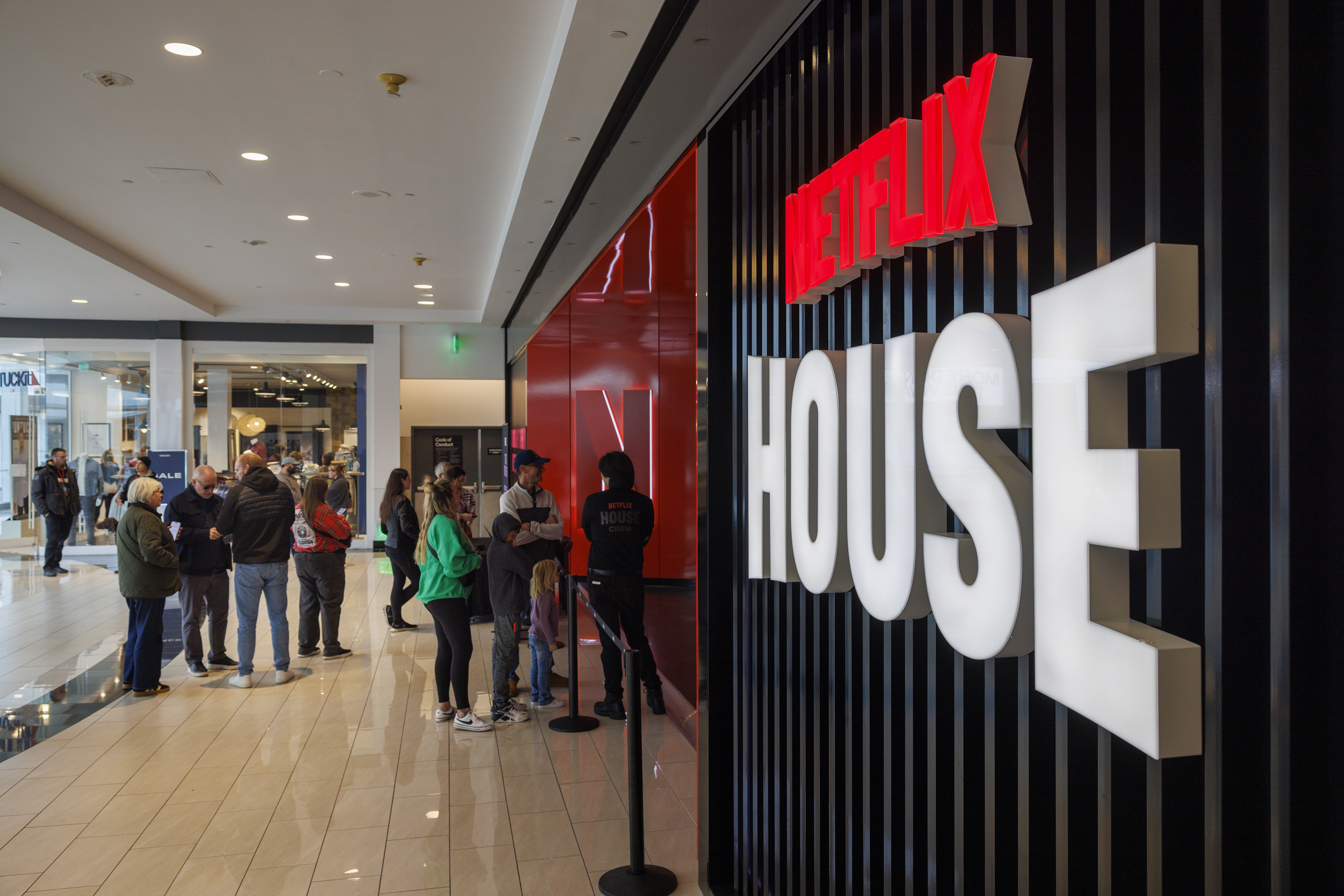
    Netflix House Philadelphia.Provided by Kat Kendon/©2025 Ne

    Dallas, meanwhile, is reportedly breaking even, with group visits and corporate events helping drive business.

    Both Netflix Houses are located outside their namesake cities. The Philadelphia location sits inside King of Prussia Mall in Montgomery County, while the Dallas venue is in a suburban area north of the city’s downtown, according to Bloomberg.

    At a conference in early 2025, Netflix co-CEO Ted Sarandos said he envisioned dozens of Netflix Houses throughout the world in a relatively short time.

    Now, those early results are factoring into Netflix’s decisions about where and when to open additional entertainment venues, according to Bloomberg. The company is reportedly taking more time to evaluate future locations.

    A third Netflix House is scheduled to open on the Las Vegas Strip next year. Unlike the King of Prussia and Dallas locations, the Las Vegas venue will have a smaller footprint and sit in an area that draws a steady stream of tourists, the outlet reported.

    Bloomberg reported that Netflix is also exploring opportunities outside the United States, with London among the cities under consideration. The company may wait another year before committing to additional locations, according to the report.

    Netflix did not provide an on-the-record comment in response to The Inquirer’s questions about its expansion plans.

    Netflix House Philadelphia.Provided by Kat Kendon/©2025 Ne

  • Jill Scott leads the Philly Grammy parade with five nominations

    Jill Scott leads the Philly Grammy parade with five nominations

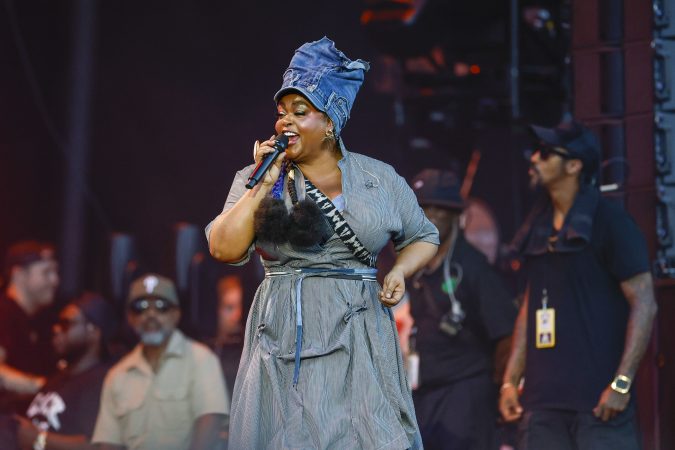
    Philly’s own Jill Scott garnered five Grammy nominations for music from her album To Whom This May Concern. Sabrina Carpenter, Questlove, Yannick Nézet-Séguin, Christian McBride, and Adam Blackstone are among the other Philadelphia-area artists up for awards at the 2027 Grammys.

    British singer-songwriter Raye is the surprise leader with 11 nominations, tying Beyoncé for the most ever. The singer, born Rachel Keen, is up for three major awards: album of the year for This Album May Contain Hope and record and song of the year for “Where Is My Husband!”

    Nearly all the top nominees are women at this year’s awards, which will be held in Los Angeles on Feb. 7. Rosalía has nine nominations; Ella Langley, Miranda Lambert, Phoebe Bridgers, and Olivia Rodrigo have seven each; and Olivia Dean, Bruno Mars, and Leon Thomas have six each.

    Along with Scott, artists with five nominations include Taylor Swift, Geese, Jesse Welles, Don Toliver, and Lainey Wilson.

    Jilly from Philly is up for best R&B performance for “Pressha”; best melodic rap performance for “To B Honest,” featuring JID; best traditional R&B performance for “Beautiful People”; best R&B song for “Pressha,” which was written with Blackstone and Vincent Tolan; and best R&B album for To Whom This May Concern.

    Carpenter, who grew up in Quakertown in Bucks County, is up for two awards, but she can’t win them both because they’re in the same pop duo/group performance category. Her collab with Madonna “Bring Your Love” is going against a team up with Swift on ”The Life of a Showgirl.”

    Berks County native Swift’s five nods include album of the year for The Life of a Showgirl, in which she’s battling Raye as well as Olivia Dean, Langley, Mars, Rodrigo, Bridgers, and Rosalía. Swift’s “The Fate of Ophelia” is up for record of the year, in competition with Langley, Mars, Rodrigo, Raye, and Rosalía with Bjork and Yves Tumor, plus Tame Impala and Jennie.

    In 2022, Roots drummer Questlove won a music film Grammy for his directorial debut, Summer of Soul. This year, he’s trying to win again for his Earth, Wind & Fire doc To Be Celestial vs. That’s the Weight of the World.

    Raye performs at the Greek Theatre in Los Angeles on May 12, 2026. Andrew Park

    Two Philly artists are nominated for best jazz performance. The Baylor Project, the married couple of Jean and Marcus Baylor, is in the running with “Good Life — Tamron Hall Main Title Theme,” from Temple grad Hall’s daytime talk show.

    They’re vying against a version of Hoagy Carmichael’s “I Get Along Without You Very Well (Except Sometimes),” from Southwest Philly native Christian McBride, with Gilad Hekselman, Nicole Zuraitis, and Dan Pugach.

    In best opera recording, Philadelphia Orchestra music director Séguin is nominated for conducting the Metropolitan Opera Orchestra in Bates: The Amazing Adventures of Kavalier & Clay.

    Philadelphia choir the Crossing is nominated in the best choral performance category for Farming, a collaboration with composer Ted Hearne. It’s the 12th nomination for the group conducted by Donald Nally. The group has won four Grammys — in 2018, 2019, 2023, and 2025.

    Philly string trio Time for Three is nominated along with Joyce Didonato for best engineered album, classical, for Puts: Emily — No Prisoner Be. And Marin Alsop, who is the Philadelphia Orchestra’s principal guest conductor, is nominated for Cline: Color Field, with the Baltimore Symphony Orchestra.

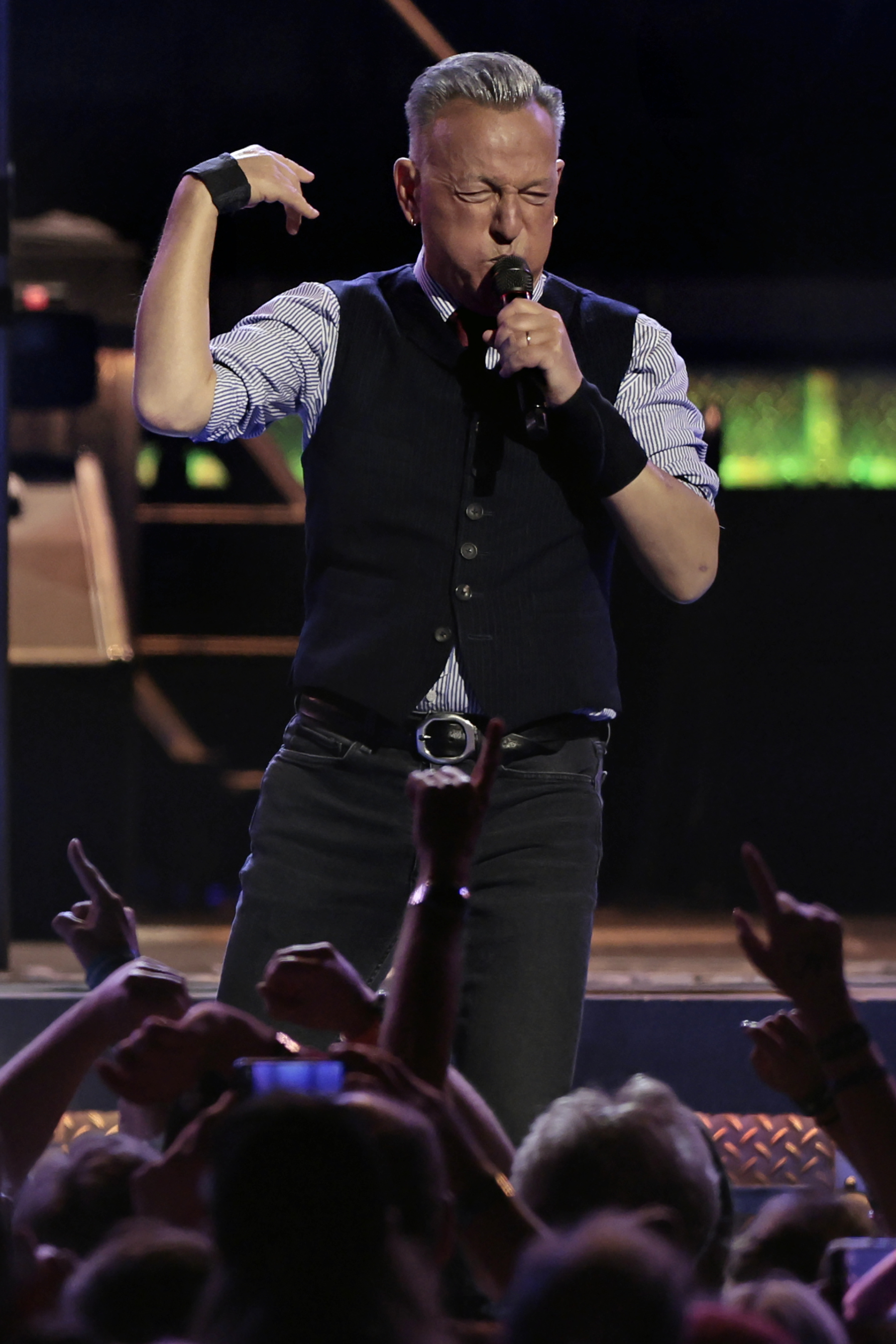
    In the best rock song category, Philly’s Alex G. is nominated for cowriting Bridgers’ song “Lost Boys.” The competition includes Bruce Springsteen’s anti-ICE protest song “Streets of Minneapolis.”

    Bruce Springsteen at the “Land of Hope & Dreams” tour stop at Xfinity Mobile Arena in Philadelphia on May 30. He’s up for a Grammy for “Streets of Minneapolis.”Elizabeth Robertson / Staff Photographer

    Other nominations of note: Dolly Parton is up for three posthumous awards, including two for country duo/group performance, plus another for reading her book Star of the Show: My Life on Stage in the audio book, narration, and storytelling category.

    Comedian Wanda Sykes, who lives part time in Media in Delaware County, is up for Best Comedy Album for Legacy, against Nikki Glaser, Trevor Noah, Jeff Ross, Fred Armisen, and Dave Chappelle.

    This year’s list of best new artist nominees is strong, with microtonal polka-dot-mask-wearing Canadian duo Angine de Poitrine (who play Franklin Music Hall on Friday), indie quartet Geese, record-breaking country star Langley, electro-pop sensation Slayyyter, powerhouse British vocalist Sienna Spiro, rapper Toliver, indie pop singer Remi Wolf, and retro-soul siblings the Womack Sisters.

    After being broadcast on CBS for more than half a century, this year’s Grammy s, which will be held at the Crypto.com Arena, will be shown on ABC and streamed on Hula and Disney+. The great majority of the 100 awards will be given out in a pre-telecast ceremony streamed on YouTube and on Grammy.com.

    This combination of images shows performers, (from left), Raye, Rosalía, Ella Langley, and Olivia Rodrigo. Uncredited
  • A Drexel professor wanted to see more Black characters in children’s TV. So he helped create a show.

    A Drexel professor wanted to see more Black characters in children’s TV. So he helped create a show.

    As a kindergarten teacher at Los Angeles’ 100 Black Men mentoring organization, Kareem Edouard often struggled to find nontraditional learning resources for his students.

    For years, he searched for children’s shows to use as an “enrichment curriculum tool,” but what he found was a shortage of Black lead characters and programs written with sensitivity and nuance.

    Drexel professor Kareem Edouard was tired of seeing ‘flat representation’ of Black characters in children’s shows. He decided to make “Stuntboy: The Animated Series,” based on the 2021 novel by author Jason Reynolds.Courtesy of Rahoul Ghose

    According to a 2019 study by the Geena Davis Institute, white characters accounted for 74% of leading roles in children’s television shows. And though there was a surge of characters of color in new children’s programming in 2023 (63.4%), only 26.8% of all characters were Black.

    “That’s a problem for me,” said Edouard, who moved to Philadelphia in 2018, and is now an assistant professor at Drexel University.

    These disparities, he said, often lead to a “very flat representation” of Blackness, especially in the minds of young viewers.

    In January, Edouard decided to take matters into his own hands.

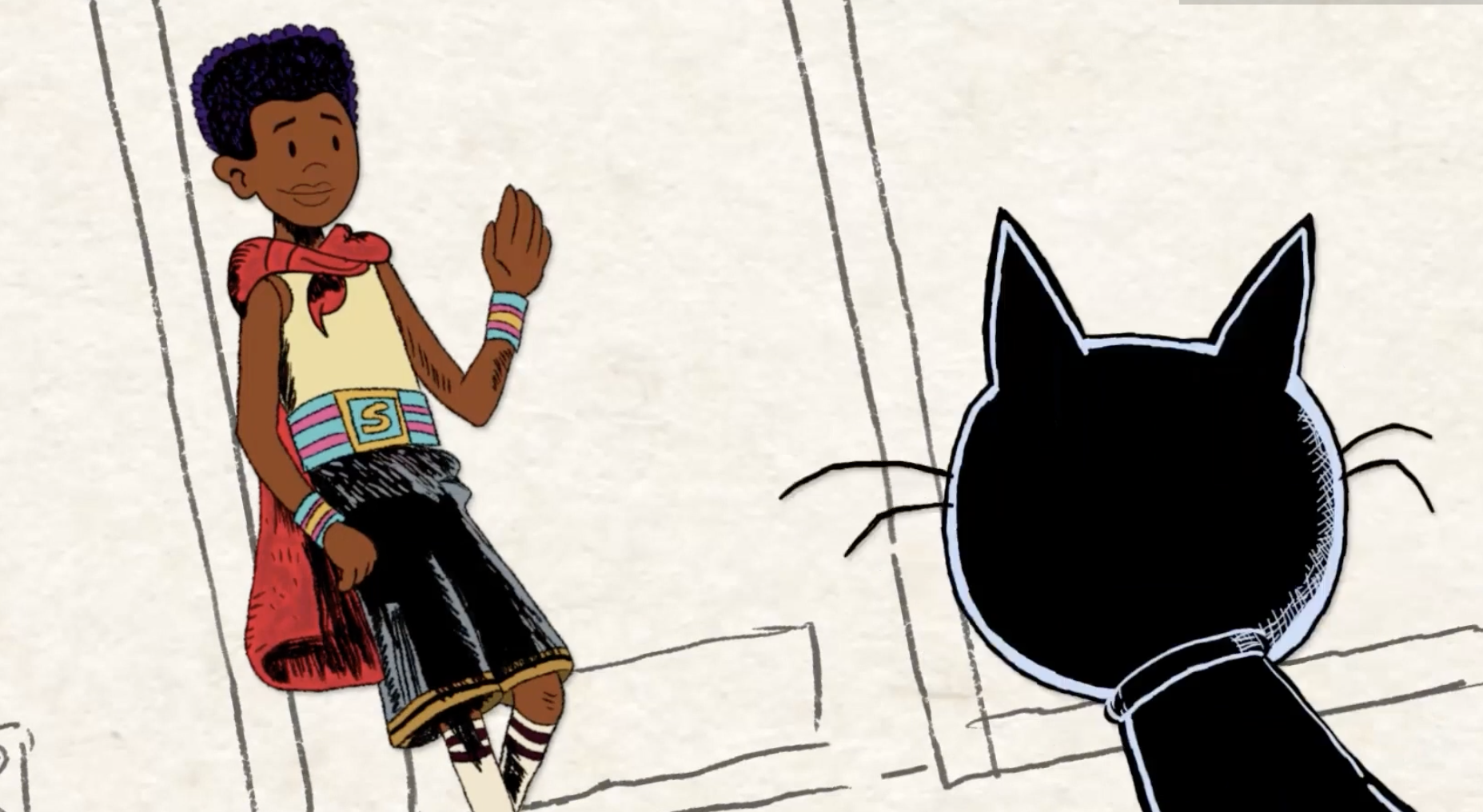
    Working with production partner Kevin Clark of the We Up Collective, Edouard assembled an all-Black creative team to develop Stuntboy: The Animated Series, based on a 2021 book by acclaimed author Jason Reynolds.

    “Stuntboy was my chance to show a Black boy who is full and complex, through the lens of mental health,” said Edouard, who serves as the series’ executive producer, showrunner, and writer.

    An image of fourth grader Portico Reeves, who adopts the heroic alter ego of “Stuntboy.” The animated series is based on author Jason Reynolds’ 2021 middle-grade graphic novel.Courtesy of Chaz Bottoms

    The series follows fourth grader Portico Reeves, who adopts the heroic alter ego of “Stuntboy” to navigate his anxiety, which he calls “the frets,” and the stress of his parents’ conflicts and separation. He lives in the fictional apartment building Skylight Gardens, which he imagines as a castle.

    The YouTube Kids series is based on author Jason Reynolds’ 2021 graphic novel Stuntboy, in the Meantime, illustrated by best-selling author and Boston-based artist Raúl the Third.

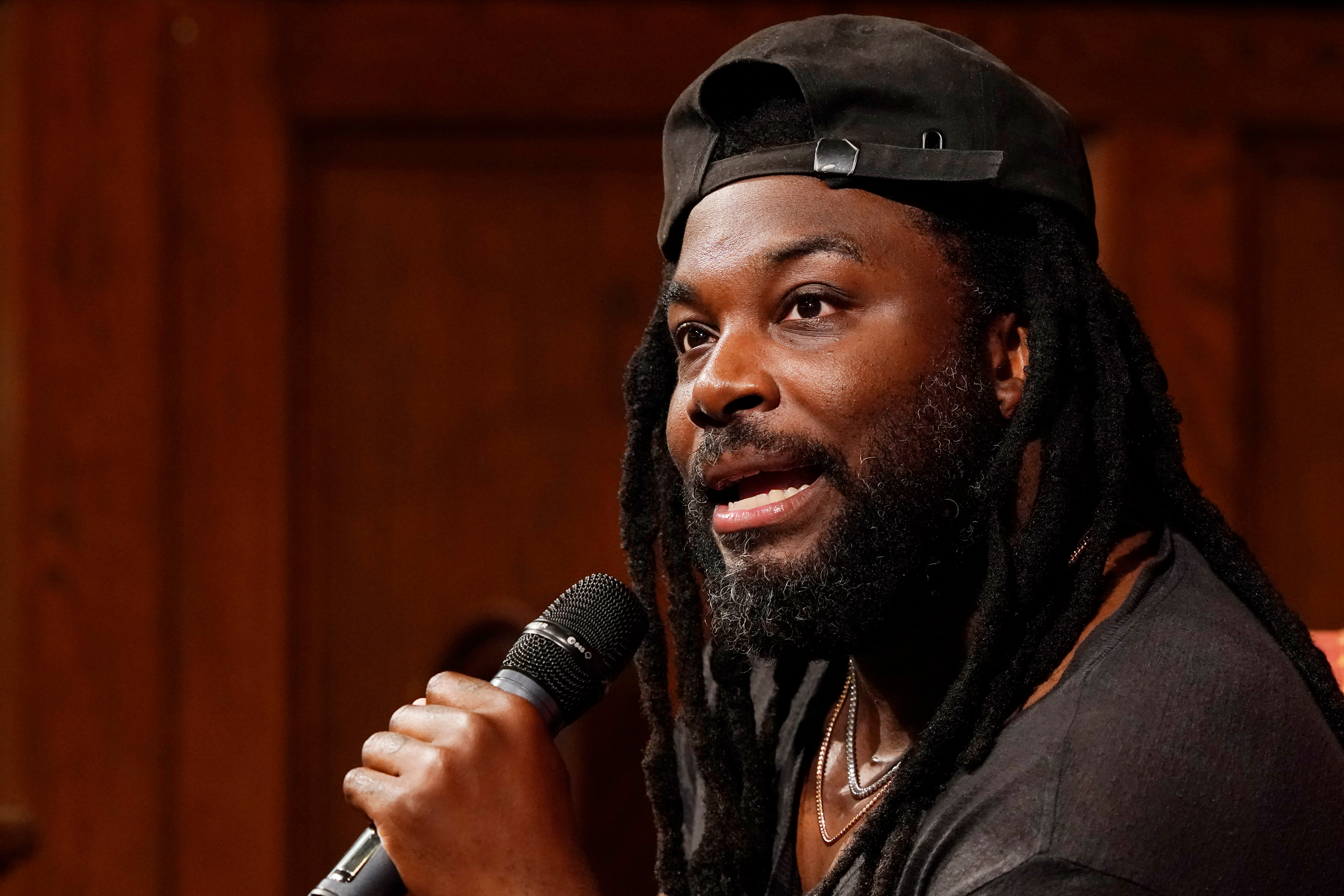
    FILE – Author Jason Reynolds appears at the Mississippi Book Festival in Jackson, Miss., on Aug. 19, 2023. (AP Photo/Rogelio V. Solis, File)Rogelio V. Solis

    An all-Black crew

    After reading the book, Edouard met with Reynolds through a mutual friend, and the author agreed to adapt the book into a children’s series.

    Reynolds was impressed with Edouard’s previous work as a kids media consultant, producer, and showrunner, who brought shows like Work it Out Wombats!, MayNERD’s Wild World of Science, and other programs to life.

    An image from “Stuntboy: The Animated Series.” The forthcoming series is based on author Jason Reynolds’ 2021 middle-grade graphic novel.Courtesy of Chaz Bottoms

    But most importantly, Reynolds said, Edouard recognizes the need for more Black-led children’s media.

    “I like imaginative people who can recognize where there’s a white space and plug into those spaces. [Edouard] also has a fervent heart for Black children,” he said. “That’s all I really needed. These are my tenets for how I live my life, and how I sort out my career as a writer.”

    Reynolds said Edouard and Clark also assured him that he would retain the rights to Stuntboy, and that the show would be handled by an all-Black creative team.

    “Which matters to me because we need the work,” he said. “They put me at ease.”

    The team behind Stuntboy includes rapper Asheru Benn (The Boondocks), who created the theme song, and music producers Damyon “Choppy Chop” Richardson and Roderick “Roddyrod” Bridges Jr. Black-owned CBA Studios is behind the animation, with founder Chaz Bottoms serving as the series’ animation director.

    Edouard also tapped Allison Briscoe-Smith, a child clinical psychologist, to offer insight into the mental health concerns often unaddressed in children’s media.

    An image of producer Kevin Clark, who partnered with Drexel professor Kareem Edouard, to develop “Stuntboy: The Animated Series.”Courtesy of Kevin Clark

    This move was intentional, Edouard said. While shows like Doc McStuffins, Craig of the Creek, and others feature Black-coded characters, Edouard said very few of these programs were created by or led by Black writers and showrunners.

    ‘It’s all of us, or none of us’

    With Reynolds’ blessing, the show’s collaborators began fast-tracking the animation process.

    By February, they mapped out their animated storyboards, and delivered the first look at episode one by the following month.

    “We were ready to go because we were driven to not only take care of what [Reynolds] and Raúl created, but to make sure we got it out to the public around Mental Health Awareness Month,” Edouard said. “There’s a lot of independent animation that’s happening right now. We wanted to be a part of that movement.”

    Edouard and Clark rolled out Stuntboy the Animated Series Mixtape on YouTube Kids in June.

    The larger mixtape features short videos with the show’s collaborators, who detail the creation of the characters and the broader Stuntboy universe.

    Edouard and the team have released the first two episodes of Stuntboy on YouTube Kids, titled “Welcome to Skylight Gardens” and “The Frets!” So far, they have generated more than 125,000 combined YouTube views, and Edouard said the team intends to release new installments sometime next year.

    An image from “Stuntboy: The Animated Series.” The forthcoming series is based on author Jason Reynolds’ 2021 middle-grade graphic novel.Courtesy of Chaz Bottoms

    As the series develops, Edouard is hopeful that Stuntboy will encourage more Black animators, showrunners, and creative directors to produce more shows with characters that reflect the children in educators’ classrooms.

    Accessibility is also among the team’s top priorities. Beyond creating a show centered on a Black lead character, Edouard wants to ensure that children from varying socioeconomic backgrounds can watch it.

    While YouTube Kids provides that extensive access, the showrunner is open to working with traditional media networks to roll out the series in its “authentic framework.”

    Reynolds said he’s on board, as long as the potential partner respects him, Edouard, and Clark as a team.

    “We move as a unit,” he said, “and if one person is poaching, you can’t have Stuntboy. It’s all of us, or none of us.”

  • Robert Pattinson is named the 7th James Bond, taking over the role from Daniel Craig

    Robert Pattinson is named the 7th James Bond, taking over the role from Daniel Craig

    Pattinson. Robert Pattinson.

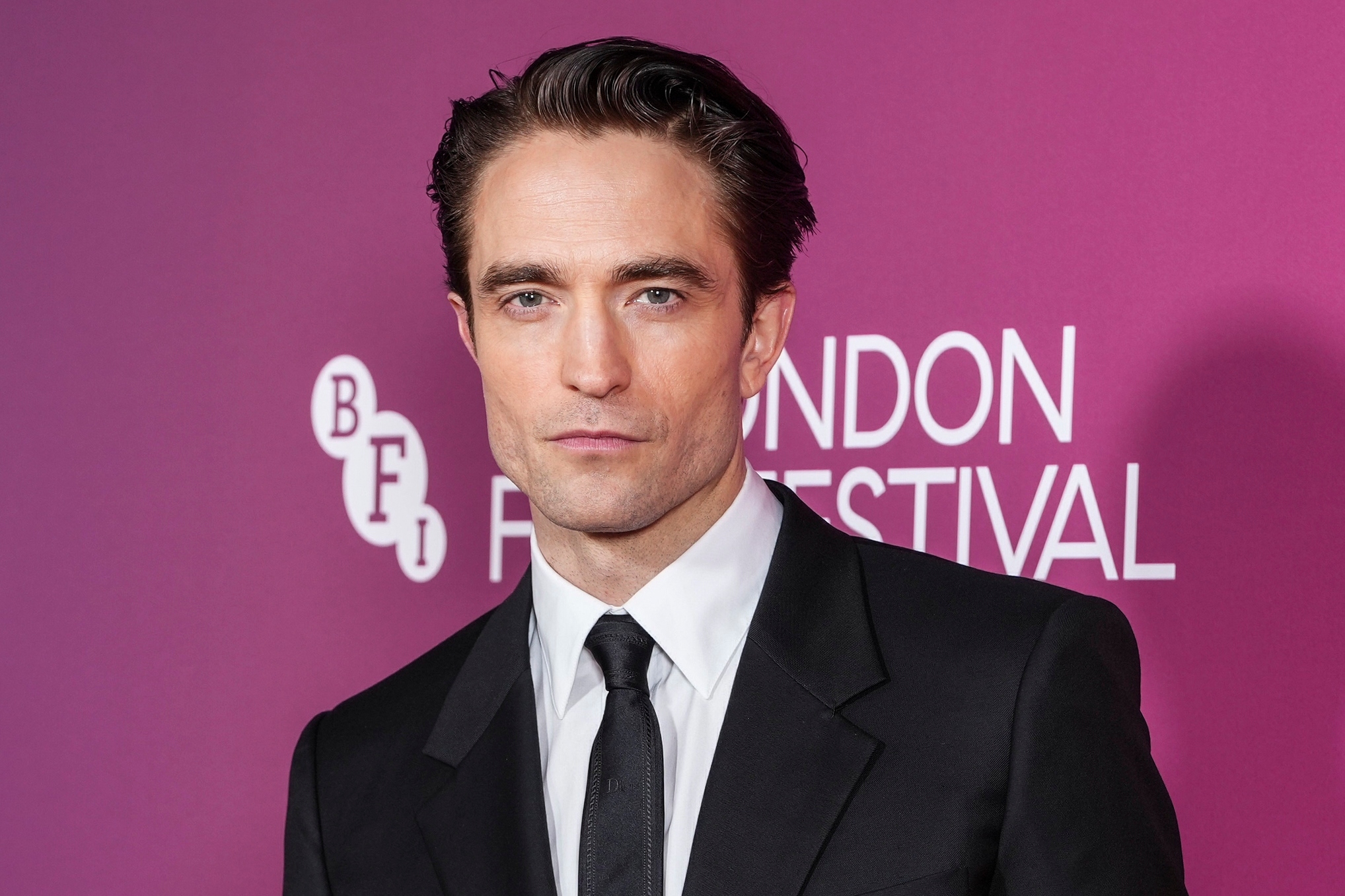
    After years of debate and endless conjecture, Pattinson was unveiled as the next James Bond on Monday, becoming the seventh actor to play the iconic British spy and the first since Amazon MGM took over the beloved film franchise.

    The naming of Pattinson comes during the longest hiatus in 007 history and ends years of rampant speculation about who would inherit the role from Daniel Craig. It comes five years after 2021’s “No Time to Die,” the first film in Bond’s 64-year history on the silver screen to conclude with the character’s death. But 007 will be reborn, yet again, in the 26th Bond film, directed by Denis Villeneuve.

    Amazon MGM Studios announced Pattinson’s casting on social media with a brief snippet of the actor emerging from the shadows with a gun.

    “James Bond is one of the most legendary characters in cinema, and to be entrusted with 007 is the honour of a lifetime,” Pattinson said in a statement. “To say this role is a dream come true is an understatement. I couldn’t be more excited about this partnership and the work ahead with this fantastic team.”

    Pattinson only entered the Bond rumor mill recently after the revelation that he screen-tested for the role. Others reportedly in the mix included Callum Turner, Josh O’Connor, Jack Lowden and Nicholas Hoult.

    But they were only the finalists in a Bond search that dated back to before Craig’s final 007 film.

    While producers were long expected to go with a young, less-proven star, they instead opted for one of the best-known actors of his generation. Pattinson, 40, is also relatively old to begin as 007. The actor is currently in production on another iconic role in “The Batman Part II.”

    Pattinson comes in already associated with several mega-franchises in “The Batman,” “Dune,” “Twilight” and “Harry Potter.” But since his breakthrough in “Twilight,” Pattinson has worked largely in more independent, auteur-driven films such as “Good Time” with the Safdie brothers, Robert Eggers’ “The Lighthouse” and Bong Joon Ho’s “Mickey 17.”

    Earlier this year, he drew rave reviews for his villainous performance in Christopher Nolan’s “The Odyssey” and for his portrayal of “To Catch a Predator” host Chris Hansen in the film “Primetime.” He co-stars in Villeneuve’s upcoming “Dune: Part III” as a shape-shifting assassin.

    Villeneuve said it was a tough choice, but the right one.

    “We were surrounded by extraordinary talent, but there can only be one 007. I am overjoyed to welcome Robert Pattinson as our new James Bond. He has the timeless soul of 007 and brings a spirit that is completely new. I cannot wait to begin,” the director said in a statement.

    The casting comes at a pivotal juncture for the franchise. In 2022, Bond’s longtime studio, MGM, was bought by Amazon for $8.5 billion. After haggling over next steps for 007, producers Barbara Broccoli and Michael G. Wilson relinquished creative control of Bond in 2025. The still-untitled Bond 26 is the first Bond movie since 1962’s inaugural “Dr. No” in which a Broccoli didn’t handpick the super spy.

    “Today marks a defining moment for our studio and a significant milestone in the history of James Bond as we proudly introduce Robert Pattinson as the next 007,” said Mike Hopkins, head of Prime Video and Amazon MGM Studios.

    Casting a new Bond fell instead to producers Amy Pascal — the former Sony Pictures chief and “Spider-Man” producer — and David Heyman, shepherd of “Harry Potter” and “Paddington.” Steven Knight (“Peaky Blinders,” “Locke”) was brought in to write the script.

    Before Craig even departed the role, rumors and odds-making persisted nearly round-the-clock on who would follow in the footsteps of Sean Connery, George Lazenby, Roger Moore, Timothy Dalton, Pierce Brosnan and Craig. Idris Elba, for one, has spent half his career deflecting 007 conjecture.

    The Bond machine has historically never slowed down. But the 26th installment will follow the longest absence ever for Bond. Given that “No Time to Die” completed principal photography in 2019 (its release was delayed due to the coronavirus pandemic), the lull is even longer.

    Some fans are skeptical about the new Amazon-controlled chapter for Bond. Hopkins, head of Prime Video and Amazon MGM Studios, has vowed to uphold the franchise’s legacy and usher in “the next phase in the legendary 007 for audiences around the world.”

    At stake is one of the most lucrative film series in Hollywood, based on Ian Fleming’s series of novels. The Bond movies have grossed more than $7 billion worldwide in ticket sales. “No Time to Die” collected $774 million in 2021. The movies also spin out endless other revenue streams, from streaming deals and video games to Aston Martins.

    Although some Bond actors came to view the role as a yoke around their necks, it turned Craig into a household name. The British actor wasn’t widely known before his casting and, at the time, was derided as the first “blond Bond.”

  • A Fishtown studio is bringing Hollywood to Philly

    A Fishtown studio is bringing Hollywood to Philly

    When Ashlee Hollis leased a cavernous Fishtown warehouse in 2022 and named it the Story Factory, the founder of Helm Creative Studio dreamed of turning it into a state-of-the-art space for her firm’s clients to create content.

    And she did.

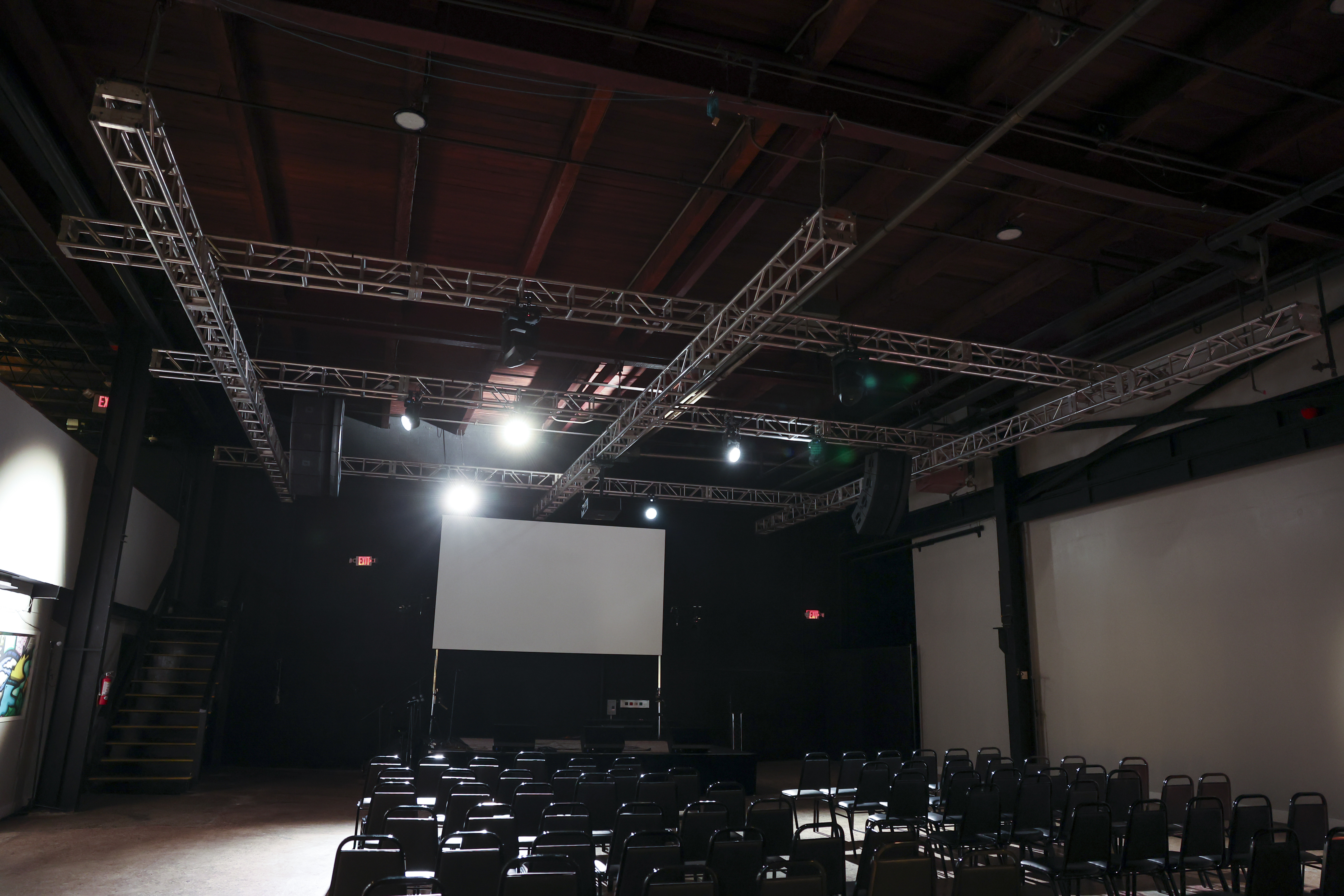
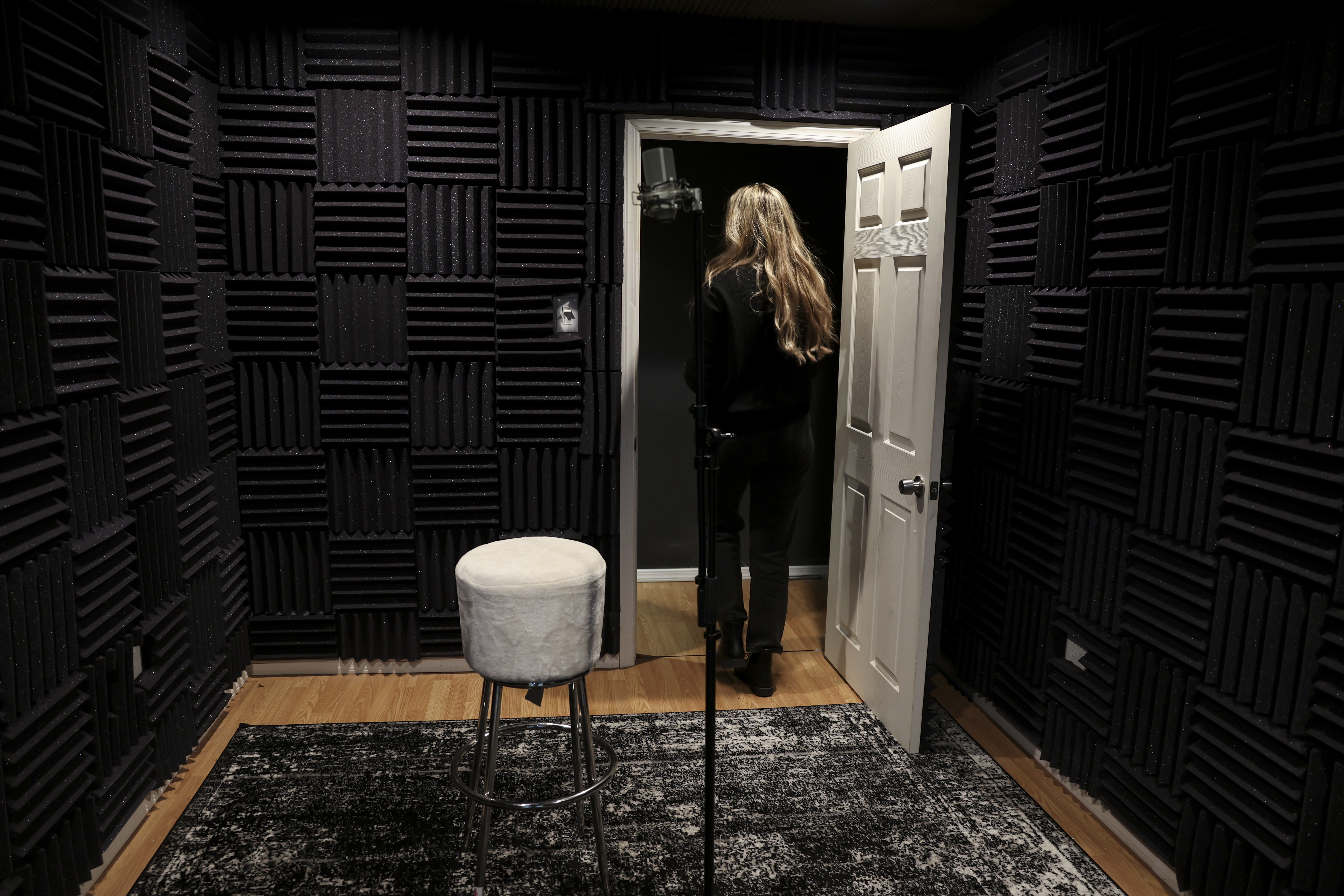
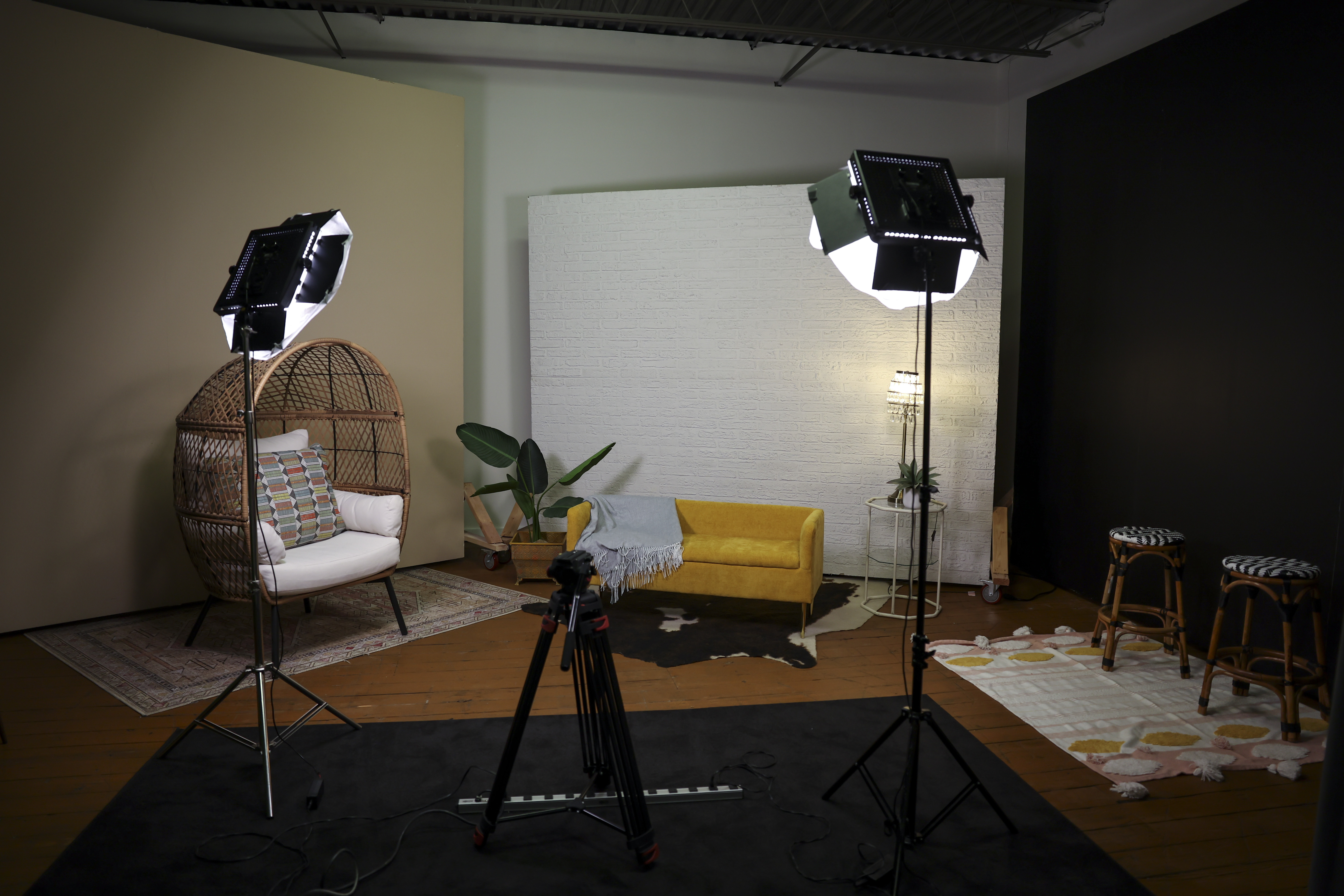
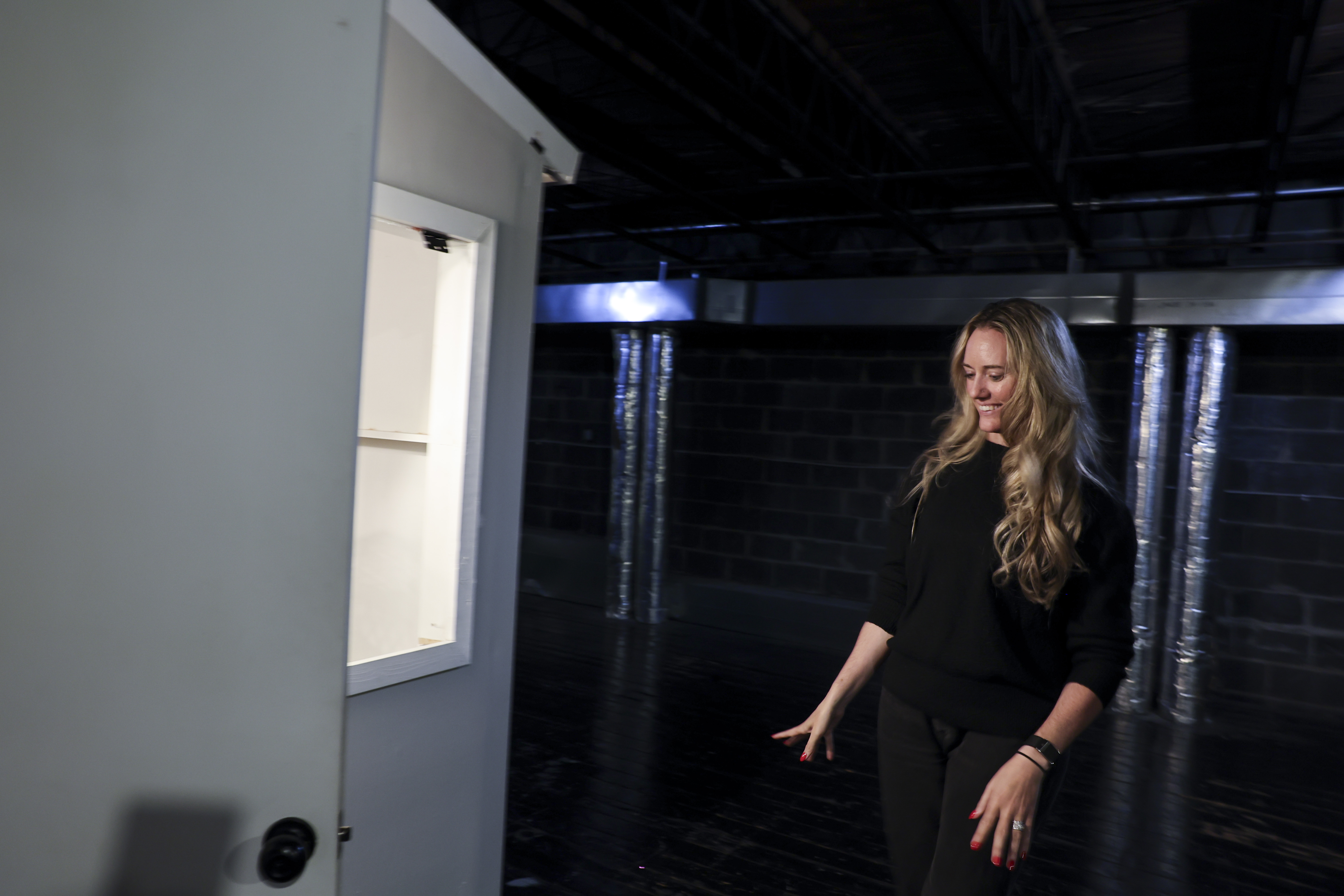
    She built a soundstage for speakers to give Ted Talk-style talks in front of live audiences, and she built two soundproof podcast studios. She installed Instagram-friendly backdrops dripping with faux ivy and neon lights. There is an island across from the soundstage where folks can give cooking demonstrations, perfect in a town full of food content creators.

    The main space at the Story Factory.Monica Herndon / Staff Photographer

    For nearly four years, Hollis worked with 296 nonprofit and small business clients — which include the Philadelphia Orchestra, the Philadelphia Ballet, Live Nation, and the Eagles — filming video, producing podcasts, and staging photo shoots.

    Hollis was content with the content.

    “We were happy and thriving,” she said one recent autumn afternoon dressed in head-to-toe black. She glided through the Story Factory in ballet flats like a modern-day princess.

    Today, the Story Factory is on the verge of going Hollywood.

    The Pennsylvania Film Office designated it as a qualified production facility in March, meaning any independent or major motion picture studio that uses the Story Factory for a project could be eligible for a tax credit from the state. With that credit, the state pays up to 30% of a production’s total cost, saving hundreds of thousands of dollars.

    In early November, the state film office also approved the Story Factory as a qualified postproduction facility. So now, studios that use the Story Factory for postproduction that includes recording sound, editing visual effects, and mixing soundtracks can be reimbursed for up to 30% of their costs, too.

    “It’s a huge deal for us,” Hollis said, beaming.

    The Story Factory is the only qualified production facility in Philadelphia. There are five qualified postproduction facilities in the city, but the Story Factory is the only one the state has approved to be used for both production and postproduction.

    “We are a place where a film can be shot from start to finish,” Hollis said. “That amazes me.”

    ‘Massive for Philly’s creative economy’

    In a city billing itself as a movie making mecca, the Story Factory’s come-up is major, explained Nicole Shiner, co-executive director of the Greater Philadelphia Film Office.

    During the fiscal year ending June 2026, Philadelphia hosted 272 film and TV productions ranging from episodes of Abbott Elementary to commercials, documentaries, and feature films. These projects generated $106.8 million in direct local spend with an economic impact of $223.3 million, according to Shiner.

    Ashlee Hollis walks through a recording studio at the Story Factory.Monica Herndon / Staff Photographer

    Pennsylvania’s tax credit program — which allots $100 million each fiscal year to incentivize production companies to bring their film projects to the Keystone state — is the driving force behind those numbers.

    Of those 272 projects, 29 received tax credits, meaning at least 60% of their total qualified expenses were spent in Pennsylvania. Qualified expenses include everything from set design, hair and makeup, and food for the crew. If the projects used a qualified production facility, or a qualified postproduction facility, the state raised the ante and paid 30% of the projects’ total cost.

    Tax credit eligible projects were just 10% of the Philadelphia region’s total film projects, Shiner said, “but they drove 90% of the direct spend, accounting for $93.3 million spent in our region and generating $202.4 million in economic impact to Southeastern PA.”

    The Story Factory can mean even more money for the city’s bottom line, Shiner said. While recent projects like the Sylvester Stallone biopic I Play Rocky utilized Philadelphia strictly for on-location shoots, having a dedicated local facility allows future productions to also book in-town stage space for interiors, costume changes, and hair and makeup.

    ​“The Story Factory is a massive win to the Philly creative economy,” Shiner said. “We love hosting big productions for location days, and our goal is to bring as much of their full schedule to the region as possible.”

    A growing trend

    In order to be a qualified production facility, a movie house must meet certain qualifications by the state, including a soundstage with an unobstructed floor space, a sliding roll-up access door a minimum of 14 feet tall (think a loading dock), an HVAC system with 50 tons of cooling capacity, and 24-hour security with badge access.

    There are 12 qualified production facilities in Pennsylvania, including QVC’s Studio Park in West Chester. (The Home Shopping Network received its QPF status in 2013.) Two more QPFs will open by the end of 2026, bringing the state’s total to 14, Pennsylvania Film Commissioner Gino Pesi wrote in an email.

    Most of these facilities are tens of thousands of square feet and are situated on acres of wooded land like SunCenter in Aston, where HBO’s Task and Apple TV’s Dope Thief were filmed.

    A photo and video studio at the Story Factory.Monica Herndon / Staff Photographer

    However, Pesi wrote, smaller facilities are popping up across the state, like Triode Studios in Lancaster that is just 10,000 square feet, and the Story Factory, which is just over 12,000 square feet.

    Shiner said smaller facilities like the Story Factory are becoming common as both streaming outlets and network television experiment with more series with fewer episodes. Shooting is quicker and budgets are tighter.

    And many, like Story Factory, are growing hubs for independent creators, Pesi said.

    We can thank the pervasiveness of social media reels for that.
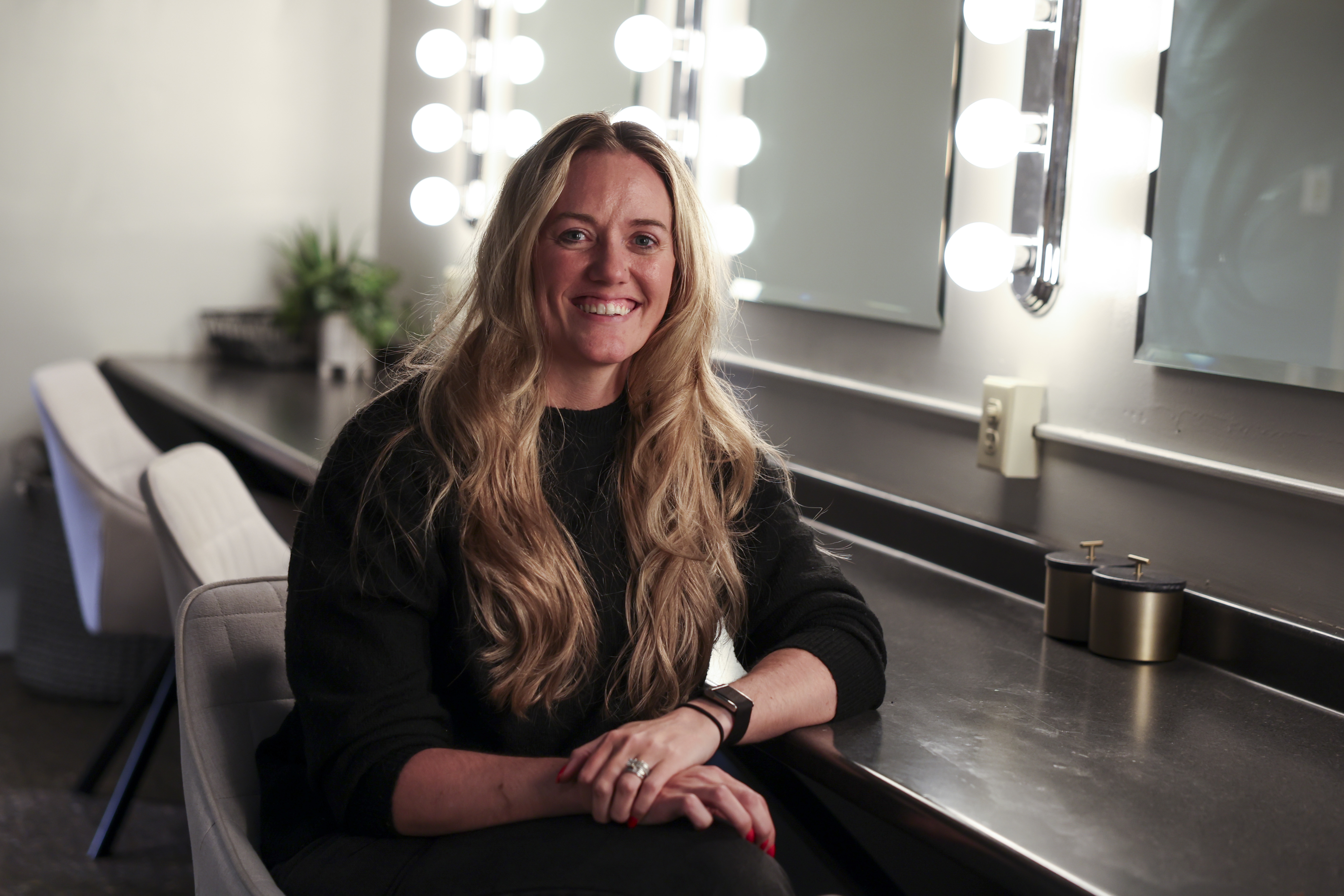
    “My small business and nonprofit clients need the same quality of equipment and studio time titans in the movie industry need,” Hollis said. “Short documentaries, web series, even film festival entrants.”

    Church videos to creative hub

    Hollis, 39, moved from Kansas City to Kennett Square in 2008 with husband Elijah Hollis, who was then a youth pastor at the Power Place Church in Kennett Square.

    Around 2012, the couple made a video promoting the mission of the nondenominational Christian church and soon after, members began asking them to make videos for their secular businesses.

    In 2015, Hollis — now a mother of a boy and a girl — formed Helm. Her vision was to help small businesses tell stories with compassion, empathy, and zest. She landed the Robert Irvine Foundation as her first major client in 2016, and Helm grew one inspirational video at a time.
    Hollis watched as social media continued to impact how her clients reached their audiences.

    In 2021, she started looking for a one-stop shop where she could help clients make reel-ready videos and record podcasts in addition to designing and printing clients’ merch, posters, and brochures.

    Ashlee Hollis talks about the production offices at the Story Factory.Monica Herndon / Staff Photographer

    “We were becoming a niche creative studio,” Hollis said.

    In 2022, Hollis stumbled upon the block-long studio along the border of Kensington, Fishtown, and Northern Liberties on Fifth Street. The building was the former home of Thomas Ashley’s Invincible Pictures’ Philadelphia Sound Stage. For a time, it operated as a QPF. A bit of the production for the 2012 Oscar-winning film Silver Linings Playbook was completed there. Philadelphia Sound Stage’s QPF status expired in 2016.

    Hollis started leasing the building from Oxford Properties. In 2025, she had a chance meeting with Shiner, who suggested she apply for QPF status.

    “I knew it would be the cherry on top of what they already created,” Shiner said.

    The minimum investment for a QPF is $10,000. Hollis invested a total of $500,000 in the Story Factory. She redid the floors, installed a new kitchen, added rolling walls, upgraded the lighting, and made the podcast rooms soundproof, among other things.

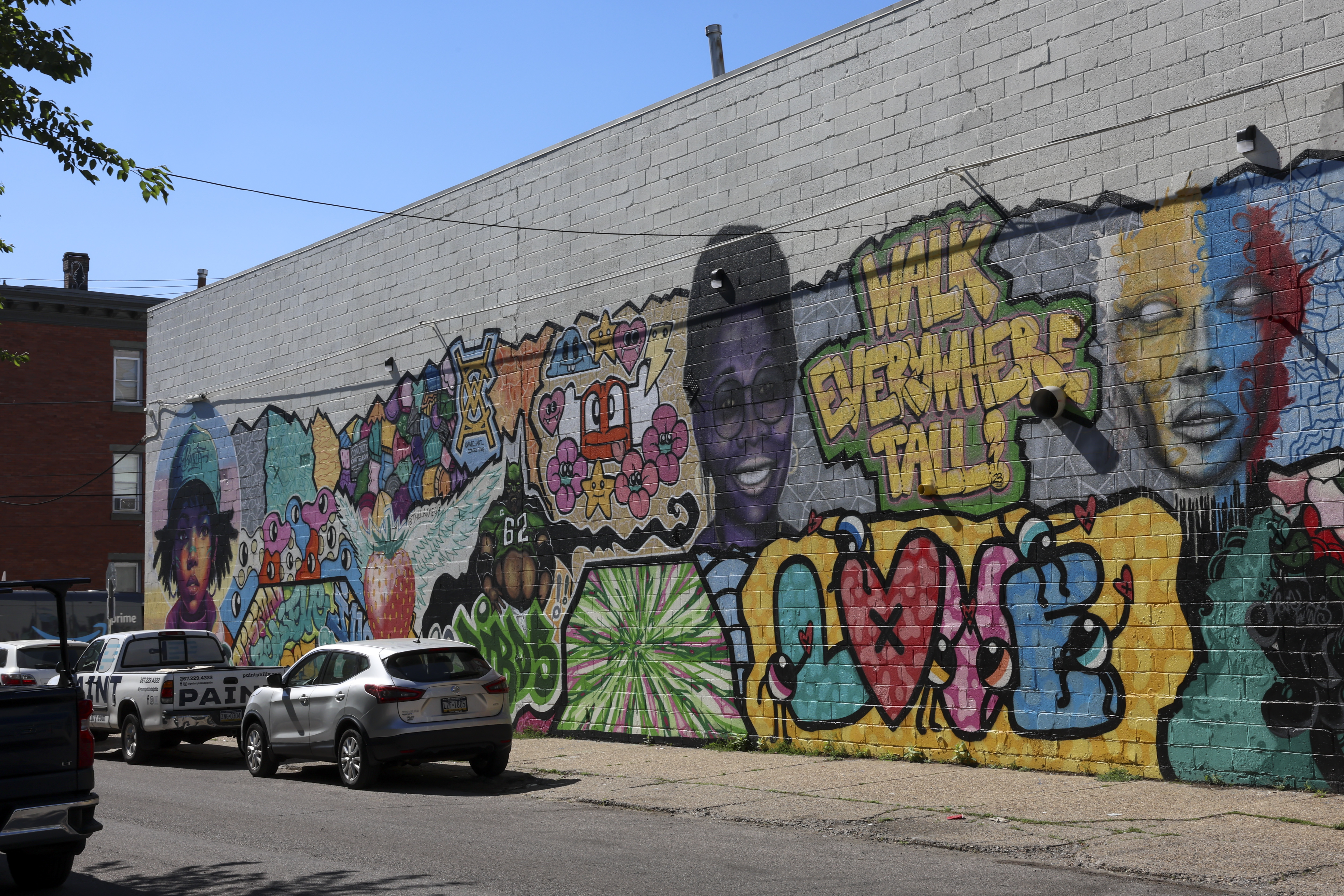
    A technicolor mural popping with bold graffiti and inspirational quotes by artist Alloyius McIlwaine wraps around the colossal stone building.

    The exterior of the Story Factory. A technicolor mural popping with bold graffiti and inspirational quotes by artist Alloyius McIlwaine wraps around the colossal stone building.Monica Herndon / Staff Photographer

    On weekends, the Story Factory is the virtual home for Elijah Hollis’ Change Church. (Ashlee Hollis isn’t just a storytelling princess, she’s a first lady of a church.)

    The rest of the time, the Story Factory is churning out, well, stories.

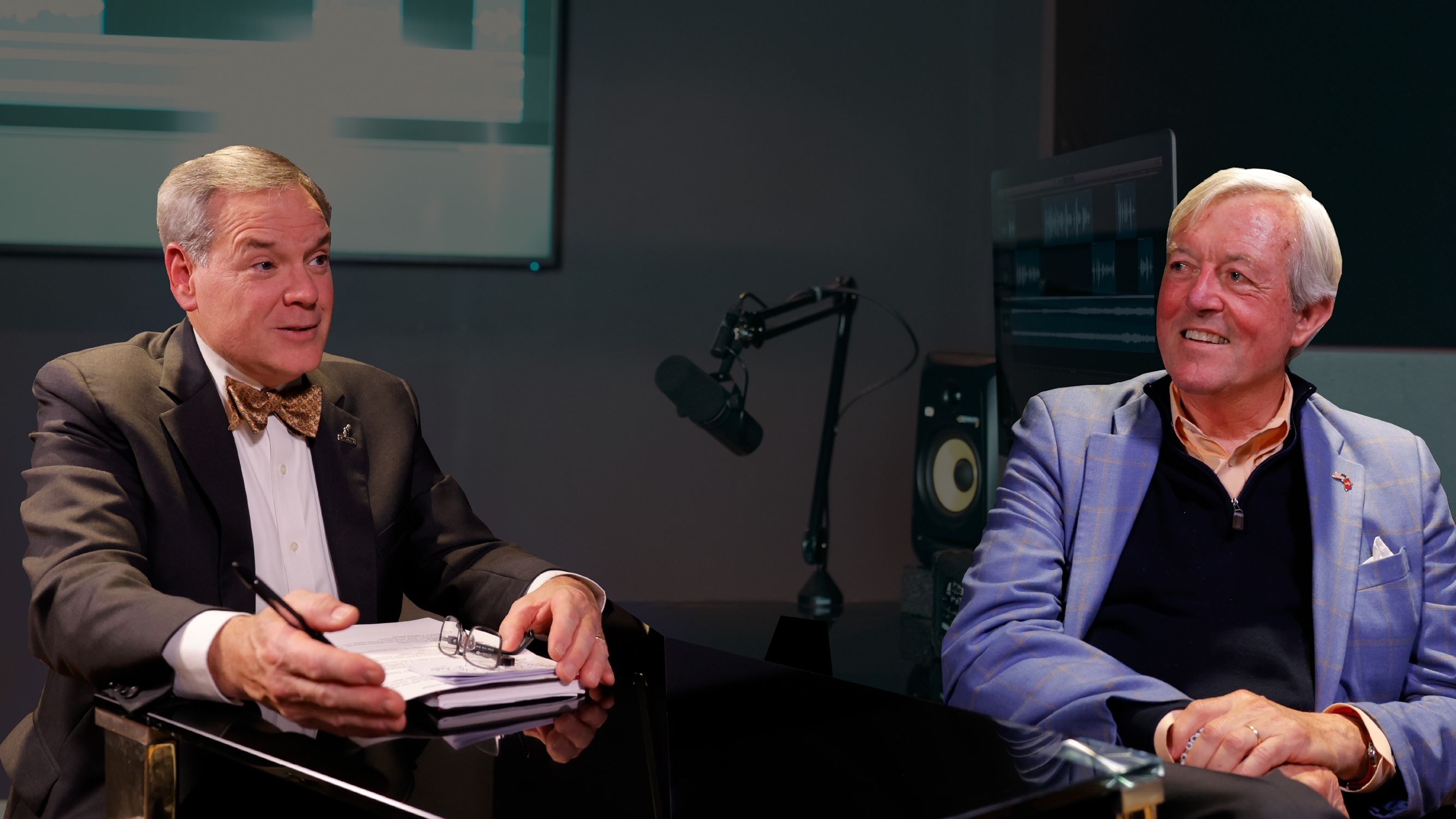
    On a recent Wednesday afternoon, Blocs CEO Robert Delany and former Republican State Rep. George T. Kenney chopped it up during a recording of the inaugural episode of Blocs’ Mission Moments podcast.

    “Helm has helped us evolve into a new place of modern-day storytelling,” Delany said. “They are helping us keep pace.”

    Blocs CEO Robert Delany and former Republican State Rep. George T. Kenney record the inaugural episode of Blocs’ “Mission Moments” podcast.The Story Factory

    Blocs, the nonprofit scholarship organization, has worked with Helm for nearly eight years.

    Only now, there’s a bigger chance that one day, as Delany is walking out of the Story Factory, Stallone, Tina Fey, or perhaps even Will Smith will be walking in.

    The Story Factory is located at 1600 N. Fifth St.